


Deer Abstract Wall Art & Canvas Prints
Deer Abstract Wall Art & Canvas Prints
Couldn't load pickup availability
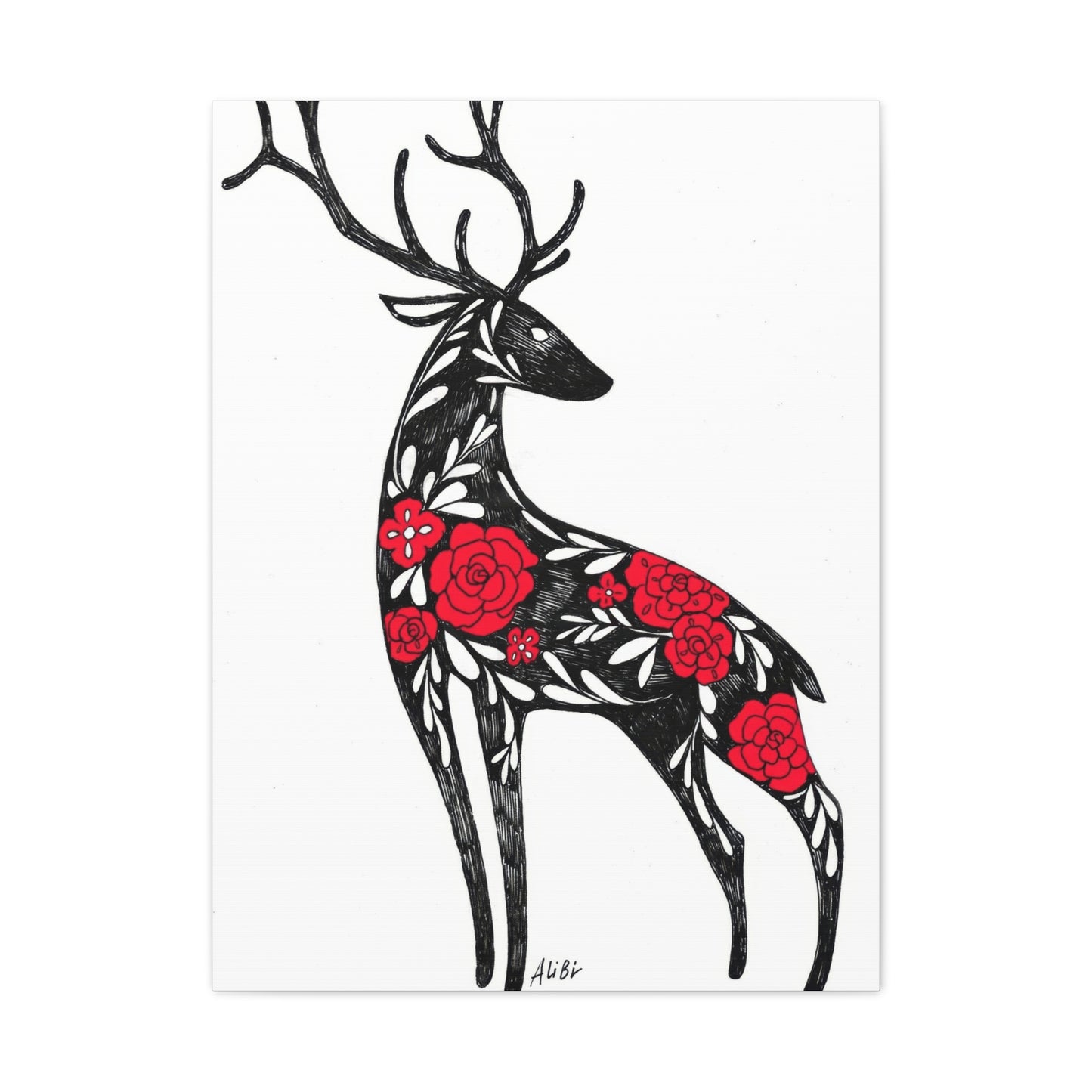
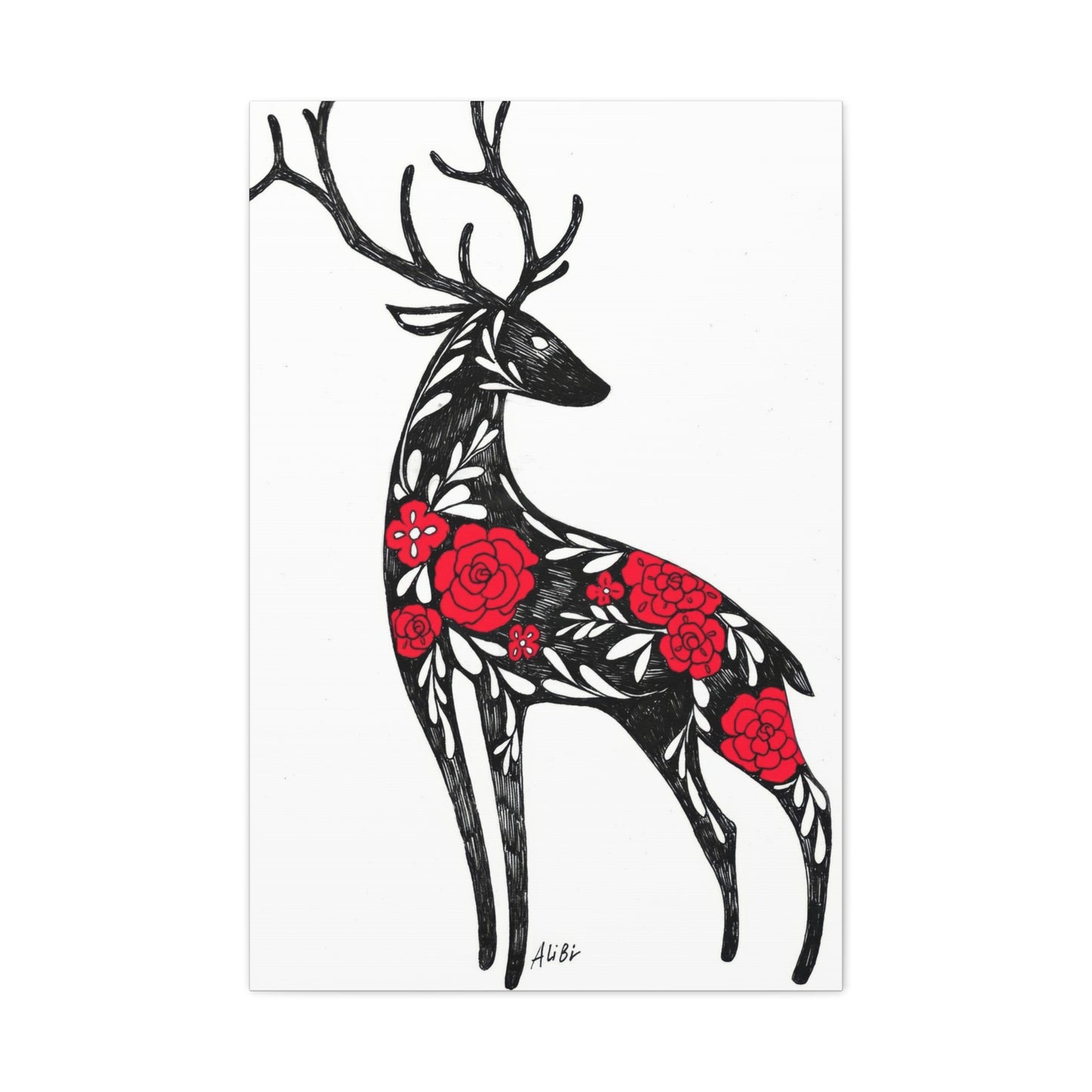
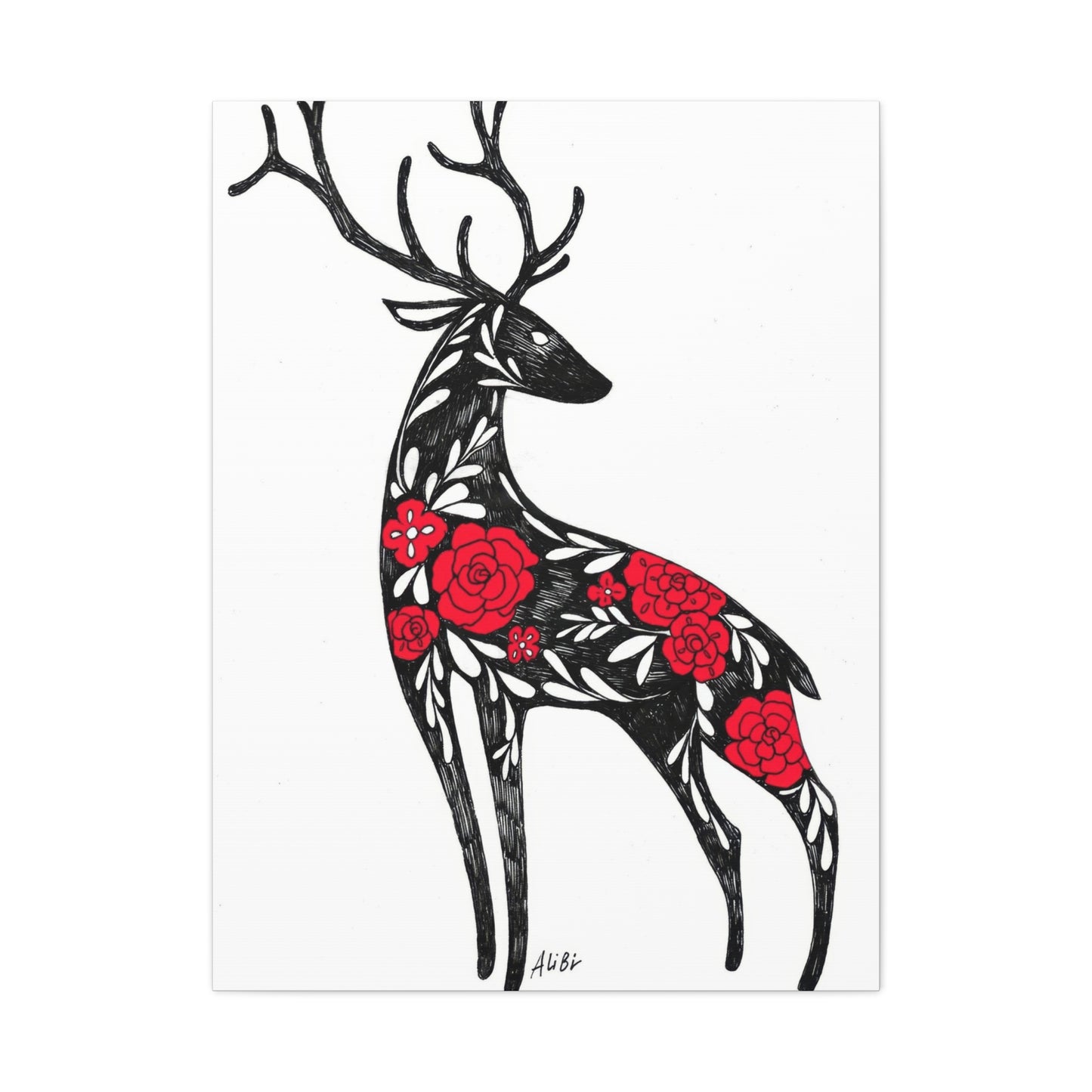
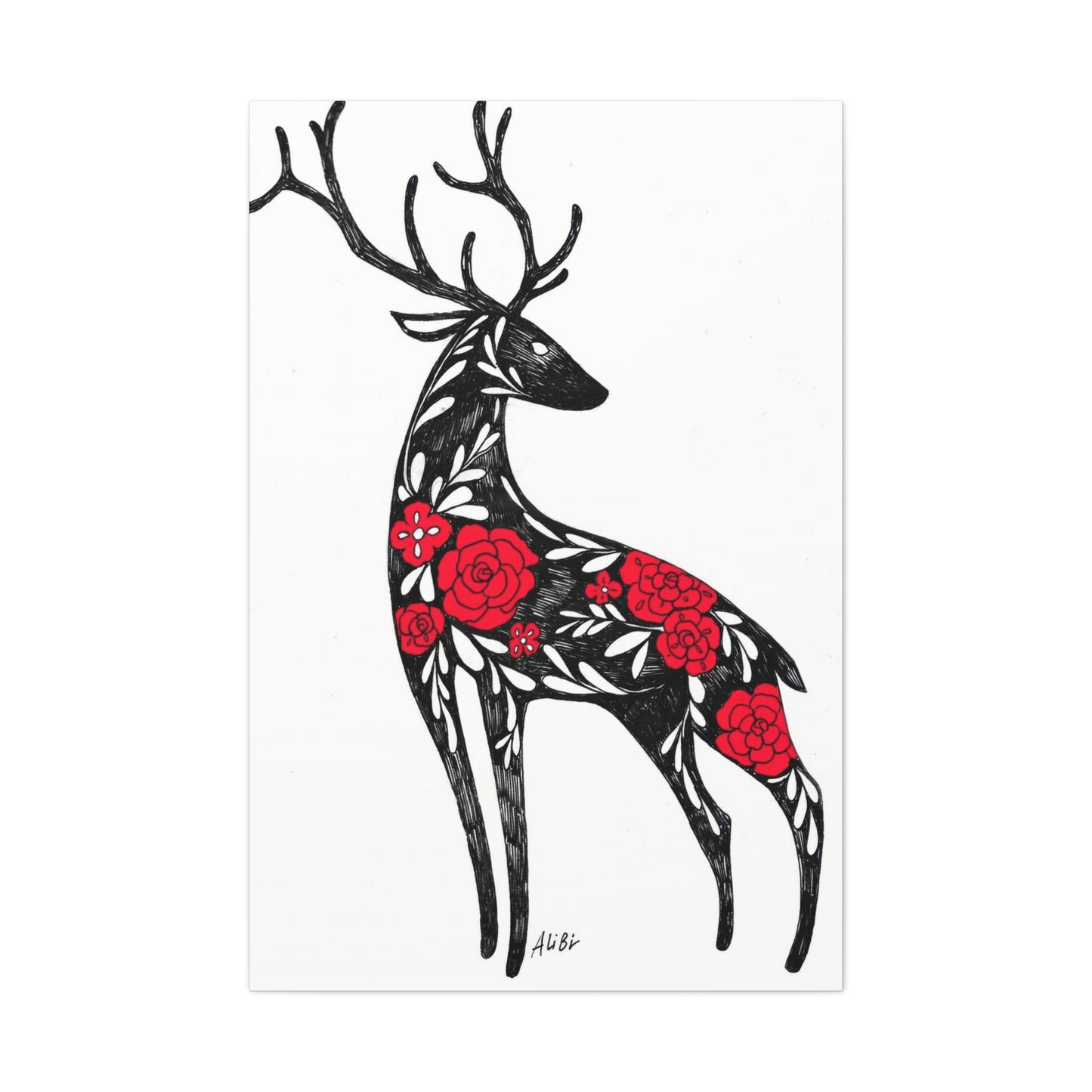
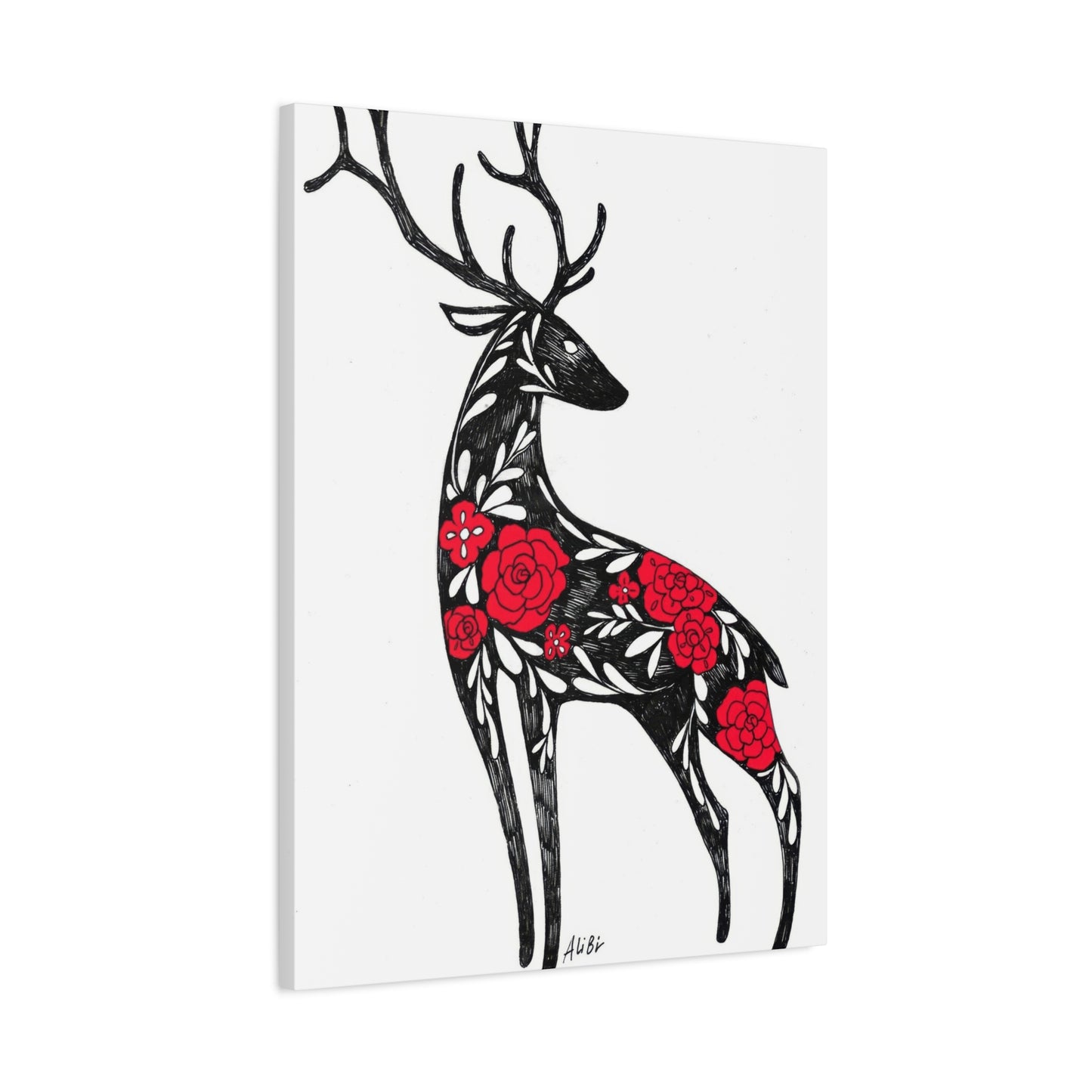
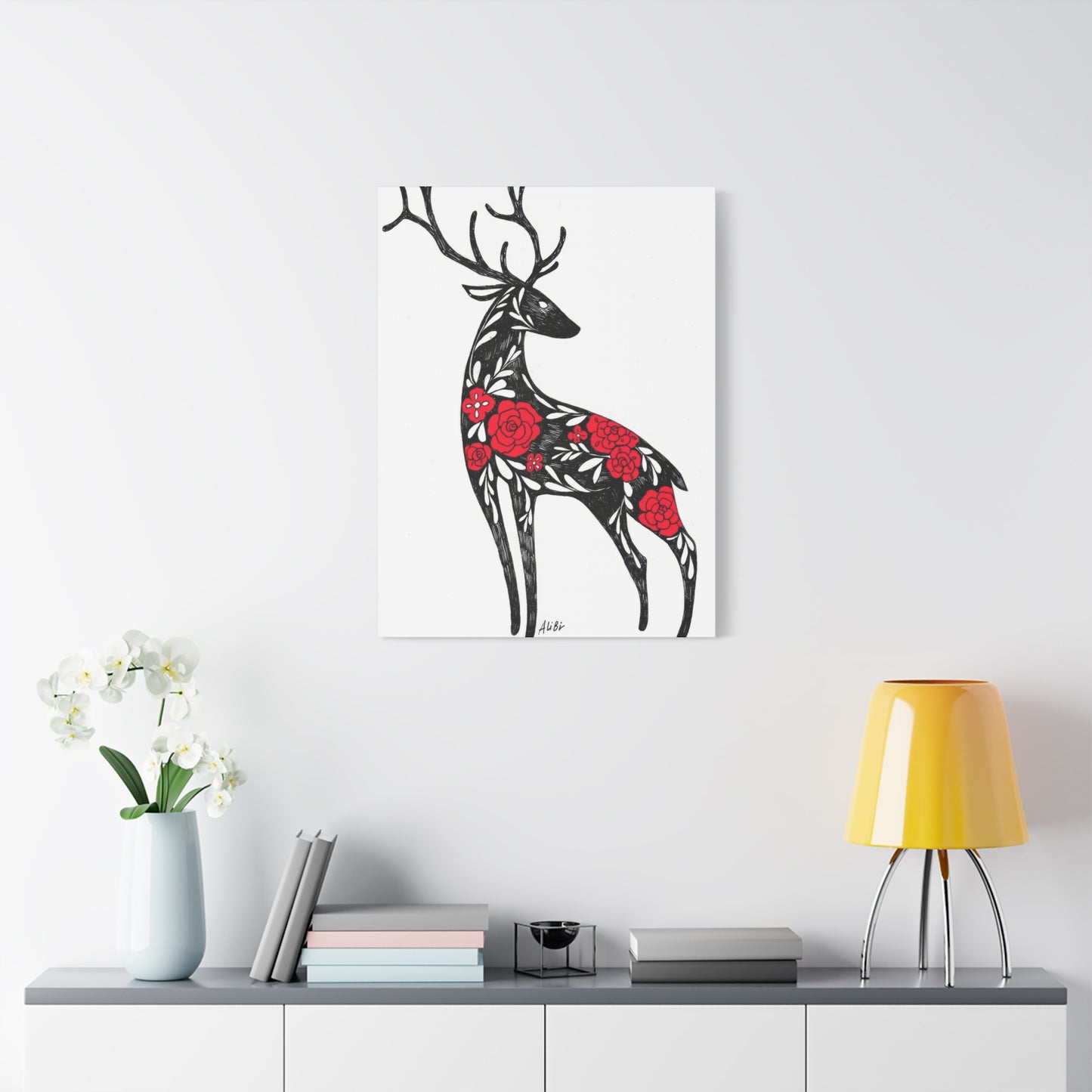
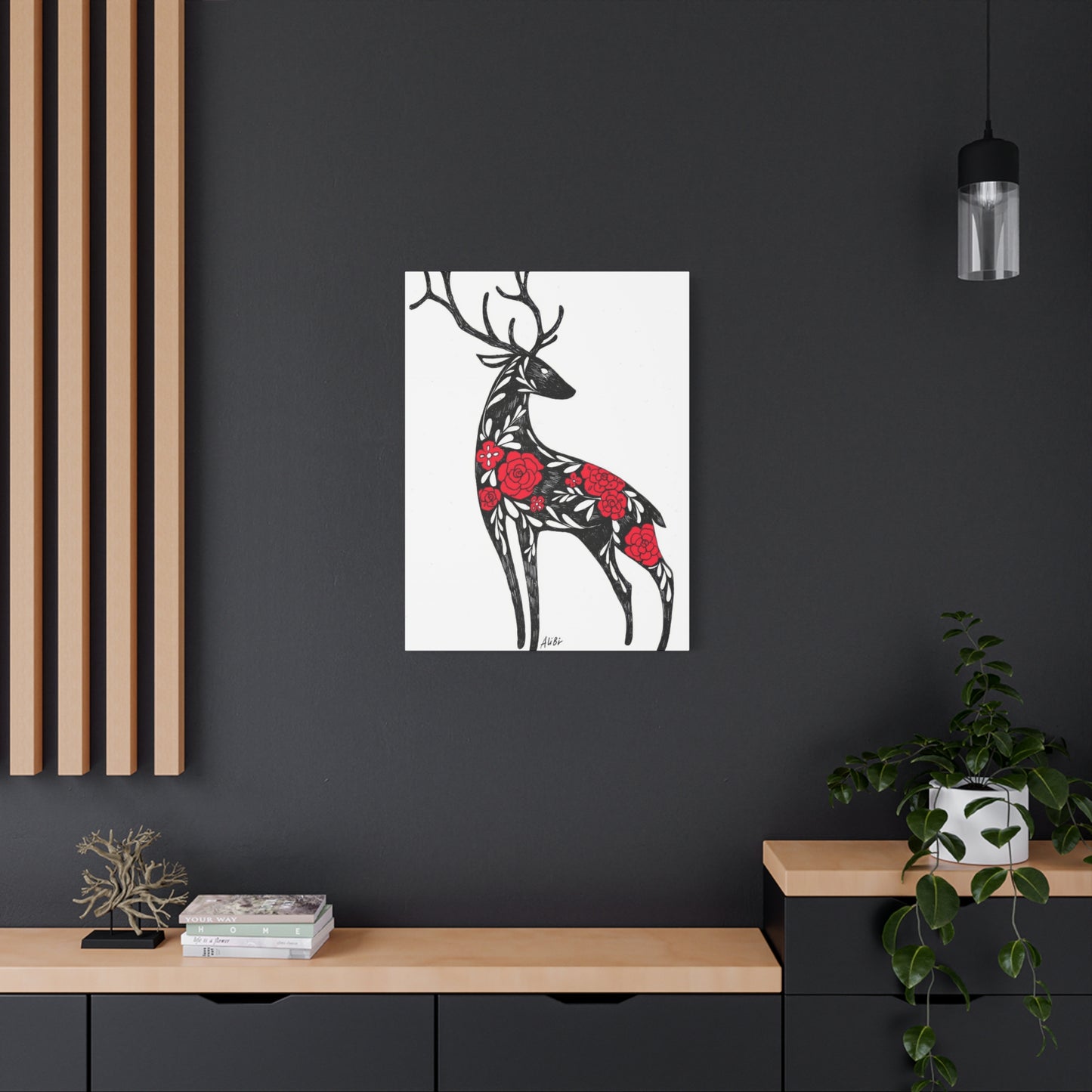
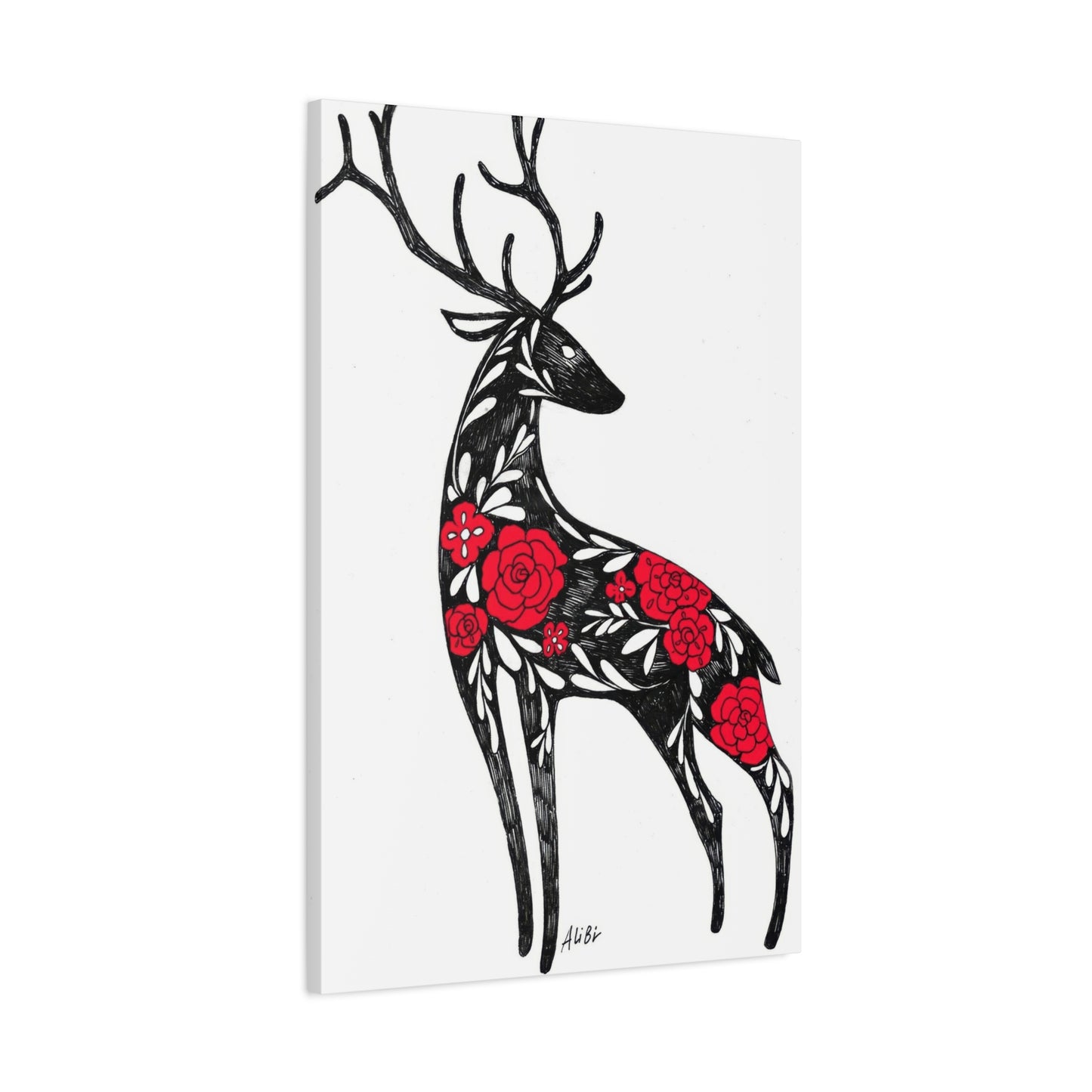
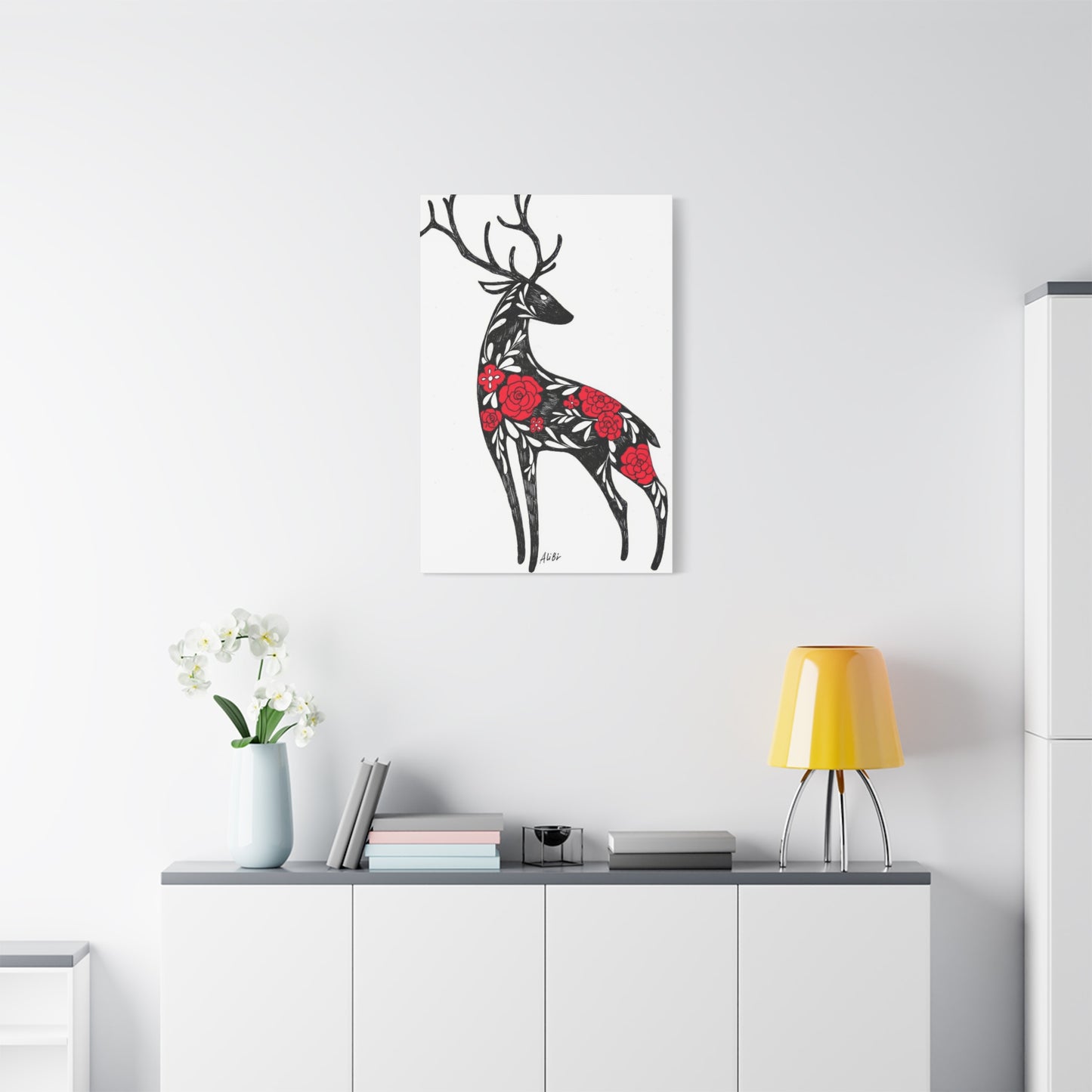
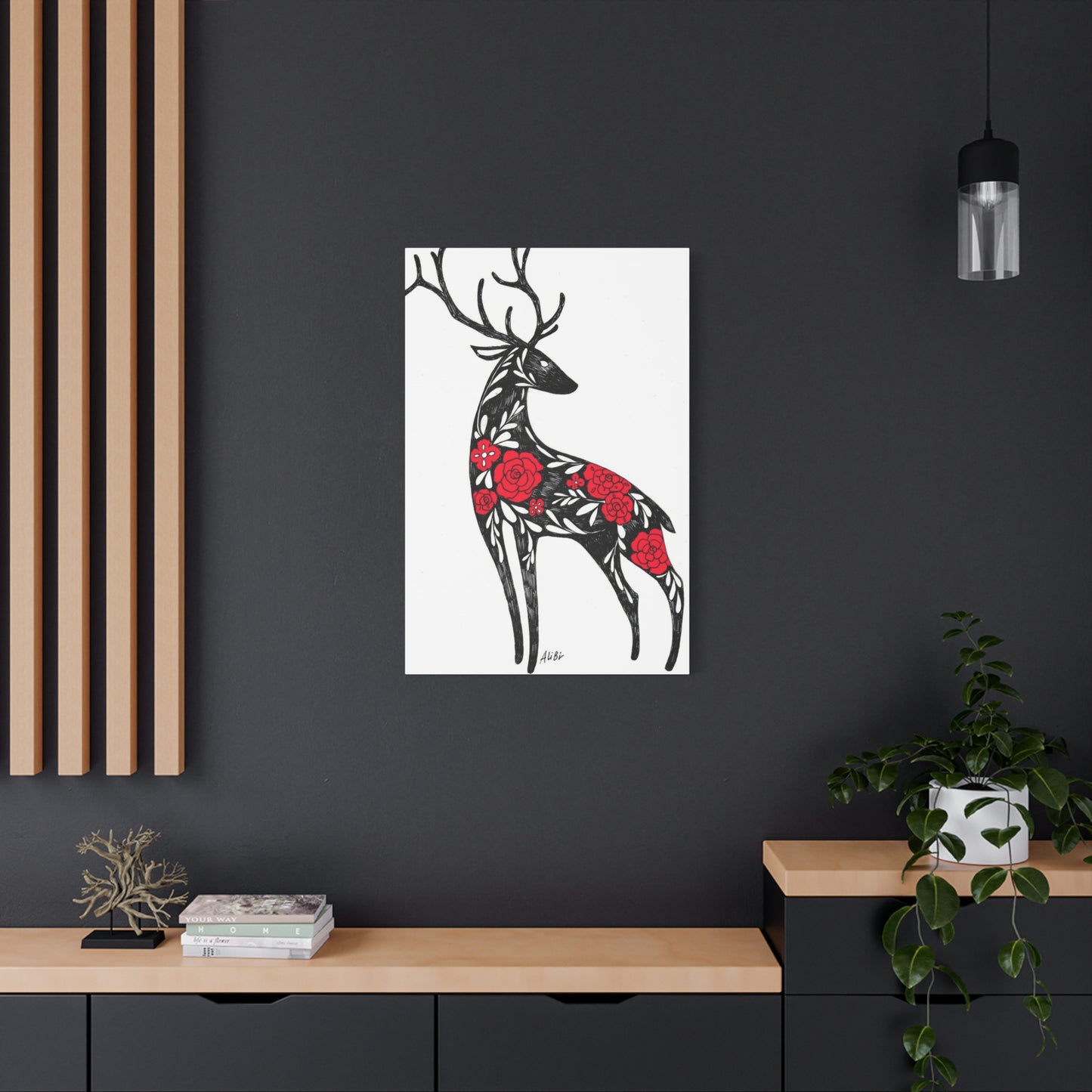
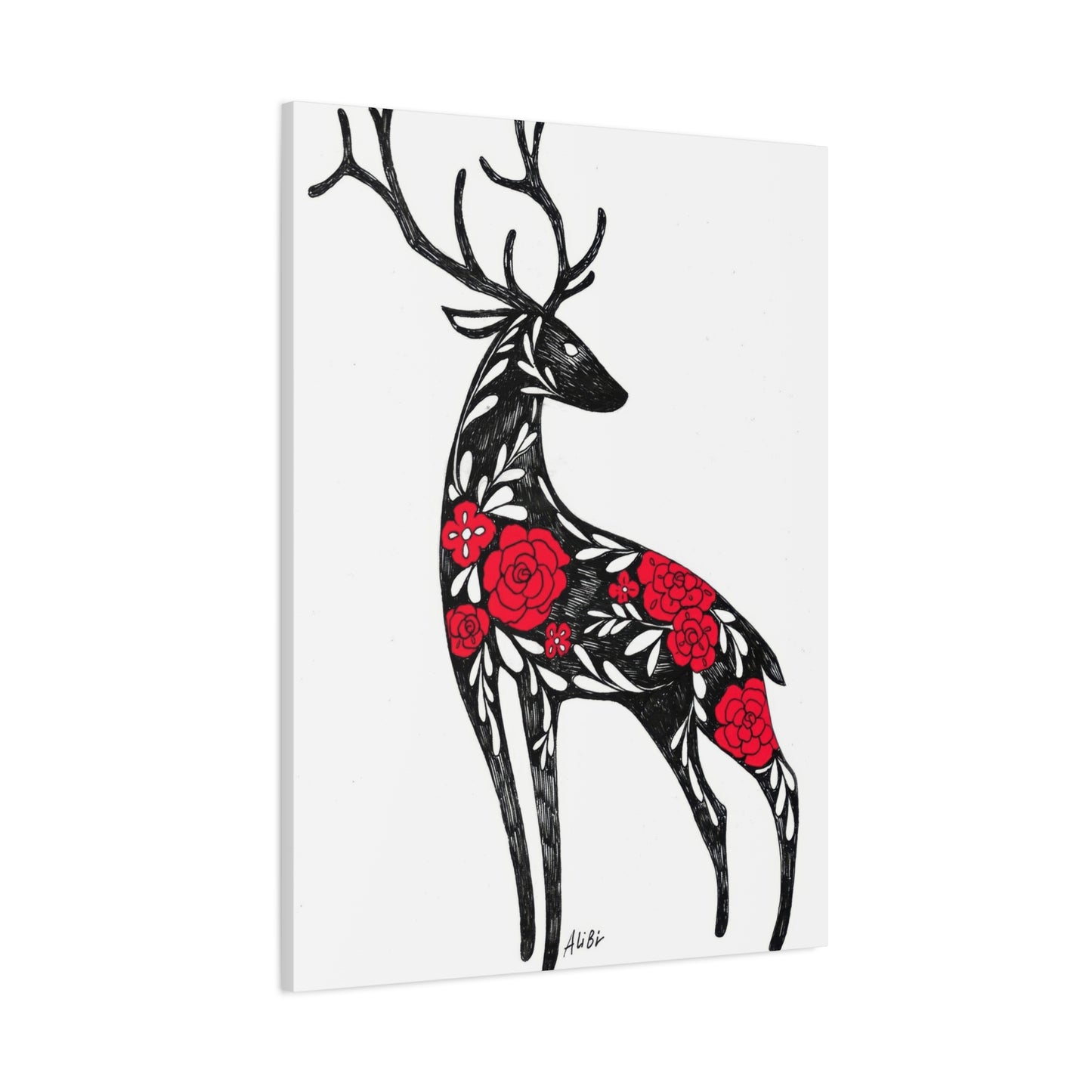
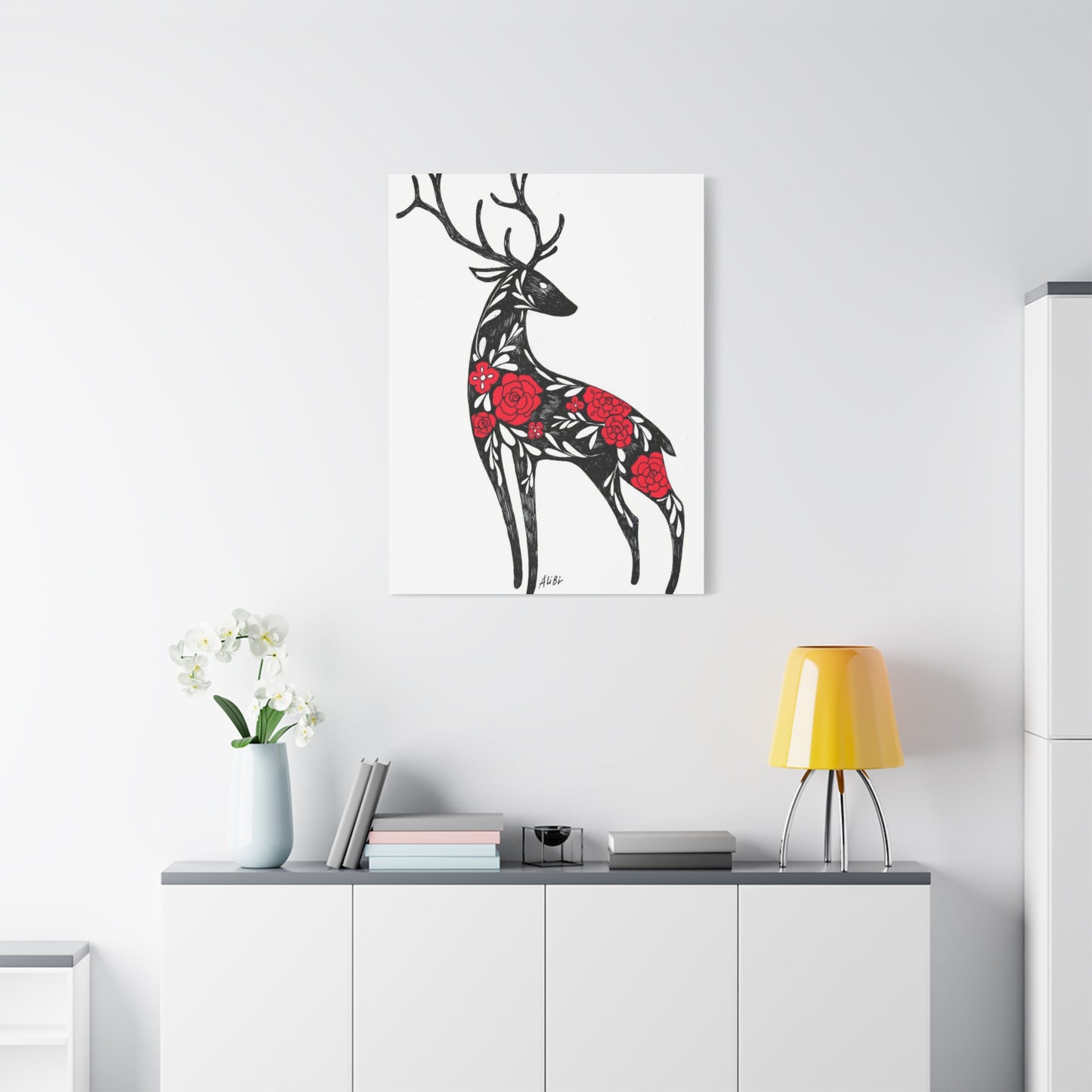
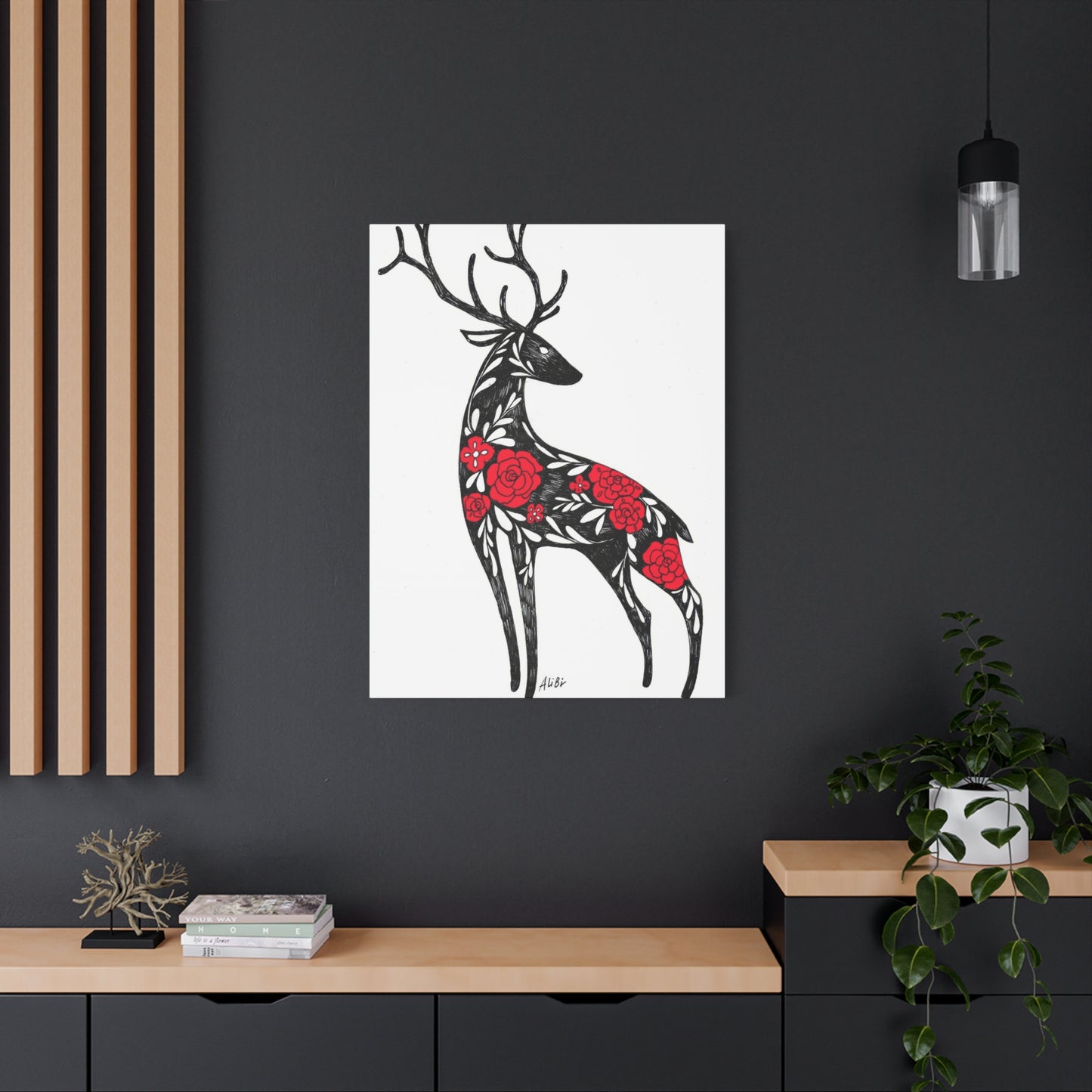
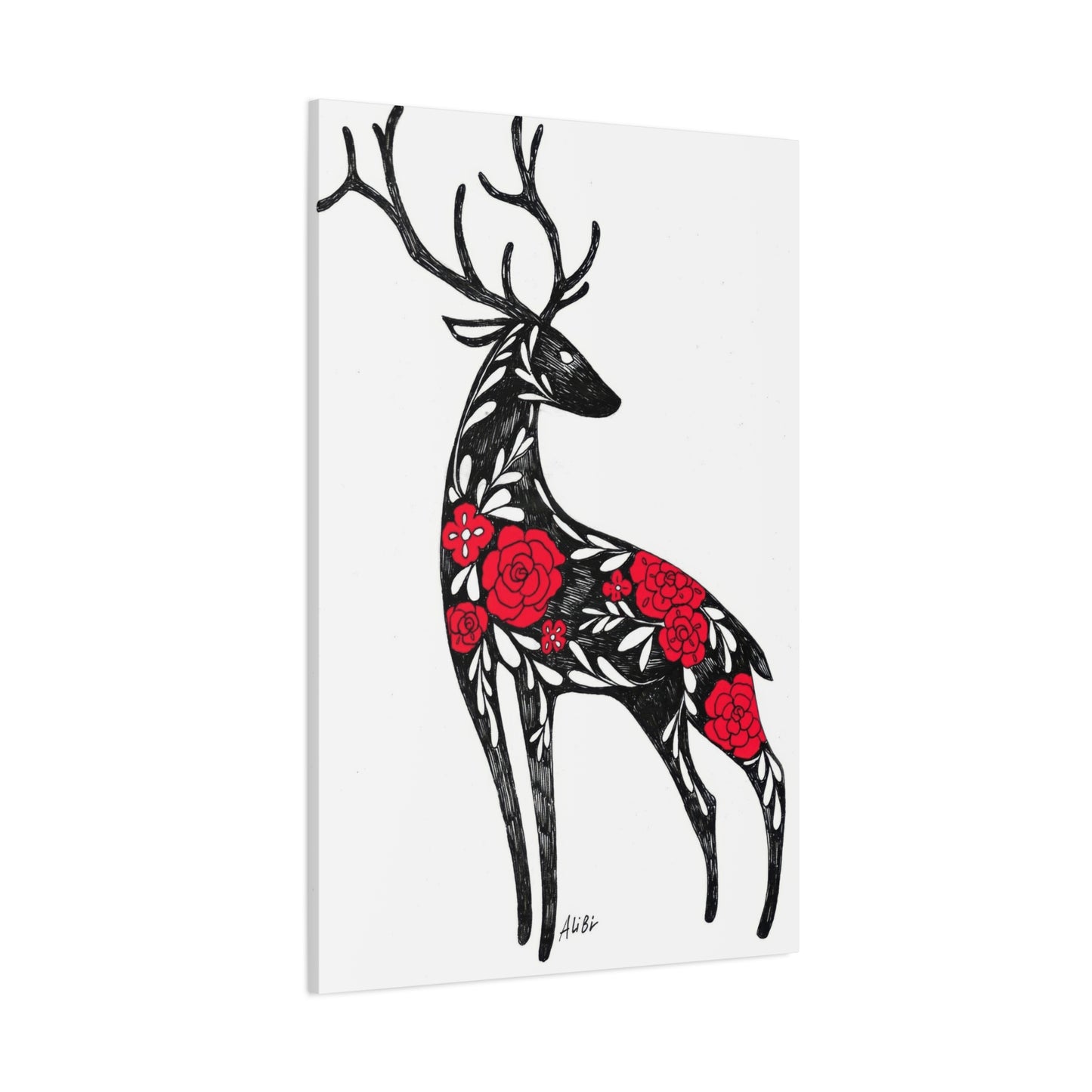
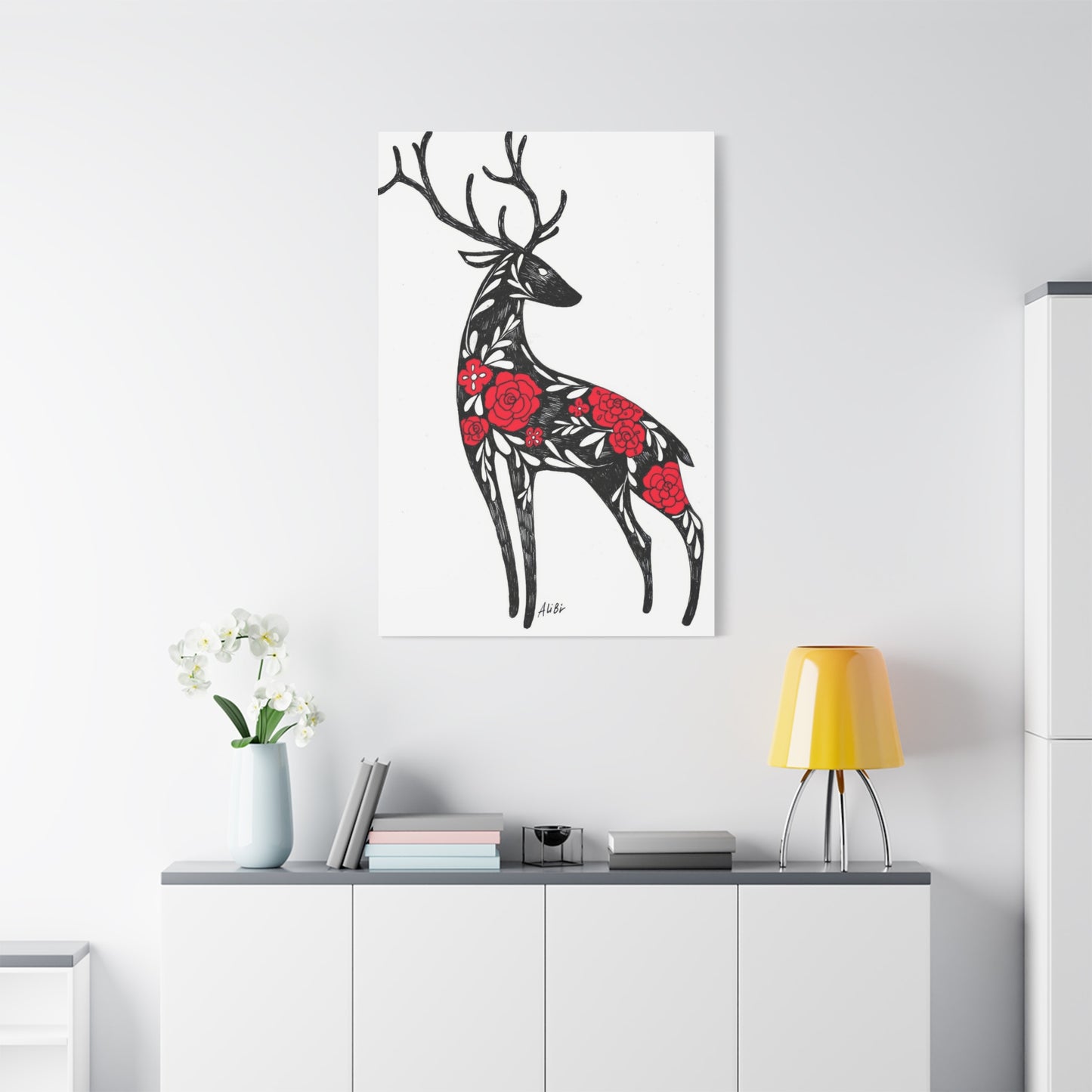
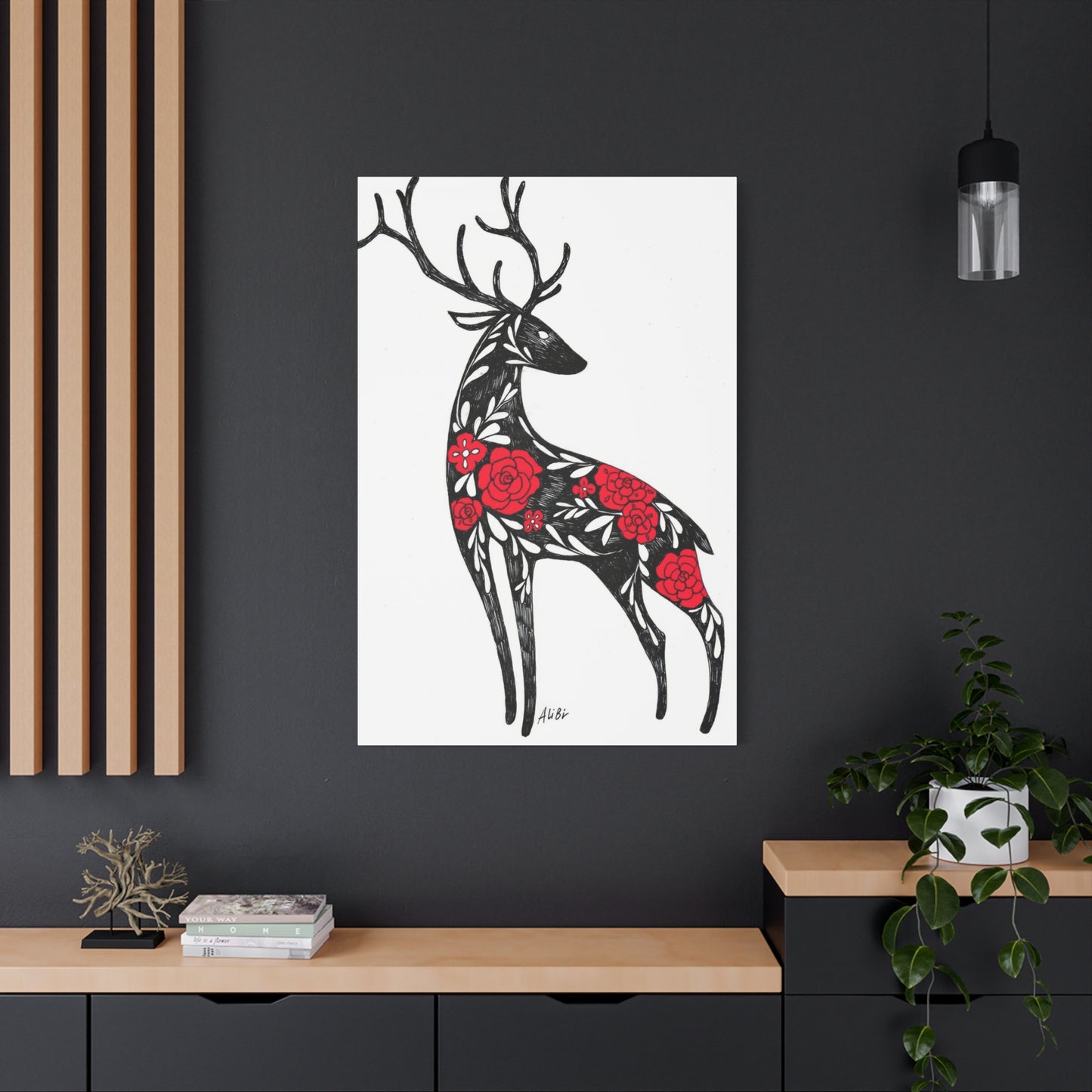
Elegant Deer Abstract Wall Art: Transform Your Living Space with Nature-Inspired Contemporary Décor
The integration of wildlife imagery with modern artistic techniques has revolutionized interior design, creating a bridge between natural beauty and contemporary aesthetics. Deer abstract wall art represents a sophisticated fusion of organic elegance and artistic innovation, offering homeowners and design enthusiasts a unique opportunity to bring the serene majesty of nature into their living environments. This comprehensive exploration delves into every aspect of deer-themed abstract artwork, from its aesthetic foundations to practical implementation strategies that can transform any space into a sanctuary of refined taste and natural harmony.
Understanding the Appeal of Deer Imagery in Modern Interior Design
The fascination with deer as artistic subjects extends far beyond their physical beauty, tapping into deep psychological and cultural resonances that have captivated human imagination for millennia. These graceful creatures embody qualities that resonate profoundly with contemporary sensibilities, representing gentleness, natural elegance, awareness, and a connection to untamed wilderness that urban dwellers increasingly crave. When transformed through abstract artistic interpretation, deer imagery transcends literal representation to become symbolic expressions of these cherished values.
In modern interior design contexts, deer motifs serve multiple functional purposes beyond mere decoration. They introduce organic elements into spaces dominated by geometric forms and synthetic materials, creating visual balance and psychological comfort. The curved lines of antlers and the flowing forms of deer bodies provide natural counterpoints to rectangular furniture and architectural elements, softening harsh angles while maintaining sophisticated visual interest. This biological connection to nature has been shown in environmental psychology studies to reduce stress levels and promote feelings of well-being among occupants.
The color palettes typically associated with deer artwork naturally complement contemporary interior design schemes. Earthy browns, soft taupes, cream tones, and forest greens create harmonious relationships with popular neutral backgrounds while offering opportunities for dramatic contrast when desired. Abstract interpretations expand these possibilities exponentially, incorporating metallic accents, jewel tones, or monochromatic schemes that align with specific design visions while maintaining the essential character of the subject.
Cultural symbolism adds another dimension to deer imagery's appeal. Across diverse traditions, deer represent spiritual awareness, intuition, regeneration through the seasonal shedding and regrowth of antlers, and peaceful strength. These associations create subconscious positive responses in viewers, making deer abstract wall art particularly effective in spaces designed for contemplation, rest, or creative work. The universality of these symbolic meanings transcends specific cultural backgrounds, making such artwork broadly accessible and appealing.
The Evolution of Abstract Art Techniques in Wildlife Representation
Abstract artistic approaches have transformed wildlife representation from literal documentation to expressive interpretation, opening new avenues for emotional engagement and aesthetic innovation. Traditional wildlife art focused on accurate anatomical rendering and naturalistic settings, serving educational and documentary purposes. Modern abstract techniques liberate artists and viewers alike from these constraints, emphasizing emotional resonance, symbolic meaning, and pure visual pleasure over scientific accuracy.
Geometric abstraction applied to deer imagery reduces the animal form to essential shapes, creating compositions that balance recognition with interpretation. Triangular representations of antlers, circular or oval body masses, and linear leg structures create immediately identifiable yet distinctly modern interpretations. This approach particularly appeals to minimalist interior design philosophies, where simplified forms create calm, uncluttered visual environments that promote mental clarity and focus.
Expressionistic abstract techniques employ bold color choices, energetic brushwork, and emotional intensity to capture the spirit rather than appearance of deer subjects. Vibrant, unexpected color combinations transform familiar imagery into dynamic visual experiences that energize spaces and spark conversation. These interpretations work exceptionally well in contemporary settings that embrace bold design choices and value artistic statement over conventional harmony.
Cubist-inspired approaches fragment and reassemble deer imagery, presenting multiple perspectives simultaneously and challenging viewers to actively engage with the artwork. This intellectual dimension adds depth to spaces intended for contemplation or creative work, making such pieces particularly suitable for home offices, studios, or libraries where mental stimulation enhances the environment's purpose.
Watercolor abstraction creates ethereal, dreamlike deer representations through flowing washes of translucent color and undefined edges. These softer interpretations bring gentle, calming energy to bedrooms, meditation spaces, or areas designed for relaxation and stress relief. The fluid nature of watercolor techniques mirrors natural processes and organic growth, reinforcing connections to the natural world.
Mixed media approaches combine various materials and techniques, creating textured, multidimensional artworks that engage multiple senses. Incorporating fabric, metal leaf, natural materials, or three-dimensional elements transforms flat wall art into sculptural installations that command attention and create focal points within rooms. These complex pieces suit spaces with high ceilings and generous wall space where their full impact can be appreciated.
Selection for Deer Abstract Artwork
Color selection profoundly influences the emotional and psychological impact of deer abstract wall art, making careful palette consideration essential for achieving desired atmospheric effects. Understanding color psychology principles enables informed decisions that align artwork with specific spatial purposes and occupant needs.
Neutral palettes featuring beiges, taupes, grays, and whites create sophisticated, versatile backdrops that complement virtually any interior design scheme. Deer rendered in these subtle tones introduce organic interest without overwhelming spaces or competing with other design elements. These palettes particularly suit minimalist, Scandinavian, or transitional design styles where restraint and balance take precedence over bold statements. The timeless quality of neutral palettes ensures artwork remains relevant through evolving design trends, protecting the investment value of quality pieces.
Earth tone palettes embracing browns, terracottas, olive greens, and warm ochres establish strong connections to natural environments and create grounding, stabilizing effects in living spaces. These colors psychologically associate with security, comfort, and organic authenticity, making them ideal for spaces intended for family gathering, relaxation, or intimate conversation. Deer imagery rendered in earth tones feels inherently harmonious, as these colors reflect the animal's natural habitat and coloring.
Cool blue and green palettes evoke forest environments, creating refreshing, calming atmospheres that reduce stress and promote mental clarity. These colors physiologically lower heart rates and blood pressure, making them medically recommended for bedrooms, meditation spaces, or areas where occupants seek respite from daily pressures. Abstract deer artwork in cool palettes brings the peaceful essence of woodland retreats into urban environments, offering psychological escape without physical travel.
Warm palettes incorporating reds, oranges, and golden yellows generate energy, enthusiasm, and social warmth. These stimulating colors suit gathering spaces like dining rooms, entertainment areas, or creative studios where activity and interaction are encouraged. Deer imagery in warm tones maintains the subject's inherent grace while infusing spaces with vitality and welcoming energy that draws people together.
Monochromatic schemes using variations of a single hue create sophisticated, cohesive environments with strong visual impact. Black and white deer abstracts offer dramatic contrast and timeless elegance suitable for modern, industrial, or minimalist spaces. These high-contrast pieces command attention while maintaining versatility across changing accessory colors and seasonal décor adjustments.
Metallic accents including gold, silver, copper, or bronze add luxury and visual interest to deer abstract artwork. These reflective elements interact dynamically with changing light throughout the day, creating living artworks that evolve with natural illumination patterns. Metallic touches particularly enhance contemporary, glam, or eclectic design schemes where visual richness and layered sophistication are valued.
Framing Options That Enhance Without Overwhelming
Frame selection dramatically influences artwork presentation, creating interfaces between art and environment that either enhance or detract from overall impact. Strategic framing decisions ensure deer abstract wall art integrates seamlessly with surrounding design elements.
Floating frames create contemporary presentations that emphasize artwork rather than framing. These minimal frames attach behind artwork edges, creating shadowed gaps that suggest floating suspension. This approach suits modern and contemporary interiors where clean lines and uncluttered aesthetics prevail. Floating frames work particularly well with canvas and wood substrates, adding protective structure without visual weight.
Gallery frames feature simple profiles with minimal ornamentation, directing attention toward artwork rather than framing. These understated frames suit virtually any interior style while providing professional presentation. Available in various finishes from natural wood to painted or metallic options, gallery frames offer versatility across changing design schemes. The neutral character of gallery framing protects artwork investments by avoiding trendy treatments that may appear dated as styles evolve.
Bold statement frames create intentional contrasts that emphasize artwork while adding decorative interest. Substantial profiles in distinctive finishes transform framed pieces into architectural elements that command attention. Statement frames particularly suit traditional, eclectic, or maximalist interiors where decorative richness is celebrated. When selecting bold frames, ensure proportions balance artwork dimensions to avoid overwhelming images with excessive framing.
Natural wood frames emphasize organic connections inherent in deer imagery, creating harmonious relationships between subject and presentation. Wood tones from light birch to deep walnut offer options across various design styles. Natural wood frames particularly suit rustic, farmhouse, organic modern, or Scandinavian interiors where natural materials are emphasized. The authentic character of wood grain adds unique individuality to each framed piece.
Black frames create dramatic contrasts that sharpen artwork edges and enhance color saturation. This versatile option suits modern, contemporary, industrial, and minimalist interiors while providing timeless presentation that transcends temporary trends. Black frames particularly enhance deer abstracts incorporating bright colors or metallic accents, creating defined boundaries that intensify visual impact.
White and light-colored frames create bright, airy presentations that expand perceived space. These frames suit coastal, Scandinavian, farmhouse, and contemporary interiors where lightness and openness are valued. White frames particularly enhance deer abstracts in cool or neutral palettes, maintaining cohesive color stories across entire rooms.
Metallic frames including gold, silver, brass, and copper add luxury and visual interest that elevates artwork presentation. These reflective finishes interact with lighting to create dynamic effects throughout the day. Metallic frames particularly suit glam, eclectic, or transitional interiors where layered sophistication is emphasized. Warm metals like gold and copper complement earth-toned deer abstracts, while cool silver and chrome enhance pieces in blue or gray palettes.
Incorporating Deer Abstract Art Into Various Design Styles
The versatility of deer abstract imagery allows successful integration across diverse interior design aesthetics, from traditional to ultra-modern. Understanding style-specific approaches ensures artwork enhances rather than conflicts with established design directions.
Modern minimalist spaces embrace deer abstracts featuring clean lines, limited color palettes, and simplified forms that respect the aesthetic's less-is-more philosophy. Geometric representations with bold single colors or monochromatic schemes maintain visual clarity while introducing organic subject matter that prevents sterility. Large-scale pieces with substantial negative space suit minimalist environments where breathing room between design elements is essential. Frameless presentations or minimal floating frames maintain uncluttered appearances valued in minimalist contexts.
Contemporary eclectic interiors welcome deer abstracts with bold colors, mixed media techniques, or unexpected stylistic interpretations. These dynamic spaces thrive on visual variety and personal expression, making artistic experimentation particularly appropriate. Combining deer imagery with geometric patterns, cultural motifs, or surrealistic elements creates conversation-starting pieces that reflect individual creativity. Eclectic environments accommodate multiple deer artworks in various styles, creating collected appearances that develop over time rather than through single coordinated purchases.
Traditional formal rooms benefit from deer abstracts that balance contemporary artistic techniques with classical compositional principles and refined color palettes. Subdued earth tones, elegant poses, and quality framing with substantial profiles suit traditional contexts while introducing modern elements that prevent dated appearances. Positioning deer artwork within traditional room arrangements respects symmetry and balance principles valued in these formal spaces. Incorporating deer imagery among other traditional artwork creates bridges between historical and contemporary aesthetics.
Scandinavian design's emphasis on natural materials, neutral palettes, and functional simplicity aligns perfectly with certain deer abstract approaches. Light-toned artwork with minimal details and organic forms complement the aesthetic's celebration of nature and clarity. Simple wood or white frames maintain cohesion with Scandinavian material preferences. The cultural significance of deer in Nordic traditions creates authentic connections that enhance the appropriateness of this imagery within Scandinavian design contexts.
Industrial loft spaces embrace deer abstracts that incorporate metallic elements, bold contrasts, or raw material aesthetics. Metal print substrates, exposed hardware, or distressed finishing techniques complement industrial design's celebration of utilitarian materials and honest construction. Large-scale pieces suit the generous proportions of loft spaces while balancing heavy industrial elements with organic natural imagery. Black frames or raw metal surrounds maintain industrial aesthetic cohesion.
Bohemian interiors welcome deer abstracts featuring vibrant colors, layered textures, or spiritual symbolism. These free-spirited spaces thrive on personal meaning and cultural fusion, making symbolic deer imagery particularly appropriate. Textile-based artwork or pieces incorporating natural materials like feathers or stones enhance bohemian material diversity. Combining deer imagery with global textiles, vintage furniture, and collected treasures creates richly layered environments that reflect individual journeys and values.
Farmhouse and rustic styles naturally accommodate deer imagery through shared celebration of nature and outdoor life. Abstracts printed on wood substrates or featuring earthy palettes with textural interest suit these cozy, informal aesthetics. Incorporating deer artwork among other rural or wildlife imagery creates thematic consistency while distressed frames or natural wood surrounds maintain material authenticity valued in farmhouse contexts. These spaces often benefit from multiple smaller deer pieces creating casual gallery arrangements.
Creating Cohesive Gallery Walls Featuring Deer Themes
Gallery wall arrangements transform individual artworks into unified installations with greater impact than single pieces achieve independently. Strategic planning ensures deer-themed collections create harmonious, professionally curated appearances.
Thematic consistency provides organizational principles that unify diverse pieces into coherent collections. Focusing exclusively on deer imagery in various abstract interpretations creates clear narrative threads while allowing stylistic variety. This approach suits dedicated wildlife enthusiasts or nature-focused interior design schemes. Alternatively, combining deer artwork with complementary nature themes like trees, mountains, or forest scenes creates broader natural narratives that prevent monotonous repetition.
Color coordination creates visual harmony across gallery arrangements despite differences in style, size, or subject matter. Selecting deer abstracts that share common color elements creates unified palettes that read as intentional collections rather than random assemblages. This approach allows mixing different artists, techniques, and price points while maintaining professional coherence. Incorporating neutral pieces alongside colorful ones creates balanced compositions with visual breathing room that prevents overwhelming busy-ness.
Varying sizes and orientations creates dynamic visual interest that guides eye movement through gallery arrangements. Alternating large anchor pieces with smaller supporting works creates hierarchical organization with clear focal points. Mixing vertical, horizontal, and square formats prevents monotonous grid patterns while creating organic, collected appearances. Asymmetrical arrangements often create more engaging visual experiences than rigid symmetrical layouts, though both approaches can succeed depending on surrounding architecture and personal preferences.
Frame consistency versus variety represents key strategic decision impacting gallery wall character. Matching frames across all pieces creates formal, unified presentations suitable for traditional or minimalist interiors valuing order and coordination. Mixing frame styles, colors, and materials creates eclectic, collected appearances that suggest gradual acquisition over time rather than single-purchase coordination. This approach suits bohemian, eclectic, or transitional interiors embracing layered, personalized aesthetics.
Spacing and arrangement patterns significantly influence gallery wall success. Maintaining consistent spacing between pieces creates ordered, professional appearances while varying gaps creates organic, relaxed presentations. Common spacing distances range from two to four inches depending on piece sizes and overall wall dimensions. Planning layouts on floors before installation prevents costly wall damage from repositioning. Paper templates attached temporarily to walls enable visualization and adjustment before committing to final arrangements.
Anchor pieces establish foundations around which supporting works organize. Large, visually commanding deer abstracts positioned centrally or off-center create focal points that draw attention and establish compositional starting points. Surrounding the anchor with complementary smaller pieces creates balanced distributions of visual weight. Alternatively, positioning anchors at arrangement ends creates bookended compositions with different dynamic qualities than centralized approaches.
Geometric versus organic arrangements suit different interior styles and personal preferences. Grid-based layouts with aligned edges create formal, ordered appearances that suit modern and contemporary interiors. Organic salon-style arrangements with varied spacing and orientations create casual, collected appearances suitable for eclectic or bohemian spaces. Combination approaches that incorporate elements of both strategies often deliver visually interesting results that balance order with creativity.
Commissioning Custom Deer Abstract Artwork
Custom artwork creation enables perfect alignment between artistic vision and specific interior design requirements, though the process requires careful planning and clear communication. Understanding commissioning procedures ensures successful collaborations that deliver satisfying results.
Artist selection represents the most critical commissioning decision, as artistic style, working methods, and communication approaches vary dramatically. Researching portfolios reveals whether artists' existing work aligns with desired aesthetics. Examining multiple pieces rather than single images provides better understanding of stylistic consistency and range. Reading reviews or testimonials from previous clients reveals reliability, professionalism, and satisfaction levels. Requesting references enables direct conversations with past customers about their experiences and outcome quality.
Budget establishment precedes detailed artistic discussions, as financial parameters influence size possibilities, material options, and timeline expectations. Custom artwork pricing reflects artist experience, materials quality, size dimensions, and complexity levels. Setting realistic budgets prevents disappointing discoveries that desired specifications exceed available resources. Discussing budget parameters honestly during initial consultations enables artists to propose appropriate options or suggest modifications that achieve desired effects within financial constraints. Remember that custom pieces require significant time investment beyond actual creation time, including consultations, revisions, and project management.
Specification communication requires balancing clear direction with creative freedom that respects artistic expertise. Providing reference images, color swatches, room photographs, and measurement details gives artists concrete information for decision-making. Describing intended moods, symbolic meanings, or emotional responses provides conceptual frameworks that guide artistic choices. However, micromanaging specific techniques or demanding exact replication of reference images stifles creativity and often produces disappointing results. Trusting artists' professional judgment about technical execution typically yields superior outcomes compared to rigid specification dictation.
Contract agreements protect both commissioners and artists by documenting expectations, deliverables, timelines, and payment terms. Written contracts should specify final dimensions, materials, color families, completion deadlines, payment schedules, revision allowances, shipping responsibilities, and ownership rights. Understanding usage rights prevents future conflicts about reproduction, resale, or commercial use. Reviewing contracts carefully and requesting clarification about confusing terms prevents misunderstandings that damage working relationships or produce legal conflicts.
Revision processes accommodate adjustments while preventing endless changes that exhaust goodwill and exceed budgets. Most custom commissions include specified revision opportunities at designated project phases. Providing consolidated feedback after reviewing work prevents piecemeal change requests that frustrate artists and extend timelines. Distinguishing between essential modifications addressing specified requirements versus preference changes about unspecified elements maintains fair revision expectations. Additional changes beyond contracted revisions typically incur supplementary fees that should be agreed upon before implementation.
Timeline expectations should accommodate artistic processes that cannot be rushed without quality compromise. Custom artwork typically requires several weeks to months depending on size, complexity, and artist availability. Building buffer time into installation deadlines prevents stressful rushes or compromised quality. Maintaining regular communication throughout creation processes keeps projects on schedule while enabling early identification of potential delays. Understanding that creative work sometimes requires additional time as artistic vision develops respects the collaborative nature of custom commissions.
Digital Versus Traditional Art Techniques
Understanding the distinctions between digitally created and traditionally produced deer abstract artwork informs purchasing decisions and affects collecting strategies, display options, and long-term value considerations.
Digital art creation employs software tools like Adobe Photoshop, Illustrator, Procreate, or specialized digital painting applications. Artists work on tablets or computers, building compositions through electronic marks, layers, filters, and digital brushes. This process enables unlimited experimentation, easy revision, and precise color control. Digital files reproduce identically across multiple prints, creating editions without quality variation between copies. The ease of digital reproduction affects pricing strategies and collectibility compared to unique traditional pieces.
Traditional media including paint, ink, charcoal, or mixed physical materials create unique original artworks through direct manual application. Each piece exists singularly with unrepeatable characteristics including brushstroke textures, material interactions, and slight variations that occur during creation. Traditional originals command premium prices reflecting their uniqueness and the direct physical connection to artist hands. Reproductions of traditional works through photography and printing never perfectly capture original qualities, though high-quality reproductions can be quite impressive.
Hybrid approaches combine traditional and digital techniques, beginning with physical media that are then scanned, digitally manipulated, and printed onto various substrates. This method preserves some traditional character while enabling digital refinement and reproduction benefits. Many contemporary artists embrace hybrid workflows that leverage advantages of both approaches while minimizing limitations. These pieces occupy middle ground in pricing and collectibility between purely digital and fully traditional works.
Printing technologies dramatically influence reproduction quality and longevity. Giclée printing employs archival inks and high-resolution processes that produce museum-quality reproductions lasting decades without fading when properly displayed. Lesser quality printing using standard inks and papers produces affordable options with limited longevity suitable for temporary or budget-conscious applications. Understanding printing specifications helps evaluate whether prices align with quality and expected lifespan.
Limited editions create artificial scarcity that enhances value and collectibility of reproducible artwork. Artists or publishers designate maximum print quantities, numbering and signing individual copies. Lower edition numbers typically command higher prices due to greater exclusivity. Open editions without quantity limits offer affordability but minimal investment or collectibility value. Understanding edition types helps align purchases with collecting goals and value expectations.
Authentication and provenance documentation becomes increasingly important as art markets mature and values rise. Certificates of authenticity, artist signatures, edition information, and purchase documentation protect investments and facilitate future resale. Maintaining careful records and original packaging preserves value and simplifies authentication processes. Reputable artists and galleries provide proper documentation as standard practice, while absence of authentication materials raises legitimacy concerns.
Seasonal Styling and Temporary Display Strategies
Rotating artwork seasonally or for special occasions maintains fresh, dynamic environments while maximizing enjoyment of broader collections than permanent display accommodates. Strategic temporary display approaches enable this flexibility without excessive effort or wall damage.
Seasonal rotation connects interior environments with natural cycles and holiday celebrations, creating homes that evolve throughout the year. Deer abstract artwork featuring autumn colors and harvest themes suits fall display alongside pumpkins and foliage. Winter-themed pieces with cool palettes complement holiday decorations and create cozy cold-weather ambiance. Spring deer abstracts with fresh green tones and renewal symbolism celebrate seasonal awakening. Summer pieces with bright, energetic colors reflect warm-weather vitality. This rotation prevents visual fatigue while allowing substantial collections to receive display time throughout years.
Removable hanging systems enable artwork changes without new wall damage. Picture rail systems attach molding near ceiling height from which cables suspend artwork at adjustable heights. This traditional approach suits formal interiors while providing installation flexibility. Command strips and similar adhesive systems accommodate lightweight pieces in rental situations prohibiting wall penetration. These removable solutions work best with smaller, lighter artworks rather than substantial pieces requiring structural support. Magnetic hanging systems employing steel tape and magnetic frames offer innovative solutions for certain applications, though weight limitations apply.
Storage solutions protect artwork between display periods, preserving investments and preventing damage. Acid-free materials prevent chemical degradation of papers and canvases during storage. Climate-controlled environments maintain stable temperature and humidity that prevent warping, mold growth, or material degradation. Vertical storage prevents pressure damage that occurs when stacking pieces horizontally. Protective wrapping shields surfaces from scratches, dust accumulation, and incidental contact. Proper storage enables guilt-free rotation without anxiety about damage to unused pieces.
Thematic coordination between deer artwork and seasonal décor creates cohesive environments where elements reinforce rather than compete with each other. Selecting deer abstracts with colors matching seasonal palettes ensures harmony across all decorative elements. Positioning artwork near related seasonal items like natural branches, seasonal flowers, or holiday decorations creates intentional vignettes that elevate both elements. This thoughtful coordination demonstrates design sophistication while maximizing impact of seasonal investments.
Special occasion displays celebrate life events, holidays, or personal milestones through temporary artwork installations. Wedding anniversaries might feature romantic deer couple imagery. Children's birthdays could incorporate playful, colorful deer abstracts in party spaces. Holiday gatherings benefit from seasonally appropriate pieces that enhance celebratory atmospheres. These temporary installations create memorable contexts for important events while demonstrating hospitality and attention to detail that guests appreciate.
Combining Deer Artwork With Complementary Décor Elements
Strategic pairing of deer abstract artwork with complementary decorative elements creates cohesive, professionally designed environments where individual components enhance rather than compete with each other. Understanding coordination principles ensures harmonious integration.
Textile coordination through throw pillows, blankets, curtains, and upholstery creates color and pattern relationships that unify rooms around deer artwork focal points. Selecting fabrics incorporating colors from artwork palettes creates intentional visual connections that demonstrate design sophistication. Pattern mixing requires balancing scales and styles to prevent overwhelming busy-ness while maintaining visual interest. Combining deer artwork's organic forms with geometric textile patterns creates pleasing contrasts that add dimension without conflict. Texture variety in textiles adds tactile interest that engages multiple senses beyond purely visual appreciation.
Botanical elements including fresh flowers, potted plants, or dried arrangements reinforce natural themes established by deer imagery. Living plants improve air quality while adding organic vitality that enhances wellbeing. Selecting plant species with forms, colors, or textures echoing artwork creates thoughtful relationships between living and artistic natural elements. Floral arrangements in vases positioned near deer artwork create temporal installations that evolve with seasonal availability. Dried botanicals offer permanent natural decoration requiring minimal maintenance while providing subtle organic presence.
Sculptural objects and three-dimensional decorative pieces add depth and variety beyond flat wall art. Small deer figurines or abstract sculptures create thematic consistency while introducing new forms and materials. Mixing artistic styles between wall art and sculptures prevents monotonous literal interpretation while maintaining subject coherence. Positioning sculptural elements on surfaces below deer artwork creates vertical relationships that guide eye movement and connect wall and furniture zones. Material variety between artwork and sculpture adds richness without thematic confusion.
Lighting fixtures serve functional purposes while contributing decorative interest that can complement deer themes. Antler-inspired chandeliers or sconces create literal connections though risk appearing overly themed if not carefully selected. Natural material fixtures including wood, stone, or woven elements reinforce organic aesthetics without directly replicating deer imagery. Metallic finishes coordinate with metallic accents in artwork while adding reflective interest. Fixture scales should balance artwork presence without competing for visual dominance.
Deer Symbolism Across Cultures and Historical Contexts
Understanding the rich symbolic meanings associated with deer across various cultures and time periods adds depth to appreciation of deer abstract artwork. These layered meanings contribute to the imagery's enduring appeal and psychological resonance.
Native American traditions regard deer as sacred beings embodying gentleness, intuition, and sensitivity to surroundings. Many tribal stories feature deer as messengers between physical and spiritual realms, possessing awareness beyond ordinary perception. The deer's alertness and grace symbolize the balance between caution and movement through life. Antler shedding and regrowth represent cycles of renewal and regeneration. These symbolic associations make deer imagery particularly meaningful for individuals drawn to indigenous wisdom or seeking spiritual connection through their environments.
Celtic mythology connects deer with forest deities and fairy realms, seeing them as guides between ordinary reality and magical otherworlds. The deer's ability to move silently through dense forests made them symbols of skilled navigation through life's complexities. Celtic artwork frequently depicts stags with elaborate antlers representing nobility, pride, and masculine strength balanced by the feminine gentleness associated with does. These dual aspects make deer symbolism appealing to those seeking wholeness integrating apparently opposite qualities.
Asian traditions particularly in Buddhism and Hinduism associate deer with spiritual teachings and enlightenment. Buddha delivered his first sermon in a deer park, making deer symbols of spiritual awakening and dharma teachings. Peaceful deer herds represent harmonious communities living without aggression. The deer's vegetarian diet symbolizes compassionate living that avoids harming other beings. These spiritual associations attract individuals using their homes as contemplative spaces supporting meditation and personal growth.
European heraldry extensively employs deer imagery, particularly stags representing nobility, purity, and Christian resurrection symbolism. The white stag of legend represented rare, sacred encounters requiring respectful pursuit. Hunting traditions created complex symbolism around deer representing both prey worthy of noble pursuit and creatures deserving respectful treatment. These aristocratic and spiritual associations lend deer imagery an elevated quality that enhances formal interior applications.
Deer Abstract Art Collection
Building meaningful art collections need not require unlimited budgets when strategic approaches balance quality, value, and financial constraints. Understanding options across price ranges enables artwork acquisition aligned with various financial situations.
Print reproductions provide affordable access to artwork by established artists whose originals command premium prices. High-quality giclée prints on archival materials offer excellent value, delivering professional presentation at fractions of original costs. While lacking the cachet and investment potential of originals, quality prints provide identical visual impact for most residential applications. This approach enables acquiring multiple pieces for gallery walls or seasonal rotation without excessive expenditure. Researching print quality specifications ensures purchases will maintain appearance over years rather than fading quickly.
Emerging artist discovery offers opportunities to acquire original works or limited editions at accessible prices while supporting developing artistic careers. Art students, recent graduates, and self-taught artists often sell work affordably while building reputations and clientele. Online platforms, local art fairs, and university galleries provide access to emerging talent. Early purchases from artists who later gain recognition may appreciate significantly, though investment potential should not be the primary motivation. Building relationships with emerging artists may enable commission opportunities at favorable rates.
Do-it-yourself artistic creation provides ultimate budget control while adding personal meaning and creative satisfaction. Abstract techniques particularly suit beginners as loose, expressive approaches require less technical training than realistic rendering. Online tutorials, community art classes, or independent experimentation can develop sufficient skills for creating pleasing deer abstracts. This approach yields unique pieces precisely matched to personal preferences and existing décor. The creative process itself provides therapeutic benefits beyond the finished artwork value.
Secondhand and vintage markets offer artwork acquisition opportunities at reduced prices compared to new purchases. Thrift stores, estate sales, consignment shops, and online marketplaces regularly feature artwork at bargain prices. Finding deer-specific pieces requires patience and regular searching, but treasures appear for persistent hunters. Quality assessment skills help distinguish worthy finds from damaged or poor-quality items unworthy of purchase regardless of price. Reframing or updating presentations can transform dated pieces into fresh contemporary displays.
Print-on-demand services enable purchasing individual prints without artist or retailer inventory investments that increase prices. Numerous online platforms offer deer abstract designs available for printing on demand in various sizes and materials. This eliminates artist overhead costs, delivery delays, and quantity requirements, often producing lower prices. Quality varies significantly across platforms and specific designs, requiring careful evaluation of samples or reviews before purchasing. Customization options regarding sizes, materials, and framing provide flexibility that accommodates specific requirements.
Creating Dramatic Focal Points With Large-Scale Deer Art
Scale proportion relative to wall dimensions and room size determines whether large artwork appears appropriately substantial or excessively dominant. Artwork spanning roughly fifty to seventy-five percent of available wall width creates balanced presence without consuming entire walls. Rooms with high ceilings accommodate taller pieces that draw eyes upward and emphasize architectural verticality. Open concept spaces benefit from substantial artwork that provides visual anchors preventing spaces from feeling undefined. Measuring carefully before purchasing prevents discovering acquired pieces appear too large or disappointingly small in intended locations.
Surrounding negative space allows large-scale artwork to breathe visually, preventing cramped appearances that diminish impact. Leaving empty wall space around large deer abstracts creates frames of negative space that focus attention on artwork rather than surrounding clutter. This approach suits minimalist and contemporary aesthetics valuing uncluttered clarity. Resisting temptation to fill every wall surface demonstrates design sophistication and confidence. The restraint required to maintain negative space often proves challenging but delivers superior aesthetic results.
Color intensity and complexity levels influence how overwhelming large-scale pieces feel within spaces. Bold, saturated colors in large formats create dramatic, high-energy environments suitable for social spaces and extroverted personalities. Subdued, neutral palettes in large scales provide substantial presence without visual aggression, suiting calmer environments and introverted preferences. Complex, detailed compositions reward extended viewing and suit contemplative spaces while simpler designs with limited elements create cleaner, more restful presences appropriate for bedrooms or meditation areas.
Lighting design becomes crucial for large-scale artwork, as inadequate illumination prevents full appreciation while excessive lighting creates glare or washes out colors. Multiple light sources at various angles create even illumination across expansive surfaces without hot spots. Dimmer controls enable adjustment for various times of day and activities. Natural light interactions with large artwork change dramatically throughout days and seasons, creating living installations that evolve with solar positions. Considering lighting during artwork selection and placement prevents disappointment about visibility under actual installation conditions.
Incorporating Metallic Accents in Deer Abstract Compositions
Gold accents convey luxury, warmth, and timeless elegance that elevate artwork presentations. Gold leaf application creates authentic metallic surfaces with unmatched richness and depth. Metallic gold paints offer more affordable alternatives with similar visual effects. Gold tones particularly complement warm color palettes with browns, reds, and oranges found in autumn-themed deer imagery. The precious metal associations of gold add perceived value and importance to artwork, making it suitable for formal spaces or locations where impression management matters. Gold suits traditional, glam, and eclectic design styles embracing decorative richness.
Silver and chrome accents provide cool, modern sophistication that suits contemporary and minimalist aesthetics. These cooler metallics complement blue, gray, and white color schemes common in modern design. Silver's reflective qualities add light-bouncing properties that brighten spaces and create dynamic interactions with changing illumination. The sleek, technological associations of silver suit urban interiors and forward-looking design sensibilities. Silver works particularly well in monochromatic deer abstracts where metallic accents provide primary visual interest.
Copper and bronze offer warm, earthy metallics that bridge natural and luxurious aesthetics. These metals naturally complement organic color palettes while adding upscale sophistication. Copper tones particularly suit rustic, industrial, and organic modern design styles that embrace natural materials and authentic character. The living quality of copper that develops patina over time appeals to those valuing natural aging processes and authentic material character. Bronze provides similar warmth with darker, richer tones suitable for more formal applications.
Mixed metal approaches combine multiple metallic tones within single compositions, creating complex, layered visual interest. This sophisticated technique requires careful balance to avoid chaotic appearances. Successful mixed metal artwork typically maintains one dominant metallic tone with others appearing as accents. The once-strict rule against mixing metals in décor has relaxed, allowing greater creative freedom when executed thoughtfully. Mixed metallic deer abstracts suit eclectic interiors that embrace visual complexity and layered aesthetics.
Reflective interaction with lighting creates dynamic artwork that changes appearance throughout days as natural light shifts and artificial sources activate. This living quality makes metallic artwork particularly engaging for regular viewers who discover new details and effects under varying conditions. Positioning metallic pieces to catch specific light sources whether natural windows or artificial fixtures creates intentional dramatic effects. The shimmer and shine of metallics add energy and vitality that prevent static appearances.
Application techniques significantly influence metallic effects and overall artwork character. Solid metallic backgrounds create bold, high-impact presentations with undeniable presence. Metallic accents highlighting specific elements like antler details or edges create more subtle effects that reward close examination. Splattered or distressed metallic applications create contemporary, edgy aesthetics. Smooth, polished metallic surfaces convey refinement while textured applications suggest artistic spontaneity. Understanding these technical variations helps evaluate artwork quality and appropriateness for intended spaces.
Deer Abstract Art in Commercial and Hospitality Settings
Corporate office environments benefit from deer artwork that conveys desired brand attributes including natural connection, elegance, sophistication, and stability. Deer imagery suits companies emphasizing environmental stewardship, outdoor industries, or natural product categories where thematic alignment reinforces brand messaging. Reception areas featuring impressive deer abstracts create memorable first impressions that communicate organizational values and aesthetic sophistication. Conference rooms displaying calming nature imagery may reduce meeting stress and promote collaborative atmospheres. Individual offices allow personalization while maintaining professional appropriateness through refined deer abstract selections.
Hospitality environments including hotels and resorts embrace deer artwork as part of place-making strategies that create distinctive memorable experiences. Mountain lodges, forest retreats, and nature-focused destinations naturally incorporate wildlife imagery as authentic extensions of locations and guest experiences. Urban hotels may feature deer abstracts as surprising nature connections that provide respite from city intensity. Guest rooms displaying calming deer artwork enhance rest and relaxation while restaurants and lounges might feature more dramatic pieces creating conversation and ambiance. Corridor galleries transform functional circulation spaces into aesthetic experiences that guests remember.
Healthcare environments increasingly recognize artwork's therapeutic benefits for patient outcomes and staff wellbeing. Deer imagery's calming, peaceful associations make it particularly suitable for medical settings where anxiety reduction and stress management directly impact health. Waiting areas displaying nature artwork help pass time and reduce pre-appointment nervousness. Patient rooms featuring restful deer abstracts may speed recovery and improve satisfaction scores. Staff areas benefit from restorative artwork that provides brief mental escape during demanding shifts. Healthcare artwork must meet strict safety and cleaning requirements, influencing material and mounting specifications.
Restaurant and bar environments employ deer artwork to establish ambiance and reinforce culinary concepts. Farm-to-table establishments emphasizing natural ingredients and outdoor connections naturally incorporate wildlife imagery. Upscale venues may feature sophisticated deer abstracts communicating refinement and attention to aesthetic detail that suggests similar care in food preparation. Casual establishments might display more playful, colorful deer interpretations creating relaxed, welcoming atmospheres. Artwork scale in commercial dining must accommodate viewing distances and compete with visual complexity of active restaurant environments.
Retail environments utilize deer artwork to create branded environments that enhance shopping experiences and communicate brand identities. Outdoor retailers, sporting goods stores, and nature-focused businesses obviously benefit from wildlife imagery reinforcing their product categories. Boutiques and galleries may display deer abstracts as part of curated aesthetic environments that appeal to target customer sensibilities. Artwork in retail settings must withstand public traffic, maintain appearance despite touching and environmental challenges, and align with merchandise presentations without competing for attention.
Trending Styles in Contemporary Deer Abstract Art
Bold color blocking employs unexpected, saturated hues in flat areas creating pop-art inspired compositions. Neon pinks, electric blues, vivid oranges, and other intense colors transform familiar deer imagery into contemporary statements. This approach appeals to younger demographics and trend-forward individuals embracing color as expression and joy. Bold color-blocked deer abstracts energize spaces and create focal points that command attention. These pieces suit contemporary, eclectic, or maximalist interiors that celebrate visual intensity and creative risk-taking.
Textured mixed media incorporates three-dimensional elements creating tactile interest beyond flat images. Incorporating fabric, natural materials, metallic leaf, or built-up paint surfaces adds sculptural qualities that engage multiple senses. These complex pieces suit spaces where artwork serves as focal point worthy of close examination and continued discovery. Mixed media approaches appeal to collectors valuing craftsmanship, uniqueness, and artistic complexity. The substantial presence of textured pieces suits larger rooms where intricate details can be appreciated.
Dark moody palettes featuring deep teals, charcoal grays, forest greens, and midnight blues create sophisticated, enveloping atmospheres. This dramatic approach suits contemporary interiors embracing richness and depth over bright airiness. Dark deer abstracts command attention through intensity rather than bright color or scale. These pieces work particularly well in spaces with abundant natural light that prevents dark artwork from appearing gloomy. The mysterious, slightly gothic quality appeals to individuals with alternative aesthetics or appreciation for dramatic visual experiences.
Line art simplicity using single colors against contrasting backgrounds creates graphic, poster-like compositions. Black line drawings on white backgrounds or vice versa deliver high-contrast drama through minimal means. These graphic interpretations suit modern, Scandinavian, and minimalist interiors valuing clarity and restraint. The stark simplicity of line art creates immediate impact without visual complexity, making it suitable for smaller spaces or areas where calming simplicity is desired. These pieces often feel young, fresh, and accessible compared to more complex artistic approaches.
Environmental and Sustainability Considerations in Art Selection
Printing processes vary significantly in environmental impacts. Water-based inks produce fewer toxic emissions than solvent-based alternatives while delivering comparable quality. Digital printing generally consumes less energy and produces less waste than traditional printing methods. Eco-solvent and latex inks provide environmentally improved alternatives to harsh chemical-based inks. Local printing reduces transportation emissions compared to overseas production. Smaller production runs reduce excess inventory waste though potentially increasing per-unit costs. Understanding printing specifications enables environmentally informed purchasing decisions.
Packaging and shipping represent significant environmental considerations particularly for artwork purchased online. Excessive packaging creates waste while inadequate protection risks damage necessitating replacement and doubling environmental impacts. Recyclable or biodegradable packaging materials minimize waste contributions. Consolidated shipping combining multiple items reduces per-item transportation emissions. Purchasing from local artists or galleries eliminates shipping entirely while supporting local economies. Some environmentally conscious vendors offer carbon-neutral shipping programs offsetting transportation emissions through environmental investments.
Longevity and quality directly influence environmental responsibility as durable artwork requires less frequent replacement. Archival materials and professional production methods ensure decades of beauty, spreading environmental costs across extended lifespans. Cheap, quickly degrading prints necessitate frequent replacement, multiplying environmental impacts despite lower initial costs. Viewing quality artwork as long-term investments rather than disposable décor aligns with sustainability principles favoring durability over disposability. Proper care and maintenance extends artwork lifespans further, maximizing environmental efficiency.
End-of-life considerations address what happens when artwork no longer serves original purposes. Quality pieces retain resale value enabling rehoming to new appreciators rather than disposal. Donation to charitable organizations extends useful life while supporting worthy causes. Some materials decompose safely or can be recycled while others present disposal challenges. Considering eventual disposition during initial selection demonstrates comprehensive environmental thinking beyond immediate acquisition decisions.
Artist practices and values provide broader environmental context beyond specific product specifications. Some artists embrace comprehensive environmental responsibility including studio energy sources, waste management, and material sourcing. Supporting these committed practitioners amplifies positive environmental impacts beyond individual purchases. Artist statements and websites often reveal environmental values and practices for conscious consumers. Building relationships with environmentally responsible artists creates ongoing opportunities for aligned acquisitions.
Conclusion:
The journey through the multifaceted world of deer abstract wall art reveals far more than simple decoration choices. These compelling artistic creations represent intersections of nature and human creativity, ancient symbolism and contemporary design, personal expression and universal appeal. The enduring popularity of deer imagery transcends temporary trends, rooted in deep psychological responses to natural beauty and cultural meanings accumulated across millennia of human civilization.
Selecting deer abstract artwork for living or working spaces constitutes meaningful decisions that shape daily experiences and reflect personal values. The graceful forms and peaceful associations of deer imagery bring restorative natural connections into built environments increasingly separated from outdoor experiences. Abstract artistic interpretations liberate this imagery from literal representation, creating opportunities for individual interpretation and emotional engagement that purely realistic depictions cannot achieve. The resulting artworks function simultaneously as aesthetic enhancements, psychological supports, and expressions of identity and values.
The remarkable versatility of deer abstract art enables successful integration across diverse interior design styles from traditional elegance to cutting-edge contemporary minimalism. Color palette variations accommodate any existing décor scheme while size options suit spaces from intimate powder rooms to expansive great rooms. Material choices and presentation formats provide further customization ensuring perfect alignment with specific requirements and preferences. This flexibility combined with timeless appeal makes deer abstract artwork sound investment that remains relevant through evolving tastes and changing design trends.
Beyond aesthetic considerations, deer abstract wall art delivers measurable psychological benefits through nature connection and restorative viewing experiences. Scientific research validates what many intuitively understand about nature imagery's stress-reducing, mood-enhancing, and cognition-supporting effects. Creating home environments that actively support wellbeing through thoughtful artwork selection represents practical wisdom that enhances daily life quality. The modest investment in quality deer abstract pieces delivers ongoing returns through improved emotional states and enhanced living experiences.
The practical guidance provided throughout this exploration empowers confident decision-making about deer abstract art selection, display, and maintenance. Understanding size relationships, color psychology, placement strategies, and care requirements removes uncertainty and enables achieving professional results without professional assistance. Whether building collections gradually or making single significant acquisitions, informed consumers make choices aligned with personal needs, aesthetic preferences, and practical constraints.
The symbolic richness of deer imagery across cultures adds meaningful depth that transforms mere decoration into personal statements about values, aspirations, and worldviews. Whether drawn to spiritual symbolism, environmental associations, or simple appreciation of natural beauty, deer abstract artwork communicates these connections to household members and visitors alike. Living with meaningful imagery that resonates on multiple levels creates richer, more authentic environments reflecting true selves rather than generic design templates.
Ultimately, embracing deer abstract wall art represents commitment to creating beautiful, meaningful, supportive living environments where aesthetic pleasure, psychological wellbeing, and personal expression converge. These artistic creations transform blank walls into windows onto natural beauty, harsh angles into organic grace, and houses into homes reflecting the unique individuals inhabiting them. The investment extends beyond financial considerations to encompass time, attention, and intention directed toward creating spaces that nurture, inspire, and delight.


