


Deer Baby Softlight Wall Art & Canvas Prints
Deer Baby Softlight Wall Art & Canvas Prints
Couldn't load pickup availability
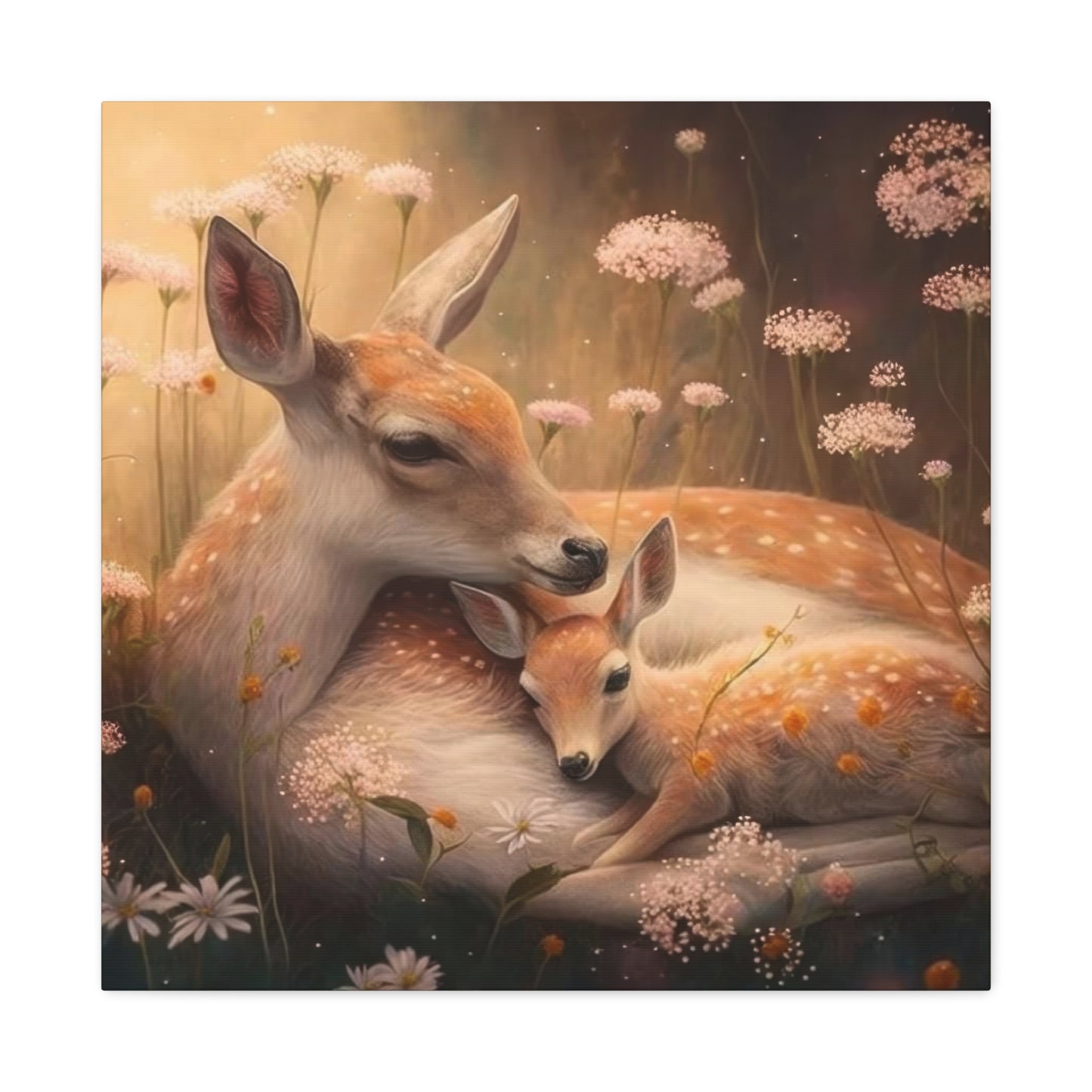
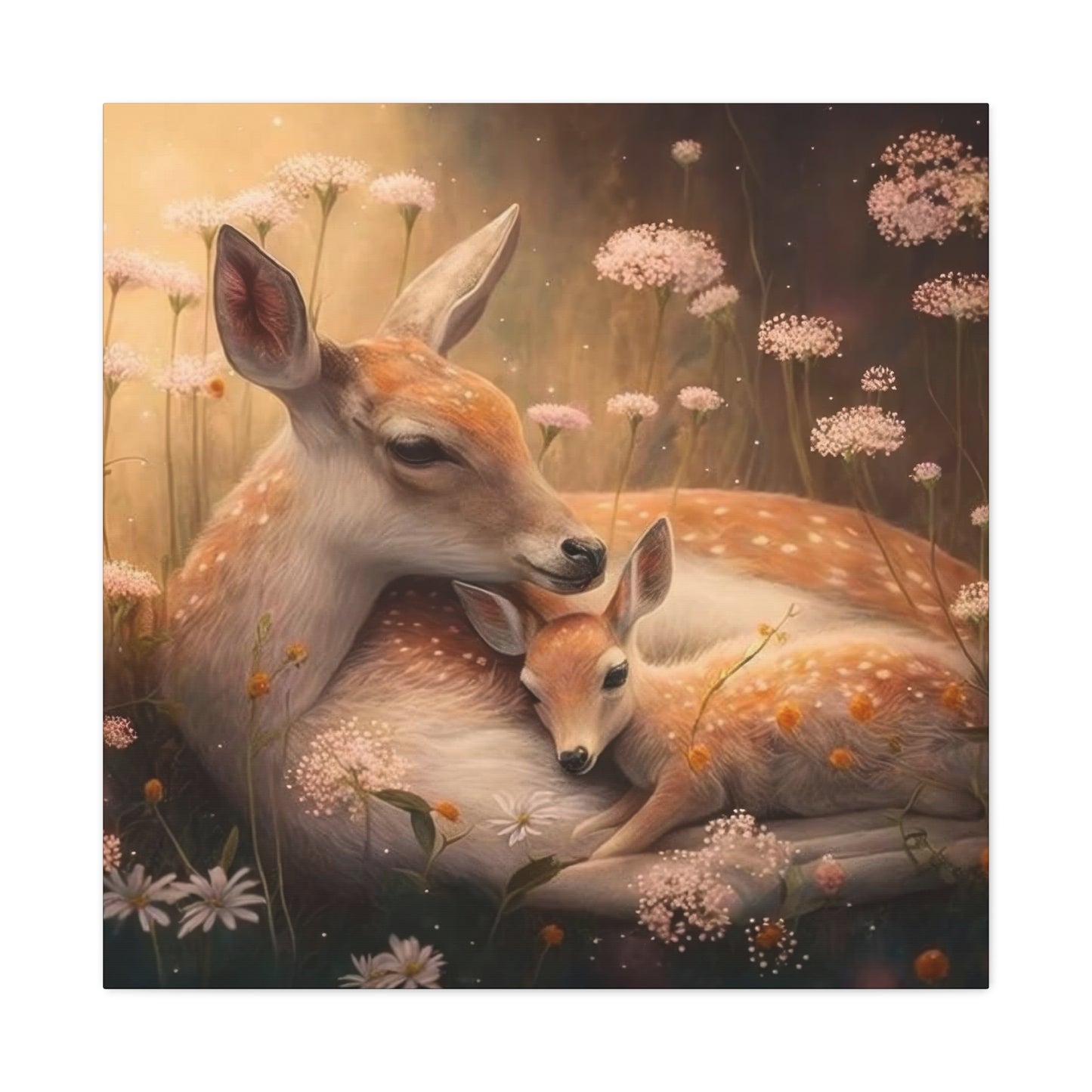
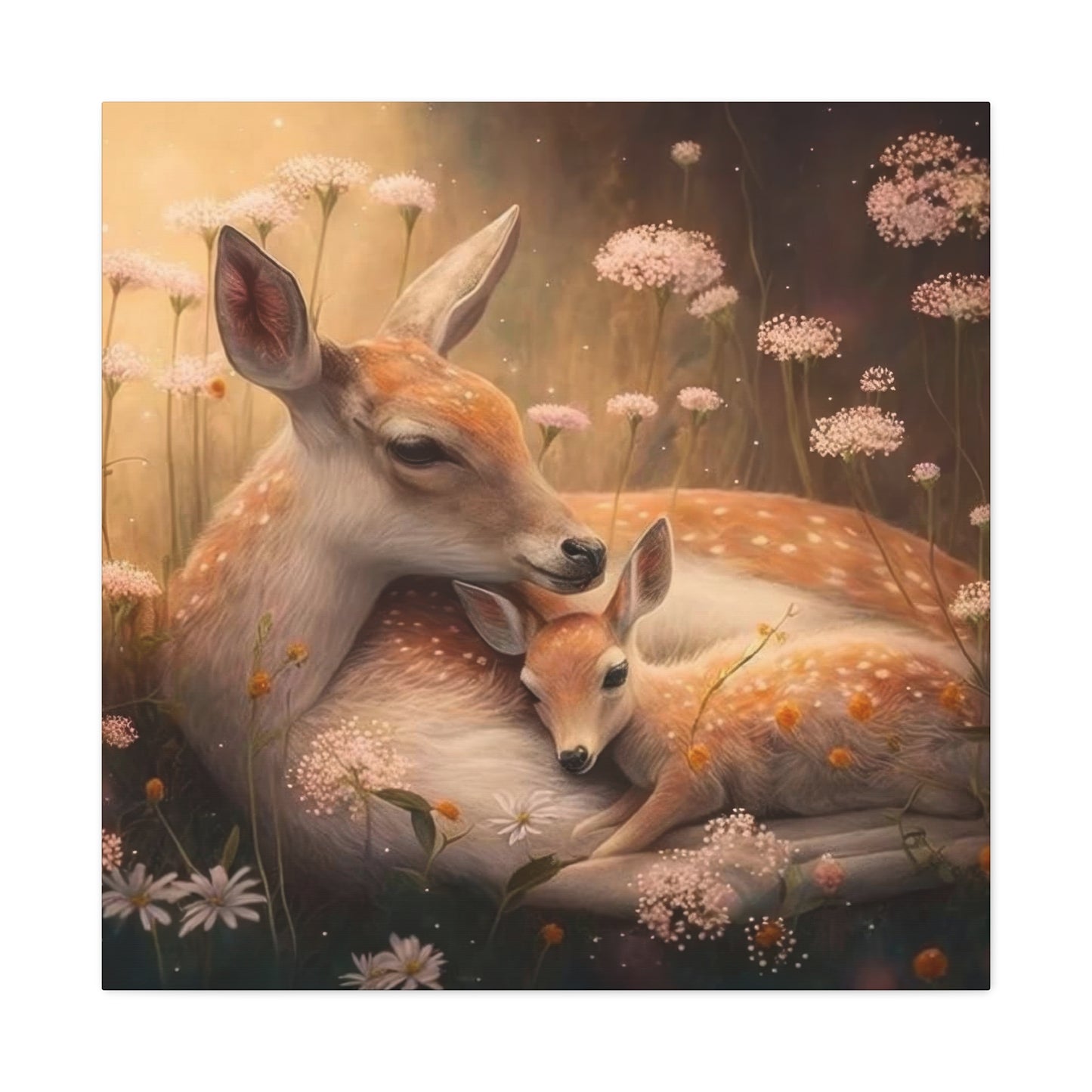
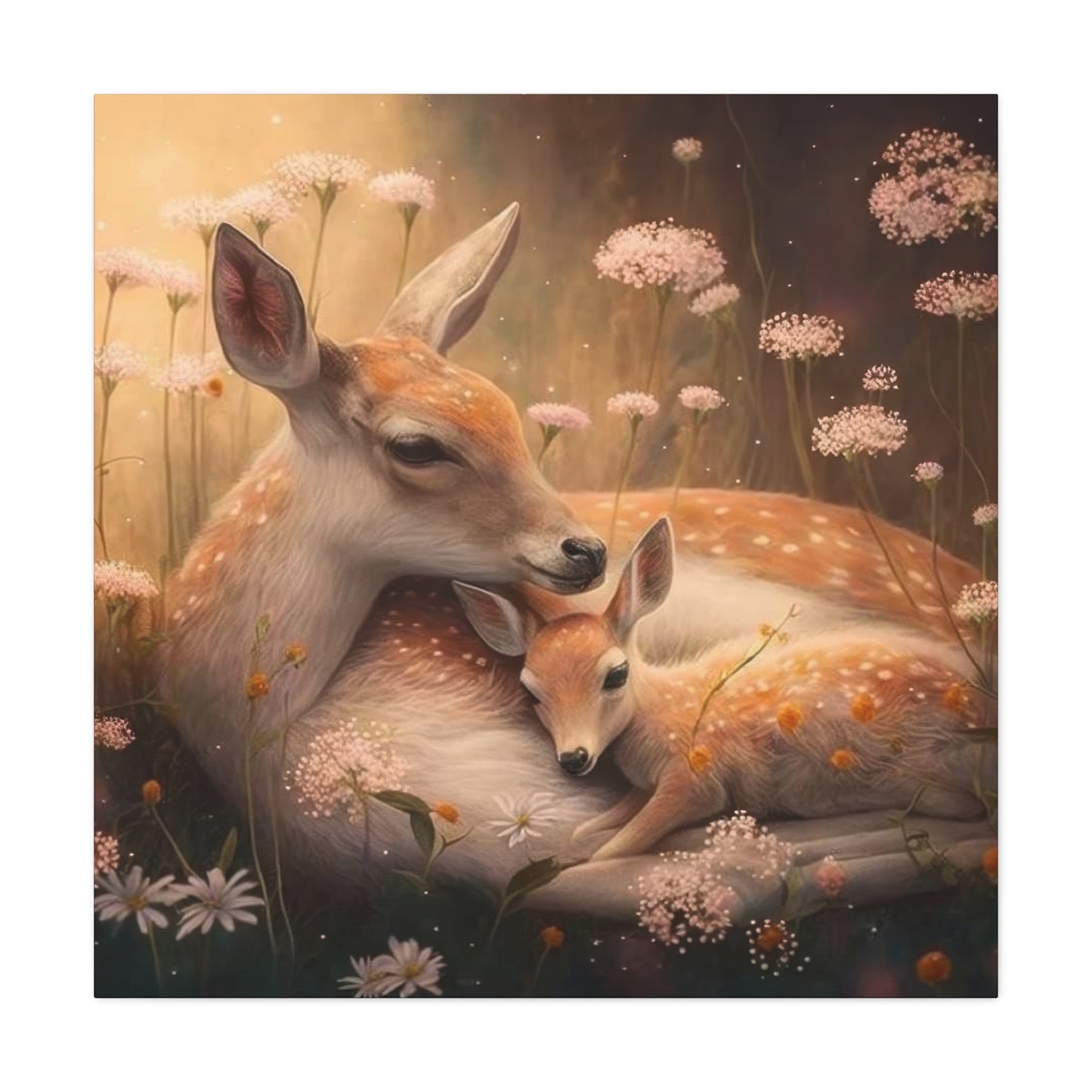
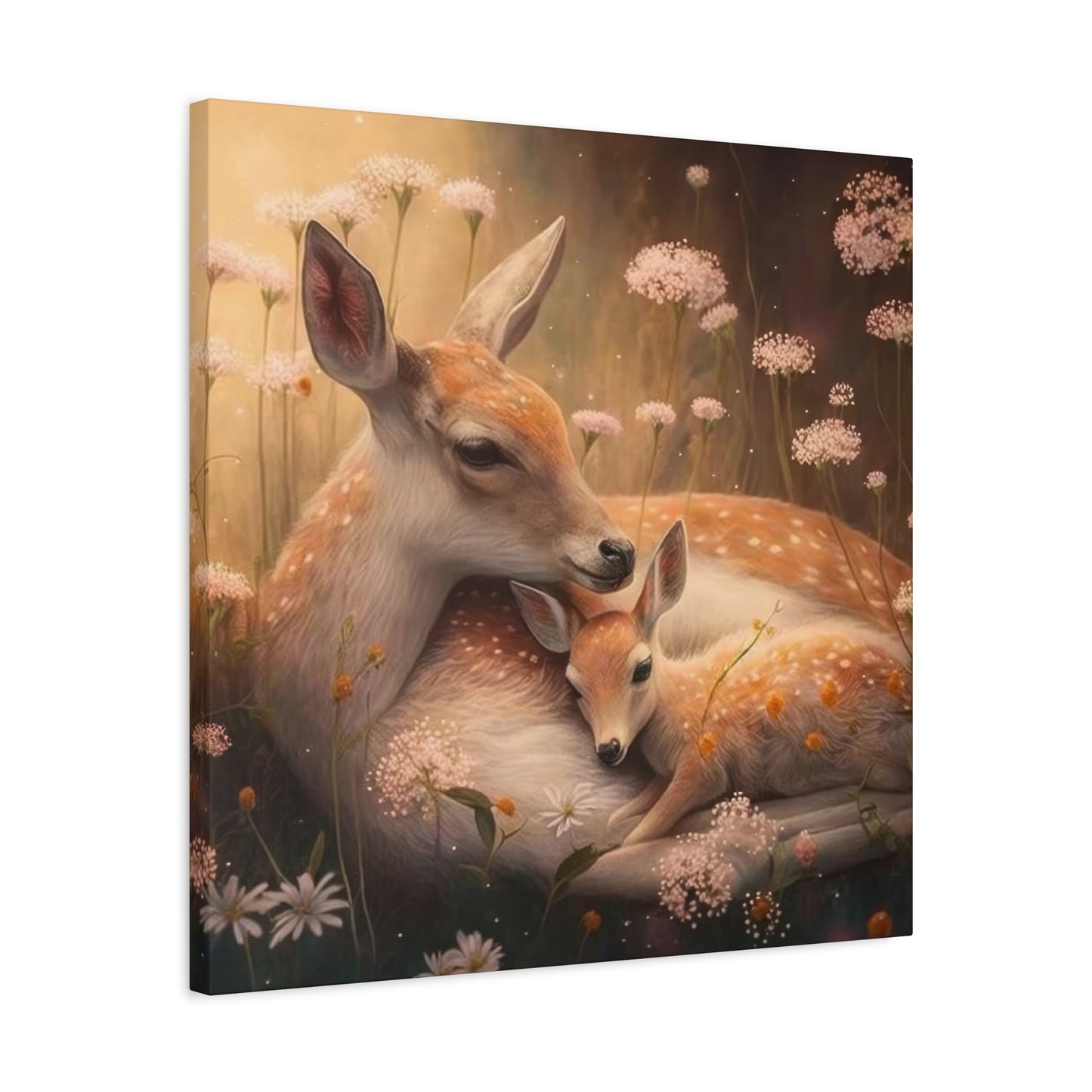
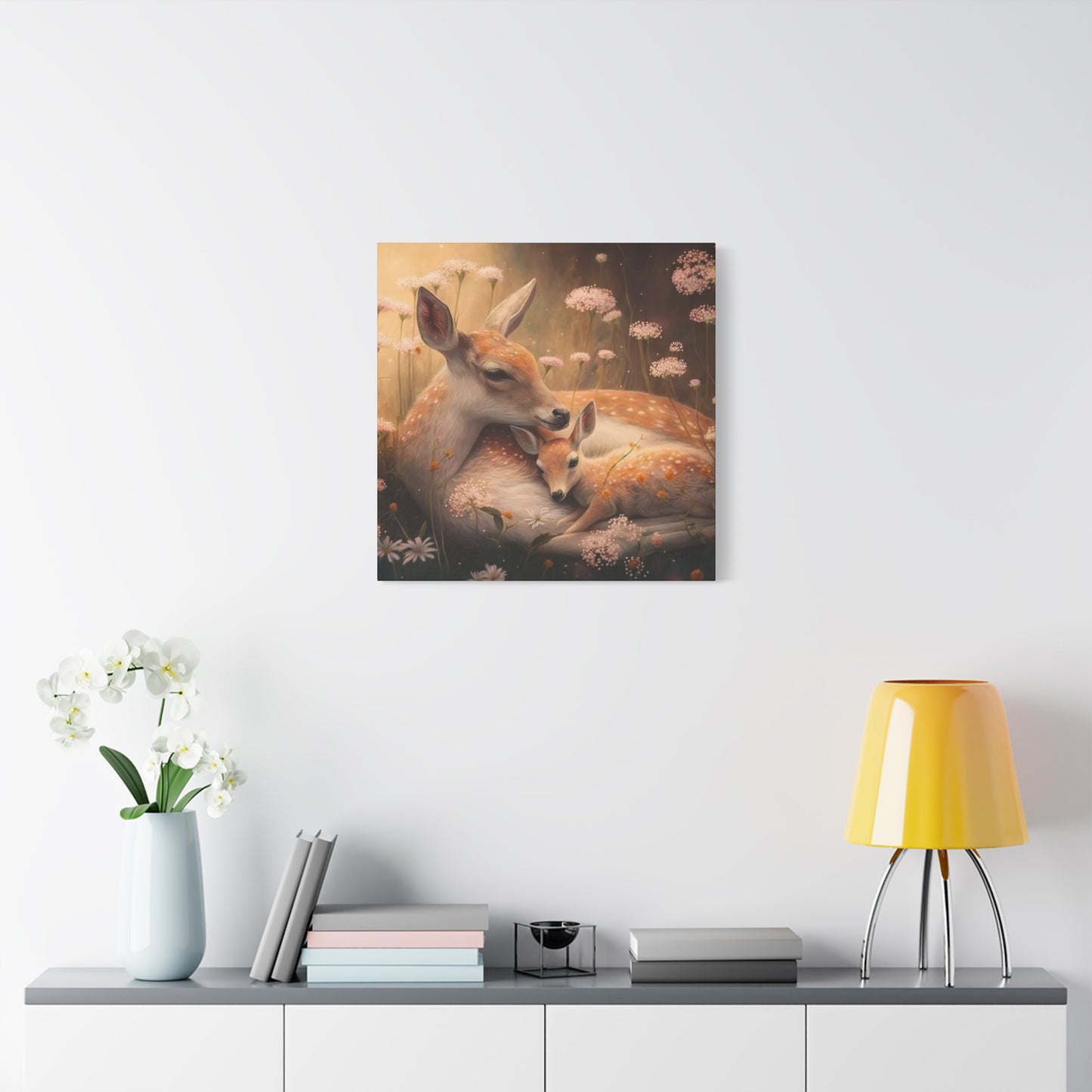
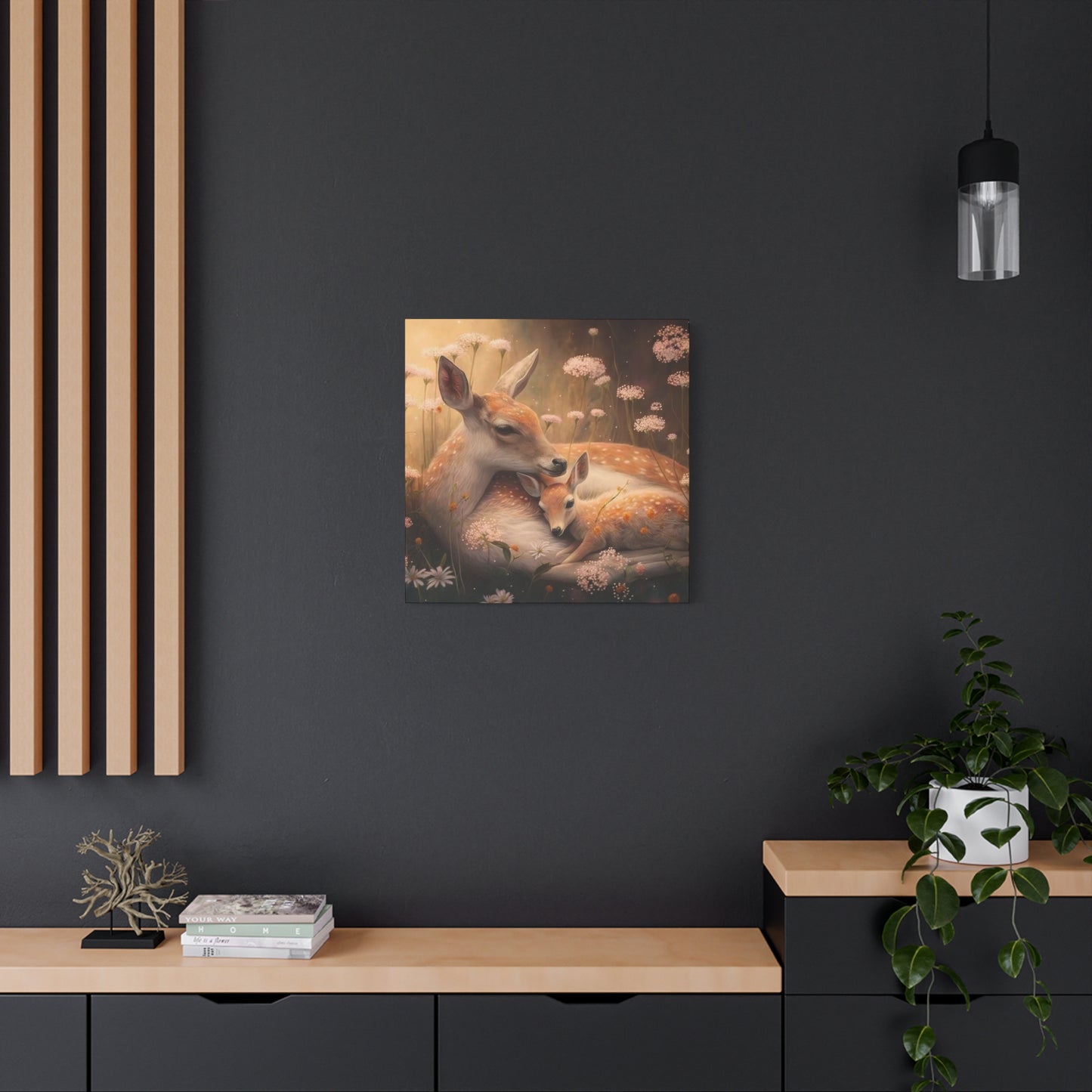
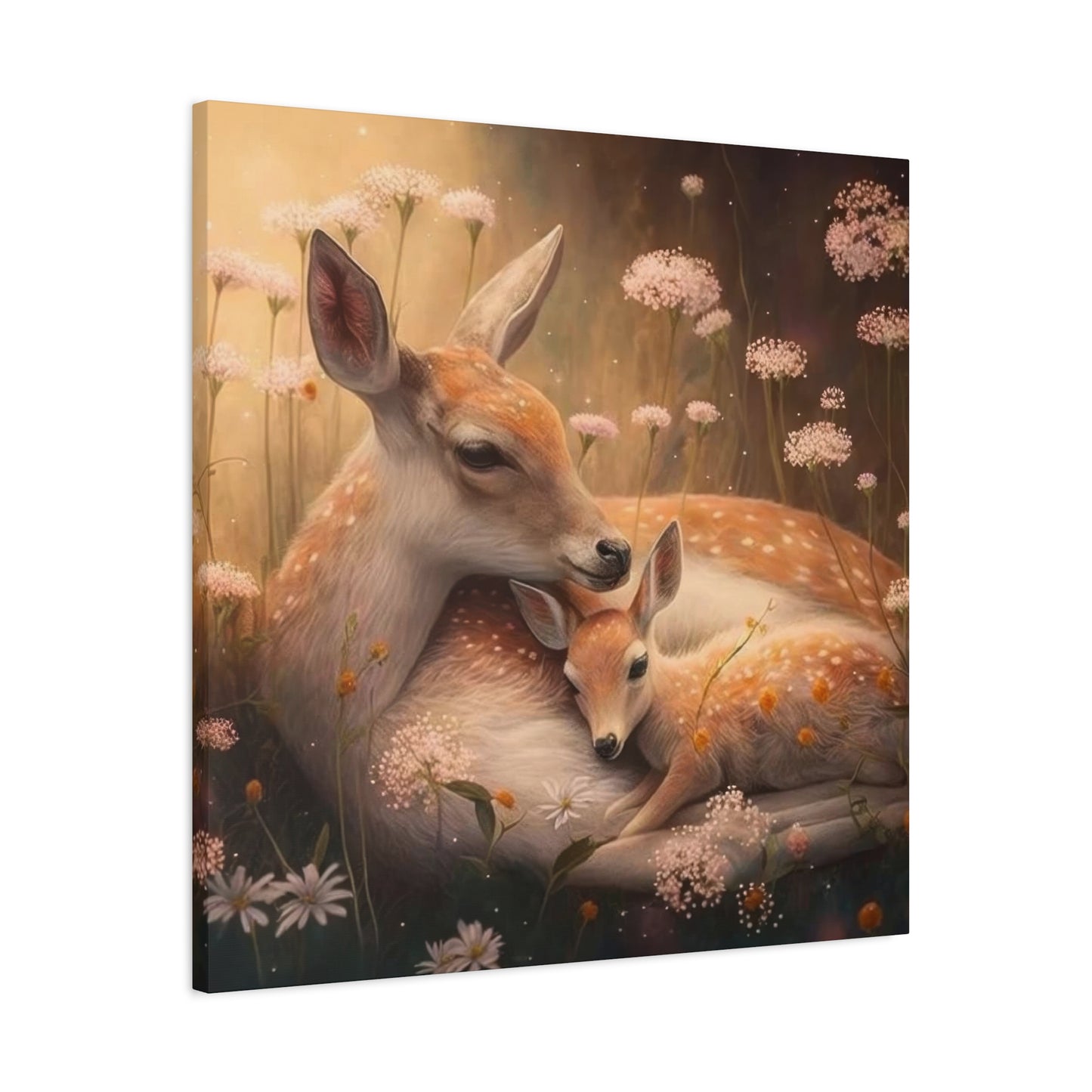
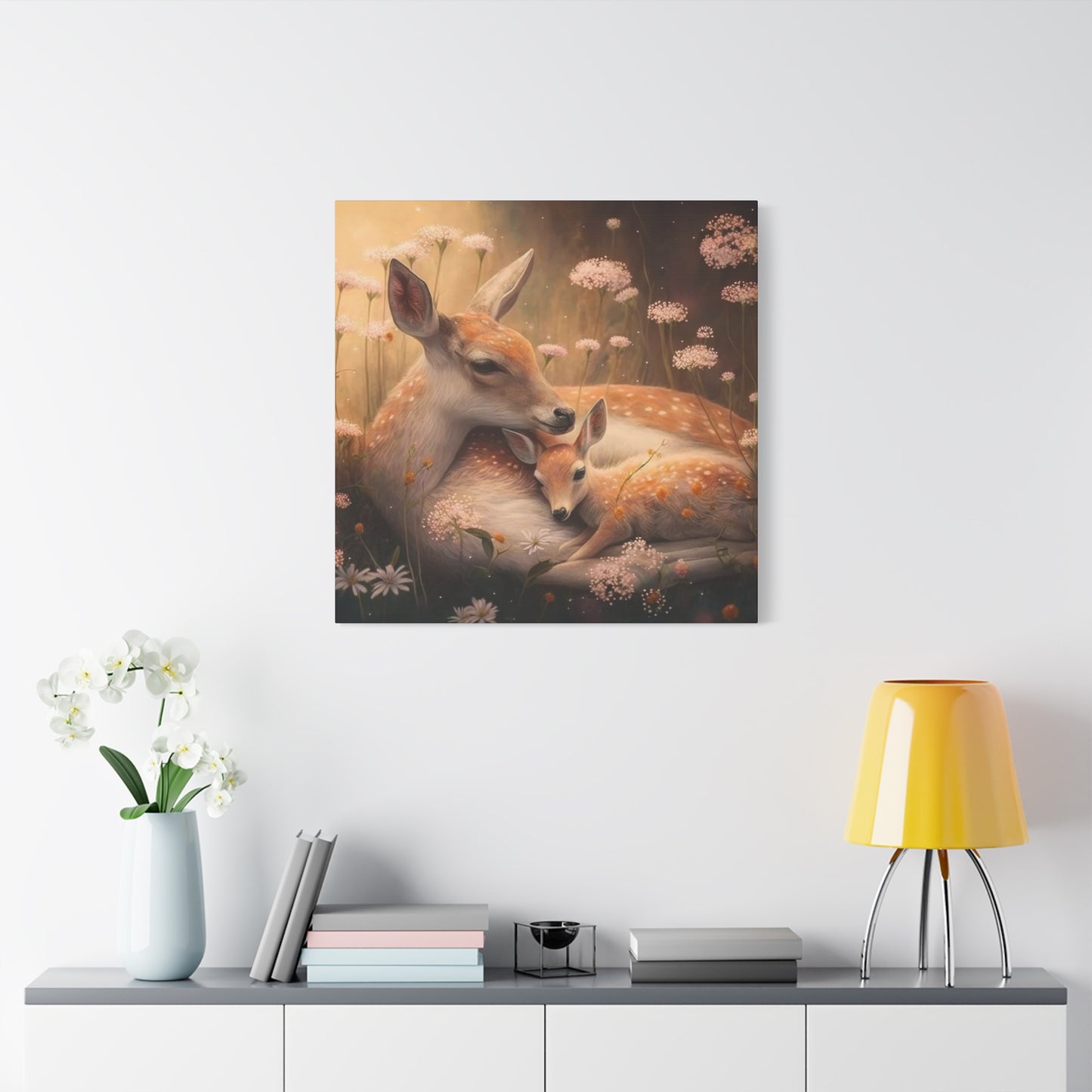
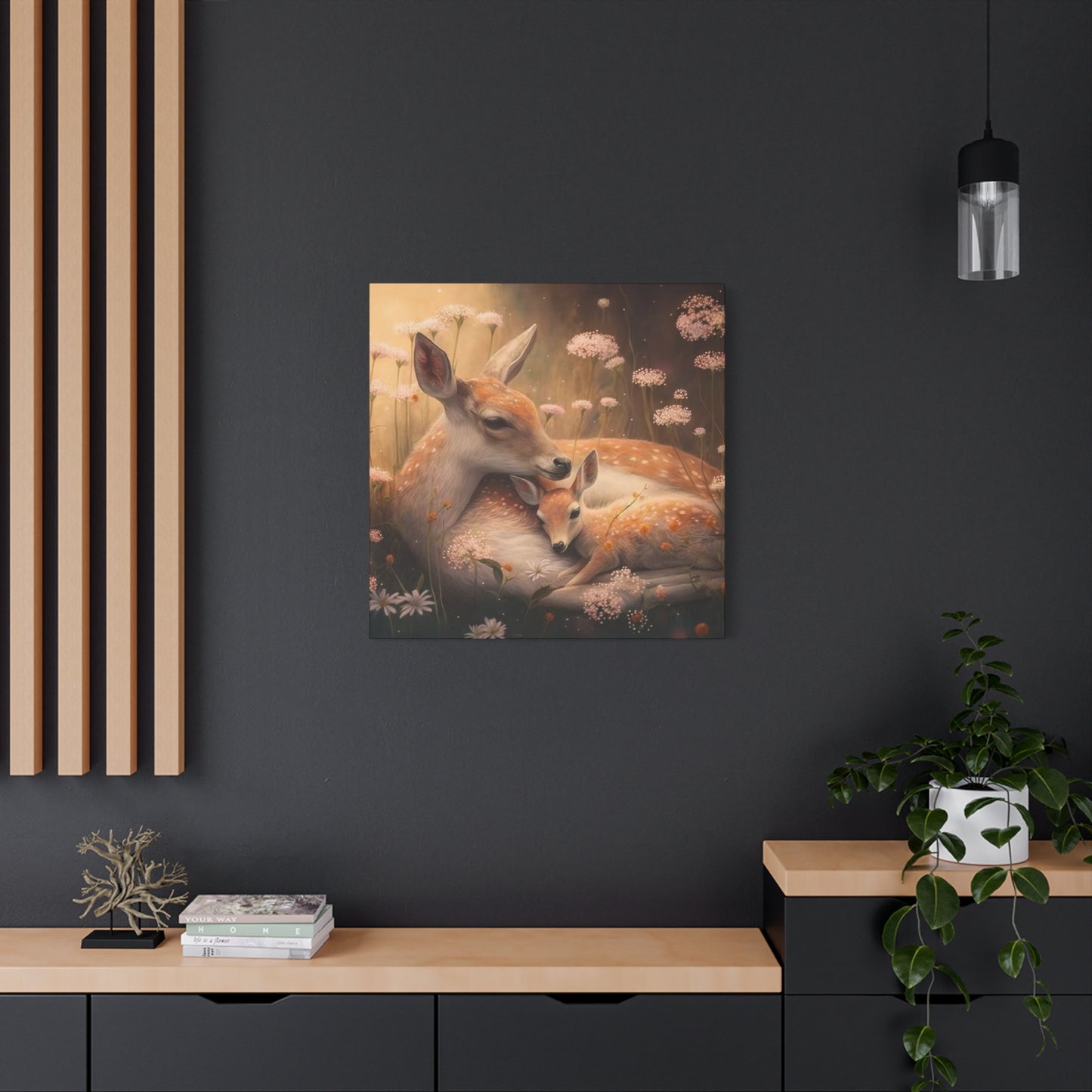
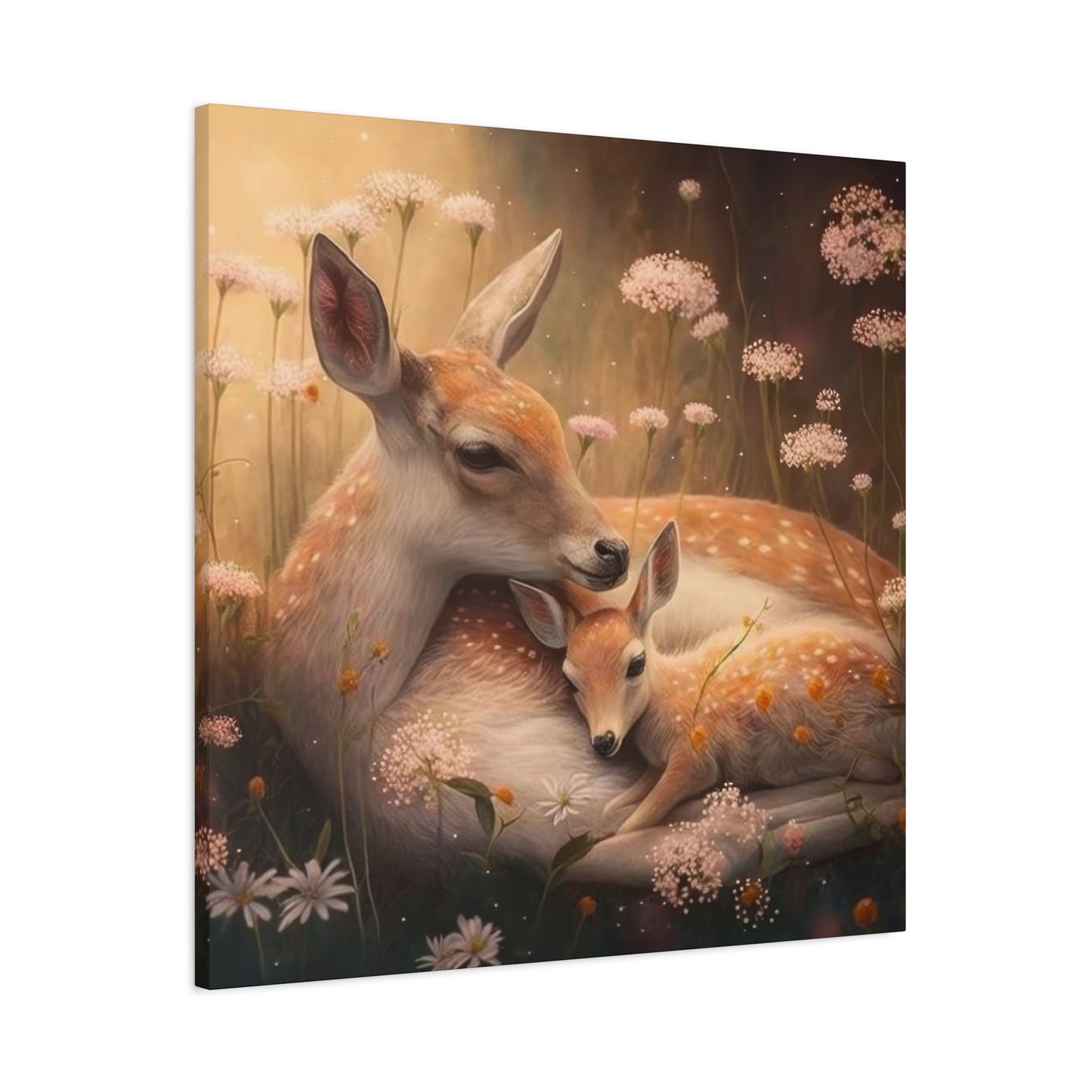
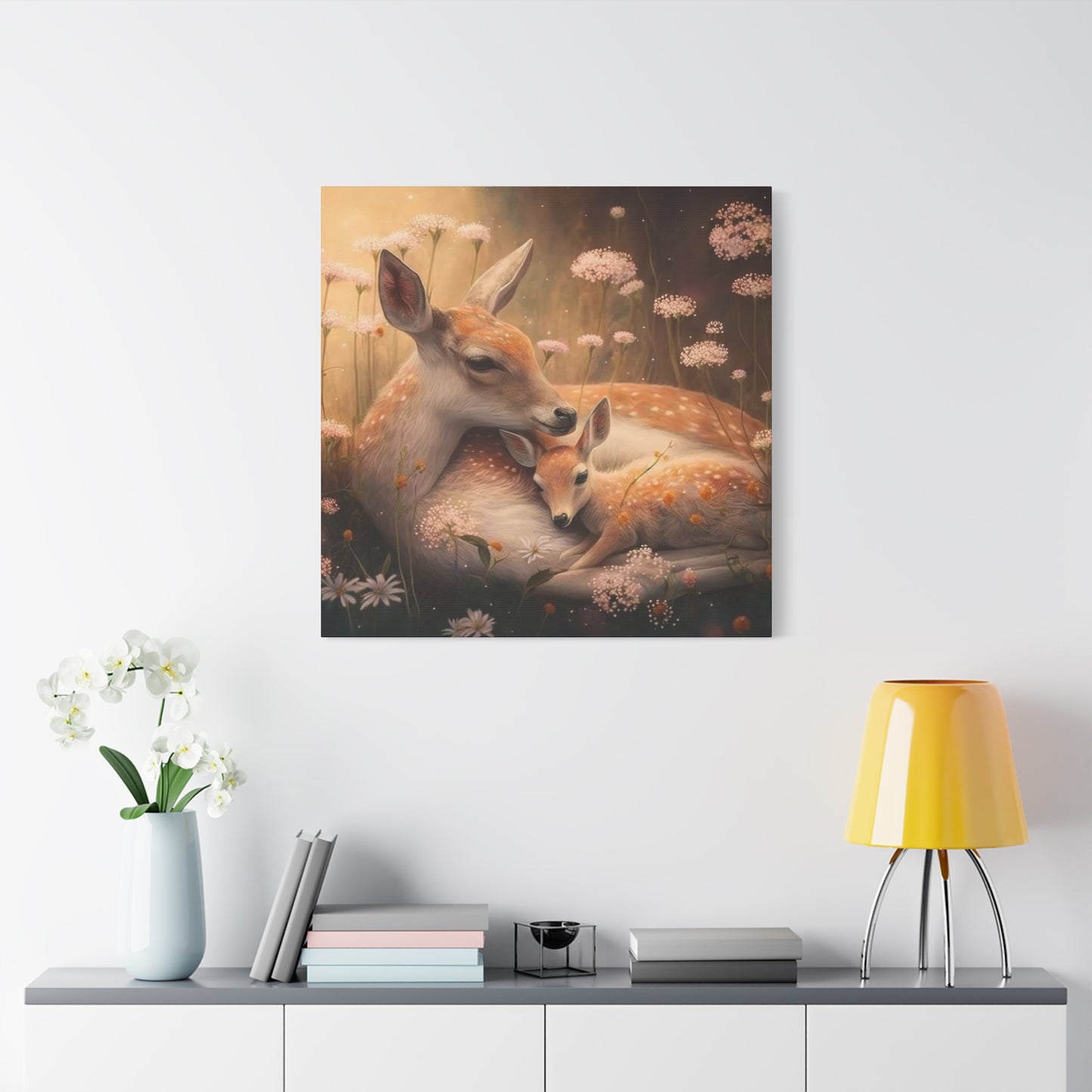
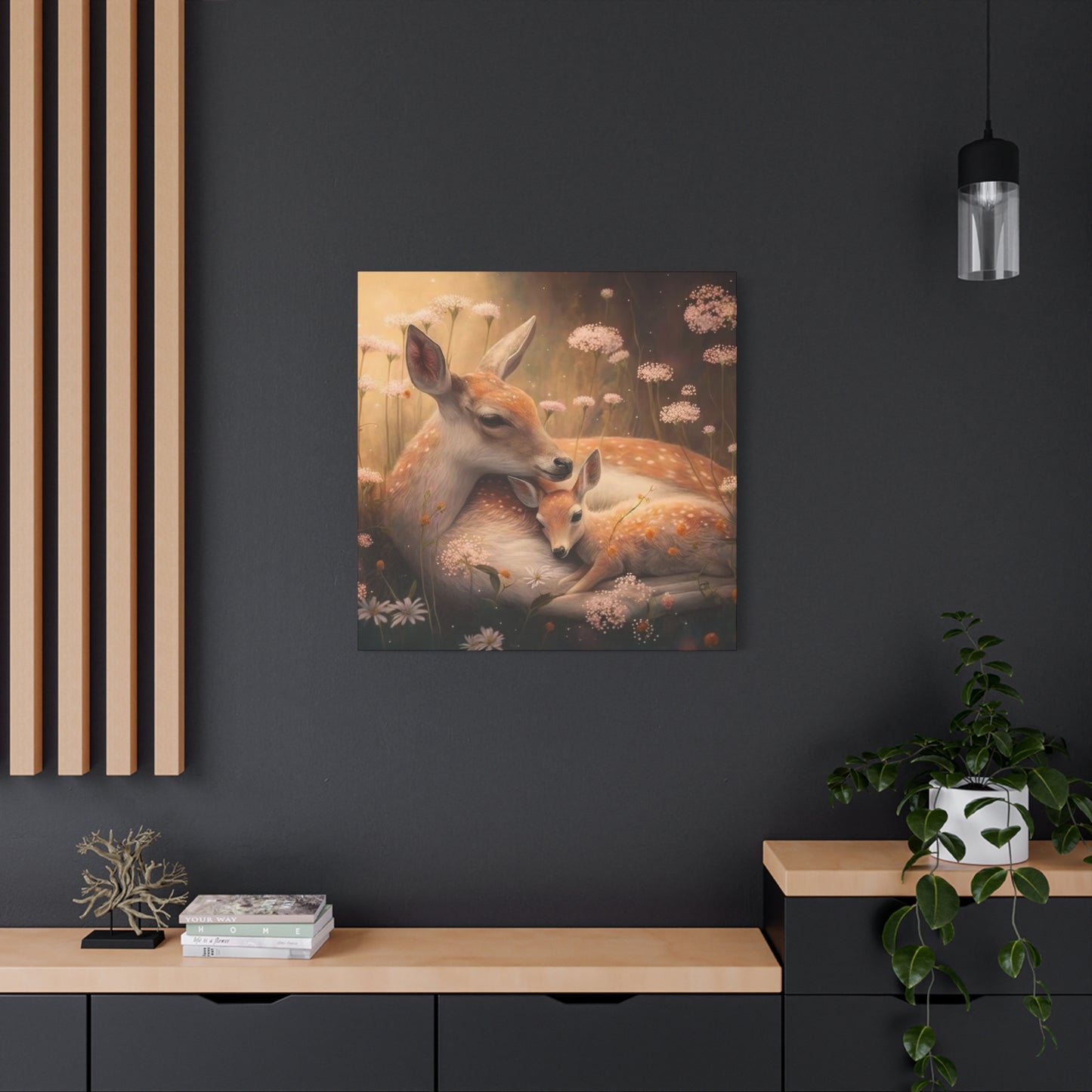
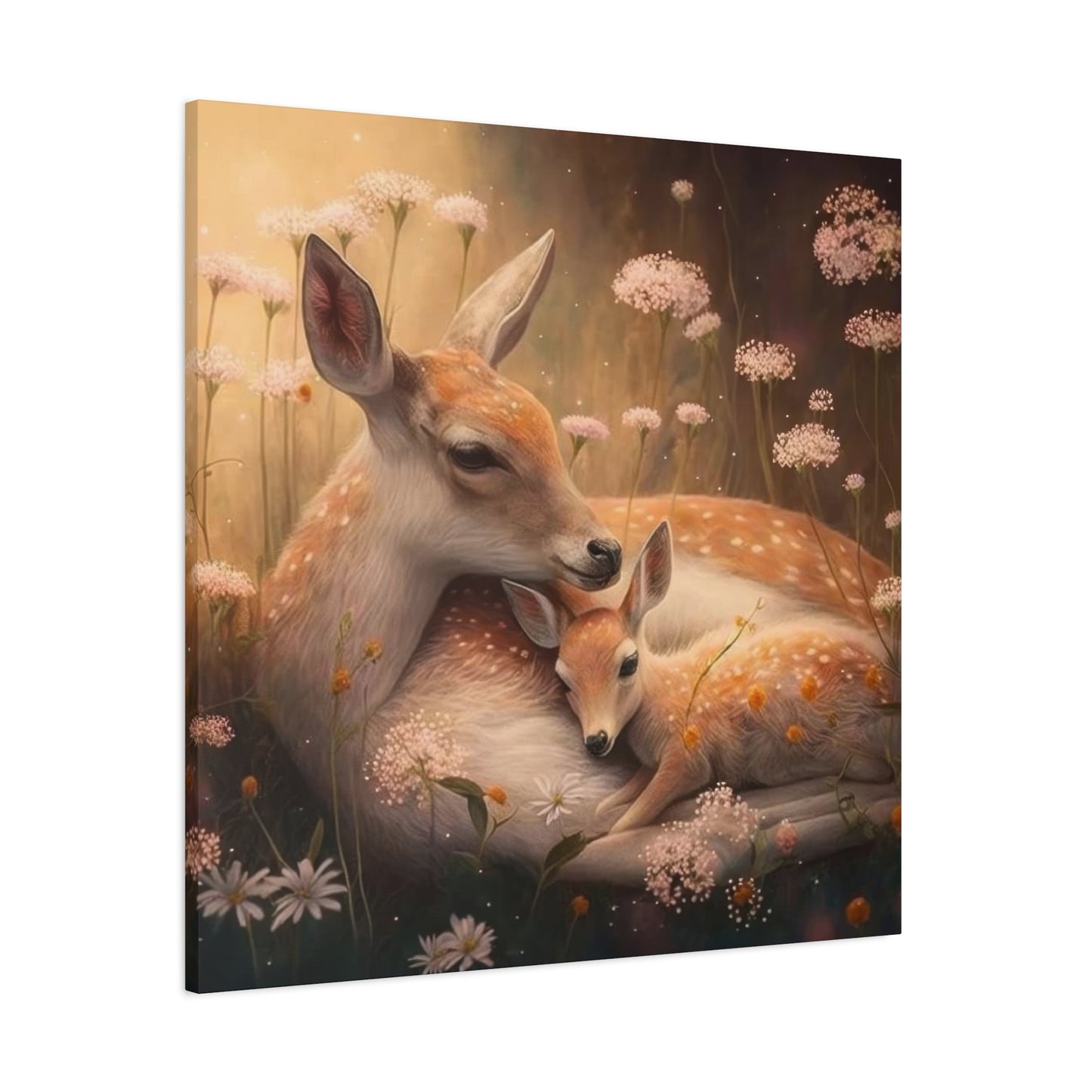
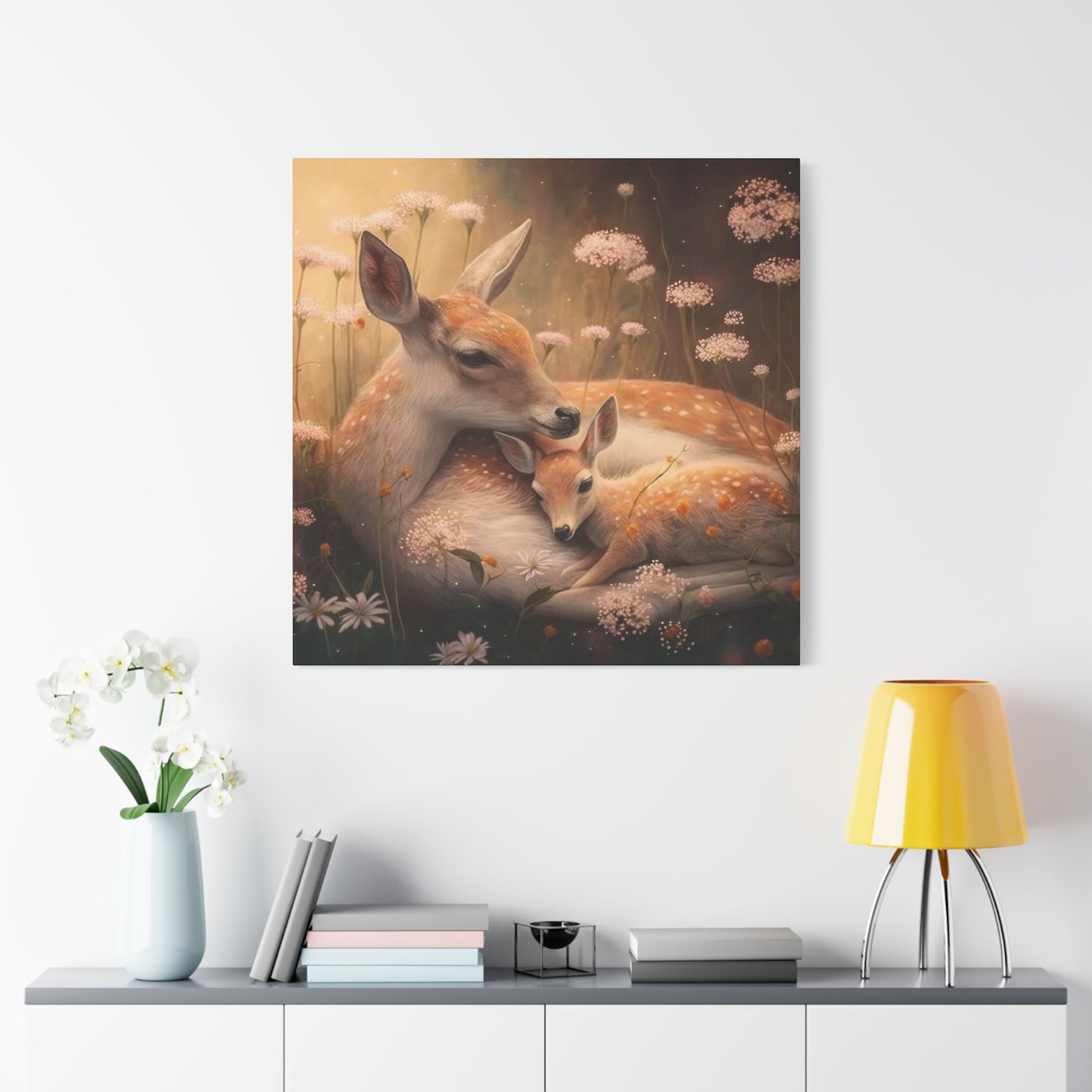

The Heart of the Nursery: Embracing Deer Baby Softlight Wall Art
Creating a nursery is an act of love, a process of weaving together dreams, hopes, and a profound sense of peace for a new life. Every choice, from the color of the paint to the texture of the rug, is made with the intention of building a sanctuary. Within this sanctuary, the walls themselves become a canvas for imagination and comfort. This is where the concept of deer baby softlight wall art finds its perfect home. This specific style of decor transcends mere decoration; it becomes an integral part of the room's atmosphere, a silent guardian of slumber, and a gentle first introduction to the beauty of the natural world. The imagery of a baby deer, or fawn, evokes immediate feelings of innocence, gentleness, and vulnerability. It is a universally recognized symbol of new beginnings and the tender, watchful care of a parent. When this pure imagery is combined with the element of "softlight," the effect is magnified. The light element transforms the art from a static image into a dynamic source of comfort, reassurance, and ambiance. It’s a piece that functions on multiple levels, serving as a focal point during the day and a comforting beacon during the quiet, hushed hours of the night. Choosing such a piece is a declaration of a parent's desire to create an environment that is not just stylish, but emotionally resonant and deeply soothing. It bridges the gap between functional nursery equipment and meaningful, beautiful art.
Unveiling the "Softlight" Concept in Children's Decor
The term "softlight" in the context of deer baby softlight wall art is a beautifully nuanced one, encompassing two distinct yet related ideas. Firstly, it can refer to the artistic depiction of light within the artwork itself. This is the realm of the artist's skill, capturing the hazy, ethereal glow of a forest morning, the dappled sunlight filtering through a canopy of leaves to rest on a fawn's back, or the gentle, diffused light of a misty meadow. This painted or printed light has a profound psychological effect, lending the entire scene a dreamlike, serene quality. It suggests warmth, safety, and a world free from harshness. The art feels tranquil, as if the moment captured is one of perfect peace. This visual softness is ideal for a nursery, as it avoids any stark or overstimulating imagery that could disrupt a baby's rest. Secondly, and often more literally, "softlight" refers to wall art that incorporates an actual, physical light source. This is a brilliant fusion of aesthetics and function. The art may be backlit, with gentle LEDs hidden behind the canvas or frame, creating a halo effect. It could be a piece where elements of the design, like stars or the moon, are subtly illuminated. Or, it might be a 3D piece, such as a carved wooden fawn, with small, warm-toned lights integrated into its form. This functional aspect of deer baby softlight wall art makes it a powerful tool in a parent's arsenal.
The Timeless Appeal of Fawn Imagery in Early Childhood
There is an intrinsic magic to the image of a baby deer. The fawn, with its wide, trusting eyes, spindly legs, and spotted coat, is the very picture of innocence and gentle new life. This imagery has a timeless and cross-cultural appeal that makes it a perfect inhabitant of a child's first room. Unlike fleeting trends or characters tied to a specific show, the fawn is a classic, natural emblem. Its presence on a nursery wall connects the child, even subconsciously, to the wider natural world. It whispers of forests, quiet meadows, and the simple, beautiful rhythms of nature. This connection is grounding. In a world that is increasingly digital and fast-paced, surrounding a child with symbols of nature is a way to instill a sense of calm and appreciation for the organic world. The fawn also represents qualities we hope to nurture in our children: gentleness, curiosity, and a quiet strength. It is a non-threatening, inherently kind figure. For a baby, whose world is just beginning to take shape, these early visual cues are important. The image of a fawn is soft, soothing, and easy for a developing mind to process. It doesn't overstimulate; it comforts. This is why fawn-themed decor, especially deer baby softlight wall art, endures. It is not just a "cute" animal; it is a symbol rich with positive associations. It sets a tone of peace, kindness, and connection to the earth, creating a gentle and nurturing backdrop for the journey of early childhood.
The Calming Influence of Gentle Illumination
The interplay between light and psychology is profound, and this is especially true in the highly sensitive environment of a nursery. A baby's developing circadian rhythm is extremely responsive to light cues. Harsh, bright, or blue-toned light can be disruptive, signaling to their brain that it is time to be alert and active. Conversely, dim, warm, and gentle illumination signals safety, calm, and the approaching time for rest. This is where the "softlight" component of deer baby softlight wall art demonstrates its true value. A piece that emits a low, warm glow acts as a transitional object for the senses. As evening routines begin, switching from bright room light to the gentle radiance of the wall art helps to cue the baby's body and mind that the day is winding down. This soft glow is non-intrusive, providing just enough light to dispel the absolute darkness that can be frightening for a young child, while being dim enough to encourage the production of melatonin, the sleep hormone. The light source itself, being part of a beautiful image of a fawn, associates light with comfort and beauty, not with the sterile function of a utility light. This creates a positive psychological association. The art becomes a beacon of security. A toddler waking in the middle of the night finds reassurance not in total darkness, but in the familiar, gentle outline of their fawn friend, bathed in its own soft light. This builds a sense of security and independence, helping to soothe anxieties about the dark and promoting healthier, more consistent sleep patterns.
Artistic Interpretations: Watercolor and Dreamlike Styles
When exploring the world of deer baby softlight wall art, the watercolor style stands out as a particularly fitting medium. Watercolor, by its very nature, is a medium of softness and light. The way the pigments bleed and blend on textured paper creates an inherently dreamy, ethereal effect that perfectly complements the subject of a fawn and the concept of soft light. Artists using watercolor can achieve a beautiful transparency, suggesting the delicate fur of a baby deer or the misty, out-of-focus background of a forest. The colors are often gentle and diffused, blending seamlessly from one pastel shade to another, which avoids any harsh lines or jarring contrasts that might feel out of place in a serene nursery. This style feels fluid, gentle, and in motion, as if the fawn was captured in a fleeting, quiet moment. This dreamlike quality is essential for a nursery. It stimulates the imagination in a soft, non-prescriptive way. The art doesn't demand attention; it invites quiet contemplation. It fosters a sense of wonder and whimsy, transforming the wall into a portal to a gentle, magical world. A watercolor fawn might be depicted sleeping under a pale crescent moon, or looking up with curiosity from a field of hazy flowers. The "softlight" aspect can be visually implied here, with the artist using white space and pale washes to create the illusion of light, or it can be a physical light that, when filtering through the watercolor print on canvas, enhances that gentle, blended, and dreamlike aesthetic.
Capturing Nature: Realistic and Naturalistic Fawn Artwork
While whimsical styles are popular, there is a deep and growing appreciation for realistic and naturalistic depictions of fawns in nursery art. This approach moves away from cartoonish representation and leans into the true, breathtaking beauty of the animal itself. A naturalistic piece of deer baby softlight wall art might feature a fawn rendered with photographic detail, capturing the precise texture of its coat, the wet, reflective-gloss of its eyes, and the delicate form of its ears. The setting is equally important—a realistic portrayal of a sun-dappled thicket, a bed of ferns, or the base of an ancient, moss-covered tree. This style serves a different but equally important purpose. It is a direct and beautiful introduction to biology and the natural world. It teaches a child, from the very beginning, to see and appreciate the intricate beauty of real animals. This style of art fosters respect for nature. It doesn't "dumb down" the subject for a baby but rather elevates the nursery decor with a piece of genuine wildlife art. When this realistic portrayal is combined with a softlight element, the effect is magical. A backlit canvas of a fawn resting in the woods can make it feel as though you are peering through a window into a real, tranquil forest scene. The light adds depth and dimension, highlighting the realistic details and creating an incredibly immersive and calming atmosphere. This approach is perfect for parents who prefer a more sophisticated, timeless, and educational decor style that will not be quickly outgrown.
Modern and Minimalist Approaches to Baby Deer Art
The concept of deer baby softlight wall art also fits seamlessly into modern and minimalist nursery designs. Not all nursery art needs to be explicitly "cutesy." A minimalist approach focuses on clean lines, simple forms, and a "less is more" philosophy. In this context, a baby deer might be represented by a simple, elegant line drawing, a geometric interpretation, or a silhouette. The art prioritizes form and space, often using a restricted color palette of neutrals, monochromes, or a single soft accent color. This style is incredibly sophisticated and creates a powerful sense of calm. The lack of visual clutter is inherently restful for both baby and parent. A minimalist deer art piece acts as a quiet, thoughtful focal point rather than a loud statement. The "softlight" element in a minimalist design is often just as sleek. It might be a clean, edge-lit acrylic piece that etches the fawn's outline in a warm, white light. It could be a simple wooden cutout of a deer, backlit to create a soft halo against the wall. This combination of simple form and gentle light is the essence of modern hygge—a feeling of cozy, comfortable, and uncluttered well-being. This approach is ideal for parents who want to create a serene, gender-neutral, and stylish space that feels contemporary and timeless. It proves that nursery decor can be both appropriate for a child and aligned with a parent's modern aesthetic sensibilities.
Functional Decor: When Wall Art Doubles as a Nightlight
One of the most compelling aspects of deer baby softlight wall art is its dual function. It elegantly solves two nursery needs in one beautiful package: the need for visual decoration and the practical need for a nightlight. This blend of form and function is a hallmark of intelligent nursery design. Traditional nightlights are often purely functional, made of plastic, and can be aesthetically jarring when plugged into a wall outlet. They can also cast a light that is too bright or an unattractive color. In contrast, an illuminated piece of wall art integrates the light source directly into the decor. The light is partall of the artistic composition, not an afterthought. This creates a much more cohesive and intentional look. By day, the nursery wall features a lovely portrait of a baby deer. By night, that same portrait transforms, emitting a gentle, diffused glow that provides comfort and visibility. This functionality is invaluable during the first few years. For a newborn, the dim light allows parents to check on them, find a pacifier, or navigate a feeding without flipping on a disruptive lamp. As the child grows into a toddler, the art becomes a powerful tool against the common fear of the dark. The familiar, friendly image of the fawn, glowing softly, provides a constant, reassuring presence. It tells the child they are safe and not alone. This single piece of decor serves an emotional, practical, and aesthetic purpose all at once.
Safety and Practicality of Illuminated Art in a Baby's Room
When introducing any electrical item into a baby's room, safety and practicality are the absolute highest priorities. Reputable manufacturers of deer baby softlight wall art design their products with this in mind. The primary safety feature is the use of LED (Light Emitting Diode) technology. LEDs are the superior choice for a nursery for several crucial reasons. First, they produce very little heat. Unlike traditional incandescent bulbs, an LED-illuminated canvas or frame will remain cool to the touch, even after hours of being on. This eliminates the risk of burns if a curious toddler manages to touch it and also removes any fire hazard associated with hot bulbs near fabric or canvas. Second, LEDs are extremely energy-efficient, consuming a fraction of the power of other bulbs, which makes them economical to run all night long. Third, they are durable. LEDs have no fragile filaments to break, making them much more robust and long-lasting. Practicality extends beyond the light source. Look for art that is battery-operated to avoid cords, which can be a strangulation hazard. If the piece is plug-in, it must have a cord that can be safely and securely fastened to the wall, well out of a child's reach. Many pieces come with built-in timers, a feature of immense practicality. A timer can be set for the light to turn on at dusk, provide a comforting glow for several hours, and then automatically turn off after the child is deeply asleep, or it can be set to stay on all night and turn off at dawn. Finally, ease of installation is key. The art should be lightweight and easy to hang securely, ensuring it cannot be pulled down.
Crafting a Narrative: Integrating Fawn Art into a Woodland Theme
A piece of deer baby softlight wall art is often the keystone element in a broader, more immersive nursery theme, most notably the beloved woodland theme. This theme is popular for its calming, gender-neutral, and nature-centric aesthetic. The fawn art acts as the heart of this narrative, setting the stage and introducing the main character. From there, the rest of the decor can be built out to create a cohesive and magical forest world. The color palette is drawn directly from the art piece—soft greens of moss and leaves, deep browns of tree bark, and the creamy whites and beiges of the fawn itself. These earthy tones can be used on the walls, in the textiles, and for the furniture. A mobile hanging over the crib might feature other woodland creatures like owls, bunnies, and foxes, all friends of the central fawn. Bedding and curtains can be printed with subtle patterns of leaves, acorns, or birch trees. A textured rug might mimic the feel of soft moss underfoot. You can enhance the "softlight" theme by adding other sources of gentle light, suchs as string lights (fairy lights) draped like twinkling fireflies over a bookshelf or canopy. The goal is to create an environment that feels like a safe, enchanted clearing in the woods. The deer baby softlight wall art is the focal point that ties all these elements together, providing not just a picture, but a story and an atmosphere of gentle, natural wonder.
Color Palettes and Harmony: Matching Art with Nursery Colors
The right piece of deer baby softlight wall art can serve as the perfect anchor for a nursery's entire color palette. The artwork's inherent colors—the soft browns, tans, and whites of the fawn, the gentle greens or blues of its background—provide a natural and sophisticated base to build upon. If the art is the first piece chosen, the wall colors, textiles, and furniture can be selected to complement it. For example, a painting with a fawn in a misty, sage-green forest inspires a palette of sage, cream, and warm wood tones for a serene and earthy room. If the art is being added to an existing room, it's important to choose a piece that creates harmony. Look for art where the background colors pick up on the existing wall color or the accent colors in the rug or curtains. The beauty of fawn imagery is its neutrality. The natural, earthy tones of a deer blend beautifully with a wide array of popular nursery palettes. It works flawlessly with soft, gender-neutral pastels like mint, pale yellow, or blush pink. It looks equally stunning against a backdrop of crisp whites and grays for a modern, Scandinavian feel. It can even hold its own against richer, bolder colors like navy blue or deep terracotta, where the "softlight" element would pop, creating a dramatic and cozy effect. The key is to see the art not as an isolated object, but as a key piece of a larger puzzle. It should resonate with the room's color story, either by leading it or by blending with it to create a unified and peaceful visual experience.
Strategic Placement for Maximum Soothing Effect
Where you hang a piece of deer baby softlight wall art is just as important as the art itself. The placement directly influences its visibility, safety, and psychological impact. The most popular location is often the wall above the crib. This makes it a primary focal point of the room and positions it directly in the baby's line of sight when they are lying down. A calming image of a fawn, perhaps with a gentle light, gives them something peaceful to focus on as they drift off to sleep or first wake up. However, safety is paramount here: the art must be hung securely and high enough that there is absolutely no possibility of it falling into the crib or the baby being able to reach it, even as they grow and learn to pull themselves up. An alternative and equally effective location is on the wall opposite the changing table. This placement is strategically brilliant. It gives the baby something engaging and soothing to look at during diaper changes, which can often be a fussy time. The gentle light and calming image can help distract and relax them, making the process easier for both baby and parent. Another excellent spot is near the rocking chair or glider. As a parent sits, rocking and feeding their baby in the quiet of the night, the soft glow from the art piece can provide the perfect ambient light. It's enough to see by without being over-stimulating, and the gentle imagery contributes to the peaceful, bonding moment. Ultimately, the best placement is one that is both safe and integrated into the daily routines of the nursery, maximizing the art's comforting influence.
Beyond the Frame: Fabric, Decal, and Mural Alternatives
While a framed print or illuminated canvas is a classic choice, the concept of deer baby softlight wall art can be expressed in many other creative and beautiful forms. Fabric wall hangings, or tapestries, offer a wonderful alternative. A large, soft tapestry printed with a baby deer creates a significant visual impact while also adding a layer of texture and sound absorption to the room, making the space feel cozier and quieter. Some tapestries can even be backlit with string lights clipped behind them to achieve the softlight effect. Wall decals are another versatile and popular option. Modern decals are high-quality, easy to apply, and, most importantly, easy to remove without damaging the walls. This makes them ideal for renters or for parents who anticipate wanting to change the theme as the child grows. A set of decals might include a large fawn, along in with separate elements like trees, stars, and flowers, allowing parents to create a custom scene across the wall. The "softlight" can be incorporated by pairing the decals with a strategically placed plug-in nightlight or fairy lights. For the most immersive experience, a wall mural can transform an entire wall into a woodland scene. The fawn can be the central figure in a hand-painted or wallpapered landscape. In this scenario, the softlight element might come from a wall-mounted sconce designed to look like a lantern or a moon, casting a glow over the mural itself and bringing the entire scene to life.
The DIY Path: Creating Your Own Bespoke Fawn Light Art
For the creatively inclined parent, a do-it-yourself project to create a one-of-a-kind piece of deer baby softlight wall art can be an incredibly rewarding experience. This allows for complete customization of the size, style, and colors to perfectly match the nursery. One popular and accessible method is the backlit canvas. This involves starting with a pre-stretched artist's canvas. You can paint your own simple, minimalist silhouette of a fawn or, for a simpler approach, use a stencil. Once the painting is dry, you can carefully poke small holes in the canvas, perhaps to outline the fawn or to create a pattern of stars in the background. Then, a string of battery-operated, cool-touch LED fairy lights is taped or glued to the back of the canvas frame, with the tiny bulbs pushed through the holes. The battery pack can be discreetly attached to the back of the frame, making the entire piece self-contained and cord-free. Another wonderful DIY idea involves using a sheet of thin plywood. You can draw and cut out the shape of a sleeping fawn using a jigsaw. After sanding the edges smooth, you can either paint it a soft color or leave the natural wood grain. Then, attach a strip of flexible LED tape lighting around the back edge of the wood shape. When mounted on the wall with small spacers, the light spills out from behind the fawn, creating a beautiful, warm halo effect. This personalized creation not only functions as a perfect nightlight but also holds the immense sentimental value of being made by hand with love.
A Gift of Serenity: Why This Art is the Perfect Baby Shower Present
Searching for the perfect baby shower gift can be a challenge. In a sea of onesies, diapers, and plastic toys, a gift that is both beautiful and practical, and that will last longer than a few months, is a true treasure. A piece of high-quality deer baby softlight wall art is precisely that. It is a gift of ambiance, serenity, and style. Unlike clothing that will be quickly outgrown, a well-chosen piece of art can be a cherished part of the child's room for years. It demonstrates a level of thoughtfulness that goes beyond the standard registry. Gifting this item shows that you have considered the environment the parents are trying to create for their child. You are giving them more than just an object; you are giving them a tool to help soothe their baby, a gentle light for late-night check-ins, and a beautiful focal point that completes their nursery design. The theme itself—a baby deer—is perfectly suited for a baby shower. It is gender-neutral, universally loved, and carries symbolic meanings of gentleness, innocence, and new life, all of which are perfect sentiments for welcoming a new baby. A parent-to-be who unwraps a beautifully crafted, illuminated fawn art piece will instantly recognize its dual value. It is a sophisticated, functional, and deeply sentimental gift that will be appreciated every quiet evening and every peaceful morning.
Growing with Grace: Art that Transitions from Nursery to Toddler Room
One of the best investments a parent can make in nursery decor is choosing pieces that have longevity. Babies grow into toddlers, and toddlers into children, at a rapid pace, and their tastes and needs change just as quickly. A theme that feels perfect for a newborn can feel babyish to a three-year-old. This is another area where the choice of deer baby softlight wall art proves to be a wise one. The fawn, as a symbol of nature, is timeless. It doesn't belong to a specific age bracket in the same way a cartoon character does. A realistic or beautifully stylized painting of a deer remains appropriate and beautiful long after the crib has been replaced by a toddler bed. A toddler who may have outgrown a "baby" theme will still appreciate the connection to nature and the "big kid" feel of a woodland or forest-themed room. The softlight function also evolves in its usefulness. For a baby, it's a parental aid and a gentle glow. For a toddler, it becomes a "monster-repellent" light, a familiar beacon of security that gives them the confidence to sleep in their own room. The art piece can be moved from above the old crib spot to a new place of honor, perhaps above a reading nook or a play table, where it continues to provide its gentle light and natural beauty. This ability to grow with the child makes the art a truly sustainable and economical choice, its value extending far beyond the nursery years.
Weaving Texture: Pairing Fawn Art with Nursery Textiles
The visual softness of deer baby softlight wall art is a delight for the eyes, but a truly immersive nursery design engages all the senses, especially touch. The art piece, with its gentle glow and serene imagery, serves as a perfect starting point for building a rich textural landscape within the room. The goal is to create a harmony between the smooth, illuminated surface of the art and the other fabrics and materials in the space. Imagine pairing your glowing fawn art with a plush, high-pile rug on the floor, perhaps in a cream or soft grey, mimicking the feel of soft moss or even the fawn's downy coat. This creates a tactile connection between the floor and the wall. For curtains, you could choose a material that plays with the light in a similar way to the art. A light, airy linen or sheer cotton curtain allows natural daylight to filter through softly, echoing the diffused, gentle quality of the "softlight" art piece. In the crib and on the rocking chair, consider textiles that reinforce the natural, woodland theme. A chunky knit blanket tossed over the glider, a muslin swaddle printed with a subtle leaf pattern, or a faux-fur throw pillow all add layers of texture and warmth. These elements work together to make the room feel safe, enclosed, and incredibly cozy, amplifying the comforting message that the deer baby softlight wall art originates.
Visual Stimulation and Early Cognitive Growth
A baby's brain is a remarkable engine of development, and their visual environment plays a crucial role in wiring their cognitive-perceptual systems. While a nursery should be calming, it should not be void of interest. This is where a piece of deer baby softlight wall art strikes a perfect balance. For a newborn, the world is a blur of shapes and shadows. The gentle, low-contrast illumination of a softlight art piece is ideal for their developing eyes. It provides a point of focus that is engaging without being overwhelming or jarring, unlike a bright overhead light. The contrast between the glowing light and the darker wall or canvas helps them practice focusing and tracking objects. As their vision sharpens, they will begin to discern the shape of the fawn itself. The simple, organic, and recognizable form of a baby deer is an excellent early image. It is more complex than a simple geometric shape but more soothing and less stimulating than a busy, multi-character scene. This art can aid in object recognition and, later, in language development as parents point to the art and say "deer" or "fawn." The art provides a consistent, friendly "face" in the room, which can be a source of visual comfort, helping the baby to build a sense of familiarity and security in their personal space.
Global Symbolism: The Deep Resonance of the Deer
The choice of a fawn for a nursery is intuitive for many, but its power as a symbol is also backed by a rich history of cross-cultural meaning. Choosing deer baby softlight wall art taps into this deep, collective positive association. In many cultures, the deer is a symbol of gentleness, kindness, and intuition. Its quiet, watchful nature is seen as a representation of sensitivity and grace. This is a beautiful sentiment to surround a child with from their very first day. In Celtic traditions, the white hart or deer was a mystical creature, a messenger from the otherworld that signaled a profound spiritual journey was beginning—a beautiful metaphor for new life and parennthood. In many Eastern philosophies, the deer is associated with longevity, peace, and serenity. Its ability to move gracefully and silently through the forest is seen as a mark of a gentle and peaceful spirit. By placing this art in a nursery, a parent is, perhaps unconsciously, invoking these universal virtues. The art becomes more than just a picture of a cute animal; it becomes a quiet blessing, a wish for the child to grow with grace, to be gentle-hearted, to walk through life with a sense of peace, and to remain connected to the intuitive, natural world.
Expanding the Habitat: Fawn Art in Playrooms and Reading Nooks
The charm of deer baby softlight wall art is certainly not confined to the nursery. Its timeless and soothing qualities make it a perfect transitional piece for other child-centered spaces within the home as they grow. As a nursery evolves into a toddler's room, the art can be repurposed to define a specific zone, such as a "quiet corner" or a reading nook. Imagine a small tent or canopy in the corner of the room, with soft cushions on the floor, a small bookshelf, and the gentle, illuminated fawn art hung on the wall just inside. It creates the perfect ambiance for settling down with a picture book, its soft light providing just enough illumination for reading. In a dedicated playroom, which can often be a space of high energy and bright colors, a piece of softlight art can help create a necessary "calm-down" area. It offers a visual cue for a quieter, more imaginative type of play. The natural, woodland theme inspires different narratives, encouraging play that involves nature, animals, and exploration rather than just loud toys. Its gentle presence can help balance the room's energy, reminding children that there is also value in quiet, peaceful moments.
The Eco-Conscious Choice: Sustainable and Non-Toxic Fawn Art
Today's parents are increasingly and wonderfully conscious of the materials they bring into their homes, especially into their baby's room. An eco-friendly nursery is a healthy nursery. When selecting a piece of deer baby softlight wall art, it is worth seeking out options that align with this value. This means looking beyond the image to the materials used to create it. For wooden-framed art or 3D wooden cutouts, look for makers who use sustainable, solid wood sources, such as bamboo, or wood certified by the Forest Stewardship Council (FSC). This ensures that the product did not contribute to deforestation. The paints and finishes are equally important. The art should be finished with non-toxic, water-based paints and sealants that are certified as having zero or low volatile organic compounds (VOCs). This is critical, as VOCs can off-gas into the air, diminishing the room's air quality. The "softlight" element itself, the LED, is an inherently eco-friendly choice due to its incredibly low energy consumption and long lifespan, which reduces waste. A parent who invests in a thoughtfully made, sustainable piece of fawn art is making a choice that is good for their child's immediate health and good for the planet they will inherit.
The Heart of Handmade: Seeking Artisanal Fawn Artistry
In a world of mass-produced goods, there is a powerful and growing movement back toward the unique and the personal. This is especially true when curating a space as intimate as a nursery. The search for deer baby softlight wall art can lead parents to discover the incredible world of artisans and small-batch creators. An artisanal piece, perhaps found through a local craft market or a curated online marketplace, carries a story. It is not just a fawn; it is a fawn carved by a specific woodworker who sanded every edge by hand, or a fawn painted by an artist who mixed the watercolors themselves. This art has a human connection. Handmade pieces often celebrate imperfection in a way that mass production cannot. You might see the grain of the wood, the subtle texture of the brushstrokes, or the delicate wiring of the hand-installed lights. This uniqueness makes the art feel special and personal. Furthermore, by supporting an independent artist, you are often able to communicate with the creator directly, perhaps even requesting a custom detail—a specific flower at the fawn's feet or a particular shade of light. This creates a bespoke piece of art that is truly one-of-a-kind, a future heirloom that holds not only the charm of the image but also the spirit of its creation.
Sensory Synergy: Pairing Fawn Art with Soundscapes
A truly tranquil nursery environment is often a multi-sensory one. While the deer baby softlight wall art provides a profound visual cue for calm and safety, its effectiveness can be magnified when paired with complementary auditory cues. This concept of sensory synergy involves creating a cohesive atmosphere where sight and sound work together to soothe the baby. Imagine the gentle, warm glow from the illuminated fawn art filling a corner of the room. Now, couple that visual peace with the soft, rhythmic sounds of a white noise machine or a sound spa. The ambient noise can mimic the sounds of the natural world depicted in the art—perhaps the gentle shushing of wind through leaves, a soft rainfall, or the burbling of a forest brook. This combination creates a deeply immersive, womblike environment. The steady, low-level sound masks jarring household noises, while the steady, low-level light provides a constant, reassuring visual anchor. The baby learns to associate this specific combination of gentle light and soft sound with rest and security. You can also integrate lullabies. Playing a soft, instrumental lullaby while the deer art is illuminated can become a powerful part of the bedtime ritual. The baby sees the familiar, friendly fawn glowing softly and hears the familiar, calming music, signaling to their brain and body that it is time to wind down.
The Fawn's Friends: Building a Woodland Community on the Walls
While a single, striking piece of deer baby softlight wall art can serve as a beautiful standalone focal point, it can also act as the beloved centerpiece of a larger woodland community. This approach allows you to expand the narrative and create a more dynamic, engaging scene across the nursery walls. The baby fawn, with its gentle and innocent nature, is the perfect anchor. From there, you can introduce its "friends" through smaller, complementary art pieces, decals, or stencils. You might place a small, sleeping fox decal near the baseboard on the same wall, or a wise owl painted on a small wooden slice hung near the bookshelf. A grouping of whimsical bunnies or squirrels could be placed on an adjacent wall, all oriented as if interacting with or looking towards the central fawn. This method creates a sense of story and ecosystem. It's not just a deer; it's a deer in its peaceful forest home, surrounded by its companions. This distributed theme is visually engaging for a child as they grow, giving their eyes more to explore. It also offers more opportunities for storytelling and interaction. A parent can point to the different animals, make their sounds, and create simple stories about their adventures in the enchanted, softly lit forest, all starting from the central, glowing fawn.
A Touch of Magic: The Role of Whimsy and Fantasy Elements
The concept of deer baby softlight wall art often intersects beautifully with the realms of whimsy and gentle fantasy. While realistic depictions are lovely, art that incorporates a touch of magic can be especially powerful in a child's room, a space dedicated to dreams and imagination. In this context, the fawn isn't just a fawn; it's a magical creature from an enchanted forest. The art might depict the baby deer with a tiny, subtle crown of flowers, or surrounded by glowing, fantasy-style mushrooms. The "softlight" aspect itself can be part of the magic—perhaps the light isn't just a backlight, but is shown emanating from the fawn itself, as if it has its own inner glow. You might find art where the fawn is looking up at a sky filled with an impossibly large, glowing crescent moon and shimmering, oversized stars. These fantastical elements tap into the classic, timeless feel of fairy tales and folklore. They spark a sense of wonder. For a child, this art isn't just a decoration; it's a portal. It suggests a world where nature is magical and anything is possible. This style of deer baby softlight wall art fosters imagination from the earliest age, providing a beautiful, dreamlike focal point that encourages wonder and creative thought as the child grows.
Photographic Purity: The Realism of Fawn Photography Art
Moving away from illustration and painting, another powerful option is the use of photography in deer baby softlight wall art. A high-quality, professional photograph of a real fawn, perhaps curled up and sleeping in a bed of leaves or standing curiously in a sun-dappled field, brings an entirely different and profound energy to the nursery. This approach celebrates the pure, unadorned beauty of the natural world. The realism is tangible—you can almost feel the softness of the fur and the dampness of the forest floor. When this photographic purity is combined with a softlight element, the effect is breathtaking. A backlit canvas of a fawn photo can feel like a genuine window looking directly into a peaceful forest scene. The light adds a sense of life, depth, and immediacy, making the moment feel present and real. This style is perfect for parents who have a deep appreciation for wildlife and nature, and who want to instill that same respect and awe in their child from the very beginning. It's a sophisticated, timeless choice that bypasses trends and will never look "babyish." This type of art serves as a beautiful, daily reminder of the real, delicate, and precious nature that exists outside the nursery walls.
The Parent's View: A Beacon in the Quiet Hours
Much of the discussion about nursery decor rightly focuses on the baby, but the emotional and practical needs of the parents are just as important. The nursery, especially in the early months, is a room where parents spend countless hours, often in the dead of night, feeling tired, overwhelmed, and deeply in love. In this context, the deer baby softlight wall art takes on a new role: it becomes a beacon for the parent. During a 3 AM feeding, when the rest of the world is dark and silent, the gentle, warm glow from the wall art is a profound comfort. It's a soft, compassionate light that's just bright enough to see the baby's face, to navigate finding a bottle or a burp cloth, but not so bright that it jolts the senses. It's a "kind" light. The serene image of the baby deer reinforces the atmosphere of peace and tenderness that the parent is trying to create, even when they are exhausted. In those quiet, lonely, and precious moments of bonding, the art is a silent companion. It helps to make the nursery feel less like a sterile utility station for baby care and more like a true sanctuary, a peaceful haven for both parent and child to share.
A Storytelling Prompt: Igniting Imagination at Bedtime
The deer baby softlight wall art is more than just a passive object; it is an active participant in the creation of family rituals, especially the cherished bedtime story. The art piece, with its gentle illumination and evocative imagery, is a perfect storytelling prompt. As the day's lights are dimmed and the fawn's soft glow becomes the main source of light, a parent can use the art as a starting point for a brand new, custom-made tale. The fawn can become the hero of the story. "Once upon a time, in a very quiet forest, there was a little fawn just like this one. His name was..." This simple opening can lead to endless adventures. Maybe the fawn is waiting for its mother, maybe it's listening to the owl's lullaby, or maybe the stars (represented by the LED lights) are whispering secrets to it. This practice is incredibly beneficial. It fosters a creative and interactive bond between parent and child. It helps the child wind down, their imagination gently engaged by a soothing story rather than a stimulating screen. And it builds positive associations with the art piece, transforming it from a simple nightlight into a beloved character, a friend that signals the coziest, most imaginative part of the day.
Final Reflection:
The journey of designing a nursery is a profoundly emotional one. It is a process of physical preparation that is deeply intertwined with the psychological preparation for parenthood. Every decision is a brushstroke in the masterpiece of a child's first environment. The thoughtful selection of an item like deer baby softlight wall art is a perfect example of this nesting instinct at its most beautiful and functional. It represents a choice to move beyond mere utility and to consciously curate an atmosphere. This single object encapsulates so many of a parent's hopes: the desire for safety, the need for practicality, and the wish to surround their child with beauty, peace, and a connection to the natural world. The image of the fawn speaks to the heart, a universal symbol of the very innocence and gentleness that a nursery is built to protect. The "softlight" element, whether it is painted or electrical, is a physical manifestation of the warmth and comfort a parent wishes to provide. It is a light in the darkness, both literally and figuratively, offering reassurance during the long nights and quiet moments of early parenthood.
This piece of art becomes more than just "decor." It becomes a silent witness to the story of a family. It watches over the first coos and cries, the midnight feedings, the sleepy rocking-chair cuddles, and the reading of first bedtime stories. It is the gentle glow that a toddler trusts when they wake from a dream, a familiar, comforting presence in their small universe. The decision to include such a piece is a rejection of the idea that a child's room must be filled with loud, primary-colored plastic. It is an embrace of a more mindful, serene, and aesthetically pleasing approach. It champions the idea that beauty and calm are not just for adults, but are, in fact, essential for the healthy development and emotional well-being of a child. The enduring glow of a well-chosen piece of art, one that combines the innocence of a baby deer with the gentle reassurance of a soft light, will resonate in the room and in the child's memory for years to come. It is, in its own quiet way, a foundational piece of a happy, secure, and beautiful childhood.


