


Deer Flora Wall Art & Canvas Prints
Deer Flora Wall Art & Canvas Prints
Couldn't load pickup availability
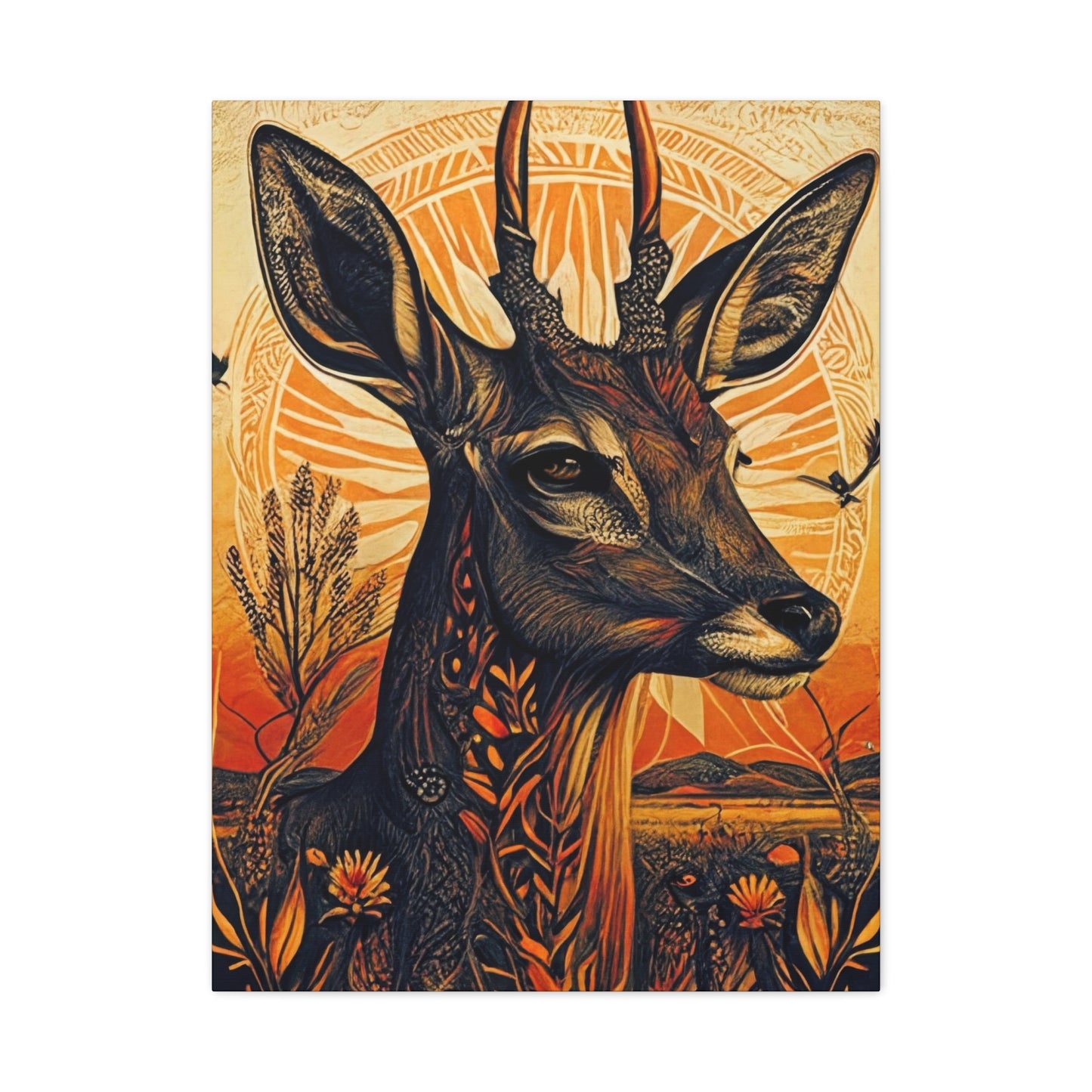
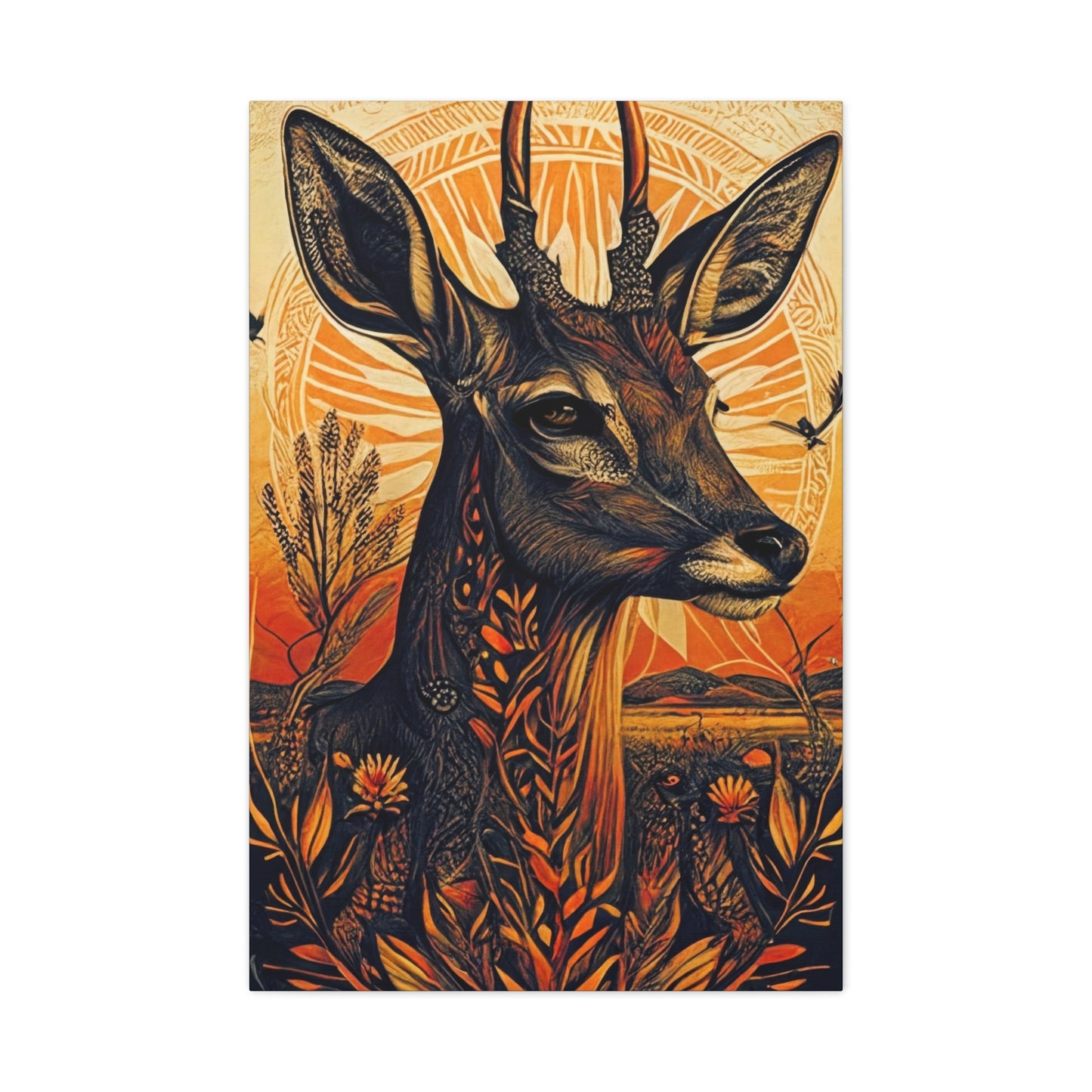
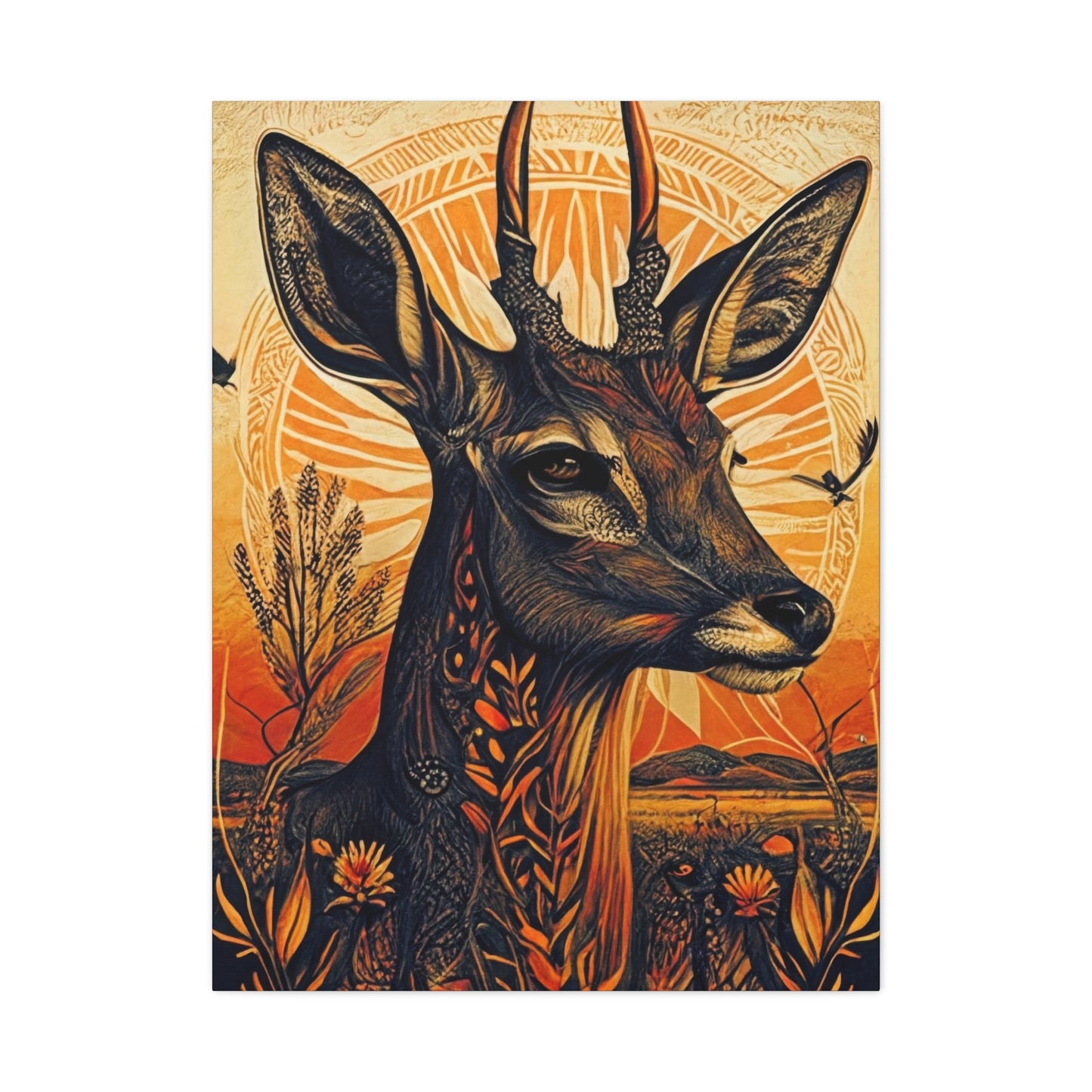
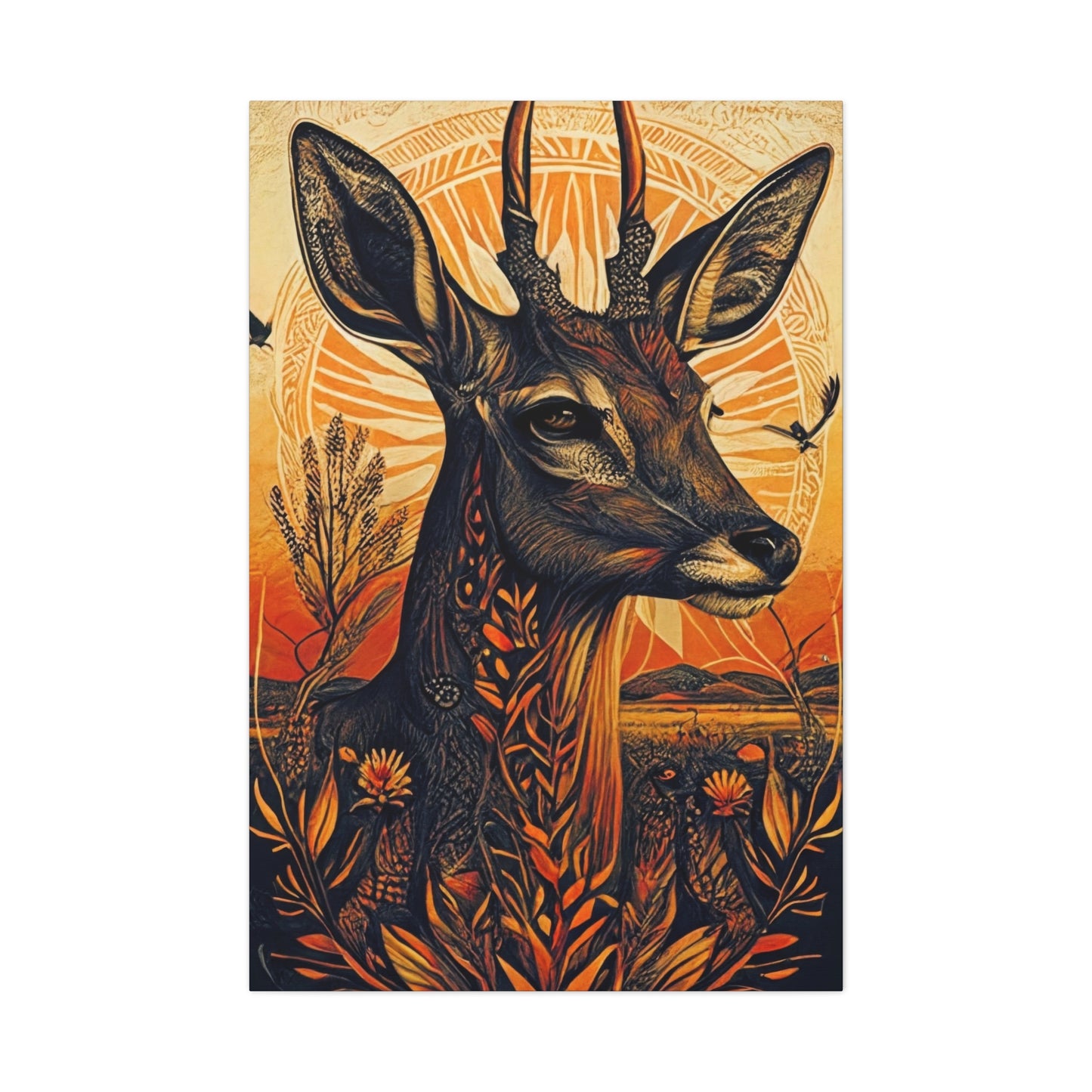
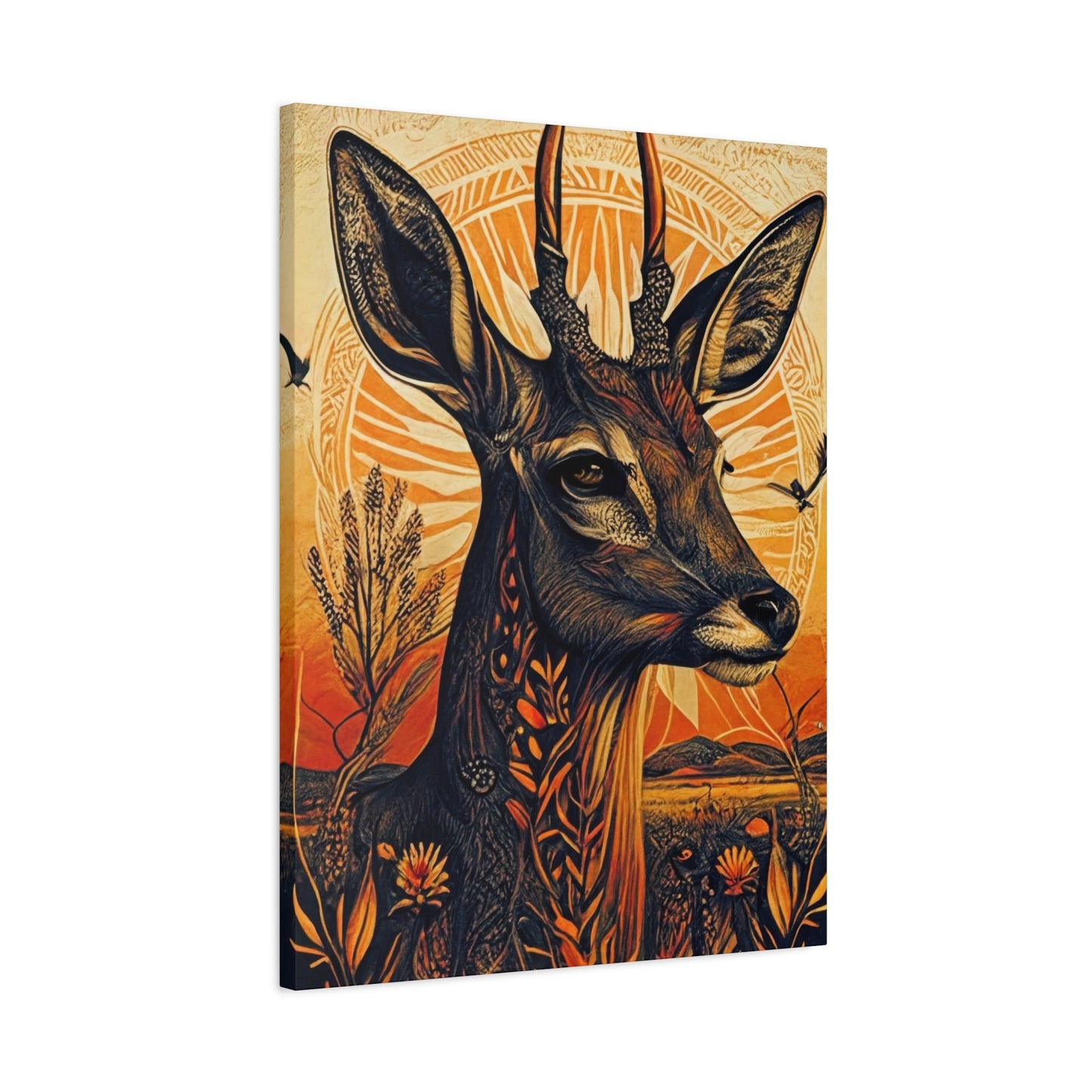
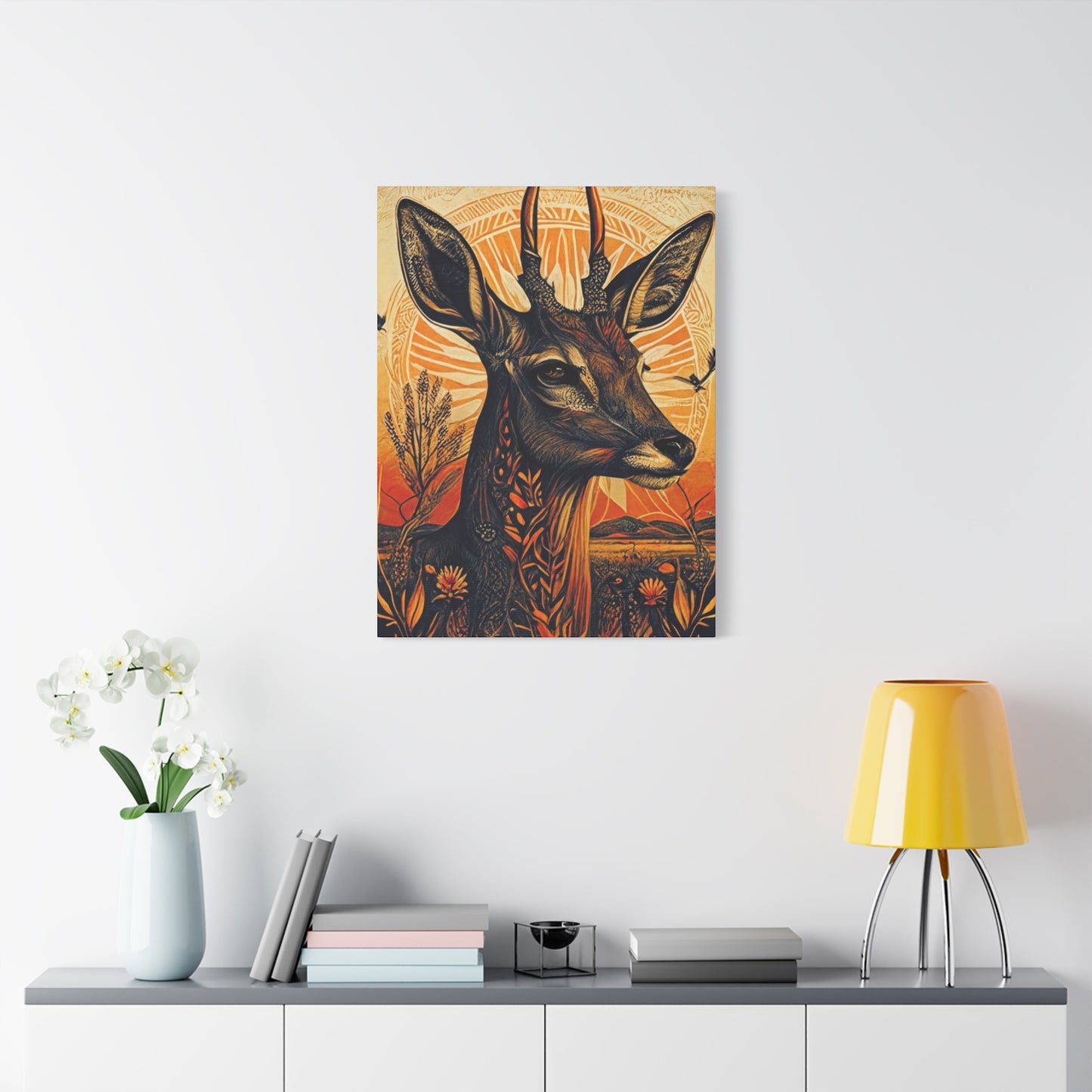
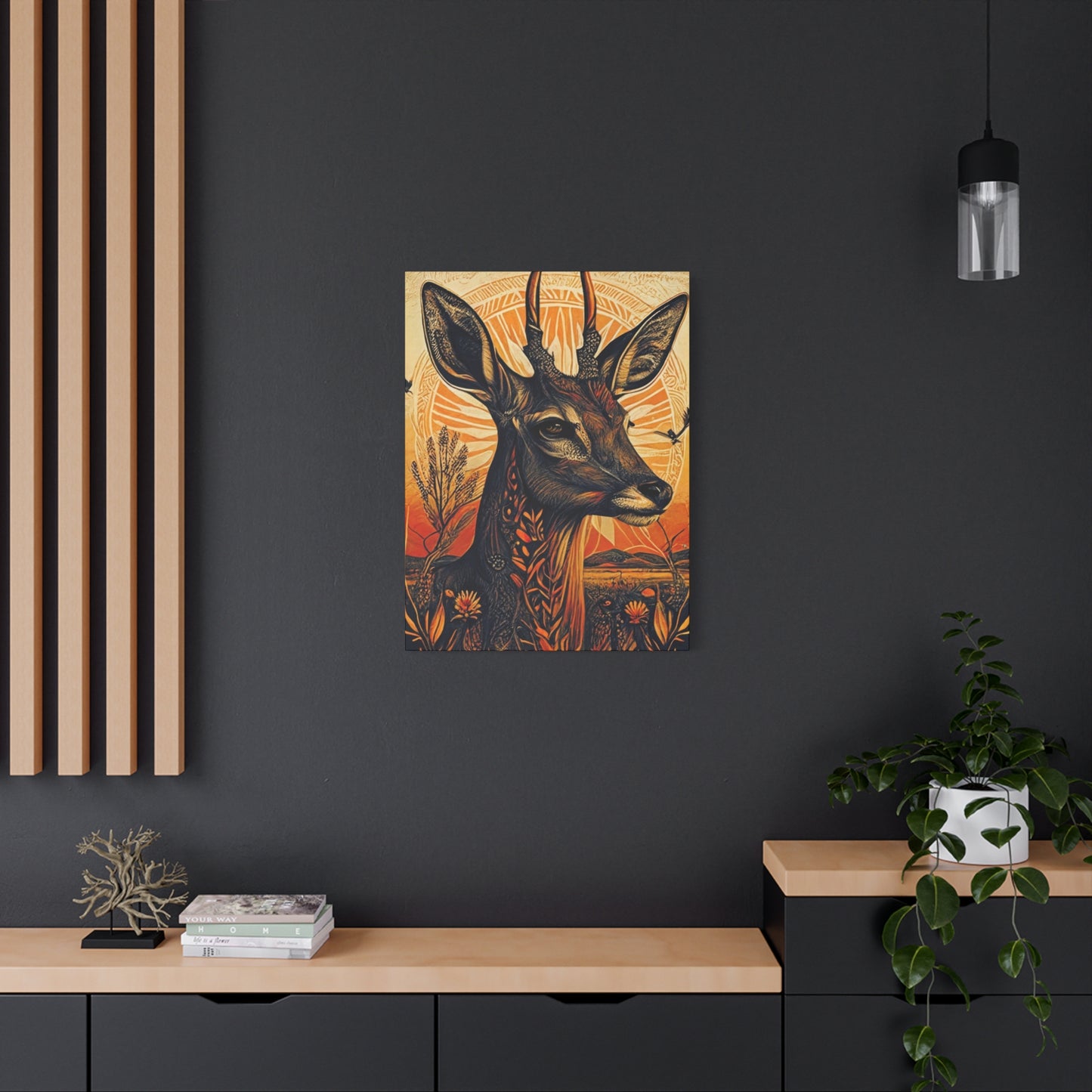
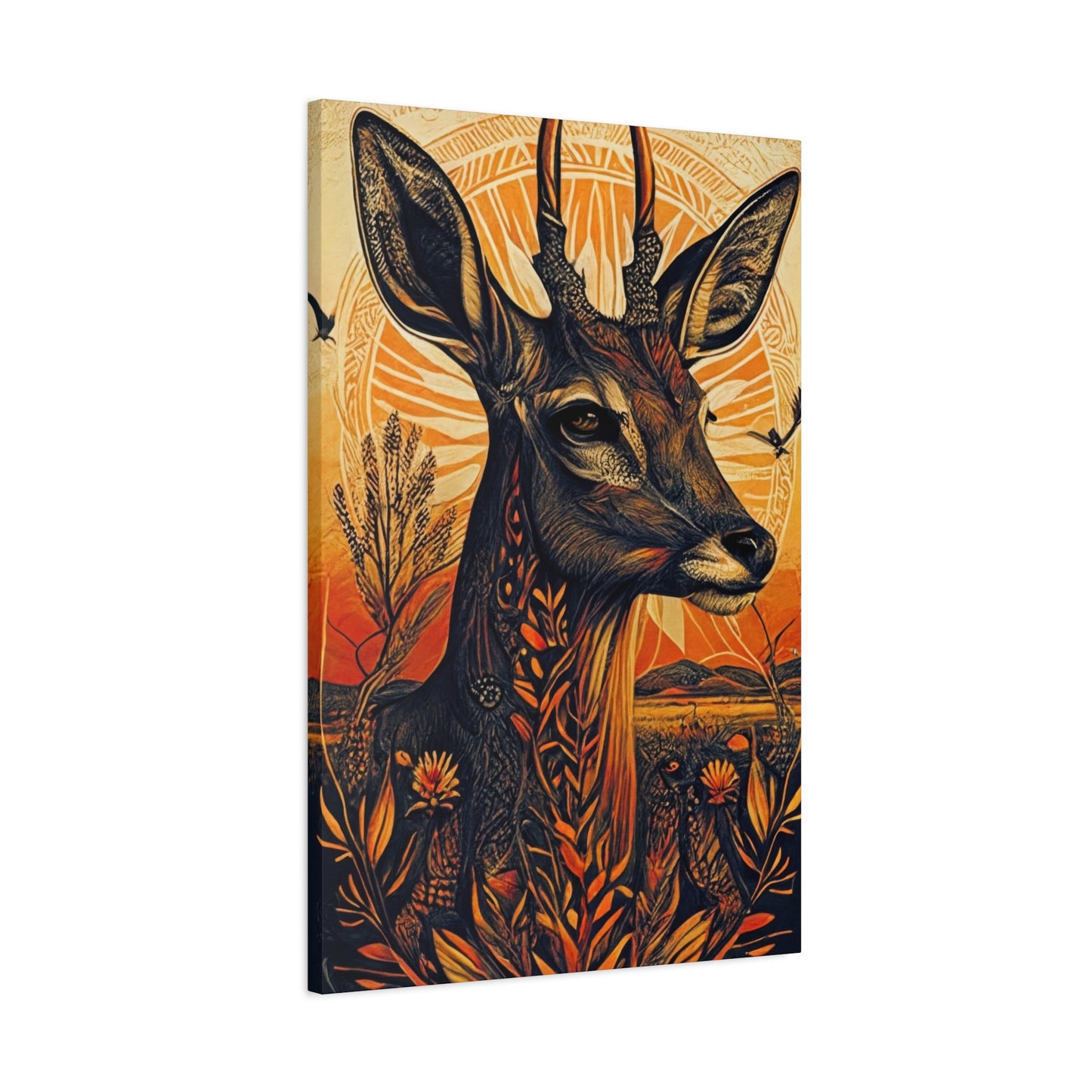
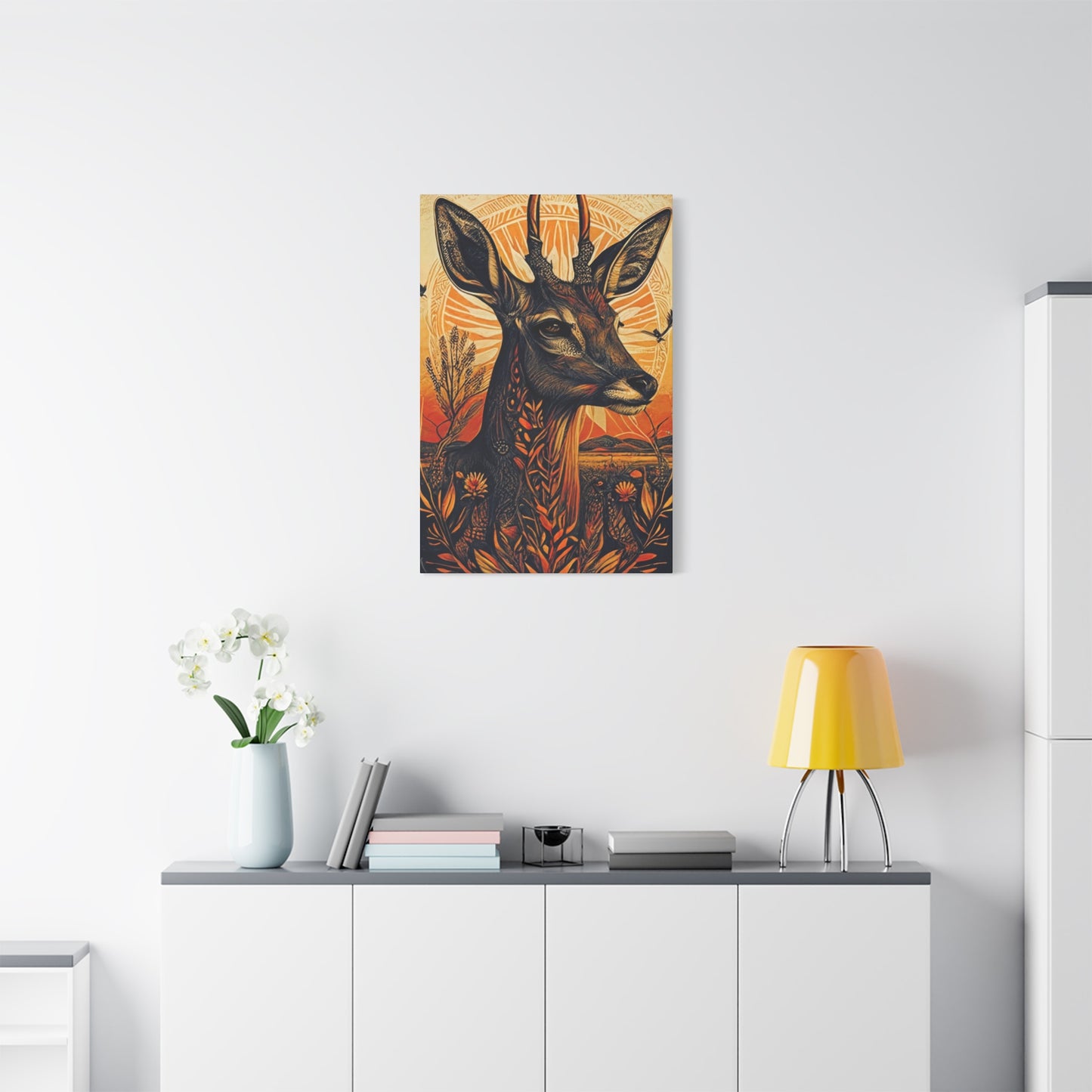
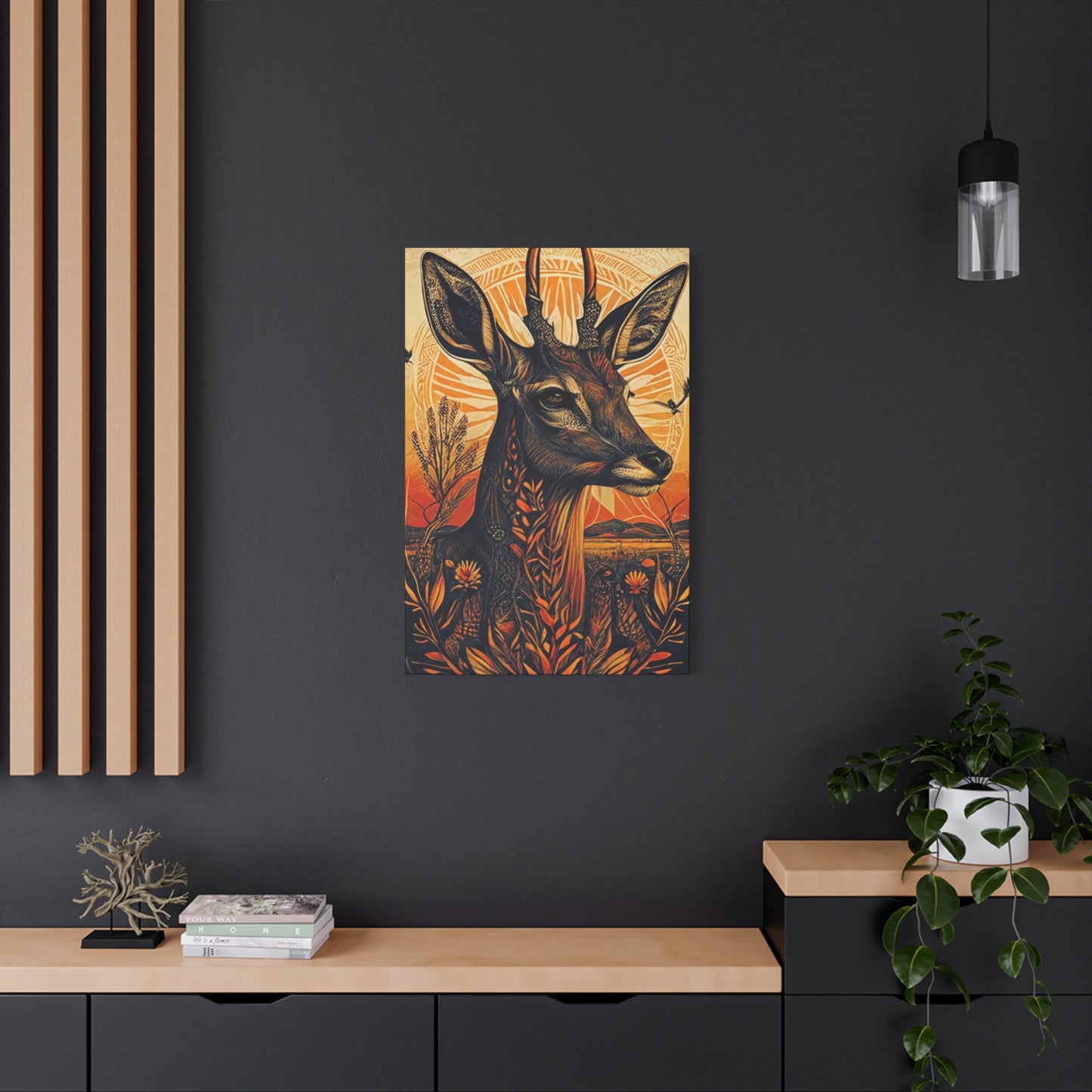
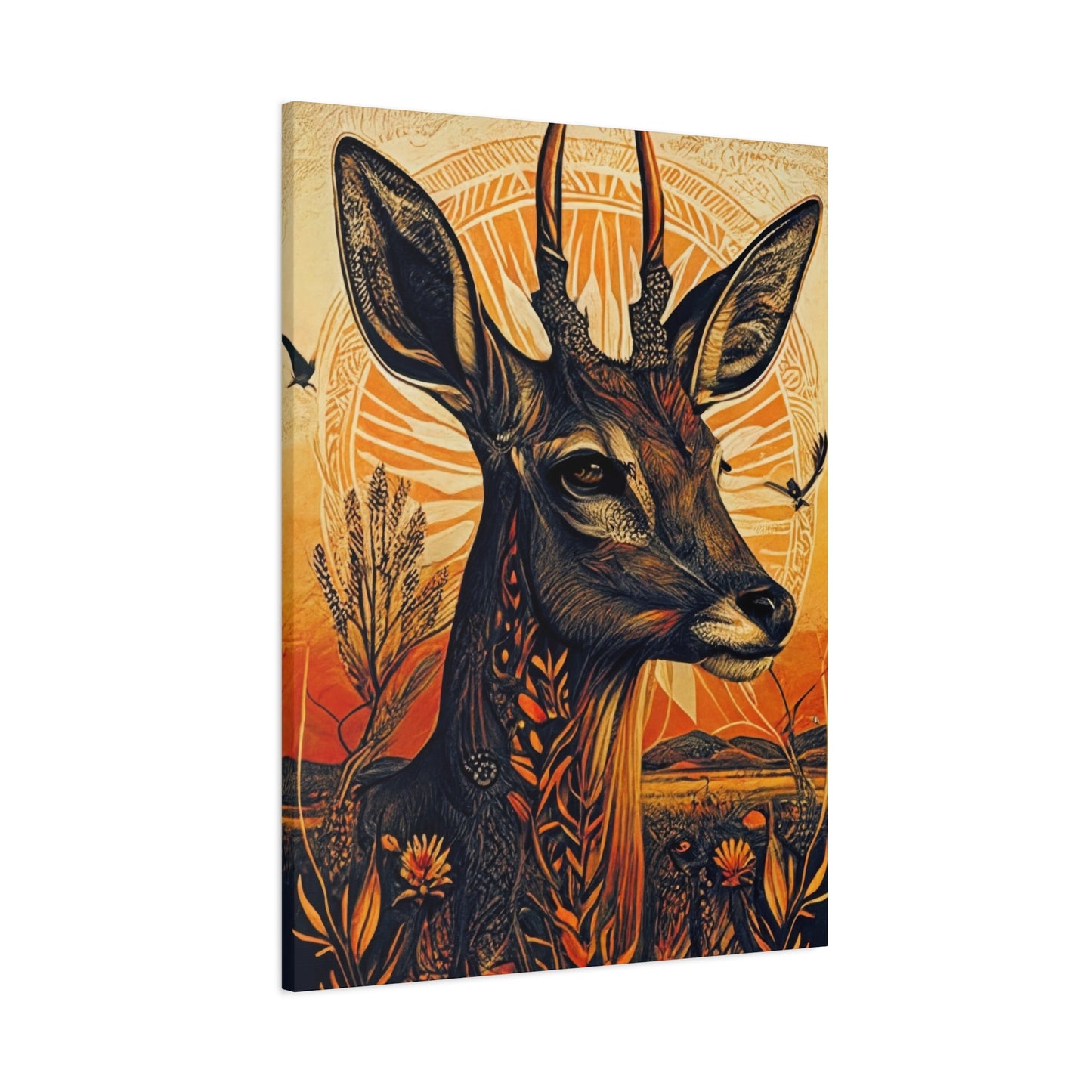
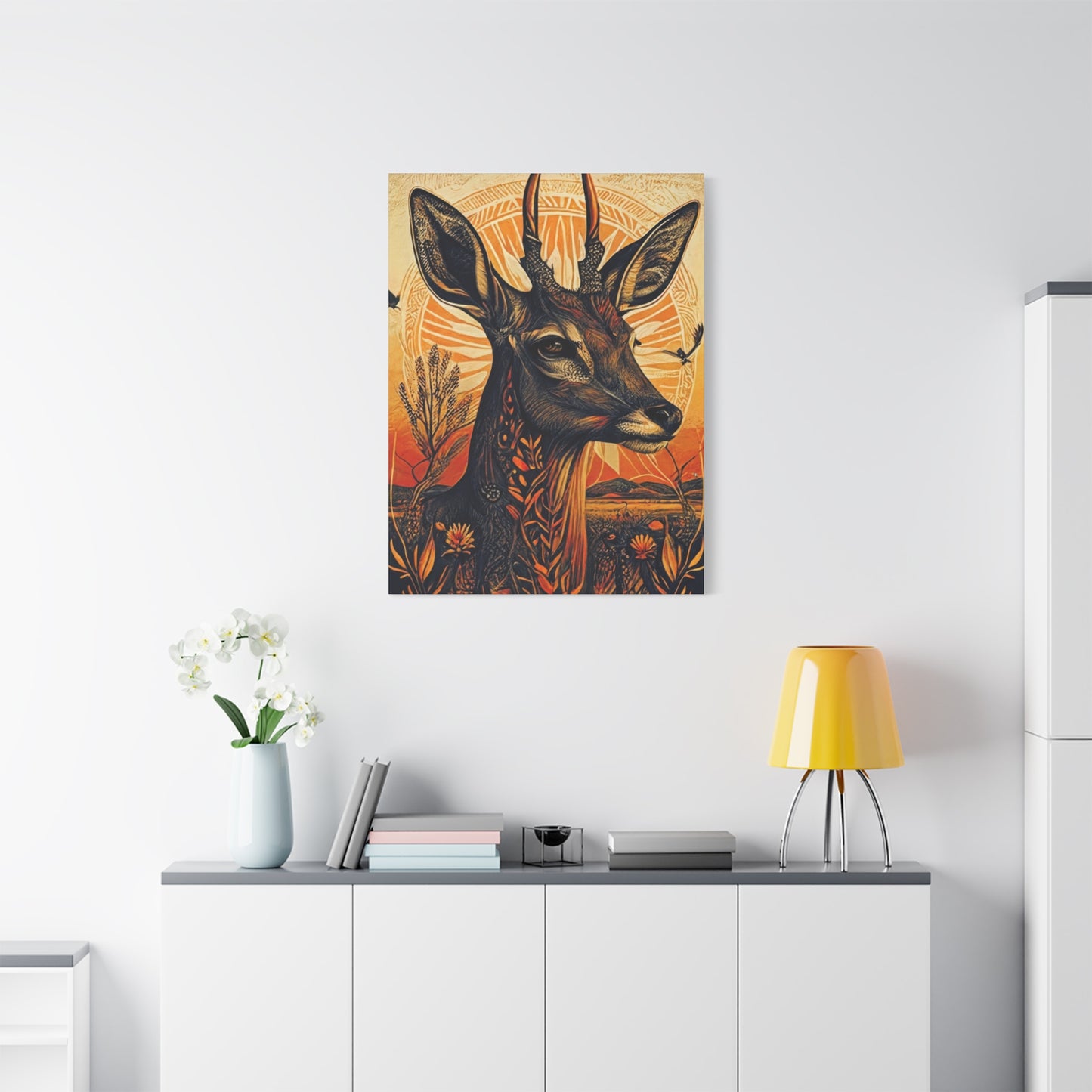
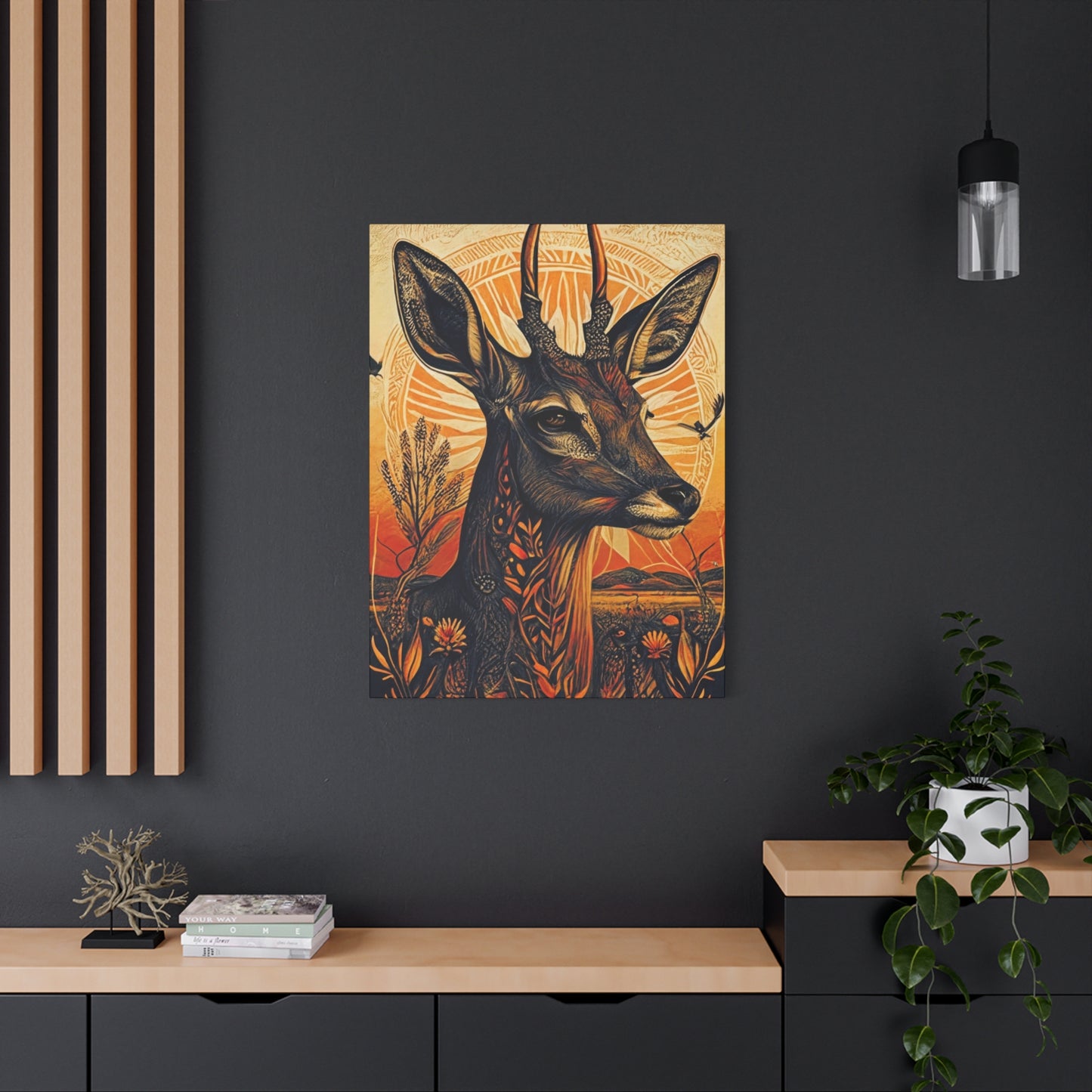
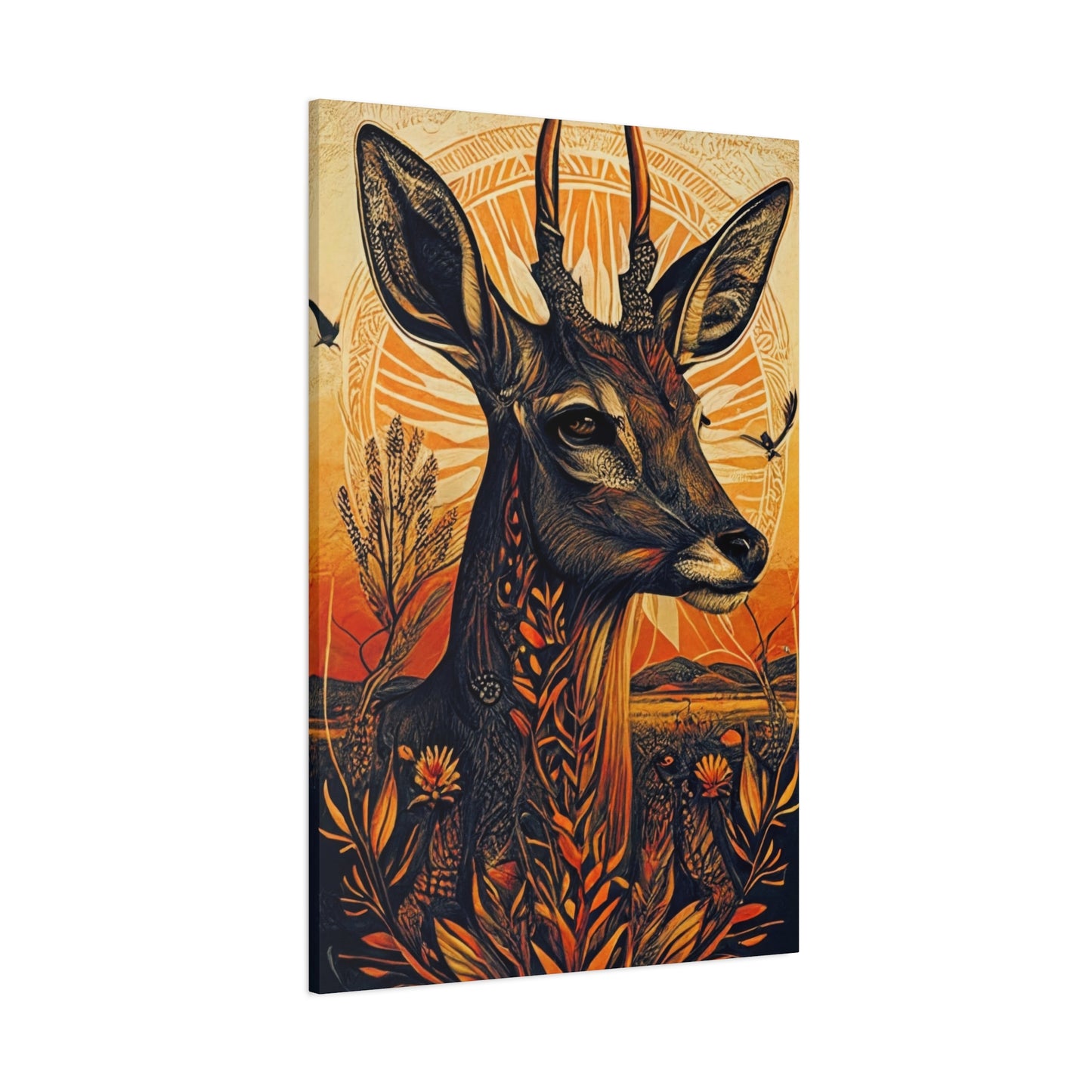
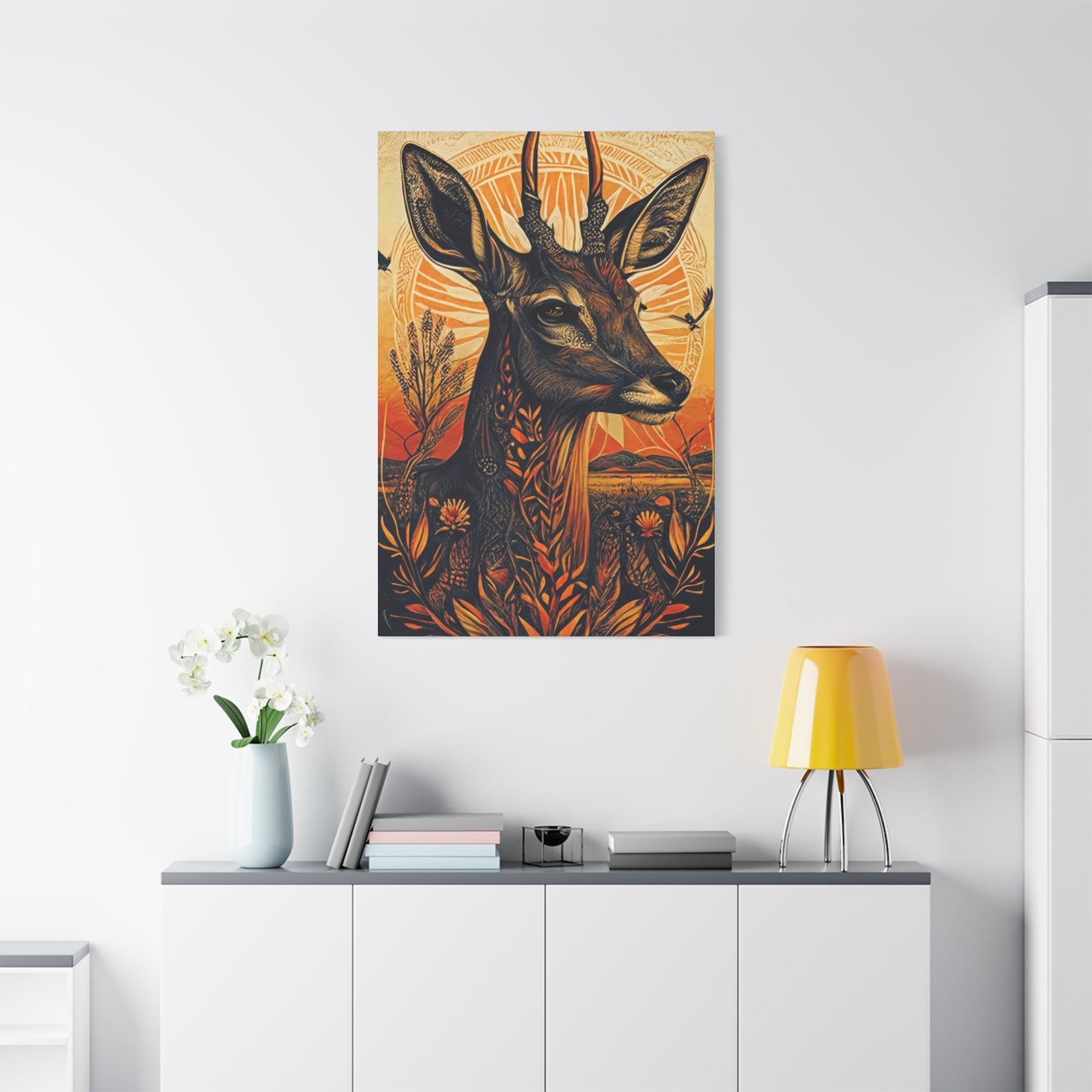
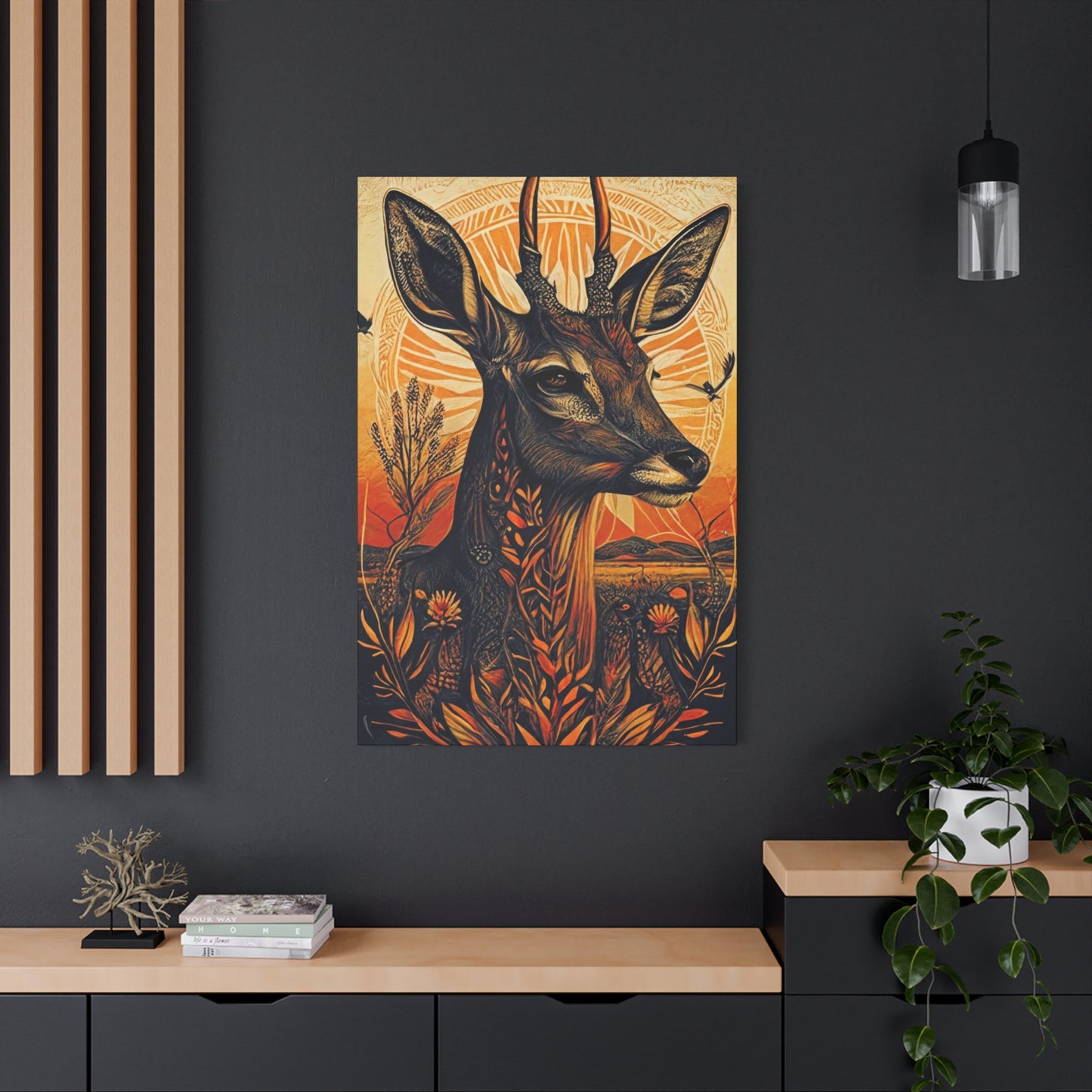
Deer and Flora Wall Art: A Complete Guide to Nature-Themed Interior Style
The combination of wildlife elegance and botanical beauty creates a stunning visual experience that has captivated interior design enthusiasts worldwide. When we talk about deer flora wall art canvas prints, we're discussing more than just decorative pieces. These artistic creations represent a harmonious blend of nature's most graceful creatures with the delicate intricacy of floral elements, printed on high-quality canvas material that brings durability and aesthetic appeal to any room.
The popularity of these artistic pieces has grown exponentially over recent years, as homeowners and decorators seek to bring elements of natural serenity into their living spaces. The deer, symbolizing grace, gentleness, and natural beauty, paired with various floral arrangements creates an atmosphere of tranquility and sophistication. Canvas prints offer advantages over traditional framed photographs or posters, including enhanced texture, depth, and a gallery-quality appearance that elevates the overall presentation.
These artworks serve multiple purposes in contemporary interior design. They function as focal points that draw the eye, conversation starters that reflect personal taste, and mood-setting elements that influence the atmosphere of a room. The combination of wildlife imagery with botanical elements appeals to those who appreciate nature, seek calming environments, or want to incorporate organic themes into their decor schemes.
Different Styles of Deer Flora Wall Art Canvas Prints
The diversity of available styles ensures that deer flora wall art canvas prints can complement virtually any interior design aesthetic. Realistic wildlife photography captures deer in their natural habitats, often featuring seasonal foliage and wildflowers that create authentic nature scenes. These prints appeal to wildlife enthusiasts and those who prefer documentary-style art that celebrates the natural world without artistic interpretation.
Watercolor interpretations offer softer, more dreamlike qualities. Artists using this technique create flowing compositions where deer forms blend seamlessly with floral elements through translucent layers and gentle color transitions. The resulting pieces evoke feelings of serenity and gentleness, making them ideal for bedrooms, nurseries, and meditation spaces where calm atmospheres are desired.
Geometric and minimalist designs represent another popular category. These pieces reduce deer forms to essential shapes and lines, often incorporating stylized floral patterns through repetition and symmetry. The simplified aesthetic aligns perfectly with contemporary and Scandinavian design movements, offering visual interest without overwhelming spaces that prioritize clean lines and uncluttered surfaces.
Vintage and rustic interpretations bring nostalgic charm to deer flora compositions. These designs might incorporate distressed textures, muted color palettes reminiscent of aged photographs, and compositional elements that recall traditional wildlife illustration. Such pieces work beautifully in farmhouse-style interiors, cabins, or any space where vintage character is valued.
Abstract and impressionistic styles push creative boundaries by deconstructing deer and floral forms into color fields, brushstrokes, and suggestive shapes rather than literal representations. These interpretations allow for bold color choices and experimental compositions that can serve as dramatic focal points in spaces that embrace artistic risk-taking and personal expression.
Color Palettes That Enhance Deer Flora Wall Art
Color selection plays a crucial role in determining how deer flora wall art canvas prints integrate with existing decor and influence room atmospheres. Earthy neutrals including various shades of brown, beige, cream, and taupe create grounded, organic feels that emphasize the natural subjects. These palettes work universally well across different design styles and provide versatility in coordinating with furniture and accessories.
Monochromatic schemes using black and white or grayscale tones offer timeless sophistication and graphic impact. These high-contrast pieces make bold statements while maintaining versatility. The absence of color allows form and composition to take center stage, making monochromatic deer flora prints excellent choices for minimalist spaces or rooms where color is introduced primarily through textiles and accessories.
Pastel palettes featuring soft pinks, muted blues, gentle lavenders, and pale greens create romantic, feminine atmospheres perfect for nurseries, bedrooms, or spaces designed for relaxation. When deer are portrayed with cherry blossoms, roses, or other delicate flowers in pastel hues, the resulting artwork embodies gentleness and tranquility.
Rich jewel tones including emerald green, sapphire blue, deep burgundy, and golden amber create dramatic, luxurious effects. These saturated colors add depth and sophistication to deer flora compositions, making them suitable for formal living rooms, dining areas, or spaces where opulence and visual impact are desired. The contrast between rich backgrounds and lighter deer forms creates compelling focal points.
Seasonal color schemes allow for thematic coordination throughout the year. Spring compositions might feature fresh greens with pastel flowers, summer versions could showcase vibrant wildflower colors, autumn pieces might incorporate warm oranges and deep reds with falling leaves, while winter interpretations could use cool blues and whites with evergreen accents. Rotating artwork seasonally keeps spaces feeling fresh and connected to natural cycles.
Canvas Quality and Printing Techniques
Understanding canvas quality and printing methods helps in selecting deer flora wall art that will maintain its beauty over time. Museum-quality canvas typically consists of cotton or polyester-cotton blends with tight weaves that provide smooth, stable surfaces for printing. Cotton canvas offers natural texture and archival qualities, while polyester blends provide additional durability and resistance to environmental factors.
Giclee printing represents the gold standard for reproducing artwork on canvas. This process uses archival-quality inks and high-resolution printers capable of capturing minute details and subtle color variations. The term comes from the French word meaning to spray or squirt, referencing how inkjet technology applies pigments to surfaces. Giclee prints can last over one hundred years when properly cared for, making them worthwhile investments.
UV-resistant coatings protect prints from sun damage that causes fading and color shifting over time. Quality manufacturers apply protective layers that filter harmful ultraviolet rays while maintaining color vibrancy and canvas texture. This treatment is particularly important for deer flora wall art canvas prints displayed in rooms with significant natural light exposure.
Stretching and mounting techniques affect both appearance and longevity. Gallery-wrapped canvases extend printed images around frame edges, creating finished looks without requiring additional framing. This mounting style works beautifully for contemporary settings. Alternatively, canvas can be mounted on rigid backing boards before framing, providing traditional presentation options that suit classic decor styles.
Texture enhancement through embossing or gel applications adds dimensional quality to printed canvases. Some manufacturers apply clear gel mediums that mimic oil painting brushstrokes, creating tactile surfaces that increase visual interest and perceived value. While not necessary for all styles, these enhancements can elevate certain artistic interpretations.
Size Considerations for Maximum Impact
Selecting appropriate dimensions for deer flora wall art canvas prints significantly affects their visual impact and integration within spaces. Small prints measuring twelve to eighteen inches work well as accent pieces within gallery walls or vignettes combining multiple artworks. These sizes suit compact spaces like hallways, bathrooms, or small bedrooms where larger pieces might overwhelm.
Medium-sized canvases ranging from twenty to thirty-six inches function as substantial focal points without dominating walls. These dimensions work particularly well above furniture pieces such as sofas, beds, or console tables. The general design guideline suggests artwork should span approximately two-thirds to three-quarters the width of furniture below it, creating balanced proportions.
Large statement pieces exceeding forty inches in width or height command attention and define spaces. These substantial works anchor rooms and establish design themes that other elements support. Large deer flora wall art canvas prints work magnificently in spacious living rooms, master bedrooms, or open-concept areas where walls provide ample display space.
Vertical orientations emphasize height and draw eyes upward, making rooms feel taller. Portrait-oriented deer flora compositions showing standing deer with upward-growing flowers naturally suit this format. Vertical pieces work beautifully flanking windows or doors, in narrow wall spaces, or anywhere ceiling height should be emphasized.
Horizontal orientations create sense of width and stability. Landscape-format deer flora scenes showing animals in meadow settings or forest environments naturally fit this orientation. Horizontal pieces work above sofas, beds, and long console tables, helping to visually expand rooms and create balanced compositions.
Multi-panel arrangements using diptychs, triptychs, or larger polyptych configurations create dynamic presentations. Splitting deer flora scenes across multiple connected canvases adds modern flair and allows for creative display arrangements. These configurations work particularly well in contemporary settings and can be adjusted to fit various wall dimensions.
Placement Strategies for Different Rooms
Strategic placement of deer flora wall art canvas prints maximizes their aesthetic impact throughout homes. In living rooms, positioning artwork at eye level creates optimal viewing experiences. The center of canvas pieces should typically hang about fifty-seven to sixty inches from floor level, the average human eye height in standing positions. Above sofas, maintain six to twelve inches between furniture tops and artwork bottoms to create visual connections without crowding.
Bedroom placements should promote relaxation and personal connection. Deer flora wall art canvas prints featuring calming colors and gentle compositions work beautifully above beds as focal points that greet occupants upon waking and retiring. Symmetrical arrangements with matching pieces flanking beds create balanced, harmonious feels, while single statement pieces make bold impressions.
Dining areas benefit from artwork that sparks conversation without overwhelming the space. Medium to large deer flora compositions positioned on walls visible from seating areas create visual interest during meals. Consider thematic connections between artwork subjects and dining purposes, perhaps choosing pieces featuring seasonal elements that complement natural foods and gatherings.
Entryways and hallways present opportunities for creating strong first impressions. Deer flora wall art canvas prints in these transitional spaces welcome guests and set tones for entire homes. In narrow hallways, consider vertical orientations or gallery wall arrangements combining multiple smaller pieces that create visual journeys along corridors.
Home offices require artwork that inspires without distracting. Deer flora compositions with organized, balanced designs provide visual interest during work hours while maintaining professional atmospheres. Positioning artwork within sight lines from desk chairs offers opportunities for brief mental breaks that refresh focus.
Nurseries and children's rooms can incorporate deer flora wall art canvas prints featuring softer colors and whimsical styling. These pieces introduce young ones to nature themes and create nurturing environments. Secure mounting is essential in these spaces to ensure safety as children grow and become more mobile.
Decorating Styles That Complement Deer Flora Artwork
Deer flora wall art canvas prints adapt beautifully to numerous decorating styles through thoughtful selection and coordination. Farmhouse and rustic styles naturally embrace these nature-inspired pieces. Look for prints featuring weathered textures, muted colors, and vintage aesthetics that harmonize with reclaimed wood, distressed finishes, and cozy textiles characteristic of farmhouse design.
Scandinavian and Nordic styles emphasize simplicity, functionality, and connection to nature. Minimalist deer flora compositions with clean lines, limited color palettes, and ample negative space align perfectly with these design principles. Pair such artwork with light woods, neutral textiles, and uncluttered spaces for authentic Scandinavian feels.
Bohemian and eclectic styles welcome deer flora wall art as part of layered, collected aesthetics. These design approaches embrace mixing patterns, textures, and cultural influences. Deer flora prints with rich colors, intricate details, or artistic interpretations contribute to the curated, well-traveled looks that define bohemian interiors.
Modern and contemporary styles incorporate deer flora wall art through graphic interpretations, bold colors, or abstract designs. Clean-lined frames or frameless gallery-wrapped presentations maintain the sleek aesthetics these styles prize. The organic subject matter provides welcome contrast to modern furniture and architectural elements.
Transitional styles bridge traditional and contemporary aesthetics, making them perfect backdrops for deer flora wall art. These balanced interiors allow for nature-inspired artwork while maintaining sophistication. Choose pieces with classic compositions but updated color palettes or printing techniques that feel fresh rather than dated.
Cottage and shabby chic styles embrace deer flora prints featuring soft colors, romantic compositions, and vintage charm. Distressed white or pastel frames enhance the worn, comfortable aesthetics these styles cultivate. Layer artwork with other nature-inspired accessories like dried flowers, botanical prints, and natural fiber textiles.
Creating Gallery Walls With Deer Flora Prints
Gallery wall arrangements offer opportunities to showcase multiple deer flora wall art canvas prints while creating cohesive, dynamic displays. Symmetrical grid layouts provide ordered, formal presentations where uniform-sized prints hang in aligned rows and columns. This arrangement style suits traditional and contemporary spaces where visual order is prioritized.
Asymmetrical salon-style arrangements embrace organic, collected aesthetics. Mix various sizes of deer flora prints, maintaining consistent spacing between pieces while varying their positions creates visual interest. This approach works beautifully in eclectic, bohemian, or transitional spaces where perfect symmetry feels too rigid.
Thematic groupings unite deer flora prints through shared characteristics such as color palette, artistic style, or seasonal themes. Creating spring-themed collections featuring deer with cherry blossoms and tulips, or autumn groupings with fall foliage and warm tones provides narrative coherence to gallery walls.
Mixing mediums adds depth to gallery walls. Combine deer flora canvas prints with framed photographs, mirrors, wooden elements, or three-dimensional objects like antlers or botanical specimens. Varied textures and formats create tactile interest while maintaining thematic connections through subject matter.
Linear arrangements work beautifully in hallways or above long furniture pieces. Position three to five deer flora prints in horizontal rows, maintaining equal spacing. This straightforward approach creates clean, modern presentations that guide eyes along walls.
Corner and wraparound arrangements utilize wall intersections by flowing gallery walls around corners. This technique works particularly well in open-concept spaces or rooms with architectural features that might otherwise create awkward display challenges.
Seasonal Rotation and Thematic Changes
Rotating deer flora wall art canvas prints seasonally keeps interiors feeling fresh and connected to natural cycles. Spring rotations might feature deer with cherry blossoms, tulips, daffodils, or other early-blooming flowers. Soft pastels, fresh greens, and symbols of renewal create optimistic, life-affirming atmospheres perfect for emerging from winter months.
Summer collections showcase deer amid wildflower meadows, lush forests, or sun-drenched landscapes. Vibrant colors, abundant floral elements, and compositions suggesting warmth and growth capture summer's energetic essence. These pieces work beautifully during months when bringing outdoor feelings inside is most desired.
Autumn-themed deer flora prints incorporate falling leaves, harvest colors, and late-blooming flowers like asters and chrysanthemums. Rich oranges, deep reds, golden yellows, and warm browns create cozy, reflective atmospheres appropriate for transitional seasons. These pieces complement seasonal decorating with pumpkins, gourds, and autumn foliage.
Winter selections might feature deer in snow-covered settings, with evergreen branches, holly, or winter berries. Cool color palettes, crisp whites, and compositions suggesting quiet stillness capture winter's contemplative character. These works transition beautifully into holiday decorating while maintaining year-round appeal beyond festive seasons.
Implementing rotation systems requires planning and storage solutions. Keep off-season pieces in protective covers or storage boxes in climate-controlled areas. Document hanging positions with photographs to streamline reinstallation. Some homeowners maintain dedicated storage systems with labeled containers organized by season for efficient rotations.
Consider creating transition periods where artwork from ending and upcoming seasons briefly coexist, creating gradual atmospheric shifts rather than abrupt changes. This approach feels more organic and allows for extended appreciation of favorite pieces.
Framing Options and Presentation Styles
Frame selection significantly impacts how deer flora wall art canvas prints integrate with decor. Floating frames create contemporary presentations where small gaps exist between canvas edges and frame moldings, creating shadow effects that add dimension. These frames work beautifully with gallery-wrapped canvases and suit modern, minimalist aesthetics.
Traditional wooden frames in various finishes provide classic presentations. Natural wood tones complement rustic and farmhouse styles, while painted frames in white, black, or colors coordinate with diverse decorating schemes. Ornate carved frames suit traditional interiors, while simple, clean-lined wooden frames work across multiple styles.
Metal frames offer industrial or modern aesthetics depending on finish and profile. Sleek aluminum frames in silver, gold, or black create contemporary presentations, while wrought iron or bronze-finished frames provide rustic charm. Metal frames work particularly well with monochromatic deer flora prints or pieces intended for masculine spaces.
Frameless presentations using gallery-wrapped canvases create seamless, modern looks. The printed image extends around canvas edges, eliminating needs for additional framing. This approach maximizes visual impact of artwork itself while reducing costs and installation complexity.
Shadow box frames add depth by creating space between artwork and glazing. This presentation style works beautifully when incorporating three-dimensional elements alongside deer flora prints, such as preserved flowers, antlers, or natural objects that enhance thematic connections.
DIY framing allows for personalized presentations and budget consciousness. Purchasing canvas stretcher bars, corner braces, and basic tools enables custom framing at home. This approach works well for those confident in precise measuring and assembly.
Lighting Techniques to Showcase Artwork
Proper illumination dramatically enhances deer flora wall art canvas prints while protecting them from damage. Picture lights mounted above frames direct focused illumination downward, creating gallery-quality presentations. LED options provide energy efficiency and generate minimal heat that could damage artwork. Adjustable arms allow for positioning that eliminates glare.
Track lighting systems offer flexibility for illuminating multiple pieces or adjusting as artwork changes. Installing tracks on ceilings or walls with movable fixtures enables custom lighting arrangements. Focus fixtures on artwork at approximately thirty-degree angles from above to minimize shadows and glare.
Recessed ceiling lights provide ambient illumination that can highlight wall art when properly positioned. Adjustable trim or eyeball fixtures allow for directing light toward specific pieces. This built-in approach creates clean, uncluttered presentations without visible lighting hardware.
Natural lighting enhances artwork but requires careful management to prevent damage. Position deer flora canvas prints perpendicular to windows rather than directly opposite to minimize direct sun exposure. Use window treatments to filter intense light during peak hours. UV-protective coatings on prints and window films provide additional protection.
Accent lighting using floor lamps or table lamps positioned to cast light toward artwork creates layered, dimensional illumination schemes. This approach works particularly well in living rooms and bedrooms where multiple light sources at various heights enhance ambiance.
Color temperature affects how artwork appears. Warm white light (2700-3000K) creates cozy, intimate feelings and enhances warm colors in deer flora prints. Cool white light (3500-4100K) provides neutral illumination that renders colors accurately. Daylight (5000-6500K) creates bright, energizing effects that enhance cool tones.
Customization and Personalization Options
Custom deer flora wall art canvas prints allow for perfect alignment with personal preferences and decor requirements. Many services offer photo-to-canvas conversion, transforming personal photographs of deer encounters into professional canvas prints. This option creates deeply meaningful artwork commemorating special outdoor experiences.
Color customization enables matching artwork precisely to existing decor. Digital manipulation can adjust hues, saturations, and values in original designs, ensuring prints harmonize with paint colors, furniture, and accessories. This service proves particularly valuable when coordinating gallery walls or working with specific color schemes.
Size customization ensures perfect fit for available wall spaces. Rather than settling for standard dimensions, custom ordering allows specifying exact measurements that optimize visual impact within architectural constraints. Oversized prints for dramatic statements or undersized pieces for intimate spaces become achievable through customization.
Text additions personalize deer flora prints with names, dates, quotes, or meaningful phrases. Couples might add wedding dates to romantic deer and flower compositions, while families could include established dates or meaningful sayings. Typography choices should complement artwork styles for cohesive presentations.
Combining personal elements creates unique pieces. Services might composite family photographs into deer flora scenes, incorporate children's artwork alongside professional deer imagery, or blend multiple meaningful elements into original compositions. These deeply personal pieces become family treasures.
Format variations accommodate specific presentation preferences. Custom ordering might deliver prints on traditional stretched canvas, rolled canvas for self-stretching, rigid boards, or even fabric for non-traditional applications. Format flexibility ensures artwork fits exactly as envisioned.
Budget-Friendly Approaches to Deer Flora Artwork
Acquiring beautiful deer flora wall art canvas prints need not strain budgets. Digital downloads provide affordable alternatives to physical purchases. Many artists and platforms offer high-resolution digital files purchasable for minimal cost, which buyers print locally through online services or print shops. This approach eliminates shipping costs and allows for reprinting if desired.
Print-on-demand services keep costs lower by eliminating inventory expenses. These platforms print artwork only after orders are placed, passing savings to customers. While quality varies across services, researching reviews and requesting samples helps identify reliable, affordable options.
Smaller sizes reduce costs substantially while still providing visual impact. Instead of single large statements pieces, consider creating gallery walls with multiple smaller prints that cumulatively create impressive displays at lower per-piece costs. Strategic arrangements make size differences less apparent while maintaining high impact.
Seasonal sales and promotional periods offer opportunities for significant savings. Many online retailers and art marketplaces offer discounts during holidays, end-of-season clearances, or special promotional events. Subscribing to newsletters from favorite sources ensures awareness of upcoming sales.
DIY printing at home using high-quality printers and canvas materials provides ultimate budget control for those with equipment access. Purchasing artist-quality canvas sheets or rolls and archival inks enables creating professional-appearing prints at material costs. This approach requires technical knowledge and equipment investment but pays dividends for ongoing artwork needs.
Emerging artists and students often price work affordably while building portfolios and reputations. Browsing student exhibitions, local art fairs, or online platforms featuring emerging talent reveals beautiful deer flora artwork at accessible prices while supporting developing artists.
Swapping and borrowing among friends creates rotating artwork collections without purchases. Organizing art exchange groups where participants circulate pieces every few months provides regular refreshment without financial outlays. This approach works particularly well among friends with similar aesthetics.
Incorporating Technology and Interactive Elements
Modern technology enables enhanced experiences with deer flora wall art canvas prints through various innovations. Digital canvases and screens disguised as traditional artwork display rotating collections of deer flora images. These devices allow owners to change displayed artwork through apps, accommodating moods, seasons, or decorating whims without physical changes.
Augmented reality applications let potential buyers visualize deer flora prints in their actual spaces before purchasing. Smartphone apps overlay artwork onto camera views of walls, showing accurate scale and appearance in real lighting conditions. This technology reduces purchasing uncertainty and return rates.
QR codes incorporated into frames or wall labels link viewers to additional content. Scanning codes might reveal information about depicted deer species, flower identification, artist statements, or related nature content. This interactive dimension adds educational components to purely aesthetic appreciation.
Smart lighting systems coordinate with artwork to enhance presentations through programmable color temperatures, intensities, and timing. Systems might automatically adjust lighting as natural light changes throughout days, ensuring consistent artwork illumination. Some advanced setups synchronize lighting colors with dominant hues in displayed prints.
Near-field communication (NFC) tags embedded in frames trigger automated responses when tapped with compatible smartphones. Tags might link to music playlists curated to match artwork moods, nature sounds, or guided meditations inspired by displayed pieces. These integrations create multi-sensory experiences.
3D printing technology enables creating relief sculptures based on deer flora designs. Artists can convert two-dimensional artwork into three-dimensional forms adding tactile dimensions. These hybrid pieces bridge traditional wall art and sculpture categories.
Environmental Considerations and Sustainability
Environmentally conscious consumers increasingly consider sustainability when purchasing deer flora wall art canvas prints. Eco-friendly canvas materials include organic cotton grown without pesticides, recycled polyester made from post-consumer plastics, or hemp canvas requiring minimal water and no pesticides during cultivation. These materials reduce environmental impacts compared to conventional options.
Water-based and vegetable-based inks provide alternatives to solvent-based options containing volatile organic compounds. These eco-friendly inks produce vivid colors while minimizing air pollution and health risks during manufacturing. Many companies now offer prints using these sustainable ink technologies.
Sustainable wood sources for stretcher bars and frames include certified options from responsibly managed forests. Forest Stewardship Council certification ensures wood comes from forests meeting environmental and social standards. Bamboo alternatives grow rapidly without pesticides, offering renewable framing materials.
Carbon-neutral shipping options offset transportation emissions through investments in renewable energy, reforestation, or carbon capture projects. Many online retailers now offer carbon-neutral delivery selections, allowing consumers to minimize shipping impacts.
Local production reduces transportation distances and associated emissions. Purchasing deer flora prints from artists or manufacturers in the same region minimizes shipping requirements while supporting local economies. Digital downloads eliminate shipping entirely, allowing local printing services to fulfill orders.
Longevity and timeless design constitute sustainability through reduced replacement needs. Investing in high-quality deer flora prints with classic designs that won't feel dated ensures artwork remains relevant for decades. This approach reduces consumption compared to frequently replacing trendy pieces.
Recycling programs for old canvases prevent artwork from reaching landfills. Some companies accept old prints for recycling, reclaiming materials for new products. Alternatively, creative upcycling transforms old canvases into new projects like tote bags, journals covers, or other craft items.
Combining Deer Flora Prints With Other Decor Elements
Successfully integrating deer flora wall art canvas prints requires coordinating with complementary decor elements. Textile selections including throw pillows, blankets, curtains, and upholstery should echo colors, patterns, or themes from artwork. Pillows featuring botanical prints, deer motifs, or coordinating solids create cohesive looks linking artwork to furnishings.
Furniture choices impact how deer flora artwork reads in spaces. Natural wood furniture enhances organic connections between artwork subjects and surrounding decor. Upholstered pieces in neutral tones provide versatile backdrops, while furniture in accent colors pulled from prints creates intentional, designed appearances.
Accessory collections extend artwork themes throughout rooms. Sculptures, vases, or decorative objects featuring deer or floral motifs reinforce visual narratives. Natural elements like branches, stones, pinecones, or dried flowers in coordinating displays strengthen nature themes without overwhelming spaces.
Lighting fixtures contribute to overall aesthetics. Antler chandeliers or lamps create literal connections with deer imagery, though care should be taken to avoid overly themed, novelty appearances. Alternatively, fixtures in natural materials like wood, stone, or woven fibers support organic themes more subtly.
Flooring materials and rugs ground spaces and relate to wall art. Natural hardwood floors complement deer flora prints by reinforcing organic materials. Area rugs in botanical patterns, nature-inspired colors, or natural fibers like jute or wool create layered textures that support artwork themes.
Window treatments balance natural light while contributing to design cohesion. Sheer curtains in neutral tones allow light filtration that protects artwork while maintaining airy feels. Heavier drapes in coordinating colors or botanical prints add luxurious layers in formal spaces.
Gifting Deer Flora Wall Art Canvas Prints
Deer flora wall art canvas prints make thoughtful, lasting gifts for numerous occasions. Wedding gifts incorporating romantic deer couples with floral elements symbolize partnership, grace, and natural beauty. Customizing with wedding dates or couples' names adds personal touches that transform artwork into cherished keepsakes commemorating special unions.
Housewarming presents help new homeowners establish decorating themes and make houses feel like homes. Selecting deer flora prints matching recipients' known style preferences demonstrates thoughtfulness. Including information about symbolism or care instructions shows additional consideration.
Birthday gifts tailored to recipients' interests show personal attention. For nature enthusiasts, wildlife photographers, or avid hikers, deer flora artwork acknowledges their passions. Choosing pieces reflecting specific interests like particular deer species or favorite flowers demonstrates genuine understanding.
Anniversary presents marking milestone years gain significance through thoughtful selection. Traditional anniversary gifts associated with specific materials might influence choices. For example, eighth anniversaries traditionally involve bronze, suggesting frames in bronze finishes surrounding deer flora canvas prints.
Baby shower and nursery gifts featuring gentle deer with soft floral elements create nurturing environments for newborns. Selecting calming colors and whimsical styles appropriate for children's spaces shows consideration for both parents and babies. These gifts often become treasured parts of childhood memories.
Sympathy gifts offering comfort during difficult times benefit from thoughtful artwork selection. Deer flora prints with peaceful compositions and soothing colors provide gentle beauty during grief. Including meaningful quotes or personalizations can offer solace and show support.
Holiday gifts provide opportunities for seasonal deer flora selections. Winter pieces with evergreens, Christmas-themed compositions, or simply elegant winter scenes make wonderful presents during festive seasons. These gifts bring lasting joy beyond immediate holiday periods.
DIY Projects Incorporating Deer Flora Designs
Creative individuals can incorporate deer flora themes into handmade projects extending beyond purchased canvas prints. Painting original deer flora compositions allows complete creative control and personal expression. Beginners might start with simple silhouettes and gradually develop skills for more detailed renderings. Online tutorials and classes provide instruction for various skill levels.
Transferring printed designs onto canvas through various methods creates customized artwork. Image transfer techniques using gel mediums enable placing photographs or printed images onto blank canvases. This approach allows combining personal photographs with artistic elements or creating unique compositions from multiple sources.
Stenciling techniques produce deer flora artwork with graphic, contemporary aesthetics. Creating or purchasing stencils of deer forms and floral patterns, then applying paint to canvas creates bold, modern pieces. Layering multiple stencils builds complex compositions from simple elements.
Mixed media approaches combine painting, collage, fabric, natural materials, and other elements into dimensional artworks. Incorporating pressed flowers, textured papers, fabric scraps, or natural objects alongside painted deer forms creates tactile, unique pieces full of personal meaning.
Embroidery and fabric art translate deer flora themes into textile works suitable for framing. Hand embroidery on linen or cotton creates heirloom-quality pieces, while machine embroidery enables faster production. These textile arts bring traditional craft elements to contemporary deer flora aesthetics.
Photo editing and digital art creation using software enables designing original deer flora compositions for printing. Even those without traditional artistic skills can create beautiful pieces through photo manipulation, digital painting, or combining stock images into original arrangements.
Decoupage techniques apply printed deer flora images to various surfaces beyond canvas. Furniture pieces, storage boxes, serving trays, or other objects become artistic statements when decorated with carefully applied deer flora designs and protective finishes.
Understanding Different Deer Species in Artwork
Recognizing various deer species depicted in wall art canvas prints adds appreciation and ensures selections match personal preferences or regional connections. White-tailed deer represent the most commonly featured species in North American deer flora artwork. Easily identified by distinctive tail markings and moderate size, white-tails appear across diverse habitats from forests to suburban areas, making them familiar and accessible subjects.
Mule deer with their large ears and distinctive antler formations provide different visual characteristics. These western species appear in artwork featuring mountain landscapes, sagebrush settings, or high desert environments. Their stockier builds and different behavioral patterns create alternative aesthetic options compared to white-tailed deer.
Elk, though technically deer family members, dwarf other species in size and majesty. Bull elk with massive antler racks create dramatic focal points in artwork. These magnificent animals suggest wilderness, strength, and untamed landscapes. Elk-focused deer flora prints work particularly well in rustic lodges or spaces celebrating mountain regions.
Reindeer or caribou appear in artwork with northern or holiday themes. Their unique antler structures where both males and females grow racks create distinctive profiles. Winter settings with reindeer among northern flora like lichens and Arctic flowers provide specialized aesthetic options.
Fallow deer with spotted coats and palmate antlers offer European aesthetic associations. Less commonly featured in deer flora artwork compared to North American species, fallow deer provide distinctive visual characteristics for those seeking unique or international themes.
Red deer, another European and Asian species, appear in artwork reflecting Old World settings. Larger than white-tailed deer with different antler structures, red deer convey different symbolic associations connected to European hunting traditions and folklore.
The Role of Flowers in Deer Flora Compositions
Understanding flower selections within deer flora wall art canvas prints enriches appreciation and enables meaningful choices. Cherry blossoms create ethereal, romantic compositions symbolizing beauty's transient nature. The brief flowering period and falling petals suggest mindfulness of present moments. Deer with cherry blossoms work beautifully in spaces dedicated to meditation, reflection, or appreciating life's fleeting joys.
Roses layered with deer imagery bring classical beauty symbolism and romantic associations. Different rose colors carry varied meanings: red suggests passionate love, pink indicates grace and admiration, white represents purity, and yellow conveys friendship. Selecting rose colors intentionally adds symbolic depth to deer flora artwork.
Wildflower combinations create naturalistic, meadow-like settings. Including diverse species like daisies, lupines, Indian paintbrush, or regional wildflowers suggests specific geographic locations and seasons. These varied compositions celebrate biodiversity and natural abundance.
Sunflowers introduce bold, cheerful elements with their large-scale forms and bright yellow petals. Deer with sunflowers create optimistic, warm compositions suited to welcoming spaces like kitchens or breakfast nooks. The flowers' associations with happiness and positivity influence room atmospheres.
Lavender brings calming purple hues and associations with relaxation and tranquility. Deer in lavender fields create peaceful, dreamlike scenes perfect for bedrooms or spaces designed for unwinding. The flowers' connections to aromatherapy and stress relief enhance these associations.
Peonies contribute lush, romantic fullness with their abundant petals and soft colors. These flowers suggest prosperity, good fortune, and bashfulness in Victorian flower language. Deer flora compositions featuring peonies create feminine, luxurious aesthetics.
Autumn foliage including changing leaves, seed heads, and late-season flowers creates seasonal warmth. Incorporating golden aspen leaves, red maple foliage, or autumn wildflowers with deer imagery celebrates harvest seasons and natural transitions.
Creating Thematic Collections
Developing cohesive collections of deer flora wall art canvas prints creates sophisticated, intentional presentations. Seasonal collections comprising four pieces representing spring, summer, autumn, and winter provide rotating options maintaining fresh appearances throughout years. Each piece features deer with season-appropriate flora and colors, creating unified series that can display together or rotate individually.
Regional collections celebrate specific geographic areas through endemic deer species and native plants. Coastal themes might combine white-tailed deer with beach roses and sea grasses, mountain collections could feature mule deer with alpine wildflowers, while prairie themes showcase deer among native grasses and wildflowers. These collections express place-based connections and regional pride.
Artistic style collections unify through consistent techniques rather than subjects. Gathering watercolor deer flora prints, geometric interpretations, vintage-style pieces, or abstract compositions creates coherence through methodology. This approach allows diverse subjects while maintaining visual consistency.
Color story collections revolve around specific palettes. Monochromatic series using variations of single colors, analogous collections featuring neighboring color wheel hues, or complementary combinations with opposite colors create intentional, designed appearances. These collections demonstrate sophisticated color understanding.
Size progression collections feature same compositions in graduated dimensions. Creating impact walls where single deer flora image appears in small, medium, and large versions creates dramatic, contemporary presentations. This approach emphasizes beloved images while adding modern design flair.
Symbolic narrative collections tell stories through progressive imagery. Series might show deer through life stages from fawns to adults, depict seasonal life cycles, or illustrate morning through evening transitions. These narrative collections engage viewers through storytelling elements.
Working With Interior Designers and Art Consultants
Professional guidance helps maximize impact of deer flora wall art canvas prints within comprehensive design schemes. Interior designers bring trained eyes for proportion, scale, and coordination that optimize artwork selections. They consider overall room functions, traffic patterns, sight lines, and existing elements when recommending pieces.
Initial consultations typically involve discussing style preferences, functional needs, budget parameters, and existing furnishings. Designers may request photographs of spaces, paint samples, and fabric swatches to inform recommendations. Clear communication about deer flora preferences helps designers source appropriate options.
Designer-client collaboration yields best results when both parties contribute. While designers provide expertise, clients should express honest reactions to proposals. Successful partnerships balance professional knowledge with personal preferences, resulting in spaces feeling both well-designed and authentically personal.
Art consultants specialize specifically in artwork selection, often maintaining relationships with galleries, artists, and resources beyond typical design trade sources. Their focused expertise proves valuable when building significant collections or seeking unique, high-quality pieces. Consultants can source original artwork, limited editions, or commissioned pieces.
Budget discussions should occur early in processes. Professional guidance helps maximize budgets through strategic selections, ensuring investments in key pieces while identifying areas for cost savings. Designers often access trade discounts offsetting their fees.
Installation services provided by professionals ensure proper hanging with appropriate hardware for canvas weights and wall types. Professional installation prevents damage to walls and artwork while achieving optimal presentations. Many designers coordinate installation as part of comprehensive services.
Incorporating Mixed Media and Dimensional Elements
Expanding beyond traditional flat canvas prints through mixed media approaches creates unique deer flora presentations. Three-dimensional elements adhered to canvas surfaces add tactile interest and contemporary flair. Preserved flowers, leaves, or grasses attached alongside painted deer create hybrid pieces bridging two and three dimensions. Proper adhesives designed for mixed media ensure long-term attachment.
Metallic leaf applications add luxury and light-reflective qualities. Applying gold, silver, or copper leaf to selected areas within deer flora compositions creates focal points and enhances perceived value. Antlers, flower accents, or background elements treated with metallic leaf catch light dynamically as viewing angles change.
Textured mediums applied to canvases before or after printing create dimensional surfaces. Modeling paste, texture gels, or specialized grounds build up surfaces into relief patterns. Painting or printing over these prepared surfaces adds depth that engages both visual and tactile senses.
Fabric and fiber integration introduces textile arts into deer flora presentations. Incorporating embroidery, fabric applique, or even small woven sections creates rich, layered artworks. These approaches work particularly well for fiber artists expanding into canvas-based work.
Found object incorporation brings sculptural elements into play. Small natural objects like twigs, bark pieces, stones, or pinecones attached to canvas surfaces create assemblages celebrating natural materials. These pieces blur boundaries between painting, collage, and sculpture.
Resin coatings provide glossy, protective surfaces while encapsulating embedded materials. Pouring clear resin over portions of deer flora canvas prints creates glass-like finishes that protect and enhance colors. This technique works beautifully for highlighting specific compositional elements.
Addressing Common Concerns and Misconceptions
Clarifying misunderstandings about deer flora wall art canvas prints helps consumers make informed decisions. Some believe canvas prints lack value compared to original paintings. While originals command higher prices due to uniqueness, quality canvas prints offer accessibility to beautiful artwork at reasonable costs. Limited edition prints maintain collectibility while remaining more affordable than one-of-a-kind pieces.
Concerns about canvas print longevity sometimes deter purchases. Quality prints using archival inks and proper care rival traditional artworks for lifespan. Museum-quality giclée prints last over one hundred years, exceeding many collectors' needs. Proper care and environmental control ensure decades of beauty.
Some assume all canvas prints appear mass-produced and impersonal. While inexpensive options may lack character, quality prints demonstrate attention to detail, color accuracy, and finishing that create significant visual appeal. Customization options further personalize pieces, eliminating generic appearances.
Misconceptions that canvas prints require framing create confusion. Gallery-wrapped canvases specifically avoid framing needs, arriving ready to hang. This frameless approach suits contemporary aesthetics while simplifying installation. Traditional framing remains optional for those preferring classic presentations.
Beliefs that nature-themed artwork only suits rustic or cabin decor limit decorating possibilities. Deer flora prints adapt to diverse styles from ultra-modern to traditional through appropriate selection of artistic interpretation, color palette, and presentation method. Versatility is a strength rather than limitation.
Concerns about trendy deer imagery becoming dated worry some consumers. Wildlife and botanical subjects demonstrate enduring appeal across centuries of artistic tradition. Selecting quality interpretations with personal meaning ensures continued relevance regardless of passing trends.
Questions about matching artwork exactly to existing decor reflect outdated decorating approaches. Contemporary design embraces artwork as inspiration for color schemes rather than afterthought additions matching everything. Thoughtfully selected pieces that introduce new colors or contrast existing schemes often create more interesting, dynamic spaces.
Exploring Artistic Techniques and Styles in Detail
Deepening understanding of artistic approaches enhances appreciation for deer flora wall art canvas prints. Realism captures subjects with photographic accuracy, requiring significant technical skill and observation. Realistic deer flora prints appeal to those valuing naturalistic representation and educational accuracy. These works often showcase amazing detail in fur textures, flower petals, and environmental elements.
Impressionism emphasizes light effects and immediate visual impressions over precise detail. Impressionistic deer flora compositions use visible brushstrokes and color mixing that capture atmospheric qualities and emotional responses to subjects rather than documentary accuracy. These pieces create softer, more interpretive presentations.
Expressionism prioritizes emotional content and subjective experience over realistic representation. Expressionistic deer flora art might use exaggerated colors, distorted forms, or bold mark-making that conveys feelings about subjects rather than literal appearances. These dramatic pieces make strong statements.
Surrealism combines realistic elements in impossible or dreamlike arrangements. Surrealistic deer flora compositions might feature oversized flowers, floating elements, or fantastical combinations that challenge reality. These imaginative pieces spark conversation and wonder.
Abstract approaches reduce subjects to essential forms, colors, and compositions. Abstract deer flora work might simplify animals to geometric shapes, emphasize color relationships, or deconstruct subjects into patterns. These pieces emphasize formal qualities over representation.
Folk art and naive styles embrace simplified, non-academic approaches with charming directness. Folk-style deer flora prints often feature flattened perspectives, bold outlines, and decorative patterns. These accessible works bring warmth and approachability to spaces.
Conclusion:
Deer and Flora Wall Art: A Complete Guide to Nature-Themed Interior Style demonstrates the transformative power of bringing wildlife and botanical imagery into the home. Through the depiction of deer amidst lush flora, this style of wall art captures the serenity, elegance, and harmony of the natural world, offering homeowners a visual connection to landscapes that soothe, inspire, and energize interior spaces. By blending fauna and flora with artistic interpretation, these artworks provide more than decoration—they create a mood, tell a story, and invite reflection on the delicate balance of life.
At its essence, deer and flora wall art emphasizes tranquility and grace. Deer symbolize gentleness, vigilance, and natural beauty, while floral motifs evoke growth, renewal, and vibrant energy. The interplay of these elements creates a visual narrative that embodies both motion and stillness—qualities that resonate deeply in domestic environments. A well-composed piece transforms a blank wall into a serene focal point, guiding the eye through natural forms and colors while inviting viewers to pause, reflect, and appreciate the elegance of life in its most organic state.
From a design perspective, these nature-themed canvases are exceptionally versatile. Their color palettes—ranging from earthy browns and muted greens to subtle floral accents—can harmonize with a variety of interior styles, including rustic, modern, Scandinavian, and eclectic designs. Large-format prints anchor a living room or bedroom, creating a sense of expansiveness and natural flow, while smaller, grouped canvases introduce layers of detail that reward closer observation. The careful arrangement of deer within floral landscapes also adds depth and dimension to walls, producing a sense of three-dimensionality that enhances spatial perception.
Beyond aesthetic appeal, deer and flora wall art carries profound emotional significance. The imagery evokes serenity, mindfulness, and a connection to the rhythms of nature. For urban dwellers or those with limited access to natural landscapes, these artworks provide a daily reminder of the calming and restorative qualities of the outdoors. The gentle presence of deer amidst foliage fosters emotional grounding, encouraging moments of introspection and mental clarity. In doing so, the art not only decorates but enriches the emotional ambiance of a home.
The symbolism of deer and floral motifs extends to themes of resilience and balance. Deer, alert and agile, represent adaptability and awareness, while flowers and plants symbolize growth and renewal. Together, they create a narrative that celebrates life’s cycles, the interdependence of all living beings, and the harmony achievable between motion and calm. Integrating such art into interior design transforms spaces into environments that inspire reflection on these universal truths, making rooms not just visually beautiful, but meaningful and emotionally resonant.
From a practical standpoint, these artworks encourage thoughtful curation. Combining deer and flora canvases with complementary textures—such as natural wood, stone accents, or linen textiles—creates cohesion and tactile interest. Lighting choices, from soft ambient illumination to accent spotlights, can further enhance the subtle interplay of shadows, colors, and forms. This approach ensures that the artwork does not merely hang on the wall but becomes an active participant in the room’s aesthetic dialogue.
Ultimately, Deer and Flora Wall Art exemplifies the potential of nature-inspired design to transform interior spaces. By combining wildlife and botanical elements, it creates a harmonious, contemplative atmosphere that resonates with a broad audience. The visual beauty and symbolic depth of these pieces invite viewers to explore the interconnectedness of life, fostering mindfulness, aesthetic appreciation, and emotional wellbeing. They serve as reminders that design is not only about functionality or style but also about cultivating spaces that nurture and inspire.


