


Deer Portrait Wall Art & Canvas Prints
Deer Portrait Wall Art & Canvas Prints
Couldn't load pickup availability
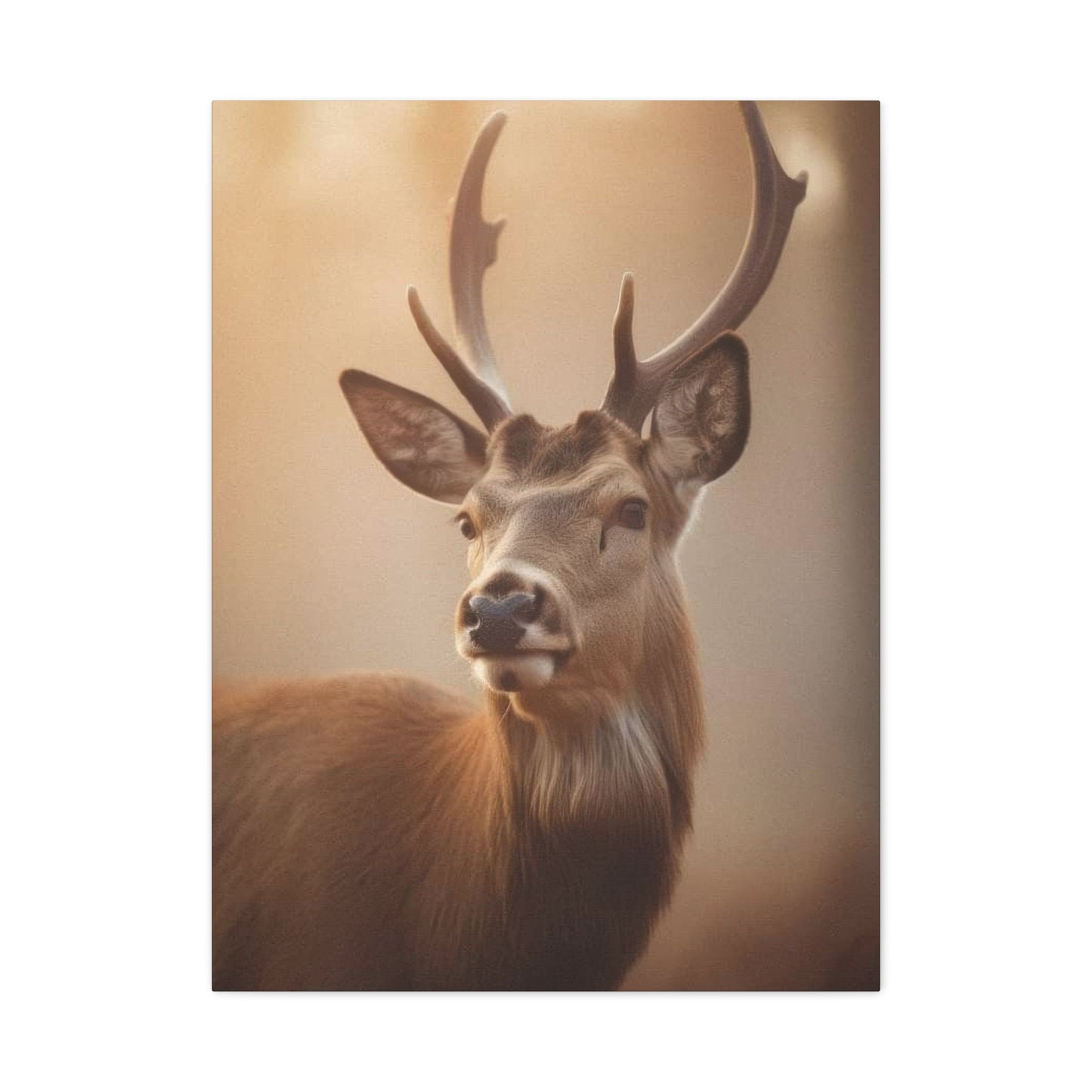
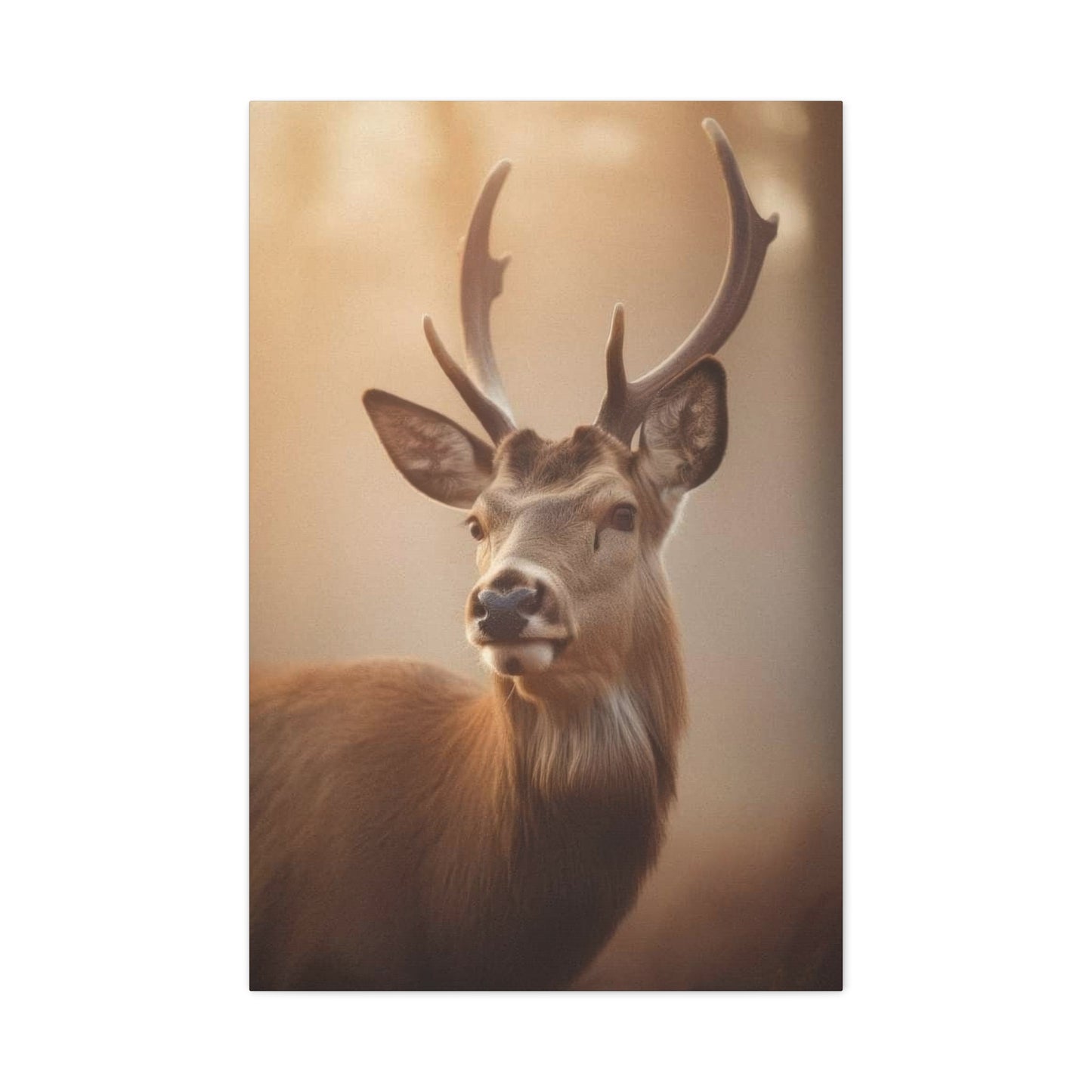
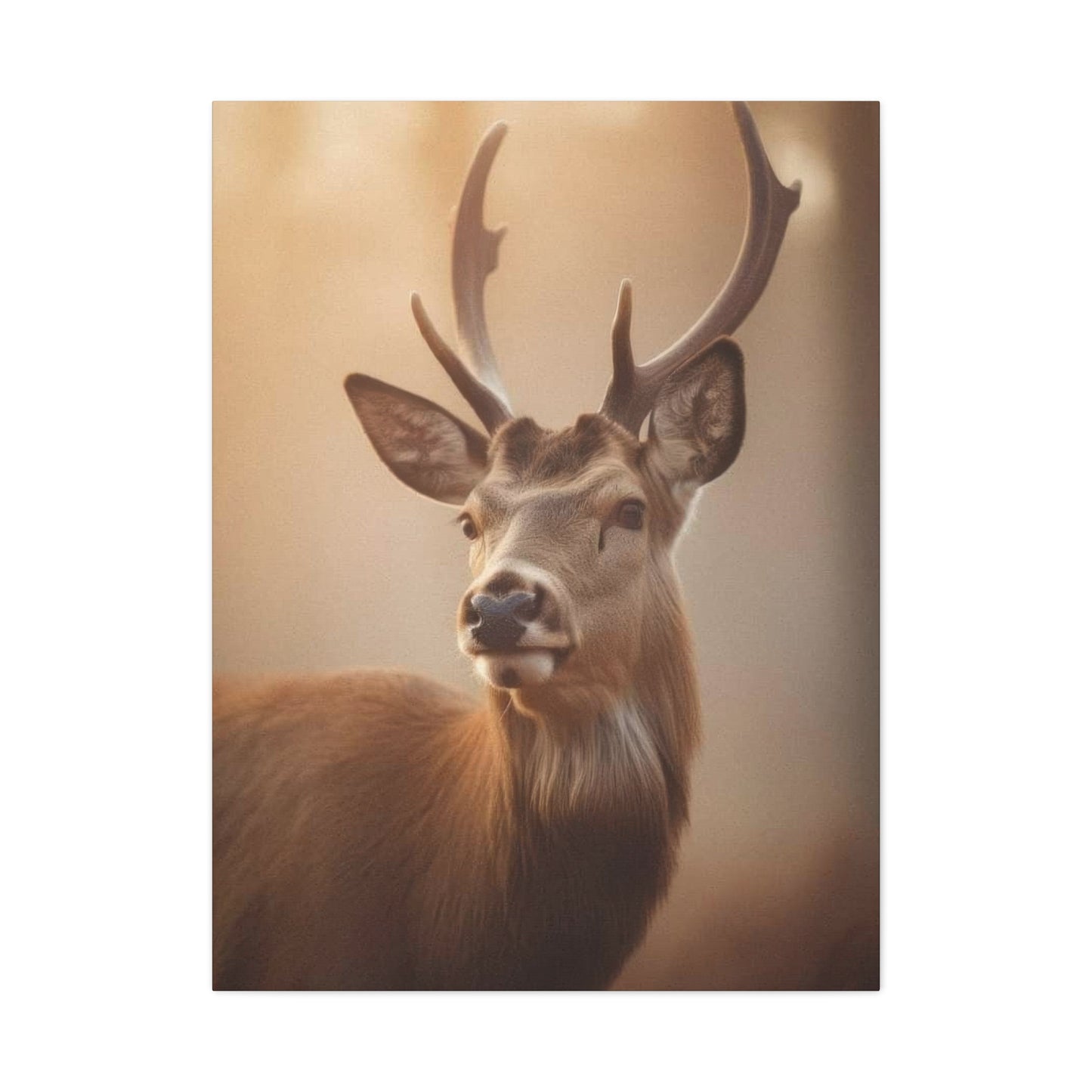
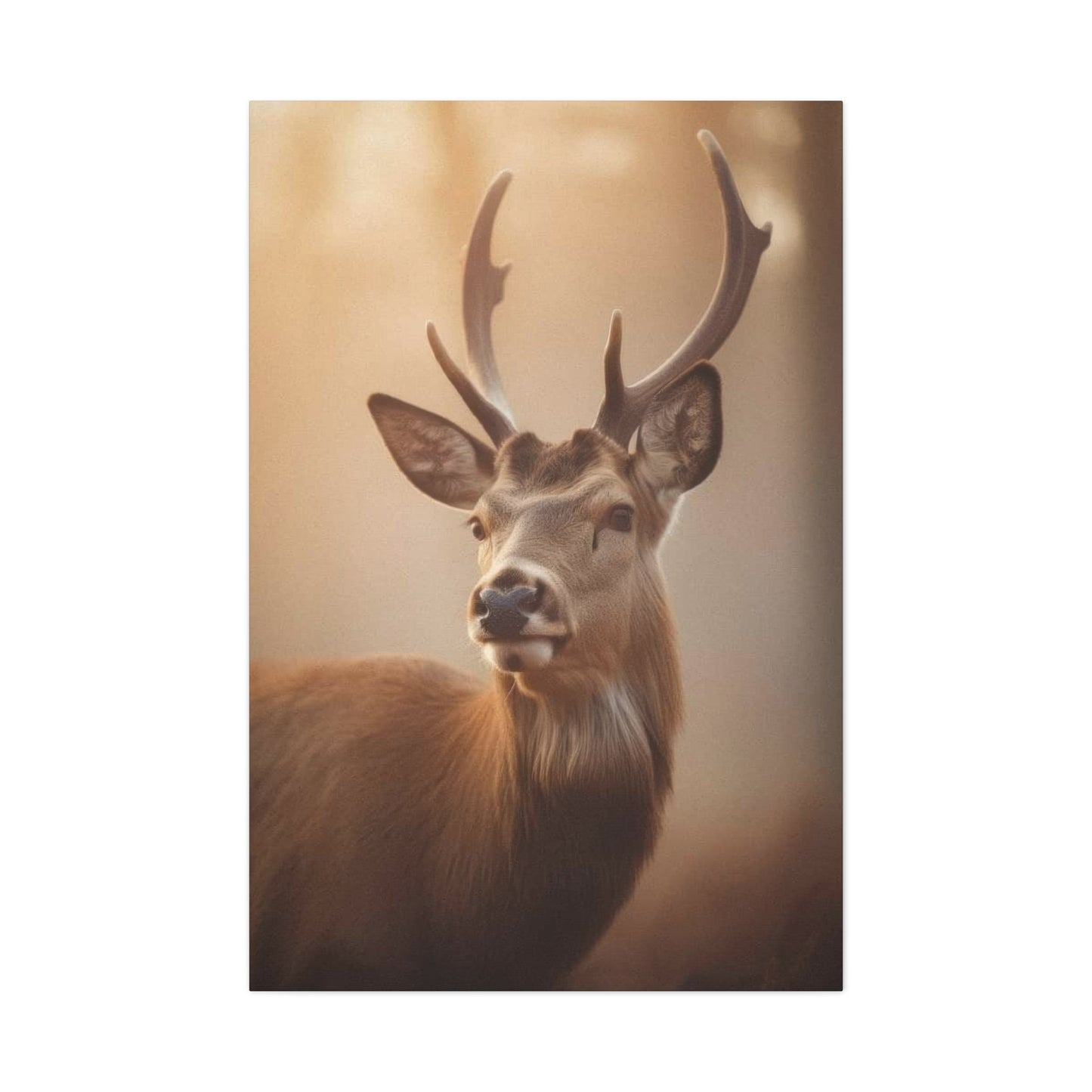
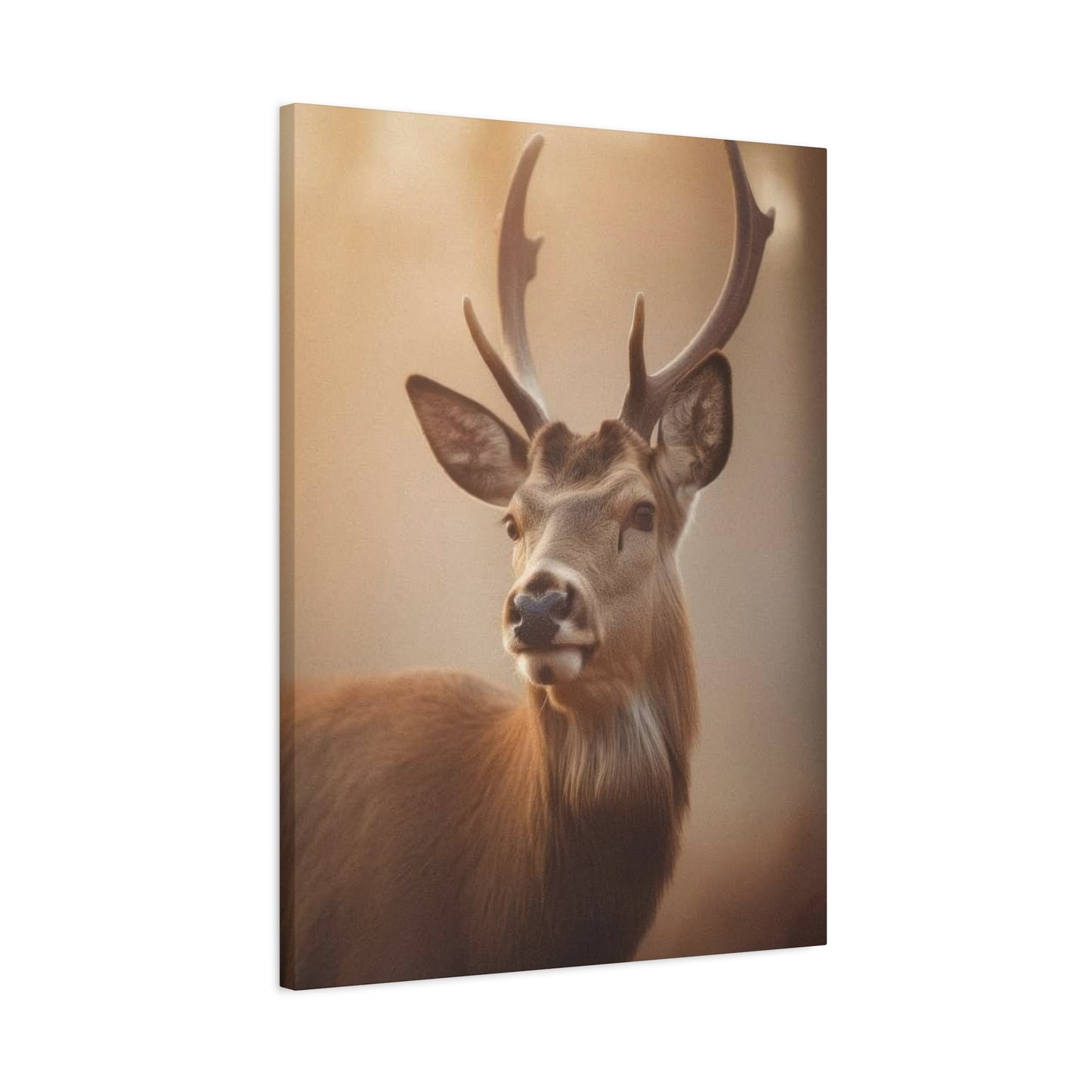
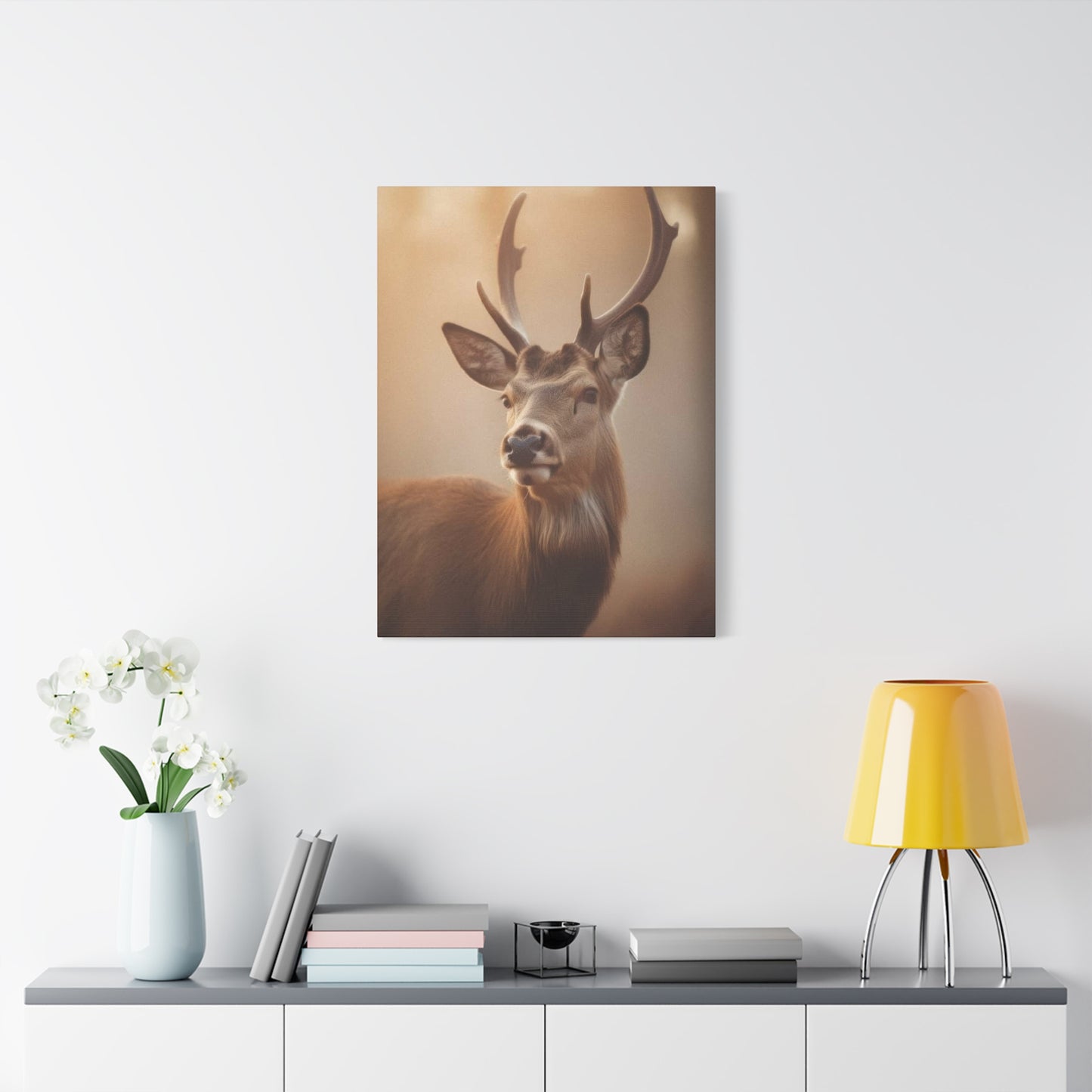
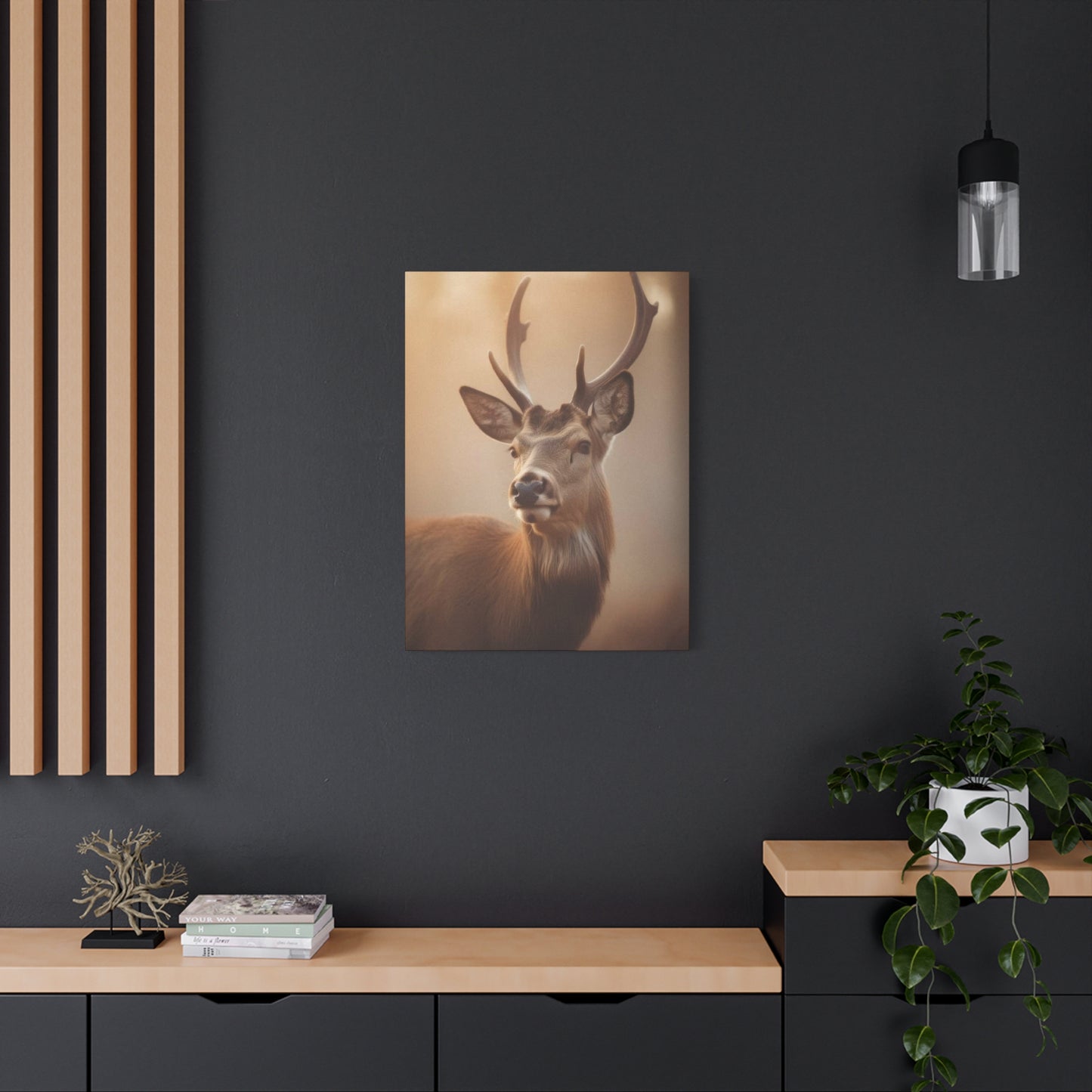
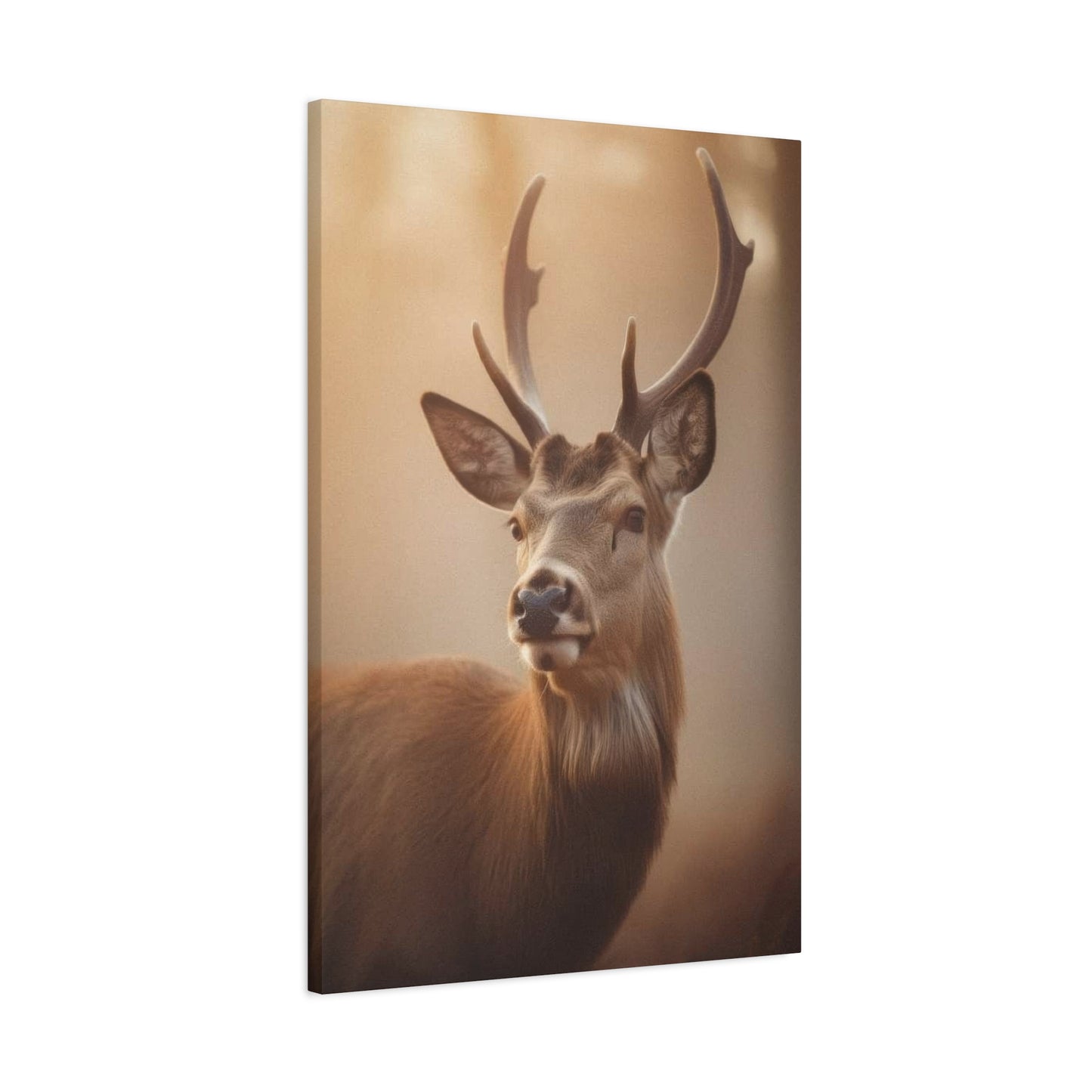
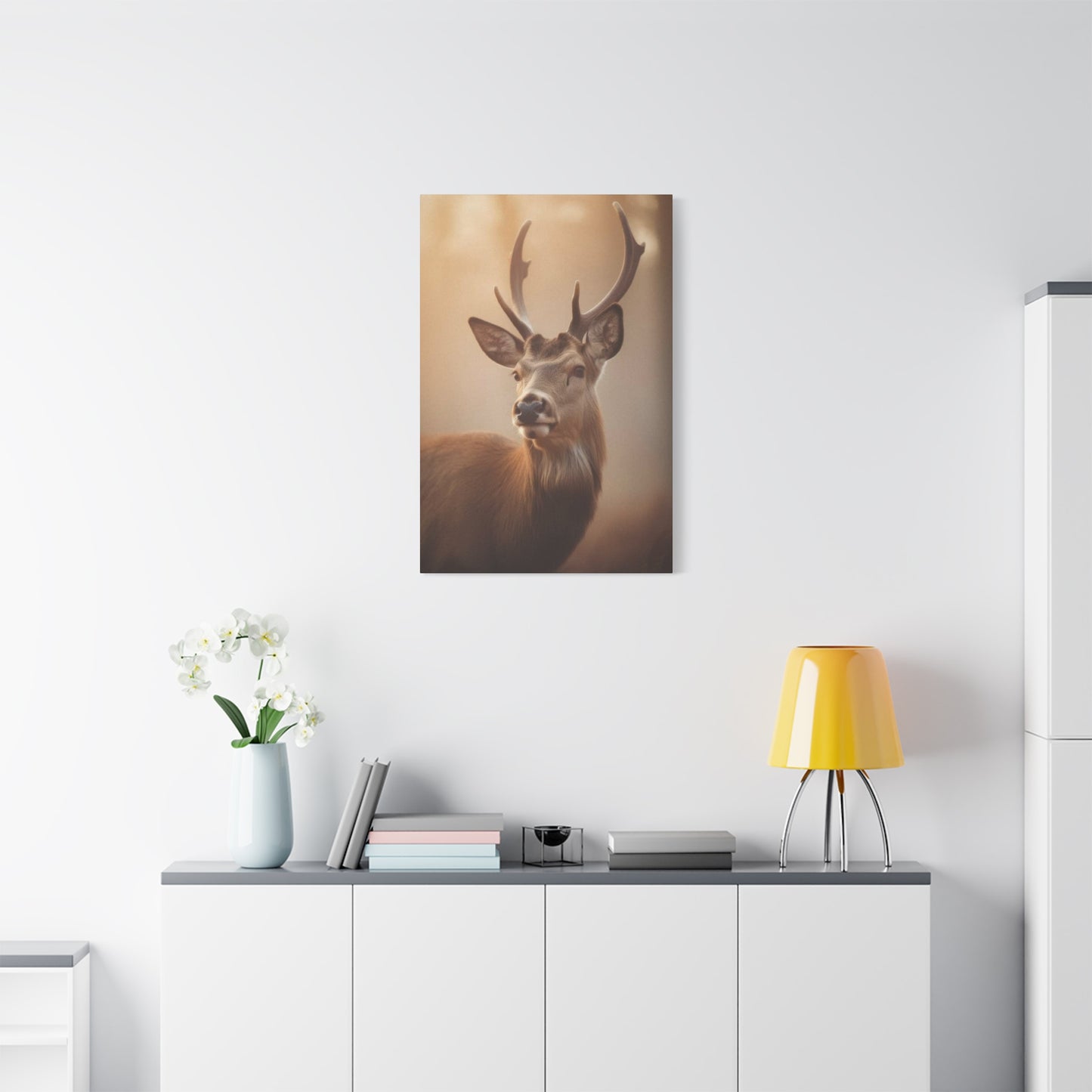
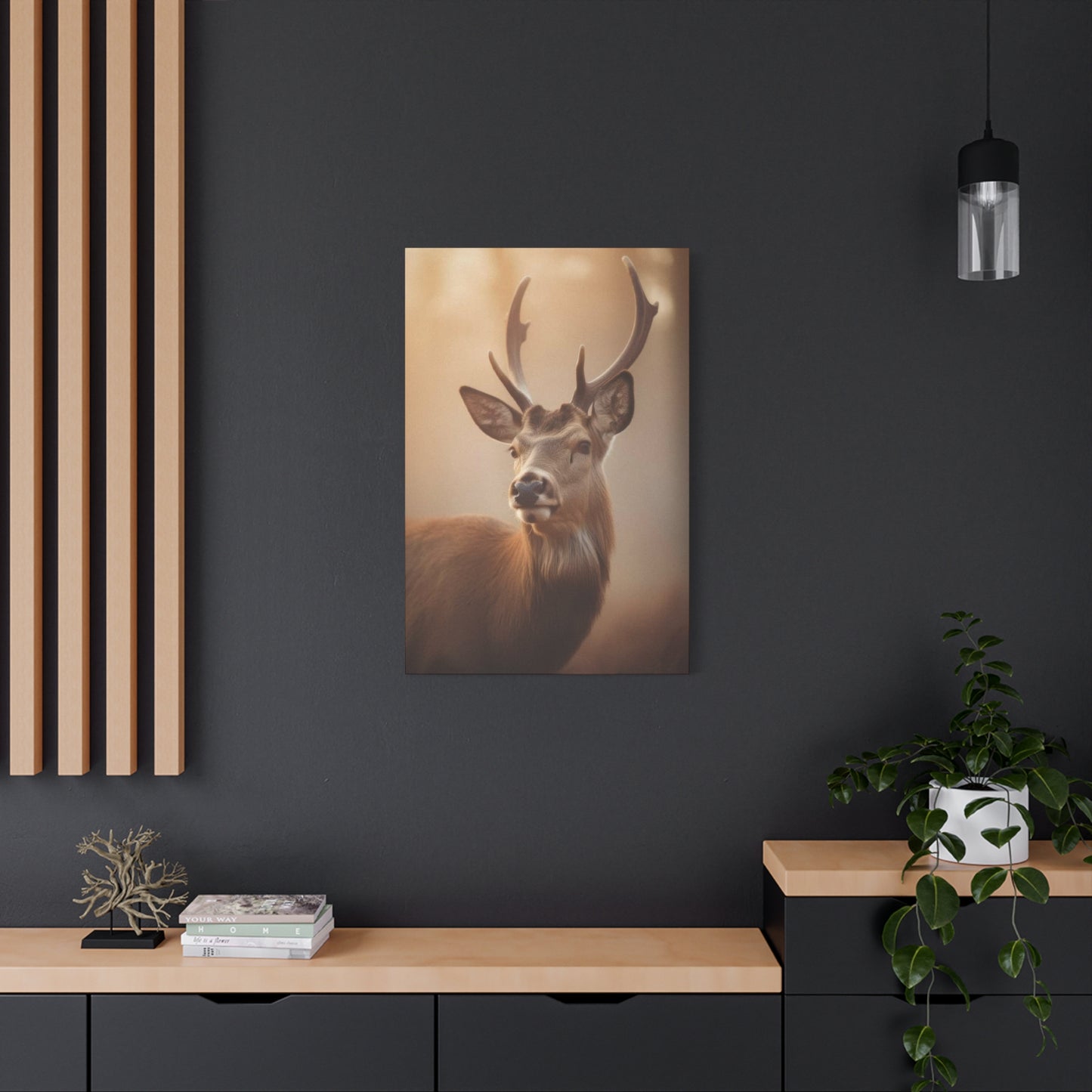
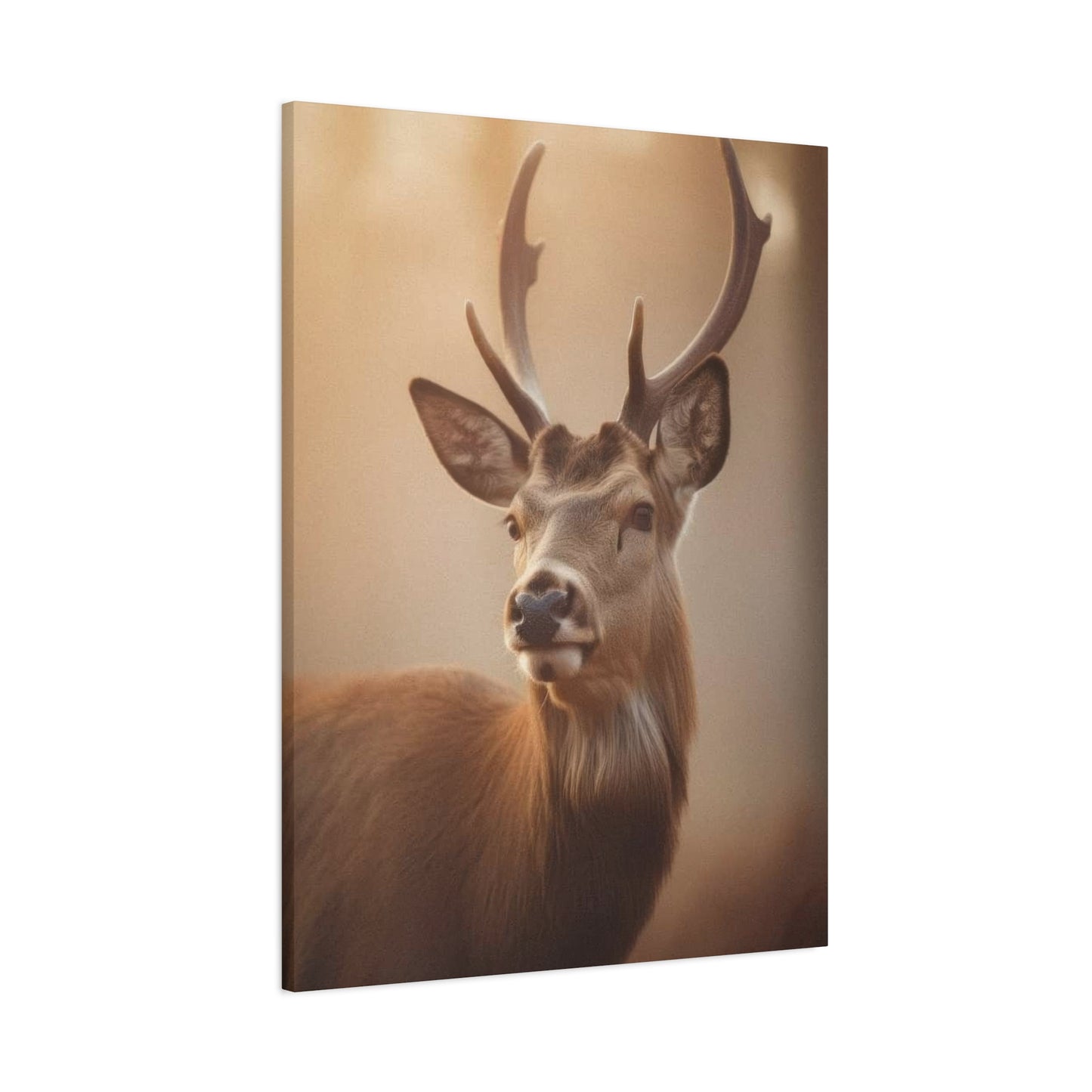
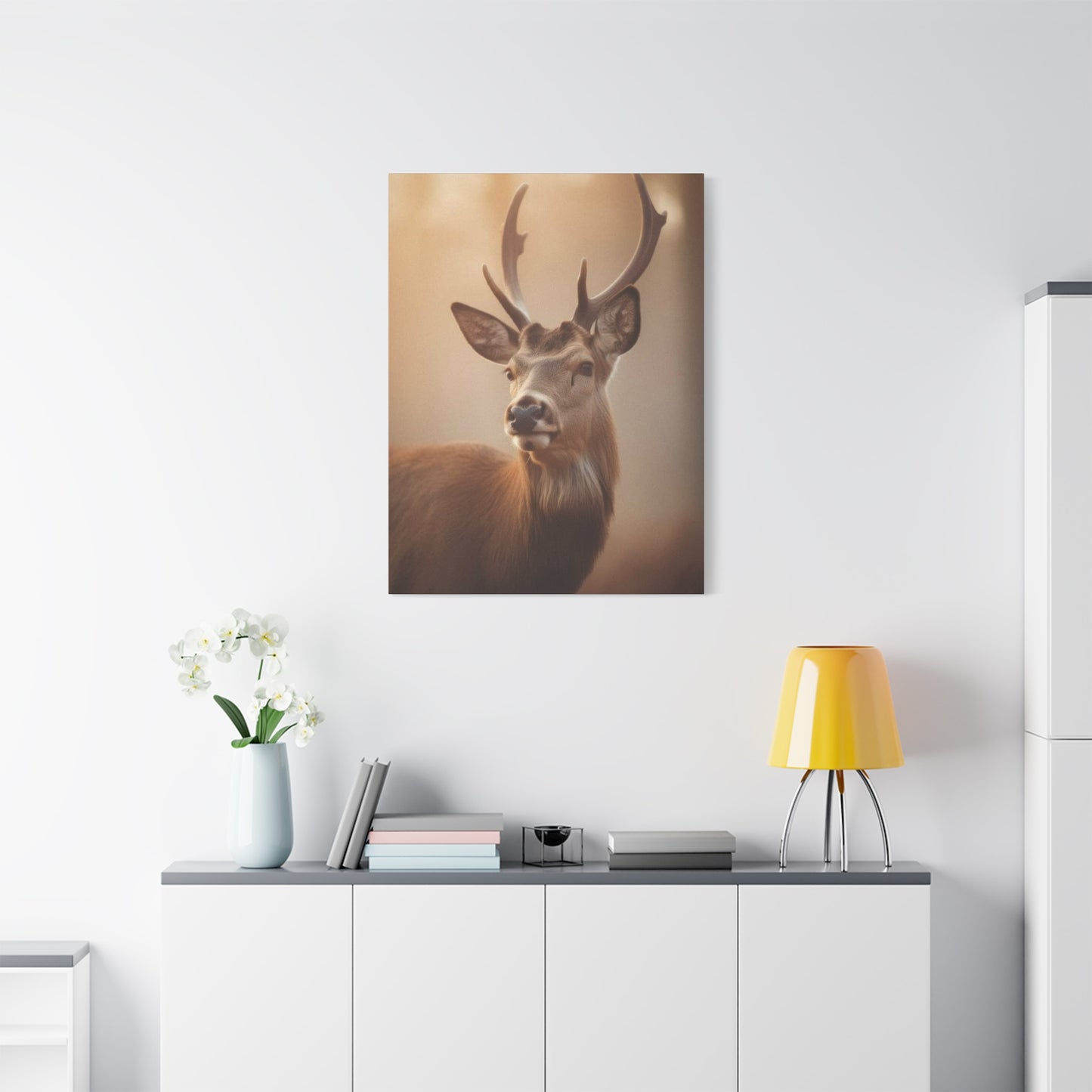
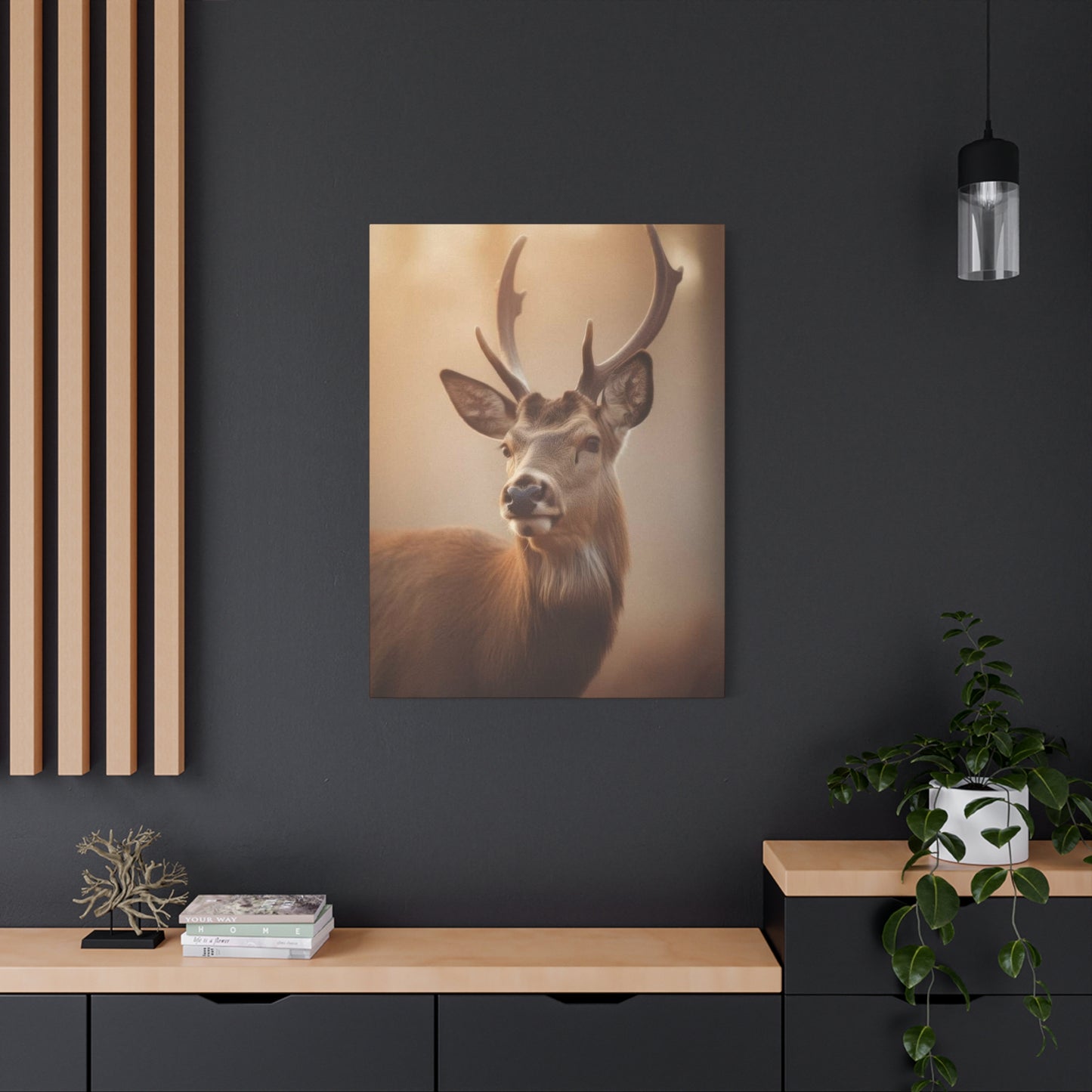
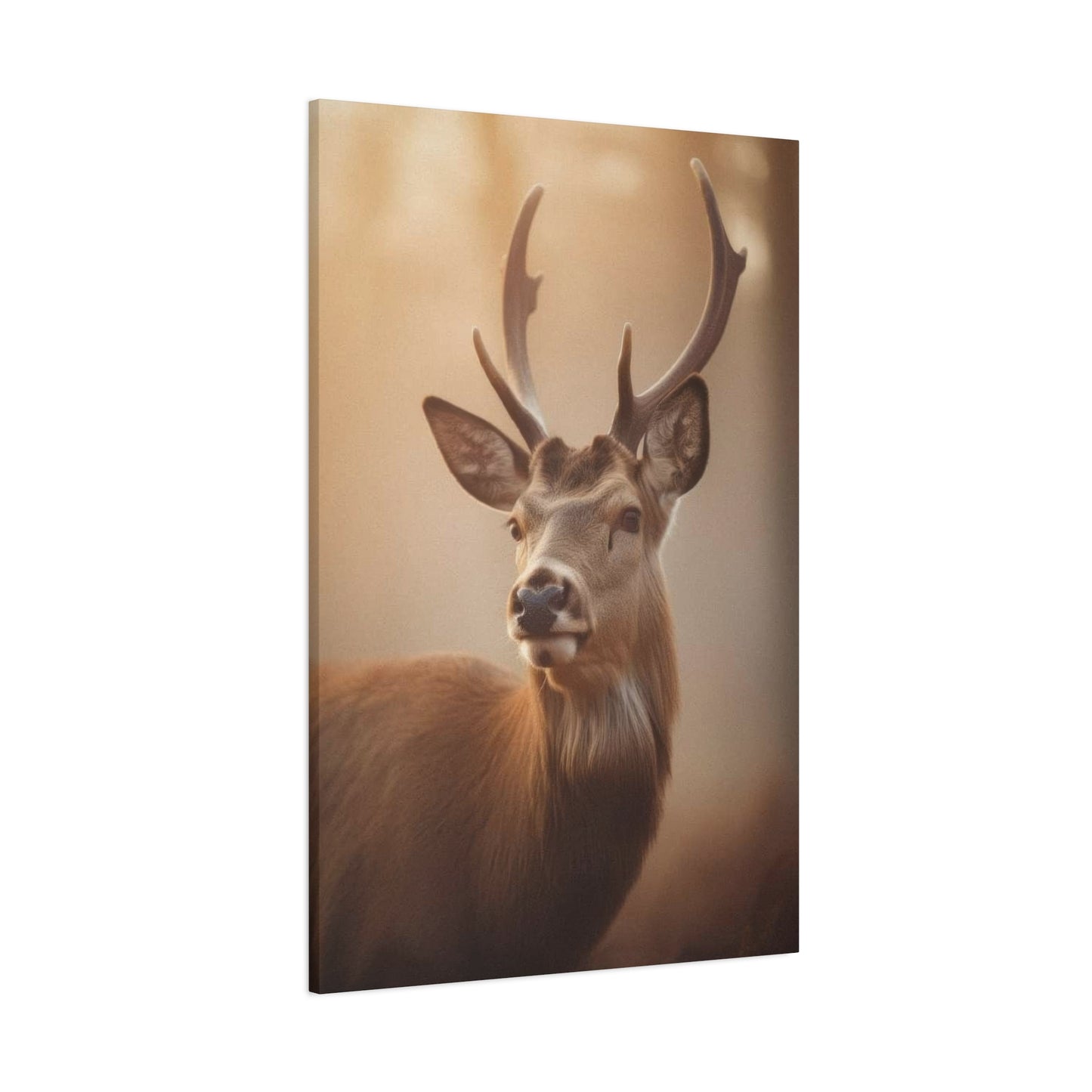
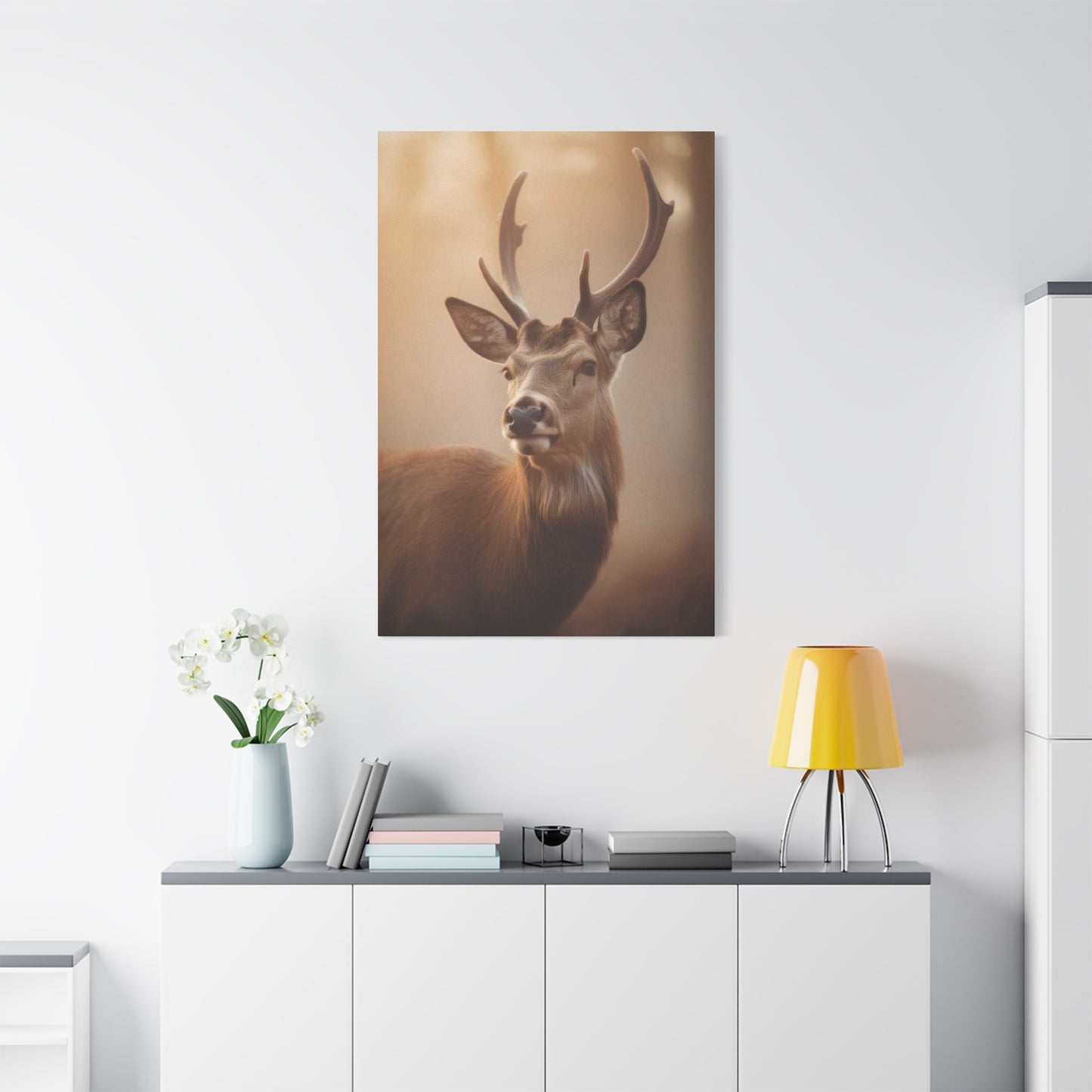
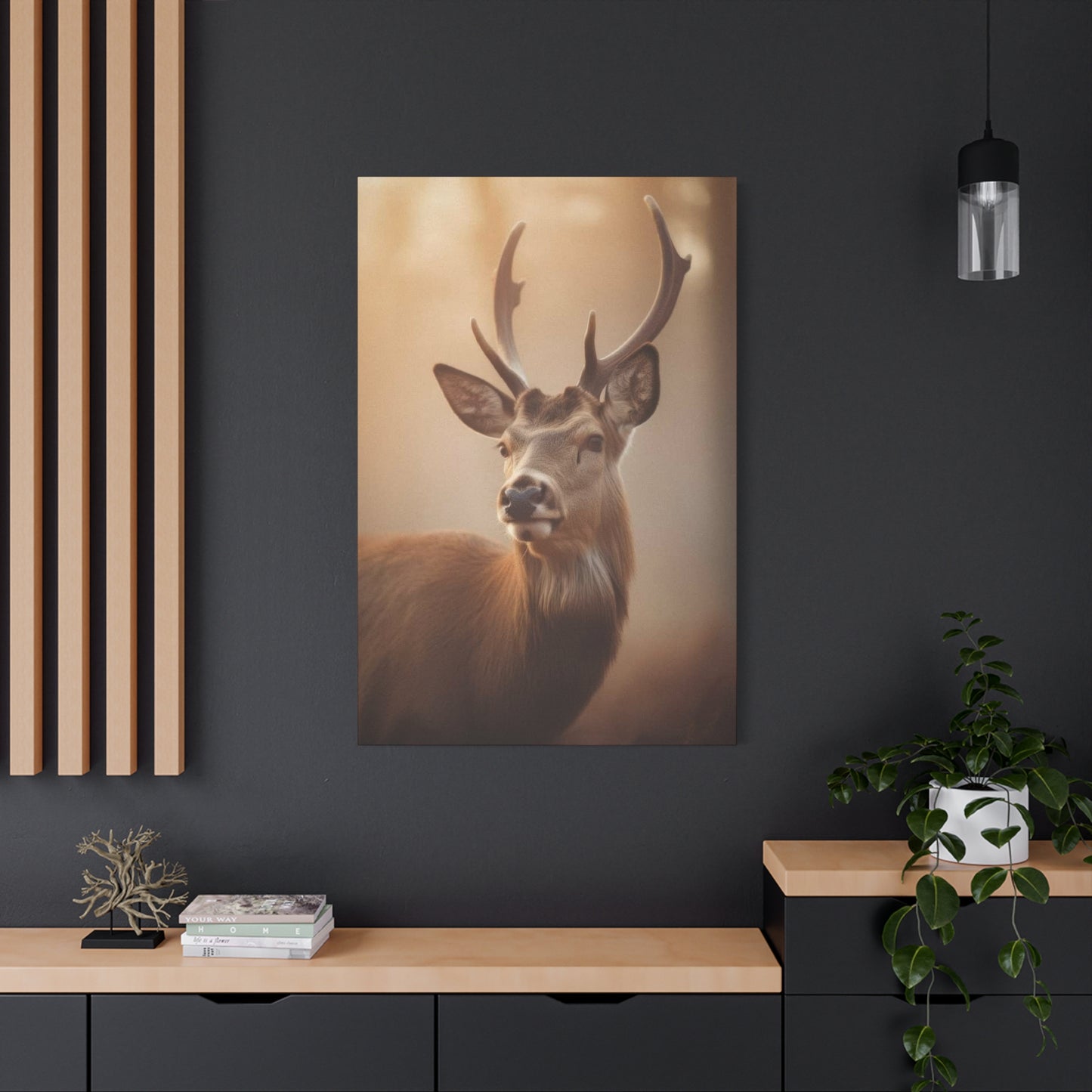
Nature’s Tranquility Captured: Deer Portrait Canvas Wall Art for Serene Interiors
The fascination with wildlife imagery in interior design has grown exponentially over recent years, with deer portraits emerging as one of the most sought-after choices for homeowners and decorators alike. These magnificent creatures, with their graceful presence and symbolic significance, offer a perfect blend of natural beauty and artistic expression that can elevate any living space. Whether you are drawn to the serene majesty of a solitary buck or the gentle elegance of a doe, incorporating deer portrait canvas pieces into your home creates an immediate connection to nature while adding sophisticated visual interest to your walls.
The appeal of deer imagery extends far beyond simple decoration. These animals have held cultural and spiritual significance across numerous civilizations throughout history, representing qualities such as gentleness, grace, determination, and natural wisdom. When you choose to display a deer portrait in your home, you are not merely selecting artwork; you are inviting these symbolic elements into your daily environment. The presence of such imagery can influence the atmosphere of a room, creating spaces that feel more grounded, peaceful, and connected to the natural world around us.
Contemporary interior design has embraced wildlife art with remarkable enthusiasm, recognizing its versatility across various aesthetic approaches. From ultra-realistic depictions that showcase every detail of antlers and fur to stylized interpretations that capture the essence of these creatures through simplified forms and bold colors, deer portraits offer endless possibilities for personal expression. The canvas medium particularly lends itself to this subject matter, allowing artists to create works with rich textures, layered depths, and visual qualities that change with different lighting conditions throughout the day.
Capturing Nature's Nobility Through Artistic Deer Imagery
The artistic representation of deer has evolved significantly over the centuries, moving from traditional hunting scenes and naturalist illustrations to contemporary interpretations that explore the animal's aesthetic and symbolic qualities. Modern artists approach deer portraiture with fresh perspectives, experimenting with composition, color theory, and technique to create pieces that resonate with current design sensibilities while maintaining the timeless appeal of their subject. The result is a diverse marketplace of options, ranging from photorealistic renderings that could be mistaken for wildlife photography to abstract interpretations that use the deer form as a starting point for bold artistic exploration.
When considering deer portrait canvas pieces for your space, understanding the different artistic approaches available helps in selecting work that aligns with your aesthetic preferences and the existing character of your rooms. Realistic portraits excel at bringing the authentic presence of wilderness into indoor environments, featuring meticulous attention to anatomical accuracy, fur texture, and the distinctive characteristics that make each species of deer unique. These pieces often showcase the animal in natural settings, surrounded by forest elements or captured against atmospheric backgrounds that enhance the sense of being transported to wild landscapes.
The technical skill required to produce convincing realistic deer portraits is considerable. Artists must understand animal anatomy, the play of light across different surfaces, and the subtle color variations that occur in natural fur patterns. They employ techniques such as layering, glazing, and detailed brushwork to achieve the level of realism that makes viewers feel they could reach out and touch the animal. These works particularly appeal to nature enthusiasts, hunters who appreciate the majesty of their quarry, and anyone seeking to bring a strong natural presence into their living spaces.
Alternative approaches to deer portraiture include impressionistic styles that capture the essence and movement of the animal through looser brushwork and atmospheric color use. These pieces often convey emotional qualities and the spirit of the deer rather than focusing on precise physical details. The softer edges and dreamlike qualities of impressionistic deer portraits make them excellent choices for creating calming, contemplative atmospheres in bedrooms, reading nooks, or meditation spaces. The artistic interpretation leaves room for viewer imagination, creating a more personal and subjective experience with the artwork.
Photographic Realism Meets Canvas Artistry in Deer Depictions
The intersection of photography and canvas printing has opened new possibilities for deer portrait artwork, allowing the capture of truly remarkable moments in wildlife behavior and presenting them as gallery-quality pieces suitable for home display. High-resolution wildlife photography transferred to canvas maintains the immediacy and authenticity of the original photograph while gaining the textural interest and substantial presence that canvas provides. This approach bridges the gap between documentary wildlife imagery and fine art, creating pieces that serve both educational and aesthetic purposes.
Photographers specializing in deer imagery often spend countless hours in the field, studying animal behavior patterns, understanding seasonal variations, and positioning themselves to capture moments of genuine beauty and significance. The resulting images might show a majestic buck during the autumn rut, antlers silhouetted against a rising sun, or a doe with her fawn in a sun-dappled meadow. When these photographs are professionally transferred to canvas, they gain a painterly quality that softens the sometimes harsh clarity of pure photography, creating a more art-focused presentation suitable for residential interiors.
The canvas medium adds warmth and texture to photographic deer portraits that flat paper prints cannot achieve. The weave of the canvas fabric becomes part of the image itself, creating a subtle visual texture that adds depth and interest to the piece. Professional printing processes ensure that color accuracy is maintained while taking advantage of the canvas's ability to absorb and reflect light in ways that create a more dynamic viewing experience. The result is artwork that rewards close inspection while also maintaining strong visual impact from across the room.
Choosing between photographic realism and painted realism often comes down to personal preference and the specific aesthetic goals for your space. Photographic pieces excel at capturing specific moments and genuine wildlife scenarios, bringing documentary authenticity to your walls. Painted realistic portraits, meanwhile, allow for artistic interpretation and idealization, creating compositions that might be impossible to capture with a camera but that present the subject in its most aesthetically pleasing form. Both approaches have their place in contemporary interior design, and many collectors find value in incorporating both styles within their homes.
Simplified Forms: Creating Impact Through Restraint
The principle of "less is more" finds powerful expression in minimalist deer portrait designs, where artists strip away extraneous details to focus on essential forms and silhouettes. This approach to wildlife art has gained considerable popularity in recent years, particularly among homeowners who prefer clean, uncluttered aesthetic environments. Minimalist deer portraits work through reduction, using simple shapes, limited color palettes, and plenty of negative space to create images that are instantly recognizable yet abstracted enough to feel contemporary and sophisticated.
The strength of minimalist deer artwork lies in its versatility and its ability to complement rather than overwhelm a space. These pieces typically feature clean lines, geometric simplification of the deer form, and restrained color choices that make them easy to integrate into existing decor schemes. A single-line drawing of a deer profile, a silhouette against a neutral background, or a geometric interpretation of antlers can provide just the right amount of visual interest to enliven a wall without creating visual noise or competing with other design elements in the room.
Creating effective minimalist deer portraits requires significant artistic skill despite the apparent simplicity of the final product. Artists must understand their subject thoroughly enough to distill its essence into the most economical visual terms possible. Every line, shape, and color choice carries weight in minimalist work, as there is no complexity to hide behind or to distract from weaknesses in composition or execution. The best minimalist deer portraits achieve a balance where the image is immediately recognizable and aesthetically pleasing while maintaining the spare, unadorned quality that defines the minimalist approach.
Color plays a particularly interesting role in minimalist deer portraiture. Some artists embrace monochromatic schemes, working entirely in blacks, whites, and grays to create stark, graphic images with strong contrast and clear visual hierarchy. Others introduce single accent colors that draw the eye and create focal points within otherwise neutral compositions. Still others explore subtle tonal variations within limited palettes, using near-monochromatic schemes that create gentle, sophisticated visual experiences. Each approach offers different aesthetic effects and suits different interior design contexts.
The placement and presentation of minimalist deer portraits require thoughtful consideration to maximize their impact. These pieces often benefit from generous amounts of surrounding white space, which allows the simplified forms to breathe and maintains the uncluttered aesthetic that makes minimalism appealing. Mounting minimalist deer canvas pieces in sleek, simple frames or even presenting them frameless with gallery-wrapped edges enhances their contemporary feel. Grouping multiple minimalist pieces in carefully considered arrangements can create compelling gallery walls that maintain visual cohesion through shared aesthetic principles.
Heritage and Warmth: Countryside Aesthetics in Deer Artwork
The rustic design movement celebrates the textures, materials, and aesthetic sensibilities associated with countryside living and traditional craftsmanship. Within this design context, deer portraits take on particular significance, as these animals are deeply connected to forest environments, hunting traditions, and the broader cultural heritage of rural life. Rustic deer portrait wall decor embraces weathered textures, warm earth tones, and imagery that evokes nostalgia for simpler times and closer connections to the natural world.
Rustic deer portraits often incorporate design elements that enhance their countryside character. Artists might apply distressing techniques to canvas surfaces, creating the appearance of age and wear that suggests the piece has been treasured for generations. Color palettes tend toward warm browns, deep forest greens, burnt oranges, and golden yellows that reflect autumn landscapes and wooden cabin interiors. The deer themselves are often depicted in poses and settings that emphasize their role in wilderness ecosystems, shown among trees, near water sources, or in seasonal landscapes that celebrate the changing cycles of nature.
The framing and presentation of rustic deer portraits significantly contributes to their overall aesthetic impact. Barn wood frames, with their rough textures and visible grain patterns, provide perfect complements to rustic deer imagery. Distressed metal frames can add industrial farmhouse notes, while natural wood finishes in darker stains create warmth and visual weight that grounds these pieces in their spaces. Some rustic deer portraits are presented on reclaimed wood substrates rather than traditional canvas, creating mixed-media pieces that blur the line between artwork and decorative object.
Rustic deer decor works particularly well in specific residential contexts. Cabins, lodges, and vacation homes in wilderness areas are natural settings for these pieces, where they reinforce the connection between indoor and outdoor environments. However, rustic deer portraits have also found favor in urban and suburban homes where residents seek to inject warmth, character, and natural elements into their living spaces. A well-chosen rustic deer portrait can serve as a focal point in a family room, create visual interest in a home office, or add personality to a bedroom while evoking feelings of comfort and connection to natural heritage.
The symbolic resonance of deer imagery within rustic design contexts adds layers of meaning beyond pure aesthetics. For many people, deer represent outdoor experiences, family hunting traditions, wilderness adventure, and the satisfaction of living in harmony with natural cycles. Displaying deer portraits within rustic design schemes becomes a way of expressing personal values, commemorating experiences, and creating environments that reflect genuine aspects of identity and lifestyle. This deeper connection between imagery and personal meaning transforms these pieces from mere decoration into significant elements of home storytelling.
Wilderness Poetry: Bringing Forest Atmosphere Indoors
The forest environment possesses a particular quality of light, space, and atmosphere that has captivated artists and designers for centuries. Deer portrait canvas prints that emphasize forest settings and woodland atmospheres do more than simply depict an animal; they transport viewers into complete natural environments, creating windows into wilderness realms that offer respite from the manufactured environments of modern life. These pieces excel at creating mood and evoking emotional responses, using the interplay of light, shadow, vegetation, and animal subject to craft compelling visual narratives.
Forest-focused deer portraits typically feature rich, layered compositions where the animal subject exists within a fully realized natural context. Artists might depict dappled sunlight filtering through tree canopies, creating patterns of light and shadow across the deer's form. Morning mist might soften background elements while allowing the deer to emerge with greater clarity in the foreground. Seasonal indicators like spring wildflowers, summer green abundance, autumn color transformations, or winter snow and bare branches provide temporal context and emotional coloring to the scene.
The technical challenges of creating convincing forest environments within deer portraits are considerable. Artists must understand not only animal anatomy and behavior but also botanical accuracy, atmospheric perspective, light behavior in different conditions, and compositional strategies for creating depth and visual interest in complex scenes. Successful forest deer portraits achieve a balance where the environment enhances rather than overwhelms the animal subject, creating harmonious compositions that guide viewer attention while rewarding extended contemplation with discovered details.
Color relationships in forest deer portraits often exhibit subtle complexity that reflects the actual color environment of woodlands. Rather than relying on bright, saturated hues, these pieces typically work within ranges of greens, browns, grays, and earth tones, using value contrasts and temperature shifts to create visual interest and spatial depth. The deer subject might be rendered in slightly warmer or lighter tones than the surrounding forest, ensuring it remains the focal point despite being integrated into a busy visual environment. Seasonal variations in forest color provide opportunities for pieces with dramatically different emotional tones, from the vibrant greens and high-key values of spring to the rich, saturated colors of autumn or the stark contrasts of winter scenes.
Displaying forest deer portraits creates opportunities for extended environmental theming within interior spaces. These pieces pair naturally with other woodland elements such as botanical prints, landscape paintings, or nature photography. Supporting the artwork with appropriate design choices in furniture, textiles, and accessories can create immersive spaces that feel cohesive and intentional. Natural materials like wood, stone, and natural fiber fabrics enhance the connection between the artwork and the physical space, while green plants and natural lighting further bridge indoor and outdoor realms.
Documenting Majesty: Wildlife Art Tradition and Practice
The tradition of wildlife art has deep roots in human culture, extending back to prehistoric cave paintings and continuing through centuries of naturalist illustration, hunting memorials, and conservation advocacy imagery. Contemporary deer portrait art exists within this rich tradition while also pushing boundaries and exploring new directions made possible by evolving artistic techniques and changing cultural attitudes toward wildlife. Understanding the wildlife art tradition provides context for appreciating contemporary deer portraits and recognizing the various influences and approaches that inform this genre.
Historical wildlife art often served documentary purposes, creating visual records of species, their habitats, and their behaviors for scientific, educational, or commemorative purposes. Artists like John James Audubon established standards for combining scientific accuracy with aesthetic appeal, creating works that functioned both as reference materials and as compelling art objects. This dual purpose continues to influence wildlife portraiture today, with many artists striving to achieve both faithful representation and artistic excellence in their depictions of deer and other animals.
The conservation movement has significantly impacted wildlife art in recent decades, with many artists viewing their work as contributing to broader efforts to protect species and habitats. Deer portraits created within this context often emphasize the beauty and intrinsic value of these animals, seeking to foster appreciation and concern for their welfare. Some artists donate portions of their proceeds to wildlife conservation organizations, creating direct connections between art sales and habitat protection efforts. This ethical dimension adds depth to the experience of owning and displaying wildlife art, transforming it from pure aesthetic appreciation into a form of environmental engagement.
Contemporary wildlife artists working with deer subjects employ an extraordinary range of techniques and approaches. Some work from direct field observation, sketching and photographing deer in their natural habitats before translating these studies into finished portraits. Others work primarily from photographic references, selecting compelling images and interpreting them through various artistic media. Still others take more imaginative approaches, creating composite images that combine elements from multiple sources or that place deer in symbolic or fantastical contexts that serve expressive rather than documentary purposes.
The market for wildlife art, including deer portraits, has expanded considerably with the growth of online platforms and print-on-demand technologies. This democratization has positive and negative aspects. On one hand, it allows more artists to reach audiences and more consumers to access diverse wildlife imagery at various price points. On the other hand, it has flooded the market with varying quality levels, making discrimination and curation more important for consumers seeking truly excellent work. Developing an eye for quality wildlife art involves considering factors like anatomical accuracy, compositional sophistication, technical execution, and the presence of an authentic artistic vision beyond mere competent reproduction.
Bold Presence: Scale and Impact in Deer Portraiture
The physical size of artwork significantly influences its impact within a space, and large-scale deer portraits offer opportunities to create dramatic focal points and establish strong design statements. Statement pieces, by definition, command attention and anchor the visual organization of rooms, providing clear centers around which other design elements can be arranged. Large deer portrait canvases fulfill this role effectively, bringing the majesty and physical presence of these impressive animals into residential spaces at scales that approach or even exceed life-size.
The decision to incorporate large-scale deer portraiture involves several practical and aesthetic considerations. Large canvases require substantial wall space and appropriate viewing distances to be appreciated properly. A massive deer portrait crammed onto a too-small wall or viewed from too close a distance can feel overwhelming and claustrophobic rather than impressive. Conversely, when properly sized and positioned, large deer portraits can transform spaces, creating immediate visual impact and establishing clear design hierarchies that organize and structure rooms.
Large-scale wildlife portraiture benefits particularly from the canvas medium, which can be produced in substantial sizes without the weight and fragility concerns associated with framed glass-covered prints. Gallery-wrapped canvas, where the image extends around the edges of the stretcher frame, eliminates the need for traditional framing and creates a more modern, streamlined appearance appropriate for contemporary interiors. The three-dimensional presence of canvas also becomes more significant at larger scales, with the depth of the stretcher frame and the texture of the canvas surface becoming visible and contributing elements of the piece's visual character.
Subject selection and composition take on added importance in large-scale deer portraits. Close-up portraits focusing on the deer's head and impressive antler spread can create powerful, almost confrontational images that establish immediate connection between viewer and subject. Full-body portraits showing the entire animal in its environment allow for more contextual storytelling and can create windows into wilderness scenes that viewers feel they could step through. The artist's compositional choices regarding positioning, viewing angle, background treatment, and negative space usage all contribute to whether the final piece succeeds as a large-scale statement or simply feels like an oversized version of a smaller composition.
Lighting considerations become crucial when displaying large deer portrait canvases. Insufficient lighting can cause these pieces to recede into shadows, particularly if they feature darker color palettes or forest settings. Strategic use of picture lights, track lighting, or natural light sources can dramatically enhance the viewing experience, bringing out colors, highlighting textures, and creating the changing visual dynamics that make living with large-scale art rewarding over time. The positioning relative to windows, the angle of artificial lighting, and even the color temperature of light sources all influence how the artwork appears and how it functions within its space.
Inviting Comfort: Deer Imagery for Intimate Spaces
Living rooms serve as central gathering spaces within homes, functioning as areas for family relaxation, social entertainment, and daily living activities. The artwork chosen for these spaces significantly influences their atmosphere and the experiences people have within them. Deer portraits bring particular qualities to living room environments, offering connections to nature, visual interest, and symbolic associations with peace and natural grace that enhance the comfort and appeal of these important spaces.
The selection of appropriate deer portrait imagery for living rooms depends on the specific character and function of the space. Family-oriented living rooms used primarily for casual relaxation might benefit from warmer, more approachable deer imagery featuring does, fawns, or family groups that suggest nurturing and togetherness. Living rooms designed for entertaining might call for more dramatic or sophisticated deer portraits that serve as conversation pieces and reflect the homeowners' taste and interests. The scale of the artwork should correspond to the size of the room and the viewing distances involved, with larger spaces accommodating more substantial pieces.
Color coordination between deer portrait artwork and existing living room design elements helps create visual harmony and intentional design cohesion. Deer imagery naturally incorporates earth tones, which typically coordinate well with wood furniture, natural fiber textiles, and the warm color schemes popular in comfortable living spaces. However, deer portraits are available in diverse color treatments, from naturalistic palettes to stylized versions incorporating unexpected hues that can serve as accent colors within broader design schemes. Considering the artwork's color relationships to walls, furniture, and accessories during the selection process prevents jarring disconnections and creates intentional, polished-looking spaces.
The positioning of deer portraits within living rooms influences both their visual impact and the functional flow of the space. Traditional placement above sofas or fireplaces provides natural focal points that anchor seating arrangements and establish clear visual hierarchies. However, creative placement on feature walls, in galleries mixing deer imagery with complementary pieces, or even on unexpected surfaces like room dividers or cabinet backs can create more distinctive and personalized design statements. The key is ensuring the artwork enhances rather than impedes the room's functionality while receiving sufficient visual prominence to justify its presence.
Living room deer portraits contribute to the overall atmosphere and psychological experience of the space beyond their purely visual qualities. The presence of wildlife imagery can create subconscious connections to outdoor environments, potentially reducing stress and promoting relaxation. The gentle, non-threatening nature of deer as subjects makes them particularly suitable for spaces meant for unwinding and comfort. Cultural associations between deer and qualities like grace, alertness, and quiet strength can subtly influence how people feel within rooms featuring this imagery, contributing to the complex web of factors that make certain spaces feel more inviting and pleasant than others.
Natural Muse: Artistic Interpretation and Creative Expression
The deer has served as artistic inspiration across countless creative movements and individual artist explorations, proving endlessly fascinating as a subject for creative interpretation. Woodland-themed artistic deer portraits represent a particular subset of this broader category, emphasizing the forest context and natural environment while taking creative liberties in style, technique, and presentation that distinguish them from purely realistic or documentary approaches. These pieces balance recognizability with artistic expression, creating works that are clearly deer-focused while also showcasing individual creative visions.
Artistic interpretation in deer portraiture can take numerous forms. Some artists explore texture heavily, building up thick impasto paint applications that create highly tactile surfaces, or alternatively, experimenting with mixed media approaches that incorporate elements like fabric, paper, or found materials into the composition. Others focus on color experimentation, depicting deer in non-naturalistic palettes that serve expressive or decorative purposes rather than realistic representation. Line quality and mark-making variations provide additional avenues for artistic expression, with some artists favoring gestural, energetic marks while others prefer controlled, precise applications.
The woodland context in artistic deer portraits offers rich opportunities for creative exploration beyond the animal subject itself. Artists might stylize forest elements into decorative patterns, abstract tree forms into geometric shapes, or create fantastical forest environments that suggest enchanted or mythological spaces. The interplay between recognizable deer forms and creatively interpreted backgrounds creates visual tension and interest that rewards extended viewing. These pieces often walk interesting lines between representation and abstraction, maintaining enough realistic elements to ground the image while incorporating sufficient stylization to mark them clearly as artistic interpretations.
Cultural and artistic movement influences appear in contemporary artistic deer portraits, with artists drawing inspiration from various historical styles and adapting them to wildlife subjects. Folk art traditions with their bold colors and simplified forms translate well to deer imagery. Art Nouveau's flowing lines and natural motifs find perfect expression in woodland scenes. Native American artistic traditions with their spiritual approach to wildlife representation inform some contemporary deer portraiture. Even modernist movements like cubism have been applied to deer subjects, fragmenting and reassembling forms in ways that challenge viewers' perceptions while maintaining essential recognition.
Collectors drawn to artistic deer portraits often appreciate the balance these pieces strike between subject recognition and creative expression. Unlike purely abstract art, which can feel inaccessible or alienating to some viewers, artistic deer portraits maintain clear subject matter that provides entry points for engagement while still offering the visual interest and artistic merit associated with more experimental work. This balance makes artistic deer portraits particularly successful in residential settings, where they provide both decorative appeal and conversational interest without demanding the intensive engagement that more challenging contemporary art might require.
Conceptual Boundaries: Pushing Beyond Representation
Abstract art approaches subjects through reduction, distortion, or complete reimagining, focusing on formal elements like color, shape, line, and composition rather than realistic representation. Applied to deer portraiture, abstraction creates pieces that suggest rather than depict, that evoke emotional responses rather than document appearances, and that invite subjective interpretation rather than offering objective representation. Abstract deer portrait wall art exists on a spectrum from semi-abstract pieces that maintain clear connections to their subjects through simplified forms or suggestive elements to fully abstract works where the deer connection might exist only in the title or in subtle suggestions requiring viewer imagination to perceive.
The creative process behind abstract deer portraits often begins with observation and understanding of the subject before moving toward reduction and reinterpretation. Artists might start with realistic sketches or studies, gradually eliminating details, simplifying forms, and extracting essential characteristics that can be expressed through pure formal means. The curve of antlers might become a rhythmic line dancing across the canvas. The alert posture of a deer might translate into diagonal compositions suggesting upward movement and attention. The color of autumn forest settings might be reduced to gestural sweeps of orange, brown, and gold that evoke seasonal atmosphere without depicting specific scenes.
Color theory plays a particularly significant role in abstract deer portraiture, as realistic color constraints no longer apply. Artists enjoy complete freedom to choose palettes based on emotional, aesthetic, or conceptual criteria rather than natural appearance. Vibrant, unexpected color combinations can create dynamic, energetic pieces that challenge conventional wildlife art expectations. Alternatively, subtle, nuanced color relationships within narrow ranges can produce contemplative works that reward careful attention. The removal of representational obligations allows color to function purely as an expressive element, communicating feeling and creating visual interest independent of descriptive duties.
Compositional approaches in abstract deer art often emphasize formal relationships and visual dynamics over narrative or realistic space construction. Elements might be arranged according to principles of balance, rhythm, or tension rather than natural positioning. Negative space becomes an active compositional element rather than simply empty background. Scale relationships might be manipulated for expressive purposes, with small forms balanced against large ones in ways that create visual interest and guide viewer attention through the composition.
The interpretation and appreciation of abstract deer portraits depend significantly on viewer engagement and willingness to approach the work on its own terms rather than expecting realistic representation. These pieces reward open-minded viewing that focuses on emotional response, visual pleasure, and personal meaning-making rather than recognition and identification. For some viewers, this openness comes naturally and makes abstract work more appealing than realistic alternatives. Others find the lack of clear representation frustrating or alienating. Understanding these different viewing preferences helps in selecting artwork appropriate for specific audiences and contexts, ensuring that the pieces chosen for display will be appreciated and enjoyed by those who encounter them regularly.
Professional Environments: Bringing Nature to Workspaces
Office environments, whether corporate facilities or home work areas, present unique opportunities and challenges for artwork selection and display. Contemporary design thinking increasingly recognizes the importance of creating workspaces that support wellbeing, creativity, and productivity rather than merely housing necessary equipment and furniture. Deer portrait canvas pieces contribute to these goals by introducing natural elements that can reduce stress, provide mental refreshment during work breaks, and create more personalized, human-centered spaces that feel less institutional and more connected to broader life contexts.
The psychological benefits of nature imagery in work environments have been documented through various research studies, with findings suggesting that views of natural scenes, even through artwork, can reduce stress markers, improve concentration, and enhance general mood states. Deer portraits, with their associations with peaceful wilderness environments, offer these benefits while also functioning as sophisticated aesthetic objects appropriate for professional settings. The key is selecting deer imagery that maintains appropriate professionalism while still providing genuine natural connection.
Style considerations for office deer portraits typically lean toward more contemporary, refined approaches rather than overly rustic or casual interpretations. Clean, minimalist deer portraits work well in modern professional environments, providing visual interest without overwhelming or distracting from work activities. Black and white or monochromatic pieces offer sophistication and coordinate easily with diverse office color schemes. Abstract or artistic interpretations can serve as conversation pieces that reflect corporate creativity or individual personality while maintaining visual sophistication appropriate for client-facing spaces.
The scale and placement of deer portraits in office environments depend on the specific context. Executive offices with substantial wall space might accommodate large statement pieces that establish strong design presence and reflect leadership personality. Open plan offices might benefit from medium-sized pieces positioned in break areas or collaboration zones where they provide visual relief from work-focused areas. Home offices offer more flexibility, allowing for personal taste expression while still maintaining sufficient professionalism for video conferences and client interactions.
Color psychology considerations influence the effectiveness of deer portraits in work environments. Cooler color palettes with blues and greens can promote calm and concentration. Warmer earth tones create feelings of stability and comfort. Understanding the intended psychological effect helps in selecting imagery and color treatments that support rather than undermine the workspace's function. Additionally, considering the artwork's visual impact during video calls has become increasingly relevant, with many remote workers recognizing that their backgrounds communicate messages about professionalism, personality, and taste to colleagues and clients viewing their workspace through screens.
Refined Simplicity: Neutral Tones in Wildlife Portraiture
Monochromatic artwork, created using variations of a single hue or working entirely in neutrals like black, white, and gray, offers distinct aesthetic advantages in contemporary interior design. Monochrome deer portraits embrace these qualities, creating pieces that emphasize form, contrast, value relationships, and compositional structure rather than relying on color variety for visual interest. This restrained approach produces sophisticated, timeless artwork that coordinates effortlessly with diverse design schemes while maintaining strong visual impact through the power of simplification and contrast.
The creation of effective monochrome deer portraits requires careful attention to value structure and tonal relationships. Without color to create separation and interest, artists must rely on lights and darks to define forms, create depth, and establish visual hierarchy. The full value range from pure white to deep black provides the palette, with countless gradations between these extremes offering subtle modeling possibilities. Successful monochrome pieces demonstrate clear value organization, with distinct light, middle, and dark value groupings that create readable, compelling images even when reduced to simple tone relationships.
Black and white deer portraits carry particular associations with classic wildlife photography and fine art printmaking traditions, lending them an air of timelessness and artistic seriousness. The removal of color focuses attention on essential elements: the deer's form and posture, the quality of light in the scene, the textural contrasts between smooth fur and rough bark or other environmental elements, and the compositional relationships that organize the image. This focus on fundamentals often results in images with greater staying power than more colorful alternatives, as they avoid trendy color treatments that may feel dated as design fashions change.
Monochromatic deer art functions particularly well in minimalist and Scandinavian design contexts, where restrained color palettes and emphasis on form, texture, and negative space create serene, uncluttered environments. These pieces complement rather than compete with the careful material and textural choices that characterize these design approaches. A monochrome deer portrait against a white wall in a room featuring natural wood, white surfaces, and limited accent colors creates a cohesive, intentional aesthetic that feels calm and sophisticated.
The versatility of monochrome deer portraits makes them excellent choices for diverse settings and situations. They work in traditional and contemporary contexts equally well. They complement virtually any color scheme without clashing or creating jarring color relationships. They maintain visual interest without demanding attention, making them suitable for spaces where overly busy or bright artwork would prove distracting. They photograph well, an increasingly relevant consideration in social media-aware design. These practical advantages, combined with their aesthetic appeal, explain the enduring popularity of monochrome wildlife portraiture.
Dimensional Interest: Complexity Through Surface Treatment
Contemporary canvas art increasingly explores three-dimensional qualities and textural complexity as ways of distinguishing original art from mass-produced prints and creating pieces with greater visual interest and sensory appeal. Layered textures in deer portrait wall art manifest through various techniques, from heavy impasto paint application creating physical relief on the canvas surface to mixed media approaches incorporating multiple materials and surface treatments. These dimensional qualities transform flat images into objects with genuine physical presence that change appearance based on lighting conditions and viewing angles.
Traditional impasto technique involves applying paint in thick layers that stand up from the canvas surface, creating texture that is both visible and tactile. In deer portraits, impasto might be used selectively to emphasize particular areas: rough, built-up paint suggesting the texture of fur, smooth applications for background areas creating contrast, or expressive marks in foliage elements adding energy and movement. The play of light across these varied surfaces creates subtle shadow patterns and highlights that make the image appear to shift and change throughout the day as lighting conditions vary.
Mixed media approaches expand textural possibilities beyond paint alone. Artists might incorporate fabric elements, paper collage, metallic leaf, textured mediums, or even three-dimensional objects embedded in or attached to the canvas surface. A deer portrait might feature actual dried botanical elements suggesting the forest environment, metallic accents highlighting antlers or eyes, or textured underlayers creating varied surfaces for subsequent paint applications. These techniques create unique, one-of-a-kind pieces that cannot be exactly replicated through standard printing processes, adding collectibility and artistic value.
Gel mediums and textured pastes offer additional possibilities for creating surface interest. These materials can be applied before painting to create textured grounds that show through subsequent paint layers, or used as final coatings to add protective qualities while also contributing surface complexity. Some artists create elaborate textured underlayers using various materials and techniques before beginning the actual image painting, building up complex surfaces that add depth and interest to the finished work.
The interaction between layered textures and lighting deserves careful consideration when displaying these pieces. Flat, even lighting minimizes the three-dimensional qualities that make textured art interesting, while properly angled lighting emphasizes surface relief and creates the dramatic shadow patterns that reveal textural complexity. Many collectors of textured artwork invest in adjustable picture lights or track lighting systems that allow experimentation with lighting angles and intensities to maximize the visual impact of dimensional surfaces. The result is artwork that offers changing visual experiences throughout the day and that rewards the physical experience of viewing from different angles and distances.
Organic Inspiration: Connecting Interior Design to Natural Sources
The growing movement toward nature-inspired interior design reflects broader cultural trends emphasizing sustainability, wellness, and mindful living. This design approach seeks to create indoor environments that echo qualities of natural settings through material choices, color palettes, organic forms, and imagery including artwork. Deer portrait canvas pieces fit naturally within nature-inspired design schemes, serving as clear visual references to wilderness while contributing to the overall sense of organic connection that characterizes this approach.
Nature-inspired design principles emphasize several key qualities that deer portrait artwork can support and enhance. Natural color palettes featuring earth tones, forest greens, sky blues, and stone grays create calm, grounded atmospheres that feel connected to outdoor environments. Deer portraits naturally incorporate many of these colors, making them easy to integrate into broader nature-inspired schemes. The imagery itself obviously references natural subjects and settings, reinforcing the design direction through content as well as color and style.
Material relationships represent another important consideration in nature-inspired spaces. Artwork that appears to share material qualities with other room elements creates stronger design cohesion than pieces that feel disconnected from their surroundings. Canvas, as a natural fiber material, relates well to other natural textiles like linen, cotton, wool, and jute frequently used in nature-inspired interiors. Wood frames or wood-inspired framing materials connect artwork to wood furniture and architectural elements. These material harmonies, though subtle, contribute significantly to the overall sense of intentional design unity.
The symbolic and psychological aspects of deer imagery align well with nature-inspired design goals. Deer represent qualities like gentleness, awareness, natural grace, and harmonious existence within ecosystems—values that resonate with people drawn to nature-inspired living. The presence of deer imagery can serve as a daily reminder of these values and of connections to natural world beyond immediate built environments. This symbolic dimension adds depth to the design experience, transforming spaces into expressions of values and aspirations rather than mere aesthetic arrangements.
Creating fully realized nature-inspired spaces often involves coordinating deer portrait artwork with complementary design elements. Botanical prints and nature photography extend natural themes across multiple walls. Houseplants and natural materials like stone, wood, and natural fiber textiles reinforce organic connections through physical presence and texture. Color coordination between artwork and larger design elements like wall colors, furniture choices, and textile selections creates harmonious, intentional atmospheres. Lighting choices that include natural light maximization and warm-toned artificial lighting enhance the natural feel. Together, these elements create immersive environments that offer respite from technological, urban surroundings and support overall wellbeing through constant connection to natural inspiration.
Conclusion:
Nature’s Tranquility Captured: Deer Portrait Canvas Wall Art for Serene Interiors embodies the harmonious relationship between elegance and wilderness—a reflection of how the quiet grace of nature can bring calm, balance, and depth into our modern living environments. The image of a deer, poised in stillness or mid-motion, represents far more than mere wildlife imagery; it symbolizes gentleness, mindfulness, and the natural rhythm of life. When translated into art, this motif becomes an aesthetic and emotional centerpiece that transforms interiors into sanctuaries of peace.
The deer has long held a special place in human symbolism across cultures and artistic traditions. It is often seen as a guardian of the forest, a creature of purity, compassion, and spiritual awareness. Its tranquil gaze and poised stance evoke the silent wisdom of nature—the ability to remain centered amidst movement and to find beauty in simplicity. This is precisely what deer portrait canvas wall art accomplishes: it brings into the home an atmosphere of introspection and quietude, allowing occupants to reconnect with the restorative calm of the natural world.
Visually, deer portrait art captures a unique equilibrium between strength and softness. Artists often emphasize the luminous quality of the animal’s eyes, the delicate curve of antlers, or the fine texture of fur to convey emotion and presence. These artworks rely on natural palettes—earthy browns, soft greys, forest greens, and warm golds—that harmonize with a wide range of interior designs. Whether rendered in realistic detail, watercolor transparency, or abstract impressionism, the deer motif adds warmth and organic beauty, blending effortlessly with both contemporary and rustic spaces.
When integrated into interior design, deer portrait wall art has the power to alter mood and spatial perception. In minimalist rooms, it becomes a focal point that introduces life and movement without overwhelming simplicity. In woodland-inspired or country-style interiors, it reinforces a sense of authenticity and connection to the outdoors. Even in urban or modern settings, a deer portrait offers a touch of the wild—a subtle reminder that serenity can coexist with structure. Placed in a living room, bedroom, or meditation corner, such art infuses the environment with grounded tranquility, inspiring reflection and emotional harmony.
From a psychological perspective, imagery of calm wildlife has been proven to reduce stress and encourage mindfulness. The deer’s peaceful demeanor communicates safety and stillness, inviting the viewer to slow down and breathe. The art becomes more than a visual ornament; it transforms into a meditative presence that soothes the mind. This makes deer portrait wall art particularly appealing for spaces intended for rest or contemplation, where serenity and balance are key design intentions.
The adaptability of this genre also makes it ideal for both personal and shared spaces. In family rooms, it symbolizes togetherness and gentleness; in private offices or creative studios, it fosters clarity and focus. The image of the deer, whether solitary or surrounded by its natural habitat, serves as a visual metaphor for grace under pressure and awareness in stillness—qualities that align beautifully with the modern desire for mindful living and conscious design.
In technical terms, high-quality canvas prints of deer portraits often emphasize fine contrast and texture. The interplay of light and shadow, especially when highlighting antlers or the reflective shimmer in the animal’s eyes, creates a lifelike depth that draws viewers into the scene. When paired with natural materials such as wood, linen, or stone, these artworks create cohesive environments that evoke the timeless elegance of nature. Even a monochrome deer portrait can make a striking impact, its simplicity reinforcing the purity of form and the beauty of restraint.
Ultimately, Nature’s Tranquility Captured is not just about depicting wildlife—it’s about channeling the emotional essence of nature’s calm. Each canvas serves as a visual reminder of balance: the strength that lies in gentleness, the beauty of quiet moments, and the power of harmony between human and natural spaces. In a fast-paced world where stillness feels rare, the serene presence of deer portrait wall art encourages introspection and peace, creating homes that nurture both body and spirit.
In essence, Deer Portrait Canvas Wall Art transforms interiors into reflections of nature’s poise. It bridges the gap between art and atmosphere, between the human need for comfort and the timeless rhythm of the wilderness. Through its subtle elegance and emotional depth, it proves that tranquility, when captured through the gaze of a deer, can become a lasting part of daily life—a living reminder that serenity is not found in escape, but in presence.


