


Deer Scandinavia Wall Art & Canvas Prints
Deer Scandinavia Wall Art & Canvas Prints
Couldn't load pickup availability
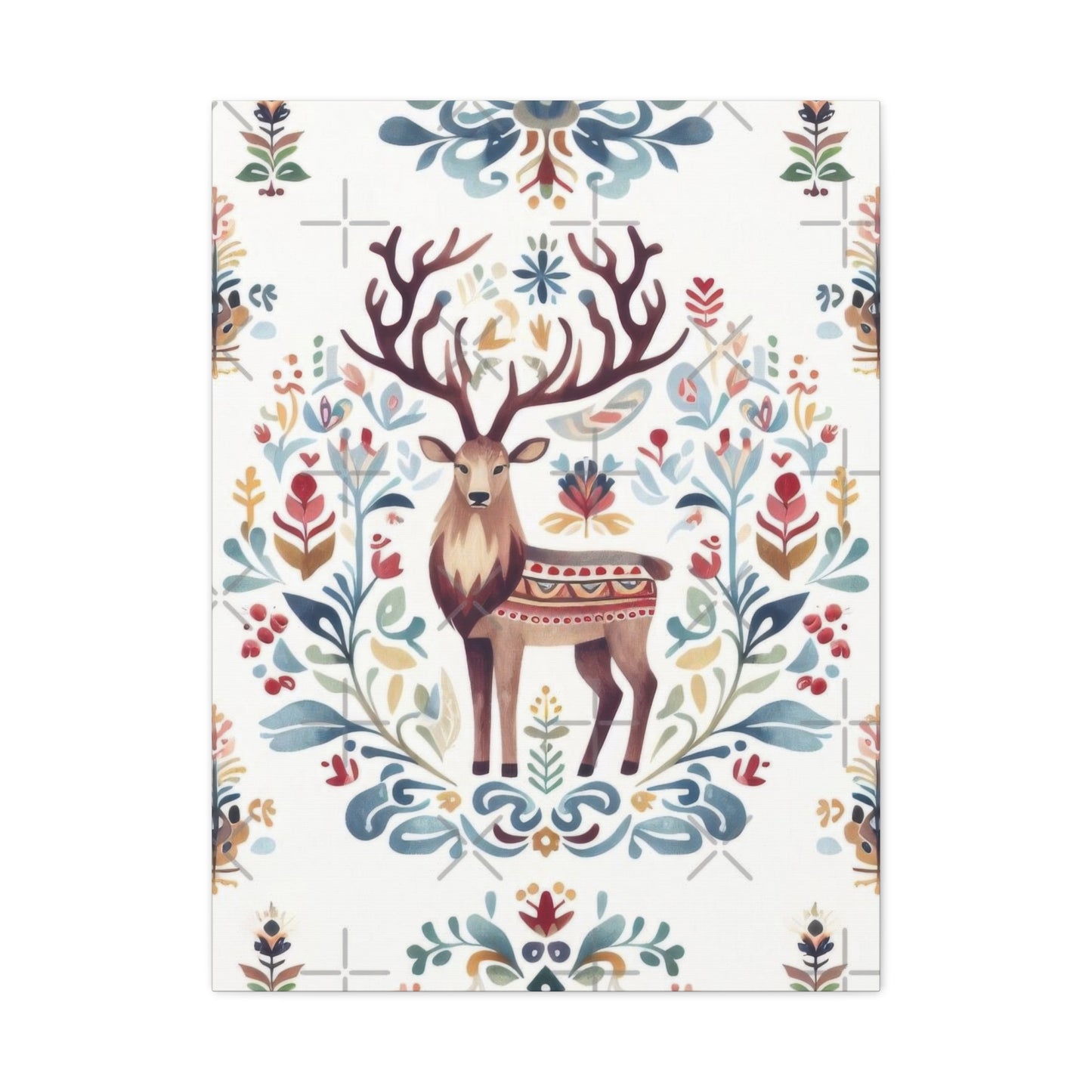
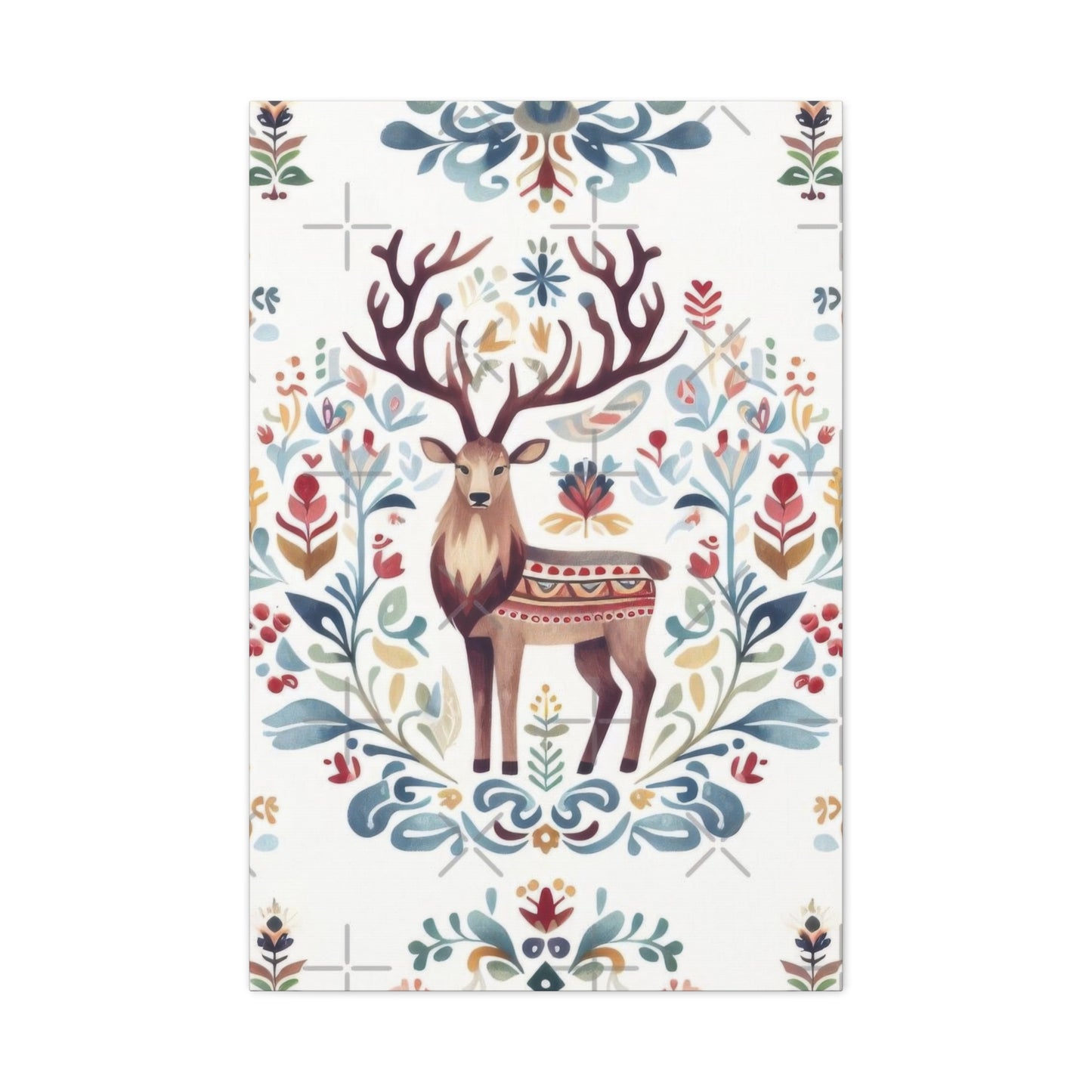
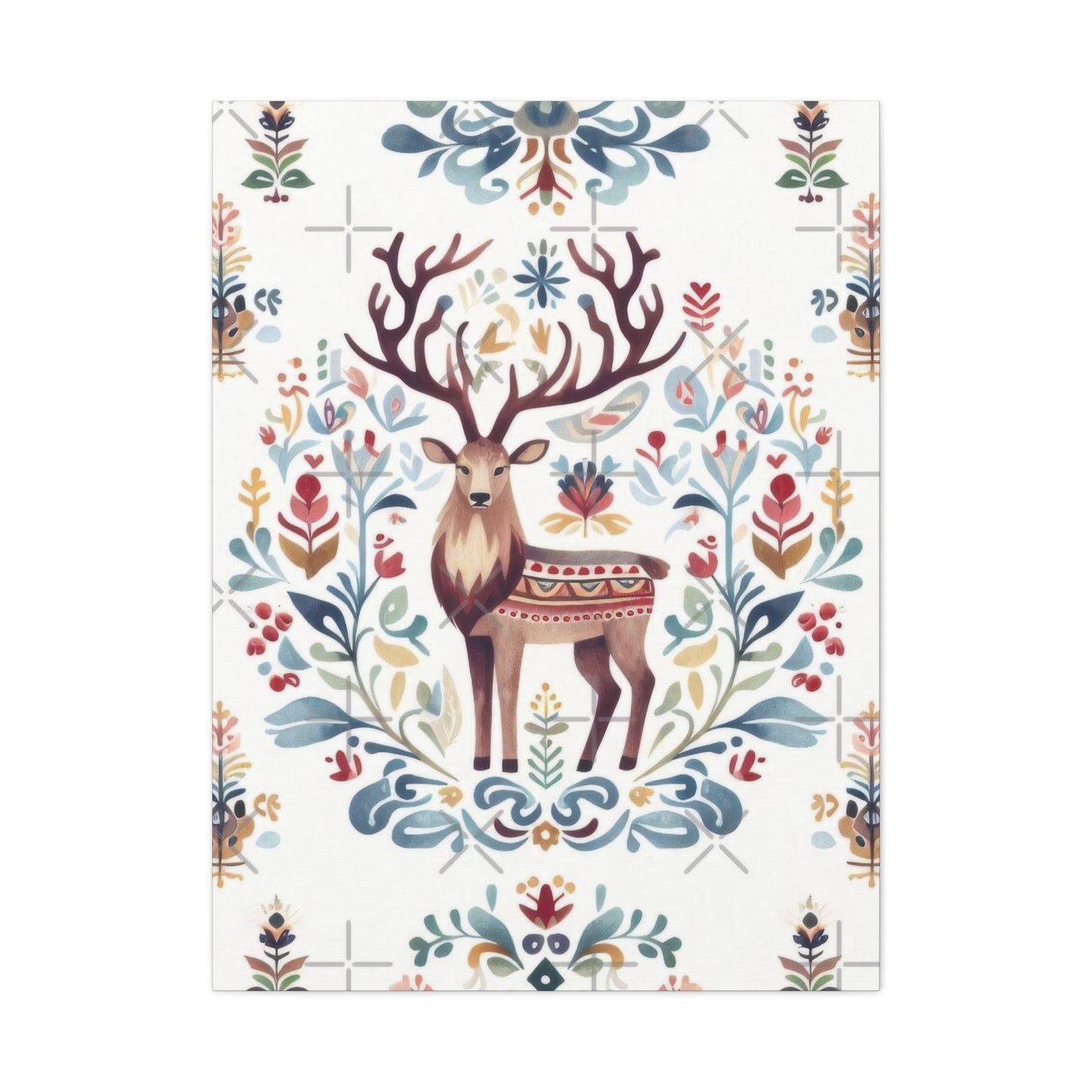
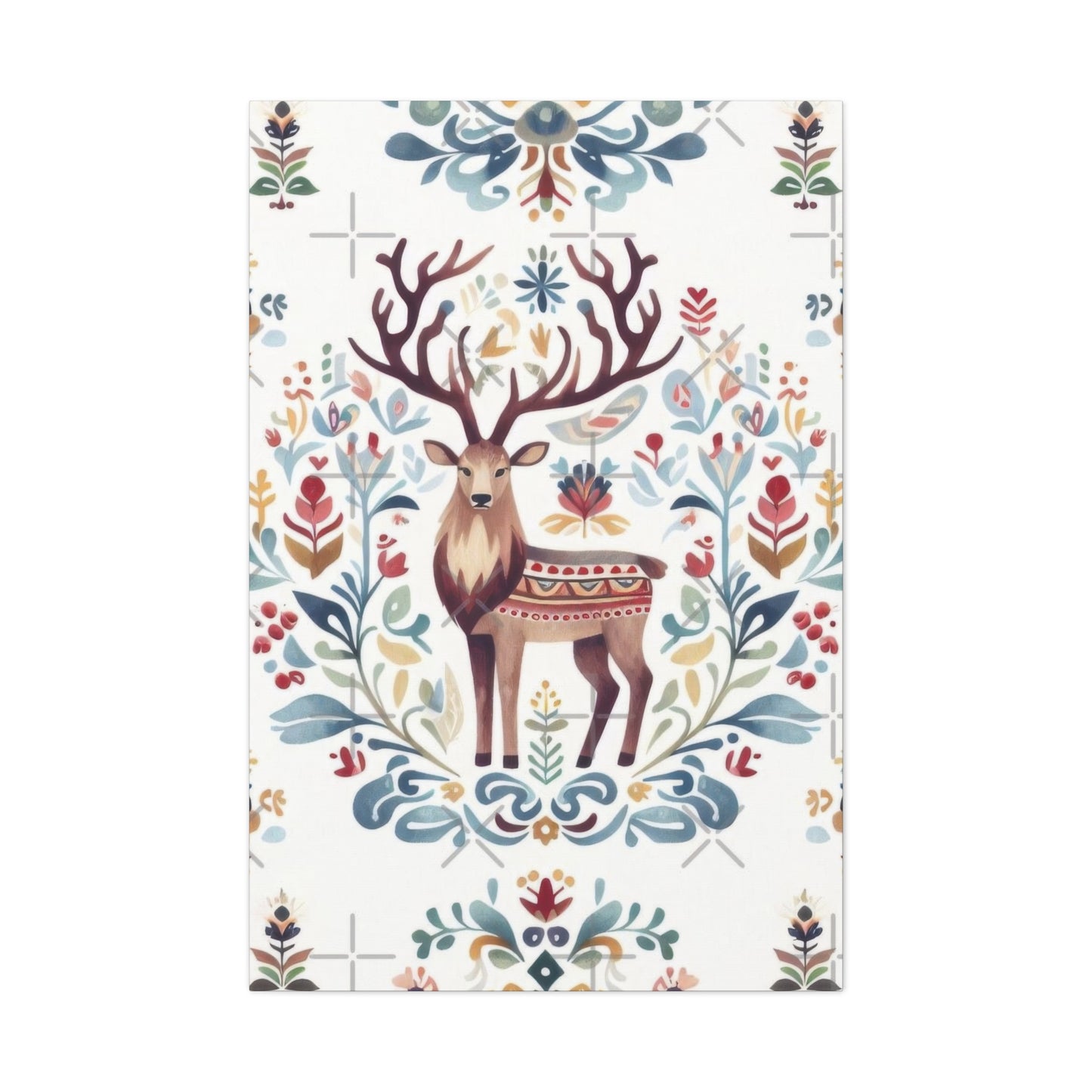
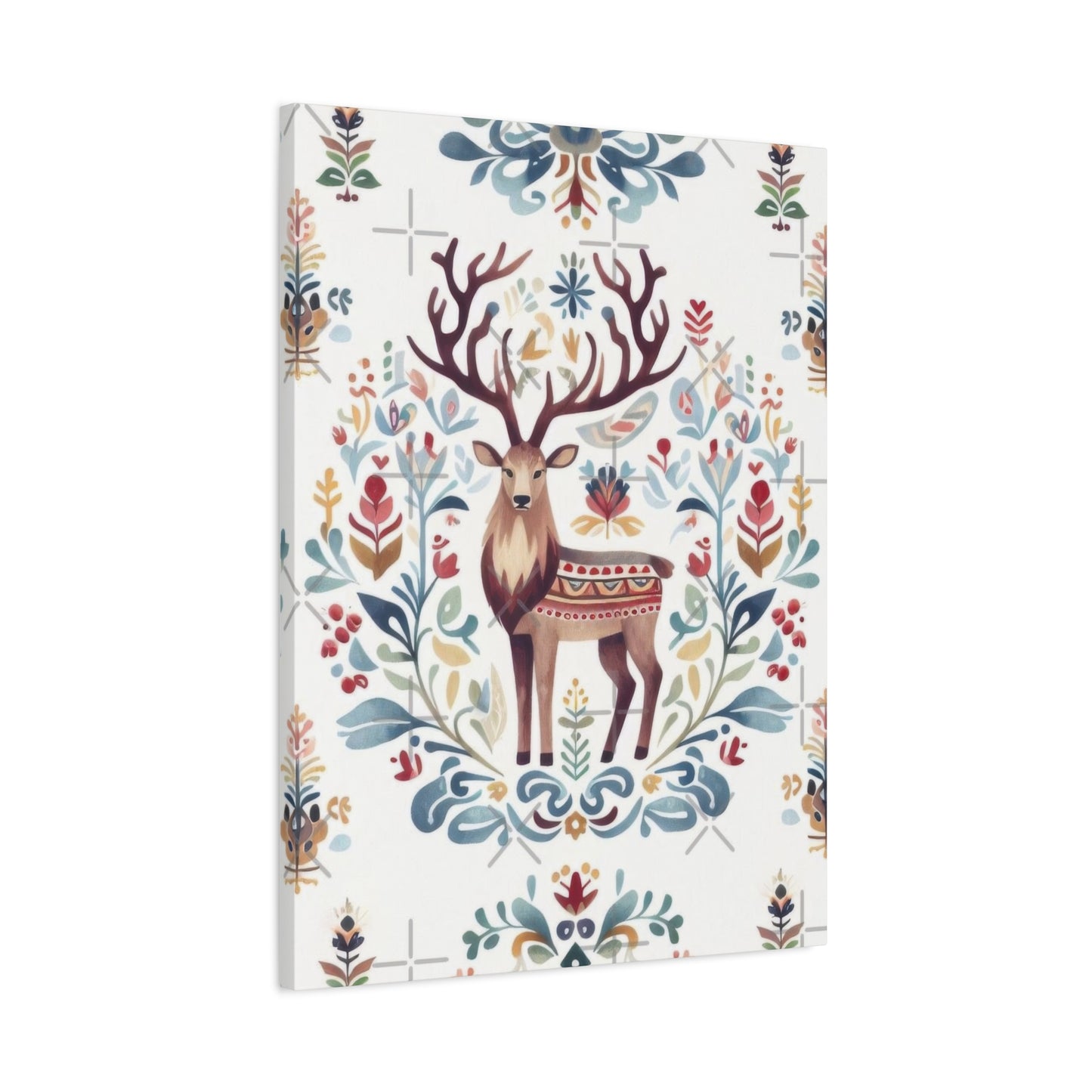
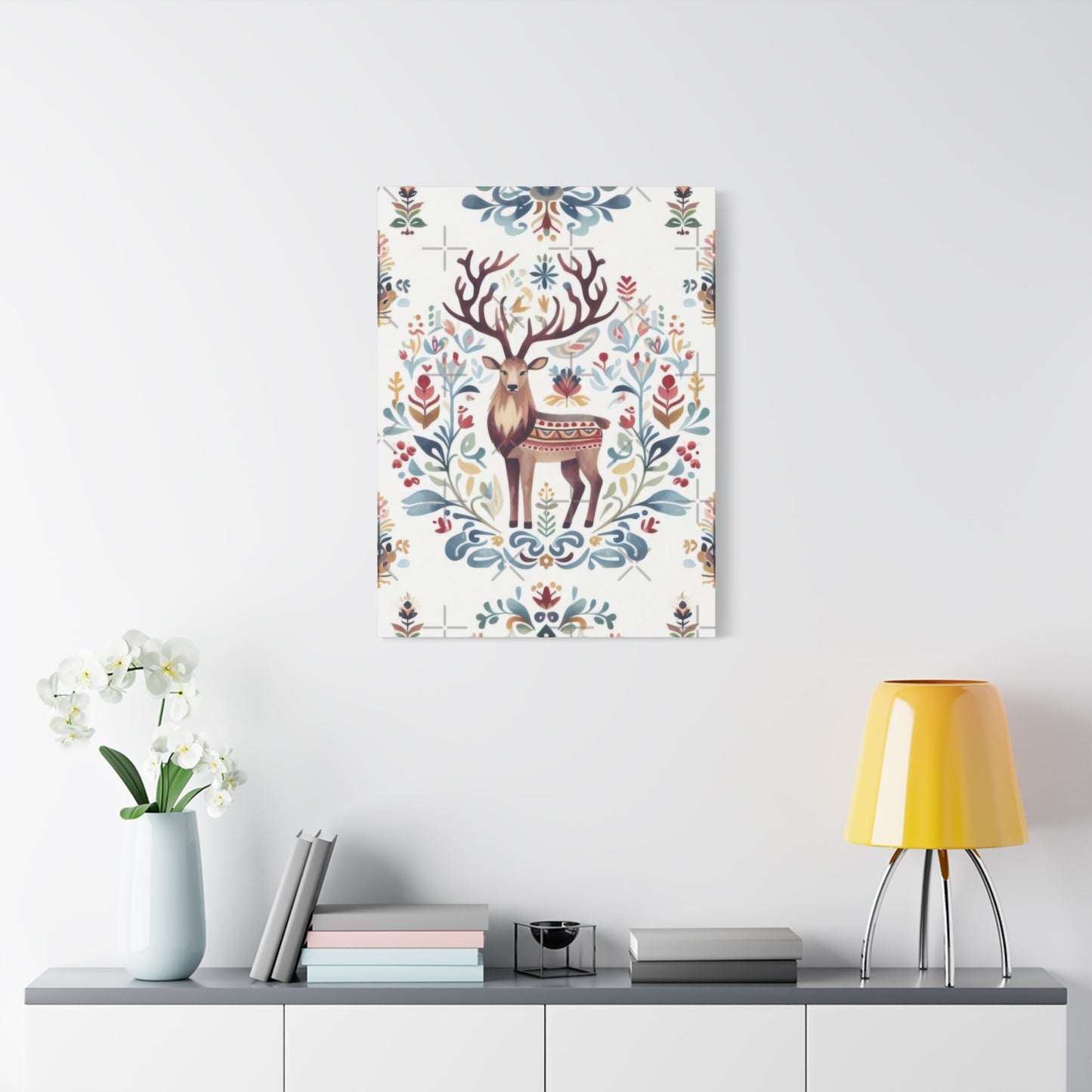
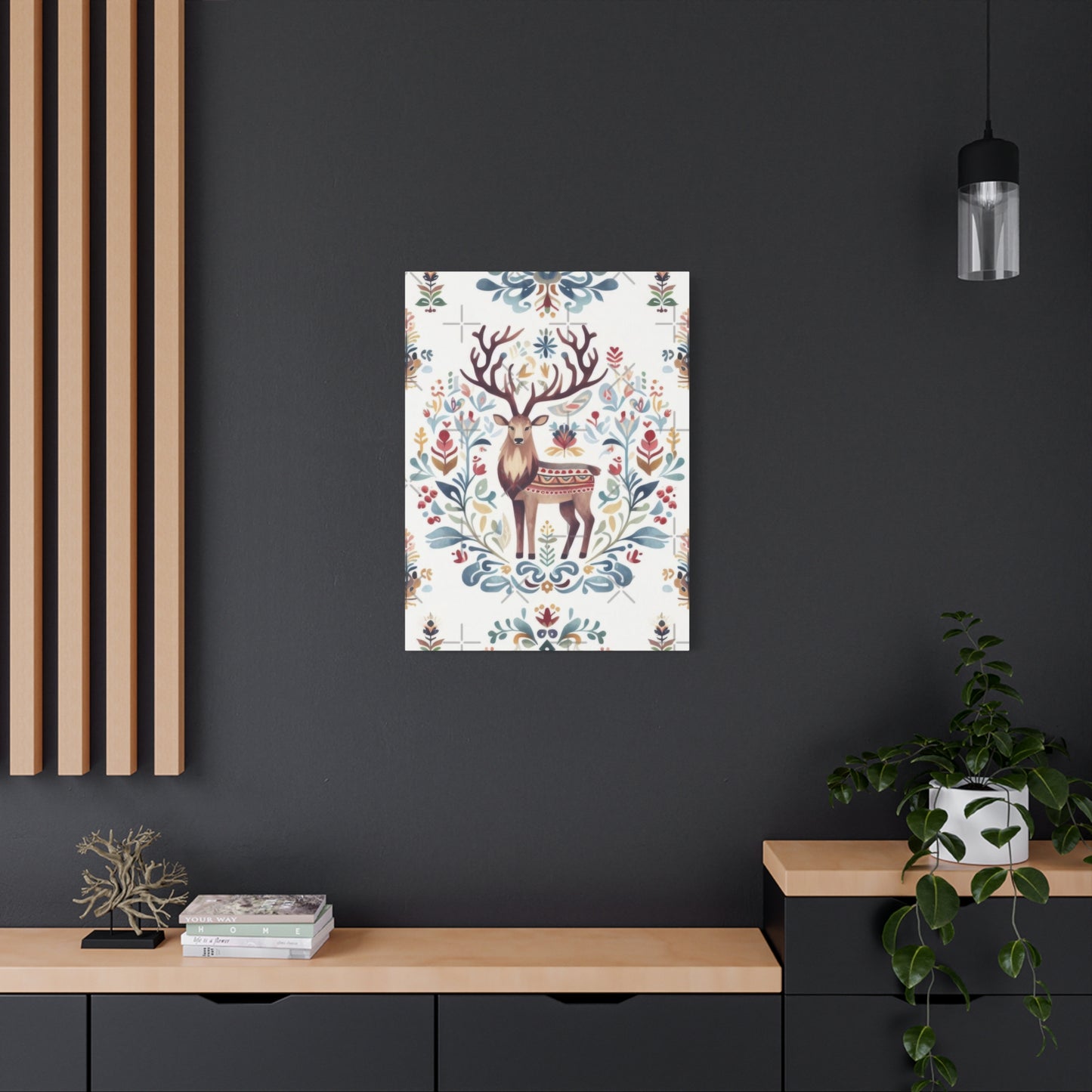
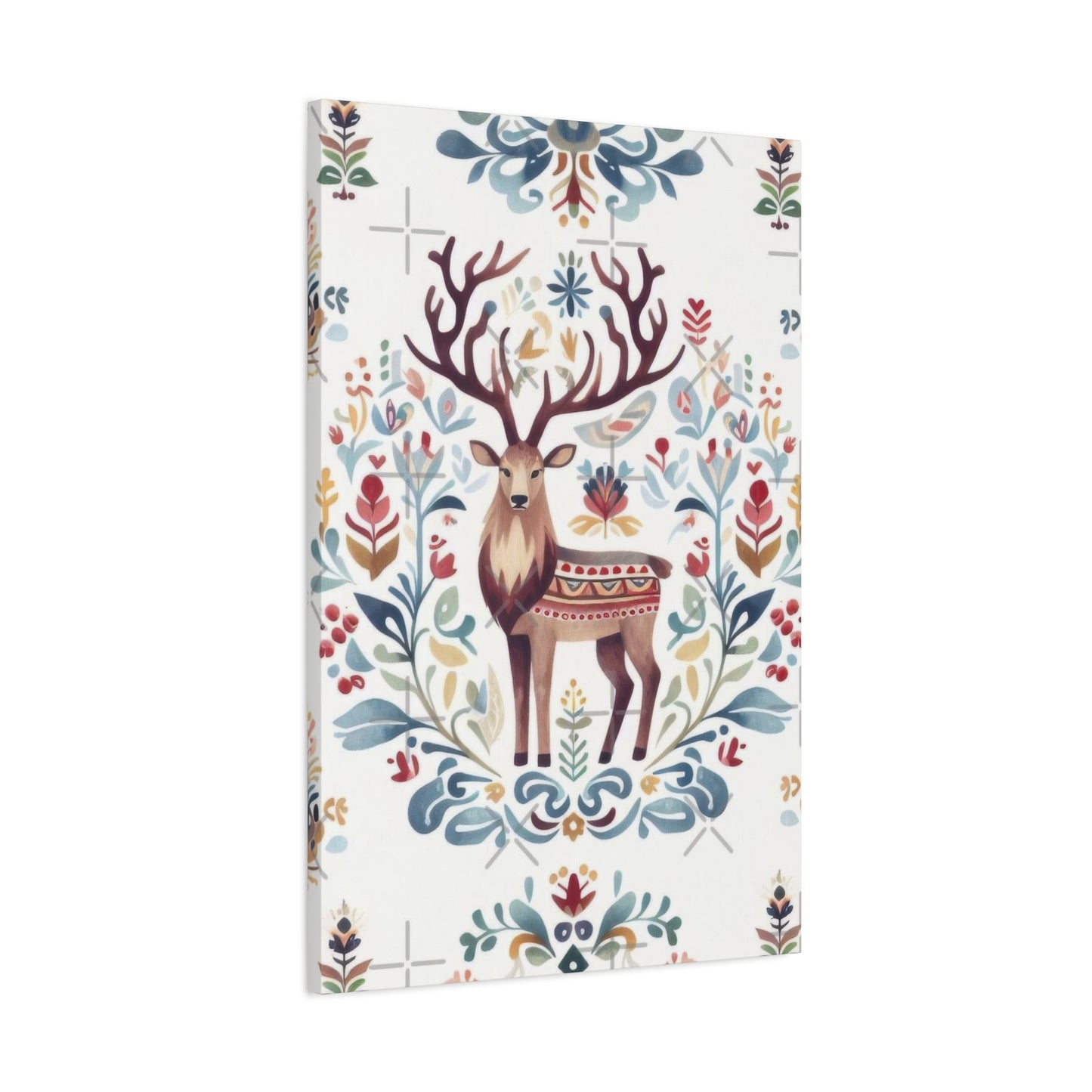
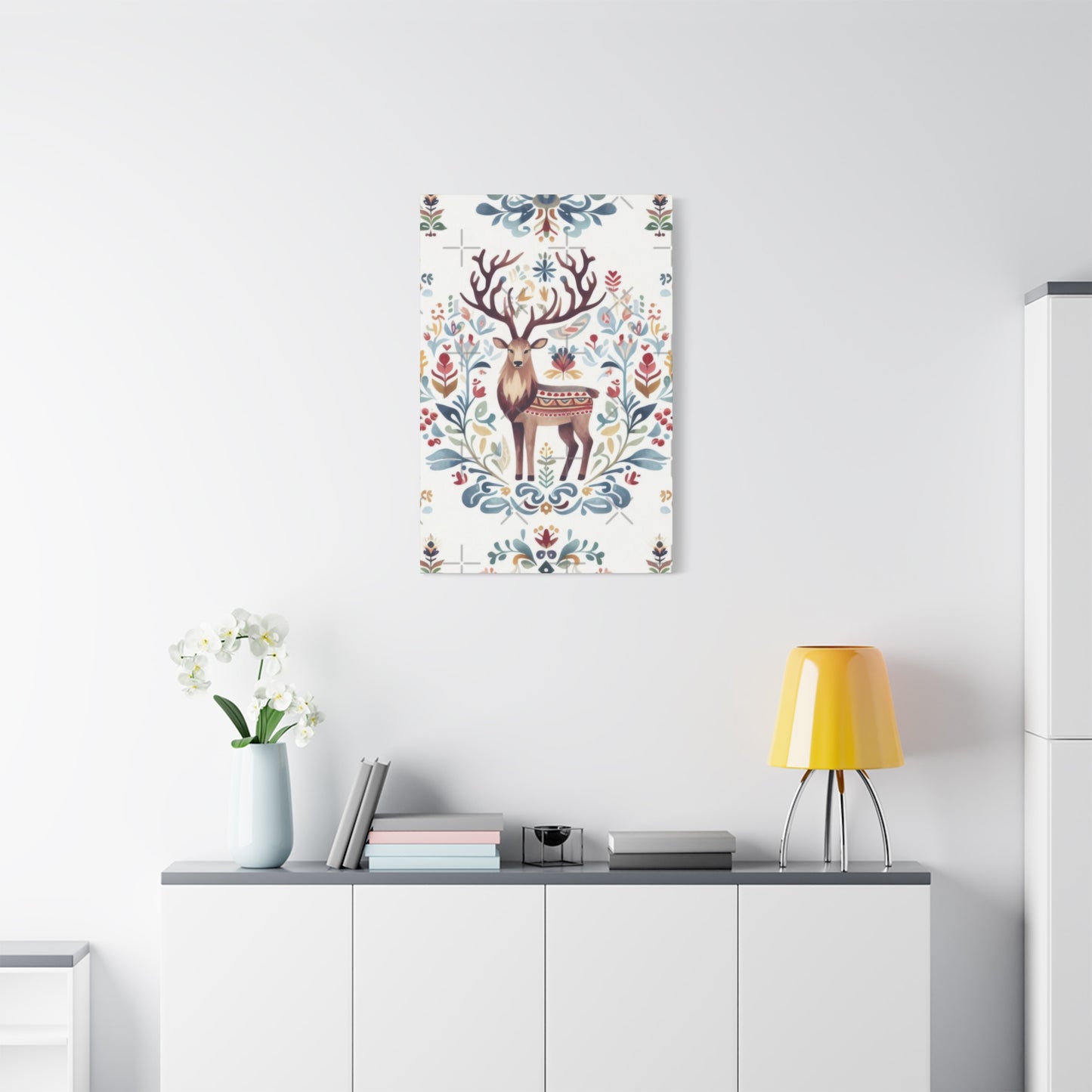
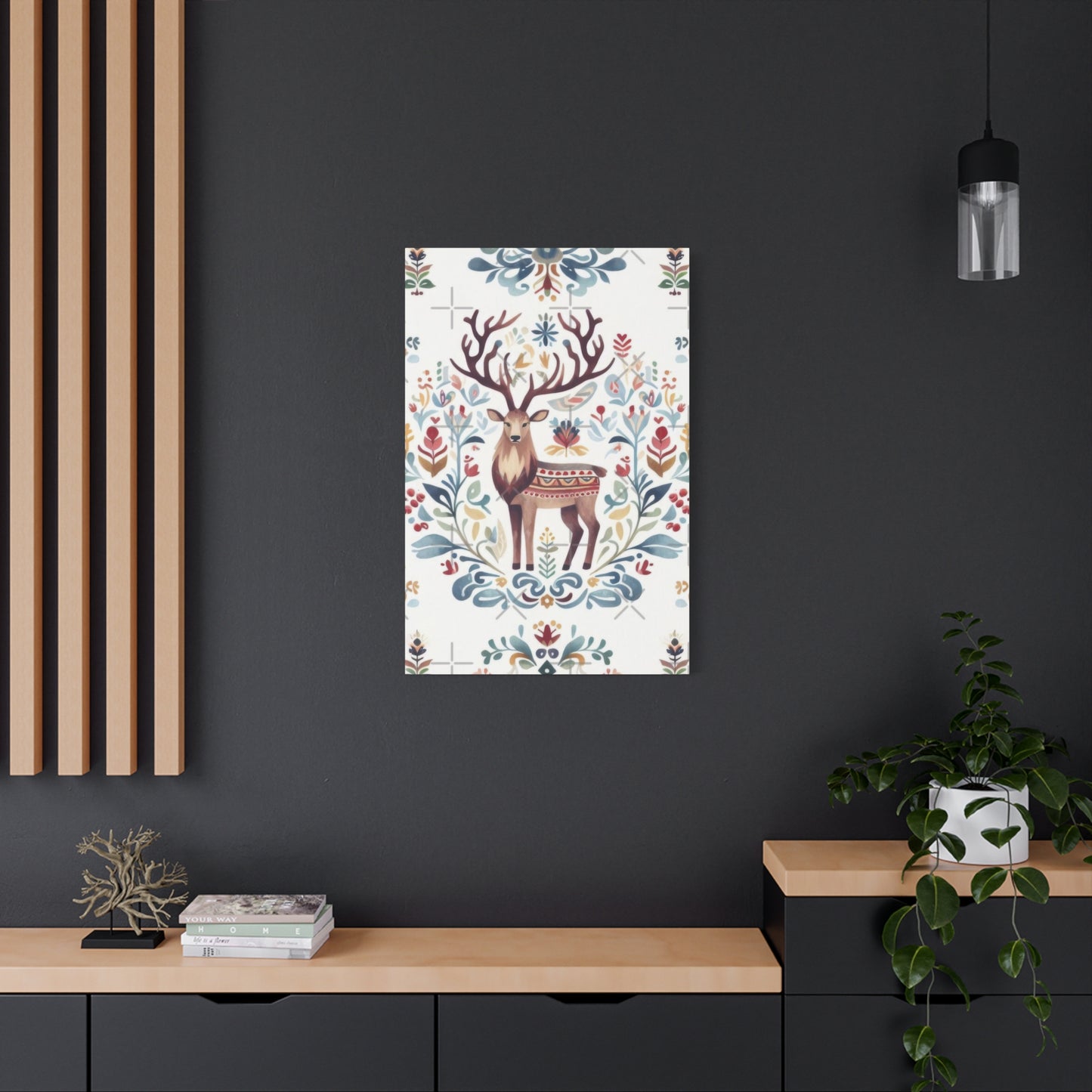
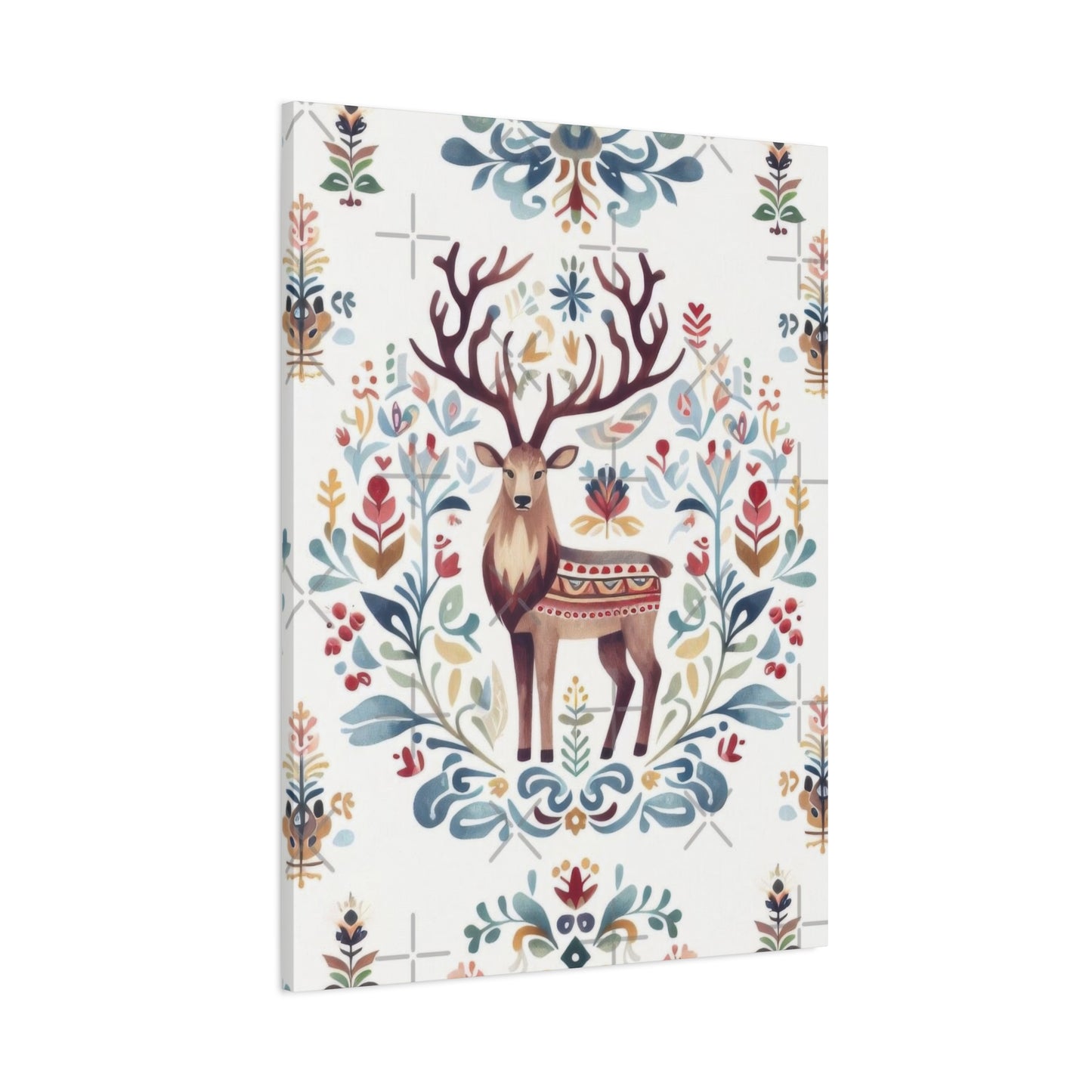
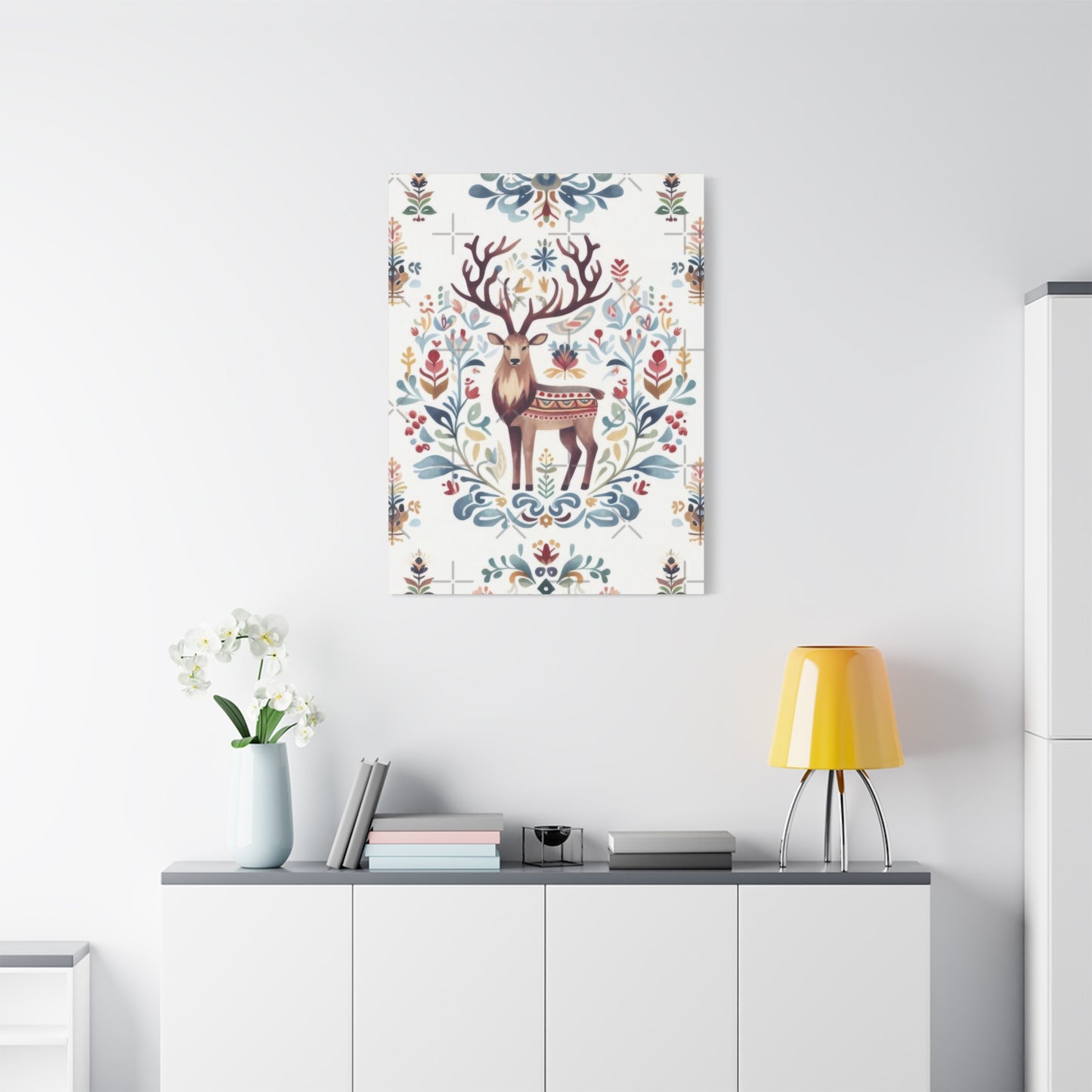
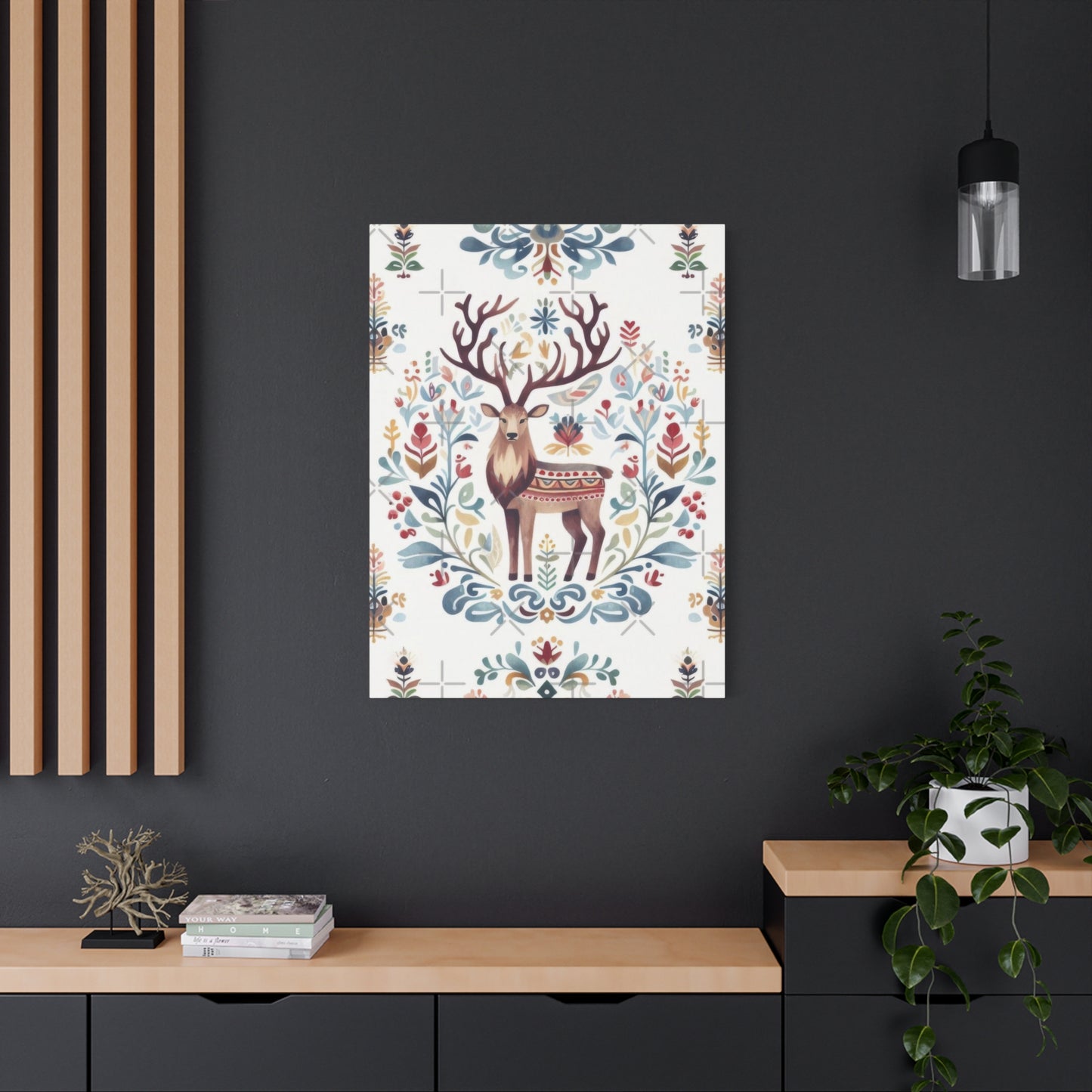
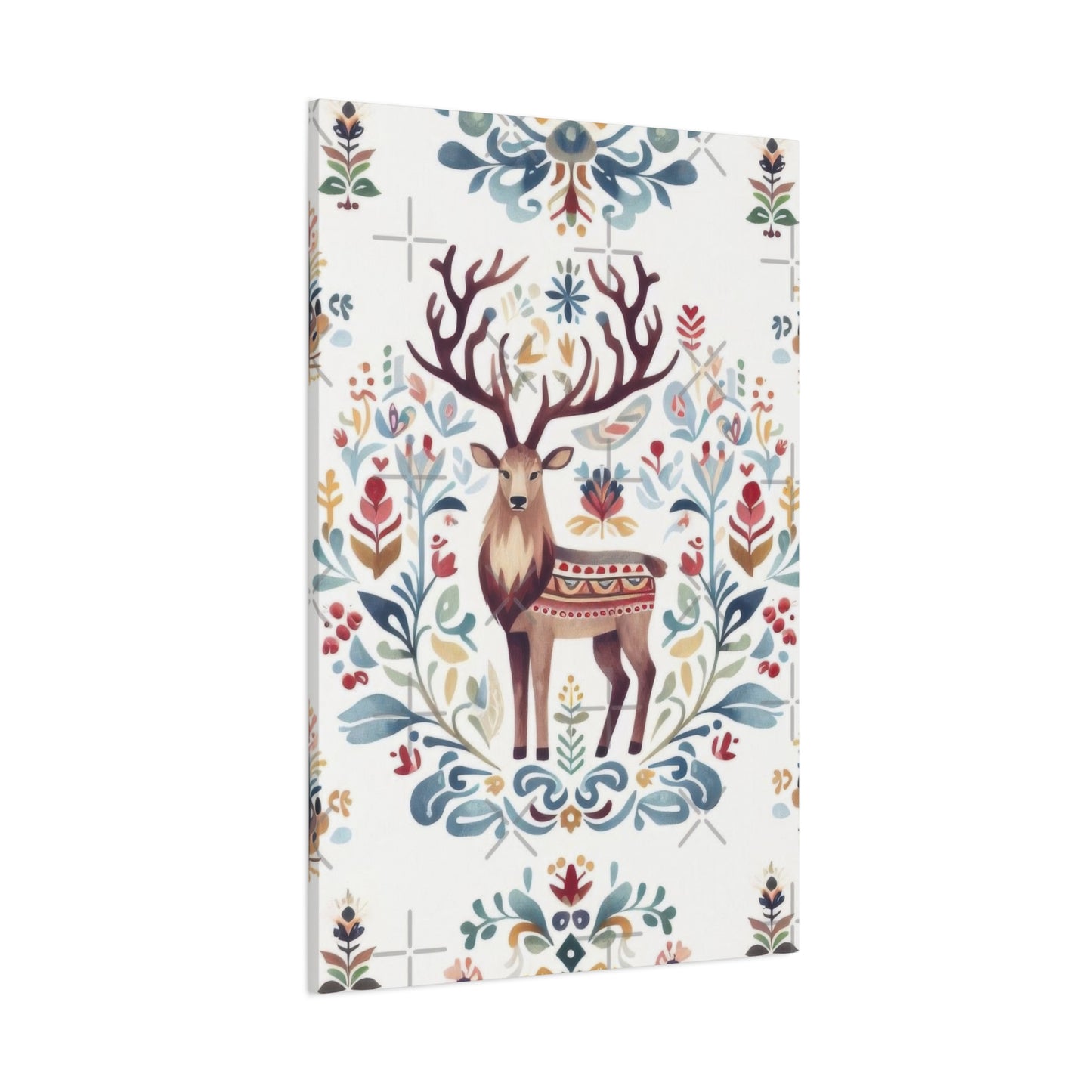
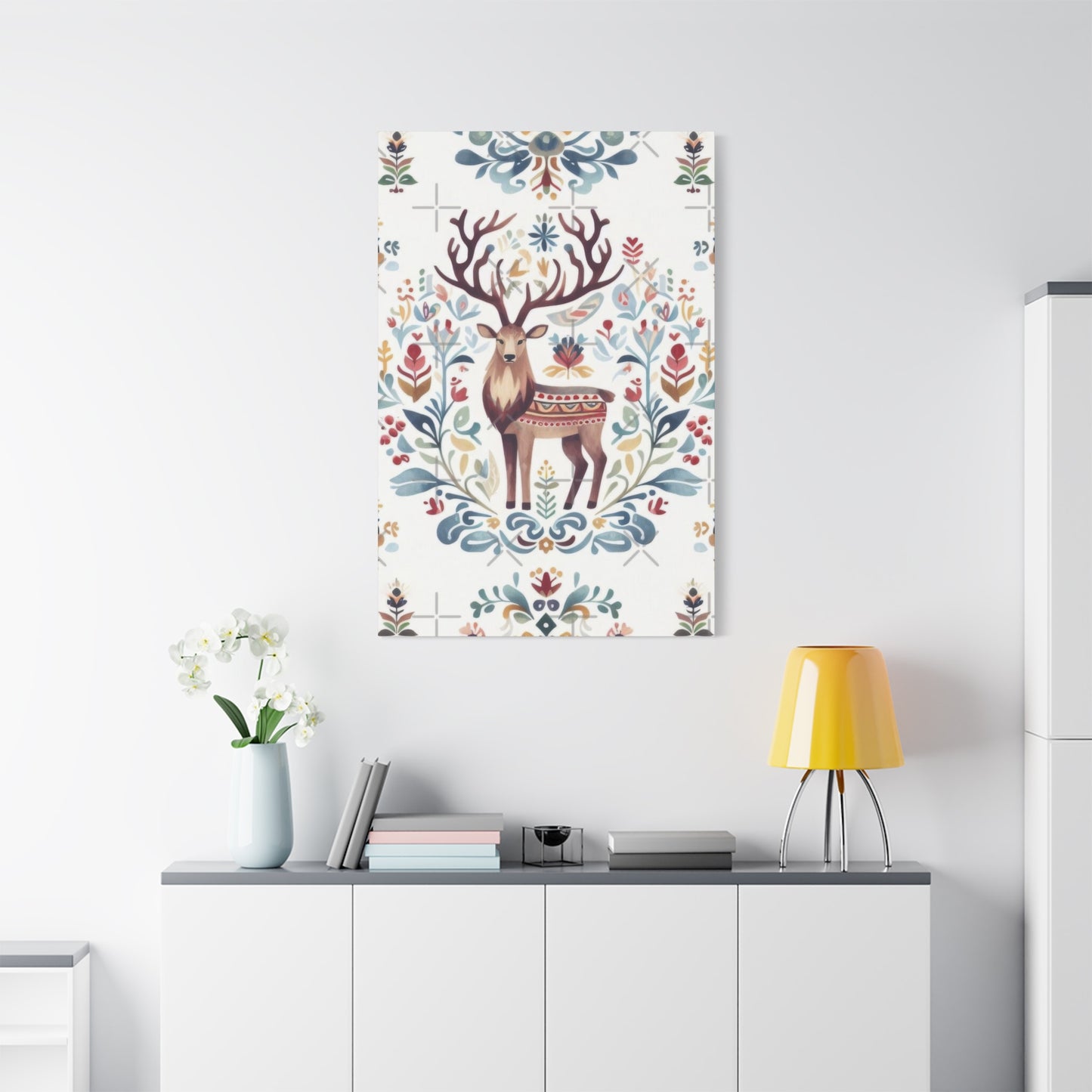
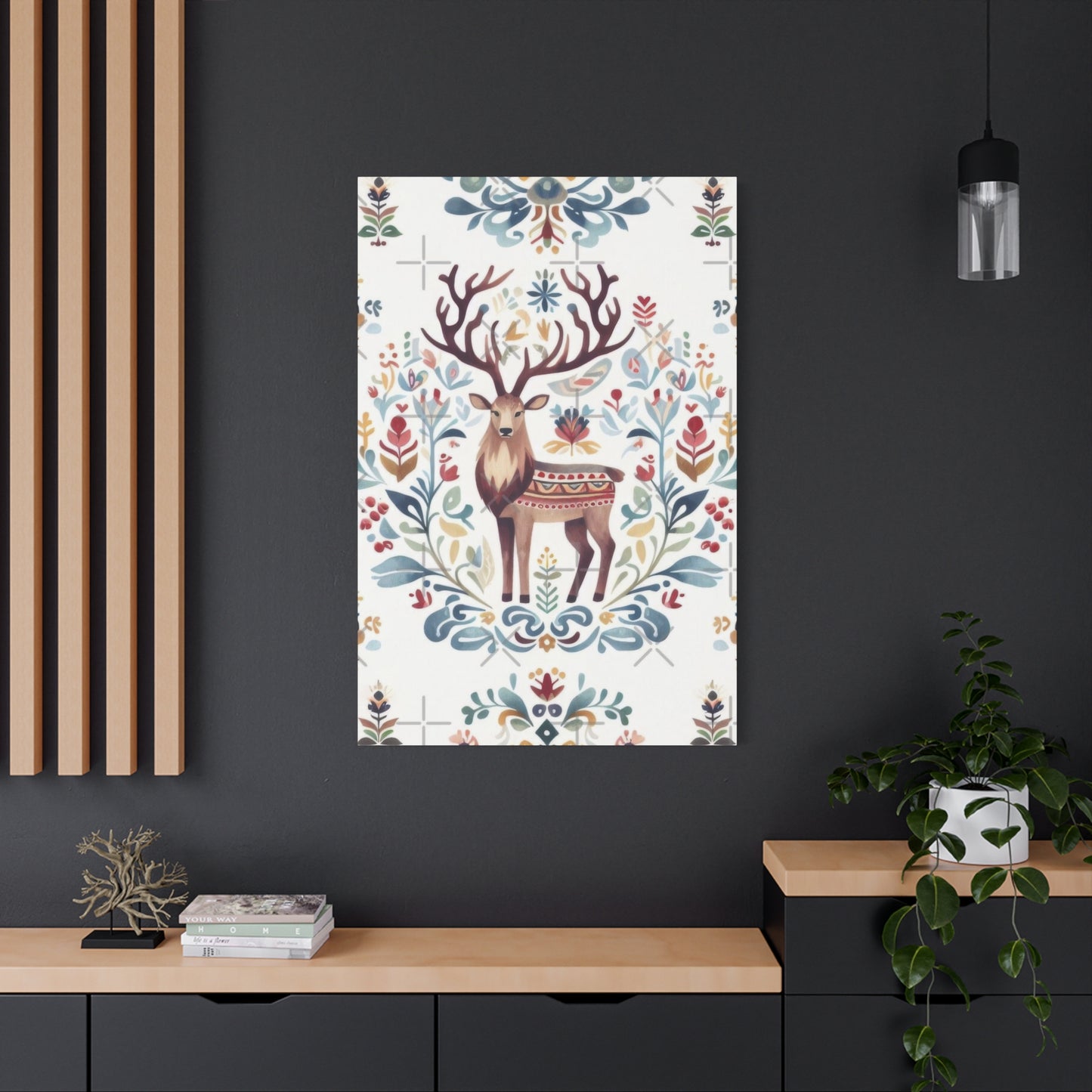
Deer Scandinavia Wall Art: Complete Guide to Nordic Wildlife Interior Design
The allure of Scandinavian design has captivated interior enthusiasts worldwide, and among its most compelling elements is the incorporation of wildlife imagery, particularly deer motifs. These majestic creatures embody the essence of Nordic wilderness, bringing a sense of tranquility and natural elegance into contemporary living spaces. The artistic representation of deer within Scandinavian contexts creates a bridge between modern minimalist aesthetics and the raw beauty of northern forests, offering homeowners an opportunity to infuse their environments with both sophistication and warmth.
Scandinavian wall art featuring deer has evolved from traditional wildlife paintings to encompass a diverse range of artistic styles, from photorealistic interpretations to abstract minimalist compositions. This versatility allows these pieces to complement various interior design schemes while maintaining their distinctly Nordic character. The popularity of such artwork stems not only from its visual appeal but also from its ability to evoke the peaceful solitude of Scandinavian landscapes, where deer roam freely through ancient forests and misty meadows.
When selecting deer-themed wall art for your space, understanding the different artistic approaches, placement strategies, and styling techniques becomes essential for creating a cohesive and impactful interior. This comprehensive exploration delves into the multifaceted world of Scandinavian deer wall art, examining everything from artistic styles and material choices to room-specific applications and decorative pairings. Whether you're furnishing a minimalist urban apartment or a rustic countryside retreat, deer-inspired Scandinavian artwork offers endless possibilities for transforming your living environment into a sanctuary of Nordic serenity.
Nordic Wildlife: Deer Scandinavia Wall Art
The representation of deer within Nordic wildlife art captures the fundamental relationship between Scandinavian culture and the natural world. These artistic pieces serve as windows into the pristine wilderness that defines much of Scandinavia's landscape, where deer species such as reindeer, red deer, and roe deer inhabit vast expanses of forest and tundra. The artistic portrayal of these animals goes beyond mere documentation, instead capturing their graceful movements, dignified presence, and symbolic significance within Nordic traditions.
Nordic wildlife art featuring deer typically emphasizes the animal's natural habitat, incorporating elements like snow-covered forests, misty landscapes, and dramatic lighting that characterizes high-latitude regions. Artists working in this genre often employ techniques that highlight the interplay between the deer and their environment, creating compositions that feel both intimate and expansive. The color palettes tend toward muted earth tones, cool grays, and soft whites, reflecting the natural hues of Scandinavian seasons and maintaining visual harmony with minimalist interior designs.
The cultural significance of deer in Scandinavian regions adds depth to these artistic representations. In Nordic folklore and traditional societies, deer have symbolized endurance, grace, and the wilderness's untamed spirit. Indigenous Sami communities have maintained deep connections with reindeer for millennia, relationships reflected in contemporary artistic interpretations. Modern Nordic wildlife art honors these traditions while adapting them for contemporary sensibilities, creating pieces that resonate with both cultural heritage and modern aesthetic preferences.
Contemporary artists specializing in Nordic wildlife art often conduct extensive field research, photographing and observing deer in their natural habitats to capture authentic details and behaviors. This commitment to authenticity distinguishes high-quality wildlife art from generic animal imagery. The resulting pieces convey not just the physical appearance of deer but also their essence—the alertness in their gaze, the tension in their stance, and the fluid grace of their movements through forest landscapes.
For interior spaces, Nordic wildlife art featuring deer provides a focal point that draws viewers into contemplation of the natural world. These pieces work particularly well in spaces designed for relaxation and reflection, such as bedrooms, reading areas, and meditation rooms. The presence of deer imagery can transform a sterile environment into one that feels connected to nature, offering psychological benefits associated with biophilic design principles. Studies have shown that exposure to nature imagery, including wildlife art, can reduce stress levels and improve overall wellbeing.
The scale and composition of Nordic wildlife deer art significantly impact its effectiveness within interior spaces. Larger pieces depicting solitary deer in expansive landscapes create dramatic focal points suitable for spacious walls in living rooms or dining areas. Conversely, smaller compositions featuring close-up perspectives of deer work beautifully in intimate spaces or as part of gallery wall arrangements. The compositional choices made by artists—whether featuring deer in profile, facing forward, or captured mid-movement—influence the emotional tone of the artwork and its interaction with the surrounding space.
Seasonal variations in Nordic wildlife art offer opportunities for rotating décor or creating themed arrangements. Winter scenes featuring deer against snowy backdrops evoke feelings of quiet introspection and cozy hibernation, while autumn compositions with deer among golden foliage celebrate nature's cycles and abundance. Spring and summer representations, though less common in traditional Nordic aesthetics, showcase deer in lush environments, emphasizing renewal and vitality. Collecting pieces across different seasons allows for dynamic interior refreshment while maintaining thematic consistency.
The authenticity of Nordic wildlife art depends heavily on the artist's understanding of deer behavior and anatomy. Discerning collectors should look for artwork that demonstrates accurate proportions, natural postures, and appropriate environmental contexts. While artistic license allows for creative interpretation, the most compelling pieces maintain a foundation of biological accuracy that resonates with nature enthusiasts and casual observers alike. This attention to detail elevates wildlife art from decorative wallpaper to meaningful artistic expression that honors both subject and setting.
Scandinavian Minimalism: Deer on Canvas
Scandinavian minimalism represents one of the most influential design philosophies of the past century, characterized by clean lines, functional aesthetics, and a deliberate reduction of visual clutter. When applied to deer imagery on canvas, this approach strips away unnecessary details to reveal the essential form and spirit of the animal. Minimalist deer artwork typically features simplified silhouettes, limited color palettes, and generous negative space that allows the subject to breathe within the composition.
The marriage of deer imagery with Scandinavian minimalism creates artwork that functions as both visual statement and contemplative element. These pieces eschew ornate details in favor of bold, confident strokes that capture the deer's characteristic outline—the elegant curve of antlers, the slender legs, the alert positioning of ears. The restraint inherent in minimalist design prevents the artwork from overwhelming the space, instead allowing it to integrate seamlessly with other minimalist furnishings and architectural elements.
Canvas as a medium particularly suits minimalist deer art because it provides a substantial yet understated presence. The texture of canvas adds subtle dimensionality without competing with the simplicity of the imagery. Many minimalist artists prefer unframed canvas or floating frame presentations that emphasize the artwork's organic qualities and maintain visual continuity with surrounding walls. This approach aligns with Scandinavian design principles that value materials in their most honest, unpretentious forms.
Color selection in minimalist deer canvas art typically adheres to restrained palettes dominated by whites, grays, blacks, and occasional earth tones. Monochromatic schemes prove particularly effective, using varying shades of a single color to create depth and interest without introducing visual complexity. Some artists incorporate single accent colors—a muted sage green or dusty blue—to suggest environmental context without departing from minimalist principles. These subtle color choices prevent the artwork from dating quickly and ensure longevity within evolving interior schemes.
The compositional strategies employed in minimalist deer canvas art often involve careful consideration of negative space, which becomes as important as the deer itself. Generous margins around the subject create visual breathing room and direct viewer attention to the essential forms. Some artists position deer off-center, following principles of asymmetrical balance that feel dynamic yet stable. Others center their subjects but use scale and positioning to prevent static, predictable compositions. These thoughtful arrangements demonstrate that minimalism requires not less skill but rather different priorities in artistic execution.
Line quality distinguishes exceptional minimalist deer canvas art from mediocre attempts. The most compelling pieces feature confident, economical lines that capture form with minimal strokes. Whether rendered in ink, acrylic, or other media, these lines convey both precision and spontaneity, suggesting the artist's deep familiarity with the subject. Hesitant, overworked lines undermine minimalist aesthetics by revealing uncertainty rather than deliberate simplification. Collectors should seek artwork where every element appears intentional and necessary rather than arbitrary or decorative.
Scandinavian minimalist deer canvas art adapts beautifully to various interior contexts, from urban apartments to countryside homes. In small spaces, these pieces provide visual interest without creating claustrophobic feelings that more detailed artwork might generate. In larger rooms, minimalist deer art can be scaled up dramatically, with simplified forms maintaining their impact across substantial dimensions. The versatility of this artistic approach makes it accessible to diverse audiences and applicable across multiple design scenarios.
The philosophical underpinnings of Scandinavian minimalism—emphasizing quality over quantity, function over ornamentation, and mindfulness over consumption—resonate deeply with contemporary values around sustainable living and intentional design. Deer canvas art executed in this style embodies these principles, serving as both decoration and daily reminder of the clarity and peace that comes from eliminating excess. In this way, minimalist deer artwork transcends mere aesthetics to become an expression of lifestyle values and personal philosophy.
Forest Serenity: Deer in Scandinavian Landscapes
The concept of forest serenity finds perfect expression in artwork depicting deer within Scandinavian landscapes, where ancient woodlands create environments of profound quietude and natural majesty. These artistic compositions typically feature deer as integral components of larger forest ecosystems rather than isolated subjects, emphasizing the interconnectedness of wildlife and habitat. The resulting pieces invite viewers to immerse themselves mentally in these tranquil settings, offering visual escapes from urban intensity and daily stressors.
Scandinavian forests possess distinctive characteristics that artists capture in their landscape compositions—the vertical emphasis of tall pines and spruces, the filtered quality of light through dense canopies, the carpet of moss and lichen covering forest floors. When deer appear within these settings, they become guides leading viewers deeper into the woodland realm. Artists position deer at various distances within compositions, sometimes as prominent foreground elements, other times as subtle presences barely visible among trees, mimicking the actual experience of encountering these elusive creatures in nature.
The atmospheric qualities of Scandinavian forest landscapes—morning mist, golden hour light, the blue twilight of long northern evenings—provide rich material for artistic exploration. Deer depicted in these atmospheric conditions take on almost ethereal qualities, their forms partially obscured by fog or backlit by low-angled sun. These lighting conditions create dramatic contrasts and soft gradations that translate beautifully to various artistic media, from oil paintings to photographic prints. The resulting artwork conveys not just visual information but also the sensory experience of being present in these remarkable environments.
Seasonal variations dramatically affect the appearance and mood of forest deer landscapes. Winter scenes present stark beauty, with deer navigating snow-covered terrain among bare branches and evergreen boughs laden with white. The limited color palette of winter—whites, grays, browns, and deep greens—creates naturally harmonious compositions that align perfectly with Scandinavian aesthetic preferences. Autumn forests, with their golden and amber foliage, provide warmth and richness, while the deer's earthy tones complement the seasonal color scheme. Spring and summer representations, though less common, showcase renewal and abundance, with deer among fresh greenery and dappled sunlight.
The scale relationships within forest landscape compositions significantly influence their emotional impact. Vast landscapes that position deer as small elements within immense forests emphasize the majesty of nature and humanity's modest place within it. These compositions inspire feelings of awe and humility, reminding viewers of wilderness spaces that exist independent of human presence. Conversely, more intimate forest scenes that bring deer closer to the viewer create feelings of connection and encounter, as if one has stumbled upon a private moment in the animal's daily life.
Forest serenity artwork featuring deer serves important psychological functions within interior environments. Research in environmental psychology demonstrates that exposure to nature imagery, particularly forests and wildlife, reduces cortisol levels and promotes parasympathetic nervous system activation—physiological markers of relaxation. Incorporating such artwork into living spaces, especially areas dedicated to rest and recovery, can contribute to overall wellbeing and stress management. The specific combination of forest environments and deer imagery provides layered nature exposure that amplifies these beneficial effects.
The artistic techniques employed to capture forest serenity vary widely, from hyper-realistic approaches that document every needle and leaf to impressionistic methods that suggest rather than detail. Both approaches can effectively convey the peaceful essence of Scandinavian forest environments, provided the artist demonstrates sensitivity to light, atmosphere, and spatial relationships. The choice between detailed and suggestive styles often depends on the intended viewing distance and the size of the artwork—larger pieces benefit from detail that rewards close examination, while smaller works may rely on broader impressions.
Selecting forest serenity deer artwork requires consideration of the emotional tone you wish to establish in your space. Some compositions emphasize the dense, mysterious qualities of deep forests, creating interiors that feel cocooned and introspective. Others showcase open woodland clearings with distant tree lines, generating feelings of spaciousness and possibility. Understanding your psychological needs and preferences helps guide selection toward artwork that genuinely enhances your living environment rather than simply filling wall space.
Nordic Elegance: Deer Wall Décor Ideas
Nordic elegance in deer wall décor represents a sophisticated fusion of natural imagery with refined presentation, creating interiors that feel both grounded and elevated. This approach to decoration emphasizes thoughtful curation over abundant ornamentation, selecting deer artwork that demonstrates exceptional quality in execution, framing, and positioning. The result is interior spaces that exude effortless sophistication while maintaining the warmth and accessibility characteristic of Scandinavian design philosophy.
The foundation of Nordic elegance lies in material selection and craftsmanship quality. Premium canvas prints with archival-quality inks, professional framing with museum-standard materials, and proper mounting systems ensure that deer wall décor maintains its visual impact for decades. Investing in higher-quality pieces rather than accumulating numerous inexpensive alternatives aligns with Scandinavian values of durability and sustainability. These carefully selected pieces become lasting components of your interior architecture rather than temporary decorative elements subject to frequent replacement.
Frame selection significantly influences the overall elegance of deer wall décor. Scandinavian aesthetics typically favor simple, understated frames that complement rather than compete with the artwork. Natural wood frames in light oak, ash, or birch finishes provide warmth while maintaining visual restraint. Black or white frames offer crisp definition that works well with high-contrast imagery. For truly minimalist applications, frameless mounting or floating frames create contemporary presentations that emphasize the artwork itself. The frame width should be proportionate to the piece—substantial artwork benefits from slightly wider frames, while delicate pieces require narrower moldings.
Arrangement strategies elevate deer wall décor from individual pieces to cohesive design statements. Single large-scale deer artworks function as commanding focal points that anchor entire rooms, while carefully composed gallery walls featuring multiple deer images at varying scales create visual interest through repetition and variation. Symmetrical arrangements of paired deer images flanking architectural features like fireplaces or windows establish formal balance, whereas asymmetrical groupings following the rule of thirds generate dynamic tension that energizes spaces.
Lighting design plays a crucial role in presenting deer wall décor with Nordic elegance. Picture lights, track lighting, or strategically positioned spotlights highlight artwork while creating ambient illumination that enhances overall room atmosphere. The quality and color temperature of lighting significantly affect how deer imagery appears—warm lighting enhances earth tones and creates cozy feelings, while cooler lighting emphasizes grays and creates crisp, clean presentations. Dimmable lighting systems offer flexibility to adjust mood and emphasis according to time of day and activity.
The dialogue between deer wall décor and surrounding furnishings determines overall elegance levels. In Scandinavian interiors, furniture typically features clean lines, natural materials, and neutral colors that neither compete with nor ignore wall art. Positioning seating areas to face or complement deer artwork creates intentional viewing opportunities that demonstrate thoughtful design consideration. Textile choices—cushions, throws, rugs—can echo colors or themes from the artwork without literal matching, creating subtle visual connections that unify the space.
Layering deer wall décor with other decorative elements requires restraint and selectivity characteristic of Nordic elegance. Rather than crowding walls with numerous competing pieces, Scandinavian approaches favor breathing room that allows each element to register distinctly. When combining deer artwork with other décor items—mirrors, shelving, sculptural objects—maintain consistent style sensibilities and avoid visual chaos. The goal is composed, intentional arrangements where every element contributes to overall harmony.
Seasonal rotation of deer wall décor offers opportunities to refresh spaces while maintaining thematic consistency. Maintaining a curated collection of high-quality pieces that rotate through your space prevents visual stagnation and allows you to respond to changing moods and seasons. This approach reduces pressure to find single perfect pieces while enabling you to enjoy variety. Proper storage of rotated artwork—protected from moisture, light, and physical damage—preserves your investment and ensures pieces remain pristine for future display.
The concept of Nordic elegance extends beyond visual aesthetics to encompass the stories and meanings behind deer wall décor selections. Artwork acquired through thoughtful consideration—perhaps from specific artists whose work resonates personally, or pieces commemorating meaningful travels to Scandinavian regions—carries emotional significance that elevates its presence beyond mere decoration. These narratives, while not always visible, enrich your relationship with your living space and reflect the Scandinavian value of meaningful rather than arbitrary consumption.
Minimalist Nature: Scandinavian Deer Canvas Prints
Minimalist nature canvas prints featuring deer represent an artistic genre that distills natural subjects to their most essential visual elements while maintaining recognizable form and emotional resonance. This approach requires sophisticated understanding of both subject matter and design principles, as the artist must determine precisely what to eliminate and what to preserve. The resulting pieces achieve remarkable impact through simplicity, proving that restraint often communicates more effectively than abundance.
The production quality of Scandinavian deer canvas prints directly affects their suitability for minimalist interiors. High-resolution printing techniques ensure crisp lines and smooth color transitions essential for maintaining the clean aesthetic that minimalism demands. Canvas material quality matters significantly—premium cotton or linen canvases provide superior color absorption and longevity compared to synthetic alternatives. The canvas weave should be fine enough to avoid visible texture interfering with simplified imagery, yet substantial enough to convey quality and permanence.
Color theory plays a pivotal role in minimalist nature canvas prints. Successful pieces typically employ restricted palettes that create visual coherence while providing sufficient contrast for clarity. Monochromatic schemes using various tones of a single color generate sophisticated, unified appearances. Limited palettes incorporating two or three harmonious colors allow for subtle environmental suggestions without visual complexity. The relationship between figure and ground—the deer and its background—requires careful calibration to ensure the subject reads clearly without requiring harsh outlines or artificial separation techniques.
The representation of deer within minimalist canvas prints ranges from simplified realistic portrayals to geometric abstractions that capture essential characteristics through shape rather than detail. Realistic minimalism maintains recognizable deer features while eliminating textural details, background complexity, and unnecessary elements. Geometric approaches reduce the deer form to basic shapes—triangles for heads and bodies, lines for legs, curved forms for antlers—creating stylized representations that register immediately as deer despite radical simplification. Both approaches succeed when executed with confidence and clear artistic vision.
Scale considerations affect how minimalist deer canvas prints function within spaces. Smaller prints work effectively in groupings or as accent pieces in compact areas, while large-scale minimalist pieces create powerful focal points through their commanding presence and bold simplicity. The relationship between canvas size and image scale requires attention—a small deer image on a large canvas emphasizes negative space and isolation, while a large deer filling most of the canvas creates intimacy and immediate connection. Neither approach is inherently superior; the choice depends on the desired emotional effect and spatial context.
The texture of canvas introduces subtle physical dimensionality that distinguishes these prints from paper-based alternatives. Even minimalist imagery benefits from this tactile quality, which adds richness without visual complexity. Some artists and printers enhance this dimension by using gel mediums or other techniques that create slight relief, approximating the surface qualities of original paintings. These textural enhancements should remain subtle in minimalist work, adding interest upon close viewing without disrupting the clean appearance from normal viewing distances.
Minimalist nature canvas prints featuring deer align perfectly with contemporary movements toward mindful consumption and intentional living. These pieces embody "less is more" philosophy, demonstrating that powerful artistic expression doesn't require elaborate execution or complex composition. For individuals seeking to reduce visual clutter and create calming environments, minimalist deer prints provide nature connection without the busyness that detailed wildlife imagery sometimes introduces. This makes them particularly suitable for bedrooms, meditation spaces, and areas designated for focus and concentration.
The enduring appeal of minimalist Scandinavian deer canvas prints stems partly from their versatility and timelessness. Unlike heavily stylized artwork that reflects specific trends, well-executed minimalist pieces transcend temporal fashion cycles. Their simplicity allows them to complement evolving interior schemes as your tastes and circumstances change. This longevity makes minimalist prints sound investments for those who view home décor as long-term curation rather than frequent redecoration. The classic nature of these pieces also facilitates future resale or gifting, as their broad appeal transcends individual preferences.
Cozy Interiors: Deer Scandinavia Wall Art for Living Rooms
Creating cozy living room environments through deer Scandinavia wall art involves selecting and positioning pieces that enhance the room's function as a gathering space while promoting warmth and comfort. Living rooms serve multiple purposes—relaxation, entertainment, conversation—and artwork should support these activities without dominating or distracting. Deer imagery brings natural elements into these social spaces, creating conversation starters and establishing atmospheric foundations that make rooms feel welcoming and inhabited.
The scale of deer wall art in living rooms requires careful consideration of wall dimensions, viewing distances, and furniture arrangements. Over sofas and mantels, larger pieces measuring four to six feet wide create appropriate focal points that balance the visual weight of furniture below. These substantial artworks anchor seating areas and provide compositional centers around which other elements organize. In living rooms with multiple seating zones, several medium-sized deer pieces can delineate different areas while maintaining thematic unity. Small-scale artwork typically works better in groupings or gallery walls rather than as isolated elements that may appear lost on expansive living room walls.
Color coordination between deer wall art and living room palettes enhances coziness by creating visual harmony. Scandinavian living rooms often feature neutral bases—whites, grays, beiges—with natural wood tones providing warmth. Deer artwork should complement these foundations while introducing subtle color variations that prevent monotony. Pieces featuring warm browns, soft greens, or muted blues integrate seamlessly while adding depth. For living rooms with accent color schemes, deer artwork can either echo these accents or serve as neutral counterpoints, depending on whether you want unified or layered color stories.
The emotional tone of deer imagery affects living room atmosphere significantly. Peaceful, static representations of resting or grazing deer promote calm and relaxation, making them ideal for living rooms where unwinding after work constitutes primary usage. Dynamic images showing deer in motion or alert postures introduce energy and vitality appropriate for social gathering spaces. Considering your living room's primary functions helps determine which deer imagery types best support your lifestyle. Rooms serving multiple purposes might benefit from varied pieces that accommodate different moods and activities.
Positioning deer wall art relative to furniture creates intentional viewing opportunities that enhance enjoyment and utility. Artwork hung at sitting eye level—typically with centers approximately 57-60 inches from the floor—ensures comfortable viewing from sofas and chairs. This standard height works well for most living room applications, though adjustments may be necessary for rooms with unusually high or low seating. Artwork positioned over mantels should maintain proportional relationships with the fireplace opening and mantel depth, typically with the bottom of the frame 4-6 inches above the mantel shelf.
Living rooms often feature varied lighting conditions that affect how deer wall art appears throughout the day. Natural light from windows creates dynamic viewing experiences as sunlight angles change, sometimes creating glare that obscures artwork. Positioning pieces to avoid direct sunlight prevents both viewing problems and light-induced fading. Supplemental artificial lighting—picture lights, recessed spotlights, or track systems—ensures artwork remains visible during evening hours when living rooms see heavy use. Dimmable lighting provides flexibility for different activities, from bright task lighting for reading to subdued ambient lighting for movie watching.
The integration of deer wall art with other living room décor elements requires thoughtful curation that prevents visual conflict. Scandinavian interiors typically limit decorative objects, allowing selected pieces to register distinctly. When combining deer artwork with other wall décor, maintain consistent framing styles and color harmonies while varying sizes and orientations to create interest. Three-dimensional objects—shelves, sconces, mirrors—should complement rather than compete with deer imagery. The goal is layered visual interest achieved through restraint and selectivity rather than abundance.
Seasonal adjustments to living room deer wall art accommodate changing moods and aesthetic preferences throughout the year. Winter months might feature artwork emphasizing snowy landscapes and cozy atmospheres that complement indoor-focused lifestyles. As seasons transition to spring and summer, lighter imagery featuring deer in verdant settings can refresh the space and celebrate nature's renewal. These rotations prevent visual stagnation and demonstrate design attentiveness that maintains living room appeal over time. Rotating pieces also allows you to enjoy a broader collection without crowding walls simultaneously.
The social dimensions of living room design benefit from deer wall art that sparks conversation and reveals personality. Unique or striking pieces signal taste and interests, providing guests with discussion topics and insights into your values. Artwork acquired during travels, commissioned from specific artists, or representing meaningful memories carries stories that enrich social interactions. In this way, deer Scandinavia wall art transcends decoration to become part of your home's narrative, contributing to the sense of place and identity that makes living rooms feel genuinely personal and cozy.
Misty Forests: Scandinavian Deer in Art
The artistic representation of deer within misty Scandinavian forests captures one of nature's most evocative and atmospheric conditions, where visibility becomes limited and forms emerge mysteriously from surrounding obscurity. This genre of artwork possesses inherent drama and mood, transforming straightforward wildlife subjects into contemplative, almost mystical compositions. The interplay between revelation and concealment that mist creates offers rich opportunities for artistic exploration and emotional resonance.
Mist fundamentally alters visual perception by reducing contrast, muting colors, and creating layers of atmospheric depth. Artists depicting deer in these conditions must master techniques for suggesting form and space without relying on sharp edges and vivid colors. Gradual tonal transitions become essential for indicating depth, with foreground elements appearing relatively clear while background features fade into increasingly pale obscurity. This atmospheric perspective creates compelling spatial illusions that draw viewers into imagined environments, enhancing the artwork's immersive qualities.
The positioning of deer within misty forest compositions significantly affects narrative and emotional impact. Deer emerging from fog toward the viewer create moments of encounter and discovery, as if one has stumbled upon wildlife during a forest walk. Conversely, deer depicted moving into mist suggest departure and mystery, inviting speculation about destinations and motivations. Deer partially obscured by fog become almost spectral presences, their incomplete visibility enhancing their mystique and encouraging viewer imagination to complete what remains hidden.
Color palettes in misty forest deer artwork typically center on cool, desaturated tones—grays, blue-grays, green-grays—that authentically represent the color-dampening effects of atmospheric moisture. Within these restricted ranges, artists must create sufficient value contrasts to define forms without introducing jarring intensity. Warm accent tones—subtle browns, muted ochres—can indicate sunlight attempting to penetrate fog or highlight the deer itself, creating focal emphasis through temperature contrast rather than saturation. These subtle color relationships require sophisticated understanding of color theory and atmospheric effects.
The technical execution of mist in various artistic media presents specific challenges and opportunities. In painting, mist can be suggested through wet-on-wet techniques, soft brushwork, and careful layering of translucent glazes. Photography captures actual fog conditions but requires technical skill regarding exposure, focus, and post-processing to achieve optimal results. Digital art allows precise control over gradient transitions and layer opacities, facilitating experimental approaches. Each medium offers distinct qualities that affect the final artwork's character and viewer perception.
Lighting conditions within misty forests create unique visual opportunities that artists exploit for dramatic effect. Backlit mist glows luminously, creating halos around solid forms and producing ethereal atmospheres that feel almost supernatural. Side-lit fog creates directional drama with pronounced light-to-shadow transitions. Overcast conditions in fog generate even, diffused illumination that emphasizes form through value rather than light-and-shadow patterns. Artists choose lighting scenarios that reinforce their intended moods and narrative suggestions.
The emotional resonance of misty forest deer artwork spans a range from peaceful and contemplative to mysterious and slightly unsettling. This emotional flexibility makes such pieces suitable for various interior contexts and psychological purposes. In spaces designated for relaxation and meditation, misty deer imagery provides calming focal points that encourage mental stillness. In areas where you want to stimulate imagination and creativity, these same artworks can inspire contemplation and storytelling. Understanding the emotional tones present in specific pieces helps match artwork to appropriate spaces and purposes.
Seasonal and temporal associations accompany misty forest imagery, connecting it to specific times and conditions. Autumn morning mist in forests creates associations with harvest seasons, transition, and preparation for winter. Early morning fog in summer forests suggests renewal and the revelation of daylight. Winter mist often appears as freezing fog that coats vegetation with hoar frost, creating crystalline wonderlands. Artists may emphasize these seasonal markers through subtle details—leaf coverage, ice formations, light quality—that situate the scene within specific temporal contexts, adding layers of meaning beyond the immediate visual impact.
Abstract Nordic Wildlife: Deer Wall Art
Abstract interpretations of Nordic wildlife, particularly deer, push beyond literal representation to explore the essence, movement, and emotional qualities of these animals through non-representational or semi-representational approaches. This artistic direction opens creative possibilities that realistic depictions cannot access, allowing artists to convey subjective experiences, emphasize particular qualities, and create visually striking compositions that function as both wildlife art and pure design elements. Abstract deer wall art appeals to viewers seeking sophisticated, contemporary aesthetics while maintaining connections to natural themes.
The spectrum of abstraction in deer wall art ranges from slight departures from realism—simplified forms with minimal detail—to complete abstraction where deer are suggested through gesture, color, or composition rather than recognizable form. Semi-abstract work maintains identifiable deer characteristics like antler shapes or body silhouettes while simplifying, exaggerating, or stylizing other elements. Highly abstract pieces might reduce deer to essential geometric forms, gestural marks, or color relationships that evoke the animal's presence without depicting it literally. Each level of abstraction offers distinct aesthetic experiences and suits different interior contexts.
Color liberation represents one of abstract art's most exciting aspects, freeing artists from naturalistic color constraints to explore expressive and symbolic color relationships. Abstract deer artwork might employ vibrant, unexpected color combinations—electric blues, deep purples, acidic greens—that create visual impact while divorcing the image from literal interpretation. These bold color choices transform deer from natural subjects into vehicles for pure aesthetic experience. Alternatively, some abstract approaches maintain natural color foundations but manipulate saturation, value, and distribution in ways that emphasize design over description.
Geometric abstraction reduces deer forms to basic shapes—circles, triangles, rectangles—arranged in compositions that capture essential characteristics through structure rather than detail. This approach creates strong graphic qualities that work particularly well in modern, minimalist interiors where bold, clean forms predominate. Geometric deer abstractions can range from obviously representational arrangements where shape combinations clearly indicate deer, to ambiguous compositions where the deer reference becomes subtle or entirely conceptual, known only through titles or context.
Gestural abstraction emphasizes the expressive qualities of mark-making and the energy of the creative process itself. In gestural deer abstractions, broad, confident strokes suggest movement and vitality rather than depicting static forms. The artist's physical engagement with materials becomes visible in the finished work, creating dynamic, energetic pieces that convey the vitality of deer as living creatures. This approach particularly suits large-scale works where the physical drama of creation enhances viewing impact.
Abstract Nordic wildlife art often incorporates mixed media and textural elements that add physical dimensionality to visual exploration. Collage elements, textured pastes, metallic inclusions, and various application techniques create surfaces that reward close examination while maintaining overall compositional effectiveness at distance. These textural qualities introduce tactile interest that pure paint or print surfaces cannot provide, engaging viewers on multiple sensory levels despite vision remaining the primary mode of interaction.
The conceptual dimensions of abstract deer art allow artists to explore themes and ideas beyond what literal representation permits. An abstract deer piece might investigate themes of wildness and domestication, human-animal relationships, or environmental concerns through compositional strategies, material choices, and symbolic references rather than narrative depiction. This conceptual richness appeals to collectors who value artwork that stimulates intellectual engagement alongside aesthetic pleasure, creating conversation pieces that invite interpretation and discussion.
Positioning abstract deer wall art within interiors requires consideration of the work's visual intensity and the surrounding design context. Highly abstract pieces with strong colors and dramatic compositions function best as focal points in rooms with restrained color schemes and minimal competing elements. More subtle abstractions can integrate into busier environments or work within gallery wall arrangements where they dialogue with other pieces. The goal is finding the sweet spot where abstract artwork receives sufficient visual prominence to justify its presence without overwhelming the space or creating dissonance with other elements.
Rustic Scandinavian: Deer Canvas for Cabin Spaces
Cabin and cottage environments provide ideal contexts for rustic Scandinavian deer canvas art, where the connection between interior decoration and surrounding natural environments becomes most direct and meaningful. These spaces, often located in forested or rural settings, benefit from artwork that acknowledges and celebrates their contexts, creating visual continuity between indoor and outdoor realms. Deer canvas art in cabin settings moves beyond mere decoration to become part of the space's identity and connection to place.
The rustic aesthetic embraces natural materials, visible textures, and design honesty that avoids pretension or excessive refinement. Deer canvas art suited to these environments typically features more rugged, organic qualities than pieces intended for urban minimalist spaces. This might manifest through visible canvas textures, painterly brushwork that remains evident in the final piece, or compositions that emphasize the raw power and vitality of deer rather than their delicate grace. The artwork should feel at home alongside log walls, stone fireplaces, and handcrafted furnishings.
Material choices for frames and mounting systems in cabin settings should align with rustic sensibilities. Reclaimed wood frames, branches formed into frame shapes, or simple barn wood moldings complement log construction and rustic furniture far better than sleek modern frames. Some cabin owners opt for frameless canvas wraps or pieces mounted directly to wood boards, embracing informal presentations that suit casual mountain or forest retreats. The goal is avoiding visual dissonance that would result from importing urban sophistication into contexts defined by rusticity and connection to natural surroundings.
The scale of deer canvas art in cabin spaces can be generous, as rustic interiors often feature high ceilings and expansive wall surfaces created by open floor plans. Large statement pieces that would overwhelm urban apartments find perfect homes in great rooms with soaring timber ceilings and stone fireplaces. Multiple large pieces can coexist in these generous spaces, perhaps depicting deer in different seasons or times of day, creating thematic galleries that honor the central role of wildlife in cabin experiences and regional identity.
Color palettes in rustic deer canvas art tend toward earth tones and natural hues that harmonize with wood and stone materials prevalent in cabin construction. Deep forest greens, rich browns, weathered grays, and warm ochres create color stories that feel organic rather than designed, as if the artwork grew naturally from its environment. Seasonal representations gain particular relevance in cabin settings, where occupants often experience dramatic seasonal transformations—snow-buried winter landscapes giving way to spring thaws and summer abundance. Artwork reflecting these cycles deepens the connection between interior spaces and the dynamic natural world outside.
Conclusion:
Deer Scandinavia Wall Art captures the essence of Nordic living—where nature, minimalism, and symbolism intertwine to create interiors that breathe harmony, warmth, and quiet sophistication. At its heart, this art form embodies the serene beauty of the northern wilderness, where the deer stands as a timeless symbol of grace, gentleness, and natural balance. By blending the tranquility of wildlife with the refined restraint of Scandinavian design, these artworks offer a poetic reflection of life’s peaceful rhythm, turning ordinary interiors into serene sanctuaries of comfort and meaning.
The central allure of Scandinavian deer art lies in its purity of form and emotional depth. Deer imagery evokes a sense of quiet dignity, reminding viewers of nature’s resilience and serenity. Artists often depict these majestic creatures amid misty forests, snow-dusted fields, or minimalist backgrounds, capturing the spirit of the Nordic landscape. Soft neutrals, muted grays, and earthy browns dominate the palette, reflecting the subdued light and natural tones of northern environments. This restrained color scheme creates a visual calm that aligns beautifully with Scandinavian principles of lagom—balance, simplicity, and moderation. Every detail serves a purpose, ensuring that the artwork feels timeless, uncluttered, and deeply connected to the natural world.
In interior design, Deer Scandinavia Wall Art integrates seamlessly with both modern and rustic Nordic spaces. The simplicity of Scandinavian style—defined by open layouts, light-toned woods, and natural textures—provides the perfect canvas for such art to shine. In minimalist homes, a single large deer portrait can anchor a room, its calm presence adding emotional depth to an otherwise clean aesthetic. In more traditional or nature-inspired interiors, a series of smaller prints can create continuity, evoking the feeling of walking through a forest trail. The subtle contrast between the artwork’s organic imagery and sleek modern furnishings creates a dynamic equilibrium, embodying the harmony between humanity and nature that defines Nordic design.
Material choice enhances this effect profoundly. Canvas textures add warmth and authenticity, while matte finishes preserve the artwork’s understated elegance. Wooden frames—particularly those in ash, birch, or oak—enhance the Scandinavian connection to natural materials. Frameless or floating designs can modernize the look, emphasizing minimalism and flow. Artists often utilize soft brushstrokes and layered tones that mimic the shifting light of dawn or dusk, giving the artwork a living, breathing quality. In this way, Deer Scandinavia Wall Art doesn’t just depict nature—it channels its rhythm, inviting stillness and reflection into everyday living spaces.
Lighting plays a crucial role in maximizing the impact of Nordic wildlife art. Natural light, diffused through sheer fabrics or soft curtains, accentuates the artwork’s organic palette, enhancing its ethereal charm. In the evening, warm ambient or directional lighting can highlight textures and tonal variations, transforming the art into a glowing focal point. Scandinavian interiors often rely on layered lighting—table lamps, wall sconces, and pendant lights—to recreate the warmth of daylight during long winters. When paired thoughtfully with deer-themed wall art, this approach evokes the golden hush of a forest at twilight, filling rooms with both comfort and quiet majesty.
Emotionally, Deer Scandinavia Wall Art offers more than aesthetic beauty—it conveys peace, humility, and connection. The deer symbolizes not only nature’s grace but also mindfulness and renewal. In a world often overwhelmed by noise and haste, its calm presence becomes a visual reminder of grounding and stillness. This art invites viewers to slow down, breathe deeply, and appreciate the harmony that emerges when life aligns with nature’s pace. By integrating such imagery into the home, one cultivates an environment that soothes the senses and strengthens emotional well-being.
Ultimately, Deer Scandinavia Wall Art represents the soul of Nordic interior philosophy: harmony between simplicity and substance, design and nature, beauty and purpose. Its restrained elegance enriches modern spaces without overwhelming them, offering balance and emotional resonance in equal measure. Each piece—whether abstract, realistic, or stylized—reflects a shared respect for nature’s integrity and timeless rhythm. By embracing this art, homeowners do more than decorate; they create environments that nurture peace, authenticity, and connection. In its quiet strength and understated beauty, the deer becomes a symbol of Nordic grace, transforming walls into living testaments of calm and balance. Through Deer Scandinavia Wall Art, the essence of Scandinavian design—purity, warmth, and natural elegance—finds its perfect visual expression.


