


Driftwood Anchor Wall Art & Canvas Prints
Driftwood Anchor Wall Art & Canvas Prints
Couldn't load pickup availability
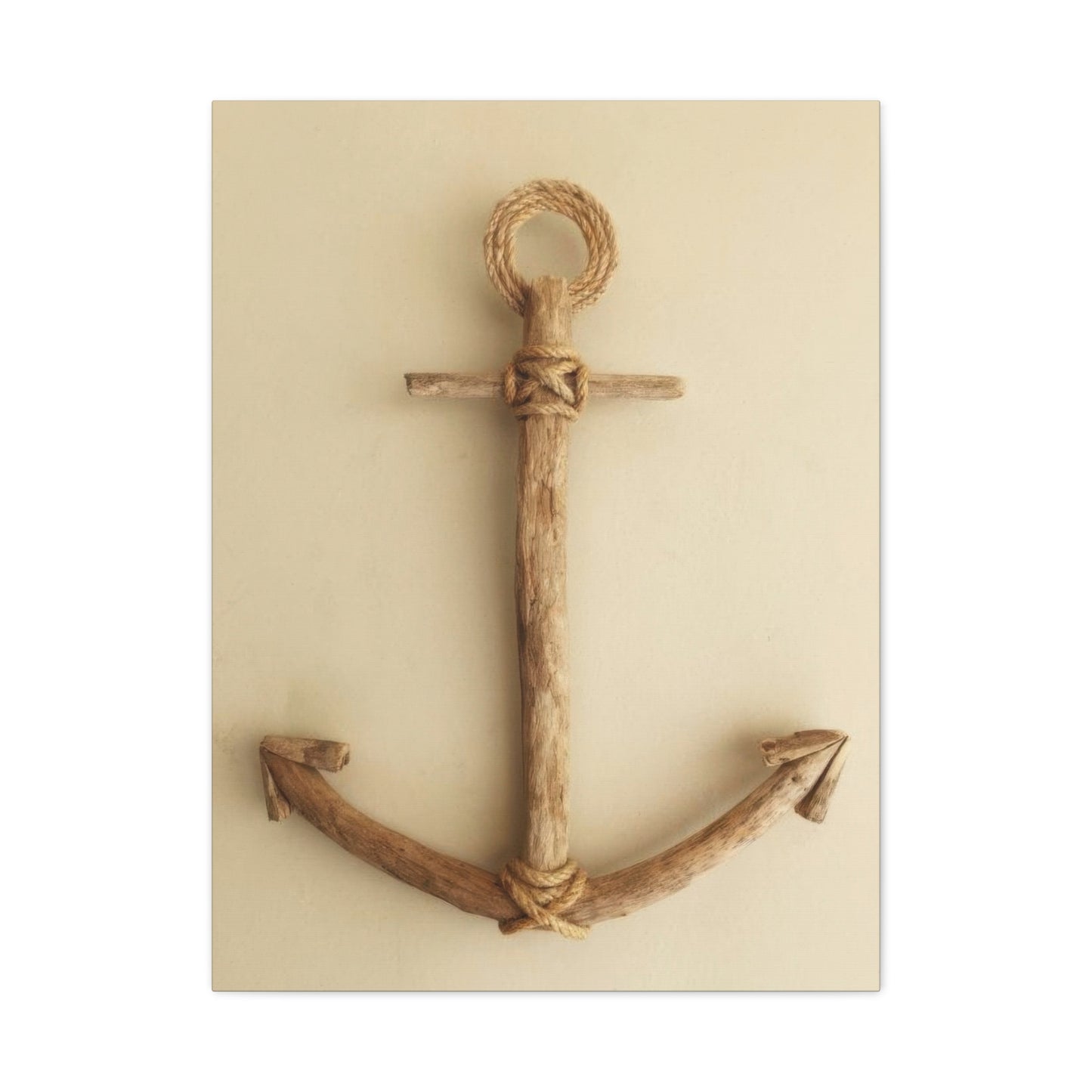
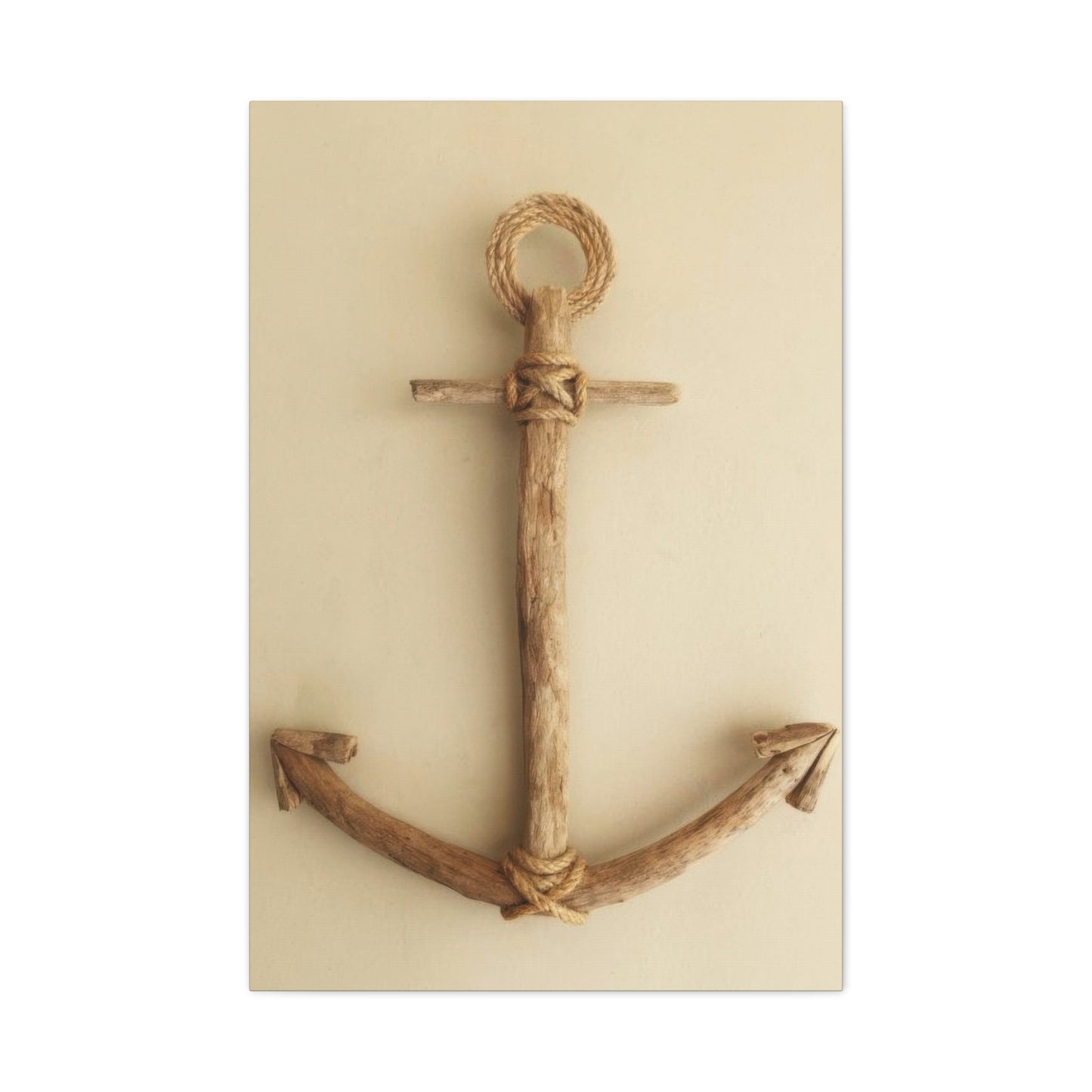
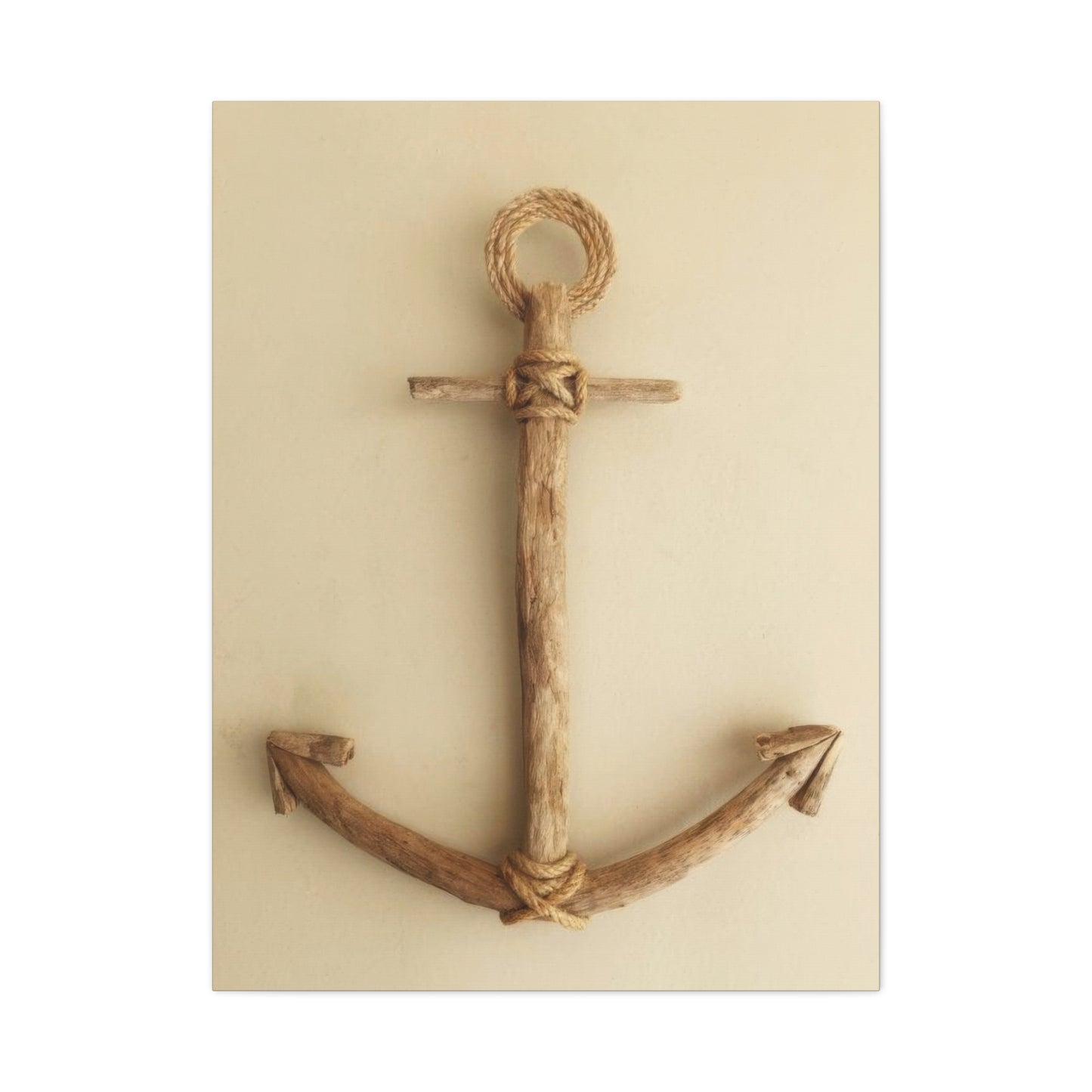
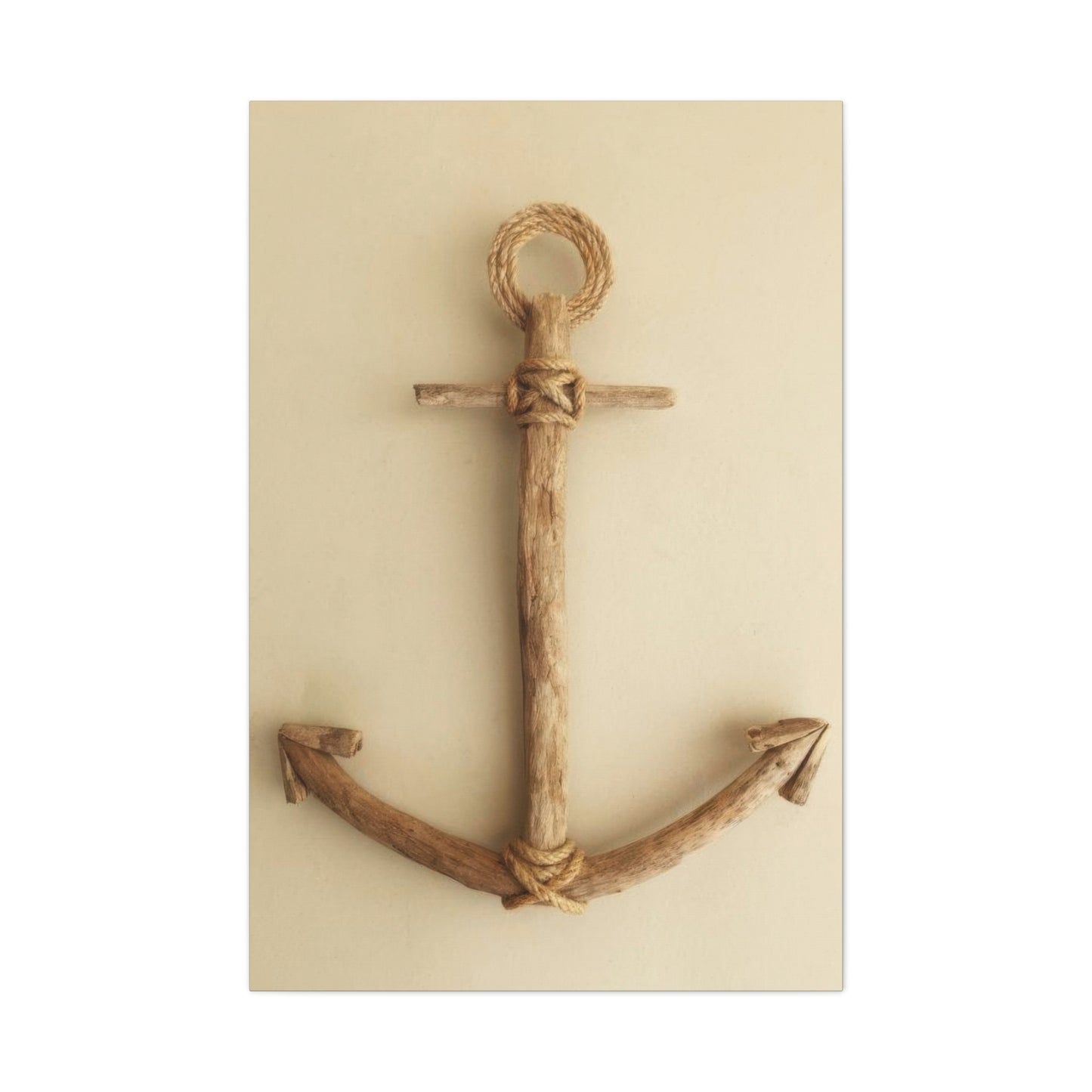
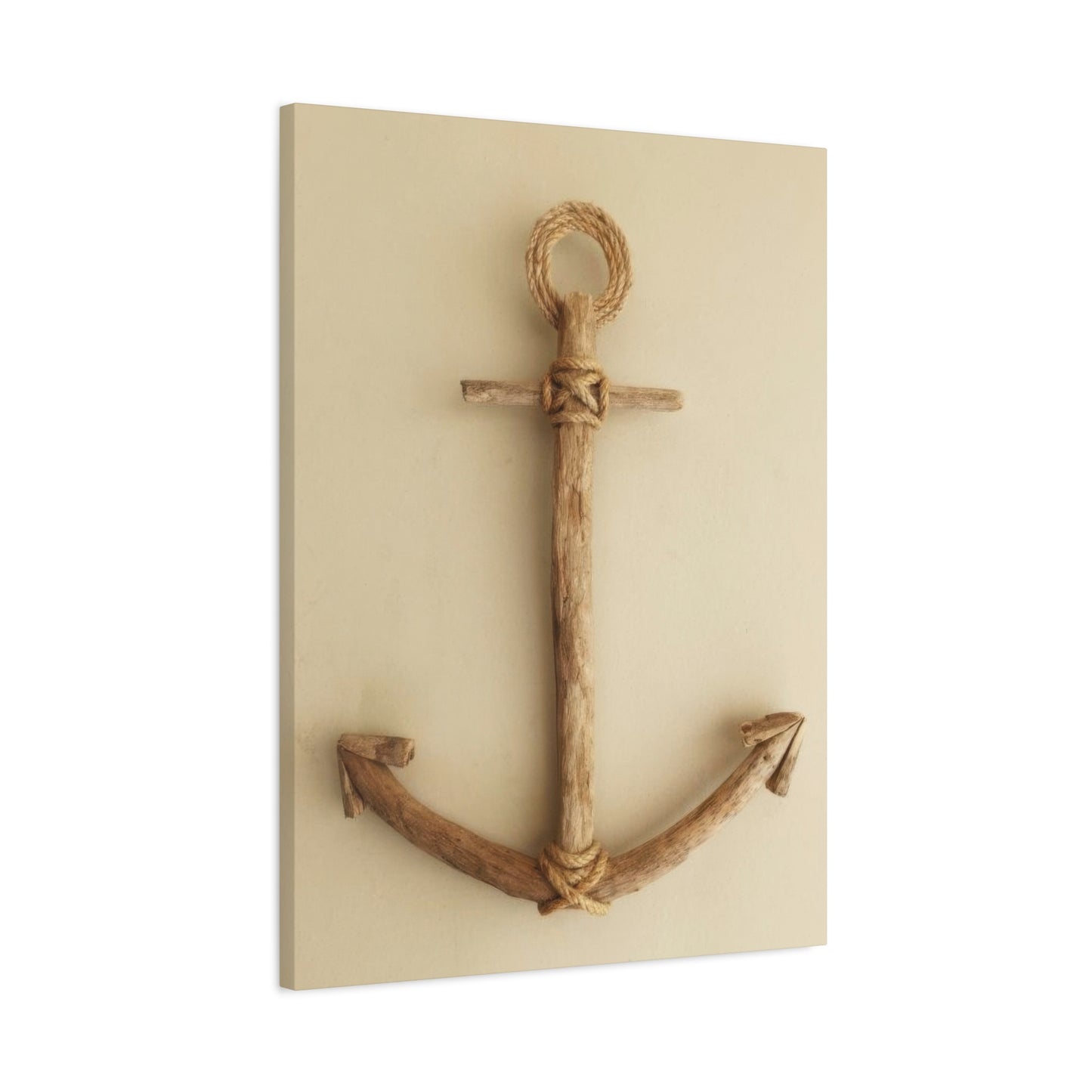
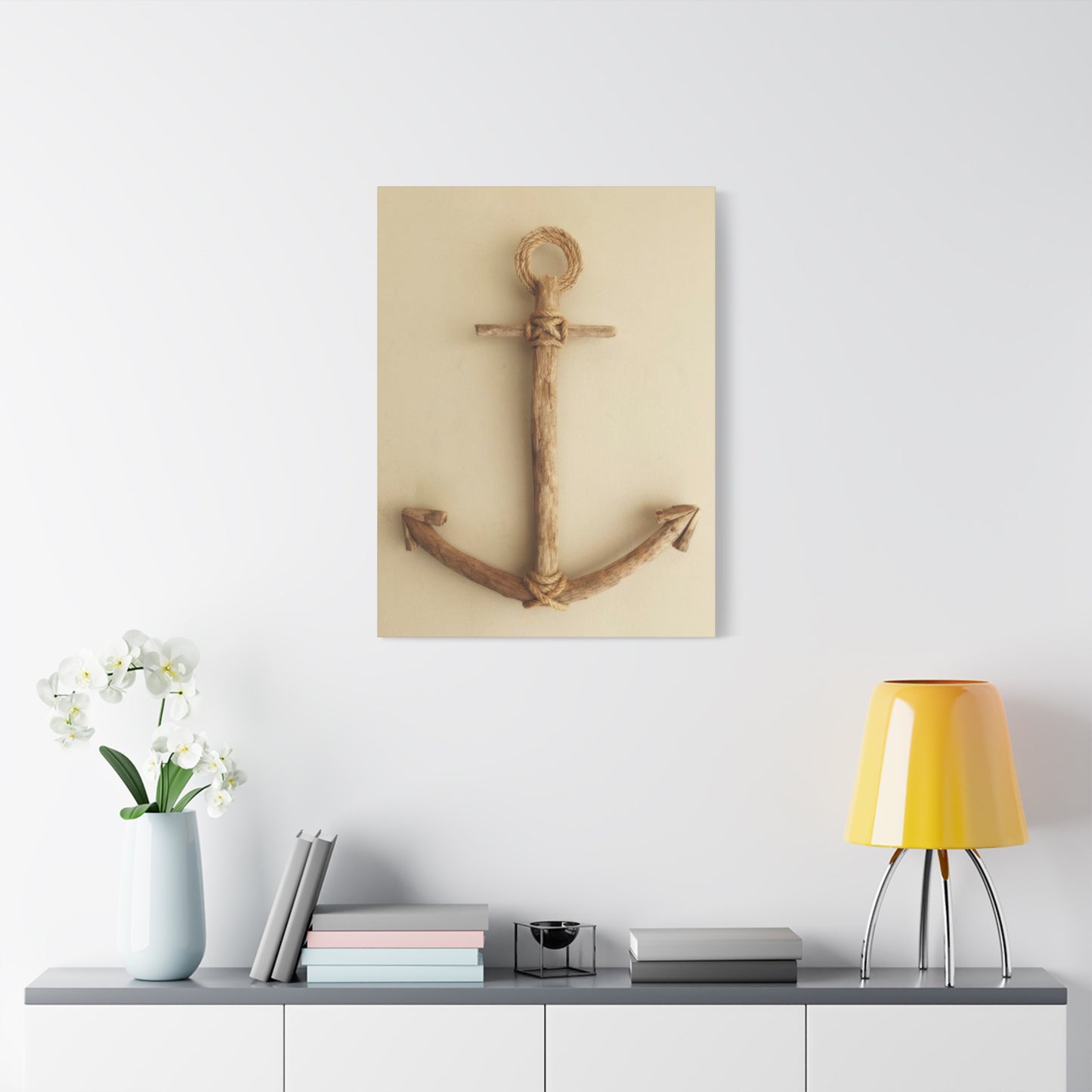
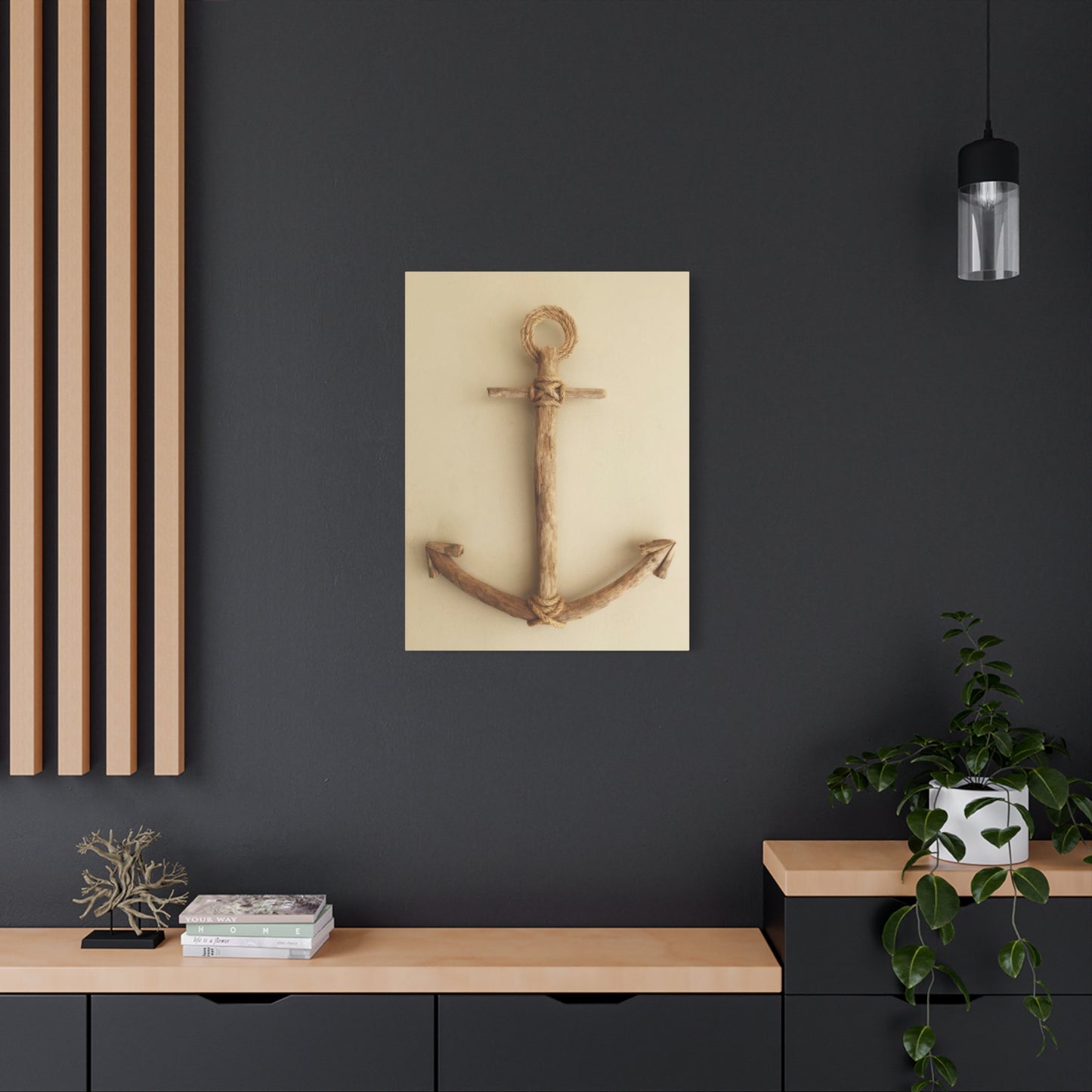
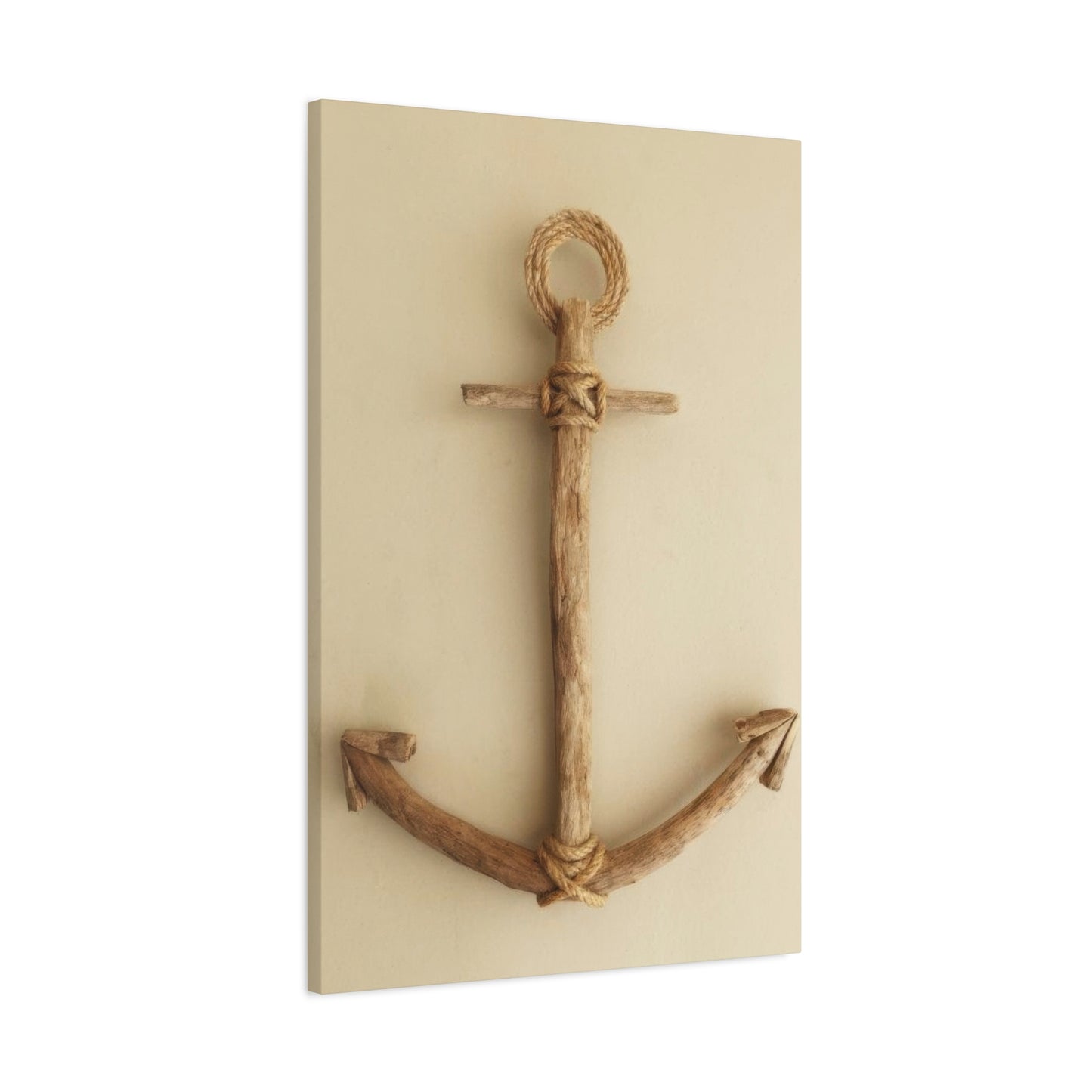
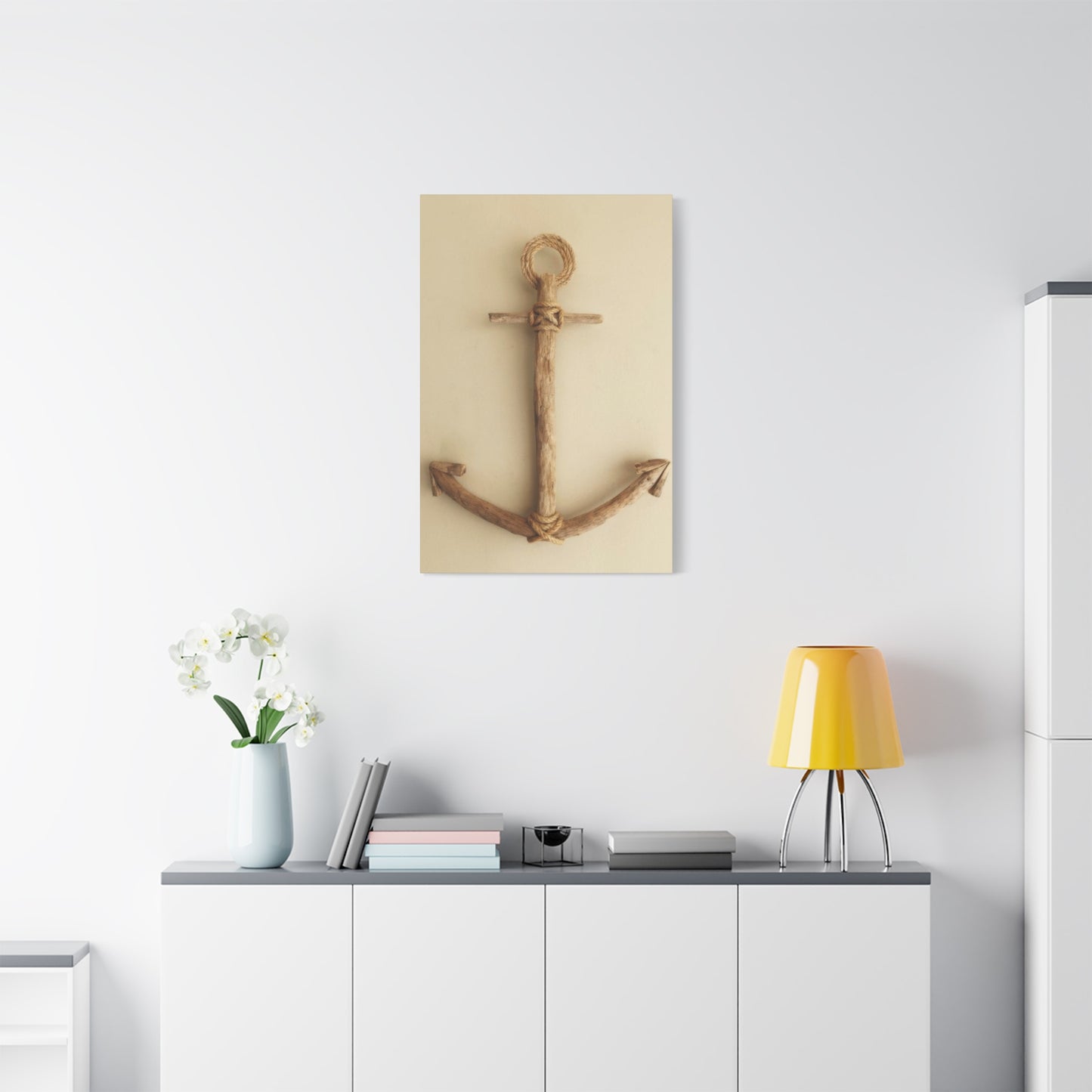
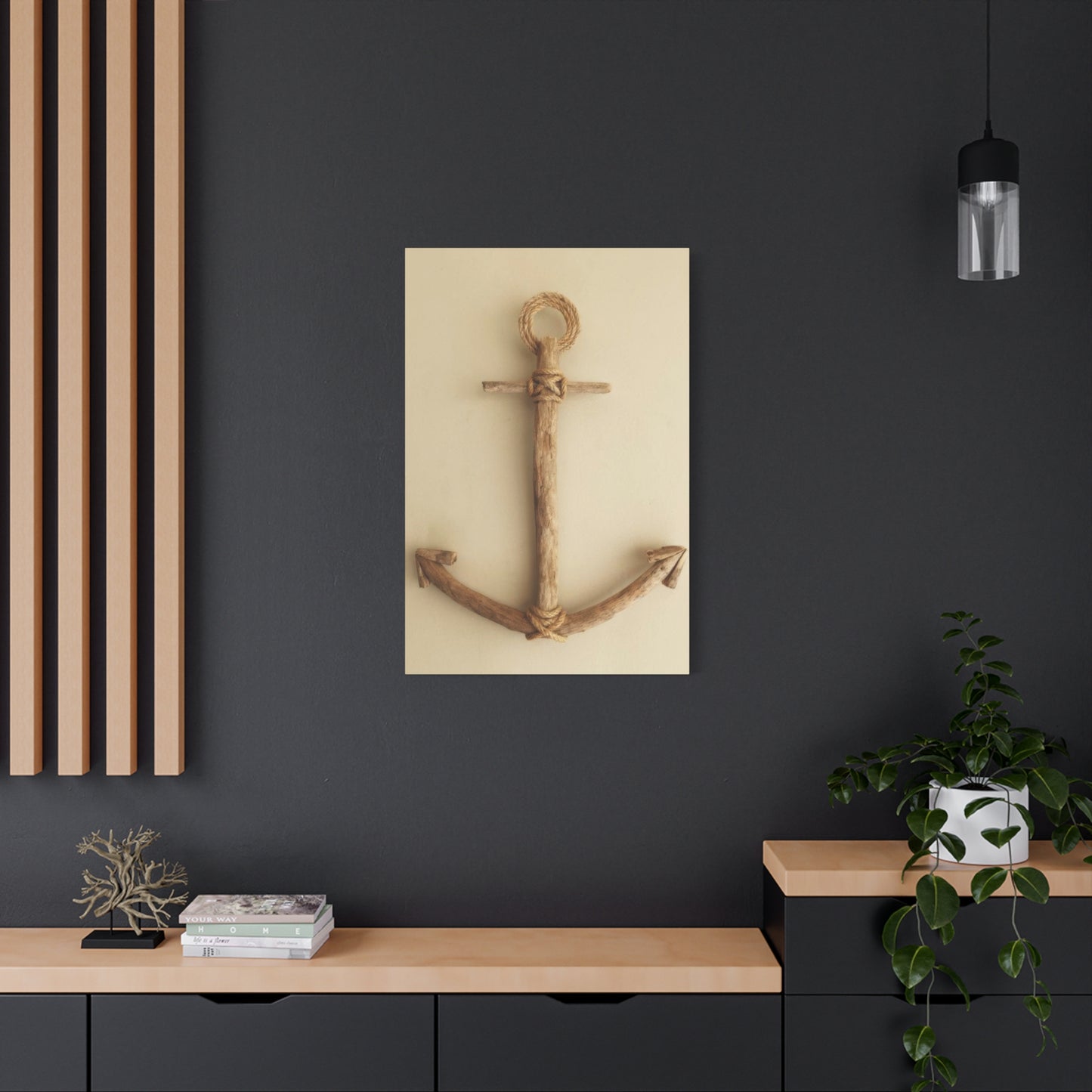
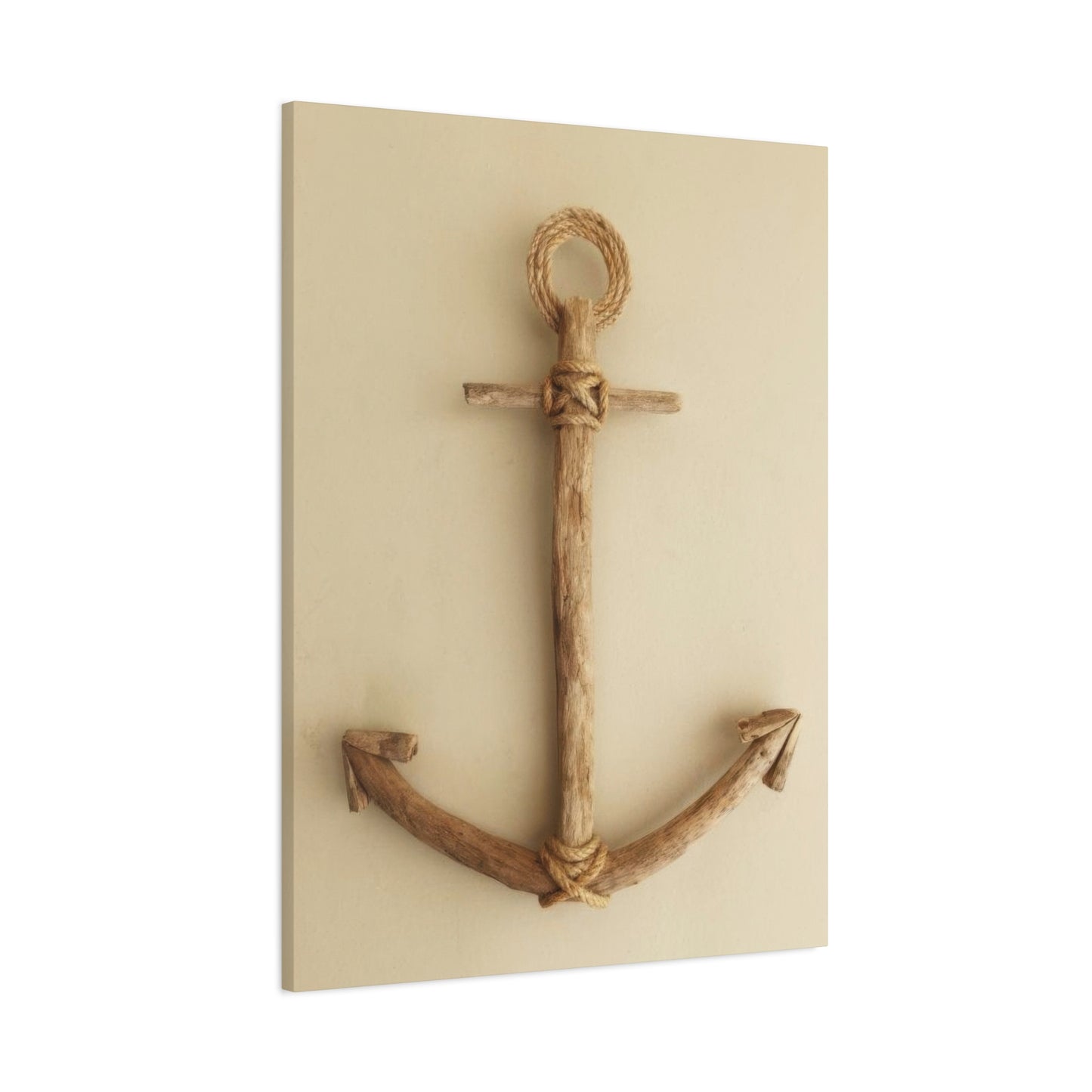
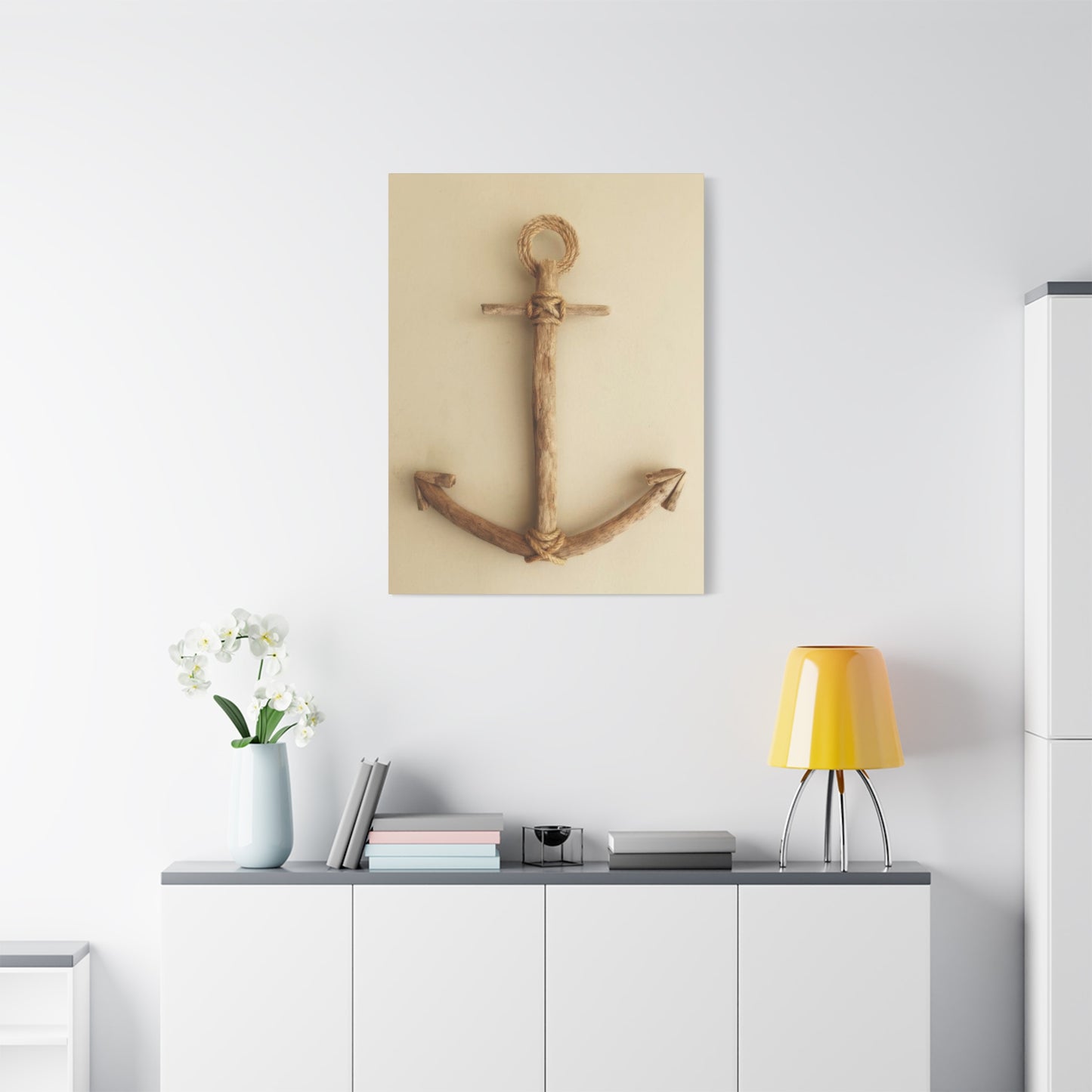
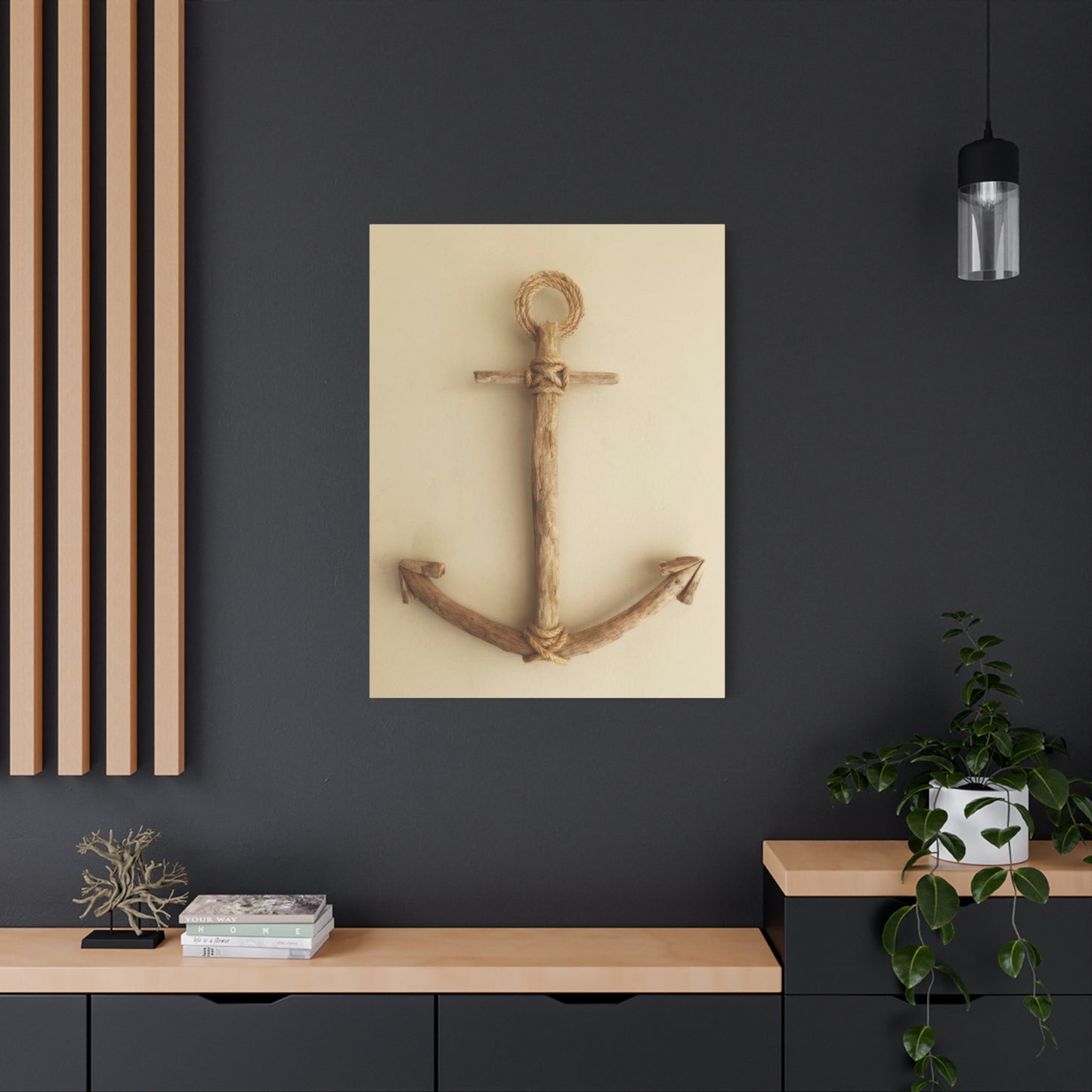
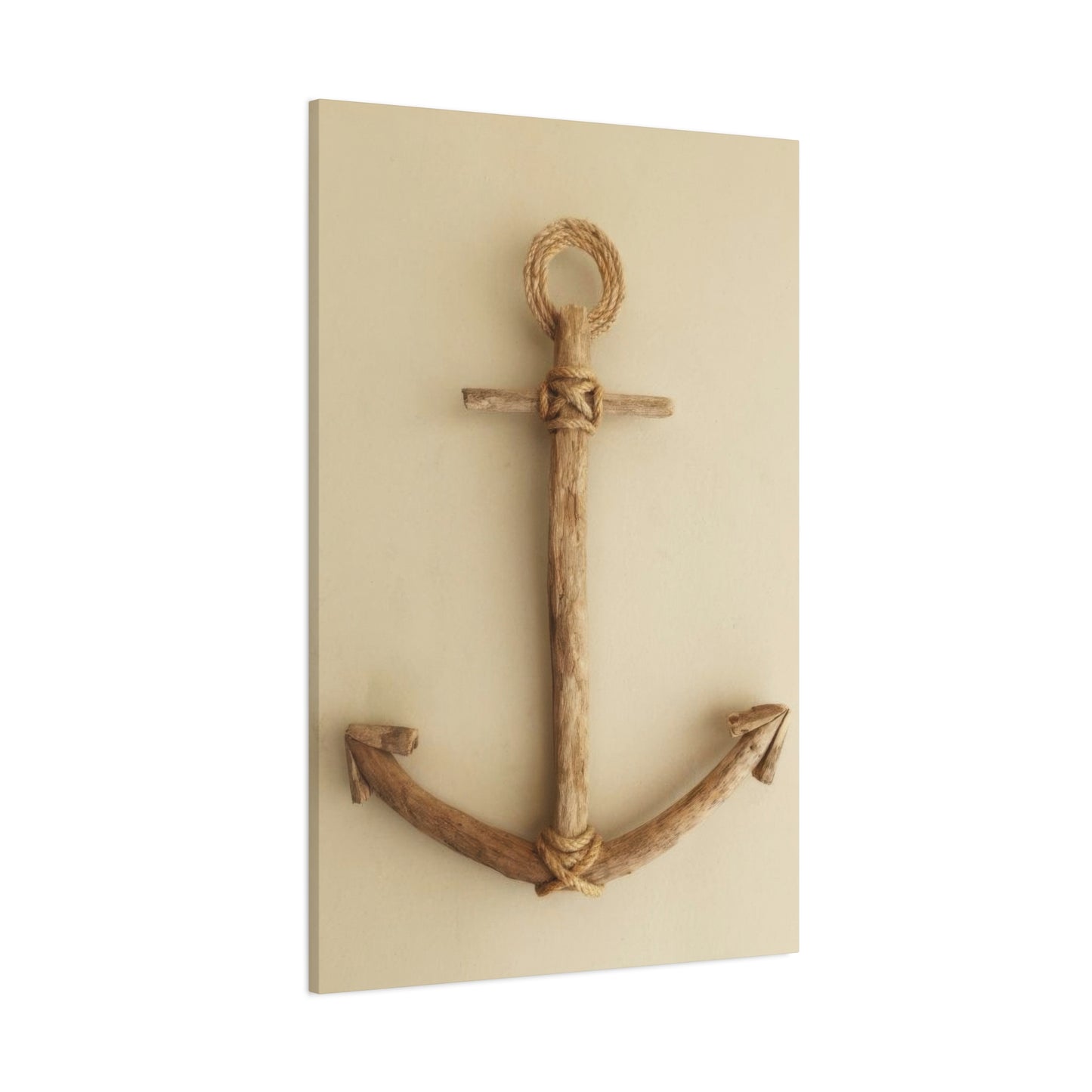
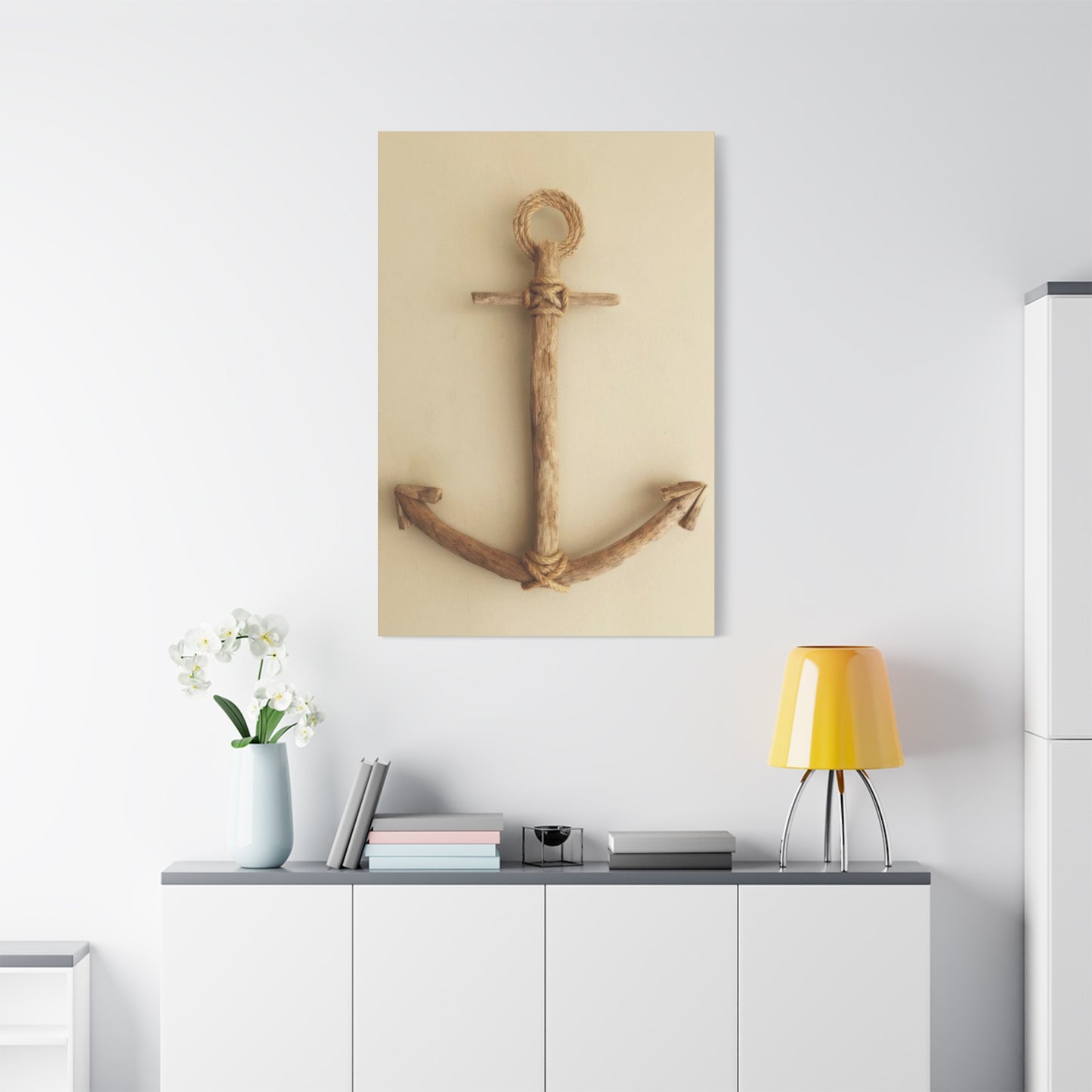
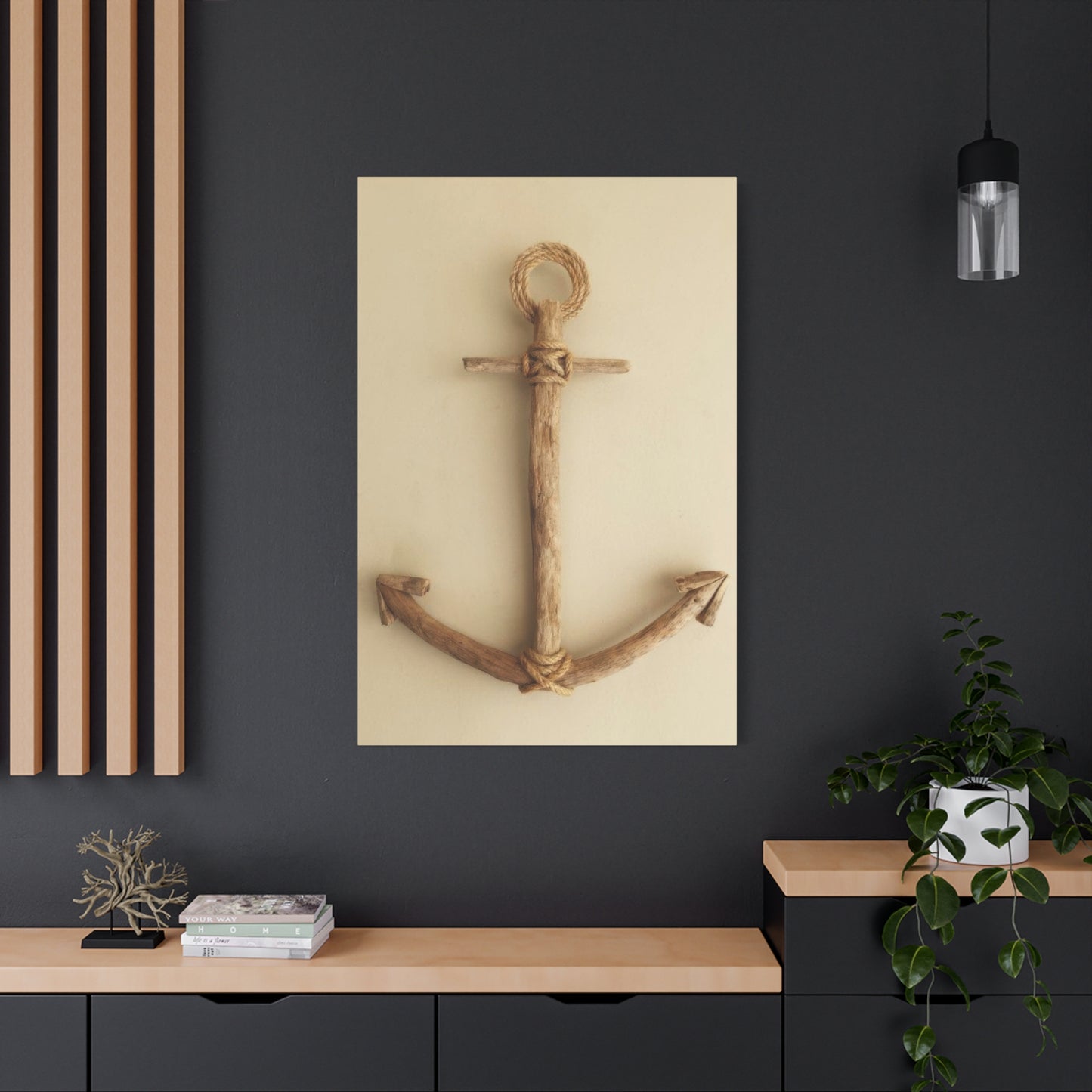
Nature’s Sculpture: Exploring the Organic Elegance of Driftwood Anchor Wall art Décor
The allure of ocean-themed interior design has captivated homeowners and decorators for generations, bringing the tranquil essence of seaside living into residential and commercial spaces. Among the most compelling elements of this aesthetic movement is the incorporation of weathered wood anchor decorations, which seamlessly blend natural materials with symbolic maritime imagery. These distinctive pieces have evolved from simple nautical references to sophisticated artistic statements that complement various design philosophies, from traditional coastal cottages to contemporary urban apartments. The inherent beauty of sun-bleached timber combined with the timeless symbolism of maritime anchors creates visual focal points that resonate with our deep connection to the sea, evoking memories of beach vacations, coastal adventures, and the serene rhythm of ocean waves.
The popularity of ocean-inspired wooden anchor artwork continues to grow as more people seek to create calming, nature-connected environments within their homes. These decorative pieces offer versatility that extends beyond typical beach house settings, proving equally effective in corporate offices, hospitality venues, and residential spaces far from any coastline. The organic texture of weathered wood provides a grounding element that softens modern interiors while adding character to traditional spaces. Furthermore, the anchor symbol itself carries profound meaning, representing stability, hope, and steadfastness—qualities that resonate deeply with individuals seeking to create meaningful, intentional living environments. As we explore the multifaceted applications and styling possibilities of these distinctive decorative elements, you'll discover how to harness their transformative power to elevate your own spaces with authentic coastal sophistication.
Capturing Seaside Ambiance with Weathered Wood Anchor Displays
The fundamental appeal of maritime-inspired wooden anchor decorations lies in their ability to instantly transport viewers to coastal settings, regardless of their actual geographic location. These pieces function as visual ambassadors of seaside living, carrying with them the essence of salt air, crashing waves, and endless horizons. The weathered appearance of naturally aged timber tells stories of time, elements, and transformation, with each piece bearing unique characteristics shaped by wind, water, and sun. When crafted into anchor forms, these organic materials create a powerful juxtaposition between the fluidity of natural wood grain and the structured symbolism of maritime imagery.
Creating authentic coastal atmosphere through wooden anchor displays requires understanding the subtle interplay between materials, colors, and placement. The most effective pieces showcase the natural variations within the wood itself—the silvery gray patinas, honey-toned highlights, and occasional darker streaks that reveal the timber's journey from living tree to ocean-tumbled fragment. These color variations work harmoniously with coastal color palettes featuring soft whites, sandy beiges, muted blues, and seafoam greens. The three-dimensional quality of assembled wooden anchors adds depth and shadow play that flat artwork cannot achieve, creating dynamic visual interest that changes throughout the day as natural light shifts across surfaces.
Beyond mere decoration, these maritime-themed pieces serve as conversation starters and emotional anchors within spaces, connecting inhabitants and visitors with memories, aspirations, and the universal human attraction to water environments. The psychological impact of incorporating natural elements into interior spaces has been well documented, with studies showing that organic materials reduce stress, improve mood, and enhance overall wellbeing. Wooden anchor displays amplify these benefits by combining biophilic design principles with culturally resonant symbolism. The result is decoration that functions on multiple levels—aesthetic, emotional, and psychological—making these pieces valuable investments in both home beautification and personal wellness.
The craftsmanship involved in creating wooden anchor wall displays ranges from rustic assemblages that celebrate the raw beauty of unfinished timber to polished compositions that showcase woodworking artistry. Some pieces maintain the organic, irregular shapes of naturally weathered wood, while others feature carefully selected and arranged fragments that create clean, recognizable anchor silhouettes. The construction process itself often involves sustainable practices, utilizing reclaimed materials from old boats, docks, or naturally fallen coastal trees, which adds an environmental responsibility dimension to their appeal. This eco-conscious approach resonates with contemporary consumers who value sustainability alongside aesthetics.
Incorporating these decorative elements successfully requires considering scale, proportion, and surrounding design elements. A single large wooden anchor can serve as a dramatic focal point above a fireplace mantel or behind a seating area, while smaller pieces work beautifully in gallery wall arrangements or as accents in bookcases and shelving displays. The key is allowing each piece sufficient visual breathing room to maintain its impact while ensuring it relates harmoniously to other furnishings and architectural features. The textural contrast between smooth painted walls and rough-hewn wood creates visual excitement, while the natural tones of weathered timber bridge color transitions between different areas within open-concept spaces.
Maritime Elegance Through Timber-Based Anchor Artwork
The evolution of maritime-themed wooden anchor artwork reflects broader trends in interior design, where authenticity and craftsmanship have displaced mass-produced uniformity. Today's most sought-after pieces demonstrate thoughtful design that respects both the natural character of weathered wood and the cultural significance of anchor symbolism. These artworks function as three-dimensional sculptures that engage multiple senses—inviting tactile exploration through varied textures while providing visual satisfaction through carefully composed forms. The best examples balance rustic authenticity with refined execution, avoiding the overly distressed appearance that can feel contrived while maintaining enough weathered character to convey genuine coastal heritage.
The selection of wood species and weathering patterns significantly impacts the final aesthetic of anchor-themed artwork. Lighter colored timbers with silvery-gray patinas evoke sun-bleached beach finds and create airy, luminous displays suitable for bright, contemporary spaces. Darker woods with richer brown and gray tones provide more dramatic contrast and work effectively in rooms with deeper color schemes or traditional furnishings. Some artisans combine multiple wood types within single pieces, creating visual complexity through color variation while maintaining cohesive form. The natural grain patterns visible in weathered wood add another layer of visual interest, with swirling patterns, straight lines, and knot formations contributing unique character to each creation.
Mounting and display methods for wooden anchor artwork vary based on piece construction and desired visual effect. Free-standing floor displays create sculptural presence suitable for corners, entryways, or beside architectural features like columns or exposed beams. Wall-mounted installations remain the most popular approach, with hanging methods ranging from traditional wire and hook systems to invisible mounting hardware that creates floating effects. Some pieces incorporate rope elements into their construction, adding textural variety while reinforcing nautical themes. The interplay between positive space (the anchor form itself) and negative space (the wall behind) becomes crucial in wall-mounted displays, with well-designed pieces creating satisfying compositional balance.
The symbolism embedded within anchor imagery adds depth beyond surface aesthetics, connecting these decorative pieces to broader cultural narratives and personal meanings. Historically, anchors have represented safety, stability, and hope—qualities particularly valued during uncertain times. In Christian tradition, the anchor symbolizes steadfast faith, while in maritime culture it signifies the seafaring life and connection to ocean traditions. Modern interpretations often emphasize the grounding aspect of anchors, using them as visual reminders to stay centered amid life's turbulence. This symbolic richness allows wooden anchor artwork to function as more than mere decoration, serving instead as meaningful objects that reflect personal values and aspirations.
Artistic approaches to wooden anchor creation span from highly realistic representations that capture every detail of traditional maritime anchors to abstracted interpretations that suggest anchor forms through minimal lines and shapes. Realistic versions appeal to nautical enthusiasts and those seeking authentic coastal references, while abstracted designs attract viewers preferring contemporary, artistic interpretations. Some creators incorporate additional elements like rope, metal accents, or paint details that enhance visual interest while maintaining primary focus on the weathered wood. The most successful pieces demonstrate clear artistic vision, whether that vision emphasizes natural simplicity or complex compositional arrangements.
Weathered Timber Anchor Art for Contemporary Beach House Aesthetics
The integration of weathered timber anchor artwork into beach house interiors represents the natural evolution of coastal decorating traditions. While previous generations might have favored mass-produced nautical knickknacks, today's beach homeowners gravitate toward substantial, authentic pieces that reflect genuine connection to maritime environments. These larger-scale installations command attention without overwhelming spaces, their organic materials and earthy tones creating visual warmth that balances the bright whites and cool blues prevalent in seaside color schemes. The textural quality of naturally weathered wood provides essential contrast against smooth plaster walls, polished concrete floors, and sleek modern furnishings common in contemporary beach architecture.
Beach house environments present unique opportunities for displaying timber anchor artwork, as these pieces harmonize naturally with the casual, relaxed atmosphere of coastal living. Open-concept floor plans benefit from the vertical orientation of anchor forms, which draw the eye upward and help define different functional zones within flowing spaces. Placing substantial wooden anchor pieces on prominent walls creates focal points that anchor furniture arrangements while establishing the overall design narrative. The neutral tones of weathered wood allow these statement pieces to coexist peacefully with bold accent colors, patterned textiles, and diverse decorative accessories without creating visual chaos.
The relationship between indoor and outdoor living spaces in beach house design finds expression through elements like timber anchor artwork that reference the exterior natural environment. These pieces serve as transitional elements that psychologically bridge the gap between controlled interior spaces and the wild beauty of coastal landscapes visible through windows and doors. When positioned strategically near openings that frame ocean views, wooden anchors create layered perspectives that enhance spatial depth while reinforcing the home's connection to its seaside setting. This intentional blurring of boundaries between inside and outside represents sophisticated design thinking that elevates beach houses beyond simple vacation retreats to thoughtfully conceived living environments.
Seasonal considerations influence how timber anchor artwork functions within beach house contexts. During summer months when homes fill with activity, families, and visitors, these substantial pieces provide consistent visual grounding amid the cheerful chaos of beach living. Their neutral presence doesn't compete with colorful beach towels, summer flowers, or guests' belongings, instead offering stable reference points that maintain design integrity. In quieter off-season periods, the same pieces gain prominence, their textured surfaces and organic forms providing warmth and interest that prevents spaces from feeling empty or sterile. This year-round versatility makes timber anchor artwork particularly valuable in beach houses that serve as both vacation properties and permanent residences.
The durability of properly treated weathered wood ensures these decorative pieces withstand the challenges of coastal environments, including humidity, salt air, and temperature fluctuations. Quality pieces receive appropriate sealing treatments that protect against moisture damage while preserving the wood's natural appearance and texture. This practical consideration matters especially in beach locations where environmental conditions accelerate deterioration of unsuitable materials. Investing in well-constructed timber anchor artwork means acquiring pieces that will maintain their beauty and structural integrity for decades, developing even richer patinas over time rather than degrading into shabby disrepair.
Ocean-Inspired Weathered Wood Anchor Design Concepts
The conceptual foundations of ocean-inspired wooden anchor designs draw from multiple sources—direct observation of maritime equipment, abstract interpretation of anchor symbolism, and artistic responses to the aesthetic qualities of weathered wood itself. Designers working in this medium must balance fidelity to recognizable anchor forms with creative expression that elevates pieces beyond literal representation. The most compelling designs capture the essence of anchors while incorporating artistic elements that make each piece distinctive. This might involve unusual proportions that emphasize certain design elements, unexpected material combinations that introduce textural variety, or compositional approaches that play with positive and negative space in innovative ways.
Color treatment represents a critical design decision in wooden anchor creations. Some designers preserve the natural weathered appearance of timber, allowing silvery grays, soft browns, and subtle color variations to provide all the visual interest needed. Others introduce selective color applications—perhaps painting certain sections in classic navy blues, crisp whites, or aged turquoise tones that suggest marine environments without overwhelming the wood's natural beauty. The most sophisticated color treatments appear organic rather than applied, as if the pigments have weathered into the wood over years of sun and salt exposure. This aged authenticity distinguishes quality pieces from those with superficial distressing that reads as artificial.
Scale manipulation creates diverse effects in wooden anchor designs, from miniature tabletop versions suitable for shelf displays to monumental installations that dominate entire walls. Understanding appropriate scale for specific applications requires considering room dimensions, ceiling heights, furniture proportions, and viewing distances. Oversized anchors make dramatic statements in large spaces with high ceilings, while inappropriately large pieces in modest rooms create claustrophobic feelings. Conversely, anchors too small for their intended locations disappear visually, failing to provide the intended impact. The best designers develop intuitive understanding of scale relationships, creating pieces that feel perfectly sized for their ultimate display environments.
Textural variation within wooden anchor designs adds complexity that rewards close inspection while contributing to overall visual interest from distance. Designers might combine smooth, weathered planks with rougher fragments showing bark remnants or deep grain patterns. Some pieces incorporate rope wrapping around certain sections, adding fibrous texture that contrasts with hard wood surfaces. Metal accents—perhaps actual anchor chain segments or forged iron details—introduce industrial elements that reference maritime equipment while creating additional textural variety. These layered textures prevent designs from reading as flat or one-dimensional, instead creating rich surfaces that engage viewers and invite repeated viewing.
The compositional arrangement of wood elements within anchor forms separates exceptional designs from merely adequate ones. Skilled designers consider how individual wood pieces relate to each other—their sizes, shapes, colors, and orientations—to create cohesive wholes greater than the sum of parts. Some arrangements emphasize radiating lines that draw the eye outward from central points, while others create circular or spiral movements that keep attention contained within the piece. The spacing between wood elements affects visual weight and airiness, with tighter arrangements appearing more solid and substantial while looser compositions feel lighter and more dynamic. These subtle compositional choices profoundly impact how viewers perceive and respond to finished pieces.
Simple Maritime Wooden Anchor Accents for Contemporary Spaces
The minimalist approach to maritime wooden anchor decoration reflects broader contemporary design movements favoring simplicity, clean lines, and intentional restraint. Rather than elaborate compositions featuring multiple materials and complex constructions, minimalist anchor pieces embrace simplicity that allows the essential form and natural beauty of weathered wood to speak without embellishment. These stripped-down designs often feature single-piece construction or minimal assemblies where each element serves clear structural or aesthetic purpose. The resulting pieces demonstrate that effective design doesn't require complexity, instead proving that thoughtful simplicity often creates stronger visual impact than busy elaboration.
Contemporary interior spaces, characterized by open layouts, neutral color palettes, and streamlined furnishings, provide ideal contexts for minimalist wooden anchor accents. The organic warmth of weathered timber softens the potentially stark quality of modern minimalism while maintaining the clean aesthetic that defines contemporary design. A single well-chosen anchor piece introduces natural texture and subtle color variation without disrupting the calm, uncluttered atmosphere essential to successful modern interiors. The key lies in selecting pieces that embody minimalist principles through their construction—clean silhouettes, evident craftsmanship, and respect for materials rather than unnecessary decoration or artificial distressing.
Placement strategies for minimalist anchor accents differ from approaches suitable for more elaborate pieces. These streamlined designs work beautifully in smaller groupings or as solitary focal points where their simple elegance receives full attention. A single minimalist anchor mounted on an otherwise bare wall creates powerful impact through the contrast between occupied and empty space. This negative space becomes as important as the piece itself, providing visual rest that allows the eye to fully appreciate the anchor's form and the wood's natural character. In open-concept spaces, minimalist anchors serve as subtle wayfinding elements that help define different functional zones without creating physical or visual barriers.
The material honesty inherent in minimalist design philosophy aligns perfectly with the authentic weathered character of quality wooden anchor pieces. Rather than disguising the wood's nature through excessive finishing or artificial aging, minimalist approaches celebrate what the material naturally is—timber shaped by time, elements, and human hands into meaningful form. This authenticity resonates with contemporary consumers increasingly skeptical of artificial substitutes and mass-produced imitations. The slight imperfections, natural color variations, and visible grain patterns that might be considered flaws in other contexts become valued characteristics that prove authenticity and uniqueness in minimalist wooden anchor designs.
Color restraint distinguishes minimalist maritime accents from more traditional nautical decorations. Instead of the bright reds, blues, and whites often associated with seaside themes, minimalist pieces typically feature natural wood tones—soft grays, weathered browns, and subtle beiges that integrate effortlessly with neutral contemporary color schemes. When color does appear, it's usually limited to single accent hues applied with restraint, perhaps a thin stripe of deep navy or touches of white that suggest rather than announce their nautical references. This subtlety allows pieces to function effectively in diverse settings, from coastal homes where nautical themes are expected to urban apartments where heavy-handed maritime decoration would feel incongruous.
Artisan-Crafted Wooden Anchor Display Options
The artisan approach to wooden anchor creation emphasizes individual craftsmanship, unique design vision, and small-batch production that stands in stark contrast to mass-manufactured decorative items. Artisan pieces carry the unmistakable signature of their makers—distinctive construction techniques, particular aesthetic sensibilities, and quality standards that prioritize excellence over efficiency. When acquiring artisan-crafted wooden anchors, buyers invest not just in decorative objects but in artistic vision, skilled workmanship, and the increasingly rare commodity of human attention devoted to creating individual pieces. This human element imbues artisan anchors with qualities impossible to replicate through industrial production—subtle variations, personal touches, and the indefinable character that distinguishes handmade objects.
Understanding the artisan creation process enhances appreciation for finished pieces and justifies premium pricing compared to factory-produced alternatives. Skilled craftspeople begin by sourcing appropriate weathered wood, often spending considerable time locating materials with ideal characteristics—proper weathering, appealing color, interesting grain patterns, and structural soundness. The selection process itself represents artistic decision-making, as makers envision how particular wood pieces might combine into cohesive anchor forms. Assembly requires both technical skill and aesthetic judgment, determining optimal arrangements, joining methods, and finishing treatments that enhance rather than obscure natural wood beauty. The time investment in creating quality artisan pieces far exceeds manufacturing timelines, with hours or even days devoted to single installations.
The marketplace for artisan wooden anchor artwork includes diverse venues—dedicated craft fairs, artisan cooperatives, independent studio galleries, and increasingly, online platforms connecting makers directly with consumers. Each channel offers particular advantages, with in-person shopping allowing hands-on examination of craftsmanship and materials while online venues provide access to broader selections from geographically distant artisans. When purchasing artisan pieces, buyers benefit from communicating directly with creators, discussing customization possibilities, understanding construction methods, and learning about material sources and sustainability practices. This direct connection enriches the ownership experience, transforming purchases from simple transactions into relationships with artists whose work enhances living spaces.
Customization represents a significant advantage of working with artisan creators rather than purchasing mass-produced items. Many craftspeople welcome requests for specific dimensions, color treatments, or design modifications that adapt their work to particular spaces and preferences. This flexibility allows buyers to obtain perfectly suited pieces rather than compromising with close-enough alternatives. Custom commissions involve collaboration between artisan and client, with makers translating verbal descriptions, reference images, and spatial requirements into unique creations. While custom pieces typically require longer lead times and higher investments than ready-made options, the result—artwork specifically conceived for its ultimate location—justifies the additional time and expense.
Supporting artisan craftspeople extends beyond individual transactions to broader impacts on creative economies and cultural preservation. In an era of mass production and global manufacturing, artisan makers represent alternative economic models valuing quality over quantity, sustainability over disposability, and human creativity over automated efficiency. Purchasing artisan-crafted wooden anchors contributes to local and regional economies, supports individual livelihoods, and helps preserve traditional crafts and techniques threatened by industrial competition. This ethical dimension adds meaning to ownership, allowing buyers to feel good about their purchases' broader implications while enjoying beautiful objects in their homes.
Maritime Themes in Timber Anchor Artwork for Residential Interiors
The incorporation of maritime-themed timber anchor artwork into living room environments requires balancing decorative impact with functional considerations inherent to these high-traffic, multi-purpose spaces. Living rooms serve diverse functions—entertaining guests, family gatherings, media viewing, reading, and relaxation—necessitating design approaches that accommodate varied activities while maintaining aesthetic coherence. Timber anchor pieces contribute to living room success by providing strong visual focal points that establish design narratives without interfering with practical space usage. Their vertical orientation makes them ideal for wall areas above sofas, flanking fireplaces, or filling awkward spaces where furniture placement proves challenging.
Scale considerations become particularly critical when selecting timber anchor artwork for living room display. These communal spaces typically feature larger wall expanses than bedrooms or bathrooms, allowing for substantial pieces that might overwhelm more intimate rooms. A generously sized wooden anchor installation above a main seating area creates dramatic impact visible from multiple vantage points throughout the room while providing conversational focus during social gatherings. The piece's scale should relate harmoniously to surrounding furniture—appearing neither so large as to dominate uncomfortably nor so small as to seem insignificant within the room's overall composition. Professional designers often recommend that major wall art occupy roughly two-thirds to three-quarters of the furniture width beneath it, providing balanced proportions.
Color coordination between timber anchor artwork and living room palettes requires thoughtful consideration of undertones and value relationships. The neutral nature of weathered wood makes coordination relatively straightforward, with natural wood tones complementing virtually any color scheme. However, attention to warm versus cool undertones ensures optimal harmony. Living rooms featuring warm color palettes with creamy whites, soft beiges, and golden accents pair beautifully with warmer-toned woods showing honey and brown highlights. Conversely, spaces emphasizing cool grays, crisp whites, and blue tones benefit from silvery-gray weathered wood with cooler undertones. When living rooms incorporate bold accent colors—perhaps deep navy, vibrant coral, or rich teal—neutral timber anchors provide visual rest that prevents color schemes from becoming overwhelming.
Lighting design significantly impacts how timber anchor artwork appears and functions within living room settings. Natural daylight reveals the full texture and color variation within weathered wood, with shifting sun angles throughout the day creating changing shadow patterns that add visual dynamism. Artificial lighting requires careful planning to properly illuminate anchor pieces without creating unflattering glare or harsh shadows. Track lighting, picture lights, or strategically positioned floor lamps can highlight timber artwork effectively, emphasizing dimensional qualities and surface textures. Ambient lighting schemes that include wall washing techniques showcase anchor pieces as integral elements within overall lighting compositions rather than separately spotlit objects.
The relationship between timber anchor artwork and other living room decorative elements influences overall design success. These pieces work most effectively when integrated into cohesive design schemes rather than appearing as isolated nautical references. Supporting the maritime theme through complementary accessories—perhaps rope-wrapped table lamps, blue-gray throw pillows, or framed seascape photographs—creates intentional design narratives. However, restraint prevents spaces from devolving into theme park literalism. The goal is suggesting coastal sensibility through carefully curated elements rather than overwhelming spaces with excessive nautical symbols. Timber anchor pieces often function best as primary nautical references, with supporting elements drawn from broader coastal aesthetics—natural fibers, organic textures, and ocean-inspired colors rather than additional maritime symbols.
Bold Maritime Wooden Anchor Installations
Large-scale wooden anchor installations represent significant design commitments requiring careful planning, substantial investment, and appropriate spatial contexts. These commanding pieces transcend mere decoration to become architectural elements that fundamentally shape how spaces feel and function. The decision to incorporate oversized timber anchor artwork should follow from clear design intentions rather than simple desire for dramatic effect. When properly scaled and positioned, these substantial installations create unforgettable visual impact that elevates entire rooms from ordinary to extraordinary. However, poorly planned large pieces can overwhelm spaces, dominate uncomfortably, or disrupt spatial balance—making thoughtful evaluation essential before committing to substantial installations.
Ideal locations for large timber anchor pieces include spaces with appropriate wall expanses and ceiling heights to accommodate their substantial dimensions. Two-story foyers, great rooms with vaulted ceilings, or expansive living areas in open-concept homes provide suitable canvases for these dramatic statements. The architecture should support rather than compete with large installations, with simple wall surfaces allowing anchor forms to read clearly without visual conflict from complex moldings, busy wallpapers, or competing architectural details. In commercial settings like restaurants, hotels, or corporate offices, large wooden anchor installations can establish strong brand identities and memorable atmospheres that differentiate spaces from competitors.
Installation methods for large timber anchor pieces require professional expertise and appropriate structural support. Substantial installations can weigh hundreds of pounds, necessitating mounting systems capable of safely supporting their mass. Professional installers assess wall construction—distinguishing between solid concrete, wood-framed drywall, or other substrates—and select appropriate anchoring hardware. Some large pieces require custom mounting frames or brackets fabricated specifically for particular installations. The installation process might involve multiple technicians and specialized equipment like lifts or scaffolding, with careful measurements ensuring perfect positioning. While these requirements add complexity and expense beyond simply hanging smaller pieces, proper installation ensures safety and longevity.
The visual impact of large wooden anchor installations extends throughout surrounding spaces, influencing how rooms feel and function beyond immediate display areas. These commanding pieces draw the eye immediately upon entering spaces, establishing focal points that organize visual hierarchies and guide attention flows. Furniture arrangements naturally orient toward large anchor installations, with seating groups angled to allow comfortable viewing. The pieces' scale and visual weight must balance against other room elements—substantial furniture, architectural features, and additional decorative items—to prevent compositional imbalance. Designers often reduce other decorative elements when incorporating large statement pieces, allowing them appropriate visual prominence without creating cluttered, chaotic environments.
Maintenance considerations for large timber anchor installations include periodic inspection for structural soundness and cleaning to preserve appearance. The weathered character of quality pieces should remain relatively stable over time, as properly sealed wood resists further degradation in controlled interior environments. However, accumulating dust can dull surfaces and obscure textural details, necessitating occasional gentle cleaning with soft brushes or cloths. Inspecting mounting hardware periodically ensures continued safe support, particularly in earthquake-prone regions or high-traffic commercial settings. Environmental monitoring—maintaining appropriate humidity levels and protecting from direct sunlight that might fade or crack wood—preserves installations' appearance and structural integrity over decades of display.
Sophisticated Timber Anchor Décor for Private Quarters
Bedroom environments present unique opportunities and challenges for incorporating timber anchor decorations, as these intimate spaces prioritize relaxation, comfort, and personal expression over the social considerations influencing public room design. The calming presence of natural weathered wood aligns beautifully with bedroom functions, introducing organic textures and neutral tones that promote restful atmospheres. Anchor symbolism—representing stability, grounding, and steadfastness—resonates meaningfully in sleeping spaces, offering subtle psychological reassurance that enhances sleep quality and emotional wellbeing. The selection and placement of timber anchor pieces for bedrooms should emphasize these calming, grounding qualities rather than dramatic visual impact more appropriate for living areas.
Scale considerations for bedroom timber anchor pieces typically favor more modest dimensions than those suitable for living rooms or great rooms, as bedrooms' intimate nature and smaller proportions call for appropriately sized artwork. A medium-sized wooden anchor mounted above a bed's headboard creates effective focal point without overwhelming the space, while smaller pieces work beautifully on accent walls, above dressers, or flanking windows. The piece's visual weight should complement rather than dominate bedroom furnishings, creating harmonious composition that feels restful rather than demanding. Bedrooms already filled with substantial furniture, bold patterns, or numerous accessories benefit from simpler, more streamlined anchor pieces that add interest without contributing to visual clutter.
Color relationships between timber anchor pieces and bedroom palettes strongly influence spatial atmosphere and occupant wellbeing. Bedrooms utilizing soft, neutral color schemes—whites, creams, grays, and beiges—pair beautifully with natural weathered wood tones, creating cohesive, serene environments conducive to relaxation. The subtle color variations within quality timber pieces add visual interest without introducing jarring contrasts that might feel overstimulating in sleeping spaces. Bedrooms incorporating bolder accent colors can still successfully feature timber anchors, as the neutral wood tones provide visual rest between more saturated hues. The key lies in maintaining overall color balance, ensuring no single element dominates uncomfortably while all components contribute to unified, intentional compositions.
Lighting design for bedroom timber anchor displays should prioritize soft, adjustable illumination that creates ambiance without harsh glare. Unlike living room artwork that might benefit from dramatic accent lighting, bedroom pieces typically appear most appealing under gentler illumination that emphasizes their natural warmth and texture without sharp contrasts. Bedside lamps positioned to cast soft light across anchor pieces create pleasant viewing during evening hours, while natural daylight streaming through windows provides ideal illumination for appreciating wood grain and weathering details. Dimmable lighting systems allow occupants to adjust illumination levels based on activities and moods, ensuring anchor pieces appear flattering whether reading in bed, dressing, or winding down before sleep.
The relationship between timber anchor artwork and personal bedroom styling reflects individual preferences and lifestyle priorities. Some people prefer minimal bedroom decoration that eliminates all but essential elements, finding restfulness in simplicity. For these individuals, a single well-chosen timber anchor piece might constitute the room's only wall decoration, creating focal point without clutter. Others enjoy more layered bedroom styling incorporating collections, photographs, and varied accessories that express personality and interests. In these more eclectic bedrooms, timber anchors function as anchor elements (quite literally) that ground compositions and provide consistent visual themes amid diverse decorative collections. Neither approach is inherently superior—success depends on executing chosen style thoughtfully and creating environments that genuinely support occupants' needs.
Rustic Woodland Lodge Timber Anchor Wall Displays
The aesthetic sensibility of mountain cabins and woodland retreats finds natural affinity with timber anchor wall displays, despite the seemingly incongruous connection between maritime symbols and landlocked forest settings. This unexpected pairing works because both coastal and mountain environments share fundamental design values—appreciation for natural materials, connection to outdoor landscapes, and rustic authenticity that rejects artificial pretension. Quality timber anchor pieces, with their weathered surfaces and organic forms, feel equally at home in beachside cottages and mountain lodges, their visual warmth and textural richness complementing both settings' emphasis on natural beauty and handcrafted quality.
Cabin environments typically feature prominent wood elements—log walls, exposed beam ceilings, plank floors, and wooden furnishings—creating contexts where additional timber artwork integrates seamlessly rather than competing for attention. The weathered gray tones of beach-found wood provide welcome contrast against the warmer browns of interior cabin wood, preventing monochromatic heaviness while maintaining consistent material themes. Timber anchor pieces introduce vertical visual movement that balances the strong horizontal lines of log construction, while their symbolic associations with stability and grounding resonate with cabins' function as retreats from daily life's pressures. The pieces' handcrafted quality aligns with rustic cabin aesthetics valuing artisan workmanship and individual character over mass-produced uniformity.
Styling timber anchor pieces within cabin contexts allows for more rustic, informal approaches than might work in polished urban interiors. The relaxed atmosphere of cabin living accommodates pieces showing significant weathering, rough textures, and natural imperfections that might seem too casual in formal settings. Mounting methods can embrace visible hardware—perhaps rope hangers or iron brackets—that contribute to overall rustic charm rather than requiring concealment. Supporting decorative elements might include vintage outdoor gear, fishing equipment, natural found objects, or wildlife-themed accessories that reinforce cabin themes without creating theme park excess. The goal is achieving collected-over-time authenticity rather than obviously coordinated decorator looks.
Seasonal variations affect cabin usage patterns and consequently influence how timber anchor displays function within these spaces. Many cabins serve primarily as seasonal retreats—summer getaways, winter ski lodges, or autumn hunting bases—remaining empty during off-seasons. Timber anchor pieces provide consistent visual interest and maintain design narratives during both occupied and vacant periods, their durable construction withstanding the temperature fluctuations and humidity changes typical of seasonally used buildings. For year-round cabin residents, these pieces contribute to the cozy, grounded atmosphere that makes mountain living appealing, their natural materials and maritime symbolism reminding occupants of their deliberate lifestyle choices prioritizing natural beauty and simplified living.
The increasing popularity of modern mountain homes featuring contemporary architecture and updated interiors creates new contexts for timber anchor displays that blend rustic materials with refined execution. These hybrid spaces might feature sleek furnishings, minimalist color palettes, and clean-lined architecture while retaining connection to mountain settings through natural materials and expansive windows framing forest views. In these modern mountain contexts, carefully selected timber anchor pieces bridge traditional cabin rusticity and contemporary sophistication. The natural, weathered quality of the wood provides organic warmth that softens modern austerity, while clean anchor silhouettes and quality craftsmanship maintain the polished standards expected in upscale contemporary interiors.
Textured Wooden Anchor Artistic Compositions
The artistic potential of wooden anchor compositions extends far beyond simple assemblages of weathered timber into anchor shapes, encompassing sophisticated explorations of texture, dimension, and spatial relationships. Artists working in this medium approach each piece as opportunity for creative expression, using anchor forms as frameworks for investigating how different wood types, weathering patterns, and assembly techniques create visual complexity and emotional resonance. These elevated artistic compositions transform functional nautical symbols into abstract studies of material, texture, and form that engage viewers on multiple aesthetic levels while maintaining recognizable anchor imagery.
Texture variation represents primary tool artists employ when creating sophisticated wooden anchor compositions. By combining wood fragments showing diverse weathering effects—some smooth and silvery, others rough and splintered, still others bearing traces of original bark or paint—artists build richly textured surfaces that reward close examination. The interplay between these varied textures creates visual rhythm, with rough passages providing visual weight balanced by smoother sections offering rest. Some artists emphasize textural contrasts by positioning extremely smooth, almost polished wood elements directly adjacent to deeply weathered, heavily textured pieces, creating dramatic juxtapositions that heighten awareness of each texture's unique qualities.
Dimensional exploration adds physical depth to artistic wooden anchor compositions, moving beyond flat wall-mounted assemblages into sculptural territory. Artists might layer wood elements at different distances from mounting surfaces, creating shadow play that changes throughout the day as lighting angles shift. Protruding elements create three-dimensional presence that activates surrounding space, while recessed sections add visual complexity visible from oblique viewing angles. This dimensional variation transforms static wall art into dynamic installations that reveal different characteristics depending on viewer position and lighting conditions, encouraging repeated viewing and ongoing discovery of new details.
Color manipulation within artistic wooden anchor compositions ranges from preserving completely natural wood tones to introducing carefully controlled color elements that enhance visual impact without overwhelming natural material beauty. Some artists apply subtle color washes that settle into wood grain while allowing underlying texture to remain visible, creating depth and variation impossible with solid paint coverage. Others use selective color application—perhaps painting just certain wood elements while leaving others natural—to create compositional emphasis and guide viewer attention. The most sophisticated color treatments appear integral to pieces rather than applied afterthoughts, as if decades of weathering have naturally deposited pigment into wood surfaces.
Compositional innovation distinguishes artistic wooden anchor pieces from purely decorative versions, with artists exploring unconventional arrangements, proportions, and spatial relationships. Rather than creating standardized anchor silhouettes, artistic approaches might elongate vertical elements, compress horizontal components, or introduce asymmetries that create visual tension and interest. Some artists fragment anchor forms, suggesting rather than completely depicting traditional shapes, allowing viewers' perceptual systems to complete implied forms. Others combine multiple anchor symbols within single compositions, overlapping, intersecting, or nesting forms to create complex visual puzzles. These artistic liberties require confidence and skill—pushing boundaries without losing recognizability or creating confusion about basic imagery.
Maritime Style Timber Anchor Artwork for Professional Environments
Professional office environments present unique contexts for timber anchor artwork, where decoration must balance aesthetic appeal with workplace appropriateness, accommodating diverse individual preferences while maintaining professional atmosphere. When thoughtfully selected and positioned, timber anchor pieces enhance office spaces by introducing natural warmth, visual interest, and subtle symbolism without creating distraction or projecting overly casual workplace culture. The anchor's traditional associations with stability, dependability, and steadfast purpose align well with professional values, making these pieces symbolically appropriate for business settings in ways that purely decorative objects might not be.
Scale and style selections for office timber anchor pieces should consider workplace culture, industry norms, and specific space functions. Conservative professional environments—law firms, financial institutions, medical practices—typically benefit from refined pieces emphasizing quality craftsmanship and subtle sophistication over rustic casualness or artistic experimentation.
Conclusion:
Driftwood Anchor Wall Art embodies a timeless dialogue between nature and craftsmanship—a perfect harmony where organic imperfection meets artistic precision. It stands as a visual narrative of strength, endurance, and serenity, sculpted not by human hands but by the tides, time, and elemental balance. In the modern home, this art form brings the raw poetry of the sea indoors, infusing spaces with warmth, authenticity, and a profound connection to nature’s quiet artistry. Each piece, formed from weathered wood and nautical symbolism, transforms the idea of décor into a meditation on resilience and renewal, merging rustic charm with contemporary sophistication.
At its core, Driftwood Anchor Wall Art represents the beauty of nature’s imperfections. Every piece of driftwood tells a story—its texture, grain, and weathered surface bearing the marks of wind, salt, and sun. When arranged into the familiar shape of an anchor, these fragments of nature become symbols of stability amid change, grounding energy within the home. The contrast between organic form and symbolic structure creates a visual balance that feels both earthy and spiritual. The anchor, a universal emblem of steadfastness, gains deeper meaning when rendered in driftwood—a reminder that strength and endurance can coexist with softness, fluidity, and grace.
From a design standpoint, this art form is remarkably versatile, seamlessly blending into coastal, rustic, bohemian, and even modern minimalist interiors. In beach-inspired homes, Driftwood Anchor Wall Art reinforces the maritime aesthetic, complementing soft blues, sandy neutrals, and oceanic tones. In urban or modern spaces, it introduces a touch of natural warmth, softening sleek materials like metal, glass, and concrete. Whether placed above a console, in an entryway, or as a centerpiece in a living or dining area, it evokes a sense of calm continuity between the indoors and the natural world beyond. Its tactile presence adds dimension and character, transforming walls into expressions of organic storytelling.
Material and craftsmanship are central to the emotional and aesthetic impact of driftwood wall décor. Artists often select driftwood pieces based on texture, grain, and patina, ensuring each composition retains the natural essence of its origin. The irregular contours and weathered edges create depth and shadow, inviting touch as much as visual appreciation. Matte finishes preserve the authenticity of the material, while subtle varnishes can enhance tonal contrast without diminishing the wood’s raw beauty. Mounted on neutral or lightly textured backdrops, the anchor form takes on sculptural prominence, casting shadows that shift gently with changing light—mirroring the natural ebb and flow of the sea itself.
Lighting plays a vital role in bringing out the nuanced textures and emotional warmth of driftwood art. Soft ambient light emphasizes the natural grain, while directional spotlights create dramatic contrasts that highlight the sculptural silhouette of the anchor. Natural daylight enhances the wood’s organic tones, revealing the interplay between smooth and rough surfaces. The subtle transformation of light throughout the day allows the piece to evolve dynamically within its environment—sometimes a soft accent, other times a striking statement. This adaptability makes it an enduring focal point, harmonizing with seasonal moods and interior lighting schemes alike.
Beyond its visual appeal, Driftwood Anchor Wall Art carries profound symbolic and emotional meaning. The driftwood symbolizes endurance, adaptability, and the passage of time, while the anchor stands for hope, security, and grounding. Together, they form a union of nature’s fluid motion and humanity’s search for stability. In an age where homes increasingly serve as sanctuaries for the spirit, this art invites reflection on life’s rhythms—how we, too, are shaped by the elements we encounter, and how beauty often emerges through transformation. The gentle curves, faded tones, and organic composition speak of impermanence embraced and of peace found in natural evolution.
Ultimately, Nature’s Sculpture through Driftwood Anchor Wall Art transcends simple decoration; it is an ode to nature’s artistry and the philosophy of balance. Its organic elegance connects us to the raw poetry of coastal landscapes while grounding our spaces in calm authenticity. By incorporating this art form, homeowners infuse their interiors with more than beauty—they invite story, memory, and mindfulness. It celebrates the art of transformation, reminding us that strength need not be rigid and that elegance can be born from erosion and endurance. In embracing this aesthetic, every wall becomes a tribute to nature’s sculptural wisdom—a reflection of calm, resilience, and the timeless rhythm between the sea’s motion and the anchor’s stillness.


