


Driftwood Wolf Wall Art & Canvas Prints
Driftwood Wolf Wall Art & Canvas Prints
Couldn't load pickup availability
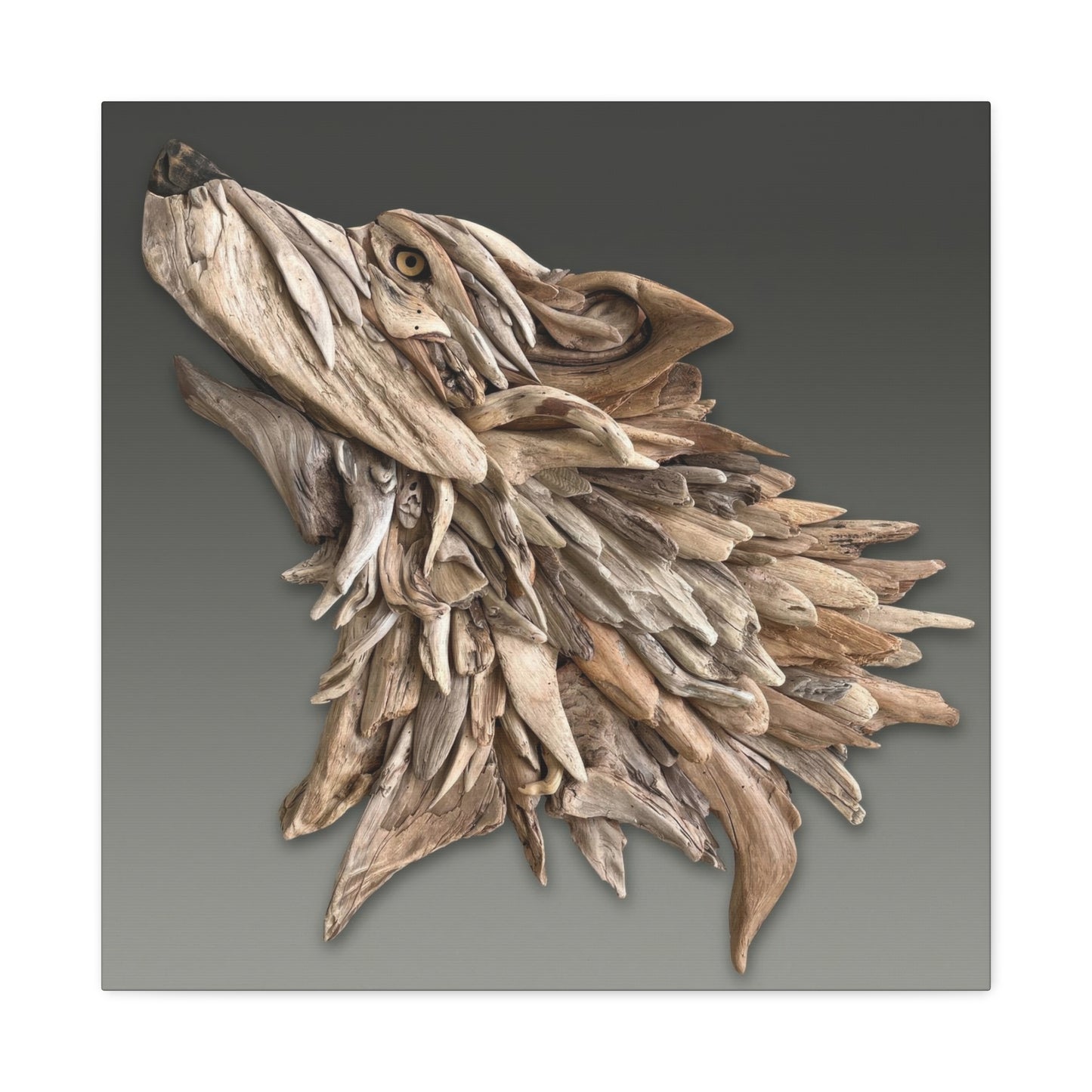
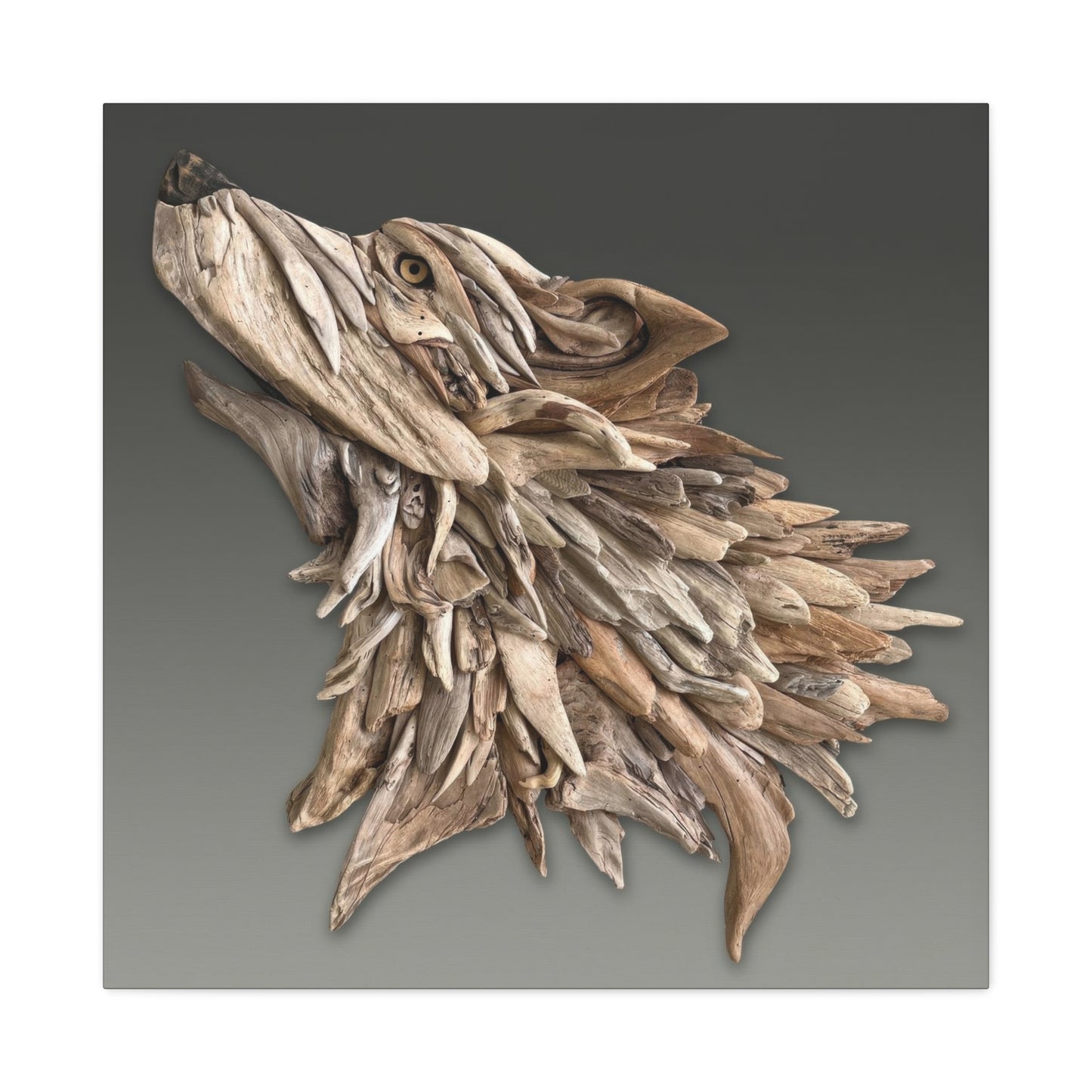
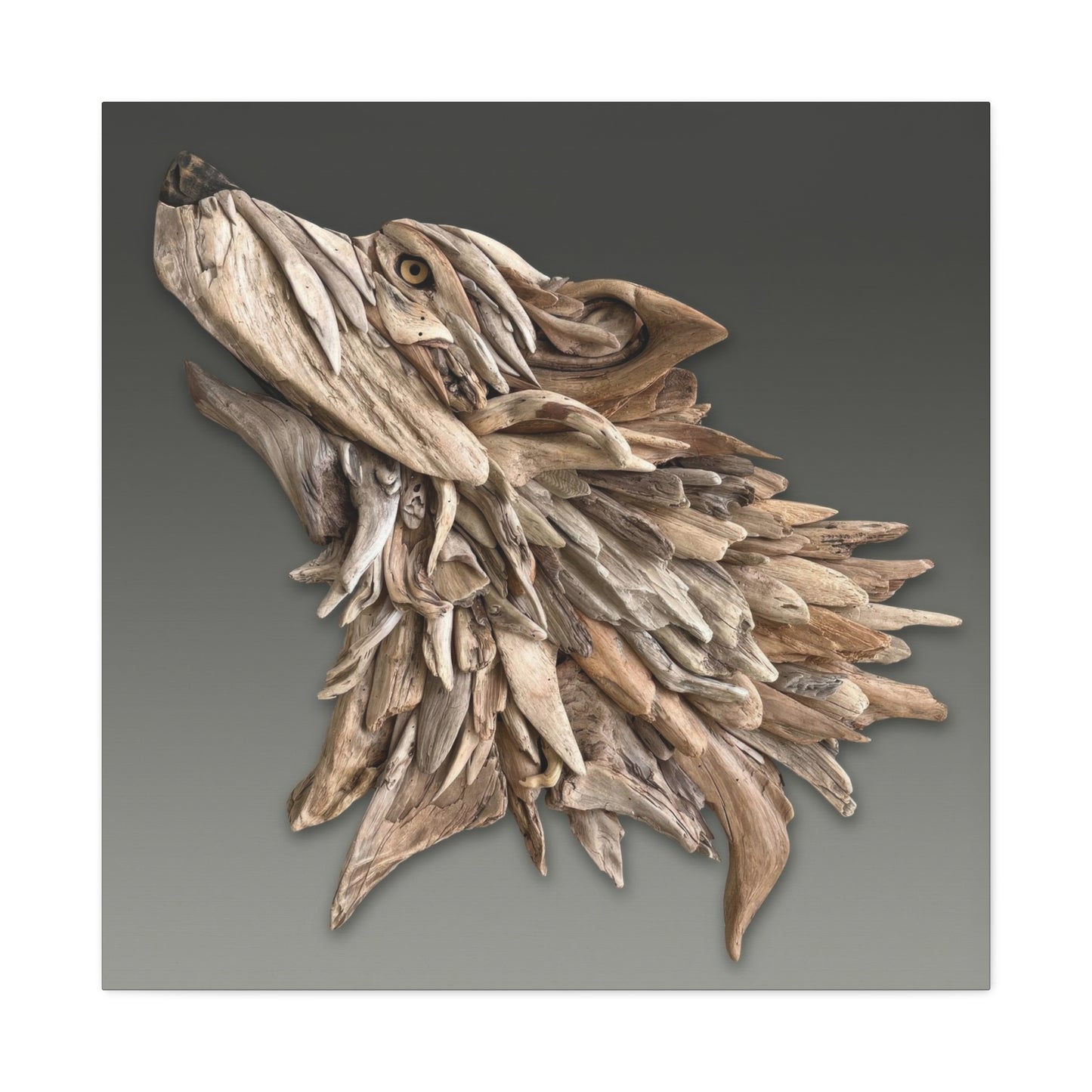
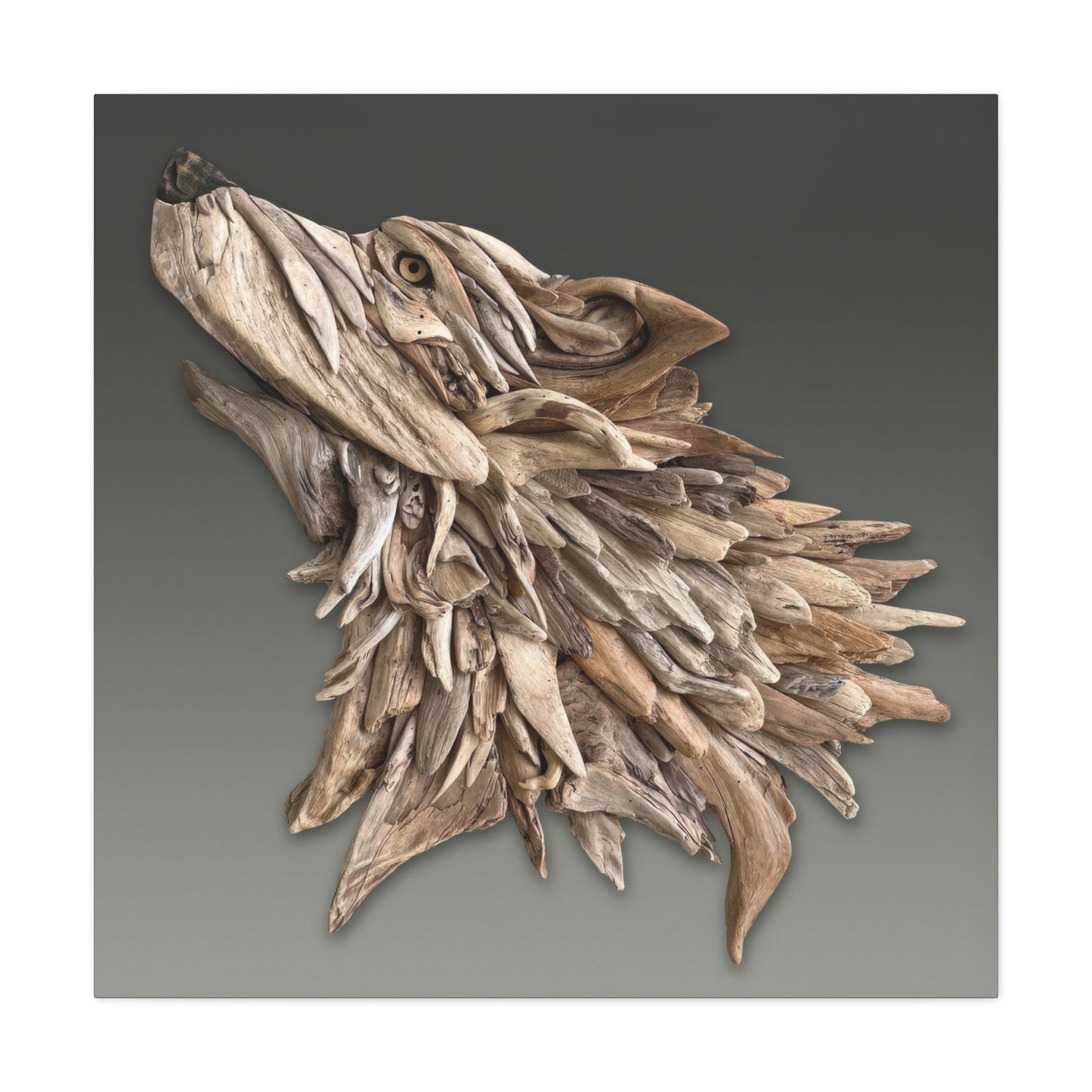
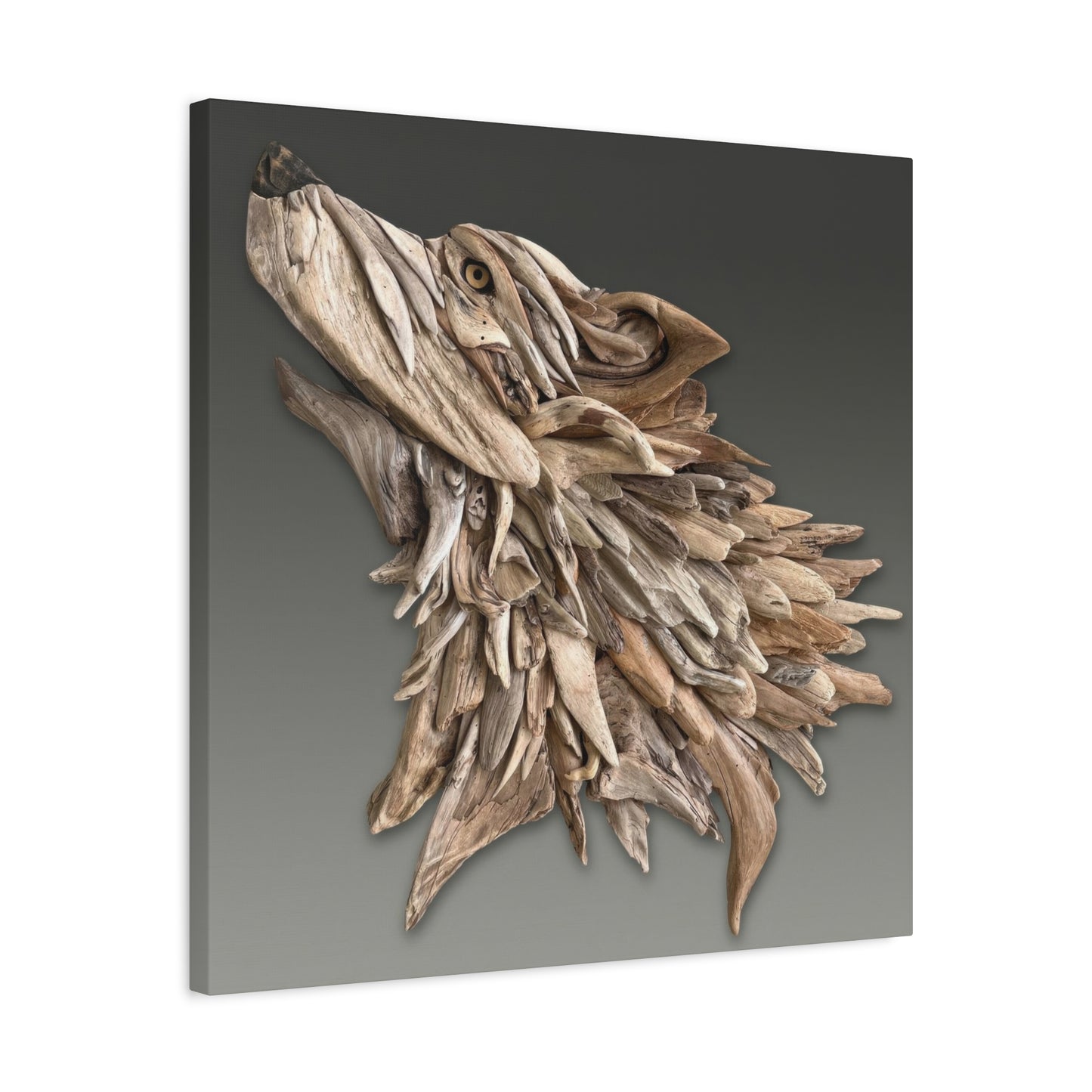
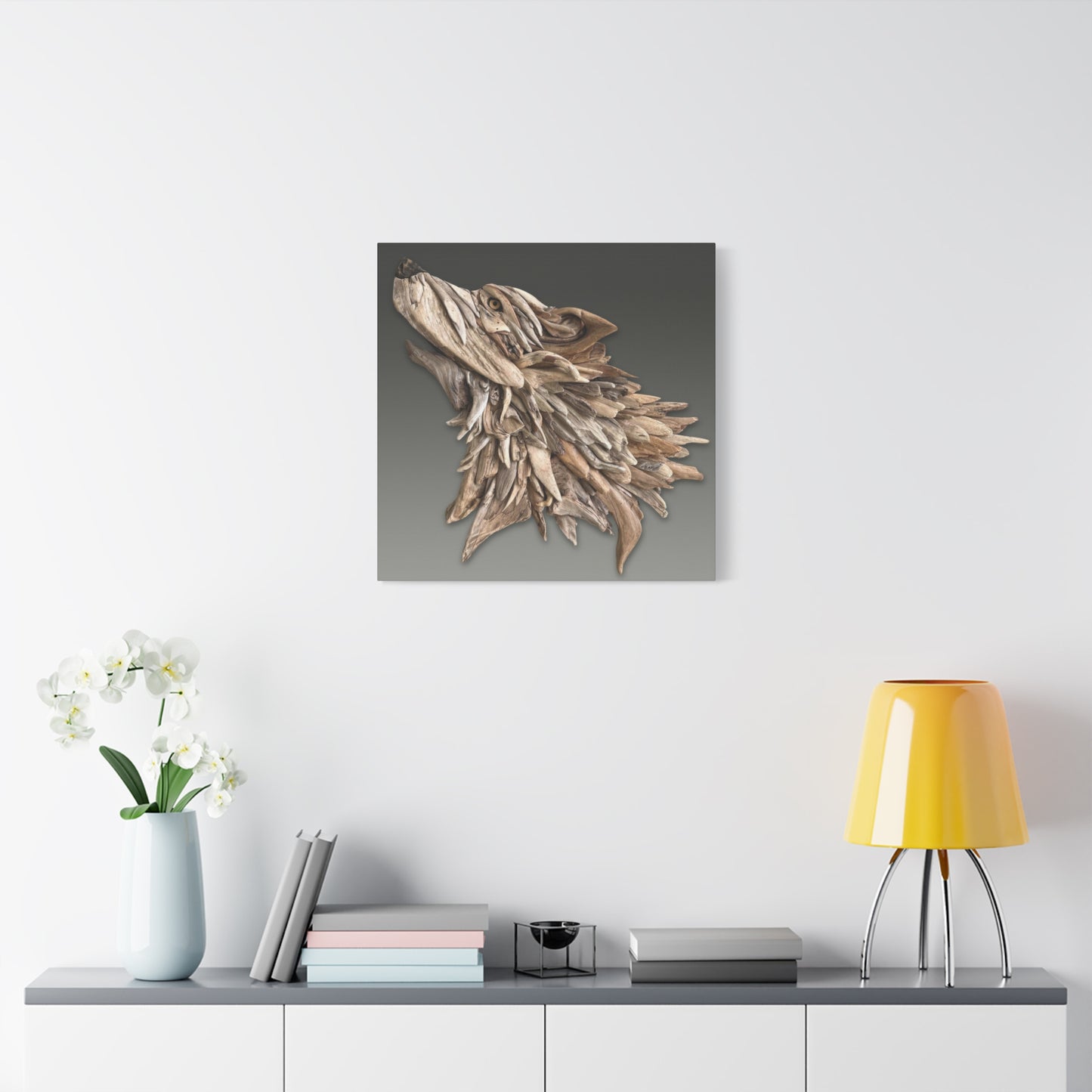
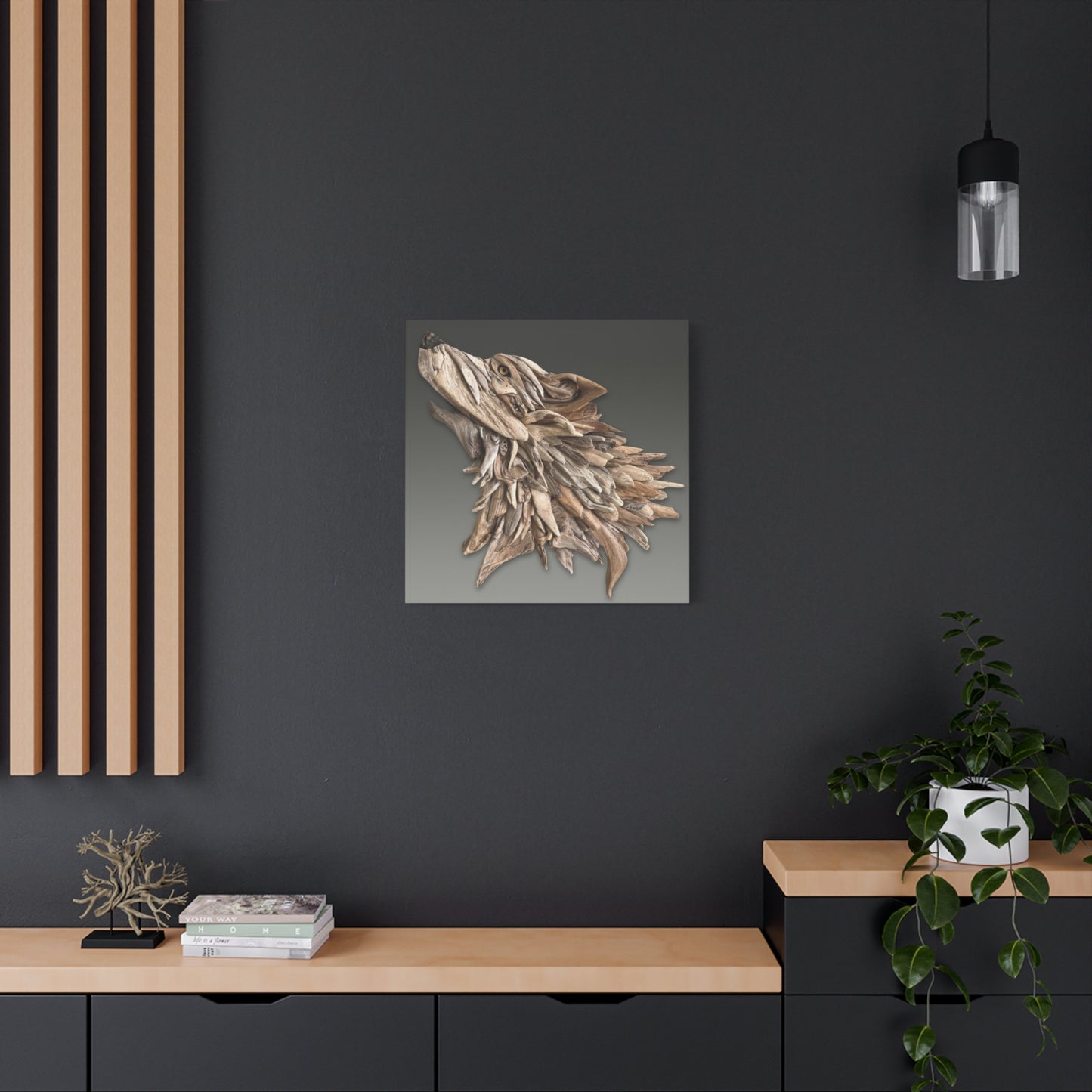
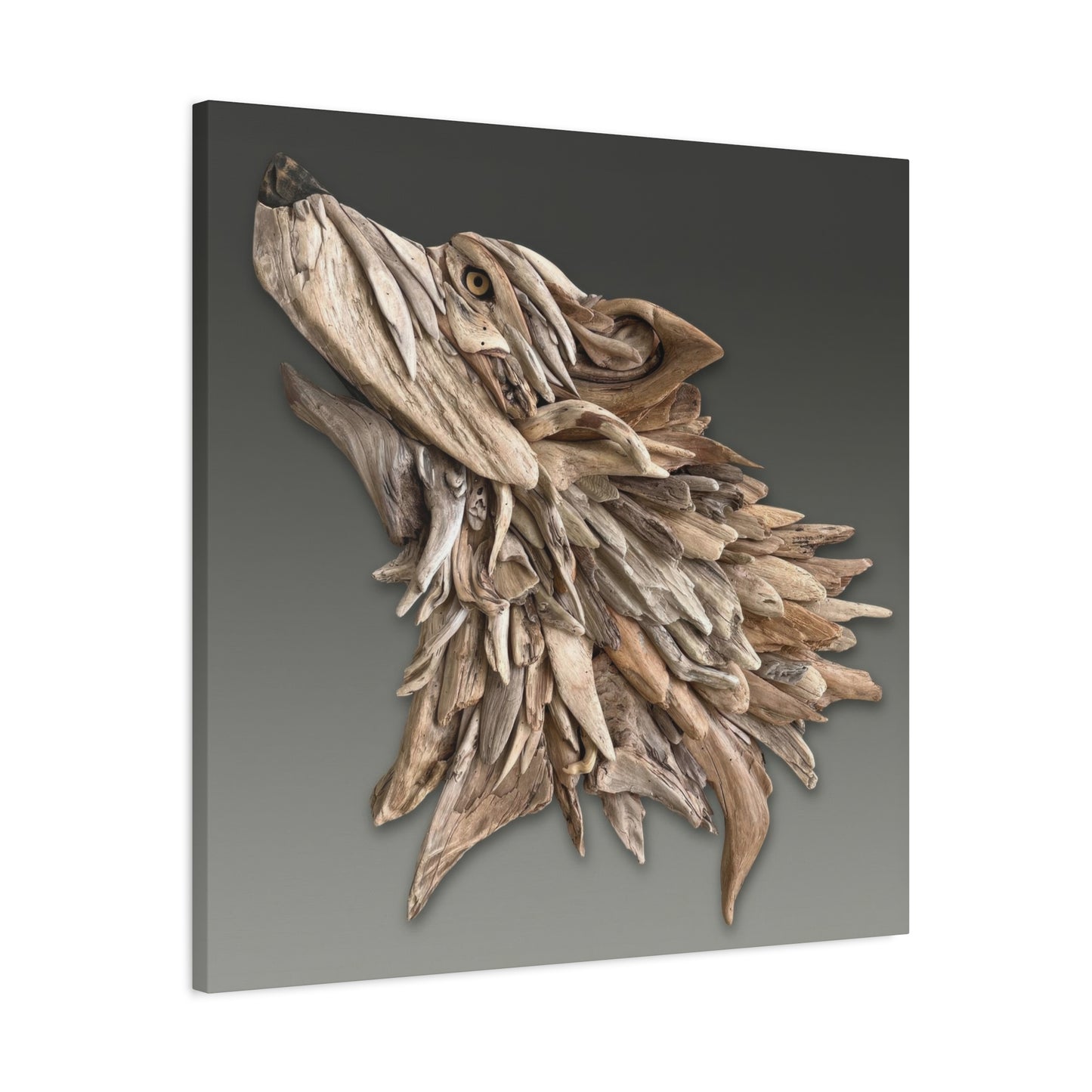
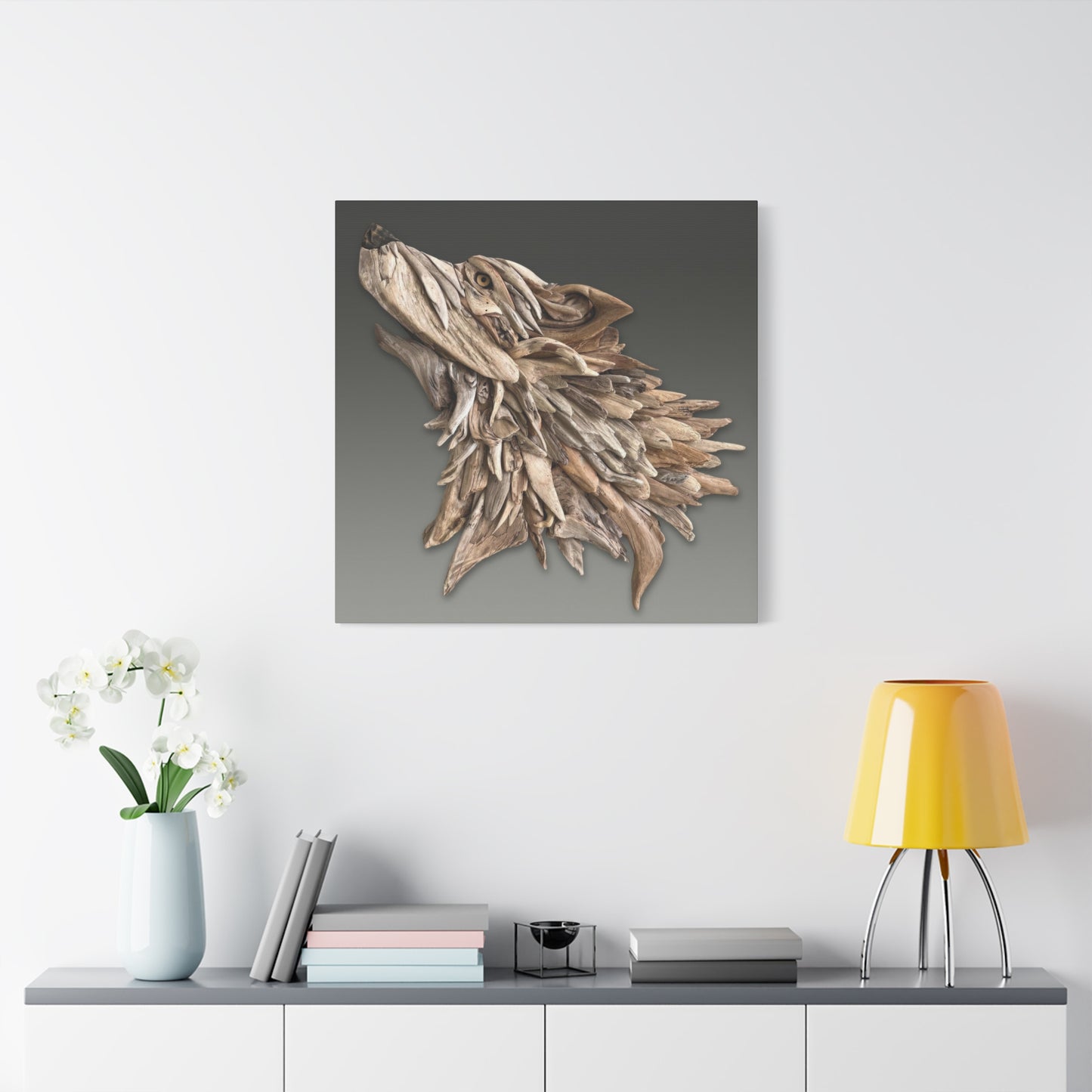
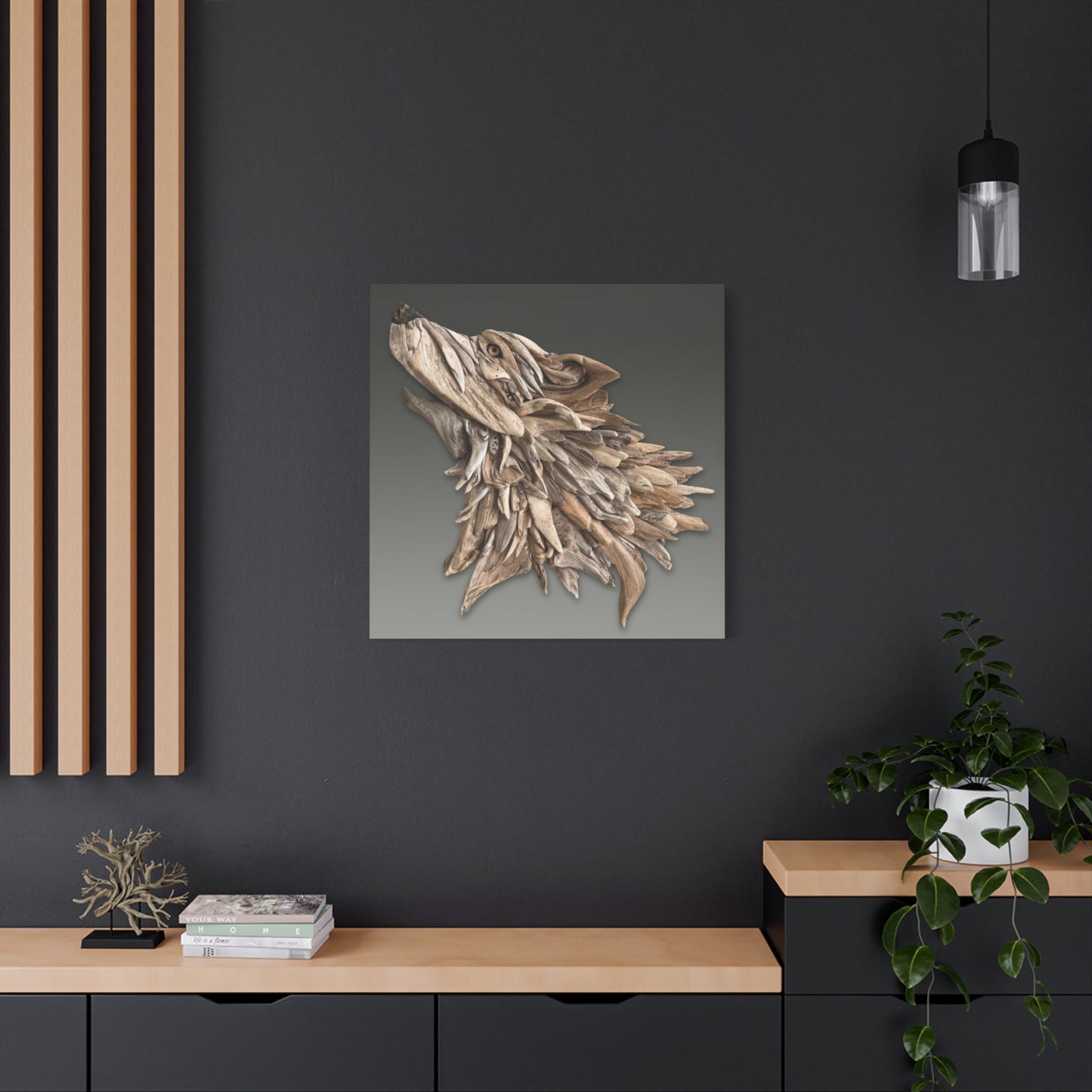
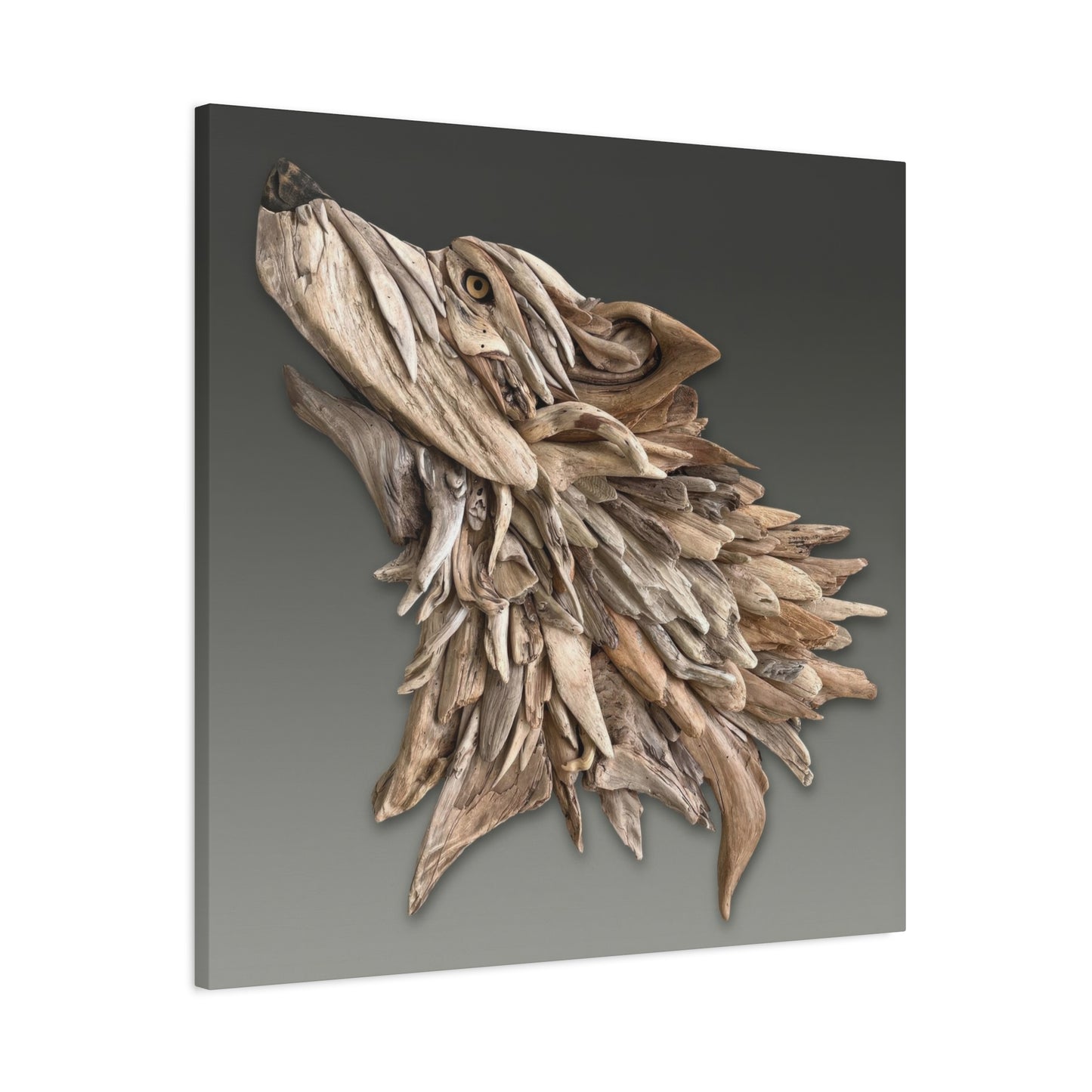
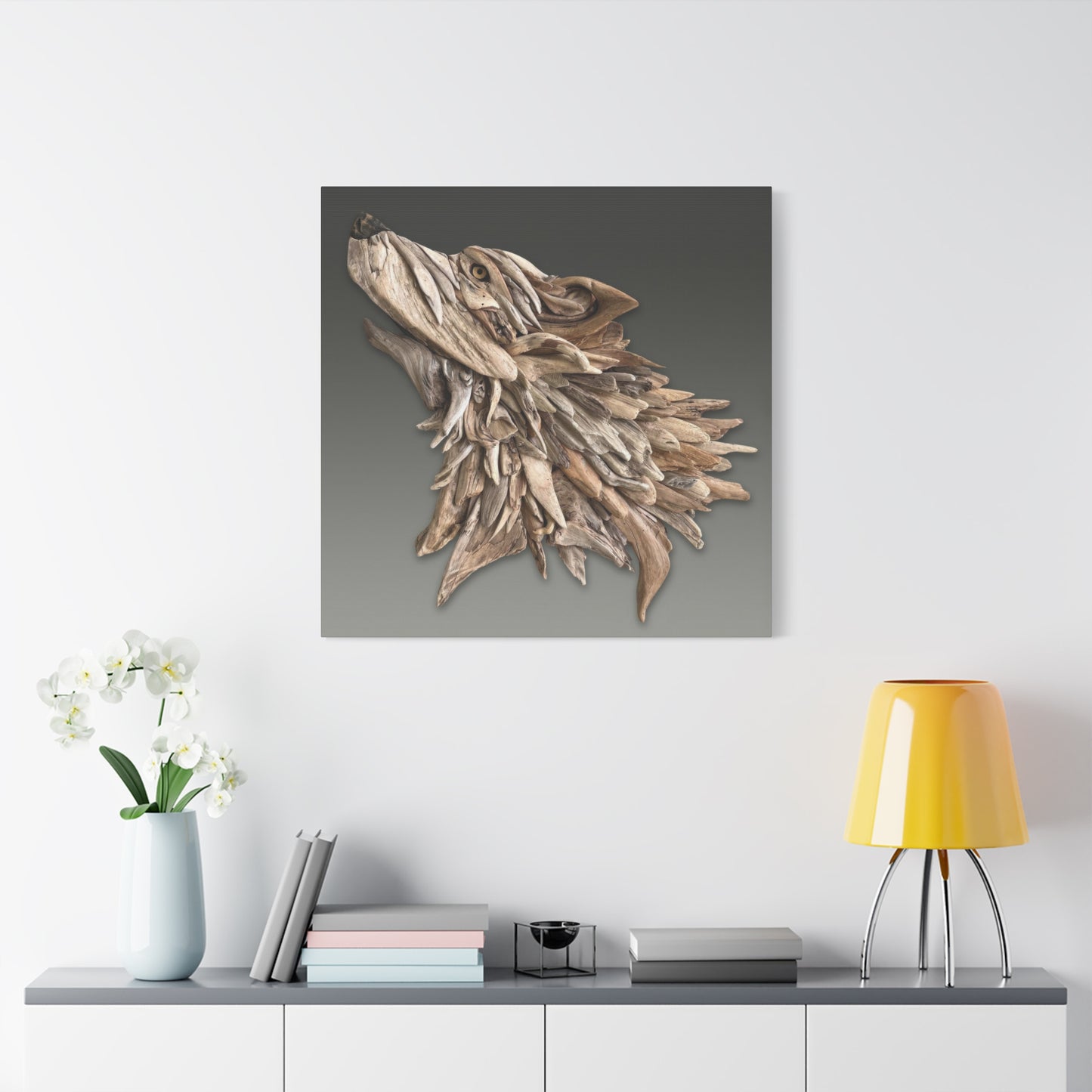
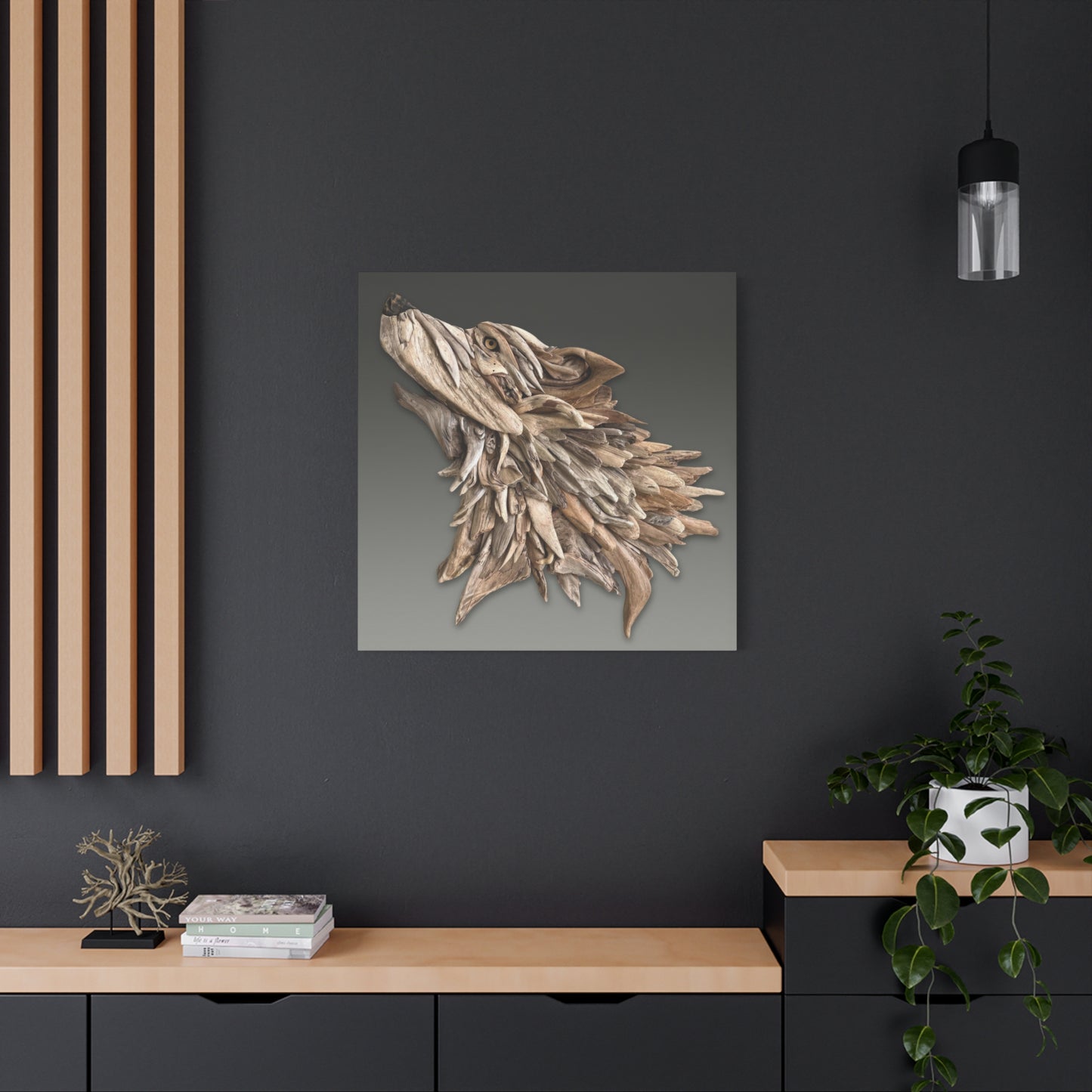
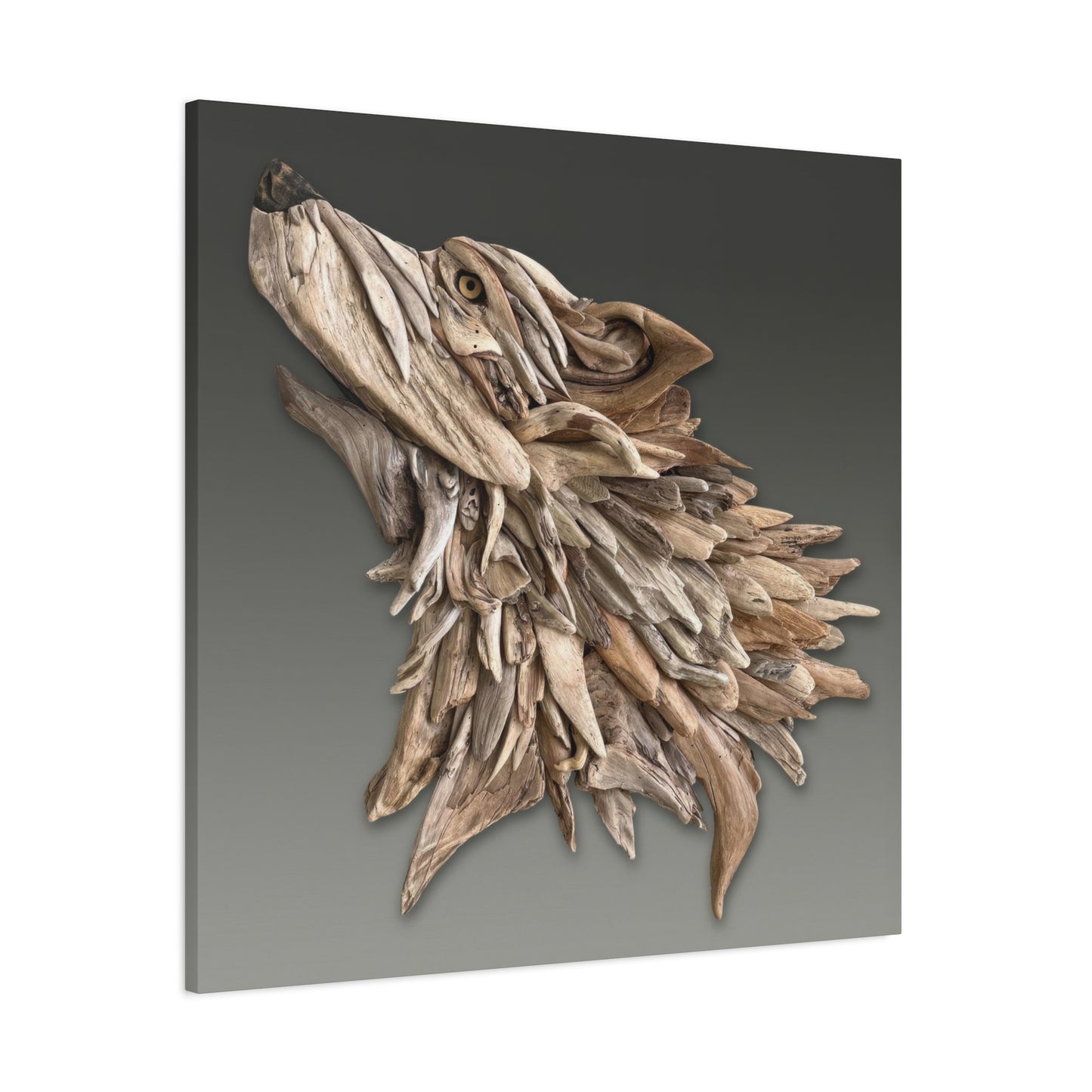
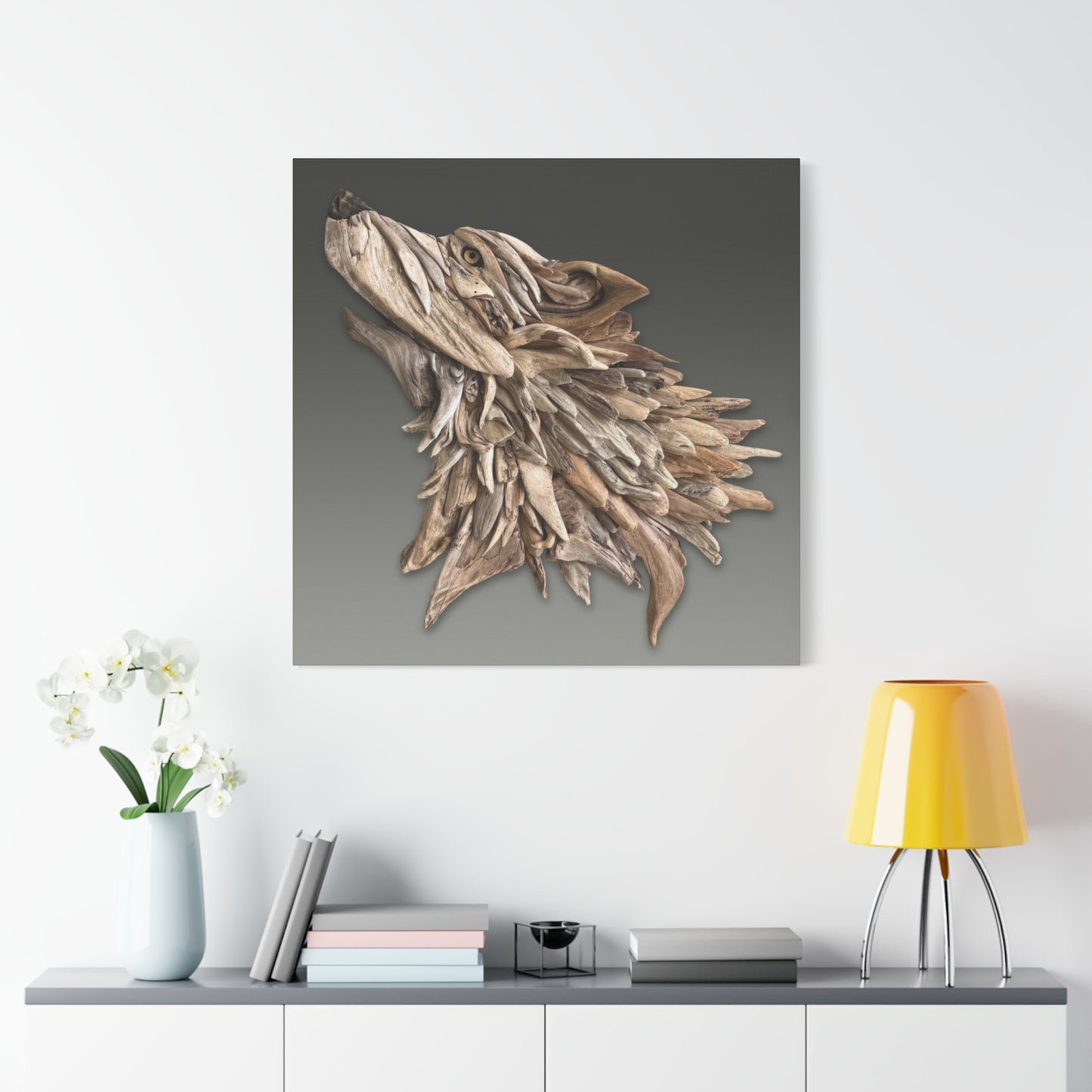
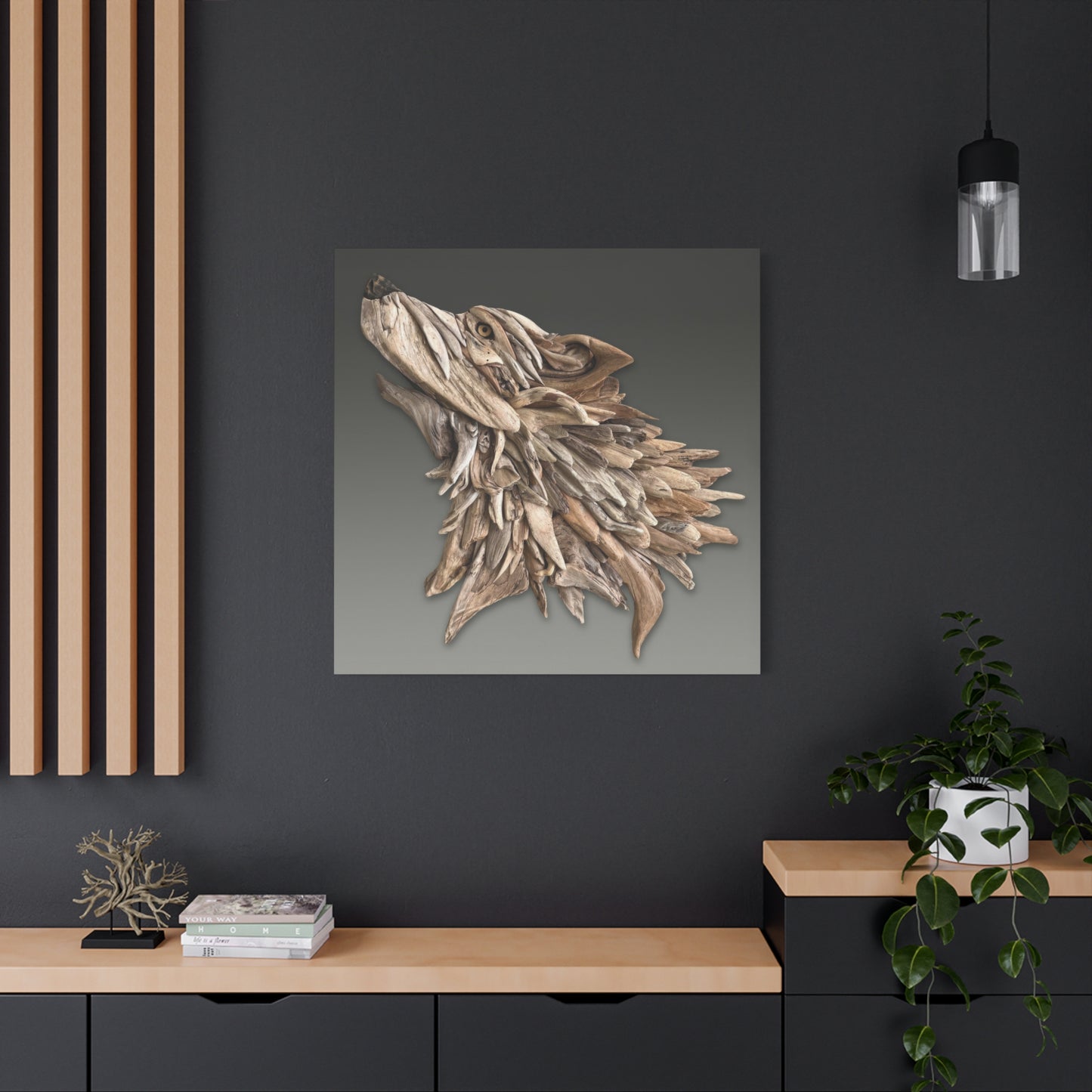
Rustic Charm: Driftwood Wolf Wall art Sculptures for Home Décor
The integration of natural elements into interior design has experienced remarkable growth in recent years, with homeowners seeking authentic connections to the outdoors through their decorating choices. Among the most captivating trends emerging from this movement are sculptures crafted from weathered wood that depict the majestic wolf in various artistic interpretations. These pieces represent more than simple decorative items; they embody a philosophy of bringing wilderness beauty into residential spaces while honoring sustainable practices.
The allure of these handcrafted pieces lies in their ability to transform any room into a sanctuary that celebrates both natural beauty and artistic expression. Each sculpture carries the unique character of wood that has been shaped by water, wind, and time, creating one-of-a-kind textures and patterns that no manufactured item could replicate. The weathered appearance of the material adds depth and visual interest, making these artworks conversation starters that draw the eye and spark imagination.
When incorporating these nature-inspired pieces into your living space, consider the surrounding elements and how the organic textures will interact with existing furnishings. The rough, silvered surface of weathered wood creates stunning contrasts against smooth modern materials like glass and steel, while also complementing traditional wooden furniture and natural fiber textiles. The neutral tones found in aged timber allow these sculptures to integrate seamlessly into various color schemes, from cool coastal palettes to warm earth-toned environments.
The symbolism inherent in wolf imagery adds another layer of meaning to these decorative pieces. Wolves represent loyalty, family bonds, intelligence, and wild freedom, making them powerful totems for the home. When rendered in naturally weathered wood, these qualities become even more pronounced, as the material itself speaks to resilience and the passage of time. Displaying such artwork in your home creates an atmosphere that honors both nature and the enduring spirit these magnificent creatures represent.
Beyond their aesthetic appeal, these handcrafted sculptures serve as reminders of our connection to the natural world. In an increasingly urbanized society, bringing elements from shorelines and forests into our homes helps maintain that vital link to wilderness areas. The tactile quality of weathered wood invites touch and contemplation, encouraging moments of mindfulness and reflection in our busy daily lives. These pieces transform ordinary walls into galleries that celebrate the intersection of human creativity and natural beauty.
Nature Meets Art: The Appeal of Driftwood Wolf Pieces
The fascination with combining natural materials and wildlife imagery stems from a deep-rooted human desire to remain connected with the untamed world. Sculptures that merge the organic beauty of weathered coastal wood with the powerful symbolism of wolves create artistic statements that resonate on multiple levels. This artistic movement represents a rebellion against mass-produced décor, offering instead pieces that carry stories written by nature itself through years of exposure to elements.
Artists who work with naturally weathered wood must approach each piece with reverence and adaptability. Unlike working with fresh lumber, crafting with beach-collected timber requires reading the grain, understanding the natural curves and weathering patterns, and visualizing how these existing characteristics can enhance the final creation. This collaborative process between artist and material results in sculptures that feel alive and organic, as though the wolf form was always present within the wood, waiting to be revealed.
The color variations found in aged coastal timber provide a natural palette that enhances the three-dimensional quality of wolf sculptures. From pale silvery grays to deep charcoal tones, with occasional hints of warm honey colors where the wood remains less weathered, these natural hues create depth and dimension without any artificial coloring. The interplay of light and shadow across the varied surface textures adds visual drama, making the sculptures appear different throughout the day as natural and artificial lighting shifts.
Collectors and decorators appreciate these pieces for their authenticity and environmental consciousness. Each sculpture represents a commitment to sustainable art practices, as the wood used has already completed its natural lifecycle, having been shaped by ocean currents and deposited along shorelines. By transforming this reclaimed material into meaningful art, creators give new purpose to what might otherwise be considered debris, demonstrating how beauty can emerge from unexpected sources.
The emotional impact of these nature-inspired artworks extends beyond visual appreciation. Many people report feeling calmer and more grounded when surrounded by natural materials and wildlife imagery. The combination of weathered wood textures and wolf symbolism creates a powerful presence that can anchor a room, providing a focal point that draws energy inward and creates a sense of sanctuary. This psychological benefit adds significant value to these pieces beyond their decorative function.
Handmade Driftwood Wolves: Crafting a Wild Aesthetic
The process of creating wolf sculptures from naturally aged coastal wood is both an art form and a meditation on nature's design principles. Skilled artisans spend considerable time selecting appropriate pieces of weathered timber, examining each potential candidate for its grain patterns, natural curves, and structural integrity. This selection process is crucial, as the inherent characteristics of the wood will significantly influence the final sculpture's appearance and the story it tells.
Once suitable materials have been gathered, the crafting process begins with careful planning and visualization. Artists must work with the wood's existing shape rather than forcing it into predetermined forms. This organic approach means that no two sculptures will ever be identical, even when created by the same artisan. The natural bends, knots, and weathering patterns dictate how the wolf's form will emerge, resulting in pieces that feel spontaneous and alive rather than rigidly designed.
Various techniques can be employed when working with beach-weathered wood, from minimal intervention that preserves the raw natural appearance to more extensive carving that reveals detailed features. Some artists prefer to let the wood's natural silhouette suggest the wolf's form, adding only subtle refinements to enhance recognition. Others engage in more detailed sculpting, carving facial features, fur textures, and anatomical details that bring the creature to vivid life while still respecting the material's organic character.
The finishing process for these handcrafted pieces typically emphasizes preservation of the wood's natural appearance rather than dramatic transformation. Many artisans apply clear sealants that protect the wood from further deterioration while maintaining its weathered aesthetic. This approach ensures longevity without sacrificing the authentic look that makes these pieces so appealing. The goal is always to enhance what nature has created rather than obscuring it beneath heavy finishes or artificial colors.
Creating a wild aesthetic through these handmade sculptures involves more than the physical crafting process. It requires an understanding of wolf behavior, anatomy, and symbolism to capture the essence of these creatures accurately. Artists often study wildlife photography and observe wolves in natural settings to inform their work, ensuring that their sculptures convey authentic characteristics. This dedication to accuracy combined with artistic interpretation results in pieces that honor both the animal and the medium through which it is represented.
Coastal Vibes: Driftwood Wolf Art in Beach Homes
Beach residences and coastal properties provide ideal settings for displaying sculptures crafted from shoreline-gathered timber. The thematic consistency between the material's origin and the home's location creates a cohesive design narrative that celebrates regional character and natural beauty. These artworks serve as perfect bridges between the indoor living space and the outdoor coastal environment, bringing the essence of the shoreline into every room where they're displayed.
The weathered texture and neutral coloration of beach-collected wood complement typical coastal color palettes exceptionally well. Whether your beach home features crisp whites and blues reminiscent of waves and sky, or warmer sandy tones and seafoam greens, wolf sculptures in aged timber provide anchoring elements that tie the color scheme together. The organic quality of the wood softens spaces that might otherwise feel too polished or pristine, adding comfortable lived-in character that invites relaxation.
Placement considerations for coastal homes differ from inland properties due to factors like natural light intensity and humidity levels. Beach houses typically feature abundant natural light streaming through large windows, which can dramatically illuminate the textured surfaces of weathered wood sculptures. Positioning these pieces where changing sunlight will create evolving shadow patterns throughout the day maximizes their visual impact and creates ever-changing displays that never become static or boring.
The salt air and higher humidity levels common in coastal environments require special consideration when displaying wood-based artworks. While naturally weathered timber has already withstood years of exposure to marine conditions, protective finishes become important for pieces displayed indoors in beach homes. Proper sealing prevents excessive moisture absorption that could lead to warping or cracking, ensuring these treasured sculptures remain beautiful for generations while maintaining their authentic weathered appearance.
Incorporating wolf imagery specifically into beach home décor adds an interesting layer of symbolism and visual contrast. While coastal décor often leans heavily toward marine life representations, introducing land-based wildlife creates unexpected interest and speaks to the diverse ecosystems where shore and forest meet. This blending of coastal and wilderness themes reflects the rich biodiversity found in regions where ocean beaches transition into forested areas, creating décor that tells a more complete environmental story.
How Driftwood Shapes Bring Life to Wolf Wall Art
The natural contours and curves found in weathered coastal timber provide unique advantages when creating wall-mounted artwork depicting wolves. Unlike flat surfaces that require artists to create dimension through technique alone, the three-dimensional quality of beach-gathered wood adds inherent depth to the composition. These organic forms allow for dynamic presentations where the wolf appears to emerge from or recede into the background, creating engaging visual experiences that shift with viewing angle and lighting conditions.
Artists working with naturally shaped timber must become adept at recognizing potential within seemingly random forms. A piece of wood with a particular curve might suggest a wolf's arched back or tilted head, while another with interesting branch formations could represent ears or legs. This process of discovery and revelation makes each creation unique and ensures that the final artwork incorporates both human creativity and nature's design, resulting in collaborations between artist and environment.
The irregular edges and varying thicknesses characteristic of beach-collected wood create fascinating shadow effects when pieces are mounted on walls. These shadows become part of the artwork itself, changing throughout the day as light sources shift position. This dynamic quality means the sculpture never appears quite the same way twice, providing ongoing visual interest that keeps the piece fresh and engaging even after years of display. The interplay between solid form and ephemeral shadow adds poetry to these practical decorative elements.
Texture plays a crucial role in how naturally weathered wood brings wolf wall art to life. The rough, striated surface created by years of water and sand exposure catches light in complex ways, highlighting some areas while leaving others in subtle shadow. This natural texture can be used strategically to suggest fur, muscle definition, or environmental elements without requiring detailed carving. The wood's inherent qualities do much of the artistic work, allowing the actual wolf form to remain relatively simple while still achieving a sophisticated appearance.
The organic asymmetry found in beach-gathered timber challenges traditional notions of balanced composition in wall art. Rather than centering subjects in predictable ways, wolf sculptures created from natural wood forms often feature off-center positioning and irregular outlines that create visual tension and interest. This departure from conventional symmetry makes the pieces feel more alive and dynamic, as though the wolf depicted might move at any moment. The unpredictability inherent in natural materials translates into artwork that captures the wild, untamed essence of its subject matter.
Eco-Friendly Décor: Upcycling Driftwood into Wolf Sculptures
The environmental benefits of creating artwork from reclaimed coastal timber extend far beyond simple recycling. By gathering wood that has already completed its natural lifecycle and transforming it into treasured decorative pieces, artists participate in a form of creative conservation that gives new value to materials that might otherwise decompose unused. This practice reduces demand for freshly harvested timber while creating unique artworks that carry environmental consciousness as part of their inherent appeal.
Upcycling differs fundamentally from recycling in that it elevates materials to higher value rather than breaking them down to create something of equal or lesser worth. When beach-gathered wood becomes a handcrafted wolf sculpture, it transforms from organic debris into cherished art that may remain in families for generations. This transformation represents the highest form of material reuse, where discarded objects become valued treasures through creative intervention and artistic vision.
Consumers increasingly seek decorative items that align with their environmental values, making sustainably sourced artwork particularly appealing to conscious buyers. Wolf sculptures crafted from naturally weathered timber allow purchasers to enjoy beautiful, meaningful art while supporting practices that benefit rather than harm the environment. This ethical dimension adds emotional satisfaction to the aesthetic pleasure these pieces provide, creating deeper connections between owners and their decorative choices.
The process of gathering weathered wood from beaches and shorelines can itself be conducted in environmentally responsible ways. Ethical artists collect only wood that has been naturally deposited by waves and currents, never removing living trees or damaging coastal ecosystems. Many artisans participate in beach cleanup efforts, collecting debris that might otherwise pose hazards to wildlife or detract from natural beauty. This responsible sourcing ensures that the creation of these sculptures benefits rather than harms the environments that inspire them.
Beyond the immediate environmental benefits of using reclaimed materials, these upcycled sculptures serve as conversation starters about sustainability and creative reuse. Displaying such artwork in your home provides opportunities to share information about eco-friendly practices and inspire others to consider the environmental impact of their decorating choices. The pieces become teaching tools that spread awareness about conservation while simultaneously beautifying living spaces, multiplying their positive impact beyond their physical presence.
Adding a Wilderness Touch with Driftwood Wolf Art
Introducing elements of untamed nature into residential spaces satisfies a fundamental human need for connection with wild places. Wolf sculptures crafted from weathered coastal wood serve as powerful conduits for this connection, bringing the essence of forests, shores, and open landscapes into homes regardless of their actual geographic location. These pieces transform ordinary rooms into spaces that honor and celebrate wilderness, creating environments where the boundary between civilization and nature feels permeable and welcoming.
The psychological impact of wilderness-inspired décor has been documented in numerous studies exploring biophilic design principles. Humans who regularly interact with natural materials and nature-inspired imagery report lower stress levels, improved mood, and enhanced creativity. Wolf artwork in naturally aged timber provides these psychological benefits while also serving aesthetic functions, making these pieces valuable investments in both home beauty and personal wellbeing. The wild character inherent in both the subject matter and material creates powerful emotional resonance.
Strategic placement of wilderness-themed sculptures can help define spaces within open floor plans or add character to rooms that feel overly domesticated and tame. A dramatic wolf piece mounted above a fireplace or positioned as a focal point in an entry hall immediately establishes the home's character and the residents' appreciation for natural beauty. These statement pieces communicate values and interests without words, creating immediate impressions that inform how guests perceive and experience the space.
Combining wolf sculptures with complementary wilderness elements amplifies their impact and creates cohesive thematic environments. Consider pairing these pieces with stone accents, natural fiber textiles, landscape photography, or botanical displays to build layered wilderness narratives throughout your home. The key is maintaining balance so that the space feels inspired by nature rather than overwhelmed by it, allowing each element to contribute to an overall impression of natural beauty without creating visual clutter.
The wilderness aesthetic these sculptures provide works equally well in urban and rural settings, though the impact differs based on context. In city apartments and suburban homes, wolf artwork in weathered wood provides welcome contrast to manufactured surroundings, creating oases of natural beauty within developed areas. In rural and wilderness-adjacent properties, these pieces reinforce the connection to surrounding landscapes, bringing outdoor beauty indoors while honoring the wildlife that shares the territory. Regardless of location, they serve as reminders of the wild world beyond walls.
Combining Driftwood and Metal in Wolf Wall Sculptures
The marriage of naturally weathered timber and metal elements creates striking visual contrasts that enhance the artistic impact of wolf sculptures. This mixed-media approach allows artists to incorporate structural elements, add dimensional depth, and introduce complementary textures that expand creative possibilities beyond what either material could achieve alone. The juxtaposition of organic wood and industrial metal speaks to the intersection of natural and human-made worlds, creating pieces rich with symbolic meaning.
Metal components can serve various functions within mixed-media wolf sculptures, from providing structural support to adding representational details. Steel or iron frameworks might define the wolf's skeletal form while weathered wood fills in body mass and texture, creating pieces that reveal both internal structure and external appearance. Alternatively, metal might represent environmental elements like moon and stars in a night scene, with the wooden wolf positioned as the central figure. These creative combinations expand storytelling possibilities and visual interest.
The color relationships between aged timber and various metal finishes offer exciting design opportunities. Weathered gray wood pairs beautifully with brushed steel or galvanized metal, creating monochromatic compositions with subtle tonal variations. Warmer wood tones complement copper and bronze elements, which develop their own natural patinas over time that echo the weathering process that shaped the wood. These carefully considered material pairings result in cohesive artworks where different elements feel deliberately chosen rather than randomly assembled.
Working with metal and wood simultaneously requires specialized skills and tools that not all artisans possess. Artists creating these mixed-media pieces must understand both woodworking and metalworking techniques, knowing how to join different materials securely while respecting their distinct characteristics. The challenge of this specialized expertise means that high-quality mixed-media sculptures often command premium prices, reflecting the additional skill and effort required to execute them successfully.
From a design perspective, incorporating metal elements can help these sculptures bridge different decorating styles. While pure weathered wood pieces lean naturally toward rustic and organic aesthetics, adding metal components can introduce industrial, contemporary, or even steampunk influences. This versatility makes mixed-media wolf sculptures particularly valuable for spaces that blend multiple design languages or for collectors who appreciate how the same piece can complement various styles depending on how it's displayed and what surrounds it.
Driftwood Wolf Art for Cabin Interiors
Mountain retreats and forest cabins represent ideal environments for showcasing wolf sculptures crafted from naturally weathered wood. The thematic consistency between the artwork's wilderness subject matter, natural materials, and rustic cabin settings creates harmonious design narratives that feel authentic and intentional. These pieces enhance the cabin experience by reinforcing connections to surrounding forests and wildlife, making time spent in these retreats feel more immersive and meaningful.
Cabin interiors typically feature abundant wood surfaces, from exposed beams and log walls to plank floors and wooden furniture. Within this wood-rich environment, wolf sculptures in aged timber must provide visual distinction to avoid blending into backgrounds. The key lies in the unique character of weathered coastal wood, which differs markedly from the appearance of freshly milled or stained lumber. The silvered tones, rough textures, and irregular forms of beach-gathered wood create sufficient contrast to stand out against conventional cabin woodwork while still feeling naturally compatible.
Scale considerations become particularly important when selecting wolf artwork for cabin spaces, which often feature high ceilings and expansive wall areas. A piece that might dominate a standard residential room could feel appropriately sized in a cabin's great room with its soaring ceiling and stone fireplace. Larger sculptures or multiple pieces arranged together help fill vertical space effectively, drawing the eye upward and emphasizing the impressive architecture typical of quality cabin construction.
The lighting conditions in cabin settings require special consideration when positioning wolf sculptures. Many cabins feature lower light levels than conventional homes, relying on strategically placed lamps and firelight to create ambiance. Under these conditions, the textured surfaces of weathered wood sculptures create dramatic shadow play that adds depth and dimension to the space. Positioning pieces where firelight can illuminate them creates particularly magical effects, making the carved or assembled wolves appear to move within flickering light and shadow.
Seasonal considerations affect how cabin décor is perceived and enjoyed. Properties used year-round require artwork that works equally well with summer's greenery visible through windows and winter's snow-covered landscapes. Wolf sculptures in naturally aged timber provide this year-round appropriateness, their neutral tones and wilderness themes remaining relevant regardless of season. The pieces serve as constants that anchor the space while surrounding natural views transform throughout the year.
From Shoreline to Wall: Transforming Driftwood into Wolf Art
The journey from beach debris to treasured wall art involves multiple stages of selection, preparation, and creative transformation. Understanding this process deepens appreciation for the finished sculptures and reveals the skill and vision required to create meaningful art from raw natural materials. Each step requires decision-making that affects the final piece's appearance, durability, and artistic impact, making the creation of these works far more complex than casual observers might realize.
The collection phase represents the first critical stage, where artists scout beaches and shorelines seeking wood with appropriate characteristics. Ideal pieces possess interesting shapes, good structural integrity, and appealing weathering patterns without excessive damage or rot. Artists develop expertise in recognizing potential within rough forms that untrained eyes might overlook, envisioning how specific pieces could contribute to or comprise entire wolf sculptures. This skill comes only through experience and countless hours studying both wolves and weathered wood characteristics.
Once collected, the wood undergoes cleaning and preparation to remove salt residue, sand, and any remaining marine life or vegetation. This cleaning process must be gentle enough to preserve the weathered surface appearance while thorough enough to ensure the wood won't continue deteriorating or harbor pests. Many artists allow collected pieces to dry thoroughly in controlled conditions, which can take weeks or months depending on the wood's size and initial moisture content. This patient preparation prevents problems like cracking or warping that could ruin hours of subsequent creative work.
The design and assembly phase demands both artistic vision and practical problem-solving skills. Artists must determine how individual pieces of wood will combine to create recognizable wolf forms while maintaining structural stability. This might involve carving some sections for detail work, joining multiple pieces through careful fitting or fastening, and adding support structures invisible in the finished piece. The goal is creating artwork that appears natural and organic despite being carefully engineered for durability and wall mounting.
Final finishing work involves decisions about protective coatings, mounting hardware, and any additional treatments that will help the sculpture withstand its new life as indoor décor. Most artisans apply clear sealants that protect against moisture changes, insect activity, and UV damage without altering the wood's weathered appearance. Secure mounting systems must be incorporated in ways that don't detract from the sculpture's visual appeal, often using hidden brackets or wire systems. This attention to practical details ensures that these beautiful pieces can be enjoyed safely for many years.
Minimalist Wolf Art: Driftwood as a Natural Canvas
The minimalist aesthetic finds perfect expression in wolf sculptures that embrace the raw character of naturally weathered wood while limiting artistic intervention to essential elements. This approach honors the material's inherent beauty, allowing the wood's texture, color, and form to carry significant visual weight while artist contributions remain subtle and restrained. The resulting pieces feel meditative and timeless, their simplicity creating powerful presence without visual clutter or unnecessary embellishment.
Creating effective minimalist artwork requires discipline and confidence in knowing what to include and what to leave out. Artists working in this style must resist the temptation to over-refine or add excessive detail, instead finding the minimum intervention necessary to transform raw wood into recognizable wolf imagery. This might mean simply positioning pieces to suggest a wolf's silhouette, adding only eye details for recognition, or creating abstracted forms that evoke wolf essence without literal representation. The restraint required for this approach demonstrates mastery rather than lack of skill.
The natural canvas provided by weathered timber offers advantages for minimalist expression that manufactured materials cannot match. Every piece of beach-gathered wood arrives with its own unique history written in grain patterns, weathering marks, and color variations. These existing characteristics provide visual interest and texture that would need to be artificially created in blank materials. By working with rather than against these inherent qualities, minimalist artists create rich visual experiences with minimal actual manipulation.
Placement and presentation become particularly important for minimalist wolf sculptures, as the surrounding negative space contributes significantly to the piece's impact. These works require room to breathe, with adequate blank wall space around them so viewers' attention remains focused on the essential forms rather than jumping to nearby visual distractions. In crowded or cluttered spaces, minimalist pieces lose effectiveness, but given appropriate display conditions, their quiet power can dominate entire rooms through subtle presence rather than dramatic statements.
The philosophical alignment between minimalist artistic principles and environmental sustainability adds depth to these pieces beyond pure aesthetics. Both minimalism and eco-conscious practices emphasize taking only what's needed and avoiding waste through thoughtful choices. Wolf sculptures that honor this dual commitment become representations of values in addition to beautiful objects, appealing to collectors who appreciate how form and ethics converge in work that looks beautiful while embodying responsible creative practices.
Driftwood Wolf Wall Hangings for Living Room Accents
The living room serves as the social heart of most homes, making it an ideal location for displaying meaningful artwork that reflects residents' personalities and values. Wolf wall hangings crafted from naturally aged timber introduce organic beauty and symbolic depth to these gathering spaces, creating focal points that enhance conversations and provide visual interest without overwhelming the room's function as a comfortable social environment. These pieces bridge the gap between decoration and meaningful art, adding character that elevates the entire space.
Positioning considerations for living room displays differ from other spaces due to furniture arrangement and traffic flow patterns. Wolf sculptures work particularly well above seating areas where they can be easily viewed by seated guests without requiring awkward neck craning or position changes. Placing these pieces above sofas or accent chairs creates natural focal points that organize the room visually while providing interesting views from various seating positions. The height at which artwork hangs should facilitate easy viewing while maintaining appropriate proportions relative to furniture scales.
The color palette and textures present in living room décor influence how wolf sculptures in weathered wood will integrate into the space. These pieces work beautifully with neutral color schemes, providing texture and visual interest without introducing competing colors. In rooms featuring bolder color choices, the sculptures' natural tones serve as grounding elements that prevent the space from feeling chaotic or oversaturated. The organic quality of aged timber softens contemporary spaces while adding sophistication to traditional settings, demonstrating remarkable versatility across decorating styles.
Lighting plays a crucial role in maximizing the visual impact of textured wooden sculptures in living areas. Consider adding accent lighting that highlights the carved or assembled wolf form, using adjustable fixtures that allow you to control intensity and direction. Picture lights mounted above the sculpture can create dramatic effects, casting shadows that add depth and dimension. Alternatively, positioning the piece where natural daylight will illuminate it during peak living room usage hours ensures the artwork remains visible and appreciated during the times when the space sees most activity.
The symbolic presence of wolf imagery within family gathering spaces carries special significance. Wolves represent loyalty, family bonds, and protective instincts, making them appropriate symbols for living rooms where families come together. Displaying these representations prominently communicates the importance of family unity and creates conversation opportunities about values, nature, and artistic expression. Children growing up with such meaningful artwork in their daily environment develop early appreciation for both nature and quality craftsmanship.
Artistic Techniques: Carving Wolves from Driftwood
The specialized skills required for carving wolf forms into naturally weathered timber differ significantly from working with fresh wood or other carving materials. Aged coastal timber presents unique challenges including unpredictable grain structures, varying hardness levels, and brittleness in extremely weathered sections. Artists must adapt traditional carving techniques to accommodate these characteristics, developing specialized approaches that respect the material's fragility while achieving desired sculptural results. Mastery requires years of practice and intimate familiarity with how different wood types behave after extended environmental exposure.
Tool selection proves critical when working with weathered timber that may contain sand residue, embedded minerals, or structural weaknesses. Many carvers prefer using sharper, lighter cuts rather than aggressive material removal, which could cause the aged wood to crack or split along unexpected planes. Hand tools often provide better control than power equipment, allowing artists to feel changes in resistance that indicate shifts in wood density or hidden structural issues. This tactile approach results in slower work but significantly reduces the risk of catastrophic damage to valuable pieces.
Revealing wolf anatomy within weathered wood requires understanding both the animal's physical structure and the material's characteristics. Artists must envision the three-dimensional form within the raw wood's irregular shape, planning their carving approach to work with existing contours rather than fighting against them. Strategic removal of material creates the illusion of muscle structure, bone placement, and fur texture while preserving enough mass for structural integrity. The challenge lies in finding balance between detailed representation and respect for the wood's natural character.
Surface treatment techniques after initial carving add finishing touches that enhance readability without obscuring the weathered wood's natural beauty. Some artists use fine abrasives to smooth carved sections slightly while leaving surrounding areas rough, creating contrast that highlights carved details. Others employ burning techniques to add shadow lines or texture that suggests fur patterns. Wire brushing can accentuate grain patterns, making them more visible and adding visual interest to larger surfaces. Each technique must be applied judiciously to enhance rather than overwhelm the piece's natural characteristics.
The artistic vision required for successful wolf carving extends beyond technical skill to encompass deep knowledge of wolf behavior, anatomy, and symbolism. The most compelling sculptures capture something essential about wolves beyond mere physical accuracy, conveying the intelligence, wariness, and wild dignity these animals possess. Achieving this ineffable quality requires artists to study wolves extensively, understanding their movements, expressions, and presence in ways that inform every carving decision. Technical mastery combined with this deeper understanding separates skilled craftspeople from true artists in this specialized field.
Rustic Elegance: Driftwood Wolves as Statement Pieces
The concept of rustic elegance embodies a design philosophy that combines natural, unpretentious materials with sophisticated composition and placement, creating environments that feel both comfortable and refined. Wolf sculptures crafted from weathered coastal timber epitomize this aesthetic, their raw natural beauty elevated through artistic vision into pieces worthy of the most carefully curated spaces. These works demonstrate that rustic need not mean rough or unsophisticated; instead, natural materials treated with artistic respect achieve elegance through authenticity.
Creating statement pieces that command attention without overwhelming spaces requires careful attention to scale, proportion, and composition. Large wolf sculptures serve as anchoring elements in rooms, providing focal points that organize surrounding décor and establish visual hierarchy. The key lies in ensuring the piece feels appropriate for its space rather than too large or too small. In grand rooms with high ceilings, substantial sculptures fill space effectively, while smaller intimate areas benefit from proportionally scaled pieces that maintain impact without dominating.
The interplay between rustic materials and elegant presentation often involves careful curation of surrounding elements. A dramatic wolf sculpture in weathered timber gains sophistication when displayed against a refined backdrop like a painted feature wall or natural stone. Similarly, pairing these organic pieces with contemporary furniture, quality textiles, and considered lighting demonstrates intentional design choices that elevate all elements. The contrast between the sculpture's natural origins and its refined presentation context creates visual tension that makes both elements more interesting.
Collectors of rustic elegant artwork appreciate the stories embedded in statement pieces crafted from naturally weathered materials. Each sculpture carries a narrative about where its wood originated, how environmental forces shaped it, and the artist's process of recognizing and revealing the form within. These stories add layers of meaning that transform decorative objects into conversation pieces worthy of prominence in carefully designed spaces. The pieces become more than decoration; they represent values, aesthetics, and appreciation for craftsmanship.
Investment in quality statement pieces reflects a decorating philosophy that prioritizes meaningful, lasting items over trendy disposable décor. Wolf sculptures crafted from authentic weathered timber represent purchases that will remain relevant and beautiful for decades, potentially becoming family heirlooms passed between generations. This long-term value proposition makes these pieces wise investments for those committed to creating homes with character and depth rather than chasing temporary decorating trends that quickly become dated.
Driftwood Wolf Art for Office Spaces
Professional environments increasingly recognize the value of incorporating natural elements and meaningful artwork to create spaces that inspire creativity and reduce workplace stress. Wolf sculptures crafted from weathered timber bring wilderness beauty into office settings, providing visual respite from screen-dominated work and reminding employees of the world beyond walls. These pieces communicate organizational values related to teamwork, loyalty, and determination while creating more engaging, humanized work environments.
The psychological benefits of nature-inspired artwork in offices have been well documented by workplace wellness researchers. Employees who work in environments featuring natural materials and wildlife imagery report improved focus, enhanced problem-solving abilities, and reduced feelings of stress compared to those in sterile, purely functional spaces. Wolf sculptures specifically carry symbolism related to leadership, strategy, and pack cooperation, making them particularly appropriate for business environments where these qualities contribute to success.
Placement options for office wolf artwork vary depending on space configuration and organizational culture. In private offices, a substantial piece positioned behind the desk or on a facing wall creates a personal statement about the occupant's values and aesthetic preferences. In shared spaces like conference rooms or reception areas, wolf sculptures serve as organizational symbols that communicate brand identity to clients and employees alike. The key is ensuring pieces feel integrated into professional environments rather than seeming awkward or out of place.
The durability and low maintenance requirements of properly finished wooden sculptures make them practical choices for busy office environments where delicate art might prove problematic. Unlike pieces requiring special environmental conditions or frequent cleaning, well-sealed weathered timber sculptures remain beautiful with minimal attention. This practical advantage combines with aesthetic appeal to make these pieces ideal for professional spaces where appearance matters but maintenance resources remain limited.
Corporate gift-giving represents another context where quality wolf artwork in natural materials proves valuable. Presenting substantial handcrafted pieces to retiring executives, departing partners, or valued clients demonstrates thoughtfulness and respect while providing meaningful items that recipients will treasure. The lasting nature of these sculptures ensures they'll remain visible reminders of professional relationships long after more conventional gifts have been forgotten or discarded.
Nature-Inspired Décor: Wolves in Driftwood Frames
The framing approach to presenting wolf artwork offers distinct advantages for certain spaces and design preferences. Rather than free-standing sculptures, some artists create relief carvings or assembled compositions mounted within or against weathered wood frames, creating finished pieces that hang like traditional artwork while maintaining three-dimensional interest. This format combines the familiarity of framed art with the organic beauty of natural materials, making it accessible to those who appreciate conventional art presentation.
The frames themselves become significant design elements when crafted from the same naturally weathered materials as the wolf imagery they contain. Rough edges, natural curves, and varied thicknesses create organic borders that enhance rather than compete with the central subject. Unlike manufactured frames that maintain uniform dimensions and finishes, these natural frames add character and individuality, ensuring no two pieces appear identical even when created by the same artist using similar designs.
Creating successful framed compositions requires careful attention to the relationship between frame and subject, ensuring appropriate proportions and visual balance. The frame should enhance and support the wolf imagery without overpowering it, which requires careful selection of wood pieces with appropriate scale and presence. Color relationships between frame and subject materials also matter, with many artists seeking complementary tones that create cohesive compositions rather than jarring contrasts that fragment the viewer's attention.
The framed format offers practical advantages for installation and display, as these pieces can utilize standard picture hanging hardware and techniques. This familiar installation method may appeal to those intimidated by mounting free-form sculptures, making framed weathered wood artwork more accessible to average homeowners without specialized installation knowledge. The regular outline created by the frame also simplifies placement decisions, as the piece will more predictably fit within standard rectangular wall spaces.
From a collecting perspective, framed weathered wood compositions bridge traditional art categories and contemporary craft movements. They appeal to conventional art collectors who appreciate framed works while also attracting craft enthusiasts drawn to natural materials and handmade qualities. This dual appeal potentially increases these pieces' market value and ensures they fit comfortably in diverse collection contexts, from folk art assemblages to contemporary nature photography galleries.
Wolf Silhouettes on Driftwood: A Modern Rustic Trend
The silhouette approach to depicting wolves represents a minimalist interpretation that emphasizes form and negative space rather than detailed rendering. When executed on naturally weathered timber, these simplified images create striking visual statements that feel both contemporary and timeless. The contrast between the wolf's recognizable outline and the organic texture of aged wood generates visual interest through juxtaposition of smooth artificial edges against rough natural surfaces.
Creating effective silhouettes requires strong understanding of wolf anatomy and characteristic postures that remain recognizable without internal details. The most successful silhouettes capture wolves in iconic positions like howling, running, or standing alert, poses so associated with these animals that minimal detail suffices for instant recognition. Artists must carefully refine these outlines to eliminate ambiguity while preserving the flowing, organic quality that makes the forms feel alive rather than stiff or mechanical.
Conclusion:
Driftwood Wolf Wall Art Sculptures embody a unique intersection of nature, craftsmanship, and symbolism—infusing interiors with raw authenticity, artistic elegance, and spiritual depth. The combination of driftwood’s organic textures and the wolf’s powerful imagery creates an aesthetic that is both rustic and refined, speaking to the timeless bond between humanity and the natural world. Each sculpture, with its intricate form and natural grain, captures the essence of the wild—strength, loyalty, resilience, and freedom—while integrating seamlessly into modern and traditional home décor. This harmonious blend of material and meaning transforms spaces into environments that are visually striking, emotionally resonant, and grounded in the beauty of natural artistry.
At the core of driftwood wolf wall art lies the celebration of organic imperfection. Every piece of driftwood carries its own story—shaped by wind, water, and time—and when assembled into the figure of a wolf, it becomes a testament to both nature’s artistry and human creativity. The natural textures, tonal variations, and irregular shapes add depth and character, creating sculptures that are as tactile as they are visual. The wolf, revered across cultures for its intelligence, courage, and instinct, serves as a powerful subject that evokes mystery and admiration. Together, driftwood and wolf imagery embody balance—the meeting point of wildness and artistry, of strength expressed through serenity.
From a design perspective, driftwood wolf sculptures offer remarkable versatility. Their neutral tones and organic forms make them compatible with a wide range of décor styles, from rustic cabins and coastal retreats to contemporary urban lofts. A large driftwood wolf sculpture can serve as a dramatic focal point in a living room or entryway, while smaller pieces can accentuate hallways, studies, or reading nooks. The material’s natural hues harmonize beautifully with wood furniture, stone textures, and earthy color palettes, reinforcing the sense of organic cohesion. At the same time, the sculpture’s commanding presence and symbolic depth ensure that it draws attention and admiration wherever it is placed.
Material authenticity is what gives driftwood wall art its enduring appeal. Unlike synthetic or mass-produced pieces, driftwood sculptures are inherently unique—each fragment of wood, grain pattern, and contour contributing to the individuality of the artwork. Artists often hand-select and position each piece, allowing the natural flow of the material to dictate the form and character of the wolf. This process highlights craftsmanship and intention, making each sculpture not only a decorative element but also a one-of-a-kind work of art that reflects respect for nature’s raw materials and the creative process.
Lighting plays a pivotal role in showcasing the depth and dimension of driftwood wolf wall art. Soft ambient lighting accentuates the wood’s natural textures and subtle shadows, while directional lighting emphasizes contours and highlights, enhancing the three-dimensionality of the sculpture. The interplay between light and shadow creates a dynamic effect, making the artwork appear alive and ever-changing throughout the day. Proper illumination transforms these pieces into focal points that command attention, emphasizing the delicate balance between natural form and artistic composition.
Beyond aesthetics, driftwood wolf sculptures carry deep emotional and symbolic resonance. The wolf represents instinct, unity, and endurance—qualities that resonate with the human spirit. When sculpted from driftwood, these meanings are further amplified by the symbolism of transformation, renewal, and the enduring power of nature. Placing such artwork in a home fosters a sense of grounding, reflection, and harmony, inviting calm and contemplation. It connects interior spaces to the organic rhythms of the natural world, offering not just beauty but a feeling of belonging and balance.
Ultimately, Rustic Charm: Driftwood Wolf Wall Art Sculptures for Home Décor celebrates the artistry of nature and the creativity of human craftsmanship in equal measure. These sculptures embody the raw elegance of driftwood and the noble spirit of the wolf, transforming walls into storytelling canvases that reflect courage, grace, and connection to the earth. Whether displayed in a modern living room, cozy cabin, or nature-inspired studio, driftwood wolf art enhances the space with its textural richness and symbolic power. It transcends mere decoration, becoming a timeless statement of strength, unity, and artistry—proof that true beauty lies not in perfection, but in the natural harmony between form, material, and meaning.


