


Eagle Wall Art & Canvas Prints
Eagle Wall Art & Canvas Prints
Couldn't load pickup availability
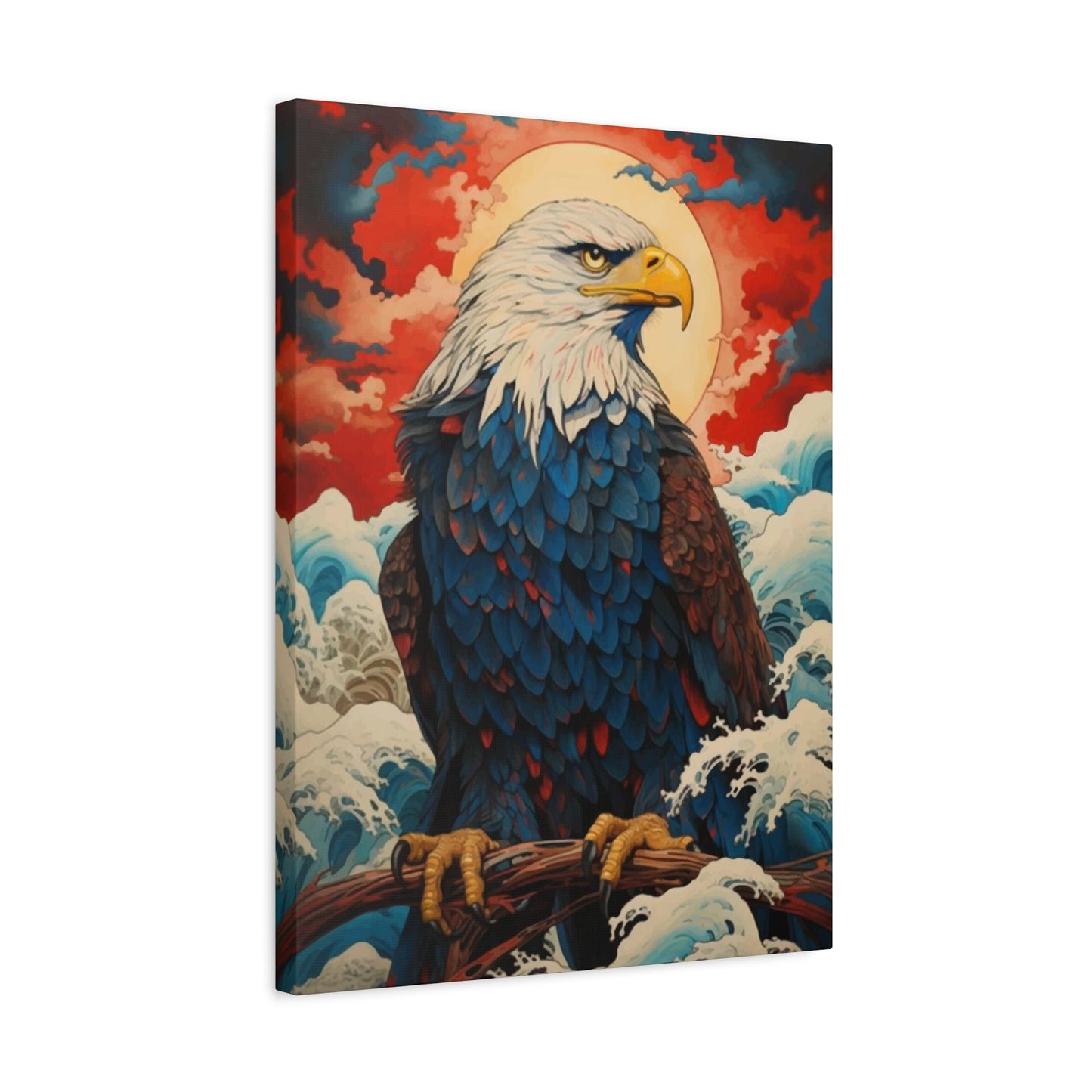
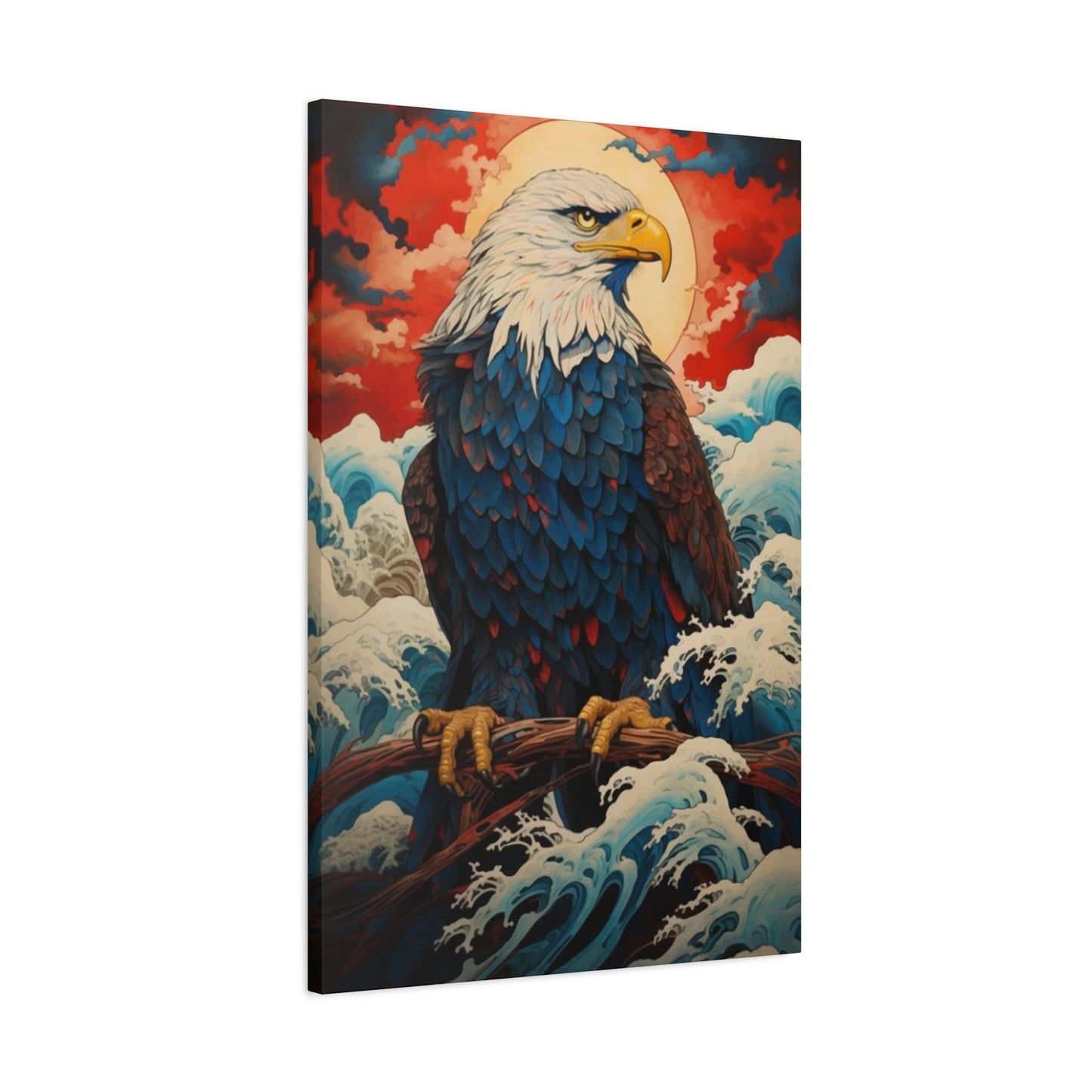
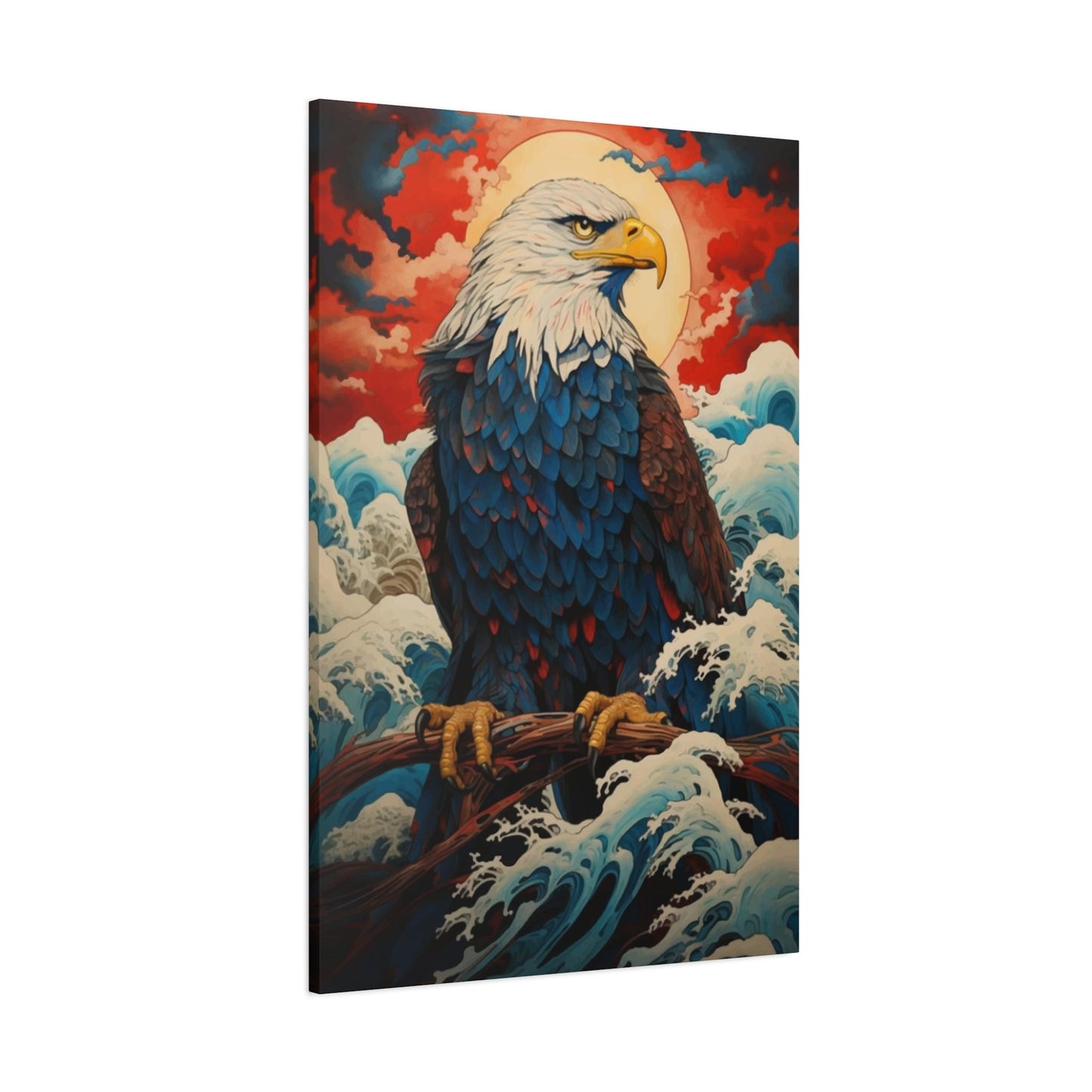
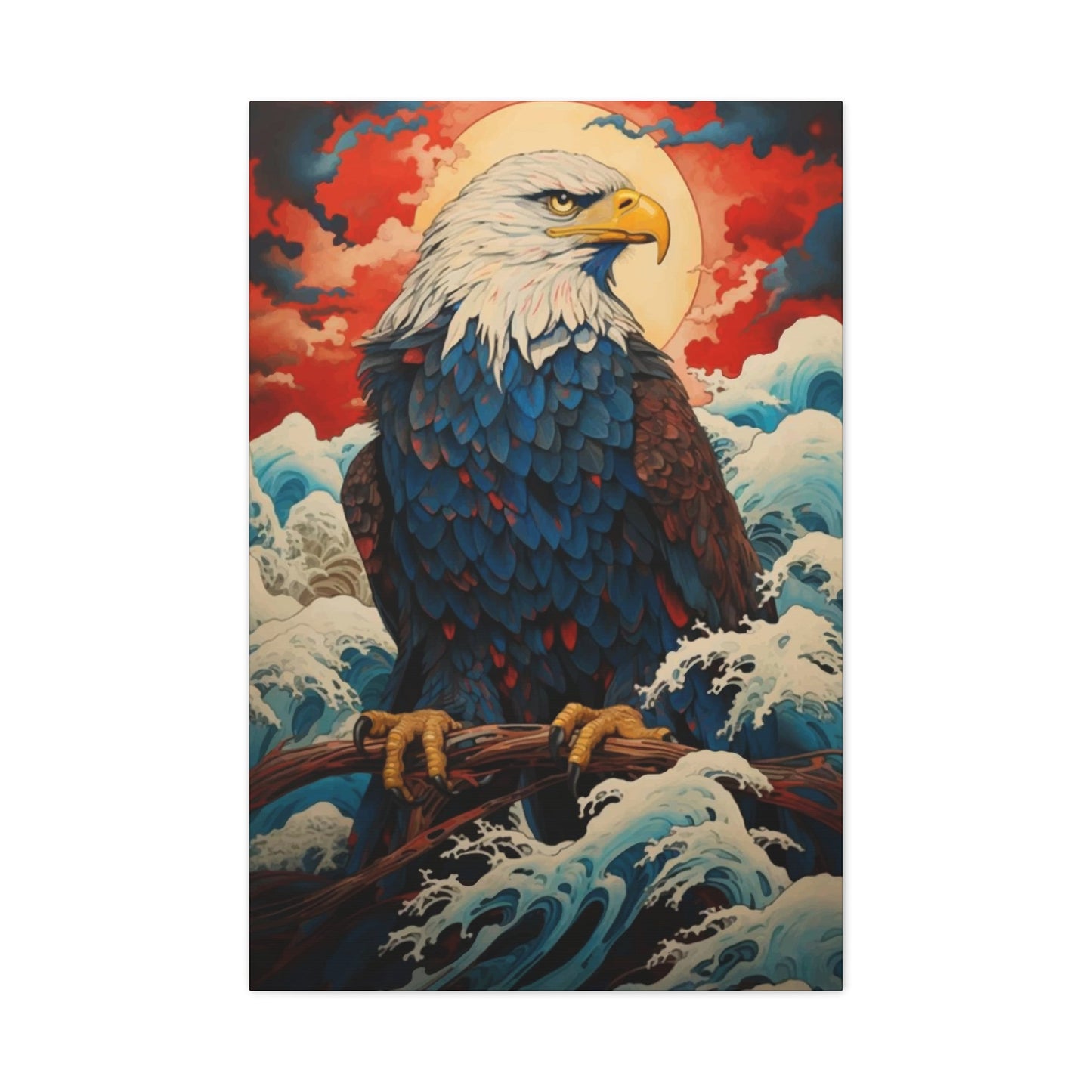
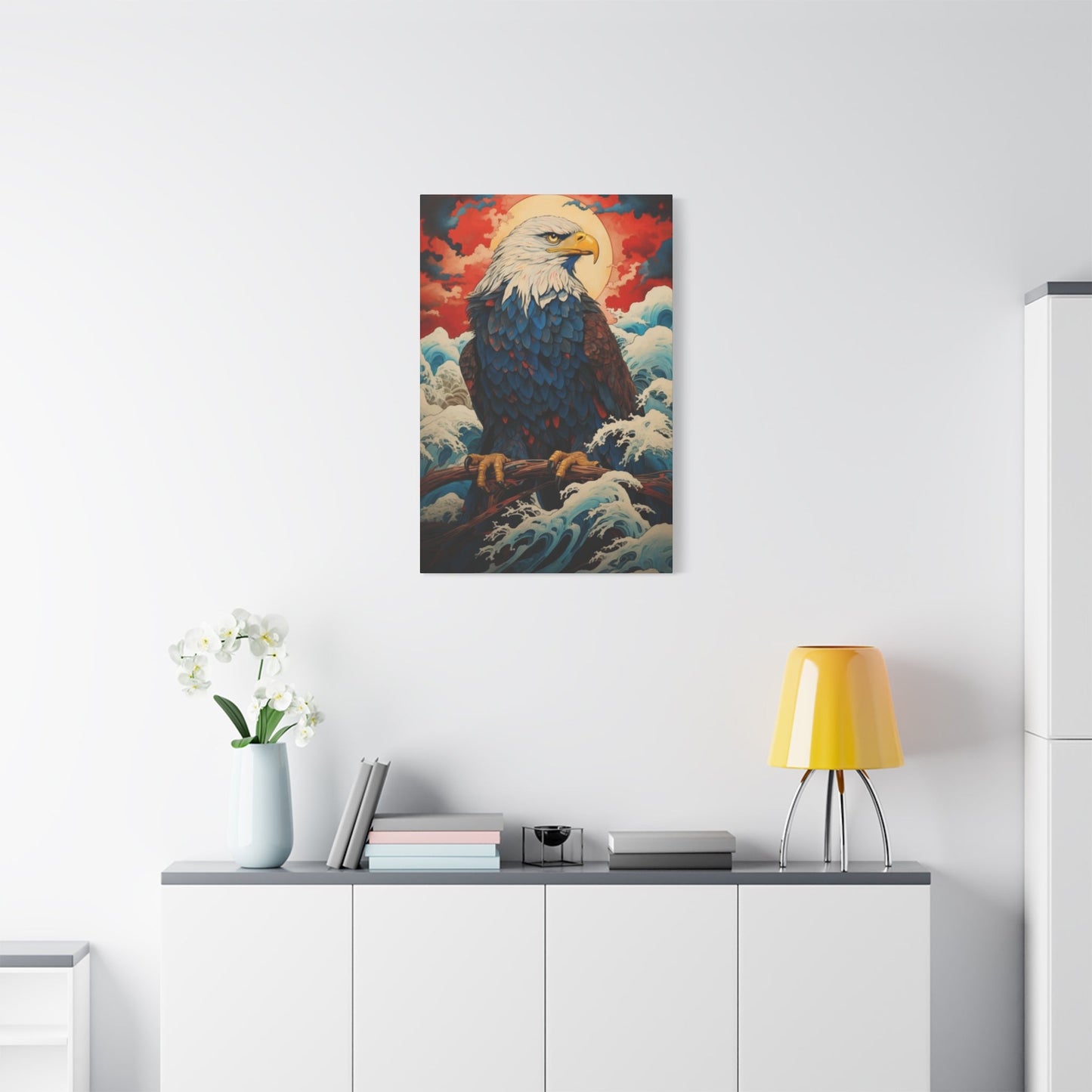
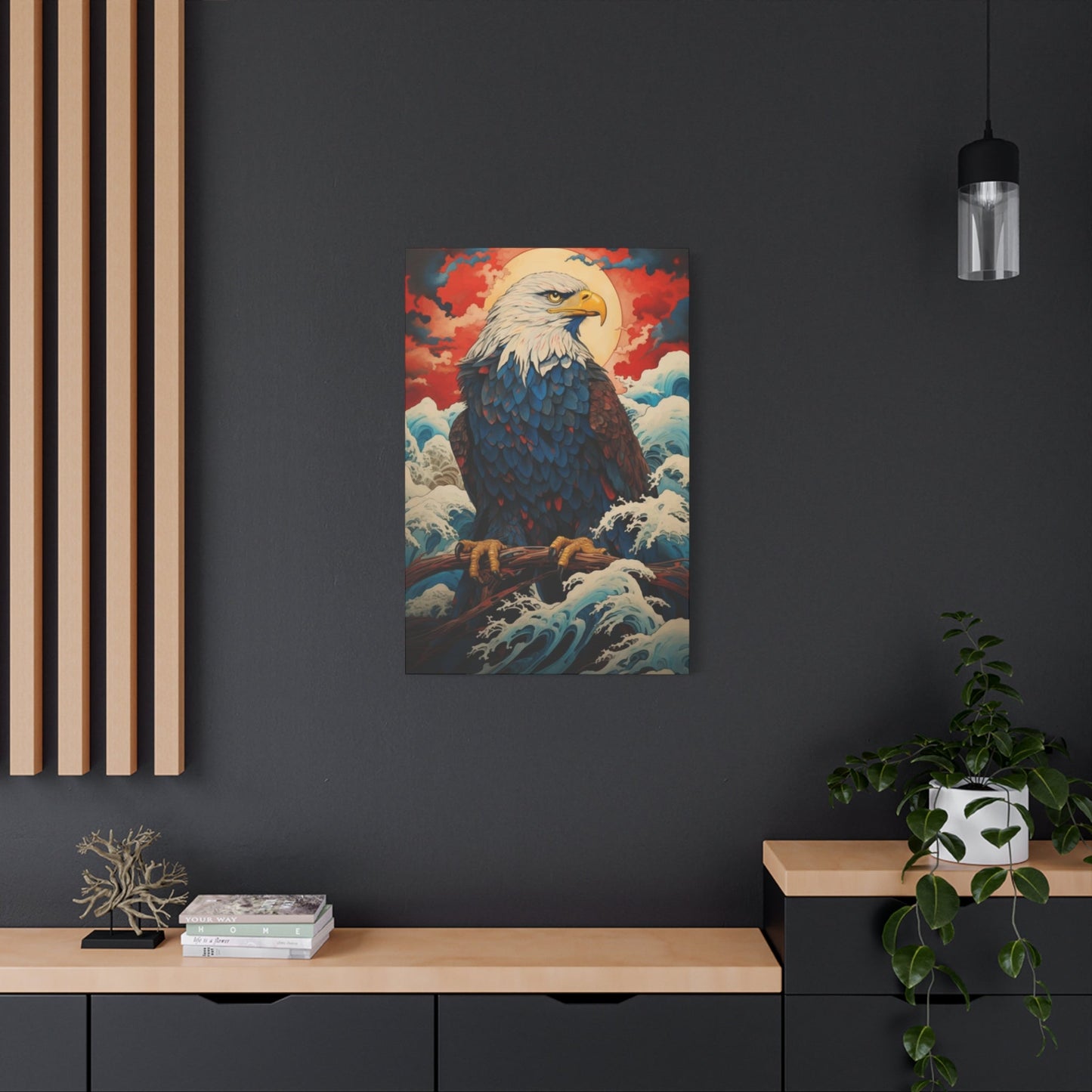
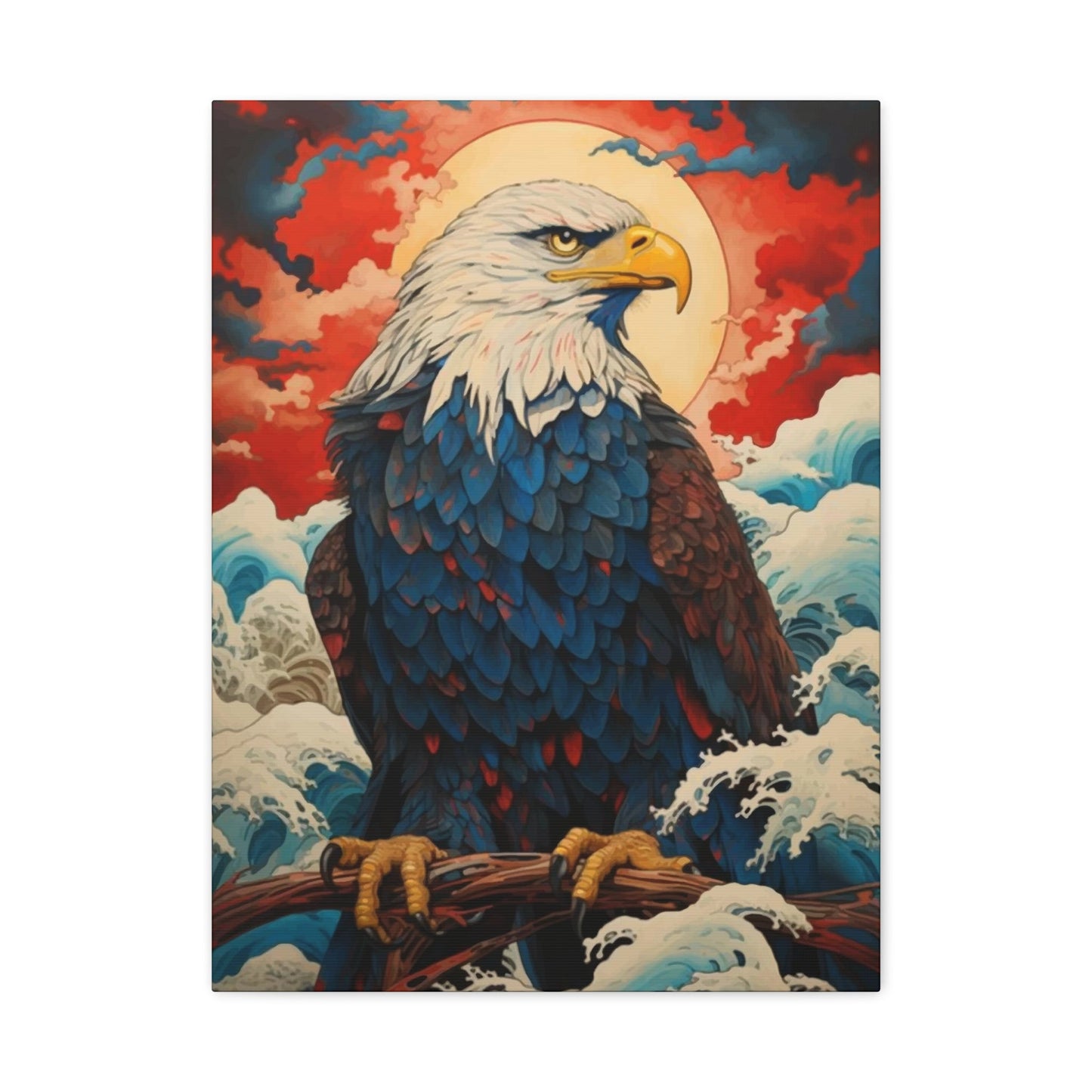
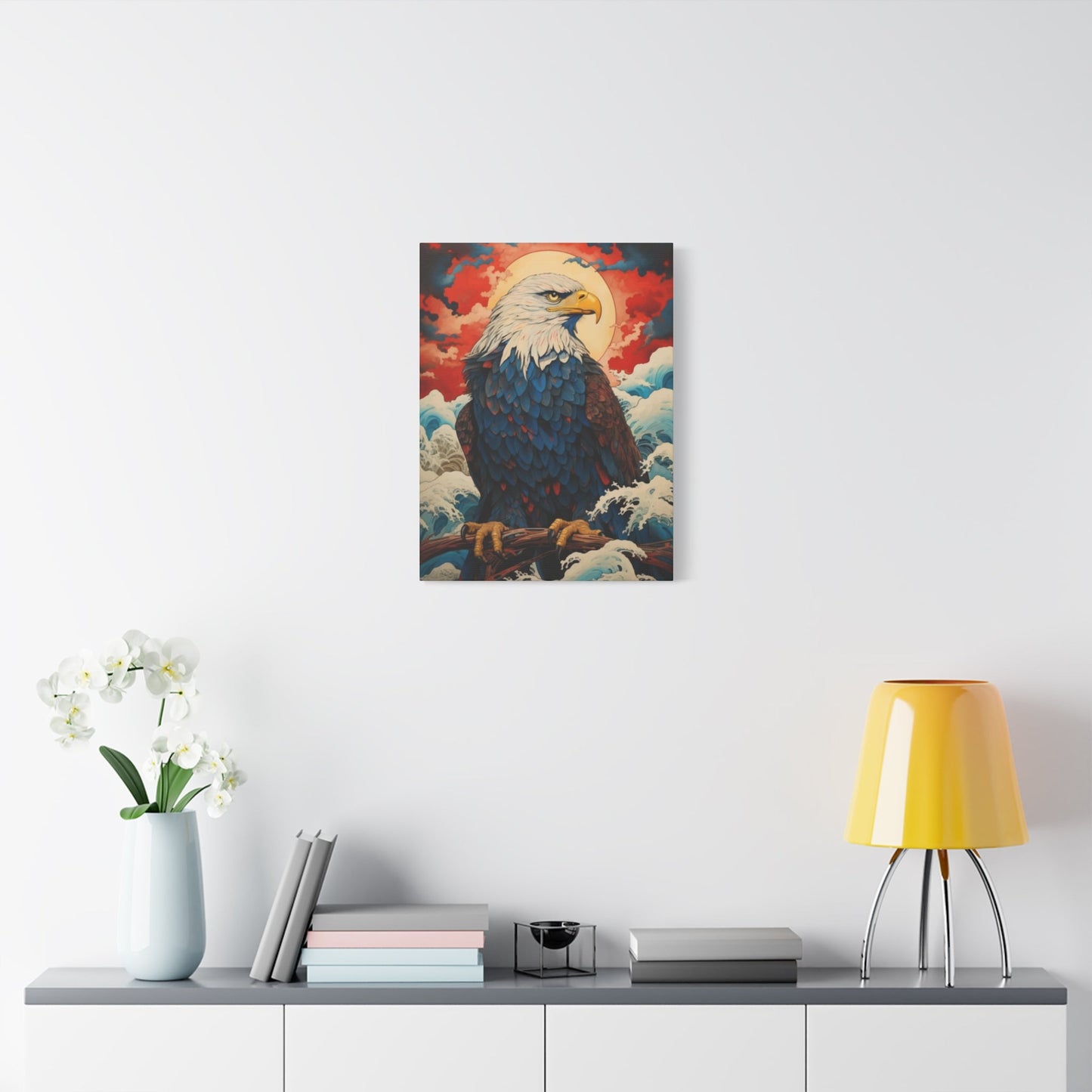
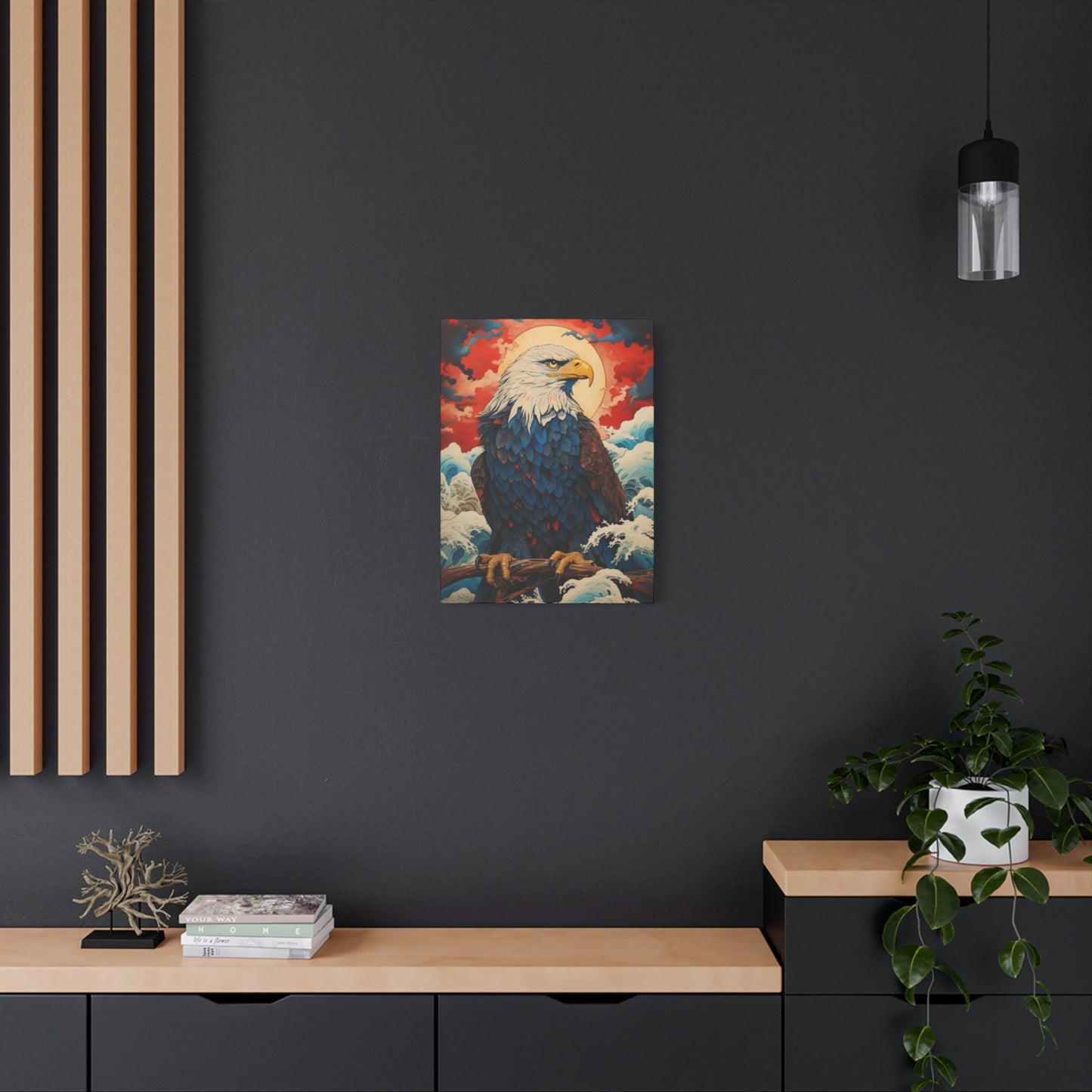
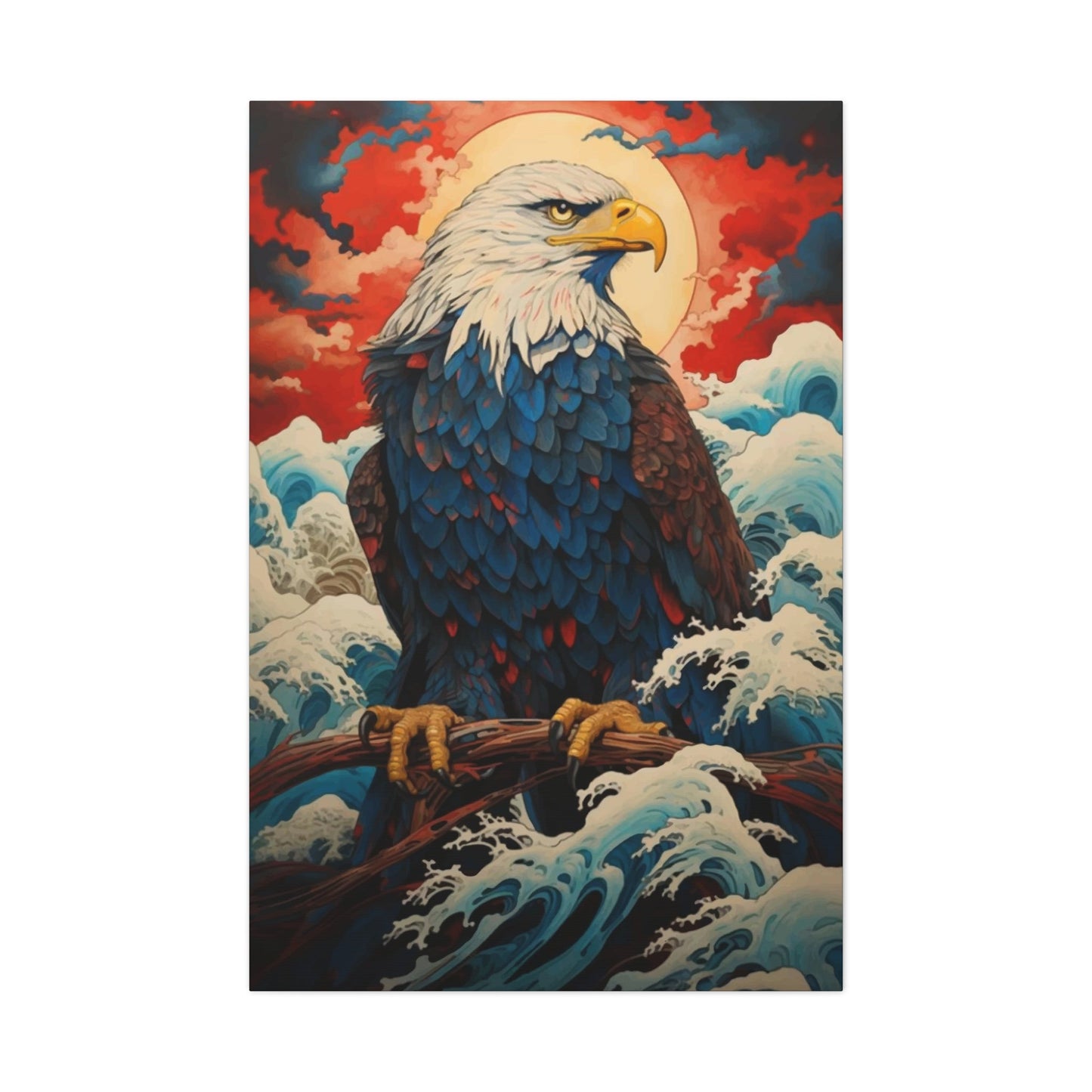
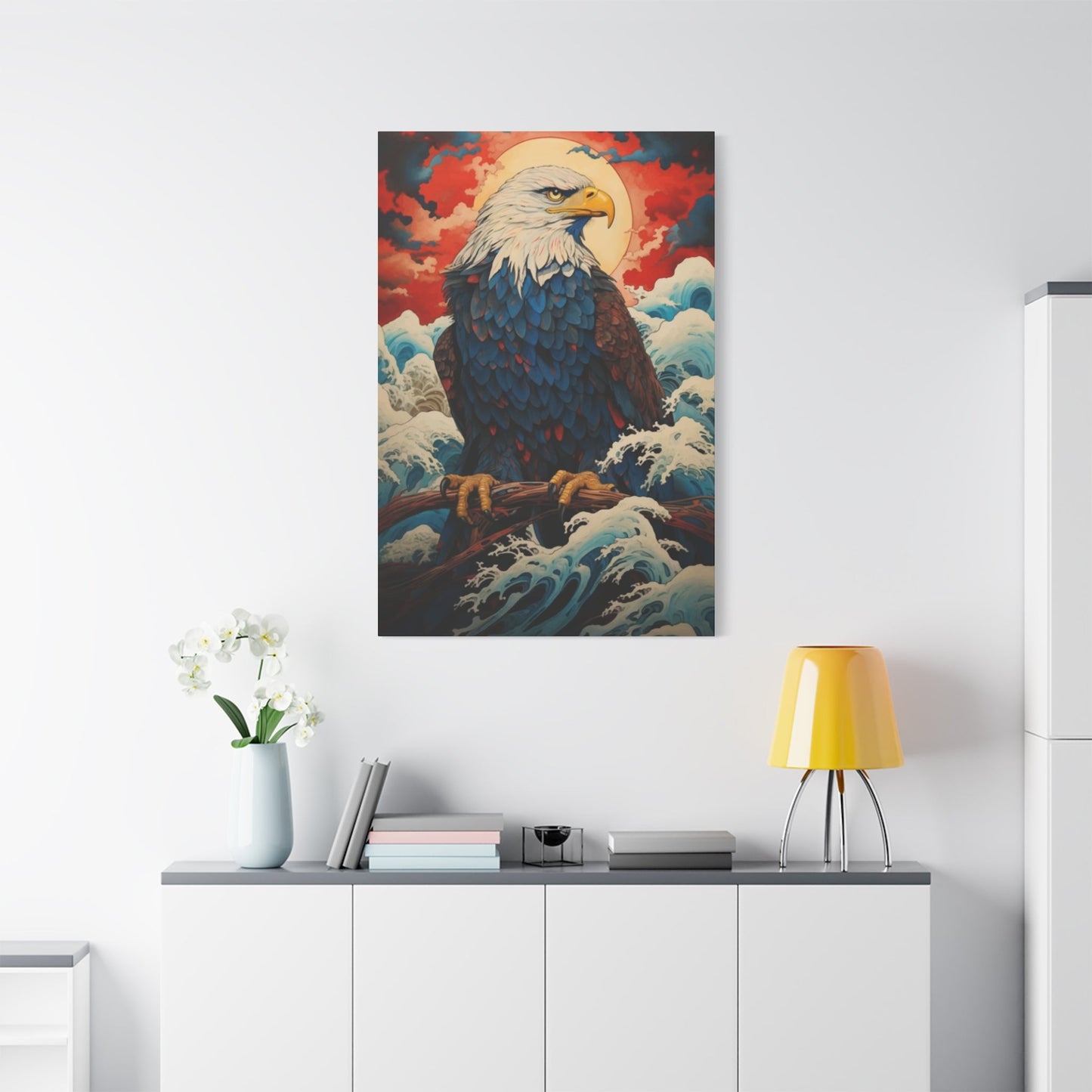
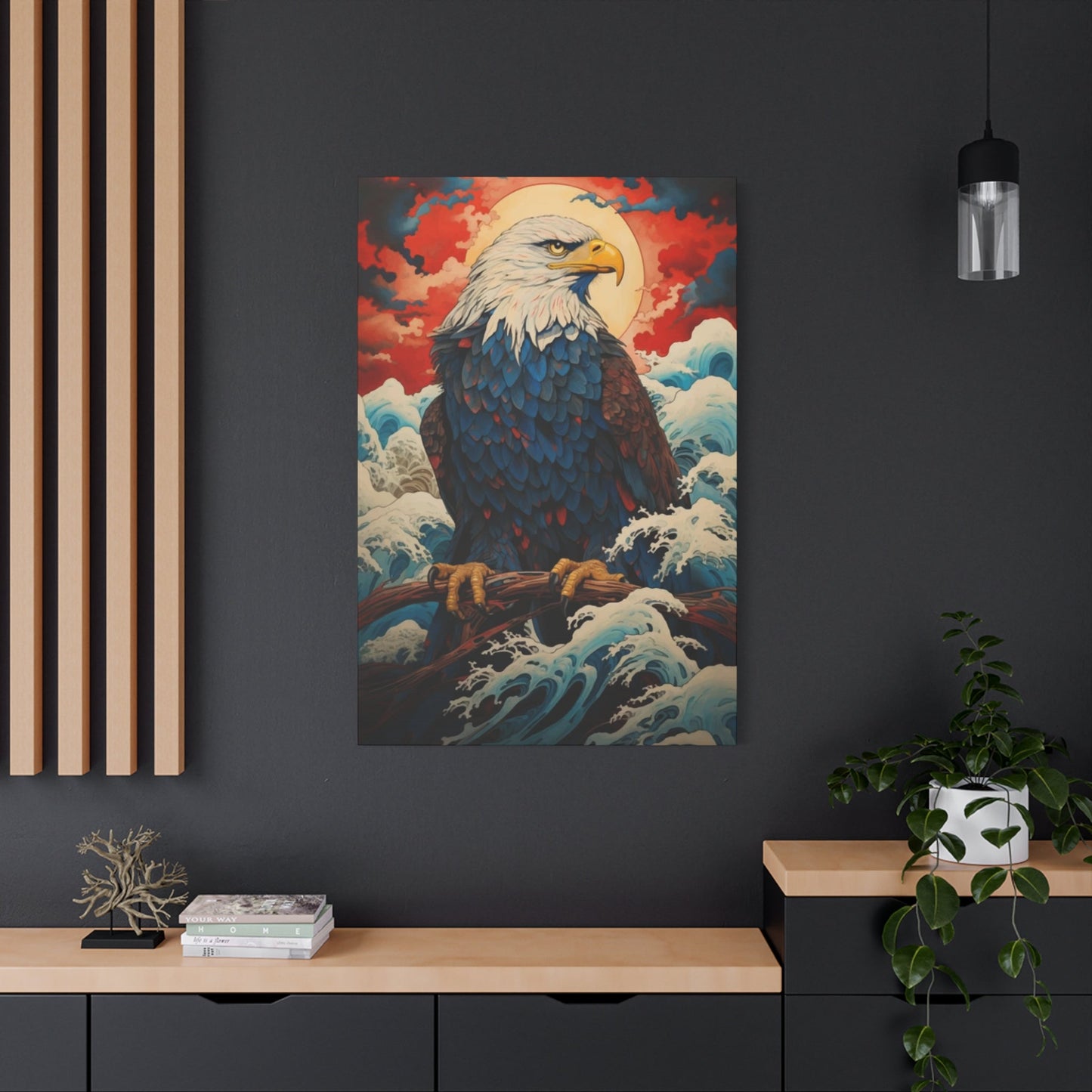
Magnificent Eagle Wall Art Collections: A Bold Statement for Your Walls
Eagles have captivated human imagination for centuries, serving as powerful symbols of strength, freedom, and majesty. These magnificent birds of prey represent courage, vision, and the untamed spirit of nature. When incorporated into home decor through stunning visual displays, eagle-themed artwork transforms ordinary rooms into extraordinary sanctuaries that inspire and energize daily living.
The appeal of eagle imagery transcends cultural boundaries, making these majestic creatures perfect subjects for artistic expression. Whether soaring through mountain landscapes, perched on rocky outcrops, or diving through misty forests, eagles embody the raw power and grace of the natural world. Their piercing gaze and impressive wingspan create compelling focal points that draw attention and spark conversation.
Contemporary home decorating enthusiasts increasingly seek artwork that reflects their personal values and connection to nature. Eagle-themed pieces satisfy this desire while adding sophisticated elegance to any room. From modern minimalist designs to detailed realistic portrayals, eagle artwork offers versatility that complements various decorating styles and personal preferences.
Stunning Mountain Lake Eagle Collection
The combination of eagles and mountain lake scenery creates breathtaking visual narratives that transport viewers to pristine wilderness environments. These compositions typically feature the powerful birds in their natural habitat, surrounded by crystalline waters and towering peaks that showcase nature's grandeur in its purest form.
Mountain lake settings provide the perfect backdrop for displaying eagle majesty. The contrast between the bird's dark silhouette and the bright, reflective surface of alpine waters creates dramatic visual impact. These scenes often capture golden hour lighting, where warm sunlight illuminates the eagle's feathers while casting long shadows across the water's surface.
Artists frequently depict eagles in various poses within these mountain environments. Some show the birds in full flight, wings outstretched as they glide effortlessly above mirror-like lakes. Others capture moments of intense focus as eagles scan the water for prey, their sharp eyes reflecting the alertness and precision that make them apex predators.
The emotional resonance of mountain lake eagle artwork stems from its ability to evoke feelings of freedom and escape. Viewers often report feeling transported to peaceful wilderness locations when gazing upon these pieces. The combination of soaring birds and pristine landscapes creates a sense of limitless possibility and natural harmony.
Color palettes in mountain lake eagle compositions typically feature cool blues and greens from the water and surrounding vegetation, contrasted with warm earth tones from rocky cliff faces and the eagle's plumage. This natural color harmony makes these pieces easy to integrate into existing room decor while providing striking visual interest.
The symbolic meaning behind mountain lake eagle imagery resonates deeply with many viewers. Mountains represent stability and permanence, while lakes symbolize reflection and tranquility. The eagle adds elements of power, vision, and spiritual significance, creating artwork that speaks to both conscious and subconscious levels of appreciation.
Playful Eagle Eden Artistic Designs
Eagle Eden represents a more whimsical approach to eagle artwork, incorporating fantastical elements and imaginative landscapes that celebrate the mythical aspects of these magnificent birds. These designs often blend realistic eagle features with stylized environments that emphasize creativity and artistic interpretation over strict naturalism.
The concept of an eagle paradise or Eden typically includes lush, verdant landscapes where these powerful birds coexist harmoniously with other wildlife. These compositions might feature multiple eagles at different life stages, from majestic adults to curious juveniles, all inhabiting an idealized natural environment that represents perfect balance and abundance.
Artistic techniques in Eagle Eden pieces often incorporate vibrant color palettes that go beyond natural earth tones. Artists might use jewel tones, sunset hues, or even surreal color combinations to create dreamlike quality that distinguishes these works from more traditional wildlife art. The goal is to capture the magical essence of eagles rather than simply documenting their physical appearance.
These playful designs frequently include fantastical elements such as floating islands, impossible rock formations, or magical lighting effects that couldn't exist in reality. Eagles might be shown interacting with mythical creatures or existing in environments that blend different ecosystems in imaginative ways. This approach appeals to viewers who appreciate creativity and artistic license.
The psychological impact of Eagle Eden artwork differs significantly from more realistic depictions. These pieces often evoke feelings of wonder, joy, and childlike imagination. They can serve as conversation starters and provide visual relief from the stresses of daily life by offering glimpses into fantastical worlds where anything seems possible.
Marketing these pieces often emphasizes their ability to add personality and uniqueness to living environments. Unlike traditional wildlife art, Eagle Eden pieces make bold statements about the owner's appreciation for creativity and willingness to embrace unconventional beauty. They work particularly well in creative environments, children's rooms, or anywhere playfulness is valued.
The technical execution of Eagle Eden artwork requires skilled balance between realism and fantasy. Artists must maintain enough recognizable eagle characteristics to preserve the emotional impact of these powerful birds while incorporating enough imaginative elements to create truly unique compositions. This balance requires considerable artistic skill and creative vision.
Guardians of the Sky Collection
The concept of eagles as sky guardians taps into ancient mythological traditions that view these birds as protectors and messengers between earthly and celestial realms. This artistic theme emphasizes the eagle's role as a watchful sentinel, ever vigilant and ready to defend their domain from any threat.
Guardian eagle artwork often depicts these magnificent birds in commanding poses that emphasize their authority and strength. Common compositions show eagles perched on high vantage points such as mountain peaks, ancient trees, or rocky precipices, their keen eyes scanning the horizon for any sign of danger or opportunity. These positions reinforce the eagle's reputation as nature's ultimate surveillance system.
The emotional impact of guardian eagle imagery stems from its association with protection and security. Viewers often feel reassured and empowered when surrounded by artwork that depicts these powerful protectors. This psychological effect makes guardian eagle pieces particularly popular in homes where strength and security are valued attributes.
Symbolic elements in guardian eagle compositions frequently include storm clouds, lightning, dramatic lighting, and other weather phenomena that emphasize the bird's ability to navigate and master challenging conditions. These elements create dynamic visual tension that keeps viewers engaged and reinforces the eagle's reputation as a formidable force of nature.
Color schemes for guardian eagle artwork typically favor dramatic contrasts between light and shadow. Artists might use stark black and white compositions or incorporate bold colors like deep purples, fiery oranges, and electric blues to create mood and atmosphere that matches the powerful subject matter. These strong visual elements make guardian eagle pieces excellent focal points for rooms that need dramatic enhancement.
The cultural significance of eagle guardians varies across different societies, but common themes include wisdom, spiritual guidance, and divine protection. These universal associations make guardian eagle artwork appealing to diverse audiences who appreciate both the aesthetic beauty and symbolic meaning of these powerful compositions.
Technical challenges in creating guardian eagle artwork include capturing the intensity and alertness that characterize these watchful protectors. Artists must convey both the physical power and the intelligent awareness that make eagles such effective guardians. This requires careful attention to details like eye expression, body posture, and environmental context.
Magnificent Descent Eagle Masterpieces
The moment of an eagle's descent represents one of nature's most spectacular displays of power, precision, and grace. These dynamic compositions capture the split second when a hunting eagle commits to its dive, transforming from patient observer to lightning-fast predator in a breathtaking demonstration of natural engineering perfection.
Descent artwork typically emphasizes motion and speed through various artistic techniques. Blurred backgrounds suggest rapid movement, while sharp focus on the eagle creates dramatic contrast that highlights the bird's incredible control and accuracy. These pieces often feature diagonal compositions that enhance the sense of downward momentum and create visual excitement.
The technical challenge of depicting eagle descent lies in conveying speed while maintaining clarity of detail. Artists must balance motion blur effects with precise rendering of eagle anatomy to create believable representations of this spectacular behavior. The best descent pieces make viewers feel as though they're witnessing the action firsthand.
Environmental elements in descent compositions often include glimpses of the target below, whether it's a fish breaking the surface of a lake, a small mammal in a meadow, or simply the approaching ground. These details provide context for the eagle's behavior and help viewers understand the purpose behind the dramatic dive.
Lighting effects play crucial roles in descent artwork, with many pieces featuring dramatic backlighting or side lighting that illuminates the eagle's outstretched wings and creates stunning silhouettes. Golden hour lighting is particularly effective, creating warm glows that enhance the majesty of the moment while providing beautiful color contrasts.
The emotional impact of descent eagle artwork stems from its celebration of focus, determination, and commitment. These pieces inspire viewers to pursue their own goals with similar dedication and precision. The imagery serves as a powerful metaphor for achieving success through careful preparation followed by decisive action.
Compositional variations in descent artwork include close-up views that emphasize the eagle's intense expression and extended talons, medium shots that show the full bird in context with its environment, and wide-angle views that capture the scope of the hunting territory. Each approach offers different strengths and appeals to different aesthetic preferences.
Pakistani Eagle Art Heritage and Culture
Pakistan's rich artistic heritage includes a long tradition of celebrating eagles and other birds of prey through various art forms. From ancient Gandhara sculptures to contemporary paintings, Pakistani artists have consistently drawn inspiration from these magnificent creatures that inhabit the country's diverse landscapes.
The Himalayan and Karakoram mountain ranges provide natural habitats for several eagle species, making these birds familiar subjects for Pakistani artists who grew up observing their behavior in wild settings. This firsthand experience with eagles in their natural environment brings authenticity and emotional depth to Pakistani eagle artwork that distinguishes it from pieces created by artists without such direct exposure.
Traditional Pakistani art forms, including miniature painting, calligraphy, and textile design, have incorporated eagle motifs for centuries. These historical precedents provide contemporary Pakistani artists with rich cultural foundations upon which to build modern interpretations that honor tradition while embracing contemporary artistic techniques and materials.
Regional variations in Pakistani eagle art reflect the country's diverse cultural landscape. Artists from mountainous northern regions might emphasize the rugged terrain and harsh conditions where eagles thrive, while artists from other areas might focus on different aspects of eagle behavior or symbolism that resonate with their particular cultural backgrounds.
The symbolism of eagles in Pakistani culture encompasses themes of freedom, strength, and national pride. These associations make eagle artwork particularly meaningful for Pakistani families who wish to celebrate their cultural identity while decorating their homes with powerful, inspiring imagery that reflects their values and heritage.
Contemporary Pakistani eagle artists often blend traditional techniques with modern materials and concepts, creating unique hybrid styles that appeal to both local and international audiences. This fusion approach helps preserve cultural traditions while making them relevant for contemporary life and global art markets.
Support for Pakistani eagle artists comes from various sources, including government cultural programs, private collectors, and international art enthusiasts who appreciate the unique perspective and technical skill that Pakistani artists bring to eagle artwork. This support helps sustain a vibrant artistic community that continues to evolve and grow.
Choosing Perfect Eagle Artwork for Your Home
Selecting the right eagle artwork for your home requires careful consideration of multiple factors, including room size, existing decor, personal preferences, and the emotional impact you wish to achieve. The perfect piece should complement your living environment while providing the inspiring presence that makes eagle artwork so appealing.
Room size significantly influences artwork selection, with larger rooms able to accommodate bigger, more dramatic pieces that might overwhelm smaller environments. A massive eagle descent piece could serve as a stunning focal point in a spacious living room, while a smaller, more intimate eagle portrait might be perfect for a bedroom or study.
Existing color schemes provide important guidelines for artwork selection. Eagle pieces with earth tones like browns, golds, and deep greens typically blend well with warm, traditional decor, while pieces with cooler colors or more contemporary treatments might better suit modern or minimalist environments.
The emotional tone you want to establish in a room should influence your choice of eagle artwork. Guardian eagles create feelings of strength and protection, making them suitable for family rooms or offices. Playful Eagle Eden pieces might be perfect for creative environments or children's areas. Serene mountain lake scenes could enhance bedrooms or meditation areas.
Placement considerations include lighting, viewing angles, and traffic flow through the room. Eagle artwork benefits from proper lighting that enhances details and colors without creating glare. The piece should be positioned at an appropriate height for comfortable viewing and where it won't be obscured by furniture or other decorative elements.
Quality factors to evaluate include print resolution, color accuracy, material durability, and frame construction if applicable. High-quality prints on archival materials ensure that your eagle artwork will maintain its beauty and impact for years to come. Investment in quality pieces often proves worthwhile over time.
Budget considerations should balance initial cost with long-term satisfaction and durability. While high-end original artwork commands premium prices, excellent reproductions and prints can provide similar visual impact at more accessible price points. The key is finding pieces that deliver the emotional and aesthetic benefits you seek within your budget constraints.
Framing and Display Techniques
Proper framing and display techniques can dramatically enhance the impact of eagle artwork while protecting your investment from environmental damage. The right frame not only complements the artwork but also helps integrate the piece into your overall room design.
Frame material selection depends on both aesthetic preferences and practical considerations. Wood frames in natural finishes often complement eagle artwork beautifully, especially pieces featuring natural settings. Metal frames might suit more contemporary or minimalist eagle pieces. The key is choosing frames that enhance rather than distract from the artwork itself.
Matting decisions significantly affect the final appearance of framed eagle artwork. Neutral mats in cream, white, or light gray typically work well, though colored mats can be effective when they complement specific colors within the artwork. The mat size should provide appropriate visual breathing room around the image without overwhelming the composition.
Glass selection involves balancing protection with visual clarity. Standard glass provides basic protection but can create reflections that interfere with viewing. Museum-quality glass with anti-reflective coatings eliminates glare problems but costs more. UV-filtering glass helps prevent fading but may slightly alter color perception.
Hanging height follows general art display principles, with the center of the artwork typically positioned at eye level, approximately 57-60 inches from the floor. However, this can be adjusted based on furniture arrangements and room proportions. In dining rooms, artwork might hang lower to relate to seated viewers.
Lighting considerations include both natural and artificial light sources. Eagle artwork benefits from indirect lighting that eliminates reflections while providing adequate illumination to appreciate details and colors. Track lighting, picture lights, or strategically placed lamps can enhance artwork presentation significantly.
Group displays of multiple eagle pieces require careful planning to create cohesive arrangements that tell a story or create visual rhythm. Consider themes, sizes, colors, and spacing when creating gallery walls or grouped displays. Consistent framing helps unify collections while allowing individual pieces to maintain their distinct character.
Color Harmony in Eagle Artwork
Understanding color harmony principles helps in selecting eagle artwork that integrates seamlessly with existing room decor while creating the desired emotional atmosphere. Eagles naturally incorporate earth tones that work well with many color schemes, but artistic interpretations can expand the palette significantly.
Natural eagle colors include rich browns, deep blacks, pristine whites, and golden yellows that appear in feathers, beaks, and eyes. These colors form excellent foundations for room color schemes and typically coordinate well with wood furniture, natural stone, and earth-toned fabrics commonly found in home decor.
Environmental colors in eagle artwork vary dramatically based on the setting depicted. Mountain scenes might emphasize cool blues and grays from sky and stone, forest settings could feature various greens and browns, while desert environments might showcase warm oranges and tans. These environmental colors significantly influence how the artwork interacts with room decor.
Complementary color schemes use colors opposite each other on the color wheel to create dynamic visual interest. For eagle artwork dominated by browns and oranges, rooms with blue or blue-green accents create striking contrast. This technique can make both the artwork and the room decor appear more vibrant and engaging.
Analogous color schemes use colors adjacent to each other on the color wheel to create harmonious, soothing environments. Eagle artwork with brown and orange tones works beautifully with red, yellow, or tan room accents. This approach creates unified, calming atmospheres that many homeowners find appealing.
Monochromatic approaches use various shades and tints of a single color to create sophisticated, elegant environments. Black and white eagle photography or artwork can serve as focal points in monochromatic room schemes while providing dramatic visual impact without competing with existing color elements.
Accent color strategies use eagle artwork to introduce small amounts of intense color into neutral room schemes. A piece featuring vibrant blue sky or brilliant golden sunlight can energize an otherwise subdued environment while maintaining overall sophistication and balance.
Sizing Guidelines for Different Rooms
Proper sizing ensures that eagle artwork achieves maximum visual impact while maintaining appropriate proportions within each room. Different room types and sizes require different approaches to artwork selection and placement for optimal results.
Living rooms, typically the largest social areas in homes, can accommodate substantial eagle artwork that serves as commanding focal points. Large pieces measuring 36x48 inches or larger work well above sofas or on prominent walls. The scale should complement the room's proportions and furniture size without overwhelming the environment.
Bedrooms benefit from more intimate eagle artwork that promotes relaxation while maintaining the inspiring qualities that make these pieces appealing. Medium-sized pieces, roughly 20x30 to 30x40 inches, often work well above headboards or on accent walls. The imagery should support the restful atmosphere desired in sleeping areas.
Dining rooms provide excellent opportunities for dramatic eagle artwork that serves as conversation starters during meals. The sizing should relate to the dining table scale, with larger tables supporting bigger artwork. Consider the seated viewing perspective when selecting and hanging pieces in dining areas.
Home offices and studies can benefit from eagle artwork that inspires focus and determination. Medium to large pieces work well behind desks or on walls visible from work areas. The imagery should support productivity while providing visual relief from work-related stresses.
Hallways and corridors offer unique opportunities for series of smaller eagle pieces or single medium-sized works that create visual interest in transitional areas. These areas typically have limited wall size but can accommodate pieces that might be too small for larger rooms.
Bathrooms, when appropriate for the specific artwork, can house smaller eagle pieces that withstand humidity while adding personality to utilitarian environments. Proper protection from moisture is essential, and the artwork should complement the bathroom's overall design theme.
Children's rooms might feature playful eagle artwork sized appropriately for smaller room scales. Consider the child's age, interests, and room layout when selecting pieces. The artwork should inspire while fitting comfortably within the room's proportions.
Eagle Symbolism in Home Decor
Eagles carry profound symbolic meaning across many cultures, making them powerful additions to home decor that extend far beyond mere aesthetic appeal. Understanding these symbolic associations helps homeowners choose eagle artwork that resonates with their personal values and desired atmosphere.
Freedom represents perhaps the most universal eagle association, stemming from these birds' ability to soar to great heights and travel vast distances without constraint. Eagle artwork can inspire feelings of liberation and possibility, making it particularly appealing for people who value independence and personal growth.
Strength symbolism derives from eagles' position as apex predators with powerful talons, sharp beaks, and impressive hunting abilities. This association makes eagle artwork popular in environments where physical or mental strength is valued, such as fitness areas, offices, or family rooms where resilience is emphasized.
Vision and clarity connections stem from eagles' exceptional eyesight, which allows them to spot prey from incredible distances. This symbolism makes eagle artwork appropriate for areas where focus and clear thinking are important, such as studies, offices, or meditation areas.
Leadership qualities associated with eagles come from their solitary nature and commanding presence in their environments. These associations make eagle artwork suitable for professional environments or areas where leadership development and personal empowerment are valued.
Spiritual significance varies across cultures but often includes connections to divine messengers, soul guidance, and higher consciousness. This symbolism makes eagle artwork meaningful for people who appreciate spiritual themes in their home decor.
Patriotic associations, particularly strong in countries like the United States where eagles serve as national symbols, add layers of meaning for citizens who wish to express national pride through their decor choices. This symbolism can make eagle artwork particularly meaningful in certain cultural contexts.
Protection symbolism emerges from eagles' fierce defense of their territories and young. This association makes eagle artwork appealing for family environments where safety and security are paramount concerns.
Maintenance and Care Tips
Proper maintenance ensures that eagle artwork retains its beauty and impact for years to come while protecting your investment from environmental damage and normal wear. Different types of artwork require specific care approaches for optimal longevity.
Dust prevention starts with proper placement away from high-traffic areas where airborne particles accumulate quickly. Regular dusting with soft, lint-free cloths helps maintain artwork appearance without causing scratches or other damage. Microfiber cloths work particularly well for this purpose.
Sunlight protection involves positioning artwork away from direct sunlight that can cause fading and color deterioration over time. UV-filtering window treatments or museum-quality glass can provide additional protection when direct sunlight exposure cannot be completely avoided.
Humidity control helps prevent warping, mold growth, and other moisture-related damage to artwork. Maintain consistent humidity levels between 45-55% when possible, and avoid hanging artwork in areas prone to high humidity fluctuations such as near heating vents or in bathrooms without proper ventilation.
Temperature stability prevents expansion and contraction cycles that can damage artwork over time. Avoid hanging pieces near heating sources, air conditioning vents, or exterior walls where temperature variations are most extreme. Consistent temperatures between 65-75°F typically work well.
Professional cleaning should be considered for valuable pieces that accumulate significant dirt or require restoration services. Many frame shops and art restoration services offer cleaning and maintenance services that can restore artwork to its original condition safely.
Frame maintenance includes checking for loose corners, damaged glass, or deteriorating hanging hardware. Address these issues promptly to prevent more serious damage to the artwork itself. Professional reframing may be necessary for older pieces or when changing decor styles.
Insurance considerations become important for valuable eagle artwork collections. Document pieces with photographs and appraisals, and ensure adequate coverage through homeowner's insurance or specialized art insurance policies for high-value collections.
Seasonal Display Rotation
Rotating eagle artwork displays throughout the year keeps home decor fresh and allows you to highlight different pieces in your collection while protecting artwork from continuous light exposure. This practice also lets you coordinate artwork with seasonal decor themes and activities.
Spring rotations might emphasize eagle artwork featuring nesting behaviors, young eagles, or fresh green environments that complement the season's renewal theme. Pieces with lighter, more optimistic color palettes often work well during this season of growth and new beginnings.
Summer displays can feature eagles in bright, sunny environments or pieces with warm color palettes that complement increased natural light and outdoor activities. Mountain lake scenes might be particularly appealing during summer months when outdoor recreation and nature appreciation peak.
Fall rotations offer opportunities to display eagle artwork with autumn foliage, harvest themes, or migration imagery that connects with the seasonal transition. Pieces with rich oranges, reds, and browns naturally complement traditional fall decorating themes.
Winter displays might emphasize eagles in snow-covered landscapes, stormy conditions, or cozy indoor settings that reflect the season's more introspective mood. Pieces with cooler color palettes or dramatic lighting effects can enhance winter's natural drama.
Holiday considerations allow eagle artwork to complement specific celebratory themes without competing with seasonal decorations. Patriotic eagles might feature prominently during national holidays, while more nature-focused pieces could enhance Thanksgiving or Earth Day celebrations.
Storage solutions for rotated artwork include protective wrapping, climate-controlled areas, and vertical storage systems that prevent damage while pieces await their next display opportunity. Proper storage extends artwork life while enabling rotation programs.
Inventory systems help track rotation schedules, storage locations, and maintenance needs for larger collections. Simple spreadsheets or specialized art collection software can help manage rotation programs effectively while ensuring all pieces receive appropriate care and display time.
Investment Value and Collecting
Eagle artwork can represent both aesthetic and financial investments, particularly when collecting pieces by established artists or focusing on specific themes or time periods. Understanding the factors that influence artwork value helps collectors make informed decisions.
Artist reputation significantly impacts artwork value, with pieces by well-known wildlife artists or established contemporary artists typically commanding higher prices and maintaining value better over time. Research artist backgrounds, exhibition histories, and market performance when considering investment purchases.
Edition size affects value for prints and reproductions, with smaller, limited editions typically more valuable than unlimited prints. Numbered and signed pieces usually command premium prices and maintain value better than unsigned reproductions.
Condition factors heavily into artwork value, with pieces in excellent condition worth significantly more than damaged examples. Proper care and maintenance help preserve investment value while ensuring continued enjoyment of your collection.
Provenance documentation, including certificates of authenticity, exhibition records, and ownership history, can significantly impact artwork value. Maintain careful records of purchases, including receipts, appraisals, and any relevant documentation.
Market trends in wildlife art and eagle imagery specifically can influence values over time. Stay informed about collecting trends, artist careers, and market conditions that might affect your collection's value.
Insurance appraisals should be updated regularly to ensure adequate coverage for valuable pieces. Professional appraisers familiar with wildlife art and eagle imagery can provide accurate valuations for insurance and estate planning purposes.
Resale considerations include understanding the secondary market for eagle artwork, including auction houses, galleries, and online platforms where pieces might eventually be sold. Research these markets when making initial purchases to understand potential resale opportunities.
Digital vs Traditional Eagle Art
The choice between digital and traditional eagle artwork depends on personal preferences, budget considerations, and specific display requirements. Each medium offers distinct advantages and characteristics that appeal to different collectors and decorators.
Digital artwork creation allows artists unprecedented flexibility in composition, color manipulation, and special effects that might be impossible to achieve through traditional media. This freedom often results in innovative, eye-catching pieces that push creative boundaries while maintaining eagle imagery's emotional impact.
Print quality for digital artwork has reached exceptional levels with modern printing technology, producing reproductions that rival traditional media in terms of color accuracy, detail resolution, and longevity when properly executed on quality materials.
Cost advantages of digital artwork include lower production costs that make high-quality eagle art more accessible to broader audiences. Multiple size options and print-on-demand capabilities provide flexibility that traditional artwork cannot match.
Traditional artwork authenticity appeals to collectors who value the physical act of creation and the unique qualities that result from direct artist interaction with canvas, paper, or other media. Each traditional piece carries subtle variations that make it truly one-of-a-kind.
Mixed media approaches combine digital techniques with traditional methods, creating hybrid pieces that offer benefits of both approaches. Artists might create digital compositions then print them on traditional materials or incorporate digital elements into traditional paintings.
Environmental considerations favor digital artwork in terms of reduced material consumption and waste, though traditional artwork supporters argue for the sustainability of time-tested materials and techniques that have proven longevity.
Customization possibilities differ between media, with digital artwork offering easier modification for specific size, color, or composition requirements, while traditional pieces typically represent fixed creative visions that cannot be altered without damaging the original work.
Regional Styles and Influences
Eagle artwork styles vary significantly based on regional influences, local wildlife populations, artistic traditions, and cultural associations with these magnificent birds. Understanding these regional differences helps collectors appreciate the diversity available in eagle artwork.
North American eagle art often emphasizes the bald eagle as a patriotic symbol while also celebrating the continent's diverse landscapes and ecosystems. Artists frequently depict eagles in contexts that highlight American wilderness areas, from Alaska's rugged coastlines to the southwestern deserts.
European eagle artwork might focus on golden eagles and other species native to that continent, often incorporating medieval symbolism and heraldic traditions that give these pieces historical depth and cultural resonance. The artistic approaches might emphasize classical techniques and traditional compositions.
Asian interpretations of eagle artwork often incorporate philosophical and spiritual elements from various Eastern traditions, creating pieces that emphasize harmony, balance, and the eagle's role within larger natural systems. These pieces might feature distinctive artistic styles that reflect regional aesthetic preferences.
Mountain region artwork, regardless of specific location, typically emphasizes the dramatic landscapes where eagles thrive, featuring rugged terrain, challenging weather conditions, and the pristine wilderness environments that these birds call home.
Coastal eagle art celebrates species that live near oceans, lakes, and rivers, often depicting fishing behaviors, seaside nesting sites, and marine environments. These pieces typically feature different color palettes and compositional approaches than mountain-focused artwork.
Urban influences on eagle artwork reflect the increasing interaction between these wild birds and human development, sometimes depicting eagles adapting to city environments or contrasting wild nature with modern development.
Contemporary global influences create fusion styles that blend traditional regional approaches with modern international artistic movements, resulting in innovative pieces that honor local traditions while appealing to global audiences.
Professional Photography vs Artistic Interpretation
The choice between photographic eagle images and artistic interpretations affects both the aesthetic impact and the emotional resonance of these powerful pieces. Each approach offers distinct advantages that appeal to different tastes and decorating goals.
Professional wildlife photography captures eagles in their natural behavior with documentary accuracy that appeals to nature enthusiasts who value authentic representation of these magnificent birds. The technical skill required to photograph eagles in action creates dramatic images that showcase both the photographer's expertise and the subject's natural beauty.
Artistic interpretation allows creators to emphasize specific qualities or emotions associated with eagles while taking creative liberties that might enhance the symbolic or aesthetic impact. These pieces can incorporate fantastical elements, unusual color combinations, or impossible scenarios that create unique visual experiences.
Technical excellence in photography requires specialized equipment, extensive field experience, and considerable patience to capture eagles at their most impressive moments. The resulting images offer unparalleled detail and authenticity that artistic interpretations cannot match.
Creative freedom in artistic interpretation enables artists to emphasize specific themes, emotions, or symbolic meanings that resonate with their vision and their intended audience. This freedom often results in more diverse and personally meaningful artwork options.
Emotional impact varies between photographic and artistic approaches, with photography offering the thrill of witnessing actual eagle behavior while artistic interpretations might create more dreamlike or inspirational responses that transcend literal representation.
Market considerations include different pricing structures for photography versus artwork, with photography typically offering more affordable options for high-quality images while original artwork commands premium prices for unique, one-of-a-kind pieces.
Collecting strategies might focus exclusively on one approach or combine both photographic and artistic pieces to create diverse, interesting displays that showcase eagles from multiple perspectives and creative interpretations.
Lighting Considerations for Eagle Art
Proper lighting dramatically affects the presentation and impact of eagle artwork, influencing color perception, detail visibility, and overall aesthetic appeal. Understanding lighting principles helps maximize the investment in quality eagle pieces while creating optimal viewing experiences.
Natural lighting provides the most accurate color representation for eagle artwork but varies throughout the day and across seasons. Position pieces to take advantage of consistent, indirect natural light while avoiding direct sunbeams that can cause fading and create viewing difficulties due to reflections.
Artificial lighting options include various technologies and approaches that can enhance eagle artwork presentation when natural light is insufficient or inconsistent. LED lights offer energy efficiency and consistent color temperature while producing minimal heat that could damage artwork over time.
Track lighting systems provide flexible illumination options that can be adjusted for different pieces or seasonal changes in room layout. These systems work particularly well for highlighting multiple eagle pieces or creating gallery-style displays in homes.
Picture lights attached directly to frames or mounted on walls near artwork provide focused illumination that emphasizes details and colors while creating dramatic presentation effects. These lights work well for single, prominent pieces that serve as focal points.
Ambient lighting affects how eagle artwork appears within the overall room context, influencing color perception and visual prominence. Balance ambient and accent lighting to create environments where eagle artwork can be appreciated without competing with overly bright room illumination.
Color temperature considerations involve matching light sources to enhance rather than distort the colors within eagle artwork. Warm light typically complements earth tones common in eagle pieces, while cool light might be better for pieces with predominantly blue or gray color schemes.
Glare elimination requires careful positioning of light sources and consideration of reflective surfaces that might interfere with artwork viewing. Anti-reflective glass and strategic lighting placement help minimize these problems while maintaining optimal illumination.
Creating Gallery Walls with Eagle Themes
Gallery walls featuring eagle artwork create impressive displays that tell cohesive stories while showcasing diverse artistic interpretations of these magnificent birds. Successful gallery walls require careful planning and consideration of multiple design elements.
Theme development provides the foundation for cohesive gallery walls, whether focusing on specific eagle species, particular artistic styles, regional influences, or symbolic meanings. Clear themes help unify diverse pieces while maintaining visual interest through variations within the chosen focus.
Size relationships between pieces significantly affect gallery wall success, with varied sizes creating more dynamic, interesting arrangements than uniform sizing. Mix large focal pieces with medium and small supporting works to create visual rhythm and hierarchy within the display.
Color coordination ensures that diverse eagle pieces work together harmoniously rather than competing for attention or creating visual chaos. Consider both the colors within individual pieces and how they interact with each other and the room's overall color scheme.
Spacing decisions affect both the individual impact of pieces and the collective impression of the gallery wall. Generally, maintain consistent spacing between pieces, typically 2-4 inches, while adjusting for specific compositional needs or visual balance requirements.
Layout planning should occur before hanging any pieces, using paper templates or digital planning tools to experiment with arrangements without damaging walls or artwork. Consider traffic flow, furniture placement, and viewing angles when finalizing layouts.
Framing consistency helps unify gallery walls while allowing individual pieces to maintain their distinct character. This doesn't require identical frames but rather coordinated approaches that create harmony without monotony.
Lighting considerations for gallery walls might require multiple light sources or track systems that can illuminate all pieces adequately while avoiding shadows or uneven illumination across the display.
Eagle Art for Different Age Groups
Eagle artwork appeals to diverse age groups, but specific pieces and presentation styles might be more appropriate for certain life stages and developmental needs. Consider age-specific factors when selecting eagle art for family members or different room functions.
Children's eagle artwork often emphasizes playful, educational, or inspirational themes that can spark interest in nature while providing positive role models for strength, courage, and determination. Pieces featuring young eagles or family groups might be particularly appealing and relatable.
Teenager preferences might lean toward more dramatic or rebellious eagle imagery that reflects their developing independence and identity formation. Pieces emphasizing freedom, power, or individual strength often resonate with adolescent psychological development.
Young adult selections frequently focus on aspirational themes, with eagle artwork serving as motivation for career development, personal growth, or adventure seeking. Pieces emphasizing flight, achievement, or overcoming challenges appeal to this demographic's goals and values.
Middle-aged collectors often appreciate more sophisticated artistic interpretations that reflect developed aesthetic tastes and increased purchasing power. Investment-quality pieces, original artwork, or limited editions might appeal to this group's collecting interests.
Senior citizens might prefer eagle artwork that emphasizes dignity, wisdom, and natural beauty rather than aggressive or highly dramatic imagery. Peaceful scenes, family groups, or pieces that evoke memories of nature experiences often appeal to mature audiences.
Multigenerational appeal allows certain eagle pieces to work well in family environments where different age groups share common areas. Pieces that offer multiple levels of interpretation or universal themes of nature appreciation often succeed in these contexts.
Safety considerations for children's areas include secure hanging systems, non-breakable materials when possible, and appropriate content that won't frighten younger viewers while still providing the inspiring qualities that make eagle artwork valuable.
Seasonal Eagle Behavior in Art
Understanding eagle behavior throughout different seasons helps collectors appreciate the accuracy and appropriateness of various eagle artwork while selecting pieces that reflect specific times of year or behavioral themes.
Spring eagle behavior focuses on mating rituals, nest building, and territory establishment, creating opportunities for artwork that emphasizes partnership, renewal, and preparation. These themes align well with spring decorating and seasonal celebration themes.
Summer activities include hunting, feeding young, and territorial defense, providing dynamic subjects for action-oriented artwork that captures eagles at their most active and engaged. These pieces often feature hunting scenes, family interactions, or territorial displays.
Fall behaviors emphasize migration preparation, increased hunting activity, and seasonal territory adjustments that create opportunities for artwork featuring eagles in autumn landscapes or engaged in preparatory behaviors that reflect seasonal transitions.
Winter survival themes showcase eagles' adaptation to harsh conditions, featuring birds in snow-covered landscapes, ice fishing scenarios, or roosting behaviors that demonstrate their resilience and survival skills during challenging seasons.
Year-round residents versus migratory species offer different artistic opportunities, with some eagles maintaining territories throughout the year while others undertake impressive migrations that can inspire artwork celebrating travel, endurance, and navigation abilities.
Conclusion
Magnificent eagle wall art collections make a powerful and bold statement, symbolizing strength, freedom, and vision. These striking pieces capture the majesty and grace of the eagle, one of nature’s most revered creatures, bringing an inspiring presence to any space. Whether showcased in a home, office, or gallery, eagle-themed art commands attention and adds a sense of grandeur to your walls.
The versatility of eagle wall art allows it to fit seamlessly into a variety of décor styles—from rustic and traditional to modern and eclectic. The rich detail and dynamic compositions often found in these collections invite viewers to connect emotionally with themes of courage, resilience, and soaring ambition. Beyond their decorative value, these artworks embody powerful symbolism that resonates deeply with many.
Collecting and displaying magnificent eagle wall art also reflects a personal appreciation for nature’s beauty and the symbolism of freedom and strength. These pieces serve as daily reminders to embrace one’s inner power and soar to new heights, making them more than just décor—they become meaningful focal points within your living or work environment.
Incorporating eagle wall art into your space transforms ordinary walls into arenas of inspiration and bold expression. For those seeking artwork that combines striking aesthetics with profound symbolism, magnificent eagle wall art collections offer a timeless and impactful choice. With their commanding presence and artistic excellence, these pieces truly elevate your décor to a new level of distinction.


