


Earthen Layers Wall Art & Canvas Prints
Earthen Layers Wall Art & Canvas Prints
Couldn't load pickup availability
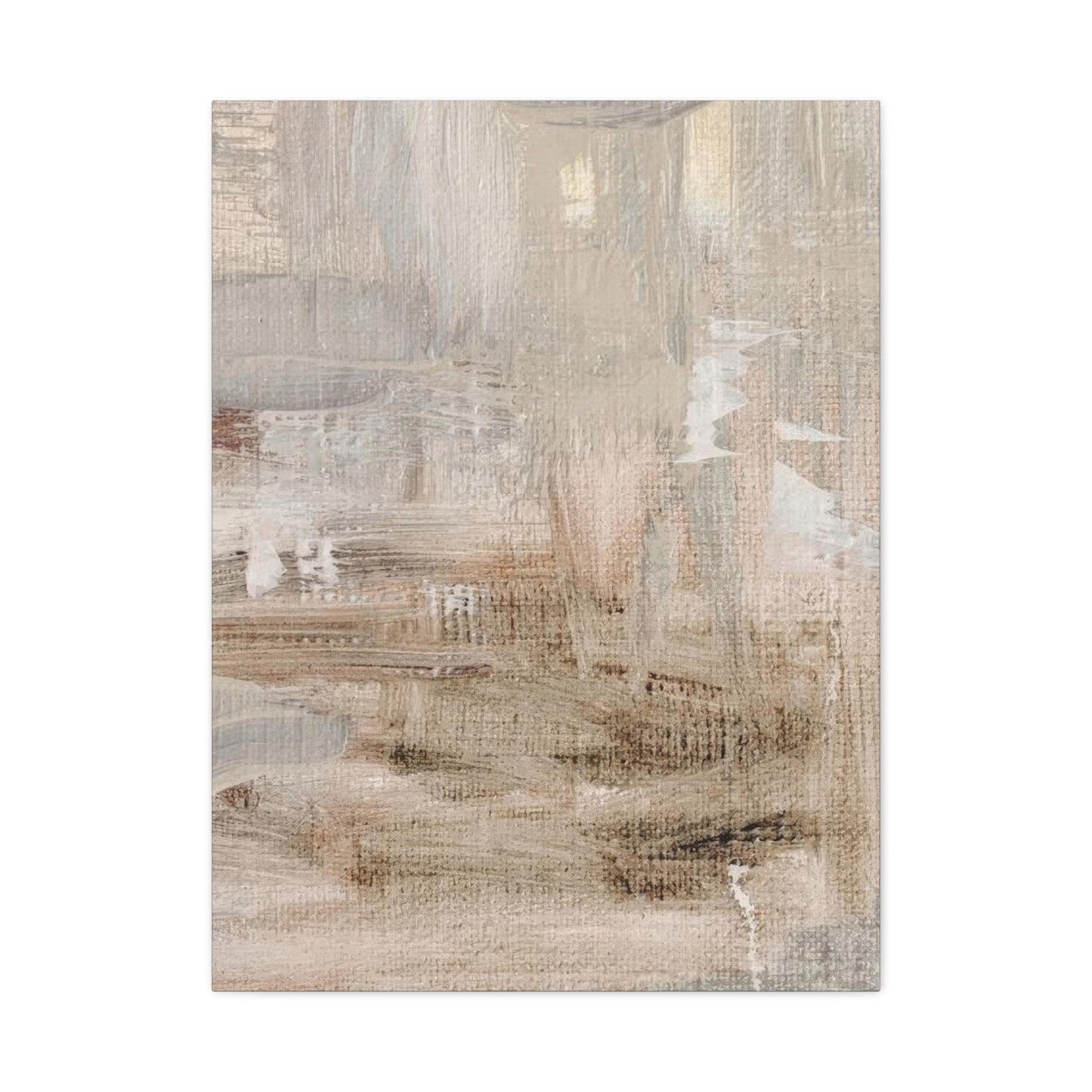
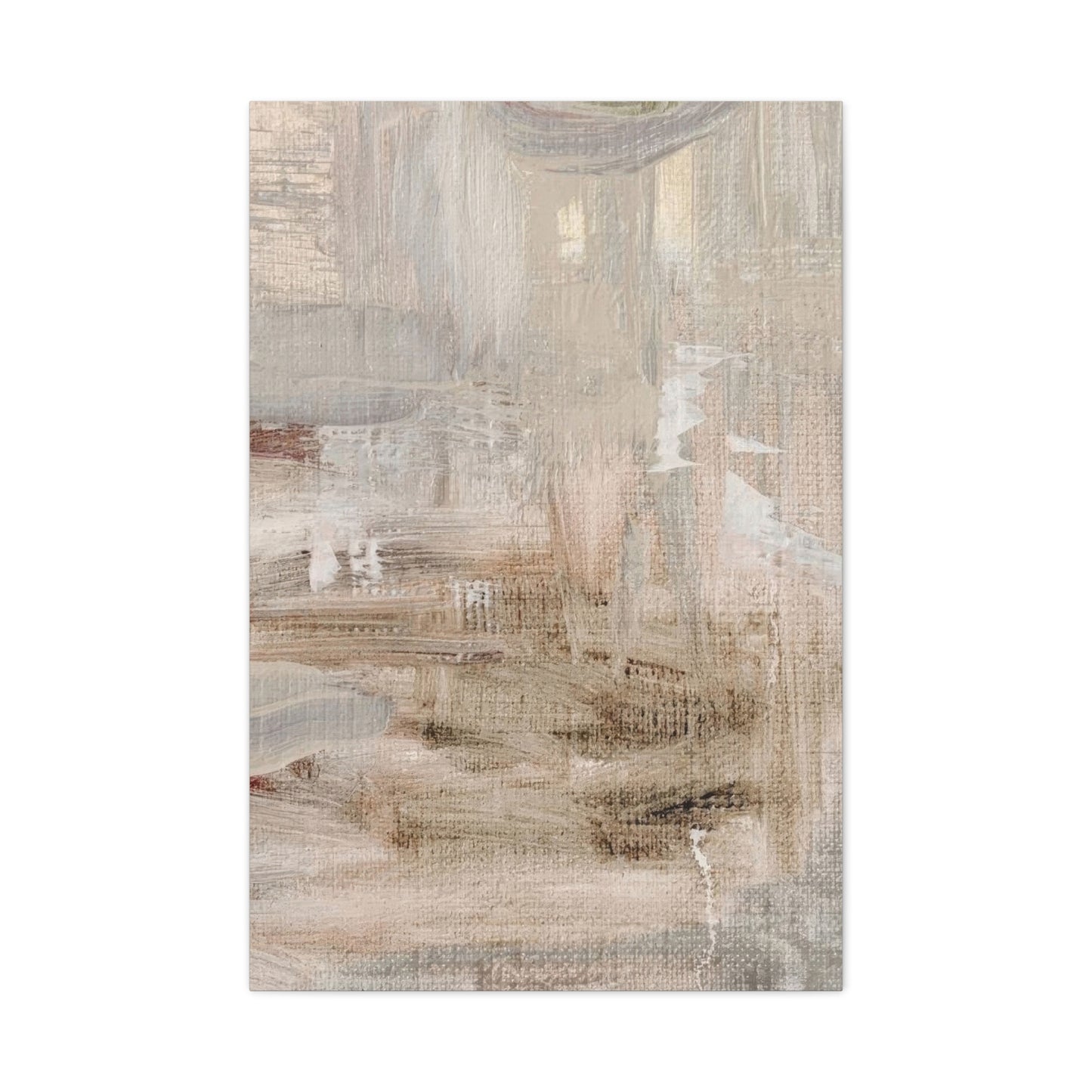
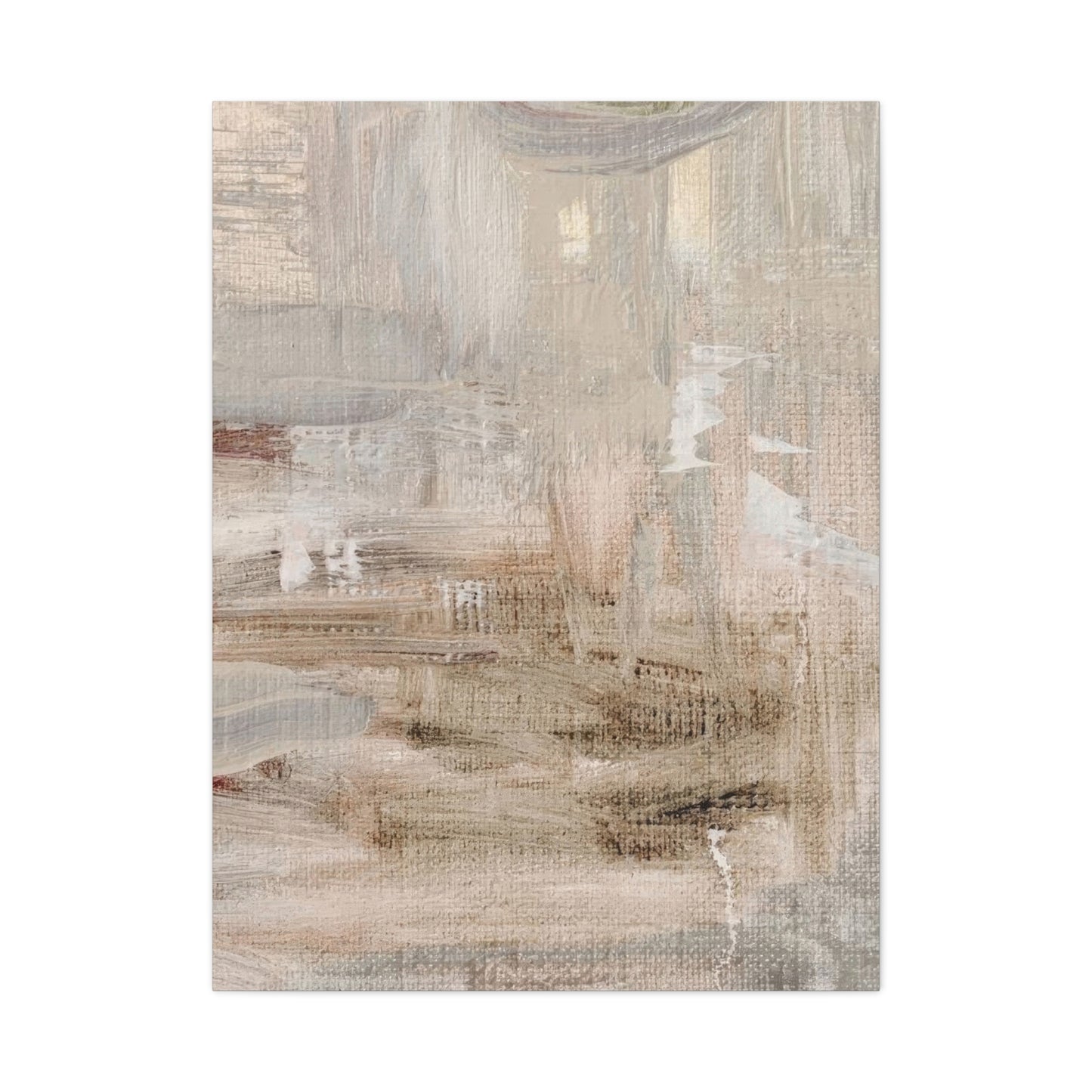
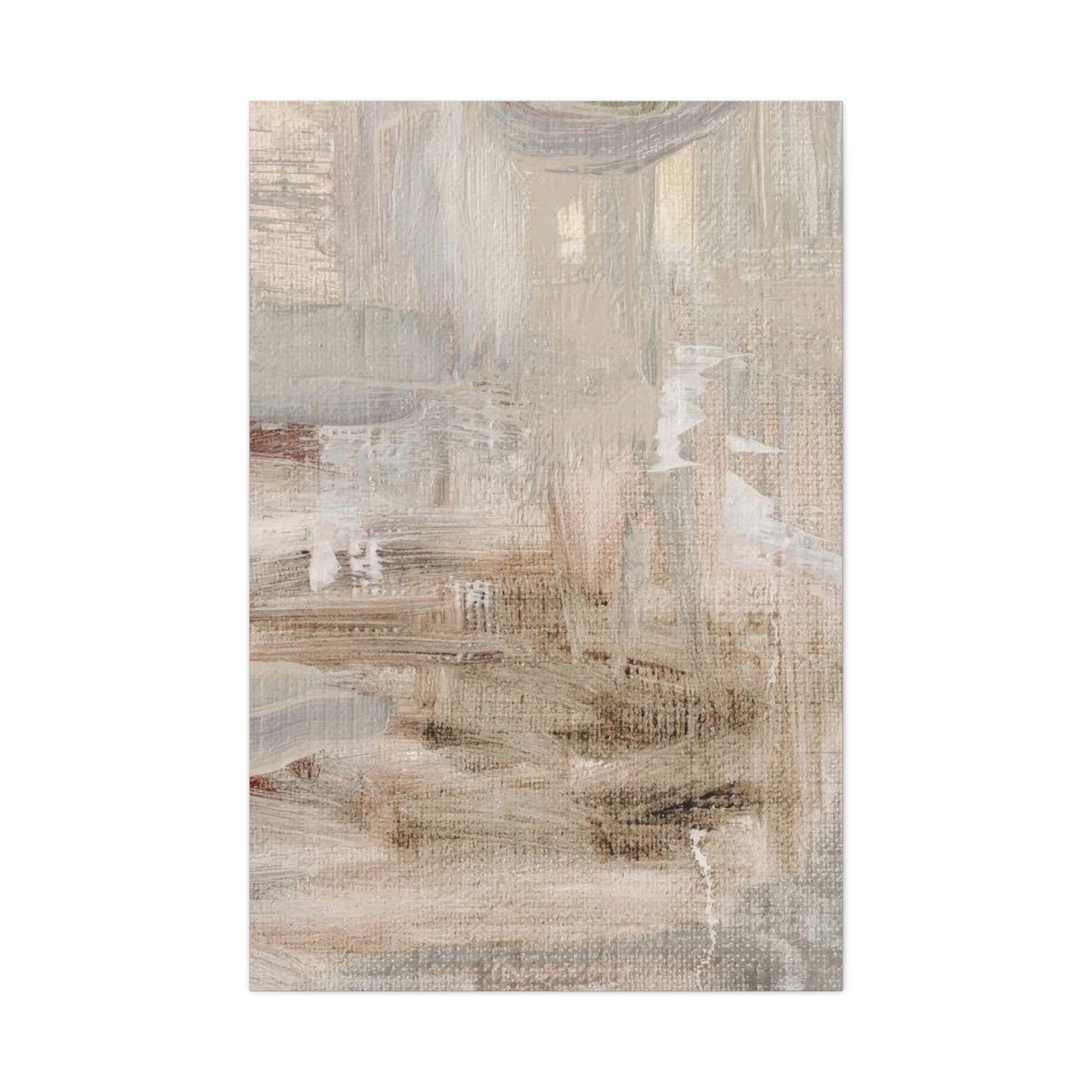
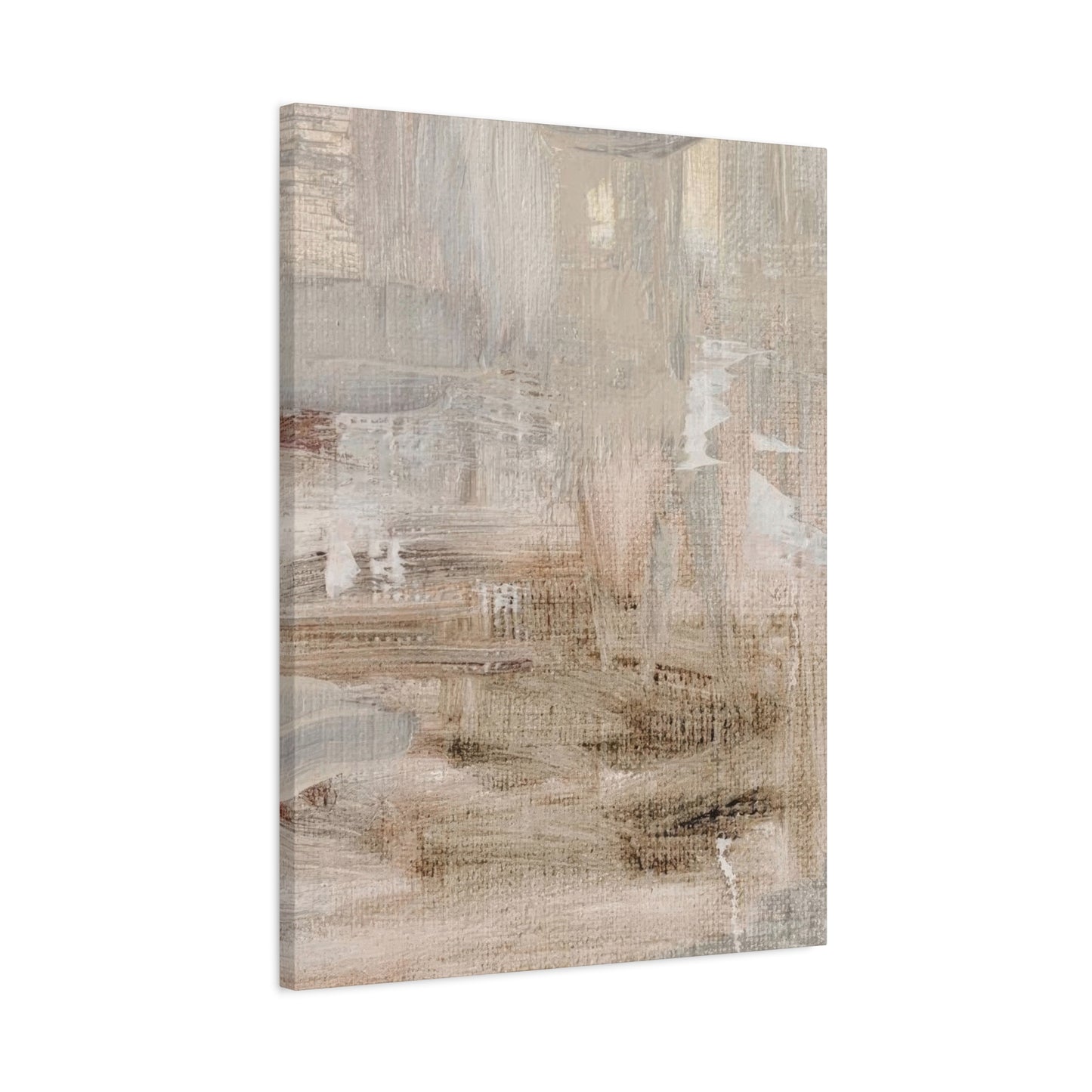
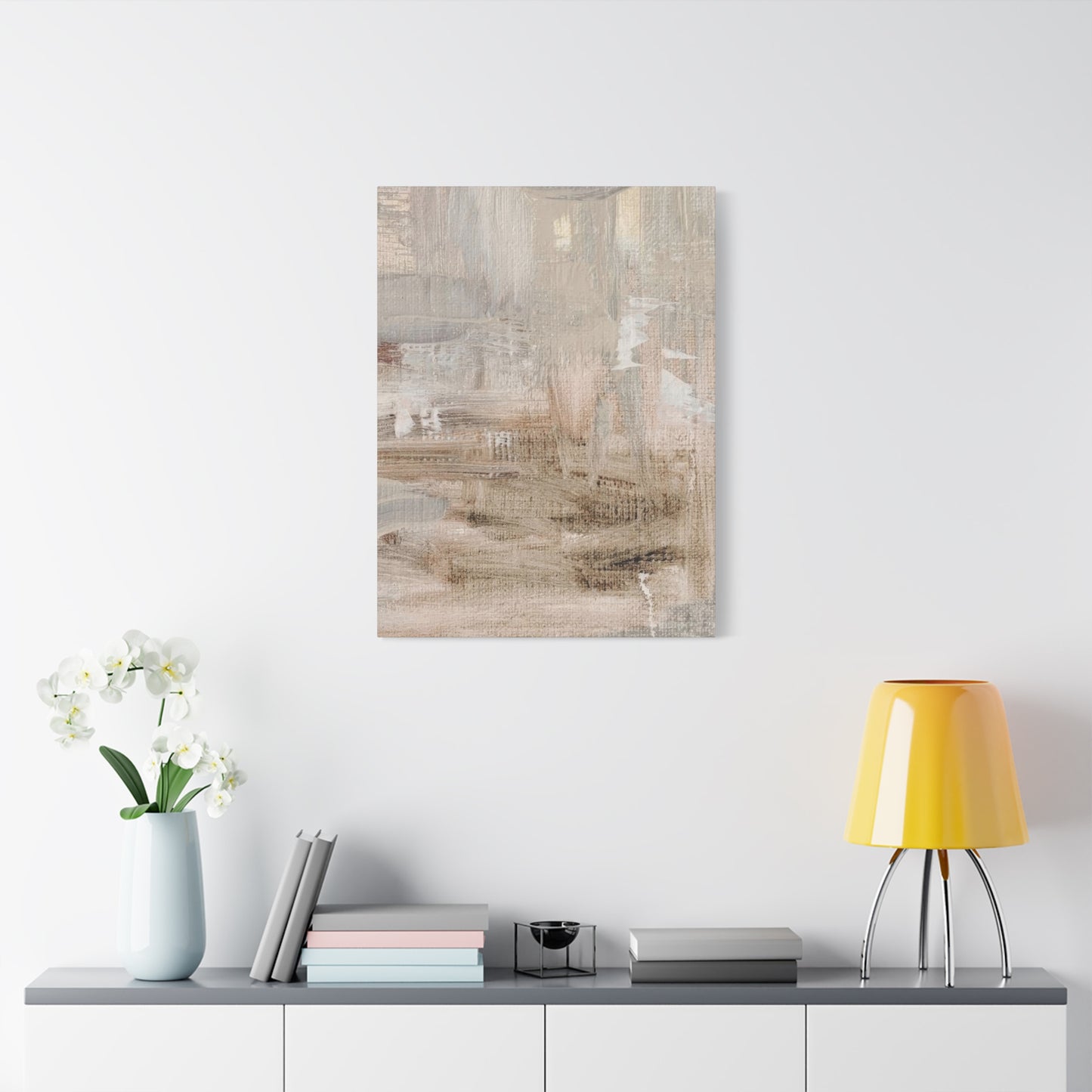
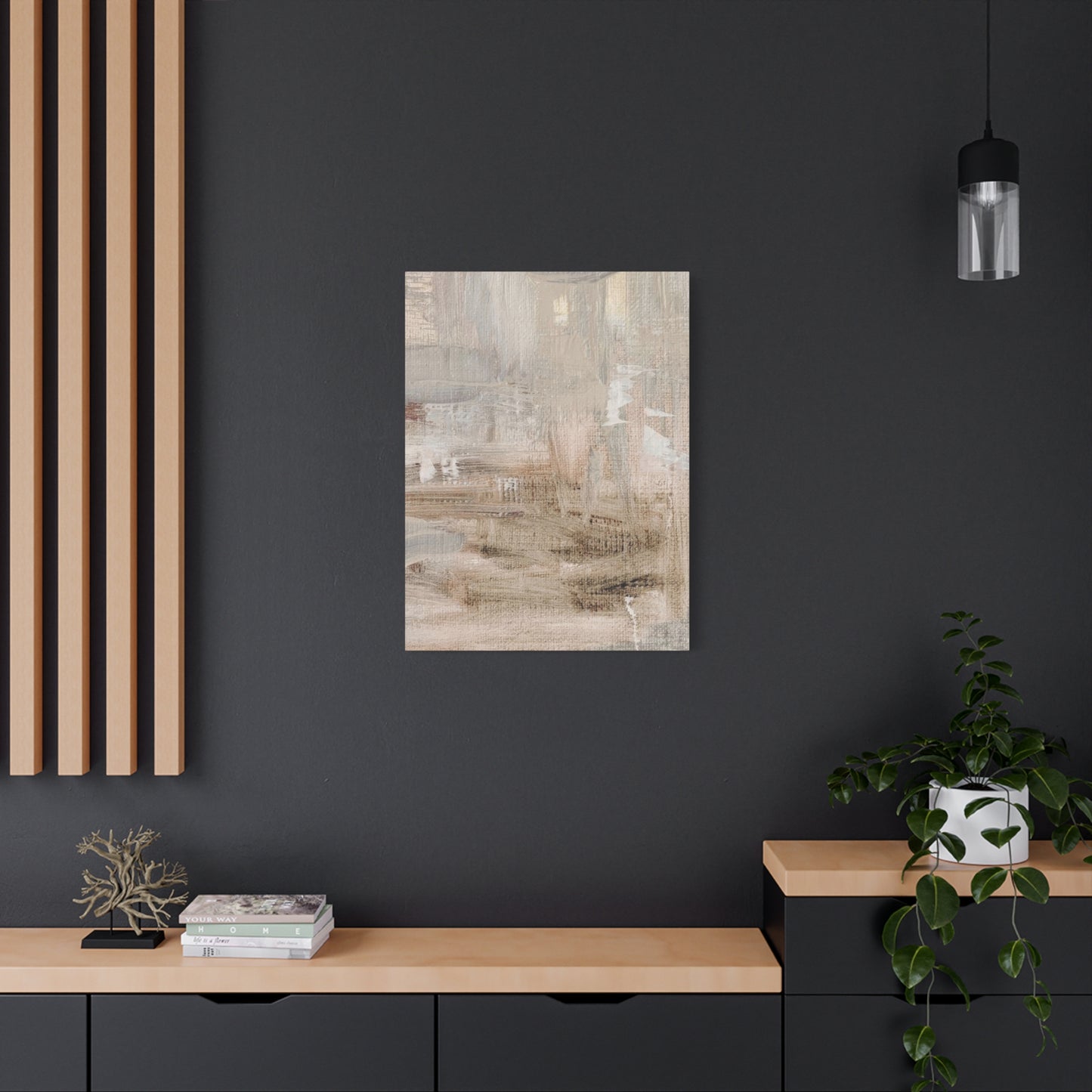
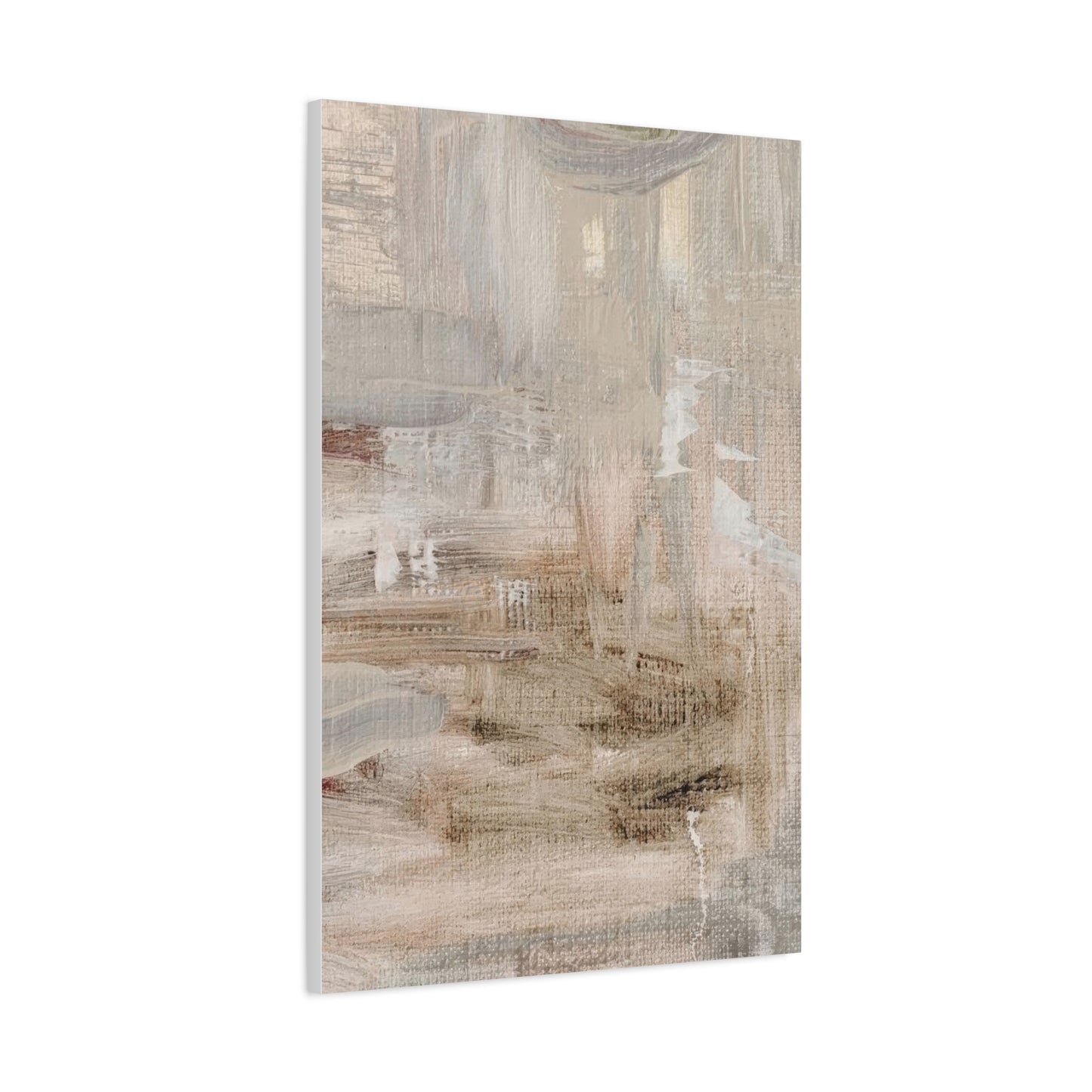
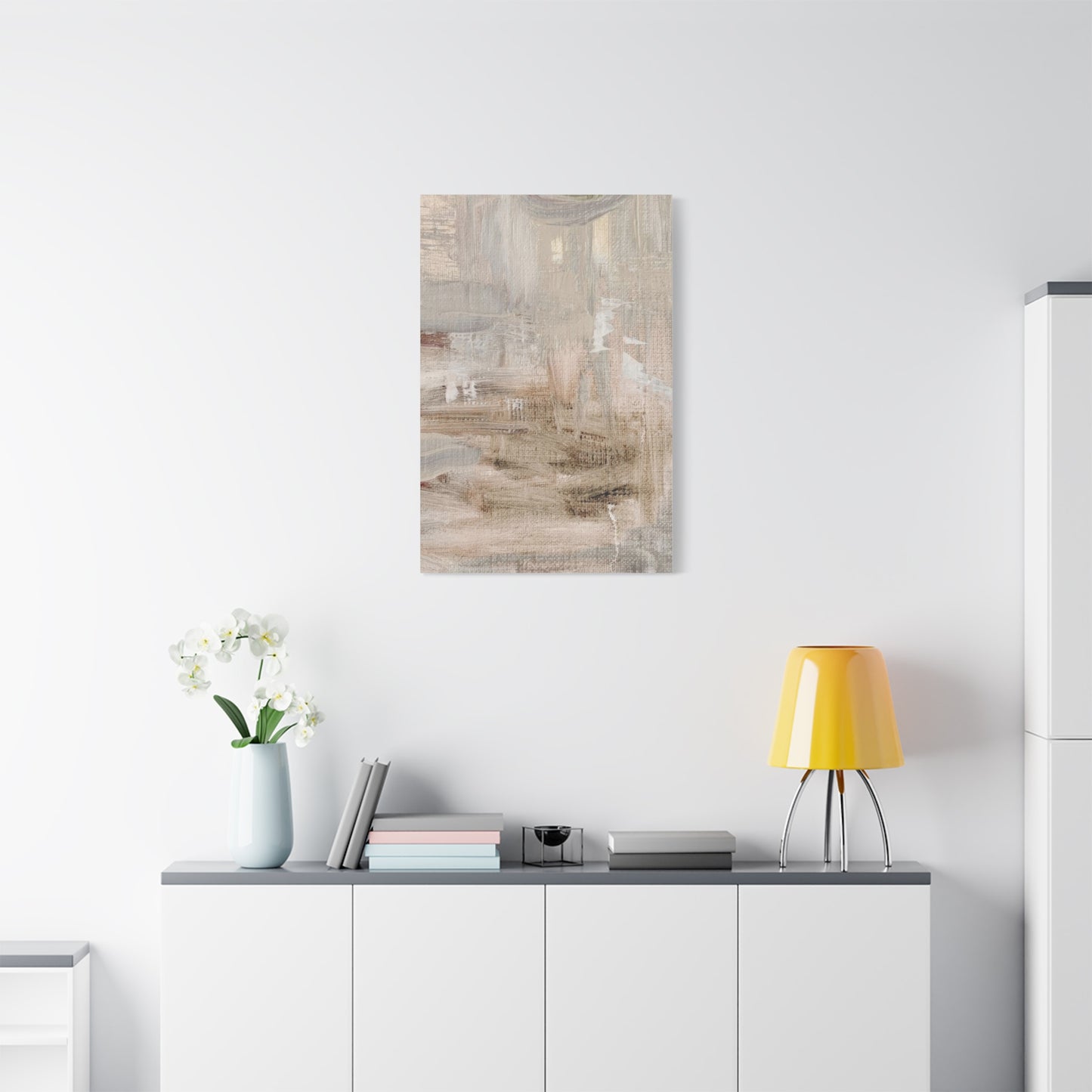
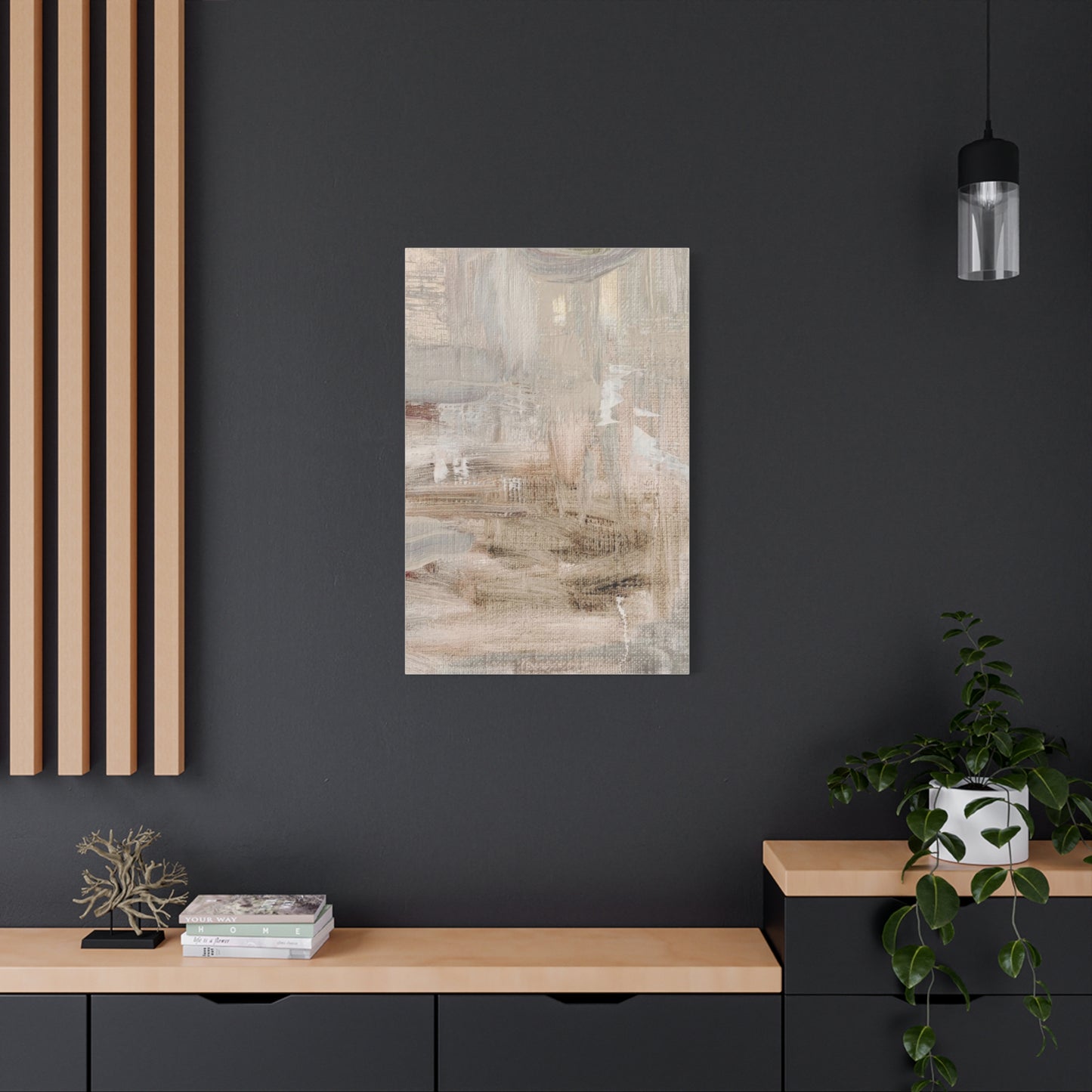
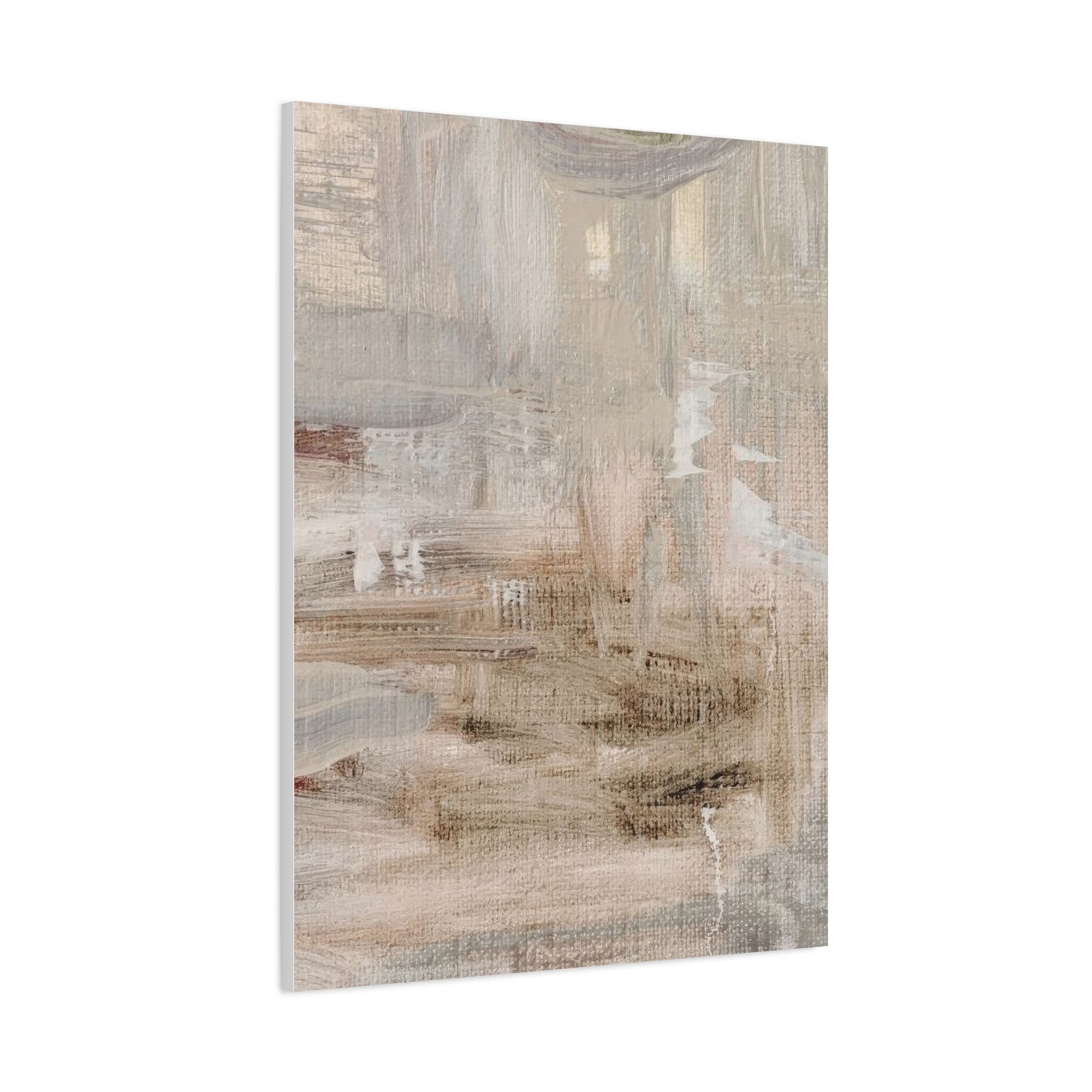
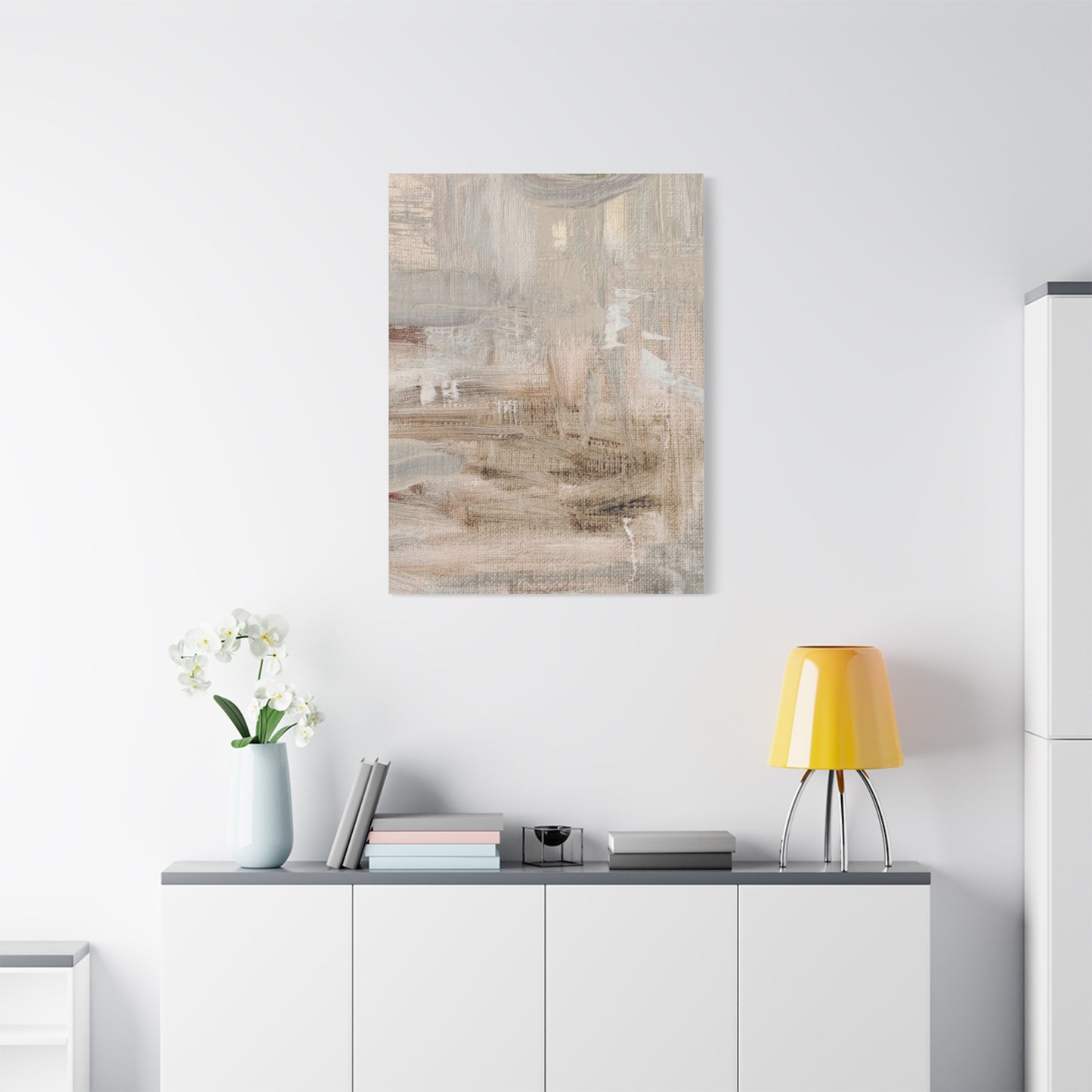
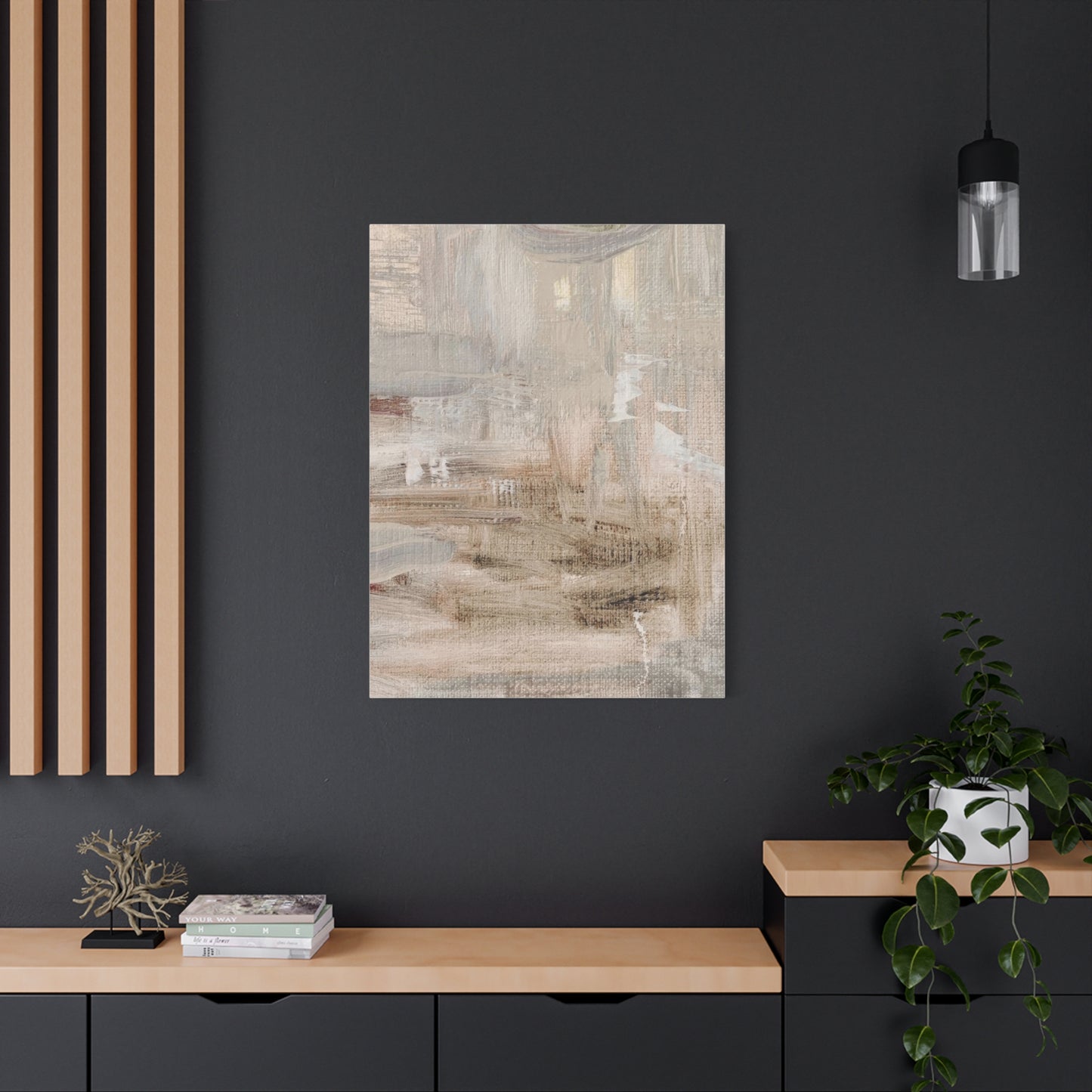
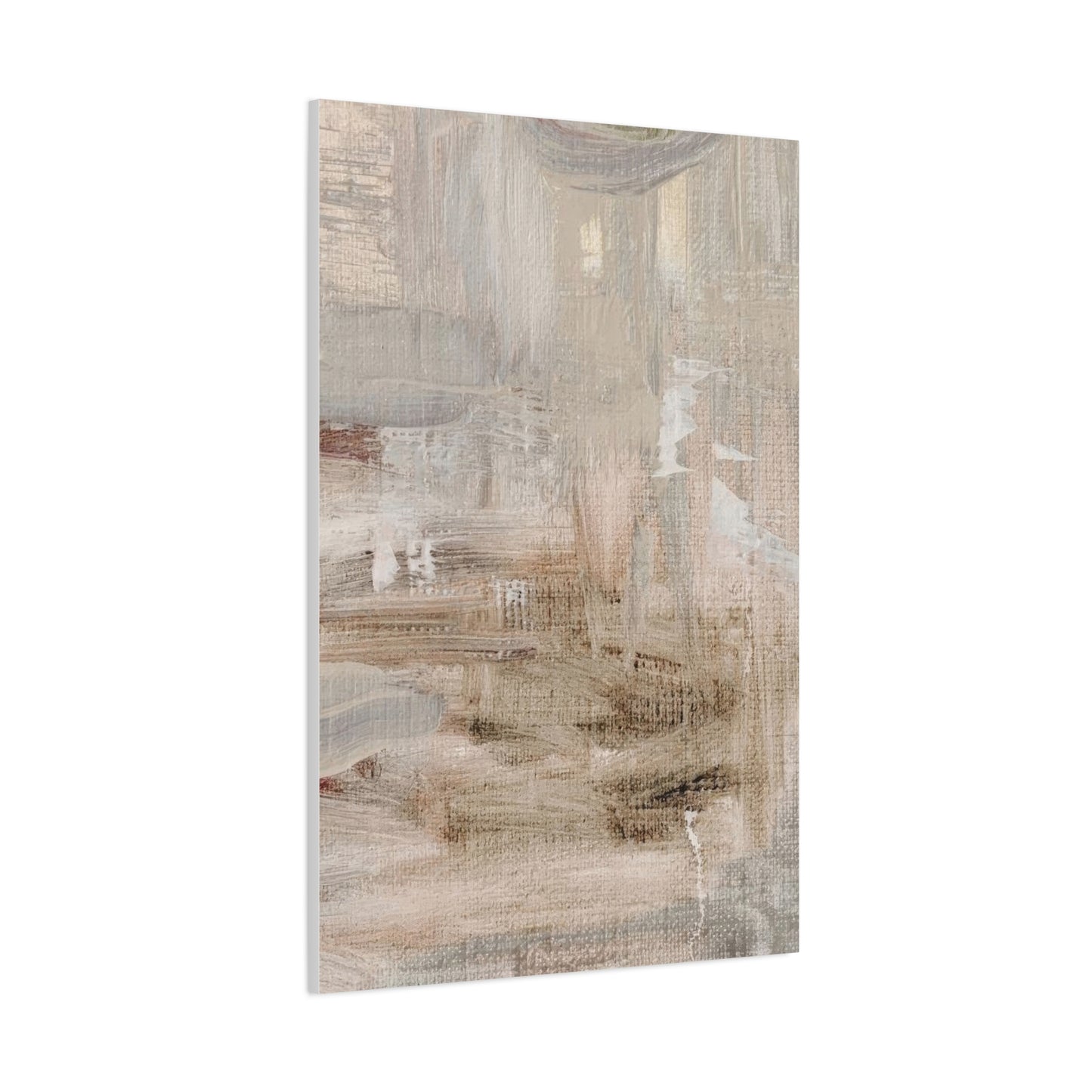
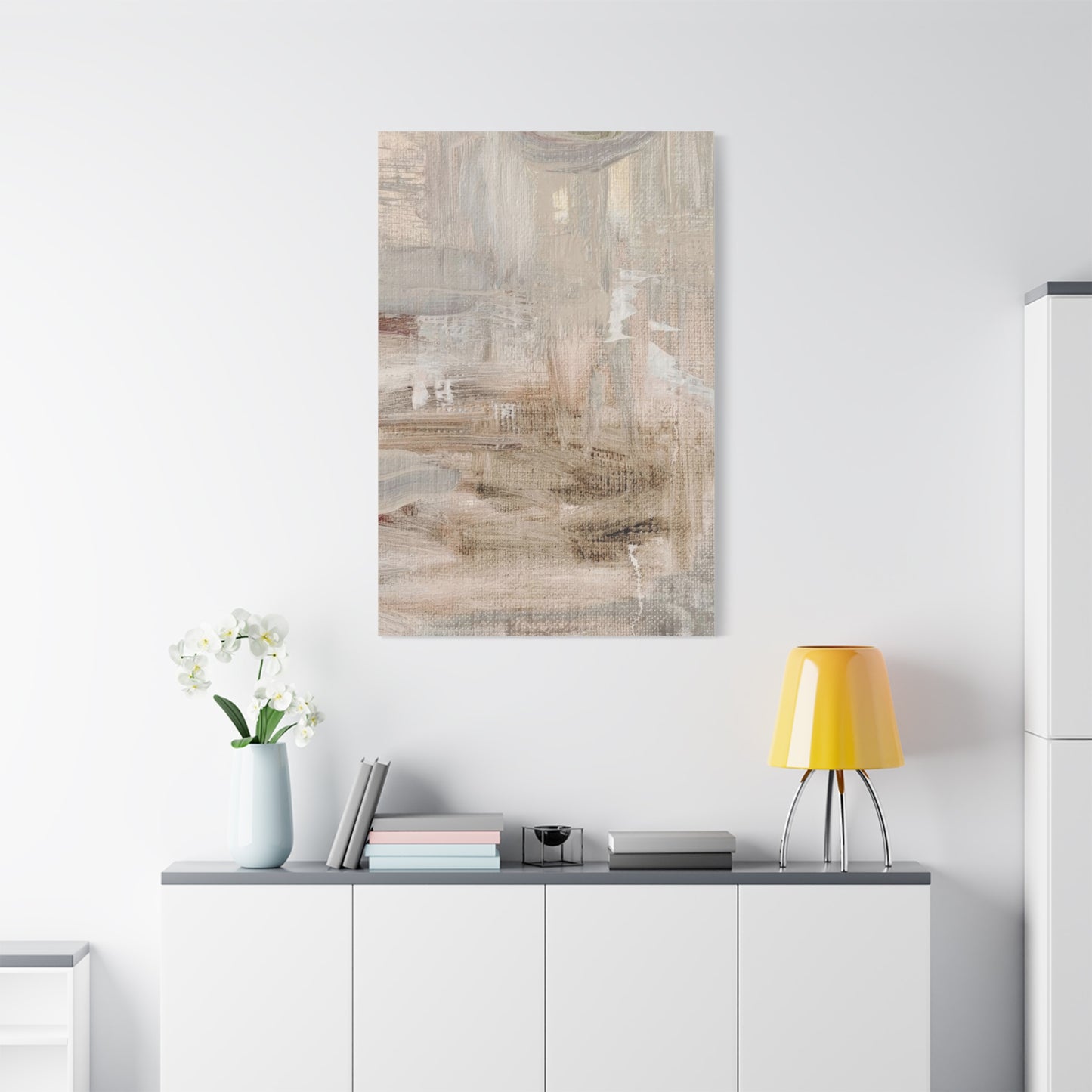
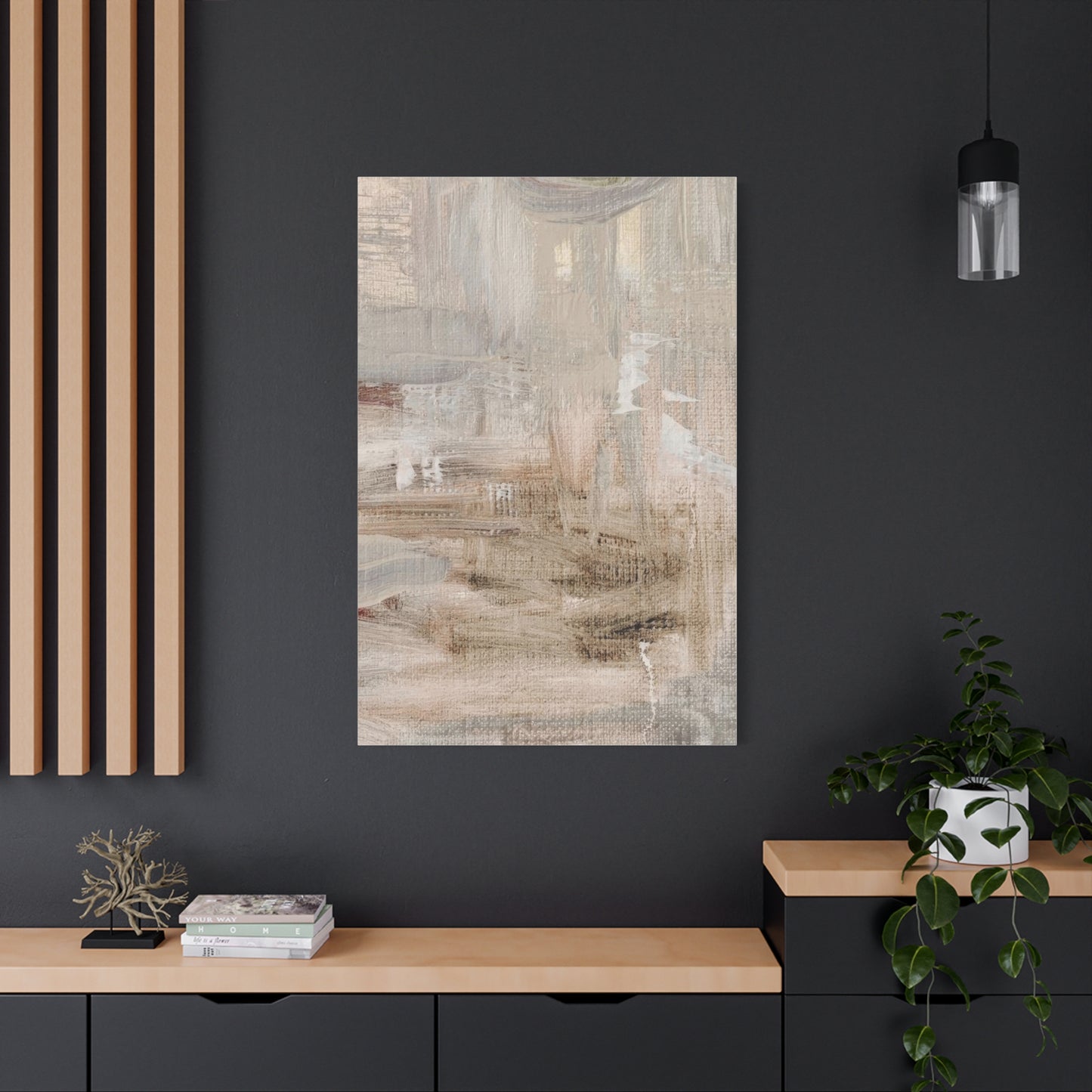
Earthen Layers Wall Art: Bringing Soil, Stone, and Desert Hues into Your Living Space
The world beneath our feet holds remarkable beauty that often goes unnoticed in our daily lives. When we take time to observe the natural stratifications found in geological formations, canyon walls, and desert landscapes, we discover a stunning array of colors, textures, and patterns that tell stories spanning millions of years. These organic visual narratives have inspired artists and designers to capture the essence of earth's natural layering and translate it into captivating wall decorations that transform interior environments.
Canvas artwork featuring geological stratification brings an authentic connection to nature directly into residential and commercial spaces. Unlike manufactured decorative items that rely on artificial color schemes, pieces inspired by natural earth formations draw from genuine color palettes found in soil, sandstone, clay, and sedimentary rock. This authenticity creates an immediate sense of grounding and tranquility that synthetic designs simply cannot replicate.
The appeal of geological-inspired artwork extends far beyond its aesthetic value. These pieces serve as daily reminders of the natural world's beauty, helping to bridge the gap between modern indoor living and the outdoor environments from which we've become increasingly disconnected. In urban settings where access to natural landscapes may be limited, wall decorations featuring stratified earth tones create visual sanctuaries that offer psychological respite from concrete surroundings.
Contemporary interior design increasingly embraces biophilic principles, which recognize humans' innate need to connect with nature. Artwork depicting natural geological formations perfectly embodies these principles by introducing organic elements into built environments. The horizontal banding characteristic of sedimentary layers naturally draws the eye across a space, creating movement and visual interest while maintaining a sense of calm stability.
The versatility of geological-themed artwork makes it suitable for virtually any interior aesthetic. Whether your space features contemporary minimalism, traditional warmth, bohemian eclecticism, or transitional design, pieces inspired by natural earth formations complement existing decor while adding depth and character. The neutral foundation provided by earth tones allows these artworks to serve as either focal points or supporting elements within a broader design scheme.
From a psychological perspective, surrounding ourselves with representations of natural elements has been shown to reduce stress, improve mood, and enhance overall wellbeing. The colors found in geological formations typically fall within warm, neutral ranges that create feelings of safety, comfort, and stability. These aren't the jarring, energetic hues that might overstimulate; instead, they're the soothing tones that help regulate our nervous systems and promote relaxation.
Artists working with geological inspiration employ various techniques to capture the essence of natural layering. Some use thick impasto applications that create actual physical texture, mimicking the tactile quality of weathered stone and compacted soil. Others work with subtle glazing techniques that build translucent layers, echoing the way sediment accumulates over geological time. Still others incorporate mixed media elements, adding sand, crushed minerals, or other natural materials directly into their compositions for enhanced authenticity.
The color variations within geological-themed artwork reflect the incredible diversity found in nature itself. From the deep burgundies and rust tones of iron-rich soil to the soft beiges and creams of limestone, from the warm ochres of desert sand to the cool grays of slate and shale, these pieces showcase the full spectrum of earth's natural pigmentation. This diversity allows for precise color matching with existing interior palettes while maintaining organic authenticity.
Scale plays an important role in the impact of geological artwork. Large-scale pieces create dramatic focal points that anchor entire rooms, while smaller works can be grouped in collections that build visual interest through repetition and variation. The horizontal orientation typical of stratified formations makes these pieces particularly effective above furniture like sofas, beds, or console tables, where they complement rather than compete with the architectural lines of a space.
Natural Beauty: Earthen Layers on Canvas
The inherent beauty found in natural geological formations has captivated human observers since ancient times. When skillfully translated onto canvas, these stratified patterns become accessible works of art that bring wilderness aesthetics into cultivated living environments. The process of capturing nature's layered beauty requires both technical skill and intuitive understanding of how earth elements interact across time and environmental conditions.
Artists working with natural geological inspiration begin their creative journey by developing deep familiarity with actual earth formations. This means spending extended periods observing how light changes the appearance of canyon walls throughout the day, noticing how weather erosion creates subtle texture variations, and understanding the color relationships that emerge from mineral content within different soil and rock types. This observational foundation ensures authenticity in artistic interpretations.
Canvas provides an ideal surface for geological artwork because its texture naturally complements the subject matter. The slight tooth of quality canvas adds dimension to paint applications, allowing artists to build up layers that echo the accumulation processes visible in sedimentary formations. Premium linen canvas offers superior durability and archival quality, ensuring that these natural beauty representations remain vibrant through generations.
The color palette derived from genuine earth materials possesses a harmony that human-invented color combinations rarely achieve. Nature's palette evolved through geological and biological processes spanning millions of years, resulting in color relationships that feel instinctively right to human perception. When artists faithfully reproduce these natural color schemes on canvas, viewers respond with immediate recognition and comfort, even if they cannot consciously articulate why the combinations feel so satisfying.
Layering techniques prove essential when creating geological artwork on canvas. Many artists begin with thinned base coats that establish overall color temperature and value structure. Subsequent layers gradually build opacity and complexity, with some areas receiving numerous applications while others remain relatively transparent. This varied density creates visual interest and depth that flat, single-layer approaches cannot achieve.
Texture application methods range from subtle to dramatic depending on artistic vision and the specific geological formations being referenced. Some artists prefer smooth, almost photographic finishes that emphasize color transitions over surface variation. Others employ heavy impasto techniques, using palette knives, specialized tools, or even their hands to create pronounced three-dimensional surfaces that invite touch as well as visual exploration.
The emotional impact of natural geological beauty on canvas stems partially from its abstraction. While clearly referencing natural phenomena, these artworks don't depict specific recognizable locations. This abstraction allows viewers to project their own experiences, memories, and emotions onto the pieces. A desert dweller might see familiar landscape echoes, while someone who has never visited arid regions simply experiences pleasing color and form relationships.
Scale considerations influence how natural beauty translates to canvas. Geological formations exist at massive scales that dwarf human observers. When condensed onto human-scale canvases, these monumental subjects become intimate and approachable. The translation from landscape to wall art requires artistic decisions about which elements to emphasize, what details to include or omit, and how to maintain the essence of grandeur within manageable dimensions.
Canvas wrap gallery presentation enhances the contemporary appeal of geological artwork. Extending the image around the canvas edges eliminates the need for framing while creating a finished, professional appearance suitable for modern interiors. This presentation style also allows the artwork to float slightly away from the wall when hung, adding subtle shadow dimensionality that further emphasizes the layered nature of the subject matter.
The natural beauty captured in geological canvas art provides year-round visual interest without seasonal limitations. Unlike botanical subjects that may feel more appropriate during specific times of year, earth formations maintain constant relevance. This perpetual appropriateness makes these pieces practical investments that never need rotating into storage, remaining continuously displayed and enjoyed.
Light interaction with geological canvas art creates dynamic viewing experiences. Morning light might emphasize warm undertones, while afternoon illumination brings out cooler accents. Evening artificial lighting produces yet another appearance, especially when warm-temperature bulbs enhance the golden and rust tones common in desert-inspired geological palettes. This changing appearance throughout the day prevents visual boredom and keeps the artwork feeling alive and responsive.
The meditative quality inherent in natural geological formations translates beautifully to canvas representations. Viewers often report feeling calmed by spending time with these pieces, finding that their eyes naturally want to trace along the horizontal bands, explore transition zones between colors, and rest in the organic imperfections that characterize authentic earth-inspired work. This meditative viewing experience provides genuine stress relief in increasingly hectic modern life.
Natural geological canvas art serves educational purposes beyond pure decoration. Children growing up with these pieces in their homes develop visual literacy regarding natural patterns and processes. Casual observation over time teaches lessons about layering, gradation, texture, and color relationships that inform their own creative endeavors and appreciation for both art and nature.
Rustic Elegance: Earth-Toned Wall Art
The marriage of rustic authenticity with refined elegance creates a distinctive aesthetic category that resonates deeply with contemporary sensibilities. Wall art featuring genuine earth tone palettes drawn from natural geological sources embodies this rustic elegance perfectly, offering sophisticated visual experiences rooted in organic authenticity rather than artificial pretension. This combination appeals to individuals seeking to elevate their spaces without sacrificing warmth and approachability.
Rustic elegance in wall art rejects the false dichotomy between refined and natural aesthetics. Traditional interior design often positioned these qualities as opposing choices, suggesting that elegance required distance from earthiness. Contemporary understanding recognizes that true sophistication emerges from authenticity and that nature's own designs offer elegance surpassing human invention. Earth-toned geological art demonstrates this principle through color harmonies and compositional balance that feel both luxurious and genuine.
The earth tone palette central to rustic elegant wall art encompasses extraordinary range within its seemingly narrow parameters. From the palest cream approaching white through progressively deeper beiges, tans, and taupes, continuing into rich browns, warm grays, and near-blacks, the spectrum offers infinite gradation possibilities. Add the warm accent tones of rust, terracotta, ochre, and sienna, plus cooler accents of sage, moss, and stone gray, and the palette proves remarkably versatile.
Texture plays a crucial role in establishing rustic elegance within wall art. Smooth, flat applications can feel too refined and disconnected from earthy origins, while excessively rough textures may appear unfinished or crude. The sweet spot lies in subtle texture variation that suggests natural formation processes without overwhelming the composition. Viewers should sense the texture visually and perhaps feel invited to touch the surface, but the overall impression remains polished and intentional.
Framing choices significantly impact whether earth-toned wall art achieves rustic elegance or veers into either overly rustic or overly formal territory. Simple wood frames in natural finishes like oak, walnut, or reclaimed barn wood enhance rustic qualities while maintaining clean lines that prevent fussiness. Alternatively, minimalist metal frames in bronze, aged brass, or matte black provide contemporary structure that allows the artwork itself to supply warmth and organic elements.
The compositional approach in rustic elegant wall art typically favors balanced asymmetry over perfect symmetry. Natural geological formations rarely display mirror-image balance, instead offering more dynamic arrangements where visual weight distributes across the composition without exact matching between sides. This organic balance feels more relaxed and approachable than rigid symmetry while still providing the compositional stability that elegance requires.
Color temperature decisions within earth-toned wall art influence the specific character of rustic elegance achieved. Warmer palettes dominated by ochres, siennas, and warm browns create cozy, inviting atmospheres perfect for social spaces like living rooms and dining areas. Cooler earth tones featuring more gray, taupe, and muted sage produce calmer, more contemplative moods suitable for bedrooms, studies, and private retreats. Balanced compositions incorporating both warm and cool earth tones offer flexibility that adapts to changing light and seasons.
Scale considerations prove important for maximizing rustic elegance in wall art. Oversized pieces make bold statements that anchor rooms and establish immediate visual hierarchy. Medium-sized works offer versatility for various wall spaces without overwhelming smaller rooms. Collections of smaller pieces grouped together create gallery wall effects that build visual interest through repetition and variation while maintaining cohesive earth-tone unity.
Organic Textures: Layered Earth Wall Décor
Physical texture transforms two-dimensional wall décor into multisensory experiences that engage touch as well as sight. When organic textures inspired by natural earth formations are layered into wall art, the result captures the tactile reality of weathered stone, compacted soil, and wind-eroded surfaces. This textural dimension adds authenticity and depth that flat representations cannot achieve, creating artwork that invites close examination and personal connection.
The concept of layering in textured wall décor mirrors geological processes that create stratified formations over vast time periods. Artists emulate these natural accumulation processes by building up paint, medium, and materials in multiple applications. Early layers establish foundational color and texture, while subsequent additions create complexity and visual interest. The final surface reveals partial glimpses of underlying layers, suggesting depth and history beneath the visible surface.
Various techniques create organic texture in wall décor. Impasto application uses thick paint applied with palette knives, creating pronounced three-dimensional surfaces with distinct ridges and valleys. Dry brushing drags relatively dry paint across previous layers, leaving broken color that reveals underlying tones. Scraping removes wet paint selectively, exposing lower layers while creating linear marks. Stippling uses stiff brushes to create pebbly textures resembling weathered stone.
Mixed media approaches expand textural possibilities beyond paint alone. Artists incorporate modeling paste, texture gels, crushed stone, actual sand, or other natural materials directly into their compositions. These additions create authentic surface variations that purely painted textures approximate but cannot fully replicate. The inclusion of genuine earth materials strengthens conceptual connections between artwork and natural geological subjects.
The visual interest generated by organic texture operates even from distances where individual texture elements become invisible. The way light interacts with textured surfaces creates subtle shadows and highlights that shift as viewing angles and lighting conditions change. This dynamic quality keeps textured artwork visually engaging throughout the day as natural and artificial light sources create different effects.
Tactile invitation represents an often-overlooked aspect of textured wall décor. While viewers typically maintain respectful distance from displayed artwork, heavily textured pieces awaken the urge to touch and explore surfaces physically. This tactile engagement creates deeper memory formation and emotional connection than purely visual experiences. Artwork that engages multiple senses becomes more meaningful and personally significant.
Creating convincing organic texture requires understanding how natural weathering processes affect earth materials. Water erosion produces different patterns than wind erosion. Freeze-thaw cycles create distinct cracking and spalling. Chemical weathering generates unique surface characteristics. Artists studying these natural processes can reproduce them convincingly, creating textures that feel authentic rather than arbitrarily decorative.
The scale of textural elements influences overall impact and viewing distance. Fine-grained textures reward close examination, revealing intricate details that might be missed from across a room. Coarse, bold textures make strong statements visible from greater distances but may appear crude or overwhelming when viewed up close. Skilled artists vary textural scale within single compositions, creating focal areas with pronounced texture while maintaining subtler surface treatment in supporting areas.
Color interaction with texture adds complexity to layered wall décor. Textured surfaces catch light differently across their irregular topography, causing perceived color to shift based on viewing angle. Colors applied to peaks of textured surfaces receive more direct light and appear brighter, while pigment settling into valleys appears darker and more saturated. This color modulation through texture creates richness and depth impossible in flat applications.
Minimalist Earth: Subtle Earthen Wall Art
Minimalism and earth-inspired aesthetics combine beautifully in wall art that embraces restraint while maintaining organic warmth. Subtle earthen artwork distills geological beauty to essential elements, eliminating extraneous details to focus attention on fundamental color relationships, simple compositional structures, and refined surface treatments. This reductive approach creates pieces that feel simultaneously sophisticated and grounded, contemporary and timeless.
The minimalist interpretation of earthen subjects requires disciplined editing. Rather than including multiple geological layers with varied colors and complex transitions, minimalist approaches might feature just two or three subtle tones with clean divisions. Where maximal approaches celebrate abundant texture and detail, minimalist work embraces smooth surfaces and uncluttered compositions. This restraint demands confidence and technical skill to ensure that simplification doesn't become simplistic.
Color palettes in minimalist earthen wall art typically favor close harmonies over dramatic contrasts. Subtle variations within narrow value ranges create gentle, sophisticated effects that reward careful observation. The palette might consist entirely of warm beiges differing by mere degrees, or cool grays transitioning almost imperceptibly from light to dark. These restrained color choices prevent visual overwhelm and support contemplative viewing experiences.
Compositional approaches in minimalist earthen art often feature clear geometric organization. Horizontal bands of color reference geological strata without detailed rendering of specific formations. These bands might occupy equal space for rhythmic repetition or vary in width for dynamic tension. The geometry remains simple and legible, avoiding complex layering that would contradict minimalist principles.
The role of negative space becomes crucial in minimalist earthen wall art. Whereas maximal approaches fill every inch of canvas with marks and colors, minimalist work allows areas to remain relatively empty. This breathing room prevents visual congestion and directs attention to the elements that are present. The balance between filled and empty space creates sophisticated compositions that feel calm and resolved.
Surface treatment in minimalist earthen art typically favors smooth, even applications over heavy texture. The goal is refinement and clarity rather than tactile complexity. Paint layers build subtly to create luminous color fields without obvious brushwork. This smooth finish allows color itself to take center stage without textural distractions competing for attention.
The philosophical alignment between minimalism and earthen subjects runs deeper than mere aesthetic compatibility. Both embrace fundamental truths stripped of ornamentation. Geological formations represent essential processes of accumulation, compression, and erosion operating across vast timeframes. Minimalist art seeks essential forms and relationships beneath superficial complexity. This shared focus on fundamentals creates natural synergy.
Scale considerations prove especially important in minimalist earthen wall art. These pieces often work best in larger formats where simplified compositions avoid feeling insubstantial. A large canvas featuring just two or three earth tones in horizontal bands creates commanding presence through confident simplicity. The same composition reduced to small dimensions might appear unfinished or lacking in ambition.
Viewing distance affects how minimalist earthen art reveals its subtleties. From across a room, these pieces might read as simple blocks of color with clear divisions. Moving closer reveals gentle gradations, slight variations within seemingly solid color fields, and refined edges where tones meet. This reward for closer inspection creates layered viewing experiences despite surface simplicity.
Abstract Landscapes: Earthen Layers in Art
Abstract landscape interpretation allows artists to capture the essence of geological formations without literal representation. This approach distills natural earthen layers into their fundamental visual elements, emphasizing color, form, texture, and spatial relationships rather than detailed realistic rendering. The result creates artwork that references landscape origins while maintaining freedom for personal interpretation and emotional response.
The abstraction process requires keen observation coupled with willingness to simplify and reimagine. Artists study actual geological formations to understand their underlying structure, color patterns, and spatial dynamics. Then rather than reproducing these observations photographically, they extract essential characteristics and translate them into personal visual languages. This transformation from specific to universal creates artwork with broader appeal and deeper meaning.
Horizontal banding dominates abstract earthen landscape compositions, echoing the stratification visible in canyon walls, road cuts, and sedimentary outcrops. These bands might maintain relatively consistent width for rhythmic effect or vary dramatically to create dynamic movement. The spaces between bands, whether hard-edged or softly graduated, establish visual breathing room and prevent monotonous repetition.
Color relationships in abstract earthen landscapes balance naturalistic observation with expressive freedom. While staying generally within earth-tone families maintains connection to geological subjects, artists can push saturation, adjust values, or introduce unexpected hues that wouldn't appear in nature. This expressive liberty separates art from documentation, allowing emotional content to emerge alongside observational accuracy.
Spatial ambiguity characterizes successful abstract landscape work. Rather than clearly defining foreground, middle ground, and background, abstract approaches create ambiguous spatial relationships where layers might simultaneously read as distant horizons and immediate surface patterns. This visual uncertainty engages viewers actively, inviting multiple interpretations rather than presenting single correct readings.
The emotional content in abstract earthen landscapes often exceeds what literal representations convey. By reducing scenes to essential elements, artists concentrate meaning and impact. A simple horizontal division between warm ochre and cool gray might evoke desert twilight more powerfully than detailed renderings of specific locations. Abstraction removes particularities that limit interpretation, creating universal resonance.
Scale relationships within abstract earthen landscape compositions require careful calibration. Elements must be large enough to register clearly without becoming crude or simplistic. Details should reward close examination without demanding it for basic comprehension. Balancing these competing needs produces artwork that functions effectively at multiple viewing distances and provides layered experiences for sustained engagement.
The transition zones where different earthen layers meet demand special attention. Soft gradations create gentle, harmonious effects appropriate for calming environments. Sharp divisions generate more energetic, dramatic impacts suitable for spaces needing visual activation. Most sophisticated abstract landscapes incorporate both types of transitions, using variety to maintain interest while avoiding chaotic complexity.
Mark-making in abstract earthen landscapes can suggest natural weathering processes without literally depicting them. Horizontal scraping marks evoke wind erosion. Vertical drips reference water action. Irregular cracking patterns recall mud desiccation or freeze-thaw damage. These suggestive marks add authenticity and visual interest while maintaining abstract freedom.
Warm Hues: Bringing Nature Indoors with Wall Art
The warm color range within earth-tone palettes offers particular psychological and aesthetic benefits when incorporated into interior wall art. Colors including ochre, sienna, terracotta, rust, amber, and warm browns create immediate feelings of comfort, energy, and welcome. These hues reference autumnal landscapes, desert sunsets, and rich fertile soil, triggering associations with abundance, warmth, and security that operate at deep psychological levels.
Warm earthen hues literally increase perceived temperature in rooms where they're displayed. Color psychology research demonstrates that environments dominated by warm colors feel several degrees warmer than identical spaces featuring cool palettes. This psychological heating effect can reduce actual heating needs in cold climates while creating cozy atmospheres year-round. Wall art concentrating warm earth tones delivers these benefits in manageable doses.
The biological basis for warm color preference relates to evolutionary history. Warm earth tones signal essential resources including food, shelter materials, and fire. Orange and yellow tones indicate ripe fruit and edible tubers. Brown tones suggest wood for building and burning. Red-browns indicate iron-rich soil capable of supporting agriculture. These ancient associations influence modern responses to warm-hued wall art.
Creating successful warm-toned earthen wall art requires understanding color temperature relationships within the warm spectrum itself. Not all warm colors work equally well together. Orange-based ochres pair beautifully with red-based siennas but might clash with yellow-based golds. Understanding these subtle temperature variations within warm families allows artists to compose harmonious palettes despite limited color ranges.
The intensity or saturation of warm earth tones significantly affects emotional impact. Highly saturated warm colors create energetic, stimulating environments appropriate for social spaces and areas intended for activity. Muted, desaturated warm tones produce gentler effects suitable for bedrooms and contemplative areas. Most sophisticated warm-toned artwork incorporates varied saturation levels to prevent monotony.
Light interaction with warm earth tones creates dynamic viewing experiences throughout the day. Morning light emphasizes golden and amber notes. Midday illumination can cool warm tones slightly through blue-sky influence. Late afternoon and sunset light intensify rust and terracotta tones dramatically. Evening artificial warm white lighting deepens umbers and siennas. This shifting appearance maintains visual interest across changing conditions.
Warm earthen wall art serves as effective focal points in neutral or cool-dominated spaces. A piece featuring rich terracotta, rust, and sienna becomes immediate visual anchor in rooms with gray, white, or blue color schemes. The warm artwork prevents these cooler palettes from feeling stark or uninviting while maintaining overall sophisticated restraint.
The complementary relationship between warm earth tones and cool accents creates visual tension that energizes compositions. Small amounts of cool sage green, dusty blue, or charcoal gray intensify adjacent warm colors through simultaneous contrast. This color theory principle allows artists to maximize warm color impact through strategic cool accent placement.
Seasonal appropriateness makes warm earthen wall art particularly appealing during autumn and winter months. These pieces echo seasonal landscape changes and align with holiday color traditions. However, quality warm-toned artwork maintains year-round relevance, providing visual warmth that balances air conditioning in summer while literally warming spaces during cold months.
Desert Inspiration: Earthen Layers Canvas Prints
Desert landscapes provide exceptional inspiration for layered earthen canvas art through their exposed geological formations and distinctive color palettes. The arid environments that characterize deserts create conditions where erosion patterns become clearly visible, sedimentary layers reveal themselves dramatically, and colors achieve intensity impossible in more vegetated regions. Artists drawing from desert inspiration access visual richness that translates beautifully to canvas interpretations.
The color palette characteristic of desert regions spans warm earth tones with particular emphasis on ochres, terracottas, siennas, and warm grays. These hues emerge from mineral content in desert soils and rocks, especially iron oxides that create rust and red tones. The low moisture and sparse vegetation in deserts prevents organic material from muting these vibrant mineral colors, allowing pure geological pigmentation to dominate landscapes.
Specific desert regions offer distinct color signatures that artists can reference. The American Southwest features reds and oranges in formations like those visible in Arizona and Utah. African deserts display golden sands and warm beiges. Australian outback presents deep rust tones and burnt umbers. Middle Eastern deserts show pale creams and soft tans. This geographic diversity provides endless inspiration variations.
The horizontal banding so characteristic of canyon walls in desert regions translates naturally to layered canvas compositions. These geological strata formed through millions of years of sediment accumulation, with different colors indicating varying mineral content, particle size, and formation conditions. Artists abstracting these patterns create work rooted in authentic natural processes rather than arbitrary decorative choices.
Desert light quality contributes significantly to the inspiring visual character of these landscapes. Clear, dry air allows intense sunlight without atmospheric moisture diffusion. This creates sharp shadows, brilliant highlights, and color saturation that exceeds what temperate climates typically display. Artists working from desert inspiration often push color intensity and value contrast beyond what seems natural to viewers unfamiliar with actual desert conditions.
The sculptural quality of desert erosion patterns offers textural inspiration beyond color alone. Wind and rare but intense rainfall create unique surface characteristics including smooth wind polish, sharp-edged rock fractures, and flowing contours in sandstone formations. These varied textures translate to diverse mark-making and surface treatment techniques in canvas interpretations.
Canvas prints inspired by desert earthen layers work particularly well in spaces seeking to evoke specific geographic character. Southwestern interior design styles find perfect companions in artwork referencing regional desert formations. Spaces decorated with natural materials including leather, aged wood, and wrought iron harmonize beautifully with desert-inspired earth-toned canvases.
The emotional associations with desert landscapes include both harshness and beauty, isolation and peace, emptiness and spiritual fullness. These complex, sometimes contradictory feelings create psychological depth in desert-inspired artwork. Viewers respond not just to surface beauty but to subtextual meanings related to survival, simplicity, and essential nature.
Creating authentic desert-inspired canvas art often requires field research. Artists who have actually experienced desert environments bring firsthand understanding to their work that library research cannot provide. The scale relationships, color transitions, and atmospheric effects witnessed personally inform creative choices in ways that photographs alone cannot convey.
Nature's Palette: Layered Soil and Rock Colors
The extraordinary color range visible in natural soil and rock formations provides artists with ready-made palettes of proven harmonious relationships. These colors didn't emerge from human color theory but from geological and biological processes operating across millions of years. The result is color combinations that feel instinctively right because they reflect actual natural relationships that humans evolved seeing and responding to positively.
Soil colors derive primarily from mineral content, organic matter, moisture levels, and oxidation states. Iron oxides create reds, oranges, and yellows depending on oxidation degree and hydration. Organic matter produces dark browns and blacks. Clay minerals contribute grays and subtle blues. Calcium carbonate adds white and cream tones. These varied sources create incredibly diverse soil color possibilities even within single locations.
Rock colors similarly reflect mineral composition and formation conditions. Igneous rocks display colors determined by their mineral makeup, with quartz-rich types appearing lighter and iron-rich varieties showing darker tones. Sedimentary rocks often feature banding where different sediment sources created layers of varying color. Metamorphic rocks show color patterns influenced by heat and pressure transformations of parent materials.
The weathering process that affects exposed rock surfaces adds additional color complexity. Fresh rock breaks may reveal interior colors quite different from weathered exterior surfaces. Oxidation darkens many rocks over time. Lichen growth introduces greens, oranges, and blacks. Desert varnish creates dark coating on rock faces. These weathering patterns provide visual interest that artists incorporate into layered compositions.
color relationships. A beige that leans slightly warm versus one that tips toward cool changes overall composition temperature. These nuances separate authentic earth-inspired work from generic brown paintings.
Color mixing to achieve natural earth tones requires understanding pigment characteristics. Some earth pigments are transparent, others opaque. Some have high tinting strength, others weak. Some granulate in watercolor applications, others remain smooth. Professional artists master these technical details to achieve intended effects efficiently without wasted materials or frustrated experimentation.
The regional variation in soil and rock colors reflects local geology and climate. Tropical regions often show bright reds from intense weathering. Temperate zones display more browns and grays. Desert areas feature vibrant ochres and siennas. Arctic regions exhibit subtle cool-toned earth palettes. This geographic diversity allows artists to reference specific locations or create hybrid palettes drawing from multiple sources.
Layering soil-inspired colors creates visual depth that mimics actual geological stratification. Warm layers might alternate with cool ones, echoing how different sediment sources created distinct bands. Transparent glazes over opaque bases generate luminous effects impossible with single paint applications. This technical layering mirrors the conceptual subject matter perfectly.
The texture possibilities within soil and rock-inspired work range dramatically. Smooth applications evoke water-polished stones or fine-grained soils. Rough, heavily textured surfaces suggest coarse gravel or fractured rock. Varied texture within single compositions creates visual interest and suggests the diverse surface characteristics found in actual geological formations.
Historical use of earth pigments connects contemporary art with ancient practices. Ochres, umbers, and siennas rank among humanity's oldest artistic materials, appearing in cave paintings tens of thousands of years old. Using these pigments today creates continuity with artistic heritage spanning human history. This connection adds conceptual depth beyond immediate visual impact.
Earthy Accents: Wall Art for Cozy Interiors
Creating cozy interior atmospheres requires careful attention to multiple sensory dimensions, with visual warmth playing particularly crucial roles. Wall art featuring earthy color palettes and organic subject matter contributes significantly to cozy ambiance by introducing natural elements, warm tones, and textural interest that transform cold spaces into welcoming retreats. The right earth-inspired artwork becomes more than decoration, functioning as essential component in overall comfort strategy.
The concept of coziness or hygge in Scandinavian design vocabulary encompasses physical warmth, emotional comfort, visual softness, and sense of protected shelter. Earth-toned wall art supports all these dimensions simultaneously. Warm colors literally increase perceived temperature. Organic subjects trigger positive associations with nature and home. Textured surfaces add tactile dimension even through visual suggestion alone.
Selecting wall art for cozy interiors prioritizes warm earth tones over cool ones. While both have places in earth-inspired work, cozy environments specifically benefit from ochres, siennas, warm browns, terracotta, and rust tones that psychologically warm spaces. These colors work particularly well in rooms with northern exposure or spaces that receive limited natural light where warmth needs boosting.
The scale of wall art affects its contribution to cozy atmosphere. Oversized pieces can feel overwhelming in small cozy spaces, whereas tiny artworks appear insignificant and fail to make desired impact. Medium-sized pieces typically work best, large enough to register as important design elements but not so dominant that they overpower intimate room proportions common in cozy environments.
Texture in earthy wall art amplifies cozy feeling through suggested tactility. Even when protected behind glass or untouchable due to delicate surfaces, textured artwork invites imagined touch that engages viewers more fully than flat surfaces. This psychological engagement increases emotional connection and sense of comfort that defines truly cozy spaces.
Grouping multiple smaller earth-toned pieces creates gallery walls that add visual warmth and interest without single overwhelming focal points. This approach works particularly well in cozy reading nooks, bedroom corners, or intimate dining areas where scattered visual interest feels more appropriate than commanding large-scale statements. Varied frame styles within coherent color palette prevents rigidity while maintaining overall harmony.
The subject matter in earth-inspired wall art for cozy interiors should avoid harsh, dramatic, or unsettling imagery. While geological subjects can include stark desert landscapes or dramatic canyon formations, pieces selected for cozy spaces benefit from gentler interpretations emphasizing soft transitions, harmonious colors, and peaceful compositions that support relaxation rather than stimulation.
Lighting considerations prove crucial for maximizing earth-toned artwork's contribution to cozy atmosphere. Warm white artificial lighting in the 2700-3000K temperature range enhances warm earth tones and creates glowing effects in evening hours when coziness matters most. Dimmers allow adjusting light levels to match activities and moods, increasing flexibility in how spaces feel throughout the day.
Layering earth-toned wall art with other cozy design elements amplifies overall effect. Pair geological artwork with soft textiles including wool throws, linen curtains, and cotton cushions. Add natural wood furniture and accessories. Introduce living plants that bring organic green notes complementing earthy artwork. These layered natural elements create cohesive cozy environments where each component reinforces others.
The personal connection with displayed artwork increases cozy feeling by making spaces feel truly yours rather than generically decorated. Selecting earth-inspired pieces that remind you of meaningful places, evoke positive memories, or simply bring genuine joy ensures that your cozy space reflects authentic personality rather than following prescribed formulas that feel impersonal.
Seasonal rotation allows adjusting cozy atmosphere throughout the year. Warmer earth-toned pieces might dominate during cold months when extra psychological warmth feels most valuable. Slightly cooler earth palettes can refresh spaces during warmer seasons without abandoning overall earthy aesthetic. This flexibility prevents spaces from feeling static while maintaining coherent design direction.
Budget considerations shouldn't prevent incorporating earthy wall art in cozy interiors. While original artwork commands premium prices, high-quality prints of earth-inspired work offer accessibility. Framing prints behind glass in warm wood frames creates finished appearance rivaling more expensive options. Alternatively, printable digital art allows ultra-affordable access to earth-toned imagery for budget-conscious cozy space creation.
Modern Rustic: Earthen Layers for Living Rooms
Modern rustic design aesthetics balance contemporary clean lines with organic warmth, creating living spaces that feel simultaneously current and timeless. Earthen layer artwork serves this design approach perfectly by providing organic subject matter and natural color palettes within sophisticated contemporary artistic execution. The result bridges past and present, tradition and innovation, natural and designed environments.
The living room functions as primary gathering and presentation space in most homes, making design choices here particularly important. Modern rustic living rooms require careful calibration to avoid tipping too far into either cold contemporary sterility or dated country kitsch. Earth-toned layered artwork maintains this balance by bringing warmth without fussiness and contemporary sensibility without coldness.
Scale considerations in living room artwork generally favor larger pieces or multiple coordinated works. Living rooms typically offer wall expanses that can accommodate substantial art without overwhelming the space. A large horizontal earthen layer canvas above a sofa anchors the room and establishes immediate design direction. The commanding presence of significant artwork elevates the entire space.
Color coordination between earthen layer artwork and living room furnishings creates cohesive design that feels intentional rather than randomly assembled. Draw accent colors from the artwork for throw pillows, area rugs, or decorative accessories. This repetition unifies the space while the artwork itself provides focal point interest that prevents monotonous matchy design.
The contemporary execution of geological subjects distinguishes modern rustic from traditional rustic approaches. Rather than literal landscape paintings or wildlife art that might feel dated, abstract or semi-abstract interpretations of earthen layers feel current and sophisticated. This updated approach to rustic subject matter allows incorporating natural elements without sacrificing contemporary design credibility.
Furniture selection in modern rustic living rooms typically includes clean-lined pieces in natural materials. Low-profile sofas in neutral upholstery, wood coffee tables with simple forms, and minimal accessories create foundations that earthen layer artwork complements beautifully. The artwork provides organic interest and color warmth that prevents these pared-down spaces from feeling austere or unwelcoming.
Lighting design amplifies earthen layer artwork's impact in living rooms. Track lighting allows adjustable spotlighting that can emphasize artwork during evening hours when living rooms see heavy use. Wall sconces flanking artwork add ambient lighting while drawing attention to pieces. Table and floor lamps with warm bulbs create layered lighting that makes earth tones glow invitingly.
The social psychology of living room design benefits from earthy color palettes that encourage conversation and connection. Warm earth tones psychologically decrease interpersonal space boundaries, making people feel more comfortable interacting closely. Living rooms featuring appropriate earthen layer artwork become natural gathering points where family and guests want to spend time together.
Architectural coordination ensures earthen layer artwork works with rather than against structural features. Horizontal artwork emphasizes room width. Vertical pieces can make standard-height ceilings feel taller. Collections of multiple pieces fill large wall expanses without requiring single oversized work. Understanding these spatial relationships produces harmonious results rather than awkward design friction.
Layered Horizons: Abstract Earth Wall Art
Horizon lines feature prominently in landscape perception and artistic composition, creating natural division between earth and sky or between different landscape planes. When abstracted and interpreted through earth-inspired wall art, these horizontal divisions become powerful compositional tools that organize space, create movement, and suggest depth while maintaining connection to geological stratification visible in canyon walls and exposed sedimentary formations.
The horizontal orientation itself carries psychological associations with stability, calm, and grounded energy. Unlike vertical lines that suggest upward movement and aspiration, horizontal lines feel restful and settled. This inherent quality makes horizon-based earthen wall art particularly appropriate for spaces intended for relaxation, contemplation, and stress recovery.
Creating visual interest within predominantly horizontal compositions requires careful attention to variation and rhythm. Bands of different widths prevent monotonous repetition. Subtle curves or irregularities within apparently straight divisions add organic authenticity. Varied color intensity between layers creates spatial illusion where some bands advance visually while others recede, building three-dimensional depth within two-dimensional surfaces.
The transition zones where horizontal color bands meet demand artistic decision-making about hard versus soft edges. Crisp divisions create more dynamic, energetic effects appropriate for stimulating environments. Soft gradual transitions produce gentler, more meditative impacts suitable for calming spaces. Most sophisticated horizon-based compositions incorporate both edge types strategically placed to create visual variety and guide eye movement.
Color temperature alternation between horizontal bands generates visual vibration and interest. A warm rust band might sit above cooler gray-taupe, creating subtle temperature contrast that prevents monotony despite overall neutral palette. Understanding how warm colors advance visually while cool colors recede allows artists to create spatial illusion purely through temperature manipulation within horizontal stratification.
The number of horizontal divisions in abstract horizon compositions affects complexity and pacing. Fewer large bands create bold, simplified statements that read clearly from distance. Many narrow bands build intricate complexity rewarding close examination. The choice depends on viewing distance, room function, and desired emotional tone. No single approach proves universally superior, making this artistic decision context-dependent.
Value contrast between adjacent horizontal bands determines composition's visual impact and readability. High contrast creates dramatic, attention-grabbing effects. Low contrast produces subtle, nuanced results that reveal themselves gradually. Strategic placement of highest contrast areas draws attention to compositional focal points even within abstract work lacking recognizable subject matter.
The implied landscape in horizon-based abstract earthen art invites personal interpretation without prescribing specific readings. Viewers might see desert horizons, ocean meetings with sky, stratified canyon walls, or purely abstract color relationships depending on personal experience and imaginative engagement. This interpretive flexibility makes horizon art broadly appealing across diverse audiences with different backgrounds and preferences.
Placement height for horizon-based artwork significantly affects its impact. Hanging pieces so horizontal divisions align roughly with viewers' eye level when seated or standing creates subconscious comfort through visual alignment. This positioning feels natural and unforced, whereas significantly offset placement might create subtle psychological tension that prevents complete relaxation.
Conclusion:
Earthen Layers Wall Art: Bringing Soil, Stone, and Desert Hues into Your Living Space embodies the profound connection between human environments and the natural landscapes that inspire them. By drawing from the muted beauty of the earth—its stratified layers, rich mineral tones, and timeless textures—this form of art offers a grounded and deeply restorative approach to interior design. These works serve not only as decorative pieces but as meditative explorations of balance, authenticity, and natural harmony. Through the use of soil-inspired colors and organic forms, earthen wall art transforms spaces into sanctuaries of calm sophistication, uniting the raw beauty of nature with the curated precision of modern aesthetics.
At its core, earthen layers wall art is an homage to the geological poetry of the planet. The imagery often captures horizontal strata of rock and soil, evoking both permanence and transformation—reminders of the slow artistry of time. Shades of ochre, sienna, sand, and terracotta mirror the tones found in deserts, cliffs, and riverbeds, while textured surfaces emulate the tactile essence of stone and clay. This fusion of visual and material depth creates an immediate sensory connection, grounding interiors in a palette that feels both elemental and enduring. It invites viewers to engage with the artwork not only visually, but emotionally—to sense the quiet stability and strength that the earth itself conveys.
From a design perspective, earthen wall art offers remarkable versatility across diverse interiors. Its natural tones blend seamlessly with minimalist and contemporary aesthetics, yet equally complement rustic, bohemian, or Southwestern-inspired spaces. In modern settings, the artwork’s organic irregularity softens sleek lines and metallic accents, adding warmth and depth. In more traditional or nature-driven interiors, it reinforces the harmony between structure and environment, echoing the materials—wood, stone, and fiber—that define organic living spaces. Whether as a grand statement canvas or a subtle gallery arrangement, earthen hues anchor rooms with calm visual rhythm and understated elegance.
The psychological impact of earth-toned art is equally profound. Studies in color psychology reveal that hues derived from soil and stone foster relaxation, stability, and emotional grounding. These tones slow the pace of visual engagement, allowing the eye and mind to rest. For this reason, earthen wall art is ideal for spaces intended for restoration and reflection—living rooms, bedrooms, reading corners, or creative studios. The imagery’s layered compositions subtly mirror the complexity of human thought and emotion, making the art both intellectually and spiritually resonant.
Moreover, this genre of wall art embodies sustainability and connection. It reflects the growing cultural movement toward eco-conscious design—where aesthetics are inspired by, rather than imposed upon, nature. Artists often use natural pigments, textured materials, and mixed media to emphasize the raw authenticity of their creations. This approach reinforces a sense of humility before the earth’s quiet grandeur, reminding homeowners of the beauty that arises from imperfection, erosion, and transformation. Each layer of paint or pigment thus becomes a metaphor for history, resilience, and the interwoven fabric of life.
When thoughtfully integrated into interior décor, earthen layers wall art can redefine the energy of a room. Placed in open living areas, it fosters warmth and connection; in private spaces, it evokes contemplation and comfort. Its neutral palette pairs gracefully with woven textiles, rattan furnishings, or ceramic accents, enhancing the natural cohesion of the space. Lighting also plays a key role—soft illumination accentuates the artwork’s textures and shadows, mimicking the way sunlight grazes desert terrain or canyon walls at dusk. The result is a visual experience that feels alive, immersive, and deeply human.


