


Earthen Waves Wall Art & Canvas Prints
Earthen Waves Wall Art & Canvas Prints
Couldn't load pickup availability
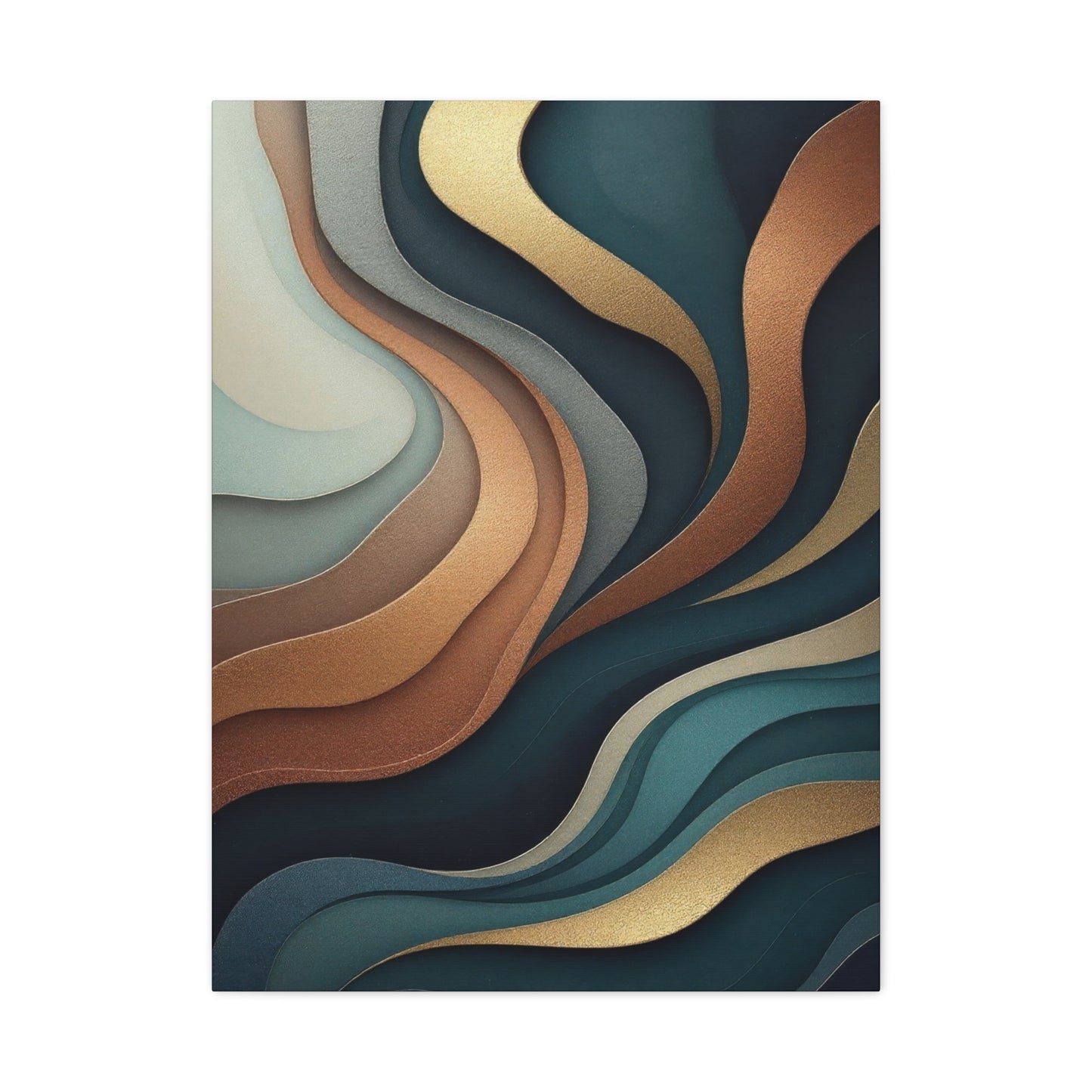
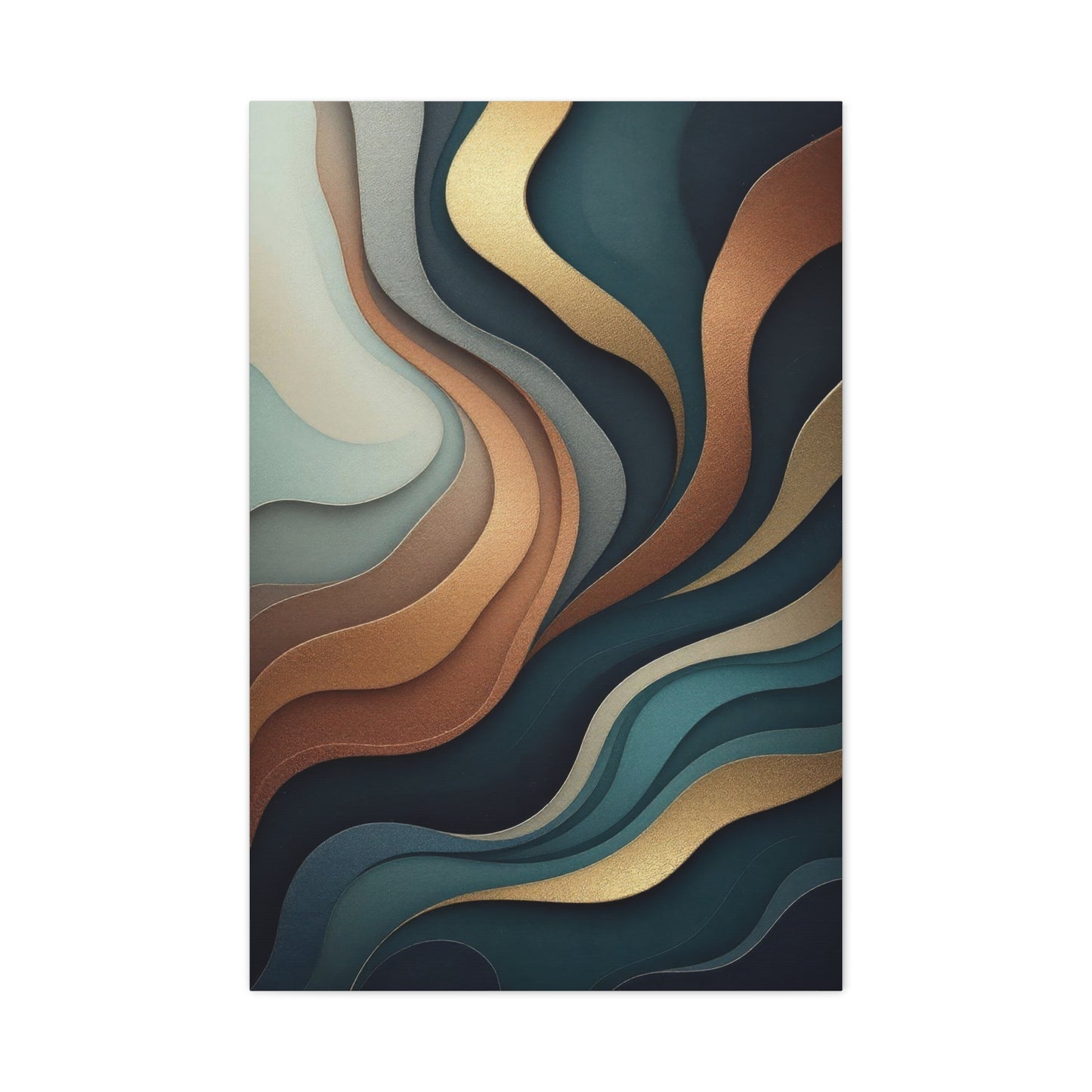
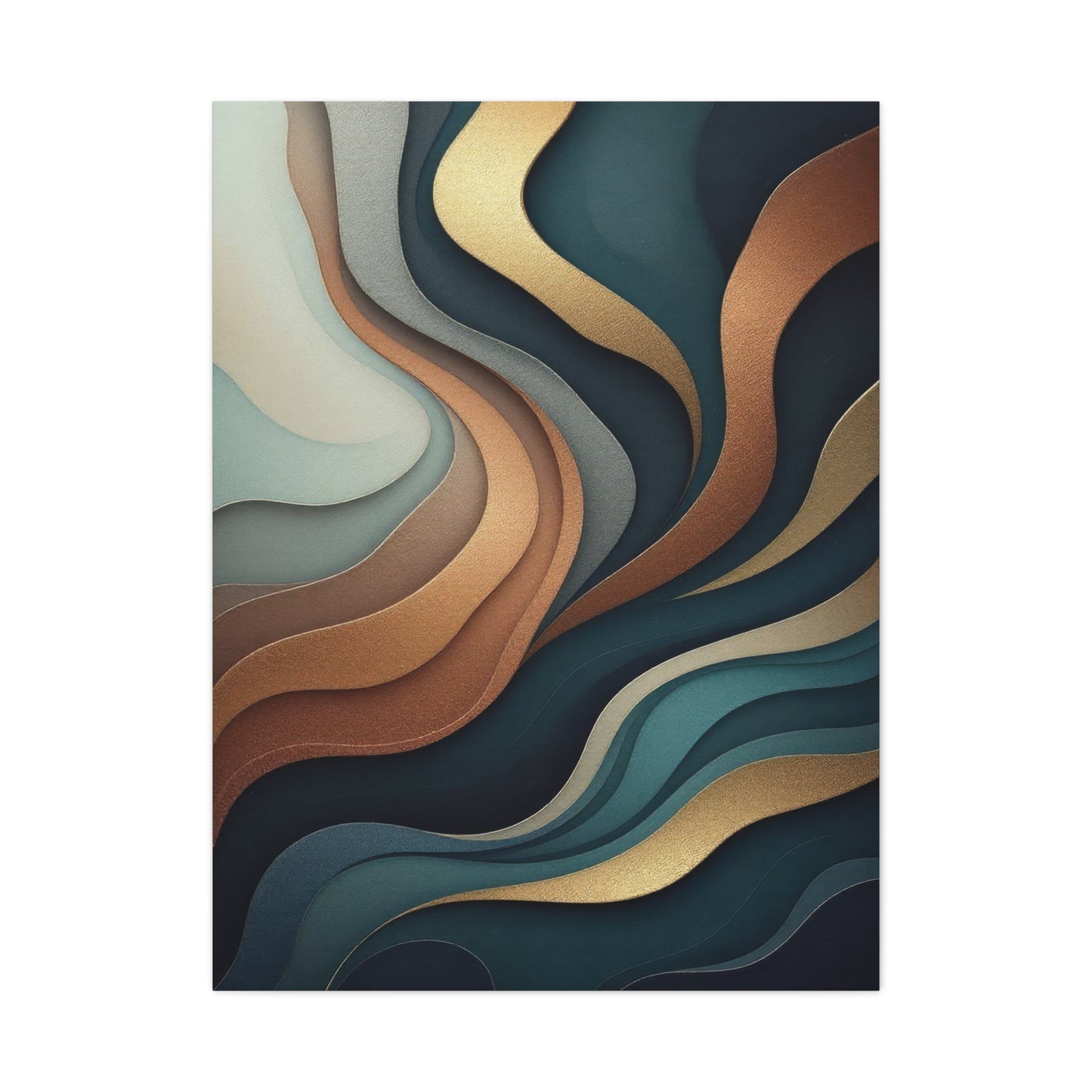
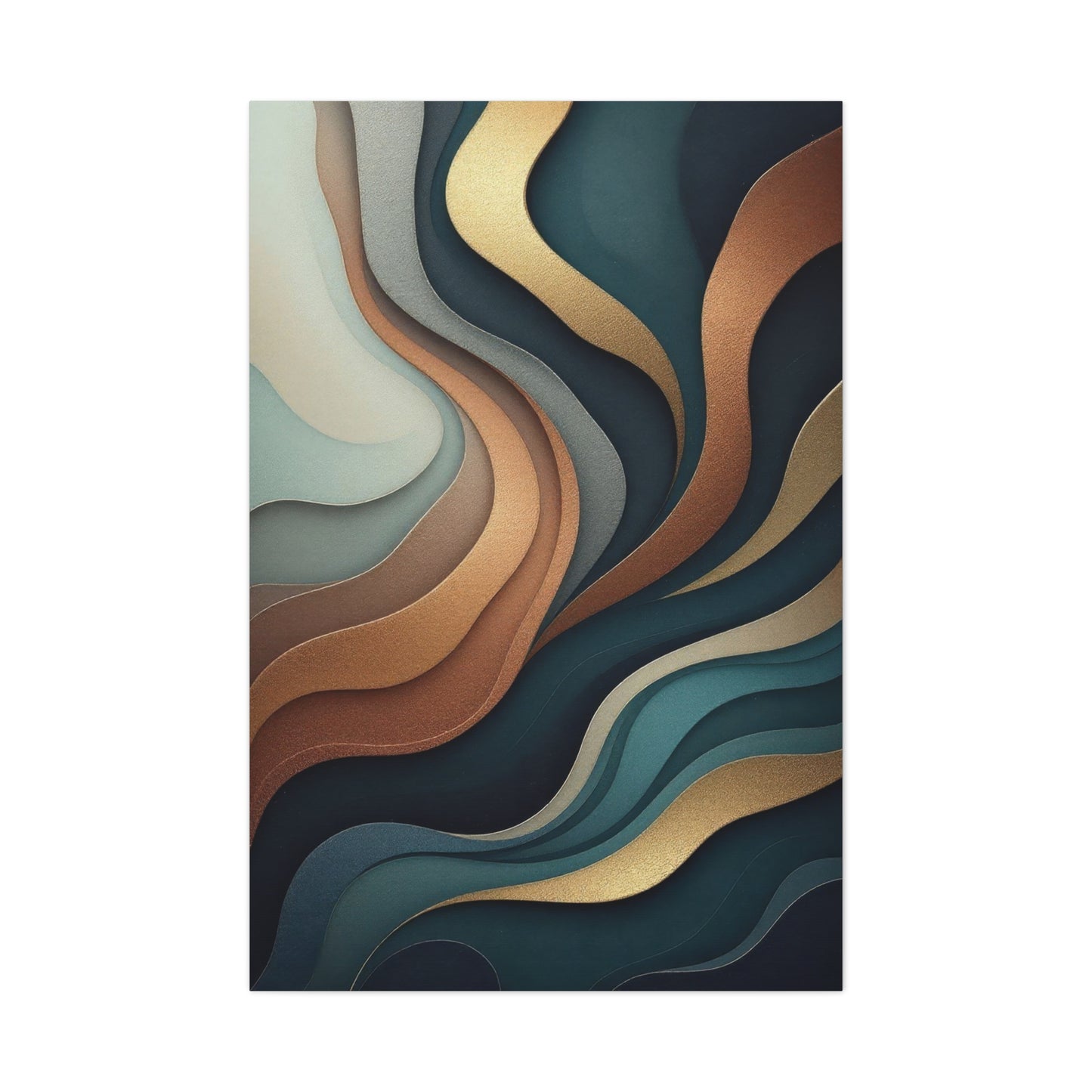
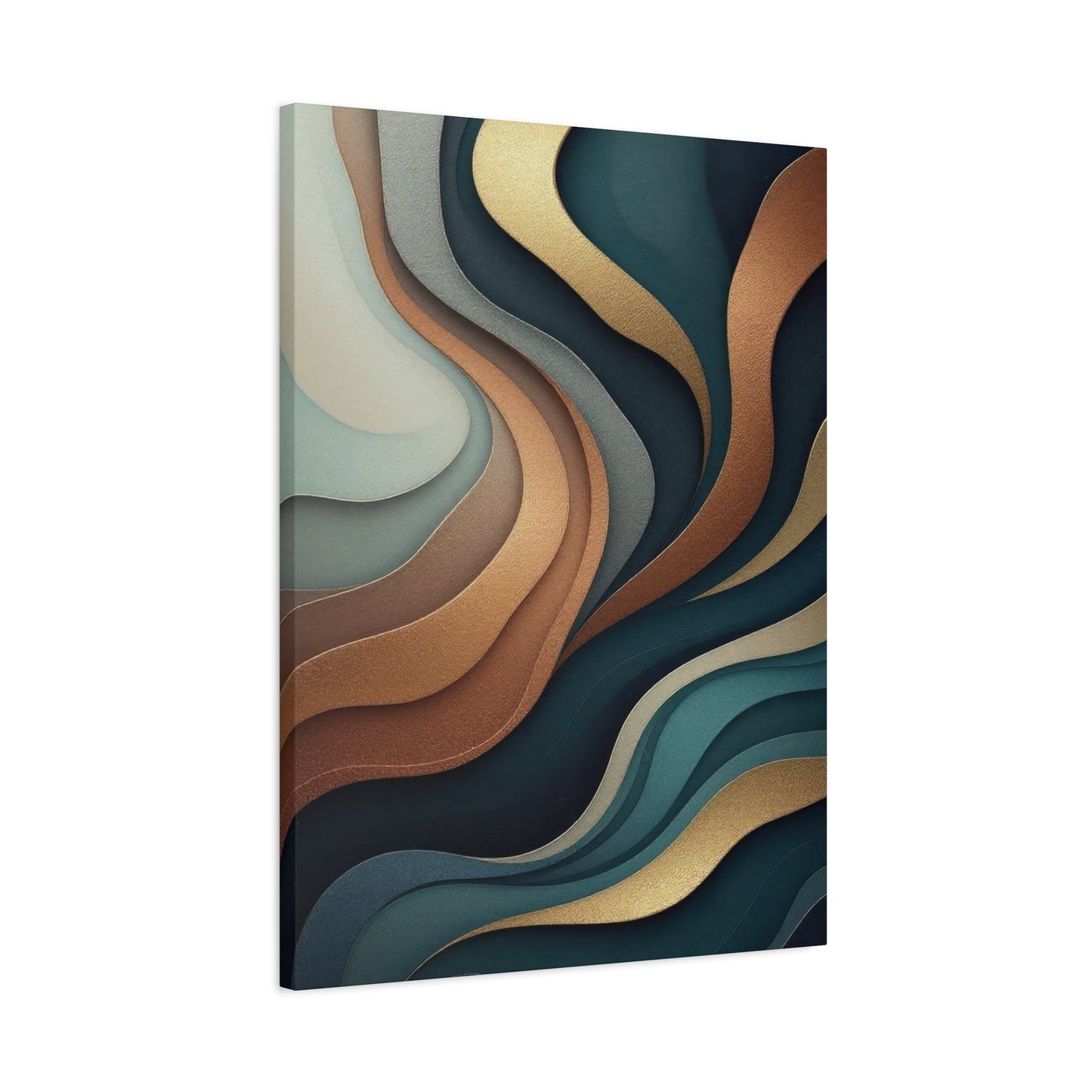
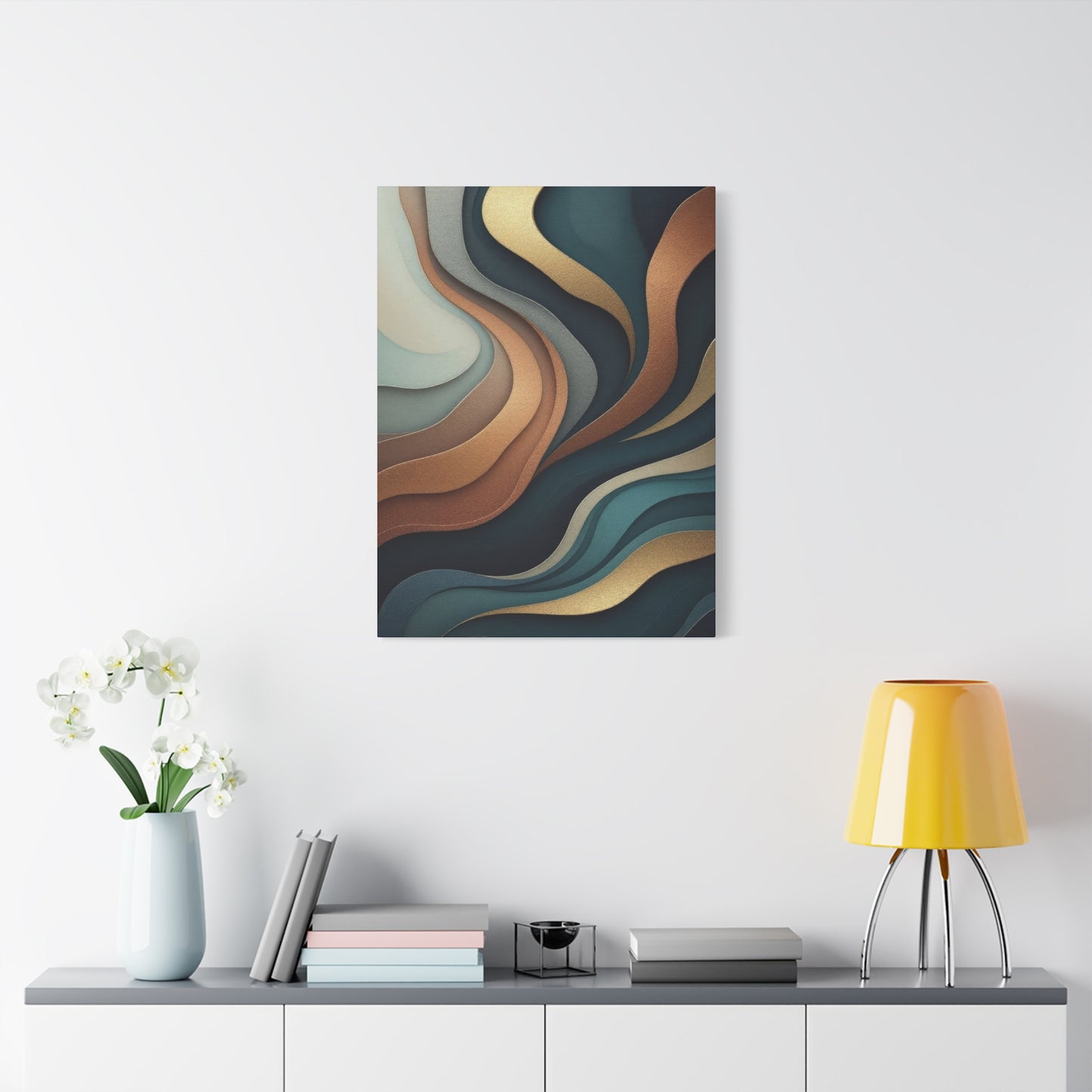
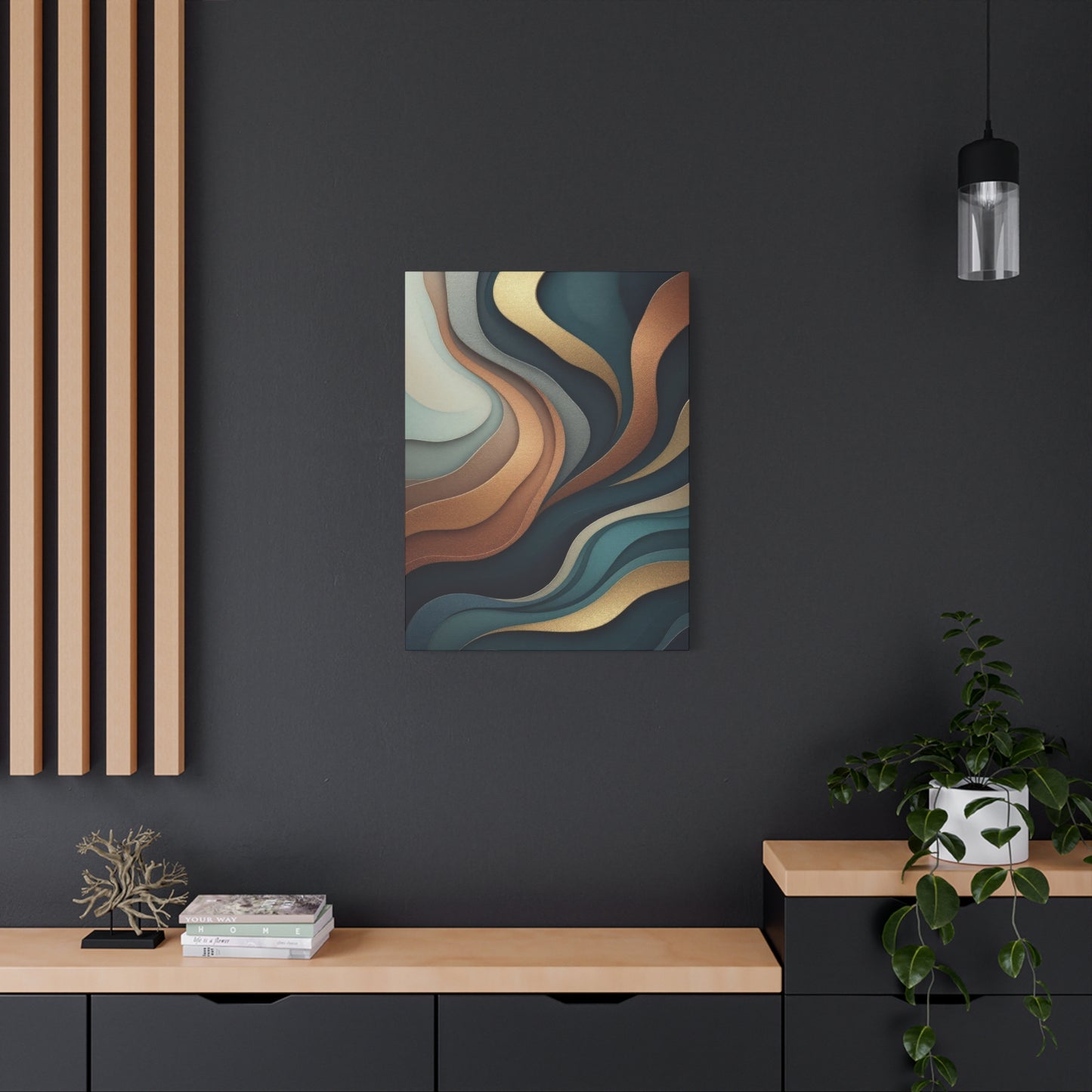
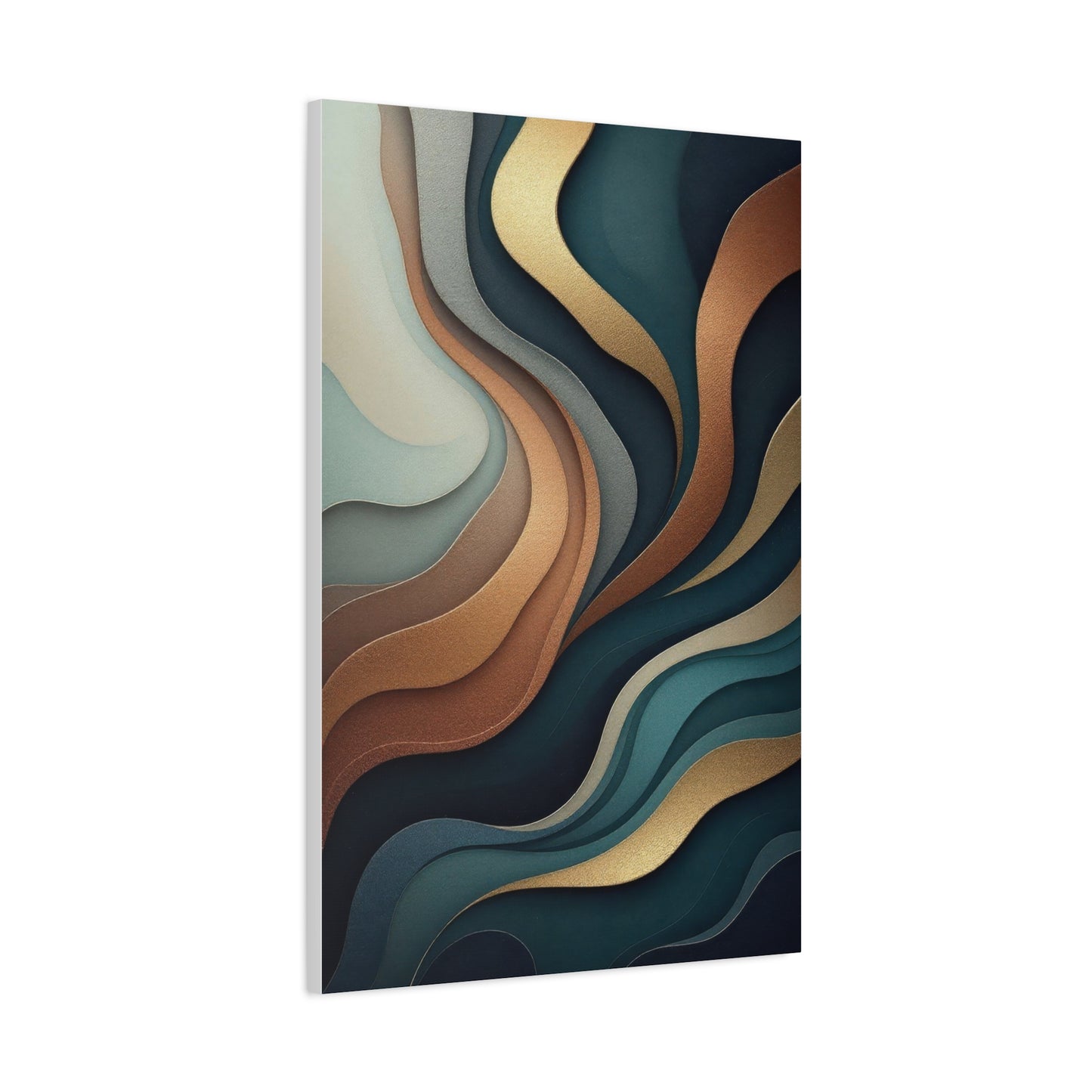
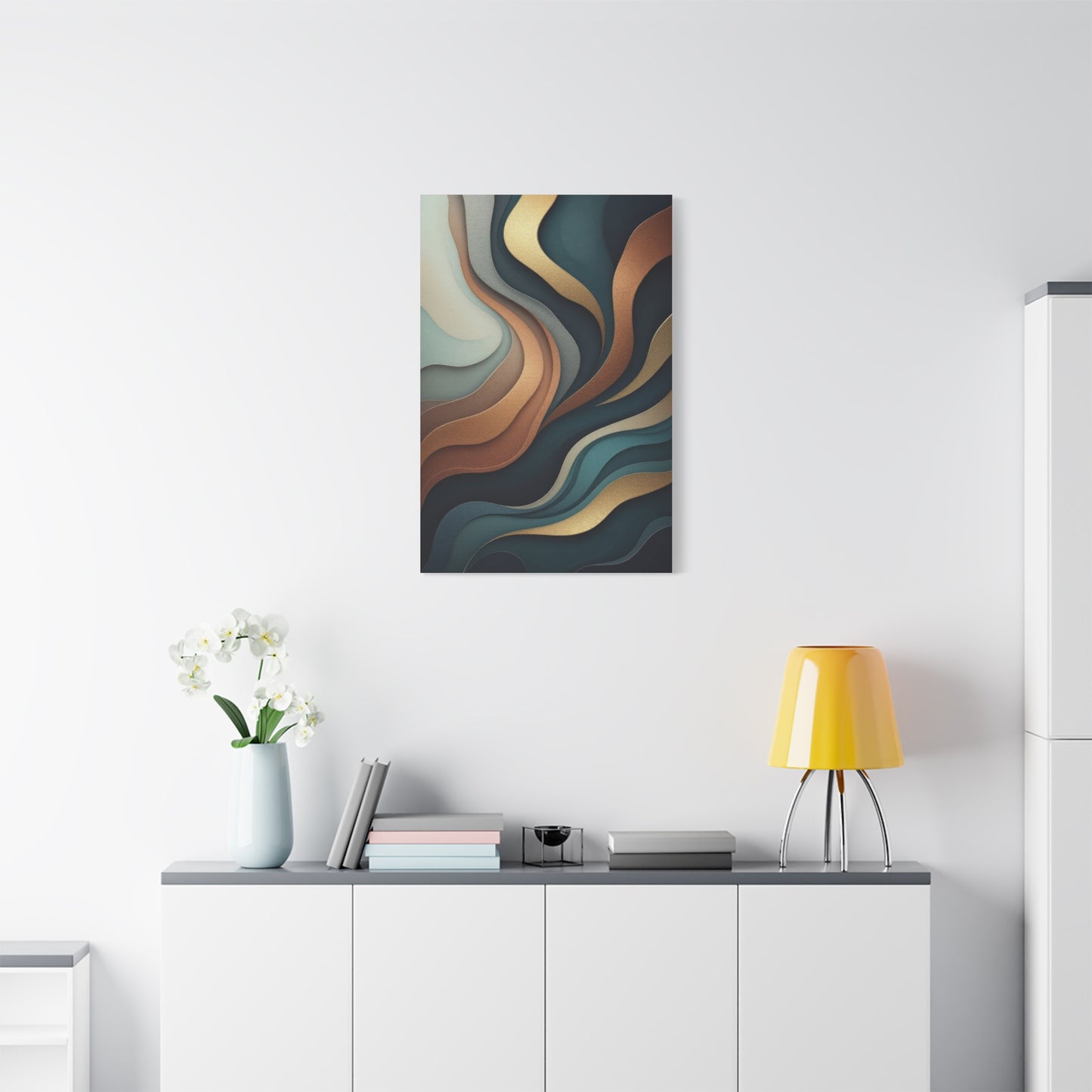
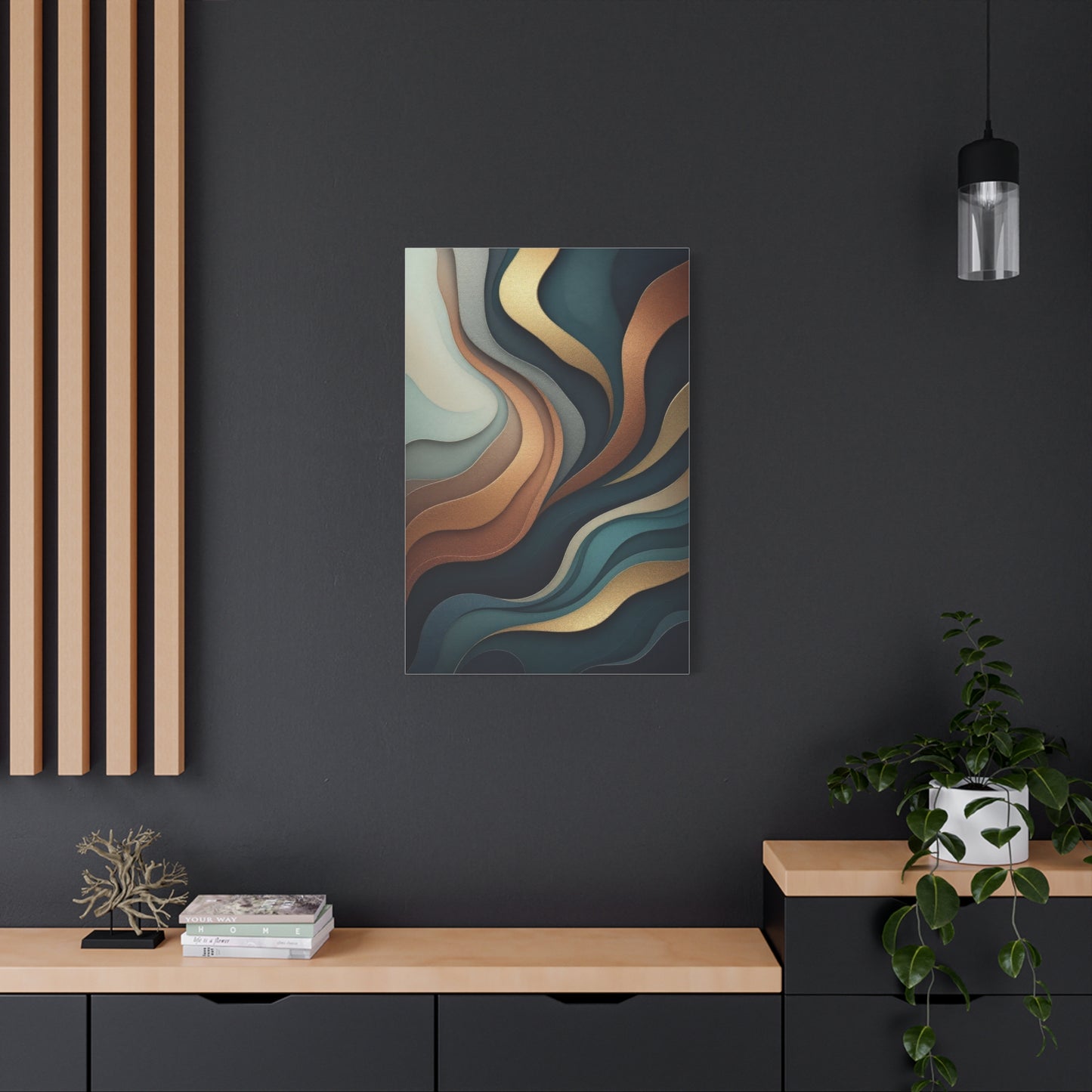
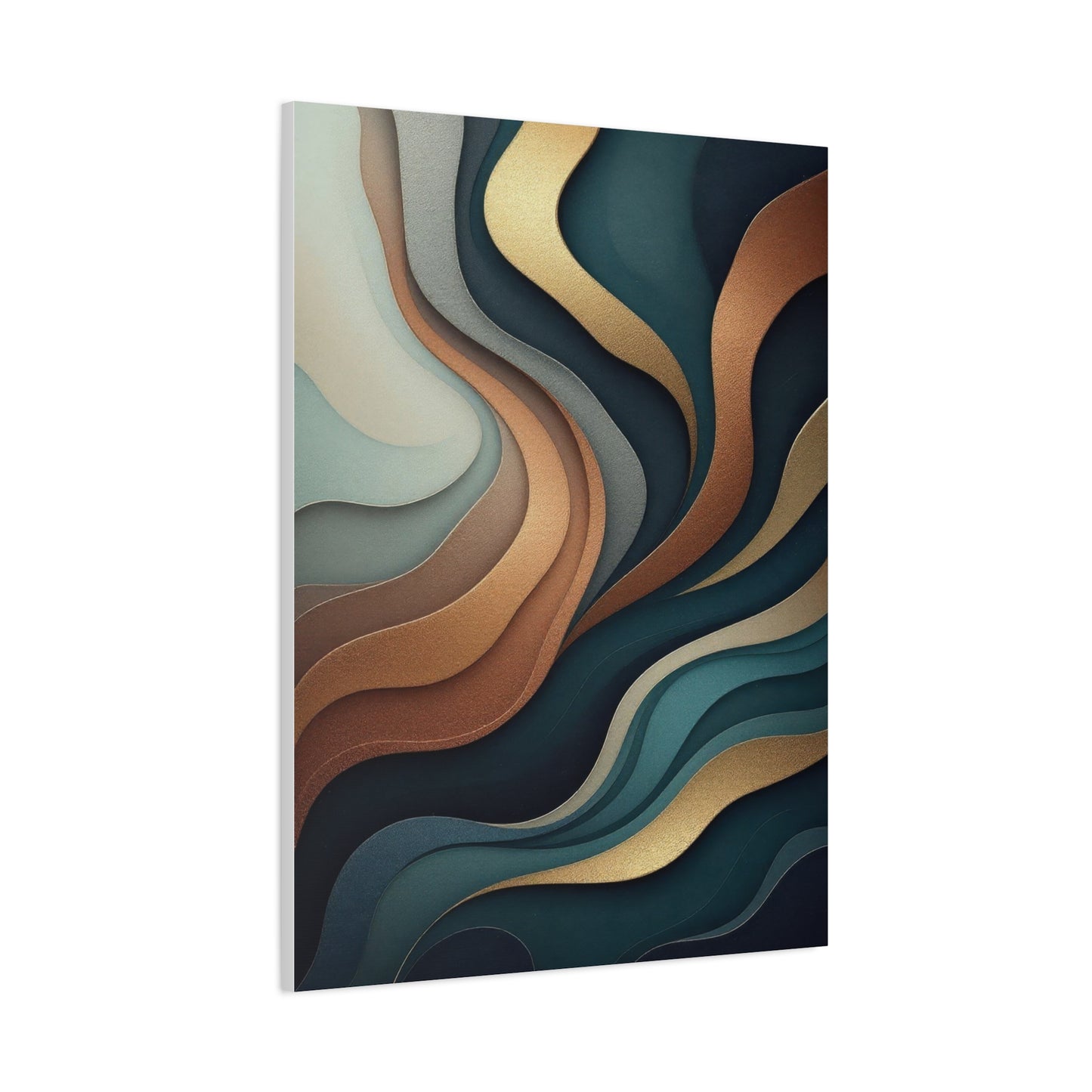
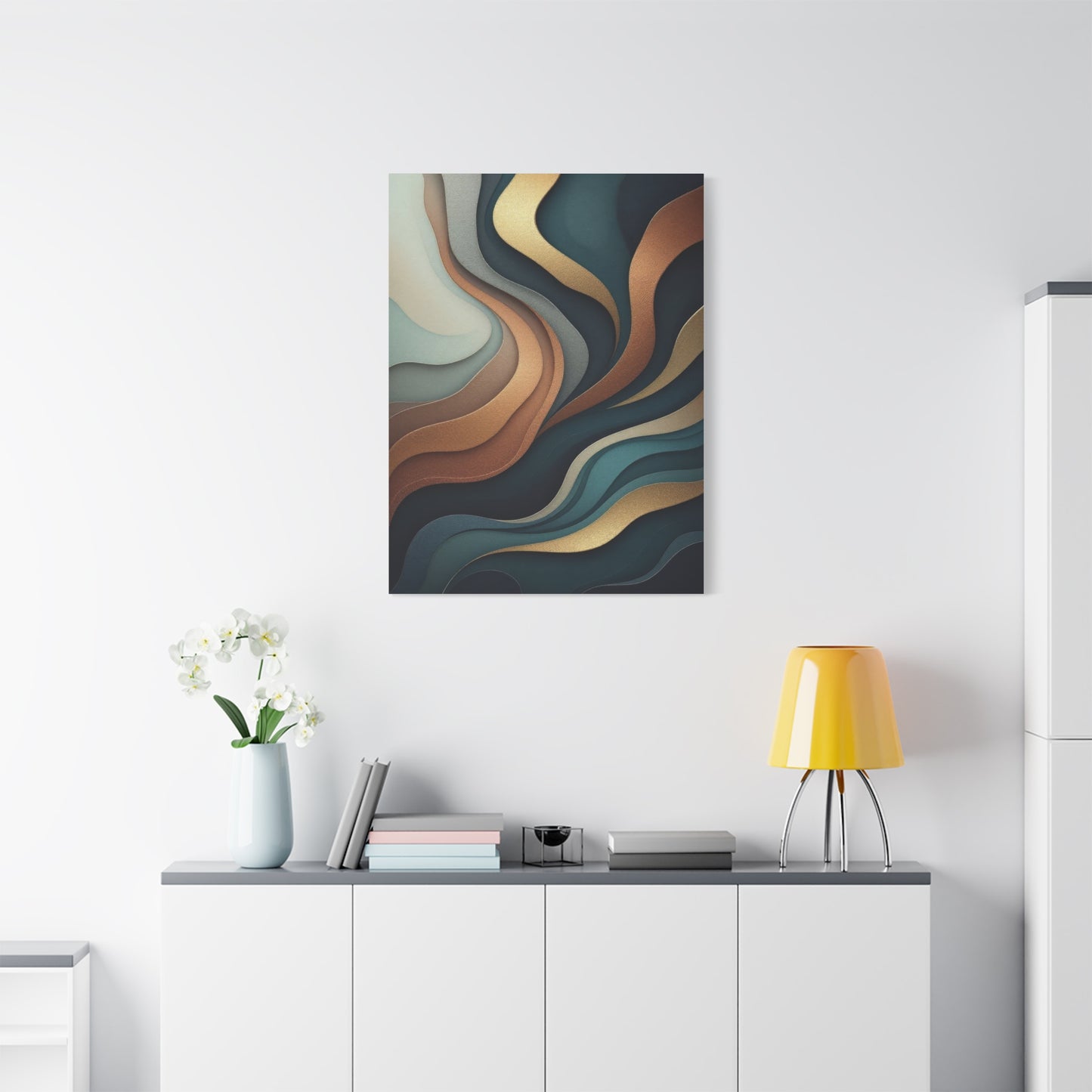
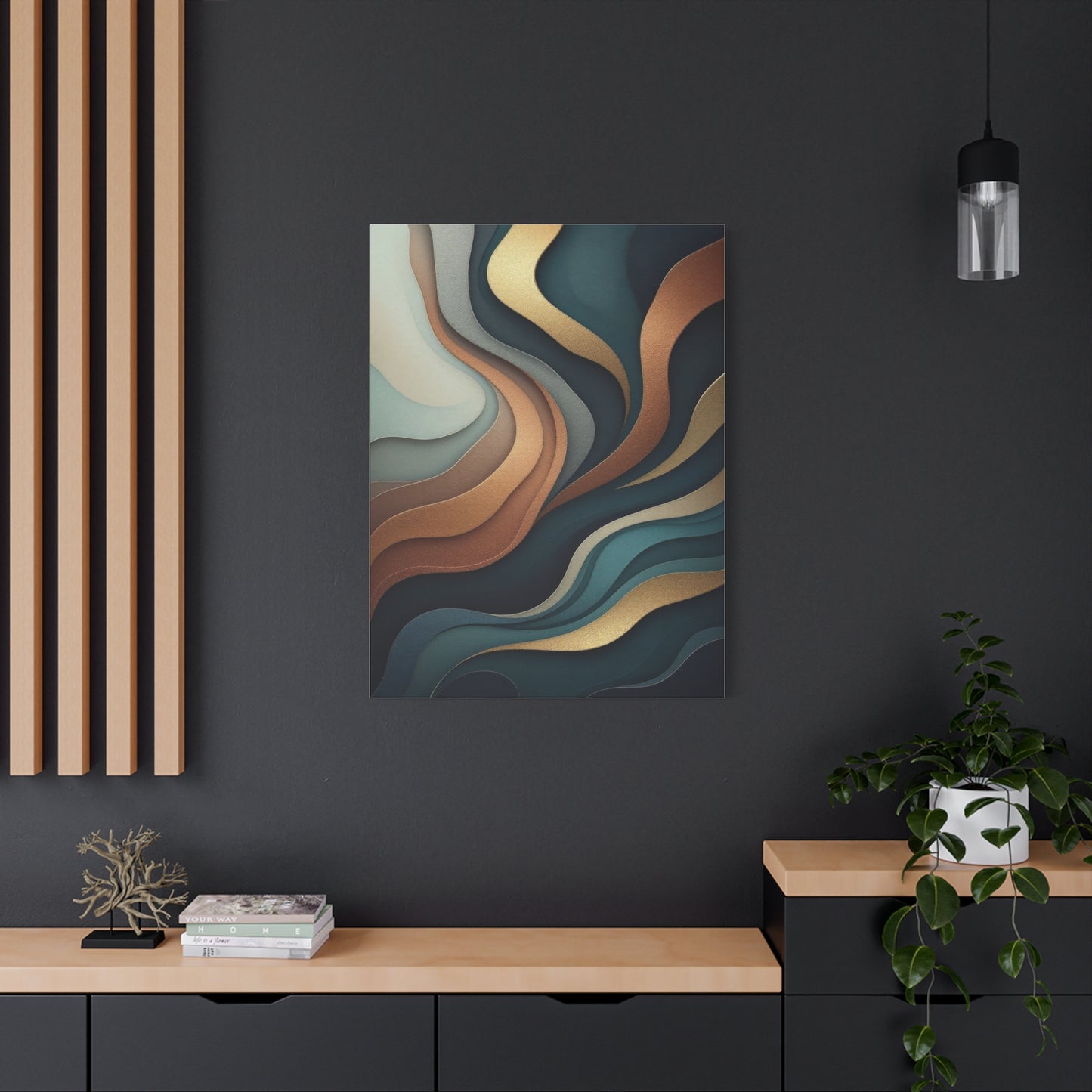
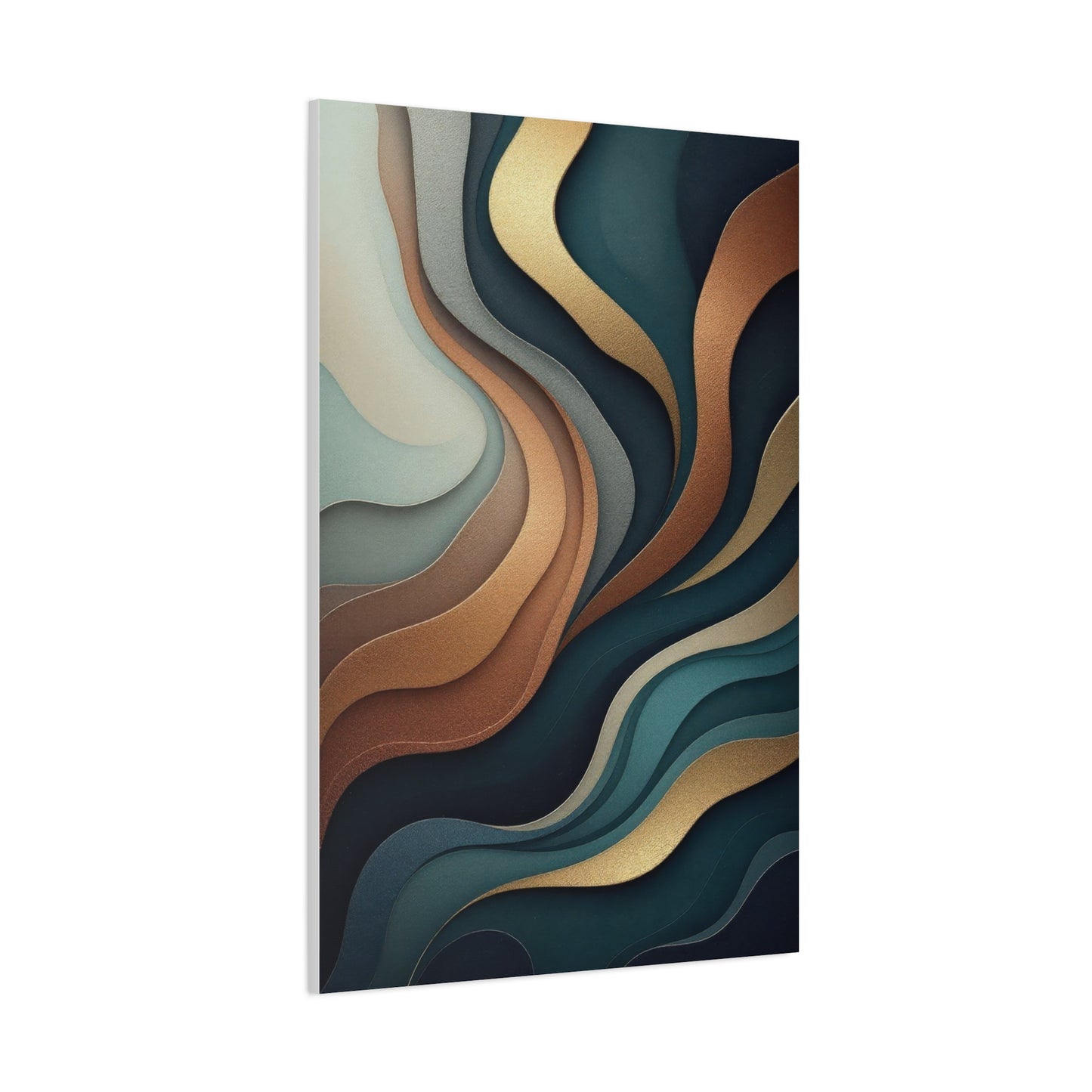
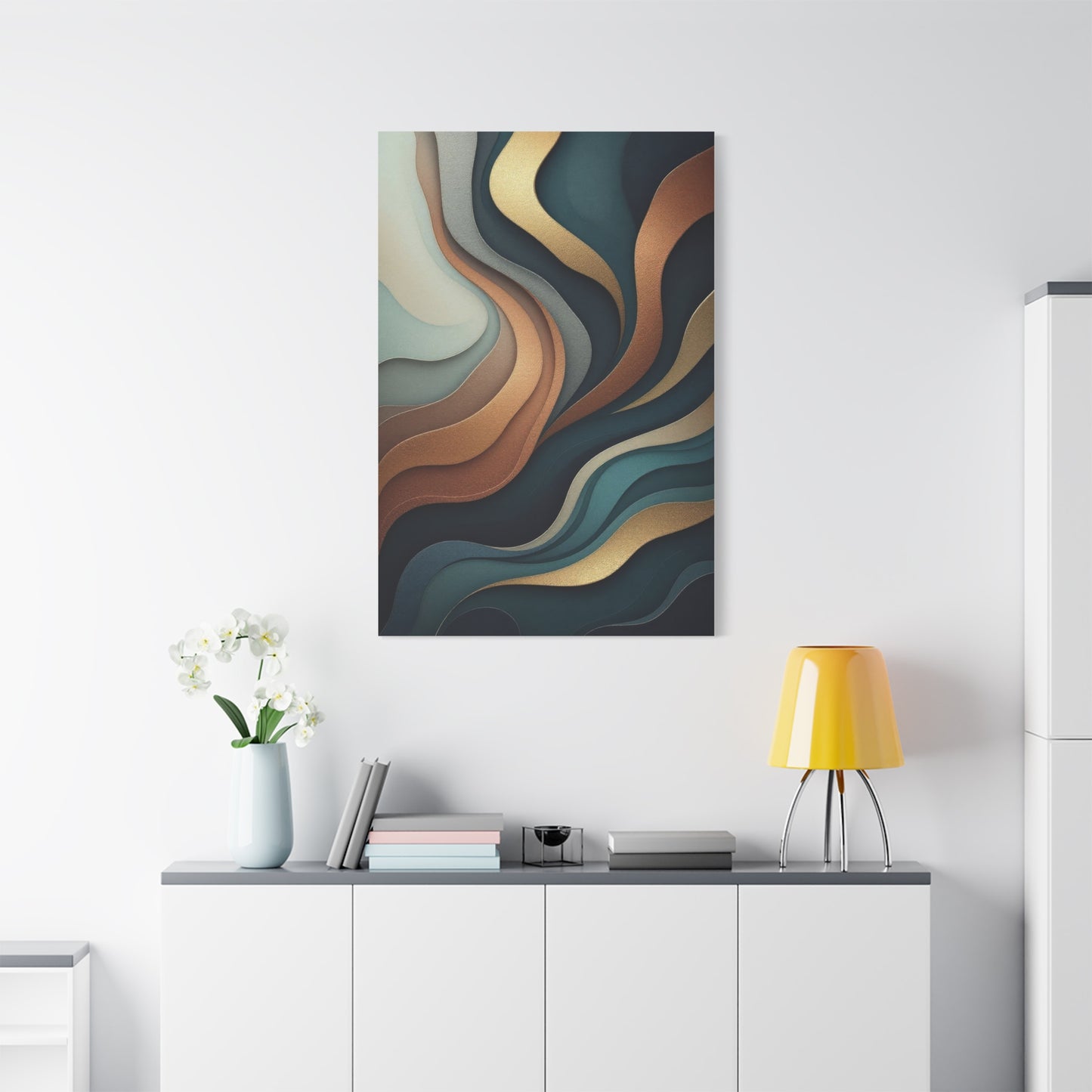
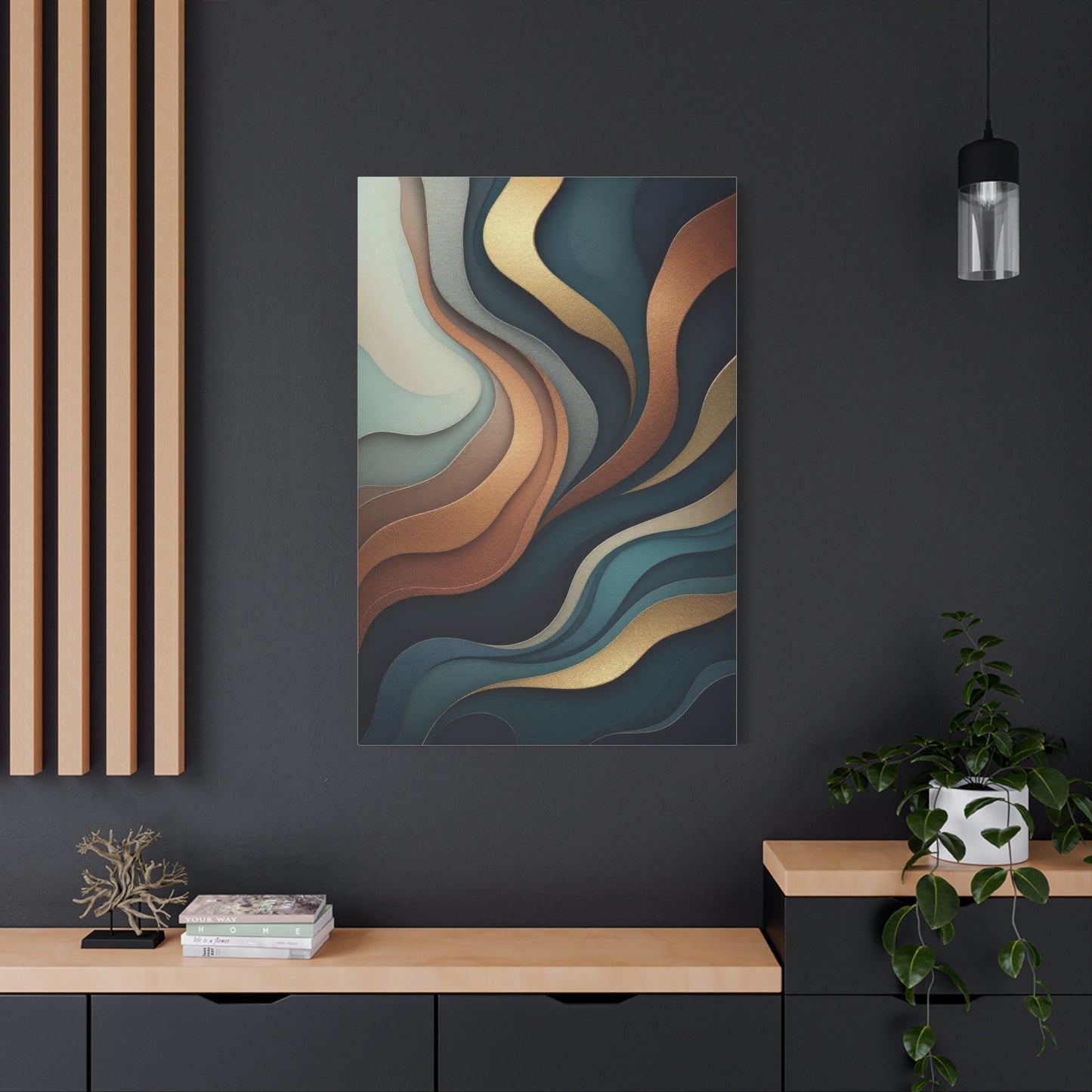
Earthen Waves Wall Art: Natural Beauty for Contemporary Living Spaces
The integration of natural elements into interior design has become a defining characteristic of contemporary aesthetics, with earthen waves wall art emerging as a captivating choice for homeowners and designers seeking to create harmonious living environments. This distinctive art form draws inspiration from the organic patterns found in nature, combining the fluid motion of waves with the grounded warmth of earth tones to produce visually stunning pieces that transform ordinary walls into focal points of artistic expression.
The appeal of earthen waves wall art lies in its ability to bridge the gap between the natural world and modern interior spaces. These pieces capture the essence of landscapes shaped by wind and water, translating the rhythmic patterns of sand dunes, soil layers, and coastal formations into abstract compositions that resonate with our innate connection to nature. The subtle interplay of warm browns, soft beiges, rich terracottas, and muted ochres creates a palette that evokes feelings of stability, comfort, and tranquility while maintaining a sophisticated and contemporary aesthetic.
As urban living spaces become increasingly disconnected from natural environments, the desire to incorporate elements that remind us of the earth's beauty has intensified. Earthen waves wall art serves this purpose beautifully, offering a way to bring the serenity of natural landscapes into homes, offices, and commercial spaces without overwhelming the existing design scheme. The abstract nature of these pieces allows them to complement various decorating styles, from minimalist and Scandinavian to bohemian and rustic, making them versatile additions to any interior.
The creation of earthen waves wall art involves various techniques and materials, ranging from traditional painting methods to mixed media approaches that incorporate textural elements. Artists may use acrylic or oil paints to build up layers of color, creating depth and movement that mimics the stratification found in geological formations. Others employ resin, plaster, or clay to add dimensional qualities that enhance the tactile appeal of the artwork. The result is a diverse range of pieces that can suit different aesthetic preferences and spatial requirements.
Organic Movement: Wall Art Inspired by Earth and Waves
The concept of organic movement in wall art represents a fundamental shift away from rigid geometric patterns toward designs that celebrate the fluidity and spontaneity found in natural environments. When we observe the earth's surface, whether it be the undulating forms of desert sand dunes or the layered sediments exposed in canyon walls, we witness movement frozen in time. Earthen waves wall art captures this dynamic quality, translating the perpetual motion of natural forces into static visual compositions that somehow retain a sense of vitality and flow.
The artistic interpretation of organic movement requires a deep understanding of how natural elements interact and transform over time. Wind sculpts sand into graceful curves and ripples, water carves channels through rock and soil, and seasonal changes create distinct layers in the earth's crust. Artists who specialize in earthen waves wall art study these phenomena, seeking to distill their essence into abstract forms that communicate the power and beauty of natural processes without literal representation.
The color palette associated with organic movement in earthen waves art typically draws from the spectrum of earth tones, including warm siennas, umbers, and ochres, complemented by cooler taupes and grays that suggest shadows and depth. These colors are not applied uniformly but rather in gradients and transitions that mimic the subtle variations found in natural materials. The layering technique employed by many artists creates visual depth, with lighter tones often appearing to recede into the background while darker, more saturated colors advance toward the viewer.
Texture plays a crucial role in conveying organic movement within earthen waves wall art. Many pieces feature raised surfaces, deliberate brushstrokes, or incorporated materials that create tactile interest and enhance the three-dimensional quality of the work. This textural variation catches light differently throughout the day, causing the artwork to appear subtly different depending on the time and quality of illumination. The interplay between smooth, flowing areas and rougher, more turbulent sections mirrors the diverse textures found in natural landscapes.
The psychological impact of viewing art that embodies organic movement should not be underestimated. Research in environmental psychology has demonstrated that exposure to natural forms and patterns can reduce stress, lower blood pressure, and improve overall mood. Earthen waves wall art brings these benefits into interior spaces, creating visual environments that promote relaxation and mental well-being. The flowing lines and harmonious color schemes guide the eye in gentle movements across the canvas, encouraging a meditative state of observation that contrasts sharply with the angular, often chaotic visual stimuli of modern urban environments.
When incorporating organic movement wall art into a space, consideration must be given to placement and surrounding elements. These pieces work particularly well in areas designated for relaxation or contemplation, such as bedrooms, reading nooks, or meditation spaces. The artwork should be positioned at eye level where it can be comfortably viewed without strain, allowing the organic forms to be fully appreciated. Complementary furnishings in natural materials like wood, stone, or linen enhance the connection to nature that the artwork establishes.
The versatility of organic movement earthen waves art extends to various scales and formats. Large-scale pieces can serve as commanding focal points in spacious rooms, their sweeping forms filling the visual field and creating dramatic impact. Smaller works can be arranged in series or grids, allowing the organic patterns to interact and create rhythmic repetitions that echo the recurring patterns found in nature. Diptychs and triptychs are particularly effective formats for earthen waves compositions, as the divisions between panels can suggest geological strata or the passage of time.
Contemporary artists working in this style often incorporate elements of spontaneity and chance into their creative process, allowing paint to drip, flow, or pool in ways that mimic natural processes. This approach yields results that possess an authenticity and organic quality that would be difficult to achieve through entirely controlled methods. The artist becomes a collaborator with the materials rather than a dictator, guiding the creative process while remaining open to unexpected developments that enhance the work's natural character.
Rustic Elegance: Earthen Wave Wall Décor
The marriage of rustic charm and elegant sophistication creates a design aesthetic that appeals to those seeking warmth without sacrificing refinement. Earthen wave wall décor embodies this balance perfectly, offering pieces that feel grounded and approachable while maintaining an artistic sophistication that elevates them beyond simple decorative objects. This style celebrates natural imperfections and organic forms while presenting them in polished, gallery-worthy formats that suit upscale interiors.
Rustic elegance in earthen wave wall décor manifests through the careful selection of materials and finishes that convey both earthiness and luxury. High-quality canvas prints mounted on substantial frames suggest permanence and value, while hand-painted pieces with visible brushwork add character and authenticity. The color schemes tend toward muted, sophisticated versions of earth tones, with dusty roses, sage greens, and weathered grays joining the traditional browns and beiges to create a more complex and refined palette.
The concept of rustic elegance challenges the notion that natural, earthy aesthetics must appear rough or unfinished. Instead, earthen wave wall décor in this style demonstrates that organic forms and earth-inspired colors can be presented with the same level of craft and attention to detail as any fine art piece. The frames selected for these works often feature distressed wood finishes, brushed metals, or subtle antiquing that adds visual interest without overwhelming the artwork itself. The overall effect is one of understated luxury that honors the beauty of natural materials.
In residential settings, rustic elegant earthen wave décor finds its ideal placement in spaces where comfort and style intersect. The dining room provides an excellent venue for such artwork, as the warm tones complement wood furniture and create an inviting atmosphere for gatherings. Above a console table in an entryway, earthen wave art establishes a welcoming tone while making a sophisticated first impression. In the primary bedroom, these pieces contribute to a restful ambiance that feels both cozy and refined.
The layering technique common in earthen wave art aligns particularly well with rustic elegant interiors, which often feature multiple textures and materials working in concert. A canvas with visible paint layers and dimensional elements echoes the textural variety found in a space that might combine smooth leather, rough-hewn wood, soft textiles, and polished metal. This textural conversation between artwork and environment creates visual cohesion that makes the space feel intentionally designed rather than haphazardly decorated.
Lighting plays a crucial role in presenting rustic elegant earthen wave wall décor to its best advantage. Warm-toned illumination, whether from natural sunlight filtered through sheer curtains or from carefully positioned accent lights, enhances the golden and amber notes in the artwork while creating gentle shadows that emphasize texture and depth. Picture lights mounted above framed pieces can provide focused illumination that showcases the artwork as a prized possession worthy of special attention.
The versatility of rustic elegant earthen wave décor allows it to transition between seasons and design trends without appearing dated. Unlike artwork featuring specific motifs or bold contemporary patterns that may fall out of favor, the timeless appeal of earth tones and organic forms ensures lasting relevance. This longevity makes such pieces wise investments for homeowners who prefer to update their spaces through accessories and accents rather than major decorative overhauls.
Collectors and design enthusiasts appreciate rustic elegant earthen wave art for its ability to convey personal taste and values. Choosing artwork that celebrates natural beauty and organic forms signals an appreciation for authenticity and sustainability, values that resonate strongly with contemporary sensibilities. The pieces serve as conversation starters, inviting guests to discuss the inspiration behind the work and share their own connections to natural landscapes and earth elements.
Nature's Patterns: Earthen Waves in Abstract Art
Abstract art has long served as a vehicle for exploring concepts that transcend literal representation, and earthen waves provide rich source material for artists working in this mode. The patterns found in natural geological formations offer endless variations of lines, shapes, and color transitions that can be abstracted, simplified, or amplified to create compelling visual compositions. These patterns exist at multiple scales, from the microscopic structure of soil particles to the grand vistas of eroded landscapes, providing artists with a vast repertoire of visual possibilities.
The process of abstracting earthen wave patterns involves identifying the essential characteristics that make these natural forms recognizable and emotionally resonant, then translating those elements into artistic language. An artist might focus on the rhythmic repetition of wave forms, emphasizing their sinuous curves through bold, simplified lines. Alternatively, they might concentrate on color transitions, creating fields of subtly shifting hues that suggest the stratification of sedimentary rock without depicting it literally. The goal is not to reproduce nature photographically but to capture its essence in a way that engages the viewer's imagination and emotions.
Mathematical principles underlie many of the patterns found in earthen formations, and artists attuned to these structures can incorporate them consciously or intuitively into their work. The Fibonacci sequence and golden ratio appear repeatedly in natural growth patterns and geological formations, creating proportions that humans find inherently pleasing. Wave patterns demonstrate periodicity and rhythm that can be translated into visual art through repetition with variation, a fundamental principle of design that creates interest without monotony.
Color theory plays a vital role in abstract earthen wave art, as artists must make deliberate choices about hue, saturation, and value to create the desired emotional impact. Earth tones, while seemingly limited in range, offer surprising versatility when their subtle variations are fully explored. The difference between a warm, reddish terracotta and a cooler, grayer taupe may appear subtle at first glance, but these distinctions create depth and dimension within a composition. Artists often employ analogous color schemes, using colors adjacent on the color wheel to create harmonious, cohesive works that feel unified and balanced.
The interplay between positive and negative space in abstract earthen wave art creates visual tension and release that guides the viewer's eye through the composition. Areas of dense mark-making or rich color contrast with quieter zones of minimal detail, creating a rhythm that mimics the varied terrain of natural landscapes. This compositional strategy prevents visual fatigue by offering the eye places to rest while maintaining enough variation to sustain interest during extended viewing.
Contemporary abstract artists working with earthen wave imagery often draw inspiration from specific geographical locations, infusing their work with the character of particular landscapes. The red deserts of the American Southwest inspire a different palette and energy than the layered cliffs of sedimentary coastlines or the rolling hills of agricultural regions. Even when abstracted beyond recognition, artwork carries the emotional imprint of its source material, communicating feelings of vastness, tranquility, power, or vulnerability that reflect the artist's response to the landscape.
The application technique employed in creating abstract earthen wave art significantly impacts the final appearance and emotional resonance of the work. Fluid pour techniques, where paint is poured and manipulated on the canvas, create organic flowing forms that truly embody the concept of waves and movement. Palette knife application produces bold, textured marks with crisp edges that suggest geological strata and rock formations. Glazing techniques, where thin, transparent layers of paint are applied successively, build luminous depth that glows from within, reminiscent of desert light filtering through atmospheric haze.
Exhibition and display of abstract earthen wave art requires thoughtful consideration of context and presentation. The minimalist aesthetic of many abstract works benefits from clean, simple framing that doesn't compete with the artwork for attention. Floating frames, which create a gap between the canvas edge and frame, emphasize the artwork as a distinct object and create subtle shadow lines that add dimension. For more rustic or textured pieces, natural wood frames can complement the earthy subject matter while providing visual weight and substance.
Warm Hues: Bringing Earthy Tones Indoors
The psychological and physiological effects of color have been extensively studied, with warm hues consistently demonstrating their ability to create feelings of comfort, security, and contentment. Earthen waves wall art typically employs a palette dominated by warm earth tones, making these pieces particularly effective at creating inviting interior environments that feel both sophisticated and welcoming. The strategic use of warm hues in wall art can fundamentally alter the perceived temperature and mood of a space without requiring changes to paint colors, furniture, or major design elements.
The spectrum of warm earth tones encompasses a remarkable range of colors, from pale sand and cream through medium tans and browns to deep chocolate and espresso. Within this range exist countless variations with different undertones, some leaning toward red and orange, others incorporating yellow or even subtle hints of green. Earthen waves wall art typically combines multiple warm hues in flowing patterns that create visual interest through subtle color transitions rather than dramatic contrasts. This approach results in artwork that feels cohesive and harmonious, never jarring or overwhelming.
The biological basis for human affinity toward warm earth tones relates to evolutionary psychology and our species' long history of interaction with natural environments. Throughout human evolution, earth tones signaled safety, fertility, and resources. Brown soil indicated land suitable for agriculture, warm rock provided shelter and retained heat, and golden grasslands supported the animals our ancestors hunted. These deep-seated associations persist in our modern psyches, explaining why rooms decorated in earth tones often feel immediately comfortable and welcoming even to first-time visitors.
Interior designers leverage the properties of warm hues when creating spaces intended for specific purposes. In residential settings, warm earth tones work particularly well in areas designated for relaxation and social interaction. Living rooms benefit from the conversational atmosphere these colors promote, while bedrooms decorated in warm tones facilitate the winding-down process essential for quality sleep. Even in professional environments, warm earth tones can create approachable, human-scaled spaces that put clients and customers at ease.
The intensity and saturation of warm hues in earthen waves wall art must be carefully calibrated to suit the space and intended effect. Highly saturated warm colors like burnt sienna or russet create bold, energetic statements appropriate for spaces that can handle strong focal points. More muted, desaturated versions of these same hues produce quieter, more contemplative artwork suitable for spaces requiring calm and concentration. The size of the artwork also influences how color intensity is perceived; a small piece in vibrant warm tones adds a pop of color without overwhelming, while a large-scale work in the same hues would dominate the space entirely.
Balancing warm earth tones with cooler accent colors prevents earthen waves wall art from appearing monotonous or heavy. Small amounts of blue-gray, sage green, or soft lavender can provide visual relief and create depth within an otherwise warm composition. These cooler elements often represent shadows, water, or sky elements within the abstract landscape, adding complexity and sophistication to the color scheme. The contrast between warm and cool tones, even when subtle, creates vibrancy and prevents the artwork from appearing flat or one-dimensional.
The interaction between warm-hued wall art and natural light changes throughout the day, creating dynamic visual experiences that keep the artwork interesting over time. Morning light tends toward cooler tones, which can make warm earth colors appear richer and more saturated by contrast. Afternoon sunlight, particularly the golden light of late afternoon, amplifies the warmth of earth tones, creating a glowing effect that can make artwork appear almost luminous. Evening artificial light, especially warm-toned LED or incandescent bulbs, further enhances the cozy, inviting qualities of warm earth tones.
Coordinating warm-hued earthen waves wall art with existing interior elements requires attention to undertones and overall color temperature. Furniture and flooring with warm wood tones naturally complement warm earth-toned artwork, creating a cohesive, enveloping aesthetic. However, spaces dominated by cool-toned grays and whites can also benefit from warm earth-toned art, which provides welcome contrast and prevents the space from feeling sterile or cold. Textile elements like throw pillows, blankets, and area rugs can pick up colors from the artwork, creating visual connections that unify the design scheme.
Serene Spaces: Calming Earthen Wave Canvas Prints
The creation of serene interior environments has become increasingly important in our fast-paced, often chaotic modern world. Earthen wave canvas prints serve as powerful tools for cultivating tranquility within the home, offering visual elements that encourage relaxation, reduce stress, and promote mental well-being. The combination of organic forms, harmonious color schemes, and natural subject matter makes these pieces particularly effective at transforming ordinary rooms into peaceful sanctuaries where occupants can retreat from external pressures and find restoration.
The science behind visual serenity relates to how the human brain processes and responds to different types of visual stimuli. Sharp angles, high contrast, and busy patterns activate the brain's alert systems, as these characteristics often signal potential threats or demand immediate attention in natural environments. Conversely, smooth curves, gentle transitions, and harmonious color schemes trigger relaxation responses, as they resemble the benign, restorative qualities of safe natural settings. Earthen wave canvas prints capitalize on these neurological responses, presenting imagery that the brain interprets as calming and non-threatening.
The canvas medium itself contributes to the serene quality of earthen wave prints through its inherent characteristics. Unlike glossy paper prints that can create distracting reflections and glare, canvas has a matte finish that absorbs light gently, reducing visual noise. The slight texture of canvas fabric adds a subtle tactile quality that makes the artwork feel more substantial and permanent, less like a temporary poster and more like a valued art piece. This physical presence commands respect and attention without demanding it, establishing the artwork as a grounding element within the space.
Color selection in serene earthen wave canvas prints typically favors muted, desaturated versions of earth tones that create calm rather than excitement. Soft beiges, gentle taupes, warm grays, and dusty roses dominate these compositions, with occasional deeper accents providing depth without disrupting the peaceful atmosphere. The color transitions tend to be gradual and subtle, avoiding abrupt changes that might jar the viewer's attention. This careful color management creates artwork that can be viewed for extended periods without causing visual fatigue or overstimulation.
The size and scale of earthen wave canvas prints must be considered in relation to the intended serene space. Oversized prints that dominate a wall can create a sense of immersion, surrounding the viewer with calming earth tones and organic forms. This approach works particularly well in meditation rooms or primary bedrooms where the goal is to create an enveloping, womb-like sense of protection and comfort. Conversely, smaller prints arranged in groups can create visual rhythm without overwhelming, suitable for spaces where serenity must coexist with functional activity.
Placement of serene earthen wave canvas prints should follow principles of intentional design, positioning the artwork where it will be viewed during moments of rest and reflection. In bedrooms, placement opposite the bed ensures the artwork is visible during quiet moments before sleep and upon waking, bookending the day with peaceful imagery. In living spaces, positioning art within view of favorite seating areas creates visual anchors that support relaxation during downtime. The artwork should be hung at appropriate heights to enable comfortable viewing without neck strain, typically with the center of the piece at eye level when standing or seated, depending on the room's primary use.
The framing and presentation of serene earthen wave canvas prints can enhance or detract from their calming effect. Simple, clean frames in natural wood or subtle metals allow the artwork to remain the focal point while providing necessary structure and protection. Frameless gallery wraps, where the canvas continues around the edges of the stretcher bars, create a modern, uncluttered look that emphasizes the artwork's organic qualities. The choice between framing approaches should align with the overall design aesthetic of the space while prioritizing simplicity and harmony over decorative complexity.
Complementary design elements can amplify the serene qualities of earthen wave canvas prints, creating cohesive environments where all elements work together toward the goal of tranquility. Natural materials like wood, stone, and plant fibers echo the organic themes in the artwork, creating sensory consistency that feels intentional and complete. Lighting should be adjustable, allowing for bright illumination when needed and dimmer, softer light during relaxation periods. Aromatic elements like essential oil diffusers or natural beeswax candles add sensory dimensions that work synergistically with the visual serenity provided by the artwork.
Abstract Landscapes: Flowing Earthen Waves
Abstract landscape art occupies a fascinating middle ground between pure abstraction and representational art, suggesting natural scenes without depicting them literally. Flowing earthen waves exemplify this category, evoking the forms and colors of geological landscapes while maintaining sufficient abstraction to engage the viewer's imagination. This approach allows individual viewers to project their own experiences and memories onto the artwork, creating personal connections that make each piece meaningful in unique ways.
The artistic challenge in creating abstract landscape earthen waves lies in retaining enough recognizable elements to communicate landscape while removing sufficient detail to achieve abstraction. Artists accomplish this through various strategies, including simplification of forms, exaggeration of certain characteristics, and emphasis on overall gesture rather than specific details. A painting might reduce a complex system of sand dunes to a series of flowing horizontal bands, capturing the essence of the landscape's rhythm without depicting individual dunes realistically.
Color in abstract earthen wave landscapes serves both descriptive and expressive functions, suggesting natural elements while conveying emotional content. A palette dominated by warm ochres and siennas might evoke desert landscapes, while cooler grays and taupes suggest rocky coasts or overcast skies. However, artists often push these color associations in unexpected directions, introducing colors not literally present in the referenced landscape to create mood and atmosphere. A touch of lavender in the shadows of a desert-inspired piece might suggest the quality of light during twilight, adding temporal dimension to spatial abstraction.
The element of movement is central to flowing earthen wave abstract landscapes, distinguishing them from static, block-like compositions. This movement manifests through directional brushstrokes, graduated color transitions, and forms that suggest motion frozen in time. The viewer's eye follows these flowing elements across the canvas, creating a visual journey that mimics the experience of traveling through an actual landscape. This kinetic quality keeps the artwork engaging over time, as different viewing sessions may reveal previously unnoticed pathways and relationships within the composition.
Texture in abstract earthen wave landscapes adds a sculptural dimension that enhances their landscape-suggestive qualities. Built-up paint application, incorporated sand or other gritty materials, and deliberate surface disruptions create physical relief that catches light and casts shadows, making the artwork more responsive to changing environmental conditions. This textural variation can suggest geological features like exposed rock strata, wind-carved surfaces, or water-smoothed stones, adding layers of meaning without resorting to literal depiction.
The scale relationships within abstract earthen wave landscapes contribute significantly to their impact and interpretation. Compositions featuring repeating elements at various scales create visual rhythm and suggest the fractal nature of actual landscapes, where similar patterns appear at different magnifications. This approach creates visual richness that rewards close inspection while maintaining coherent impact when viewed from a distance. The interplay between macro and micro elements keeps the artwork interesting across multiple viewing distances and durations.
Contemporary abstract landscape artists often work in series, creating multiple pieces that explore variations on a theme or represent different aspects of a particular landscape type. Earthen wave series might progress from lighter, airier compositions suggesting open desert to denser, more dramatic pieces evoking rocky canyons or dramatic geological formations. Displaying such series together creates powerful visual impact and demonstrates the range of expression possible within the earthen wave aesthetic. Collectors particularly value series, as they offer flexibility in display while maintaining thematic coherence.
The interpretation of abstract earthen wave landscapes remains inherently subjective, with viewers bringing their own experiences and associations to their encounter with the artwork. One person might see flowing desert sands, while another perceives ocean currents or cloud formations. This interpretive openness is a feature rather than a bug, allowing the artwork to remain fresh and relevant as the viewer's own perspectives and experiences evolve over time. Unlike representational art that depicts a specific scene or object, abstract landscapes continue to reveal new meanings and connections throughout extended ownership.
Coastal Inspiration: Earthy Waves for Modern Homes
Coastal environments provide endless inspiration for earthen waves wall art, as these are places where earth and water meet and interact in visually dramatic ways. The meeting of these elemental forces creates unique patterns, textures, and color combinations that translate beautifully into abstract art. However, coastal-inspired earthen waves differ from traditional beach-themed décor through their subtle, sophisticated approach that suggests rather than depicts, creating art pieces suitable for modern homes regardless of their proximity to actual coastlines.
The color palette of coastal-inspired earthen waves extends the traditional earth tone range to include colors associated with beaches and shores. Warm sand tones form the foundation, joined by weathered driftwood grays, sun-bleached bone whites, and the occasional accent of sea-worn turquoise or soft coral. These colors work together to evoke the coastal environment without resorting to obvious blues and greens, maintaining the earthy character while incorporating subtle marine influences. The result is artwork that brings coastal energy to interior spaces without appearing themed or kitschy.
The forms and patterns in coastal earthen wave art draw directly from phenomena observed at the land-sea interface. The ripples left by receding tides, the layered sediments of coastal cliffs, and the smooth, wave-worn surfaces of beach stones all provide visual vocabulary for artists working in this genre. These natural patterns possess an organic regularity that the human eye finds deeply satisfying, combining repetition with variation in ways that appear both orderly and spontaneous. When translated into wall art, these patterns create focal points that command attention without overwhelming surrounding design elements.
Modern homes benefit from coastal-inspired earthen wave art through its ability to introduce natural elements and visual interest without conflicting with contemporary design principles. The clean lines and minimalist aesthetic of modern architecture provide ideal backdrops for this type of artwork, which adds warmth and organic texture without cluttering the space or compromising its essential character. The neutral-based color schemes typical of modern interiors harmonize beautifully with the earth tones of coastal-inspired pieces, creating cohesion between art and environment.
The textural qualities of coastal-inspired earthen wave art often reference the tactile nature of beach environments. Artists might incorporate sand directly into their medium, creating gritty surfaces that evoke the feel of beach sand. Others might use glazing techniques to create smooth, glassy areas reminiscent of water-polished stones. Still others build up thick layers of paint or mixed media to suggest the stratification of coastal rock formations. These textural variations add dimensionality that makes the artwork more engaging and prevents it from reading as flat decoration.
Lighting plays a crucial role in showcasing coastal-inspired earthen wave art to its best advantage. Natural light, particularly the bright, clear illumination characteristic of coastal regions, brings out the subtle color variations and textural details in these pieces. In spaces with abundant natural light, coastal earthen wave art seems to glow with inner vitality, the warm tones appearing sun-baked and luminous. In artificially lit spaces, warm LED lighting can replicate this effect, while cooler lighting might be employed deliberately to emphasize the marine elements within the composition.
The versatility of coastal-inspired earthen waves makes them suitable for various rooms within modern homes. In living areas, these pieces create focal points that encourage relaxation and conversation, their organic forms and soothing colors promoting comfort and ease. In bedrooms, coastal earthen wave art contributes to restful atmospheres conducive to quality sleep. Even in bathrooms and powder rooms, where the coastal connection feels particularly appropriate, sophisticated earthen wave pieces elevate the space beyond simple beach-themed decoration.
Collectors of coastal-inspired earthen wave art appreciate these pieces for their ability to evoke memories and associations with beloved coastal destinations without resorting to literal representation. A piece might remind someone of childhood summers spent exploring tide pools, meditative walks along windswept beaches, or the specific quality of light in a favorite coastal town. These personal associations give the artwork emotional significance that transcends its aesthetic qualities, making it a treasured part of the home rather than merely decorative element.
Textured Art: Layered Earthen Waves on Wall
The addition of physical texture transforms flat canvas into sculptural objects that engage multiple senses simultaneously. Layered earthen waves wall art embraces texture as a central element, using various materials and techniques to create surfaces that invite closer inspection and even tactile exploration. This textural complexity adds depth and interest that cannot be achieved through color and form alone, making each piece unique and impossible to fully capture in photographic reproduction.
Artists employ numerous techniques to create texture in layered earthen wave art, each producing distinctive results. Impasto application, where thick paint is applied with brush or palette knife, creates bold, expressive marks with visible dimensionality. The paint retains the shape of the tool that applied it, creating directional ridges and valleys that catch light and cast shadows. This technique works particularly well for suggesting geological strata, rocky outcroppings, or the turbulent motion of wind-blown sand and soil.
Mixed media approaches expand the textural possibilities of earthen wave art beyond what paint alone can achieve. Artists might incorporate actual earth elements like sand, pumice, or crushed stone into their medium, creating gritty, mineral-rich surfaces that reference their subject matter directly. Others use plaster, joint compound, or modeling paste to build up substantial relief that can be carved, scraped, or otherwise manipulated while wet. Still others might affix fabric, paper, or other materials to the canvas surface, creating textural variation through collage techniques.
The layering process itself contributes to both the physical and visual texture of earthen wave art. Artists build up multiple layers of paint, allowing each to dry before applying the next, creating depth and luminosity that single-layer application cannot match. Lower layers show through subsequent applications, creating complex color interactions and suggesting the accumulated deposits of geological time. This layering can be subtle, with each new application only slightly modifying what lies beneath, or dramatic, with contrasting colors and textures creating obvious stratification.
Texture in earthen wave art serves functional as well as aesthetic purposes, helping to define forms and create spatial relationships within the composition. Rougher, more heavily textured areas tend to advance visually, appearing closer to the viewer, while smoother areas recede into apparent distance. This textural variation can establish foreground, middle ground, and background relationships even in completely abstract compositions, giving the work spatial depth that enhances its landscape-suggestive qualities.
The interaction between textured surfaces and light creates dynamic viewing experiences that change throughout the day. Raking light, which strikes the surface at acute angles, emphasizes every ridge and depression, making the texture dramatically apparent. Frontal lighting softens these effects, allowing color and form to dominate over surface variation. Artists working in textured earthen waves must consider how their work will be lit and viewed, as the same piece can appear dramatically different under various lighting conditions.
Conservation and care of textured earthen wave art requires special consideration due to the three-dimensional nature of the surfaces. Dust can accumulate in recessed areas, requiring gentle cleaning with soft brushes or compressed air rather than wiping, which might damage delicate raised elements. Framing must accommodate the artwork's depth, with spacers or deep frames ensuring that the glass doesn't contact textured surfaces. Some heavily textured pieces are better displayed without glass, accepting the risk of dust accumulation in exchange for unmediated viewing of the surface.
The market for textured earthen wave art reflects appreciation for the artist's labor and the unique, unreproducible nature of each piece. While smooth paintings might be accurately reproduced as prints, textured work loses essential qualities in reproduction, making original pieces more valuable to collectors who understand this distinction. The investment of time required to build up substantial texture also contributes to higher pricing, as does the material cost of the additional media employed in creating dimensional surfaces.
Minimalist Décor: Subtle Earthen Wave Designs
Minimalism as a design philosophy emphasizes simplicity, restraint, and the elimination of unnecessary elements, creating spaces that feel calm, uncluttered, and intentional. Subtle earthen wave designs align perfectly with minimalist principles, offering visual interest and natural warmth without the complexity or visual noise that would contradict minimalist aesthetics. These pieces demonstrate that minimalism need not be cold or stark; the addition of carefully selected earthen wave art can warm and humanize minimalist spaces while respecting their essential character.
The key to successful earthen wave designs for minimalist settings lies in restraint and refinement. Color palettes remain extremely limited, often featuring only two or three closely related earth tones that create subtle variation rather than dramatic contrast. Forms are simplified to their essential elements, with unnecessary details eliminated to achieve visual clarity. The overall composition maintains generous negative space, allowing areas of calm to balance zones of greater activity or detail. This approach produces artwork that makes a statement through understatement, catching the eye without demanding attention.
Monochromatic earthen wave designs represent the ultimate expression of minimalist restraint, using a single color in various shades and tints to create depth and interest. A piece might progress from pale cream through medium tan to deep umber, the graduated tones suggesting form and movement without introducing color complexity. Despite their limited palette, such works can achieve surprising sophistication through careful attention to value relationships and subtle textural variation. The monochromatic approach also ensures compatibility with virtually any color scheme, making these pieces highly versatile.
Scale and proportion take on heightened importance in minimalist earthen wave art, as there are fewer elements to create visual interest. The size of the canvas itself becomes a significant design element, with oversized pieces making bold statements through sheer presence rather than complex imagery. The placement of forms within the composition must be carefully considered, with asymmetrical arrangements often creating more dynamic tension than centered, balanced layouts. The relationship between positive and negative space becomes crucial, as empty areas are not voids to be filled but integral components of the composition.
The execution quality of minimalist earthen wave designs must be impeccable, as simplicity leaves nowhere to hide technical shortcomings. Clean edges, smooth transitions, and flawless surfaces demonstrate the artist's skill and control, signaling that the simplicity is deliberate and achieved rather than the result of limited ability. This technical excellence justifies the artwork's presence in the carefully curated environment of a minimalist space, where every object must earn its place through both aesthetic contribution and quality of execution.
Conclusion:
Earthen Waves Wall Art captures the timeless elegance of nature’s rhythm, transforming the gentle undulations of the earth and sea into visual poetry for modern interiors. More than simple décor, this art form serves as a reflection of harmony—between texture and tone, natural energy and contemporary design. It invites a sense of grounding and serenity into living spaces, reminding viewers that beauty often lies in simplicity and the organic flow of nature’s forms. In a world increasingly driven by artificiality and speed, earthen wave motifs restore balance, offering an aesthetic sanctuary defined by calmness, authenticity, and sophistication.
At its core, Earthen Waves Wall Art celebrates the organic connection between the elements—earth, water, and air. The curves and layers of these designs often echo the erosion of sand dunes, the ripple of water, or the soft movement of clay. Each stroke or contour tells a story of time, evolution, and renewal. Artists draw inspiration from the textures of natural landscapes, channeling their depth into canvas through earthy tones, layered pigments, and fluid patterns. The resulting compositions bring an essence of the outdoors inside, creating environments that feel alive, rooted, and contemplative.
From an interior design perspective, this style offers exceptional versatility. Earthen Waves Wall Art complements both minimalist and contemporary settings by introducing warmth and tactile depth to sleek spaces. The subtle interplay of beige, taupe, ochre, and soft gray tones harmonizes effortlessly with neutral palettes and modern furnishings. In bohemian or organic-modern interiors, such pieces serve as focal points that embody texture and movement without overwhelming the visual balance. Whether displayed in living rooms, bedrooms, or entryways, the artwork exudes tranquility and continuity, transforming walls into expressions of calm and refined naturalism.
The tactile quality of these artworks often defines their impact. Many designs employ techniques that emphasize texture—raised acrylics, layered plaster, or natural materials like sand, linen, and clay. These add dimension and shadow, enhancing the interplay between light and surface. Canvas prints, meanwhile, provide a sleek, modern option that maintains the artwork’s essence while fitting seamlessly into contemporary homes. Framing choices, too, influence the overall mood: unfinished wood or natural frames reinforce the organic feel, while black or metallic frames introduce a modern contrast, allowing the earthy tones to stand out more vividly.
Lighting plays a pivotal role in enhancing the depth and character of Earthen Waves Wall Art. Soft ambient light accentuates the natural contours, while directional lighting highlights textures and the gentle transitions between layers. The way light interacts with the surface evokes a dynamic, almost meditative quality—changing subtly throughout the day as shadows shift and tones warm or cool. This interplay creates a living presence within the space, much like the rhythms of nature that inspired the artwork itself. When positioned thoughtfully, such pieces invite not only admiration but also a sense of mindfulness and emotional stillness.
Beyond its aesthetic appeal, Earthen Waves Wall Art carries a deeper emotional resonance. It connects the viewer to nature’s steady, grounding energy—a reminder of balance and continuity amid modern life’s rapid pace. The visual flow of wave-like patterns promotes a sense of relaxation and reflection, encouraging mindful living. For homeowners who value sustainability, this style symbolizes respect for natural processes and materials. The organic textures and earth-toned palettes serve as visual affirmations of simplicity, purity, and harmony with the environment, turning art into both a decorative and philosophical statement.
Ultimately, Earthen Waves Wall Art represents the intersection of artistry, nature, and modern living. It bridges the sensory and the spiritual—bringing together the fluidity of natural forms and the precision of contemporary design. By introducing this art into a home, one creates more than just a beautiful space; one cultivates an atmosphere of peace, depth, and connection. The flowing lines, neutral tones, and tactile details all contribute to an environment that feels balanced, grounded, and emotionally resonant. Each piece serves as a visual reminder that the natural world continues to inspire, comfort, and rejuvenate—even within the walls of our most modern homes.


