


Earth's Palette Wall Art & Canvas Prints
Earth's Palette Wall Art & Canvas Prints
Couldn't load pickup availability
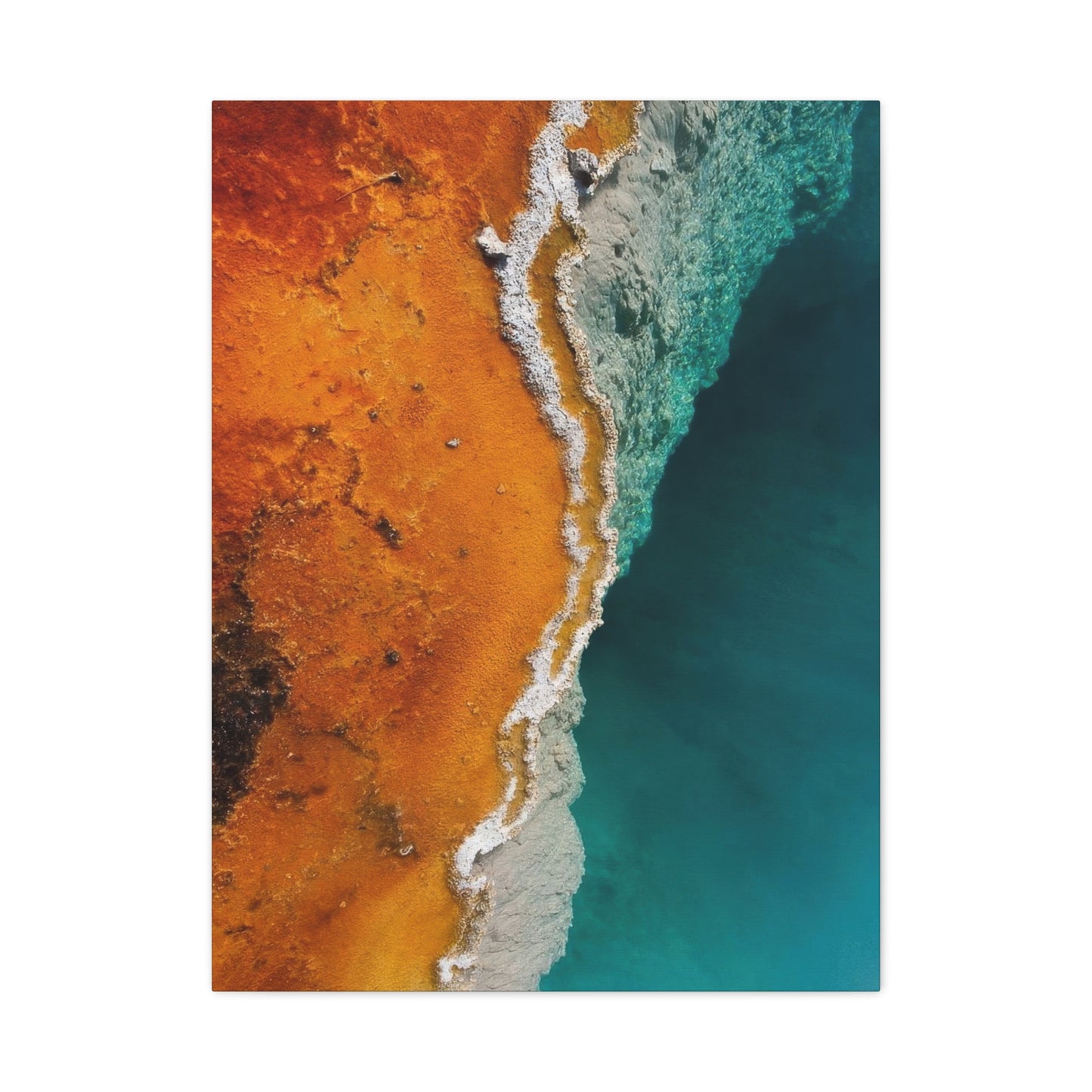
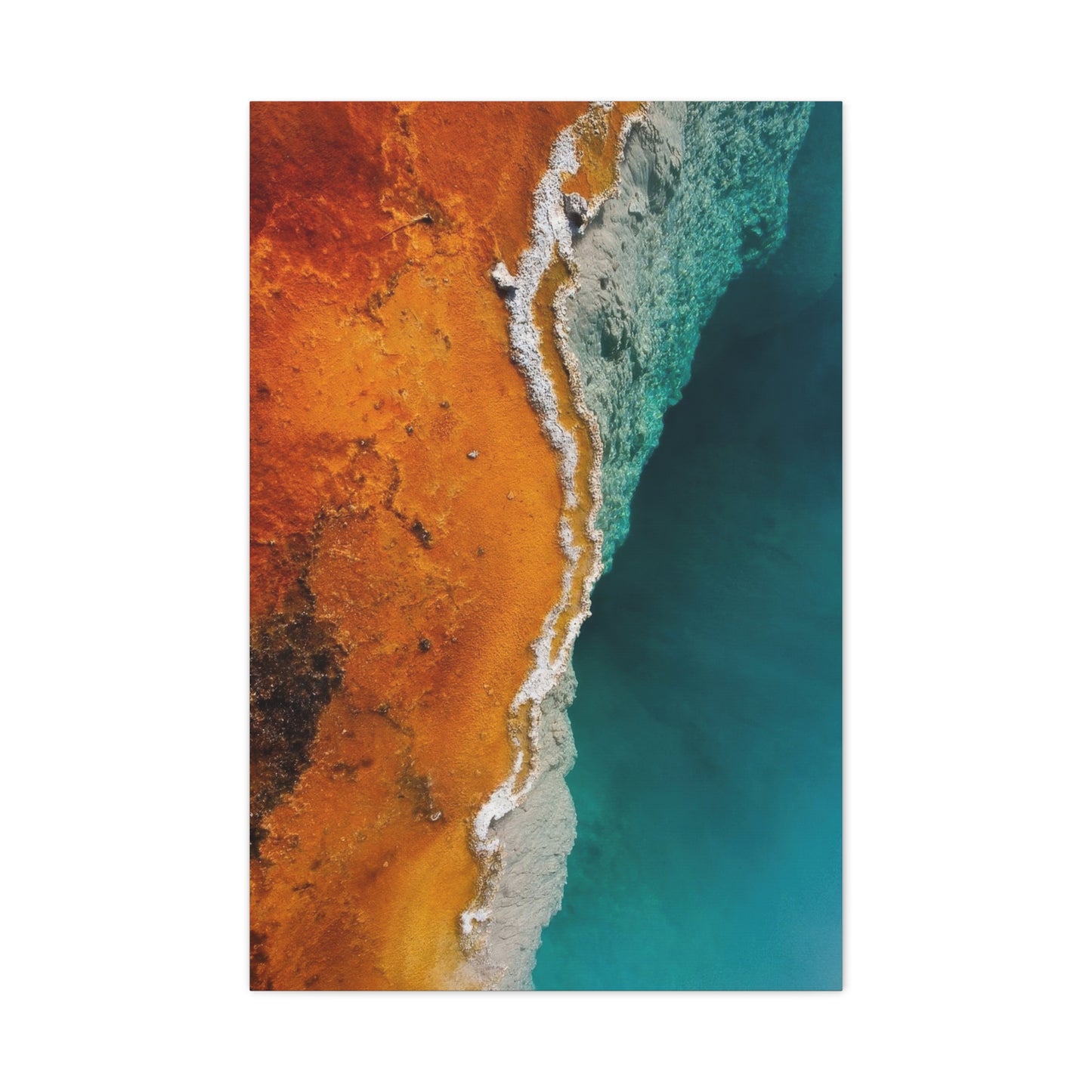
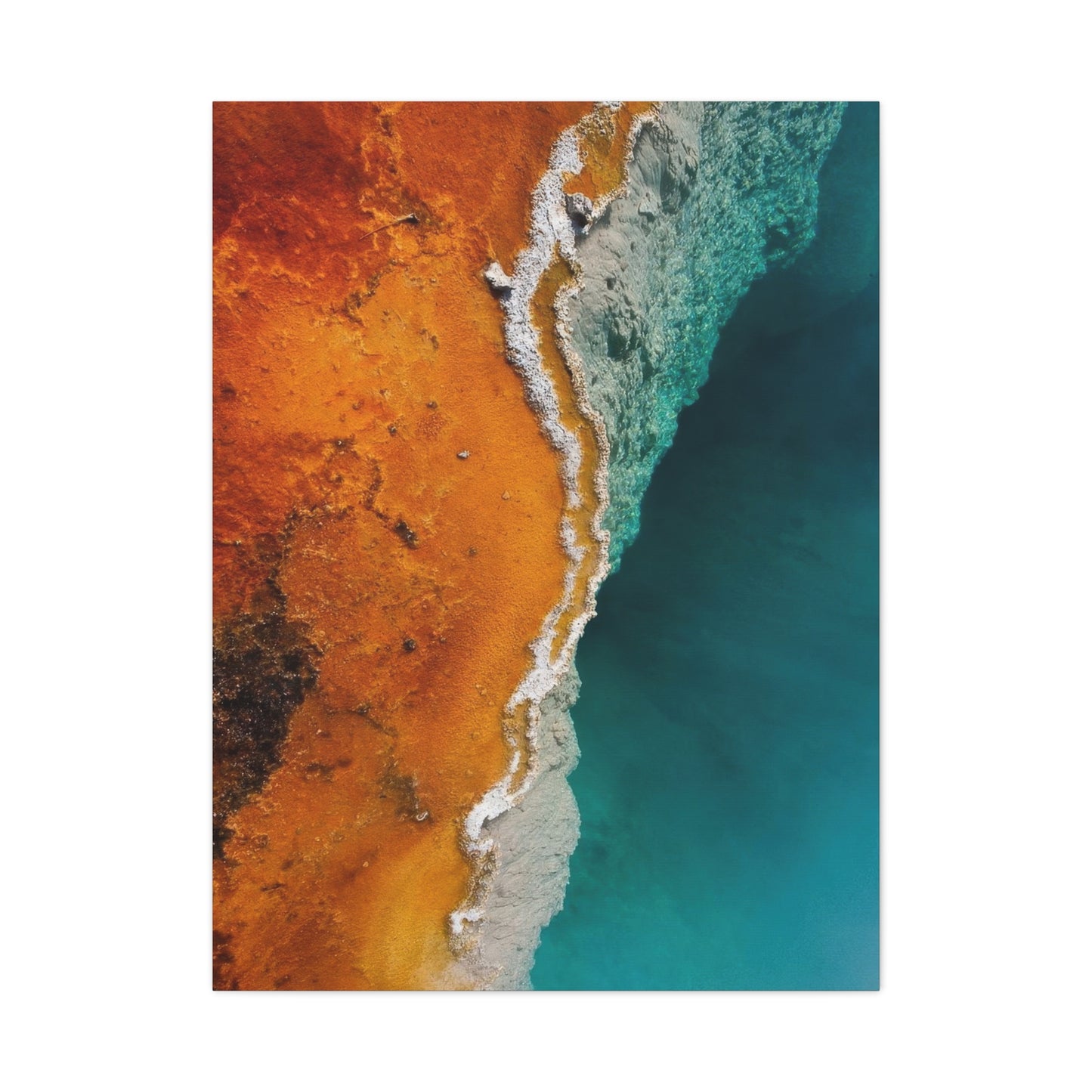
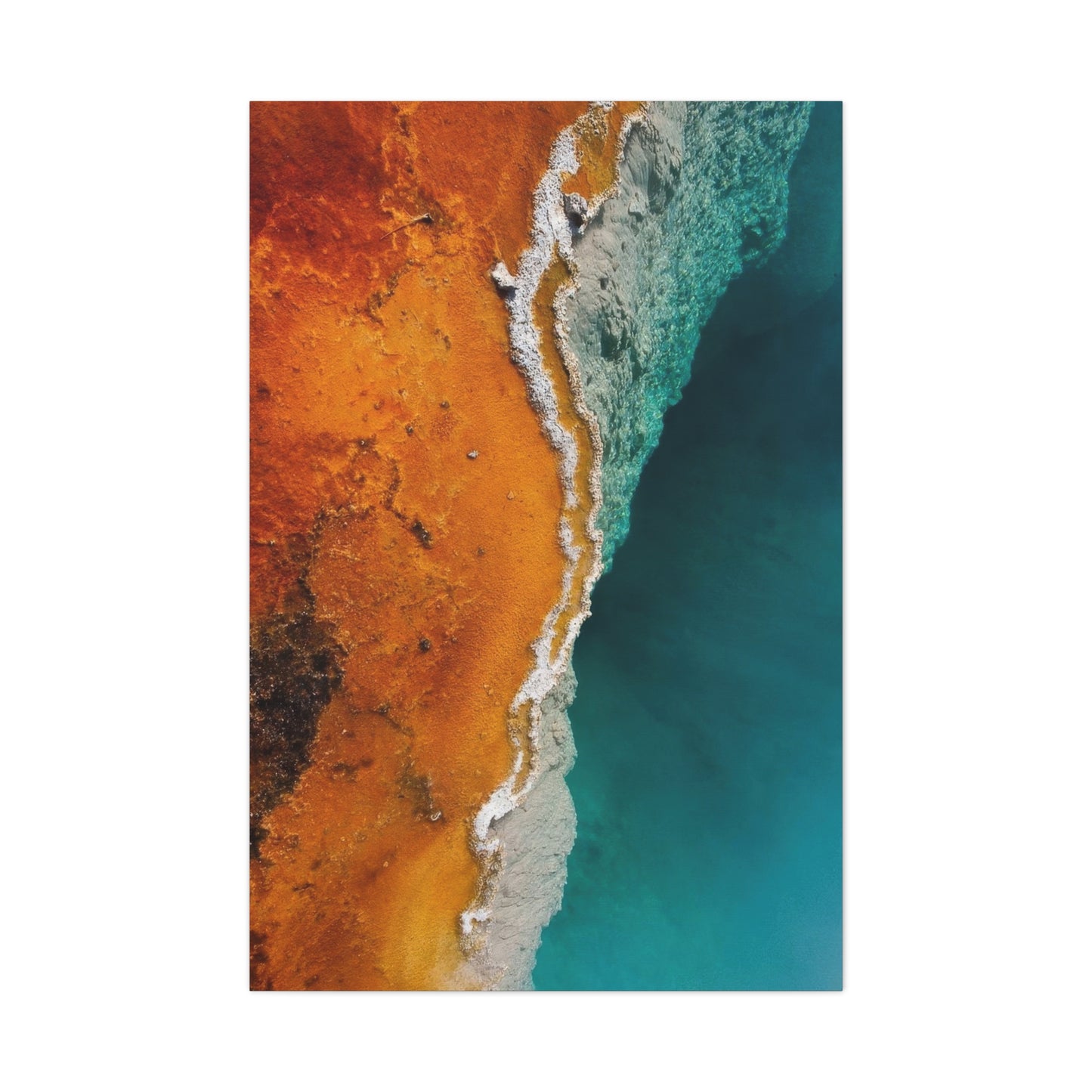
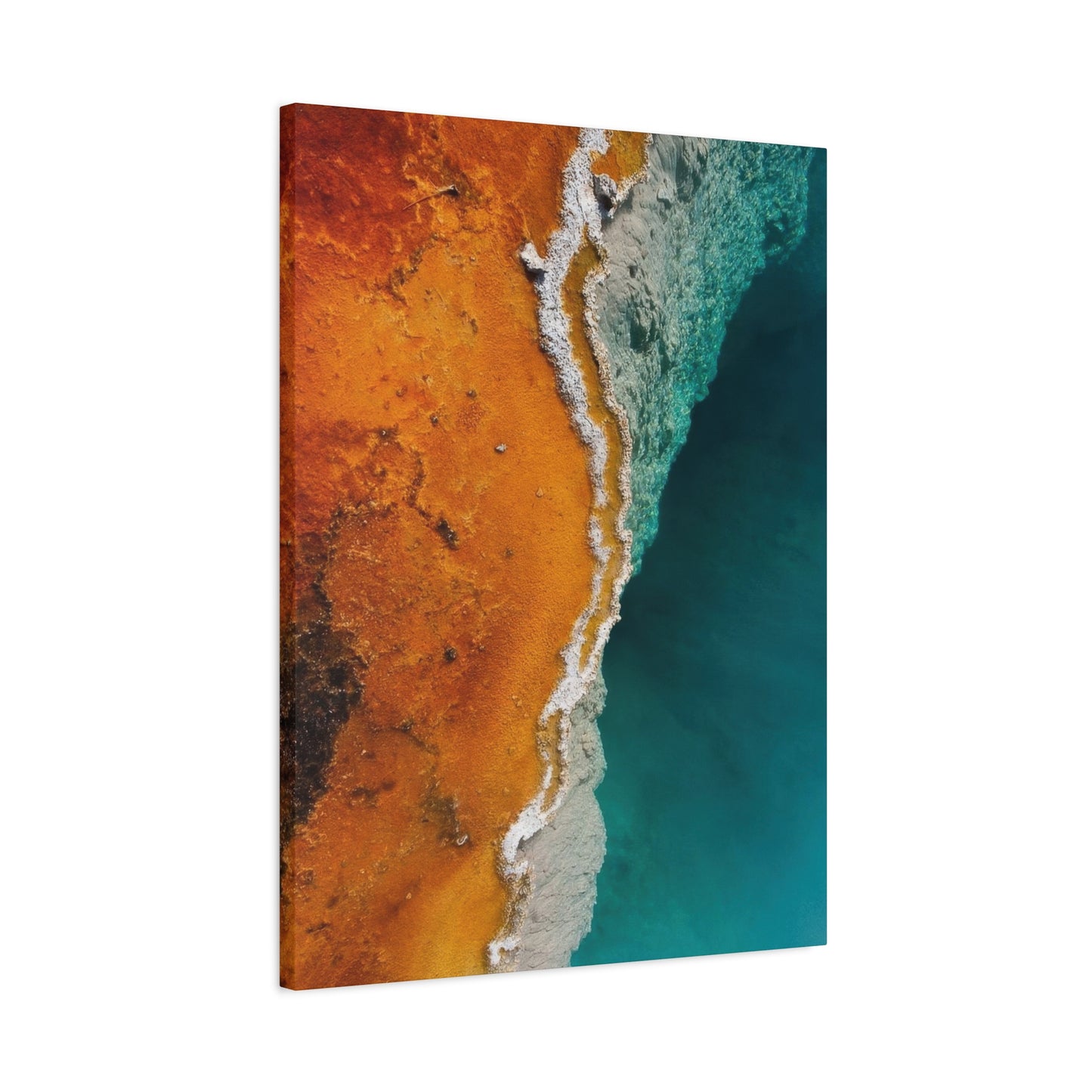
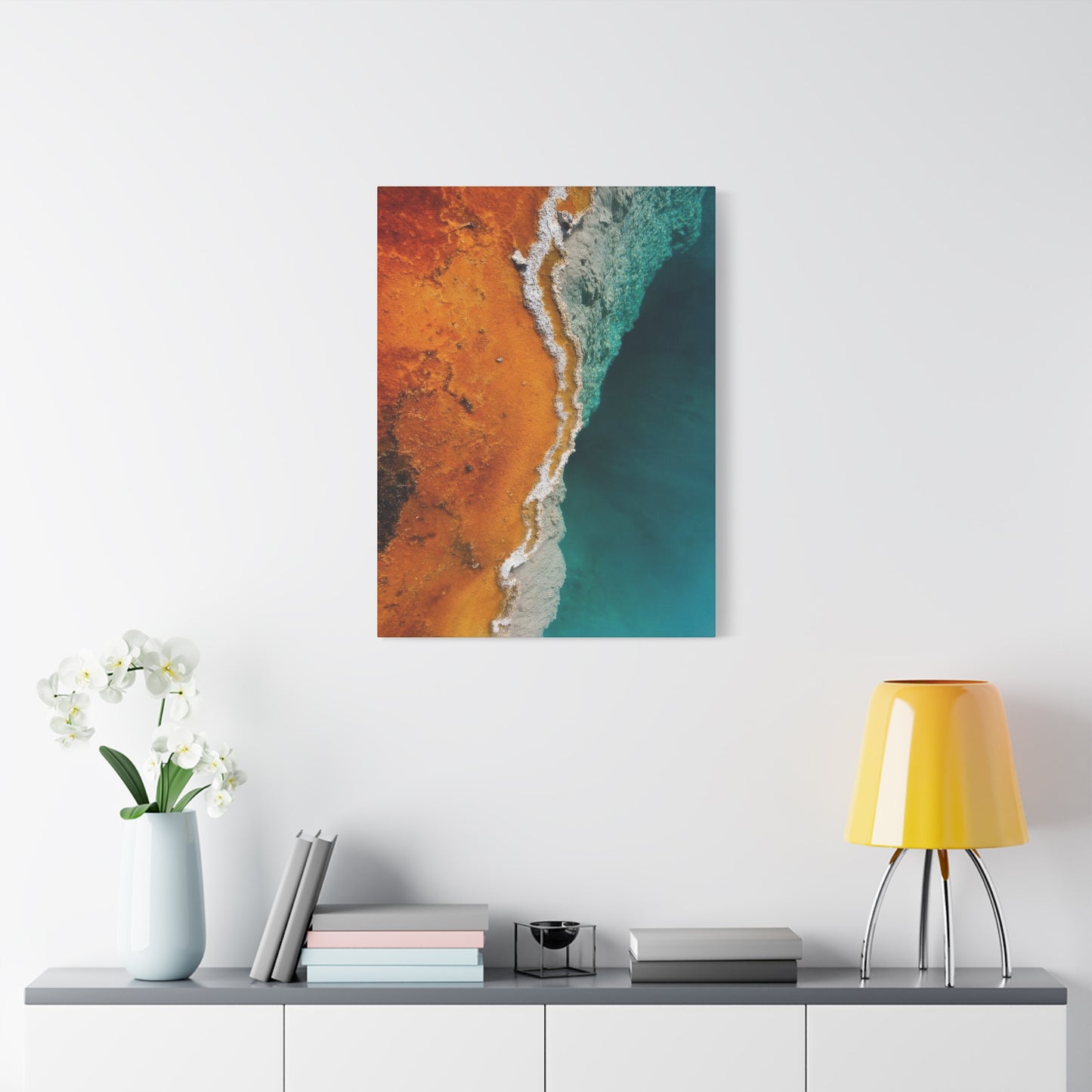
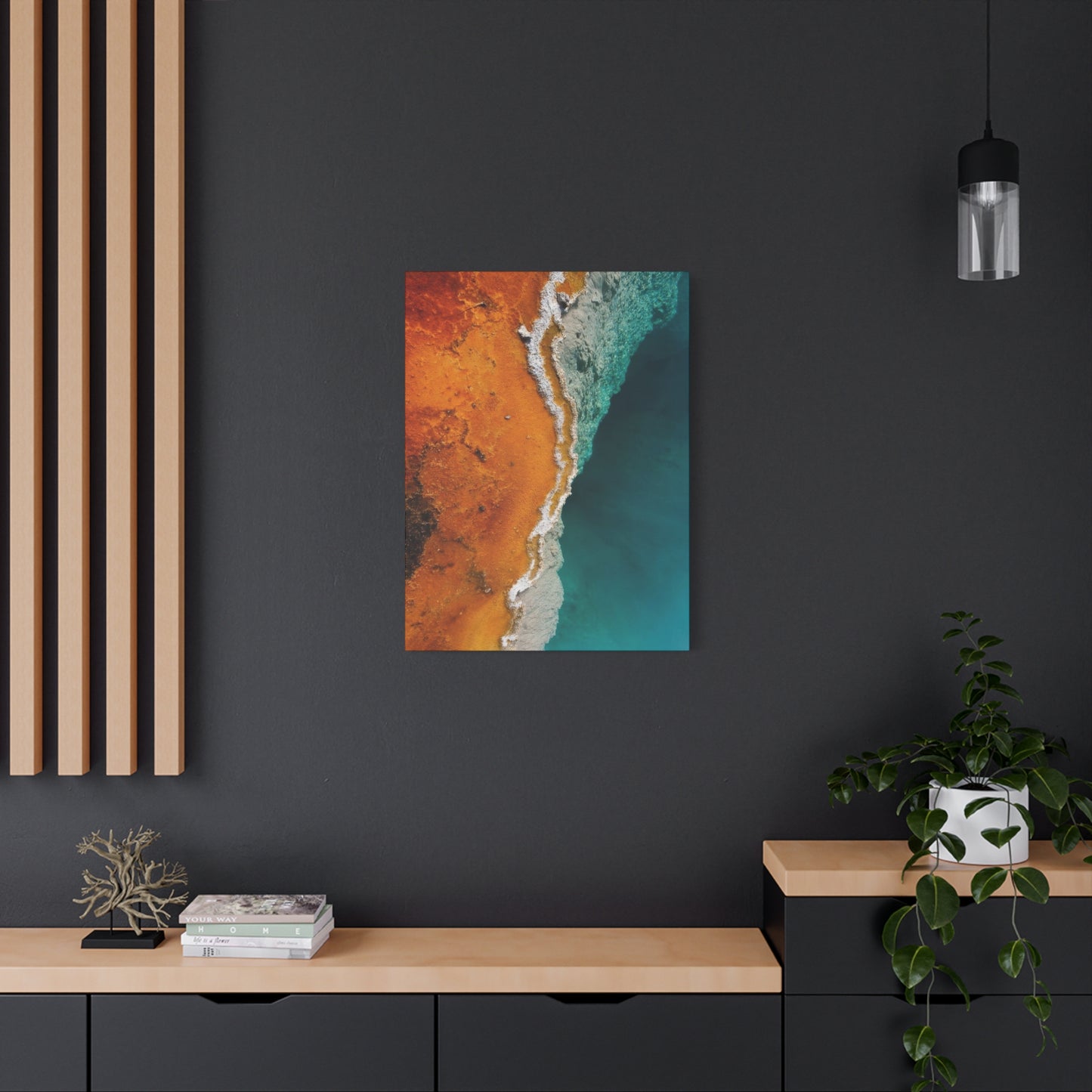
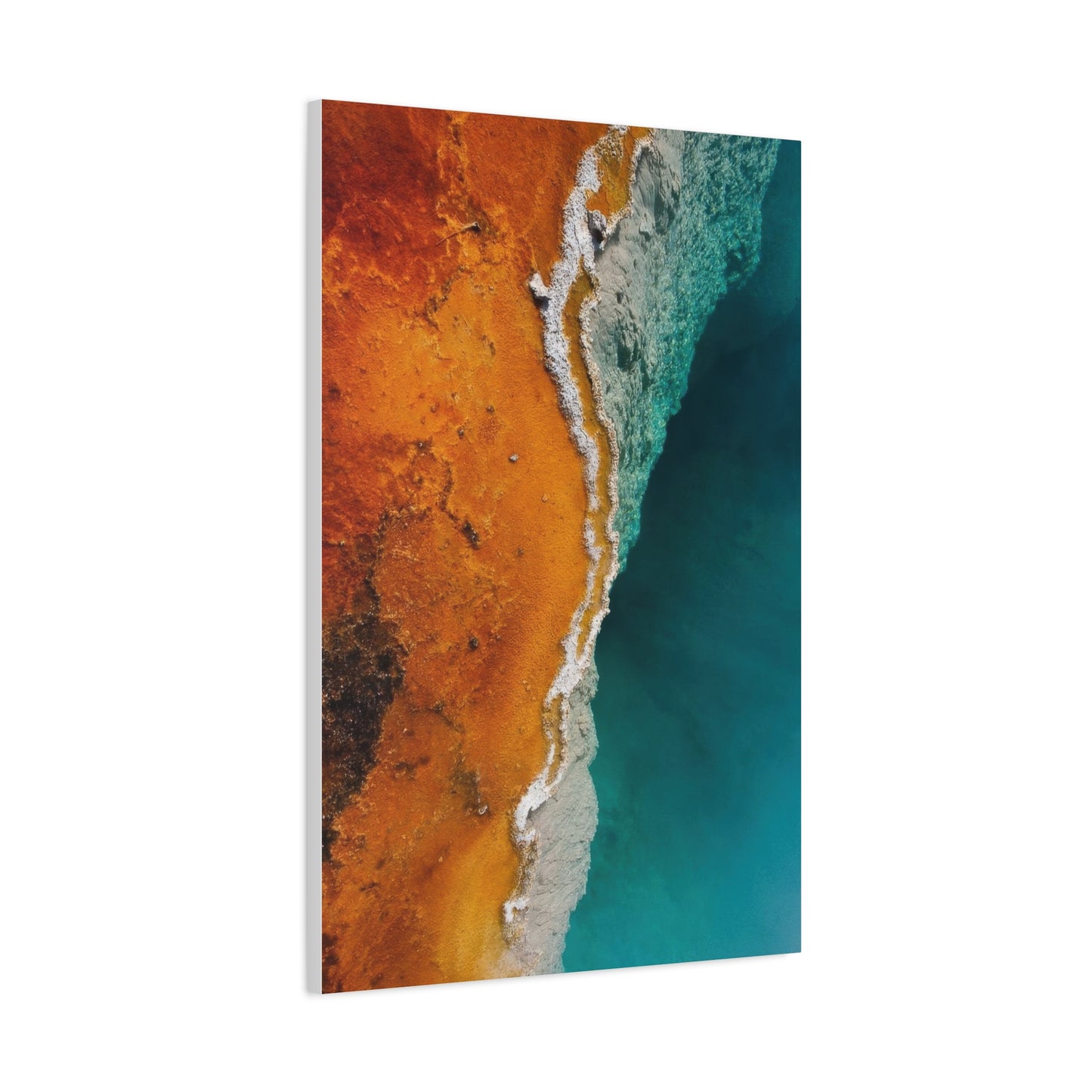
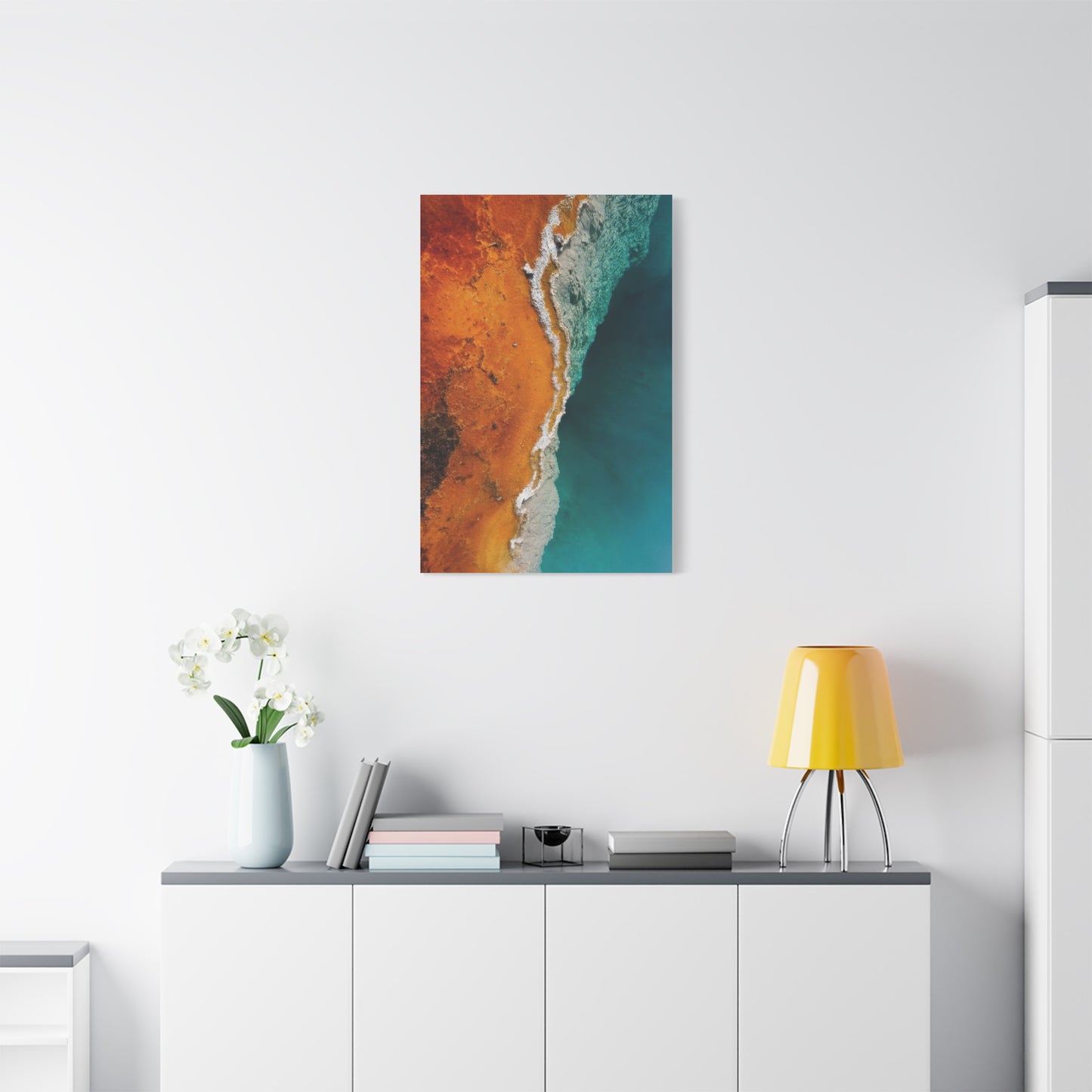
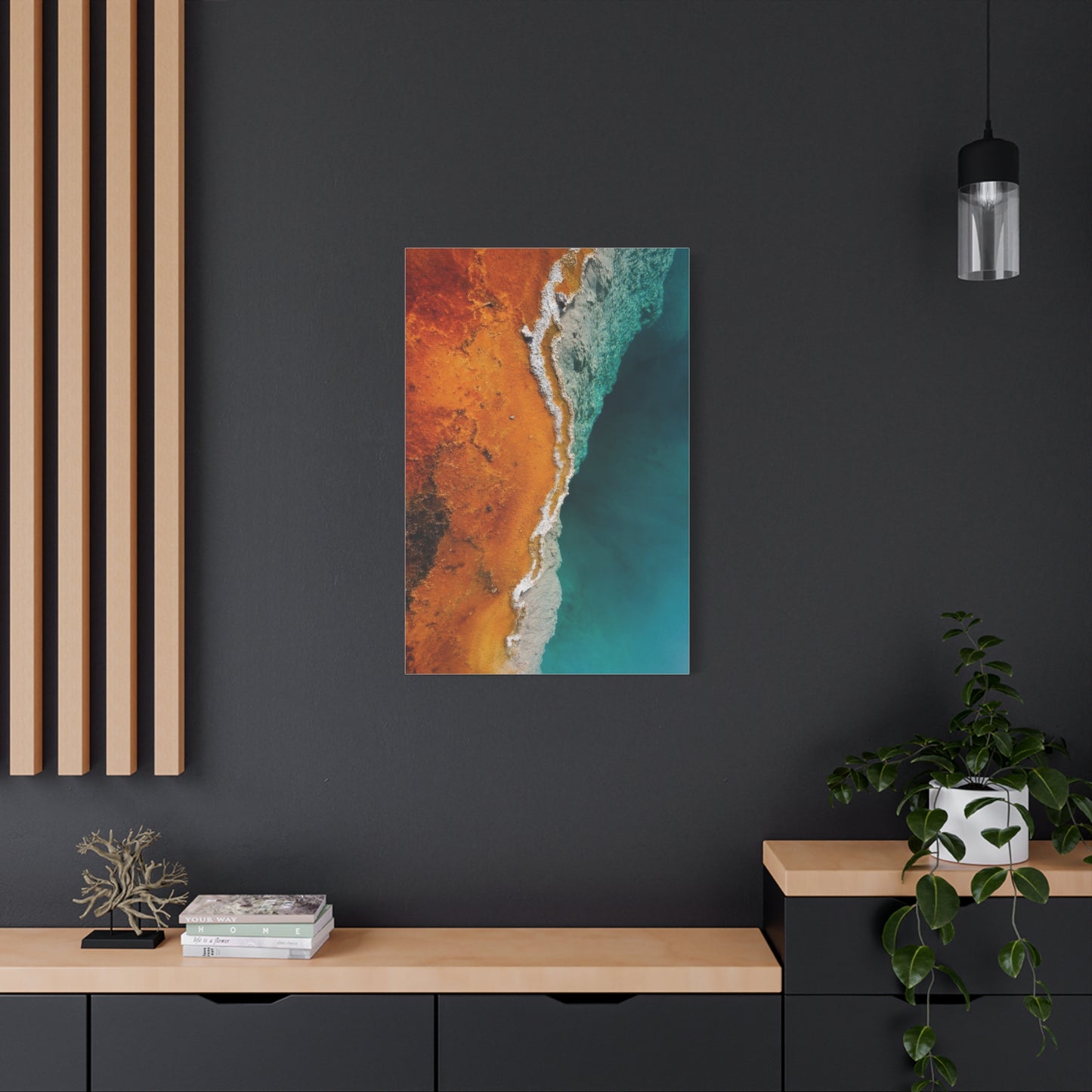
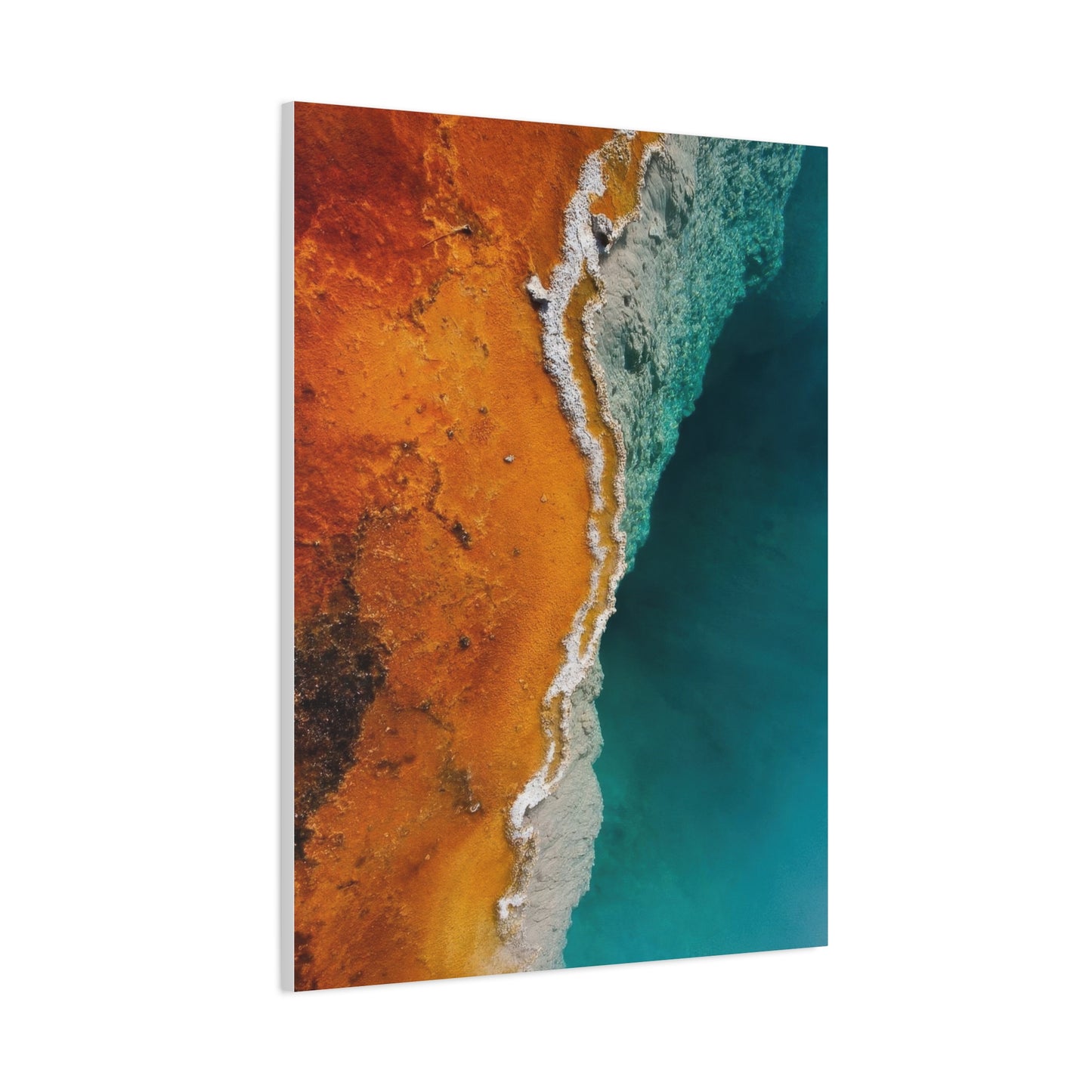
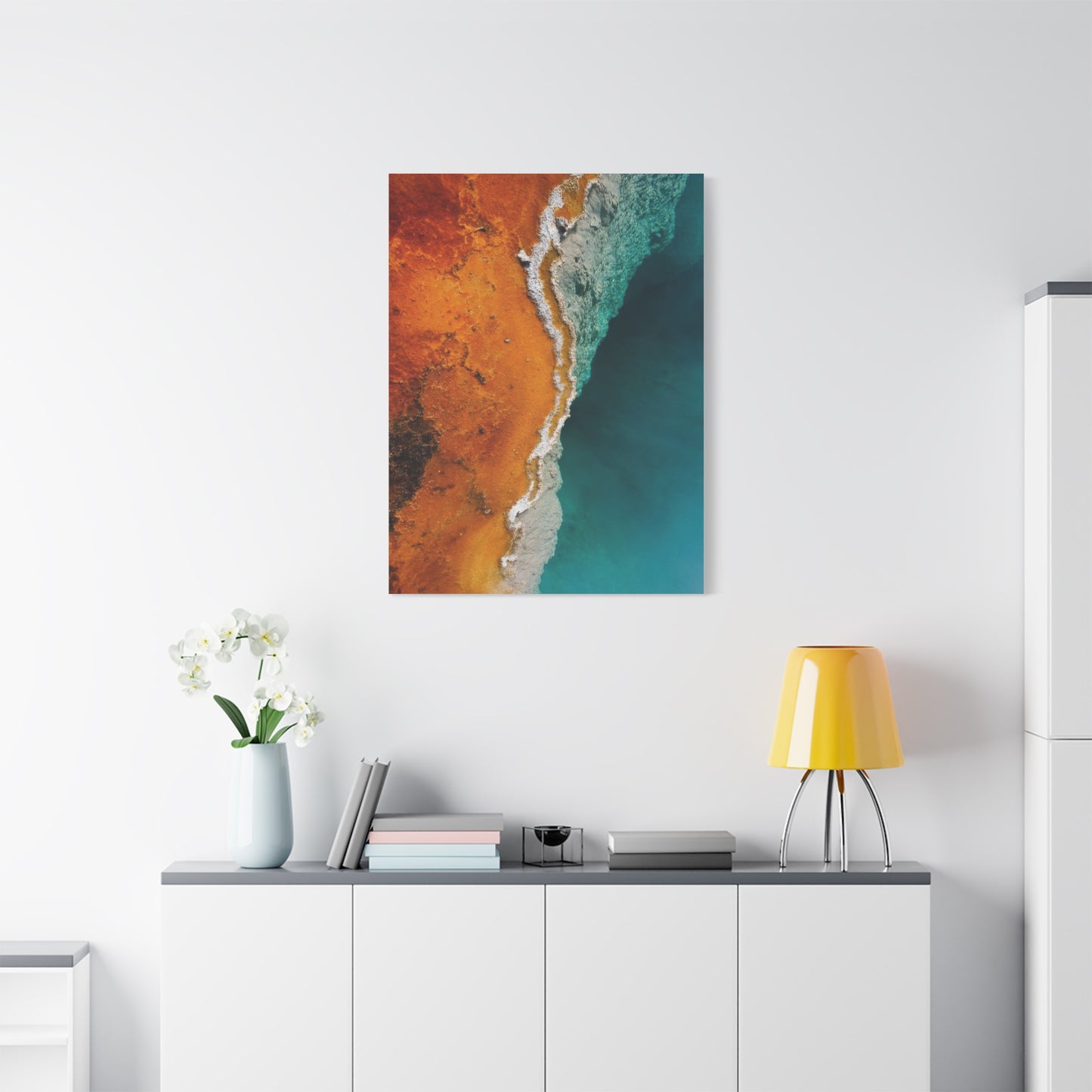
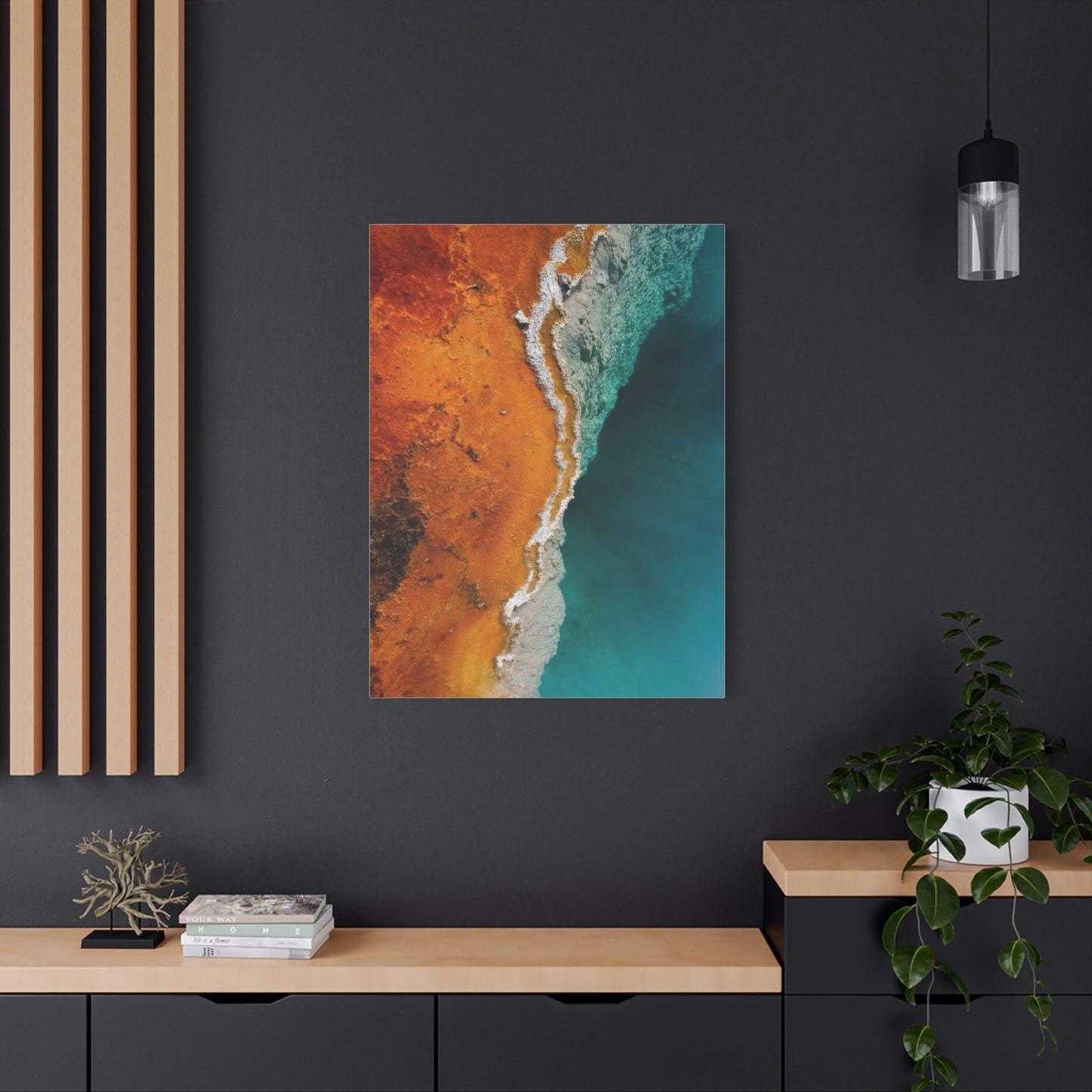
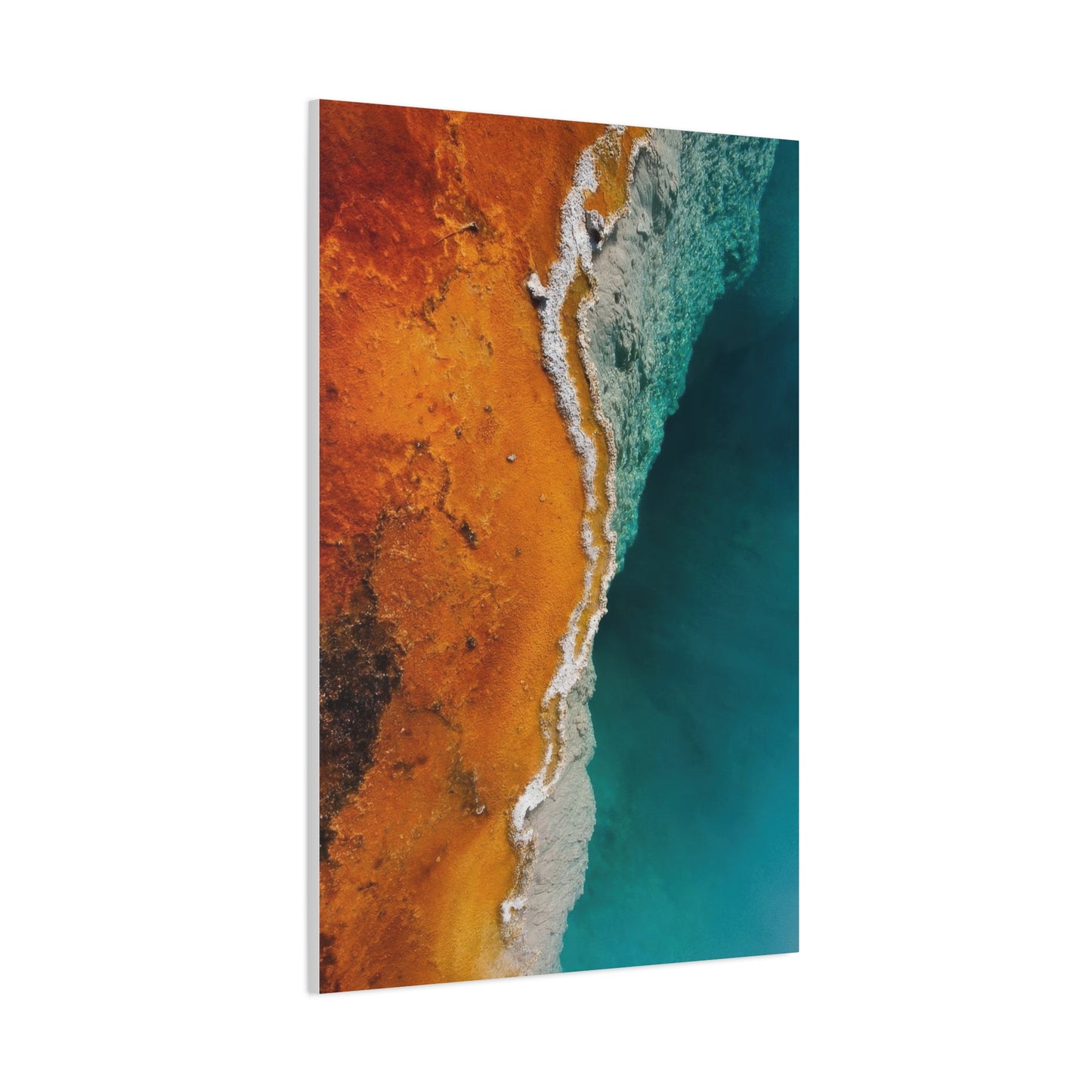
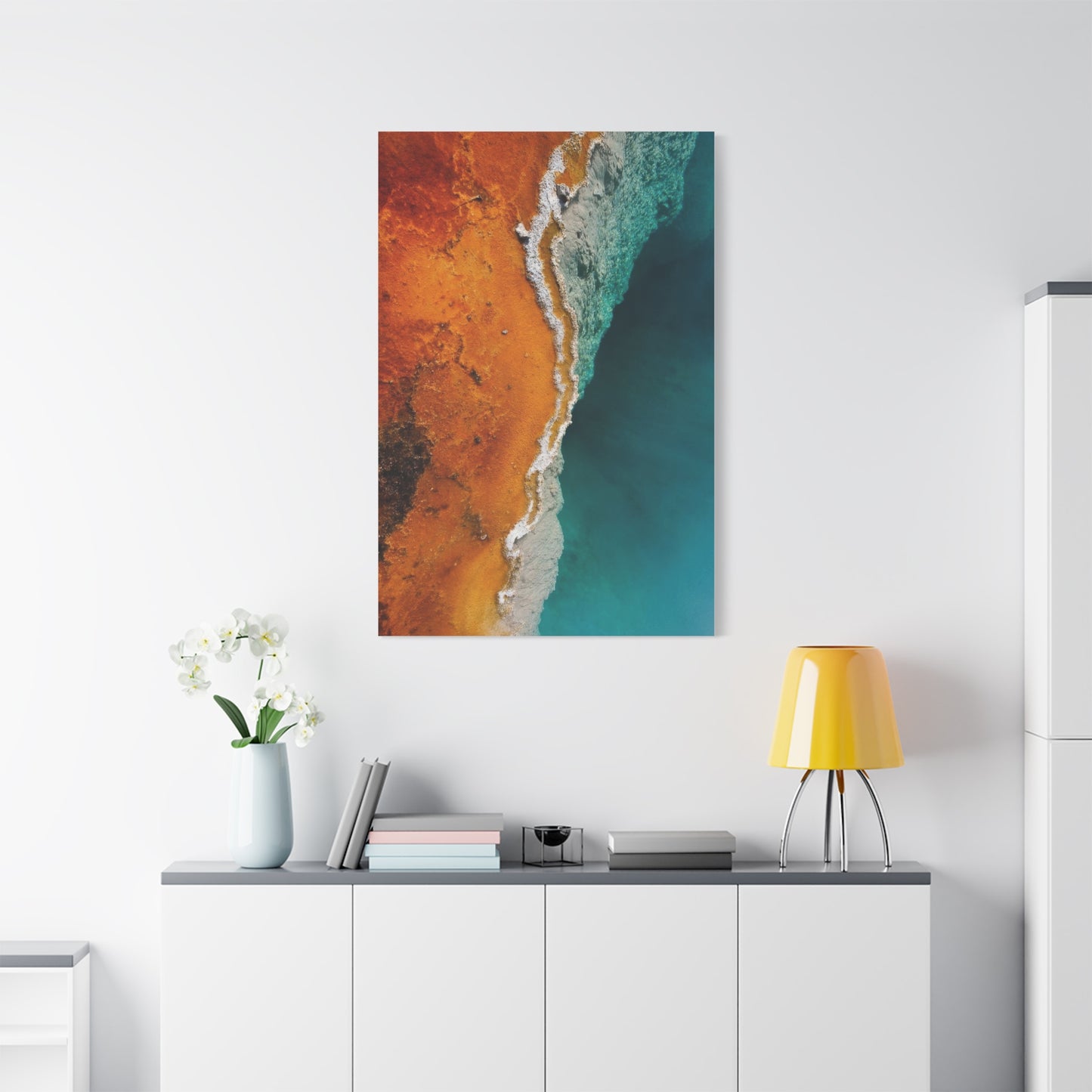
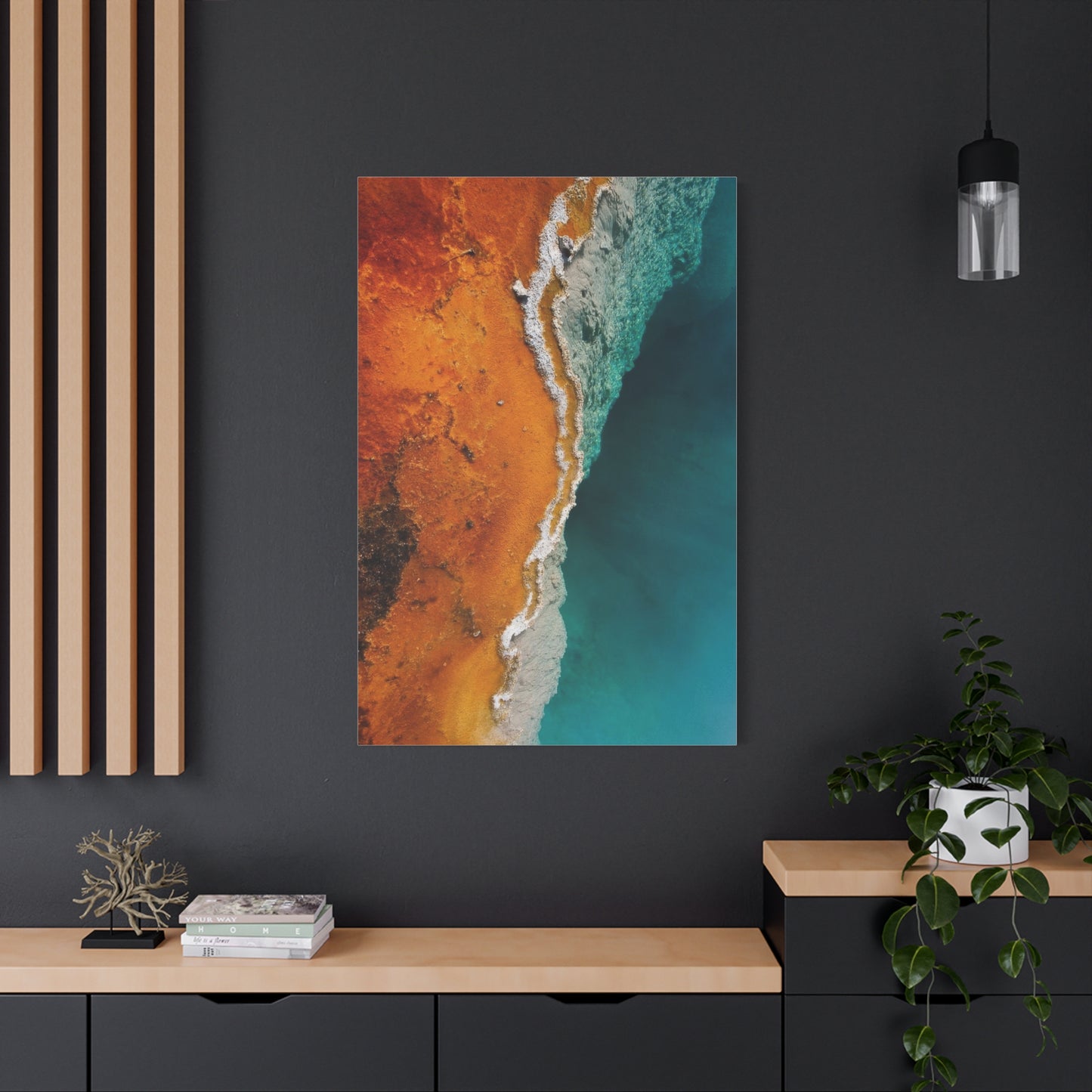
Organic Harmony: Decorating with Earth’s Palette Wall Art for a Naturally Elegant Home
The connection between interior design and the natural world has never been more profound than it is today. As people seek refuge from the chaos of modern life, they are increasingly turning to natural elements to create peaceful, grounding environments within their homes. Canvas art inspired by earth tones, organic textures, and natural landscapes offers a powerful way to bring the outdoors inside, transforming any space into a sanctuary of calm and beauty.
The concept of using natural colors and elements in home decoration is rooted in our innate connection to the environment. These shades remind us of forests, deserts, mountains, and oceans, creating spaces that feel both timeless and contemporary. When you incorporate artwork featuring these organic hues into your living areas, you create an atmosphere that promotes relaxation, creativity, and well-being.
This comprehensive exploration will guide you through the many facets of incorporating nature-inspired canvas art into your home. From understanding the psychology of natural colors to selecting the perfect pieces for each room, you'll discover how to transform your living spaces into havens of natural beauty and tranquility.
Capturing the Beauty of Natural Colors on Canvas
The spectrum of colors found in nature is incredibly diverse, ranging from the deep browns of rich soil to the soft beiges of desert sand, from the warm terracottas of clay to the cool grays of river stones. These hues have been inspiring artists for centuries, and today they continue to captivate homeowners and interior designers alike. Canvas art that celebrates these natural tones brings an authenticity and warmth to interior spaces that synthetic colors simply cannot match.
When artists create work inspired by the natural world, they tap into something primal and universal. The colors they choose are not arbitrary but reflect the actual palette of our planet. Rich ochres mirror the clay-rich soils of Mediterranean landscapes. Soft sages echo the subtle tones of desert plants. Deep umbers recall the bark of ancient trees. These colors work harmoniously together because they have evolved side by side in nature for millions of years.
The process of translating natural colors onto canvas requires both technical skill and artistic sensitivity. Artists must understand how different pigments interact, how light affects perception, and how to create depth and dimension using a limited color range. The best nature-inspired canvas art achieves a delicate balance between realism and abstraction, capturing the essence of natural landscapes without merely reproducing them photographically.
One of the remarkable aspects of earth-toned canvas art is its versatility. These pieces work equally well in traditional and contemporary settings, complementing a wide range of architectural styles and design aesthetics. Whether your home features rustic wooden beams or sleek modern lines, artwork inspired by natural colors can enhance and harmonize with your existing décor.
The emotional impact of these colors should not be underestimated. Research in color psychology has consistently shown that natural tones promote feelings of stability, comfort, and security. When you surround yourself with artwork featuring these hues, you create an environment that supports emotional well-being and mental clarity. The visual connection to nature helps reduce stress and anxiety, making your home a true retreat from the demands of daily life.
Artists working in this genre often draw inspiration from specific landscapes and environments. Some focus on the subtle gradations of desert terrain, where sand and rock create an endless variety of warm tones. Others explore the layers of sedimentary rock formations, with their distinct bands of color telling stories of geological time. Still others find inspiration in forests, where earth meets vegetation in a rich tapestry of browns, greens, and golds.
The texture is another crucial element in nature-inspired canvas art. Many artists use techniques that create physical dimension on the canvas surface, mimicking the roughness of tree bark, the smoothness of river-worn stones, or the granular quality of sand. These textural elements add depth and interest to the artwork, engaging not just the eyes but also the imagination, inviting viewers to reach out and touch.
Contemporary artists have found innovative ways to interpret natural themes while maintaining a connection to traditional landscape painting. Some create highly abstracted works that suggest rather than depict natural forms, using color and composition to evoke emotional responses rather than represent specific scenes. Others take a more literal approach, rendering landscapes with careful attention to detail while still emphasizing the color relationships that make natural scenes so compelling.
Incorporating Warm Natural Tones into Interior Spaces
The strategic use of warm natural tones in interior design has become increasingly popular as people recognize the profound impact these colors have on mood and atmosphere. When you introduce canvas art featuring terracottas, siennas, ochres, and warm browns into your home, you create spaces that feel inviting, comfortable, and inherently nurturing. These hues have the remarkable ability to make even large, open spaces feel intimate and cozy.
Understanding the psychological effects of warm colors is essential when selecting artwork for your home. Warm tones are known to stimulate conversation and social interaction, making them ideal for gathering spaces like living rooms and dining areas. They create a sense of energy and vitality while remaining grounded and stable. Unlike bright, saturated warm colors that can feel overwhelming, the muted warm tones found in nature-inspired art provide stimulation without causing visual fatigue.
The practical benefits of incorporating warm-toned canvas art extend beyond aesthetics. These pieces can actually affect the perceived temperature of a room, making cooler spaces feel warmer and more comfortable. This is particularly valuable in rooms with northern exposure or in climates where natural light is limited. A strategically placed canvas featuring warm ochres and terracottas can transform a cold, uninviting space into a welcoming retreat.
When selecting warm-toned artwork for your interior, consider the existing color palette of your space. These natural hues are remarkably versatile and can complement both warm and cool color schemes. In a room with predominantly cool tones, warm earth-toned art provides balance and prevents the space from feeling sterile or unwelcoming. In spaces already featuring warm colors, carefully chosen artwork can deepen and enrich the overall color story.
The size and placement of warm-toned canvas art significantly impact its effectiveness in a space. Larger pieces make bold statements and can serve as focal points around which entire rooms are designed. They draw the eye and anchor the visual composition of a space. Smaller pieces or collections of related works can create rhythm and movement, guiding viewers through the room and creating visual interest at multiple levels.
Lighting plays a crucial role in how warm-toned artwork appears in your space. Natural light brings out the richness and complexity of these colors, revealing subtle variations and creating dynamic visual experiences as light conditions change throughout the day. Artificial lighting should be carefully considered as well. Warm white bulbs enhance the natural warmth of these tones, while cooler bulbs can mute their impact. Directional lighting can highlight texture and create dramatic shadows that add depth to the artwork.
Creating Artistic Interpretations of Natural Landscapes
Abstract landscape art inspired by natural environments offers a unique opportunity to capture the essence of place without being bound by literal representation. These artistic interpretations distill the experience of a landscape into its most fundamental elements: color, form, texture, and composition. The result is artwork that evokes emotional responses and memories while allowing viewers the freedom to bring their own interpretations and experiences to the piece.
The creative process behind abstract landscape art begins with observation and experience. Artists immerse themselves in natural environments, absorbing the colors, patterns, and rhythms they encounter. They might spend hours watching how light changes across a desert landscape or observing the layered striations in a canyon wall. These experiences are then filtered through the artist's unique perspective and translated onto canvas through a personal visual language.
Color relationships form the foundation of successful abstract landscape art. Rather than attempting to reproduce colors exactly as they appear in nature, artists explore how colors interact and influence each other. A streak of warm orange might be placed next to a cool gray, creating visual vibration that captures the dynamic quality of natural light. Layers of transparent color build depth and complexity, mimicking the atmospheric perspective found in actual landscapes.
Composition in abstract landscape work often references the horizontal bands and layered structure common in natural environments. The horizon line, whether explicit or implied, provides a fundamental organizing principle. Some artists divide their canvases into distinct horizontal sections, echoing geological strata or the meeting of earth and sky. Others create more fluid compositions where forms blend and merge, suggesting the organic, ever-changing nature of landscapes.
Texture plays a vital role in abstract landscape art, adding physical dimension that engages viewers on multiple sensory levels. Artists employ various techniques to create surface interest: thick applications of paint that catch light and cast shadows, scraping and scoring that reveal underlying layers, or incorporating mixed media elements that add unexpected tactile qualities. These textural elements transform the viewing experience, making the artwork dynamic and engaging from multiple angles and in different lighting conditions.
The balance between suggestion and abstraction is where abstract landscape art finds its power. Too much detail, and the work becomes merely representational. Too little reference to the natural world, and the connection to landscape is lost. Skilled artists navigate this territory intuitively, knowing exactly how much to reveal and how much to leave to imagination. A few well-placed marks might suggest a mountain range or a stand of trees, allowing viewers to complete the image in their minds.
Scale considerations in abstract landscape work affect both creation and display. Some artists work on intimate scales, creating pieces that invite close inspection and contemplation. Others embrace monumental sizes that immerse viewers in the landscape experience. Large-scale abstract landscape works can transform entire walls, creating portals to imagined natural spaces and dramatically altering the atmosphere of a room.
Bringing Rustic Character with Organic Color Schemes
Rustic elegance represents a design philosophy that celebrates the beauty of natural materials, handcrafted elements, and organic forms while maintaining sophistication and refinement. Canvas art featuring natural tones serves as a cornerstone of this aesthetic, bridging the gap between rough-hewn rustic elements and polished contemporary design. The result is spaces that feel warm and inviting without sacrificing style or elegance.
The concept of rustic elegance rejects the notion that rustic design must be crude or unsophisticated. Instead, it embraces the character and authenticity of natural materials while presenting them in thoughtful, intentional ways. Canvas art in organic tones enhances this approach by adding visual interest and color without overwhelming the understated beauty of rustic elements. The artwork serves as a refined counterpoint to weathered wood, natural stone, and other textural rustic materials.
Selecting canvas art for rustic elegant spaces requires attention to both color and style. Pieces should feature the muted, complex tones found in nature rather than bright, artificial colors. The style might range from realistic landscape representations to more abstracted interpretations, but should always maintain a connection to the natural world. Artwork that feels overly polished or commercial can disrupt the authentic character essential to rustic elegance.
The interplay between canvas art and architectural elements defines rustic elegant spaces. Exposed wooden beams, stone fireplaces, and plank flooring provide rich textural backgrounds against which artwork can shine. The organic tones in nature-inspired canvas pieces echo the colors of these structural elements while adding visual lightness and preventing spaces from feeling heavy or dark. This balance between substantial architecture and lighter artistic elements creates dynamic, livable spaces.
Scale and proportion considerations are particularly important in rustic settings. Large-scale canvas pieces can hold their own against substantial architectural features like stone walls or timber framing. Oversized artwork makes bold statements and prevents rustic elements from dominating the visual landscape. Conversely, collections of smaller pieces can create gallery wall arrangements that add personality and visual interest while maintaining the overall rustic character.
The frame selection for canvas art in rustic elegant spaces deserves careful thought. Simple, natural wood frames complement the aesthetic without competing with the artwork itself. Alternatively, floating canvas pieces without frames create clean, modern presentations that contrast beautifully with rustic surroundings. The key is maintaining balance between rustic elements and contemporary sensibilities.
Color temperature in both artwork and surrounding décor affects the overall feeling of rustic elegant spaces. Warm-toned canvas art enhances the cozy, inviting quality inherent to rustic design. Pieces featuring ochres, siennas, and warm browns create visual connections with wooden elements and natural materials throughout the space. Cooler tones can be introduced through artwork to provide balance and prevent spaces from feeling too warm or monotonous.
Embracing Simplicity Through Understated Design
Minimalist design philosophy emphasizes clarity, simplicity, and intentionality, stripping away excess to reveal essential beauty. When applied to canvas art featuring natural tones, this approach creates spaces that feel serene, uncluttered, and deeply peaceful. Subtle prints inspired by organic colors demonstrate that powerful design doesn't require visual complexity or abundant decoration.
The minimalist aesthetic relies on careful curation rather than abundance. Each element in a minimalist space must earn its place through beauty, function, or meaning. Canvas art in subtle earth tones perfectly suits this philosophy, providing visual interest and emotional warmth without adding clutter or chaos. These pieces become focal points not through visual noise but through their quiet, contemplative presence.
Color selection in minimalist earth-toned art tends toward muted, sophisticated shades. Soft taupes, gentle grays, warm creams, and subtle browns create palettes that feel cohesive and calming. These colors don't demand attention but rather invite closer inspection, rewarding careful viewing with nuanced variations and subtle shifts. The restraint inherent in these color choices reflects core minimalist values of reduction and refinement.
Composition in minimalist nature-inspired art often features clean lines, simple geometric forms, and generous negative space. Rather than filling every inch of canvas with visual information, these pieces allow breathing room, letting the eye rest and the mind relax. A simple horizontal division suggesting a horizon line, a subtle gradient from light to dark, or an organic form floating in empty space can create compositions of remarkable power through restraint.
The concept of negative space is central to minimalist art and design. The empty areas of a canvas are not merely background but active participants in the composition. In nature-inspired minimalist work, negative space might represent sky, water, or simply open atmosphere. This emptiness creates balance and allows the elements that are present to resonate more strongly.
Texture in minimalist earth-toned art must be approached thoughtfully. While texture adds interest and depth, it must be applied with the same restraint that governs other aspects of minimalist design. Subtle variations in surface quality, gentle impasto, or barely perceptible texture that reveals itself only upon close inspection align with minimalist principles. Heavy, obvious texture can feel at odds with the clean simplicity minimalism celebrates.
The relationship between minimalist canvas art and surrounding space is symbiotic. These understated pieces require breathing room to be fully appreciated. Overcrowding walls or placing too many decorative objects nearby diminishes their impact. When given adequate space, minimalist earth-toned art can transform entire rooms, its quiet presence influencing the atmosphere far beyond its physical boundaries.
Scale considerations in minimalist design differ somewhat from those in more maximalist approaches. While large-scale minimalist pieces can make powerful statements, there's also beauty in modest sizes that maintain human scale and intimacy. A medium-sized canvas featuring subtle earth tones can create a contemplative moment in a larger space without overwhelming through size or visual intensity.
Material quality becomes paramount in minimalist earth-toned art. With fewer elements competing for attention, the quality of canvas, paint, and craftsmanship becomes more apparent. High-quality materials age gracefully and maintain their appearance over time, aligning with minimalist values of sustainability and longevity. Investing in well-crafted pieces reflects the minimalist preference for quality over quantity.
Building Dimension with Layered Textural Elements
Textured canvas art inspired by natural forms creates multidimensional experiences that engage viewers physically and emotionally. Unlike flat, smooth prints, layered textured works invite touch and change dramatically as lighting conditions shift throughout the day. These pieces bring the tactile qualities of natural materials into interior spaces, creating artwork that appeals to multiple senses simultaneously.
The creation of textured canvas art involves numerous techniques and materials. Artists might use thick applications of paint, building up surfaces through multiple layers. Palette knife work creates ridges and valleys that catch light. Mixed media approaches incorporate sand, plaster, or other materials that add genuine physical texture. Each technique contributes different qualities, from rough, almost sculptural surfaces to subtle variations barely perceptible except in raking light.
Understanding how texture functions in art requires considering both its physical reality and its visual impact. Physical texture can be felt and casts actual shadows. Visual texture creates the illusion of surface variation through brushwork and color manipulation. The most effective textured canvas art combines both, creating surfaces that reward both visual inspection and tactile exploration.
The relationship between texture and color in nature-inspired art is symbiotic. Texture affects how color appears, with rougher surfaces scattering light differently than smooth ones. This interaction creates visual richness and prevents colors from appearing flat or lifeless. In earth-toned work, texture adds depth to what might otherwise be simple color fields, transforming basic browns and grays into complex, engaging surfaces.
Scale plays a crucial role in how texture functions in canvas art. Large-scale textured pieces create dramatic presence, their dimensional surfaces becoming almost sculptural. Smaller works invite intimate viewing, rewarding close inspection with details invisible from a distance. The viewing distance appropriate for a piece should inform the scale and type of texture employed.
Lighting design becomes especially important with highly textured canvas art. These pieces need lighting that emphasizes their dimensional qualities without creating harsh shadows or washing out subtle variations. Adjustable track lighting or picture lights positioned to graze the surface at an angle can dramatically enhance texture. Natural light changing throughout the day creates ever-shifting visual experiences as shadows move across textured surfaces.
The durability and maintenance of textured canvas art require consideration. Highly dimensional surfaces can accumulate dust and require gentle cleaning. When selecting textured pieces, consider the practical realities of maintenance alongside aesthetic appeal. Well-crafted textured art should be robust enough to withstand careful cleaning while maintaining its visual and tactile qualities over time.
Textured earth-toned canvas art creates particular synergy with rustic and organic design schemes. The physical dimension of the artwork echoes the texture found in natural materials like rough-hewn wood, natural stone, and woven textiles. This layering of textures creates rich, engaging spaces that feel lived-in and authentic rather than sterile or overly designed.
Integrating Contemporary Elements with Natural Themes
Contemporary approaches to nature-inspired canvas art balance modern design sensibilities with timeless natural themes. These pieces demonstrate that earth-toned artwork can feel fresh and current rather than dated or traditional. By embracing contemporary composition, color theory, and conceptual approaches while maintaining connections to the natural world, artists create work that bridges multiple design aesthetics.
The evolution of nature-inspired art reflects broader shifts in contemporary art and design. Where historical landscape painting emphasized realistic representation, contemporary work often abstracts, simplifies, or reinterprets natural forms. This evolution doesn't represent rejection of tradition but rather expansion of how we understand and represent our relationship with nature. Contemporary earth-toned art speaks to current environmental awareness and our modern understanding of ecology and natural systems.
Geometric elements frequently appear in contemporary nature-inspired canvas art. Clean lines, circles, triangles, and other geometric shapes interact with organic forms and earth tones. This juxtaposition creates visual tension and interest while maintaining overall harmony. The geometry might reference human structures in natural settings, mathematical patterns found in nature, or simply provide compositional structure for more organic elements.
Color blocking techniques adapted from modernist traditions appear in contemporary earth-toned art. Large areas of single colors meet in crisp edges, creating compositions with graphic strength. Even when limited to natural tones, this approach generates visual impact through bold simplicity. Color blocking allows artists to explore relationships between earth tones in direct, uncomplicated ways.
Contemporary nature-inspired art often incorporates conceptual elements that invite intellectual engagement alongside aesthetic appreciation. Pieces might comment on environmental issues, explore humanity's relationship with nature, or investigate perception and representation. This conceptual depth adds layers of meaning without diminishing visual appeal, creating artwork that satisfies on multiple levels.
The integration of digital tools and techniques has expanded possibilities in contemporary nature-inspired art. Some artists use digital processes to plan compositions or experiment with color relationships before committing to canvas. Others incorporate digital printing or mixed digital-analog processes in finished works. These contemporary approaches coexist with traditional techniques, expanding rather than replacing established methods.
Contemporary earth-toned canvas art often features unexpected material combinations. Traditional oil or acrylic paint might be combined with gold leaf, resin, or other materials that add contemporary flair. These material choices create visual interest while maintaining connections to natural themes. The key is ensuring that contemporary elements enhance rather than overwhelm the organic character of the work.
Scale and proportion in contemporary nature-inspired art often push boundaries. Monumental pieces that dominate entire walls make bold statements appropriate for contemporary spaces. Alternatively, series of smaller works create installations that feel distinctly current. The willingness to work at extremes of scale reflects contemporary confidence and experimentation.
Creating Balance Through Neutral Color Stories
Neutral tones inspired by natural materials offer unparalleled versatility in interior design. Canvas art featuring these sophisticated shades adapts to virtually any design style, color scheme, or architectural context. The power of neutral earth-toned artwork lies not in boldness but in quiet strength, creating spaces that feel balanced, harmonious, and effortlessly elegant.
The definition of neutral in earth-toned art extends beyond simple beiges and grays. True neutral palettes drawn from nature include warm taupes, cool stones, soft putties, and complex grays with subtle undertones. These colors possess depth and character often lacking in purely achromatic schemes. Nature-inspired neutrals feel alive and organic rather than flat or institutional.
Understanding undertones is crucial when working with neutral earth-toned art. A seemingly simple beige might have warm pink undertones, cool gray undertones, or golden undertones. These subtle characteristics affect how the color interacts with surrounding elements. Selecting artwork with undertones that complement existing finishes, furnishings, and architectural details ensures harmonious integration rather than unintentional clashing.
Neutral earth-toned canvas art serves multiple functions in interior design. These pieces can act as calming elements in busy spaces, sophisticated focal points in minimal interiors, or transitional elements bridging different areas. The adaptability of neutral artwork makes it particularly valuable in open-plan spaces where different zones require visual connection while maintaining distinct character.
Layering neutrals creates surprising depth and visual interest. A composition featuring multiple shades of tan, gray, and cream might appear simple initially, but reveals complexity upon closer inspection. This layered approach mimics how neutrals appear in nature, where countless subtle variations create rich visual landscapes. Artwork employing this technique adds sophistication without visual weight.
The timeless quality of neutral earth-toned art provides practical advantages beyond aesthetics. These pieces remain relevant as design trends shift and personal tastes evolve. While bold, colorful artwork might eventually feel dated or incongruous with changing décor, neutral pieces maintain appropriateness and appeal. This longevity represents both financial and environmental wisdom, as artwork doesn't need frequent replacement.
Neutral canvas art allows other design elements to shine while maintaining essential visual presence. In rooms featuring colorful furniture, textiles, or accessories, neutral artwork provides visual rest and prevents sensory overload. Conversely, in predominantly neutral spaces, earth-toned art with subtle variations creates interest without disrupting serene atmospheres.
The psychological effects of neutral earth tones in art contribute to their enduring popularity. These colors promote mental clarity, reduce anxiety, and create environments conducive to focus and relaxation. Spaces featuring neutral nature-inspired artwork feel inherently calming, supporting well-being without conscious effort from inhabitants.
Seasonal adaptability is another advantage of neutral earth-toned canvas art. These pieces work equally well year-round, providing consistency while allowing other elements to shift with seasons. Neutral artwork serves as a reliable foundation while textiles, accessories, and decorative objects rotate to reflect changing seasons and celebrations.
Celebrating Handcrafted Quality and Artisanal Excellence
Handmade canvas art featuring earth tones carries unique qualities mass-produced prints cannot replicate. The visible hand of the artist, subtle irregularities, and authentic materials create work with soul and character. In an increasingly digital, manufactured world, handmade art offers tangible connection to human creativity and craftsmanship, making spaces feel more personal and meaningful.
The process of creating handmade canvas art involves direct engagement with materials. Artists mix colors by hand, achieving nuances impossible through automated processes. They apply paint with brushes or knives, creating unique marks and textures. This physical involvement imbues work with energy and intentionality that viewers sense even without understanding technical details.
Quality materials distinguish handmade canvas art from commercial alternatives. Professional-grade canvas, archival paints, and proper preparation ensure longevity and color stability. These materials cost more and require more time to work with, but result in artwork that ages gracefully and maintains its appearance for generations. The investment in quality reflects respect for both craft and collectors.
Handmade earth-toned canvas art fits beautifully within rustic interior design schemes. The authentic, crafted quality of these pieces harmonizes with other handmade elements like hand-hewn furniture, woven textiles, and artisanal ceramics. This consistency of approach creates interiors with integrity and character, where every element reflects thoughtful selection rather than convenient consumption.
The uniqueness of handmade art provides both aesthetic and emotional value. No two handmade pieces are exactly alike, even when artists create series with similar themes. This individuality means collectors own something truly unique, impossible to duplicate perfectly. The emotional connection to one-of-a-kind artwork differs fundamentally from relationships with mass-produced decorations.
Supporting artists who create handmade canvas art contributes to cultural vitality and economic diversity. Purchasing handmade work directly benefits creators, allowing them to continue practicing their craft. This support maintains artistic communities and preserves traditional techniques while encouraging contemporary innovation. The story of who made artwork and why they create it adds meaning beyond purely visual appeal.
The imperfections characteristic of handmade art enhance rather than diminish value. Slight variations in color, visible brushstrokes, or subtle asymmetries demonstrate authentic human creation. These imperfections distinguish handmade work from mechanical reproduction, providing visual interest and character. In rustic interiors particularly, this authentic quality feels appropriate and enhances overall design coherence.
Handmade canvas art often employs time-honored techniques passed through generations of artists. Understanding and practicing traditional methods connects contemporary artists to long histories of craftsmanship. When collectors acquire handmade work, they become part of this continuum, linking past tradition with present appreciation and future preservation.
Fostering Focus and Calm in Professional Environments
Earth-toned canvas art brings unexpected benefits to office spaces and professional environments. While often associated with residential design, nature-inspired artwork creates work environments that support productivity, creativity, and well-being. Strategic placement of calming earth-toned prints can transform sterile offices into pleasant spaces where people enjoy spending time.
The psychological impact of nature-inspired art in workspaces has been extensively studied. Research consistently shows that views of nature and nature-inspired artwork reduce stress, improve focus, and enhance creative thinking. In office environments where windows and outdoor access are limited, canvas art featuring earth tones provides substitute connection to the natural world, supporting mental health and job satisfaction.
Color selection for office artwork requires particular attention. While bright colors might seem energizing, they can actually cause visual fatigue during extended exposure. Earth tones provide visual comfort that supports sustained focus without causing sensory overload. These colors create neutral backgrounds against which important information stands out, while providing enough visual interest to prevent boring, depressing environments.
Placement decisions affect how office artwork functions. Pieces positioned within sight lines during computer work provide opportunities for visual breaks that rest eyes and minds. Artwork in conference rooms influences meeting tone, with calm earth-toned pieces promoting productive discussion. Reception areas benefit from impressive nature-inspired art that creates positive first impressions while setting appropriate tone for professional spaces.
Scale considerations in office art differ somewhat from residential applications. Corporate spaces often feature higher ceilings and larger wall spans requiring appropriately sized artwork. Undersized pieces appear insignificant and fail to impact the environment positively. Properly scaled earth-toned canvas art commands attention and influences atmosphere effectively, justifying investment through enhanced workplace quality.
The relationship between office art and brand identity deserves consideration. Companies in industries related to nature, sustainability, or wellness find particular alignment with earth-toned canvas art. However, these pieces suit virtually any professional context, as they project values of stability, reliability, and sophisticated taste universally appreciated in business environments.
Art selection processes for office spaces should involve employees when possible. People who spend time in spaces have valuable insights about what would enhance their experience. Inclusive selection processes demonstrate respect for employees while ensuring chosen artwork resonates with those who interact with it daily. This participatory approach increases appreciation and perceived value of workplace art.
Maintenance and durability considerations are particularly important in public professional spaces. High-quality canvas prints with protective finishes withstand exposure and light traffic better than delicate works. Selecting robust pieces ensures artwork maintains appearance despite public setting demands, protecting investment over time.
The flexibility of earth-toned canvas art allows companies to refresh workplace environments without complete renovations. Rotating artwork or adding new pieces provides visual variety and demonstrates attention to workplace quality. This ability to update appearance affordably and non-disruptively makes canvas art practical tool for maintaining engaging work environments.
Home office spaces benefit enormously from thoughtfully selected earth-toned canvas art. With many people working remotely, home offices must serve professional functions while remaining comfortable for extended periods. Nature-inspired artwork creates boundaries between work and home life even within shared spaces, signaling professional focus while maintaining residential comfort.
Translating Physical Landscapes into Visual Stories
Canvas art depicting artistic interpretations of natural landscapes from soil to sand captures the incredible diversity of earth's surface. These pieces celebrate the beauty found in often-overlooked landscapes, from rich agricultural soil to expansive deserts. By focusing attention on these fundamental elements, artists create work that honors the ground beneath our feet and the natural processes that shape our world.
Soil as artistic subject challenges conventional ideas about beautiful landscapes. Rich, dark earth might not inspire the way mountain vistas or ocean scenes do, yet it possesses its own compelling beauty. Artists exploring soil as subject reveal its complex colors, from deep chocolate browns to reddish clays, and its vital role in supporting life. These pieces create appreciation for this essential yet often ignored natural resource.
Desert landscapes provide rich inspiration for earth-toned canvas art. The subtle color variations in sand and rock, the dramatic erosion patterns, and the stark beauty of arid environments translate beautifully to canvas. Artists working with desert themes explore themes of endurance, simplicity, and the essential beauty of minimal landscapes. These pieces bring the serene, contemplative quality of deserts into interior spaces.
The textural qualities of earth and sand inspire artistic interpretation. Some artists create smooth, flowing compositions suggesting wind-shaped dunes. Others build heavy texture mimicking rough, rocky terrain. These tactile approaches enhance the sensory experience of viewing, creating artwork that engages beyond purely visual appreciation.
Layering techniques in landscape-inspired canvas art mirror geological processes. Just as rock strata tell stories of deep time, artistic layers reveal the building process. Some artists deliberately expose underlayers, creating visual histories within single pieces. This approach adds conceptual depth alongside visual interest, inviting viewers to consider processes of creation and change.
Color palettes in soil-to-sand artwork reflect actual geological diversity. Iron-rich red soils, sulfur-tinged yellows, mineral blues and greens, and countless variations of brown and tan provide natural palettes of surprising range. Artists working within these earth-derived color schemes create work that feels inherently harmonious and grounded in physical reality.
The scale of landscape representation affects meaning and impact. Vast desert vistas suggest vastness and eternity, creating contemplative pieces suited to quiet spaces. Close-up views of soil or sand reveal unexpected beauty in small details, creating intimate work appropriate for personal spaces. Both approaches honor natural landscapes while serving different aesthetic and emotional purposes.
Seasonal changes in landscapes inspire series and collections of related works. The same field or desert might be depicted across seasons, showing how light, moisture, and temperature affect appearance. These serial approaches allow deeper exploration of subject while providing decorative flexibility for spaces requiring multiple related pieces.
Human relationships with soil and land often inform artistic interpretations. Agricultural landscapes suggest cultivation and sustenance. Eroded or damaged land might comment on environmental concerns. Pristine wilderness celebrates untouched beauty. These layers of meaning add depth to apparently simple landscape work, supporting extended contemplation and interpretation.
Exploring Horizontal Visual Rhythms and Natural Bands
Layered compositions featuring distinct horizontal bands mirror natural landscape structures and geological formations. These pieces create visual rhythm through repetition and variation, organizing canvas space in ways that feel inherently balanced and pleasing. The horizontal orientation references earth's fundamental structure, from sedimentary layers to horizon lines, creating artwork with deep visual and psychological resonance.
Geological inspiration informs many layered horizontal compositions. Stratified rock formations display distinct color bands created over millennia. Artists translating these formations to canvas honor deep time and natural processes while creating visually striking contemporary work. The rhythmic repetition of layers creates meditative quality appropriate for calm, contemplative spaces.
Color progression in layered compositions offers endless possibilities for exploration. Gradual shifts from light to dark suggest atmospheric perspective and depth. Abrupt transitions create dynamic tension and visual interest. Random or organic variations prevent monotony while maintaining overall horizontal organization. These color relationships determine emotional tone and visual impact of finished pieces.
The width and spacing of horizontal bands affect compositional rhythm. Uniform widths create steady, predictable patterns suggesting order and stability. Varied widths introduce visual syncopation, creating more dynamic, interesting compositions. The relationship between band widths and canvas dimensions requires careful consideration to achieve satisfying proportions.
Texture variations between layers add dimension and interest to horizontal compositions. Smooth bands alternating with rough passages create tactile variety. Thick paint application in some areas contrasting with thin washes in others builds physical depth. These textural choices transform potentially simple compositions into complex, engaging artworks rewarding extended viewing.
Edge treatments where bands meet significantly impact overall appearance. Hard, crisp edges create graphic strength and modern sensibility. Soft, blended transitions feel organic and gentle. Combined approaches, with some hard edges and some soft, offer visual variety while maintaining cohesive composition. These decisions about edges profoundly affect how work feels and functions in spaces.
Horizontal layered compositions create particular affinity with contemporary interiors. The clean, organized structure suits modern aesthetic sensibilities while remaining accessible and decorative. These pieces bridge abstract and representational approaches, suggesting landscapes without literal depiction. This balance makes them versatile choices for various design contexts.
Scale considerations affect how horizontal layers function visually. Large canvases featuring wide bands create bold, architectural presence. Smaller pieces with numerous thin layers feel delicate and intimate. The relationship between canvas size, band width, and viewing distance should inform compositional decisions for optimal visual impact.
Series of related horizontal pieces create opportunities for extended compositions. Multiple canvases with continuing or related layer structures can be arranged to form larger installations. This modular approach provides flexibility in sizing and configuration while maintaining unified visual concept. Series allow deeper exploration of themes and variations than single pieces permit.
Creating Sustainable Choices Through Natural Design
Environmentally conscious design increasingly influences art selection and interior decoration. Canvas art featuring earth-inspired themes aligns naturally with sustainable values, celebrating nature while supporting practices that protect it. Choosing artwork thoughtfully, considering materials, production methods, and longevity, extends environmental responsibility into aesthetic domains.
Sustainable art production considers materials throughout creation process. Natural, renewable, or recycled materials minimize environmental impact. Water-based paints reduce chemical exposure and contamination. Responsibly sourced canvas and stretcher bars protect forests and support sustainable forestry. Artists prioritizing these considerations create work aligned with collector values around environmental stewardship.
The longevity of canvas art contributes to its sustainability. High-quality pieces maintained properly last generations, avoiding cycle of consumption and disposal characteristic of fast decorating trends. This durability makes canvas art inherently sustainable choice compared to temporary decorations requiring frequent replacement. Viewing art as long-term investment rather than disposable decoration shifts consumption patterns meaningfully.
Local sourcing reduces environmental impact while supporting regional economies and artistic communities. Acquiring artwork from local artists eliminates shipping impacts while building personal connections to creators. Regional artists often draw inspiration from local landscapes, creating authentic sense of place unattainable through mass-produced alternatives. These multiple benefits make local sourcing particularly attractive for conscious consumers.
The production scale of artwork affects environmental footprint. Individual artists creating limited works have far less impact than industrial print operations. Small-batch or one-of-a-kind pieces embody sustainable values through inherently limited production. When choosing between mass-produced prints and original or limited-edition works, environmental considerations favor smaller-scale production.
Framing and presentation materials warrant attention from sustainability perspectives. Reclaimed or sustainably harvested wood frames, recycled mat boards, and low-VOC finishing materials extend environmental consciousness throughout artwork preparation. These choices cost slightly more but align artwork completely with sustainable values from creation through presentation.
The themes and subjects of earth-toned nature-inspired art can support environmental awareness and advocacy. Artwork celebrating natural beauty reminds viewers of what environmental protection efforts seek to preserve. Some artists explicitly address environmental themes, creating work that combines aesthetic appeal with activist messaging. This fusion of beauty and purpose serves multiple valuable functions.
Secondhand and vintage art markets offer sustainable acquisition options. Quality canvas art endures across decades, and preloved pieces provide environmentally friendly alternatives to new production. The patina and history of vintage work adds character while avoiding new resource consumption. Thrift stores, estate sales, and online marketplaces provide access to existing artwork seeking new homes.
Digital alternatives raise interesting sustainability questions. Digital displays eliminate physical production but require energy-consuming devices and infrastructure. The environmental calculation becomes complex, weighing production impacts against operational energy use. For most contexts, physical canvas art using sustainable materials and methods remains environmentally preferable to energy-intensive digital alternatives.
Art rental and rotation services present innovative sustainable models. Rather than purchasing multiple pieces individually, subscribers rotate artwork periodically through rental services. This approach provides variety while maximizing utilization of existing pieces. Though not ownership, rental models dramatically reduce per-capita artwork production demands, supporting sustainability through efficient resource use.
Crafting Subtle Color Transitions and Natural Gradients
Gradient techniques in earth-toned canvas art create ethereal effects reminiscent of natural atmospheric phenomena. The gentle transition from one color to another suggests sunrises, sunsets, fog, or mist, bringing the subtle beauty of these ephemeral moments into lasting form. Mastering gradients requires technical skill and artistic sensitivity, resulting in pieces with remarkable depth and tranquility.
The technical execution of smooth gradients challenges artists working in traditional media. Unlike digital gradients created algorithmically, hand-painted transitions require careful blending and color mixing. Artists must work wet-into-wet, blending colors while paint remains workable, or build gradients through multiple thin layers. Both approaches demand patience and precision, with results revealing artist's technical mastery.
Color selection for gradient work requires understanding color theory and natural color progressions. Gradients moving through analogous colors feel harmonious and natural. Those incorporating complementary colors create subtle vibrancy as colors mix optically in transitional zones. The range covered by gradients, from subtle shifts within single hues to dramatic progressions across color wheel, determines visual impact and emotional tone.
The direction and orientation of gradients affect compositional dynamics. Vertical gradients suggest atmospheric perspective, perhaps sky transitioning from horizon to zenith. Horizontal gradients reference landscape structures, earth meeting sky. Radial gradients create focal points and visual movement. These directional choices should align with artistic intentions and spatial contexts.
Gradient backgrounds provide excellent foundations for additional compositional elements. Simple graphic forms or organic shapes appear to float in atmospheric space created by gradient fields. This layered approach combines gradient sophistication with additional visual interest, preventing compositions from feeling incomplete or too simple.
The viewing distance for gradient work influences artistic execution. Gradients intended for close viewing require careful attention to smooth transitions, as irregularities become apparent. Those designed for distance viewing can incorporate more visible brushwork, as optical blending occurs in viewer perception. Appropriate execution for intended viewing distance ensures successful visual experience.
Natural light interaction with gradient artwork creates dynamic viewing experiences. The subtle color shifts in gradients become more or less apparent as lighting changes. Morning light might reveal details invisible in evening illumination. This responsiveness to environmental conditions brings gradient work alive, creating ever-changing visual experiences from static images.
Conclusion:
Earth’s Palette Wall Art celebrates the timeless dialogue between nature and design, offering homeowners a way to cultivate interiors that radiate warmth, serenity, and organic elegance. Rooted in the hues, textures, and balance found in the natural world, this form of wall art bridges the aesthetic gap between modern sophistication and nature’s effortless beauty. By incorporating earthy tones, soft gradients, and tactile materials, it transforms living spaces into sanctuaries of calm, connecting people to the grounding rhythms of the earth while elevating the visual and emotional experience of home.
At the heart of Earth’s Palette Wall Art lies its ability to mirror nature’s quiet harmony through artistic composition. Artists often draw inspiration from landscapes, minerals, soil, and botanical patterns, curating palettes that range from warm terracottas and muted sands to moss greens, soft grays, and sunbaked clays. These hues, when expressed on canvas, evoke stability, renewal, and balance—the very qualities that define natural environments. Through brushwork that mimics organic textures and forms that suggest wind, water, or geological movement, such art captures the essence of natural order and invites contemplation. It speaks not only to the eye but to the senses, grounding interiors in tranquility and purpose.
From a design perspective, decorating with Earth’s Palette Wall Art offers unparalleled versatility. Its subtle color variations and organic tones allow it to complement nearly any aesthetic—be it modern, rustic, bohemian, or minimalist. Large-scale pieces serve as serene focal points in living rooms, open spaces, and dining areas, introducing depth and warmth to clean architectural lines. Smaller or clustered pieces can accent bedrooms, hallways, or offices, adding cohesion and quiet sophistication without overpowering the space. The art’s earthy charm harmonizes beautifully with materials like wood, stone, jute, and linen, making it a natural extension of sustainable, biophilic design principles.
Material choice and presentation further enhance the depth and resonance of earth-inspired artwork. Textured canvases accentuate organic details, allowing shadows and light to play across the surface, echoing the tactile richness of natural landscapes. Matte finishes convey softness and warmth, while lightly glazed or metallic touches introduce subtle luminosity, recalling sunlight dancing on stone or soil. Framing choices—such as reclaimed wood, bamboo, or minimalist neutral frames—complement the artwork’s organic integrity, tying the composition seamlessly into the surrounding environment. Multi-panel presentations or mixed-media compositions can deepen the sense of movement and texture, offering viewers an immersive visual experience that feels both modern and timeless.
Lighting is integral to maximizing the emotional and visual impact of Earth’s Palette Wall Art. Gentle ambient lighting emphasizes natural textures and enhances earthy tones, creating a serene, meditative atmosphere. Directional or accent lighting brings out layered details, illuminating variations in pigment and surface depth that shift subtly throughout the day. The interaction between art and light becomes dynamic—mirroring the changing hues of the natural world and reinforcing the sense of living harmony within the space. With careful placement, the artwork’s tones can reflect or absorb light in ways that influence mood and energy, cultivating a restorative ambiance that promotes well-being.


