


Ebon Shadow Illustration
Ebon Shadow Illustration
Couldn't load pickup availability
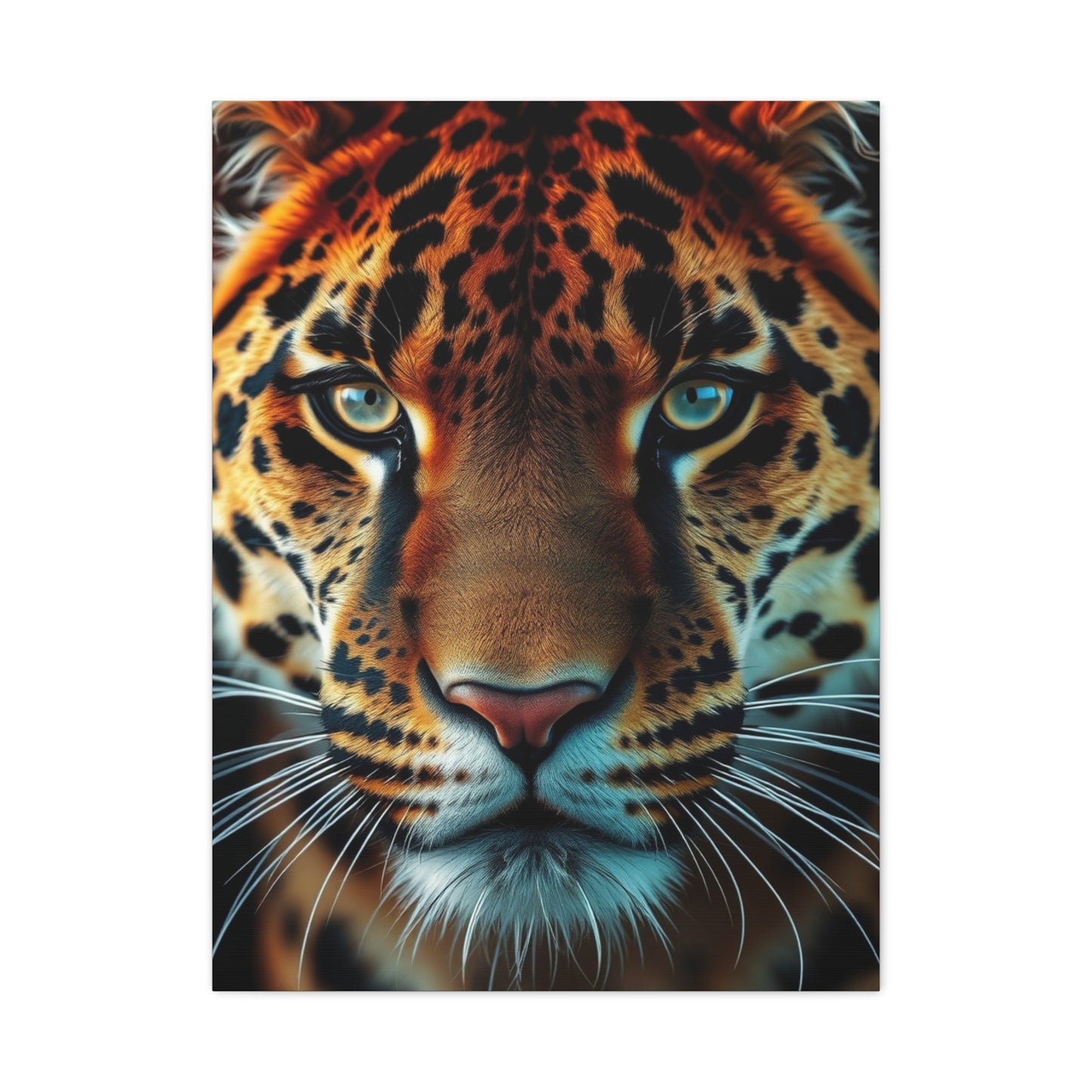
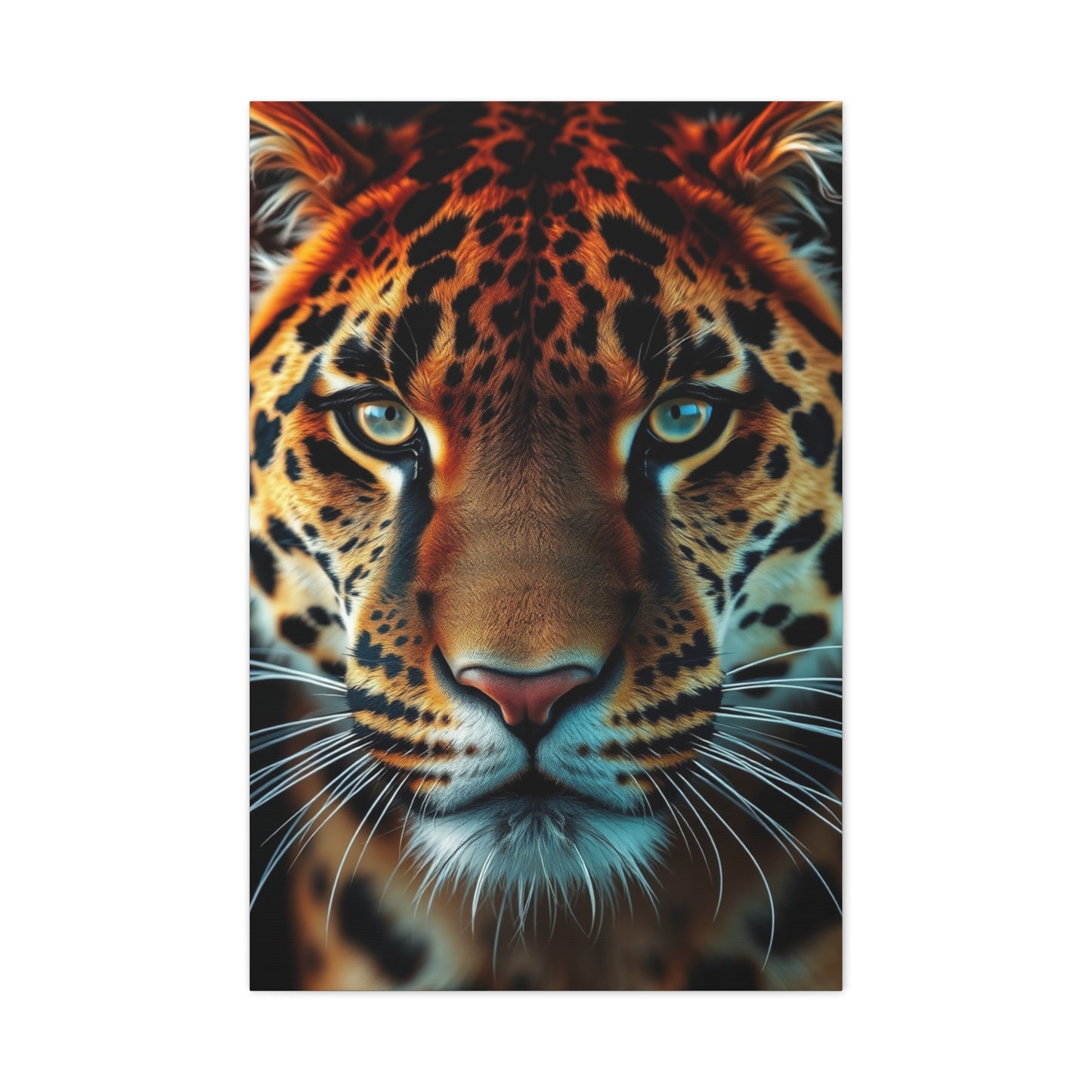
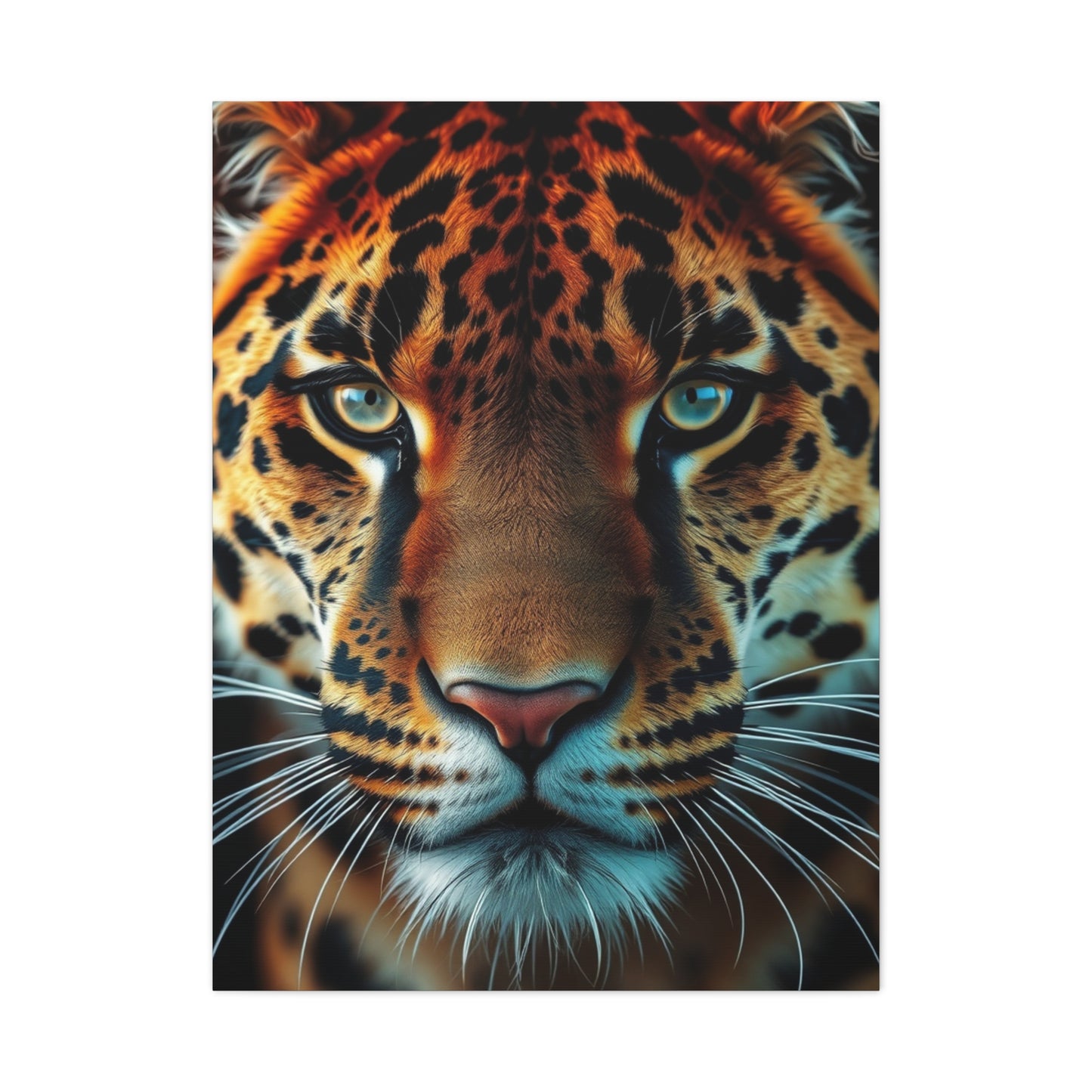
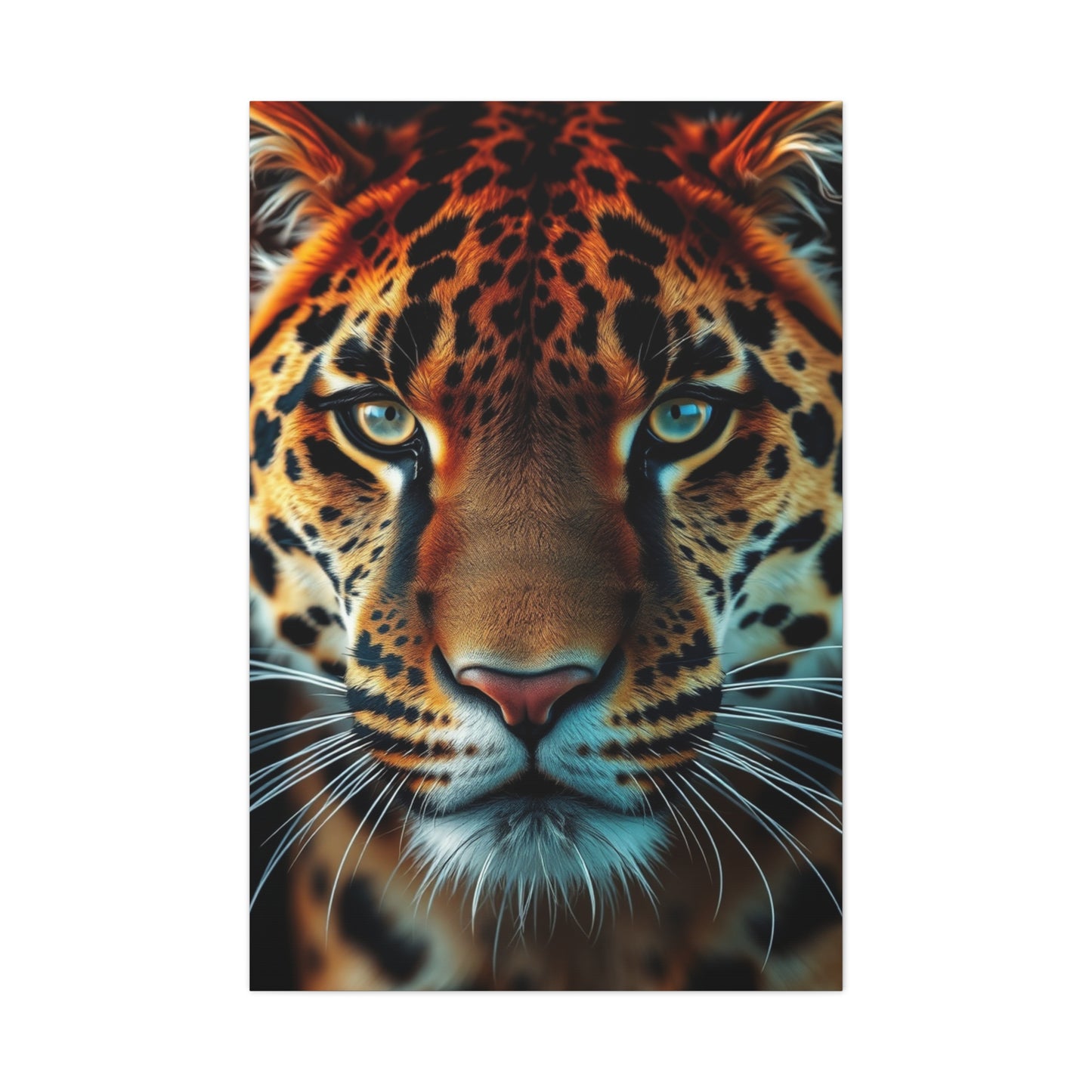
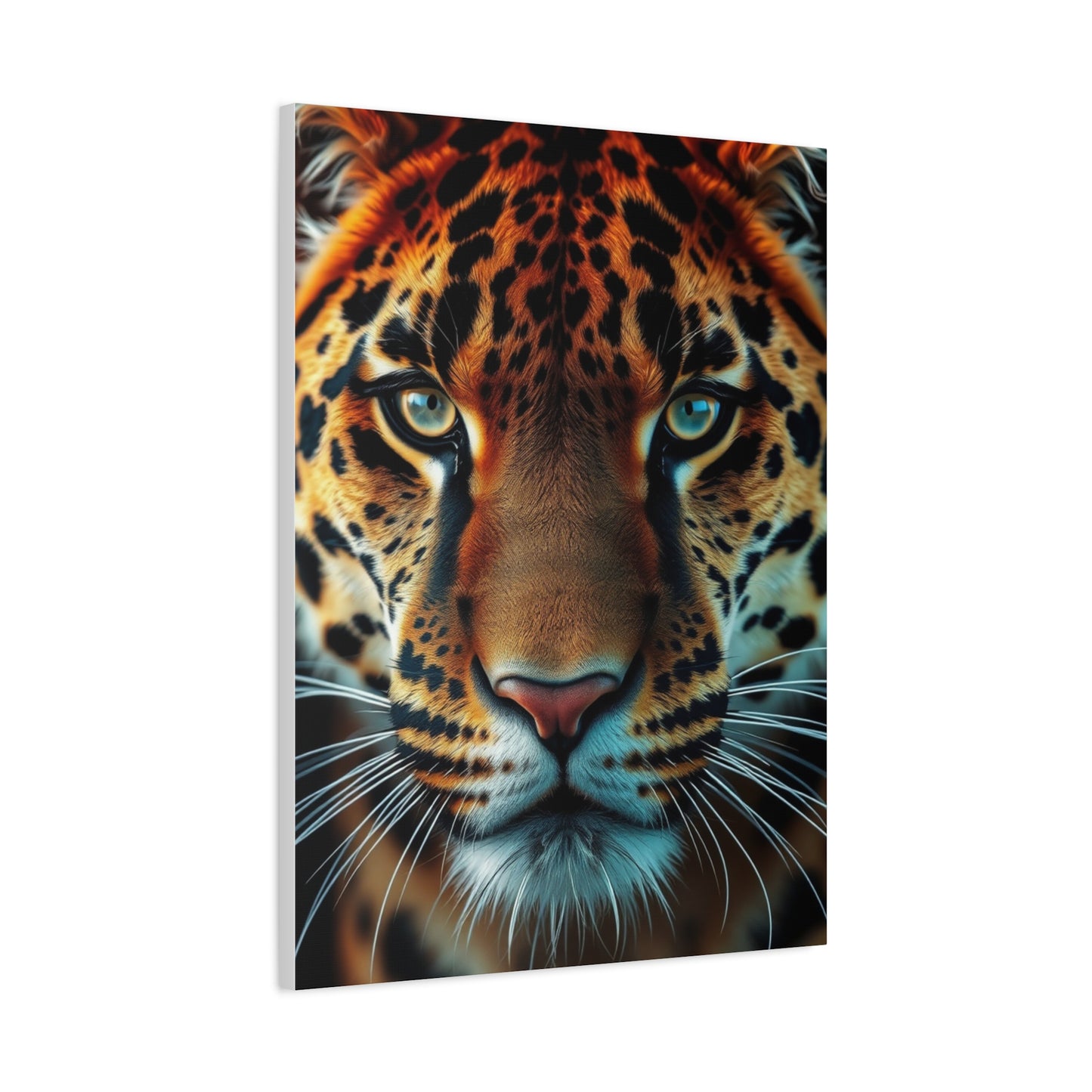
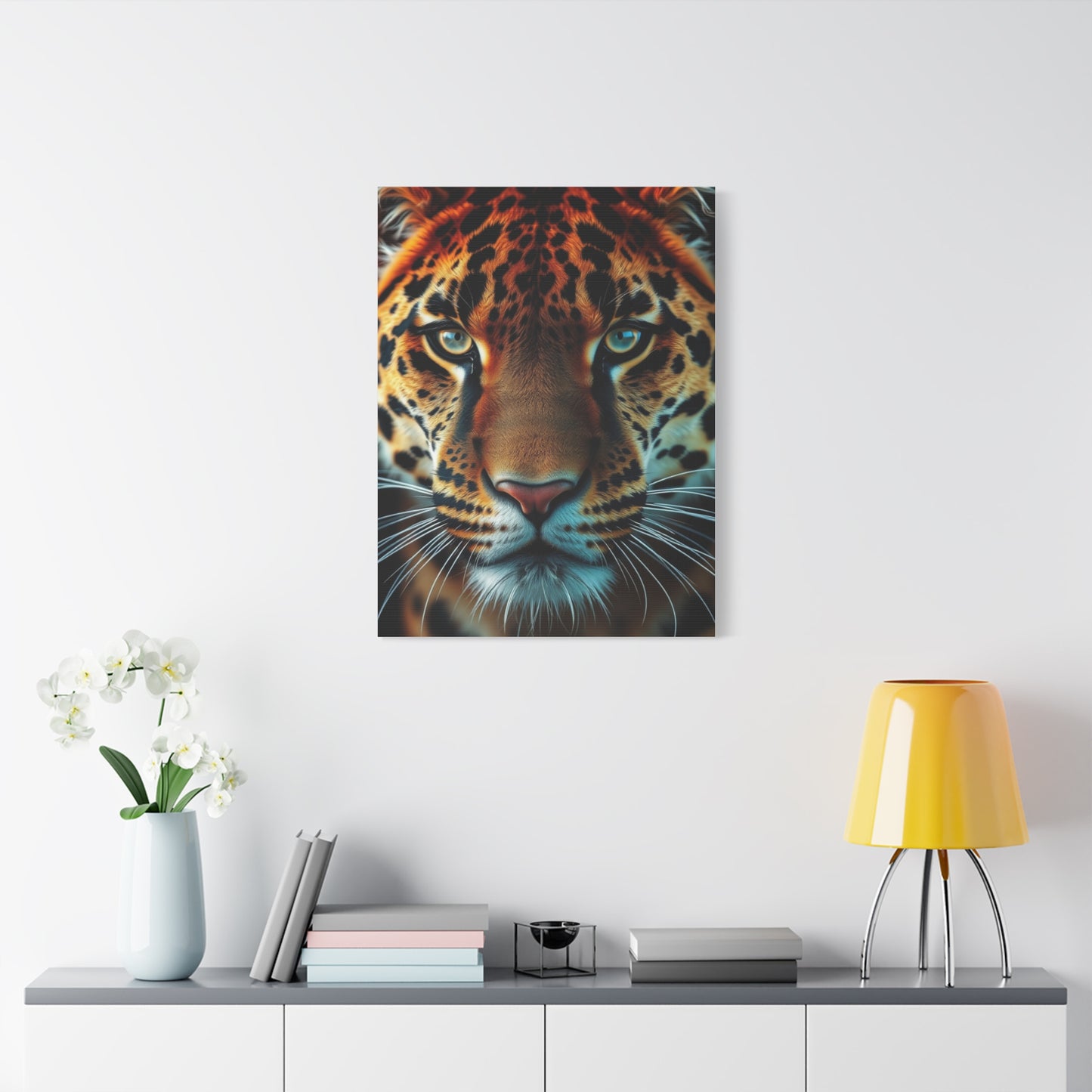
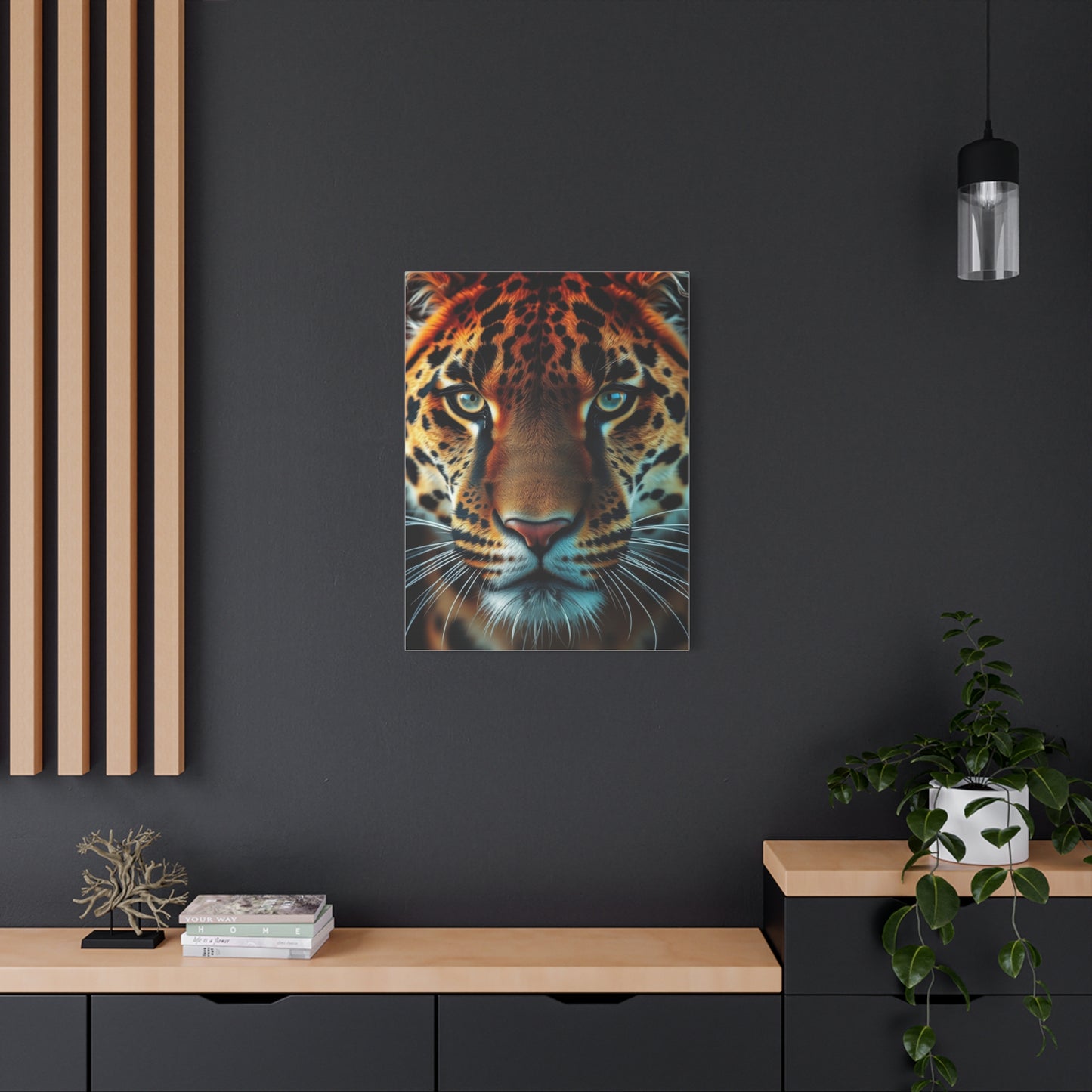
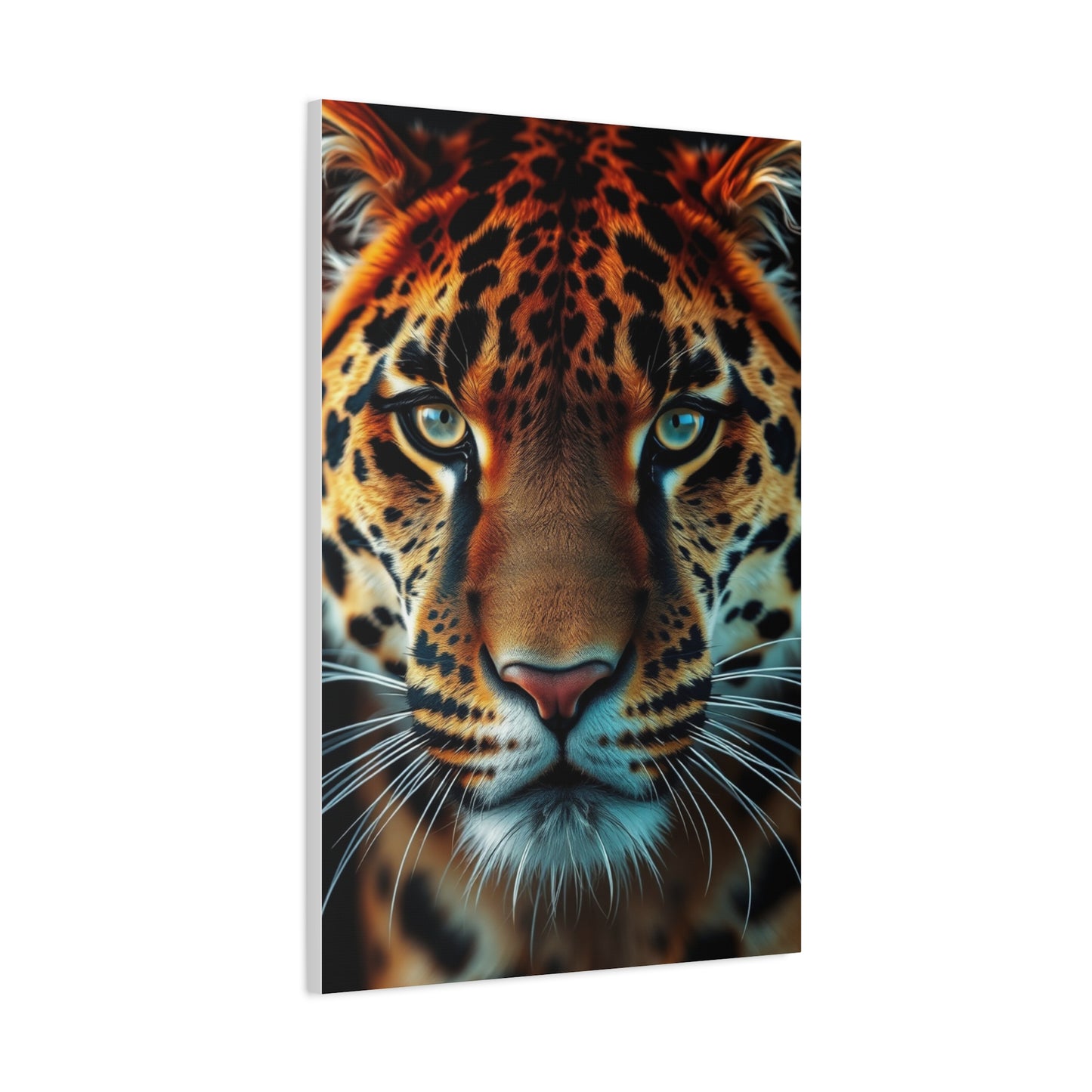
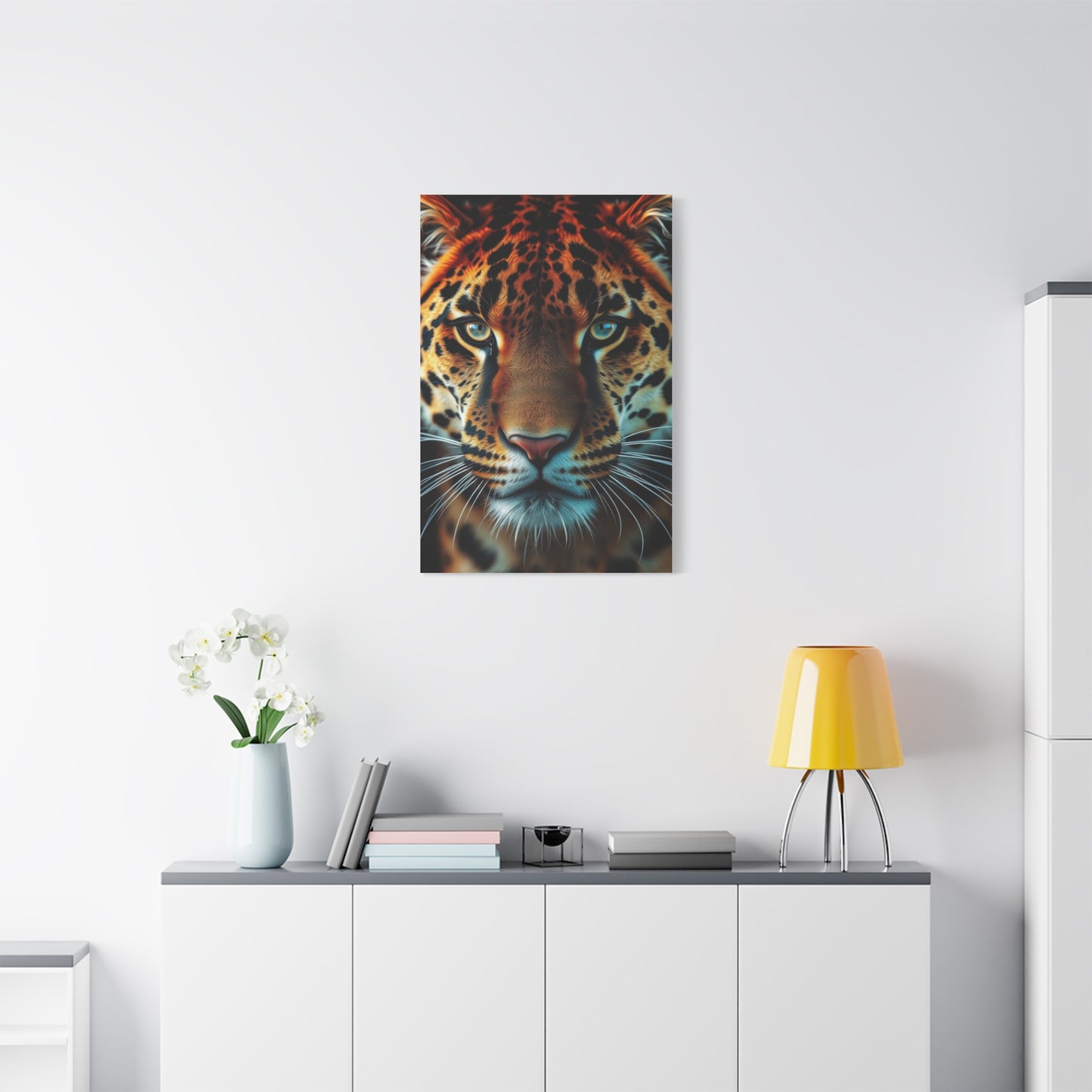
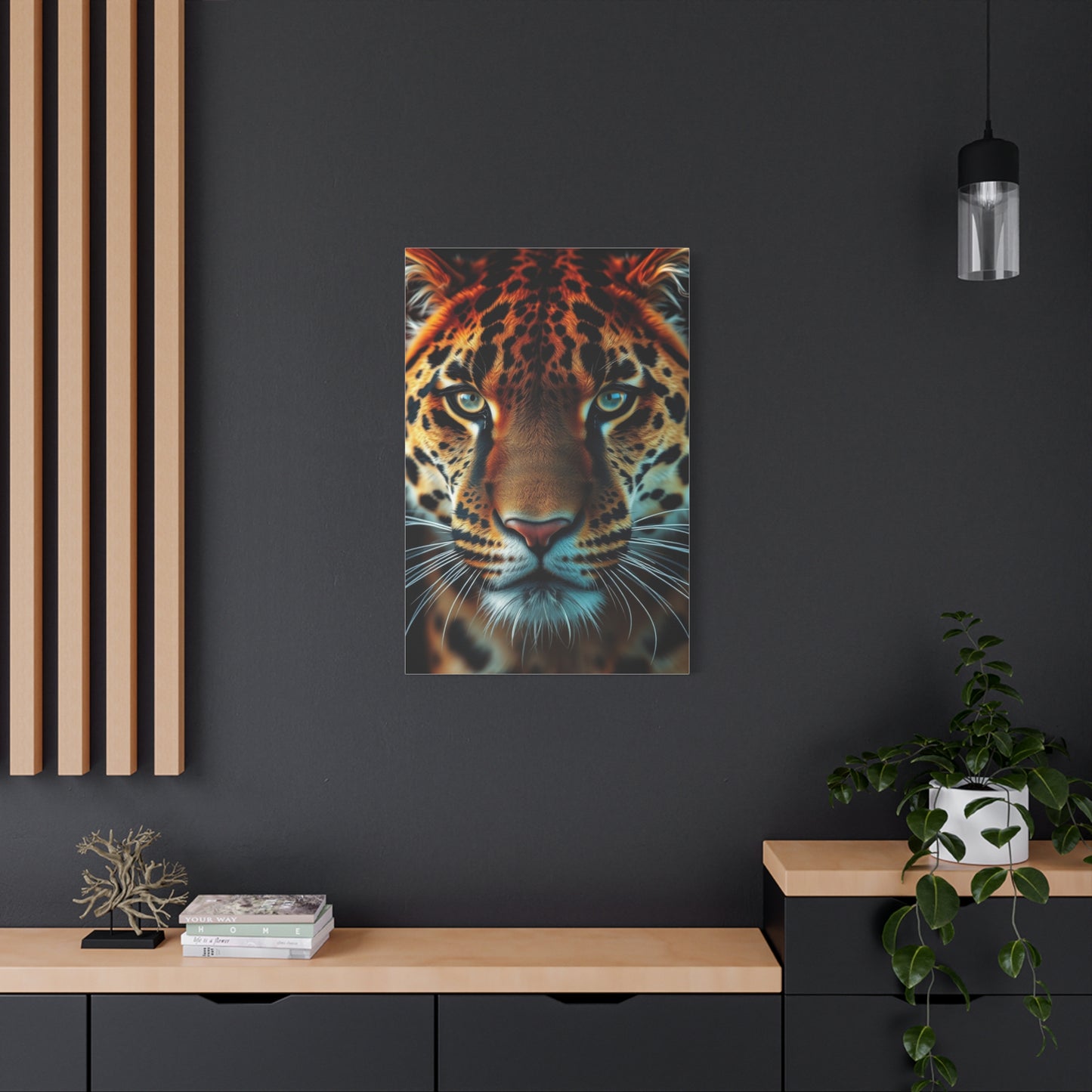
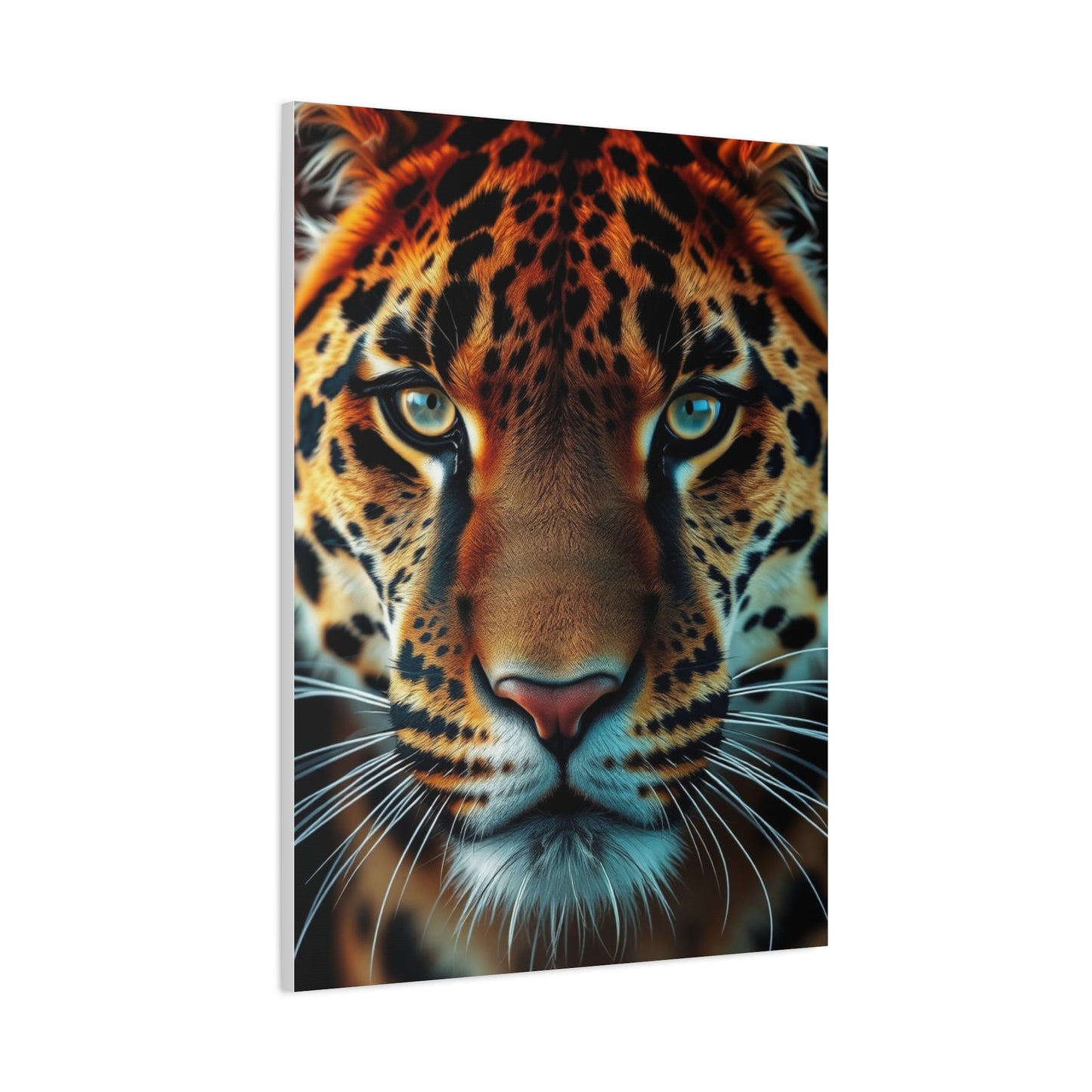
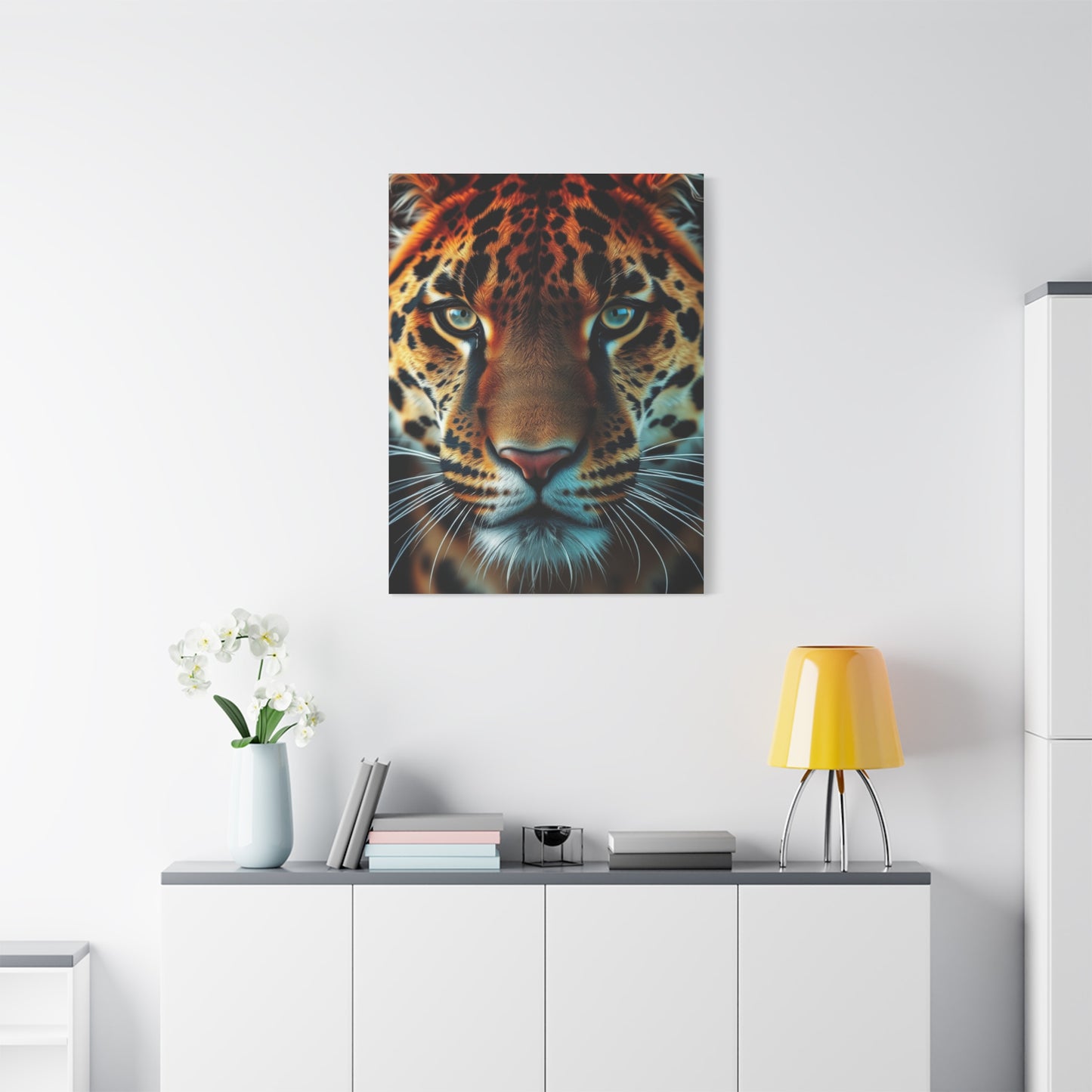
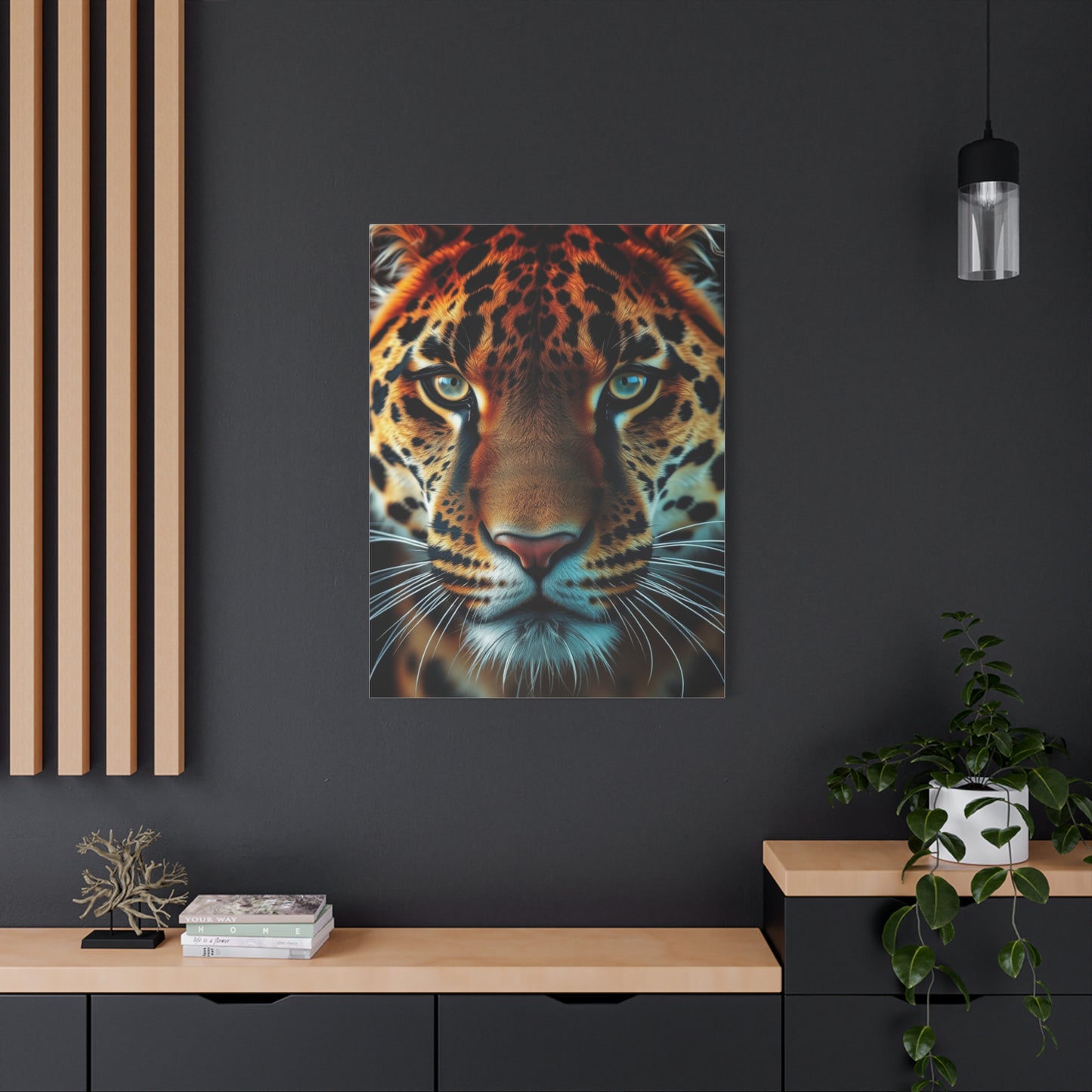
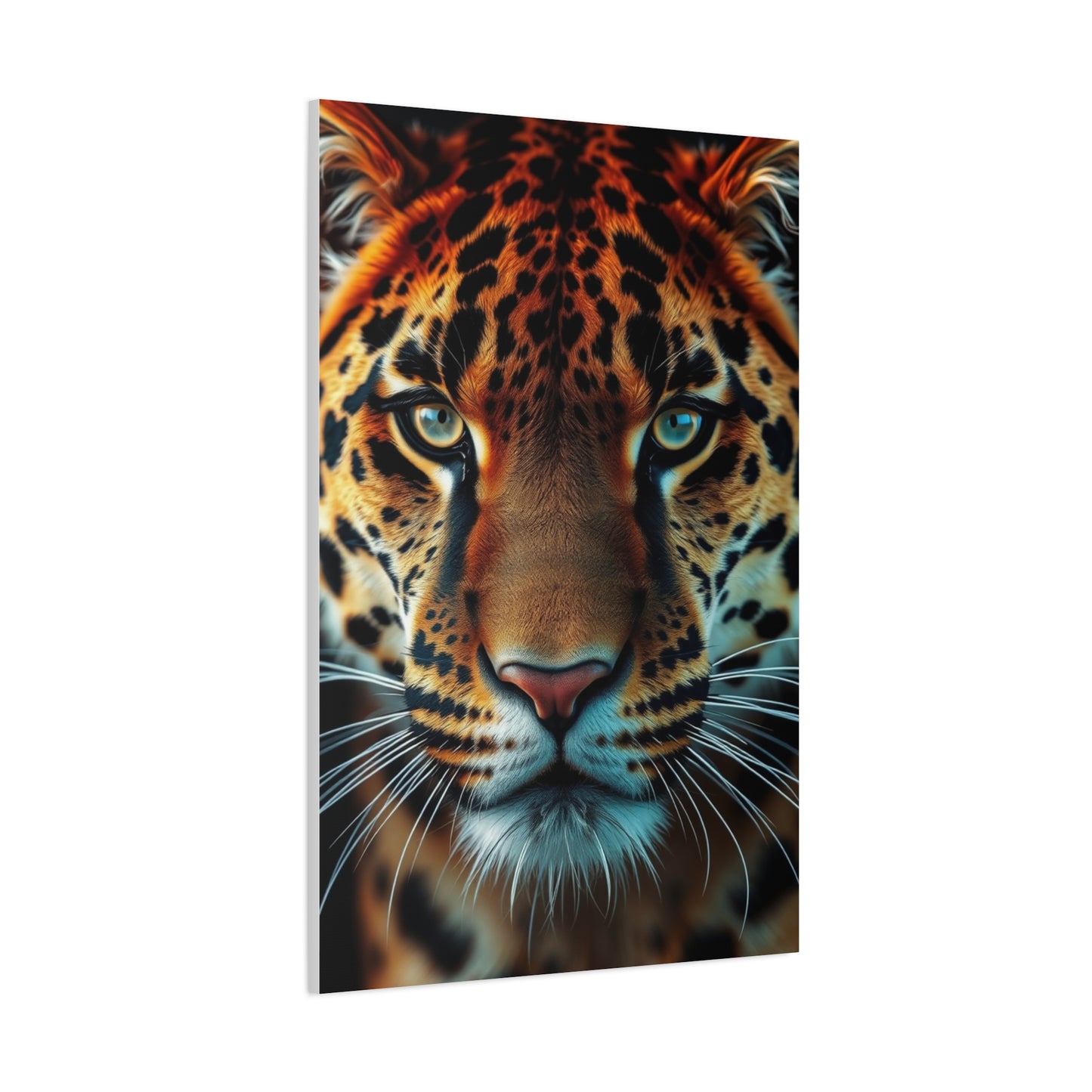
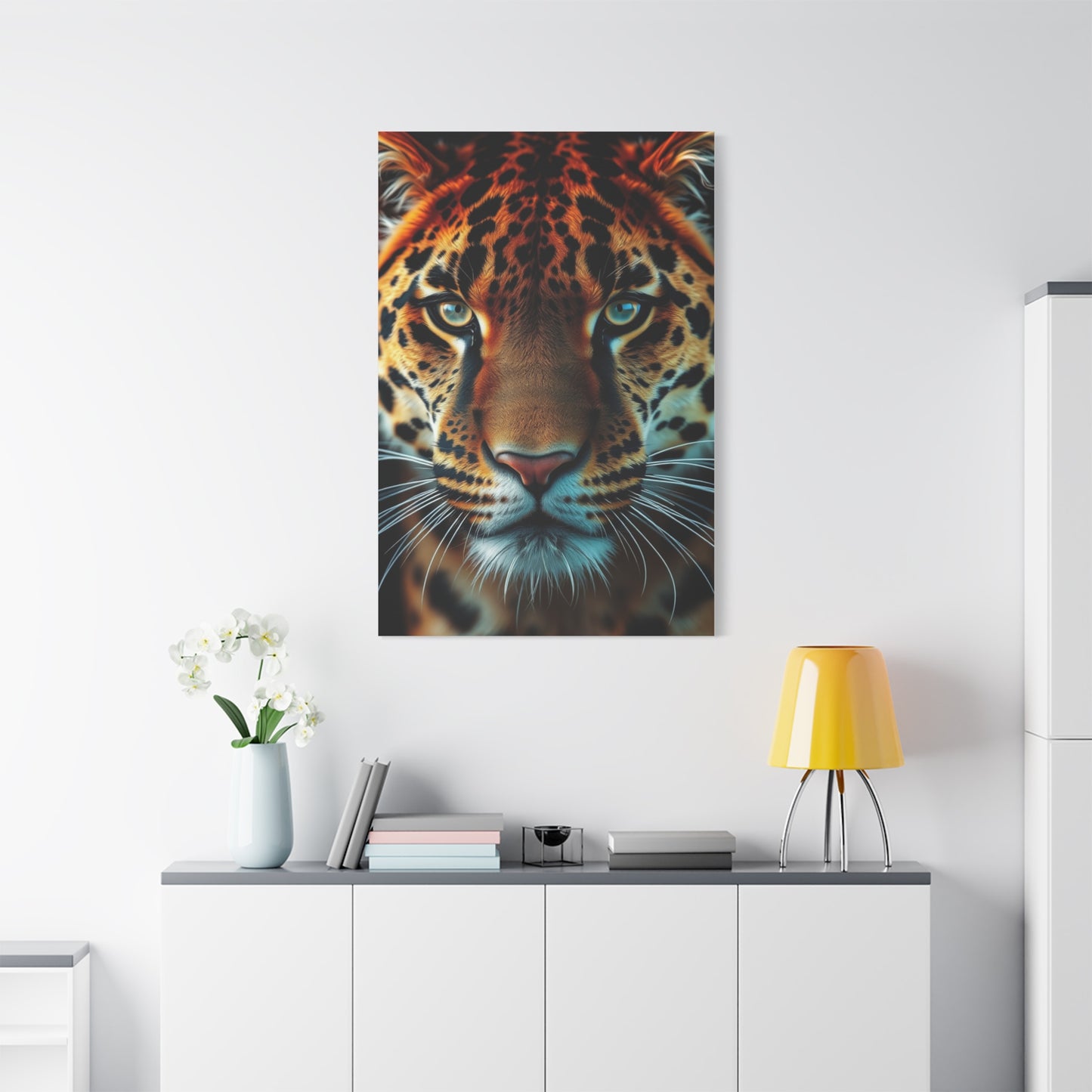
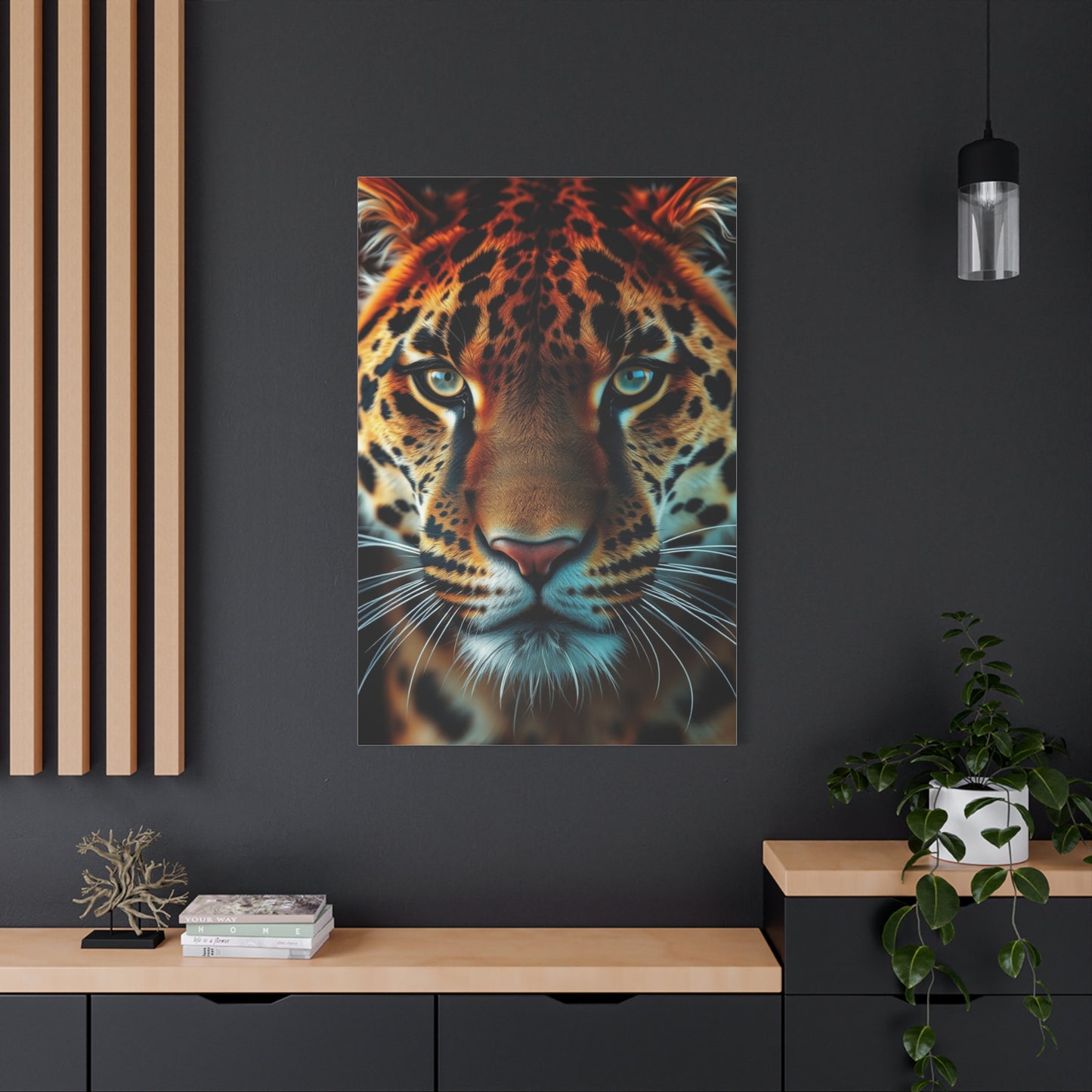
Ebon Shadow Illustrations: Mastering the Art of Darkness in Contemporary Spaces
The world of interior design has witnessed a remarkable shift toward darker, more sophisticated aesthetics that challenge traditional notions of brightness and color. Ebon shadow illustrations represent a captivating movement within this realm, offering homeowners and design enthusiasts an opportunity to embrace the mysterious allure of darkness while maintaining elegance and style. These artistic creations blend the profound depth of shadows with carefully considered illumination, creating visual narratives that speak to those who appreciate complexity and nuance in their living spaces.
The appeal of these darkly elegant artworks extends far beyond simple decoration. They serve as conversation starters, emotional anchors, and sophisticated statements about personal taste and aesthetic preferences. Whether displayed in residential settings, professional environments, or gallery spaces, ebon shadow illustrations command attention through their deliberate use of darkness as both subject and medium. This exploration delves into the multifaceted world of shadow-based artwork, examining how these pieces can transform ordinary rooms into extraordinary spaces filled with atmosphere, character, and visual intrigue.
Dark Elegance: Ebon Shadow Illustrations on Canvas
Canvas remains one of the most versatile and timeless mediums for displaying ebon shadow illustrations, offering artists and collectors a traditional yet dynamic surface that enhances the depth and richness of dark imagery. The texture of canvas interacts uniquely with shadow-based compositions, creating subtle variations in how light reflects and absorbs across the surface. This natural interaction between material and imagery amplifies the inherent drama of ebon shadow work, making canvas an ideal choice for those seeking to maximize visual impact.
When selecting canvas pieces featuring ebon shadow illustrations, consideration must be given to the quality of both the print and the canvas itself. Premium canvas materials provide superior color retention and durability, ensuring that the deep blacks and subtle gradations characteristic of shadow work remain vivid for years. The weave of the canvas can either complement or detract from the artwork, with finer weaves typically offering smoother surfaces that better capture intricate details, while coarser weaves can add an additional layer of texture that enhances more abstract compositions.
The framing options for ebon shadow canvas illustrations deserve careful attention, as the right frame can elevate the artwork from merely attractive to truly magnificent. Dark wooden frames in espresso or black finishes create seamless transitions between artwork and wall, allowing the illustration itself to remain the focal point. Alternatively, metallic frames in brushed steel or aged bronze can introduce industrial or vintage elements that complement the mysterious nature of shadow imagery. Some collectors prefer frameless gallery wraps, where the image continues around the edges of the stretched canvas, creating a contemporary, floating appearance that works particularly well in minimalist settings.
Placement considerations for canvas ebon shadow illustrations require thoughtful attention to lighting conditions throughout the day. While these artworks celebrate darkness, they still benefit from strategic illumination that reveals their subtle complexities. Positioning canvas pieces where they can receive indirect natural light during certain hours creates dynamic viewing experiences as the artwork appears to shift and breathe with changing light conditions. Evening lighting should be carefully planned, with adjustable fixtures allowing viewers to control how much detail emerges from the shadows.
The size of canvas ebon shadow illustrations significantly impacts their effectiveness within a space. Large-scale pieces measuring four feet or more across can serve as dramatic focal points, commanding entire walls and setting the tone for surrounding decor. Medium-sized canvases offer versatility, working equally well as standalone statements or as components within gallery wall arrangements. Smaller canvas pieces provide opportunities for creating intimate viewing experiences, drawing viewers closer to examine the intricate interplay of light and shadow that defines these captivating artworks.
Canvas ebon shadow illustrations particularly excel in creating cohesive design narratives when displayed in series or collections. Triptychs and multi-panel arrangements allow artists to explore progressive themes, guiding viewers through evolving shadow landscapes or abstracting single concepts across multiple surfaces. These arrangements can span entire walls, creating immersive experiences that transform passive viewing into active engagement. The negative space between panels becomes as important as the artwork itself, with carefully measured gaps allowing each piece to breathe while maintaining visual connectivity across the installation.
Moody Minimalism: Subtle Ebon Shadow Wall Art
The intersection of minimalism and shadow-based artwork creates a fascinating aesthetic territory where restraint and atmosphere coexist in perfect balance. Moody minimalist ebon shadow wall art strips away unnecessary elements, focusing viewer attention on the essential interplay between darkness and light. This approach resonates particularly well with contemporary sensibilities that value simplicity without sacrificing emotional depth or visual interest. The result is artwork that whispers rather than shouts, inviting contemplation and sustained engagement.
Subtle ebon shadow wall art achieves its impact through careful calibration of contrast and composition. Unlike more dramatic interpretations that emphasize stark differences between light and dark, subtle approaches work within narrower tonal ranges, creating gentle gradations that require attentive observation to fully appreciate. This restraint challenges viewers to slow down and truly see the artwork, rewarding patient examination with discoveries of hidden details and nuanced transitions that might escape casual glances.
The color palettes employed in moody minimalist ebon shadow pieces typically explore variations within the darker spectrum, with deep grays, charcoals, and near-blacks forming the foundation. Occasional hints of muted colors might appear, but always subordinated to the overall commitment to darkness and subtlety. These restrained color choices create cohesive visual experiences that integrate seamlessly into spaces designed around neutral tones and natural materials. The artwork becomes part of the environmental atmosphere rather than standing apart as a separate decorative element.
Texture plays a crucial role in subtle ebon shadow wall art, with artists employing various techniques to create tactile interest that compensates for the restrained visual approach. Layered applications of paint or ink, embossed elements, or mixed media approaches add dimensional qualities that become apparent only upon close inspection or when light strikes the surface at particular angles. These textural variations create constantly evolving viewing experiences, as the artwork reveals different aspects of itself depending on environmental conditions and viewing distances.
The psychological impact of moody minimalist ebon shadow wall art deserves recognition for its ability to create calming yet intellectually engaging environments. The absence of visual clutter and the soothing quality of subdued tones help reduce mental noise, making these artworks particularly valuable in spaces dedicated to focus, relaxation, or contemplation. Home offices, reading nooks, and bedroom spaces benefit enormously from the serene yet sophisticated presence that subtle shadow artwork provides.
Integration of moody minimalist ebon shadow pieces into existing decor requires attention to maintaining tonal harmony while avoiding monotony. These artworks work best when surrounded by complementary neutral tones in furnishings and wall colors, but benefit from occasional contrast through metallic accents or natural materials like light-colored wood or stone. The goal is creating layered environments where the artwork anchors the space without overwhelming it, allowing the minimalist aesthetic to maintain its essential character of refined simplicity.
Gothic Inspiration: Ebon Shadow Artistic Designs
Gothic aesthetics have experienced a remarkable renaissance in contemporary design, with ebon shadow artistic designs serving as a bridge between historical influences and modern sensibilities. These artworks draw upon the dramatic architectural elements, rich symbolism, and emotional intensity characteristic of gothic traditions while translating these qualities into forms suitable for today's interiors. The result is artwork that honors gothic heritage while speaking fluently in contemporary visual language.
The architectural vocabulary of gothic design provides rich source material for ebon shadow illustrations, with pointed arches, ribbed vaults, and flying buttresses appearing as abstract elements or subtle references within compositions. These structural forms carry inherent drama and upward movement, qualities that translate effectively into two-dimensional artwork. Artists working in this vein often deconstruct gothic architectural elements, isolating particular shapes or patterns and reimagining them through the lens of shadow and light.
Symbolism plays a central role in gothic-inspired ebon shadow designs, with recurring motifs carrying layers of meaning that reward informed viewers. Traditional gothic symbols like roses, crosses, skulls, and ravens appear frequently, but often rendered in ways that emphasize their abstract qualities rather than literal representations. These symbolic elements emerge from shadows or dissolve into darkness, creating ambiguous images that hover between recognition and mystery. This approach allows the artwork to function on multiple levels, accessible to casual viewers while offering deeper engagement to those familiar with gothic iconography.
The emotional register of gothic-inspired ebon shadow artwork tends toward the dramatic and intense, embracing feelings often marginalized in conventional interior design. Melancholy, solemnity, and romantic darkness find expression through these pieces, providing outlets for complex emotional experiences. This willingness to engage with darker emotions doesn't create oppressive or depressing environments, but rather acknowledges the full spectrum of human experience, creating spaces that feel authentic and emotionally honest.
Material choices and presentation methods for gothic-inspired ebon shadow designs can enhance their connection to historical precedents while maintaining contemporary relevance. Artwork displayed on wood panels rather than canvas can evoke medieval painting traditions, while metal prints might reference the ironwork characteristic of gothic architecture. Unconventional display methods, such as mounting artwork in ornate vintage frames or incorporating pieces into larger installations with three-dimensional elements, can strengthen gothic associations while creating unique visual experiences.
The versatility of gothic-inspired ebon shadow artwork allows it to function across diverse interior styles, not exclusively within explicitly gothic spaces. These pieces can introduce dramatic focal points in otherwise contemporary minimalist rooms, creating productive tension between styles. They can complement industrial design elements, sharing an appreciation for raw materials and honest expression. Even in traditional interiors, carefully selected gothic-inspired shadow artwork can add depth and complexity, preventing spaces from becoming overly predictable or saccharine.
Shadows and Light: Ebon Shadow Illustration Techniques
The technical mastery required to create compelling ebon shadow illustrations involves sophisticated understanding of how light behaves, how human vision interprets tonal relationships, and how various media respond to artistic manipulation. Artists working in this demanding field must balance scientific knowledge with intuitive creativity, employing specific techniques that maximize the evocative power of darkness while maintaining sufficient visual clarity to engage viewers.
Chiaroscuro techniques form the foundation of most ebon shadow illustration work, with artists carefully orchestrating the transition from light to dark across their compositions. Unlike traditional chiaroscuro, which often emphasizes illuminated subjects emerging from darkness, ebon shadow work frequently reverses this relationship, with darkness as the primary subject and light serving as punctuation or accent. This inversion requires recalibrating conventional approaches to value distribution and compositional hierarchy.
Layering represents another essential technique in ebon shadow illustration, with artists building up multiple translucent or semi-opaque layers to create rich, complex surfaces. Each layer contributes its own tonal quality, with the cumulative effect producing depths that single applications cannot achieve. Digital artists employ layer blending modes to create interactions between levels, while traditional media artists might use glazing techniques or mixed media approaches to build similar complexity. The resulting artworks possess an internal luminosity, with light seeming to emanate from within rather than merely reflecting off the surface.
Negative space assumes heightened importance in ebon shadow illustration techniques, with areas of deep darkness serving not as empty voids but as active compositional elements. Artists must develop sensitivity to how negative space shapes and defines positive elements, how it creates rhythm and movement across the picture plane, and how it influences emotional tone. Mastery of negative space allows for creating powerful images using minimal means, with darkness itself becoming the primary artistic material.
Texture creation techniques vary depending on medium but share the goal of adding tactile interest to predominantly dark surfaces. Traditional artists might employ impasto techniques, creating raised surfaces that catch light differently than flat areas, or use scraping and scratching methods to reveal underlying layers. Digital artists simulate texture through various brush techniques, overlaying photographic textures, or using specialized software tools that mimic traditional media effects. These textural elements prevent dark artworks from appearing flat or lifeless, adding visual interest that sustains engagement.
Edge quality manipulation serves as a crucial technique for controlling focus and atmosphere within ebon shadow illustrations. Hard, crisp edges create definition and emphasis, directing viewer attention to specific elements, while soft, diffused edges allow forms to emerge gradually from surrounding darkness. Skilled artists vary edge quality throughout their compositions, creating hierarchies of importance and guiding viewer navigation through the artwork. This selective focusing mimics how human vision actually works, with peripheral areas rendered less distinctly than central points of interest.
Color temperature considerations within predominantly dark palettes require sophisticated understanding of subtle variations and their psychological effects. Cool blacks and grays created with blue or green undertones produce different moods than warm darks containing red or yellow components. Artists working in ebon shadow styles must develop sensitivity to these nuanced differences, using temperature variations to create spatial illusions, suggest light sources, and evoke specific emotional responses.
Abstract Noir: Ebon Shadow Illustrations for Modern Interiors
Abstract noir represents a synthesis of abstract art principles with the atmospheric qualities of film noir aesthetics, creating ebon shadow illustrations that speak directly to contemporary sensibilities. These artworks abandon representational concerns entirely, instead exploring the expressive potential of darkness itself through non-objective compositions. The result is artwork that functions as pure visual poetry, communicating through form, value, and suggestion rather than depiction.
The compositional strategies employed in abstract noir ebon shadow illustrations often emphasize gesture and movement, with dynamic arrangements of dark and light elements creating energetic visual experiences. Sweeping forms might suggest movement through space, while carefully balanced geometric arrangements can evoke architectural stillness. The absence of recognizable subject matter liberates viewers to bring their own interpretations and emotional responses, making each viewing experience uniquely personal.
Abstract noir works particularly well in modern interiors characterized by clean lines, open spaces, and minimalist furnishing approaches. The artwork provides visual complexity and emotional depth without introducing the clutter or distraction that more representational pieces might bring. In spaces dominated by neutral colors and simple forms, abstract noir ebon shadow illustrations serve as sophisticated focal points that elevate the entire environment without disrupting its essential character.
The scale relationships between abstract noir artworks and their architectural contexts deserve careful consideration. Large-scale pieces can create immersive experiences, with the artwork seeming to extend beyond its physical boundaries to influence the entire room. The darkness of abstract noir compositions can make walls appear to recede, subtly altering perceived room dimensions. Smaller works concentrate this effect, creating intense focal points that draw viewers into intimate engagement with the artwork.
Material experimentation characterizes much abstract noir ebon shadow illustration, with artists exploring diverse surfaces and application methods. Canvas, wood panels, metal, acrylic sheets, and even unconventional materials like slate or treated paper might serve as grounds for these explorations. Each material brings its own qualities to the finished work, with some amplifying the darkness of the imagery while others create subtle contrasts through their inherent characteristics.
The relationship between abstract noir ebon shadow illustrations and their surrounding environments can be either harmonic or deliberately discordant, depending on design goals. Harmonic relationships see the artwork echoing shapes, proportions, or tonal qualities present elsewhere in the space, creating unified, coherent environments. Discordant approaches intentionally contrast the artwork with its surroundings, using this tension to energize the space and prevent visual complacency. Both strategies can be effective when executed with clear intention and sensitivity to overall spatial dynamics.
Lighting design becomes particularly critical when displaying abstract noir ebon shadow illustrations, as these works can appear dramatically different under various lighting conditions. Adjustable lighting systems allow for transforming the viewing experience throughout the day, revealing different aspects of the artwork as light quality and intensity change. Some installations incorporate dedicated artwork lighting that can be controlled independently from general room lighting, giving viewers agency in determining how they experience the piece.
Statement Art: Bold Ebon Shadow Canvas Prints
Statement art serves a distinctive function within interior design, providing strong visual anchors that establish tone and express personality with unmistakable clarity. Bold ebon shadow canvas prints excel in this role, combining the gravitas of dark imagery with the confident scale and presence necessary to command attention in any space. These pieces don't merely decorate walls; they define the character of entire rooms.
The boldness of statement ebon shadow canvas prints derives from multiple factors working in concert. Size certainly contributes, with larger dimensions creating unavoidable visual impact, but boldness also emerges from compositional choices, contrast levels, and the confidence with which the artwork claims its space. Even moderately sized pieces can function as statement art when they possess sufficient visual strength and are positioned with appropriate prominence.
Subject matter in bold ebon shadow statement pieces often leans toward the dramatic and immediately engaging, with strong graphic elements or emotionally charged imagery creating instant connections with viewers. Abstract forms might suggest powerful natural forces or human emotions, while more representational works could feature iconic symbols or figures rendered with striking simplicity. The key is immediate visual impact combined with sufficient depth to sustain interest beyond initial impressions.
The integration of bold statement ebon shadow canvas prints into interior spaces requires balancing their visual strength with surrounding elements. These pieces typically function best when given adequate breathing room, with simpler surrounding decor allowing the artwork to dominate without visual competition. However, this doesn't necessitate bare, sparse environments; rather, it calls for thoughtful curation ensuring that furnishings and accessories complement rather than compete with the statement piece.
Color relationships between bold ebon shadow canvas prints and room color schemes offer opportunities for creating various effects. Monochromatic approaches, with room colors drawn from the darker end of the spectrum to echo the artwork, create sophisticated, unified environments. Contrasting approaches might position dark statement art against lighter walls, maximizing visual impact through stark opposition. Mid-tone approaches can balance these extremes, allowing the artwork to stand out while maintaining overall environmental harmony.
The psychological and social functions of bold statement ebon shadow canvas prints extend beyond pure aesthetics. These pieces communicate aspects of owner personality and taste, signaling sophistication, confidence, and willingness to embrace unconventional beauty. They serve as conversation catalysts, providing focal points around which social interactions naturally orient. In professional settings, statement ebon shadow art can establish brand identity and create memorable impressions on clients and visitors.
Installation height and positioning significantly affect how bold statement ebon shadow canvas prints function within spaces. The traditional guideline of hanging artwork at eye level applies, but interpretation of this standard should account for the piece's size and the viewing context. In spaces where the artwork will be viewed primarily while seated, lower positioning might be appropriate. Pieces intended to be viewed from a distance or to create architectural impact might be positioned higher or in locations where they can be appreciated from multiple vantage points throughout the space.
Dramatic Wall Décor: Ebon Shadow Illustrations
The pursuit of dramatic wall décor finds its apotheosis in ebon shadow illustrations, artworks specifically designed to create powerful visual and emotional experiences. These pieces reject subtlety in favor of bold assertions, using darkness not as background but as the primary vehicle for expression. The resulting works transform passive walls into active participants in spatial storytelling, creating environments charged with atmosphere and intention.
Drama in ebon shadow illustrations emerges through various artistic strategies, each contributing to overall impact. High contrast between the darkest darks and any lighter elements creates visual tension that naturally draws and holds viewer attention. Unusual compositional structures that challenge conventional balance or symmetry can create productive discomfort that keeps viewers engaged. Scale manipulation, where elements appear unexpectedly large or small relative to the picture frame, introduces theatrical qualities that amplify drama.
The architectural integration of dramatic ebon shadow wall décor requires considering how artwork interacts with physical space elements like windows, doors, and structural features. Strategic positioning can enhance the artwork's impact, such as placing pieces where natural light creates changing relationships throughout the day, or positioning works to be visible from multiple rooms, creating anticipation and discovery as one moves through the space. The artwork can also respond to architectural features, with vertical pieces emphasizing ceiling height or horizontal works accentuating wall length.
Material selection for dramatic ebon shadow wall décor influences both aesthetic and practical outcomes. Traditional canvas maintains broad appeal and proven effectiveness, while metal prints can add contemporary edge and reflective qualities that create shifting appearances. Acrylic prints offer brilliant depth and color saturation that intensify dark imagery, while framed paper prints provide traditional fine art associations. The choice should align with the specific drama being sought and the overall interior design context.
Grouping strategies for dramatic ebon shadow illustrations can multiply individual piece impact through cumulative effect. Gallery walls featuring multiple related works create comprehensive visual statements larger than any single piece could achieve. Diptychs and triptychs allow for narrative development or theme exploration across multiple panels. Asymmetrical arrangements can introduce dynamic energy, while grid-based layouts emphasize order and intentionality. The negative space between grouped pieces becomes part of the overall composition, requiring careful consideration of gaps and alignment.
Maintenance considerations for dramatic ebon shadow wall décor ensure that these important pieces continue performing their aesthetic functions effectively. Regular dusting prevents accumulation that can dull surfaces and diminish visual impact. Protection from direct sunlight helps prevent fading, particularly important for prints where color stability varies by medium and quality. Climate control maintains optimal conditions, with stable temperature and humidity preventing warping, deterioration, or other damage that could compromise the artwork's integrity.
The temporal dimension of dramatic ebon shadow wall décor deserves recognition, as these pieces can and should evolve with changing tastes and circumstances. What serves as dramatic statement art in one life phase might be replaced as aesthetic preferences mature or living situations change. This natural evolution should be embraced rather than resisted, with earlier pieces finding new homes where they can continue bringing drama and visual interest to appreciative audiences.
Contemporary Gothic: Ebon Shadow for Living Rooms
Living rooms occupy a special place in home design as spaces where personal style meets social function, making them ideal settings for contemporary gothic ebon shadow artwork. These central gathering spaces benefit from the sophisticated atmosphere and conversation-generating presence that well-chosen shadow illustrations provide. Contemporary gothic approaches blend historical influences with modern sensibilities, creating artwork that feels both timeless and current.
The scale requirements for living room ebon shadow artwork typically lean toward larger pieces or substantial groupings, as these spaces often feature considerable wall expanses that can accommodate and benefit from sizeable visual statements. A single large-scale contemporary gothic piece above a sofa can anchor the entire room, with its presence felt throughout the space. Alternatively, gallery wall arrangements featuring multiple smaller works allow for thematic development and visual variety while maintaining cohesive gothic aesthetics.
Color coordination between contemporary gothic ebon shadow artwork and living room furnishings creates opportunities for sophisticated palette development. Deep jewel tones like burgundy, emerald, or sapphire can appear in upholstery or accents, providing rich complements to predominantly dark artwork. Metallic elements in gold, silver, or bronze can echo similar tones within the illustrations while adding glamorous highlights. Neutral furnishings in grays, taupes, or creams allow the artwork maximum prominence while maintaining livable, comfortable atmospheres.
Furniture arrangement should consider optimal viewing angles and distances for appreciating ebon shadow artwork. Primary seating should face or angle toward featured pieces, allowing comfortable viewing without neck strain. Traffic patterns should permit approaching artwork closely for detailed examination while maintaining sufficient distance for overall impact appreciation. Lighting placement must account for viewing positions, avoiding glare or shadows that interfere with artwork visibility from primary seating areas.
The integration of contemporary gothic ebon shadow artwork with various living room design styles demonstrates surprising versatility. Modern minimalist spaces gain depth and emotional resonance from carefully selected shadow illustrations. Traditional interiors can be refreshed and updated through introducing edgier artistic elements. Industrial-style living rooms find natural affinity with the raw, honest qualities of gothic aesthetics. Even coastal or bohemian spaces can successfully incorporate selective gothic elements, creating eclectic combinations that express complex, multi-faceted personalities.
Seasonal and occasional changes to living room presentation offer opportunities for refreshing how ebon shadow artwork functions within the space. Adjusting lighting to create different moods, swapping accent pillows or throws to vary color relationships, or temporarily introducing seasonal elements can all alter how the artwork is experienced without requiring permanent changes. This flexibility allows living rooms to remain dynamic, responsive environments rather than static display spaces.
The social psychology of living rooms featuring contemporary gothic ebon shadow artwork merits attention, as these spaces communicate specific messages to visitors. The willingness to embrace darker aesthetics signals confidence, sophistication, and resistance to conventional thinking. It suggests hosts who value substance over superficial pleasantness, who appreciate complexity and aren't afraid of emotional depth. For many, these qualities make such spaces particularly comfortable and authentic, fostering genuine connection and meaningful conversation.
Mysterious Atmosphere: Ebon Shadow Illustration Concepts
The creation of mysterious atmospheres through ebon shadow illustration concepts involves deliberate artistic choices designed to evoke feelings of intrigue, ambiguity, and contemplative wonder. These artworks don't simply present images but construct environments that seem to hold secrets, inviting viewers to imaginatively engage with possibilities beyond what is explicitly depicted. The mystery resides not in narrative complexity but in visual suggestion and emotional resonance.
Ambiguity serves as a primary tool in creating mysterious atmospheres, with artists carefully calibrating how much information they reveal versus withhold. Forms might emerge partially from darkness, their complete nature remaining uncertain. Spatial relationships could be deliberately unclear, making it difficult to determine whether one is looking into deep space or at flat planes. This productive uncertainty engages viewers actively in constructing meaning rather than passively receiving finished messages.
Atmospheric perspective techniques prove particularly effective in mysterious ebon shadow illustration concepts, with gradual tonal shifts suggesting receding depths and layered spaces. Darker values don't simply occupy foreground positions but weave through compositions, creating complex spatial readings. Mist, fog, or haze effects, rendered in subtle gradations, can separate pictorial layers while maintaining overall unity. These techniques create windows into imagined spaces that seem to extend infinitely beyond the picture frame.
Symbolic and metaphorical content often enriches mysterious ebon shadow illustrations, adding layers of potential meaning without insisting on specific interpretations. Universal symbols like doors, keys, paths, and thresholds might appear, suggesting transitions and possibilities without dictating particular narratives. Natural elements like trees, water, or sky can be abstracted to their essential qualities, becoming vehicles for psychological and emotional expression rather than literal representations.
The temporal quality of mysterious ebon shadow artwork contributes significantly to its atmospheric effects. Some pieces seem to capture transitional moments—dawn, dusk, or storm's approach—when conditions are inherently unstable and charged with anticipation. Others suggest timelessness, presenting scenes that could exist in any era or no specific time at all. This temporal ambiguity enhances the mysterious quality, removing anchors to specific moments and allowing the artwork to exist in a perpetual state of possibility.
Cultural and mythological references can deepen the mysterious atmosphere of ebon shadow illustration concepts, connecting individual works to broader traditions of storytelling and symbolic thought. These references need not be obvious or explicit; subtle visual echoes of archetypal imagery can trigger unconscious recognition, creating feelings of familiarity and significance without viewers necessarily identifying specific sources. This approach allows artwork to resonate on multiple levels simultaneously.
The viewer's role in completing mysterious ebon shadow illustrations cannot be overstated, as these works deliberately leave space for imagination and personal interpretation. What one viewer perceives as melancholic might strike another as peaceful; what seems ominous to some may appear protective to others. This interpretive flexibility makes mysterious ebon shadow artwork particularly suitable for spaces used by multiple people with varying perspectives, as each person can find their own relationship with the work.
Minimalist Noir: Ebon Shadow Prints for Bedrooms
Bedrooms demand particular consideration in art selection, as these intimate spaces serve as personal retreats where atmosphere profoundly affects rest, relaxation, and psychological well-being. Minimalist noir ebon shadow prints excel in bedroom environments, offering sophisticated visual interest without the overstimulation that can interfere with the space's primary functions. The restrained elegance of these pieces creates calming yet aesthetically rich environments conducive to both restfulness and personal reflection.
The tonal range in minimalist noir bedroom prints typically remains within darker, quieter registers, avoiding high-contrast elements that might create visual excitement counterproductive to bedroom serenity. Gentle gradations between shades of charcoal, slate, and deep gray create soothing visual experiences that don't demand attention but reward it when offered. These subtle variations provide sufficient visual interest to prevent monotony while maintaining the peaceful atmosphere essential for restful sleep environments.
Placement considerations for bedroom ebon shadow prints differ from other spaces, with viewing contexts including lying in bed, moving around the room during morning and evening routines, and brief glances from doorways. The most prominent piece often appears on the wall facing the bed, visible from the primary resting position. However, smaller works flanking the bed or on perpendicular walls can create surrounding visual interest without overwhelming the central resting area.
The relationship between minimalist noir ebon shadow prints and bedroom lighting deserves careful attention. These spaces typically feature layered lighting systems including overhead fixtures, bedside lamps, and possibly accent lighting. The artwork should be visible and appreciable under all lighting conditions, from bright morning light to dim evening illumination. Dimmable fixtures allow for adjusting light levels to suit different activities and times of day, with the artwork maintaining its effectiveness across this range.
Color accents in bedrooms featuring minimalist noir ebon shadow prints can introduce warmth and personality without disrupting the overall serene atmosphere. Bedding in muted earth tones, soft blues, or warm grays can complement dark artwork while adding textural variety. Metallic accents in brushed gold or copper can provide subtle highlights that catch light without creating harsh contrasts. Natural materials like wood furniture and woven textiles add organic warmth that balances the coolness sometimes associated with predominantly dark color schemes.
The psychological effects of minimalist noir ebon shadow prints in bedroom environments generally prove positive when properly executed. The absence of visual clutter and stimulating elements helps quiet mental activity, facilitating the transition from waking alertness to sleep readiness. The sophisticated aesthetic creates environments that feel adult and refined, supporting healthy self-perception. The darkness of the artwork paradoxically creates feelings of security and enclosure that many find comforting.
Seasonal adjustments to bedroom presentation allow for refreshing the space without major changes. Lighter-weight bedding and the removal of heavy curtains in warmer months can brighten the overall environment, altering how the ebon shadow prints are perceived. Heavier textiles and additional layering in colder months can create cozier atmospheres that emphasize the enveloping quality of the darker artwork. These subtle seasonal shifts keep the bedroom feeling current and responsive to changing needs.
Dark Textures: Exploring Depth in Ebon Shadow Illustrations
Texture serves as a critical yet often underappreciated element in ebon shadow illustrations, adding tactile dimension and visual complexity that elevates these works beyond simple value studies. The exploration of dark textures involves understanding how various surface qualities interact with light, creating nuanced appearances that change with viewing angle and illumination conditions. Mastery of texture transforms predominantly dark artworks from potentially flat, monotonous surfaces into rich, engaging visual experiences.
Physical texture in traditional ebon shadow illustrations might be created through heavy paint application, creating raised surfaces that cast their own micro-shadows and catch light dramatically. Mixed media approaches incorporating materials like sand, ash, or fabric add authentic tactile qualities that viewers can perceive visually even when touching isn't possible. Scraping, scratching, or carving into layered surfaces reveals underlying colors or materials, creating linear textures that add directional energy to compositions.
Implied texture in both traditional and digital ebon shadow work involves creating convincing illusions of surface quality through careful mark-making and value control. Cross-hatching, stippling, and various brush techniques can suggest rough, smooth, soft, or hard surfaces without actual tactile variation. Digital artists employ specialized brushes and tools that simulate traditional media, creating texture through repeated marks and varied opacity. The success of implied texture depends on understanding how real textures appear and translating those characteristics into visual equivalents.
The contrast between textured and smooth areas within ebon shadow illustrations creates hierarchies of interest and guides viewer attention. Highly textured regions naturally attract focus, while smoother areas provide visual rest and context. Strategic distribution of texture creates movement through compositions, with the eye traveling along paths established by textural changes. This dynamic interaction prevents uniformity that could otherwise make predominantly dark artworks seem inert or lifeless.
Lighting interaction with textured ebon shadow illustrations produces constantly changing appearances as light direction and quality shift. Raking light across heavily textured surfaces creates dramatic shadow patterns that enhance dimensionality. Diffuse illumination reduces texture visibility, emphasizing overall composition and value structure. This variability means textured ebon shadow works can seem like different artworks under different lighting conditions, providing ongoing discovery and renewed interest even after extended familiarity.
Material experimentation expands textural possibilities in ebon shadow illustration beyond conventional approaches. Artists might incorporate unconventional grounds like rusted metal, weathered wood, or concrete, allowing inherent material textures to contribute to finished works. Application of gels, pastes, or modeling compounds creates controllable texture during creation. Printing technologies now allow for reproducing textured surfaces with remarkable fidelity, making textured originals accessible to wider audiences through high-quality prints.
The emotional and psychological associations of different textures influence how ebon shadow illustrations are perceived and experienced. Rough, aggressive textures might convey energy, conflict, or primal power. Smooth, refined surfaces suggest sophistication, control, and contemplative calm. Organic textures evoke nature and growth, while geometric patterns imply human intervention and order. Artists working with ebon shadow imagery consciously employ these associations, selecting textures that reinforce their intended emotional communications.
Office Inspiration: Ebon Shadow Wall Art for Workspaces
Professional environments demand artwork that supports productivity, inspires creativity, and communicates competence while maintaining appropriate atmosphere for focused work. Ebon shadow wall art adapted for office and workspace contexts meets these requirements through sophisticated aesthetics that command respect without distraction. These pieces transform utilitarian work environments into spaces that acknowledge the full complexity of professional life, including its challenges, tensions, and ultimate satisfactions.
The psychological impact of ebon shadow artwork in work environments differs from residential contexts, with different priorities and concerns shaping appropriate selections. Artwork should energize rather than relax, stimulate thought without overwhelming concentration, and create atmospheres conducive to both independent focus and collaborative interaction. Abstract compositions often work well, avoiding specific imagery that might prove controversial or distracting. Sophisticated darkness suggests seriousness of purpose while demonstrating aesthetic refinement.
Scale considerations for office ebon shadow wall art must account for typical viewing distances and contexts in professional settings. Conference rooms might accommodate large statement pieces that establish authority and set meeting tones. Individual offices benefit from medium-sized works that provide visual interest without dominating spaces also containing computers, books, and other work materials. Shared workspace areas call for carefully curated selections that appeal across diverse personal tastes while maintaining cohesive visual environments.
The relationship between ebon shadow office artwork and brand identity offers opportunities for reinforcing organizational values and personality. Companies emphasizing innovation and forward-thinking might select cutting-edge contemporary pieces that signal receptivity to new ideas. Firms built on tradition and reliability could choose works that reference historical artistic movements while maintaining contemporary relevance. The artwork becomes part of the organization's visual vocabulary, contributing to how employees, clients, and partners perceive the company.
Lighting in office environments typically prioritizes functionality over ambiance, presenting challenges and opportunities for displaying ebon shadow artwork effectively. Fluorescent or LED overhead lighting provides consistent, shadow-free illumination that reveals details in dark artwork that might be obscured under more atmospheric residential lighting. However, this same lighting can appear harsh and unflattering. Supplemental picture lighting or adjustable task lights allow for creating more nuanced viewing conditions during breaks or after-hours when functionality requirements relax.
The rotation or periodic refreshment of office ebon shadow artwork prevents environments from becoming stale and demonstrates ongoing commitment to aesthetic quality. Seasonal rotations can mark time's passage and create anticipation around changes. Featuring different works in various office areas allows employees to develop relationships with multiple pieces over time. Some organizations establish art lending programs, allowing staff to select pieces for their personal workspaces, fostering engagement and ownership while distributing aesthetic benefits throughout the organization.
Conversation and collaboration benefits of well-chosen office ebon shadow artwork should not be underestimated. Artwork provides natural discussion topics during meetings or chance encounters, facilitating social connection among colleagues. The sophistication of ebon shadow pieces can elevate conversations beyond superficial pleasantries, encouraging deeper exchanges about aesthetics, interpretation, and personal taste. These interactions build relationships and create cultural cohesion within organizations.
Conclusion:
Ebon Shadow Illustrations embody the mysterious elegance of darkness—an artistic philosophy that transforms obscurity into beauty, depth, and emotional resonance. Rather than concealing meaning, darkness in these artworks becomes a vehicle of revelation. Through the deliberate interplay of shadow, light, and contrast, Ebon Shadow Illustrations invite viewers to explore nuance, introspection, and atmosphere. They defy the traditional notion that brightness alone defines beauty, proving instead that depth, mystery, and restraint can be equally—if not more—captivating in contemporary design.
At its heart, Ebon Shadow art celebrates the expressive power of the unseen. Darkness serves not as emptiness but as presence, shaping the form, mood, and rhythm of visual experience. Artists working in this genre master the delicate balance between opacity and illumination, drawing attention to what lies beyond the surface. The result is artwork that evokes emotion rather than merely depicting it—inviting quiet reflection, curiosity, and awe. This subtle yet powerful aesthetic transforms the idea of “dark décor” into an emblem of sophistication, ideal for those seeking interiors that convey strength, mystery, and contemplation.
From an interior design perspective, Ebon Shadow Illustrations introduce a striking modernity that pairs effortlessly with both minimalist and industrial spaces. Their monochromatic palettes, typically ranging from charcoal and obsidian to soft slate, anchor interiors with visual gravity and balance. In minimalist environments, these artworks create focal points of intrigue, breaking the monotony of plain walls with dimensional energy. In contrast, within more eclectic or industrial settings, their presence enhances texture and drama—complementing metal, stone, and wood finishes with effortless cohesion. When positioned thoughtfully, they ground the space, adding emotional and visual depth that amplifies architectural character.
Lighting plays a crucial role in elevating the allure of Ebon Shadow art. While these pieces naturally emphasize contrast, proper illumination can accentuate their subtle tonal transitions and intricate details. Soft, directional lighting—such as wall-mounted spotlights or adjustable track lights—creates depth by highlighting shadow gradients and surface textures. The way light interacts with the artwork mirrors its thematic essence: just as light defines shadow, illumination reveals hidden meaning. This dynamic interplay transforms static art into an evolving experience, allowing viewers to perceive new nuances depending on time of day and lighting intensity.
The versatility of Ebon Shadow Illustrations extends to their various formats and materials. Canvas prints emphasize smooth tonal blending and painterly transitions, while textured mediums—like acrylic on wood or digital prints with matte finishes—enhance the physicality of shadows. Framing choices further refine the presentation: black-on-black frames intensify the immersive darkness, while metallic or brushed silver frames add a refined contrast that draws the eye inward. Even unframed floating canvases possess a raw, contemporary aesthetic that resonates with minimalist architecture and loft-style interiors. Regardless of form, the consistent quality lies in their ability to evoke depth without clutter—an art of restraint and precision.
Emotionally, these illustrations hold profound resonance. They appeal to those drawn to introspection, quiet strength, and timeless design. The absence of overt color directs focus toward composition, line, and light, encouraging meditative engagement rather than superficial admiration. In this sense, Ebon Shadow Wall Art functions almost like visual poetry—expressing solitude, balance, and duality through silence and space. It invites the viewer to look inward, discovering meaning in stillness and emotion in ambiguity. The darkness is not oppressive but liberating—a visual metaphor for courage, creativity, and acceptance of complexity in modern life.


