
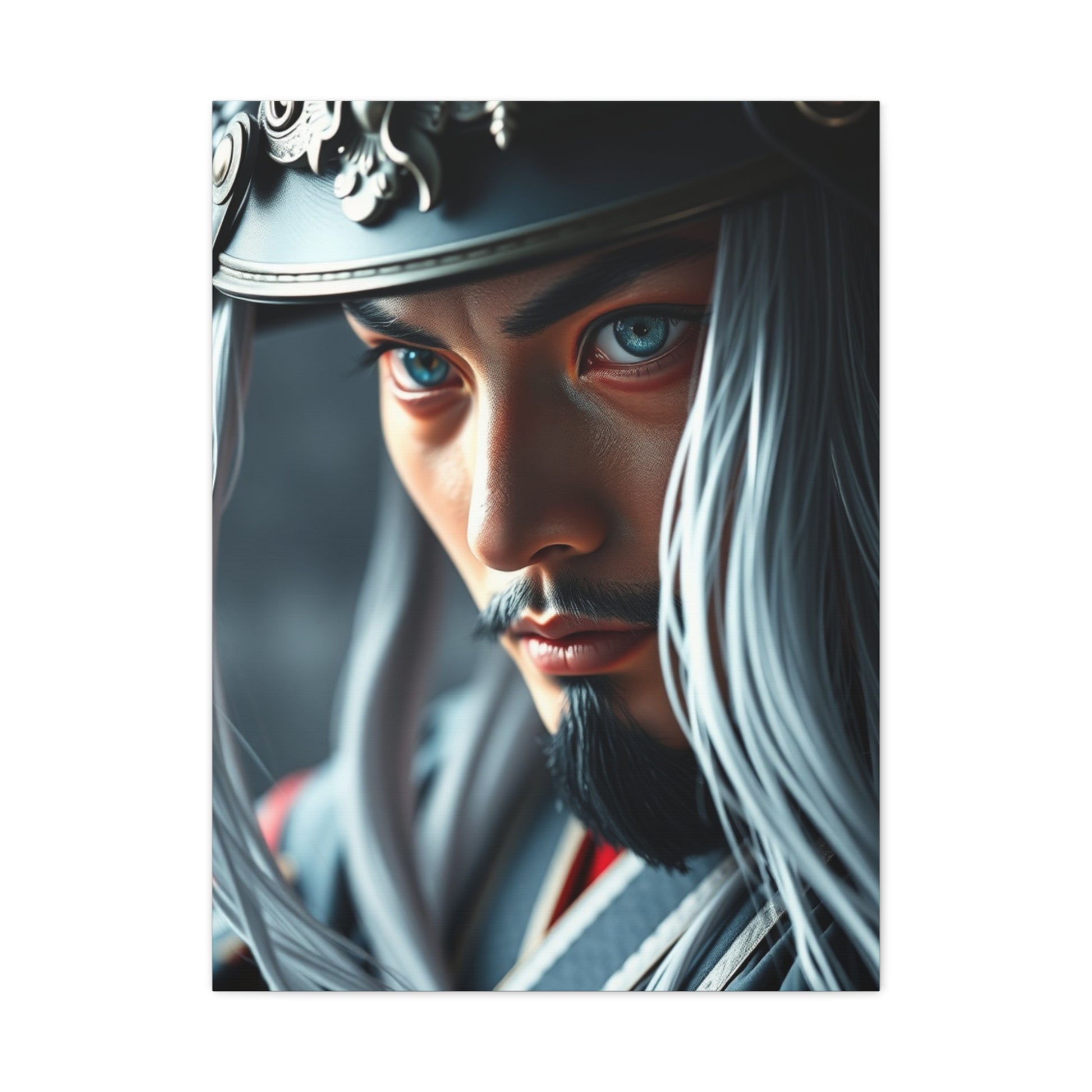
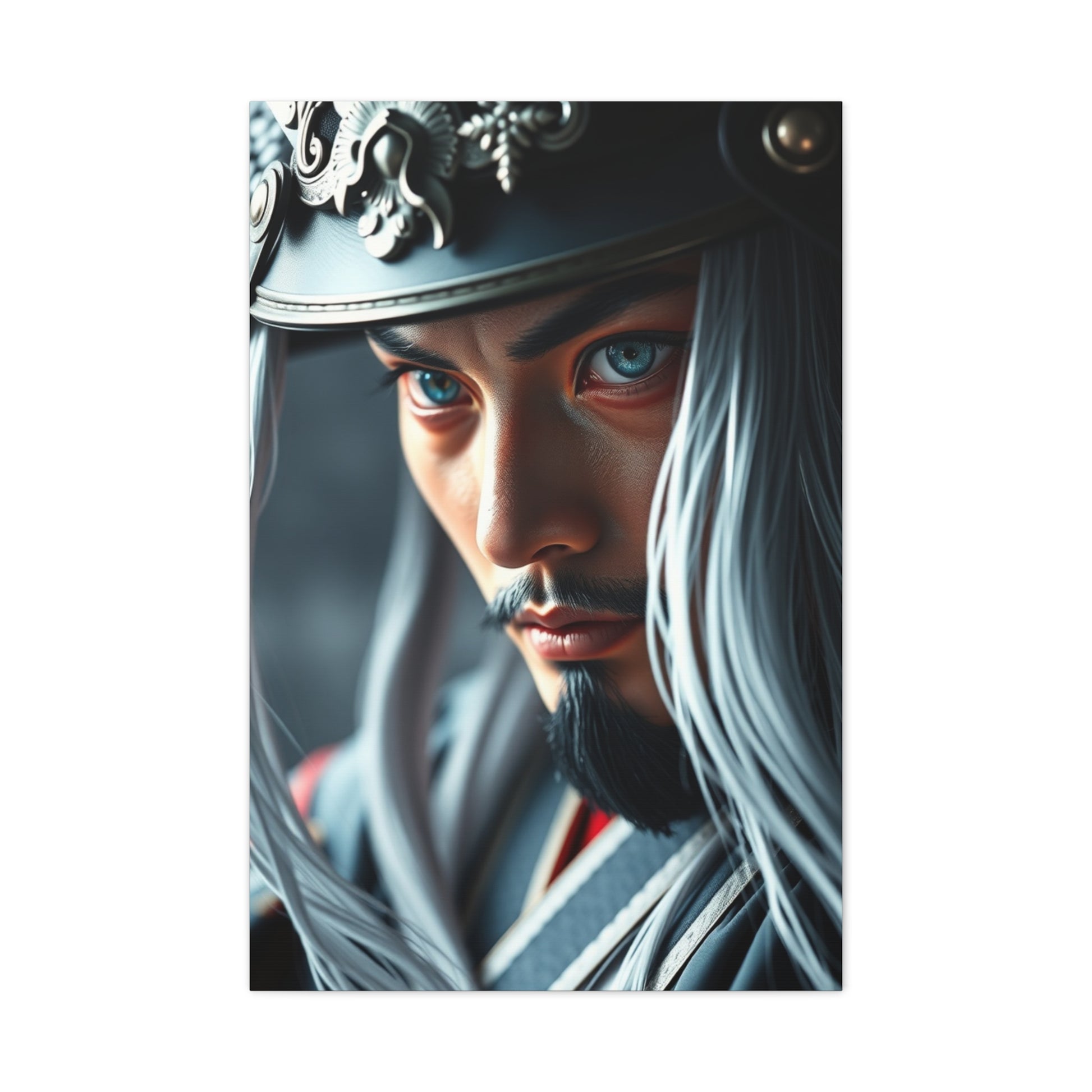
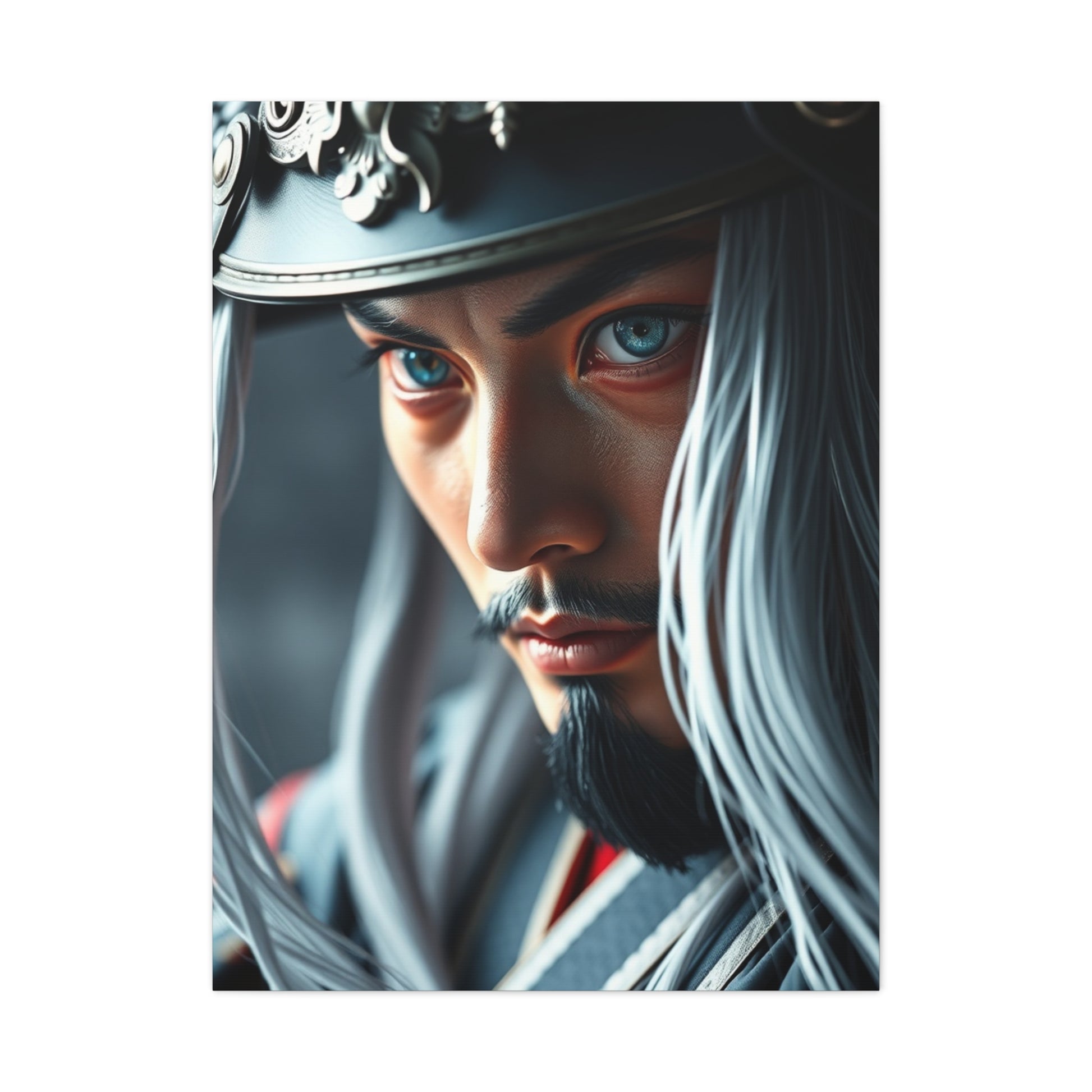
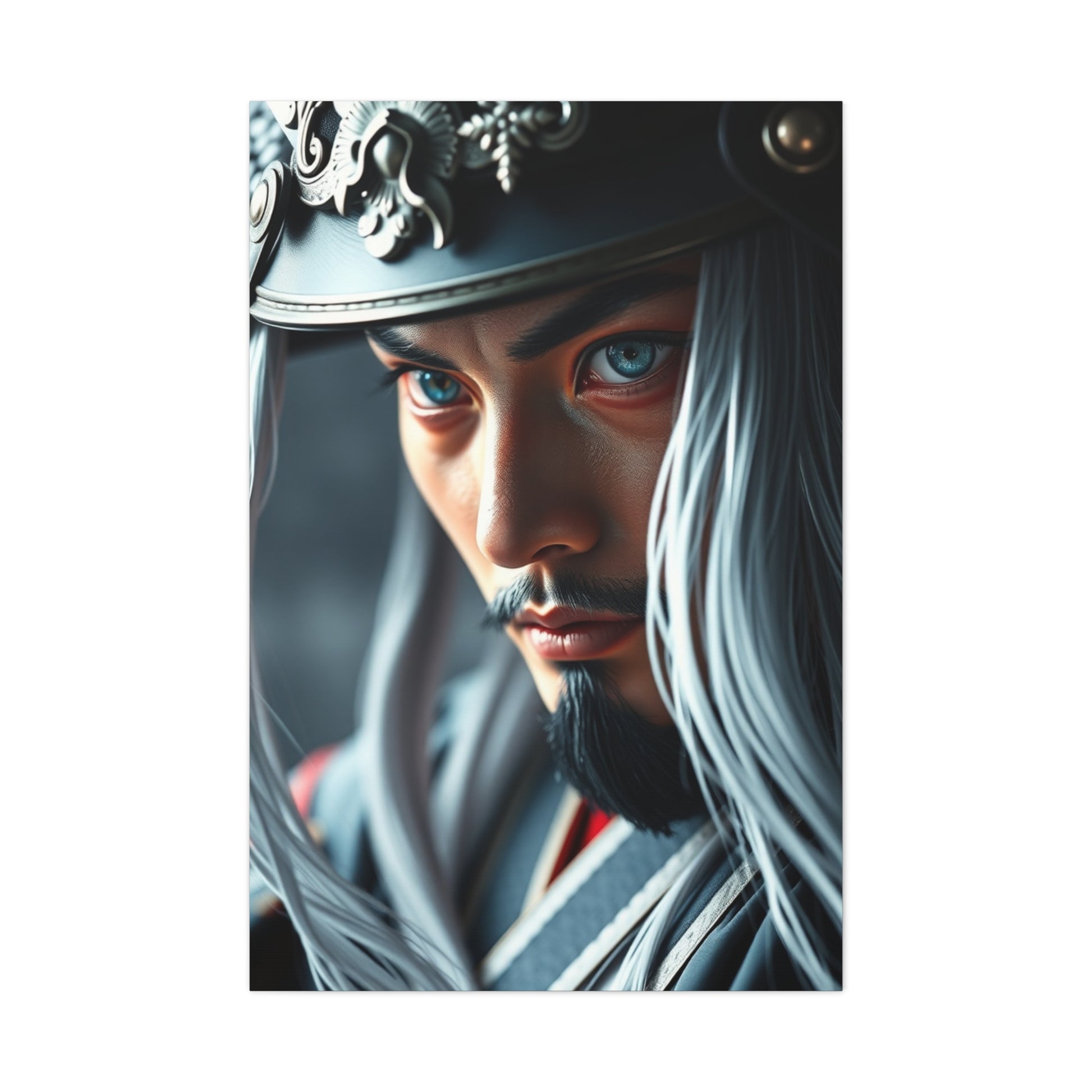
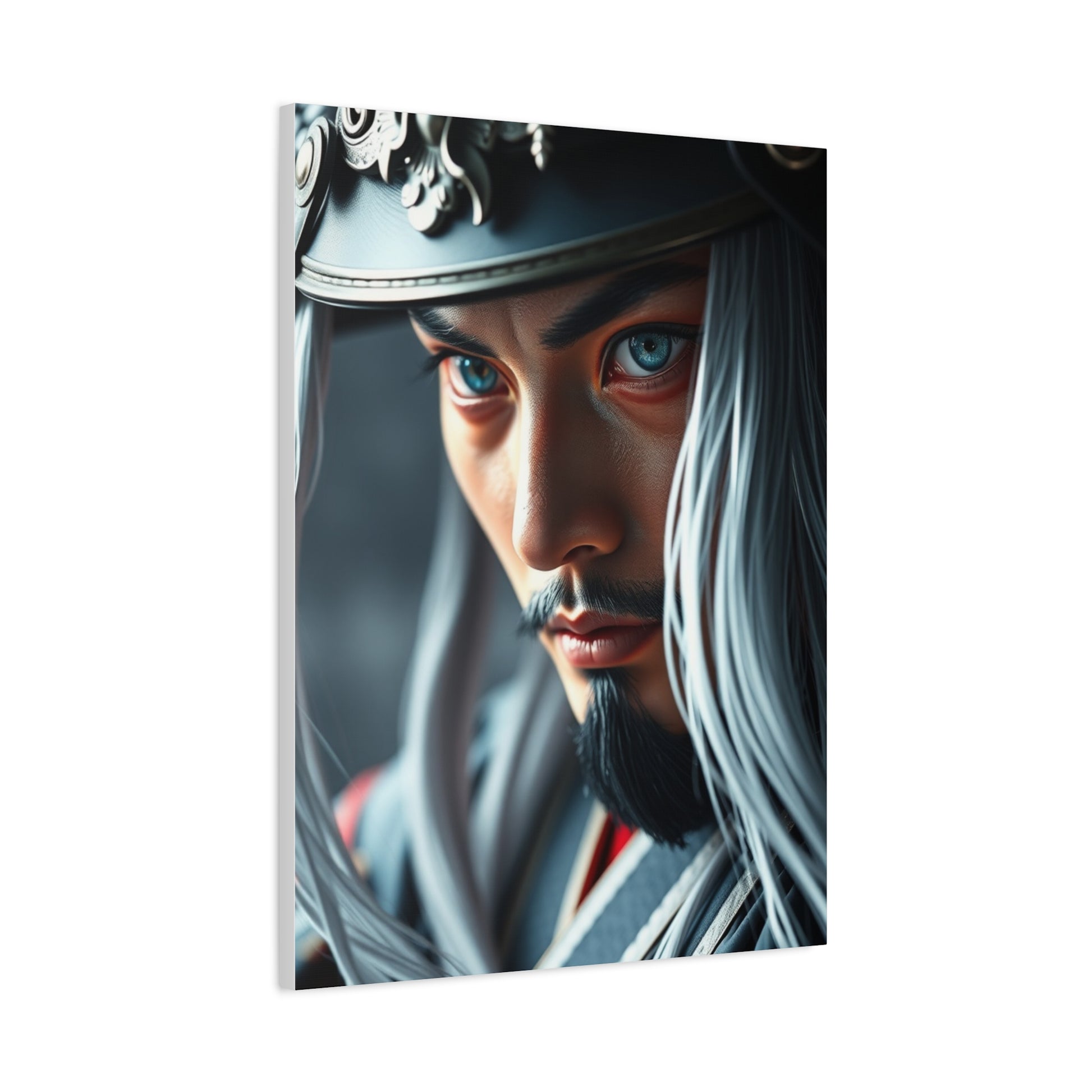
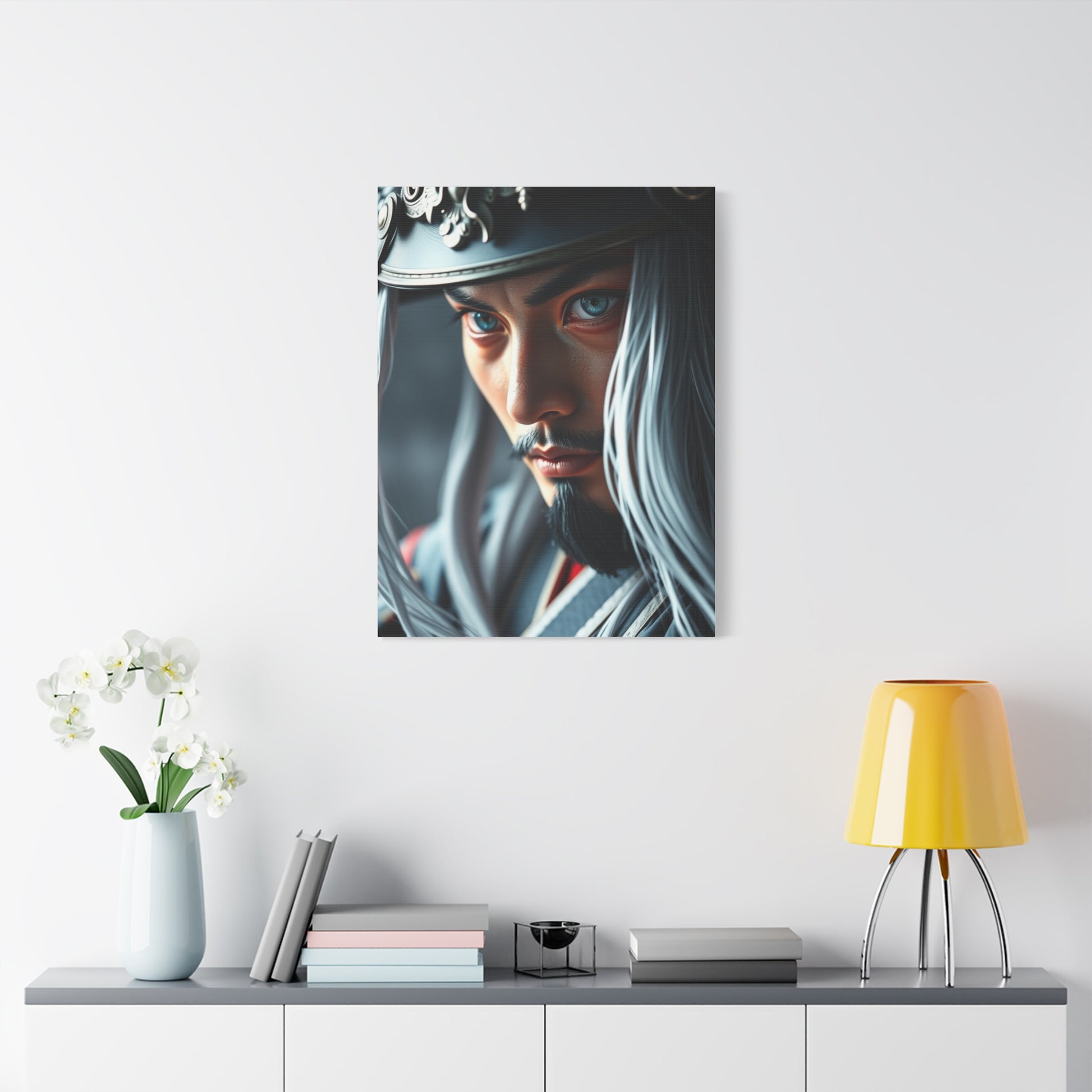
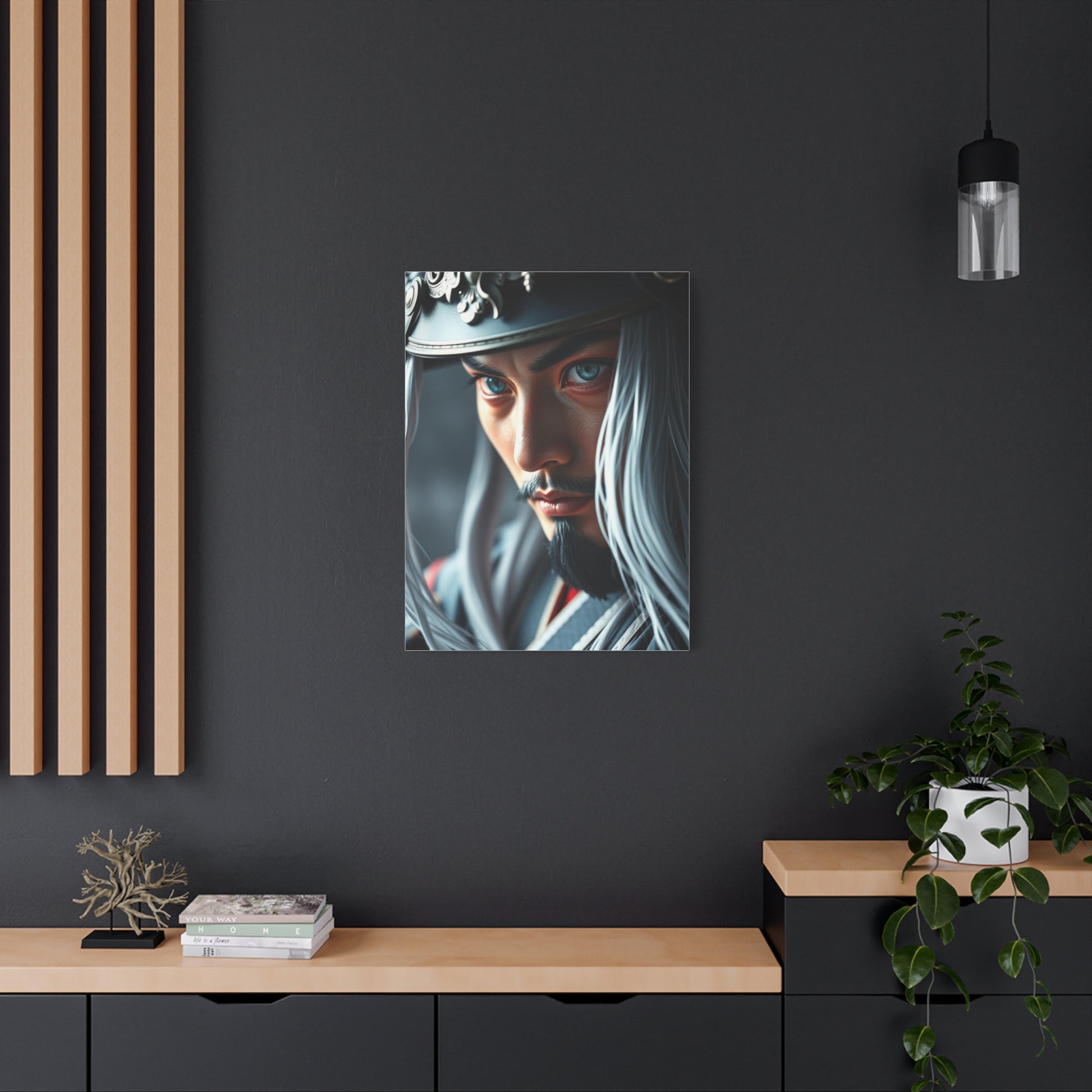
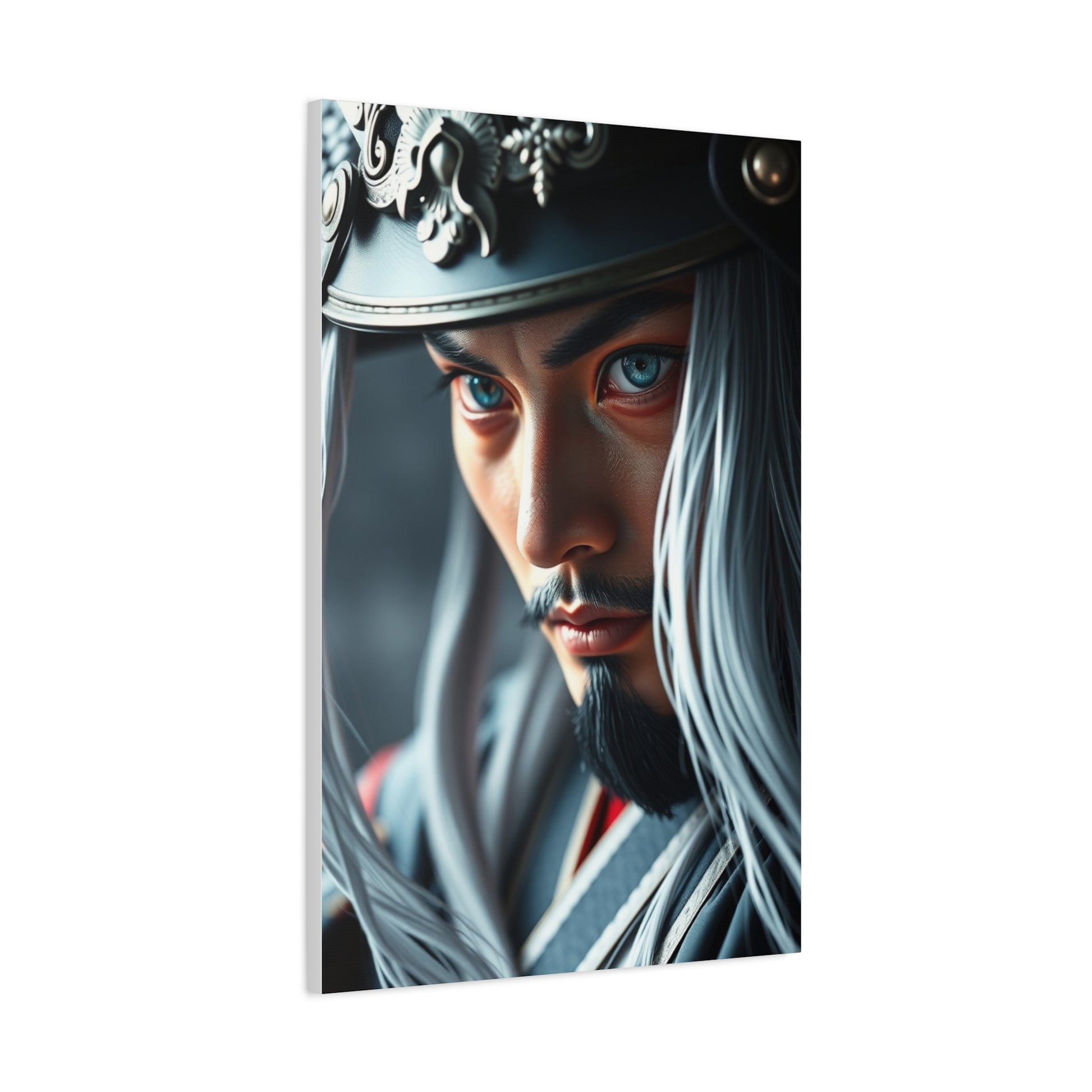
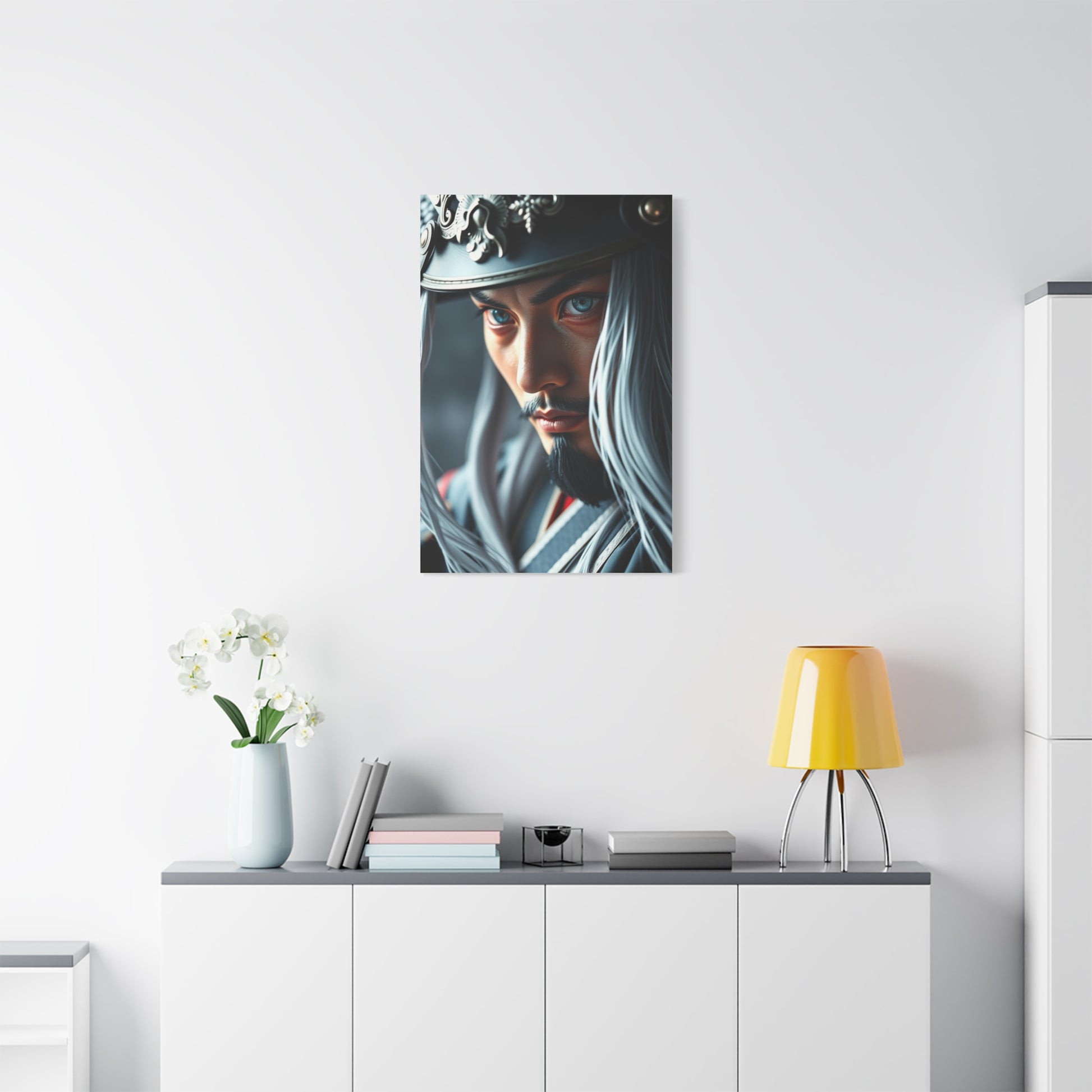
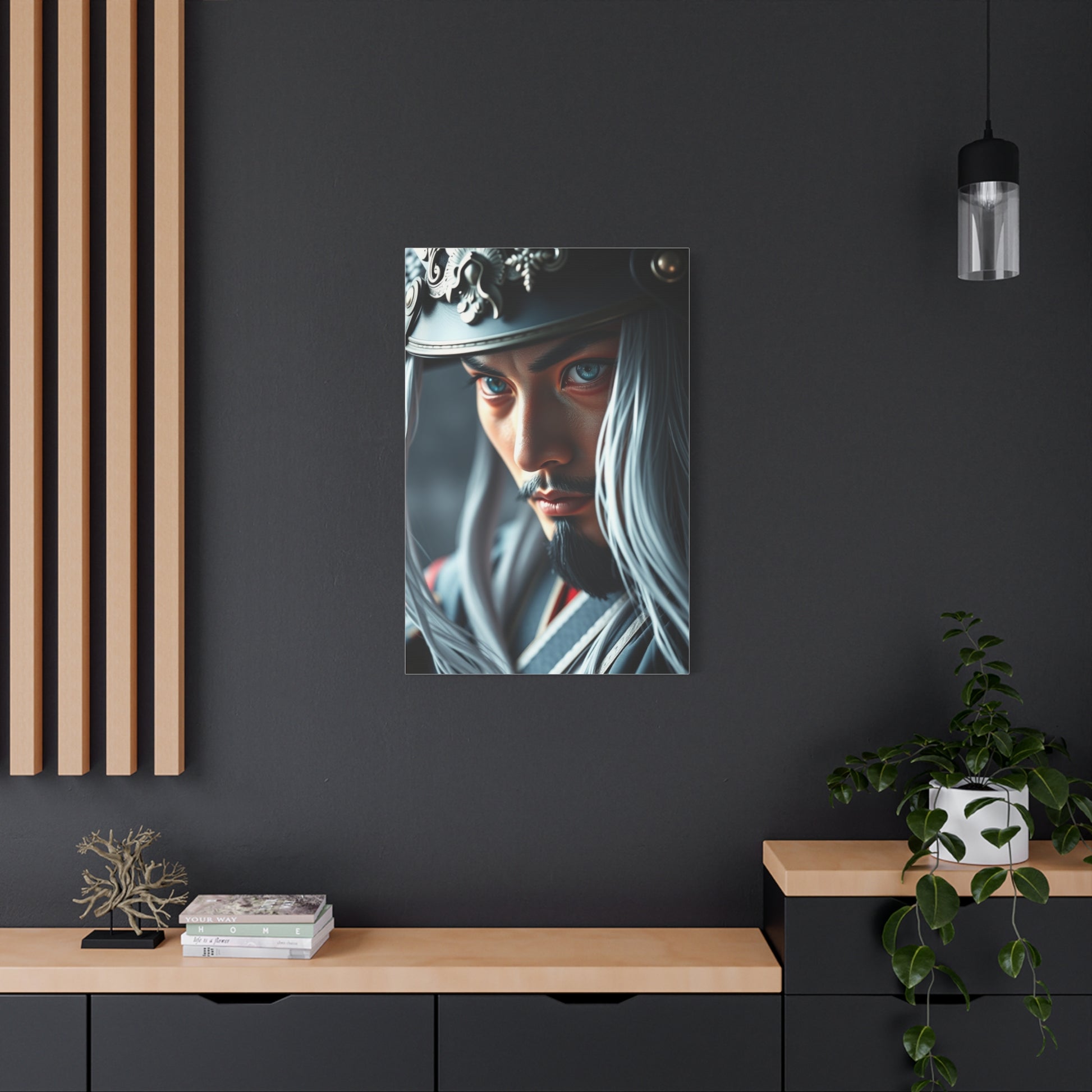
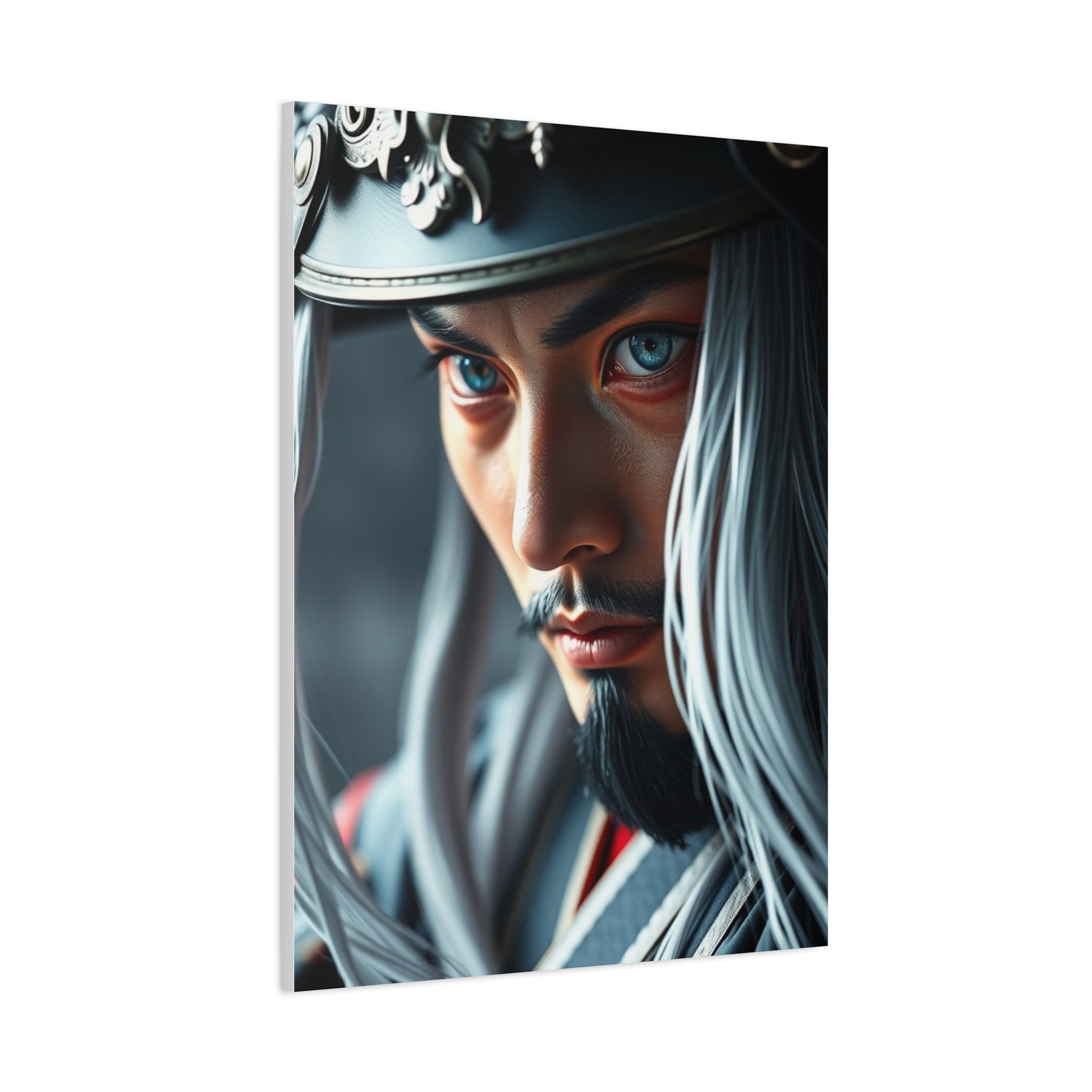
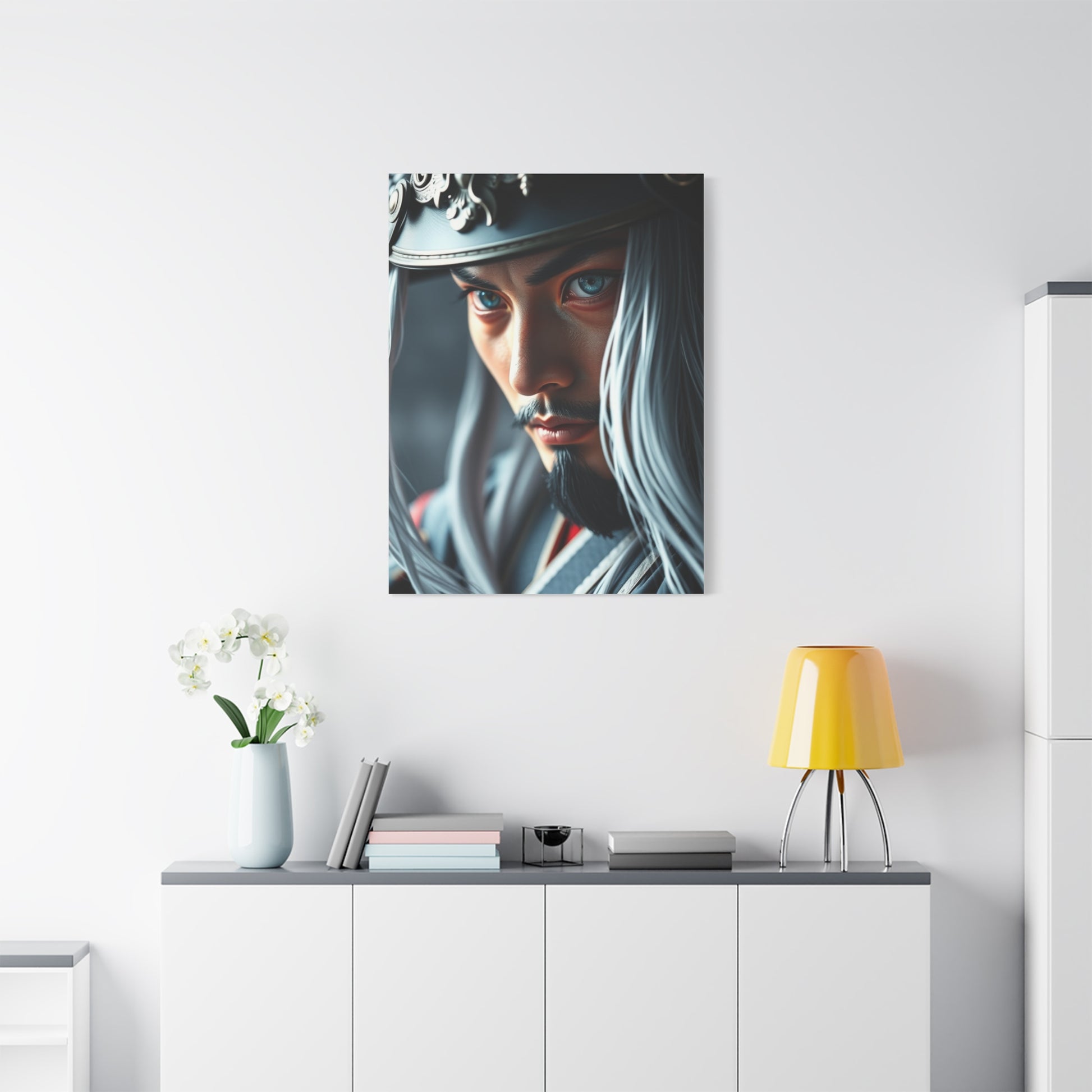
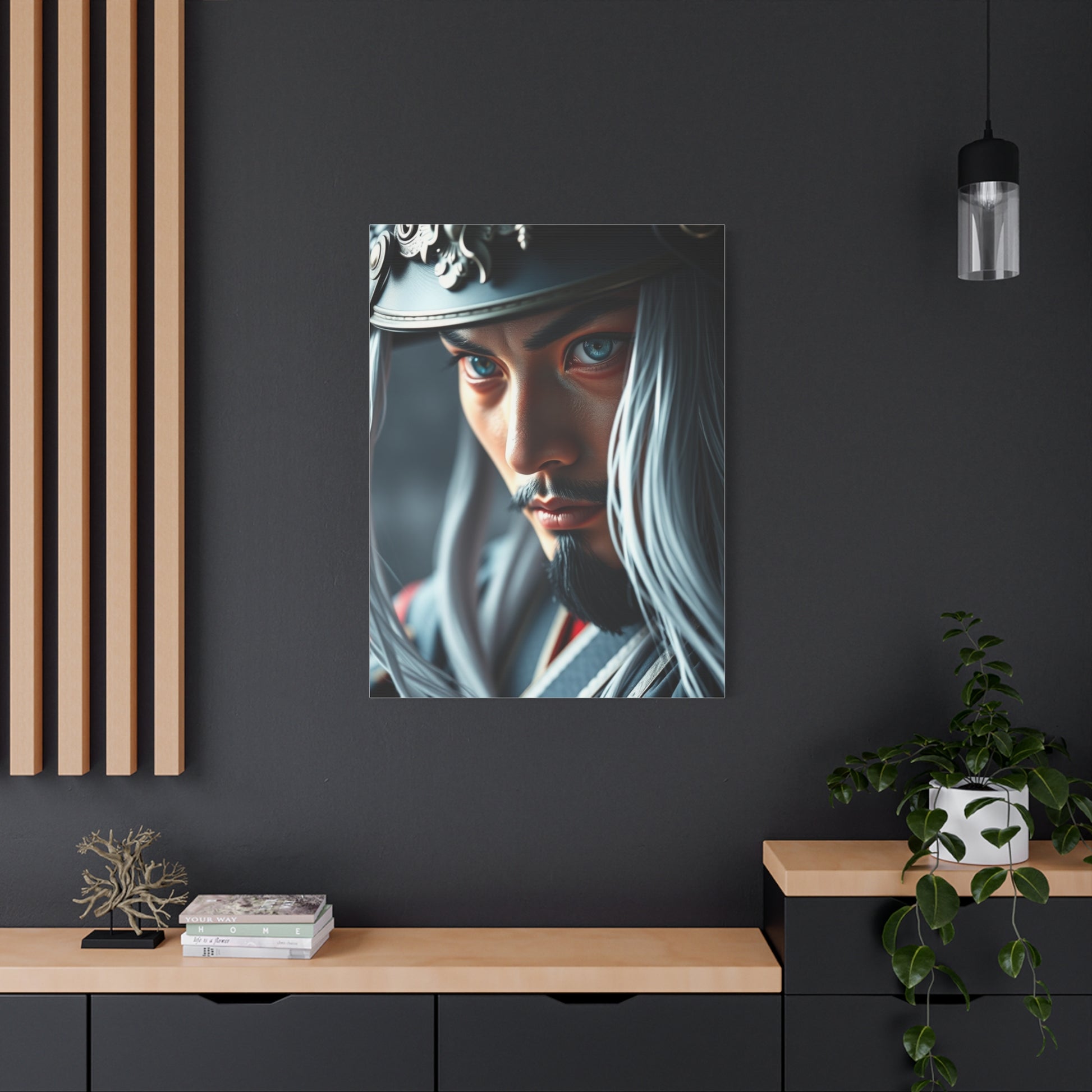
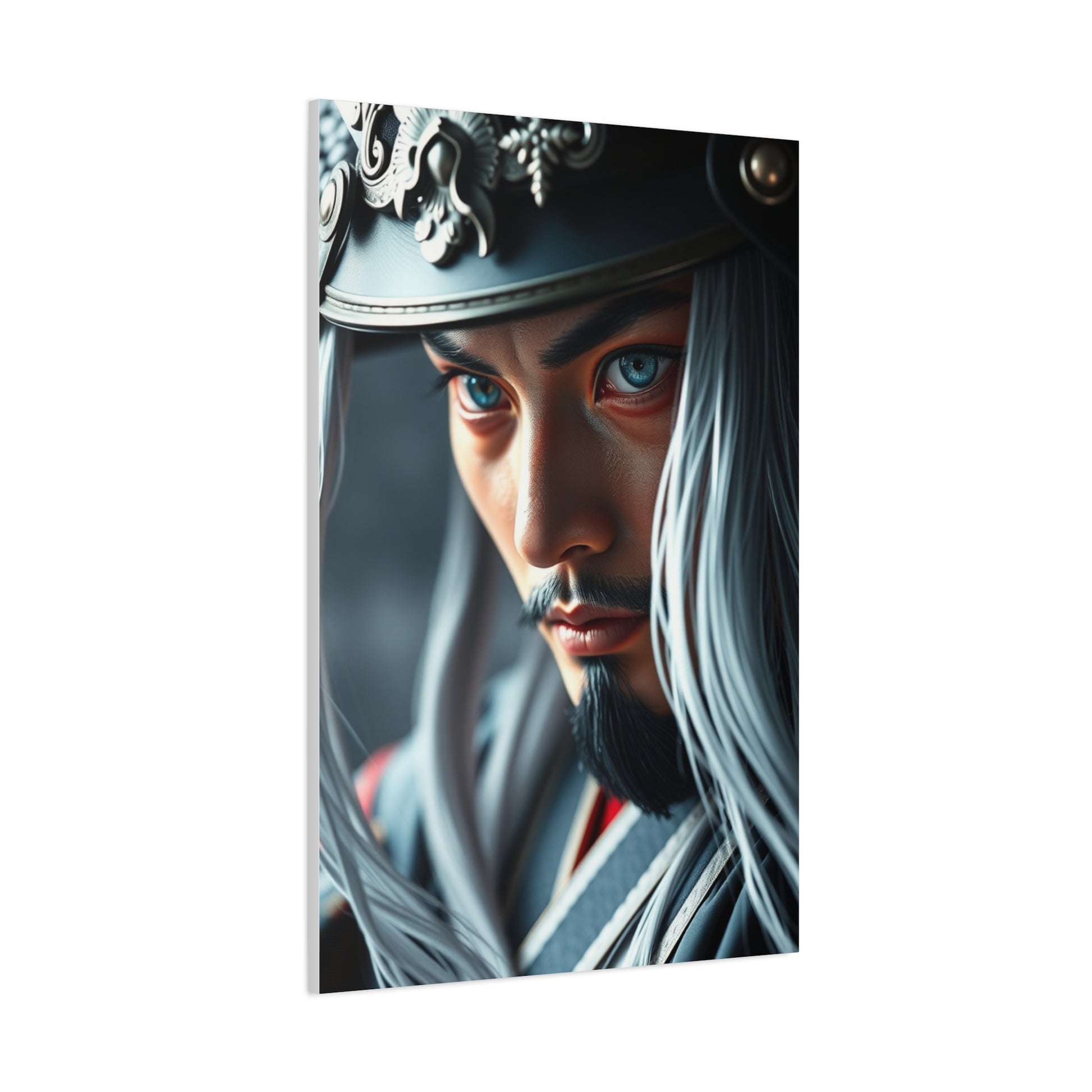
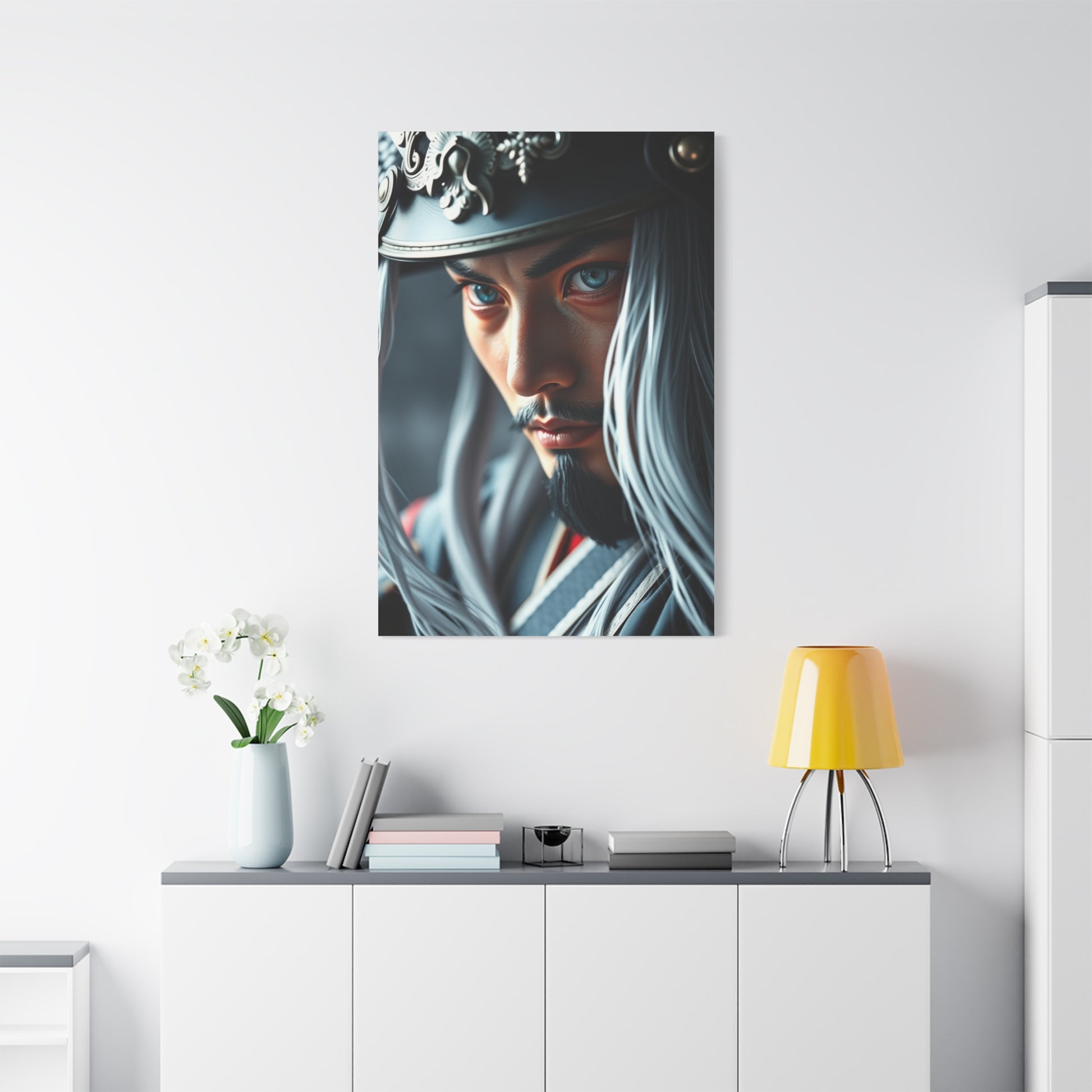
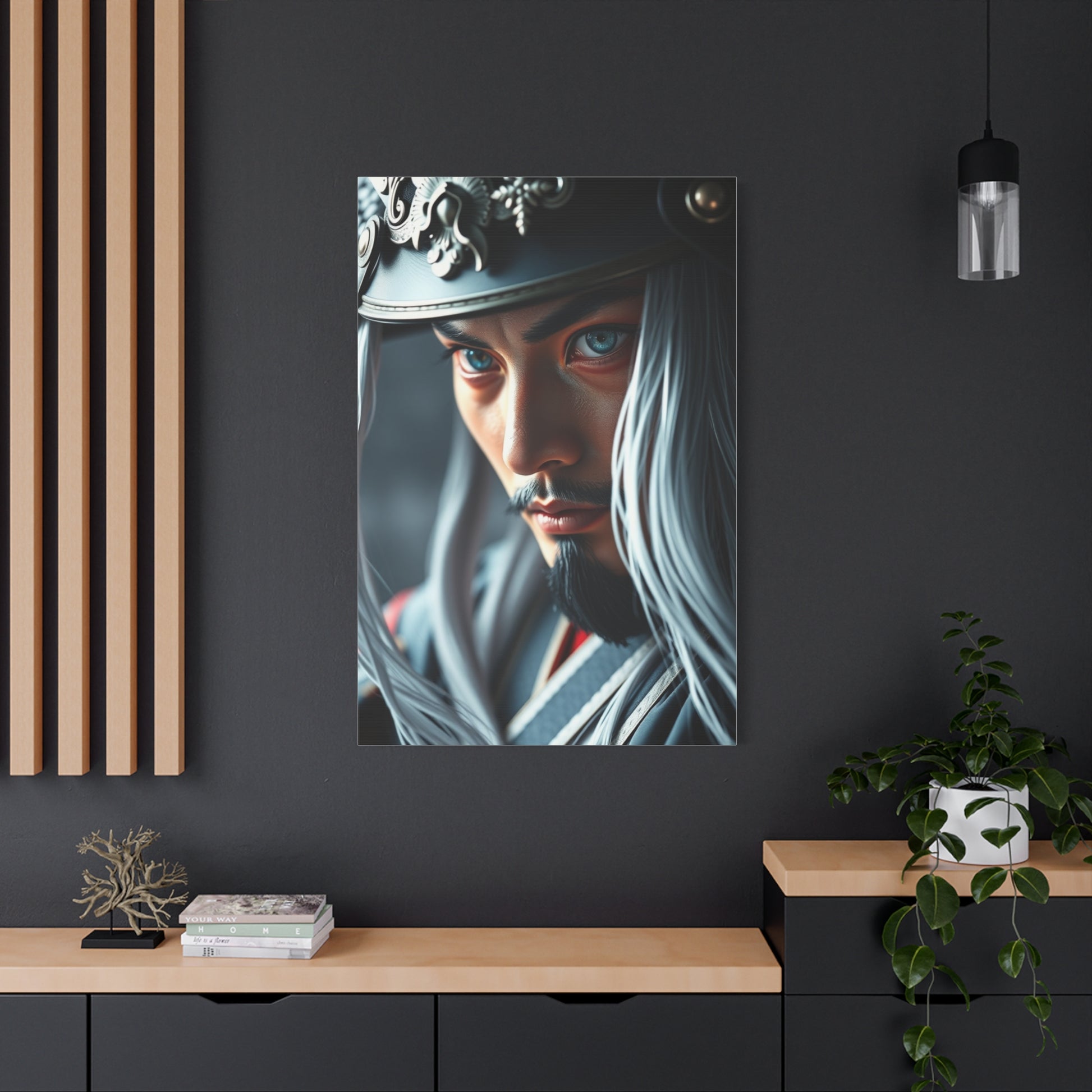
Elysian Warrior Canvas
Elysian Warrior Canvas
Couldn't load pickup availability


Elysian Warrior Canvas: Epic Art for Your Sacred Space
The world of decorative art has witnessed a remarkable surge in mythological and warrior-themed artwork, with elysian warrior canvas pieces emerging as powerful focal points in contemporary interior design. These magnificent artworks capture the essence of celestial battles, divine champions, and legendary heroes from ancient mythologies, transforming ordinary living spaces into galleries of epic narratives. The appeal of elysian warrior canvas art extends beyond mere decoration, offering homeowners and art enthusiasts a connection to timeless stories of courage, honor, and transcendence.
Canvas prints depicting warriors from paradisical realms have become increasingly sought after by collectors and casual decorators alike. The term elysian itself conjures images of the Elysian Fields, the final resting place of heroes in Greek mythology, where warriors who achieved glory in life continued their existence in blissful eternity. Modern interpretations of this concept blend classical mythology with contemporary artistic techniques, creating visually stunning pieces that resonate with audiences seeking meaningful art for their environments.
The popularity of warrior-themed canvas art reflects a broader cultural fascination with heroic narratives and mythological symbolism. In an era where digital entertainment dominates, physical artwork depicting these timeless themes offers a tangible connection to stories that have captivated humanity for millennia. Elysian warrior canvas pieces serve as daily reminders of virtues such as bravery, perseverance, and the eternal struggle between light and darkness.
The Historical Roots of Warrior Art Representation
Artistic depictions of warriors have existed since the dawn of human civilization, with cave paintings, pottery decorations, and temple reliefs showcasing combat scenes and heroic figures. Ancient cultures across the globe recognized the importance of preserving the memory of great warriors through visual mediums. Egyptian pharaohs commissioned massive wall paintings showing their military conquests, while Greek pottery featured intricate red and black figure paintings of mythological heroes engaged in legendary battles.
The concept of paradise or afterlife realms for distinguished warriors appears in numerous cultural traditions. Norse mythology speaks of Valhalla, where fallen warriors feast and prepare for the final battle of Ragnarok. Celtic traditions describe the Otherworld, a realm of eternal youth and beauty accessible to heroes. These cultural touchstones have influenced artistic representations throughout history, creating a rich visual vocabulary that contemporary elysian warrior canvas artists draw upon.
During the Renaissance period, artists elevated warrior depictions to new heights of technical sophistication. Masters such as Leonardo da Vinci and Michelangelo created dynamic compositions showing warriors in motion, their anatomical precision and understanding of human form bringing unprecedented realism to martial subjects. The dramatic chiaroscuro techniques developed during this era added depth and emotional intensity to warrior portraits, techniques that continue to influence modern canvas art production.
The Romantic period of the 18th and 19th centuries saw artists return to mythological and medieval themes with renewed vigor. Painters like Jacques-Louis David and Eugène Delacroix created monumental canvases depicting legendary warriors and historical battles, infusing their work with nationalistic fervor and philosophical idealism. These works established visual conventions for depicting heroic figures that remain influential in contemporary warrior art, including dramatic poses, symbolic color schemes, and theatrical lighting effects.
Artistic Styles Found in Modern Warrior Canvas Art
Contemporary elysian warrior canvas art encompasses a remarkable diversity of artistic approaches, each offering unique aesthetic experiences. Realistic styles dominate one segment of the market, with artists employing photographic detail and precise anatomical rendering to create warriors that appear to step from the canvas into reality. These pieces often feature elaborate armor details, weathered equipment, and expressive facial features that convey the psychological complexity of the warrior archetype.
Fantasy illustration style represents another major category within elysian warrior canvas offerings. Drawing inspiration from role-playing games, fantasy literature, and digital entertainment, these artworks present warriors in imaginative settings that defy physical laws. Glowing weapons, impossible armor designs, and supernatural atmospheric effects characterize this approach, appealing to audiences who appreciate the unlimited creative possibilities of fantasy art.
Abstract interpretations of warrior themes provide yet another avenue for artistic exploration. These pieces deconstruct traditional warrior imagery into geometric forms, color fields, and gestural brushwork that evoke martial energy without literal representation. Abstract elysian warrior canvas art appeals to collectors seeking sophisticated pieces that complement modern minimalist interiors while maintaining thematic connection to heroic narratives.
Digital art techniques have revolutionized the production of warrior canvas prints, enabling artists to create compositions of unprecedented complexity and visual impact. Digital painting software allows for infinite revision, experimental color schemes, and integration of photographic elements with hand-painted details. Many contemporary elysian warrior canvas pieces begin as digital creations before being transferred to physical canvas through advanced printing technologies that preserve color fidelity and detail resolution.
Traditional painting methods remain highly valued within the warrior art community, with hand-painted canvases commanding premium prices. Oil painting techniques offer unmatched richness of color and texture, while acrylic methods provide versatility and rapid execution. Some artists combine traditional and digital approaches, beginning with digital sketches before executing final paintings on canvas, then enhancing finished works with digital post-processing.
Symbolic Elements in Elysian Warrior Canvas Designs
The symbolism embedded within elysian warrior canvas artwork operates on multiple levels, enriching viewer experience through visual metaphors and archetypal imagery. Weapons featured in these pieces transcend their utilitarian functions to become symbols of principle and purpose. Swords frequently represent truth, justice, and the cutting away of deception, while spears symbolize focused intention and the projection of will. Shields embody protection not only of physical form but also of values and vulnerable aspects of the psyche.
Armor designs in warrior canvas art carry profound symbolic weight, representing the defenses we construct against life's adversities. Pristine, gleaming armor might symbolize idealism and untested virtue, while battered, scarred protection suggests experience earned through hardship. The choice between heavy, concealing armor and lighter, more exposed designs reflects different philosophical approaches to vulnerability and openness versus caution and defense.
Celestial and divine imagery permeates elysian warrior canvas compositions, connecting earthly combat to cosmic significance. Halos, aureoles, and radiating light effects suggest spiritual elevation, positioning the warrior as an instrument of higher purposes rather than mere combatant. Wings, whether angelic, mechanical, or organic, represent transcendence of earthly limitations and the capacity to rise above base motivations toward noble ideals.
Background environments in these artworks establish narrative context and emotional tone. Paradisical settings with lush vegetation, peaceful waters, and golden light create aspirational visions of reward earned through noble action. Conversely, dark, tumultuous backgrounds with storm clouds, lightning, and chaotic elements emphasize ongoing struggle and the warrior's role as bulwark against destructive forces. The interplay between figure and environment in elysian warrior canvas designs creates visual tension that engages viewers intellectually and emotionally.
Color symbolism plays a crucial role in communicating meaning within warrior artwork. Gold and yellow hues evoke divinity, enlightenment, and sacred purpose, frequently employed in elysian themes to suggest celestial realms. Blue tones convey loyalty, tranquility, and spiritual depth, while also representing the heavens from which divine warriors descend. Red naturally suggests blood, sacrifice, and passion, but also courage and vitality. Silver and white indicate purity, truth, and the uncorrupted essence of heroic virtue.
Choosing the Right Elysian Warrior Canvas for Your Space
Selecting an appropriate elysian warrior canvas for a particular environment requires consideration of multiple factors that influence both aesthetic harmony and psychological impact. Room size fundamentally affects artwork scale, with larger spaces accommodating monumental pieces that become commanding focal points, while intimate rooms benefit from smaller, more detailed works that invite closer examination. The relationship between canvas dimensions and wall space should create visual balance rather than overwhelming or underwhelming the environment.
Existing color schemes within a room should inform canvas selection, with artwork either complementing established palettes or providing calculated contrast that enlivens neutral backgrounds. A predominantly cool-toned room might welcome the warmth of a canvas featuring golden armor and sunset skies, while warm-toned spaces could benefit from the balancing influence of pieces emphasizing cool blues and silvers. Monochromatic interiors offer maximum flexibility, allowing bold, multicolored warrior canvases to inject vibrancy without clashing.
Lighting conditions dramatically affect how elysian warrior canvas artwork appears throughout the day. Natural light from windows creates shifting conditions that reveal different aspects of a piece at various times, with morning light emphasizing certain colors and afternoon illumination highlighting others. Artificial lighting requires careful consideration, with directional spotlights enhancing texture and dimensionality, while diffuse ambient lighting creates softer, more integrated visual experiences.
The psychological atmosphere desired for a space should guide warrior canvas selection. Home offices and personal studios might benefit from images of focused, determined warriors engaged in solitary challenges, reinforcing themes of individual effort and concentration. Social spaces such as living rooms could accommodate more dynamic group compositions showing warriors in cooperative endeavors, subtly encouraging communal values. Bedroom environments might favor gentler elysian imagery emphasizing rest and peaceful reward rather than active combat.
Personal connection to specific mythological traditions or warrior archetypes should influence selection decisions. Someone drawn to Norse mythology might prefer canvases depicting Valkyries or einherjar warriors, while Greek mythology enthusiasts would gravitate toward Spartan warriors or Olympian champions. Eastern philosophical orientations might find resonance in canvases showing samurai, shaolin warriors, or legendary Chinese generals, each cultural tradition offering distinct visual vocabularies and symbolic frameworks.
Technical Aspects of Canvas Production and Quality
The physical construction of elysian warrior canvas artwork significantly impacts its longevity, appearance, and value. Canvas material itself varies considerably, with cotton duck canvas offering traditional texture and absorbency favored by many artists, while polyester canvases provide superior dimensional stability and resistance to environmental fluctuations. Blended materials attempt to capture advantages of both natural and synthetic fibers, though purists often prefer single-fiber construction for predictable behavior over time.
Canvas weight, measured in ounces per square yard, affects both durability and surface texture. Lighter-weight canvases around seven to nine ounces work well for smaller prints and tight stretching, producing smooth surfaces ideal for detailed imagery. Medium-weight canvases between ten and twelve ounces offer excellent versatility for most applications, balancing texture with workability. Heavy-weight canvases exceeding twelve ounces provide maximum durability and pronounced texture that adds tactile dimension to artwork, though they resist tight stretching and demand robust mounting systems.
Stretcher bar quality determines the structural integrity and presentation of canvas artwork. Premium stretcher systems employ kiln-dried hardwoods with precise joinery that resists warping, twisting, and loosening over time. Cross-bracing becomes essential for canvases exceeding thirty inches in any dimension, preventing sagging and maintaining surface tension. Gallery wrap techniques, where canvas continues around stretcher edges, create finished appearances allowing wall mounting without additional framing, a popular choice for contemporary elysian warrior canvas presentations.
Printing technologies for reproducing warrior artwork onto canvas have advanced remarkably in recent years. Giclée printing, utilizing archival inks and high-resolution digital files, produces museum-quality reproductions with exceptional color fidelity and detail preservation. Twelve-color printing systems capture subtle tonal gradations impossible with standard four-color processes, particularly important for warrior artwork featuring complex metallic surfaces and atmospheric effects. UV-resistant archival inks ensure prints maintain color integrity for decades when properly displayed, protecting investments in quality artwork.
Surface treatments applied after printing enhance both appearance and longevity of elysian warrior canvas pieces. Protective coatings shield against UV radiation, moisture, and atmospheric pollutants while adding slight texture that mimics traditional painting techniques. Matte finishes eliminate glare and reflections, ideal for brightly lit environments, while gloss coatings intensify colors and create depth that draws viewers into the composition. Satin finishes offer compromise between these extremes, providing subtle sheen without problematic reflections.
Interior Design Integration Strategies
Successfully incorporating elysian warrior canvas artwork into cohesive interior designs requires thoughtful consideration of visual weight, thematic consistency, and spatial relationships. Gallery wall arrangements allow multiple warrior-themed pieces to create comprehensive narratives, with varied sizes and complementary compositions building complex visual stories. This approach works particularly well for collectors passionate about warrior themes, transforming entire walls into immersive mythological environments.
Single statement pieces offer alternative approaches emphasizing focused impact over narrative complexity. A large, commanding elysian warrior canvas positioned above a sofa or mantle becomes the undisputed visual anchor for a room, drawing attention and establishing thematic direction for surrounding elements. This strategy proves particularly effective in minimalist interiors where reduced visual competition allows the artwork to dominate without distraction.
Diptych and triptych formats present warrior narratives across multiple connected canvases, creating dynamic compositions through spatial separation. These multi-panel approaches can depict sequential moments in a battle, contrasting aspects of warrior character, or complementary perspectives on martial themes. The physical gaps between panels introduce rhythm and breathing space that can make large-scale compositions feel less overwhelming while maintaining visual coherence.
Architectural features within spaces can be leveraged to enhance warrior canvas presentations. Alcoves and recessed areas create natural framing that emphasizes artwork while protecting it from traffic flow. Columns and structural elements can be flanked with warrior canvases, creating symmetrical arrangements that convey balance and authority. Stairways offer opportunities for ascending or descending sequences of warrior images that parallel the physical movement through space.
Furniture and decor selections should support rather than compete with elysian warrior canvas focal points. Neutral upholstery allows colorful warrior artwork to command attention without visual conflict, while furniture with clean lines and minimal ornamentation prevents stylistic clashes with detailed canvas compositions. Decorative objects echoing warrior themes through material choices like metal, leather, and wood reinforce the aesthetic established by canvas art without redundant literal representation.
Cultural Variations in Warrior Iconography
Different cultural traditions have developed distinct visual languages for representing warriors, each reflecting unique philosophical perspectives on combat, honor, and heroic identity. European warrior iconography emphasizes individual champions, elaborate heraldry, and the medieval chivalric ideal, with knights in plate armor representing the pinnacle of martial achievement. Elysian warrior canvas pieces drawing from this tradition often feature ornate armor details, crests and banners, and architectural elements evoking castles and fortifications.
Japanese warrior aesthetics prioritize simplicity, functionality, and the integration of martial practice with spiritual discipline. Samurai imagery in canvas art emphasizes clean lines, asymmetrical balance, and symbolic elements like cherry blossoms representing the ephemeral nature of life. The distinctive silhouettes of samurai armor with its characteristic helmet horns and layered construction provide instantly recognizable visual signatures that resonate with audiences appreciating eastern philosophical traditions.
Norse and Viking warrior representations emphasize raw power, ferocity, and connection to harsh natural environments. Elysian warrior canvas pieces inspired by Scandinavian traditions often feature furs, chain mail, circular shields with bold geometric designs, and weapons like axes and spears. The integration of runic symbols, knotwork patterns, and imagery from Norse mythology creates visually dense compositions reflecting the complex cosmology of northern European paganism.
Middle Eastern and Persian warrior traditions contribute distinctive aesthetic elements including curved swords, ornate damascene patterns, and flowing fabrics that contrast with the rigid armor of European knights. Canvas artwork drawing from these traditions often features rich, saturated colors, intricate geometric patterns, and calligraphic elements that add layers of meaning beyond figurative representation. The emphasis on elegant line and decorative surface treatment reflects cultural values that see beauty and functionality as inseparable.
African warrior traditions offer powerful visual vocabularies emphasizing community, ritual, and the integration of natural materials. Tribal shields, spears, and ceremonial dress incorporating animal elements create distinctive warrior aesthetics that connect martial prowess with spiritual power. Elysian warrior canvas pieces exploring these traditions bring bold patterns, organic forms, and earthy color palettes that offer refreshing alternatives to more commonly depicted European and Asian warrior types.
Psychological Impact of Warrior Imagery in Living Spaces
The presence of warrior-themed artwork in residential and professional environments exerts measurable psychological influences on occupants and visitors. Research in environmental psychology demonstrates that imagery depicting strength, determination, and overcoming challenges can enhance motivation and perseverance in goal-oriented activities. An elysian warrior canvas in a home office might subconsciously reinforce productive work habits and resilience when facing professional obstacles.
Heroic imagery serves important psychological functions related to self-concept and aspiration. The warrior archetype represents qualities many people wish to cultivate including courage, discipline, and commitment to principles beyond personal comfort. Regular exposure to visual representations of these qualities through artwork creates subtle reinforcement of valued traits, similar to the practice of keeping inspirational quotes visible, but operating through visual rather than verbal channels.
The calming aspects of elysian themes in warrior canvas artwork should not be overlooked. Despite depicting martial subjects, pieces emphasizing the paradisical setting aspect can actually reduce stress and promote relaxation. The suggestion that struggles lead to peaceful resolution and that warriors eventually find rest in blessed realms provides comforting narratives for individuals managing difficult life circumstances. The visual beauty of well-executed artwork contributes additional stress-reduction benefits independent of subject matter.
Gender dynamics in warrior imagery warrant thoughtful consideration, particularly as awareness grows regarding the importance of diverse representation. Historically male-dominated warrior iconography is increasingly balanced by depictions of female warriors, from historical figures like Joan of Arc to mythological amazons and valkyries. Elysian warrior canvas pieces featuring diverse representations allow broader audiences to find personal connection and identification with heroic archetypes.
Children and adolescents particularly benefit from exposure to positive warrior imagery that models constructive expressions of strength and courage. Age-appropriate elysian warrior canvas pieces in young people's spaces can support healthy development of confidence and agency while providing visual interest aligned with developmental fascination with heroes and adventure. Care should be taken to select pieces emphasizing protective and noble aspects of warrior character rather than gratuitous violence.
Commissioning Custom Elysian Warrior Canvas Art
For collectors seeking truly unique pieces perfectly tailored to individual preferences, commissioning custom elysian warrior canvas artwork offers unmatched personalization possibilities. This process typically begins with consultation between client and artist to establish vision, discussing preferred mythological traditions, specific warrior archetypes, desired emotional tones, and environmental contexts where the finished piece will be displayed. Effective communication during this phase ensures final artwork meets or exceeds expectations.
Budget considerations for custom commissions vary widely based on artist reputation, complexity of composition, canvas dimensions, and medium employed. Emerging artists may accept commissions for several hundred dollars, providing excellent value while supporting developing talent. Established artists with significant followings command thousands or tens of thousands for custom pieces, but bring proven technical mastery and distinctive stylistic voices that justify premium pricing. Understanding the market helps clients set realistic expectations and find artists whose skills and costs align with available resources.
Timeline expectations require clear discussion before commission agreements are finalized. Complex pieces requiring extensive research, detailed preparatory sketches, and multiple revision rounds might demand months from initial consultation to delivery. Rush commissions may be possible for additional fees, though compressed timelines risk compromising quality. Most professional artists provide staged progress updates, sharing photographs or scans of work in development and soliciting client feedback before proceeding to subsequent phases.
Legal considerations in custom art commissions include clarification of intellectual property rights, usage permissions, and reproduction limitations. Standard practice grants clients ownership of the physical artwork while artists retain copyrights allowing them to photograph pieces for portfolio purposes and potentially produce limited prints. Clients desiring exclusive reproduction rights should negotiate these terms explicitly, understanding such arrangements typically command premium pricing due to the income artists forfeit by ceding reproduction privileges.
Subject matter discussions should address desired specificity regarding warrior depictions. Some clients prefer generic heroic figures allowing universal interpretation, while others want portraits of themselves, loved ones, or historical figures depicted as warriors. Personal warrior portraits have gained popularity for milestone celebrations, professional achievements, and memorial purposes, transforming individuals into legendary figures through artistic interpretation.
Maintenance and Preservation of Canvas Artwork
Proper care extends the lifespan of elysian warrior canvas pieces, protecting investments and ensuring continued enjoyment across generations. Environmental factors pose the greatest threats to canvas artwork longevity, with ultraviolet radiation, humidity fluctuations, temperature extremes, and atmospheric pollutants all accelerating deterioration. Positioning canvases away from direct sunlight prevents UV damage that fades colors and degrades fibers, while avoiding placement above heat sources prevents accelerated aging and potential warping.
Humidity control proves particularly important for canvas preservation, as excessive moisture promotes mold growth and canvas sagging, while overly dry conditions cause brittleness and cracking. Maintaining relative humidity between forty and sixty percent through humidifiers or dehumidifiers as needed creates stable conditions that minimize stress on canvas fibers and any applied paint or ink. Climate-controlled environments prove ideal, though they require investment in environmental management systems.
Cleaning canvas artwork requires gentle approaches that remove accumulated dust without damaging surface treatments or underlying materials. Soft, dry brushes or microfiber cloths gently remove loose dust from canvas surfaces, with brushing directions following the weave pattern to avoid catching and pulling fibers. For more stubborn soiling, very slightly dampened lint-free cloths can be employed on canvas margins, though extreme caution prevents moisture from reaching printed or painted areas where it might cause running or staining.
Protective glazing offers additional preservation benefits, particularly for valuable custom pieces. Museum-quality UV-filtering acrylic or glass protects against light damage while preventing dust accumulation and accidental surface contact. Anti-reflective coatings improve viewability by minimizing glare that obscures details. While glazing adds weight, cost, and slight visual separation between viewer and artwork, preservation benefits often justify these tradeoffs for significant pieces.
Professional restoration services can address damage that occurs despite preventive measures. Conservators employ specialized techniques to repair torn canvas, restore faded colors, remove stains, and address structural issues like sagging or warping. While professional conservation involves significant expense, it can salvage irreplaceable pieces that would otherwise be lost. Documentation of restoration work through detailed photography and written reports adds to artwork provenance and can enhance value.
Market Trends and Collecting Strategies
The market for elysian warrior canvas artwork has experienced substantial growth over the past decade, driven by increased mainstream acceptance of fantasy and mythology themes, improvements in printing technology that make quality reproductions affordable, and the rise of online marketplaces connecting artists directly with global audiences. Understanding current market trends helps collectors make informed acquisition decisions and artists position their work effectively.
Limited edition prints have emerged as particularly popular collecting categories, offering compromise between affordability and exclusivity. Artists produce numbered series of prints, typically ranging from twenty-five to several hundred impressions, with each print hand-signed and often including certificates of authenticity. As editions sell out, secondary market values frequently appreciate, especially for works by artists who subsequently gain prominence. Early editions and lower numbers within series sometimes command premiums among certain collector groups.
Original artwork naturally occupies the premium tier of the market, with unique paintings and one-of-a-kind pieces representing the highest investment levels. Provenance becomes crucial for originals, with documentation of creation, exhibition history, and chain of ownership affecting value. Works by historically significant artists or pieces with distinguished exhibition records command the highest prices, while contemporary originals by emerging artists offer opportunities for speculative collecting with appreciation potential.
Digital marketplaces have democratized access to elysian warrior canvas artwork, with platforms enabling artists worldwide to reach audiences previously accessible only through traditional gallery representation. This direct-to-consumer model benefits both creators, who retain larger portions of sale proceeds, and collectors, who enjoy lower prices resulting from eliminated gallery commissions. However, the absence of professional curation means collectors must develop discernment to identify quality amid vast selection.
Investment potential of warrior-themed artwork requires realistic assessment. While some pieces appreciate substantially, art generally proves less liquid and more subjective than traditional investments. Collectors should prioritize personal enjoyment and aesthetic satisfaction over financial speculation, viewing any appreciation as welcome bonus rather than expected outcome. Diversification across multiple artists, styles, and price points mitigates risk for those treating art collecting as partial investment strategy.
Framing and Presentation Options
While gallery-wrapped canvases offer complete presentations without additional framing, traditional framing provides alternative aesthetic approaches and added protection. Frame selection dramatically affects overall appearance, with ornate, gilded frames creating classical presentations that emphasize artwork as precious object worthy of elaborate setting. Such treatments suit traditional interiors and warrior canvases employing historical realistic styles.
Simple, sleek frames in metals or stained woods create contemporary presentations that emphasize artwork itself while providing finished edges and dimensional depth. These minimalist approaches complement modern interiors and allow warrior imagery to command attention without competing with decorative frame elements. Float mounting techniques create subtle shadows between canvas edges and frame openings, enhancing three-dimensional qualities.
Shadowbox framing accommodates canvas depth while creating recessed presentations that protect surface and add dramatic dimension. This approach works particularly well for textured canvases with heavy impasto or applied elements. The surrounding frame creates window-like viewing experiences that can enhance immersive qualities of elysian warrior compositions depicting portal views into mythological realms.
Frame color psychology influences perception of artwork, with choices either complementing or contrasting with dominant canvas hues. Dark frames provide grounding weight appropriate for dramatic warrior scenes, while lighter frames create airiness suited to paradisical themes. Metallic finishes echo armor elements common in warrior imagery, creating thematic unity between art and presentation.
Professional framing services provide expertise in materials selection, proper mounting techniques, and preservation-oriented approaches that protect artwork while enhancing display quality. While custom framing represents significant expense, particularly for large canvases, the craftsmanship and archival materials employed justify costs for valuable pieces. Budget-conscious collectors can employ ready-made frames for standard canvas sizes, though selection limitations and potential fit issues require acceptance of compromises.
Digital Versus Physical Canvas Considerations
The relationship between digital artwork files and physical canvas productions merits examination, as technological advances blur distinctions between traditionally created and digitally originated art. Many contemporary elysian warrior canvas pieces begin as digital paintings created entirely within computer software, leveraging tools impossible in traditional media including infinite undo capabilities, easy color palette experimentation, and integration of photographic elements.
Digital art enables experimentation and iteration difficult or impossible with traditional materials. Artists can explore numerous compositional variations, try different color schemes, and completely rework elements without wasting materials or risking irreversible mistakes. This freedom often produces more refined final compositions, though some critics argue the ease of digital modification reduces the commitment and decisiveness that characterizes traditional painting.
The translation from digital file to physical canvas involves technological processes that affect final appearance. Color management systems attempt to maintain color fidelity between screen display and printed output, though differences in color space between emitted light and reflected pigment create inherent challenges. Professional print services employ calibrated equipment and use color profiles matched to specific paper and canvas materials, but some variation between digital original and physical print remains inevitable.
Resolution requirements for canvas printing demand high-quality digital source files to avoid visible pixelation or loss of detail. For large-format prints, source files must contain sufficient pixel dimensions to maintain clarity when enlarged to final display sizes. Artists creating digital warrior artwork for eventual canvas production typically work at print resolutions of three hundred dots per inch or higher, ensuring technical quality supports artistic vision.
Hybrid approaches combining digital and traditional techniques offer creative possibilities that leverage advantages of both methodologies. An artist might create initial composition digitally, print it onto canvas at reduced opacity, then complete the work with traditional painting over the printed foundation. Alternatively, traditionally painted canvases can be photographed, enhanced digitally, and reprinted, creating editions that incorporate both hand-crafted and technological elements.
Mythological Sources for Warrior Themes
Greek mythology provides inexhaustible inspiration for elysian warrior canvas artwork, with countless heroes, gods, and monsters offering dramatic subject matter. Achilles, greatest warrior of the Trojan War, embodies martial perfection tempered by fatal vulnerability, his heel representing the tragic flaw that accompanies greatness. Hercules and his twelve labors demonstrate perseverance through impossible challenges, his transformation from raging berserker to measured hero illustrating personal growth through trials.
Norse mythology contributes equally rich material for warrior-themed canvas art. Valkyries choosing worthy slain warriors for Valhalla represent divine recognition of earthly valor, while einherjar warriors feasting and training in Odin's hall await the apocalyptic final battle. Thor's battles against giants and monsters using his hammer Mjölnir provide action-packed scenarios, while Tyr's sacrifice of his hand to bind Fenrir demonstrates courage and duty beyond personal safety.
Celtic warrior traditions offer distinctive mythological frameworks different from classical Mediterranean sources. The Fianna, elite warrior bands led by legendary Fionn mac Cumhaill, combined martial prowess with poetic skill and connection to nature. The Morrigan, goddess of war and fate, represents the mystical dimensions of Celtic warfare, often appearing as crow or raven on battlefields. The emphasis on individual champion combat and elaborate boasting rituals provides colorful material for dramatic canvas compositions.
Asian mythologies contribute diverse warrior traditions for artistic exploration. Japanese legends of the forty-seven ronin demonstrate loyalty and revenge elevated to spiritual practice, while stories of warrior monks like Musashi Miyamoto combine martial mastery with philosophical depth. Chinese mythology features generals like Guan Yu, deified for loyalty and righteousness, while tales of the Monkey King combine martial adventure with spiritual journey. Indian epics including the Mahabharata and Ramayana present cosmic-scale conflicts between divine and demonic forces.
Indigenous warrior traditions from the Americas, Africa, and Oceania offer less commonly depicted but equally compelling subject matter. Aztec eagle and jaguar warriors in elaborate costume represent martial elite in sophisticated Mesoamerican civilization. Zulu impis demonstrate African military innovation and the warrior as community protector. Maori warriors with distinctive tattoos and ceremonial weapons embody the integration of combat prowess with cultural identity. Exploring these diverse traditions through elysian warrior canvas art enriches the visual landscape and honors global heritage.
Color Theory Applications in Warrior Canvas Art
Understanding color theory enables artists and collectors to appreciate how elysian warrior canvas pieces achieve their emotional and aesthetic effects. Warm color schemes dominated by reds, oranges, and yellows create energetic, passionate atmospheres appropriate for battle scenes and moments of triumph. These hues advance visually, appearing to come forward in pictorial space, making them effective for primary subjects intended to command attention.
Cool color palettes employing blues, greens, and purples convey calmness, spirituality, and otherworldly qualities that suit elysian paradise settings. These colors recede visually, creating depth and atmosphere in backgrounds. Many successful warrior canvas compositions employ warm-cool contrast, positioning warm-hued warriors against cool backgrounds, creating spatial depth and focusing attention on central figures.
Complementary color relationships generate visual vibration and intensity through opposition on the color wheel. Orange armor against blue skies, purple shadows against yellow highlights, and red elements contrasting with green environments create dynamic visual tension. Artists employ complementary schemes to ensure warrior subjects attract and hold viewer attention amid complex compositions.
Analogous color harmonies using adjacent hues create unified, cohesive atmospheres. Canvases employing variations of blue, blue-green, and green establish consistent moods without jarring contrasts. This approach suits contemplative warrior images emphasizing harmony and peace over conflict. Monochromatic schemes using single hues with value and saturation variations create sophisticated, elegant presentations with strong graphic impact.
Color symbolism varies across cultures, requiring cultural sensitivity when creating or interpreting elysian warrior canvas artwork. While white generally suggests purity in Western contexts, it represents death and mourning in some Eastern traditions. Red signals danger and blood universally but also represents good fortune in Chinese culture. Artists creating warrior canvases for global audiences must navigate these symbolic variations carefully, while collectors should understand cultural contexts influencing color choices in pieces they acquire.
Composition Techniques in Dynamic Warrior Scenes
Visual composition determines how effectively elysian warrior canvas artwork conveys narrative, directs attention, and maintains viewer engagement. The rule of thirds, dividing the picture plane into nine equal sections with four intersection points, provides reliable framework for positioning key elements. Placing warrior figures or critical focal points at these intersections creates balanced yet dynamic compositions that feel natural to viewers.
Diagonal composition creates inherent movement and energy suited to action-oriented warrior scenes. Positioning figures along diagonal axes suggests motion through space, while diagonal lines created by weapons, architecture, or environmental elements guide viewer attention through the composition. Dynamic diagonals contrast with stable horizontal and vertical orientations, generating visual tension that maintains interest.
Perspective systems establish spatial relationships and create dimensional illusion on flat canvas surfaces. Linear perspective with converging orthogonal lines pulls viewers into pictorial depth, placing them within scene rather than as external observers. Atmospheric perspective employing reduced contrast and color saturation for distant elements enhances sense of vast space appropriate for epic warrior narratives.
Framing devices within compositions focus attention while adding narrative layers. Architectural elements like doorways, windows, or arches create frames within frames that isolate and emphasize warrior subjects. Natural framing through tree branches, rock formations, or atmospheric effects achieves similar focusing without introducing built structures. These internal frames provide viewing structure that guides attention to intended focal areas.
Balance considerations involve distributing visual weight across the composition to achieve equilibrium or intentional imbalance. Symmetrical balance creates formal, stable arrangements appropriate for iconic warrior portraits or ceremonial depictions. Asymmetrical balance positions different elements with equivalent visual weight on opposite sides of compositions, creating dynamic equilibrium. Radial balance organizing elements around central points suits mandala-like compositions showing warriors surrounded by symbolic elements.
Lighting Effects and Atmospheric Mood
Lighting profoundly influences the mood and emotional impact of elysian warrior canvas artwork. Dramatic lighting with strong value contrasts between illuminated and shadowed areas creates tension, emphasizing the struggle between light and darkness central to many warrior narratives. This approach, descended from Baroque chiaroscuro techniques, focuses attention on illuminated elements while creating mysterious shadows that suggest unseen threats or hidden depths.
Soft, diffused lighting generates gentler, more contemplative atmospheres appropriate for elysian paradise settings where warriors rest after earthly struggles. Even illumination without harsh shadows creates peaceful moods, with subtle gradations suggesting serene environments. This lighting style often appears in canvases emphasizing reward and transcendence over active combat.
Backlighting and rim lighting create dramatic silhouettes and luminous edges that separate figures from backgrounds. Light sources positioned behind warriors create halos and highlight contours while leaving frontal surfaces in shadow, generating mysterious, iconic imagery. This technique effectively conveys divine or supernatural qualities, suggesting warriors touched by higher powers.
Colored light sources add emotional and symbolic dimensions beyond naturalistic illumination. Golden light suggests divinity, enlightenment, and sacred purpose, frequently employed in elysian warrior canvas pieces to bathe subjects in celestial radiance. Blue light conveys cool serenity, mystical power, or moonlit night scenes. Red illumination suggests fire, danger, or passionate intensity, appropriate for battle scenes and moments of crisis.
Multiple light sources create complex interplay that adds sophistication and visual interest. Primary lights establish overall illumination while secondary sources add accents and highlights. Fill lights reduce shadow density, maintaining detail visibility in darker areas. Experienced artists manipulate multiple light sources to guide viewer attention, emphasize specific elements, and create rich atmospheric effects that elevate canvas artwork beyond simple illustration.
Materials and Textures in Contemporary Canvas Art
Surface texture contributes tactile dimension that engages viewers beyond purely visual experience. Smooth, glossy surfaces create refined, polished appearances appropriate for highly detailed digital prints, allowing maximum clarity for intricate warrior armor designs and precise architectural elements. The absence of texture emphasizes content over process, focusing attention on depicted imagery rather than physical paint application.
Textured surfaces ranging from subtle canvas weave to heavy impasto add physical dimension that changes artwork appearance under varying lighting conditions. Side-lighting across textured canvases creates shadows that enhance three-dimensional qualities, making painted elements appear to project from the surface. This physicality complements warrior subjects, suggesting the tactile reality of armor, weapons, and muscular forms.
Conclusion
The Elysian Warrior Canvas transcends the realm of mere art and enters the domain of the heroic, the sacred, and the timeless. Through its powerful imagery, this collection of epic warrior portraits offers more than just an aesthetic enhancement to a room—it brings a sense of reverence, strength, and purpose into your sacred space. As we’ve explored, the figure of the warrior has long been a symbol of valor, resilience, and honor, and when captured in the context of art, it transforms from an archetype to a living, breathing narrative. The Elysian Warrior Canvas is a celebration of the human spirit in its most courageous and noble form, inviting a deeper connection to our own sense of inner strength and purpose.
In many cultures throughout history, warriors were more than just fighters; they were guardians, protectors, and embodiments of virtues like honor, discipline, and sacrifice. The Elysian Warrior Canvas draws upon these timeless themes, bringing them into a modern context where these qualities resonate with viewers who seek inspiration and empowerment in their daily lives. These artworks are more than depictions of battle—they are visual testaments to the spirit of perseverance and the triumph of the human will. The warrior’s stance, often poised and ready for action, invites the viewer to reflect on their own personal battles and the inner strength required to overcome them.
When incorporated into a sacred or personal space, the Elysian Warrior Canvas elevates the environment by transforming it into a place of introspection, power, and reverence. A sacred space is one where we seek clarity, grounding, and focus—and this collection provides the perfect visual anchor to remind us of the enduring qualities we aspire to cultivate. Whether in a home office, meditation room, or living area, the presence of a warrior’s image infuses the room with a dynamic energy that fosters empowerment and courage. It becomes more than just an art piece—it becomes a source of strength, reminding us of the warriors within ourselves.
Furthermore, the Elysian Warrior Canvas taps into the rich tradition of mythological and historical warriors, blending the ancient with the modern. These artworks often depict the warrior in a stylized, almost ethereal manner, evoking the otherworldly qualities of the "Elysian"—a term that refers to an idealized, blissful realm in Greek mythology. This merging of the mythical with the human creates a space where the viewer can connect with both the physical and spiritual aspects of strength and heroism. In this way, the art transcends the physical realm of the home and invites the viewer into a deeper contemplation of their own spiritual journey and warrior-like qualities.
In high-end interior design, the Elysian Warrior Canvas serves as a focal point that commands attention without overwhelming the space. The boldness of the warrior’s figure contrasts beautifully with the serene, often minimalist backgrounds, creating a balance between strength and tranquility. It’s an ideal way to inject a sense of majesty into a room while maintaining the elegance and grace of the surroundings. Whether the warrior depicted is a figure from history, mythology, or an imagined hero, the canvas imbues the room with an aura of epic proportions, making it the perfect complement to modern or traditional luxury interiors.
In conclusion, the Elysian Warrior Canvas is far more than just a decorative element—it is an epic reminder of the strength, resilience, and honor that reside within each of us. It elevates a space by infusing it with purpose, power, and a sense of sacredness. As interior design continues to seek deeper, more meaningful expressions of identity, the Elysian Warrior Canvas offers the ideal way to create a space that inspires both physical and spiritual courage. By blending art, mythology, and the universal human experience, these portraits capture the essence of what it means to be a warrior—and to embody the timeless ideals of strength and perseverance that have defined human history for millennia.


