


Ephemeral Blooms Wall Art & Canvas Prints
Ephemeral Blooms Wall Art & Canvas Prints
Couldn't load pickup availability
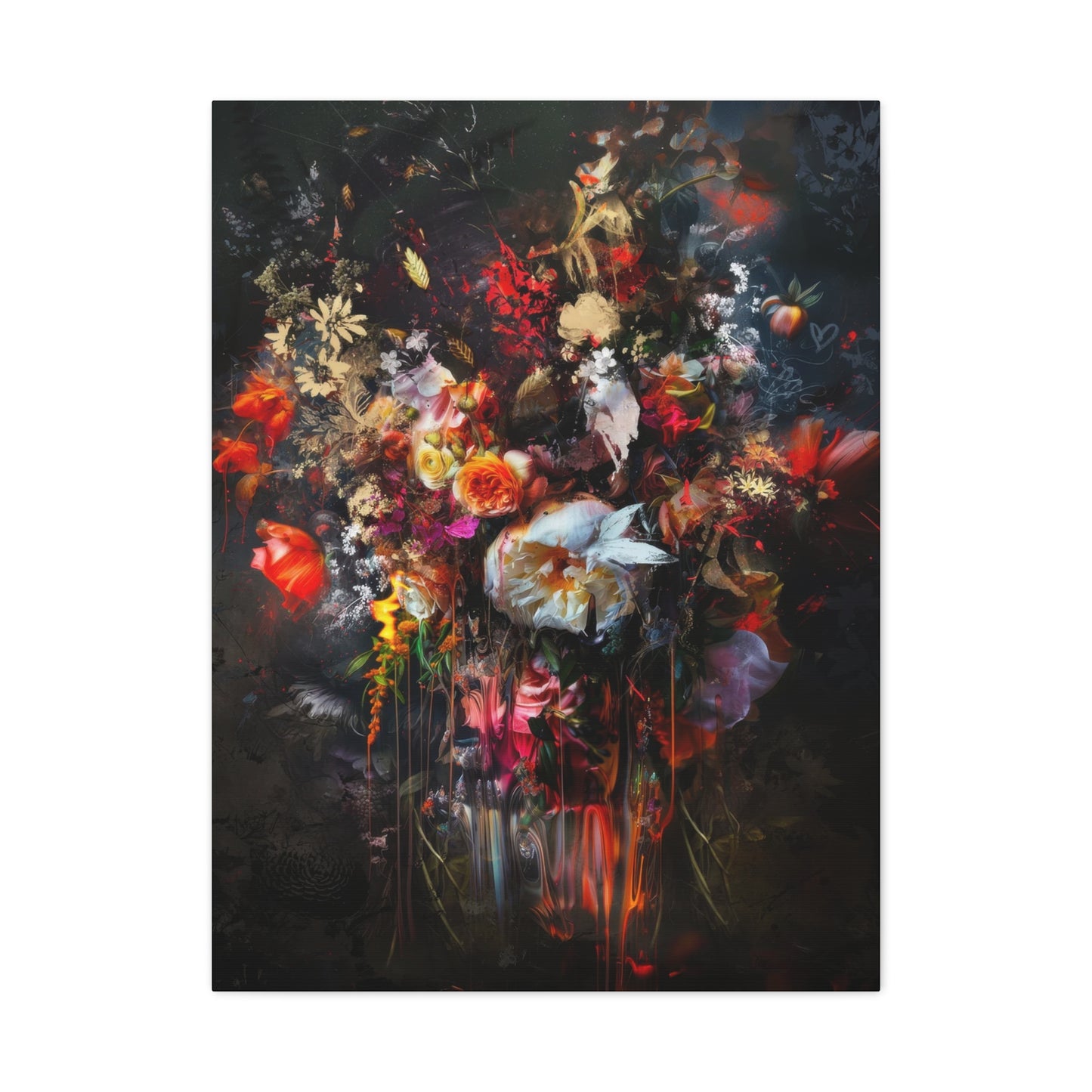
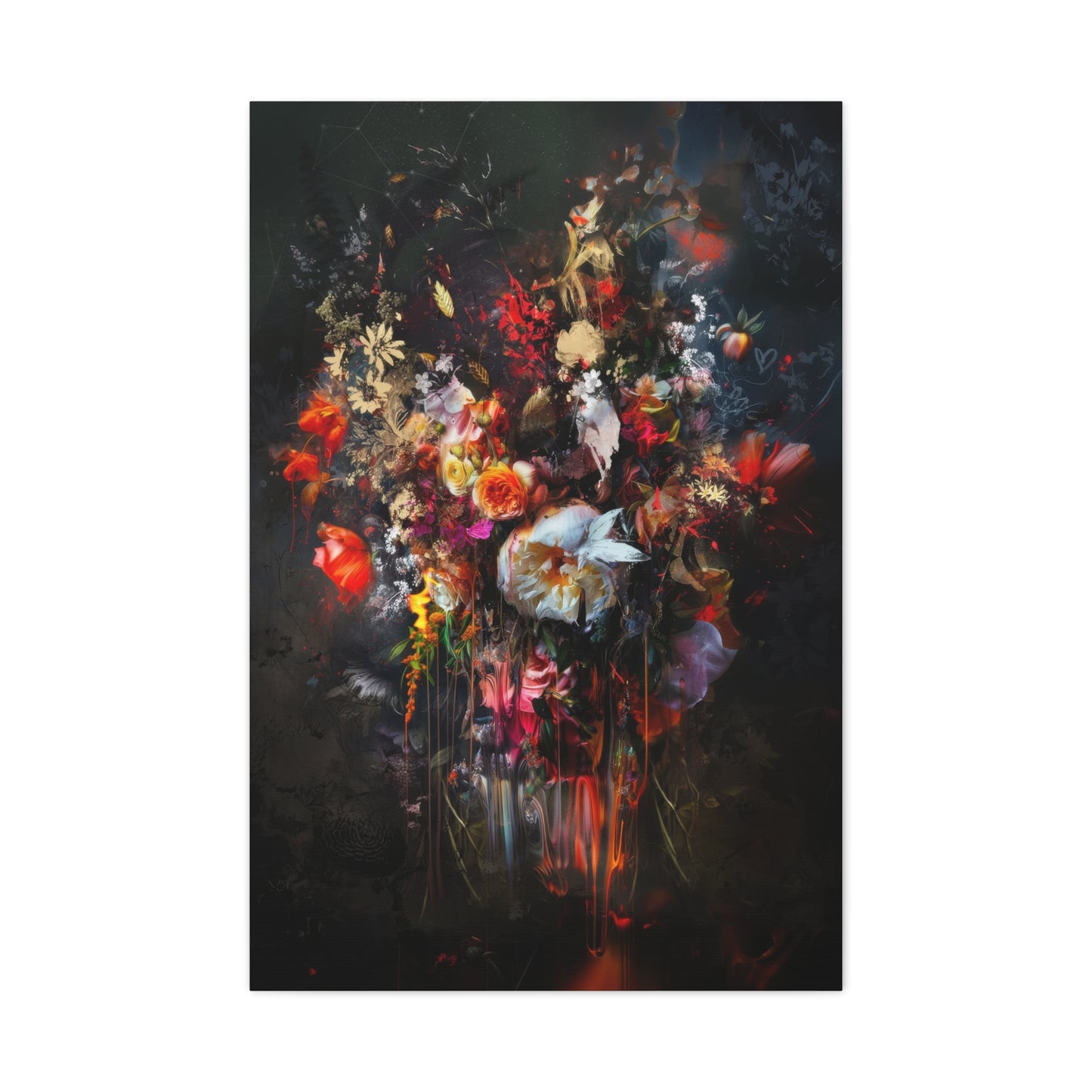
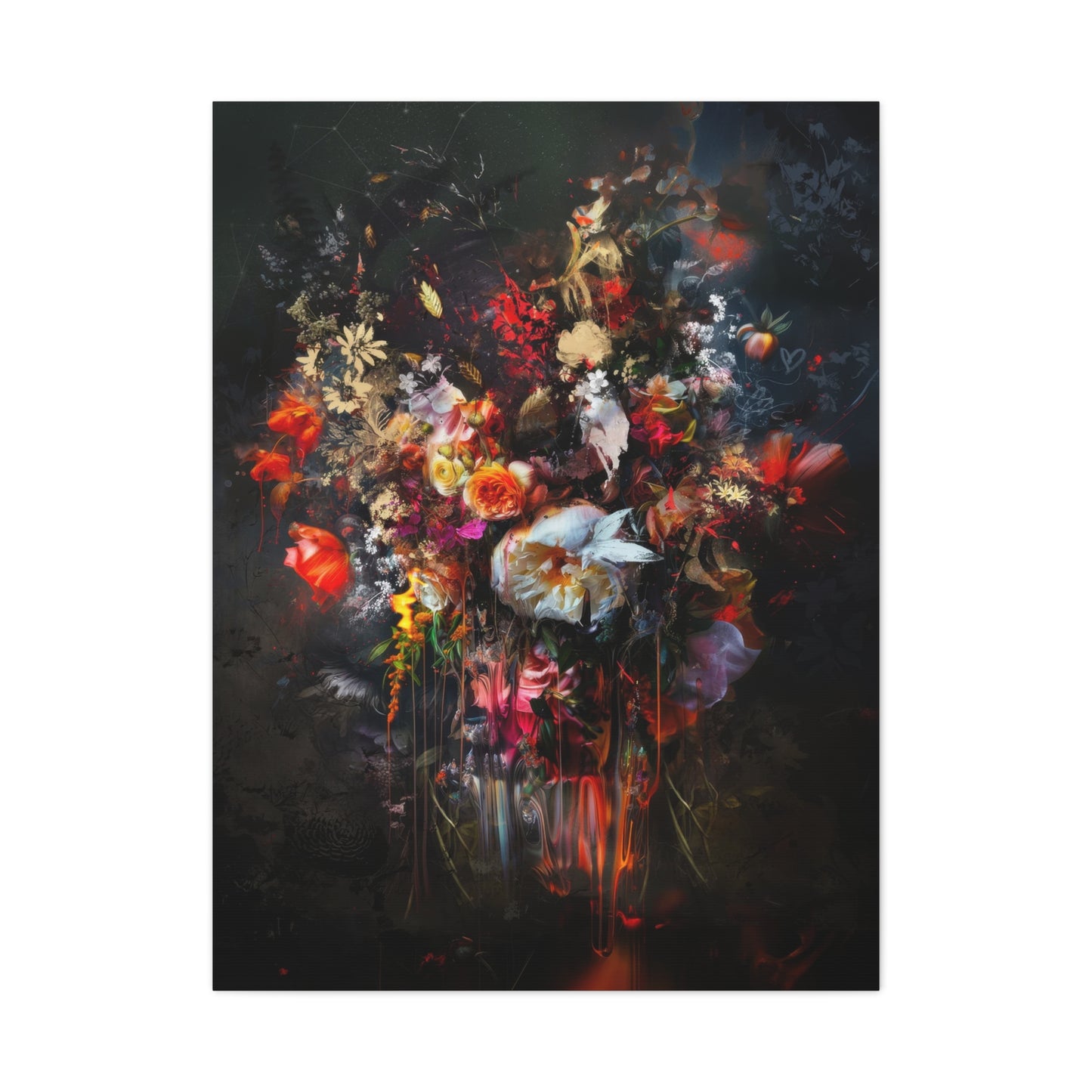
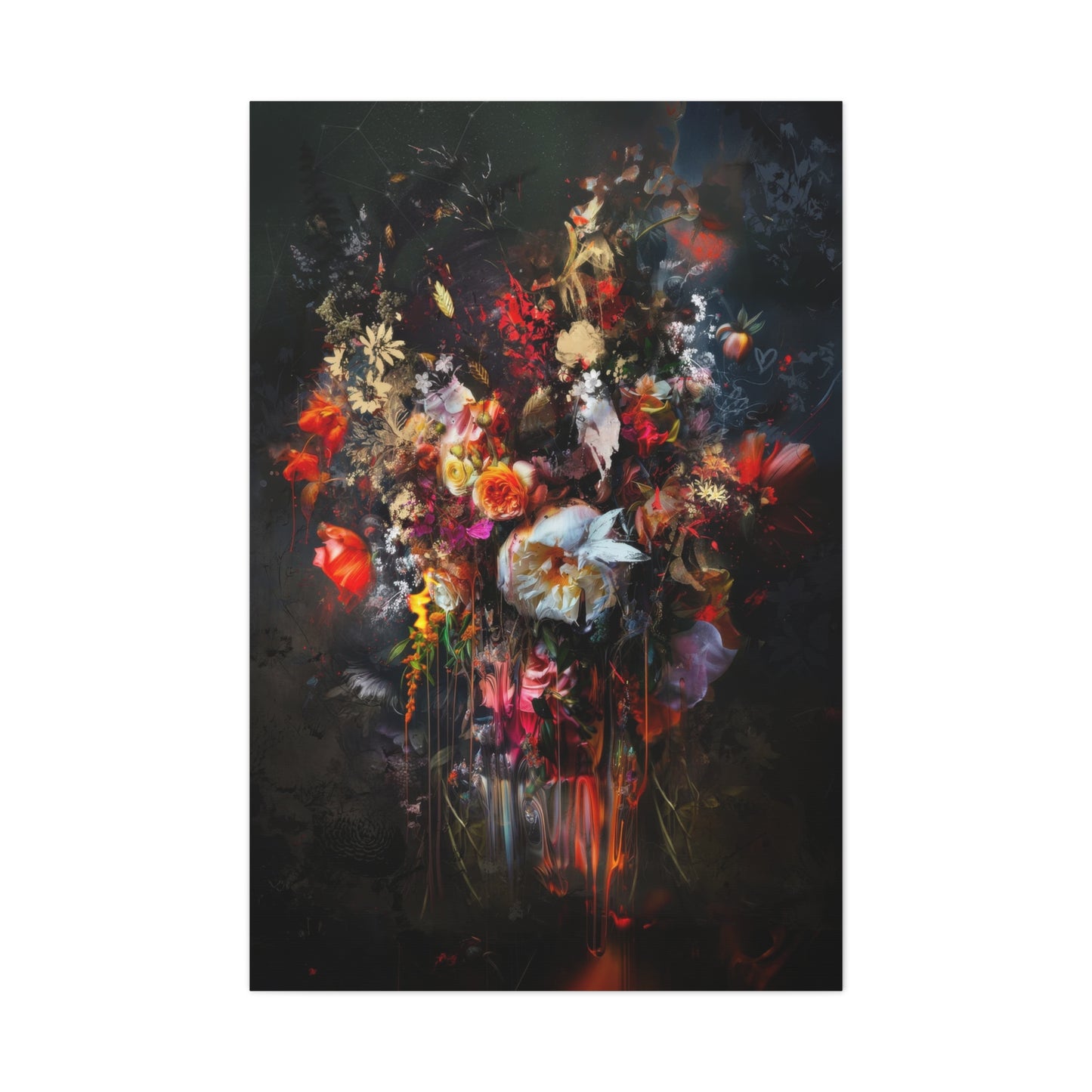
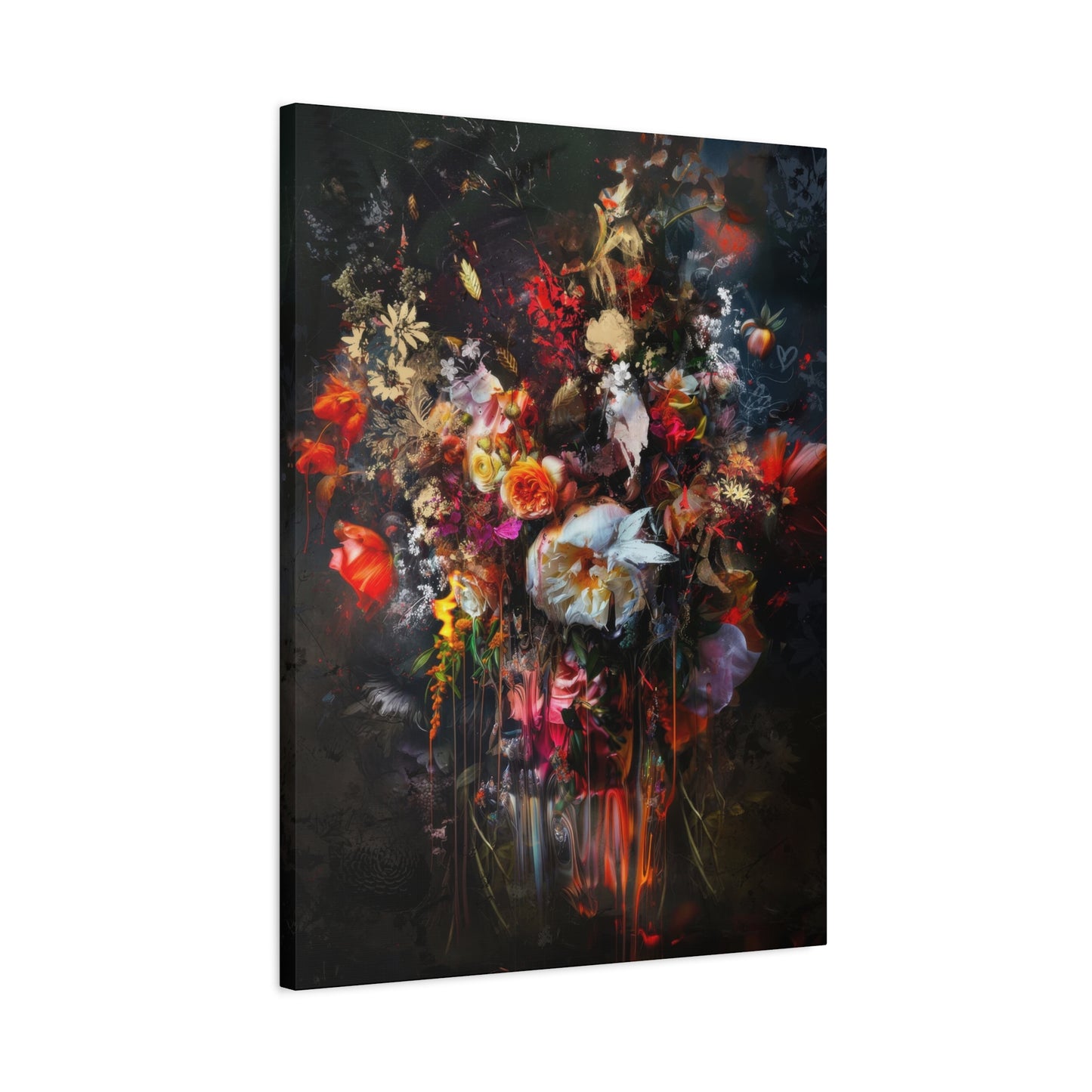
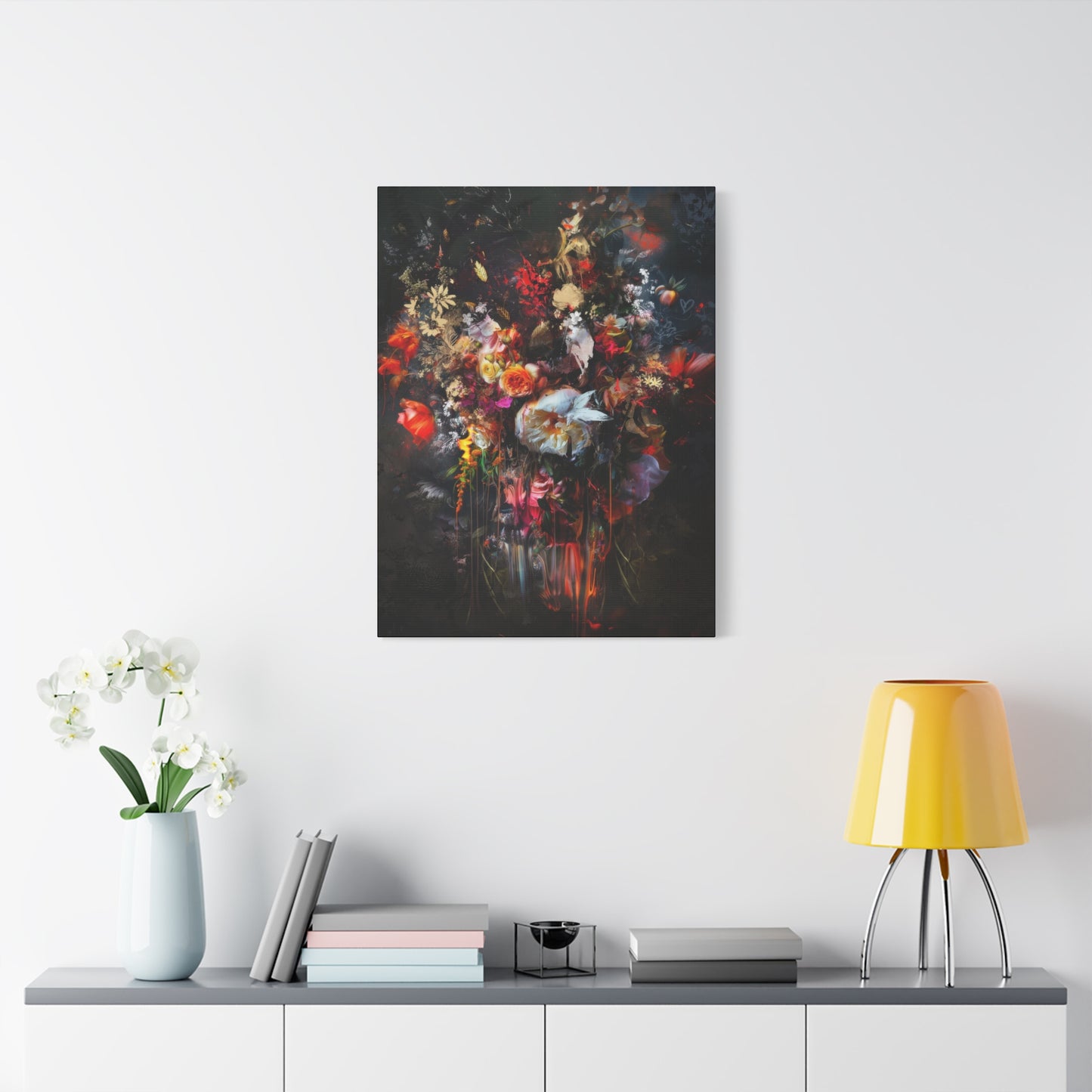
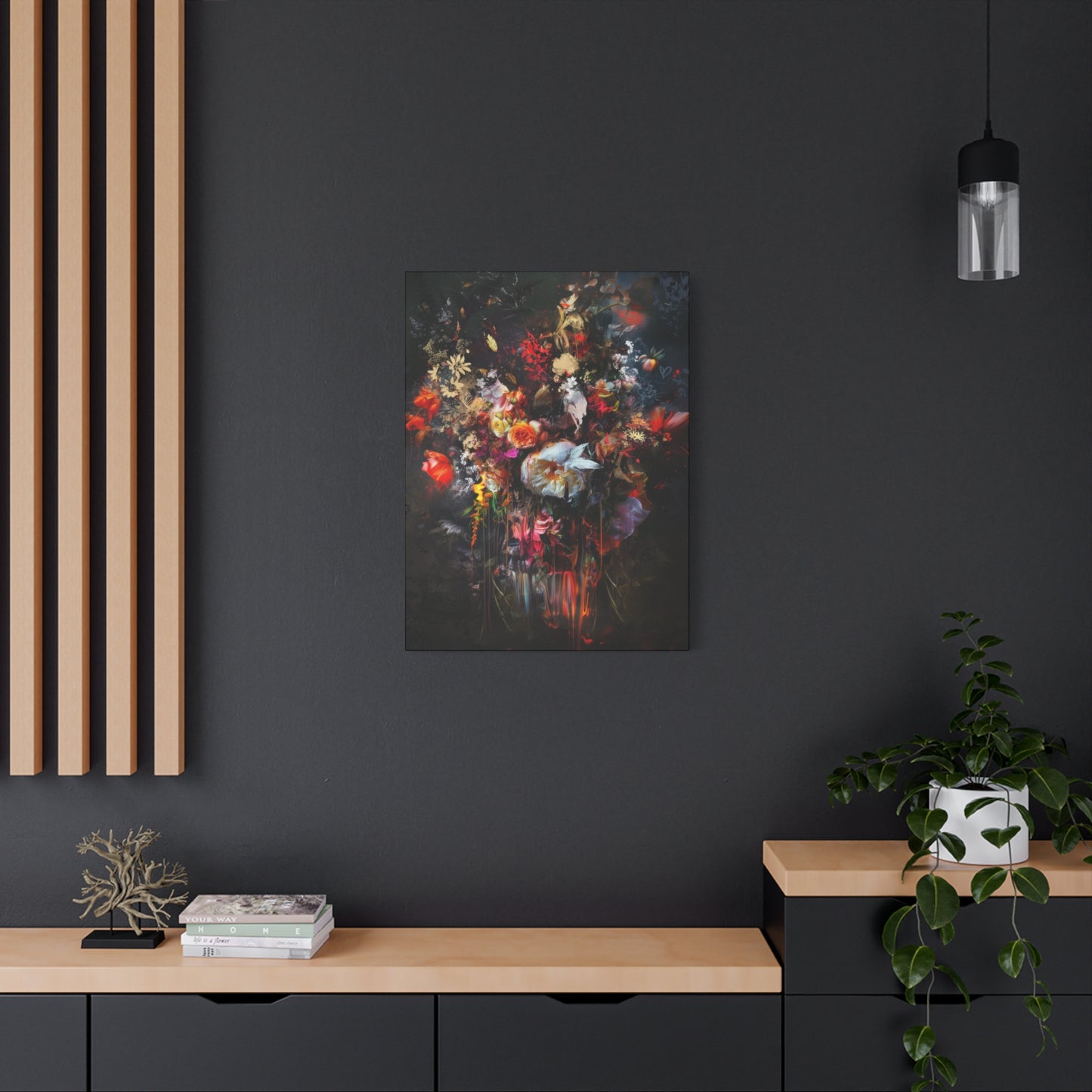
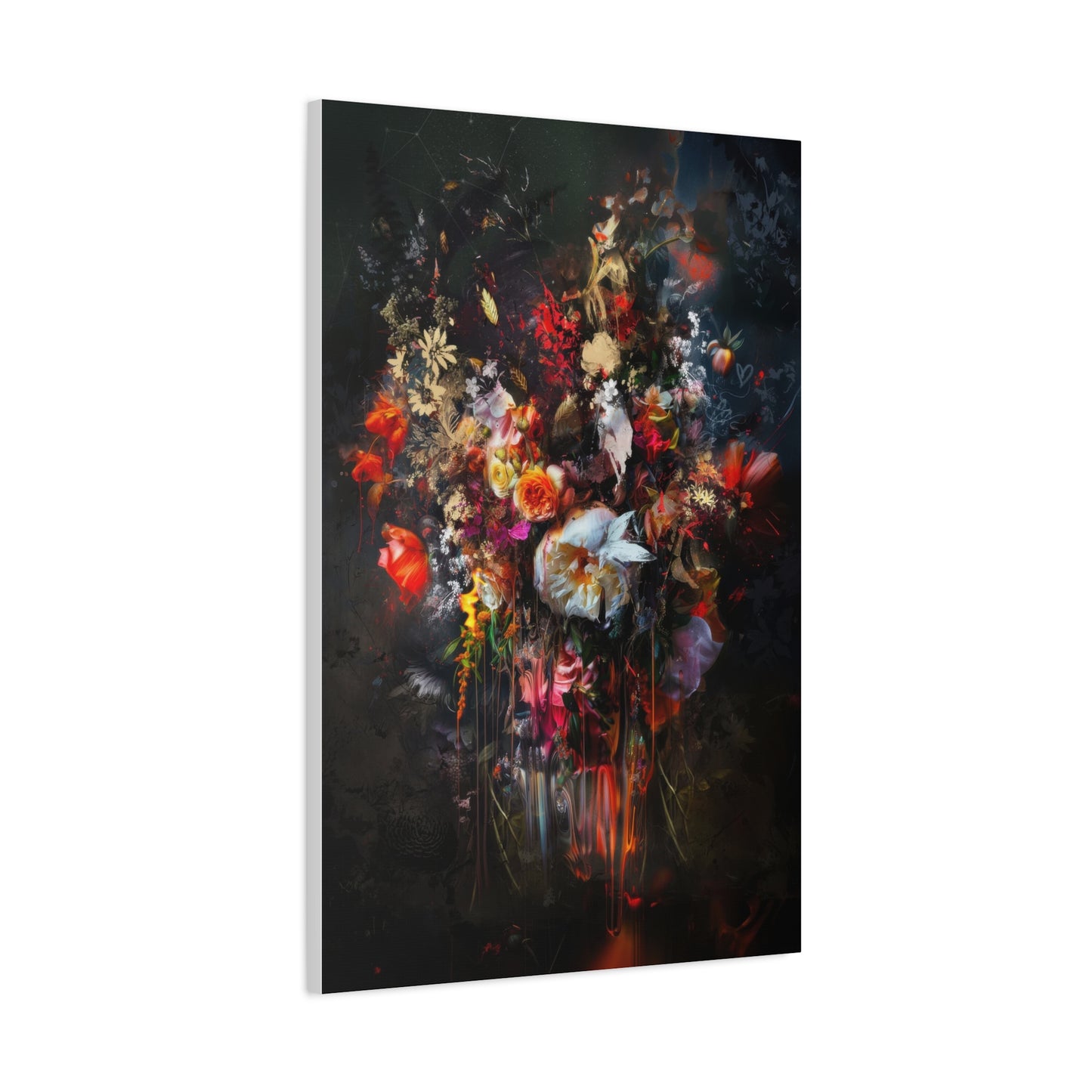
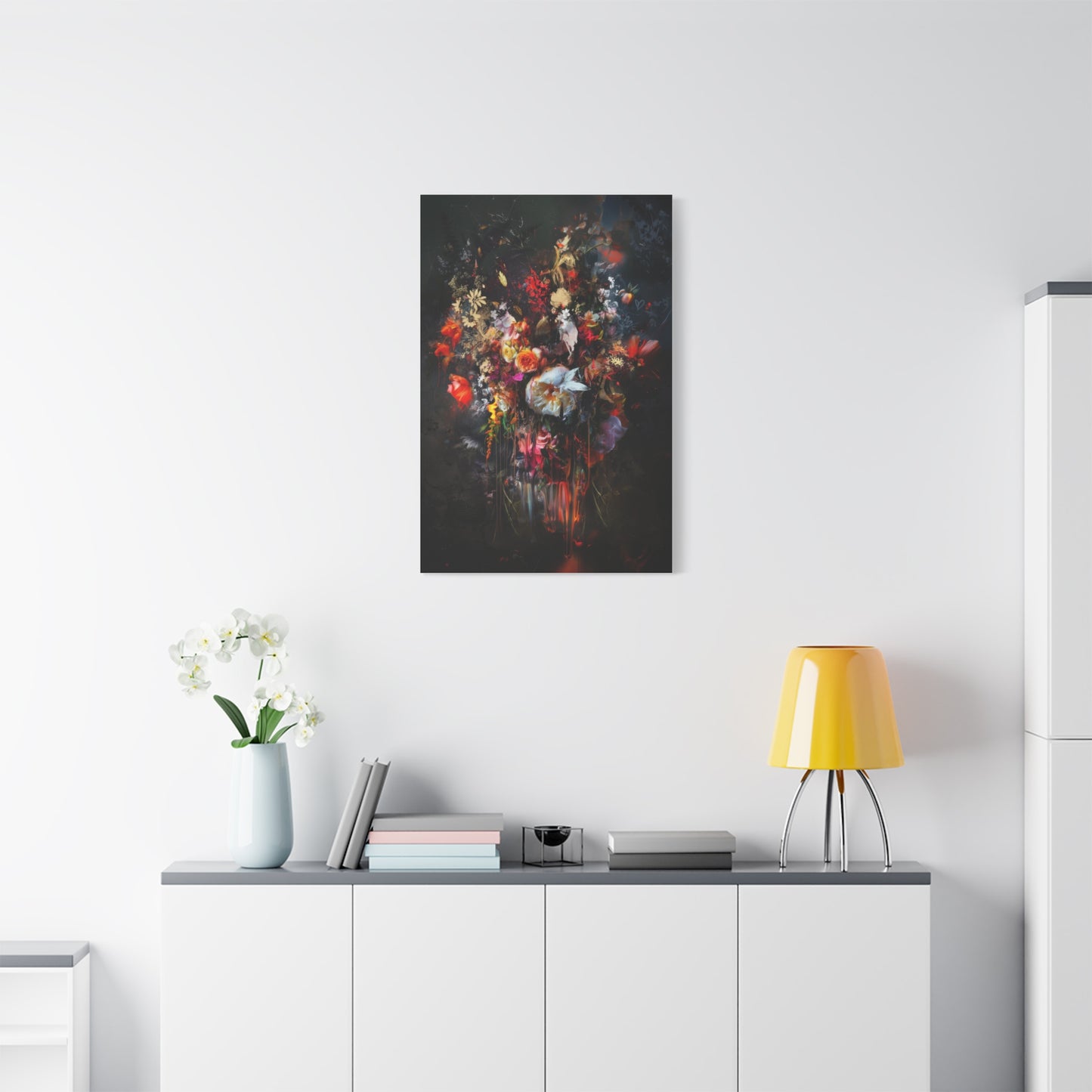
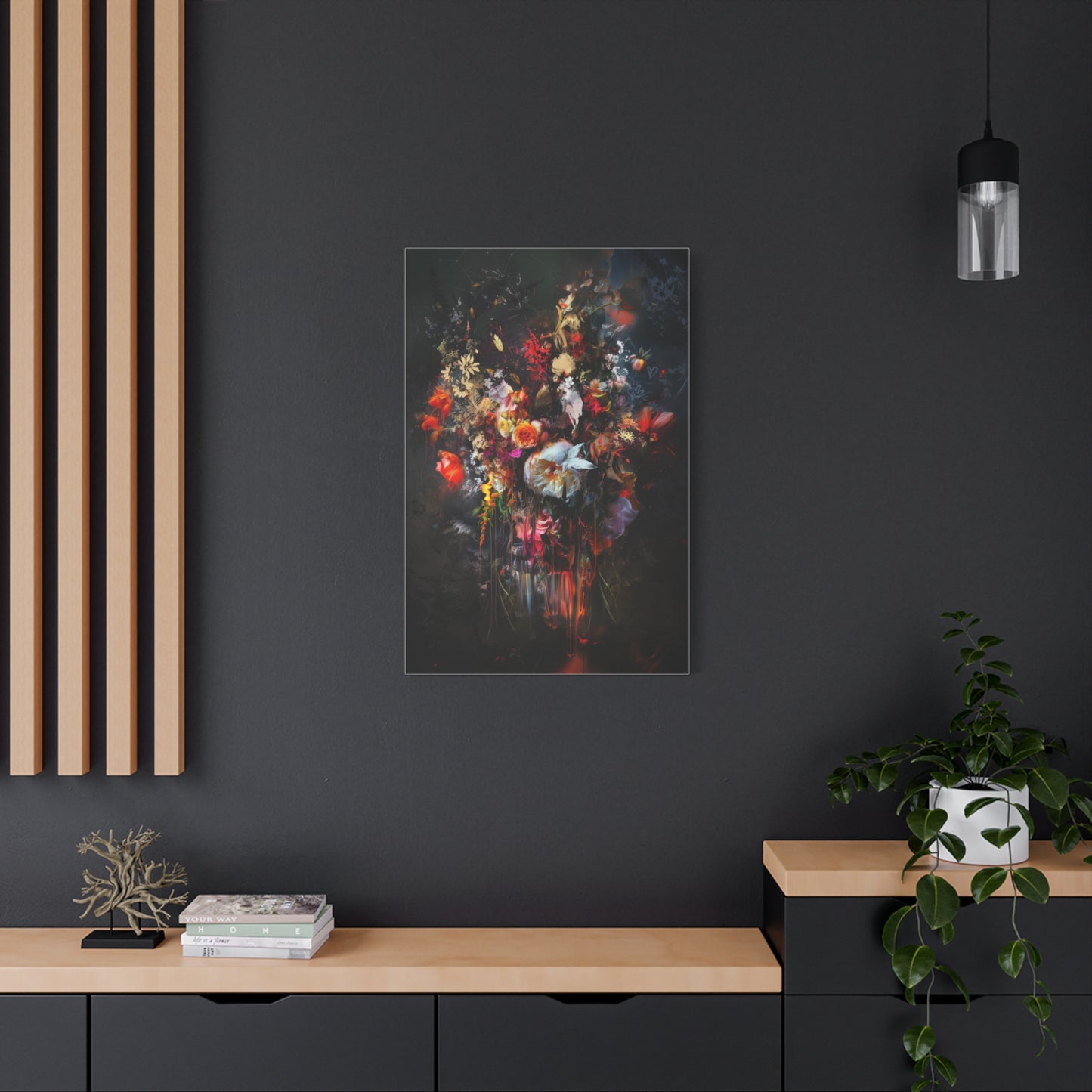
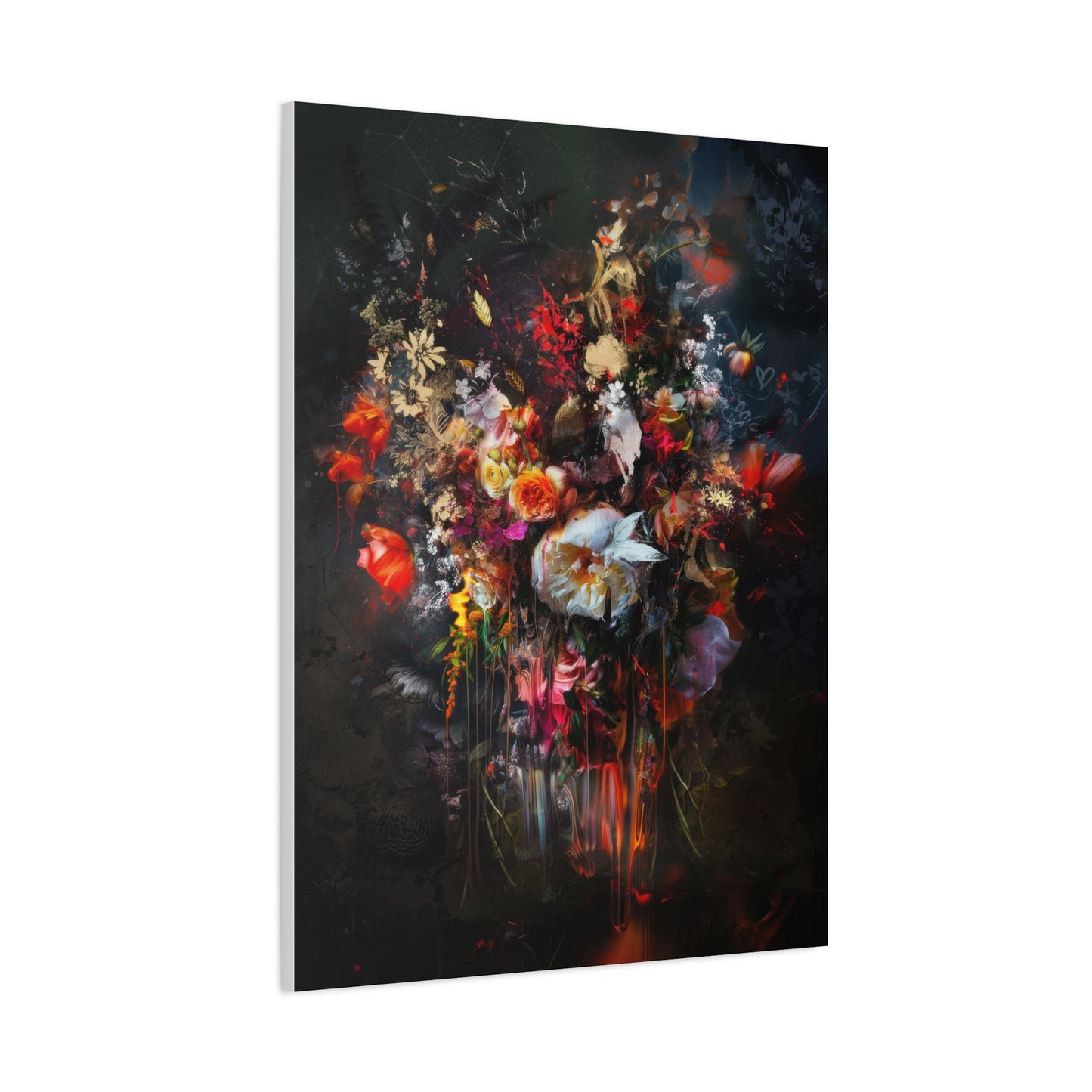
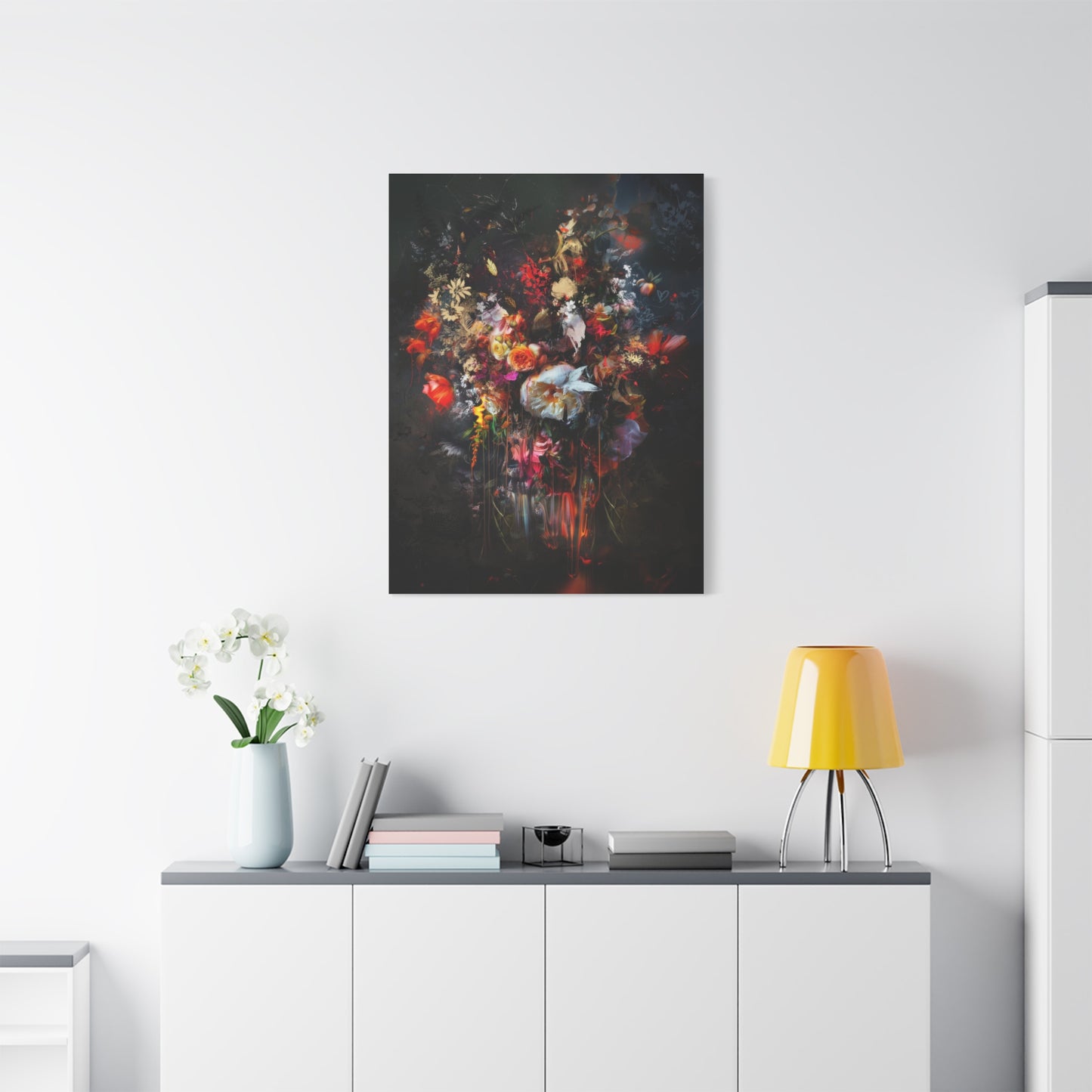
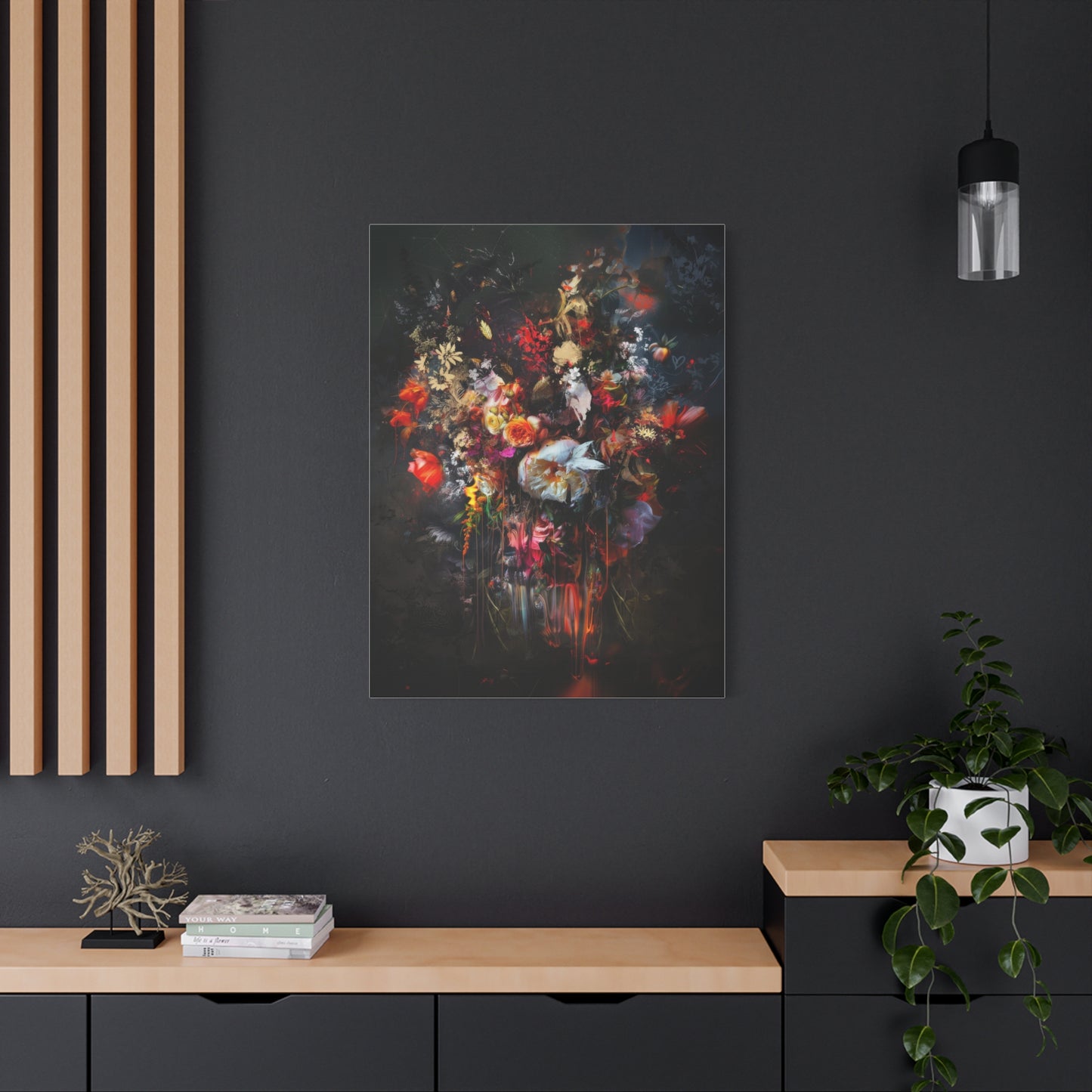
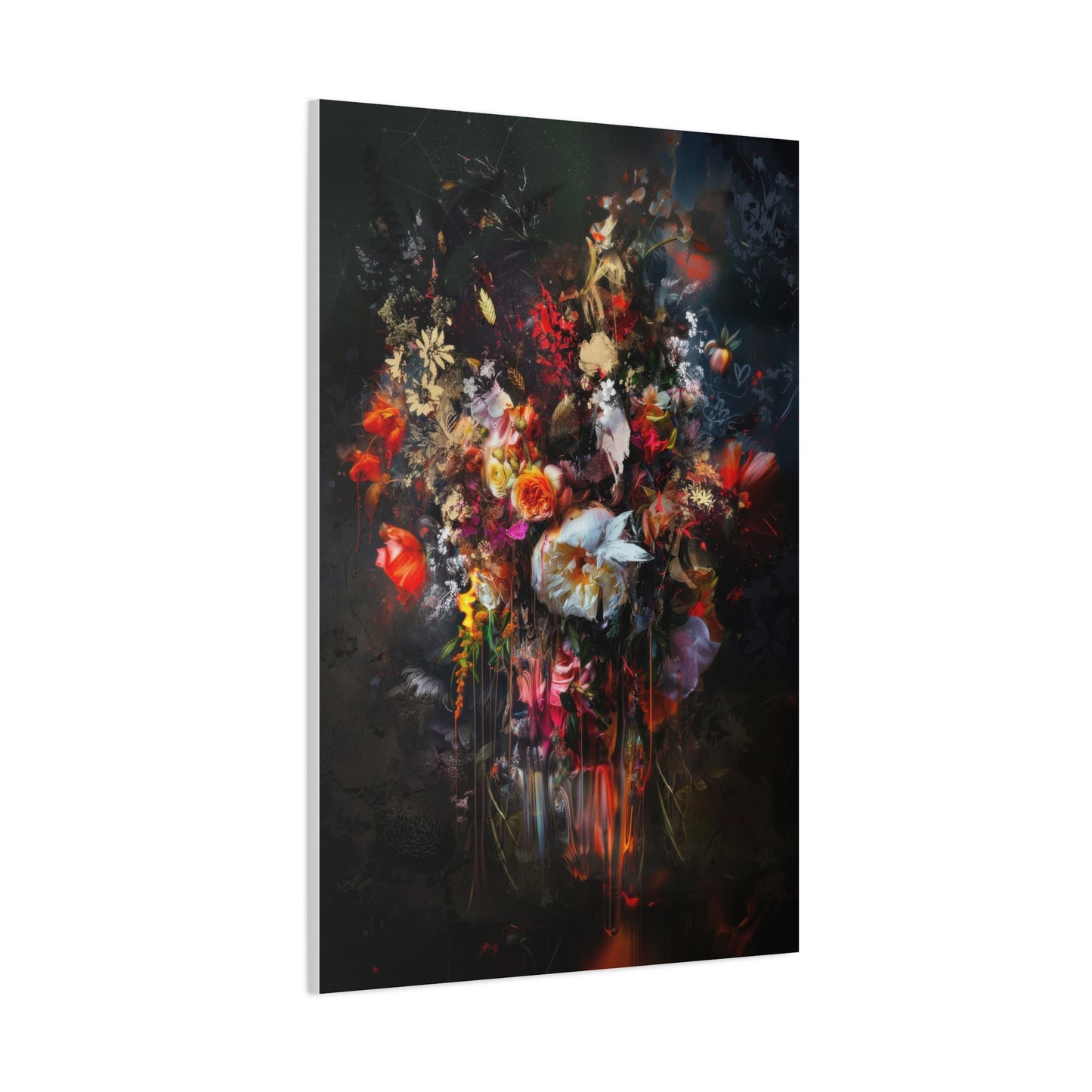
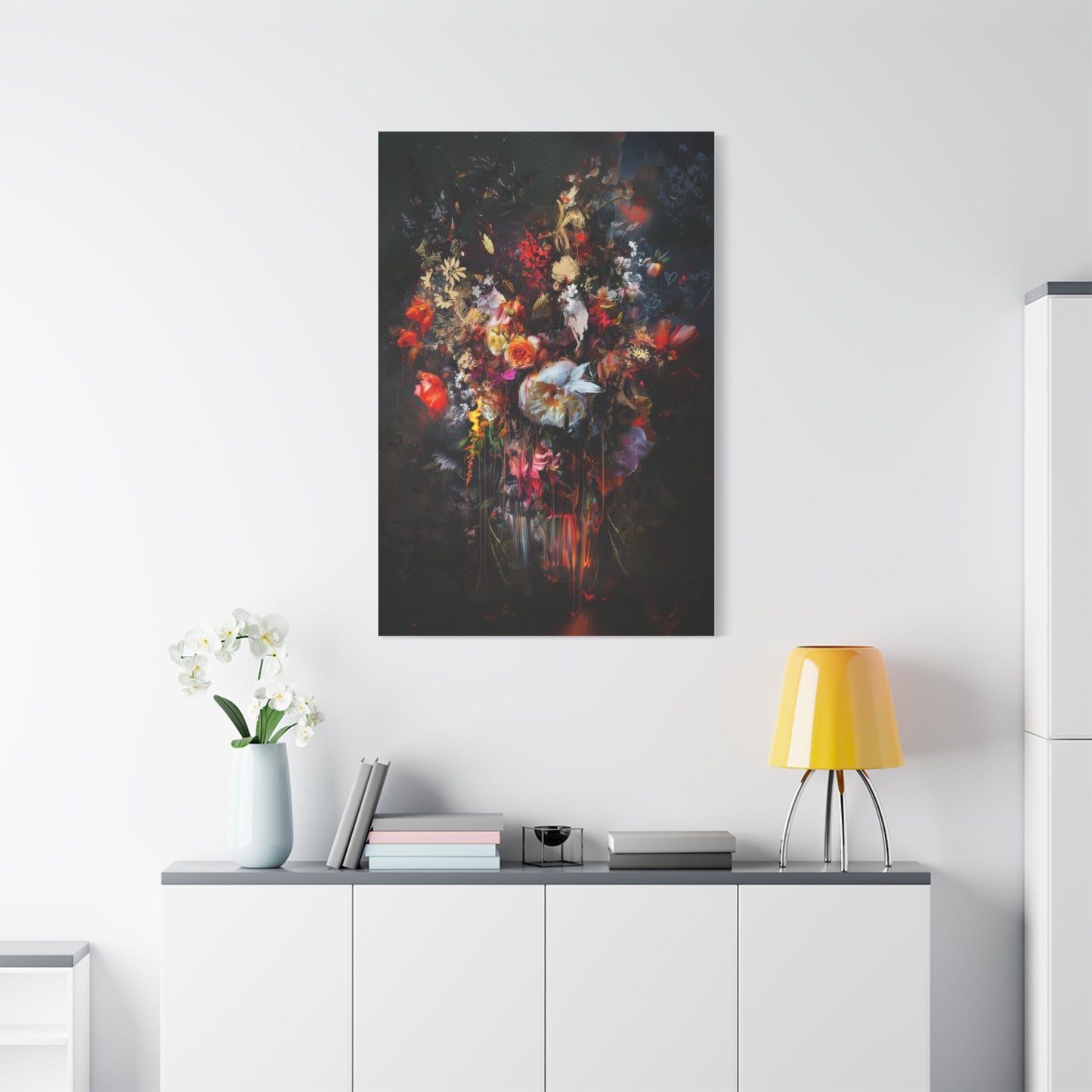
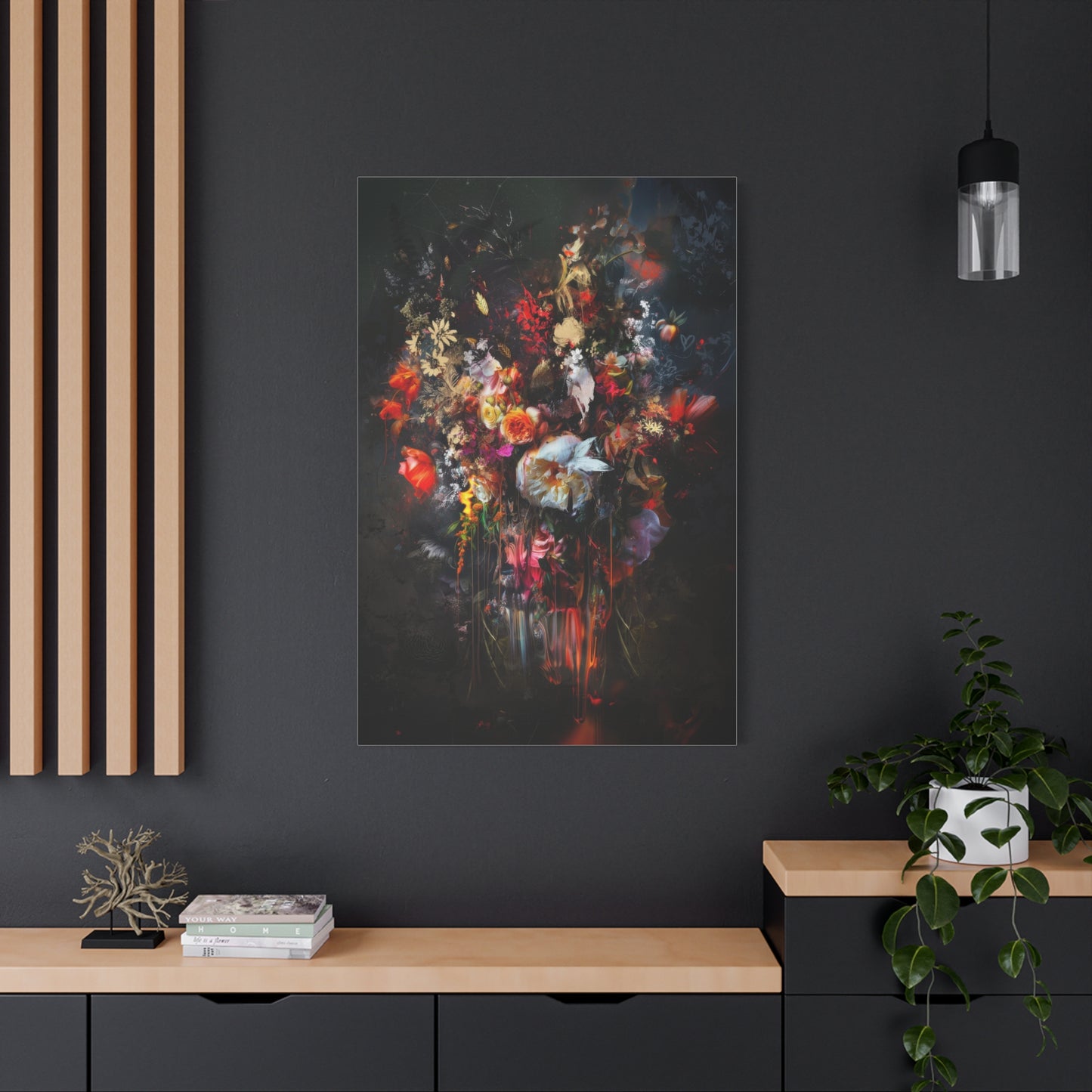
The Art of Transience: How Ephemeral Blooms Wall Art Evokes Grace and Delicacy
The world of interior decoration has witnessed a remarkable transformation in recent years, with botanical artwork emerging as a dominant force in contemporary design aesthetics. Among the various artistic expressions available to homeowners and interior designers, transient floral imagery captured on canvas has become increasingly sought after for its ability to bridge the gap between natural beauty and modern sophistication. This comprehensive exploration delves into the multifaceted dimensions of incorporating fleeting flower artwork into residential and commercial spaces, offering insights into how these delicate representations can transform ordinary rooms into extraordinary sanctuaries of beauty and tranquility.
The appeal of botanical canvas artwork lies in its versatility and timeless charm. Unlike trends that quickly fade from popularity, floral representations have maintained their relevance across centuries, evolving with changing tastes while retaining their fundamental connection to the natural world. Today's interpretations of flower imagery on canvas range from photorealistic renderings to abstract interpretations, each offering unique opportunities to enhance interior spaces with elegance and visual interest.
Understanding the psychology behind why people gravitate toward botanical artwork reveals fascinating insights into human nature. Studies in environmental psychology suggest that exposure to natural imagery, particularly floral elements, can reduce stress levels, improve mood, and enhance overall well-being. When we bring representations of nature's temporary beauty into our living spaces, we create constant reminders of life's precious and fleeting moments, encouraging mindfulness and appreciation for the present.
The technical aspects of producing high-quality canvas artwork featuring delicate flowers have advanced significantly with modern printing technologies. Today's giclée printing methods can reproduce the subtle color gradations and intricate details of original paintings with remarkable fidelity, making museum-quality botanical art accessible to a broader audience. This democratization of art has allowed more people to enjoy sophisticated floral imagery in their homes without the prohibitive costs associated with original paintings.
When selecting botanical canvas pieces for interior spaces, several factors merit careful consideration. The size and scale of the artwork relative to the wall space and surrounding furniture play crucial roles in achieving visual harmony. A piece that's too small for a large wall can appear insignificant and lost, while an oversized canvas in a compact room may overwhelm the space. Understanding proper proportions and scaling principles helps ensure that your chosen artwork makes the intended impact without dominating or disappearing within the room's visual field.
Subtle Refinement: Transient Flower Imagery on Canvas
The inherent delicacy found in temporary flower representations on canvas captures something profoundly moving about nature's cyclical patterns of growth, bloom, and eventual decline. These artistic interpretations celebrate the brief moment when flowers reach their peak beauty, freezing that perfection in time through the artist's lens or brush. This preservation of ephemeral beauty resonates deeply with viewers, reminding us to appreciate life's transient moments of grace and loveliness before they inevitably pass.
Artists who specialize in capturing fleeting floral beauty employ various techniques to convey the fragile nature of their subjects. Soft focus backgrounds, delicate color transitions, and attention to the subtle textures of petals all contribute to creating images that feel both substantial and ethereal. The contradiction inherent in making something permanent from something temporary forms the philosophical foundation of this artistic genre, inviting contemplation about preservation, memory, and the human desire to hold onto beautiful experiences.
The choice of flowers depicted in these artworks carries symbolic weight that adds layers of meaning to their presence in living spaces. Roses speak to love and passion, while cherry blossoms represent renewal and the fleeting nature of life itself. Poppies suggest remembrance and peace, whereas lilies convey purity and refined beauty. Understanding these symbolic associations allows for more intentional selection of floral artwork that aligns with the emotional atmosphere you wish to create within specific rooms.
Seasonal variations in floral imagery offer opportunities to rotate artwork throughout the year, keeping interiors fresh and aligned with nature's changing cycles. Spring bulbs like tulips and daffodils bring energy and renewal to spaces emerging from winter's dormancy. Summer blooms including sunflowers and dahlias radiate warmth and abundance during longer days. Autumn flowers such as chrysanthemums and asters introduce rich, earthy tones that complement the season's palette, while winter imagery might feature evergreens adorned with frost or stark branches showcasing nature's sculptural beauty.
The technical execution of floral canvas artwork varies dramatically across different artistic movements and individual styles. Impressionist approaches capture the play of light on petals and leaves through loose, gestural brushwork that suggests form rather than defining it precisely. Realistic botanical illustrations document flowers with scientific precision, appealing to those who appreciate detailed accuracy and educational value. Contemporary abstract interpretations deconstruct floral forms into geometric shapes and color fields, offering modern perspectives on traditional subjects.
Photography-based floral canvas prints bring their own unique qualities to interior spaces. Macro photography reveals intimate details invisible to casual observation, transforming familiar flowers into alien landscapes of texture and form. Fine art photography applies creative techniques including selective focus, unusual angles, and dramatic lighting to elevate everyday blooms into extraordinary subjects worthy of prolonged contemplation. The choice between photographic and painted floral imagery depends on personal aesthetic preferences and the overall design direction of the space.
Natural Sophistication: Floral Wall Decoration for Contemporary Interiors
Modern interior design increasingly embraces biophilic principles that seek to reconnect inhabitants with the natural world through various design elements. Botanical wall decoration serves as a powerful tool for introducing organic beauty into contemporary spaces that might otherwise feel sterile or overly minimalist. The strategic incorporation of flower imagery helps soften hard architectural elements, introduce natural color palettes, and create visual interest that engages viewers without overwhelming carefully composed modern aesthetics.
Contemporary interiors often feature neutral color schemes dominated by whites, grays, and earth tones that provide calm, sophisticated backdrops for daily living. Within these restrained palettes, floral wall art introduces carefully controlled injections of color and organic form that enliven spaces without disrupting their fundamental serenity. The key lies in selecting botanical pieces whose color intensity and stylistic approach align with the room's existing design language, ensuring integration rather than jarring contrast.
The scale of floral artwork in modern spaces requires thoughtful consideration to maintain the clean lines and uncluttered appearance characteristic of contemporary design. Large-scale single bloom images make powerful statements without introducing the visual complexity that might come from busy, multi-flower compositions. These oversized botanical portraits command attention while maintaining the simplicity that modern aesthetics demand, serving as focal points that anchor room designs without competing with architectural features or furniture selections.
Triptych and multi-panel presentations offer contemporary approaches to displaying floral imagery that align well with modern sensibilities. Breaking a single botanical image across two, three, or more separate canvases creates dynamic visual rhythms and allows for creative spacing arrangements that add architectural interest to wall surfaces. This presentation method works particularly well in open-concept living spaces where artwork needs to hold its own across larger sight lines and compete with fewer visual barriers.
Material selections for canvas artwork contribute significantly to its compatibility with modern interiors. Traditional canvas wraps work beautifully, though contemporary spaces might also embrace alternative substrates including metal prints, acrylic face mounts, or wood panel transfers that offer different textural qualities and surface characteristics. These alternative materials can enhance the modern aesthetic while providing unique ways to present botanical imagery that distinguishes your choices from more conventional canvas prints.
Bold Declarations: Transient Flower Artwork for Common Areas
Common areas in homes serve as gathering spaces where families connect, guests are entertained, and daily life unfolds in shared experiences. The artwork chosen for these high-traffic, socially significant rooms makes important statements about the inhabitants' tastes, values, and aesthetic sensibilities. Substantial floral canvas pieces in living rooms function as conversation starters, focal points that anchor furniture arrangements, and beautiful backdrops for the memories created within these essential spaces.
The psychological impact of artwork in gathering spaces extends beyond individual experience to influence group dynamics and social interactions. Research suggests that environments featuring natural imagery, including botanical art, promote more relaxed, open communication among people sharing the space. The presence of beautiful floral artwork can lower social barriers, provide neutral topics for conversation, and create atmospheres conducive to comfortable gathering, making these pieces functional beyond their decorative value.
Scale becomes particularly crucial when selecting floral canvas art for living areas, where viewing distances vary significantly depending on room size and seating arrangements. A piece that looks appropriately sized when viewing from across a large room may appear overwhelming when seated on an adjacent sofa. Consider the primary viewing distances and angles within your specific living space when selecting artwork dimensions, ensuring the piece maintains its impact and compositional integrity from all relevant sight lines.
Furniture relationships require careful attention when positioning substantial floral artwork in living rooms. The traditional approach places artwork centered above major seating pieces like sofas, with the canvas width measuring approximately two-thirds to three-quarters of the furniture width below. However, contemporary arrangements might position artwork asymmetrically, cluster multiple pieces with intentional negative space, or relate botanical canvases to architectural features rather than furniture, creating more dynamic and unexpected compositions.
Color psychology plays a significant role in selecting floral artwork for spaces designed to facilitate various activities and moods. Living rooms often need to accommodate everything from energetic social gatherings to quiet evening relaxation, requiring artwork that supports this functional flexibility. Floral pieces featuring balanced color palettes with both warm and cool tones, moderate saturation levels, and varied values create visual interest without imposing specific emotional states, allowing the room to adapt to different uses and times of day.
Floral Sophistication: Canvas Imagery of Transient Flowers
The intersection of botanical subject matter with contemporary canvas printing technology has democratized access to sophisticated floral imagery once available only through expensive original paintings or rare prints. Today's high-resolution scanning and printing capabilities capture every nuance of original floral artworks, from the subtle color transitions in rose petals to the delicate veining in lily leaves. This technological advancement allows art lovers to enjoy museum-quality botanical imagery in their homes at accessible price points, bringing refined elegance to spaces across various budget ranges.
The history of floral art extends back centuries, with botanical illustration developing as both artistic pursuit and scientific documentation. Early botanists created detailed drawings and paintings of plant specimens for identification and study, inadvertently producing works of striking beauty that transcended their utilitarian purposes. This tradition of combining scientific accuracy with aesthetic appeal continues influencing contemporary floral canvas art, particularly pieces featuring vintage botanical illustrations reproduced from historical archives and collections.
Dutch Golden Age flower paintings represent perhaps the most celebrated tradition in floral art history, with masters like Rachel Ruysch and Jan van Huysum creating elaborate compositions featuring dozens of flower varieties arranged in stunning displays. These works, originally commissioned by wealthy patrons as symbols of status and refined taste, now inspire countless modern reproductions and interpretations on canvas. The elaborate symbolism embedded in these traditional arrangements, where specific flowers carried meanings related to virtue, mortality, and religious faith, adds intellectual depth for viewers familiar with this iconographic language.
Japanese flower arranging traditions and associated artistic representations offer alternative aesthetic approaches that emphasize simplicity, asymmetry, and the beauty of natural growth patterns. Ikebana-inspired floral canvas art features minimal compositions with careful attention to line, form, and negative space. These Eastern-influenced pieces bring contemplative qualities to interiors, encouraging slower, more meditative viewing experiences that contrast with the visual abundance characteristic of Western floral traditions.
Gentle Tranquility: Floral Wall Decoration for Sleeping Quarters
Sleeping quarters serve as personal sanctuaries where the day's stresses dissolve and restorative rest prepares us for tomorrow's challenges. The artwork chosen for these intimate spaces profoundly influences their calming qualities and ability to facilitate relaxation and sleep. Floral wall decoration in bedrooms introduces natural beauty while supporting the room's primary function through carefully considered color palettes, subject matter, and overall aesthetic approaches that promote tranquility rather than stimulation.
Color theory research demonstrates that certain hues encourage relaxation and prepare minds and bodies for sleep. Cool colors including soft blues, gentle greens, and muted lavenders appear frequently in restful bedroom floral artwork, as these tones lower heart rates and reduce cortisol levels associated with stress. Warm colors can work in bedroom settings when sufficiently desaturated, with blush pinks, peachy tones, and creamy whites creating cozy, nurturing atmospheres conducive to comfortable rest.
The symbolic meanings associated with different flowers offer opportunities to select botanical artwork that reinforces desired emotional qualities in bedroom spaces. Lavender represents tranquility and promotes relaxation, making it an ideal subject for sleeping quarters. Chamomile suggests calm and peace, while white flowers generally symbolize purity and serenity. Roses in soft pinks convey gentle love and romance, appropriate for primary bedroom spaces. Researching flower symbolism allows you to choose botanical artwork whose meanings align with your intentions for the space.
Scale considerations in bedroom artwork differ from those in larger living areas due to typical viewing patterns and distances. Bedroom art is often viewed from bed while lying down, creating sight lines different from standing views that dominate in other rooms. This unique viewing context suggests positioning artwork slightly lower than standard height recommendations, ensuring comfortable viewing while reclined. Additionally, because bedrooms typically accommodate more intimate viewing distances, smaller details and subtle nuances in floral artwork remain visible and appreciated.
Placement options for botanical artwork in sleeping quarters extend beyond the obvious position above the headboard. Consider the wall opposite the foot of the bed, which becomes the first thing visible upon waking each morning. Placing beautiful floral imagery in this location provides a gentle, aesthetically pleasing sight to greet you as consciousness returns, potentially influencing mood for the entire day. Side walls adjacent to dressers, sitting areas, or near windows offer alternative locations that distribute visual interest throughout the room.
Simplified Botanical: Transient Flower Canvas Concepts
Minimalist design philosophy emphasizes the principle that less is more, stripping away excess to reveal essential beauty in simple forms. When applied to floral canvas artwork, minimalism celebrates individual blooms or sparse arrangements that highlight the inherent elegance of flowers without compositional complexity or decorative embellishment. These pared-down botanical expressions align perfectly with contemporary interiors that value clean lines, uncluttered spaces, and intentional aesthetic restraint.
The Japanese concept of ma, referring to the intentional use of empty space, influences minimalist floral artwork profoundly. Rather than viewing blank canvas as wasted space requiring filling, minimalist botanical art embraces negative space as an active design element that defines and emphasizes the positive shapes of flowers and stems. This approach creates breathing room within compositions, allowing viewers' eyes to rest while simultaneously drawing attention to the botanical subjects through stark contrast between presence and absence.
Monochromatic minimalist floral artwork reduces visual information to essential forms and tonal relationships. Black and white botanical studies eliminate color as a variable, focusing attention entirely on shape, line, and the play of light and shadow across petal surfaces. These pieces integrate seamlessly into diverse color schemes while contributing sophisticated visual interest through their graphic strength and clarity. The absence of color prevents these works from competing with other room elements while maintaining strong aesthetic presence.
Line drawings represent another minimalist approach to floral canvas art, reducing botanical subjects to their most fundamental linear qualities. Continuous line drawings, where the artist never lifts pen from paper, capture flowers' essential characteristics with remarkable economy of means. These works celebrate the artist's skill and observational acuity while creating elegant, understated pieces perfect for minimalist interiors that might be overwhelmed by more complex botanical representations.
Single-bloom compositions embody minimalist principles by isolating individual flowers for focused study. A solitary rose centered on canvas, a lone tulip emerging from negative space, or a single orchid bloom floating against a neutral ground captures the flower's essential beauty without competing visual elements. These compositions encourage prolonged contemplation of form, texture, and the subtle details that might be overlooked in busier arrangements.
Dimensional Complexity: Creative Floral Wall Imagery
Dimensional depth in floral wall imagery adds physical texture and shadow play that flat printed canvases cannot achieve. Layered presentation techniques create three-dimensional qualities that enhance artwork's visual interest and tactile appeal. These approaches range from simple mounting methods that separate canvases from walls to complex mixed-media constructions incorporating actual dried flowers, dimensional paint applications, or sculptural elements integrated with printed or painted botanical imagery.
Shadow box framing elevates floral canvas prints by creating recessed spaces between artwork and protective glazing. This presentation method allows for incorporating three-dimensional elements including preserved flowers, seed pods, botanical specimens, or other nature-inspired objects alongside two-dimensional printed images. The resulting assemblages tell richer stories and engage multiple senses through varied textures and materials while maintaining the sophistication expected of quality artwork.
Mixed media techniques combine traditional canvas printing or painting with additional materials applied to surfaces for dimensional effect. Heavy gel mediums sculpted over printed flower images add painterly texture reminiscent of impasto oil painting techniques. Metallic leaf application highlights specific elements within floral compositions, catching light differently than surrounding areas. Fabric petals or silk flowers attached to painted backgrounds blur boundaries between representation and reality while creating engaging tactile surfaces.
Triptych presentations gain additional complexity when individual panels are mounted at varied depths, creating stepped dimensional effects across the three-piece composition. This approach adds architectural interest to walls while maintaining the visual narrative across panels. The shadow lines between panels at different depths emphasize the artwork's physical presence and introduce linear elements that can echo or contrast with the organic forms of the botanical subjects.
Reverse painted glass or acrylic techniques create luminous floral imagery with unique dimensional qualities. Artists paint on the backs of transparent surfaces, building compositions in reverse of normal painting sequences. When viewed from the front, these works display remarkable depth and clarity, with colors appearing to float within the transparent material's depth. Backlighting these pieces intensifies their luminous qualities, creating glowing focal points particularly effective in spaces with controlled ambient lighting.
Modern Natural Elements: Transient Flower Wall Enhancement
The intersection of contemporary design principles with botanical subject matter creates dynamic tension between human-made architectural environments and representations of organic natural forms. This juxtaposition highlights both elements, with the clean lines and geometric precision of modern spaces providing context that emphasizes the flowing curves and irregular beauty of floral forms. Conversely, botanical wall enhancements soften potentially austere modern interiors, introducing warmth and visual accessibility that prevent spaces from feeling cold or unwelcoming.
Material palettes in contemporary spaces typically emphasize natural finishes including wood, stone, concrete, and metal alongside neutral painted surfaces. Floral wall enhancement within these contexts must navigate the balance between complementing existing materials and providing sufficient visual contrast to maintain distinct presence. Botanical artwork featuring colors pulled from the room's natural materials creates harmonious integration, while pieces incorporating colors absent from the existing palette introduce intentional focal points that energize spaces.
Geometric abstraction of floral forms bridges the gap between purely representational botanical art and the abstract geometric compositions common in contemporary design. Artists deconstruct flowers into component shapes, angular interpretations, or pattern-based repetitions that maintain botanical origins while adopting contemporary visual languages. These hybrid works speak to both traditional appreciation for natural beauty and modern aesthetic sensibilities, making them particularly effective in transitional spaces that blend multiple design influences.
The role of technology in contemporary spaces extends to artwork presentation through digital displays capable of showing rotating collections of botanical images. High-resolution screens can display floral photography, digital paintings, or animated botanical content that changes according to time of day, season, or viewer preference. While purists may prefer physical artwork, digital solutions offer unprecedented flexibility and variety for those who embrace technology as integral to contemporary living.
Biophilic design principles, which emphasize human connections to nature within built environments, provide theoretical framework for incorporating floral wall enhancements in contemporary spaces. Research demonstrates that exposure to nature, even through representations like botanical artwork, reduces stress, improves cognitive function, and enhances overall wellbeing. These benefits make floral wall enhancements not merely decorative choices but functional design elements that actively support occupant health and happiness.
Plant-Based Appeal: Flower Canvas for Inviting Environments
The concept of creating inviting spaces through intentional design choices encompasses multiple factors including spatial layout, furniture selection, lighting quality, color palette, and decorative elements like botanical artwork. Cozy environments feel intimate, comfortable, and welcoming, encouraging relaxation and genuine connection. Flower canvas artwork contributes significantly to establishing these warm atmospheres by introducing natural beauty, soft organic forms, and colors associated with comfort and contentment.
Scale considerations for cozy spaces differ from those for grand rooms, with appropriately sized botanical artwork maintaining intimacy rather than overwhelming limited square footage. Smaller to medium-sized floral canvases measuring two to three feet across provide visual interest without dominating compact rooms. Multiple smaller pieces arranged in clusters or gallery walls create rich visual tapestries that add personality without sacrificing the approachable quality that characterizes truly cozy spaces.
Color psychology for cozy environments gravitates toward warm, enveloping hues that create psychological comfort. Floral canvas artwork featuring warm color palettes with reds, oranges, golds, and peachy pinks generates inviting atmospheres particularly effective in spaces designed for gathering and connection. Earth tones including browns, taupes, and muted greens ground spaces while maintaining organic connections to nature that enhance coziness without sacrificing sophistication.
Layering techniques essential to cozy interior design extend to artwork display through overlapping frames, combining artwork with other decorative wall elements, and integrating botanical canvases into broader vignettes incorporating shelving, lighting, and three-dimensional objects. This approach builds visual richness and personal character that distinguishes truly welcoming spaces from merely adequately decorated rooms. The goal is creating environments that feel collected over time rather than purchased in single shopping trips.
Bold Floral Canvas: Transient Flowers for Exhibition Spaces
Exhibition spaces including formal galleries, museum settings, and curated residential collections demand botanical artwork of exceptional quality, significant scale, and artistic merit worthy of sustained critical attention. These contexts require floral canvas pieces that function not merely as decoration but as legitimate artistic statements capable of generating discussion, interpretation, and emotional response. The selection and presentation of botanical artwork for exhibition contexts follows different criteria than choosing pieces for casual living spaces, emphasizing artistic achievement and conceptual depth alongside aesthetic appeal.
Provenance and artistic pedigree become crucial considerations when selecting floral artwork for exhibition contexts. Works by recognized botanical artists with established reputations, pieces included in published exhibitions or collections, and artwork with documented exhibition history carry weight and legitimacy appropriate for serious display contexts. This background information provides talking points for discussing pieces while establishing their significance within broader artistic conversations about botanical representation and contemporary art practice.
Scale in exhibition contexts typically trends larger than residential norms, with substantial pieces measuring five, six, or more feet across creating necessary impact within gallery environments designed for displaying significant artworks. These oversized botanical canvases command attention and invite close inspection of details while maintaining compositional integrity when viewed from the longer distances common in exhibition spaces. The dramatic presence of large-scale floral artwork makes powerful statements about the significance of botanical subjects and nature's place in contemporary artistic dialogue.
Framing choices for exhibition-quality botanical artwork reflect the seriousness and formality of gallery contexts. Custom framing using archival materials, conservation-grade glazing, and sophisticated design appropriate to the artwork's style and period creates presentations worthy of the pieces themselves. Professional framers specializing in fine art understand museum-standard practices and can recommend solutions that protect valuable artwork while enhancing its visual impact through thoughtful frame selection and construction.
Lighting design in exhibition contexts requires professional-quality solutions that illuminate artwork optimally while meeting conservation standards that protect pieces from damaging light exposure. Track lighting systems with adjustable fixtures allow precise beam angles and intensity control. LED lighting technology provides energy efficiency and reduced heat output while offering excellent color rendering that presents artwork accurately. Consultation with lighting designers or experienced installers ensures exhibition lighting meets both aesthetic and conservation requirements.
Conceptual Petals: Transient Flower Creative Imagery
Abstract interpretation of botanical subjects liberates artists from representational constraints while maintaining recognizable connections to flower forms, colors, and organic growth patterns. This approach allows for personal expression and conceptual exploration that transcends literal documentation of botanical specimens. Abstract floral canvas artwork appeals to viewers seeking sophisticated contemporary art that references nature without literal depiction, creating pieces that reward sustained looking through layers of meaning and visual complexity.
Color field painting techniques applied to floral subjects reduce botanical imagery to essential color relationships inspired by flower palettes. Large areas of related hues blend and interact across canvas surfaces, suggesting atmospheric petal colors or garden impressions without defining specific forms. These works create immersive color experiences that evoke emotional responses associated with flowers while maintaining pure abstraction that integrates seamlessly with contemporary interiors favoring bold artistic statements.
Gestural abstraction captures the energy and movement of growing, blooming flowers through dynamic brushwork, drips, splatters, and bold mark-making. Rather than carefully rendering petal details, these approaches convey the vitality and life force of botanical subjects through painting processes themselves. The resulting works pulse with energy and motion, transforming viewers' typical experiences of static floral imagery into encounters with growth, change, and organic dynamism frozen at peak intensity.
Geometric deconstruction breaks botanical forms into angular components, hard-edged shapes, and pattern-based repetitions that maintain visual connections to flowers while adopting contemporary abstract vocabularies. These interpretations appeal to viewers who appreciate modern design sensibilities while desiring artwork with recognizable subject matter. The tension between organic floral origins and geometric artistic treatments creates visual interest and conceptual depth that elevates these pieces beyond simple decoration.
Peaceful Retreats: Floral Wall Decoration for Contemplative Areas
Contemplative spaces including meditation rooms, prayer areas, home libraries, and quiet corners designated for reflection require thoughtful environmental design that supports their unique purposes. Floral wall decoration in these contexts contributes to creating atmospheres conducive to introspection, spiritual practice, or focused thought by introducing natural beauty, symbolic meaning, and visual anchors for meditative attention. The selection of botanical artwork for contemplative spaces demands particular sensitivity to color, subject matter, and overall aesthetic approach, ensuring artwork supports rather than distracts from these spaces' essential functions.
Symbolic flower selections for contemplative spaces draw from various spiritual and cultural traditions that associate specific blooms with particular qualities or concepts. Lotus flowers represent spiritual awakening and purity in Buddhist traditions, making lotus imagery particularly appropriate for meditation spaces. White lilies symbolize purity and renewal, while cherry blossoms remind viewers of life's impermanence, a central concept in many contemplative practices. Understanding these symbolic associations allows for intentional artwork selection that reinforces the contemplative purpose of the space.
Mandala-like floral arrangements featuring radial symmetry and repeated patterns create focal points ideal for meditative practice. These compositions provide visual centers that draw and hold attention without requiring active processing or interpretation, allowing minds to settle into focused states or open awareness depending on contemplative approaches. The inherent balance and harmony of symmetrical floral arrangements reflect the equilibrium sought through meditation and spiritual practice.
Simplified, minimal floral imagery prevents visual overstimulation that might interfere with contemplative states. Single-bloom studies, spare compositions with generous negative space, or soft, blurred botanical photography creates gentle visual presences that support rather than demand attention. These restrained pieces function almost as visual silence, providing enough interest to prevent sterile emptiness while maintaining the quietude necessary for deep contemplation.
Refined Settings: Transient Flower Canvas for Distinguished Rooms
Distinguished interiors characterized by sophisticated design, quality furnishings, and refined aesthetics require botanical artwork of commensurate quality and artistic merit. These spaces eschew casual decoration in favor of carefully curated selections that demonstrate discerning taste and appreciation for genuine artistry. Floral canvas artwork in luxurious settings must meet elevated standards regarding subject matter, artistic execution, presentation quality, and overall contribution to the room's sophisticated atmosphere.
Artistic pedigree becomes particularly important in distinguished spaces where artwork provenance and creator credentials matter significantly. Works by recognized botanical artists with established reputations, limited edition prints from respected art publishers, or original paintings from galleries specializing in fine botanical art provide the legitimacy expected in upscale interiors. Documentation including certificates of authenticity, artist biographies, and exhibition histories adds credibility while providing talking points when discussing collections with guests.
Technical excellence in both artwork creation and reproduction distinguishes luxury-appropriate botanical canvases from standard decorative prints. Original paintings should demonstrate masterful technique, whether realistic rendering requiring years of study or accomplished abstract execution showing mature artistic vision. High-quality reproductions must capture subtle color nuances, fine details, and textural qualities of originals through superior scanning and printing processes using archival materials that ensure longevity.
Subject matter selections for distinguished spaces often favor classic botanical subjects rendered with sophistication rather than trendy or overly whimsical interpretations. Roses, orchids, peonies, and other flowers associated with luxury and refinement work well. Rare or exotic botanical specimens appeal through their uniqueness and the specialized knowledge required to identify them. Historical botanical illustrations, particularly from prestigious sources like Pierre-Joseph Redouté's roses or Georg Dionysius Ehret's specimens, bring established cultural cachet to refined settings.
Multidimensional Floral Pieces: Transient Flower Wall Enhancement Concepts
Creating depth and visual interest through layered floral wall enhancement involves thoughtful combination of multiple elements, varied presentation techniques, and strategic use of dimensional variation. Rather than relying on single canvas prints, layered approaches build complex wall compositions that engage viewers through multiple points of interest, textural variety, and sophisticated spatial relationships. These techniques transform ordinary walls into dynamic artistic installations that elevate botanical decoration from simple pretty pictures to carefully curated visual experiences.
Gallery wall configurations represent the most accessible approach to layering floral artwork, combining multiple pieces in organized arrangements that create unified compositions from diverse elements. Successful gallery walls require careful planning regarding piece selection, arrangement patterns, and spacing relationships. Begin by assembling potential pieces, considering how they relate through color, style, subject matter, or framing treatments. Experiment with arrangements on the floor before committing to wall installation, photographing various configurations to evaluate options.
Grid arrangements provide structured frameworks for gallery walls featuring multiple floral canvases. Organizing pieces in evenly spaced rows and columns creates orderly, intentional presentations that work well in formal settings or contemporary interiors valuing clarity and organization. This approach works best when pieces share similar sizes and consistent framing treatments, creating harmonious repetition that emphasizes collective impact rather than individual pieces' unique qualities.
Salon-style arrangements embrace asymmetry and variety, clustering botanical artworks of different sizes, frames, and styles in organic groupings that suggest accumulation over time. This approach creates casual, personal aesthetics appropriate for cozy, eclectic interiors. Begin with a central anchor piece, then build outward with smaller works, varying spacing and creating visual connections through color relationships or subject matter links. Maintain consistent spacing between frames, typically two to three inches, to unify diverse elements.
Linear arrangements organize multiple floral canvases along horizontal or vertical axes, creating rhythmic sequences that guide viewers' eyes across walls. Horizontal lines above sofas, along hallways, or spanning dining room walls create contemporary gallery-like presentations. Vertical arrangements beside doorways, along stairways, or in narrow wall sections make effective use of vertical space while creating upward visual movement. Consistent alignment and spacing create cohesion among varied pieces.
Enduring Sophistication: Floral Canvas for Universal Spaces
Classic design principles transcend temporary trends, creating interiors that remain beautiful and relevant across decades rather than appearing dated after brief periods. Botanical canvas artwork embracing timeless aesthetics contributes to these lasting design schemes through subject matter, artistic approaches, and presentation methods that resist trendiness while maintaining contemporary relevance. Understanding which botanical art characteristics promote longevity helps ensure your selections continue pleasing you for years rather than requiring replacement as tastes evolve.
Traditional botanical illustration represents perhaps the most reliably timeless approach to floral canvas art. These scientific renderings document plant specimens with detailed accuracy, serving educational purposes while creating beautiful images. The best botanical illustrations combine technical precision with artistic sensitivity, resulting in works that appeal to both intellect and aesthetic appreciation. Their historical pedigree and ongoing relevance in scientific and decorative contexts ensure continued appreciation regardless of shifting design trends.
Classical floral painting traditions including Dutch Golden Age arrangements, French Rococo garden scenes, and Victorian flower studies have maintained relevance for centuries, proving their timeless appeal. Contemporary reproductions of these historical masterworks bring established beauty into modern homes, connecting current residents with artistic traditions spanning generations. The cultural weight and demonstrated longevity of these classical approaches provide confidence that they will continue resonating with future viewers.
Neutral color palettes in botanical artwork promote longevity by avoiding highly saturated or unusual color combinations that may appear dated as color trends shift. Soft whites, creams, taupes, grays, and muted earth tones coordinate easily with diverse decorating schemes and remain attractive across changing color preferences. Botanical artwork in neutral palettes functions almost as background elements, beautiful but not demanding, allowing flexibility in surrounding décor without requiring artwork changes.
Simple, uncluttered compositions featuring single blooms or spare arrangements avoid the visual complexity that can fatigue over time. These straightforward presentations allow flowers' inherent beauty to shine without competing artistic embellishments or complex symbolic content requiring interpretation. The clarity and directness of simple botanical compositions ensures they remain accessible and appealing to diverse viewers across time and changing artistic preferences.
Nature-Inspired Creativity: Transient Flower Wall Imagery
Drawing creative inspiration from botanical subjects has fueled artistic innovation across centuries, with flowers providing endless visual variety, symbolic richness, and opportunities for exploring light, color, form, and composition. Contemporary botanical wall imagery continues this tradition while incorporating modern sensibilities, techniques, and conceptual frameworks that expand beyond traditional flower painting into experimental territory. Understanding this creative breadth helps appreciate botanical art's continued relevance in contemporary artistic discourse while identifying pieces that resonate with your personal aesthetic values.
Experimental photography techniques applied to floral subjects create innovative botanical imagery that challenges viewers' typical flower experiences. Extreme macro photography reveals alien worlds of texture and form invisible to normal vision, transforming familiar blooms into abstract landscapes. High-speed photography freezes flowers in motion, capturing petals mid-flutter or water droplets suspended impossibly in air. Infrared photography records flowers' heat signatures, creating ethereal images in unexpected colors that reveal hidden dimensions of botanical life.
Alternative printmaking methods including screen printing, woodblock printing, letterpress, or lithography offer distinctive aesthetic qualities different from standard canvas printing. These traditional techniques produce characteristic textures, color variations, and material qualities that distinguish them from photographic reproductions. Limited edition prints created through these labor-intensive processes carry artistic cachet while celebrating craft traditions that predate modern mechanical reproduction.
Botanical cyanotypes create distinctive blue-and-white images through photographic processes using light-sensitive chemicals and direct contact with plant materials. This nineteenth-century technique produces one-of-a-kind prints featuring flower silhouettes and shadows with characteristic cyan blue backgrounds. Contemporary artists revive cyanotype processes, creating artwork that bridges historical technique and contemporary botanical subject matter while producing uniquely beautiful results impossible through other methods.
Embroidery and fiber art techniques translate botanical subjects into textile artwork featuring dimensional threads, varied textures, and tactile richness. Contemporary fiber artists push traditional embroidery boundaries, creating large-scale floral pieces that blur distinctions between craft and fine art. These works introduce softness and handmade qualities that provide welcome contrast to harder architectural materials dominating modern interiors while celebrating time-honored techniques.
Installation art approaches transform entire walls or rooms into immersive botanical experiences rather than presenting discrete individual artworks. Wallpaper murals featuring oversized floral imagery envelope spaces in botanical worlds. Multi-panel installations spanning walls create panoramic garden scenes. Projected images animate flowers with movement and change, creating dynamic experiences that evolve over time. These environmental approaches make bold statements while demonstrating contemporary art's expanded definition of what constitutes legitimate artistic practice.
Streamlined Contemporary: Floral Canvas for Private Quarters
Contemporary bedroom design increasingly favors clean minimalism, with carefully edited furnishings, restrained color palettes, and thoughtfully selected decorative elements that enhance rather than clutter intimate sleeping spaces. Floral canvas artwork in modern bedrooms must align with these pared-down aesthetics while introducing organic beauty and personal character that prevents spaces from feeling sterile or impersonal. Selecting botanical pieces for contemporary sleeping quarters requires balancing simplicity with warmth, sophistication with approachability.
Monochromatic floral imagery works beautifully in contemporary bedrooms, providing botanical interest without introducing color complexity that might compete with minimalist palettes. Black and white flower photography emphasizes form, texture, and tonal relationships while integrating seamlessly with diverse color schemes. Single-color paintings or prints in grays, taupes, or soft neutrals maintain contemporary restraint while adding organic shapes that soften hard architectural elements.
Oversized scale creates dramatic contemporary impact while maintaining the simplicity essential to modern aesthetics. A single large botanical canvas measuring four to six feet across makes powerful statements without requiring multiple pieces that could clutter minimalist spaces. This approach honors the less-is-more principle fundamental to contemporary design while ensuring sufficient visual presence to anchor bedroom compositions.
Linear presentation methods align botanical artwork with contemporary design's emphasis on clean horizontal and vertical lines. Horizontal canvases spanning headboard widths create strong geometric relationships with bed platforms. Vertical pieces flanking windows echo architectural elements while introducing botanical softness. Diptych or triptych presentations in straight lines maintain geometric clarity while allowing for botanical storytelling across multiple panels.
Frameless presentation including gallery-wrapped canvas or direct wall mounting emphasizes contemporary simplicity by eliminating traditional framing elements. Gallery wraps with image continuation around canvas edges create three-dimensional objects rather than framed pictures, lending sculptural quality to floral artwork. Some contemporary installations mount prints directly to walls using acrylic face mounting or other frameless techniques that maximize simplicity.
Peaceful Environments: Transient Flower Wall Decoration for Serene Interiors
Creating calm, restorative interior environments requires holistic design approaches addressing color, light, texture, spatial organization, and decorative elements including botanical wall decoration. These thoughtfully composed spaces support mental wellbeing, reduce stress, and provide refuge from the demands and stimulations of contemporary life. Floral artwork contributes significantly to serene atmospheres through subject matter, color selection, stylistic approach, and overall aesthetic presence that reinforces rather than disrupts the fundamental tranquility these spaces seek to achieve.
Color psychology research identifies specific hues promoting relaxation and mental calm. Cool colors including soft blues, gentle greens, and muted lavenders naturally lower heart rates and blood pressure while encouraging mental ease. Botanical artwork featuring these calming colors supports serene interior atmospheres through chromatic reinforcement of desired emotional states. Desaturated versions of warmer hues including blush pinks, peachy tones, and creamy whites provide alternative approaches to calm that feel warmer and more enveloping than cool tones.
Soft focus imagery in floral photography creates dreamlike, ethereal aesthetics particularly effective in calm interiors. Slightly blurred blooms, gentle vignetting that fades image edges, and overall softness prevent harsh visual stimulation while maintaining recognizable botanical subjects. This approach creates gentle visual presence that supports relaxation rather than demanding intense viewing attention.
Watercolor botanical paintings embody serene aesthetics through their inherent softness, translucent colors, and gentle flowing forms. The medium's characteristic delicacy and tendency toward soft edges rather than hard boundaries creates visual harmony and fluidity that promotes calm. Contemporary watercolor florals range from realistic studies to loose, impressionistic suggestions of blooms, all sharing the essential gentleness that makes watercolor particularly suitable for serene spaces.
Pastel color palettes in botanical artwork create light, airy aesthetics that enhance spaciousness and brightness in calm interiors. Pale pinks, soft peaches, light lavenders, and mint greens reflect maximum light while introducing subtle color that prevents sterility. These gentle hues create optimistic, uplifting atmospheres while maintaining the restraint necessary for true calm rather than exciting overstimulation.
Horizontal compositions in floral artwork promote calm through visual stability and grounding. Wide landscape-oriented canvases feel stable and restful compared to vertical formats that create upward visual movement and potential energy. Horizontal botanical paintings or photographs of flower fields, garden scenes, or linear arrangements create peaceful horizontal visual rhythms aligned with calm, grounded feelings.
Minimal compositional complexity prevents visual overstimulation in serene spaces. Simple floral arrangements, single-bloom studies, or sparse compositions with generous negative space create calm through restraint. Avoid busy, highly detailed, or compositionally complex botanical artwork that might engage analytical viewing faculties when the goal is promoting mental rest and release from constant cognitive processing.
Dynamic and Understated: Floral Canvas for Feature Walls
Feature walls provide opportunities for dramatic design statements that elevate rooms beyond ordinary through bold color, distinctive wallpaper, unique materials, or compelling artwork. Botanical canvas artwork on feature walls must meet elevated expectations for visual impact while maintaining appropriate relationship to surrounding less-emphasized walls and overall room proportions. Successfully balancing boldness with sophistication requires careful consideration of scale, color intensity, subject matter, and overall composition.
Oversized scale represents the most direct path to feature wall impact, with very large botanical canvases measuring six feet or more creating immediate dramatic presence. These substantial pieces command attention through sheer size while demonstrating commitment to serious art acquisition rather than casual decoration. Oversized floral artwork works particularly well in rooms with generous wall space, high ceilings, and substantial furniture that can balance large-scale art without appearing overwhelmed.
Vivid color saturation creates feature wall impact even in moderately sized botanical artwork. Bold reds, deep purples, brilliant yellows, or intense blues grab attention and energize spaces through chromatic intensity. These saturated hues work best when supporting colors appear elsewhere in the room through accessories, upholstery, or architectural elements, creating color stories that justify bold botanical artwork rather than making it feel arbitrarily introduced.
Multi-panel installations spread botanical imagery across several canvases arranged as unified compositions transform entire feature walls into cohesive artistic statements. Triptychs, five-panel arrays, or even larger multi-piece presentations create architectural scale impossible in single canvases while allowing compositional complexity and visual variety. These installations feel custom and intentional, demonstrating sophisticated design thinking beyond simply hanging pretty pictures.
Contrasting styles between botanical feature wall artwork and surrounding room aesthetics creates intentional tension that adds visual excitement and personality. Contemporary abstract floral pieces in traditionally furnished rooms, classical botanical illustrations in modern minimal spaces, or bold graphic flowers in soft romantic interiors all create unexpected combinations that elevate beyond predictable matching. This approach requires confidence and clear vision to succeed but rewards with distinctive character.
Organic Natural Elements: Transient Flower Creative Canvas
Abstract interpretation liberates botanical subjects from representational constraints while maintaining recognizable connections to flower forms, colors, and organic growth patterns. This artistic freedom allows personal expression and conceptual exploration that transcends literal documentation of botanical specimens. Abstract floral canvas artwork appeals to viewers seeking sophisticated contemporary art referencing nature without straightforward depiction, creating pieces that reward sustained contemplation through layers of meaning and visual complexity.
Gestural expressionism applied to botanical subjects captures flowers' energy, movement, and life force through dynamic brushwork, bold mark-making, and spontaneous execution. Rather than carefully rendering precise petal details, these approaches convey vitality and organic dynamism through painting processes themselves. The resulting works pulse with energy, transforming viewers' typical experiences of static floral imagery into encounters with growth, change, and botanical vitality frozen at peak intensity.
Reduction to essential forms distills botanical subjects to their most fundamental characteristics through extreme simplification. A few curved lines suggesting stems, circular shapes implying blooms, or subtle color transitions evoking petal gradations provide sufficient visual information for mental completion while maintaining purity valued in abstract aesthetics. These minimalist approaches require confident artistic editing and trust that viewers will engage actively rather than expecting obvious imagery.
Color field approaches reduce botanical subjects to abstract color forms suggesting rather than explicitly depicting flowers. Soft gradations of petal-inspired hues blend across canvas surfaces, evoking floral associations without representational accuracy. These abstracted pieces bridge pure abstraction and recognizable subject matter, offering sophisticated options for spaces where even simplified botanical representations might feel too literal or traditional.
Cubist fragmentation breaks botanical forms into multiple simultaneous perspectives, geometric facets, and intersecting planes that challenge conventional representation. These analytical approaches reveal flowers from multiple viewpoints simultaneously, creating complex visual puzzles that engage viewers intellectually while maintaining aesthetic beauty. The resulting compositions feel modern and innovative while honoring historical avant-garde traditions that transformed twentieth-century art.
Biomorphic abstraction creates organic flowing forms inspired by but not directly representing botanical growth patterns. Amorphous shapes suggesting petals, curving lines evoking stems, and organic color transitions create nature-inspired imagery without specific botanical referents. These works celebrate organic principles without limiting themselves to accurate botanical documentation, allowing maximum creative freedom while maintaining connections to natural world.
Action painting techniques including drips, splatters, and gestural marks create dynamic abstract compositions inspired by flowers' colors and energies rather than forms. These spontaneous approaches prioritize process and materials over finished representation, with paint application methods themselves creating the artwork's essential character. The resulting pieces convey botanical vitality through pure painterly means, transforming flower inspiration into abstract visual experiences.
Conclusion:
The exploration of transient flower imagery on canvas reveals far more than simple interior decoration strategies. This comprehensive investigation illuminates how botanical artwork functions as powerful tool for creating meaningful living environments that nurture wellbeing, express personal identity, and connect inhabitants with nature's enduring beauty despite modern life's increasing separation from natural world. The diverse approaches to incorporating floral canvas art into residential and commercial spaces demonstrate remarkable versatility, allowing for expressions ranging from traditional elegance to cutting-edge contemporary innovation.
Throughout this extensive examination, consistent themes emerge regarding the profound psychological and emotional impacts of surrounding ourselves with representations of natural beauty. The scientific research confirming that exposure to botanical imagery reduces stress, improves mood, and enhances cognitive function validates what humans have intuitively understood across centuries: flowers possess unique capacity to lift spirits and soothe troubled minds. By thoughtfully selecting and displaying floral canvas artwork, we create environments actively supporting mental health and emotional balance rather than merely looking attractive.
The technical dimensions of producing high-quality botanical canvas art have advanced dramatically through modern printing technologies, making museum-quality reproductions accessible to broader audiences than ever before. This democratization of artistic excellence allows more people to enjoy sophisticated floral imagery in their homes without prohibitive costs associated with original paintings. However, this accessibility should not diminish appreciation for genuine artistic skill, innovative vision, and dedicated craftsmanship that distinguish truly exceptional botanical artwork from mass-produced generic decoration.
Understanding the symbolic meanings associated with different flowers adds intellectual depth to aesthetic enjoyment, transforming casual decoration into meaningful environmental storytelling. Whether consciously selecting roses for their romantic associations, lotus flowers for spiritual significance, or cherry blossoms for their reminders of impermanence, these symbolic dimensions create layered experiences that engage minds as well as eyes. This richness separates thoughtful botanical art selection from arbitrary pretty picture acquisition, infusing living spaces with intentionality and personal meaning.


