


Esambas Prestige Palette
Esambas Prestige Palette
Couldn't load pickup availability


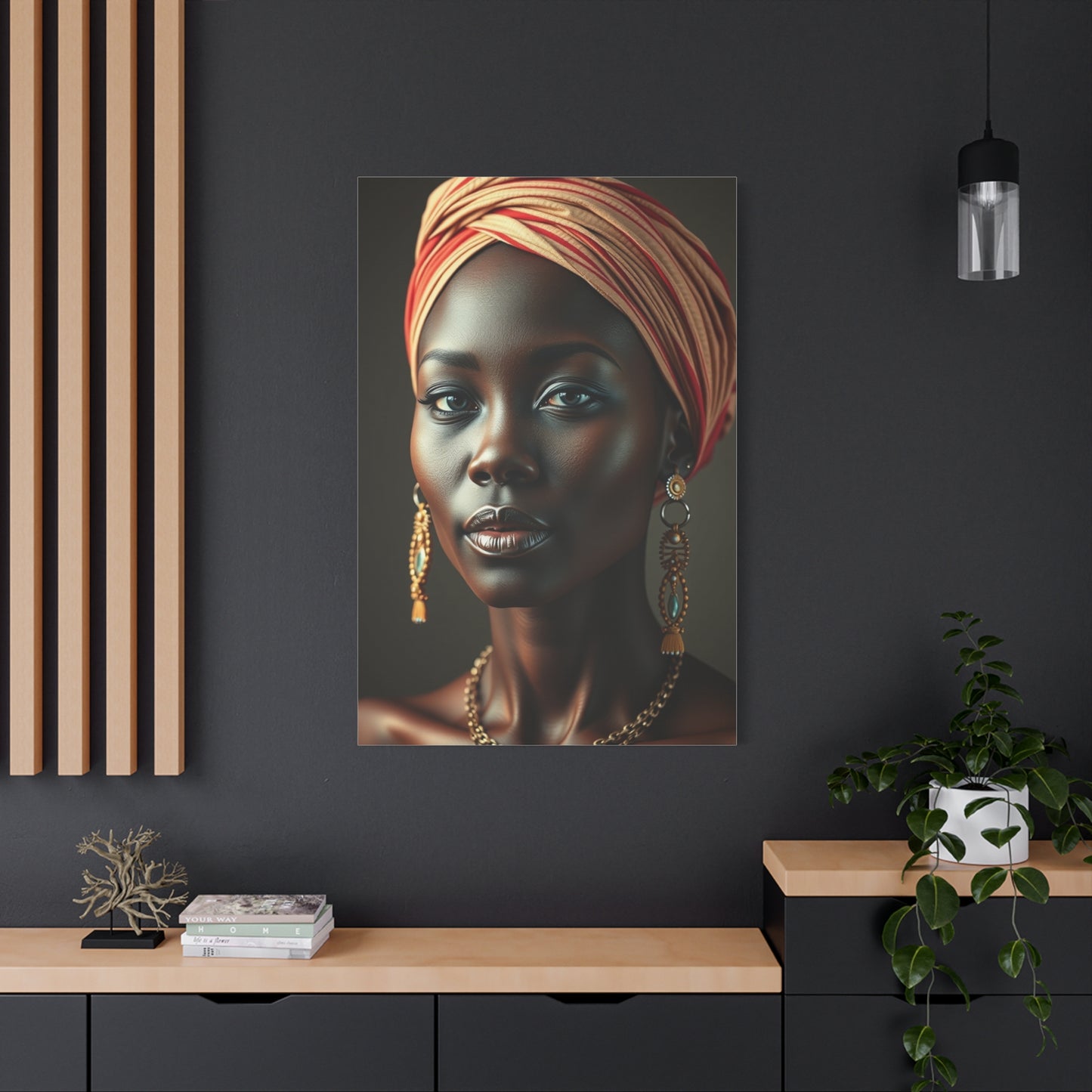
Esambas Prestige Palette: Luxury Color Selection for Modern Spaces
Color selection represents one of the most critical decisions in interior design, architecture, and visual branding. The esambas prestige palette emerges as a sophisticated collection that bridges traditional elegance with contemporary aesthetics. This comprehensive exploration delves into the intricate world of premium color systems, examining how carefully curated palettes influence spaces, evoke emotions, and create lasting impressions.
The journey through color begins with appreciation for how different shades interact with natural light, artificial illumination, and surrounding elements. Every color within a prestige collection carries its own personality, history, and potential for transformation. When designers and homeowners seek colors that transcend trends and maintain timeless appeal, they turn to collections that demonstrate both artistic sensibility and practical application.
Premium color palettes serve multiple purposes beyond mere decoration. They establish brand identity for businesses, create cohesive living environments for families, and provide architects with tools to realize their creative visions. The esambas prestige palette specifically addresses the needs of discerning clients who refuse to compromise on quality, sophistication, or visual impact.
Understanding color psychology forms the foundation of effective palette implementation. Warm tones can energize a commercial space while cool hues promote tranquility in residential bedrooms. Neutral shades provide versatility and longevity, serving as canvases upon which accent colors perform their visual magic. The interplay between dominant colors, secondary shades, and highlighting tones creates depth and interest that elevates any environment.
Professional color consultation has evolved into a specialized service precisely because color decisions carry such significant consequences. A poorly chosen palette can diminish property values, reduce productivity in workspaces, or create uncomfortable living conditions. Conversely, expertly selected colors enhance mood, increase perceived space, and contribute to overall wellbeing.
The development of prestige color collections involves extensive research into cultural preferences, lighting conditions, material compatibility, and longevity. Manufacturers test their formulations under various conditions to ensure consistency and durability. Color fastness, coverage efficiency, and environmental impact all factor into the creation of premium palettes.
Market demand for sophisticated color solutions continues to grow as consumers become more educated about design principles. Social media platforms showcase stunning interiors, raising expectations and inspiring homeowners to pursue professional-quality results. This democratization of design knowledge simultaneously creates opportunities and challenges for color manufacturers.
Regional variations in color preferences reflect cultural backgrounds, climate considerations, and architectural traditions. Mediterranean regions favor terracotta and azure blues while Scandinavian aesthetics embrace soft grays and natural woods. Premium palettes like the esambas prestige palette accommodate these diverse preferences while maintaining cohesive visual language.
Technology has revolutionized color selection processes through digital visualization tools, augmented reality applications, and sophisticated matching systems. Clients can now preview color schemes virtually before committing to purchases, reducing anxiety and increasing satisfaction. These innovations complement rather than replace the expertise of trained color consultants.
Sustainability concerns influence modern color manufacturing, with eco-friendly formulations gaining prominence. Low-VOC paints, natural pigments, and recyclable packaging respond to consumer demands for responsible products. Premium brands lead this shift by investing in research and development that prioritizes both performance and environmental stewardship.
Origins of Sophisticated Color Systems
The history of organized color systems stretches back centuries, with artists, scientists, and philosophers attempting to categorize and understand chromatic relationships. Early efforts included Isaac Newton's color wheel, which identified primary colors and their relationships. These foundational concepts evolved through contributions from Goethe, Munsell, and countless others who recognized that color represents both physical phenomenon and perceptual experience.
Commercial paint production began in earnest during the Industrial Revolution, transforming color from luxury commodity to accessible product. Early manufacturers offered limited selections, primarily functional whites and earth tones. As production techniques improved and synthetic pigments became available, color ranges expanded dramatically, enabling creative expression previously reserved for wealthy patrons.
The twentieth century witnessed explosive growth in color science and application. Bauhaus designers explored how colors interact in architectural contexts while advertising agencies discovered psychology's role in consumer response. These parallel developments established color as strategic tool rather than mere aesthetic choice. Paint manufacturers responded by developing systematic approaches to color organization and presentation.
Post-war suburban expansion created unprecedented demand for residential paints and coatings. Manufacturers introduced coordinated collections that simplified selection for homeowners unfamiliar with design principles. These early palettes focused on popular trends, offering seasonal updates that encouraged repeat purchases. The concept of curated collections took root during this era, establishing patterns that continue today.
Professional designers began advocating for more sophisticated options beyond trending colors. They required palettes that offered longevity, versatility, and subtle sophistication. Premium lines emerged to serve this market segment, featuring more complex formulations and carefully balanced color relationships. The esambas prestige palette represents the culmination of this evolutionary process.
Global trade expanded color possibilities by introducing pigments and techniques from diverse cultures. Japanese indigos, Indian saffrons, and Moroccan blues enriched Western color vocabularies. This cultural exchange continues to influence contemporary palette development, with manufacturers drawing inspiration from worldwide sources while respecting traditional color meanings and applications.
Technological advances in pigment chemistry enabled colors previously impossible to achieve with natural materials. Synthetic alternatives offered consistency, stability, and intensity that organic pigments could not match. However, recent trends show renewed interest in natural colorants for their environmental benefits and unique characteristics. Premium palettes often incorporate both synthetic and natural pigments to maximize benefits.
The digital age introduced new challenges and opportunities for color systems. Computer monitors, mobile devices, and printing processes each render colors differently, complicating standardization efforts. Industry responses included development of color management systems and standardized references that ensure consistency across media. Physical color samples remain essential despite digital advances because they represent true colors under actual lighting conditions.
Consumer education evolved alongside product development, with manufacturers providing resources to help clients make informed decisions. Color consultation services, online tools, and educational content democratized design knowledge previously limited to professionals. This shift elevated consumer expectations and increased demand for premium products that deliver superior results.
Core Principles of Prestige Color Selection
Selecting colors for prestige projects requires understanding multiple factors that influence perception and performance. Light quality stands paramount among these considerations because identical colors appear dramatically different under various lighting conditions. Natural daylight reveals true color characteristics while incandescent bulbs add warmth and fluorescent lighting often casts cool tones. The esambas prestige palette accounts for these variations through formulations that maintain integrity across lighting scenarios.
Color temperature significantly impacts spatial perception and emotional response. Warm colors with red, orange, and yellow undertones advance visually, making surfaces appear closer. Cool colors containing blue and green undertones recede, creating illusions of expanded space. Strategic application of warm and cool tones manipulates spatial perception, making rooms feel larger, cozier, taller, or more intimate according to design intentions.
Saturation levels determine color intensity and visual weight. Highly saturated colors command attention and create focal points while desaturated tones provide restful backgrounds. Prestige palettes carefully balance saturation levels to prevent visual fatigue while maintaining interest. The most sophisticated spaces typically feature layers of saturation that guide the eye through environments without overwhelming senses.
Undertones represent subtle color influences that affect compatibility and final appearance. Beige may contain pink, yellow, or gray undertones that become apparent when placed against other colors. Professionals spend years training their eyes to detect these subtleties because they determine whether colors harmonize or clash. The esambas prestige palette eliminates guesswork by pre-selecting colors with compatible undertones throughout the collection.
Context profoundly influences color perception through simultaneous contrast and surrounding influences. A gray appears warmer when surrounded by cool blues and cooler when adjacent to warm tans. Room size, ceiling height, window placement, and furnishing styles all affect how colors perform in situ. Successful color selection considers the complete environment rather than individual swatches in isolation.
Material interactions add another layer of complexity to color selection. Colors appear differently on smooth versus textured surfaces, matte versus glossy finishes, and porous versus sealed substrates. Wood grains, stone patterns, and metal finishes all influence color perception and must be considered during selection. Premium palettes provide guidance on finish options that maximize each color's potential.
Proportion and distribution determine color scheme success regardless of individual color beauty. The 60-30-10 rule suggests dominant colors should cover roughly sixty percent of space, secondary colors thirty percent, and accent colors ten percent. These proportions create visual balance while allowing sufficient variety to maintain interest. Prestige projects may modify these ratios based on specific circumstances but maintain the principle of hierarchical color distribution.
Timelessness versus trendiness represents a constant tension in color selection. Trending colors generate excitement and feel current but risk appearing dated quickly. Classic colors provide longevity and broad appeal but may lack personality. The esambas prestige palette resolves this dilemma by offering sophisticated colors that feel fresh without being trendy, ensuring relevance for years rather than seasons.
Sample testing under actual conditions remains irreplaceable despite technological advances. Large samples viewed in the intended space under various lighting conditions throughout the day reveal how colors will truly perform. This process requires patience but prevents costly mistakes and ensures satisfaction. Professional consultants always insist on this step before finalizing color selections.
Personal preferences matter significantly in residential contexts where occupants must live with color choices daily. While design principles provide guidance, individual responses to colors vary based on cultural backgrounds, personal experiences, and aesthetic preferences. The best palettes accommodate personal taste while maintaining design integrity and cohesion.
Psychological Impact of Premium Colors
Color psychology examines how different hues influence human emotions, behaviors, and cognitive processes. Centuries of observation and recent scientific research confirm that colors profoundly affect mood, productivity, appetite, and even physical comfort. The esambas prestige palette leverages this knowledge to create environments that support intended activities and emotional states.
Red stimulates energy, passion, and excitement while potentially increasing heart rate and blood pressure. Its powerful presence makes it ideal for accent applications but overwhelming when overused. Restaurants frequently employ red because it stimulates appetite and creates energetic dining atmospheres. In residential contexts, red works best in social spaces or as carefully measured accent color.
Blue promotes calmness, focus, and productivity, explaining its popularity in corporate environments and bedrooms. Research indicates blue lighting and decor can lower blood pressure and reduce anxiety. However, excessive blue in living spaces may feel cold or sterile without warming elements. The esambas prestige palette includes blue variations that maintain calming properties while avoiding clinical associations.
Yellow evokes happiness, optimism, and mental stimulation but must be used judiciously because intense yellows can cause eye strain and agitation. Soft, buttery yellows bring warmth and cheer to kitchens and breakfast nooks while vibrant yellows create energizing accent moments. Cultural associations vary, with Western cultures linking yellow to happiness and some Eastern traditions associating it with royalty.
Green connects humans to nature, promoting relaxation and renewal. Studies show exposure to green environments reduces stress and improves concentration. Interior applications range from calming sage tones in bedrooms to vibrant emeralds in living spaces. Green's versatility makes it excellent for transitional spaces that connect interior and exterior environments.
Purple historically symbolizes luxury, creativity, and spirituality due to the rarity and expense of purple dyes in ancient times. Contemporary applications range from soft lavenders in bedrooms to rich eggplants in dining rooms. Purple's association with creativity makes it popular in studios and creative workspaces. The esambas prestige palette features purple variations that honor historical significance while feeling contemporary.
Orange combines red's energy with yellow's cheerfulness, creating warm, inviting atmospheres. Its appetite-stimulating properties suit dining areas while its energizing qualities benefit exercise spaces. Orange undertones in neutrals add warmth without bold color commitment. Sophisticated oranges like terracotta and burnt sienna provide earthy elegance.
Neutral colors including white, gray, beige, and black serve as foundation for most prestige palettes. These versatile shades provide visual rest, highlight architectural features, and allow accent colors to shine. Warm neutrals create cozy, inviting spaces while cool neutrals feel crisp and modern. The esambas prestige palette offers extensive neutral selections because these workhorses form the backbone of sophisticated spaces.
Color combinations multiply psychological effects through interactions and contrasts. Complementary colors create vibrant energy through maximum contrast while analogous colors provide harmonious, restful environments. Monochromatic schemes offer sophisticated simplicity through variations of single hues. Understanding these relationships enables designers to craft spaces that support specific emotional and functional goals.
Cultural variations in color psychology complicate universal applications. While Western cultures associate white with purity and weddings, Eastern traditions link white to mourning. Red signifies luck and prosperity in Chinese culture but danger or warning in Western contexts. Global projects require cultural sensitivity and research to ensure colors communicate appropriate messages.
Individual differences in color perception and response mean identical colors affect people differently. Personal experiences create unique associations that override general psychological principles. Successful designers balance psychological research with client preferences and individual circumstances to create truly personalized environments.
Strategies for Interior Spaces
Implementing prestige color palettes requires strategic planning that considers spatial characteristics, lighting conditions, and functional requirements. Living rooms serve as primary gathering spaces where color choices establish overall home aesthetic while accommodating diverse activities. The esambas prestige palette provides versatile options that transition seamlessly from daytime relaxation to evening entertainment.
Vertical surfaces dominate visual experience in most rooms, making wall color the primary design decision. Light colors expand perceived space by reflecting illumination while dark colors create intimate, cocooning effects. Medium tones offer compromise between these extremes, providing color interest without spatial manipulation. Accent walls highlight architectural features or create focal points without overwhelming spaces.
Ceiling color profoundly affects spatial perception despite receiving less attention than walls. White ceilings maximize light reflection and create height perception, explaining their universal popularity. Colored ceilings can lower perceived height in tall rooms or add unexpected visual interest. Dark ceilings in restaurants and theaters eliminate distractions and focus attention downward. The esambas prestige palette includes specific formulations for ceiling applications with appropriate light-reflecting properties.
Flooring establishes foundation for entire color scheme and must coordinate with walls, furnishings, and architectural elements. Hardwood floors bring warmth and natural variation while tile offers durability and moisture resistance. Carpet provides comfort and sound absorption with unlimited color possibilities. Successful spaces balance floor color with walls to prevent top-heavy or bottom-heavy visual weight distribution.
Trim and millwork serve as jewelry for rooms, adding definition and architectural interest. Contrasting trim creates crisp, traditional looks while matching trim to walls produces seamless, contemporary aesthetics. The sheen level matters significantly, with semi-gloss and high-gloss finishes on trim contrasting beautifully with flat or eggshell walls. Premium palettes provide coordinated trim colors that enhance rather than compete with wall colors.
Kitchen color selection balances aesthetic appeal with practical considerations including food preparation, cleaning, and appetite stimulation. White kitchens remain popular for their clean, bright appearance and ability to showcase cooking activities. However, colored cabinets and backsplashes increasingly add personality without compromising functionality. The esambas prestige palette offers kitchen-specific colors that withstand heat, moisture, and frequent cleaning.
Bedroom colors should promote relaxation and quality sleep, making cool, muted tones preferred choices. Blues, greens, and soft grays create calming environments conducive to rest. Warm neutrals work equally well when balanced with cool-toned textiles and accessories. Accent walls behind beds provide visual interest without overwhelming restful atmospheres.
Bathroom color schemes navigate between spa-like tranquility and functional efficiency. Light colors enhance perceived space in typically small rooms while reflecting limited natural light. Moisture resistance and easy cleaning factor into product selection. Accent tiles, vanities, and accessories provide color interest against neutral backgrounds. Premium paints formulated for high-humidity environments ensure longevity and maintain appearance despite challenging conditions.
Home offices require colors that promote focus and productivity without causing fatigue during extended work sessions. Blues and greens support concentration while warm neutrals create comfortable, inviting spaces. Adequate contrast between surfaces prevents eye strain while balanced saturation levels maintain alertness without distraction. The esambas prestige palette includes colors specifically suited for productive work environments.
Open floor plans present unique color challenges because multiple functional zones occupy continuous space. Subtle color variations differentiate areas while maintaining cohesion. Flooring changes, furniture placement, and architectural elements like columns or half-walls work alongside color to define spaces. Successful open-plan color schemes balance unity with sufficient variety to prevent monotony.
Exterior Color Applications
Exterior color selection carries additional considerations including neighborhood compatibility, architectural style, weather resistance, and curb appeal. The esambas prestige palette extends beyond interior applications to provide comprehensive solutions for complete properties. Exterior colors must withstand intense sunlight, temperature fluctuations, moisture, and pollutants while maintaining appearance for years.
Architectural style guides appropriate color selections, with historical homes requiring period-appropriate palettes and modern structures embracing bolder, contemporary choices. Victorian homes traditionally feature multiple coordinated colors highlighting intricate trim details. Mid-century modern architecture favors clean lines with bold accent colors. Colonial styles typically employ subtle, classic combinations. Respecting architectural heritage while updating for contemporary tastes requires careful balance.
Climate considerations affect both color selection and product formulation. Light colors reflect heat, making them practical in warm climates where cooling costs concern homeowners. Dark colors absorb heat, potentially beneficial in cold regions but problematic in hot areas. The esambas prestige palette includes formulations specifically engineered for different climate zones, ensuring performance regardless of environmental conditions.
Neighborhood context influences exterior color choices because homes exist within communities and contribute to collective visual environments. Homeowners associations often restrict color choices to maintain property values and aesthetic harmony. Even without formal restrictions, considerate homeowners consider how their choices affect neighbors and neighborhood character. Premium palettes offer sufficient variety to express individuality while maintaining community cohesion.
Material compatibility determines product selection and color appearance. Wood siding requires different paint formulations than stucco, brick, or fiber cement. Each substrate affects color appearance and durability. Proper surface preparation and appropriate primers ensure maximum longevity and optimal color accuracy. Professional contractors recommend specific products within color lines for different applications.
Trim and accent colors enhance architectural details and create visual interest on exterior facades. Contrasting trim emphasizes windows, doors, and other features while coordinated colors create subtle sophistication. Front doors provide opportunities for bold accent colors that welcome visitors and express personality. Shutters, garage doors, and other elements coordinate with overall schemes while adding layered interest.
Landscape integration ensures buildings harmonize with surrounding natural and designed environments. Foliage colors change seasonally, affecting how building colors appear throughout the year. Hardscaping elements including driveways, walkways, and retaining walls must coordinate with building colors. The esambas prestige palette considers these relationships, offering colors that complement rather than compete with landscape elements.
Lighting conditions dramatically affect exterior color perception. North-facing facades receive cool, indirect light while south-facing surfaces experience intense, warm illumination. Morning and evening light cast different color temperatures than midday sun. Testing large samples on various building faces throughout different times of day reveals how colors will truly appear and ensures satisfaction with final selections.
Maintenance considerations factor into exterior color selection because repainting represents significant investment. Lighter colors show dirt and require more frequent cleaning while darker colors fade more quickly under intense sunlight. Quality products and proper application methods maximize longevity regardless of color choice. The esambas prestige palette emphasizes durability and color retention to minimize maintenance requirements.
Property value implications make exterior color selection strategic financial decision in addition to aesthetic choice. Real estate professionals confirm that exterior appearance significantly influences buyer interest and sale prices. Classic, well-executed color schemes appeal to broad audiences while unusual choices may limit potential buyer pools. Homeowners planning to sell within several years should consider market preferences alongside personal tastes.
Commercial Space Color Psychology
Commercial environments utilize color strategically to influence customer behavior, reinforce brand identity, and support employee productivity. Retail spaces employ colors that attract attention, stimulate purchases, and create memorable experiences. The esambas prestige palette serves commercial clients seeking sophisticated solutions that differentiate their businesses while supporting operational objectives.
Restaurant color schemes balance appetite stimulation with ambiance creation appropriate to concept and target demographic. Fast-casual establishments often employ energizing warm colors that encourage quick turnover while fine dining restaurants favor subdued, luxurious tones that promote lingering. Lighting design works synergistically with color to create desired atmospheres from energetic lunch crowds to romantic dinner settings.
Healthcare facilities increasingly recognize color's therapeutic potential, moving beyond sterile white to create healing environments. Research demonstrates that appropriate color reduces patient anxiety, supports recovery, and improves staff morale. Calming blues and greens predominate in patient rooms while warmer colors in common areas create welcoming atmospheres. The esambas prestige palette includes healthcare-specific options meeting stringent cleanliness and durability requirements.
Office environments balance productivity support with employee wellbeing through thoughtful color application. Conference rooms benefit from colors that stimulate creativity and collaboration while individual workspaces require focus-promoting hues. Break rooms and social areas incorporate warmer, more relaxing colors that encourage genuine breaks and social connection. Progressive companies recognize that workplace design including color directly impacts employee satisfaction and retention.
Retail color psychology leverages understanding of how different hues influence purchasing behavior. Luxury retailers favor black, white, and metallics that convey sophistication and quality. Discount retailers use bright primary colors suggesting value and excitement. Product-specific retailers align store colors with merchandise characteristics. The esambas prestige palette enables retailers to create environments that resonate with target customers while showcasing products effectively.
Hospitality design requires colors that welcome guests, support relaxation, and create memorable experiences. Hotel lobbies balance sophistication with warmth, making guests feel valued from arrival. Guest room colors promote quality sleep and comfort across diverse guest preferences. Restaurants, spas, and recreational areas within hotels each require specific color strategies appropriate to their functions. Premium color collections provide cohesive systems that work across different hospitality applications.
Educational environments benefit from colors that support learning, reduce distractions, and create positive associations with education. Primary colors stimulate young learners while older students benefit from more sophisticated palettes that promote focus. Different subjects may inspire specific color choices, with science labs embracing clean, analytical tones while art studios celebrate creative expression through bolder colors. The esambas prestige palette includes educational specifications meeting durability and safety requirements for institutional settings.
Financial institutions traditionally favored conservative colors conveying stability and trustworthiness. Contemporary banks increasingly incorporate warmer, more approachable colors while maintaining professional credibility. Wealth management offices might embrace richer, more luxurious tones while retail banking branches prioritize accessibility and comfort. Color strategies adapt to specific services and target demographics while maintaining brand consistency.
Entertainment venues employ dramatic color strategies that create excitement and memorable experiences. Theaters use dark colors to eliminate distractions and focus attention on performances. Museums balance neutral backgrounds that showcase exhibits with signature colors that reinforce institutional identity. Sports venues incorporate team colors that inspire fan loyalty while ensuring visibility and safety. Each entertainment category requires specific color approaches supporting unique functional requirements.
Corporate headquarters represent brand identity through architectural design and color application. Reception areas make first impressions that influence client perceptions and business relationships. Executive offices balance authority with approachability through sophisticated color choices. Company culture influences whether spaces embrace bold creativity or restrained professionalism. The esambas prestige palette provides options spanning this spectrum while maintaining consistent quality and sophistication.
Color Coordination and Harmony
Creating harmonious color schemes requires understanding fundamental color theory principles and their practical applications. The color wheel organizes hues in circular format showing relationships between primary, secondary, and tertiary colors. These relationships form the basis for proven color combination strategies that consistently produce pleasing results. The esambas prestige palette applies these principles through pre-coordinated color families.
Monochromatic schemes utilize variations of single hue through different saturations and values. These sophisticated approaches create cohesive, restful environments while avoiding monotony through subtle variations. Monochromatic schemes suit spaces prioritizing serenity and elegance. They provide excellent foundations for introducing pattern and texture because color remains consistent. Premium palettes often group monochromatic families together for easy identification.
Analogous color schemes combine three to five adjacent colors on the color wheel, creating harmonious, natural-feeling palettes. These combinations appear frequently in nature, explaining their inherent appeal. Analogous schemes offer more variety than monochromatic approaches while maintaining cohesion. They work well for creating specific moods, such as cool, calming spaces using blues and greens or warm, energizing rooms featuring oranges and yellows.
Complementary colors sit opposite each other on the color wheel, creating maximum contrast and visual vibration. Direct complementary combinations can feel overwhelming, so designers often use one color dominantly with complementary accents. Split-complementary schemes use base color plus two colors adjacent to its complement, reducing intensity while maintaining interest. These dynamic combinations suit spaces requiring energy and visual impact.
Triadic color schemes use three colors evenly spaced around the color wheel, creating balanced, vibrant palettes. These combinations require careful management because multiple strong colors risk visual chaos. Typically, one color dominates while others serve as accents. Triadic schemes suit playful spaces including children's rooms and creative studios. The esambas prestige palette offers triadic combinations with balanced saturations preventing overwhelming effects.
Tetradic or rectangular schemes incorporate two complementary pairs, offering maximum variety while maintaining balance. These complex combinations require sophisticated handling to prevent busy, chaotic results. One color should dominate with others playing supporting roles. Tetradic schemes suit large, complex spaces requiring multiple coordinated areas. They provide design flexibility while ensuring overall cohesion.
Neutral-based schemes provide versatile, timeless options suitable for various decorating styles and personal preferences. Layering different neutral tones creates sophisticated depth without color commitment. Warm neutrals including beiges and taupes create inviting, traditional spaces while cool grays feel contemporary and crisp. The esambas prestige palette offers extensive neutral selections because these foundational colors suit countless applications.
Accent color strategies transform neutral spaces through carefully placed color bursts. Small accent doses create visual interest without overwhelming commitment or expense. Accessories, artwork, and textiles provide flexible accent color opportunities that change with seasons, trends, or preferences. Architectural elements including doors or built-ins painted in accent colors create permanent focal points. Premium palettes coordinate accent options with neutral foundations for cohesive results.
Color progression through spaces creates flow and guides movement through environments. Transitional areas including hallways might use neutral colors that connect rooms featuring stronger hues. Color intensity can build toward primary living spaces or fade toward private bedrooms. Coordinated color schemes throughout homes create cohesion while allowing individual room personalities. The esambas prestige palette enables this progression through carefully related color families.
Personal response ultimately determines color scheme success regardless of theoretical correctness. Some individuals embrace bold, saturated colors while others prefer subtle, muted tones. Cultural backgrounds, personal experiences, and individual preferences all influence color attraction. The best palettes accommodate these personal factors while maintaining design principles ensuring long-term satisfaction.
Aspects of Premium Paint Formulations
Paint formulation science balances multiple factors including pigment quality, binder selection, additive inclusion, and application characteristics. Premium products like those in the esambas prestige palette invest significantly in research and development to optimize performance across all dimensions. Understanding these technical aspects helps consumers appreciate quality differences justifying premium pricing.
Pigments provide color and opacity, representing the most expensive component in quality paints. Titanium dioxide serves as primary white pigment in most paints due to its exceptional hiding power and brightness. Colored pigments may be inorganic minerals or organic compounds, each offering different characteristics. Premium formulations use higher pigment concentrations for superior coverage, color accuracy, and longevity.
Binders hold pigment particles together and adhere paint to surfaces. Acrylic binders dominate modern paints due to flexibility, durability, and environmental friendliness. Higher-quality acrylics provide better adhesion, flexibility, and resistance to cracking and peeling. The esambas prestige palette employs advanced binder technology ensuring maximum longevity and performance across diverse application conditions.
Additives enhance specific paint characteristics including flow, leveling, mildew resistance, and freeze-thaw stability. Surfactants improve pigment dispersion and wetting properties. Thickeners create appropriate consistency for different application methods. Anti-microbial agents prevent mildew growth in humid environments. Defoamers eliminate bubbles that create surface defects. Premium formulations balance numerous additives optimizing multiple performance characteristics simultaneously.
VOC content measures volatile organic compounds released during application and curing. Environmental regulations increasingly restrict VOC levels due to air quality and health concerns. Low-VOC and zero-VOC formulations have improved dramatically, now matching traditional paint performance while minimizing environmental impact. The esambas prestige palette prioritizes environmental responsibility through advanced low-VOC formulations.
Sheen level affects both appearance and practical performance. Flat or matte finishes hide surface imperfections but clean less easily than glossier sheens. Eggshell provides subtle luster with improved cleanability. Satin balances appearance and practicality for high-traffic areas. Semi-gloss and gloss finishes maximize durability and cleaning ease while highlighting surface details. Premium lines offer consistent color across all sheens, simplifying coordination.
Coverage efficiency determines how much surface area each gallon covers, directly affecting project costs. Premium paints typically cover 400-450 square feet per gallon in single coat while economy products may require multiple coats achieving similar results. Superior coverage stems from higher pigment concentrations and better binder quality. Total project cost often favors premium products when labor and multiple coats factor into calculations.
Color accuracy and consistency ensure paint matches expectations from sample through application. Sophisticated manufacturing processes and quality control measures maintain consistency batch to batch. Computer-controlled tinting systems guarantee accuracy when custom colors are mixed. The esambas prestige palette maintains rigorous standards ensuring colors match precisely regardless of purchase location or time.
Durability encompasses resistance to fading, staining, scrubbing, and other degradation factors. Premium paints maintain appearance significantly longer than economy alternatives through superior ingredients and formulation expertise. UV resistance prevents fading from sunlight exposure. Stain resistance allows cleaning without surface damage. Scrub resistance ensures durability in high-traffic areas. These performance advantages justify premium pricing through extended repainting cycles.
Application characteristics affect how easily paint spreads, levels, and covers. Premium paints flow smoothly from brushes and rollers without spattering or dripping excessively. Self-leveling properties minimize brush marks and roller stipple. Good open time allows working paint longer before setting. Fast drying time enables quick recoating and project completion. The esambas prestige palette formulations balance these sometimes-competing characteristics for optimal user experience.
Environmental considerations extend beyond VOC content to include packaging sustainability, manufacturing processes, and end-of-life disposal. Recyclable containers, energy-efficient production, and water-based cleanup reduce environmental footprints. Premium manufacturers invest in sustainable practices throughout product lifecycles, appealing to environmentally conscious consumers and meeting increasingly stringent regulations.
Lighting Interactions with Color
Lighting profoundly affects color perception, making it essential consideration in color selection and space design. Natural daylight provides fullest, most accurate color rendering but varies throughout day and year. The esambas prestige palette accounts for these variations through formulations that maintain color integrity under diverse lighting conditions.
Northern light provides cool, consistent illumination favored by artists for color-critical work. Its even quality throughout day makes it reliable for studios and workspaces. However, its coolness intensifies blue and gray undertones while diminishing warm colors. Spaces receiving primarily northern exposure benefit from warm color selections counterbalancing cool natural light.
Southern exposure delivers intense, warm light that amplifies warm colors while potentially washing out subtle cool tones. Its intensity varies seasonally and throughout day but generally provides maximum natural illumination. Southern rooms can accommodate deeper, richer colors that might appear too dark in northern spaces. Light control through window treatments prevents excessive heat and glare while preserving illumination benefits.
Eastern light offers gentle, warm morning illumination transitioning to neutral light midday. Morning sun creates inviting, energizing spaces perfect for breakfast areas and bedrooms. Colors appear warmest during morning hours, affecting how they perform throughout day. Western rooms receive intense afternoon and evening light that can create harsh glare requiring window treatment management.
Incandescent lighting produces warm, flattering illumination emphasizing red and yellow undertones. Its color-rendering qualities closely approximate candlelight, creating cozy, intimate atmospheres. However, incandescent bulbs have largely been phased out due to energy inefficiency, replaced by alternatives attempting to replicate their appealing qualities. Colors selected under incandescent light may appear different under other light sources.
LED lighting dominates modern applications due to energy efficiency and longevity. Early LEDs had poor color rendering, casting harsh, cool light that distorted colors. Contemporary LEDs dramatically improved, offering various color temperatures from warm to cool with excellent color-rendering capabilities. The esambas prestige palette considers LED characteristics ensuring colors perform beautifully under this prevalent lighting technology.
Fluorescent lighting traditionally cast unflattering, cool-toned light with poor color rendering. Institutional settings relied on fluorescent tubes for economic illumination despite aesthetic compromises. Modern fluorescent technologies improved considerably but still lack the warmth and color accuracy of better alternatives. Spaces with fluorescent lighting require color selection accounting for its cool, sometimes greenish cast.
Color temperature measured in Kelvin degrees affects perceived warmth or coolness of white light. Warm white around 2700K mimics incandescent light while cool white around 4000K appears crisp and energizing. Daylight bulbs around 5000K approximate natural daylight. Matching light color temperature to space function optimizes both color appearance and human comfort. The esambas prestige palette provides guidance on optimal lighting for each color.
Color Rendering Index measures how accurately light sources display colors compared to natural daylight. CRI values range from 0-100, with higher numbers indicating better color rendering. Quality residential and commercial applications should use light sources with CRI above 90. Poor color rendering distorts carefully selected colors, undermining design intentions. Premium lighting investments complement premium paint selections.
Layered lighting designs combine ambient, task, and accent lighting to create flexible, functional environments. Different lighting layers may use various color temperatures and intensities appropriate to their purposes. Dimming capabilities allow adjusting light levels and resulting color appearance throughout day and for different activities. Successful color schemes account for these varied lighting scenarios through comprehensive testing.
Smart lighting technology enables changing color temperature and intensity throughout day, mimicking natural light patterns. Circadian lighting supports human biological rhythms through appropriate morning, daytime, and evening light qualities. This technology adds complexity to color selection because colors must perform well across varying light conditions. The esambas prestige palette formulations accommodate these advanced lighting systems.
Seasonal Color Considerations
Seasonal changes affect how colors appear and feel in spaces throughout the year. Natural light quality shifts dramatically between summer and winter, influencing color perception. The esambas prestige palette considers these variations, offering colors that maintain appeal across seasons while accommodating those preferring seasonal adjustments through accessories and accents.
Summer light appears bright, clear, and slightly cool despite its intensity. Longer days mean extended exposure to natural illumination. Summer-appropriate colors often include crisp whites, fresh blues, and vibrant greens reflecting outdoor environments. However, permanent color selections should consider how these choices appear during darker winter months when spaces rely more heavily on artificial illumination.
Autumn brings warm, golden light that enriches earth tones and warm colors while potentially dulling cool shades. Shorter days transition households toward more evening hours spent in artificial lighting. Fall color trends embrace russets, golds, and deep greens reflecting seasonal landscape changes. These colors create cozy environments as weather cools and people spend more time indoors.
Winter light appears cool and weak, particularly in northern latitudes where days drastically shorten. Spaces receive minimal natural light, depending primarily on artificial sources. Winter-appropriate colors include rich, warm tones that counterbalance cold exterior conditions and weak natural light. Deep burgundies, forest greens, and warm neutrals create cozy refuges from harsh outdoor conditions.
Conclusion:
In the world of interior design, color is one of the most powerful tools to shape a space, influence emotions, and define a room’s character. The Esambas Prestige Palette is a refined and sophisticated collection of colors designed specifically to elevate modern interiors, offering a harmonious blend of luxury, warmth, and timeless appeal. By integrating these carefully curated hues into your home, you are not just applying color to walls—you are creating an atmosphere of elegance, comfort, and modern sophistication that enhances the visual and emotional experience of the space.
What sets the Esambas Prestige Palette apart is its ability to balance boldness with subtlety. The colors within this collection are rich and deep yet refined, embodying the luxurious qualities of high-end design without feeling overbearing. From deep, muted blues and rich emerald greens to warm golds and soft charcoals, each color in the Esambas Palette has been selected to evoke feelings of tranquility, refinement, and opulence. These colors don’t shout for attention—they gently command respect, creating an environment where comfort and style coexist seamlessly. They are sophisticated without being pretentious, luxurious without being excessive.
One of the greatest strengths of the Esambas Prestige Palette is its versatility. These colors are designed to complement a wide range of modern interior design styles, whether you’re creating a contemporary minimalist space, a mid-century modern retreat, or a more eclectic, layered environment. The depth and range of the palette allow for a dynamic play of tones throughout a room—whether used for accent walls, textiles, furniture, or accessories—ensuring that the space feels cohesive while still offering visual interest. The cool blues and greens can create a calm, serene backdrop in a bedroom or office, while the rich golds and charcoals can add a sense of drama and warmth to a living or dining room.
Incorporating the Esambas Prestige Palette into modern spaces also enables designers and homeowners to create an environment that reflects both personal style and contemporary trends. These colors are timeless, yet they have a modern sensibility that keeps them relevant in the ever-evolving world of interior design. They evoke a sense of luxury often associated with boutique hotels, five-star restaurants, and upscale residences, giving your home an elevated feel. At the same time, their adaptability ensures that they can be used across different rooms, transforming the mood of a space depending on how they are applied.
Beyond the aesthetic qualities, the Esambas Prestige Palette is also designed to enhance the emotional experience of a room. Color psychology suggests that certain hues have a direct impact on our moods and behaviors, and the Esambas colors have been carefully chosen to promote calm, focus, warmth, and sophistication. Deep blues can evoke a sense of tranquility and focus, making them perfect for home offices or study areas. Rich greens can have a restorative effect, perfect for creating a sanctuary-like atmosphere in living rooms or bedrooms. Soft, muted golds add warmth and a touch of glamour without overwhelming the space, creating a cozy yet refined environment. The deeper shades of charcoal and navy offer a grounding, calming effect, perfect for creating a sense of stability and sophistication.
The Esambas Prestige Palette also embraces the concept of balance—encouraging the use of contrast to create visual harmony. While dark, rich colors can provide depth and drama, lighter accents, such as creamy whites or pale blushes, can help to soften the space and bring in a sense of airiness. By thoughtfully incorporating the right balance of light and dark, warm and cool, you can create a space that feels both grounded and dynamic, welcoming and luxurious at the same time.
The elegance of the Esambas Prestige Palette is not just in its color choices, but in the mood it helps to craft. The palette’s luxury appeal is underscored by its ability to create rooms that feel both timeless and current, blending the comfort of tradition with the sharpness of modernity. It’s a palette that speaks to those who appreciate refined living—spaces where quality and design harmoniously coexist.
In conclusion, the Esambas Prestige Palette is more than just a collection of colors—it is a carefully curated selection designed to evoke luxury, tranquility, and timeless sophistication in modern spaces. Whether you’re designing a home or updating your current décor, incorporating these colors will enhance the beauty and mood of your rooms, transforming them into stylish, high-end spaces that feel both inviting and elevated. With its perfect balance of bold and subtle hues, the Esambas Prestige Palette is a versatile tool for anyone looking to add an extra layer of luxury and refinement to their living environment.


