


Ethereal Botanica Wall Art & Canvas Prints
Ethereal Botanica Wall Art & Canvas Prints
Couldn't load pickup availability
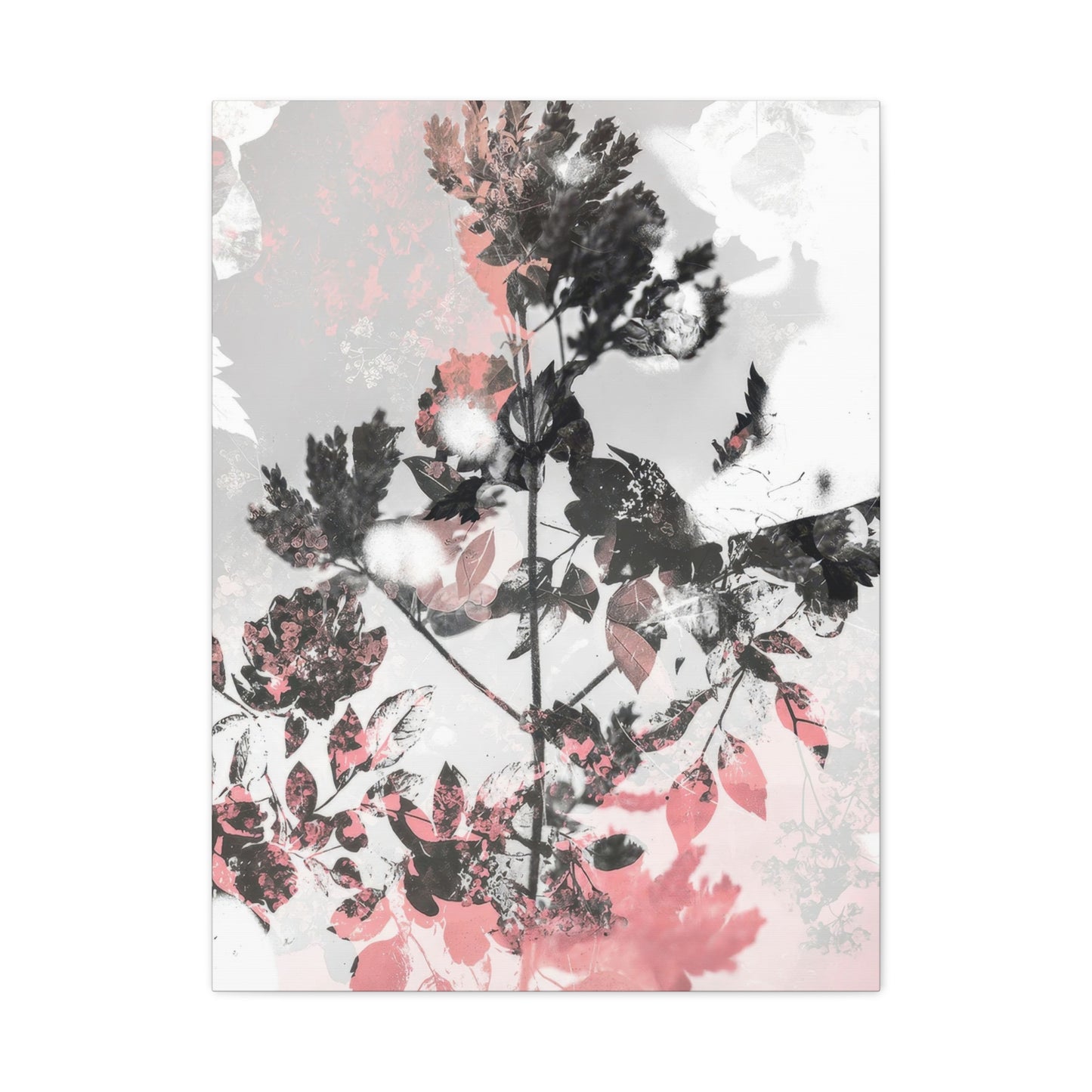
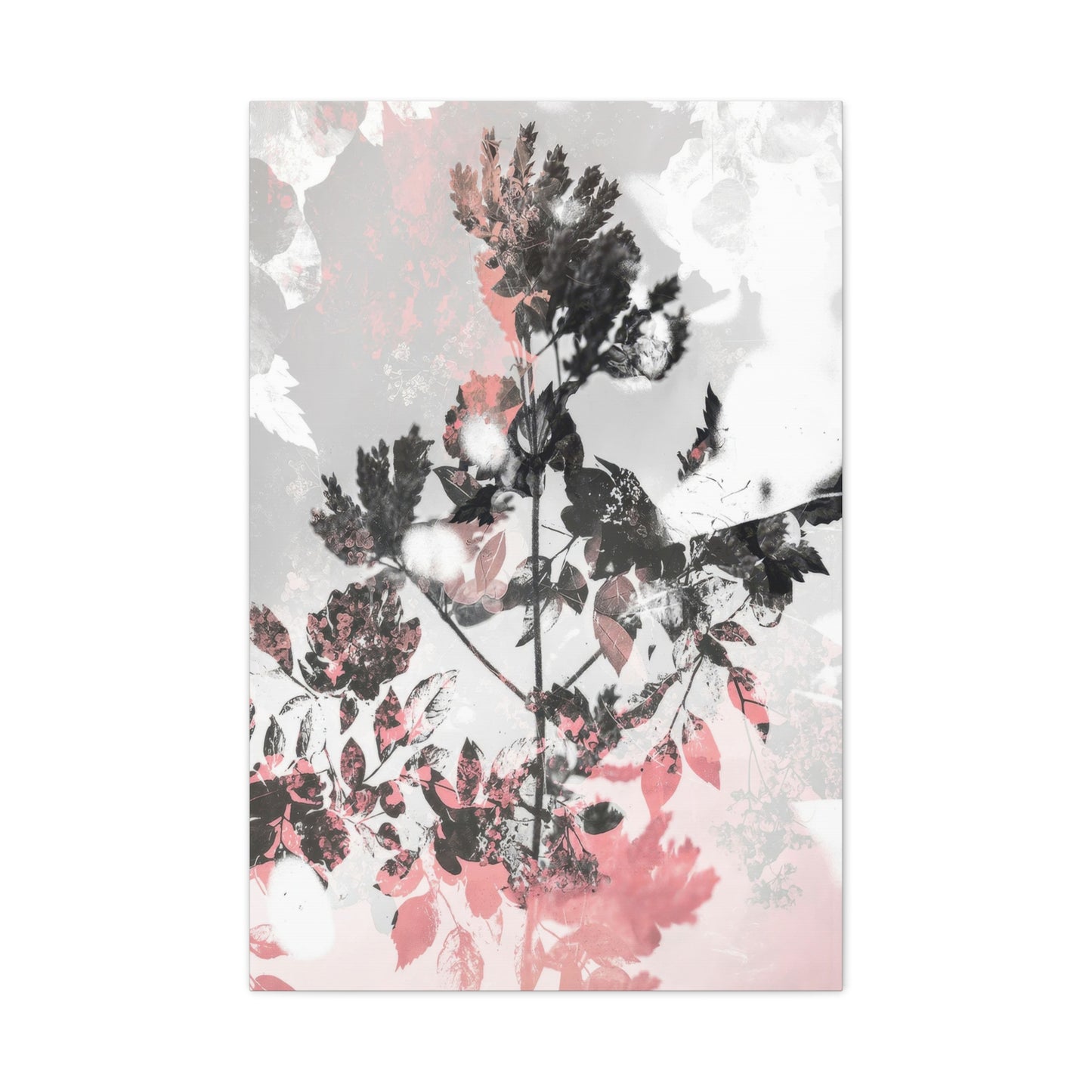
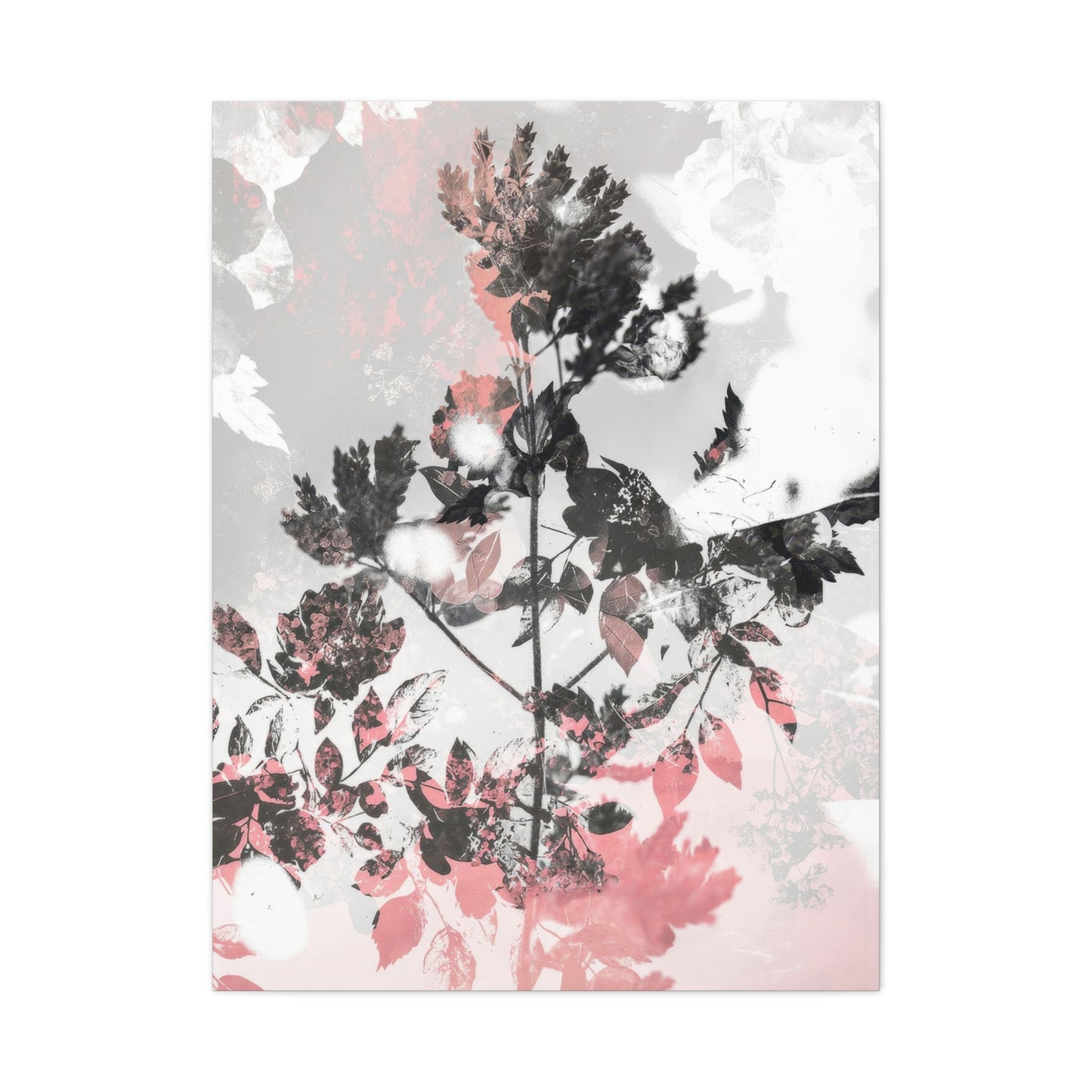
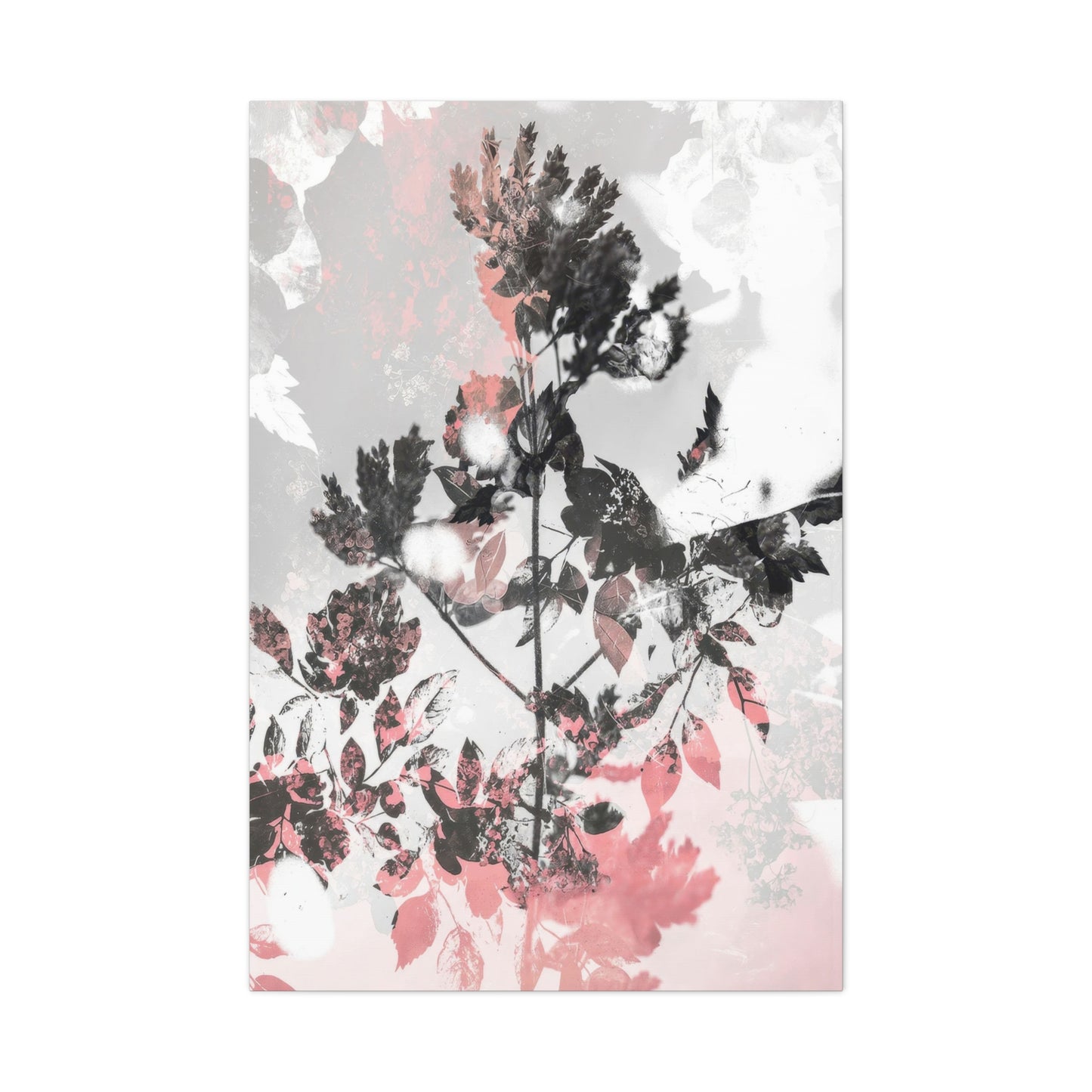
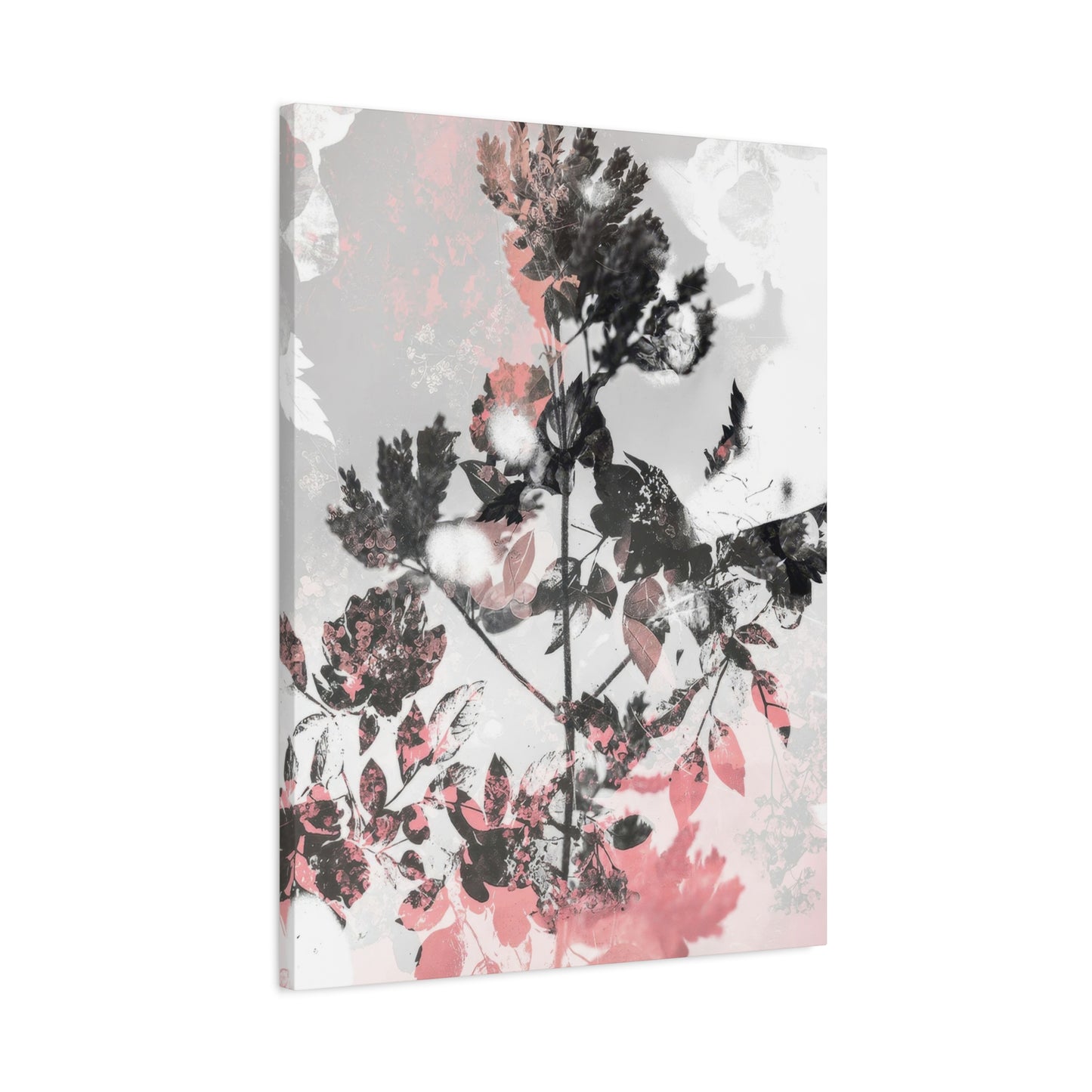
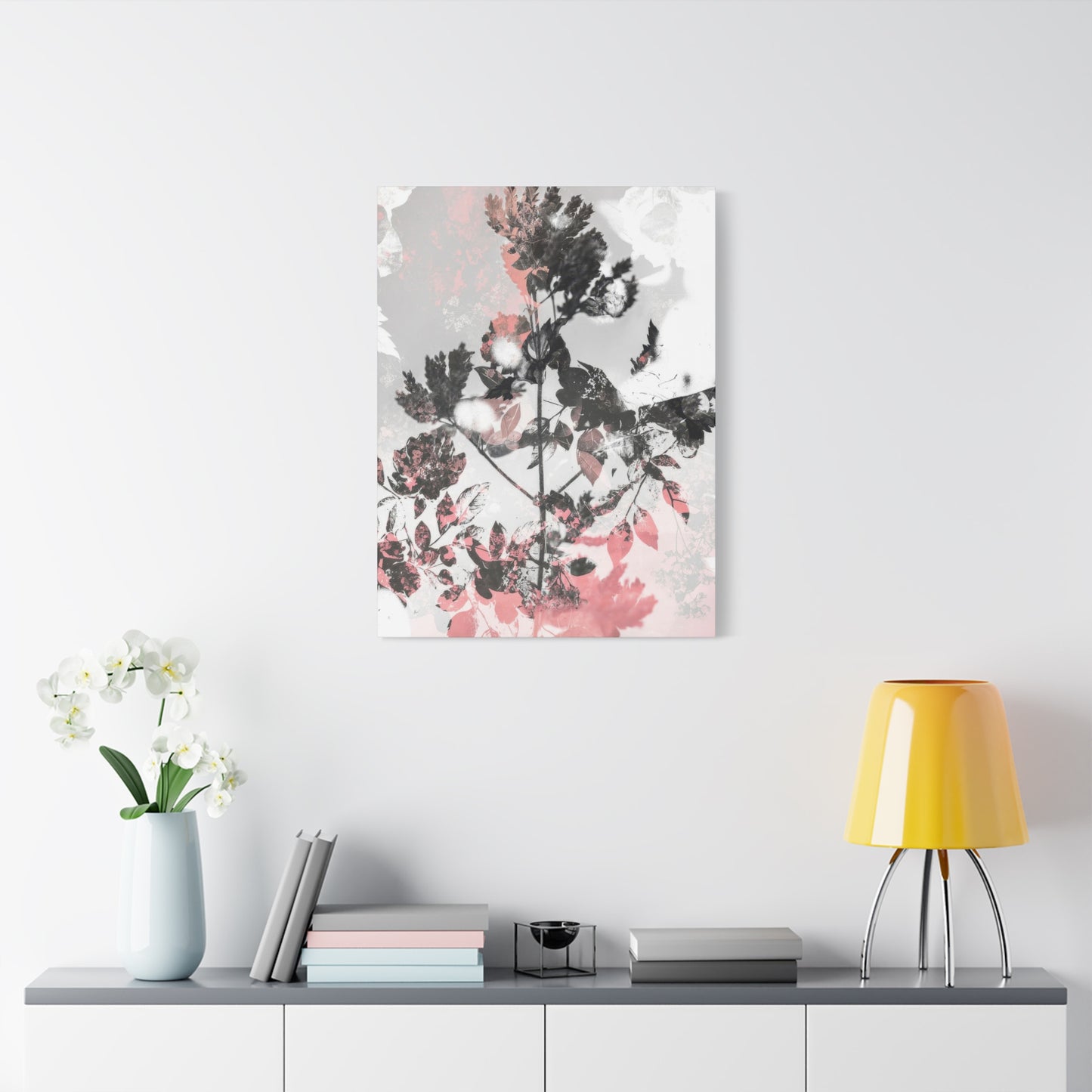
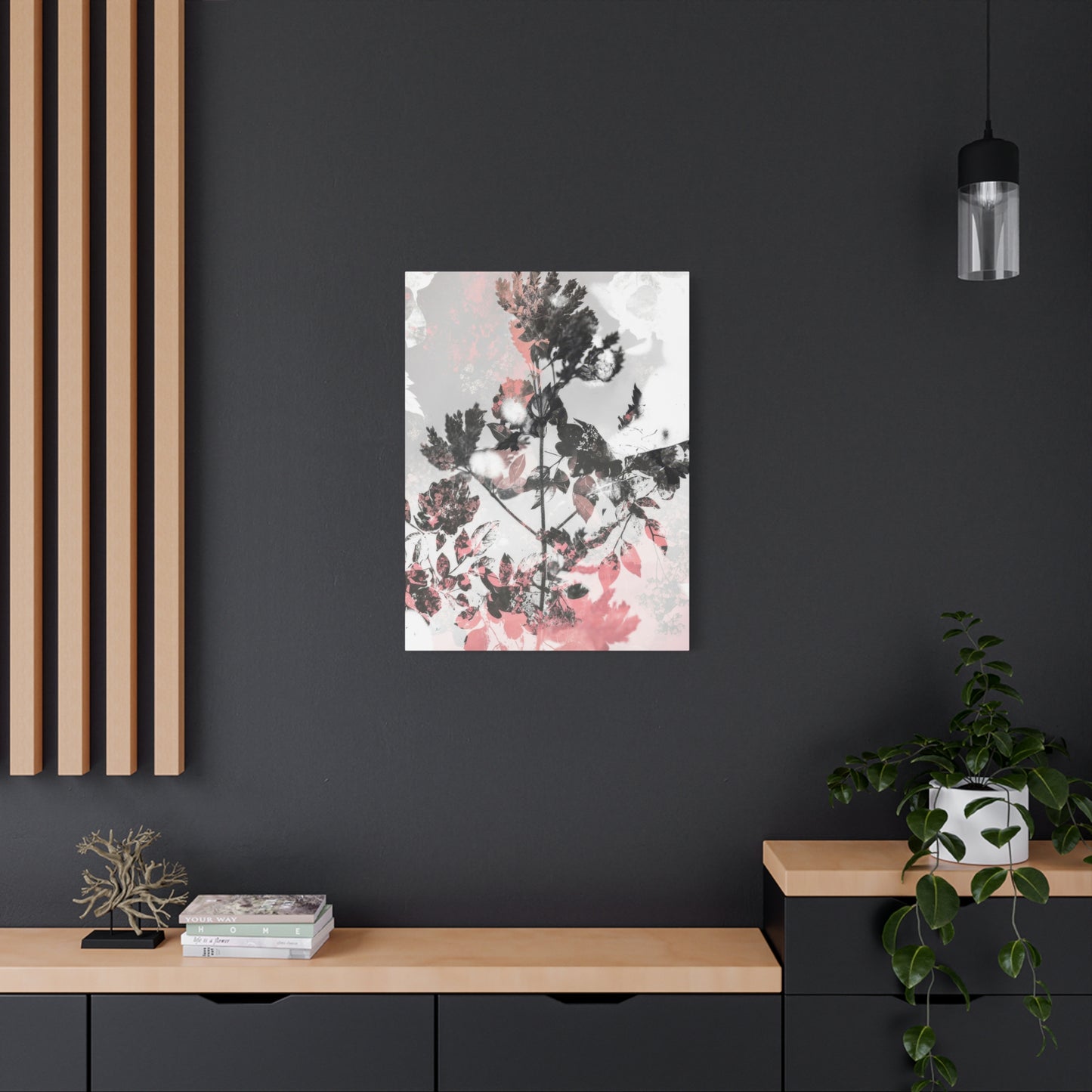
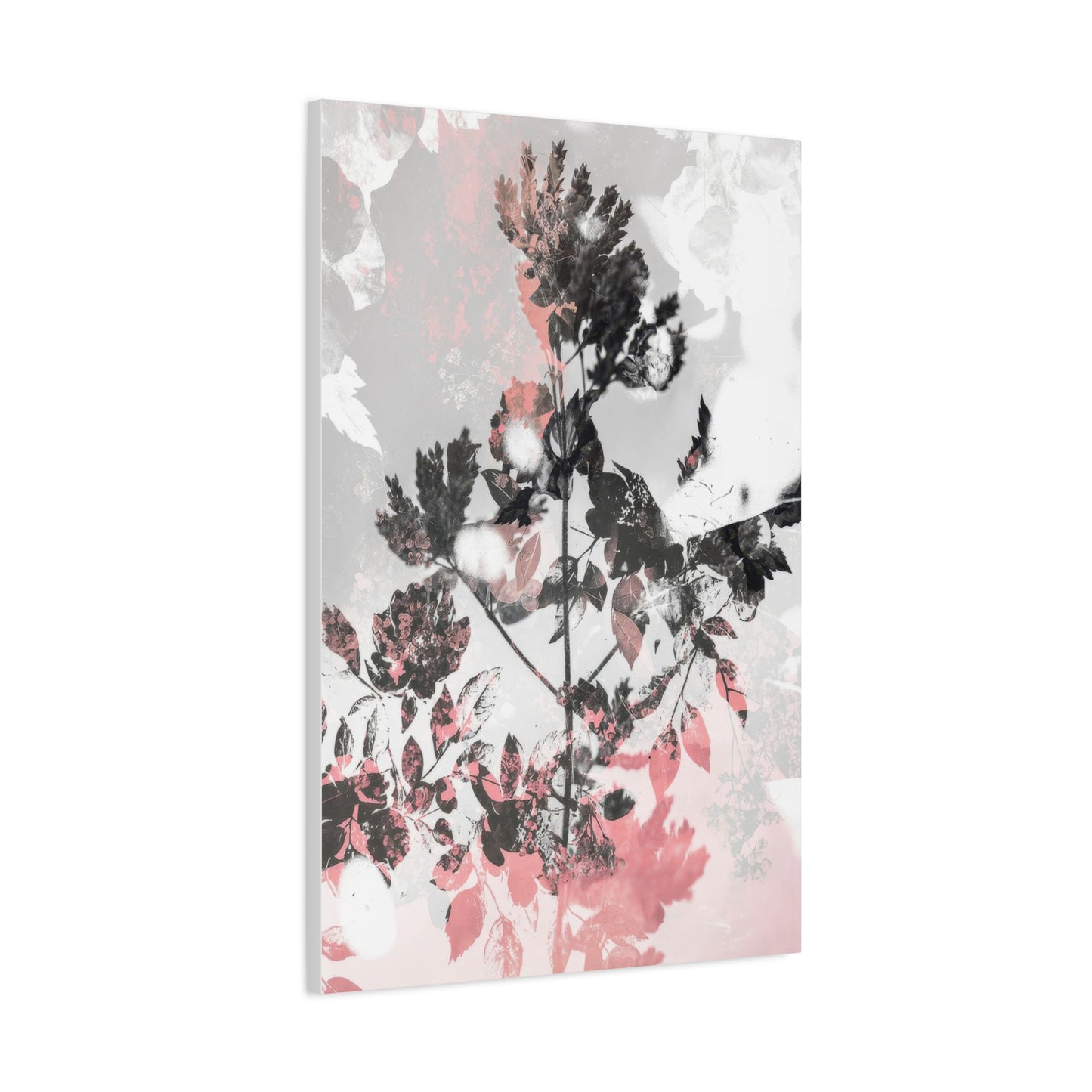
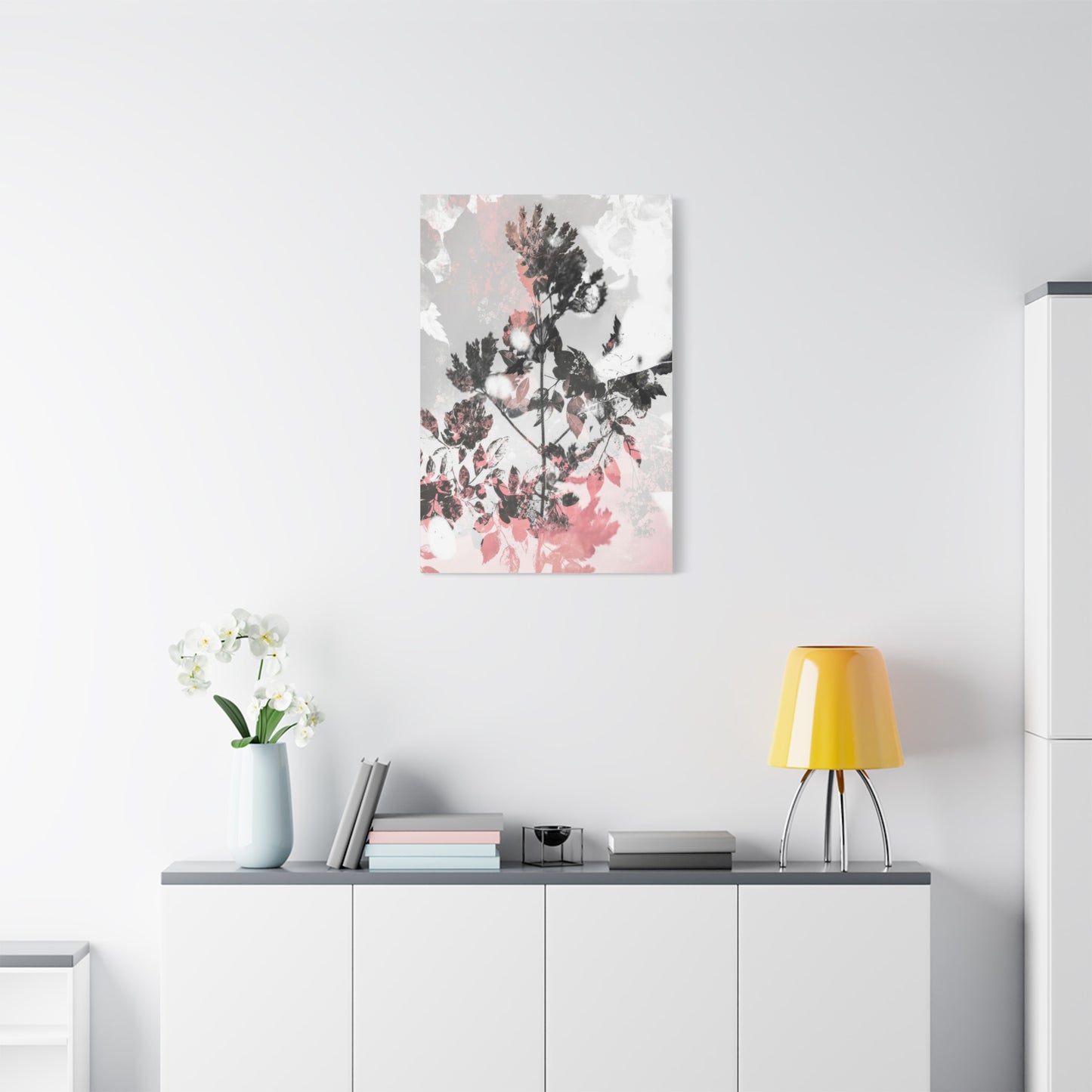
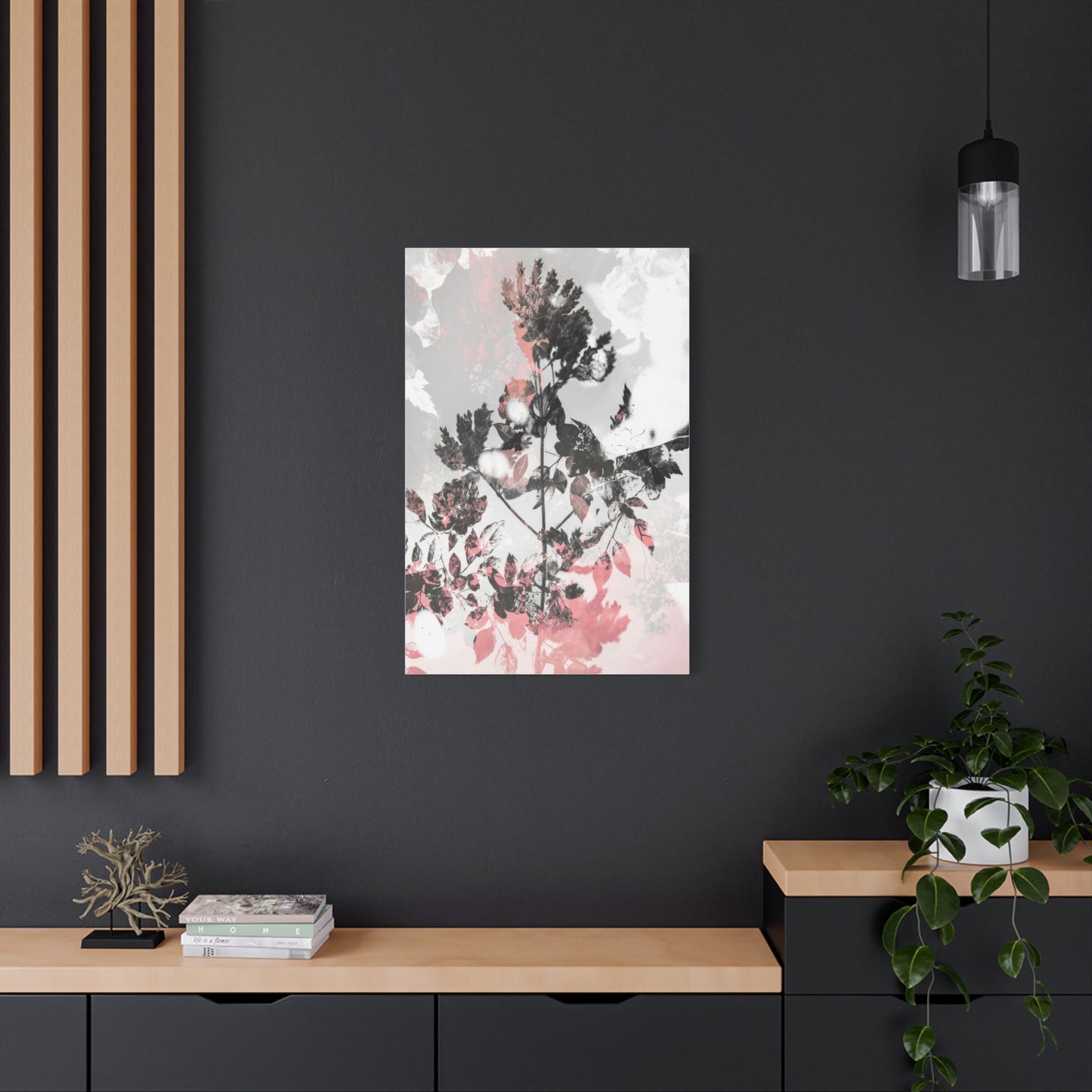
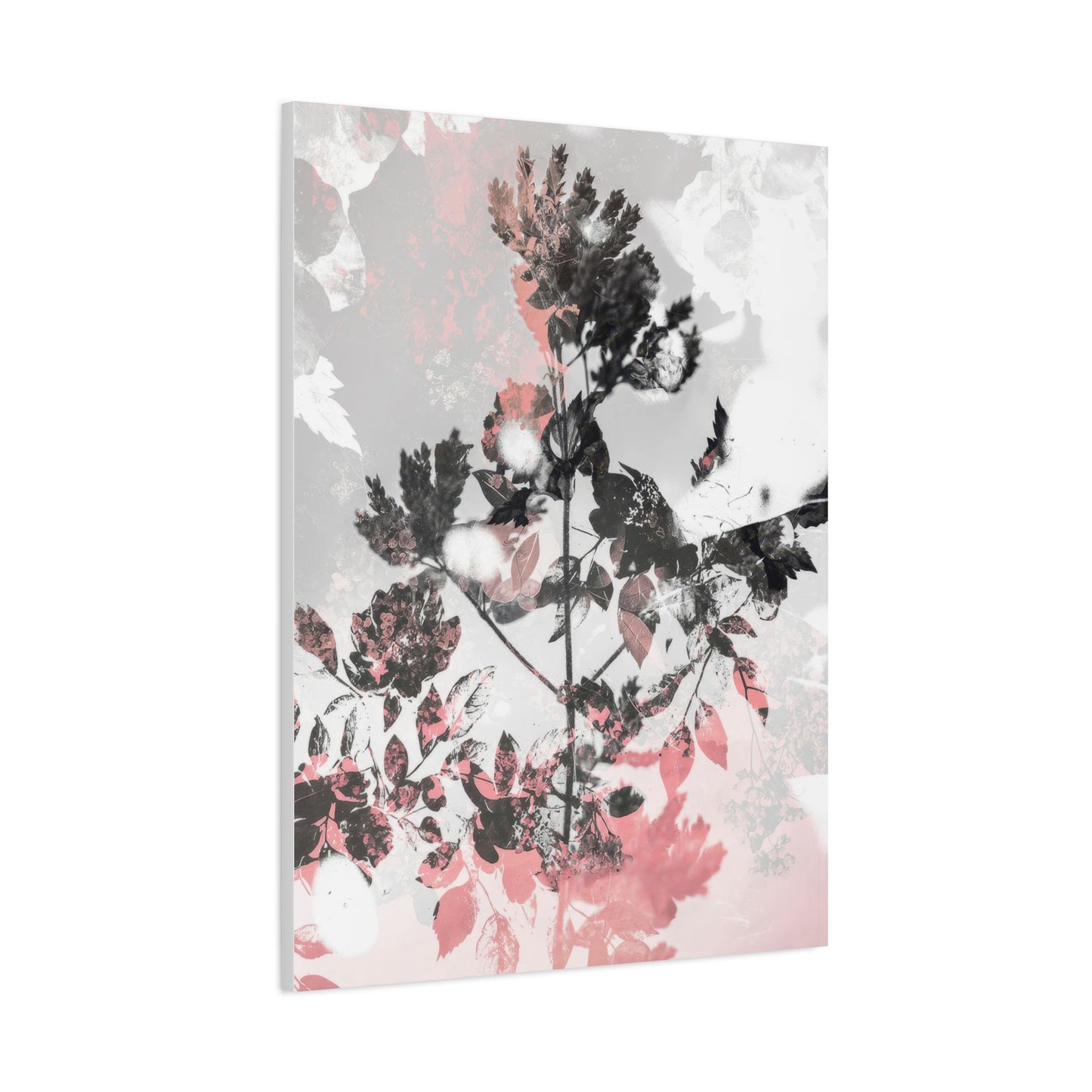
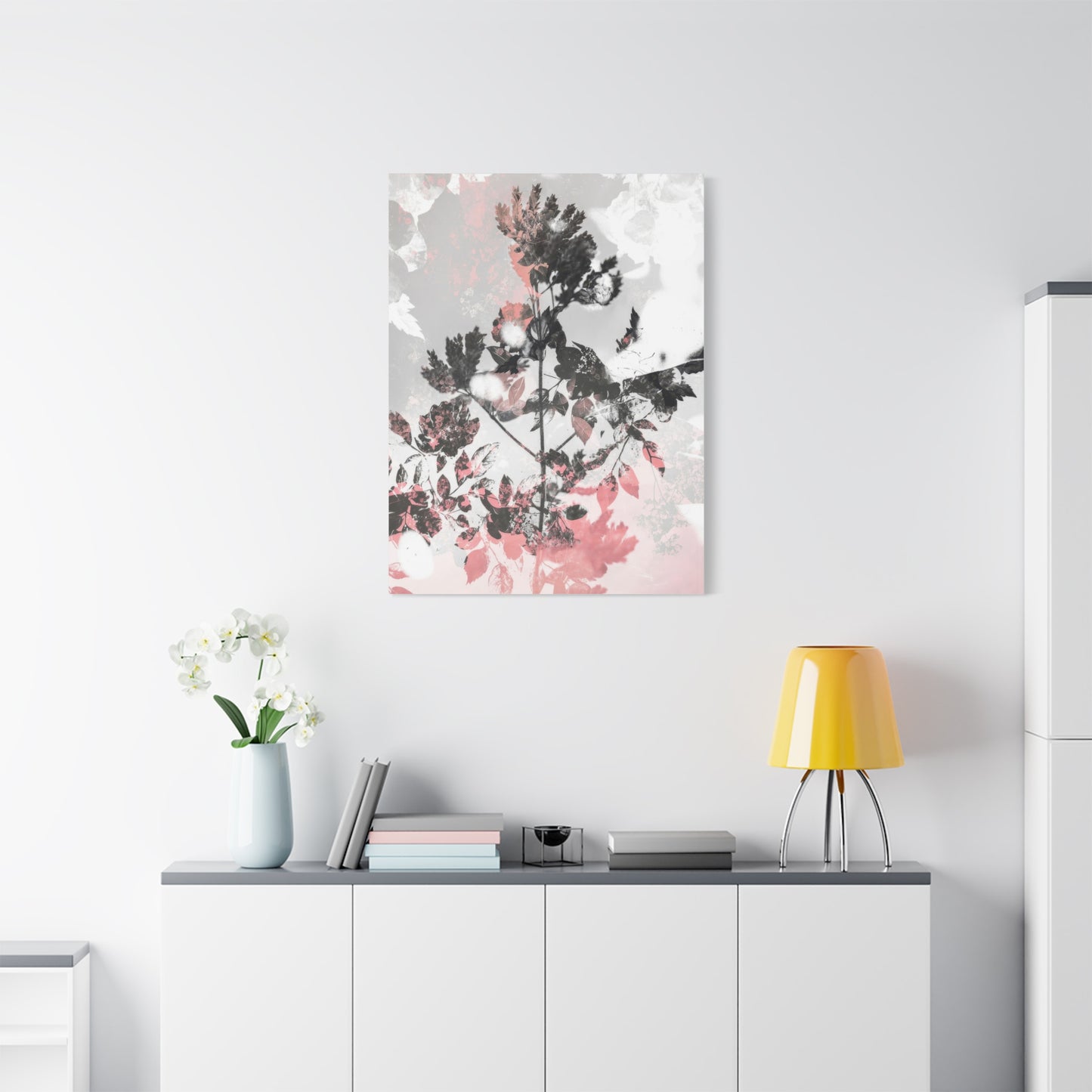
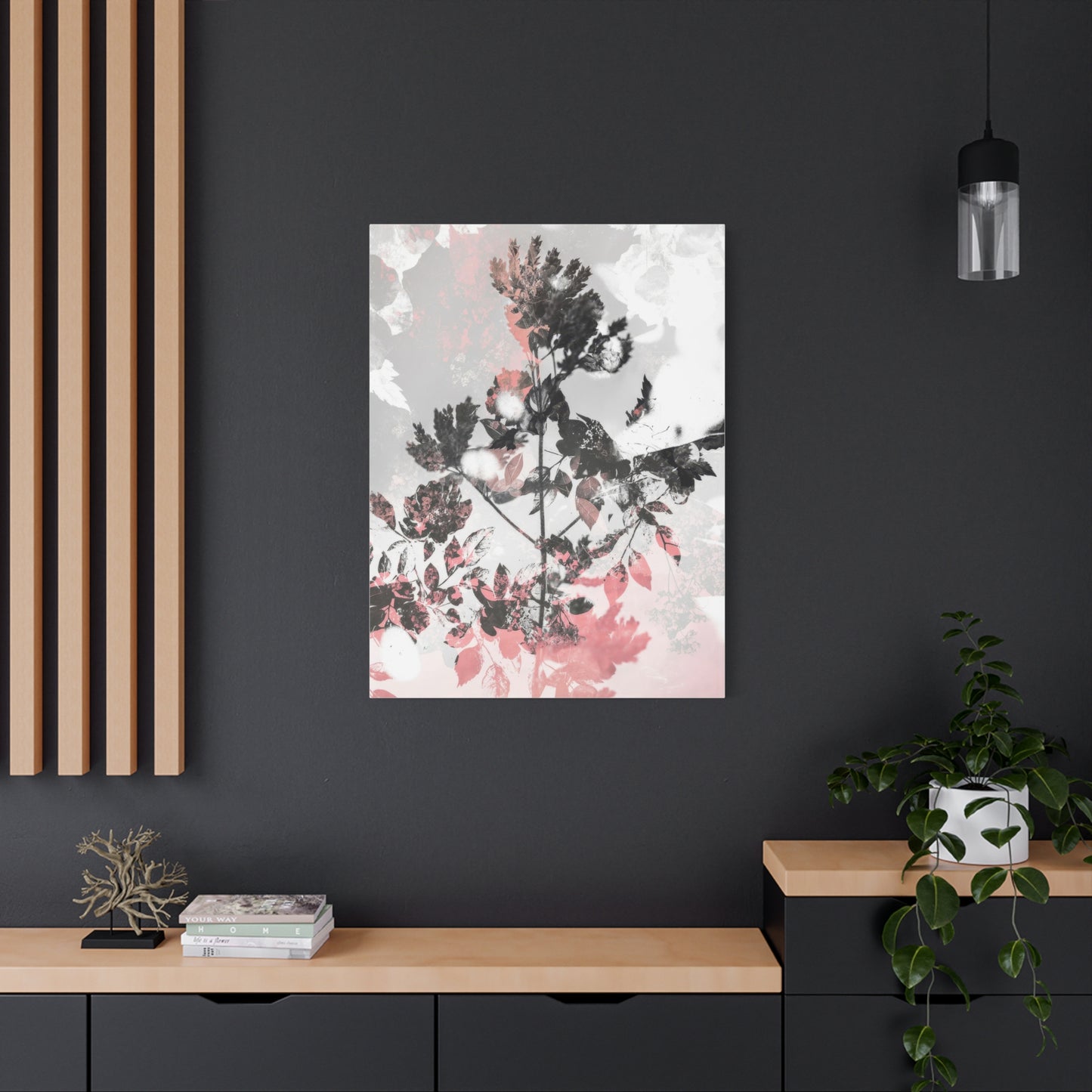
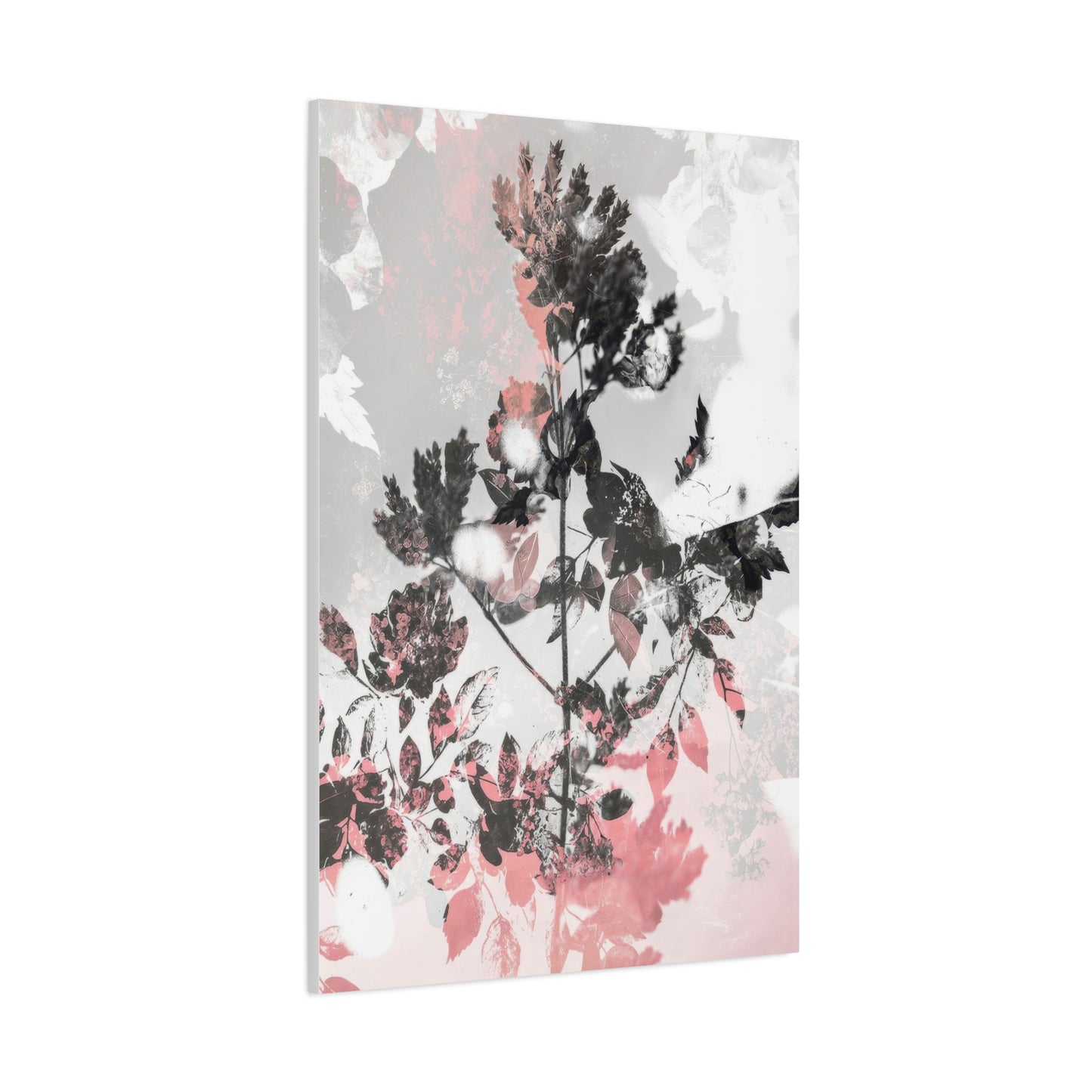
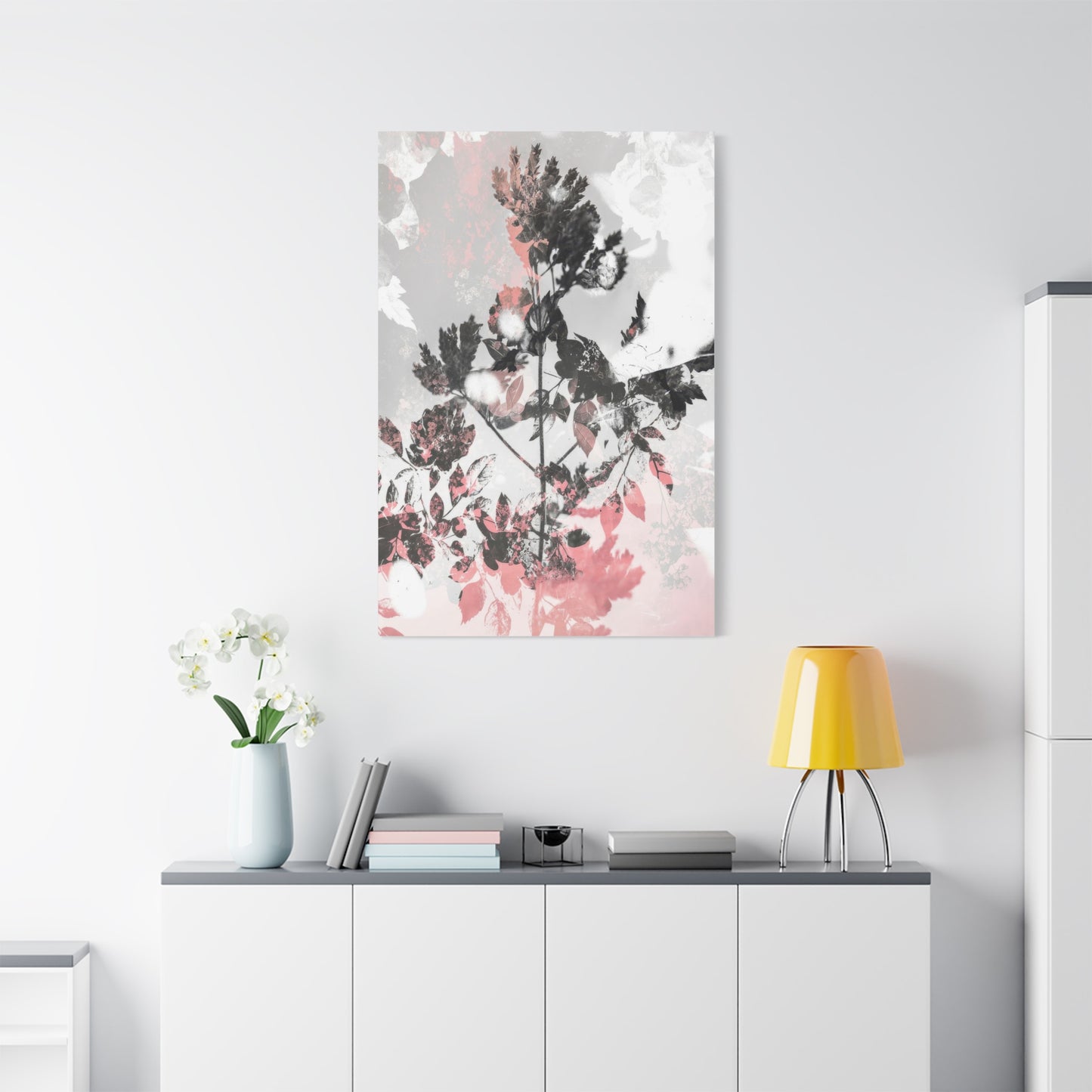
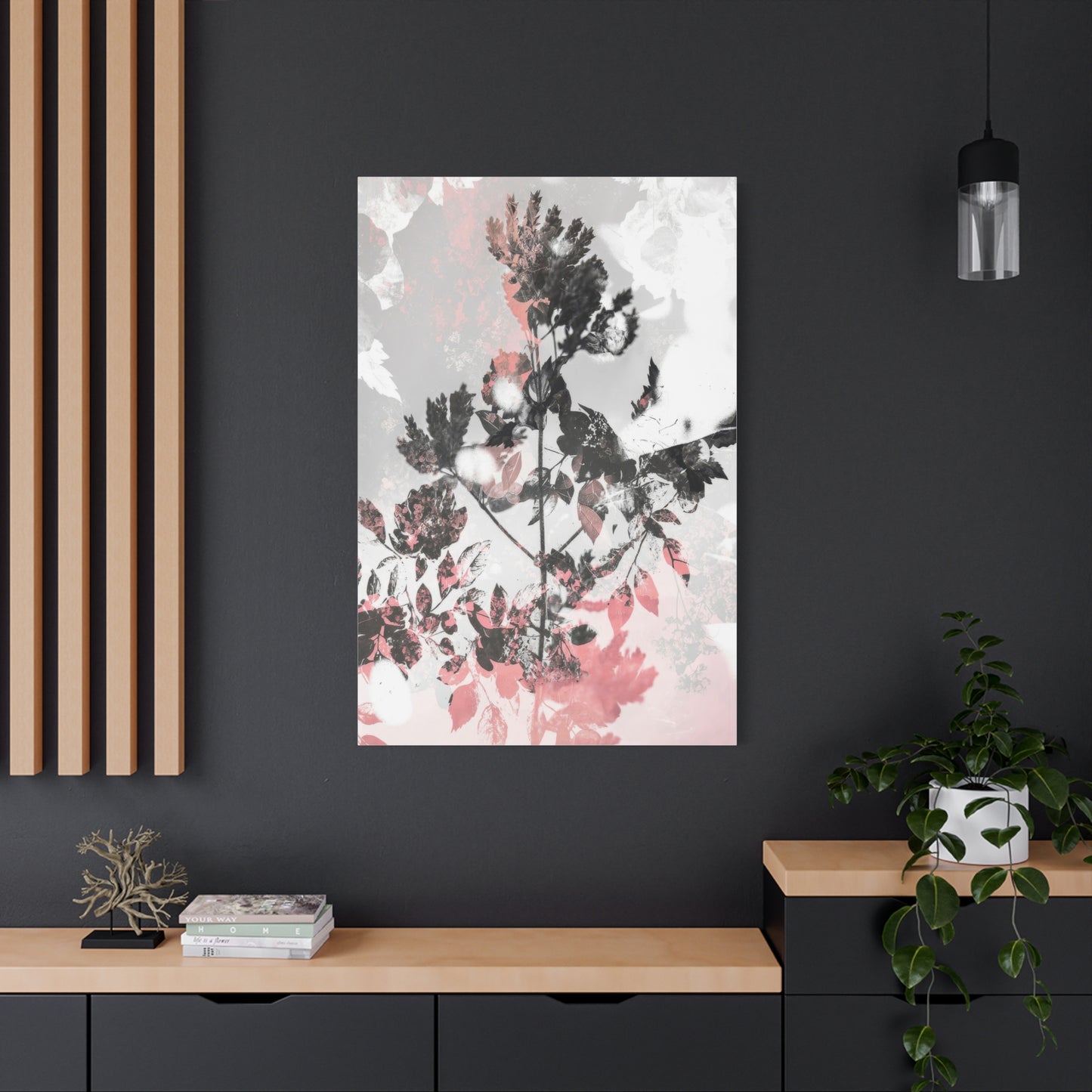
Floral Healing: How Ethereal Botanica Wall Art Can Promote Emotional Wellness
The world of interior decoration has witnessed a remarkable shift toward nature-inspired artwork that brings tranquility and sophistication into our homes. Among the most captivating trends emerging in contemporary home styling is the incorporation of delicate botanical imagery that captures the essence of natural beauty in its most refined form. This artistic movement celebrates the gentle interplay between flora and artistic expression, creating pieces that resonate with those seeking to infuse their living environments with organic elegance and peaceful energy.
Canvas prints featuring soft, dreamy botanical subjects have become increasingly sought after by homeowners and interior designers alike. These artistic pieces offer more than mere decoration; they serve as portals to serene natural landscapes, bringing the calming influence of gardens and meadows directly into our daily lives. The delicate rendering of plant life, with its subtle color palettes and graceful compositions, provides a visual respite from the often chaotic nature of modern living.
What makes these botanical artworks particularly compelling is their ability to bridge the gap between traditional nature studies and contemporary aesthetic sensibilities. They honor the time-honored practice of botanical illustration while embracing modern design principles that emphasize simplicity, clarity, and emotional resonance. This fusion creates artwork that feels both timeless and thoroughly current, capable of enhancing spaces across various decorating styles and architectural contexts.
The appeal of such nature-inspired canvas art extends beyond visual pleasure. These pieces carry with them associations of growth, renewal, and the enduring cycles of the natural world. They remind us of our connection to the earth and the importance of maintaining harmony with our environment, even within our urban dwellings. This deeper significance adds layers of meaning to the decorative function, making these artworks investments in both aesthetic beauty and personal wellbeing.
The Enduring Beauty of Delicate Botanical Canvas Artwork
When we speak of botanical canvas prints that embody an otherworldly quality, we are describing artwork that transcends ordinary plant depictions. These pieces capture flora in moments of perfect grace, where light, composition, and subject matter align to create something that feels almost magical. The timeless nature of such artwork lies in its ability to remain relevant and appealing regardless of shifting interior design trends or changing personal tastes.
The classical appeal of botanical subjects has been recognized for centuries. From the detailed scientific illustrations of the Renaissance period to the romantic garden paintings of the Impressionists, artists have long been captivated by the beauty and complexity of plant life. Contemporary botanical canvas art draws upon this rich heritage while adapting the presentation to suit modern sensibilities. The result is artwork that honors tradition while speaking directly to current aesthetic preferences.
One of the most remarkable aspects of these canvas prints is their versatility in application. Unlike more dramatic or specific artwork that demands particular settings, gentle botanical pieces adapt seamlessly to diverse environments. Whether your home features clean-lined contemporary furniture or vintage pieces with historical character, these prints provide a unifying element that enhances without overwhelming. Their subtle presence allows them to serve as both focal points and supporting elements within a room's overall design scheme.
The color palettes typically associated with this style of botanical art contribute significantly to their timeless quality. Soft greens, muted earth tones, gentle blues, and warm neutrals create a foundation that complements virtually any color scheme. These hues evoke natural settings without being overly literal, allowing the artwork to suggest rather than dictate the mood of a space. This restraint in color application ensures that the pieces remain appealing year after year, even as accent colors and decorating preferences evolve.
The compositions themselves often feature individual specimens or small groupings against simplified backgrounds, allowing the inherent beauty of the botanical subjects to take center stage. This approach removes unnecessary distractions and focuses attention on the elegant forms, delicate textures, and graceful lines that make plant life so visually compelling. The negative space surrounding the subjects contributes to a sense of airiness and calm, qualities that never go out of style in home environments.
Durability and quality in both the printing process and canvas materials ensure that these artworks maintain their visual impact over extended periods. High-quality reproductions on properly prepared canvas retain color fidelity and detail sharpness, allowing the subtle nuances of the botanical subjects to remain visible for years. This longevity makes them sound investments for those looking to create lasting beauty within their homes rather than temporary decorative solutions.
The Perfect Match Between Nature-Inspired Art and Contemporary Home Styling
Modern interior design has increasingly embraced principles that prioritize simplicity, functionality, and connections to the natural world. This aesthetic philosophy creates an ideal environment for botanical canvas artwork that embodies delicate beauty and organic forms. The clean lines and uncluttered spaces characteristic of contemporary interiors provide the perfect backdrop for these gentle nature studies, allowing them to shine without competing with busy patterns or excessive ornamentation.
The current emphasis on biophilic design, which seeks to incorporate natural elements into built environments, has created unprecedented demand for artwork that strengthens our connection to nature. Botanical prints serve this purpose beautifully, offering visual references to the outdoors without requiring the maintenance or space considerations of living plants. They bring the essence of gardens, forests, and meadows into our homes, satisfying our innate desire for natural beauty and organic forms.
Contemporary color schemes often feature neutral foundations accented with carefully chosen colors drawn from nature. This approach aligns perfectly with the palette typically found in sophisticated botanical artwork. The subtle greens of foliage, the soft earth tones of stems and soil, and the gentle hues found in flowers and seed heads all complement the greys, whites, and natural wood tones that dominate modern interiors. This color harmony creates cohesive spaces that feel intentionally designed rather than randomly assembled.
The scale and proportion considerations in contemporary design also favor the types of compositions found in refined botanical art. Modern rooms often feature fewer but more impactful decorative elements, with each piece selected for its ability to contribute meaningfully to the overall aesthetic. A well-chosen botanical canvas print can serve as that singular statement piece above a sofa or bed, or it can be part of a curated gallery wall that tells a cohesive visual story. The flexibility in sizing and hanging arrangements makes these prints adaptable to various spatial configurations.
Texture plays a crucial role in contemporary interiors, where the absence of pattern and ornamentation means that tactile qualities become more important for creating visual interest. Canvas prints naturally provide texture through the weave of the fabric and the dimensional quality of the printed surface. When depicting botanical subjects with their inherent variety of textures, from smooth petals to rough bark, these prints add another layer of sensory engagement to a space.
The minimalist philosophy that influences much of contemporary design values items that serve multiple purposes or provide both function and beauty. Botanical canvas artwork fulfills this criterion by offering aesthetic pleasure while also contributing to the psychological wellbeing of inhabitants. The calming influence of nature imagery and the visual interest provided by organic forms make these prints functional elements that enhance the livability of a space beyond their decorative contribution.
Lighting considerations in modern interiors also work to the advantage of botanical canvas art. Contemporary spaces often feature carefully planned lighting schemes that include natural daylight, ambient artificial lighting, and focused accent lights. These varied lighting conditions reveal different aspects of botanical prints throughout the day, with shadows and highlights emphasizing various details and creating subtle shifts in appearance. This dynamic quality keeps the artwork engaging and prevents it from becoming visually stale.
Refreshing Your Living Environment with Gentle Botanical Imagery
The desire to update and refresh our living spaces is a natural human impulse, driven by our need for variety and our response to changing seasons and life circumstances. Incorporating delicate botanical canvas prints offers an effective method for achieving this transformation without requiring extensive renovations or major furniture replacements. These artworks can fundamentally alter the feeling of a room through their influence on color, mood, and visual focus.
The psychological impact of introducing nature-inspired imagery into interior spaces should not be underestimated. Humans possess an innate affinity for natural forms and organic patterns, a phenomenon known as biophilia. When we surround ourselves with representations of plant life, even in artistic form, we tap into this deep-seated connection and experience measurable improvements in stress levels, mood, and overall wellbeing. A room enhanced with thoughtful botanical artwork becomes not just more beautiful but also more nurturing and supportive of mental health.
The physical act of changing or adding artwork creates an opportunity to reassess the entire arrangement of a space. When introducing new botanical prints, you might discover that adjusting furniture placement, repositioning lighting, or editing accessory collections creates a more harmonious overall composition. This process of reimagining your space around new artwork can lead to discoveries about how you actually use and experience your rooms, potentially improving functionality along with aesthetics.
Seasonal transitions provide natural opportunities for refreshing spaces with botanical artwork. While you might not want to change major pieces frequently, having a small collection of canvas prints that reflect different times of year allows you to align your interior environment with the changing world outside. Spring-blooming subjects in soft pastels, lush summer greenery, autumn seed heads in warm tones, and spare winter branches can each take their turn, keeping your space feeling current and connected to natural cycles.
The delicate nature of refined botanical prints makes them particularly effective for spaces that previously felt too busy or visually overwhelming. If your room suffers from an abundance of patterns, strong colors, or competing focal points, introducing calm botanical artwork can provide a visual rest point that helps organize and settle the space. The gentle presence of these prints creates breathing room that allows other elements to be appreciated more fully while reducing overall visual chaos.
Budget-conscious updating becomes possible when you focus on changing artwork rather than undertaking more expensive modifications. High-quality canvas prints offer significant visual impact relative to their cost, especially when compared to furniture replacement or architectural changes. This makes them accessible tools for those wanting to keep their spaces feeling fresh without overspending. The ability to make meaningful changes through artwork alone empowers renters and homeowners alike to personalize their environments.
Creating a gallery wall arrangement with multiple botanical prints allows for even greater transformative potential. By grouping related pieces that share a style, color palette, or theme, you can create a major focal point that defines the character of an entire room. The arrangement itself becomes an artistic statement, with the negative space between prints and the overall composition contributing as much to the effect as the individual pieces. This approach works particularly well in rooms with large wall expanses that might otherwise feel bare or undefined.
The Therapeutic Benefits of Nature-Focused Botanical Wall Decor
Scientific research increasingly validates what many have intuitively understood about the relationship between nature exposure and human wellbeing. Studies demonstrate that even indirect contact with nature, including through images and representations, provides measurable benefits for mental and physical health. Botanical artwork serves as a form of this indirect exposure, bringing the therapeutic qualities of the natural world into spaces where actual plants might not be practical or sufficient to meet our psychological needs.
The calming effect of viewing plant imagery relates to multiple factors working in concert. The organic forms and patterns found in botanical subjects engage our visual processing systems in ways that feel effortless and natural, unlike the angular geometry and precise lines of human-made environments. This engagement occurs without requiring conscious effort or creating mental fatigue, providing a form of gentle stimulation that restores rather than depletes our cognitive resources. The result is a subtle but real reduction in stress hormones and an increase in feelings of calm and centeredness.
Color psychology plays a significant role in the soothing power of botanical artwork. The greens, blues, and earth tones that dominate nature-inspired pieces are associated with tranquility, growth, and stability. These colors have been shown to lower heart rate and blood pressure while promoting feelings of security and peace. Unlike more aggressive colors that stimulate and energize, these gentler hues create an atmosphere conducive to relaxation and contemplation, making them ideal for spaces designed for rest and recovery.
The symbolic associations we hold regarding plants and natural environments contribute another layer to their therapeutic value. Plants represent life, growth, renewal, and resilience. They connect us to cycles larger than ourselves and remind us of the continuity and persistence of nature despite challenges and changes. These associations operate at both conscious and unconscious levels, providing comfort and perspective that extend beyond the purely visual experience of viewing botanical artwork.
Attention restoration theory suggests that natural environments help replenish our capacity for focused attention, which becomes depleted through the constant demands of modern life. Botanical artwork, while not as effective as actual nature immersion, provides a similar restorative function on a smaller scale. Taking moments throughout the day to rest your gaze on a beautiful plant image allows your mind to shift into a more receptive, less effortful mode of attention, providing micro-breaks that accumulate into meaningful stress reduction.
The importance of these therapeutic benefits becomes particularly apparent in environments where people spend extended periods without access to outdoor spaces or natural views. Urban apartments, interior offices, and care facilities all benefit tremendously from the inclusion of botanical artwork that compensates for the absence of actual nature contact. In these contexts, the prints serve not merely as decoration but as essential elements supporting the mental health and comfort of occupants.
Personalization of therapeutic benefit occurs when individuals select botanical subjects that hold specific meaning or appeal for them. Someone who finds particular peace in forest environments might choose prints featuring ferns or woodland flowers, while another person might prefer the open feeling suggested by grassland plants or the exotic beauty of tropical species. This ability to customize the nature connection ensures that the calming benefits are maximized for each individual based on their unique responses and preferences.
Introducing Playful Wonder Through Delicate Botanical Canvas Prints
While discussions of botanical artwork often emphasize serenity and calm, these pieces also possess the capacity to inject gentle playfulness and whimsy into interior spaces. The natural world, after all, is not only peaceful but also endlessly varied, surprising, and delightful in its details. Botanical prints that capture the more enchanting aspects of plant life bring these qualities into our homes, creating spaces that feel not just calm but also joyful and engaging.
The concept of whimsy in design refers to elements that surprise and delight, that make us smile or pause in pleasant recognition of something charming or unexpected. In botanical artwork, this quality might appear in the choice of unusual plant specimens, unexpected compositions that present familiar subjects from new angles, or treatments that emphasize the almost magical qualities of natural forms. A print showing the delicate spiral of an unfurling fern frond or the fairy-tale quality of bell-shaped flowers hanging from graceful stems exemplifies this playful approach.
Incorporating whimsical elements serves important functions beyond simply being attractive. These touches of lightness and joy create emotional variety within a space, preventing it from feeling too serious or studied. They provide conversation starters and points of interest that engage visitors and inhabitants alike. In homes with children, botanical prints that emphasize the wonder and diversity of plant life can spark curiosity and foster appreciation for nature while maintaining a sophisticated aesthetic that doesn't sacrifice adult design preferences.
The balance between whimsy and sophistication requires careful consideration. The most successful pieces maintain a refined execution and composition while presenting subjects or perspectives that carry that element of delightful surprise. This might mean choosing prints that show plants backlit to emphasize their transparency and luminosity, or selections that capture the geometric precision of flower petals arranged in spiraling patterns. The wonder comes not from cartoonish exaggeration but from revealing the extraordinary qualities present in ordinary plant life.
Seasonal botanical subjects offer particularly rich opportunities for whimsical touches. Spring bulbs pushing through soil, delicate blossoms just beginning to open, autumn seed heads preparing to scatter their contents on the wind—these subjects capture moments of transition and transformation that feel inherently hopeful and energizing. They remind us that nature is constantly changing and creating, offering new delights with each seasonal shift.
The element of discovery provides another avenue for whimsy in botanical prints. Pieces that reward closer inspection with details not immediately apparent from a distance create ongoing engagement with the artwork. Tiny insects visiting flowers, water droplets caught on petals, or the intricate patterns of leaf veins become little treasures that reveal themselves over time. This quality of revealing more upon closer examination makes the artwork a continuing source of interest rather than something that registers once and then fades into the background.
Color choices can also contribute to or moderate the whimsical quality of botanical prints. While soft, muted palettes tend to emphasize tranquility, touches of brighter or more unexpected colors add playful energy without becoming overwhelming. A predominantly green and neutral palette might be enlivened by flowers in soft coral or delicate lavender, providing just enough color contrast to feel special without disrupting the overall sense of calm sophistication.
Cultivating Peaceful Atmospheres with Nature-Inspired Wall Decor
The creation of truly serene interior environments requires attention to multiple factors working in harmony—color, lighting, texture, proportion, and content all contribute to the overall feeling of a space. Botanical canvas artwork functions as a powerful tool in this creation process, offering visual elements that actively promote feelings of peace and tranquility. The presence of these pieces shifts the entire energy of a room, making it feel like a refuge from the demands and stresses of daily life.
Understanding how serene ambiance develops helps explain why botanical prints prove so effective in this role. Serenity arises not from a single element but from the absence of visual conflict and the presence of cohesive, harmonious relationships between all elements in a space. Botanical artwork contributes to this harmony through its inherent balance and natural proportions, which human perception recognizes as correct and pleasing without conscious analysis. This subconscious recognition of rightness creates a foundation for the feeling of serenity.
The repetition of organic forms and natural patterns throughout a space, anchored by botanical artwork, establishes a visual rhythm that feels soothing and predictable in positive ways. When the curves and lines found in printed botanicals echo the shapes of other elements like furniture contours, window shapes, or decorative objects, a sense of intentionality and completeness emerges. This visual coherence communicates that the space has been thoughtfully created as a unified whole rather than randomly assembled.
Negative space, both within the botanical prints themselves and in the overall room arrangement, plays a crucial role in developing serene atmospheres. Artwork that features simplified compositions with generous areas of calm background allows the eye to rest and prevents the feeling of visual overcrowding. Similarly, positioning these prints within uncluttered wall arrangements ensures they can be appreciated individually rather than competing for attention with numerous other elements.
Lighting conditions profoundly affect how botanical artwork contributes to room ambiance. Natural light during daytime hours brings out the subtle color variations and details in the prints, creating a connection to the actual outdoors and the natural cycles of day and night. As evening approaches and artificial lighting takes over, thoughtful placement of ambient and accent lights can maintain the peaceful feeling by illuminating the artwork gently rather than harshly. Dimmable lighting systems allow for adjustment based on activities and moods, with the botanical prints serving as constant visual anchors through these transitions.
The human need for connection to nature, even in our designed environments, cannot be overemphasized when discussing the creation of serene spaces. Biophilic design principles recognize that access to nature, or representations of nature, directly impacts our physiological stress response. Rooms incorporating botanical imagery literally help our bodies shift into more relaxed states, with measurable decreases in cortisol levels and heart rate. This biological response amplifies the psychological perception of the space as peaceful and restorative.
Personal associations and memories linked to nature experiences become activated when we encounter botanical artwork, adding individual layers of meaning to the universal calming effects. Someone who spent happy childhood hours in gardens may find botanical prints particularly comforting due to these positive associations, while another person might connect them with peaceful walks in natural settings. These personal connections deepen the impact of the artwork beyond its objective aesthetic qualities.
Revitalizing Interior Spaces with Vibrant Botanical Canvas Selections
The introduction of botanical artwork into a room serves as more than decorative enhancement—it fundamentally alters the perceived quality of the space itself. Rooms that previously felt stagnant, lifeless, or disconnected suddenly gain a sense of vitality and purpose when enhanced with thoughtful nature-inspired pieces. This transformation occurs through multiple mechanisms, all working together to create environments that feel more alive, more connected, and more conducive to wellbeing.
The visual representation of living things naturally suggests vitality and energy, even in static art forms. When we look at images of thriving plants, our minds automatically associate these images with growth, health, and life force. This association translates into our perception of the space itself—a room adorned with beautiful botanical prints feels more vibrant and dynamic than the same room with different artwork or no artwork at all. The psychological impact of this perception affects how we experience and use the space.
Color relationships between the botanical artwork and other room elements create opportunities for either harmonious blending or energizing contrast. Botanical prints featuring predominantly green tones against neutral walls establish a fresh, clean feeling reminiscent of spring growth and renewal. Alternatively, selecting pieces that incorporate brighter accent colors—soft corals, delicate yellows, or muted purples—creates focal points that draw the eye and energize the overall palette without overwhelming the space.
The concept of freshness in interior design relates to how current and well-maintained a space feels. Rooms can become visually tired even when physically clean and structurally sound, simply through the accumulation of outdated design choices or the staleness that comes from never changing anything. Botanical artwork, particularly pieces with contemporary styling and clean execution, immediately updates a space and signals that attention has been paid to its appearance. This freshness extends beyond the artwork itself to influence perception of the entire environment.
Seasonal rotation of botanical prints offers an excellent method for maintaining the feeling of freshness and life throughout the year. Just as nature cycles through changes, your interior environment can reflect these transitions through carefully selected artwork. Spring botanicals featuring new growth and delicate blossoms, summer pieces showing lush foliage, autumn subjects with seed heads and changing colors, and winter selections with stark branches or evergreen specimens keep your space feeling connected to the natural world's rhythms.
The psychological impact of believing you have control over your environment should not be underestimated when considering how to bring life into a space. The act of selecting and hanging botanical artwork represents an exercise of agency and personal taste. This creative engagement with your environment makes you feel more invested in and connected to the space, which in turn makes it feel more alive and meaningful. The room becomes truly yours rather than just a generic space you happen to occupy.
Air quality perception, while not actually changed by artwork, can be influenced by the associations we hold between plants and clean, fresh air. Botanical prints subconsciously suggest the presence of oxygen-producing vegetation, creating a subtle impression that the air in the space is fresher and more pleasant. This psychological effect, combined with actual air quality improvements from real plants you might also include, enhances the overall sense of healthfulness and vitality in the room.
The Understated Appeal of Botanical Art in Simplified Design Schemes
Minimalist interior design, with its emphasis on simplicity, functionality, and the elimination of excess, might initially seem at odds with decorative artwork. However, thoughtfully selected pieces become even more important in these pared-down spaces, where every element must justify its presence through both beauty and purpose. Botanical canvas prints prove ideal for minimalist settings, offering visual interest and connection to nature without cluttering or complicating the clean aesthetic.
The philosophy underlying minimalist design values quality over quantity, encouraging the selection of fewer but more meaningful possessions. This approach aligns perfectly with investing in beautiful botanical artwork that genuinely enhances your daily experience rather than acquiring numerous lesser pieces that merely fill space. A single, well-chosen print can transform an entire wall, becoming the focal point that anchors the room's entire design scheme while maintaining the uncluttered feeling essential to minimalist aesthetics.
Negative space, both within artwork and surrounding it, becomes a design element in its own right within minimalist interiors. Botanical prints that feature individual specimens against simplified or absent backgrounds embody this principle perfectly. The plant subject provides necessary visual interest while the surrounding space allows the eye to rest, creating balance between presence and absence. This approach mirrors the overall room design, where furnishings and decorative elements are carefully chosen and positioned with attention to the space around them.
Color restraint in minimalist spaces makes the palette of botanical artwork particularly significant. Many minimalist interiors rely on neutral foundations of white, grey, and natural wood tones, with color introduced sparingly and intentionally. Botanical prints naturally complement these schemes through their soft greens, earth tones, and muted floral hues. These colors provide enough variation to prevent the space from feeling sterile while maintaining the calm, uncluttered atmosphere central to minimalist design.
The organic forms found in botanical subjects offer essential contrast to the geometric precision typical of minimalist furniture and architecture. Clean lines, right angles, and smooth surfaces dominate most minimalist spaces, creating environments that can sometimes feel cold or unwelcoming despite their visual appeal. The natural curves and irregular forms of plant life provide necessary softness and warmth, humanizing the space without compromising its fundamental aesthetic principles.
Material authenticity matters in minimalist design, where the honest expression of materials—wood grain, metal texture, woven fabric—takes the place of applied decoration. Canvas as a print medium fits naturally into this context, with its textile texture and matte finish complementing other natural materials commonly featured in minimalist interiors. The physical presence of the canvas adds dimension and tactile interest without requiring elaborate framing or presentation that might feel excessive.
The functional aspect of botanical artwork in minimalist spaces extends beyond aesthetics to support the wellbeing purposes that often motivate minimalist lifestyle choices. People embrace minimalism not simply for visual appeal but to reduce stress, increase focus, and create more mindful living environments. Botanical prints support these goals by providing the psychological benefits of nature connection while respecting the principle of intentional simplicity. They offer sufficient visual engagement to prevent spaces from feeling barren while maintaining the sense of calm clarity that makes minimalism appealing.
Thoughtful Approaches to Incorporating Botanical Prints in Home Design
Successfully integrating botanical canvas artwork into your living space requires more consideration than simply hanging prints on empty walls. Thoughtful styling involves understanding how the artwork relates to other design elements, how it functions within the room's purpose, and how it contributes to the overall atmosphere you wish to create. These considerations ensure that your botanical pieces enhance rather than merely occupy your space.
Room function should guide artwork selection and placement. In living areas where conversation and socializing occur, botanical prints might be positioned to create focal points that draw people together or to soften the geometry of seating arrangements. In bedrooms designed for rest, artwork placement above the bed or on walls visible from the sleeping position allows the calming imagery to be the last thing seen before sleep and the first upon waking. Home offices benefit from botanical prints that provide visual relief during breaks from screen work without being so engaging that they distract from concentration.
Scale relationships between artwork and furniture require careful attention to maintain visual balance. A common mistake involves selecting prints that are too small for the space they occupy, creating a disconnected, floating appearance. As a general principle, artwork above sofas should span roughly two-thirds to three-quarters of the furniture width, creating a clear relationship between the pieces. For botanical prints displayed independently, ensure they have sufficient scale to hold their visual weight within the room rather than disappearing into the walls.
Grouping arrangements offer opportunities for creating substantial impact with multiple smaller prints. Gallery wall configurations work particularly well with botanical subjects, allowing you to create themed collections that tell visual stories. You might group prints showing different growth stages of a single plant type, create arrangements featuring various species from a particular habitat, or assemble pieces that transition through seasonal changes. The key to successful groupings lies in establishing clear connections between pieces through consistent framing, related color palettes, or complementary compositions.
Height considerations affect how comfortably artwork can be viewed and how well it integrates into the room's visual field. The standard recommendation of hanging pieces with their centers at eye level, approximately 57 to 60 inches from the floor, provides a useful starting point. However, this guideline should be adjusted based on ceiling height, furniture placement, and viewing positions. In dining rooms where people are usually seated, slightly lower placement may prove more appropriate, while in hallways where people move past quickly, higher positioning might work better.
Surrounding elements can either support or detract from your botanical artwork depending on how they're managed. Busy wallpaper patterns or competing focal points dilute the impact of prints and create visual confusion. Instead, consider how wall color, adjacent furniture, and nearby decorative objects either harmonize with or contrast against your botanical pieces. A carefully selected vase, a complementary throw pillow, or a piece of natural wood decor can create intentional connections that strengthen the overall design narrative.
Lighting deserves special attention when displaying canvas artwork. Natural light can beautifully illuminate botanical prints during daytime hours, but direct sunlight should be avoided as it can cause fading over time. Position pieces perpendicular to windows when possible, or use window treatments to filter intense light. Artificial lighting, particularly directional picture lights or adjustable spot lights, can highlight your botanical art during evening hours and emphasize specific details or textures within the pieces.
Flexibility in arrangement allows your styling to evolve with your space and preferences. Rather than viewing artwork placement as permanent, consider it an element you can adjust seasonally or when other changes occur. This flexibility requires practical considerations like using hanging systems that allow easy repositioning or selecting prints with versatile color palettes that work in multiple locations. The ability to refresh your space through artwork rotation keeps your environment feeling dynamic and responsive to your changing needs.
The Perfect Retreat Rooms Enhanced by Gentle Botanical Wall Art
Bedrooms and living rooms serve as our primary spaces for relaxation and personal time, making them ideal environments for artwork that promotes calm and comfort. Botanical canvas prints excel in these settings, contributing to the restful atmospheres these rooms require while adding beauty and personality. The choice to incorporate nature-inspired imagery in these particular spaces reflects an understanding of how our surroundings affect our ability to unwind and recharge.
Bedroom design centers on creating conditions conducive to quality sleep and peaceful mornings. The visual environment plays a significant role in this, with busy patterns, bright colors, or disturbing imagery potentially interfering with the mental quiet necessary for rest. Botanical prints, with their soothing subjects and typically calm palettes, support rather than hinder the bedroom's primary function. The presence of nature imagery has been shown to reduce bedtime anxiety and contribute to faster sleep onset, making these pieces functional wellness tools rather than purely decorative additions.
Placement considerations in bedrooms often focus on the wall above the headboard, creating a focal point visible from the doorway that establishes the room's aesthetic. However, botanical art positioned on side walls, visible from the bed, serves the practical purpose of providing something beautiful and calming to contemplate during quiet moments before sleep or upon waking. This placement prioritizes the experience of the room's primary user over the impression created for visitors, reflecting the intimate, personal nature of bedroom spaces.
Living rooms present different opportunities and challenges for botanical artwork display. These spaces typically feature more complex furniture arrangements, varied activities, and greater visitor traffic than bedrooms. Botanical prints in living areas must hold their own within more stimulating environments while still contributing to overall comfort and atmosphere. Large-scale pieces or grouped arrangements create sufficient visual weight to function as focal points that anchor seating areas and provide conversational elements without overwhelming the space.
The social function of living rooms makes the accessibility and appeal of artwork more important than in private spaces. Botanical subjects offer nearly universal appeal, representing safe choices unlikely to offend or alienate visitors while providing sufficient interest to prompt conversation and appreciation. The natural world serves as common ground among diverse individuals, making botanical artwork welcoming and inclusive regardless of who enters your home.
Durability considerations differ slightly between bedrooms and living rooms, with the latter experiencing more traffic, varied activities, and potentially more challenging conditions. Canvas prints prove advantageous in both spaces due to their resilience and the ease of cleaning and maintenance they offer. Unlike paper-based art or delicate mediums, canvas can withstand occasional contact and environmental variations without immediate damage, making it practical for heavily used living spaces while remaining sufficiently refined for intimate bedroom settings.
Lighting conditions vary significantly between typical bedrooms and living rooms, affecting how botanical artwork appears and functions. Bedrooms often feature softer, more controllable lighting that can be adjusted for different activities and times of day. Living rooms might include brighter ambient lighting, task lighting for reading or activities, and accent lighting for atmosphere. Botanical prints work effectively under all these conditions, with their relatively forgiving color palettes and subject matter remaining attractive under various lighting scenarios.
Personal expression takes different forms in these two room types. Bedrooms allow more individual and perhaps quirky preferences since fewer people will see them, while living rooms typically reflect more consensus taste when shared with partners or family members. Botanical artwork bridges this gap effectively, offering enough variety in style, composition, and subject matter to satisfy individual preferences while remaining appropriate for semi-public spaces. The range available ensures you can find pieces that feel personally meaningful while also functioning well in social contexts.
The Enchanting, Fantasy-Like Quality of Soft Botanical Canvas Art
Certain botanical canvas prints transcend simple nature documentation to evoke dreamlike, almost otherworldly sensations. These pieces capture plants in moments or perspectives that emphasize their ethereal qualities, creating artwork that feels transported from fairy tales or fantasy realms rather than prosaic gardens. This magical quality adds a dimension of wonder and escape to interior spaces, inviting viewers into imaginative contemplation while maintaining the calming influences associated with botanical subjects.
The dreamy character of such artwork often derives from specific technical choices in its creation. Soft focus effects blur edges slightly, creating the impression of viewing plants through morning mist or in the hazy light of dawn or dusk. This approach reduces harsh definition and creates a sense of mystery and ambiguity that invites the imagination to fill in details. The resulting images feel less like scientific documentation and more like half-remembered dreams or visions, engaging viewers on emotional and imaginative levels rather than purely visual ones.
Unusual perspectives contribute to the magical feeling by presenting familiar subjects in unfamiliar ways. A plant photographed or painted from directly below might show illuminated petals and leaves backlit into transparency, revealing internal structures usually hidden and creating the impression of luminous stained glass. Extreme close-ups that abstract botanical subjects into pure form and color can transform recognizable plants into mysterious landscapes or alien worlds, triggering the imagination while maintaining that essential connection to natural forms.
Color manipulation, particularly the use of cooler tones or subtle desaturation, enhances the otherworldly quality of botanical prints. While vibrant, saturated colors ground images in physical reality, softer or slightly muted palettes create distance from everyday experience. Cool blues and purples suggest twilight hours or moonlit gardens, times when ordinary landscapes take on mysterious or enchanted qualities. These color choices work particularly well for botanical subjects, which maintain their recognizability even when presented in somewhat unnatural color schemes.
The concept of magical realism in art, where realistic elements are presented in ways that suggest extraordinary qualities, applies perfectly to certain styles of botanical work. Plants are depicted accurately enough to be identifiable, yet the overall presentation, lighting, composition, or context suggests something beyond ordinary garden flora. This balance between reality and fantasy creates engaging tension that keeps viewers looking, discovering new details and interpretations with each viewing.
Symbolic and metaphorical associations with particular plants add layers of meaning that enhance the magical quality of botanical artwork. Throughout history and across cultures, specific plants have carried symbolic weight—representing love, wisdom, transformation, or spiritual qualities. When these plants appear in dreamlike artistic treatments, both the universal human response to natural beauty and the cultural or personal symbolic meanings combine to create deeply resonant pieces that speak to something beyond their literal subject matter.
The escape and relief from mundane reality that magical or dreamy artwork provides should not be underestimated as a practical benefit in home environments. Daily life often involves routine, obligation, and practical concerns that, while necessary, can feel draining or limiting. Botanical artwork that opens imaginative possibilities or suggests worlds beyond our immediate experience offers mental refreshment and the psychological space to dream, hope, and imagine. This function, while less concrete than color coordination or style matching, may ultimately be the most valuable contribution such artwork makes to our living spaces.
The Universal Appeal of Flora-Focused Interior Decoration
Nature-inspired design elements have proven their staying power across diverse geographical locations, cultural contexts, and individual preferences. The widespread appeal of botanical artwork specifically stems from multiple factors that transcend personal taste or temporary trends. Understanding why these pieces work effectively in virtually any setting helps explain their enduring popularity and makes the case for their inclusion in your own space, regardless of your particular style preferences or living situation.
The biological basis for human attraction to plant imagery cannot be overlooked when explaining universal appeal. Evolutionary psychology suggests that humans developed strong positive responses to indicators of fertile, resource-rich environments—precisely the qualities that lush plant life signals. These deeply ingrained responses mean that botanical imagery triggers positive feelings at fundamental levels, regardless of conscious aesthetic preferences or cultural conditioning. This biological foundation ensures that botanical artwork resonates across diverse populations.
Conclusion:
Floral art, with its delicate beauty and rich symbolism, has long been a source of inspiration and comfort. Ethereal botanica wall art, in particular, elevates this connection to nature to a higher, almost spiritual level, offering not only aesthetic pleasure but also emotional wellness benefits. The soft, flowing forms and calming colors typical of botanical art create an atmosphere of peace and tranquility in any space. Whether you’re drawn to intricate floral illustrations, abstract depictions, or watercolor blooms, these artworks carry a transformative power to help soothe stress, nurture emotional healing, and encourage mindfulness, making them an ideal choice for enhancing the emotional ambiance of your home.
One of the primary ways that ethereal botanica art contributes to emotional wellness is through its connection to nature. Numerous studies have shown that nature can have a profound impact on our mental and emotional well-being. Just as spending time in a garden or taking a walk through a park can lower stress levels and boost mood, bringing elements of nature indoors has a similarly positive effect. The organic, fluid lines and gentle colors of flowers in botanical art evoke a sense of calm and connection to the earth, helping to create a restorative environment. By hanging ethereal botanica wall art in spaces where you spend time relaxing, such as the bedroom or living room, you can invite this calming, nature-infused energy into your daily life.
The healing properties of flowers themselves add another layer of meaning to this form of art. Flowers have long been symbols of renewal, growth, and emotional expression. They represent the cycle of life, with their blooming, wilting, and rebirth echoing the human experience of change, loss, and growth. Ethereal botanical art often magnifies these themes, capturing flowers at their most delicate and ephemeral, reminding us of the beauty in fragility and the importance of nurturing our own personal growth. Each petal and leaf in such artwork can symbolize emotional resilience and the potential for healing. For someone struggling with grief, anxiety, or a sense of emotional stagnation, having floral art on the walls can act as a visual reminder of nature’s ability to heal and regenerate, providing a sense of hope and renewal.
Additionally, the soft, muted tones commonly used in ethereal botanical art—such as pastels, earth tones, and light greens—can have a direct impact on the emotions of those who encounter it. Color psychology suggests that certain colors are associated with specific emotional responses. Light greens, for example, are known to promote feelings of calm, relaxation, and balance, while soft pinks and lavenders encourage feelings of warmth and gentleness. By choosing pieces of floral art that incorporate these colors, you can create a space that encourages emotional balance and harmony. Whether it’s through a single, large piece or a collection of smaller botanical prints, these colors can foster a soothing environment that helps reduce feelings of anxiety or tension.
Beyond the visual appeal and emotional symbolism, the act of selecting and living with floral art itself can be a form of mindfulness. The process of choosing artwork that resonates with your emotional state—whether it's a peaceful botanical watercolor or a vibrant, energizing floral print—engages the mind in a way that encourages self-reflection and present-moment awareness. This mindful act of decorating can contribute to emotional wellness by allowing you to consciously choose an environment that supports your mental and emotional needs. Furthermore, as you spend time in the space where the art is displayed, the artwork can serve as a gentle reminder to practice mindfulness, grounding yourself in the beauty of the present moment and cultivating gratitude for the calming influence of nature.


