


Ethereal Muse Wall Art
Ethereal Muse Wall Art
Couldn't load pickup availability
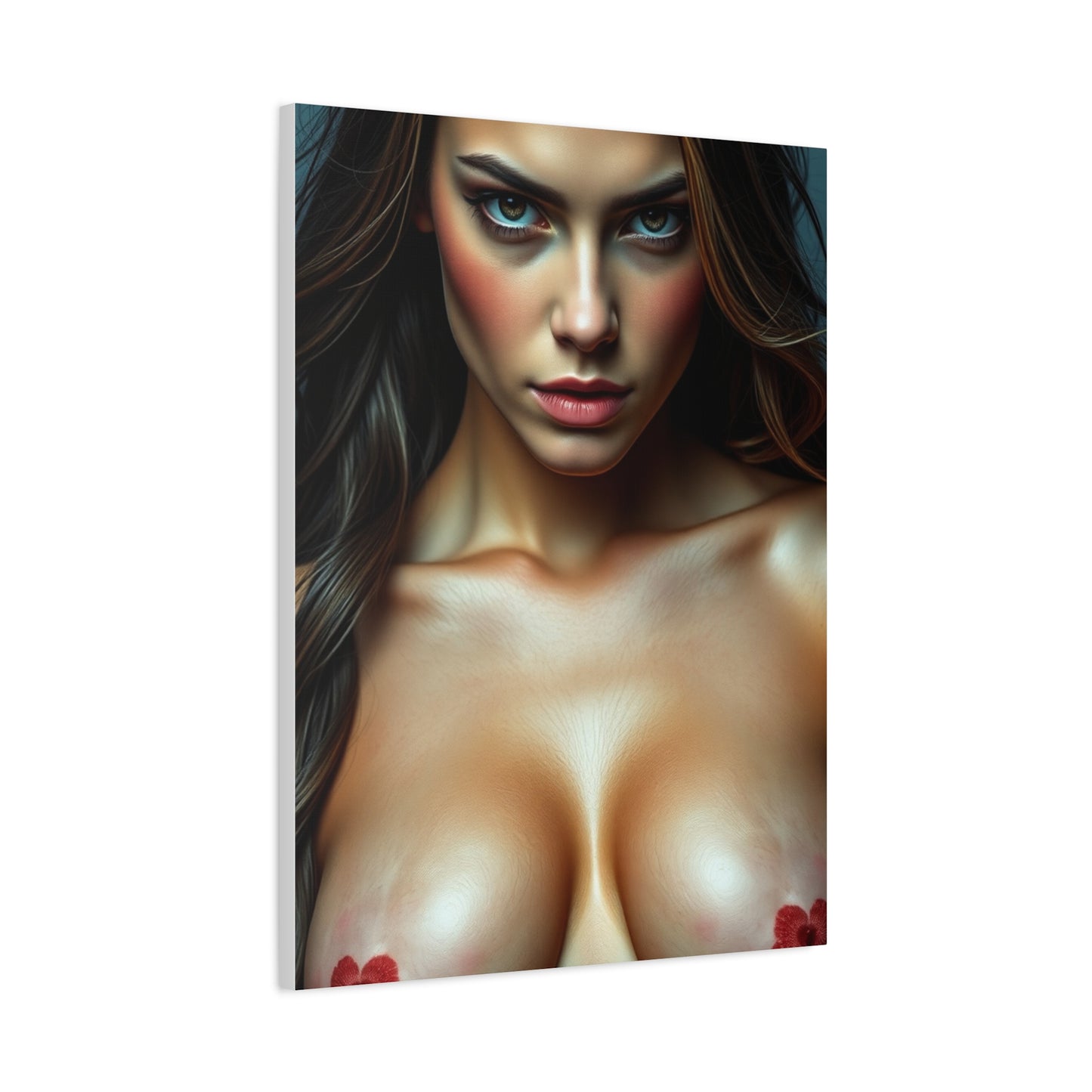
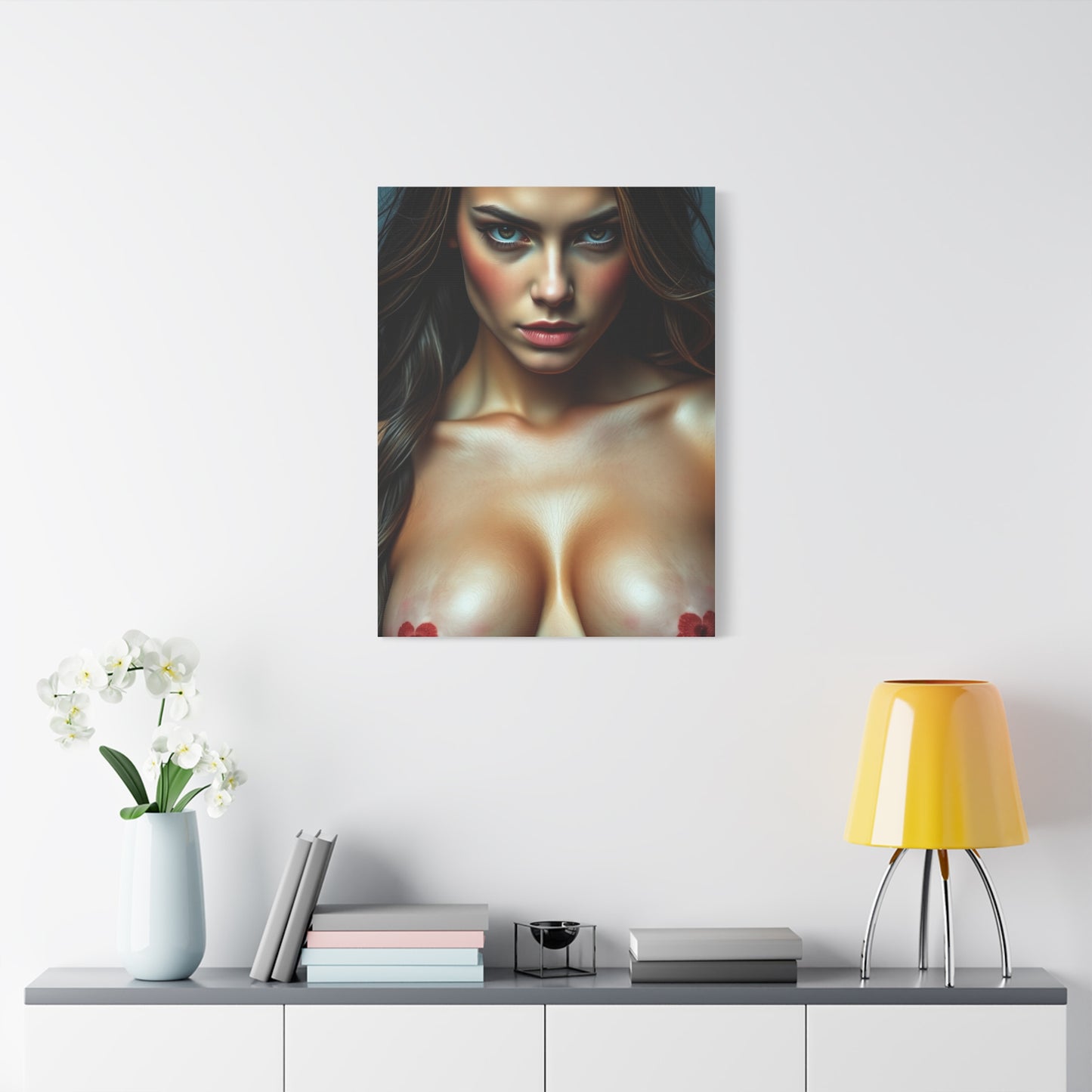
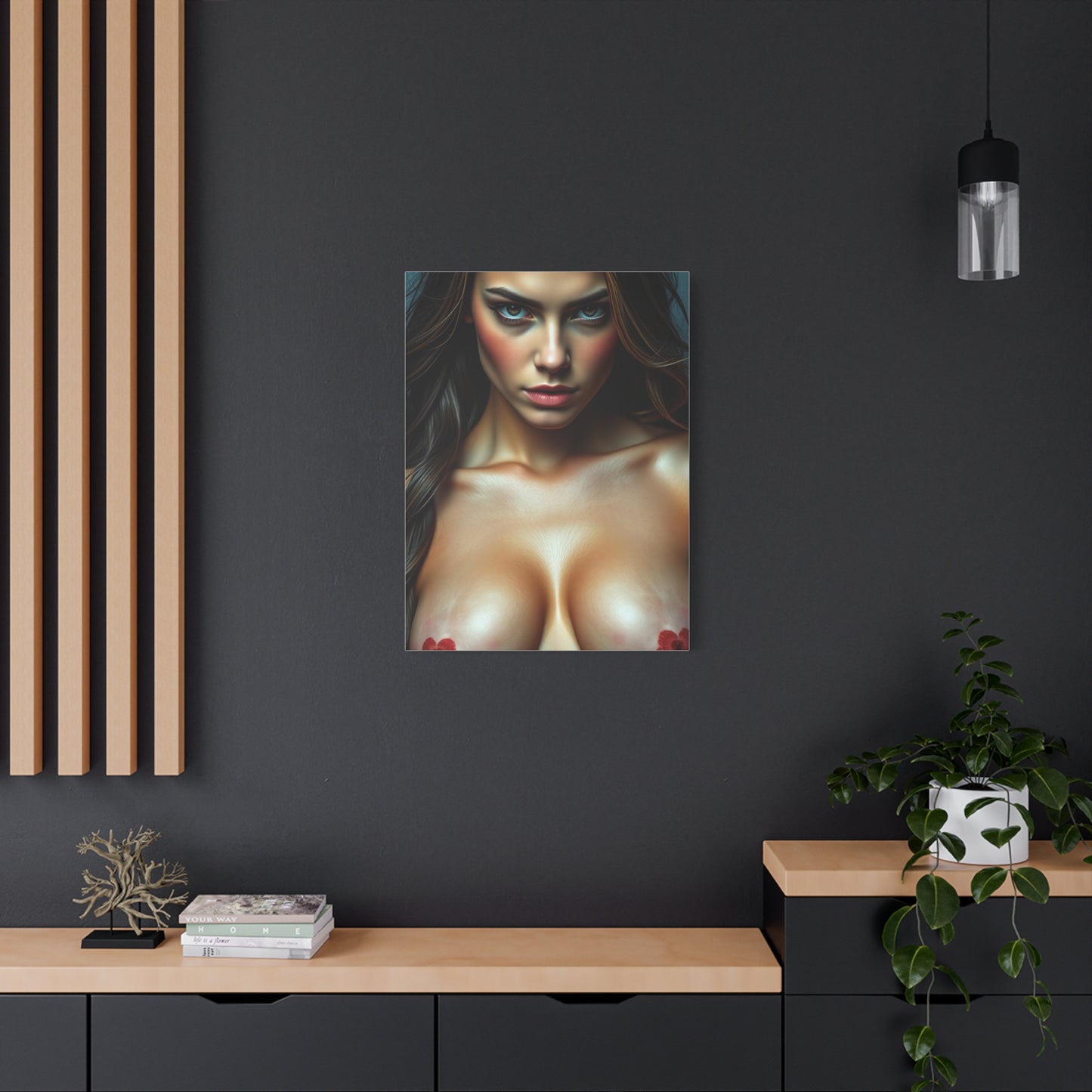
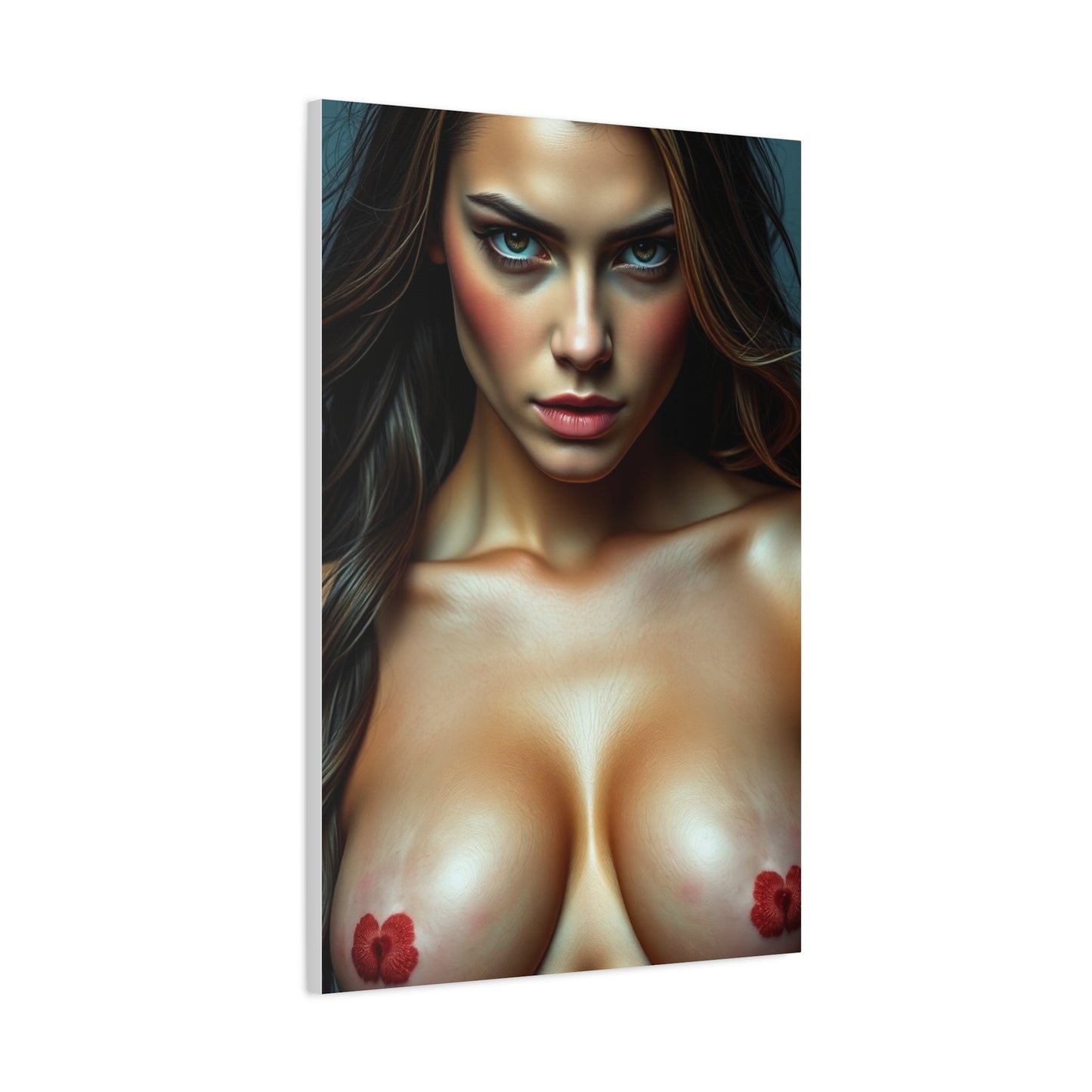
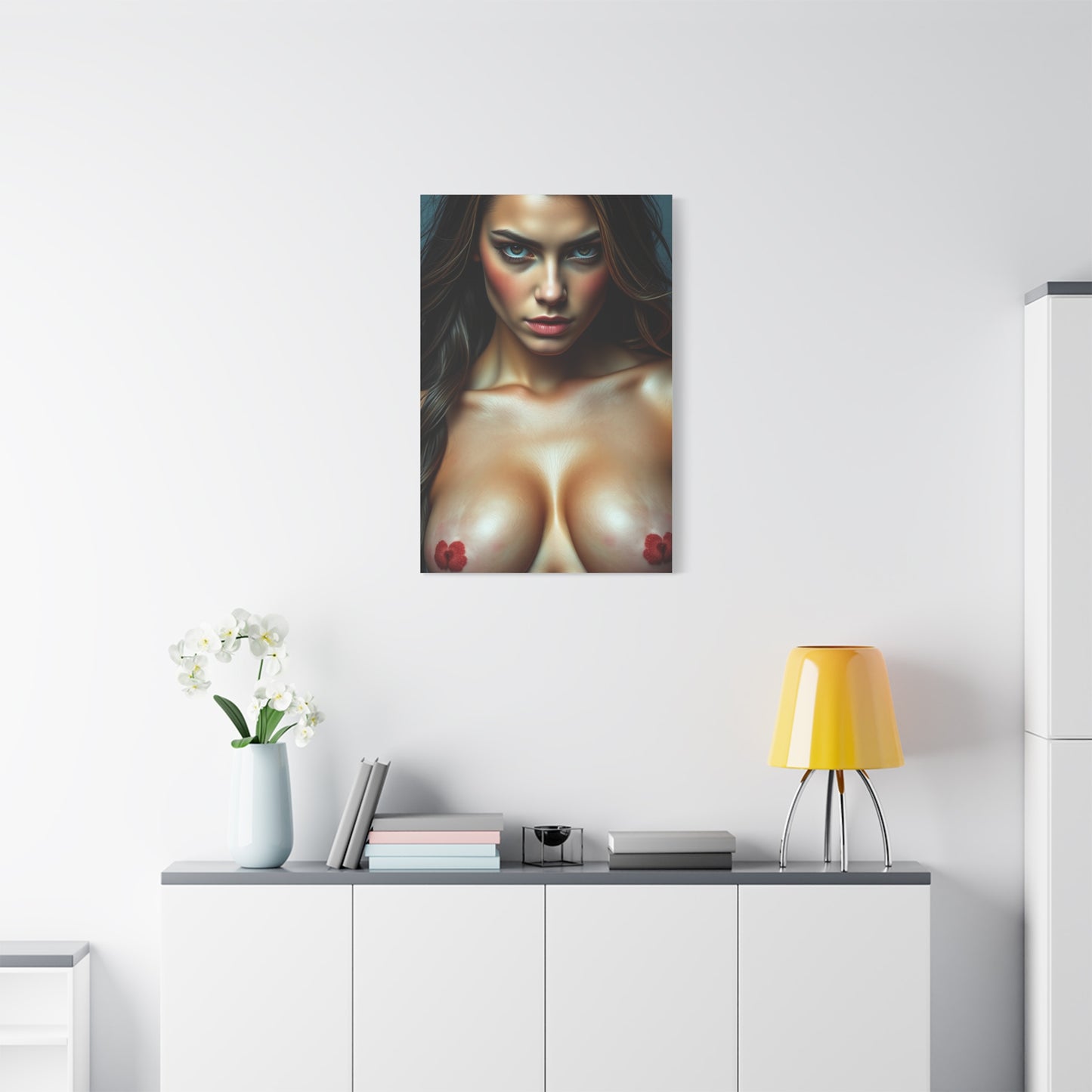
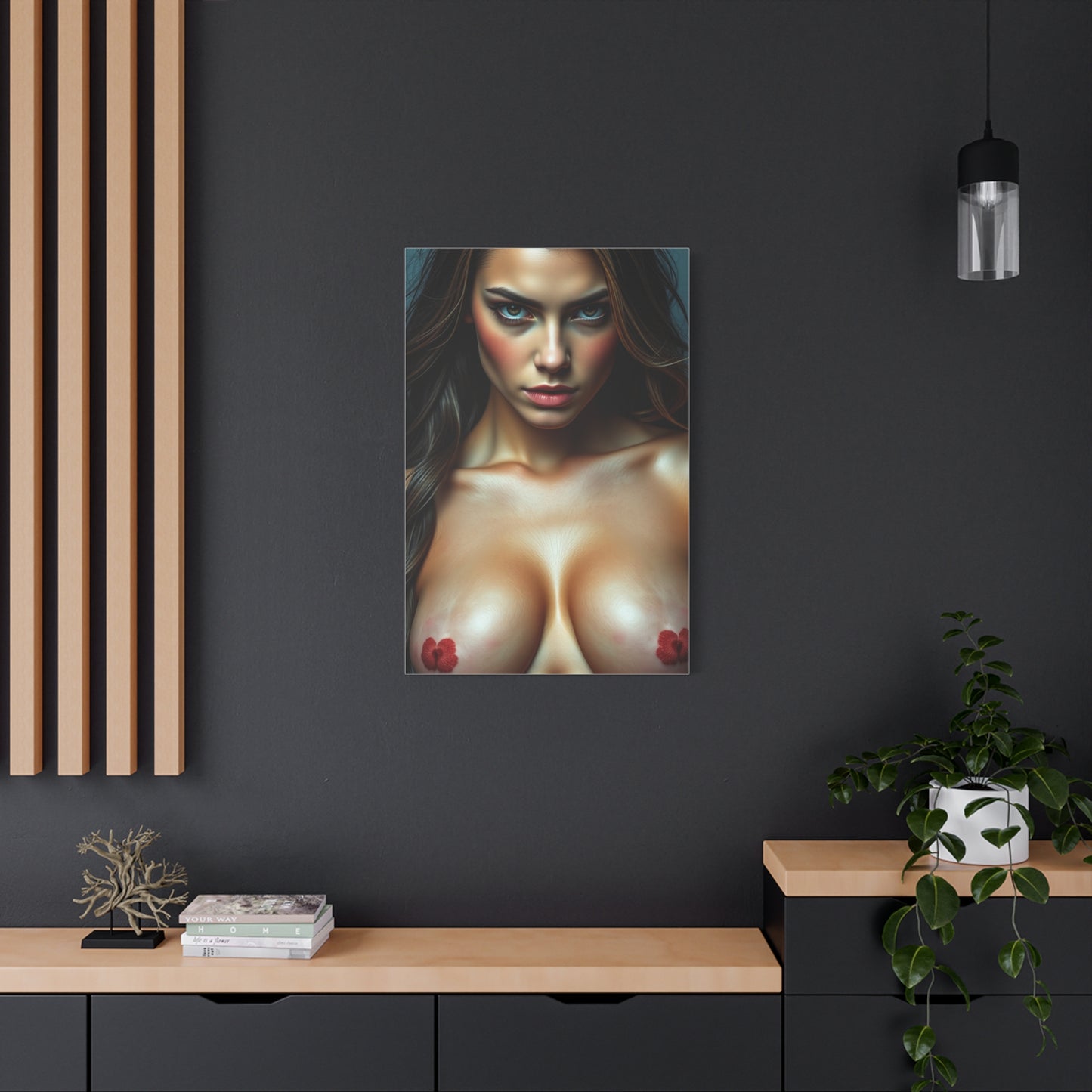
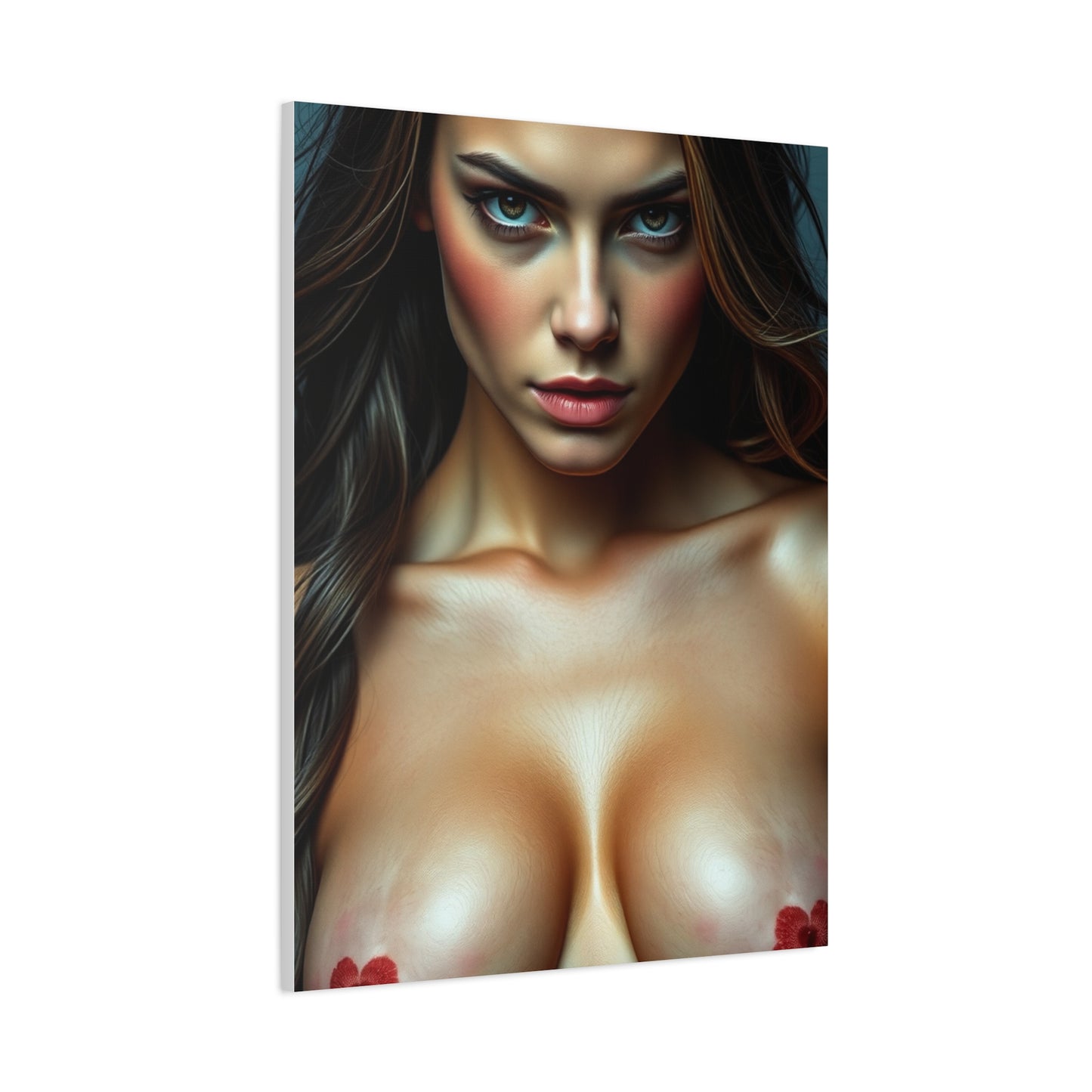
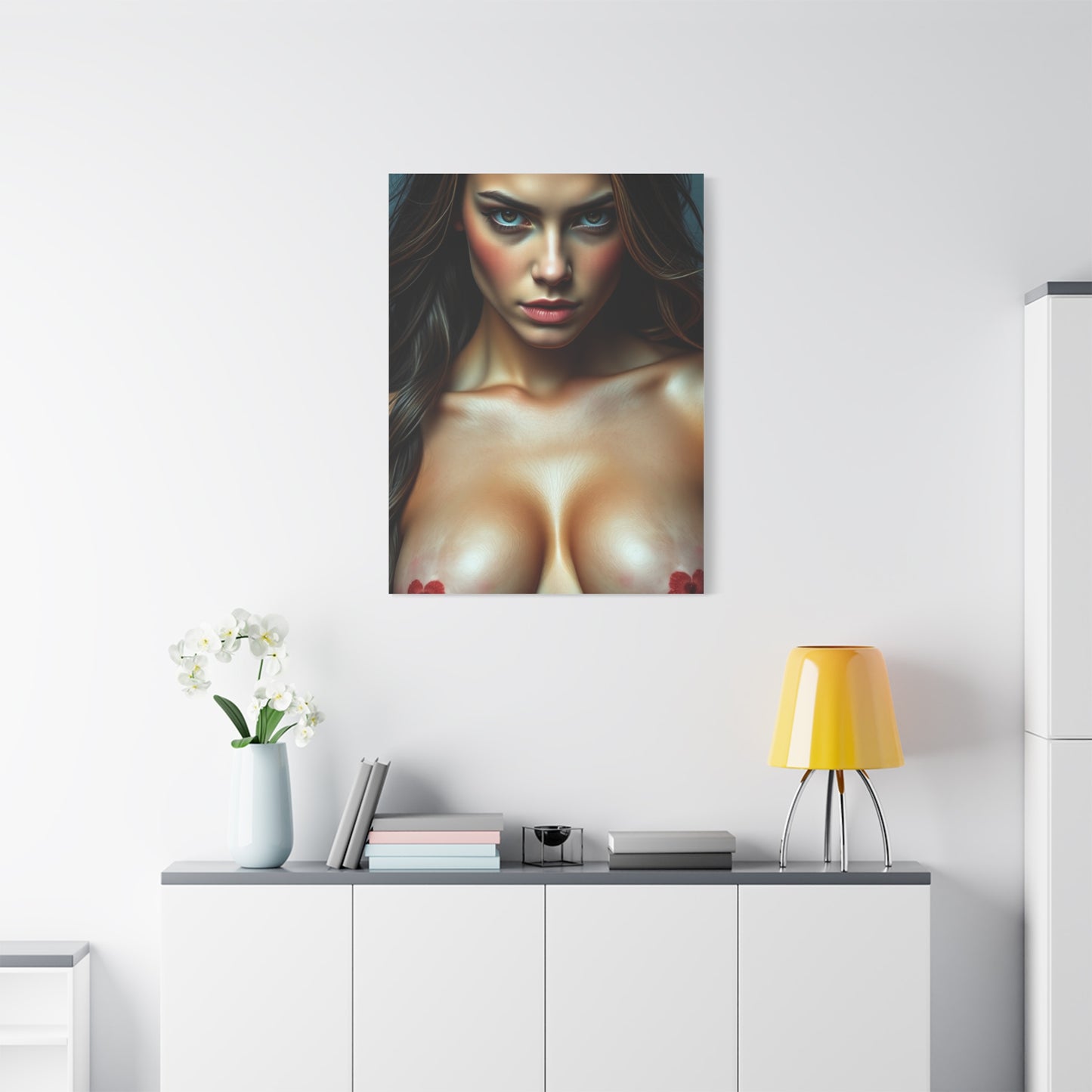
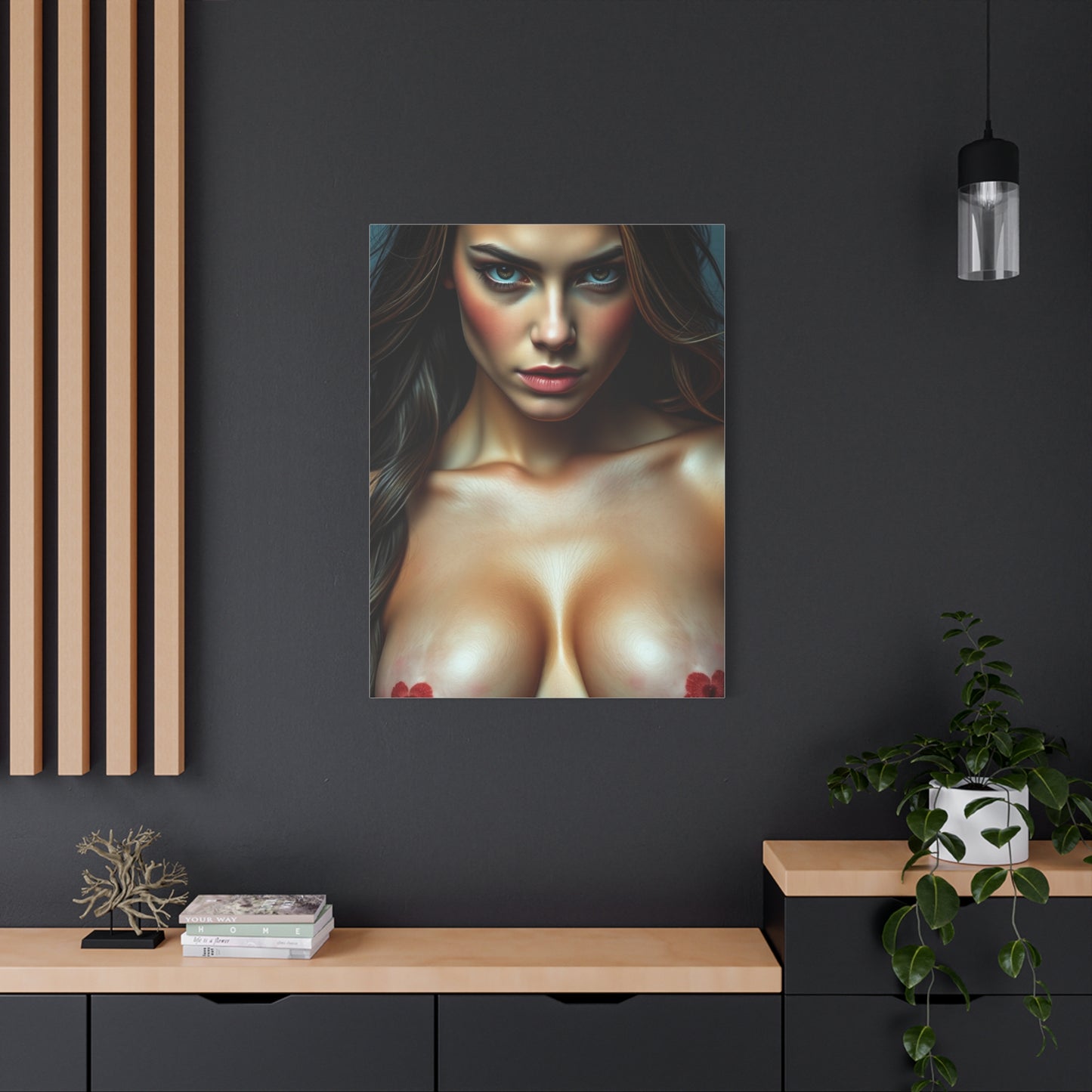
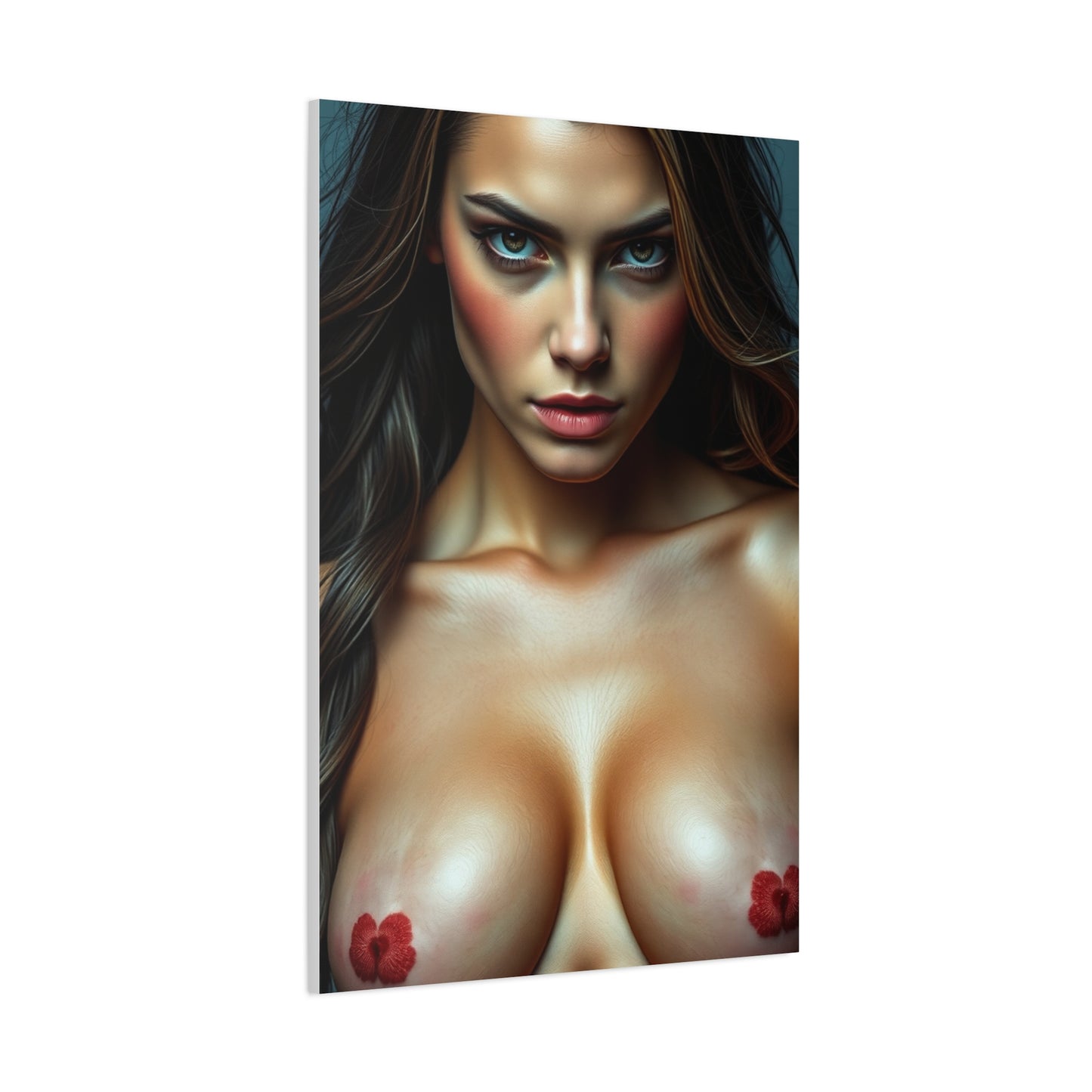
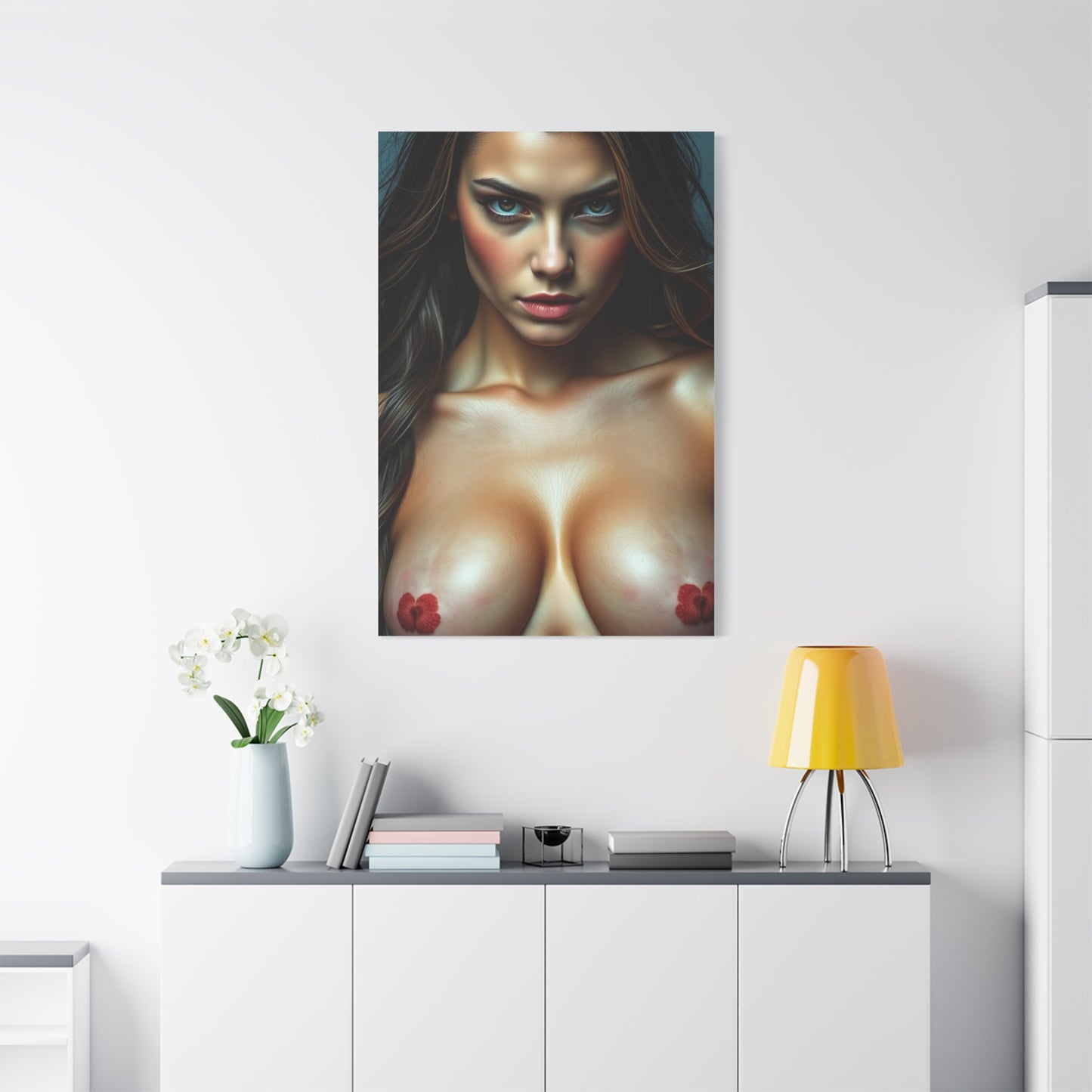
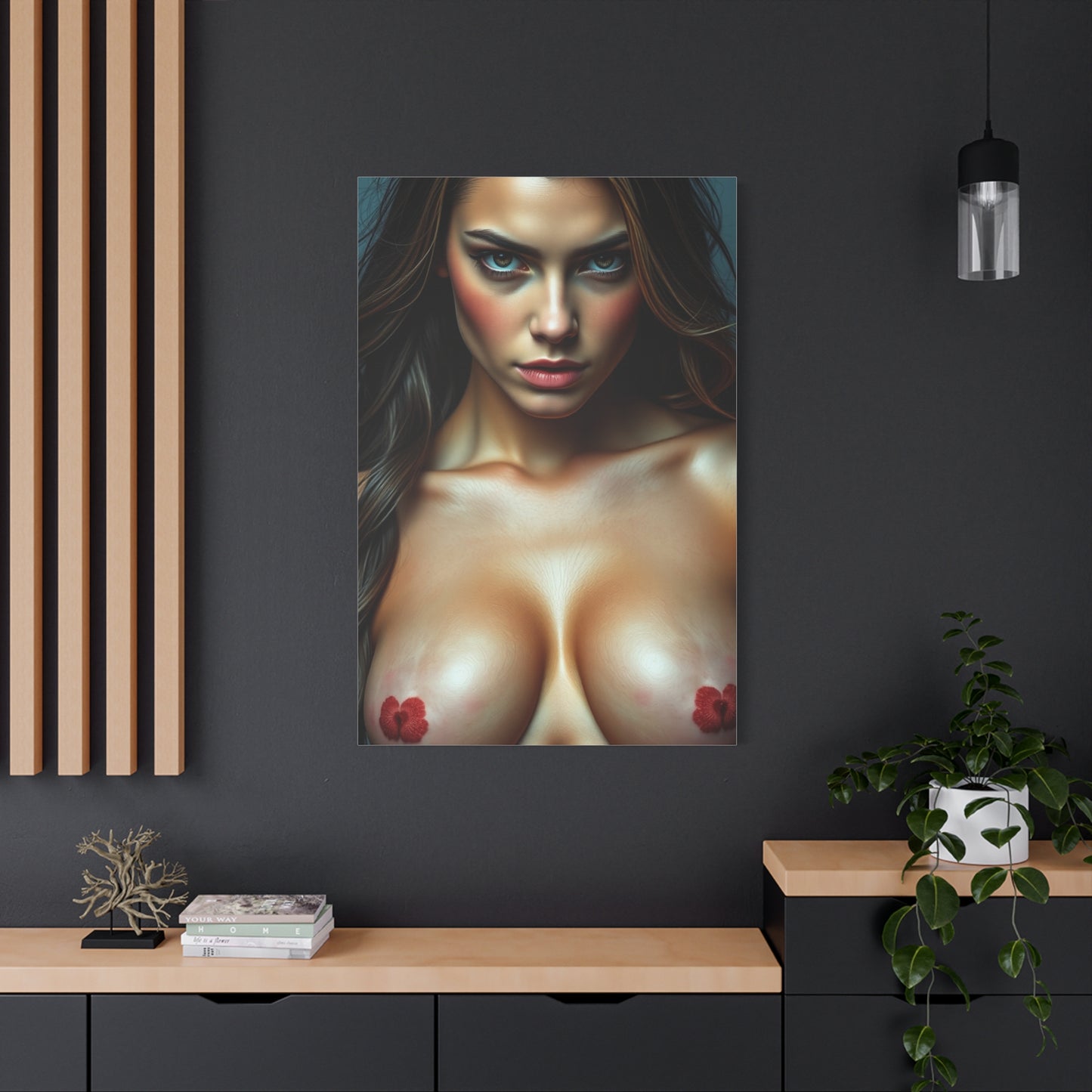
Bringing Serenity Home: The Artistic Journey of Ethereal Muse Wall art
In the world of interior design and artistic expression, few pieces possess the power to transform a space while simultaneously touching the soul. The phenomenon known as Ethereal Muse represents more than just decorative artwork—it embodies a philosophy of peaceful living, aesthetic refinement, and emotional resonance that speaks to the deepest parts of our being. This exploration delves into the multifaceted nature of this captivating artistic concept, examining how it influences our environments, moods, and daily experiences through its delicate presence and profound impact on contemporary living spaces.
Art has always served as a bridge between the tangible and the intangible, offering viewers a glimpse into realms beyond ordinary perception. When we speak of pieces that capture ethereal qualities, we refer to works that seem to float between reality and imagination, grounding us while simultaneously lifting our spirits. The concept we're exploring today achieves this delicate balance with remarkable grace, offering homeowners, designers, and art enthusiasts a pathway to creating environments that nurture the soul while pleasing the eye.
The journey through this artistic landscape will take us through various dimensions of aesthetic appreciation, practical application, and emotional connection. We'll explore how such artwork functions within different design contexts, why it resonates so powerfully with contemporary sensibilities, and how it can be integrated into living spaces to maximum effect. Whether you're furnishing a new home, refreshing an existing space, or simply seeking to understand the deeper appeal of contemplative art, this comprehensive examination will provide insights, inspiration, and practical guidance for embracing this sublime aesthetic in your own life.
Creating Calm with Ethereal Muse
The modern world bombards us with constant stimulation, endless notifications, and perpetual demands on our attention. In this context, our homes have become more than mere shelters—they've evolved into sanctuaries where we seek refuge from external chaos. The presence of artwork that embodies ethereal qualities serves a crucial function in these personal havens, acting as visual anchors that help quiet the mind and restore internal balance.
When you introduce this type of artistic expression into your living environment, you're not simply hanging decoration on a wall. You're inviting a presence that fundamentally alters the energy of the space. The soft, dreamlike qualities characteristic of such pieces create visual breathing room, allowing the eye to rest and the mind to wander without becoming agitated or overstimulated. This is particularly valuable in spaces where we seek restoration—bedrooms, reading nooks, meditation areas, or quiet corners where we retreat for contemplation and renewal.
The calming influence emerges from several interconnected factors. First, the typically muted color palettes employed in ethereal artwork naturally soothe the nervous system. Unlike bold, high-contrast pieces that demand attention and create visual tension, softer tones invite gentle engagement. They don't shout for notice but rather whisper their presence, allowing viewers to approach on their own terms and timeline. This respectful quality mirrors the kind of peaceful coexistence we seek in our personal spaces—present but not imposing, beautiful but not overwhelming.
Second, the often-abstract or semi-representational nature of such artwork engages the imagination without prescribing specific interpretations. This openness creates space for personal reflection and projection. Each viewing becomes a slightly different experience, colored by your current mood, recent experiences, and evolving perspective. This dynamic relationship between viewer and artwork prevents the piece from becoming invisible through familiarity—a common fate of more literal or one-dimensional decorations.
The compositional elements typically found in ethereal pieces also contribute to their calming effect. Flowing lines rather than sharp angles, gradual transitions rather than abrupt changes, and balanced asymmetry rather than rigid symmetry all mirror organic patterns found in nature. Our brains are hardwired to find comfort in these natural rhythms, having evolved alongside them for millennia. When we bring artwork into our homes that echoes these patterns, we're essentially importing a piece of that primordial calm, creating pockets of peace within our built environments.
Lighting plays a crucial role in how such artwork functions as a calming presence. The way natural light shifts throughout the day interacts with the subtle tones and textures, creating an ever-changing display that connects interior spaces to the rhythms of the natural world. Morning light might reveal previously unnoticed details, while evening shadows add depth and mystery. This variability keeps the artwork alive and engaging without becoming agitating or tiresome.
The psychological impact of consistently engaging with calming visual stimuli shouldn't be underestimated. Research in environmental psychology has repeatedly demonstrated that our physical surroundings significantly influence our mental states, stress levels, and overall well-being. By intentionally curating spaces that include calming visual elements, we're actively participating in our own emotional regulation and mental health maintenance. The artwork becomes a tool for self-care, a daily reminder to slow down, breathe deeply, and reconnect with inner stillness.
For those dealing with anxiety, high-stress careers, or overwhelming life circumstances, having visual anchors that promote calm becomes even more critical. The simple act of pausing before such a piece—really looking at it, allowing its qualities to register fully—can serve as a mini-meditation, a brief respite that helps reset the nervous system and restore perspective. Over time, these small moments accumulate, contributing to an overall sense of greater equilibrium and resilience.
Why Ethereal Muse Fits Any Style
One of the most remarkable characteristics of ethereal artwork is its chameleon-like ability to harmonize with vastly different design aesthetics. This versatility stems from the fundamental principles underlying such pieces—simplicity, subtlety, and emotional resonance—which transcend specific style movements or trending aesthetics. Whether your home embodies sleek minimalism, cozy bohemian warmth, industrial edge, or classic traditional elegance, artwork with ethereal qualities can find a natural home within your existing framework.
In minimalist spaces, where every element is carefully considered and excess is deliberately eliminated, ethereal pieces shine by embodying the same principles of restraint and intentionality. The soft color palettes and uncluttered compositions align perfectly with minimalist sensibilities, adding visual interest without introducing the kind of complexity or busyness that would violate minimalist principles. These pieces provide necessary warmth and humanity to spaces that might otherwise feel too austere or impersonal, softening hard edges without compromising the clean aesthetic that defines minimalist design.
For those drawn to bohemian or eclectic styles, ethereal artwork offers a grounding influence amid more vibrant, pattern-rich environments. While boho spaces celebrate abundance, texture, and global influences, they still benefit from elements that provide visual rest. An ethereal piece serves as a breath between statements, a quiet moment in an otherwise lively conversation. It can tie together disparate elements through its neutral, adaptable presence, creating cohesion without imposing uniformity.
Industrial interiors, with their emphasis on raw materials, exposed structural elements, and utilitarian aesthetics, gain unexpected softness through the introduction of ethereal art. The contrast between rough concrete, weathered wood, or bare metal and the delicate, dreamlike qualities of such artwork creates dynamic tension that elevates both elements. The juxtaposition highlights the ethereal nature of the art while simultaneously humanizing the harder industrial components, resulting in spaces that feel both edgy and livable.
Traditional and classic design schemes, which often feature more formal arrangements, established color palettes, and historically-rooted furnishings, welcome ethereal pieces as bridges between past and present. While honoring the elegance and sophistication of traditional aesthetics, these artworks introduce contemporary sensibilities that prevent spaces from feeling like museum displays or period pieces. They demonstrate that tradition and innovation need not be opposing forces but can instead engage in productive dialogue.
Scandinavian design, with its emphasis on functionality, natural materials, and cozy simplicity, finds a natural ally in ethereal artwork. The shared values of both aesthetics—appreciation for subtle beauty, celebration of negative space, and focus on creating calm, livable environments—create seamless integration. The typically light, airy qualities of Scandinavian interiors are enhanced rather than disrupted by artwork that shares these characteristics.
Even in more maximalist or glamorous settings, where luxury, opulence, and visual drama take center stage, ethereal pieces find their place. Here, they function as sophisticated counterpoints to more ostentatious elements, providing visual relief and preventing spaces from tipping into overwhelming excess. A single ethereal piece in an otherwise dramatic room can become the element that makes the whole composition work, the pause that allows all the other statements to be heard and appreciated rather than competing in cacophonous confusion.
The adaptability extends beyond major design movements to accommodate personal style quirks and unique combinations. Because ethereal artwork doesn't loudly announce a specific aesthetic allegiance, it serves as a neutral party that can mediate between otherwise conflicting elements. It's the diplomatic presence that allows your vintage inherited sideboard to coexist peacefully with your modern lighting fixture and your collected travel souvenirs, creating cohesion through its ability to complement rather than compete.
This versatility also makes ethereal pieces excellent investments for those whose tastes evolve over time. Unlike trend-specific art that might feel dated as styles shift, or highly particular pieces that lock you into specific color schemes or themes, ethereal artwork possesses timeless qualities that transcend temporary fashions. As your preferences change, your space evolves, or you move to new homes, such pieces travel with you, adapting to new contexts while maintaining their essential appeal.
The Grace of Ethereal Muse Canvas
The physical medium through which artwork is presented significantly influences how we perceive and experience it. Canvas, with its particular textural qualities, historical associations, and practical characteristics, offers distinct advantages for ethereal artistic expressions. The relationship between canvas as substrate and ethereal aesthetic as content creates a synergy that enhances both elements, resulting in pieces that engage multiple senses and layers of appreciation.
Canvas brings inherent warmth to artwork that flat, glossy prints simply cannot match. The slightly irregular surface, with its visible weave and subtle texture, adds dimension and depth that draws viewers closer, inviting intimate engagement rather than distant observation. This tactile quality matters particularly for ethereal pieces, which often rely on subtle gradations, layered transparencies, and nuanced color relationships. On canvas, these delicate elements gain physical presence, becoming more than just visual phenomena but tangible realities that occupy space with quiet authority.
The way canvas accepts and holds pigment creates unique opportunities for ethereal expression. Whether through traditional painting techniques or modern printing technologies that simulate painted effects, canvas allows for the kind of soft edges, gentle blending, and atmospheric qualities that define ethereal aesthetics. Colors can bleed into one another naturally, creating transitions that feel organic rather than mechanically precise. This organic quality reinforces the connection to natural phenomena—mist, clouds, flowing water, shifting light—that ethereal artwork often evokes or suggests.
From a practical standpoint, canvas offers durability and longevity that ensures your investment in beauty endures. Unlike paper-based prints that yellow, become brittle, or fade rapidly when exposed to light, properly prepared and sealed canvas maintains its integrity for decades. This permanence matters when selecting artwork intended to become part of your daily environment, a constant presence that grows more meaningful through sustained relationship rather than a temporary decoration subject to frequent replacement.
The traditional stretched canvas format, with artwork wrapping around the edges of the frame, creates a floating effect that particularly suits ethereal pieces. This frameless presentation eliminates visual barriers between the artwork and its environment, allowing it to breathe and interact more freely with surrounding space. The dimensional quality—the physical depth of the stretched canvas—casts subtle shadows that change with lighting conditions, adding another layer of dynamism to the piece.
Canvas also carries cultural weight and artistic legitimacy accumulated over centuries of use by master painters. While this association is somewhat arbitrary—great art can exist on any substrate—it nonetheless influences how we perceive and value artwork. Canvas signals seriousness of intent, artistic credibility, and investment in quality. For buyers seeking artwork that feels substantial and significant rather than disposable or merely decorative, canvas provides reassurance through its established pedigree.
The scale possibilities offered by canvas accommodate various spatial needs and design intentions. Small canvas pieces create intimate moments of beauty suitable for personal spaces like bedside tables or reading nooks. Medium-sized works anchor specific areas without overwhelming them, perfect for spaces like entryways or dining areas. Large-scale canvas pieces make dramatic statements, capable of defining entire rooms and serving as primary design anchors. The ethereal aesthetic scales beautifully across these size variations, maintaining its essential character whether viewed up close or from across a large space.
For collectors and design enthusiasts who appreciate the process behind creation, canvas represents a link to artistic tradition and craft. Even when contemporary printing techniques are employed, the choice of canvas demonstrates respect for artistic heritage and commitment to quality presentation. This matters for those who view their homes not merely as functional spaces but as curated environments that reflect values, interests, and aesthetic sensibilities.
The slight give and flexibility of canvas, particularly in larger pieces, creates subtle movement in response to air currents and environmental changes. While barely perceptible, this living quality reinforces the sense that ethereal artwork isn't static decoration but a presence with its own subtle life. It breathes with the space, responding to the same environmental forces that affect us, creating a sense of kinship between viewer, artwork, and environment.
How Ethereal Muse Evokes Peace
The capacity of certain artwork to evoke profound states of peace represents one of humanity's most mysterious and valuable discoveries about visual culture. Understanding how and why ethereal artistic expressions access these deep reservoirs of calm requires examining multiple dimensions—psychological, neurological, cultural, and personal. The mechanism isn't simple or singular but rather emerges from the convergence of various factors that, when properly aligned, create conditions conducive to inner stillness.
At the neurological level, engaging with calming visual stimuli triggers specific responses in the brain that promote relaxation and reduce stress indicators. When we view artwork characterized by soft colors, flowing lines, and balanced compositions, our visual cortex processes this information without encountering the kind of jarring stimuli that activate threat-detection systems. The absence of sharp contrasts, aggressive geometries, or chaotic arrangements means our brains can maintain lower alert states, allowing the parasympathetic nervous system—responsible for rest and restoration—to become more dominant.
Color psychology plays a significant role in how ethereal pieces evoke peace. The typically muted, desaturated palettes favor tones that research has repeatedly linked to calming psychological states. Soft blues recall sky and water, elements humans have long associated with openness, cleansing, and tranquility. Gentle greys echo the peaceful moments between day and night, the quiet times when nature itself seems to pause and breathe. Warm, diluted tones like blush pink or pale cream evoke dawn and dusk, those liminal moments when the world transitions gently between states, free from the intensity of midday sun or depth of midnight darkness.
The compositional strategies employed in ethereal artwork mirror meditative principles and practices found across cultures and traditions. The emphasis on space—both positive elements and negative space around them—reflects meditative focus on emptiness as a source of fullness, on silence as the foundation of sound, on stillness as the ground of movement. When we engage with artwork that honors space, we're unconsciously practicing the same mental habits that meditation cultivates: allowing things to be without forcing, observing without grasping, resting in open awareness rather than fixating on particulars.
Cultural and personal associations also influence how we experience peace through artwork. For many, ethereal qualities evoke memories or imagined experiences of peaceful moments—morning mist over still water, clouds drifting across open sky, the soft glow of fading daylight. Even if we haven't personally experienced these exact scenes, cultural imagery and collective associations create templates in our minds that activate when we encounter visual elements that resonate with these archetypes. The artwork becomes a key that unlocks doors to peaceful states stored in memory and imagination.
The temporal dimension of engaging with ethereal artwork matters significantly. Unlike busy, information-dense pieces that deliver their full impact quickly, ethereal works reward sustained attention. The subtle variations, delicate details, and nuanced relationships within the piece reveal themselves gradually, encouraging viewers to slow down and enter a different relationship with time. This slowing itself becomes a source of peace, creating momentary escape from the rushed, deadline-driven tempo that dominates modern life.
For many people, the evocation of peace comes partly from the artwork's lack of explicit narrative or obvious subject matter. When a piece doesn't tell us what to think or feel, doesn't present problems requiring solutions or situations demanding judgments, it offers respite from the constant interpretive and evaluative work our minds typically perform. We can simply be with the piece, experiencing its qualities directly without the mediating layer of analysis and meaning-making. This direct, unmediated experience mirrors the peace of moments when mental chatter quiets and we rest in simple presence.
The consistency of the peaceful experience also matters. Unlike dynamic artwork that creates different responses on different viewings—thrilling today, disturbing tomorrow, boring next week—ethereal pieces tend to offer reliable refuge. This dependability itself becomes a source of peace, knowing that this visual sanctuary will be available whenever we need it, offering the same gentle welcome regardless of external circumstances or internal states. It becomes a faithful companion, a constant in an inconstant world.
Adding Elegance with Ethereal Muse
Elegance represents a particular aesthetic achievement—the appearance of effortless grace, refined beauty that doesn't announce itself loudly but rather reveals itself to attentive observers. It's characterized by restraint, sophistication, and a certain timeless quality that transcends trends and fads. Artwork with ethereal characteristics naturally embodies and enhances elegance in interior spaces, bringing this coveted quality to environments through visual rather than verbal means.
The connection between ethereal aesthetics and elegance stems partly from shared principles of restraint and selectivity. Elegant design knows what to include but, more importantly, what to leave out. It resists the temptation to add more, recognizing that refinement often comes through subtraction rather than addition. Ethereal artwork embodies this philosophy through its typical characteristics—edited color palettes, simplified forms, generous negative space, and resistance to visual clutter. Each element present earns its place through genuine contribution rather than decorative impulse.
Elegance also requires a certain lightness of touch, an appearance of ease that conceals effort and complexity. When we describe something as elegant, we often mean it achieves sophisticated effects through seemingly simple means, without obvious straining or heavy-handedness. Ethereal artwork exhibits this quality through its gentle presence—it enhances spaces without dominating them, adds beauty without demanding constant attention, and enriches environments while maintaining an air of effortlessness. The piece seems to belong naturally in its setting, as if it had always been there and couldn't possibly be anywhere else.
The color sophistication typical of ethereal pieces contributes significantly to their elegant character. Rather than relying on primary colors or obvious contrasts, these works typically feature complex, nuanced tones—colors that have been softened, greyed, or otherwise modified from their pure states. This color sophistication requires educated eyes to fully appreciate, rewarding careful observation in ways that simpler palettes cannot. It signals refinement, suggesting both artistic skill and viewer discernment, key components of the elegant aesthetic.
Texture and dimensionality add another layer to the elegant appeal. Whether through actual paint texture on canvas or the interplay of matte and subtle sheen, ethereal pieces engage multiple senses and create visual complexity that doesn't rely on bright colors or bold patterns. This multi-dimensional quality gives viewers something to discover upon repeated engagement, preventing the piece from becoming visually exhausted. The artwork maintains mystery and interest over time, essential characteristics of enduring elegance.
The way ethereal artwork relates to light enhances its elegant character. Rather than presenting fixed, unchanging appearances, these pieces interact dynamically with natural and artificial light throughout the day and across seasons. Morning sun might emphasize certain elements, while afternoon shadows reveal others. This responsiveness to environmental conditions creates a living quality, a sense that the artwork participates in the rhythms of the space rather than remaining isolated and static. Such dynamic responsiveness embodies the fluid grace that elegance requires.
Scale and proportion contribute to how ethereal pieces convey elegance. Whether small and intimate or large and commanding, elegant artwork maintains appropriate relationships with its setting. It neither shrinks apologetically into insignificance nor swells aggressively beyond its context. Finding this balance requires careful consideration of room dimensions, furniture scale, and overall design composition. When achieved, the result is a sense of rightness, of perfect fit, that characterizes truly elegant design.
The cultural associations of ethereal aesthetics also connect to elegance. Throughout art history, the ability to suggest rather than state, to imply rather than declare, has been prized as a mark of sophistication. From Chinese landscape painting's emphasis on capturing spirit rather than appearance, to Impressionism's concern with light and atmosphere over detailed representation, to contemporary minimalism's reduction to essentials, artistic traditions that emphasize ethereal qualities have been associated with refined taste and elevated sensibilities.
For homeowners and designers seeking to create elegant environments, ethereal artwork offers a powerful tool that works across various design contexts. It brings sophistication without stuffiness, refinement without rigidity, and beauty without ostentation. In an age where loudness often masquerades as confidence and excess poses as luxury, genuinely elegant artwork that knows the power of subtlety becomes increasingly valuable and distinctive.
Why Ethereal Muse Works in Creative Spaces
Creative spaces—whether professional studios, home workshops, or dedicated areas for artistic and intellectual pursuits—require careful consideration regarding environmental design. The physical setting profoundly influences creative capacity, affecting everything from mood and energy to focus and inspiration. Artwork selection for such spaces isn't merely decorative but functional, contributing to the psychological and emotional conditions that facilitate creative work. Ethereal pieces prove particularly well-suited to these environments for reasons both practical and profound.
The open, non-prescriptive nature of ethereal artwork creates mental space for creative thinking. Unlike pieces with strong narratives, obvious subjects, or explicit messages, ethereal works don't channel thought in particular directions or impose specific interpretations. This openness is crucial in creative spaces where the goal is to generate new ideas rather than reinforce existing ones. The artwork provides visual interest and stimulation without dominating mental bandwidth, existing as a present but unobtrusive companion to the creative process.
Creative work often involves alternating between intense focus and necessary breaks for rest and reflection. During focused work periods, ethereal artwork remains present without becoming distracting, its subtle qualities not competing for attention with the task at hand. During break periods, it offers something to rest the eyes and mind on, a gentle focal point that doesn't demand intense engagement but welcomes it when offered. This versatility makes such pieces ideal for environments where people move through different mental states and energy levels throughout their working sessions.
The calming influence of ethereal aesthetics helps counteract the anxiety and self-doubt that often accompany creative endeavors. Creating something new—whether art, writing, music, or any other form of original work—requires vulnerability and risk. The peaceful presence of calming artwork helps regulate the nervous system, maintaining the balanced state where creativity flourishes. Too much anxiety blocks creative flow, but too little arousal leads to complacency and lack of drive. Ethereal pieces help maintain that productive middle ground where challenge and capability align optimally.
For creative professionals whose work involves intense visual engagement—graphic designers, illustrators, photographers, and artists themselves—the softness of ethereal artwork provides necessary contrast to the often high-contrast, detail-intensive work on screens and projects. Eyes and brains need periodic relief from intense visual processing, and ethereal pieces offer this respite without requiring leaving the workspace. Simply shifting attention briefly to such artwork can reset visual fatigue and restore perceptual freshness.
The inspirational quality of ethereal artwork, while difficult to quantify, matters enormously in creative contexts. The very existence of such pieces—their ability to evoke emotion and create atmosphere through subtle means—serves as reminder and inspiration of what art can achieve. They demonstrate that power doesn't require loudness, that beauty can whisper rather than shout, that complexity can exist within apparent simplicity. These lessons apply across creative disciplines, offering principles applicable beyond visual arts.
Creative spaces often reflect and reinforce the identity of those who use them. For many creative individuals, the aesthetic choices they make in their working environments express values and aspirations as much as their actual creative output. Choosing ethereal artwork signals sophistication, emotional intelligence, and commitment to creating environments that support rather than merely house creative work. It demonstrates understanding that the physical and visual environment isn't separate from the creative process but integral to it.
The timeless quality of ethereal aesthetics also serves creative spaces well. Unlike trend-driven artwork that quickly dates and requires replacement, ethereal pieces maintain relevance and appeal over extended periods. This stability matters in spaces dedicated to long-term creative pursuits, providing consistency and continuity as projects, techniques, and creative focuses evolve. The artwork becomes part of the space's identity, a constant presence witnessing and supporting the creative journey over months and years.
How Ethereal Muse Reflects Inner Calm
The relationship between external environment and internal state operates in both directions—our moods influence how we perceive surroundings, while our surroundings significantly shape our emotional and mental states. When artwork in our daily environment possesses qualities of calm, peace, and tranquility, it doesn't merely decorate walls but actively participates in cultivating and reflecting our own capacity for inner stillness. This reciprocal relationship creates a feedback loop where external beauty and internal peace reinforce one another.
For individuals committed to practices of meditation, mindfulness, or other contemplative disciplines, having visual reminders and reflections of these values embedded in living spaces provides valuable support. The artwork becomes an anchor, a touchstone that calls us back to intentions and practices that might otherwise be forgotten amid daily demands and distractions. Each time we encounter the piece, we're reminded of the inner calm we seek to cultivate, making that quality less abstract and more tangible, less aspirational and more present.
The concept of resonance—that like attracts and amplifies like—applies in this context. When we choose artwork that embodies calm, we're both expressing and strengthening our connection to that quality within ourselves. The external representation makes visible something that might otherwise remain entirely internal and nebulous. This externalization matters psychologically, helping consolidate nebulous feelings into recognized patterns, making them more stable and accessible as ongoing resources for well-being.
For those working to develop greater emotional regulation and stress management capabilities, surrounding oneself with visual representations of calm serves as environmental support for these efforts. Just as fitness enthusiasts might fill their homes with equipment and imagery that supports physical health goals, those prioritizing emotional and mental well-being benefit from surroundings that align with and support these intentions. Ethereal artwork becomes part of a comprehensive approach to well-being, working alongside practices like meditation, therapy, exercise, and healthy relationships.
The aspirational dimension also matters. Even when feeling stressed, anxious, or agitated—states that most humans experience regularly—having artwork that embodies calm creates connection to the possibility of different states. It reminds us that peace exists, that we've experienced it before and can experience it again. This hope and possibility matter enormously when caught in difficult emotional states that can feel permanent and inescapable. The artwork serves as evidence that alternatives exist, making those alternatives feel more accessible and real.
The witnessing quality of consistent artwork presence creates particular value. Unlike temporary experiences of beauty and calm that arise and pass—a beautiful sunset, a peaceful walk in nature, a moment of meditation—artwork in our homes maintains constant presence. It witnesses our various states without judgment, remaining steadily itself regardless of our moods and circumstances. This constancy itself provides a kind of teaching and reassurance, modeling the equanimity we seek to develop within ourselves.
For those on healing journeys from trauma, grief, or significant life challenges, environments that support rather than trigger become essential. Ethereal artwork, with its generally soft, safe qualities, contributes to creating spaces that feel protective and restorative rather than threatening or overwhelming. While art alone cannot heal deep wounds, it can contribute to conditions where healing becomes possible—environments that support rather than tax our limited reserves of energy and resilience.
The personal meaning that develops through extended relationship with specific pieces adds another layer to how artwork reflects inner calm. Over time, particular pieces become associated with specific memories, realizations, or periods of growth. They become visual journals of sorts, silent witnesses to our journeys toward greater peace and self-understanding. This accumulated meaning makes them increasingly valuable, not in monetary terms but in personal significance, contributing to the sense of home as a place where we're truly known and supported.
The Soft Beauty of Ethereal Muse Art
Beauty takes many forms, from the dramatic and spectacular to the quiet and subtle. Ethereal artwork typically occupies the latter category, embodying a particular expression of beauty that doesn't announce itself loudly but rather reveals itself gradually to receptive observers. This soft beauty possesses distinct characteristics and appeals that differentiate it from more obvious or accessible aesthetic experiences. Understanding and appreciating this subtler form of beauty enriches our capacity to find and create beauty across all areas of life.
Soft beauty operates through suggestion rather than declaration. Where bold beauty makes immediate, unmistakable statements, soft beauty whispers possibilities, inviting rather than demanding engagement. This approach respects viewer autonomy, leaving space for personal interpretation and individual response. The artwork doesn't insist on specific reactions but rather creates conditions where beauty can be discovered rather than imposed. This discovery process becomes part of the aesthetic experience, creating a more active and personal relationship than more passive reception of obvious beauty.
The color work in ethereal pieces demonstrates soft beauty's characteristics particularly well. Rather than employing pure, saturated hues that create immediate visual impact, these works favor complex, nuanced tones that require closer attention to fully appreciate. Colors that might initially seem merely pale or washed-out reveal unexpected depth and subtlety upon sustained viewing. This reward for attention encourages a different kind of engagement—slower, more contemplative, ultimately richer than the quick hit provided by more obvious color choices.
Textural subtlety contributes another dimension to soft beauty. Whether through actual paint application or printing techniques that simulate texture, ethereal pieces often feature surface variations that play with light and create visual interest without relying on pattern or distinct design elements. These textural qualities might go entirely unnoticed in casual glance but reveal themselves to attentive observation, providing ongoing discovery even with pieces we've lived with for extended periods.
The composition of ethereal artwork typically embodies principles that support soft beauty—balance without symmetry, order without rigidity, interest without busyness. Elements relate to one another through subtle harmonies rather than obvious connections or stark contrasts. This compositional approach creates visual experiences that feel cohesive and satisfying without necessarily understanding why—the design intelligence operates below conscious recognition, affecting us without announcing its methods.
Soft beauty's relationship to natural phenomena strengthens its appeal and accessibility. The qualities we're describing—subtle color gradations, gentle transitions, atmospheric effects, emphasis on light and space—mirror phenomena we encounter in nature's quieter moments. Morning mist, fading twilight, overcast skies, calm water surfaces—these natural occurrences don't compete with sunsets and mountain vistas in dramatic impact, but they possess their own distinct and valuable beauty. Artwork that captures these subtler natural qualities connects us to this broader range of aesthetic experience available in the natural world.
The democratizing aspect of soft beauty deserves recognition. While appreciating any form of beauty enriches life, soft beauty's subtlety means it doesn't exhaust or overwhelm. Unlike dramatic beauty that can become tiring or even aggressive with constant exposure, soft beauty maintains its appeal through restraint. It remains present without imposing, available without demanding. This makes it particularly suitable for daily living environments where we need beauty to support rather than compete with all the other aspects of life unfolding in our homes.
Cultural conditioning often trains us to overlook or undervalue soft beauty in favor of more obvious aesthetic experiences. In a culture that prizes spectacle, drama, and intensity, the quiet virtues of subtlety can seem insignificant or boring. Developing appreciation for soft beauty often requires conscious effort to slow down, pay closer attention, and value experiences that don't immediately gratify or obviously impress. This developmental work pays dividends far beyond aesthetic appreciation, cultivating general capacities for discernment, patience, and finding richness in apparently simple experiences.
The longevity of soft beauty's appeal represents one of its most valuable characteristics. Because it doesn't rely on immediate impact or obvious effects, it doesn't exhaust its capacity to please or interest. Pieces that make strong first impressions often lose impact with familiarity—the effect we've labeled as "wearing out." Soft beauty, requiring sustained attention to reveal itself fully, maintains the capacity to offer new discoveries and fresh appreciation even after years of daily exposure. This makes artwork embodying these qualities excellent long-term investments in beauty and well-being.
Why Ethereal Muse Is Perfect for Studios
Studios—whether dedicated to visual arts, music, writing, crafts, or any creative practice—represent special environments where imagination becomes tangible, where internal visions manifest in external form. The design and furnishing of these spaces profoundly impacts both the quality and quantity of creative output. Every element within a studio environment, from practical equipment to seemingly decorative choices, contributes to either supporting or hindering the creative process. Artwork selection for studios therefore deserves particularly careful consideration, recognizing its functional rather than merely aesthetic role.
The psychological environment of creative spaces matters as much as physical equipment and materials. Creative work requires specific mental states characterized by relaxed alertness, open possibility, and willingness to experiment without premature judgment. Ethereal artwork supports these states through its non-demanding presence. Unlike pieces with strong content or obvious narratives that channel thinking in particular directions, ethereal works maintain openness, allowing the creator's mind to move freely without external constraints or suggestions about what should be created or how.
Studios often involve sustained periods of solitary work, and the visual environment significantly impacts this experience of solitude. Ethereal artwork provides gentle companionship without the complications of actual company. It occupies space without creating social dynamics requiring management or attention. For those who need quiet focus but find complete visual emptiness depressing or anxiety-inducing, such pieces strike the ideal balance—present but peaceful, interesting but unobtrusive, stimulating but not demanding.
The light-responsive qualities typical of ethereal pieces create dynamic visual experiences that evolve throughout working sessions without requiring any intervention. As natural light shifts through the day, the artwork subtly changes, providing variety and ongoing visual interest that keeps the environment alive without introducing distracting elements requiring response or action. This passive dynamism helps maintain alertness during long working sessions, preventing the environmental stagnation that can contribute to mental stagnation.
For artists working in visual media, having examples of successful aesthetic achievement present in the studio provides both inspiration and aspiration. Ethereal artwork demonstrates particular artistic virtues—restraint, subtlety, sophisticated color work, effective use of negative space—that remain relevant across different visual disciplines. Even artists working in completely different styles or media can benefit from the presence of work that exemplifies fundamental aesthetic principles applicable across all visual creation.
The calming influence of ethereal artwork helps manage the emotional volatility that often accompanies creative work. The creative process rarely proceeds smoothly—it involves breakthrough moments and frustrating plateaus, unexpected successes and disappointing failures, periods of flow and episodes of complete blockage. These ups and downs can generate significant emotional turbulence. Having visual elements in the environment that promote regulation and calm helps stabilize mood and maintain the emotional equilibrium necessary for sustained creative effort.
Studios often contain works in progress, materials, tools, and the general productive chaos that accompanies active creation. In this context, ethereal artwork provides visual rest—areas where the eye can escape from the more intensive visual demands of projects and processes. This visual breathing room becomes increasingly important the longer and more intensely one works. Being able to shift attention briefly to something peaceful and beautiful without leaving the space helps maintain energy and focus over extended working sessions.
The identity-forming function of studio decoration deserves recognition. The way creatives arrange and furnish their working spaces reflects and reinforces their artistic identity and values. Choosing ethereal artwork signals particular priorities—sophistication, emotional intelligence, commitment to creating supportive working conditions, appreciation for subtlety and nuance. These signals matter both for self-concept and for how the space functions socially when collaborators, clients, or visitors enter. The studio becomes not just a workplace but a statement about who the creator is and what they value.
Professional considerations also apply for those who use studios for client meetings or portfolio presentations. Ethereal artwork creates impressions of professionalism, good taste, and emotional maturity without making strong statements that might conflict with client preferences or project directions. It enhances the space without dominating, improves first impressions without creating strong reactions that overshadow the creator's own work. This diplomatic quality makes such pieces particularly valuable for multipurpose creative spaces serving both production and presentation functions.
Conclusion:
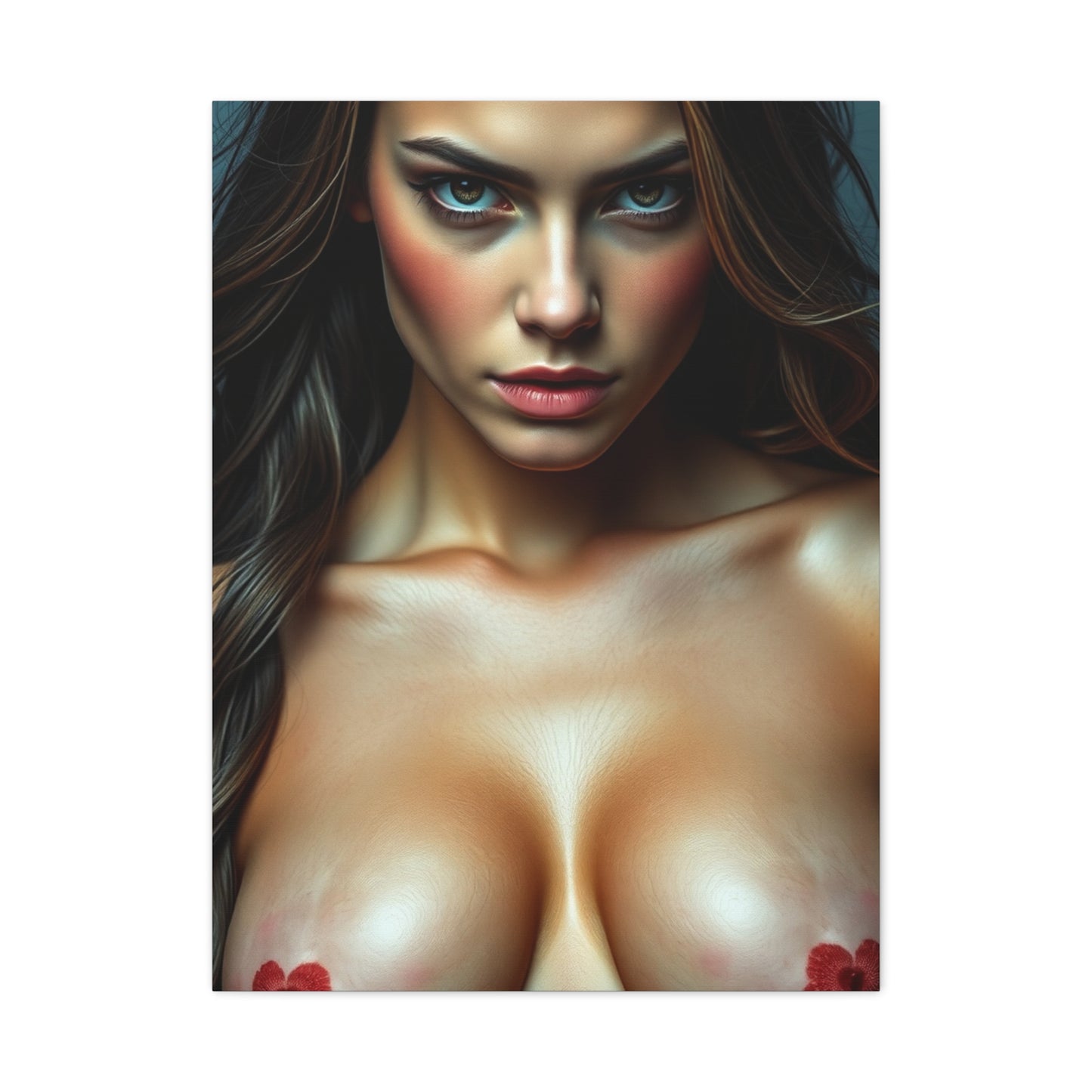
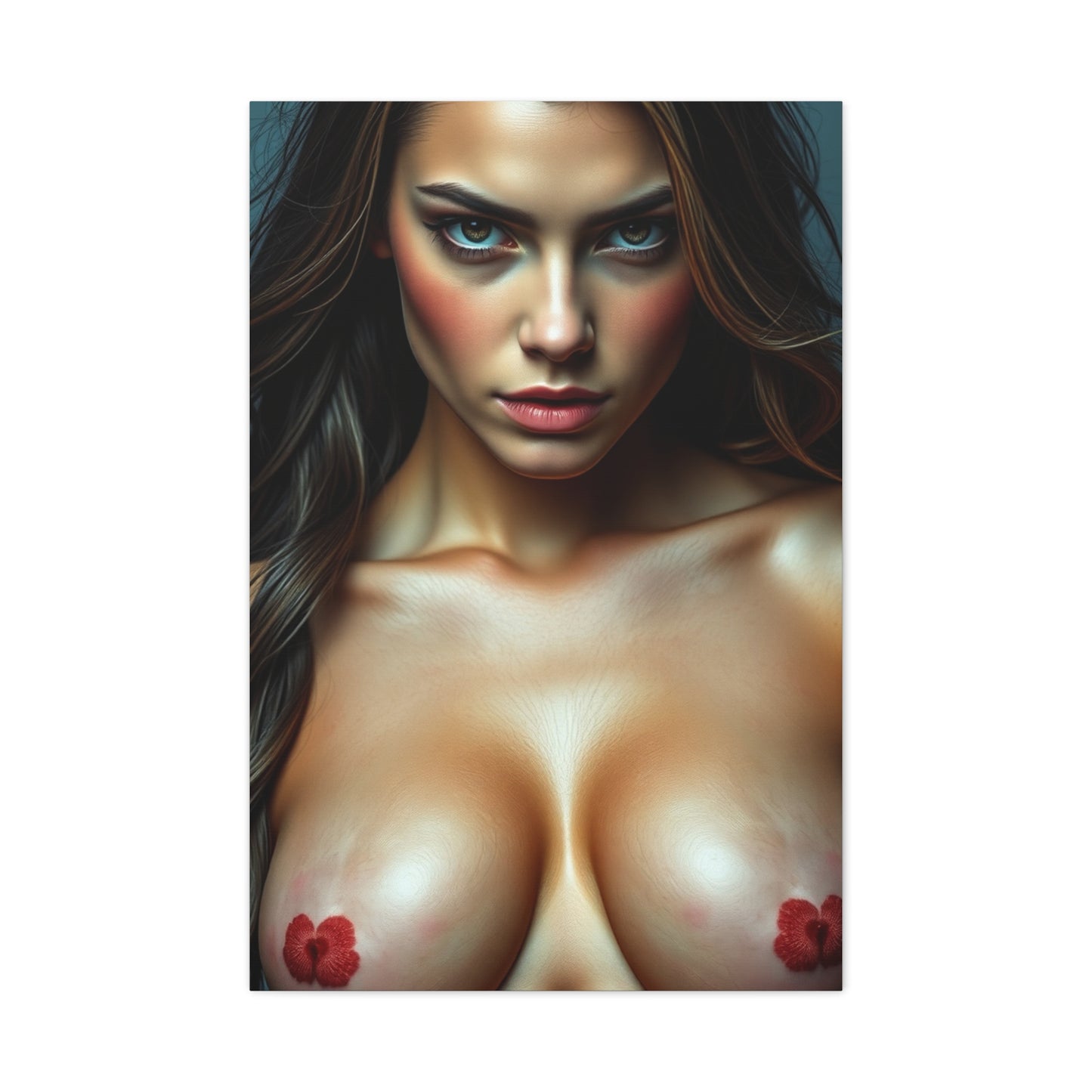
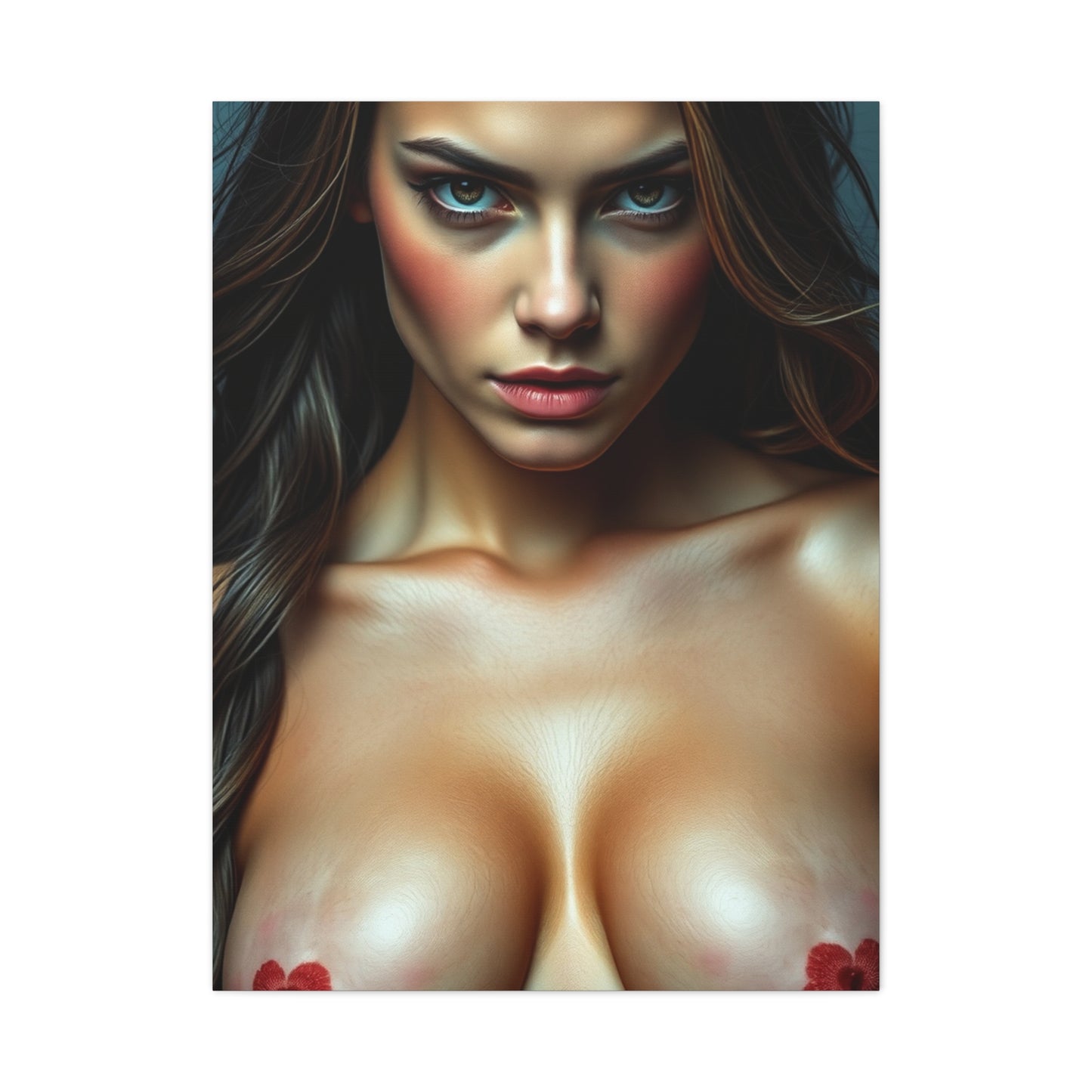
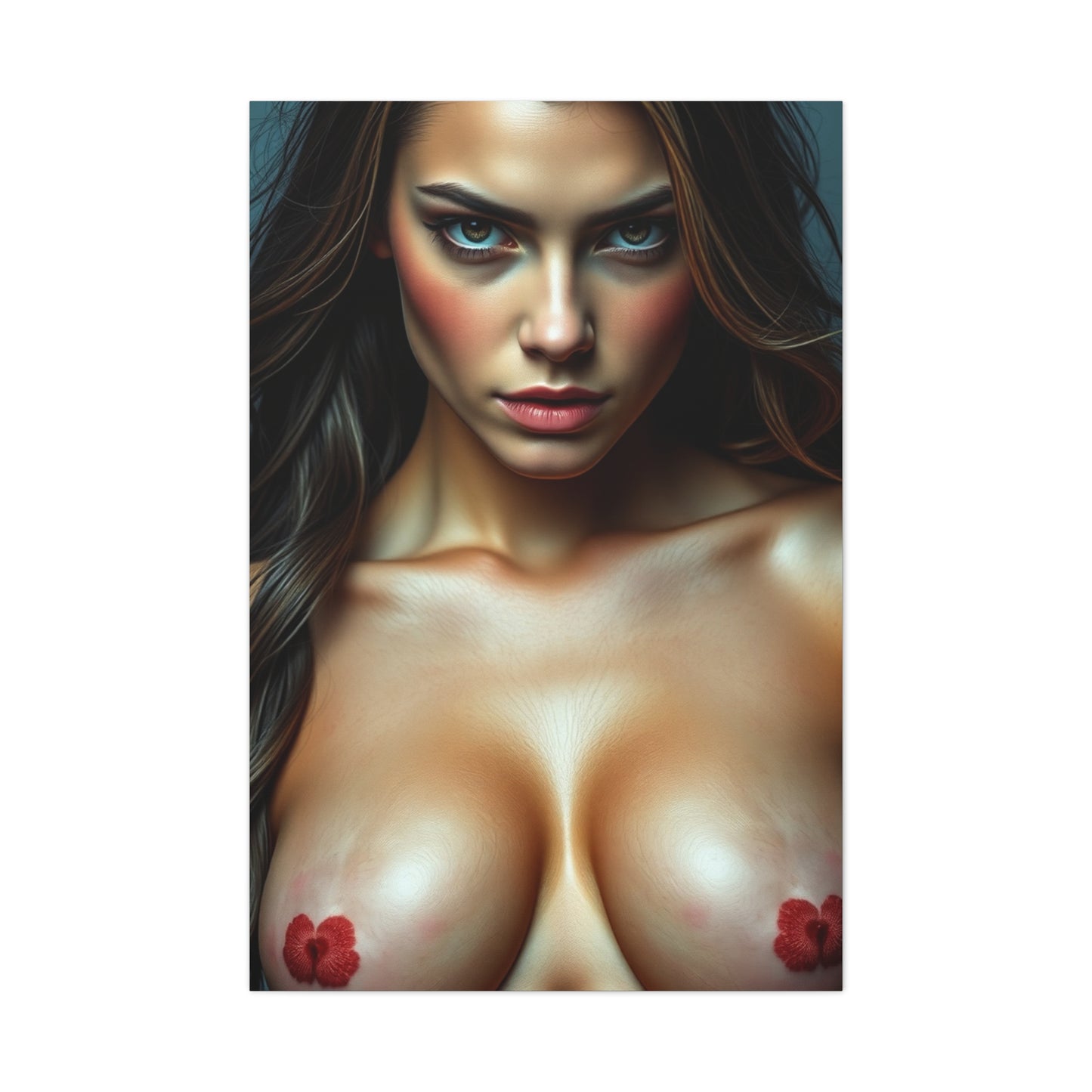
The ethereal maiden, often depicted in art as a figure of grace, mystery, and beauty, is a subject that transcends time and culture. When captured in the delicate craftsmanship of fine art, the maiden becomes not just a subject, but a symbol—a representation of the sublime, an embodiment of creative expression that resonates deeply with the viewer. Ethereal maiden artistry, with its fluid lines, dreamlike quality, and intricate details, invites us into a world where the boundaries between reality and fantasy blur. It is an art form that celebrates the beauty of femininity, the power of vulnerability, and the universal connection between nature, spirit, and humanity.
One of the most compelling aspects of ethereal maiden art is its ability to evoke emotion through delicate craftsmanship. The soft, almost otherworldly qualities of the maiden’s portrayal—whether through flowing hair, soft gazes, or gentle postures—imbue the artwork with a sense of grace that seems to transcend the physical world. This is particularly true when artists use light, shadow, and subtle color palettes to enhance the ethereal quality of their subjects. Soft pastel hues, shimmering textures, and light-infused brushstrokes contribute to the sense of fragility and delicacy inherent in the figure of the maiden. These artistic choices invite the viewer to connect with the subject on a deeper emotional level, allowing them to feel a sense of wonder, reverence, and even tranquility.
The themes explored through ethereal maiden art often carry rich symbolic meanings. In many cultures, maidens are seen as representations of purity, innocence, and untapped potential. They evoke the idea of a journey—whether it’s the coming-of-age process, the transition from childhood to womanhood, or the path toward spiritual awakening. When portrayed in art, the ethereal maiden becomes a metaphor for the soul’s quest for beauty, enlightenment, and self-discovery. The use of such symbolism allows these artworks to speak not just to the viewer’s aesthetic sensibilities, but also to their inner emotional landscape. The delicate crafting of these pieces often highlights the soft yet powerful energy of the maiden, inviting a reflection on themes of growth, transformation, and the unspoken power of feminine energy.
In addition to symbolism, the ethereal maiden also brings forth a sense of mysticism and magic. The very nature of her portrayal often suggests that she exists in a world outside of ordinary time and space. Whether surrounded by celestial elements, set in mythical landscapes, or enveloped in dreamlike light, the maiden seems to inhabit a liminal realm, one that is both part of and apart from our reality. This mystical quality allows the viewer to engage with the artwork on a more intuitive level, where the line between fantasy and reality becomes delightfully blurred. The ethereal maiden invites us to tap into our imagination, to step away from the constraints of the everyday, and to explore the depths of the subconscious. This transcendence is what makes ethereal maiden art not just visually compelling, but spiritually enriching.
The craftsmanship involved in creating ethereal maiden art further elevates its impact. Artists who specialize in this genre often employ techniques that emphasize softness, fluidity, and lightness. Fine line work, airbrushed effects, or soft watercolor gradients contribute to the sense of delicacy and transparency that defines the maiden’s form. The attention to detail in rendering the hair, the folds of fabric, or the play of light on the skin enhances the ethereal quality of the piece, as though the maiden might step out of the canvas and into the viewer’s world at any moment. This meticulous attention to technique reflects the deep dedication and reverence the artist has for the subject, creating an artwork that feels alive with energy, emotion, and intention.
Moreover, ethereal maiden art speaks to a desire for connection with the divine or the otherworldly. Historically, many artistic depictions of maidens have been associated with mythological figures, goddesses, and celestial beings. The maiden represents both the earthly and the divine, embodying qualities that connect the material world with spiritual realms. Whether inspired by ancient myths, modern spirituality, or the artist’s own creative vision, these artworks reflect humanity’s eternal longing for something greater than itself—something beautiful, transcendent, and full of mystery. In this way, the ethereal maiden serves as a bridge between the mortal and the divine, inviting the viewer to explore their own connection to the greater universe and the spiritual forces at play in their lives.


