


Figurative Wall Art & Canvas Prints
Figurative Wall Art & Canvas Prints
Couldn't load pickup availability
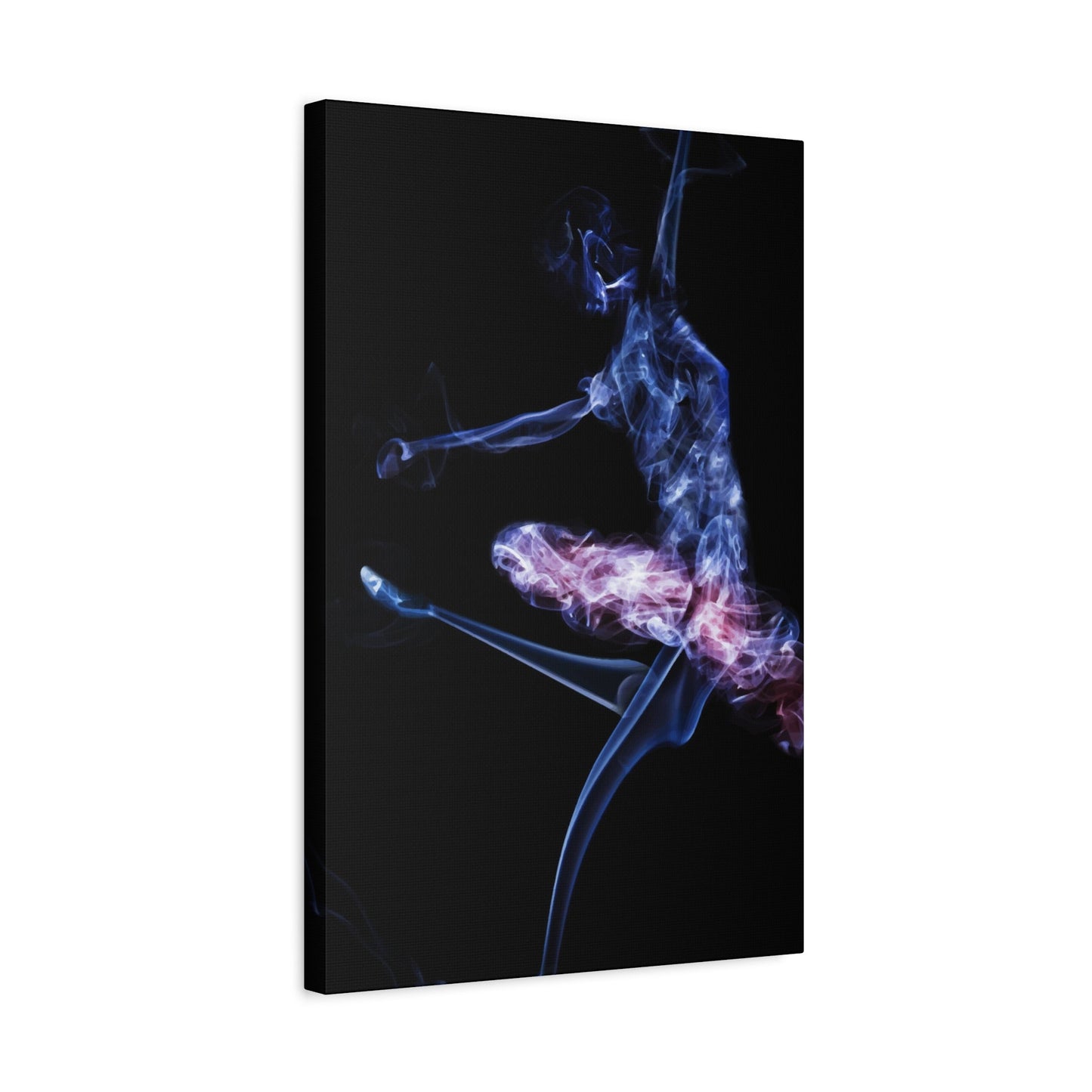
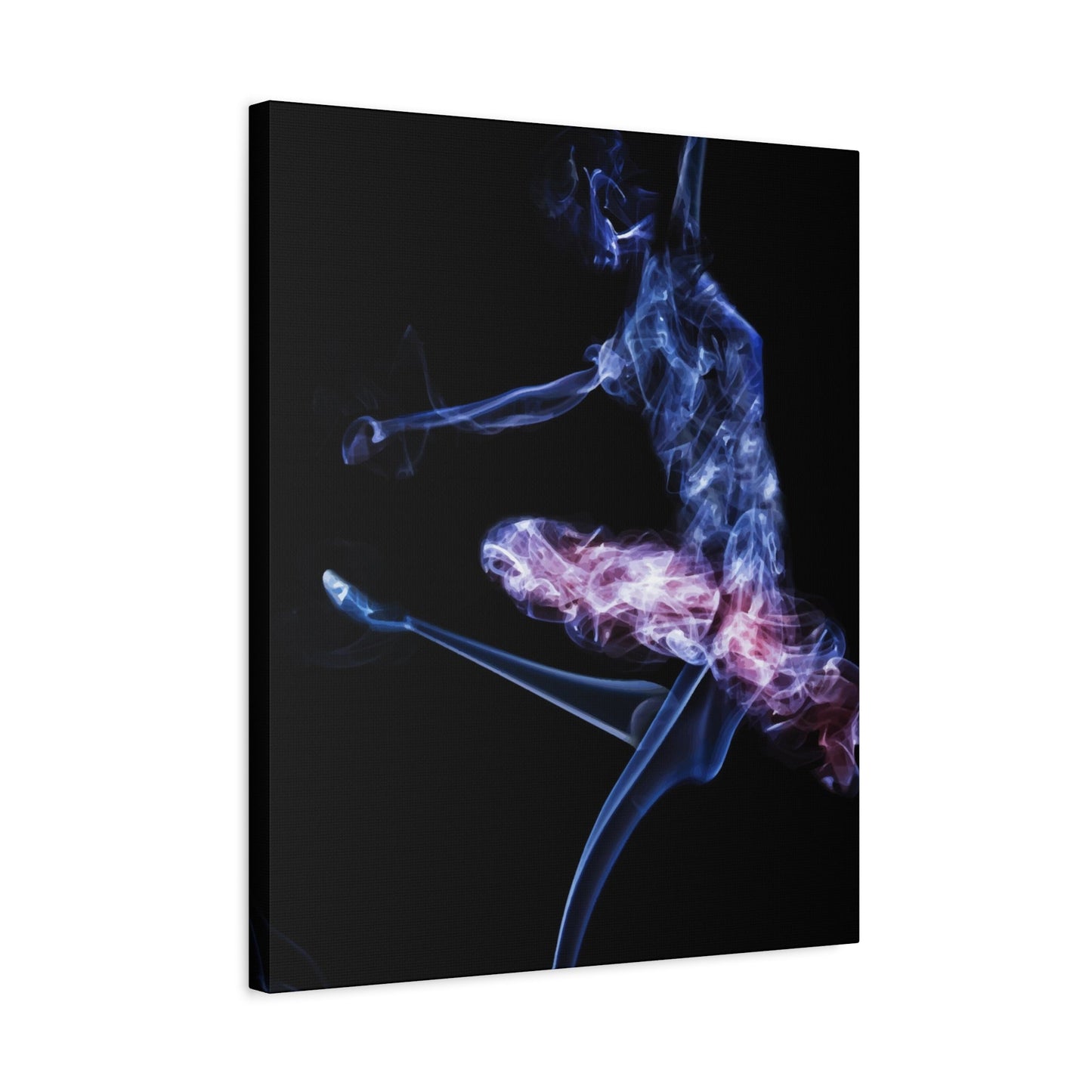
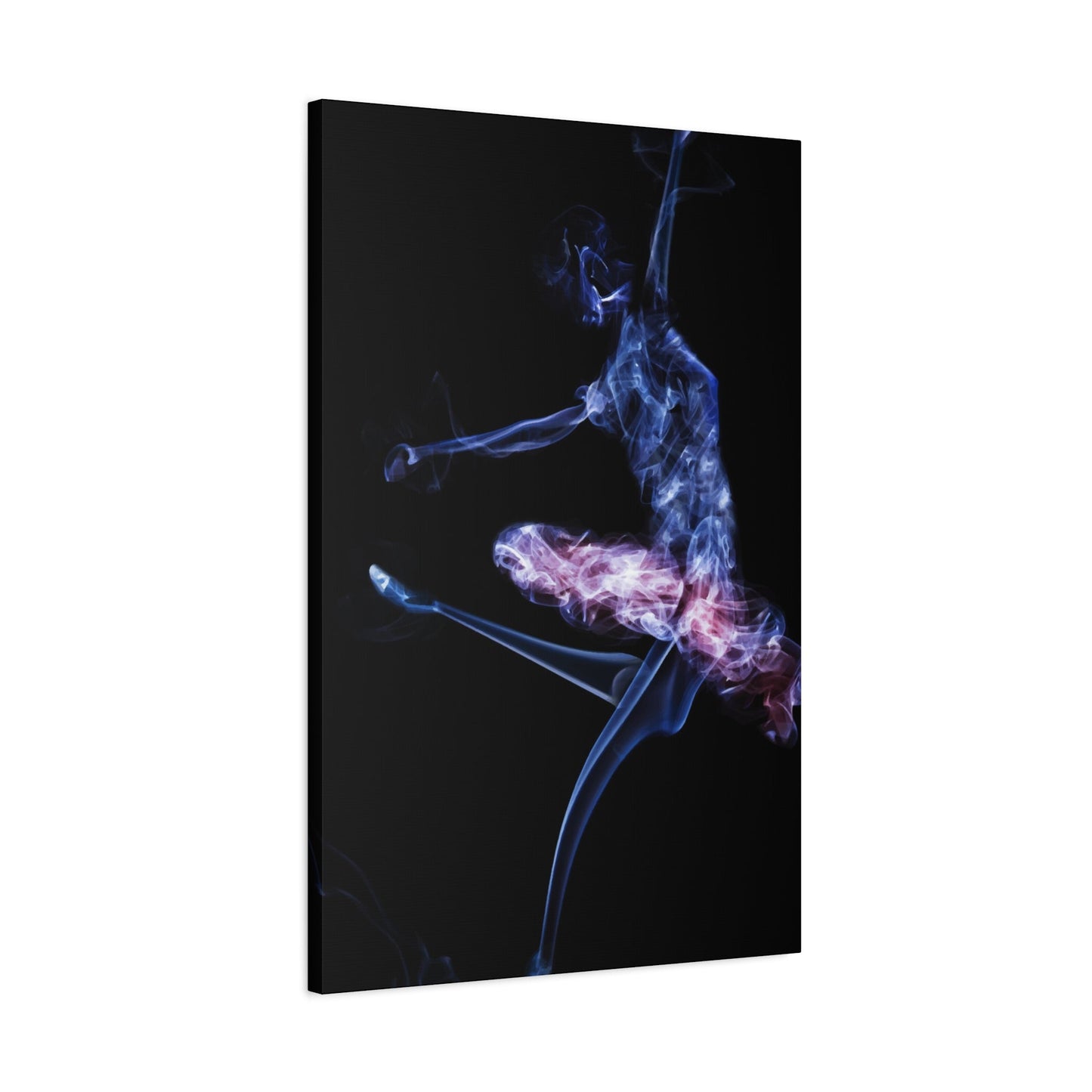
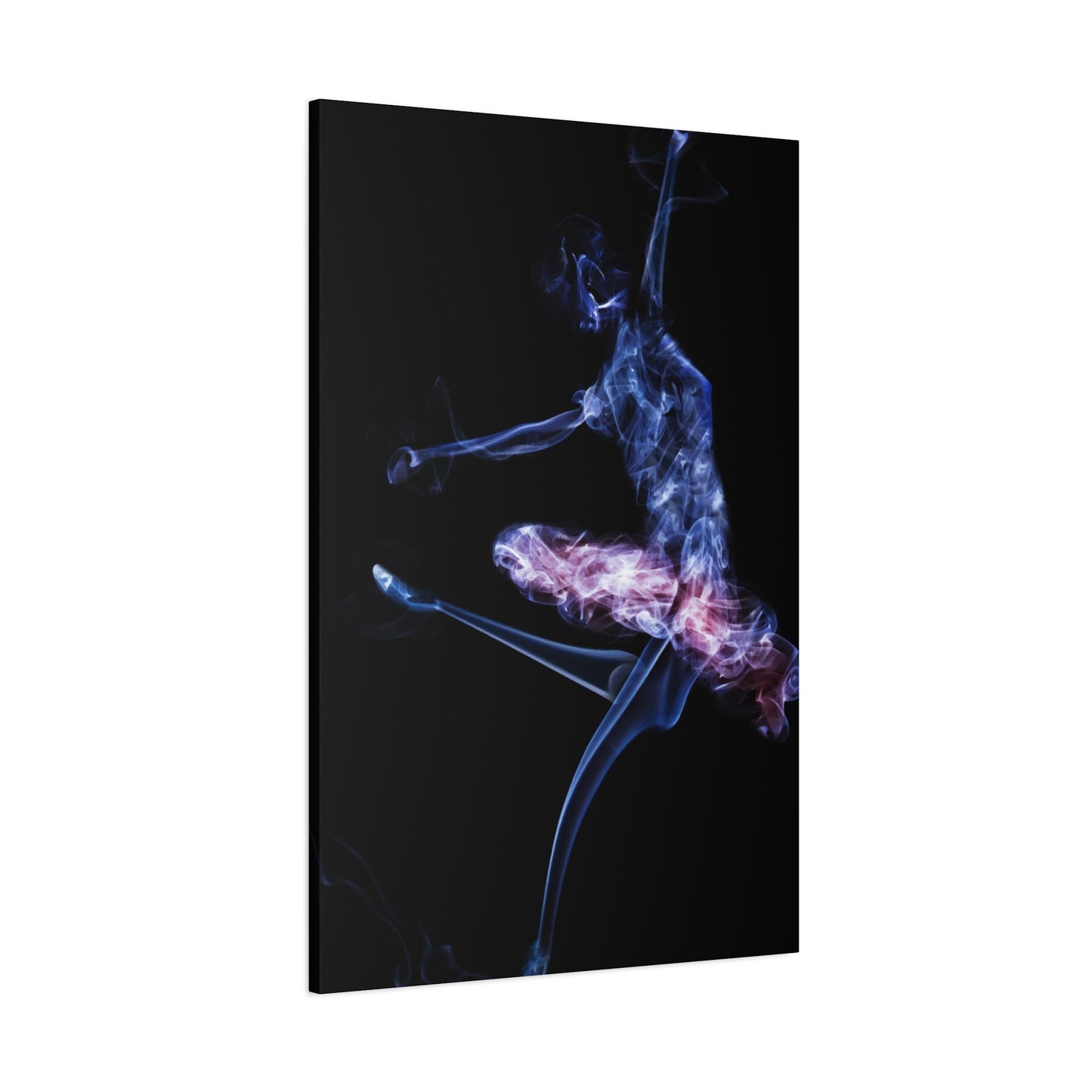

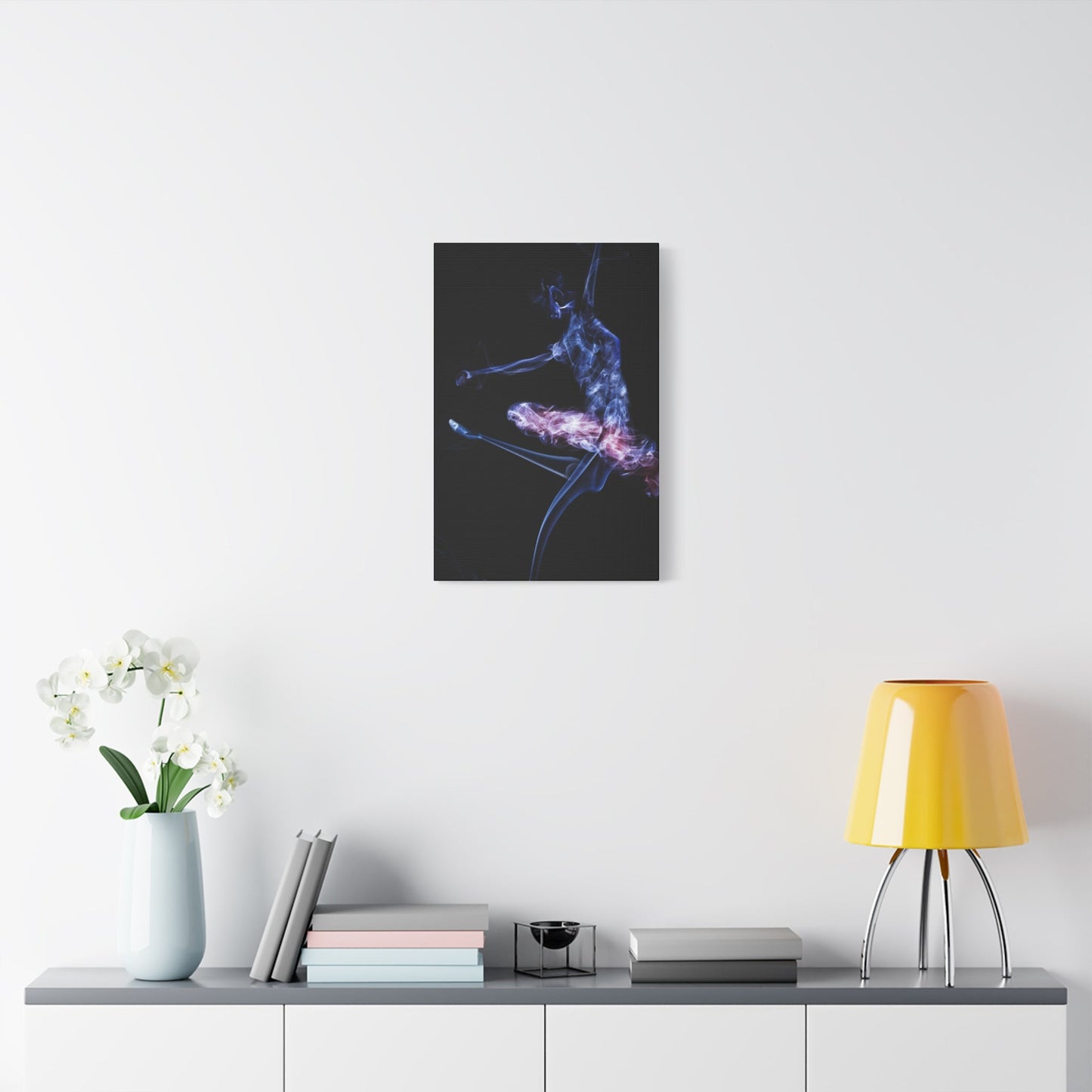
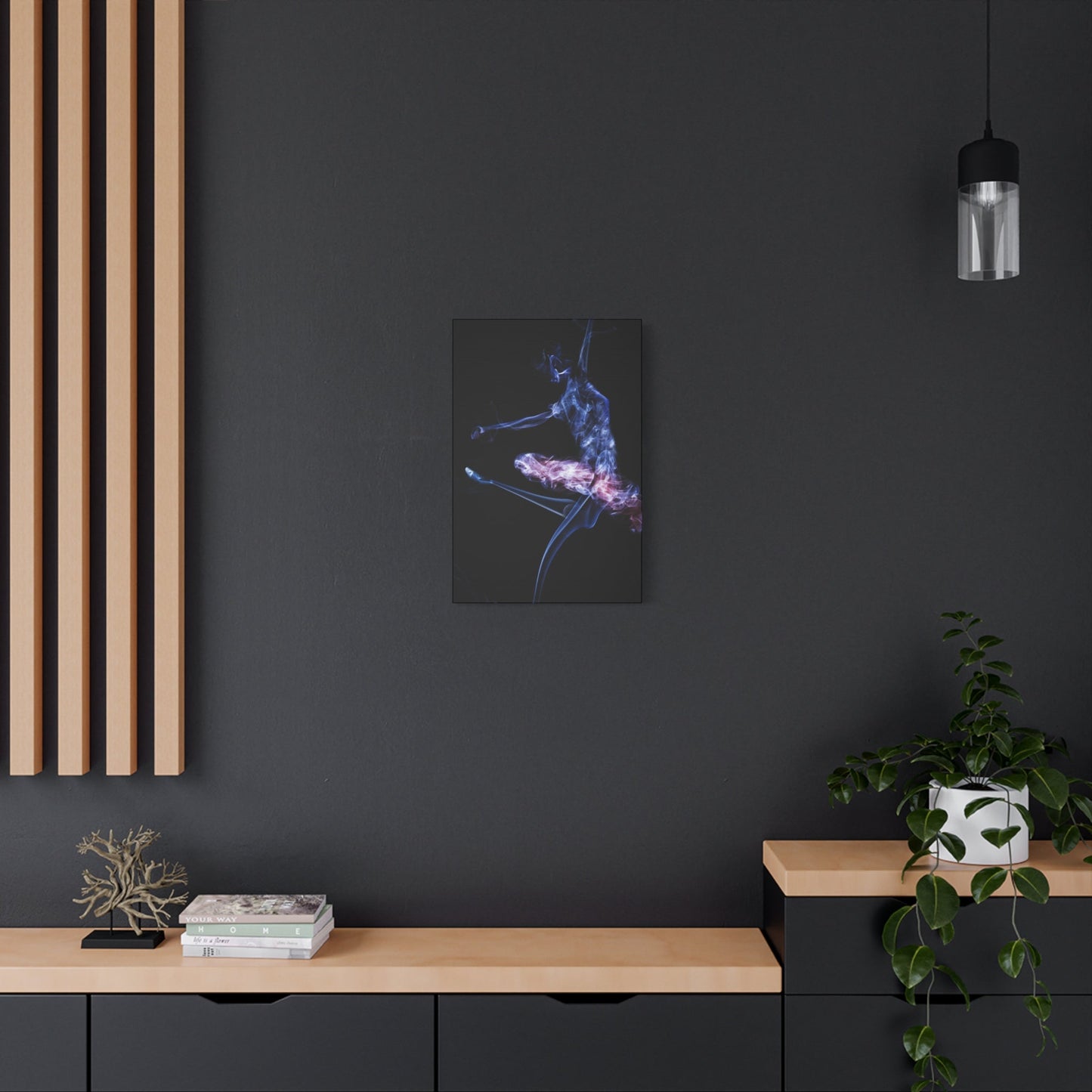

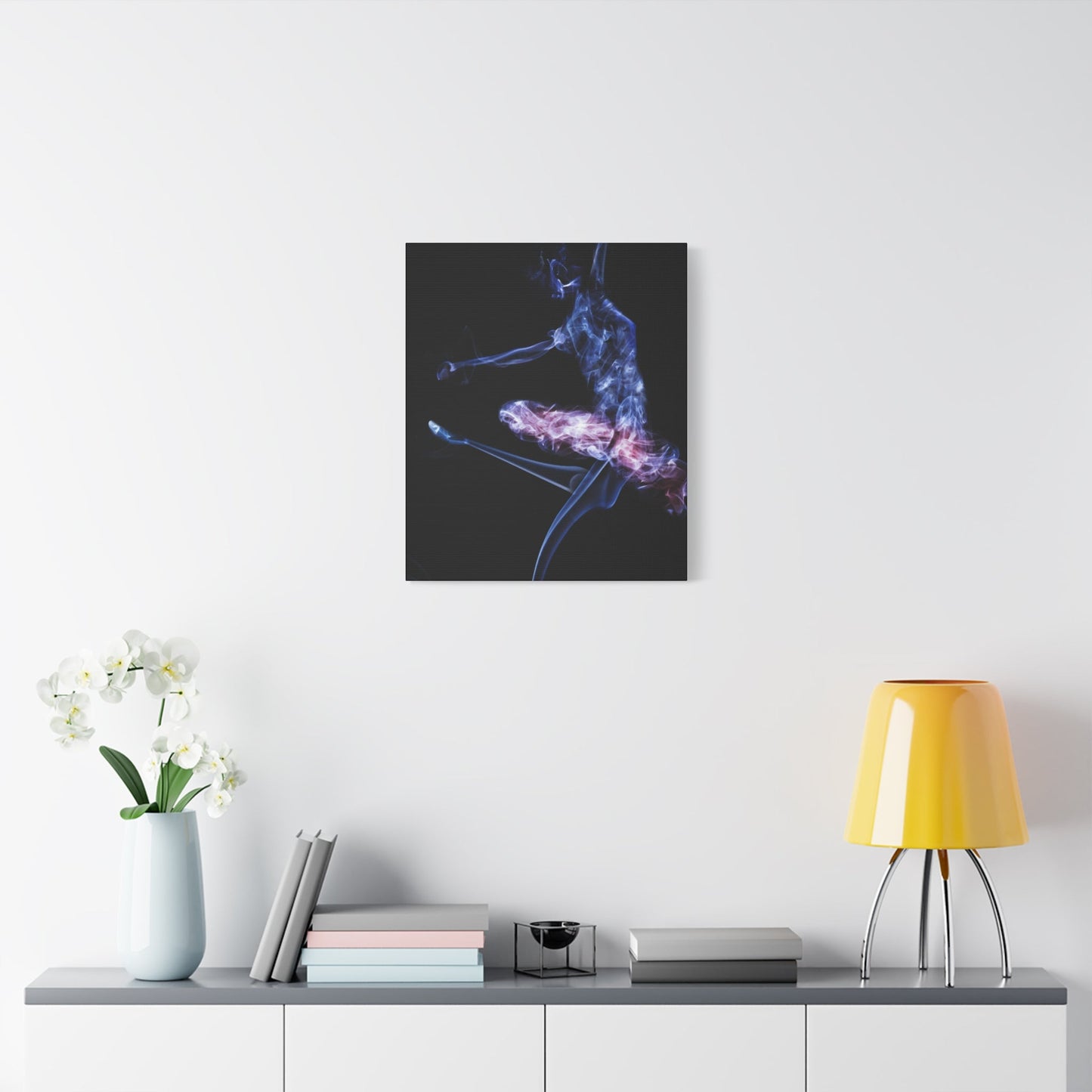
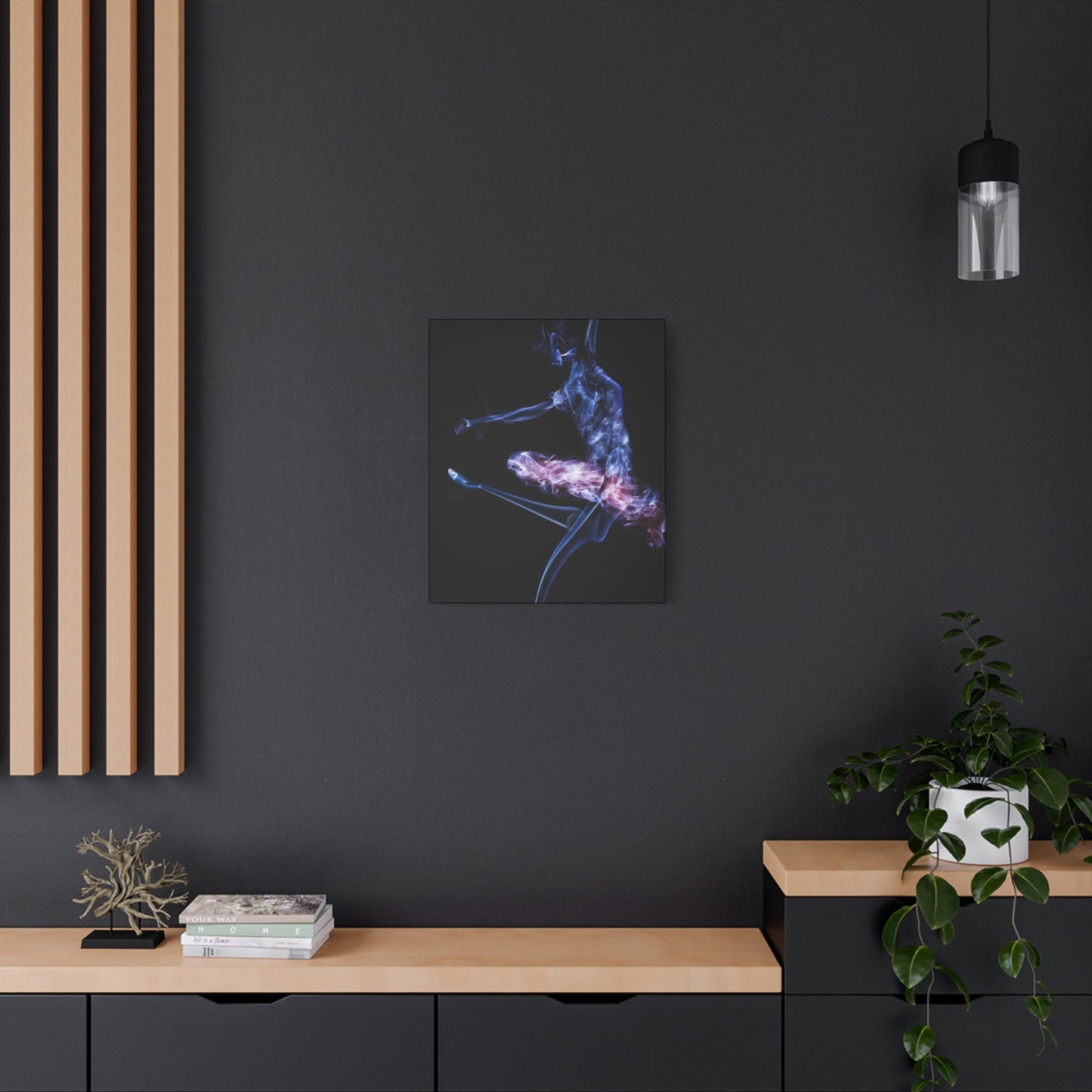

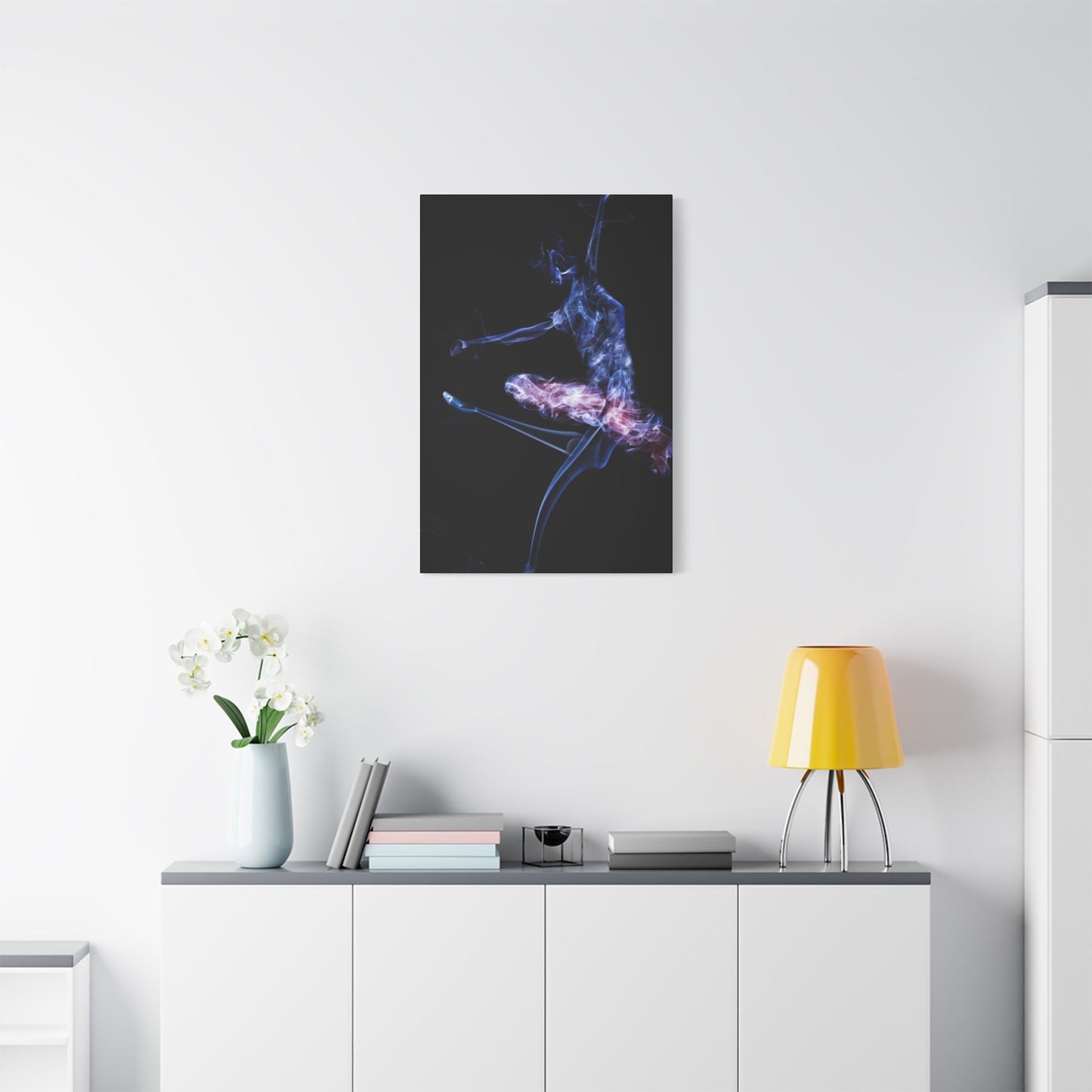
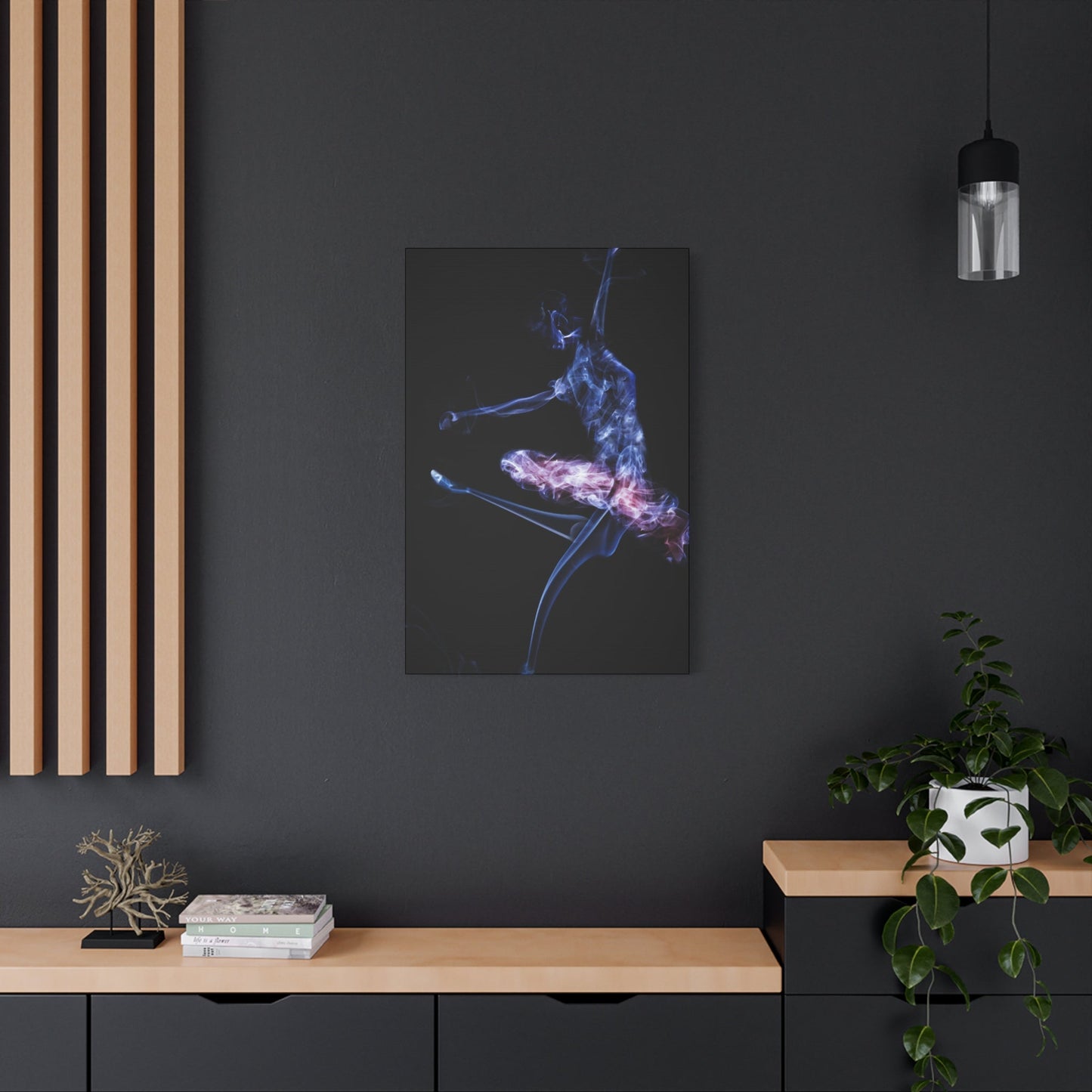

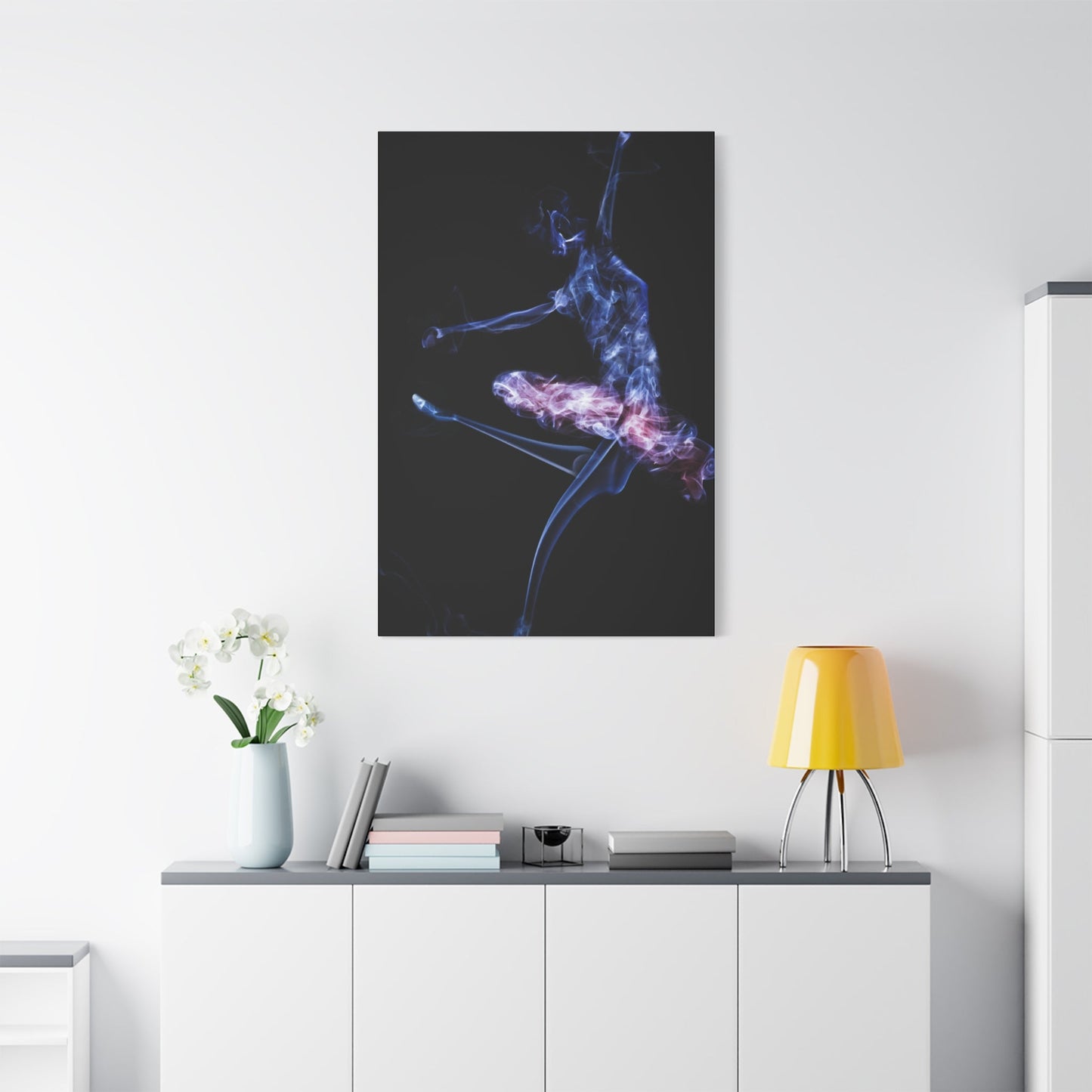
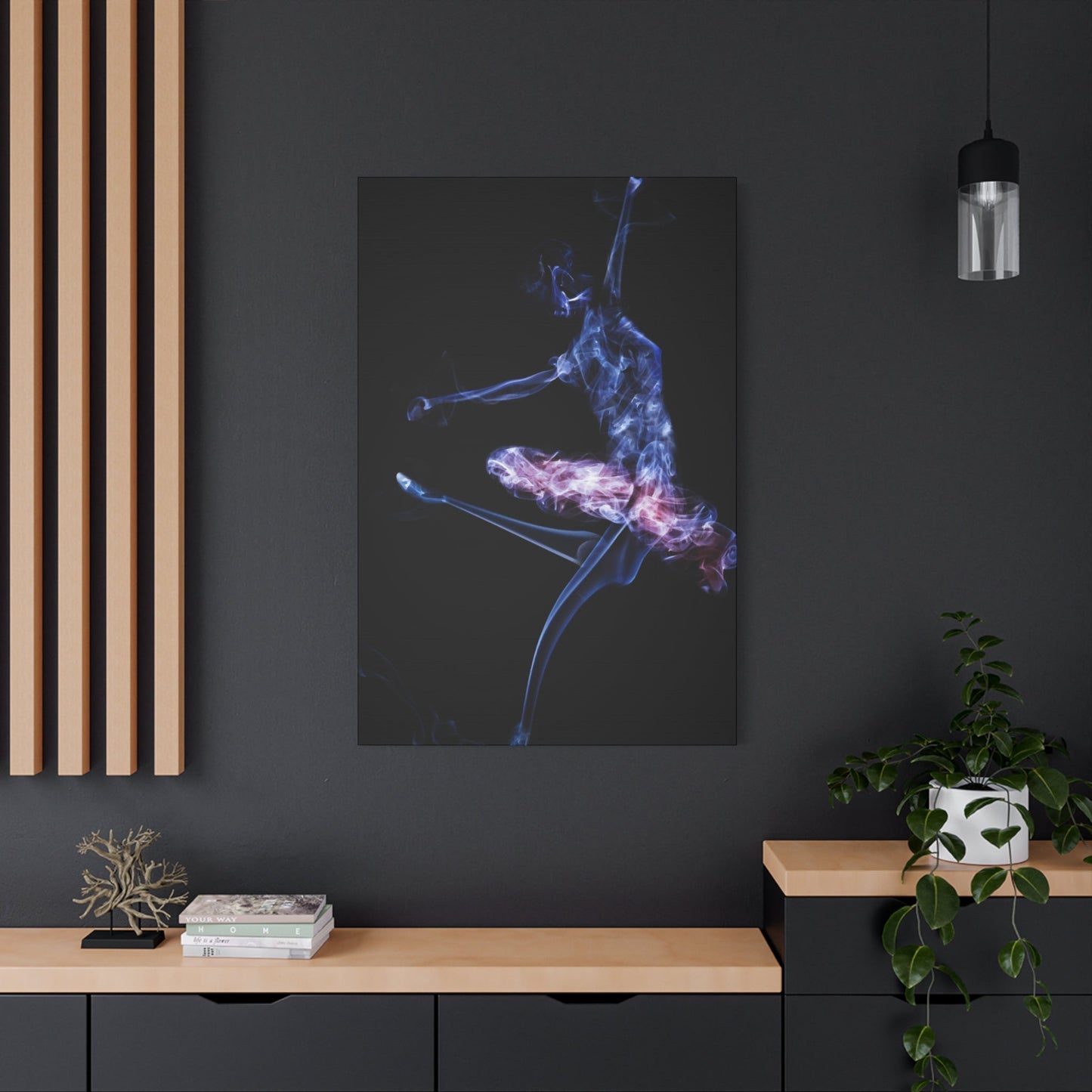
Mastering Figurative Wall Art: Canvas Prints That Define Contemporary Living
In the realm of home decoration, few artistic expressions carry the power and versatility of figurative wall art. This compelling form of visual expression captures the essence of human experience, emotion, and narrative through carefully crafted imagery that speaks directly to our hearts and minds. Whether you're a seasoned art collector or someone just beginning to explore the world of canvas prints, figurative art offers an unparalleled opportunity to infuse your living environment with meaning, beauty, and personal significance.
The journey into figurative wall art opens doors to countless possibilities for enhancing your home's aesthetic appeal while simultaneously creating meaningful connections between your living environment and your personal taste. Unlike abstract expressions that leave interpretation entirely to the viewer, figurative art provides recognizable forms, stories, and emotions that can serve as conversation starters, mood enhancers, and focal points throughout your home.
Today's market offers an incredible variety of figurative canvas prints, ranging from classical reproductions to contemporary interpretations, each designed to meet different aesthetic preferences, budget considerations, and decorative needs. The accessibility of high-quality printing technology has democratized art ownership, making it possible for anyone to enjoy museum-quality reproductions and original digital artworks in their own homes.
This comprehensive exploration will guide you through every aspect of incorporating figurative wall art into your living environment, from understanding different artistic styles and trends to practical considerations like hanging techniques and maintenance. Whether you're looking to create a sophisticated gallery wall, add a statement piece to your living room, or enhance your office environment with inspiring imagery, this guide provides the knowledge and insights needed to make informed decisions about your art purchases and placement strategies.
Current Trends Shaping Figurative Wall Art
The contemporary art market has witnessed a remarkable renaissance in figurative expression, driven by both technological advances in printing techniques and a growing desire for meaningful, relatable art in our increasingly digital world. Modern figurative artists are pushing boundaries while honoring traditional techniques, creating works that resonate with today's aesthetic sensibilities while maintaining timeless appeal.
One of the most significant trends in contemporary figurative art is the integration of photorealistic techniques with artistic interpretation. Artists are creating works that capture minute details of human expression, clothing textures, and environmental elements while maintaining an unmistakably artistic quality that distinguishes them from mere photographs. This approach allows viewers to appreciate both technical mastery and creative vision in a single piece.
The influence of street art and urban culture has also permeated the figurative art world, bringing bold colors, dynamic compositions, and contemporary themes into traditional portraiture and figure studies. These works often feature modern clothing, urban backgrounds, and contemporary social themes, making them particularly relevant for today's home decorators who want art that reflects their current lifestyle and values.
Minimalist figurative art represents another growing trend, where artists strip away unnecessary details to focus on essential elements of human form and emotion. These pieces work exceptionally well in modern homes where clean lines and uncluttered aesthetics are priorities. The simplified approach doesn't diminish the emotional impact; instead, it often intensifies it by eliminating distractions and focusing viewer attention on core elements.
Digital art has revolutionized figurative expression, enabling artists to experiment with colors, textures, and effects that would be impossible or extremely difficult to achieve with traditional media. Digital figurative works often feature surreal color palettes, impossible lighting effects, and seamless blending of realistic and fantastical elements, creating pieces that are simultaneously familiar and otherworldly.
The resurgence of classical themes interpreted through contemporary lenses has created a bridge between historical art appreciation and modern aesthetic preferences. Artists are revisiting mythological subjects, historical figures, and classical compositions while employing modern techniques, materials, and perspectives, resulting in works that feel both timeless and thoroughly contemporary.
Cultural diversity has become increasingly prominent in figurative art, with artists from various backgrounds bringing their unique perspectives, traditions, and experiences to their work. This trend has enriched the available selection of figurative canvas prints, offering consumers opportunities to find art that reflects their heritage, interests, or desire to appreciate different cultural perspectives.
Environmental consciousness has influenced figurative art themes, with many contemporary works incorporating natural elements, sustainability messages, or commentary on humanity's relationship with the environment. These pieces often feature figures interacting with natural settings or symbolic elements that reference ecological concerns, making them appealing to environmentally conscious consumers.
The democratization of art through online platforms and print-on-demand services has enabled emerging artists to reach broader audiences, resulting in more diverse styles, subjects, and price points in the figurative art market. This accessibility has been particularly beneficial for consumers seeking unique, affordable options that aren't available through traditional gallery channels.
Mastering the Art of Combining Figurative Prints with Various Art Forms
Creating a cohesive art collection that incorporates figurative prints alongside other art forms requires understanding visual relationships, thematic connections, and compositional balance. The key to successful mixing lies in identifying common elements that can tie different pieces together while maintaining individual artistic integrity and visual interest.
Color harmony serves as one of the most effective tools for combining figurative art with other forms of expression. When figurative prints share similar color palettes with abstract pieces, landscapes, or still life works, the resulting combination creates visual continuity that pleases the eye while allowing each piece to maintain its unique characteristics. This approach works particularly well when creating gallery walls or arranging multiple pieces within the same room.
Thematic connections provide another avenue for successful art mixing, allowing collectors to create narratives or explore concepts through different artistic approaches. For example, a figurative portrait might pair beautifully with an abstract piece that explores similar emotional themes, or a landscape that provides environmental context for the figure. These thematic relationships create deeper meaning and encourage viewers to consider connections between different artistic expressions.
Scale and proportion considerations are crucial when mixing figurative prints with other art forms. Large figurative pieces can anchor a collection of smaller works, while smaller figurative elements can add intimate details to compositions dominated by larger abstract or landscape pieces. Understanding how different sizes interact helps create balanced arrangements that feel intentional rather than random.
Frame consistency can unify diverse art forms, creating cohesion even when the artistic styles vary significantly. Choosing frames with similar materials, colors, or proportions helps tie different pieces together while allowing individual artworks to shine. Conversely, varying frame styles can add visual interest when the artworks themselves share strong commonalities.
Textural variety adds depth and interest to mixed art collections, and figurative prints can contribute unique textural elements through their subject matter and printing techniques. Canvas prints offer different textural qualities than paper prints, metal prints, or original paintings, and these variations can enhance the overall sensory experience of viewing the collection.
The strategic use of negative space becomes particularly important when mixing different art forms, as it provides visual breathing room and prevents compositions from becoming overwhelming. Figurative prints, with their often complex subject matter, benefit from thoughtful spacing that allows viewers to appreciate details without feeling visually overwhelmed by competing elements.
Cultural and historical contexts can provide unifying themes for mixed art collections, allowing collectors to explore particular periods, regions, or movements through different artistic lenses. A contemporary figurative print might complement a vintage photograph, an abstract painting from the same era, or a piece of folk art from the same cultural tradition.
Technical considerations like lighting requirements and viewing angles become more complex when mixing different art forms, as various pieces may have different optimal display conditions. Understanding these requirements helps ensure that all pieces in a mixed collection can be properly appreciated and preserved.
Optimal Placement Strategies for Figurative Canvas Prints
The placement of figurative canvas prints significantly impacts both their visual effect and their longevity, making thoughtful consideration of room selection, positioning, and environmental factors essential for maximizing the impact of your art investment. Different rooms offer unique opportunities and challenges for displaying figurative art effectively.
Living rooms provide ideal venues for larger figurative pieces that can serve as focal points and conversation starters. The typically generous wall area in living rooms accommodates statement pieces that might overwhelm smaller areas, while the social nature of these rooms ensures that the art will be regularly viewed and appreciated by both residents and visitors. When selecting figurative art for living rooms, consider pieces that complement the room's color scheme while adding visual interest and personality.
Bedrooms benefit from more intimate figurative works that create peaceful, personal atmospheres conducive to rest and relaxation. Portraits, figure studies with gentle expressions, or romantic themes work particularly well in bedroom environments. The private nature of bedrooms also allows for more personal or unconventional artistic choices that might not be appropriate for common areas.
Dining rooms offer opportunities for figurative art that enhances the dining experience, with food-related figurative works, cultural scenes, or festive imagery contributing to the room's social atmosphere. The typically warm lighting in dining areas can enhance the colors and details in figurative canvas prints, creating an inviting environment for meals and entertaining.
Hallways and stairwells present unique opportunities for creating art galleries within the home, where series of smaller figurative prints can tell stories or explore themes as viewers move through the area. These transitional areas often have consistent lighting and less furniture competition, making them ideal for displaying multiple related pieces.
Home offices benefit from figurative art that inspires creativity, productivity, or reflects professional interests. Portraits of historical figures, scenes depicting craftsmanship or learning, or contemporary works that reflect career aspirations can enhance the work environment while providing periodic visual breaks from computer screens and paperwork.
Bathroom placement requires careful consideration of humidity and temperature fluctuations, but appropriately chosen and properly sealed figurative prints can add sophistication to these often-overlooked areas. Smaller pieces work best in bathrooms, and themes should be appropriate for the intimate nature of these areas.
Kitchen areas, while challenging due to cooking-related moisture and heat, can accommodate figurative prints when proper precautions are taken. Food-related figurative art, cultural scenes involving cooking or dining, or historical kitchen scenes can enhance the heart of the home while reflecting the room's functional purpose.
Children's rooms and play areas offer opportunities for figurative art that inspires imagination, learning, or reflects the child's interests and personality. Age-appropriate figurative prints can grow with children and provide positive visual influences during formative years.
Guest rooms benefit from welcoming figurative art that makes visitors feel comfortable while reflecting the host's taste and hospitality. Neutral themes, beautiful landscapes with figures, or culturally diverse art can create inclusive, welcoming environments for guests from various backgrounds.
Essential Maintenance Practices for Figurative Wall Art and Canvas Prints
Proper care and maintenance of figurative wall art and canvas prints ensure longevity, preserve color vibrancy, and protect your investment in quality art pieces. Understanding the specific needs of different printing materials and framing options helps develop appropriate maintenance routines that prevent damage while preserving artistic integrity.
Regular dusting represents the most fundamental maintenance practice for canvas prints, preventing the accumulation of particles that can dull colors and create permanent staining over time. Use soft, clean brushes or microfiber cloths to gently remove surface dust, working from top to bottom and avoiding excessive pressure that might damage the canvas surface or printing ink.
Environmental control plays a crucial role in preserving figurative canvas prints, as temperature fluctuations, humidity changes, and exposure to direct sunlight can cause fading, warping, or cracking over time. Maintain consistent room temperatures when possible, avoid hanging art in areas with extreme temperature changes, and use UV-filtering glass or protective sprays when direct sunlight exposure is unavoidable.
Proper handling techniques prevent accidental damage during cleaning, moving, or rearranging art pieces. Always support canvas prints from both sides when moving them, avoid touching the printed surface with bare hands, and wear clean gloves when handling valuable or delicate pieces. When cleaning frames, remove the art piece entirely when possible to avoid accidental contact with cleaning solutions.
Storage considerations become important when rotating art collections or temporarily removing pieces for cleaning or room renovations. Store canvas prints in cool, dry areas away from direct light, support them properly to prevent bending or warping, and wrap them in acid-free materials to prevent chemical damage during storage periods.
Professional cleaning and restoration services may become necessary for valuable pieces or when dealing with significant damage, staining, or aging. Research qualified art conservation professionals in your area and maintain documentation of your art pieces, including purchase information, previous treatments, and condition reports that can guide professional restoration efforts.
Frame maintenance requires attention to different materials and construction methods, with wood frames needing different care than metal or synthetic materials. Regular inspection of frame joints, hanging hardware, and protective backing helps identify potential problems before they cause damage to the artwork itself.
Preventive measures like using appropriate hanging systems, avoiding placement near heat sources or high-humidity areas, and protecting art during house cleaning activities help prevent many common causes of art damage. Developing good habits around art care often prevents the need for more intensive restoration efforts later.
Documentation of maintenance activities, including dates, procedures used, and any issues noted, helps track the condition of your art collection over time and provides valuable information for insurance purposes or professional conservation efforts when needed.
Distinguishing Abstract and Figurative Art Approaches
The fundamental distinction between abstract and figurative art lies in their relationship to recognizable reality, with figurative art depicting identifiable subjects while abstract art prioritizes form, color, and composition over representational accuracy. Understanding these differences helps art enthusiasts make informed choices about their preferences and collection goals.
Figurative art maintains clear connections to observable reality, featuring recognizable subjects like people, animals, objects, or scenes that viewers can readily identify. This representational quality makes figurative art immediately accessible to viewers, as they can relate to the subjects depicted and often find personal connections or memories triggered by familiar imagery.
Abstract art, conversely, abandons representational accuracy in favor of exploring pure artistic elements like color relationships, geometric forms, textural variations, and compositional dynamics. Abstract works may be inspired by real-world subjects but translate those inspirations into non-representational expressions that prioritize emotional or aesthetic impact over recognizable content.
The interpretive experience differs significantly between these approaches, with figurative art often providing clearer starting points for understanding and discussion while abstract art leaves interpretation more open to individual response and personal association. Neither approach is superior; they simply offer different types of artistic experiences and serve different decorative and emotional needs.
Historical development of both approaches reflects changing artistic philosophies, technological capabilities, and cultural values throughout human civilization. Figurative art has ancient roots in cave paintings and religious iconography, while pure abstraction is a relatively recent development that emerged alongside modern art movements in the late 19th and early 20th centuries.
Contemporary applications of both approaches continue to evolve, with many artists incorporating elements from both traditions to create hybrid works that combine recognizable imagery with abstract techniques, colors, or compositions. This blending reflects the modern understanding that artistic categories need not be mutually exclusive.
Market considerations reveal different consumer preferences and decorative applications for each approach, with figurative art often preferred for creating specific moods or telling stories, while abstract art frequently serves to add color, energy, or visual interest without conveying particular narrative content.
Educational value varies between approaches, with figurative art often serving to preserve cultural traditions, historical events, or social commentary, while abstract art teaches viewers to appreciate pure artistic elements and develop visual literacy beyond representational recognition.
Personal preference factors include individual comfort with ambiguity, cultural background, decorative needs, and emotional responses to different types of visual stimulation. Some people find deep satisfaction in the clear communication of figurative art, while others prefer the open interpretation and pure aesthetic pleasure of abstract expression.
Strategic Color Implementation in Figurative Wall Art
Color serves as one of the most powerful tools in figurative wall art, capable of conveying emotion, creating atmosphere, establishing focal points, and integrating artworks into existing home decor schemes. Understanding color theory and its application in figurative art helps both artists and collectors make more informed decisions about creation and selection processes.
Emotional color associations play crucial roles in figurative art impact, with warm colors like reds, oranges, and yellows typically evoking energy, passion, and comfort, while cool colors like blues, greens, and purples tend to create calming, contemplative, or sophisticated atmospheres. Artists manipulate these associations to enhance the emotional content of their figurative works.
Color harmony principles guide successful integration of figurative art into home decor, with complementary colors creating dynamic tension and visual interest, while analogous colors provide peaceful, flowing compositions that blend seamlessly with existing color schemes. Understanding these relationships helps in selecting art that enhances rather than conflicts with room aesthetics.
Cultural color symbolism adds layers of meaning to figurative works, with different cultures assigning various significance to specific colors throughout history. Red might symbolize good fortune in one culture while representing danger or passion in another, and awareness of these associations helps in selecting appropriate art for diverse households or international themes.
Lighting interaction significantly affects color perception in figurative art, with natural daylight revealing different color qualities than incandescent, fluorescent, or LED lighting. Consider the lighting conditions where art will be displayed when evaluating color choices, as dramatic shifts in appearance can occur under different illumination conditions.
Color temperature considerations become particularly important in figurative portraiture, where skin tones must appear natural and flattering under various lighting conditions. Artists working in figurative styles must balance artistic expression with realistic representation to maintain believable human depiction while achieving desired aesthetic effects.
Seasonal color preferences often influence figurative art selection, with consumers gravitating toward warm, rich colors during autumn and winter months while preferring lighter, brighter palettes during spring and summer. This cyclical preference pattern creates opportunities for rotating art collections to match seasonal mood changes.
Color psychology applications in different rooms guide appropriate figurative art selection, with energizing colors working well in social areas like living rooms and kitchens, while calming colors suit bedrooms and relaxation areas. Professional or office settings may benefit from more neutral color palettes that avoid distraction while maintaining visual interest.
Age-related color preferences influence figurative art appeal across different demographic groups, with younger consumers often preferring bold, saturated colors while older demographics may gravitate toward more subdued, sophisticated palettes. Understanding these preferences helps in selecting art for multigenerational households or specific target audiences.
Notable Masters of Figurative Art Throughout History
The rich tradition of figurative art encompasses centuries of artistic innovation, technical mastery, and cultural reflection through the work of countless talented artists whose contributions continue to influence contemporary creators and inspire art lovers worldwide. Understanding these artistic pioneers provides context for appreciating modern figurative works and recognizing the evolution of artistic techniques and themes.
Leonardo da Vinci represents perhaps the most recognizable name in figurative art history, whose scientific approach to human anatomy, innovative painting techniques, and masterful compositions like the Mona Lisa and The Last Supper established standards for figurative excellence that continue to influence artists today. His detailed studies of human proportion and movement remain valuable references for contemporary figurative artists.
Michelangelo Buonarroti demonstrated the potential for figurative art to convey powerful emotions and spiritual themes through works like the Sistine Chapel ceiling and the sculpture of David. His ability to capture human dignity, strength, and divine connection through figurative representation established him as one of history's greatest artistic achievers.
Rembrandt van Rijn revolutionized portraiture through his innovative use of light and shadow, psychological depth, and honest representation of human character including imperfections and aging. His self-portraits provide unprecedented insight into artistic development over time, while his group portraits like The Night Watch demonstrate mastery of complex figurative compositions.
Johannes Vermeer created intimate figurative scenes that capture quiet moments of daily life with extraordinary attention to light, color, and domestic detail. His limited but exquisite body of work demonstrates how figurative art can elevate ordinary subjects to extraordinary artistic heights through masterful technique and sensitive observation.
Diego Velázquez combined technical brilliance with courtly sophistication in works like Las Meninas, which continues to intrigue viewers and influence artists through its complex composition, masterful use of perspective, and innovative approach to depicting reality within artistic representation.
John Singer Sargent brought figurative portraiture into the modern era with dynamic brushwork, psychological insight, and ability to capture both individual personality and social context in works that bridge 19th and 20th-century artistic sensibilities.
Mary Cassatt contributed feminine perspective to figurative art through her sensitive depictions of women and children, demonstrating how figurative art can reflect and challenge social assumptions while maintaining artistic excellence and emotional authenticity.
Pablo Picasso revolutionized figurative art through his exploration of multiple perspectives, geometric simplification, and emotional expression, showing how traditional figurative subjects could be interpreted through radically new artistic approaches without losing their essential human connection.
Contemporary artists like David Hockney, Lucian Freud, and Jenny Saville continue the figurative tradition while incorporating modern techniques, subjects, and perspectives that reflect current cultural concerns and aesthetic preferences, demonstrating the continued vitality and relevance of figurative artistic expression.
These masters and many others have established the foundation upon which contemporary figurative art builds, providing both inspiration and technical knowledge that continues to inform artistic creation and appreciation in our current era.
Contemporary Figurative Art Movements in Modern Home Design
The integration of contemporary figurative art into modern home design reflects broader cultural shifts toward personalization, meaningful decoration, and the desire to create living environments that reflect individual identity while maintaining aesthetic sophistication. Current trends in figurative art reveal fascinating intersections between traditional artistic values and contemporary lifestyle preferences.
Photorealistic figurative art has gained significant popularity among homeowners who appreciate technical mastery and detailed representation while seeking art that complements modern home design principles. These works often feature contemporary subjects, clothing, and settings that feel relevant to current life while demonstrating extraordinary artistic skill in their execution.
Neo-expressionist approaches to figurative art bring emotional intensity and bold color choices to contemporary home environments, offering statement pieces that serve as conversation starters while reflecting the psychological complexity of modern life. These works often combine recognizable figurative elements with abstract techniques or surreal compositional choices.
Minimalist figurative art appeals to homeowners who prefer clean, uncluttered aesthetic principles while still wanting human connection and narrative content in their art selections. These pieces strip away unnecessary details to focus on essential elements of form, emotion, or gesture that complement contemporary architectural and design sensibilities.
Digital art innovations have created new possibilities for figurative expression, enabling artists to create works with impossible color combinations, surreal lighting effects, and seamless integration of photographic and painted elements. These digital figurative works often appeal to tech-savvy consumers who appreciate innovation while maintaining connection to traditional artistic subjects.
Street art influences have brought urban energy and contemporary cultural references into figurative art suitable for home display, creating works that bridge fine art traditions with popular culture and social commentary. These pieces often feature modern clothing, urban settings, and contemporary social themes that resonate with younger demographics.
Cultural fusion approaches combine figurative traditions from different artistic cultures, creating works that reflect our increasingly global society while respecting diverse artistic heritage. These pieces appeal to homeowners who appreciate cultural diversity and want their art to reflect international perspectives and experiences.
Environmental themes increasingly appear in contemporary figurative art, with artists depicting humans in relationship to natural settings, climate change impacts, or sustainable living practices. These works appeal to environmentally conscious consumers who want their art to reflect their values and concerns about environmental issues.
Gender and identity exploration through figurative art provides opportunities for homeowners to select pieces that reflect contemporary discussions about identity, equality, and social justice while maintaining artistic excellence and aesthetic appeal.
Therapeutic and wellness themes in figurative art reflect growing interest in mental health, self-care, and holistic approaches to well-being, with artists creating works that promote relaxation, mindfulness, or positive emotional states through careful attention to color, composition, and subject matter.
The accessibility of high-quality printing technology has democratized access to contemporary figurative art, enabling emerging artists to reach broader audiences while providing consumers with affordable options for acquiring original or reproduction works that reflect current artistic trends and personal preferences.
Professional Hanging Techniques for Figurative Canvas Prints
Proper hanging techniques for figurative canvas prints ensure both optimal visual presentation and long-term preservation of your art investment while creating pleasing arrangements that enhance your home's aesthetic appeal. Understanding professional approaches to art installation helps achieve gallery-quality results in residential settings.
Height considerations form the foundation of professional art hanging, with the general rule placing art so that the center of the piece aligns with average eye level, typically 57 to 60 inches from the floor. However, figurative art often benefits from slight adjustments based on the composition, with portraits sometimes hung slightly higher to create more dignified presentation.
Wall preparation involves assessing wall construction, identifying appropriate fasteners, and ensuring adequate support for the artwork's weight. Canvas prints can vary significantly in weight depending on size, frame material, and mounting system, requiring different hanging hardware and installation techniques for safe, secure mounting.
Measuring and marking techniques ensure accurate placement before creating holes in walls, preventing costly mistakes and multiple repair attempts. Professional installers use precise measuring tools, level devices, and temporary positioning methods to verify placement before committing to permanent installation.
Hardware selection depends on wall construction, artwork weight, and desired adjustability, with options ranging from simple picture hooks for lightweight pieces to heavy-duty wall anchors and hanging systems for larger installations. Understanding load-bearing requirements prevents accidents and damage to both walls and artwork.
Multiple piece arrangements require additional planning to ensure proper spacing, alignment, and visual balance across the grouping. Professional approaches often involve creating paper templates, using temporary positioning methods, and considering sight lines from various viewing angles within the room.
Lighting coordination with hanging placement ensures optimal illumination of figurative details while preventing glare or shadow problems that can interfere with artwork appreciation. Consider natural light sources, artificial lighting placement, and potential changes in lighting conditions throughout the day.
Safety considerations include using appropriate personal protective equipment during installation, ensuring adequate support for step ladders or scaffolding, and having assistance when handling large or heavy pieces. Professional installation may be advisable for valuable artwork or challenging hanging situations.
Adjustment capabilities built into hanging systems allow for future repositioning without creating new wall damage, providing flexibility as room arrangements change or art collections evolve over time. Wire hanging systems, adjustable hooks, and track mounting systems offer various levels of repositioning capability.
Climate considerations affect hanging hardware selection and artwork placement, particularly in areas with high humidity, temperature fluctuations, or direct sunlight exposure that might affect both the artwork and hanging materials over time.
Documentation of hanging methods, hardware used, and artwork positioning helps maintain consistent approaches across multiple installations and provides valuable information for future adjustments, insurance purposes, or professional conservation efforts.
Creating Harmonious Combinations of Figurative and Landscape Art
The strategic combination of figurative and landscape art creates rich visual narratives that enhance home environments through complementary artistic approaches, shared themes, and balanced compositions that reflect the natural relationship between human subjects and their environmental contexts.
Thematic connections provide the strongest foundation for combining figurative and landscape pieces, with possibilities including seasonal themes, geographical locations, historical periods, or cultural contexts that create meaningful relationships between human subjects and their environmental settings. These connections help viewers understand relationships between individual pieces while maintaining artistic integrity.
Scale relationships between figurative and landscape pieces significantly impact overall composition success, with larger landscape pieces often serving as environmental context for smaller figurative works, while large figurative pieces might be balanced by intimate landscape details that provide visual respite and complementary subject matter.
Color harmony across both figurative and landscape pieces ensures visual cohesion while allowing individual artworks to maintain their unique characteristics. Shared color palettes, complementary color relationships, or carefully planned color progressions can unify diverse pieces while maintaining visual interest and individual artistic expression.
Compositional balance considers how figurative and landscape elements work together within viewing areas, with vertical figurative pieces often pairing well with horizontal landscape formats, while similar compositional structures can create rhythmic relationships across multiple pieces.
Cultural and geographical themes provide rich opportunities for meaningful figurative and landscape combinations, with possibilities including regional artistic traditions, travel experiences, historical connections, or environmental relationships that reflect personal interests or cultural heritage.
Seasonal rotation possibilities expand decorating options when figurative and landscape pieces share seasonal themes, allowing homeowners to refresh their art display throughout the year while maintaining consistent quality and thematic coherence in their selections.
Narrative development through combined figurative and landscape art creates storytelling opportunities that engage viewers and encourage deeper consideration of relationships between human experience and environmental context, adding intellectual and emotional depth to art collections.
Frame coordination across figurative and landscape pieces helps maintain visual unity while allowing individual artistic expressions to shine, with options including matching frame materials, coordinated colors, or complementary styles that enhance rather than compete with artistic content.
Room-specific considerations guide appropriate combinations based on functional requirements, lighting conditions, and architectural features that affect how figurative and landscape art will be viewed and appreciated in specific home environments.
Investment considerations include evaluating how combined pieces might appreciate over time, whether they work effectively as individual pieces if separated in the future, and how the combination affects overall collection value and insurance requirements.
Developing Powerful Statement Pieces Through Figurative Art
Figurative art possesses unique capabilities for creating powerful statement pieces that transform home environments, establish focal points, and reflect personal taste while demonstrating sophisticated aesthetic sensibilities that elevate entire room designs and create memorable visual experiences for residents and visitors.
Scale selection for statement pieces requires balancing room proportions with artistic impact, ensuring that chosen figurative works command attention without overwhelming the living environment or competing unsuccessfully with architectural features and furniture arrangements that define room character and functionality.
Subject matter selection significantly influences statement piece effectiveness, with dramatic figurative subjects, emotionally compelling compositions, or culturally significant themes creating more impactful presentations than neutral or generic subjects that fail to engage viewers or establish meaningful connections with room occupants.
Color impact considerations guide statement piece selection toward works that either harmonize beautifully with existing color schemes or provide strategic contrast that energizes and enhances room aesthetics without creating visual conflict or overwhelming existing decorative elements that contribute to room coherence.
Placement strategies for figurative statement pieces require identifying optimal viewing locations, considering sight lines from multiple room positions, and ensuring adequate surrounding area to allow the artwork to breathe and command appropriate attention without visual competition from nearby decorative elements.
Lighting design becomes crucial for statement piece presentation, with dedicated artwork lighting, strategic natural light utilization, and coordination with general room lighting ensuring that figurative details receive proper illumination while contributing to overall room ambiance and functionality.
Cultural significance adds depth to figurative statement pieces, with works reflecting historical events, artistic movements, cultural traditions, or contemporary social themes providing intellectual engagement and conversation opportunities that extend beyond pure aesthetic appreciation.
Investment value considerations include selecting figurative works from recognized artists, ensuring proper authentication and documentation, and choosing pieces with lasting appeal that will maintain relevance and value over time while serving immediate decorative and emotional needs.
Integration with existing decor requires balancing statement piece impact with room coherence, ensuring that powerful figurative art enhances rather than conflicts with furniture, architectural features, and other decorative elements that contribute to overall room design success.
Emotional resonance forms the foundation of effective statement pieces, with figurative art's capacity to convey human emotion, experience, and narrative creating deeper connections than purely decorative elements while contributing to positive psychological environments within the home.
Maintenance and preservation planning ensures that statement piece investments remain protected and properly cared for over time, with appropriate environmental controls, cleaning procedures, and professional conservation planning preserving both artistic integrity and financial value for future enjoyment and potential resale.
Budget-Conscious Approaches to Figurative Canvas Prints
Acquiring beautiful figurative canvas prints doesn't require substantial financial investment when approached strategically, with numerous options available for budget-conscious consumers who want to enhance their homes with quality figurative art while maintaining fiscal responsibility and achieving satisfying decorative results.
Print-on-demand services offer affordable access to vast selections of figurative artwork, enabling consumers to select from thousands of designs while paying only for printing and shipping costs rather than original artwork prices. These services often provide various size and material options to accommodate different budget levels and decorative needs.
Emerging artist platforms provide opportunities to support developing talent while acquiring original or limited-edition figurative works at significantly lower prices than established artist pieces. These platforms often feature innovative approaches, contemporary themes, and fresh perspectives that appeal to modern home decorators.
Digital marketplace exploration reveals numerous affordable figurative print options from independent artists, stock photo providers, and specialized art retailers who offer high-quality reproductions and original digital artworks at competitive prices with convenient online purchasing and delivery options.
Seasonal sales and promotional events at art retailers, framing shops, and online providers create opportunities for significant savings on figurative canvas prints, with many retailers offering substantial discounts during holiday periods, end-of-season clearances, and special promotional events.
DIY framing approaches can reduce overall costs significantly while providing opportunities for customization and personal involvement in the art presentation process. Learning basic framing techniques enables budget-conscious consumers to achieve professional results while controlling costs and timing.
Group purchasing or bulk buying strategies, whether through formal art buying groups or informal arrangements with friends and family, can provide access to wholesale pricing or volume discounts that make higher-quality figurative prints more affordable for individual consumers.
Alternative printing materials and mounting options offer various price points for figurative art reproduction, with canvas, paper, metal, and acrylic substrates providing different aesthetic qualities and cost structures that accommodate various budget requirements and decorative preferences.
Local art fair and studio tour participation provides opportunities to discover affordable figurative artwork directly from artists while supporting local creative communities and potentially negotiating favorable prices for multiple purchases or custom commissions.
Reproduction rights and licensing considerations enable access to famous figurative artworks through legitimate reproduction channels that provide museum-quality prints at affordable prices while respecting artist copyrights and intellectual property rights.
Quality evaluation techniques help budget-conscious consumers identify best value options by assessing print quality, material durability, color accuracy, and overall craftsmanship to ensure that affordable choices still meet acceptable quality standards for long-term satisfaction and display.
Designing Comprehensive Gallery Walls with Figurative Art
Gallery walls featuring figurative art create sophisticated visual displays that transform blank walls into curated exhibitions while providing opportunities to showcase multiple pieces, tell stories through artistic selections, and create focal points that reflect personal taste and cultural appreciation within home environments.
Planning and layout development forms the foundation of successful gallery walls, requiring careful consideration of available wall area, artwork sizes, spacing requirements, and overall compositional balance that creates pleasing visual relationships while accommodating individual piece requirements for optimal presentation.
Theme development provides coherence for figurative gallery walls, with possibilities including artistic periods, cultural traditions, color schemes, subject matter categories, or personal narrative themes that unite diverse pieces while maintaining individual artistic integrity and visual interest.
Size and proportion relationships significantly impact gallery wall success, with careful attention to how different figurative piece sizes interact, create visual rhythm, and establish hierarchy within the overall composition while avoiding overwhelming effects or insufficient visual weight distribution.
Spacing calculations ensure proper visual relationships between figurative pieces, with consistent gaps creating orderly presentations while varied spacing can add visual interest and accommodate different frame sizes and artistic importance within the overall gallery wall composition.
Frame coordination strategies range from matching frames for unified presentations to mixed frame styles that add visual complexity while maintaining overall coherence through color, material, or proportional relationships that complement rather than compete with figurative artwork content.
Installation techniques for gallery walls require precise planning, temporary positioning methods, and careful execution to achieve professional results while minimizing wall damage and enabling future adjustments as collections evolve or room arrangements change over time.
Lighting considerations become more complex for gallery walls, requiring even illumination across multiple pieces while avoiding glare, shadow patterns, or hot spots that interfere with artwork appreciation or create uneven viewing experiences across the displayed collection.
Curatorial principles applied to figurative gallery walls help create more sophisticated and engaging displays through attention to artistic dialogue, visual flow, cultural context, and educational value that enhance viewer experience beyond simple decorative impact.
Maintenance and preservation planning for gallery walls includes coordinating cleaning schedules, monitoring environmental conditions across multiple pieces, and planning for individual piece replacement or rearrangement without disrupting overall composition integrity.
Evolution and growth accommodation enables gallery walls to develop over time through strategic planning for additional pieces, seasonal rotations, or thematic expansions that maintain visual coherence while reflecting changing interests, acquisitions, and artistic development.
Enhancing Professional Environments with Figurative Wall Art
The integration of figurative wall art into office and professional environments requires careful consideration of workplace culture, client impressions, employee well-being, and professional image while maintaining appropriate boundaries and contributing to productive, inspiring work atmospheres.
Professional image considerations guide figurative art selection toward pieces that convey competence, sophistication, and cultural awareness while avoiding subjects or styles that might be considered inappropriate, distracting, or potentially offensive in professional contexts where diverse audiences will encounter the artwork.
Client impression management through figurative art can enhance business relationships by demonstrating cultural sophistication, attention to quality, and investment in creating welcoming environments that reflect professional values and commitment to excellence in all aspects of business operation.
Conclusion
Figurative wall art holds a powerful place in contemporary living, offering an artistic lens through which human emotion, form, and experience are brought to life. With canvas prints that highlight the beauty of the human body, abstract interpretations of identity, and intimate emotional expressions, figurative art blends aesthetic sophistication with deep conceptual meaning. Whether you're a lover of bold visuals or subtle storytelling, mastering figurative wall art allows you to create an interior space that is visually compelling and intellectually rich.
What makes figurative wall art so impactful in modern homes is its versatility and emotional resonance. Artists use diverse mediums and styles—ranging from soft, painterly brushstrokes to edgy, geometric abstraction—to interpret the human figure in ways that reflect personal identity, culture, and human connection. These pieces invite reflection and dialogue, adding depth to your home décor beyond surface beauty.
In terms of design, figurative canvas prints are remarkably flexible. They work well as statement pieces in minimalist spaces, focal points in eclectic interiors, or sophisticated accents in modern or industrial designs. Whether placed above a sofa, in a hallway, or within a curated gallery wall, figurative art can create a bold visual anchor or a quiet emotional moment. The key to mastering its use lies in balancing its presence with complementary textures, lighting, and color palettes.
Furthermore, figurative wall art plays a vital role in defining the ambiance of a space. It adds a sense of culture, narrative, and personal taste—essential elements in contemporary living that values authenticity and connection. Each piece can represent a story, a mood, or an unspoken message that enriches the atmosphere of your home.
In conclusion, mastering figurative wall art through canvas prints is about more than choosing beautiful images—it's about curating an emotional and intellectual experience that resonates with your personal style. These artworks offer timeless appeal while serving as mirrors of humanity, identity, and artistic expression. By integrating figurative pieces into your décor, you elevate your space into a thoughtfully designed environment that speaks volumes without saying a word.


