
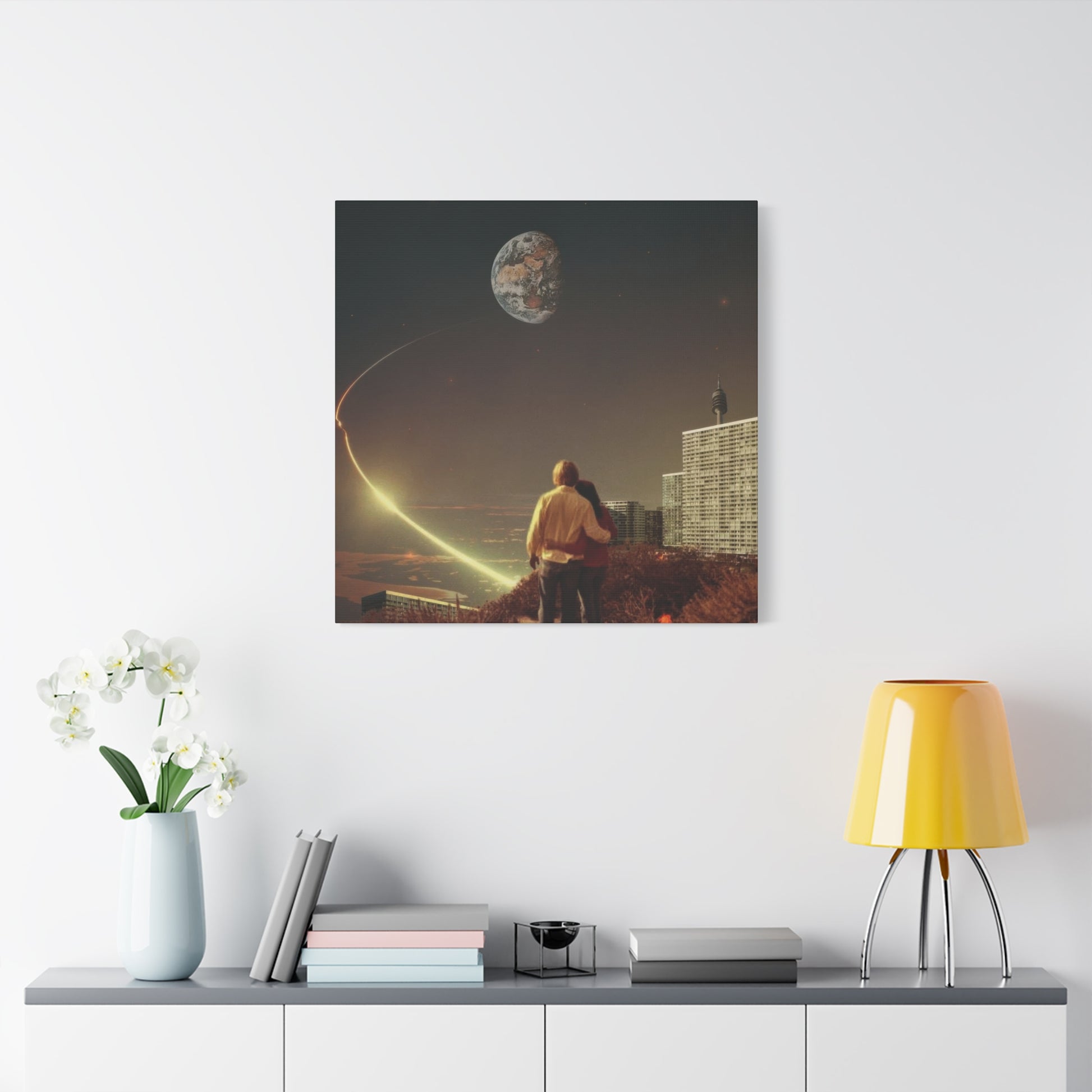
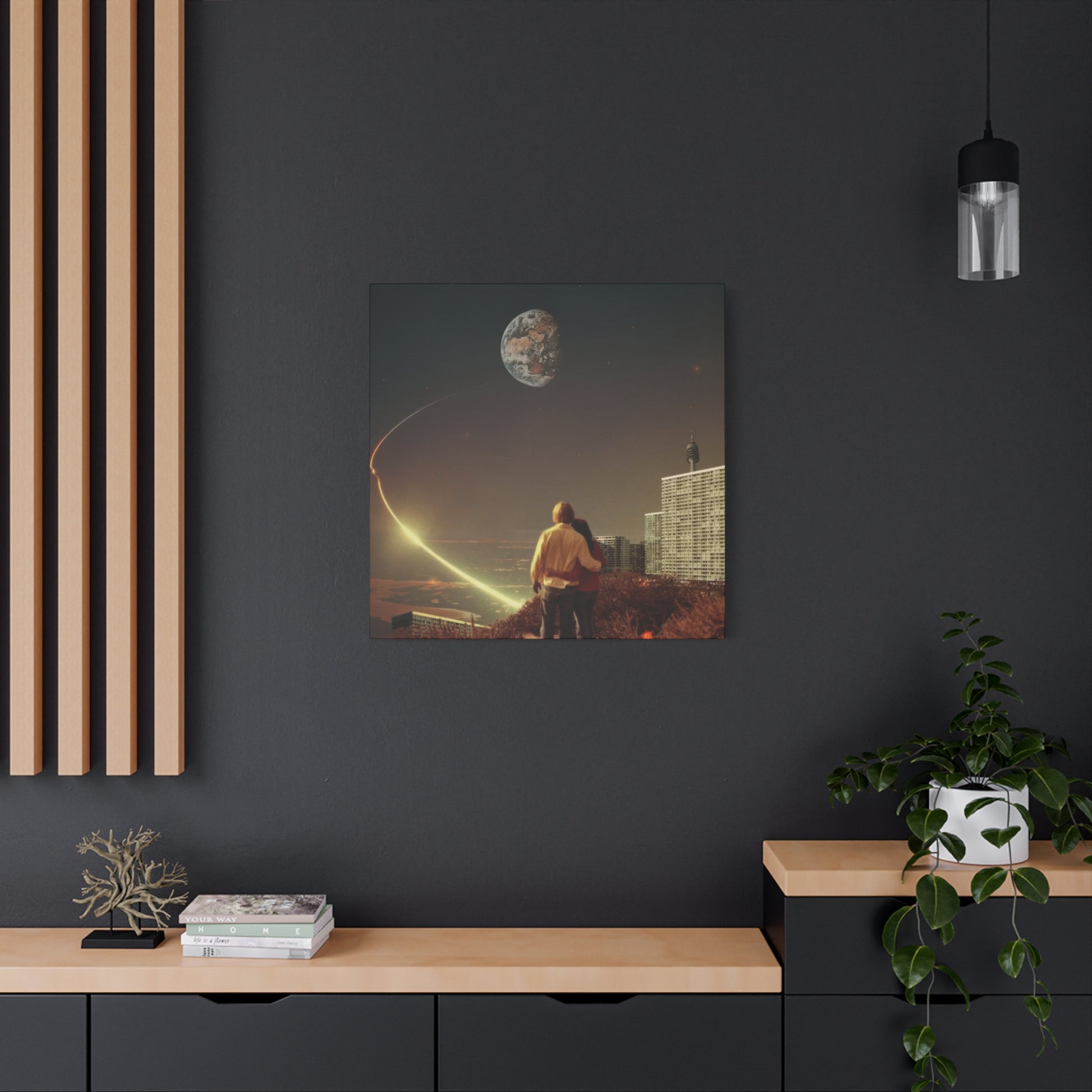
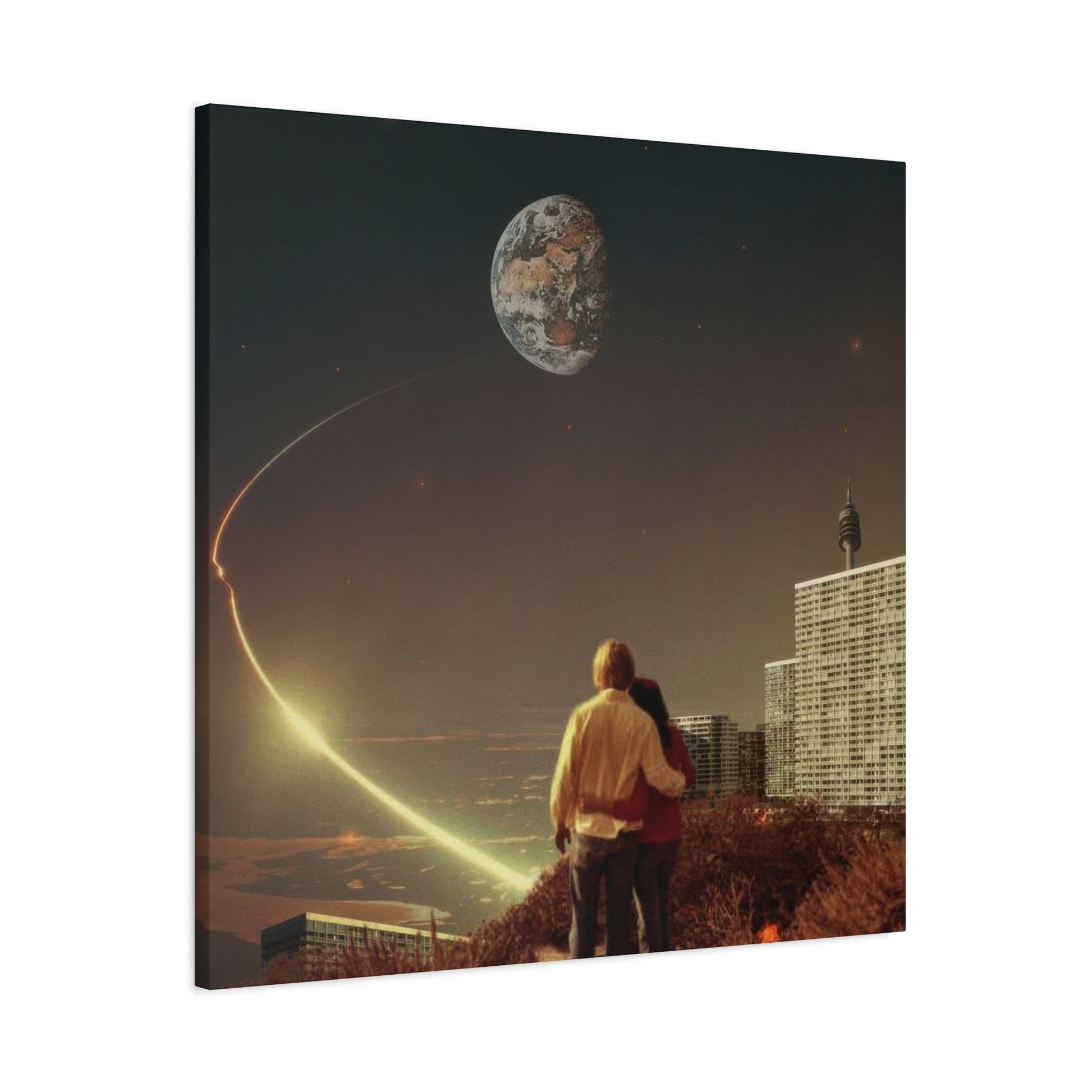
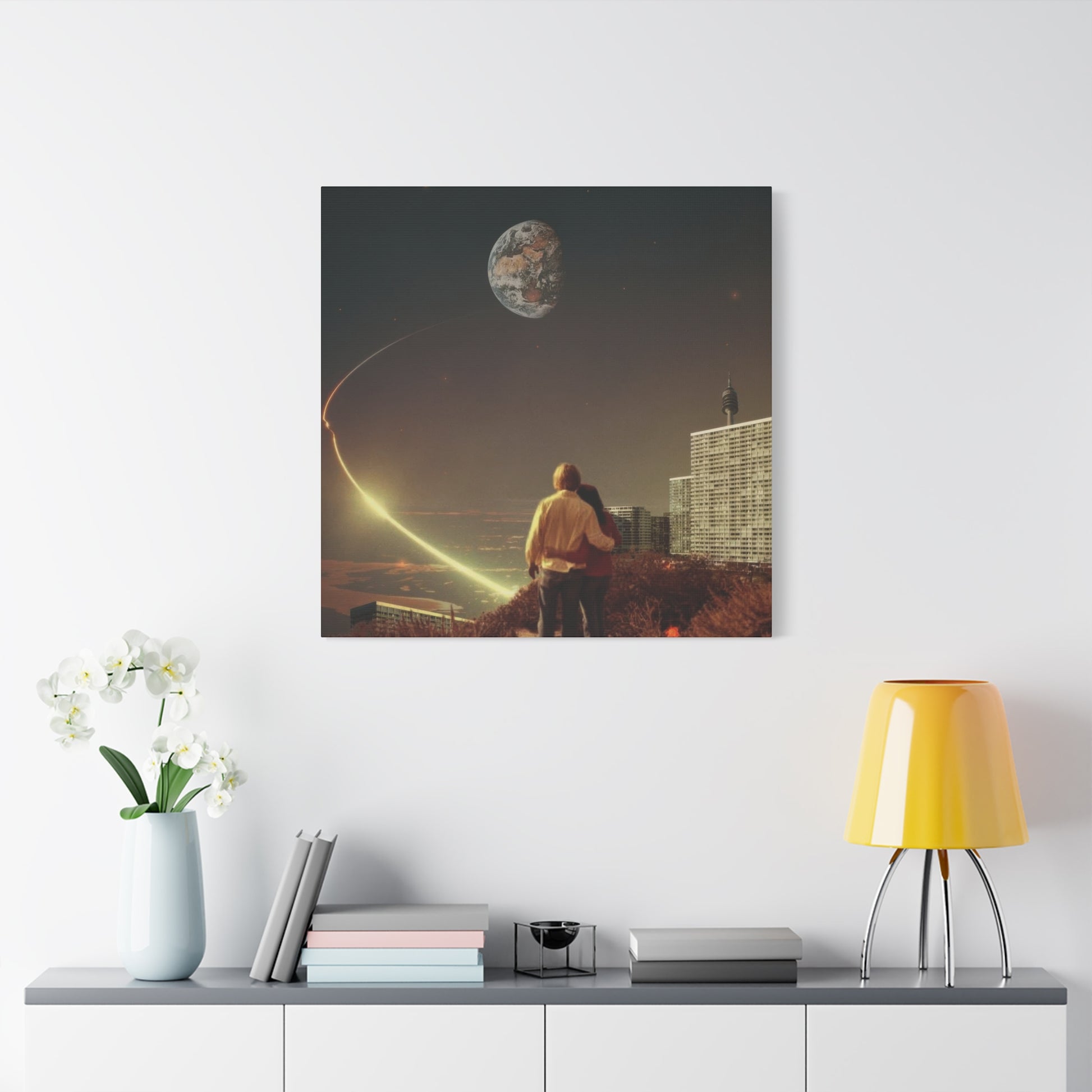
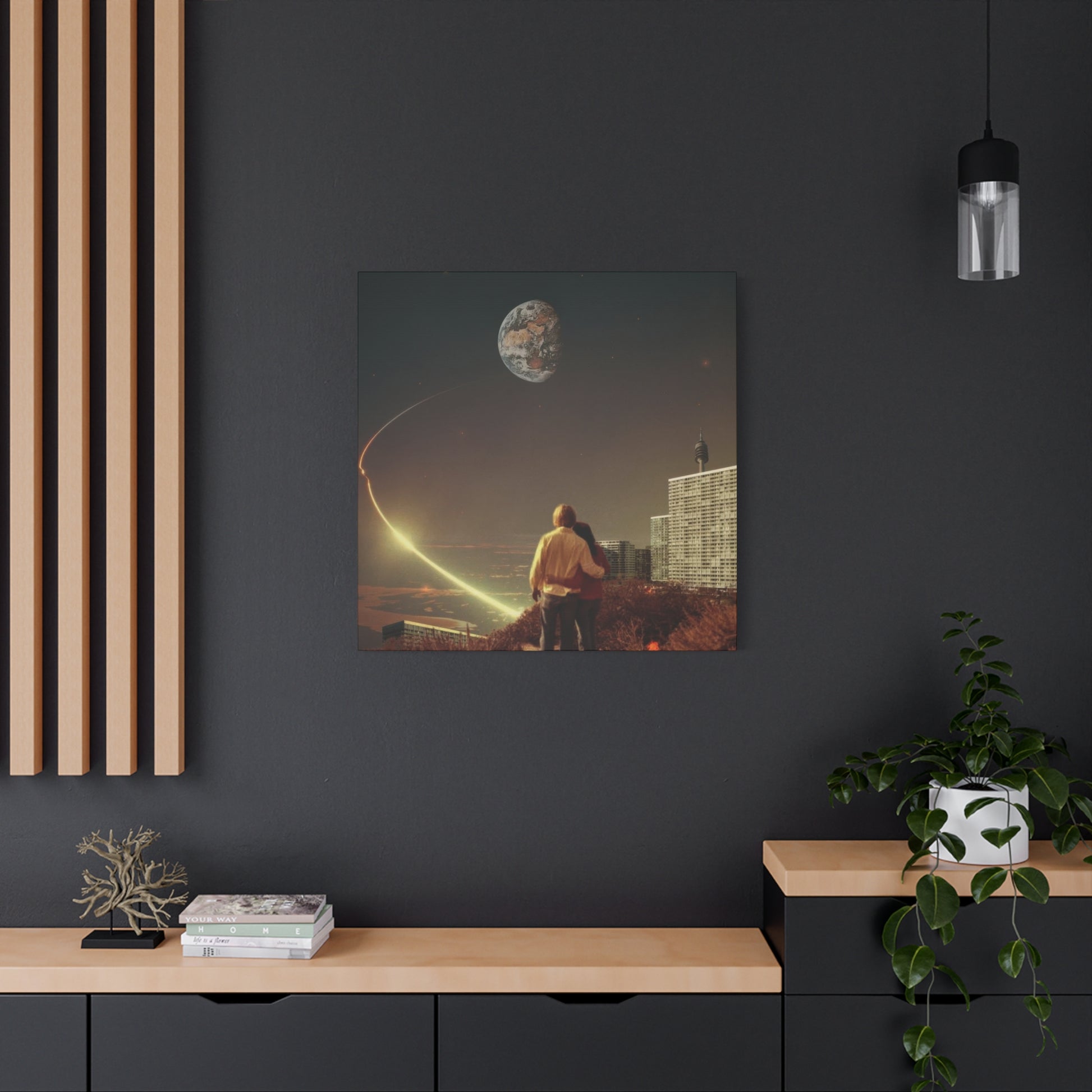
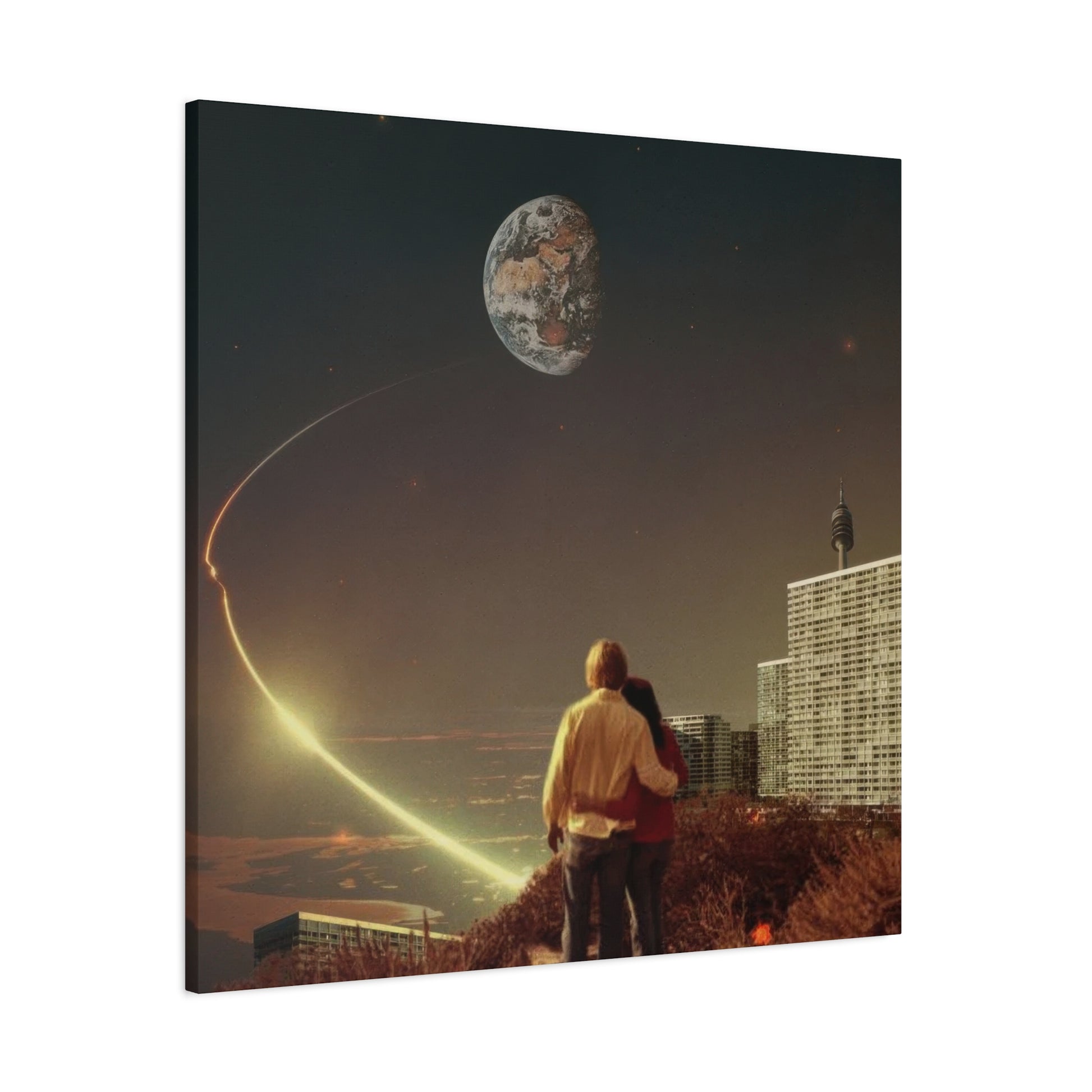
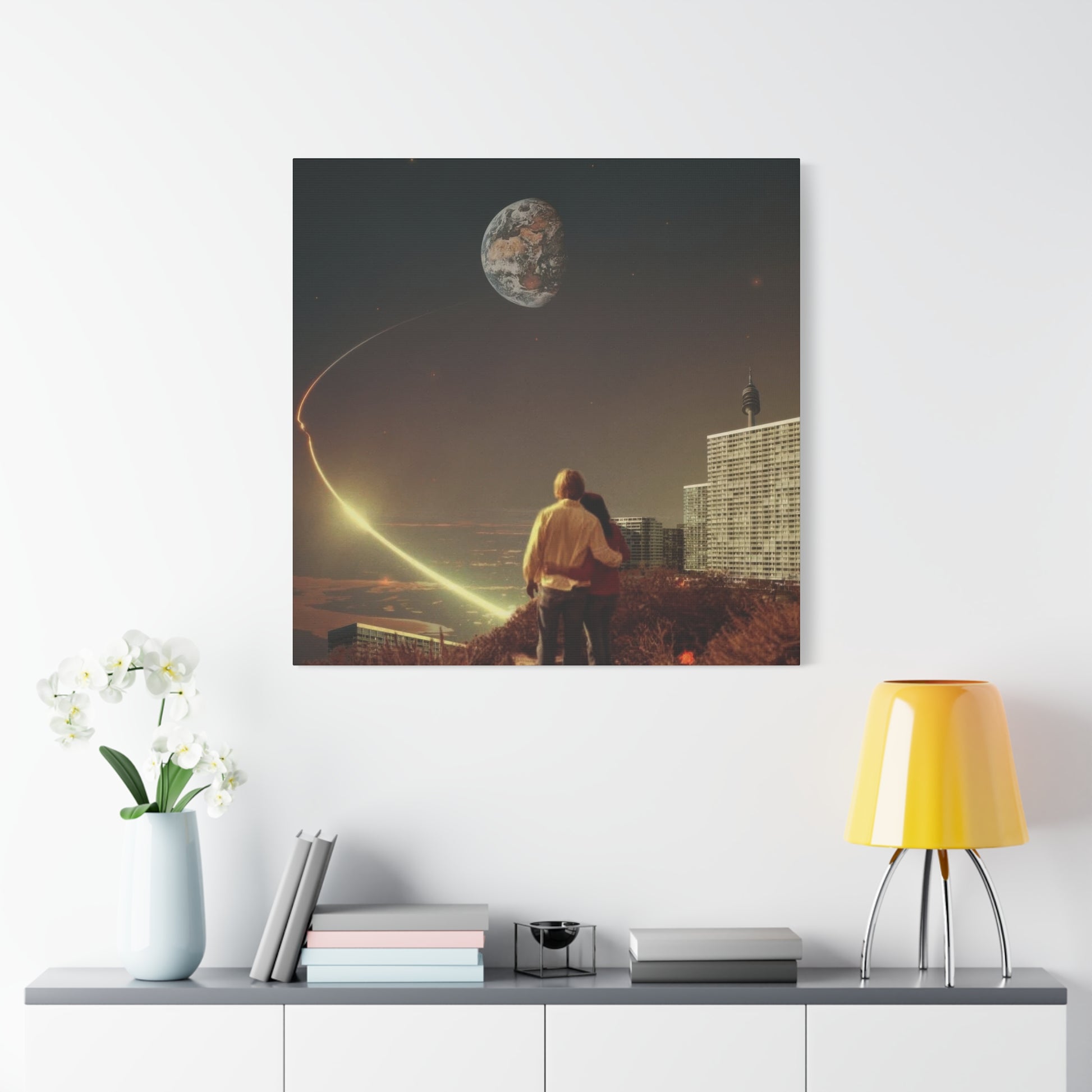
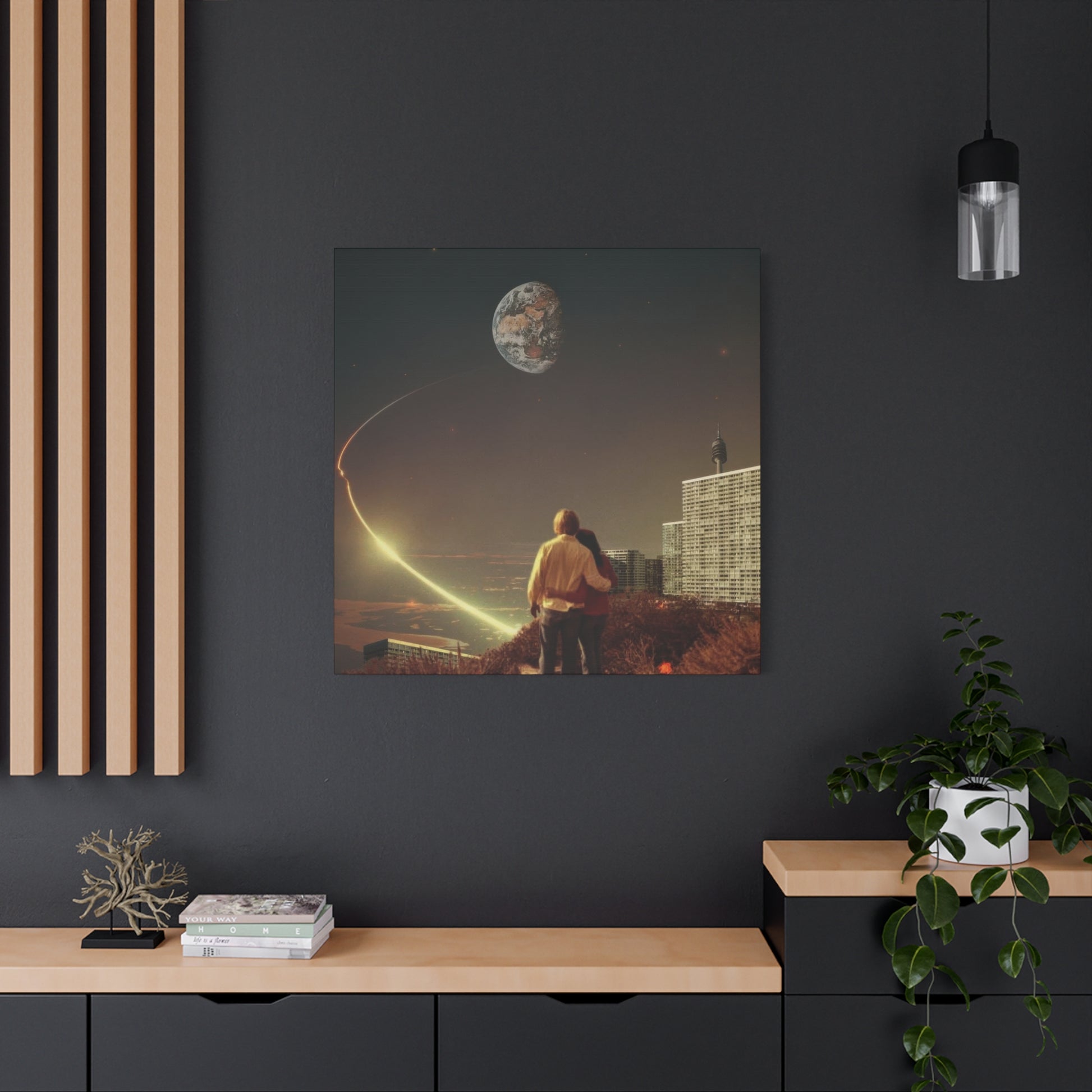
Frank Moth We Used To Live There Too Wall Art & Canvas Prints
Frank Moth We Used To Live There Too Wall Art & Canvas Prints
Couldn't load pickup availability
Frank Moth's Emotional Storytelling Through Wall Art: A Deep Dive into Memory, Nostalgia, and Visual Poetry
The world of contemporary visual arts has witnessed a remarkable evolution in how artists communicate emotions, memories, and human experiences. Among the most compelling voices in this movement stands an artist whose work transcends traditional boundaries, creating visual narratives that resonate deeply with viewers across generations. Through the masterful combination of vintage imagery, modern sensibilities, and profound emotional depth, this artistic approach has redefined how we perceive and interact with wall art in our living spaces.
This exploration delves into the intricate layers of emotional storytelling through digital collage, examining how one particular piece has become emblematic of a broader artistic movement that speaks to our collective experiences of memory, displacement, and the eternal search for belonging. The canvas in question serves as a portal to forgotten moments, abandoned places, and the bittersweet beauty of what once was.
Emotional Storytelling Through Wall Art: Crafting Visual Narratives That Touch the Soul
The art of visual storytelling has transformed dramatically in the digital age, yet its fundamental purpose remains unchanged: to connect human hearts through shared experiences. Contemporary artists working in the medium of digital collage have discovered powerful ways to weave narratives that speak directly to our deepest emotions. This form of artistic expression goes beyond mere decoration, creating instead a dialogue between the artwork and the viewer that can span memories, emotions, and profound personal reflections.
The technique employed in this artistic approach involves carefully selecting and combining vintage photographs, retro imagery, and contemporary elements to create compositions that feel simultaneously familiar and otherworldly. Each piece functions as a visual poem, where every element has been thoughtfully chosen to contribute to a larger emotional narrative. The resulting artworks possess a unique quality that allows them to resonate with viewers on multiple levels, triggering personal memories while also inviting contemplation of universal human experiences.
What distinguishes this approach to wall art is its ability to create emotional depth through layered meaning. Rather than presenting a single, straightforward message, these compositions invite viewers to explore their own interpretations, discovering new details and emotional nuances with each viewing. The artistic process involves not just technical skill in combining images, but a deep understanding of human psychology, nostalgia, and the ways in which visual elements can trigger emotional responses.
The power of this storytelling method lies in its subtlety. Rather than overwhelming viewers with obvious symbolism or heavy-handed messaging, the artwork operates through suggestion and atmosphere. Colors are carefully chosen to evoke specific moods, while the arrangement of elements creates a sense of narrative flow that guides the viewer's eye through the composition. This delicate balance between artistic intention and viewer interpretation creates a dynamic relationship between the artwork and its audience.
In contemporary interior spaces, such emotionally resonant wall art serves multiple purposes. It functions as a focal point that can anchor a room's aesthetic while simultaneously providing a source of ongoing contemplation and emotional connection. Unlike purely decorative pieces, these narrative-driven artworks continue to reveal new layers of meaning over time, making them enduring additions to living spaces rather than temporary design elements.
The Nostalgic Beauty of We Used to Live There Too: Capturing the Essence of Remembered Places
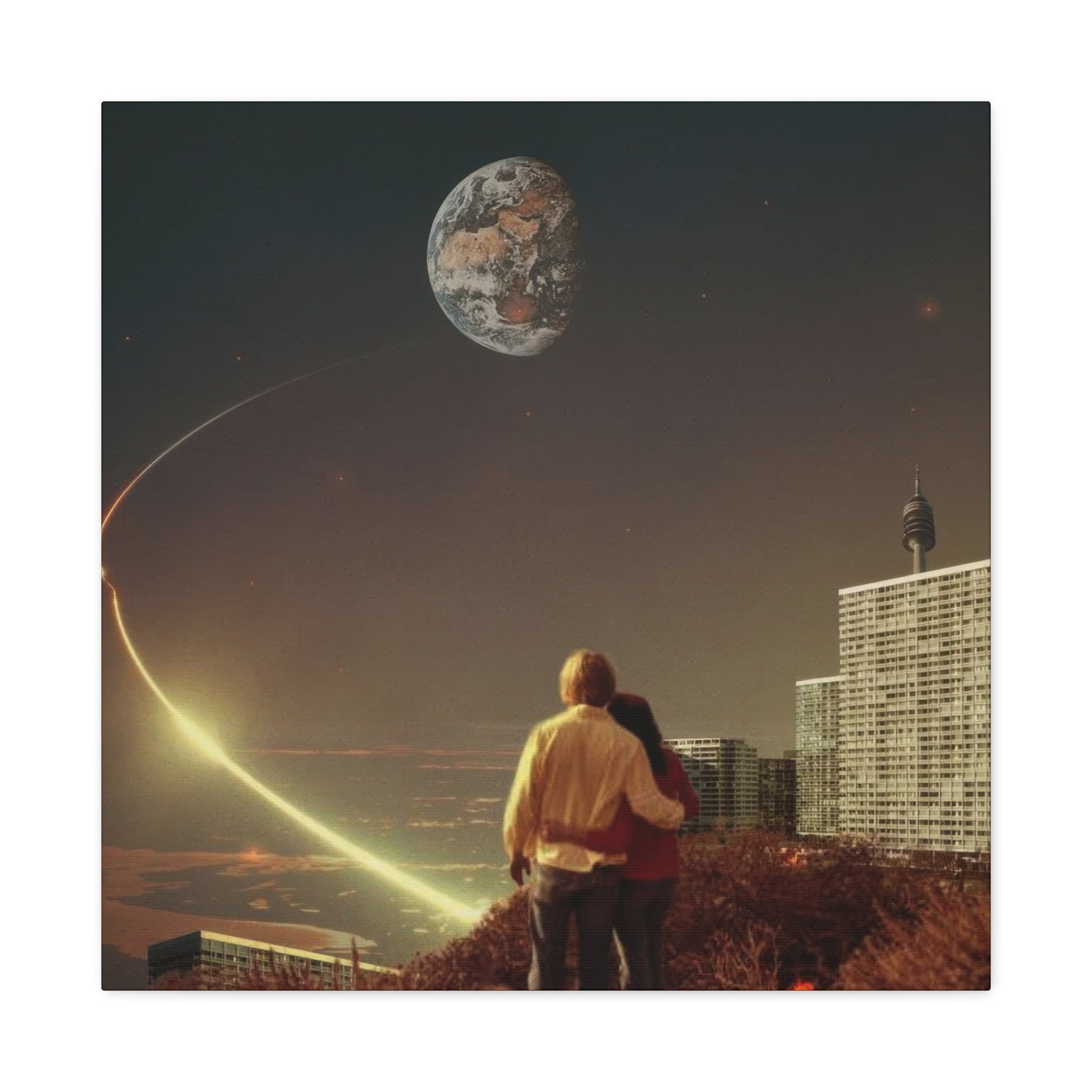
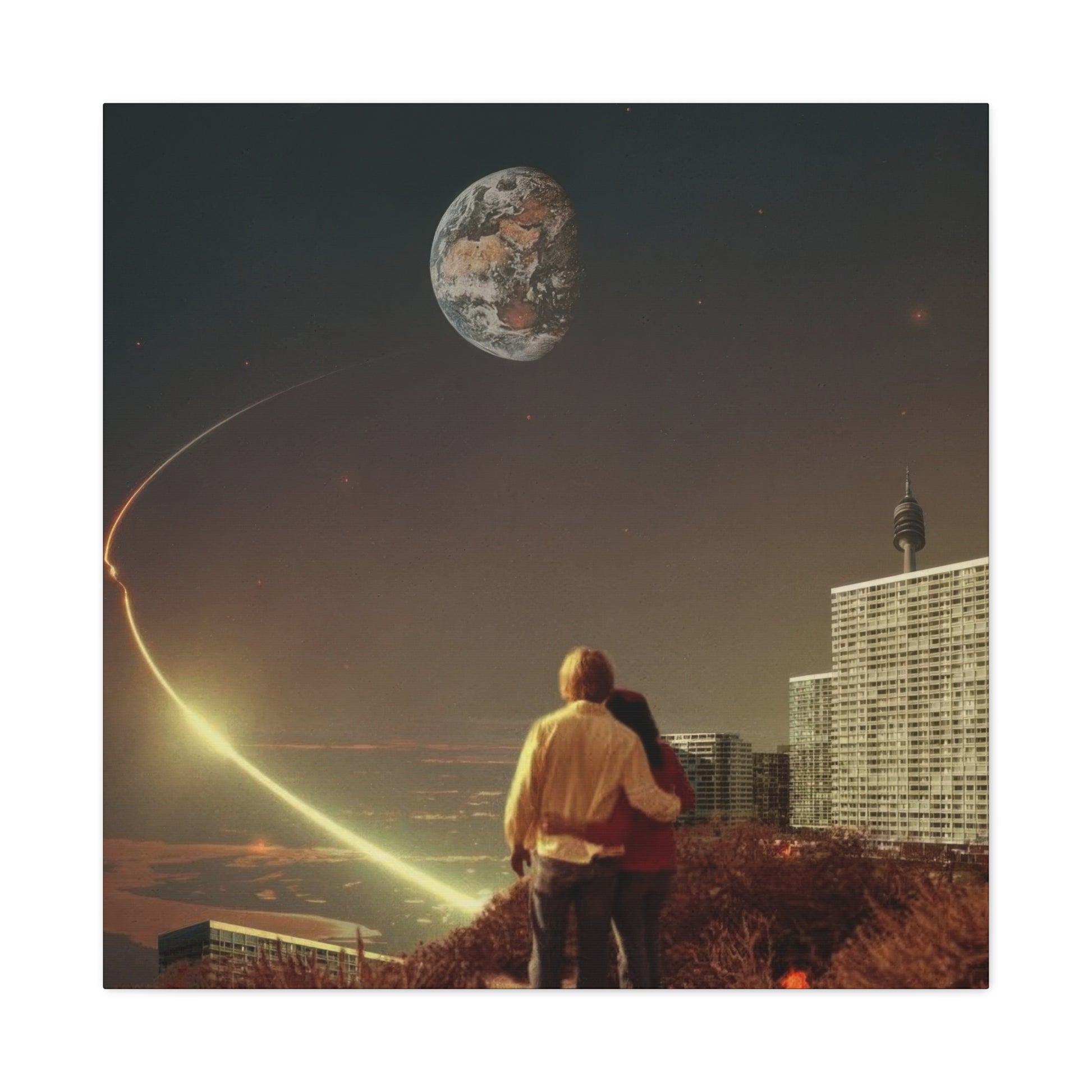
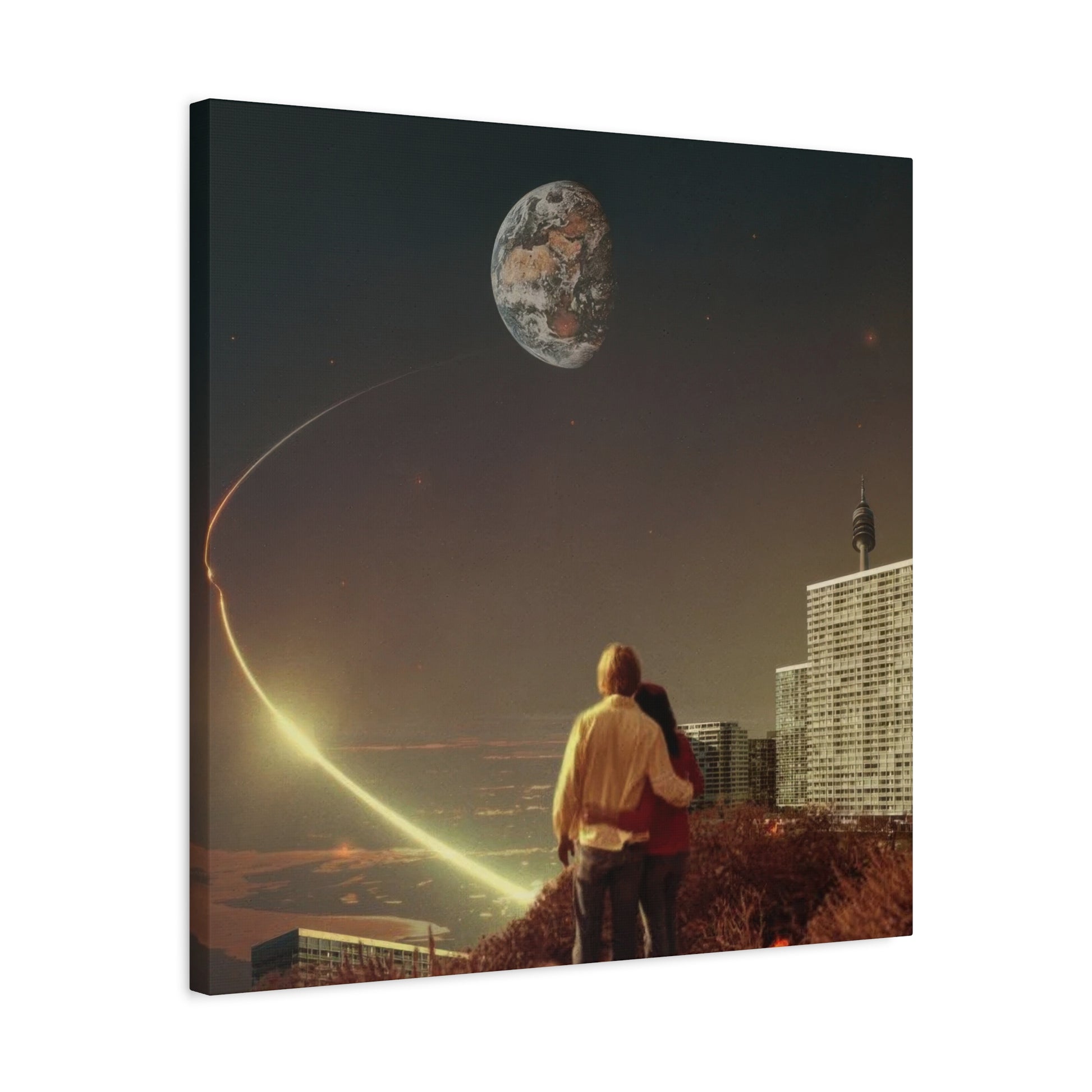
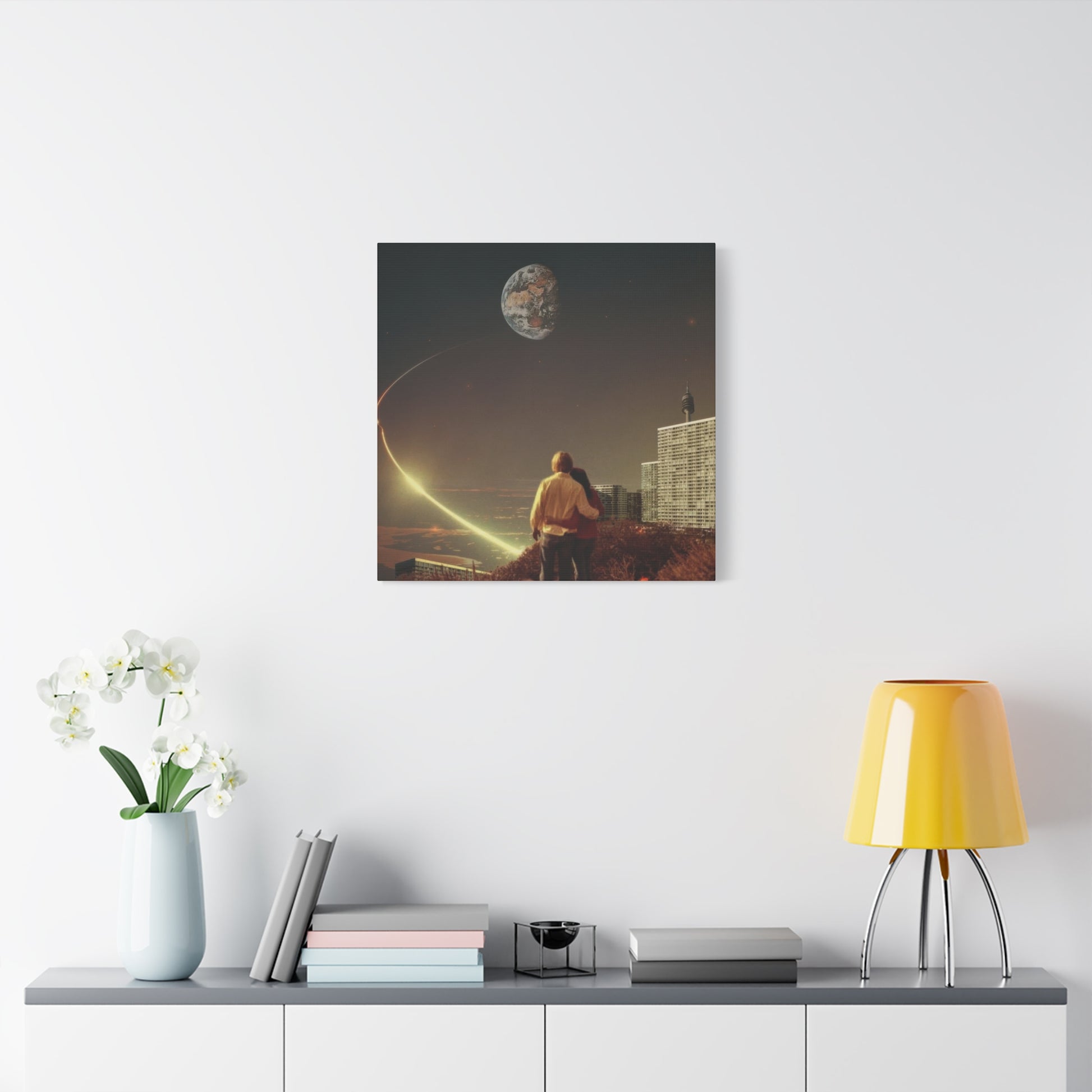
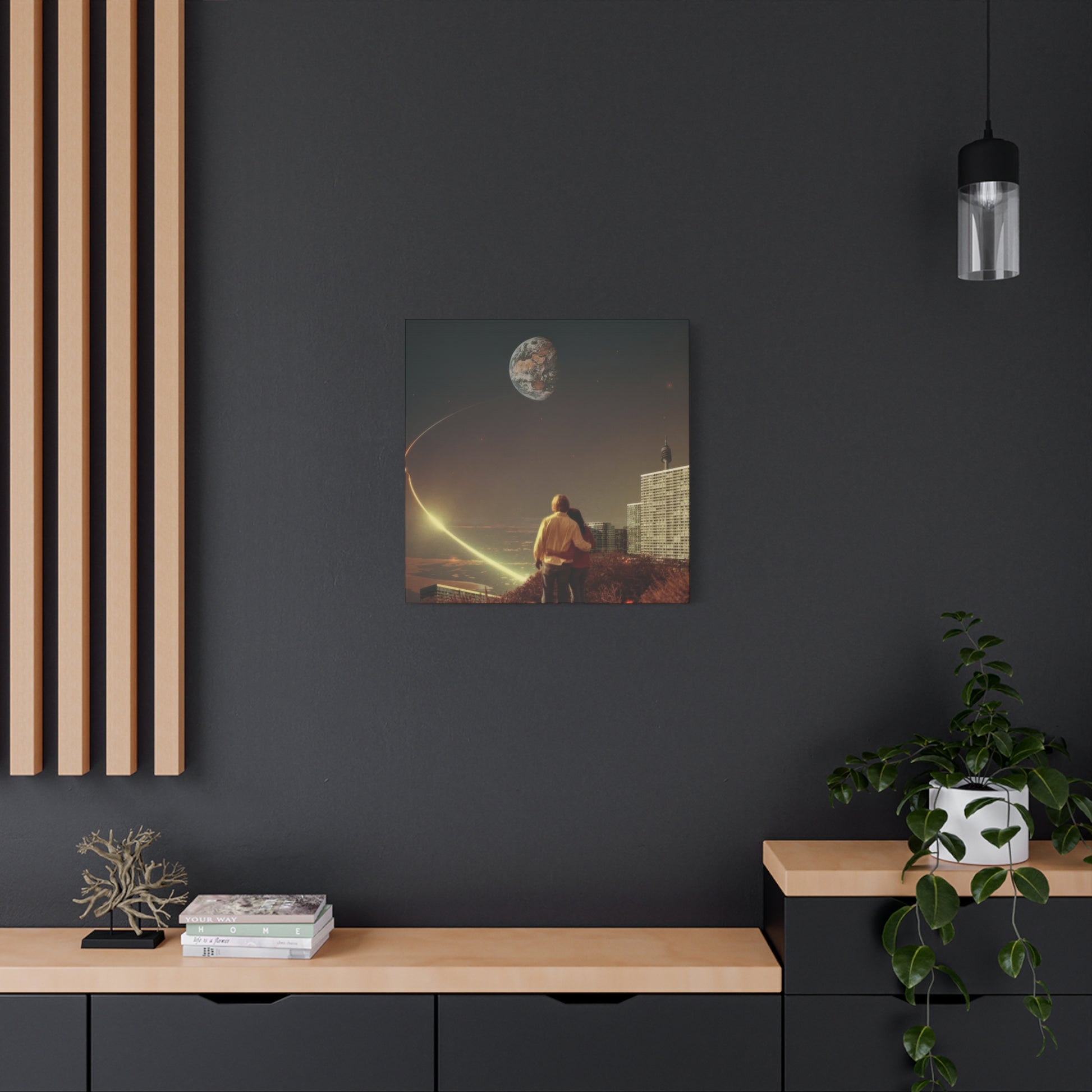
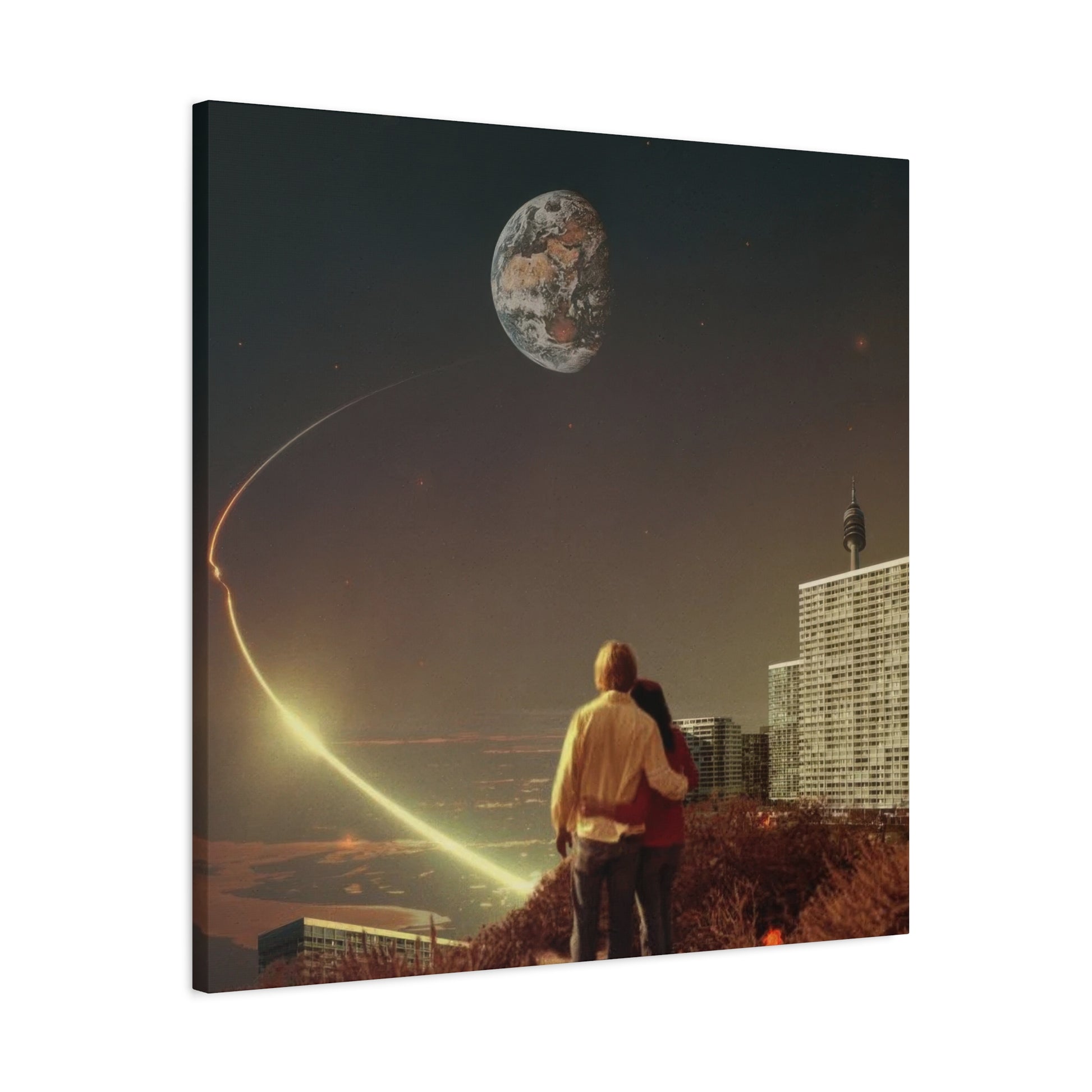
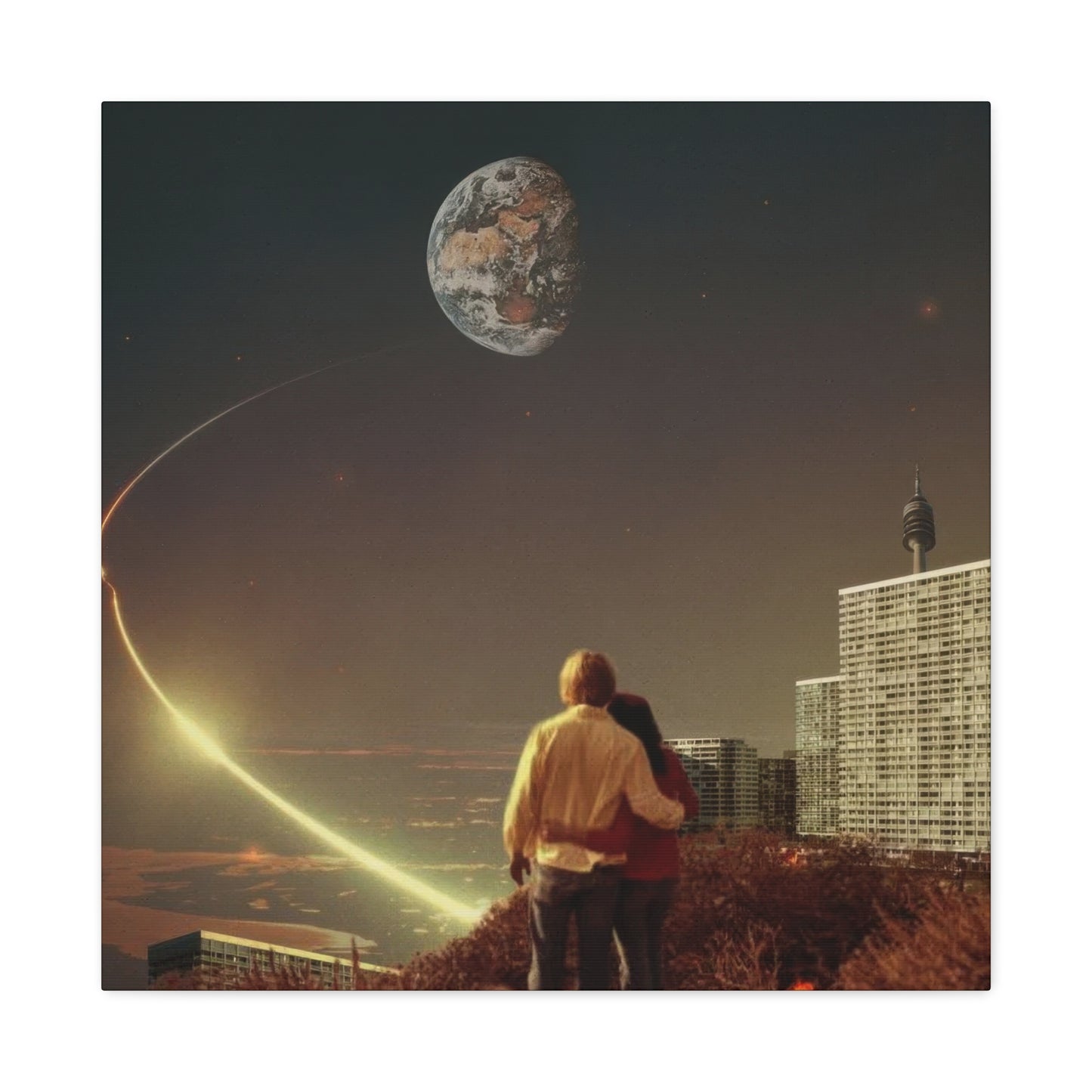
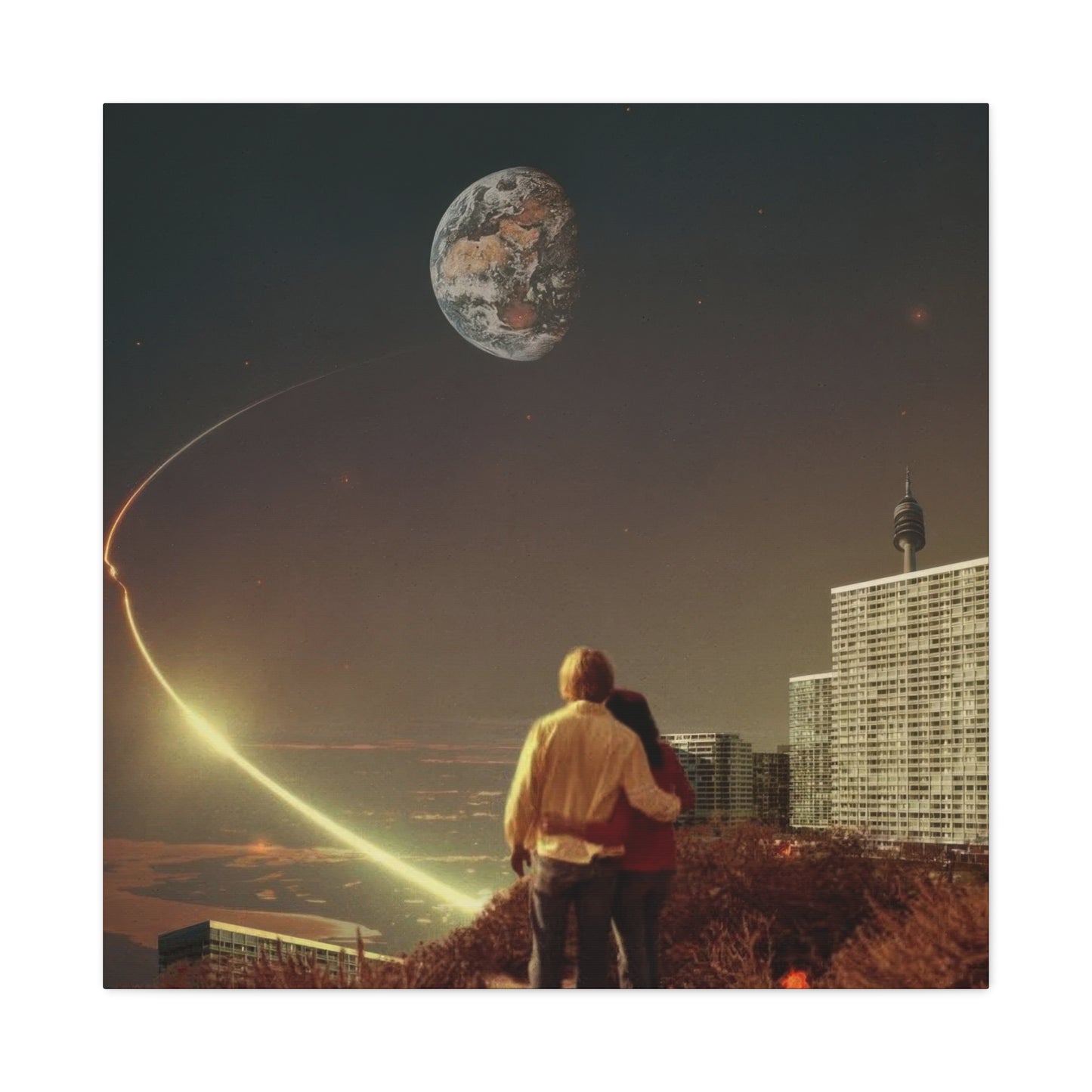
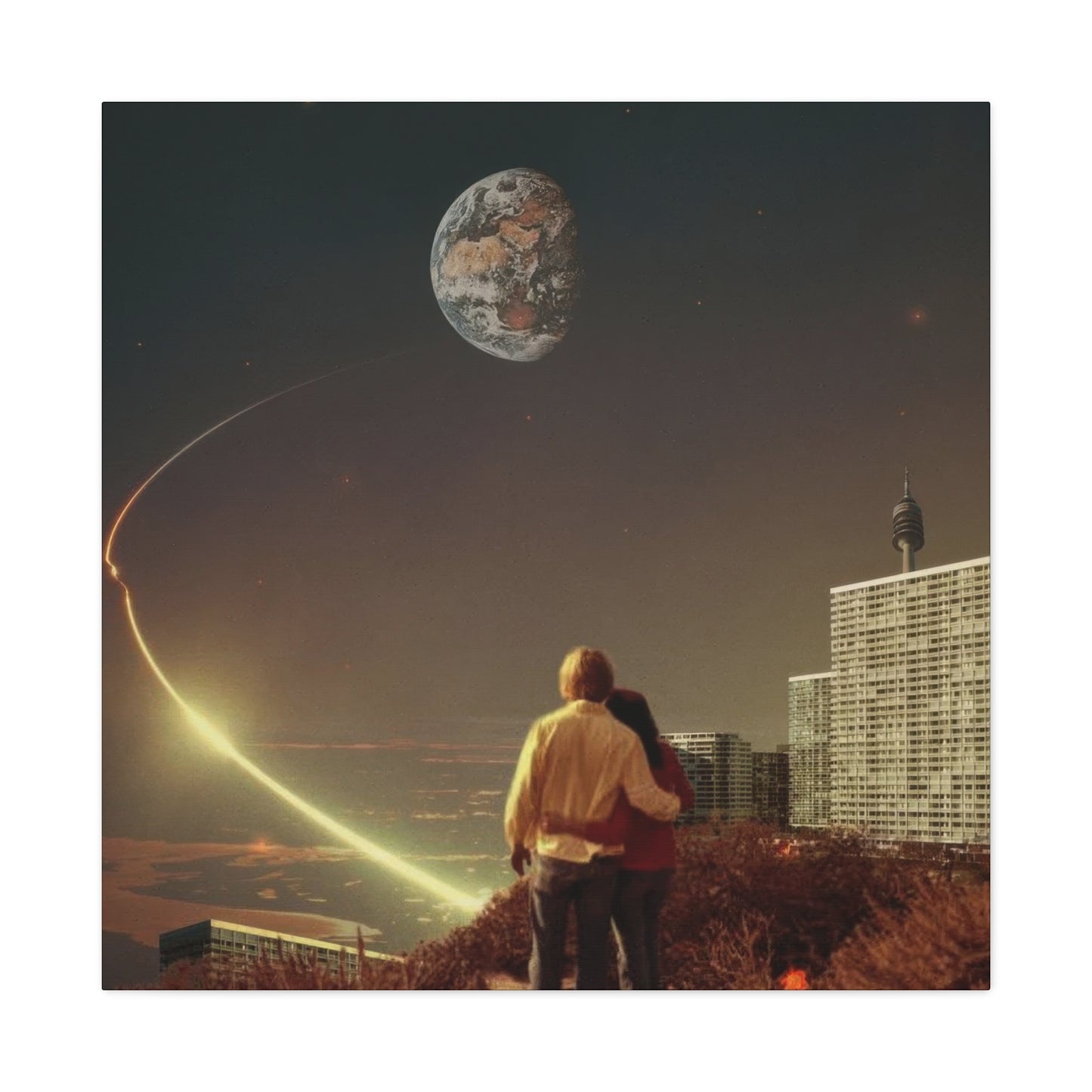
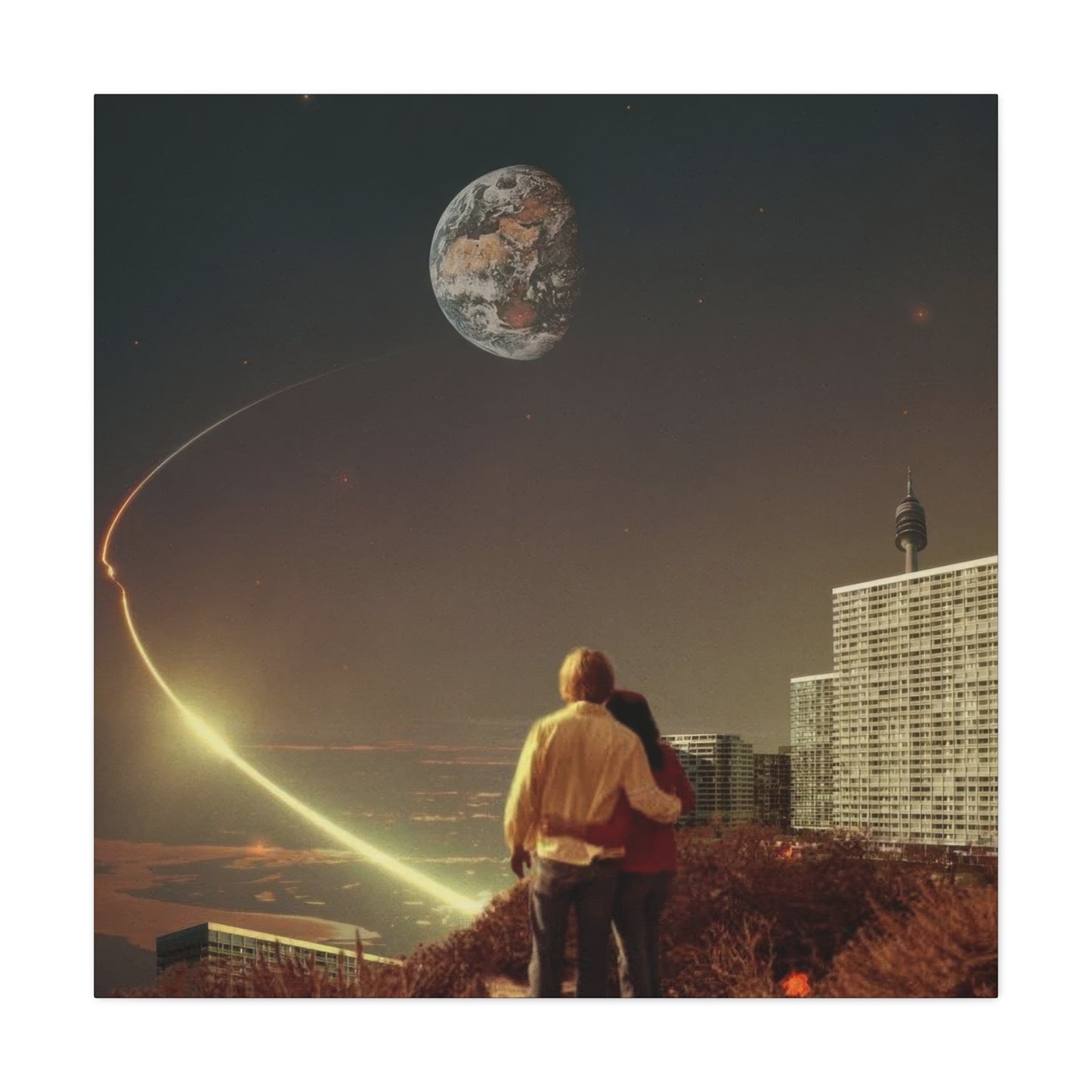
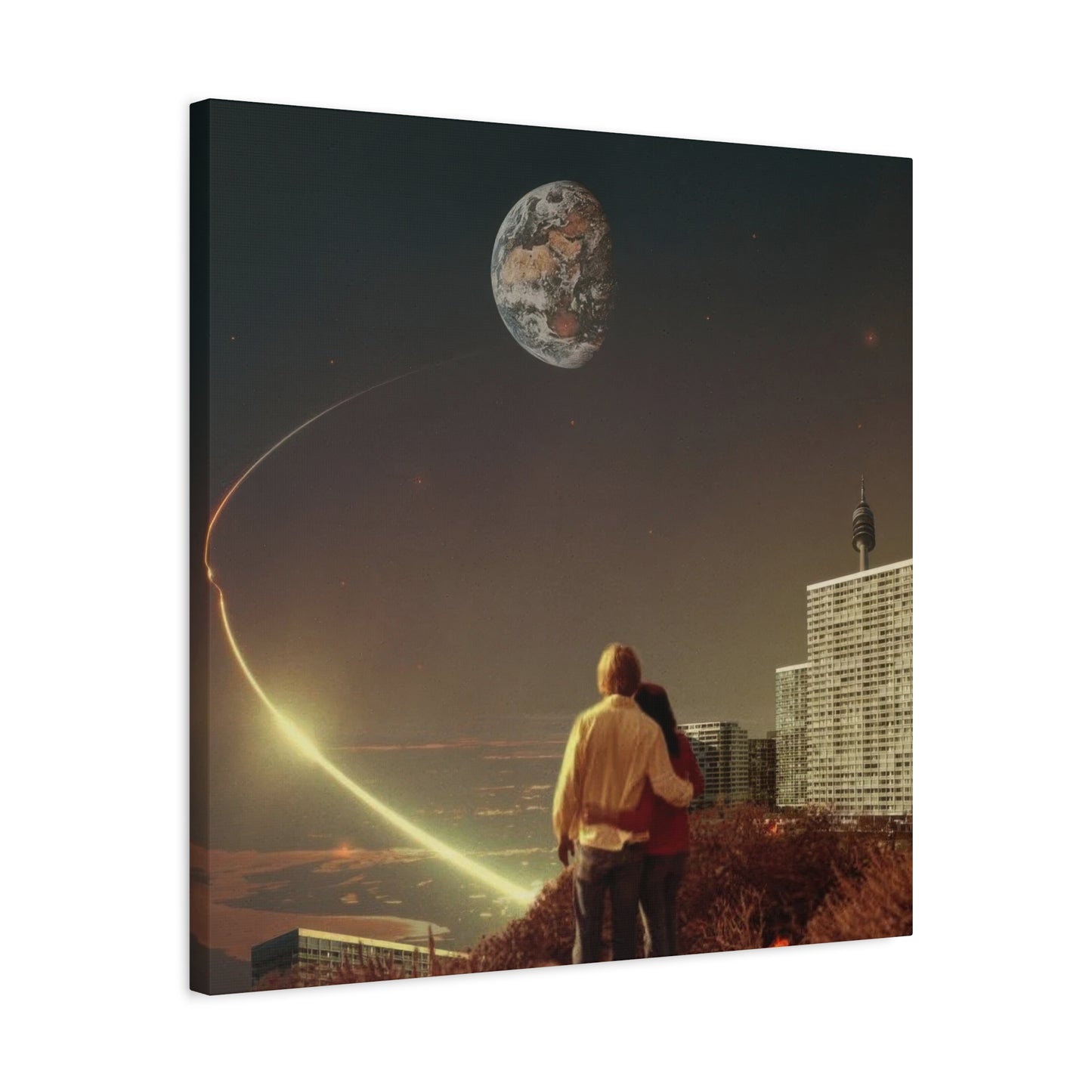
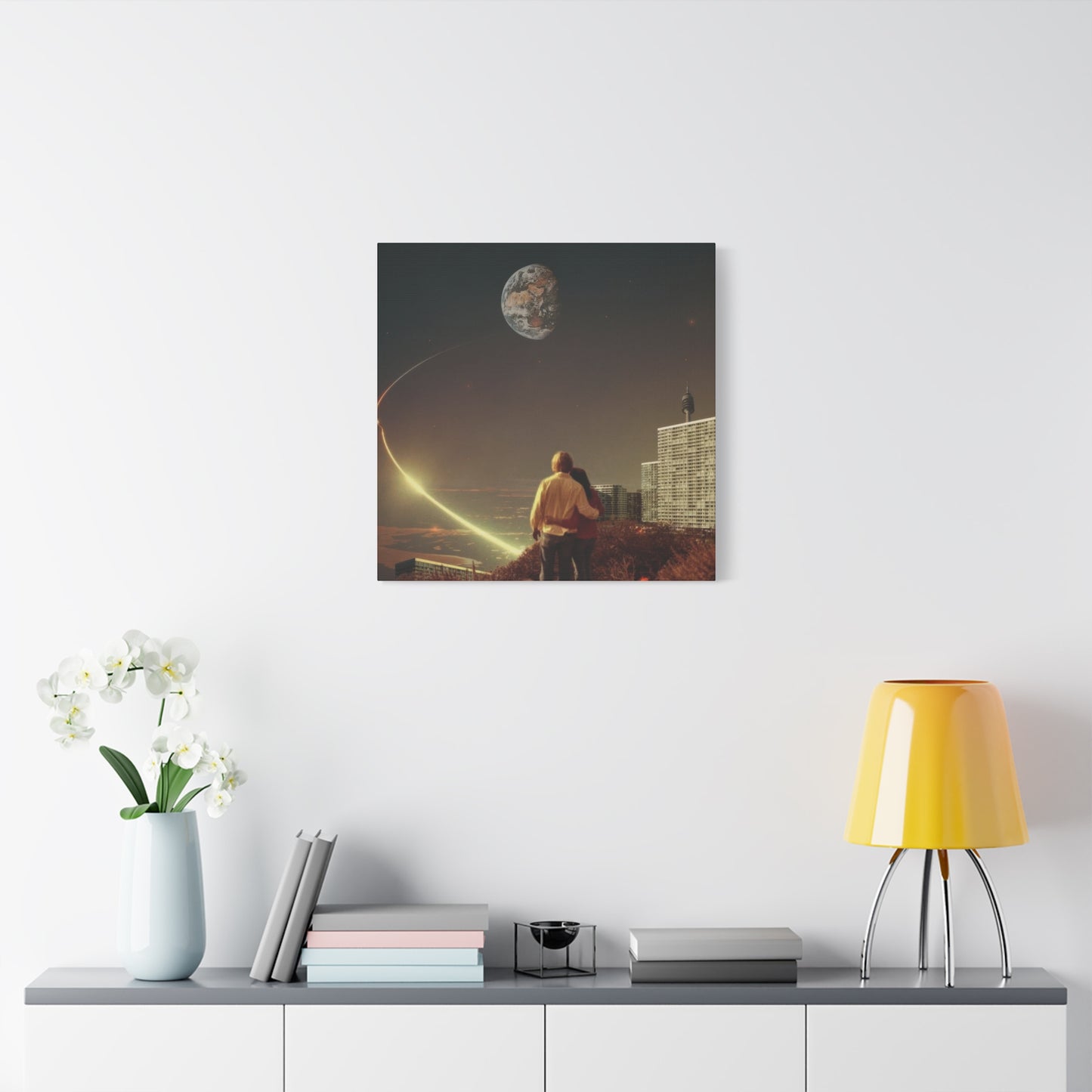
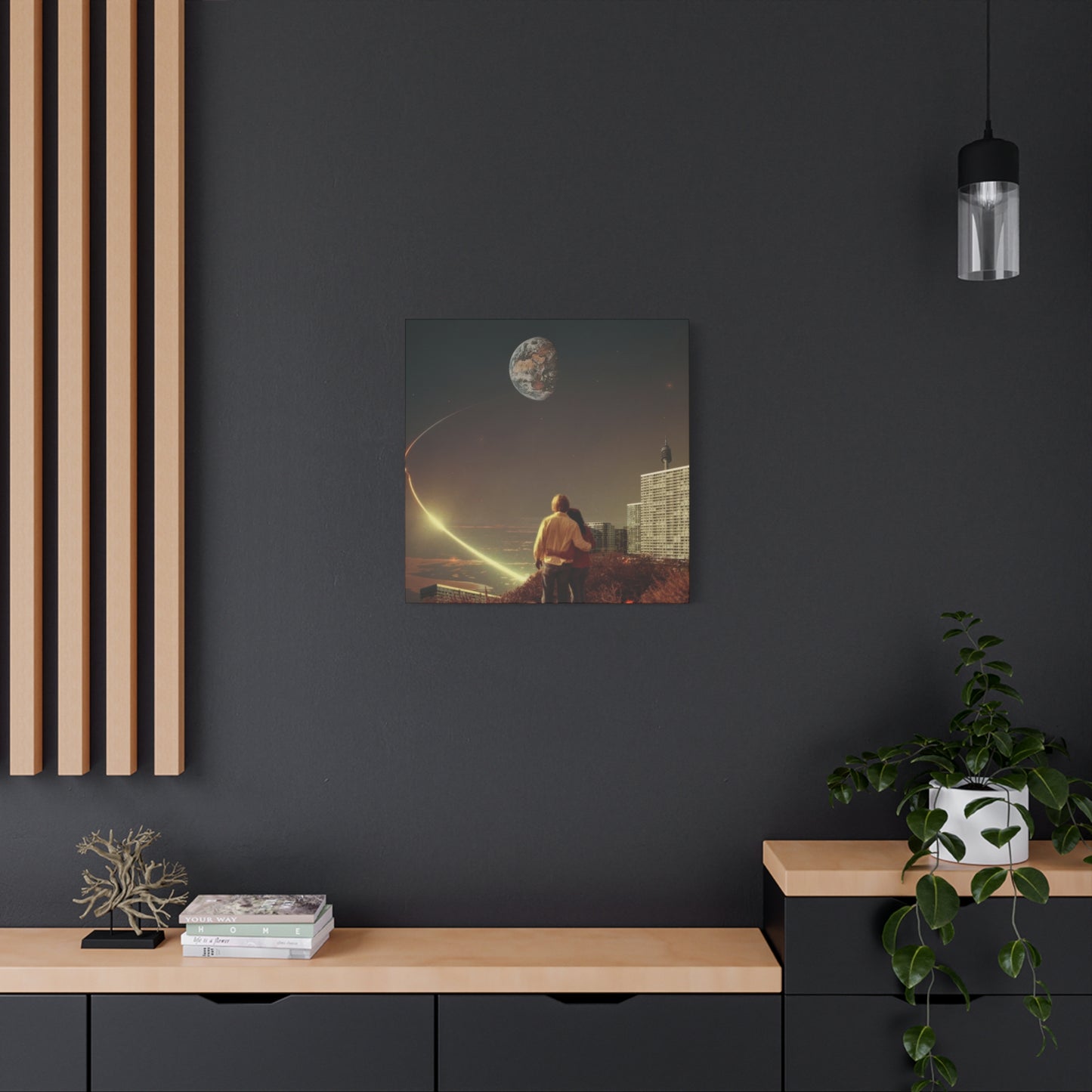
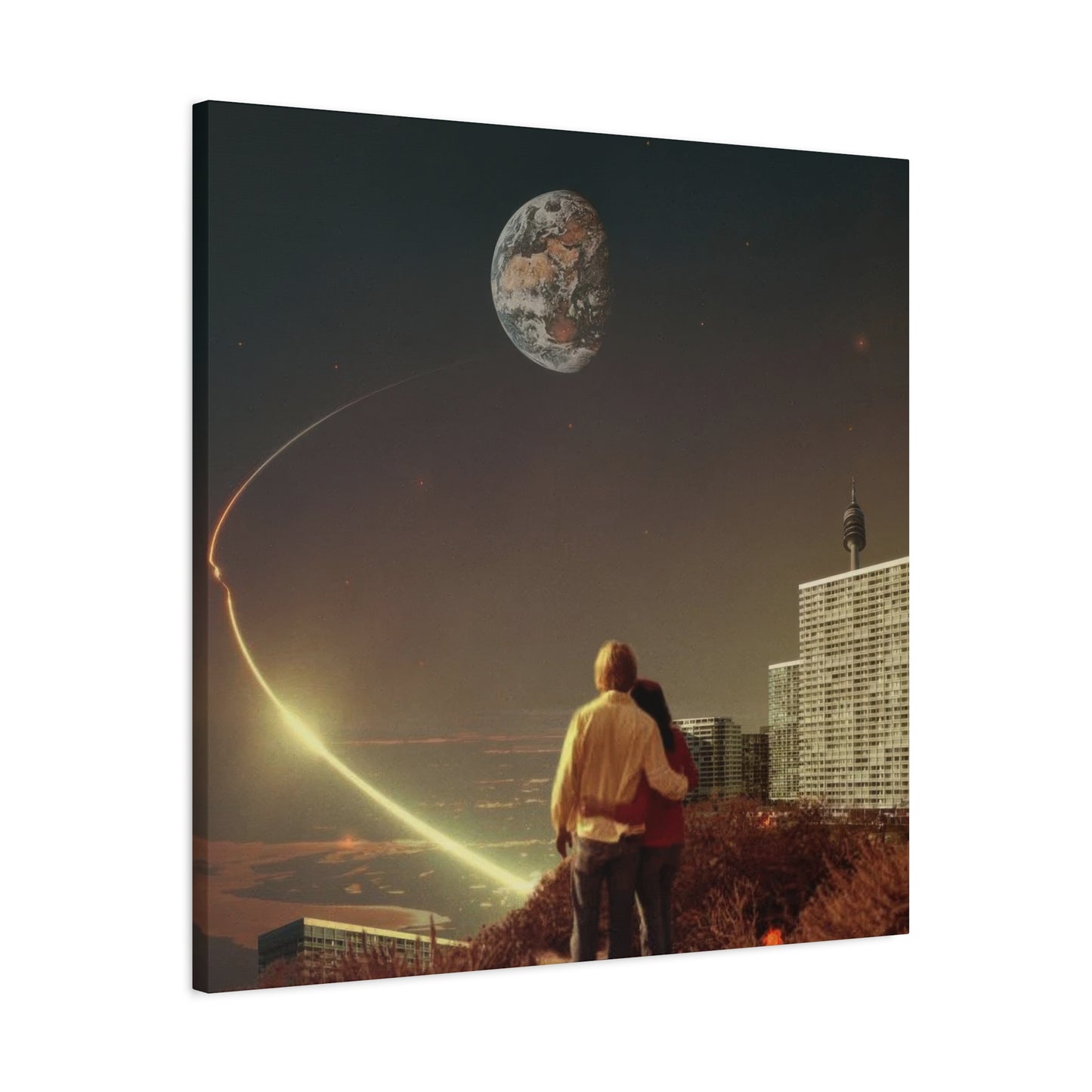
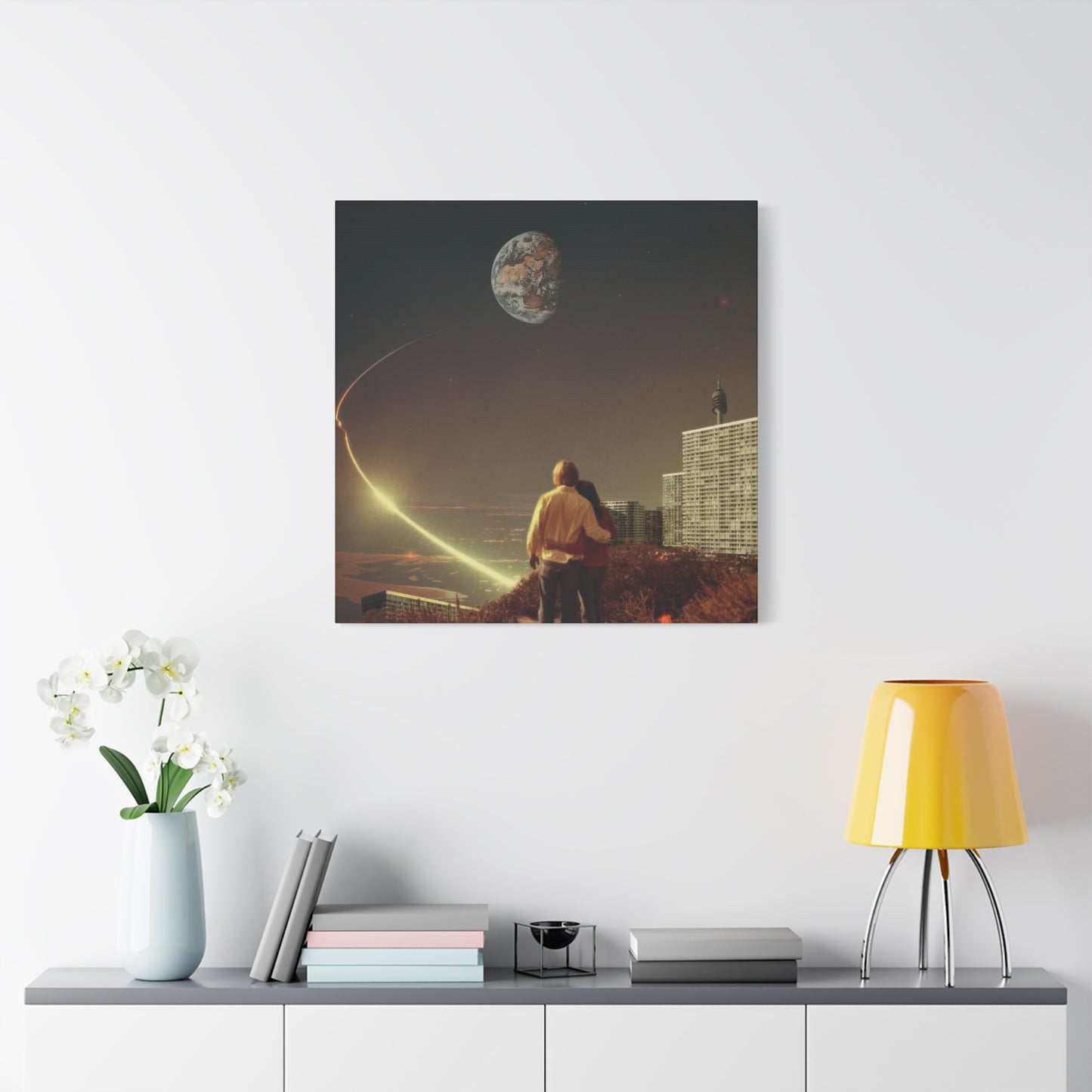
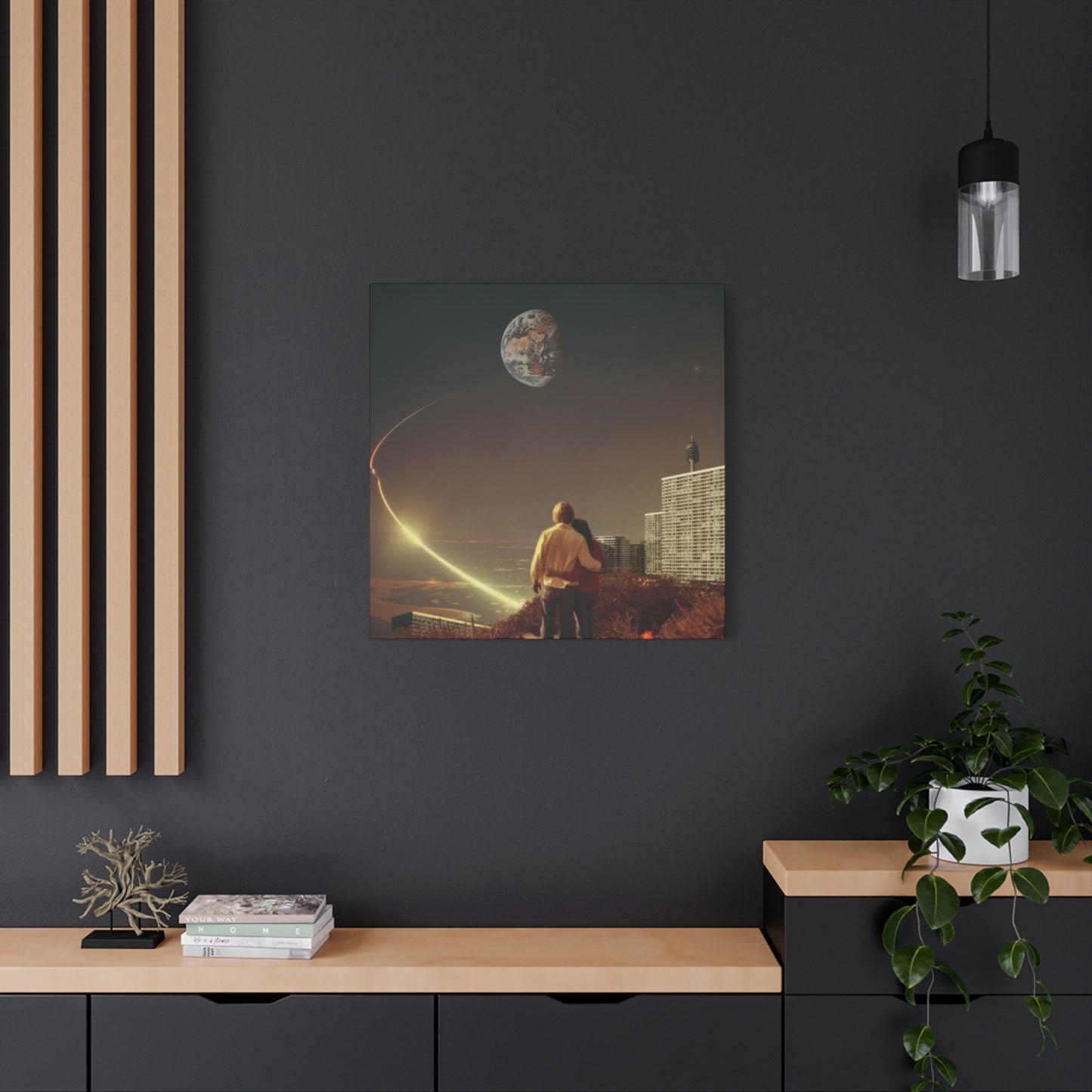
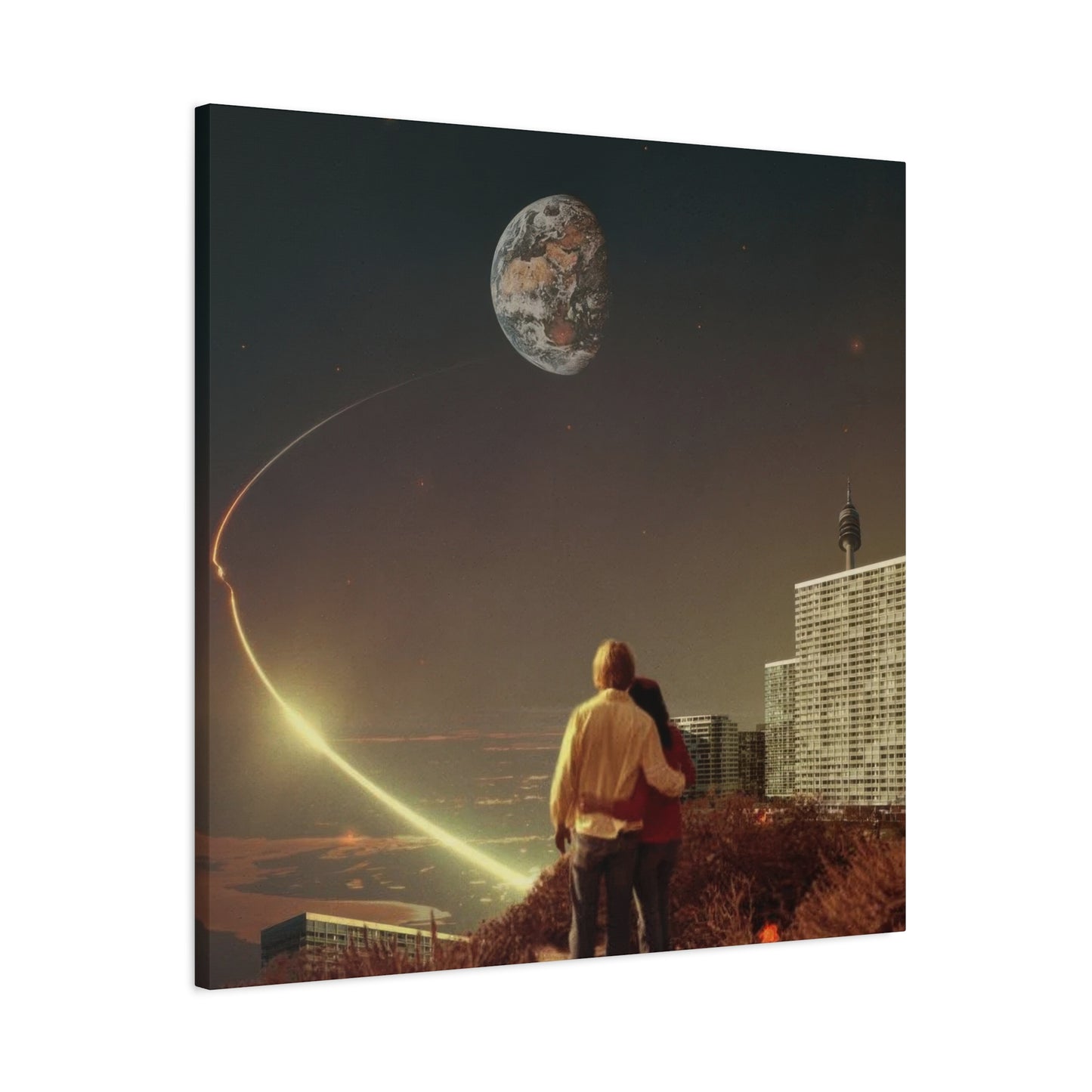
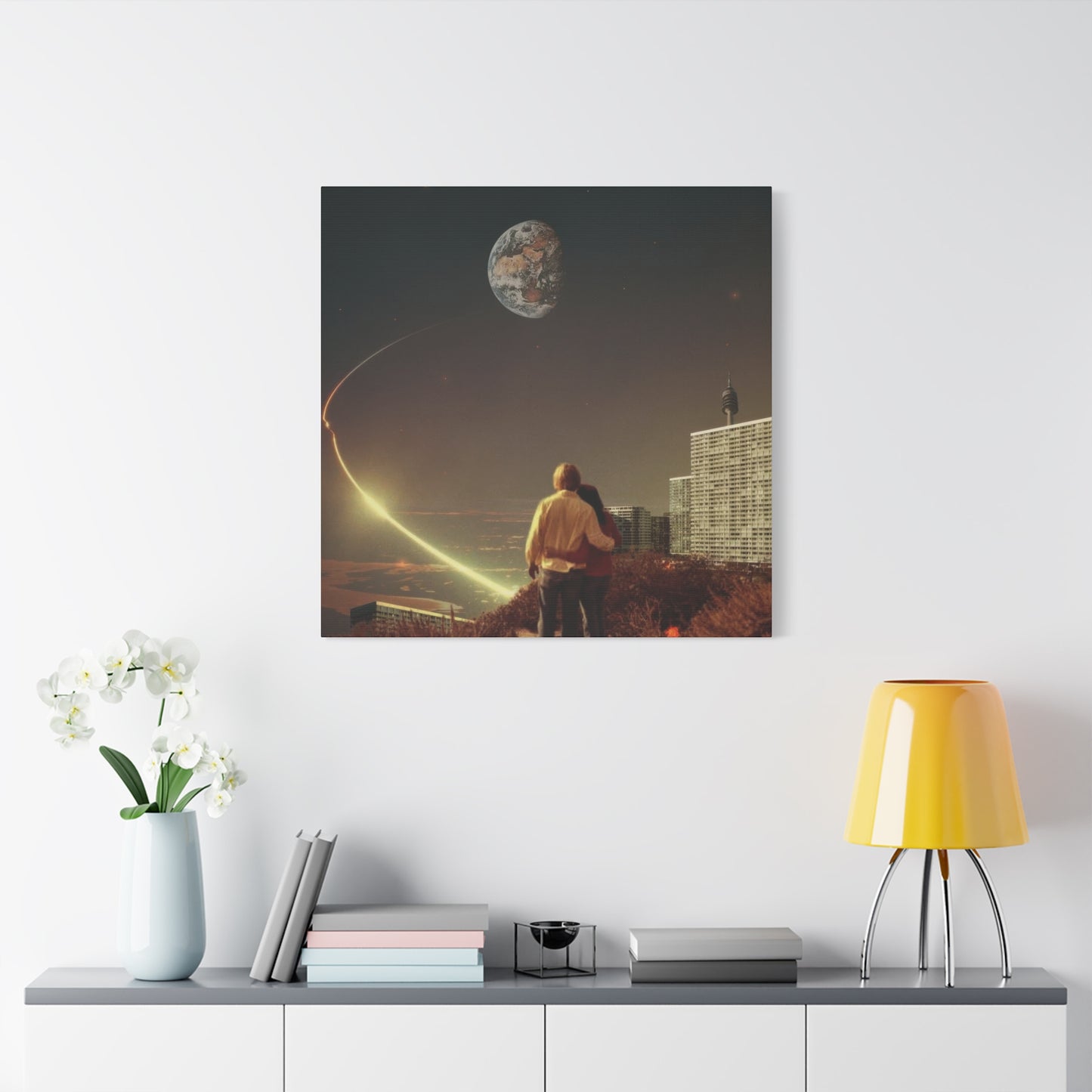
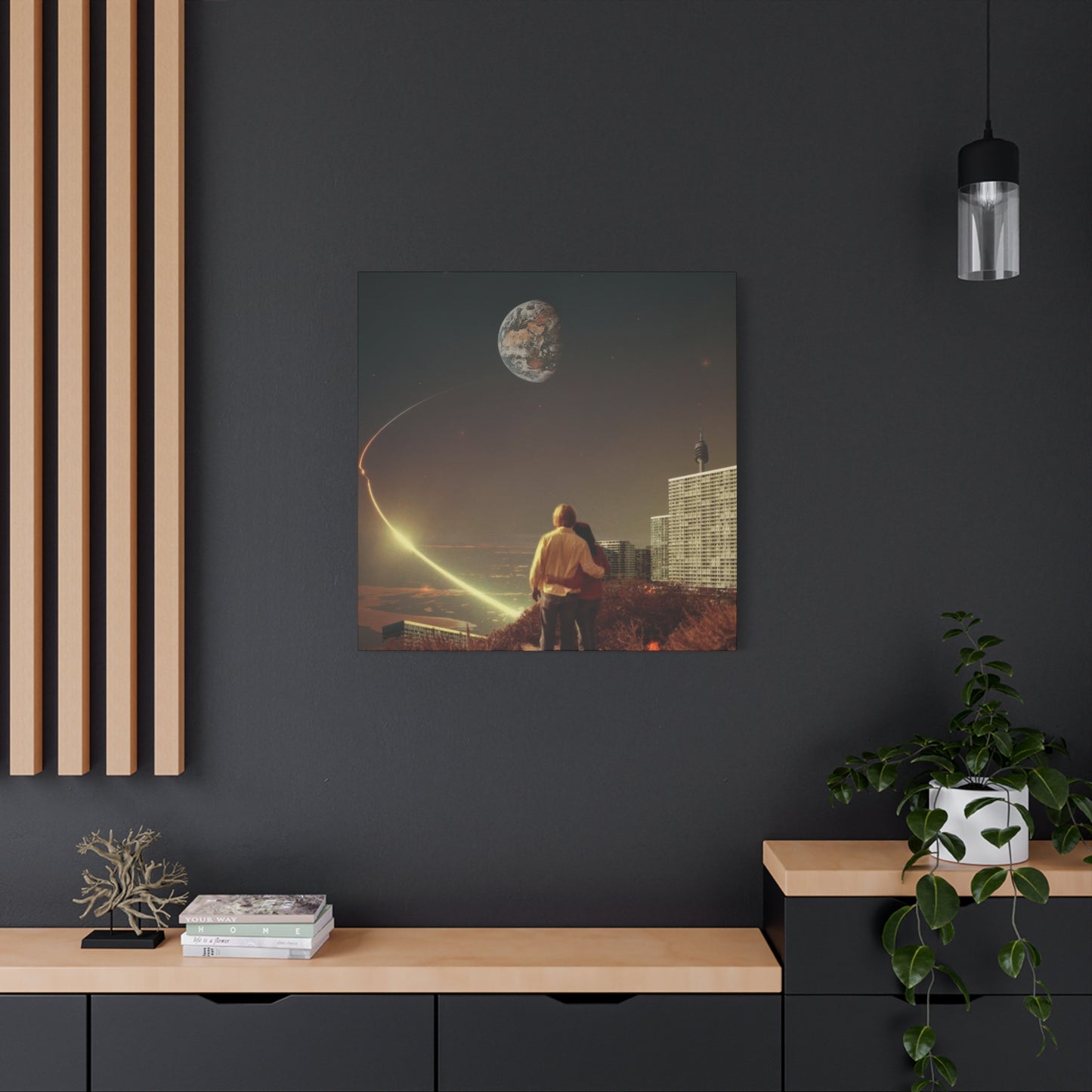
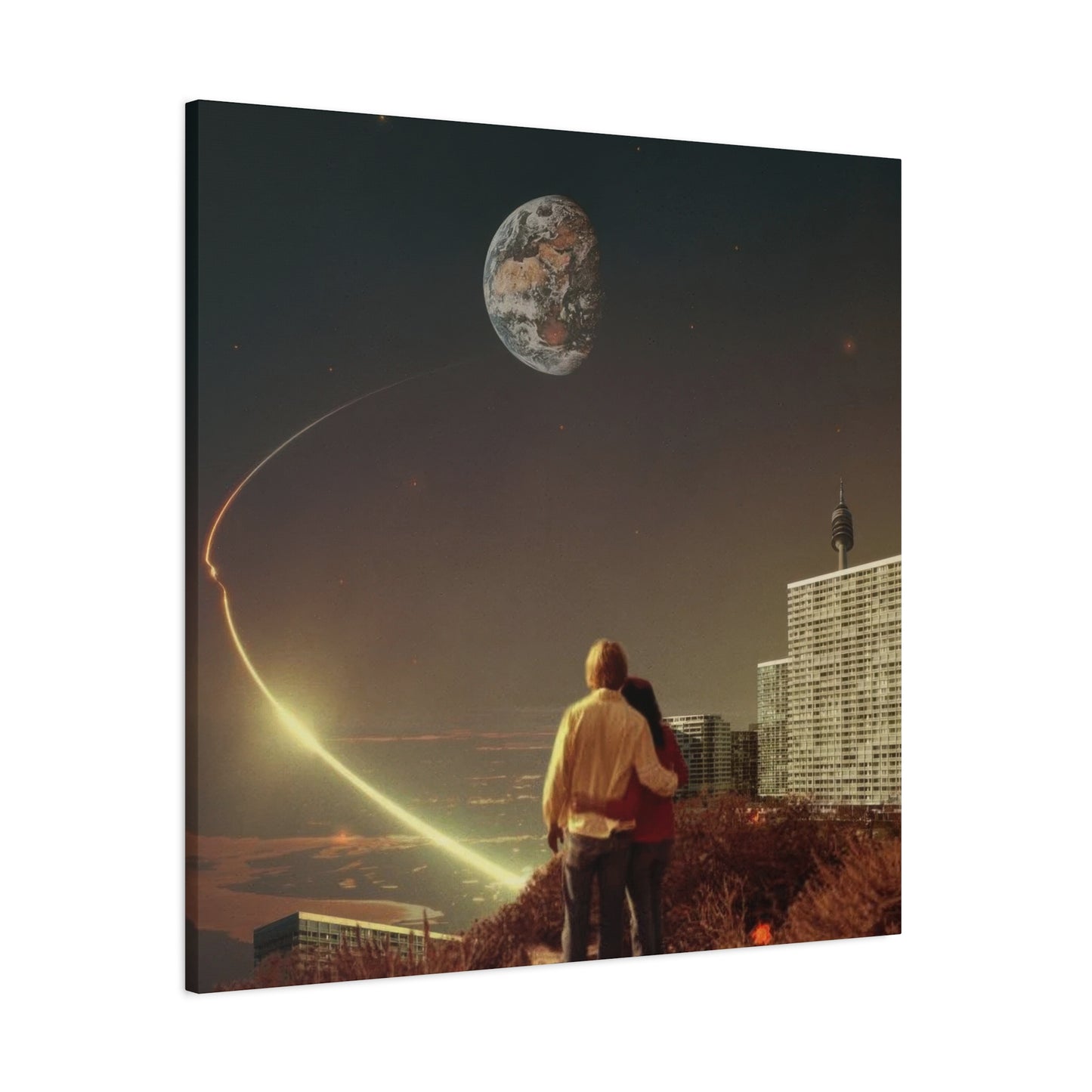
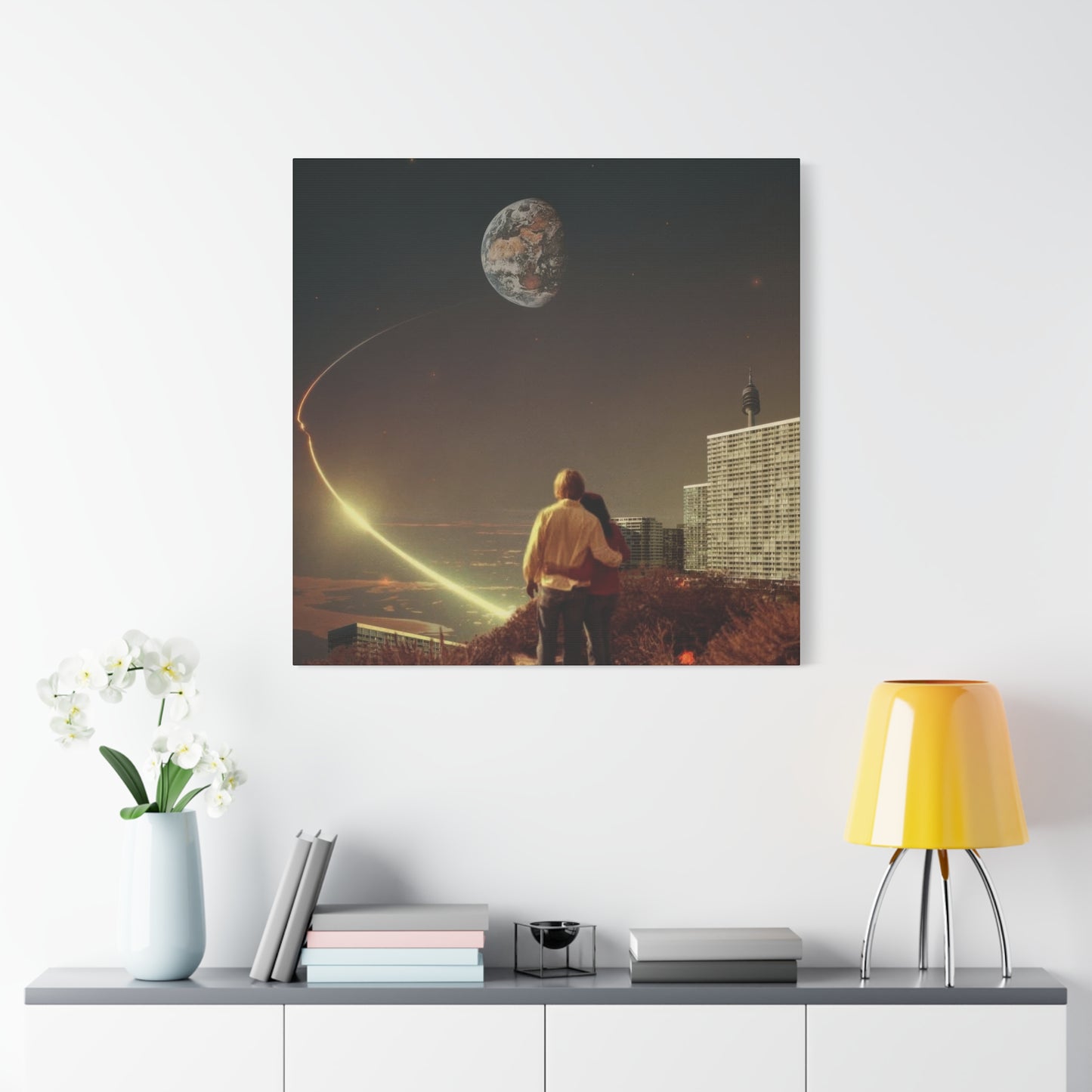
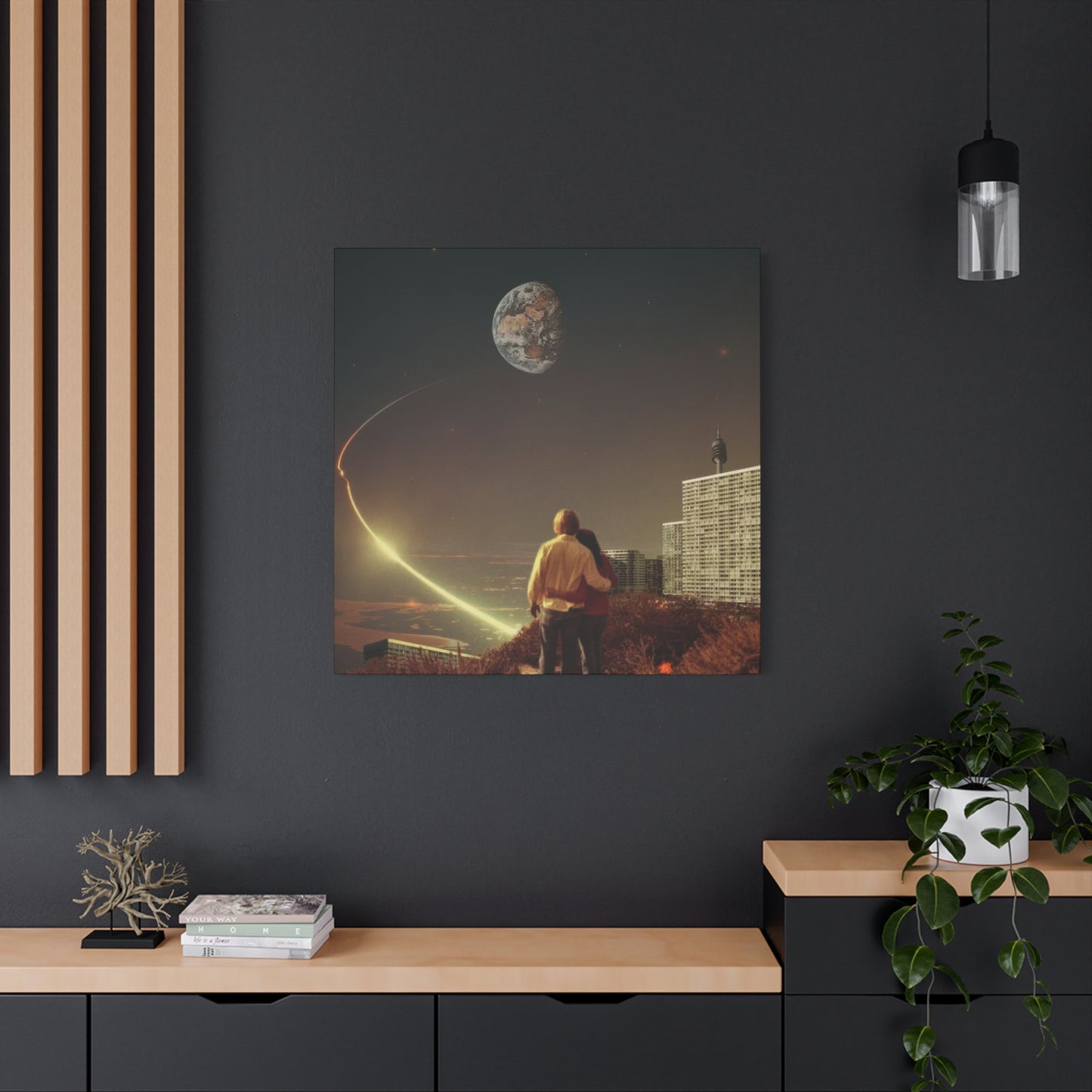
Within the broader body of work exploring memory and place, one particular composition stands out as a masterwork of nostalgic resonance. This piece captures something ineffable about human experience: the bittersweet recognition of places we once knew, lives we once lived, and moments that have slipped into the realm of memory. The title itself evokes a sense of shared experience, suggesting that these forgotten places and lost moments are not individual experiences but part of our collective human journey.
The composition achieves its emotional impact through a carefully orchestrated visual language that speaks to our deepest sense of nostalgia. Vintage architectural elements are combined with ethereal lighting effects and dreamlike color palettes to create a scene that feels both historically grounded and emotionally abstract. The artwork doesn't depict a specific location so much as it captures the feeling of returning to a place significant in memory, where the details may have faded but the emotional resonance remains powerful.
What makes this particular piece so compelling is its universal relatability combined with deeply personal interpretation. Every viewer brings their own experiences of displacement, loss, and longing to their interaction with the artwork. Some may see echoes of childhood homes, others might recognize the feeling of revisiting a city that has changed beyond recognition, and still others might connect it to the broader human experience of impermanence and the passage of time.
The artistic technique employed creates a sense of temporal ambiguity that enhances the nostalgic quality of the work. By blending imagery from different eras and applying treatments that soften the distinction between past and present, the composition exists in a timeless space. This temporal fluidity mirrors the way memory actually functions in human consciousness, where past events are colored by present emotions and understanding, creating a subjective rather than objective record of experience.
The color palette plays a crucial role in establishing the nostalgic atmosphere. Warm, muted tones dominate the composition, creating a sense of faded memory and gentle melancholy. These colors evoke the quality of old photographs that have yellowed with age, or the golden cast of late afternoon light filtering through memories of summer days long past. The deliberate choice to avoid harsh contrasts or overly saturated colors reinforces the dreamlike quality of the piece, inviting viewers into a contemplative state rather than demanding immediate attention.
Architectural elements within the composition serve as anchors of memory and markers of human presence. Buildings, whether intact or in states of romantic decay, represent the physical manifestations of human ambition, community, and the desire to create lasting structures. When these elements are presented in states of abandonment or transformation, they become powerful symbols of impermanence and the inevitable changes that time brings to all human endeavors.
The spatial arrangement within the artwork creates a journey for the viewer's eye, moving through layers of meaning and imagery. Foreground elements might represent immediate memory or present-day awareness, while background features recede into the hazy realm of distant recollection. This layered approach to composition mirrors the way memories exist in our minds: some clear and accessible, others faded and fragmentary, but all contributing to our sense of personal history and identity.
Exploring Human Memory in Contemporary Artwork: The Psychology Behind Visual Nostalgia
The relationship between visual art and human memory represents one of the most fascinating intersections of creativity and cognitive science. Contemporary artists working with themes of memory and nostalgia tap into fundamental aspects of how our brains process, store, and recall experiences. Understanding this connection illuminates why certain artworks possess such powerful emotional resonance and why they continue to captivate viewers long after the initial encounter.
Human memory is not a simple recording device that captures experiences with objective accuracy. Instead, it functions as a complex, reconstructive process that is influenced by emotions, context, and subsequent experiences. Each time we recall a memory, we are essentially recreating it, potentially altering details while reinforcing emotional associations. This malleable nature of memory creates opportunities for artistic exploration, as visual compositions can tap into these reconstructive processes and trigger deeply personal responses.
The phenomenon of nostalgia itself has evolved in our understanding from a pathological condition to a recognized psychological mechanism with potential benefits. Contemporary research suggests that nostalgic reminiscence can provide psychological comfort, strengthen social bonds, and contribute to a coherent sense of personal identity. Artwork that evokes nostalgia serves as a catalyst for this beneficial psychological process, providing viewers with opportunities for meaningful reflection and emotional connection.
Visual triggers for memory are particularly powerful because of how our brains process sensory information. The human visual system is deeply interconnected with the limbic system, the emotional center of the brain, which explains why images can evoke such immediate and powerful emotional responses. Certain visual elements act as what psychologists call "memory cues," triggering cascades of associated memories and emotions. Artists who understand these mechanisms can create compositions that function as deliberate memory catalysts.
The use of vintage or retro imagery in contemporary art serves multiple psychological functions. First, it creates a sense of temporal distance that allows for emotional processing without overwhelming immediacy. Second, it taps into collective cultural memory, allowing viewers to connect not just with personal experiences but with shared generational touchstones. Third, the aesthetic qualities of older photographic processes and design styles carry their own emotional associations, adding layers of meaning beyond the explicit content of the images.
Ambiguity in artistic composition plays a crucial role in engaging memory processes. When an artwork presents clear, specific imagery, it limits the range of personal interpretation and memory association. However, when elements are suggested rather than explicitly defined, viewers must fill in gaps using their own memories and experiences. This active participation in constructing meaning creates a more powerful and personal connection to the artwork.
The concept of "screen memories" in psychology refers to the way certain vivid memories can stand in for entire periods of our lives or broader emotional experiences. Effective nostalgic artwork functions similarly, with specific visual elements serving as condensed representations of complex emotional landscapes. A single image of an abandoned building might evoke not just memories of a specific place, but feelings associated with childhood, community, loss, and the passage of time.
Contemporary neuroscience has revealed that when we engage with emotionally resonant visual art, multiple brain regions activate simultaneously. The visual cortex processes the formal elements of the composition, while the prefrontal cortex engages in interpretation and meaning-making. Simultaneously, the amygdala and hippocampus process emotional content and search for relevant memories. This whole-brain engagement explains why powerful artwork can create such profound and lasting impressions.
The role of personal narrative in memory recall is another crucial factor in understanding how nostalgic artwork affects viewers. Humans are narrative-creating beings who naturally construct stories to make sense of experiences and emotions. Artwork that suggests narrative possibilities without dictating specific interpretations allows viewers to project their own stories onto the composition, creating deeply personalized meanings that enhance emotional connection and memorability.
Cultural memory and collective nostalgia add additional layers to how we engage with memory-focused artwork. Beyond personal experiences, we carry memories of shared cultural moments, historical periods, and generational experiences. Artwork that references these collective memories can create a sense of communal understanding and shared identity, even among viewers who have never met or who come from diverse backgrounds.
The Fusion of Vintage Aesthetic and Modern Emotion: Bridging Temporal Divides Through Art
The deliberate combination of historical visual elements with contemporary emotional sensibilities creates a unique artistic language that resonates across generational boundaries. This fusion approach recognizes that while the specific technologies and cultural contexts of different eras may differ dramatically, fundamental human emotions and experiences remain remarkably consistent. By bridging these temporal divides, artists create work that speaks simultaneously to nostalgia for the past and the lived reality of the present.
The vintage aesthetic carries inherent emotional associations that contemporary viewers bring to their interpretation of artwork. Elements such as grain texture reminiscent of film photography, color palettes drawn from mid-century print processes, and compositional styles that reference earlier artistic movements all contribute to a sense of temporal displacement. However, rather than simply recreating past styles, the most effective contemporary work uses these elements as a vocabulary to express distinctly modern emotional landscapes.
This temporal fusion reflects our contemporary experience of time itself. In an era where historical images and documents are instantly accessible through digital means, where retro styling appears in everything from fashion to product design, and where multiple generations of technology coexist in our daily lives, the boundaries between past and present have become increasingly permeable. Artwork that embraces this temporal fluidity speaks to our actual lived experience more authentically than work confined to a single temporal aesthetic.
The technical processes involved in creating these fused compositions require both traditional artistic skills and contemporary digital expertise. Artists must understand the visual characteristics of historical photographic processes, the color science of vintage printing techniques, and the compositional principles of earlier artistic movements. Simultaneously, they must master digital tools that allow for seamless blending of elements, precise color manipulation, and the creation of effects that would be impossible through traditional means alone.
The choice to combine vintage and modern elements is not merely aesthetic but carries profound symbolic weight. It suggests that the past is not sealed off and irrelevant but continues to inform and shape present experience. It acknowledges that while circumstances change, emotional truths remain constant. This temporal layering creates artwork that functions as a bridge between generations, allowing older viewers to see their experiences reflected and validated while enabling younger viewers to connect with historical moments and emotions beyond their direct experience.
Color grading plays a particularly important role in establishing the vintage-modern fusion. Contemporary digital tools allow for incredibly precise manipulation of color values, saturation levels, and tonal ranges. By applying color treatments that evoke specific photographic eras while maintaining the clarity and impact expected by modern viewers, artists create a visual language that feels both familiar and fresh. The result is work that can hang comfortably in contemporary spaces while evoking powerful nostalgic responses.
The texture and surface quality of the final artwork contribute significantly to this temporal fusion. While the images may be digitally created, their presentation as physical prints on canvas or other media adds another layer of temporal complexity. The physicality of the artwork connects it to traditional art historical lineages, even as its content and creation process are thoroughly contemporary. This physical manifestation also allows for interaction with light and space in ways that purely digital imagery cannot achieve.
Compositional strategies that blend vintage and modern approaches create visual tension that enhances emotional impact. Classical principles of balance, proportion, and focal point management might be combined with more contemporary approaches to negative space, asymmetry, and conceptual framing. This compositional hybridity keeps the artwork visually engaging while supporting its thematic exploration of temporal relationships and emotional continuity across time.
The selection of which vintage elements to incorporate and how to modernize them requires sophisticated cultural and historical understanding. Not all retro references carry the same emotional weight or cultural resonance. Effective work in this mode demonstrates careful curation of historical imagery, choosing elements that possess inherent emotional power while being recognizable enough to trigger viewer associations without requiring specialized historical knowledge.
Dreamlike Narratives in Digital Collage Art: Constructing Surreal Visual Stories
The medium of digital collage offers unprecedented opportunities for creating dreamlike narratives that blur the boundaries between reality and imagination. Unlike traditional collage techniques that are limited by physical materials and adhesion methods, digital processes allow for seamless blending of disparate elements, creating compositions that possess an internal logic all their own. This capability makes digital collage particularly well-suited to exploring the surreal, subjective nature of memory and emotion.
Dreamlike qualities in visual art serve multiple functions. They create psychological distance that allows viewers to engage with potentially difficult emotions in a more mediated, less threatening way. They invite active interpretation and personal meaning-making, as the surreal elements resist simple, literal readings. And they mirror the actual experience of memory and emotion, which often possess qualities of distortion, juxtaposition, and symbolic rather than literal representation.
The construction of dreamlike narratives requires careful attention to the balance between recognizable elements and surreal distortions. If a composition is too grounded in realistic representation, it loses the quality of otherworldliness essential to the dreamlike effect. Conversely, if it becomes too abstract or disconnected from recognizable reality, viewers may struggle to find entry points for emotional connection. The most effective work maintains this delicate balance, providing enough familiar anchors while introducing unexpected juxtapositions and impossible scenarios.
Scale manipulation is one of the most powerful tools for creating surreal effects in digital collage. By altering the relative sizes of elements in ways that defy physical reality, artists can create compositions that immediately signal their departure from ordinary experience. Figures might be dwarfed by architectural elements or objects, or conversely might dominate landscapes in impossible ways. These scale distortions can symbolize emotional states such as vulnerability, power, insignificance, or overwhelming presence.
The use of impossible spaces and architectural paradoxes contributes to the dreamlike quality while also serving metaphorical purposes. Staircases that lead nowhere, buildings that merge seamlessly despite being from different eras and styles, and spatial relationships that defy perspective and gravity all create a sense of being in a mental rather than physical space. These impossible constructions can represent the illogical but emotionally true nature of memory and feeling.
Lighting in dreamlike compositions often defies natural laws, creating atmospheres that are emotionally rather than physically accurate. Multiple light sources might illuminate different elements without casting corresponding shadows. Colors might shift in impossible ways across a composition. Atmospheric effects might appear selectively rather than uniformly. These lighting choices guide emotional response and create focal hierarchies while reinforcing the otherworldly nature of the scene.
The integration of human figures into dreamlike collage requires particular sensitivity. Figures must be present enough to provide emotional identification points for viewers, but their treatment and context should support the surreal narrative. They might be shown in states of contemplation, facing away from the viewer, or partially obscured, creating a sense of mystery and psychological projection. Their scale, positioning, and relationship to other elements can convey emotional states and narrative suggestions without resorting to obvious symbolism.
Transparency and layering effects unique to digital processes enhance the dreamlike quality by creating visual complexity that mirrors the layered nature of consciousness and memory. Elements can be semi-transparent, allowing underlying imagery to show through in ways that suggest simultaneous rather than sequential experiences. This visual layering can represent the way memories overlap, how past and present coexist in consciousness, or how multiple emotional associations can attach to single images or experiences.
The edges where different elements meet in digital collage can be treated in ways that range from completely seamless to deliberately visible. This choice significantly affects the overall impact of the work. Seamless blending creates a self-contained dreamworld with its own internal consistency. Visible seams, conversely, can remind viewers of the constructed nature of the image, potentially adding layers of meta-commentary about memory, representation, and artistic mediation.
Color harmony across disparate source materials presents both challenge and opportunity in creating dreamlike collages. Digital tools allow for sophisticated color grading that can unify elements from different photographic sources, creating cohesive palettes that would be difficult or impossible to achieve through traditional means. This color unity contributes to the sense that the composition exists as a complete world rather than an assemblage of parts.
Symbolism of Place and Belonging in Contemporary Canvas Art: Finding Home in Images
The concepts of place and belonging occupy central positions in human psychology and cultural expression. We define ourselves partly through our relationships to physical locations, whether homes, neighborhoods, cities, or landscapes. Contemporary artwork that explores these themes taps into fundamental aspects of human identity and our need for spatial and social rootedness. Through visual symbolism, such work can articulate complex feelings about home, displacement, community, and the search for belonging.
Architectural elements in artwork function as powerful symbols of human aspiration and community. Buildings represent not just physical structures but the social relationships and shared purposes that brought them into being. A single house can symbolize family, childhood, security, or conversely abandonment and loss. Urban skylines might represent ambition, progress, community, or alienation depending on their treatment and context. These symbolic associations operate at both conscious and unconscious levels, making architectural imagery particularly effective for emotional communication.
The representation of abandoned or deteriorating structures carries especially rich symbolic potential. Such imagery can evoke feelings of loss, the passage of time, the impermanence of human achievements, and the inevitable decay that affects all physical things. However, these same images can also suggest resilience, the enduring marks humans leave on landscapes, and a kind of beauty found in imperfection and age. The emotional valence of such imagery depends significantly on compositional treatment and contextual elements.
Natural elements integrated with built environments create symbolic relationships between human construction and organic processes. Vegetation reclaiming abandoned buildings, skies that dominate architectural elements, or water reflecting urban landscapes all suggest themes of nature's persistence, the relationship between human and natural realms, and the ultimate supremacy of natural processes over human construction. These combinations can be presented as threatening, harmonious, or melancholic depending on artistic intent.
The concept of threshold spaces appears frequently in artwork exploring place and belonging. Doorways, windows, gates, and bridges all represent points of transition between different states or spaces. They can symbolize opportunity, barrier, choice, or passage between different phases of life or states of being. The treatment of these threshold elements whether they appear open, closed, inviting, or forbidding significantly affects the emotional resonance of the composition.
Empty spaces and negative space in compositions exploring place can be as symbolically powerful as filled areas. Vacant rooms, empty streets, or expanses of sky can represent loss, possibility, freedom, or loneliness. The emotional quality of emptiness depends largely on compositional context and the viewer's own psychological state and experiences. This openness to interpretation makes such spaces particularly effective for engaging viewers in personal meaning-making.
The scale of human figures relative to architectural and landscape elements communicates relationships between individual and environment. Small figures dwarfed by vast structures or landscapes can evoke feelings of insignificance, awe, vulnerability, or exploration. Conversely, figures that are proportionally large relative to their surroundings might suggest mastery, ownership, or the projection of human consciousness onto spaces. These scalar relationships operate symbolically to express emotional truths about belonging and displacement.
Cultural specificity and universality in place-based imagery present interesting tensions. Certain architectural styles, landscape types, or urban configurations carry specific cultural associations that may resonate more strongly with some viewers than others. However, the most effective work manages to balance cultural specificity with universal emotional themes, making the imagery accessible to diverse audiences while maintaining authentic character and avoiding generic blandness.
The representation of light in relation to architectural spaces carries symbolic weight regarding refuge, exposure, hope, and illumination. Light streaming through windows, the warm glow of interior spaces seen from outside, or the dramatic illumination of structures against dark skies all create emotional responses tied to our primal needs for shelter and our associations between light and positive states of being. These lighting choices guide emotional interpretation without requiring conscious analysis from viewers.
Temporal markers within place-based imagery contribute to themes of belonging and displacement. Signs of specific eras, whether through architectural style, visible technology, or design elements, can trigger generational nostalgia and raise questions about change over time. The tension between preserved historical character and visible modernization within a single composition can symbolize broader tensions between tradition and progress, memory and present reality.
The Emotional Layers Behind We Used to Live There Too: Decoding Visual Complexity
Every successful artwork operates on multiple levels simultaneously, offering different points of entry and interpretation for diverse viewers. The particular composition under discussion achieves its power through carefully orchestrated emotional layers that work in concert to create a cohesive yet complex viewing experience. Understanding these layers illuminates both the artistic achievement involved and the reasons for the work's continued resonance with audiences.
The primary emotional layer presents the immediate, surface-level response to the imagery. This initial impression typically centers on the nostalgic quality of the composition, the melancholic beauty of the color palette, and the evocative nature of the architectural and spatial elements. This accessible emotional entry point allows viewers immediate connection without requiring specialized knowledge or extensive contemplation. The work succeeds in part because it delivers genuine emotional impact at this primary level while simultaneously offering deeper layers for extended engagement.
A secondary emotional layer emerges through contemplation of the title and its relationship to the imagery. The phrase suggests collective experience and shared history, positioning the viewer not as a passive observer but as a participant in the emotional narrative. This inclusive approach invites personal projection and memory association, encouraging viewers to bring their own experiences of place and displacement to their interpretation. The gap between the imagery and the title creates a productive space for meaning-making.
The compositional structure itself creates an emotional layer through the journey it provides for the viewer's eye. The arrangement of elements, the distribution of visual weight, and the progression from foreground to background guide attention and create a temporal experience of viewing. This visual journey can mirror emotional processes of approach and retreat, engagement and reflection, or the movement between different memories and associations. The composition thus becomes not just a static image but a kind of pathway through emotional territory.
Color relationships and tonal values create an emotional layer that operates largely at a subconscious level. The warm, muted palette establishes an overall mood of gentle melancholy and nostalgia before the viewer consciously processes specific imagery. The subtle variations in saturation and value guide attention while creating atmospheric depth. These color choices activate emotional responses rooted in our associations between certain hues and psychological states, cultural conditioning around color meaning, and universal human responses to tonal qualities.
The treatment of light and shadow adds another emotional dimension. The quality of illumination whether soft and diffused, dramatically contrasted, or somewhere between creates psychological atmospheres that influence interpretation. Light might suggest hope, memory illuminated, or the revealing of hidden aspects. Shadow can represent the unknown, forgotten elements, or the parts of experience that resist full recollection. The interplay between light and dark areas mirrors the partial, incomplete nature of memory itself.
Texture, both real and implied, contributes to the emotional layering. The surface quality of the artwork as a physical object, combined with textural elements within the imagery itself, creates a sensory dimension that extends beyond purely visual experience. Texture invites closer inspection and can create associations with age, decay, preservation, or the marks that time and use leave on physical objects. These textural qualities reinforce themes of temporality and the material traces of human presence.
The symbolic layer requires more active interpretation but offers rich possibilities for personal meaning-making. Various elements within the composition can be read as symbols representing abstract concepts: buildings as markers of human ambition, empty spaces as loss or possibility, threshold elements as transition, natural elements as the persistence of organic processes. The work provides sufficient symbolic material for interpretation without dictating specific readings, allowing multiple valid interpretations to coexist.
The cultural and historical layer connects the imagery to broader artistic traditions and cultural moments. References to specific architectural styles, photographic techniques, or design movements place the work in dialogue with artistic and cultural history. Viewers with knowledge of these traditions can appreciate additional layers of meaning related to artistic continuity, cultural memory, and the evolution of visual language. However, the work remains accessible to those without this specialized knowledge.
The existential and philosophical layer addresses fundamental questions about human existence, time, and meaning. Through its exploration of place, memory, and the passage of time, the work invites contemplation of larger questions about identity, impermanence, and what endures beyond individual lifetimes. This deepest layer emerges most fully through extended engagement with the work and reflection on how its specific qualities relate to universal human concerns.
Surreal Reflections of Humanity in Urban Landscapes: Cities as Emotional Mirrors
Urban environments serve as particularly rich subjects for artistic exploration of human experience. Cities represent concentrated humanity dense aggregations of individual lives, collective aspirations, social structures, and cultural expression. When rendered through a surreal lens, urban landscapes become more than documentary representations; they transform into emotional and psychological territories that reflect inner states and collective consciousness. This approach to depicting cities reveals truths that realistic representation might obscure.
The vertical dimension of urban landscapes carries symbolic weight regarding aspiration, hierarchy, and the human drive to transcend earthly limitations. Tall buildings reaching toward the sky can represent ambition, progress, and the desire to rise above limitations. However, the same verticality can evoke feelings of alienation, the insignificance of individuals within massive systems, or the precariousness of structures built on fragile foundations. The treatment of vertical elements whether celebratory, ominous, or melancholic shapes the emotional tenor of the entire composition.
Density and crowding in urban imagery can be manipulated to explore themes of connection and isolation. Paradoxically, cities are places where people are physically proximate but often psychologically isolated. Artwork that captures this tension by showing urban spaces that are simultaneously full and empty, or that depict solitary figures amid architectural density reflects an emotional reality of contemporary urban existence. This exploration resonates particularly strongly in an era when digital connectivity creates similar paradoxes of connection without genuine intimacy.
The treatment of light in urban landscapes creates powerful emotional atmospheres. The warm glow of windows in evening scenes suggests the private lives unfolding within public structures, creating a tension between exterior and interior, public and private. Neon signs and artificial lighting introduce vibrant color and energy but can also create feelings of artificiality and disconnection from natural rhythms. Street lighting that creates dramatic shadows and pools of illumination divides urban space into revealed and concealed areas, mirroring the partial knowledge we have of cities and their inhabitants.
Abandonment and decay within urban imagery introduce memento mori themes into the seemingly permanent landscape of cities. Empty buildings, deteriorating infrastructure, or vegetation reclaiming urban spaces remind viewers of impermanence and the inevitable triumph of natural processes over human construction. These elements can create powerful juxtapositions when combined with vital urban activity, suggesting the simultaneous processes of creation and decay, growth and decline that characterize all cities.
The representation of movement and stasis within urban landscapes explores tensions between dynamic change and enduring structures. Cities are constantly in motion with traffic, pedestrians, and the flow of commerce and life yet their physical structures appear permanent. Artwork can freeze moments of motion, creating ghostly traces of human activity, or conversely animate apparently static structures. These treatments reflect on the relationship between the physical city and the human experiences that give it meaning.
Architectural styles and their juxtaposition within a single composition can create temporal complexity that mirrors urban development. Cities typically contain buildings from multiple eras, creating visual palimpsests where different historical moments coexist in a single space. Emphasizing these temporal layers through artistic treatment highlights cities as archives of human history and changing values, dreams, and capabilities.
The boundary between urban and natural realms appears frequently in artwork exploring cities as emotional landscapes. Waterfront areas, parks within urban environments, or the meeting of city and countryside create spaces of transition and contrast. These boundaries can represent harmony or conflict between human construction and natural systems, or serve as markers of the incomplete and ongoing nature of urban development. The treatment of these transitional zones shapes interpretation of humanity's relationship with the broader natural world.
Infrastructure elements transportation systems, utilities, communications networks appear both literally and symbolically in urban landscape art. These systems literally the arteries and nervous system of the city enabling its function. Highlighting or abstracting infrastructure elements can explore themes of connectivity, interdependence, and the complex systems that sustain modern urban life. The visibility or invisibility of infrastructure in compositions reflects questions about what we notice, value, and take for granted in urban existence.
The inclusion or absence of human figures in urban landscapes dramatically affects emotional impact. Populated cityscapes emphasize the social nature of urban life and the diversity of human experience concentrated in cities. Empty urban spaces, conversely, can create feelings of abandonment, post-apocalyptic imagination, or peaceful solitude depending on treatment. The scale and positioning of human figures relative to architectural elements establishes relationships between individual and environment, personal and systemic.
Nostalgia and Displacement in Conceptual Wall Art: Articulating Contemporary Experience
Contemporary life is characterized by unprecedented mobility, both physical and virtual. Patterns of migration, whether for economic opportunity, personal choice, or forced displacement, mean that many people live at a distance from places they consider home. Digital connectivity allows connection across vast distances while sometimes highlighting the absence of physical presence. This context of mobility and displacement makes artwork that explores themes of belonging and placelessness particularly resonant for contemporary audiences.
The relationship between nostalgia and displacement is complex and mutually reinforcing. Displacement physical distance from places of personal significance often triggers nostalgic longing for those locations. Simultaneously, nostalgia for idealized pasts can create a sense of temporal displacement, a feeling of being born in the wrong time or disconnected from eras that seem more authentic or meaningful. Artwork that addresses these intertwined themes speaks to widely shared contemporary experiences.
The phenomenon of multiple or divided homes characterizes many contemporary lives. First-generation immigrants might identify strongly with ancestral homelands they have never personally experienced. People who have moved frequently may have affection for multiple locations without feeling fully rooted in any single place. Digital nomads maintain homes in multiple locations or in none. Artwork exploring place and belonging resonates with these complex contemporary relationships to home and rootedness.
Virtual connection and physical absence create another dimension of contemporary displacement. People maintain relationships with distant locations through digital means, seeing images and updates from places they cannot physically access. This creates a strange condition of simultaneous presence and absence that previous generations did not experience. Artwork that captures feelings of connection tempered by distance speaks to this distinctly contemporary phenomenon.
The aestheticization of decay and abandonment in contemporary art relates interestingly to displacement themes. Images of abandoned buildings and forgotten places appeal partly because they represent states of transition the moment between human occupation and natural reclamation. These images resonate with feelings of impermanence and the temporary nature of all human arrangements. For displaced individuals, such imagery might reflect feelings about places left behind or doubts about the permanence of current situations.
Collective displacement and diaspora experiences create shared cultural touchstones that artwork can reference. Particular generations might share experiences of economic displacement, forced migration, or cultural disruption. Artwork that engages with these collective experiences without being overly specific about individual circumstances can create powerful connections among viewers who share displacement experiences even if the specific details differ.
The role of memory in creating continuity amid displacement makes memory-focused artwork particularly meaningful. When physical connection to place is disrupted, memory becomes the primary means of maintaining relationship to those places. Artwork that honors the power of memory while acknowledging its subjective and reconstructive nature validates the experiences of displaced individuals while avoiding false promises of accurate recovery of lost experiences.
Aspirational displacement the choice to leave one place seeking better opportunities elsewhere introduces interesting tensions between gratitude and loss. People who have benefited from geographic mobility might nonetheless experience genuine grief for places left behind and relationships disrupted. Artwork that holds space for both gratitude for present circumstances and mourning for what was lost acknowledges the emotional complexity of chosen displacement.
Generational relationships to displacement create additional layers of meaning. Second-generation individuals might experience nostalgia for places they know only through family stories and photographs. They may feel deeply connected to locations they have never visited or long to return to places that were never their home in a literal sense. Artwork exploring inherited memory and displacement passed between generations speaks to these complex emotional landscapes.
The search for belonging in contemporary contexts often involves creating chosen communities and finding home in relationships rather than specific places. While traditional notions of home emphasize geographic rootedness, contemporary realities sometimes require redefining home in more portable terms. Artwork that explores belonging through human connection rather than exclusively through place relationships acknowledges this evolution in how we conceive of home and rootedness.
Blending Time and Space in Visual Stories: Creating Temporal Fluidity
The representation of time in visual art presents unique challenges and opportunities. Unlike narrative forms that unfold temporally such as literature, film, or music visual art typically presents a single moment or synthesizes temporal elements into a unified composition. However, contemporary digital collage techniques enable sophisticated explorations of temporal complexity, creating artworks that embody multiple time frames simultaneously or suggest temporal flows and transitions.
The concept of collapsed time where multiple temporal moments exist simultaneously in a single image creates fascinating perceptual experiences. A composition might combine architectural elements from different historical periods, figures from different eras, or seasonal indicators that cannot logically coexist. Rather than creating confusion, this temporal collapse can mirror actual human experience. Memory does not strictly organize experience chronologically; different moments from various periods can feel simultaneously present in consciousness.
Temporal layering through transparency and overlay effects unique to digital processes allows past and present to literally overlap in the visual field. Ghostly images of previous states might appear through or behind current conditions, suggesting the persistence of history within present experience. These layering effects can represent the way places carry traces of their histories, how previous experiences influence present perception, or how the past remains partially visible through the surface of the present.
The use of temporal markers elements that clearly indicate specific historical periods creates interesting tensions in compositions that otherwise exist outside specific time frames. A vintage automobile, period-appropriate clothing, or historically specific architectural details anchor portions of the composition in identifiable moments while other elements remain temporally ambiguous. This selective temporal specificity can guide interpretation while maintaining overall timelessness.
Seasonal and diurnal cycles provide natural frameworks for exploring temporal passage. The transition between day and night, the change of seasons, or the weathering effects of time on physical structures all represent temporal processes. Artwork that captures in-between states dawn or dusk, the cusp between seasons, or structures in mid-decay creates temporal ambiguity that invites reflection on change, transition, and the passage of time.
Final Thoughts:
Frank Moth’s wall art represents a profound intersection of memory, nostalgia, and visual storytelling, capturing moments that feel both intensely personal and universally resonant. Each piece in his collection is more than just an aesthetic experience; it is a carefully constructed emotional journey. Moth’s artistry lies in his ability to translate intangible feelings into visual language, creating works that speak directly to the human heart. Whether it is the quiet melancholy of a forgotten street or the wistful reminiscence of a childhood memory, his canvases hold a mirror to the viewer’s own experiences, inviting reflection and introspection.
What sets Moth apart is his meticulous layering of elements, textures, and motifs that evoke a sense of narrative without the need for words. His compositions often blend abstract forms with tangible objects, crafting a delicate balance between reality and imagination. This approach encourages viewers to not only observe but also participate in the storytelling process, filling the gaps with their own memories and emotions. The result is art that is both intimate and expansive—personal in its impact, yet universally relatable in its themes of time, loss, love, and the passage of life.
Nostalgia, a central theme in Moth’s work, is treated with remarkable sophistication. Instead of resorting to clichés or overly sentimental imagery, his art explores the subtle textures of recollection—the fleeting impressions, the faint traces of light and shadow, the ephemeral fragments of places and people that linger in the mind. This nuanced treatment allows his wall art to resonate deeply with collectors and viewers alike, offering a gentle reminder of the impermanence and beauty of lived experience. It is this attention to emotional authenticity that makes his pieces feel like visual poetry rather than mere decoration.
Moreover, Moth’s mastery of digital and traditional techniques expands the expressive possibilities of contemporary wall art. By seamlessly blending photographic elements, painterly textures, and layered symbolism, he creates works that challenge conventional boundaries and invite prolonged contemplation. Each artwork becomes a landscape of emotion—a space where personal memory intersects with shared cultural motifs, generating a dialogue between artist and audience. In doing so, Moth elevates wall art from a purely visual medium into a form of storytelling that is intellectually stimulating and emotionally profound.
Finally, Frank Moth’s art underscores the power of storytelling in shaping our environments and our lives. His pieces transform living spaces into immersive experiences, reminding us that art can be both visually compelling and emotionally sustaining. They serve as catalysts for reflection, conversation, and introspection, encouraging viewers to reconnect with their own histories while appreciating the delicate beauty of the present moment. In an age dominated by speed and impermanence, Moth’s work stands as a testament to the enduring impact of art that values depth, sentiment, and narrative richness.


