


Frazettas Grand Fantasy Canvas
Frazettas Grand Fantasy Canvas
Couldn't load pickup availability


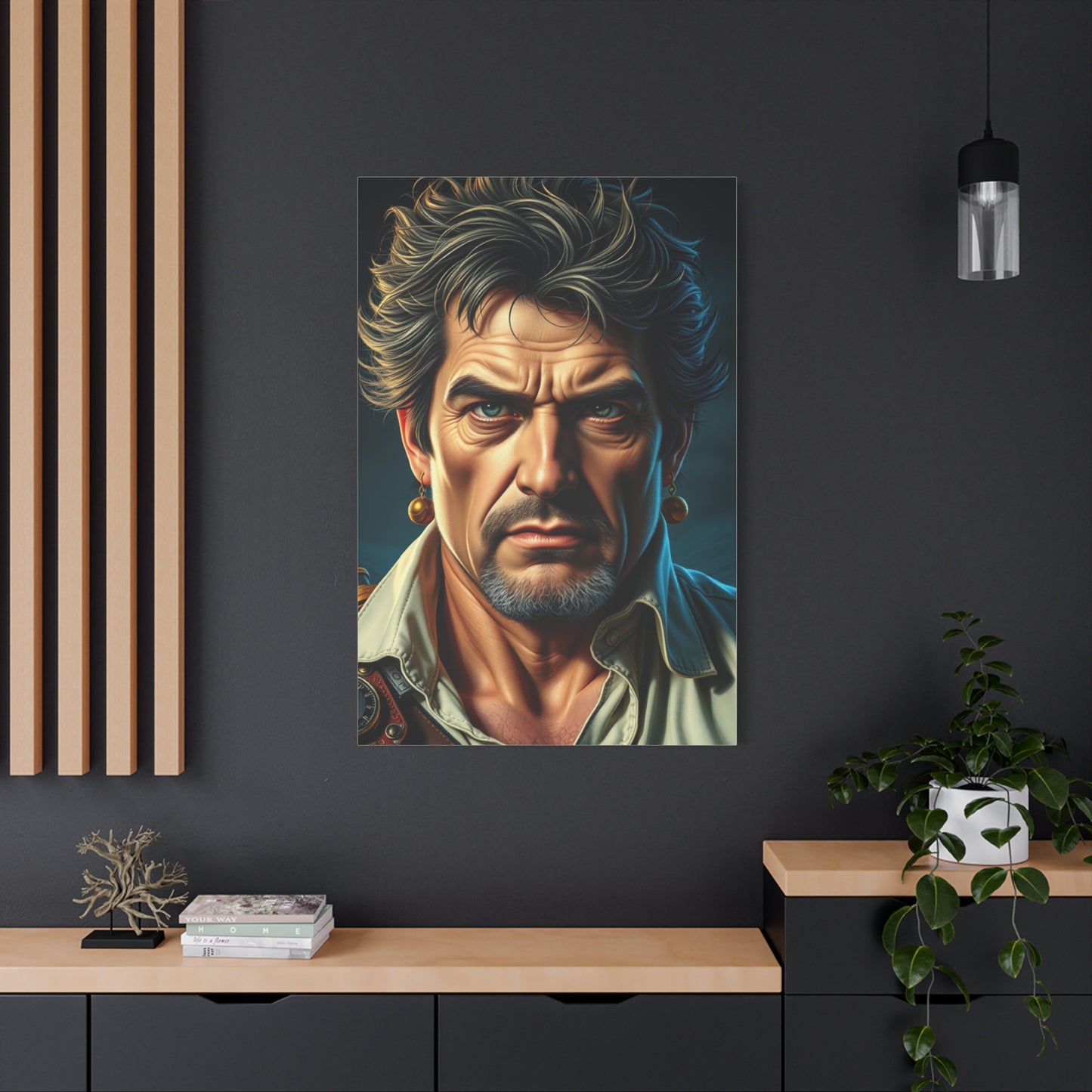
The Art of Heroism: Frazetta’s Grand Fantasy Canvas for Dramatic Wall Statements
The realm of fantasy illustration has witnessed numerous talented artists throughout history, yet few have achieved the monumental impact and lasting influence of Frank Frazetta. His contributions to the visual language of fantasy, science fiction, and heroic adventure have shaped how generations perceive mythological narratives, epic confrontations, and larger-than-life heroes. His canvases transport viewers into worlds where primal forces clash, where muscular warriors stand defiant against impossible odds, and where beauty and danger coexist in perfect harmony. This exploration delves deep into the artistry, influence, and timeless appeal of one of fantasy art's most celebrated figures, examining how his work continues to resonate with audiences decades after its creation.
The Magnificent Scale of Fantasy Imagination on Canvas
When examining the grandest achievements in fantasy illustration, certain works stand apart not merely through technical proficiency but through their ability to capture the essence of mythological storytelling. These paintings transcend their physical dimensions, creating portals into realms where ancient legends come alive with visceral immediacy. The canvases that define this genre possess an almost architectural quality, constructing entire civilizations and cosmic struggles within their borders.
The composition of these monumental works requires careful orchestration of multiple elements. Foreground figures command attention through their physicality and emotional intensity, while middle grounds establish context through environmental details that suggest broader narratives. Background elements extend the viewer's gaze toward distant horizons, implying worlds that stretch far beyond what the frame can contain. This layering creates depth that pulls observers into the scene, making them participants rather than mere spectators.
Color selection in these grand fantasy compositions serves purposes beyond aesthetic pleasure. Warm tones convey passion, aggression, and vitality, while cooler hues suggest mystery, distance, and otherworldly qualities. The interplay between these temperature ranges creates visual tension that mirrors the thematic conflicts depicted. Strategic use of complementary colors generates vibration at their boundaries, energizing the entire composition and directing the viewer's attention along predetermined pathways.
The scale of ambition in these works reflects a deep understanding of mythological archetypes and their psychological resonance. Heroes are rendered not as mere humans with extraordinary abilities but as embodiments of primal forces, representing humanity's struggle against chaos, entropy, and oblivion. Their adversaries likewise transcend simple villainy, becoming manifestations of natural disasters, psychological fears, or cosmic indifference. This elevation of conflict to metaphysical dimensions grants these paintings significance beyond their surface narratives.
Texture application in fantasy canvases contributes substantially to their impact. Rough, impasto techniques suggest ancient stone, weathered armor, and battle-scarred flesh, while smoother applications evoke magical energies, distant atmospheres, and ethereal beings. This textural variety creates tactile interest that rewards close examination, revealing details that might escape casual observation. The physical presence of paint on canvas reinforces the material reality of these imaginary worlds, grounding fantasy in tangible substance.
The architectural elements within these compositions frequently reference multiple historical periods simultaneously, creating amalgamated civilizations that feel both familiar and alien. Columns might suggest classical antiquity while adjacent structures incorporate medieval fortifications or prehistoric megaliths. This temporal fusion reinforces the timeless quality of the narratives, suggesting that these stories exist outside conventional chronology, in a mythic time where all eras coexist.
Intensity and Emotion Within Fantasy Realms
The emotional landscape of fantasy illustration extends far beyond simple excitement or wonder. The most compelling works in this genre tap into fundamental human experiences, translating universal feelings into visual metaphors that resonate across cultural boundaries. These paintings become emotional amplifiers, taking viewers' own experiences of struggle, triumph, desire, and loss, then reflecting them back with mythological grandeur.
Physical exertion depicted in these works carries emotional weight that transcends mere action. Strained muscles speak to determination and willpower, while flowing hair and fabric suggest freedom and wild abandon. The human body becomes an expressive instrument, its every line and curve communicating internal states as clearly as facial expressions. This embodied emotion creates connection between viewer and subject, fostering empathy even for characters engaged in fantastical situations.
The relationship between figures within these compositions establishes emotional dynamics that drive narrative interpretation. Distance between characters suggests alienation or opposition, while proximity indicates alliance or intimacy. The direction of gazes creates invisible lines of connection or conflict, mapping the psychological terrain of the scene. Body language conveys dominance, submission, protection, or threat, establishing hierarchies and relationships without requiring explicit exposition.
Atmospheric conditions in fantasy paintings serve as emotional correlatives, with weather and lighting reflecting the psychological states of depicted events. Stormy skies mirror internal turmoil, while clear horizons suggest hope or clarity of purpose. Fog and mist introduce ambiguity and mystery, while harsh sunlight creates stark contrasts that eliminate middle ground, forcing binary choices. These environmental conditions become active participants in the emotional narrative rather than passive backdrops.
The treatment of violence in these works walks a careful line between glorification and honest portrayal of conflict's costs. The best examples acknowledge brutality while maintaining heroic dignity, showing that courage and nobility can exist even within savage circumstances. Wounds and scars testify to past struggles, marking heroes as survivors rather than invincible gods. This vulnerability makes triumph more meaningful and defeat more poignant.
Moments of quieter emotion punctuate the action, providing contrast that makes both more effective. A warrior's contemplative gaze before battle, a victor's exhaustion after triumph, or a protector's tenderness toward the vulnerable reveal dimensionality that pure action cannot convey. These quieter passages demonstrate that true heroism encompasses more than physical prowess, requiring moral courage and emotional depth.
The passionate intensity conveyed through color choices amplifies emotional content significantly. Reds pulse with anger, desire, and vital energy, while blues recede into melancholy, spirituality, or cold determination. Yellows and golds radiate divine favor or enlightenment, while purples suggest royalty, magic, or the liminal space between life and death. These color associations operate on subconscious levels, shaping emotional responses before conscious interpretation occurs.
The Dynamic Force of Heroic Representation
Heroism in visual narrative requires more than simply depicting powerful individuals. The most effective representations capture the quality of heroic action itself, the explosive energy that propels protagonists beyond normal human limitations. This dynamic force manifests through careful attention to anatomy, motion, and the decisive moment when potential energy converts to kinetic reality.
The foundation of heroic dynamism lies in anatomical understanding that goes beyond academic correctness. Muscles must be rendered not merely as they appear in repose but as they function during maximum exertion. Tendons strain, veins bulge, and skeletal structure becomes visible beneath taut skin. This hyper-realistic approach to anatomy creates figures that seem to pulse with genuine vitality, threatening to burst from the two-dimensional surface.
Gesture and pose selection determine whether a figure appears static or alive with potential motion. The contrapposto stance, inherited from classical sculpture, creates an S-curve through the body that suggests imminent movement. Arms reaching beyond the body's central axis generate directional force, pulling the viewer's eye through the composition. Legs positioned in dynamic diagonals rather than stable verticals convey instability that must resolve into action.
The representation of motion itself presents unique challenges in a static medium. Multiple techniques address this challenge, from motion blur that suggests speed beyond the eye's ability to track, to frozen moments at the apex of action when all forces balance before explosive release. Clothing and hair streaming behind moving figures create vector lines that trace paths of motion, allowing viewers to extrapolate both origin and destination.
Weapons and implements in heroic fantasy serve as extensions of their wielders, amplifying personal agency into world-changing force. The rendering of swords, axes, and other implements requires attention to weight, balance, and functionality. These objects must appear capable of the feats attributed to them, with realistic heft and believable design that grounds fantastical action in physical plausibility. The interaction between wielder and weapon, the grip, the swing, the follow-through, all contribute to credible power.
The heroic figure's relationship to their environment establishes scale and context for their actions. A warrior standing atop a cliff achieves different psychological impact than one positioned in a valley. Elevation suggests dominance and broader perspective, while low positioning can convey determination to rise or vulnerability to be overcome. The terrain itself becomes an obstacle or ally, with heroes shown mastering environmental challenges as they overcome adversaries.
Supporting characters and vanquished foes provide counterpoint that heightens the hero's capabilities. The contrast between the protagonist's perfect form and the twisted, monstrous anatomy of opponents emphasizes the hero's essential rightness. Fallen enemies demonstrate consequences of opposition, while allies showcase the hero's capacity to inspire and protect. These secondary figures serve as measuring sticks against which heroic qualities are calibrated.
Navigating Through Legend, Vigor, and Sentiment
The journey motif permeates fantasy art, reflecting humanity's archetypal narrative of questing and transformation. These visual stories compress entire sagas into single images, suggesting backstories and futures that extend far beyond the depicted moment. The hero's journey, mapped onto canvas, becomes a meditation on growth, sacrifice, and the pursuit of meaning in an often chaotic existence.
Mythological resonance in these works draws from humanity's collective storytelling tradition, incorporating elements that recur across cultures and epochs. The slaying of monsters represents conquest of internal demons or external threats to civilization. The rescue of captives symbolizes liberation from oppression or ignorance. The acquisition of magical objects manifests the attainment of knowledge, power, or enlightenment. These universal patterns allow works to communicate across linguistic and cultural boundaries.
The vigor depicted in these narratives extends beyond mere physical strength to encompass vitality in its fullest sense, the life force that refuses submission to entropy or despair. This essential energy radiates from heroic figures, suggesting that their true power lies not in muscle alone but in indomitable will. Their bodies become vehicles for this spiritual force, translating abstract determination into concrete action.
Emotional landscapes within journey narratives provide the psychological dimension that elevates adventure above simple action sequences. The hero experiences doubt, fear, rage, and sorrow, yet continues forward despite these obstacles. This emotional authenticity creates investment in outcomes, making viewers care about fictional struggles. The sentiment conveyed through facial expressions and body language humanizes mythological figures, bridging the gap between ordinary experience and extraordinary circumstance.
The environments through which these journeys progress function as externalizations of internal states. Dark forests represent confusion and the unknown, while mountain peaks suggest spiritual aspiration and achievement. Wastelands reflect spiritual desolation or the aftermath of corruption, while fertile valleys promise renewal and reward. The hero's progression through these landscapes mirrors psychological transformation, the movement from ignorance to wisdom, from weakness to strength.
Companions who accompany the hero on their journey represent different facets of the complete self. The wise mentor embodies accumulated knowledge and experience, the comic relief maintains humanity and perspective, and the romantic interest personifies what the hero strives to protect or attain. The dynamics between these figures create narrative texture, showing that heroism rarely occurs in isolation but emerges from community and relationship.
Obstacles encountered during the journey test different heroic qualities in succession. Physical barriers require strength and endurance, puzzles demand intelligence and creativity, and moral dilemmas necessitate wisdom and integrity. This varied gauntlet ensures that heroes prove themselves comprehensively worthy, demonstrating that true heroism encompasses multiple virtues rather than singular talent. The cumulative effect of these trials transforms the hero from potential to actualized greatness.
The Mythic Imagination That Defines a Visual Creator
Behind every iconic body of fantasy art stands a creative vision that sees beyond conventional reality into archetypal truths. This legendary perspective combines technical mastery with intuitive understanding of human psychology, allowing the artist to create images that feel simultaneously impossible and inevitable. The process of translating internal vision to external form requires discipline, inspiration, and fearless commitment to personal artistic truth.
The development of distinctive style involves thousands of hours experimenting with techniques, studying masters across multiple traditions, and gradually discovering which approaches best serve individual vision. Early influences leave traces in mature work, but the truly original artist transforms borrowed elements into something uniquely their own. This alchemical process cannot be rushed or forced, emerging organically through dedicated practice and honest self-assessment.
Subject matter selection reveals the artist's deepest fascinations and concerns. Repeated motifs indicate not obsession but exploration of themes from multiple angles, seeking to exhaust their possibilities. The fantasy artist who returns repeatedly to conflicts between civilization and wilderness, order and chaos, or individual will against cosmic forces demonstrates commitment to understanding these dynamics at profound levels. Each new work becomes another iteration in an ongoing investigation.
The relationship between conscious intention and unconscious expression creates tension that energizes artwork. While artists make deliberate choices regarding composition, color, and subject, deeper meanings often emerge without full awareness during creation. These unintended significances frequently prove most resonant with audiences, who recognize authentic expression of truths the artist may not have explicitly formulated. The best work thus operates on multiple levels simultaneously, satisfying both intellectual analysis and emotional intuition.
Technical innovation serves vision rather than existing for its own sake. The legendary fantasy artist experiments with new approaches not to display virtuosity but to achieve effects previously impossible. Whether discovering novel ways to render light, developing shortcuts that increase productivity without sacrificing quality, or inventing tools that better serve specific needs, technical evolution follows from artistic necessity rather than abstract experimentation.
The artist's relationship with their audience involves complex negotiation between personal vision and commercial viability. While some degree of compromise proves necessary for professional survival, the most enduring work maintains artistic integrity even within commercial contexts. Images created purely to satisfy market demands rarely achieve lasting significance, while works that honor personal vision often find audiences who respond to their authenticity.
Legacy-building occurs through consistency and evolution rather than sudden breakthroughs. The fantasy artist who produces variations on successful formulas risks stagnation, while one who constantly reinvents risks losing audience connection. The optimal path involves gradual evolution that maintains recognizable elements while exploring new territory, demonstrating growth without abandoning identity. This balance allows audiences to mature alongside the artist, deepening rather than abandoning their relationship with the work.
The Transformation of Fantasy Visual Language
The visual vocabulary available to fantasy artists has evolved dramatically over generations, with certain creators serving as pivot points that fundamentally redirected the genre's trajectory. These transformative figures introduced new ways of depicting familiar elements, challenged prevailing aesthetic assumptions, and demonstrated that fantasy illustration could achieve artistic legitimacy alongside commercial success.
Pre-existing fantasy illustration traditions emphasized decorative qualities and narrative clarity over psychological intensity or anatomical dynamism. While these earlier approaches possessed their own virtues, they left room for artists seeking to inject greater realism and visceral impact into their work. The introduction of more naturalistic anatomy, dramatic lighting, and emotionally complex characterization revolutionized expectations for what fantasy art could achieve.
The influence of fine art traditions on fantasy illustration created hybrid forms that borrowed techniques from multiple sources. The chiaroscuro of baroque masters informed dramatic lighting schemes, while impressionist color theory suggested new approaches to atmospheric effects. Classical sculpture provided anatomical ideals that fantasy artists adapted to more dynamic poses. This cross-pollination elevated fantasy illustration from mere commercial work to legitimate artistic expression.
The technical evolution from traditional media to digital tools has transformed production methods while raising questions about the relationship between process and result. Purists argue that digital convenience removes valuable constraints that forced creative problem-solving, while progressives embrace new possibilities for experimentation and revision. The most successful contemporary fantasy artists typically combine approaches, using digital tools for planning and refinement while maintaining traditional techniques for final execution.
The democratization of art education through books, videos, and online resources has created generations of artists with technical proficiency their predecessors required years to develop. However, this widespread competency has also raised the bar for distinction, requiring contemporary artists to develop unique voices in an increasingly crowded field. Technical skill alone no longer suffices; artists must cultivate distinctive perspectives that justify their presence in the cultural conversation.
The expansion of fantasy into mainstream culture through films, games, and television has simultaneously increased demand for fantasy art while potentially standardizing its visual language. The challenge for contemporary artists involves meeting audience expectations while avoiding cliché, acknowledging popular iconography while maintaining individual vision. This tension between accessibility and originality defines much current practice in the field.
The global nature of contemporary art discourse exposes fantasy illustrators to influences from multiple cultural traditions, potentially enriching the genre's vocabulary beyond its primarily Western origins. Incorporation of aesthetic principles from Asian, African, and indigenous American traditions offers opportunities for fresh approaches to familiar themes, though such borrowing must navigate complex questions of cultural appropriation and authentic engagement versus superficial exoticism.
The Compelling Narrative Within Static Images
Fantasy art's relationship to storytelling presents unique challenges and opportunities. Unlike sequential art forms that can develop narratives across multiple images, single paintings must compress entire sagas into frozen moments while suggesting what came before and what follows. This compression requires careful selection of the most dramatically significant instant, the pregnant moment that contains maximum narrative information and emotional intensity.
Visual storytelling techniques borrow from theatrical composition, using staging, lighting, and character positioning to guide viewer interpretation. The arrangement of figures suggests relationships and hierarchies, while their gestures and expressions indicate motivations and reactions. Environmental details provide context and backstory, with damaged architecture implying previous conflict, scattered objects suggesting interrupted activities, and weather conditions reflecting emotional tones.
The concept of the decisive moment, borrowed from photography, proves equally relevant to fantasy painting. This crucial instant captures action at its peak, when outcomes remain uncertain and multiple futures appear possible. A sword frozen mid-swing could strike or miss, a leaping figure might achieve their goal or fall short, a confrontation could end in combat or negotiation. This ambiguity creates tension that static media might otherwise struggle to generate.
Symbolic elements within compositions add layers of meaning beyond surface narrative. Objects, colors, and compositional structures can reference mythological traditions, psychological concepts, or philosophical ideas, rewarding close analysis while remaining accessible to casual viewing. A hero positioned between light and shadow might represent moral complexity, a circular composition could suggest cycles of violence or redemption, and specific animals or plants might carry symbolic freight from various cultural traditions.
The viewer's role in completing narrative proves essential to engagement with single-image storytelling. By providing certain information while withholding other details, the artist invites audiences to imaginatively construct broader contexts. This participatory aspect transforms passive observation into active co-creation, with each viewer essentially creating their own version of the story suggested by the image. The most successful fantasy paintings leave strategic gaps that viewers feel compelled to fill.
Series or thematic variations allow fantasy artists to explore narratives across multiple works without resorting to sequential formats. Different moments from the same story, alternative perspectives on a single event, or variations that explore different possible outcomes provide depth impossible in isolated images. These grouped works create dialogue between individual pieces, with each informing interpretation of the others.
The balance between clarity and mystery determines how successfully an image engages viewers over time. Too much explicit information leaves nothing to discover upon repeated viewing, while excessive ambiguity frustrates attempts at interpretation. The ideal balance provides enough clarity for initial comprehension while concealing deeper layers that reward sustained attention and contemplation.
Movement, Might, and Elegance in Epic Artwork
The paradox of representing motion in static images has challenged artists throughout history, with fantasy illustration presenting particular demands given its emphasis on dynamic action. The most successful solutions combine multiple strategies that work synergistically to create convincing illusions of movement and the forces that drive it.
Anatomical accuracy in representing bodies under stress provides foundation for believable action. Understanding how muscles contract, how joints articulate, and how the skeletal system supports or limits certain movements allows artists to depict extreme poses that nonetheless feel plausible. This knowledge must extend beyond surface appearances to encompass the internal structures that govern external forms, ensuring that even exaggerated physiques move according to consistent logic.
The concept of weight proves crucial for convincing representations of physical power. Figures must appear to possess mass that requires genuine effort to move or redirect. This quality emerges from careful attention to how bodies compress against surfaces, how clothing and hair respond to gravity and momentum, and how facial expressions register exertion. Without this sense of weight, even the most dynamically posed figure appears to float rather than act within physical reality.
Elegance in action sequences emerges from economy of movement, the elimination of unnecessary gestures in favor of efficient purposefulness. This efficiency conveys training and mastery, suggesting that the depicted figure has perfected their techniques through long practice. The graceful warrior moves with balletic precision, each action flowing naturally into the next without wasted motion or awkward transitions.
The representation of impact, whether weapon striking armor, body colliding with ground, or magical energy meeting physical matter, requires careful handling to appear forceful without descending into grotesque excess. The moment of contact generates ripples through surrounding elements, with shock waves distorting air, debris exploding outward, and affected bodies reacting according to physics. These secondary effects sell the primary action, making impacts feel consequential rather than superficial.
Velocity variation within compositions creates rhythm that guides viewer attention and suggests narrative progression. Rapid movements in some areas contrast with calmer zones, creating visual pacing analogous to musical tempo changes. This variation prevents monotonous uniformity while ensuring that the most narratively significant actions receive appropriate emphasis through their kinetic intensity.
The interplay between rigid and flowing elements establishes visual counterpoint that enhances both qualities. Hard-edged weapons and armor contrast with organic flesh and flowing fabric, metal's inflexibility opposing hair and cloth's fluid responsiveness. This material contrast creates textural interest while reinforcing thematic oppositions between civilization and nature, control and freedom, reason and passion.
Frozen motion at the apex of action, when upward momentum exactly counterbalances gravity's pull, creates suspended moments of perfect balance that possess unique dramatic power. These instants feel pregnant with potential, suggesting that what follows will prove decisive. A figure caught at the height of a leap, a weapon raised to its fullest extent before descending, or a body arched backward before springing forward all exemplify this powerful technique.
The Fantastical Terrain That Establishes Artistic Heritage
Fantasy landscapes serve purposes beyond providing settings for heroic action, functioning as characters in their own right that reflect and influence events occurring within them. The most memorable fantasy environments possess distinctive personalities that make them as iconic as the heroes who traverse them, establishing visual signatures that define entire bodies of work.
Geological imagination creates landforms that obey enough natural law to feel plausible while incorporating impossibilities that announce their fantastical nature. Floating islands, inverted mountains, crystalline forests, and living stone all suggest worlds governed by different physical principles than our own. These geological fantasias must maintain internal consistency, establishing their own rules and adhering to them, lest they appear arbitrary rather than marvelous.
The scale relationships between figures and environments communicate important information about setting and tone. Vast landscapes that dwarf human figures suggest cosmic indifference or the magnitude of challenges faced, while more intimate environments create focus on personal struggles. Manipulation of scale can also generate unsettling effects, with familiar elements rendered at unexpected sizes to create alien atmospheres.
Atmospheric perspective, the technique of showing distant objects with reduced contrast and shifted color temperature, proves essential for creating depth in landscape compositions. This optical reality that makes faraway mountains appear blue and hazy translates readily to fantasy contexts, helping establish spatial relationships even in impossible geometries. The manipulation of these atmospheric effects can also suggest magical influences, with unnatural clarities or obscurities indicating supernatural forces at work.
Flora and fauna within fantasy landscapes establish ecological contexts that make worlds feel lived-in and coherent. Even if individual species are invented, their relationships to each other and their environments should suggest evolutionary logic. Predators and prey, parasites and hosts, pollinators and flowers all create webs of interdependence that ground fantasy in biological plausibility.
Architectural elements within landscapes speak to civilizations past and present, with ruins suggesting forgotten histories while intact structures indicate current habitation. The relationship between natural and built environments, whether harmonious integration or antagonistic imposition, reflects philosophical positions about humanity's proper relationship with nature. These environmental narratives operate subtly but powerfully in shaping viewer interpretations.
Weather and lighting conditions transform landscape characters as dramatically as they affect human moods. The same location rendered in golden dawn light, harsh midday sun, or ominous storm conditions communicates radically different emotional tones. Mastery of these atmospheric variables allows artists to evoke specific responses while maintaining recognizable settings across multiple works.
The horizon line's placement within the composition establishes viewer perspective and emotional position relative to depicted scenes. Low horizons that emphasize expansive skies suggest possibility, transcendence, or vulnerability under cosmic forces, while high horizons featuring mostly terrain create grounded, earthbound feelings. Central horizons offer balanced perspectives that allow either quality to emerge depending on other compositional factors.
The Perpetual Conflict Between Illumination and Darkness in Fantasy Imagery
Light and shadow operate as primary compositional tools in fantasy art, their interplay creating not merely visual interest but symbolic resonance that deepens thematic content. This eternal struggle between luminosity and obscurity mirrors cosmic battles between order and chaos, good and evil, knowledge and ignorance, life and death.
The technical mastery of chiaroscuro, the dramatic contrast between light and dark, elevates fantasy illustration from mere illustration to fine art. This technique, perfected by baroque masters, creates powerful three-dimensional illusion on two-dimensional surfaces while generating emotional intensity through dramatic contrast. The stark division between illuminated and shadowed areas eliminates middle ground, forcing viewers to confrontation with extreme states rather than comfortable ambiguity.
Light sources within fantasy compositions often possess narrative significance beyond their practical illuminating function. Magical glows, divine radiance, or infernal fires all carry thematic weight, with their color, intensity, and behavior communicating information about their nature. The interaction between multiple light sources of different character creates complex lighting scenarios that can symbolize competing forces or ideologies within the depicted world.
Cast shadows reveal information about objects and light sources beyond what direct illumination shows. The shape, density, and direction of shadows indicate the form of casting objects and the position of light sources, while shadow length suggests time of day or light source distance. In fantasy contexts, shadows can also behave impossibly, separating from their casters or possessing independent animation, suggesting supernatural influences.
The treatment of reflected and diffused light demonstrates technical sophistication while creating atmospheric richness. Light bouncing from surfaces to illuminate shadowed areas with colored tints creates subtle relationships between elements, while diffusion through atmospheric particles generates halos, rays, and other optical effects that enhance mystical qualities.
Silhouettes, the most extreme expression of light-dark contrast, reduce forms to pure shapes that must communicate through outline alone. This extreme simplification tests whether compositional gestures and poses successfully convey their intended meanings without reliance on internal detail. When effective, silhouettes possess graphic power that detailed rendering sometimes dilutes.
The symbolic associations of light and darkness extend beyond simple good-evil dichotomies. Light can represent harsh exposure and vulnerability as easily as divine favor, while darkness might offer protective concealment or restful oblivion rather than threatening danger. The most sophisticated fantasy art exploits these complex associations, avoiding simplistic moral mappings in favor of nuanced exploration.
The direction from which light arrives carries psychological implications. Top lighting suggests divine oversight or natural order, while under-lighting creates unsettling, unnatural effects. Side lighting emphasizes texture and three-dimensionality, while front lighting flattens forms. Backlighting creates silhouettes and rim lighting that separates figures from backgrounds with glowing edges. Each lighting direction offers distinct dramatic possibilities.
Creative Excellence Behind Recognizable Figures
The creation of figures that achieve iconic status requires more than technical proficiency, demanding unique synthesis of anatomical knowledge, psychological insight, and aesthetic invention. These memorable characters transcend their narrative contexts to become cultural touchstones, their images immediately recognizable even to those unfamiliar with their stories.
Character design in fantasy art balances multiple considerations simultaneously. Visual distinctiveness ensures memorability, requiring unique combinations of physical features, costuming, and equipment. Functional plausibility maintains credibility, with armor, weapons, and clothing appearing capable of serving their intended purposes. Thematic appropriateness ensures that visual appearance communicates character role and personality, allowing viewers to intuit whether a figure represents hero, villain, mentor, or trickster through appearance alone.
The idealization of human anatomy in heroic fantasy serves purposes beyond mere wish fulfillment. By presenting perfected physical forms, these images suggest Platonic ideals, prototypes against which actual humans are measured. This idealization operates mythologically rather than realistically, creating figures that embody abstract qualities like strength, beauty, wisdom, or ferocity rather than depicting believable individuals.
Costuming decisions reveal character through multiple channels simultaneously. Practical armor suggests experienced warriors who prioritize function over appearance, while ornate decoration indicates high status or ceremonial roles. The wear patterns on clothing and equipment tell stories about their wearer's experiences, with strategic damage implying specific past encounters. Cultural influences in costume design place characters within broader civilizations, suggesting ethnic backgrounds and social contexts.
The treatment of faces determines whether characters achieve genuine personality or remain generic types. The challenge involves depicting emotion and character while maintaining heroic idealization, avoiding the extremes of expressionless perfection or caricatured grotesquerie. The most successful fantasy faces combine structural beauty with expressive authenticity, showing that physical perfection need not preclude emotional depth.
Body language and posture communicate volumes about character psychology and social status. Confident heroes stand tall with open postures, while villains might hunch or twist in ways that suggest psychological distortion. The relationship between a character's physical bearing and their circumstances creates dramatic irony or reinforcement, as when a battered warrior maintains dignified posture despite injuries, suggesting unbreakable spirit.
The use of repeated visual motifs across multiple depictions of a character builds recognition and reinforces identity. Signature weapons, distinctive armor pieces, characteristic poses, or recognizable companions become associated with specific characters, allowing identification even when other factors vary. This visual consistency proves particularly important when characters appear across multiple works or media.
The balance between attractive and intimidating qualities in hero design affects audience relationships with characters. Purely beautiful heroes risk appearing too remote for identification, while excessively battle-scarred warriors might seem more monster than human. The most effective designs combine attractiveness with evidence of their dangerous lives, creating approachable figures who nonetheless command respect.
Investigating the Heroic Human Figure Through Visual Arts
The human figure serves as the primary vehicle for expression in fantasy art, with anatomical rendering ranging from strict realism to expressive exaggeration. This spectrum of approaches offers different communicative possibilities, with each point along the continuum serving specific artistic intentions and thematic concerns.
Classical anatomical study provides foundation for all figurative fantasy art, even when final results deviate significantly from academic correctness. Understanding how bodies actually function allows informed decisions about when and how to exaggerate for effect. This knowledge prevents arbitrary distortions that appear amateurish rather than intentionally stylized.
The musculature emphasized in heroic fantasy reflects ideals of physical capability and beauty that vary across cultures and historical periods. Contemporary fantasy art typically favors defined, functional-appearing physiques over the massive bulk of bodybuilding culture, suggesting athleticism and mobility rather than pure strength. This aesthetic choice influences narrative implications, as more realistically proportioned heroes appear capable of the acrobatic feats often attributed to them.
Gender representation in fantasy figure drawing has evolved significantly over time, with contemporary work showing increased variety in female body types and less reliance on purely sexualized depictions. However, the genre continues negotiating tensions between fantasy's escapist appeal and responsibility regarding body image messaging. The most thoughtful current work presents physically capable, diversely built female characters while acknowledging the genre's artistic traditions.
Age representation in fantasy figures tends toward youth and prime adulthood, with older characters serving mentor roles rather than active heroic protagonists. This bias reflects both aesthetic preferences for ideal physical forms and thematic associations between youth and potential, age and wisdom. However, some artists challenge these conventions, depicting older heroes whose experience compensates for declined physical attributes.
The treatment of body modification, including scars, tattoos, and deliberate alterations, adds biographical dimension to fantasy figures. These permanent marks suggest backstories and cultural affiliations, providing narrative information without requiring exposition. The placement and character of such modifications should reflect plausible origins, whether combat injuries, ritual significance, or aesthetic choice.
Hands pose particular challenges in figure drawing, requiring careful attention to avoid stiffness or anatomical errors that undermine otherwise successful figures. In fantasy contexts, hands serve crucial narrative functions, gripping weapons, casting spells, or making meaningful gestures. Their expressiveness can rival faces in communicating emotion and intention.
Feet, often neglected in favor of more prominent anatomical features, nonetheless require convincing rendering to ground figures literally and figuratively. The way weight distributes through feet, how they grip terrain, and their relationship to the support surface all affect whether figures appear truly present in their environments or unconvincingly floating.
The Impressive Magnitude of Fantasy Realism
Fantasy realism represents a distinctive approach that combines imaginative subject matter with representational techniques derived from realist traditions. This fusion creates images that depict impossible scenes with such convincing physicality that they challenge viewer skepticism, making the fantastic feel palpable and immediate.
The foundational principle of fantasy realism involves treating imaginary subjects with the same observational rigor applied to actual phenomena. This means considering how light would actually interact with dragon scales, how clothing would realistically drape on impossibly proportioned bodies, or how magical energy might physically manifest. This commitment to internally consistent physics makes violations of natural law feel considered rather than arbitrary.
Reference gathering for fantasy realism requires creative problem-solving, as artists cannot photograph actual dragons or demons. Instead, they synthesize references from multiple sources, combining reptilian textures, avian anatomy, and mechanical structures to create coherent chimeras. The more thoroughly this synthesis considers how various elements would actually interact, the more convincing the final result.
Material rendering separates competent from exceptional fantasy realism. Each substance, whether metal, fabric, flesh, or stone, possesses characteristic ways of reflecting, absorbing, and transmitting light. Mastery of these material signatures allows artists to clearly communicate what objects are made from, crucial information when viewers cannot rely on familiarity with depicted subjects.
The treatment of atmospheric effects including haze, fog, smoke, and magical emanations requires understanding of how particles scatter light and obscure forms. These effects create depth and mood while presenting technical challenges, as they must appear substanceless and transparent while remaining visible. The physics of real atmospheric phenomena provides starting points, but fantasy contexts allow expressive exaggerations.
Scale indication proves crucial in fantasy realism, as viewers lack experiential references for judging the size of invented subjects. Including recognizable elements like human figures, familiar animals, or standard architectural features provides scale anchors that allow estimation of other elements' dimensions. Without such cues, viewers struggle to distinguish between small objects viewed closely and enormous objects seen from distance.
The convincing representation of fantasy architecture requires consideration of structural integrity, material properties, and construction methods. Buildings must appear capable of standing according to known physics, even if they incorporate impossible materials or magical reinforcement. This plausibility allows suspension of disbelief while maintaining internal logical consistency.
Biological plausibility in creature design strengthens fantasy realism significantly. Even wholly invented creatures should suggest evolutionary logic, with anatomy implying how they move, feed, and survive. Wings should appear capable of generating sufficient lift, muscles should attach in ways that allow depicted movements, and sensory organs should be positioned for functional utility.
Creating Epic Mythology in Visual Form
The translation of mythological narratives to visual art requires distilling complex stories with multiple episodes into single, comprehensible images. This compression demands identification of each myth's essential moment, the scene that contains maximum symbolic freight and narrative significance.
Archetypal character types from mythology, the hero, mentor, trickster, mother, shadow, provide templates for fantasy characterization. These universal patterns resonate across cultures because they address fundamental human experiences and psychological structures. Visual artists invoke these archetypes through costume, posture, and compositional positioning, allowing viewers to unconsciously recognize character functions.
The cyclical nature of mythological time, where events repeat eternally rather than progressing linearly, finds expression through compositional structures that suggest cycles and returns. Circular arrangements, spiral compositions, and symmetric organizations all evoke eternal return rather than progressive development. This structural choice reinforces thematic content about destiny, fate, and the unchanging nature of fundamental conflicts.
Mythological symbols including specific animals, plants, objects, and colors carry culturally specific meanings that enrich interpretation for knowledgeable viewers while potentially confusing unfamiliar audiences. The challenge involves invoking these traditional associations while ensuring images remain accessible to those lacking specialized knowledge. Successful execution creates works that reward research without requiring it for basic comprehension.
Conclusion
Frank Frazetta’s Grand Fantasy Canvas collection represents the pinnacle of heroic and dramatic artistic expression, transforming interior spaces into immersive environments that celebrate strength, adventure, and narrative grandeur. Frazetta’s legendary style—renowned for its dynamic compositions, muscular figures, and bold color palettes—brings a sense of epic storytelling to walls, allowing homeowners and designers to infuse interiors with both visual drama and emotional intensity. These canvases serve as more than decorative pieces; they are powerful statements that capture the imagination, inspire awe, and reflect a deep appreciation for the artistry of fantasy.
At the heart of Frazetta’s Grand Fantasy Canvas is the depiction of heroism in its purest form. Characters are rendered with striking anatomical precision, poised in dynamic action sequences that exude strength, courage, and determination. The detailed landscapes, dramatic lighting, and carefully orchestrated backgrounds enhance the sense of epic scale, drawing viewers into fully realized fantasy worlds. This interplay of figure, environment, and narrative creates an immersive visual experience that captures both the technical mastery and imaginative vision of the artist. Rich tones, high contrast, and vivid accents underscore the drama of each composition, ensuring that the canvases command attention and become central focal points in any interior.
From an interior design perspective, Frazetta’s work provides versatile options for creating statement walls that transform the mood and character of a room. Large-format canvases immediately establish visual dominance, ideal for living rooms, media rooms, studios, or private galleries, while smaller works or curated collections can form thematic ensembles that guide viewers through narrative arcs of adventure, heroism, and fantasy. The bold compositions, rich color palettes, and dramatic motifs complement interiors ranging from modern and contemporary to eclectic or industrial designs, adding depth, character, and sophistication. By incorporating these works thoughtfully, designers can transform walls into immersive storytelling spaces that both reflect personal taste and elevate the aesthetic impact of the environment.
Lighting is crucial in amplifying the intensity and dimensionality of Grand Fantasy Canvas artworks. Ambient illumination accentuates color subtleties, shadow gradations, and fine details, while directional or accent lighting highlights key focal points, such as heroic figures, dramatic movements, or intricate background elements. The dynamic interplay of light and shadow not only enhances depth and realism but also creates a cinematic effect, allowing the canvas to evolve visually throughout the day. Proper lighting ensures the artwork engages viewers continuously, reinforcing its dramatic and narrative impact within the interior space.
Emotionally, the collection resonates because it evokes a sense of courage, determination, and imaginative adventure. The heroic narratives depicted encourage reflection on the timeless themes of strength, resilience, and triumph, offering viewers both inspiration and emotional engagement. By integrating Frazetta’s works into home or professional interiors, spaces are imbued with energy, creativity, and aspirational qualities that transcend mere decoration, fostering environments that inspire and captivate simultaneously. The canvases’ ability to balance narrative intensity with artistic sophistication ensures they remain impactful and memorable.
Artistically, the collection demonstrates mastery in composition, anatomical accuracy, perspective, and color theory. Each piece balances complex figure work with rich environments, combining precision and creativity to create visual harmony despite the intensity of the scenes. The use of dramatic lighting, texture, and motion further elevates the artwork, emphasizing both the heroic theme and the artist’s unparalleled skill. These elements together produce canvases that are not only visually compelling but also intellectually and emotionally stimulating.


