


Frosty Dawn Wall Art & Canvas Prints
Frosty Dawn Wall Art & Canvas Prints
Couldn't load pickup availability
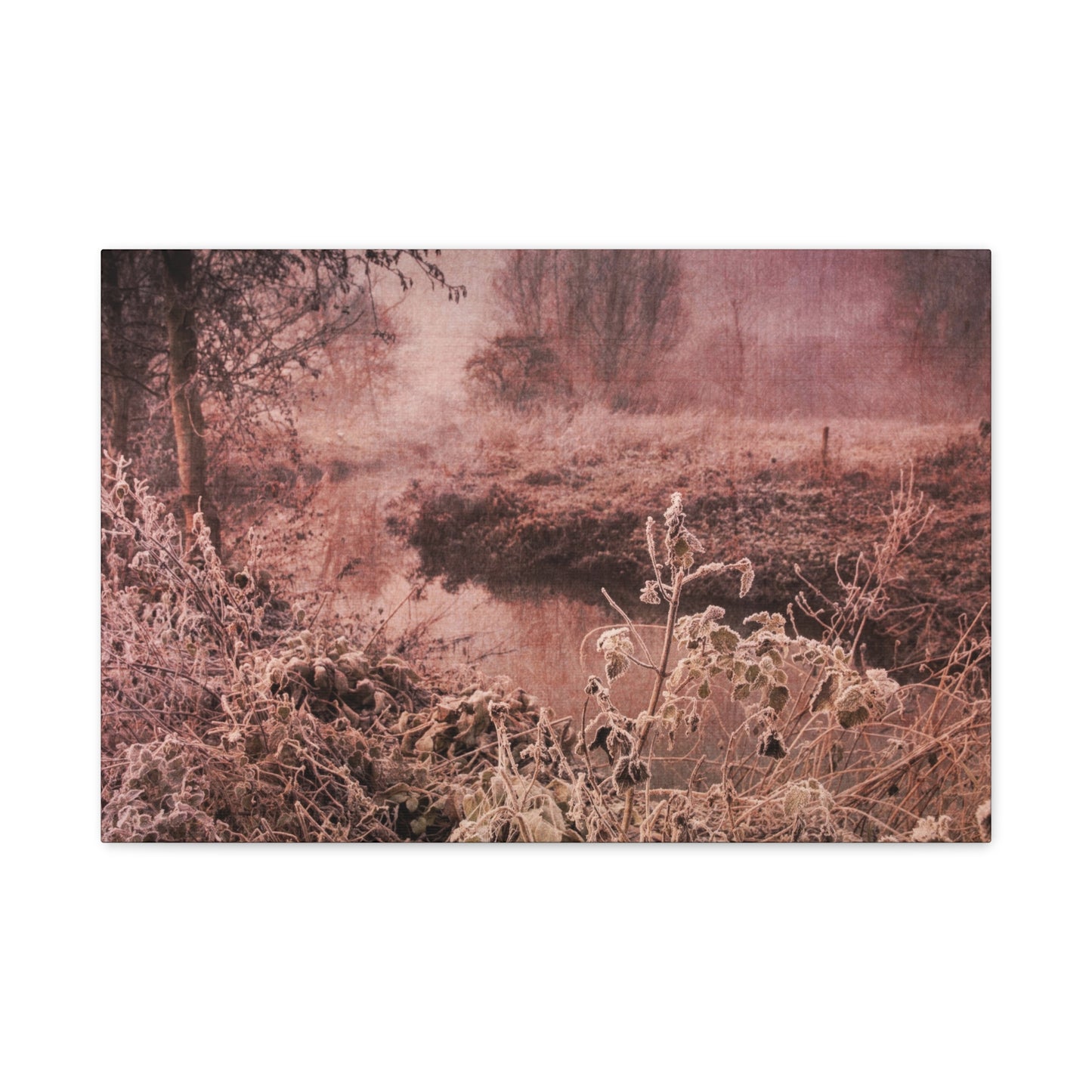
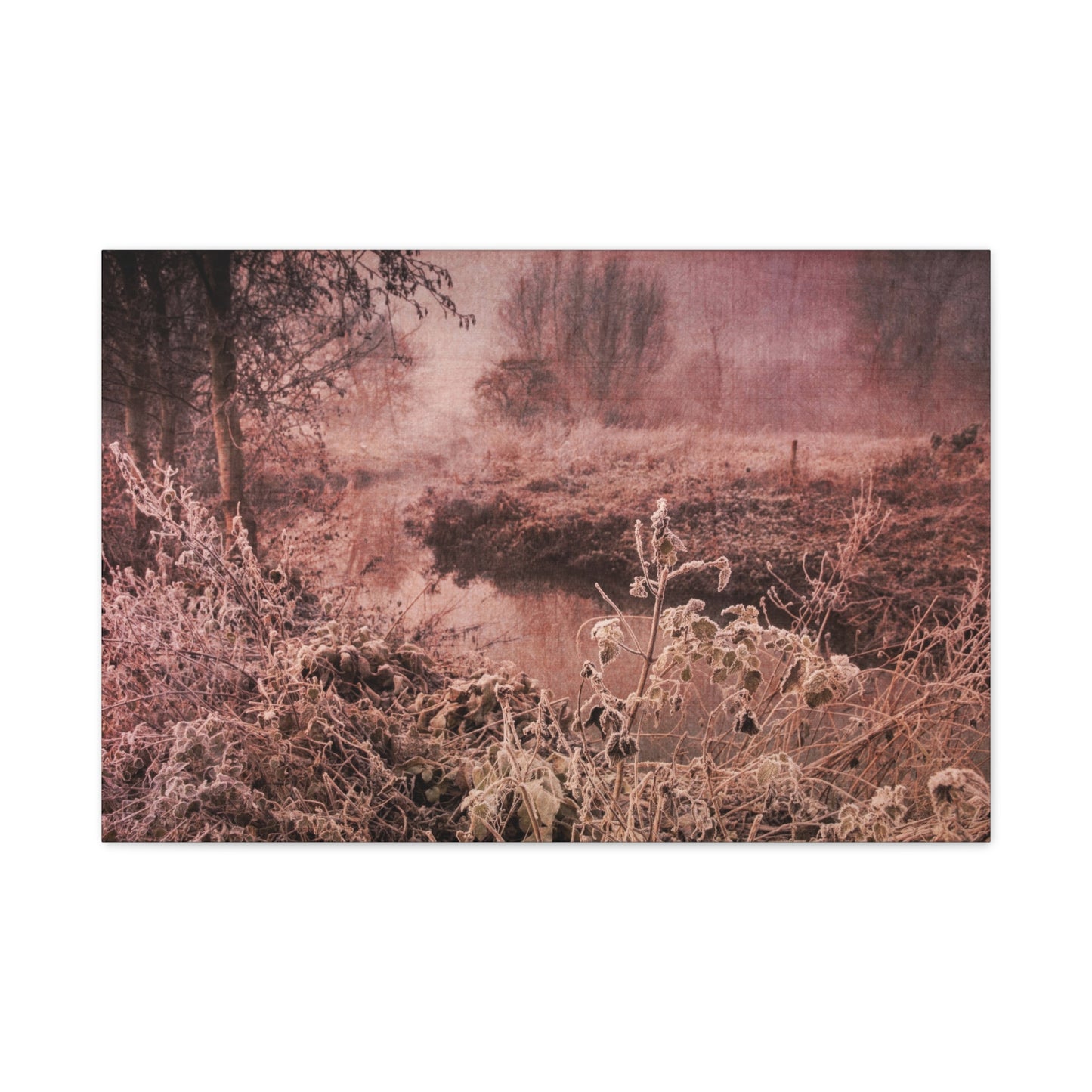
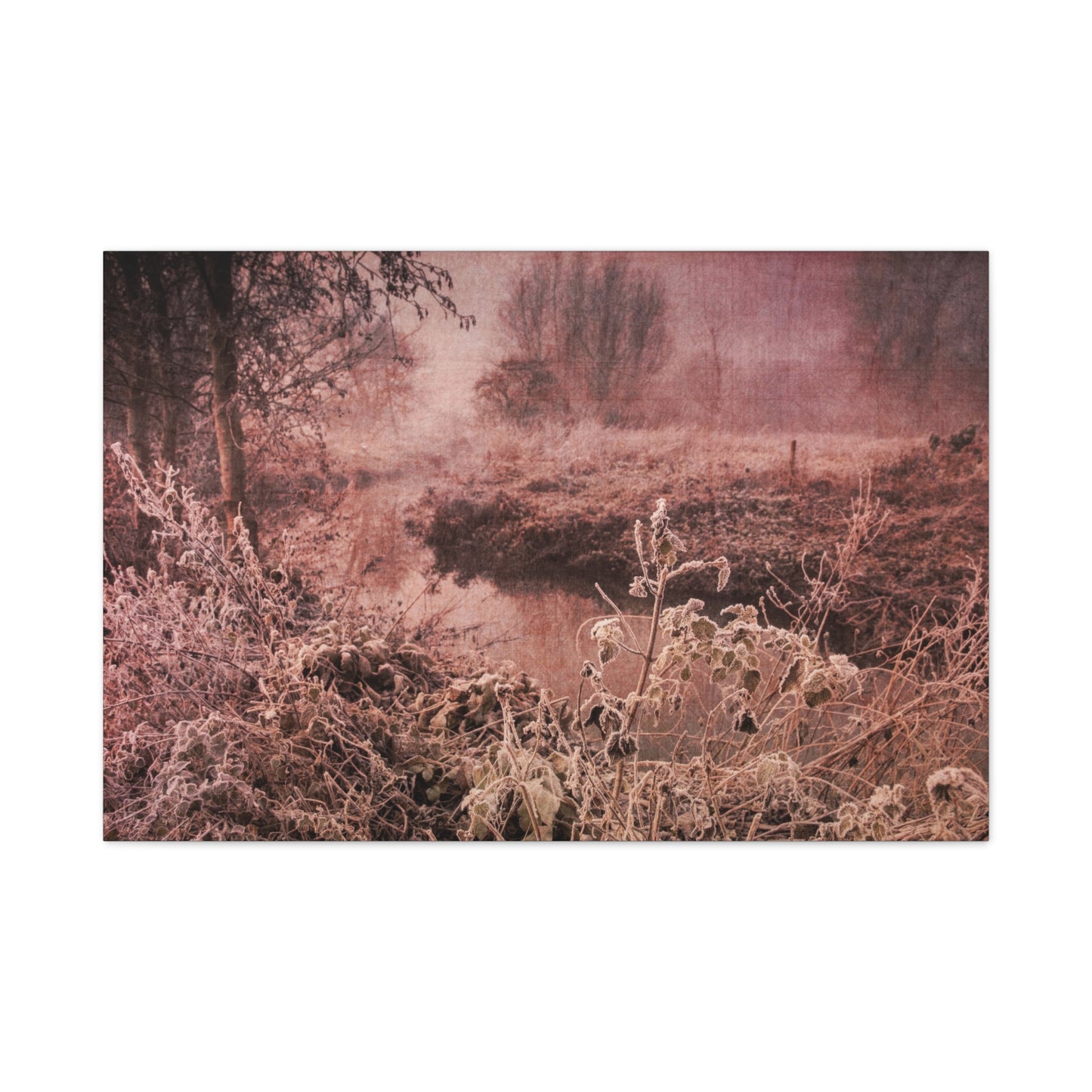
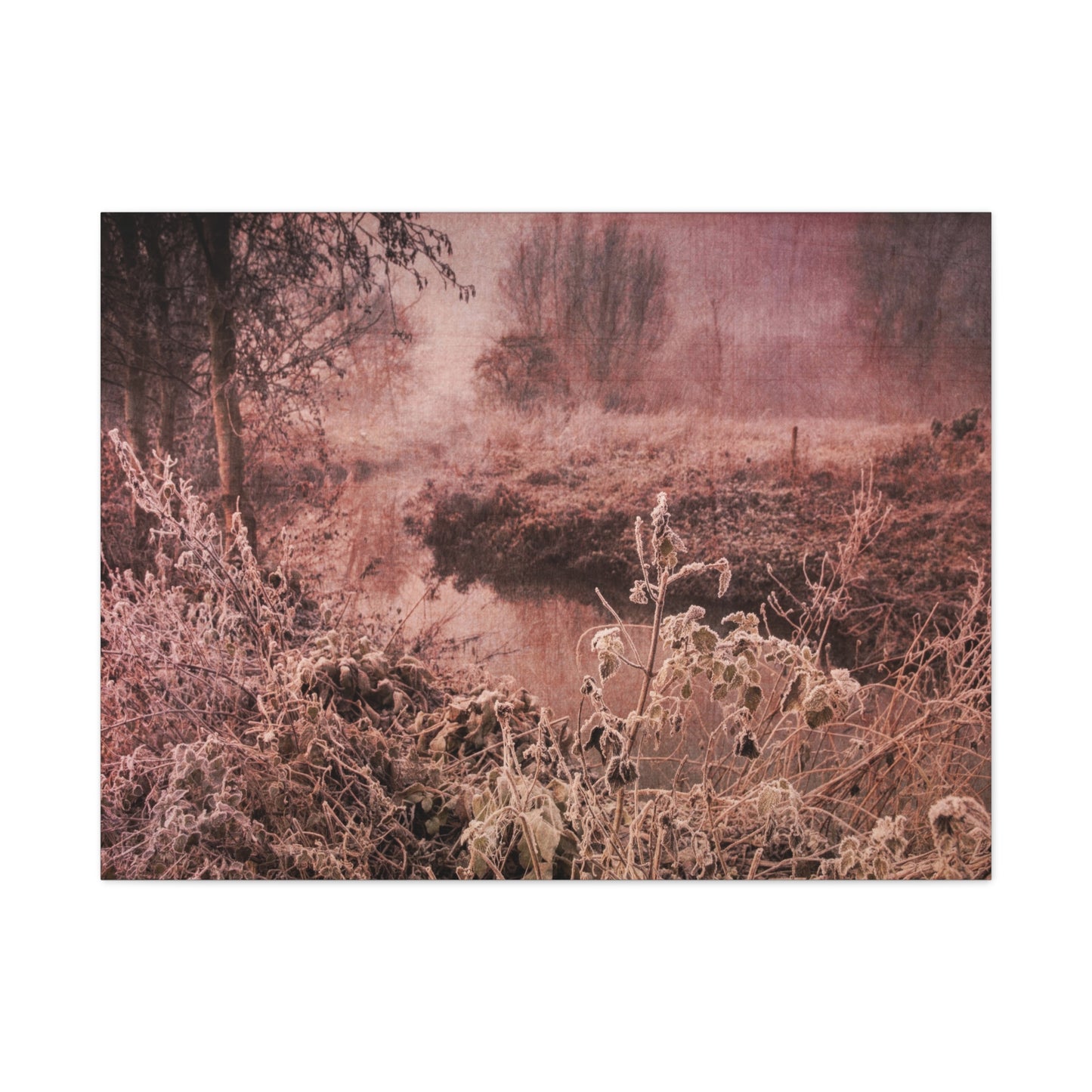
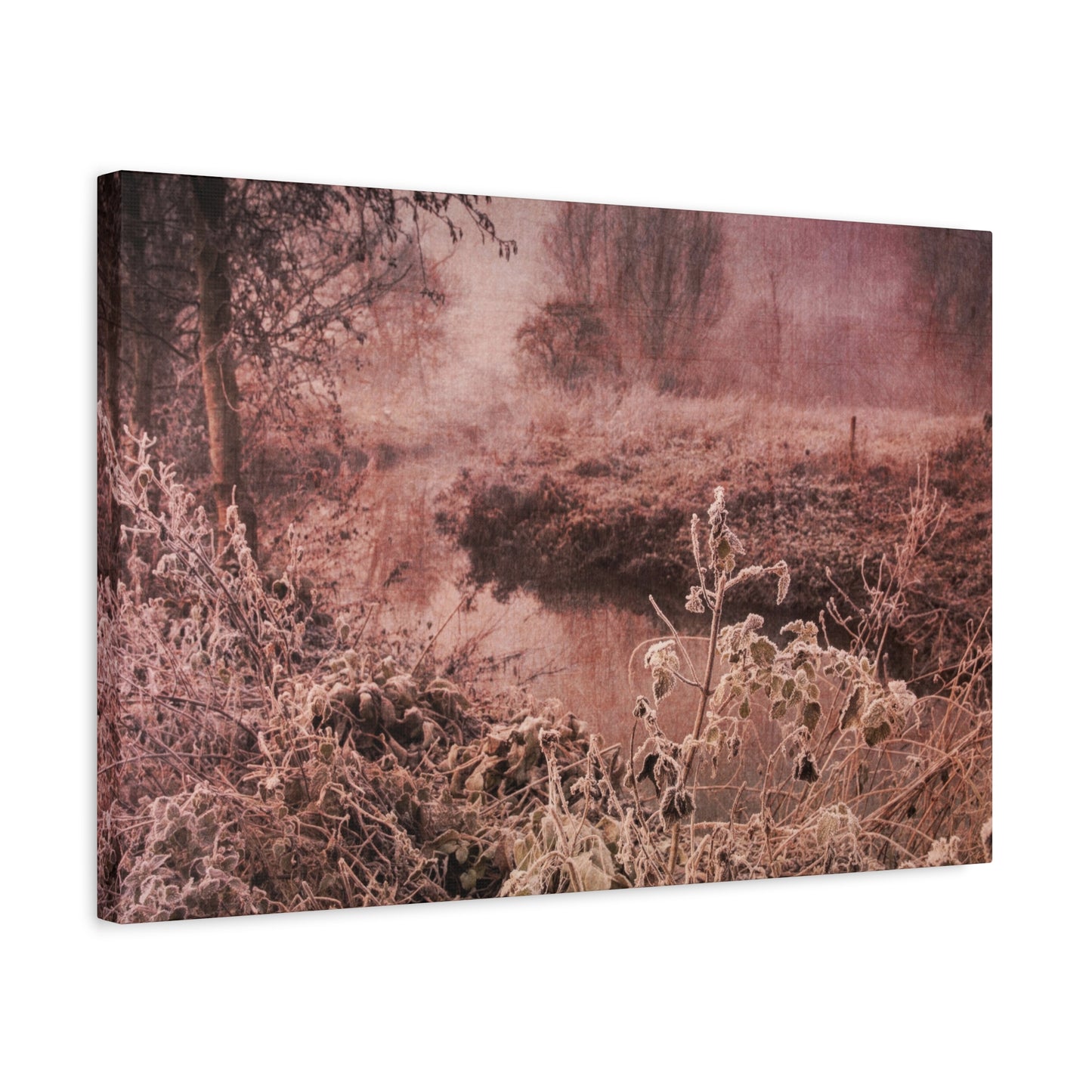
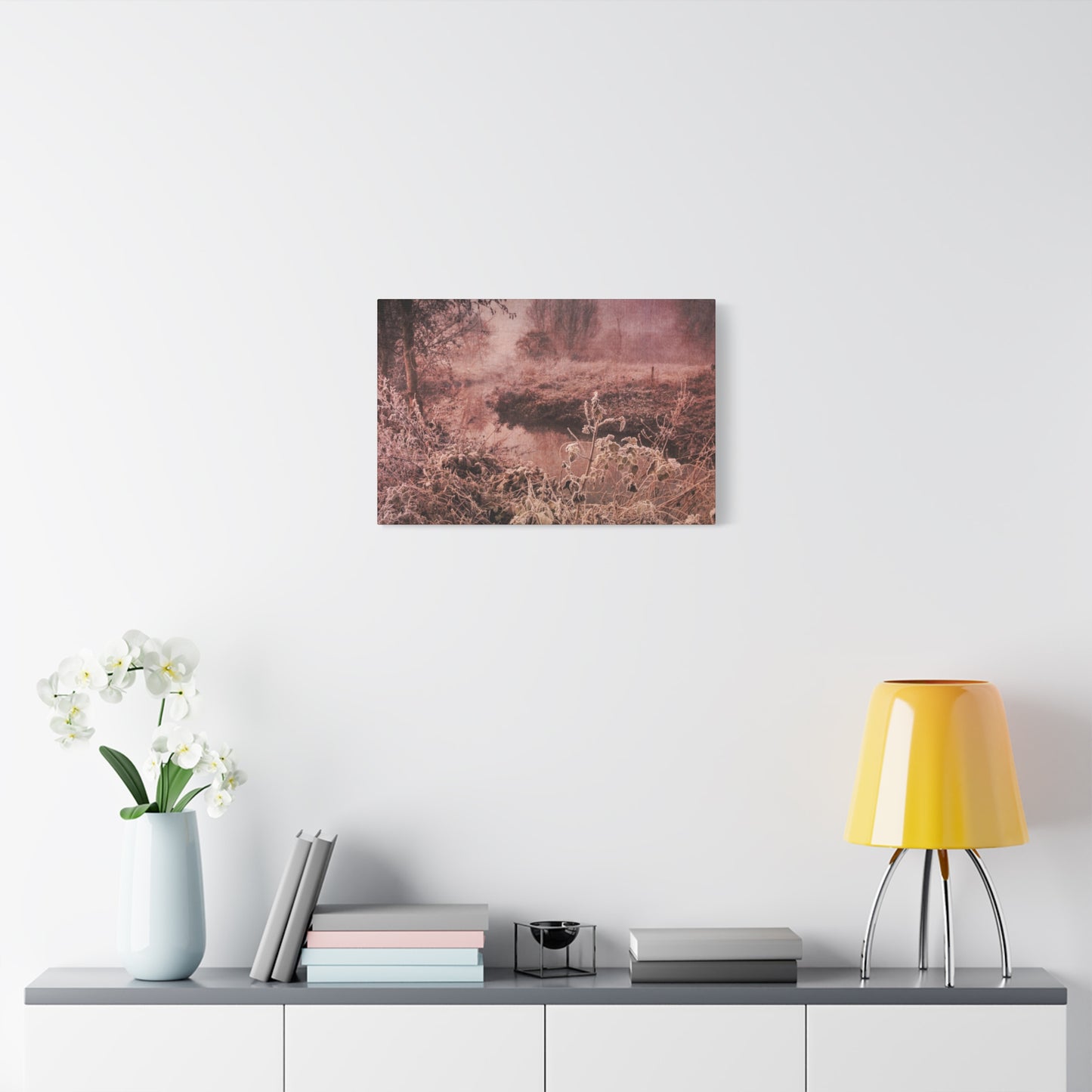
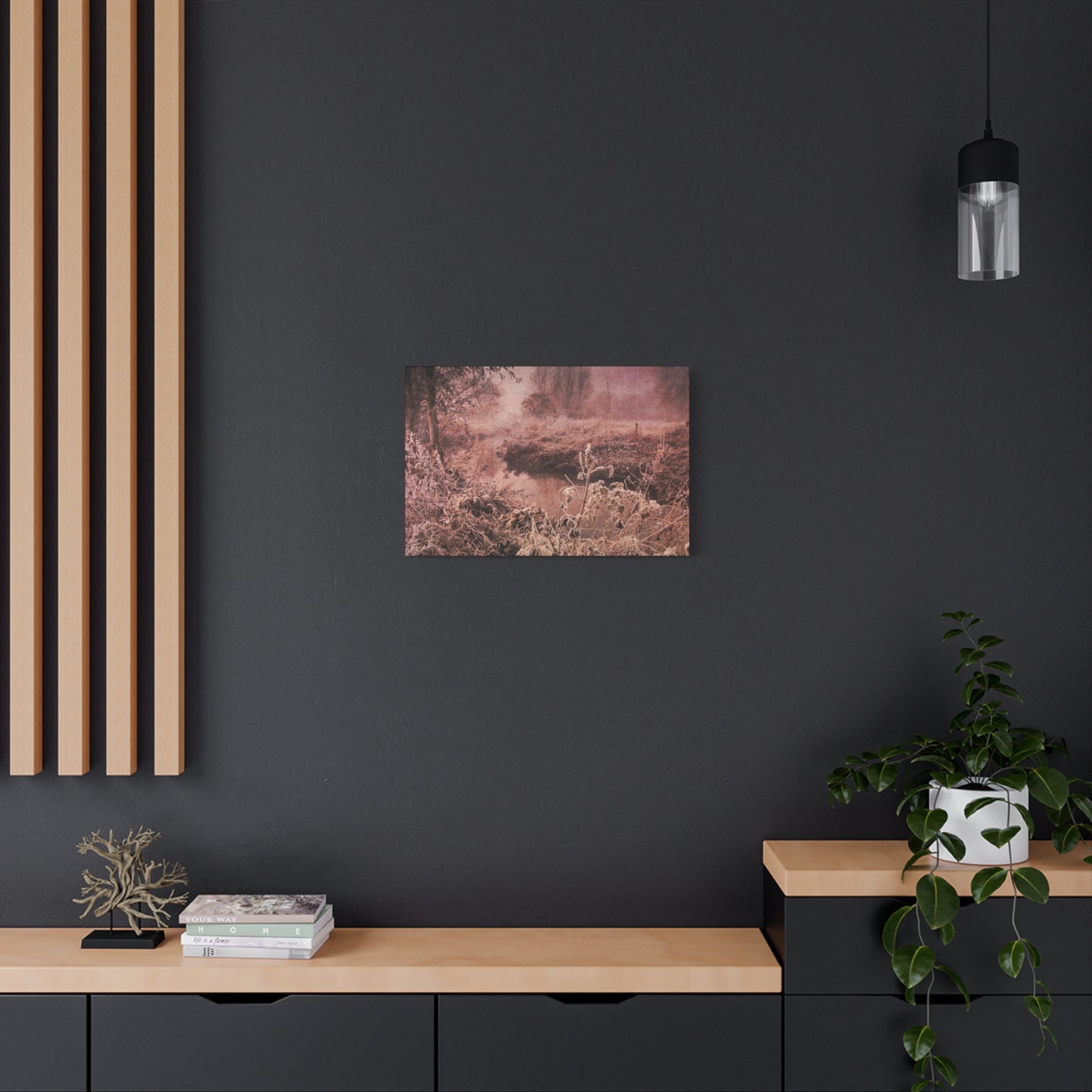
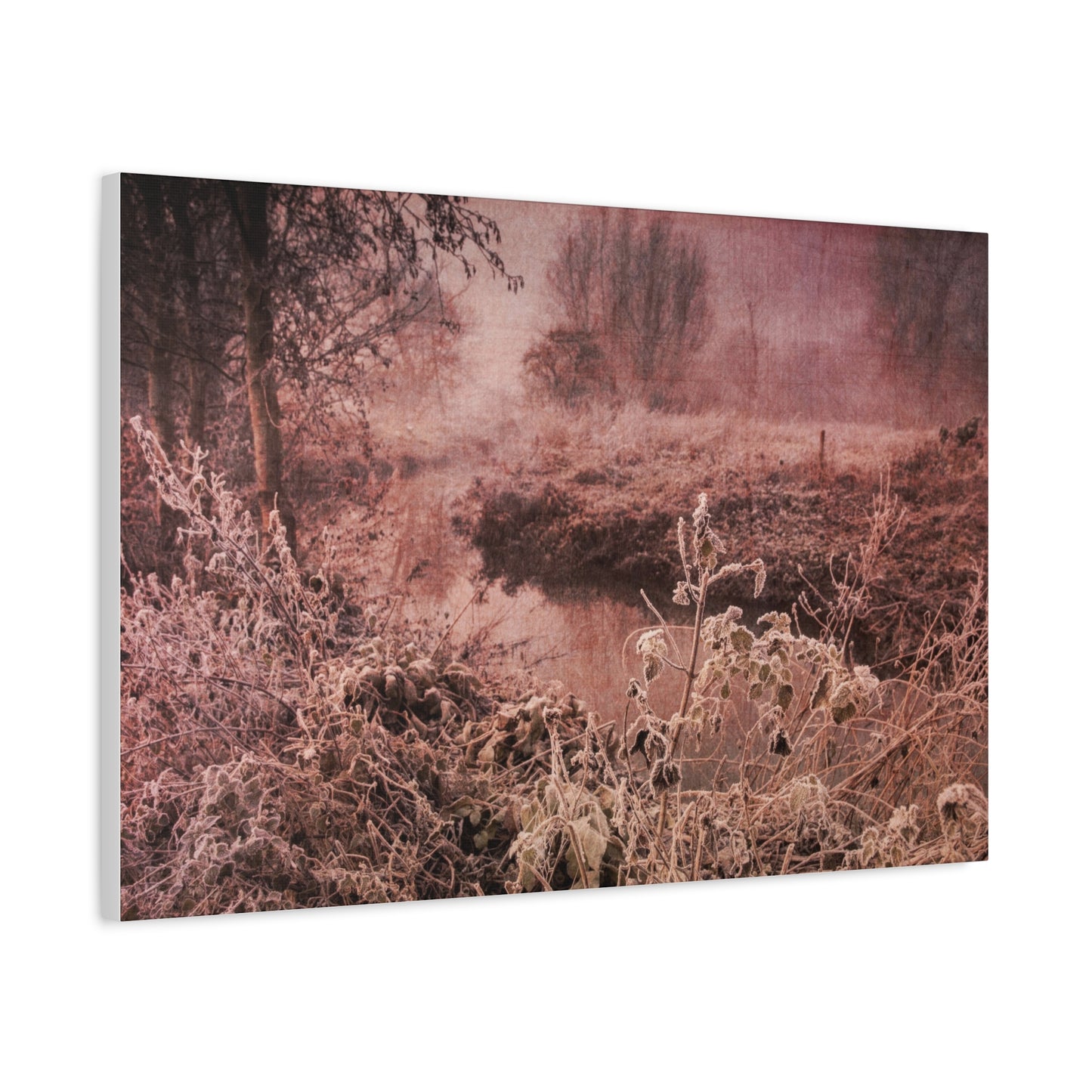
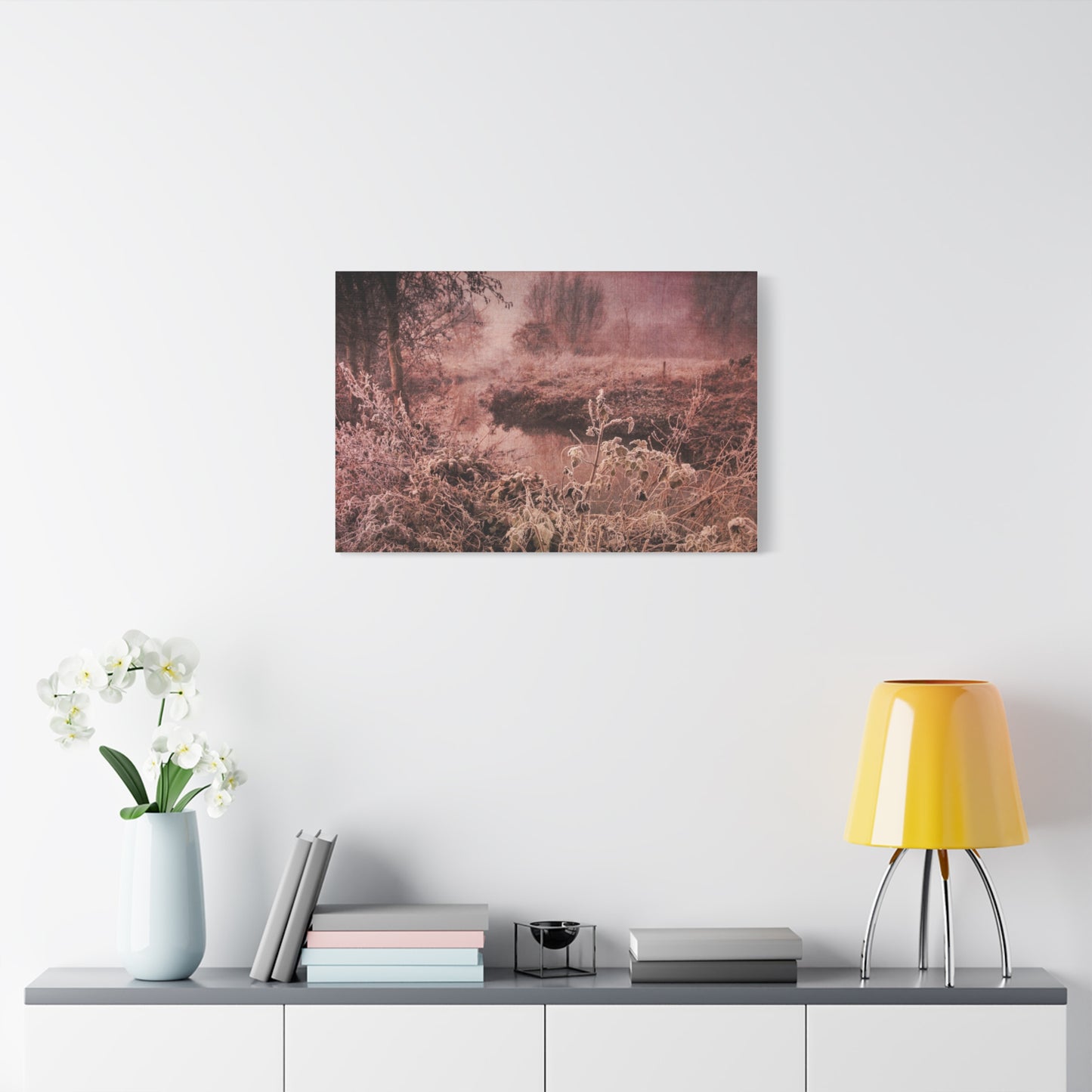
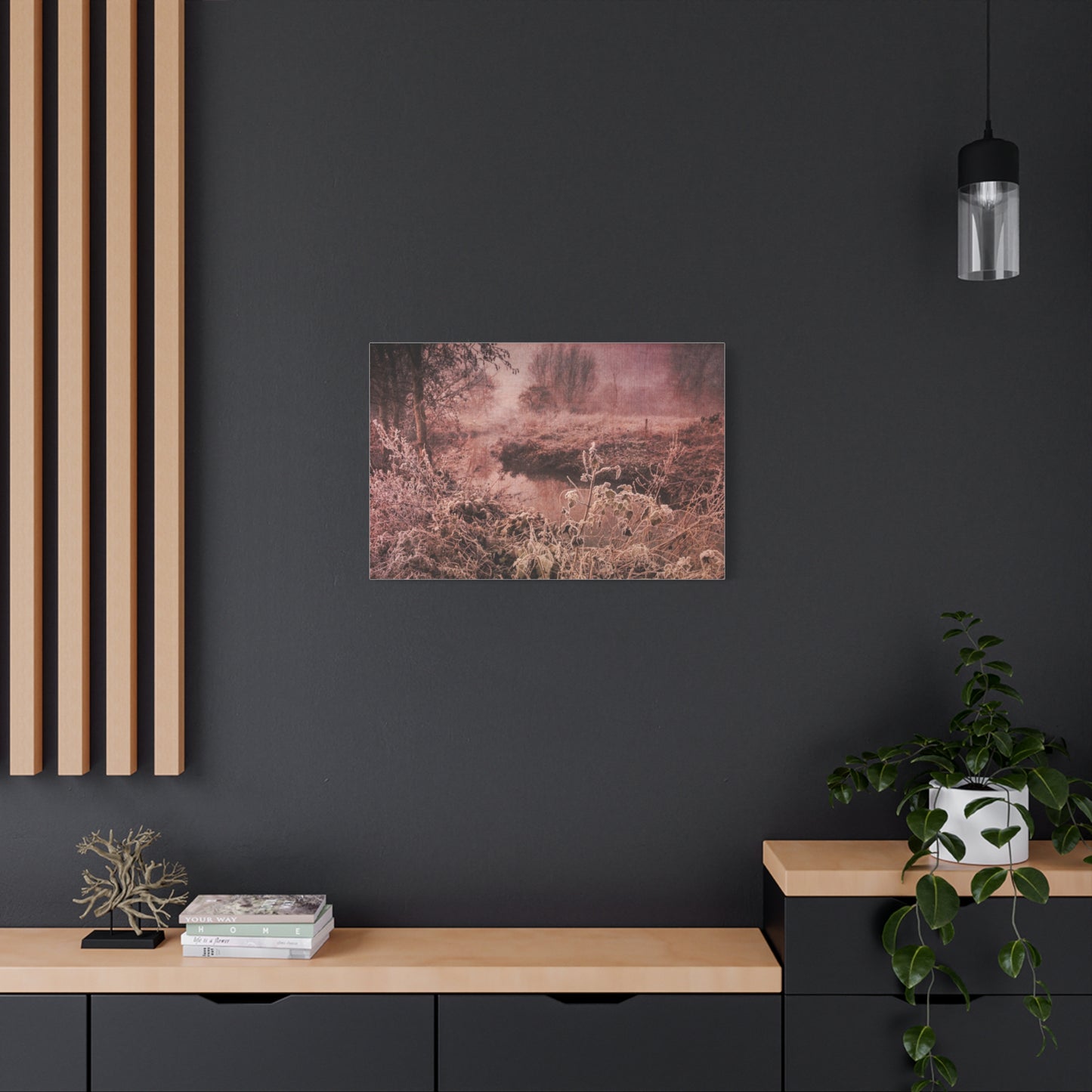
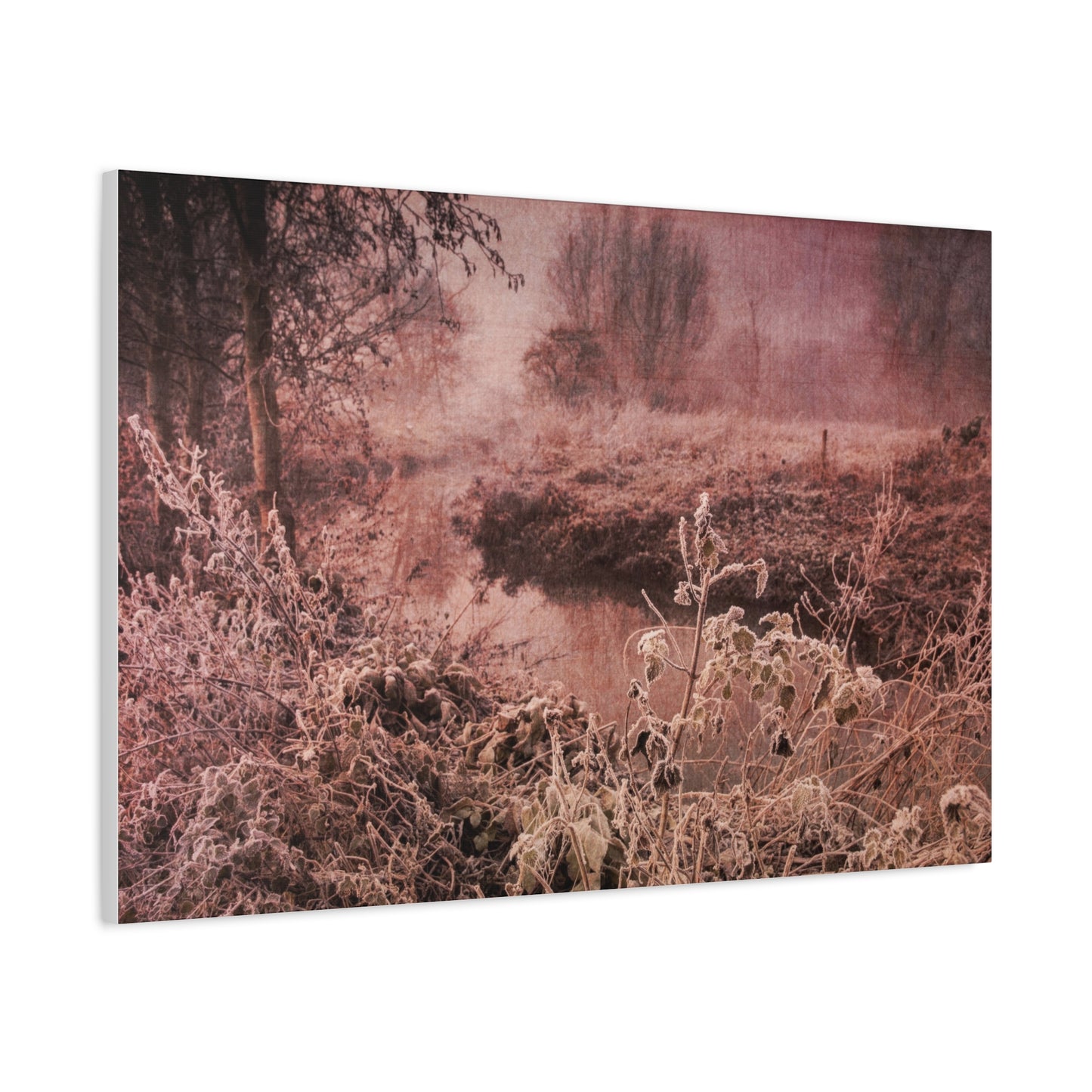
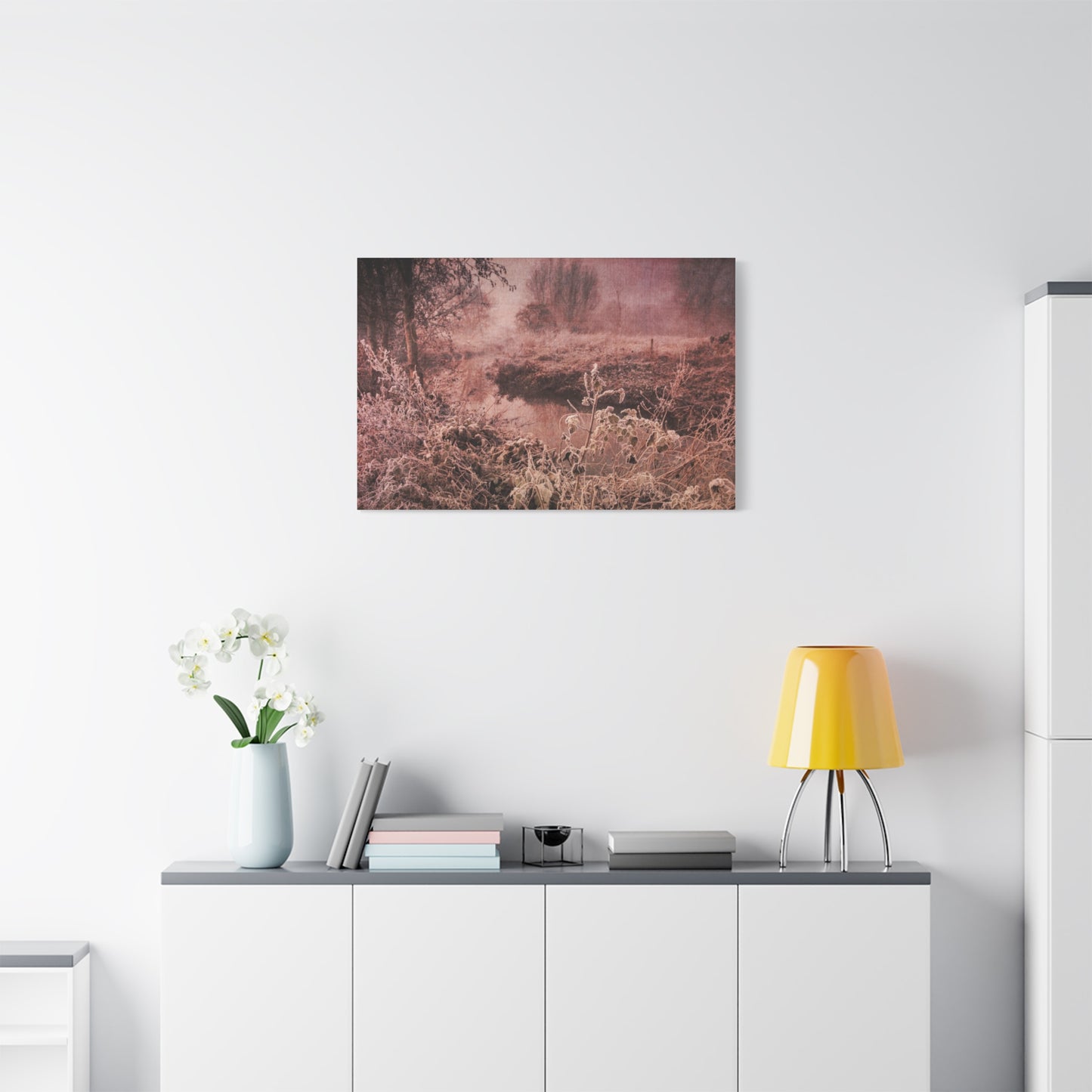
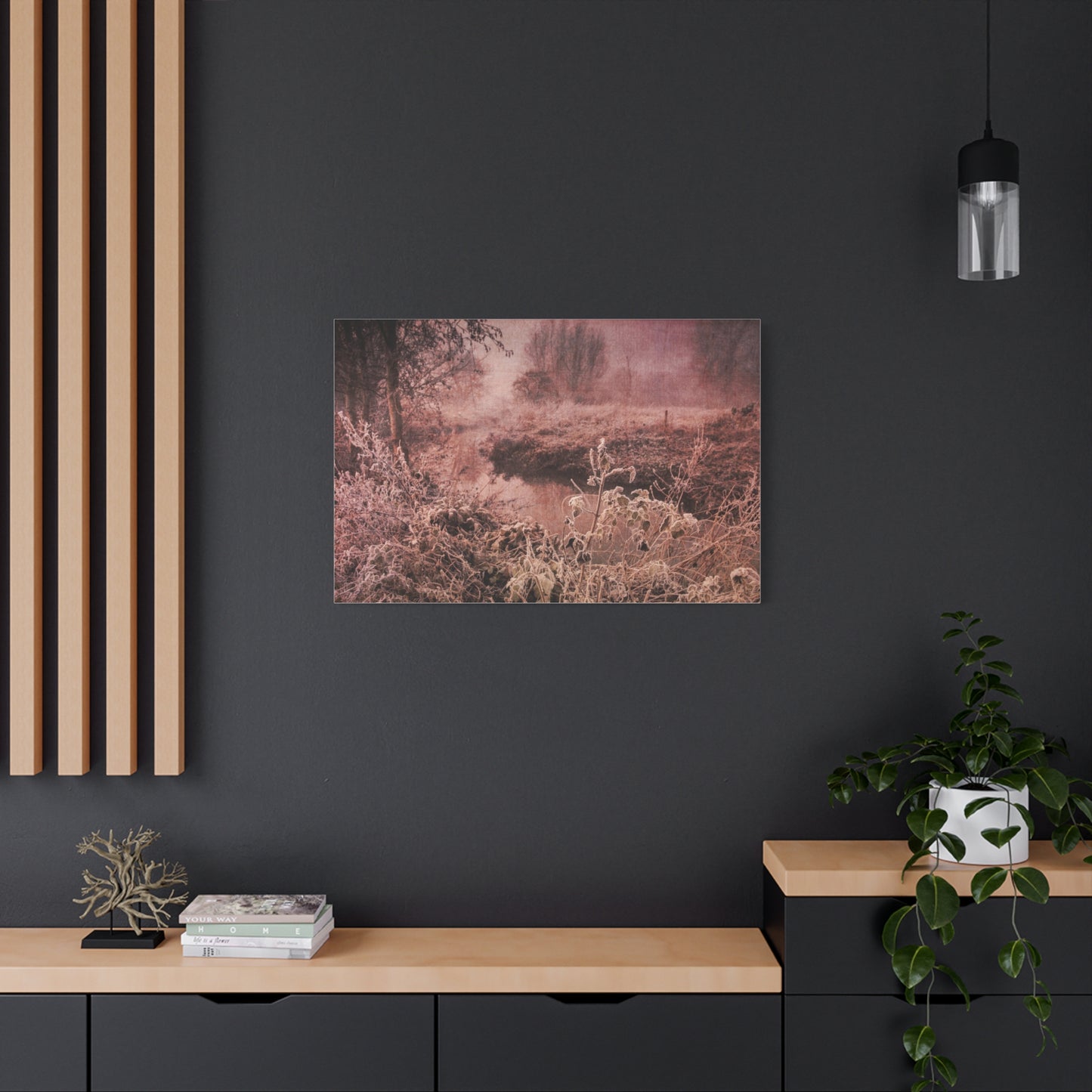
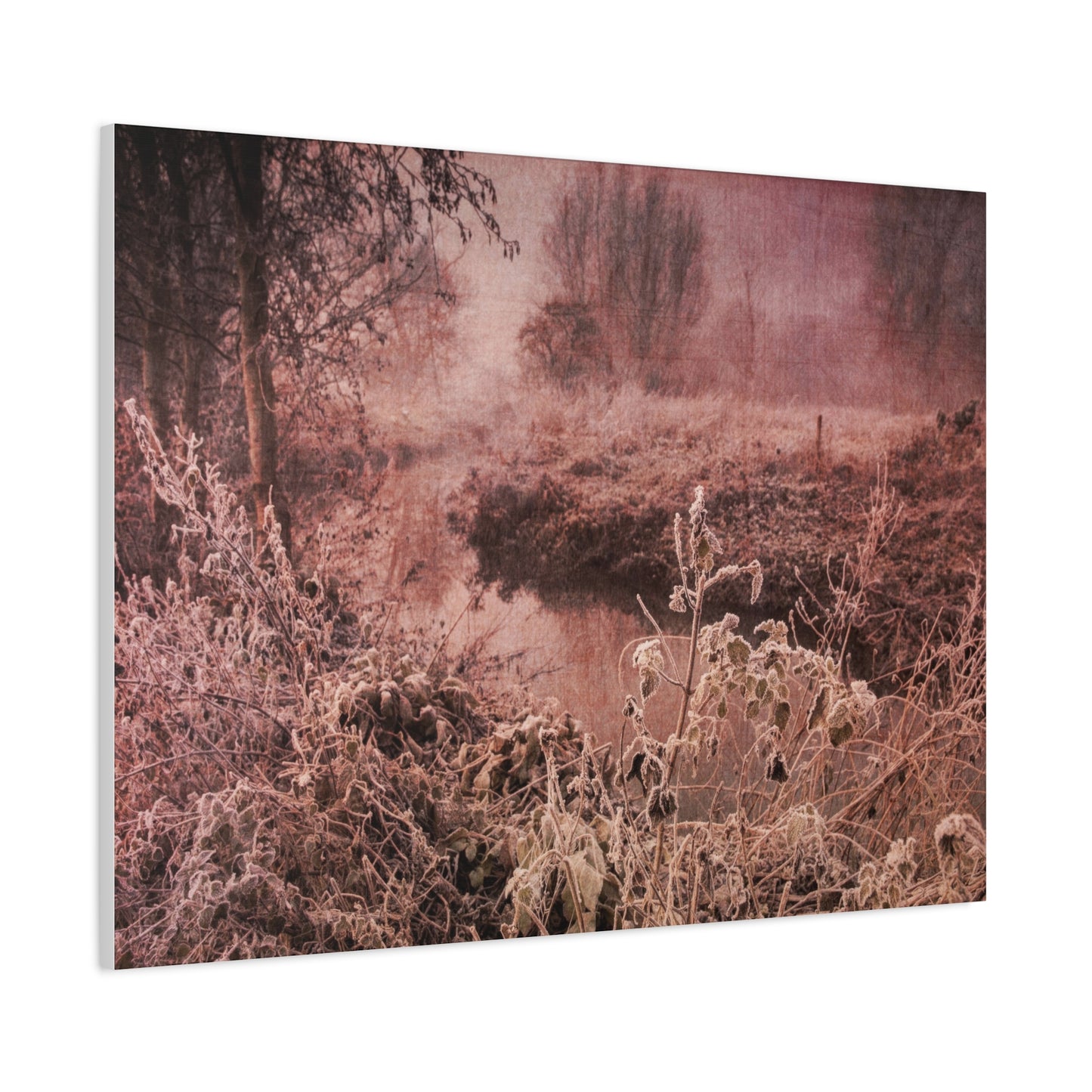
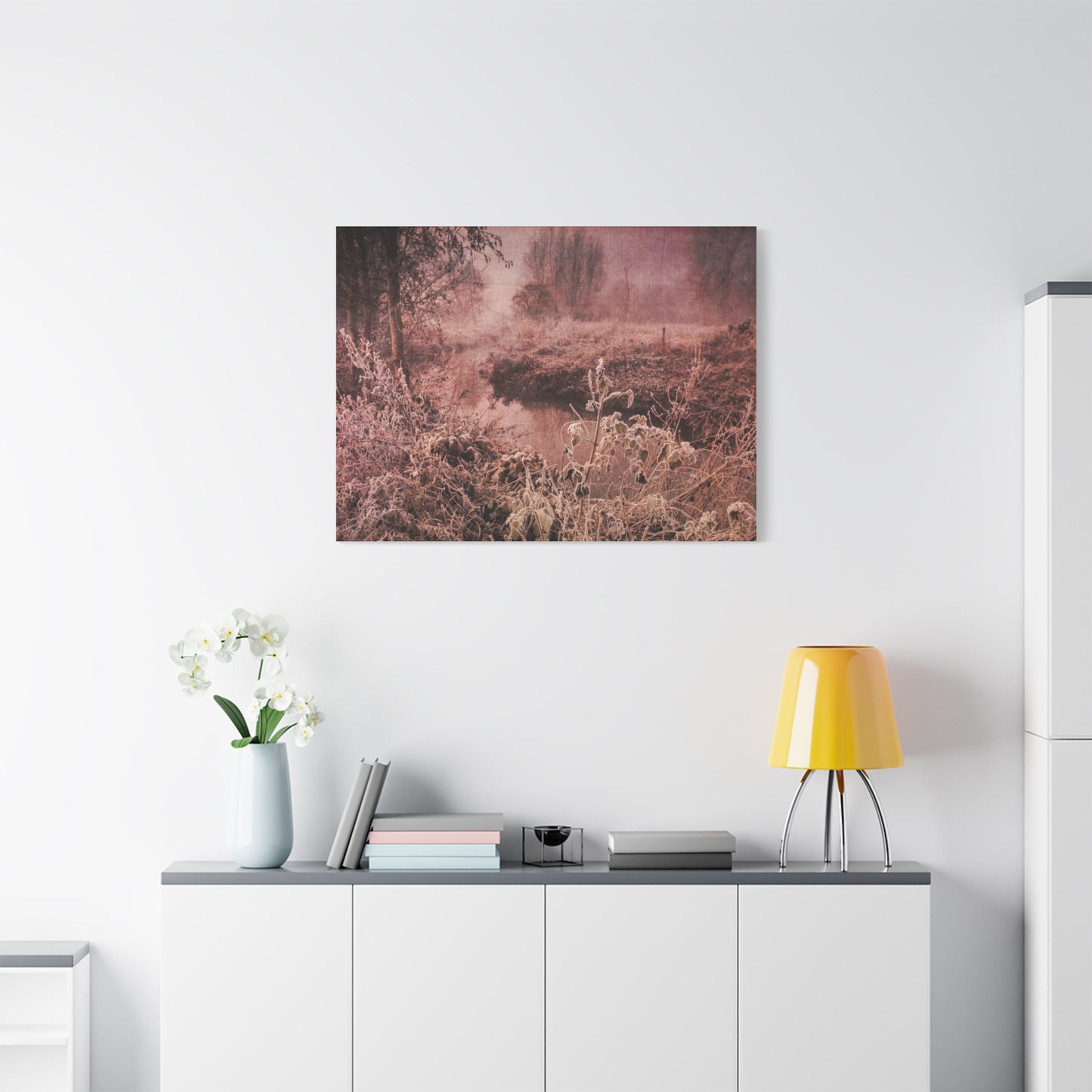
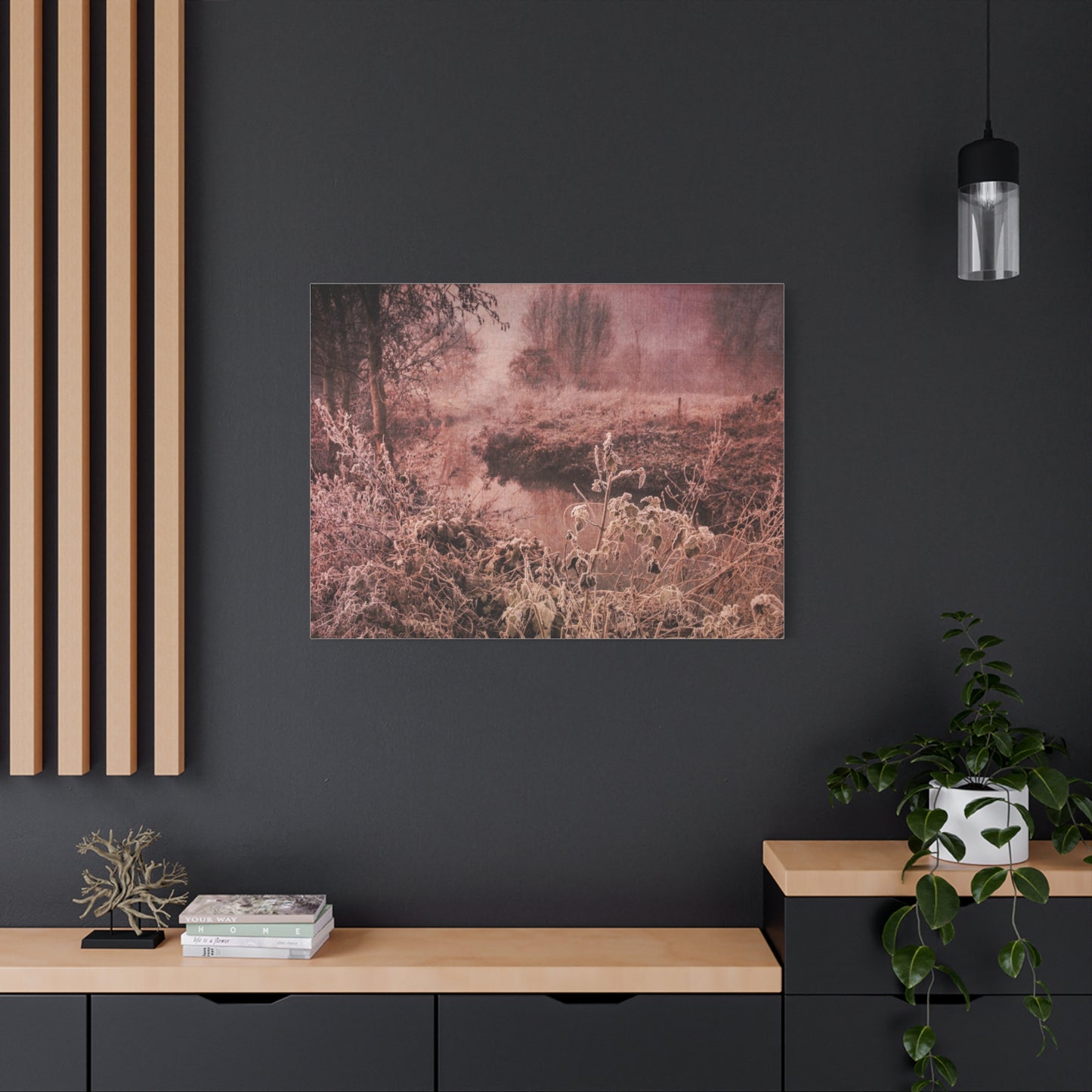
Frosty Dawn Wall Art: Capturing the First Light of Winter
Winter mornings hold a unique magic that transforms ordinary landscapes into breathtaking scenes of natural artistry. The delicate interplay between emerging daylight and crystalline frost creates moments of pure visual poetry that have inspired artists and homeowners alike to bring these ephemeral beauties into their living spaces. Decorative pieces that showcase these pristine morning moments have become increasingly sought after by those who appreciate the quiet elegance of seasonal transitions and the profound sense of peace they evoke.
The appeal of winter morning artwork extends beyond mere aesthetic pleasure. These pieces serve as daily reminders of nature's capacity for renewal and the serene beauty that exists in the stillness of early hours. When dawn breaks over frost-covered terrain, the world seems to pause in reverent silence, and capturing this moment in visual form allows us to carry that tranquility into our everyday environments. The subtle color palettes, ranging from soft blues and silvers to warm peachy tones that kiss the horizon, create an atmosphere of sophisticated calm that complements contemporary interior design philosophies.
Homeowners and interior designers have discovered that incorporating winter morning imagery into residential and commercial spaces offers a versatile solution for creating focal points that neither overwhelm nor fade into insignificance. The inherent balance found in these natural scenes translates beautifully to wall displays, providing visual interest while maintaining an air of understated refinement. Whether displayed in bedrooms to encourage restful contemplation, in living areas to foster conversation, or in office spaces to promote focused creativity, these artistic representations of winter's first light serve multiple functional and emotional purposes.
The craftsmanship involved in producing high-quality reproductions of frosty morning landscapes has evolved significantly with advances in printing technology and materials science. Modern production methods allow for remarkable fidelity to the original artistic vision, preserving subtle gradations in tone and texture that might have been lost with earlier reproduction techniques. This technological progress means that even those without access to original paintings or photographs can enjoy museum-quality representations of winter's ethereal beauty in their own homes.
Understanding the various approaches to depicting winter morning scenes helps consumers make informed decisions when selecting pieces for their spaces. Some artists favor photographic realism, capturing every crystalline detail with precision and clarity. Others embrace impressionistic techniques that prioritize mood and emotional resonance over literal representation. Still others blend these approaches, creating hybrid works that balance recognizable elements with artistic interpretation. Each style offers distinct advantages depending on the intended display environment and the emotional response desired.
The psychological impact of surrounding oneself with imagery of peaceful winter mornings should not be underestimated. Research in environmental psychology has demonstrated that exposure to nature scenes, even in representational form, can reduce stress levels, lower blood pressure, and improve overall mood. The specific qualities of winter morning imagery, with its associations of fresh starts, purity, and calm, may offer additional benefits by encouraging mindfulness and providing a visual anchor during busy or stressful days.
As we explore the many facets of winter morning wall decorations throughout this comprehensive guide, we will examine not only the aesthetic and decorative aspects but also the practical considerations of selection, placement, and care. From understanding color theory and spatial dynamics to exploring the cultural significance of winter imagery across different traditions, this exploration aims to provide readers with the knowledge needed to confidently incorporate these beautiful pieces into their living and working environments.
Serene Morning Landscapes on Canvas
Canvas reproductions of tranquil winter morning scenes represent one of the most popular mediums for bringing the beauty of frosty dawns into interior spaces. The texture inherent in canvas material adds dimensional interest that flat paper prints cannot match, creating subtle shadows and highlights that change with ambient lighting throughout the day. This dynamic quality means that a canvas piece reveals different aspects of itself as natural light shifts, much like the actual landscape transforms during the progression from predawn darkness through the full emergence of morning light.
The process of transferring photographic or painted images onto canvas involves sophisticated printing techniques that preserve the integrity of colors while accounting for the absorbent and textured nature of the fabric. High-quality canvas prints utilize pigment-based inks rather than dye-based alternatives, ensuring greater longevity and resistance to fading when exposed to indirect sunlight. The canvas itself typically consists of cotton, polyester, or a blend of both materials, each offering distinct characteristics in terms of texture, weight, and how they accept and hold ink.
Mounting options for canvas pieces provide flexibility in presentation style. Gallery-wrapped canvases extend the image around the edges of the wooden frame, eliminating the need for traditional framing and creating a contemporary, streamlined appearance. This approach works particularly well with winter morning scenes because it allows the imagery to float against the wall, emphasizing the ethereal quality of the subject matter. Alternatively, traditionally framed canvas pieces offer opportunities to coordinate with existing décor through frame selection, though care must be taken to ensure the frame enhances rather than distracts from the subtle beauty of the artwork itself.
The scale of canvas pieces significantly influences their impact within a room. Large-format canvases depicting expansive winter landscapes can serve as commanding focal points, drawing the eye and establishing the emotional tone for an entire space. These statement pieces work especially well in rooms with high ceilings or extensive wall space where smaller artworks might appear lost or insignificant. Conversely, smaller canvas pieces or collections of multiple canvases in complementary compositions allow for more flexible arrangements and can be particularly effective in creating gallery walls or intimate groupings.
One advantage of canvas over other mediums lies in its relative durability and ease of maintenance. Unlike paper prints that require protective glazing, canvas pieces typically need only occasional dusting with a soft, dry cloth to maintain their appearance. The absence of glass also eliminates concerns about glare or reflections that might obscure the image under certain lighting conditions. This practical consideration becomes especially relevant in rooms with abundant natural light or when positioning artwork opposite windows.
The tactile quality of canvas contributes to its appeal beyond purely visual considerations. The slight give of stretched canvas, the subtle tooth of the fabric surface, and the dimensional quality created by the stretcher bars all add sensory interest that engages viewers on multiple levels. This multi-sensory engagement can deepen the emotional connection viewers feel toward the piece, transforming it from mere decoration into a meaningful component of the living environment.
When selecting canvas reproductions of winter morning landscapes, attention to the quality of both the image source and the production process yields the best results. High-resolution source images ensure that even large-format prints maintain clarity and detail, while professional-grade printing equipment and materials guarantee accurate color reproduction and longevity. Reputable producers typically offer information about their processes, materials, and warranties, providing transparency that helps consumers make informed purchasing decisions.
Frosty Dawn: Elegant Wall Décor for Modern Interiors
Contemporary interior design increasingly embraces the principle of bringing natural elements indoors, recognizing the psychological and aesthetic benefits of connecting living spaces with the external world. Winter morning artwork aligns perfectly with this philosophy, offering a refined interpretation of natural beauty that complements modern design sensibilities. The clean lines, uncluttered compositions, and restrained color palettes characteristic of frosty dawn imagery harmonize effortlessly with the minimalist and Scandinavian-influenced styles that dominate current design trends.
Modern interiors often feature neutral color schemes that provide a calm, sophisticated backdrop for daily life. Winter morning artwork enhances these spaces without disrupting their carefully balanced aesthetic. The soft blues, grays, whites, and occasional warm accents found in dawn landscapes echo and reinforce the neutral tones prevalent in contemporary furnishings and finishes. This color harmony creates visual cohesion that makes spaces feel intentionally designed rather than haphazardly decorated.
The concept of negative space, central to modern design philosophy, finds natural expression in winter landscape imagery. Scenes of open, frost-covered fields or minimally detailed horizons embrace emptiness as a design element rather than viewing it as space that requires filling. This alignment with modernist principles makes frosty dawn artwork particularly suitable for interiors where simplicity and breathing room are valued over ornate detail and visual density.
Lighting plays a crucial role in how winter morning artwork integrates with modern interiors. These spaces often feature carefully planned lighting schemes that include ambient, task, and accent lighting working in concert to create flexible, adaptable environments. Strategic placement of directional lighting to illuminate canvas pieces can dramatically enhance their visual impact while contributing to the overall lighting design of the room. The interplay between artificial light and the subtle tones of winter imagery can create stunning effects that change throughout the day and evening.
Material authenticity matters deeply in modern design, where genuine wood, metal, stone, and natural fibers are preferred over imitations and synthetic alternatives. This preference extends to wall decorations, where canvas on wooden stretcher bars or metal frames aligns with the broader material palette of contemporary spaces. The honest simplicity of these presentation methods resonates with the modern aesthetic's emphasis on transparency and integrity in materials and construction.
Open floor plans characteristic of modern homes present unique opportunities and challenges for artwork placement. Without the defined room boundaries of traditional architecture, visual continuity across connected spaces becomes important. Winter morning artwork can serve as a unifying element that ties together different functional areas within an open layout. Selecting multiple pieces from a coordinated collection or choosing a single large-format work visible from multiple vantage points helps maintain visual coherence across the flowing space.
The integration of technology in modern homes need not conflict with nature-inspired artwork. In fact, the organic forms and natural color palettes of winter landscapes provide welcome visual relief from the hard edges and glowing screens of digital devices. Positioning artwork where it can be easily viewed during breaks from screen time encourages moments of visual rest and mental refreshment, supporting the growing awareness of the need for digital detox practices.
Sustainability considerations increasingly influence purchasing decisions in modern households. Consumers committed to environmental responsibility seek artwork produced using eco-friendly methods and materials. Canvas prints produced with water-based inks, sustainably sourced stretcher bars, and minimal packaging appeal to this conscientious demographic. The timeless quality of winter morning imagery also supports sustainability by avoiding trendy motifs that quickly feel dated, ensuring that pieces remain relevant and cherished for years rather than requiring frequent replacement to stay current.
Subtle Hues of Winter Morning in Canvas Prints
Color selection profoundly influences the mood and impact of any decorative element, and winter morning artwork showcases a particularly nuanced and sophisticated palette. Understanding the psychological and aesthetic effects of these subtle hues helps in selecting pieces that will achieve desired emotional responses while complementing existing interior color schemes. The restrained yet complex color relationships found in dawn landscapes offer lessons in how limited palettes can create rich, satisfying visual experiences.
Cool tones dominate many winter morning scenes, with various shades of blue ranging from deep navy in shadows to pale ice blue in highlighted areas. These blues evoke feelings of calm, tranquility, and spaciousness, making them ideal for spaces intended for rest, contemplation, or focused work. The cooling effect of blue tones can also make rooms feel slightly larger and more open, a valuable quality in smaller spaces or rooms with limited natural light.
Gray serves as a versatile neutral in winter imagery, appearing in countless variations from warm pewter tones to cool silver shades. Far from being dull or lifeless, these grays provide sophisticated elegance and allow other colors to emerge with greater clarity. The neutrality of gray makes it exceptionally easy to coordinate with existing décor, while its variety prevents monotony and adds visual interest through subtle gradations.
White and near-white tones represent purity, cleanliness, and the pristine quality of fresh snow or heavy frost. In artwork, these lightest values create luminosity and draw the eye, often serving to emphasize the sense of emerging light that defines dawn imagery. The interplay between white and slightly warmer or cooler off-white shades adds depth and prevents the flatness that might result from a single uniform tone.
Warm accents provide crucial counterpoint to the predominantly cool palette of winter morning scenes. The golden, peach, and rose tones that appear along the horizon as the sun rises introduce energy and optimism to compositions. These warm touches prevent coldness from becoming sterile and remind viewers of the promise inherent in each new day. Even minimal amounts of warm color can dramatically shift the emotional tenor of a piece, adding hope and vitality to otherwise serene compositions.
Earth tones appear in winter landscapes through exposed tree trunks, dried grasses, fence posts, and other elements that punctuate snowy expanses. These browns, tans, and muted ochres ground compositions and provide visual anchors that prevent scenes from feeling too ethereal or disconnected from physical reality. The inclusion of these natural browns also facilitates coordination with wood furniture and flooring common in many homes.
The concept of color temperature extends beyond simply categorizing hues as warm or cool. Within the cool range of winter morning palettes, variations in temperature create subtle shifts in mood and atmosphere. A scene dominated by blue-grays with violet undertones feels different from one featuring grays with greenish or tawny casts. These nuances, while sometimes operating below the threshold of conscious awareness, significantly impact how viewers respond emotionally to artwork.
Saturation levels in winter morning imagery typically remain moderate to low, contributing to the sophisticated, understated quality that makes these pieces so versatile. Highly saturated colors demand attention and can quickly dominate a space, while desaturated tones allow for contemplation and create opportunities for other design elements to share the visual stage. The muted quality of frosty dawn palettes means they coexist peacefully with a wide range of accent colors in furnishings and accessories.
Understanding color theory principles helps in anticipating how winter morning artwork will interact with existing room colors. Complementary colors, which sit opposite each other on the color wheel, create dynamic tension when juxtaposed. A predominantly blue winter scene might gain added vibrancy when displayed near warm wood tones or rust-colored textiles. Analogous colors, which sit adjacent on the wheel, create harmonious, cohesive combinations. Multiple pieces sharing similar cool palettes can be grouped to create serene, unified displays.
Tranquil Frosty Landscapes for Living Spaces
Living rooms and family gathering spaces benefit enormously from the incorporation of peaceful winter imagery that promotes relaxation while stimulating pleasant conversation. These rooms serve multiple functions, from entertaining guests to providing refuge after demanding days, and the artwork displayed within them should support these varied purposes. Tranquil frost-covered landscapes offer the ideal balance of visual interest and calming influence needed in these multi-purpose environments.
Scale considerations become particularly important in living spaces, which often feature larger expanses of wall than bedrooms or bathrooms. A generously sized canvas depicting an expansive winter vista can command attention without overwhelming the room, especially when positioned above a sofa, fireplace mantel, or substantial piece of furniture. The horizontal orientation of many landscape compositions naturally complements the linear quality of sofas and console tables, creating pleasing geometric relationships.
Conversation areas benefit from artwork that provides talking points without demanding constant attention. Winter morning scenes strike this balance beautifully, offering enough visual complexity to reward sustained viewing while maintaining sufficient subtlety to fade into a pleasant background when attention shifts to social interaction. Guests often find themselves drawn to discuss the peaceful quality of such imagery, sharing their own experiences of winter mornings or expressing appreciation for the serenity the pieces evoke.
The relationship between artwork and furniture arrangements deserves careful consideration. Pieces positioned behind seating should hang at appropriate heights, typically with the center of the image at average eye level for seated viewers, approximately 42 to 48 inches from the floor. When artwork hangs above a sofa or credenza, leaving 6 to 12 inches of space between the furniture and the bottom of the frame creates proper visual separation while maintaining a clear relationship between the elements.
Color coordination between artwork and living space furnishings need not mean exact matching, which can appear contrived and overly coordinated. Instead, echoing tones or picking up accent colors creates sophisticated connections. If a winter landscape includes subtle peach tones in the sunrise, introducing pillows, throws, or other accessories in complementary warm shades strengthens the design cohesion. Similarly, if the painting features prominent blue tones, repeating those blues in smaller doses throughout the room ties the space together.
Living spaces often transition from daytime to evening use, with corresponding changes in lighting. Winter morning artwork responds beautifully to these shifts, revealing different qualities under various lighting conditions. During daylight hours, natural illumination brings out the subtle nuances in color and tone. As evening approaches and artificial lighting takes over, strategic accent lighting can create dramatic effects, casting the frost-covered landscape in an entirely different mood that feels appropriate for nighttime gatherings.
Multi-generational households particularly benefit from artwork selections that appeal across age ranges. The universal appreciation for natural beauty transcends generational preferences for specific artistic styles or cultural references. Winter landscapes offer imagery that children, adults, and seniors can all connect with, though perhaps for different reasons. This broad appeal makes such pieces wise investments for family homes where artwork should serve everyone's aesthetic needs.
Open-concept living areas present opportunities to use artwork as a tool for defining functional zones within continuous space. A substantial winter landscape piece can anchor a conversational seating area, visually separating it from adjacent dining or kitchen zones without requiring physical barriers. This space-defining function becomes especially valuable in contemporary homes where traditional walls have been eliminated in favor of flowing, flexible layouts.
Modern Wall Styling with Frosty Dawn Artwork
Contemporary wall styling approaches have evolved beyond the traditional single-picture-above-the-sofa formula, embracing more creative and personalized arrangements that reflect individual taste while respecting design principles. Winter morning artwork lends itself beautifully to various contemporary hanging strategies, from minimalist single-piece statements to carefully curated gallery walls that tell visual stories. Understanding current styling trends helps homeowners create displays that feel fresh and intentional rather than dated or arbitrary.
The single large-format piece approach aligns with minimalist principles and creates powerful visual impact through simplicity. A generously sized canvas depicting an expansive winter landscape needs little accompaniment, commanding attention through scale and the inherent beauty of the subject matter. This approach works particularly well in rooms with clean lines and uncluttered aesthetics where a single focal point provides necessary visual interest without contradicting the overall design philosophy.
Diptych and triptych arrangements split a single image or complementary images across multiple canvases, creating dynamic compositions that guide the eye across the wall surface. Winter morning scenes adapt well to this treatment, with the progression of dawn light naturally lending itself to sequential presentation. The spaces between panels add visual rhythm and prevent the composition from feeling too solid or heavy, while the coordinated imagery maintains cohesion across the installation.
Gallery wall arrangements allow for more eclectic combinations, mixing different sizes, orientations, and even complementary subject matter around a winter morning theme. This approach provides opportunities to incorporate personal photographs, meaningful mementos, and various artistic interpretations of seasonal beauty. The key to successful gallery walls lies in planning the arrangement before putting holes in walls, using paper templates or digital layout tools to visualize the final composition and ensure proper spacing and balance.
Asymmetrical arrangements have gained popularity as alternatives to formally balanced compositions, offering more relaxed, organic feels that suit contemporary sensibilities. When working with winter landscape imagery, asymmetry can be achieved by pairing a large horizontal piece with smaller vertical or square works positioned to one side, creating dynamic tension that draws the eye around the grouping. The calm subject matter of frosty dawn scenes prevents asymmetrical arrangements from feeling chaotic or unsettled.
Layering represents another contemporary styling technique, where artwork leans against walls on shelves, mantels, or console tables rather than hanging traditionally. This approach creates opportunities for seasonal rotation and easy rearrangement while adding dimensional interest through the physical depth of overlapping frames. Winter morning pieces in matching or coordinated frames can be layered to create sophisticated, collected-over-time appearances.
The concept of negative space applies to wall styling as much as to artwork composition itself. Resisting the urge to fill every available wall surface allows individual pieces to breathe and makes intentional design statements. A single beautiful winter landscape positioned with generous empty space surrounding it gains prominence and encourages viewers to appreciate its particular qualities rather than seeing it as just one element in a cluttered visual field.
Height variations in grouped artwork add interest and prevent monotony in multi-piece arrangements. When displaying several winter morning images together, staggering their vertical positions creates movement and energy while maintaining overall unity through the coordinated subject matter. This technique works especially well in hallways or on stairway walls where the natural progression of space supports varied hanging heights.
Lighting integration elevates artwork display from simple decoration to genuine design feature. Picture lights, track lighting, or strategically positioned spotlights can dramatically enhance winter landscape pieces, creating focal points that anchor entire rooms. Adjustable lighting allows for customization based on time of day, activity, and mood, making artwork installations more versatile and engaging throughout different usage scenarios.
Frosty Dawn Canvas: Minimalist Winter Aesthetic
Minimalism as a design philosophy emphasizes intentionality, restraint, and the elimination of excess in favor of essential elements that serve clear purposes. Winter morning artwork naturally aligns with minimalist principles through its typically uncluttered compositions, limited color palettes, and emphasis on tranquility over stimulation. For those committed to minimalist living, carefully selected frosty dawn pieces can provide the few decorative elements necessary to prevent sterility while maintaining the clean, unencumbered aesthetic the philosophy demands.
The minimalist approach to art selection prioritizes quality over quantity, favoring a single exceptional piece over multiple lesser works. When choosing winter landscape artwork for minimalist spaces, seeking out pieces with particular compositional clarity and emotional resonance ensures that the selected work justifies its presence. Every element should feel necessary, every color intentional, every brushstroke or photographic choice purposeful. This scrutiny results in artwork that rewards repeated viewing and maintains interest despite limited visual complexity.
Compositional simplicity characterizes minimalist-appropriate winter imagery. Rather than busy scenes filled with detailed elements competing for attention, minimalist winter landscapes often feature vast expanses of snow or frost punctuated by minimal features—a solitary tree, a distant treeline, a fence disappearing into white distance. These compositions embrace emptiness as a positive element, allowing viewers' eyes to rest and their minds to settle into contemplative states.
Monochromatic or near-monochromatic pieces serve minimalist aesthetics particularly well. Winter morning scenes rendered primarily in whites, grays, and pale blues with minimal color variation create cohesive visual experiences that don't fragment attention across competing hues. The subtle tonal variations within limited color ranges demonstrate that restriction need not equal monotony when handled with sensitivity and skill.
Frame selection for minimalist installations typically favors simple profiles in neutral colors or natural wood finishes. Ornate frames with elaborate moldings or bright metallic finishes would contradict minimalist principles, drawing attention to the frame rather than the artwork it contains. Gallery-wrapped canvases that eliminate frames entirely often represent the most minimalist presentation option, allowing the image to exist without decorative mediation.
Placement within minimalist spaces requires consideration of the surrounding emptiness as an active design element rather than merely the absence of clutter. The wall space around artwork matters as much as the piece itself, with generous margins emphasizing the intentionality of the placement and preventing any sense of crowding. This spaciousness also allows the peaceful quality of winter morning imagery to expand beyond the physical boundaries of the canvas, influencing the emotional character of the entire room.
The intersection of minimalism and sustainability creates additional considerations for conscientious consumers. Minimalist philosophy's emphasis on purchasing fewer, better things aligns naturally with environmental concerns about overconsumption. Selecting high-quality winter landscape artwork produced through sustainable methods and likely to remain relevant for years represents an investment consistent with both minimalist and ecological values.
Digital minimalism, the practice of reducing screen time and digital distraction, finds natural support in thoughtfully selected physical artwork. Winter morning pieces provide fixed focal points for contemplation that contrast sharply with the constantly updating, algorithmically optimized content streams of digital devices. Positioning such artwork in spaces where one regularly disconnects from technology reinforces the intention to create screen-free zones within the home.
Layered Frost and Light in Morning Wall Art
The visual complexity achieved through layering represents one of the most captivating aspects of winter morning scenes. As dawn light interacts with frost, ice, and snow, each surface reflects, refracts, and absorbs illumination differently, creating intricate plays of luminosity and shadow that fascinate the eye. Artists who successfully capture these layered effects produce work of remarkable depth and subtlety that continues revealing new details and nuances even after prolonged viewing.
Atmospheric perspective provides depth in winter landscapes through the progressive lightening and cooling of colors as elements recede into the distance. Foreground details appear darker and warmer, with greater contrast and definition, while distant features fade toward pale blues and grays, becoming less distinct. This natural optical phenomenon allows artists to create convincing spatial depth even when working in two dimensions, drawing viewers into scenes and creating the sensation of looking through the picture plane rather than merely at its surface.
The stratification of frost on different surfaces creates textural variety that skilled artists and photographers emphasize to enhance visual interest. The delicate crystalline patterns on windows differ markedly from the softer, more amorphous frost coating grasses or the harder, clearer ice forming on branches. Representations that acknowledge and celebrate these textural differences produce richer, more engaging results than those that treat all frosted surfaces as interchangeable.
Light itself becomes layered during winter mornings, with the cool residual darkness of night gradually giving way to the warm emergence of sunrise. The zone where these opposing qualities meet creates particularly beautiful effects, with the warm light appearing even warmer against the cool shadows and the cool shadows seeming cooler in proximity to warm illumination. This simultaneous contrast intensifies the impact of both warm and cool elements, creating visual excitement despite the overall subtlety of the palette.
Cloud layers add another dimension of interest to winter dawn scenes. Low-lying fog or clouds may catch and reflect light differently than mid-level or high-altitude formations, creating bands of varying luminosity across the sky. The interaction between these atmospheric layers and the emerging sun produces the spectacular color effects characteristic of winter sunrises—the peachs, pinks, and golds that provide warm accents to predominantly cool compositions.
Surface treatments in quality canvas reproductions can enhance the layered quality inherent in winter morning imagery. Some production methods allow for the addition of subtle texture or varnish that creates slight dimensional variations across the canvas surface, mimicking the varied surfaces present in the original scene. These enhanced reproductions occupy a middle ground between flat prints and actual paintings, offering some of the dimensional interest of original artwork at more accessible price points.
The concept of visual layers extends to how artwork interacts with its display environment. When properly lit and positioned, winter morning pieces can create the illusion of depth that makes walls seem to recede, opening up spaces and making rooms feel larger. This depth effect becomes most pronounced when the artwork contains strong atmospheric perspective and when lighting emphasizes the sense of looking into rather than merely at the image.
Seasonal layering refers to the practice of rotating artwork throughout the year to align with changing seasons. Winter morning pieces naturally dominate during colder months but can remain relevant year-round depending on personal preference and the specific characteristics of the work. Some homeowners maintain collections of seasonal imagery, swapping pieces as weather and holidays shift, while others select works with sufficient timeless appeal to transcend seasonal associations.
Contemporary Home Décor with Frosty Dawn Prints
Contemporary home décor embraces eclecticism within cohesive frameworks, mixing styles, periods, and influences while maintaining overall design unity. Winter morning prints fit seamlessly into this approach, bridging traditional landscape art and modern sensibilities. The timeless appeal of natural beauty combined with current production methods and presentation styles creates artwork that feels both familiar and fresh, honoring artistic tradition while remaining firmly rooted in present-day aesthetics.
The democratization of art through high-quality reproduction technology has transformed interior design possibilities for average homeowners. Where once only wealthy collectors could afford significant artwork, today's printing methods make museum-quality reproductions accessible at moderate price points. This accessibility allows more people to enjoy beautiful winter morning imagery in their homes, raising overall aesthetic standards and contributing to increased awareness and appreciation of visual art.
Mixing mediums represents a hallmark of contemporary décor, with rooms incorporating photography, painting reproductions, drawings, and mixed media works in coordinated displays. Winter morning themes can be explored through various artistic approaches within a single space, with a photographic print paired with an impressionistic painting interpretation or an abstract work inspired by dawn colors and patterns. This variety maintains interest while the coordinated theme provides unity.
The concept of curated casualness informs much contemporary décor, aiming for spaces that appear thoughtfully designed without seeming overly formal or intimidating. Winter morning artwork contributes to this aesthetic by bringing natural beauty indoors in approachable ways. Unlike more challenging or provocative art that might alienate some viewers, serene landscape imagery invites universal appreciation while still demonstrating design sophistication.
Personalization drives many contemporary décor decisions, with homeowners seeking ways to distinguish their spaces from generic showroom displays. While winter morning themes enjoy broad popularity, the specific pieces chosen, how they're presented, and what they're combined with allow for individual expression. Perhaps the selected work features a landscape similar to the viewer's hometown, or the color palette echoes favorite hues, or the composition resonates with personal experiences of winter beauty. These personal connections transform generic décor into meaningful environmental design.
Flexibility and adaptability characterize contemporary living spaces designed to accommodate changing needs and preferences. Artwork selections benefit from this same flexibility, with pieces chosen not just for immediate appeal but for their ability to remain relevant as tastes evolve and rooms are repurposed. The enduring appeal of well-executed winter morning imagery provides some insurance against shifting preferences, though the ability to easily swap and update artwork also supports the contemporary desire for periodic refreshment.
Social media's influence on décor decisions cannot be ignored, with platforms showcasing thousands of interior images daily and shaping what viewers consider attractive or desirable. Winter morning artwork appears frequently in these digital spaces, both in curated design content and in ordinary users' home photos. This visibility has increased demand while also raising awareness of quality differences and styling possibilities, educating consumers and elevating expectations.
Investment value considerations increasingly influence artwork purchasing decisions, even for primarily decorative pieces. While most people buy winter morning prints because they find them beautiful, awareness that quality works may appreciate over time or maintain resale value provides additional purchase justification. Limited edition prints, works by recognized artists, or pieces from respected galleries may hold or increase in value, making them not just decorations but also assets.
Evoking Calm and Serenity Through Canvas Art
The psychological impact of environmental design has gained increased recognition as research continues demonstrating how physical surroundings influence mood, behavior, and even physiological responses. Artwork selection plays a significant role in determining the emotional character of spaces, with winter morning imagery specifically chosen by many for its remarkable ability to promote feelings of calm and serenity. Understanding the mechanisms through which these pieces achieve their soothing effects helps in selecting and positioning work for maximum benefit.
Biophilic design principles recognize humans' innate connection to nature and advocate for incorporating natural elements into built environments. While direct connection through windows, plants, and natural materials provides the strongest effects, representational imagery also offers benefits. Winter landscape artwork brings nature indoors even when actual outdoor spaces are inaccessible or when climate makes outdoor access uncomfortable. This vicarious nature connection supports wellbeing particularly during months when harsh weather limits outdoor time.
The absence of human figures or human-made structures in many winter morning scenes contributes to their calming effect by eliminating social complexity and the unconscious processing it demands. When viewing scenes populated with people, viewers automatically engage in social cognition, interpreting expressions, postures, and relationships even at subconscious levels. Unpopulated landscapes allow mental rest from this constant social processing, offering cognitive respite that feels genuinely restorative.
Horizontal lines, which dominate many winter landscape compositions, have inherently calming qualities according to design psychology. Unlike vertical lines that convey energy and upward movement, or diagonal lines suggesting action and dynamism, horizontal lines evoke stability, rest, and peace. The horizontal format itself, wider than it is tall, reinforces this effect and explains why horizontal orientation remains the standard for landscape artwork despite the increasing popularity of portrait-oriented pieces in other genres.
Soft focus and atmospheric effects in winter morning imagery eliminate the visual sharpness that can feel demanding or aggressive. Scenes softened by fog, falling snow, or the diffused light of early dawn require less intensive visual processing than hard-edged, high-contrast images. This gentleness on the eyes translates to gentleness on the nervous system, supporting relaxation rather than stimulation. For spaces specifically intended for rest or stress reduction, this quality becomes particularly valuable.
Symmetrical or near-symmetrical compositions create inherent balance that reads as harmonious and restful. Many winter landscapes feature natural symmetry, with reflections in frozen water or tree lines mirrored across horizontal axes. This balance eliminates the slight tension present in asymmetrical compositions, which can energize but can also subtly disquiet. For maximum calming effect, seeking out winter morning pieces with strong compositional balance serves the goal well.
The concept of visual silence relates to the absence of busy detail or competing focal points in compositions. Winter's tendency to simplify landscapes by covering details in snow or frost creates naturally quiet scenes that translate to visual silence when depicted artistically. This quality allows viewers' minds to settle rather than racing from detail to detail seeking to catalog everything present. The mental stillness this encourages mirrors and supports the emotional calm viewers seek.
Personal associations with winter mornings influence individual responses to imagery depicting them. For those with positive memories of winter walks, quiet mornings, or childhood snow days, artwork evoking these experiences triggers associated positive emotions. These personal connections make winter morning pieces more than just generic calming imagery—they become portals to cherished memories and emotional states, deepening their psychological impact and ensuring lasting appreciation.
Frosty Dawn: Elegant Winter Canvas for Bedrooms
Bedrooms serve as private sanctuaries where restorative rest and personal reflection take precedence over public presentation. The artwork displayed in these intimate spaces should support the bedroom's primary functions while reflecting the occupant's authentic preferences freed from concerns about others' opinions. Winter morning imagery offers particular advantages for bedroom environments, where its calming influence and association with fresh starts align perfectly with the space's purposes.
The psychology of sleep-conducive environments identifies several key factors including appropriate darkness levels, cool temperatures, minimal stimulation, and emotional associations with rest. While artwork cannot directly control most of these variables, it influences the emotional atmosphere and establishes associations that can support or undermine healthy sleep patterns. Images associated with peace and tranquility prime the nervous system for rest, while stimulating or anxiety-provoking imagery may interfere with the transition to sleep.
Color selection for bedroom artwork warrants particular attention given the powerful effects colors exert on mood and physiology. The cool blues, soft grays, and gentle whites characteristic of winter morning scenes promote calm and may even have slight sedative effects according to color psychology research. These cooling tones also coordinate beautifully with popular bedroom color schemes that favor neutrals and soft hues over bold, energetic colors.
Positioning artwork in bedrooms requires consideration of viewing angles, with the view from the bed itself being primary. Pieces positioned on the wall opposite the foot of the bed provide a focal point visible while lying down, offering something pleasant to contemplate during wakeful periods or when first opening eyes in the morning. Artwork positioned above headboards obviously cannot be viewed from the bed but creates ambiance for the room as a whole and becomes visible when dressing or otherwise moving about the space.
Scale in bedroom artwork can be more intimate than in public areas, with smaller pieces feeling appropriate rather than insufficient. Bedrooms are typically viewed from shorter distances and more relaxed positions, making large-format work unnecessary for impact. A moderately sized winter morning canvas positioned where it can be comfortably viewed from the bed provides sufficient visual interest without overwhelming the space or creating a museum-gallery feel inappropriate for rest spaces.
Multiple-piece arrangements work well in bedrooms when thoughtfully planned, but avoiding visual clutter remains important. A diptych or triptych of winter scenes positioned as a unified grouping offers more interest than a single piece without fragmenting attention excessively. Alternatively, a single larger piece complemented by one or two smaller coordinating works creates gentle asymmetry without business.
Final Thoughts:
Frosty Dawn wall art captures the serene beauty and quiet majesty of winter’s first light, transforming ordinary spaces into immersive experiences that celebrate nature’s subtle poetry. This type of art goes beyond mere decoration; it is a meditation on atmosphere, texture, and the ephemeral moments that often go unnoticed in our daily lives. By portraying the delicate interplay of frost, early morning light, and shadowed landscapes, Frosty Dawn wall art invites viewers to pause, reflect, and experience a sense of calm that is both restorative and inspiring.
What makes Frosty Dawn wall art particularly compelling is its ability to convey emotion through minimalistic yet highly evocative imagery. The soft, muted tones of a winter sunrise, the glistening edges of frost-covered foliage, and the gentle diffusion of light all contribute to a composition that is simultaneously understated and profoundly moving. Each piece is a quiet narrative, telling a story of transition—the shift from night to day, from cold to warmth, and from stillness to motion. This narrative quality allows the art to resonate with viewers on a personal level, evoking memories, emotions, and a deep appreciation for the natural cycles of life.
In addition to its emotional resonance, Frosty Dawn wall art excels as a versatile design element. Its subtle color palette and atmospheric textures make it ideal for a wide range of interiors, from modern minimalist spaces to cozy rustic settings. Whether displayed as a centerpiece above a mantel, incorporated into a gallery wall, or positioned in a serene reading nook, the art enhances the environment with a sense of tranquility and refined elegance. The imagery’s reflective quality also encourages mindfulness, making it an ideal choice for spaces intended for relaxation, contemplation, or creative work.
The technical artistry behind Frosty Dawn wall art is equally impressive. Artists often employ careful layering, precise control of light and shadow, and attention to fine detail to achieve the sense of depth and realism that characterizes these works. These techniques allow viewers to feel as if they are stepping into the scene itself—witnessing the frost-laden landscape, feeling the crisp air, and observing the first rays of sunlight as they gently illuminate the world. This level of immersive realism, combined with the poetic sensibility of the composition, elevates the artwork from a simple visual object to a multisensory experience.
Ultimately, Frosty Dawn wall art is a celebration of the fleeting beauty of early winter mornings, capturing both the majesty of nature and the quiet introspection it inspires. It transforms walls into spaces of reflection and wonder, inviting viewers to slow down and appreciate the delicate moments of transition that define our natural world. By incorporating Frosty Dawn art into a home or office, one does more than decorate—they create an atmosphere of serenity, inspiration, and timeless elegance that endures with each passing season.


