


Grace Popp Wall Art & Canvas Prints
Grace Popp Wall Art & Canvas Prints
Couldn't load pickup availability
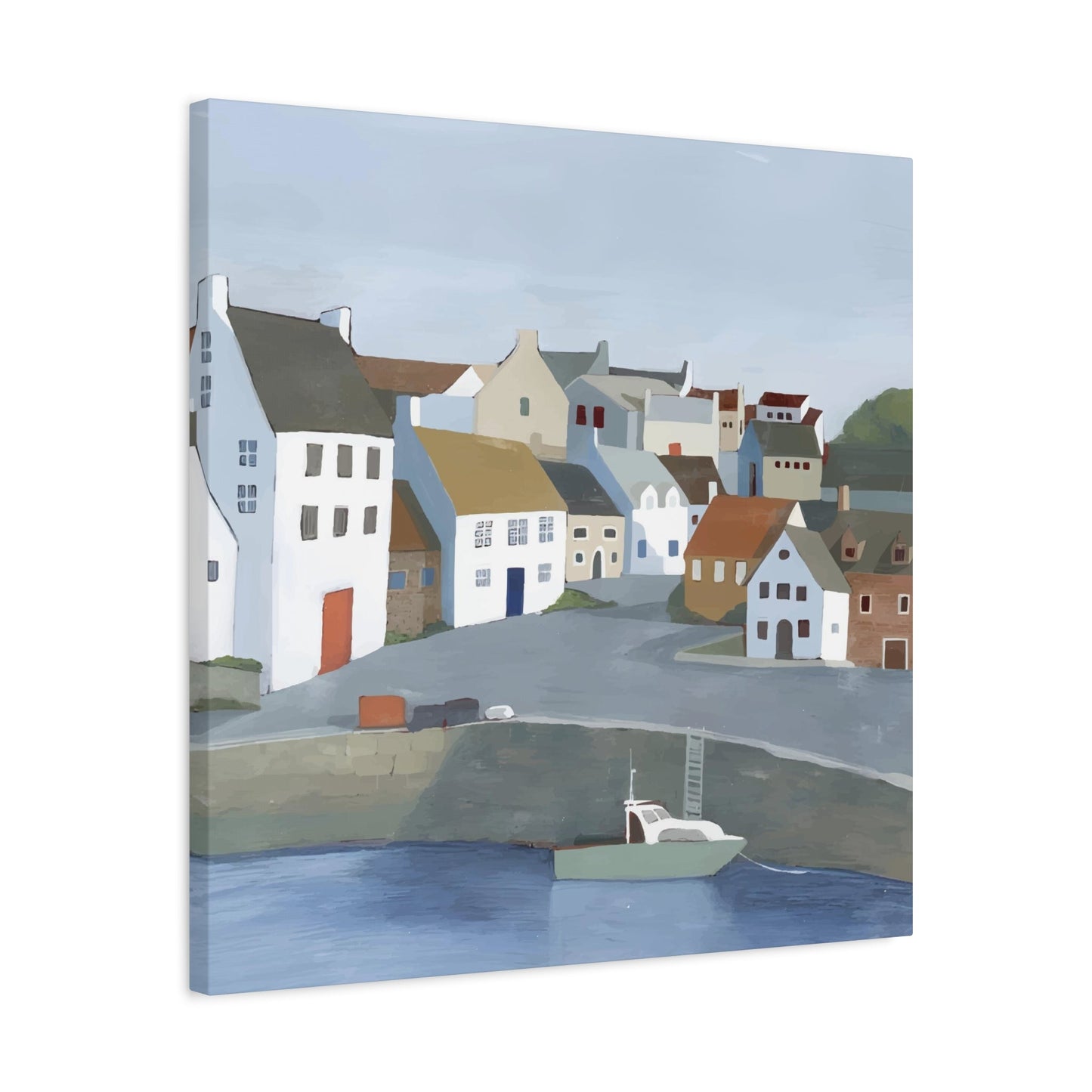
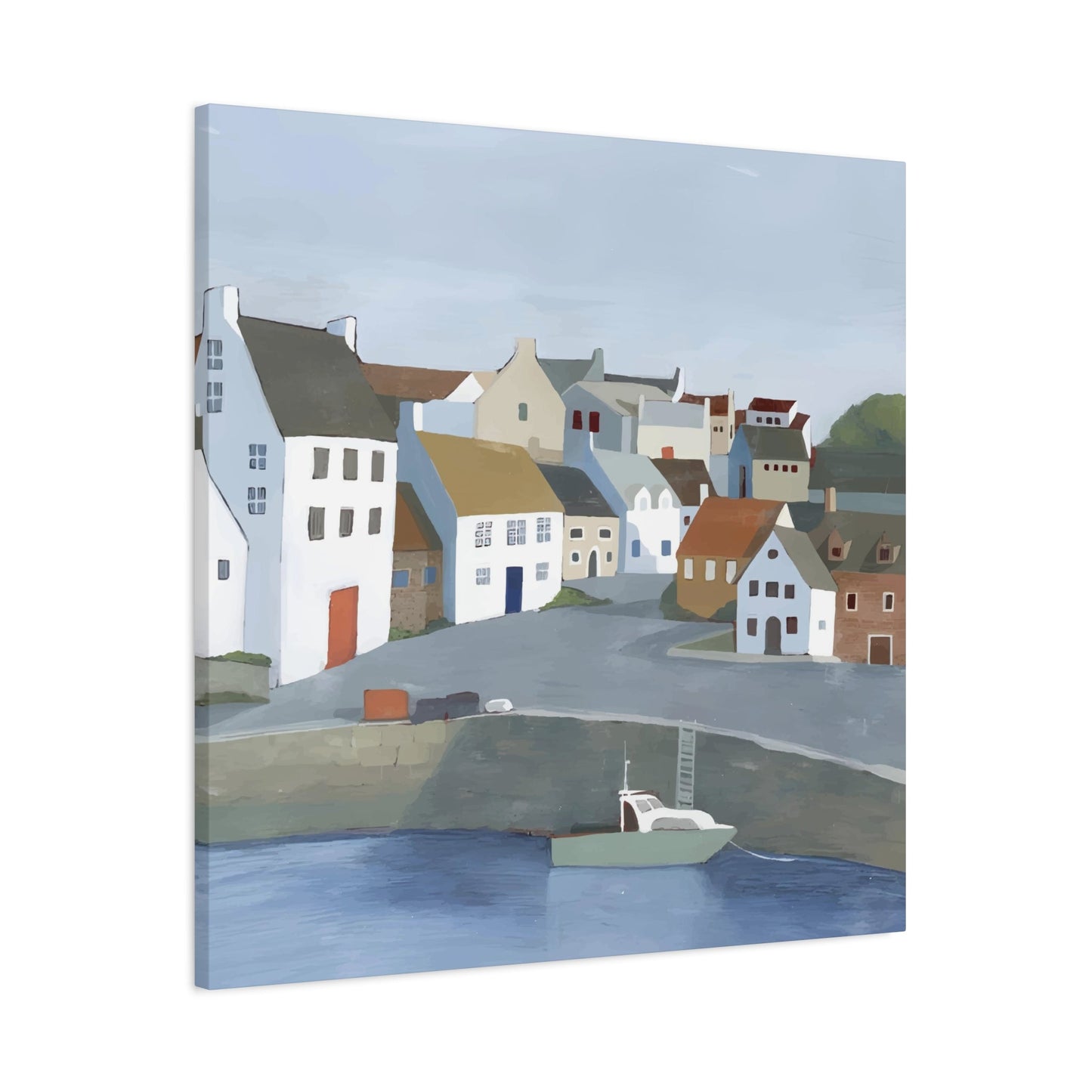
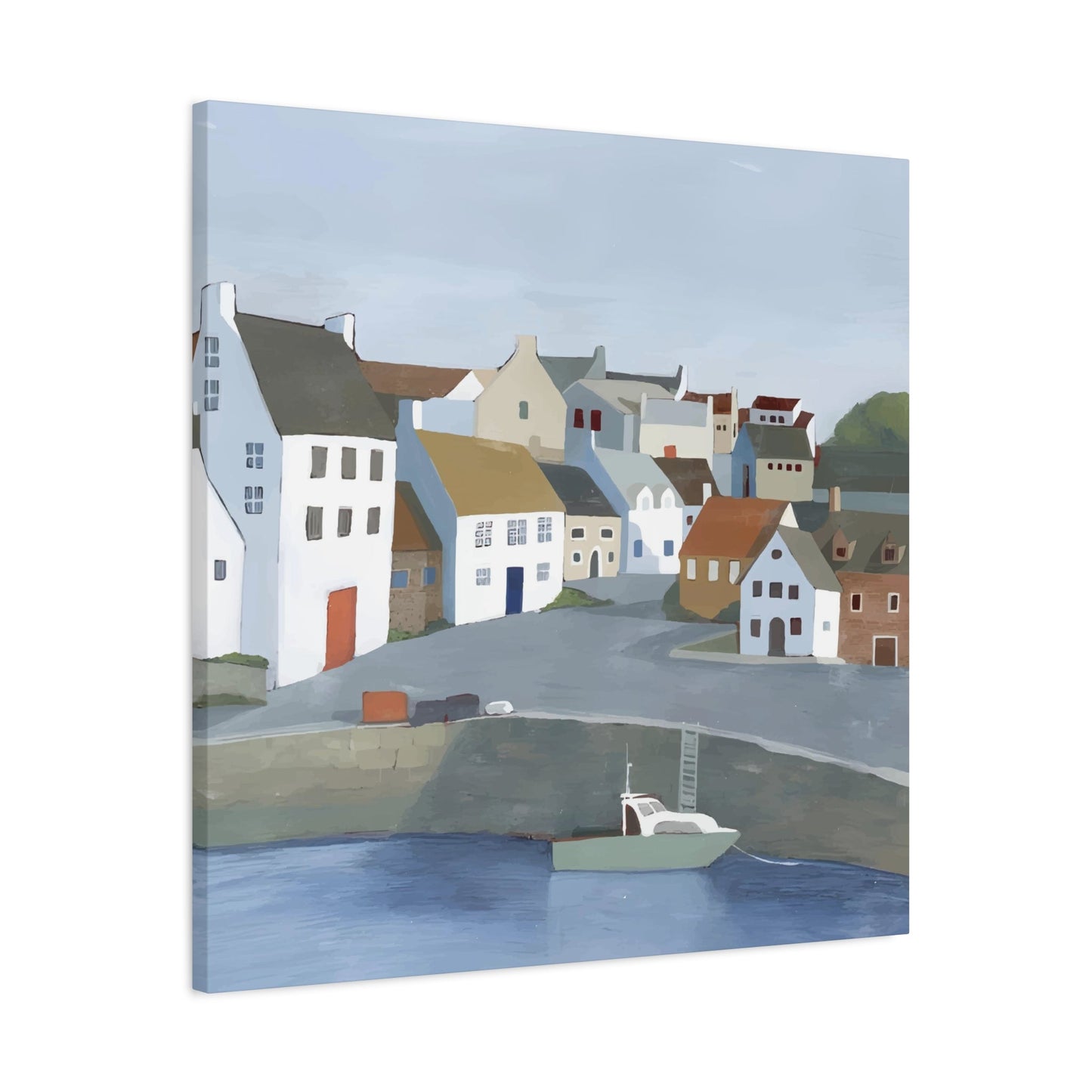
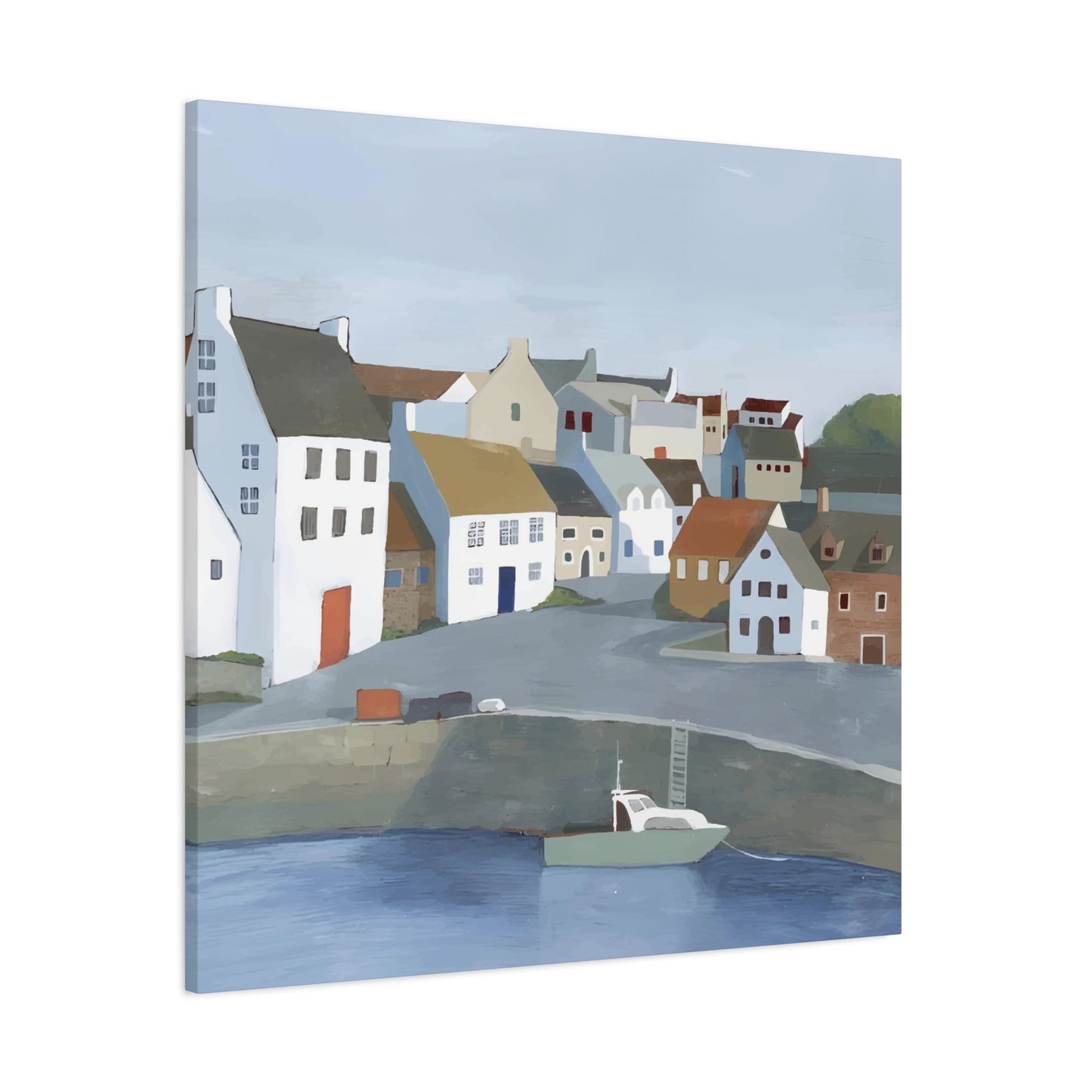
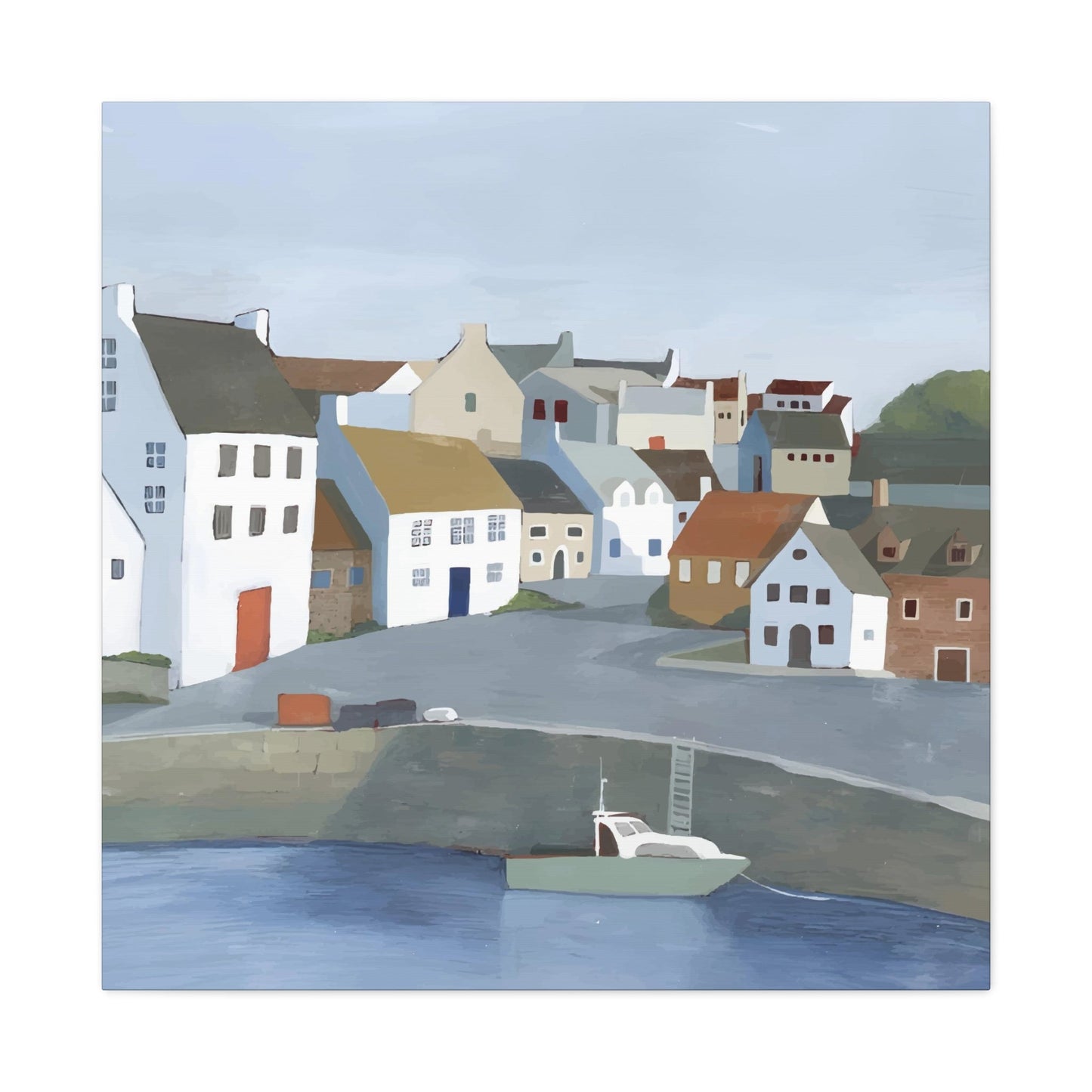
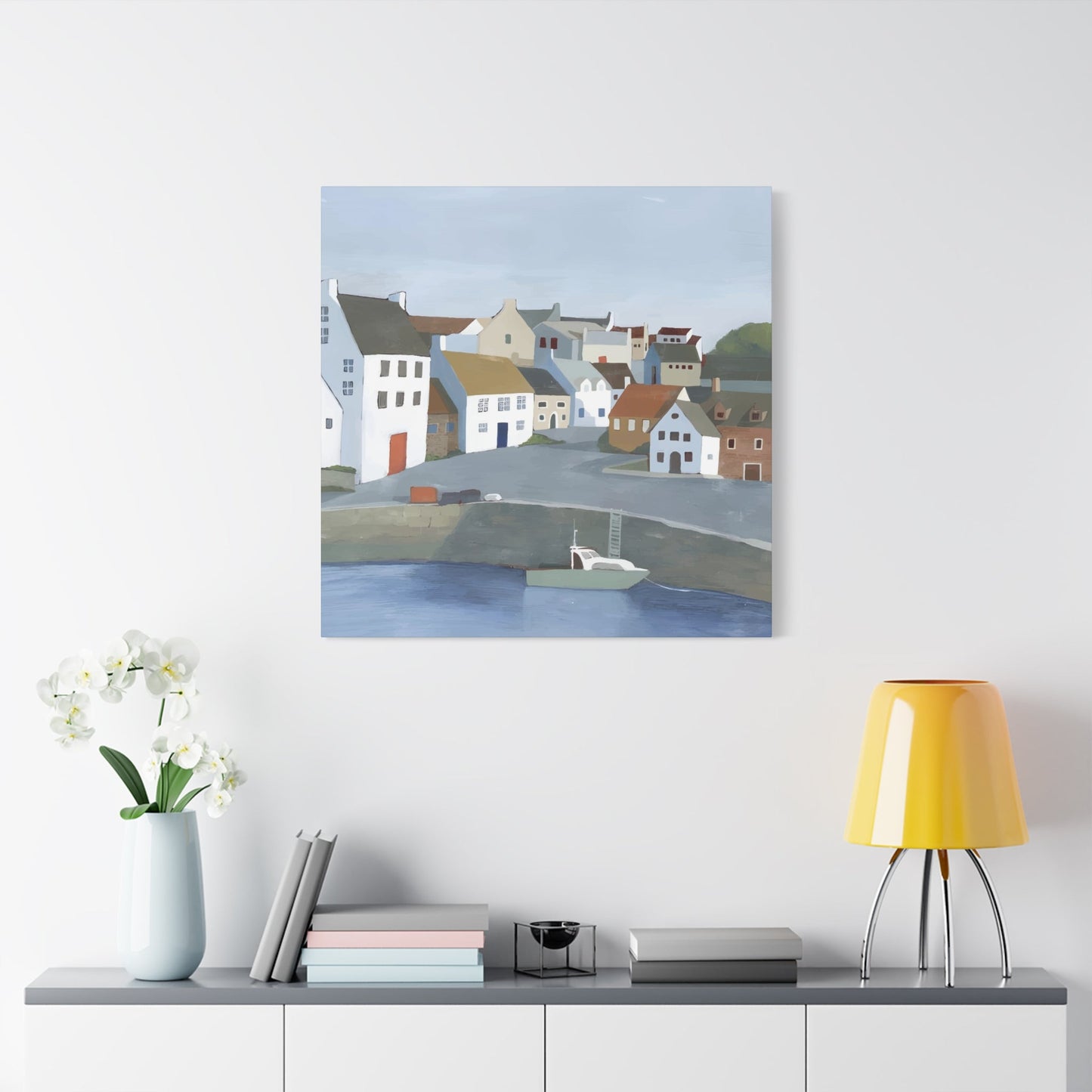
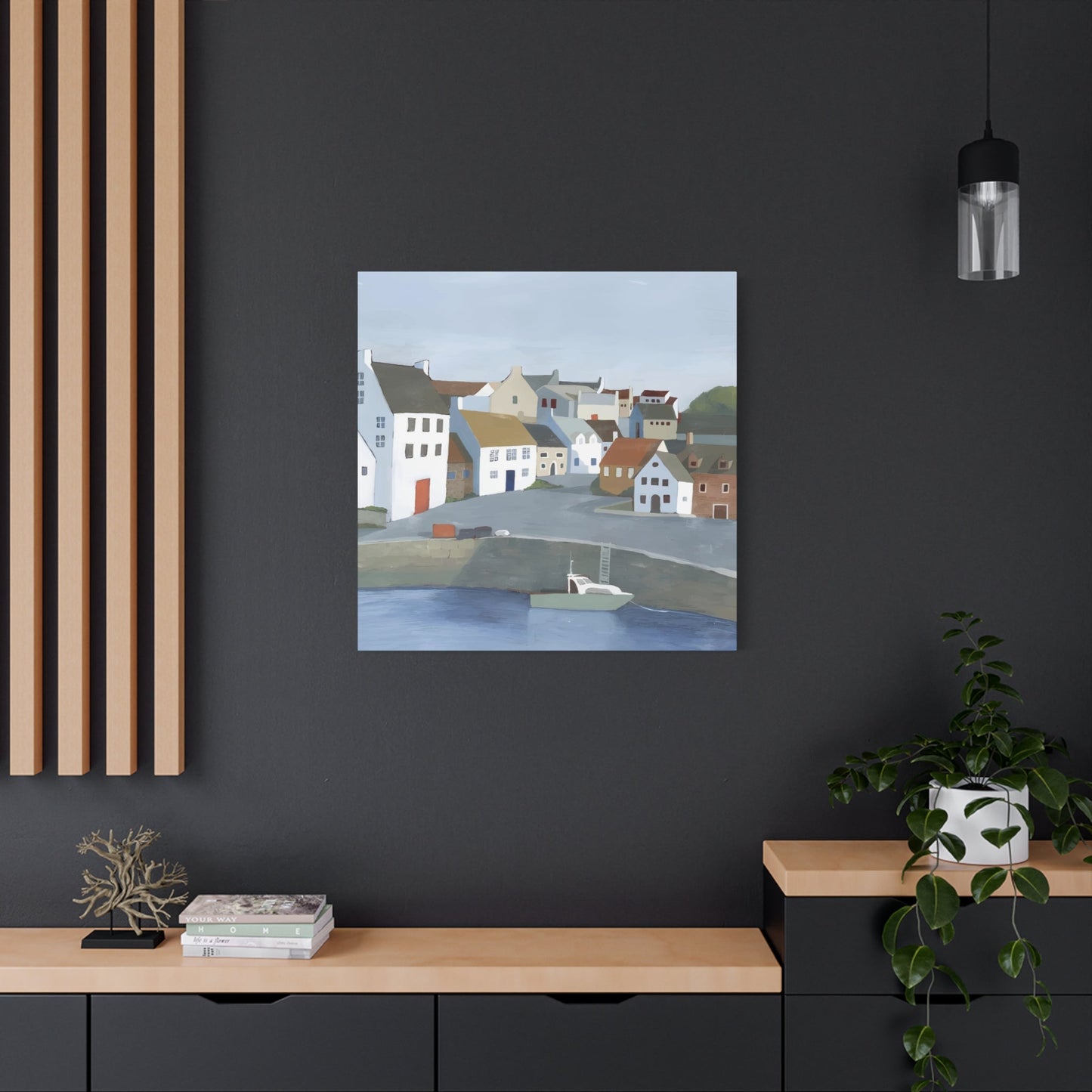
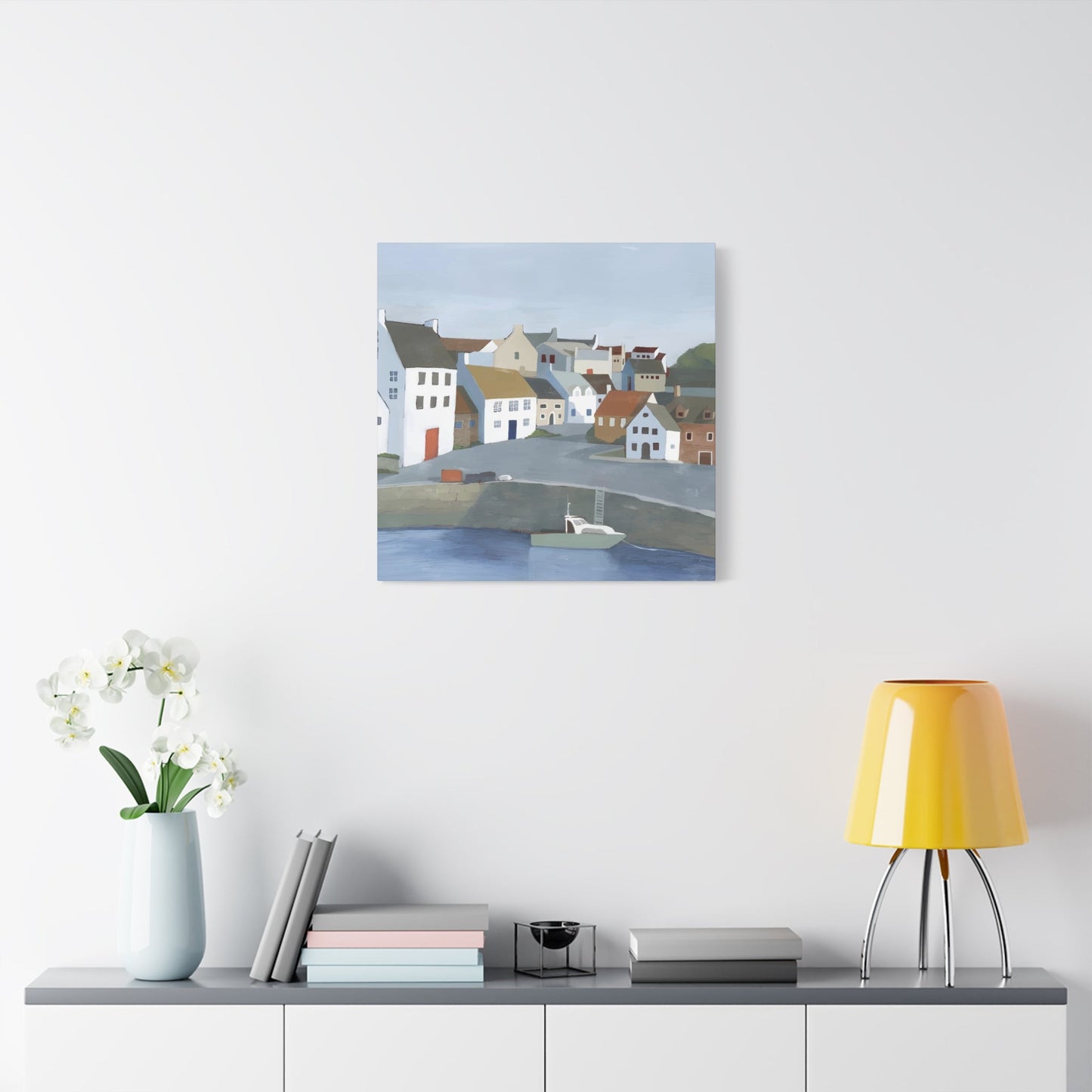
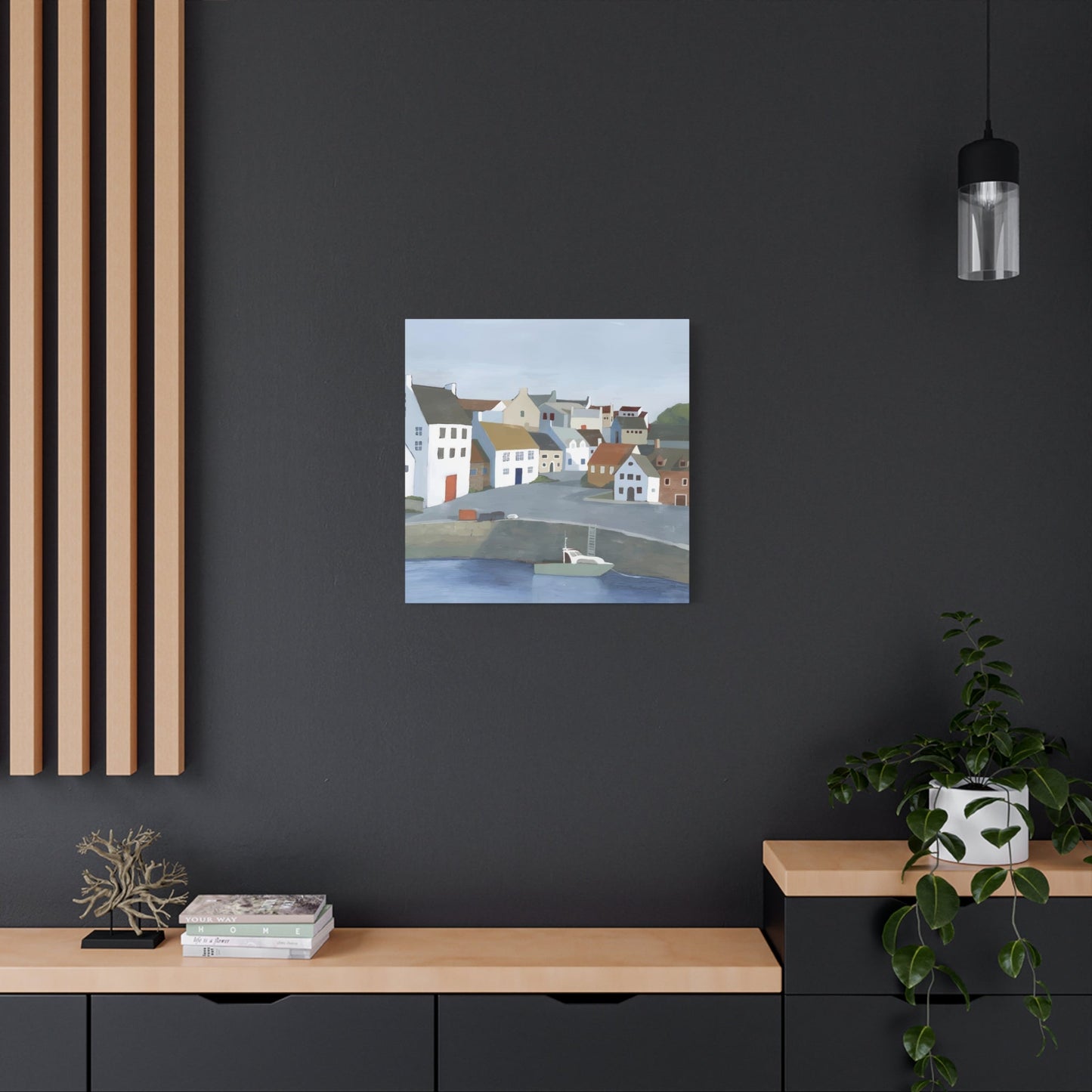
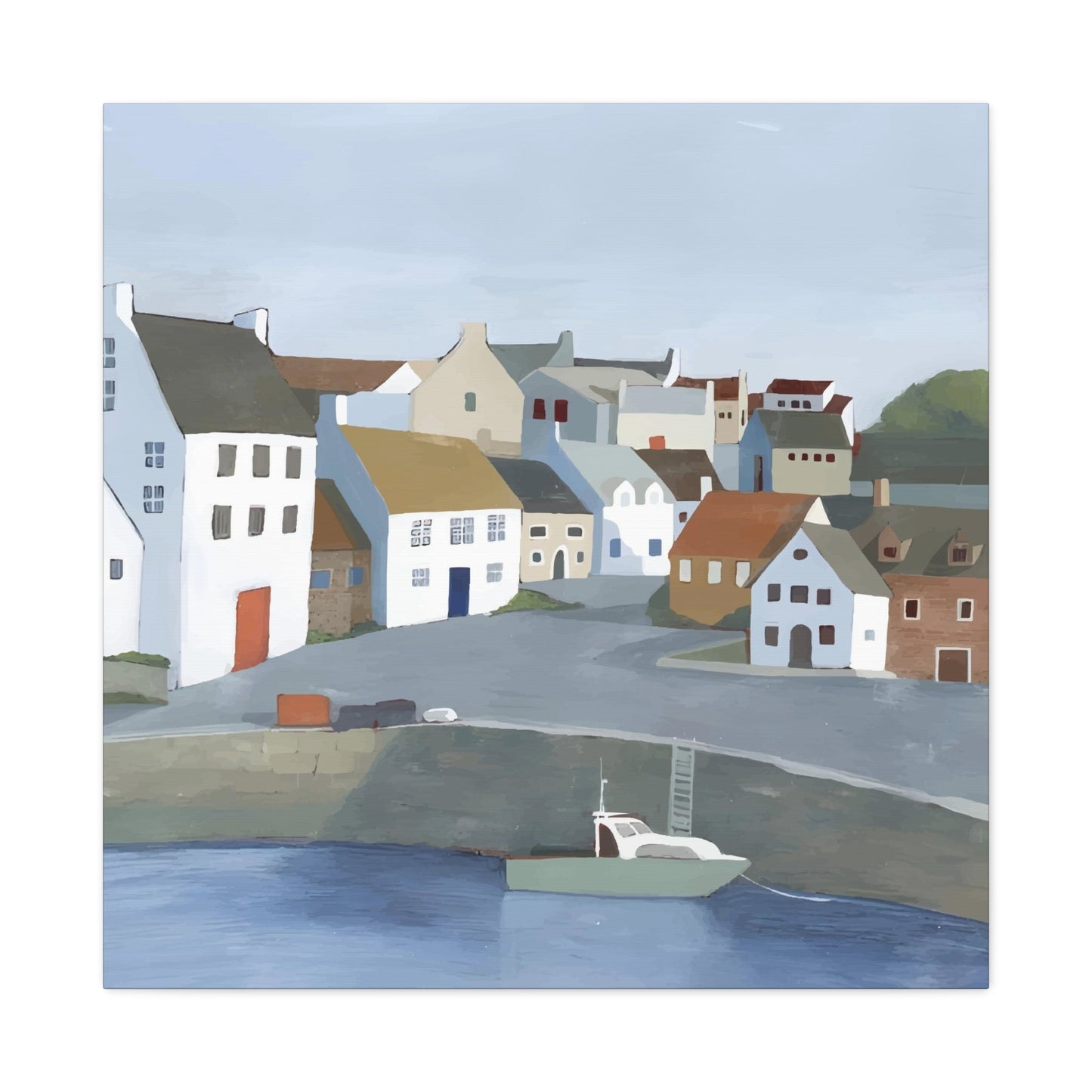
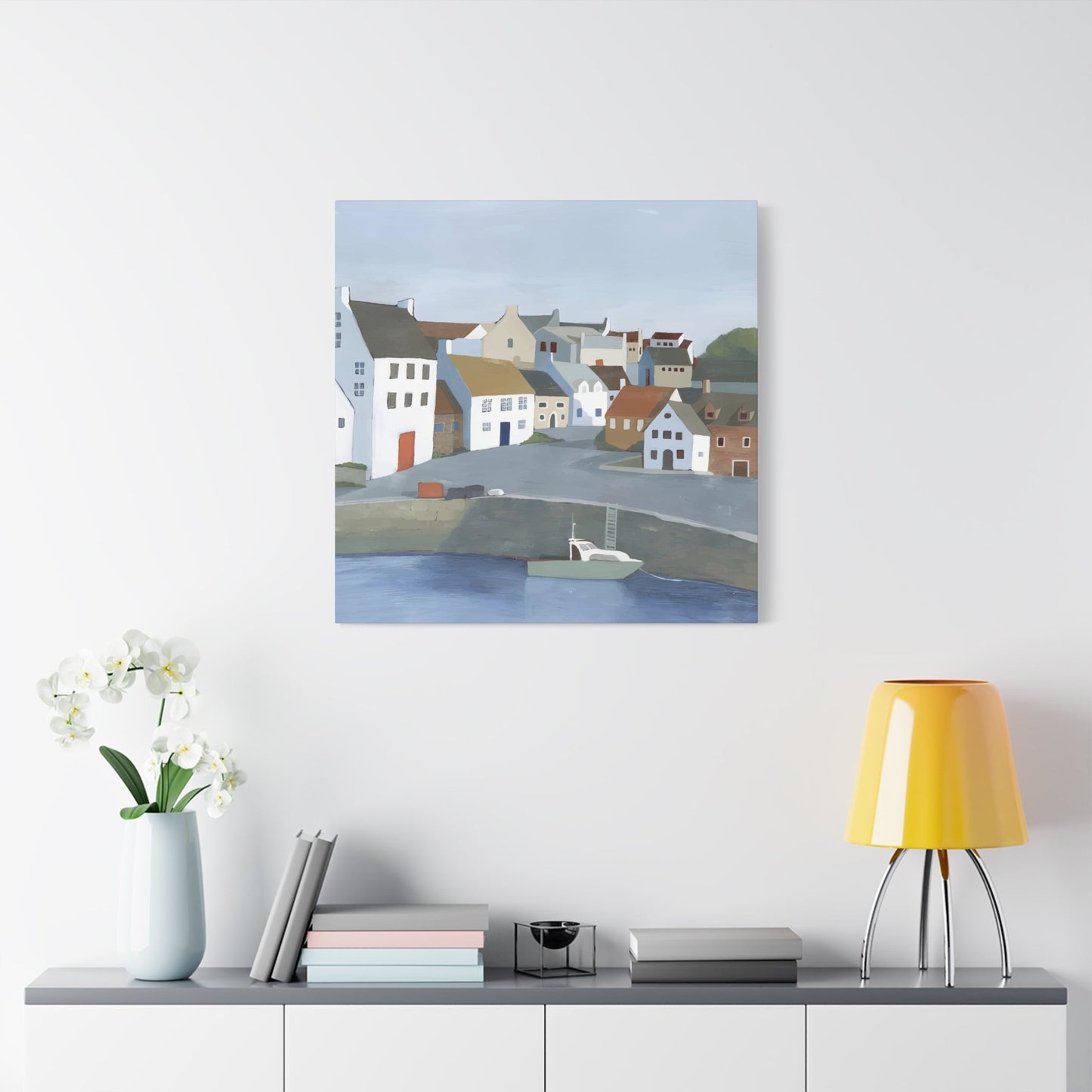
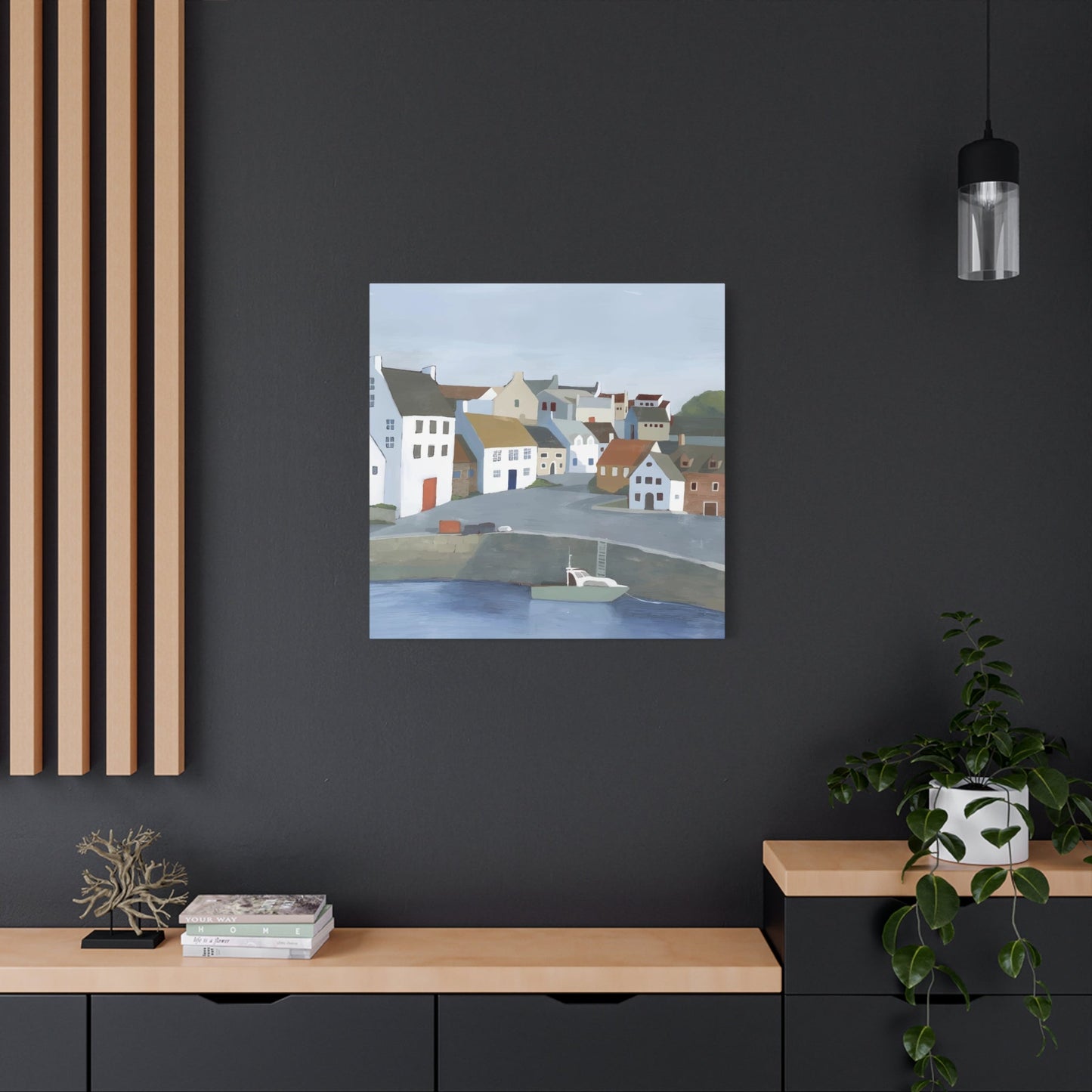
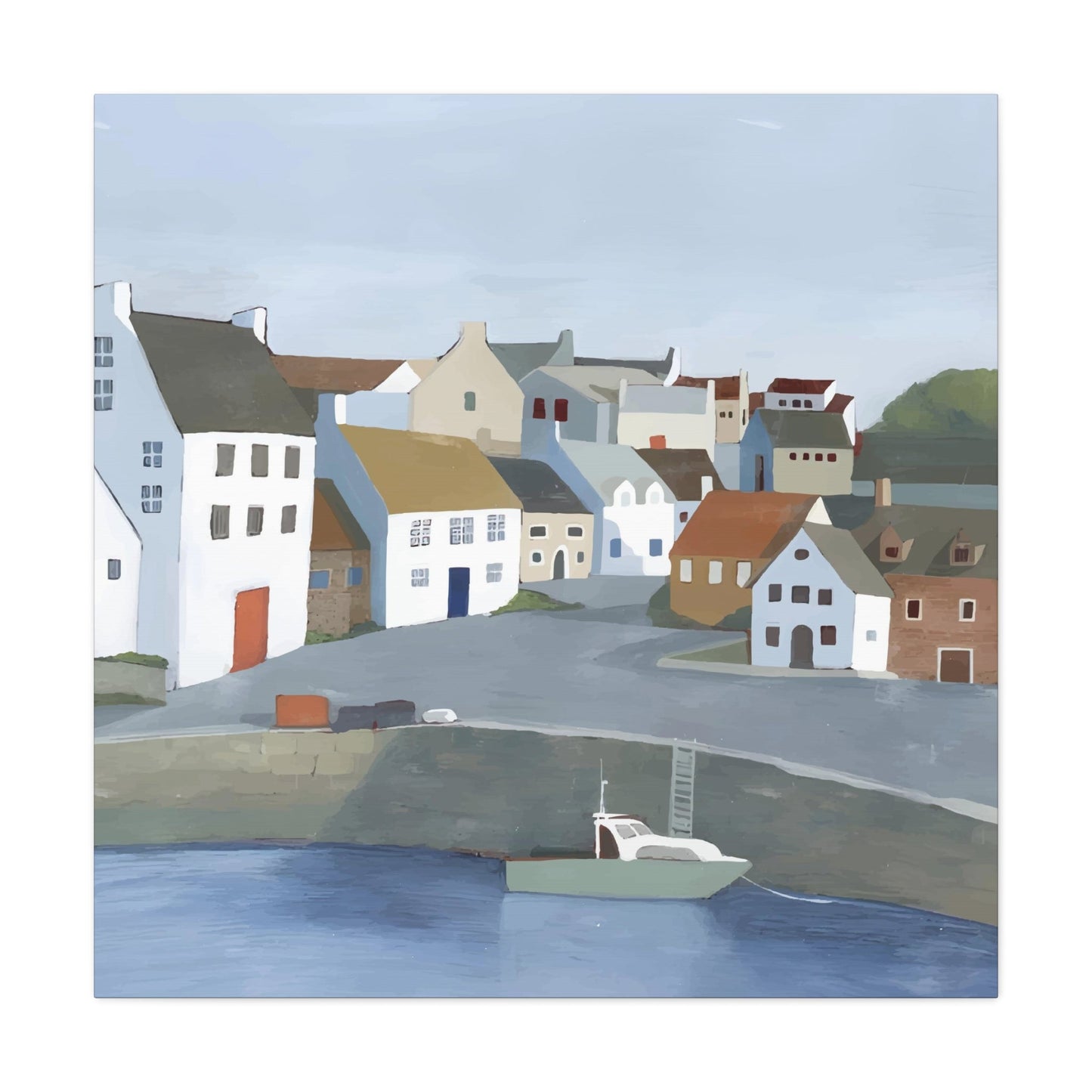
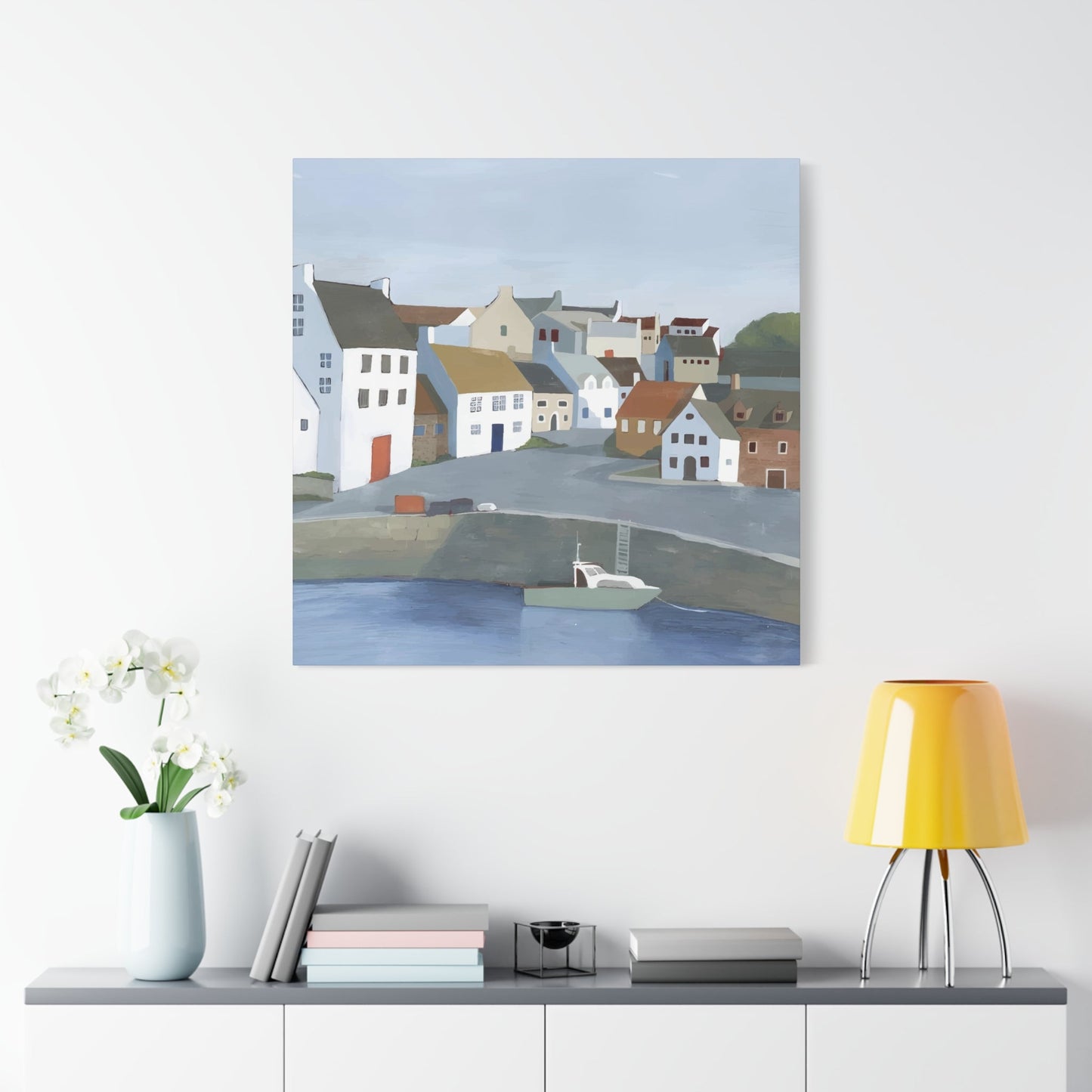
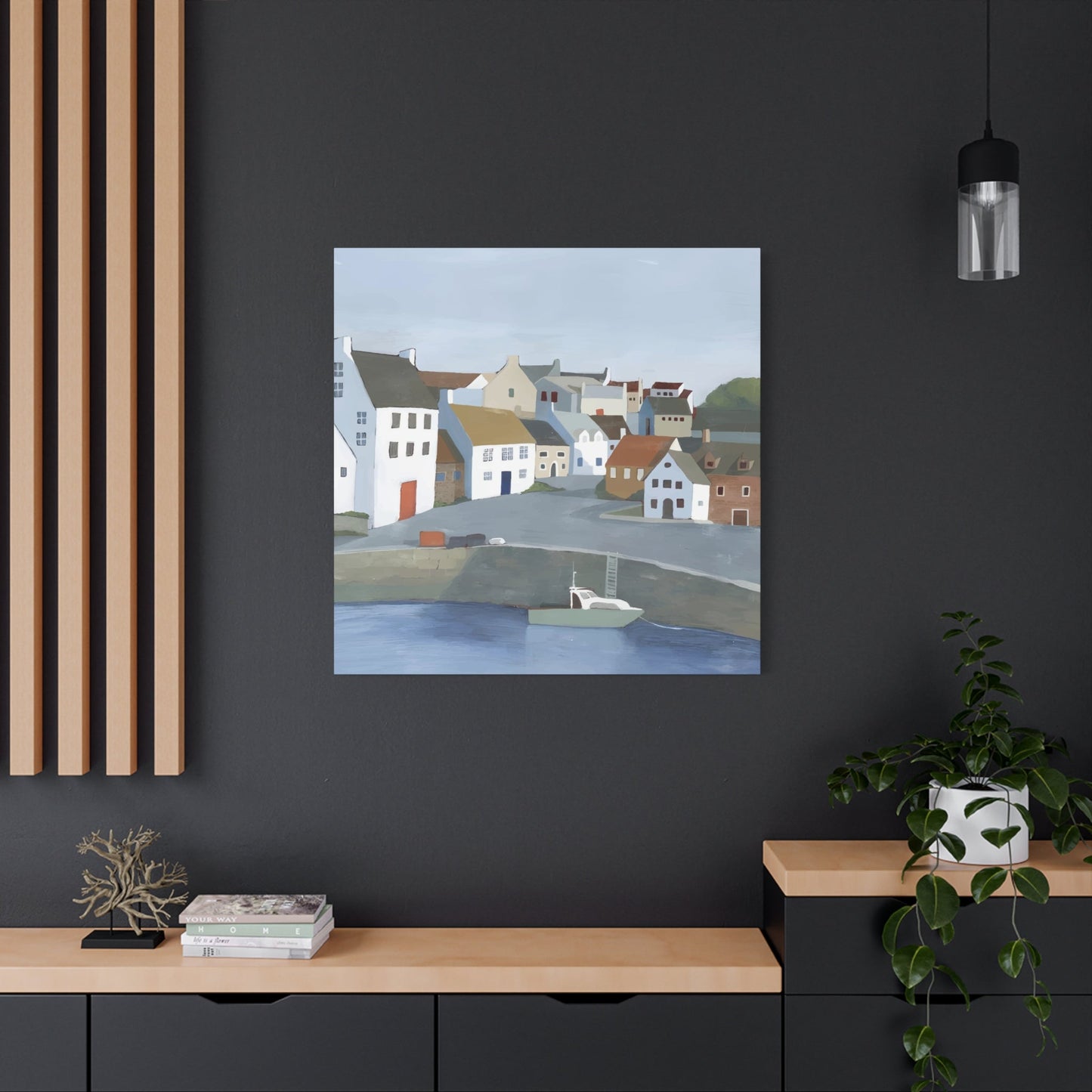
Grace Popp Wall Art: Botanical Beauty and Contemporary Style for Every Room
Grace Popp has emerged as one of the most celebrated contemporary artists specializing in botanical and nature-inspired artwork. Her distinctive approach to capturing the natural world through vibrant colors, delicate brushwork, and modern sensibilities has made her pieces highly sought after for residential and commercial environments. This comprehensive exploration examines the various facets of Grace Popp's artistic journey, her unique style, and how her creations can enhance any living or working environment.
Grace Popp Art Style
Grace Popp's artistic style represents a harmonious blend of traditional botanical illustration techniques with contemporary aesthetic sensibilities. Her approach to creating artwork demonstrates a deep understanding of both classical art principles and modern design trends. The artist's methodology involves meticulous observation of natural subjects combined with an intuitive sense of color harmony and composition.
The foundation of Popp's style lies in her ability to simplify complex natural forms while maintaining their essential character and beauty. She employs a technique that balances realistic representation with stylistic interpretation, creating pieces that feel both familiar and fresh. Her brushwork varies from precise, detailed rendering in focal areas to looser, more expressive strokes in supporting elements, creating visual interest and depth throughout each composition.
Color plays a pivotal role in defining Grace Popp's artistic identity. She demonstrates exceptional skill in selecting and combining hues that evoke specific moods and atmospheres. Her palette choices often reflect the subtle variations found in nature, from the soft pastels of morning light to the rich, saturated tones of tropical environments. This sophisticated understanding of color theory allows her to create artwork that complements a wide range of contemporary decor styles.
The compositional elements in Popp's work reveal her training in design principles. She carefully considers the placement of each element within the frame, creating balanced arrangements that guide the viewer's eye through the piece. Her use of negative areas provides breathing room that prevents compositions from feeling cluttered or overwhelming, a quality that makes her artwork particularly suitable for modern living environments.
Texture plays an important supporting role in Popp's artistic vocabulary. She skillfully varies surface treatments to create visual interest and depth, using techniques that range from smooth, even washes to more textured applications that suggest the organic qualities of her subjects. This attention to textural variety adds sophistication to her work and creates pieces that reward close examination.
The scale and proportion of elements within Popp's compositions demonstrate her understanding of how artwork functions within architectural settings. She creates pieces that work effectively at various viewing distances, from intimate close-up examination to appreciation from across a room. This versatility makes her artwork particularly valuable for both residential and commercial applications.
Floral Art by Grace Popp
Floral subjects represent perhaps the most recognizable and beloved aspect of Grace Popp's artistic output. Her approach to depicting flowers goes beyond simple botanical representation to capture the essence and emotional impact of these natural beauties. Each floral composition demonstrates her ability to transform everyday garden subjects into sophisticated artistic statements.
Popp's floral artwork encompasses a wide range of flower types, from common garden varieties to exotic tropical blooms. She approaches each subject with fresh eyes, finding unique perspectives and presentations that highlight the distinctive characteristics of different species. Her roses display the complex layering of petals and subtle color gradations that make these flowers so beloved, while her interpretations of wildflowers capture their natural spontaneity and cheerful character.
The artist's treatment of floral subjects reveals her deep understanding of plant structure and growth patterns. She accurately represents the way stems curve, leaves attach, and flowers emerge from buds, but stylizes these elements to create more visually appealing compositions. This balance between botanical accuracy and artistic interpretation results in pieces that satisfy both flower enthusiasts and art lovers.
Color relationships in Popp's floral work demonstrate sophisticated understanding of how different hues interact and support each other. She often employs analogous color schemes that create harmony and unity, while occasionally introducing complementary accents that add visual excitement. Her ability to capture the translucent quality of petals, the varied greens of foliage, and the subtle color shifts that occur in natural lighting conditions sets her floral work apart from more generic botanical art.
The backgrounds in Grace Popp's floral compositions receive careful consideration and treatment. Rather than simply placing flowers against blank backdrops, she creates environments that support and enhance the primary subjects. These backgrounds might suggest garden settings, atmospheric conditions, or abstract color fields that complement the flowers without competing for attention. This thoughtful approach to composition creates more sophisticated and visually satisfying artwork.
Seasonal variations appear throughout Popp's floral portfolio, allowing collectors to select pieces that reflect different times of year or personal preferences. Spring compositions might feature delicate cherry blossoms or cheerful daffodils, while summer pieces could showcase bold sunflowers or elegant lilies. Fall arrangements might incorporate chrysanthemums or autumn foliage, and winter scenes could feature evergreens or seasonal berries.
The emotional impact of Grace Popp's floral artwork extends beyond simple decoration. Her flowers convey feelings of joy, tranquility, romance, or energy depending on the subject matter and treatment. This emotional resonance makes her floral pieces particularly effective for creating desired moods in residential and commercial environments.
Grace Popp Watercolor Prints
Watercolor techniques form a significant component of Grace Popp's artistic practice, and her mastery of this challenging medium contributes substantially to the distinctive character of her work. Watercolor's inherent properties of transparency, fluidity, and luminosity align perfectly with Popp's artistic vision, allowing her to create pieces that seem to glow with inner light.
The technical demands of watercolor require artists to work with confidence and spontaneity, as the medium offers limited opportunities for correction or adjustment. Grace Popp demonstrates exceptional control over watercolor's fluid nature, using its unpredictability as a creative asset rather than a limitation. Her watercolor techniques range from precise wet-on-dry applications for detailed areas to loose wet-on-wet passages that create atmospheric effects and suggest natural textures.
Layering techniques in Popp's watercolor work create depth and complexity while maintaining the medium's characteristic transparency. She builds up colors and tones through successive washes, each layer interacting with those beneath to create rich, luminous effects. This approach requires careful planning and timing, as each layer must dry completely before the next application, and the artist must anticipate how colors will interact and modify each other.
The paper selection and preparation for Grace Popp's watercolor work reflects professional standards and contributes to the longevity and appearance of the finished pieces. High-quality watercolor papers provide appropriate absorption and surface texture while maintaining their stability over time. The choice of paper surface, whether hot-pressed for smooth effects or cold-pressed for more texture, influences the final appearance and character of each piece.
Color mixing and application techniques in Popp's watercolor work demonstrate advanced understanding of pigment properties and behavior. She takes advantage of watercolor's ability to create smooth gradations and subtle color transitions, while also exploiting techniques like granulation and blooming effects that add visual interest and natural-looking textures to her compositions.
The reproduction process for Grace Popp's watercolor prints maintains the essential qualities that make the original artwork so appealing. High-quality printing techniques preserve the luminosity, color accuracy, and subtle tonal variations that characterize her watercolor originals. These prints allow wider access to her artwork while maintaining the visual impact and emotional appeal of the original paintings.
Framing and presentation considerations for watercolor prints require attention to preservation and display concerns. Appropriate matting creates visual breathing room around the image while protecting the print from contact with glazing materials. UV-protective glazing helps prevent fading and color shifts over time, ensuring that the prints maintain their original appearance for years of enjoyment.
Nature Themes in Her Art
Nature serves as the primary source of inspiration for Grace Popp's artistic work, and her deep appreciation for the natural world permeates every aspect of her creative output. Her approach to nature themes goes beyond simple representation to capture the essence, mood, and emotional impact of natural environments and subjects.
Landscape elements appear frequently in Popp's work, though often stylized and simplified to focus attention on essential characteristics rather than photographic detail. Her landscapes might suggest rolling hills, peaceful meadows, forest edges, or coastal environments, but always with an emphasis on color, light, and atmospheric quality rather than topographical accuracy. This approach creates artwork that evokes the feeling of being in nature without being tied to specific geographical locations.
Weather and atmospheric conditions provide rich subject matter for Grace Popp's nature-themed artwork. She captures the quality of light during different times of day, from the soft pastels of dawn to the golden warmth of late afternoon sun. Seasonal changes offer endless opportunities for exploring how light, color, and atmospheric conditions affect the appearance and mood of natural subjects.
Water elements, whether streams, ponds, ocean waves, or morning dew, appear throughout Popp's nature portfolio. Her treatment of water demonstrates understanding of its reflective properties, surface patterns, and interaction with light. These water elements often serve compositional purposes, creating movement, reflecting sky colors, or providing contrasting textures within primarily botanical compositions.
The cycles and rhythms of natural growth provide thematic continuity throughout Grace Popp's work. She captures plants at various stages of development, from emerging buds to full flower to seed formation, celebrating the continuous cycle of growth, maturity, and renewal that characterizes the natural world. This attention to natural processes adds depth and meaning to her botanical subjects.
Wildlife elements, particularly birds and butterflies, occasionally appear in Popp's nature-themed work, adding animation and life to primarily botanical compositions. These creature additions are handled with the same sensitivity and stylistic consistency as her plant subjects, creating integrated compositions that feel natural and unforced.
Environmental themes subtly influence Grace Popp's artistic choices, reflecting contemporary awareness of conservation and sustainability issues. Her celebration of natural beauty serves as a gentle reminder of what we stand to lose if environmental protection efforts fail, while her focus on common rather than exotic subjects emphasizes the beauty that exists in everyday natural encounters.
The therapeutic and restorative qualities of nature find expression in Grace Popp's artwork through color choices, compositional elements, and subject selection that promote feelings of peace, renewal, and connection with the natural world. This quality makes her nature-themed pieces particularly valuable for healthcare settings, offices, and residential areas where stress reduction and emotional well-being are priorities.
Grace Popp Botanical Series
The botanical series represents one of Grace Popp's most cohesive and successful artistic endeavors, demonstrating her ability to develop sustained artistic investigations while maintaining individual piece quality and appeal. These series allow for deeper exploration of specific themes, techniques, or subject matters while creating opportunities for collectors to acquire related pieces that work together harmoniously.
Plant classification and botanical accuracy inform the foundation of Popp's botanical series, though artistic interpretation and aesthetic considerations ultimately guide the final presentation. She demonstrates familiarity with plant families, growth habits, and structural characteristics while adapting these elements to serve artistic purposes. This balance between scientific accuracy and artistic license results in pieces that satisfy both botanical enthusiasts and art collectors.
Seasonal progressions provide natural organizational structures for many of Grace Popp's botanical series. These might follow a single plant species through different stages of growth and seasonal change, or explore how various plants respond to seasonal transitions. Such series create opportunities for collectors to represent different times of year while maintaining stylistic and thematic continuity.
Color evolution throughout botanical series demonstrates Popp's sophisticated understanding of how subtle variations can create visual interest while maintaining overall harmony. A series might progress from cool to warm tones, light to dark values, or simple to complex color relationships, creating visual narratives that reward careful observation and appreciation.
Compositional variations within botanical series show how the same subject matter can be approached from different perspectives and with varying emphases. Some pieces might focus on close-up detail, while others step back to show broader environmental context. Some compositions might emphasize linear elements, while others concentrate on mass and color relationships.
The development process for Grace Popp's botanical series involves extensive preliminary studies and planning to ensure that individual pieces work both independently and as part of the larger group. This preparation includes color studies, compositional sketches, and consideration of how pieces will function together when displayed as collections.
Technical consistency throughout botanical series requires careful attention to materials, techniques, and processes to ensure visual harmony across multiple pieces. Grace Popp maintains consistent approaches to color mixing, brushwork, and surface treatment while allowing for appropriate variations that prevent monotony and maintain individual piece interest.
Market appeal of botanical series benefits from their versatility and collectibility. Individual pieces can stand alone as complete artistic statements, while collectors have opportunities to acquire multiple related works that create more significant visual impact when displayed together. This flexibility makes botanical series particularly attractive to both individual collectors and commercial buyers.
Soft Colors in Popp's Art
The sophisticated use of soft, muted colors represents one of the most distinctive and appealing aspects of Grace Popp's artistic style. Her ability to create compelling artwork using subtle, understated color palettes demonstrates advanced understanding of color theory and exceptional sensitivity to the emotional and psychological effects of different hues.
Color temperature balance in Popp's soft palette work creates visual harmony while maintaining sufficient contrast to prevent compositions from becoming monotonous or washed out. She skillfully combines warm and cool tones in proportions that create comfortable, inviting color relationships while preserving the gentle, soothing character that makes her soft-colored pieces so popular.
The psychological impact of Grace Popp's soft color choices aligns perfectly with contemporary preferences for calming, stress-reducing environmental elements. Her muted palettes promote feelings of tranquility, comfort, and emotional well-being, making her artwork particularly valuable for residential bedrooms, healthcare facilities, and professional environments where relaxation and focus are important.
Tonal relationships within Popp's soft color work demonstrate sophisticated understanding of how slight value differences can create depth and visual interest without relying on high contrast or dramatic color shifts. She creates compelling compositions using narrow value ranges, achieving separation and definition through subtle temperature shifts and textural variations rather than strong light-dark contrasts.
The versatility of Grace Popp's soft-colored artwork makes it particularly valuable for contemporary decorating schemes. These pieces complement a wide range of color schemes and decorating styles, from minimalist modern environments to traditional settings that emphasize comfort and livability. The understated nature of the color choices allows the artwork to enhance rather than dominate room settings.
Seasonal appropriateness of soft color palettes makes Grace Popp's work suitable for year-round display, unlike more dramatically colored pieces that might feel seasonally inappropriate at certain times of year. The neutral, muted quality of her soft-colored work creates timeless appeal that transcends temporary decorating trends and fashion cycles.
Technical challenges of working with soft, muted colors require exceptional color mixing skills and careful attention to subtle relationships that can easily be overwhelmed or muddied through inappropriate combinations. Grace Popp demonstrates mastery of these challenges, creating clean, clear color relationships that maintain their intended character and impact.
The commercial appeal of soft-colored artwork reflects contemporary preferences for versatile, adaptable decorative elements that can function in various settings and with different decorating schemes. Grace Popp's soft palette work meets these market demands while maintaining artistic integrity and individual character that sets it apart from more generic decorative offerings.
Animals in Grace Popp's Work
Wildlife and domestic animals appear selectively throughout Grace Popp's portfolio, adding life, movement, and narrative interest to her primarily botanical compositions. Her approach to animal subjects demonstrates the same sensitivity to color, form, and compositional balance that characterizes her plant studies, while introducing additional challenges related to capturing character, movement, and the essential nature of different creatures.
Bird subjects appear most frequently in Grace Popp's animal-inclusive work, particularly species that naturally inhabit garden and botanical environments. Her treatment of birds ranges from detailed portraits that capture specific species characteristics to more stylized representations that emphasize color, pattern, and graceful form over scientific accuracy. These avian additions often serve to activate compositions and suggest the living, dynamic quality of natural environments.
Butterfly and insect representations in Popp's work celebrate the intricate patterns, jewel-like colors, and delicate structures that make these creatures so visually appealing. Her stylized approach to insect subjects captures their essential beauty while adapting their forms to serve broader compositional purposes. These additions often provide opportunities for introducing brighter colors or more complex patterns into primarily botanical compositions.
Domestic animal subjects, particularly cats and small dogs, occasionally appear in Grace Popp's more whimsical pieces, adding warmth and personality to garden scenes and floral arrangements. Her treatment of these familiar creatures emphasizes their appealing characteristics while maintaining the stylistic consistency that unifies her body of work.
The integration of animal subjects with botanical elements requires careful attention to scale, positioning, and visual balance to prevent either element from overwhelming the composition. Grace Popp demonstrates skill in creating natural-feeling relationships between plant and animal subjects, suggesting the ecological connections that exist in natural environments.
Color harmony between animal and plant subjects presents technical challenges that Grace Popp handles with sophistication and sensitivity. She ensures that animal additions enhance rather than compete with botanical elements through careful color selection and value relationships that create unified, harmonious compositions.
Behavioral characteristics of animal subjects influence their placement and treatment within Grace Popp's compositions. Birds might be shown in natural perching positions or caught in moments of movement, while insects appear in typical feeding or resting poses that feel authentic and unforced.
The emotional appeal of animal-inclusive artwork often exceeds that of purely botanical pieces, as viewers respond to the personality and life suggested by creature additions. Grace Popp takes advantage of this enhanced emotional connection while maintaining the sophisticated aesthetic qualities that characterize her work.
Modern Decor with Popp Art
Grace Popp's artwork demonstrates exceptional compatibility with contemporary decorating styles, offering sophisticated visual elements that enhance modern living and working environments without overwhelming or conflicting with architectural features and furnishing choices. Her understanding of how art functions within contemporary settings makes her pieces particularly valuable for clients seeking artwork that complements rather than competes with their overall design vision.
Scale considerations in modern decorating often favor artwork that can hold its own against large, open floor plans and high ceilings that characterize contemporary architecture. Grace Popp's compositions work effectively at various scales, from intimate pieces suitable for powder rooms or reading nooks to larger works that can anchor major room areas and provide focal points in expansive settings.
Color coordination between Grace Popp's artwork and contemporary color schemes demonstrates her awareness of current decorating trends and preferences. Her sophisticated palette choices align with popular neutral schemes while providing sufficient visual interest to prevent spaces from feeling sterile or impersonal. The organic colors derived from natural subjects offer warmth and life that counterbalance the sometimes cool character of modern materials and furnishings.
The clean, uncluttered aesthetic of Grace Popp's compositions harmonizes perfectly with minimalist decorating approaches that emphasize simplicity, functionality, and visual calm. Her ability to create compelling images using restrained means aligns with contemporary preferences for edited, purposeful decorative choices that maximize impact while minimizing visual confusion.
Textural variety in Popp's artwork provides visual interest that complements the smooth surfaces and geometric forms common in modern decorating schemes. The organic textures suggested in her botanical subjects offer appealing contrast to glass, metal, and other manufactured materials while maintaining the sophisticated character appropriate for contemporary settings.
The versatility of Grace Popp's artwork makes it suitable for various room functions within modern homes, from active family areas that require durable, cheerful artwork to formal spaces that demand more sophisticated, subtle pieces. Her range of subjects and treatments provides options for different functional requirements while maintaining stylistic consistency throughout a home.
Professional and commercial applications for Grace Popp's artwork in modern settings include corporate offices, healthcare facilities, and hospitality environments where sophisticated, calming artwork contributes to positive user experiences. Her pieces provide visual interest and emotional comfort without the controversial or distracting elements that might make other artistic styles inappropriate for commercial use.
The timeless quality of Grace Popp's approach to natural subjects offers protection against the rapid style changes that can make more trend-dependent artwork quickly appear dated. Her focus on enduring natural beauty rather than temporary stylistic elements ensures that her pieces remain appropriate and appealing as decorating tastes evolve.
Where to Buy Grace Popp Prints
The availability of Grace Popp's artwork through multiple channels provides collectors and decorators with various options for acquiring her pieces, each offering different advantages in terms of selection, pricing, service, and convenience. Understanding these different sources helps buyers make informed decisions based on their specific needs, budgets, and preferences.
Online galleries and art retailers offer the widest selection of Grace Popp prints, often featuring comprehensive catalogs that include both current releases and archived pieces that might be difficult to find through other sources. These digital platforms typically provide detailed images, size options, and framing choices that allow buyers to evaluate pieces thoroughly before purchasing. The convenience of online shopping appeals to busy professionals and collectors who prefer to browse and purchase from home.
Traditional brick-and-mortar galleries and home furnishing stores provide opportunities to see Grace Popp prints in person, allowing for accurate color assessment and size evaluation that can be challenging through online purchases alone. These physical locations often employ knowledgeable staff who can provide guidance on selection, framing, and placement options.
Art fairs and craft shows occasionally feature Grace Popp's work or pieces by artists working in similar styles, providing opportunities for direct purchase and interaction with sellers. These events often offer competitive pricing and unique pieces that might not be available through other channels.
Custom framing shops frequently maintain relationships with art publishers and can order specific Grace Popp prints while providing professional framing services that ensure proper presentation and preservation. This one-stop approach simplifies the acquisition process while ensuring that pieces are ready for immediate display.
Interior design firms and decorating consultants often have access to trade-only sources for Grace Popp prints, potentially offering better pricing or exclusive pieces to their clients. Working with design professionals also provides access to their expertise in selection and placement decisions.
Pricing considerations for Grace Popp prints vary significantly based on size, printing method, framing options, and source. Limited edition pieces typically command higher prices than open edition prints, while larger sizes cost more than smaller versions of the same image. Custom framing can substantially increase the total investment, but also significantly impacts the final appearance and longevity of the piece.
Authenticity verification becomes important when purchasing Grace Popp prints, particularly through secondary markets or unfamiliar sources. Legitimate prints should include proper copyright notices, artist signatures or stamps, and quality materials that meet professional standards.
Grace Popp on Canvas
Canvas presentations of Grace Popp's artwork offer several advantages over paper prints, including enhanced durability, contemporary appearance, and versatility in framing and display options. The texture and presence of canvas supports align well with the organic, natural subjects that characterize her work, creating presentations that feel substantial and sophisticated.
Printing technologies for canvas applications have advanced significantly, allowing for accurate color reproduction and fine detail preservation that maintains the essential qualities of Grace Popp's original artwork. High-quality canvas prints can capture subtle color gradations, textural effects, and fine details that make her work so appealing, while providing the enhanced durability that makes canvas suitable for high-traffic areas and commercial installations.
Canvas texture contributes positively to the appearance of Grace Popp's botanical subjects, adding visual interest and depth that enhance the organic quality of her compositions. The slight surface texture of canvas provides a more painting-like appearance than smooth paper prints, creating presentations that feel more substantial and artistic.
Gallery wrap presentation options for canvas prints allow for frameless display that creates clean, contemporary appearances suitable for modern decorating schemes. This presentation style showcases the artwork itself while eliminating the visual boundaries created by traditional frames, creating more integrated relationships between art and architectural settings.
Durability advantages of canvas presentations include resistance to tearing, creasing, and other damage that can affect paper prints. Canvas materials are generally more stable and long-lasting, making them suitable for locations where longevity and maintenance considerations are important factors.
Size options for canvas presentations often exceed those available for paper prints, allowing for larger installations that can serve as major focal points in residential and commercial settings. The structural properties of canvas support larger dimensions without requiring the heavy framing systems that large paper prints might need.
Care and maintenance requirements for Grace Popp canvas prints are generally minimal, requiring only occasional dusting and protection from direct sunlight to maintain their appearance over time. The durability of canvas materials means that these pieces can withstand normal handling and environmental conditions better than more delicate paper presentations.
Cost considerations for canvas presentations typically fall between paper prints and original paintings, offering a middle-ground option for collectors who want more presence and durability than paper provides but cannot invest in original artwork. The enhanced appearance and longevity of canvas presentations often justify the additional cost for serious collectors and commercial buyers.
Framing Grace Popp Art
Proper framing significantly impacts both the appearance and longevity of Grace Popp artwork, requiring careful consideration of aesthetic, preservation, and practical factors. The framing decisions should enhance and protect the artwork while complementing both the piece itself and the environment where it will be displayed.
Frame style selection should consider the character of Grace Popp's artwork and the decorating style of the intended display location. Traditional botanical subjects might benefit from classic wood frames with appropriate profiles and finishes, while more contemporary treatments could work well with sleek metal or minimalist wood frames. The goal is to create presentations that feel cohesive and intentional rather than arbitrary or mismatched.
Matting considerations for Grace Popp prints involve both aesthetic and preservation concerns. Quality matting materials prevent direct contact between the artwork and glazing while creating visual breathing room around the image. Mat colors should complement rather than compete with the artwork, typically favoring neutral tones that allow the piece to remain the focal point.
Glazing options for framed Grace Popp artwork include regular glass, anti-reflective glass, and various acrylic alternatives, each offering different combinations of protection, clarity, and cost. UV-protective glazing helps prevent fading and color shifts over time, particularly important for pieces displayed in areas with significant natural light exposure.
Conservation framing techniques become important for valuable or irreplaceable Grace Popp pieces, involving acid-free materials, reversible mounting methods, and environmental protection that ensures long-term preservation without compromising the artwork's integrity. These museum-quality approaches typically cost more but provide superior protection and maintain the artwork's value over time.
Custom versus ready-made framing options each offer distinct advantages depending on the specific requirements of the artwork and the buyer's priorities. Custom framing allows for perfect size matching, specific style preferences, and high-quality materials, while ready-made options provide cost savings and immediate availability for standard sizes.
Professional framing services provide expertise in material selection, proportion decisions, and technical execution that can significantly impact the final result. Experienced framers understand how different combinations of frames, mats, and glazing affect the appearance of artwork and can guide clients toward decisions that optimize both appearance and preservation.
Cost management for framing Grace Popp artwork involves balancing quality, appearance, and budget considerations. While premium materials and techniques provide superior results, acceptable presentations can be achieved with more modest approaches, particularly for less valuable pieces or temporary installations.
Grace Popp Abstract Pieces
While Grace Popp is primarily known for her representational botanical artwork, her abstract pieces demonstrate versatility and artistic growth that expand her appeal to collectors interested in more contemporary, non-representational art. These abstract works maintain the color sensitivity and compositional skills evident in her botanical pieces while exploring different expressive possibilities.
Color relationships in Grace Popp's abstract work often derive from her observation of natural phenomena, translated into non-representational compositions that capture the essence or emotional impact of natural experiences without literal depiction. These pieces might suggest the play of light through forest canopies, the movement of water, or the gradual changes of seasonal transitions through purely abstract means.
Compositional strategies in Popp's abstract pieces demonstrate her understanding of visual balance, rhythm, and movement developed through her representational work. She applies these principles to create abstract compositions that feel organized and intentional rather than arbitrary or accidental, resulting in pieces that satisfy viewers' needs for visual coherence and meaning.
The transition from representational to abstract work requires artists to rely more heavily on formal elements like color, line, shape, and texture to create visual interest and emotional impact. Grace Popp's success in this area demonstrates her solid foundation in fundamental art principles that translate effectively across different styles and approaches.
Market appeal for Grace Popp's abstract pieces often comes from collectors who appreciate her color sensitivity and compositional skills but prefer non-representational artwork for their particular decorating needs or personal preferences. These pieces can provide sophisticated visual elements for contemporary settings where botanical subjects might feel inappropriate or too literal.
The versatility of abstract artwork in decorating applications allows Grace Popp's abstract pieces to function effectively in a wider range of settings than her botanical work. Abstract compositions can complement various color schemes and decorating styles without the specific associations that representational subjects might carry.
Technical approaches in Popp's abstract work might involve layering, blending, and mark-making techniques that create visual interest and depth without relying on recognizable subject matter. These pieces often showcase her technical skills and understanding of materials in ways that might be less evident in her representational work.
The emotional content of Grace Popp's abstract pieces often parallels that of her botanical work, promoting feelings of calm, harmony, and connection with natural rhythms and cycles. This consistency in emotional impact helps maintain her artistic identity even when working in non-representational modes.
Calming Art by Grace Popp
The therapeutic and stress-reducing qualities of Grace Popp's artwork reflect contemporary understanding of how visual environments affect psychological and emotional well-being. Her pieces consistently promote feelings of tranquility, comfort, and restoration, making them particularly valuable for healthcare settings, high-stress work environments, and residential areas dedicated to relaxation and renewal.
Color psychology principles inform many of the choices evident in Grace Popp's most calming pieces. She employs colors and color combinations known to promote relaxation and emotional balance, including soft blues that suggest peaceful skies and water, gentle greens that evoke healthy plant growth, and warm earth tones that create feelings of stability and comfort.
Subject matter selection for Grace Popp's calming artwork emphasizes natural elements that human beings instinctively find soothing and restorative. Flowing water, gentle breezes suggested through plant movement, soft lighting effects, and peaceful garden settings all contribute to the overall calming impact of her compositions.
Compositional elements that enhance the calming qualities of Grace Popp's artwork include balanced arrangements that avoid visual tension, smooth transitions between elements that create harmonious relationships, and appropriate use of negative space that prevents compositions from feeling crowded or overwhelming.
The scale and complexity of calming artwork requires careful consideration to ensure that pieces promote rather than hinder relaxation. Grace Popp's calming pieces typically avoid overly complex compositions or high-contrast elements that might create visual excitement rather than the peaceful contemplation that defines truly calming art.
Scientific research supporting the beneficial effects of nature-inspired artwork in healthcare and workplace settings validates the therapeutic value of Grace Popp's calming pieces. Studies demonstrate that patients recover more quickly and experience less stress when exposed to natural imagery, while workers report improved focus and job satisfaction in environments that include appropriate artwork.
The placement and lighting of calming artwork significantly affects its therapeutic impact. Grace Popp's calming pieces work most effectively when displayed with appropriate lighting that doesn't create glare or harsh shadows, and positioned where they can be viewed comfortably without causing neck strain or other physical discomfort.
Commercial applications for Grace Popp's calming artwork include medical and dental offices, counseling centers, spa and wellness facilities, and corporate environments where employee well-being contributes to productivity and job satisfaction. These settings benefit from artwork that promotes positive emotional states without being distracting or inappropriate.
Grace Popp Wall Art for Bedrooms
Bedroom environments present unique requirements for artwork selection, demanding pieces that promote restful sleep, create intimate atmospheres, and provide visual appeal without overwhelming the peaceful character essential for quality rest. Grace Popp's artwork demonstrates exceptional suitability for bedroom applications through color choices, subject matter, and overall aesthetic approach that enhance rather than disrupt the bedroom's primary functions.
Sleep quality considerations make Grace Popp's soft-colored, nature-inspired artwork particularly appropriate for bedroom walls. Research indicates that certain colors and visual elements can promote or hinder restful sleep, with cool, muted tones generally proving more conducive to relaxation than bright, stimulating hues. Her palette choices align perfectly with these findings, offering visual beauty that supports rather than interferes with healthy sleep patterns.
Size and placement decisions for bedroom artwork require careful consideration of viewing angles and distances typical in these intimate settings. Grace Popp's compositions work effectively at close viewing distances while maintaining their appeal when seen from across the room, making them suitable for various placement options within bedroom layouts.
The romantic and peaceful qualities of Grace Popp's floral and botanical subjects create appropriate emotional atmospheres for bedroom environments. Her soft treatment of natural subjects promotes feelings of tranquility and connection with nature that many people find conducive to relaxation and romantic intimacy.
Personal expression in bedroom decorating often involves artwork choices that reflect individual tastes and preferences more directly than selections for public areas of the home. Grace Popp's diverse portfolio provides options for different personality types and decorating preferences while maintaining quality and sophistication appropriate for adult bedroom environments.
Lighting considerations for bedroom artwork include both natural and artificial light sources that change throughout the day and evening. Grace Popp's artwork generally performs well under various lighting conditions, maintaining its appeal and color integrity from bright morning light through soft evening illumination.
The longevity factor becomes particularly important for bedroom artwork, as these pieces are viewed daily over extended periods. Grace Popp's timeless approach to natural subjects and sophisticated color choices ensure that bedroom selections remain appealing and appropriate even as personal tastes and decorating trends evolve.
Coordination with bedroom furnishings and textiles requires artwork that complements rather than competes with bedding, window treatments, and furniture selections. Grace Popp's versatile palette and subject choices work effectively with various decorating schemes, from traditional romantic styles to contemporary minimalist approaches.
Tropical Vibes in Popp's Art
Tropical themes in Grace Popp's artwork capture the exotic beauty, vibrant colors, and lush growth associated with warm-climate environments, offering viewers opportunities to experience the appeal of tropical settings regardless of their actual geographic location. Her approach to tropical subjects balances botanical accuracy with artistic interpretation, creating pieces that feel authentic while serving decorative purposes.
Plant selections for Grace Popp's tropical-themed artwork include both familiar houseplants that many viewers will recognize and more exotic species that suggest far-off locations and vacation experiences. Her treatment of palms, tropical flowers, and lush foliage captures the abundance and vitality that characterize tropical environments.
Color palettes in tropical-themed pieces naturally tend toward brighter, more saturated hues than Popp's softer botanical work, reflecting the intense sunlight and vivid plant colors found in tropical climates. However, she maintains her sophisticated approach to color relationships, avoiding garish combinations in favor of harmonious arrangements that feel rich but not overwhelming.
The atmospheric qualities of tropical environments, including high humidity, intense sunlight, and lush growth, find expression in Grace Popp's tropical pieces through painting techniques that suggest these conditions without literally depicting them. Her brushwork and color application create impressions of warmth, moisture, and abundant life that characterize tropical settings.
Seasonal escape themes make Grace Popp's tropical artwork particularly appealing during cold winter months when viewers in temperate climates crave reminders of warmth and growing seasons. These pieces can provide psychological relief from harsh weather conditions while maintaining year-round decorative appeal.
The versatility of tropical themes allows for various interpretations and presentations, from bold, dramatic pieces suitable for contemporary settings to softer, more subtle treatments appropriate for traditional decorating schemes. Grace Popp demonstrates skill in adapting tropical subjects to different stylistic requirements while maintaining their essential character.
Commercial applications for tropical-themed artwork include hospitality settings like hotels and resorts, healthcare facilities seeking to create positive, uplifting environments, and retail locations that benefit from the energetic, positive associations of tropical imagery.
The exotic appeal of tropical subjects in Grace Popp's work satisfies viewers' desires for escape and adventure while remaining sophisticated enough for serious art collections. This balance between accessibility and artistic merit makes her tropical pieces valuable for both decorative and investment purposes.
Final Thoughts
Grace Popp wall art perfectly captures the essence of botanical beauty combined with contemporary style, making it an ideal choice for enhancing any room. Through delicate yet vibrant floral designs, her artwork brings a sense of calm, elegance, and natural charm to living spaces. Whether displayed in a cozy bedroom, a bustling office, or a serene living room, Grace Popp’s pieces effortlessly blend timeless botanical themes with modern aesthetics.
One of the most compelling aspects of Grace Popp’s wall art is its versatility. The clean lines and sophisticated color palettes allow these botanical prints to complement a wide range of interior design styles—from minimalist and Scandinavian to eclectic and bohemian. This adaptability means anyone can incorporate her art into their décor, creating a harmonious balance between nature and contemporary design.
Beyond mere decoration, Grace Popp’s work invites viewers to reconnect with the natural world. In an age where digital screens often dominate our attention, her botanical art serves as a gentle reminder of the beauty and tranquility found in plants and flowers. This connection fosters mindfulness and well-being, turning any room into a peaceful retreat.
Additionally, the high quality and thoughtful craftsmanship behind each piece ensure longevity, making them not just stylish accents but cherished elements of home décor for years to come. Investing in Grace Popp wall art is more than acquiring decoration—it’s embracing a lifestyle that celebrates nature’s elegance and modern creativity.
In summary, Grace Popp’s botanical wall art offers more than just visual appeal; it brings life, serenity, and contemporary flair to any room. It’s a timeless way to elevate your space with beauty inspired by nature.


