


Hawai Wall Art & Canvas Prints
Hawai Wall Art & Canvas Prints
Couldn't load pickup availability
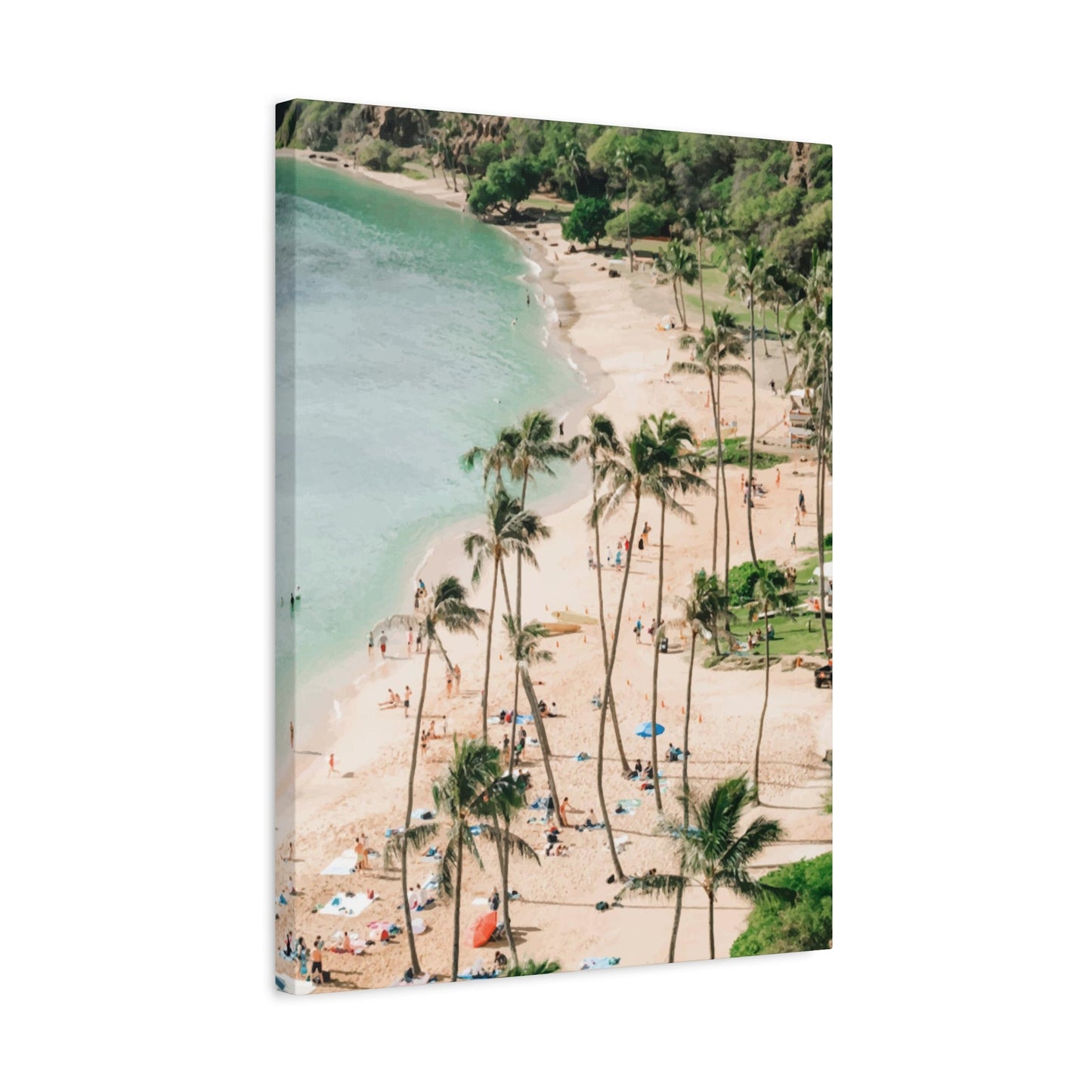
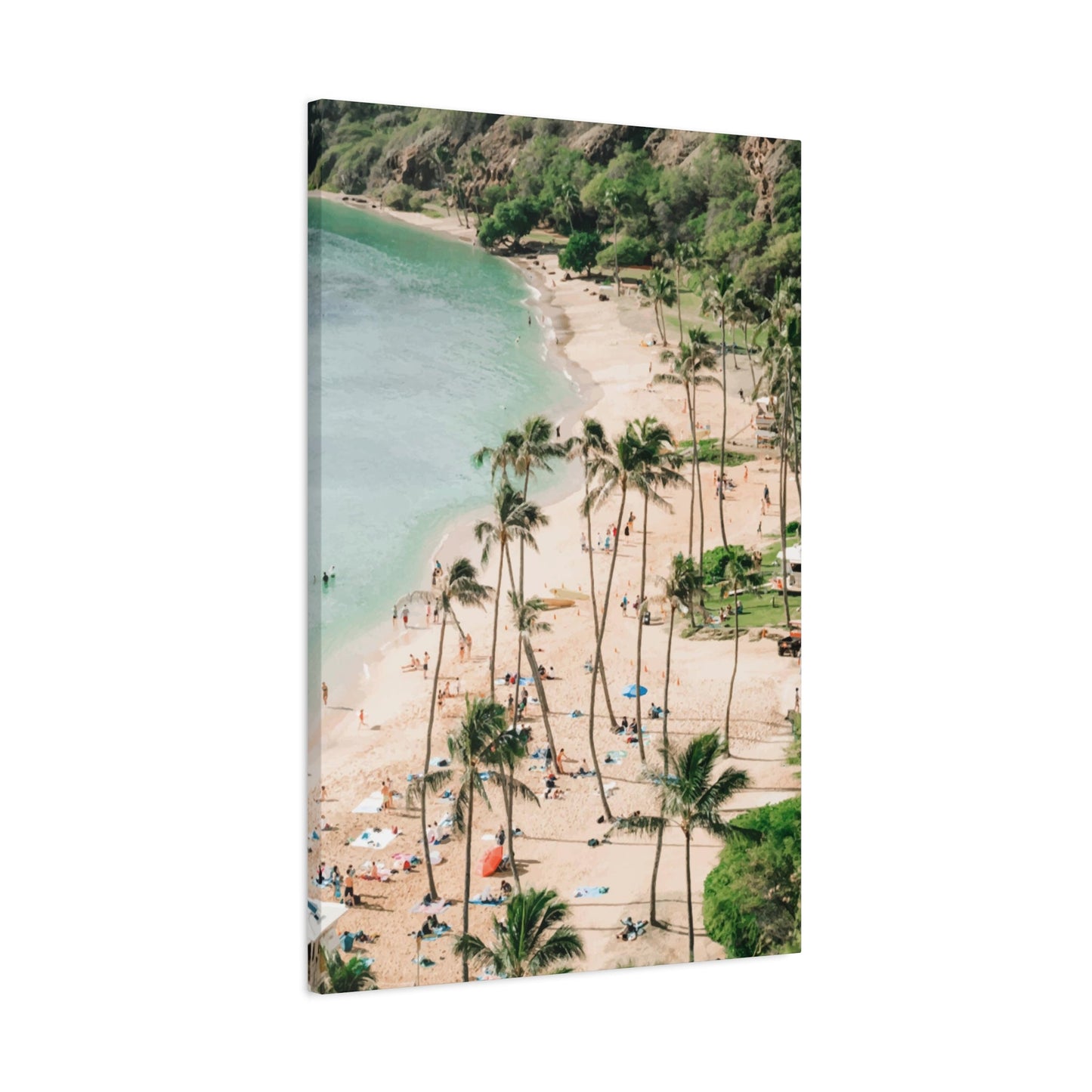
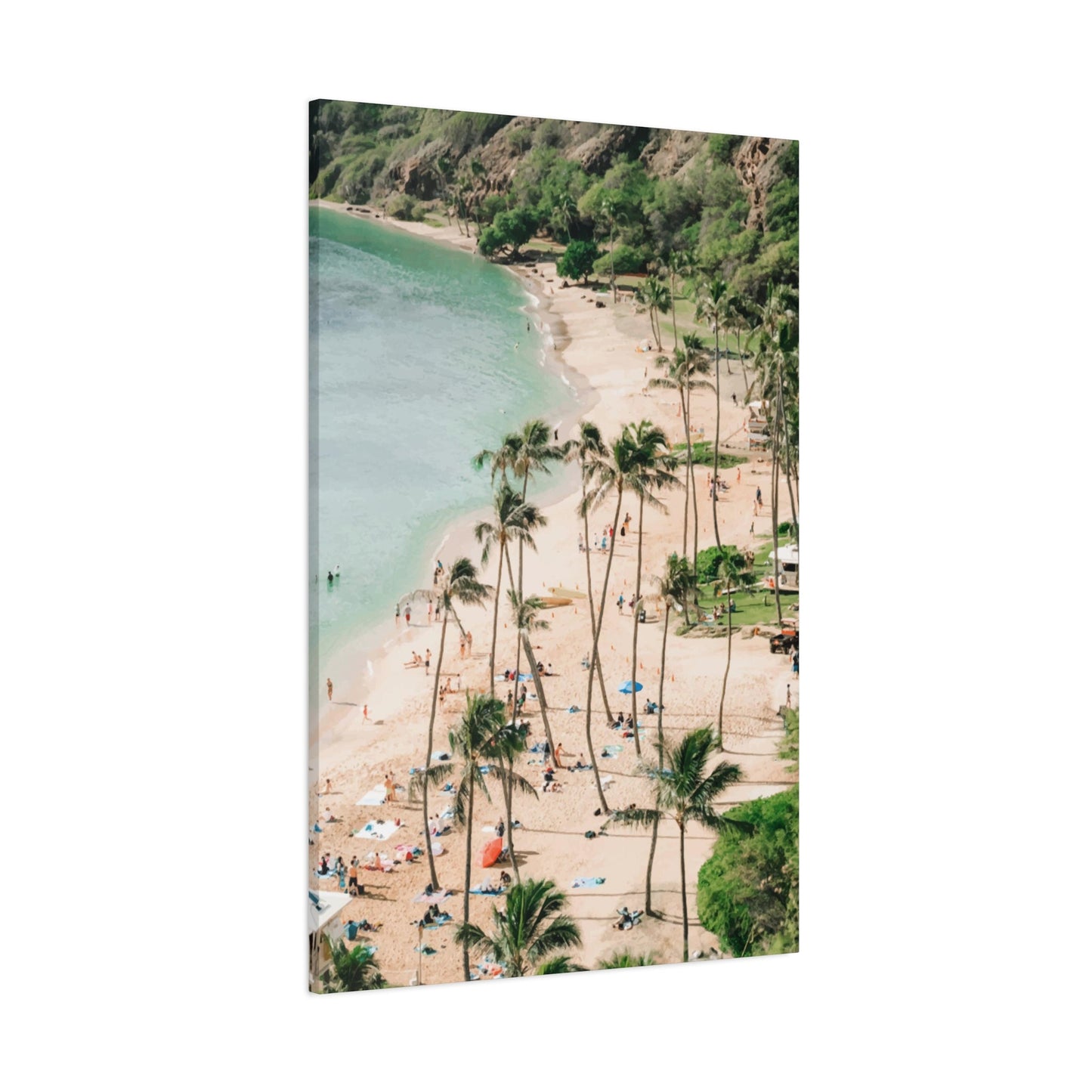
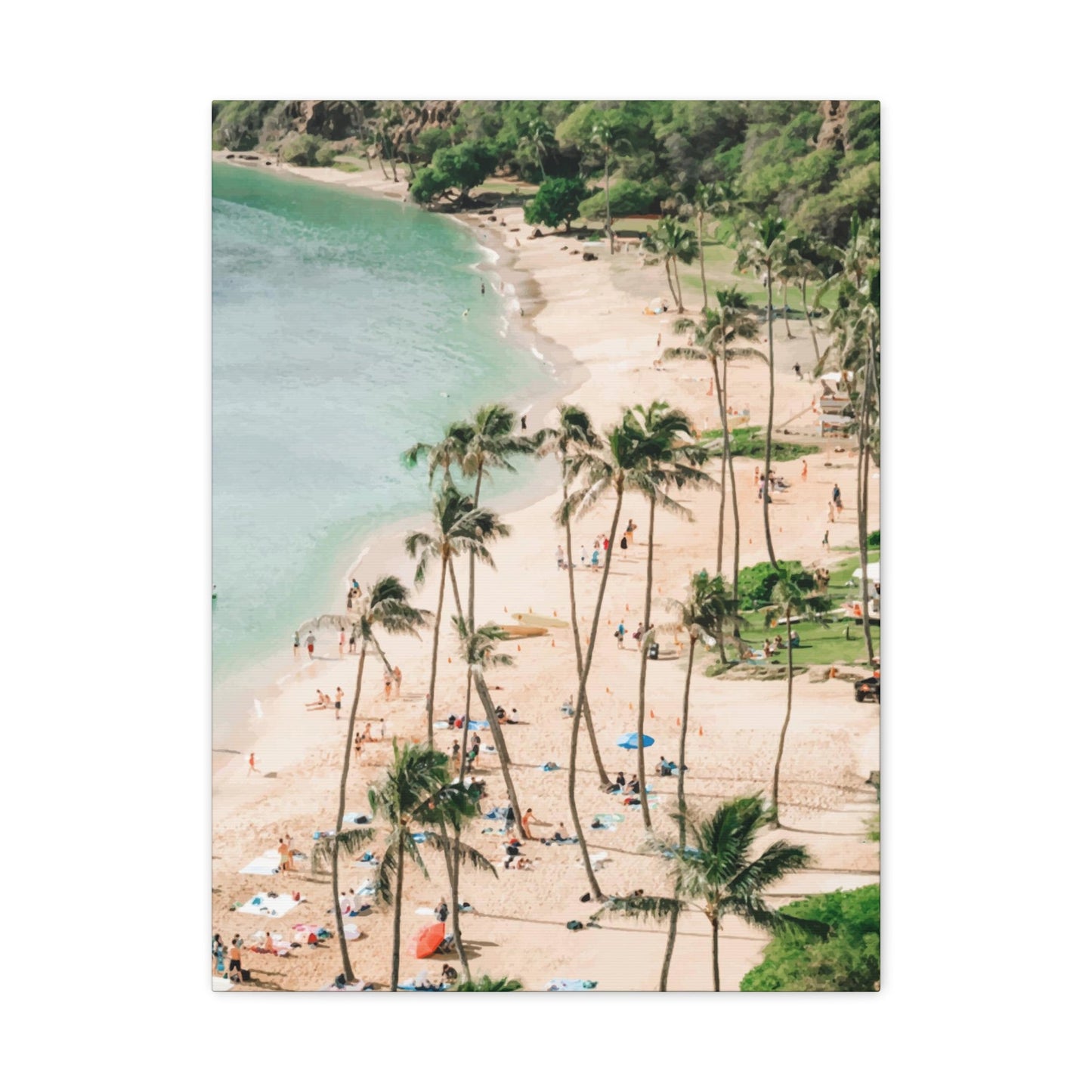
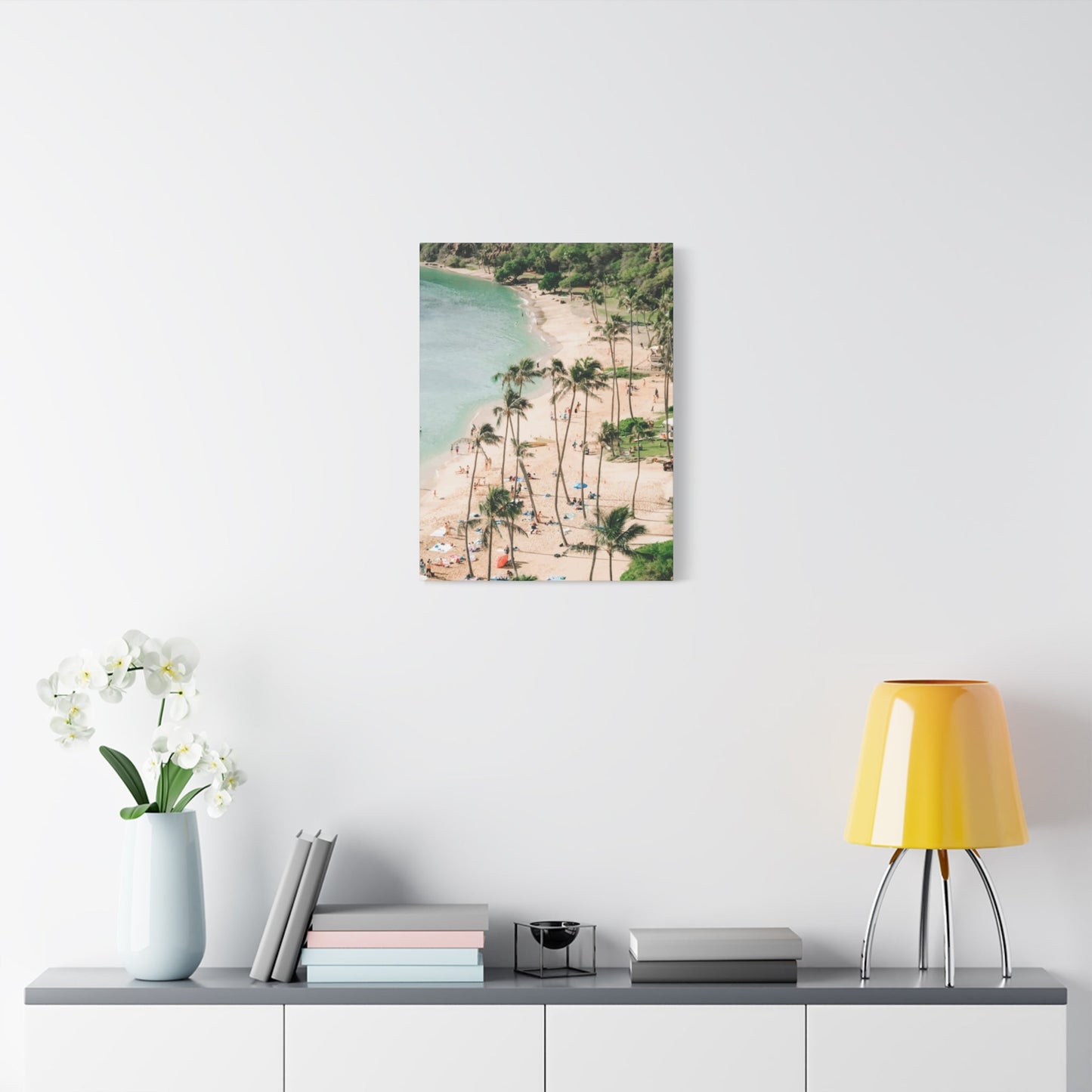
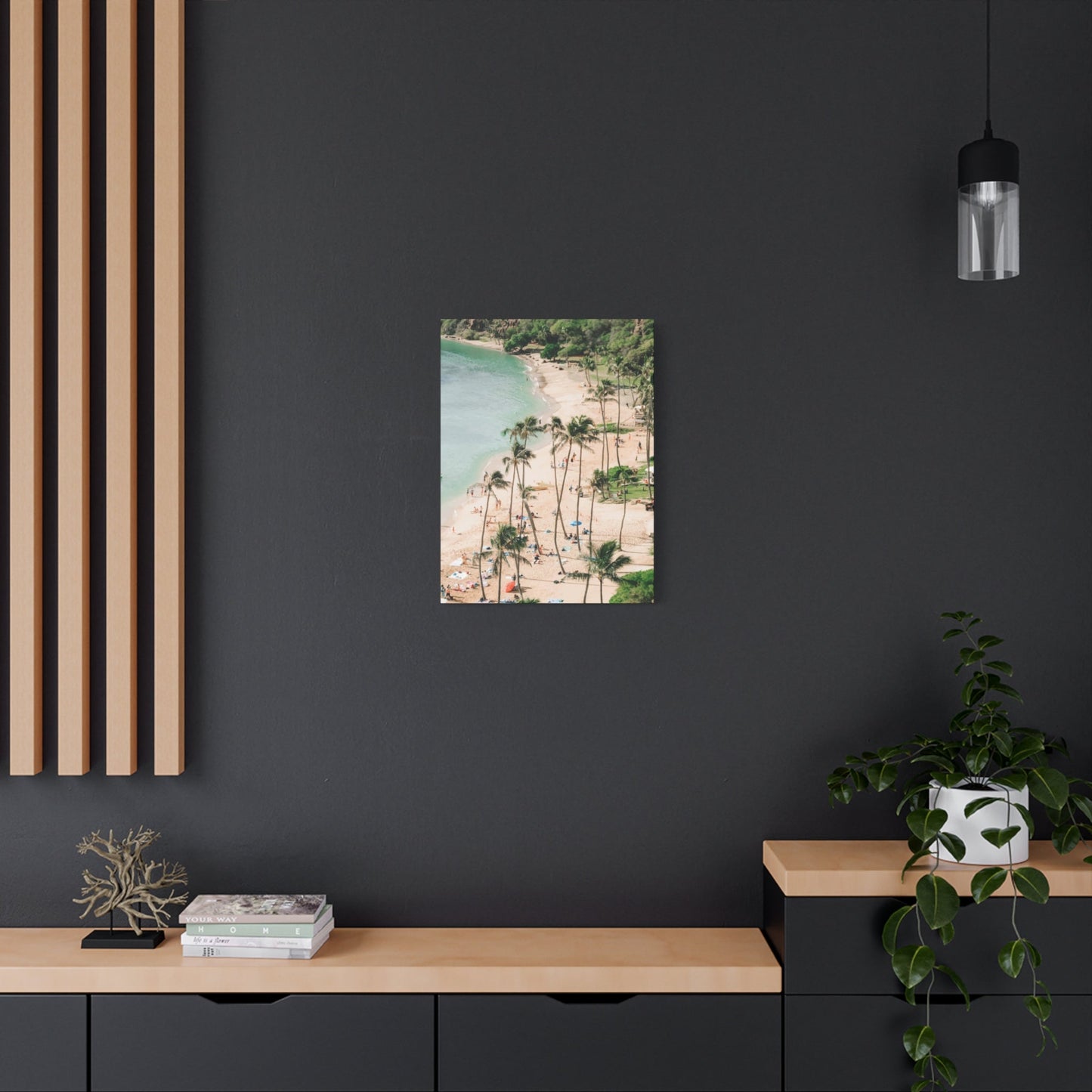
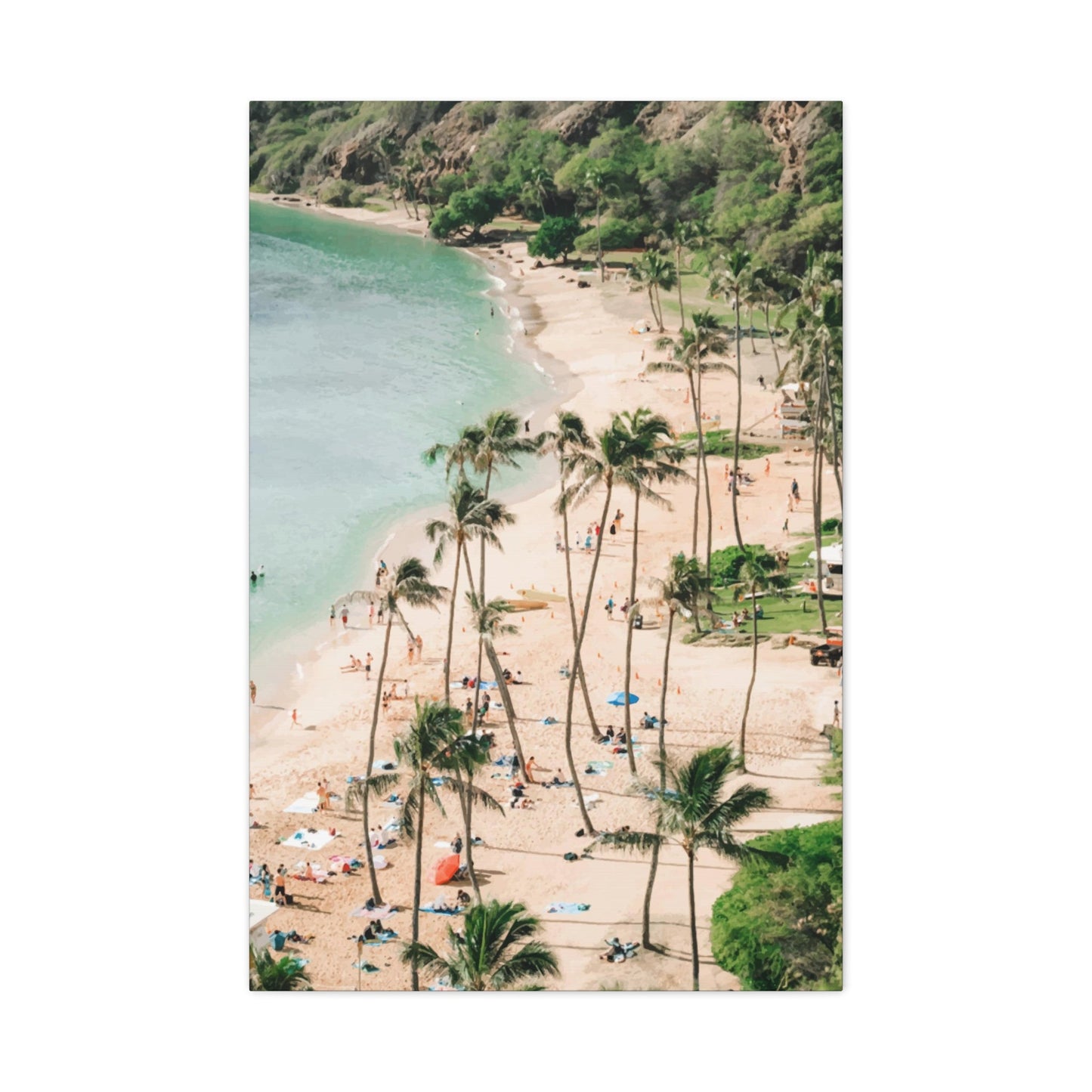
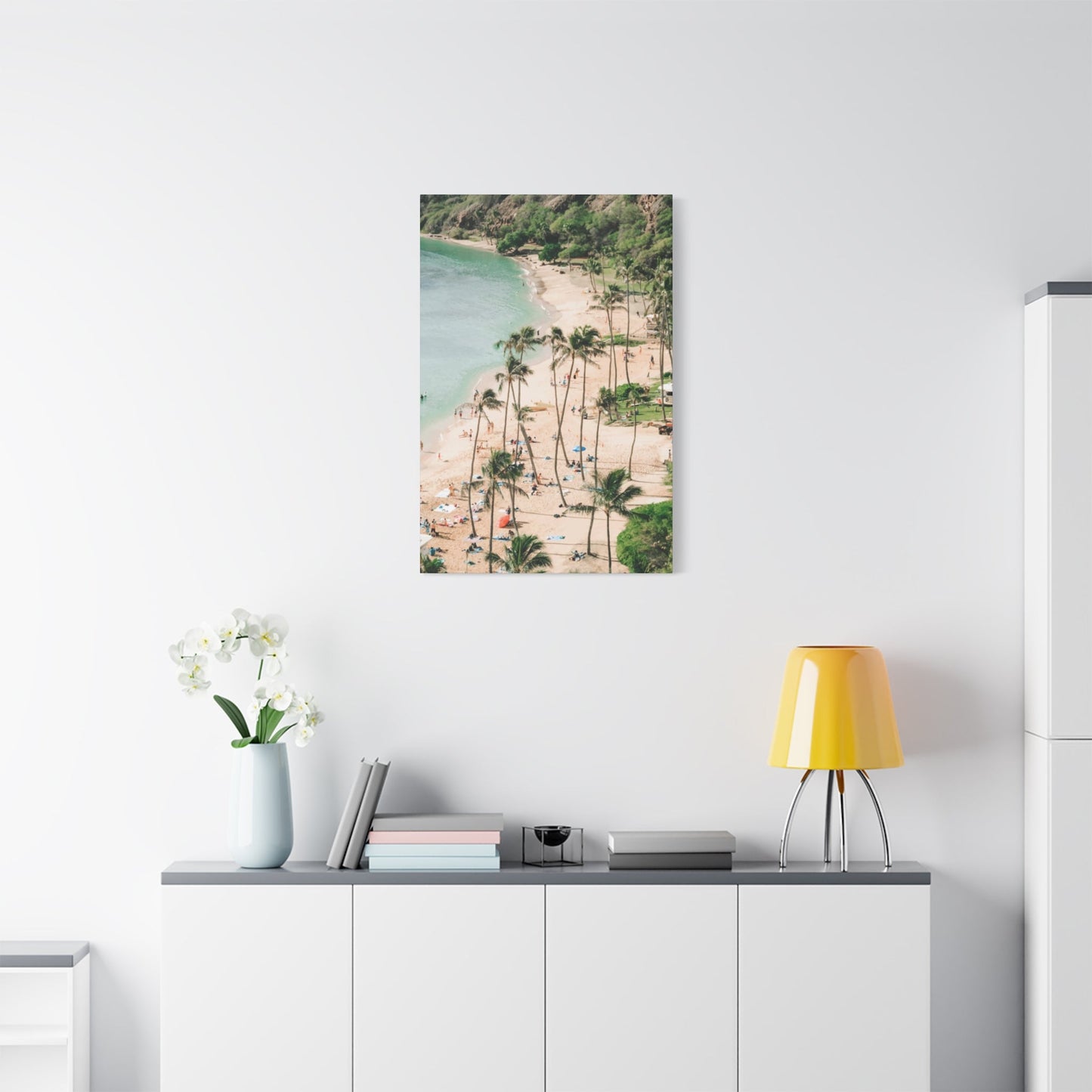
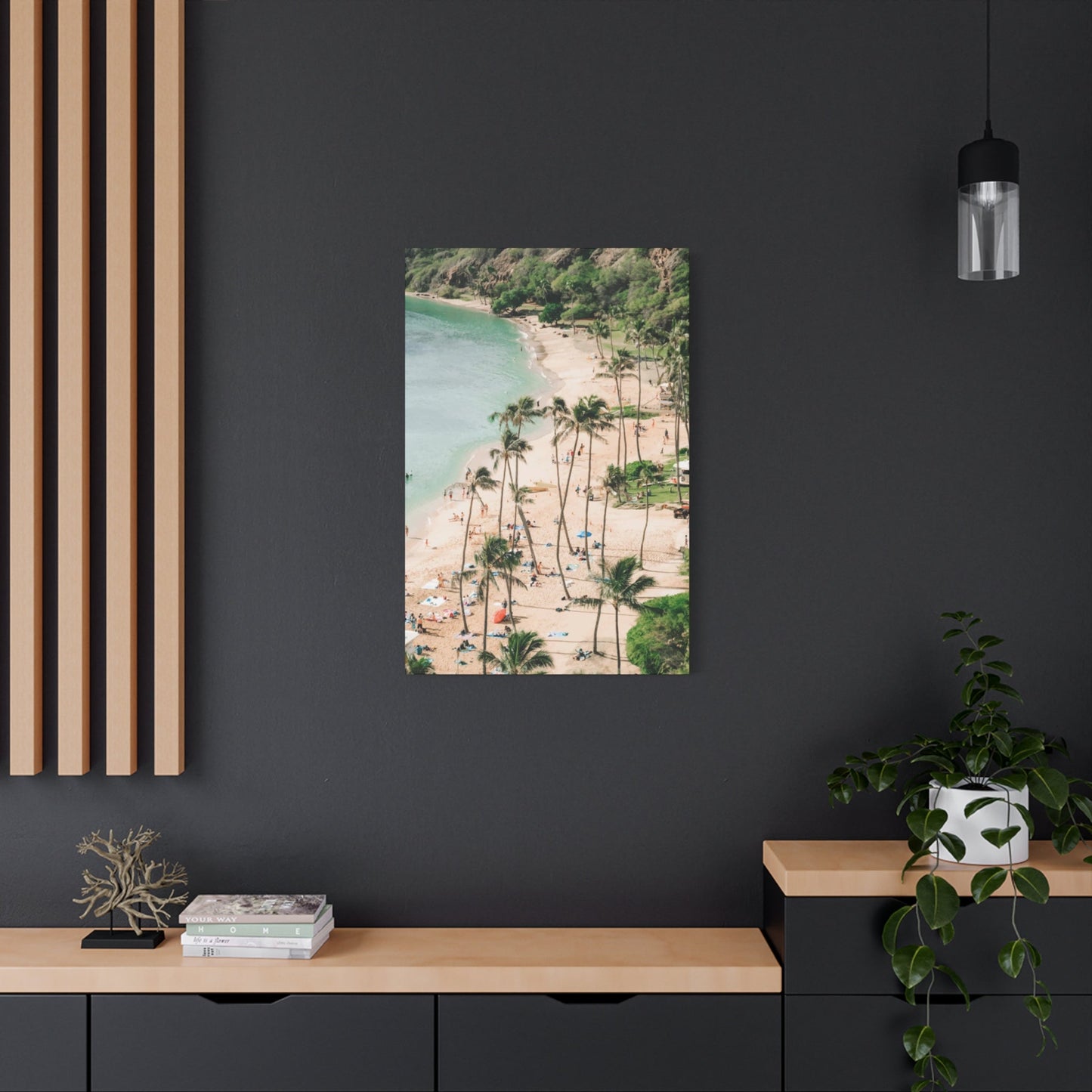
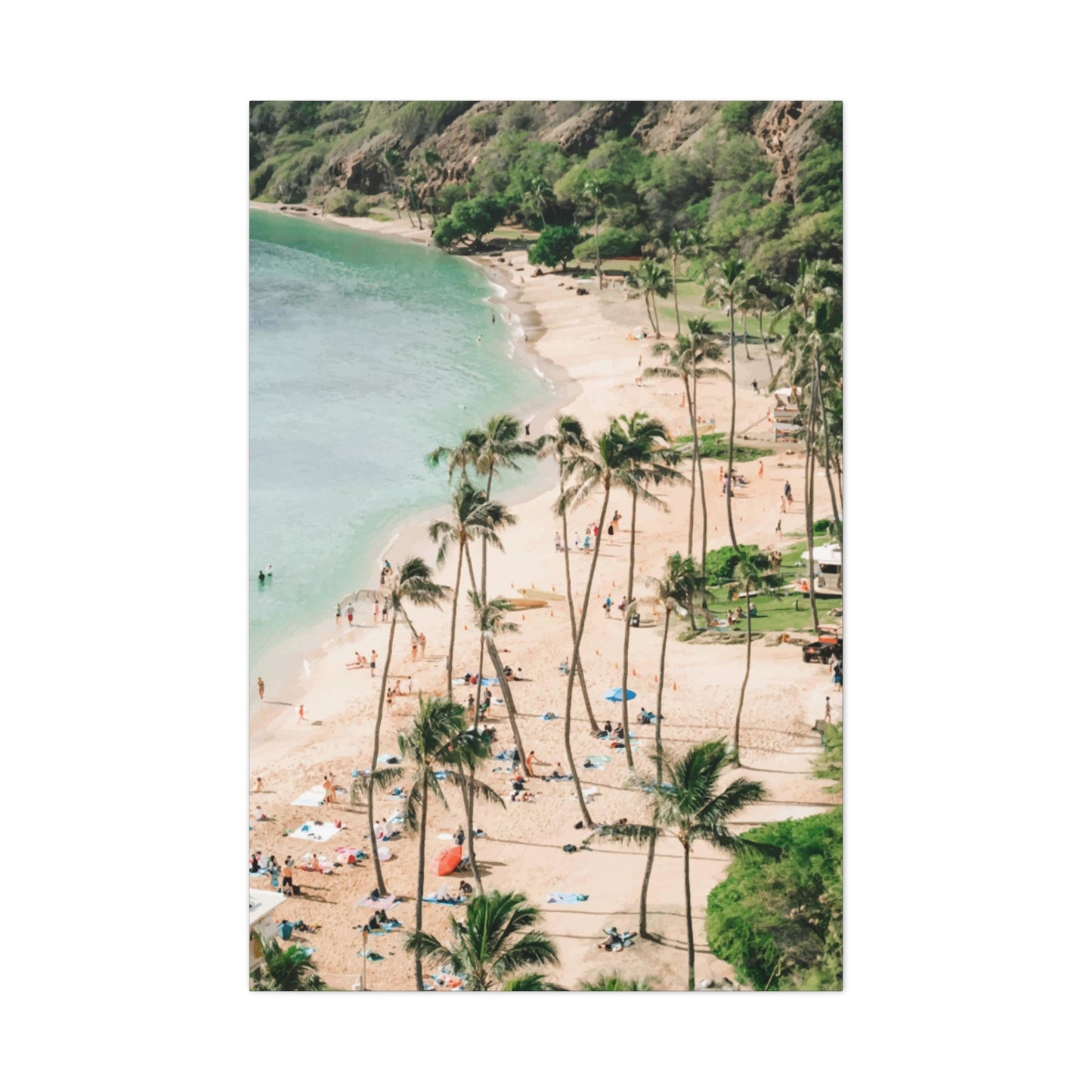

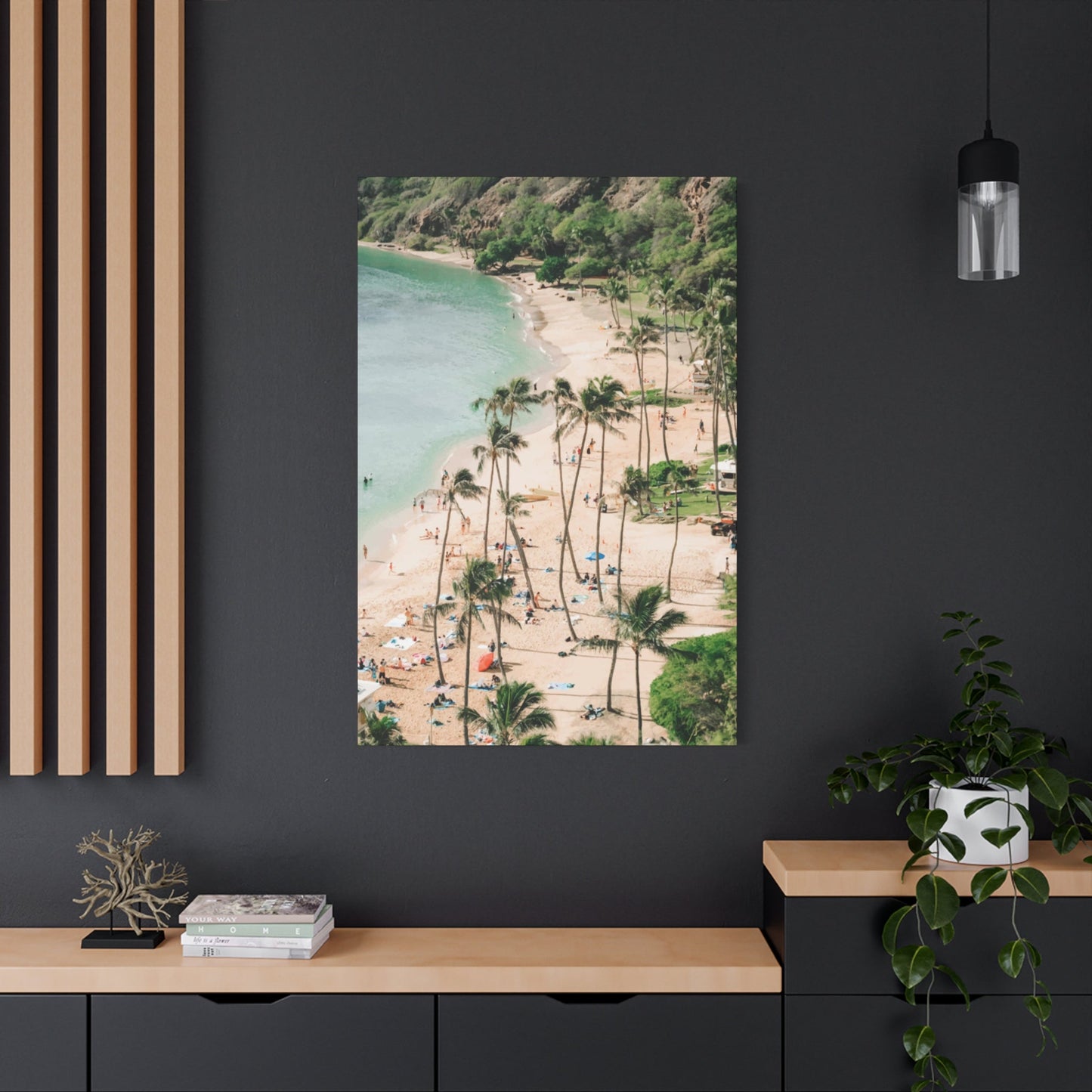
Hawai Wall Art: Celebrating the Rich Cultural Heritage of the Pacific Islands
The enchanting archipelago of Hawaii has long captivated hearts and minds with its breathtaking natural beauty, rich cultural tapestry, and vibrant artistic traditions that span centuries. From the ancient petroglyphs carved into volcanic rock faces to contemporary masterpieces adorning modern galleries, Hawaiian wall art represents a profound connection between the islands' indigenous heritage and their evolving artistic landscape. This comprehensive exploration delves deep into the multifaceted world of Hawaiian artistic expression, examining how traditional techniques, cultural symbols, and natural inspiration converge to create some of the most distinctive and meaningful artwork in the Pacific region.
Hawaiian wall art encompasses far more than mere decoration; it serves as a visual narrative of the islands' history, beliefs, and connection to the natural world. Each piece tells a story, whether through the intricate patterns of traditional tapa cloth, the flowing lines of contemporary surf-inspired paintings, or the sacred symbols that have guided Polynesian voyagers across vast ocean expanses for generations. The artistic traditions of Hawaii reflect a unique blend of indigenous Polynesian culture, influenced by centuries of migration, trade, and cultural exchange that have shaped the islands' identity.
The significance of Hawaiian wall art extends beyond aesthetic appeal, embodying spiritual beliefs, genealogical connections, and environmental consciousness that remain central to island life. Artists draw inspiration from the dramatic volcanic landscapes, pristine coral reefs, towering waterfalls, and lush tropical forests that define the Hawaiian environment. This natural inspiration manifests in vibrant color palettes that mirror the islands' stunning sunsets, the deep blues of the Pacific Ocean, and the emerald greens of ancient rainforests.
Contemporary Hawaiian artists continue to honor traditional techniques while embracing modern materials and methods, creating a dynamic artistic landscape that bridges past and present. This evolution reflects the islands' multicultural population and their ongoing dialogue between preservation and innovation. From gallery exhibitions in Honolulu to community art centers on outer islands, Hawaiian wall art continues to evolve while maintaining its deep cultural roots and connection to the land and sea.
The Rich Heritage of Island Artistic Expression
Hawaiian artistic traditions trace their origins to the earliest Polynesian settlers who arrived in the islands over a millennium ago, bringing with them sophisticated knowledge of navigation, agriculture, and creative expression. These pioneering voyagers established artistic practices that would form the foundation of Hawaiian culture, developing unique techniques for creating functional and ceremonial objects that served both practical and spiritual purposes.
The ancient Hawaiians possessed an intricate understanding of their natural environment, which became reflected in their artistic creations through the use of native materials such as koa wood, bamboo, volcanic rock, and plant fibers. Traditional artists, known as skilled craftspeople or kahuna, held respected positions within Hawaiian society, responsible for creating objects of both daily use and sacred significance. Their expertise was passed down through generations via oral tradition and hands-on apprenticeships, ensuring the preservation of ancient techniques and cultural knowledge.
Archaeological evidence reveals that Hawaiian artistic expression flourished long before European contact, with petroglyphs, carved wooden images, and woven textiles demonstrating sophisticated aesthetic sensibilities and technical mastery. These early art forms served multiple functions within Hawaiian society, including religious ceremonies, status symbols, historical records, and educational tools for passing down cultural knowledge to younger generations.
The arrival of Christian missionaries and Western influences in the early nineteenth century brought significant changes to Hawaiian artistic traditions, introducing new materials, techniques, and subject matter while simultaneously threatening indigenous practices. However, rather than completely replacing traditional art forms, these cultural encounters often resulted in innovative hybrid styles that incorporated both Hawaiian and foreign elements, creating unique artistic expressions that reflected the islands' changing cultural landscape.
Traditional Hawaiian artists possessed deep knowledge of seasonal cycles, lunar phases, and natural phenomena that influenced their creative processes. They understood which plants to harvest at specific times of year, how weather conditions affected material preparation, and the spiritual significance of various artistic elements. This intimate connection between artistic creation and natural rhythms remains an important aspect of contemporary Hawaiian wall art, with many modern artists continuing to honor these ancient practices.
The concept of mana, or spiritual power, played a crucial role in traditional Hawaiian art creation, with artists believing that their works could embody and transmit spiritual energy. This belief system influenced every aspect of the artistic process, from material selection and preparation to the actual creation and ceremonial dedication of finished pieces. Understanding this spiritual dimension provides important context for appreciating Hawaiian wall art and its continued significance in contemporary island culture.
Exploring Indigenous Symbols and Their Cultural Significance
Native Hawaiian symbols form the visual vocabulary of island artistic expression, each carrying deep cultural meanings that have been preserved and transmitted across generations. These symbols, known as traditional motifs or ancestral designs, represent fundamental concepts in Hawaiian cosmology, including genealogical connections, natural phenomena, spiritual beliefs, and social relationships that define island community life.
The honu, or Hawaiian green sea turtle, stands among the most recognizable and beloved symbols in Hawaiian art, representing longevity, peace, and good fortune. Traditional beliefs hold that honu are ancestral guardian spirits, or aumakua, that protect families and guide them through life's challenges. Artists frequently incorporate honu imagery into wall art, using various techniques to capture the graceful movement and ancient wisdom associated with these magnificent marine creatures.
Plumeria flowers, with their delicate petals and sweet fragrance, symbolize positivity, new beginnings, and the ephemeral nature of beauty in Hawaiian culture. These tropical blooms appear frequently in traditional and contemporary wall art, often rendered in soft pastels that capture their subtle color variations and organic forms. Artists use plumeria imagery to evoke feelings of paradise, romance, and the gentle spirit of aloha that permeates island life.
The maile leaf, sacred to the goddess Laka, represents peace, respect, and spiritual protection in Hawaiian tradition. This native vine plays important roles in ceremonial practices and is often woven into lei for special occasions. Wall art featuring maile leaf patterns draws upon these spiritual associations, creating pieces that embody tranquility and cultural reverence while celebrating the natural beauty of Hawaii's indigenous flora.
Geometric patterns inspired by traditional Polynesian navigation techniques appear frequently in Hawaiian wall art, reflecting the maritime heritage of island peoples. These angular designs, often incorporating triangular and diamond shapes, represent stars, ocean swells, and directional indicators that guided ancient voyagers across vast Pacific distances. Contemporary artists adapt these navigation symbols into modern compositions that honor ancestral knowledge while creating visually striking decorative pieces.
The tiki figure, representing various Polynesian deities and ancestral spirits, serves as a powerful protective symbol in Hawaiian culture. Traditional tiki carvings were created to guard temples, homes, and sacred sites, believed to ward off evil spirits and bring good fortune to their surroundings. Modern wall art incorporating tiki imagery draws upon this protective symbolism while adapting traditional forms to contemporary aesthetic preferences and display contexts.
Wave patterns, or nalu designs, capture the constant motion and power of the ocean that surrounds the Hawaiian Islands. These flowing, rhythmic patterns appear in various traditional art forms and continue to inspire contemporary wall art that celebrates the islands' deep connection to the sea. Artists use wave imagery to convey concepts of change, continuity, and the cyclical nature of life, reflecting fundamental Hawaiian philosophical beliefs about existence and natural harmony.
Natural Elements as Artistic Inspiration
The Hawaiian Islands' extraordinary natural environment provides endless inspiration for artistic creation, with dramatic landscapes, diverse ecosystems, and unique geological features offering visual and spiritual source material for wall art. Artists draw upon this natural abundance to create works that capture the essence of island life while celebrating the environmental diversity that makes Hawaii truly unique among world destinations.
Volcanic activity, which continues to shape the Hawaiian landscape, provides both literal and metaphorical inspiration for artistic expression. The dramatic interplay of fire and earth, creation and destruction, offers artists powerful imagery that reflects fundamental life cycles and natural transformation processes. Contemporary wall art often incorporates volcanic themes through bold color contrasts, flowing lava-like forms, and textural elements that evoke the raw power and creative energy of active volcanoes.
Hawaii's diverse marine environment, from shallow coral reefs to deep ocean trenches, supplies artists with an incredible variety of colors, forms, and movement patterns that translate beautifully into wall art. The vibrant hues of tropical fish, the intricate structures of coral formations, and the graceful movements of marine mammals provide endless visual inspiration for artists seeking to capture the underwater paradise that surrounds the islands.
Tropical rainforests, with their lush vegetation and complex ecosystems, offer artists rich opportunities to explore themes of growth, interconnection, and environmental harmony. The interplay of light and shadow filtering through dense canopies, the incredible diversity of plant forms and textures, and the vibrant greens that characterize healthy forest environments all contribute to artistic works that celebrate the islands' terrestrial natural heritage.
Mountain landscapes, from the snow-capped peaks of Mauna Kea to the dramatic ridges and valleys of older volcanic formations, provide artists with opportunities to explore themes of permanence, spiritual elevation, and the relationship between earth and sky. These elevated environments offer unique perspectives on island geography and serve as important cultural and spiritual sites that continue to inspire contemporary artistic expression.
Coastal environments, where land and sea meet in dramatic fashion, represent some of Hawaii's most visually striking and culturally significant landscapes. Artists find inspiration in the constant interaction between waves and shore, the dramatic cliff formations carved by centuries of ocean action, and the unique plant and animal communities that thrive in these transitional environments.
Weather patterns, from gentle trade winds to dramatic tropical storms, provide artists with opportunities to explore themes of change, power, and atmospheric beauty. The way light filters through passing clouds, the dramatic colors of tropical sunsets and sunrises, and the visual effects of rain and mist all contribute to artistic works that capture the dynamic and ever-changing character of Hawaiian weather systems.
Surfing Culture's Impact on Artistic Expression
Surf culture has profoundly influenced Hawaiian artistic expression, contributing distinctive visual elements, philosophical perspectives, and aesthetic sensibilities that continue to shape contemporary wall art. The sport of surfing, which originated in ancient Polynesia and was refined in Hawaiian waters, represents far more than recreational activity; it embodies a complete lifestyle and worldview that emphasizes harmony with natural forces, respect for the ocean environment, and the pursuit of personal excellence through dedicated practice.
Traditional Hawaiian surfing, known as he'e nalu, held deep cultural significance beyond its recreational aspects, serving as a means of demonstrating social status, spiritual connection with ocean deities, and mastery over natural forces. Chiefs and commoners alike participated in surfing, though different beaches and board types were reserved for various social classes, creating a complex cultural system that reflected broader Hawaiian social organization and religious beliefs.
The visual aesthetics of surf culture translate beautifully into wall art through flowing lines, dynamic movement patterns, and color palettes that capture the energy and freedom associated with riding waves. Artists incorporate surf-inspired elements through abstract representations of wave motion, stylized surfboard shapes, and compositions that evoke the sensation of moving through water with grace and power.
Contemporary surf art has evolved beyond simple beach scenes to encompass sophisticated artistic expressions that explore themes of environmental consciousness, cultural identity, and the relationship between humans and natural forces. Artists working in this genre often combine traditional Hawaiian motifs with modern surf imagery, creating pieces that speak to both cultural heritage and contemporary lifestyle choices.
The philosophy of surfing, which emphasizes patience, timing, respect for natural forces, and the pursuit of perfect moments, influences artistic approaches to composition, color selection, and subject matter. Many surf-inspired artists adopt working methods that mirror the meditative aspects of surfing, allowing natural inspiration to guide their creative processes while maintaining receptivity to unexpected opportunities and spontaneous artistic discoveries.
Surfboard art represents a unique subset of Hawaiian artistic expression, transforming functional sporting equipment into decorative objects that celebrate both craftsmanship and aesthetic beauty. Traditional surfboard shapes, construction techniques, and decorative elements provide artists with rich source material for wall art that honors this important aspect of Hawaiian culture while creating functional decorative pieces.
The global spread of surf culture has created international appreciation for Hawaiian artistic traditions, introducing surf-inspired aesthetics to audiences far from island shores. This cultural dissemination has created new markets for Hawaiian wall art while encouraging artistic innovation and cross-cultural collaboration that continues to enrich the tradition.
Environmental consciousness, which forms a crucial component of contemporary surf culture, influences artistic themes and material choices among Hawaii-based artists. Many surf-inspired wall art pieces incorporate recycled materials, environmentally sustainable production methods, and imagery that promotes ocean conservation and environmental awareness, reflecting the surfer's intimate relationship with marine ecosystems.
Traditional Textile Arts and Their Modern Applications
Hawaiian quilting represents one of the islands' most distinctive and culturally significant textile traditions, combining techniques introduced by Christian missionaries with indigenous aesthetic sensibilities and cultural symbolism. This unique art form has evolved from its nineteenth-century origins to become an important component of contemporary Hawaiian wall art, with quilted pieces serving both functional and decorative purposes in modern homes and public displays.
The development of Hawaiian quilting began when missionary wives taught island women European-style needlework techniques, but Hawaiian quilters quickly adapted these methods to create distinctive patterns and designs that reflected their own cultural values and aesthetic preferences. Rather than simply copying imported patterns, Hawaiian quilters developed appliqué techniques that allowed them to create bold, flowing designs inspired by local flora, fauna, and natural phenomena.
Traditional Hawaiian quilt patterns, known as kapa lau, typically feature large-scale motifs that dominate the entire quilt surface, creating dramatic visual impact through the interplay of positive and negative space. These designs often incorporate indigenous plant forms such as breadfruit leaves, kukui nuts, or crown flower blossoms, rendered in ways that capture both botanical accuracy and symbolic meaning within Hawaiian cultural contexts.
The color palette of traditional Hawaiian quilts reflects both practical considerations and aesthetic preferences, with early quilters using natural dyes derived from local plants to create rich earth tones, vibrant reds, and deep blues that complemented the tropical environment. Contemporary quilters continue this tradition while also incorporating modern synthetic dyes that expand the available color range without sacrificing the bold, high-contrast aesthetic that characterizes Hawaiian quilting.
Hawaiian quilting techniques have been adapted for wall art applications through various approaches, including framed quilt blocks, hanging textile panels, and mixed-media pieces that combine quilted elements with other artistic materials. These adaptations allow the distinctive visual appeal of Hawaiian quilting to be displayed in non-traditional contexts while maintaining the cultural integrity and craftsmanship values that define this art form.
The spiritual and emotional significance of Hawaiian quilting extends beyond its visual appeal, with traditional beliefs holding that quilts embody the mana, or spiritual energy, of their creators. This spiritual dimension influences contemporary wall art applications, with many artists and collectors viewing quilted pieces as meaningful cultural artifacts that connect them to Hawaiian heritage and values.
Contemporary Hawaiian quilters continue to innovate within traditional frameworks, developing new patterns that address modern themes while maintaining connection to ancestral techniques and cultural values. These innovations include environmentally themed designs, contemporary color combinations, and hybrid techniques that combine quilting with other textile arts to create unique wall art pieces.
The educational value of Hawaiian quilting has led to its incorporation into cultural preservation programs, art education curricula, and community workshops that teach traditional techniques to new generations. These educational initiatives ensure the continuation of quilting traditions while encouraging creative innovation and cultural adaptation that keeps the art form vibrant and relevant.
Polynesian Cultural Influences on Hawaiian Artistic Expression
The broader Polynesian cultural context provides essential background for understanding Hawaiian artistic traditions, with shared ancestral origins, similar environmental challenges, and ongoing cultural exchange contributing to artistic practices that extend far beyond individual island groups. Hawaiian art cannot be fully appreciated without recognizing its connections to the larger Polynesian cultural sphere and the ways in which these connections continue to influence contemporary artistic expression.
Ancient Polynesian voyaging traditions established cultural connections across vast Pacific distances, creating networks of artistic exchange that enriched local traditions while maintaining distinctive regional characteristics. Hawaiian artists inherited sophisticated knowledge of navigation symbols, ceremonial practices, and material culture that reflected this broader Polynesian heritage while developing unique adaptations suited to local conditions and cultural evolution.
Traditional Polynesian design principles, including geometric patterns, stylized natural forms, and symbolic representation systems, continue to influence contemporary Hawaiian wall art through both direct quotation and creative adaptation. These design elements provide artists with a rich vocabulary of forms and meanings that connect contemporary work to ancient cultural traditions while allowing for individual creative expression and innovation.
The concept of genealogical connection, which holds central importance in Polynesian cultures, influences Hawaiian artistic themes through emphasis on family relationships, ancestral honoring, and cultural continuity across generations. Wall art incorporating genealogical themes often uses traditional symbols and patterns to represent family histories, spiritual connections, and cultural identity that links contemporary life to ancestral heritage.
Polynesian spiritual beliefs, including concepts of mana, taboo restrictions, and divine presence in natural phenomena, continue to influence Hawaiian artistic creation through attention to sacred symbols, respectful material use, and ceremonial aspects of the creative process. These spiritual dimensions add layers of meaning to wall art that extend beyond purely aesthetic considerations to encompass cultural reverence and religious significance.
Contemporary Pacific Islander artists working in Hawaii often draw upon multiple Polynesian cultural traditions, creating works that reflect the multicultural character of modern island life while honoring various ancestral heritages. This cultural synthesis produces wall art that speaks to shared Pacific Islander identity while celebrating the diversity of traditions that contribute to contemporary Hawaiian culture.
The revival of traditional Polynesian arts, including tattooing, carving, and textile production, has created new opportunities for cultural exchange and artistic collaboration among Pacific Islander communities. Hawaiian wall art benefits from this cultural revival through access to traditional techniques, authentic cultural knowledge, and artistic inspiration that enriches contemporary creative expression.
Educational initiatives focusing on Polynesian cultural heritage have increased awareness of traditional artistic practices and their contemporary relevance, encouraging both indigenous and non-indigenous artists to explore Polynesian themes in their work. These educational programs contribute to cultural preservation while fostering artistic innovation and cross-cultural understanding that enriches the Hawaiian art scene.
Notable Artists and Their Contributions to Hawaiian Culture
Hawaiian artistic traditions have been shaped and enriched by countless individual artists who have contributed unique perspectives, innovative techniques, and cultural insight to the development of island visual culture. These artists, ranging from traditional craftspeople to contemporary gallery artists, have helped define Hawaiian aesthetic sensibilities while creating bodies of work that continue to influence new generations of creative practitioners.
Traditional Hawaiian artists, whose names are often lost to history, established the foundational techniques and aesthetic principles that continue to guide contemporary artistic expression. These anonymous masters developed sophisticated approaches to wood carving, textile production, and ceremonial object creation that required decades of training and cultural knowledge to master fully. Their legacy lives on in the techniques, patterns, and cultural values that inform modern Hawaiian wall art.
The twentieth century saw the emergence of Hawaiian artists who successfully bridged traditional and contemporary artistic practices, creating works that honored ancestral traditions while engaging with modern artistic movements and global cultural trends. These pioneering figures established precedents for cultural adaptation and artistic innovation that continue to influence contemporary Hawaiian artists working in various media and styles.
Contemporary Hawaiian artists have gained international recognition for their contributions to Pacific art, environmental awareness, and cultural preservation, bringing global attention to Hawaiian artistic traditions while creating new markets for island-based creative work. Their success has created opportunities for younger artists while establishing Hawaii as an important center for contemporary Pacific Islander artistic expression.
Native Hawaiian artists working today often incorporate traditional cultural knowledge into contemporary artistic practices, creating works that serve both aesthetic and educational purposes by transmitting cultural values and historical knowledge to diverse audiences. Their work plays crucial roles in cultural preservation while demonstrating the continued vitality and relevance of Hawaiian artistic traditions.
Non-indigenous artists living and working in Hawaii have also contributed significantly to the development of island artistic culture, bringing diverse perspectives and techniques that enrich the local art scene while often adopting Hawaiian themes and values in their work. These cultural exchanges have created hybrid artistic styles that reflect the multicultural character of contemporary Hawaiian society.
The collaborative nature of much contemporary Hawaiian artistic production reflects traditional cultural values emphasizing community cooperation and shared knowledge, with many artists working together on large-scale projects, participating in group exhibitions, and sharing techniques and cultural knowledge. This collaborative spirit continues to strengthen Hawaiian artistic communities while creating networks of mutual support and creative inspiration.
Educational institutions in Hawaii have played important roles in nurturing artistic talent and preserving cultural knowledge, providing training in both traditional and contemporary techniques while encouraging experimentation and innovation. These educational programs have produced generations of skilled artists who continue to contribute to Hawaiian cultural life while adapting traditional practices to contemporary contexts and audience needs.
Traditional Techniques Versus Contemporary Approaches
The relationship between traditional Hawaiian artistic techniques and contemporary approaches represents one of the most dynamic and complex aspects of island visual culture, with artists continuously negotiating between cultural preservation and creative innovation. This ongoing dialogue has produced distinctive artistic styles that honor ancestral knowledge while embracing modern materials, techniques, and aesthetic sensibilities that reflect contemporary Hawaiian life.
Traditional Hawaiian artistic techniques were developed over centuries of cultural evolution, with each generation adding refinements and innovations while maintaining connection to fundamental principles and cultural values. These techniques were intimately connected to environmental conditions, available materials, and spiritual beliefs that shaped both the practical and aesthetic dimensions of artistic production.
The introduction of Western materials and techniques during the nineteenth and twentieth centuries created new possibilities for Hawaiian artistic expression while sometimes threatening traditional practices and cultural knowledge. Artists responded to these challenges in various ways, with some embracing new possibilities while others worked to preserve traditional methods and cultural authenticity.
Contemporary Hawaiian artists often employ hybrid approaches that combine traditional and modern elements, using ancient symbols and cultural themes while adopting contemporary materials, production methods, and display contexts. These hybrid styles allow artists to maintain cultural connections while reaching contemporary audiences and participating in global artistic conversations.
The preservation of traditional techniques has become an important cultural priority, with educational programs, apprenticeship opportunities, and documentation projects working to ensure that ancestral knowledge is not lost to modernization. These preservation efforts often involve collaborations between elder practitioners and younger artists who serve as cultural carriers for future generations.
Modern technology has created new possibilities for Hawaiian artistic expression, including digital design tools, synthetic materials, and production techniques that were unavailable to traditional artists. Contemporary practitioners use these technologies to explore traditional themes in new ways while creating artworks that would have been impossible using historical methods and materials.
The economics of contemporary art production have influenced the relationship between traditional and modern approaches, with market demands, production costs, and audience preferences affecting artistic choices and career sustainability. Artists must balance cultural authenticity with commercial viability while maintaining personal artistic integrity and cultural responsibility.
Environmental consciousness has become an important factor in contemporary Hawaiian artistic practice, with many artists adopting sustainable production methods, recycled materials, and themes that promote ecological awareness. This environmental focus reflects both traditional Hawaiian values emphasizing harmony with nature and contemporary concerns about climate change and environmental degradation.
Creating Hawaiian-Inspired Home Environments
Hawaiian wall art offers unique opportunities for creating home environments that reflect island aesthetics, cultural values, and natural beauty while providing daily connection to the peaceful and harmonious lifestyle associated with Hawaiian culture. Incorporating authentic Hawaiian artistic elements into residential settings requires understanding both traditional cultural meanings and contemporary design principles that ensure respectful and effective integration.
The selection of Hawaiian wall art for home display should consider both aesthetic compatibility with existing décor and cultural appropriateness of chosen pieces, ensuring that artistic selections honor Hawaiian cultural values while enhancing the visual appeal of living environments. Understanding the cultural significance of various symbols and motifs helps ensure that decorative choices reflect genuine appreciation rather than superficial appropriation.
Color palettes inspired by Hawaiian natural environments provide excellent foundations for home decorating schemes that complement Hawaiian wall art while creating cohesive and visually appealing room designs. The vibrant blues of ocean waters, warm earth tones of volcanic landscapes, and lush greens of tropical vegetation offer rich possibilities for creating harmonious and peaceful living environments.
Lighting considerations play crucial roles in displaying Hawaiian wall art effectively, with natural light enhancing the tropical aesthetic while artificial lighting should complement rather than overpower the subtle color variations and textural elements that characterize many Hawaiian artistic pieces. Proper lighting helps create atmospheric effects that enhance the overall impact of Hawaiian-inspired home environments.
The integration of natural materials and textures, including wood, stone, and fiber elements that echo traditional Hawaiian craftsmanship, helps create authentic environments that support and complement wall art displays. These natural elements provide contextual richness that enhances the cultural significance and aesthetic impact of Hawaiian artistic pieces.
Plant selections that include Hawaiian native species or tropical varieties that thrive in similar conditions can enhance Hawaiian-inspired home environments while providing living elements that complement wall art themes and color palettes. Indoor gardens and plant displays create dynamic environments that change seasonally while maintaining connection to Hawaiian natural beauty.
Furniture and accessory choices that reflect Hawaiian cultural values, including emphasis on natural materials, comfortable functionality, and indoor-outdoor living integration, help create comprehensive design schemes that support Hawaiian wall art while promoting the relaxed and harmonious lifestyle associated with island living.
The arrangement and grouping of Hawaiian wall art pieces requires consideration of traditional compositional principles, cultural protocols, and contemporary design guidelines that ensure effective visual impact while maintaining cultural respect and artistic integrity. Thoughtful arrangement can create powerful visual narratives that enhance both aesthetic appeal and cultural meaning.
The Ancient Art of Tapa and Its Stories
Tapa cloth production represents one of the most ancient and culturally significant Hawaiian artistic traditions, with archaeological evidence suggesting that bark cloth manufacturing has been practiced in the Pacific region for over two thousand years. This remarkable textile tradition combines sophisticated technical knowledge with rich cultural symbolism, creating functional and ceremonial objects that serve as repositories of cultural knowledge and artistic achievement.
Traditional tapa production begins with the careful selection and harvesting of paper mulberry trees, known as wauke in Hawaiian, with experienced practitioners understanding the optimal timing, environmental conditions, and plant characteristics that produce the finest raw materials. The bark harvesting process requires considerable skill and cultural knowledge, as different parts of the tree yield materials with varying characteristics suitable for different applications and artistic effects.
The beating process, which transforms raw bark into flexible textile material, represents perhaps the most technically demanding aspect of tapa production, requiring specialized tools, precise techniques, and years of practice to master fully. Traditional beaters, carved from dense hardwoods and featuring distinctive surface patterns, not only shape the material but also imprint decorative elements that become integral parts of the finished textile design.
Decorative techniques applied to finished tapa cloth include stamping, painting, and rubbing methods that create complex visual patterns incorporating both geometric designs and naturalistic motifs. These decoration methods often involve multiple layers of pattern application, with each successive layer adding visual complexity and cultural meaning to the finished piece.
Traditional tapa designs serve as visual repositories of cultural knowledge, with specific patterns indicating family affiliations, social status, ceremonial purposes, and spiritual beliefs that connect individual pieces to broader cultural contexts. The ability to read and interpret these design elements requires deep cultural knowledge that was traditionally passed down through generations of specialized practitioners.
Contemporary tapa artists continue traditional production methods while also exploring innovative approaches that expand the artistic possibilities of bark cloth production without compromising cultural authenticity or technical quality. These innovations include new decorative techniques, expanded color palettes, and creative applications that bring tapa into contemporary artistic contexts.
The storytelling aspect of tapa production extends beyond the finished textile to encompass the entire creation process, with each stage of production carrying cultural significance and educational value that connects practitioners to ancestral knowledge and community traditions. This narrative dimension makes tapa production both an artistic and educational practice that serves cultural preservation functions.
Modern applications of tapa in wall art contexts require careful consideration of preservation requirements, display methods, and cultural protocols that ensure appropriate treatment of these culturally significant textiles. When properly cared for and displayed, historic and contemporary tapa pieces provide powerful connections to Hawaiian cultural heritage while serving as outstanding examples of indigenous artistic achievement.
Volcanic Imagery and Its Symbolic Meanings
Volcanic activity, which continues to shape the Hawaiian landscape through ongoing geological processes, provides some of the most powerful and culturally significant imagery in Hawaiian artistic traditions. The dramatic interplay of fire and earth, creation and destruction, offers artists rich symbolic material that reflects fundamental life processes, spiritual beliefs, and cultural understanding of natural forces that define the Hawaiian experience.
Traditional Hawaiian culture recognized volcanoes as manifestations of divine power, particularly associated with Pele, the volcano goddess whose presence continues to influence contemporary artistic expression and cultural practices. Artistic representations of volcanic activity often incorporate spiritual dimensions that honor Pele while capturing the awesome natural forces that she embodies, creating works that serve both aesthetic and devotional purposes.
The visual characteristics of volcanic activity, including flowing lava, glowing embers, ash clouds, and newly formed rock formations, provide artists with distinctive color palettes, textural effects, and compositional elements that create dramatic and emotionally powerful artworks. These natural phenomena translate effectively into various artistic media, from paintings and prints to sculptural and mixed-media installations.
Contemporary volcanic imagery often addresses environmental themes, including climate change, geological time scales, and the relationship between human activity and natural forces, reflecting modern concerns while drawing upon traditional cultural knowledge and aesthetic sensibilities. These contemporary approaches demonstrate the continued relevance of volcanic symbolism in addressing current cultural and environmental issues.
The creative aspect of volcanic activity, which literally creates new land through ongoing geological processes, resonates with artistic themes of creation, transformation, and renewal that appear frequently in Hawaiian wall art. Artists often draw parallels between geological creativity and human artistic expression, finding inspiration in the natural processes that continue to shape their island home.
Color symbolism associated with volcanic activity includes the dramatic reds and oranges of flowing lava, the deep blacks of cooled volcanic rock, and the various earth tones created by volcanic minerals and weathering processes. These distinctive color combinations have become closely associated with Hawaiian artistic expression and are often used to evoke volcanic themes even in non-literal artistic contexts.
The power and unpredictability of volcanic activity serve as metaphors for various aspects of human experience, including passion, creativity, destruction, renewal, and the cyclical nature of existence. Artists working with volcanic themes often explore these metaphorical dimensions while creating works that speak to universal human experiences through specifically Hawaiian cultural and environmental contexts.
Safety considerations and cultural protocols surrounding volcanic activity influence how artists approach volcanic themes, with traditional cultural knowledge providing guidelines for respectful representation of sacred natural forces. Contemporary artists often work with cultural practitioners and community members to ensure that their volcanic imagery honors traditional beliefs while serving contemporary artistic and educational purposes.
Island Color Palettes in Contemporary Art
The extraordinary natural color combinations found throughout the Hawaiian Islands provide artists with distinctive palettes that immediately evoke tropical environments and island living while offering rich possibilities for creating visually striking and emotionally resonant wall art. These natural color relationships, refined by millions of years of evolutionary development, provide proven harmonious combinations that work effectively in contemporary artistic applications.
Ocean colors, ranging from the pale turquoise of shallow lagoons to the deep navy of open water, provide foundational elements for Hawaiian color palettes while offering symbolic associations with peace, tranquility, spiritual depth, and the endless possibilities represented by oceanic horizons. Artists working with ocean-inspired palettes often explore gradual color transitions that mirror the way sunlight penetrates water at different depths.
Sunset and sunrise colors, which achieve particular drama in tropical latitudes due to atmospheric conditions and clear horizons, offer some of the most vibrant and emotionally powerful color combinations available to Hawaiian artists. These dramatic color events provide daily inspiration while offering symbolic associations with renewal, transformation, and the cyclical nature of existence.
Volcanic landscape colors, including the rich reds and oranges of flowing lava, the deep blacks of cooled basalt, and the various earth tones created by volcanic minerals, provide distinctive palette options that immediately evoke Hawaiian geological characteristics while offering powerful symbolic associations with creation, transformation, and elemental forces.
Tropical vegetation colors, from the countless shades of green found in Hawaiian forests to the vibrant blooms of native and introduced flowering plants, offer artists rich possibilities for creating works that celebrate the islands' botanical diversity while evoking feelings of growth, vitality, and natural abundance.
Cultural color associations, derived from traditional Hawaiian practices and beliefs, influence contemporary artistic choices through understanding of color symbolism, spiritual significance, and cultural appropriateness that ensures respectful and meaningful use of traditional color knowledge. These cultural dimensions add layers of meaning that extend beyond purely aesthetic considerations.
Seasonal color variations, though subtle in tropical climates, provide artists with opportunities to explore changing light qualities, vegetation cycles, and atmospheric conditions that create distinctive seasonal palettes throughout the year. Understanding these subtle variations allows artists to create works that reflect specific times and places while maintaining connection to Hawaiian environmental rhythms.
Modern color technology, including synthetic pigments and digital color reproduction methods, has expanded the range of colors available to Hawaiian artists while raising questions about authenticity, environmental impact, and cultural appropriateness that influence contemporary artistic practice. Many artists work to balance access to modern color technology with commitment to traditional cultural values and environmental responsibility.
Traditional Wood Carving and Three-Dimensional Art
Hawaiian wood carving traditions represent some of the most sophisticated and culturally significant three-dimensional art forms in the Pacific region, with master carvers developing techniques and aesthetic principles over centuries of cultural evolution. These carved objects served various functions within traditional Hawaiian society, from utilitarian tools and containers to sacred images and ceremonial objects that embodied spiritual power and cultural identity.
Traditional carving materials included native Hawaiian woods such as koa, which provided strength, durability, and distinctive grain patterns that enhanced the visual appeal of finished pieces, and lighter woods such as wiliwili, which were prized for specific applications including surfboards and other specialized objects. Each wood species offered unique working characteristics and aesthetic qualities that influenced design choices and artistic outcomes.
Master carvers, who held respected positions within Hawaiian society, possessed sophisticated knowledge of wood properties, tool techniques, and cultural protocols that governed the creation of various carved objects. Their training required years of apprenticeship and cultural education, ensuring that both technical skills and cultural knowledge were properly transmitted to succeeding generations of practitioners.
Traditional carving tools, fashioned from stone, bone, and later metal materials, required considerable skill to manufacture and maintain, with different tool types designed for specific carving techniques and effects. The relationship between carver and tool was considered particularly important, with some tools being passed down through generations and accumulating spiritual significance through their use in creating sacred objects.
Sacred carvings, including temple images and ceremonial objects, were created according to strict cultural protocols that governed everything from material selection and preparation to carving techniques and finishing methods. These sacred objects were believed to embody spiritual power and required special treatment throughout their creation, use, and eventual disposal or preservation.
Contemporary Hawaiian wood carvers continue traditional techniques while also exploring new artistic possibilities that expand the medium without compromising cultural authenticity or technical quality. These contemporary approaches include new subject matter, innovative tool techniques, and hybrid styles that combine traditional Hawaiian elements with influences from other carving traditions and contemporary artistic movements.
The adaptation of traditional carving techniques for contemporary wall art applications has created new possibilities for displaying Hawaiian three-dimensional work in modern homes and public buildings, with artists developing mounting systems, display methods, and presentation formats that make carved pieces accessible to contemporary audiences while maintaining their cultural significance and artistic integrity.
Educational programs focusing on traditional Hawaiian wood carving have helped preserve cultural knowledge while training new generations of practitioners who can carry forward traditional techniques and cultural values. These programs often combine technical instruction with cultural education, ensuring that students understand both the practical and spiritual dimensions of traditional carving practices.
Hula's Visual Representation in Static Art
The graceful movements and cultural significance of hula dance provide rich inspiration for Hawaiian wall art, with artists finding various methods to capture the dynamic beauty, spiritual meaning, and cultural importance of this ancient Polynesian art form. Representing movement in static visual media requires creative solutions that honor the essence of hula while adapting to the constraints and possibilities of two-dimensional artistic expression.
Traditional hula encompasses multiple forms, from the ancient sacred hula kahiko to the more contemporary hula auana, each with distinctive movement vocabularies, cultural contexts, and spiritual significance that influence artistic interpretation. Understanding these different hula traditions helps artists create more authentic and culturally appropriate visual representations that honor the complexity and cultural importance of Hawaiian dance traditions.
The relationship between hula and Hawaiian natural environment provides artists with opportunities to explore connections between dance movements and natural phenomena, including the swaying of palm trees, the motion of ocean waves, and the graceful flight of seabirds. These natural parallels allow artists to suggest hula movement through environmental imagery while maintaining connection to the cultural and spiritual meanings embedded in traditional dance forms.
Traditional hula costume elements, including kapa cloth, lei, and other decorative accessories, provide visual focal points that help identify hula themes in wall art while offering opportunities to incorporate traditional Hawaiian craft techniques and cultural symbols. These costume elements carry their own cultural significance while serving as visual markers that connect static artworks to living dance traditions.
Musical instruments associated with hula, including various drums, rattles, and string instruments, appear frequently in hula-inspired wall art as symbols of the musical foundation that supports all hula performance. These instrumental elements provide compositional anchors while suggesting the rhythmic and melodic dimensions of hula that cannot be directly represented in visual media.
Conclusion
Hawai wall art is a vibrant celebration of the rich cultural heritage and natural beauty of the Pacific Islands. More than just decorative pieces, these artworks embody the spirit, traditions, and stories of Hawai’i and the broader Pacific region, bringing a deep sense of place and history into your living space. Through colorful imagery, symbolic motifs, and evocative landscapes, Hawai wall art invites you to connect with the islands’ unique blend of ancient customs and modern influences.
The Pacific Islands are renowned for their breathtaking scenery—lush tropical forests, pristine beaches, and dramatic volcanic landscapes. Hawai wall art captures these stunning natural elements with artistic finesse, offering viewers a window into paradise. From iconic hibiscus flowers and swaying palm trees to powerful ocean waves and serene sunsets, the imagery reflects the islands’ vibrant life and dynamic environment, filling your home with warmth and tranquility.
Beyond nature, Hawai wall art also honors the rich cultural traditions that define the islands. Many pieces incorporate symbols from Polynesian mythology, traditional tattoo patterns, and elements of native crafts such as weaving and carving. This fusion of art and culture serves as a powerful reminder of the islands’ ancestral heritage, resilience, and the deep respect for ‘ohana (family) and community. Displaying these works is a meaningful way to celebrate and preserve Pacific Islander identity and history.
Incorporating Hawai wall art into your décor not only enhances your space aesthetically but also infuses it with storytelling and cultural depth. Whether your style is coastal, bohemian, or contemporary, these artworks blend seamlessly, creating an atmosphere of relaxation and inspiration. They are perfect for living rooms, bedrooms, offices, or any space where you want to evoke the spirit of aloha and the beauty of island life.
Moreover, Hawai wall art connects us to values of harmony, respect for nature, and mindfulness—principles deeply rooted in Pacific Island culture. They remind us to appreciate the world’s natural wonders and our place within them, encouraging a lifestyle that embraces balance and gratitude.
In conclusion, Hawai wall art is a beautiful tribute to the Pacific Islands’ natural splendor and cultural richness. These artworks bring the essence of island life into your home, celebrating a heritage that is as vibrant and enduring as the islands themselves. Let your space be filled with the aloha spirit, where every piece tells a story of tradition, beauty, and connection.


