


Interstellar Movie Poster Wall Art & Canvas Prints
Interstellar Movie Poster Wall Art & Canvas Prints
Couldn't load pickup availability




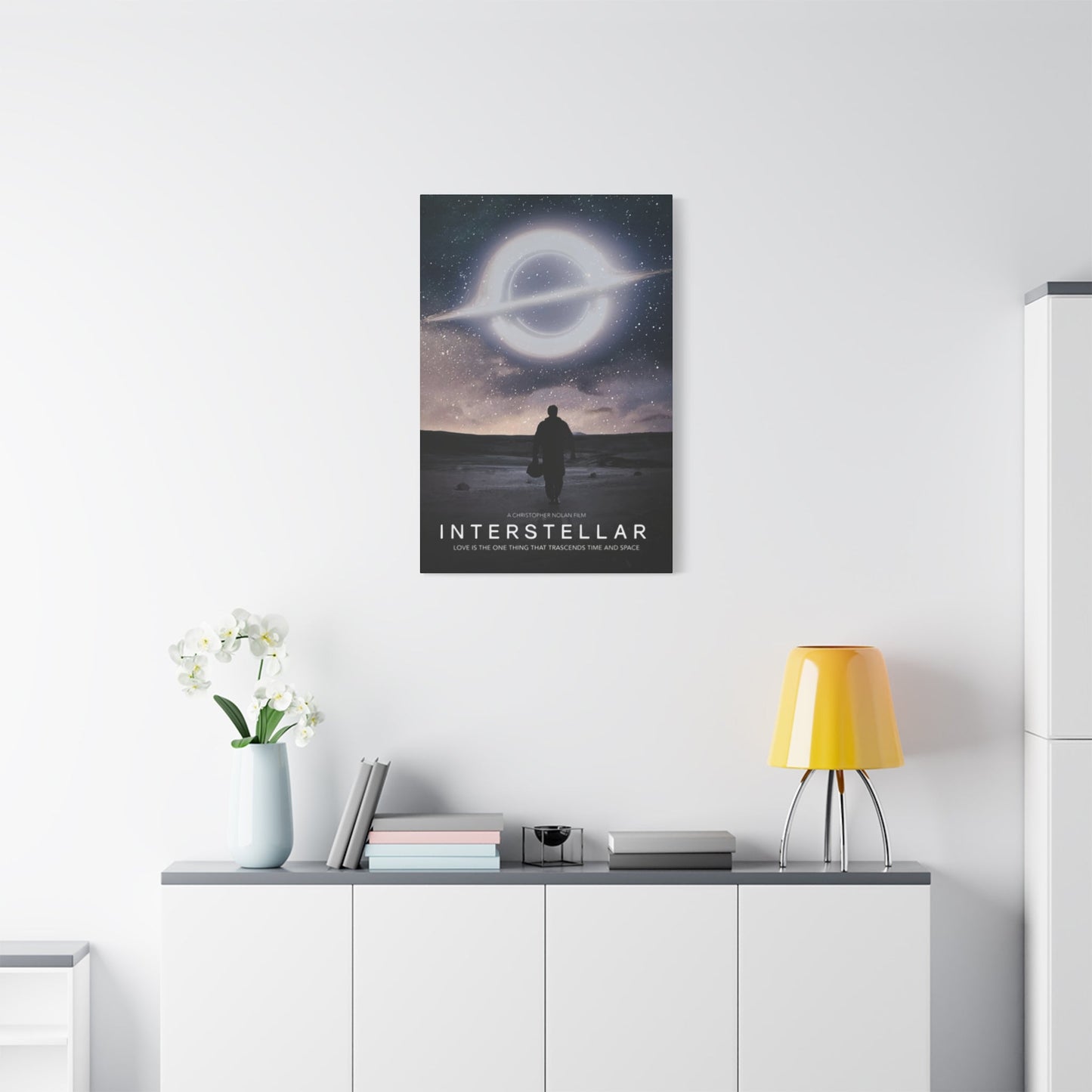


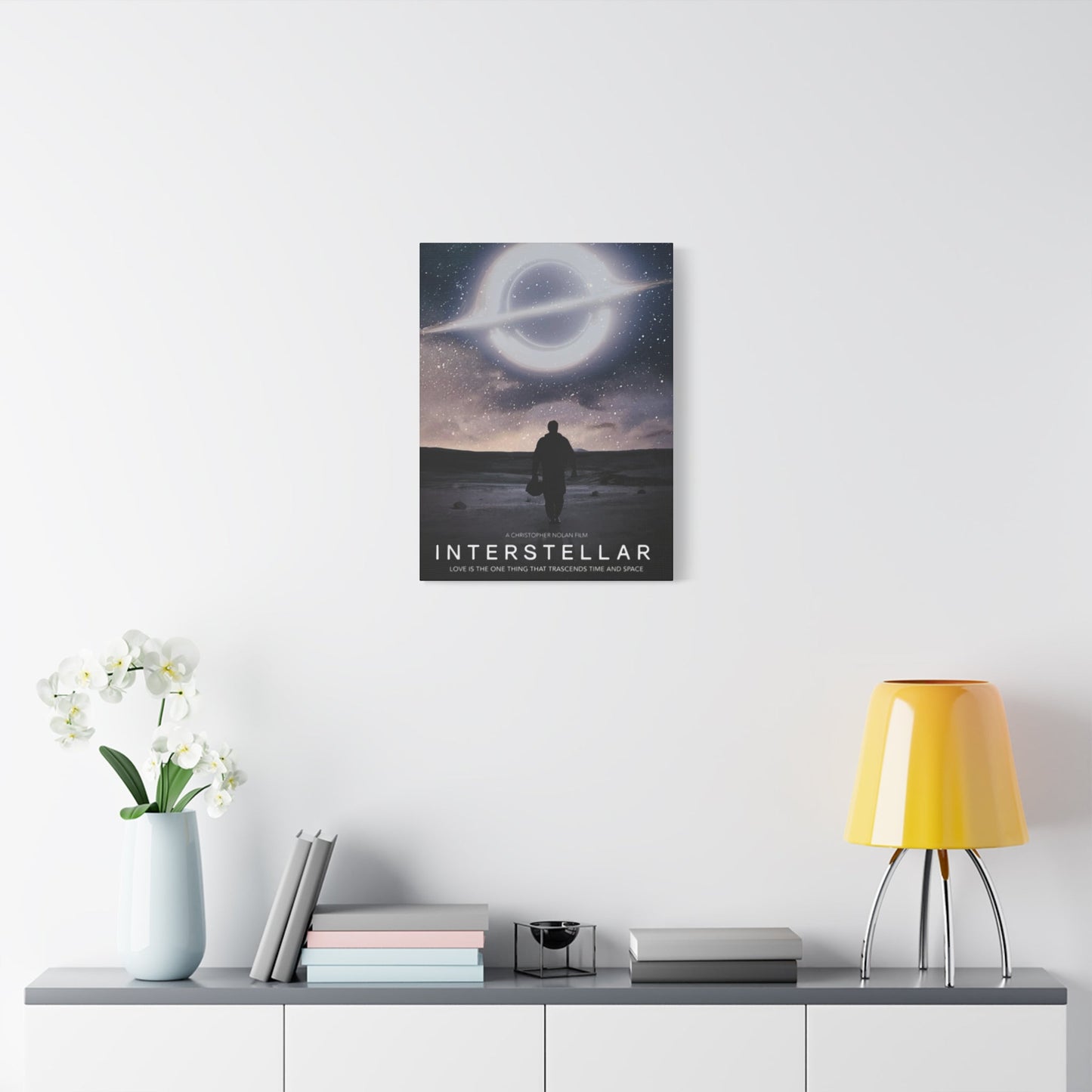
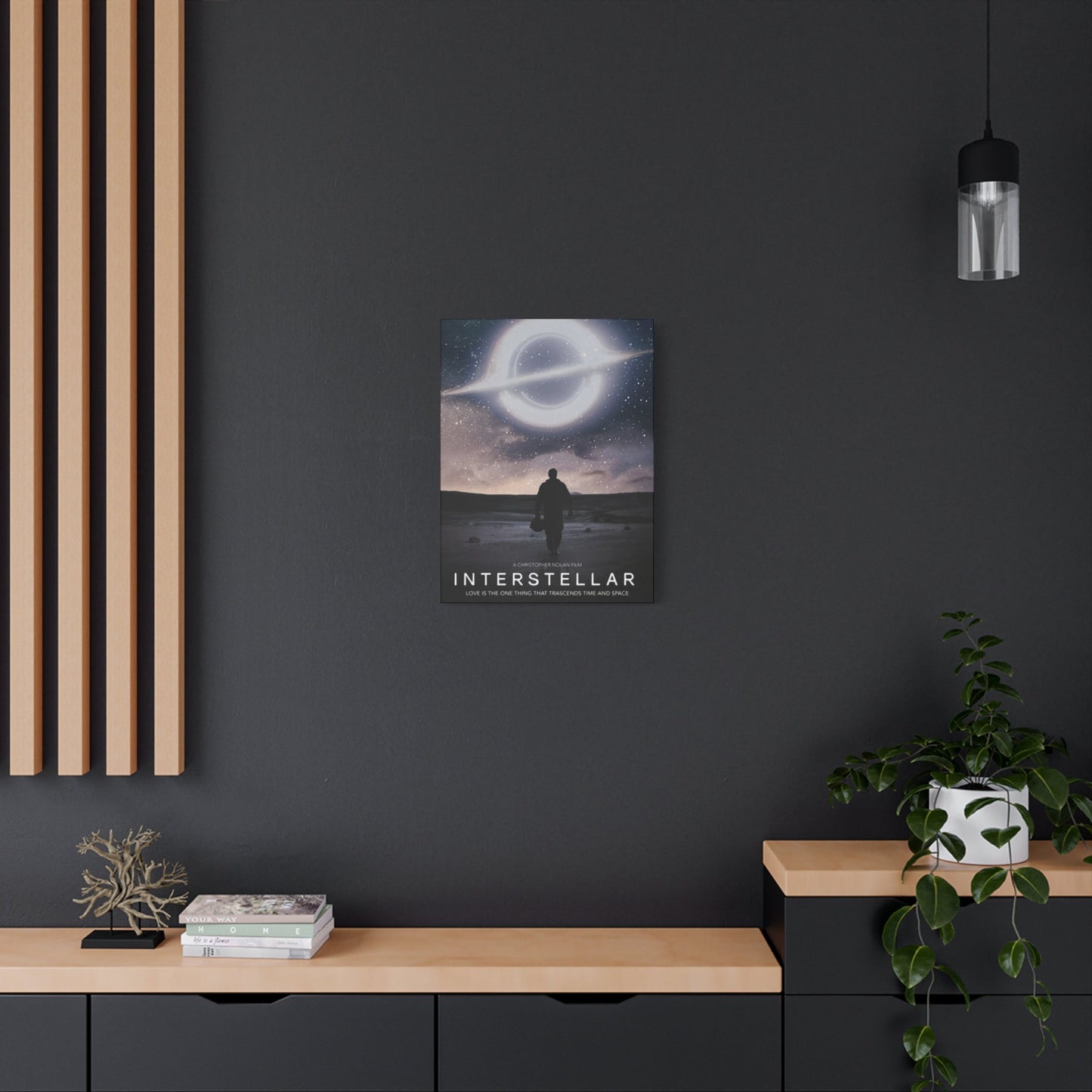

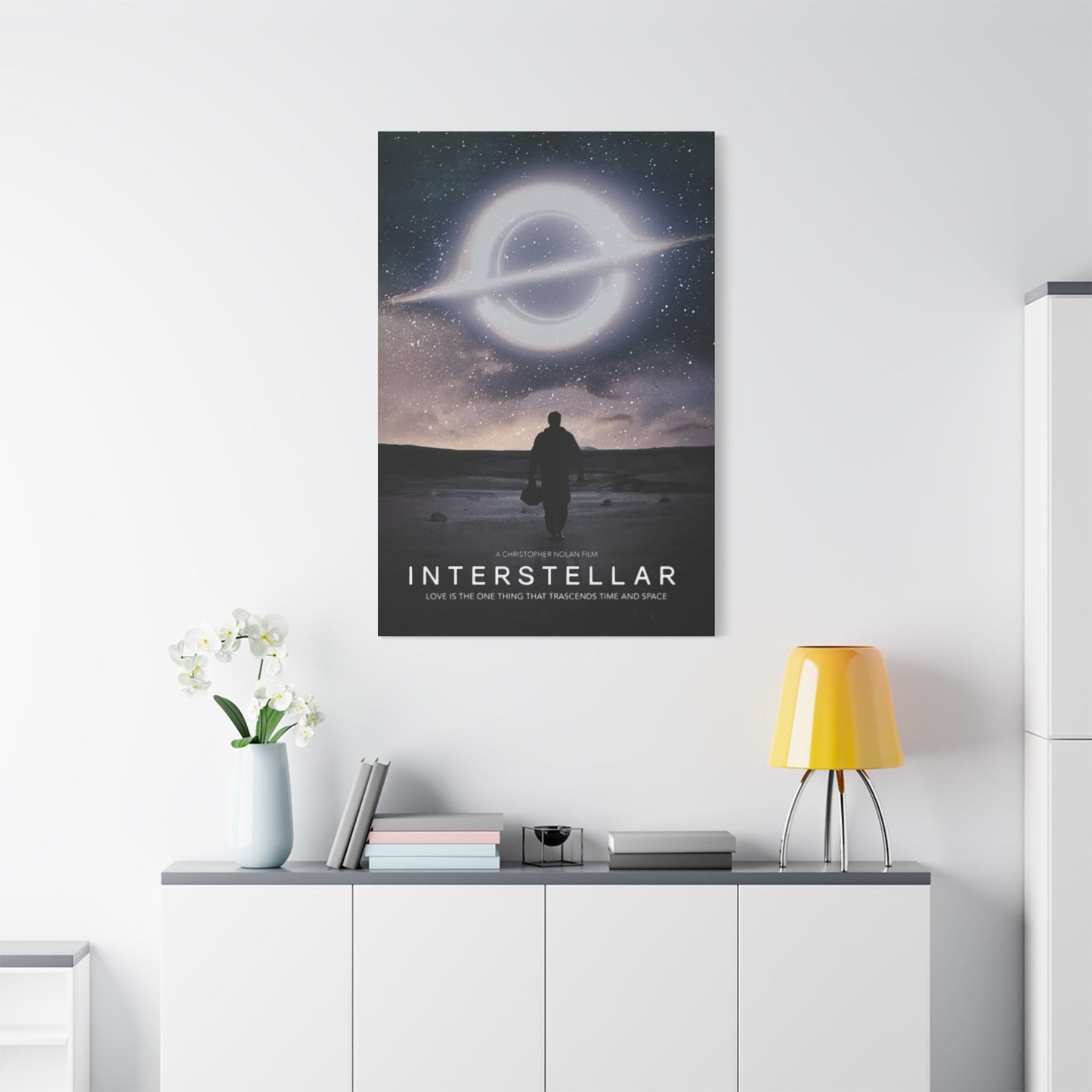
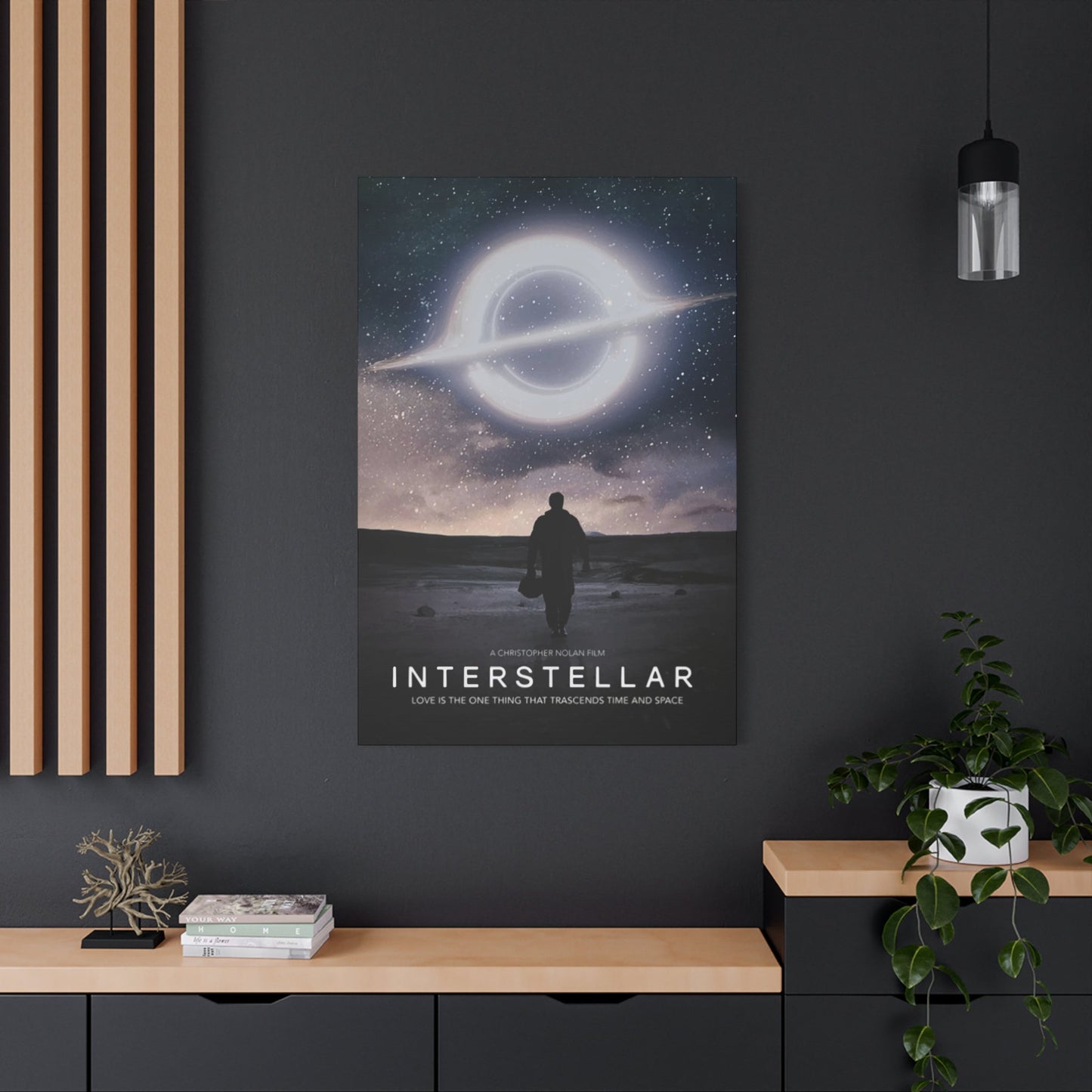
Interstellar Movie Poster Canvas – Iconic Space Artwork for Home Decor
Leopards have always fascinated art lovers for their raw beauty and agility. Their poised elegance makes them a prime subject for canvas decoration. Capturing a leopard’s strength and stealth in art requires careful attention to detail and a deep understanding of its natural habitat. Many artists draw inspiration from wildlife photography to bring their majestic presence to life. Those seeking unique designs can explore collections that blend creativity with realism, offering a dynamic statement piece for any living space. One of the most celebrated collections is Cynthia Coulter wall collection, which showcases vivid interpretations of wildlife scenes and animal portraits, including big cats in their natural glory.
Bringing Wilderness into Your Living Space
Incorporating wildlife art into interior design adds a layer of sophistication and energy to a room. The key is to create harmony between the artwork and the surrounding décor, using color palettes and textures that complement the art piece. Art enthusiasts often wonder how to position large canvases in small areas without overwhelming the room. For practical tips, resources like maximize space interior designs provide insights on arranging artwork and furniture strategically, ensuring every leopard canvas becomes the focal point without cluttering the space.In today’s fast-paced, urbanized world, many of us crave a connection to nature. The feeling of fresh air, the sound of rustling leaves, and the sight of greenery have a profound effect on our mental and physical well-being. While a trip to the wilderness may not always be possible, bringing elements of the outdoors into your home is a creative and fulfilling way to reconnect with nature.
The Art of Capturing Animal Expressions
Leopard art is not just about body shapes or patterns; it is about conveying emotion. The gaze of a leopard can evoke power, curiosity, or serenity, and replicating these feelings on canvas challenges even the most skilled artists. Product photography principles can help those creating or selling leopard-inspired artwork to present their pieces authentically. A comprehensive guide such as picture perfect photography tutorial emphasizes lighting, angles, and backgrounds to enhance the visual appeal of animal artwork in promotional settings.One of the simplest ways to introduce wilderness into your living space is through indoor plants. From small succulents and cacti to larger leafy plants like monstera or fiddle-leaf figs, greenery can transform a dull room into a lively, natural sanctuary. Plants not only improve aesthetics but also enhance air quality and boost mood. Grouping plants of different sizes and textures can mimic the diversity found in natural landscapes, giving a sense of being surrounded by a mini-forest.
In addition to plants, incorporating natural materials in your home decor can evoke the outdoors. Wooden furniture, stone accents, and bamboo flooring create a tactile connection to nature, while materials like wool, linen, and jute add earthy textures. Even small details like wicker baskets or clay pots can introduce a subtle wilderness feel. These natural elements help ground a space and create a calming environment reminiscent of outdoor surroundings.
Selecting the Perfect Canvas Texture
The texture of a canvas dramatically influences how a leopard painting appears. Smooth canvases provide clean lines for intricate patterns like the leopard’s spots, while rougher textures add depth and vibrancy to the fur and background landscapes. For collectors seeking additional animal artwork, masterpiece calico cat print offers examples of how texture can elevate the mood of animal art, providing inspiration for selecting canvases that harmonize with existing décor.Lighting also plays a crucial role in mimicking the natural world. Whenever possible, maximize natural sunlight by keeping windows unobstructed and using sheer curtains. Sunlight has a positive effect on mood and energy levels, making the living space feel warm and alive. For evenings or areas with limited sunlight, warm LED lights or lamps that mimic the golden hues of the sun can create a cozy, nature-inspired ambiance.
Balancing Color and Contrast in Leopard Pieces
Color is critical in wildlife art. Leopards’ natural golden tones and black spots require subtle shading and contrast to appear lifelike on canvas. Artists often combine neutral backgrounds with vibrant highlights to draw attention to the subject. Viewing other animal-centric pieces can provide ideas for color balance. A striking example can be seen in masterpiece canoe print, where the contrast between foreground and background brings out intricate details, inspiring similar techniques for big cat art.For those who want a more immersive experience, nature-inspired art and decor can bring wilderness into your home in creative ways. Landscape paintings, botanical prints, and photographs of forests, mountains, or oceans can serve as daily reminders of the beauty outside. Even small accents, like rocks, seashells, or driftwood, can add an organic touch to shelves, tables, or mantels.
Integrating Floral and Wildlife Themes
Combining wildlife with floral motifs creates a visually rich experience. Leopards depicted amidst flowers or natural foliage evoke a sense of calm yet wild energy, capturing both beauty and danger. For floral inspiration, collections like dandelion flower collection showcase how delicate plant designs can coexist with strong animal subjects, making the overall composition harmonious and appealing. Finally, embracing sensory elements enhances the connection to nature. The sound of running water from a small indoor fountain, the scent of essential oils like pine or eucalyptus, and textured fabrics reminiscent of moss or bark can engage multiple senses. This multi-layered approach not only brings a wilderness aesthetic but also fosters relaxation and mindfulness, making your home a retreat from the pressures of city life.
Incorporating wilderness into your living space is more than a design choice—it’s a lifestyle adjustment that nurtures well-being, creativity, and a deeper connection to the natural world. By blending greenery, natural materials, thoughtful lighting, nature-inspired art, and sensory experiences, any home can become a sanctuary where the outdoors and indoors coexist in harmony.
The Role of Abstract Interpretation
Not all leopard art must be hyper-realistic. Abstract interpretations allow the viewer to feel the essence of the animal without focusing on exact anatomy. This approach encourages imaginative engagement, adding a modern edge to traditional wildlife canvases. Art enthusiasts can explore abstract techniques in articles such as through the lens of abstraction, which discuss creative methods to depict movement, energy, and emotion in wildlife artwork.In the field of computer science, ensuring the correctness and reliability of software is a complex and critical challenge. Programs can be vast and intricate, with countless possible execution paths. Traditional testing methods, while useful, can never exhaustively cover all scenarios, leaving the potential for bugs, vulnerabilities, or unexpected behaviors. This is where abstract interpretation plays a pivotal role, offering a theoretical framework to analyze programs systematically and predict their behavior without executing them in every possible scenario.
Elevating Spaces with Opulent Accents
Pairing a majestic leopard canvas with bold interior accents enhances its presence. Metallic frames, textured walls, or contrasting furniture highlight the artwork while creating a luxurious ambiance. For those inspired by edgier aesthetics, pieces like opulent skull phantasm demonstrate how combining striking elements can transform a simple room into an artful showcase, guiding placement and styling choices for wildlife canvases.Abstract interpretation is a form of static program analysis, which means it examines the code without running it. Instead of evaluating the program with actual values, it uses abstract values to represent sets of possible concrete values. For example, rather than tracking the exact number a variable might take during execution, abstract interpretation might track whether the variable is positive, negative, or zero. This abstraction allows the analysis to reason about potentially infinite states in a finite and computationally feasible way.
Incorporating Cultural and Spiritual Motifs
Leopard motifs often appear in cultural art, symbolizing strength, protection, and courage. Integrating these themes into wall décor can enrich the meaning behind the artwork, making it more than just a visual experience. For interior enthusiasts exploring sacred spaces or ceremonial art, guides like stunning marble pooja mandir designs provide insights into combining traditional spiritual motifs with contemporary décor, offering ideas to harmonize wildlife pieces in culturally rich settings.The primary purpose of abstract interpretation is to detect errors and verify properties of programs. It can identify potential runtime errors such as division by zero, buffer overflows, or null pointer dereferences before the software is deployed. By simulating program behavior in an abstract domain, developers can uncover subtle bugs that are difficult to detect with conventional testing. This predictive capability is particularly valuable in safety-critical systems like aviation software, medical devices, or autonomous vehicles, where failures can have catastrophic consequences.
Moreover, abstract interpretation supports optimization and program understanding. Compilers often use it to analyze variable ranges, loop invariants, or dependencies, enabling them to optimize code by eliminating redundant computations, reducing memory usage, or improving execution speed. It also aids in code refactoring and maintenance by providing insights into variable behavior, control flow, and potential side effects without executing the program.
Curating a Cohesive Wildlife Gallery
Creating a gallery of animal artwork requires careful selection and positioning to maintain thematic consistency. Leopards, tigers, and other wildlife can coexist on walls if curated thoughtfully. For inspiration, reviewing collections of mixed animal artwork, such as opulent skull aesthetics, illustrates how contrasting subjects and styles can complement each other, offering guidance for building a gallery that feels cohesive yet dynamic.A key advantage of abstract interpretation is its soundness. If properly designed, an abstract interpretation can guarantee that the analysis results over-approximate all possible program behaviors. This means that while it might sometimes produce false positives (indicating a potential error where none exists), it will not miss actual errors. This conservative approach is essential in scenarios where safety and correctness cannot be compromised.
Exploring Canine Charm in Art
While leopards dominate the wild, the charm of domesticated animals also inspires unique artistic creations. Dogs, for example, convey warmth, loyalty, and personality through their expressions, which translates beautifully into home décor. For those fascinated by small breeds, the dachshund wall collection offers vibrant and detailed representations of these spirited companions. Integrating such pieces alongside big cat artwork can create a dynamic interplay between domestic and wild themes, enriching the storytelling element of a room’s design.Despite its strengths, abstract interpretation has limitations. The precision of the analysis depends heavily on the chosen abstraction. Overly coarse abstractions may generate many false positives, while overly detailed ones can become computationally expensive. Therefore, designing effective abstract domains requires a careful balance between accuracy and efficiency.
Capturing Birds and Wildlife Photography
Art often draws inspiration from photography, and bird imagery provides a delicate yet lively contrast to big cats’ intensity. Learning to photograph birds requires patience and an understanding of light, angles, and timing. Beginners can benefit from guides like songbird photography tips, which focus on capturing movement and detail. Artists can translate these lessons into paintings or mixed-media compositions, adding layers of depth and realism to wildlife-themed canvases. Abstract interpretation serves as a cornerstone of modern software verification and analysis. Representing program behavior in abstract terms, it allows developers and tools to reason about complex code systematically, uncover potential errors, and optimize performance. Its role extends beyond error detection to enhancing software reliability, safety, and maintainability, making it an indispensable technique in both research and practical applications of computer science.
Furniture as a Canvas Companion
Selecting furniture that complements wildlife art is essential for a cohesive interior. Solid wood pieces provide both durability and aesthetic warmth, framing the visual narrative of animal-themed spaces. Choosing cabinetry and shelving with rich textures can enhance the presence of a leopard painting, making it the focal point of the room. Insights from solid wood cabinets guide demonstrate how carefully chosen materials elevate both functionality and the visual impact of wildlife artwork.
Close-Up Nature Details
The beauty of wildlife extends beyond the main subject. Close-up details, whether of fur, leaves, or textures in the environment, enrich the storytelling of a piece. Artists can study intricate patterns and subtleties in nature to create lifelike compositions. For inspiration, nature closeups collection highlights how focusing on small details transforms ordinary subjects into mesmerizing visual narratives, a technique equally effective in portraying majestic leopards.
Imagining Fantasy Landscapes
Blending fantasy with wildlife art invites viewers into worlds beyond the ordinary. Surreal landscapes with mystical skies, otherworldly colors, or imaginative settings can give a leopard canvas a narrative twist. For those seeking creative inspiration, final fantasy collection illustrates how imaginative settings and dramatic compositions amplify the impact of every subject, encouraging bold experimentation in wildlife artwork.
Dark Academia and Moody Atmospheres
Art can convey intellectual depth and emotional resonance. The dark academia aesthetic, with its moody tones and scholarly undertones, pairs beautifully with wildlife art, giving a space a contemplative and sophisticated atmosphere. For those interested in curating a thematic gallery, the dark academia collection provides examples of how subdued colors, shadow play, and reflective surfaces can enhance both mood and meaning in a room centered around majestic animal canvases.
Enhancing Photography with Filters
Technical mastery is crucial for capturing wildlife accurately. Photographers often use polarizer filters to reduce glare, enhance contrast, and reveal hidden textures in nature scenes. These techniques are directly applicable when photographing or scanning wildlife subjects for artistic reproduction. A detailed guide like mastering polarizer filters explains how small adjustments in lighting and angles can elevate the final visual outcome, whether for digital display or physical canvas printing.
Clever Apartment Styling for Art
Smaller living spaces require creative solutions to showcase bold art pieces without overwhelming the room. Clever hacks involve layering art, using vertical space, and balancing other décor elements. Tips from maximize space clever hacks guide how to present wildlife art in tight apartments, allowing a majestic leopard canvas to command attention while maintaining an organized, inviting environment.
Classical Inspiration from Ancient Art
Historical and classical references often enhance contemporary wildlife art. Incorporating patterns, poses, or stylistic elements inspired by ancient civilizations can imbue a leopard canvas with gravitas and timeless appeal. For reference, elite Greek art collection demonstrates how classical forms and motifs can coexist with modern subjects, offering techniques for integrating historical inspiration into wildlife-themed spaces.
Embracing Natural Forms and Fungi
Nature’s subtle elements, like mushrooms or other organic forms, can complement larger wildlife motifs, creating harmony and visual interest in a gallery wall. Exploring these forms encourages a holistic approach to design, where every element contributes to the storytelling of the room. The mushrooms collection exemplifies how natural patterns and shapes can serve as a counterbalance to more dominant subjects, like leopards, resulting in a balanced and immersive aesthetic experience.
Celebrating Movement in Wildlife Art
The fluidity and grace of leopards in motion can be compared to the elegance of dancers. Capturing movement in art requires careful attention to form, posture, and energy. Dynamic lines and flowing composition bring life to static images, giving the viewer a sense of motion. For inspiration beyond wildlife, the dancer wall collection showcases how motion and rhythm can be translated onto canvas, providing creative cues for depicting leopards mid-stride or in a stealthy pause within their natural habitats.
Optimizing Visuals for Digital Platforms
In today’s art world, sharing pieces online is as important as displaying them in physical spaces. Optimizing the visual presentation of leopard art for social media requires an understanding of platform-specific dimensions, aspect ratios, and resolution. Artists can learn from guides like social media image guide to ensure their work maintains clarity and impact across digital galleries, enhancing reach and engagement without compromising the intricate details of each majestic animal portrayal.
Modern Furniture and Display Techniques
The placement of a canvas affects its visual narrative. Glass and sleek materials can amplify light and space, drawing attention to detailed wildlife art. For those considering contemporary displays, gorgeous glass coffee tables demonstrate how reflective surfaces can highlight the colors and textures of a leopard canvas, creating harmony between art and surrounding décor while emphasizing both elegance and functionality.
Canine Companions and Wildlife Parallels
Dogs and leopards share a common appeal in capturing expression and character. Golden retrievers, known for their warmth and loyalty, offer an emotional anchor that resonates with viewers. Collectors and artists can study these parallels to refine their depictions of predator and companion animals alike. A standout example is the elite golden retriever collection, which demonstrates how subtle details in eyes, posture, and coat texture evoke personality, inspiring similar techniques for big cats in wildlife compositions.
Gratitude and Storytelling in Art
Art can convey emotions beyond visual appeal. Themes like gratitude and reflection invite viewers to pause and connect with the subject on a deeper level. For those looking to infuse meaning into their wildlife collections, the elite gratitude collection provides examples of how subtle symbolism, composition, and context can communicate emotions, adding narrative depth to a leopard’s poised or contemplative stance.
Blossoms and Natural Harmony
Flowers often act as visual anchors in wildlife art, softening predatory imagery and creating harmony in compositions. The juxtaposition of vibrant blossoms with powerful animals offers balance and visual contrast. For ideas, the daisy flower collection demonstrates how integrating natural floral patterns enhances both color palette and thematic resonance, providing inspiration for leopards amidst foliage, grasses, or flowering landscapes.
Harmonious Spaces for Spiritual Themes
Art does not exist in isolation; it interacts with its surroundings. Harmonizing colors and thematic elements can transform rooms into peaceful, reflective spaces. Guides such as peaceful pooja colors highlight how careful color coordination elevates both the artwork and the environment, offering ideas for pairing vibrant leopard pieces with tranquil backgrounds or sacred motifs for a balanced visual experience.
Trending Color Palettes and Modern Hues
Color trends influence how viewers perceive and connect with art. Pantone shades, soft pastels, and bold contrasts can shift the mood of a canvas dramatically. Artists exploring contemporary palettes can find inspiration in pieces that align with current trends, such as peach fuzz shade guide, which explores subtle yet impactful hues, encouraging innovative use of color in leopard and wildlife compositions.
Majestic Forest and Wilderness Scenes
Depicting animals in expansive landscapes enhances their sense of scale and presence. Moose, deer, and big cats alike gain narrative depth when placed in forested or open environments, allowing the viewer to imagine untamed wilderness. Collections like moose nature artwork exemplify how the interplay between subject and environment can elevate wildlife art, guiding artists in creating immersive and lifelike backgrounds for their leopard pieces.
Motivational Themes in Animal Art
Art can inspire and energize. Motivational compositions, combining dynamic subject matter with uplifting elements, encourage engagement and reflection. For example, the masterpiece motivational collection demonstrates how carefully chosen subjects, compositions, and accompanying themes inspire viewers, offering a blueprint for using the strength, courage, and elegance of leopards to evoke feelings of empowerment and resilience.
Embracing Bold Animal Expressions
Wildlife art thrives on capturing striking expressions that convey power, elegance, or serenity. Leopards, in particular, have intense gazes and poised stances that make them ideal for focal points in a room. Artists can explore contemporary interpretations inspired by expressive figures, such as those featured in the Danhui Nai collection, which showcases movement and personality, offering guidance on how to emphasize emotional depth in animal compositions.
Infusing National Pride with Décor
Art can reflect cultural or patriotic themes, linking a room’s aesthetic to identity and values. Subtle integrations of national colors and motifs enhance both style and meaning. Those interested in combining wildlife with thematic decoration can look to creative tricolour décor for inspiration, learning how to weave color schemes thoughtfully to complement bold leopard canvases without overshadowing their natural elegance.
Perfecting Pet Photography Techniques
Capturing animals on camera is a skill that informs and enhances wildlife art. Studying feline or domestic photography sharpens attention to lighting, posture, and detail, which can then be translated into canvas compositions. Resources like perfect photography tips for cat lovers provide actionable insights on angles and framing, encouraging a meticulous approach that ensures every whisker, spot, and expression is authentically represented in leopard-focused artwork.
Playing with Deep and Vibrant Colors
Color dramatically impacts the mood and energy of a room. Dark, rich tones like deep reds, black accents, and striking contrasts highlight the intensity of wildlife art. Pieces such as the supreme pomegranate noir collection demonstrate how using bold palettes enhances depth, providing lessons for emphasizing the dramatic presence of a leopard within a gallery or living space.
Infusing Energy with Accent Hues
Strategic use of bright colors can energize a room while accentuating the focal points of an artwork. For example, vibrant orange or fiery tones can draw attention to specific areas of a canvas, highlighting movement or focal features in wildlife subjects. Collections like pop of orange artwork show how a splash of color can transform a composition, inspiring ways to make a leopard piece visually commanding without overwhelming the viewer.
Moody and Atmospheric Interpretations
Not every wildlife piece needs high vibrancy. Dark and stormy themes provide a sense of mystery and intensity, enhancing a leopard’s stealth and power. Artists exploring these moods can find inspiration in the dark and stormy collection, which illustrates how lighting, shadow, and contrast create tension and intrigue, encouraging a more cinematic approach to depicting wild cats in their natural environments.
Furniture as a Complementary Element
The surroundings of a canvas significantly impact its visual appeal. Modern furniture trends can elevate the presentation of wildlife art, framing it in a way that feels cohesive yet stylish. Insights from latest sofa trends demonstrate how thoughtful furniture placement, textures, and finishes can enhance the narrative and focus of a leopard canvas, integrating it seamlessly into contemporary interiors.
Soft Hues for a Balanced Palette
Pairing strong wildlife imagery with subtle colors can create a balanced and sophisticated look. Light pastels or soft shades counterbalance intense focal points, providing rest for the eyes and a sense of harmony. The baby pink colour combos guide offers techniques for combining muted shades with bold elements, giving artists ideas for how to maintain visual balance in rooms featuring dramatic leopard canvases.
Layering Vibrant Orange Accents
Using color strategically within a composition draws attention and enhances storytelling. Vibrant orange highlights can suggest energy, warmth, or focus, making certain details in wildlife art pop. The pop of orange collection illustrates how intentional color placement elevates the piece, inspiring ways to integrate similar techniques in leopards’ surroundings, whether in foliage, sunsets, or abstracted environments.
Botanical Vibrancy and Natural Juxtaposition
Flowers and natural elements provide contrast and balance to predatory subjects, softening the intensity while enriching the narrative. Integrating botanical themes like red poppies creates depth and visual interest. The poppy flower collection showcases how floral elements can harmonize with dramatic subjects, providing inspiration for incorporating subtle natural details that complement and highlight the majesty of leopards.
Expressive Wildlife Through Modern Art
The essence of wildlife is often captured through expressive and evocative compositions. Leopards, with their powerful and graceful presence, challenge artists to convey motion and intensity on canvas. Exploring contemporary artists can broaden perspectives, as seen in the Danhui Nai collection, where movement, form, and emotion intersect seamlessly. These pieces inspire techniques to emphasize the elegance and stealth of leopards while blending naturalistic details with artistic interpretation.
Patriotism and Artistic Identity
Art is not only visual; it can reflect cultural and national pride. Integrating subtle patriotic elements into home décor offers a personal narrative and strengthens emotional resonance. For example, using tricolour inspiration in your space can complement wildlife themes, providing contrast between bold animals and symbolic design. Guides like creative tricolour décor suggest ways to merge national colors with visual storytelling, creating interiors that are both lively and meaningful.
Capturing Feline Motion Through Photography
Wildlife and domestic felines share expressive features that photographers and artists often study to perfect technique. Observing subtle movements, light reflections, and posture informs realistic depiction on canvas. Resources like perfect photography tips for cat lovers provide actionable guidance on framing, timing, and detail capture, offering insight into translating observed gestures and expressions into powerful leopard compositions.
Deep and Mysterious Color Palettes
Using intense, dark tones can evoke mystery, drama, and intrigue in wildlife art. Leopards depicted against deep backgrounds stand out with a natural prominence, emphasizing form and energy. The supreme pomegranate noir collection demonstrates how rich, saturated hues enhance emotional impact, providing lessons on blending contrast and shadow to create striking animal imagery.
Bold Accents and Visual Energy
Accents of vibrant color draw attention and energize a room, helping guide the viewer’s eye toward key elements in a composition. Warm orange tones, for instance, can highlight certain features of a leopard or its environment, adding visual excitement. Collections like pop of orange artwork illustrate how judicious use of bright accents creates balance between the artwork and its surrounding décor while maintaining focus on the animal subject.
Dramatic Moods and Atmospheric Themes
Dark and stormy aesthetics offer an emotional depth that complements the majesty of wild animals. Creating tension through shadow, light, and textured backgrounds enhances a leopard’s allure, giving the viewer a sense of the animal’s predatory grace. For guidance, the dark and stormy collection showcases how mood, tone, and contrast work together to create atmospheric scenes that feel both immersive and dramatic.
Furniture Integration and Interior Flow
The relationship between artwork and surrounding furniture influences the overall perception of a space. Incorporating modern, stylish seating or reflective surfaces can emphasize focal pieces and create cohesive aesthetics. Advice from latest sofa trends helps illustrate how careful placement, texture coordination, and strategic lighting can elevate the presence of wildlife art, particularly in modern living areas.
Pastel Harmony with Bold Imagery
Balancing bold subjects with soft, pastel backgrounds creates visual equilibrium, preventing the artwork from overwhelming the space. Soft shades like muted pinks and creams can complement the natural tones of a leopard’s fur while adding sophistication to the room. The baby pink colour combos guide demonstrates pairing pastel palettes with dynamic focal points to maintain harmony and balance within a curated wildlife gallery.
Strategic Use of Highlight Colors
Highlighting select areas of a composition with vibrant colors adds dimension and depth, emphasizing focal points without overshadowing the main subject. Using orange accents in the background, foliage, or abstract elements brings energy and movement to a canvas. For inspiration, the pop of orange collection exemplifies how intentional color placement directs attention and enhances the viewer’s engagement with the subject.
Natural Florals as Complementary Elements
Integrating floral motifs alongside predatory subjects softens intensity while adding richness and texture to the overall composition. Flowers like poppies provide contrast, evoke emotion, and balance the drama of a leopard’s pose. The poppy flower collection demonstrates how floral patterns and natural forms harmonize with bolder subjects, guiding artists in combining organic and wild elements for cohesive, visually engaging displays.
Conclusion
The allure of majestic leopard canvas art lies not only in its visual beauty but also in the story it tells about nature, movement, and the wild energy that leopards embody. Throughout this series, we explored how these animals can transform living spaces, whether through realistic depictions, abstract interpretations, or thoughtfully curated combinations with other artistic elements. Leopards, with their poised grace and dynamic presence, provide a striking focal point, inviting viewers to connect with their environment, appreciate the subtleties of color, and consider the interplay of light and shadow in ways that elevate interior décor beyond mere decoration.
Incorporating wildlife art into the home requires careful consideration of context. From small apartments to expansive living rooms, strategic placement ensures that each piece stands out while maintaining balance with other design elements. Insights into maximizing space, layering color palettes, and harmonizing furniture with artwork demonstrate that a leopard canvas is not merely a picture on the wall—it becomes part of the narrative of a room, enhancing mood, energy, and personality. By blending bold accents, natural florals, and atmospheric backgrounds, homeowners can create immersive environments that celebrate both the power of the leopard and the serenity of its surroundings.
Photography, both as inspiration and a practical tool, plays a pivotal role in capturing the realism and emotion of wildlife. Whether studying domestic cats to refine expressions or learning how filters and lighting affect depth, these techniques inform artists’ ability to translate nature into compelling compositions. Similarly, exploring abstract and modern aesthetics, from dark academia to vibrant Pantone-inspired color schemes, allows artists and collectors to push creative boundaries while maintaining harmony with natural subjects. Each artistic choice—from pastel hues to bold orange accents—affects how viewers perceive the energy, movement, and emotional resonance of the leopard within a space.
Furthermore, thematic and cultural elements enrich the impact of wildlife art. Incorporating motifs that reflect national pride, spiritual significance, or classical influences transforms a simple canvas into a meaningful statement. By carefully integrating these layers, leopard artwork transcends decoration, becoming a conversation piece that communicates strength, courage, and elegance. The juxtaposition of domestic animals, flowers, and abstract details alongside the wild feline adds texture and depth, creating galleries that are both visually stimulating and intellectually engaging.
Ultimately, majestic leopard canvas art offers more than aesthetic pleasure. It inspires connection with the natural world, encourages exploration of artistic techniques, and provides opportunities to curate spaces that reflect personal taste, creativity, and emotion. By combining bold subject matter with thoughtful design, color theory, and thematic integration, homeowners and collectors can create environments that are alive with energy, beauty, and meaning. The leopard’s strength, grace, and mystique serve as a powerful reminder of the wild elegance that art can capture, making each piece not just a decoration, but a celebration of nature itself.


