


Iron Elegance Tableau
Iron Elegance Tableau
Couldn't load pickup availability




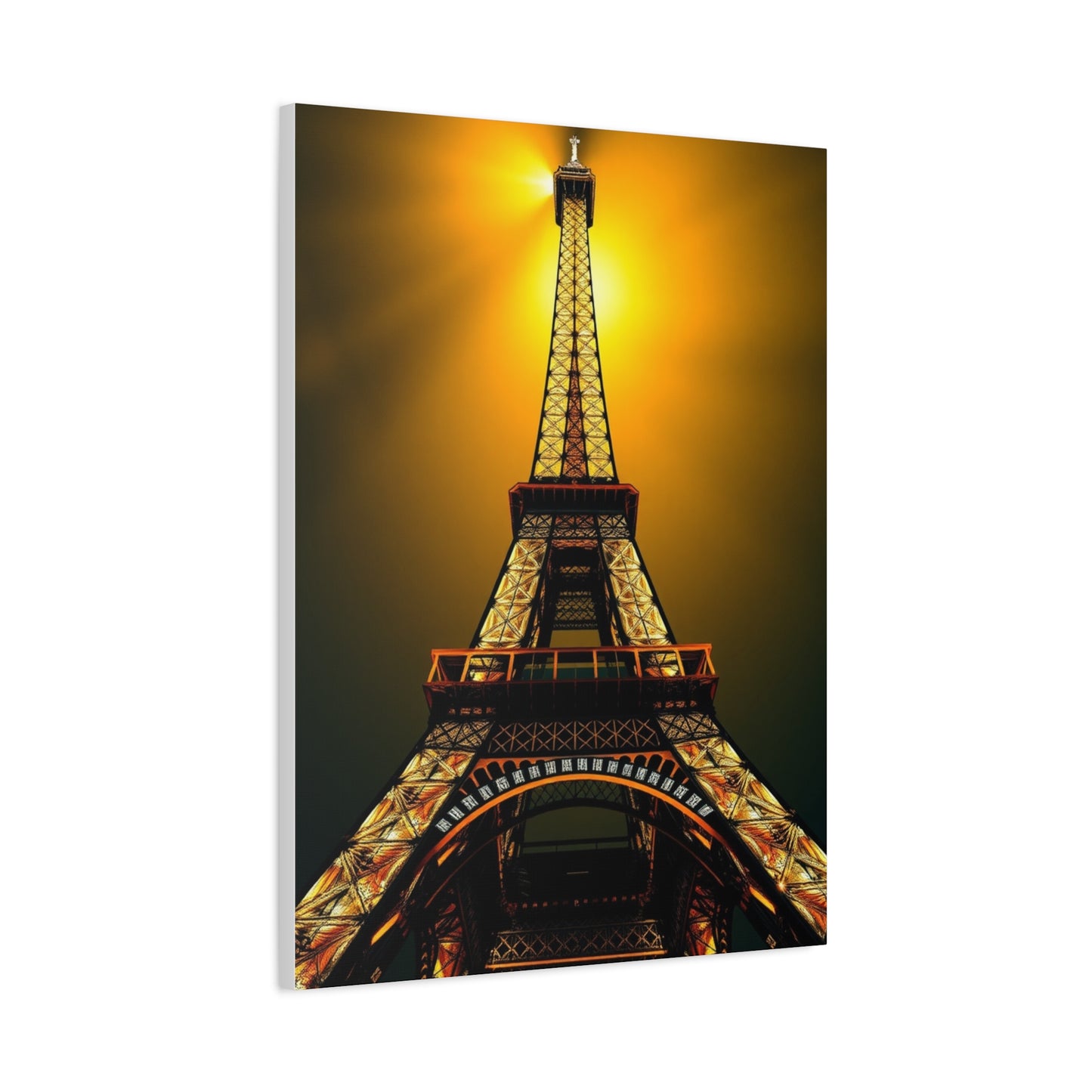
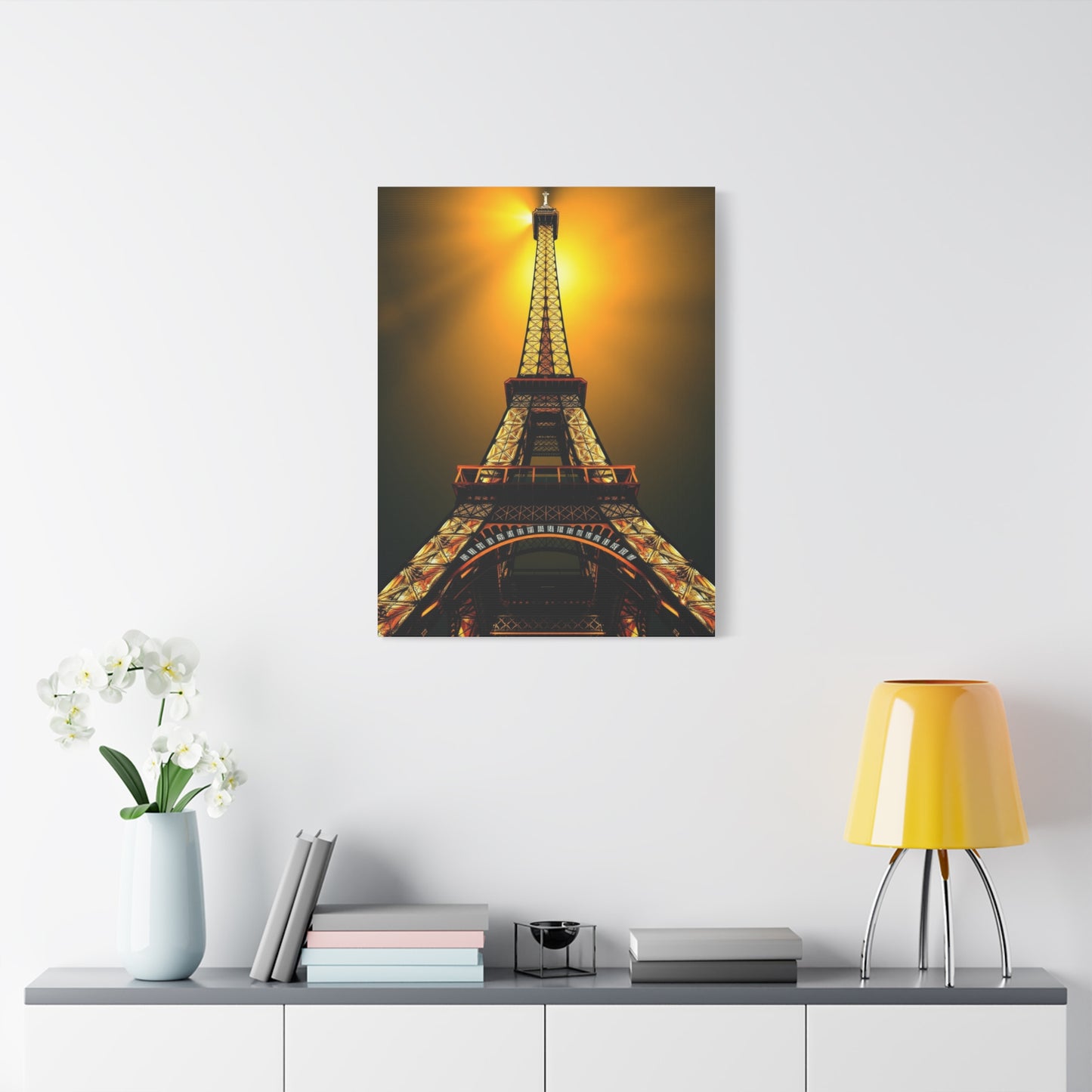
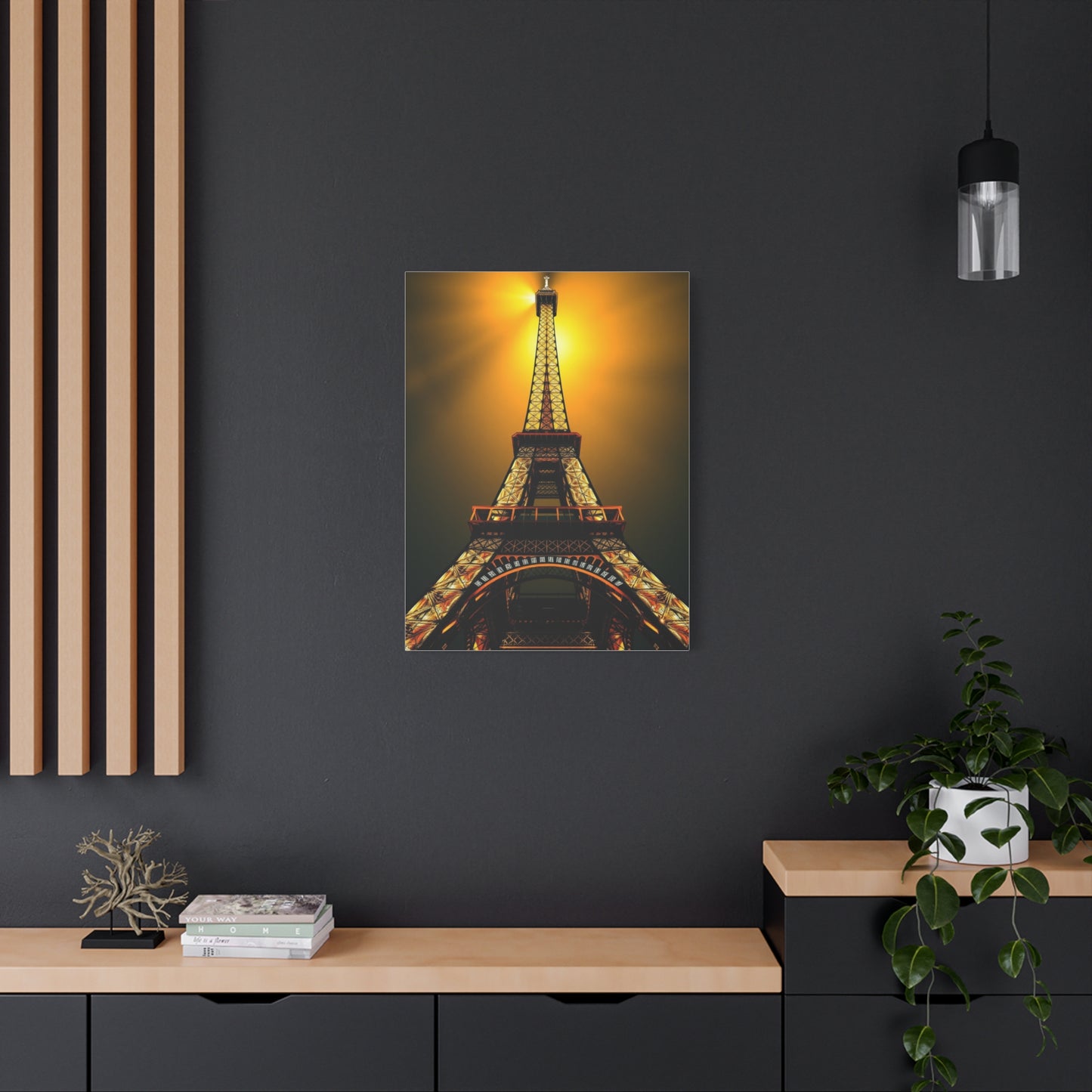
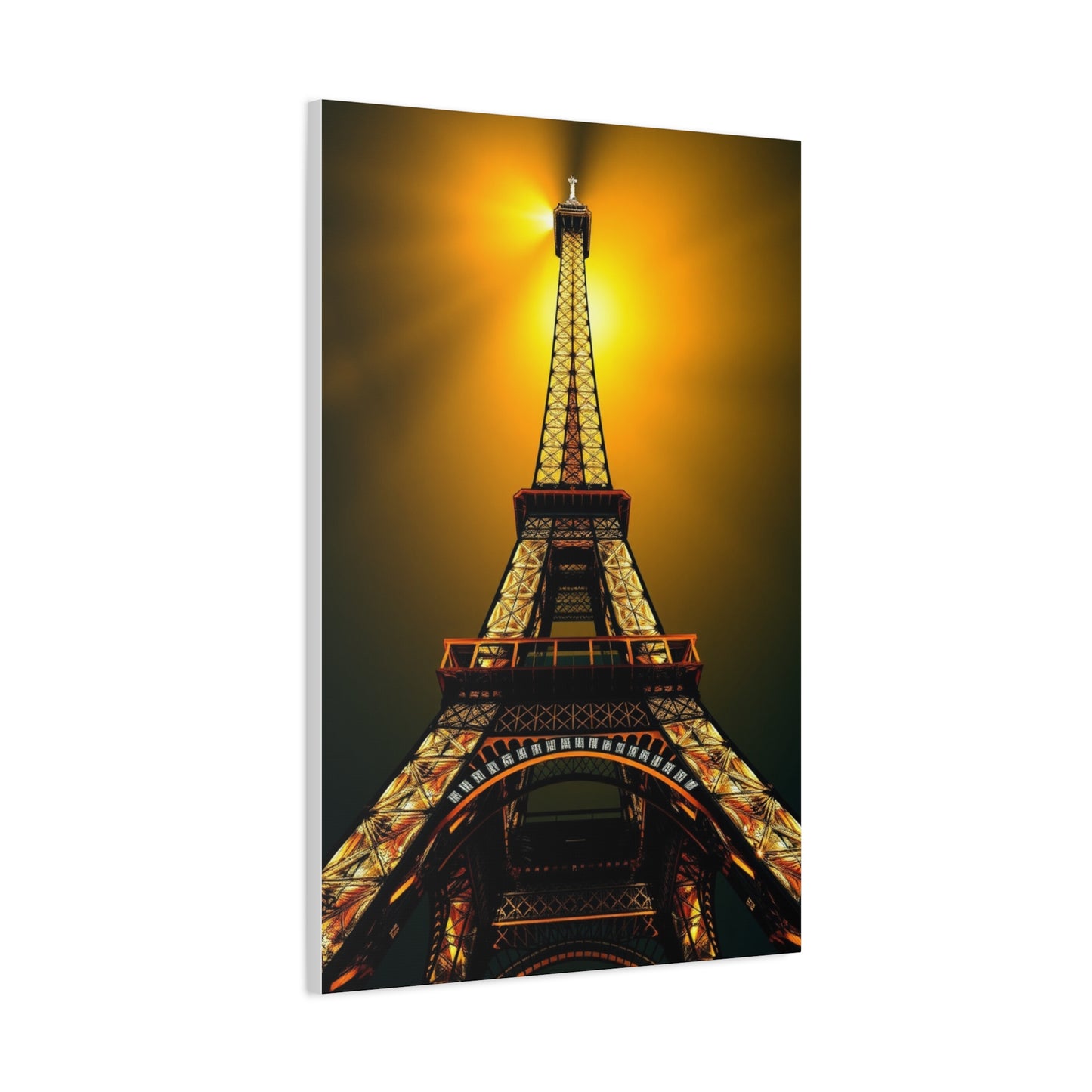
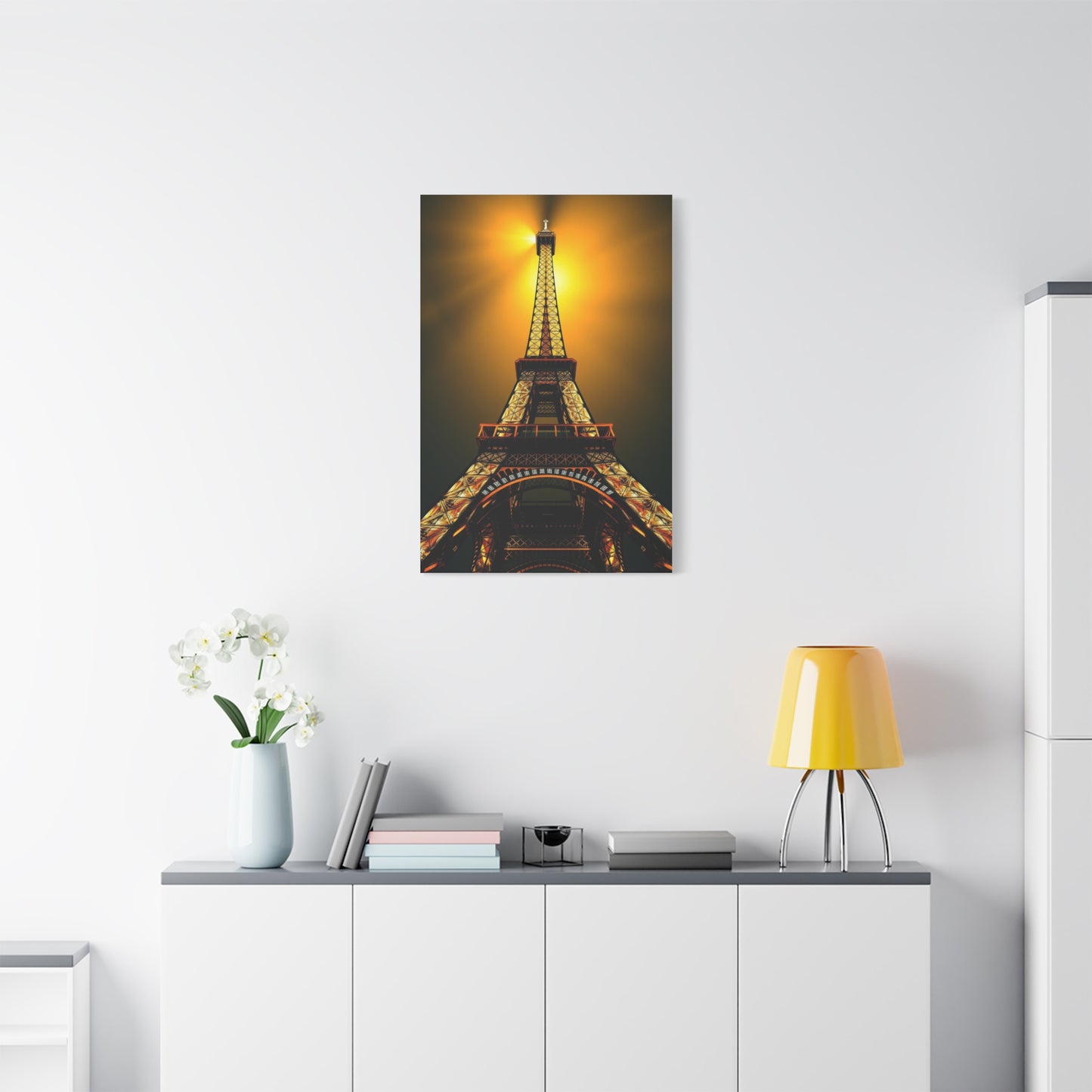
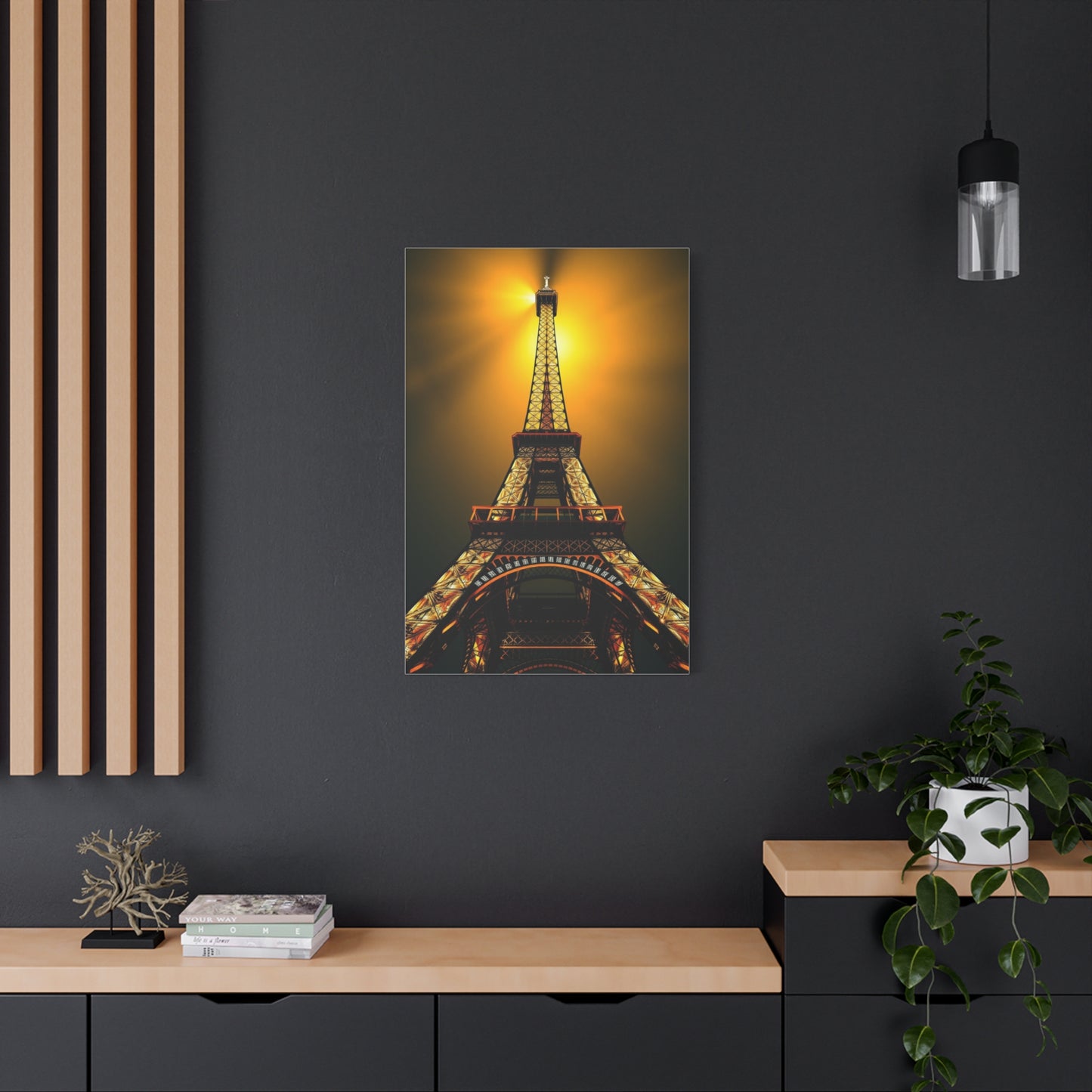
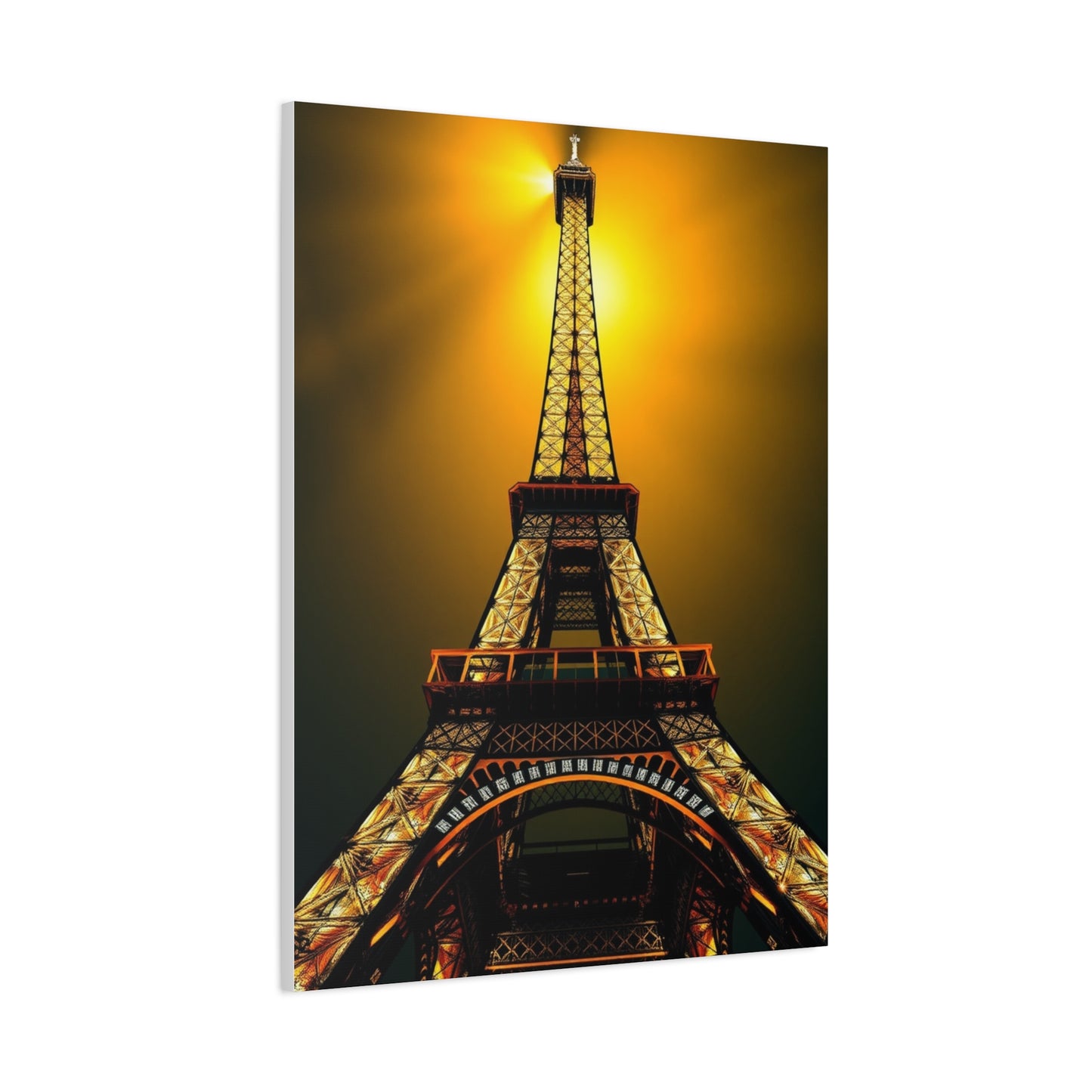
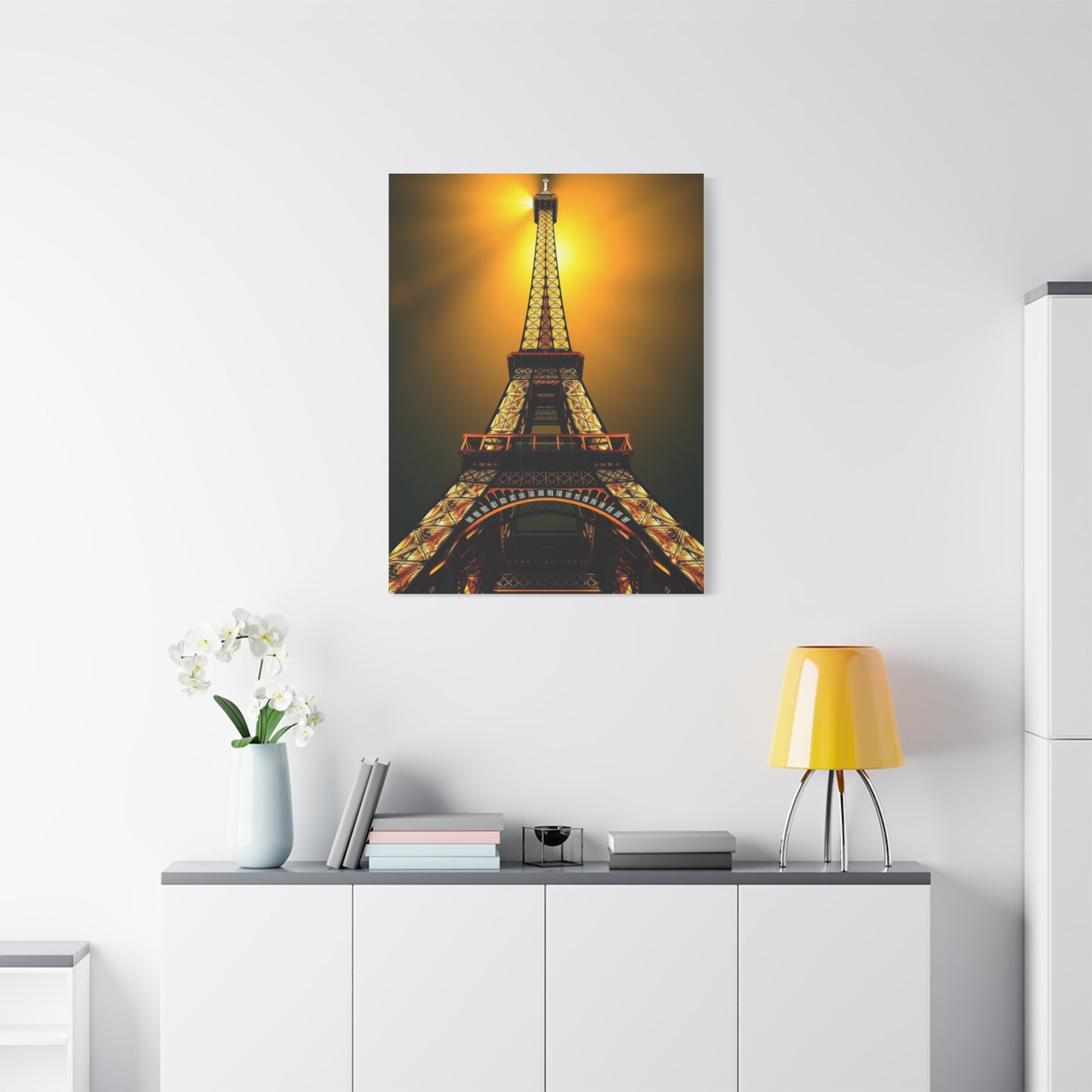
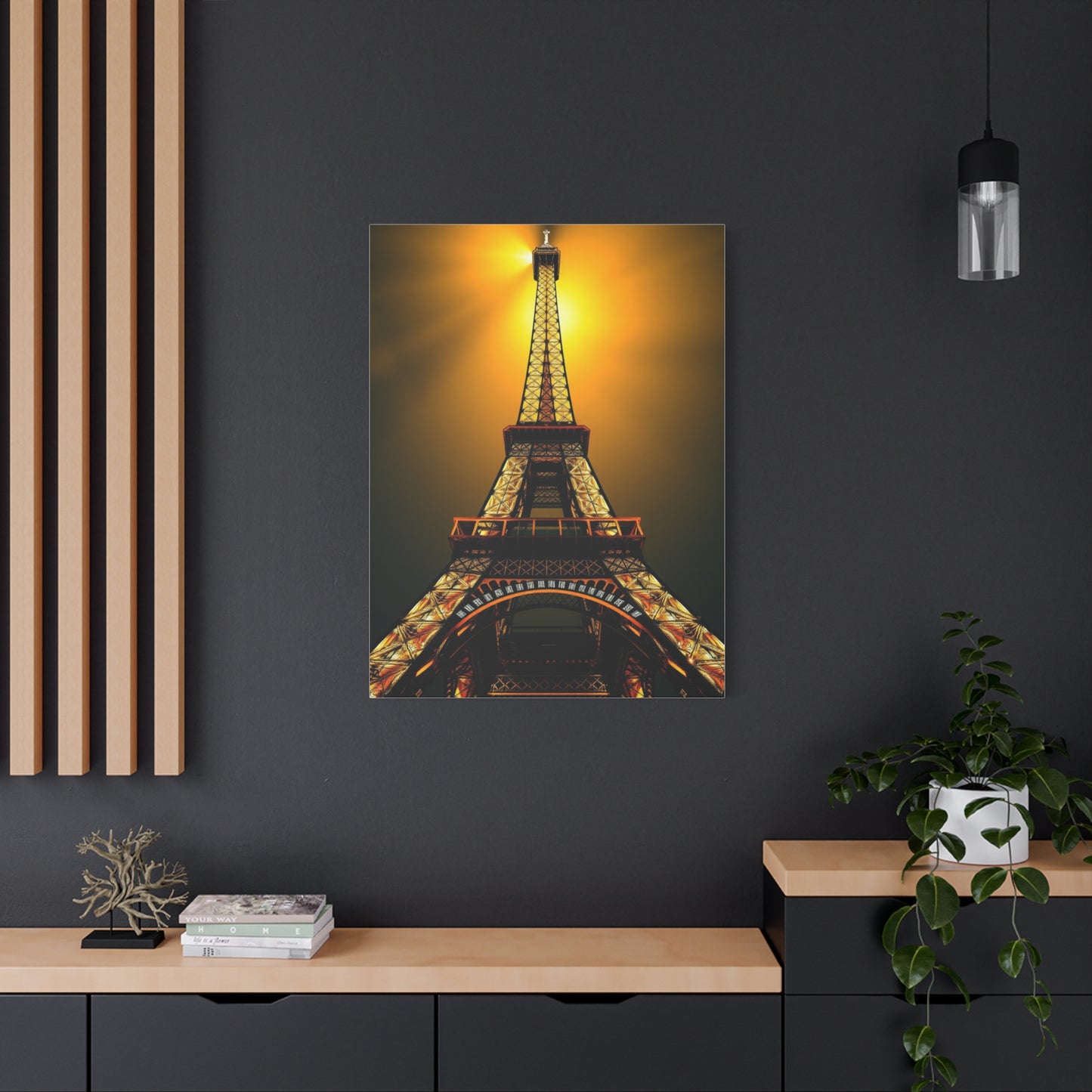
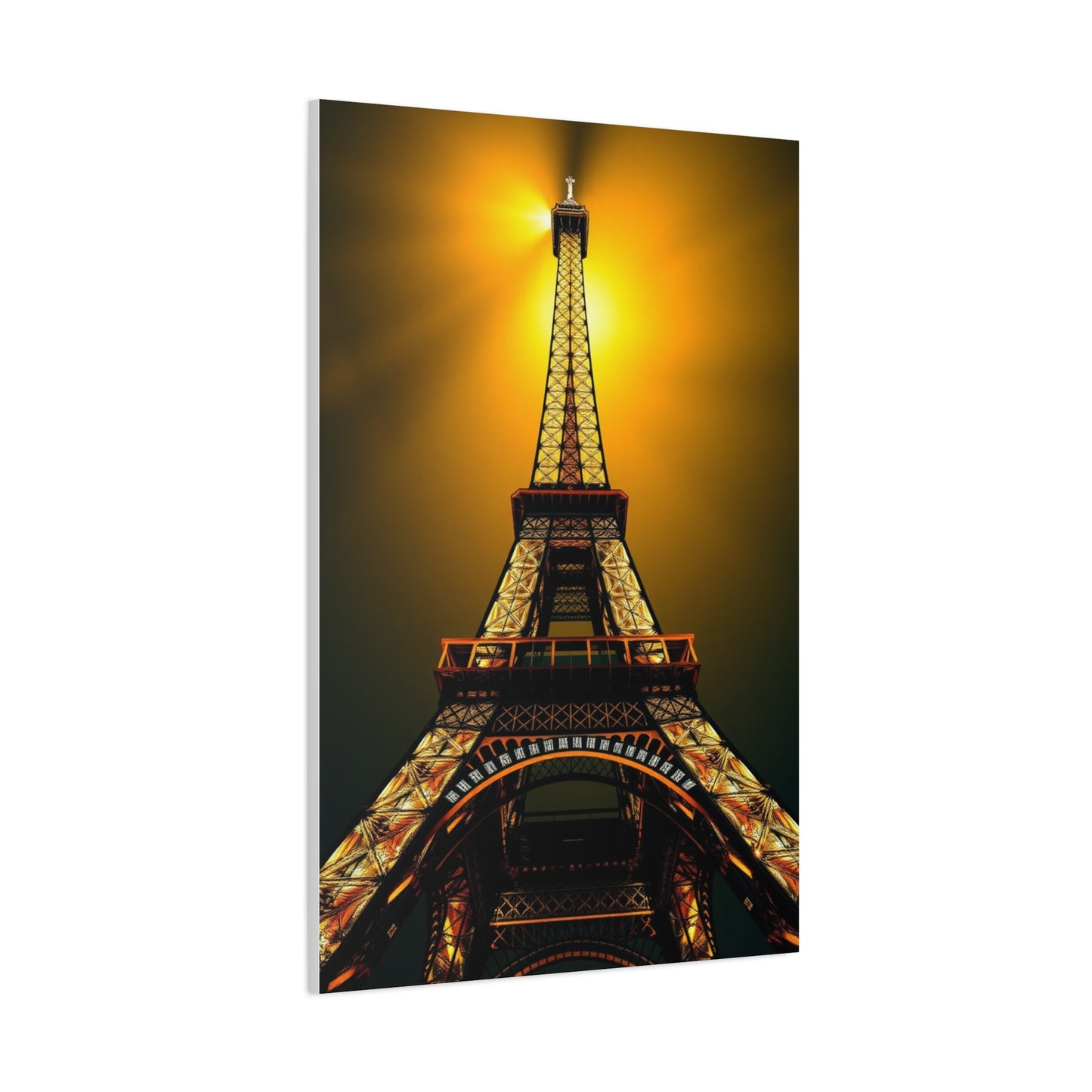
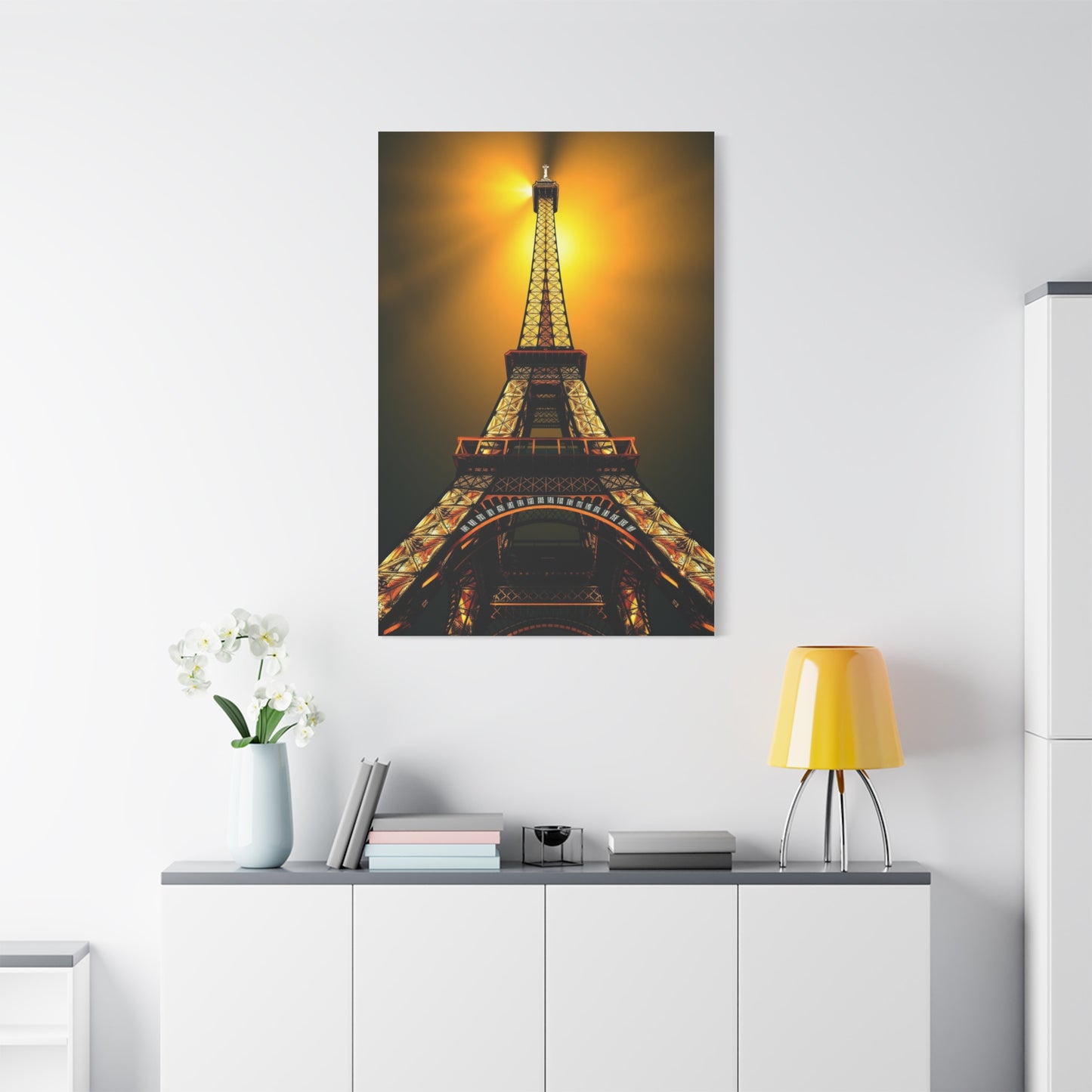
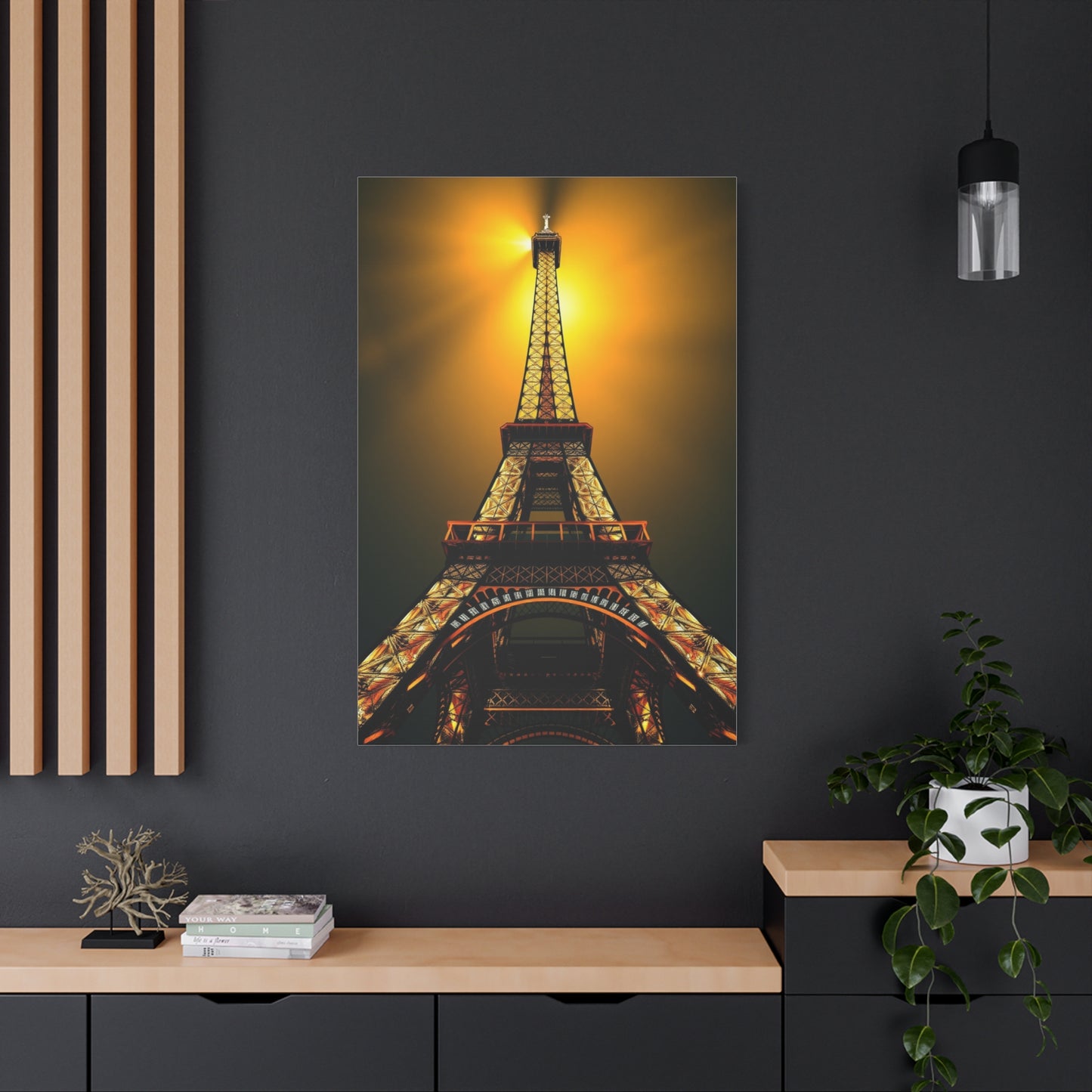
Iron Elegance Tableau: Masterful Techniques for Sophisticated Metal Artistry
Iron has captivated human civilization for thousands of years, evolving from a purely functional material into a medium of extraordinary artistic expression. The concept of iron elegance tableau represents the sophisticated intersection of metalworking craftsmanship and aesthetic refinement, where raw industrial strength meets delicate artistic sensibility. This remarkable fusion creates pieces that command attention while maintaining an air of understated sophistication that transcends temporal design trends.
The journey of iron from ancient forges to modern galleries demonstrates humanity's endless fascination with transforming base materials into objects of beauty. Contemporary artisans and designers continue to push boundaries, discovering innovative techniques that honor traditional metalworking while embracing cutting-edge technology. The iron elegance tableau approach emphasizes not merely the creation of functional objects but the crafting of visual narratives that speak to both the eye and the soul.
Throughout history, societies have valued iron for its durability and versatility, but the true artistic potential remained largely untapped until master craftsmen began exploring its decorative possibilities. Today's iron elegance tableau movement celebrates this material's unique characteristics, including its ability to convey both strength and delicacy, permanence and fluidity. The oxidation patterns, surface textures, and structural possibilities inherent in iron provide artists with an unparalleled palette for creative expression.
Modern interior designers increasingly incorporate iron elements into residential and commercial spaces, recognizing that properly executed metalwork elevates environments from ordinary to extraordinary. The iron elegance tableau philosophy guides these implementations, ensuring that each piece contributes meaningfully to the overall aesthetic narrative while maintaining its individual integrity. This balanced approach prevents overwhelming spaces with industrial heaviness while avoiding the opposite extreme of timid, forgettable installations.
The resurgence of interest in artisanal craftsmanship has positioned iron elegance tableau at the forefront of contemporary design movements. Collectors and homeowners alike seek pieces that demonstrate genuine skill, thoughtful design, and connection to metalworking traditions. These sophisticated works serve as conversation starters, investment pieces, and daily reminders of human creativity's boundless potential when applied to even the most fundamental materials.
Essential Characteristics Defining Iron Elegance Tableau
The iron elegance tableau aesthetic possesses distinctive characteristics that differentiate it from both purely functional metalwork and overly ornate decorative pieces. This refined approach emphasizes visual balance, where strength and delicacy coexist without contradiction. The successful iron elegance tableau piece demonstrates structural integrity while maintaining an almost ethereal quality that belies the material's inherent weight and density.
Proportion plays a crucial role in achieving the iron elegance tableau aesthetic, with careful attention to scale ensuring that pieces neither overwhelm their environments nor disappear into insignificance. Master craftsmen develop an intuitive understanding of how different dimensions interact, creating works that feel naturally proportioned regardless of their actual size. This sensitivity to scale extends from massive architectural installations to intimate decorative objects, each designed with meticulous attention to visual harmony.
Surface treatment significantly contributes to the iron elegance tableau character, with artisans employing various techniques to achieve desired effects. Some pieces showcase smooth, polished finishes that emphasize clean lines and contemporary sensibility, while others feature deliberately textured surfaces that highlight the material's organic qualities. The choice of finish directly impacts how light interacts with the piece, creating dynamic visual experiences that change throughout the day as illumination shifts.
Traditional Forging Techniques for Artistic Metalwork
The foundation of iron elegance tableau rests upon mastery of traditional forging techniques that have remained largely unchanged for centuries. Blacksmithing requires understanding how heat affects iron's malleability, allowing craftsmen to manipulate the material through controlled heating and deliberate shaping. The forge becomes the heart of the workshop, where raw stock transforms into graceful curves, precise angles, and intricate decorative elements that define the iron elegance tableau aesthetic.
Drawing out represents one of the fundamental forging techniques, involving the elongation of iron stock through repeated hammer blows while the metal remains at forging temperature. This process creates tapered elements, scrollwork foundations, and decorative tendrils that add visual interest to finished pieces. Skilled artisans control the taper precisely, producing smooth transitions that enhance the organic quality central to iron elegance tableau design philosophy.
Upsetting, the opposite of drawing out, involves increasing the cross-sectional area of iron stock through compression. This technique proves essential when creating decorative elements that require mass concentration at specific points, such as scroll terminals, bosses, and connection points. The iron elegance tableau approach utilizes upsetting strategically, ensuring that these areas of increased mass contribute to overall design balance rather than creating awkward visual weights.
Bending and scrollwork constitute perhaps the most recognizable aspects of decorative ironwork, with artisans using various tools and techniques to create graceful curves and spirals. Traditional scroll forks, bending jigs, and specialized anvil tools allow precise control over curve radii and spiral tightness. The iron elegance tableau aesthetic particularly values scrollwork that appears effortless and organic, avoiding mechanical uniformity in favor of subtle variations that suggest natural growth patterns.
Twisting adds dynamic visual interest to iron elements, creating spiral patterns that catch light and draw the eye along the length of a piece. This technique requires careful control of heat distribution and rotation speed to prevent tearing or unwanted deformation. Within the iron elegance tableau framework, twisted elements serve as accent features that provide texture and movement without overwhelming the overall composition.
Contemporary Tools and Equipment for Metal Artists
Modern metal artists pursuing iron elegance tableau aesthetics benefit from technological advances that complement traditional techniques without replacing them. Contemporary forges offer precise temperature control and fuel efficiency that historical blacksmiths could only dream of, enabling consistent heat management crucial for complex projects. These improved tools allow artisans to focus more energy on creative execution while reducing the physical demands that once limited productivity.
Power hammers and mechanical presses significantly expedite stock preparation and rough shaping, allowing craftsmen to accomplish in minutes what once required hours of manual hammer work. However, iron elegance tableau principles emphasize that mechanical assistance should facilitate rather than replace hand finishing. The final refinements, subtle adjustments, and decorative details still demand direct human touch to achieve the nuanced quality that distinguishes exceptional work from merely competent execution.
Plasma cutters and water jet cutting systems enable precise material removal and intricate pattern creation that would be impractical or impossible through traditional methods alone. These technologies prove particularly valuable for creating repeated elements or complex geometric patterns that complement organic forged components. The iron elegance tableau approach incorporates these modern capabilities judiciously, ensuring that technologically produced elements integrate seamlessly with traditionally forged components.
Welding equipment has evolved dramatically, offering artists various joining techniques suited to different applications and aesthetic goals. TIG welding provides clean, precise joints ideal for contemporary iron elegance tableau pieces where minimal visual interruption is desired. MIG welding offers speed and efficiency for structural connections that will be ground and finished. Traditional forge welding remains relevant for certain applications, particularly when authentic historical techniques contribute to the piece's conceptual integrity.
Angle grinders, belt sanders, and various finishing tools allow artisans to refine surfaces and prepare pieces for protective treatments or patination. The iron elegance tableau aesthetic often requires meticulous surface preparation, as even minor imperfections become visible under certain lighting conditions. Modern finishing equipment enables efficient surface refinement while still permitting the hand-finished quality that distinguishes artisanal work from industrial production.
Design Principles for Balanced Metal Compositions
Creating successful iron elegance tableau pieces requires understanding fundamental design principles that govern visual harmony and aesthetic impact. Balance stands as perhaps the most critical principle, whether achieved through symmetrical arrangements or more complex asymmetrical compositions that maintain equilibrium through careful distribution of visual weight. Master designers develop intuitive understanding of how different elements interact, creating works that feel naturally stable and complete.
Rhythm and repetition provide visual continuity that guides the eye through a composition, creating patterns that feel both intentional and organic. The iron elegance tableau approach avoids mechanical repetition in favor of variations on themes, where similar elements appear with subtle differences that maintain interest while establishing cohesion. This thoughtful handling of repetitive elements prevents monotony while building compositional strength through recognizable motifs.
Contrast creates visual interest by juxtaposing different qualities within a single composition. Heavy elements balance against delicate filigree, straight lines offset curved forms, and rough textures complement smooth surfaces. The iron elegance tableau aesthetic particularly values contrast that feels natural rather than forced, avoiding jarring juxtapositions in favor of relationships that enhance both participating elements.
Proportion and scale relationships determine whether individual components feel appropriately sized relative to each other and to the overall composition. The golden ratio and other classical proportional systems often inform iron elegance tableau designs, though skilled artists apply these principles intuitively rather than mechanically. Successful pieces demonstrate proportional relationships that feel inevitable, as though no other arrangement could possibly work as effectively.
Unity ensures that all elements within a composition relate to each other and contribute to a coherent overall statement. This doesn't require all components to match perfectly, but rather that each part clearly belongs to the whole. The iron elegance tableau approach achieves unity through consistent visual language, repeated motifs, and thoughtful integration of contrasting elements that enhance rather than fragment the overall composition.
Material Selection and Metal Properties for Artists
Understanding iron's metallurgical properties proves essential for artists pursuing iron elegance tableau excellence. Different iron types and carbon steel grades exhibit varying characteristics affecting workability, strength, and finishing potential. Mild steel, containing relatively low carbon content, offers excellent forgeability and weldability, making it ideal for decorative elements requiring extensive shaping. Higher carbon steels provide greater strength and edge retention but demand more skill during forging due to narrower working temperature ranges.
Wrought iron, though largely unavailable today outside of salvaged historical material, remains the gold standard for traditional decorative ironwork. Its fibrous structure created by slag inclusions produces unique surface textures and exceptional resistance to corrosion. Contemporary artisans sometimes incorporate reclaimed wrought iron into iron elegance tableau pieces, valuing its historical authenticity and distinctive working characteristics. Modern iron and mild steel serve as practical alternatives, capable of producing similar aesthetic effects when properly worked.
Metal thickness significantly impacts both structural performance and aesthetic character in iron elegance tableau work. Thinner stock creates delicate, airy compositions but requires careful engineering to maintain structural integrity. Heavier sections provide necessary strength for load-bearing applications while contributing visual weight that can anchor compositions. Skilled designers select stock thickness strategically, varying dimensions within single pieces to achieve desired visual and functional outcomes.
Alloying elements beyond carbon influence iron's properties in ways relevant to decorative metalwork. Small amounts of manganese improve strength and hardness while enhancing hardenability. Silicon increases fluidity during casting, relevant for artists incorporating cast elements. Chromium provides corrosion resistance, though typically not necessary for interior applications where traditional finishing methods offer adequate protection. Understanding these metallurgical subtleties allows informed material selection for specific applications.
Surface Finishing Methods for Protective Beauty
Surface finishing represents the final step in realizing iron elegance tableau pieces, protecting metal while enhancing aesthetic qualities. Proper surface preparation precedes any finishing treatment, requiring thorough removal of scale, rust, and contaminants that could compromise adhesion or accelerate deterioration. This preparatory work, though unglamorous, proves absolutely critical to long-term piece integrity and appearance.
Wire brushing creates textured surfaces that highlight iron's industrial character while providing mechanical key for subsequent treatments. This finish works particularly well for pieces where the iron elegance tableau aesthetic embraces rustic or weathered qualities. Power wire wheels expedite the process, though hand brushing offers superior control for detailed work and delicate elements. The resulting surface shows directional texture that catches light dynamically, contributing to the piece's visual interest.
Clear protective coatings preserve natural iron surfaces while preventing oxidation and corrosion. Modern options include polyurethane, lacquer, and specialized metal protectants, each offering different durability and appearance characteristics. The iron elegance tableau approach typically favors matte or satin finishes over high gloss, maintaining material authenticity rather than creating artificial shine. Multiple thin coats applied with proper drying intervals provide more durable protection than single thick applications.
Wax finishes offer traditional protection particularly appropriate for interior iron elegance tableau pieces. Paste wax applications create subtle sheen while allowing metal to develop gentle patina over time. This living finish changes gradually, recording the piece's history and environmental interactions. Regular maintenance through rewaxing becomes part of the ownership experience, fostering connection between collector and artwork.
Paint finishes provide unlimited color possibilities while offering robust protection against environmental factors. High-quality metal primers ensure proper adhesion and corrosion prevention, while topcoat selections determine final appearance and durability. The iron elegance tableau aesthetic often employs refined color palettes featuring blacks, deep grays, and earth tones that complement iron's inherent character. Specialty finishes including hammered effects and metallic additives add textural interest without obscuring underlying craftsmanship.
Chemical Patination Techniques for Rich Color Development
Chemical patination allows artists to develop complex surface colors that enhance iron elegance tableau pieces with rich, varied tones impossible to achieve through paint alone. These controlled oxidation processes create authentic metal color development, with pigments actually forming within the surface rather than merely coating it. The resulting finishes possess depth and subtlety that mechanical coloring methods cannot replicate.
Hot oxidation represents the most traditional patination approach, involving heating iron to specific temperatures that produce characteristic oxide colors. Lower temperatures yield straw yellows and light browns, while progressively higher heat creates deeper browns, purples, and finally blue-black oxide coats. This temperature-controlled coloring method requires skill and experience, as the progression happens quickly and unevenly heated areas develop inconsistent coloration. Within iron elegance tableau work, deliberate temperature variations sometimes create desirable color gradations.
Acid patination employs various chemical solutions to accelerate and control oxidation processes. Ferric chloride produces rich brown tones, while copper sulfate can generate subtle green tints. Nitric acid creates aggressive oxidation resulting in deep, textured rust development. Artists applying these chemicals must understand safety requirements and proper handling procedures, as many patination solutions present significant hazards. Proper ventilation, protective equipment, and careful technique prove absolutely essential for safe chemical patination work.
Liver of sulfur, commonly associated with jewelry patination, also finds application in iron elegance tableau surface treatment. This solution produces dramatic color shifts depending on concentration, temperature, and application duration. The resulting palette ranges from golden yellows through browns to deep charcoal blacks. Multiple applications with varying parameters create complex surface coloration that adds visual depth to finished pieces.
Rust development and stabilization represents another patination approach, particularly appropriate when iron elegance tableau aesthetic embraces weathered, industrial character. Accelerated rusting techniques using salt solutions and moisture create authentic oxide layers in hours rather than years. Once desired color development occurs, rust stabilizers convert active oxidation to stable compounds that cease progressing. Careful application of these stabilizers prevents continuing deterioration while preserving developed surface character.
Garden and Exterior Decorative Metalwork
Exterior applications present unique opportunities and challenges for iron elegance tableau implementation. Garden gates establish first impressions and define property boundaries while offering dramatic canvases for artistic expression. These threshold elements balance openness and security, welcoming visitors while clearly delineating public and private realms. The most successful garden gates achieve this balance through designs that feel substantial yet transparent, protecting without creating fortress-like appearance.
Arbors and pergolas gain structural elegance through iron elegance tableau approaches that combine robust engineering with visual lightness. Metal frameworks support climbing plants while creating architectural features that define outdoor spaces. These structures must withstand weather exposure and plant loads while maintaining aesthetic appeal year-round, including winter months when vegetation dies back and metalwork stands revealed. Thoughtful design ensures that structures remain visually interesting as bare frameworks and as plant-covered living elements.
Garden furniture crafted according to iron elegance tableau principles provides durable outdoor seating that weathers gracefully over decades. Unlike synthetic alternatives that deteriorate into unsightly waste, quality iron furniture develops character through use and environmental exposure. Natural oxide development, wear patterns, and accumulated patina record the piece's history, enhancing rather than diminishing its appeal. Regular maintenance keeps structural integrity sound while allowing controlled aging that adds authenticity.
Decorative planters and garden ornaments extend iron elegance tableau aesthetics throughout landscaped environments. These pieces provide focal points, define garden zones, and support design themes that unify outdoor spaces. Scale becomes particularly important in garden applications, where pieces must hold their own against natural landscape elements without appearing oversized or inappropriate. Successful garden ornaments feel naturally integrated into their settings, as though they had always belonged there.
Lighting Fixtures as Functional Sculpture
Lighting design represents the ultimate fusion of function and aesthetics, making it ideal territory for iron elegance tableau principles. Chandeliers serve as jewelry for architectural spaces, commanding attention while providing necessary illumination. Metal chandeliers range from spare, modernist designs featuring minimal geometric forms to elaborate compositions incorporating multiple arms, decorative elements, and integrated organic motifs. The most successful designs consider not only the fixture's appearance when illuminated but also its sculptural presence during daylight hours.
Wall sconces provide ambient lighting while functioning as distributed sculptural elements throughout interior spaces. These fixtures must integrate with wall surfaces gracefully, neither protruding awkwardly nor disappearing entirely. The iron elegance tableau approach to sconce design creates pieces that enhance their immediate surroundings while contributing to broader interior narratives. Proper scale selection ensures that sconces feel appropriate to their mounting locations, with larger pieces for spacious halls and more restrained designs for intimate settings.
Floor lamps and table lamps offer portable lighting solutions that can be repositioned as needs and preferences change. Iron bases provide stable platforms for shades or bare bulb arrangements, with forged details adding visual interest to what might otherwise be purely functional forms. The integration of electrical components challenges designers to accommodate necessary wiring while maintaining clean lines and concealing mechanical necessities that could compromise aesthetic purity.
Pendant lights suspended over kitchen islands, dining tables, and other task areas combine focused illumination with decorative impact. The iron elegance tableau approach to pendant design often employs open frameworks that allow light distribution while creating dynamic shadow patterns. Multiple pendants grouped at varying heights create visual rhythm while providing comprehensive lighting coverage. Careful consideration of suspension heights ensures adequate headroom while maintaining appropriate visual relationships between fixtures and underlying surfaces.
Outdoor lighting fixtures must withstand environmental exposure while maintaining aesthetic appeal and reliable function. Post lights, pathway illumination, and wall-mounted exterior fixtures crafted with iron elegance tableau principles provide essential nighttime visibility while enhancing landscape and architectural features. These pieces often incorporate historical lantern references while integrating modern lighting technology that provides superior illumination with minimal energy consumption.
Sculptural Art Pieces and Gallery-Quality Work
Three-dimensional sculpture created through iron elegance tableau principles occupies gallery spaces and private collections worldwide, demonstrating metal's potential for profound artistic expression. Abstract compositions explore form, space, and material relationships without representational constraints. These pieces investigate how curved and straight elements interact, how positive and negative space balance, and how surface treatments affect viewer perception. Successful abstract metal sculpture transcends mere technical demonstration, communicating emotional content and conceptual depth.
Figurative sculpture in iron presents unique challenges, as the material's inherent characteristics resist naturalistic representation. However, skilled artists working within iron elegance tableau traditions create evocative human and animal forms that capture essential qualities rather than photographic detail. Simplified, suggestive approaches often prove more effective than attempts at literal representation, allowing viewers' imaginations to complete forms and invest pieces with personal meaning.
Kinetic sculptures incorporating movement add temporal dimensions to static metalwork, creating works that change continuously through wind power, water flow, or mechanical systems. These pieces demonstrate iron's versatility, with carefully balanced components responding to environmental conditions or programmed movements. The iron elegance tableau approach to kinetic work emphasizes graceful motion and subtle transformation rather than dramatic mechanical display, favoring contemplative experience over technological spectacle.
Wall-mounted relief sculpture bridges two and three-dimensional artistic expression, projecting from surfaces while maintaining essential relationships with architectural backgrounds. These pieces work particularly well in locations where freestanding sculpture would obstruct circulation but vertical surfaces offer display opportunities. Shadow play becomes integral to relief work, with changing light conditions creating dynamic visual experiences throughout the day.
Restoration and Preservation of Historical Ironwork
Historical ironwork preservation demands specialized knowledge combining metallurgical understanding, traditional craft techniques, and sensitivity to original artistic intent. Assessment precedes intervention, with conservators carefully documenting existing conditions through photography, measurement, and materials analysis. This investigative phase identifies original construction methods, subsequent alterations, and deterioration mechanisms, informing appropriate treatment strategies that respect historical integrity while ensuring continued structural viability.
Corrosion removal presents particular challenges, as aggressive cleaning can destroy original surface finishes, tool marks, and other evidence of historical fabrication techniques. Conservators employ gentle mechanical cleaning methods including careful wire brushing, low-pressure abrasive blasting with appropriate media, and patient hand work removing only loose, actively deteriorating material. Chemical cleaning agents require careful selection and controlled application to avoid damaging sound metal while removing harmful corrosion products.
Structural stabilization addresses mechanical failures threatening ironwork integrity without unnecessarily replacing original material. Traditional repairs often involved riveting, forge welding, or mechanical fastening rather than modern arc welding, and conservation practice increasingly returns to these historical techniques when appropriate. However, modern welding methods may prove necessary for certain repairs, executed with maximum discretion to minimize visual impact and potential metallurgical damage to surrounding original material.
Missing element replacement requires careful consideration regarding authenticity and interpretation. When sufficient documentation exists to recreate lost components accurately, faithful reproduction maintains historical integrity. However, ambiguous situations where original appearance remains uncertain demand different approaches, with new work clearly distinguishable from original upon close inspection while maintaining overall design coherence. This honest approach respects both historical authenticity and intellectual integrity.
Material Sourcing and Workshop Setup
Establishing functional metalworking capabilities requires thoughtful workshop development and reliable material sourcing. Space considerations begin with adequate square footage for equipment, material storage, and safe working clearances around machinery and forging areas. Proper ventilation proves absolutely critical, as metalworking generates fumes, smoke, and particulates requiring exhaust systems that protect craftsmen's health while meeting regulatory requirements. Floor loading capacity must accommodate heavy anvils, equipment, and steel stock storage without structural concerns.
Forge selection represents perhaps the most significant equipment decision for iron elegance tableau work. Coal and coke forges provide traditional experience and particular firing characteristics, though they require fuel sourcing and generate substantial smoke. Gas forges offer convenience, rapid heating, and cleaner operation, making them popular choices for contemporary workshops. Modern induction heating systems provide extremely localized, controllable heating ideal for certain applications, though capital costs remain substantial.
Anvil selection demands careful consideration, as this fundamental tool profoundly affects working efficiency and capability. Traditional wrought iron anvils remain prized for superior working characteristics, though scarcity and expense often make them impractical. Cast steel anvils offer acceptable performance at moderate costs, while forged steel anvils provide excellent quality for serious professional work. Proper anvil mounting that securely supports without transmitting excessive vibration contributes significantly to productive, comfortable working conditions.
Safety Practices and Workshop Risk Management
Metalworking safety demands constant attention, as the processes involve extreme temperatures, heavy materials, powerful equipment, and various hazardous conditions. Personal protective equipment forms the first safety line, with appropriate gear varying by specific operations. Heat-resistant gloves protect against burns during forging, while welding requires specialized gloves offering heat protection and dexterity. Safety glasses protect against flying sparks, grinding debris, and scale, while face shields provide additional protection during particularly hazardous operations.
Respiratory protection proves essential given the fumes, smoke, and particulates generated by metalworking operations. Dust masks offer minimal protection suitable only for brief grinding operations, while proper respirators with appropriate filter cartridges protect against welding fumes, chemical vapors from patination processes, and fine particulates from grinding and cutting. Workshop ventilation systems including exhaust hoods positioned near welding areas and forge stations supplement personal respiratory protection, capturing contaminants at their source before they disperse throughout the workspace.
Hearing protection prevents cumulative damage from hammer blows, power equipment, and pneumatic tools that generate noise levels capable of causing permanent hearing loss. Disposable foam plugs provide adequate protection for intermittent exposure, while quality earmuffs offer superior comfort and protection during extended work sessions. Electronic hearing protection devices amplify normal conversation while automatically suppressing dangerous noise levels, facilitating communication without compromising auditory safety.
Fire prevention and suppression systems address inherent metalworking risks involving open flames, hot materials, and combustible substances. Cleared work areas free from wood shavings, paper, oil-soaked rags, and other flammable materials reduce fire initiation risks. Readily accessible fire extinguishers appropriate for metal, electrical, and general fires provide immediate response capability, though personnel must understand proper extinguisher selection and application techniques. Many workshops incorporate automatic sprinkler systems that activate during serious incidents, protecting property while providing escape time.
Proper material handling techniques prevent back injuries, crushed extremities, and other trauma associated with heavy steel stock and finished pieces. Mechanical assistance including cranes, hoists, and material handling equipment reduces physical strain while improving safety margins. When manual lifting proves necessary, proper technique emphasizing leg strength, straight back positioning, and team lifting for excessive loads prevents the cumulative injuries that plague metalworkers throughout careers.
Collaboration with Architects and Interior Designers
Professional relationships with architects and interior designers provide metalworkers access to substantial projects and discerning clients willing to invest in quality custom work. These collaborations require understanding design development processes, construction scheduling realities, and communication protocols that differ from direct consumer relationships. Successful integration into design teams demonstrates reliability, flexibility, and technical expertise that make metalworkers valuable collaborative partners rather than merely subcontractors executing predetermined specifications.
Early involvement in project development allows metalworkers to influence design directions while proposals remain fluid, preventing late-stage complications when design modifications become expensive and disruptive. Preliminary consultations provide opportunities to suggest material applications, discuss technical constraints, and offer creative ideas that architects and designers might not independently consider. This consultative approach positions metalworkers as creative collaborators contributing to comprehensive design solutions rather than passive recipients of marching orders.
Technical documentation requirements for architectural projects exceed typical custom work expectations, with detailed shop drawings, material specifications, and engineering calculations often required for permitting and construction coordination. CAD capabilities enable production of professional documentation meeting industry standards, while structural engineering consultants can provide calculations and sealed drawings when metalwork performs load-bearing functions. Investment in documentation capabilities and professional relationships supporting this work facilitates participation in substantial architectural commissions.
Construction scheduling coordination ensures metalwork availability when needed without premature delivery that risks damage during ongoing construction activities. Architects and general contractors establish master schedules coordinating multiple trades and suppliers, with metalwork typically installed during finishing phases after major structural and mechanical systems complete. Reliable adherence to agreed timelines builds reputation for professionalism that leads to future project opportunities and referrals within design communities.
Budget consciousness throughout design development prevents expectation misalignments that jeopardize projects and relationships. Preliminary pricing during conceptual phases helps architects and designers develop realistic budgets, avoiding situations where elaborate designs exceed available funds. Value engineering suggestions offering cost savings without compromising essential design qualities demonstrate partnership orientation, positioning metalworkers as collaborators seeking project success rather than simply maximizing personal revenues regardless of broader project implications.
Photography and Documentation of Metalwork
Professional documentation serves multiple critical functions for metalworking businesses and artistic practices. Marketing applications require high-quality images that accurately represent pieces while presenting them attractively. Portfolio images demonstrate capabilities to potential clients, galleries, and collaborators, making photography quality directly impact business development success. Competition submissions, grant applications, and press opportunities demand professional documentation meeting publication standards.
Lighting critically affects metalwork photography, as surfaces reflect and absorb light in complex ways that challenge photographic capture. Diffused lighting reduces harsh reflections and hot spots that occur when direct light sources create mirror-like reflections from polished surfaces. Multiple light sources positioned strategically illuminate pieces dimensionally, preventing flat appearance that fails to convey three-dimensional form. Outdoor photography utilizing natural light offers alternatives to studio setups, though weather and time-of-day constraints limit control and consistency.
Background selection influences how viewers perceive photographed pieces, with simple, neutral backgrounds focusing attention on metalwork rather than competing surroundings. Seamless paper backgrounds in white, gray, or black provide clean contexts emphasizing forms and details. Contextual photography showing installations in actual environments demonstrates scale and aesthetic integration, helping potential clients envision similar applications in their own spaces. Balancing clean product photography against contextual installation images provides comprehensive documentation serving different communication purposes.
Composition decisions regarding camera angles, framing, and perspective affect how pieces read photographically. Eye-level angles provide natural perspectives that correspond to normal viewing experiences. Lower angles can emphasize monumentality and presence, while elevated perspectives reveal plan geometries and spatial relationships not visible from ground level. Detail shots highlighting joinery, surface treatments, and decorative elements communicate craftsmanship quality not apparent in overall views. Comprehensive documentation includes multiple images showing pieces from various distances and angles.
Environmental Considerations and Sustainable Practices
Contemporary metalworking increasingly addresses environmental impacts through sustainable material sourcing, energy-efficient production methods, and lifecycle considerations. Recycled steel offers environmentally preferable alternatives to virgin material production, which requires substantial energy inputs and generates significant emissions. Most structural steel contains high recycled content percentages, and scrap metal collected from demolition sites, manufacturing waste streams, and agricultural sources provides essentially unlimited material supplies without additional mining and processing impacts.
Energy consumption during production represents another significant environmental consideration, with metalworking processes including forging, welding, and finishing requiring substantial electricity and fuel inputs. Energy-efficient equipment including modern forges, LED lighting, and properly maintained tools reduces consumption while often improving working conditions and productivity. Renewable energy sources including solar panels and wind power increasingly provide workshop electricity, further reducing environmental footprints while potentially offering long-term cost savings offsetting initial installation investments.
Finish selection impacts environmental profiles through volatile organic compound emissions, hazardous waste generation, and long-term maintenance requirements. Water-based finishes, powder coating systems, and traditional waxes offer lower environmental impacts than solvent-based paints and chemical conversion coatings. Exterior applications particularly benefit from finish systems providing durable protection without frequent reapplication, as maintenance activities multiply environmental impacts over pieces' service lives. Designing for durability inherently reduces environmental impact by extending useful life and delaying eventual material recycling or disposal.
Workshop waste management addresses metal scraps, consumables, and hazardous materials generated during fabrication. Scrap metal collection for recycling diverts substantial material quantities from landfills while generating modest revenue offsetting disposal costs. Grinding dust, cutting fluids, and used abrasives require proper disposal through licensed hazardous waste handlers when they contain substances precluding standard trash disposal. Solvent recycling systems, when justified by usage volumes, reduce virgin solvent consumption and hazardous waste generation simultaneously.
Lifecycle thinking considers environmental impacts from material extraction through production, use phase, and eventual end-of-life disposition. Iron elegance tableau pieces designed for longevity and timeless aesthetic appeal serve their owners for decades or centuries rather than following disposable consumer product patterns requiring frequent replacement. This durability inherently reduces environmental impact per year of service, while material recyclability ensures that eventual end-of-life disposition recovers material value rather than creating perpetual waste. Quality craftsmanship supporting long service lives represents perhaps the most significant environmental contribution metalworkers offer.
Digital Tools and Computer-Aided Design Integration
Modern metalworking increasingly incorporates digital technologies that enhance traditional practices without replacing fundamental craft knowledge. Computer-aided design software enables precise drawing development, dimensional accuracy verification, and visual exploration of design alternatives before physical fabrication begins. Three-dimensional modeling allows evaluation of pieces from multiple perspectives, identification of potential structural issues, and generation of technical documentation including shop drawings and client presentation materials.
CNC plasma cutting and waterjet systems translate digital designs directly into cut metal components with precision and repeatability impossible through manual marking and cutting. These technologies prove particularly valuable for repeated elements, complex geometric patterns, and production work where consistency across multiple pieces matters significantly. However, the iron elegance tableau aesthetic generally requires integration of CNC-cut components with traditionally forged elements that provide organic qualities and artisanal character mechanical processes cannot replicate.
Parametric design approaches enable rapid design iteration through variable manipulation, with software automatically updating entire models when dimensional parameters change. This capability facilitates client collaboration, allowing real-time exploration of size variations, pattern adjustments, and proportional relationships. Families of related designs sharing underlying parametric structures can be developed efficiently, offering clients choices while maintaining design consistency across product lines.
Digital fabrication file preparation requires understanding how design intent translates into machine instructions. Nesting strategies that efficiently arrange components on material sheets minimize waste while maintaining adequate spacing for cutting kerf and subsequent handling. Tool path optimization reduces cutting time and equipment wear while ensuring quality edge conditions. Post-processing including deburring, grinding, and finish preparation remains necessary, as digital cutting produces components requiring traditional craft finishing before assembly.
Commission Process and Client Management
Custom commission management begins with initial client consultations establishing project scope, budget parameters, and design direction. These early conversations clarify expectations, identify potential challenges, and determine whether project requirements align with metalworker capabilities and artistic direction. Careful listening reveals not only stated requirements but also underlying desires and concerns that may not be explicitly articulated. Successful consultations build rapport and confidence supporting productive working relationships throughout extended project timelines.
Design development proceeds through iterative phases beginning with rough concepts and progressing toward refined proposals ready for client approval and fabrication. Initial sketches and preliminary drawings communicate overall design directions without premature commitment to specific details. Client feedback guides revisions addressing concerns while incorporating preferences. Progressive refinement eventually produces final designs with complete dimensional information, material specifications, and finish details. Written proposals documenting all specifications prevent misunderstandings while providing reference materials guiding fabrication.
Pricing presentations explain cost structures while justifying values that may surprise clients unfamiliar with custom metalwork economics. Transparent breakdowns showing material costs, labor hours at stated rates, specialized processes, installation requirements, and overhead allocations demonstrate that prices reflect fair compensation rather than arbitrary numbers. Comparing custom piece costs to mass-produced alternatives misses fundamental value differences, requiring education about craftsmanship quality, design exclusivity, and artistic merit justifying premium pricing.
Fabrication phase communication keeps clients informed regarding progress while managing expectations about timelines and any emerging issues. Regular updates including progress photographs demonstrate activity and maintain engagement, particularly important during projects extending over weeks or months. Proactive communication about complications, material delivery delays, or necessary design modifications maintains trust while providing opportunities to address concerns before they escalate into conflicts threatening project completion.
Integrating Mixed Materials in Metal Art
Material combinations expand aesthetic possibilities beyond what single-material approaches offer, with thoughtful integration creating works richer than pure metalwork alone. Wood and iron partnerships possess particular resonance, combining organic warmth with industrial strength. Furniture incorporating both materials distributes functional roles appropriately, with metal frameworks providing structural support while wood surfaces offer tactile comfort and visual warmth. Successful integration requires understanding how different materials expand, contract, and age, accommodating movement without developing gaps or stress concentrations.
Stone combined with iron creates dramatic contrasts between natural geological materials and refined metalwork. Bases, insets, and structural supports joining these materials must accommodate significant weight while preventing stress concentrations that could fracture stone. Stainless steel pins, adhesives, and carefully designed mechanical connections join materials securely while remaining invisible or becoming intentional aesthetic elements. The iron elegance tableau approach to stone integration emphasizes respectful balance, allowing each material its integrity rather than forcing artificial unity.
Glass and metal combinations create light-transmitting elements within otherwise solid metalwork, opening visual opportunities while maintaining structural frameworks. Functional applications including windows, light fixtures, and table surfaces require careful engineering ensuring glass panels resist expected loads while proper edge treatments prevent dangerous sharp edges. Decorative applications allow greater creative freedom, with colored glass, textured surfaces, and shaped panels contributing to overall design narratives.
Textile integration introduces softness, color, and acoustic properties into metal environments. Upholstered seating, decorative panels, and suspended fabric elements soften metal's visual and acoustic hardness while expanding color palettes beyond metal's limited range. Attachment methods must accommodate fabric movement, allow cleaning or replacement, and remain concealed or become deliberate design features. The iron elegance tableau approach favors restraint, using fabric strategically rather than overwhelming metalwork with competing textile presence.
Marketing Strategies for Contemporary Metal Artists
Digital presence forms the foundation of contemporary marketing efforts, with professional websites serving as permanent portfolios and business information sources. Clean, mobile-responsive designs showcase work effectively while providing contact information, background narratives, and commission process explanations. Regular content updates including new project features, process documentation, and artistic statements maintain freshness while providing search engine optimization benefits improving discoverability. Domain names and hosting services represent modest investments yielding significant professional credibility returns.
Social media platforms offer complementary marketing channels reaching audiences through visual content and community engagement. Instagram particularly suits metalwork marketing, with image-centric formats showcasing finished pieces, fabrication processes, and workshop glimpses. Consistent posting schedules maintain visibility, while authentic engagement responding to comments and messages builds follower relationships. Strategic hashtag use expands reach beyond existing followers, connecting with potential clients, collaborators, and fellow artists discovering content through interest-specific searches.
Email marketing maintains direct communication with interested audiences, sharing project updates, exhibition announcements, and educational content. Newsletter strategies balance promotional messages with valuable content subscribers genuinely appreciate, preventing unsubscribe attrition from excessive sales pitches. Regular but not overwhelming frequency keeps businesses remembered without becoming annoying, with monthly or quarterly newsletters typically providing appropriate cadences for craft-based businesses.
Content marketing through blogging, video production, and educational resources demonstrates expertise while providing value attracting potential clients. Process documentation explaining fabrication techniques, design philosophy discussions, and project case studies build authority and trust, positioning makers as thoughtful professionals rather than mere fabricators. This content serves multiple purposes simultaneously, supporting search engine optimization, social media sharing, and client education about what distinguishes quality metalwork from inferior alternatives.
Collaborative marketing with complementary businesses including interior designers, architects, galleries, and home furnishing retailers expands reach through established audiences. Cross-promotion arrangements, referral incentives, and co-marketing initiatives create win-win relationships benefiting all participants. These partnerships often develop organically through project collaborations, with positive working experiences leading to ongoing professional relationships yielding mutual benefits.
Legal Considerations for Professional Metalworkers
Business structure selection affects liability exposure, tax obligations, and operational flexibility. Sole proprietorships offer simplicity and minimal formation requirements, though they provide no liability protection separating personal and business assets. Limited liability companies combine liability protection with flexible management and favorable tax treatment, making them popular choices for small craft businesses. Corporations provide maximum liability protection while imposing greater administrative burdens and potential tax complexities. Professional legal and accounting advice helps determine optimal structures for individual circumstances.
Intellectual property protection preserves design rights and prevents unauthorized copying of original work. Copyright automatically protects original artistic works, though registration provides additional benefits including statutory damages and attorney fee recovery in infringement actions. Design patents protect ornamental designs, requiring formal application processes and examination by patent offices. Trade dress protection prevents competitors from copying distinctive product appearance causing marketplace confusion. Understanding available protections and their requirements helps makers defend creative work against misappropriation.
Contract agreements document understanding between metalworkers and clients, preventing disputes through clear specification of deliverables, timelines, payment terms, and responsibilities. Written contracts need not employ impenetrable legal jargon, serving primarily as mutual understanding documentation rather than adversarial documents. Key provisions address design ownership, alteration rights, payment schedules, timeline expectations, liability limitations, and dispute resolution procedures. Attorney review of template contracts ensures adequate protection while maintaining readability and professionalism.
Building permits and code compliance requirements apply to architectural metalwork performing structural functions or significantly altering buildings. Railings, staircases, structural supports, and similar installations typically require permits demonstrating compliance with building codes addressing safety, accessibility, and structural adequacy. Navigating permitting processes involves submitting plans, obtaining approvals, scheduling inspections, and addressing any deficiencies inspectors identify. Understanding local requirements and maintaining positive relationships with building officials facilitates smooth project approvals.
Tax obligations including income tax, sales tax, and employment tax impose administrative burdens requiring systematic record-keeping and timely compliance. Quarterly estimated tax payments prevent year-end surprises for self-employed metalworkers, while sales tax collection and remittance requirements vary by jurisdiction and transaction types. Employment tax obligations for businesses with employees include withholding, matching contributions, and regular reporting. Professional accounting assistance ensures compliance while identifying legitimate deductions reducing tax burdens.
The Role of Iron Elegance in Modern Architecture
Contemporary architecture increasingly incorporates iron elegance tableau principles, recognizing that thoughtfully designed metalwork enhances built environments while serving practical functions. Minimalist architectural movements value metal's clean lines, structural efficiency, and honest material expression. Steel frameworks, metal cladding systems, and exposed structural elements become design features rather than concealed necessities, celebrating industrial aesthetics within refined architectural contexts.
Biophilic design principles emphasizing human connections to nature find expression through iron elegance tableau elements incorporating organic forms and natural patterns. Metal screens featuring leaf patterns, branching structures, and flowing curves bring nature references into urban environments while maintaining abstract qualities preventing literal mimicry. These elements filter light, provide privacy, and create visual interest while supporting occupant wellbeing through psychological connections to natural forms.
Adaptive reuse projects converting industrial buildings into residential and commercial spaces often retain and celebrate original metalwork elements. Historic machinery, structural frameworks, and architectural details become character-defining features within updated spaces. New metalwork additions designed with iron elegance tableau sensitivity complement historic elements while clearly reading as contemporary interventions. This layered approach honors building histories while accommodating modern functional requirements.
Sustainable architecture recognizes metal's durability, recyclability, and structural efficiency as environmentally responsible material choices. Long-lasting metal building components require less frequent replacement than alternatives, reducing lifecycle environmental impacts. Recycled steel content minimizes virgin material demand, while eventual end-of-life recyclability prevents permanent waste creation. Iron elegance tableau approaches emphasizing quality and longevity inherently support sustainability goals through durable designs transcending temporary trends.
Parametric and computational design methodologies generate complex geometric forms previously impossible or impractical to construct. These approaches often employ metal fabrication given the material's formability and structural properties. While some computational designs emphasize technological virtuosity over human scale and material honesty, iron elegance tableau principles can guide implementations that balance innovation with timeless aesthetic values. The challenge involves harnessing computational power while maintaining essential human qualities that prevent sterile, inhuman results.
Conclusion
Iron Elegance Tableau exemplifies the striking beauty and timeless appeal of metal artistry, showcasing how iron, a material often associated with strength and durability, can be transformed into sophisticated works of visual art. Throughout history, iron has been both a practical material and a medium for creative expression. Today, contemporary artists and designers have elevated it into a realm where craftsmanship, innovation, and aesthetic finesse converge, resulting in pieces that are not only functional but also serve as captivating focal points in interior and exterior spaces. This guide has explored the various techniques, design principles, and artistic approaches that define iron artistry, highlighting its capacity to balance industrial strength with refined elegance.
At the heart of Iron Elegance Tableau is the meticulous craftsmanship that transforms raw iron into intricate forms and compositions. Techniques such as forging, welding, casting, and patination allow artists to manipulate iron into shapes ranging from bold geometric structures to delicate, flowing patterns. Each process requires not only technical skill but also a deep understanding of the material’s properties—its malleability, tensile strength, and response to heat and finishing treatments. By mastering these techniques, artists can create textures, layers, and finishes that imbue each piece with depth and character. The result is a tableau that feels both contemporary and timeless, capable of enhancing modern minimalist spaces as well as more traditional or eclectic interiors.
Another defining feature of sophisticated metal artistry is the interplay between form, function, and light. Iron artworks are not static; they interact with their surroundings, reflecting light, casting shadows, and altering the perception of space. Sculptural pieces, wall panels, or decorative installations can transform a room, adding visual intrigue and dimension. Through careful design, artists can manipulate the visual weight of iron, creating pieces that feel airy despite their inherent heaviness or substantial despite delicate detailing. This duality underscores the unique appeal of iron art—it is simultaneously solid and dynamic, industrial and refined, practical and ornamental.
The aesthetic versatility of iron artistry also contributes to its enduring popularity. Iron can be finished in a variety of ways—polished, brushed, oxidized, or coated—to suit different design sensibilities. Warm, bronze-like patinas evoke a sense of antiquity and classical charm, while sleek black or metallic finishes communicate modern sophistication and elegance. Additionally, iron can be combined with other materials, such as wood, glass, or stone, to create hybrid pieces that bridge the natural and industrial, the traditional and contemporary. This adaptability allows iron art to complement a wide range of interior and exterior design themes, from rustic and vintage to urban and avant-garde.


