


John's Wall Art & Canvas Prints
John's Wall Art & Canvas Prints
Couldn't load pickup availability
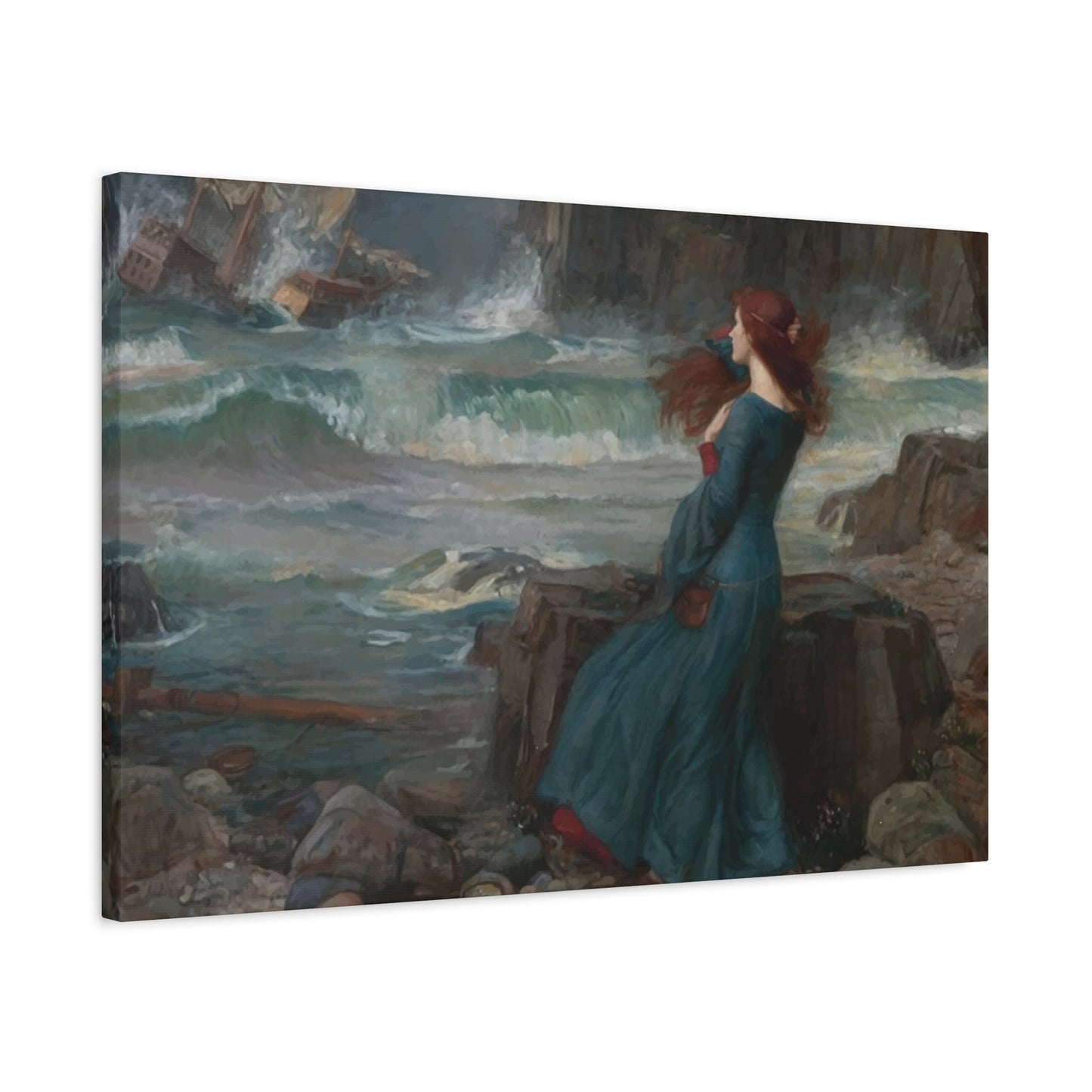
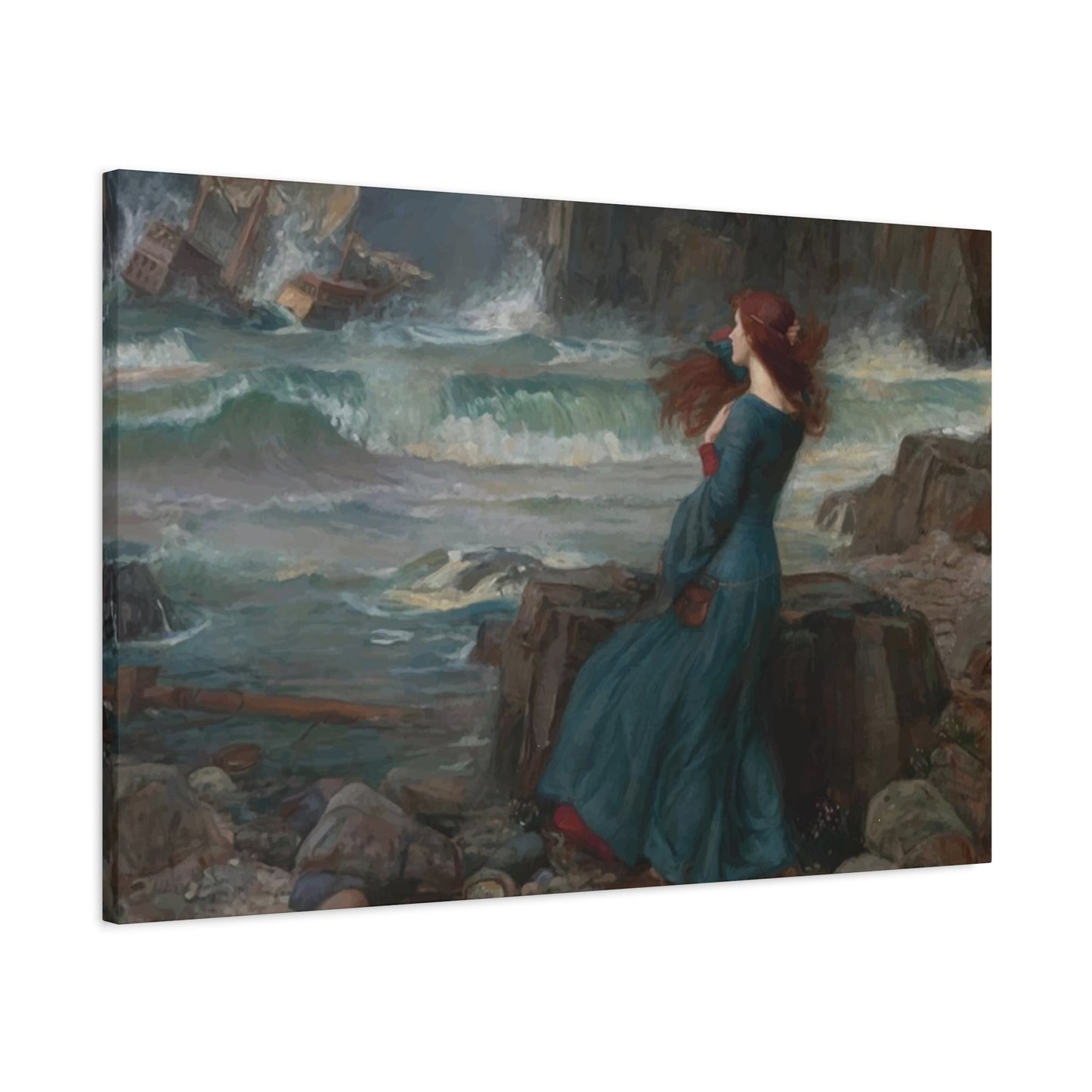
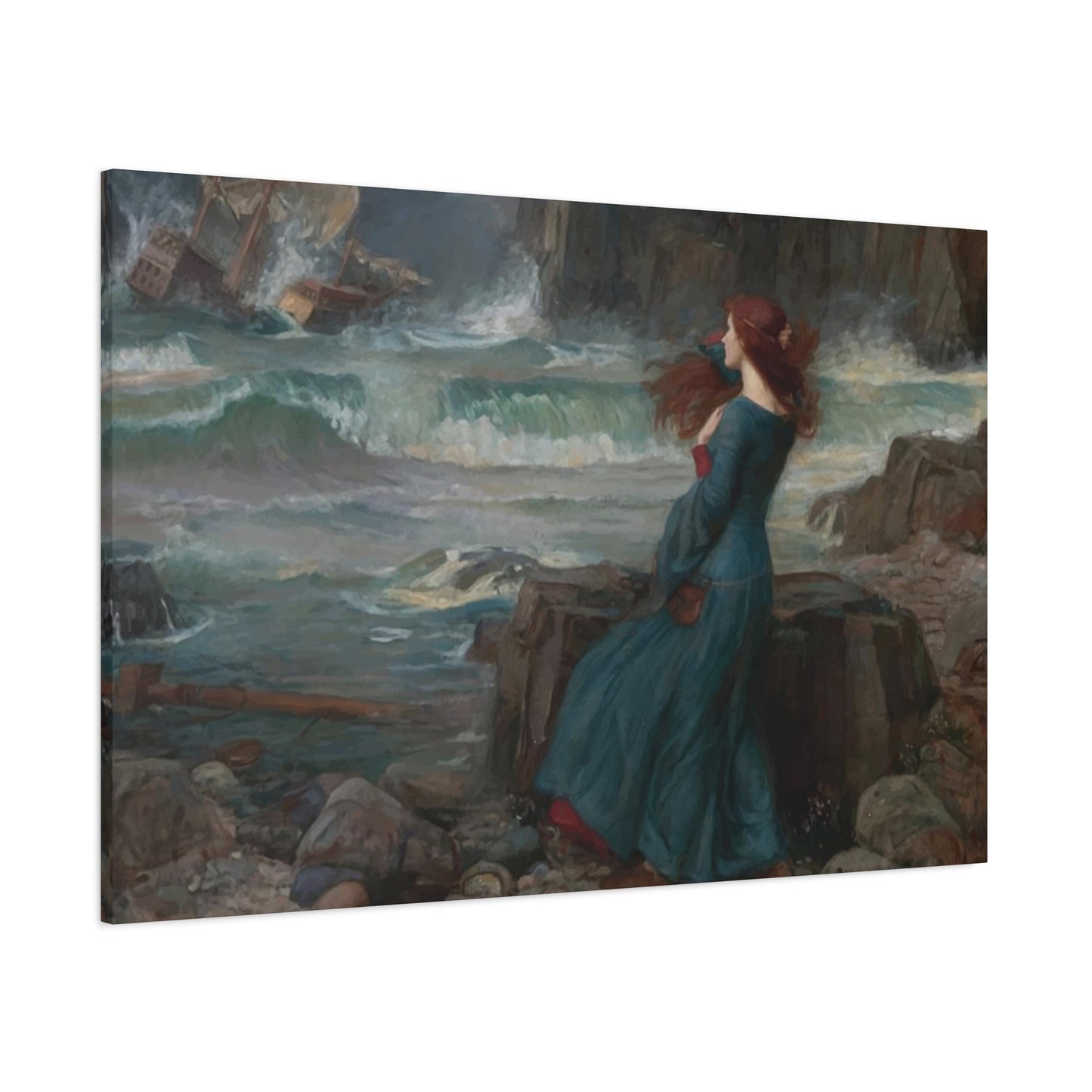
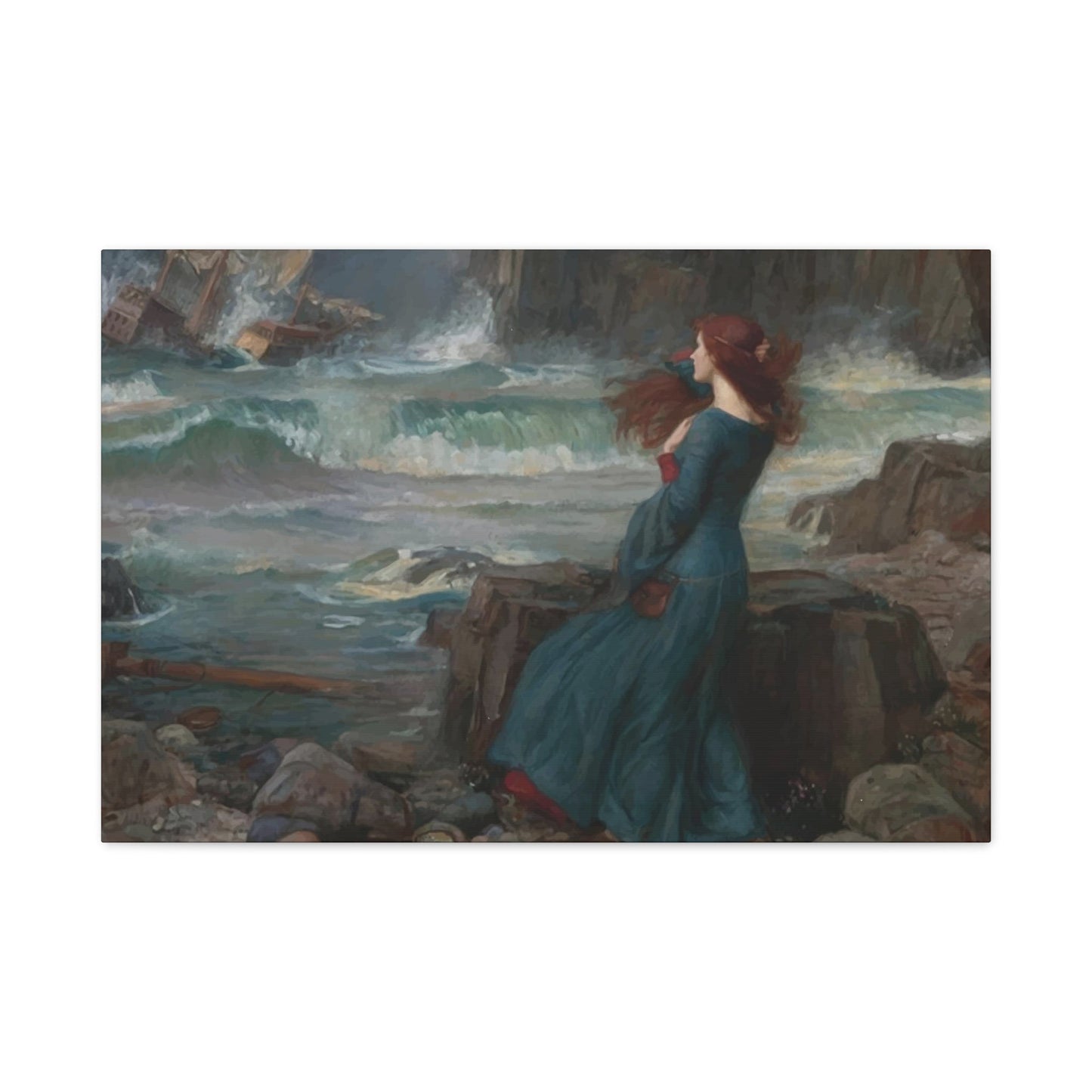
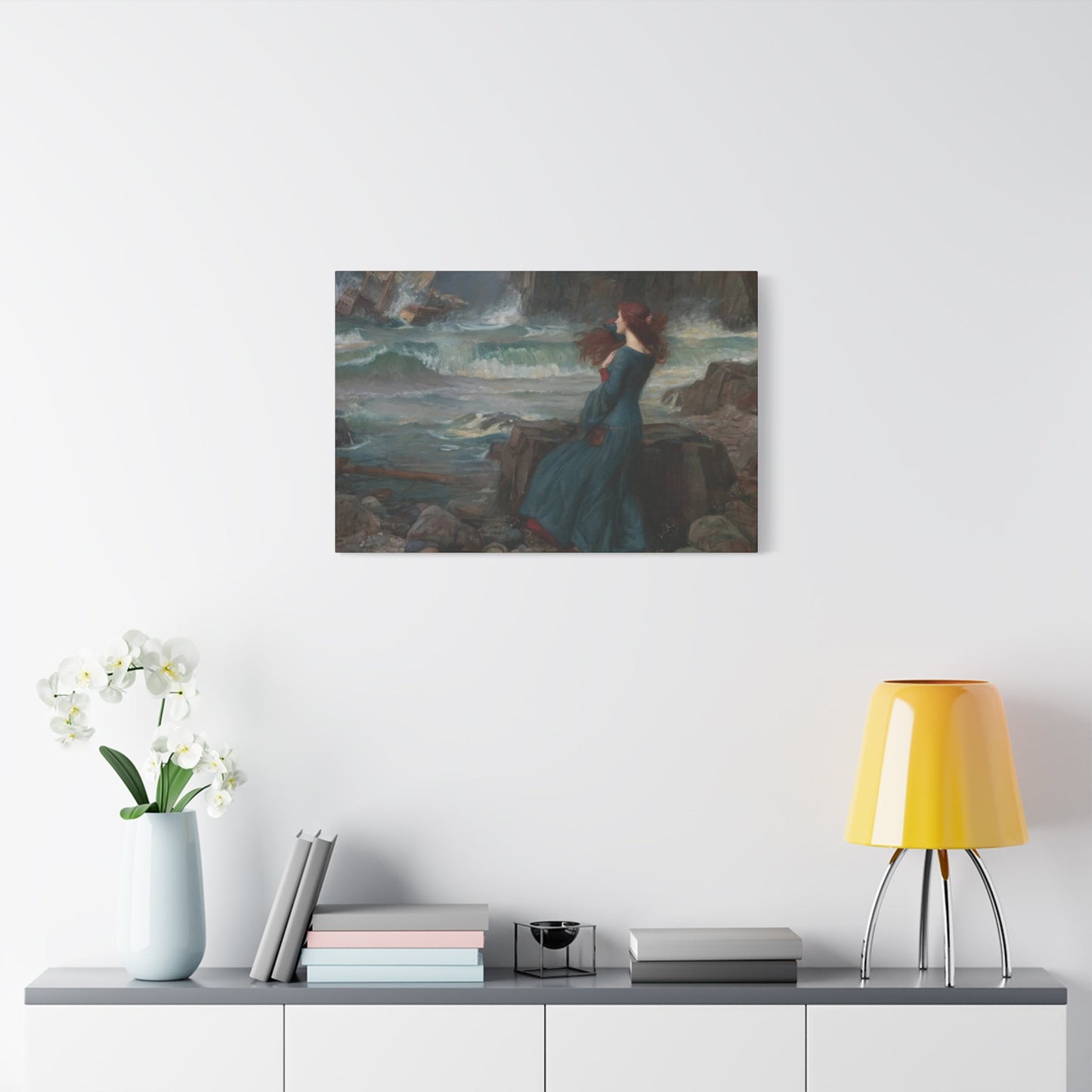
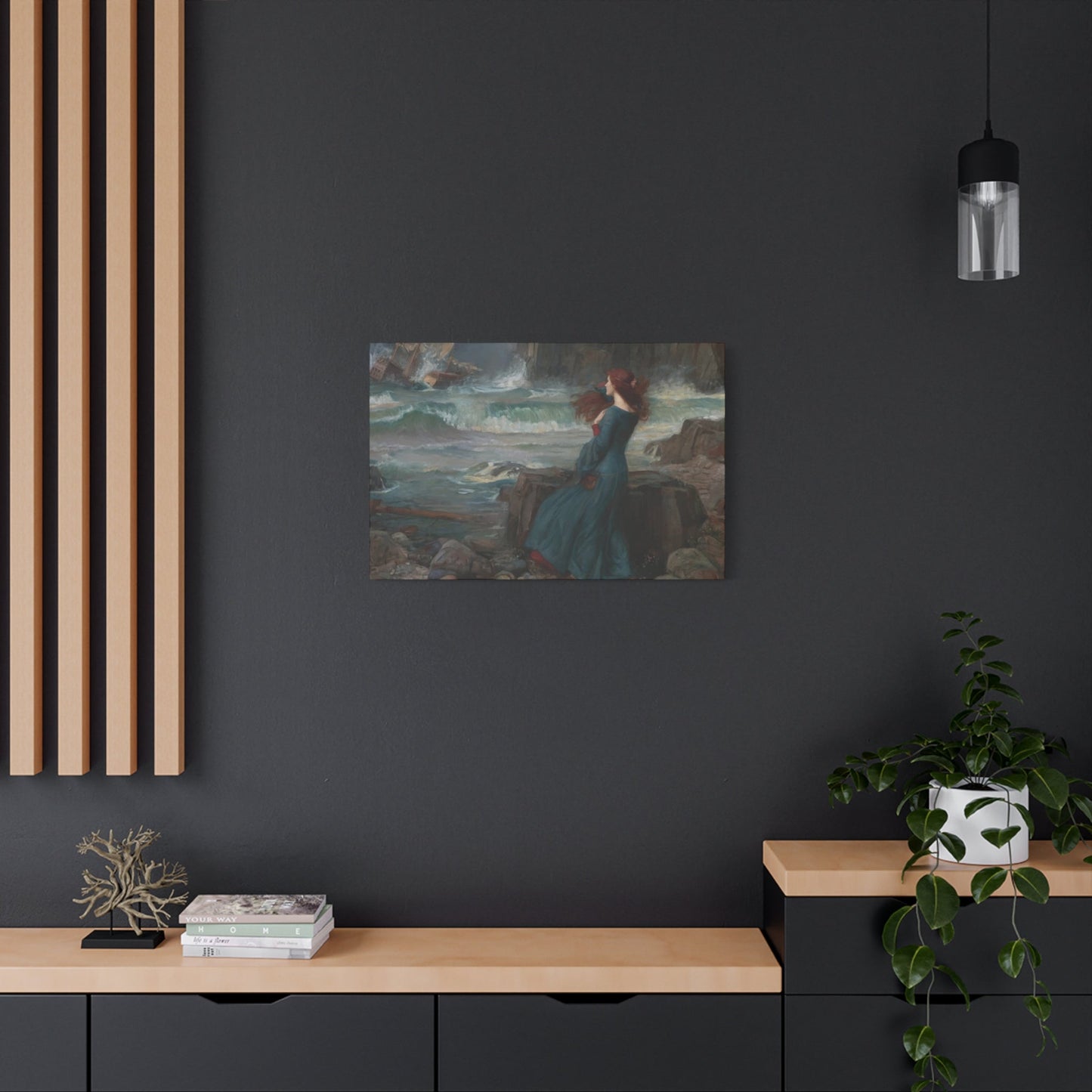
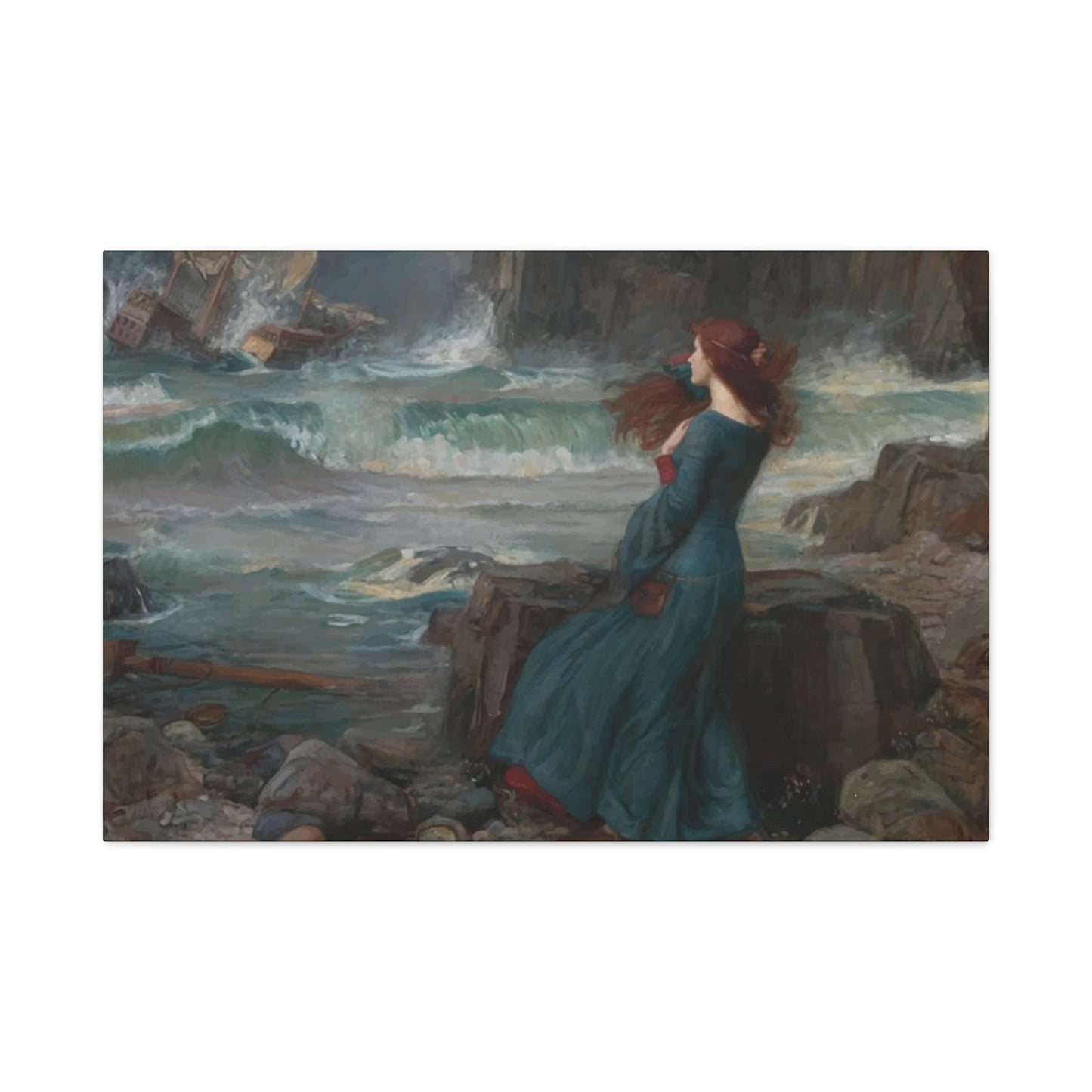
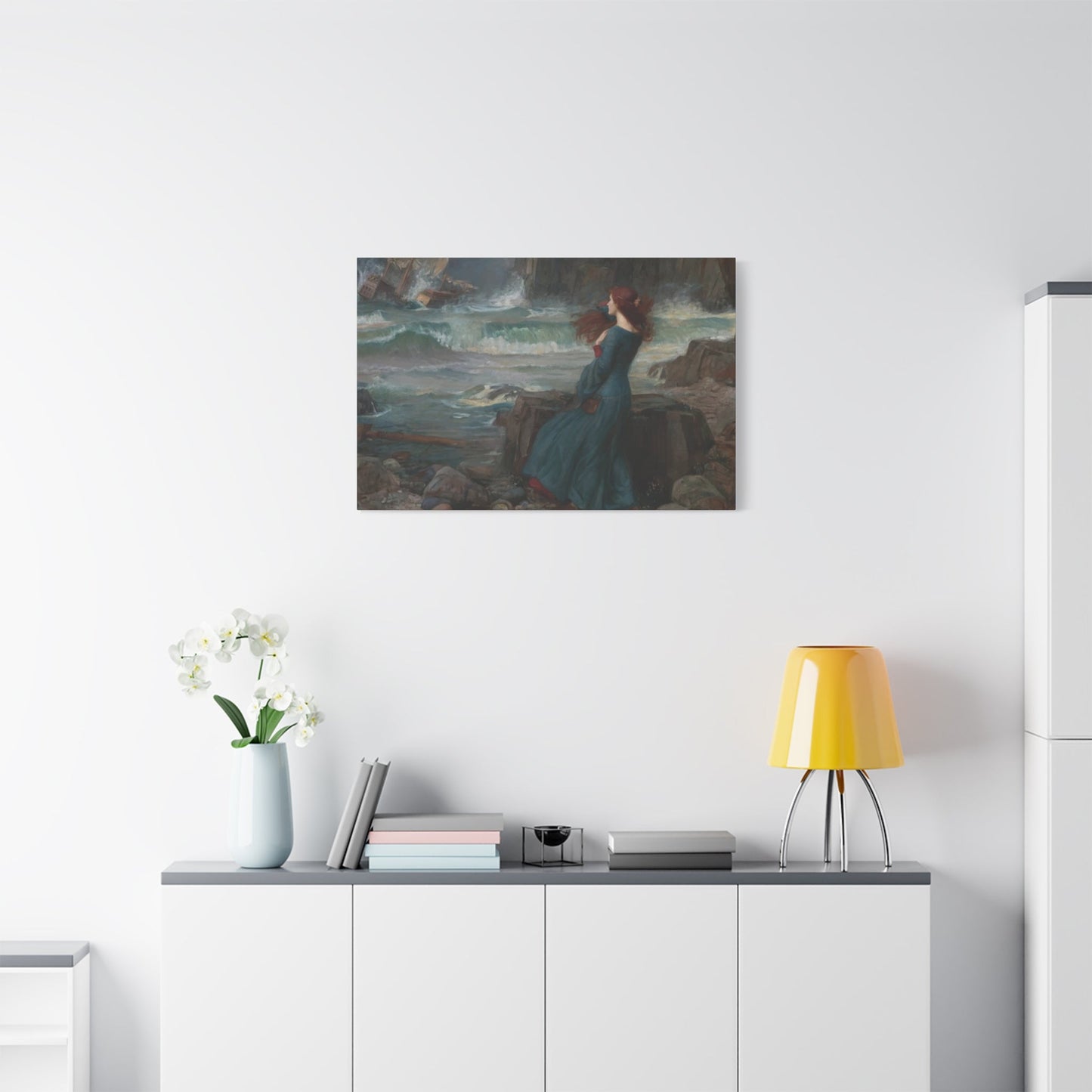
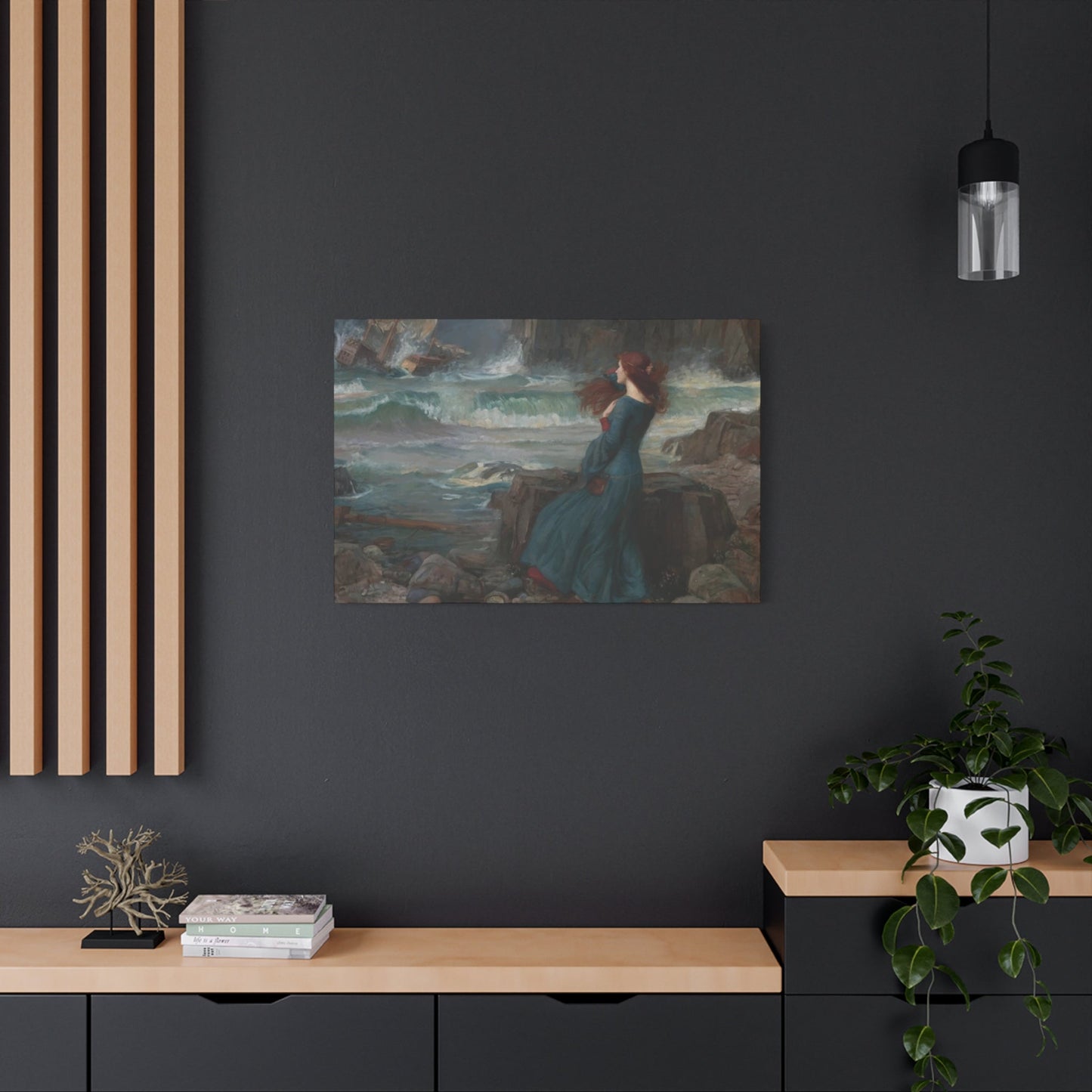
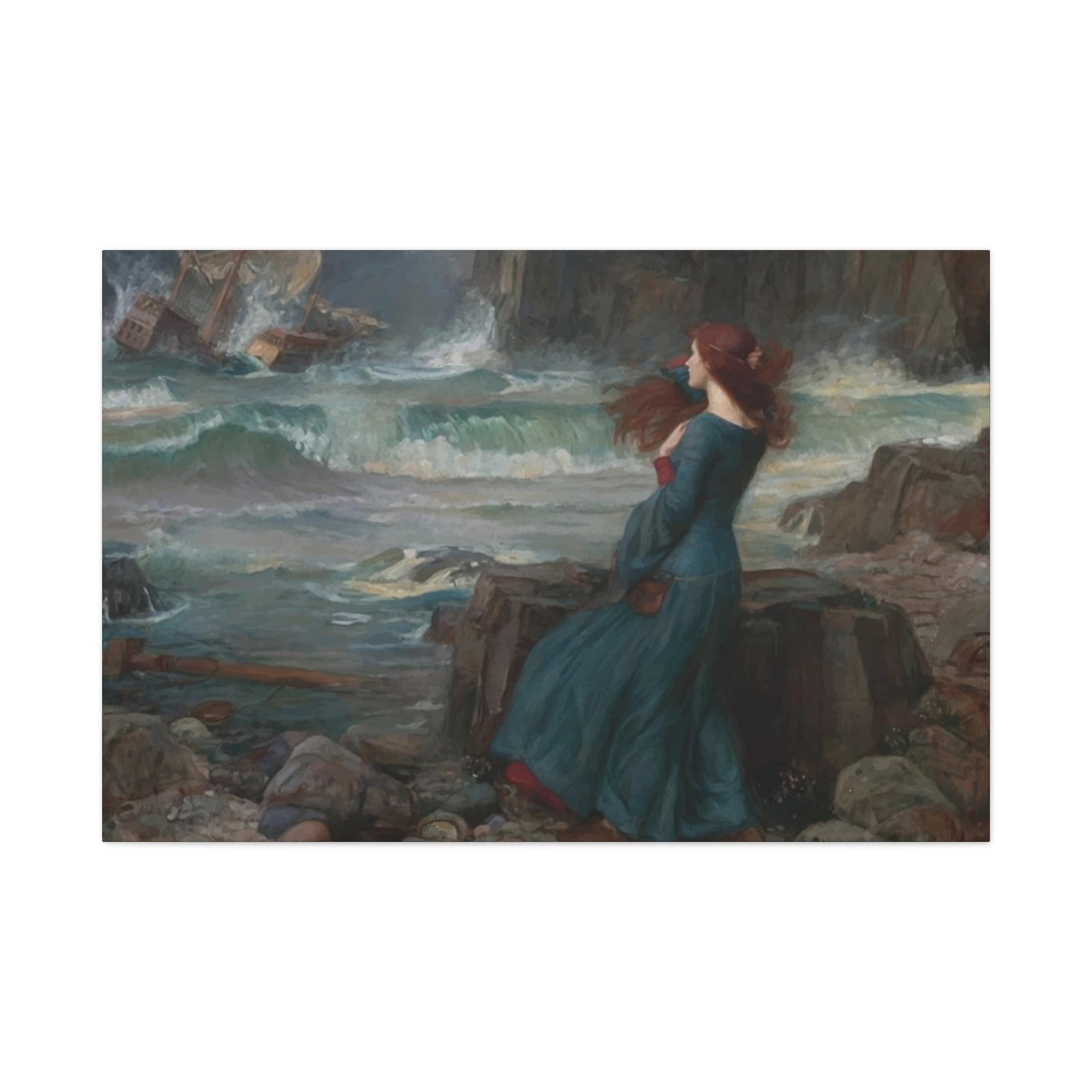
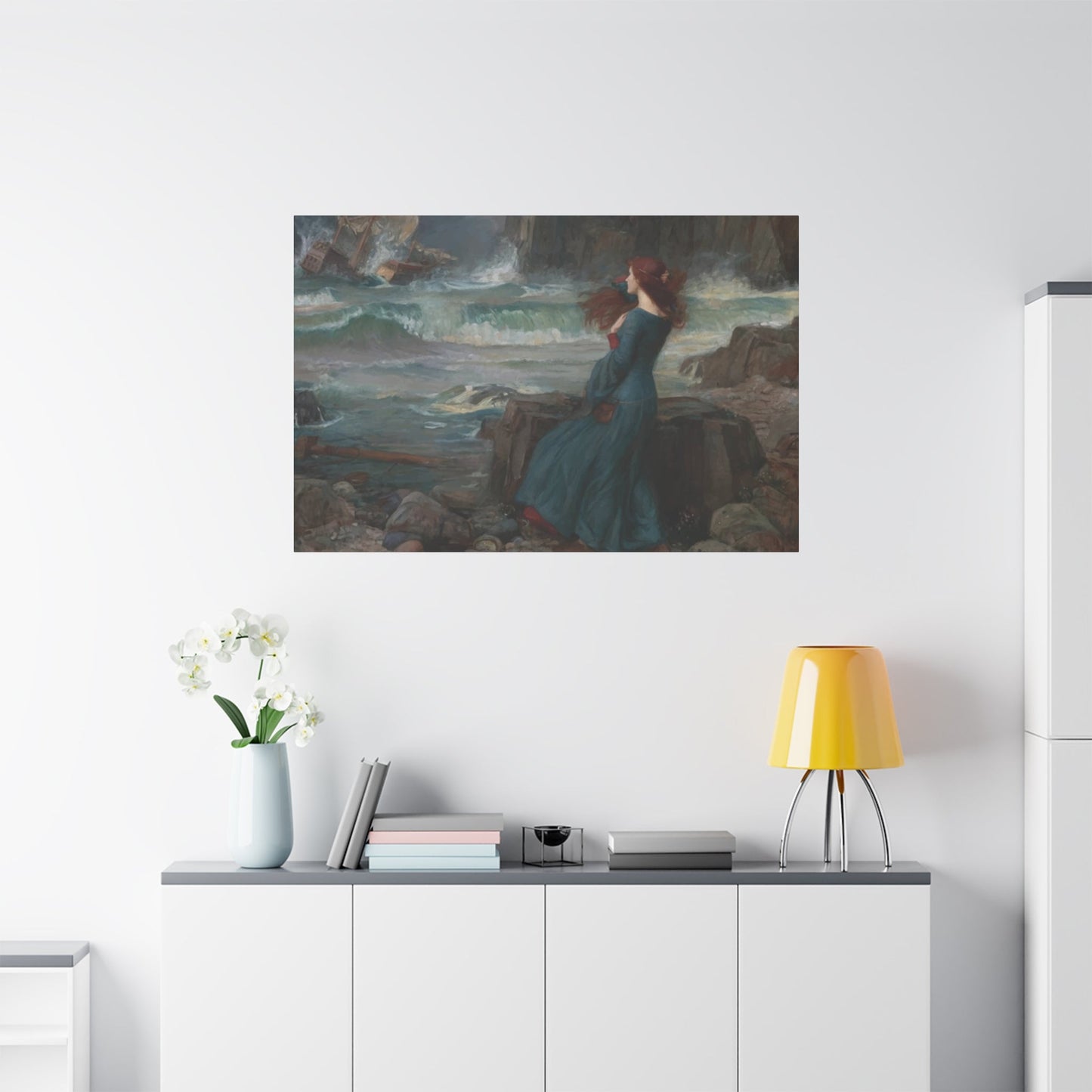
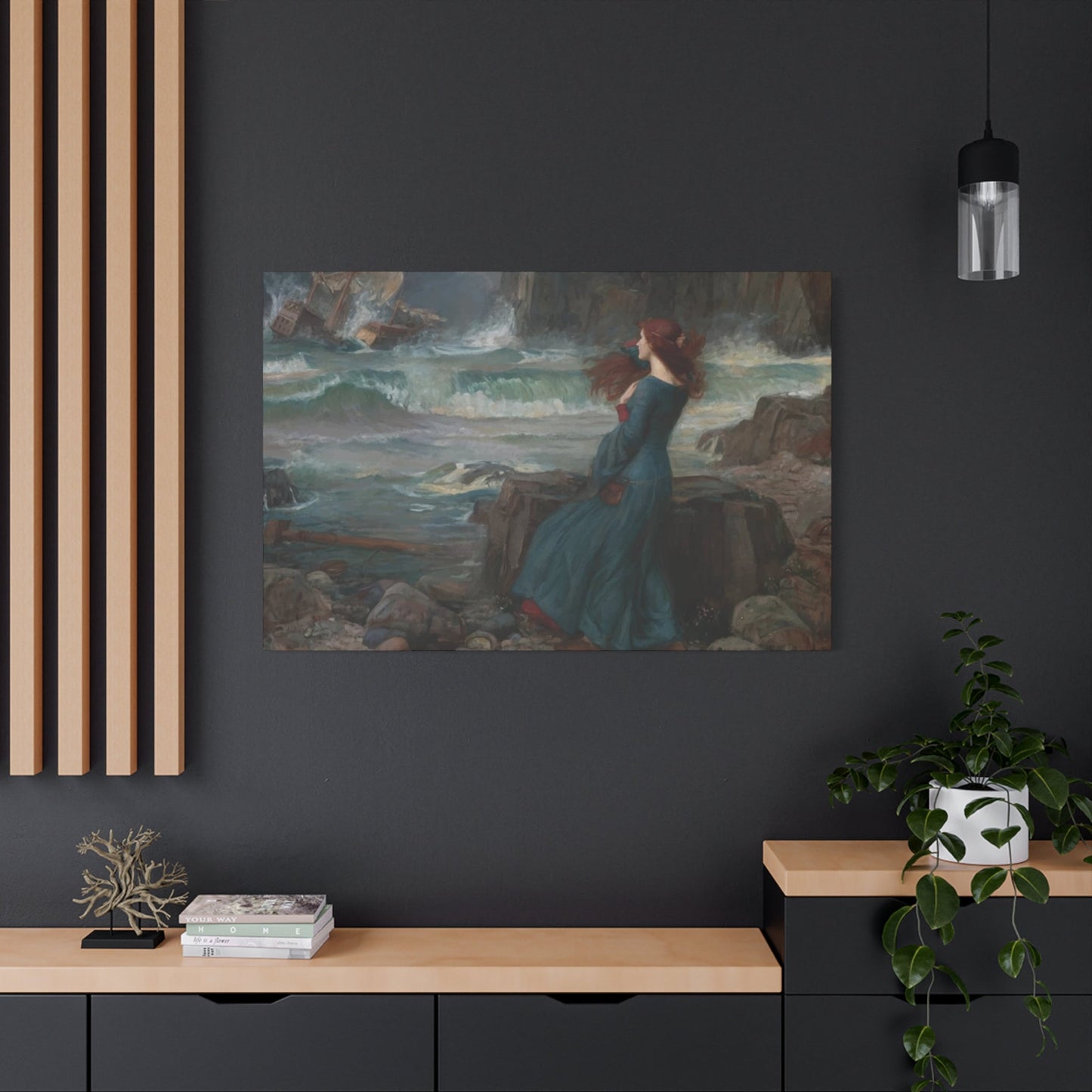
Creative Canvas Solutions: John's Wall Art Strategies for Every Room and Style
Creating beautiful environments with carefully selected artwork has become an essential aspect of modern living. From compact apartments to expansive homes, the right canvas pieces can transform any environment into a personalized sanctuary that reflects individual taste and personality. This comprehensive exploration delves into various aspects of decorating with visual art, offering insights into color trends, hanging techniques, room-specific applications, and creative approaches to enhance your living experience.
Canvas Art Solutions for Compact Living Environments
Living in smaller residences presents unique challenges when it comes to decorating with visual art. The key lies in understanding how to maximize visual impact without overwhelming limited square footage. Compact environments require thoughtful consideration of scale, color, and placement to create the illusion of expanded dimensions while maintaining aesthetic appeal.
When selecting artwork for smaller areas, consider pieces that draw the eye upward, creating vertical interest that makes ceilings appear higher. Narrow, vertically oriented canvases work exceptionally well in hallways, bathrooms, and compact bedrooms. These pieces should complement the existing color palette while adding depth and character to otherwise cramped quarters.
Mirrors strategically placed alongside canvas art can amplify natural light and create the impression of expanded square footage. This technique works particularly well when combined with lighter-colored artwork that reflects rather than absorbs available illumination. Consider gallery-style arrangements that utilize every inch of available vertical surface, creating museum-like displays that add sophistication to modest accommodations.
Multi-functional art solutions prove invaluable in compact living situations. Canvas pieces with hidden storage compartments, floating shelves integrated with artwork, or modular gallery systems that can be reconfigured as needs change all contribute to maximizing both aesthetic appeal and practical utility. These innovative approaches allow residents to enjoy beautiful visual elements without sacrificing precious storage capacity.
Color psychology plays a crucial role in compact environments. Lighter hues and cooler tones create the perception of expanded dimensions, while warmer colors can make areas feel more intimate and cozy. Strategic use of accent colors through carefully chosen canvas pieces can define different functional areas within open-concept layouts, creating visual separation without physical barriers.
The positioning of artwork in smaller areas requires careful consideration of sightlines and traffic flow. Pieces should be positioned where they can be appreciated without impeding movement through the environment. Corner installations, above-door placements, and unexpected locations like behind furniture can all provide opportunities for artistic expression without consuming valuable floor area.
Contemporary Color Palettes in Modern Canvas Prints
Color trends in contemporary canvas art reflect broader cultural movements, technological advances, and shifting lifestyle preferences. Understanding these trends helps create cohesive decorative schemes that feel current while maintaining timeless appeal. Today's popular palettes range from bold, saturated hues to subtle, sophisticated neutrals, each serving different aesthetic and emotional purposes.
Earth-tone palettes have gained significant traction in recent years, reflecting increased awareness of environmental concerns and desire for connection with natural elements. Terracotta, sage green, warm browns, and clay-inspired hues create grounding effects that promote relaxation and well-being. These colors work particularly well in bedrooms, meditation areas, and other restful environments where tranquility is prioritized.
Monochromatic schemes utilizing various shades and tints of single colors offer sophisticated alternatives to traditional rainbow approaches. These palettes create visual cohesion while allowing for subtle variation and interest. Monochromatic blue schemes, ranging from deep navy to pale sky tones, can evoke feelings of calm and serenity, while monochromatic warm palettes in reds, oranges, and yellows energize and invigorate.
Jewel tones have experienced a resurgence, bringing richness and luxury to contemporary canvas art. Deep emeralds, sapphire blues, rich purples, and golden yellows create dramatic focal points that anchor entire decorative schemes. These bold choices work exceptionally well in dining areas, formal living rooms, and other environments where dramatic impact is desired.
Pastel palettes offer gentle alternatives to bold color statements, creating soft, nurturing environments that promote peace and comfort. Blush pinks, lavender, mint green, and buttery yellow create dreamy atmospheres perfect for nurseries, bedrooms, and relaxation areas. These delicate hues can be particularly effective when combined with natural textures and organic shapes.
The psychology of color selection extends beyond mere aesthetic considerations. Research indicates that different hues can influence mood, productivity, and overall well-being. Blue tones promote focus and calm, making them excellent choices for home offices and study areas. Green hues connect us with nature and promote balance, while yellow stimulates creativity and optimism.
Seasonal color trends provide opportunities to refresh decorative schemes without major overhauls. Spring palettes featuring fresh greens and soft pastels, summer schemes with bright blues and sunny yellows, autumn collections in rich oranges and deep reds, and winter palettes emphasizing cool blues and pristine whites allow for periodic updates that keep environments feeling fresh and current.
Professional Techniques for Canvas Installation
Proper installation techniques ensure that canvas artwork remains securely mounted while maximizing visual impact. Understanding the fundamentals of hanging methodology, hardware selection, and positioning principles creates professional-quality displays that enhance rather than detract from artistic content.
Height considerations form the foundation of successful canvas installation. The general rule positions artwork so that the center point falls at average eye level, typically 57-60 inches from floor level. However, this guideline should be adjusted based on ceiling height, furniture placement, and viewing angles. In rooms with high ceilings, artwork can be positioned slightly higher to maintain proper proportion with architectural elements.
Hardware selection depends on canvas size, weight, and mounting surface characteristics. Lightweight pieces may require only picture hanging strips or small nails, while larger, heavier canvases demand substantial support systems including wall anchors, screws, or specialized hanging systems. Hollow walls require different approaches than solid masonry surfaces, and understanding these differences prevents installation failures.
Grouping arrangements require careful planning to achieve visual balance and cohesion. Gallery walls, grid arrangements, and asymmetrical compositions each follow specific principles that govern spacing, alignment, and visual flow. Templates created from paper cutouts allow experimentation with different arrangements before committing to final placement.
Lighting considerations significantly impact how artwork appears once installed. Natural light sources, artificial illumination, and reflective surfaces all influence color perception and visual impact. Positioning artwork to avoid direct sunlight prevents fading while ensuring adequate illumination for proper appreciation of artistic detail and color accuracy.
Level installation requires proper tools and techniques to ensure professional appearance. Digital levels, laser levels, or smartphone applications can all assist in achieving perfect alignment. Multiple-piece installations demand particular attention to consistent spacing and alignment to maintain visual coherence across entire arrangements.
Safety considerations become paramount when installing larger or heavier pieces. Wall stud location, weight distribution, and backup support systems all contribute to secure mounting that protects both artwork and occupants. Regular inspection of mounting hardware ensures continued security over time, particularly in environments subject to vibration or temperature fluctuations.
Professional Environment Canvas Selection
Workplace environments require different approaches to art selection than residential settings. Professional contexts demand artwork that enhances productivity, creates positive impressions on visitors, and maintains appropriate aesthetic standards while reflecting organizational culture and values.
Corporate environments benefit from artwork that strikes the right balance between professionalism and creativity. Abstract compositions, landscape photography, and geometric designs typically work well in office settings, providing visual interest without controversial subject matter. Color selections should complement existing corporate branding while creating energizing or calming effects as appropriate for different functional areas.
Reception areas serve as first impression creators, requiring artwork that communicates organizational values and aesthetic sensibilities. Large-scale statement pieces can create dramatic impact in lobbies and waiting areas, while smaller grouped arrangements work well in more intimate consultation or meeting areas. These selections should reflect the organization's personality while remaining accessible to diverse audiences.
Conference rooms and meeting areas benefit from artwork that stimulates creativity and collaboration without creating distraction during important discussions. Neutral color palettes, abstract designs, and nature-inspired imagery can enhance focus while providing visual relief during long sessions. Positioning should ensure visibility from all seating positions without competing with presentation materials or technology displays.
Private offices allow for more personalized selections while maintaining professional appropriateness. Artwork choices can reflect individual preferences while considering the nature of client interactions and organizational culture. Personal photographs, achievement displays, and motivational imagery can create more welcoming environments for both occupants and visitors.
Healthcare environments require special consideration for artwork selection, as visual elements can significantly impact patient comfort and healing processes. Calming landscapes, gentle abstracts, and nature imagery promote relaxation and positive outcomes. Color selections should avoid associations with medical procedures while creating hopeful, uplifting atmospheres that support healing and recovery.
Educational institutions benefit from artwork that inspires learning, creativity, and cultural awareness. Student artwork displays, historical imagery, scientific illustrations, and diverse cultural representations all contribute to enriching educational environments. These selections should reflect institutional values while creating stimulating atmospheres that enhance learning experiences.
Thoughtful Gift Selection from Art Collections
Selecting artwork as gifts requires understanding recipient preferences, living situations, and decorative styles while considering practical factors like size, color compatibility, and personal significance. Successful art gifting creates lasting memories while enhancing recipients' living environments.
Personal taste assessment forms the foundation of successful art gifting. Understanding recipient preferences requires observation of existing decorative choices, discussion of artistic preferences, and consideration of lifestyle factors that influence decorative decisions. Traditional versus contemporary preferences, color affinities, and subject matter interests all provide guidance for appropriate selections.
Occasion-specific considerations influence both subject matter and presentation approaches. Wedding gifts might emphasize romantic themes or shared experiences, while housewarming presents could focus on creating welcoming atmospheres in new environments. Anniversary celebrations might call for personalized or commemorative pieces that mark significant milestones or shared memories.
Size and placement considerations ensure that gifted artwork can be properly displayed and appreciated. Understanding recipient living situations, available hanging locations, and existing decorative schemes helps guide size selections that will integrate successfully into established environments. Oversized pieces may overwhelm smaller areas, while tiny canvases might disappear in larger rooms.
Framing and presentation options significantly impact gift perception and immediate usability. Ready-to-hang pieces eliminate recipient burden while ensuring professional appearance from the moment of installation. Custom framing services allow for personalization while protecting artwork investment over time.
Budget considerations influence selection options without necessarily compromising quality or impact. Limited edition prints, emerging artist works, and smaller original pieces can provide meaningful gifts across various price points. The thought and care invested in selection often matters more than monetary value in creating memorable gift experiences.
Cultural and religious sensitivity requires consideration when selecting artwork for recipients from different backgrounds. Subject matter, color symbolism, and artistic styles can carry different meanings across cultures, and understanding these differences ensures that gifts are received positively and appropriately.
Presentation timing and ceremony can enhance gift impact and recipient appreciation. Special occasions, surprise deliveries, and ceremonial unveilings all contribute to creating memorable experiences that extend beyond the artwork itself. These considerations transform simple gift exchanges into meaningful celebrations of relationships and shared appreciation for artistic expression.
Coordinating Artwork with Existing Furnishings
Successful integration of canvas art with existing furniture and decorative elements requires understanding color relationships, scale proportions, and stylistic compatibility. This coordination creates cohesive environments where all elements support unified aesthetic visions while maintaining individual character and interest.
Color coordination involves understanding both complementary and analogous relationships between artwork and surrounding elements. Complementary colors create dramatic contrast and visual energy, while analogous palettes promote harmony and tranquility. Understanding these relationships allows for strategic selection of artwork that either energizes or soothes depending on desired atmospheric effects.
Scale relationships between artwork and furniture require careful consideration to maintain visual balance. Large furniture pieces can support substantial artwork that might overwhelm smaller furnishings, while delicate furniture arrangements benefit from appropriately scaled artistic elements. These relationships should consider both actual dimensions and visual weight created by color intensity and composition complexity.
Style integration requires understanding design periods, aesthetic movements, and decorative philosophies to create coherent environments. Traditional furniture can be enhanced with either period-appropriate artwork or contemporary pieces that create interesting juxtapositions. Modern furnishings pair well with abstract art, geometric designs, or minimalist compositions that echo clean lines and simplified forms.
Texture considerations extend beyond visual elements to include tactile qualities that influence overall environmental perception. Smooth canvas surfaces complement sleek modern furniture, while textured artworks can add interest to minimalist environments. These textural relationships create layered sensory experiences that enhance overall aesthetic appreciation.
Pattern coordination requires balancing repetitive elements to avoid visual chaos while maintaining sufficient interest to prevent monotony. Striped artwork can complement solid furniture while geometric patterns might clash with busy upholstery designs. Understanding these relationships allows for strategic selection that enhances rather than competes with existing decorative elements.
Lighting integration affects how both artwork and furniture appear within shared environments. Natural and artificial light sources influence color perception, shadow creation, and overall visual impact. Coordinated lighting strategies can enhance both artistic and furnishing elements while creating desired atmospheric effects throughout different times of day.
Artistic Style Comparisons: Abstract versus Representational
Understanding the fundamental differences between abstract and representational artwork helps inform selection decisions based on personal preferences, environmental requirements, and decorative goals. Each approach offers distinct advantages and creates different atmospheric effects within residential and commercial settings.
Abstract artwork emphasizes color, form, composition, and emotional expression over recognizable subject matter. These pieces often serve as visual anchors that complement rather than compete with other decorative elements. Abstract compositions allow viewers to project personal interpretations and emotional responses, creating individualized experiences that can evolve over time.
Color relationships in abstract work take precedence over representational accuracy, allowing artists to explore emotional and psychological effects through hue selection and interaction. These pieces can serve specific atmospheric purposes, energizing active areas with bold, contrasting colors or creating calm environments through subtle, harmonious palettes.
Compositional freedom in abstract work enables artists to explore balance, movement, and visual flow without constraints imposed by recognizable subject matter. These explorations can create dynamic focal points that draw attention and create visual interest, or establish gentle rhythmic patterns that promote tranquility and contemplation.
Representational artwork depicts recognizable subjects including landscapes, portraits, still life arrangements, and architectural elements. These pieces often create immediate emotional connections through familiar imagery while serving as conversation starters and memory triggers for viewers with related experiences.
Landscape representation connects viewers with natural environments, providing visual escape and promoting well-being through association with outdoor experiences. Seascape, mountain, forest, and garden imagery can transport viewers beyond physical boundaries while creating calming, restorative atmospheric effects.
Portrait work, whether traditional or contemporary, creates human connections and emotional resonance through facial expressions, body language, and personality representation. These pieces often serve as focal points in personal environments while creating welcoming atmospheres in professional or public settings.
Still life compositions celebrate everyday objects while exploring color, light, and compositional relationships. These pieces often complement traditional decorative schemes while providing opportunities for detailed observation and appreciation of artistic technique and skill.
Contemporary hybrid approaches blur traditional boundaries between abstract and representational work, combining recognizable elements with expressive color and compositional freedom. These pieces offer sophisticated alternatives that appeal to viewers seeking both familiar reference points and creative expression.
Selection considerations should account for personal preferences, environmental context, and long-term satisfaction potential. Abstract work often provides greater flexibility for changing decorative schemes, while representational pieces may offer more immediate emotional connection and conversation potential. Understanding these differences supports informed decision-making that enhances long-term satisfaction with artistic selections.
Living Room Canvas Art Applications
Living rooms serve as central gathering areas where family and friends congregate, requiring artwork selections that create welcoming atmospheres while reflecting personal taste and supporting various activities. These environments demand versatile artistic solutions that enhance both intimate family moments and larger social gatherings.
Scale considerations in living room environments must account for furniture arrangements, ceiling heights, and sight lines from various seating positions. Large-scale statement pieces can anchor seating arrangements while creating dramatic focal points that define conversation areas. Multiple smaller pieces can create gallery-style arrangements that provide visual interest without overwhelming comfortable furniture groupings.
Color coordination with existing furnishings creates cohesive environments where artwork enhances rather than competes with upholstery, window treatments, and decorative accessories. Neutral furniture allows for bold artistic statements, while patterned upholstery benefits from simpler, more subdued artwork that provides visual relief and balance.
Conversational artwork serves dual purposes by providing aesthetic enhancement and discussion topics for social gatherings. Interesting subject matter, unusual techniques, or personal significance can spark conversations while creating memorable experiences for visitors. These pieces should be positioned where they can be easily viewed and discussed without disrupting comfortable seating arrangements.
Activity considerations recognize that living rooms serve multiple functions including television viewing, reading, game playing, and general relaxation. Artwork selections should enhance these activities without creating visual distraction or competition with entertainment systems and other functional elements.
Seasonal flexibility allows for periodic updates that keep environments feeling fresh and current without major redecoration efforts. Modular hanging systems, easel displays, or rotation strategies can accommodate changing preferences while maintaining established decorative foundations.
Natural light integration affects how artwork appears throughout daily cycles, requiring consideration of window placement, sun exposure, and artificial lighting supplement. Positioning artwork to avoid direct sunlight prevents fading while ensuring adequate illumination for proper appreciation during evening hours when living rooms receive heaviest use.
Personal expression opportunities in living rooms allow for showcase of individual interests, travel experiences, family history, or artistic collecting preferences. These personal elements create unique environments that reflect occupant personalities while providing conversation topics and memory triggers for family and visitors.
Brightening Techniques for Dimly Lit Areas
Dark rooms and areas with limited natural light present unique challenges that can be addressed through strategic artwork selection and placement techniques. Understanding how color, composition, and positioning affect light reflection and perception creates opportunities to enhance brightness and visual appeal in challenging environments.
Light-reflecting color palettes maximize available illumination through strategic hue selection that bounces rather than absorbs light. White, cream, pale yellow, and soft pastels all contribute to brighter perception while creating cheerful, welcoming atmospheres. These colors work particularly well in basements, north-facing rooms, and areas with limited window access.
Mirror integration with canvas art amplifies available light while creating the impression of expanded dimensions. Mirrored frames, metallic accents, or actual mirrors positioned strategically alongside artwork can dramatically improve light distribution throughout dim areas. These combinations create sophisticated displays that serve both aesthetic and practical purposes.
Metallic accent utilization in artwork or framing materials contributes to light reflection while adding luxury and sophistication to dim environments. Gold, silver, copper, and bronze elements catch and redirect available light while creating visual interest through texture and shine variation.
Artificial lighting enhancement through dedicated art lighting systems can transform dark areas into gallery-like displays that rival well-lit environments. Picture lights, track systems, recessed spotlights, and LED strip systems all provide targeted illumination that enhances artwork appreciation while contributing to overall room brightness.
Positioning strategies that maximize light exposure include placing artwork adjacent to light sources, utilizing corner installations that reflect light from multiple directions, and creating groupings that amplify overall brightness through collective light reflection. These approaches require understanding of light paths and reflection angles to achieve optimal results.
Color temperature considerations recognize that different light sources create varying color perceptions that affect artwork appearance. Warm incandescent lighting enhances red and yellow tones while cool LED systems favor blue and green hues. Understanding these relationships allows for strategic selection that appears optimal under available lighting conditions.
Glazing and finish selections can significantly impact light reflection and artwork appearance in dim environments. Matte finishes reduce glare while satin and semi-gloss surfaces increase light reflection. These considerations should account for viewing angles, light source positions, and desired atmospheric effects.
Promotional Opportunities and Limited Offerings
Understanding seasonal promotions, limited editions, and special offerings provides opportunities to acquire exceptional artwork while maximizing value and accessing exclusive collections. These opportunities often coincide with holidays, artistic events, or inventory management cycles that benefit both collectors and casual purchasers.
Seasonal promotion cycles typically align with major holidays, back-to-school periods, spring cleaning seasons, and end-of-year inventory management. Understanding these patterns allows strategic purchasing that maximizes value while accessing desired pieces during optimal pricing periods. Holiday promotions often feature gift-appropriate sizing and subject matter while year-end clearances provide opportunities for larger investment pieces.
Limited edition releases create exclusivity opportunities that appeal to serious collectors while providing unique decorative elements unlikely to appear in neighboring homes. These releases often feature specific themes, techniques, or collaborative efforts that distinguish them from regular production items. Understanding release schedules and edition sizes helps inform purchase timing and investment potential.
Flash sales and time-limited offers require quick decision-making based on previously established criteria and preferences. Successful participation in these events requires advance preparation including size requirements, color preferences, budget parameters, and installation locations. Having these decisions predetermined enables rapid response to attractive opportunities.
Bundle promotions and multi-piece discounts provide opportunities to create cohesive collections while achieving cost savings unavailable through individual purchases. These offerings often feature complementary pieces designed to work together or represent different variations on unified themes. Understanding how these pieces will integrate into existing decorative schemes maximizes both aesthetic and economic value.
Email notification systems and social media following provide advance notice of upcoming promotions and exclusive access to limited offerings. These communication channels often provide subscribers with early access periods or exclusive promotions unavailable to general public audiences.
Return and exchange policies become particularly important during promotional periods when purchase decisions may be made more quickly than usual. Understanding these policies provides confidence in promotional purchasing while ensuring satisfaction with final selections once pieces arrive and are evaluated in intended environments.
Shipping and delivery considerations during promotional periods may involve extended processing times, limited shipping options, or special handling requirements. Planning for these factors ensures timely arrival and proper condition upon delivery, particularly important for gift purchases or specific installation deadlines.
Children's Room Canvas Art Selection
Decorating children's environments requires balancing aesthetic appeal with developmental appropriateness, safety considerations, and evolving preferences. Artwork selections should create inspiring, nurturing atmospheres that support growth, learning, and creativity while maintaining visual appeal for adult caregivers.
Age-appropriate subject matter considers developmental stages and interest evolution from infancy through adolescence. Infant environments benefit from high-contrast designs, simple shapes, and soothing colors that support visual development while creating calm atmospheres. Toddler rooms can accommodate more complex imagery including animal themes, transportation subjects, and interactive elements that engage developing curiosity.
Educational integration opportunities allow artwork to support learning objectives through alphabet displays, number concepts, world geography, scientific illustrations, or historical themes. These selections create enriched environments that supplement formal education while maintaining aesthetic appeal and visual interest.
Safety considerations require secure mounting systems, non-toxic materials, and elimination of sharp edges or small parts that might present hazards. Canvas selections should avoid glass frames or fragile elements while ensuring that hanging systems cannot be easily dislodged by curious children or during active play.
Growth adaptation strategies accommodate changing preferences and developmental needs through modular systems, easily updateable displays, or timeless designs that transition successfully from childhood through adolescence. These approaches maximize investment value while eliminating need for complete redecoration as children mature.
Color psychology applications in children's environments consider the effects of different hues on mood, sleep patterns, and behavioral development. Calming blues and greens promote restful sleep, while energizing yellows and oranges stimulate creativity and active play. Balanced palettes that include both calming and energizing elements support various activities throughout daily routines.
Interactive elements including chalkboard surfaces, magnetic displays, or pockets for rotating artwork collections engage children directly with their environmental decoration while encouraging creativity and personal expression. These features transform static displays into dynamic, evolving presentations that reflect growing personalities and interests.
Cultural representation and diversity considerations expose children to various artistic traditions, global perspectives, and inclusive imagery that supports broader understanding and appreciation of human diversity. These selections contribute to well-rounded development while creating visually rich environments that celebrate cultural variety.
Durability requirements in children's environments demand artwork and hanging systems that withstand active lifestyles, occasional impacts, and potential cleaning requirements. Canvas materials and protective coatings should resist staining, fading, and damage while maintaining visual appeal through years of use in active environments.
Artistic Sourcing and Creation Processes
Understanding how artwork is created, sourced, and brought to market provides insight into quality factors, pricing considerations, and authenticity verification while supporting informed purchasing decisions. This knowledge enhances appreciation for artistic processes and helps identify value in various price ranges and quality levels.
Original artwork creation involves individual artists working with physical materials to produce unique pieces that cannot be exactly replicated. These works typically command premium pricing due to their one-of-a-kind nature, direct artist involvement, and investment potential. Understanding artistic techniques, material quality, and artist reputation helps evaluate original work value and authenticity.
Print production processes vary significantly in quality, durability, and appearance depending on equipment, materials, and technique selection. Giclee printing using archival inks and museum-quality papers produces gallery-worthy reproductions that can last decades without fading. Understanding these processes helps differentiate between various print qualities and price points.
Digital artwork creation represents growing segments of contemporary art markets, involving computer-generated imagery, digital manipulation techniques, and hybrid approaches combining traditional and digital methods. These works can be reproduced easily while maintaining consistent quality, affecting both pricing and exclusivity considerations.
Artist collaboration processes involve partnerships between creators and publishers, galleries, or distributors that bring artwork to broader markets. Understanding these relationships provides insight into how artists are compensated and how various business models affect both artist success and consumer access to diverse artwork selections.
Quality control measures in production environments ensure consistency across multiple copies while maintaining color accuracy, material standards, and finishing quality. These processes significantly impact final product satisfaction and longevity, particularly important considerations for investment purchases or permanent installations.
International sourcing provides access to diverse artistic traditions, cultural perspectives, and unique techniques unavailable in domestic markets. Understanding import processes, cultural authenticity, and fair trade practices supports ethical purchasing while accessing exceptional artwork from global sources.
Emerging artist support programs provide opportunities to acquire exceptional artwork while supporting artistic development and creative careers. These programs often offer accessible pricing for unique pieces while contributing to artistic communities and cultural development.
Authentication and provenance documentation becomes increasingly important for investment-quality pieces, providing verification of artistic origin, creation dates, and ownership history. Understanding these documentation standards supports informed purchasing while protecting against fraudulent or misrepresented works.
Creative Approaches to Mixed Size Arrangements
Combining artwork of various dimensions creates dynamic, visually interesting displays that maximize wall utilization while accommodating diverse piece collections. Understanding proportional relationships, visual weight distribution, and compositional balance enables successful mixed-size arrangements that appear intentional and professionally designed.
Grid-based arrangements provide structured foundations for mixed-size displays while maintaining orderly appearance. These systems establish consistent spacing intervals and alignment references that prevent chaotic appearance while accommodating various dimensions. Grid systems can be strict geometric arrangements or looser organizational principles that guide placement decisions.
Asymmetrical balance techniques create dynamic arrangements that maintain visual equilibrium despite unequal element distribution. Large pieces can be balanced by multiple smaller works, while color intensity, visual complexity, or positioning can compensate for size differences. Understanding these balance principles prevents lopsided appearance while maintaining visual interest.
Anchor piece strategies utilize substantial artworks as focal points around which smaller elements are arranged. These anchor pieces establish scale references and compositional centers that guide supporting element placement. Successful anchor strategies consider sight lines, furniture relationships, and traffic patterns to maximize impact and accessibility.
Layering techniques create depth and visual complexity through overlapping elements, varied mounting distances, or staged placement at different depths. These approaches add dimensional interest while maximizing limited wall areas through efficient utilization of available depth as well as width and height.
Color bridging strategies use consistent hues across various sized pieces to create visual unity despite dimensional differences. Strategic repetition of key colors creates connecting relationships that tie diverse elements into cohesive presentations while maintaining individual piece integrity and impact.
Spacing optimization requires understanding how distances between elements affect overall perception and individual piece visibility. Consistent spacing creates orderly appearance while varied intervals can add rhythm and visual interest. These decisions should consider viewing distances, available wall area, and desired overall effect.
Matting and framing coordination across mixed-size arrangements creates unity through consistent treatment while accommodating various artwork dimensions. Coordinated frames in consistent colors or styles tie diverse elements together while varied mat sizes can standardize apparent dimensions despite actual size differences.
Installation planning for mixed-size arrangements requires careful measurement, template creation, and staged installation processes that ensure final positioning matches planned layouts. Template systems using paper cutouts or digital planning tools prevent installation errors while allowing experimentation with different arrangements before final commitment.
Latest Collection Highlights and New Releases
Contemporary art markets continuously evolve with new techniques, emerging artists, and innovative approaches that reflect current cultural movements and technological advances. Staying informed about latest releases and collection additions provides access to cutting-edge artistic expression while building collections that remain current and relevant.
Emerging artist spotlights feature creators who are gaining recognition for innovative techniques, unique perspectives, or distinctive artistic voices. These artists often offer accessible pricing for original works or limited edition prints while demonstrating exceptional creativity and potential for future recognition and value appreciation.
Technique innovations in contemporary art include new printing methods, mixed media approaches, and experimental material usage that create unique visual effects and textures. Understanding these innovations provides insight into artistic development while identifying opportunities for distinctive collection additions that showcase current creative boundaries.
Thematic collections organized around specific subjects, color palettes, or artistic movements provide cohesive options for creating unified decorative schemes. These curated selections simplify decision-making while ensuring compatibility across multiple pieces, particularly valuable for larger installations or complete room treatments.
Collaborative projects between established artists and emerging creators, or partnerships with designers and decorative professionals, produce unique works that combine various expertise areas. These collaborations often result in distinctive pieces that offer exceptional value through combined creative inputs and shared artistic vision.
Cultural movement reflections in contemporary artwork address current social issues, environmental concerns, technological impacts, and changing lifestyle patterns. These pieces provide connection to current events while creating conversation opportunities and demonstrating artistic relevance to contemporary experience.
Limited time availability creates urgency for exceptional pieces while providing exclusive access to distinctive artwork. Understanding release schedules and availability windows enables strategic collecting while ensuring access to desired pieces before they become unavailable or increase in price.
Preview opportunities through galleries, online platforms, or special events provide early access to new releases while offering direct interaction with artists and curators. These experiences enhance collection development while providing educational opportunities and artistic community connection.
Investment potential considerations recognize that some new releases may appreciate significantly over time while others serve primarily decorative purposes. Understanding market trends, artist trajectories, and quality indicators supports informed decisions that balance aesthetic satisfaction with potential financial benefits.
Seasonal Art Rotation and Decorative Updates
Implementing seasonal artwork rotation strategies keeps environments feeling fresh and current while maximizing collection utility and visual interest. These approaches accommodate changing preferences, seasonal celebrations, and evolving decorative themes without requiring complete redecoration or major investment.
Spring rotation opportunities feature fresh colors, floral themes, and renewal imagery that celebrate growth and new beginnings. Light greens, soft pastels, and nature-inspired subjects create optimistic atmospheres that complement seasonal cleaning and freshening activities. These selections energize environments after winter dormancy while preparing for more active lifestyle patterns.
Summer adaptations emphasize bright colors, beach themes, travel imagery, and outdoor subjects that reflect increased activity levels and expanded lifestyle patterns. Bold blues, sunny yellows, and energetic compositions create vibrant atmospheres that support summer entertaining and relaxed living approaches.
Autumn transitions incorporate warm color palettes, harvest themes, and cozy imagery that prepare environments for cooler weather and indoor focus. Rich oranges, deep reds, and golden yellows create welcoming atmospheres that complement seasonal decorating traditions and preparation for holiday celebrations.
Winter selections feature cool color palettes, peaceful imagery, and contemplative subjects that support introspective seasonal moods and indoor activities. Blues, whites, and silver tones create calm atmospheres while crystalline or snow-inspired subjects celebrate seasonal beauty and tranquility.
Holiday accommodation strategies allow temporary additions or substitutions that celebrate specific occasions without permanently altering established decorative schemes. Modular hanging systems, temporary displays, or strategic additions enable celebration participation while maintaining overall design integrity.
Storage solutions for off-season artwork protect investment while organizing rotation inventory for easy access and condition monitoring. Climate-controlled storage, protective wrapping, and inventory management systems ensure that rotated pieces remain in excellent condition while awaiting their seasonal return to display.
Installation efficiency techniques minimize effort required for seasonal changes while protecting walls and existing artwork from damage during rotation processes. Standardized hanging systems, predetermined layouts, and organized tool accessibility streamline rotation activities while ensuring professional results.
Budget management approaches balance rotation desires with financial constraints through strategic purchasing, timeline planning, and priority establishment. These strategies enable seasonal freshening without overwhelming decorative budgets while building rotation inventory gradually over multiple seasons.
Documentation and planning systems track rotation schedules, storage locations, and condition monitoring while planning future additions and replacements. These organizational approaches ensure successful long-term rotation programs while protecting collection investments and maintaining decorative effectiveness.
Canvas Print Technology and Quality Considerations
Modern printing technology produces exceptional quality reproductions that rival traditional artistic techniques while offering accessibility, durability, and consistent results. Understanding available technologies, material options, and quality indicators supports informed purchasing decisions that ensure satisfaction and longevity.
Digital printing processes utilize sophisticated equipment that translates digital files into physical artworks through various technological approaches. Inkjet systems, laser printing, and specialized artistic printing equipment each offer different advantages in color accuracy, detail reproduction, and material compatibility.
Ink quality significantly impacts color accuracy, fade resistance, and longevity of printed artwork. Pigment-based inks typically offer superior fade resistance compared to dye-based alternatives, while archival formulations ensure decades of color stability under normal display conditions. Understanding ink specifications helps predict long-term satisfaction with printed pieces.
Canvas material selection affects both appearance and durability of printed artwork. Cotton canvases provide traditional texture and appearance while synthetic blends offer enhanced durability and moisture resistance. Weight specifications indicate material thickness and quality, with heavier canvases generally providing superior longevity and professional appearance.
Coating and finishing options protect printed surfaces while affecting appearance and handling characteristics. UV protective coatings prevent fading from light exposure while texture applications can simulate traditional painting techniques. These treatments significantly impact both appearance and preservation requirements.
Color management systems ensure accurate color reproduction from digital files to final printed products. Professional printing services utilize calibrated equipment and controlled environments that maintain color consistency across multiple prints while matching digital previews as closely as possible.
Resolution requirements determine detail quality and sharpness in final printed pieces. Higher resolution source files produce sharper details and smoother color transitions while inadequate resolution results in pixelated or blurry appearance. Understanding resolution specifications helps set appropriate expectations for different print sizes and viewing distances.
Mounting and stretching techniques affect final appearance and installation requirements. Gallery-wrapped canvases extend imagery around frame edges for frameless presentation while traditionally stretched canvases require separate framing. Understanding these options helps select appropriate presentation methods for intended installation locations.
Quality control measures in professional printing environments ensure consistent results while identifying and correcting potential issues before final delivery. These processes include color verification, material inspection, and finishing quality checks that maintain professional standards across all production output.
Conclusion
The world of canvas art offers endless possibilities for transforming living and working environments into personalized sanctuaries that reflect individual taste, support daily activities, and create memorable experiences for residents and visitors alike. From compact apartments requiring strategic space maximization to expansive homes accommodating large statement pieces, thoughtful artwork selection enhances quality of life while expressing personal creativity and aesthetic appreciation.
Understanding contemporary trends in color, technique, and subject matter provides foundation for making informed decisions that remain current while maintaining timeless appeal. Whether gravitating toward bold, saturated hues that energize active areas or subtle, sophisticated neutrals that promote tranquility and reflection, successful color coordination creates cohesive environments where artistic elements enhance rather than compete with existing furnishings and architectural features.
Professional installation techniques ensure that carefully selected artwork achieves maximum visual impact while remaining securely mounted and properly positioned for optimal appreciation. From understanding appropriate hanging heights and spacing principles to selecting proper hardware and lighting considerations, attention to installation details transforms good artwork selections into exceptional decorative statements that enhance environments for years to come.
The versatility of canvas art accommodates diverse environments and applications, from professional settings requiring sophisticated yet accessible imagery to children's rooms demanding safety considerations alongside developmental appropriateness. Each environment presents unique opportunities and challenges that can be successfully addressed through understanding specific requirements and available solutions.
Seasonal rotation strategies and contemporary collection development provide opportunities for maintaining fresh, current environments while building meaningful art collections that reflect evolving preferences and changing lifestyle needs. These approaches maximize both aesthetic satisfaction and financial investment while creating dynamic environments that adapt to changing circumstances and growing appreciation for artistic expression.
Quality considerations in printing technology, material selection, and finishing techniques ensure that canvas art purchases provide lasting satisfaction while maintaining color accuracy and structural integrity over time. Understanding available options and quality indicators supports informed decision-making that balances budget constraints with desired outcomes.


