


Lion Wall Art & Canvas Prints
Lion Wall Art & Canvas Prints
Couldn't load pickup availability
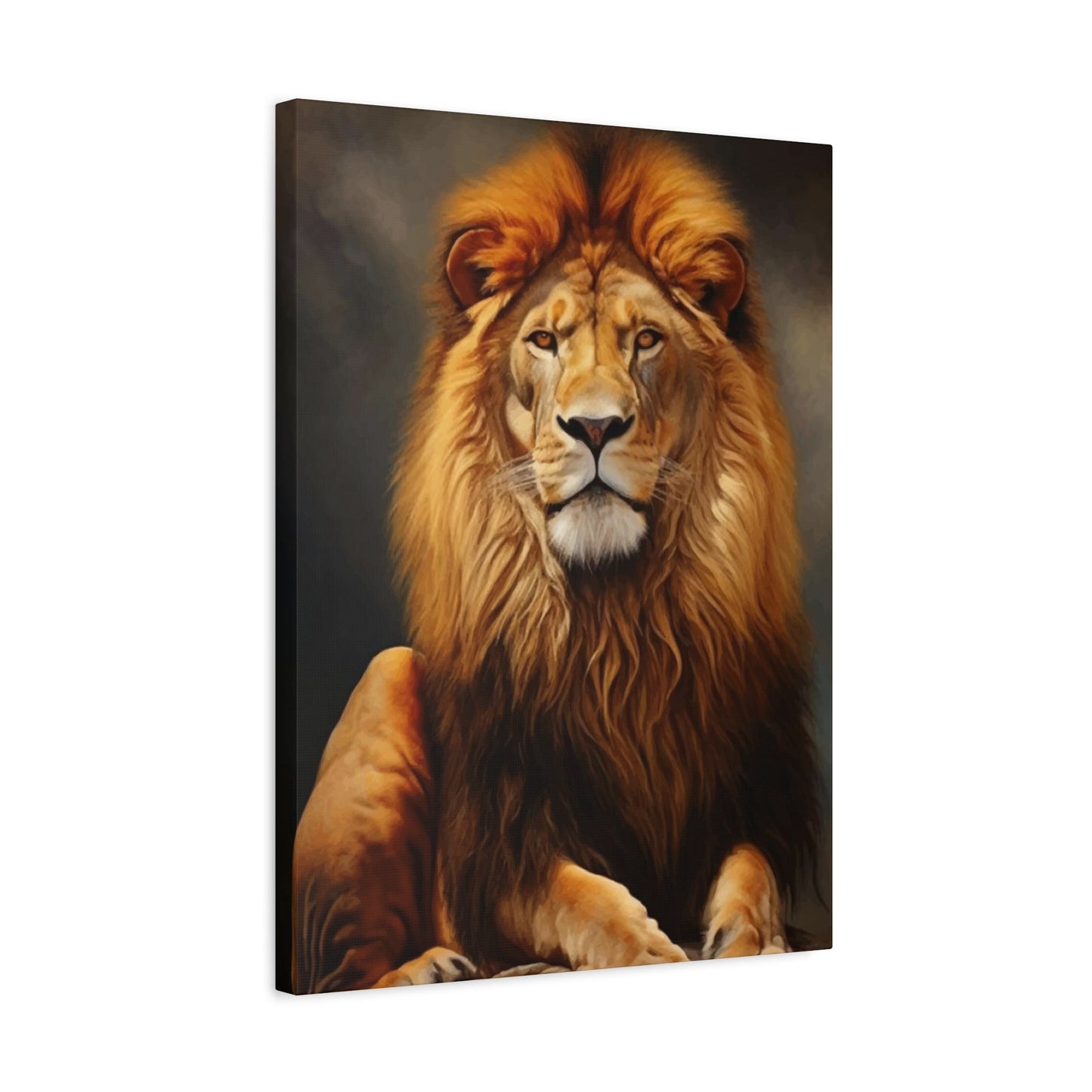
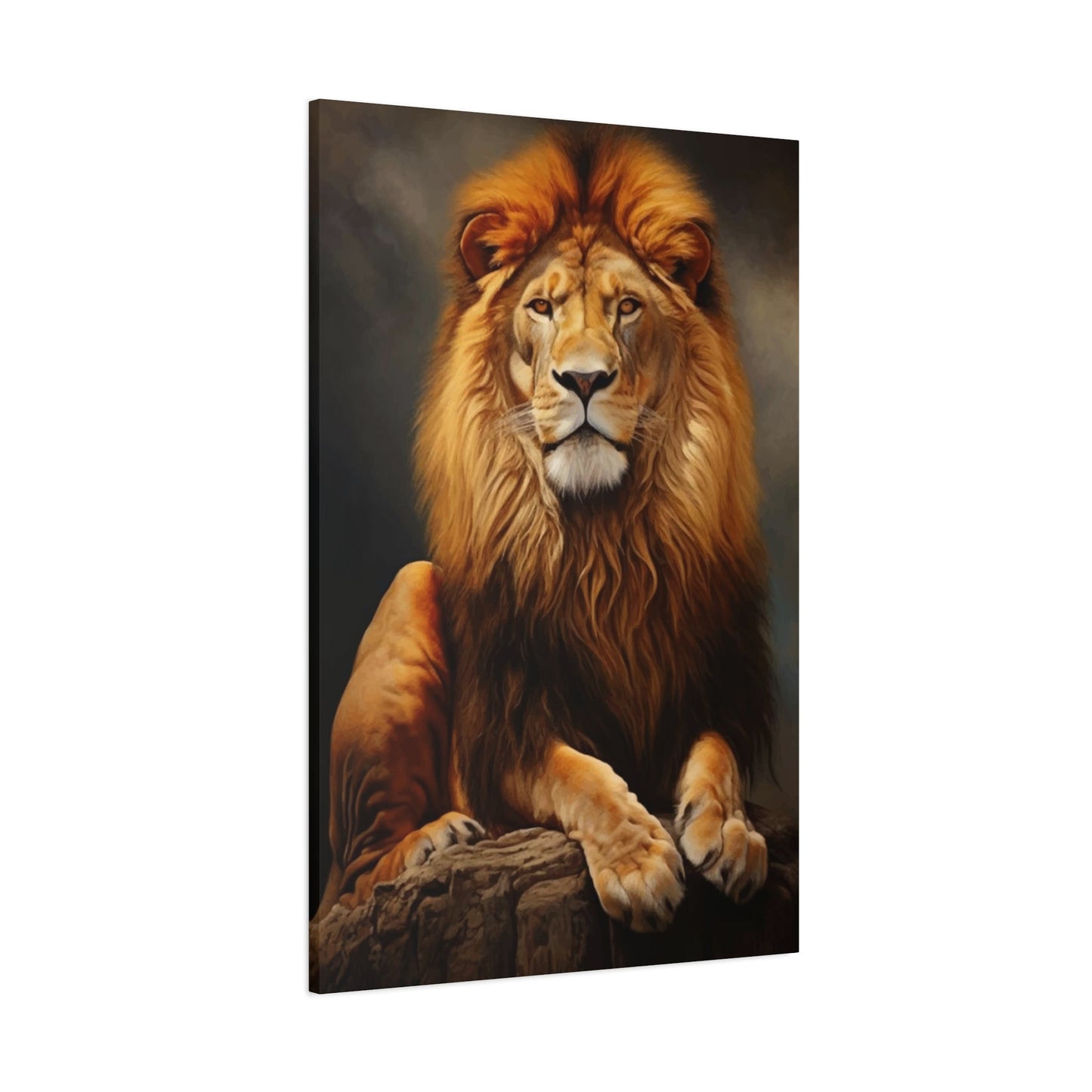
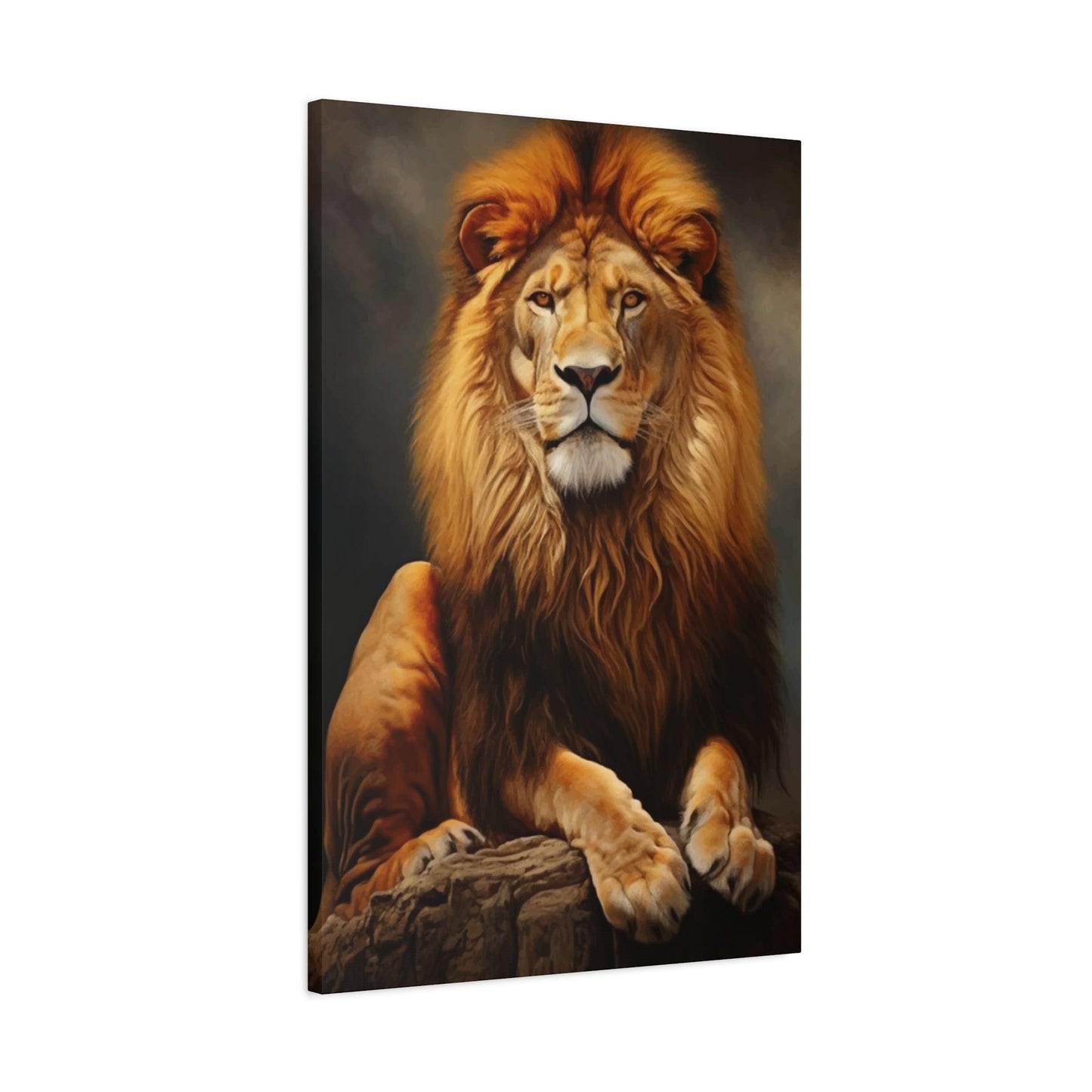
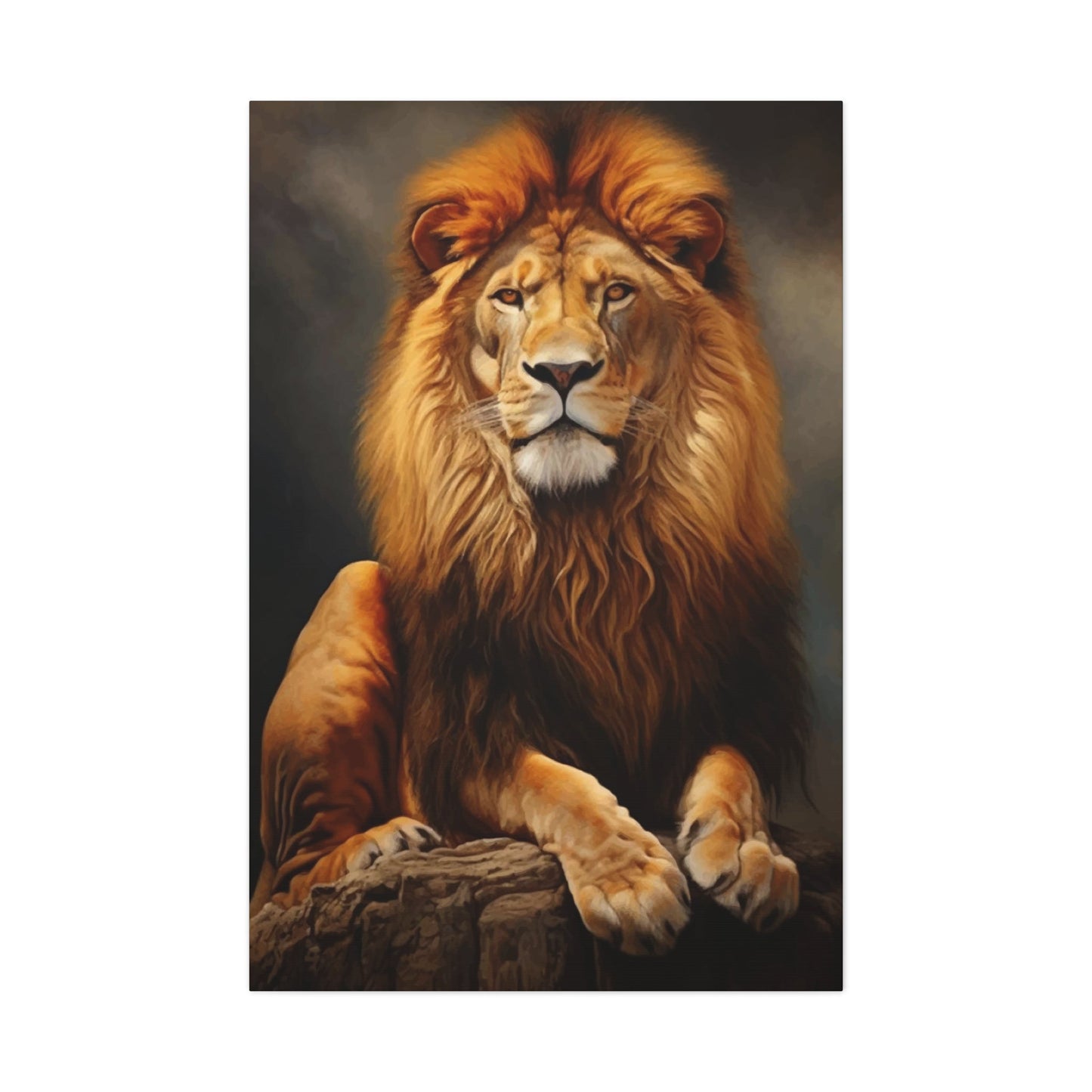
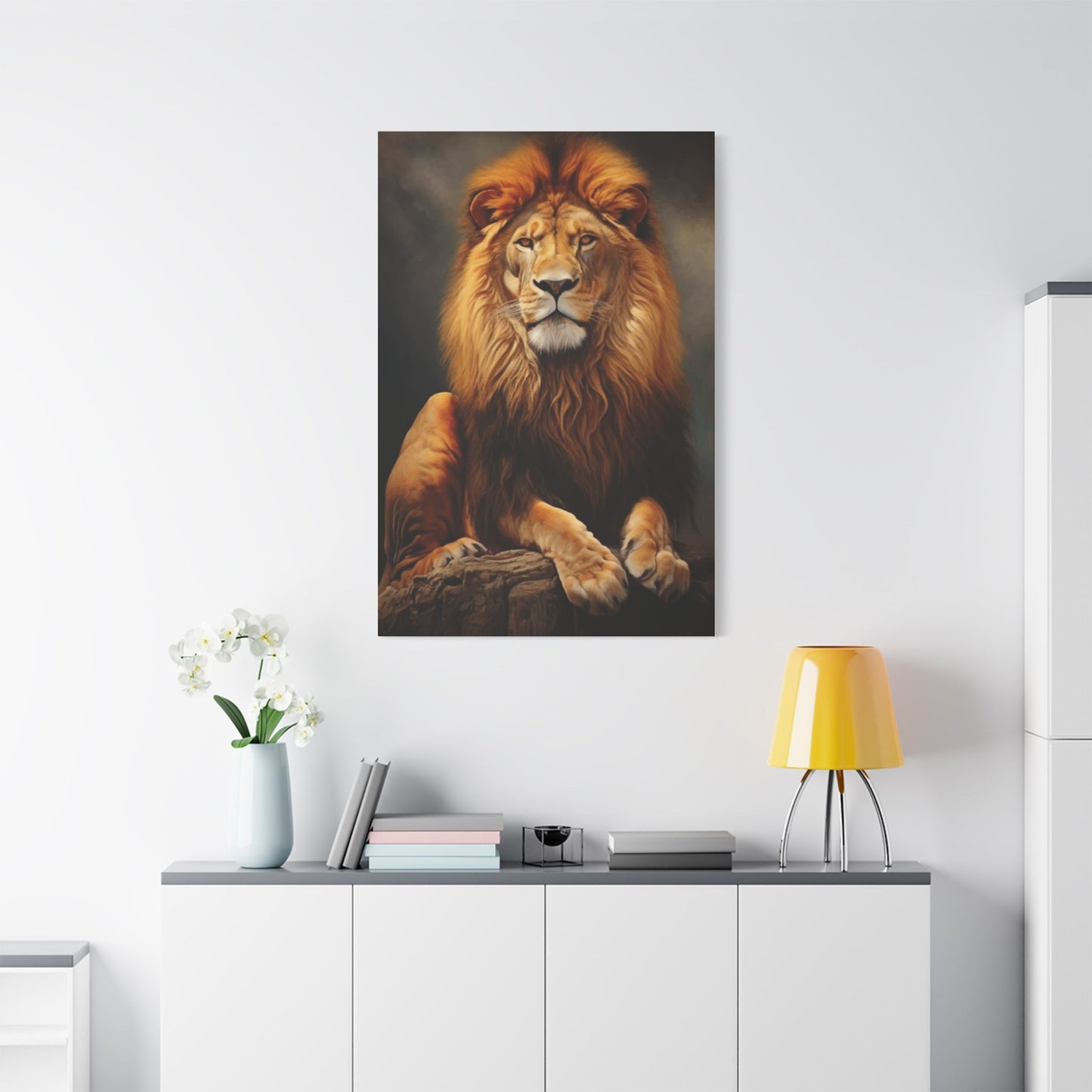
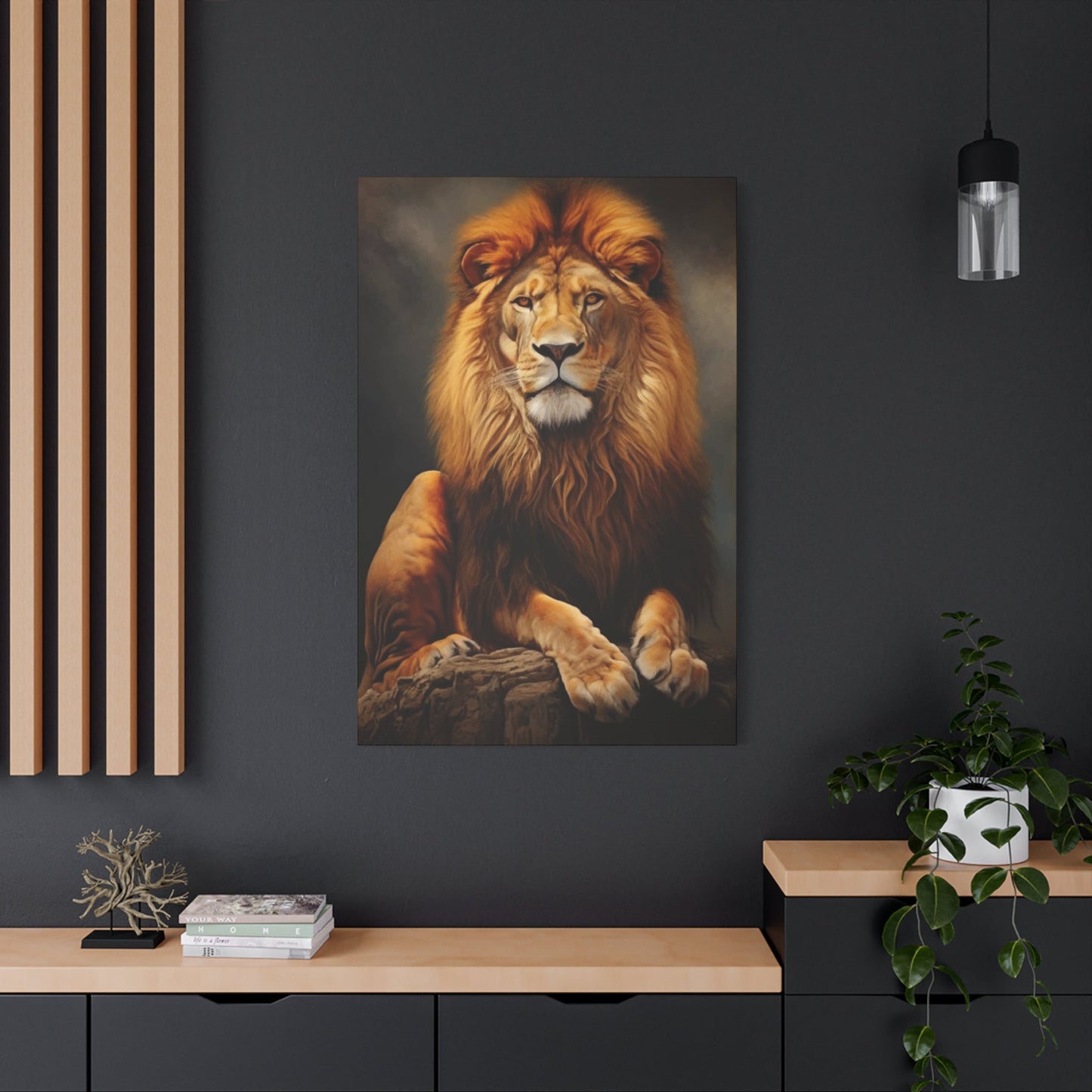
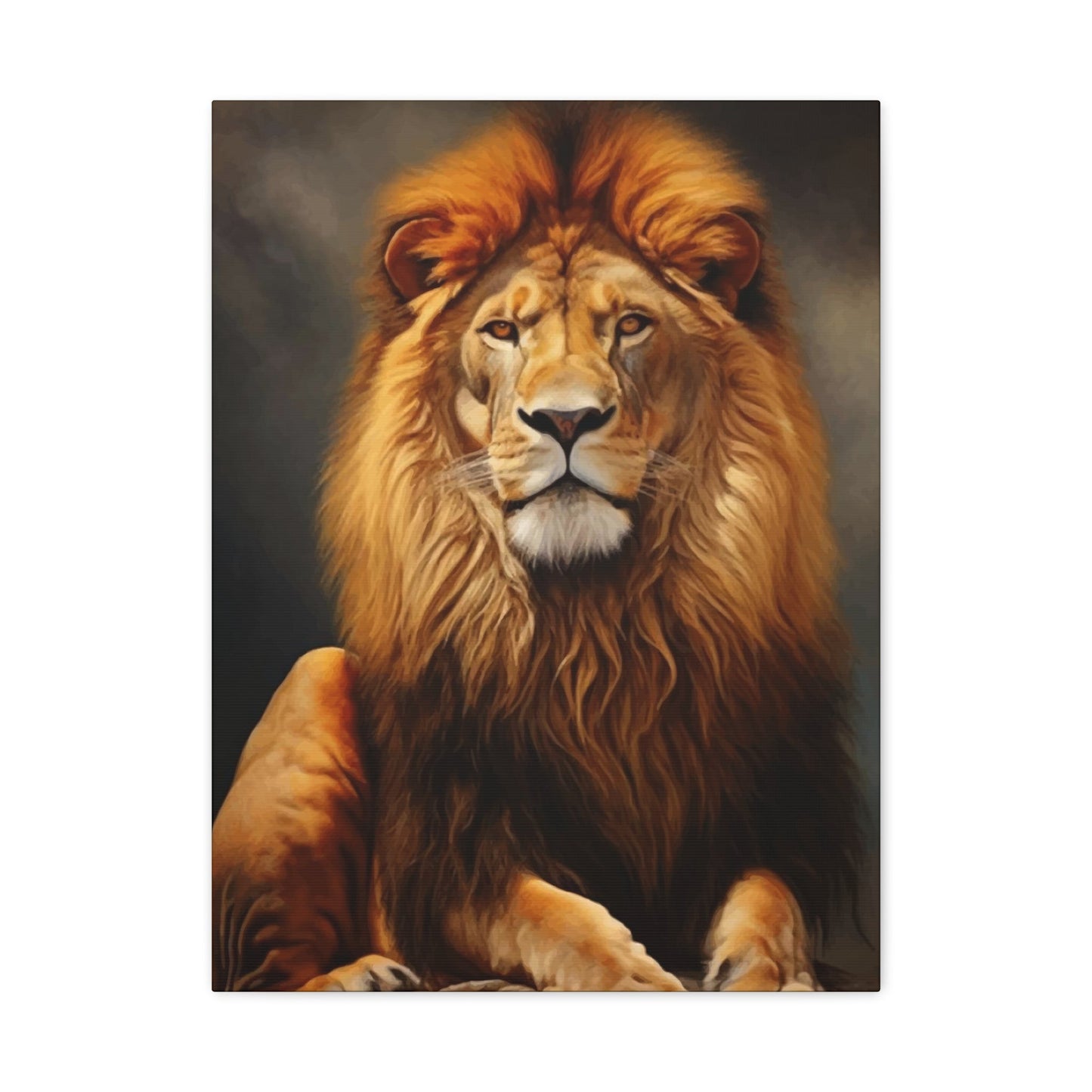
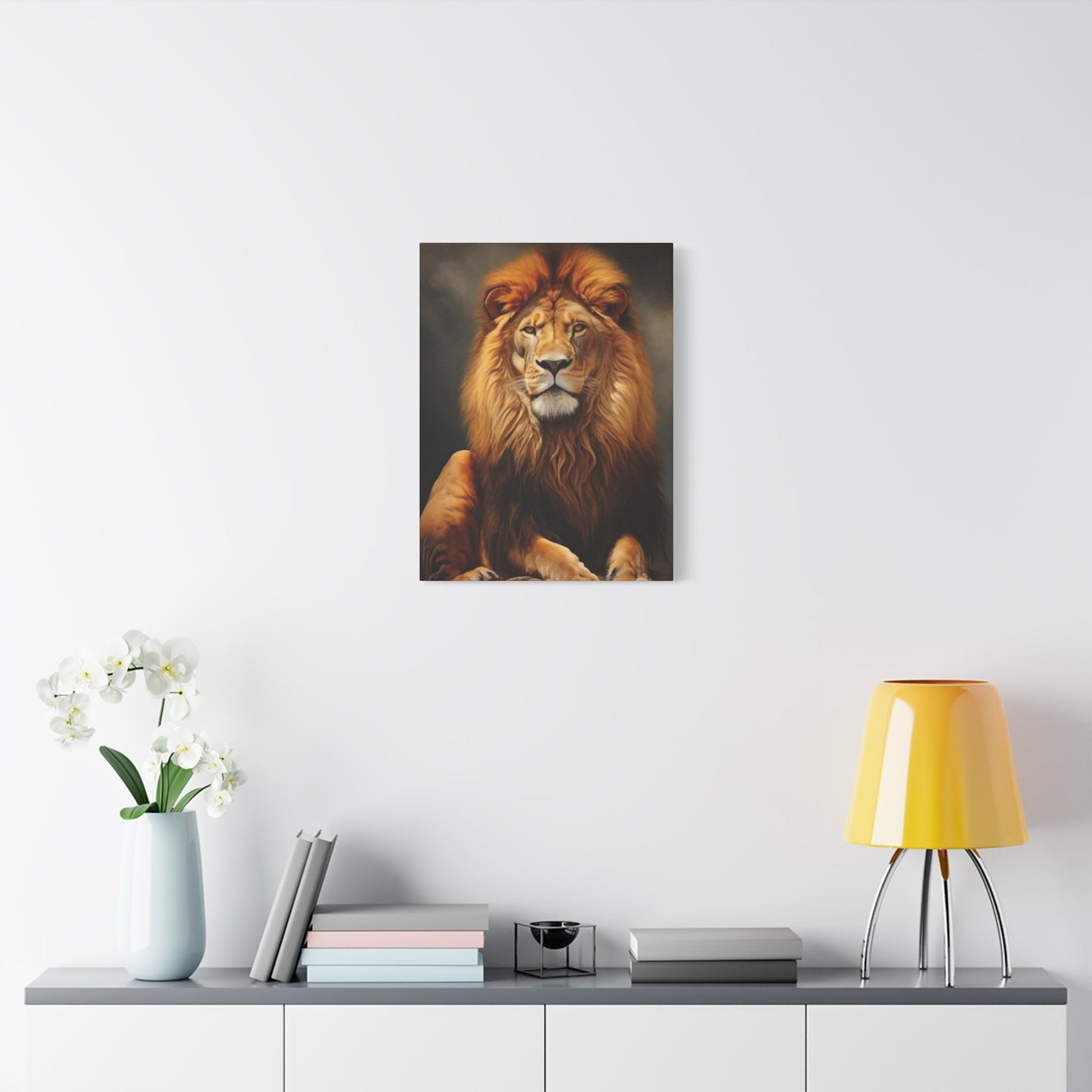
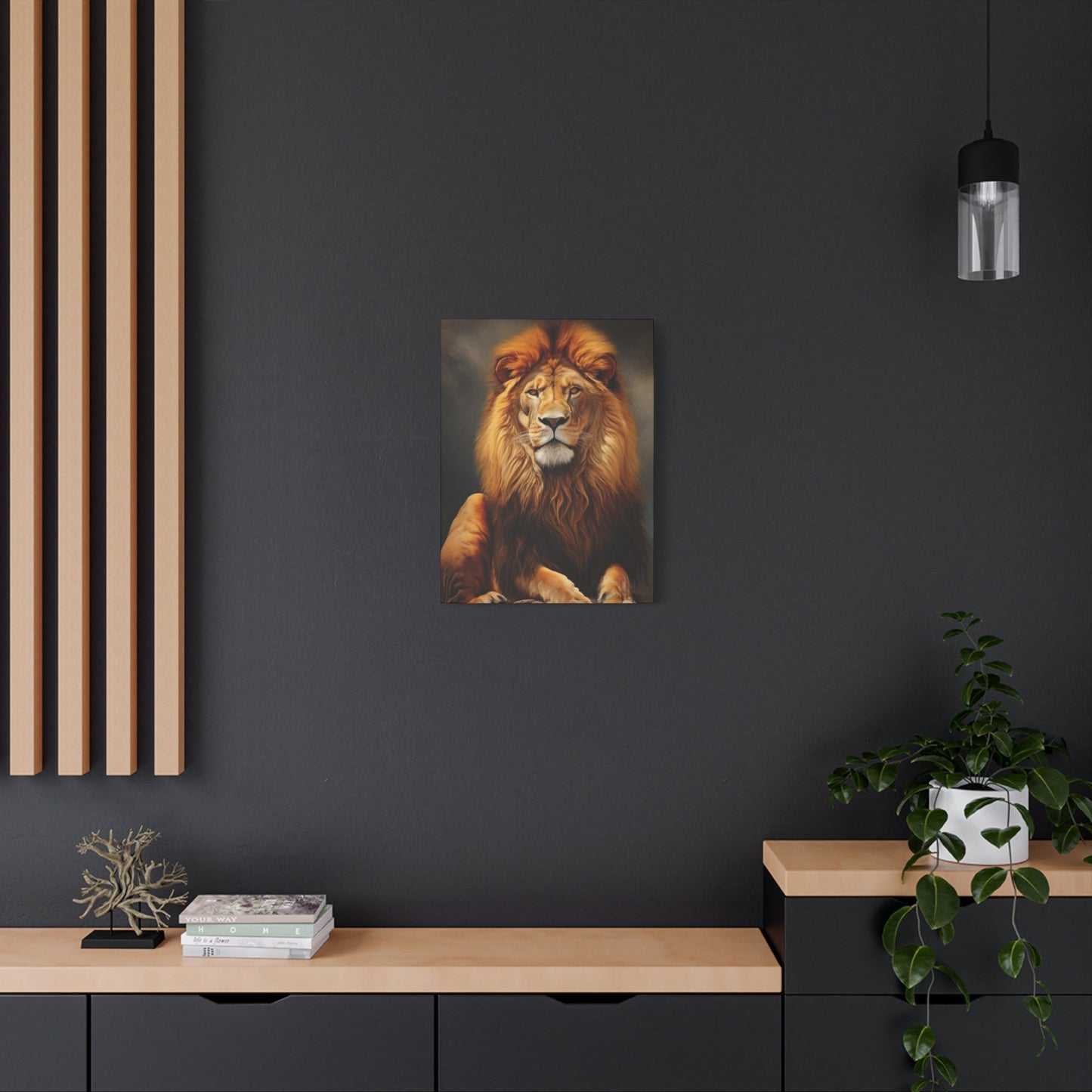
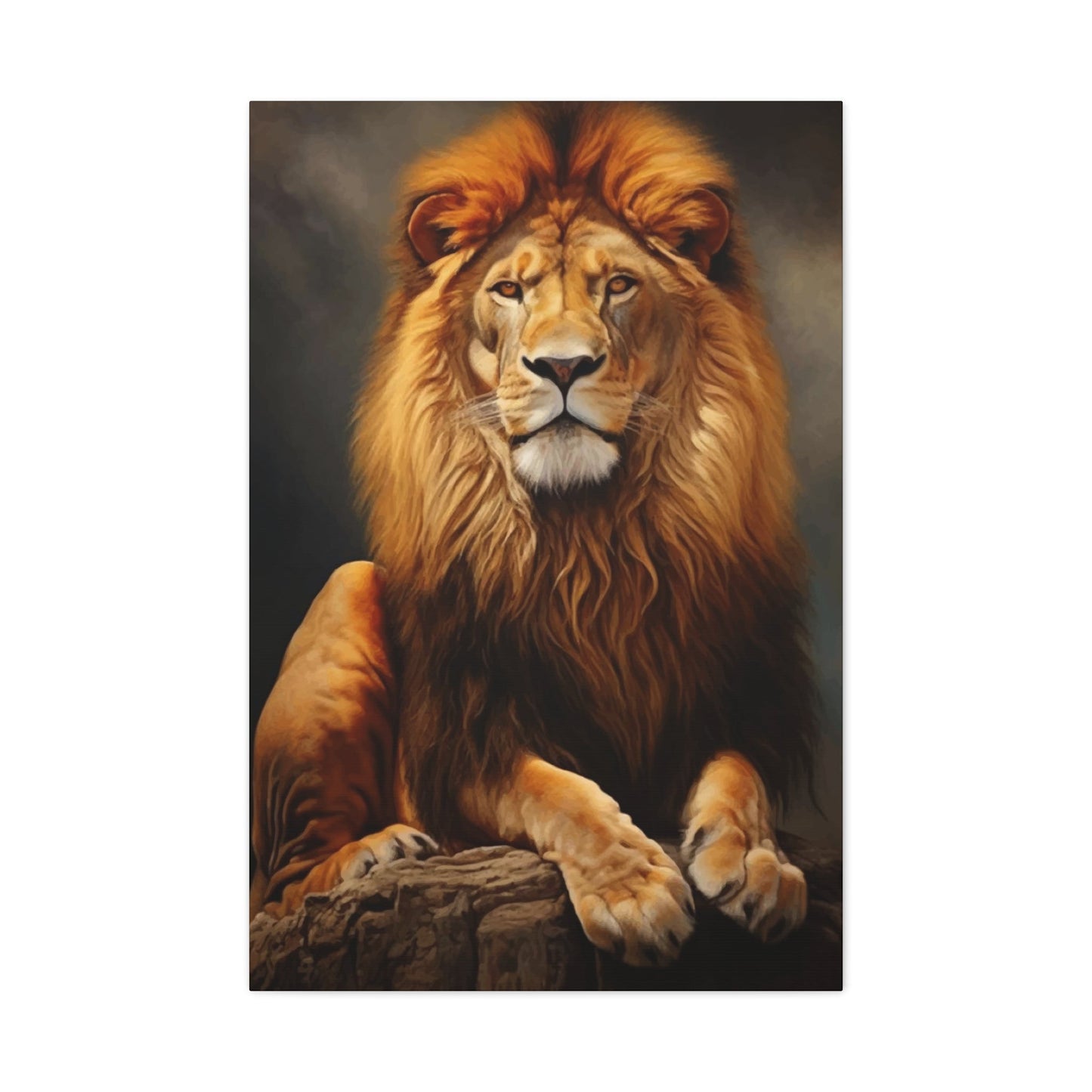
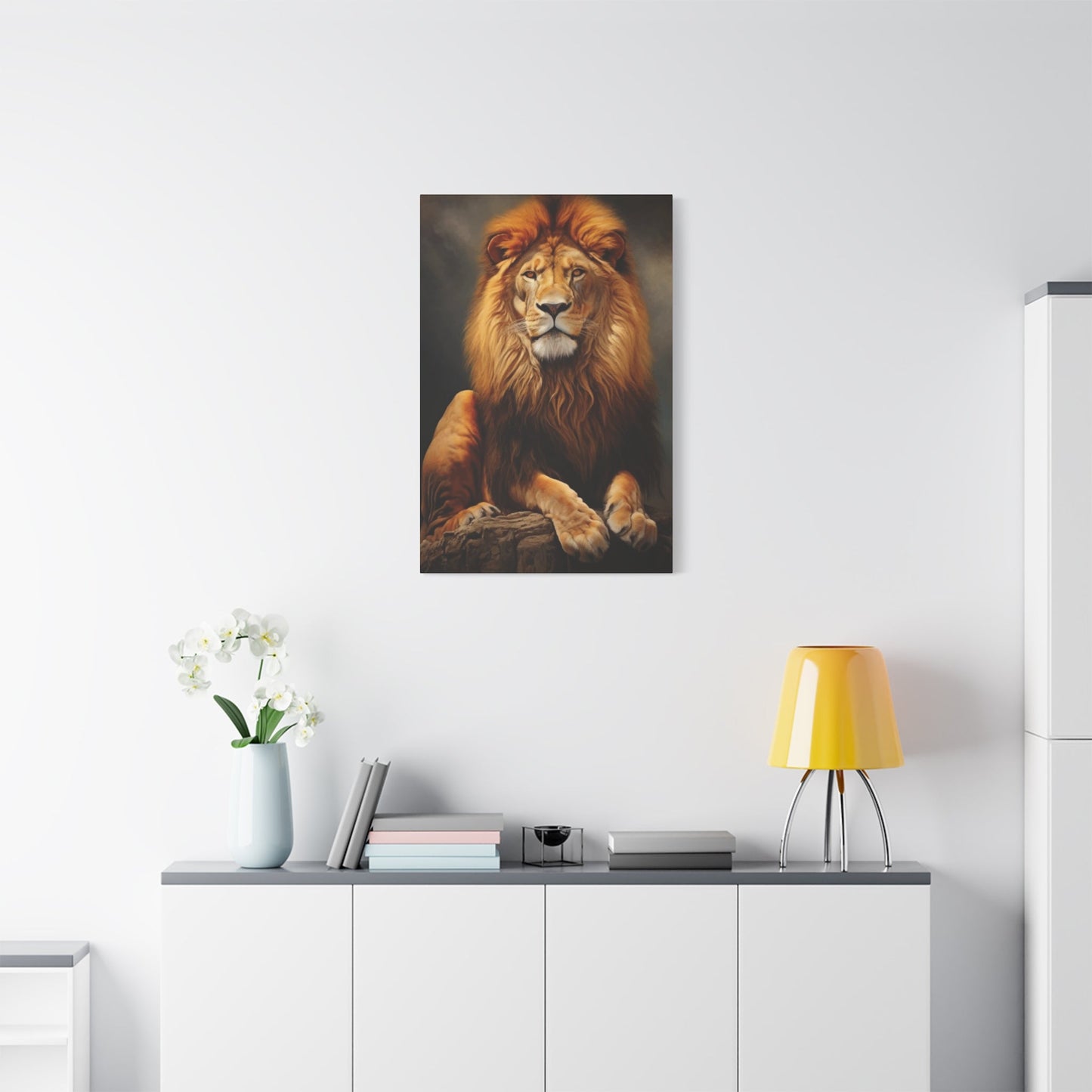
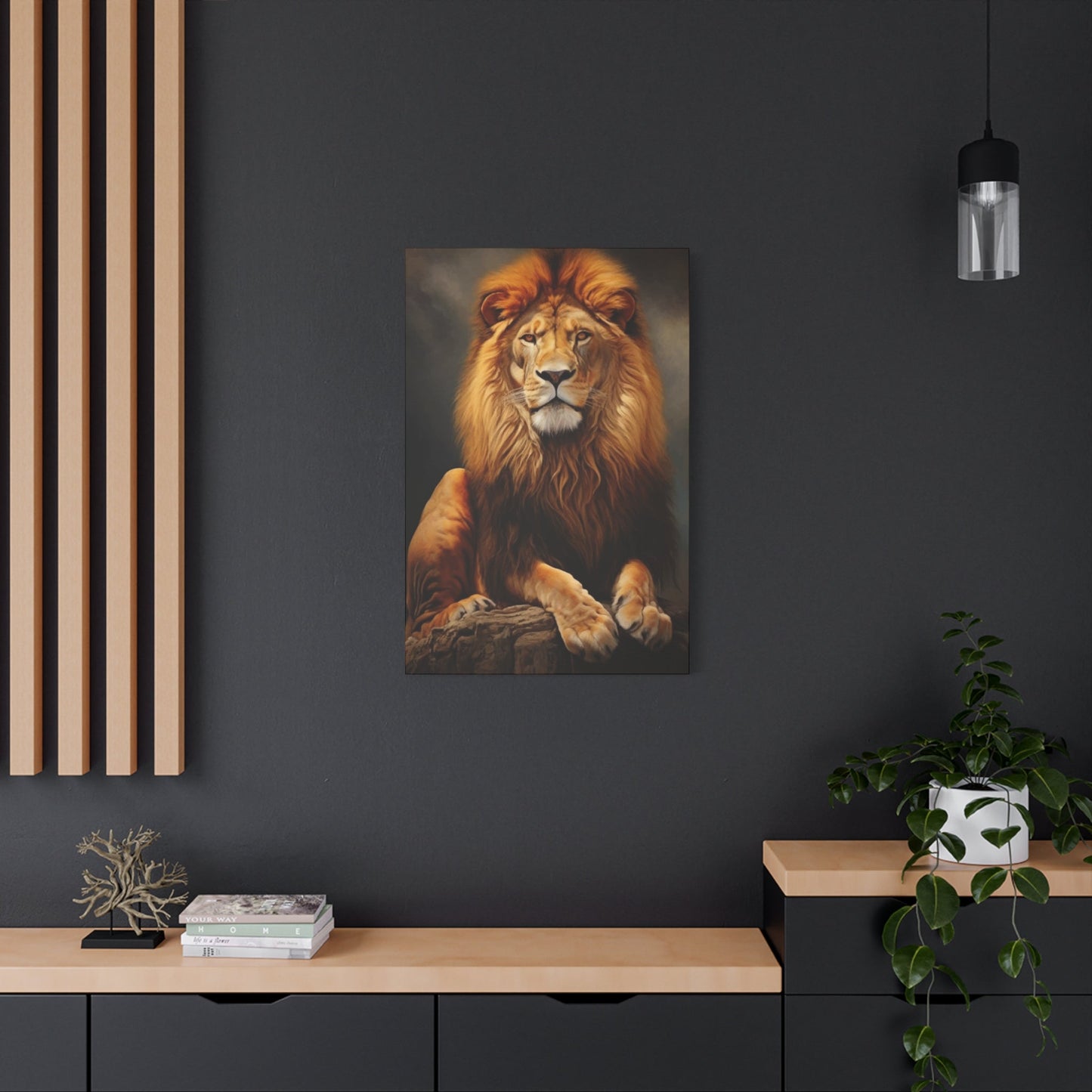
Majestic Lion Wall Art: Elevating Home Aesthetics with Powerful Feline Expression
The world of monochromatic lion photography represents one of the most powerful forms of visual storytelling in contemporary art. When we examine the profound impact of these magnificent creatures captured in stark black and white imagery, we discover layers of meaning that transcend simple wildlife documentation. Lion wall art has evolved into a sophisticated medium that combines the raw power of nature with the refined artistry of photographic technique, creating pieces that resonate deeply with viewers across cultural and aesthetic boundaries.
The appeal of black and white lion photography lies not merely in its aesthetic qualities but in its ability to distill the essence of these apex predators into their most fundamental visual elements. By removing the distraction of color, photographers and artists can focus entirely on form, texture, light, and shadow to create compositions that speak to the primal connection between humans and the natural world. This artistic approach transforms simple wildlife photography into profound statements about power, dignity, and the untamed beauty of African wildlife.
The Deep-Rooted Symbolism of Lions in Monochrome Photography
Lions have held symbolic significance across cultures for millennia, representing courage, strength, leadership, and divine power. When these majestic creatures are captured in black and white photography, their symbolic weight becomes even more pronounced. The absence of color forces viewers to focus on the raw emotional power conveyed through the lion's posture, expression, and the photographer's compositional choices.
In monochromatic lion photography, every element serves a symbolic purpose. The mane of a male lion, rendered in various shades of gray, becomes a crown of shadows and highlights that speaks to natural royalty and untamed authority. The intense gaze of a lioness, captured in high contrast black and white, conveys maternal protection and predatory focus with an intensity that colored photography often cannot match.
The symbolism extends beyond the individual animal to encompass broader themes of wilderness conservation and human relationship with nature. Black and white lion photography often serves as a bridge between the documentary tradition of wildlife photography and fine art, elevating these images from simple nature documentation to powerful artistic statements about our shared planet and the magnificent creatures that inhabit it.
Religious and spiritual symbolism also plays a significant role in how viewers interpret monochromatic lion imagery. Many cultures associate lions with divine attributes, and the stark contrast of black and white photography can enhance these spiritual connections. The play of light and shadow across a lion's features can suggest transcendence, while the powerful presence of these animals in monochrome can evoke feelings of reverence and awe typically reserved for sacred imagery.
The psychological impact of black and white lion photography draws from deep-seated human responses to both the animals themselves and the artistic medium. Lions trigger primal recognition of apex predators, while the monochromatic treatment adds layers of sophistication and artistic interpretation that engage higher cognitive functions. This combination creates wall art that operates on multiple levels of human consciousness simultaneously.
Black Lions: Separating Myth from Reality in Photographic Art
The concept of black lions has captured human imagination for centuries, appearing in folklore, legends, and artistic representations across various cultures. While true melanistic lions are extremely rare in nature, the artistic interpretation of black lions in photography and digital art has created a fascinating intersection between myth and reality that continues to influence contemporary wall art.
Melanistic lions, which would appear predominantly black due to an overproduction of melanin pigments, are documented but extraordinarily uncommon in wild populations. Most reported sightings of black lions have been either misidentified other big cats, such as black panthers or leopards, or represent artistic interpretations rather than photographic documentation of actual melanistic lions. This rarity has only enhanced the mythical quality associated with black lions in art and photography.
In the realm of wall art, black lions often represent the mysterious, the unknown, and the powerful forces of nature that remain beyond human control. Artists and photographers working with this concept frequently employ dramatic lighting techniques and high contrast processing to create images that emphasize the darker aspects of lion imagery. These pieces often feature lions emerging from deep shadows or silhouetted against bright backgrounds, creating powerful visual narratives about the hidden aspects of natural power.
The artistic interpretation of black lions allows photographers and digital artists to explore themes that might be impossible to capture in traditional wildlife photography. By manipulating contrast, shadows, and digital enhancement techniques, artists can create lion imagery that exists in the realm between reality and imagination, producing wall art that challenges viewers' perceptions while maintaining the fundamental power and dignity associated with these magnificent predators.
Contemporary black and white photography techniques can create the visual impression of black lions even when working with normally colored subjects. Through careful lighting control, shadow manipulation, and post-processing techniques, photographers can produce images where lions appear to emerge from darkness itself, embodying the mythical qualities that have made black lions such compelling subjects for artistic interpretation.
The psychological appeal of black lion imagery in wall art relates to human fascination with mystery and the unknown. These images often serve as metaphors for hidden strength, untapped potential, or the darker aspects of natural power. In residential and commercial settings, black lion wall art can create focal points that suggest sophistication, mystery, and connection to primal forces that exist beyond everyday experience.
White Lions: Extraordinary Rarities in Photographic Documentation
White lions represent one of nature's most extraordinary and rare phenomena, making them exceptionally valuable subjects for wildlife photography and wall art. Unlike albino animals, which lack all pigmentation, white lions are leucistic, meaning they have reduced pigmentation but retain some color in their eyes and other features. This genetic condition creates lions with pale, almost white coats that have fascinated humans throughout history.
The rarity of white lions in wild populations makes authentic photography of these animals exceptionally valuable and sought after for wall art applications. Only a small population of white lions exists in the wild, primarily in the Greater Timbavati region of South Africa, with additional populations maintained in conservation facilities and wildlife reserves. This scarcity means that genuine photographs of white lions carry significant value both as documentation of rare natural phenomena and as artistic subjects.
In black and white photography, white lions present unique challenges and opportunities for photographers. The naturally pale coat of these animals requires careful attention to lighting and contrast to prevent the subject from appearing washed out or lacking in detail. Skilled photographers working with white lions must master techniques for capturing subtle variations in tone and texture that might be lost in high-key lighting situations.
The symbolic significance of white lions extends across numerous cultures and spiritual traditions. Many African cultures view white lions as sacred animals, believing them to possess special spiritual powers or to serve as messengers from ancestral spirits. This cultural reverence adds layers of meaning to photographic representations of white lions, transforming simple wildlife documentation into images with profound spiritual and cultural significance.
From a conservation perspective, photographs of white lions serve important educational and advocacy functions. These images help raise awareness about the precarious status of white lion populations and the broader conservation challenges facing African wildlife. Wall art featuring white lions can serve as powerful reminders of what stands to be lost if conservation efforts fail to protect these magnificent creatures and their habitats.
The technical aspects of photographing white lions require exceptional skill and understanding of photographic principles. Exposure must be carefully controlled to maintain detail in the light-colored coat while ensuring that the surrounding environment remains properly exposed. This often involves sophisticated lighting techniques, careful composition, and extensive post-processing work to achieve images suitable for high-quality wall art reproduction.
White lion photography also raises important ethical considerations regarding wildlife photography and conservation. The rarity of these animals means that every photographic encounter carries responsibility for their welfare and protection. Photographers working with white lions must balance their artistic and commercial objectives with conservation concerns, ensuring that their work contributes positively to protection efforts rather than potentially causing harm through disturbance or exploitation.
Mastering Contrast: The Art of Black and White Lion Portraits
The creation of compelling black and white lion portraits requires mastery of contrast, composition, and lighting techniques that can transform ordinary wildlife photography into extraordinary works of art suitable for sophisticated wall art applications. The monochromatic medium demands that photographers rely entirely on tonal relationships, texture, and form to create images that capture both the physical presence and emotional impact of these magnificent predators.
Contrast serves as the primary tool for creating drama and visual impact in black and white lion photography. High contrast techniques can emphasize the raw power and intensity of lions, creating images with stark blacks and brilliant whites that command attention and create strong emotional responses. Alternatively, lower contrast approaches can produce more subtle, contemplative images that emphasize the gentler aspects of lion behavior and the nuanced beauty of their natural forms.
The texture of a lion's coat, mane, and facial features provides rich source material for black and white photography. The interplay of light and shadow across these varied textures creates natural patterns and visual interest that color photography might obscure. Skilled photographers learn to position their subjects and control lighting to maximize these textural elements, creating images with tactile quality that invites close examination and extended viewing.
Compositional techniques play crucial roles in creating effective black and white lion portraits. The rule of thirds, leading lines, and framing techniques become even more important in monochromatic photography, where color cannot be used to guide the viewer's eye through the composition. Photographers must rely on tonal relationships and geometric principles to create balanced, visually compelling images that work effectively as wall art in various settings.
Eye contact and emotional connection represent critical elements in successful lion portraits. The intensity of a lion's gaze, particularly when captured in high contrast black and white, can create powerful connections between the subject and viewer. This emotional engagement transforms simple wildlife documentation into art that resonates on personal and emotional levels, making these images particularly effective as wall art in residential and commercial environments.
The technical aspects of creating black and white lion portraits extend beyond basic photography to include sophisticated post-processing techniques. Digital tools allow photographers to fine-tune contrast relationships, adjust local exposure, and enhance specific elements of the image to create final prints that maximize visual impact. These technical skills separate amateur wildlife photography from professional-quality art suitable for serious wall art applications.
Environmental factors significantly influence the success of black and white lion portrait photography. Natural lighting conditions, background elements, and atmospheric conditions all contribute to the final image quality. Photographers must develop skills in reading and adapting to changing environmental conditions to consistently produce high-quality images regardless of circumstances.
Illuminating Majesty: How Lighting Elevates Monochrome Lion Photography
Lighting represents the most critical technical element in creating exceptional black and white lion photography suitable for wall art applications. The interplay of light and shadow not only defines the physical form of these magnificent creatures but also contributes to the emotional and artistic impact of the final image. Mastering lighting techniques allows photographers to transform simple wildlife documentation into sophisticated artistic statements.
Natural lighting provides the foundation for most exceptional lion photography, with photographers learning to work with the changing qualities of sunlight throughout the day. Golden hour lighting, occurring shortly after sunrise and before sunset, creates warm, directional light that enhances the texture and form of lions while providing natural rim lighting that separates subjects from their backgrounds. This lighting quality translates beautifully to black and white imagery, creating rich tonal gradations and dramatic contrast relationships.
Backlighting techniques can create some of the most dramatic black and white lion images, with subjects appearing as silhouettes or semi-silhouettes against bright backgrounds. These lighting conditions allow photographers to emphasize the iconic shape and posture of lions while creating images with strong graphic quality that works exceptionally well as wall art. The rim lighting effect created by backlighting can outline manes and body contours with brilliant highlights that add dimension and visual interest to monochromatic images.
Side lighting provides opportunities to reveal the three-dimensional form and texture of lions through careful shadow placement. This lighting direction can emphasize the muscular structure of these powerful predators while creating natural patterns of light and shadow that add visual complexity to black and white images. The directional quality of side lighting helps separate subjects from backgrounds and creates depth that makes images more engaging for extended viewing.
Diffused lighting conditions, such as those found during overcast weather or in shaded environments, create opportunities for more subtle, contemplative lion photography. These lighting conditions reduce harsh contrasts and allow for more detailed rendering of subtle tonal relationships. While less dramatic than direct sunlight, diffused lighting can produce images with quiet power that works effectively in wall art applications where subtlety is preferred over high impact.
Artificial lighting techniques, while less common in wildlife photography, can be employed in controlled environments to create specific effects or enhance natural lighting conditions. Fill flash, reflectors, and other lighting modification tools can help balance exposure relationships and provide additional creative control over the final image appearance. These techniques require careful application to maintain the natural appearance essential to effective wildlife art.
The relationship between lighting and background elements significantly impacts the success of black and white lion photography. Photographers must consider how lighting affects not only their primary subject but also the surrounding environment that provides context and compositional support. Effective lighting management can simplify busy backgrounds, enhance important environmental elements, or create separation between subject and surroundings that improves overall image clarity and impact.
Understanding the behavioral patterns of lions in relation to lighting conditions helps photographers anticipate and prepare for optimal shooting opportunities. Lions are most active during cooler parts of the day, which often coincide with the most favorable lighting conditions for photography. This natural alignment of subject behavior and lighting quality provides opportunities for capturing both technically excellent and behaviorally authentic images.
The Distinguished Role of Lions in Monochromatic Art Traditions
Lions have occupied prominent positions in artistic traditions across cultures and throughout history, with their representation in black and white art forms demonstrating particular sophistication and emotional power. From ancient cave paintings to contemporary photographic art, monochromatic lion imagery has served as a vehicle for expressing concepts of power, nobility, spiritual significance, and humanity's relationship with the natural world.
Historical black and white artistic representations of lions span numerous mediums and cultural contexts. Medieval manuscripts often featured lions in ink drawings and woodcut illustrations, where the limitations of monochromatic reproduction techniques actually enhanced the symbolic power of these images. Renaissance artists employed sophisticated chiaroscuro techniques in drawings and prints featuring lions, using light and shadow relationships to create images of remarkable depth and emotional resonance.
The development of photography in the 19th and early 20th centuries brought new possibilities for monochromatic lion representation. Early wildlife photographers like Cherry Kearton and Martin Johnson created iconic black and white images that established lions as premier subjects for serious photographic art. These pioneering efforts demonstrated that wildlife photography could transcend mere documentation to become legitimate artistic expression capable of competing with traditional fine art mediums.
Contemporary black and white lion art builds upon these historical foundations while incorporating modern techniques and aesthetic sensibilities. Digital photography and processing tools allow today's artists to achieve levels of technical control and artistic sophistication that were impossible for earlier generations. This technological advancement has expanded the creative possibilities for monochromatic lion art while maintaining connection to established artistic traditions.
The role of lions in black and white art extends beyond simple subject matter to encompass broader themes of environmental consciousness and conservation advocacy. Many contemporary artists working with monochromatic lion imagery consciously position their work within environmental art movements, using the powerful visual appeal of these subjects to raise awareness about conservation issues and humanity's responsibility to protect wildlife and natural habitats.
Abstract and stylized approaches to black and white lion art provide opportunities for artists to explore the essential qualities of these animals without being constrained by photographic realism. Expressionistic techniques, geometric interpretations, and minimalist approaches can distill the essence of lions into powerful graphic statements that work effectively as wall art while challenging viewers to engage with familiar subjects in new ways.
The commercial success of black and white lion art reflects broader cultural fascination with these animals and the particular aesthetic appeal of monochromatic imagery. Wall art featuring lions consistently ranks among the most popular wildlife subjects, with black and white treatments often preferred for their sophistication and versatility in various decorative contexts. This market success supports continued artistic exploration and innovation in monochromatic lion representation.
Cultural and regional variations in black and white lion art reflect different relationships between human societies and these magnificent predators. African artistic traditions often emphasize spiritual and ceremonial aspects of lions, while Western interpretations frequently focus on themes of wildness and untamed nature. These cultural differences contribute to the rich diversity of approaches available to contemporary artists working with monochromatic lion subjects.
Symbolic Meanings and Design Elements in Black and White Lion Tattoos
The art of tattooing has embraced black and white lion imagery as one of its most powerful and versatile design elements, with these subjects offering rich symbolic content and exceptional visual impact when rendered in monochromatic ink. Lion tattoos represent complex intersections of personal meaning, cultural symbolism, and artistic achievement that have made them consistently popular choices among tattoo enthusiasts seeking meaningful and visually striking body art.
Traditional black and white lion tattoo designs draw from centuries of artistic and cultural precedent, incorporating symbolic elements that resonate across different cultural contexts. The lion's mane, rendered in flowing black ink with strategic white highlights, often serves as a crown-like element that emphasizes themes of leadership, nobility, and personal sovereignty. These design elements translate effectively from wall art to body art, maintaining their visual impact while adapting to the unique requirements of tattoo application.
Realistic black and white lion tattoo portraits require exceptional technical skill from tattoo artists, who must master the translation of photographic imagery into permanent ink applications on living skin. The challenges of creating smooth tonal gradations, maintaining fine detail, and achieving proper contrast relationships in tattoo medium demand artists with sophisticated understanding of both traditional tattoo techniques and contemporary artistic principles derived from photography and fine art.
Geometric and stylized approaches to black and white lion tattoo design offer alternatives to photorealistic representation while maintaining the symbolic power associated with these magnificent creatures. Abstract interpretations, tribal influences, and minimalist geometric treatments can distill the essence of lions into powerful graphic statements that work effectively as tattoo designs while offering unique personal expression opportunities for clients.
The placement and scale of black and white lion tattoos significantly impact their visual effectiveness and symbolic meaning. Large-scale tattoos allow for detailed rendering and complex compositional elements, while smaller designs must rely on simplified forms and bold contrast relationships to maintain visual impact. The choice between these approaches often reflects personal preferences, lifestyle considerations, and the specific symbolic meanings intended by the client.
Cultural and spiritual meanings associated with lion tattoos vary significantly across different traditions and personal beliefs. Some individuals choose lion tattoos to represent personal strength and courage, while others may draw from specific cultural traditions that associate lions with spiritual guidance, ancestral protection, or divine power. These varied meanings contribute to the continued popularity and personal significance of lion tattoo designs.
The technical challenges of creating successful black and white lion tattoos include managing ink saturation, achieving proper contrast relationships, and ensuring long-term appearance stability as tattoos age and heal. Experienced tattoo artists develop specialized techniques for working with black and gray ink palettes to create images that maintain their visual impact and symbolic meaning throughout the healing process and beyond.
Female lion tattoo designs offer alternative symbolic meanings and visual approaches that complement traditional male lion imagery. Lioness tattoos often emphasize themes of maternal protection, fierce loyalty, and collaborative strength, providing meaningful options for clients who identify with these alternative interpretations of lion symbolism. The visual treatment of lioness tattoos in black and white can emphasize grace and power in ways that differ from the more commonly seen male lion designs.
The relationship between lion tattoo designs and contemporary wall art creates interesting cross-pollination between different artistic mediums. Many successful tattoo designs draw inspiration from photographic and fine art sources, while tattoo imagery increasingly influences other art forms. This interchange contributes to the continued evolution and sophistication of both tattoo art and other forms of monochromatic lion representation.
Capturing Regal Presence: The Art of Monochrome Lion Photography
The pursuit of capturing lions in monochrome photography represents one of the most challenging and rewarding aspects of wildlife art, requiring photographers to master technical skills while developing artistic vision that can translate the raw majesty of these apex predators into compelling wall art. The elimination of color forces photographers to rely entirely on composition, lighting, contrast, and timing to create images that convey both the physical presence and emotional impact of their subjects.
Behavioral understanding forms the foundation of successful lion photography, with photographers needing comprehensive knowledge of lion social structures, hunting patterns, territorial behaviors, and daily activity cycles. This knowledge allows photographers to anticipate moments of high visual and emotional impact, positioning themselves to capture images that go beyond simple documentation to become powerful artistic statements about the nature of these magnificent predators.
The technical demands of monochrome lion photography extend far beyond basic camera operation to encompass sophisticated understanding of exposure relationships, depth of field control, and motion management. Lions present constantly changing photographic challenges, from the subtle movements of resting animals to the explosive action of hunting sequences. Photographers must develop reflexes and technical skills that allow them to adapt quickly to changing conditions while maintaining the artistic vision necessary for creating exceptional wall art.
Compositional techniques specific to monochrome photography become particularly important when working with lions, where the absence of color requires alternative methods for creating visual interest and emotional engagement. The rule of thirds, leading lines, framing elements, and negative space all play crucial roles in creating images that hold viewer attention and convey the power and dignity associated with these apex predators.
Environmental context significantly influences the success of monochrome lion photography, with photographers needing to consider how background elements, atmospheric conditions, and lighting quality contribute to the overall artistic impact of their images. The African savanna provides rich textural and tonal elements that can enhance lion photography when properly incorporated, while inappropriate background elements can detract from the primary subject and reduce the effectiveness of the final image.
Post-processing techniques play essential roles in transforming raw lion photographs into finished art suitable for wall display. Digital tools allow photographers to fine-tune contrast relationships, adjust local exposure values, eliminate distracting elements, and enhance specific aspects of their images to create final prints that maximize visual impact while maintaining natural appearance. These technical skills separate amateur wildlife photography from professional-quality art.
The emotional resonance of monochrome lion photography often depends on capturing moments that reveal the personality and character of individual animals. Whether documenting the tender interaction between a lioness and her cubs or the intense focus of a hunting lion, photographers must develop sensitivity to behavioral nuances that transform documentary images into compelling artistic statements that engage viewers on emotional levels.
Equipment considerations for monochrome lion photography include not only camera and lens selection but also support systems, protection gear, and backup equipment necessary for working in challenging African environments. The investment in professional-quality equipment reflects the demanding nature of this photographic specialty and the commercial expectations for images intended for high-end wall art applications.
Genetic Mysteries: The Scientific Reality Behind White Lion Phenomena
The genetic basis for white lions represents one of the most fascinating examples of rare color variations in large predators, involving complex inheritance patterns that have only recently been understood through advances in genetic research. This scientific understanding adds depth and authenticity to photographic and artistic representations of white lions, providing factual foundation for wall art that celebrates these extraordinary animals.
Leucism, the condition responsible for white lion coloration, differs fundamentally from albinism in that it involves reduced rather than absent pigmentation. White lions retain pigmentation in their eyes, nose leather, and paw pads, distinguishing them from true albino animals that would lack all melanin production. This genetic distinction is important for photographers and artists working to create accurate representations of white lions in their work.
The inheritance pattern for white lion genetics follows a recessive model, meaning that both parents must carry the genetic variant for white offspring to be produced. This requirement significantly limits the natural occurrence of white lions in wild populations, where genetic diversity and random mating patterns make it unlikely for two carriers to produce offspring together. The rarity resulting from these genetic constraints makes authentic white lion photography exceptionally valuable.
Research conducted by the Global White Lion Protection Trust and other conservation organizations has revealed that the genetic variant responsible for white lions is not a recent mutation but rather an ancient genetic trait that has persisted in southern African lion populations for thousands of years. This discovery adds historical significance to white lion imagery and supports arguments for their conservation as legitimate components of natural genetic diversity.
The physiological challenges faced by white lions in wild environments include increased visibility to prey animals, potential vision problems in bright sunlight, and possible temperature regulation difficulties due to their pale coat coloration. These challenges help explain the rarity of white lions in natural populations and add poignancy to photographic representations that document their struggle for survival in African ecosystems.
Breeding programs in captivity have successfully maintained white lion populations while contributing to genetic research that improves understanding of this rare condition. These programs provide controlled environments where photographers can document white lions while supporting conservation efforts and scientific research. The resulting imagery serves both artistic and educational purposes, raising awareness about genetic diversity in wildlife populations.
The relationship between white lion genetics and overall lion population health raises important conservation questions that photographers and artists can address through their work. Images of white lions can serve as entry points for discussions about genetic diversity, inbreeding depression, and the importance of maintaining healthy wild populations that can support rare genetic variants without compromising overall population fitness.
Molecular genetic techniques have identified the specific genetic markers associated with white lion coloration, allowing for more precise breeding decisions and population management strategies. This scientific progress provides factual foundation for educational materials that might accompany white lion photography exhibitions or wall art installations, adding intellectual depth to the aesthetic appeal of these remarkable animals.
The global distribution of white lion genetics appears to be restricted to specific southern African populations, suggesting either a recent evolutionary origin or severe population bottlenecks that have eliminated the trait from other regions. This geographic specificity adds cultural and regional significance to white lion photography while emphasizing the importance of protecting the specific ecosystems where these animals occur naturally.
Technical Excellence: Black and White Photography Filters for Wildlife
The application of black and white filters in wildlife photography, particularly when documenting lions, represents a sophisticated technical approach that can dramatically enhance the artistic and emotional impact of the final image. Understanding how different filter types affect monochromatic rendering allows photographers to exercise greater creative control over their work while maintaining the technical excellence necessary for producing professional-quality wall art.
Traditional colored filters used in black and white film photography translate directly to digital applications, where their effects can be simulated through software processing or achieved through physical filters used during capture. Red filters darken blue skies dramatically while lightening red and orange tones, creating high contrast images with powerful graphic impact. When applied to lion photography, red filters can enhance the contrast between subjects and sky backgrounds while emphasizing warm tones in the animals' coats.
Yellow filters provide more moderate contrast enhancement compared to red filters, offering a balanced approach that maintains natural tonal relationships while improving sky contrast and reducing atmospheric haze. This filter effect works particularly well for lion photography in dusty or hazy conditions common in African environments, helping to maintain subject clarity and definition without creating overly dramatic contrast relationships that might appear unnatural.
Green filters excel at rendering foliage and vegetation in natural tones while providing good contrast control for outdoor photography. In lion habitat photography, green filters can help balance the tonal relationships between subjects and their natural environments, creating images where lions appear naturally integrated with their surroundings rather than artificially separated through extreme contrast manipulation.
Blue filters create effects opposite to red filters, lightening blue tones while darkening reds and oranges. While less commonly used in lion photography, blue filters can create ethereal, high-key effects that work well for artistic interpretations or specific creative objectives. The cooling effect of blue filtration can add emotional distance or contemplative quality to lion imagery.
Polarizing filters provide unique benefits for black and white wildlife photography by reducing glare and reflections while enhancing contrast and saturation in ways that translate effectively to monochromatic images. When photographing lions near water sources or in bright, reflective environments, polarizing filters can eliminate distracting reflections while enhancing the texture and definition of the animals' coats and surrounding environment.
Graduated neutral density filters help manage extreme contrast situations common in African wildlife photography, where bright skies and darker ground subjects create exposure challenges that can compromise image quality. These filters allow photographers to balance exposure across the frame, maintaining detail in both highlight and shadow areas that might otherwise be lost to over or under-exposure.
Digital filter simulation offers greater flexibility and control compared to physical filters, allowing photographers to experiment with different filter effects during post-processing rather than committing to specific looks during capture. Modern software provides sophisticated tools for simulating traditional filter effects while offering additional creative possibilities not available with physical filters alone.
The artistic application of black and white filters extends beyond technical correction to encompass creative expression and emotional communication. Different filter effects can completely change the mood and impact of lion photography, transforming documentary images into artistic statements that resonate with viewers on emotional and aesthetic levels. Understanding these creative possibilities allows photographers to develop distinctive personal styles that set their work apart in competitive markets.
Combining multiple filter effects, either through physical filter stacking or digital processing techniques, can create complex tonal relationships and artistic effects that enhance the visual sophistication of lion photography. However, these techniques require careful application to avoid over-processing that might compromise the natural appearance essential to effective wildlife art.
Cultural Significance: Lions in Black and White Symbolic Traditions
The symbolic representation of lions in black and white imagery draws from deep cultural traditions that span continents and millennia, creating rich layers of meaning that enhance the impact and significance of contemporary lion wall art. Understanding these cultural connections adds depth to photographic and artistic work while providing context that can increase viewer engagement and appreciation.
African cultural traditions hold lions in particularly high regard, with many ethnic groups considering them sacred animals embodying spiritual power, ancestral wisdom, and divine authority. The translation of these cultural concepts into black and white imagery often emphasizes the timeless and universal aspects of lion symbolism, creating art that transcends specific cultural boundaries while maintaining connection to traditional beliefs and practices.
European heraldic traditions extensively employ lion imagery to represent nobility, courage, and royal authority, with black and white rendering traditionally used in formal heraldic documentation and artistic representation. The stark contrast of monochromatic heraldic lions creates powerful graphic symbols that have influenced artistic traditions for centuries and continue to inform contemporary approaches to lion imagery in wall art applications.
Asian cultural interpretations of lions, while often referring to animals not native to those regions, incorporate symbolic meanings related to protection, prosperity, and spiritual guardianship. The representation of these symbolic lions in black and white art often emphasizes their role as guardian figures and protective spirits, creating imagery with spiritual significance that appeals to contemporary audiences seeking meaningful wall art with cultural depth.
Religious and spiritual traditions across multiple faiths incorporate lion symbolism to represent divine power, spiritual strength, and religious authority. Black and white rendering of these symbolic lions often emphasizes their transcendent qualities while creating art that can serve devotional or contemplative purposes in appropriate settings. The monochromatic treatment adds gravitas and timeless quality that enhances the spiritual impact of these images.
Native American traditions, while not historically familiar with African lions, have developed symbolic associations with mountain lions and other large cats that share many characteristics with traditional lion symbolism. The incorporation of these parallel symbolic traditions into contemporary black and white lion art creates cross-cultural dialogue and expanded meaning that enriches the viewing experience for diverse audiences.
Contemporary urban culture has embraced lion symbolism as representation of strength, independence, and personal power, with black and white lion imagery particularly popular in hip-hop culture, street art, and urban fashion. This modern cultural adaptation demonstrates the continuing relevance and adaptability of traditional lion symbolism while creating new contexts for artistic expression and commercial application.
The psychological impact of cultural lion symbolism in black and white art operates on both conscious and subconscious levels, triggering learned associations while engaging innate responses to apex predator imagery. This dual-level engagement creates powerful emotional responses that make lion wall art particularly effective in residential and commercial applications where strong visual impact is desired.
Gender-specific cultural interpretations of lion symbolism create opportunities for artistic exploration of themes related to leadership styles, family structures, and social organization. Lioness imagery in black and white art often emphasizes themes of maternal protection, collaborative strength, and feminine power that complement traditional male lion symbolism while offering alternative perspectives on strength and authority.
The globalization of cultural symbols through digital media and international art markets has created new hybrid interpretations of lion symbolism that blend traditional cultural meanings with contemporary artistic sensibilities. Black and white lion art often serves as a vehicle for this cultural synthesis, creating images that speak to global audiences while maintaining connection to specific cultural traditions and meanings.
Conservation Through Art: Protecting White Lion Populations
The integration of conservation messaging with artistic representation of white lions creates powerful advocacy tools that can raise awareness, generate funding, and promote protection efforts for these rare and endangered animals. Black and white photography and art featuring white lions serves multiple conservation purposes while creating aesthetically compelling wall art that engages viewers emotionally and intellectually with conservation issues.
Population studies indicate that fewer than 300 white lions exist globally, with only a handful remaining in wild populations within their native range in southern Africa. This extreme rarity makes every photographic documentation of white lions valuable both artistically and scientifically, with images serving as historical records of these magnificent animals while potentially inspiring conservation action among viewers.
Habitat protection represents the most critical conservation need for white lion populations, as these animals require large territories with adequate prey populations and minimal human interference to survive and reproduce successfully. Photographic documentation of white lions in their natural habitats can demonstrate the beauty and importance of these ecosystems while building support for habitat conservation initiatives that benefit entire ecological communities.
The genetic bottleneck affecting white lion populations creates urgent conservation challenges that require carefully managed breeding programs and protection of existing genetic diversity. Artistic representations of white lions can help communicate these complex genetic conservation issues to general audiences while building support for scientific research and management programs necessary for species survival.
Tourism economics play significant roles in white lion conservation, with these rare animals serving as flagship species that attract visitors to African wildlife destinations. High-quality black and white photography of white lions can support tourism marketing while generating revenue that supports conservation programs and local communities involved in wildlife protection efforts.
Educational applications of white lion art extend from elementary school environmental programs to university-level conservation biology courses, with compelling imagery serving as entry points for complex discussions about genetics, ecology, and conservation science. Wall art featuring white lions in educational settings can create lasting impressions that inspire future conservationists and researchers.
The ethical considerations surrounding white lion photography and art include ensuring that image capture and reproduction activities support rather than compromise conservation efforts. Photographers and artists working with white lion subjects bear responsibility for conducting their activities in ways that contribute positively to protection efforts while avoiding any actions that might disturb or endanger these rare animals.
Collaboration between artists, photographers, and conservation organizations creates synergistic relationships that benefit both artistic expression and wildlife protection. Many successful white lion conservation projects have incorporated artistic elements to enhance their public appeal and fundraising effectiveness, while artists gain access to rare subjects and meaningful purpose for their creative work.
The international appeal of white lion imagery creates opportunities for global conservation campaigns that can generate support and funding from international audiences who might not otherwise engage with African wildlife conservation issues. Black and white artistic treatments of white lions often enhance this international appeal by creating sophisticated imagery that resonates with diverse cultural and aesthetic preferences.
Long-term conservation success for white lions requires sustained public interest and support that can be maintained through continued artistic and photographic documentation of these animals. The creation of compelling wall art featuring white lions helps maintain visibility for conservation issues while providing ongoing revenue streams that can support protection efforts over extended time periods necessary for species recovery.
Mythological Narratives: Black Lions in Folk Traditions and Legends
The mythology surrounding black lions spans numerous cultures and historical periods, creating rich narrative traditions that inform contemporary artistic interpretations and add layers of meaning to modern photographic and artistic work. These mythological foundations provide context for understanding the enduring appeal of black lion imagery in wall art while offering inspiration for creative exploration of these legendary creatures.
African oral traditions contain numerous references to black lions as spiritual entities possessing supernatural powers and serving as intermediaries between the physical and spiritual worlds. These traditional stories often describe black lions as guardians of sacred places, protectors of tribal leaders, or embodiments of ancestral spirits returning to guide and protect their descendants. The translation of these narrative traditions into visual art creates opportunities for culturally meaningful artistic expression.
European medieval literature and folklore incorporated black lions as symbols of mystery, danger, and hidden power, often associating them with magical transformation and supernatural abilities. The appearance of black lions in heraldic devices and illuminated manuscripts demonstrates their symbolic importance in medieval European culture, where they represented both earthly and divine authority while maintaining connections to mysterious and otherworldly powers.
Contemporary urban legends and popular culture have created new mythological contexts for black lions, often incorporating elements from traditional folklore while adapting these narratives to modern settings and sensibilities. These contemporary mythologies provide rich source material for artistic interpretation while demonstrating the continuing relevance and adaptability of traditional symbolic themes.
Conclusion:
Majestic lion wall art offers a compelling way to elevate your home aesthetics by infusing powerful feline expression and timeless symbolism into your décor. The lion, often regarded as the king of the jungle, embodies strength, courage, and leadership—qualities that resonate deeply when represented through stunning visual art. Incorporating majestic lion imagery into your living space not only adds dramatic flair but also inspires a sense of confidence and empowerment.
The striking presence of lion wall art brings both energy and elegance to any room. Whether portrayed through realistic portraits capturing the lion’s intense gaze and regal mane, or through more abstract, artistic interpretations, these pieces become focal points that command attention. Their bold, majestic imagery contrasts beautifully with a variety of décor styles—from modern and minimalist to rustic and traditional—making them incredibly versatile.
Lion art is more than just decorative; it carries rich cultural and symbolic meaning. Across civilizations, lions have represented power, protection, and nobility. By displaying lion wall art, you connect your home with these universal themes, creating an atmosphere that feels both grounded and inspiring. This is especially impactful in spaces like living rooms, studies, or entryways, where strength and presence can set the tone for the entire home.
In addition to their symbolic significance, majestic lion artworks often showcase incredible artistic skill. The textures of the lion’s mane, the intensity of its eyes, and the dynamic compositions all contribute to an immersive visual experience. Canvas prints, metal art, and mixed-media pieces featuring lions add layers of texture and dimension, enriching your space with tactile beauty as well as visual impact.
Moreover, lion wall art pairs well with natural elements such as wood, stone, and leather, further emphasizing a connection to nature and wildlife. Earthy color palettes combined with the warm golden tones typical of lion imagery create a harmonious and inviting environment. Layering lion art with complementary décor items like tribal accents or vintage artifacts can enhance the storytelling aspect of your interior design.
In summary, majestic lion wall art is an exceptional choice for those who wish to infuse their homes with power, elegance, and meaningful symbolism. It elevates your décor by blending artistic mastery with the commanding spirit of the lion, making your space not only beautiful but also deeply inspiring.


