


Meaningful Wall Art & Canvas Prints
Meaningful Wall Art & Canvas Prints
Couldn't load pickup availability
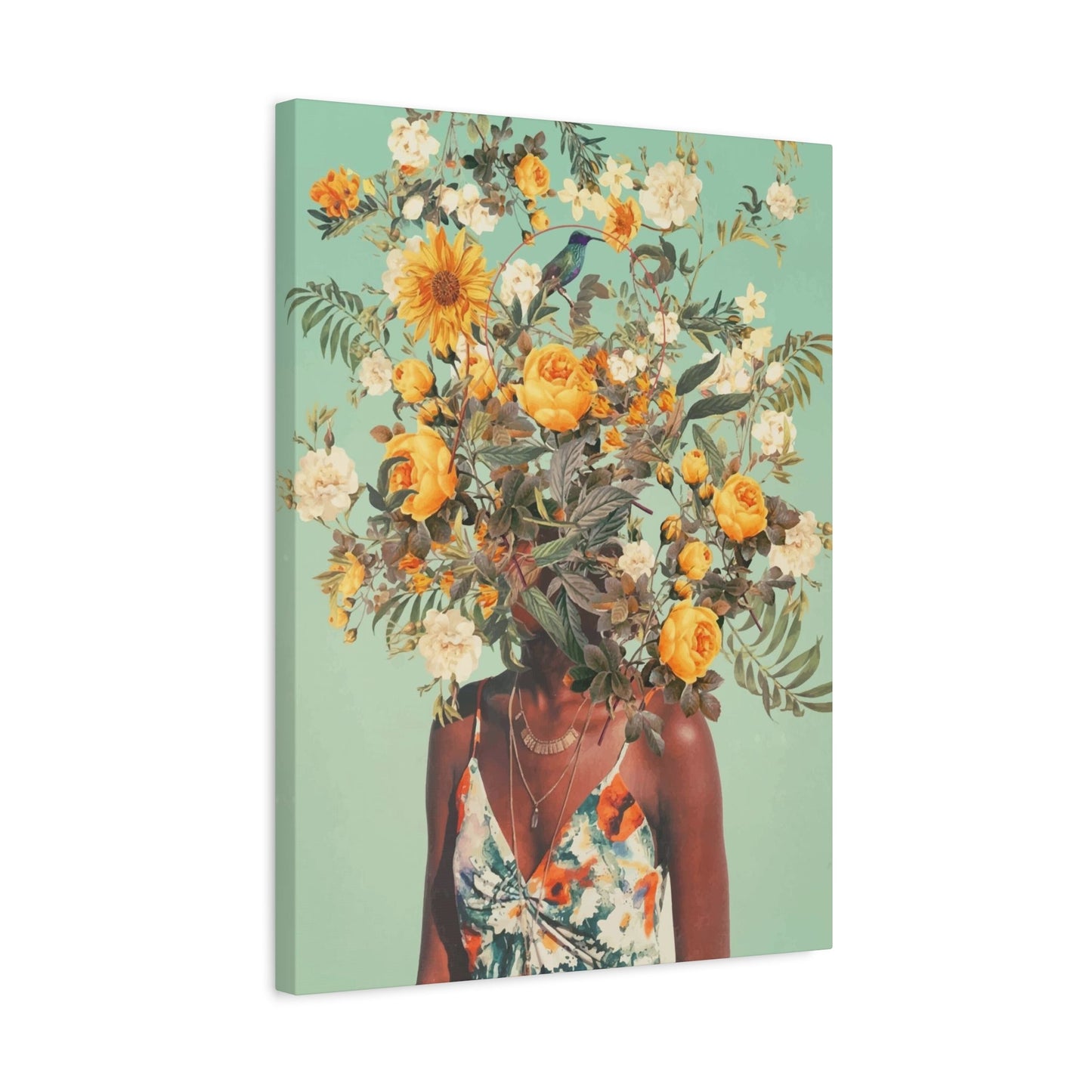
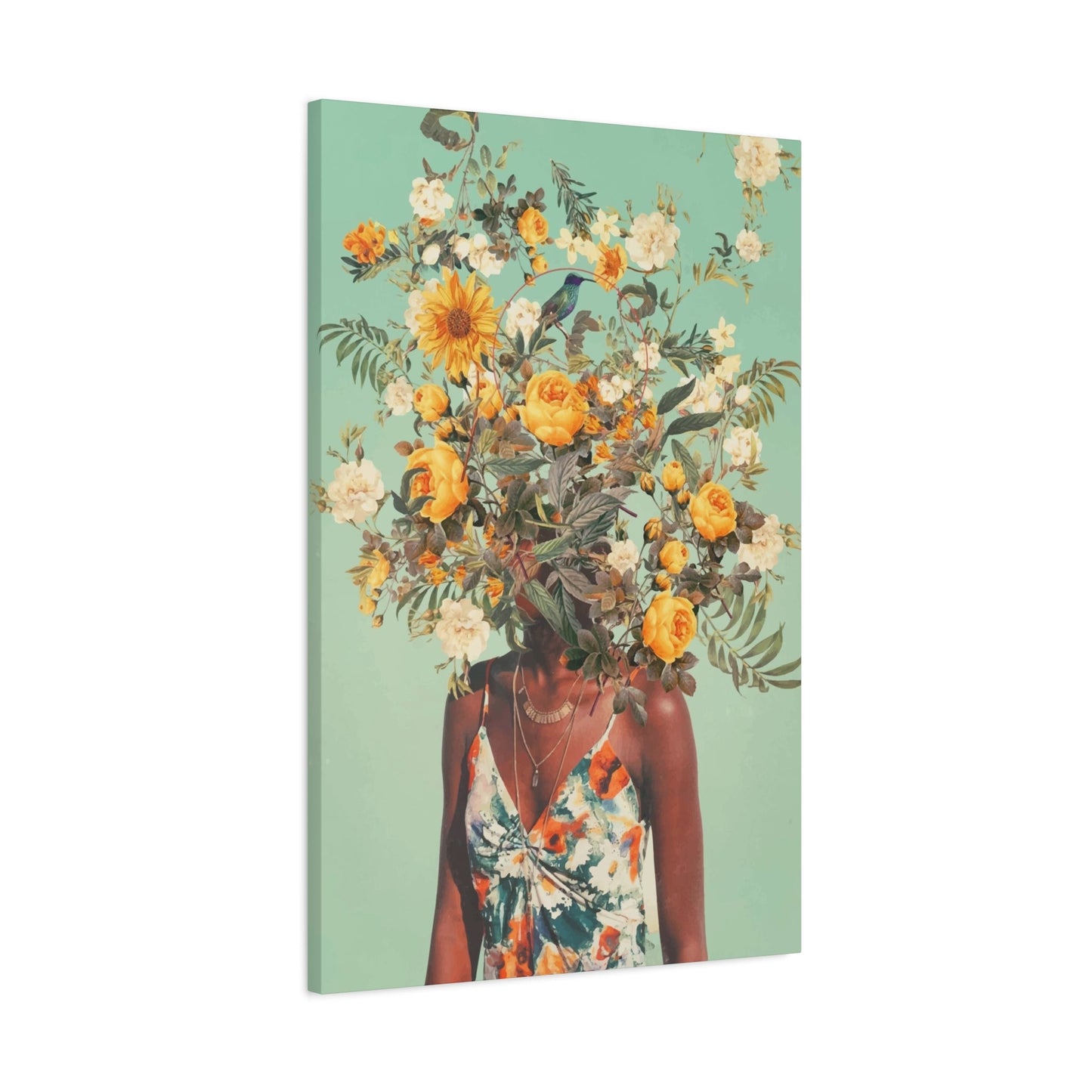
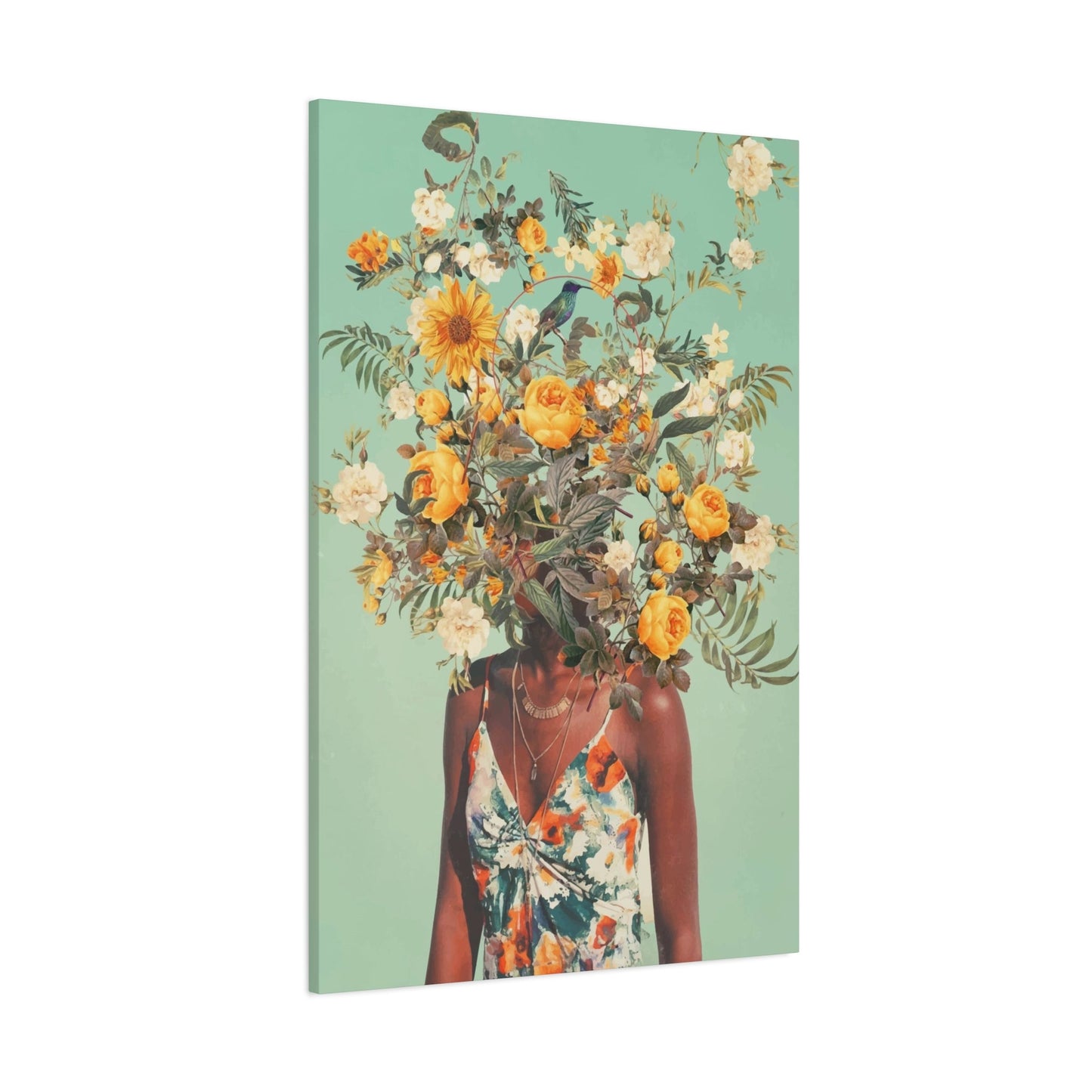
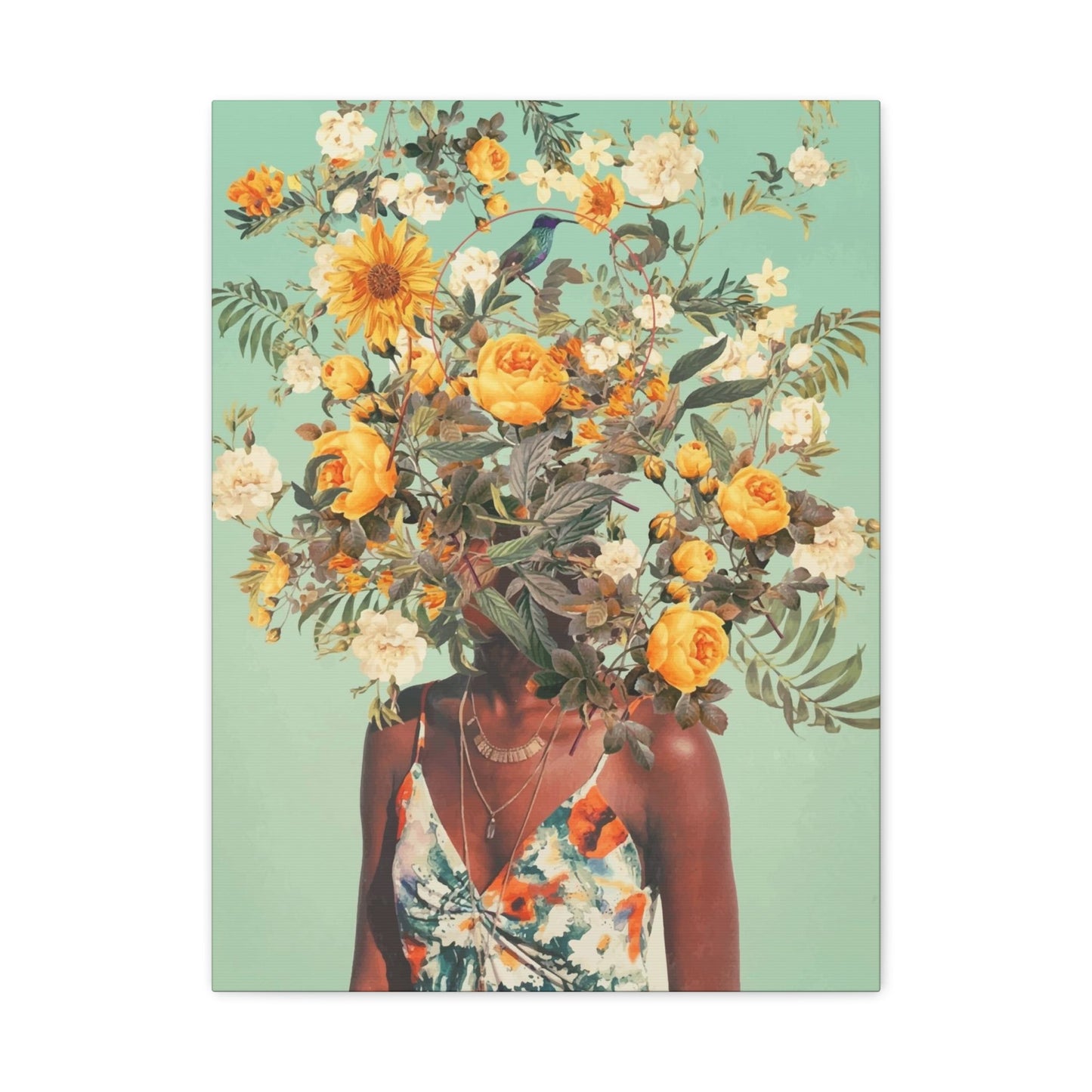
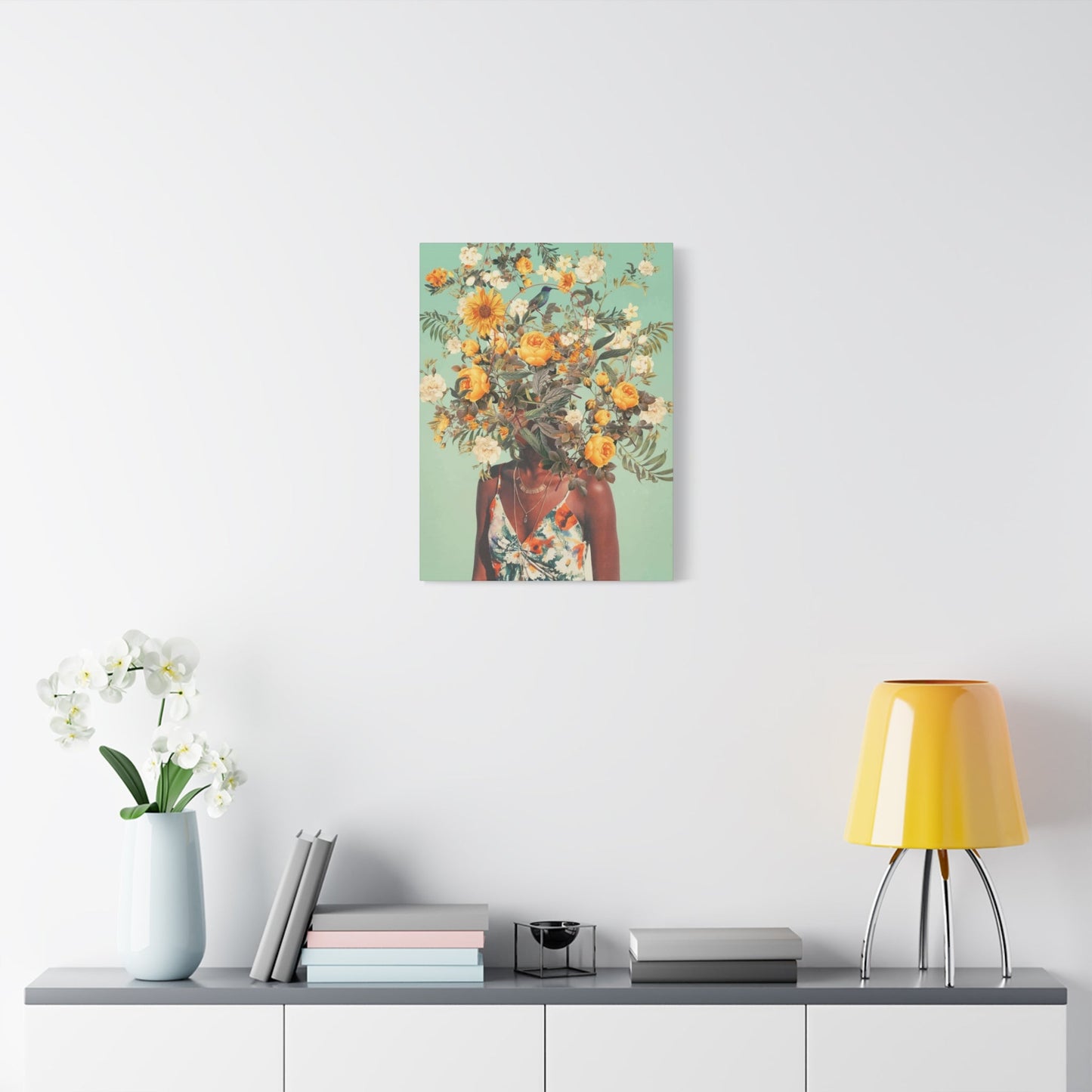
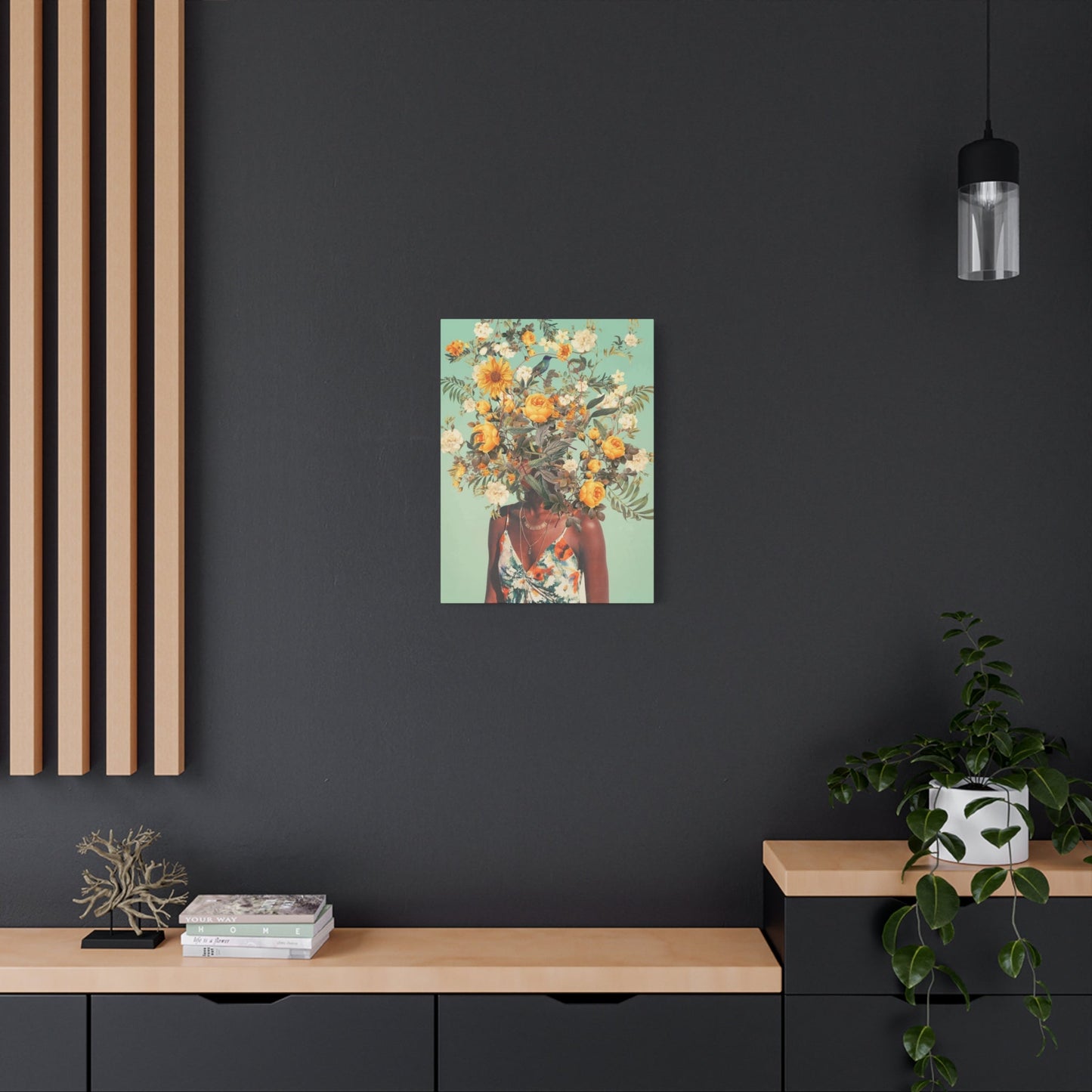
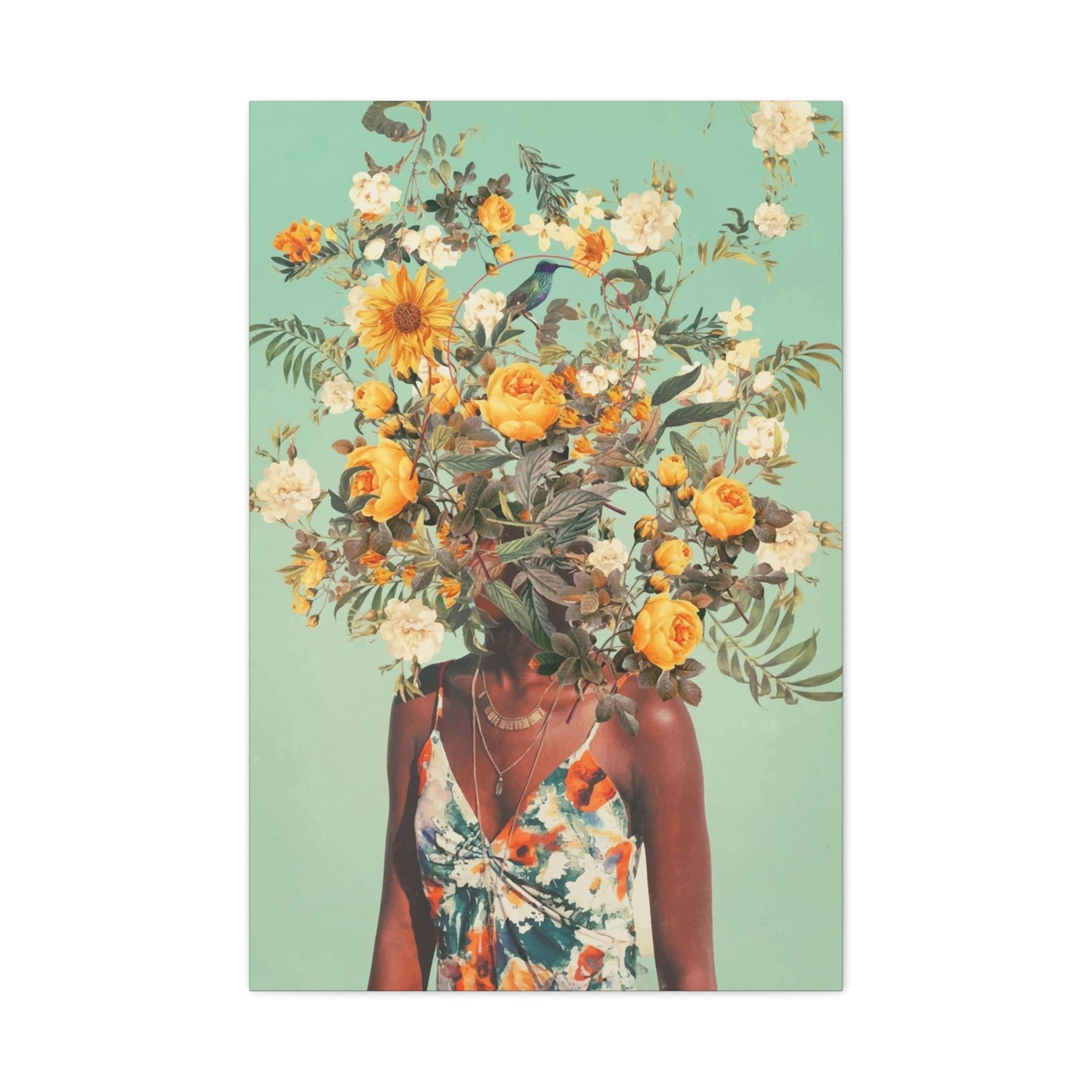
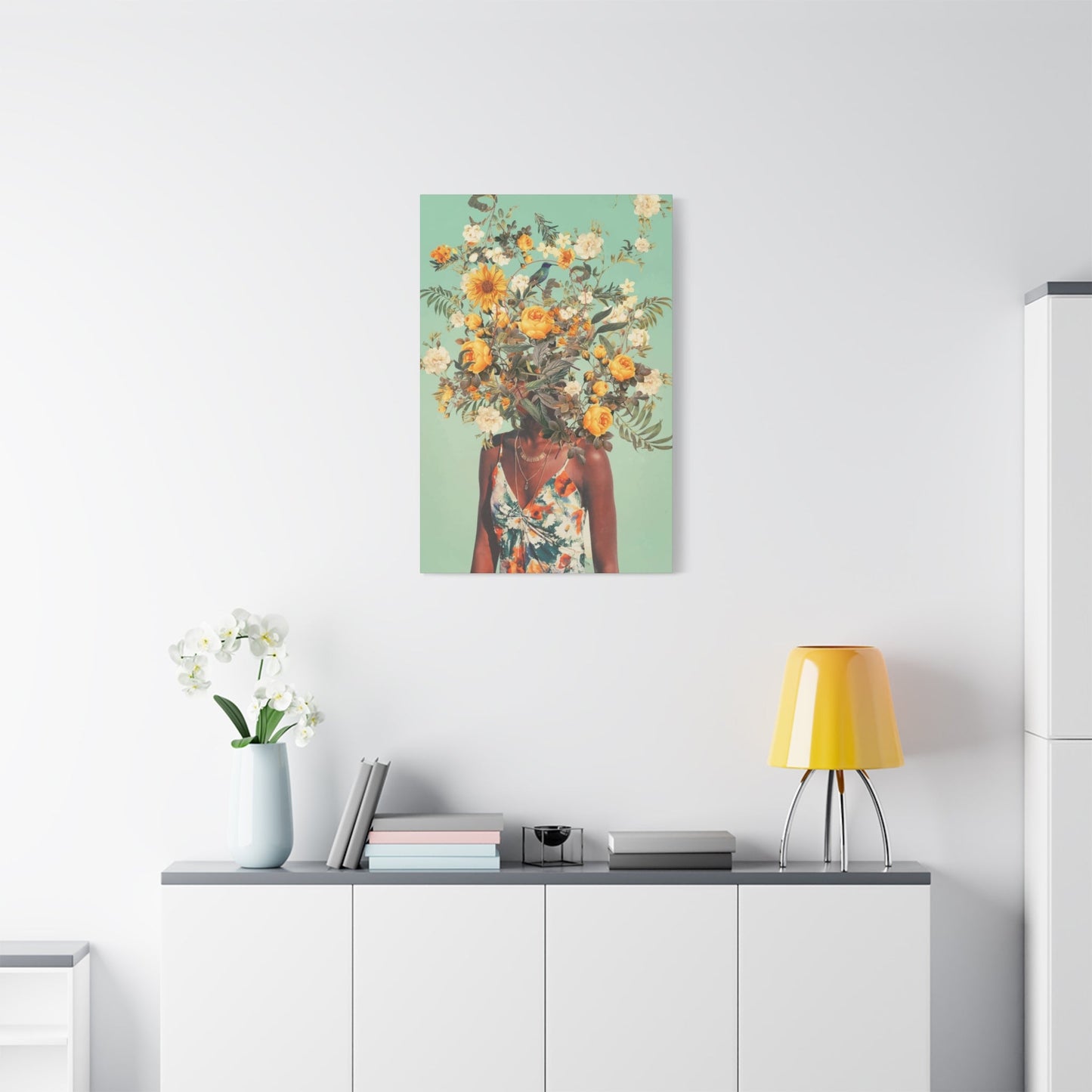
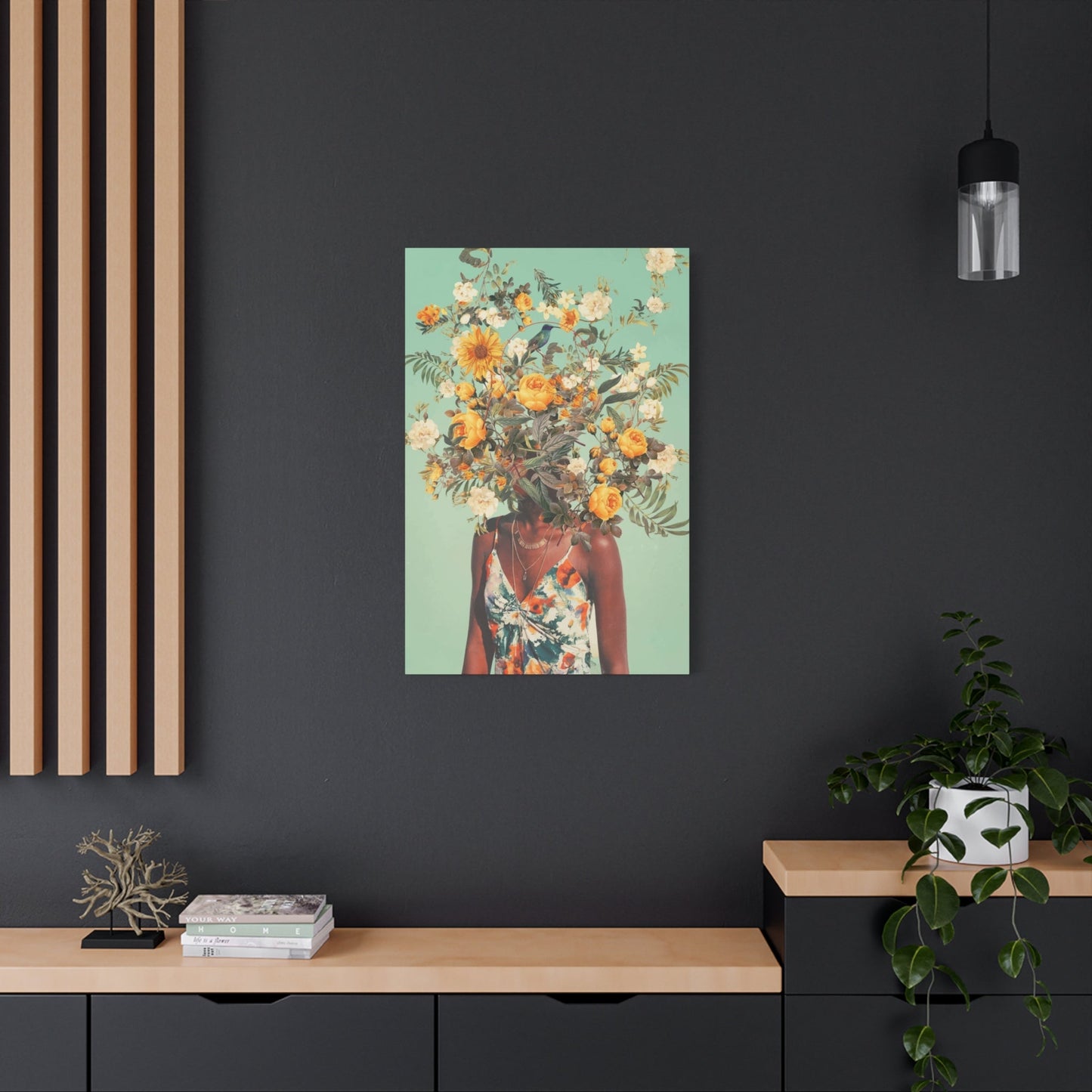
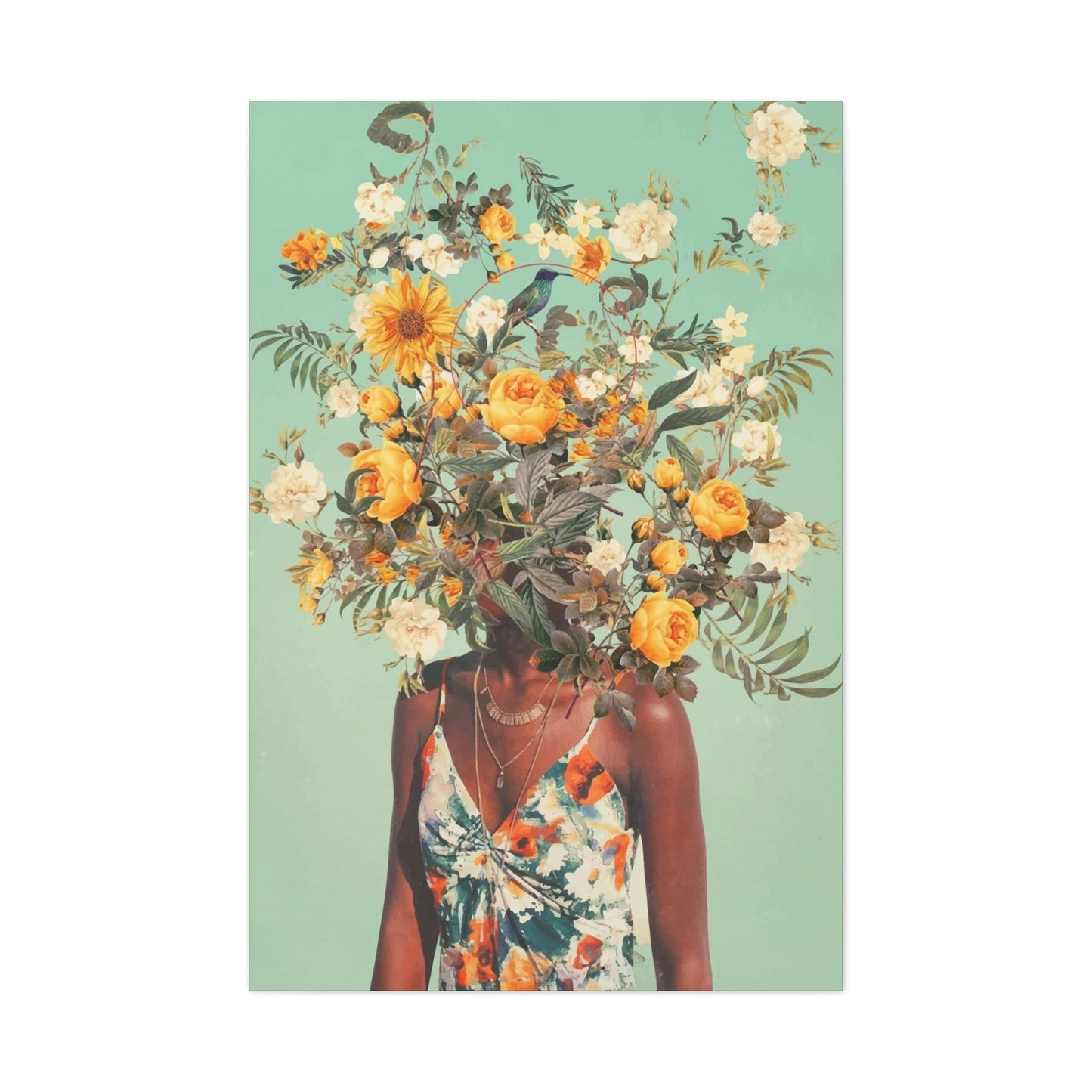
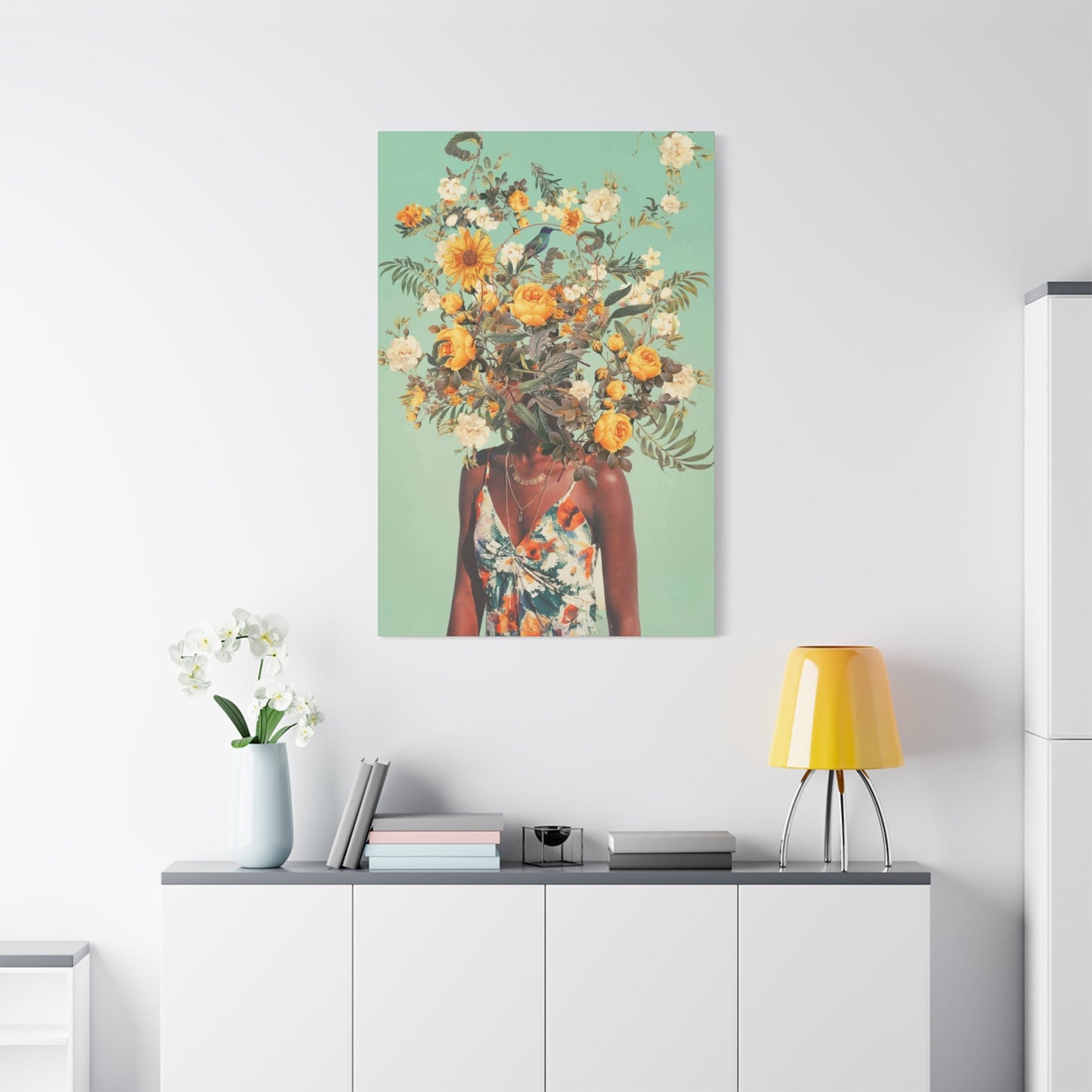
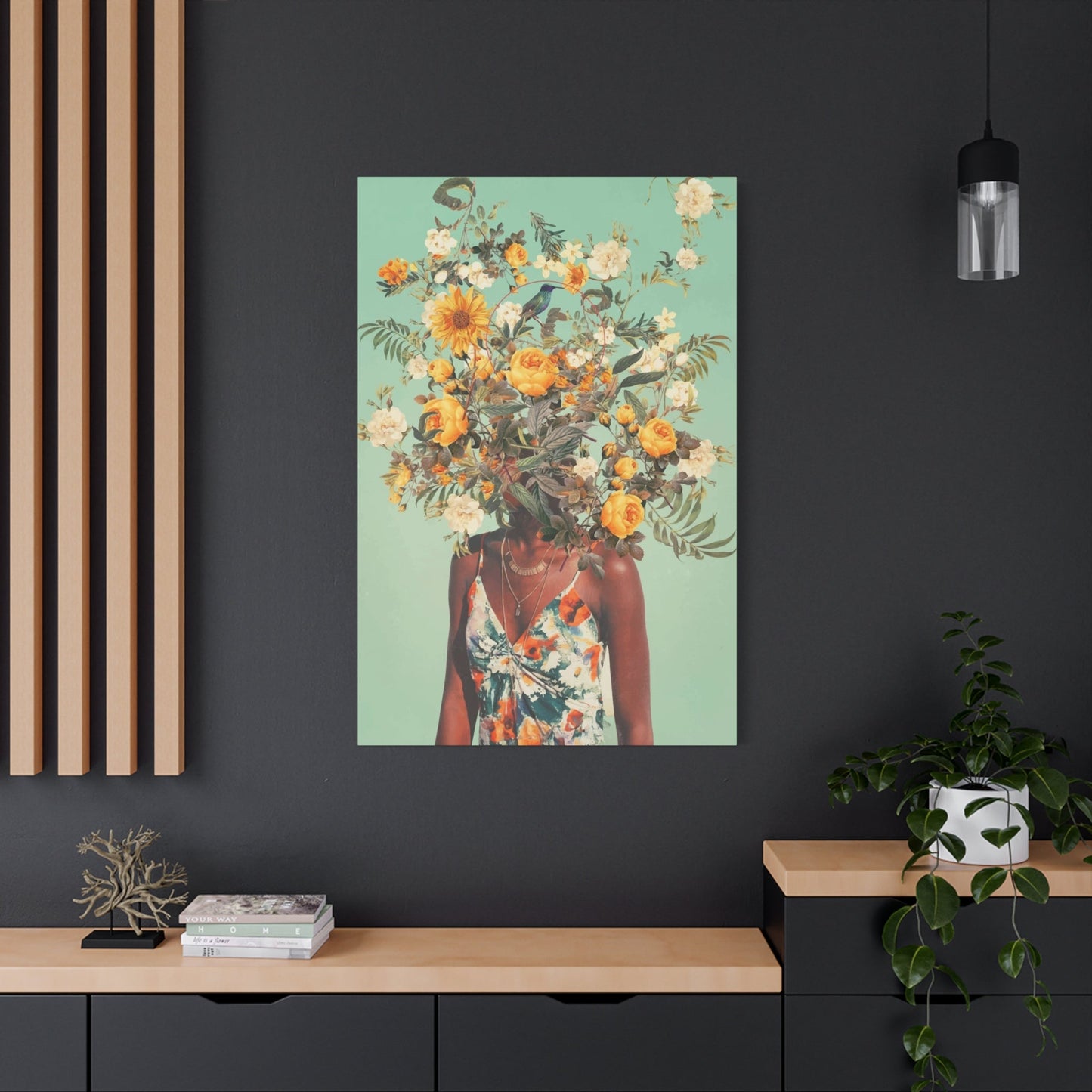
Meaningful Wall Art: Transformative Visual Narratives That Touch the Soul
Visual storytelling has existed since humanity first began creating images on cave walls. Today, meaningful wall art continues this ancient tradition, offering profound ways to communicate complex emotions, experiences, and ideas without uttering a single word. Through carefully crafted visual narratives, artists create powerful connections that transcend cultural and linguistic barriers, speaking directly to our hearts and minds.
The essence of meaningful wall art lies in its ability to capture universal human experiences while simultaneously offering personal interpretation. Each piece becomes a dialogue between the artist's intention and the viewer's perception, creating unique emotional landscapes that evolve with time and circumstance. This dynamic relationship transforms static images into living, breathing expressions that grow alongside our understanding.
Contemporary wall art has evolved beyond mere decoration, becoming a sophisticated medium for expressing deep philosophical concepts, social commentary, and personal revelations. Artists today utilize various techniques, from traditional painting methods to digital compositions, each chosen to enhance the emotional impact of their message. The result is a diverse ecosystem of visual communication that speaks to different aspects of the human condition.
Understanding the power of meaningful wall art requires examining how visual elements work together to create emotional resonance. Color psychology, compositional balance, symbolic imagery, and cultural references all contribute to the overall impact of a piece. When these elements align with the viewer's experiences and emotions, the artwork transcends its physical boundaries to become a catalyst for introspection and growth.
Narratives Expressed Through Visual Storytelling
Visual storytelling in wall art represents one of humanity's most ancient forms of communication, dating back thousands of years to the earliest cave paintings. These primitive yet profound expressions demonstrated our innate need to share experiences, emotions, and knowledge through images. Modern artists continue this tradition, using contemporary techniques and materials to craft narratives that resonate with today's audiences while honoring the timeless nature of visual communication.
The power of visual narratives lies in their ability to convey complex stories without requiring shared language or cultural background. A single image can communicate themes of love, loss, triumph, struggle, or transformation in ways that immediately connect with viewers regardless of their personal history. This universality makes visual storytelling particularly powerful in our increasingly globalized world, where art serves as a bridge between diverse communities and experiences.
Contemporary artists employ various techniques to enhance their storytelling capabilities. Sequential imagery, reminiscent of comic book panels, allows artists to unfold narratives across multiple frames within a single piece. Layered compositions create depth and complexity, inviting viewers to discover new details and meanings with each viewing. Symbolic elements serve as visual metaphors, condensing abstract concepts into recognizable forms that speak to our subconscious understanding.
The emotional impact of visual narratives stems from their ability to activate our mirror neurons, causing us to empathetically experience the emotions depicted in the artwork. When we view a painting showing someone in distress, our brains respond as if we were experiencing that distress ourselves. This neurological response creates profound connections between viewer and artwork, transforming the act of observation into an immersive emotional experience.
Color plays a crucial role in visual storytelling, with different hues evoking specific emotional responses and cultural associations. Warm colors like reds and oranges often convey passion, energy, or conflict, while cool blues and greens suggest tranquility, melancholy, or spiritual depth. Artists skillfully manipulate these color relationships to guide viewers through emotional journeys, using gradual transitions or stark contrasts to create narrative tension and resolution.
Compositional elements further enhance storytelling capabilities by directing the viewer's attention and creating visual flow. The rule of thirds, leading lines, and focal points work together to create narrative structure, guiding viewers through the story in a specific sequence. Dynamic compositions suggest movement and energy, while balanced arrangements create feelings of stability and resolution.
Modern technology has expanded the possibilities for visual storytelling, allowing artists to incorporate digital elements, augmented reality, and interactive components into their wall art. These innovations create new opportunities for narrative complexity, enabling multi-layered stories that reveal themselves differently to each viewer based on their perspective, timing, or interaction with the piece.
The psychological impact of visual narratives extends beyond immediate emotional response, influencing long-term memory formation and personal reflection. Stories told through images become integrated into our own narrative framework, influencing how we understand and interpret our experiences. This integration process makes meaningful wall art a powerful tool for personal growth and self-discovery.
Cultural context significantly influences how visual narratives are perceived and interpreted. Artists must navigate between universal themes that speak to all humanity and specific cultural references that resonate with particular communities. The most successful pieces achieve a balance, incorporating culturally specific elements that enrich the narrative without excluding viewers from different backgrounds.
The therapeutic potential of visual narratives has gained recognition in recent years, with art therapy utilizing these principles to help individuals process trauma, express difficult emotions, and develop new perspectives on their experiences. Wall art created through therapeutic processes often carries particular emotional weight, serving as both personal healing tools and universal statements about human resilience.
Emotional Resonance in Meaningful Visual Expression
The ability of meaningful art to spark deep emotional responses represents one of its most powerful and mysterious qualities. This emotional resonance occurs through complex interactions between visual elements, personal associations, and neurological processes that science is only beginning to understand. When we encounter art that truly moves us, we experience a profound connection that transcends rational analysis, touching something fundamental about our human experience.
Emotional resonance in art begins with the artist's authentic expression of their own feelings and experiences. Viewers can intuitively sense when an artwork emerges from genuine emotion rather than calculated technique. This authenticity creates a bridge between the artist's inner world and the viewer's emotional landscape, allowing for genuine connection and empathetic response. The most powerful pieces often emerge from the artist's most vulnerable moments, when they strip away pretense to reveal raw truth.
Color serves as one of the primary vehicles for emotional communication in visual art. Different hues carry inherent psychological associations that bypass conscious thought to trigger immediate emotional responses. Red might evoke passion, anger, or vitality, while blue suggests calm, sadness, or infinite possibility. Artists who understand these color relationships can orchestrate complex emotional journeys, leading viewers through subtle mood shifts and dramatic emotional peaks.
The texture and brushwork in painted pieces contribute significantly to emotional impact. Aggressive, gestural strokes might convey urgency, passion, or turmoil, while smooth, controlled applications suggest serenity, precision, or contemplation. Mixed media approaches allow artists to incorporate various textures that add tactile dimensions to emotional expression, inviting viewers to imagine the physical sensation of touching the artwork.
Facial expressions and body language in figurative art trigger powerful empathetic responses through our natural ability to read human emotions. Even abstract representations of human forms can convey emotional states through posture, gesture, and implied movement. Artists skilled in psychological portraiture can capture subtle emotional nuances that speak to universal human experiences while maintaining individual authenticity.
The scale and proportion of artworks influence their emotional impact significantly. Large-scale pieces can overwhelm viewers with their presence, creating feelings of awe, intimidation, or immersion. Intimate, small-scale works invite close examination and personal connection, fostering feelings of privacy and introspection. Artists must carefully consider how size relationships contribute to their intended emotional effect.
Lighting, whether depicted within the artwork or used to illuminate it, plays a crucial role in emotional resonance. Dramatic chiaroscuro effects can create mystery, tension, or spiritual transcendence, while soft, even lighting might suggest peace, clarity, or hope. The direction and quality of light within a composition guide emotional interpretation and create atmospheric mood.
Personal associations and memories significantly influence how individuals respond emotionally to artwork. A particular color combination, subject matter, or artistic style might trigger memories that enhance or complicate the intended emotional message. These personal responses add layers of meaning that make each viewer's experience unique while contributing to the artwork's overall emotional richness.
Cultural and historical context provides additional frameworks for emotional interpretation. Artworks created during periods of social upheaval, personal tragedy, or cultural celebration carry emotional weight that extends beyond their immediate visual impact. Understanding these contexts can deepen emotional resonance while raising questions about how art reflects and influences societal emotional states.
The physical environment in which artwork is displayed affects emotional response significantly. Lighting conditions, surrounding colors, and architectural elements all contribute to the viewer's emotional experience. Curators and collectors must consider these environmental factors when presenting meaningful art to ensure optimal emotional impact.
Repeated exposure to meaningful artwork often deepens emotional resonance rather than diminishing it. Unlike entertainment that loses impact through repetition, profound art reveals new layers of meaning and emotional depth over time. This quality distinguishes meaningful art from purely decorative pieces, as it continues to engage viewers intellectually and emotionally through extended relationship.
The therapeutic applications of emotionally resonant art have gained recognition in healthcare and counseling settings. Artworks that effectively communicate emotions can help individuals identify, process, and express their own feelings. This emotional mirroring effect makes meaningful art a valuable tool for emotional healing and personal growth.
Symbolic Language in Contemporary Art Forms
Symbolism in art functions as a sophisticated visual language that communicates complex ideas, emotions, and concepts through carefully chosen imagery and motifs. This symbolic vocabulary draws from universal human experiences, cultural traditions, and personal associations to create multilayered meanings that invite interpretation and reflection. Contemporary artists continue to develop and expand this symbolic language, incorporating modern references while honoring traditional symbolic foundations.
The power of symbolic art lies in its ability to condense complex philosophical, spiritual, or emotional concepts into recognizable visual forms. A single symbol can carry multiple meanings simultaneously, creating rich interpretive possibilities that evolve with cultural changes and personal understanding. This efficiency of communication makes symbolic art particularly effective in our information-saturated age, where viewers appreciate art that rewards contemplation and analysis.
Universal symbols transcend cultural boundaries to communicate fundamental human experiences. Water often represents life, purification, or emotional flow, while fire suggests transformation, passion, or destruction. Trees symbolize growth, connection between earth and sky, or the cycle of life and death. These archetypal symbols tap into collective unconscious understanding, creating immediate recognition and emotional response across diverse audiences.
Cultural symbols provide specific meaning within particular communities while potentially offering broader insights about human nature. Religious iconography, national symbols, and cultural artifacts carry dense layers of meaning that reward knowledgeable viewers while remaining visually compelling to those unfamiliar with specific references. Artists must balance cultural specificity with universal appeal when incorporating these elements into their work.
Color symbolism adds another dimension to meaningful art, with different hues carrying symbolic weight that varies across cultures and contexts. In Western traditions, white often symbolizes purity or death, while in Eastern cultures, it might represent mourning or spiritual transcendence. Artists working in global contexts must navigate these symbolic variations while maintaining coherent artistic vision.
Animal symbolism appears frequently in meaningful art, with different creatures representing various human qualities or spiritual concepts. Birds might symbolize freedom, transcendence, or the soul's journey, while predators represent power, instinct, or survival challenges. Domestic animals often symbolize loyalty, comfort, or human connection to nature. These animal associations tap into ancient symbolic traditions while remaining relevant to contemporary audiences.
Geometric symbols provide abstract ways to communicate mathematical, spiritual, or philosophical concepts. Circles represent wholeness, infinity, or cycles, while triangles suggest stability, change, or divine connection. Complex geometric patterns can represent cosmic order, mathematical beauty, or spiritual meditation. Artists using geometric symbolism often create contemplative pieces that invite prolonged viewing and reflection.
Seasonal symbolism connects art to natural cycles and human experiences of change, growth, and renewal. Spring imagery might represent new beginnings, youth, or hope, while autumn suggests maturity, harvest, or inevitable change. Winter can symbolize death, introspection, or spiritual purification, and summer represents fullness, joy, or life's peak experiences. These seasonal references create temporal connections that ground abstract concepts in familiar natural rhythms.
The layering of multiple symbols within single artworks creates complex meaning systems that reward careful examination. Artists might combine personal symbols with universal ones, creating unique visual languages that evolve throughout their careers. These personal symbolic vocabularies become signatures that help viewers recognize and interpret the artist's work while contributing to broader symbolic traditions.
Contemporary artists often reinterpret traditional symbols to address modern concerns and experiences. Ancient symbols might be presented in digital formats, combined with contemporary imagery, or placed in unexpected contexts to create new meanings. This symbolic evolution ensures that art remains relevant to current audiences while maintaining connections to historical wisdom and cultural memory.
The interpretation of symbolic art requires active participation from viewers, who bring their own experiences, cultural knowledge, and intuitive understanding to the meaning-making process. This collaborative aspect makes symbolic art particularly engaging, as viewers become co-creators in the artistic experience. Different viewers might discover entirely different meanings in the same symbolic elements, enriching the overall interpretive community.
Digital age symbolism incorporates modern technological and social media references into traditional symbolic frameworks. Pixels might represent digital fragmentation, screens could symbolize mediated reality, and connectivity icons might represent modern communication challenges. Artists working with these contemporary symbols help process our rapidly changing technological landscape through familiar symbolic structures.
Personal Expression Through Artistic Journeys
Art has long served as a vehicle for personal expression, allowing individuals to communicate their inner experiences, struggles, triumphs, and transformations through visual means. Personal artistic journeys represent some of the most authentic and emotionally resonant forms of creative expression, as artists draw directly from their lived experiences to create works that speak to universal human conditions while maintaining individual authenticity and voice.
The process of translating personal experience into visual art requires tremendous vulnerability and courage from artists. They must be willing to examine their most difficult moments, celebrate their greatest joys, and share these intimate experiences with unknown audiences. This vulnerability creates the authenticity that viewers sense when encountering truly meaningful personal art, fostering deep connections between artist and audience that transcend traditional boundaries.
Autobiographical art often chronicles significant life events, relationships, and personal growth through visual narratives. Artists might document their struggles with mental health, celebrations of love and family, experiences of loss and grief, or journeys of self-discovery and identity formation. These personal chronicles become valuable cultural documents that help others understand and process their own similar experiences.
The evolution of artistic style often reflects personal growth and changing perspectives throughout an artist's life. Early works might show technical development and exploration of influences, while mature pieces demonstrate refined personal vision and deeper understanding of one's authentic voice. Viewing an artist's complete body of work reveals a visual autobiography that documents not only external events but also internal psychological and spiritual development.
Trauma and healing frequently provide powerful subject matter for personal artistic expression. Artists who have experienced significant challenges often find that creating art helps them process difficult emotions, develop new perspectives on their experiences, and ultimately transform pain into meaningful communication. These healing journeys become visible in their artwork, offering hope and understanding to others facing similar challenges.
Identity exploration through art allows individuals to investigate and express complex aspects of their personal and cultural identity. Artists might explore questions of gender, sexuality, race, culture, religion, or family heritage through their work, creating visual investigations that help them understand themselves while educating others about diverse human experiences. These identity-based artworks contribute to broader social understanding and acceptance.
The therapeutic benefits of personal artistic expression have gained recognition in both healthcare and educational settings. Art therapy utilizes creative processes to help individuals express feelings they cannot verbalize, process traumatic experiences, and develop new coping strategies. Personal art creation becomes a form of self-care that promotes emotional healing and psychological growth.
Spiritual journeys often manifest in artistic expression as individuals explore their relationships with the divine, nature, or cosmic forces. These spiritual artworks might incorporate religious symbolism, meditation-inspired imagery, or abstract representations of transcendent experiences. Artists documenting spiritual journeys create visual records of humanity's ongoing search for meaning and connection beyond material existence.
Family relationships and generational experiences provide rich material for personal artistic expression. Artists might explore their relationships with parents, children, siblings, or extended family through portraiture, narrative compositions, or symbolic representations. These family-focused works often reveal complex dynamics while celebrating the fundamental importance of human connection and belonging.
Cultural heritage and ancestral connections inspire many artists to create works that honor their backgrounds while exploring their contemporary identities. These pieces might incorporate traditional artistic techniques, cultural symbols, or family stories to create bridges between past and present. Such works contribute to cultural preservation while demonstrating how heritage influences modern artistic expression.
The process of aging and mortality becomes increasingly important in artists' personal expression as they mature. Older artists often create works that reflect on their life experiences, confront questions of legacy and meaning, and explore spiritual preparations for eventual transition. These late-life artworks frequently demonstrate remarkable depth and wisdom earned through decades of living and creating.
Love and relationship experiences inspire countless personal artistic expressions, from celebrations of new romance to explorations of long-term partnership challenges. Artists documenting their relationship journeys create works that speak to universal experiences of human connection while maintaining the specificity that makes their personal stories compelling and relatable.
Career transitions and professional identity development often appear in artists' work as they navigate questions of purpose, success, and authentic expression within commercial art markets. These professional journey artworks might explore tensions between artistic integrity and financial necessity, document the evolution of artistic vision, or celebrate achievements while acknowledging ongoing challenges and growth opportunities.
Cultural Heritage and Artistic Significance
Cultural significance in meaningful art extends far beyond aesthetic appreciation, encompassing the complex relationships between artistic expression, social values, historical context, and collective identity. Art serves as both a mirror reflecting cultural realities and a catalyst for cultural evolution, preserving traditions while simultaneously challenging established norms and pushing societies toward new understanding and growth.
Traditional cultural art forms provide essential links to ancestral wisdom, preserving knowledge systems, spiritual practices, and historical narratives that might otherwise be lost to time. Indigenous art traditions, folk craft techniques, and ceremonial artistic practices carry forward centuries of accumulated cultural understanding, offering contemporary viewers insights into different ways of perceiving and interacting with the world.
The globalization of contemporary art has created fascinating cultural dialogues as artists from different backgrounds share techniques, themes, and perspectives. These cross-cultural exchanges enrich artistic expression while raising important questions about cultural appropriation, authenticity, and the balance between honoring traditions and embracing innovation. Successful cultural integration in art typically involves respectful acknowledgment of sources and collaborative rather than extractive approaches.
Social movements often utilize art as a powerful tool for cultural change, creating visual statements that challenge existing power structures and advocate for social justice. From protest murals to gallery installations, socially conscious art helps shape public opinion and mobilize communities around important causes. These works become historical documents that capture the zeitgeist while inspiring continued activism and social progress.
Religious and spiritual art traditions continue to evolve within contemporary cultural contexts, adapting ancient symbolic languages to address modern spiritual needs and questions. Contemporary religious art often incorporates interfaith dialogue, addresses scientific discoveries that impact spiritual understanding, and explores how traditional beliefs apply to current social and environmental challenges.
Regional cultural identities manifest in art through distinctive aesthetic approaches, subject matter choices, and technical traditions that reflect local geography, history, and social structures. These regional styles contribute to cultural diversity while offering unique perspectives on universal human experiences. Understanding regional art traditions enhances appreciation for both cultural specificity and shared humanity.
Immigration and diaspora experiences create unique cultural art forms that blend traditional heritage with new cultural influences. Artists navigating between cultures often develop hybrid aesthetic approaches that honor their backgrounds while engaging with their adopted communities. These multicultural artworks contribute to broader understanding of globalization's human impact and the resilience of cultural identity.
Cultural preservation through art becomes increasingly important as traditional ways of life face pressure from modernization and globalization. Artists documenting disappearing cultural practices, traditional ecological knowledge, and ancestral stories provide valuable services to their communities while creating artworks that educate broader audiences about cultural diversity and the importance of preservation efforts.
The role of art in cultural healing addresses historical traumas, ongoing social injustices, and community divisions through creative expression that promotes understanding, reconciliation, and growth. Truth and reconciliation processes often incorporate artistic elements that help communities process difficult histories while building foundations for more just and inclusive futures.
Generational cultural transmission through art ensures that cultural knowledge passes from elders to youth in engaging and memorable ways. Traditional apprenticeship systems, community art projects, and educational programs that incorporate cultural art forms help maintain cultural continuity while allowing for natural evolution and adaptation to contemporary contexts.
Language preservation efforts increasingly incorporate visual art elements to maintain endangered languages and the cultural concepts they encode. Artworks that integrate traditional languages, preserve oral histories, and document cultural practices contribute to linguistic diversity while making these traditions accessible to broader audiences who might not share the language but can appreciate the visual expressions.
Economic dimensions of cultural art significance include the role of art in cultural tourism, community economic development, and the preservation of traditional craft industries. Cultural art forms often provide important economic opportunities for communities while raising questions about commercialization's impact on artistic authenticity and cultural integrity.
Digital age cultural preservation utilizes new technologies to document, share, and interpret traditional art forms for global audiences. Virtual reality experiences, online cultural archives, and digital art collaborations create new possibilities for cultural engagement while raising questions about how digital mediation affects cultural transmission and understanding.
Educational institutions play crucial roles in maintaining cultural art significance through academic programs, research initiatives, and community outreach that studies, preserves, and promotes understanding of diverse cultural art traditions. These institutional efforts help ensure that cultural art knowledge remains accessible to future generations while supporting contemporary artists working within cultural traditions.
Reflective and Growth-Inspiring Artistic Expression
Art that inspires reflection and personal growth possesses unique qualities that invite viewers into deeper contemplation about themselves, their relationships, and their place in the world. These transformative artworks function as visual meditation tools, offering opportunities for introspection, self-discovery, and expanded understanding that extends far beyond the immediate viewing experience.
The contemplative nature of growth-inspiring art often emerges from its ability to pose questions rather than provide definitive answers. These pieces invite viewers to engage in internal dialogue, examining their beliefs, values, and assumptions through the lens of artistic expression. The most powerful reflective artworks create safe environments for honest self-examination, allowing viewers to confront difficult truths while feeling supported by the artist's vulnerable sharing.
Philosophical themes frequently appear in reflective art, addressing fundamental questions about existence, meaning, mortality, and human purpose. Artists exploring these universal concerns create works that resonate across cultural and temporal boundaries, speaking to the shared human experience of seeking understanding in an often mysterious and challenging world. These philosophical investigations become launching points for personal reflection and growth.
The process of creating growth-inspiring art requires artists to engage in their own deep reflection and self-examination. Artists must be willing to explore their own vulnerabilities, question their assumptions, and share their discoveries through their work. This authentic self-exploration creates the foundation for artworks that can genuinely inspire similar processes in viewers.
Meditation and mindfulness practices increasingly influence contemporary art creation, with artists incorporating contemplative techniques into their creative processes and resulting artworks. These meditative approaches often produce art that embodies stillness, presence, and deep awareness, qualities that naturally encourage reflective viewing experiences and personal growth opportunities.
Nature-inspired reflective art connects viewers to natural cycles, ecological relationships, and the broader context of human existence within the natural world. These works often inspire contemplation about humanity's relationship with the environment while encouraging personal reflection on individual roles within larger ecological systems. Environmental art can catalyze both personal and collective growth toward more sustainable and harmonious living practices.
Life transition themes frequently appear in growth-inspiring art, addressing experiences of birth, coming of age, marriage, parenthood, career changes, aging, and death. Artists documenting these universal transitions create works that help viewers process their own life changes while gaining perspective on the natural flow of human development and the opportunities for growth that transitions provide.
Psychological insights incorporated into reflective art draw from therapeutic traditions, depth psychology, and mindfulness practices to create works that facilitate self-understanding and emotional healing. These psychologically informed artworks might explore shadow work, archetypal patterns, or therapeutic processes that encourage viewers to examine their own psychological patterns and growth opportunities.
The integration of text and visual elements in some reflective artworks provides multiple entry points for contemplation and growth. Poetry, philosophical quotations, or personal narratives combined with visual imagery create complex meaning systems that invite both intellectual and emotional engagement. These multimedia approaches can deepen reflective experiences while accommodating different learning and processing styles.
Community-based reflective art projects create opportunities for collective growth and shared contemplation. Public art installations, community murals, and collaborative projects that address local issues or celebrate community values foster collective reflection while building social connections and shared understanding. These community-centered approaches demonstrate art's capacity to inspire both individual and social growth.
The therapeutic applications of reflective art extend into healthcare, education, and community mental health settings, where artworks specifically chosen or created to promote healing and growth provide valuable support for individuals and communities facing challenges. Art therapy principles inform the selection and use of growth-inspiring artworks in these supportive contexts.
Spiritual and transcendent themes in reflective art invite viewers to consider dimensions of existence beyond material reality, encouraging contemplation of spiritual beliefs, mystical experiences, and connections to something greater than individual identity. These spiritually oriented works can inspire personal growth through expanded awareness and deeper understanding of life's sacred dimensions.
The long-term impact of engaging with reflective art often extends far beyond initial viewing experiences, as meaningful artworks continue to influence viewers' thoughts, decisions, and personal development over months and years. The most powerful growth-inspiring art plants seeds of reflection that germinate gradually, supporting ongoing personal evolution and expanded understanding.
Spiritual Dimensions in Soulful Artwork
Spiritual and soulful elements in artwork represent some of humanity's most profound attempts to express and explore transcendent experiences, divine connections, and the sacred dimensions of existence. These works go beyond religious iconography to investigate universal spiritual experiences such as awe, transcendence, interconnectedness, and the search for meaning that characterizes the human spiritual journey across all cultures and belief systems.
The creation of spiritually infused art often requires artists to access altered states of consciousness, deep meditative awareness, or profound emotional openness that allows them to channel experiences beyond ordinary perception. Many artists describe their creative process during spiritual art-making as collaborative partnerships with forces beyond their individual consciousness, whether conceived as divine inspiration, universal creativity, or access to collective wisdom.
Sacred geometry appears frequently in spiritual artwork, utilizing mathematical principles that reveal underlying patterns of cosmic order and divine proportion. These geometric forms, from simple circles and triangles to complex mandalas and fractals, create visual representations of spiritual concepts while inviting viewers into meditative contemplation of universal harmony and interconnected existence.
Light serves as a fundamental element in spiritual art, representing divine presence, consciousness, enlightenment, and transcendence. Artists manipulate light through various techniques to create luminous effects that suggest otherworldly presence or spiritual illumination. The interplay between light and shadow often symbolizes the relationship between spiritual and material realms, offering visual metaphors for spiritual transformation and awakening.
Color psychology in spiritual art utilizes specific hues associated with different spiritual qualities and chakra systems. Deep blues might represent spiritual wisdom and divine communication, while golds suggest enlightenment and divine presence. Purple often indicates mystical experience and spiritual transformation, and green represents heart-centered compassion and healing. Artists working with spiritual color systems create chromatic journeys that support meditation and spiritual reflection.
Archetypal imagery in soulful artwork draws from universal spiritual symbols that appear across cultures and throughout history. Images of the divine feminine, the wise elder, the spiritual warrior, or the sacred tree tap into collective spiritual understanding while providing focal points for personal spiritual reflection and growth. These archetypal elements create bridges between individual spiritual experience and universal spiritual wisdom.
The incorporation of natural elements in spiritual art reflects many traditions' understanding of nature as a source of spiritual wisdom and divine presence. Depictions of mountains, rivers, trees, animals, and celestial bodies often carry spiritual significance while inviting viewers to reconnect with the sacred dimensions of the natural world. Environmental spirituality expressed through art can inspire ecological consciousness and reverent relationship with Earth.
Meditation and prayer practices influence both the creation and viewing of spiritual artwork. Many artists incorporate meditative techniques into their creative processes, while viewers often approach spiritual art as meditation objects that support contemplative practice. These works function as visual prayers or meditation tools that facilitate deeper spiritual connection and inner peace.
Mystical experiences translated into visual art attempt to communicate ineffable spiritual encounters through symbolic representation and abstract expression. Artists who have experienced profound spiritual states often struggle to translate these experiences into visual form, resulting in artworks that suggest rather than directly depict transcendent realities. These mystical artworks invite viewers into their own spiritual exploration and opening.
Interfaith spiritual art explores common ground between different religious traditions, creating works that honor diverse spiritual paths while celebrating universal spiritual experiences. These inclusive spiritual artworks can foster religious understanding and dialogue while supporting viewers' exploration of their own spiritual beliefs and practices within broader spiritual contexts.
The healing dimensions of spiritual art address both individual and collective spiritual wounds, offering visual medicine that supports spiritual recovery and growth. These healing-oriented spiritual works might address religious trauma, spiritual crisis, or the need for spiritual renewal, providing visual support for spiritual healing processes and renewed spiritual connection.
Contemporary spiritual art often grapples with scientific discoveries about consciousness, quantum physics, and cosmology, integrating modern understanding of reality with traditional spiritual wisdom. These scientifically informed spiritual works explore how ancient spiritual insights relate to contemporary knowledge while maintaining reverence for mystery and transcendence.
Community spiritual art projects create shared sacred spaces and collective spiritual experiences through collaborative creation and community engagement. These projects might include labyrinth installations, community altars, or collaborative murals that express shared spiritual values while building spiritual community and supporting collective spiritual practice.
The preservation of spiritual art traditions becomes increasingly important as globalization and secularization threaten traditional spiritual practices. Contemporary artists working within spiritual traditions help maintain these practices while adapting them to contemporary contexts, ensuring that spiritual art wisdom remains accessible to future generations seeking spiritual connection and expression.
Creating Authentic Connections Through Meaningful Expression
The ability of meaningful art to create genuine connections between artists and viewers, among community members, and between individuals and larger universal truths represents one of its most valuable and transformative qualities. These authentic connections transcend superficial aesthetic appreciation to forge deeper bonds based on shared human experience, emotional resonance, and mutual recognition of common struggles, joys, and aspirations.
Authentic connection through art requires fundamental honesty from artists who must be willing to share their genuine experiences, emotions, and perspectives without artificial pretense or calculated manipulation. When artists create from places of authentic truth, viewers intuitively sense this honesty and respond with openness and trust. This foundation of authenticity becomes the basis for meaningful dialogue between artist and audience that extends far beyond surface-level appreciation.
The universality of human experience provides common ground for artistic connection, as fundamental emotions, life stages, and existential questions remain consistent across cultures and throughout history. Artists who tap into these universal themes while maintaining their individual perspective create works that speak to diverse audiences while preserving personal authenticity. This balance between universal and particular creates the conditions for broad yet meaningful connection.
Vulnerability in artistic expression often catalyzes the deepest connections, as viewers recognize and respond to artists' courage in sharing difficult truths or painful experiences. When artists expose their struggles with mental health, relationship challenges, identity questions, or spiritual crises, they create permission for viewers to acknowledge and explore their own similar experiences. This mutual vulnerability becomes the foundation for genuine empathy and connection.
Emotional intelligence in art creation involves artists' ability to recognize, understand, and effectively communicate complex emotional experiences through visual means. Artists with high emotional intelligence create works that accurately reflect nuanced emotional states while remaining accessible to viewers with different emotional backgrounds and experiences. This emotional accuracy enhances the potential for authentic connection by providing viewers with mirrors for their own emotional experiences.
The role of storytelling in creating connections through art cannot be overstated, as narrative elements provide frameworks that help viewers relate their own stories to artistic expressions. When artists embed personal or universal stories within their visual work, they create entry points for viewers to engage with the artwork through their own narrative understanding and experience. These story-based connections often prove more lasting and meaningful than purely aesthetic responses.
Community-centered art practices recognize that meaningful connections often develop through shared creative experiences rather than individual consumption of finished artworks. Collaborative art projects, community murals, and participatory installations create opportunities for people to connect with each other through shared creative processes while building collective meaning and mutual understanding.
The therapeutic dimensions of connection through art extend into various healing contexts where artwork facilitates connection between individuals and their own inner wisdom, between clients and therapists, and among group therapy participants. Art's ability to bypass verbal defenses and cognitive barriers makes it particularly effective for creating authentic connections in therapeutic settings where trust and openness are essential for healing.
Cultural bridge-building through art involves artists who create works that help different communities understand and appreciate each other's experiences, challenges, and contributions. These bridge-building artworks might explore immigration experiences, interfaith dialogue, intergenerational relationships, or cross-cultural friendships in ways that promote empathy and understanding across difference.
The digital age has created new opportunities and challenges for authentic connection through art, as online platforms allow global audiences to engage with artistic work while potentially diminishing the intimacy and immediacy of direct artistic encounter. Artists working in digital mediums must find ways to maintain authentic connection despite technological mediation while taking advantage of technology's capacity to reach broader audiences.
Long-term relationships between viewers and meaningful artworks demonstrate how authentic artistic connection deepens over time rather than diminishing through familiarity. Unlike entertainment that loses impact through repetition, authentic art continues revealing new layers of meaning and connection as viewers' own lives evolve and their capacity for understanding expands. These enduring relationships exemplify the difference between authentic artistic connection and superficial aesthetic attraction.
The social impact of authentic artistic connection extends beyond individual relationships to influence community building, social justice advocacy, and cultural change. When art creates genuine connections among people, it builds social capital and collective efficacy that can be mobilized for positive social action. Communities united through shared artistic experiences often demonstrate greater resilience, cooperation, and commitment to mutual support.
Educational applications of connection-building art recognize that meaningful learning often occurs through emotional engagement rather than purely intellectual presentation. Educational programs that incorporate authentic artistic expression create opportunities for students to connect with subject matter through emotional and creative channels while building connections with peers through shared creative exploration and expression.
Abstract Expression with Profound Messages
Abstract art's unique capacity to convey deep messages without relying on representational imagery opens extraordinary possibilities for meaningful expression that transcends cultural and linguistic barriers. Through color, form, texture, and composition, abstract artists create visual languages that communicate complex emotions, philosophical concepts, and spiritual insights directly to viewers' subconscious awareness, bypassing rational analysis to create immediate and profound impact.
The power of abstract expression lies in its ability to distill complex experiences into essential visual elements that speak directly to human consciousness. Rather than depicting recognizable objects or scenes, abstract artists manipulate pure visual elements to create emotional and intellectual responses that might be impossible to achieve through representational means. This distillation process requires extraordinary sensitivity to how visual elements affect human perception and emotion.
Color relationships in abstract art carry tremendous communicative power, with different combinations creating specific emotional atmospheres and psychological effects. Complementary colors might generate visual tension that suggests conflict or dynamic energy, while analogous colors create harmony that evokes peace or spiritual unity. Abstract artists become fluent in color psychology, using chromatic relationships to guide viewers through complex emotional journeys without relying on narrative or symbolic content.
Gestural mark-making in abstract expressionism provides direct channels for emotional communication, as the artist's physical movements during creation become embedded in the finished work. Violent, aggressive brushstrokes might convey anger, frustration, or passionate intensity, while gentle, flowing marks suggest contemplation, serenity, or spiritual transcendence. Viewers often unconsciously mirror these gestural energies, creating empathetic connections with the artist's emotional state during creation.
Compositional structure in meaningful abstract art creates visual architectures that reflect philosophical or spiritual concepts about order, chaos, balance, and transformation. Balanced compositions might suggest cosmic harmony or psychological integration, while deliberately unbalanced arrangements could represent social injustice or personal turmoil. These structural choices become philosophical statements embedded in visual form.
The scale and proportion relationships within abstract compositions communicate messages about humanity's relationship to larger forces and systems. Monumental abstract works might evoke feelings of cosmic insignificance or divine grandeur, while intimate pieces invite personal reflection and introspection. Artists manipulating scale relationships create implicit commentaries about power, vulnerability, and human place within universal order.
Texture and surface quality in abstract art add tactile dimensions to visual communication, inviting viewers to imagine physical interaction with the artwork. Rough, aggressive textures might suggest hardship, struggle, or raw emotion, while smooth, polished surfaces could indicate refinement, control, or spiritual transcendence. These textural qualities create sensory associations that deepen emotional and intellectual engagement.
The layering of visual elements in complex abstract compositions creates depth and meaning that reveals itself gradually through prolonged viewing. Artists might embed multiple visual systems within single works, allowing different viewers to discover different messages based on their attention, knowledge, and emotional state. This multiplicity of meaning makes abstract art particularly rewarding for repeated viewing and contemplation.
Conclusion
Meaningful wall art goes far beyond mere decoration—it serves as a powerful medium for storytelling, emotional connection, and personal transformation. These artworks have the unique ability to communicate profound narratives that resonate deeply with viewers, touching the soul and inspiring reflection. Whether through symbolic imagery, evocative portraits, or abstract expressions, meaningful wall art transforms any space into a sanctuary of thought, feeling, and identity.
What sets meaningful wall art apart is its capacity to create a dialogue between the art and the observer. It invites introspection, evokes memories, and often sparks conversations about life’s complexities, joys, and challenges. This emotional engagement transforms the walls of a home or workspace into an intimate gallery of experiences and values, making the environment not only visually appealing but also spiritually enriching.
Moreover, meaningful wall art offers a personal dimension to interior design. Choosing pieces that reflect your beliefs, aspirations, or cultural heritage allows you to curate a space that is authentically yours. It empowers you to express who you are and what matters most, creating an atmosphere where creativity and comfort coexist.
From a design perspective, these artworks bring depth and character to any room. They can serve as focal points that anchor a space or complement other elements to enhance the overall mood. Whether rendered in vibrant colors or subtle tones, figurative or abstract forms, meaningful wall art has the versatility to adapt to various aesthetic preferences while maintaining its emotional impact.
In conclusion, meaningful wall art is a transformative force that enriches both space and spirit. It goes beyond surface beauty to offer visual narratives that inspire, comfort, and provoke thought. By integrating such art into your environment, you invite a powerful energy that elevates everyday living and fosters deeper connections—to yourself, to others, and to the world around you.
Ultimately, meaningful wall art is not just about what you see; it’s about what you feel and experience. It’s a celebration of the human journey, told through images that touch the soul and transform spaces into places of true significance.


