


Misty Wall Art & Canvas Prints
Misty Wall Art & Canvas Prints
Couldn't load pickup availability
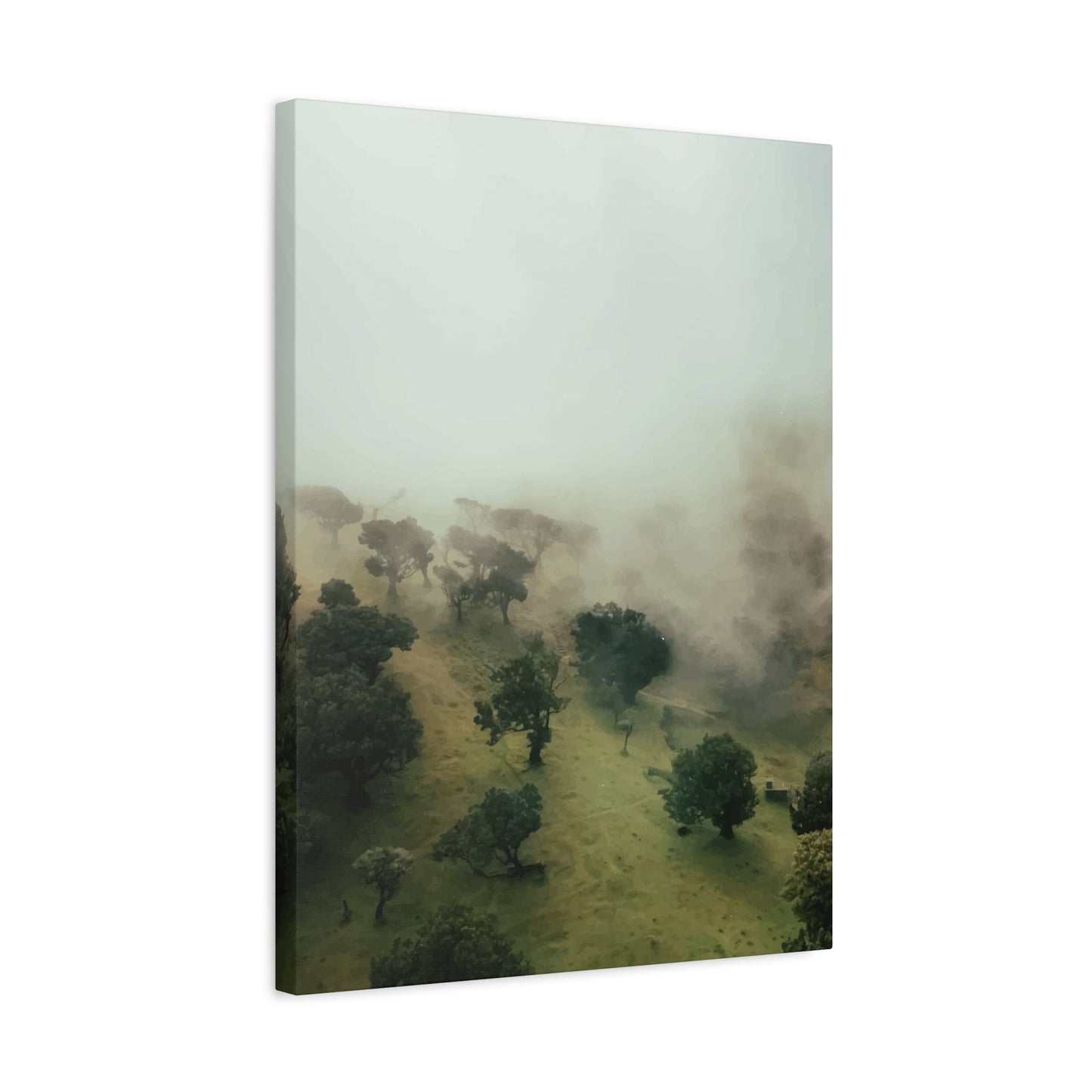
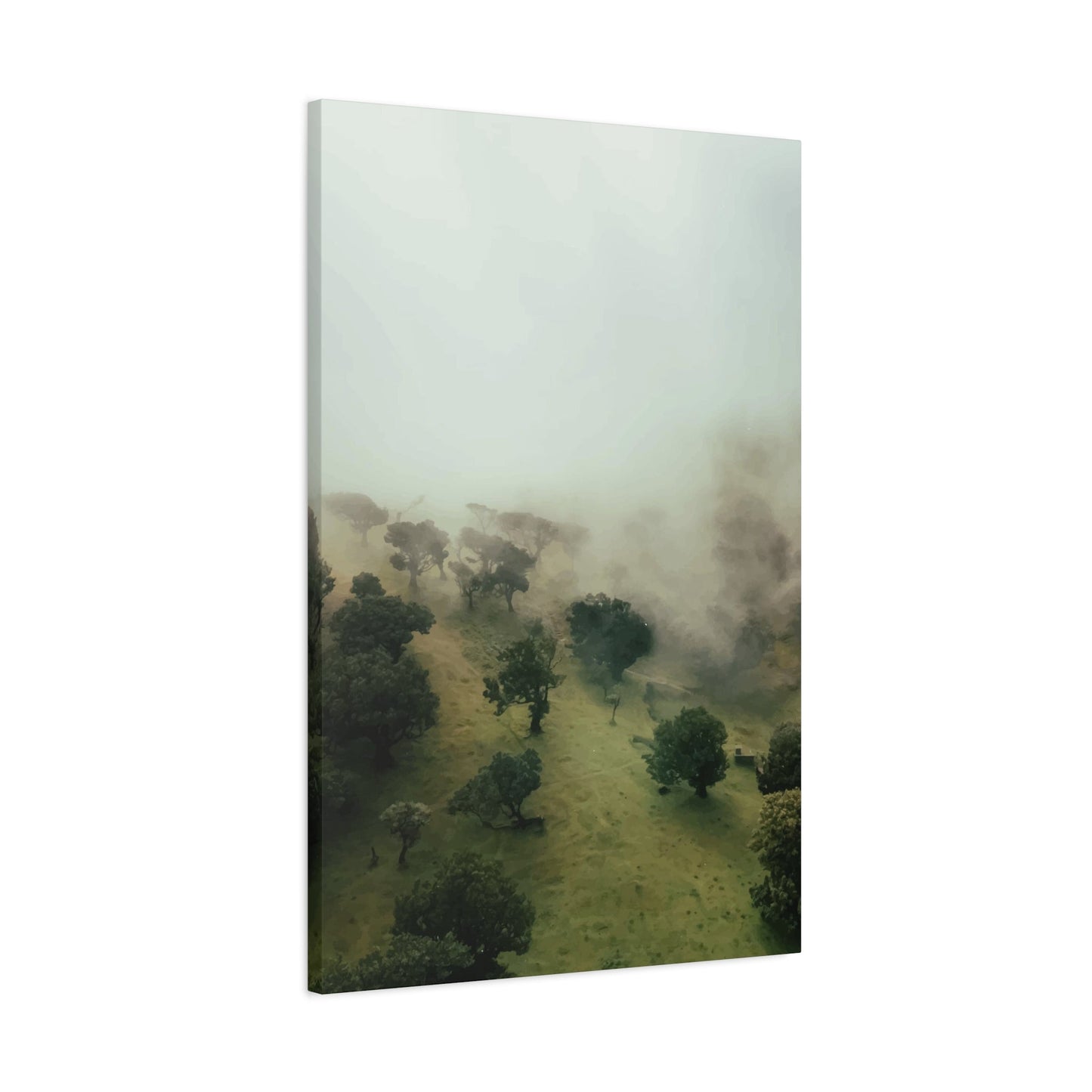
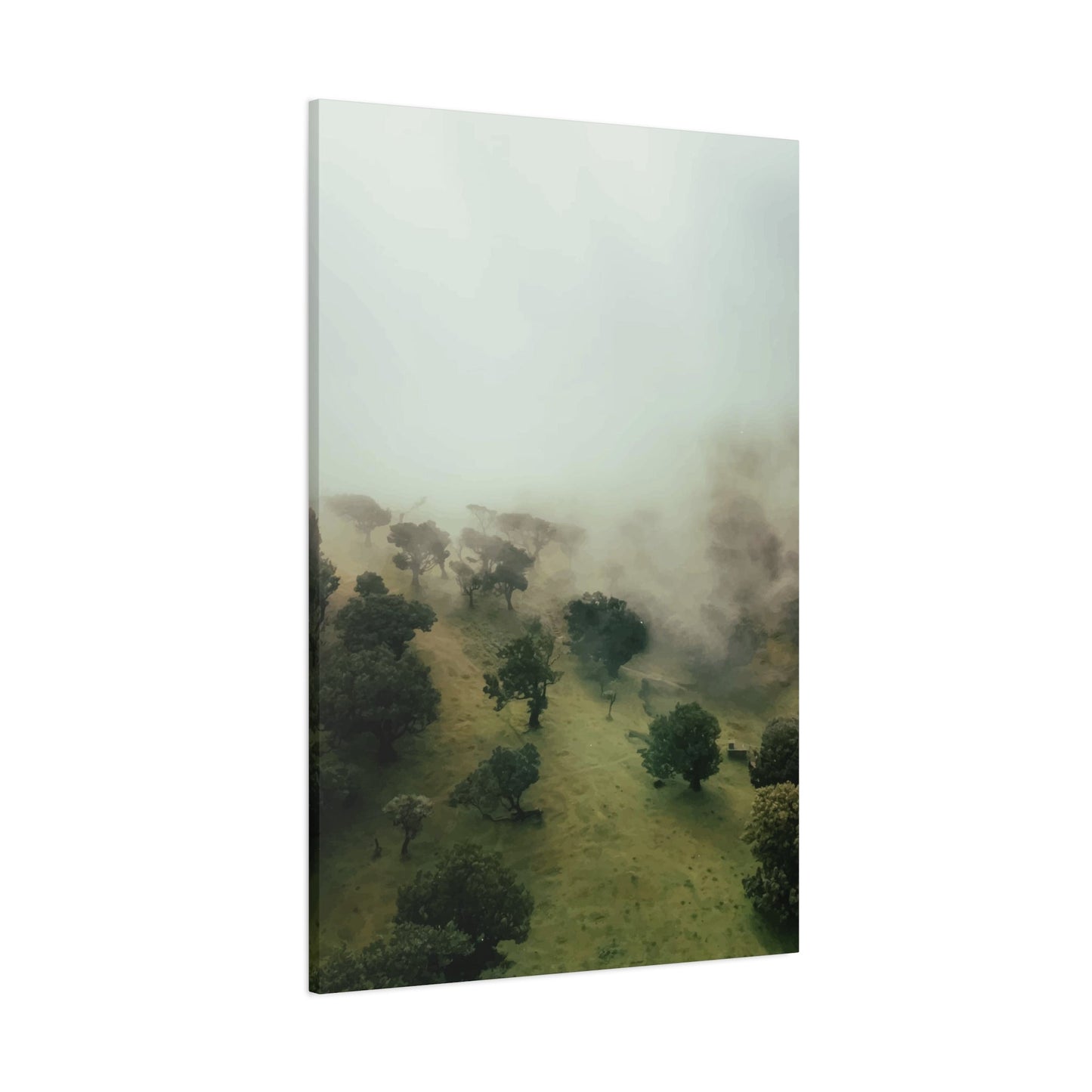
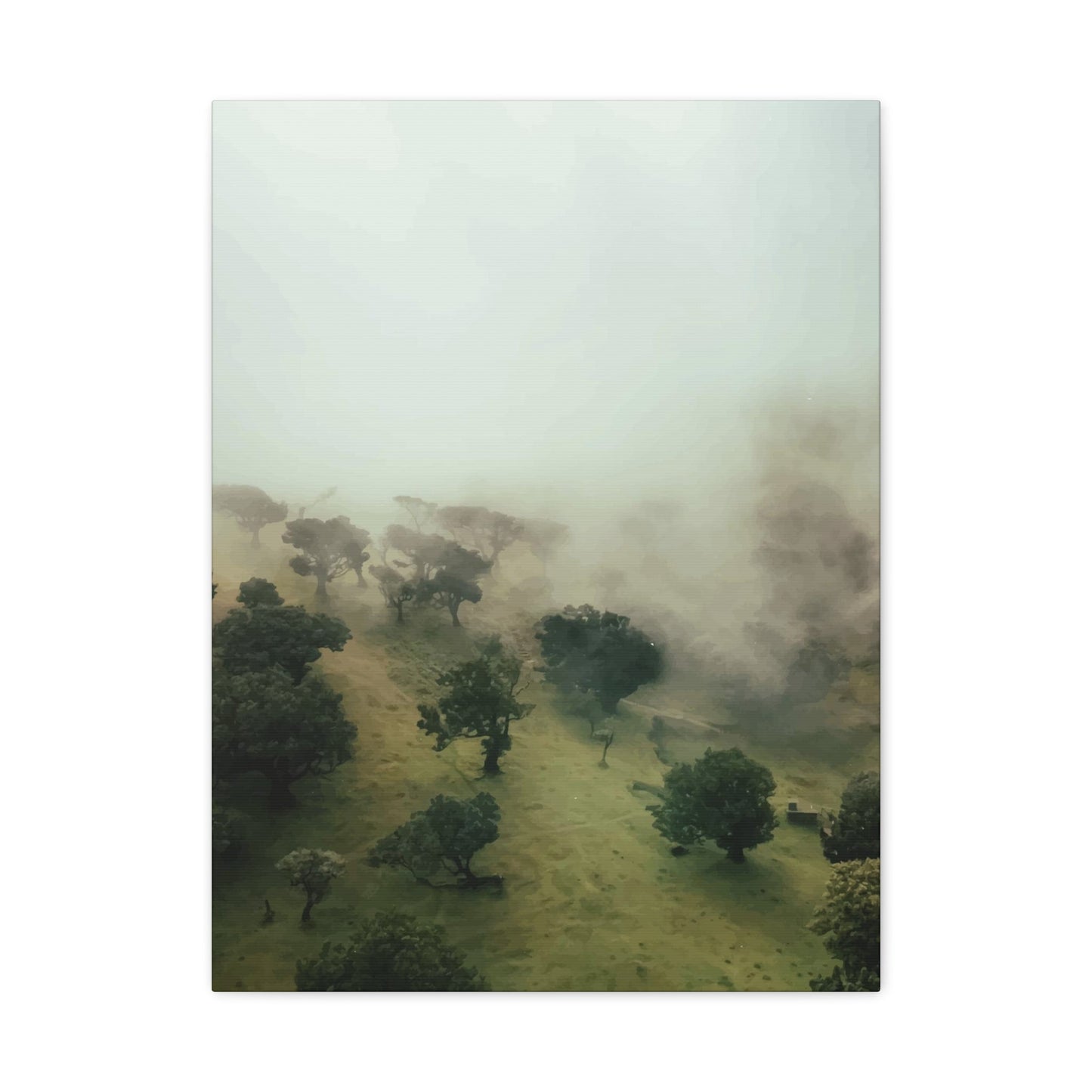
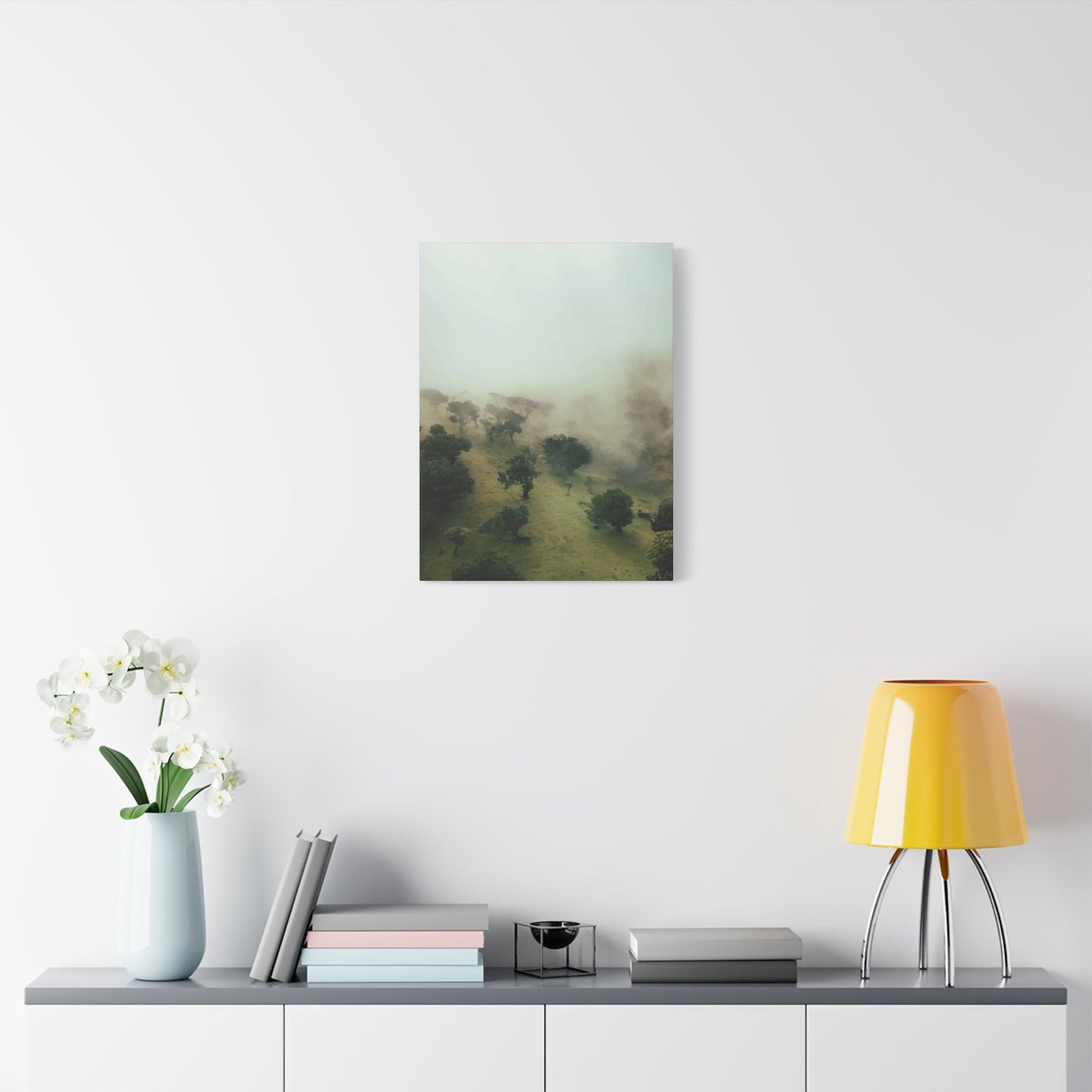
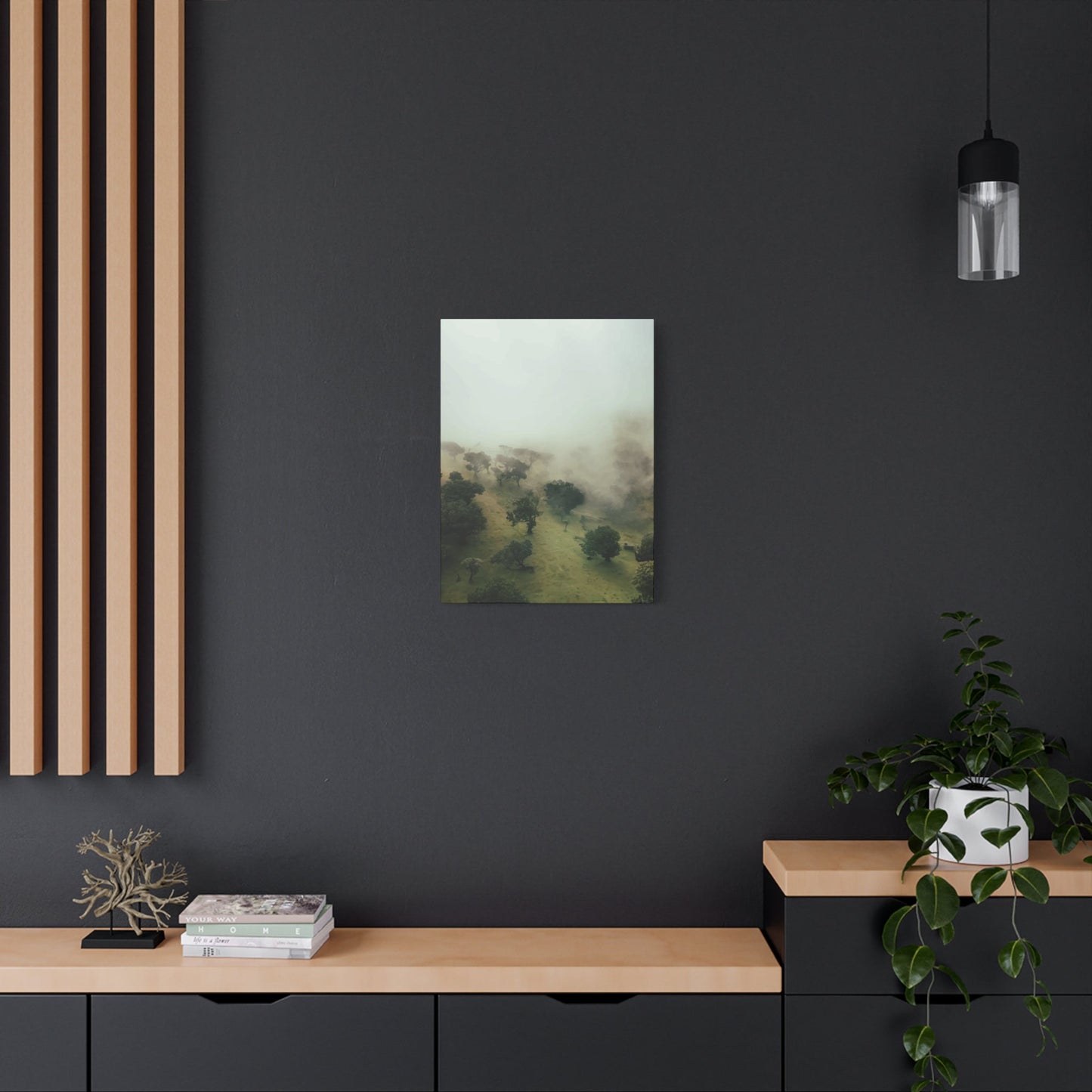
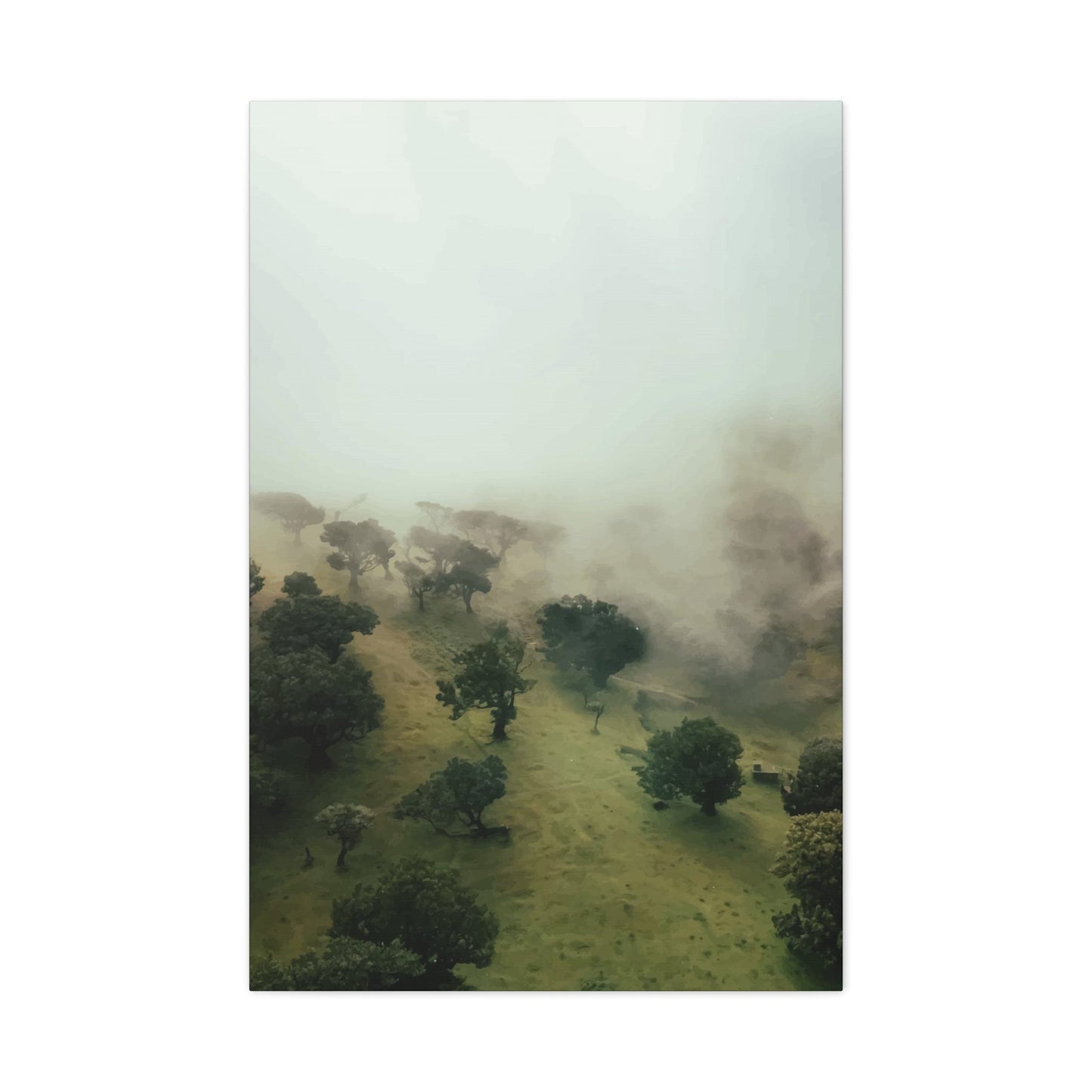
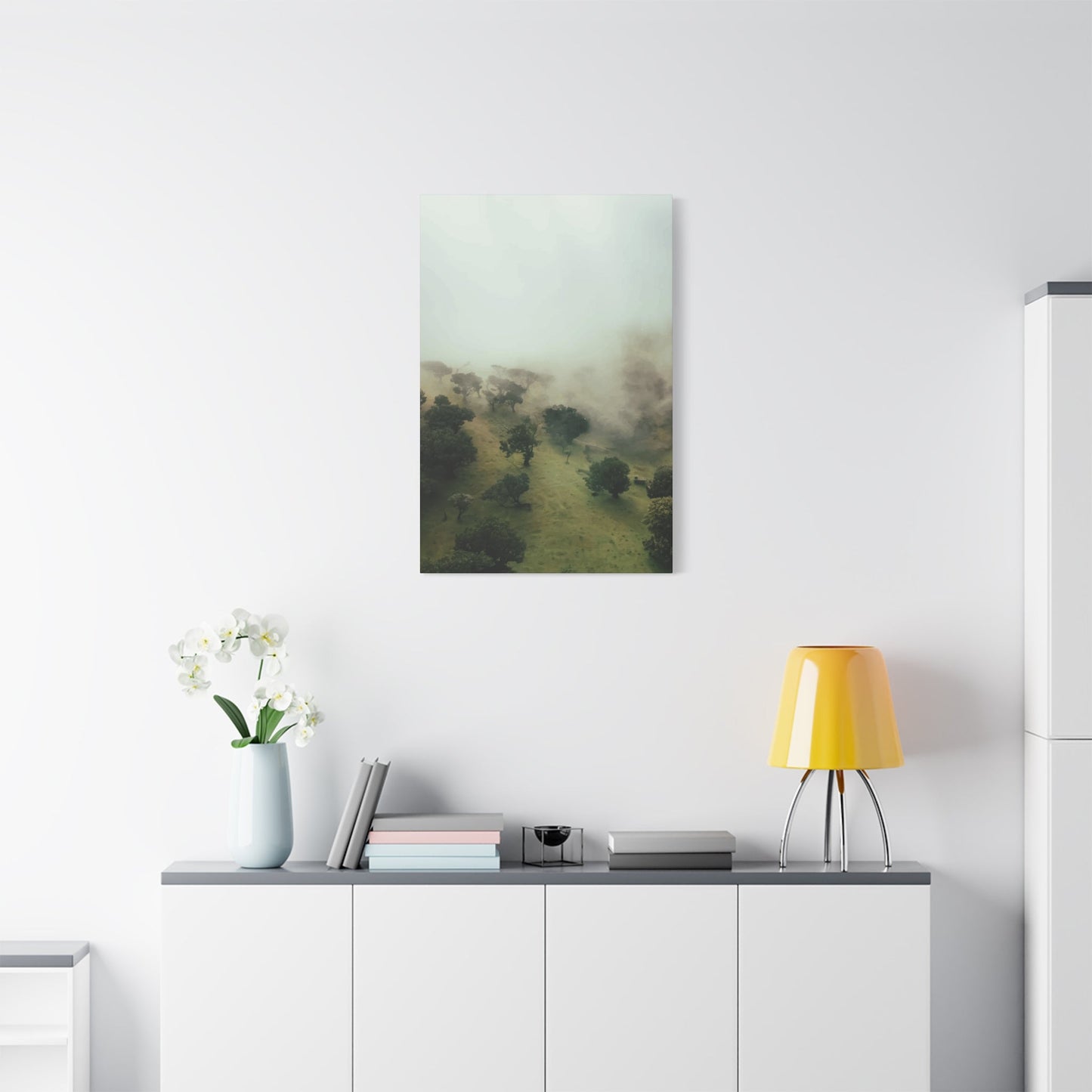
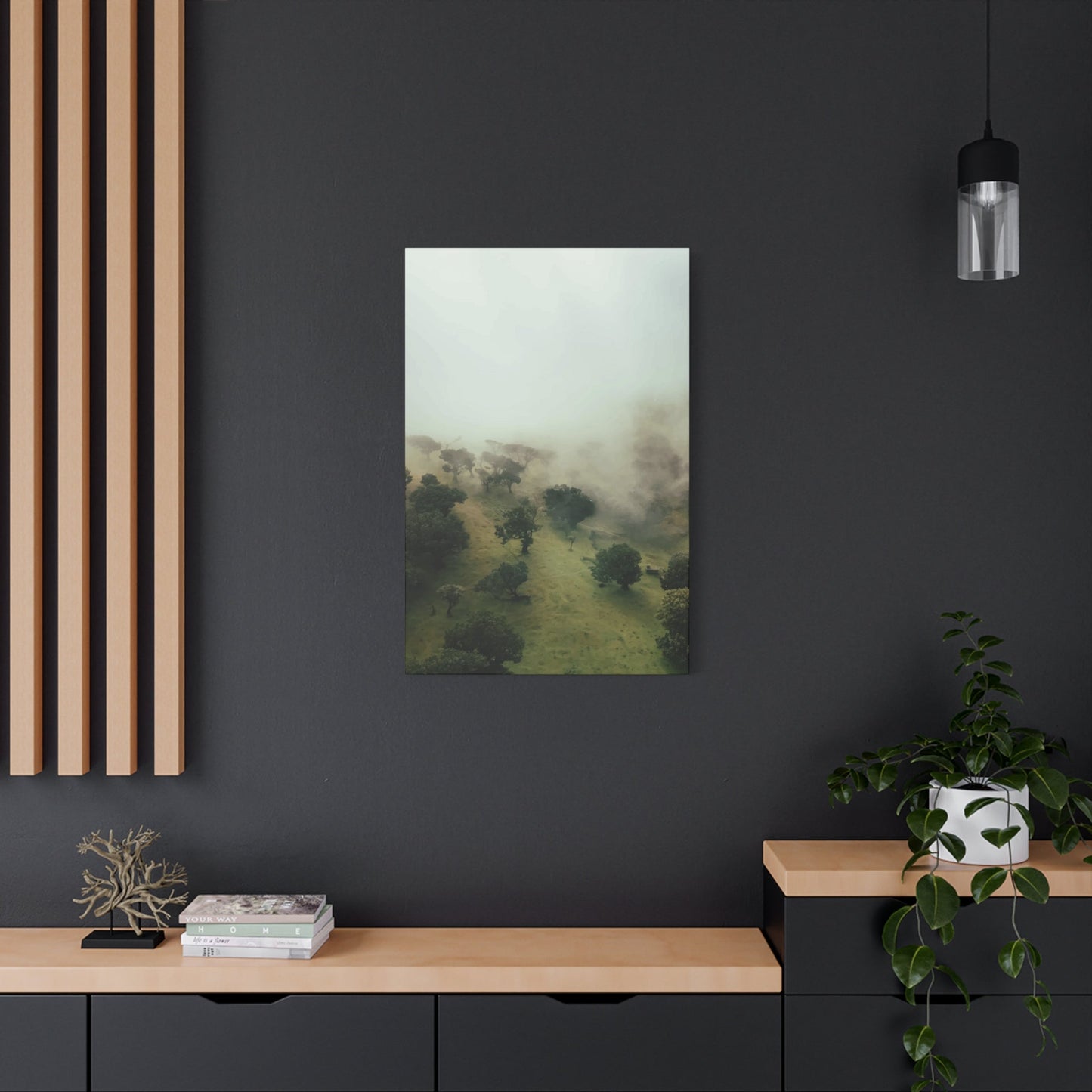
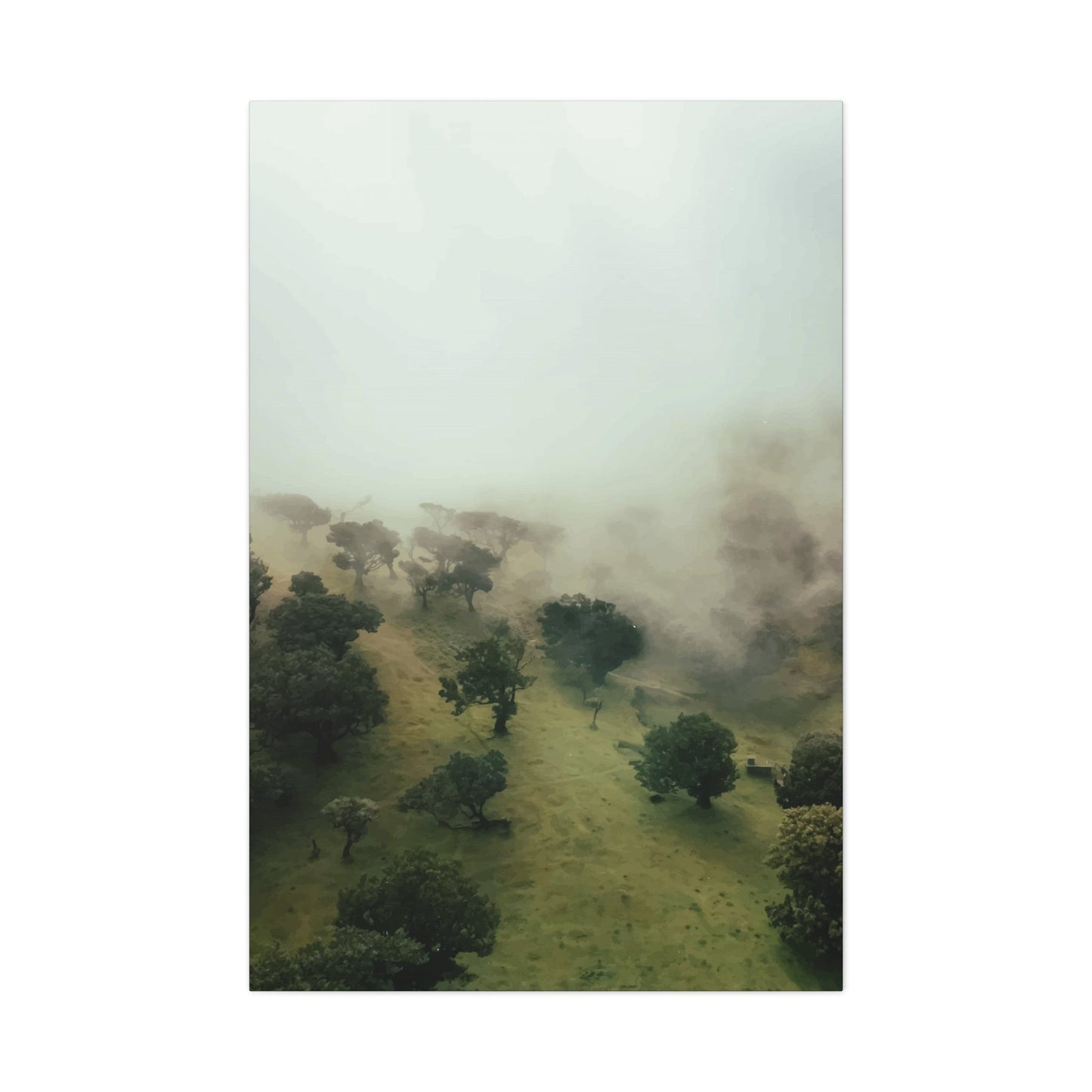
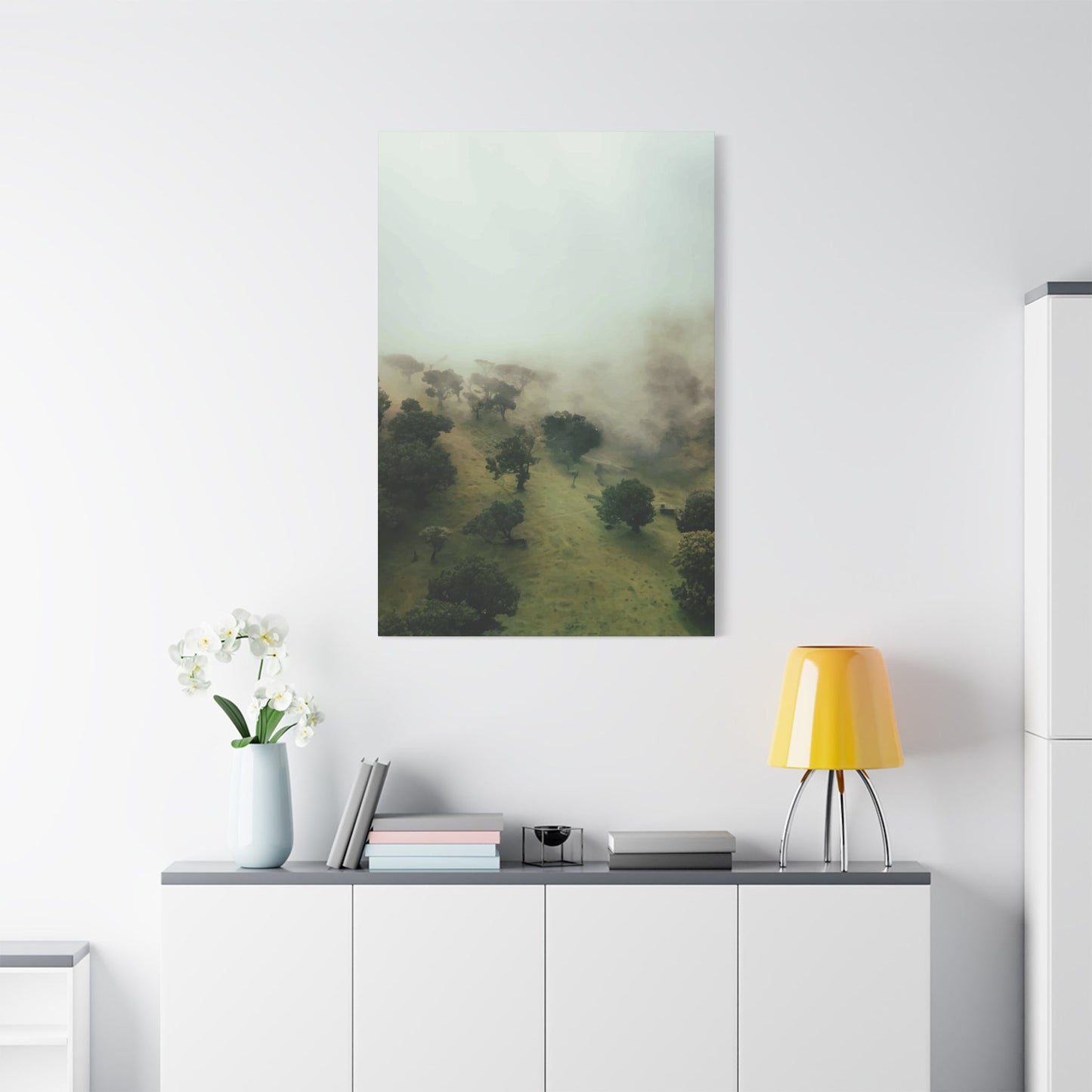
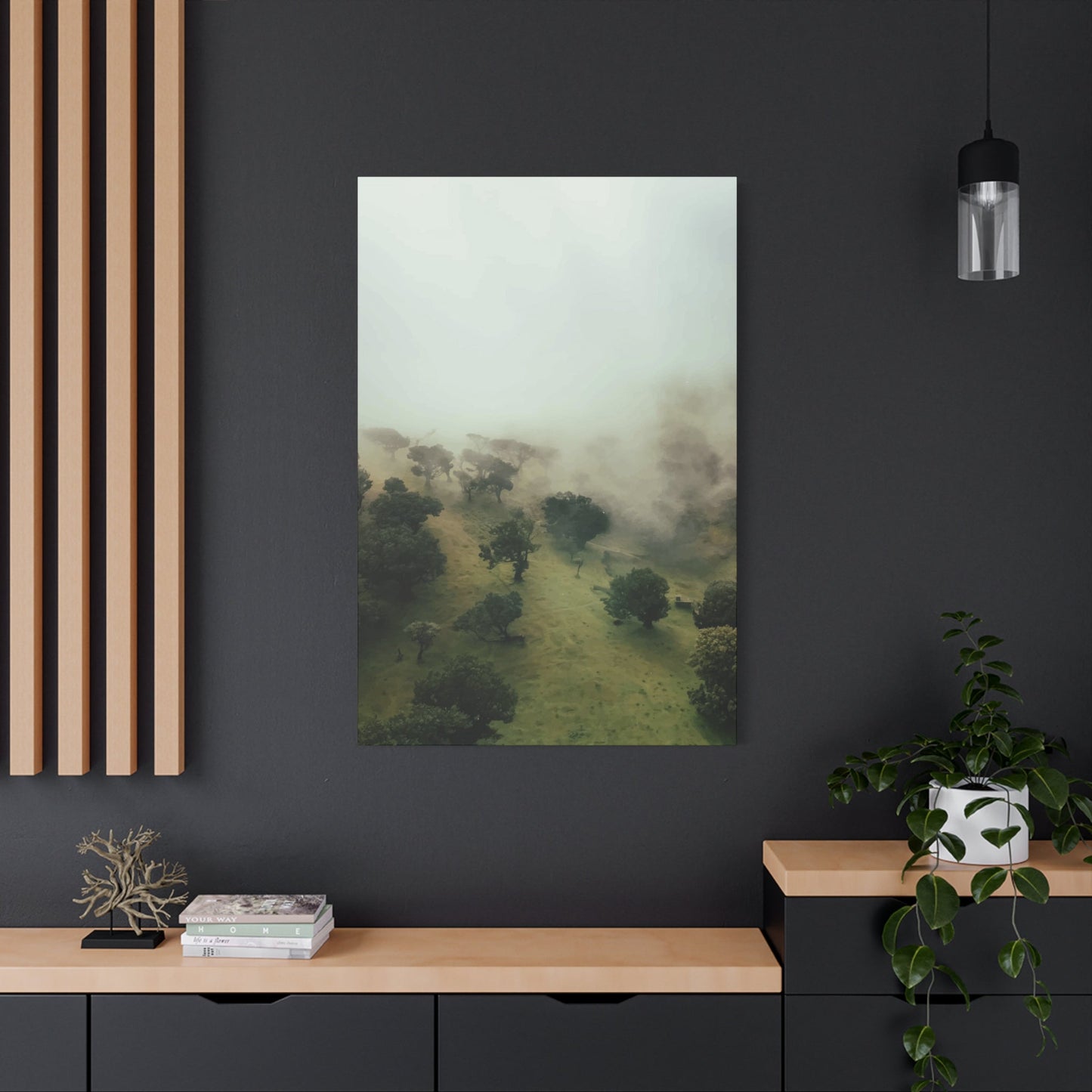
Ethereal Serenity: The Enchanting World of Misty Wall Art for Peaceful Home Environments
The ethereal beauty of misty wall art has captivated homeowners and art enthusiasts alike, transforming ordinary living environments into tranquil sanctuaries of peace and contemplation. This enchanting art form captures the delicate dance between visibility and obscurity, offering viewers a glimpse into serene landscapes shrouded in gentle fog and atmospheric moisture. The growing popularity of misty wall art stems from its unique ability to create calm, meditative atmospheres that promote relaxation and mental clarity in our increasingly hectic modern lives.
Misty wall art encompasses a diverse range of artistic expressions, from photographic captures of dawn-kissed meadows emerging through morning fog to painted interpretations of mysterious forests veiled in clouds. These artworks serve as windows to peaceful worlds, inviting observers to pause, breathe, and immerse themselves in the quiet beauty of nature's most subtle moments. The soft, muted tones and gentle gradations found in mist-themed artwork create visual harmony that complements various decorative styles while maintaining a sense of timeless elegance.
The psychological impact of incorporating misty wall art into living environments cannot be overstated. These pieces naturally lower stress levels and promote mindfulness by drawing attention to the quiet beauty of atmospheric phenomena. The soft, diffused light captured in misty scenes creates a sense of depth and mystery that encourages contemplation and introspection. Many homeowners discover that misty wall art serves as a daily reminder to slow down and appreciate the subtle beauty that surrounds us, even in our busiest moments.
Contemporary artists and photographers have elevated misty wall art to new heights, experimenting with techniques that capture the ephemeral nature of fog and mist in increasingly sophisticated ways. Digital enhancement and printing technologies have made it possible to reproduce the subtle gradations and delicate textures of misty scenes with remarkable accuracy, bringing the tranquil beauty of nature's most fleeting moments directly into our homes.
The Serene Magnificence of Atmospheric Wall Art
Atmospheric wall art represents a sophisticated approach to home decoration that prioritizes emotional resonance over bold visual statements. The gentle nature of misty scenes creates an immediate sense of calm that permeates throughout entire rooms, transforming harsh angles and busy patterns into cohesive, peaceful environments. This style of artwork works particularly well in contemporary homes where clean lines and minimalist aesthetics dominate, providing just enough visual interest to prevent sterility while maintaining the serene atmosphere that modern living demands.
The versatility of atmospheric wall art extends beyond simple decoration, serving as a powerful tool for creating specific moods and atmospheres within different rooms. Living areas benefit from the contemplative quality of misty landscapes, encouraging conversation and relaxation after long days. Dining rooms adorned with subtle foggy scenes promote mindful eating and meaningful connections between family members and guests. Home offices featuring atmospheric artwork help reduce work-related stress while maintaining focus and creativity.
Professional therapists and wellness experts increasingly recommend atmospheric wall art for its therapeutic benefits. The soft, neutral tones found in most misty scenes have been shown to reduce anxiety and promote feelings of safety and security. The indistinct forms and gentle transitions characteristic of fog-laden landscapes allow viewers to project their own interpretations and emotions onto the artwork, creating personalized experiences that change with mood and circumstance.
The technical aspects of creating compelling atmospheric wall art require careful attention to color theory, composition, and printing quality. Artists must balance the desire to capture authentic atmospheric conditions with the need to create visually engaging pieces that maintain their impact over time. The best atmospheric wall art achieves this balance through subtle color variations, strategic focal points, and careful attention to the interplay between light and shadow within misty conditions.
Modern printing technologies have revolutionized the reproduction of atmospheric wall art, allowing for incredibly detailed representations of subtle tonal variations and delicate textures. High-resolution printing on premium canvas materials ensures that the gentle beauty of misty scenes translates effectively from their original medium to wall-mounted displays. Advanced color management systems preserve the authentic atmospheric qualities that make these artworks so appealing and emotionally resonant.
Establishing Tranquil Environments with Mist-Inspired Artwork
The art of creating tranquil environments through mist-inspired artwork involves understanding the psychological and visual principles that make these pieces so effective at promoting peace and relaxation. Mist naturally softens harsh edges and creates gentle transitions between different elements in a composition, qualities that translate beautifully to home environments where stress reduction and mental clarity are priorities. The organic, flowing nature of misty scenes provides a natural counterbalance to the geometric patterns and straight lines that dominate most contemporary architecture.
Successful integration of mist-inspired artwork requires careful consideration of existing color schemes and lighting conditions within target rooms. The predominantly cool tones found in most misty scenes work particularly well with neutral color palettes, while warmer interpretations featuring golden or amber mists can complement rooms with warmer color schemes. The key lies in selecting pieces that enhance rather than compete with existing decorative elements, creating harmonious environments that feel intentionally curated rather than accidentally assembled.
Lighting plays a crucial role in maximizing the impact of mist-inspired artwork. Natural light enhances the ethereal qualities of these pieces, while carefully positioned artificial lighting can create dramatic effects that change throughout the day. Many homeowners discover that their mist-inspired artwork takes on completely different characteristics under various lighting conditions, providing ongoing visual interest and preventing the sense of staleness that can affect other forms of decoration.
The scale and placement of mist-inspired artwork significantly influence its ability to create tranquil environments. Large-scale pieces can serve as focal points that anchor entire rooms, while smaller works function best as part of carefully curated groupings that tell cohesive visual stories. The height at which artwork is hung affects viewing angles and the overall sense of immersion that viewers experience when contemplating these peaceful scenes.
Room acoustics also play an important role in establishing truly tranquil environments with mist-inspired artwork. The visual softness of misty scenes works synergistically with acoustic treatments that reduce harsh echoes and create more intimate, cocoon-like atmospheres. Many homeowners combine their mist-inspired artwork with soft furnishings, natural materials, and strategic lighting to create multi-sensory environments that promote deep relaxation and stress relief.
Beloved Approaches to Ethereal Landscape Canvas Presentations
The world of ethereal landscape canvas presentations offers numerous approaches to capturing and displaying the subtle beauty of misty natural scenes. Traditional photographic representations focus on authentic atmospheric conditions, preserving the natural color palettes and organic forms that make real misty landscapes so captivating. These pieces appeal to viewers who prefer realistic interpretations and want to bring genuine natural beauty into their living environments without sacrificing authenticity.
Impressionistic approaches to ethereal landscape canvas presentations emphasize mood and feeling over precise detail, using loose brushwork and blended colors to suggest rather than explicitly define misty forms. This style allows artists greater creative freedom while maintaining the essential atmospheric qualities that make misty scenes so emotionally resonant. Impressionistic misty landscapes often feature bolder color choices and more dynamic compositions than their photographic counterparts, making them excellent choices for homeowners who want atmospheric artwork with more visual impact.
Contemporary digital art techniques have opened new possibilities for creating ethereal landscape canvas presentations that push the boundaries of traditional misty scene representation. Digital artists can manipulate atmospheric effects, color gradations, and compositional elements with unprecedented precision, creating hyper-realistic or stylized interpretations that capture the essence of misty landscapes while offering unique visual experiences. These modern approaches often incorporate elements from multiple source images or entirely imagined scenes to create idealized atmospheric conditions.
Mixed media approaches to ethereal landscape canvas presentations combine traditional painting techniques with digital enhancement, photography, and sometimes even three-dimensional elements to create complex, layered artworks. These pieces offer rich visual textures and multiple levels of detail that reward close examination while maintaining the overall peaceful atmosphere characteristic of misty scenes. Mixed media presentations often incorporate materials like textured gels, metallic leafing, or fabric elements that add tactile qualities to the visual experience.
The choice of canvas material and printing technique significantly affects the final presentation of ethereal landscape artwork. Traditional stretched canvas provides classic texture and archival stability, while modern alternatives like metal prints or acrylic mounting can enhance certain color ranges and create different viewing experiences. The selection of appropriate presentation materials depends on factors including room lighting, viewing distance, and personal aesthetic preferences, with each option offering distinct advantages for different applications.
The Harmony Between Atmospheric Art and Simplified Living Aesthetics
Atmospheric art and simplified living aesthetics share fundamental principles that make them natural companions in contemporary home decoration. Both approaches prioritize calm, uncluttered environments that promote mental clarity and emotional well-being. The gentle, understated nature of atmospheric art complements the clean lines and minimal ornamentation characteristic of simplified living, creating cohesive environments that feel both sophisticated and deeply peaceful.
The color palettes typically found in atmospheric art align perfectly with simplified living principles, favoring neutral tones, soft gradations, and subtle contrasts over bold, attention-demanding hues. This natural harmony means that atmospheric artwork can be integrated into simplified living environments without disrupting the careful balance that makes these decorative approaches so effective. The organic forms and natural subject matter common in atmospheric art also provide welcome relief from the geometric precision that can sometimes make simplified living environments feel cold or sterile.
Texture plays an important role in balancing atmospheric art within simplified living environments. The visual softness of misty scenes can be complemented by carefully selected textiles, natural materials, and architectural elements that add tactile interest without cluttering the overall aesthetic. This approach creates layered sensory experiences that maintain the peaceful qualities of both atmospheric art and simplified living while preventing environments from feeling too sparse or unwelcoming.
The philosophy underlying both atmospheric art and simplified living emphasizes quality over quantity, encouraging thoughtful curation rather than accumulation. This shared value system makes atmospheric art an ideal choice for homeowners who want to maximize the impact of carefully selected decorative elements while maintaining the uncluttered environments that simplified living demands. Each piece of atmospheric art in a simplified living environment should serve multiple purposes, providing visual interest, emotional resonance, and aesthetic cohesion.
Functional considerations also align well between atmospheric art and simplified living approaches. Both favor low-maintenance solutions that provide ongoing satisfaction without requiring constant attention or updates. High-quality atmospheric artwork printed on durable materials can maintain its beauty and impact for decades, making it an excellent investment for homeowners committed to simplified living principles. The timeless appeal of atmospheric subjects means these pieces rarely become dated or require replacement due to changing decorative trends.
The Enigma and Atmosphere of Fog-Shrouded Visual Narratives
Fog-shrouded visual narratives possess an inherent enigma that captivates viewers and invites deeper contemplation than more explicit artistic subjects. The partially concealed elements in foggy scenes create natural mysteries that encourage active viewing and personal interpretation, transforming passive art appreciation into engaging mental exercises. This quality makes fog-shrouded artwork particularly valuable in homes where intellectual stimulation and creative thinking are priorities, providing ongoing sources of inspiration and reflection.
The atmospheric qualities of fog-shrouded visual narratives create unique emotional responses that vary significantly between individual viewers and viewing sessions. The same piece can evoke feelings of mystery, peace, melancholy, or hope depending on the viewer's mood, current circumstances, and personal associations with foggy conditions. This emotional versatility makes fog-shrouded artwork exceptionally valuable for long-term home decoration, as it continues to provide fresh experiences and insights over extended periods.
The technical challenges involved in capturing effective fog-shrouded visual narratives require sophisticated understanding of atmospheric optics, color theory, and compositional balance. Artists must carefully control the density and distribution of fog effects to maintain visual interest while preserving the mysterious qualities that make these scenes so compelling. Too little fog fails to create the desired atmospheric effect, while too much can result in compositions that lack sufficient detail to hold viewer attention.
Cultural associations with fog and mist add layers of meaning to fog-shrouded visual narratives that resonate differently across various audiences and geographic regions. In some cultures, fog represents transition and transformation, while others associate it with mystery, danger, or spiritual significance. These varied cultural interpretations add richness and depth to fog-shrouded artwork, making it particularly appealing to homeowners who appreciate art with multiple levels of meaning and cultural resonance.
The interplay between revelation and concealment in fog-shrouded visual narratives creates dynamic viewing experiences that change based on factors including lighting conditions, viewing angle, and emotional state. Elements that appear clearly defined under certain conditions may become mysterious and suggestive under others, providing ongoing visual interest and preventing the sense of familiarity that can diminish the impact of other decorative elements over time.
Incorporating Atmospheric Artwork in Private Retreats and Contemplative Areas
Private retreats and contemplative areas within homes benefit tremendously from the calming influence of atmospheric artwork, which naturally promotes the introspective and peaceful states of mind these environments are designed to foster. Bedrooms featuring atmospheric artwork create more restful sleeping environments by establishing visual calm that helps quiet racing thoughts and prepare the mind for rest. The gentle, non-stimulating nature of atmospheric scenes makes them ideal for areas where relaxation and stress relief are primary objectives.
Meditation areas and dedicated contemplative environments require artwork that supports rather than distracts from mindfulness practices and spiritual activities. Atmospheric artwork excels in these applications because its subtle beauty encourages present-moment awareness while avoiding the visual drama that might interrupt meditative states. The natural subjects and organic forms typical of atmospheric scenes align well with many meditation traditions that emphasize connection with nature and acceptance of impermanence.
The selection of appropriate atmospheric artwork for private retreats requires careful consideration of personal preferences, cultural background, and intended use patterns. Some individuals find that realistic photographic representations of natural atmospheric conditions provide the most effective support for relaxation and contemplation, while others prefer more abstract or interpretive approaches that allow greater personal projection and imaginative engagement. The key lies in choosing pieces that feel personally meaningful and emotionally supportive.
Lighting design plays a crucial role in maximizing the benefits of atmospheric artwork in private retreats and contemplative areas. Soft, adjustable lighting systems allow for customization based on different activities and times of day, with dimmer settings supporting relaxation and brighter illumination facilitating active contemplation or reading. Many homeowners discover that their atmospheric artwork takes on completely different qualities under various lighting conditions, providing ongoing variety and visual interest.
The integration of atmospheric artwork with other elements in private retreats requires attention to creating cohesive sensory experiences that support the intended functions of these environments. Natural materials, soft textures, appropriate scents, and carefully controlled acoustics all work together with atmospheric artwork to create immersive environments that effectively separate these areas from the busy energy of more public home areas.
Harmonizing Atmospheric Art with Organic Decorative Themes
The natural synergy between atmospheric art and organic decorative themes creates opportunities for sophisticated, cohesive home environments that feel both curated and authentically connected to the natural world. Organic decorative themes emphasize natural materials, earth-inspired color palettes, and forms that echo those found in nature, making atmospheric artwork featuring natural subjects a perfect complement to these decorative approaches. The gentle, understated beauty of atmospheric scenes enhances organic themes without overwhelming the careful balance these decorative styles require.
Wood elements within organic decorative themes pair beautifully with atmospheric artwork, as the warm tones and natural grain patterns provide grounding elements that balance the ethereal qualities of misty scenes. Whether incorporated through furniture, flooring, or architectural details, wood creates visual connections between atmospheric artwork and organic decorative themes that feel intentional and harmonious. The key lies in selecting wood tones and finishes that complement rather than compete with the color palettes found in chosen atmospheric pieces.
Stone and ceramic elements add textural interest to rooms featuring atmospheric artwork and organic decorative themes, providing tactile contrasts that enhance the overall sensory experience of these environments. The cool, smooth surfaces of stone elements can echo the serene qualities of misty landscapes, while the earthy warmth of ceramic pieces provides grounding elements that prevent rooms from feeling too ethereal or disconnected from physical reality.
Plant life serves as a living bridge between atmospheric artwork and organic decorative themes, bringing actual natural elements into environments that celebrate nature-inspired art and decoration. The selection of appropriate plants requires consideration of lighting conditions, maintenance requirements, and visual relationships with existing atmospheric artwork. Plants with soft, organic forms and muted green tones typically work best, avoiding species with bold colors or aggressive growth patterns that might overwhelm the subtle beauty of atmospheric scenes.
Textile choices within organic decorative themes can either enhance or detract from the effectiveness of atmospheric artwork, depending on patterns, colors, and textures selected. Natural fiber fabrics in neutral or earth-inspired tones provide excellent foundations for atmospheric artwork, while synthetic materials or bold patterns can create visual conflicts that diminish the peaceful atmosphere these environments are designed to promote.
Contrasting Abstract and Realistic Atmospheric Visual Art
The choice between abstract and realistic atmospheric visual art significantly affects both the aesthetic impact and emotional response these pieces generate within home environments. Realistic atmospheric art appeals to viewers who appreciate authentic natural beauty and want to bring genuine landscape experiences into their living environments. These pieces often feature recognizable geographic features, specific weather conditions, and detailed natural elements that create strong connections to actual places and experiences.
Abstract atmospheric art offers greater interpretive freedom and can adapt more easily to diverse decorative schemes and personal preferences. By emphasizing color relationships, compositional balance, and emotional resonance over literal representation, abstract atmospheric pieces allow viewers to project their own meanings and associations onto the artwork. This flexibility makes abstract atmospheric art particularly valuable for homeowners who want atmospheric benefits without committing to specific geographic or seasonal references.
The technical approaches required for successful abstract versus realistic atmospheric art differ significantly in terms of skill sets, materials, and creative processes. Realistic atmospheric art demands strong observational skills, technical precision, and deep understanding of natural atmospheric phenomena, while abstract approaches prioritize color theory, compositional innovation, and emotional expression. Both approaches require sophisticated understanding of how atmospheric effects influence visual perception and emotional response.
Color palette choices often distinguish abstract and realistic atmospheric art, with realistic pieces typically adhering to naturally occurring color combinations found in actual atmospheric conditions. Abstract atmospheric art enjoys greater freedom in color selection, allowing artists to emphasize specific emotional qualities or decorative considerations that might not occur in natural settings. This flexibility can make abstract pieces more suitable for rooms with specific color requirements or unusual decorative schemes.
The long-term viewing experience differs significantly between abstract and realistic atmospheric art, with each approach offering distinct advantages for sustained appreciation. Realistic atmospheric art often provides comfort through familiarity and connection to shared natural experiences, while abstract pieces may offer ongoing discovery and interpretation that prevents visual fatigue over extended periods. The choice between approaches often depends on personal preferences regarding art appreciation and the intended role of artwork within specific home environments.
Color Harmony in Mist-Themed Canvas Presentations
The sophisticated color harmonies found in mist-themed canvas presentations require careful understanding of how atmospheric conditions affect color perception and emotional response. Cool color palettes dominating most mist-themed artwork create naturally calming environments that promote relaxation and contemplation, making these pieces excellent choices for areas where stress reduction is a priority. The subtle gradations and gentle transitions characteristic of misty conditions translate beautifully to canvas presentations that maintain visual interest without creating overwhelming stimulation.
Warm color interpretations of mist-themed artwork offer alternative approaches that can complement warmer decorative schemes while maintaining the peaceful qualities associated with atmospheric art. Golden hour mists, sunset fog banks, and dawn atmospheric conditions provide opportunities for incorporating warmer color palettes that still retain the essential atmospheric characteristics that make these pieces so appealing. These warmer interpretations work particularly well in rooms with southern exposures or warm artificial lighting systems.
The psychology of color in mist-themed canvas presentations extends beyond simple aesthetic considerations to include measurable effects on mood, stress levels, and cognitive function. Cool blues and grays naturally lower heart rate and blood pressure, while warmer atmospheric colors can promote creativity and social interaction. Understanding these psychological effects allows homeowners to select mist-themed artwork that supports the intended functions of different rooms within their homes.
Monochromatic color approaches to mist-themed canvas presentations create sophisticated, unified looks that work well in contemporary decorative schemes emphasizing restraint and elegance. These pieces rely on tonal variations and textural differences rather than color contrasts to create visual interest, making them excellent choices for rooms where subtlety and sophistication are priorities. Monochromatic mist-themed artwork can serve as neutral backdrops for other decorative elements or as primary focal points in minimally decorated environments.
Complementary color schemes in mist-themed canvas presentations offer opportunities for creating more dynamic visual relationships while maintaining the peaceful atmosphere characteristic of atmospheric art. Carefully balanced warm and cool elements can create subtle tensions that add visual interest without disrupting the overall sense of calm that makes atmospheric artwork so valuable for home decoration. These more complex color relationships require sophisticated handling to avoid creating visual conflicts that undermine the intended atmospheric effects.
Optimal Locations for Displaying Atmospheric Wall Art
The selection of optimal locations for displaying atmospheric wall art requires careful consideration of factors including natural lighting, room function, viewing angles, and existing decorative elements. Living rooms often provide ideal settings for atmospheric wall art, as these environments benefit from the calming influence these pieces provide while offering multiple viewing opportunities throughout the day. The social nature of living rooms also allows atmospheric artwork to serve as conversation starters and shared aesthetic experiences for family members and guests.
Hallways and transitional areas represent underutilized opportunities for atmospheric wall art that can transform mundane circulation areas into memorable aesthetic experiences. The corridor-like nature of most hallways creates natural gallery-like environments where atmospheric artwork can be appreciated during daily movement throughout homes. These locations also allow for creative lighting solutions that can enhance the atmospheric qualities of selected artwork throughout different times of day.
Bathrooms featuring atmospheric wall art create spa-like environments that transform routine activities into relaxing experiences. The natural association between mist and water makes atmospheric artwork particularly appropriate for bathroom installations, while the typically neutral color palettes of atmospheric pieces complement the clean, simple aesthetics that work best in bathroom environments. Moisture considerations require careful attention to appropriate materials and protective treatments for bathroom installations.
Home office environments benefit significantly from the stress-reducing qualities of atmospheric wall art, which can help maintain focus while reducing work-related anxiety and tension. The contemplative nature of atmospheric scenes provides welcome visual breaks during intensive work sessions, while the generally neutral color palettes avoid creating distractions that might interfere with productivity. Strategic placement of atmospheric artwork within sight lines from work areas maximizes these benefits throughout the day.
Stairwell installations of atmospheric wall art create dramatic vertical presentations that can transform these often-neglected areas into striking aesthetic features. The vertical nature of stairwells allows for creative arrangements of multiple atmospheric pieces that tell cohesive visual stories or explore variations on atmospheric themes. Lighting considerations become particularly important in stairwell installations, as these areas often lack natural light sources that enhance atmospheric artwork in other locations.
Professional Presentation and Styling of Atmospheric Canvas Art
The professional presentation of atmospheric canvas art requires attention to framing choices, mounting systems, and display techniques that enhance rather than compete with the subtle beauty of atmospheric subjects. Traditional wood frames in neutral tones provide classic presentations that complement most atmospheric artwork, while metal frames can offer more contemporary aesthetics that work well with abstract or modern interpretive atmospheric pieces. The key lies in selecting framing solutions that support the overall aesthetic goals while providing appropriate protection for valuable artwork.
Gallery-style mounting systems offer flexibility for homeowners who want to change or rearrange their atmospheric canvas art periodically, while permanent installations provide stability and can accommodate larger or heavier pieces that require substantial structural support. The choice between mounting approaches often depends on factors including wall construction, artwork weight, and long-term decorative plans for specific rooms.
Lighting design for atmospheric canvas art requires understanding of how different light sources affect color perception and atmospheric effects within the artwork. Natural lighting provides the most accurate color reproduction and can enhance the realistic qualities of atmospheric scenes, while artificial lighting systems offer greater control over viewing conditions and can create dramatic effects that change throughout the day. Professional lighting consultations can help optimize lighting designs for specific atmospheric artwork installations.
Grouping strategies for multiple atmospheric canvas pieces require careful attention to scale relationships, color harmonies, and compositional balance to create cohesive presentations that enhance rather than overwhelm room environments. Symmetrical arrangements work well for formal decorative schemes, while asymmetrical groupings can create more dynamic and contemporary presentations. The spacing between individual pieces significantly affects the overall visual impact and should be adjusted based on viewing distances and room proportions.
Protective considerations for atmospheric canvas art include factors such as ultraviolet light exposure, humidity control, and temperature fluctuations that can affect color stability and canvas integrity over time. High-quality printing materials and appropriate protective treatments can significantly extend the lifespan of atmospheric artwork, making professional consultation valuable for significant investments in atmospheric art collections.
Natural Landscapes in Atmospheric Art: Mountains, Woodlands, and Water Bodies
Mountain landscapes shrouded in atmospheric conditions offer some of the most dramatic and emotionally resonant subjects for atmospheric wall art. The interplay between solid mountain forms and ephemeral mist creates compelling visual contrasts that capture both the permanence of geological features and the transient nature of weather phenomena. These pieces work particularly well in rooms where strength and stability are desired qualities, as the underlying mountain forms provide grounding elements that balance the ethereal qualities of atmospheric effects.
The vertical emphasis of mountain atmospheric art makes these pieces excellent choices for rooms with high ceilings or walls that can accommodate larger-scale presentations. The natural drama of mountain scenes emerging from or disappearing into mist provides visual interest that can anchor entire room designs while maintaining the peaceful qualities that make atmospheric art so valuable for home decoration. Color palettes in mountain atmospheric art typically feature cool tones that promote calm and contemplation.
Forest settings enveloped in atmospheric conditions create intimate, mysterious environments that invite viewers to imagine walking through these peaceful woodland scenes. The organic forms and complex textures of forest subjects provide rich visual interest that rewards close examination while maintaining overall atmospheric unity. Forest atmospheric art works particularly well in rooms where connection to nature and environmental consciousness are important values, creating daily reminders of the beauty and importance of natural ecosystems.
The horizontal emphasis typical of forest atmospheric art makes these pieces suitable for rooms with standard ceiling heights and wall proportions commonly found in residential settings. The layered depth characteristic of forest scenes creates natural focal points and visual pathways that can help organize room layouts and furniture arrangements. The predominantly green and brown color palettes found in forest atmospheric art complement natural decorative materials and earth-inspired color schemes.
Water body subjects featuring atmospheric effects offer serene, meditative qualities that promote peace and reflection in home environments. Lakes, rivers, and coastal scenes partially obscured by mist create tranquil compositions that encourage contemplation and stress relief. The reflective qualities of water surfaces add visual complexity and light interaction that can enliven atmospheric artwork under changing lighting conditions throughout the day.
The horizontal format typical of water body atmospheric art works well for rooms where visual expansion is desired, as these compositions can create illusions of increased room width and openness. The cool color palettes and smooth forms characteristic of water subjects provide calming influences that work particularly well in bedrooms, bathrooms, and meditation areas where relaxation is a primary objective.
The Emotional Resonance of Mist in Landscape Artwork
The emotional resonance of mist in landscape artwork stems from fundamental human associations with atmospheric conditions and their effects on mood, perception, and psychological state. Mist naturally evokes feelings of mystery, tranquility, and contemplation that translate powerfully to artistic representations, creating opportunities for deep emotional connections between viewers and atmospheric artwork. These emotional qualities make mist-laden landscape art particularly valuable for creating supportive home environments that promote mental health and emotional well-being.
The softening effects of mist on landscape elements create visual metaphors for emotional states including peace, acceptance, and letting go that resonate with viewers seeking respite from stress and anxiety. The gentle obscuring of harsh edges and stark contrasts that mist provides in landscape scenes translates to psychological experiences of comfort and safety, making atmospheric artwork particularly therapeutic for individuals dealing with challenging life circumstances or high-stress environments.
Cultural and personal associations with misty conditions significantly influence the emotional impact of landscape artwork featuring atmospheric effects. Individuals with positive memories of foggy mornings, misty mountains, or coastal fog banks often experience immediate emotional connections with atmospheric artwork that evoke these pleasant associations. Understanding these personal connections can help individuals select atmospheric artwork that provides ongoing emotional support and positive psychological benefits.
The temporal qualities suggested by mist in landscape artwork create emotional connections to themes of change, transition, and impermanence that many viewers find meaningful and comforting. Mist represents a temporary condition that will eventually lift, revealing new perspectives and possibilities, making atmospheric artwork particularly appealing to individuals navigating personal transitions or seeking hope during difficult periods.
The meditative qualities of mist in landscape artwork encourage present-moment awareness and mindful observation that can provide ongoing psychological benefits for viewers who regularly engage with these pieces. The subtle variations and gentle movements suggested in atmospheric conditions create opportunities for contemplative viewing that supports stress reduction and emotional regulation throughout daily life.
Current Movements in Atmospheric and Foggy Wall Decoration
Contemporary movements in atmospheric and foggy wall decoration reflect broader cultural trends toward wellness-focused home environments, sustainable living practices, and authentic personal expression through carefully curated decorative choices. The growing popularity of atmospheric artwork coincides with increased awareness of the psychological and physiological benefits of nature-inspired home decoration, leading to more sophisticated approaches to selecting and displaying these pieces.
Digital art techniques have revolutionized atmospheric and foggy wall decoration, allowing artists to create hyper-realistic atmospheric effects or stylized interpretations that push beyond the limitations of traditional photography or painting. These technological advances have made atmospheric artwork more accessible and affordable while expanding creative possibilities for both artists and consumers seeking unique atmospheric pieces for their homes.
Sustainability considerations increasingly influence trends in atmospheric and foggy wall decoration, with growing demand for artwork created using environmentally responsible materials and production methods. This trend includes preference for local artists, sustainable printing substrates, and artwork featuring subjects that promote environmental awareness and conservation values. Many consumers now prioritize atmospheric artwork that aligns with their environmental values and supports sustainable business practices.
Customization and personalization trends in atmospheric wall decoration allow homeowners to commission or modify atmospheric artwork to reflect personal experiences, favorite locations, or specific emotional themes. This movement away from mass-produced decorative art toward personalized atmospheric pieces creates opportunities for deeper emotional connections and more meaningful home environments that truly reflect individual values and preferences.
The integration of atmospheric wall decoration with smart home technologies represents an emerging trend that allows for dynamic presentation and customization based on factors including time of day, season, weather conditions, or personal mood preferences. These technological integrations maintain the peaceful qualities of atmospheric artwork while adding interactive elements that prevent visual fatigue and provide ongoing novelty.
Thoughtful Gifting: Atmospheric Art for Tranquil Personalities
Atmospheric art represents an exceptionally thoughtful gift choice for individuals who appreciate tranquility, natural beauty, and contemplative experiences in their daily lives. The universal appeal of atmospheric scenes makes these pieces suitable for diverse personalities and decorative preferences, while the calming qualities inherent in atmospheric artwork provide ongoing benefits that extend far beyond typical gift experiences. Understanding the recipient's personal style, living situation, and emotional needs helps ensure that atmospheric art gifts provide maximum meaning and utility.
The selection of appropriate atmospheric art gifts requires consideration of factors including room size, existing decorative schemes, and personal preferences regarding realistic versus abstract artistic interpretations. Smaller atmospheric pieces work well as gifts for individuals living in apartments or smaller homes, while larger installations might be appropriate for recipients with substantial wall areas and established decorative themes. The neutral color palettes typical of atmospheric art make these pieces relatively safe gift choices that are unlikely to clash with existing decorative elements.
Presentation considerations for atmospheric art gifts include professional framing, protective packaging, and accompanying information about the artist, subject matter, or inspiration behind the piece. These additional elements demonstrate thoughtfulness and care while providing recipients with background information that can enhance their appreciation and emotional connection to the gifted artwork. Quality presentation materials also ensure that atmospheric art gifts arrive in perfect condition and can be immediately displayed.
Personal connections to atmospheric art subjects can significantly enhance the gift-giving experience, particularly when givers select pieces that reflect shared experiences, favorite locations, or meaningful memories. Atmospheric artwork featuring locations with personal significance or subjects that hold special meaning for recipients creates lasting reminders of relationships and shared experiences that extend the emotional impact of the gift far beyond its aesthetic value.
The timing of atmospheric art gifts can enhance their impact, with pieces featuring seasonal subjects or atmospheric conditions particularly appropriate for seasonal celebrations or life transitions. Spring mist scenes make excellent gifts for new beginnings, while autumn atmospheric artwork can commemorate achievements or transitions. The contemplative qualities of atmospheric art also make these pieces appropriate for occasions involving reflection, healing, or personal growth.
Photographic Representations Versus Painted Interpretations of Atmospheric Scenes
The choice between photographic representations and painted interpretations of atmospheric scenes significantly affects both the aesthetic impact and emotional resonance of these artworks within home environments. Photographic atmospheric art offers authenticity and precision that appeals to viewers who prefer realistic representations of natural phenomena, providing accurate color reproduction and detailed atmospheric effects that closely mirror actual experiences in nature. These pieces work particularly well for individuals who value scientific accuracy and want to bring genuine natural experiences into their living environments.
Painted interpretations of atmospheric scenes allow for greater artistic license and emotional expression, enabling artists to emphasize specific aspects of atmospheric conditions or enhance certain emotional qualities that might be subtle or absent in purely photographic representations. The visible brushwork and artistic techniques evident in painted atmospheric pieces add layers of human creativity and interpretation that some viewers find more engaging and emotionally resonant than photographic accuracy.
The technical differences between photographic and painted atmospheric art affect both production costs and longevity considerations for consumers evaluating these options. High-quality photographic prints require sophisticated printing equipment and archival materials to ensure color stability and longevity, while painted originals or high-quality reproductions of painted atmospheric scenes may offer better long-term value and uniqueness. Understanding these technical factors helps consumers make informed decisions based on budget, aesthetic preferences, and long-term decorative goals.
The scale possibilities differ significantly between photographic and painted atmospheric art, with photographic pieces limited by the resolution and format of original images, while painted interpretations can be created at virtually any scale required for specific installations. This flexibility makes painted atmospheric art particularly valuable for homeowners requiring specific dimensions or proportions that may not be available in photographic formats.
The cultural and historical associations of photographic versus painted atmospheric art influence how these pieces are perceived and valued within different decorative contexts. Photographic atmospheric art often carries associations with contemporary lifestyle and environmental consciousness, while painted interpretations may evoke connections to traditional artistic movements and cultural heritage. These associations can significantly affect how atmospheric artwork functions within specific decorative schemes and personal aesthetic philosophies.
Enhancing Compact Living Areas with Gentle Atmospheric Prints
Compact living areas benefit tremendously from the visual expansion and calming influence that gentle atmospheric prints provide, as these pieces can create illusions of depth and openness that make small environments feel larger and more welcoming. The soft focus and indistinct edges characteristic of atmospheric art prevent the visual crowding that can occur when bold, highly detailed artwork is used in limited areas, making atmospheric prints particularly valuable for studio apartments, small bedrooms, and compact living rooms.
The selection of appropriate scales for atmospheric prints in compact living areas requires careful consideration of viewing distances and wall proportions to ensure maximum visual impact without overwhelming limited room areas. Medium-scale atmospheric prints often work best in compact environments, providing sufficient detail and presence to serve as focal points while maintaining the breathing room that small areas require. Multiple smaller atmospheric prints can be grouped strategically to create visual interest without dominating available wall areas.
Color relationships become particularly important when incorporating atmospheric prints into compact living areas, as these limited environments require careful coordination between artwork and existing decorative elements to maintain visual harmony and prevent competitive relationships that can make small areas feel chaotic or overwhelming. The typically neutral color palettes of atmospheric prints make them excellent choices for compact areas where color coordination is challenging or where multiple decorative elements must coexist peacefully.
Strategic placement of atmospheric prints in compact living areas can help define different functional zones while maintaining overall visual unity throughout the environment. A well-positioned atmospheric print can serve as a visual anchor for seating areas, distinguish sleeping areas from living areas in studio apartments, or create focal points that draw attention away from architectural limitations or storage necessities that might otherwise dominate small environments.
Lighting considerations become crucial when displaying atmospheric prints in compact living areas, as these environments often have limited natural light sources and may rely heavily on artificial illumination. The gentle gradations and subtle tonal variations characteristic of atmospheric prints require adequate illumination to maintain their visual impact, while strategic lighting can enhance the depth-creating effects that make these pieces so valuable in compact living situations.
Conclusion
Misty wall art captures an ethereal sense of calm and mystery, making it an ideal choice for creating peaceful home environments. The soft veils of fog, muted colors, and gentle landscapes evoke a serene atmosphere that invites relaxation and introspection. Whether you choose misty forest scenes, tranquil lakes, or dreamy mountain vistas, this style of wall art transforms your living space into a sanctuary of tranquility and quiet beauty.
What makes misty wall art so enchanting is its ability to balance softness with depth. The subtle gradients and blurred outlines mimic the natural way mist obscures and reveals, adding an element of intrigue and timelessness. This visual softness calms the mind and soothes the senses, which is especially valuable in today’s fast-paced world where creating a restful home environment is a priority.
Misty wall art is versatile and complements a variety of interior styles. It blends beautifully with minimalist décor, enhancing clean lines with gentle organic forms. It also works well in rustic or Scandinavian-inspired spaces, where natural textures and muted palettes dominate. The artwork’s understated elegance allows it to act as a calming focal point without overwhelming other design elements.
Beyond aesthetics, misty scenes carry symbolic meaning. They often represent mystery, new beginnings, and the delicate balance between clarity and ambiguity. Incorporating this art into your home can inspire mindfulness and a deeper connection to nature, encouraging you to slow down and appreciate the subtle beauty in everyday moments.
In conclusion, misty wall art offers a uniquely enchanting way to infuse your home with ethereal serenity and peaceful energy. It is not just decoration—it is an experience that transforms your space into a calming retreat. By choosing misty landscapes and abstract foggy designs, you invite softness, mystery, and a sense of harmony into your living environment.


