


Mother and Baby Elephant Wall Art & Canvas Prints
Mother and Baby Elephant Wall Art & Canvas Prints
Couldn't load pickup availability
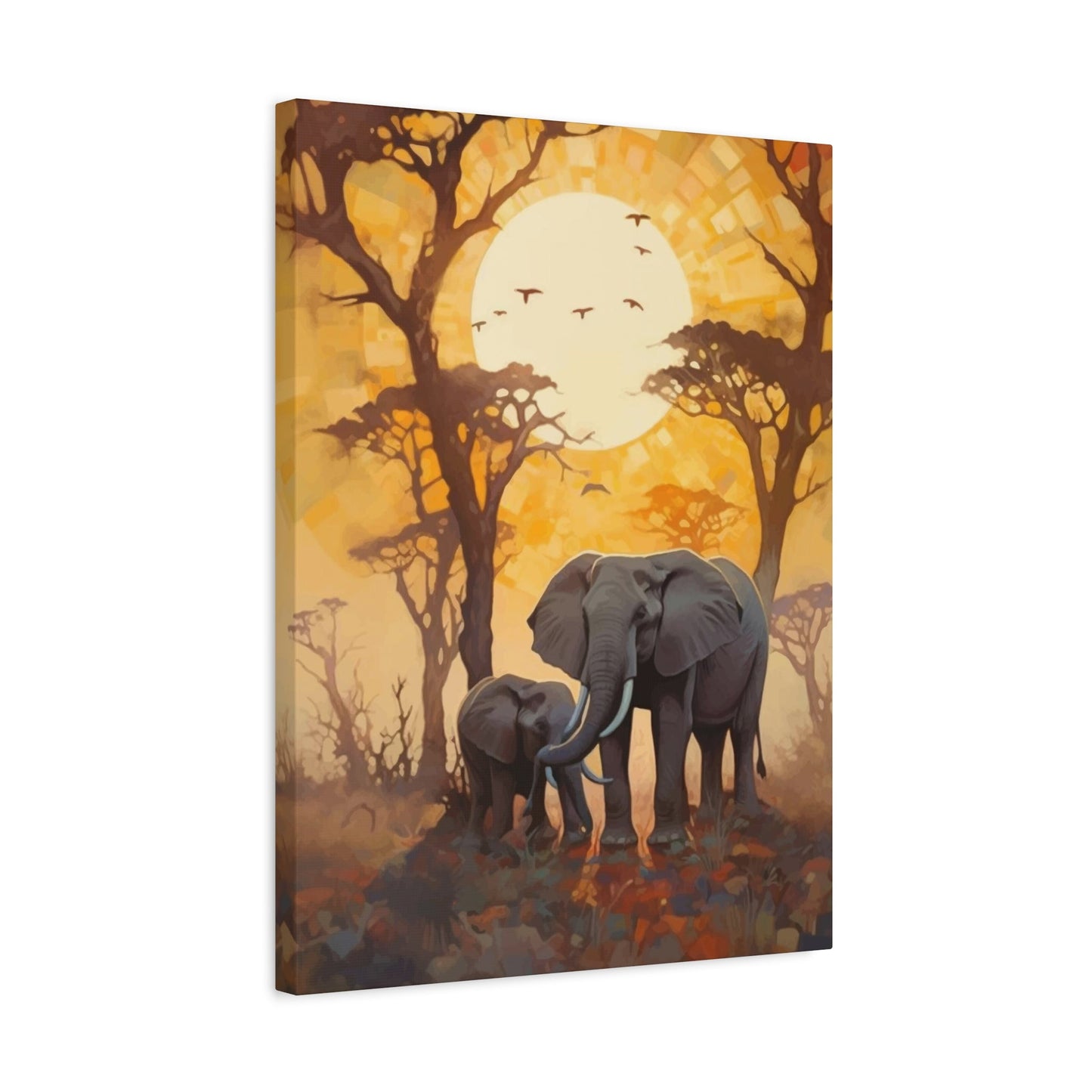
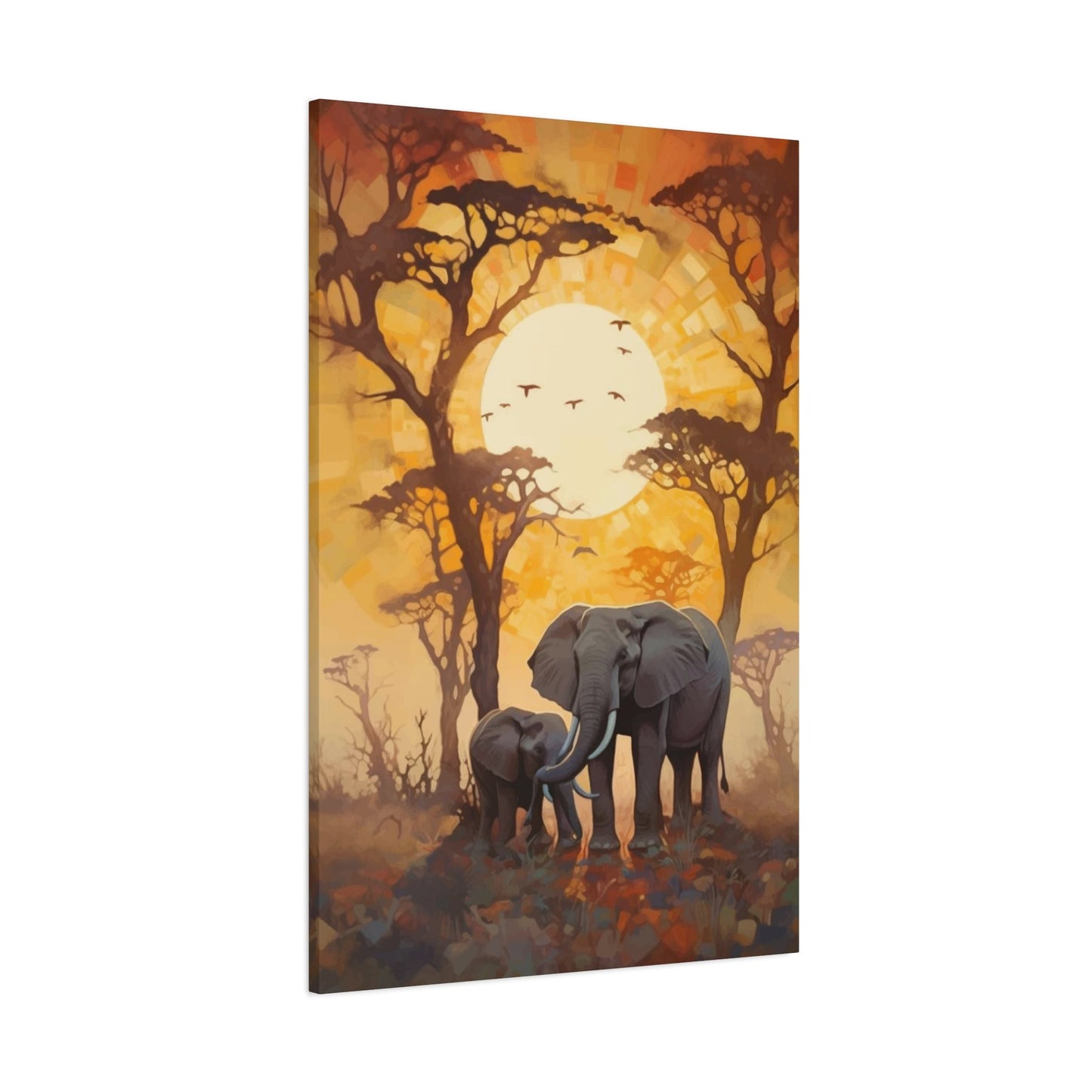
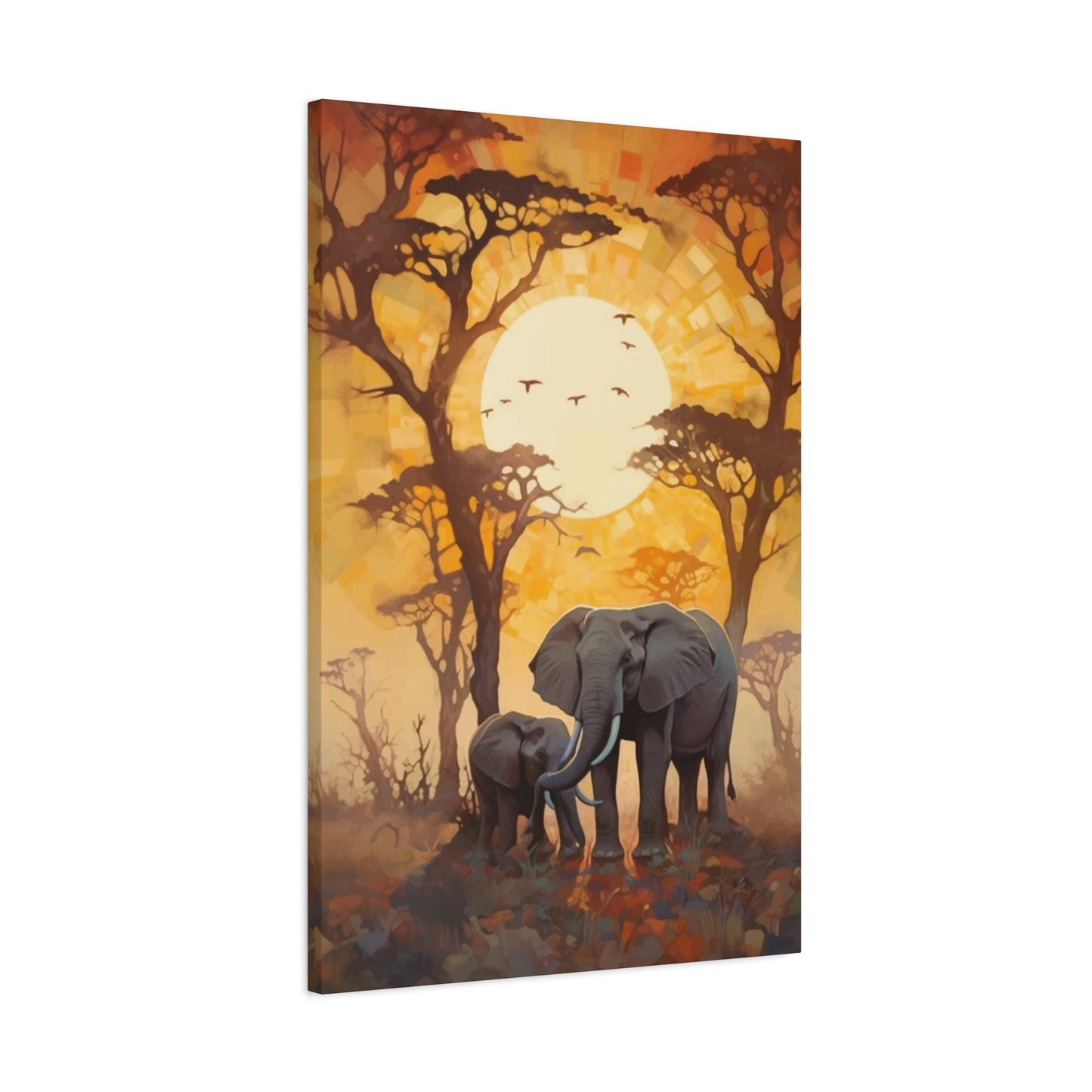
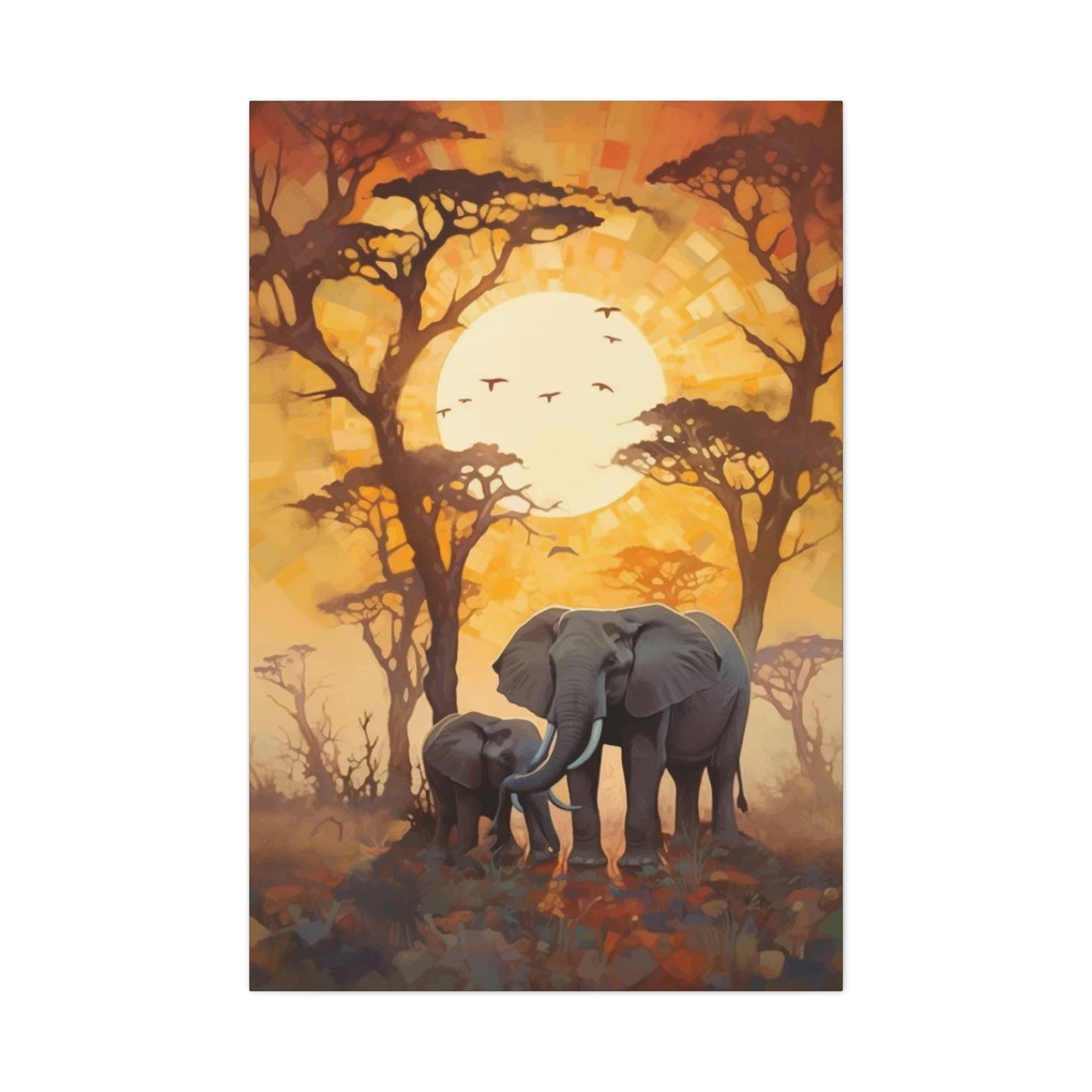
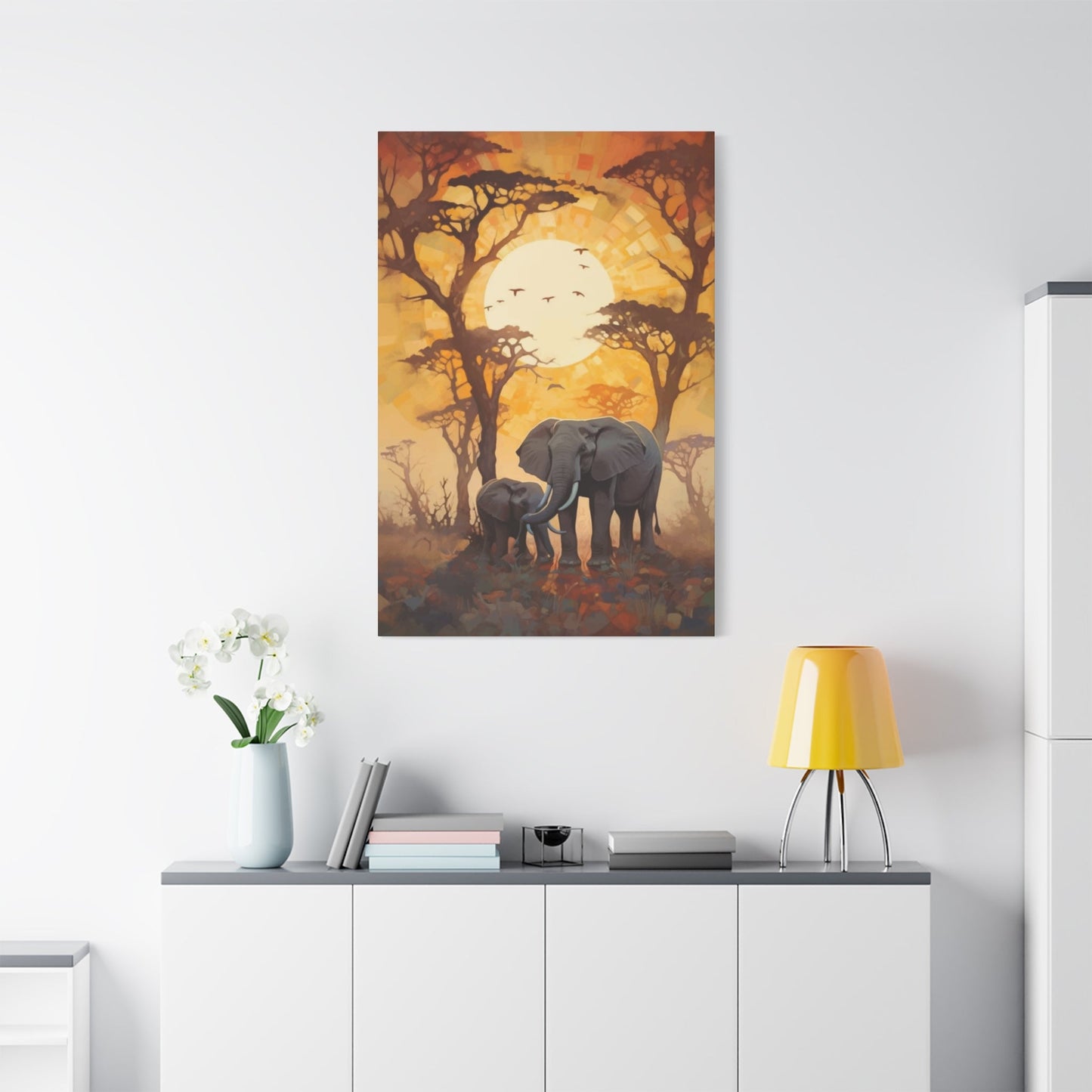
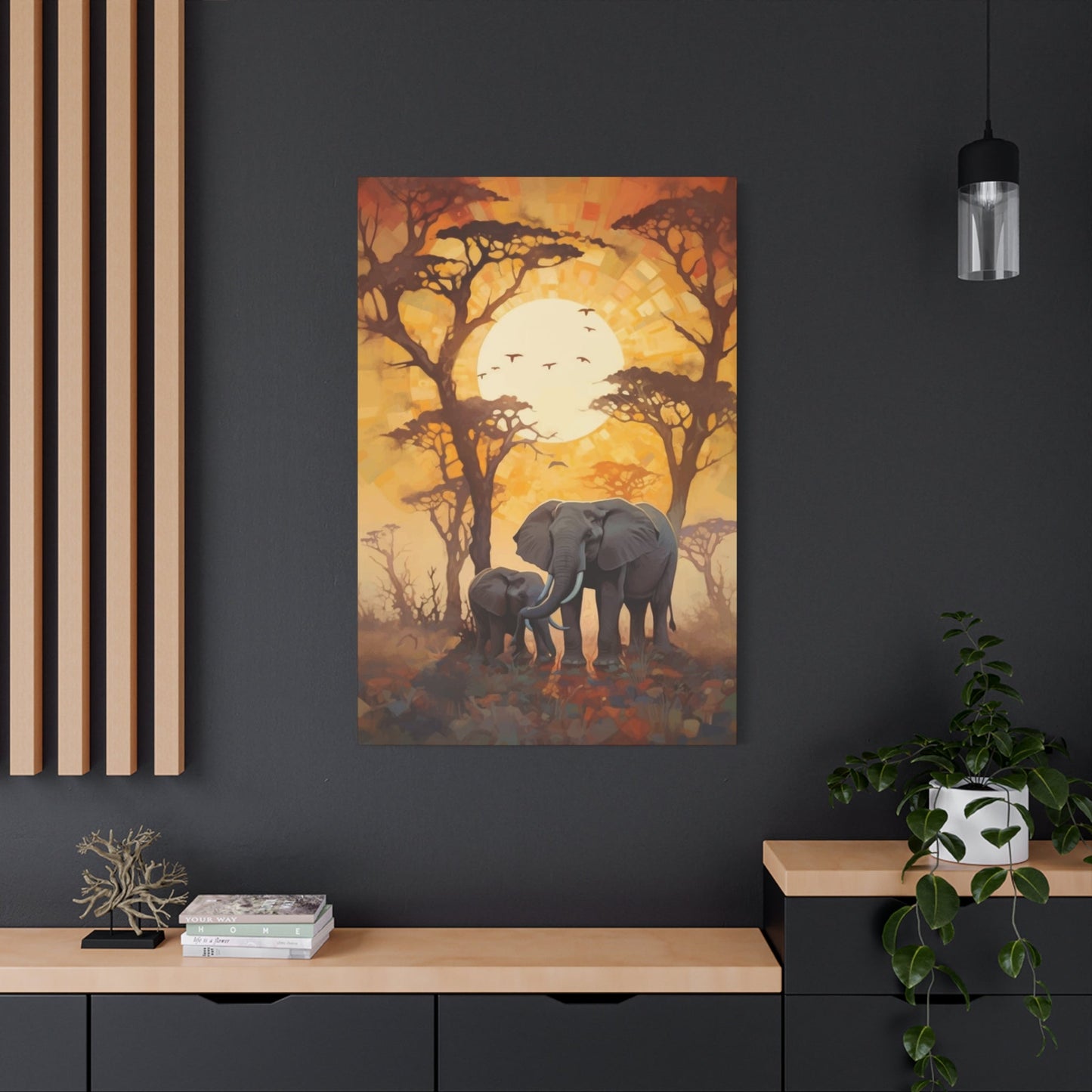
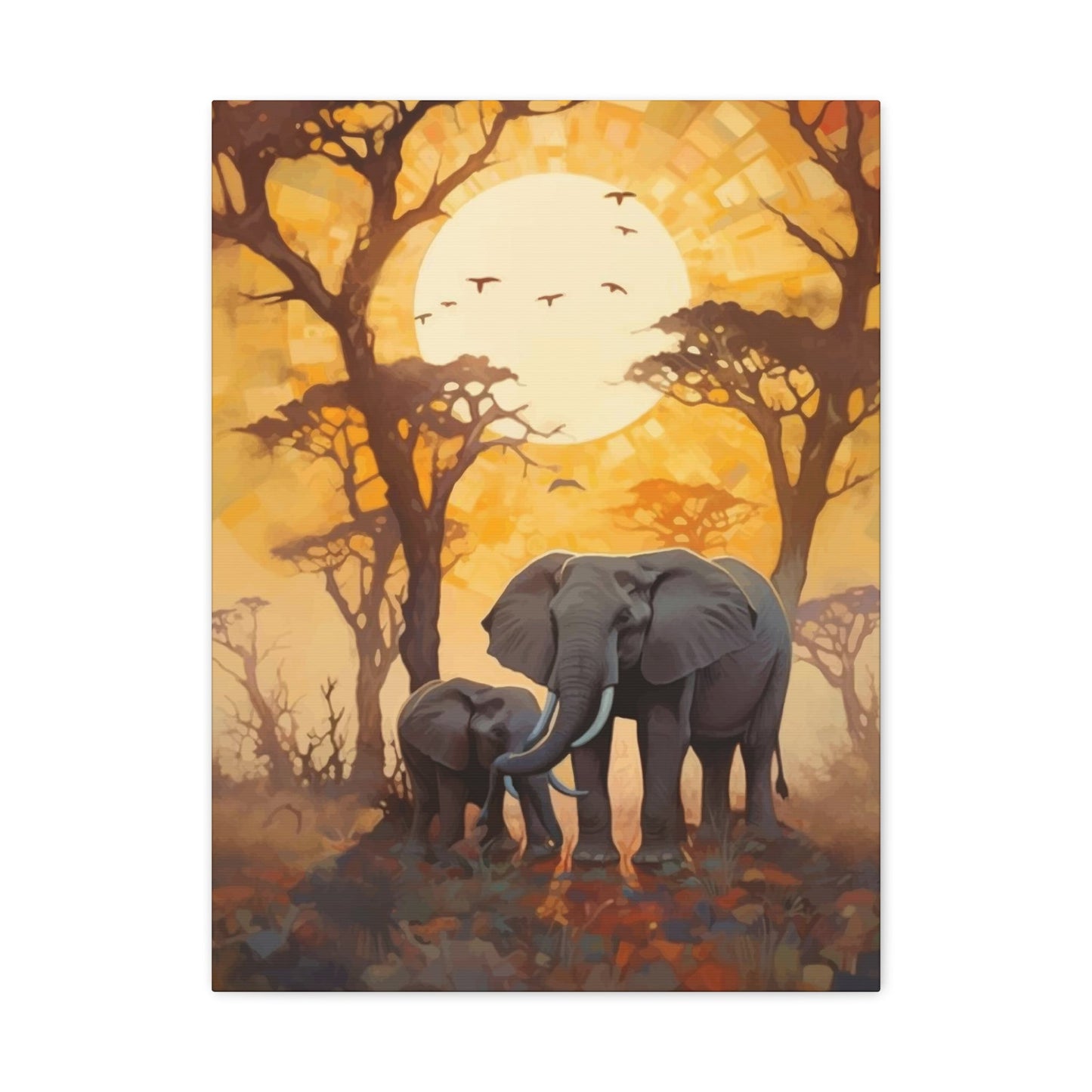
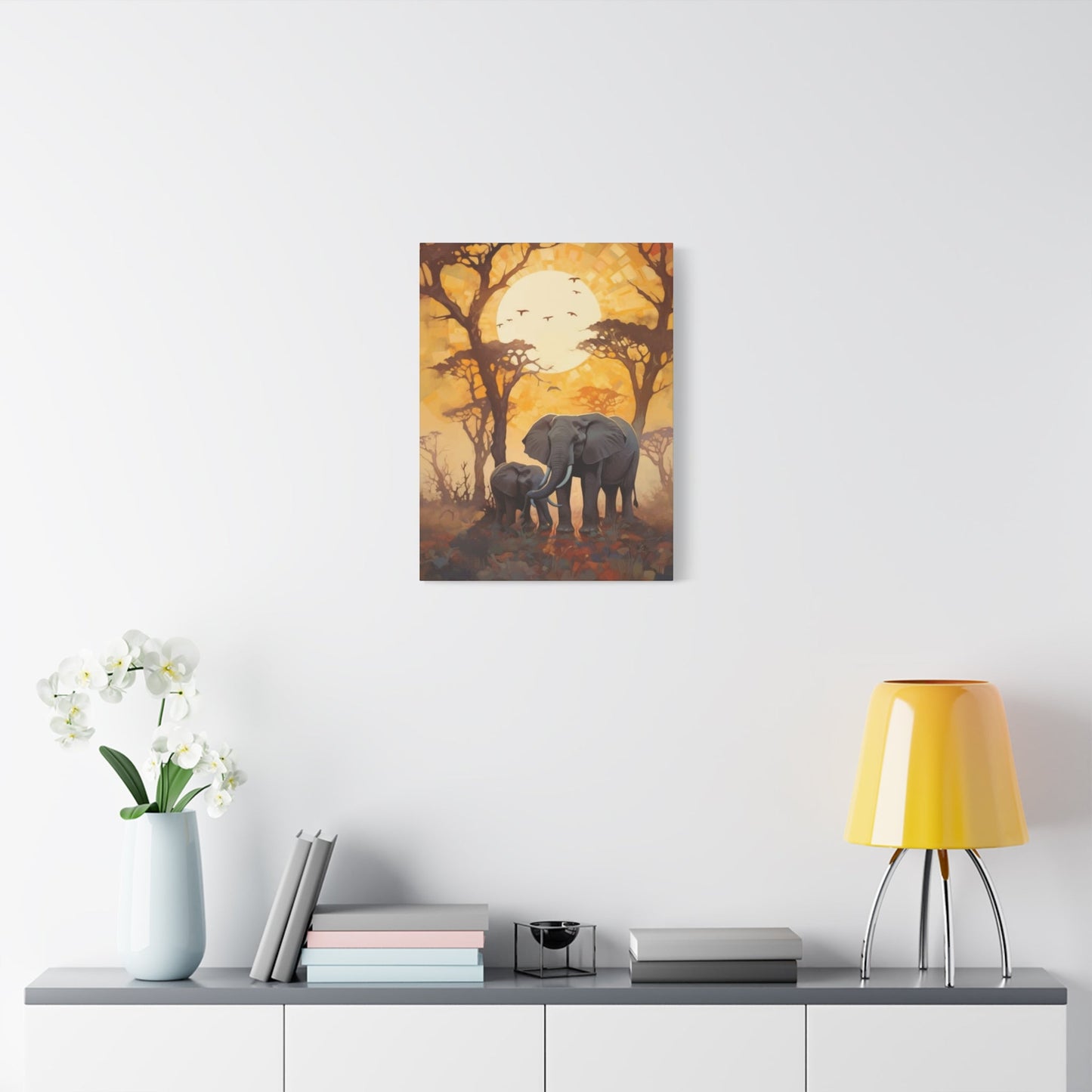
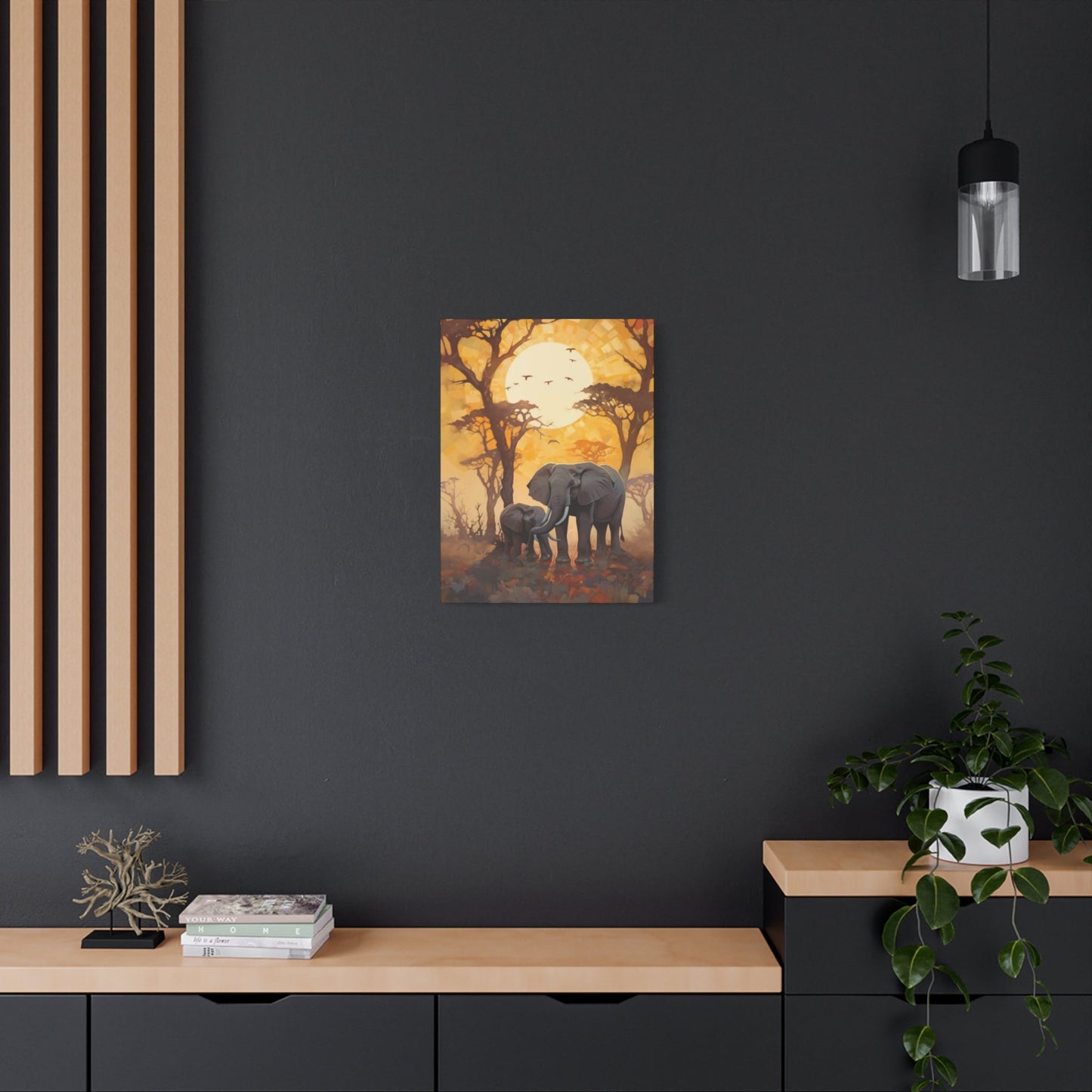
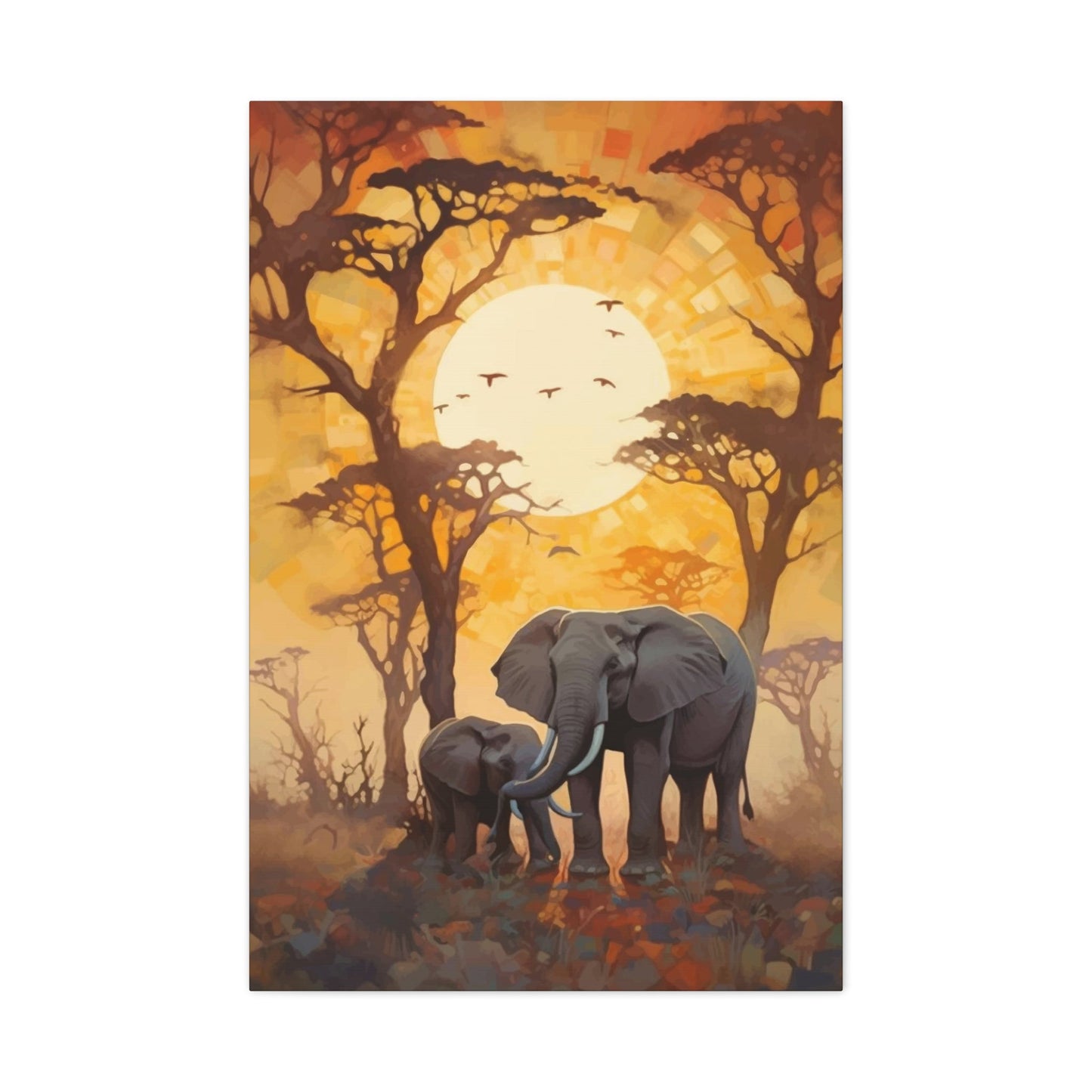
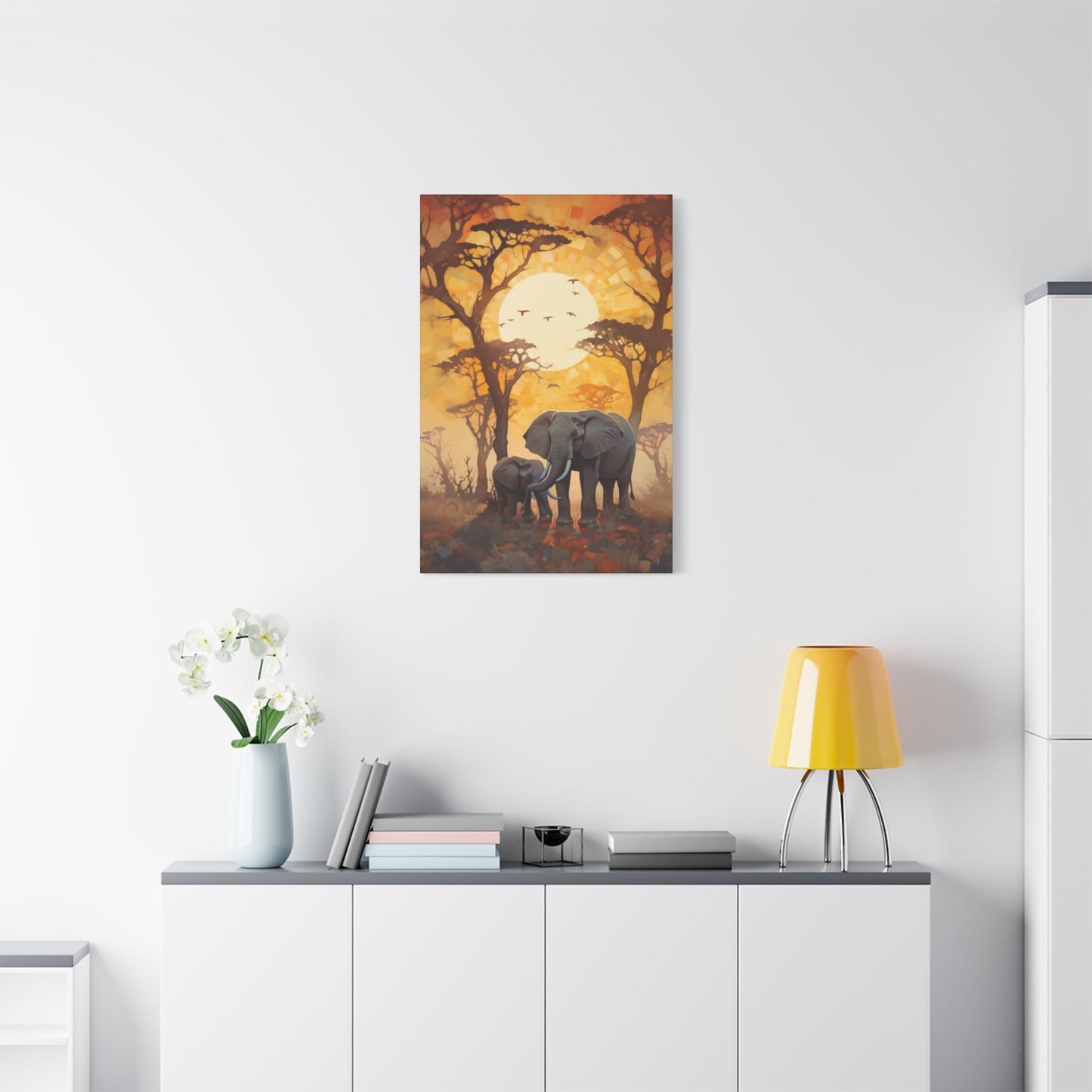
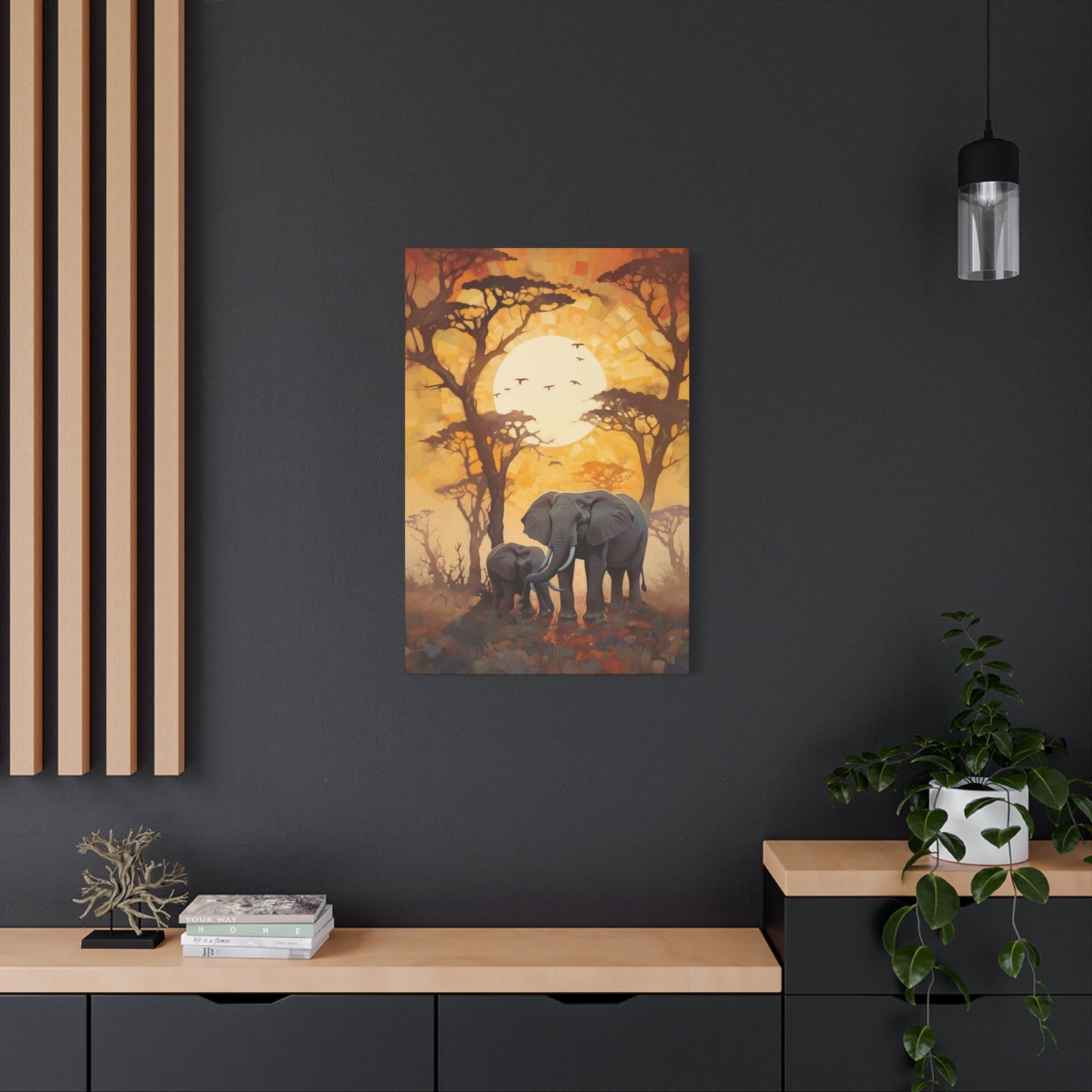
Wild Grace: Mother and Baby Elephant Wall Art That Connects Nature and Emotion
The connection between a mother elephant and her calf represents one of nature's most profound relationships, embodying protection, wisdom, and unconditional devotion. When translated into wall art, this powerful imagery becomes more than mere decoration. It transforms living spaces into sanctuaries of meaning, where every glance at the artwork serves as a gentle reminder of the enduring bonds that shape our lives. These magnificent creatures, with their intricate social structures and remarkable emotional intelligence, offer homeowners an opportunity to infuse their environments with both aesthetic beauty and deeper significance.
Across cultures and centuries, elephants have symbolized various virtues including memory, loyalty, and familial dedication. The image of a mother guiding her young through life's journey resonates universally, transcending geographical and cultural boundaries. This timeless appeal makes elephant-themed wall art particularly versatile, fitting seamlessly into contemporary homes, traditional settings, and everything in between. The gentle giants captured in artistic form bring an element of the wild indoors, connecting urban dwellers with the natural world they may rarely encounter.
Choosing wall art for your home involves more than selecting attractive images. It requires consideration of the emotions you wish to evoke, the atmosphere you aim to create, and the values you want to express. Mother and baby elephant prints accomplish all three objectives simultaneously. They introduce visual interest through their organic forms and textures while communicating themes of protection, guidance, and tender care. Whether rendered in watercolor softness, bold graphic lines, or photographic realism, these depictions serve as conversation starters and sources of daily inspiration.
The growing popularity of animal-inspired decor reflects a broader societal shift toward biophilic design, which recognizes the human need for connection with nature. Studies have shown that incorporating natural elements into interior spaces can reduce stress, enhance mood, and improve overall wellbeing. Elephant wall art participates in this trend by bringing the majesty of wildlife into homes, offices, and care facilities. The presence of these gentle giants on your walls creates a subtle yet constant reminder of the natural world's beauty and the importance of preserving it for future generations.
The Emotional Resonance of Maternal Elephant Imagery
The bond between elephant mothers and their offspring ranks among the strongest in the animal kingdom, lasting for decades and forming the foundation of elephant society. Female elephants remain with their mothers throughout their lives, creating multigenerational family units led by wise matriarchs. This extraordinary devotion translates powerfully into visual art, where the protective stance of a mother beside her calf communicates volumes without words. Artists who capture these moments tap into universal feelings of security, belonging, and the primal instinct to nurture and protect.
When you display artwork featuring a mother elephant with her baby, you invite these profound emotions into your space. The imagery speaks to parents about their own protective instincts and the joys and challenges of raising children. For grandparents, it may evoke memories of their own parenting journey while celebrating their continuing role in the family structure. Even those without children often find themselves moved by the tenderness displayed in these scenes, as the themes of care and connection apply to all relationships. The emotional accessibility of this subject matter makes it appropriate for various settings, from homes to healthcare facilities where comfort and reassurance are paramount.
The visual language of elephant maternal care includes specific gestures that artists frequently capture. The mother's trunk gently guiding her calf, the positioning of her massive body to shield the youngster from potential threats, and the calf walking in the protective shadow of its parent all communicate love without sentimentality. These authentic moments from elephant life resonate because they mirror human experiences. Parents recognize the exhaustion and joy of constant vigilance, the pride in watching their offspring take independent steps, and the bittersweet reality that protection must eventually give way to independence.
Beyond individual emotional responses, elephant family imagery connects viewers to broader ecological and ethical considerations. These intelligent creatures face numerous threats in the wild, from habitat loss to poaching. Displaying their image in your home can serve as a personal commitment to conservation and awareness. Many people find that living with such artwork deepens their appreciation for wildlife and motivates them to support preservation efforts. The art becomes not just decoration but a declaration of values, a visual statement about what matters most to the household.
The psychological impact of viewing nurturing scenes extends beyond momentary appreciation. Research in environmental psychology suggests that images depicting care and protection can actually influence how people feel about their own environments and relationships. A thoughtfully chosen piece featuring elephant mothers and babies may contribute to a more nurturing atmosphere overall, subtly encouraging family members to express affection and support more freely. The artwork becomes part of the home's emotional infrastructure, supporting positive interactions and creating shared focal points for family gatherings.
Celebrating the Unbreakable Connection Between Generations
Elephant societies revolve around the transmission of knowledge from older generations to younger ones, with matriarchs teaching essential survival skills, water sources, migration routes, and social behaviors. This intergenerational wisdom transfer finds beautiful expression in wall art depicting mothers with their calves. Such pieces celebrate not just the nuclear family unit but the broader concept of heritage, tradition, and the passing of accumulated experience. For homeowners who value family history and continuity, these images resonate on multiple levels.
The physical representation of size difference between mother and baby elephants carries symbolic weight. The massive, weathered adult beside the small, smooth-skinned calf illustrates the protective power of experience and maturity. Yet the calf's presence also represents renewal, hope, and the continuation of life. This juxtaposition creates visual tension that keeps the artwork interesting while conveying optimistic messages about the future. The composition naturally draws the eye from the imposing parent to the vulnerable offspring, creating a narrative arc within a single frame.
Artistic interpretations of elephant families often emphasize tactile connections, with trunks intertwined or the baby positioned directly under the mother's protective belly. These physical touchpoints mirror the importance of contact in elephant social life, where touch serves as primary communication. Translating this into wall art creates pieces that feel warm and approachable rather than distant or purely decorative. Viewers instinctively understand the comfort being communicated, even without knowledge of elephant behavior. This universal language of touch and proximity transcends species, speaking directly to our own needs for connection and reassurance.
Different artistic styles bring varying emphases to elephant family bonds. Realistic photography captures the texture of elephant skin, the dust of their habitat, and the authentic interactions between mother and calf. These pieces appeal to nature enthusiasts and those who appreciate documentary-style art. Watercolor interpretations, by contrast, may emphasize the emotional and spiritual aspects of the relationship through soft edges and flowing forms. Abstract representations focus on the essential geometry of protection, using shapes and negative space to suggest rather than depict. Each approach offers unique aesthetic and emotional experiences while maintaining the core theme of familial connection.
The choice to feature elephant families in your home also reflects contemporary values around parenting and family structure. Modern parents often seek to balance protection with fostering independence, to honor tradition while embracing change, and to create secure attachments while encouraging exploration. Elephant mothers demonstrate this balance naturally, maintaining physical and emotional closeness while allowing calves to play, investigate, and gradually gain autonomy. Artwork capturing these dynamics can serve as visual affirmations of healthy parenting approaches, subtle reminders of the goals many families aspire to achieve.
Symbolic Meaning Behind Elephant Maternal Representations
Throughout human history, elephants have accumulated rich symbolic associations across diverse cultures. In many Asian traditions, elephants represent wisdom, prosperity, and good fortune. African cultures often associate them with strength, honor, and royal power. The specific image of a mother with her baby amplifies these positive associations by adding layers of fertility, protection, and familial prosperity. Displaying such artwork can therefore function as more than aesthetic choice, serving as a form of symbolic intention-setting for the household.
The protective stance of mother elephants has particular symbolic resonance. These animals will defend their young against predators many times their size, demonstrating courage that belies their typically gentle nature. This combination of strength and tenderness appeals to those who value balanced approaches to life's challenges. The artwork suggests that true power lies not in aggression but in the capacity to nurture and defend simultaneously. For families navigating the complexities of modern life, this symbolism offers reassurance that strength and softness need not be mutually exclusive.
Elephant memory forms another layer of symbolic meaning relevant to family-themed artwork. These creatures can remember individuals, places, and events across decades, maintaining mental maps of vast territories and recognizing family members after years of separation. When translated into wall art, this legendary memory becomes a metaphor for the lasting impact of early experiences, the importance of honoring family history, and the enduring nature of love. A piece featuring mother and baby elephants might silently remind viewers to create positive memories, to remember their roots, and to maintain connections across time and distance.
The matriarchal structure of elephant society adds feminist dimensions to the symbolism. Led by experienced females whose leadership stems from knowledge rather than physical dominance, elephant herds model collaborative rather than hierarchical social organization. For households that value equality, shared decision-making, and the wisdom of women, elephant family art can serve as visual affirmation of these principles. The artwork celebrates female strength and leadership while honoring the importance of community and mutual support among females across generations.
Water holds special significance in elephant life, with herds traveling vast distances to reach waterholes and rivers. Many artistic representations include water elements, adding symbolic dimensions related to life, cleansing, and emotional depth. A piece showing mother and baby elephants near water might resonate with viewers on subconscious levels, suggesting emotional nourishment, the flow of life, or the sustaining nature of family bonds. These layered meanings enrich the artwork's impact, providing new interpretations with each viewing and creating depth that transcends simple decoration.
Capturing Tenderness Through Artistic Expression
Artists working with elephant subjects face the challenge of portraying creatures whose very size might suggest intimidation rather than tenderness. Successful pieces overcome this apparent contradiction by focusing on specific gestures, positioning, and expressions that communicate gentleness. The curve of a trunk caressing a calf's head, the soft gaze of a mother's eye watching her baby explore, or the protective arch of the mother's body over her offspring all translate massive physical presence into expressions of delicate care. These artistic choices transform potentially imposing subjects into sources of comfort and warmth.
The medium chosen for elephant artwork significantly affects its emotional impact. Oil paintings can capture the weight and texture of elephant presence, using thick applications of paint to suggest the substantial physicality of these animals while employing subtle color variations to convey mood and atmosphere. Charcoal or pencil drawings emphasize line and form, often creating more intimate, sketch-like qualities that feel personal and immediate. Digital art offers opportunities for stylized interpretations, from minimalist line art to elaborate compositions incorporating decorative elements. Each medium brings distinct qualities that resonate differently with viewers.
Color palette choices profoundly influence how elephant family art feels within a space. Naturalistic colors like grays, taupes, and earth tones create grounded, calming effects that blend easily with various decor styles. These neutral palettes allow the emotional content of the image to take precedence, with the subject matter rather than color providing the primary impact. Alternatively, artists may employ unexpected color choices like soft pastels or jewel tones to create more whimsical or dramatic interpretations. These unconventional approaches can make elephant art feel contemporary and fresh while maintaining the core themes of family and connection.
Composition techniques guide viewer attention and create narrative within elephant family artwork. Pieces that position the mother and baby at similar heights, despite their size difference, may emphasize equality and mutual respect within relationships. Compositions where the mother towers over the calf stress protection and security. Arrangements showing the baby slightly ahead of the mother, with the parent watchfully behind, suggest guidance and the gradual journey toward independence. These compositional choices, whether conscious or intuitive, shape how viewers interpret the relationship being depicted and what emotional responses the artwork evokes.
Texture plays a crucial role in successful elephant art, as these animals' distinctive skin provides rich visual interest. Wrinkled, weathered elephant hide tells stories of age and experience, while the smoother skin of calves suggests vulnerability and newness. Artists who effectively render these textural differences create more engaging, authentic pieces that reward close viewing. The contrast between rough and smooth, between the battle-scarred hide of the mother and the unscarred skin of her baby, reinforces themes of experience protecting innocence, wisdom guarding innocence, and the passage of time within family structures.
Creating Sanctuary Through Wildlife-Inspired Design
The concept of home as sanctuary has gained prominence as modern life grows increasingly hectic and demanding. People seek spaces that offer respite from external pressures, environments that support restoration and wellbeing. Wildlife-inspired decor, particularly featuring calm, nurturing subjects like elephant families, contributes significantly to creating these peaceful retreats. The presence of nature within the home, even in artistic form, helps establish psychological distance from urban stress and technology-driven lifestyles.
Mother and baby elephant artwork serves this sanctuary-building function through multiple mechanisms. Visually, the organic curves and natural subject matter provide relief from the hard edges and artificial materials dominating modern interiors. Emotionally, the nurturing content offers comfort and positive associations that counter anxiety and tension. Symbolically, the art connects inhabitants to something larger than their immediate concerns, placing daily worries within the broader context of natural cycles and timeless relationships. These combined effects make such artwork particularly valuable in spaces designated for relaxation and rejuvenation.
The scale of elephant artwork matters significantly in creating sanctuary atmospheres. Large-scale pieces can serve as immersive focal points, drawing viewers into the scene and creating the sense of encountering actual elephants. This immersive quality enhances the escapist function of the art, allowing momentary mental transportation to savanna grasslands or forest clearings. Smaller pieces work differently, creating intimate viewing experiences that reward close attention and quiet contemplation. Both approaches support sanctuary-building but suit different spatial contexts and personal preferences.
Grouping multiple elephant-themed pieces creates gallery wall arrangements that amplify the sanctuary effect. A collection might include various artistic interpretations of mother-baby relationships, different elephant behaviors, or scenes from various habitats. This approach builds a more comprehensive narrative about elephant life while providing visual variety that maintains interest. The repetition of the elephant theme establishes it as a defining characteristic of the space, making the connection between the room and wildlife more pronounced and intentional.
Lighting considerations enhance the sanctuary qualities of elephant wall art. Pieces positioned to receive natural light change throughout the day, with morning sun creating different moods than afternoon or evening illumination. This dynamic quality connects the artwork to natural rhythms, subtly reinforcing the connection to the outdoors. Alternatively, dedicated picture lighting can highlight specific pieces, creating focal points that draw attention even in busy rooms. The interplay between artwork and light adds another layer to the sanctuary experience, engaging viewers through subtle shifts and changes that mirror natural environments.
Aesthetic Versatility of Elephant Family Portraits
One remarkable quality of elephant family artwork is its adaptability to diverse design aesthetics. Unlike subject matter that reads as specifically traditional or modern, rustic or refined, elephant imagery bridges style categories with unusual grace. This versatility stems partly from the animals themselves, which possess both primitive wildness and sophisticated social structures, both raw power and refined intelligence. Artists can emphasize different aspects to align with varied design sensibilities, making elephant art accessible to broad audiences.
In contemporary minimalist spaces, simplified elephant silhouettes or line drawings complement clean lines and uncluttered surfaces. These pared-down representations maintain the emotional essence of elephant family bonds while respecting the aesthetic restraint characteristic of minimalist design. The limited color palettes typical of such spaces work naturally with grayscale elephant artwork or pieces featuring single accent colors. The result feels cohesive and intentional rather than cluttered or thematically inconsistent.
Traditional interiors benefit from more detailed, realistic elephant portraits that echo the careful attention to natural subjects found in classical nature studies. Oil paintings with rich colors and careful attention to anatomical detail fit naturally alongside antique furnishings and formal arrangements. The timeless subject matter of family bonds aligns with traditional values often expressed through classic design choices, creating thematic coherence between the artwork and its surroundings. Gold or ornate wooden frames enhance this traditional presentation, elevating the artwork to the status of serious natural history documentation.
Bohemian spaces embrace elephant art through more expressive, colorful interpretations. Watercolor pieces with loose, flowing forms or mixed-media works incorporating patterns and textures align with boho aesthetics that celebrate artistic freedom and cultural eclecticism. The spiritual associations many cultures attach to elephants resonate with bohemian values of mindfulness and connection. Layering elephant art with textiles, plants, and collected objects creates rich, visually engaging environments where the artwork feels integrated rather than separate from the overall design concept.
Rustic and farmhouse styles incorporate elephant family art through emphasis on natural materials and earth-toned palettes. Pieces printed on wood or canvas with visible texture complement the organic materials central to rustic design. The subject matter itself, drawn from the natural world, reinforces the country-inspired aesthetic that values simplicity, authenticity, and connection to the land. Distressed frames or simple barn-wood borders enhance the rustic feel while allowing the emotional content of the elephant imagery to remain central.
Establishing Atmosphere with Safari-Inspired Elements
Safari-themed decor has evolved beyond cliché tropical motifs to embrace more sophisticated approaches that honor African and Asian landscapes where elephants roam. Modern safari style emphasizes natural materials, earthy color schemes, and carefully selected wildlife imagery that respects rather than trivializes these magnificent animals and their habitats. Mother and baby elephant art fits perfectly within this design approach, serving as sophisticated focal points that ground the theme without overwhelming the space with literal safari references.
The color palette associated with authentic safari style provides ideal backgrounds for elephant artwork. Warm tans, deep browns, olive greens, and sunset oranges echo the tones of African savannas and Asian grasslands. Against these backgrounds, elephant art in complementary neutral shades or dramatic blacks creates striking visual harmony. The earth-toned foundation prevents the space from reading as childish or theme-park-like, maintaining adult sophistication while celebrating the natural world. This color approach works equally well in nurseries, living rooms, or bedrooms, adapting to different functional needs while maintaining aesthetic coherence.
Incorporating authentic materials amplifies the safari atmosphere around elephant wall art. Natural fiber rugs like sisal or jute, furniture crafted from sustainable woods, and textiles in linen or cotton create tactile experiences that complement visual references to wildlife. These materials share the organic, unpretentious qualities of elephant imagery itself, creating multi-sensory environments that feel cohesive and intentional. The combination of natural materials with wildlife art creates spaces that celebrate the beauty of the natural world without artificial or forced thematic elements.
Safari-inspired spaces benefit from restraint in accessorizing around elephant artwork. Rather than cluttering walls and surfaces with numerous animal figures and tropical plants, thoughtful curation creates more impactful results. A single powerful elephant family portrait might serve as the primary wildlife reference, supported by a few carefully chosen objects like a carved wooden bowl, a woven basket, or a sculptural element with organic form. This edited approach respects both the artwork and the overall space, allowing each element to make its own contribution without competing for attention.
Lighting plays a crucial role in establishing safari atmosphere around elephant art. Warm-toned lighting mimics the golden quality of African sunlight, creating inviting atmospheres that enhance the artwork's impact. Floor lamps with natural materials like rattan or wood bases and linen shades provide functional lighting while reinforcing the natural theme. The interplay of light and shadow across elephant artwork adds drama and depth, suggesting the dynamic quality of natural light across landscapes where these animals live. This attention to lighting transforms elephant art from static decoration into dynamic environmental feature.
Infusing Living Spaces with Purpose and Warmth
Beyond aesthetic considerations, artwork selection offers opportunities to infuse homes with meaning that reflects inhabitants' values and aspirations. Mother and baby elephant prints accomplish this through their inherent symbolism of family, protection, and continuity. Displaying such imagery makes a statement about what matters to the household, creating visual reminders of priorities that might otherwise get lost in daily routines. The warmth these pieces bring stems not just from their visual appeal but from their capacity to anchor spaces in deeper significance.
The emotional warmth of elephant family art particularly benefits common areas where families gather. In living rooms, these pieces create conversation starters and shared focal points that encourage connection among family members and guests. The universal appeal of parent-child relationships provides accessible entry into discussions about values, memories, and hopes for the future. Unlike purely decorative art that may be admired but remains emotionally neutral, elephant family imagery actively contributes to the relational quality of shared spaces.
Entryways and hallways benefit from elephant family art in distinctive ways. These transitional spaces, where people enter and exit the home, become opportunities to establish the household's character and values. A striking elephant family portrait near the entrance creates memorable first impressions while silently communicating the home's priorities. For inhabitants, passing this imagery daily serves as grounding reminder of what awaits within the home and what matters beyond its walls. The art becomes part of the ritual of coming and going, adding layers of meaning to these everyday transitions.
Home offices and workspaces gain particular benefits from elephant family imagery. The combination of strength and tenderness characteristic of these animals offers inspiration for balancing professional demands with personal values. During stressful workdays, glancing at the protective posture of an elephant mother beside her calf can provide momentary respite and perspective. The artwork serves as visual reminder that work exists within broader context of relationships and responsibilities that give it meaning. This grounding influence can actually enhance productivity by preventing burnout and maintaining connection to underlying motivations.
The intentionality required to select and place meaningful artwork like elephant family portraits creates opportunities for household discussions about shared values and design goals. The process of choosing which piece resonates most, where to display it, and how to frame and light it becomes collaborative exercise in articulating what matters to the family. This shared decision-making strengthens household bonds while creating living environments that truly reflect inhabitants' identities and aspirations. The resulting spaces feel more personal and authentic, supporting wellbeing through alignment between environment and values.
Incorporating Wildlife Themes into Interior Design
The trend toward wildlife-inspired interior design reflects growing awareness of environmental issues and desire to maintain connection with nature despite increasingly urbanized lifestyles. Elephant imagery participates in this broader movement while offering specific advantages through its powerful symbolic associations and visual appeal. Integrating wildlife themes requires balancing authenticity with livability, creating spaces that honor natural subjects without becoming theme parks or museums. Successful wildlife-inspired design feels organic and personal rather than forced or literal.
Starting with a single powerful wildlife piece like a mother-baby elephant portrait provides an anchor for developing a nature-inspired design scheme. This primary piece establishes the tone and guides subsequent choices about colors, textures, and additional decorative elements. Rather than matching everything to the artwork, designers can extract colors, forms, or moods from the piece to inform broader decisions. A dreamy watercolor elephant print might inspire soft, flowing textiles and curved furniture lines, while a dramatic black-and-white photograph could anchor a more graphic, high-contrast scheme.
Layering becomes essential in wildlife-inspired design, with the interplay between artwork, plants, natural materials, and organic forms creating environments rich in texture and interest. Living plants bring literal nature indoors while complementing artistic representations of wildlife. Natural fiber textiles add tactile dimension that visual art alone cannot provide. Sculptural elements in wood, stone, or ceramic introduce three-dimensional natural forms that dialogue with two-dimensional artwork. This layering creates depth and complexity that single decorative gestures cannot achieve.
Color harmony ties wildlife-inspired elements together, preventing spaces from feeling chaotic or cluttered. Extracting a palette from elephant artwork and echoing those colors throughout the space creates visual cohesion. If the artwork features warm browns and soft grays, repeating these tones in upholstery, window treatments, and accessories unifies the design. Accent colors might be drawn from background elements in the art or from natural phenomena associated with elephant habitats, like the warm oranges of savanna sunsets or the deep greens of forest vegetation.
Balance between wildlife themes and other design interests prevents spaces from becoming one-note. A room featuring elephant family art might also include travel photography, abstract pieces, or personal family photos, creating layered narratives that reflect inhabitants' diverse interests and experiences. The elephant art becomes one voice in a larger conversation rather than dominating the space. This balanced approach feels more livable and personal than single-minded thematic decoration, supporting the goal of creating homes that accommodate complex, multifaceted lives.
Achieving Harmony Through Subtle Color Palettes
The color schemes employed in elephant family artwork significantly influence its integration into existing decor and its overall impact on room atmospheres. Subtle, muted palettes offer particular advantages for creating harmonious, restful environments. Soft grays echoing elephant skin tones, warm taupes suggesting dusty habitats, and gentle creams reflecting tusks and highlights create sophisticated color stories that complement rather than dominate interior spaces. These understated palettes allow the emotional content and subject matter to take precedence over dramatic color statements.
Monochromatic elephant artwork provides maximum versatility, working seamlessly with virtually any color scheme. Black and white pieces offer timeless elegance while clearly depicting the forms and relationships central to the imagery. The absence of color focuses attention on composition, gesture, and expression, often creating more powerful emotional impact than colorful alternatives. Grayscale artwork also bridges traditional and contemporary aesthetics with particular ease, making it safe choice for those uncertain about long-term color commitments or anticipating future decor changes.
Sepia or warm-toned monochromatic pieces add vintage character while maintaining color versatility. These aged-photograph effects create nostalgic moods that suit both traditional and eclectic interiors. The warm undertones work particularly well in cozy spaces where comfort takes priority over visual drama. Combined with natural wood tones and earth-colored textiles, sepia elephant art contributes to organic, grounded atmospheres that feel welcoming and unpretentious. The historical quality suggested by sepia tones also reinforces themes of heritage and generational continuity inherent in elephant family imagery.
Limited color palettes featuring one or two accent colors alongside neutrals create focal points while maintaining overall restraint. A primarily grayscale elephant piece with touches of soft blue or muted gold provides just enough color interest to feel special without overwhelming subtle color schemes. These accent tones can be echoed throughout the room in pillows, throws, or accessories, creating intentional color stories that feel curated and sophisticated. The disciplined palette demonstrates design confidence while maintaining the calming qualities essential for restful spaces.
Consideration of existing room colors guides selection of elephant artwork with appropriate palettes. In spaces dominated by cool blues and greens, elephant art with cooler gray tones or even subtle blue undertones integrates more seamlessly than warm-toned pieces. Conversely, rooms featuring warm woods, terra cotta, or golden tones benefit from elephant artwork with warmer gray or taupe coloration. This attention to color temperature creates visual harmony that makes the artwork feel integral to the space rather than arbitrarily added. The result is cohesive environments where all elements work together to support the desired atmosphere.
Achieving Visual Balance with Natural Subject Matter
Creating balanced interior spaces requires attention to visual weight, scale, and distribution of elements. Elephant family artwork contributes to this balance through its substantial subject matter and typically strong compositional structure. The mass of adult elephants provides significant visual weight that can anchor lighter, more delicate elements in a room. Understanding how to leverage this weight allows designers to create dynamic equilibrium rather than static symmetry, resulting in more interesting and sophisticated spaces.
In asymmetrical arrangements, a large elephant family portrait can balance multiple smaller elements on the opposite side of the room or wall. The visual density of the artwork, with its detailed textures and emotionally compelling subject, carries enough presence to counterbalance clusters of smaller pieces, shelving arrangements, or furniture groupings. This approach creates energetic tension that keeps spaces from feeling too predictable or obviously balanced. The elephant art becomes anchor point around which other elements orbit, establishing hierarchy while maintaining overall equilibrium.
Symmetrical placements offer different opportunities for elephant family art. Centered above a sofa, bed, or console table, such artwork creates formal balance that suits traditional and transitional interiors. The inherent asymmetry of the elephant subjects themselves prevents the arrangement from feeling stiff or overly formal. Even in centered positions, the organic nature of wildlife imagery introduces enough irregularity to maintain visual interest. Flanking the artwork with matching lamps, plants, or accessories reinforces symmetry while allowing the piece itself to provide naturalistic counterpoint.
Scale relationships between artwork and surrounding elements significantly impact visual balance. Oversized elephant art can dominate small rooms unless balanced by substantial furniture or architectural features. Conversely, small pieces may feel lost on large walls or above hefty furniture. The traditional guideline suggesting artwork should span roughly two-thirds to three-quarters of the furniture width below it provides useful starting point, though creative violations of this rule can produce striking results. The key lies in intentional decision-making rather than arbitrary placement.
Grouping multiple elephant-themed pieces creates opportunities for building complex balanced arrangements. A large primary piece flanked by smaller complementary works establishes hierarchy while creating visual richness. Alternatively, a grid of equal-sized elephant prints creates pattern-based balance through repetition rather than symmetry. These gallery wall approaches allow for greater flexibility in filling large wall areas while maintaining thematic coherence. The shared subject matter unifies the arrangement even when individual pieces vary in style, color, or composition.
Personalizing Spaces with Animal-Inspired Artwork
While elephant family imagery carries universal appeal, the most successful implementations feel personal and meaningful to inhabitants rather than generic or trend-driven. Personalizing wildlife art begins with selecting pieces that genuinely resonate emotionally rather than simply matching color schemes or filling blank walls. Taking time to consider which artistic style, which specific moment between mother and baby, and which mood feels most aligned with your values and experiences results in choices you'll continue to appreciate long after initial installation.
Framing choices offer significant opportunities for personalization. Custom framing allows precise matching to room aesthetics while elevating artwork to reflect its importance to you. A simple floating frame creates contemporary, gallery-like presentation, while an ornate carved frame makes more traditional, formal statement. Natural wood frames emphasize organic qualities and connection to nature, while metallic frames add modern sophistication. The frame becomes part of the artwork's expression, either amplifying or tempering the piece's inherent qualities to suit your vision.
Placement decisions communicate personal priorities beyond mere decorative effect. Displaying elephant family art in your bedroom suggests these themes hold intimate, personal significance. Featuring such pieces in public spaces like living rooms or entryways indicates willingness to share these values with guests. Creating dedicated gallery spaces for wildlife art demonstrates serious commitment to environmental themes and natural aesthetics. Each placement decision, whether conscious or intuitive, shapes how the artwork functions within your life and what it communicates about your identity and priorities.
Combining elephant family art with personal photographs creates powerful narratives about your own family story. A wall arrangement that intermingles wildlife imagery with photos of your children, parents, or grandparents makes explicit connections between elephant family bonds and your own relationships. This approach transforms the elephant art from generic symbol to specific visual metaphor for your lived experience. The resulting arrangement feels deeply personal and meaningful, communicating family values in ways that either wildlife art or family photos alone could not achieve.
Collecting elephant art over time builds personal galleries that evolve with your journey. Starting with a single meaningful piece and gradually adding complementary works creates layered collections that reflect changing tastes, travels, and life stages. Pieces acquired during significant life events gain additional meaning through their associations with those moments. This organic approach to building collections results in more authentic, personally meaningful displays than one-time purchasing sprees aimed at completing a look. The collection becomes visual autobiography, documenting your ongoing relationship with elephant imagery and what it represents in your life.
Designing Calming Environments for Young Children
Creating nurseries and children's rooms that support healthy development requires thoughtful attention to visual stimulation, color psychology, and thematic content. Mother and baby elephant artwork offers ideal subject matter for these important spaces, combining gentle imagery with positive symbolism. The protective, nurturing themes inherent in these pieces create subconscious messages of safety and love that contribute to children's sense of security. Unlike chaotic or overstimulating designs, elephant family art provides focal points that interest without overwhelming developing visual systems.
The calming nature of elephant imagery stems partly from the animals' deliberate, unhurried movement and peaceful demeanor. Artists capturing mother-baby elephant moments typically emphasize these tranquil qualities, avoiding action-focused or threatening depictions. The resulting artwork radiates calmness that influences room atmospheres in subtle but meaningful ways. For nurseries where sleep and rest are primary functions, this soothing quality proves particularly valuable. The artwork becomes environmental feature that actively supports the room's purpose rather than merely decorating its surfaces.
Color choices in elephant artwork for children's spaces require careful consideration. While bright, saturated colors might seem appropriate for children, research suggests softer, more muted palettes actually support better rest and emotional regulation. Elephant art in gentle grays, soft taupes, and warm creams creates visually restful environments while providing sufficient interest to engage children during wakeful periods. These sophisticated color choices also age well, remaining appropriate as children grow beyond babyhood into childhood and adolescence. The longevity of neutral palettes makes them practical choices for families seeking long-term solutions rather than temporary nursery themes.
Scale considerations differ for children's spaces compared to adult rooms. While oversized artwork can create immersive experiences, extremely large pieces might feel overwhelming in smaller nurseries. Medium-sized pieces positioned at appropriate heights allow children to engage with the imagery as they grow and begin interacting with their environments more actively. Toddlers and young children enjoy pointing out and naming animals, making positioned-for-viewing artwork that's not too high on walls particularly valuable. As children mature, the same pieces remain relevant, their meaning evolving from simple animal recognition to appreciation of themes like family and protection.
Durability and safety concerns influence framing and installation choices for children's spaces. Acrylic glazing rather than glass eliminates breakage risks while protecting artwork from curious fingers and inevitable room activities. Secure mounting prevents pieces from falling during energetic play. Choosing wipeable frames and mats allows cleaning without damage, important consideration for rooms where spills and messes occur regularly. These practical considerations ensure that beautiful artwork remains both safe and pristine throughout years of use, protecting your investment while maintaining the nurturing environment you've created.
Fostering Peaceful Sleep Environments
The bedroom's primary function as retreat for rest and restoration requires particularly thoughtful artwork selection. Mother and baby elephant prints excel in bedroom settings through their inherently peaceful subject matter and the positive psychological associations they trigger. Unlike stimulating or thought-provoking art that might interfere with relaxation, elephant family imagery provides gentle visual interest that supports rather than disrupts the transition to sleep. The protective themes create subconscious feelings of security particularly valuable in nighttime contexts.
Positioning elephant artwork in bedrooms requires consideration of viewing angles and lighting conditions. Pieces placed opposite the bed provide focal points for quiet contemplation before sleep and upon waking, bookending each day with calming imagery. Artwork above the bed serves more decorative function, as occupants rarely view these pieces from typical positions. Side walls visible from bed offer compromise positions, providing occasional viewing opportunities without dominating visual field. Each placement creates different relationships between occupant and artwork, influencing how the piece integrates into daily and nightly rhythms.
Bedroom lighting dramatically affects how elephant artwork appears and consequently how it influences room atmosphere. Harsh overhead lighting can make any artwork feel glaring and unwelcoming, while soft, warm ambient lighting enhances the gentle qualities inherent in elephant family imagery. Installing dimmer switches allows control over lighting levels throughout evening routines, gradually reducing stimulation as bedtime approaches. Small accent lights specifically highlighting elephant artwork create pools of warm illumination that add visual interest without overall brightness, supporting the bedroom's dual functions as both livable space and sleep sanctuary.
Conclusion
Few subjects in nature evoke such tenderness and majesty as the bond between a mother elephant and her calf. This connection—rooted in strength, care, and gentle love—transcends species, touching the very essence of what it means to nurture and protect. Mother and baby elephant wall art beautifully captures this rare harmony, transforming it into a timeless expression of emotion and grace. Hanging such artwork in your home does more than enhance its aesthetic—it invites compassion, calm, and an emotional depth that resonates with everyone who enters the space.
The power of elephant wall art lies in its symbolism. In many cultures, elephants represent wisdom, loyalty, and prosperity, while a mother-and-calf depiction speaks to the sacred bond of family and the continuity of life. When displayed in living rooms, nurseries, or bedrooms, these images radiate warmth and reassurance. The gentle gesture of a trunk wrapped protectively around a baby or the tranquil moment of a herd moving together across the savannah evokes feelings of connection, safety, and belonging. It’s a reminder that true beauty often resides not in grandeur, but in love, trust, and quiet strength.
From an artistic perspective, the composition of mother and baby elephant wall art balances natural majesty with emotional storytelling. Monochrome prints emphasize form and expression, highlighting the graceful lines and textures of the elephants’ skin while focusing the viewer’s attention on emotion rather than color. In contrast, richly hued canvases—depicting golden savannah light or the deep blue shadows of dusk—infuse the scene with warmth and atmosphere. Both styles carry their own charm: black-and-white offers sophistication and timeless appeal, while color art introduces life, vibrancy, and a touch of the wild into your home.
In modern interior design, such pieces bring an organic softness to contemporary spaces. A large-scale elephant canvas can anchor a minimalist room, providing both visual grounding and emotional richness. In rustic or bohemian settings, these artworks harmonize beautifully with natural materials like wood, rattan, or linen, reinforcing the connection between art and earth. Even in luxurious, urban interiors, the presence of wildlife art—especially one depicting elephants—adds authenticity and soul, balancing modern elegance with the timeless rhythms of nature. The result is a space that feels not only curated but deeply human.
Lighting plays a key role in enhancing the emotional depth of elephant wall art. Soft, warm lighting accentuates the tenderness of the subjects, while directional lighting highlights texture and detail, allowing the artwork to come alive. Placed thoughtfully above a sofa, bed, or console, it becomes an instant focal point—a story in visual form. Framed in natural wood, sleek black, or metallic tones, the art complements a wide range of décor themes, from nature-inspired to contemporary chic. With every glance, viewers are reminded of the balance between strength and gentleness—a reflection that mirrors life itself.
But beyond décor, mother and baby elephant wall art resonates on a deeper emotional level. It captures one of nature’s most powerful relationships—a mother’s instinct to nurture, guide, and protect. This universal theme connects across cultures, making it an ideal symbol for family spaces or rooms where comfort and togetherness are celebrated. For new parents, such art in a nursery can symbolize love’s enduring presence; for families, it represents unity and resilience; and for individuals, it can serve as a reminder of compassion, patience, and grace in everyday life.
Moreover, the elephants’ presence in art speaks to the importance of preservation and empathy for the natural world. Their portrayal invites reflection on coexistence and respect for life in all its forms. In this way, decorating with elephant art becomes more than a design choice—it becomes an act of mindfulness. It aligns the energy of your home with values of peace, connection, and care, encouraging a deeper appreciation for both art and the living world it represents.
Ultimately, mother and baby elephant wall art embodies a perfect harmony of emotion and aesthetics. It brings the wild’s grace into the domestic sphere, merging the vastness of nature with the intimacy of family. Through its imagery, it reminds us that strength is often quiet, love is boundless, and beauty is found in the bonds we share. Every detail—the tender gaze, the protective stance, the soft shadows—tells a story that speaks directly to the heart.
In your home, such art becomes more than decoration—it becomes a message. It whispers of compassion, resilience, and the timeless power of connection. Whether displayed in a grand living room, a peaceful bedroom, or a cherished family space, it infuses your environment with a sense of purpose and calm. Wild grace, as reflected in the image of a mother and her baby elephant, transforms walls into reflections of love and life itself—a visual hymn to the natural bonds that define us all.


