


Neoclassicism Wall Art & Canvas Prints
Neoclassicism Wall Art & Canvas Prints
Couldn't load pickup availability
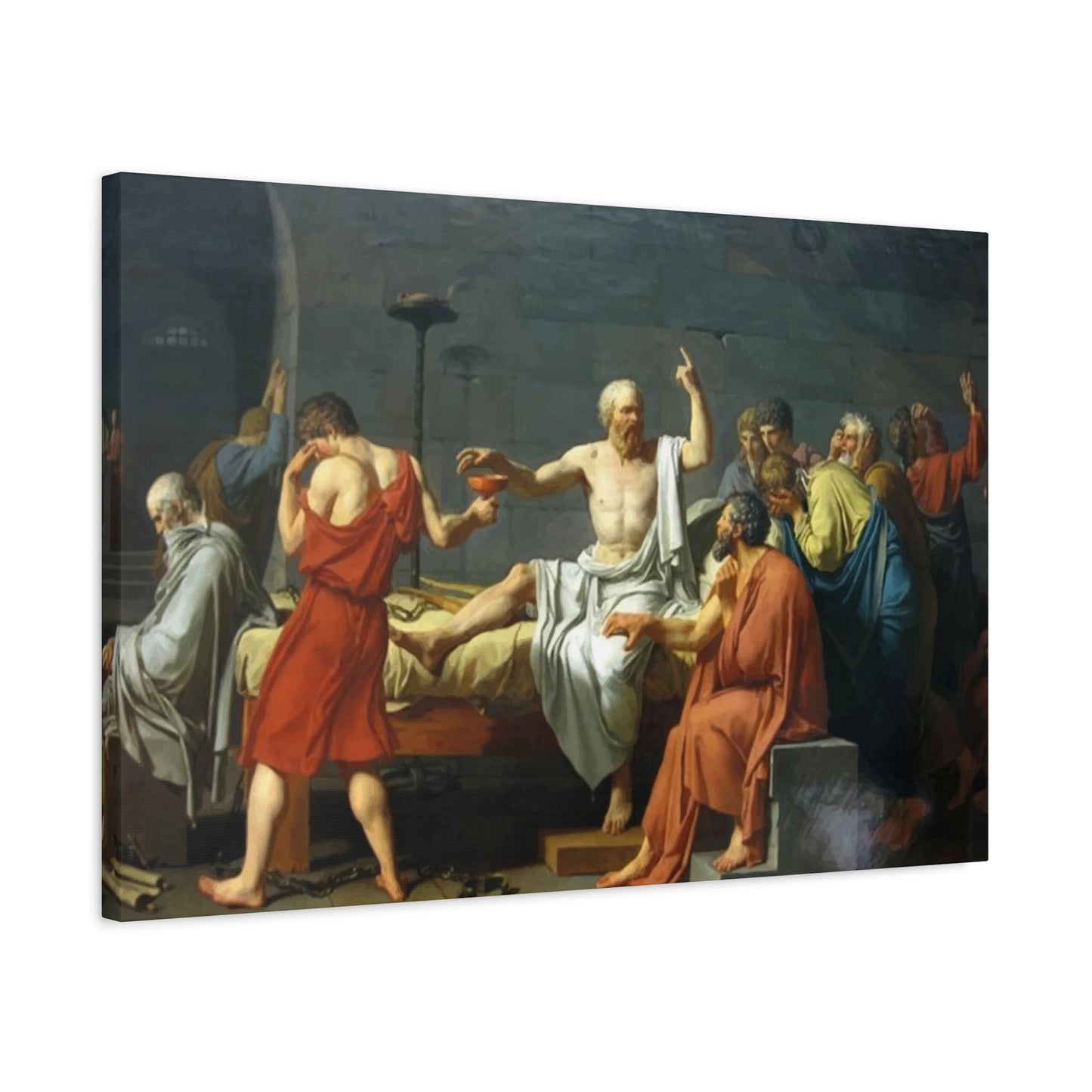
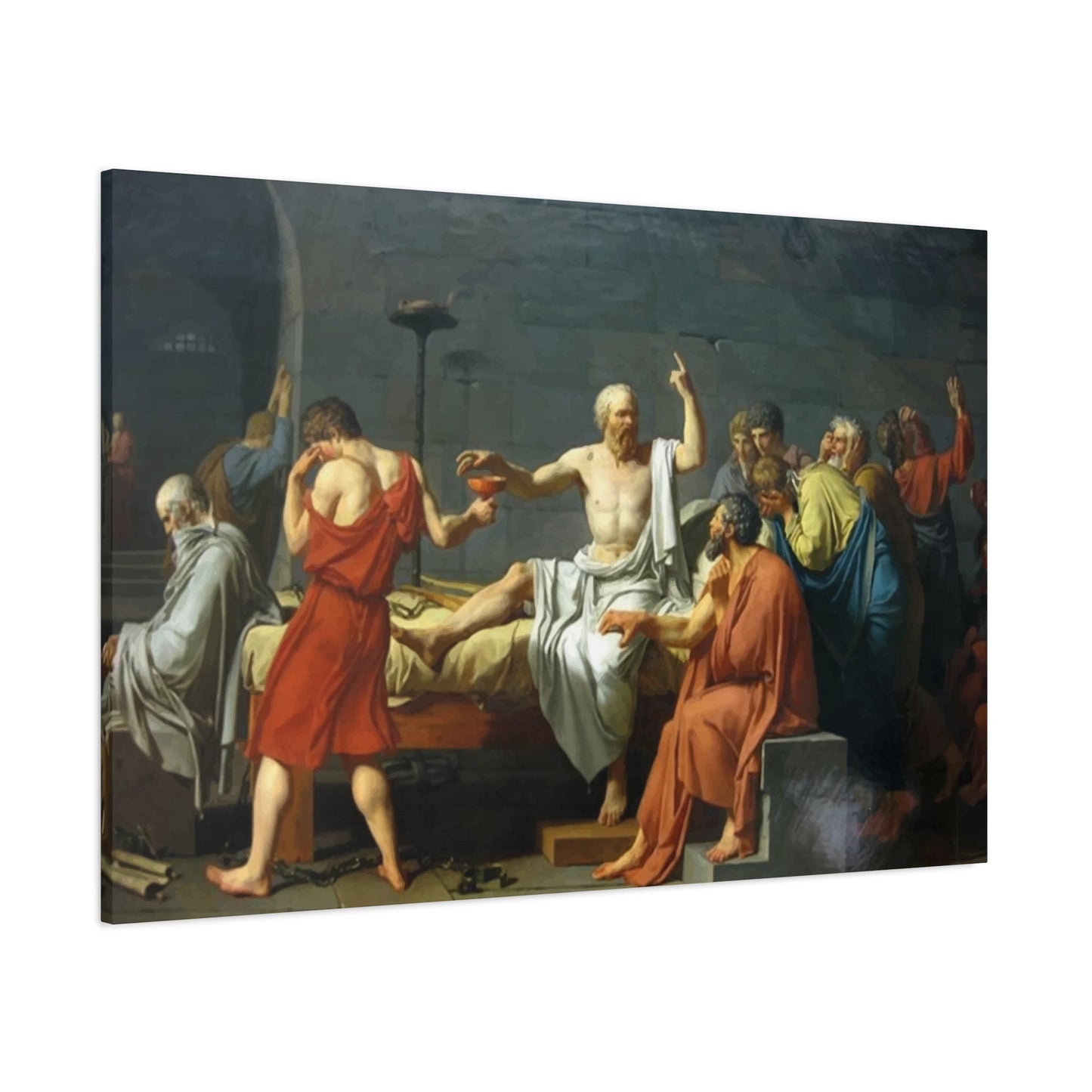
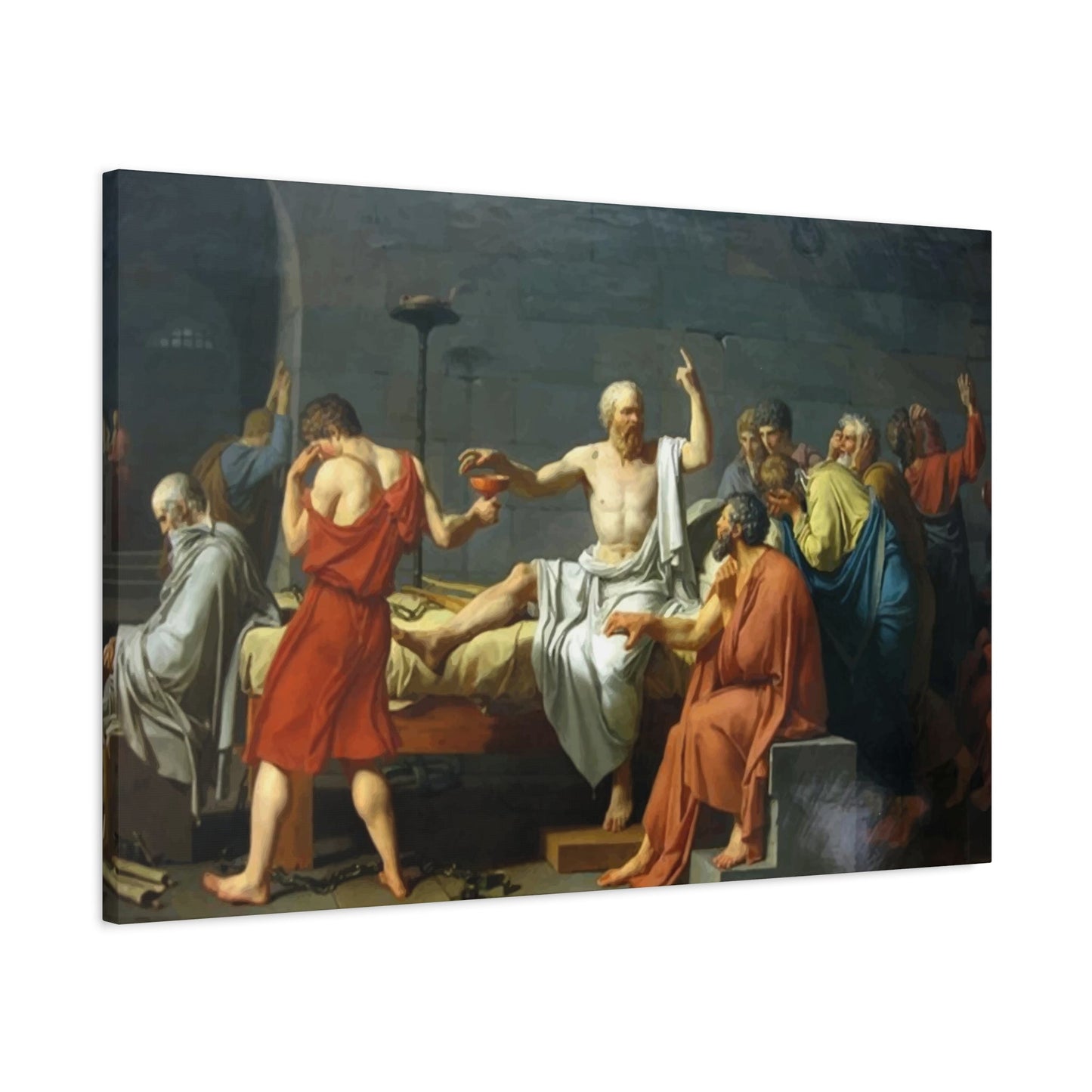
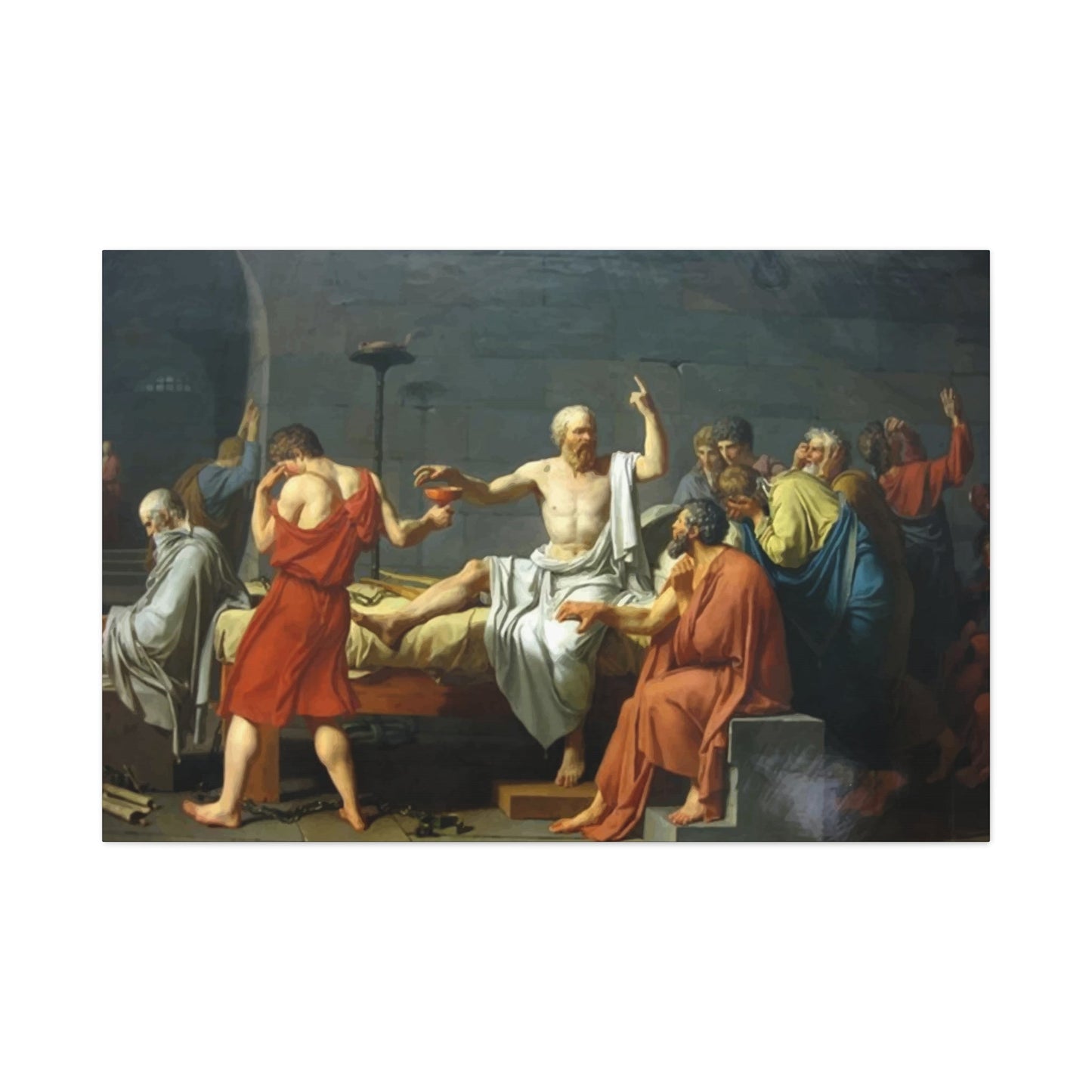
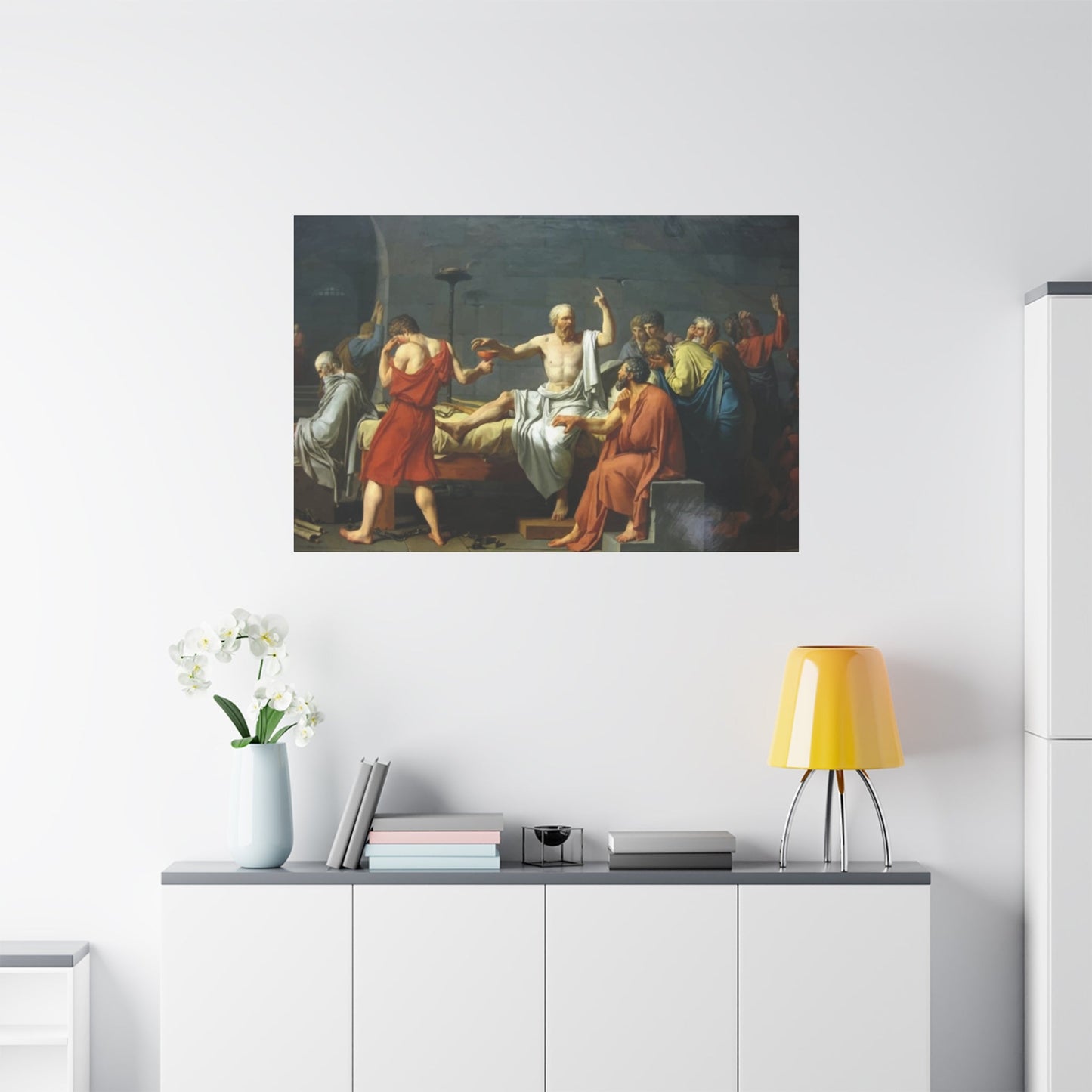
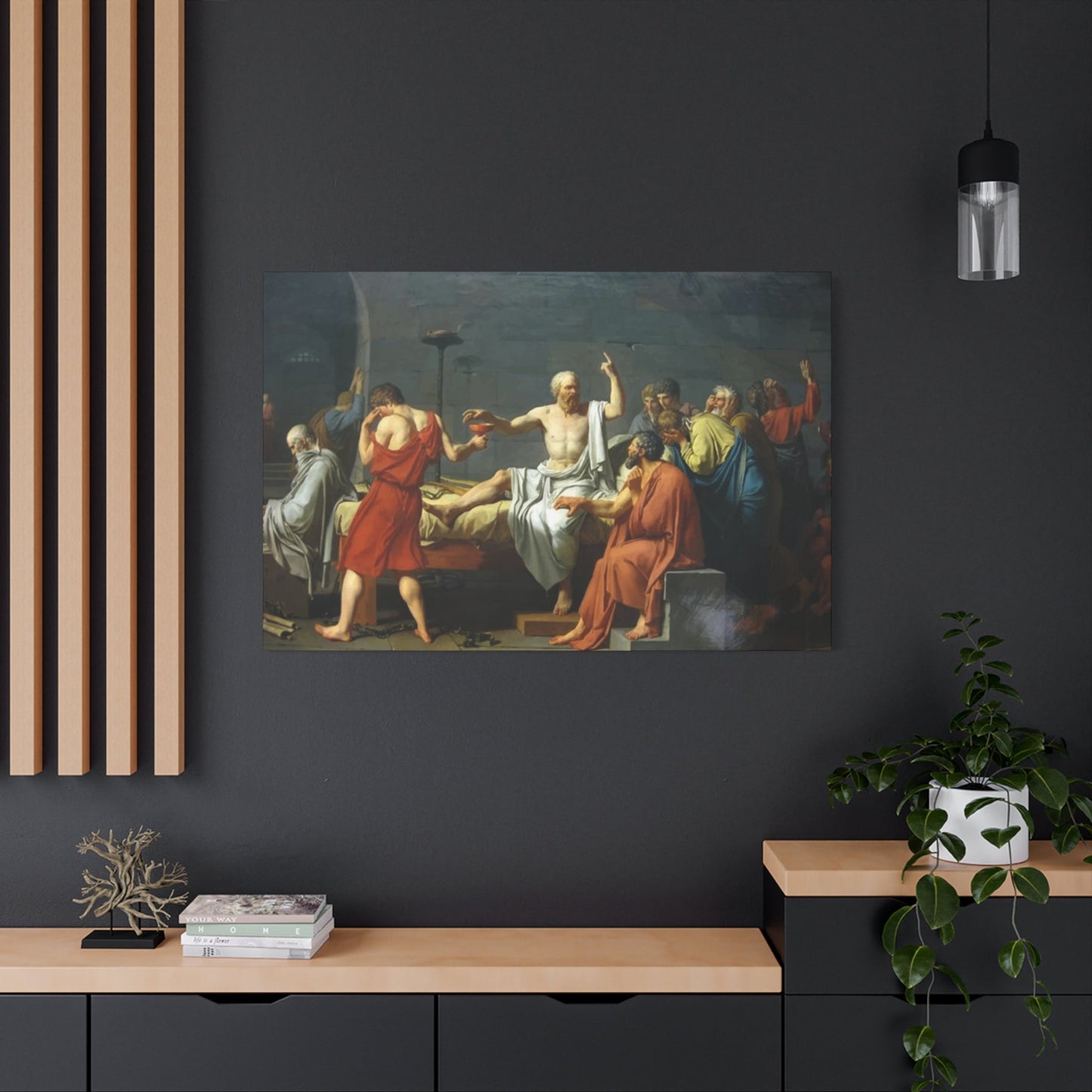
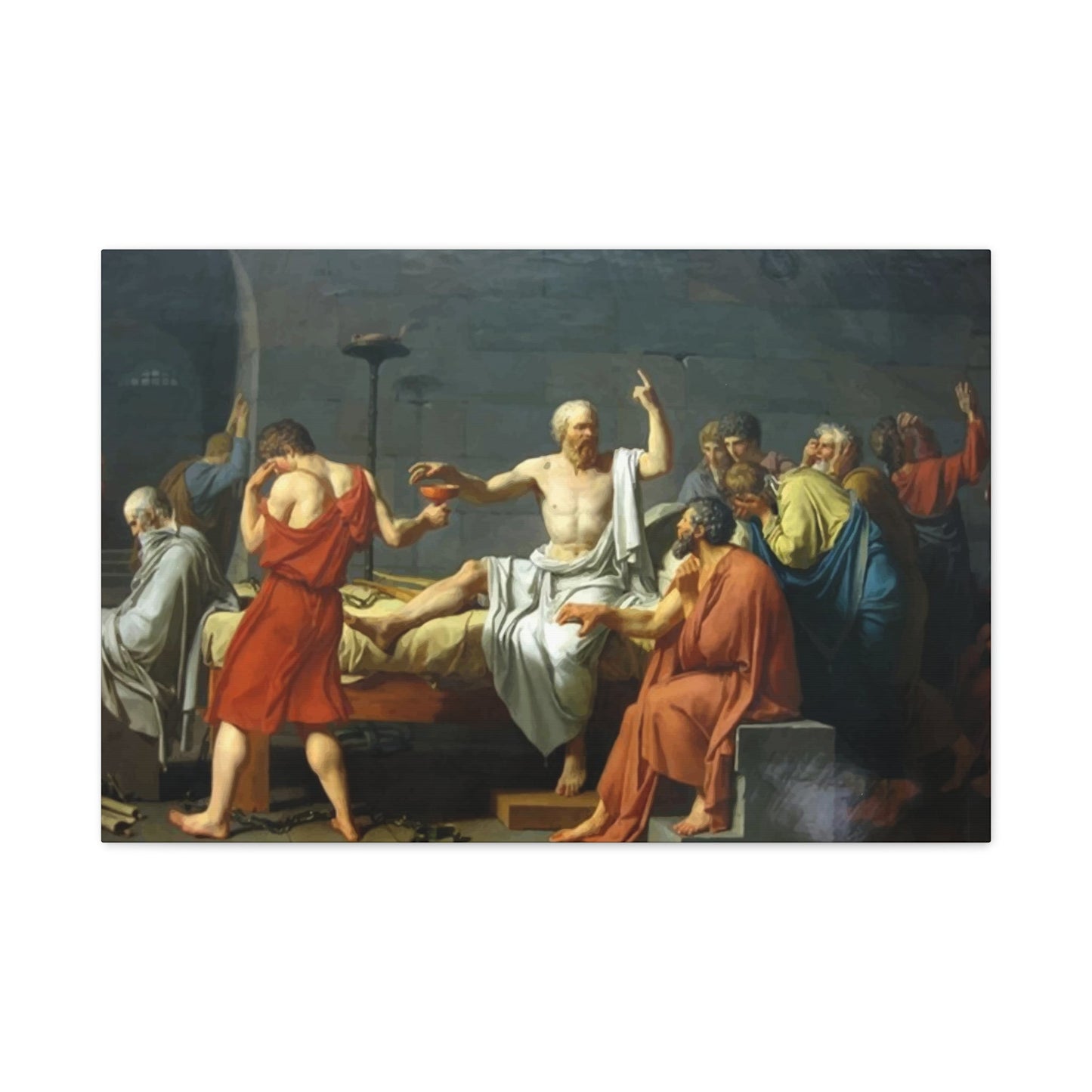
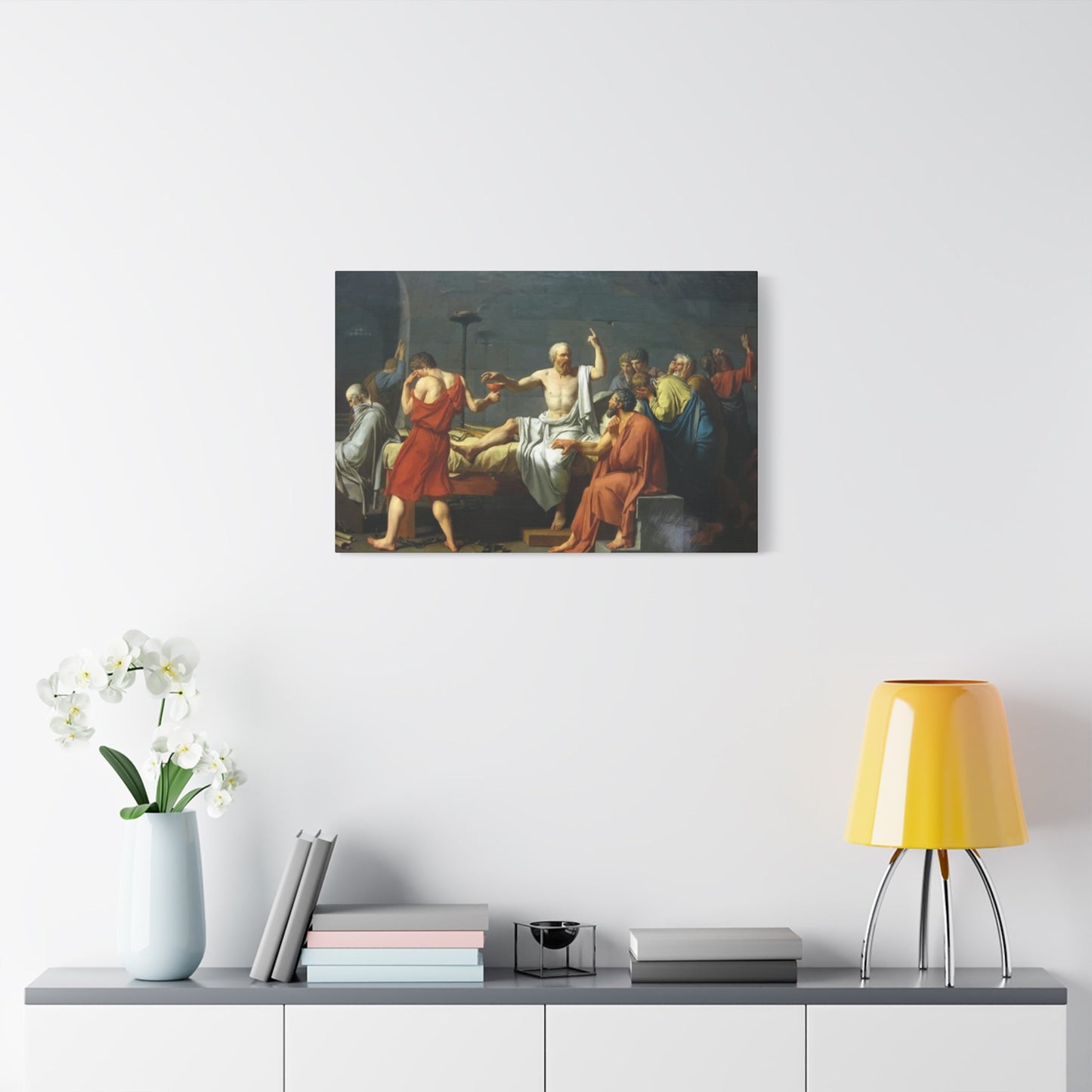
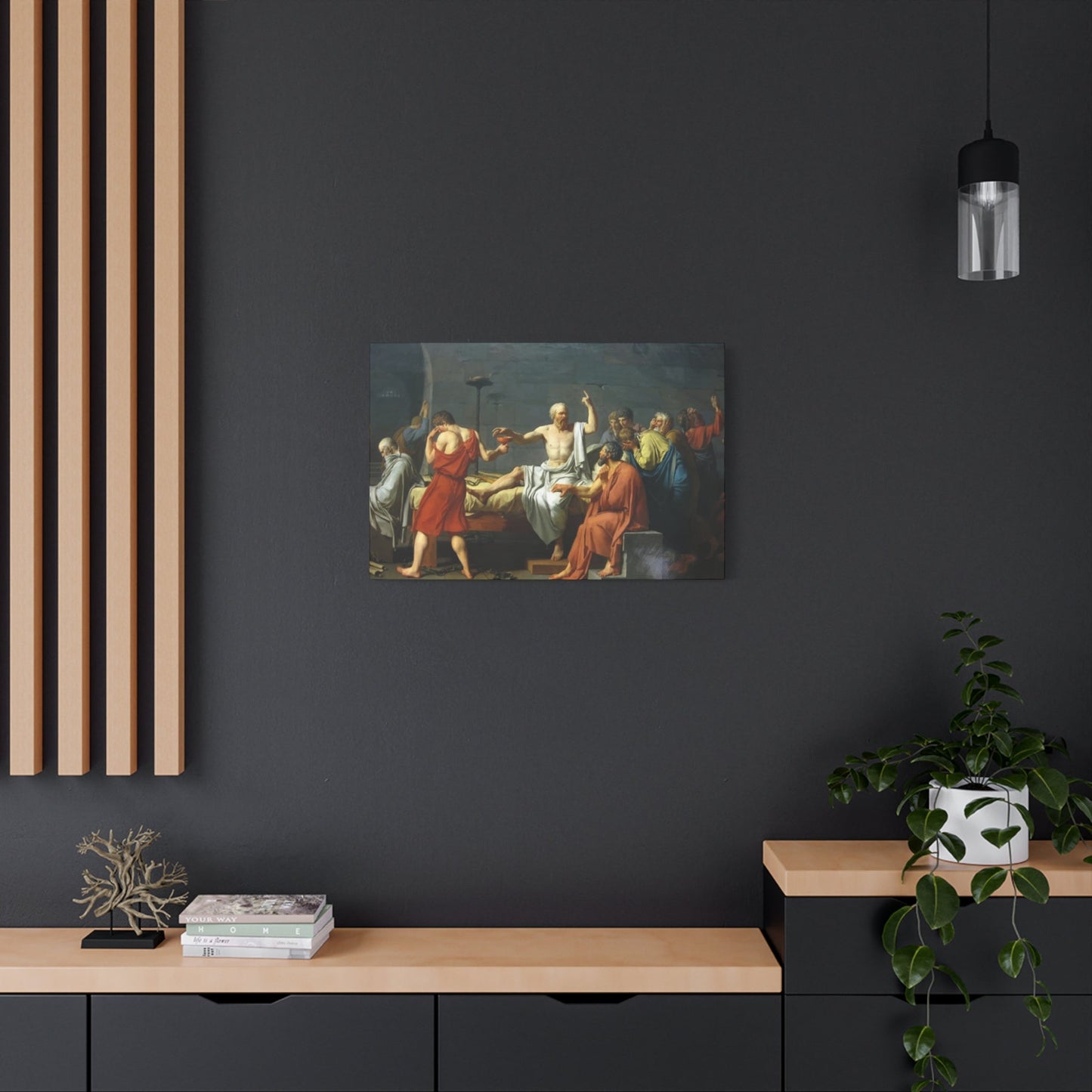
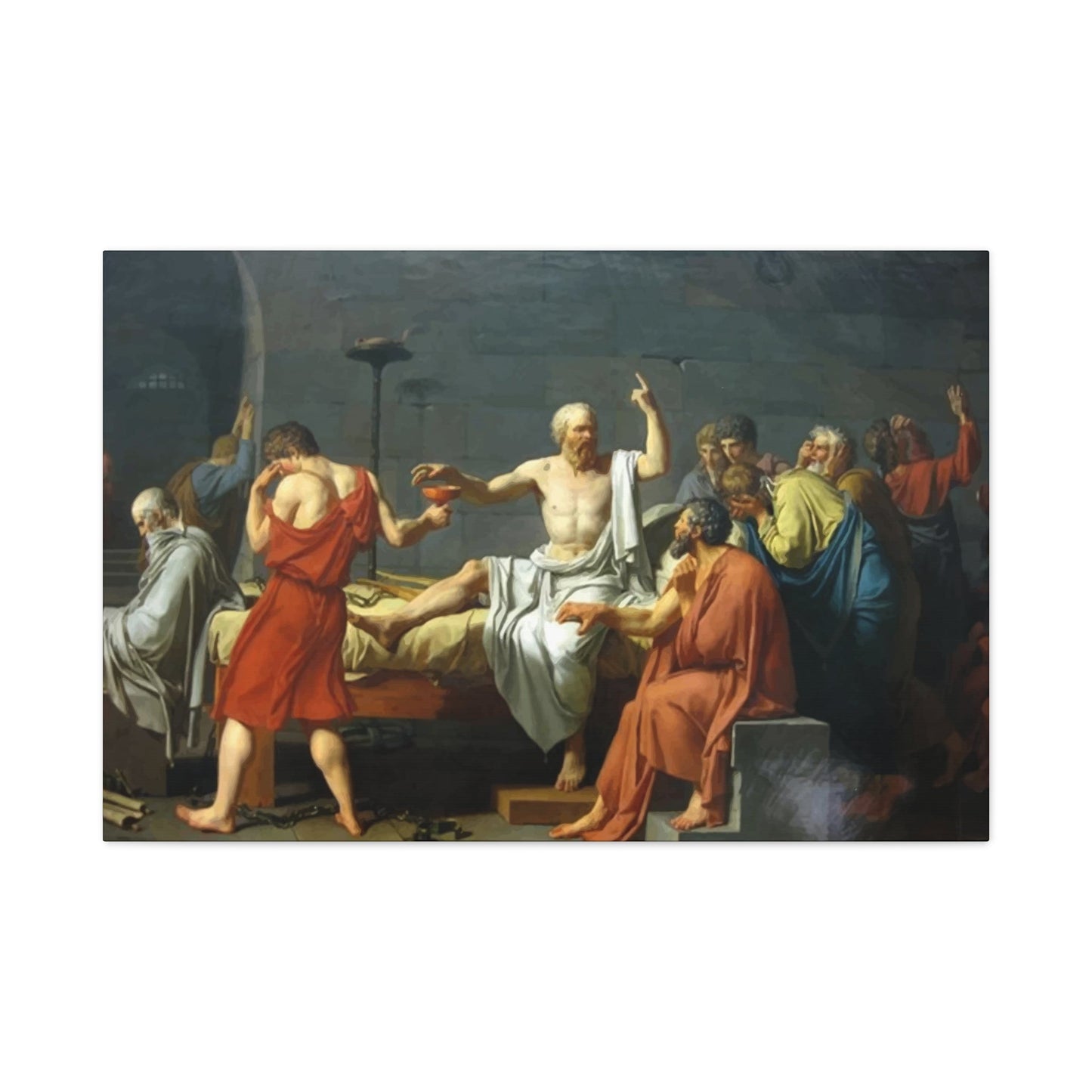
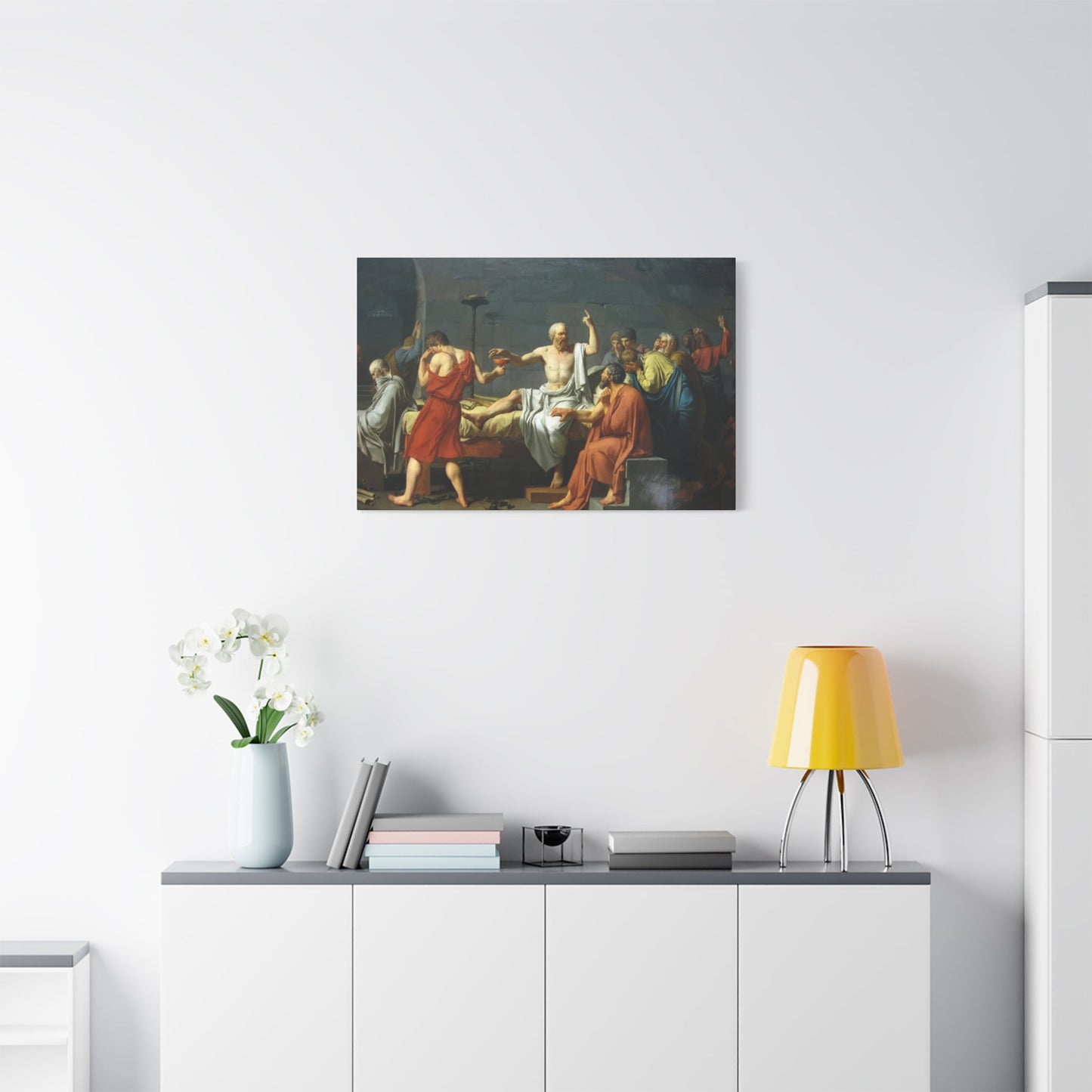
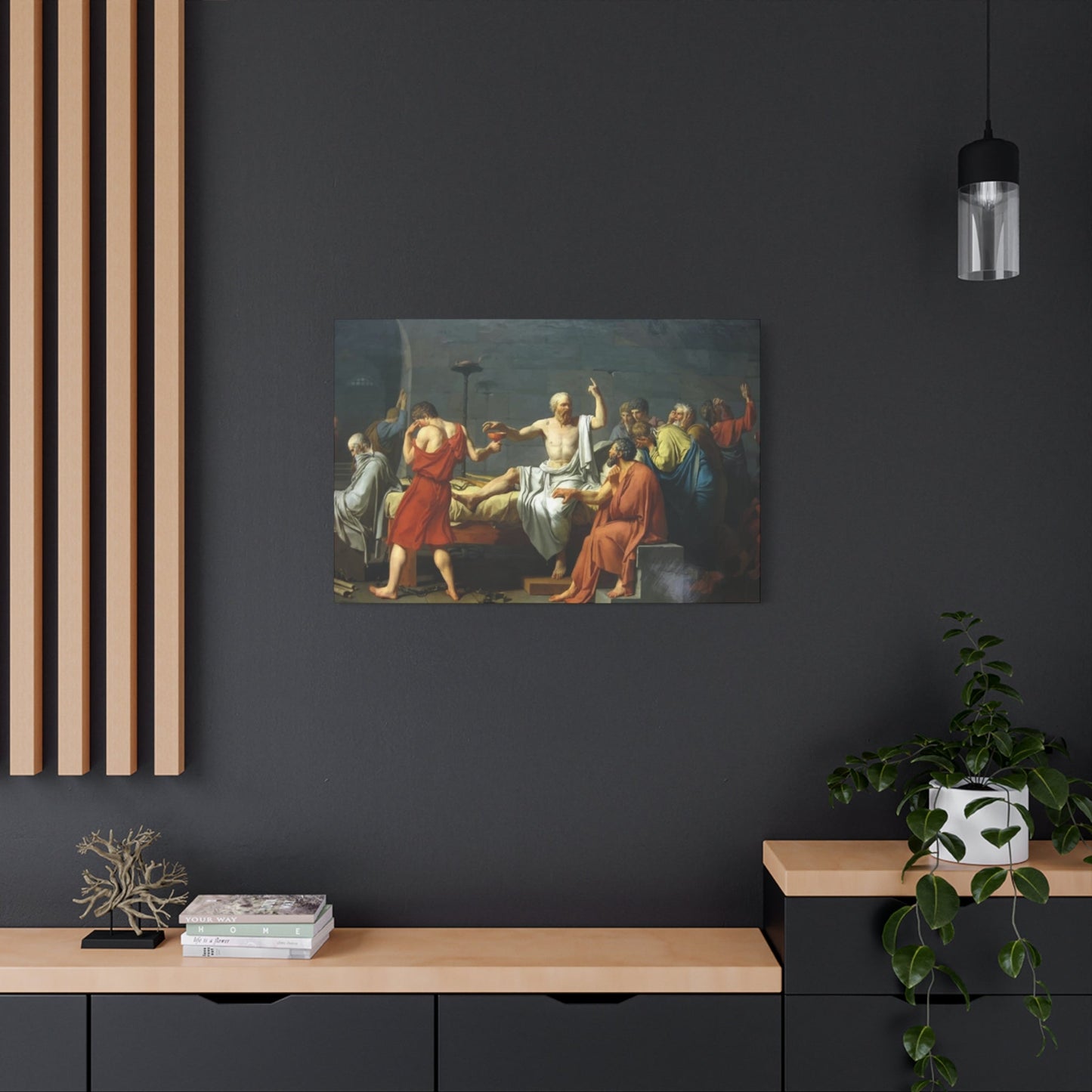
Neoclassical Wall Art: Timeless Elegance and Sophisticated Beauty for Your Home
The world of home decoration has witnessed countless artistic movements, yet few have maintained such enduring appeal as neoclassicism. This remarkable artistic style, which emerged in the mid-18th century as a reaction against the ornate Rococo movement, continues to captivate homeowners and art enthusiasts with its refined elegance and timeless sophistication. Neoclassical wall art represents more than mere decoration; it embodies a philosophy of beauty rooted in ancient Greek and Roman ideals, offering a perfect blend of classical grandeur and contemporary relevance.
The revival of classical antiquity through neoclassical art brings forth a sense of order, harmony, and intellectual clarity that resonates deeply with modern sensibilities. This artistic movement, which flourished during the Age of Enlightenment, emphasized reason, virtue, and moral nobility through visual representation. When translated into wall art, these principles create stunning decorative pieces that elevate any room while maintaining an air of cultured refinement.
Neoclassical wall art encompasses a diverse range of subjects and techniques, from mythological scenes and historical narratives to architectural studies and portrait paintings. The movement's emphasis on linear precision, balanced composition, and idealized forms makes it particularly suitable for home decoration, as these artworks possess the remarkable ability to complement various decorating schemes while adding depth and cultural significance to living environments.
The enduring popularity of neoclassical wall art stems from its ability to bridge the gap between past and present, offering timeless beauty that transcends fleeting design trends. Whether displayed in traditional settings or contemporary homes, these artistic works bring a sense of gravitas and sophistication that few other decorative elements can match. The careful study of proportion, the masterful use of light and shadow, and the emphasis on noble themes make neoclassical wall art an investment in both aesthetic pleasure and cultural enrichment.
The Elegance of Neoclassicism in Wall Art
Neoclassicism represents one of the most refined and sophisticated artistic movements in Western culture, characterized by its dedication to classical ideals of beauty, harmony, and proportion. When examining neoclassical wall art, one immediately notices the movement's commitment to clarity of form and nobility of expression. These characteristics make neoclassical pieces particularly well-suited for home decoration, as they possess an inherent elegance that enhances rather than overwhelms residential environments.
The elegance of neoclassical wall art lies primarily in its restraint and refinement. Unlike the dramatic flourishes of Baroque art or the playful ornamentation of Rococo, neoclassicism embraces a more measured approach to artistic expression. This restraint manifests in clean lines, balanced compositions, and a careful attention to detail that speaks to the educated sensibilities of viewers. The artists of this movement drew inspiration from ancient Greek and Roman sculptures, frescoes, and architectural elements, translating these classical sources into paintings that captured the essence of antiquity while remaining accessible to contemporary audiences.
The color palette employed in neoclassical wall art further contributes to its elegant appeal. Artists typically favored muted earth tones, soft grays, and warm whites, punctuated by strategic use of deeper colors to create focal points and enhance dramatic effect. This sophisticated use of color allows neoclassical wall art to integrate seamlessly into modern home decorating schemes, providing visual interest without creating jarring contrasts or overwhelming the viewer with excessive vibrancy.
The subject matter of neoclassical wall art also reflects the movement's commitment to elegance and refinement. Rather than depicting scenes of everyday life or contemporary events, neoclassical artists typically chose themes from classical mythology, ancient history, or moral allegories. These elevated subjects contribute to the dignified atmosphere that neoclassical wall art brings to residential environments, transforming ordinary rooms into galleries that celebrate the highest achievements of human culture and artistic expression.
The technical execution of neoclassical wall art demonstrates the movement's dedication to artistic excellence and craftsmanship. Artists spent years perfecting their drawing skills, studying anatomy, and mastering the principles of perspective and composition. This rigorous training resulted in artworks that exhibit exceptional technical proficiency, with smooth paint application, precise rendering of details, and masterful handling of light and shadow. The visible quality of craftsmanship in neoclassical wall art makes these pieces particularly satisfying to live with, as viewers can appreciate both the immediate visual impact and the subtle details that reward closer examination.
The architectural elements often incorporated into neoclassical wall art further enhance their elegance and sophistication. Many paintings feature classical columns, pediments, temples, and other architectural details that create a sense of grandeur and permanence. These architectural references not only ground the compositions in classical tradition but also provide visual stability and structure that complement modern home decoration. The careful integration of architectural elements with human figures and landscapes demonstrates the neoclassical commitment to harmony and proportion that makes these artworks so compelling.
The philosophical underpinnings of neoclassicism also contribute to the elegant appeal of these wall art pieces. The movement emerged during the Enlightenment, a period that valued reason, virtue, and moral improvement through education and cultural refinement. This intellectual foundation gives neoclassical wall art a depth of meaning that extends beyond mere visual pleasure, making these artworks conversation pieces that reflect the owner's appreciation for culture, history, and artistic achievement.
Key Features of Neoclassical Art for Home Decoration
Understanding the distinctive characteristics of neoclassical art helps homeowners make informed decisions when selecting wall art that will enhance their living environments. The key features of neoclassical art work together to create a cohesive aesthetic that brings both beauty and cultural significance to residential settings. These features have been refined over centuries of artistic development and continue to influence contemporary art and design.
Linear precision stands as perhaps the most recognizable feature of neoclassical wall art. Artists of this movement emphasized clear, well-defined outlines that give subjects a sculptural quality and three-dimensional presence. This linear approach creates artwork that appears crisp and legible from various viewing distances, making neoclassical pieces excellent choices for both intimate room settings and larger gathering areas. The emphasis on precise drawing also means that these artworks maintain their visual impact over time, as the strong compositional structure remains apparent even as lighting conditions change throughout the day.
Balanced composition represents another fundamental feature of neoclassical wall art that makes these pieces particularly suitable for home decoration. Neoclassical artists carefully arranged their subjects to create visual equilibrium, often employing classical principles such as the golden ratio and triangular compositions to achieve pleasing proportional relationships. This attention to compositional balance means that neoclassical wall art naturally complements architectural features and furniture arrangements, creating harmonious visual relationships within decorated rooms.
The idealized representation of human figures characterizes much neoclassical wall art and contributes to the movement's enduring appeal. Rather than depicting people with all their individual imperfections, neoclassical artists presented idealized versions that embodied classical standards of beauty and virtue. This approach creates artwork that celebrates human potential and dignity, making neoclassical wall art uplifting and inspiring to live with. The idealized figures also possess a timeless quality that prevents the artwork from appearing dated or tied to specific historical periods.
Restrained emotional expression marks another key feature of neoclassical wall art that enhances its suitability for home decoration. While the subjects often deal with dramatic themes from mythology or history, the artists presented these narratives with controlled emotional intensity that avoids overwhelming viewers. This measured approach to emotional content makes neoclassical wall art appropriate for daily viewing in residential settings, where overly dramatic or disturbing imagery might become tiresome or uncomfortable over time.
The careful study of classical sources infuses neoclassical wall art with historical depth and cultural resonance. Artists extensively researched ancient Greek and Roman art, architecture, and literature to ensure authenticity in their representations of classical subjects. This scholarly approach gives neoclassical wall art an educational dimension that enriches home environments, providing opportunities for contemplation and discussion about classical culture and its continued relevance to contemporary life.
Monumental scale and grandeur characterize many neoclassical wall art pieces, even when the actual dimensions are suitable for residential display. Artists achieved this sense of monumentality through careful composition, strategic use of architectural elements, and dignified presentation of subjects. This quality allows homeowners to bring a sense of grandeur and importance to their living environments without requiring enormous wall areas or dominating room layouts.
The integration of symbolic elements adds layers of meaning to neoclassical wall art that reward careful observation and study. Artists incorporated classical symbols, attributes, and allegorical references that communicate deeper meanings beyond the surface narrative. These symbolic elements make neoclassical wall art intellectually engaging and provide conversation topics for guests who appreciate cultural references and artistic traditions.
Technical excellence represents a consistent feature of authentic neoclassical wall art that ensures lasting visual appeal. The rigorous training and high standards maintained by neoclassical artists resulted in works that demonstrate superior craftsmanship in drawing, painting technique, and surface finish. This technical quality means that well-executed neoclassical wall art maintains its visual impact and continues to provide aesthetic pleasure for many years of home display.
How Neoclassicism Inspires Timeless Wall Designs
The influence of neoclassicism extends far beyond historical art collections, continuing to inspire contemporary wall design approaches that bring classical elegance to modern homes. The principles and aesthetic values of the neoclassical movement provide a foundation for creating wall decorations that transcend temporary design trends and offer lasting visual appeal. This timeless quality makes neoclassical-inspired wall designs particularly valuable for homeowners who seek decorative solutions that will remain relevant and attractive for many years.
The neoclassical emphasis on proportion and mathematical harmony translates directly into contemporary wall design principles. Modern decorators and artists draw upon classical proportional systems, such as the golden ratio and classical orders, to create wall compositions that feel naturally balanced and pleasing to the eye. These proportional relationships work effectively in contemporary homes because they reflect fundamental aspects of human visual perception that remain constant across cultures and time periods.
Symmetrical arrangements inspired by neoclassical composition principles offer reliable methods for creating sophisticated wall displays. The neoclassical preference for bilateral symmetry and balanced arrangements provides templates for organizing multiple artworks, mirrors, and decorative objects into cohesive wall presentations. This approach works particularly well in formal room settings where a sense of order and dignity is desired, but it can also bring structure and elegance to more casual living areas.
The neoclassical color palette continues to inspire contemporary wall design schemes that emphasize sophistication and timeless appeal. The movement's preference for muted earth tones, classical whites, and subtle color harmonies provides a foundation for modern decorating approaches that avoid jarring contrasts or overly trendy color combinations. These classical color relationships create wall designs that complement rather than compete with furniture and architectural features, resulting in harmonious room environments.
Classical motifs and decorative elements from neoclassicism offer rich sources of inspiration for contemporary wall treatments. Greek key patterns, acanthus leaves, medallions, and other classical ornamental devices can be incorporated into modern wall designs through wallpapers, stencils, moldings, and other decorative applications. These classical elements add cultural depth and historical resonance to contemporary interiors while maintaining visual sophistication and restraint.
The neoclassical approach to depicting noble and elevated subjects influences contemporary choices in wall art selection. Modern homeowners inspired by neoclassical principles often choose artwork that celebrates human achievement, natural beauty, or cultural accomplishments rather than focusing on mundane or purely decorative subjects. This approach to art selection creates wall displays that inspire contemplation and conversation while elevating the intellectual atmosphere of home environments.
Architectural elements drawn from neoclassical sources continue to enhance contemporary wall designs through the use of columns, pilasters, pediments, and other classical features. These elements can be incorporated as actual architectural details or represented in artworks and decorative objects that reference classical building traditions. The use of architectural elements in wall design creates a sense of permanence and grandeur that enhances the perceived value and sophistication of home interiors.
The neoclassical integration of sculpture and painting principles influences contemporary approaches to creating dimensional wall presentations. Modern wall designs often combine two-dimensional artworks with three-dimensional elements such as relief sculptures, decorative moldings, or architectural fragments to create visually interesting and culturally rich wall compositions. This multi-dimensional approach adds depth and tactile interest to wall presentations while maintaining the classical emphasis on harmony and proportion.
Classical framing and presentation techniques inspired by neoclassicism continue to influence contemporary approaches to displaying wall art. The neoclassical preference for substantial, well-crafted frames and dignified presentation methods provides guidance for modern homeowners seeking to display their artworks with appropriate respect and visual impact. Proper framing and presentation enhance the perceived value and importance of wall art while protecting these investments for future enjoyment.
The educational and cultural dimensions of neoclassicism inspire contemporary wall designs that serve as sources of ongoing learning and enrichment. Modern homeowners influenced by neoclassical principles often create wall displays that include books, maps, historical documents, or other educational materials alongside traditional artworks. This approach transforms wall presentations into cultural resources that provide opportunities for family education and personal enrichment.
Incorporating Neoclassical Themes into Modern Homes
The successful integration of neoclassical themes into contemporary residential environments requires thoughtful planning and careful attention to the relationship between classical elements and modern living requirements. Modern homes can benefit enormously from the addition of neoclassical wall art and decorative elements, provided these additions are selected and arranged with consideration for both classical principles and contemporary lifestyle needs. The key to successful incorporation lies in understanding how neoclassical themes can enhance rather than overwhelm modern home environments.
Contemporary open floor plans present unique opportunities for incorporating neoclassical wall art themes, as these large, flowing arrangements often benefit from the structural organization and visual anchors that classical elements provide. Neoclassical artworks with strong compositional structures can help define different functional areas within open layouts while maintaining visual continuity throughout connected rooms. The classical emphasis on proportion and balance works particularly well in modern homes where architectural details may be minimal and decorative elements must provide visual interest and cultural depth.
Modern minimalist decorating approaches can be enhanced rather than contradicted by carefully selected neoclassical wall art. The classical emphasis on restraint and refinement aligns well with contemporary preferences for clean lines and uncluttered environments. Neoclassical artworks that feature simple compositions, muted color palettes, and classical subjects can add cultural depth to minimalist homes without creating visual chaos or contradicting the overall aesthetic approach.
Technology integration in modern homes can be harmoniously combined with neoclassical wall art themes through strategic planning and creative solutions. Digital displays and modern entertainment equipment can coexist with classical artworks when both elements are integrated into well-designed wall compositions that respect classical proportional principles. The key lies in treating technological elements as part of the overall wall design rather than afterthoughts that disrupt classical harmony.
Contemporary furniture styles ranging from mid-century modern to industrial can be successfully combined with neoclassical wall art through careful attention to color coordination and proportional relationships. The timeless quality of neoclassical themes allows these artworks to complement rather than compete with modern furniture styles, particularly when the wall art serves as a cultural counterpoint that adds historical depth to contemporary living environments.
Modern lighting systems offer excellent opportunities to enhance the presentation of neoclassical wall art while maintaining contemporary functionality and energy efficiency. LED lighting systems can be designed to highlight classical artworks with appropriate intensity and color temperature while providing general room illumination that meets modern living requirements. The careful lighting of neoclassical wall art can create dramatic focal points that enhance both the artwork and the overall room atmosphere.
Contemporary color schemes in modern homes can be enhanced through the addition of neoclassical wall art that incorporates classical color harmonies. The sophisticated color relationships found in neoclassical artworks can provide inspiration for entire room color schemes while ensuring that the wall art integrates seamlessly with modern furnishings and architectural features. This approach creates cohesive decorating schemes that feel both contemporary and classically grounded.
Modern storage and organizational needs can be addressed while maintaining neoclassical decorative themes through the use of classical architectural elements and proportional principles. Built-in bookcases, entertainment centers, and storage systems can be designed with classical proportions and decorative details that complement neoclassical wall art while providing necessary contemporary functionality. This integration approach ensures that practical needs are met without sacrificing aesthetic coherence.
Family living requirements in contemporary homes can be accommodated while maintaining neoclassical decorative themes through careful selection of artwork subjects and placement strategies. Neoclassical wall art that depicts family-friendly subjects or inspirational themes can enhance children's areas and family rooms while maintaining cultural and educational value. The classical emphasis on virtue and moral improvement makes neoclassical themes particularly appropriate for family environments.
Contemporary entertaining and social functions can be enhanced through the incorporation of neoclassical wall art that provides conversation topics and cultural interest. Classical themes and subjects offer rich opportunities for discussion and education, making neoclassical wall art valuable additions to dining rooms, living areas, and other gathering locations in modern homes. The cultural depth of neoclassical themes can transform ordinary social gatherings into opportunities for shared appreciation of art and classical culture.
Famous Neoclassical Paintings Transformed into Wall Art
The transformation of celebrated neoclassical masterpieces into accessible wall art for home decoration represents one of the most significant developments in contemporary art reproduction and home decorating. Famous paintings from the neoclassical period continue to inspire and influence modern homeowners who seek to bring the beauty and cultural significance of these masterworks into their daily living environments. The availability of high-quality reproductions and artistic interpretations makes it possible for ordinary homes to display versions of works that were once accessible only to wealthy collectors and museum visitors.
Jacques-Louis David's monumental historical paintings have become popular sources for neoclassical wall art reproductions that bring the drama and moral intensity of the original works into contemporary homes. David's masterful handling of classical subjects, combined with his exceptional technical skill and emotional depth, makes his works particularly suitable for home display. The artist's famous works such as "The Oath of the Horatii" and "The Death of Socrates" translate effectively into wall art formats that maintain the compositional strength and moral gravity of the originals while adapting to residential display requirements.
Jean-Auguste-Dominique Ingres contributed numerous masterpieces to the neoclassical tradition that continue to inspire contemporary wall art adaptations. Ingres' exceptional draftsmanship and sophisticated understanding of classical beauty make his works excellent choices for home decoration. His portraits and mythological scenes demonstrate the neoclassical commitment to linear precision and idealized beauty while remaining accessible and appealing to modern viewers. The artist's careful attention to surface textures and decorative details provides rich visual interest that rewards close examination in home settings.
Angelica Kauffman's contributions to neoclassical painting offer particularly appealing options for contemporary wall art, as her works often feature subjects and themes that resonate with modern sensibilities while maintaining classical artistic principles. Kauffman's paintings frequently depicted strong female characters from classical mythology and history, making her works especially relevant for contemporary audiences interested in both classical culture and progressive themes. Her sophisticated color harmonies and elegant compositional arrangements translate beautifully into modern wall art applications.
The architectural paintings of Giovanni Paolo Panini provide excellent source material for neoclassical wall art that brings the grandeur of classical architecture into modern homes. Panini's detailed depictions of ancient Roman buildings and imaginary classical landscapes offer homeowners opportunities to incorporate architectural themes into their wall decorations without requiring actual architectural modifications. These paintings create the illusion of expanded room dimensions while adding cultural depth and classical sophistication to contemporary interiors.
Antonio Canova's sculptural works, while three-dimensional in their original form, have inspired numerous two-dimensional wall art adaptations that capture the grace and beauty of classical sculpture in formats suitable for home display. Canova's masterful handling of classical themes and his exceptional ability to render idealized human forms in marble have made his works enduring sources of inspiration for contemporary artists creating neoclassical wall art. The translation of sculptural subjects into painted or printed formats allows homeowners to enjoy the beauty of classical sculpture without the space and maintenance requirements of actual sculptural works.
The grand manner portraits of neoclassical artists provide excellent models for contemporary wall art that brings dignity and elegance to modern home environments. These formal portraits demonstrate the neoclassical approach to depicting human subjects with idealized beauty and moral gravity while maintaining individual character and personality. Modern reproductions and adaptations of these portrait styles can enhance home libraries, studies, and formal living areas with sophisticated cultural references and visual appeal.
Historical and mythological narrative paintings from the neoclassical period offer rich source material for wall art that combines visual beauty with educational content. These works typically depict important moments from classical history or mythology, providing opportunities for family education and cultural enrichment alongside their decorative function. The moral and educational dimensions of these subjects make them particularly appropriate for home environments where cultural development and learning are valued.
The landscape paintings of neoclassical artists, particularly those that incorporate classical architectural elements or mythological subjects, provide excellent options for contemporary wall art that brings both natural beauty and cultural significance to modern homes. These landscapes often feature idealized natural settings combined with classical buildings or figures, creating romantic and inspiring images that enhance residential environments while maintaining educational and cultural value.
Contemporary artists continue to draw inspiration from famous neoclassical paintings, creating original works that interpret classical themes through modern sensibilities and techniques. These contemporary neoclassical works offer homeowners opportunities to acquire original artworks that maintain connection to classical traditions while reflecting current artistic developments and personal preferences. The continued vitality of neoclassical themes in contemporary art demonstrates the enduring relevance and appeal of classical artistic principles.
The Role of Symmetry and Simplicity in Neoclassical Art
Symmetry and simplicity represent fundamental organizing principles in neoclassical art that contribute significantly to the movement's enduring appeal and suitability for home decoration. These principles reflect the neoclassical commitment to clarity, order, and rational beauty that emerged as a reaction against the ornate complexity of preceding artistic styles. Understanding how symmetry and simplicity function in neoclassical wall art helps homeowners appreciate why these works continue to provide visual satisfaction and cultural enrichment in contemporary residential environments.
The principle of symmetry in neoclassical art extends beyond mere bilateral balance to encompass a comprehensive approach to compositional organization that creates visual harmony and psychological satisfaction. Neoclassical artists employed various forms of symmetry, including axial symmetry, radial symmetry, and proportional symmetry, to create compositions that feel naturally balanced and pleasing to human perception. This sophisticated use of symmetrical relationships makes neoclassical wall art particularly effective in home settings, where visual balance contributes to comfortable and welcoming environments.
Compositional symmetry in neoclassical wall art often centers around dominant vertical or horizontal axes that organize the entire pictorial space according to classical proportional systems. These organizational structures create a sense of architectural stability that complements the built environment of homes while providing visual anchors that help integrate artworks with surrounding furniture and architectural features. The predictable yet sophisticated nature of symmetrical compositions makes neoclassical wall art reliable choices for homeowners seeking decorative elements that will maintain their visual appeal over time.
The simplicity principle in neoclassical art manifests as a deliberate reduction of visual elements to essential components that communicate meaning efficiently and effectively. Rather than overwhelming viewers with excessive detail or decorative flourishes, neoclassical artists focused on clear communication of their subjects through direct presentation and careful elimination of unnecessary elements. This approach creates wall art that reads clearly from various viewing distances and remains visually comprehensible in diverse lighting conditions.
Color simplicity represents another crucial aspect of neoclassical artistic practice that enhances the suitability of these works for home decoration. Neoclassical artists typically employed restrained color palettes that emphasized harmony over contrast, often working with limited ranges of related colors that create sophisticated visual relationships without jarring or overwhelming viewers. This approach to color makes neoclassical wall art particularly compatible with contemporary decorating schemes that emphasize coordination and visual unity.
The simplification of form in neoclassical art reflects the movement's commitment to idealized representation that eliminates individual imperfections and accidental details in favor of essential characteristics and universal beauty. This approach to form creates artworks that possess timeless appeal because they focus on enduring human ideals rather than temporary fashion or individual peculiarities. The idealized simplicity of neoclassical forms makes these artworks appropriate for long-term display in homes where changing personal tastes and lifestyle requirements might otherwise render more specific or contemporary artworks obsolete.
Symmetrical arrangements of multiple artworks inspired by neoclassical principles offer excellent solutions for creating sophisticated wall displays in contemporary homes. The classical approach to organizing multiple elements according to symmetrical principles provides reliable methods for creating visually satisfying arrangements that complement architectural features and furniture layouts. These arrangements work particularly well in formal room settings where dignity and order are desired aesthetic qualities.
The psychological effects of symmetry and simplicity in neoclassical wall art contribute to the restful and contemplative atmosphere that these works create in home environments. Research in environmental psychology suggests that symmetrical and simplified visual environments reduce stress and promote mental clarity, making neoclassical wall art beneficial choices for residential settings where relaxation and contemplation are important functions. The ordered beauty of neoclassical compositions can provide visual refuge from the complexity and chaos of contemporary daily life.
Technical simplicity in neoclassical artistic execution, despite the sophisticated results achieved, makes these works excellent models for contemporary artists and craftspeople interested in creating wall art inspired by classical principles. The neoclassical emphasis on solid draftsmanship and straightforward painting techniques provides accessible approaches for modern artists seeking to develop skills in traditional artistic methods. This technical accessibility ensures that neoclassical-inspired wall art remains a living tradition rather than merely historical curiosity.
The educational value of symmetry and simplicity in neoclassical wall art extends beyond aesthetic appreciation to include understanding of mathematical and geometric principles that underlie classical beauty. Families interested in educational home decoration can use neoclassical artworks as starting points for discussions about proportion, geometry, and the relationship between mathematical principles and artistic beauty. This educational dimension adds lasting value to neoclassical wall art that extends far beyond temporary decorative trends.
Decorating Tips Using Neoclassicism Wall Prints
Creating successful decorative schemes using neoclassical wall prints requires understanding both the inherent characteristics of these artworks and the practical considerations of contemporary home decoration. Neoclassical prints offer excellent opportunities for bringing classical elegance and cultural depth to modern homes while remaining accessible and practical for everyday living. The key to effective decoration with neoclassical wall prints lies in thoughtful selection, appropriate placement, and skillful integration with existing architectural features and furnishing elements.
Room selection plays a crucial role in maximizing the impact and appropriateness of neoclassical wall prints, as different room functions and atmospheres call for different approaches to classical decoration. Formal living areas, libraries, and studies benefit enormously from neoclassical wall prints that emphasize dignity, learning, and cultural refinement. These rooms provide appropriate contexts for more serious or contemplative classical subjects while offering opportunities for extended viewing and appreciation of artistic details and cultural references.
Scale relationships between neoclassical wall prints and room proportions require careful consideration to achieve harmonious integration that enhances rather than overwhelms residential environments. Large-scale prints work effectively in rooms with high ceilings and substantial architectural features, where they can serve as dominant focal points that anchor the entire decorative scheme. Smaller prints work better in intimate settings where they can be appreciated at close viewing distances while maintaining appropriate proportional relationships with surrounding furnishing elements.
Color coordination between neoclassical wall prints and existing room color schemes provides opportunities for creating sophisticated decorative harmonies that enhance both the artwork and the overall environment. The typically restrained color palettes of neoclassical prints make them compatible with a wide range of contemporary decorating approaches, from neutral minimalist schemes to more colorful traditional arrangements. The key lies in identifying dominant colors within the prints and echoing these colors in fabrics, accessories, and other decorative elements throughout the room.
Lighting considerations for neoclassical wall prints significantly affect their visual impact and long-term preservation, making proper illumination planning essential for successful decorative applications. Natural light should be controlled to prevent fading and damage while providing adequate illumination for appreciation of artistic details. Artificial lighting systems should be designed to enhance the prints without creating glare or harsh shadows that interfere with comfortable viewing and room use.
Framing choices for neoclassical wall prints can dramatically affect their visual impact and integration with contemporary decorating schemes. Traditional gilt frames work well in formal settings that can support their visual weight and classical associations, while simpler frame styles may be more appropriate for contemporary environments that require less formal presentation. The frame selection should enhance rather than compete with the print itself while providing appropriate protection and presentation.
Grouping strategies for multiple neoclassical wall prints offer opportunities for creating sophisticated wall compositions that maximize visual impact while maintaining classical principles of organization and proportion. Symmetrical arrangements work particularly well with neoclassical prints because they reinforce the classical emphasis on order and harmony. Series arrangements that follow narrative or thematic connections can create engaging wall displays that invite extended viewing and contemplation.
Height placement of neoclassical wall prints affects both their visual impact and their practical function within decorated rooms. Prints should generally be hung at eye level for comfortable viewing, but this standard may need adjustment based on furniture arrangements and architectural features. The goal should be integration with the overall room composition rather than adherence to rigid placement rules that ignore specific environmental factors.
Furniture relationships with neoclassical wall prints require consideration of both visual harmony and practical function to create successful decorative arrangements. Furniture pieces should complement rather than compete with wall prints for attention, while providing appropriate viewing positions and supporting the overall room function. The classical emphasis on proportion and balance provides guidance for creating pleasing relationships between prints and furniture elements.
Seasonal considerations for neoclassical wall print displays can add variety and interest to home decoration while maintaining the timeless appeal of classical themes. Some prints may work better in specific seasons due to their subject matter or color characteristics, allowing homeowners to rotate their displays for continued freshness and interest. This approach keeps classical decoration dynamic while preserving the investment value of the print collection through careful storage and handling.
Maintenance requirements for neoclassical wall prints include regular cleaning, appropriate environmental controls, and periodic professional assessment to ensure long-term preservation and continued visual appeal. Proper care extends the life of these decorative investments while maintaining their appearance and cultural value for future generations. Understanding basic conservation principles helps homeowners protect their collections while enjoying them in daily living environments.
From Antiquity to Modernity: Neoclassical Art's Influence
The historical development of neoclassical art represents a fascinating journey from ancient Greek and Roman sources through eighteenth-century revival to contemporary interpretations that continue to influence modern wall art and home decoration. This evolutionary process demonstrates the enduring relevance of classical artistic principles while showing how these principles can be adapted and reinterpreted to meet the aesthetic needs of different historical periods and cultural contexts. Understanding this historical development enhances appreciation for neoclassical wall art while providing context for its continued popularity in contemporary home decoration.
Ancient Greek art provided the fundamental aesthetic principles that would later inspire neoclassical artists, particularly the emphasis on idealized beauty, mathematical proportion, and moral nobility expressed through artistic representation. The Greek commitment to portraying perfect human forms and elevated subjects established artistic standards that continued to influence Western art for thousands of years. When neoclassical artists rediscovered these ancient sources in the eighteenth century, they found artistic principles that seemed to offer alternatives to the ornate complexity and emotional excess they perceived in contemporary Baroque and Rococo styles.
Roman artistic traditions contributed additional elements to the foundation of neoclassical art, particularly the emphasis on historical narrative, civic virtue, and monumental scale that would become characteristic of the neoclassical movement. Roman artists developed sophisticated techniques for depicting historical events and political themes that provided models for later neoclassical painters interested in creating works that would educate and inspire contemporary audiences. The Roman combination of Greek aesthetic principles with practical political and social concerns offered neoclassical artists frameworks for creating art that was both beautiful and socially relevant.
The rediscovery of classical antiquity during the Renaissance established intellectual and artistic foundations that would eventually support the full flowering of neoclassical art in the eighteenth century. Renaissance artists and scholars developed archaeological and scholarly methods for studying ancient art while creating artistic works that drew inspiration from classical sources. This Renaissance foundation provided neoclassical artists with both the intellectual framework and the technical skills necessary for creating sophisticated interpretations of classical themes and aesthetic principles.
Eighteenth-century archaeological discoveries, particularly the excavations at Pompeii and Herculaneum, provided neoclassical artists with direct access to ancient Roman art and daily life that had been preserved in volcanic ash. These discoveries offered unprecedented opportunities for studying ancient artistic techniques, decorative schemes, and cultural practices that inspired new approaches to contemporary artistic creation. The immediacy and authenticity of these archaeological sources gave neoclassical artists confidence in their interpretations of classical culture while providing specific details and examples that enhanced the accuracy and cultural depth of their works.
The Enlightenment philosophical movement provided intellectual context for neoclassical art that emphasized reason, virtue, and moral improvement through education and cultural refinement. Enlightenment thinkers promoted the study of classical antiquity as a source of wisdom and moral guidance that could help improve contemporary society through the promotion of classical virtues and rational thinking. This philosophical foundation gave neoclassical art serious purpose beyond mere aesthetic pleasure, making these works vehicles for moral and social education that enhanced their cultural significance and enduring appeal.
Nineteenth-century developments in neoclassical art included both the continued creation of works in the classical tradition and the beginnings of critical reassessment that would eventually lead to new artistic movements. The success and popularity of neoclassical art during this period established it as a dominant force in Western art education and museum collections while also provoking reactions from artists interested in exploring different approaches to artistic expression. This period saw the creation of many of the neoclassical masterpieces that continue to inspire contemporary wall art while also witnessing the emergence of alternative artistic approaches that would challenge classical supremacy.
Twentieth-century modernist movements initially rejected neoclassical approaches as outdated and irrelevant to contemporary concerns, but later developments revealed the continued relevance of classical principles for modern artistic creation. Even as abstract and experimental approaches dominated avant-garde art, neoclassical principles continued to influence mainstream artistic education and popular taste. The persistence of neoclassical influence demonstrates the fundamental appeal of classical aesthetic principles that transcend specific historical periods and cultural contexts.
Contemporary neoclassical revivals in the late twentieth and early twenty-first centuries have reestablished classical approaches as viable alternatives to purely modernist artistic strategies. Contemporary artists working in neoclassical traditions have found ways to address current concerns while maintaining connection to classical aesthetic principles and cultural themes. These contemporary developments ensure that neoclassical art remains a living tradition rather than merely historical curiosity, providing ongoing sources for new wall art that maintains classical values while addressing contemporary needs and interests.
Digital reproduction technologies have revolutionized access to neoclassical art by making high-quality reproductions available for home decoration at affordable prices. These technological developments have democratized access to classical artistic culture while preserving the integrity and educational value of the original works. Contemporary homeowners can now enjoy museum-quality reproductions of neoclassical masterpieces while supporting continued interest in classical artistic traditions and cultural values.
Neoclassicism in Canvas Prints: Classic Beauty for Your Walls
The adaptation of neoclassical art to modern canvas print technology represents a remarkable convergence of historical artistic achievement with contemporary accessibility and practicality. Canvas prints offer homeowners unprecedented opportunities to bring the beauty and cultural significance of neoclassical masterpieces into their daily living environments while enjoying the durability and affordability that modern reproduction techniques provide. This technological advancement has democratized access to classical artistic culture while maintaining the visual impact and educational value that make neoclassical art so valuable for home decoration.
Modern canvas printing technology has achieved remarkable fidelity in reproducing the subtle color harmonies, precise linear details, and sophisticated surface textures that characterize authentic neoclassical paintings. Advanced digital printing systems can capture and reproduce the minute gradations of color and tone that give neoclassical works their distinctive visual appeal while maintaining the overall compositional integrity that makes these artworks so satisfying to view. This technological capability means that contemporary canvas prints can provide genuine aesthetic experiences that approach the visual impact of original paintings.
The durability of modern canvas print materials and techniques makes them excellent choices for home decoration in environments where original artworks might be impractical or inappropriate. Contemporary canvas prints can withstand normal household conditions including varying humidity, temperature fluctuations, and moderate exposure to natural and artificial light without significant deterioration. This durability makes canvas prints.
Conclusion
Neoclassical wall art embodies timeless elegance and sophisticated beauty, offering a refined way to enhance your home décor with classical charm and artistic grace. Rooted in the principles of balance, harmony, and simplicity drawn from ancient Greek and Roman aesthetics, neoclassical art brings a sense of order and grandeur that transcends fleeting trends. Whether through intricate sculptures, detailed paintings, or modern reinterpretations, this style adds a dignified and cultured atmosphere to any living space.
One of the defining features of neoclassical wall art is its focus on clarity, symmetry, and proportion. These artworks often depict mythological scenes, historical figures, or architectural elements that evoke a sense of nobility and intellectual depth. Incorporating neoclassical pieces into your home connects you with centuries of artistic tradition, while also inviting calmness and sophistication into your environment. This art style works wonderfully in formal living rooms, dining areas, studies, or any space where you want to convey refinement.
From a design perspective, neoclassical wall art pairs beautifully with a variety of interior styles. Its neutral color palettes, often dominated by whites, creams, and muted tones, allow it to complement both traditional and contemporary furnishings. Rich textures like marble, gold leaf, and carved wood enhance its luxurious feel, making your walls a focal point of cultured beauty. The timeless quality of neoclassical art ensures that it remains relevant and admired through changing design trends.
Beyond its aesthetic appeal, neoclassical wall art inspires contemplation of history, philosophy, and human achievement. It encourages an appreciation for the values of order, virtue, and beauty—qualities that enrich your living space with meaning and purpose.
In conclusion, neoclassical wall art is a sophisticated and enduring choice for those seeking to infuse their homes with timeless elegance and cultural richness. It harmonizes classic artistic principles with modern living, creating spaces that are both beautiful and intellectually engaging. By embracing neoclassical art, you invite a sense of grace and sophistication that will enhance your home for years to come.


