


Proud God Painting Wall Art & Canvas Prints
Proud God Painting Wall Art & Canvas Prints
Couldn't load pickup availability
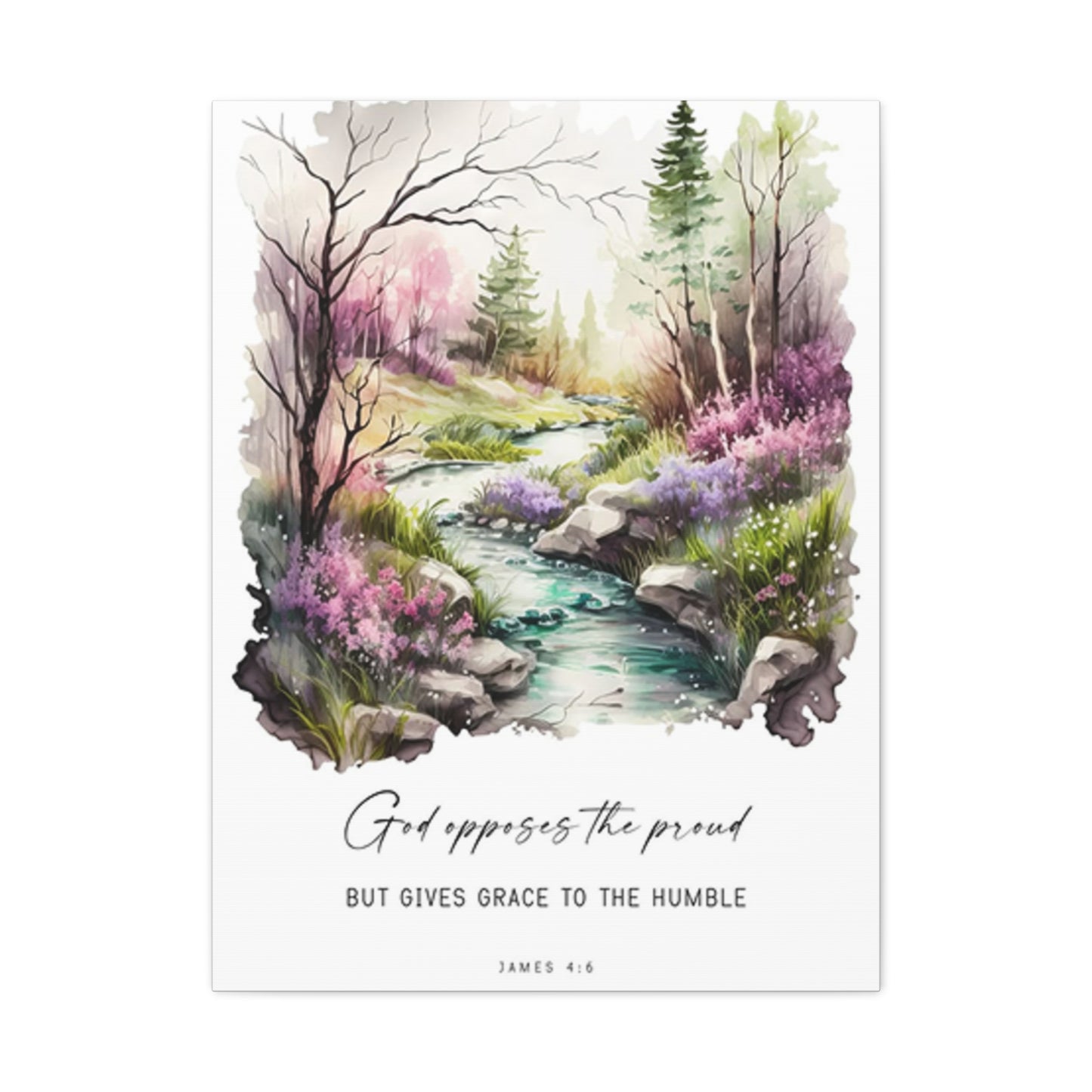
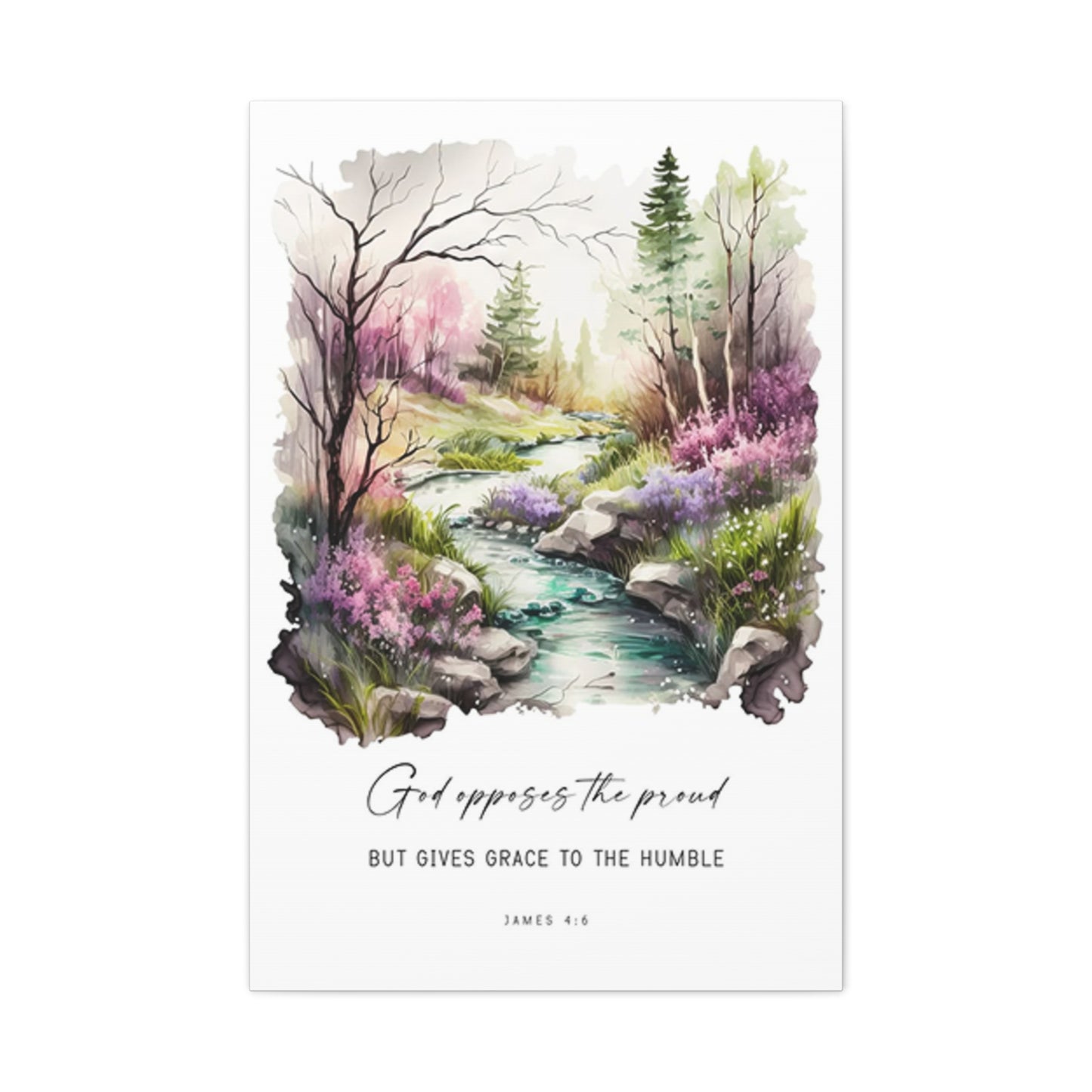
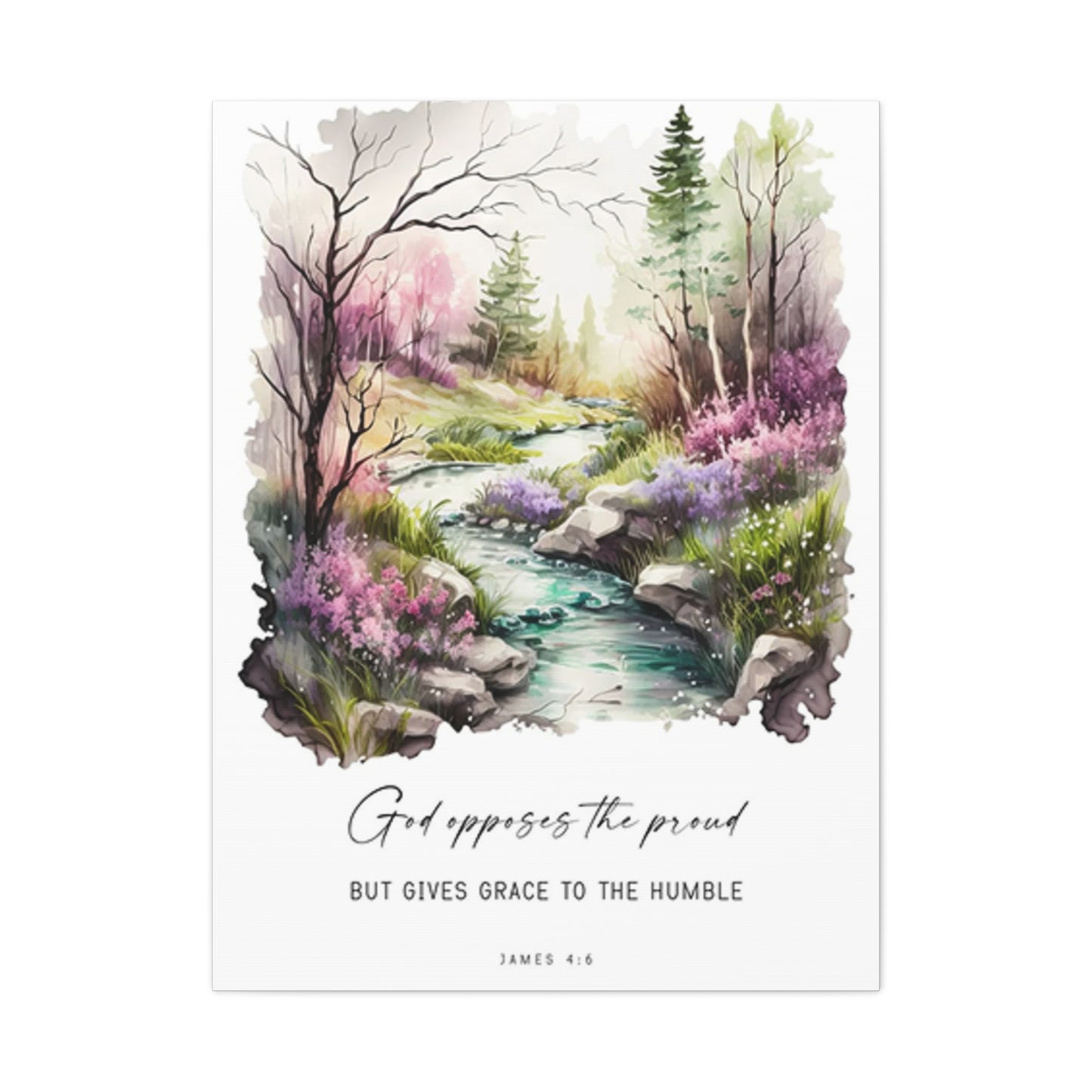
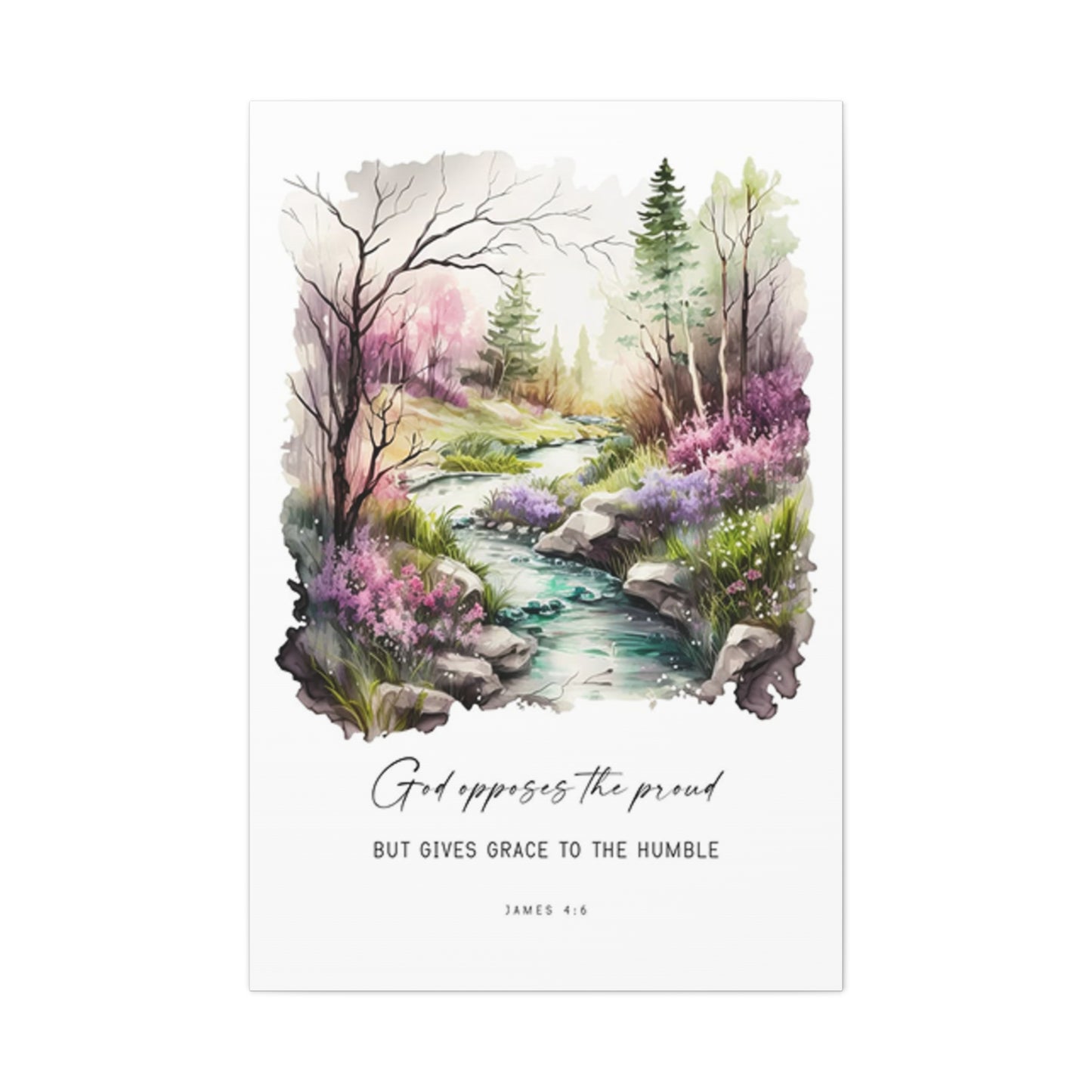
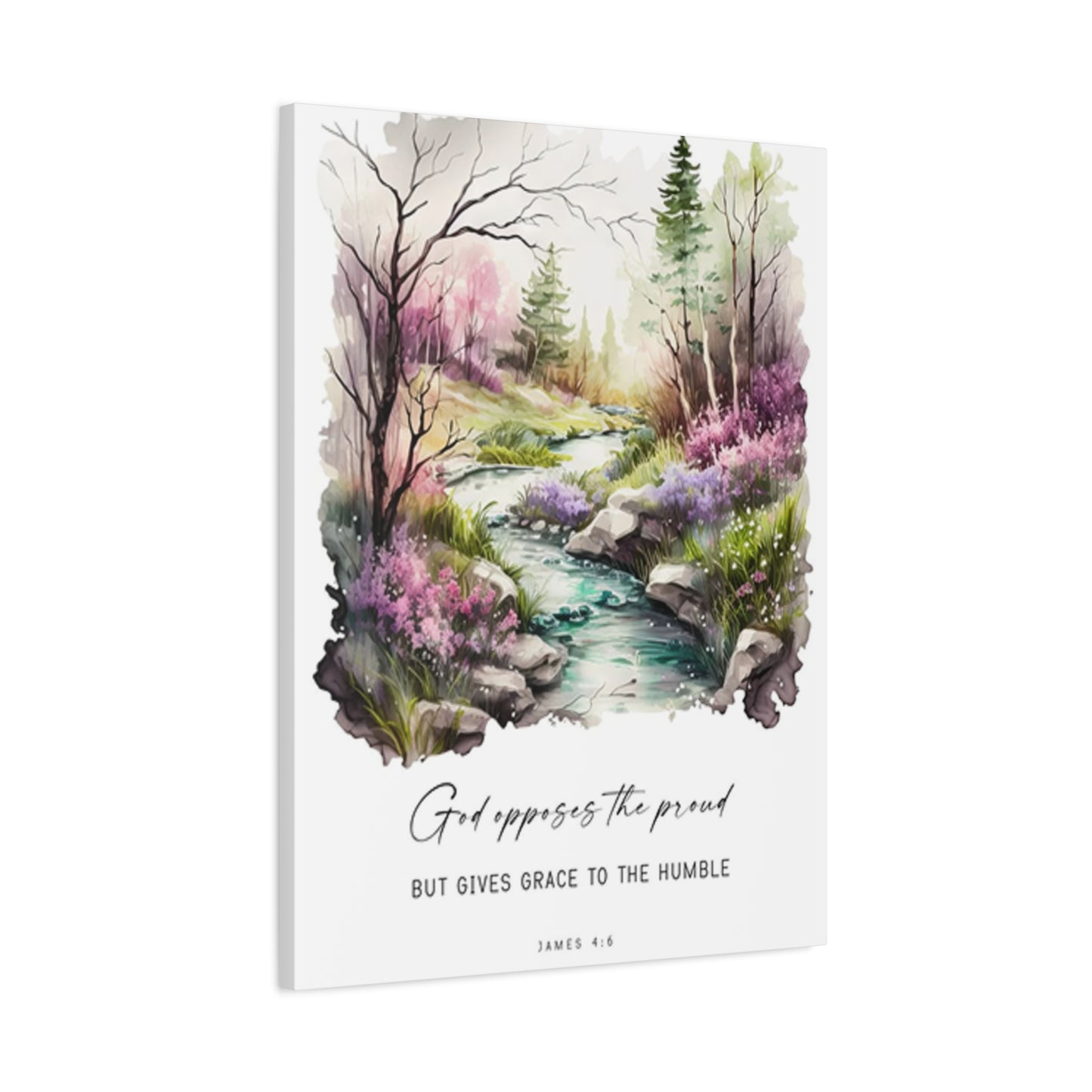
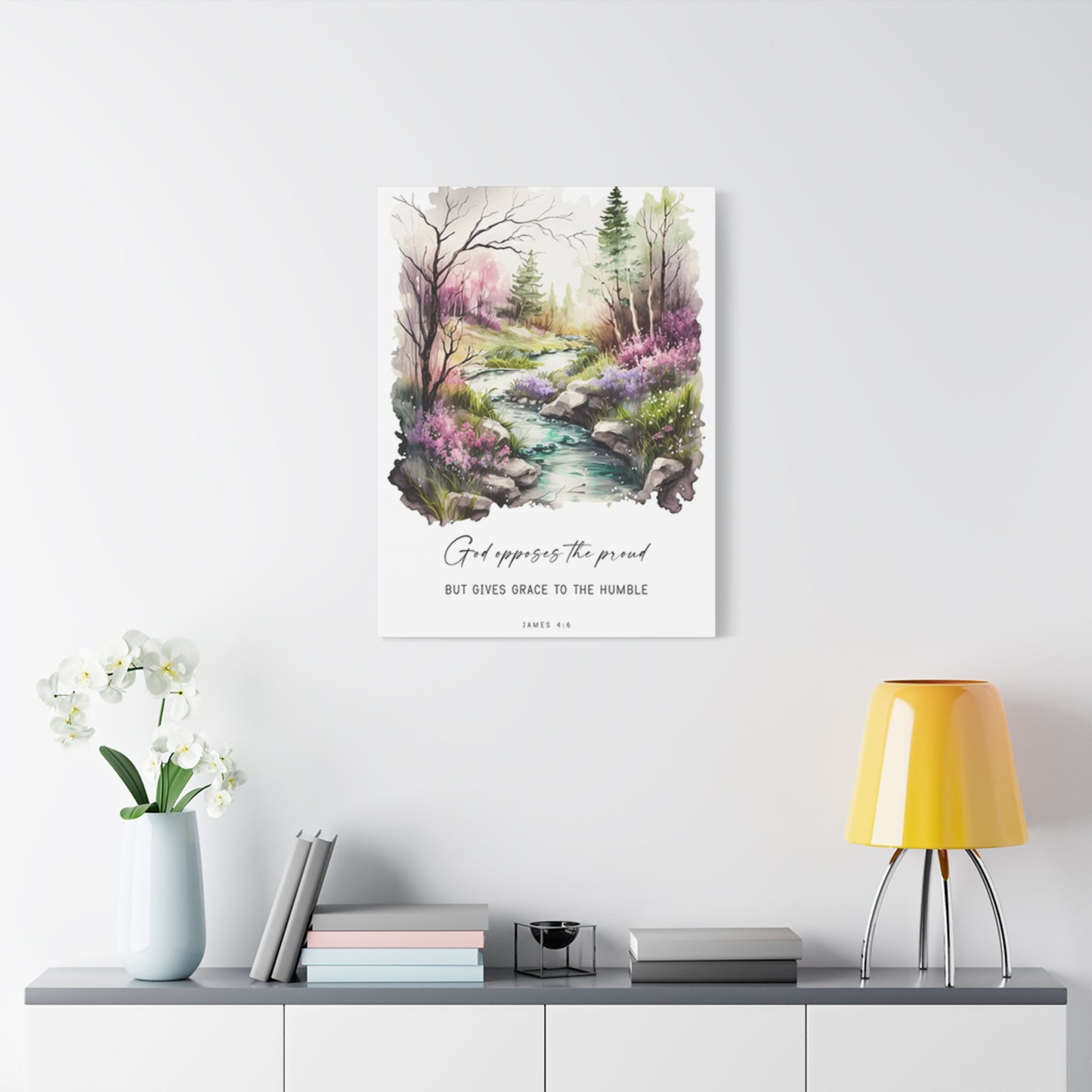
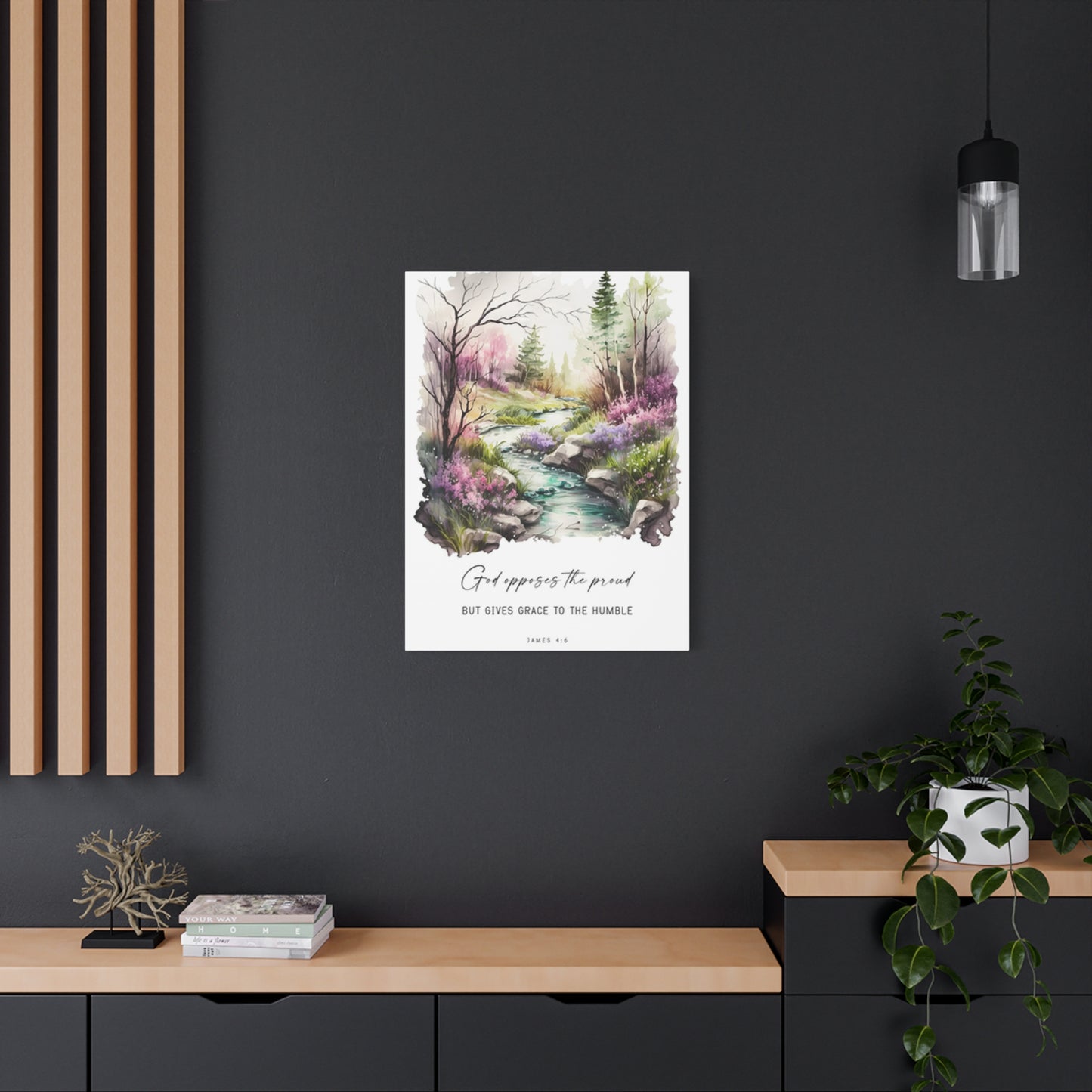
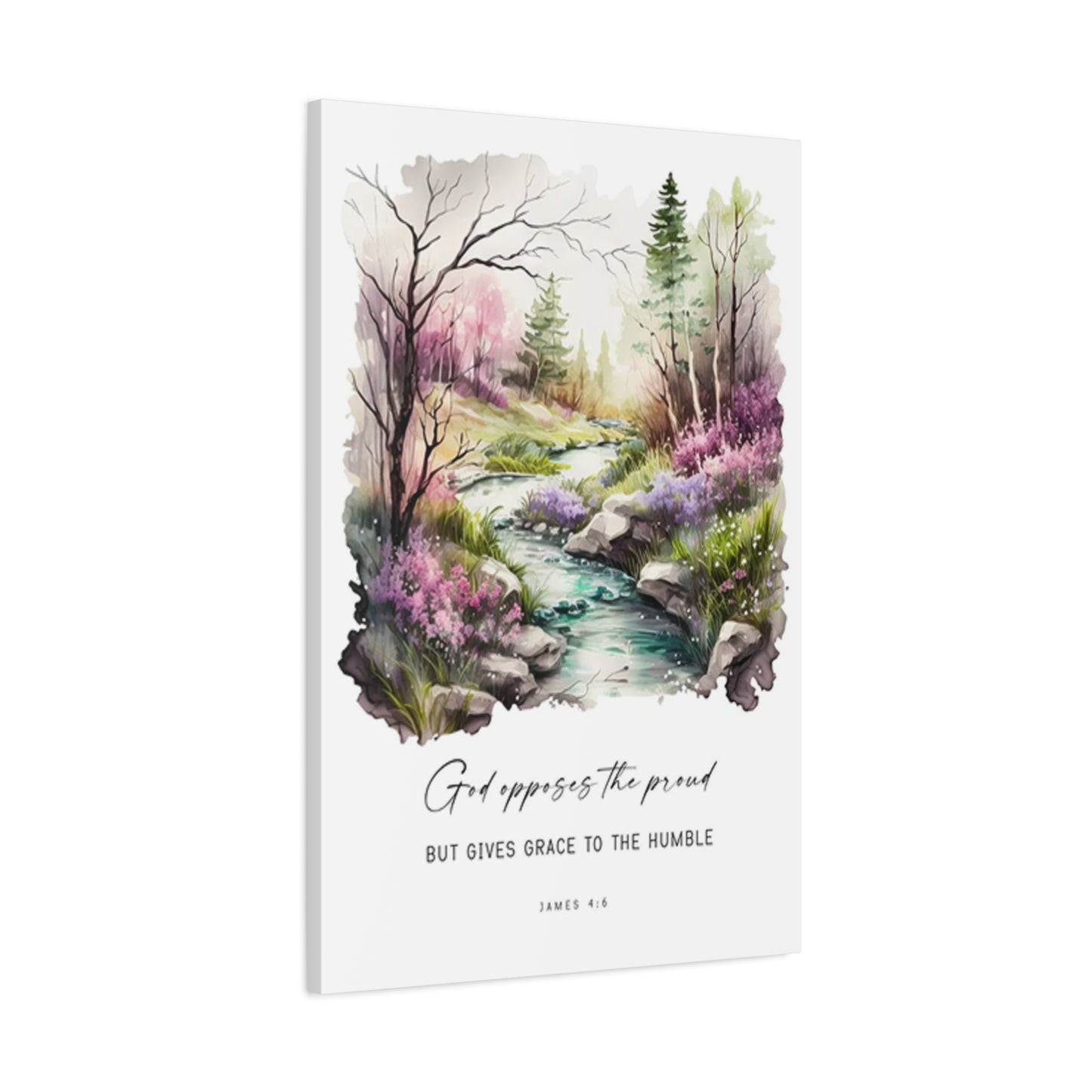
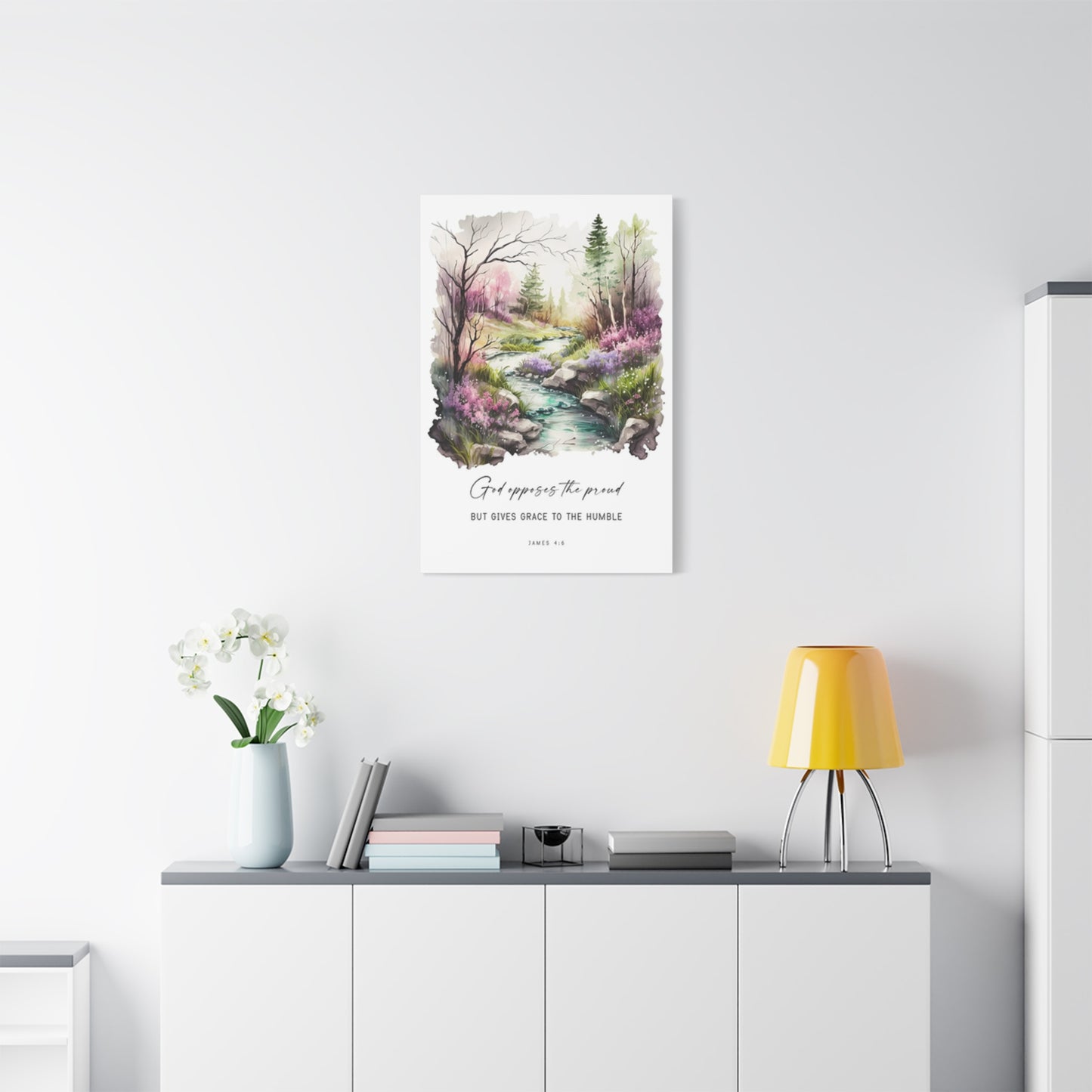
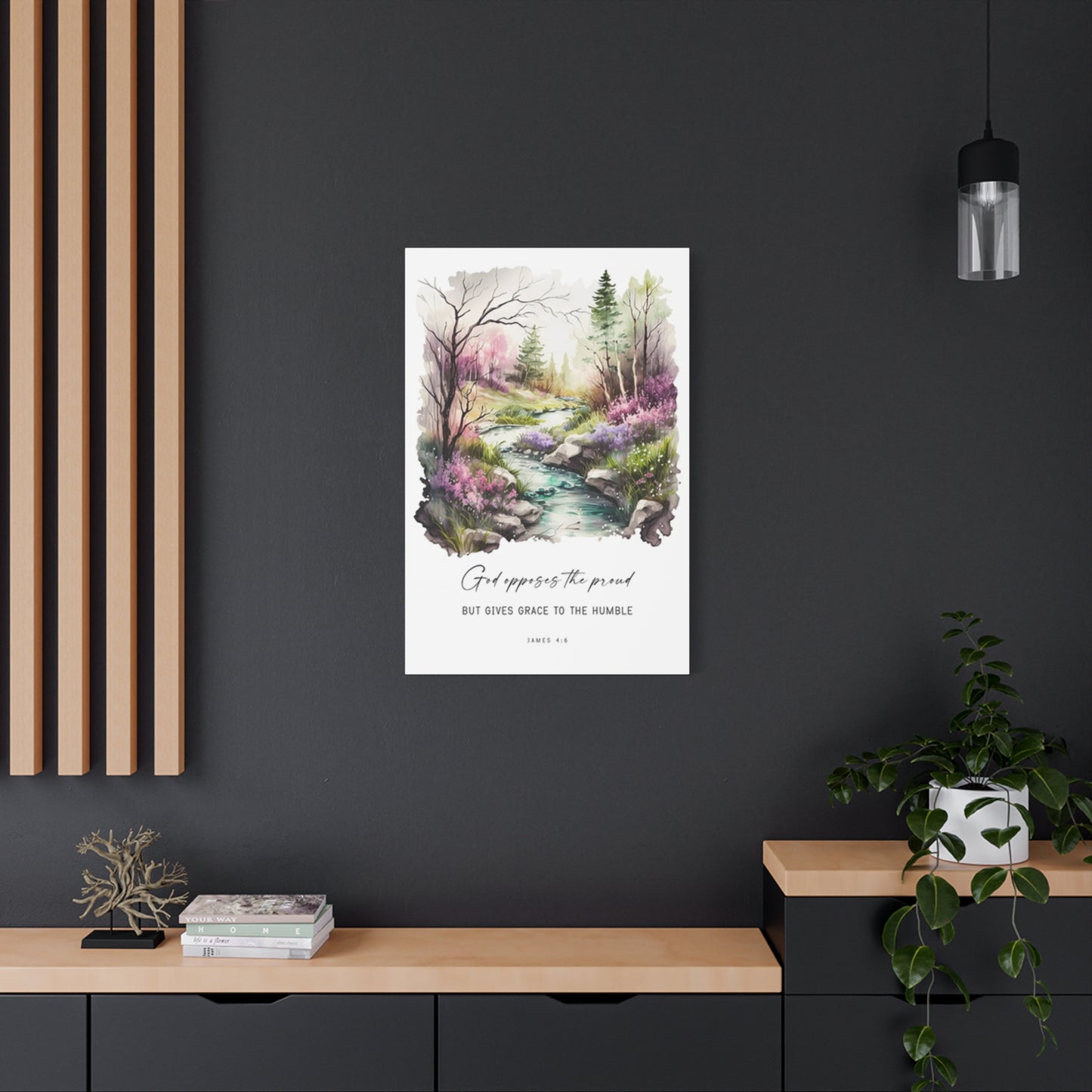
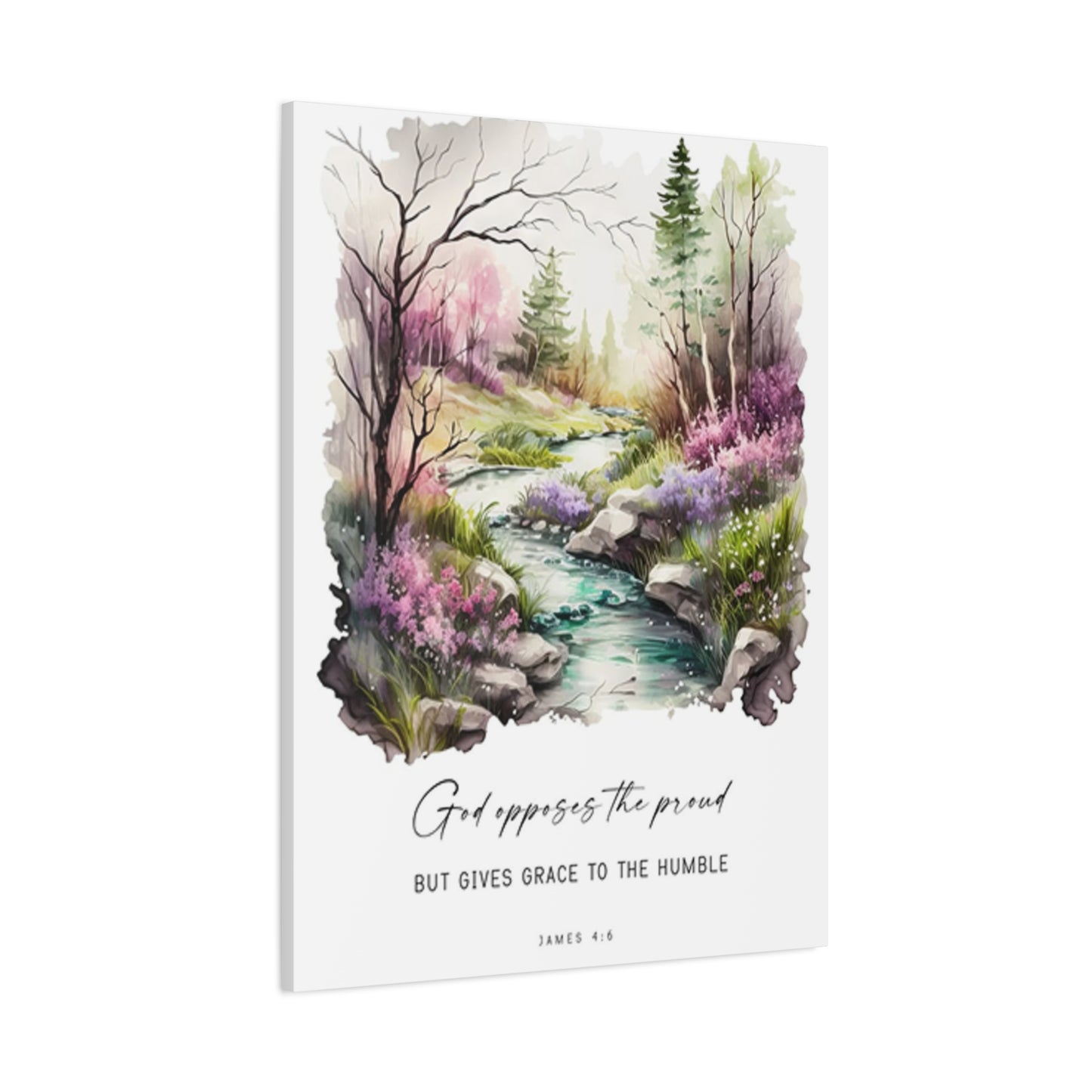
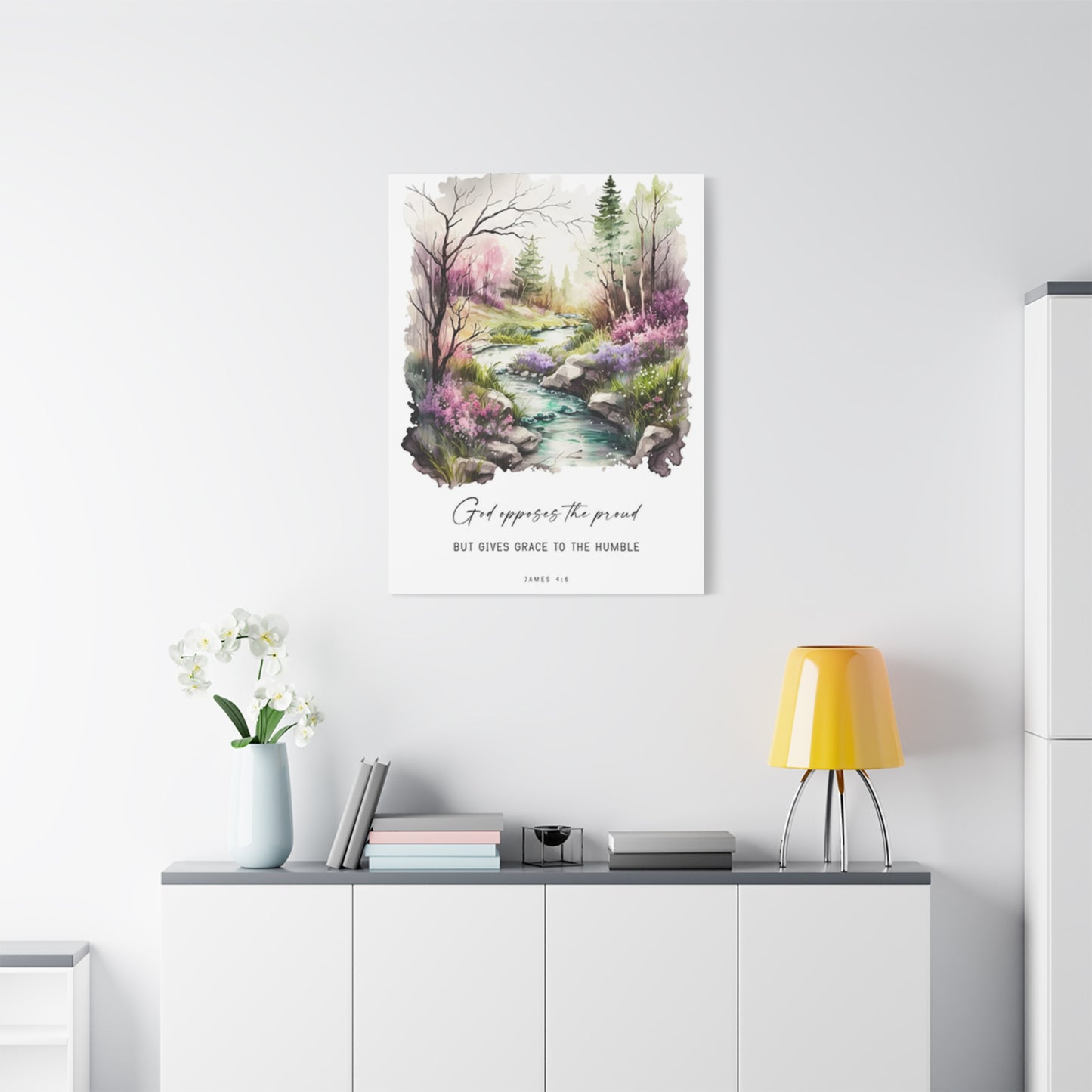
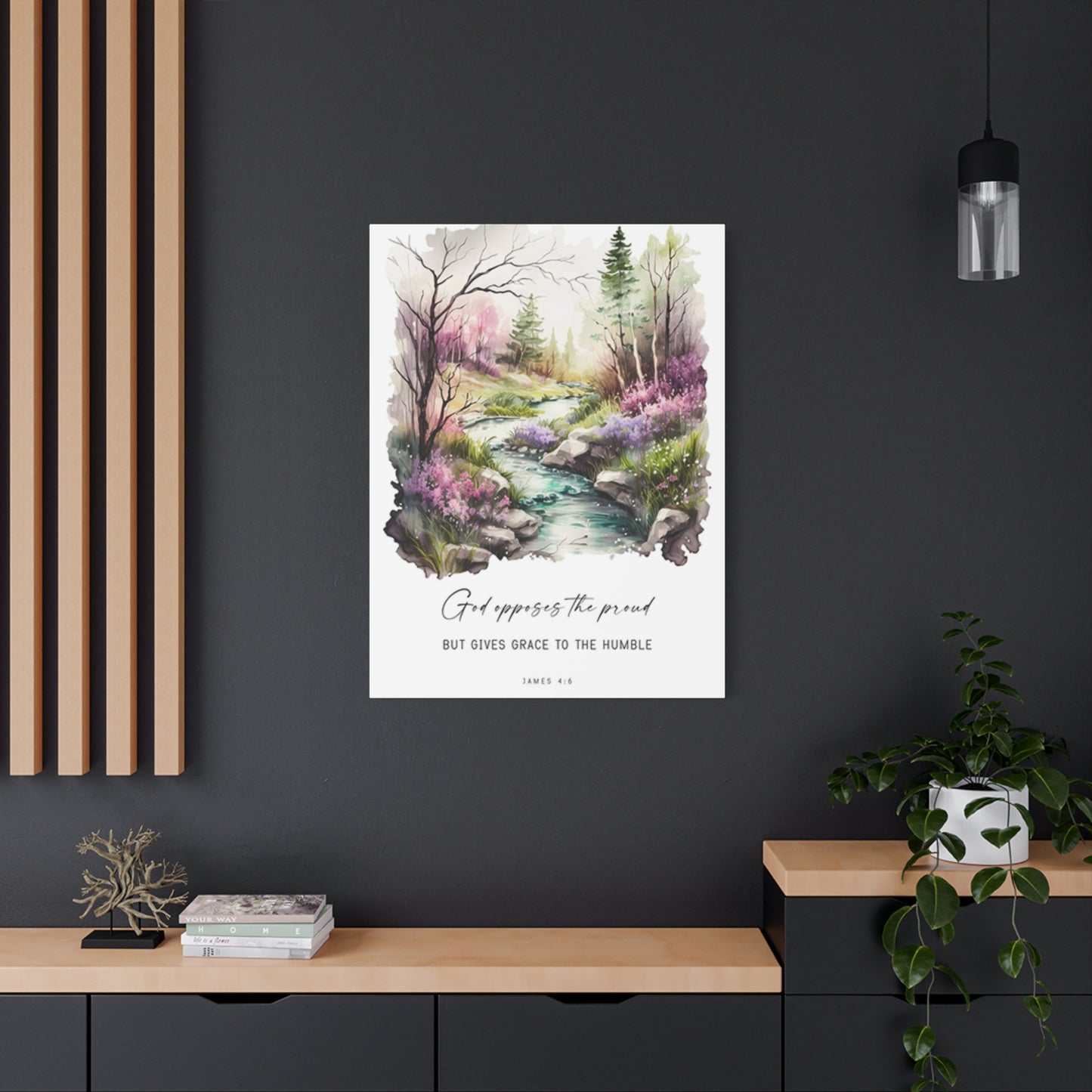
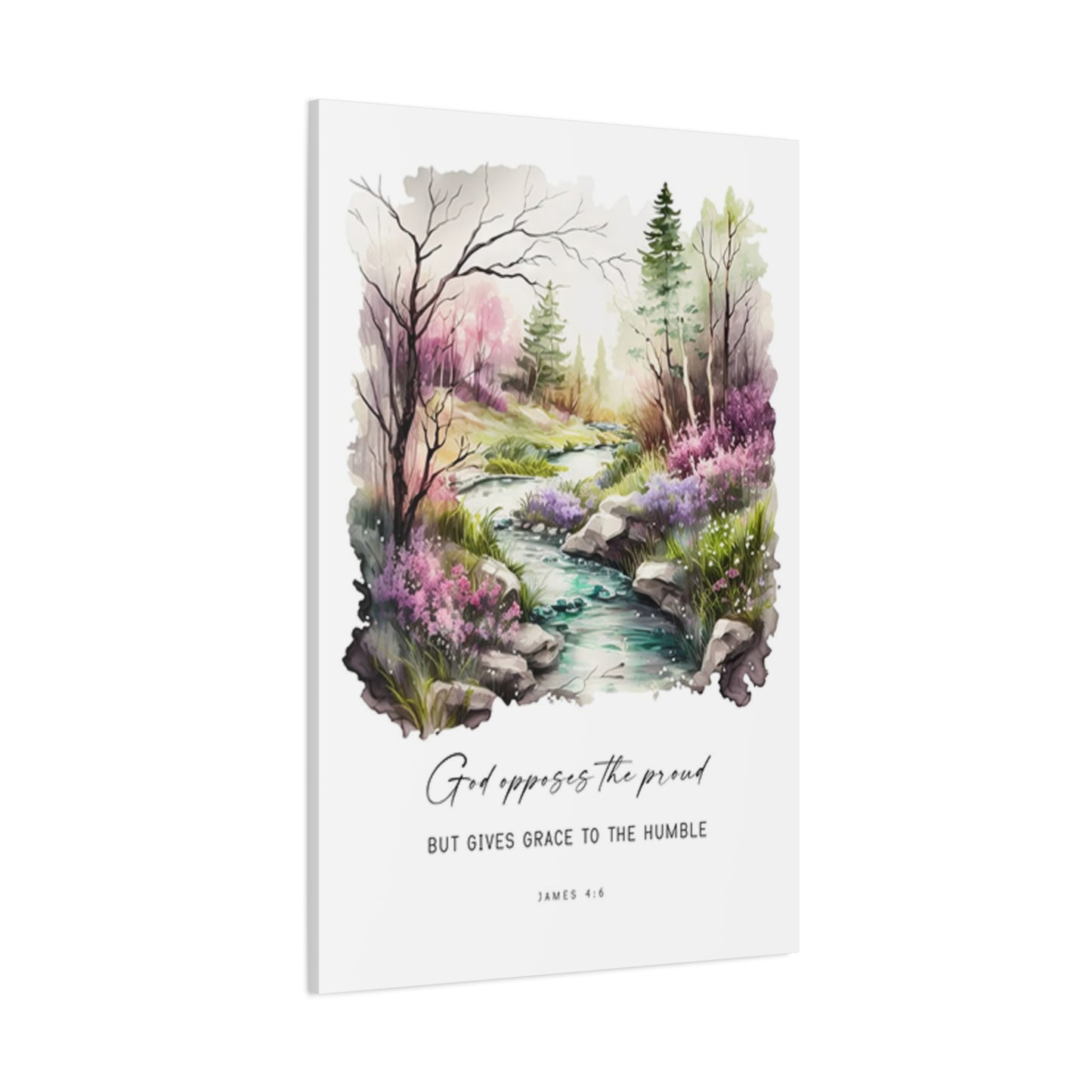
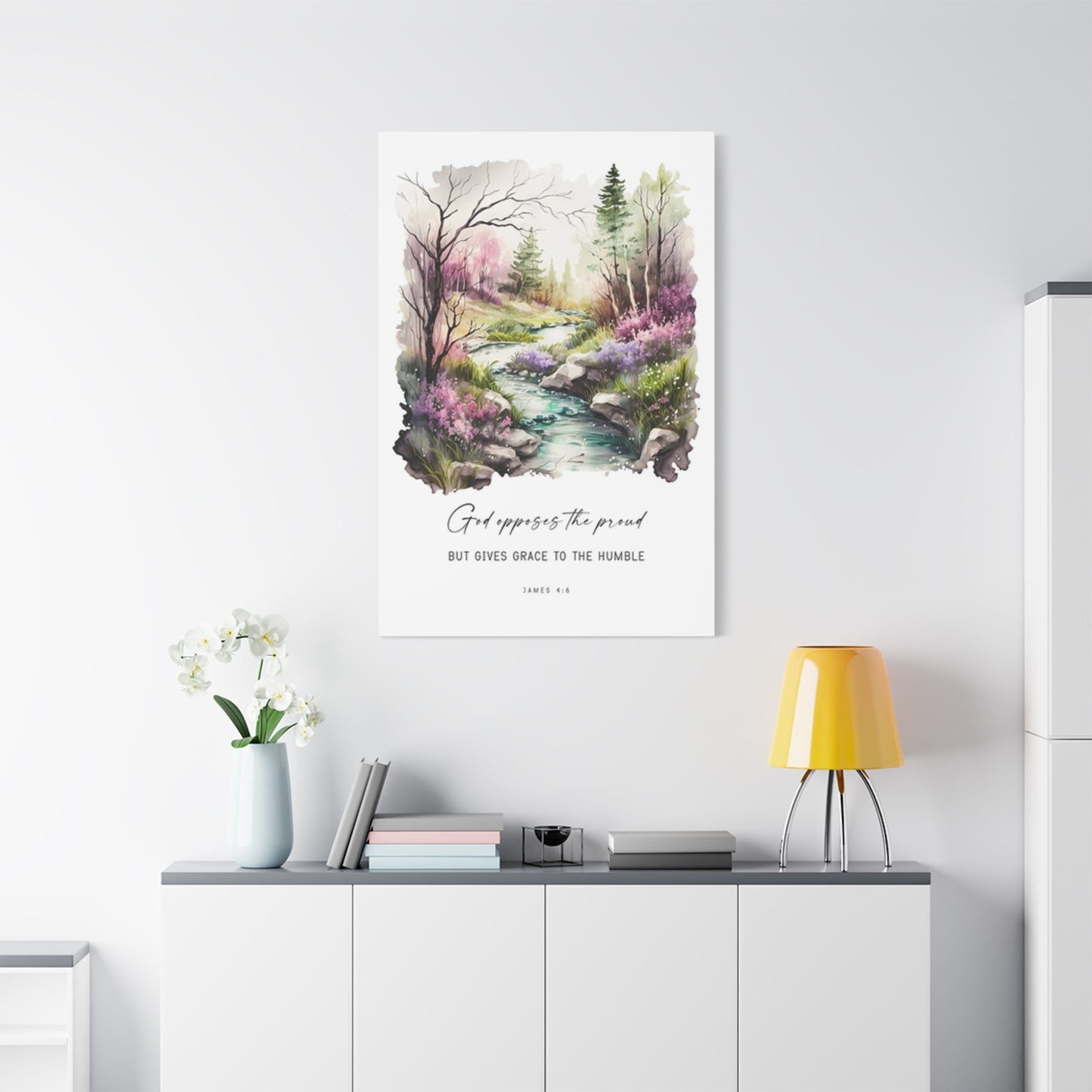
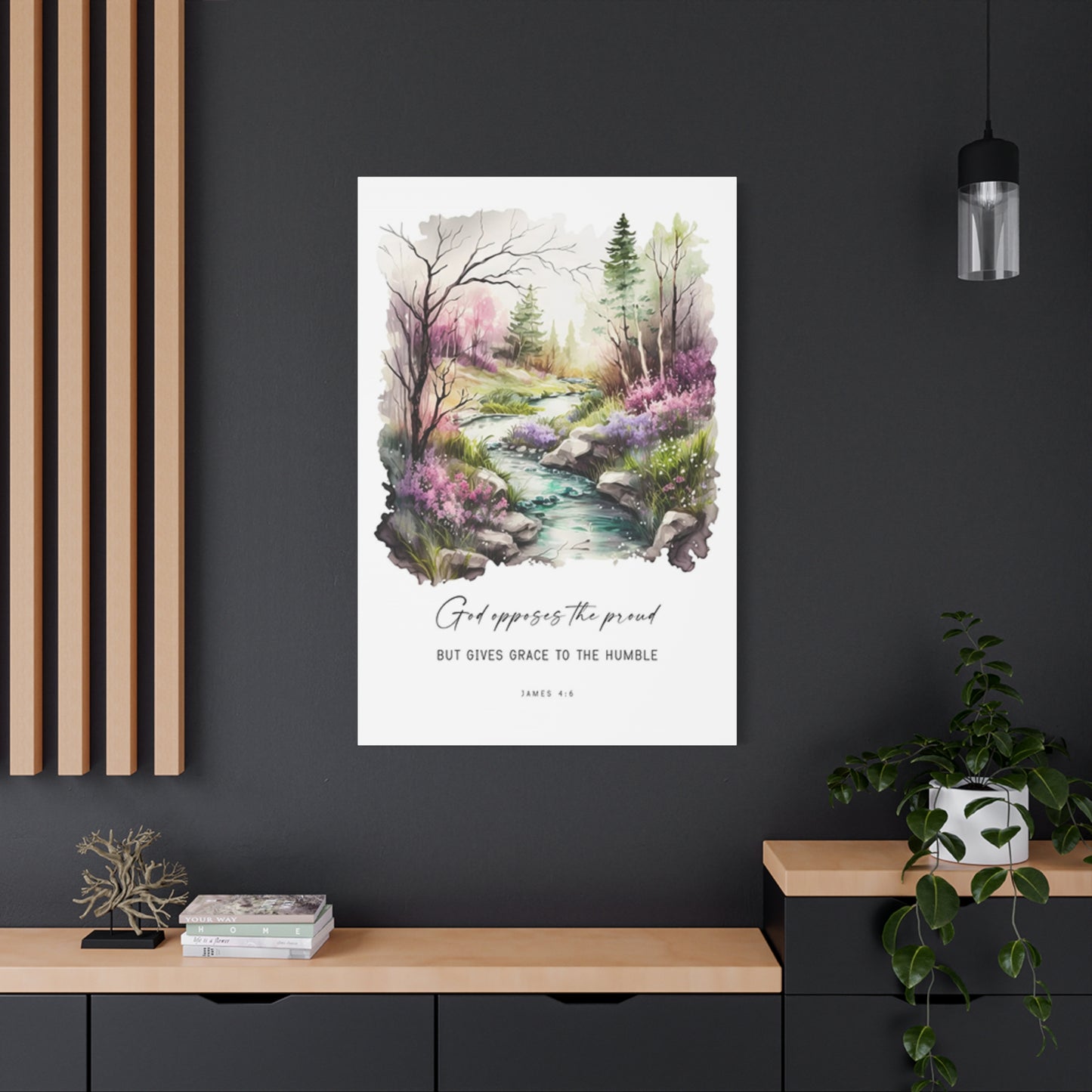
Celestial Majesty: Proud God Wall Art That Inspires Awe and Reverence
The intersection of spirituality and artistic expression has created a powerful movement in contemporary home decoration, where believers seek to manifest their faith through visual representations. Sacred imagery depicting the divine presence has become increasingly popular among those who wish to create environments that reflect their spiritual values and celebrate their religious convictions. These artistic creations serve multiple purposes, functioning as daily reminders of faith, conversation starters about spiritual matters, and beautiful additions to living spaces that elevate both aesthetic appeal and emotional resonance.
The growing interest in spiritually themed artwork reflects a broader cultural shift toward intentional living, where individuals carefully curate their surroundings to align with their deepest beliefs and values. This movement transcends mere decoration, representing instead a profound desire to infuse everyday spaces with meaning, purpose, and connection to something greater than oneself. Through carefully selected pieces that depict divine themes, believers create personal sanctuaries that nurture their spiritual lives and provide constant encouragement in their faith journeys.
The Glory of God in Paint
Artistic representations that capture divine magnificence have existed throughout human history, from ancient cave paintings to Renaissance masterpieces. Contemporary interpretations of sacred themes continue this timeless tradition while incorporating modern sensibilities and techniques. Artists working in this genre face the unique challenge of depicting concepts that transcend physical reality, attempting to visualize attributes of the divine that exist beyond human comprehension. Through color, composition, light, and symbolism, these creators strive to communicate the ineffable nature of sacred glory.
The use of paint as a medium for expressing religious devotion offers particular advantages. The texture, depth, and luminosity achievable through various painting techniques can create effects that seem to emanate light from within, suggesting the radiant nature of divine presence. Oil paints allow for rich, jewel-like colors and subtle gradations that can evoke feelings of awe and wonder. Acrylics provide vibrant, contemporary expressions that speak to modern sensibilities while maintaining reverence for traditional themes. Watercolors offer ethereal, translucent qualities that can suggest the mysterious and transcendent aspects of spirituality.
Artists who specialize in sacred imagery often describe their work as a form of worship itself, a献 offering of their talents in service of communicating spiritual truths. They may spend considerable time in prayer or meditation before beginning a piece, seeking inspiration and guidance for how to best represent concepts that words often fail to capture. This devotional approach to the creative process can result in artwork that carries a palpable sense of intentionality and spiritual energy, qualities that viewers often report sensing even without knowing the artist's process.
The compositional elements in paintings depicting divine glory typically include symbolic references that have deep roots in religious tradition. Light frequently plays a central role, whether represented as beams breaking through clouds, halos surrounding figures, or an overall luminosity that suffuses the entire scene. Gold tones often feature prominently, connecting to centuries of religious art where gold leaf represented divine light and heavenly realms. The use of upward movement in composition, ascending lines, and elevated perspectives all contribute to a sense of reaching toward the transcendent.
Color psychology plays a significant role in how these paintings communicate their sacred themes. Deep blues suggest the infinite expanse of heaven and the mysteries of divine wisdom. Purples convey royalty and majesty befitting the King of Kings. Whites and silvers represent purity and holiness. Warm oranges and golds evoke the warmth of divine love and the glory of heavenly realms. Artists carefully orchestrate these color relationships to create emotional responses that align with the spiritual messages they wish to convey.
The glory depicted in these paintings often manifests through natural elements that suggest divine creativity and power. Majestic mountains, expansive skies, powerful storms, and brilliant sunrises all serve as metaphors for attributes of the divine. These natural phenomena, captured with artistic skill, remind viewers of the grandeur visible in creation itself, pointing beyond the physical to the Creator. Such representations make abstract theological concepts concrete and accessible, allowing viewers to connect spiritual truths with their lived experiences of the natural world.
Contemporary artists also explore abstract approaches to depicting divine glory, moving beyond representational imagery to use pure color, form, and composition to evoke spiritual feelings. These non-representational works can be particularly powerful, bypassing intellectual understanding to communicate directly with the viewer's spirit. Swirling colors might suggest divine energy and movement, while geometric patterns can represent divine order and perfection. The freedom of abstraction allows for highly personal interpretations while maintaining universal spiritual resonance.
Proud and Powerful: Divine Wall Art
The concept of divine power manifested through artistic expression carries profound implications for how believers understand and relate to their faith. Artwork that captures this sense of might and majesty serves to remind viewers of the strength available through spiritual connection. These pieces often incorporate bold visual elements that command attention and respect, reflecting the awesome nature of divine authority. The fusion of aesthetic beauty with powerful spiritual themes creates artwork that functions on multiple levels, satisfying both the eye and the soul.
Representations of divine power in wall art frequently draw on imagery that humans instinctively recognize as impressive and formidable. Mountain ranges that pierce the heavens, storms demonstrating nature's fury, vast oceans stretching beyond sight, and celestial bodies illuminating darkness all serve as metaphors for divine might. These natural phenomena, when captured skillfully by artists, become visual sermons about attributes of the sacred. They communicate truths about omnipotence, sovereignty, and the vast difference between human limitations and divine capabilities.
The emotional response evoked by powerful divine imagery serves important psychological and spiritual functions. In a world that often feels chaotic and uncertain, visual reminders of ultimate power and control provide comfort and perspective. These artworks can function as anchors during turbulent times, physical representations of the spiritual conviction that a benevolent force greater than any human challenge ultimately governs reality. This reassurance, delivered through aesthetic experience rather than intellectual argument, can penetrate defenses that words sometimes cannot breach.
Artists creating powerful divine imagery must balance multiple considerations. The artwork must convey strength and might without becoming intimidating or harsh. It should inspire awe without triggering fear. The goal is typically to communicate power that protects and empowers believers rather than threatens them. This delicate balance often manifests through the combination of powerful elements with symbols of divine love and care. A mighty hand might be depicted in a gesture of blessing, or overwhelming natural forces might be shown parting to create safe passage.
The composition of powerful divine artwork typically employs specific artistic strategies to convey strength and authority. Vertical orientations emphasize height and elevation, suggesting transcendence and superiority. Strong diagonal lines create dynamic movement and energy, implying active power rather than passive existence. Symmetrical arrangements can convey stability and eternal unchangingness, while asymmetrical compositions might suggest the dynamic, living nature of divine engagement with creation. The artist's choices in these foundational elements significantly impact how viewers experience the work.
Scale considerations play an important role in artwork meant to convey divine power. Larger pieces naturally command more attention and can create more immersive experiences. A substantial canvas depicting mighty themes makes a bold statement in any space, becoming an undeniable presence that shapes the atmosphere of a room. However, even smaller works can effectively communicate power through careful attention to detail, dynamic composition, and skillful use of artistic techniques. The key lies not only in physical size but in the ability to make the viewer feel the magnitude of what is depicted.
Faith on Canvas: Proud God Theme
The expression of faith through canvas paintings represents a tangible manifestation of internal spiritual convictions. When artists translate their beliefs into visual form, they create opportunities for others to engage with spiritual concepts through aesthetic experience. Canvas as a medium offers particular advantages for this purpose, providing a durable, traditional surface that has carried important imagery throughout art history. The weight and presence of stretched canvas gives paintings a substantial quality that enhances their ability to command attention and respect in living spaces.
Thematic development in faith-centered canvas art requires careful consideration of what message the piece should convey. Some works focus on specific biblical narratives, bringing ancient stories into visual form that makes them immediate and accessible. Others explore theological concepts, attempting to render visible the invisible realities of spiritual life. Still others capture moments of personal spiritual experience, inviting viewers to recall their own encounters with the sacred. Each approach offers unique opportunities and challenges for the artist seeking to communicate effectively through paint.
The proud aspect of divine-themed canvas art refers not to arrogance but to the legitimate majesty and magnificence of the sacred. This distinction is crucial for artists working in this genre. The goal is to capture the rightful glory and honor due to the divine, representing attributes that genuinely warrant reverence and awe. This approach celebrates divine excellence without diminishing the concurrent truth of divine accessibility and relationship with believers. The balance between transcendence and immanence, between majestic distance and intimate nearness, creates a productive tension that skilled artists can explore through their work.
Compositional choices in faith-centered canvas pieces often reflect theological understandings about the nature of divine reality. Central placement of sacred symbols or figures emphasizes their importance and invites focused contemplation. Multiple focal points might represent the complex, multifaceted nature of spiritual truth. Layered compositions, where elements emerge from or recede into background space, can suggest the depths of divine mystery and the progressive nature of spiritual understanding. These artistic decisions, whether made consciously or intuitively, carry meaning that attentive viewers will perceive and process.
Color symbolism in faith-themed canvas work draws from both religious tradition and universal human associations. Gold represents divine glory and the splendor of heavenly realms. Blue suggests peace, trust, and the expansive nature of divine love. Red can symbolize sacrifice, passion, or the fire of spiritual fervor. White indicates purity, holiness, and righteousness. Green represents growth, renewal, and the life-giving nature of spiritual vitality. Purple conveys royalty, majesty, and the regal nature of divine sovereignty. Artists orchestrate these colors to create emotional and spiritual atmospheres that support their intended messages.
The evolution of faith-themed canvas art over time reflects changing cultural contexts and artistic movements. Renaissance masters created works of breathtaking technical skill that attempted to bring viewers face-to-face with sacred narratives. Baroque artists employed dramatic lighting and emotional intensity to create visceral spiritual experiences. Romantic painters emphasized the sublime, using natural grandeur as a metaphor for divine magnificence. Modern and contemporary artists have explored abstraction, symbolism, and experimental techniques to find fresh ways of expressing timeless spiritual truths. This ongoing evolution ensures that each generation can encounter faith-affirming imagery that speaks in its own visual language.
Spiritual Strength in Wall Art
The concept of spiritual strength finds powerful expression through wall-mounted artistic creations that serve as visual encouragements for faith development. These pieces recognize the reality that maintaining spiritual vitality requires fortitude, determination, and regular reinforcement of core beliefs. Wall art addressing this need functions as more than mere decoration, becoming instead a tool for spiritual formation. The constant presence of strengthening imagery provides repeated opportunities for encouragement, particularly during challenging seasons when faith might otherwise waver.
Imagery conveying spiritual strength typically incorporates symbols and scenes associated with resilience, endurance, and victory. Mountain climbers reaching summits represent perseverance through difficulty. Trees with deep roots suggest stability through storms. Ancient stones or ruins speak to endurance across time. Eagles soaring above storms illustrate rising above circumstances. Fortresses and strongholds represent refuge and security. These visual metaphors communicate abstract spiritual truths through concrete, recognizable imagery that viewers can immediately grasp and apply to their own experiences.
The psychological dimension of spiritual strength deserves consideration when discussing wall art addressing this theme. Human minds respond powerfully to repeated exposure to imagery and concepts. Neuroscience research confirms that regular engagement with specific visual stimuli can actually reshape neural pathways, affecting how individuals think and respond to circumstances. Wall art depicting spiritual strength, encountered daily in home environments, can contribute to developing mental and emotional patterns that support faith resilience. This makes the selection and placement of such artwork a practical matter of spiritual self-care and intentional discipleship.
Artists creating wall art focused on spiritual strength must convey encouragement without minimizing real difficulties. The imagery should acknowledge that life includes genuine challenges while asserting that spiritual resources enable believers to face these challenges successfully. This honest yet hopeful perspective resonates with viewers who need both validation of their struggles and assurance that victory is possible. The most effective pieces in this genre achieve a balance between realism about human vulnerability and confidence in spiritual empowerment.
Color choices in spiritual strength wall art often emphasize tones associated with stability, courage, and vitality. Earth tones suggest groundedness and connection to fundamental realities. Bold reds convey courage, passion, and willingness to engage in spiritual warfare. Deep blues communicate trust, faith, and peaceful confidence. Greens represent growth, renewal, and the life force that sustains through difficulty. Metallic accents in silver or bronze can suggest the refining process that develops spiritual strength through trials. These color strategies work on viewers' emotions, creating atmospheres that support the development of the qualities depicted.
Divine Majesty Captured in Paint
The attempt to capture divine majesty through painted artwork represents one of humanity's most ambitious creative endeavors. Artists undertaking this challenge must somehow translate concepts of infinite greatness, eternal existence, and absolute perfection into finite, temporal, physical forms. This apparent impossibility has not deterred countless creators throughout history from making the attempt, driven by devotion and the desire to create works that direct attention beyond themselves toward the sacred realities they represent. The results range from sublime masterpieces that seem to transcend their physical materials to honest efforts that, while perhaps less technically accomplished, still communicate sincere reverence.
Techniques for suggesting majesty in painted works include careful manipulation of scale relationships, where divine subjects or symbols are rendered larger than human figures or natural elements, visually communicating their greater importance and power. Placement within the composition matters enormously, with central, elevated positions naturally conveying significance and authority. The use of architectural elements like thrones, temples, or heavenly palaces provides context that indicates royalty and sovereignty. Surrounding imagery of worshiping figures, whether human or angelic, establishes the appropriate response to majesty, guiding viewers toward reverence.
Lighting strategies in paintings of divine majesty frequently employ dramatic contrasts between light and shadow, a technique art historians call tenebrism when used extensively. This approach creates powerful focal points that draw the eye irresistibly toward illuminated elements while suggesting that divine light dispels darkness. Some artists depict light as emanating from divine subjects themselves, visually representing the theological concept of God as light. Others show divine figures or symbols illuminated by supernatural light sources, distinguishing them from the ambient lighting affecting other compositional elements. These lighting choices communicate volumes about the nature and impact of divine presence.
Color intensity in majesty-focused paintings tends toward saturation and vibrancy, with rich, jewel-like hues that suggest preciousness and value. Deep purples recall royal robes and imperial authority. Brilliant golds evoke treasures and the splendor of heavenly realms. Intense blues suggest infinite depths of wisdom and mystery. These saturated colors create visual impact that commands attention, making it difficult to glance casually at such works. The eye is arrested, demanded to pause and engage, which serves the spiritual purpose of focusing viewers' attention on sacred subjects that warrant serious contemplation.
Symbolism in paintings capturing divine majesty draws from extensive religious traditions and iconographic vocabularies developed over centuries. Specific attributes identify divine subjects: light signifies holiness and truth, crowns indicate sovereignty, scepters represent authority to rule, globes suggest dominion over earth, books indicate wisdom and revelation. Animals carry symbolic meanings: lions represent strength, eagles suggest transcendence, lambs indicate sacrifice and innocence. Numbers have significance: three suggests divine trinity, seven indicates completeness, twelve represents organizational order. Artists fluent in this symbolic language can communicate complex theological concepts through visual means accessible to those who understand the code.
Proud God: Art That Inspires
The phrase "proud God" in relation to inspirational art requires careful unpacking to avoid misunderstanding. This terminology does not suggest divine arrogance or self-centered conceit, qualities incompatible with theological understanding of divine nature. Instead, it refers to the legitimate pride of perfect excellence, the rightful satisfaction of the Creator surveying creation and finding it good. Art that inspires on this theme celebrates divine prerogatives, honors divine accomplishments, and acknowledges divine worthiness. Such artwork serves inspirational purposes by reminding viewers of the greatness of the One they worship and the security that comes from relationship with divine perfection.
Inspirational art focused on divine excellence employs specific strategies to achieve its motivating purpose. Uplifting color palettes featuring warm golds, vibrant blues, and energizing oranges create positive emotional responses. Dynamic compositions suggesting movement and vitality convey active divine engagement rather than distant passivity. Images of divine creativity, showing the formation of the world or the bringing forth of life, inspire viewers to recognize their own creative potential as bearers of the divine image. Depictions of divine strength overcoming chaos remind believers that ultimate victory is assured, providing courage for present struggles.
The psychological mechanism through which inspirational art affects viewers involves multiple processes. Visual beauty triggers pleasure responses in the brain, creating positive associations with the depicted subjects. Symbolic representation of abstract concepts makes theological ideas concrete and accessible, facilitating understanding and integration. Repeated exposure to encouraging imagery gradually reshapes thought patterns, building mental habits of hope and confidence. The combination of aesthetic pleasure, intellectual engagement, and emotional resonance creates powerful experiences that can genuinely shift perspective and motivation.
Artists creating inspirational works with proud God themes often describe a sense of calling or mission driving their creative practice. They view their artistic gifts as divine endowments meant to serve spiritual purposes beyond personal expression. This vocational understanding can lead to disciplined creative practices where artists consistently produce work regardless of whether they feel particularly inspired in the moment. The commitment to their calling produces bodies of work that serve the faith community, providing visual resources for worship, meditation, and encouragement. This service orientation distinguishes religious art creation from purely self-expressive artistic practices.
Subject matter in inspirational proud God artwork frequently includes moments of divine achievement or intervention. Creation narratives show divine power bringing order from chaos, light from darkness, life from nothing. Deliverance stories depict divine might rescuing the oppressed, protecting the vulnerable, defeating the wicked. Provision scenes show divine generosity supplying needs, sometimes through miraculous means. These narrative subjects inspire by demonstrating divine capability and willingness to act on behalf of those who trust. Viewers encountering such imagery are encouraged to trust that the same divine power remains available in their circumstances.
Heavenly Power on Your Wall
The concept of displaying representations of heavenly power in domestic spaces speaks to a desire for constant connection with divine might. Wall-mounted artwork depicting this theme serves as a visual anchor, grounding inhabitants' awareness in spiritual realities even as they navigate daily temporal concerns. These pieces function as reminders that physical, visible reality does not exhaust existence, that greater forces and powers operate beyond the immediate sensory realm. The presence of such artwork in homes creates environments where spiritual consciousness can be maintained alongside attention to practical matters, preventing complete absorption in the temporal that excludes awareness of the eternal.
Imagery depicting heavenly power draws from both direct scriptural descriptions and imaginative interpretations of spiritual realities. Lightning and thunder suggest irresistible force. Mighty winds indicate divine breath and presence. Fire represents purifying and consuming power. Waters parted or calmed demonstrate authority over nature. Defeated enemies show supremacy in spiritual warfare. Healed bodies prove power over sickness and death. These visual representations make abstract theological claims concrete, showing rather than merely telling about divine capabilities. The showing has greater emotional impact than doctrinal statements alone could achieve.
The architecture of heavenly realms, when depicted in power-themed artwork, typically emphasizes grandeur and magnificence through scale, materials, and design. Massive columns suggest strength and permanence. Precious stones and metals indicate value and glory. Complex geometric patterns represent divine order and perfection. Brilliant light suffusing everything speaks to holiness and purity. These architectural elements create visual contexts that frame and enhance central figures or symbols, establishing appropriate settings for representations of divine power. The total effect overwhelms the viewer's sense of human scale and achievement, inducing proper awe.
Angelic beings frequently appear in artwork depicting heavenly power, serving multiple functions within compositions. Their presence indicates the populated nature of spiritual realms, suggesting organized forces aligned with divine purposes. Their activities, whether worshiping, warring, or serving, demonstrate appropriate responses to divine power and model proper attitudes for human viewers. Their appearance, typically idealized and beautiful yet formidable, communicates that heavenly power is wielded with wisdom and purpose rather than carelessly or maliciously. The angels serve as intermediaries, making transcendent power somewhat more accessible through semi-human forms.
Color symbolism in heavenly power artwork emphasizes brilliance and intensity. Pure, saturated hues suggest the uncompromised, absolute nature of divine attributes. White indicates holiness and purity, gold represents glory and divine nature, blue suggests transcendence and mystery. Complementary color contrasts create visual energy and dynamism, implying active power rather than static potential. Some artists employ opalescent or iridescent effects, suggesting qualities that transcend normal visual experience, reaching toward the ineffable nature of spiritual realities. These color strategies work subconsciously on viewers, creating emotional atmospheres conducive to reverence and awe.
The framing and presentation of heavenly power artwork contributes significantly to its impact. Substantial frames worthy of the artwork's significance enhance rather than detract from the pieces. Matting choices affect how viewers' eyes encounter the image. Glazing protects while sometimes adding subtle dimensional effects. The wall color and surrounding decor should complement rather than compete with the artwork. Lighting, whether natural or artificial, dramatically affects how the piece is experienced. These presentation elements, while seeming purely practical, actually shape the viewer's experience substantially and deserve careful consideration.
Celebrate the Creator in Art
Celebratory artwork honoring divine creativity represents a joyful subcategory within sacred art, emphasizing gratitude, appreciation, and delight in the divine nature and works. These pieces tend toward brightness, energy, and exuberance rather than the solemnity characteristic of more austere religious imagery. The celebratory impulse recognizes that appropriate responses to the divine include not only reverence and awe but also happiness and thankfulness. Art that celebrates the Creator invites viewers into experiences of joy, encouraging positive emotional engagement with faith rather than treating spirituality as solely serious and somber.
Natural imagery features prominently in Creator-celebrating artwork, as creation itself provides the primary evidence and revelation of divine creativity. Lush gardens bursting with diverse plant life demonstrate divine imagination and generosity. Colorful birds and butterflies showcase divine artistry. Dramatic landscapes reveal divine power in shaping environments. Intricate details in flowers, shells, or insects display divine attention to beauty even in small things. These natural subjects, rendered with artistic skill, direct attention beyond themselves to the intelligence and creativity behind them. The artwork thus becomes a visual form of natural theology, arguing for divine existence through creation's testimony.
Color palettes in celebratory Creator artwork lean heavily toward warm, vibrant hues that evoke positive emotions. Sunny yellows suggest joy and divine goodness. Lively oranges convey enthusiasm and vitality. Rich greens represent growth and abundant life. Cheerful pinks and purples add whimsy and delight. Even when cooler colors appear, they typically maintain high saturation and are balanced with warmer tones, creating overall effects that energize rather than calm. These color choices work directly on viewers' emotions, creating atmospheres of happiness that align with the celebratory intent.
Compositional approaches in Creator-celebrating art often emphasize abundance, variety, and dynamic movement. Crowded canvases filled with diverse elements suggest divine generosity and the overflowing nature of creative power. Spiral or radiating arrangements create visual energy and movement. Asymmetrical balance provides interest and liveliness while maintaining overall harmony. The compositions avoid static, rigid structures, instead capturing the dynamic vitality characteristic of living creation. These compositional strategies transform theological concepts about divine creativity into visual experiences that engage viewers actively.
The emotional register of Creator-celebrating artwork differs markedly from pieces emphasizing divine power or majesty. While those tend toward awe and reverence, celebratory works invite delight and joy. This emotional diversity within sacred art is important, reflecting the full range of appropriate responses to the divine. Believers need opportunities to engage their faith through happiness and celebration, not only through solemn contemplation. Artwork that facilitates joyful response serves psychological and spiritual needs that more serious pieces cannot address. The variety enriches personal devotional lives and creates more complete expressions of faith.
Seasonal themes work particularly well in Creator-celebrating artwork. Spring pieces might focus on new growth, emerging blossoms, and baby animals, celebrating divine power to bring life from death. Summer artwork could emphasize abundance, maturity, and the generosity of harvest. Autumn images might feature colorful leaves and gathered fruits, acknowledging divine provision. Winter scenes could find beauty in snow-covered landscapes and the promise of rest before renewal. These seasonal variations allow believers to celebrate divine creativity's manifestations throughout the annual cycle, maintaining fresh engagement with artwork that changes with the calendar.
Children particularly respond to Creator-celebrating artwork, finding in its brightness and energy imagery that appeals to their natural dispositions. Homes with young residents benefit from including such pieces in children's spaces, creating environments that associate faith with happiness rather than exclusively with solemnity or restriction. The artwork can spark conversations about where the depicted elements come from, who created them, and what that reveals about the Creator. These discussions plant seeds that can grow into deeper theological understanding as children mature, making the artwork an effective tool for faith formation.
The gift-giving potential of Creator-celebrating artwork is substantial, as these pieces mark celebrations and milestones appropriately. Baby dedications, baptisms, first communions, and other joyful spiritual occasions call for imagery that matches the happy nature of these events. The bright, positive character of the artwork reflects the joy these moments bring, while its sacred themes ensure that the spiritual significance receives appropriate recognition. Such gifts become treasured reminders of important occasions, accumulating meaning over time as they witness additional family celebrations and transitions.
Bold Faith, Bold Artwork
The concept of bold faith finds natural expression through equally bold artistic statements. Artwork addressing this theme typically exhibits confident compositional choices, decisive mark-making, strong contrasts, and assertive color usage. These pieces do not whisper or hint but rather speak clearly and forcefully about spiritual convictions. The boldness in execution reflects and reinforces boldness in belief, creating visual analogies for the courageous faith required to live according to spiritual principles in challenging cultural contexts. Such artwork appeals particularly to believers who understand their faith as countercultural and demanding courage.
Compositional boldness in faith-themed artwork often manifests through simplified, iconic imagery that communicates instantly and powerfully. Rather than complex, detailed scenes requiring extended study, bold pieces present clear, unmistakable messages through strong shapes and relationships. A massive cross dominating the composition leaves no doubt about the work's subject and significance. A single figure in a gesture of praise or prayer, rendered large and central, clearly communicates devotional focus. These direct approaches sacrifice subtlety for impact, prioritizing immediate communication over layered meanings that reveal themselves gradually.
Color usage in bold faith artwork tends toward high contrast and saturated hues. Black and white create dramatic impact through stark opposition. Primary colors used at full intensity command attention and project energy. Complementary color pairs vibrate against each other, creating visual excitement. These assertive color choices prevent the artwork from fading into background noise, ensuring it maintains visual presence and continues demanding attention. The color strategies mirror the spiritual stance the artwork promotes—faith that refuses to hide, compromise, or accommodate itself to pressures for conformity and silence.
Mark-making in bold faith paintings often shows decisive, confident brushwork or drawing. Visible, energetic strokes convey the artist's assurance and commitment. In contrast to carefully blended, invisible technique, bold mark-making celebrates the act of creation itself, showing the human hand at work in service of spiritual expression. This technical approach carries metaphorical weight, suggesting that bold faith should be visible and traceable to individuals willing to own their convictions publicly. The marks become visual records of courage, permanent evidence of someone's willingness to declare spiritual truth.
Scale considerations in bold faith artwork frequently favor larger sizes that match the grandeur of the convictions expressed. Substantial pieces make substantial statements, their physical presence mirroring the spiritual stance they represent. However, boldness of execution can make even smaller works punch above their weight, as decisive composition and strong contrasts create impact disproportionate to physical dimensions. The key lies not solely in size but in the confidence and clarity of the artistic statement, qualities that can manifest across various scales when approached with appropriate conviction.
Subject matter in bold faith artwork often addresses themes of courage, witness, and spiritual warfare. Images of believers standing firm against opposition illustrate the costly nature of faithful witness. Depictions of spiritual armor reference biblical teaching about defensive and offensive spiritual resources. Representations of lions or other creatures associated with courage provide metaphors for bold faith. These subjects encourage viewers to embrace the challenging aspects of serious spiritual commitment, countering cultural messages that faith should be private, quiet, and non-confrontational.
God's Presence in Every Stroke
The contemplative practice of finding divine presence manifested through artistic process represents a deeply spiritual approach to both creating and viewing sacred artwork. This perspective holds that artwork functioning as religious expression carries within it something of the divine presence, mediated through the artist's engagement and infused into the materials themselves. For viewers, encountering such works becomes more than aesthetic experience—it becomes potential encounter with the sacred, opportunity for communion with divine reality through the medium of paint and canvas. This elevated understanding of religious art's nature and function transforms how such works are created, displayed, and engaged.
Artists working from this contemplative perspective often describe their creative process in mystical terms. They speak of entering almost trance-like states where self-consciousness recedes and they feel directed by forces or intuitions beyond their conscious planning. Some report experiencing strong emotions—peace, joy, even ecstasy—while working on pieces intended to communicate divine themes. Others describe struggle and difficulty, feeling they wrestle with expressing ineffable realities through inadequate material means. These process accounts suggest that creating sacred art can itself be spiritual practice, not merely producing objects for others' spiritual use but engaging in devotional activity during the creation itself.
Viewers approaching artwork with sensitivity to possible divine presence report varied experiences. Some describe feeling unexpectedly moved, experiencing emotions or insights they attribute to more than merely the artwork's aesthetic qualities. Others report sensing peace or conviction while contemplating pieces, interpreting these feelings as communications from beyond the artwork itself. Still others describe more dramatic experiences of transcendence, where awareness of physical surroundings momentarily fades and they feel addressed directly by spiritual reality. While individual experiences differ and remain subjective, their consistency across many reports suggests artwork can facilitate genuine spiritual experiences.
Theological frameworks for understanding how divine presence might inhabit artwork vary among traditions. Some see consecrated religious art as truly bearing divine presence, making proper creation, blessing, and installation of such works important ritual acts. Others view the artwork as channels or conductors that enable human spirits to more easily perceive divine presence that exists ubiquitously but often goes unnoticed. Still others understand the effects more psychologically, seeing the artwork as triggering mental and emotional states that facilitate openness to spiritual experience. These differing frameworks share recognition that sacred art can function as more than decoration, serving actual spiritual purposes.
The concept of finding divine presence in every brushstroke emphasizes both the care required in creating sacred art and the attentiveness appropriate when viewing it. If each mark carries potential spiritual significance, artists must approach their work with reverence and intentionality. Careless or hurried execution becomes not merely aesthetic failure but spiritual failure, producing works unworthy of their sacred subjects and purposes. Similarly, viewers engaging seriously with this concept will approach contemplation of sacred art with focus and openness, treating the experience as devotional practice deserving their full attention rather than as casual aesthetic consumption.
Spiritual Wall Art for Sacred Spaces
The designation of certain spaces as sacred represents an ancient human practice present across cultures and traditions. Sacred spaces differ from ordinary locations through consecration, special purpose, and the activities that occur within them. Spiritual wall art contributes significantly to establishing and maintaining sacred space, providing visual cues that communicate special purpose and encourage appropriate attitudes. These artworks transform physical environments into settings conducive to worship, prayer, meditation, and spiritual contemplation. Their presence helps separate sacred spaces from the mundane, marking boundaries between ordinary life and devoted spiritual practice.
Home prayer rooms or devotional spaces benefit enormously from thoughtfully selected spiritual wall art. These dedicated areas, set apart for focused spiritual activity, require environmental features that support their purpose. Artwork depicting sacred themes helps create atmosphere appropriate to prayer and meditation, providing focal points for contemplation and visual aids for worship. The pieces should be chosen for their ability to facilitate rather than distract from spiritual practices, meaning that overly complex or busy works might be less suitable than simpler, more contemplative pieces. The goal is creating environments where individuals can more easily enter mental and spiritual states conducive to encountering the divine.
Churches, chapels, and other corporate worship spaces have long traditions of incorporating visual art into their design and decoration. From ancient catacombs through medieval cathedrals to contemporary worship centers, Christian communities have recognized art's power to enhance corporate spiritual experience. Wall art in these settings serves multiple functions: teaching theological truths through imagery, inspiring worshipers through beauty, directing attention toward the divine, and creating environments that feel set apart from secular spaces. The scale and grandeur possible in institutional settings allows for artwork that would be impractical in homes, creating immersive experiences impossible to replicate privately.
Educational religious settings like Sunday school rooms, church offices, and seminary spaces also benefit from appropriate spiritual wall art. In teaching contexts, artwork can illustrate lessons, provide visual references for discussions, and create environments that remind students of their studies' spiritual significance. In administrative and office spaces, the artwork maintains consciousness of the organization's sacred purpose amidst necessary but mundane operational tasks. These functional uses of spiritual art extend its influence beyond purely devotional applications, integrating spiritual awareness into the full range of religious community activities.
Healthcare settings including hospital chapels, hospice facilities, and counseling centers increasingly recognize the value of spiritual wall art for supporting patients and clients. During illness, injury, or emotional crisis, visual reminders of spiritual realities can provide comfort and hope when words fail. Artwork in these settings should be chosen carefully for its ability to soothe and encourage without being syrupy or simplistic. The pieces need to acknowledge real suffering while offering genuine grounds for hope, balancing realism with transcendence. The best selections communicate that divine presence accompanies people through difficulty rather than merely waiting on the other side of it.
A Vision of the Almighty in Art
Artistic attempts to envision and represent the divine face profound challenges rooted in theological prohibition against graven images alongside contrary human impulses toward visual representation. The tension between iconoclastic traditions that forbid divine images and iconophilic approaches that embrace them has produced centuries of debate, conflict, and eventual diversity of practice. Contemporary artists navigating these waters must consider both theological boundaries and creative possibilities, seeking ways to honor appropriate caution while exercising legitimate artistic expression. The results range from abstract representations that avoid specific imagery to carefully considered figurative works attempting reverent depiction.
The historical development of divine representation in Christian art moved gradually from early symbolic approaches through increasingly explicit figurative depictions. Early Christians, facing Roman persecution and carrying Jewish heritage of image prohibition, relied heavily on symbols—fish, anchors, shepherds—that referenced spiritual realities without attempting literal representation. As Christianity gained cultural dominance and theological frameworks developed defending religious imagery, artists began more explicit depictions, eventually producing the elaborate figurative traditions visible in Byzantine, Medieval, and Renaissance art. This historical progression from symbol to representation continues influencing contemporary practice.
Scriptural descriptions of divine appearances provide textual foundations for artistic visions while simultaneously emphasizing the inadequacy of human attempts at representation. Prophetic visions recorded in scripture describe divine manifestations in terms of light, precious stones, colors, and forms that seem to push language toward breaking points. These descriptions acknowledge that capturing divine reality in words, much less images, requires symbolic and metaphorical approaches. Artists working from these textual foundations face the challenge of translating already symbolic verbal descriptions into visual forms, adding another layer of interpretation to already mediated revelations.
Abstract approaches to representing the divine offer solutions to theological concerns about inappropriate literal depiction. Non-representational artwork can evoke feelings and concepts associated with the divine without claiming to show what divine reality looks like. Pure color, dynamic forms, and symbolic compositions communicate ideas about divine attributes without crossing lines into potentially idolatrous representation. This abstract approach particularly appeals to artists working in modern or contemporary styles while maintaining orthodox theological commitments. The freedom of abstraction allows for highly personal artistic expression while respecting communal theological boundaries.
Symbolic representation provides middle ground between abstraction and figuration, using objects and forms rich with established meanings to suggest divine reality without attempting realistic depiction. Light represents divine holiness and truth. Crowns indicate sovereignty. Thrones suggest authority. Hands represent action and power. These symbolic elements can be combined into compositions that communicate effectively about divine nature and action without claiming comprehensive or literal representation. The symbolic vocabulary, developed over centuries of religious practice, provides artists with tested, understood visual language for addressing the most challenging subject matter.
God's Pride, Artist's Inspiration
The concept of divine satisfaction with creation and its redemption provides powerful inspiration for artists seeking to honor and celebrate their faith. References to divine assessment of creation as good, and later as very good, suggest approval and pleasure in creative accomplishment. This divine pride—understood not as arrogance but as legitimate satisfaction with excellent work—becomes mirror and motivation for human artists. They find in divine example validation for pursuing excellence, taking satisfaction in well-executed work, and offering their creative products as reflections of the divine creative nature they bear. This theological framework elevates artistic practice from mere skill employment to participation in fundamentally divine activity.
The artist's inspiration drawn from divine creative example operates on multiple levels. Most basically, belief that humans bear divine image suggests creative ability itself reflects the Creator's nature. Making art thus becomes exercise of core human identity, expression of how humans were designed to function. Beyond this fundamental connection, the quality of divine creative work—its beauty, functionality, diversity, and generative power—sets standards for human creative aspirations. Artists aiming toward beauty, meaningful function, rich variety, and work that inspires additional creativity all pursue qualities visible in the original divine creation. This provides both goal and encouragement, showing what excellent creative work looks like.
The concept of creation's goodness carries implications for how artists approach their work. If the physical world and material existence earned divine approval, then artistic engagement with physical materials and creation of material objects stands validated against spiritualizing impulses that devalue embodied existence. Artists working in paint, clay, metal, wood, and other physical media participate in the goodness of material creation. Their work celebrates rather than contradicts or attempts escape from bodily existence. This theological validation of material artistic practice opposes false hierarchies that privilege purely spiritual or intellectual activities over embodied creative work.
Conclusion
The profound impact of Proud God wall art lies in its ability to merge spiritual reverence with artistic brilliance, creating a visual experience that inspires awe, reflection, and devotion. This form of artwork transcends mere decoration, serving as a bridge between the divine and the tangible, inviting viewers to contemplate the majesty and omnipresence of a higher power. Through intricate design, commanding composition, and expressive symbolism, Proud God art communicates not only faith but also the universal human desire to connect with something greater than ourselves. It transforms interior spaces into sanctuaries of inspiration, encouraging both mindfulness and admiration.
At the heart of Proud God wall art is its capacity to convey both strength and serenity. The depiction of a deity, rendered with meticulous attention to form, color, and expression, evokes a sense of divine authority while simultaneously exuding calm and benevolence. Artists often employ radiant halos, flowing garments, and celestial backgrounds to amplify the sacred aura, creating artwork that feels alive with spiritual energy. The resulting compositions inspire reverence and contemplation, making them ideal for homes, meditation spaces, places of worship, or any environment where connection, reflection, and tranquility are desired.
From an interior design perspective, Proud God artwork enhances both visual and emotional aesthetics. Large-format canvases can serve as commanding focal points, drawing immediate attention and grounding a room with a sense of purpose and gravitas. Smaller pieces can be integrated into curated gallery walls or paired with complementary spiritual décor, creating layers of meaning and visual harmony. The versatility of these artworks — ranging from traditional, lifelike representations to contemporary abstract interpretations — allows them to seamlessly complement various décor styles, whether classic, modern, minimalist, or eclectic. The artwork’s color palettes, often featuring rich golds, deep blues, and warm earth tones, naturally convey warmth, dignity, and depth, enhancing the ambiance of any interior.
Beyond its aesthetic contribution, Proud God wall art holds symbolic and emotional significance. It represents faith, strength, and moral guidance, serving as a daily reminder of higher ideals, spiritual resilience, and the principles that anchor human life. By incorporating such art into living spaces, viewers are offered a visual and spiritual touchstone — a source of reflection, encouragement, and inspiration. The presence of divine imagery fosters an environment where contemplation and mindfulness flourish, transforming ordinary rooms into sacred spaces imbued with meaning and tranquility.
The artistry behind Proud God wall décor is equally compelling. Artists often blend traditional techniques, such as fine brushwork and detailed line art, with modern approaches, including mixed media, digital enhancement, and abstract symbolism. This combination creates multidimensional works that appeal to diverse tastes, from collectors seeking historical authenticity to modern art enthusiasts drawn to innovative interpretations. Light, texture, and color are carefully manipulated to convey the transcendent qualities of the divine, ensuring that each piece communicates both artistic mastery and spiritual significance. The resulting wall art is not only visually stunning but deeply evocative, leaving a lasting impression on viewers.
Moreover, spiritual wall art like Proud God artwork plays a transformative role in interior spaces. Beyond its decorative function, it establishes a mood of reverence and introspection, reminding viewers of the beauty, strength, and majesty inherent in divine presence. It encourages mindfulness, meditation, and a sense of calm, making it suitable for spaces dedicated to reflection, prayer, or simply daily inspiration. By integrating this art into homes or sacred spaces, individuals can cultivate environments that are both aesthetically enriching and spiritually nourishing.


