


Sad Skeleton Angel Wall Art & Canvas Prints
Sad Skeleton Angel Wall Art & Canvas Prints
Couldn't load pickup availability
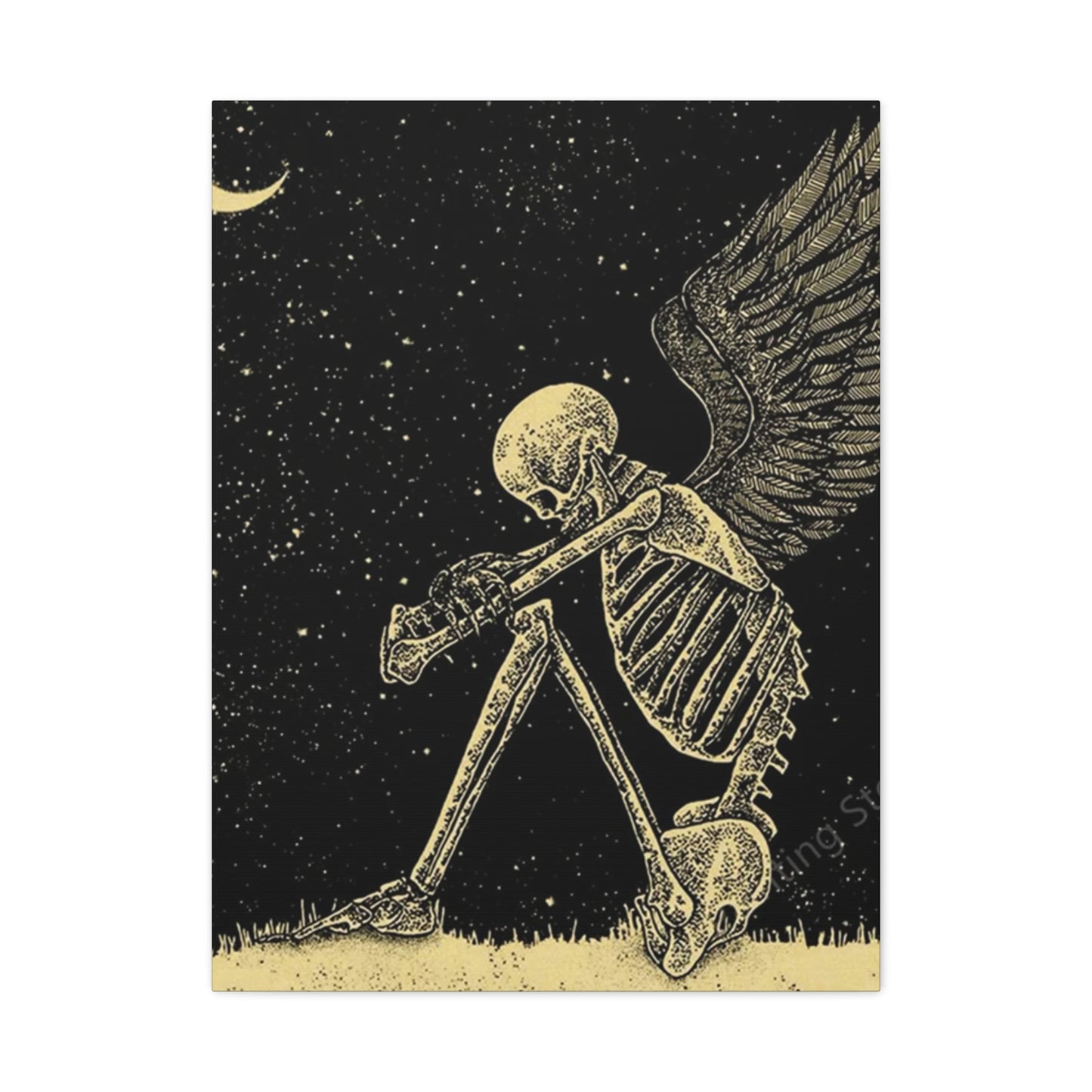
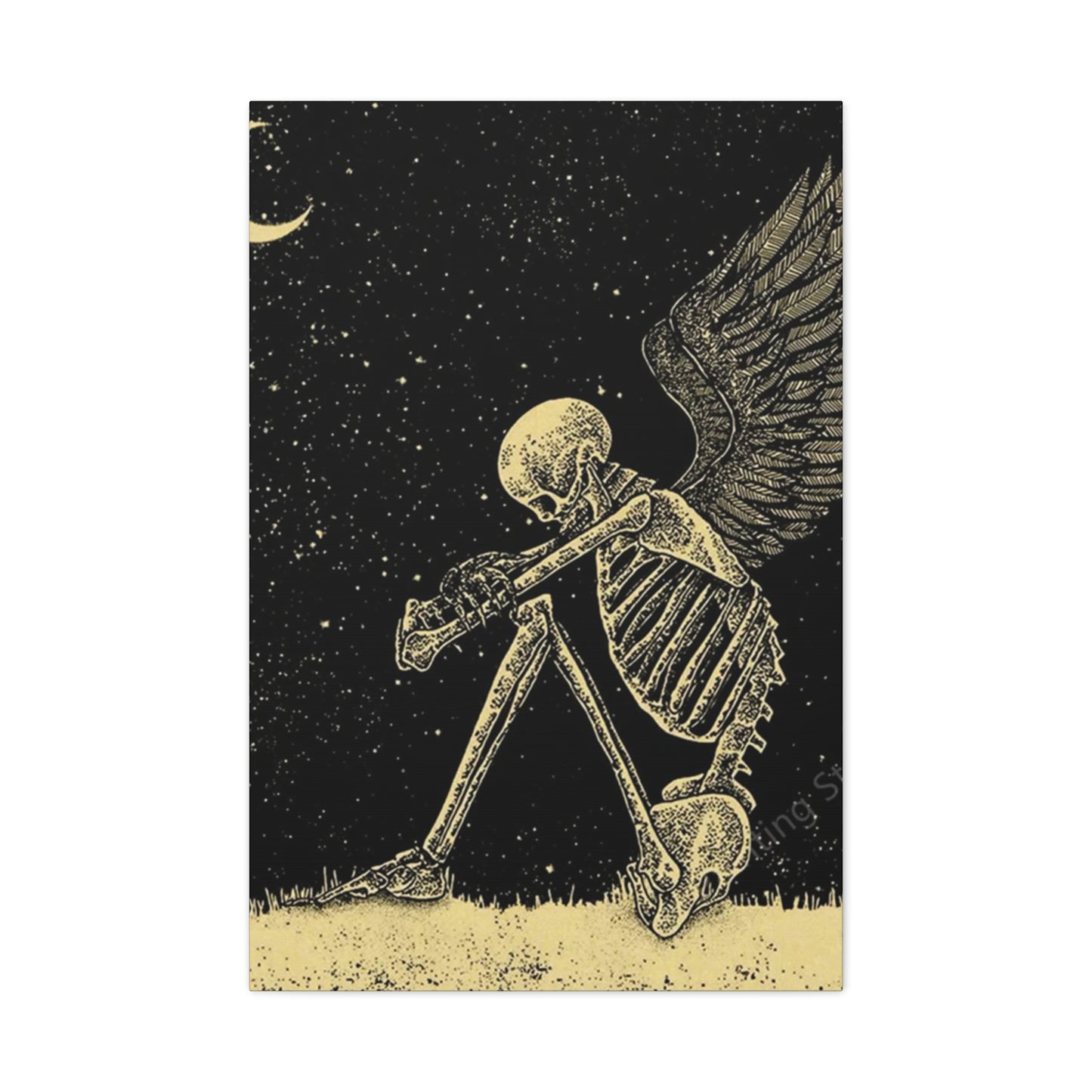
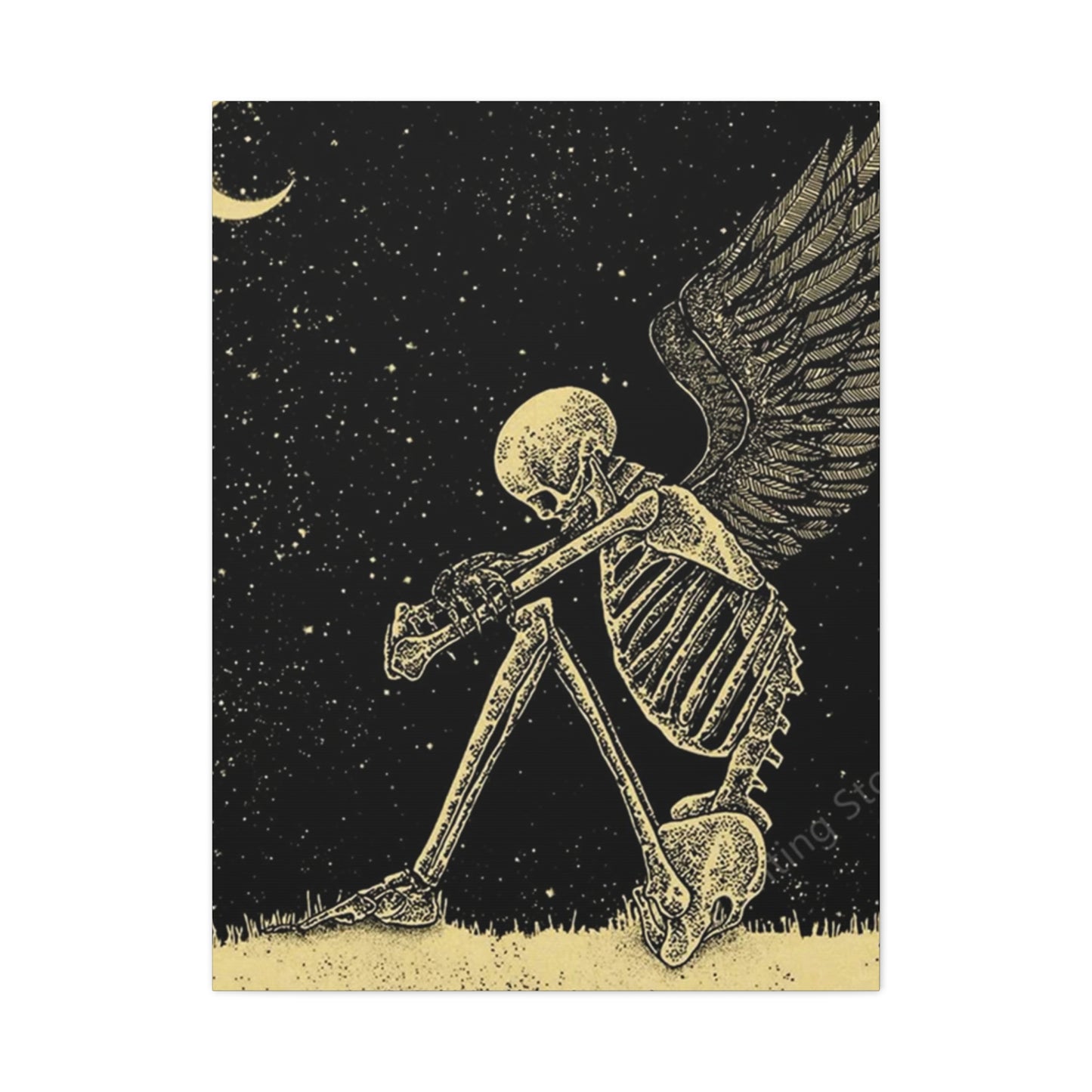
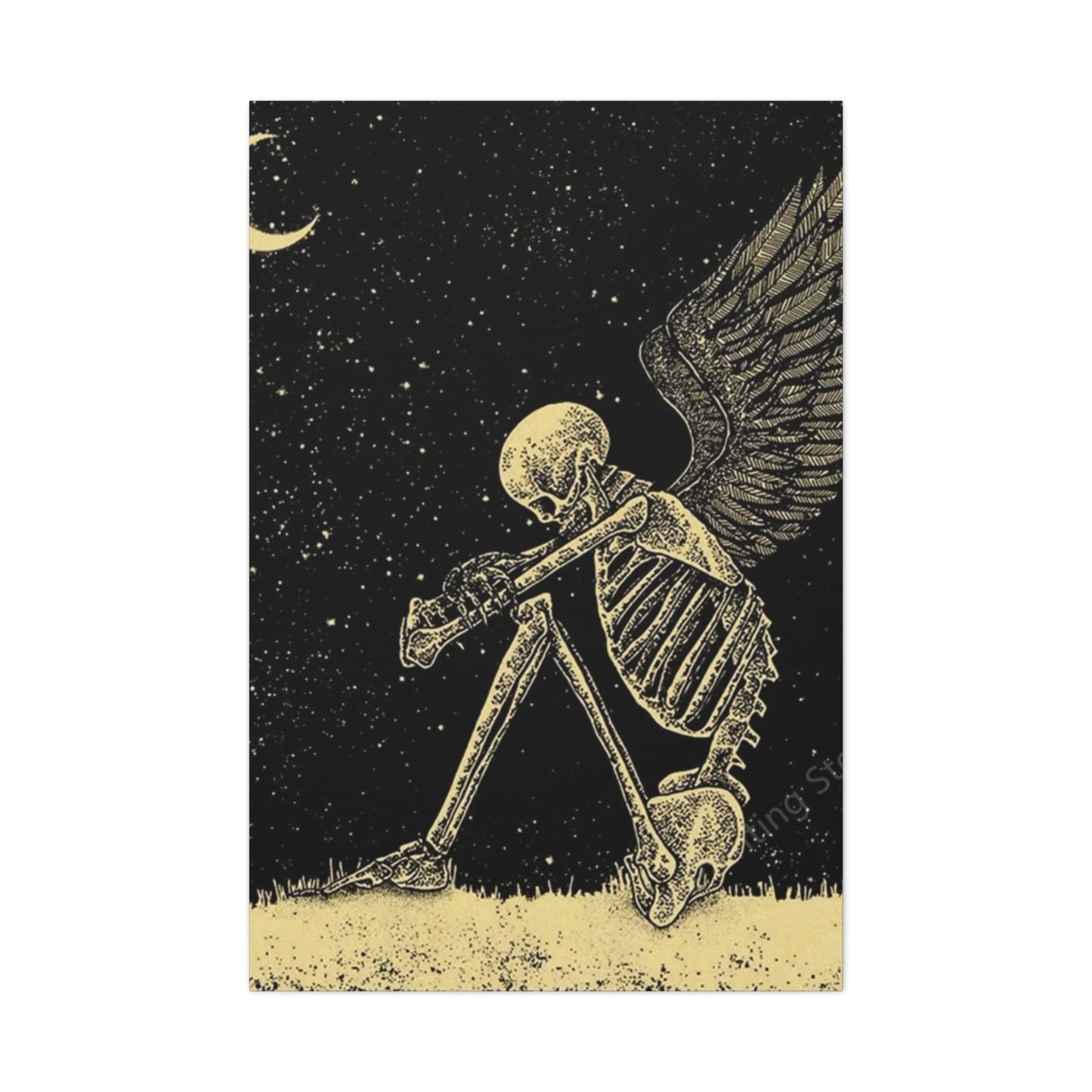
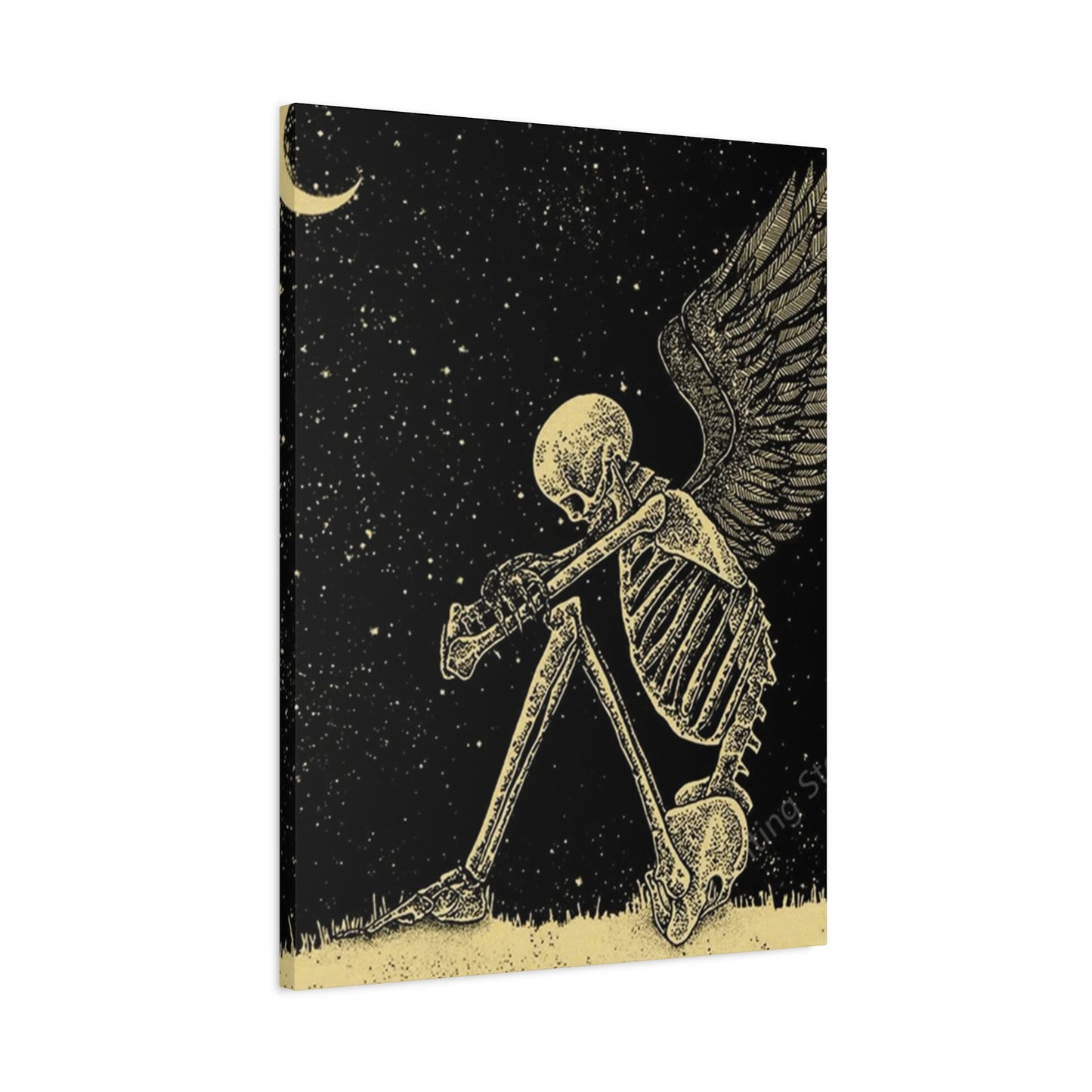
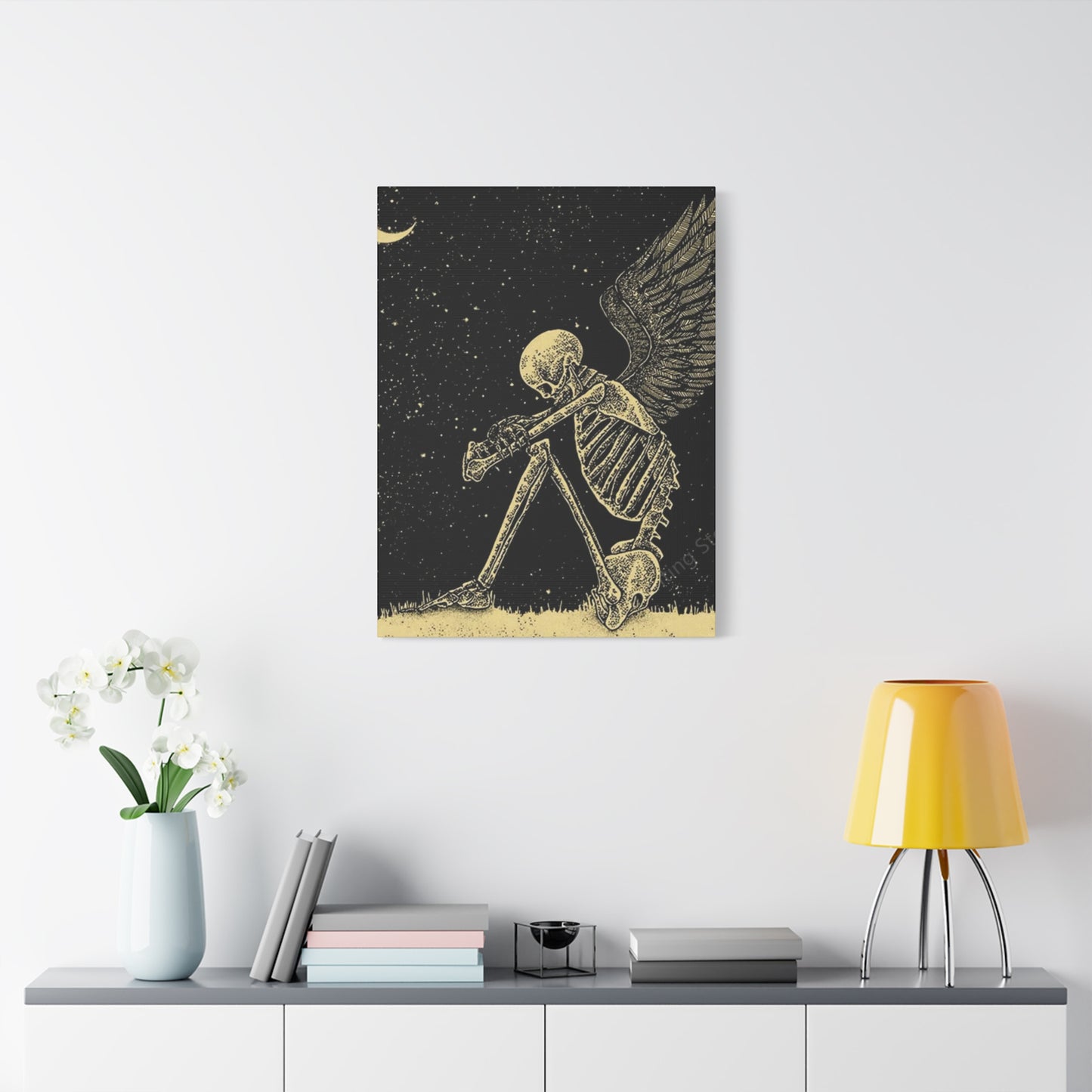
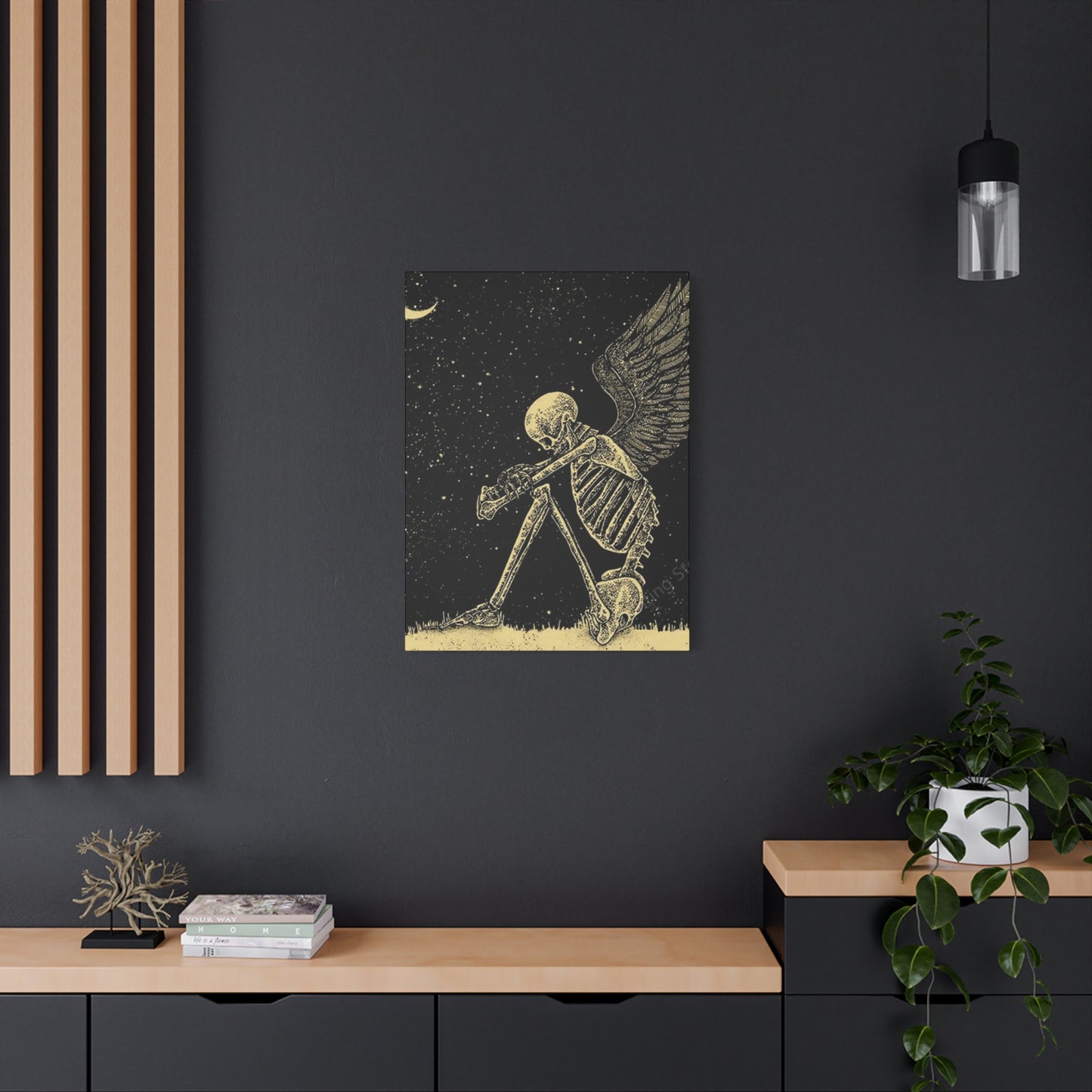
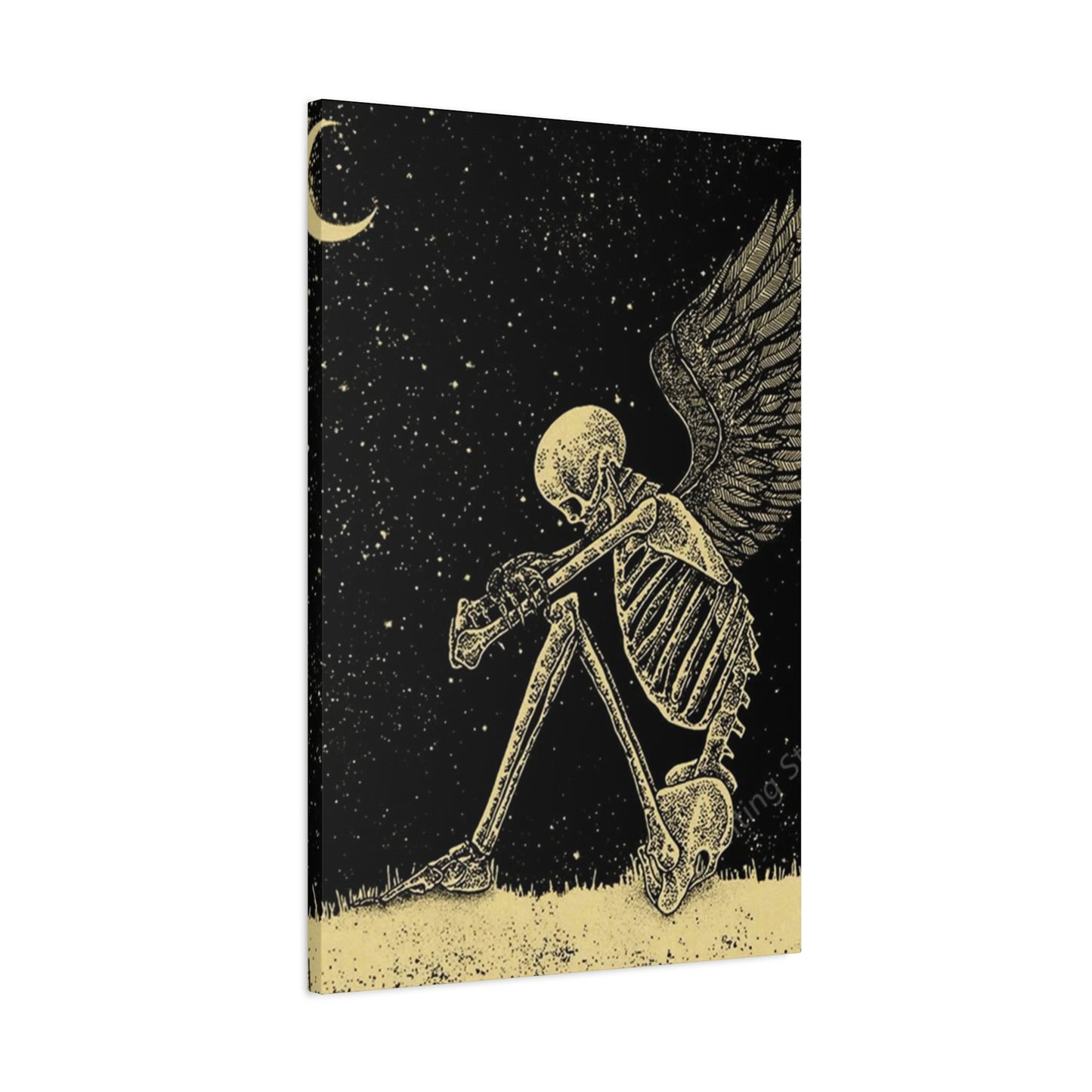
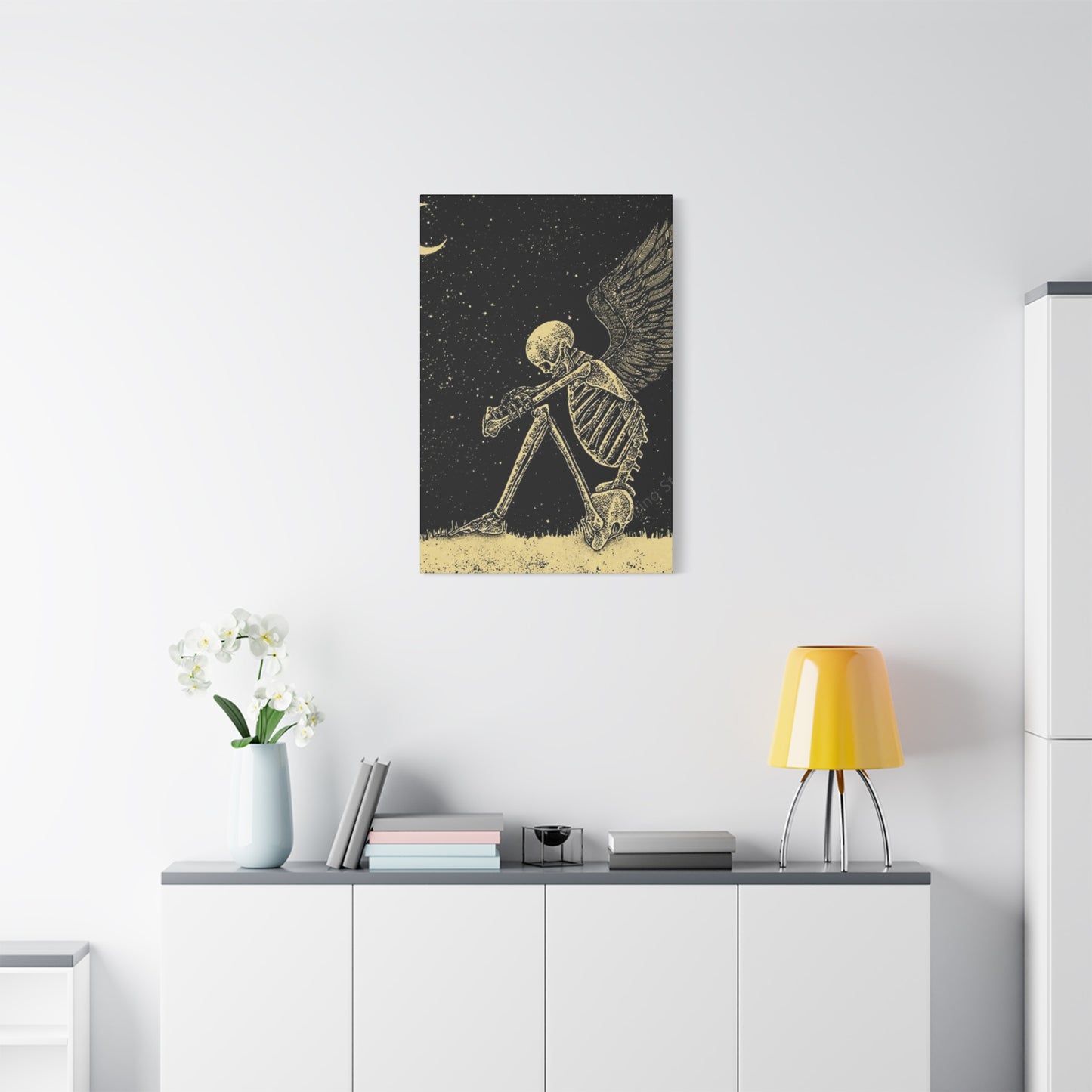
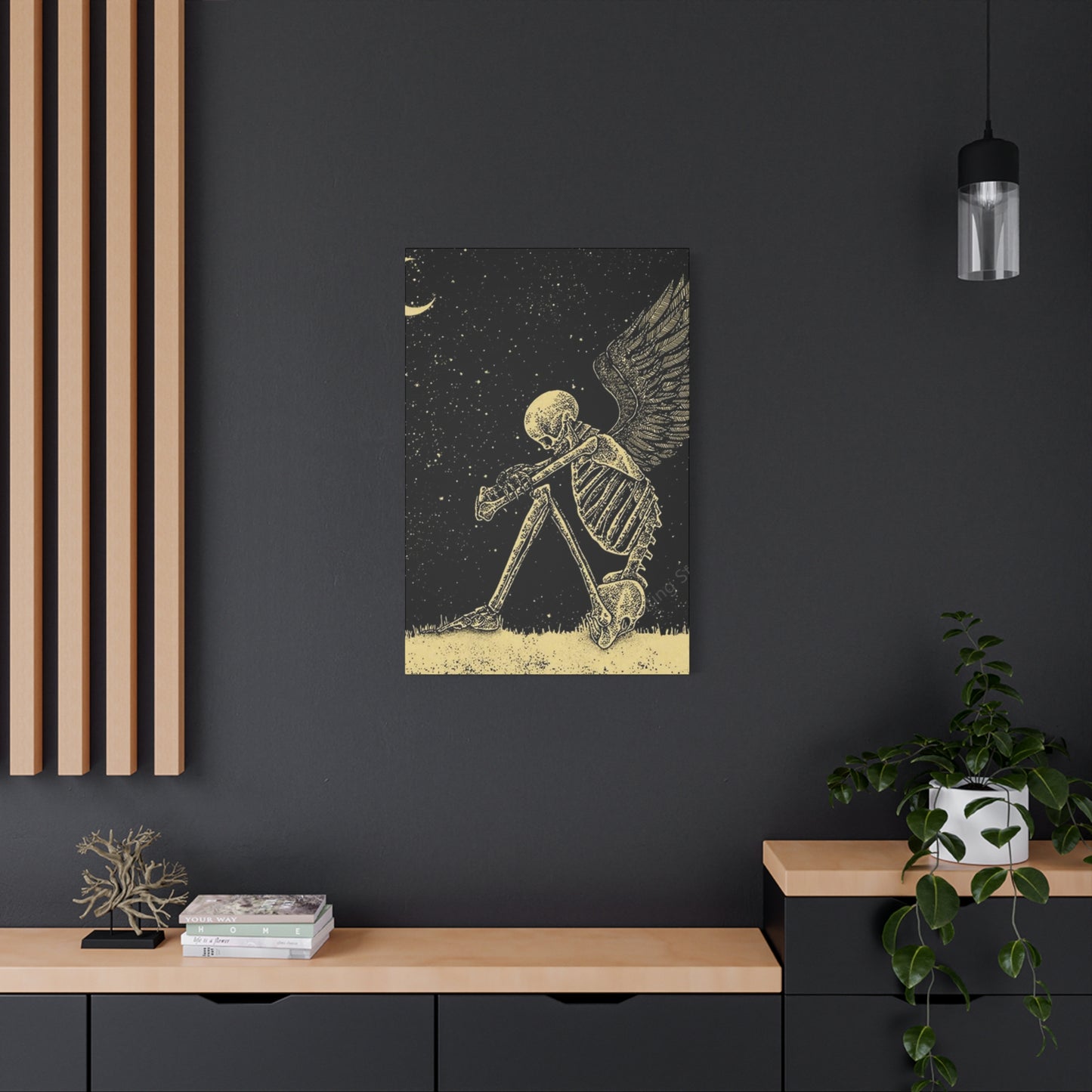
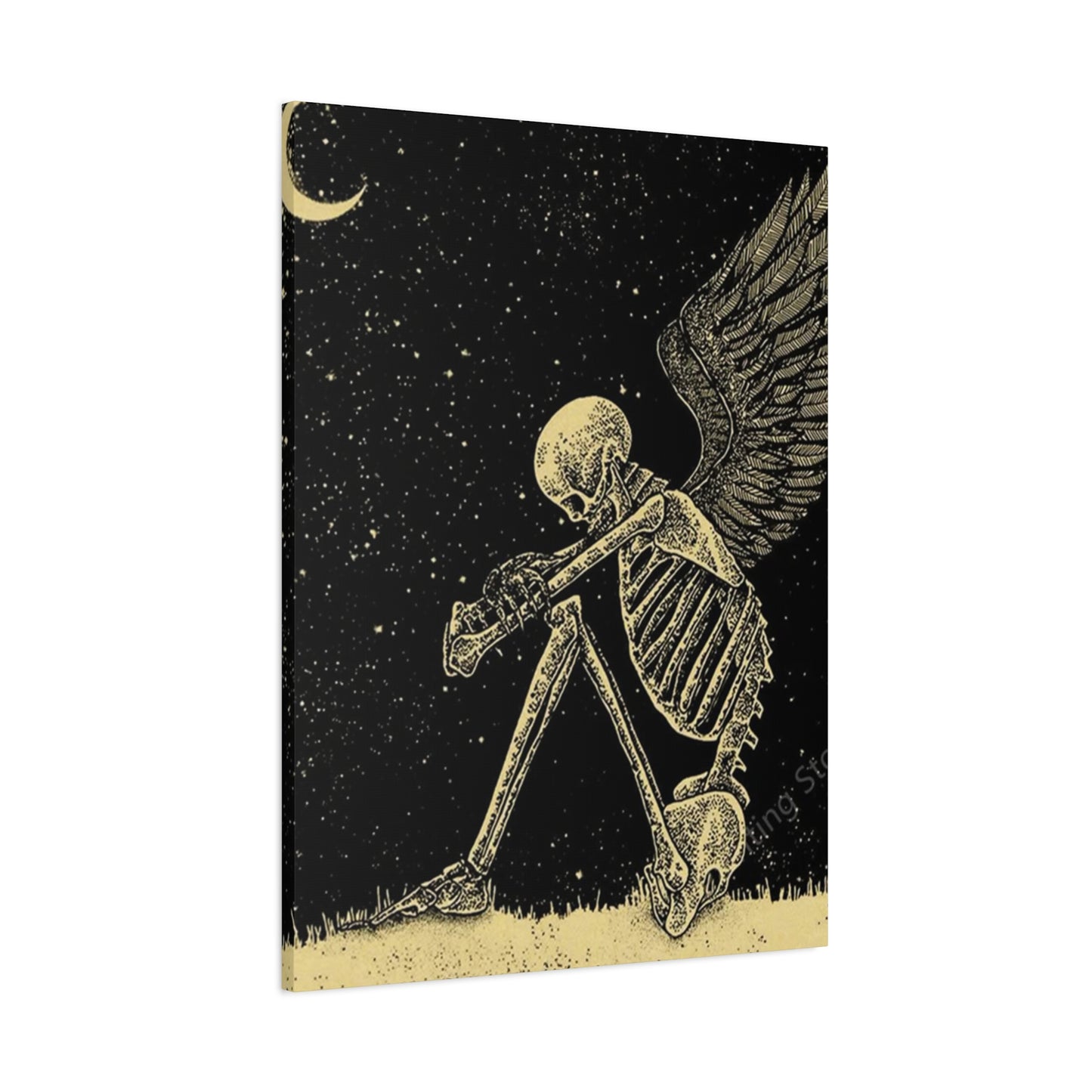
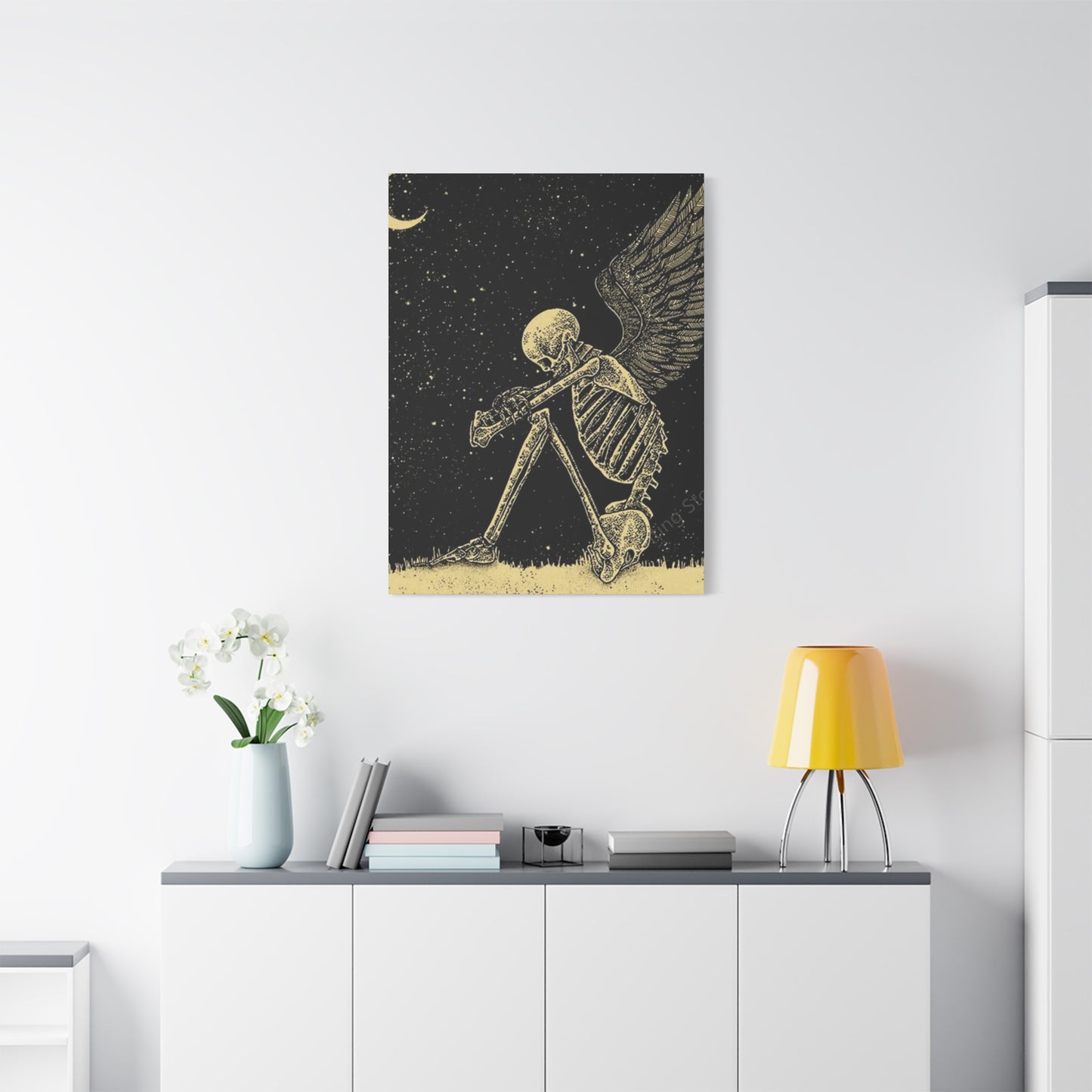
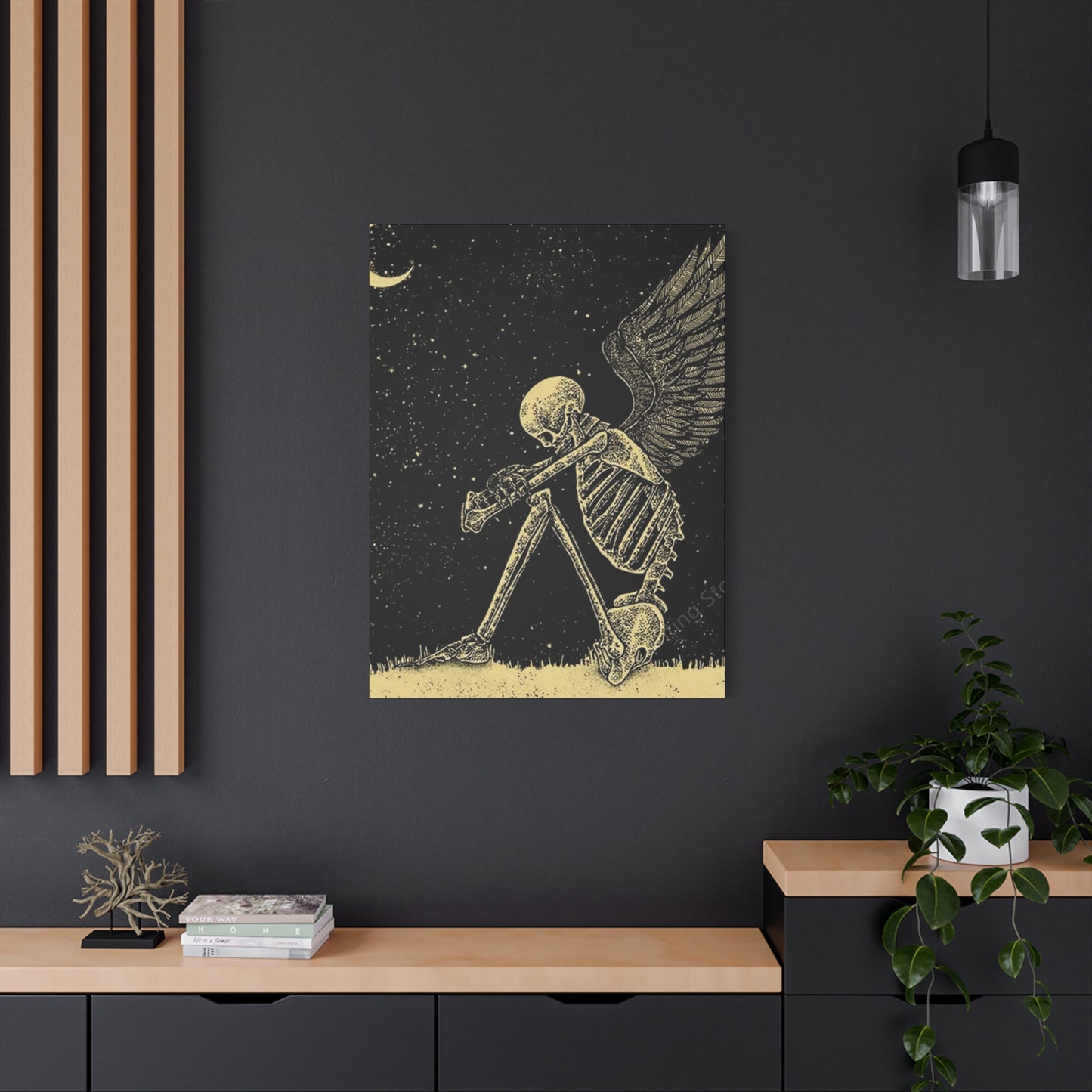
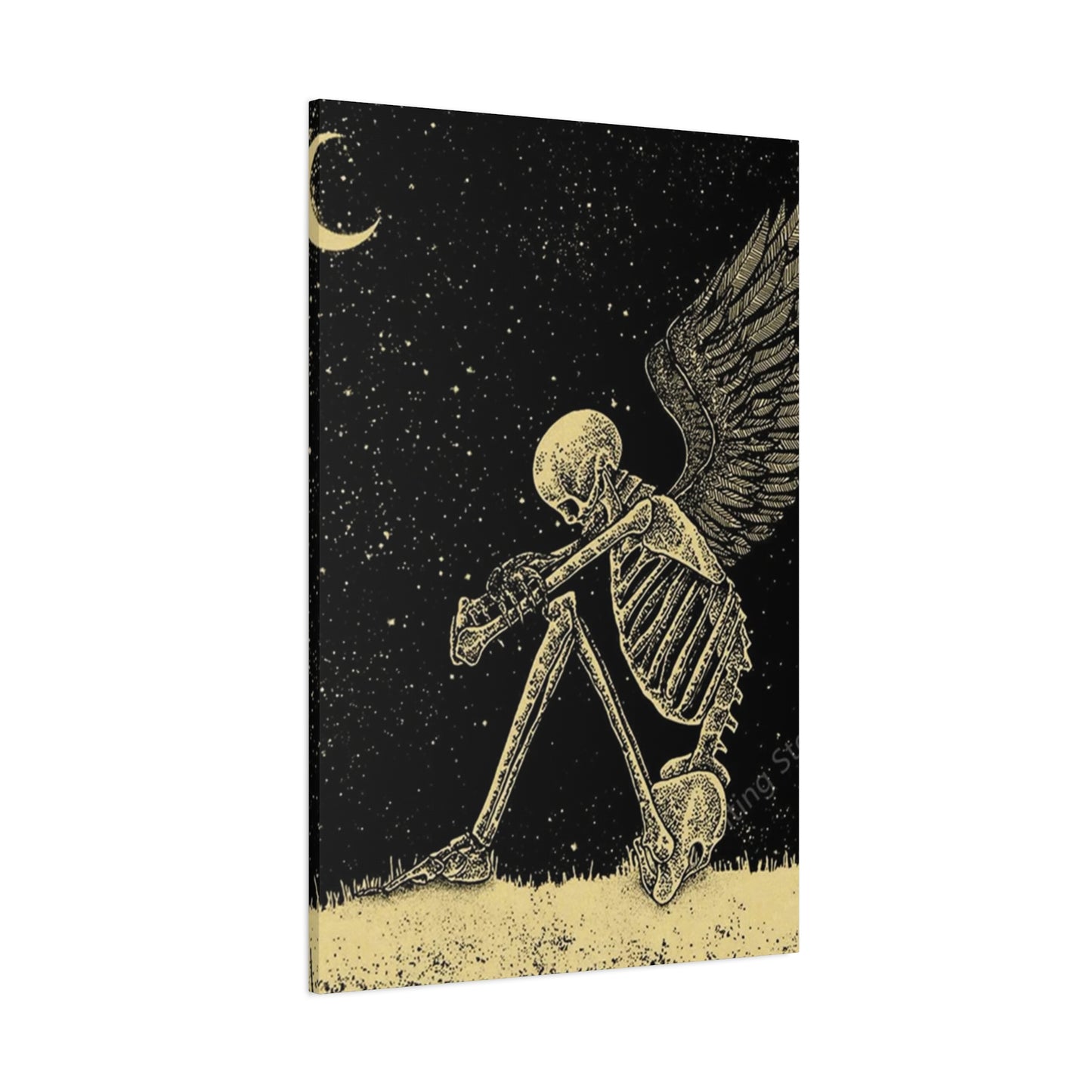
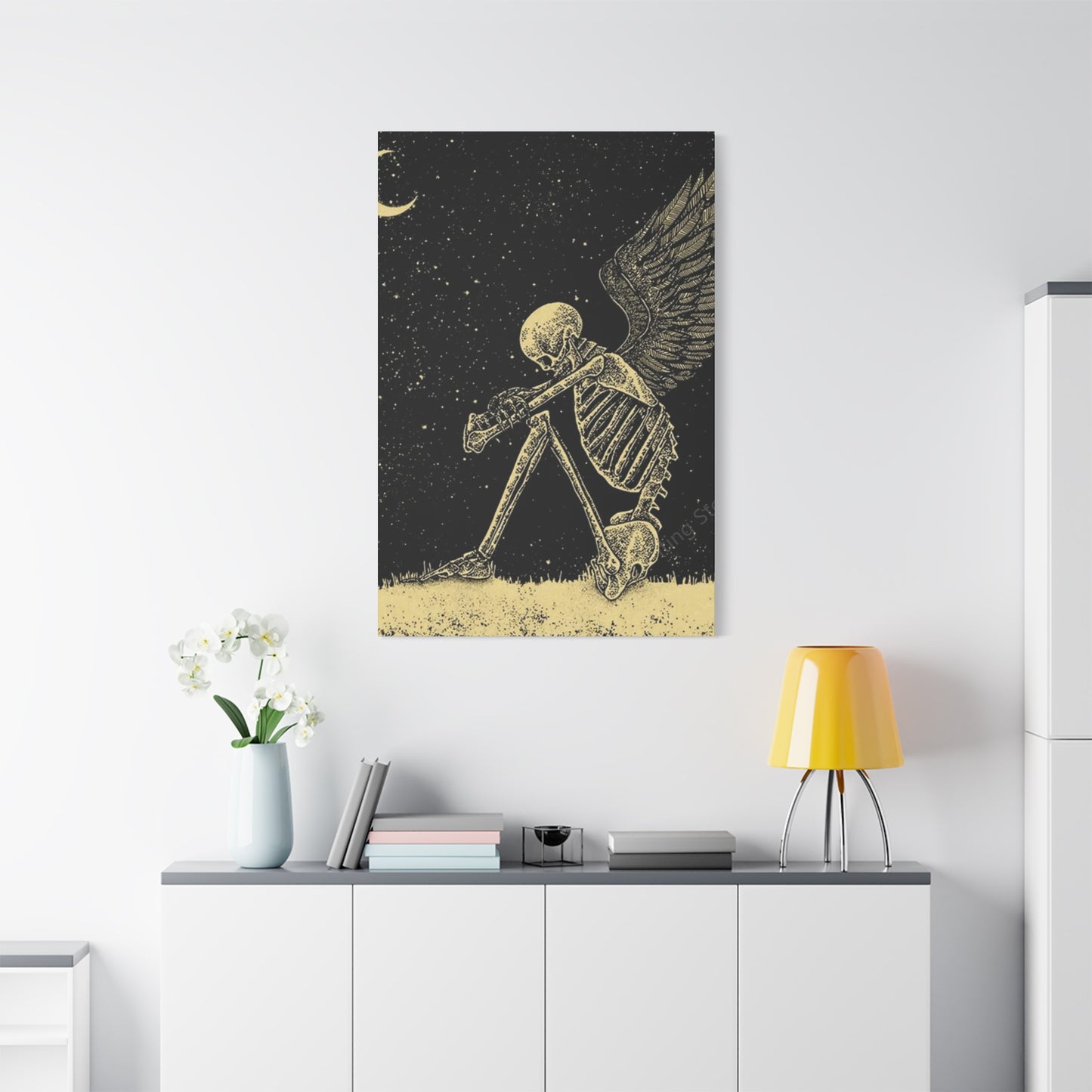
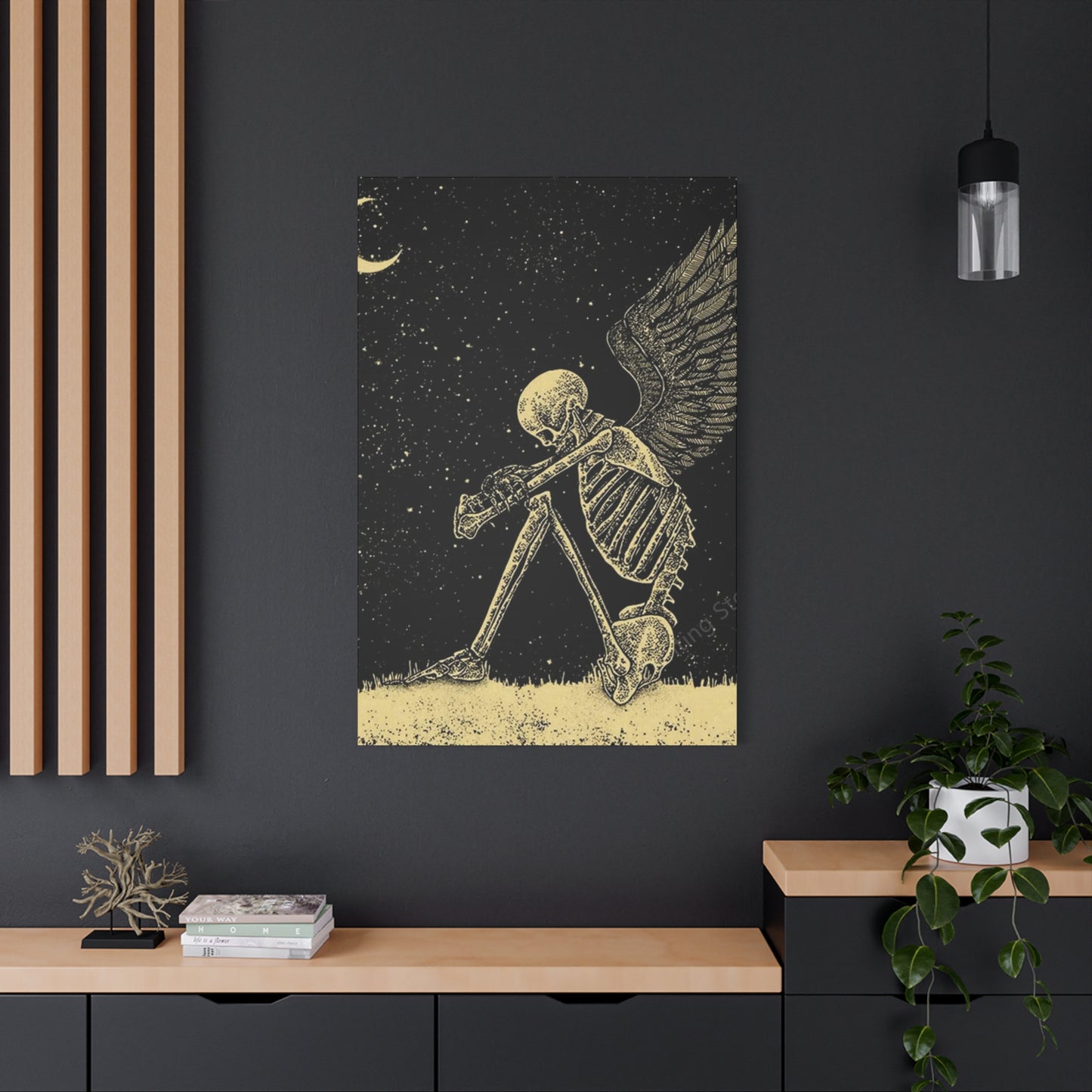
Ethereal Darkness Meets Artistic Expression: Your Guide to Skeleton Angel Wall art Canvas Décor
Fallen angels have long stirred the human imagination with their quiet tragedy and fractured divinity. Unlike triumphant celestial beings bathed in radiant light, the fallen figure speaks in whispers rather than declarations. A sad skeleton angel canvas captures this contrast with startling clarity, presenting grace eroded by time yet still beautiful in its sorrow. The skeletal form symbolizes mortality, while the wings recall forgotten sanctity. Together they create an image that feels both eternal and fleeting, sacred and broken.
Within compact apartments or metropolitan homes, such an artwork can serve as a grounding presence against the structured geometry of modern life. The sharp lines of architecture and the disciplined rhythm of cityscapes contrast powerfully with organic decay and emotional depth. Exploring urban cityscape decor collections can inspire these pairings, allowing the fallen angel to exist as a poetic counterpoint to steel, glass, and concrete.
Shadows As Storytelling Elements
Darkness is often misunderstood in interior spaces. Many fear it will shrink a room or make it feel heavy, yet shadow can actually give shape and character. A skeleton angel painted in muted charcoal and bone hues thrives in these subtleties. It asks for soft light, textured walls, and quiet corners where contemplation feels natural. Instead of dominating a space, it invites stillness.
Designers frequently discover that neglected corners become the most evocative when given intention. A reading chair, a narrow shelf, or a single statement canvas can redefine an overlooked area. Ideas drawn from creative corner decoration ideas help transform these forgotten spaces into intimate sanctuaries where the angel’s melancholy presence feels purposeful rather than accidental.
The Language Of Fragility And Bone
The skeletal structure of the angel is not merely macabre imagery; it is metaphor. Bone suggests endurance, the final architecture that remains when everything else has faded. In this way, the artwork quietly reminds viewers that what survives hardship is often the essence of who we are. The sadness in the angel’s posture does not signify defeat but reflection.
Unexpectedly, this reflective quality can coexist beautifully with functional areas of the home. Even kitchens, often filled with movement and warmth, benefit from an artistic anchor that slows the pace. Inspiration from matte finishes and kitchen details shows how soft textures and natural stone surfaces create harmony with contemplative artwork, blending practicality with poetry.
Balancing Lightness With Emotional Weight
Too much solemn imagery can overwhelm a room, so balance becomes essential. Pairing the fallen angel with gentler or more joyful subjects introduces emotional contrast. This technique mirrors storytelling, where tension is softened by moments of comfort. The result feels layered rather than oppressive.
For instance, including a tender piece like cavalier king charles collection adds warmth and innocence beside the skeletal figure. The softness of a loyal pet offsets the angel’s sorrow, creating a visual conversation between devotion and loss, companionship and solitude.
Tones Of Celebration And Decay
Interestingly, themes of celebration can also deepen the impact of darker artwork. A symbol of festivity placed near an image of decline reminds us that joy and sorrow coexist. Life is rarely singular in mood; it is layered and contradictory. A sparkling still life or luminous subject provides a moment of brightness that heightens the angel’s emotional gravity.
This contrast is especially striking when styled alongside pieces like elegant champagne celebration artwork. The effervescence of celebration meeting the stillness of fallen grace creates a narrative of time passing, of memories both cherished and mourned.
Echoes Of Classical Influence
The fallen angel motif draws deeply from art history. Renaissance and neoclassical painters frequently portrayed divine figures caught between heaven and earth, symbolizing moral struggle. The skeletal reinterpretation feels modern, yet its roots remain traditional. This blend of past and present gives the canvas a timeless authority.
Browsing classical and neoclassical collection reveals how symmetry, proportion, and restrained drama can inform contemporary spaces. Incorporating those principles ensures the angel does not feel out of place but instead connected to a broader lineage of artistic expression.
Illumination As Emotional Architecture
Light shapes perception more than color or form. The way illumination touches the wings or casts shadows through ribcage details can transform the mood from mournful to serene. Subtle backlighting creates halos, while directional lamps emphasize texture and depth.
Techniques drawn from smart office lighting solutions allow homeowners to experiment with warmth, brightness, and focus. Through light alone, the same artwork can feel hopeful in the morning and contemplative by evening.
Windows, Rest, And Reflection
Comfort should never be separated from art. A cozy seat near natural light encourages prolonged engagement with the canvas. Sitting beside the angel while reading or journaling turns passive observation into quiet meditation. The artwork becomes part of daily ritual rather than mere decoration.
Inspiration from bay window seat designs demonstrates how architecture and art can collaborate, transforming a simple nook into a reflective retreat where emotion and comfort intertwine.
Cities As Backdrops To Memory
Urban skylines provide powerful narrative settings. Their rigid silhouettes contrast with the organic decay of skeletal imagery, emphasizing the tension between permanence and impermanence. Buildings rise, crumble, and rise again, just as spirits fall and seek redemption.
Adding pieces like houston skyline canvas collection beside the angel creates a dialogue between the collective life of cities and the intimate sorrow of a single figure, expanding the emotional scale of the room.
Nature’s Gentle Counterpoint
Nature introduces motion and vitality that soften heavier themes. Birds in flight, leaves caught mid-breeze, or delicate blossoms remind viewers that renewal is always possible. These living symbols contrast beautifully with skeletal stillness.
A subtle accent such as hummingbird canvas collection adds this sense of fleeting life. The tiny bird’s energy becomes a whisper of hope beside the angel’s quiet grief, suggesting that even fallen grace retains the promise of rebirth.
The Personal Meaning Of Fallen Grace
Ultimately, a sad skeleton angel canvas is less about aesthetics and more about personal reflection. Each viewer interprets it differently. Some see loss, others resilience, others redemption. That openness is what makes the piece powerful. It evolves with the homeowner’s experiences, gathering meaning over time.
When thoughtfully integrated into a space through contrast, light, comfort, and narrative pairing, the fallen angel becomes more than an image. It becomes a companion to memory, a witness to growth, and a silent reminder that beauty often emerges from brokenness.
Cityscapes Beneath Broken Wings
The fallen skeleton angel does not exist in isolation. Its sorrow deepens when placed against the living pulse of a city. Concrete, steel, and endless windows suggest humanity’s desire to build something permanent, something that defies decay. Yet the skeletal angel quietly contradicts that ambition. It reminds us that no skyline, no matter how grand, can escape time. This tension between permanence and impermanence is what gives the artwork such emotional weight.
In modern interiors, pairing the angel with expansive urban imagery creates a cinematic atmosphere. The viewer senses that the figure has descended from somewhere above the streets, now resting among the echoes of traffic and memory. Inspiration from modern cityscape decor collection helps craft that layered environment, where architecture and emotion intersect to tell a story larger than any single image.
The city becomes not just a background but a metaphor for fallen grace itself. Towers rise with hope and fall with neglect, mirroring the angel’s descent. Together they form a visual language of ambition and consequence, reminding us that beauty often hides inside ruin.
Rituals Of Memory And Ceremony
Every home contains rituals. Morning coffee by the window, evening quiet with a book, gatherings with friends. Art participates in these small ceremonies, witnessing them silently. A skeleton angel canvas, with its bowed head and fractured wings, seems especially attuned to moments of reflection. It feels like an observer of life’s passages, from celebration to farewell.
Strangely, themes of ceremony connect deeply with such imagery. Life events are structured by roles and responsibilities, each person contributing to the harmony of the whole. Exploring ideas from wedding party planning responsibilities guide highlights how even joyful milestones carry undertones of vulnerability and transition. The fallen angel echoes that awareness, reminding us that every beginning contains an ending, and every celebration carries memory.
Placing the artwork in spaces where families gather reinforces this emotional layering. It becomes a quiet participant in shared history.
Texture, Depth, And The Surface Of Time
The power of a fallen angel image lies not only in subject matter but in texture. Cracks in paint, subtle grain, and dimensional surfaces create the illusion that the artwork has endured centuries. Flat reproductions often lack this emotional presence. Depth is what convinces the viewer that the story is real.
Design choices that emphasize substance over thinness enhance this effect. Learning from benefits of textured canvas prints reveals how richer materials absorb light differently, creating shadows that mimic age and wear. These tactile qualities align perfectly with the skeletal motif, which already speaks of endurance and erosion.
When the surface itself appears weathered, the angel’s sadness feels authentic rather than decorative. It becomes an artifact instead of an ornament.
The Artist’s Hand And Emotional Authenticity
Original artistry carries a certain gravity. Brushstrokes, imperfections, and subtle variations communicate the presence of a human hand. This authenticity resonates strongly with a subject as intimate as a fallen angel. Viewers sense that the artist poured emotion into every detail, translating inner struggles into visible form.
Displaying expressive pieces from a joshua schicker beautiful series can complement the angel’s narrative with bold textures and contemporary sensitivity. Such works often explore vulnerability, color tension, and layered composition, qualities that harmonize naturally with themes of grace and loss.
Together, these pieces create a conversation between different artistic voices, each interpreting fragility through their own lens.
Layers Of Contemporary Expression
While the skeleton angel draws from ancient symbolism, modern interpretations keep it relevant. Contemporary art embraces abstraction, distortion, and emotional immediacy. These elements prevent the motif from feeling nostalgic or dated. Instead, it becomes alive, evolving with each viewer’s perspective.
Complementary selections from a joshua schicker modern art collection introduce vibrant contrasts and unexpected forms. Their energetic presence offsets the angel’s stillness, creating rhythm across the room. One piece whispers while another speaks loudly, forming a balanced dialogue between chaos and calm.
This layering of styles reflects the complexity of modern life, where serenity and noise coexist daily.
Impressionist Light And Fleeting Moments
Not all companions to darkness must be somber. Sometimes the most effective contrast comes from light itself. Impressionist works, with their shimmering brushwork and luminous colors, capture moments that seem to dissolve even as we observe them. Their transience mirrors the angel’s fragile state.
Browsing a claude monet inspired art collection introduces gentle water scenes and soft landscapes that glow with atmosphere. When paired with the fallen angel, these pieces suggest hope without denying sorrow. The angel becomes less a symbol of defeat and more a figure resting between storms.
Light dancing across color reminds viewers that beauty persists, even in passing moments.
Materials That Frame Emotion
Interior materials shape how art is perceived. Cold surfaces like metal and glass amplify starkness, while warm woods soften it. A skeleton angel set against natural textures feels less severe and more contemplative. The surroundings act like a frame, subtly guiding interpretation.
Comparisons drawn from wood versus pvc panel designs reveal how organic materials introduce warmth and authenticity. Wood grains echo the organic lines of wings and bone, making the scene feel grounded rather than clinical.
By choosing materials thoughtfully, homeowners create harmony between structure and sentiment.
Windows As Portals Of Meaning
Windows are thresholds between interior thought and exterior reality. Placing the fallen angel near natural light allows it to change throughout the day. Morning sun softens its edges, while twilight deepens its shadows. The artwork becomes dynamic rather than static.
Enhancing these spaces using elegant curtain and blind styling controls how light filters across the canvas. Sheer fabrics create a gentle glow, while heavier drapes introduce drama. Each adjustment subtly alters the emotional reading of the angel.
In this way, light becomes part of the narrative, like time passing across a memory.
Botanical Calm Amid Darkness
Greenery offers psychological relief. Leaves, herbs, and natural forms bring life into otherwise somber compositions. When paired with skeletal imagery, plants symbolize renewal and resilience. They suggest that decay feeds growth, that endings nourish beginnings.
A complementary piece from a herb botanical illustration series introduces delicate textures and calming tones. The quiet presence of foliage softens the angel’s melancholy, creating emotional breathing space within the room.
The result feels balanced rather than heavy, reflective rather than bleak.
Organic Lines And Quiet Healing
The final layer of styling often lies in subtle repetition. Echoing shapes across multiple artworks unifies a space. Curved stems, flowing lines, and natural silhouettes mirror the arcs of wings and ribs, creating visual continuity that feels intentional.
Selections from a herb themed contemporary artwork reinforce these organic rhythms. Their simplicity allows the fallen angel to remain central while still enriching the environment with softness and life.
Through these thoughtful combinations, the once-lonely angel becomes part of an ecosystem of meaning.
The Living Narrative Of Fallen Grace
By the end of this journey, the skeleton angel is no longer a solitary image but a character within a larger story. Cities provide context, ceremonies offer memory, textured surfaces add authenticity, artists contribute emotion, light reshapes perception, and nature restores balance. Each element strengthens the central theme of fallen grace without overwhelming it.
A home curated in this way becomes more than a collection of objects. It transforms into a living narrative where sorrow and beauty coexist. The angel does not simply hang on the wall; it listens, watches, and evolves alongside those who dwell nearby. Over time, it gathers new meanings, reflecting the experiences of everyone who passes through the space.
This is the quiet power of thoughtful design. Art becomes memory. Memory becomes identity. And the fallen angel, once a symbol of loss, becomes a reminder that even broken wings can still hold grace.
Echoes Of Tradition In Fallen Imagery
Every fallen angel carries with it the weight of history. The figure is not simply a modern invention but a symbol rooted in centuries of myth, theology, and painting. Classical artists once rendered celestial beings with careful symmetry and reverence, capturing their grace with soft halos and flowing garments. When we reinterpret that figure as skeletal and sorrowful, we are not abandoning tradition but reshaping it. The past lingers inside the present, whispering through every line and shadow.
This connection to heritage becomes stronger when the artwork is placed among timeless influences. Exploring a timeless classic decor collection provides context for blending antique sensibilities with contemporary emotion. Ornate frames, restrained palettes, and balanced compositions anchor the fallen angel within a lineage that stretches back centuries, making it feel like an heirloom rather than a novelty.
In such spaces, the angel appears less like a stranger and more like a memory rediscovered.
The Quiet Bond Between Art And Home
Art only becomes meaningful when it finds a place to live. Galleries are temporary, but homes are intimate. A skeleton angel resting in a hallway or above a mantel absorbs the daily rhythms of life. It witnesses small joys and private sorrows, gradually collecting personal significance that no museum label could ever provide.
This intimacy explains why certain materials feel warmer and more enduring than others. Choosing pieces that feel substantial and lasting encourages emotional attachment. Insights from why canvas belongs in homes highlight how texture and depth invite connection, allowing viewers to feel as though the artwork breathes alongside them rather than existing behind glass.
The fallen angel thrives in this closeness. Its sadness becomes familiar, almost comforting, like a shared secret.
The Healing Language Of Muted Greens
Color profoundly influences how we interpret imagery. While the angel’s skeletal structure might suggest stark whites and deep blacks, surrounding tones can soften the experience. Gentle greens evoke renewal, growth, and quiet resilience. These hues remind us that decay feeds new life, that every ending carries a beginning.
Designers often turn to nature-inspired palettes to create calm interiors. Drawing inspiration from sage green calming decor ideas introduces subtle tranquility that balances the angel’s melancholy. Against a backdrop of muted green, the figure appears less tragic and more contemplative, as if resting rather than mourning.
The room begins to feel like a sanctuary instead of a shrine to sorrow.
Urban Memory Etched In Stone
Cities possess their own form of skeletons. Abandoned buildings, weathered brick, and rusted stairways reveal the bones of urban history. When paired with a fallen angel, these elements echo one another, forming a shared language of endurance and time. The artwork feels as though it has descended into an old neighborhood, carrying stories older than the streets themselves.
A piece from the brooklyn cityscape artistic view can deepen this narrative. Its layered textures and urban atmosphere create the impression of memory etched into architecture. Together with the angel, the city becomes a stage where loss and resilience unfold simultaneously.
The effect is cinematic, almost like a still frame from a forgotten film.
Stillness And The Weight Of Spirit
Not every companion to the fallen angel must be dramatic. Sometimes the most powerful contrast comes from stillness. Spiritual imagery grounded in meditation and quiet awareness introduces a sense of peace that counterbalances skeletal fragility. Where the angel suggests descent, serene figures suggest grounding.
Integrating a piece from the serene buddha meditation artwork introduces this calm presence. The gentle posture and tranquil expression create emotional equilibrium, reminding viewers that suffering and serenity often exist side by side.
The room begins to breathe slower, encouraging reflection rather than heaviness.
Skylines As Silent Witnesses
Skylines stretch across horizons like monuments to ambition. They remind us of humanity’s constant striving upward, even as gravity pulls everything back down. This duality mirrors the fallen angel perfectly. Once airborne, now grounded, it exists between sky and earth, between aspiration and acceptance.
Displaying imagery from a dramatic city skyline gallery emphasizes this relationship. The horizontal sweep of buildings contrasts with the vertical fall of wings, visually reinforcing the theme of descent. Yet the lights of the skyline also suggest hope, a promise that life continues.
These layered meanings transform the wall into a quiet narrative of struggle and persistence.
Accents Of Bold Emotion
While muted tones soothe, occasional bursts of color ignite energy. Deep reds and berry hues evoke passion, memory, and warmth. When used sparingly, they prevent a space from feeling too solemn. The fallen angel’s sorrow becomes part of a broader emotional spectrum rather than the only note.
Design inspiration drawn from raspberry inspired home accents shows how rich tones add vibrancy without overwhelming the atmosphere. A cushion, a vase, or a complementary artwork can introduce life that dances around the angel’s quiet presence.
Suddenly the space feels alive, as though emotion flows freely rather than settling into stillness.
Framing Light With Architectural Detail
Windows serve as storytellers, shaping how light moves across a room. Their structure can elevate the significance of nearby artwork. A skeleton angel placed beside carefully styled windows seems to change personality throughout the day, shifting from soft dawn glow to dramatic twilight silhouette.
Thoughtful architectural touches inspired by decorative pelmet window styling ideas enhance this transformation. Framed light creates depth and dimension, turning shadows into expressive elements that interact directly with the canvas.
In this dance of light and form, the angel appears almost alive.
Verdant Whispers Of Renewal
Nature remains the most powerful antidote to heaviness. Green leaves and botanical forms suggest continuity, reminding us that life constantly regenerates. Introducing plant-inspired artwork alongside the fallen angel softens its edges and introduces hope.
A complementary choice like lush verdant harmony artwork offers gentle textures that feel restorative. The organic shapes seem to cradle the skeletal figure, suggesting that even broken wings can rest among growth.
The atmosphere becomes nurturing rather than mournful.
Shelter Within Living Landscapes
The final layer of design often involves creating a sense of refuge. Homes should feel protective, like havens from the outside world. When the fallen angel is surrounded by soft greenery and natural motifs, it feels less like a symbol of loss and more like a guardian of memory.
Including pieces from a verdant haven nature series reinforces this sheltering quality. The imagery suggests gardens and quiet retreats, spaces where healing occurs quietly. The angel becomes part of this sanctuary, watching over it rather than haunting it.
In this setting, fallen grace transforms into quiet strength.
The Continuing Journey Of Grace
As Part 3 unfolds, the skeleton angel grows more complex. Tradition grounds it, materials humanize it, color softens it, cities contextualize it, spirituality steadies it, and nature heals it. Each element adds a new layer of meaning until the artwork feels like a living presence rather than a static image.
This is the true power of thoughtful curation. Art becomes dialogue. Rooms become stories. And the fallen angel, once defined only by sadness, becomes a symbol of endurance, reflection, and quiet rebirth.
The journey is far from over. With every new pairing and every changing season, the meaning evolves again.
Where Classic Beauty Meets Fallen Grace
The fallen skeleton angel carries a paradox within its form. It feels ancient and contemporary at the same time, like a relic uncovered in a modern ruin. This duality allows it to exist comfortably alongside traditional aesthetics. Classical interiors, with their measured proportions and quiet dignity, provide a natural stage for such an emotionally charged figure. The stillness of symmetry and heritage details steadies the angel’s sorrow, making it feel contemplative rather than chaotic.
Surrounding the piece with elements drawn from a classic fine art decor collection reinforces this sense of permanence. These influences lend gravitas to the space, as though the room itself has witnessed generations pass. Within such surroundings, the angel appears less like a symbol of sudden tragedy and more like a timeless observer of human history.
The result is a room that feels storied, almost sacred, where every object seems to hold memory.
Dividing Space Without Dividing Emotion
Modern homes often blend living and dining areas into open expanses. While this openness encourages connection, it can dilute intimacy. A powerful artwork like a skeleton angel benefits from boundaries, subtle separations that create emotional pockets within the larger space. These gentle divisions allow the viewer to approach the piece with intention rather than distraction.
Incorporating ideas from wooden partition designs for interiors introduces warmth and structure simultaneously. Slatted wood or sculptural dividers carve out quiet corners where the angel can reside like a guardian presence. The natural grain of timber echoes organic forms, softening the skeletal imagery and adding depth to the environment.
Instead of isolating the artwork, these boundaries frame it, giving its story room to breathe.
The Language Of Giving And Memory
Art is often exchanged as a gift, and gifts carry intention. They represent recognition, affection, and shared history. A fallen angel canvas, though somber in tone, can be one of the most meaningful presents because it speaks to resilience and reflection. It acknowledges that life includes hardship, yet beauty persists.
When selecting pieces meant to carry emotional weight, guidance from a thoughtful seasonal gift ideas guide encourages choosing items that resonate personally rather than merely decorate. The angel becomes more than an object; it becomes a gesture, a reminder that someone understood the recipient’s depth.
Over time, such gifts transform into heirlooms, woven into the fabric of memory.
Nostalgia In Weathered Textures
There is something undeniably moving about objects that look aged. Patina, faded tones, and gentle imperfections suggest that a piece has survived time. A skeleton angel rendered in these textures feels authentic, as though it has traveled centuries to reach the present moment.
Complementing this mood with selections from a vintage allure artistic decor deepens the atmosphere of nostalgia. Subtle sepias and distressed finishes whisper of forgotten stories, creating continuity between past and present. The angel seems less like a fictional figure and more like an artifact discovered in an attic trunk.
Such surroundings invite slow appreciation rather than hurried glances.
Elegance Hidden In Imperfection
Not all elegance comes from polish. Sometimes it emerges from restraint and quiet dignity. The fallen angel, stripped to bone and memory, embodies this understated beauty. It does not shout for attention; it asks for contemplation. This makes it particularly compatible with refined, graceful décor that values subtlety.
Pairing it with pieces from a vintage elegance inspired artwork enhances this gentle sophistication. Soft lines and muted tones create harmony rather than competition. Together they form an environment that feels poetic, like a slow melody rather than a dramatic crescendo.
In such settings, the angel becomes less tragic and more tender.
Water, Reflection, And Impressionist Calm
Water has always symbolized introspection. Its surface reflects the world back to us, distorted yet recognizable. Impressionist depictions of ponds and lilies capture this reflective quality with shimmering strokes of light. When these tranquil scenes accompany the fallen angel, they offer emotional balance.
Exploring a monet water lilies collection introduces fluidity and softness that counteract skeletal starkness. The gentle movement of water suggests renewal, while the angel embodies stillness. Together they create a conversation between motion and pause, life and memory.
This interplay turns the room into a place of quiet meditation.
Warmth Through Golden Light
Color temperature can drastically change how sorrow is perceived. Cool tones emphasize melancholy, while warmer hues introduce comfort. Touches of gold or marigold yellow feel like late afternoon sunlight, wrapping the space in gentle warmth. Against this glow, the angel’s sadness feels less severe and more human.
Inspiration from marigold yellow interior styling tips shows how strategic bursts of warmth create optimism without overpowering subtle art. A throw pillow, a lamp, or a nearby accent piece can radiate enough light to soften the mood.
Suddenly, the angel seems less alone, as though bathed in kindness.
Winter Rooms And Quiet Comfort
Certain seasons intensify introspection. Winter, with its shorter days and longer nights, encourages stillness. It is the perfect backdrop for contemplative artwork. A skeleton angel in a softly lit living room feels almost seasonal, echoing the hush of falling snow and the comfort of layered textiles.
Styling suggestions from cozy winter living room ideas emphasize warmth through fabrics, textures, and gentle lighting. Blankets, rugs, and warm lamps transform the space into a haven where the angel’s presence feels protective rather than somber.
The artwork becomes part of the seasonal ritual, accompanying evenings of reflection.
Minimal Ink And Expressive Silence
Sometimes less truly is more. Ink-based compositions, with their restrained lines and expansive negative space, communicate emotion through simplicity. This minimalism pairs beautifully with the skeletal angel, whose form is already defined by absence and hollow spaces.
Introducing selections from a minimalist ink brush series enhances this dialogue of silence. Sparse strokes echo the angel’s bones, suggesting that emptiness itself can be expressive. Together they create a refined aesthetic that feels thoughtful rather than heavy.
The room breathes easier, uncluttered and serene.
Movement, Color, And Modern Energy
After so much quiet introspection, a touch of vibrant motion can awaken the space. Contemporary expressive works filled with color and gesture introduce vitality that prevents the environment from feeling static. They remind viewers that life continues to flow even alongside sorrow.
Complementary pieces from an iris scott expressive art series bring dynamic texture and bold movement. Their lively energy contrasts with the angel’s stillness, creating rhythm across the room. It is like a heartbeat beside a resting figure.
This balance between calm and motion ensures the space feels alive rather than frozen in memory.
The Gentle Evolution Of Fallen Grace
By this stage of the journey, the fallen skeleton angel has transformed once again. Surrounded by classical refinement, wooden warmth, nostalgic textures, reflective waters, golden light, seasonal comfort, minimalist ink, and expressive color, it becomes something more than sorrow. It becomes a storyteller.
Each design choice adds another chapter. The angel is no longer defined solely by loss but by endurance, by the quiet dignity of surviving change. It stands not as a warning but as a companion to human experience, reminding us that fragility and beauty often share the same shape.
In thoughtfully curated spaces, fallen grace evolves into quiet strength, and the home itself becomes a sanctuary where art and life meet without fear.
Healing Spaces For Quiet Contemplation
Even sorrowful figures like a fallen skeleton angel can inhabit spaces meant for healing and renewal. Clinics and calm offices benefit from art that invites reflection and calmness rather than distraction. The presence of contemplative imagery can soften sterile interiors, providing patients and visitors with a sense of comfort, while allowing professionals to maintain a serene environment.
Exploring calm clinic office decor ideas helps integrate pieces that balance emotion and professionalism. By introducing thoughtful motifs, such as a lone skeletal angel or soft abstract forms, spaces once considered clinical become places of quiet meditation, where visitors can pause and breathe before continuing with their day.
Art in these contexts is not merely decorative—it participates in the subtle psychology of space.
Windows As Portals To Emotion
Light transforms the perception of art. A skeleton angel, rendered in shadow and subtle tones, becomes alive when light filters across its wings and hollow frame. Windows are not just sources of brightness but instruments for emotional storytelling, controlling how viewers experience color, shadow, and texture.
Design principles from creative curtain designs guide emphasize how drapery, blinds, and layered fabrics interact with natural light. A canvas positioned near a well-styled window responds to shifting daylight, moving from quiet solemnity in the morning to a gentle drama in the evening, transforming ordinary rooms into immersive narratives.
Through these nuances, the angel becomes a living presence, its story shaped by light.
Seasonal Reflection And Emotional Depth
Winter encourages introspection. Long nights and quiet days highlight art’s capacity to evoke contemplation. A skeleton angel resonates especially in this season, echoing the stillness of falling snow, the hush of empty streets, and the warmth of indoor retreats. Its skeletal grace reflects both the fragility and resilience inherent in life’s cycles.
Incorporating ideas from a reflective winter lifestyle guide helps create rooms that balance comfort and thoughtfulness. Candles, textured throws, and muted tones interact with the angel’s imagery, fostering a mood of contemplative warmth. The result is a space where seasonal reflection becomes entwined with artistic presence.
Art in winter becomes not just decoration but a companion to experience.
Adventure And Memory In Bold Imagery
While quiet contemplation is important, dynamic visuals also contribute to storytelling. The fallen angel juxtaposed with adventurous, cinematic imagery amplifies imagination, connecting mortality with imagination and wonder. Dramatic scenes inspire narratives of exploration, courage, and the unexpected.
A piece from the jurassic park adventure collection adds tension and curiosity. Its prehistoric landscapes and monumental forms contrast the angel’s stillness, creating a dialogue between the ephemeral human figure and the enduring grandeur of ancient life. Together, they suggest resilience amid chaos.
Art becomes a lens to explore both the past and the imagined future.
Continuity Through Storytelling Series
Curating multiple works by the same artist or theme deepens the room’s emotional resonance. A series of complementary pieces allows viewers to follow a visual narrative, observing subtle evolutions in tone, shape, and mood. This approach mirrors the continuity of human experience—the way memories accumulate and inform one another.
Pairing the skeleton angel with a jurassic park adventure series emphasizes this principle. Each canvas offers a chapter, a fragment of story that, when assembled, feels larger than the sum of its parts. The angel is both participant and observer, bridging life’s narrative threads across multiple works.
The home becomes a gallery of lived experience.
Time And Memory Captured In Clocks
Time is a constant companion to the fallen angel. Every winged shadow and skeletal detail reminds viewers that nothing is permanent. Clocks, as functional objects, mirror this reminder, integrating temporality into daily life. Their presence reinforces reflection on mortality and the fleeting nature of beauty.
Exploring timeless decorative clock designs alongside artwork provides layered meaning. A canvas paired with an elegant or contemporary timepiece creates a subtle dialogue between static representation and continuous movement. The angel’s stillness contrasts with the hands’ motion, reminding viewers of life’s inexorable rhythm.
Art and time intersect, deepening emotional engagement.
Celebrating Women And Inner Strength
The angel’s melancholy also evokes resilience. Its quiet suffering parallels the stories of endurance and courage in everyday life. Celebrating strength in subtle ways can amplify the emotional narrative of the room. Recognizing courage, reflection, and empathy enhances a space’s meaning beyond aesthetic value.
Ideas drawn from women’s day celebration inspiration show how thoughtful art placement honors the strength of individuals. Placing the fallen angel in proximity to symbols of empowerment or recognition creates a layered emotional story, highlighting endurance alongside fragility.
Through this, the artwork becomes part of a larger social and emotional context.
Timeless Comfort In Furniture And Design
Art exists in dialogue with its environment. Seating, tables, and structural elements shape how viewers experience the canvas. A carefully chosen chair encourages pause, allowing the angel’s narrative to sink in fully. Materials, curves, and textures can echo the artwork’s themes, reinforcing its story.
Inspiration from wooden chair design ideas demonstrates how functional objects complement emotion. The right seating provides invitation without distraction, turning observation into quiet interaction, and creating spaces where contemplation feels natural.
Furniture becomes part of the narrative, supporting the angel’s presence.
Classic Imagery For Emotional Resonance
The angel’s form is rooted in tradition, making classic imagery a natural companion. Symmetry, proportion, and subtle elegance resonate with skeletal grace, framing sorrow within refined beauty. This balance emphasizes introspection without overwhelming the observer.
Incorporating pieces from a classic fine artistic series or a classic inspirational artwork harmonizes modern melancholy with timeless elegance. The pairing ensures that the angel remains central while maintaining a cohesive and dignified aesthetic.
Together, these works craft a contemplative yet comforting environment.
The Symphony Of Light, Shadow, And Story
The final dimension of curation involves interplay between light and shadow. A skeletal angel thrives in dynamic illumination, with changing daylight and ambient lighting sculpting form and mood. Shadows across wings and ribcage highlight detail, creating movement where none physically exists.
Integrating these principles transforms ordinary rooms into immersive experiences. Placement near windows, lamps, or reflective surfaces allows the angel to change perception throughout the day. This symphony of light and shadow turns the canvas into a living participant, connecting viewers with rhythm, memory, and emotion.
Conclusion
The journey through the world of the fallen skeleton angel reveals far more than aesthetic fascination; it uncovers layers of emotion, narrative, and human reflection. Across cities, classical interiors, seasonal environments, and curated collections, this singular figure transcends its visual representation to become a companion to memory, contemplation, and personal growth. Each wing, each skeletal contour, and each shadowed detail carries the weight of time, resilience, and fragile beauty. It asks viewers to pause and witness both the inevitability of mortality and the quiet strength found in vulnerability.
Throughout the five-part exploration, the angel has been situated in a variety of spaces—urban skylines that evoke the persistence of human ambition, cozy nooks that invite reflection, winter-lit rooms that mirror introspection, and curated collections that honor historical and contemporary artistry. In every context, the figure interacts subtly with its surroundings, absorbing light, shadow, color, and texture to form a living dialogue between art and environment. This interplay demonstrates how placement, curation, and complementary pieces enhance emotional resonance, making the artwork more than decoration—it becomes an active participant in daily life and memory.
A significant theme emerges in the conversation between contrast and harmony. Dark and light, sorrow and warmth, minimalism and expressive motion—all converge to create balance. Pairing the fallen angel with complementary works, from impressionist water lilies to vibrant contemporary series, provides perspective: grief does not exist in isolation, nor does beauty. Surrounding the angel with thoughtful design elements, natural tones, rich textures, or symbolic companions fosters a layered emotional ecosystem. The figure’s narrative expands through these relationships, illustrating that fallen grace is not static; it evolves alongside its viewers and spaces.
Equally important is the universality of the angel’s message. While deeply personal in interpretation, the figure resonates across cultures, design preferences, and spatial arrangements. Its skeletal form reminds us of mortality, yet its wings evoke transcendence, hope, and the enduring possibility of redemption. It bridges past and present, classical technique and modern reinterpretation, tranquility and motion, memory and imagination. The angel is both observer and participant, silently reflecting our joys, sorrows, resilience, and introspection.
Ultimately, the fallen skeleton angel demonstrates the power of intentional art to transform a space into a narrative landscape. It invites viewers to explore emotion, history, and imagination simultaneously, making every encounter contemplative and meaningful. Whether it rests against a muted green wall, illuminated by filtered sunlight, flanked by expressive contemporary works, or accompanied by classic imagery, its presence feels deliberate, comforting, and profound.
In a world often preoccupied with superficial beauty or fleeting trends, the fallen angel reminds us that depth, imperfection, and reflection hold lasting power. It embodies the paradox of sorrow intertwined with grace, fragility paired with endurance, and darkness balanced by light. As such, it becomes not only a focal point for interior design but a mirror for human experience—a silent storyteller that continues to resonate, inspire, and transform long after it is first encountered. Fallen grace, in all its quiet elegance, is ultimately a testament to the enduring intersection of art, emotion, and life itself.


