


Santa Claus Reading Wall Art & Canvas Prints
Santa Claus Reading Wall Art & Canvas Prints
Couldn't load pickup availability
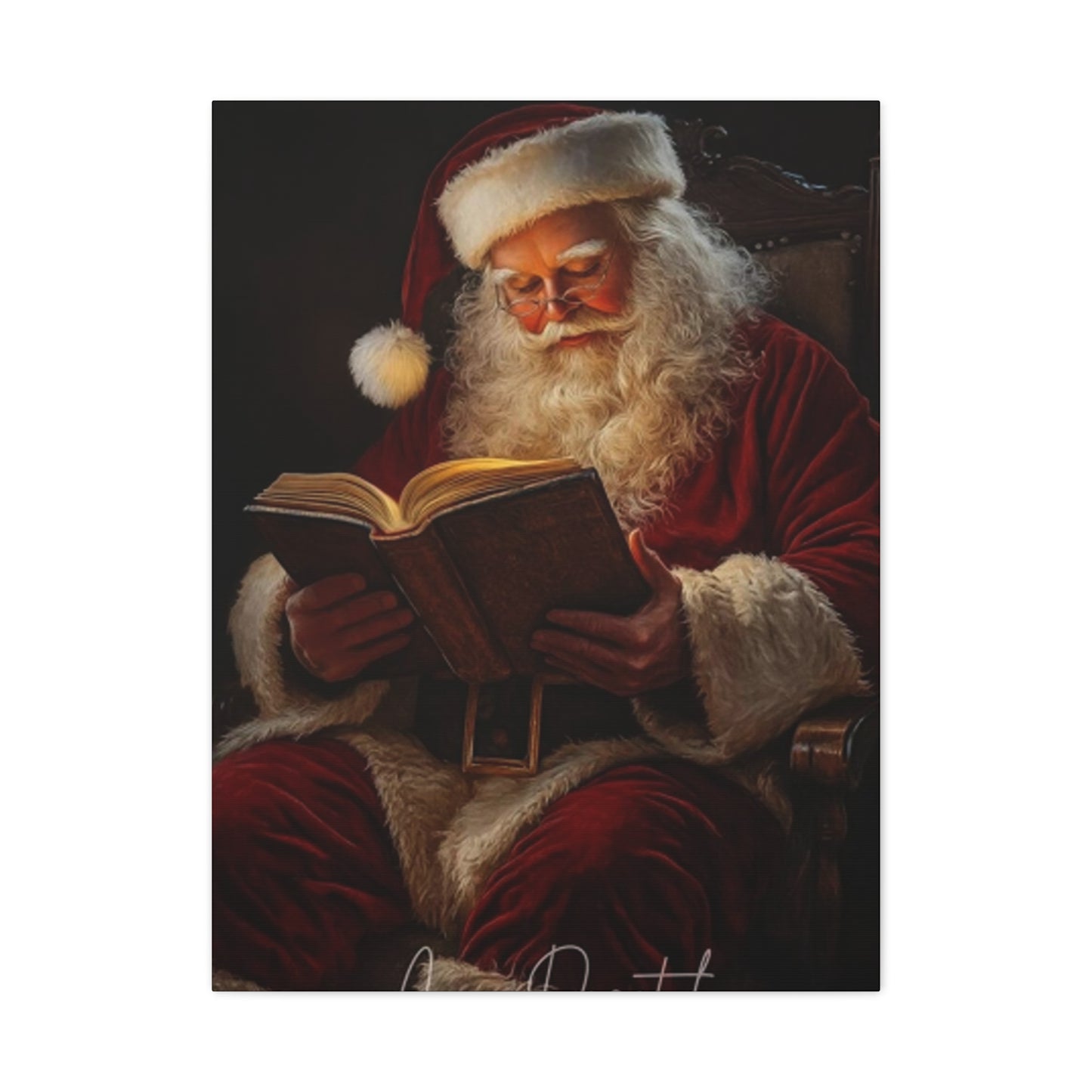
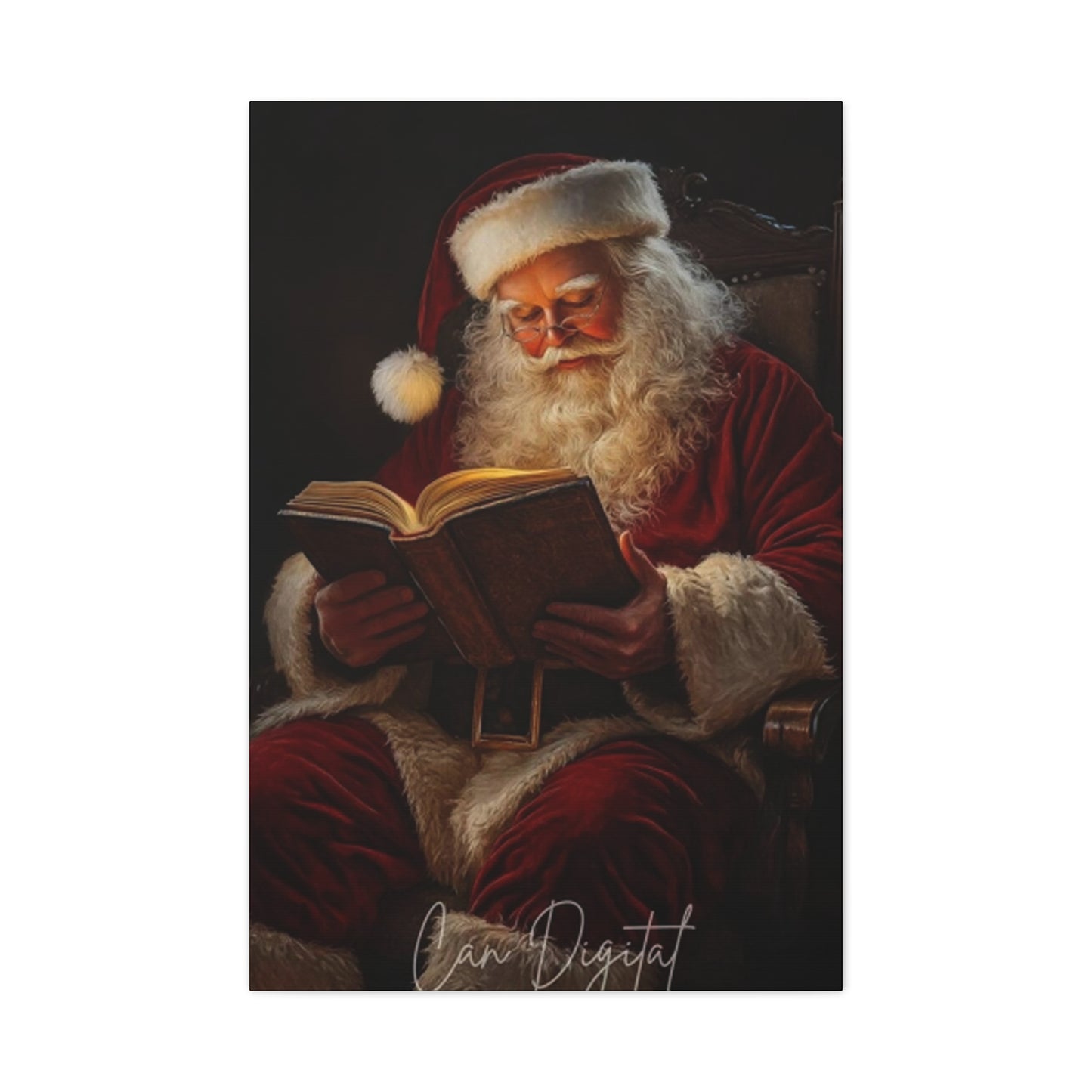
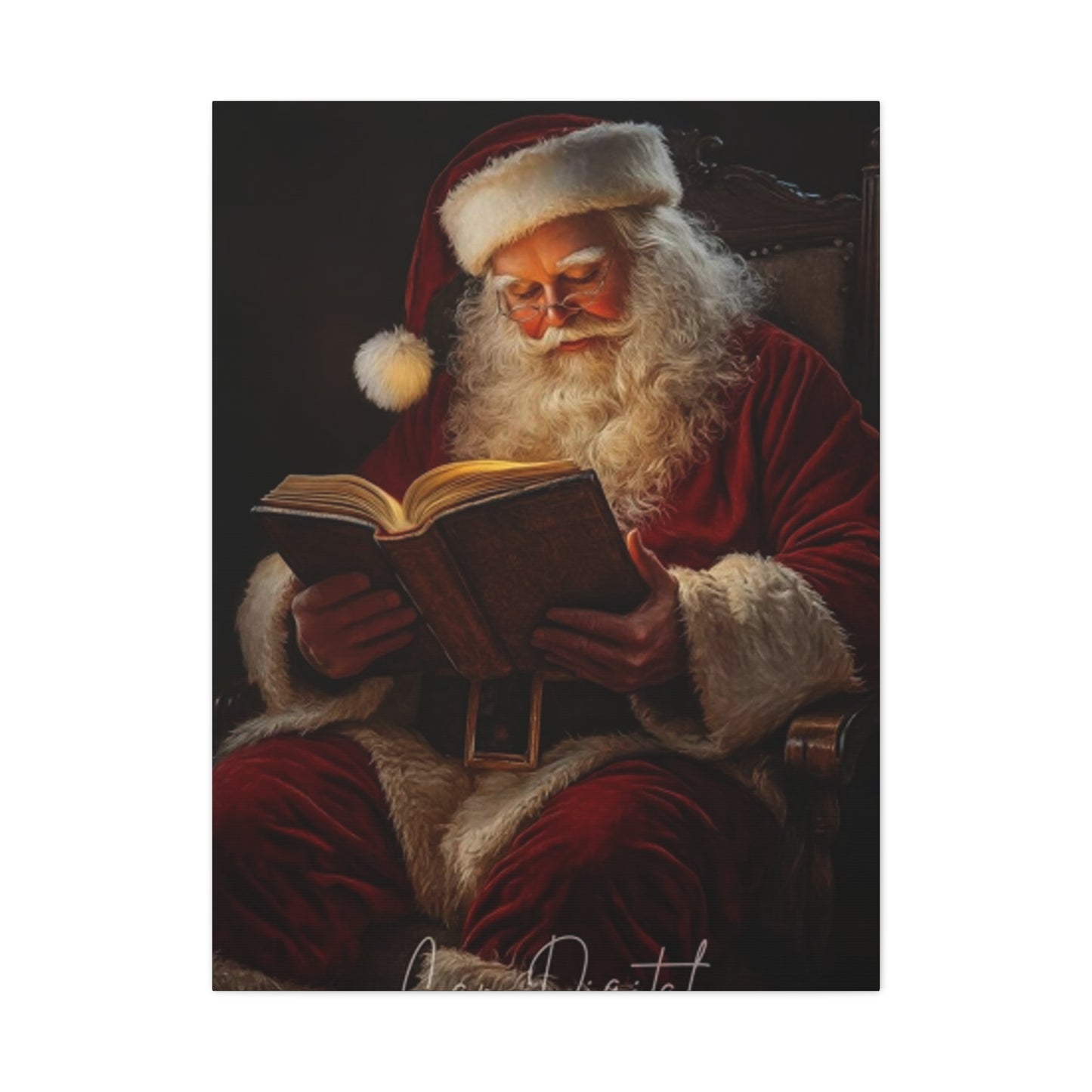
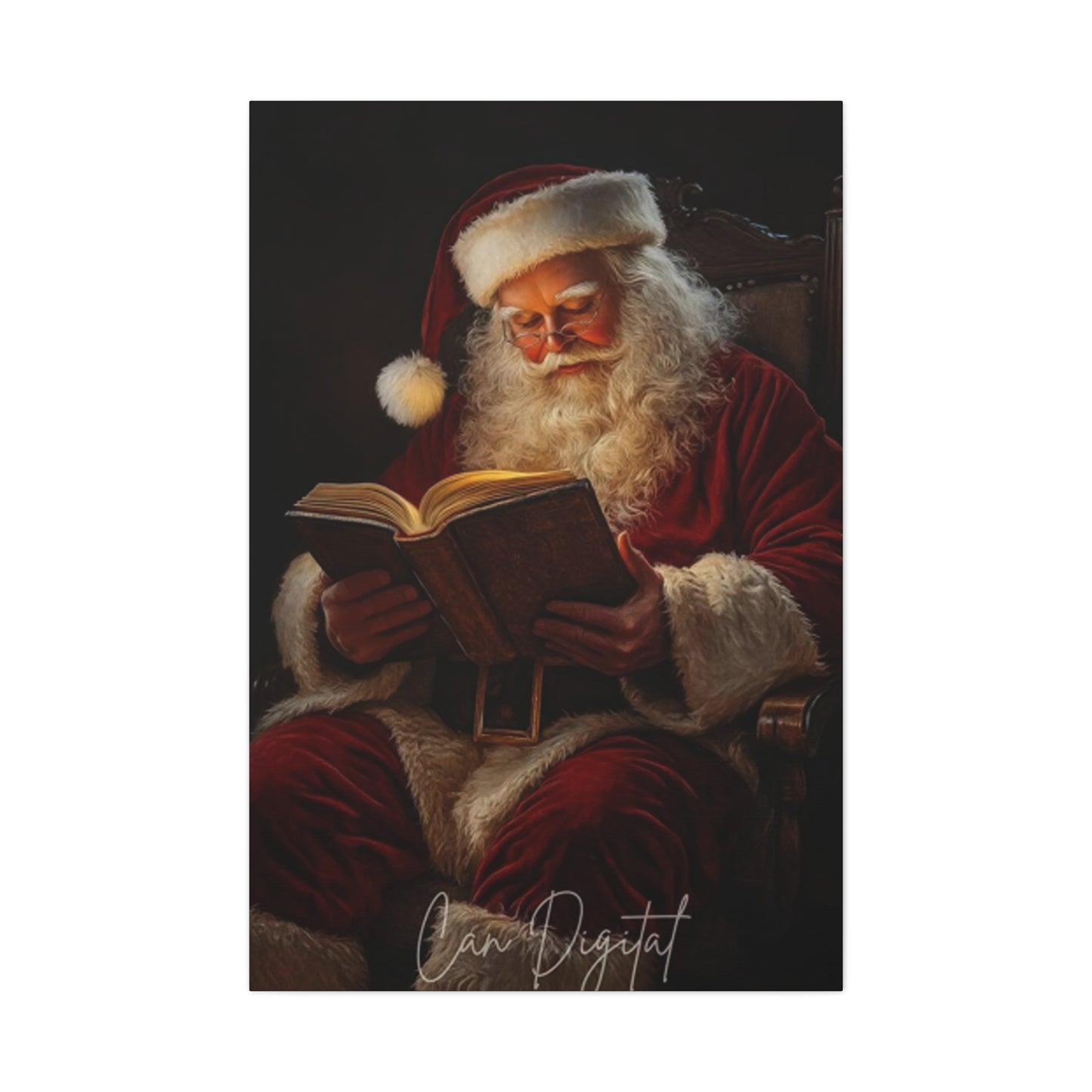
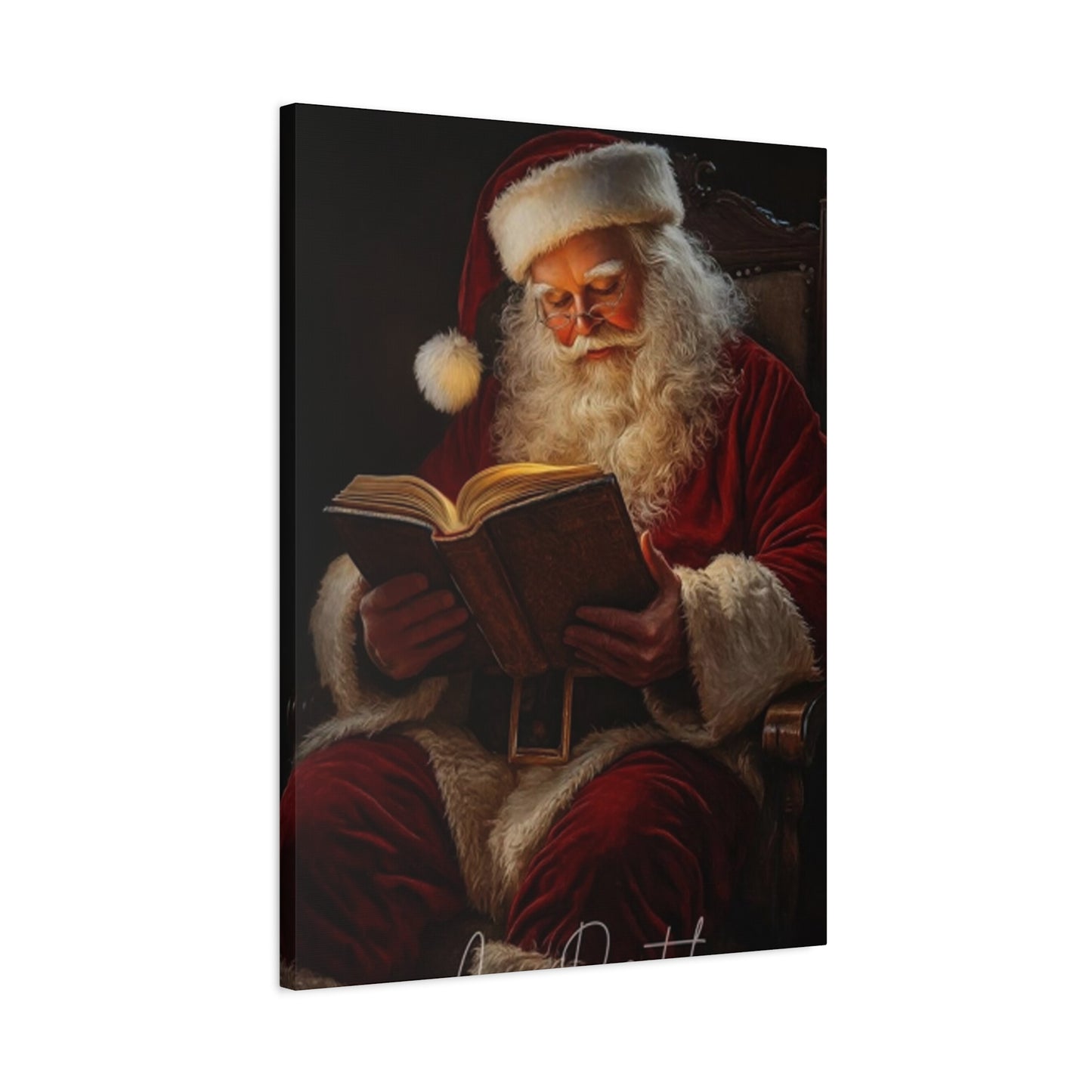
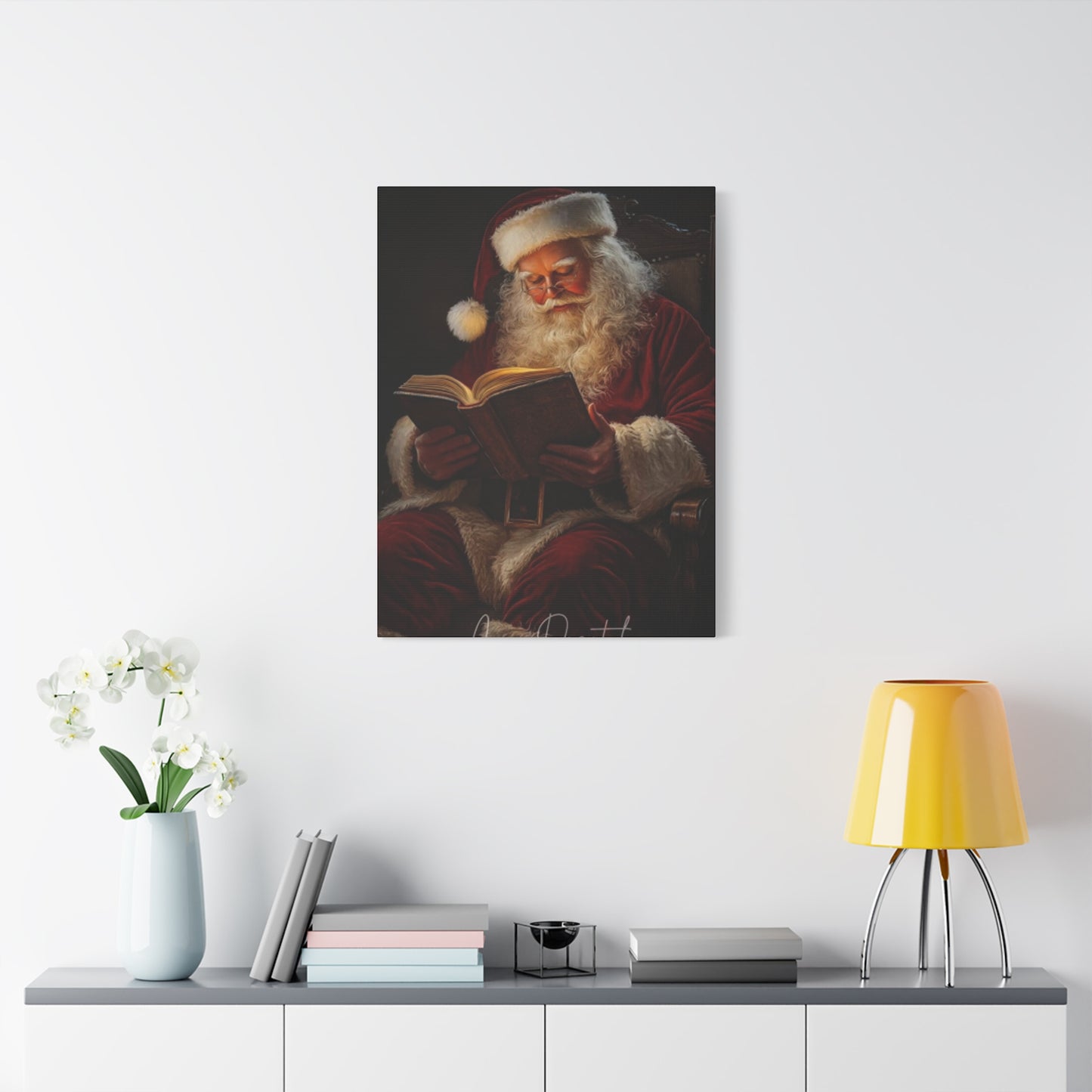
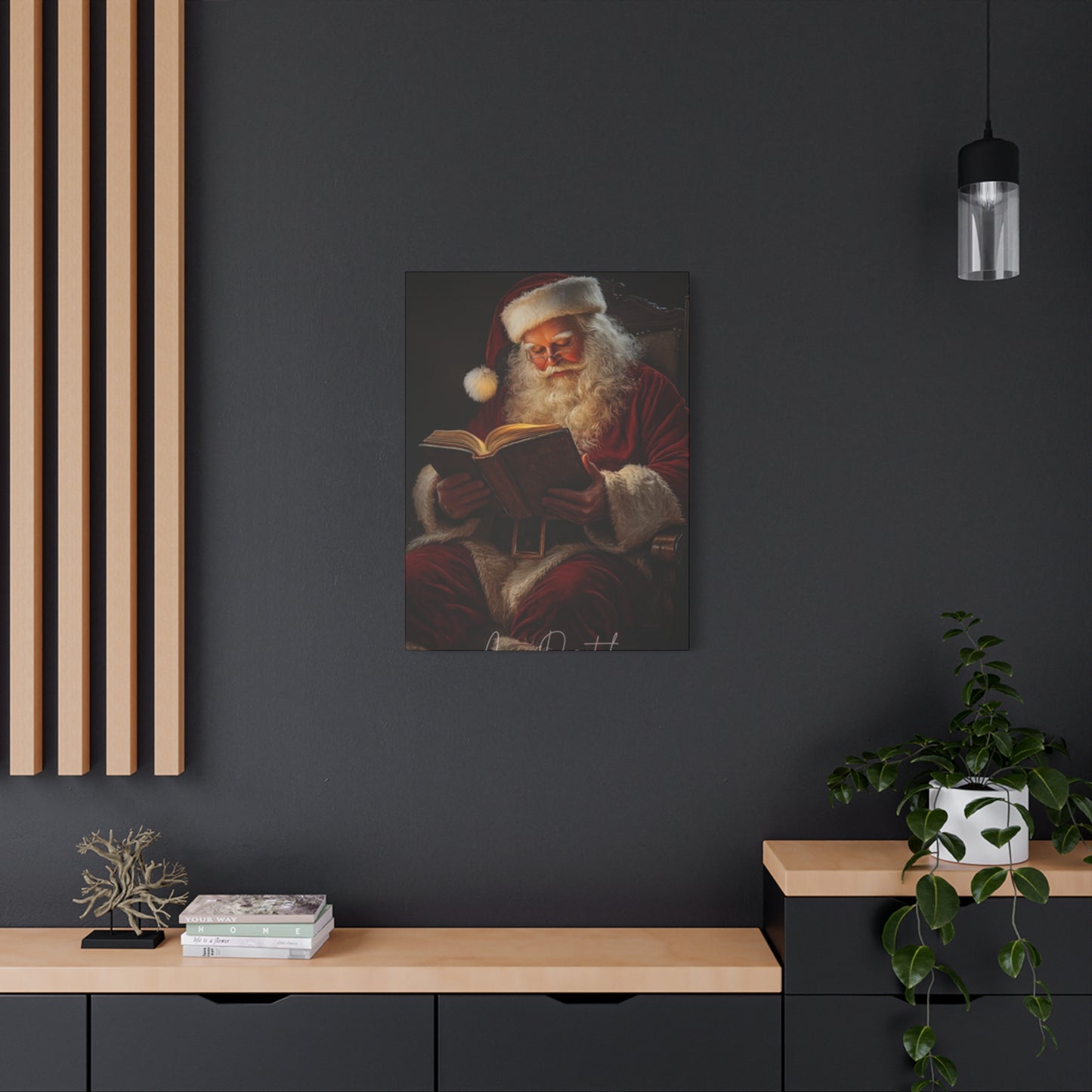
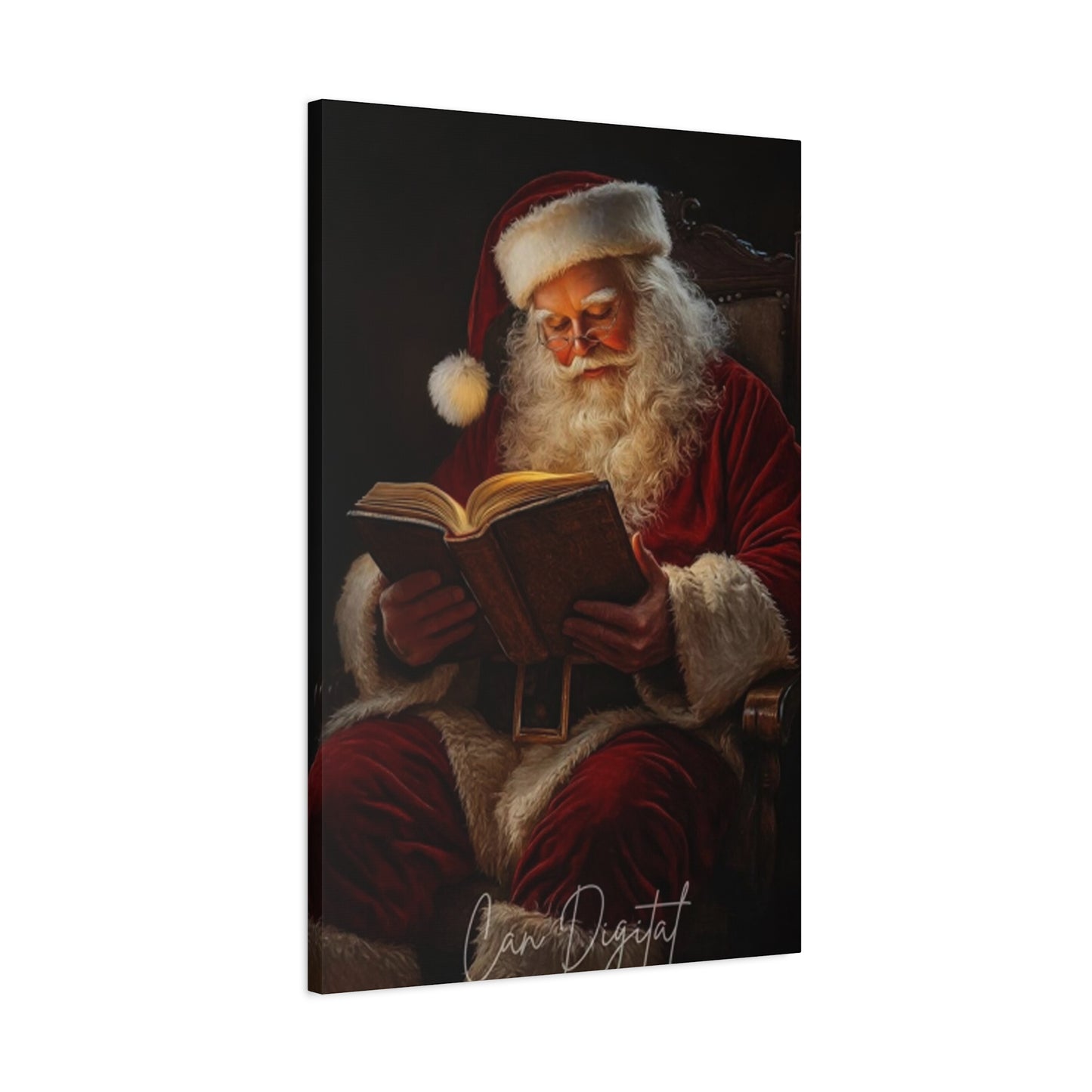
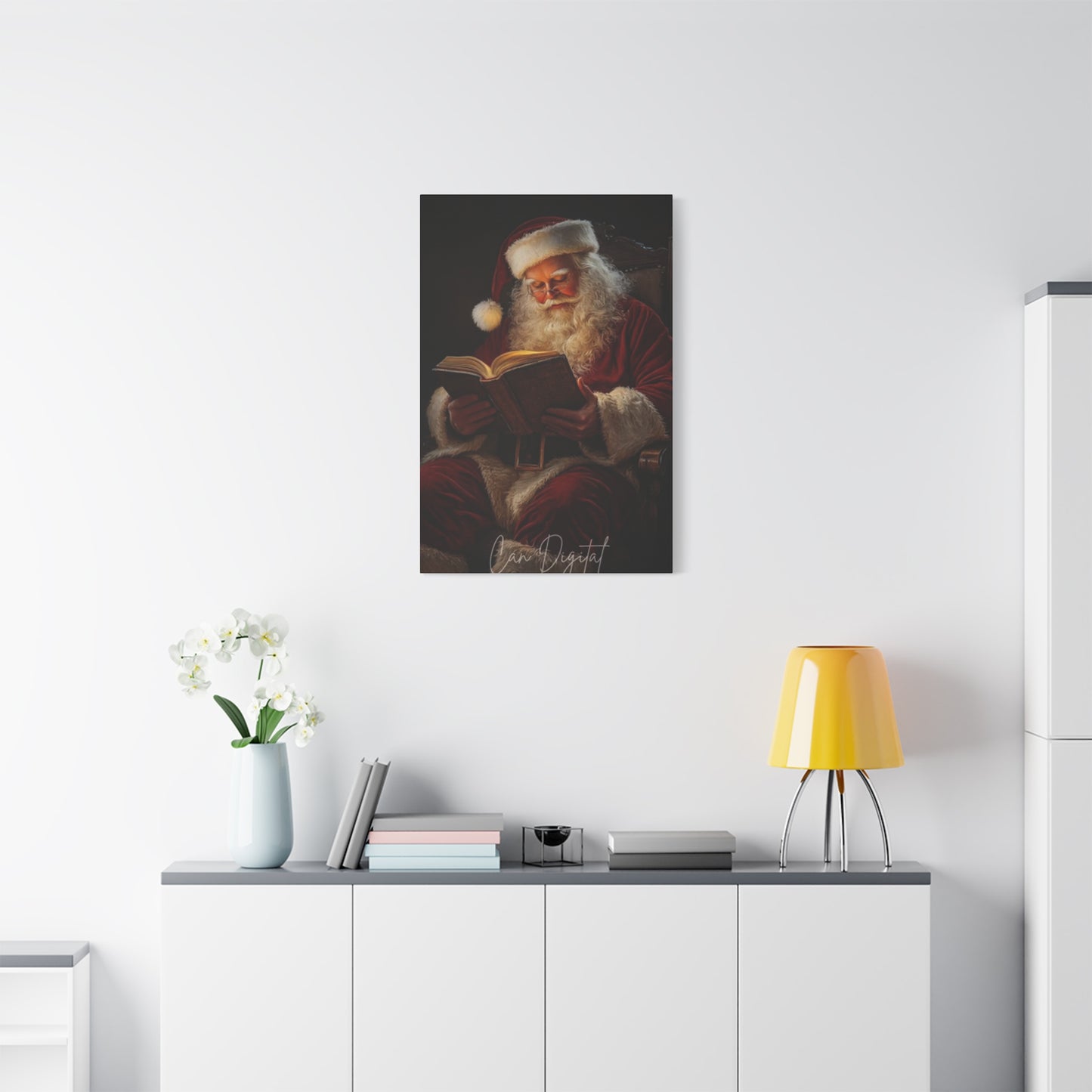
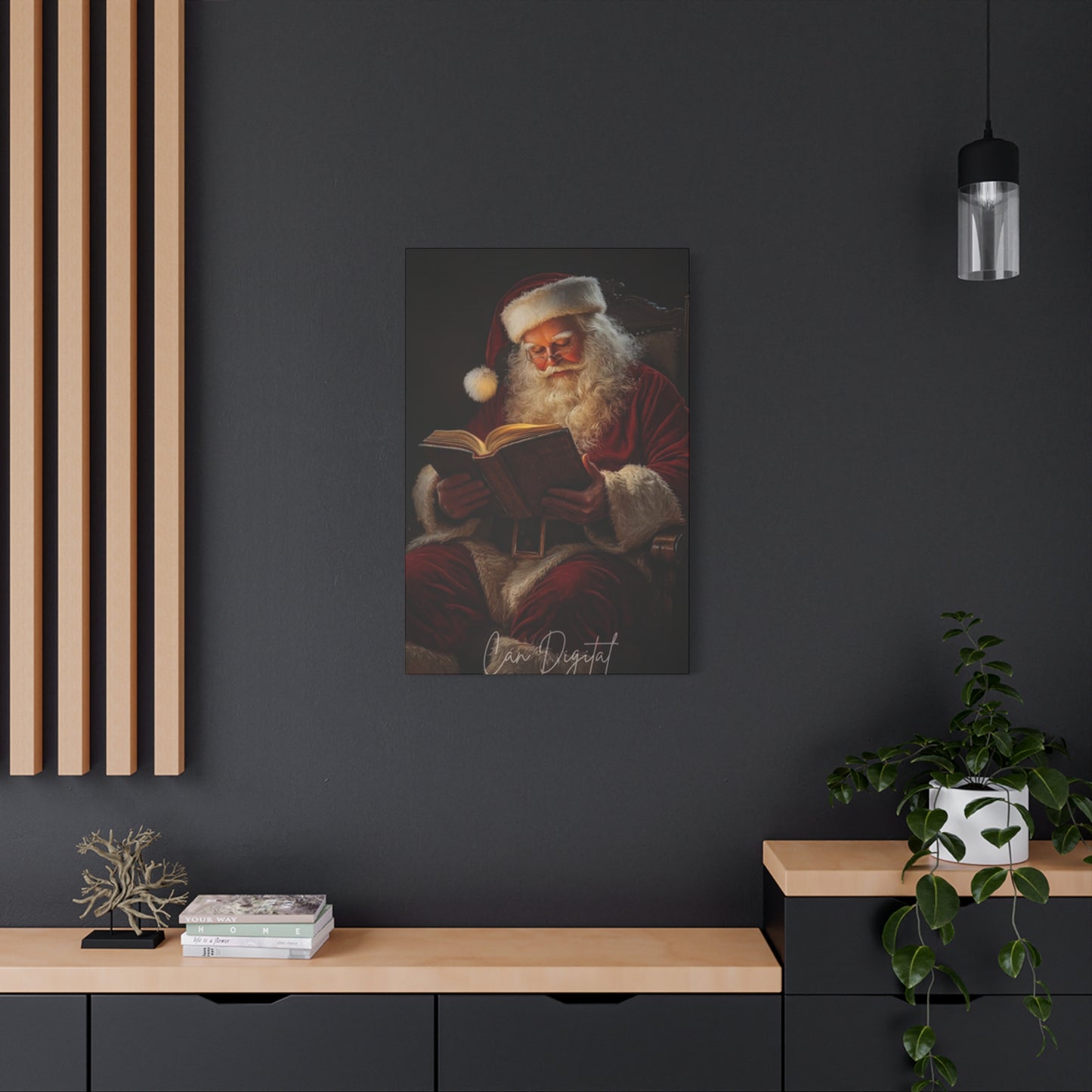
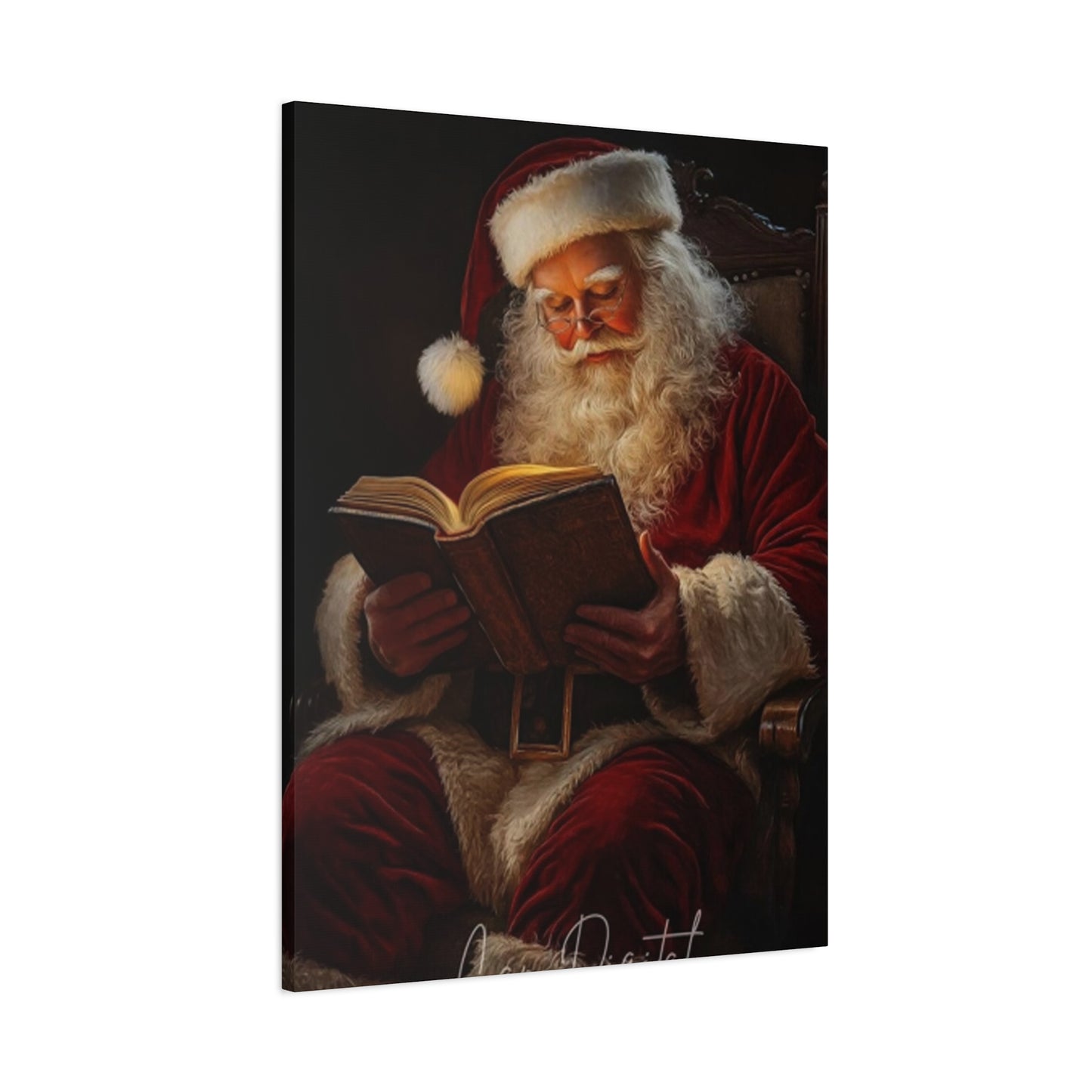
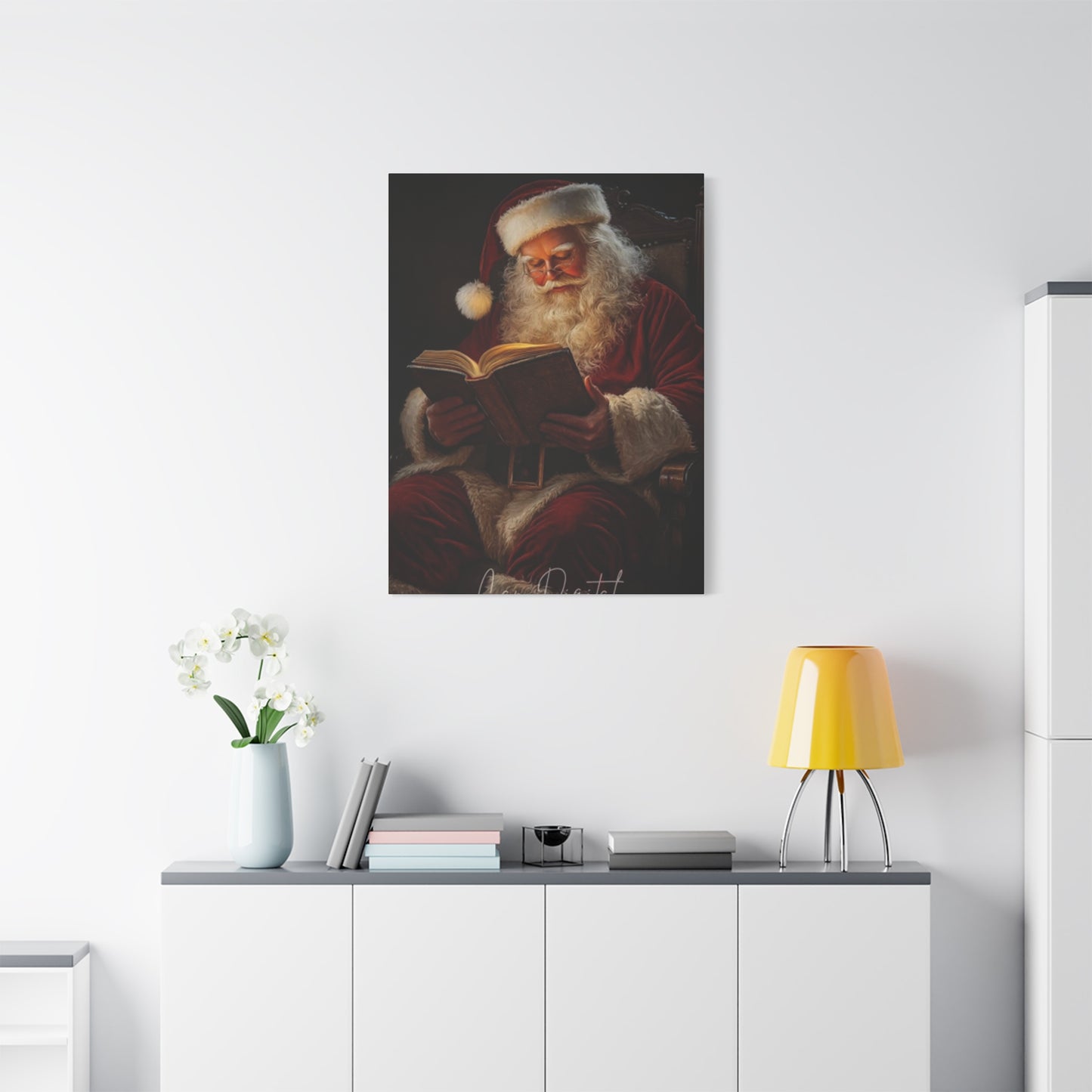
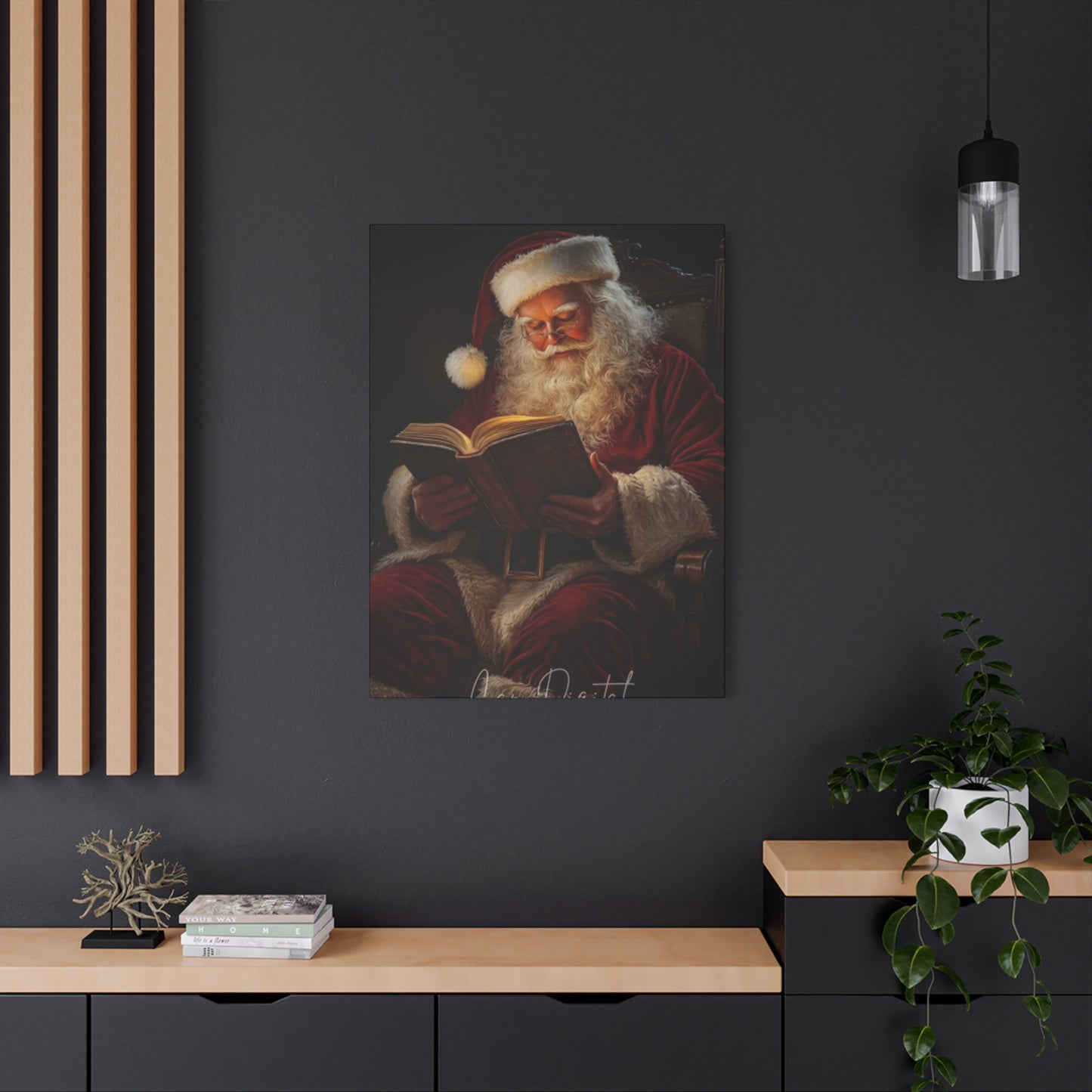
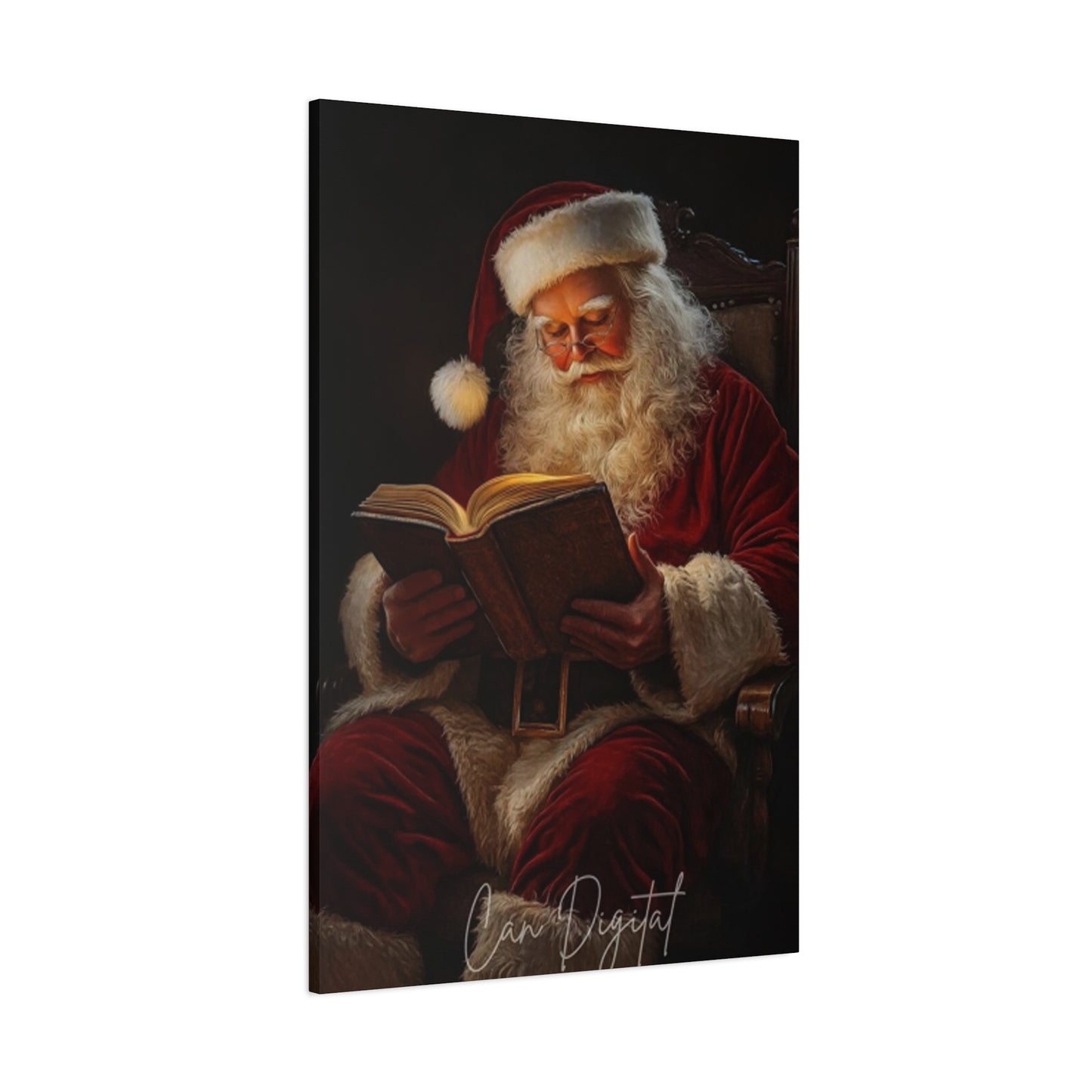
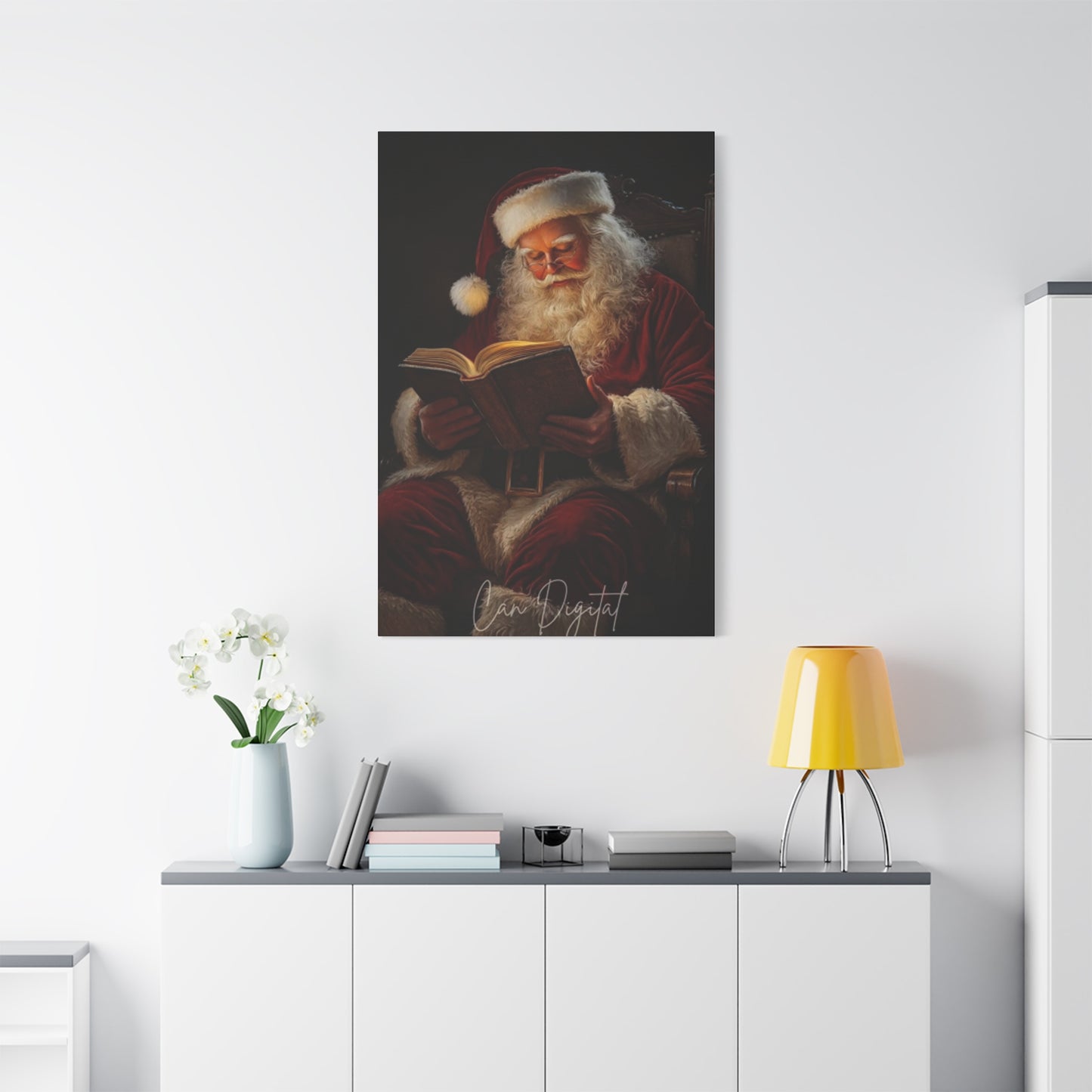
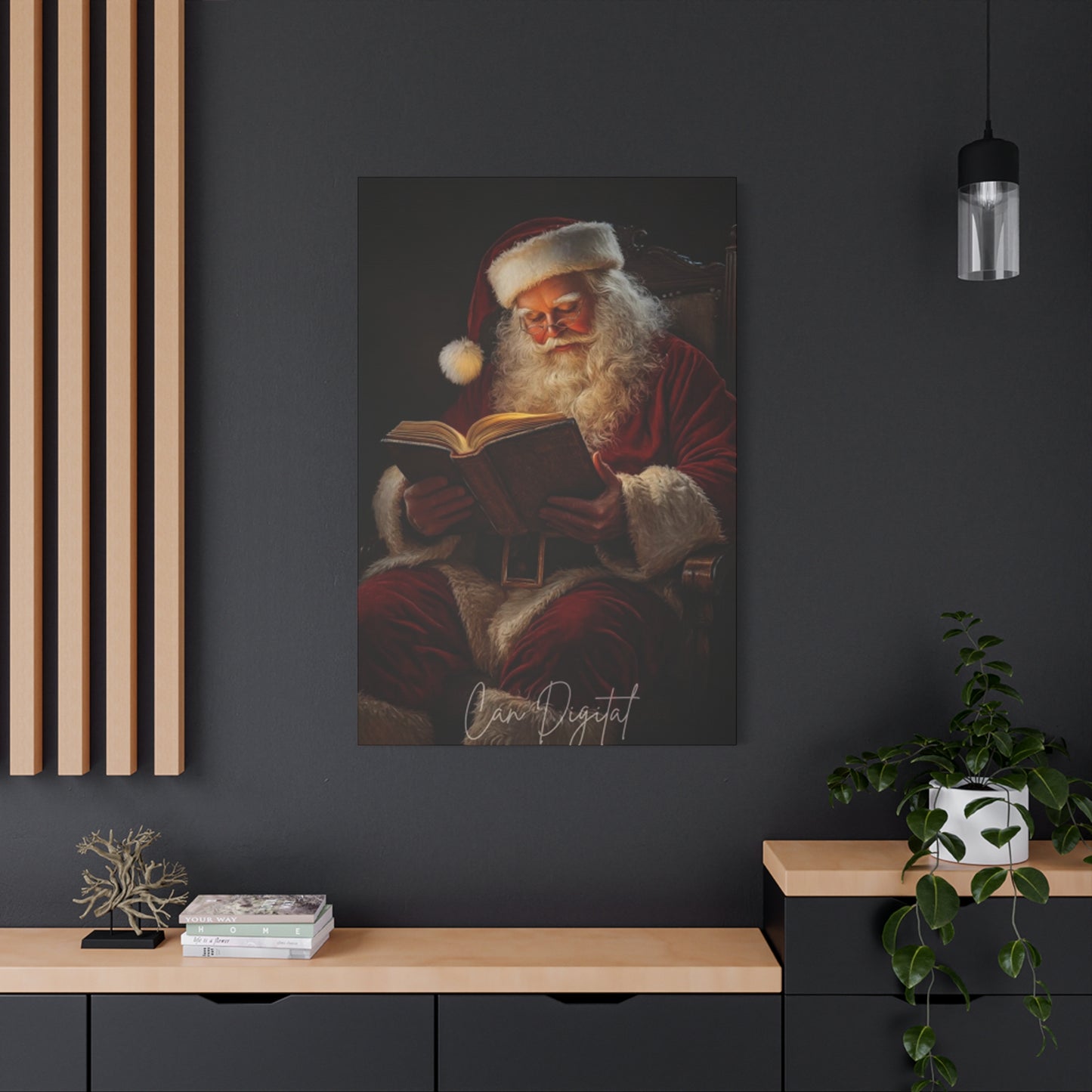
The Ultimate Guide to Santa Claus Reading Wall Art Canvas Prints for Your Holiday Decor
Decorating your home with festive artwork during the holiday season brings warmth, nostalgia, and magic into every room. Among the most cherished and timeless decorative pieces are canvas prints featuring Father Christmas engaged in the delightful activity of reading. These artistic representations capture the essence of storytelling, wisdom, and the enchanting spirit of the winter holidays. Whether you are searching for a classic portrayal or a contemporary interpretation, canvas artwork depicting the jolly gift-giver with a book creates an atmosphere of comfort and tradition that resonates with both children and adults alike. The beauty of these decorative pieces lies in their versatility, allowing them to complement various interior design styles while maintaining the heartwarming message of holiday cheer. From vintage-inspired illustrations to modern graphic designs, the options available in today's market cater to every aesthetic preference and budget consideration.
Significance of Father Christmas with Books in Art
The depiction of the beloved winter holiday figure surrounded by books and scrolls has deep roots in artistic tradition spanning several centuries. Historical illustrations from the Victorian era often portrayed the generous gift-bearer consulting massive ledgers containing the names of children, checking lists, and reading letters from hopeful youngsters around the world. This imagery reinforced the narrative that the jolly old soul was not merely a magical character but a thoughtful, wise figure who carefully considered each child's behavior throughout the year. Artists during the nineteenth century frequently illustrated scenes of the red-suited gentleman reading by candlelight in his workshop, surrounded by toys and manuscripts.
These compositions emphasized the intellectual and contemplative aspects of the character, presenting him as a learned individual who valued literacy and knowledge. The tradition continued into the twentieth century, with notable illustrators creating iconic images that have become embedded in cultural memory. Today's canvas prints draw inspiration from these historical depictions while incorporating modern artistic techniques and sensibilities. The connection between the holiday icon and literature serves as a reminder of the importance of reading, imagination, and the transmission of stories across generations. When displayed in homes, these artworks carry forward a rich legacy of cultural storytelling and artistic expression.
Choosing the Perfect Canvas Print for Your Living Space
Selecting the ideal canvas artwork featuring the cheerful holiday figure with a book requires consideration of multiple factors including room dimensions, color schemes, and personal taste. The size of the print should correspond appropriately to the wall space available, ensuring that the artwork neither overwhelms nor gets lost within the room. For larger walls such as those above sofas or fireplaces, expansive canvas prints measuring forty-eight inches or more create dramatic focal points that command attention and set the tone for the entire space. Smaller prints measuring sixteen to twenty-four inches work beautifully in intimate settings such as reading nooks, children's bedrooms, or hallway galleries. Color coordination plays a crucial role in ensuring that your chosen artwork harmonizes with existing decor elements.
Traditional red and green color palettes naturally complement holiday-themed rooms, while neutral tones with subtle accents can integrate seamlessly into year-round decor schemes. Consider the artistic style that best reflects your aesthetic preferences, whether that includes realistic oil painting reproductions, watercolor illustrations, vintage poster designs, or contemporary graphic art. The frame style also contributes to the overall presentation, with options ranging from gallery-wrapped edges that create a modern, seamless look to ornate wooden frames that evoke classic elegance. Texture and finish choices such as matte or glossy surfaces affect how light interacts with the artwork and can dramatically alter the visual impact. Taking time to evaluate these elements ensures that your selected canvas print becomes a treasured addition to your home that brings joy throughout the holiday season and beyond.
Creating a Festive Reading Corner with Holiday Canvas Art
Transforming a corner of your home into a cozy reading retreat adorned with themed canvas prints elevates the holiday experience for the entire family. Begin by selecting a comfortable chair or cushioned bench that invites relaxation and extended reading sessions. Position your canvas artwork featuring the legendary gift-giver with a book at eye level when seated, creating an inspirational focal point that celebrates literacy and imagination. Complement the visual display with practical elements such as adequate lighting through floor lamps or wall sconces that provide sufficient illumination for reading without creating harsh glare. Incorporate shelving units or bookstacks nearby to house your favorite holiday stories, classic literature, and seasonal tales that can be enjoyed throughout December.
Soft textiles including throw blankets in festive patterns, plush pillows, and area rugs in complementary colors enhance comfort while reinforcing the thematic elements of your canvas art. Consider adding smaller decorative accents such as vintage books with ornate covers, reading glasses displayed on decorative trays, or small figurines that echo the motifs present in your canvas print. The strategic placement of candles, either real or battery-operated, introduces warm ambient lighting that heightens the cozy atmosphere. This dedicated space becomes a sanctuary where family members can retreat for quiet moments with books, creating memories that intertwine the joy of reading with holiday traditions. The canvas artwork serves as a constant reminder of the magic and wisdom associated with the season, inspiring both children and adults to embrace the gift of stories and imagination.
Different Artistic Styles in Holiday Canvas Prints
The diversity of artistic approaches available in canvas prints featuring the holiday gift-bringer with books ensures that every homeowner can find pieces that align with their personal aesthetic and interior design philosophy. Traditional realistic paintings, often inspired by classical oil painting techniques, present detailed, lifelike representations that emphasize texture, lighting, and dimensional depth. These works frequently draw inspiration from Norman Rockwell's iconic illustrations or Thomas Nast's influential nineteenth-century depictions, capturing intricate details in fabric, facial expressions, and environmental settings. Watercolor interpretations offer a softer, more ethereal quality with their translucent layers and fluid color transitions, creating artwork that feels gentle and dreamlike. This style particularly appeals to those who appreciate subtle, sophisticated decor that suggests rather than declares its presence.
Vintage poster designs replicate the aesthetic of early twentieth-century advertising art with bold typography, limited color palettes, and graphic compositions that evoke nostalgia for bygone eras. Folk art styles incorporate simplified forms, bright colors, and whimsical elements that celebrate handmade traditions and cultural storytelling. Contemporary abstract approaches deconstruct traditional imagery into geometric shapes, unexpected color combinations, and modernist compositions that appeal to lovers of avant-garde design. Illustration styles ranging from children's book art to graphic novel aesthetics offer playful interpretations that particularly resonate in family spaces and children's rooms. Photorealistic digital art creates hyperdetailed images that blur the line between photography and painting, offering startling clarity and presence. Mixed media compositions combine painting, collage, typography, and digital elements to create layered, textural works that reward close examination. Understanding these stylistic variations enables informed selection that ensures your canvas artwork harmonizes with your existing decor while expressing your unique aesthetic voice.
Incorporating Holiday Canvas Art into Year-Round Decor
While many homeowners restrict seasonal artwork to specific months, thoughtfully selected canvas prints featuring the jolly winter character can integrate beautifully into year-round interior design schemes. The key lies in choosing pieces that emphasize universal themes rather than exclusively holiday-specific elements. Artwork focusing on the reading aspect, with subdued color palettes featuring browns, creams, and muted reds, can function as library or study decor throughout all seasons. Prints that depict the character in contemplative poses surrounded by books emphasize wisdom, literacy, and storytelling rather than gift-giving, allowing them to resonate beyond December. Strategic placement in dedicated reading rooms, home libraries, or cozy corners transforms these pieces into celebrations of literature and learning rather than solely seasonal decorations.
Pairing the canvas art with complementary pieces featuring other literary themes, historical figures, or classic illustrations creates a cohesive gallery wall that transcends specific holidays. Choosing frames in neutral tones or natural wood finishes rather than obviously festive colors helps the artwork blend seamlessly with diverse decor styles. Some homeowners rotate the canvas prints throughout the year, storing them during off-season months and reintroducing them as part of autumn decor, creating a sense of anticipation and tradition. Others incorporate them into eclectic gallery walls where the juxtaposition of seemingly disparate elements creates visual interest and personal narrative. For those who deeply cherish the imagery but wish to minimize obvious holiday associations, selecting artistic interpretations that lean toward historical costume studies or vintage character portraits provides aesthetic enjoyment without seasonal limitations. This approach allows appreciation of the artistry and cultural significance of the imagery while maintaining design flexibility throughout the year.
The Cultural Evolution of Holiday Character Representations
Examining the cultural transformation of depictions of the generous winter figure throughout history provides fascinating context for contemporary canvas artwork. The character's visual identity has evolved significantly from early European traditions featuring various gift-bringing figures including Father Christmas in England, Sinterklaas in the Netherlands, and regional variations across the continent. Early illustrations portrayed a tall, somewhat stern figure dressed in long robes of green, brown, or occasionally red, often carrying switches alongside gifts to emphasize moral instruction. The modern visual conception largely derives from nineteenth-century American illustrator Thomas Nast, whose Harper's Weekly illustrations between the eighteen sixties and eighteen eighties established many now-familiar elements including the workshop at the North Pole, toy manufacturing elves, and the iconic red suit. Clement Clarke Moore's poem influenced depictions by establishing physical characteristics and behavioral traits that artists subsequently incorporated.
Corporate advertising, particularly campaigns by beverage companies in the nineteen twenties and thirties, further standardized the appearance and personality, emphasizing the jolly, rotund, grandfatherly figure recognizable today. The addition of books and reading into these depictions emerged as society increasingly valued literacy and education, transforming the character from purely magical gift-giver into a symbol of wisdom and knowledge. Different cultures continue to maintain unique interpretations, with Scandinavian traditions often depicting a more rustic, folkloric figure while Mediterranean representations might emphasize religious or traditional costume elements. Contemporary artists creating canvas prints draw from this rich historical tapestry, sometimes paying homage to specific periods or styles while others blend multiple traditions into eclectic interpretations. Understanding this evolution enriches appreciation for the artwork we display, revealing layers of cultural meaning and artistic tradition embedded within seemingly simple holiday imagery.
Designing a Gallery Wall with Holiday Reading Themes
Creating a curated gallery wall centered around canvas prints of the festive character with books allows for creative expression while maximizing visual impact. Begin by selecting a primary anchor piece, typically the largest canvas featuring your preferred depiction, which establishes the color palette and stylistic direction for surrounding elements. Complement this focal point with smaller related prints that expand on the reading theme, potentially including illustrations of other literary characters, vintage book covers, typography prints featuring favorite quotes about reading or holidays, or additional scenes depicting cozy reading environments. Vary the sizes and orientations of the pieces to create visual rhythm and prevent monotony, alternating between landscape, portrait, and square formats. Consider incorporating dimensional elements beyond flat canvas such as small shelves displaying vintage books, decorative frames containing actual book pages, or three-dimensional objects like antique reading glasses or bookends that project from the wall.
The arrangement itself requires careful planning, with options ranging from symmetrical grid patterns that convey order and formality to organic, salon-style groupings that feel more casual and collected over time. Create a floor template using paper cutouts matching your frame dimensions, experimenting with different configurations before committing to wall placement. Maintain consistent spacing between pieces, typically two to three inches, to unify the collection visually. Color coordination extends beyond the artwork itself to include frame choices, with matching frames creating cohesion or deliberately varied frames adding eclectic charm. Lighting considerations enhance the display through picture lights, track lighting, or strategic placement of ambient sources that illuminate without creating glare on canvas surfaces. This thoughtfully designed gallery wall transforms a blank space into a celebration of literacy, imagination, and holiday tradition that serves as a conversation piece and focal point throughout the season and potentially year-round.
The Environmental Impact of Canvas Print Production
Conscious consumers increasingly consider the environmental implications of home decor purchases, including canvas prints featuring holiday imagery. Traditional canvas print production involves several processes with varying ecological footprints. The canvas material itself, when made from cotton, requires significant water and pesticide use during cultivation, though organic cotton alternatives minimize chemical inputs and environmental degradation. Synthetic canvas materials derived from petroleum products avoid agricultural impacts but introduce concerns about non-biodegradability and fossil fuel dependence. The ink used in printing represents another critical environmental consideration, with water-based inks offering more environmentally friendly alternatives to solvent-based formulations that release volatile organic compounds. Sustainable printing operations increasingly utilize eco-solvent or latex inks that reduce harmful emissions while maintaining print quality.
However, uncertified wood may contribute to deforestation and habitat loss. Packaging materials for shipping canvas prints often include plastic wrap, cardboard, and foam corner protectors, generating waste that may or may not be recyclable depending on local infrastructure. Some manufacturers have adopted more sustainable packaging alternatives using recycled cardboard, biodegradable protective materials, and minimal plastic components. The carbon footprint of production and shipping varies based on manufacturing location and distribution methods, with locally produced artwork naturally incurring lower transportation emissions. Consumers seeking to minimize environmental impact should inquire about company sustainability practices, look for certifications indicating eco-friendly production methods, consider purchasing from local artists or print-on-demand services that reduce waste through made-to-order models, and properly dispose of or repurpose packaging materials.
Preserving and Maintaining Canvas Print Longevity
Proper care extends the lifespan of canvas artwork featuring the jolly holiday character with books, protecting your investment and maintaining visual appeal for decades. Display location significantly impacts preservation, with direct sunlight representing the primary enemy of canvas longevity as ultraviolet radiation degrades inks and canvas fibers over time. Position prints away from south-facing windows or other bright exposures, or utilize window treatments that filter harmful UV rays while allowing natural light. Artificial lighting should similarly be considered, with LED bulbs producing minimal heat and UV radiation compared to incandescent or halogen alternatives. Maintain stable environmental conditions with moderate humidity levels between forty and fifty percent, as excessive moisture encourages mold growth while extremely dry conditions cause canvas to become brittle. Avoid hanging canvas prints in bathrooms, basements, or other areas prone to humidity fluctuations.
Temperature stability similarly matters, with frequent fluctuations causing expansion and contraction that stresses canvas and mounting materials. Keep artwork away from heating vents, fireplaces, and air conditioning units that create localized temperature extremes. Regular dusting using soft, dry cloths or feather dusters prevents buildup that can become ground into canvas texture over time, though vigorous rubbing should be avoided as it may damage the printed surface. For more substantial cleaning, slightly damp microfiber cloths can be gently pressed against the canvas, though never scrubbed. Avoid household cleaners, solvents, or water-based sprays that may damage inks or canvas coatings. If canvas develops wrinkles or looseness, professional restoration services can re-stretch and restore tension, though this typically only becomes necessary after many years or following improper storage. When storing canvas prints seasonally, wrap them in acid-free paper rather than plastic which can trap moisture, and store flat or carefully positioned to avoid creating permanent creases.
The Role of Holiday Art in Child Development
Displaying canvas prints featuring the beloved gift-giver with books serves educational and developmental purposes beyond simple decoration, particularly for young children experiencing formative years. Exposure to quality artwork introduces aesthetic concepts and visual literacy, teaching children to observe details, recognize patterns, and appreciate artistic techniques. Images depicting reading model positive behaviors and attitudes toward literacy, potentially influencing children's own relationship with books and learning. Research in educational psychology demonstrates that environmental cues significantly impact behavior and attitudes, with images of reading promoting the perception that literacy is valued and important. The specific imagery of a wise, respected figure engaged with books implicitly communicates that reading is an activity worthy of time and attention even for busy, important individuals. This can be particularly impactful during early elementary years when children are developing reading skills and attitudes about their own capabilities as learners.
The holiday associations add emotional resonance that makes the imagery memorable and personally meaningful rather than merely instructional. Children develop narrative skills by interpreting visual stories presented in artwork, imagining what the character might be reading, creating explanations for the scene, and connecting images to their own experiences and knowledge. Family discussions about displayed artwork provide opportunities for verbal development, critical thinking, and bonding around shared cultural traditions. The predictable annual appearance of holiday decor, including canvas prints, helps children understand cyclical time concepts and anticipate seasonal changes, providing structure and security. For children who struggle with reading or experience learning challenges, positive imagery disconnected from academic pressure may reduce anxiety and rebuild confidence in gentler contexts.
Commissioning Custom Canvas Artwork for Personalized Decor
Pursuing custom-created canvas prints featuring the jolly reading character allows ultimate personalization, ensuring artwork perfectly aligns with specific aesthetic preferences, family characteristics, or unique spaces. Commissioning begins by identifying artists whose style resonates with your vision, whether that involves realistic portraits, illustrative approaches, digital art, or mixed media techniques. Online platforms connecting clients with freelance artists, social media networks where artists showcase portfolios, and local art communities all provide avenues for discovering talent. Initial consultations establish project parameters including dimensions, color schemes, specific elements to include, stylistic preferences, and budget constraints. Providing reference images, color swatches from your space, and detailed descriptions ensures the artist understands your vision. Some clients choose to incorporate personal elements such as family members' faces, specific books with sentimental value, or beloved pets included in the scene, transforming generic holiday imagery into deeply personal family portraits. Others request particular settings such as home libraries, favorite reading chairs, or recognizable locations that hold special meaning.
The artistic process typically involves preliminary sketches or digital mockups for approval before proceeding to the final piece, allowing adjustments and refinements. Timelines for custom commissions vary based on artist availability and project complexity, generally ranging from several weeks to several months, requiring advance planning for holiday display. Pricing reflects the artist's experience level, project complexity, size, and medium, with custom work naturally commanding premium prices compared to mass-produced prints. However, the result offers something truly unique that cannot be replicated and often becomes a treasured family heirloom. Digital commissions may provide files that can be reprinted at various sizes or on different materials over time, adding long-term value. The relationship with the artist adds another dimension of meaning, as the artwork carries the story of its creation and the collaborative process between client and creator. For those seeking genuinely distinctive holiday decor that reflects personal identity and values, custom canvas artwork represents an unparalleled option.
Integrating Technology with Traditional Canvas Displays
Modern technology offers innovative ways to enhance traditional canvas prints featuring the holiday character engaged in reading, creating dynamic displays that bridge physical and digital realms. Augmented reality applications enable smartphones or tablets held before canvas prints to overlay additional digital content, potentially animating the scene, adding sound effects of pages turning or holiday music, or revealing hidden details invisible to the naked eye. Some families create QR codes displayed near artwork that link to digital content such as favorite holiday stories read aloud, family memories associated with the tradition, or historical information about the artistic style. Smart lighting systems controlled via smartphone apps allow automated lighting changes that alter the appearance of canvas artwork throughout the day, perhaps highlighting it during evening hours or creating subtle color washes that change with music or holidays.
Social media integration allows families to document their canvas displays annually, creating digital archives of how the same artwork has been incorporated into evolving decor schemes over years or generations. Photo editing applications enable homeowners to virtually preview how different canvas prints would appear in their spaces before purchasing, reducing uncertainty and improving decision-making. Some advanced installations incorporate small embedded LED lights behind canvas prints that create backlighting effects, making certain elements glow or creating dimensional depth. Projection mapping technology can transform blank walls near canvas artwork into immersive environments during special occasions, expanding the narrative suggested by the permanent print. Voice-activated smart home assistants can be programmed to share information about displayed artwork when asked, turning decor into interactive educational experiences.
The Gift-Giving Potential of Holiday Canvas Prints
Canvas artwork featuring the festive reading character makes thoughtful, memorable gifts that convey warmth and consideration for the recipient's home and values. Unlike consumable or purely functional gifts, decorative artwork provides lasting value that recipients can enjoy for years or even generations, serving as ongoing reminders of the giver's thoughtfulness. The reading theme makes these prints particularly appropriate for educators, librarians, writers, bibliophiles, or anyone who values literacy and learning, demonstrating that the giver understands and appreciates the recipient's interests. For young families with children, such artwork contributes to creating magical holiday traditions and environments that support childhood development and imagination. Grandparents often find canvas prints depicting classic holiday imagery to be meaningful gifts for adult children establishing their own households and traditions, creating visual links between generations. The variety of sizes, styles, and price points available enables gift-givers to find options appropriate for any budget while still presenting something special and considered.
Personalizing the gift through custom framing, selecting artwork in colors matching the recipient's known decor preferences, or choosing specific artistic styles that align with their taste demonstrates extra effort and attention. Including a note explaining the symbolism of the reading theme or sharing personal memories associated with similar imagery adds emotional depth to the physical gift. For difficult-to-shop-for individuals who seem to have everything, quality artwork represents a category they may not purchase for themselves despite appreciating it. Corporate gifts to valued clients or employees gain sophistication when selecting quality canvas prints rather than generic items, though ensuring appropriate cultural fit and avoiding overly religious or culturally specific imagery matters in professional contexts. Wedding or housewarming registry inclusion of specific canvas prints allows gift-givers to contribute to the couple's home aesthetic vision. The presentation matters, with professional wrapping or gift boxes protecting the artwork while building anticipation. These considerations position canvas prints as exceptional gift choices that balance aesthetic value, personal meaning, and practical enjoyment.
Exploring Cultural Variations in Holiday Character Depictions
Canvas artwork featuring gift-giving winter figures reflects fascinating cultural diversity that extends far beyond the standardized commercial imagery familiar in many Western contexts. European traditions maintain distinctive regional characters including the Italian Befana, a kind witch who delivers gifts on Epiphany; the French Père Noël with variations from Father Christmas traditions; and the Scandinavian Julenisse or Tomte, smaller folkloric figures connected to farm and household protection. Eastern European traditions feature characters like the Russian Ded Moroz, often depicted in blue rather than red and accompanied by his granddaughter Snegurochka, the Snow Maiden. These variations appear in canvas artwork that celebrates specific cultural heritage or appeals to families maintaining connections to ancestral traditions. German Weihnachtsmann and Christkind traditions present different visual motifs, with Christkind sometimes depicted as an angelic child rather than the jolly elderly figure familiar elsewhere. Spanish-speaking countries celebrate various gift-givers including the Three Kings or Reyes Magos, whose arrival on Epiphany carries equal or greater significance than earlier celebrations.
These figures appear in canvas artwork that honors Latino cultural traditions and religious observances. Asian countries that have adopted winter holiday celebrations often blend traditional Western imagery with local artistic styles and cultural elements, creating unique hybrid depictions. Indigenous communities in regions where winter holidays have been adopted may incorporate native artistic traditions, clothing styles, or cultural symbols into their interpretations. Canvas prints celebrating these diverse traditions allow multicultural families to honor multiple heritages simultaneously or enable households to educate children about global diversity in holiday customs. Collecting artwork representing different cultural variations creates fascinating gallery displays that become educational tools and conversation starters. This diversity reminds us that the themes of generosity, kindness, and magic during dark winter months resonate universally across cultures, even as specific imagery and traditions vary tremendously. Canvas artwork celebrating these variations enriches our understanding while creating visually interesting and culturally meaningful home environments.
The Investment Value of Quality Holiday Artwork
While most homeowners acquire canvas prints featuring the beloved reading character primarily for enjoyment and decoration, certain pieces can appreciate in value over time, representing legitimate investments beyond their aesthetic appeal. Original artwork by recognized artists naturally holds the greatest investment potential, with values determined by artist reputation, provenance, condition, and market demand. Limited edition prints, particularly those signed and numbered by artists with established followings, maintain value better than unlimited reproductions, with earlier numbers in limited series sometimes commanding premium prices. Prints of artwork by illustrators who created iconic commercial or editorial depictions of the holiday character during the twentieth century can become valuable collectibles, particularly when in excellent condition with original framing. Vintage advertising artwork reproduced on canvas may appreciate if the original campaigns achieved cultural significance or if the companies involved carry historical importance.
The condition dramatically impacts investment value, with properly stored, undamaged pieces maintaining worth while those showing fading, tears, stains, or structural problems losing significant value. Documentation including certificates of authenticity, original receipts, and provenance information substantiates claims and increases buyer confidence. The art market fluctuates based on broader economic conditions, collecting trends, and shifting tastes, making artistic investment unpredictable compared to traditional financial instruments. However, the advantage of art investment lies in the daily enjoyment derived from display, meaning that even if pieces never appreciate significantly, owners still benefit from years of aesthetic pleasure. For those considering canvas prints as potential investments, researching artists, consulting with appraisers, purchasing from reputable galleries or auction houses, and maintaining immaculate condition offer the best prospects for value retention or appreciation.
Creating Themed Room Designs Around Canvas Artwork
Using canvas prints featuring the gift-bringer with books as the foundation for entire room design schemes creates cohesive, immersive environments that transport occupants into magical holiday worlds. Begin by selecting a primary canvas piece that features colors, mood, and style that will guide all subsequent design decisions. Extract the dominant color palette from the artwork, typically including traditional reds and greens, but potentially incorporating golds, creams, deep browns, or other hues present in the piece. Apply these colors throughout the room via paint choices, with accent walls in deeper tones creating drama while neutral bases provide flexibility. Furniture selections should complement the artwork's style, with vintage or antique pieces supporting traditional artistic interpretations while modern, streamlined furniture suits contemporary designs. Textile choices including curtains, throw pillows, blankets, and upholstery echo colors and patterns present in the canvas, creating visual connections across the space.
Incorporate thematic elements that expand on the reading motif, filling bookshelves with leather-bound volumes, displaying vintage bookends, including reading lamps with period-appropriate styles, and adding comfortable seating that invites curling up with literature. Decorative accessories such as globes, hourglasses, candles in ornate holders, and vintage writing implements reinforce the scholarly, contemplative atmosphere suggested by the artwork. Flooring choices contribute to the overall effect, with rich hardwoods, patterned area rugs, or plush carpeting in coordinating colors grounding the design. Lighting design creates ambiance through layered sources including overhead fixtures, table and floor lamps, candles, and string lights that might echo those in the canvas artwork. Wall treatments beyond the primary canvas might include coordinating wallpaper with subtle patterns, wainscoting or picture molding that adds architectural interest, or additional artwork in complementary styles that expands the narrative. The resulting environment becomes more than a decorated room, instead functioning as a experiential space that celebrates literacy, imagination, tradition, and the magic of the holiday season through every carefully considered element.
The Connection Between Reading Promotion and Holiday Imagery
The deliberate association between the beloved gift-giver and books in canvas artwork serves broader societal purposes related to literacy promotion and educational values. Organizations dedicated to childhood literacy frequently utilize images of trusted, positive figures engaged in reading to encourage children's interest in books and learning. The holiday character's universal recognition and positive associations make him an ideal ambassador for reading promotion, as children naturally attend to imagery featuring familiar, beloved figures. Parents and educators leveraging this connection through displayed artwork create home and classroom environments that subtly but consistently reinforce that reading is valued, important, and associated with positive experiences and figures. The subliminal messaging provided by environmental cues complements direct instruction and literacy activities, creating comprehensive support systems for developing readers. Studies in educational environments demonstrate that classrooms decorated with literacy-themed materials, including imagery of diverse figures engaged with books, correlate with improved student attitudes toward reading and increased voluntary reading time.
The holiday timing, when many families gather and children experience heightened excitement and receptivity, creates optimal conditions for introducing books and reading traditions. Annual gift-giving customs provide natural opportunities to present books as treasured presents, with canvas artwork depicting reading reinforcing that books deserve prominent placement among valued possessions. For struggling readers or children with learning disabilities, positive imagery disconnected from academic pressure or evaluation provides encouragement without triggering anxiety or defensiveness. The wisdom and importance culturally attributed to the gift-bearing figure transfers implicitly to the activity of reading, elevating it beyond mere skill development to something magical, special, and worthy of time and attention. Libraries, schools, and literacy organizations might incorporate such canvas artwork into their physical environments, creating welcoming spaces that celebrate reading through culturally resonant imagery. This strategic use of familiar iconography serves functional purposes beyond decoration, contributing to broader societal goals of promoting literacy and lifelong learning.
Seasonal Transition Strategies for Holiday Canvas Displays
Managing the seasonal display and storage of canvas prints featuring holiday reading scenes requires strategic planning that balances enthusiasm for festive decoration with practical considerations. Many decorators establish personal traditions regarding timing, unveiling holiday artwork immediately after autumn harvest celebrations in early November, following traditional calendar markers, or waiting until the weekend after a major shopping event. Creating ceremony around the unveiling, perhaps accompanied by hot beverages, holiday music, and family gathering, transforms practical decoration into memorable ritual that children anticipate annually. Display duration varies by personal preference and cultural tradition, with some households maintaining holiday decor through early January while others dismantle immediately after the major gift-giving day. Gradual transition strategies extend the decorating season by introducing subtle holiday elements earlier and removing the most obviously festive items first while maintaining canvas artwork that features less explicit holiday symbolism longer. Storage methods significantly impact artwork longevity, with proper techniques preventing damage during off-season months. Remove canvas prints from walls carefully, checking for any dust or debris that should be gently cleaned before storage.
Wrap each piece individually in acid-free tissue paper or unprinted newsprint, avoiding newspaper with ink that may transfer. Store wrapped canvases flat in climate-controlled areas rather than attics, basements, or garages prone to temperature and humidity fluctuations. Avoid placing heavy items atop stored canvas that could create permanent indentations or damage. Label storage containers clearly with contents and handling instructions to prevent accidental mishandling by family members. Some households designate specific storage furniture such as under-bed containers or dedicated closet shelving exclusively for holiday artwork, ensuring consistent location and protection. Rotating display strategies allow homes to showcase different canvas prints each year if collections have grown beyond available wall space, keeping the decor fresh and allowing rediscovery of previously displayed favorites. Photographing each year's arrangement before dismantling provides reference for future installations and creates a visual record of how traditions evolve over time. These thoughtful approaches to seasonal transition honor the significance of the artwork while managing practical realities of changing decor throughout the year.
The Therapeutic Benefits of Nostalgic Holiday Artwork
Research in psychology and art therapy reveals significant mental health benefits associated with displaying nostalgic imagery such as canvas prints featuring the cheerful gift-giver engaged in reading. Nostalgia, once considered a negative condition, is now understood as a powerful positive emotion that enhances mood, increases social connectedness, and provides meaning during difficult times. Viewing imagery associated with cherished childhood memories activates neural pathways connected to positive emotional experiences, releasing neurotransmitters that improve overall wellbeing. For individuals experiencing stress, anxiety, or seasonal affective disorder during darker winter months, familiar comforting imagery provides psychological anchoring and emotional regulation. The specific imagery of reading adds additional therapeutic dimensions, as books represent escapism, imagination, and the possibility of different worlds beyond current difficulties. This combination creates particularly powerful emotional responses that can measurably improve mood and outlook.
Elderly individuals experiencing memory challenges often maintain strong connections to holiday traditions and imagery from their youth, with familiar canvas artwork potentially triggering positive memories and facilitating reminiscence therapy. Caregivers in memory care facilities increasingly incorporate nostalgic seasonal artwork to create orienting, comforting environments that reduce agitation and confusion. For individuals recovering from illness, experiencing grief, or navigating life transitions, maintaining cherished traditions including familiar decorative elements provides continuity and stability during uncertainty. The annual ritual of displaying beloved artwork marks the passage of time in meaningful ways, providing structure and anticipation that combat feelings of meaninglessness or disconnection. Family members separated by distance can maintain connection through shared traditions of displaying similar artwork, creating a sense of unity despite physical separation.
Incorporating Educational Elements into Holiday Canvas Displays
Canvas prints featuring the literary gift-bringer create opportunities for educational enrichment that extend the artwork's value beyond aesthetic appeal. Parents and educators can leverage displayed artwork as springboards for discussions about various topics including the history of holiday traditions, cultural diversity in celebrations worldwide, artistic techniques and styles, and the evolution of illustration and printing technologies. Creating accompanying educational materials such as small placard descriptions near artwork that share historical context, artist biographies, or cultural information transforms home galleries into mini-museum experiences. For younger children, the imagery prompts conversations about reading, favorite books, imagination, and storytelling, potentially leading to shared reading time or creative writing activities inspired by the artwork.
Geography lessons emerge naturally from discussions about where the character purportedly resides, global journey logistics, time zones, and climate conditions in polar regions. Math concepts including counting elements within the artwork, measuring dimensions, calculating area, or estimating quantities provide practical application of classroom skills. Science connections might explore topics such as arctic ecosystems, night sky phenomena visible at high latitudes, or the physics of alleged magical transportation methods. Art education opportunities abound through examining composition, color theory, perspective, light and shadow, and different media techniques visible in various canvas prints. History lessons might investigate how holiday traditions evolved, the Victorian era when many customs became standardized, or the influence of literature and media on cultural practices. Multicultural education utilizes artwork depicting different cultural variations of gift-giving traditions to celebrate diversity and build cultural competence.
The Influence of Literature on Holiday Canvas Art Design
The deep intertextual relationship between classic holiday literature and canvas artwork featuring the reading character reveals how written narratives shape visual artistic traditions. The single most influential literary work remains the eighteen twenty-three poem that established foundational character traits, physical descriptions, and behavioral patterns that artists have visualized ever since. Illustrators working with this text created definitive visual interpretations that subsequent artists either embraced or deliberately contradicted. Nineteenth-century stories published in periodicals increasingly featured illustrations that blended with text to create unified narratives, establishing conventions for depicting the character that became standardized across different artists and publications. Children's picture books from the early twentieth century onward paired specific illustrators with holiday stories, creating iconic visual styles inseparable from the narratives themselves.
Some illustrators achieved such recognition that their interpretations influenced popular conception as much as the original texts. Contemporary canvas prints frequently reference or directly reproduce these classic illustrated editions, bringing beloved childhood book imagery into home decor. The reading theme within canvas artwork often depicts specific books, allowing artists to create visual dialogue between different literary works and traditions. Some canvas designs incorporate text elements including poetry verses, story excerpts, or inspirational quotes about reading and imagination, blending visual and verbal art forms. The cozy, contemplative scenes often depicted in canvas artwork echo the narrative pacing and atmospheric description found in classic holiday literature, translating literary mood into visual form. Book collectors and bibliophiles particularly appreciate artwork that celebrates the physical beauty of vintage books, elaborate typography, and the material culture of reading.
Commercial Applications of Holiday Reading Canvas Imagery
Beyond residential decoration, canvas prints featuring the beloved character with books serve numerous commercial applications across various industries and institutional settings. Retail environments utilize holiday artwork to create seasonal ambiance that encourages browsing and purchasing, with bookstores particularly embracing imagery that celebrates reading while maintaining festive atmosphere. Coffee shops, cafes, and restaurants incorporate canvas prints to create cozy, welcoming environments that encourage customers to linger and return throughout the holiday season. Hotels, bed-and-breakfast establishments, and vacation rentals enhance guest experiences through seasonal decoration that includes quality canvas artwork, contributing to positive reviews and repeat bookings. Libraries of all types, from small community branches to large research institutions, find such artwork perfectly aligned with their missions, decorating public spaces in ways that promote literacy while acknowledging holiday traditions.
Educational institutions including schools, daycare centers, and tutoring facilities utilize the imagery to create engaging learning environments that associate positive feelings with reading and education. Medical offices, particularly pediatric practices, employ cheerful holiday artwork to reduce anxiety and create child-friendly atmospheres during stressful situations. Corporate offices may display seasonal artwork in reception areas, conference rooms, or employee break rooms to maintain professional environments while acknowledging celebrations. Senior living facilities and memory care centers use familiar nostalgic imagery to create comforting, orienting environments for residents. Therapy offices and counseling centers might incorporate seasonal artwork as part of creating safe, welcoming spaces for clients. Event venues including community centers, banquet halls, and party rooms enhance their attractiveness for holiday bookings through thoughtful seasonal decoration.
Addressing Copyright and Licensing in Holiday Canvas Prints
Navigating intellectual property considerations surrounding canvas prints featuring the gift-bearing character requires understanding of copyright law, trademark protections, and licensing requirements. The character himself has entered public domain in terms of basic concept, meaning no single entity owns exclusive rights to depict a jolly figure in red delivering gifts. However, specific artistic interpretations, distinctive character designs, and unique visual elements may be protected under copyright owned by individual artists, corporations, or estates. Historical illustrations from earlier than nineteen twenty-eight have generally entered public domain in many jurisdictions, allowing reproduction without permission or payment. However, more recent artistic interpretations remain protected for the life of the creator plus additional decades depending on jurisdiction and creation circumstances. Commercial enterprises producing canvas prints must either create original artwork, license existing designs from rights holders, or utilize public domain imagery to avoid infringement.
Individual consumers purchasing canvas prints generally need not concern themselves with these issues when buying from legitimate retailers who presumably have obtained necessary rights. However, those attempting to reproduce found images for personal use or resale may inadvertently infringe copyrights. Trademark considerations arise when specific character designs have been registered as trademarks by corporations, particularly when associated with commercial products or media properties. Fan art exists in a legal gray area where individual artists create interpretations inspired by copyrighted or trademarked characters, with enforcement depending on factors including commercial versus personal use, market impact, and rights holder policies. Print-on-demand platforms typically maintain policies requiring uploaders to certify they own rights to designs, though enforcement varies in effectiveness.
Conclusion:
Canvas prints depicting the cherished winter gift-bringer engaged in the timeless activity of reading occupy a unique space in decorative arts, bridging nostalgia and contemporary style, commercial production and fine art, seasonal tradition and year-round appreciation. The enduring popularity of this particular imagery reflects deep cultural values surrounding literacy, wisdom, generosity, and the magic of imagination that transcends commercial holiday trappings. These artworks function simultaneously as decorative elements enhancing home aesthetics, educational tools promoting reading and cultural awareness, psychological supports providing comfort and nostalgia, and cultural artifacts preserving artistic and narrative traditions for future generations.
The selection process, when approached thoughtfully, considers numerous factors including artistic style, technical quality, size appropriateness, color coordination, and thematic alignment with personal values and existing decor. Beyond mere acquisition, the display and maintenance of canvas artwork requires consideration of placement, lighting, environmental conditions, and preservation techniques that ensure longevity and sustained visual appeal. The integration of these pieces into home environments creates opportunities for family bonding, educational enrichment, tradition building, and emotional wellbeing that extend far beyond their decorative function.
Contemporary canvas prints benefit from advanced printing technologies, diverse artistic perspectives, and global marketplace accessibility that previous generations could not have imagined, while simultaneously drawing inspiration from centuries of artistic tradition and cultural evolution. The tension between innovation and tradition creates dynamic artistic landscapes where historical styles coexist with cutting-edge techniques, where mass production enables wide accessibility while custom commissioning preserves individual expression, and where global commercial imagery acknowledges diverse cultural variations and personal interpretations.
The future of holiday canvas artwork likely includes continued technological integration through augmented reality, interactive elements, and smart home connectivity, while the fundamental appeal of tangible, physical artwork displayed in personal spaces persists against increasing digitalization. Environmental consciousness may drive increased demand for sustainably produced options using eco-friendly materials and ethical manufacturing processes. Artistic trends will continue evolving, with each generation of artists bringing fresh perspectives and techniques to timeless themes, ensuring that the imagery remains relevant and resonant even as aesthetic preferences shift.
For collectors, casual decorators, gift-givers, parents, educators, and anyone who appreciates the intersection of art, literacy, and holiday tradition, canvas prints featuring the beloved reading character offer rich possibilities for creating meaningful, beautiful spaces that honor the past while embracing present realities and future possibilities. The simple act of hanging such artwork on a wall becomes a small but significant gesture affirming values of imagination, knowledge, kindness, and the enduring power of stories to connect us across time, distance, and difference. In an increasingly complex, fast-paced world, these images remind us of simpler truths: that wisdom comes from learning, that generosity enriches both giver and receiver, that imagination opens infinite possibilities, and that the magic we seek often resides in the everyday rituals and traditions we create and maintain together.


