


Santa Claus With A Fat Rat Painting Wall Art & Canvas Prints
Santa Claus With A Fat Rat Painting Wall Art & Canvas Prints
Couldn't load pickup availability
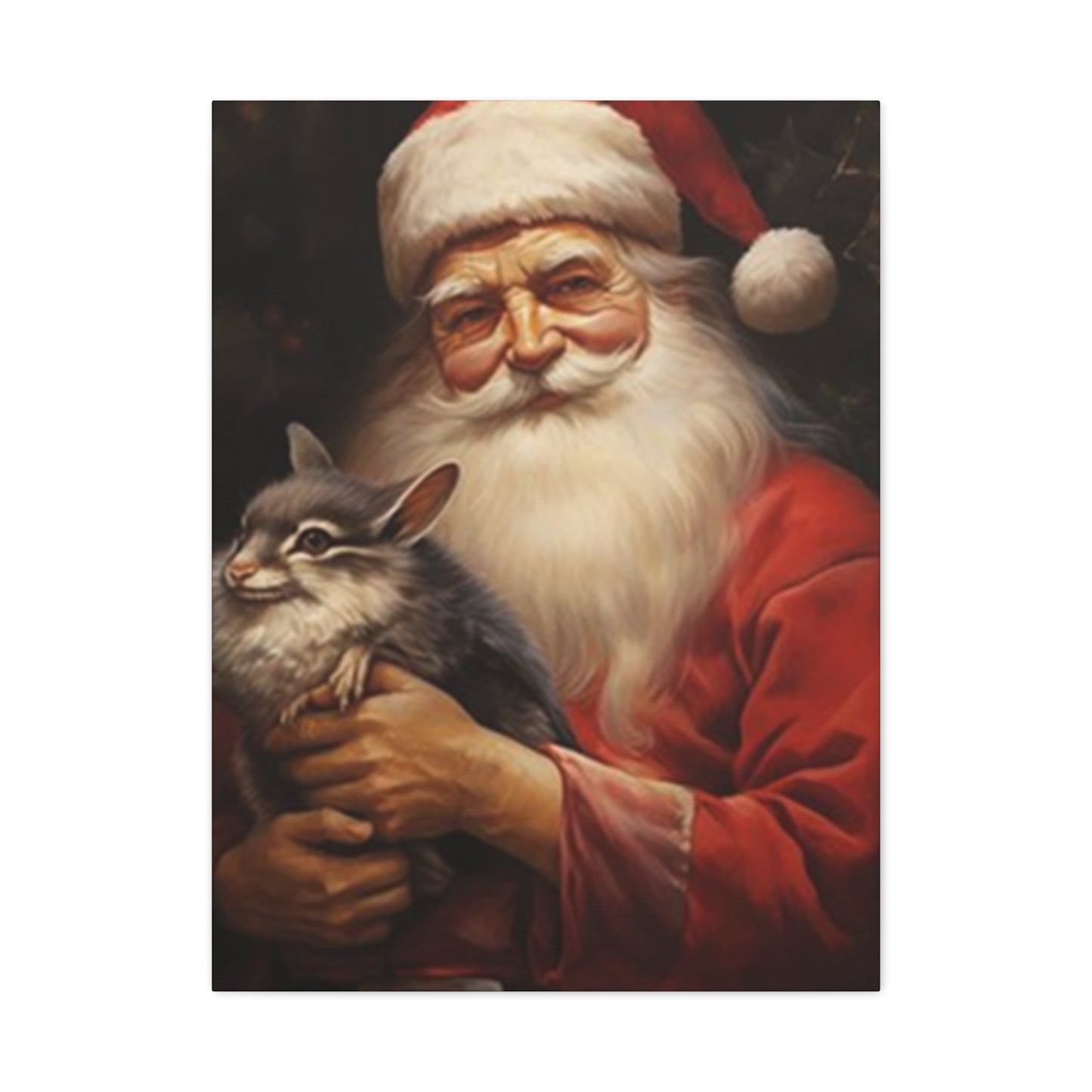
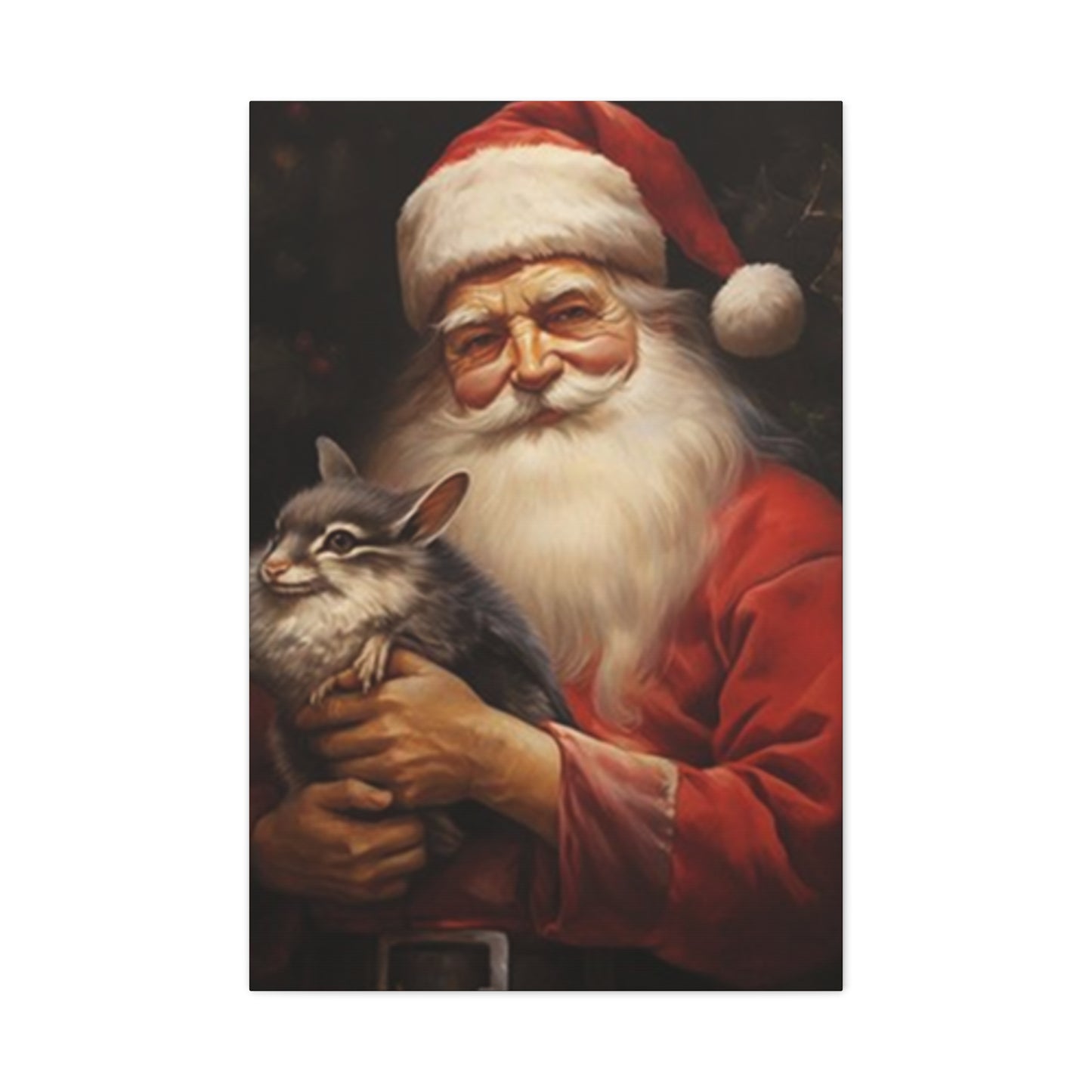
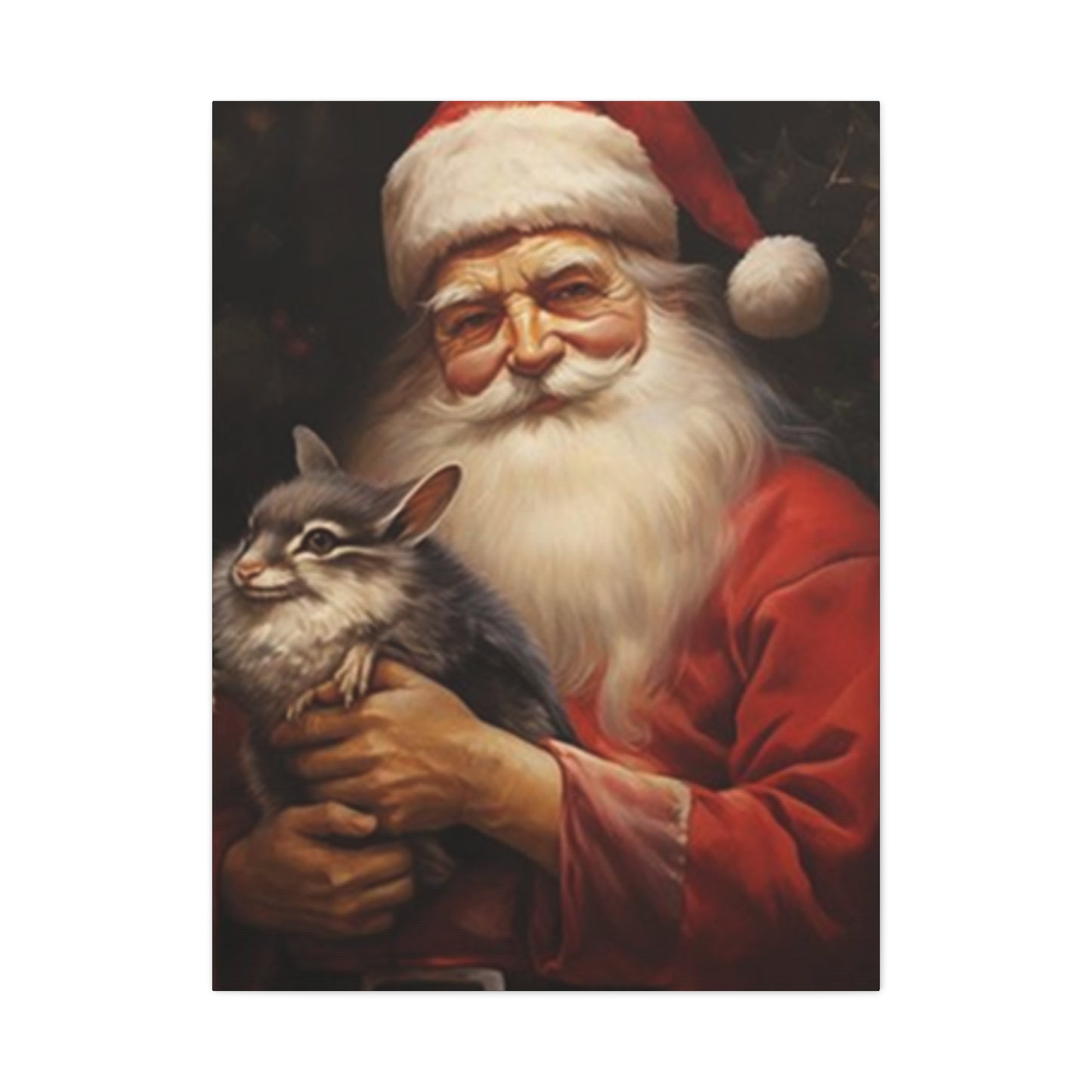
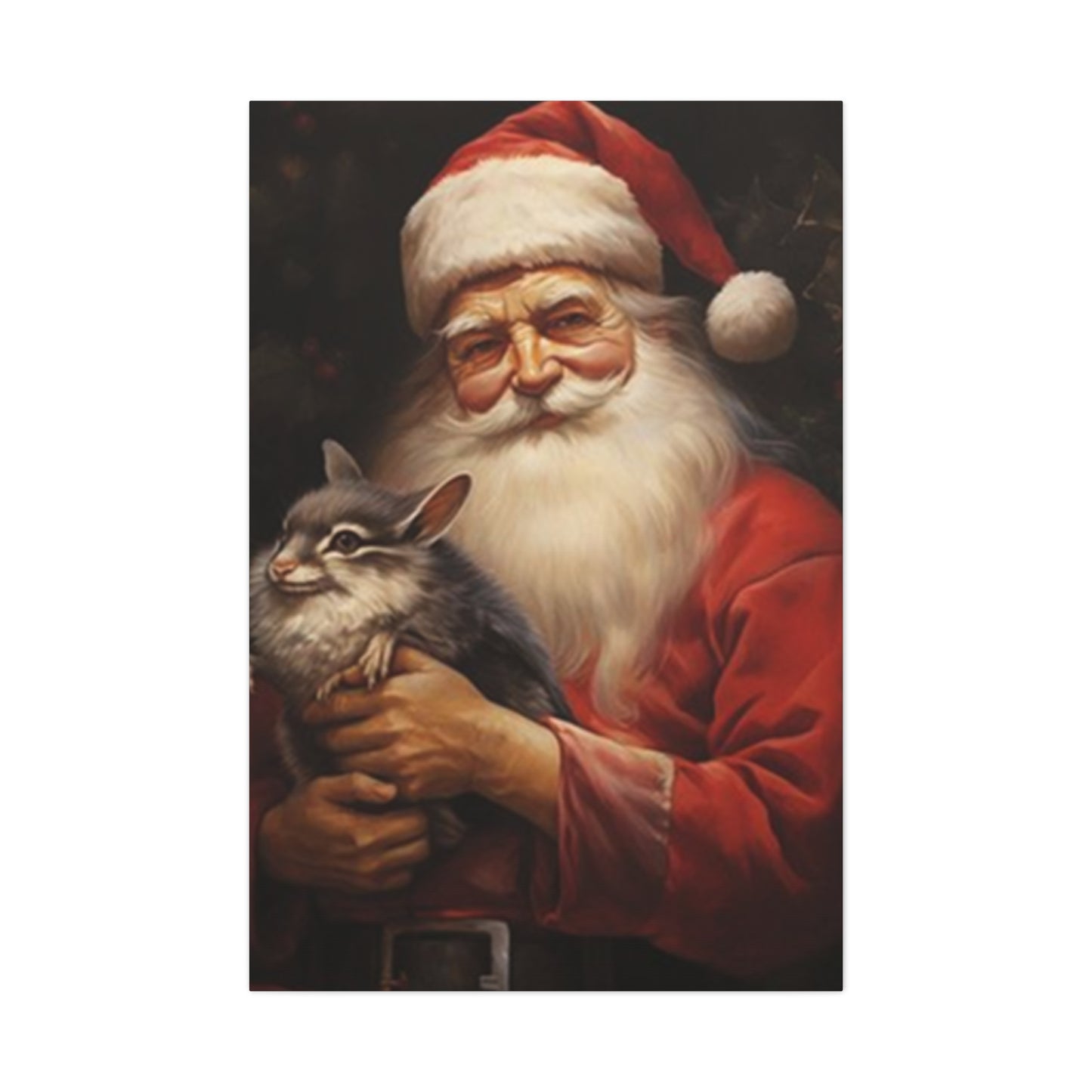
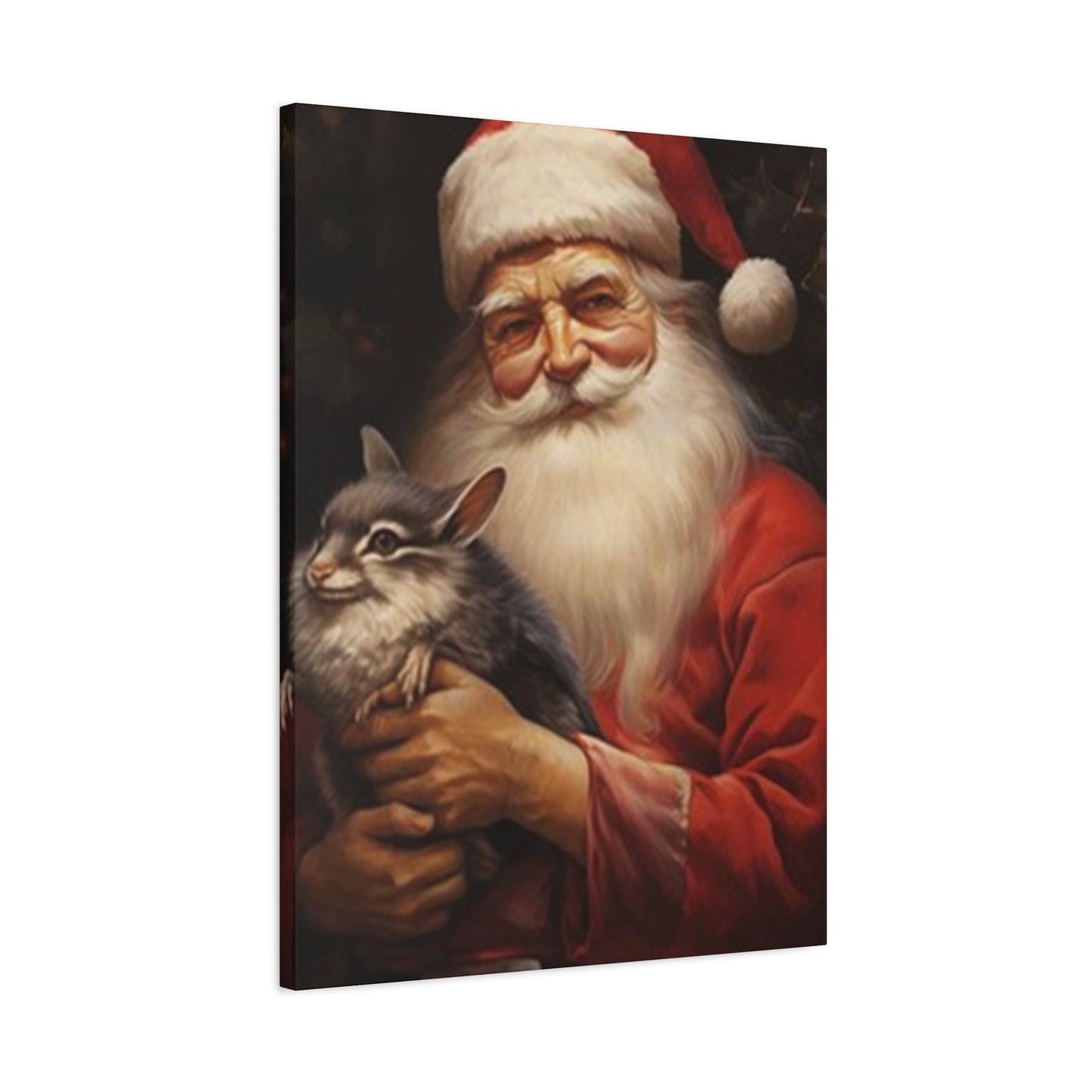
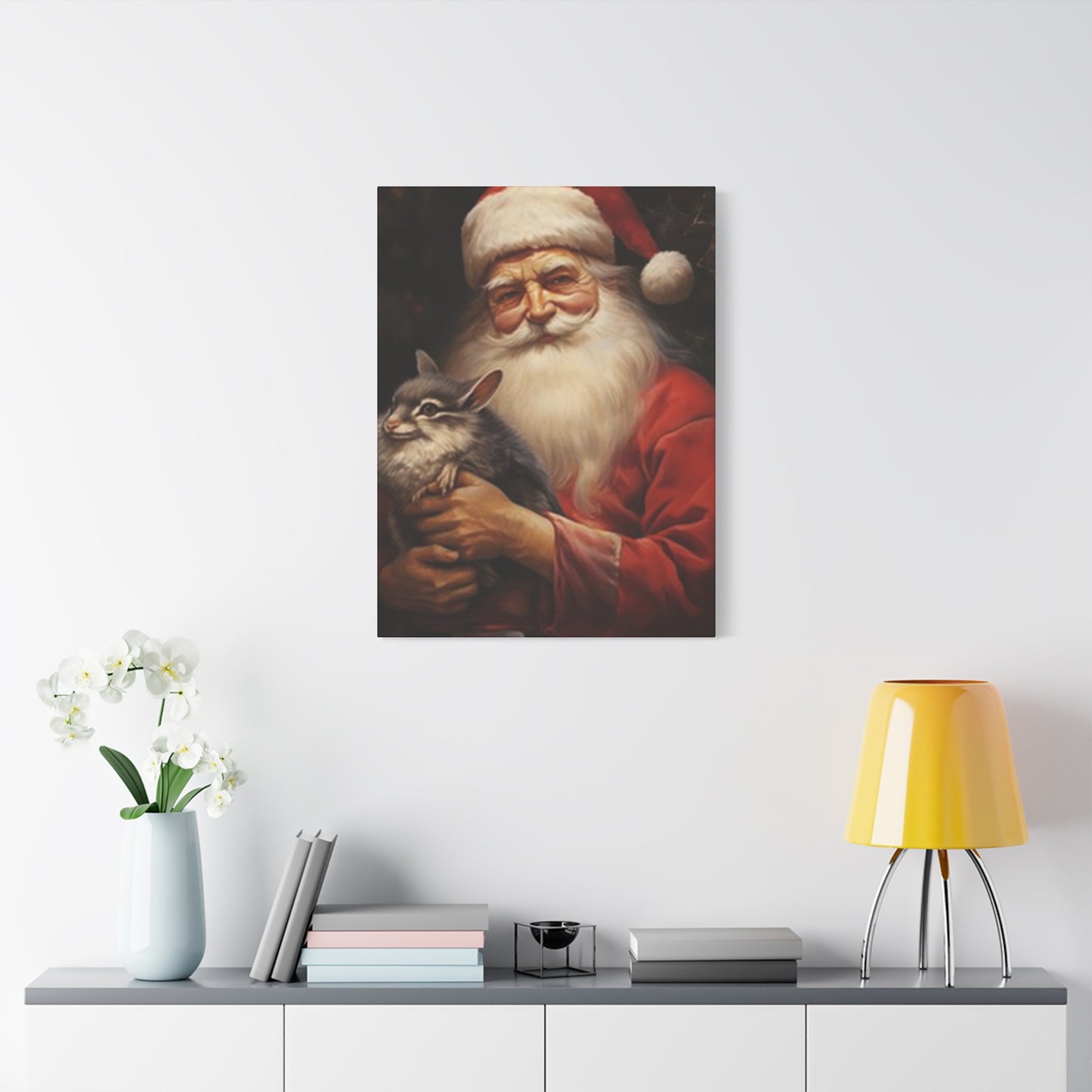
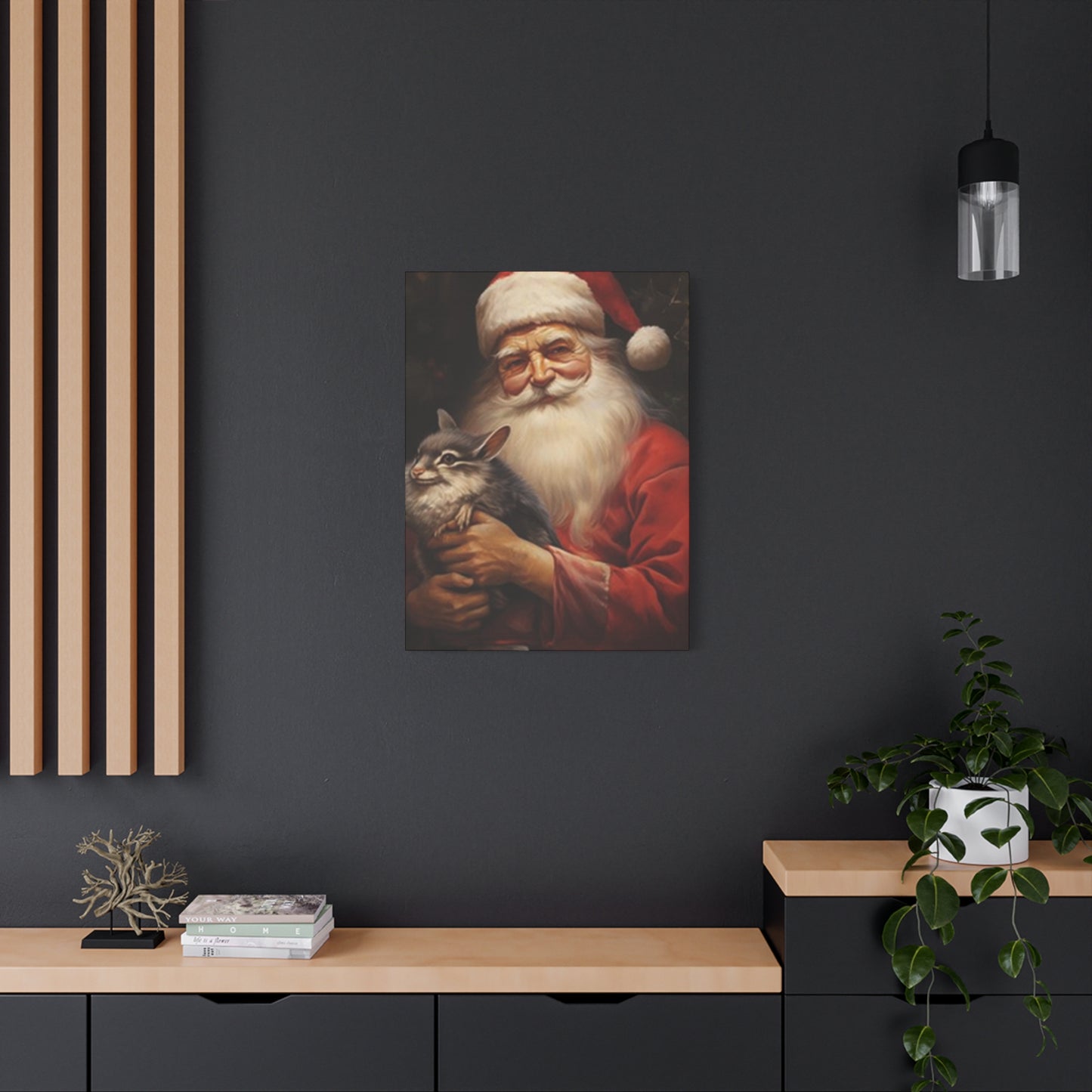
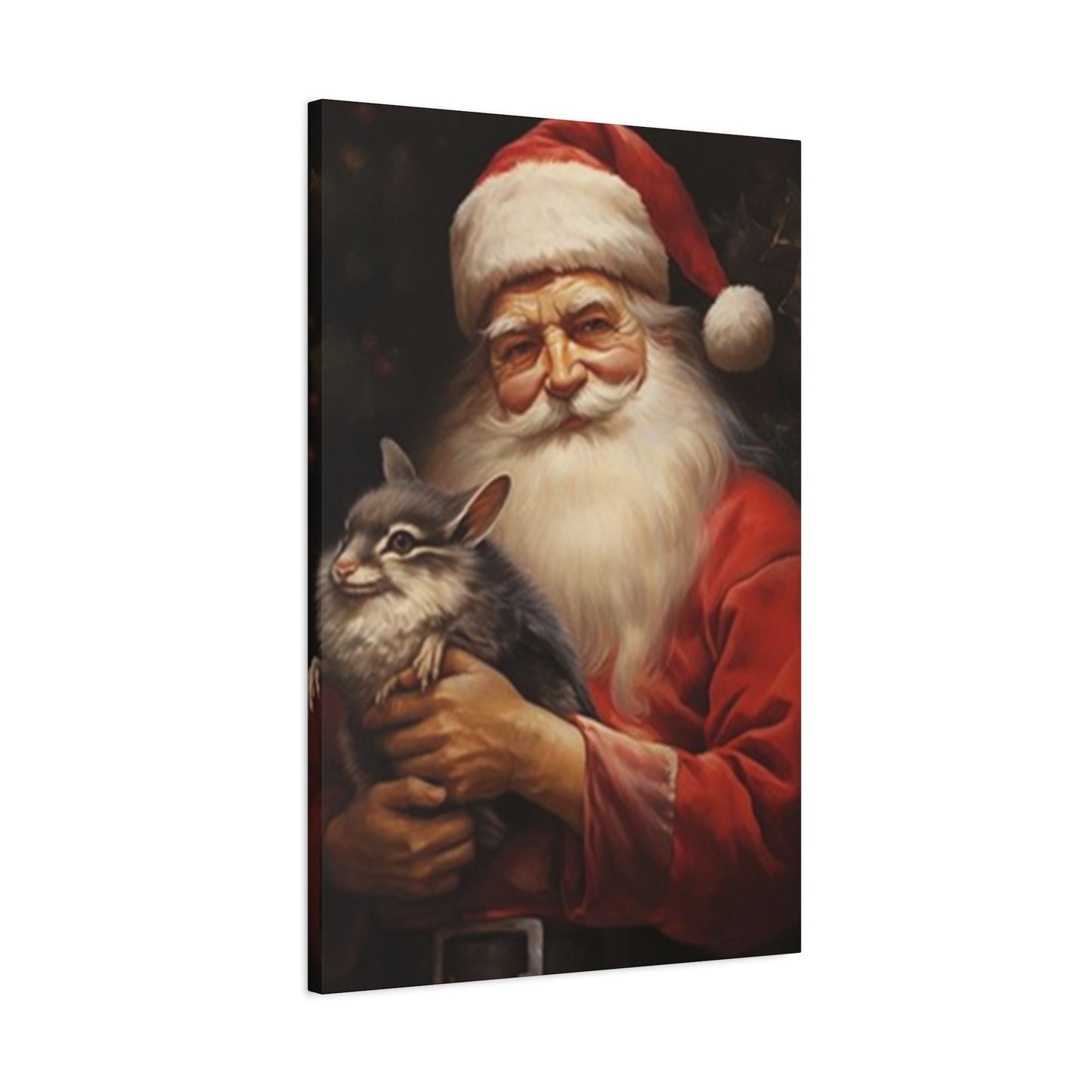
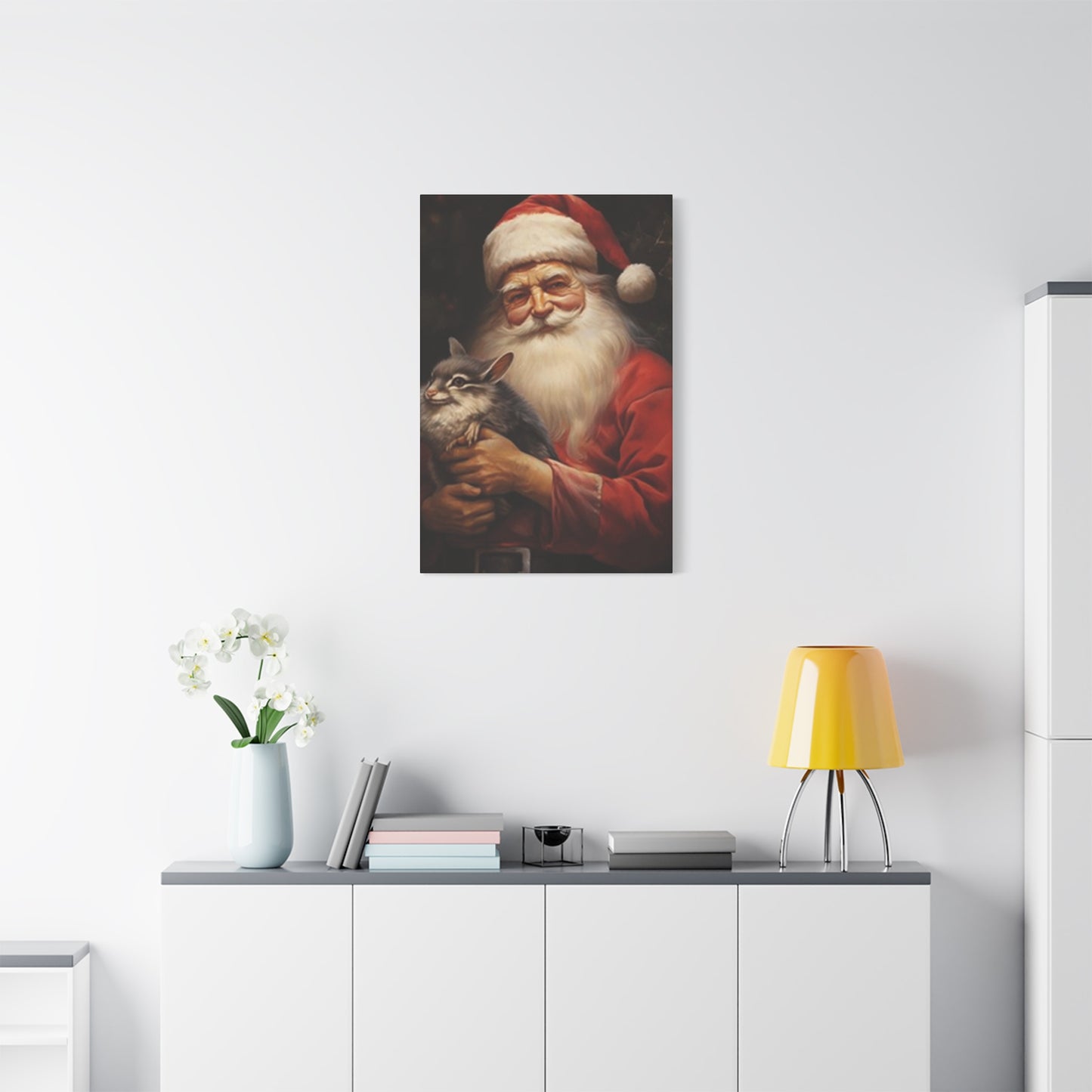
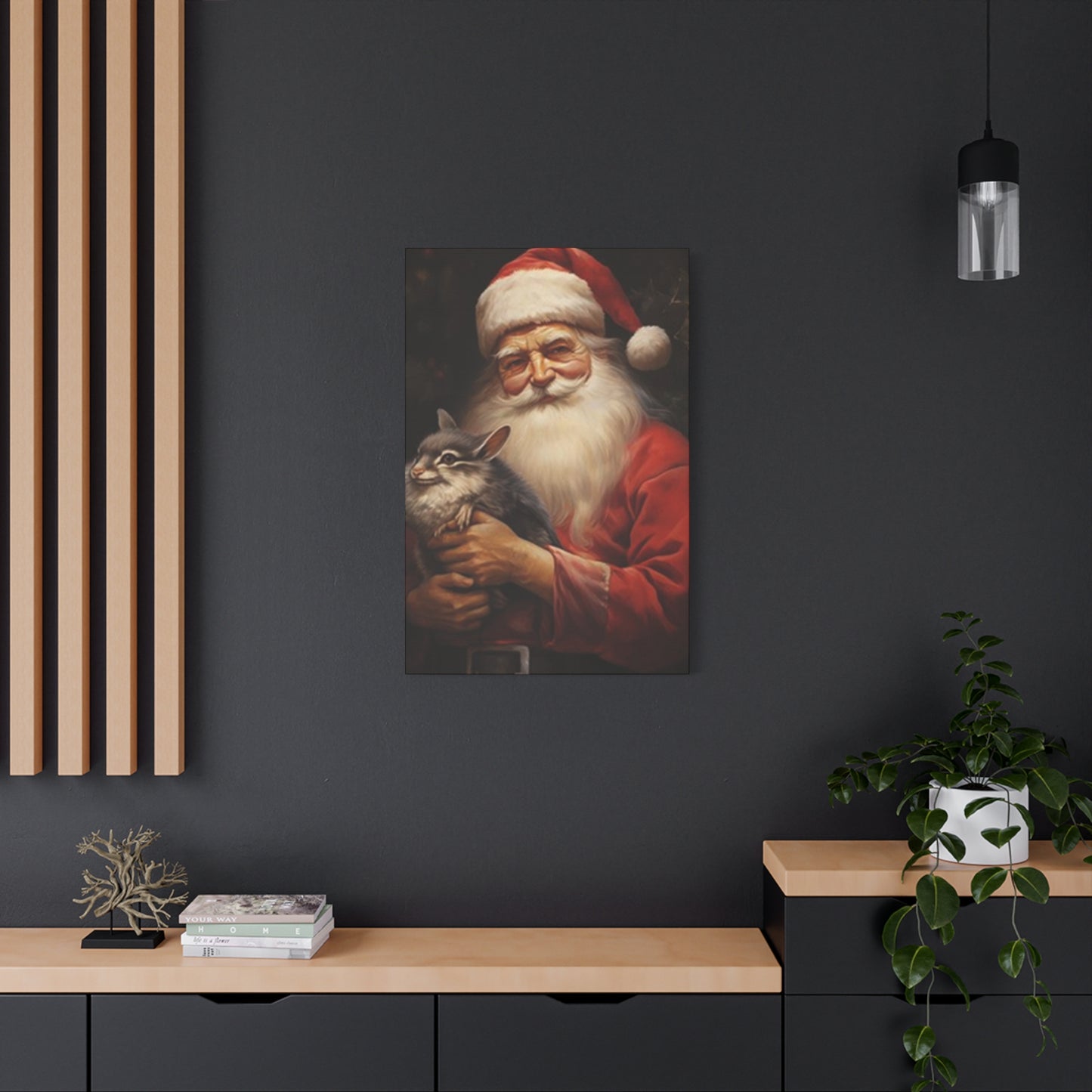
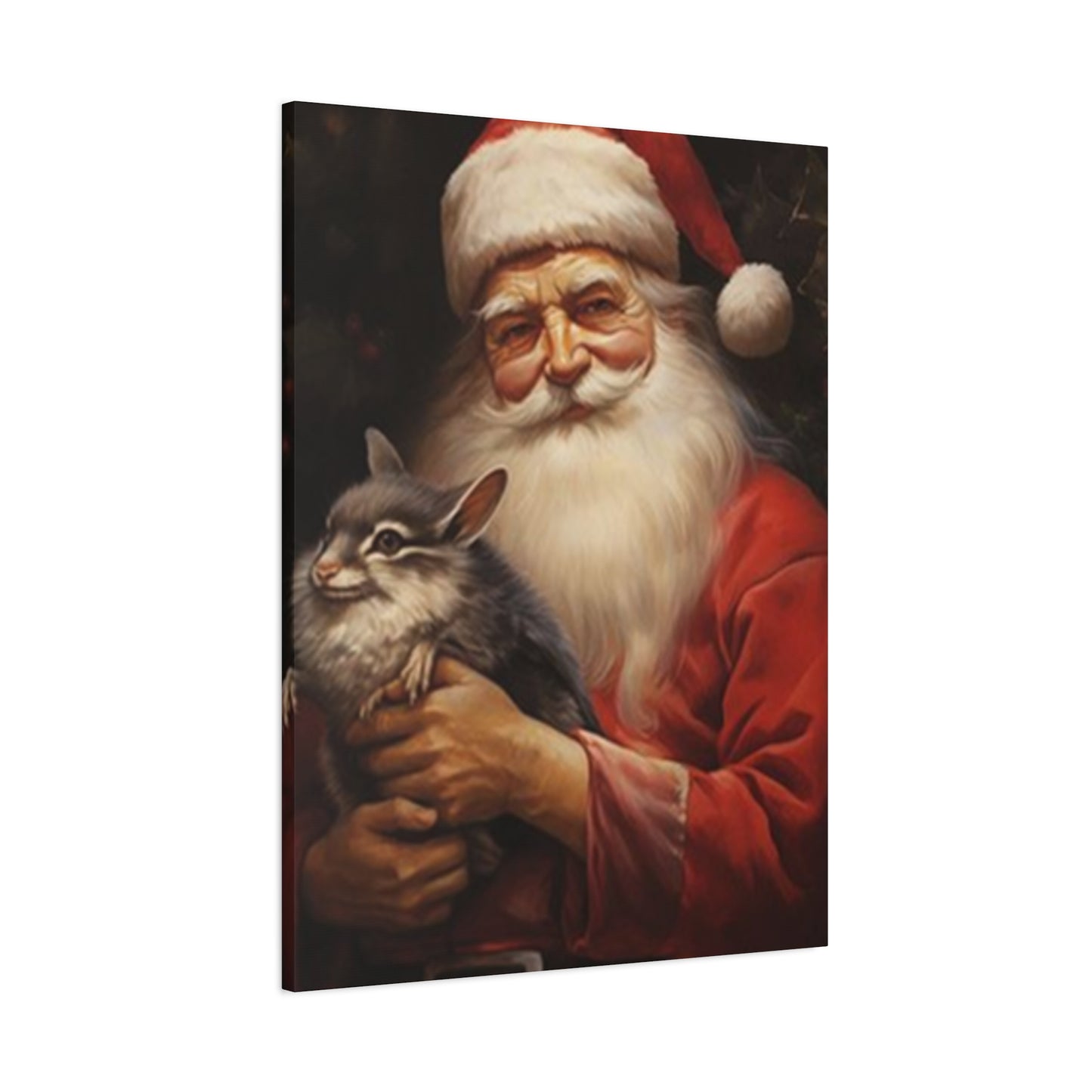
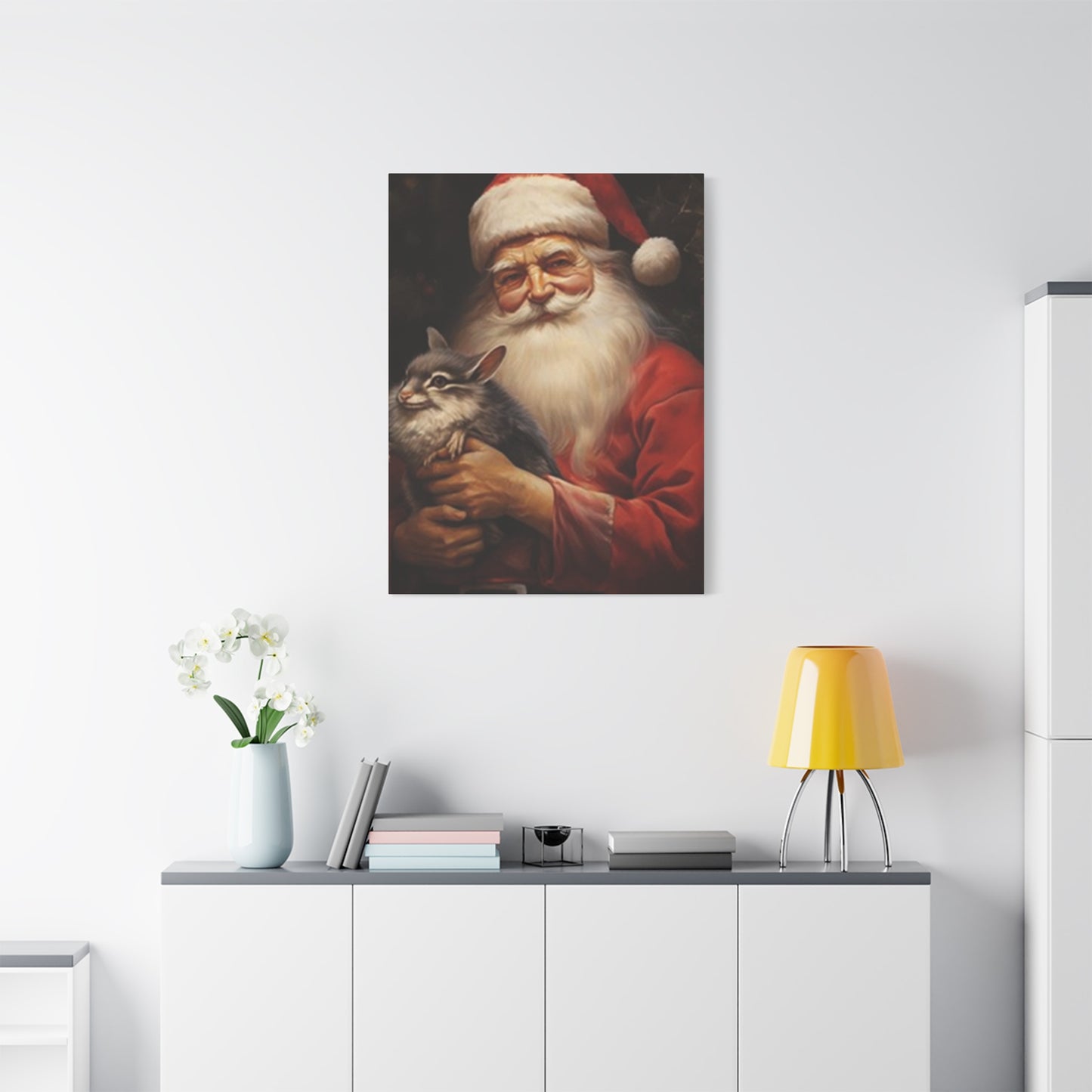
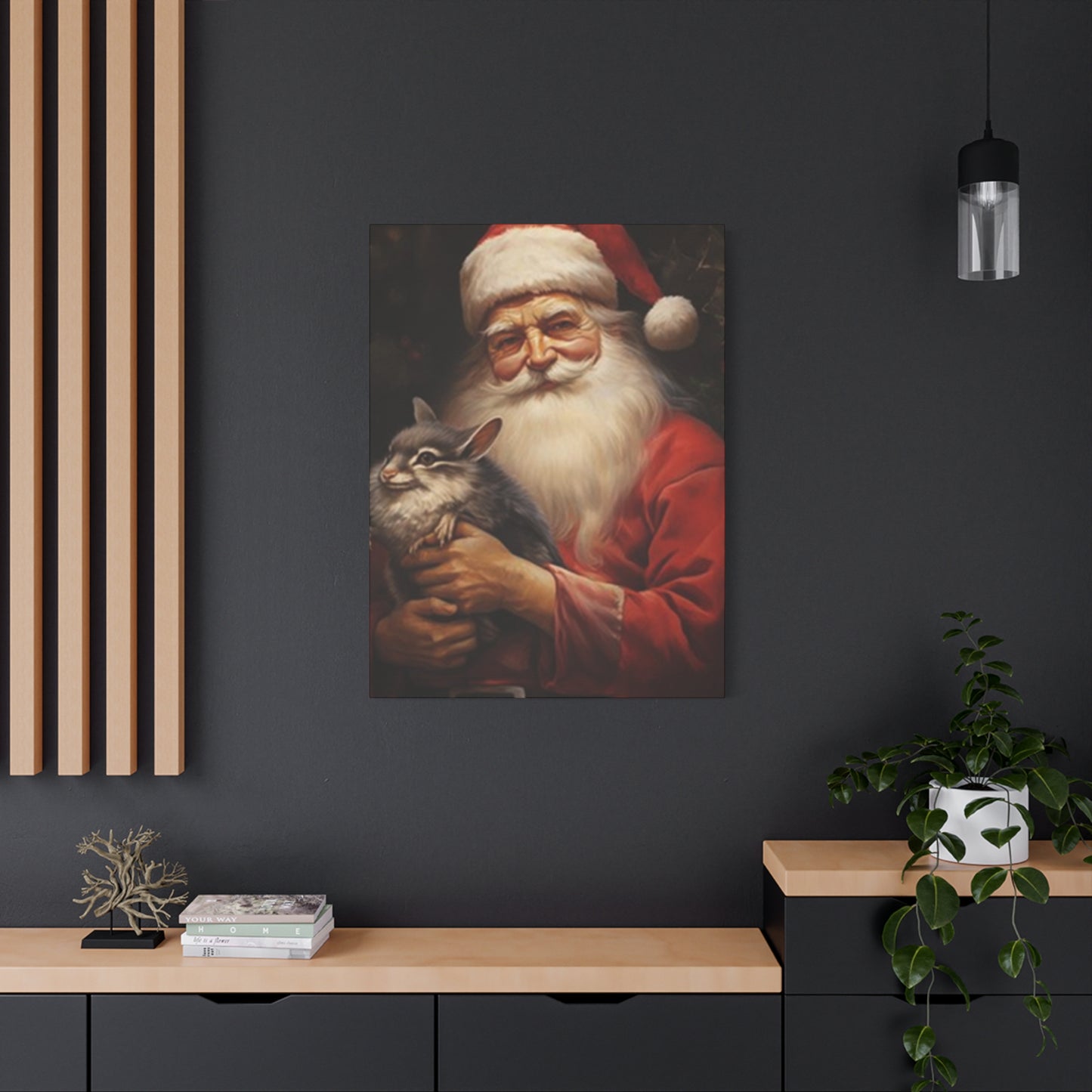
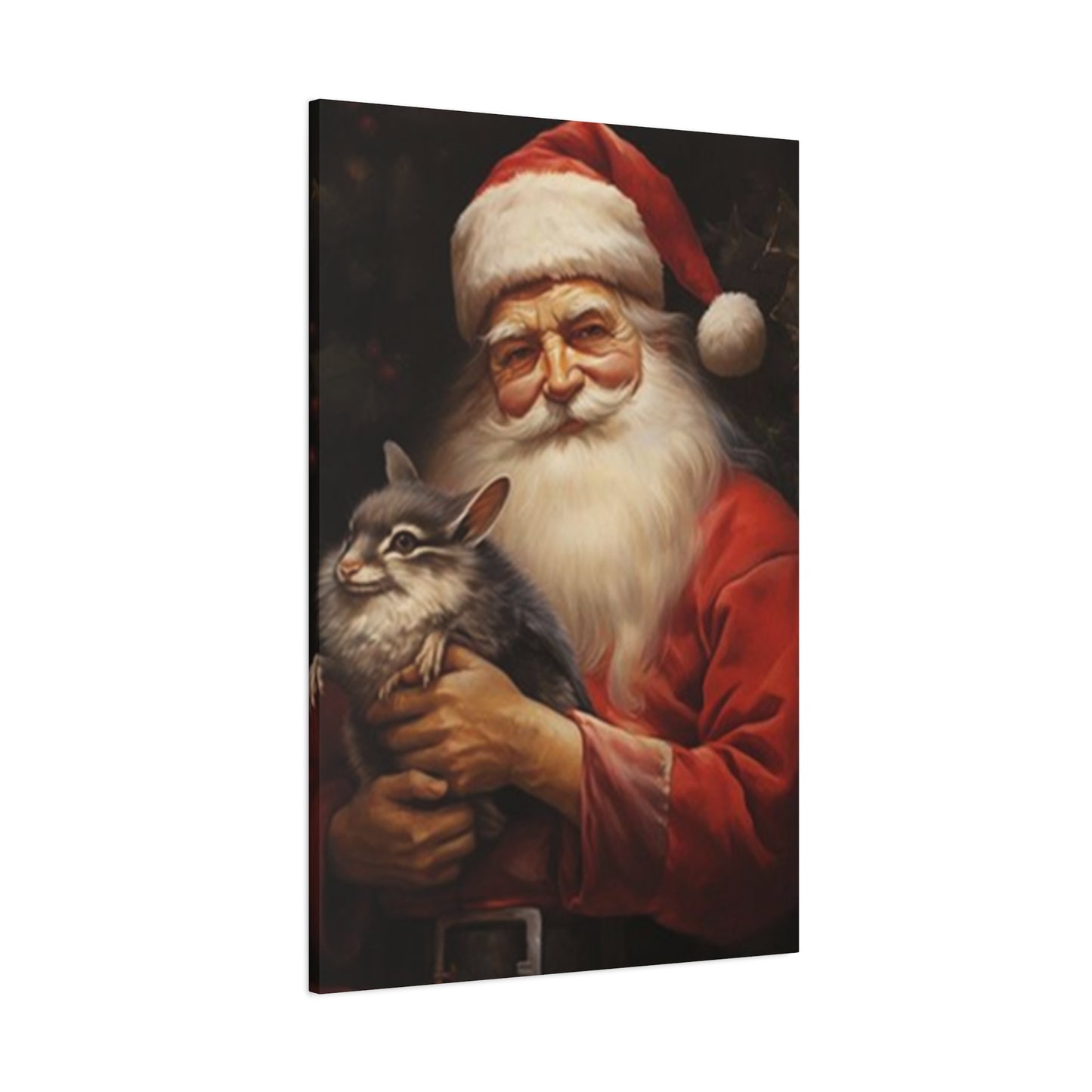
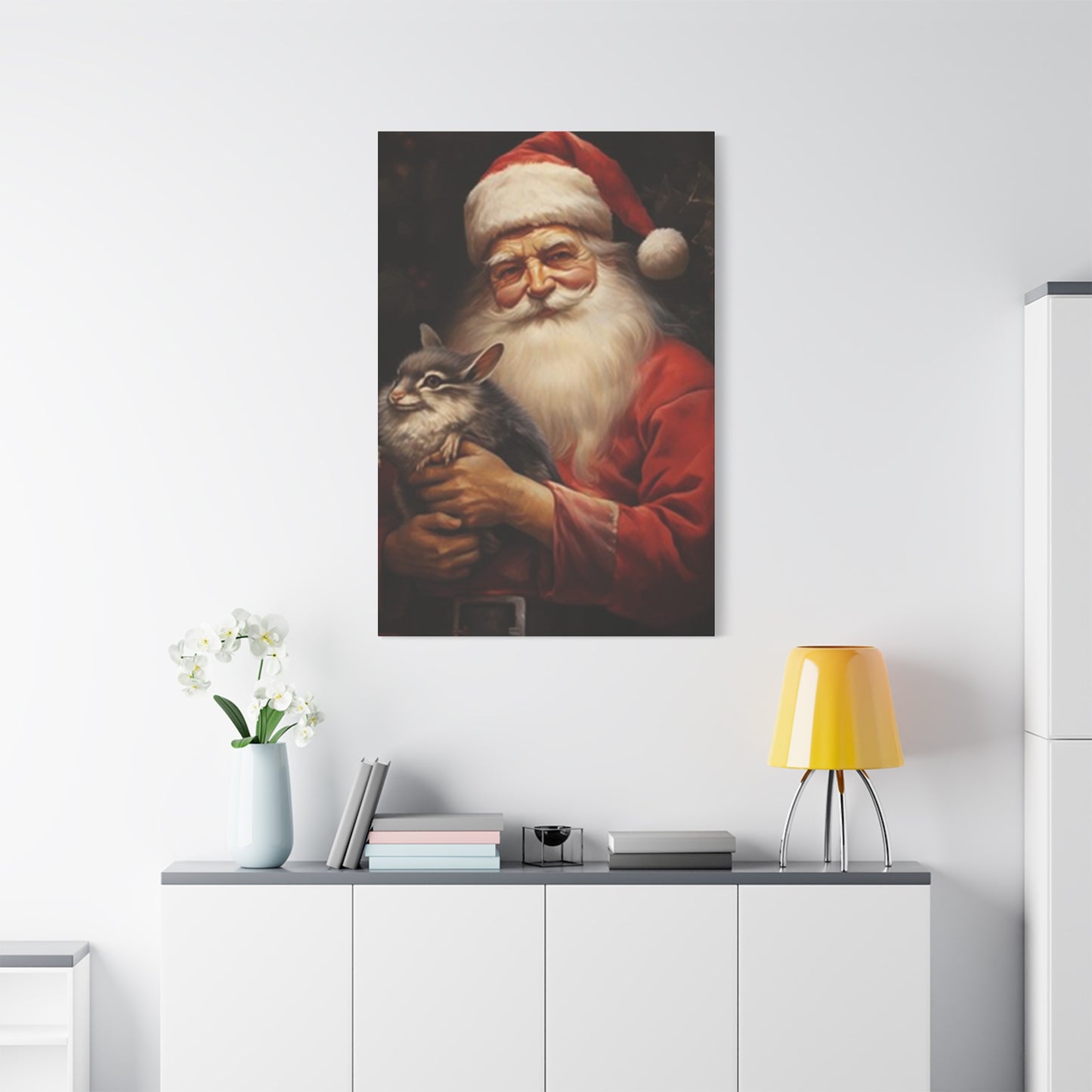
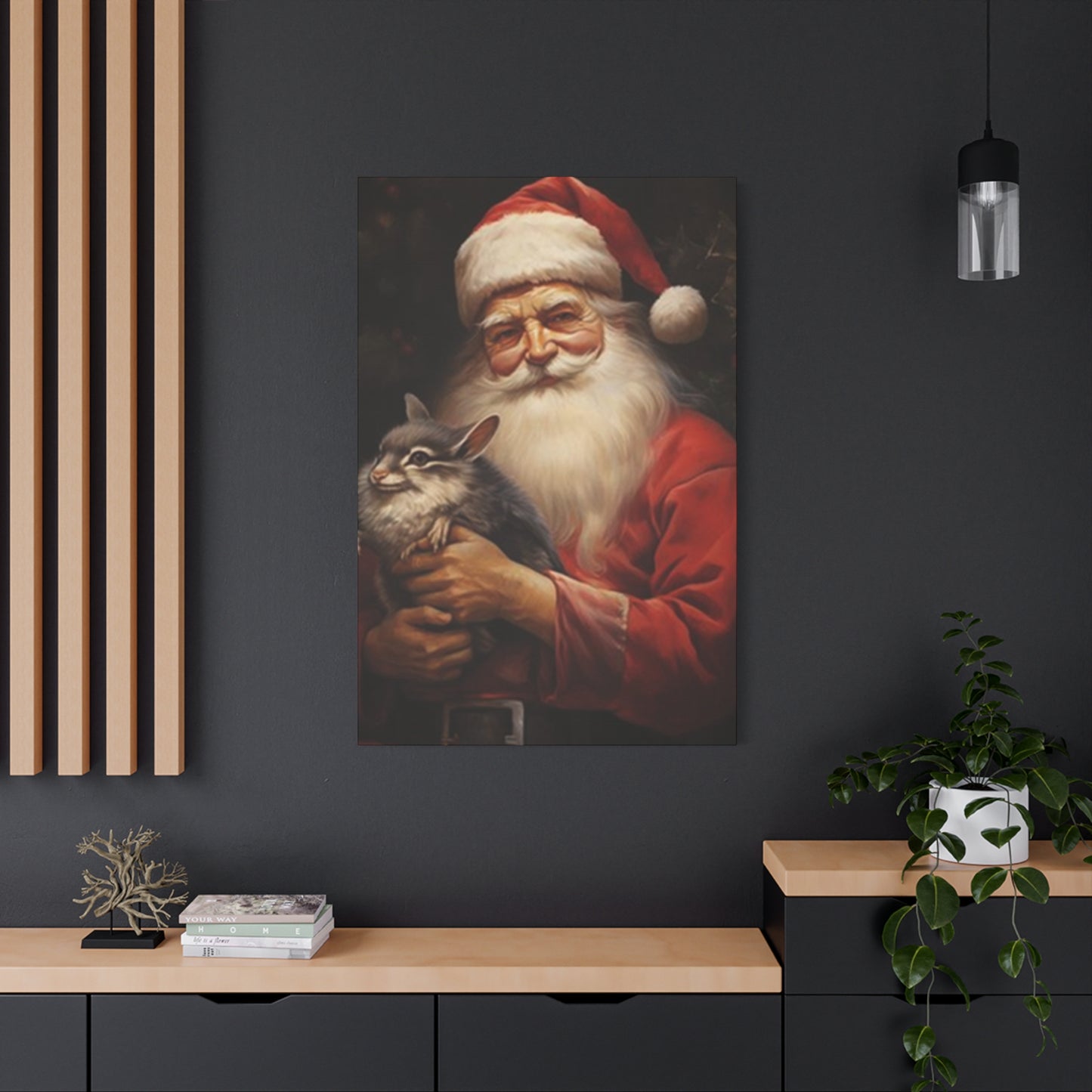
Unexpected Holiday Magic: The Playful Charm of Santa Claus With a Fat Rat Painting Wall Art
The holiday season brings joy, laughter, and the perfect opportunity to showcase your unique personality through decorative choices. Among the most delightful and conversation-starting trends in seasonal décor is the emergence of unconventional artwork featuring Santa Claus alongside unexpected companions. This artistic movement celebrates humor, creativity, and the willingness to break away from traditional holiday imagery while maintaining the festive spirit that makes this time of year special.
Festive Humor Captured in Art
The intersection of comedy and seasonal celebration has created an entirely new category of decorative pieces that appeal to those who appreciate both tradition and irreverence. Artwork that combines classic holiday symbols with surprising elements offers homeowners and art enthusiasts a refreshing alternative to conventional seasonal displays. These pieces serve multiple purposes within your living space, functioning as icebreakers during gatherings, expressions of personal style, and reminders that the holiday season should include plenty of laughter alongside its more serious moments.
The artistic value of humorous holiday pieces extends beyond simple entertainment. These works demonstrate skilled craftsmanship, thoughtful composition, and often sophisticated color palettes that rival more traditional seasonal artwork. Artists who create these pieces must balance comedic elements with technical excellence, ensuring that the humor enhances rather than detracts from the overall aesthetic quality. The result is artwork that commands attention and appreciation from multiple perspectives, satisfying both those who value artistic merit and those who simply enjoy a good laugh during the festive season.
Contemporary artists working in this genre draw inspiration from various sources, including vintage holiday imagery, modern pop culture references, and everyday observations that highlight the absurdity inherent in certain seasonal traditions. By juxtaposing familiar holiday figures with unexpected scenarios or companions, these creators invite viewers to reconsider their assumptions about what constitutes appropriate seasonal décor. This artistic approach resonates particularly well with younger generations and anyone who appreciates irreverent humor, creating a market for pieces that challenge conventional boundaries while remaining fundamentally celebratory in nature.
Santa Claus with Unexpected Companion
The traditional image of Santa Claus has evolved considerably over centuries, from various cultural interpretations to the standardized figure recognized worldwide today. However, contemporary artists have begun introducing unexpected elements into this familiar imagery, creating scenarios that surprise and delight viewers while maintaining recognizable holiday themes. The inclusion of unusual companions in Santa-themed artwork serves multiple creative purposes, from adding visual interest to creating narrative possibilities that engage viewers' imaginations beyond simple recognition of seasonal symbols.
When Santa appears alongside creatures or characters not typically associated with Christmas celebrations, the resulting composition invites viewers to construct their own stories about how this pairing came to be. This narrative ambiguity represents one of the key strengths of unconventional holiday artwork, as each person who encounters the piece brings their own interpretation and emotional response. Some viewers might imagine whimsical backstories involving magical transformations or unlikely friendships, while others simply enjoy the visual juxtaposition without requiring narrative justification. This flexibility in interpretation makes such pieces suitable for diverse audiences with varying preferences regarding holiday imagery.
The artistic challenge of incorporating unexpected companions into Santa-themed work lies in maintaining visual coherence while introducing surprising elements. Successful pieces in this category demonstrate careful attention to scale, proportion, and spatial relationships, ensuring that all elements within the composition work together harmoniously despite their conceptual incongruity. Color coordination becomes particularly important in these scenarios, as the artist must create a unified palette that ties disparate elements together while allowing each component to maintain its individual character and visual impact within the overall composition.
Playful Holiday Wall Décor
Transforming your living space during the festive season involves more than simply arranging ornaments and hanging stockings. Wall décor plays a crucial role in establishing the overall atmosphere and communicating your approach to holiday celebration. Playful pieces that incorporate humor and unexpected elements can completely transform a room's character, shifting it from formal to fun or from predictable to personality-driven. The strategic placement of such artwork allows you to create focal points that draw attention and encourage conversation while maintaining the seasonal spirit that makes this time of year special.
The selection of playful wall pieces should consider several factors beyond simple visual appeal. Scale and proportion relative to the wall space and surrounding furniture determine whether a piece will function as a subtle accent or commanding centerpiece. Color relationships between the artwork and existing décor elements influence overall visual harmony, with complementary choices creating cohesive looks and contrasting selections generating dynamic visual interest. Subject matter and humor style should align with your personal preferences and the sensibilities of those who will regularly encounter the piece, ensuring that your decorative choices enhance rather than complicate social situations during holiday gatherings.
Installation considerations for seasonal wall décor differ somewhat from permanent art placement, as many people prefer to rotate these pieces annually or reserve certain wall spaces specifically for holiday displays. Damage-free hanging solutions have become increasingly sophisticated, offering secure mounting options that leave minimal marks on painted surfaces. These systems prove particularly valuable for renters or anyone hesitant to create permanent holes in walls for temporary seasonal displays. Understanding the weight capacity and surface compatibility of various hanging methods ensures that your artwork remains securely positioned throughout the holiday season while simplifying the eventual removal and storage process.
Candid Santa Scenes on Canvas
The representation of Santa Claus in artwork has traditionally emphasized idealized moments of gift-giving, sleigh-riding, or workshop supervision. However, a growing artistic movement focuses on more candid, everyday scenarios that humanize this legendary figure while maintaining his essential character. These informal portrayals present Santa in relaxed, unguarded moments that viewers can relate to on a personal level, creating connections between the mythical figure and ordinary human experiences. The artistic choice to depict Santa in casual circumstances rather than exclusively ceremonial ones adds depth and personality to a character that can sometimes feel one-dimensional in conventional representations.
Canvas remains the preferred medium for many artists working with Santa imagery due to its ability to convey warmth, texture, and traditional artistic values while accommodating both classic painting techniques and modern printing technologies. The fabric surface of canvas provides subtle texture that enhances visual interest without competing with the primary imagery, while the material's durability ensures that properly cared-for pieces can remain in excellent condition through many seasons of display and storage. Gallery-wrapped canvas presentations, where the printed image extends around the frame edges, create a finished appearance that eliminates the need for additional framing while maintaining a polished, professional look suitable for any décor style.
The artistic techniques employed in creating candid Santa scenes often draw from observational drawing traditions that emphasize capturing authentic moments and genuine expressions rather than posed formality. This approach requires artists to consider body language, facial expressions, and environmental details that communicate specific moods or activities without relying on obvious symbolic elements. Successful candid scenes feel spontaneous and natural despite being carefully composed and executed, creating the impression that viewers are glimpsing private moments rather than staged performances. This authenticity resonates with contemporary audiences who increasingly value genuineness over perfection across various aspects of life and culture.
Humorous Christmas Canvas Prints
The production technology behind contemporary canvas prints has revolutionized accessibility to high-quality artwork, making pieces that were once exclusive to original art purchasers available to broader audiences at affordable price points. Modern printing techniques can reproduce intricate details, subtle color gradations, and complex textures with remarkable fidelity, ensuring that printed pieces maintain artistic integrity while benefiting from the cost efficiencies of reproduction technology. This democratization of art has particularly benefited the humorous holiday décor market, where demand for specific designs often exceeds the practical capacity for hand-produced originals.
Quality considerations for canvas prints extend beyond simple image clarity to encompass factors like ink longevity, canvas weight and weave, stretcher bar construction, and protective finishing treatments. Archival-quality inks resist fading from light exposure and environmental factors, ensuring that colors remain vibrant through many years of seasonal display. Heavier canvas materials with tighter weaves provide better structural stability and surface smoothness for detailed imagery, while professional-grade stretcher bars prevent warping and maintain proper tension across the canvas surface. Protective coatings can enhance durability by repelling dust and moisture while adding subtle sheen or maintaining matte finishes according to artistic intent.
The market for humorous Christmas canvas prints encompasses remarkable diversity in artistic styles, from realistic illustrations to abstract interpretations, vintage-inspired designs to ultra-modern graphic compositions. This stylistic variety ensures that consumers can find pieces perfectly suited to their existing décor schemes and personal aesthetic preferences. Traditional painting styles appeal to those who appreciate classical artistic techniques and timeless visual qualities, while contemporary graphic approaches attract buyers seeking bold, modern looks that complement minimalist or industrial interior designs. Vintage-inspired pieces tap into nostalgia while often incorporating modern humor sensibilities, creating bridges between different aesthetic preferences and generational perspectives.
Sizing options for canvas prints have expanded considerably as production technologies have advanced, with pieces now available in dimensions ranging from small accent sizes suitable for gallery walls to oversized statement pieces that command attention in spacious rooms. Multi-panel designs that spread single images across multiple canvases offer additional creative possibilities, allowing for dynamic wall arrangements that can be configured in various layouts according to available space and personal preference. These triptych and multi-panel designs work particularly well for panoramic or action-oriented imagery where the divisions between panels can enhance rather than interrupt the visual narrative.
Santa and the Fat Rat Artwork
The specific pairing of Santa Claus with an oversized rodent companion represents one of the more unusual and conversation-worthy combinations in contemporary holiday artwork. This particular character combination works on multiple levels, from simple visual humor derived from the unexpected juxtaposition to more subtle satirical commentary on consumption, abundance, and seasonal excess. The fat rat character can be interpreted in various ways depending on viewer perspective, functioning as comedic sidekick, symbolic representation of holiday indulgence, or simply an absurdist element that defies logical explanation while enhancing the overall entertainment value of the piece.
Artistic representations of this unusual pairing vary considerably in tone and execution, with some treatments emphasizing cute, cartoonish qualities that make both characters appear friendly and approachable, while others lean into more realistic or slightly grotesque portrayals that heighten the absurdity and potentially unsettling nature of the combination. The artistic choices regarding style and tone significantly impact the piece's overall effect and appropriate display contexts, with cuter interpretations working well in family spaces while edgier versions might be better suited to adult-oriented environments or spaces where provocative humor is welcomed and appreciated.
The color palettes employed in these works often play with contrast between Santa's traditional red and white costume and the rodent companion's natural coloring, which might be rendered in realistic browns and grays or exaggerated into more fantastical hues that enhance the surreal quality of the pairing. Background elements and environmental details provide context for the interaction, whether depicting them in Santa's workshop, out in winter landscapes, or in entirely unexpected settings that further amplify the absurdist humor. Lighting choices and atmospheric effects contribute significantly to mood, with warm, cozy lighting creating inviting scenes despite the unusual character combination, while starker or more dramatic lighting can emphasize the peculiar nature of the pairing.
From a marketing perspective, the novelty factor of such specific and unusual imagery creates strong differentiation in a crowded holiday décor marketplace where countless Santa images compete for consumer attention. The memorability of this particular character combination means that viewers are likely to remember both the artwork and where they encountered it, potentially driving word-of-mouth recommendations and social media sharing that extends marketing reach beyond traditional advertising channels. This viral potential represents significant value for both artists creating original pieces and retailers offering reproductions, as unique and surprising content naturally generates organic engagement in contemporary digital environments.
Quirky Holiday Wall Art Ideas
Expanding beyond traditional seasonal imagery opens entire worlds of creative possibilities for those willing to embrace unconventional approaches to holiday decoration. Quirky wall art encompasses far more than simply unusual character pairings, extending to unexpected artistic styles, surprising color schemes, and creative reinterpretations of familiar symbols that challenge viewers' expectations while maintaining festive spirit. The growing acceptance and even preference for non-traditional holiday décor among certain demographic groups has created robust markets for artists and designers willing to push boundaries and offer alternatives to conventional seasonal imagery.
Developing a personal collection of quirky holiday artwork allows for expression of individual personality and creation of unique seasonal environments that distinguish your space from countless others decorated with identical mass-market items. Building such a collection might begin with a single statement piece that captures your attention and gradually expand as you discover additional works that complement your initial acquisition while adding new dimensions to your overall display. This evolutionary approach to collection building often yields more satisfying and cohesive results than attempting to assemble a complete display in a single shopping session, as it allows for thoughtful consideration of each piece and organic development of themes and visual relationships among the works.
Thematic consistency in quirky holiday collections can be achieved through various organizing principles beyond simple subject matter matching. Color coordination across multiple pieces with diverse imagery creates visual unity while maintaining variety in content and style. Consistent artistic mediums or techniques provide continuity even when subject matter varies considerably. Shared humor styles or emotional tones can tie together pieces that differ dramatically in appearance but convey similar attitudes toward seasonal celebration. Understanding these various organizing principles enables collectors to make informed acquisition decisions that enhance rather than complicate their overall displays.
Santa in Playful Artistic Form
The artistic interpretation of familiar characters and symbols allows for creative freedom that can result in fresh perspectives on even the most thoroughly explored subjects. Santa Claus, despite appearing in countless artistic works over many decades, continues to inspire new interpretations that reveal previously unexplored facets of this legendary figure or present familiar aspects in surprising new contexts. Playful artistic treatments emphasize joy, spontaneity, and creative experimentation over strict adherence to established visual conventions, resulting in works that feel energetic and contemporary rather than derivative or stale.
Stylistic approaches to playful Santa imagery range from exaggerated caricatures that emphasize particular physical features or personality traits to more subtle interpretations that maintain realistic proportions while introducing unexpected elements or scenarios. Expressionistic techniques might distort forms and colors for emotional impact, while graphic design approaches could reduce the figure to essential shapes and bold color blocks for maximum visual punch. Mixed media treatments combining various materials and techniques add textural interest and artistic complexity, while maintaining focus on the central character and overall composition. The diversity of possible artistic approaches ensures that even viewers with strong preferences regarding artistic style can find playful Santa pieces that appeal to their particular aesthetic sensibilities.
The emotional resonance of playful Santa artwork derives partly from the character's existing cultural significance and partly from the artistic choices that shape specific interpretations. Viewers bring their own histories with Santa imagery and personal connections to holiday traditions when encountering new artistic treatments, creating layers of meaning that extend beyond the immediate visual information present in the work. Artists working with such culturally loaded subject matter must navigate between honoring these existing associations and introducing sufficient novelty to justify creating new interpretations rather than simply reproducing familiar imagery. The most successful pieces achieve this balance, feeling both comfortably familiar and excitingly fresh simultaneously.
Commercial applications for playful Santa artwork extend beyond residential décor into retail environments, hospitality venues, and corporate settings seeking to establish festive atmospheres while maintaining distinctive brand identities. Businesses increasingly recognize that generic holiday decorations fail to create memorable impressions or differentiate their spaces from competitors, driving demand for more unique and personality-driven seasonal displays. Custom commissioned works featuring playful Santa imagery can incorporate brand colors, company values, or specific thematic elements that create stronger connections between seasonal décor and overall organizational identity. This customization trend has created new opportunities for artists willing to collaborate with commercial clients while maintaining the creative integrity that makes their work distinctive and valuable.
Festive Humor for Wall Décor
The deliberate incorporation of humor into seasonal decorations represents a conscious choice to emphasize joy, levity, and entertainment value alongside or even above traditional solemnity and reverence. This approach to holiday celebration has gained considerable traction among demographics seeking to reduce stress and increase enjoyment during what can otherwise become obligation-heavy and financially burdensome seasons. Humorous wall décor serves as constant visual reminder to maintain perspective, laugh frequently, and prioritize enjoyment over perfection in holiday preparations and celebrations.
The effectiveness of humorous wall pieces depends significantly on their placement within living spaces and their relationships to surrounding décor elements. A single humorous piece in an otherwise formal room creates dramatic contrast that can either enhance the joke through juxtaposition or create awkward visual dissonance depending on execution and specific context. Conversely, clustering multiple humorous pieces together creates gallery-style arrangements that clearly signal playful intent and establish entire zones dedicated to entertainment and laughter. Understanding these placement dynamics enables decorators to maximize the positive impact of humorous pieces while avoiding unintentional aesthetic conflicts or mixed messages about the overall environment's intended character.
The social functions of humorous holiday décor extend beyond simple entertainment to include facilitating connections among guests, reducing social anxiety during gatherings, and creating shared experiences that strengthen relationships. When visitors encounter unexpected humorous imagery, they often feel compelled to comment or ask questions, providing natural conversation starters that help overcome initial awkwardness at parties or family gatherings. These pieces give guests something specific to discuss beyond weather and traffic, potentially leading to more substantive and enjoyable interactions. For regular residents of decorated spaces, humorous artwork can provide daily doses of positive emotion and stress relief throughout the season, countering the pressure and occasional overwhelm that accompany holiday preparations.
Santa with a Twist on Canvas
The concept of presenting familiar subjects with unexpected modifications or in surprising contexts forms the foundation for much contemporary artwork across various genres. When applied to Santa Claus imagery, this approach yields pieces that simultaneously leverage the character's universal recognition and cultural significance while introducing elements that prevent the work from feeling predictable or derivative. The twist element can manifest through unusual settings, unexpected character interactions, surprising artistic styles, or any other deviation from conventional representations that causes viewers to reconsider their assumptions about how Santa should appear in artwork.
Technical execution of twisted Santa imagery requires careful balancing of familiar and novel elements to ensure that modifications enhance rather than obscure the character's essential identity. Too little deviation from conventional imagery results in pieces that feel safe but uninteresting, failing to justify their existence among countless similar works. Excessive departure from recognizable characteristics risks losing the cultural resonance that makes Santa imagery effective and meaningful in the first place. Successful works find the optimal middle ground, maintaining enough familiar elements for immediate recognition while introducing sufficient novelty to capture attention and imagination.
The storytelling potential inherent in twisted Santa imagery often exceeds that of conventional representations, as viewers naturally become curious about the circumstances that led to whatever unexpected situation or modification the artwork depicts. This narrative curiosity engages viewers more deeply with the work, encouraging them to spend more time examining details and constructing explanatory stories in their own minds. Artists can enhance this effect through careful inclusion of contextual clues and suggestive details that guide interpretation without completely dictating a single correct reading. This approach respects viewer intelligence and creativity while providing sufficient structure to prevent complete confusion or narrative incoherence.
Market reception for twisted Santa artwork has proven surprisingly strong across diverse demographic groups, though particular interpretations tend to resonate more strongly with specific audience segments. Younger adults and those with irreverent humor preferences typically embrace more dramatically modified imagery, while older collectors or those with more traditional sensibilities might prefer subtle twists that maintain greater connection to conventional representations. Understanding these preference patterns enables artists and retailers to develop and stock varied inventory that serves multiple market segments, maximizing potential sales while respecting the diverse tastes within the overall consumer population interested in non-traditional holiday décor.
Holiday Whimsy Captured in Art
Whimsy as an artistic quality encompasses lightness, playfulness, and gentle absurdity that delights without shocking or alienating viewers. Whimsical holiday artwork strikes particularly resonant chords during seasons that can otherwise become weighted with expectations, obligations, and commercial pressures. These pieces offer visual respites that remind viewers of childhood wonder, imaginative play, and the simple pleasure of encountering something charming and unexpected. The emotional refreshment provided by whimsical art serves valuable psychological functions during potentially stressful periods, making such pieces both aesthetically pleasing and functionally beneficial within decorated environments.
The creation of genuinely whimsical artwork requires particular artistic sensibilities and technical skills that differ somewhat from those needed for other artistic approaches. Whimsy must feel effortless and spontaneous even when resulting from careful planning and precise execution. Color choices lean toward brighter palettes without becoming garish, while compositional elements should appear casually arranged despite underlying structural rigor that ensures visual harmony. Character expressions and body language convey playfulness and good humor without crossing into silliness that might undermine the work's artistic credibility. Achieving this delicate balance challenges even experienced artists and separates truly successful whimsical pieces from those that miss the mark despite good intentions.
The versatility of whimsical holiday art makes it suitable for diverse display contexts ranging from children's rooms to sophisticated adult spaces. This cross-demographic appeal derives from whimsy's essential optimism and emotional accessibility, qualities that resonate across age groups and cultural backgrounds. Families with children appreciate whimsical pieces for their ability to engage young imaginations while maintaining sufficient artistic merit to satisfy adult aesthetic standards. Child-free households may embrace whimsical artwork as expression of playful personalities or as intentional counterbalance to more serious or minimalist décor choices that dominate their year-round aesthetic preferences.
Candid Holiday Moments in Canvas Prints
The artistic documentation of authentic, unscripted moments has long tradition in various visual mediums from photography to observational drawing. Applied to holiday subject matter, this approach produces images that feel immediate and genuine rather than staged or artificial. Candid holiday moments captured in canvas prints bring warmth and relatability to seasonal décor, depicting scenarios that viewers recognize from their own experiences rather than idealized fantasy situations disconnected from actual holiday celebrations. This authenticity creates emotional connections between artwork and viewers that enhance the pieces' significance beyond simple visual appeal.
The technical challenges of creating candid moment imagery differ considerably from those involved in producing more formally composed works. Artists must capture specific fleeting expressions, gestures, and spatial relationships that communicate authentic experience while working within medium constraints that don't allow for actual candid capture. Many artists working in this mode use photographic reference materials or draw from memory and observation to inform their depictions, combining documentary accuracy with artistic interpretation and enhancement. The goal involves creating images that feel spontaneous and real while benefiting from aesthetic refinements that pure documentation might not provide.
The emotional impact of candid holiday artwork often exceeds that of more polished, perfected imagery precisely because of its relatability and authenticity. Viewers recognize themselves, their families, and their actual holiday experiences in these unguarded moments, creating identification and empathy that formal portraiture cannot match. This recognition validates viewers' own experiences while celebrating the beauty and significance inherent in ordinary moments that might otherwise go unrecognized or undervalued. For many people, these candid depictions more accurately represent the true spirit and emotional core of holiday celebrations than highly produced imagery featuring impossible perfection and unrealistic scenarios.
The market for candid holiday canvas prints has expanded significantly as consumers increasingly value authenticity and reject the perfectionism that dominated previous generations' approach to seasonal celebration and documentation. Social media has paradoxically contributed to this shift despite initially amplifying curated perfection, as the eventual backlash against impossibly perfect images drove many people toward more honest and realistic depictions of actual lived experience. Canvas prints featuring candid moments tap into this cultural movement while offering permanent physical objects that contrast with the ephemeral nature of digital images, providing lasting reminders of authentic celebration and genuine emotion.
Santa Claus with Quirky Companions
The creative practice of pairing established characters with unexpected companions has generated countless memorable images across various entertainment and artistic mediums. When applied to Santa Claus, this approach yields endless possibilities as artists explore different animal, fantastical, or even inanimate companions that create interesting visual and conceptual juxtapositions. Each companion choice brings specific connotations and opportunities for humor, storytelling, or thematic exploration that expand the expressive potential of Santa-centered artwork beyond what depictions of the character alone might achieve.
The selection of appropriate companions for Santa requires consideration of multiple factors including visual compatibility, narrative plausibility, symbolic resonance, and humor potential. Some animals possess natural associations with winter or holidays that make them relatively logical choices despite being unconventional, while others derive their impact entirely from unexpected absurdity. Fantastical creatures open possibilities for magical explanations that justify their presence in Santa's world, while ordinary animals or objects placed in proximity to Santa must rely more heavily on pure visual humor or symbolic interpretation. Artists skilled in companion selection understand these various dynamics and choose pairings that align with their artistic intent and target audience preferences.
The compositional integration of companions into Santa-centered artwork presents specific technical challenges regarding scale, positioning, and visual hierarchy. The companion must be prominent enough to register as significant element rather than mere background detail, yet not so dominant that it overwhelms Santa himself and disrupts the intended focal point. Color relationships between Santa's traditional costume and the companion's natural or stylized coloring require careful management to ensure visual harmony while maintaining sufficient contrast for each element to retain individual identity. Spatial relationships and apparent interactions between Santa and companion communicate important information about their relationship and the scenario's overall tone without requiring explicit narrative exposition.
Bold and Fun Christmas Wall Art
The deliberate choice to emphasize boldness and fun in holiday décor represents particular approach to seasonal celebration that prioritizes energy, excitement, and playful spirit over quiet elegance or traditional formality. Bold Christmas wall art commands attention through strong colors, dynamic compositions, exaggerated scale, or provocative subject matter that refuses to fade into background subtlety. This assertive approach to seasonal decoration appeals particularly to extroverted personalities, those comfortable with non-traditional aesthetics, and anyone seeking to create memorable holiday environments that distinguish themselves from conventional decorated spaces.
The technical execution of bold artwork requires confidence and skill in handling visual elements that can easily become overwhelming or chaotic without proper control. Saturated colors must be balanced and harmonized to create visual excitement without inducing eyestrain or migraine-triggering contrast. Large-scale elements need sufficient detail and refinement to justify their size and prevent them from reading as crude or unfinished. Complex compositions must maintain clear visual hierarchies and flow despite including numerous competing elements. Artists successful in creating bold work understand these challenges and possess both technical skills and aesthetic judgment necessary to walk the fine line between exciting and exhausting, between bold and simply loud.
The psychological effects of bold, fun wall art extend into mood elevation and energy amplification within decorated spaces. Bright colors and dynamic compositions naturally stimulate neural activity and emotional arousal, potentially increasing feelings of excitement and enthusiasm among those who spend time in their presence. This energizing effect can prove particularly valuable during holiday entertaining when hosts want guests to feel animated and engaged. However, the same stimulating qualities that make bold artwork effective in party spaces might create exhaustion or restlessness in private areas where calm and relaxation are priorities. Strategic placement of bold pieces in appropriate zones within homes ensures that their energizing effects enhance rather than complicate different spaces' intended functions.
Edgy Holiday Canvas Ideas
The incorporation of edgy elements into holiday décor pushes boundaries of what many consider appropriate for seasonal celebration while maintaining fundamental festive spirit. Edgy holiday canvas ideas might feature dark humor, slightly inappropriate subject matter, subversive takes on traditional symbols, or aesthetic choices that contrast sharply with conventional holiday imagery. This approach appeals particularly to those who chafe against prescribed sentimentality or find traditional holiday imagery cloying and prefer more complex emotional tones in their seasonal environments. Edgy artwork acknowledges that not everyone experiences holidays as unambiguously joyful occasions and that humor can provide healthy coping mechanisms for navigating potentially complicated family gatherings and social obligations.
The definition and boundaries of acceptable edginess vary considerably across different cultural contexts, age groups, and social circles, requiring artists and consumers to carefully consider their specific situations when creating or selecting edgy holiday pieces. Content that one group finds hilariously perfect might strike others as offensive or inappropriate, particularly when visible to children or to guests with conservative sensibilities. This variability creates complexities for both artists trying to develop marketable work and consumers trying to find pieces that match their preferences without creating social complications. Clear product descriptions and honest preview images help consumers make informed decisions, while artist statements explaining intent and tone can provide useful context for evaluating whether specific pieces suit particular situations.
The artistic execution of edgy holiday work requires particular sensitivity to the difference between clever subversion that creates thoughtful or humorous commentary and simple shock tactics that feel juvenile or mean-spirited. Successful edgy work typically includes sophisticated humor, visual skillfulness, and underlying fondness for the holiday traditions being subverted. Purely negative or cynical approaches generally fail to resonate because they lack the necessary connection to genuine holiday spirit that makes subversion meaningful rather than simply destructive. The most effective edgy pieces walk delicate lines between reverence and irreverence, tradition and innovation, celebration and critique, maintaining enough connection to conventional holiday sentiment to justify their existence within seasonal contexts.
Santa and Rat in Winter Scene
The compositional possibilities inherent in winter landscape settings provide rich opportunities for artists working with unusual character combinations. Snowy environments offer visually appealing backdrops that enhance holiday associations while allowing for interesting plays of scale, texture, and atmospheric effects. When Santa and an oversized rodent companion appear together in winter scenes, the environmental context can either naturalize their pairing through magical realist approaches or amplify the absurdity through stark contrast between realistic landscape rendering and fantastical character elements. These artistic choices significantly impact the overall tone and viewer interpretation of the completed work.
The technical execution of winter scenes requires particular attention to light quality, color temperature, and atmospheric perspective that distinguish successful snow-filled compositions from amateurish attempts. Winter light possesses unique qualities including cooler color temperatures, diffuse shadows created by overcast skies, and brilliant highlights where sun strikes reflective snow surfaces. Artists must understand and convincingly render these characteristics to create believable winter environments that enhance rather than undermine their character-focused narratives. Snow itself presents rendering challenges regarding texture, color variation, and depth perception that separate skilled from less experienced artists working in this genre.
The narrative implications of placing Santa and unexpected companions in winter outdoor settings rather than workshop interiors or other indoor environments suggest adventure, exploration, or journey scenarios that expand storytelling possibilities beyond static portrait compositions. These environmental choices invite viewers to imagine where the characters might be going, what mission or purpose motivates their travel, or what circumstances led to their unusual partnership. The addition of environmental details like animal tracks, distant structures, or weather effects can provide suggestive clues that guide interpretation while leaving sufficient ambiguity for individual viewers to construct personally satisfying explanatory narratives.
Playful Holiday Art for Adults
The recognition that adult audiences possess different aesthetic preferences and humor sensibilities than children has driven development of holiday artwork specifically designed for mature viewers. Playful holiday art for adults maintains festive spirit and celebratory tone while incorporating sophisticated humor, complex compositions, and potentially edgier content that might be inappropriate for younger audiences. This category acknowledges that adults deserve seasonal décor options that reflect their evolved tastes and life experiences rather than forcing them to choose between childish imagery or overly serious traditional artwork lacking personality and entertainment value.
The distinction between playful art for general audiences and that specifically targeting adults involves subtle gradations in humor sophistication, subject matter complexity, and potential inclusion of mature themes that require life experience to fully appreciate. Adult-oriented playful pieces might reference cultural touchstones, employment frustrations, relationship dynamics, or other aspects of contemporary adult life that children simply wouldn't understand or find relevant. The humor employed tends toward wit and observation rather than slapstick or simple visual gags, rewarding attentive viewing and bringing multiple layers of meaning that reveal themselves through repeated encounters with the work.
The market for adult-focused playful holiday art has expanded dramatically as demographic groups previously underserved by conventional seasonal décor options have achieved sufficient market size to attract artist and retailer attention. Millennials and Generation X consumers in particular have demonstrated strong preferences for holiday décor that reflects their personalities and humor preferences rather than simply replicating the decorating choices of previous generations. This demographic shift has created opportunities for artists willing to develop sophisticated, witty, or slightly irreverent holiday imagery that resonates with these audiences while maintaining sufficient festive character to function effectively as seasonal décor.
Whimsical Christmas Canvas Prints
The commercial production of whimsical Christmas artwork through professional canvas printing services has made this charming aesthetic accessible to consumers at various price points and quality levels. High-end reproductions can rival original artwork in visual impact while costing fractions of unique pieces, democratizing access to quality whimsical holiday art for broader audiences. Understanding the factors that distinguish superior canvas prints from inferior products enables consumers to make informed purchasing decisions that balance budget constraints against quality expectations and longevity requirements.
The artistic range within whimsical Christmas imagery encompasses everything from vintage-inspired illustrations reminiscent of mid-century holiday cards to contemporary digital creations leveraging cutting-edge design tools and techniques. This stylistic diversity ensures that consumers with varying aesthetic preferences can find whimsical pieces suited to their particular tastes and existing décor schemes. Traditional painting styles offer timeless qualities that transcend temporary trends, while more contemporary approaches create fresh, modern feels that appeal to younger demographics or those seeking seasonal décor that doesn't feel dated or nostalgic. The availability of both traditional and modern whimsical options accommodates diverse consumer preferences within this popular artistic category.
The durability considerations for canvas prints intended for seasonal display and storage differ somewhat from those for permanently displayed artwork. Pieces that will be carefully stored in climate-controlled environments between holiday seasons can utilize less robust construction methods than those exposed to temperature fluctuations, humidity variations, or rough handling during annual installation and removal. Consumers planning to store seasonal artwork should consider protective measures including acid-free tissue paper, sturdy storage containers, and consistent storage conditions that minimize material degradation over time. These preservation efforts ensure that quality canvas prints maintain their appearance and structural integrity through many seasons of use, justifying initial purchase investments through extended functional lifespans.
The gift-giving potential of whimsical Christmas canvas prints makes them popular choices for those seeking presents that combine visual appeal with practical utility and emotional resonance. Unlike generic gift items that might feel impersonal or thoughtless, carefully selected artwork demonstrates consideration of recipient's tastes and effort invested in finding something genuinely suited to their preferences. The permanent nature of quality canvas prints means they can become cherished possessions that recipients display annually for many years, creating lasting reminders of the giver's thoughtfulness and strengthening emotional connections between gift giver and recipient through repeated seasonal encounters with the artwork.
Santa in Unexpected Holiday Art
The deliberate placement of familiar holiday figures in surprising contexts or unprecedented situations creates cognitive dissonance that can be leveraged for comedic effect, social commentary, or simple artistic interest. Santa appearing in unexpected holiday art might be depicted in anachronistic settings, engaged in unusual activities, rendered in non-traditional artistic styles, or combined with elements from completely unrelated cultural contexts. These unexpected presentations challenge viewer assumptions about appropriate representations while maintaining enough connection to familiar imagery to preserve recognizability and cultural relevance of the subject matter.
The creative possibilities inherent in unexpected presentations of traditional figures like Santa essentially unlimited, bounded only by artist imagination and willingness to deviate from conventional approaches. Contemporary artists draw inspiration from diverse sources including fine art history, pop culture phenomena, current events, technological developments, and everyday observations that reveal absurdist or surreal aspects of modern life. By filtering Santa imagery through these varied lenses, artists create fresh interpretations that feel contemporary and relevant rather than simply recycling tired visual formulas that have dominated holiday imagery for decades. This continuous innovation keeps Santa artwork culturally vital and artistically interesting despite the character's centuries-long presence in visual culture.
The reception of unexpected Santa presentations varies considerably depending on viewer openness to artistic experimentation and deviation from traditional imagery. Conservative audiences or those with strong emotional attachments to conventional Santa representations might find unexpected treatments disrespectful or disturbing, while more progressive or artistically adventurous viewers typically embrace innovative approaches as refreshing alternatives to repetitive traditional imagery. Artists and consumers working with unexpected Santa art should remain aware of these diverse reception patterns, particularly when selecting pieces for display in spaces visited by guests with unknown preferences or when giving artwork as gifts to recipients whose aesthetic tolerances remain uncertain.
Funny Festive Wall Décor
The strategic incorporation of humor into holiday environments serves multiple beneficial functions ranging from stress reduction to social facilitation and simple entertainment provision. Funny festive wall décor transforms passive decoration into active mood enhancement, providing regular doses of levity and laughter throughout the season. For many people facing holiday stress from financial pressures, family obligations, or social expectations, humorous artwork offers accessible coping mechanisms that help maintain perspective and positive emotional states during potentially challenging periods.
The varieties of humor suitable for festive wall décor range from gentle, family-friendly comedy that everyone can enjoy to more adult-oriented content requiring mature sensibilities or life experience to fully appreciate. Visual puns and wordplay create intellectual satisfaction alongside entertainment, while slapstick or absurdist imagery generates immediate visceral responses that require minimal interpretation. Satirical approaches might offer social commentary on holiday commercialism or cultural expectations, appealing to viewers who enjoy humor with substance and purpose beyond simple entertainment. Understanding these various humor categories helps consumers identify pieces matching their personal preferences and appropriate for their specific display contexts and likely audience compositions.
The longevity of funny festive décor as effective humor delivery system depends significantly on the sophistication and layering of comedic elements within the work. Simple sight gags or obvious punchlines typically lose impact quickly through repeated exposure, potentially rendering pieces ineffective or even annoying after just a few seasons. More complex humor incorporating multiple layers, subtle details, or references that reward careful examination tends to maintain entertainment value through many years of seasonal display. Consumers investing in funny holiday art should consider this durability factor when making purchasing decisions, favoring pieces likely to remain amusing through many holiday seasons rather than those delivering brief intense entertainment followed by rapid decline into annoyance or indifference.
Santa and Fat Rat for Walls
The specific combination of Santa Claus and an oversized rodent companion represents particularly memorable and conversation-worthy pairing within the broader category of unconventional holiday imagery. This character combination works simultaneously on multiple levels including pure visual humor derived from unexpected juxtaposition, potential satirical commentary on consumption and excess, and simple absurdist entertainment that defies logical explanation while succeeding through sheer audacity. The versatility of possible interpretations allows different viewers to connect with the imagery according to their own preferences and sensibilities, contributing to broad appeal across diverse audience segments.
The artistic execution of Santa and fat rat imagery requires careful attention to characterization that makes both figures feel intentional and fully realized rather than hastily conceived or poorly integrated. Santa must maintain his essential character and recognizability while accommodating whatever scenario or relationship with the rodent companion the artist has imagined. The rat character needs sufficient personality and presence to justify its inclusion and match Santa's visual weight within the composition, preventing it from reading as mere afterthought or incompletely developed element. Successful pieces achieve balance where both characters feel equally considered and essential to the overall composition and concept.
The commercial potential of this specific character pairing stems partly from its memorability and distinctiveness within crowded holiday art markets where countless Santa images compete for consumer attention. The unusual nature of this particular combination ensures that viewers remember both the imagery and their initial encounters with it, potentially driving word-of-mouth recommendations and social media sharing that extends marketing reach beyond traditional advertising channels. This viral potential creates value for both artists producing original works and retailers offering reproductions, as unique and surprising content naturally generates organic engagement in contemporary digital environments where shareability significantly impacts commercial success.
Capturing Festive Spirit Through Unconventional Imagery
The essence of festive spirit transcends specific visual representations or traditional symbol systems, residing instead in attitudes of celebration, generosity, connection, and joy that can be expressed through limitless artistic approaches. Unconventional imagery that deviates from standard holiday visual vocabulary can capture and communicate festive spirit just as effectively as traditional representations when executed with genuine understanding of what makes the season meaningful for contemporary audiences. This realization liberates artists and consumers from obligation to endlessly recycle identical imagery, opening possibilities for fresh expressions that feel vital and relevant rather than tired and obligatory.
The challenge of maintaining festive spirit while departing from conventional imagery requires artists to identify and preserve the emotional core of holiday celebration while varying the surface details through which that core expresses itself. Successful unconventional pieces typically radiate warmth, humor, generosity, or other emotional qualities associated with positive holiday experiences, even when their visual content differs dramatically from traditional representations. This emotional authenticity matters more than strict adherence to established symbol systems, as viewers respond primarily to emotional truth rather than simple recognition of familiar forms. Understanding this principle enables creation of genuinely festive artwork that breaks new ground without sacrificing the essential qualities that make holiday imagery meaningful and valuable.
The evolution of holiday imagery reflects broader cultural changes in how contemporary societies understand and practice seasonal celebration. As populations become more diverse and traditional religious underpinnings of winter holidays lose universal applicability, imagery must adapt to serve increasingly varied populations with different cultural backgrounds and belief systems. Unconventional artwork that focuses on universal aspects of celebration like humor, connection, and joy rather than specific religious or cultural traditions can unite diverse viewers around shared emotional experiences regardless of their particular backgrounds. This inclusive potential makes unconventional holiday imagery particularly valuable in multicultural contexts where traditional representations might alienate or exclude significant portions of the population.
Conclusion
The landscape of contemporary holiday décor has undergone remarkable transformation as consumers increasingly seek alternatives to conventional imagery and traditional decorative approaches. The emergence and growing popularity of unconventional holiday artwork, particularly pieces featuring unexpected character combinations and humorous treatments of familiar symbols, reflects broader cultural shifts toward personalization, authenticity, and creative expression in seasonal celebration. These artistic works serve multiple functions within decorated spaces, providing visual interest, entertainment value, conversation facilitation, and emotional support throughout what can otherwise become stressful periods dominated by obligations and expectations.
The specific example of Santa Claus paired with unexpected companions, including particularly memorable combinations like oversized rodent characters, demonstrates the creative possibilities inherent in reimagining traditional holiday figures through contemporary artistic sensibilities. These unconventional pairings succeed by balancing familiar elements that maintain cultural resonance with novel components that generate surprise, humor, and renewed interest in subjects that might otherwise feel exhausted through endless repetition. The artistic skill required to execute such pieces effectively should not be underestimated, as successful works must navigate between sufficient novelty to justify their existence and adequate connection to tradition to remain recognizably festive and seasonally appropriate.
The practical considerations involved in selecting, displaying, and maintaining canvas artwork ensure that these pieces can provide enjoyment through many seasons of use when properly cared for and thoughtfully integrated into living spaces. Understanding factors like lighting, environmental conditions, hanging methods, and maintenance requirements enables consumers to make informed decisions that protect their investments while maximizing the aesthetic and emotional benefits these pieces provide. The accessibility of quality reproductions through modern printing technologies has democratized art ownership, allowing broader audiences to enjoy sophisticated imagery without the financial barriers that limited previous generations' access to quality artwork.


