


Skiing 3D Art Painting Wall Art & Canvas Prints
Skiing 3D Art Painting Wall Art & Canvas Prints
Couldn't load pickup availability
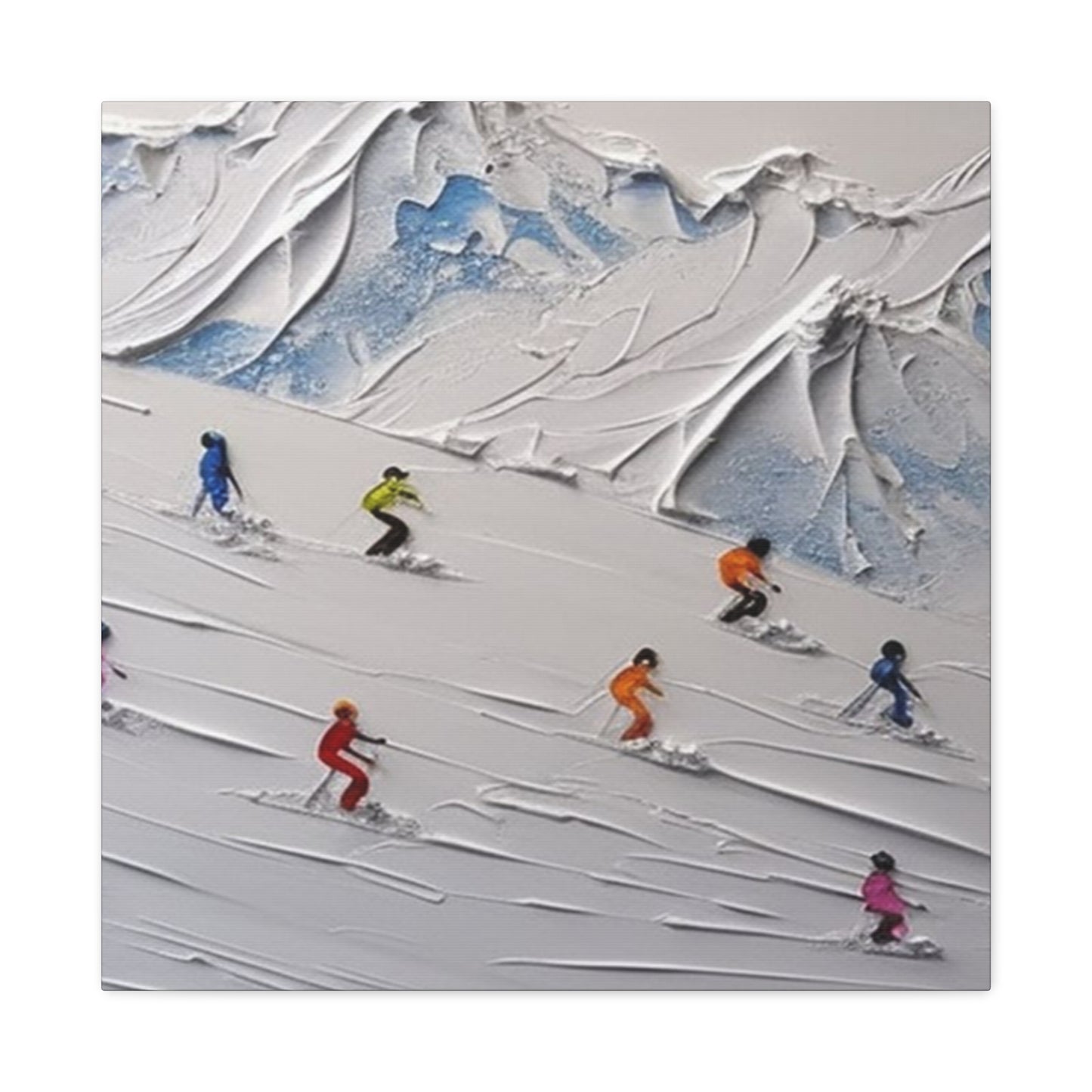
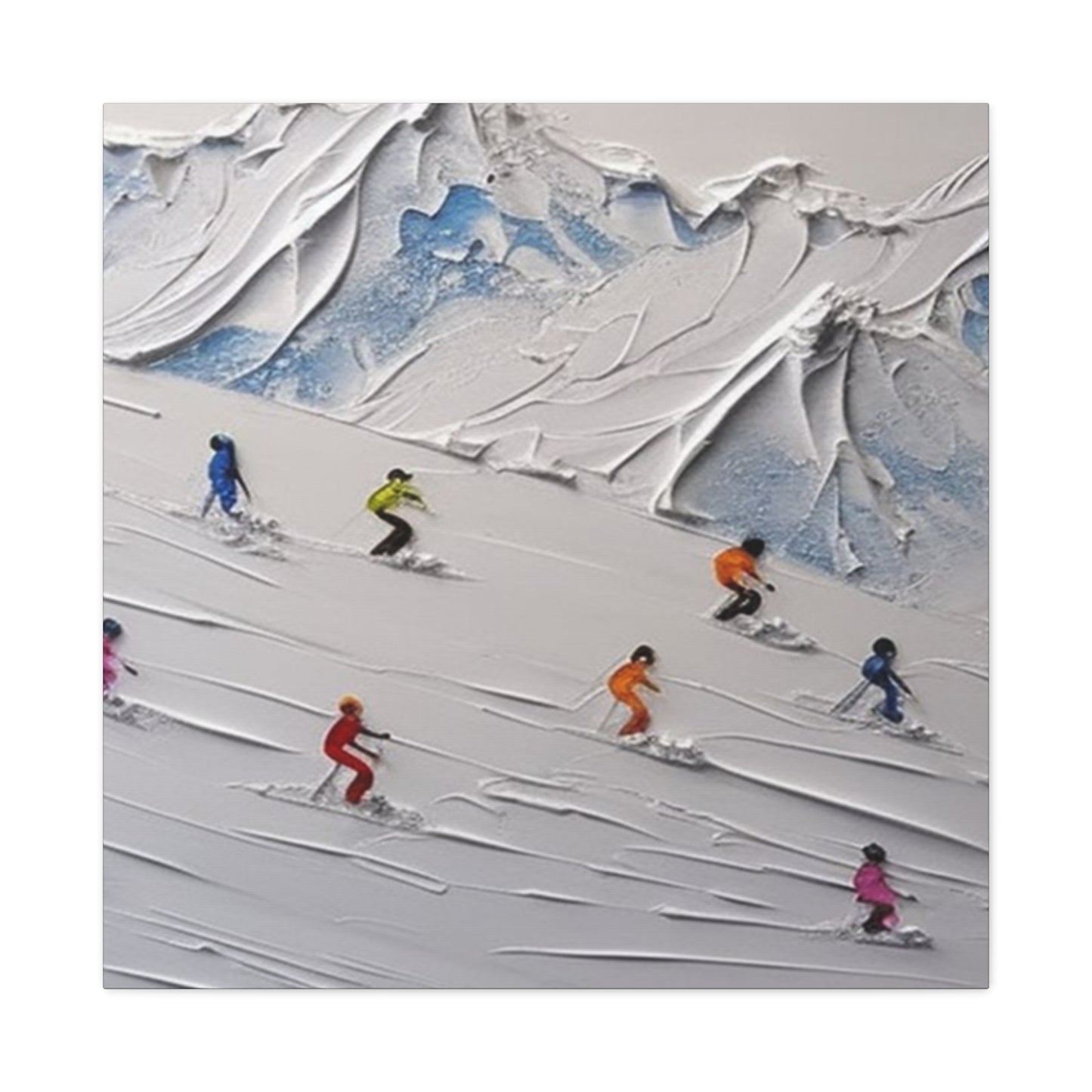
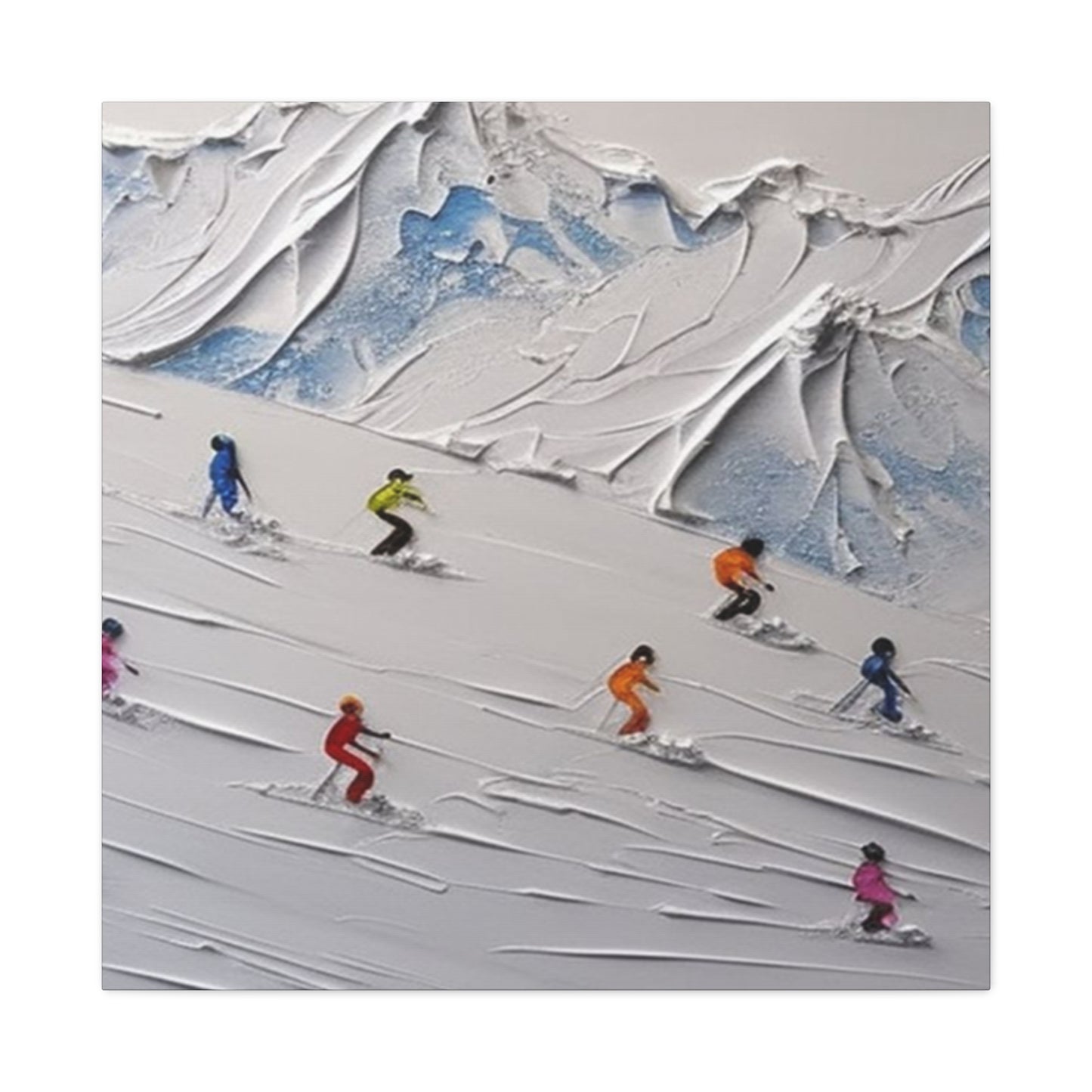
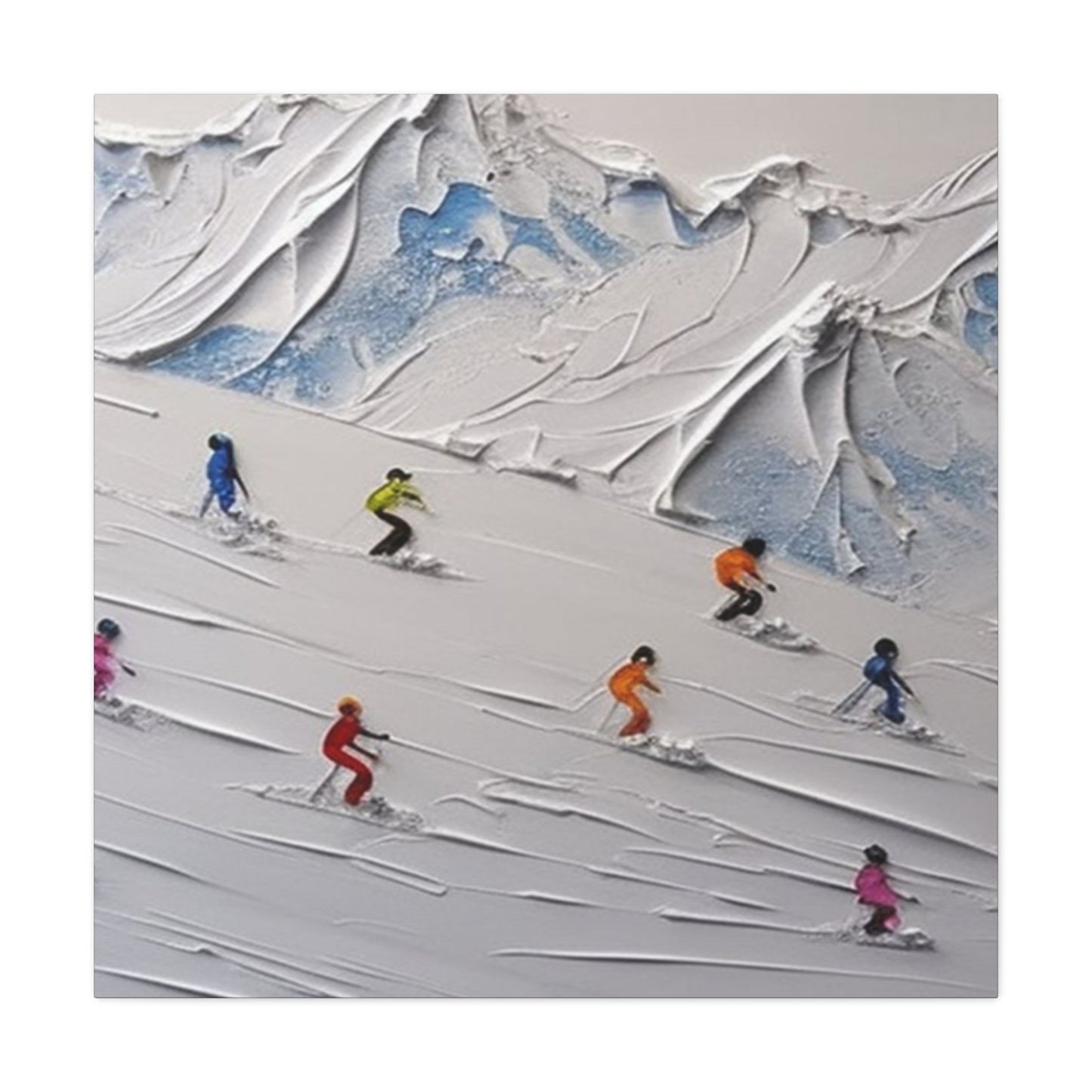
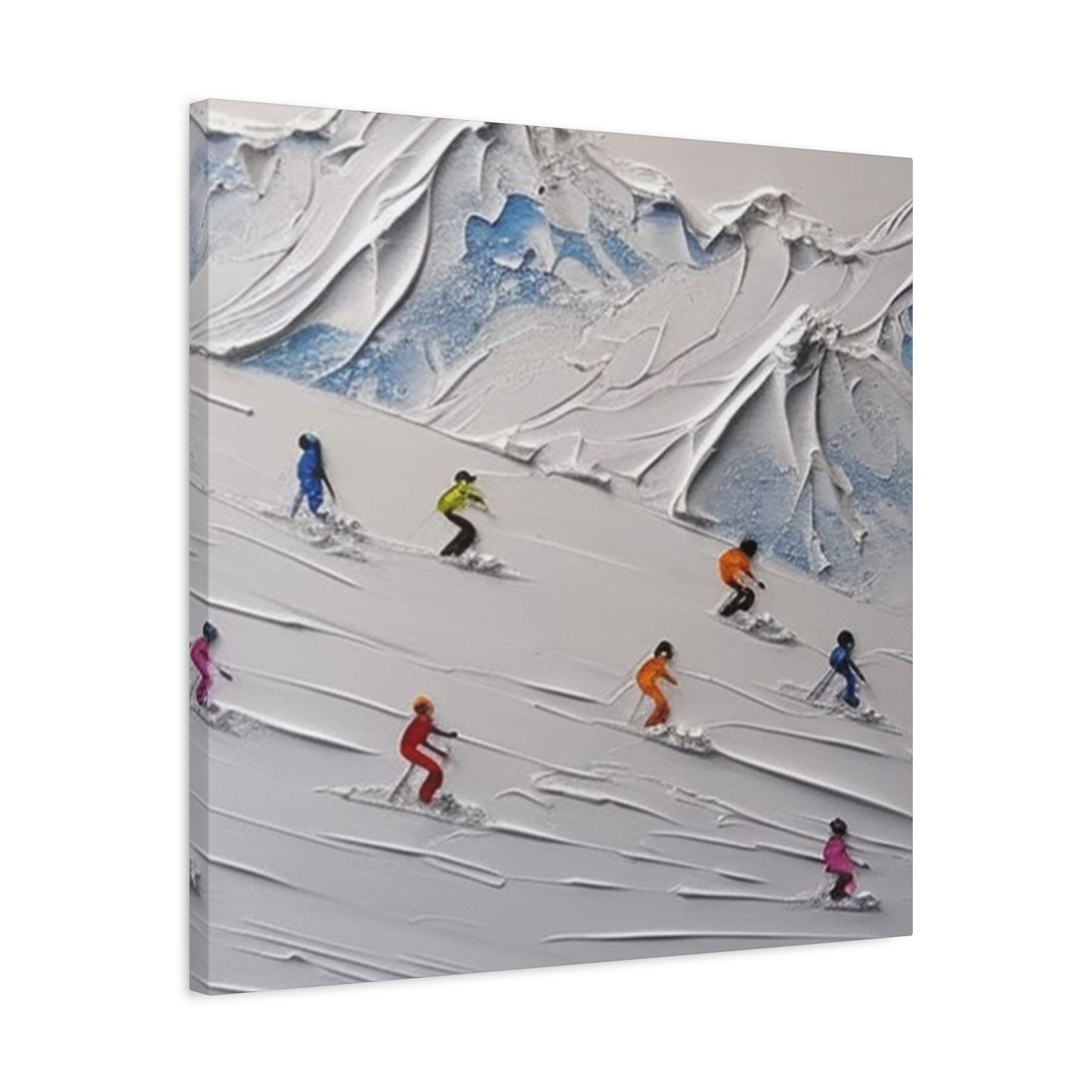
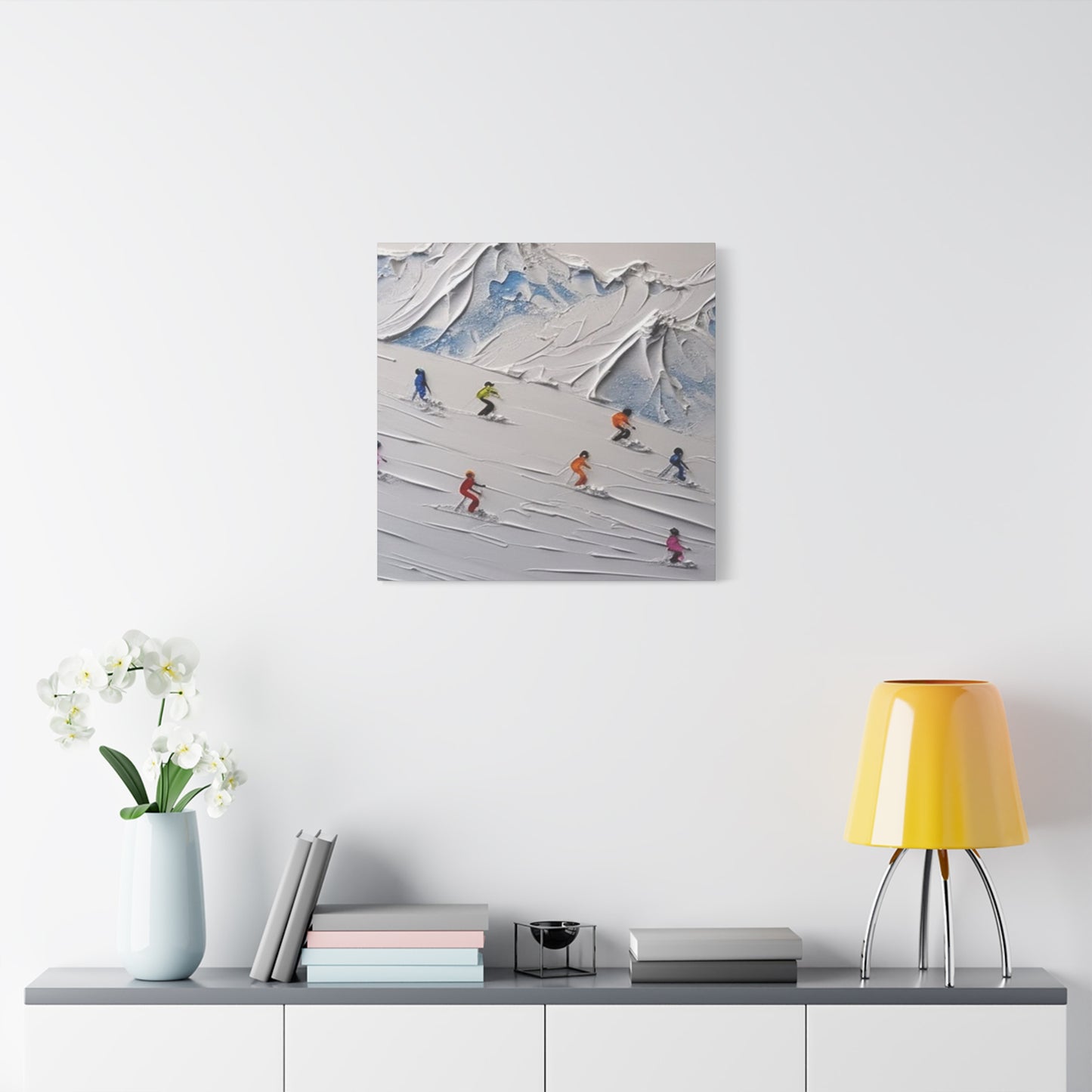
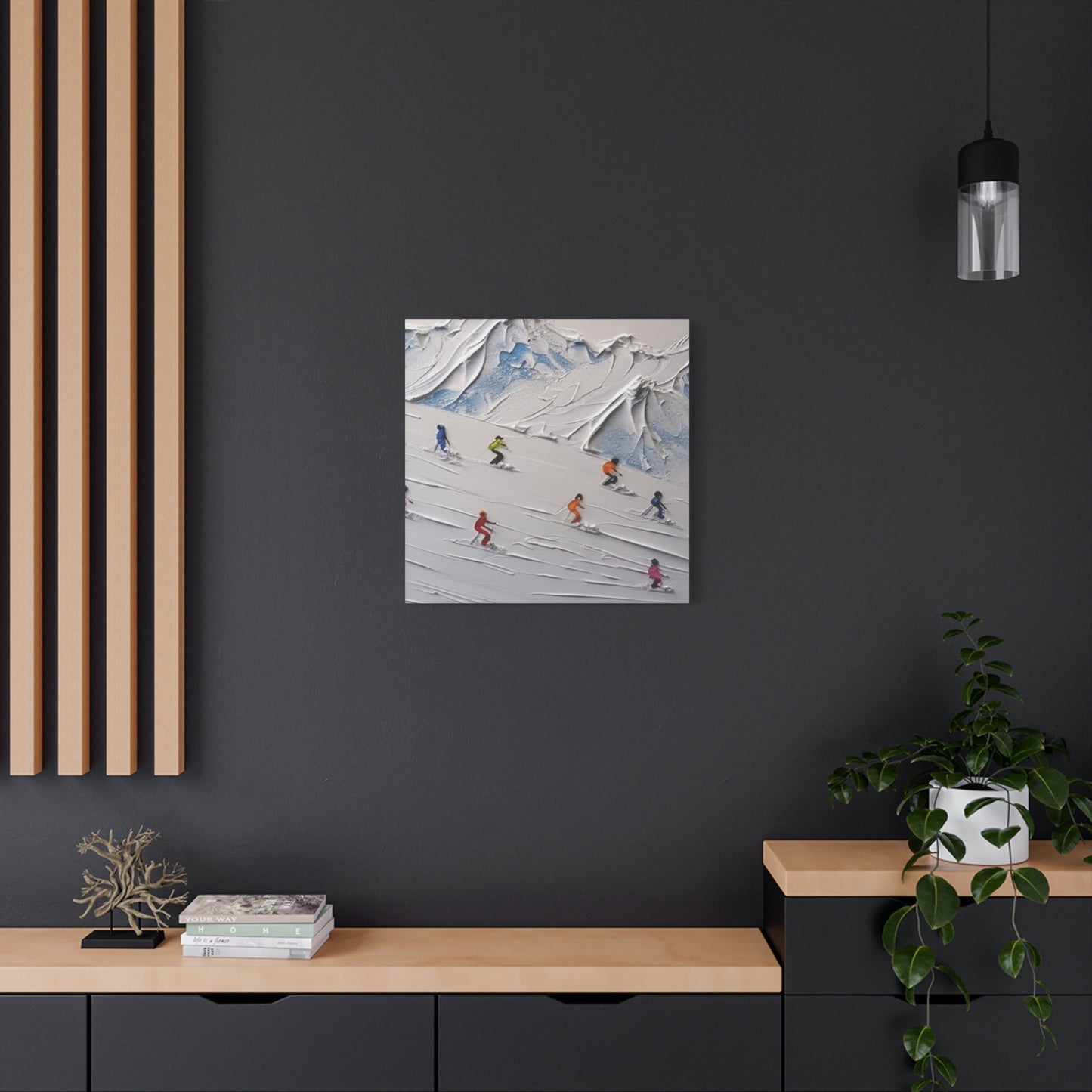
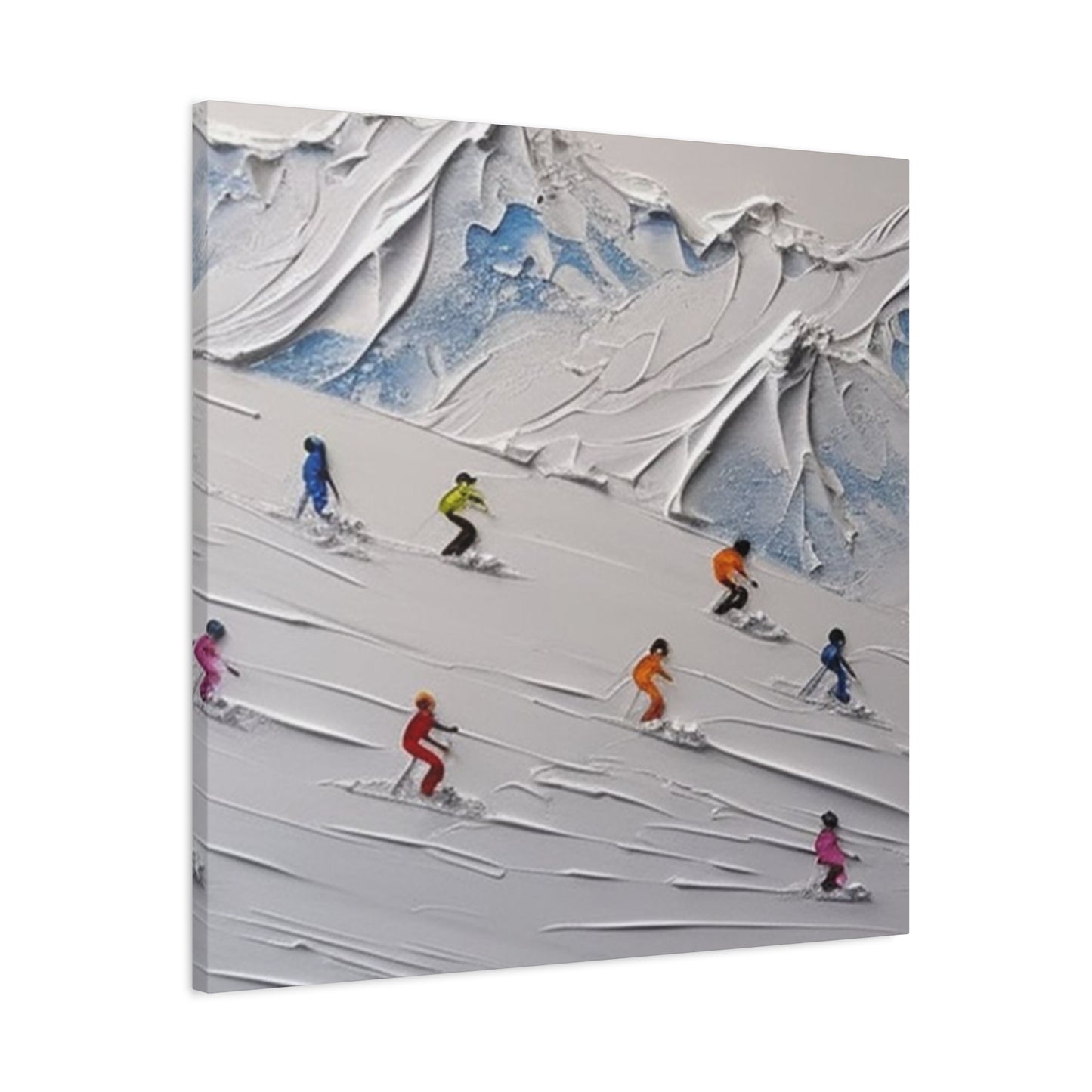
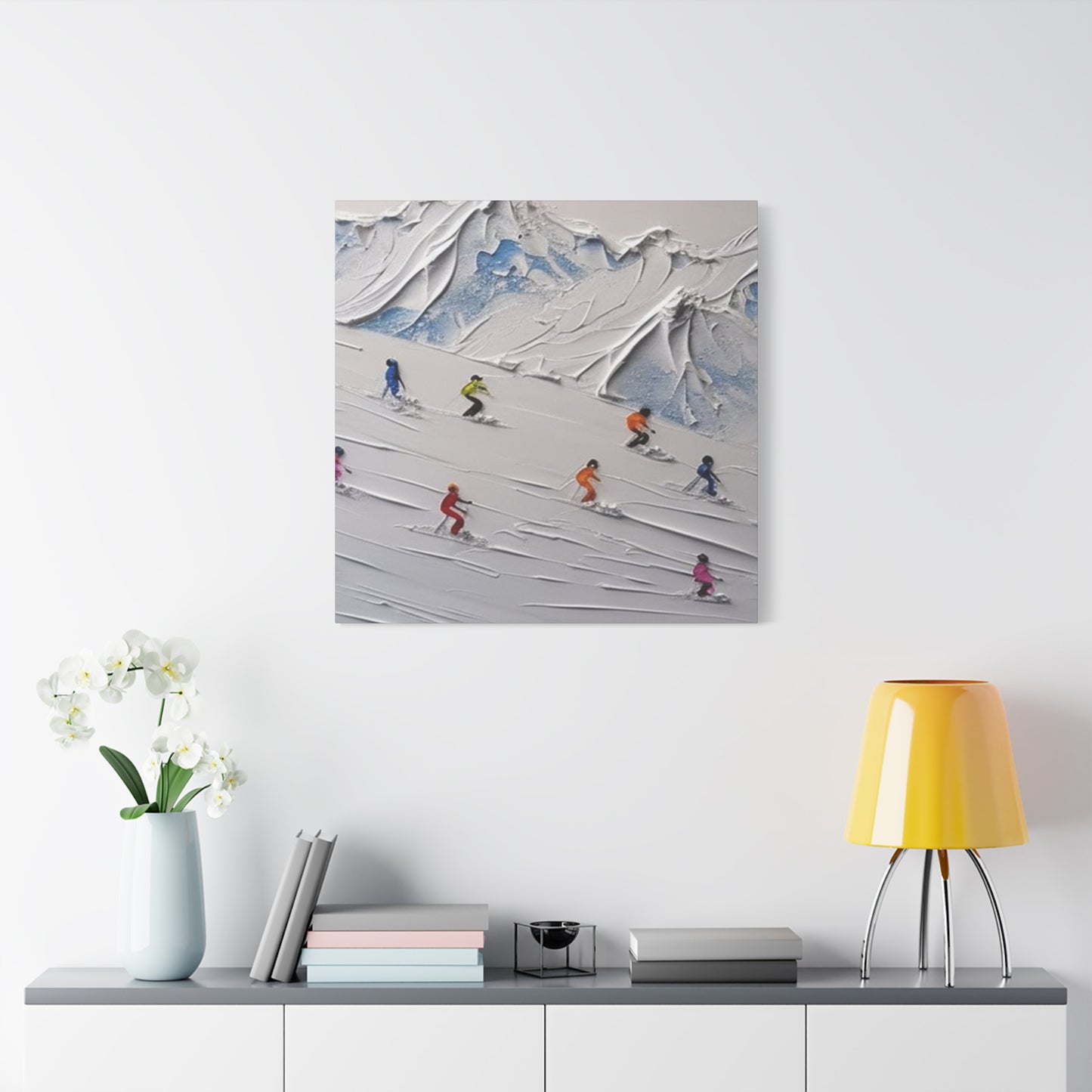
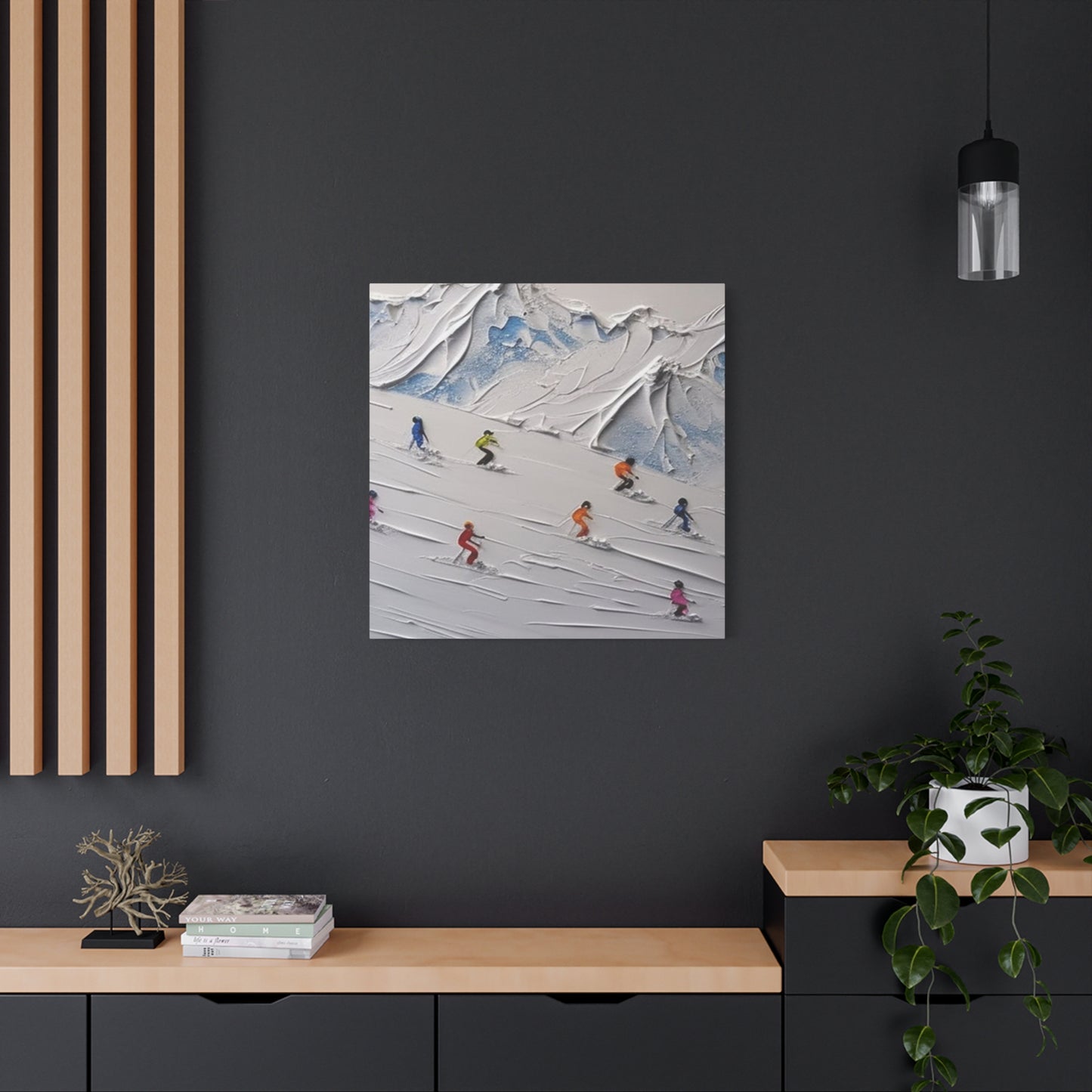
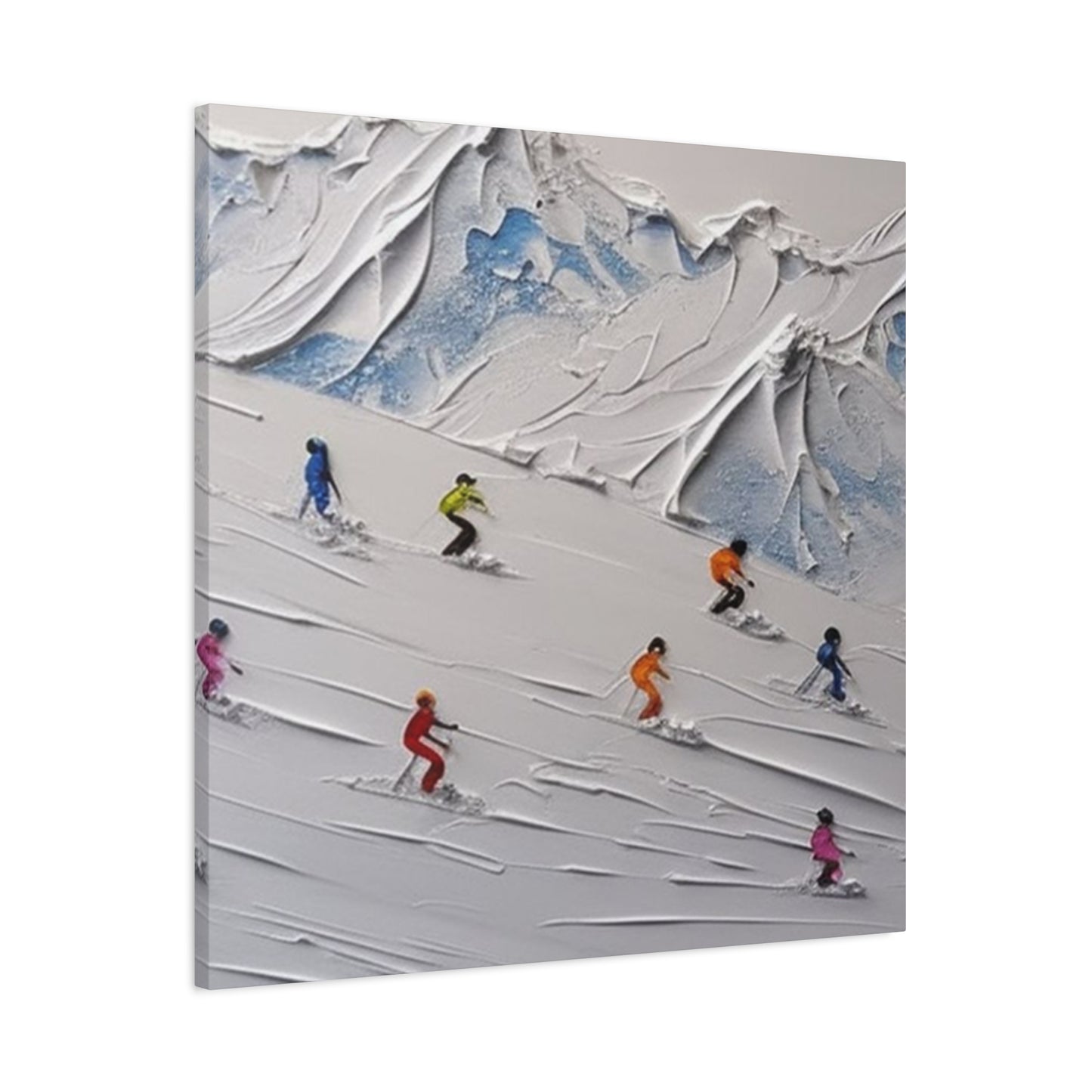
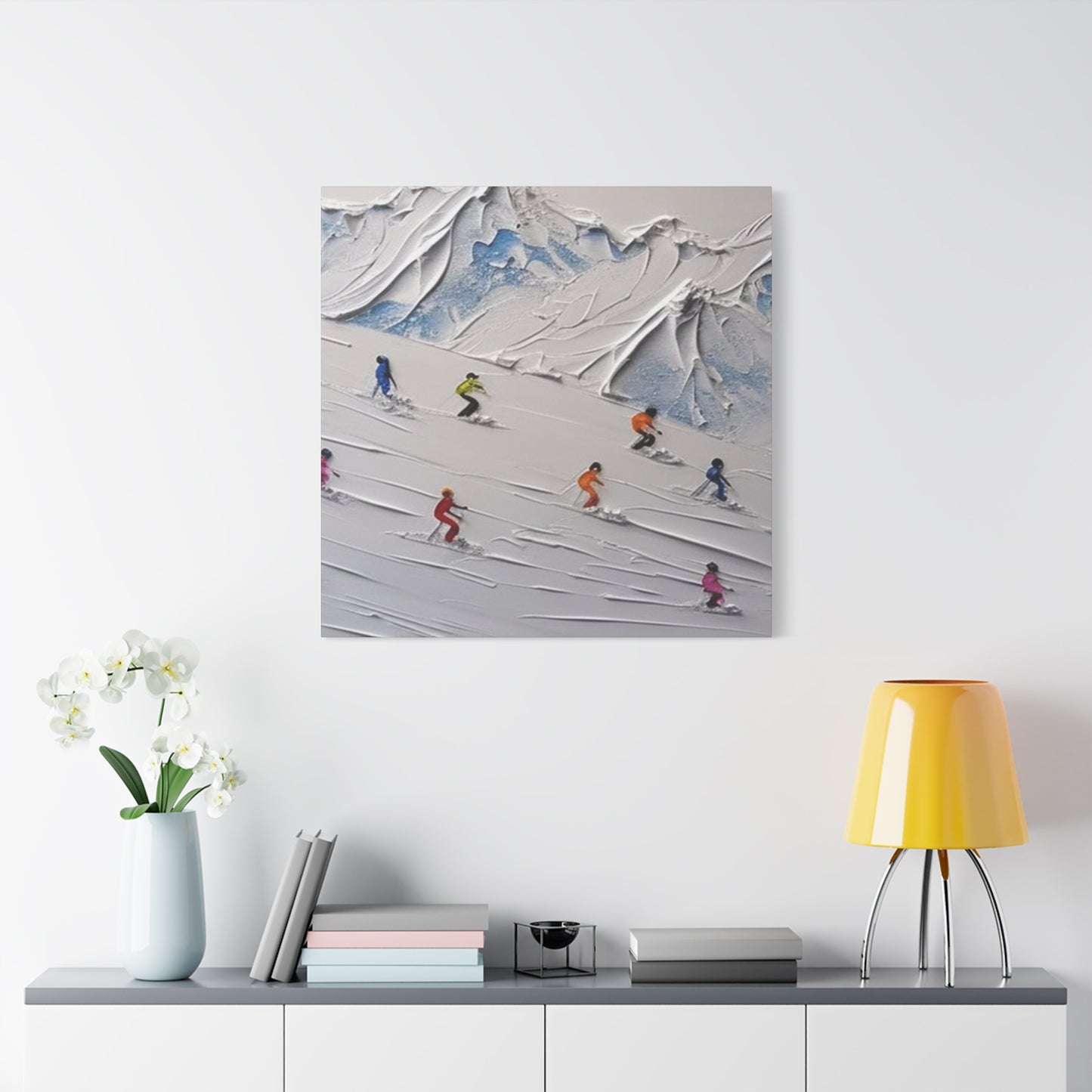
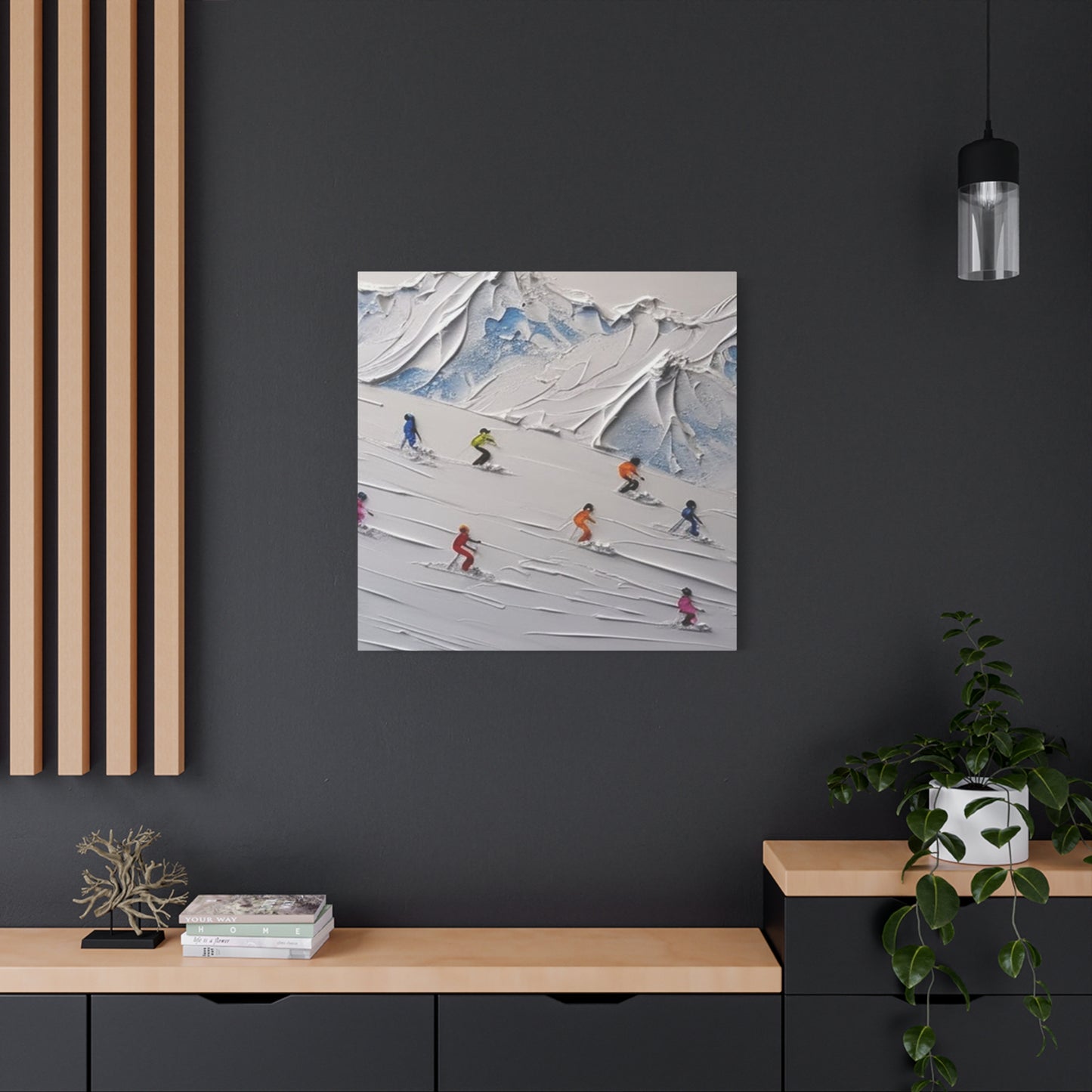
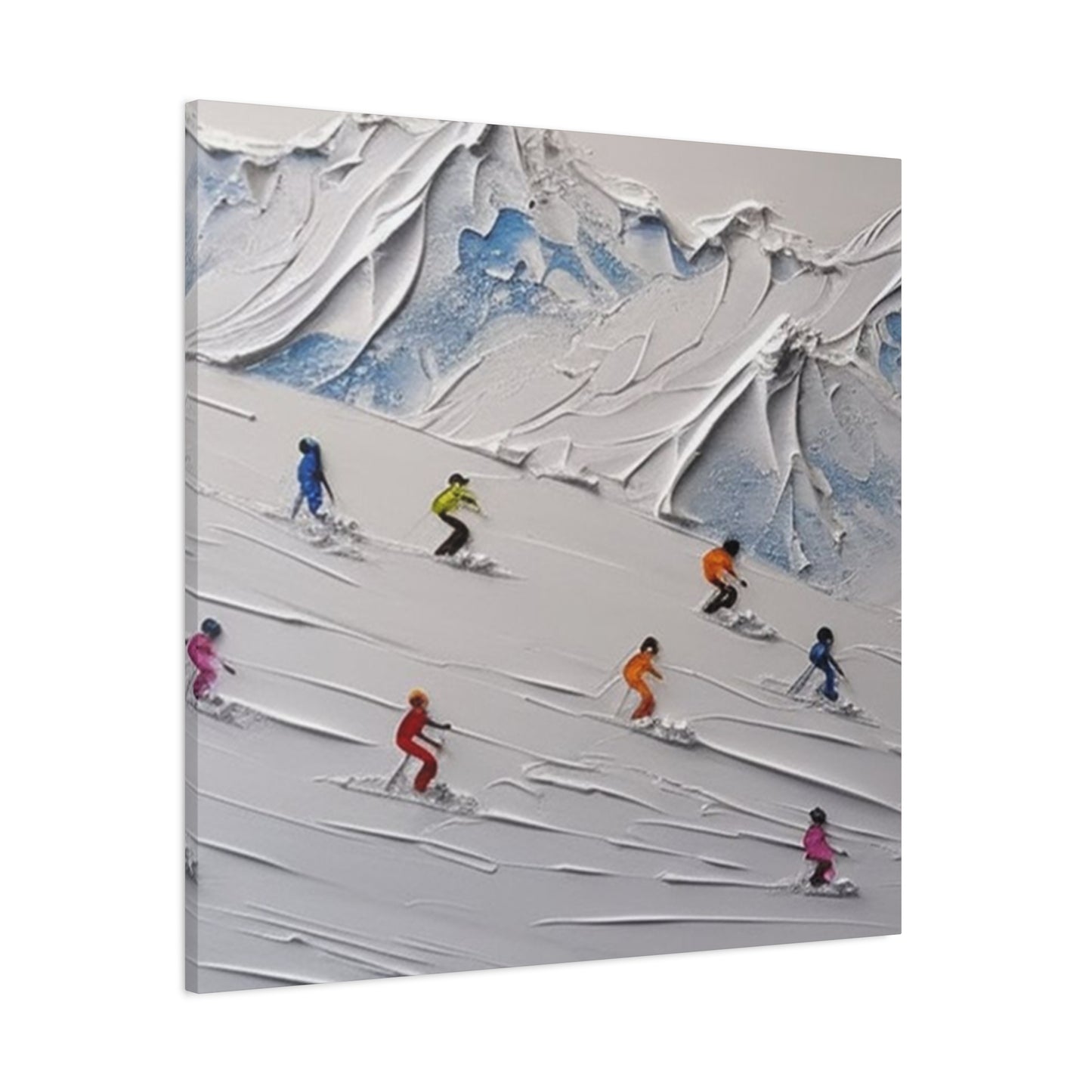
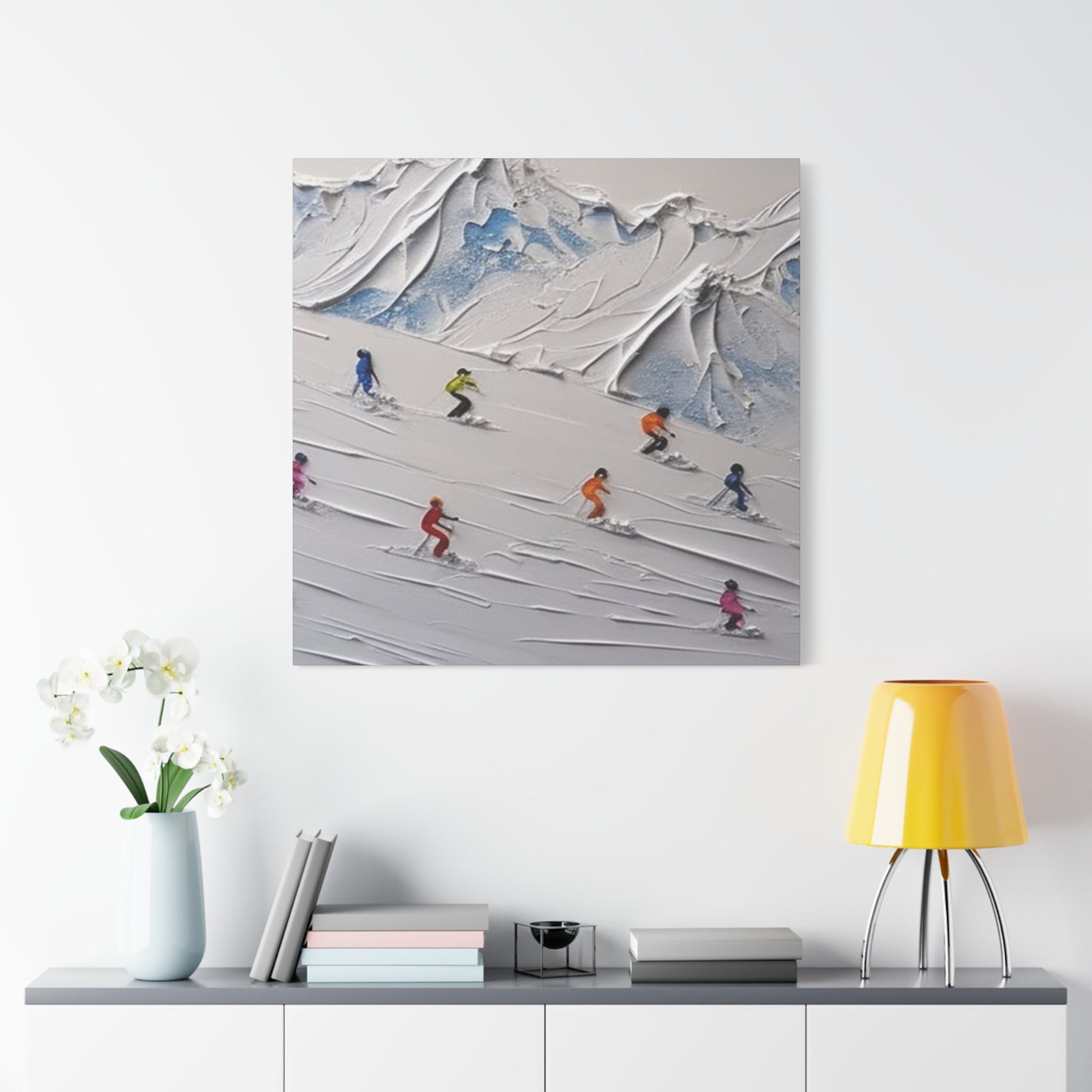

Skiing 3D Art Painting Wall Art Canvas Prints: Bringing Mountain Adventures Into Your Living Space
Skiing 3D art painting wall art canvas prints have emerged as a captivating way to bring the exhilaration and beauty of winter sports into homes, offices, and recreational spaces. These artistic pieces capture the dynamic movement, breathtaking landscapes, and adrenaline-filled moments that define the skiing experience. Whether you are a passionate skier, a winter sports enthusiast, or simply someone who appreciates stunning mountain scenery, these canvas prints offer a unique opportunity to showcase your love for alpine adventures through visual storytelling.
The appeal of skiing-themed artwork extends far beyond mere decoration. These pieces serve as daily reminders of cherished memories on the slopes, inspire future adventures, and create conversation starters that resonate with fellow winter sports lovers. The three-dimensional aspect adds depth and realism that traditional flat prints cannot achieve, making viewers feel as though they could step right into the scene. From powder sprays frozen in time to dramatic mountain vistas at sunset, skiing 3D art painting wall art canvas prints transform ordinary walls into gateways to extraordinary experiences.
In recent years, the market for specialized sports artwork has grown significantly, with skiing themes becoming particularly popular among collectors and decorators. The combination of athletic prowess, natural beauty, and technical artistic skill required to create these pieces makes them valuable additions to any space. Whether displayed in a cozy mountain cabin, a modern urban apartment, or a professional office environment, these canvas prints bring a sense of adventure and vitality that few other decorative elements can match.
The Evolution of Skiing Art Through Decades
The representation of skiing in visual arts has undergone remarkable transformation since the sport's early days. Initially, skiing was depicted primarily in travel posters and promotional materials designed to attract tourists to alpine resorts. These vintage pieces, now highly collectible, featured bold colors, simplified forms, and idealized scenes that emphasized the glamour and excitement of mountain getaways. Artists of that era focused on creating aspirational images that would entice people to experience skiing for themselves.
As skiing evolved from an elite pastime to a mainstream recreational activity, artistic representations became more diverse and sophisticated. The mid-twentieth century saw the emergence of action photography and impressionistic paintings that captured the sport's dynamic nature. Artists began experimenting with techniques that conveyed motion, speed, and the physical sensations of carving down mountainsides. This period also marked the beginning of skiing art as a legitimate genre within sports and outdoor recreation artwork.
The digital revolution brought unprecedented possibilities for creating skiing 3D art painting wall art canvas prints. Advanced printing technologies, computer-generated imagery, and mixed media approaches allowed artists to achieve levels of detail and dimensional depth previously impossible. Contemporary skiing artwork often combines photography with digital enhancement, traditional painting techniques with modern printing methods, and realistic representation with abstract interpretations. This evolution has made skiing art more accessible to wider audiences while simultaneously elevating it as a serious artistic pursuit.
Today's skiing artwork reflects both nostalgia for the sport's heritage and excitement about its future. Collectors can find pieces ranging from vintage-inspired designs that evoke the golden age of alpine skiing to cutting-edge contemporary works that push artistic boundaries. The availability of high-quality canvas prints has democratized access to skiing art, allowing enthusiasts at every budget level to own professionally produced pieces that capture the essence of their favorite winter sport.
Selecting the Perfect Skiing Scene for Your Space
Choosing the right skiing 3D art painting wall art canvas print requires thoughtful consideration of both personal preferences and spatial requirements. The perfect piece should resonate with your experiences and aspirations while complementing the existing design elements in your environment. Begin by reflecting on what aspects of skiing speak most powerfully to you: the solitude of backcountry exploration, the energy of competitive racing, the camaraderie of chairlift conversations, or the pure joy of powder days. Your emotional connection to the subject matter will determine how much pleasure and inspiration you derive from viewing the artwork daily.
Scene composition plays a vital role in how skiing artwork impacts a space. Action-oriented compositions featuring skiers mid-turn with powder spraying dramatically around them inject energy and movement into rooms. These dynamic pieces work exceptionally well in spaces where you want to create excitement and motivation, such as home gyms, recreation rooms, or offices where you need inspiration. The sense of motion in these prints can actually make rooms feel more alive and energetic, influencing the mood of everyone who enters.
Conversely, serene landscape-focused skiing scenes emphasizing vast mountain vistas, pristine snow fields, or peaceful alpine forests create calming, contemplative atmospheres. These compositions suit spaces designed for relaxation and reflection, including bedrooms, reading nooks, or meditation areas. The expansive quality of mountain landscapes can also make smaller rooms feel more spacious by drawing the eye into distant horizons. When selecting landscape-oriented skiing artwork, consider whether you prefer dramatic, jagged peaks that command attention or gentle, rolling slopes that soothe the soul.
The time of day and lighting conditions depicted in skiing artwork significantly affect the mood it creates. Sunrise and sunset scenes bathed in warm golden and pink hues evoke romance, nostalgia, and peaceful contemplation. These pieces work beautifully in intimate spaces and areas where you want to create a sense of warmth and comfort. Midday scenes with bright, clear light and deep blue skies convey energy, clarity, and optimism, making them excellent choices for workspaces and areas dedicated to activity and productivity. Overcast or stormy skiing scenes can add drama and intensity, though these should be balanced carefully with other design elements to avoid making spaces feel too heavy or gloomy.
Scale relationships within skiing artwork deserve careful attention. Pieces featuring skiers as prominent subjects create human interest and allow viewers to imagine themselves in the scene. These work particularly well when you want artwork that tells a story or captures a specific moment in time. Alternatively, compositions where skiers appear small against vast mountain landscapes emphasize nature's grandeur and create a sense of awe. These pieces remind viewers of their place within larger natural systems and can be especially meaningful for those who find spiritual or philosophical significance in mountain environments.
Framing and Mounting Options for Skiing Canvas Art
Proper framing and mounting elevate skiing 3D art painting wall art canvas prints from simple decorations to sophisticated design elements. Gallery wrap mounting, where canvas wraps around the edges of wooden stretcher bars with the image continuing on the sides, creates a contemporary, finished appearance that requires no additional framing. This mounting style works exceptionally well for modern spaces and allows skiing artwork to appear as if it floats on the wall. Gallery wraps with image continuation on sides create seamless visual experiences from multiple viewing angles, particularly important for skiing prints displayed in spaces where people view them from various positions.
Stretcher bar depth significantly affects the dimensional presence of mounted skiing canvas prints. Standard stretcher bars measuring 0.75 to 1 inch thick create subtle depth appropriate for traditional or understated displays. Deeper stretcher bars ranging from 1.5 to 2 inches or more make dramatic architectural statements, literally projecting skiing artwork into the room space. These substantial depths enhance the three-dimensional quality of skiing prints, casting shadows on walls that change with lighting conditions throughout the day. When selecting stretcher bar depth, consider both aesthetic preferences and practical concerns about how far artwork will protrude from walls in spaces with limited clearance.
Traditional framing adds formal elegance to skiing canvas prints while providing additional protection for edges and surfaces. Frame materials, styles, and finishes should complement both the skiing artwork and surrounding décor. Natural wood frames in tones ranging from light birch to dark walnut bring warmth and organic elements that resonate with mountain themes. Metal frames in black, silver, or bronze create sleek, contemporary appearances that suit modern interiors. Float framing, where a gap exists between the canvas edge and frame, creates sophisticated presentations that emphasize the artwork while maintaining the borderless appeal of gallery-wrapped prints.
Frame width and profile shape influence how skiing artwork relates to its surroundings. Narrow frames measuring one to two inches wide create subtle boundaries that gently define skiing prints without overwhelming the imagery. These work well when you want the artwork itself to remain the primary focus. Wider frames of three inches or more make stronger architectural statements, particularly effective with large-scale skiing scenes where substantial framing matches the grandeur of mountain subjects. Profile shapes ranging from simple, flat designs to elaborate, ornate moldings should align with the style of both the skiing artwork and the space where it will be displayed.
Matting options, though less common with canvas prints than with paper-based artwork, can create distinctive presentations for skiing pieces. Floating mats, where the canvas appears to hover within a border of mat board before the frame begins, add layered visual interest and can incorporate complementary colors that enhance the skiing scene. This approach works particularly well when you want to bridge the color palette of skiing artwork with room décor or create a more substantial presence from a smaller piece. Mat colors should enhance rather than compete with the skiing imagery, with neutral tones typically providing safe, timeless choices.
Hardware selection and installation methods ensure skiing canvas prints hang securely and level on walls. D-rings, sawtooth hangers, or wire systems attached to stretcher bar backs should be rated for the weight of finished pieces. Heavier, larger skiing prints benefit from two-point hanging systems that distribute weight across multiple wall anchors, preventing tilting and reducing stress on hanging hardware. For valuable or large-scale skiing artwork, consider professional installation to ensure proper mounting that protects both your artwork and walls while achieving perfectly level, securely attached results.
Creating Gallery Walls with Skiing Themes
Gallery walls featuring multiple skiing 3D art painting wall art canvas prints create dynamic, personalized displays that showcase passion for winter sports through curated collections. Unlike single statement pieces, gallery wall arrangements allow you to display various aspects of skiing culture, from action shots to landscape scenes, vintage posters to contemporary photography. The key to successful gallery walls lies in creating cohesive visual relationships between diverse pieces while maintaining enough variety to keep displays interesting and engaging.
Layout planning represents the crucial first step in creating effective skiing gallery walls. Begin by arranging pieces on the floor or creating paper templates matching each artwork's dimensions that you can temporarily attach to walls with painter's tape. This process allows you to experiment with different configurations without creating unnecessary wall damage. Effective gallery wall layouts establish clear organizational principles: symmetrical arrangements create formal, balanced appearances, while asymmetrical layouts offer more casual, organic feels. Grid-based layouts with consistent spacing create orderly, gallery-like presentations, whereas salon-style arrangements with varied spacing and overlapping edges feel more eclectic and personal.
Size variation strategies influence gallery wall rhythm and visual interest. Combining large focal pieces with smaller supporting works creates hierarchical arrangements that guide viewer attention through intended sequences. Position larger skiing prints at eye level or in central locations, surrounding them with smaller pieces that provide context, contrast, or complementary perspectives. Alternatively, create gallery walls using all same-sized pieces for uniform, pattern-based presentations that emphasize collection cohesiveness over individual piece importance. This approach works particularly well when displaying series of related skiing images or creating repeating visual motifs.
Color and style coordination ensures gallery walls appear intentionally curated rather than randomly assembled. While pieces needn't match exactly, they should share connecting elements like color palettes, artistic styles, or thematic content. A skiing gallery wall might feature consistent blue and white color schemes across varied subjects, or display different skiing disciplines rendered in similar artistic approaches. The goal involves creating enough unity that the collection feels coherent while incorporating sufficient variety to maintain visual interest. Consider using consistent framing or matting treatments to unify disparate skiing images into cohesive collections.
Spacing consistency affects how gallery walls read from a distance. Maintaining even gaps between pieces, typically between two and four inches, creates organized, intentional appearances. This regular spacing allows each skiing print to maintain its identity while contributing to the overall composition. Inconsistent spacing can make gallery walls appear haphazard or poorly planned. Use a level and measuring tape to ensure alignment and consistency, or consider gallery wall hanging systems with adjustable hooks that simplify achieving perfect spacing and alignment.
Thematic organization strategies help structure skiing gallery walls around specific concepts or narratives. Organize chronologically to show progression from vintage skiing imagery to contemporary pieces, illustrating the sport's evolution. Arrange geographically to showcase different ski destinations you've visited or dream of exploring. Cluster by skiing discipline to separately feature downhill racing, freestyle, backcountry, or cross-country skiing. Create seasonal progressions showing skiing conditions from early season through spring corn snow. These organizational approaches transform gallery walls from random collections into meaningful stories that deepen viewer engagement.
Negative space management keeps skiing gallery walls from appearing cluttered or overwhelming. The wall space surrounding and between artworks contributes as importantly to overall effect as the pieces themselves. Adequate breathing room allows individual skiing prints to maintain visual impact while giving eyes places to rest between compositional elements. Avoid the temptation to fill every available inch of wall space; intentionally empty areas create sophisticated presentations that showcase skiing artwork rather than overwhelming viewers with visual information. As a general principle, negative space should occupy at least 30 to 40 percent of gallery wall areas.
Lighting Techniques to Showcase Skiing Artwork
Proper illumination dramatically enhances the visual impact of skiing 3D art painting wall art canvas prints while protecting them from light-related damage. Natural lighting provides beautiful, color-accurate illumination during daylight hours, but requires careful management to prevent fading and degradation. Position skiing prints perpendicular to windows rather than directly opposite them to minimize direct sunlight exposure. South-facing walls in northern hemisphere locations receive the most intense sunlight and therefore pose the greatest risk for UV damage to skiing artwork. Consider UV-filtering window treatments or glazing to protect valuable pieces while still enjoying natural light benefits.
Artificial lighting systems offer consistent, controllable illumination that can be optimized specifically for skiing artwork display. Picture lights mounted directly to frames or walls above skiing prints create focused, gallery-style lighting that draws attention to artwork while minimizing light spill to surrounding areas. LED picture lights offer energy efficiency, minimal heat output, and long lifespans compared to incandescent alternatives. Adjustable picture lights allow you to direct illumination precisely where needed, emphasizing specific elements within skiing compositions or compensating for uneven lighting in rooms.
Track lighting and adjustable spotlights provide flexible solutions for lighting skiing canvas prints, especially in spaces where multiple artworks require illumination or where you occasionally reconfigure displays. Position track fixtures at approximately 30-degree angles from walls to minimize glare and hot spots while providing even coverage across skiing print surfaces. Adjustable heads allow you to redirect light as needed when rearranging rooms or adding new skiing artwork. This flexibility makes track systems particularly valuable for dedicated art display areas or galleries where configurations change periodically.
Ambient room lighting affects how skiing artwork appears throughout various times and activities. Ceiling fixtures, recessed lighting, and floor lamps create overall illumination that establishes baseline visibility and mood. Layer ambient lighting with accent lighting specifically highlighting skiing prints to ensure artwork remains visible and attractive under various lighting scenarios. Dimming systems provide control over lighting intensity, allowing you to adjust brightness levels based on time of day, activities, and desired atmosphere. Evening lighting for relaxation might employ softer, warmer light, while daytime or task-oriented lighting could use brighter, cooler tones.
Color temperature selection influences how skiing artwork appears and the mood it creates. Measured in Kelvin, color temperature ranges from warm, yellowish light around 2700K to cool, bluish light above 5000K. Warm lighting creates cozy, intimate atmospheres but can shift color perception in skiing artwork, making whites appear more yellow and potentially distorting intended color relationships. Cool lighting more closely mimics natural daylight and provides more accurate color rendering, particularly important for skiing prints where snow whites and sky blues are critical elements. Neutral white lighting around 3500-4000K often provides the best balance between color accuracy and comfortable ambiance.
Light intensity and coverage patterns require attention to avoid creating visual problems that detract from skiing artwork. Insufficient lighting leaves skiing prints appearing dull and difficult to appreciate, failing to reveal subtle details and dimensional qualities. Excessive lighting can create glare, wash out colors, and cause accelerated fading. Even coverage across entire canvas surfaces ensures skiing scenes display without distracting hot spots or shadowed areas. When using multiple light sources, check for overlapping beams that might create uneven illumination patterns or unwanted shadows cast by frame edges or canvas texture.
Specialized museum-quality lighting addresses the needs of valuable or particularly light-sensitive skiing artwork. These systems employ precise optics, superior color rendering indexes, and integrated UV filtering to illuminate artwork beautifully while maximizing preservation. While representing significant investments, museum-quality lighting proves worthwhile for serious collectors or particularly meaningful skiing prints where long-term preservation is paramount. Even for more modestly priced skiing canvas prints, adopting some museum lighting principles, such as minimizing UV exposure and avoiding excessive brightness, extends artwork life and maintains appearance quality.
Customization Options for Personalized Skiing Art
Custom skiing 3D art painting wall art canvas prints allow you to create truly unique pieces reflecting personal experiences, favorite locations, or specific aesthetic preferences. Photo-to-canvas services transform personal skiing photographs into professional-quality artwork, preserving memories of epic powder days, family ski vacations, or competitive achievements. Select high-resolution images with good composition, lighting, and focus for best results. Professional services often offer enhancement options including color correction, cropping adjustments, and effects applications that optimize personal photos for large-format canvas printing.
Commissioning original skiing artwork from artists provides opportunities to obtain one-of-a-kind pieces tailored precisely to your vision. Artists specializing in skiing themes can create custom paintings, illustrations, or digital artworks based on your specifications regarding subject matter, style, size, and color palette. Commission processes typically begin with consultations where you describe desired elements, share reference images, and discuss artistic approaches. Artists then create sketches or concepts for approval before producing final works. While commissioned artwork requires larger investments than prints, the results are completely unique pieces unavailable to anyone else.
Text incorporation adds personal meaning to skiing canvas prints through favorite quotes, meaningful dates, location names, or personal mantras. Typography choices should complement rather than overpower skiing imagery, using fonts, sizes, and placements that integrate naturally with compositions. Consider adding summit names, elevation markers, memorable skiing quotations, or family names to create pieces with layered significance. Text elements work particularly well in minimalist or modern skiing artwork where clean designs accommodate additional information without appearing cluttered.
Color palette customization allows you to modify existing skiing artwork or commission pieces specifically coordinated with room décor. Many print services offer options to adjust colors, convert images to black and white or sepia tones, or apply artistic filters that alter overall appearance while maintaining compositional elements. When requesting color customization, provide paint swatches, fabric samples, or detailed descriptions of existing room colors to ensure skiing artwork complements your space perfectly. Digital mockups help visualize how customized skiing prints will appear before committing to final production.
Size flexibility in custom skiing canvas prints enables optimization for specific wall spaces and viewing distances. Unlike standard prints available only in predetermined dimensions, custom orders can be produced in virtually any size within printing equipment limitations. This flexibility proves particularly valuable for awkward wall spaces, specific furniture relationships, or when creating multi-panel installations requiring precise dimensions. Provide accurate measurements and consider scale mockups using paper or cardboard templates before ordering custom-sized skiing prints to ensure dimensions suit intended spaces.
Mixed media combinations create distinctive skiing artwork incorporating multiple materials and techniques. Combine printed skiing photography with hand-painted elements, metal leaf applications, or textured materials that add three-dimensional physical presence. Some artists specialize in embellishing printed canvas with additional artistic layers that transform reproductions into unique hybrid works. These approaches bridge the gap between affordable prints and expensive original artwork, offering moderate investment options with enhanced uniqueness and artistic value.
Cropping and composition adjustments optimize existing skiing images for specific display purposes. Crop horizontal skiing photos into vertical formats, isolate particularly compelling portions of larger scenes, or adjust compositions to emphasize certain elements. Professional print services often provide online tools allowing you to experiment with different cropping options before finalizing orders. Consider the rule of thirds, leading lines, and balance principles when making composition decisions to ensure cropped skiing images maintain strong visual structures.
The Investment Value of Quality Skiing Artwork
Quality skiing 3D art painting wall art canvas prints represent investments that provide returns through both aesthetic enjoyment and potential financial appreciation. Limited edition skiing prints from recognized artists often increase in value over time, particularly works by photographers or painters whose reputations grow or who create iconic images that become culturally significant within skiing communities. Edition size, artist reputation, subject matter uniqueness, and print quality all influence investment potential. Numbered and signed limited editions from established skiing photographers command premium prices and offer better appreciation prospects than unlimited open edition prints.
Authentication and provenance documentation establish artwork legitimacy and enhance value. Certificates of authenticity from artists or publishers verify print edition numbers, production dates, and other details that serious collectors require. Maintain all documentation that accompanies skiing artwork purchases, including receipts, certificates, and condition reports. This paperwork becomes crucial if you eventually sell pieces or need to establish values for insurance purposes. For particularly valuable skiing artwork, consider professional appraisals that document condition and estimated worth for insurance and estate planning purposes.
Condition preservation directly impacts skiing canvas print values. Well-maintained pieces in excellent condition command significantly higher prices than damaged or deteriorated examples. Follow proper care and maintenance procedures to preserve skiing artwork condition, addressing any developing problems promptly before they worsen. Professional conservation services can sometimes restore damaged skiing prints, though conservation costs may exceed the value of moderately priced pieces. Insurance coverage specifically addressing fine art protects investments against loss, damage, or theft that could otherwise result in total financial losses.
Market research helps identify skiing artwork with strong investment potential. Follow auction results, gallery sales, and online marketplace trends to understand what skiing art sells successfully and which artists command premium prices. Skiing photography and artwork featuring iconic locations, historic moments, or renowned athletes often maintains strong demand. Vintage skiing posters from famous resorts have developed active collector markets with documented price appreciation over decades. Contemporary artists pushing creative boundaries or developing signature styles may represent emerging investment opportunities.
Diversification strategies reduce investment risk by spreading resources across multiple skiing artworks rather than concentrating funds in single pieces. Acquire skiing prints from various artists, featuring different styles, subjects, and price points. This approach balances potential high-value appreciation pieces with more affordable works acquired primarily for aesthetic enjoyment. Diversification also allows you to explore personal taste evolution without overcommitting to specific styles or artists before developing refined collecting preferences.
Regional and Cultural Skiing Art Variations
European skiing artwork traditions reflect the continent's long history with alpine sports and mountain culture. Alpine regions of France, Switzerland, Austria, and Italy have produced distinctive skiing art styles influenced by local landscapes, cultural traditions, and artistic movements. Classic European skiing posters from the early-to-mid twentieth century emphasized Art Deco and Art Nouveau aesthetics with bold colors, simplified forms, and romantic mountain depictions. Contemporary European skiing artists often incorporate these historical influences while adding modern perspectives and techniques. Skiing 3D art painting wall art canvas prints featuring European locations carry cultural cachet and historical resonance that appeals to collectors with connections to these regions.
North American skiing artwork emphasizes the vast wilderness and diverse terrain characterizing Canadian and United States ski country. From the Rocky Mountains to the Sierra Nevada, from New England's hardwood forests to Alaska's remote peaks, North American skiing art captures the continent's geographic diversity. Western skiing artwork often features dramatic mountain landscapes with towering peaks and expansive terrain, while Eastern skiing art might emphasize forest skiing, smaller mountain scales, and different snow conditions. The pioneering spirit and frontier mythology of North American culture influence artistic interpretations, creating skiing artwork that celebrates adventure, freedom, and individual achievement.
Scandinavian skiing art reflects deep cultural connections between Nordic peoples and winter sports that predate recreational skiing's development elsewhere. Cross-country skiing, ski jumping, and backcountry travel feature prominently in Scandinavian skiing artwork alongside downhill disciplines. The midnight sun, aurora borealis, and distinctive arctic landscapes provide unique settings rarely seen in skiing art from other regions. Scandinavian design principles emphasizing simplicity, functionality, and natural materials influence artistic approaches, resulting in skiing artwork with clean lines, subtle colors, and contemplative qualities.
Japanese skiing artwork combines traditional artistic techniques with modern skiing subjects, creating distinctive hybrid pieces. Some artists apply traditional ink painting methods to skiing scenes, while others incorporate contemporary Japanese pop art aesthetics. Japan's unique powder snow conditions, mountain landscapes, and blend of traditional and modern cultures create visually distinctive skiing artwork. The Japanese concept of wabi-sabi, finding beauty in imperfection and impermanence, sometimes influences artistic interpretations of skiing experiences, resulting in contemplative pieces emphasizing momentary experiences rather than dramatic action.
Skiing Art Themes and Subjects
Action and movement skiing artwork captures dynamic moments that convey speed, power, and athletic prowess. These pieces freeze split-second instants when skiers carve aggressive turns spraying powder, launch off jumps mid-flight, or navigate challenging terrain with focused intensity. Photographers and artists creating movement-focused skiing artwork must possess technical skills to capture sharp images of fast-moving subjects while conveying motion through compositional techniques. Skiing 3D art painting wall art canvas prints emphasizing action appeal to athletes, competitors, and those who most value skiing's physical and adrenaline-inducing aspects.
Landscape and scenic skiing artwork prioritizes environmental beauty over human activity, using skiers as small-scale elements within vast mountain scenes. These compositions celebrate natural grandeur, seasonal beauty, and the magnificent settings where skiing occurs. Mountain peaks, dramatic cloud formations, snow-laden forests, and backcountry terrain dominate compositions while skiers provide scale references and subtle focal points. Landscape-oriented skiing artwork appeals to those who ski primarily to experience mountain environments and those who appreciate nature photography and outdoor scenery generally.
Equipment and gear-focused skiing artwork examines the tools and technology that enable the sport. Close-up studies of ski construction, binding mechanisms, boot details, or pole designs appeal to gear enthusiasts and those fascinated by engineering and design aspects of skiing equipment. Vintage equipment artwork creates nostalgic connections to skiing's evolution, displaying wooden skis, leather boots, and simple bindings from earlier eras. Contemporary equipment artwork might emphasize cutting-edge technology, modern materials, or the aesthetic beauty of well-designed gear.
Portrait and lifestyle skiing artwork features individuals or groups in ways that emphasize human elements, relationships, and cultural aspects of skiing. These pieces might capture candid moments on chairlifts, group celebrations after successful runs, intimate portraits of skiers preparing for descents, or lifestyle scenes showing the social dimensions of ski culture. Family skiing portraits document shared experiences and create meaningful personal artwork, while professional portraits of elite athletes celebrate skiing achievement and athleticism in ways that emphasize individual personalities.
Weather and atmospheric condition skiing artwork explores how varying meteorological circumstances transform skiing experiences and mountain appearances. Powder storms with limited visibility, clearing skies revealing fresh snow, dramatic storm clouds building over peaks, brilliant sunshine creating long shadows, and fog-shrouded mysterious landscapes each create distinctive moods and visual qualities. Atmospheric skiing artwork often employs more interpretive or impressionistic approaches compared to clearly detailed action shots, embracing mood and sensation over technical precision.
Historical and vintage skiing artwork documents the sport's evolution and celebrates nostalgic connections to earlier eras. Reproductions of classic ski resort posters, photographs of historical skiing figures and moments, and artwork depicting vintage equipment and clothing styles appeal to collectors interested in skiing heritage. These pieces often command premium prices when representing significant historical moments or featuring particularly desirable artistic qualities. Vintage skiing artwork adds character and storytelling elements to spaces through visual connections with past eras.
Combining Skiing Art with Other Décor Elements
Successful interior design integrates skiing 3D art painting wall art canvas prints with furniture, accessories, and architectural features to create cohesive, harmonious spaces. Begin by identifying color connections between skiing artwork and existing design elements. Extract accent colors from skiing prints and echo them in throw pillows, blankets, rugs, or decorative objects displayed nearby. This color coordination creates visual relationships that help skiing artwork feel intentionally incorporated rather than randomly placed. Even subtle color references establish connections that enhance overall design coherence.
Furniture placement relative to skiing artwork affects both aesthetic impact and functional space use. Position seating arrangements to provide comfortable viewing of skiing prints from natural resting positions. Conversation areas facing skiing artwork allow guests to appreciate pieces while socializing, potentially making artwork the focus of discussions. Alternatively, position skiing prints where they're visible from work areas, kitchen spaces, or bedrooms where you'll see them during daily activities. Consider traffic flow patterns to ensure skiing artwork placement doesn't create awkward navigation challenges or place pieces where they might be damaged by regular movement through spaces.
Accessory coordination amplifies skiing themes or provides complementary contrasts that enhance skiing artwork impact. Mountain-themed accessories including pinecones, natural wood elements, stone objects, or winter-related decorative pieces reinforce skiing artwork themes. Books about skiing, mountain photography, or outdoor adventure displayed on coffee tables or shelves near skiing prints deepen thematic connections. Alternatively, contrasting accessories from entirely different themes can make skiing artwork stand out through juxtaposition, though this approach requires careful balance to avoid visual chaos.
Textile selections including curtains, rugs, and upholstery fabrics should coordinate with skiing artwork color palettes and styles. Natural fiber textiles in neutral tones provide flexible foundations that accommodate various skiing artwork choices without creating conflicts. Alternatively, select specific textile colors that harmonize with dominant hues in skiing prints. Consider texture contrasts where smooth skiing canvas surfaces pair with rough-woven textiles, creating tactile variety that adds depth to design schemes. Window treatments affect how natural light interacts with skiing artwork, influencing appearance throughout different times of day.
Architectural features including exposed beams, stone elements, or wood paneling can enhance skiing artwork appropriateness when features reference mountain architecture or natural materials. Skiing prints displayed against wood-paneled walls create contextual relationships suggesting mountain lodges or rustic cabins. Stone fireplace surrounds provide dramatic backdrops for skiing artwork hung on mantels or adjacent walls. Even in homes lacking naturally rustic features, adding elements like weathered wood shelves or stone accent walls creates settings where skiing artwork feels more integrated and contextually appropriate.
Plant selections contribute to environments surrounding skiing artwork by adding living natural elements that complement mountain themes. Evergreen plants reference the coniferous forests appearing in many skiing scenes. Hardy plants with sculptural forms or winter interest provide year-round visual connections to outdoor environments. Alternatively, flowering plants introduce color accents that either coordinate with or intentionally contrast skiing artwork palettes. Position plants where they frame or flank skiing prints without blocking views, using greenery to create natural borders that draw attention to artwork.
Seasonal Rotation and Display Flexibility
Rotating displayed skiing 3D art painting wall art canvas prints seasonally maintains visual freshness while accommodating changing moods and interests throughout the year. Some collectors prefer displaying skiing artwork prominently during winter months when the sport is actively pursued, then rotating to other themes during warmer seasons. This rotation keeps décor feeling current and connected to present experiences. Others maintain skiing artwork year-round as permanent expressions of enduring passion regardless of season. Both approaches offer advantages depending on personal preferences, available artwork collections, and design philosophies.
Storage systems for rotated artwork preserve pieces during periods when they're not displayed. Proper storage prevents damage while keeping skiing prints readily accessible for reinstallation. Dedicate closet space, under-bed storage, or climate-controlled storage rooms for artwork rotation collections. Maintain organizational systems labeling stored pieces and tracking rotation schedules. Digital photo documentation of skiing artwork in storage helps plan future displays without physically handling pieces unnecessarily. When rotating large collections, consider keeping inventories noting dimensions, subjects, and display histories to inform selection decisions.
Quick-change mounting systems facilitate easy rotation without requiring wall repair or reinstallation of hanging hardware with each change. Picture rails, gallery hanging systems, or standard hook placements allowing multiple pieces to use the same mounting points reduce rotation effort. Some collectors establish display positions for specific artwork sizes, creating interchangeable slots where various skiing prints fitting those dimensions can rotate through the same spaces. These systems acknowledge that even passionate skiing enthusiasts might want display variety without committing to single pieces permanently.
Coordinating rotations with related activities enhances the relevance of displayed skiing artwork. Display specific skiing prints before or after ski trips to destinations those pieces depict, creating visual excitement before departures and nostalgic connections after returns. Rotate to racing-focused skiing artwork during Olympic years or major competition seasons. Display historical skiing pieces during anniversary periods marking significant skiing milestones or achievements. This intentional timing makes artwork feel more dynamic and connected to ongoing life experiences rather than static decoration.
Multi-season artwork selections address rotation concerns by choosing skiing prints with qualities transcending specific seasons. Mountain landscapes emphasizing geological features rather than snow coverage, skiing artwork with minimal winter references, or pieces featuring autumn or spring skiing seasons extend relevant display periods. Abstract or interpretive skiing artwork focusing on colors, forms, and concepts rather than explicit winter scenes works across seasons. Black and white skiing photography often feels less season-specific than full-color snow scenes, making these pieces more suitable for year-round display.
Creating themed groupings for rotation enables display of complete curated collections rather than individual pieces. Develop winter sports collections combining skiing with other cold-weather activities, outdoor adventure collections pairing skiing with hiking or climbing imagery, or travel collections featuring skiing destinations alongside other locations. Rotating complete thematic collections creates intentional design statements while refreshing spaces more dramatically than swapping individual pieces. This approach also allows coordination of artwork rotations with broader seasonal decorating changes affecting multiple design elements simultaneously.
Gift-Giving and Skiing Art for Special Occasions
Skiing 3D art painting wall art canvas prints make exceptional gifts for winter sports enthusiasts, combining aesthetic appeal with personal relevance. Consider gifting skiing artwork for occasions including birthdays, holidays, anniversaries, graduations, retirements, or housewarming celebrations. The permanent, substantial nature of quality canvas prints creates lasting reminders of gift-givers and occasions they commemorate. Unlike consumable or temporary gifts, skiing artwork provides enduring value through years of display and appreciation, maintaining emotional significance long after original occasions pass.
Personalizing skiing artwork as gifts dramatically enhances meaningfulness. Commission custom pieces featuring recipients' favorite skiing destinations, create canvas prints from photos capturing shared skiing experiences, or add text elements including meaningful dates, locations, or quotations. Personalized skiing gifts demonstrate thoughtfulness and effort that distinguish them from generic presents. Recipients recognize that personalized artwork required time, consideration, and understanding of their interests, making these gifts feel more special and valued than standard options.
Group gifting strategies enable friends, family members, or team members to collectively purchase higher-quality skiing artwork than individual budgets might allow. Coordinate group contributions for significant pieces marking major milestones like retirement, completion of ski instructor certifications, or recovery from injuries that interrupted skiing. Group-gifted skiing artwork becomes representative of communities and relationships, carrying meaning beyond individual givers. Present group-gifted artwork with documentation listing all contributors to acknowledge everyone's participation in the meaningful gesture.
Occasion-specific skiing artwork selections match piece characteristics to event meanings. For achievements like completing first black diamond runs or earning racing medals, choose dynamic action-oriented skiing prints celebrating athleticism and accomplishment. For housewarmings, select skiing artwork complementing recipients' decorating styles or featuring destinations near their new homes. Anniversary gifts might feature skiing artwork commemorating shared ski vacation memories or representing continued shared passion for the sport. Matching artwork to occasions creates additional layers of meaning beyond generic skiing themes.
Presentation strategies enhance skiing artwork gift-giving impact. Professional gift wrapping appropriate for large canvas prints creates impressive visual presentations. Include thoughtful gift cards explaining artwork significance, sharing memories of occasions pieces commemorate, or expressing hopes for future skiing adventures together. Consider revealing skiing gifts in settings where they'll eventually be displayed, allowing immediate visualization of how pieces will enhance recipients' spaces. Some givers arrange for professional installation services as part of gifts, ensuring skiing artwork gets properly mounted without requiring recipients' effort.
Gift registries and wish lists simplify skiing artwork gifting by allowing recipients to specify desired pieces. For major occasions like weddings or milestone birthdays, creating artwork wish lists ensures gifts align with recipients' tastes while preventing duplicate purchases. Registries at specialized skiing art galleries or online marketplaces provide structured selection processes guiding gift-givers toward appropriate choices. This approach reduces gift-giving anxiety while increasing likelihood that skiing artwork will be treasured and displayed prominently.
Combining skiing artwork gifts with related items creates comprehensive present packages. Pair skiing prints with mountain vacation bookings, season ski passes, new equipment, or skiing-focused books and magazines. These combinations acknowledge multiple facets of skiing passion while providing both permanent mementos and experiential components. The skiing artwork becomes anchor element representing broader gift themes while serving as lasting reminders of complete gift packages long after experiential components conclude.
Digital Versus Physical Skiing Artwork
Digital skiing artwork stored on electronic devices offers convenience and flexibility unavailable with physical skiing 3D art painting wall art canvas prints. Digital collections enable unlimited storage without physical space requirements, instant access to entire collections, and easy sharing through electronic communication. Digital art viewers can regularly rotate displayed images through digital frames, computer screens, or television displays, creating dynamic decoration that changes according to preferences or moods. For those valuing variety and flexibility over permanence, digital skiing artwork provides appealing alternatives to physical pieces.
Physical presence and tangible qualities distinguish canvas prints from digital alternatives. Physical skiing artwork occupies three-dimensional space, creating architectural impact that affects how rooms feel and function. The texture of canvas, depth of frames, and physical weight of artwork installations contribute sensory experiences beyond pure visual display. Physical pieces feel more permanent and substantial than digital displays, conveying different messages about commitment to decorating and value placed on creating meaningful environments. For many collectors, owning physical objects connects to acquisition and possession instincts that digital files cannot satisfy.
Display quality differences separate digital and physical skiing artwork experiences. While high-resolution screens achieve impressive image quality, they typically cannot match the size, color depth, and viewing angle versatility of quality canvas prints. Canvas prints display consistently regardless of viewing angle without the glare, pixelation, or refresh rate concerns affecting digital screens. Physical artwork requires no electricity for display, eliminating concerns about power consumption, screen lifespans, or technology obsolescence. The static nature of canvas prints paradoxically makes them feel more alive than digital displays requiring constant power to exist.
Investment and resale considerations favor physical skiing artwork over digital alternatives. Physical prints, especially limited editions or artist-signed works, can appreciate in value and be resold through established art markets. Digital artwork faces ongoing challenges regarding ownership verification, reproduction prevention, and value establishment that limit investment potential. Physical skiing artwork passed through generations carries provenance and family history in ways digital files cannot replicate. For those viewing artwork partly as financial investments, physical pieces offer more established value propositions.
Technology integration creates hybrid approaches combining physical and digital elements. Augmented reality applications layer digital information over physical skiing artwork, potentially adding interactive elements, contextual information, or changing visual aspects while maintaining physical pieces as base elements. Digital cataloging systems document physical skiing artwork collections, tracking provenance, display histories, and condition while facilitating insurance documentation and loan management. These integrations leverage both physical and digital strengths rather than requiring exclusive commitment to either approach.
Personal preference and usage contexts determine optimal choices between digital and physical skiing artwork. Tech-enthusiastic individuals comfortable with electronic displays might prefer digital collections' flexibility. Traditionalists valuing tangible possessions and permanent decorative elements lean toward physical canvas prints. Many collectors maintain both physical pieces for primary display areas and digital collections for screensavers, personal devices, or rotating secondary displays. This balanced approach acknowledges that different contexts and purposes suit different formats.
Conclusion:
Skiing 3D art painting wall art canvas prints represent far more than simple decorative elements; they function as portals connecting daily indoor environments with the mountain adventures and winter experiences that inspire passion and joy. Through thoughtful selection, proper placement, and quality presentation, skiing artwork transforms living and working spaces into personal galleries celebrating beloved activities and cherished memories. The visual presence of skiing scenes serves as a constant reminder of values, aspirations, and identity, enriching daily life with meaningful beauty that transcends mere aesthetic appeal.
The journey of selecting and displaying skiing artwork involves multiple considerations spanning artistic merit, technical quality, personal significance, and design integration. Understanding three-dimensional art techniques, color psychology, proper lighting, and material quality enables informed decisions yielding maximum satisfaction and longevity from skiing canvas prints. Whether choosing dramatic action shots, serene mountain landscapes, vintage resort posters, or contemporary interpretations, the perfect skiing artwork reflects individual taste while complementing the spaces it inhabits. Taking time to thoughtfully evaluate options ensures investments in skiing artwork deliver lasting pleasure and meaningful enhancement to environments.
Beyond decoration, skiing artwork serves psychological functions that enhance wellbeing, reinforce identity, and maintain connections to activities and environments that matter most. For skiing enthusiasts, artwork depicting mountain sports provides daily motivation, stress relief, and reminders of why maintaining fitness and planning future adventures remains worthwhile. The visual stimulation of quality skiing scenes engages minds and emotions in ways that empty walls never can, creating living spaces that actively support mental health and life satisfaction rather than simply providing shelter and basic functionality.
The evolving market for skiing artwork offers unprecedented access to diverse styles, subjects, and price points suitable for collectors at every level. From affordable prints making skiing art accessible to those with modest budgets to investment-grade limited editions suitable for serious collectors, options exist matching virtually any preference and financial circumstance. The democratization of art through advanced printing technology and online marketplaces means anyone passionate about skiing can own professionally produced artwork once available only to wealthy collectors or through expensive gallery acquisitions.
Sharing skiing passion through displayed artwork creates opportunities for connection with family, friends, and visitors who notice and appreciate these visual expressions of interest. Skiing prints frequently spark conversations, revealing shared experiences, exchanging destination recommendations, or simply allowing people to connect over mutual appreciation for mountain beauty and winter sports. These social dimensions of displaying skiing artwork add value beyond personal enjoyment, facilitating relationships and community building around shared interests and values that might otherwise remain unexpressed or unknown.
Looking forward, skiing artwork will continue evolving alongside technological advances, artistic innovations, and changing cultural relationships with winter sports and mountain environments. New artists will bring fresh perspectives to skiing subjects, emerging techniques will enable previously impossible creative approaches, and shifting societal values will influence what aspects of skiing culture receive artistic emphasis. Collectors who begin engaging with skiing artwork today join ongoing conversations spanning more than a century of skiing artistic tradition while contributing to future directions through their patronage and collecting decisions.


