


Skiing At The Cliff Wall Art & Canvas Prints
Skiing At The Cliff Wall Art & Canvas Prints
Couldn't load pickup availability
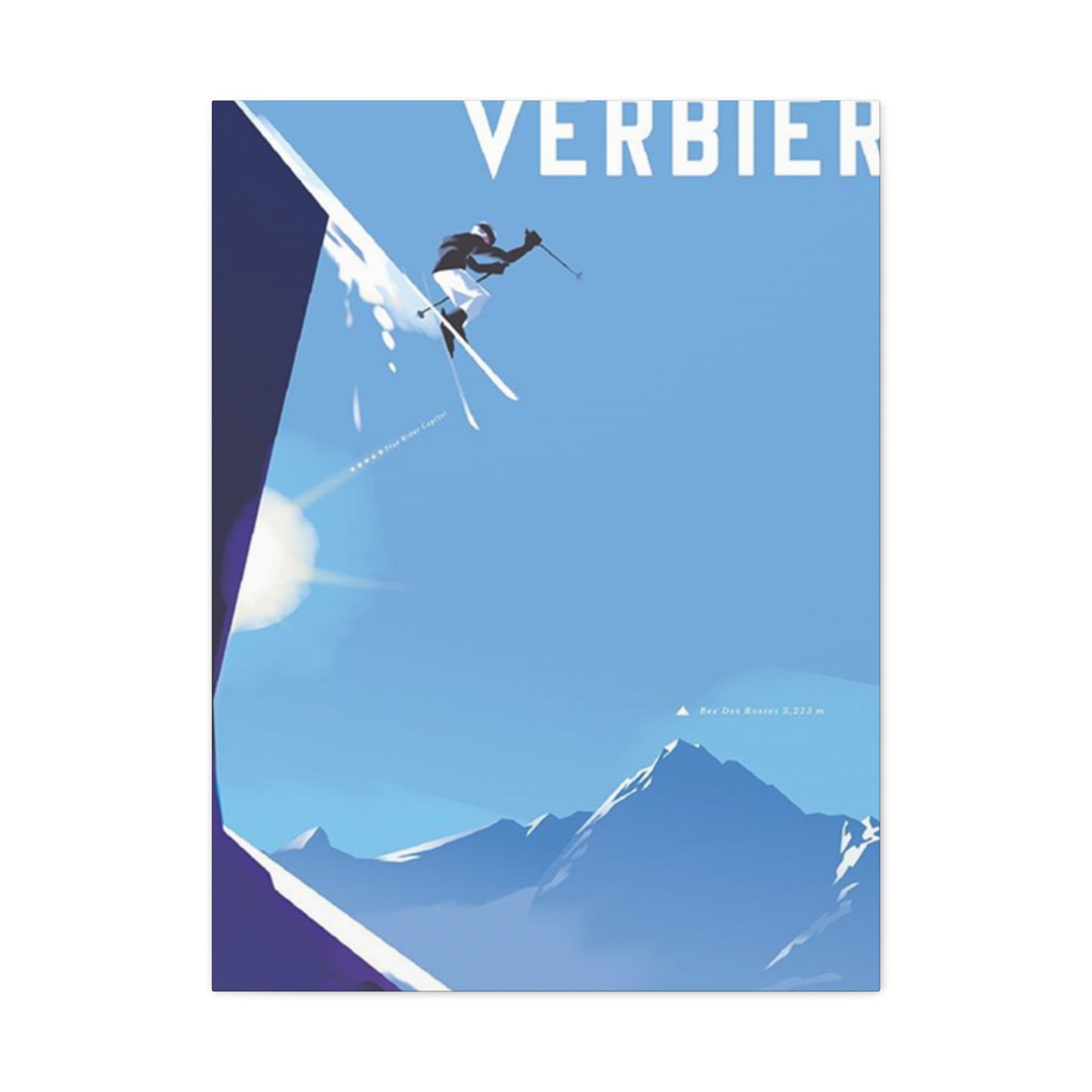
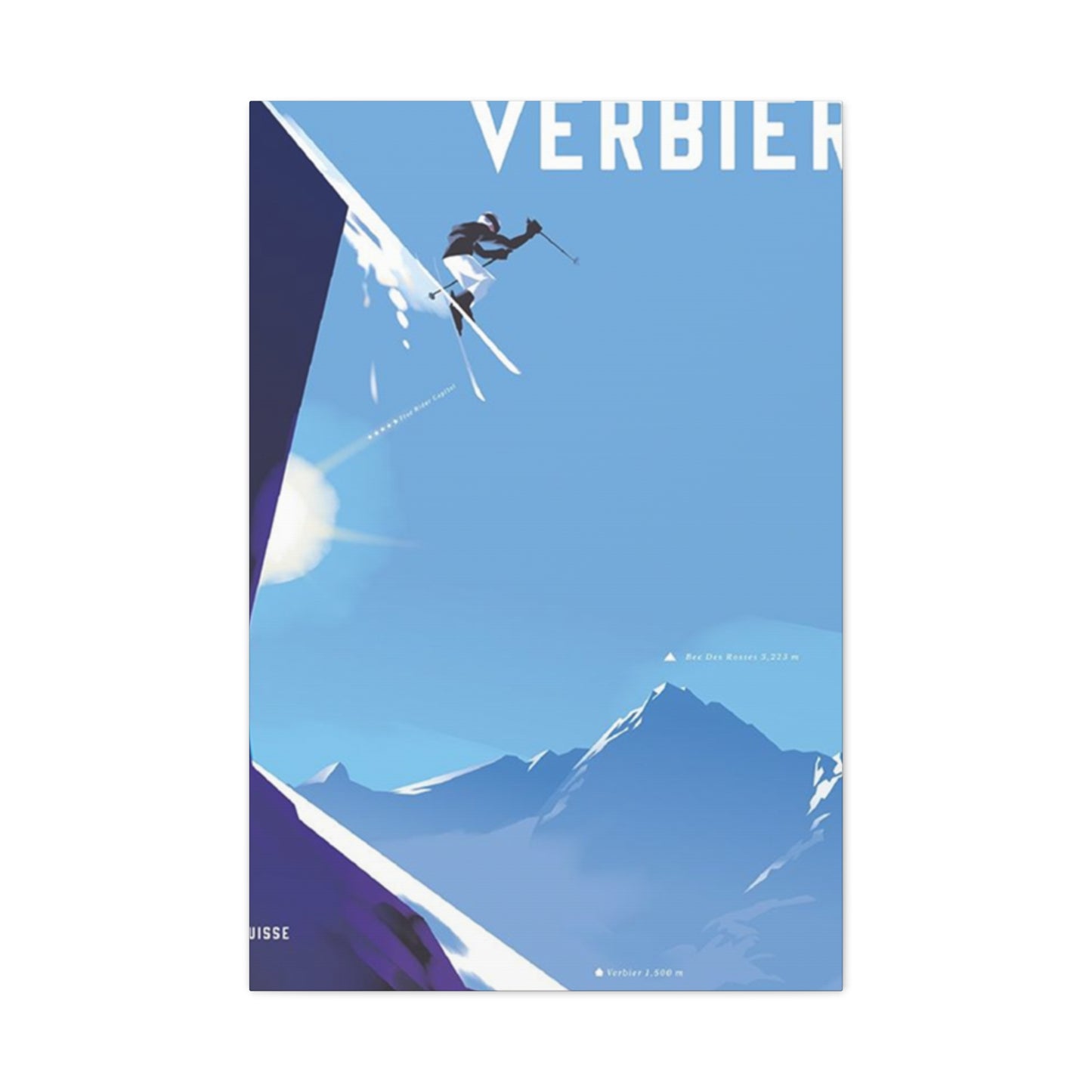
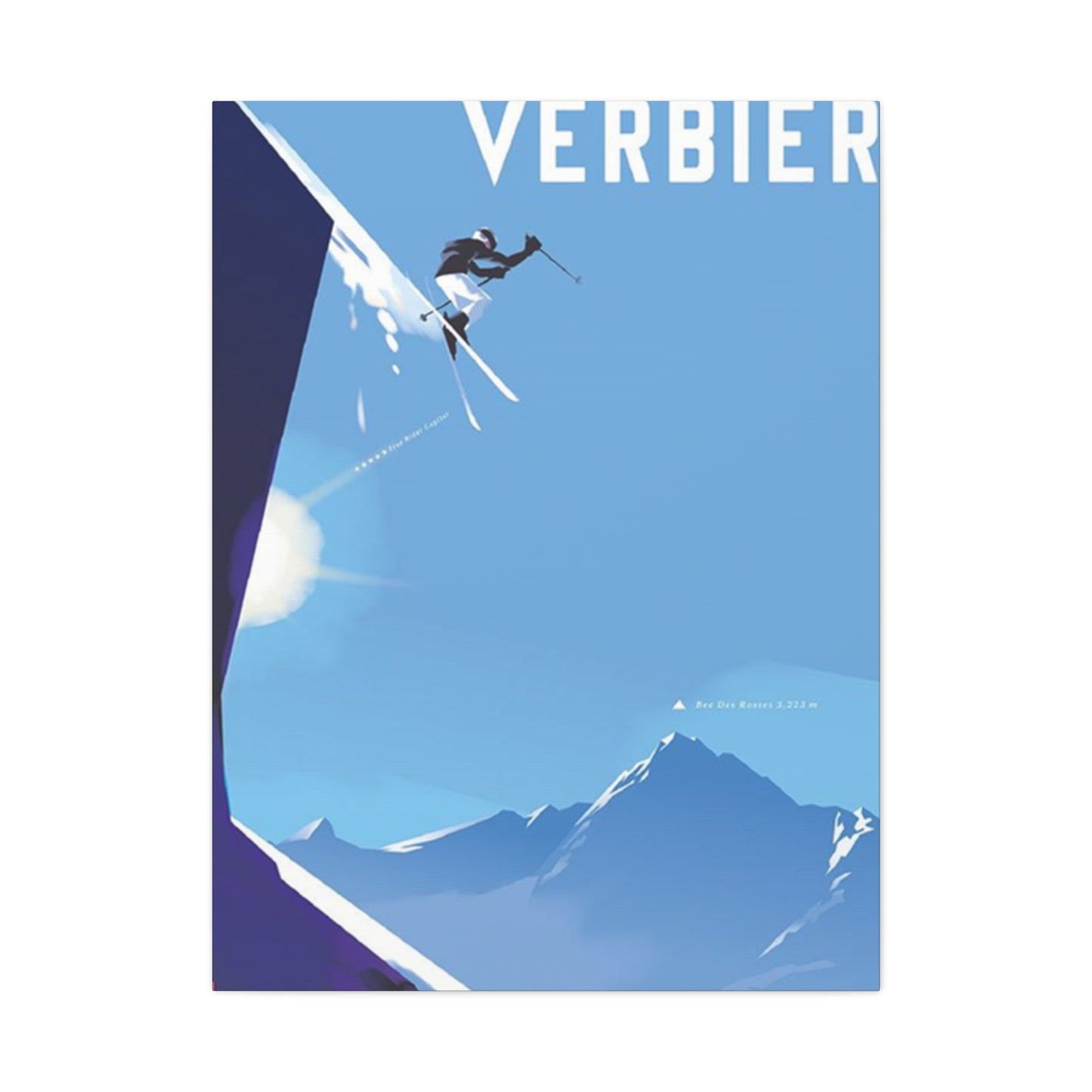
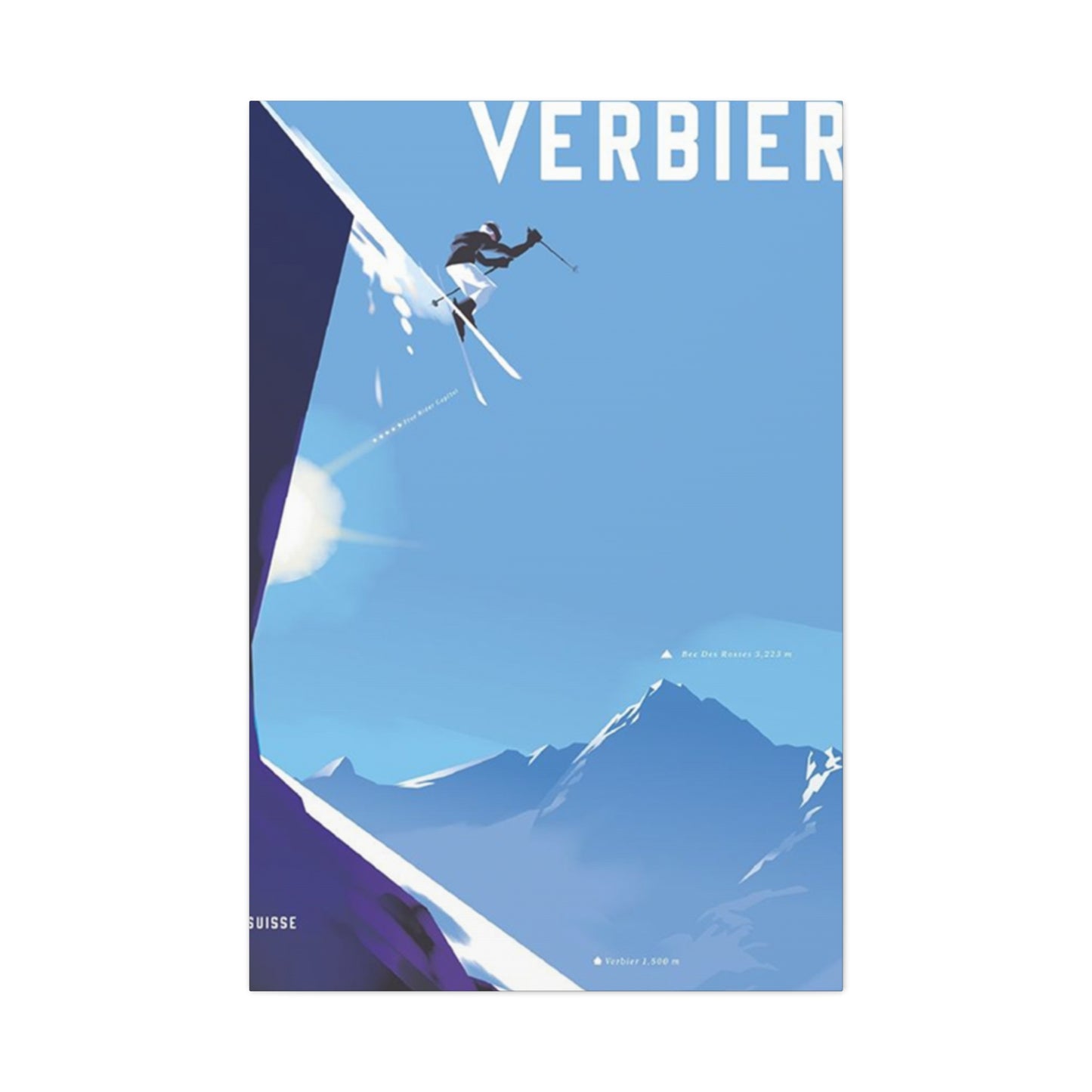
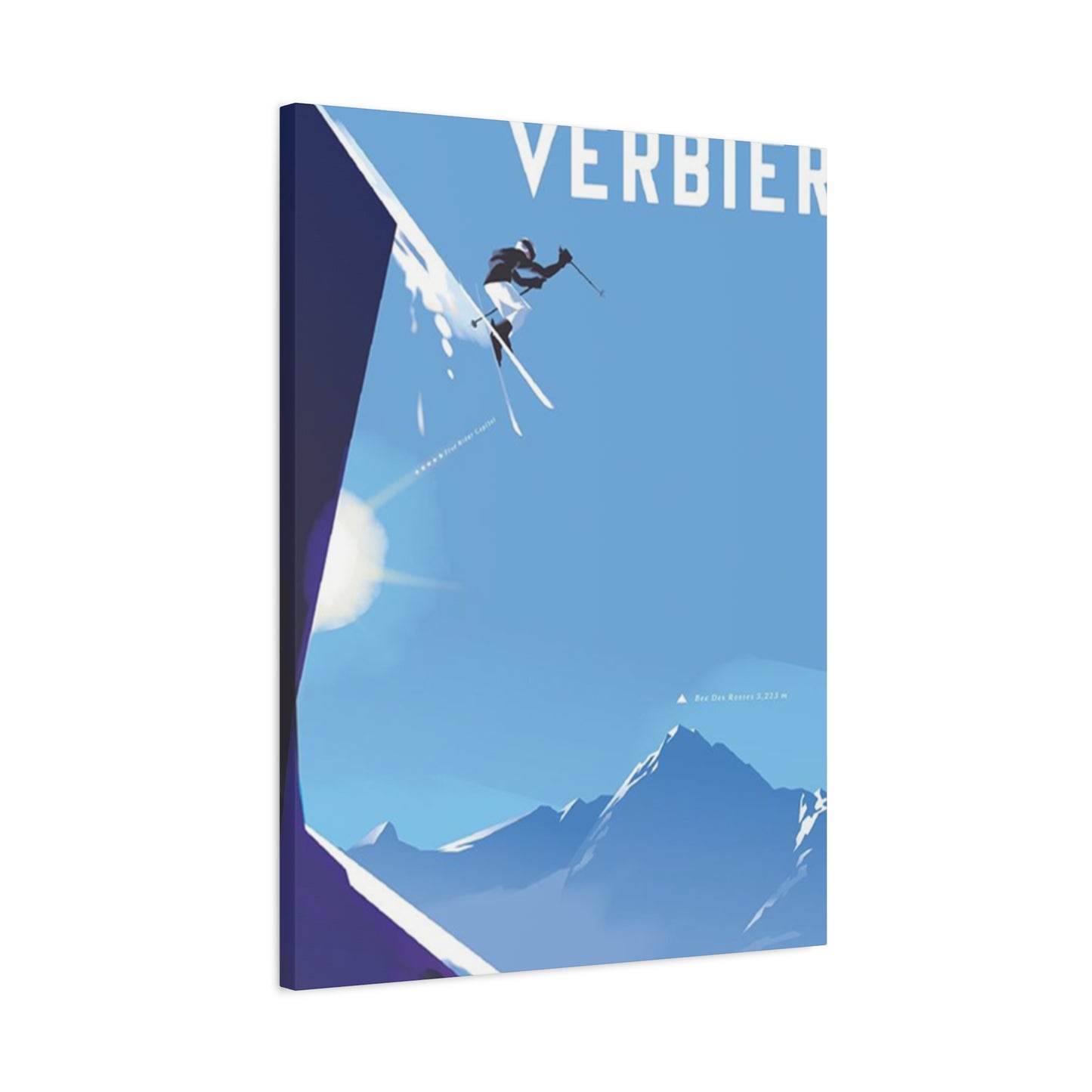
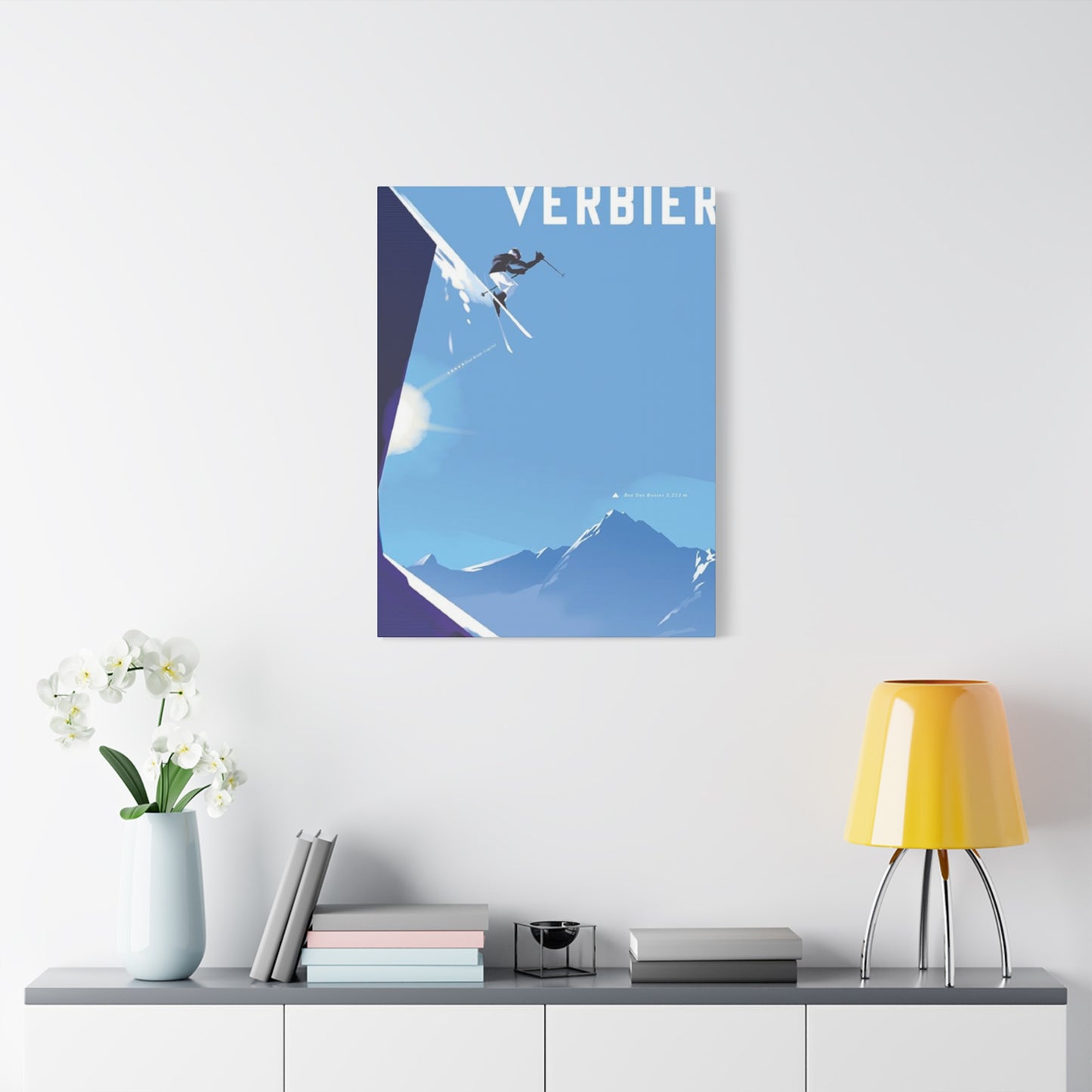
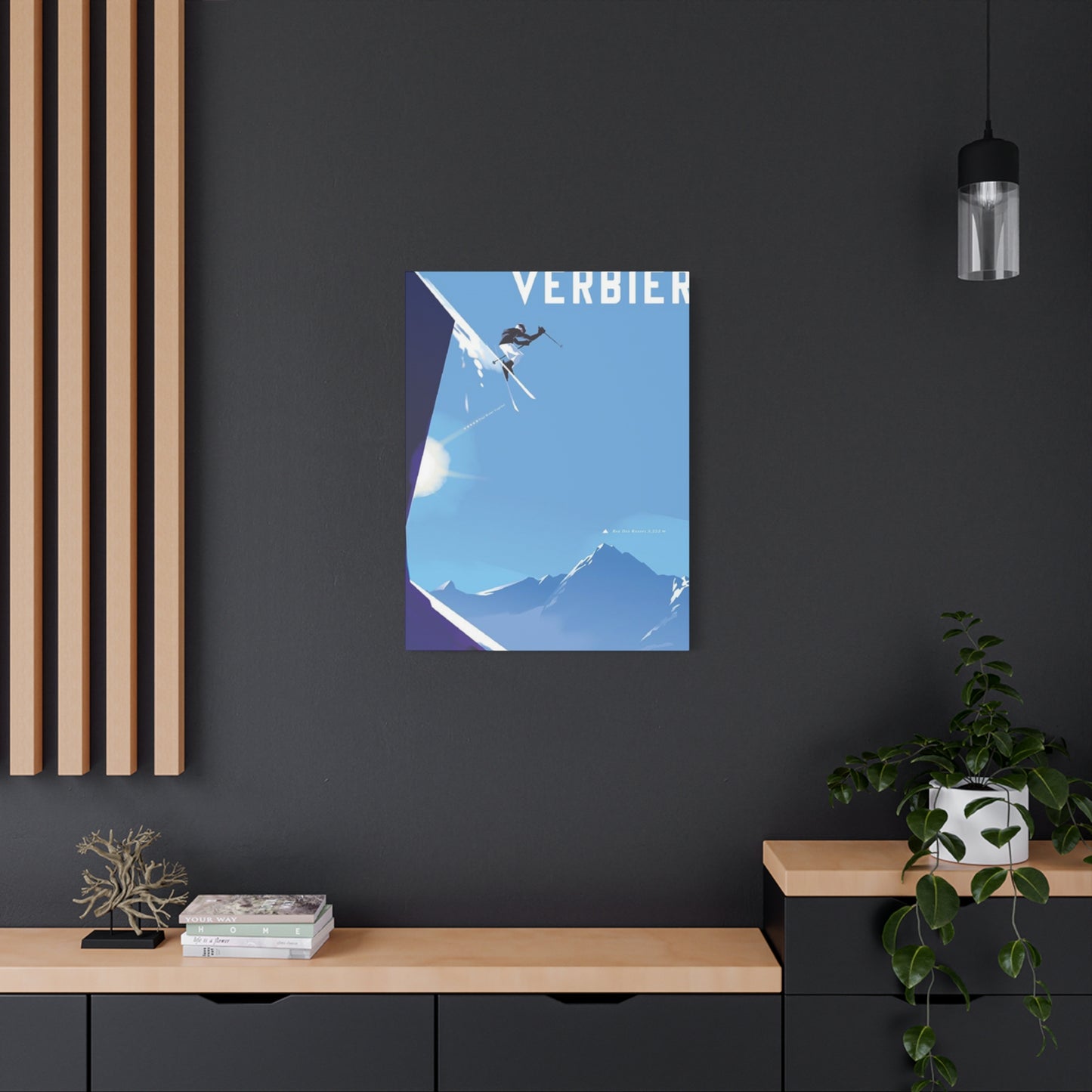
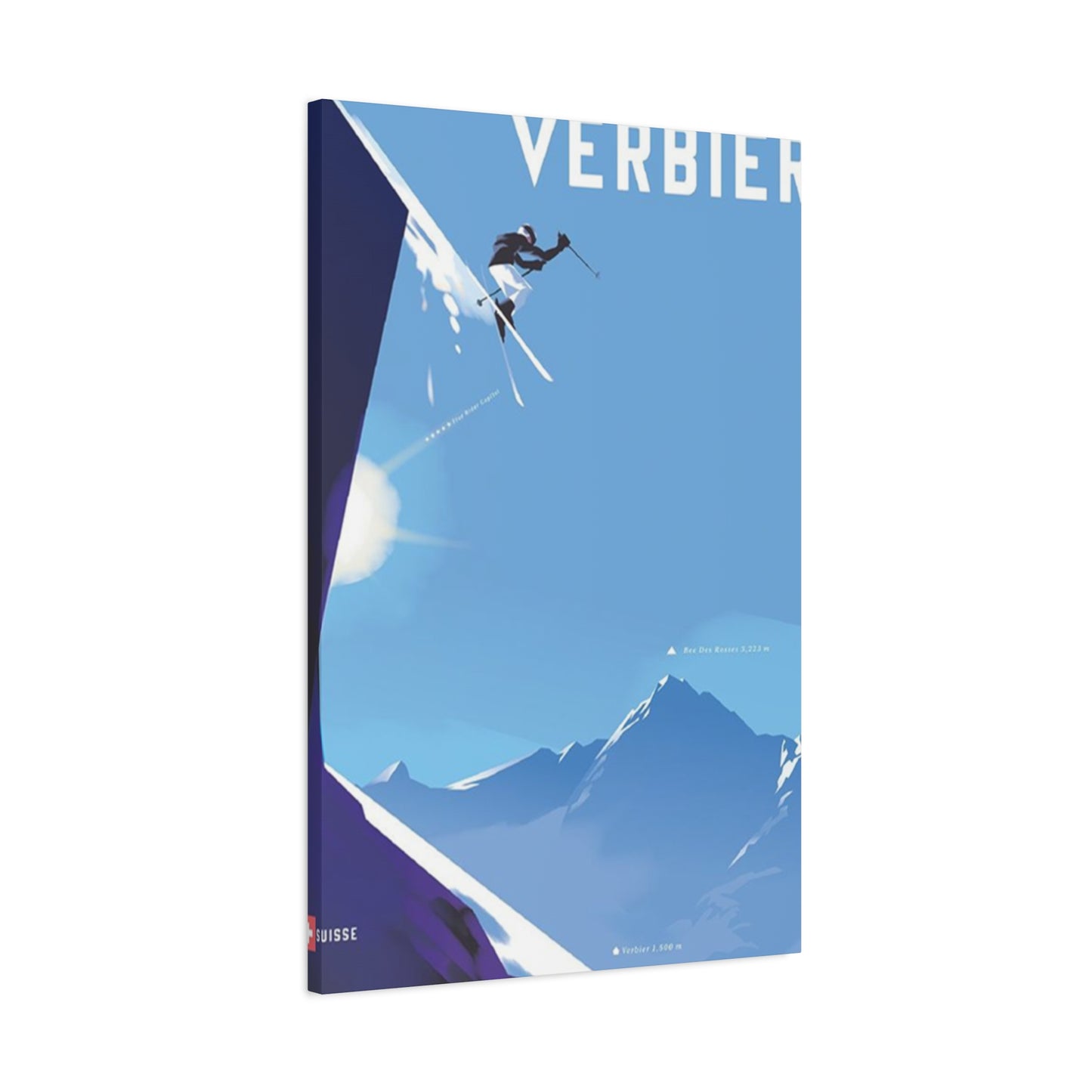
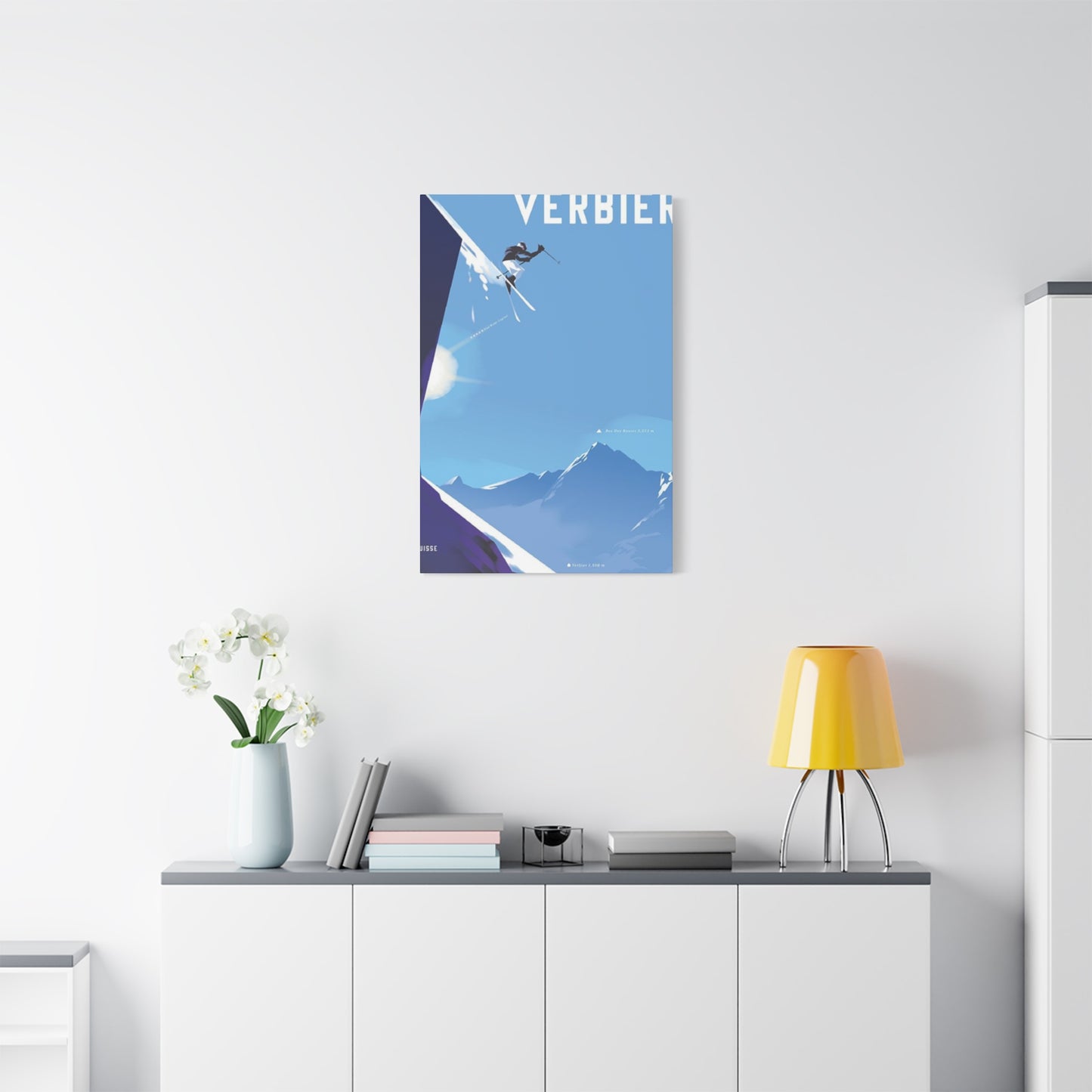
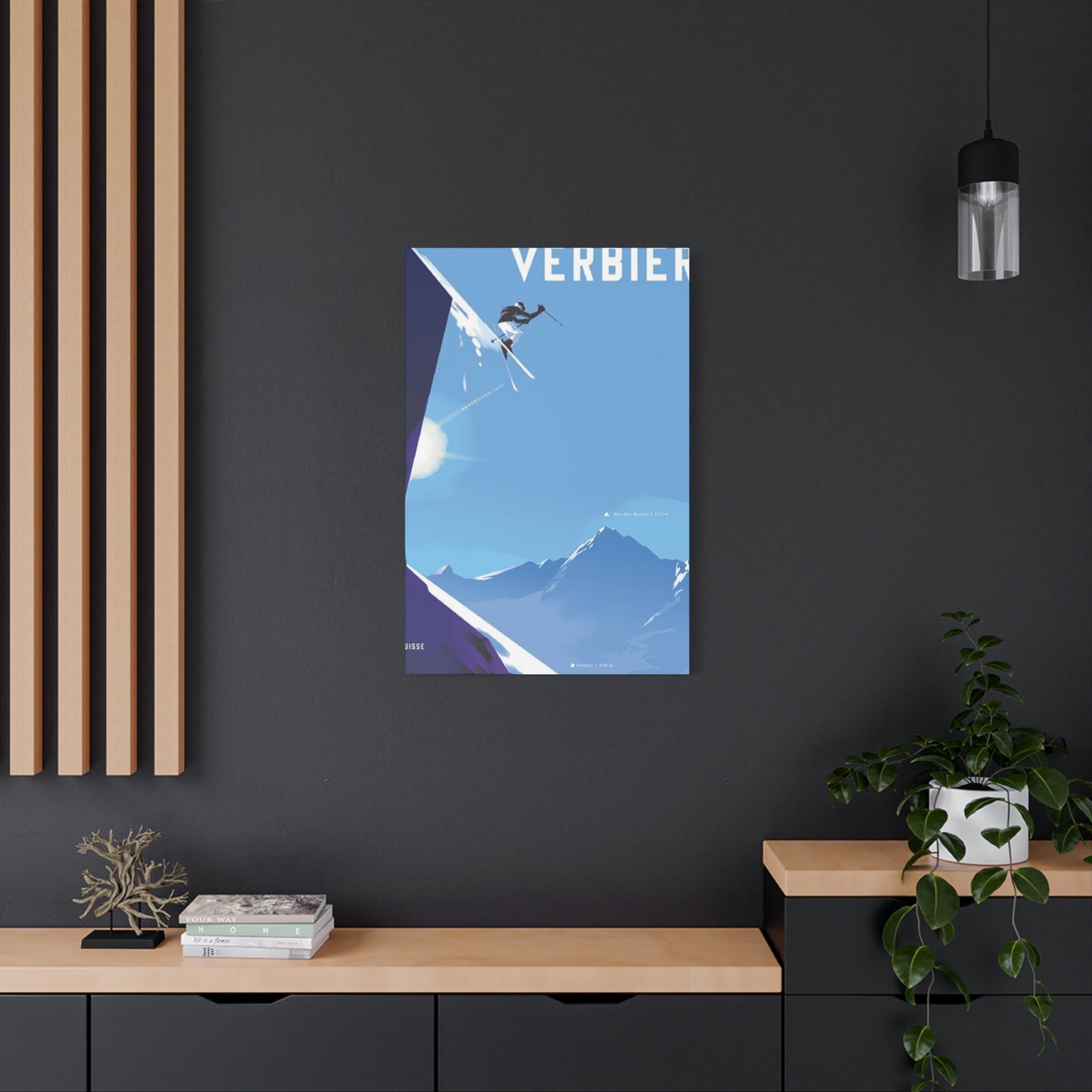
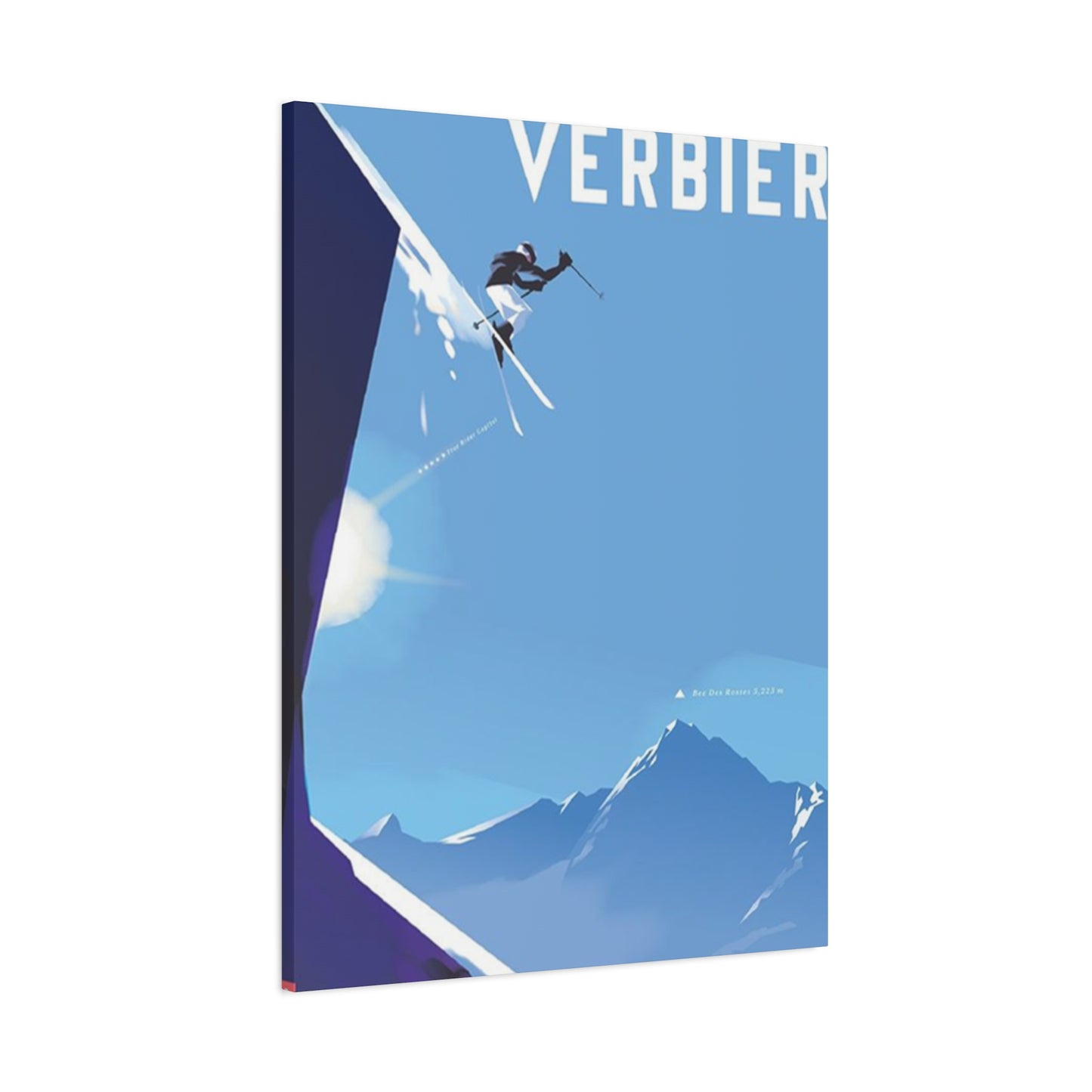
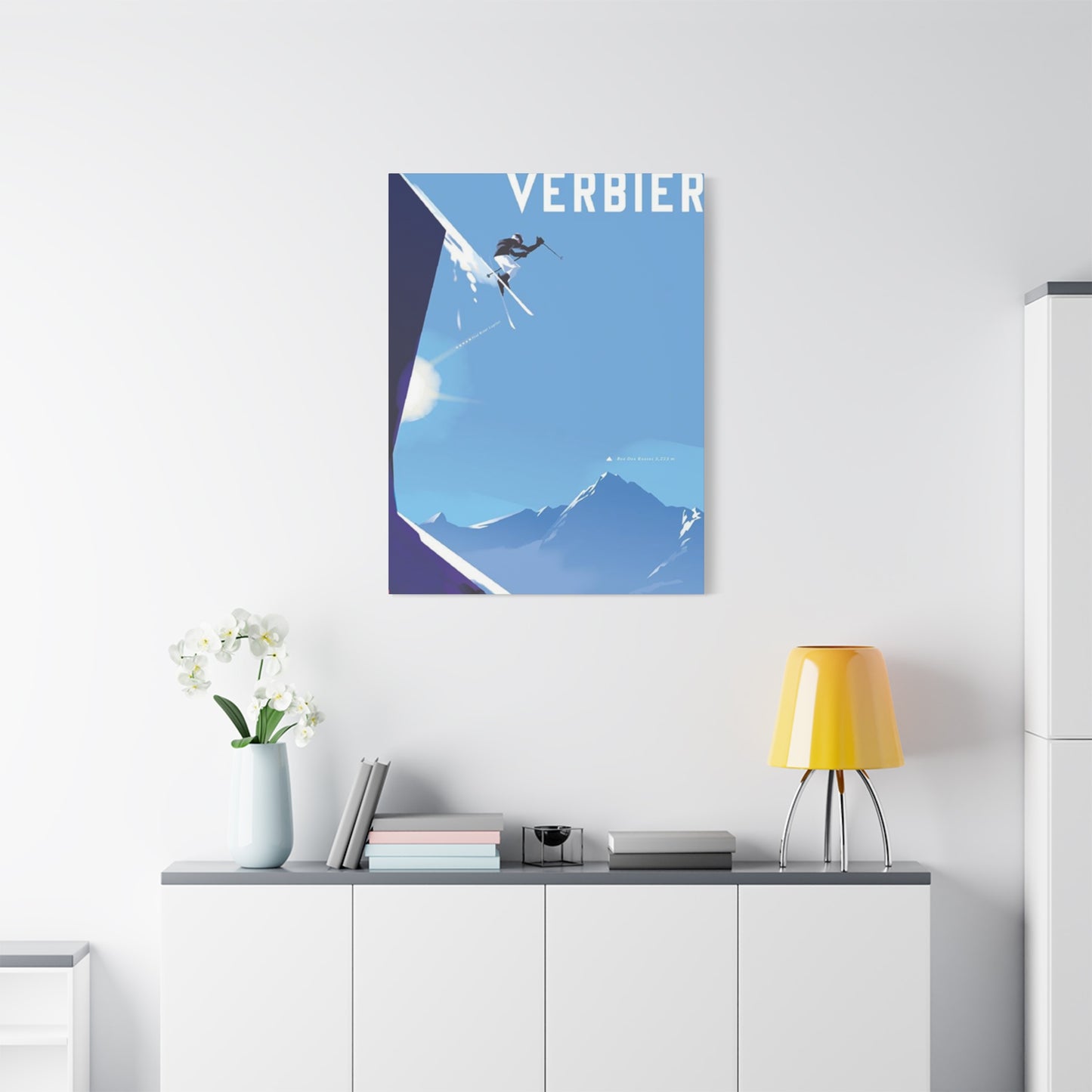
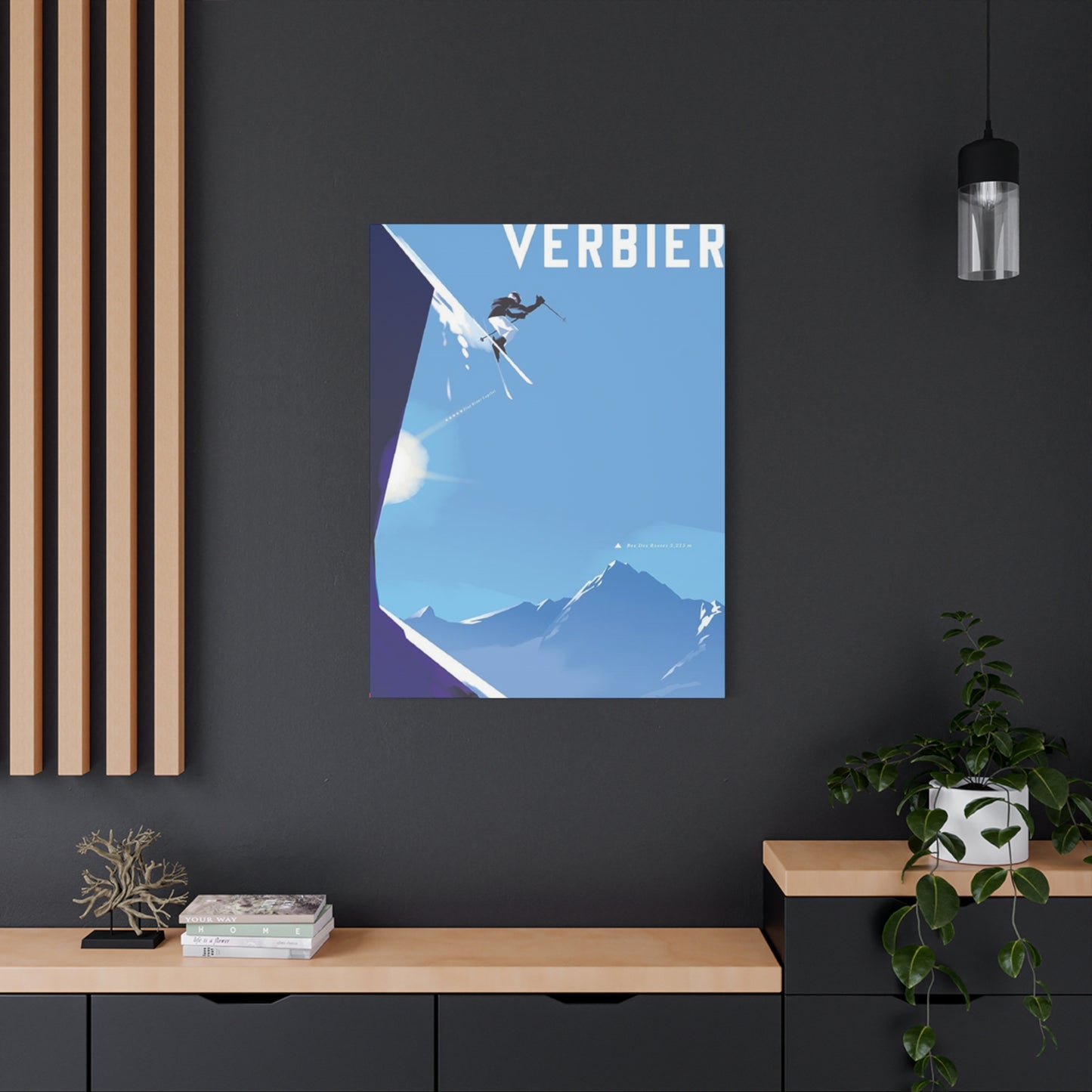
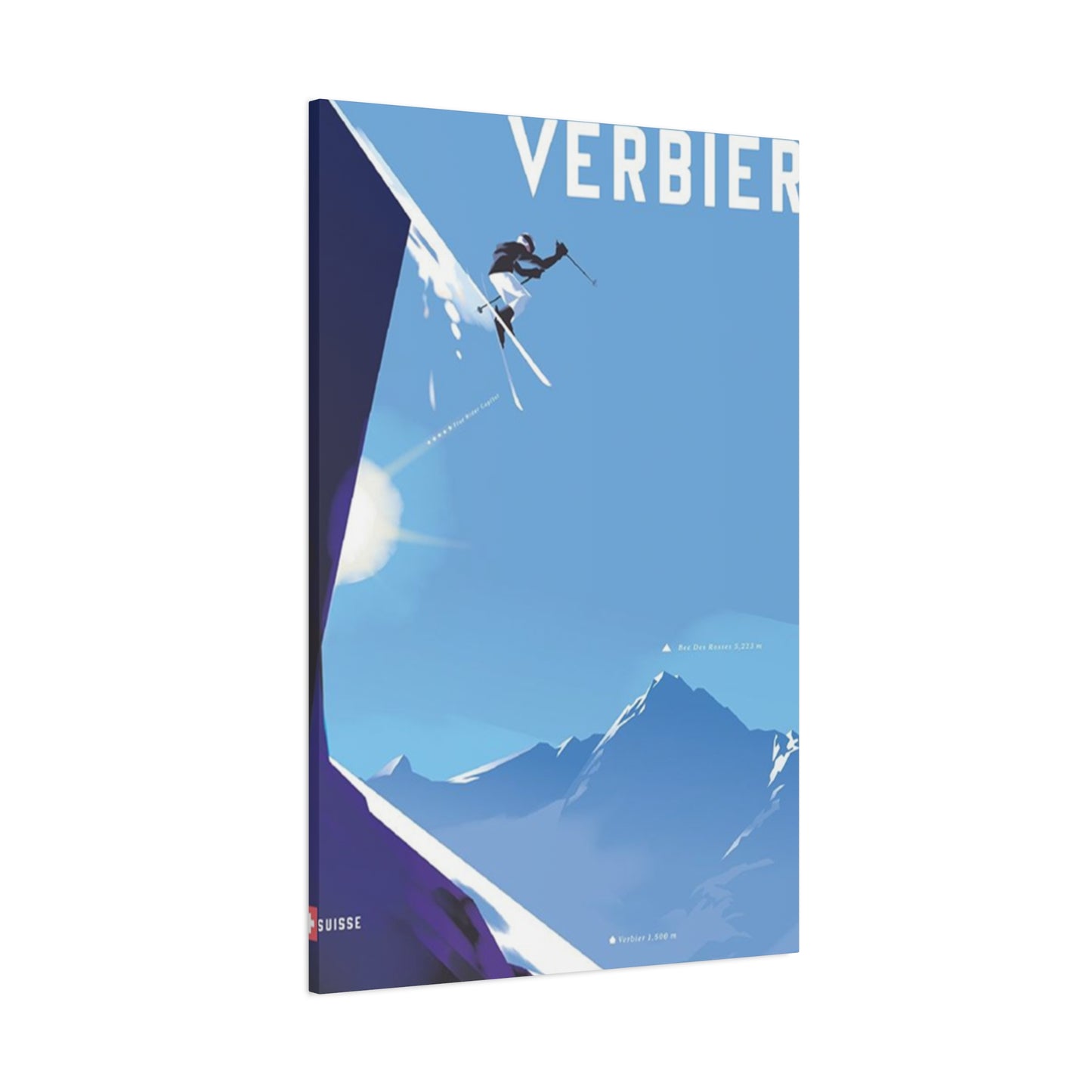
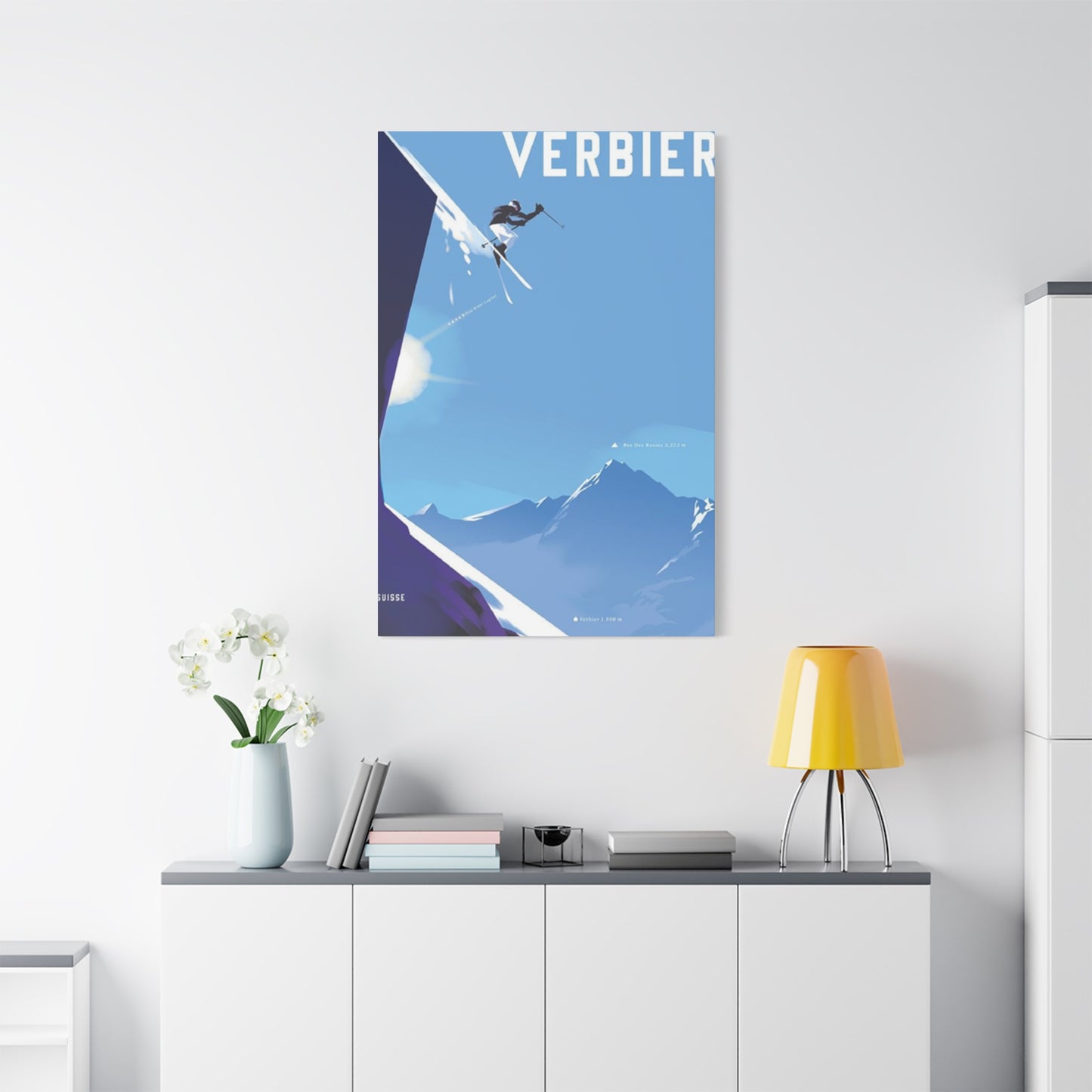
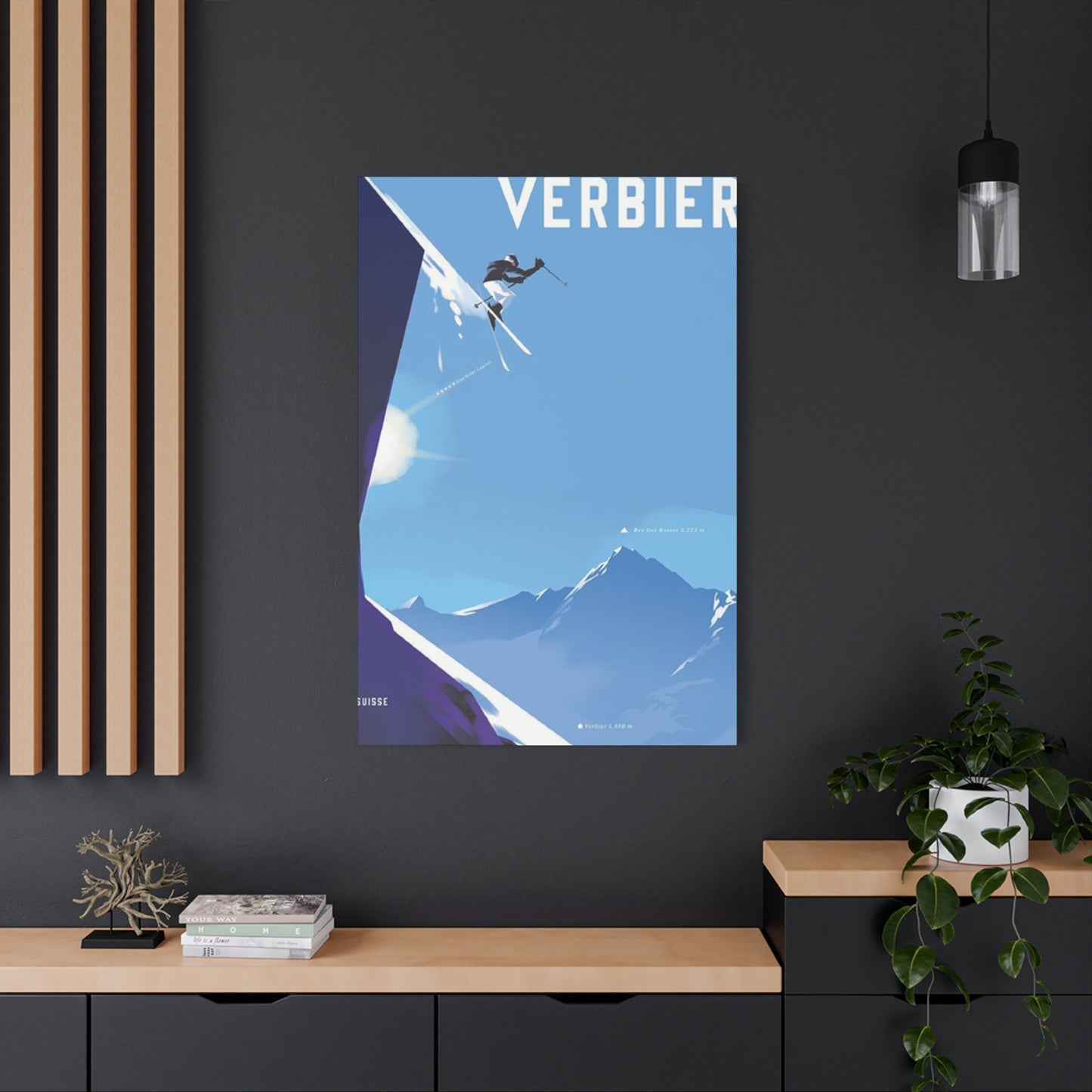
Defying Gravity: The Thrill of Skiing at the Cliff Captured in Wall Art
The fusion of extreme winter sports and interior design has created a revolutionary approach to home decoration that captures the raw power and beauty of mountain landscapes. Ski-themed artwork transforms ordinary walls into dynamic visual experiences that celebrate the spirit of adventure, the majesty of snow-covered peaks, and the exhilarating rush of descending steep slopes. This emerging trend in home decor appeals to outdoor enthusiasts, winter sports lovers, and anyone seeking to infuse their living spaces with energy, movement, and natural beauty.
Cliff Skiing on Canvas
The vertical world of cliff skiing represents one of the most visually dramatic subjects available in sports art. When translated onto canvas, these death-defying descents become accessible to everyone, allowing viewers to experience the intensity of extreme skiing from the safety of their homes. The canvas medium offers unique advantages for depicting these subjects, including texture, depth, and an artistic quality that photographs sometimes lack.
Canvas prints and paintings of cliff skiing scenes bring tactile dimensionality to your walls. The woven texture of canvas adds subtle depth that enhances the perception of snow, rock, and sky. This physical quality creates visual interest from multiple viewing angles and distances, making canvas pieces particularly effective in rooms where people gather and move around. The material itself evokes traditional artistic values while presenting contemporary extreme sports subject matter, bridging classic and modern aesthetic preferences.
Artists working with cliff skiing subjects on canvas employ various techniques to convey motion, speed, and danger. Brushwork direction can suggest movement trajectories, while layered paint application creates textural contrast between smooth snow surfaces and rugged cliff faces. The best canvas interpretations of cliff skiing balance technical accuracy with artistic license, maintaining the authentic feel of the sport while optimizing visual composition for maximum impact.
The scale possibilities offered by canvas make it ideal for creating statement pieces that dominate wall space. Large-format canvas prints or paintings of cliff skiing scenes transform rooms into immersive environments that transport viewers to mountain settings. A properly sized piece can serve as the centerpiece of an entire room design, with furniture arrangement, color selections, and accessory choices all flowing from the artwork's visual elements.
Color treatment in cliff skiing canvas art significantly affects its decorative versatility and emotional impact. High-contrast pieces with deep shadows and bright highlights create dramatic, attention-grabbing focal points suitable for contemporary spaces with bold design elements. Softer, more muted interpretations work well in spaces seeking tranquility balanced with subtle adventure themes. Some artists employ limited color palettes focusing on blues and whites to emphasize the cold mountain environment, while others introduce warmer accent colors through equipment, clothing, or atmospheric elements like sunrise or sunset lighting.
The durability and longevity of canvas make it an excellent investment for art collectors and decorators. Unlike paper prints that may fade or deteriorate, properly prepared canvas pieces resist environmental factors and maintain their visual quality for decades. This longevity makes cliff skiing canvas art not just decoration but potential heirlooms that can be passed to future generations, carrying forward family values of adventure and appreciation for natural beauty.
Framing options for canvas pieces range from traditional wood frames to frameless gallery wraps, each creating different aesthetic effects. Traditional frames add formal elegance and can be selected to match existing room decor, while gallery-wrapped canvases that continue the image around the edges create contemporary, seamless looks. The framing choice should align with your overall interior design philosophy and the specific atmosphere you wish to create in the display space.
Frozen Heights Wall Style
Creating cohesive interior design schemes centered on frozen alpine environments requires understanding how cold-weather aesthetics function within living spaces. The frozen heights approach to wall decoration brings mountain summit environments indoors through careful selection of imagery, color coordination, and complementary design elements. This decorative philosophy transforms homes into sanctuaries celebrating winter landscapes and high-altitude beauty.
The color foundation of frozen heights styling typically builds on a palette of whites, blues, grays, and silvers that mirror ice, snow, and winter sky. These cool tones create atmospheres of calm sophistication while providing neutral backgrounds that allow accent colors to make strong impressions. The challenge lies in preventing these cool-dominated spaces from feeling cold or unwelcoming, which is addressed through texture variation, warm lighting, and strategic introduction of warmer accent colors.
Texture becomes critically important in frozen heights design schemes because the natural alpine environments being referenced involve tremendous textural variety despite limited color ranges. Smooth glass, rough stone, soft textiles, and polished metals all find places in these schemes, each contributing different sensory qualities that build richness and prevent visual monotony. Wall art in frozen heights contexts should similarly exhibit textural interest, whether through canvas weave, brushwork variation, or subject matter showing diverse surface types.
Layering artwork at varying depths creates dimensional interest in frozen heights wall styling. Rather than hanging all pieces flush against walls, consider using floating frames, shadow boxes, or shelf displays that create varied spatial relationships. This approach mimics the layered depth of mountain landscapes where foreground, middle ground, and background elements create recession into space. The resulting visual complexity rewards extended viewing and makes spaces feel more sophisticated and carefully considered.
Lighting design profoundly impacts frozen heights decorating success. Cold LED lighting emphasizes the icy aesthetic but may feel harsh and uninviting. Warmer lighting temperatures soften the environment while maintaining the winter theme through artwork and color choices. Dimmable systems offer flexibility to adjust atmosphere according to time of day and activity. Accent lighting on key artwork pieces creates focal points and adds drama that prevents cool-toned rooms from feeling flat.
Furniture selection in frozen heights schemes often incorporates materials and finishes that complement the alpine theme. Light woods like birch or bleached oak echo winter forest atmospheres. Metal finishes in silver, chrome, or brushed nickel connect with the color palette while adding contemporary sophistication. Upholstery in white, cream, or pale gray provides neutral foundations, with throw pillows and blankets introducing pattern and accent color that can reference or complement wall art.
The psychological effects of frozen heights environments skew toward tranquility and contemplation. Unlike the energizing impact of action-focused adrenaline art, scenes of pristine mountain peaks and vast snowfields promote calm reflection and mental space. These qualities make frozen heights styling particularly effective in bedrooms, reading nooks, home offices requiring focus, and meditation or yoga spaces. Understanding these psychological influences helps direct the frozen heights approach to appropriate rooms.
Ski Dreams Captured
The intersection of aspiration and visual representation creates powerful decorative possibilities when skiing dreams are translated into displayable art. These pieces serve as daily reminders of goals, bucket list destinations, and idealized experiences that motivate and inspire. The psychological function of dream-focused artwork extends beyond aesthetics into the realm of visualization techniques used by athletes and performance coaches worldwide.
Visualization practices involve mentally rehearsing desired outcomes to improve actual performance. By surrounding yourself with images representing skiing aspirations, you create an environment that constantly reinforces your goals and maintains focus on what you want to achieve. This environmental structuring supports commitment to training, planning, and the incremental progress required to transform dreams into reality. The artwork becomes part of a goal-achievement system rather than merely decoration.
The specific content of ski dream imagery varies according to individual aspirations. For some, dreams center on specific famous mountains or ski resorts representing ultimate destination goals. Others focus on achieving particular skill levels depicted through images of advanced techniques like powder skiing, steep couloir descents, or backcountry exploration. Still others seek lifestyle representations showing the social aspects of ski culture, lodge scenes, and the overall mountain experience. Understanding your specific dream content ensures artwork selections genuinely resonate with personal aspirations.
Photographic captures of ski dreams offer authentic representation showing real locations, conditions, and experiences. These images ground aspirations in reality, making goals feel achievable rather than fantastical. The documentary quality of photography provides reference points for planning actual trips and experiences. Many ski photography specialists offer limited edition prints of iconic locations during optimal conditions, creating collectible pieces that appreciate in value while serving motivational functions.
Artistic interpretations of ski dreams allow for idealization and personalization impossible with straight photography. Painters and illustrators can combine elements from multiple locations, optimize weather and lighting conditions, adjust perspectives for maximum impact, and even incorporate imaginative elements that amplify the dream quality. This creative freedom produces images that capture the emotional essence of dreams rather than literal reality, which may prove more motivationally powerful for some individuals.
Bold Slopes, Bold Decor
The parallel between steep mountain terrain and daring design choices creates a natural thematic connection in bold slope-focused decoration. This approach embraces risk-taking in both subject matter and stylistic execution, resulting in spaces that make strong statements and leave lasting impressions. Bold decoration suits personalities unafraid of standing out and living spaces designed to energize rather than soothe.
Color intensity distinguishes bold slope decoration from more restrained approaches. Rather than limiting palettes to naturalistic mountain colors, bold interpretations incorporate saturated hues that may not literally appear in alpine environments but capture the emotional intensity of skiing steep terrain. Bright oranges, electric blues, vivid greens, and hot pinks appear in equipment, clothing, or graphic elements, creating visual excitement that mirrors the psychological excitement of challenging descents.
Scale represents another dimension of boldness in this decorative approach. Oversized artwork dominates wall spaces, forcing attention and establishing clear visual hierarchy within rooms. A single massive piece depicting skiers on dramatic slopes can anchor an entire room's design, with all other elements selected to support and complement the central artwork. This approach requires confidence and commitment but delivers maximum impact when executed successfully.
Unconventional display methods amplify the bold nature of slope-focused decoration. Rather than traditional centered hanging, consider asymmetric arrangements that create visual tension and movement. Lean large pieces against walls rather than hanging them. Use multiple smaller pieces in geometric or abstract arrangements that suggest the chaotic energy of powder skiing or the angular geometry of rocky mountainsides. These unexpected approaches to display reinforce the adventurous theme embedded in the subject matter.
Mixed media and dimensional artwork takes boldness beyond flat prints into physical space. Three-dimensional pieces incorporating actual ski equipment, found mountain objects, or sculptural elements create conversation pieces that blur boundaries between art and artifact. Shadow boxes displaying vintage ski equipment alongside historical photographs blend nostalgia with bold presentation. These approaches suit dedicated ski rooms, recreational spaces, or homes of serious collectors and enthusiasts.
Chasing Snow Horizons
The perpetual pursuit captured in images of skiers heading toward distant peaks creates powerful metaphors for life's journey and continuous striving. Horizon-focused artwork emphasizes destination, possibility, and the rewards lying ahead for those willing to make the effort. This forward-looking perspective makes such pieces particularly meaningful for individuals in transition phases or pursuing ambitious long-term goals.
Compositional elements in horizon-chasing imagery typically position subjects in lower or middle regions of frames, with substantial space allocated to the sky and distant mountains they approach. This spatial allocation emphasizes journey over arrival, process over completion. The vast open space ahead of subjects creates breathing room that translates into psychological openness and possibility when viewed in interior contexts. These pieces prevent spaces from feeling closed or confined.
The symbolism of skiing toward horizons resonates across cultures and philosophical traditions. Eastern concepts of the journey being more important than the destination align perfectly with this imagery, as do Western frontier narratives of exploration and discovery. The universal applicability of these themes makes horizon-focused artwork accessible to diverse audiences while allowing personal interpretation and meaning-making based on individual experience and values.
Weather and atmospheric conditions dramatically affect the mood and meaning of horizon-focused pieces. Clear blue skies and sharp visibility create optimistic, confident moods suggesting clear paths forward. Storm clouds and reduced visibility introduce tension and challenge, acknowledging that journeys involve obstacles and uncertainty. Dramatic lighting from low-angle sun creates majesty and grandeur, elevating the pursuit into noble endeavor. Selecting pieces with atmospheric conditions matching your philosophical outlook on life's challenges ensures personal resonance with the artwork.
The time-of-day implications in horizon imagery carry symbolic weight. Dawn scenes suggest new beginnings and fresh starts. Midday images communicate active pursuit and engagement. Sunset pieces introduce poignancy and reflection on distance covered. The temporal quality you choose influences how the artwork affects your psychological state and what messages it communicates to viewers about your perspective on life phases and progressions.
Horizon-focused art works particularly effectively in spaces designed for planning and reflection. Home offices benefit from the forward-looking perspective, keeping attention on goals and futures being built. Meditation and yoga spaces gain from the expansive openness of these compositions, supporting mindfulness practices that emphasize presence while acknowledging continuity of experience. Living rooms hosting family discussions about shared goals and directions benefit from visual reminders that journeys are undertaken together.
Winter Rush on Walls
The sensation of speed and exhilaration central to skiing experiences presents unique artistic challenges and opportunities. Successfully conveying motion and excitement through static two-dimensional wall art requires sophisticated technical approaches and compositional strategies. When executed well, these winter rush pieces energize spaces and communicate the intensity that draws people to skiing despite its difficulties and dangers.
Motion blur represents one primary technique for suggesting speed in still images. Photographers use slower shutter speeds or panning techniques to blur backgrounds while maintaining subject sharpness, creating clear sense of rapid movement through space. Painters employ similar concepts through directional brushwork and streaked color application. The resulting images feel dynamic despite lacking actual motion, triggering perceptual systems that interpret these visual cues as movement indicators.
Compositional techniques enhance motion perception in winter rush artwork. Diagonal orientations create visual instability suggesting ongoing motion rather than static stability. Positioning subjects off-center and leaving more empty space in their direction of travel implies continuation beyond the frame boundaries. Including environmental motion indicators like flying snow, bent trees, or other skiers at different stages of similar movements reinforces the sense of everyone and everything in motion.
Color treatment affects motion perception through psychological associations and visual attention mechanisms. Warmer colors advance visually while cooler colors recede, so highlighting subjects with warmer tones against cooler backgrounds creates sense of forward motion. High saturation draws attention and suggests intensity of experience, while desaturation can be used in motion-blurred areas to reinforce the visual indicator of speed. Strategic color application guides viewer attention through compositions in ways that mirror the path of motion being depicted.
The facial expressions and body language of skiers in winter rush artwork communicate levels of intensity and engagement that viewers subconsciously read and respond to. Focused concentration, visible exertion, and expressions of joy or exhilaration all contribute to the emotional tone of pieces. Artists skilled in capturing these human elements create work that connects on personal levels, as viewers recognize and empathize with the emotions displayed. This human element distinguishes compelling rush imagery from merely technical documentation of skiing.
The environmental context surrounding rushing skiers adds layers of information about conditions, difficulty, and experience quality. Deep powder erupting around skiers suggests fresh snow and optimal conditions. Ice crystals suspended in air indicate cold temperatures and possibly challenging surfaces. Visible terrain features provide scale references that help viewers understand speeds involved. Trees, rocks, and other environmental elements passing in blur contribute to the overall sensation of rapid motion through complex spaces.
Sound associations triggered by winter rush imagery add another dimension to viewer experience despite the silence of visual art. Most people who have skied or watched skiing have auditory memories of edges cutting through snow, equipment rattling, wind rushing past, and the various sounds of mountain environments. Visual triggers in artwork activate these sound memories, creating multisensory experiences from purely visual input. This synesthetic response enriches engagement with the artwork beyond what purely visual analysis would suggest.
Skiing Moments Froze
The paradox of freezing motion, capturing a single instant from continuous action, creates unique artistic and emotional qualities. These frozen moment pieces allow infinite examination of split-second occurrences that would be imperceptible to observers of real-time action. The temporal manipulation involved in freezing skiing moments transforms fleeting experiences into permanent, contemplatable objects.
High-speed photography technology enables capture of increasingly brief moments with ever greater clarity. Modern cameras freeze motion at shutter speeds measuring thousandths of a second, revealing details of snow spray patterns, equipment flex, and body positions invisible to unaided human observation. These technological capabilities have expanded what qualifies as a capturable moment, bringing microscopic temporal slices into the realm of viewable, displayable imagery.
The selection of which moment to freeze from continuous action sequences involves artistic judgment that separates exceptional work from merely competent documentation. Peak action moments when skiers are airborne or fully committed to turns often provide maximum visual drama. Transitional moments between actions can reveal technical proficiency and body control. Anticipatory moments just before major actions build tension and engagement. Artists and photographers who consistently identify and capture the most compelling moments develop recognition and followings based on this editorial skill.
The emotional content of frozen moments varies based on what phase of action is captured. Moments of joy, concentration, fear, determination, or exhilaration all communicate different narratives and appeal to different viewer preferences. Some collectors prefer triumphant moments showing successful execution and clear satisfaction. Others find more interest in struggle moments revealing the effort and difficulty underlying skiing's outward grace. Understanding your emotional preferences guides selection toward pieces that will maintain interest over time.
The context provided by frozen moment imagery educates viewers about skiing techniques and mountain environments. Close examination reveals weight distribution, edge angles, pole plants, and other technical elements that constitute proper form. Environmental details show snow conditions, terrain features, and weather patterns. For students of skiing, these frozen moments serve as study materials offering detailed examination impossible during real-time observation of live skiing.
The abstract qualities latent in frozen ski moments emerge through decontextualization and close cropping. When environmental context is reduced or eliminated, focusing tightly on spray patterns, equipment details, or body positions, the imagery moves toward abstraction despite depicting concrete reality. These abstracted frozen moments appeal to viewers appreciating form, color, and composition independent of narrative or documentary functions. They bridge gaps between representational and abstract art, serving diverse aesthetic philosophies.
Multiple frozen moments from single runs, displayed sequentially, create stop-motion narratives showing progression through complex terrain or execution of technical sequences. These multi-panel installations educate while entertaining, revealing processes normally invisible due to action speed. The analytical dimension adds intellectual engagement to aesthetic appreciation, making these installations particularly effective in spaces where viewers have extended observation time.
Snow Peak Perspectives
The elevated viewpoints and vast scales characteristic of snow peak imagery create distinctive psychological effects on viewers. Looking across ridgelines toward distant summits or surveying valleys from high vantage points triggers responses related to achievement, aspiration, and appreciation for natural grandeur. These perspectives transform walls into windows offering expansive views that transcend physical room boundaries.
The sense of achievement associated with peak perspectives resonates with goal-oriented individuals who appreciate metaphors of climbing toward summits. Even when the specific activity depicted is skiing rather than climbing, the presence of peaks in compositions suggests upward striving and arrival at elevated positions earned through effort. This symbolic dimension makes peak perspective art particularly meaningful for achievement-focused personalities and spaces dedicated to work or personal development.
The geological time scales represented in peak imagery provide perspective on human temporal concerns. Mountains endure for millions of years while human lives measure in decades. This vast scale differential can be humbling, putting daily stresses in broader context, or inspiring, suggesting that human achievements, though temporary, occur against backdrops of timeless beauty. How viewers interpret this temporal relationship depends on personal philosophical orientations and current life circumstances.
The weather systems visible in peak perspective imagery demonstrate atmospheric dynamics and natural forces operating at scales beyond human control. Cloud formations, storm systems, and changing light conditions all reveal the mountain environment as active and dynamic rather than static. These meteorological elements add visual interest while reminding viewers that mountains exist within larger planetary systems of air and water circulation, energy transfer, and climate patterns.
The play of light across snow peaks creates constantly changing visual conditions that artists and photographers work to capture at optimal moments. Alpenglow, when low-angle sun paints peaks pink and orange, creates magical conditions prized for their beauty and relative rarity. Storm light breaking through clouds introduces dramatic contrasts and volumetric light effects. Harsh midday sun creates different character with deep shadows and bright highlights. The light quality in peak perspective pieces strongly influences mood and aesthetic impact.
The ecological zones visible in expansive peak perspectives show elevation-based transitions from forested lower slopes through tree line into alpine zones and finally to permanent snow and ice. These visible ecological gradients educate viewers about mountain ecosystems while creating natural compositional structure through color and texture variation. Environmentally conscious viewers appreciate imagery that reveals these natural patterns and relationships.
Extreme Sports Canvas
The intersection of extreme sports culture and canvas art creates a vibrant contemporary aesthetic celebrating athleticism, risk-taking, and nature engagement. This genre positions skiing within broader extreme sports contexts including climbing, surfing, mountain biking, and other pursuits that push human capabilities against natural environments. The cultural significance of extreme sports in contemporary identity formation makes this artistic category particularly relevant for younger demographics.
The evolution of extreme sports from fringe activities to mainstream cultural phenomena has paralleled and influenced changes in athletic wear, media, music, and lifestyle branding. Canvas art depicting extreme skiing participates in this broader cultural movement, carrying associations with youth culture, rebellion against conventionality, and pursuit of authentic experiences over material accumulation. Displaying such art makes statements about personal values and cultural identifications.
The photography and videography techniques developed specifically for extreme sports documentation have influenced broader visual culture beyond sports contexts. Wide-angle close-ups, first-person perspectives using head-mounted or board-mounted cameras, drone aerials, and other innovations first developed for action sports now appear throughout commercial and artistic photography. Extreme sports canvas art represents the cutting edge of sports photography, showcasing techniques that subsequently influence other photographic genres.
The sponsorship and commercial dimensions of professional extreme skiing create interesting dynamics in the art market. Imagery featuring recognizable athletes and branded equipment exists in gray areas between art, advertising, and documentary photography. Some viewers appreciate the authentic competitive context while others prefer imagery avoiding commercial elements. Understanding your preferences regarding commercial visibility helps guide selection toward appropriate pieces.
The narrative of progression, where athletes continually push difficulty boundaries and attempt increasingly challenging feats, provides ongoing content for extreme sports canvas art. Each season brings new achievements and expanded possibility demonstrations. Collectors following this progression can document evolution of the sport through carefully curated collections showing increasingly difficult accomplishments over time. This historical dimension adds intellectual interest to aesthetic appreciation.
The global community of extreme skiers, while relatively small, maintains strong internal culture with shared values, language, and heroes. Imagery depicting recognized figures or famous locations functions within this community as cultural reference points carrying meanings beyond what casual observers perceive. For community insiders, these references add layers of significance, making displays of extreme skiing canvas art forms of cultural participation and identity expression.
The risk assessment and management skills central to extreme skiing provide metaphorical frameworks applicable to other life domains. Business risks, creative risks, relationship risks, and other non-physical risks share structural similarities with athletic risk-taking. Extreme sports canvas art celebrating calculated risk and skillful execution can inspire courage and careful planning in diverse pursuits beyond skiing.
Ski and Soar Decor
The moments when skiers become airborne introduce elements of flight that expand skiing beyond purely ground-based activities. Aerial phases transform skiers into temporary aviators, creating spectacular visual opportunities and demonstrating the sport's three-dimensional nature. Decor focusing on these airborne moments emphasizes freedom, weightlessness, and the transcendent aspects of skiing that elevate it beyond mere transportation down mountains.
The physics of ski jumping and aerial maneuvers involve complex interactions between velocity, angles, air resistance, and body position. Successful aerials demonstrate sophisticated understanding of these physical principles combined with precise body control and courage. Imagery capturing these moments implicitly celebrates human ability to understand and manipulate natural forces, positioning skiers as masters of physical laws rather than passive subjects of gravity.
The variety of aerial maneuvers possible in skiing, from simple straight airs to complex inverted rotations, provides diverse content for decor purposes. Different tricks appeal to different audiences based on technical appreciation, aesthetic preferences, and risk tolerance. Some collectors prefer the elegant simplicity of classic airs while others gravitate toward the technical complexity of modern freestyle skiing. Understanding the range of possibilities helps guide selection toward personally resonant pieces.
The backgrounds visible behind airborne skiers significantly affect composition and meaning. Empty sky backgrounds create minimal, focused compositions emphasizing the skier and the act of flight. Mountain backdrops provide context and scale while adding visual complexity. Cloud layers introduce depth and atmospheric quality. The background selection influences whether pieces feel intimate and focused or expansive and environmental.
The emotional range visible in aerial imagery spans from serene peace to intense concentration to obvious exhilaration. Peaceful aerials showing relaxed body language and calm expressions appeal to viewers appreciating skiing's meditative qualities. Intensely focused expressions visible during complex trick execution interest those appreciating athletic dedication and technical mastery. Obvious joy and celebration appeal broadly, communicating the simple happiness of successful flight.
The landing phase of aerials, though less visually spectacular than airborne moments, provides narrative closure and demonstrates the complete skill required for safe execution. Some imagery captures the moment of reconnection with snow, showing the compression and technique required to absorb impact forces. These landing moments appeal to viewers who appreciate complete action sequences rather than purely the most spectacular instants.
The progression of aerial skiing from rare specialty to common component of resort and backcountry skiing reflects broader skill advancement in the sport. Modern skiers routinely perform aerials that would have seemed impossible or extremely dangerous in earlier eras. Historical comparison of aerial imagery shows this progression, documenting technical evolution and changing risk tolerances. Collections spanning decades can illustrate this development compellingly.
Daring Ski Wall Vibes
The atmospheric qualities and overall feeling created by ski-themed wall decoration extend beyond specific images to encompass entire design environments. Creating daring vibes involves coordinating multiple elements including artwork selection, arrangement patterns, color schemes, lighting, and complementary decor items. The goal is establishing cohesive environments that communicate adventure, boldness, and mountain spirit.
The density of wall coverage significantly affects the vibes created. Sparse arrangements with significant empty wall space feel minimal, modern, and allow individual pieces maximum attention. Dense gallery wall arrangements feel rich, curated, and maximize visual interest. The appropriate density depends on room size, function, and desired energy level. Social spaces often benefit from denser arrangements promoting conversation and exploration, while focus-demanding spaces like offices work better with sparser, less distracting arrangements.
The mixing of media types adds textural and visual variety that prevents monotony. Combining canvas prints, framed photographs, metal prints, and wooden pieces creates dimensional interest and demonstrates curatorial sophistication. Mixed media arrangements feel collected over time rather than purchased as complete sets, adding authenticity and personality. The diversity signals genuine engagement with art rather than purely decorative purchasing.
The color coordination across multiple pieces creates visual unity even when subject matter and artistic styles vary. Pulling common color threads through diverse images creates subtle harmony that feels intentional and designed. This coordination can work through specific hue matches or through tonal similarities spanning different colors. Color analysis of candidate pieces before purchase ensures compatibility with existing artwork and overall room palettes.
The framing choices dramatically affect formality levels and stylistic tones. Matching frames create uniform, gallery-like presentations appropriate for serious collections. Varied frames feel more eclectic and casual, suggesting pieces accumulated over time from diverse sources. Frameless presentations feel contemporary and minimal. The framing approach should align with the overall interior design style and the degree of formality desired in the space.
The inclusion of three-dimensional objects alongside flat artwork adds physical depth and tangible connections to skiing culture. Vintage ski equipment, ski-themed sculptures, mountain rocks or wood pieces, and other objects bridge the gap between pure decoration and meaningful artifacts. These dimensional elements transform walls from pure display surfaces into curated environments telling complete stories.
The lighting design specific to wall art areas separates serious presentation from casual display. Track lighting, picture lights, or strategically placed fixtures draw attention to artwork and enhance visual impact through shadow play and highlighting. Adjustable systems accommodate rearrangements and allow variation in emphasis. Professional-quality lighting demonstrates commitment to proper art display and maximizes your investment in quality pieces.
The arrangement patterns used in multi-piece displays communicate different organizational philosophies and aesthetic approaches. Grid patterns feel orderly and contemporary, appealing to modernist sensibilities. Asymmetric arrangements feel more organic and artistic, suggesting curatorial confidence. Salon-style dense arrangements feel traditional and rich, maximizing visual interest per square foot. The pattern selection should complement the specific pieces and overall room design.
White Cliff Wonders
The dramatic geological formations where snow-covered cliff faces meet sky create some of skiing's most awe-inspiring visual subjects. These white cliff wonders represent ultimate challenges in skiing while providing spectacular natural sculpture that transcends sport to approach pure landscape appreciation. The combination of athletic and aesthetic elements makes white cliff imagery uniquely compelling across diverse audiences.
The geological processes creating cliff formations involve millions of years of tectonic activity, erosion, and weather action. Understanding these deep-time processes adds intellectual appreciation to aesthetic enjoyment of cliff imagery. The cliffs represent Earth's ongoing transformation, moments captured in geological time scales that dwarf human temporal experience. This philosophical dimension makes cliff imagery meaningful beyond surface visual beauty.
The specific famous cliffs known in skiing culture carry names, histories, and reputations that add layers of meaning for knowledgeable viewers. Locations like Corbet's Couloir, the Fingers at Squaw Valley, or various famous Alaska spines are recognizable to serious skiers and carry associations with specific athletes, first descents, and legendary runs. Imagery depicting these named locations participates in skiing's cultural mythology and communicates insider knowledge.
The contrast between white snow and dark rock in cliff imagery creates graphic, high-impact visuals suitable for modern interior design emphasizing bold contrasts. This natural color relationship provides ready-made design coherence that integrates easily with contemporary monochromatic or high-contrast color schemes. The graphic quality of cliff imagery bridges photography and graphic design, appealing to audiences appreciating both disciplines.
The sense of mass and solidity conveyed by cliff formations provides psychological weight and gravitas that lighter imagery lacks. Displaying substantial cliff imagery makes spaces feel grounded and substantial. This quality suits offices, studies, and other spaces where authoritative, serious atmospheres support activities and psychological states. The permanence of cliffs contrasts with the temporary nature of human activity shown against them, creating interesting philosophical tensions.
The variety of cliff types from sheer vertical faces to moderately angled walls to overhanging features provides diverse visual possibilities within the white cliff category. Sheer faces emphasize verticality and exposure. Moderate angles feel more accessible while maintaining drama. Overhangs introduce surreal qualities suggesting impossible descents. Matching cliff types to viewer comfort levels with exposure creates appropriate intensity levels for different personality types and spaces.
The seasonal variation in cliff appearance from winter snow coverage to summer rock exposure demonstrates mountain seasonality and natural cycles. Collections showing the same cliffs across seasons educate about environmental changes while providing justification for multiple related pieces. The transformation from white to gray to white again mirrors larger patterns of change and constancy that resonate metaphorically with human experience.
The scale indicators in cliff imagery help viewers comprehend the enormous sizes involved. Small human figures against vast faces provide dramatic scale contrast. Equipment or trees at bases show height through familiar reference objects. Without scale indicators, cliffs can appear less impressive, making their inclusion important for maximum impact. Skilled photographers and artists ensure appropriate scale communication through careful composition.
Frozen Freedom Prints
The conceptual pairing of frozen, static art with the dynamic freedom of skiing creates interesting paradoxes that give these prints deeper meaning. Freedom in skiing involves release from gravity's constraints, escape from regulated resort skiing, liberation from daily routines, and psychological freedom from normal limitations. Capturing and freezing these freedom moments creates permanent records of temporary liberation states.
The philosophical concept of freedom resonates across political, psychological, and existential dimensions. Political freedom from oppression, psychological freedom from fear or limitation, and existential freedom to define personal meaning all find metaphorical expression in skiing imagery showing unrestricted movement through mountain environments. These layered meanings make freedom-themed prints significant beyond simple sports documentation.
The specific manifestations of freedom in skiing imagery include unrestricted powder skiing away from marked trails, solo backcountry exploration, aerial flight phases, and ungroomed natural terrain navigation. Each represents different freedom dimensions from social constraints, prescribed paths, gravitational limitations, or human modification of environments. Understanding these freedom types helps identify which specific prints resonate with personal freedom concepts.
The emotional expressions visible in freedom-focused prints typically show joy, peace, or intense engagement rather than fear or struggle. The liberation quality distinguishes freedom imagery from pure challenge documentation. Skiers appearing at ease and flowing naturally through terrain communicate freedom more effectively than those appearing stressed or struggling. This emotional quality makes freedom prints psychologically uplifting rather than anxiety-inducing.
The environmental contexts in freedom prints typically emphasize open, unconfined spaces rather than tight, channeled terrain. Wide-open bowls, long moderate pitches, and expansive powder fields communicate spatial freedom. The absence of physical constraints like trees, rocks, or boundaries reinforces the freedom theme. These compositional choices create feelings of openness and possibility that transcend the specific skiing content.
The solitary versus group dynamic affects freedom messaging in prints. Solo skiers emphasize individual freedom and self-reliance, appealing to independent personalities. Group imagery introduces shared freedom and social aspects of liberation, appealing to community-oriented viewers. Both approaches validly express freedom concepts while addressing different social preferences and values.
The technical quality of freedom prints should match their aspirational content through excellent production values. Freedom deserves beauty, suggesting that cheap prints or poor reproduction quality undermines the conceptual content. Investment in quality printing, framing, and materials shows respect for the freedom concept and creates displays worthy of the aspirational content they present.
The placement of freedom prints in spaces associated with constraint or obligation creates interesting juxtapositions that can be psychologically beneficial. Home offices where work occurs benefit from freedom reminders that reframe labor as funding for liberation. Entry areas benefit from freedom imagery setting psychological tones for days ahead. The strategic placement of freedom content can subtly improve mental states and long-term life satisfaction through environmental psychological effects.
The collection building around freedom themes allows for diverse content united by conceptual rather than visual similarity. Skiing freedom, surfing freedom, climbing freedom, and other outdoor pursuit representations of liberation can coexist in unified collections celebrating freedom broadly rather than skiing specifically. This thematic approach creates intellectual coherence across visually diverse content.
The gift-giving potential of freedom prints makes them meaningful presents for life transitions, achievements, or challenges. Graduation, career changes, retirement, recovery from illness, and other significant moments benefit from freedom-themed art acknowledging new chapters and possibilities. The aspirational quality makes these gifts forward-looking and hopeful rather than nostalgic or purely commemorative.
Adventure Seekers' Walls
The demographic of adventure seekers represents a growing market segment characterized by experiential value prioritization, physical activity engagement, and natural environment appreciation. Decorating strategies targeting this audience emphasize authentic experience documentation over generic aesthetics, personal connection over passive consumption, and inspirational rather than merely attractive imagery.
The psychology of adventure seeking involves novelty seeking, stimulation requirements higher than average, and tolerance for physical discomfort in pursuit of memorable experiences. These personality characteristics influence decorative preferences toward dynamic, intense imagery over calm, static content. Understanding these psychological profiles helps explain why adventure seekers specifically gravitate toward skiing and similar extreme sports imagery.
The value system common among adventure seekers prioritizes experiences over material possessions, capability over appearance, and authentic challenge over comfortable security. Wall decoration for this audience serves functions beyond pure aesthetics, including identity expression, goal visualization, trip documentation, and community signaling. These functional aspects make decoration decisions more meaningful and personally important than for audiences viewing art as purely aesthetic enhancement.
The community aspect of adventure culture creates shared visual vocabulary and reference points that function as insider language. Recognizable locations, famous athletes, specific conditions, and equipment details all carry meanings and associations within communities that outsiders might miss. Artwork selection and display demonstrates community membership and insider status, functioning socially beyond personal satisfaction.
The planning and preparation phases of adventure pursuits provide opportunities for wall decoration to serve functional purposes. Maps, route photographs, condition documentation, and technique references displayed in planning spaces serve practical purposes while also aesthetically enhancing environments. This functional decoration blur of lines between utility and beauty appeals to pragmatic adventure seekers valuing multipurpose solutions.
The trophy and memento aspects of adventure-related wall decoration distinguish it from art collected purely for aesthetic reasons. Photographs from personal trips, signed prints from admired athletes, and location-specific imagery function as mementos similar to traditional travel souvenirs. This commemorative dimension adds sentimental value layered over aesthetic worth.
The storytelling potential of curated adventure wall displays creates conversation starters and narrative frameworks for social interactions. Visitors asking about displayed images receive stories of trips, achievements, aspirations, and adventures. These conversational functions make wall displays active social tools rather than passive background elements, particularly important for community-oriented adventure seekers.
Conclusion
In conclusion, skiing at the cliff—a breathtaking expression of human courage, skill, and connection with nature—finds a perfect tribute in wall art that captures the raw thrill of this extreme sport. Through dynamic imagery and powerful compositions, artists immortalize moments of defiance, balance, and adrenaline that resonate deeply with both skiing enthusiasts and art lovers alike. This genre of wall art is not just a depiction of athletic prowess but a celebration of the spirit of adventure and the pursuit of pushing boundaries.
One of the most striking qualities of cliff skiing wall art is its ability to convey motion and emotion simultaneously. Through skillful use of color, perspective, and light, the artwork captures the skier’s leap against the vast, often daunting natural landscape. Whether frozen mid-air above a steep drop or carving a sharp turn on a rugged slope, these images invite viewers to experience the exhilarating sensation of defying gravity and embracing the elements. This immersive effect turns any space into a gateway to adventure, inspiring energy and a sense of freedom.
Moreover, this form of art highlights the powerful relationship between humans and nature. Cliff skiing demands an intimate knowledge of the mountain environment and a deep respect for its unpredictable forces. The artwork reflects this balance—showcasing the majesty of snow-covered peaks, the rugged textures of cliffs, and the ever-changing light of alpine settings. It reminds us that thrill-seeking is most meaningful when grounded in awareness and harmony with the natural world, creating a profound narrative of coexistence.
From an aesthetic standpoint, skiing at the cliff wall art offers versatility and bold visual impact. The dramatic contrasts between the white snow, dark rock faces, and vibrant ski gear provide artists with rich palettes to work from. This vivid color interplay combined with dynamic compositions makes for stunning pieces that stand out in a variety of interior styles—from modern industrial lofts to cozy cabins and contemporary homes. Whether used as a focal point or part of a sports-themed collection, this art enhances any room with vitality and inspiration.
The growing popularity of adventure sports in visual art also reflects a broader cultural fascination with pushing limits and exploring extremes. Cliff skiing embodies the human desire to challenge fear and transcend ordinary experience, making it a powerful metaphor for personal growth and resilience. Displaying this art in your space not only celebrates athletic skill but also encourages a mindset of courage, determination, and embracing risk—values that resonate far beyond the slopes.
In addition, the technical mastery behind these artworks adds another layer of appreciation. Many artists and photographers employ innovative techniques such as high-speed photography, drone shots, and panoramic views to capture angles and moments that evoke awe and excitement. The precision and creativity involved elevate the art beyond simple representation, turning it into a form of storytelling that captures both the physical and emotional essence of cliff skiing.


