


Skiing In Snow Painting Wall Art & Canvas Prints
Skiing In Snow Painting Wall Art & Canvas Prints
Couldn't load pickup availability
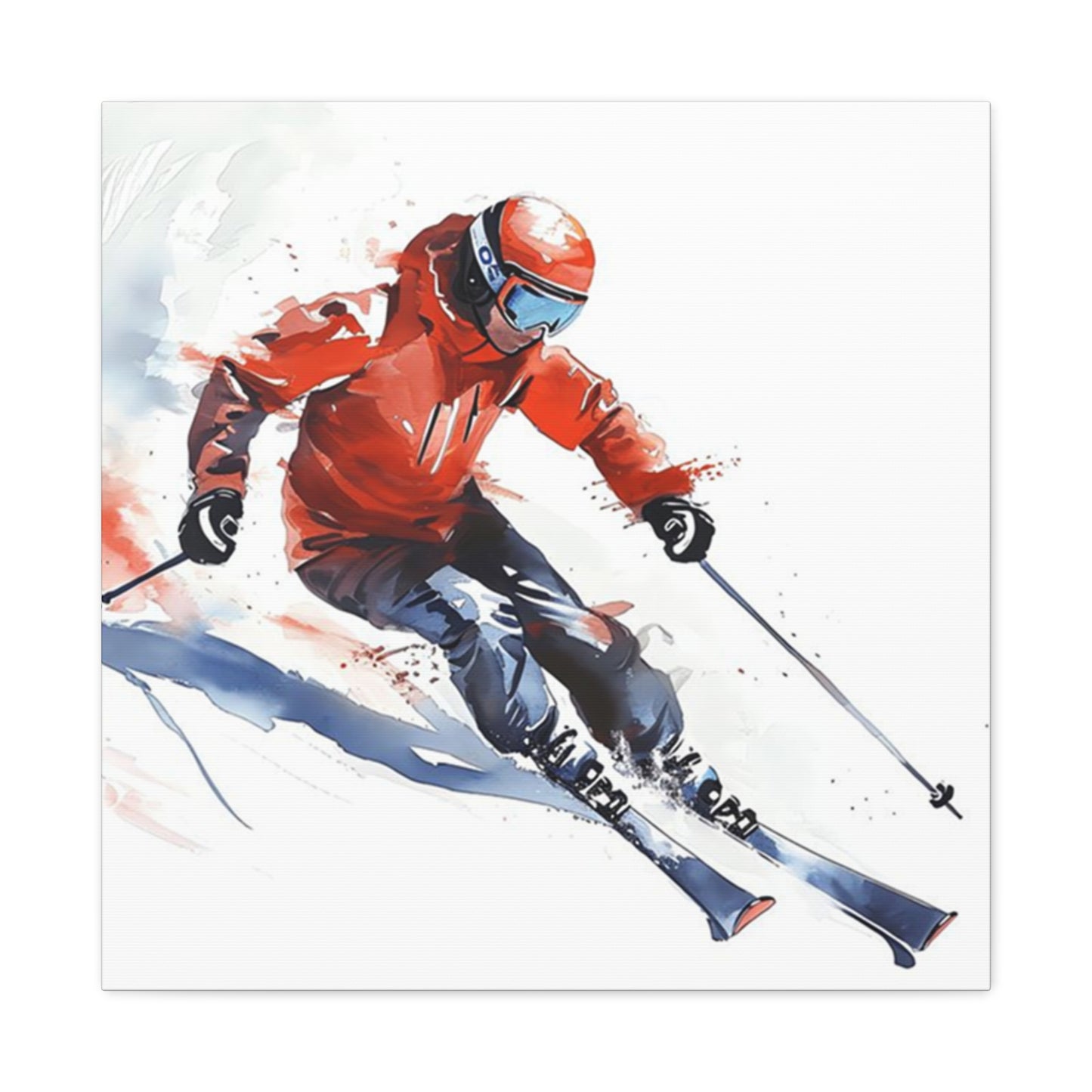
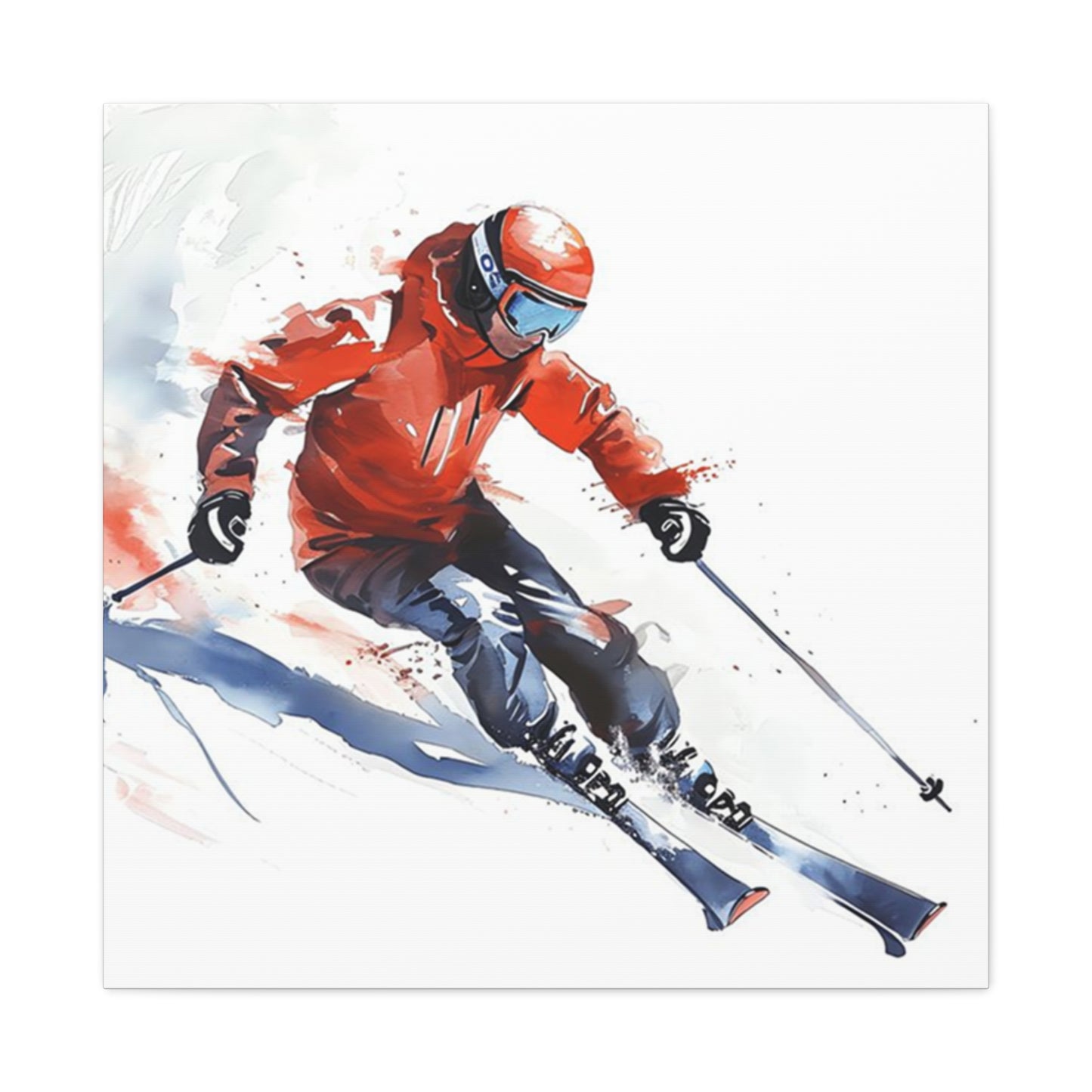
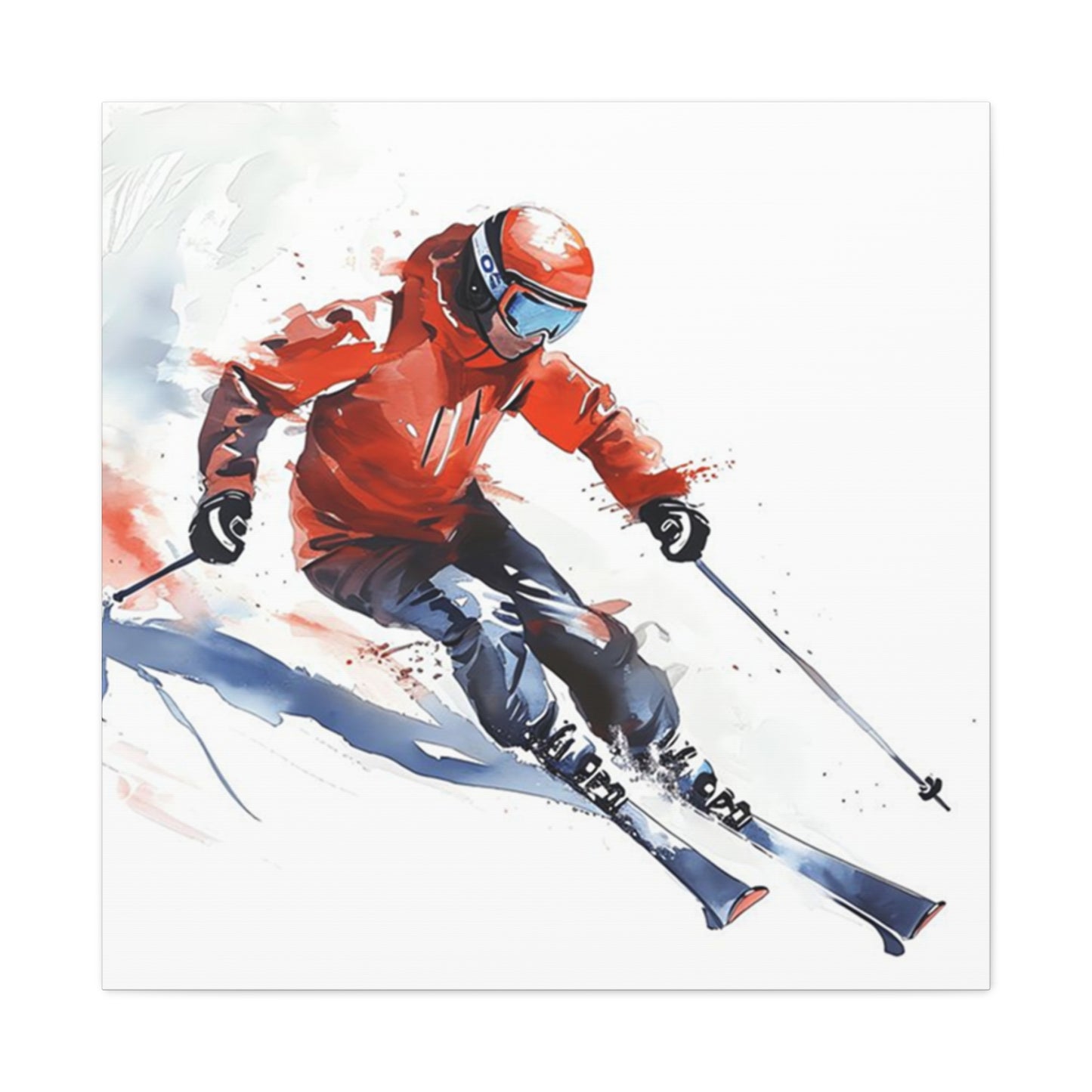
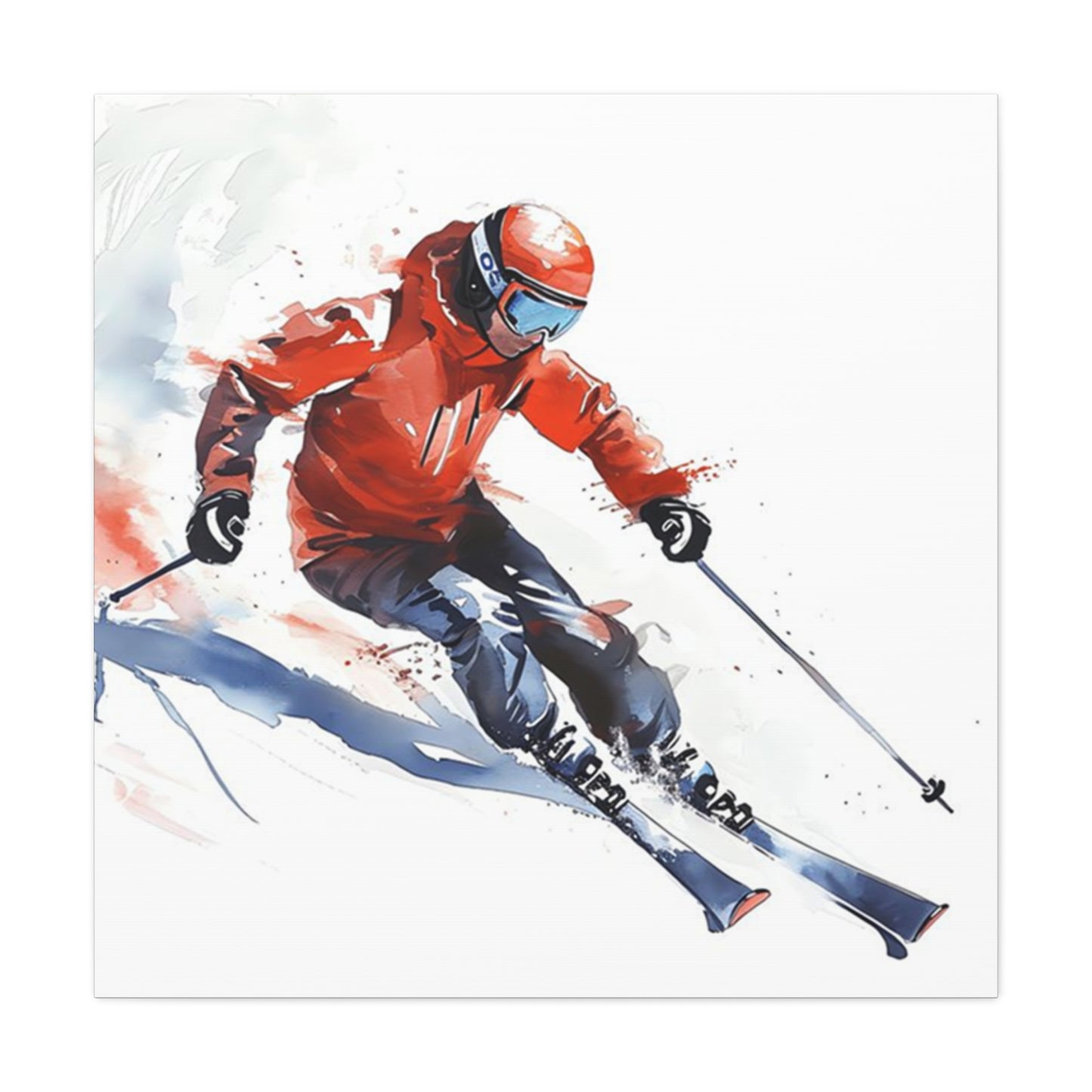
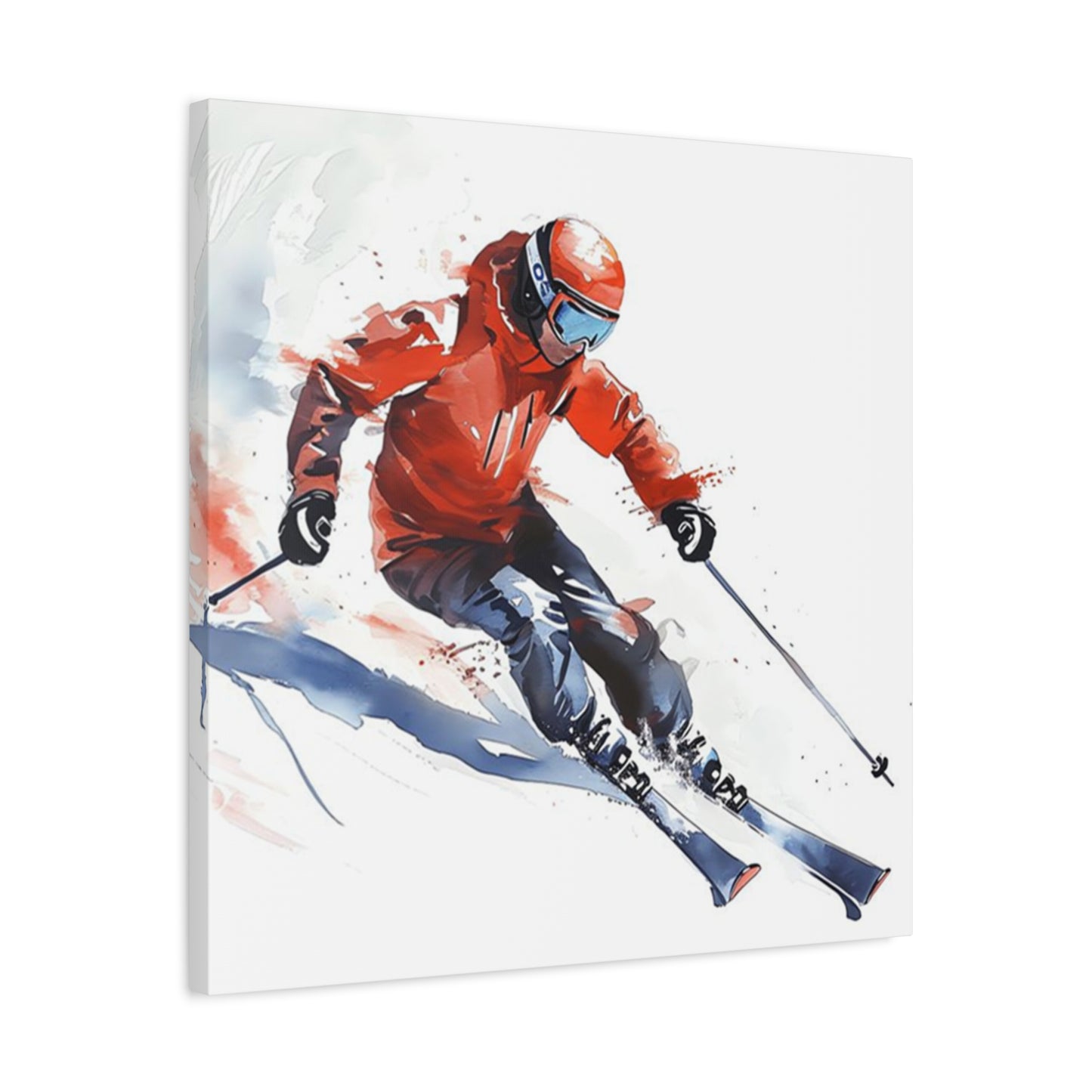
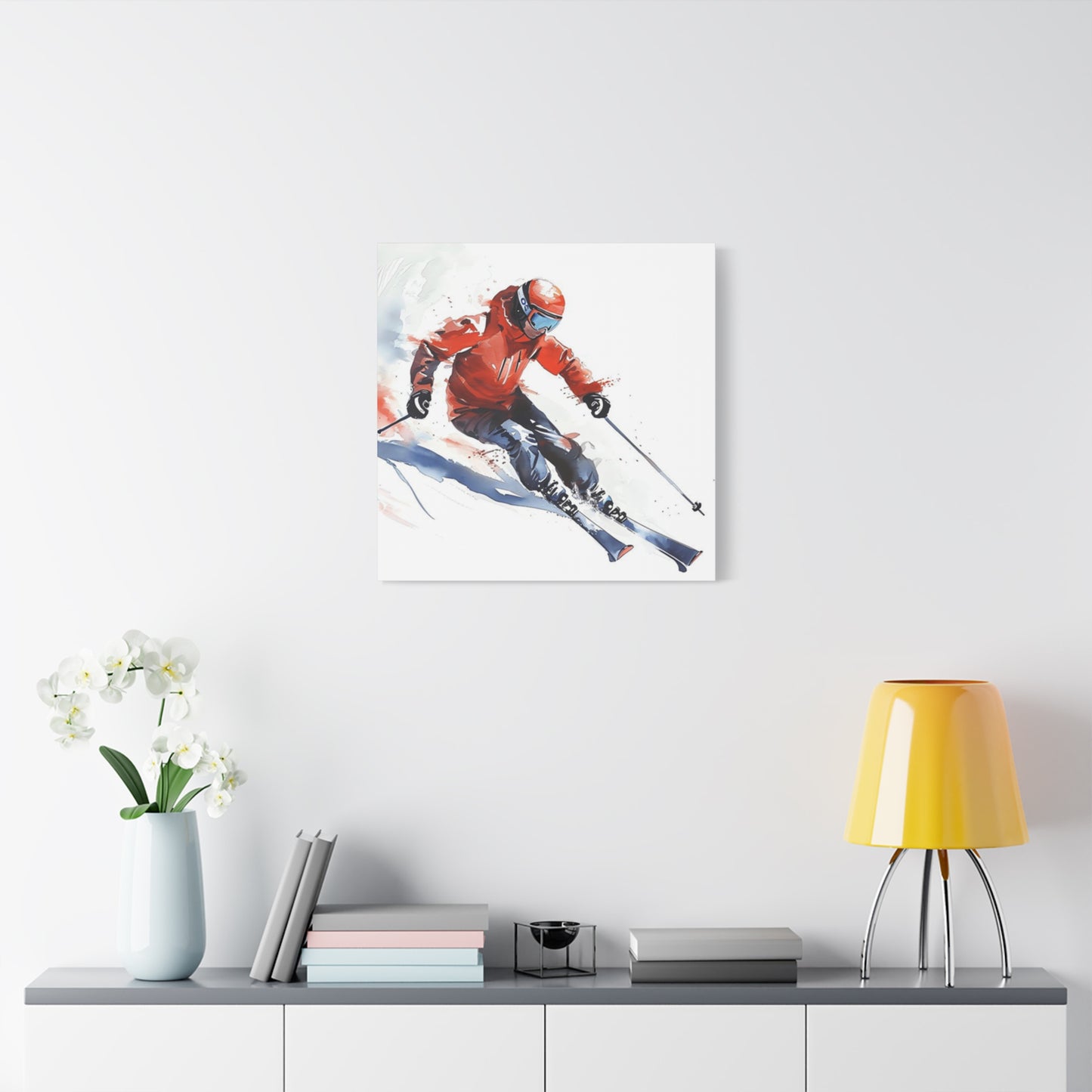
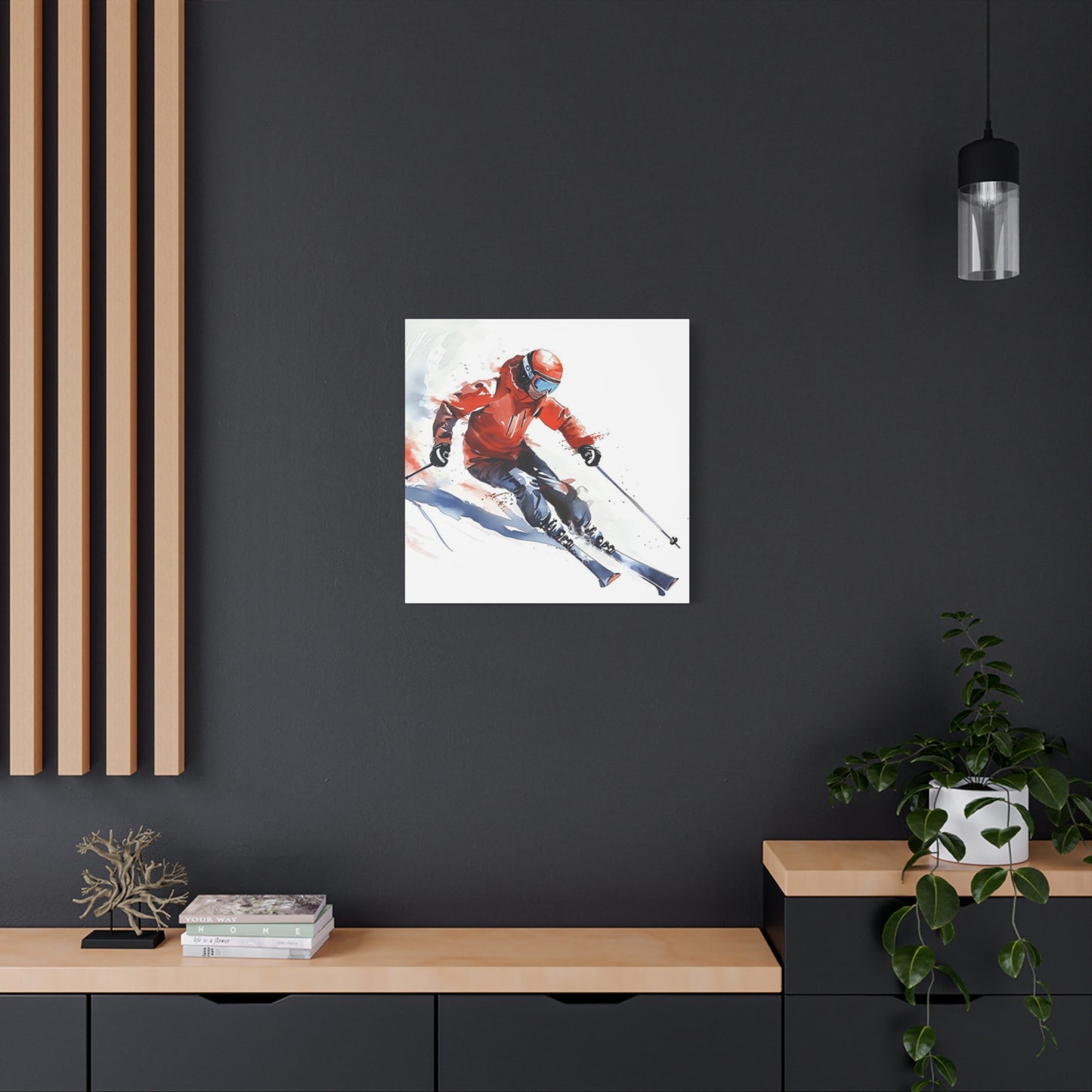
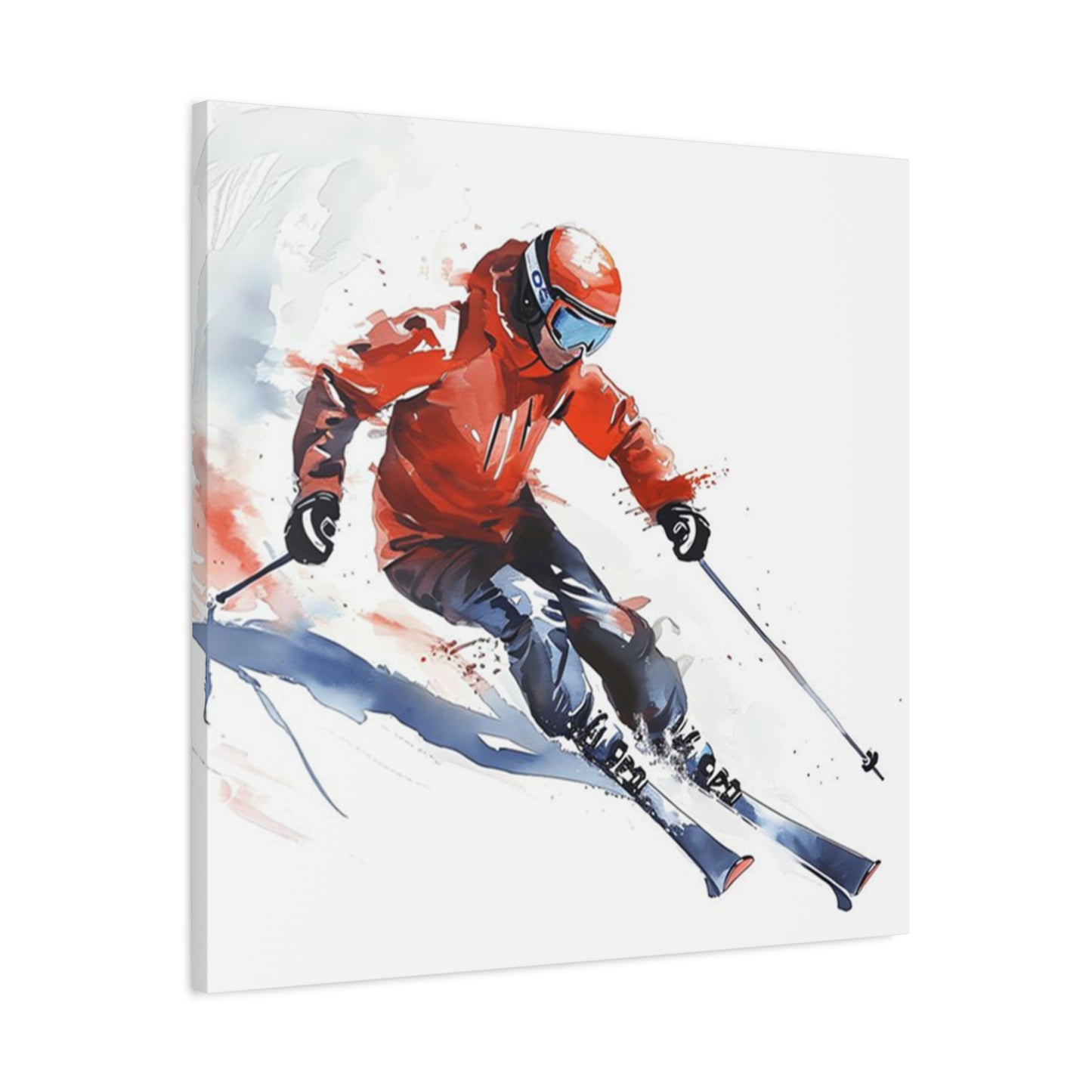
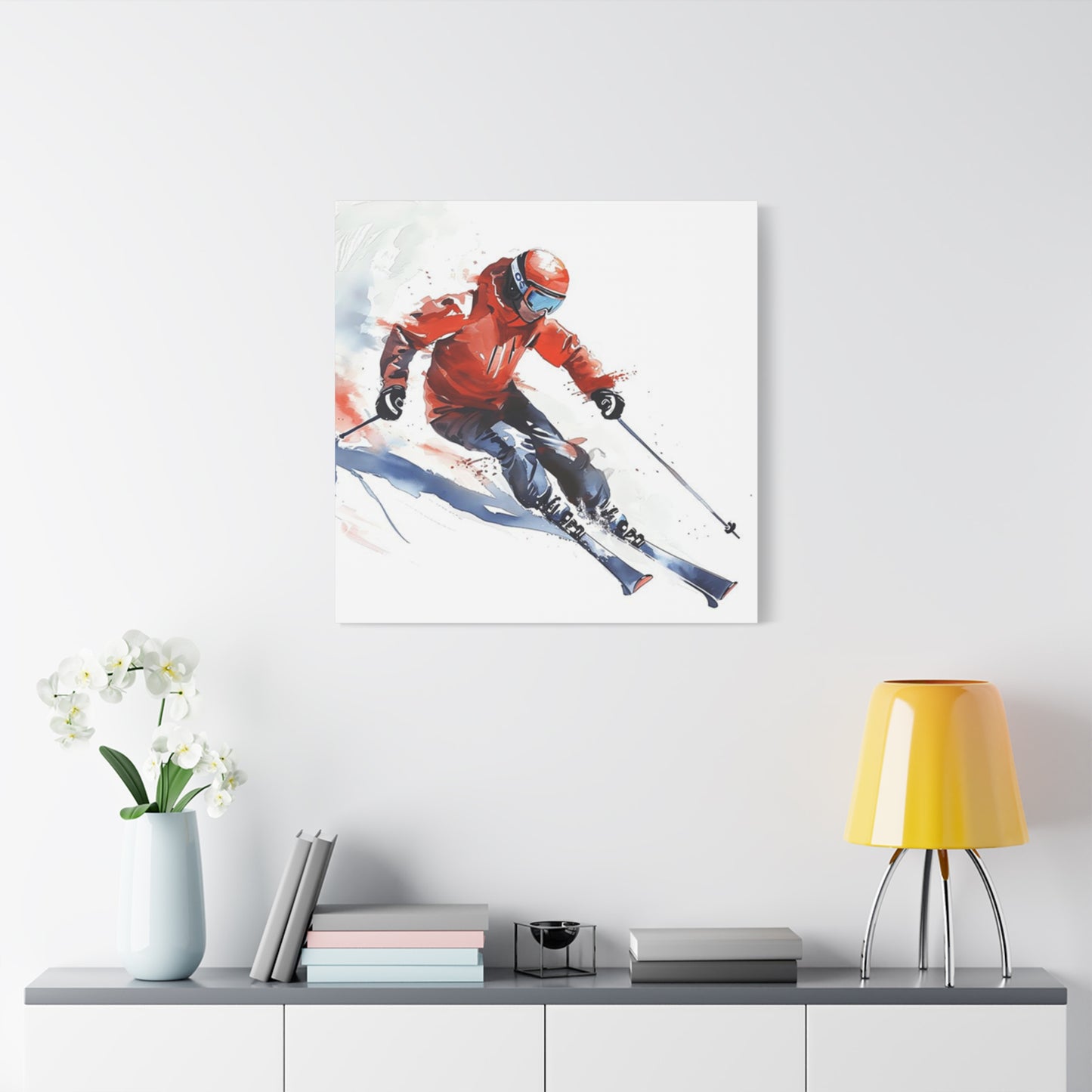
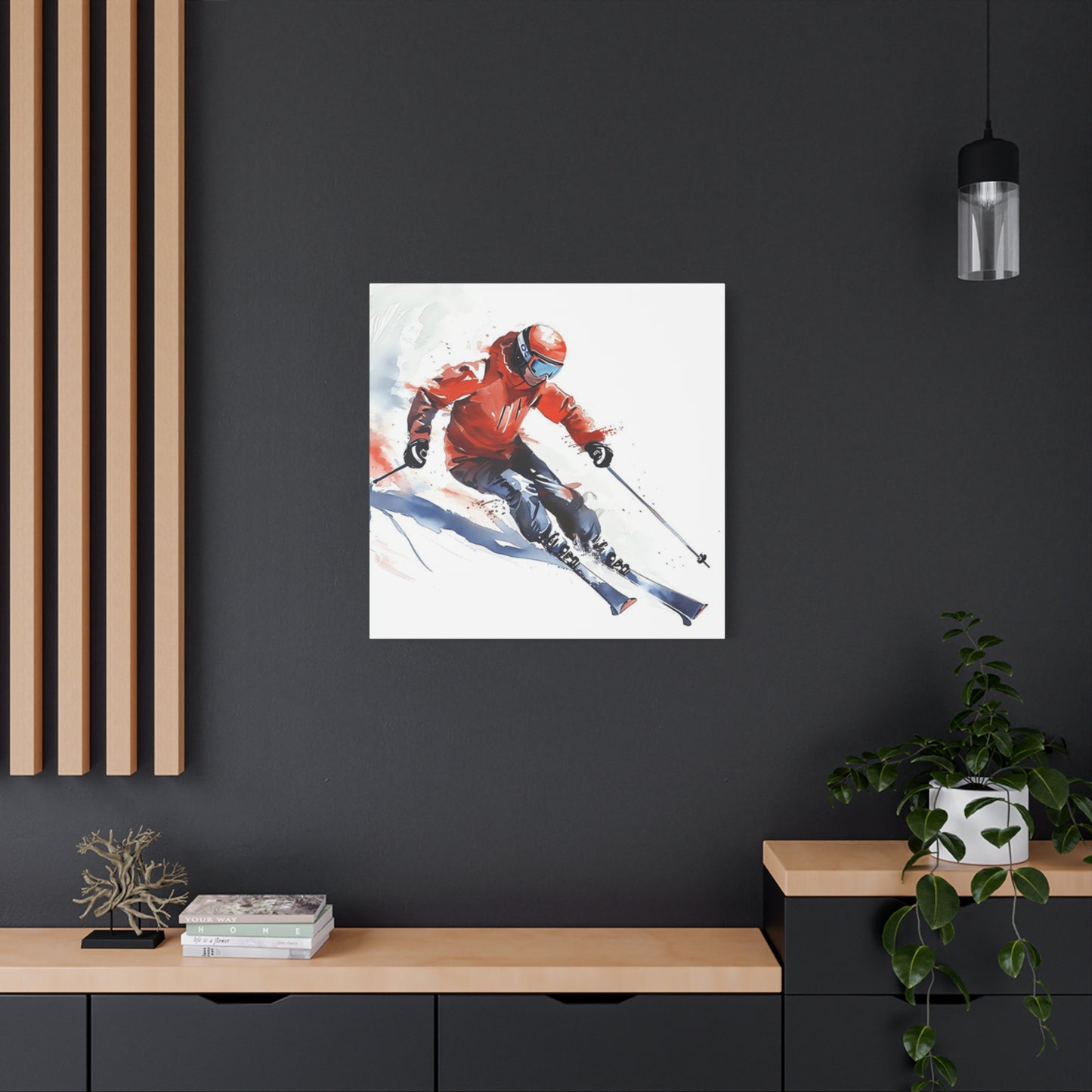
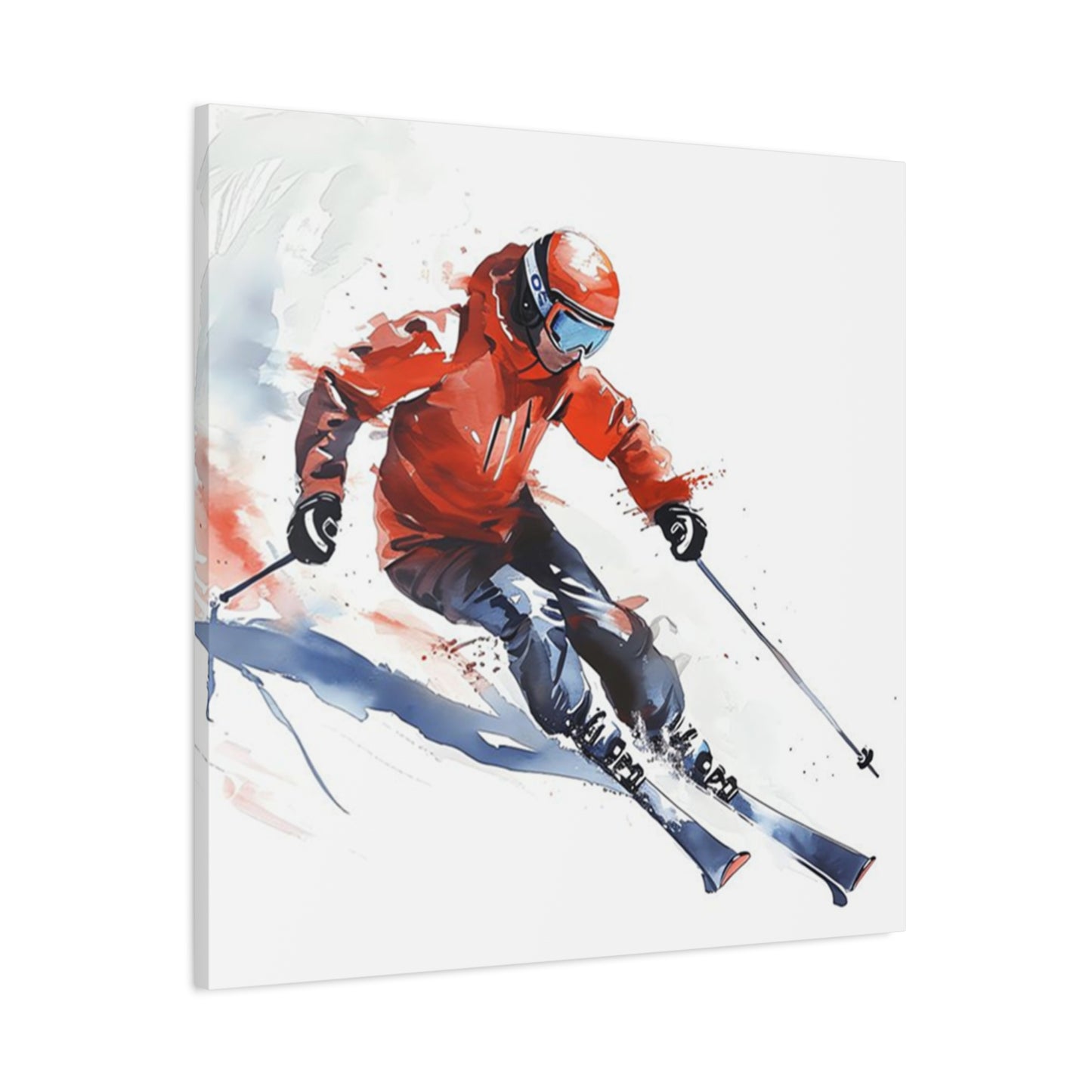
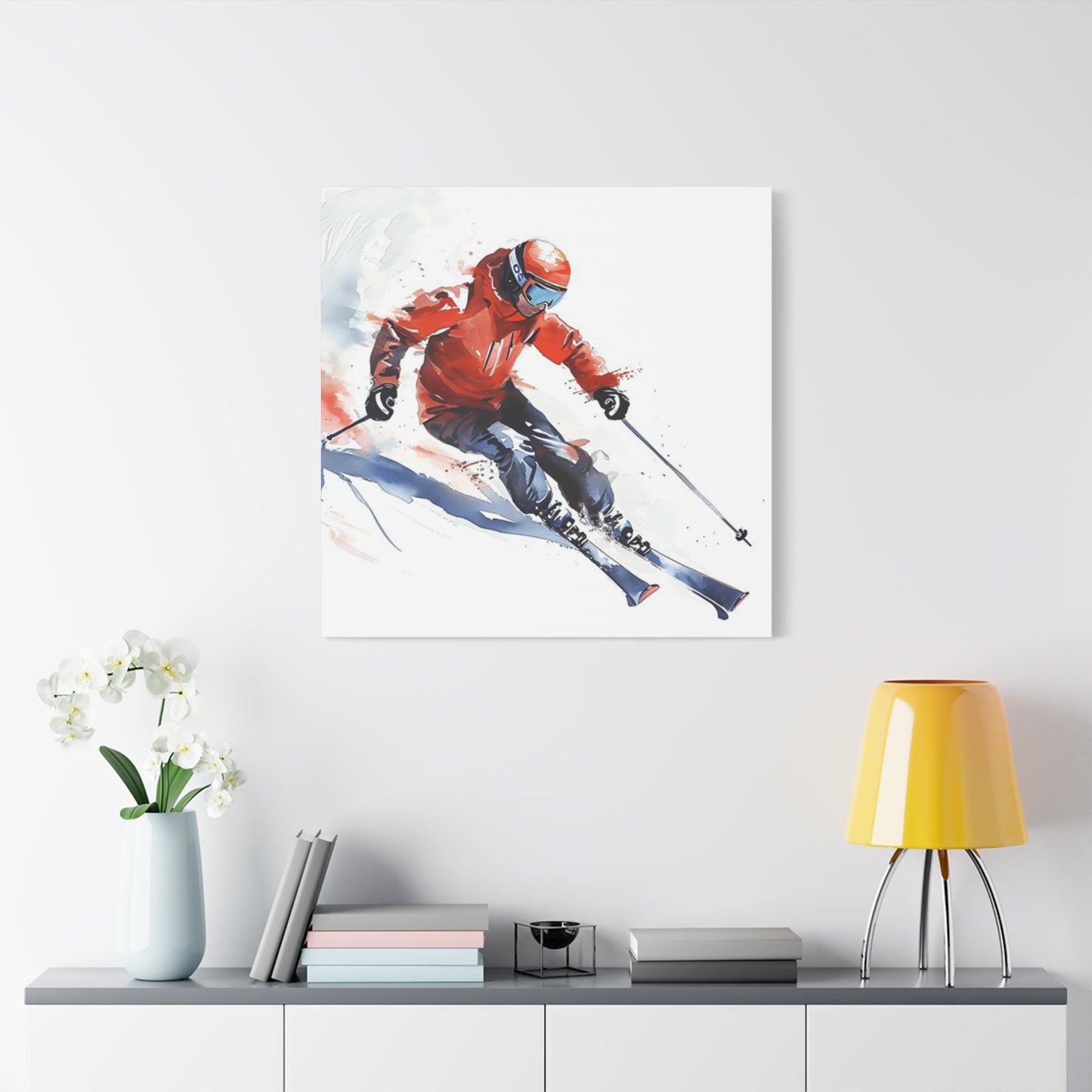
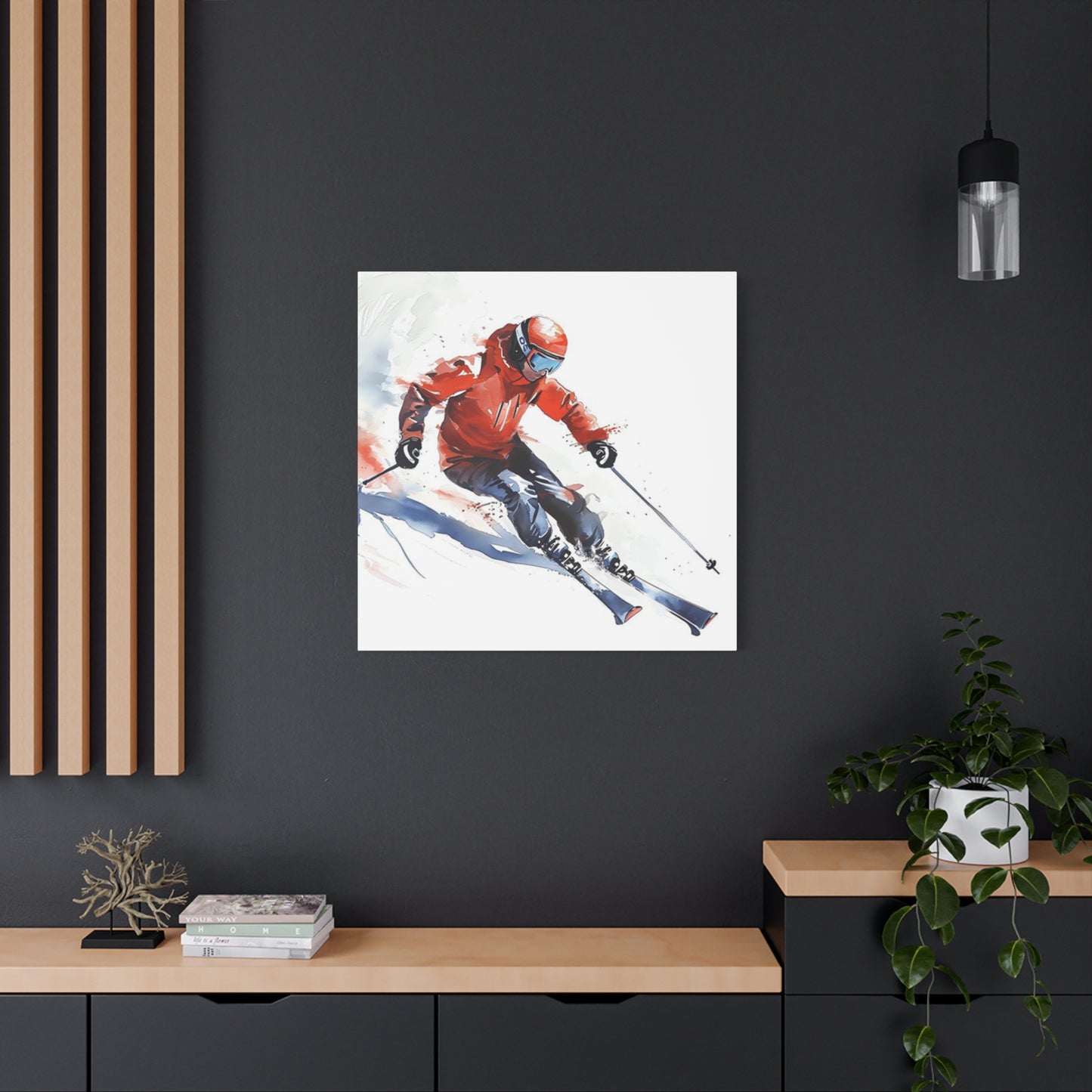
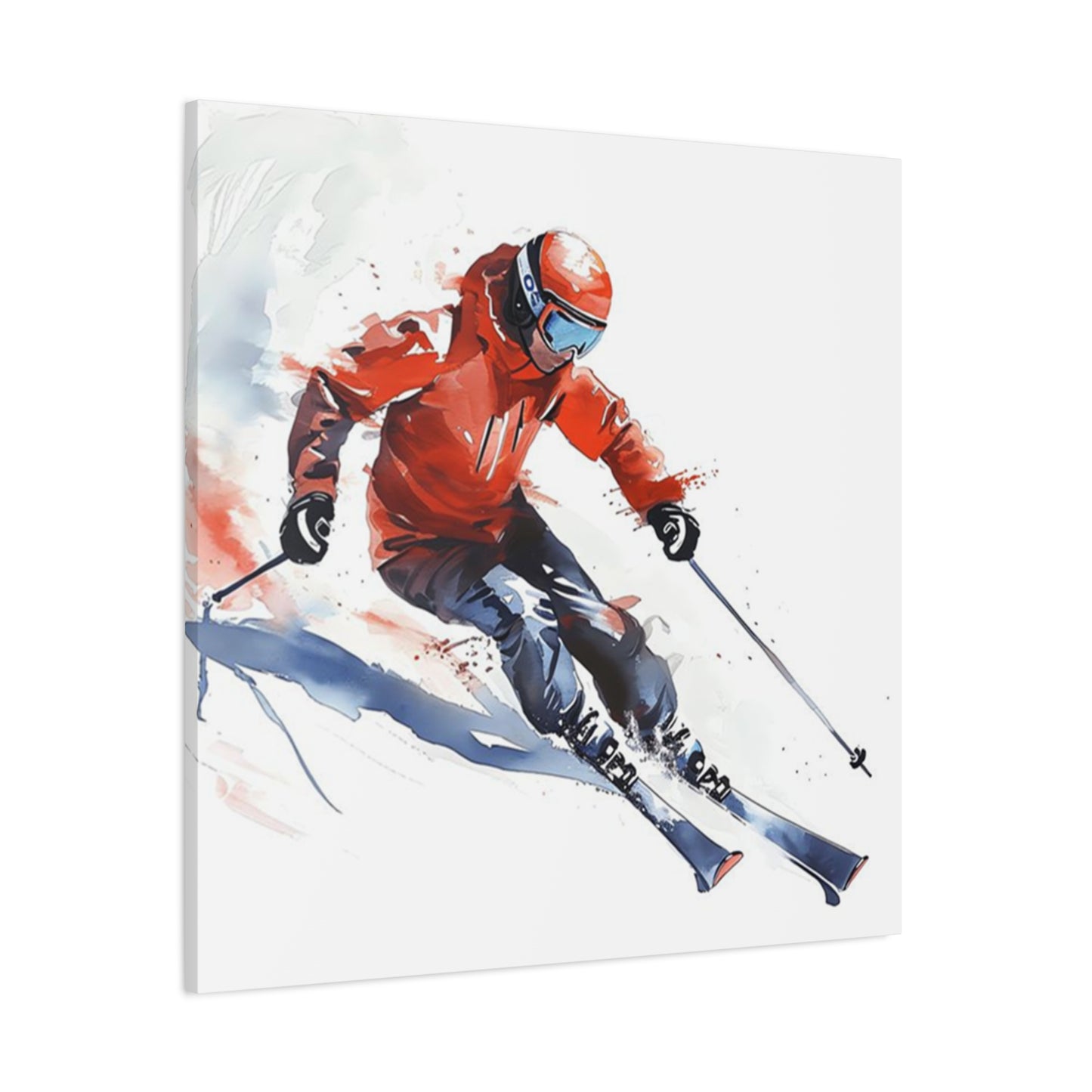
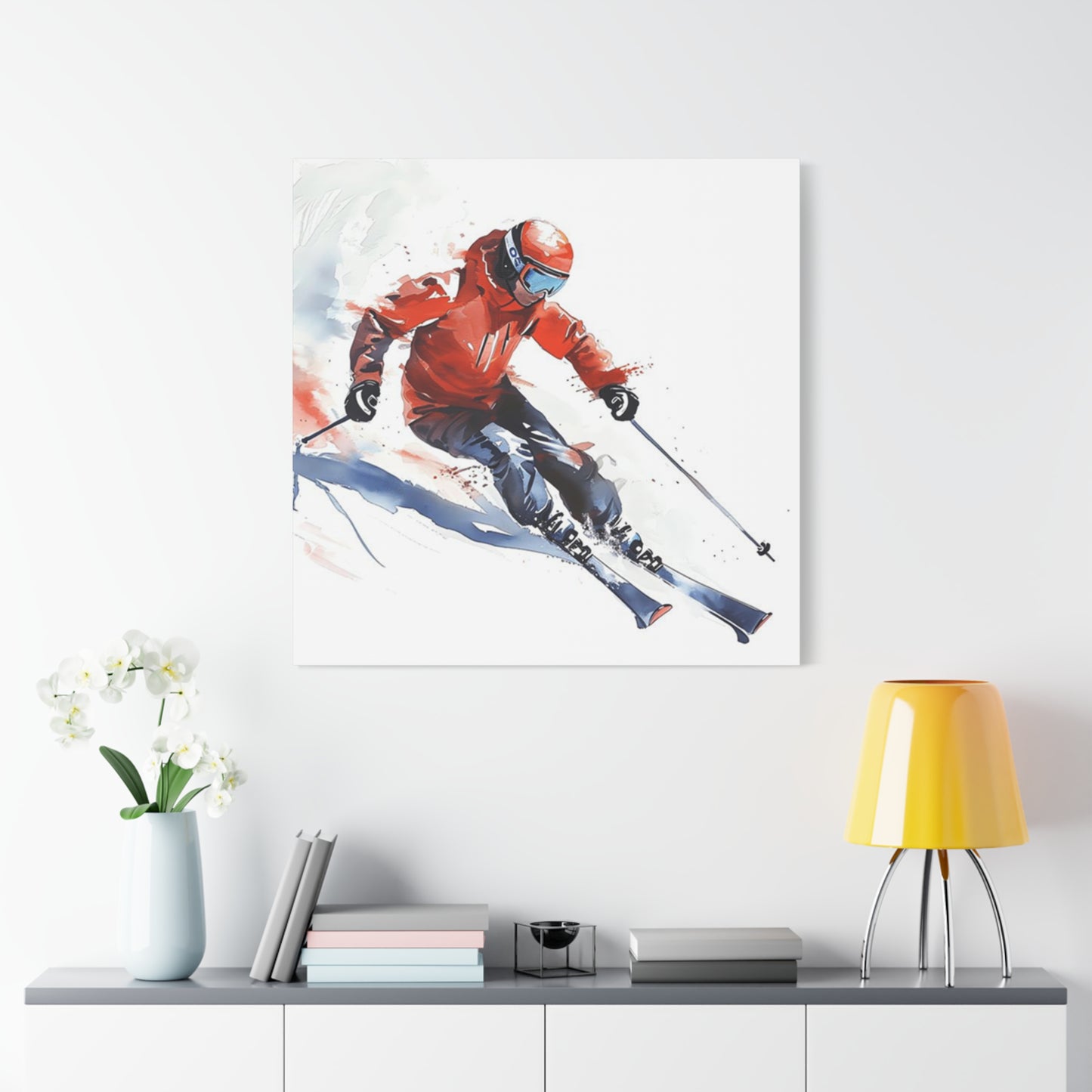
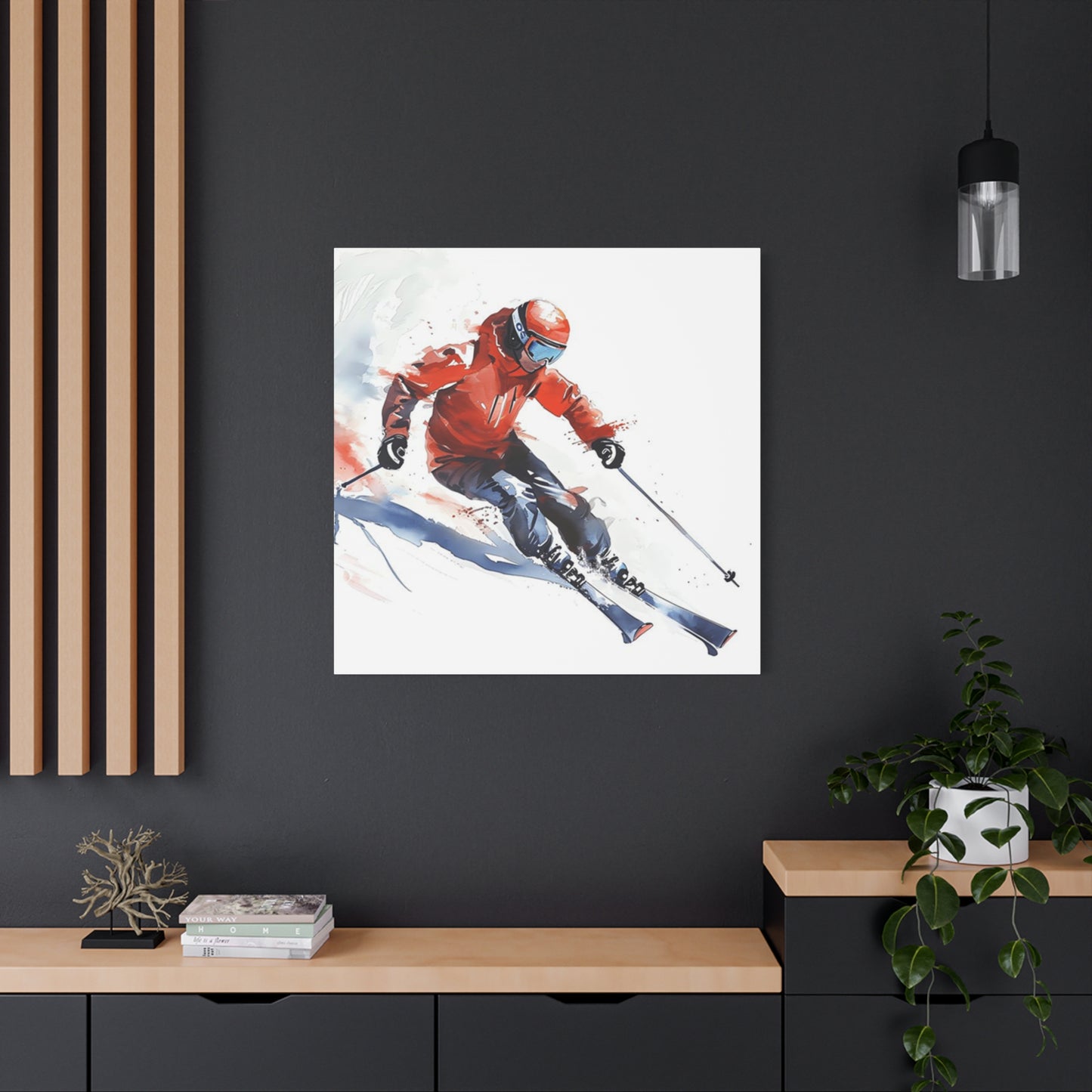
Bringing Alpine Majesty Home: Skiing in Snow Painting Wall Art for Every Space
The visual representation of skiing in snow through painting wall art has captured the imagination of homeowners and art enthusiasts for generations. These captivating pieces bring the exhilaration and beauty of mountain slopes directly into living spaces, creating focal points that inspire adventure and tranquility simultaneously. The enduring popularity of this artistic genre stems from its ability to evoke powerful emotions and memories while serving as sophisticated design elements that enhance various interior aesthetics.
Winter sports imagery, particularly skiing scenes, offers a unique combination of dynamic movement and serene landscapes. When translated into wall art, these compositions become more than mere decorations; they transform into windows that transport viewers to snow-covered peaks and pristine wilderness areas. The interplay of white snow, blue skies, evergreen forests, and the vibrant colors of ski equipment creates visual interest that remains engaging regardless of how many times one views the artwork.
For those who have experienced the thrill of carving through fresh powder or navigating challenging terrain, skiing in snow painting wall art serves as a cherished reminder of treasured moments on the slopes. These pieces rekindle the sensory memories of crisp mountain air, the satisfying crunch of snow beneath skis, and the unmatched freedom of gliding down mountainsides. Even for individuals who have never donned ski boots, such artwork offers an accessible entry point into the romance and adventure associated with alpine environments.
The artistic interpretation of skiing scenes varies dramatically across different styles and periods. Traditional representations might emphasize realistic detail, capturing every nuance of equipment, terrain, and atmospheric conditions with photographic precision. Contemporary approaches may favor abstraction, using bold brushstrokes and unconventional color palettes to convey the essence and energy of skiing rather than literal depictions. This diversity ensures that skiing in snow painting wall art can complement virtually any decorating scheme, from rustic mountain lodges to sleek urban apartments.
Collectors and decorators appreciate how these artworks bridge the gap between sporting culture and fine art appreciation. The subject matter carries inherent drama and visual appeal while providing opportunities for technical mastery in rendering challenging elements like falling snow, speed-induced motion blur, and the complex textures of winter landscapes. Artists working in this genre must balance compositional dynamism with the meditative qualities that make mountain scenes so universally appealing.
The psychological impact of displaying winter sports imagery extends beyond simple aesthetic pleasure. Research in environmental psychology suggests that nature-inspired artwork, particularly scenes featuring mountains and snow, can reduce stress levels and promote feelings of calm and renewal. The vast expanses depicted in skiing paintings provide visual relief from the enclosed spaces of modern living, offering a sense of openness and possibility that counteracts feelings of confinement or routine.
Material and Medium Choices for Lasting Quality
The selection of materials and mediums for creating skiing in snow painting wall art profoundly affects both aesthetic qualities and longevity of finished pieces. Understanding these choices helps collectors appreciate craftsmanship and make informed decisions about acquisitions. Traditional canvas remains the most common support for skiing paintings, offering a slight texture that enhances brushwork visibility while providing sufficient structural integrity for various painting techniques and sizes.
High-quality cotton or linen canvas provides superior archival properties compared to synthetic alternatives, resisting deterioration and maintaining structural stability over decades when properly prepared and maintained. Linen canvas offers exceptional durability and a subtle texture that many artists prefer, though it commands premium pricing. Cotton canvas presents a more economical option while still delivering professional results and long-term reliability. The canvas weave—fine, medium, or coarse—affects final appearance, with smoother weaves suited to detailed work and pronounced weaves adding textural interest to looser painting styles.
Wooden panels provide alternative supports offering perfectly smooth surfaces and exceptional rigidity. Skiing paintings on hardboard or wood panels exhibit different visual qualities than canvas works, with brushstrokes appearing crisper and colors potentially more vibrant due to the non-absorbent surface. Panel supports eliminate concerns about canvas sagging or damage from impacts, making them particularly suitable for high-traffic areas. The added weight of panels requires secure mounting but contributes to a substantial, gallery-quality presence.
Paper supports, used primarily for watercolor and mixed media skiing artwork, require appropriate weight and sizing to prevent buckling and deterioration. Professional-grade watercolor papers in weights of 140 pounds or heavier provide suitable foundations for serious artwork intended for display. Cold-pressed papers offer moderate texture balancing detail capability with watercolor technique advantages, while hot-pressed papers provide smooth surfaces for fine detail work. Rag papers made from cotton fibers deliver superior archival properties compared to wood-pulp alternatives.
The choice between oil, acrylic, watercolor, or mixed media affects both working process and finished appearance. Oil paints provide unmatched richness and luminosity, particularly effective for rendering the subtle color variations in snow and sky. The slow drying time allows extended manipulation and sophisticated blending but requires patience during creation. Finished oil paintings develop beautiful depth as they cure, with colors potentially shifting slightly and surface sheen developing characteristic patina over time.
Acrylic paints offer practical advantages including rapid drying, water cleanup, and excellent adhesion to diverse surfaces. Modern acrylic formulations achieve impressive color saturation and can mimic various media effects through different application techniques and additives. Acrylics maintain color stability excellently, resisting the yellowing that can affect oil paintings over decades. The fast drying can challenge artists during blending but enables rapid layering and reduces production time—practical considerations for professional artists.
Watercolor paintings possess unique luminosity derived from light reflecting through transparent pigments off white paper surfaces. This optical quality creates ethereal effects particularly suitable for atmospheric skiing scenes, with falling snow, misty conditions, and delicate light effects rendered convincingly through watercolor's inherent properties. The medium's challenges include limited correction possibilities and requires decisive, confident technique. Properly executed and preserved watercolor skiing paintings display remarkable beauty and surprising durability.
Protective varnishes and glazes applied to finished paintings serve multiple purposes, including UV protection, surface protection from dust and minor impacts, and aesthetic enhancement through controlled sheen levels. Oil and acrylic paintings benefit from professional varnishing, which can be matte, satin, or glossy depending on artist preference and subject appropriateness. Matte varnishes minimize reflections and provide subtle, sophisticated finishes, while glossy varnishes enhance color saturation and create jewel-like vibrancy. Watercolor paintings typically display under glass rather than varnished, protecting delicate surfaces while maintaining the medium's characteristic appearance.
Composition Principles in Dynamic Winter Sports Art
Effective composition distinguishes memorable skiing in snow painting wall art from merely competent works. Artists employ fundamental design principles to create visually engaging, balanced compositions that guide viewer attention and convey desired emotional responses. The dynamic nature of skiing subjects presents both opportunities and challenges, as artists must balance action and energy with overall compositional harmony.
The rule of thirds provides a foundational compositional framework, dividing the picture plane into nine equal sections with two horizontal and two vertical lines. Placing key elements at intersection points or along these divisions creates naturally pleasing arrangements that avoid static centering while maintaining balance. In skiing paintings, artists might position the main skier at a rule-of-thirds intersection, or align the horizon at the lower or upper third line rather than bisecting the composition centrally. This principle creates dynamic tension while preserving overall equilibrium.
Leading lines guide viewer eyes through compositions, creating visual pathways that enhance narrative flow and compositional cohesion. In skiing artwork, ski tracks through fresh snow provide natural leading lines that can direct attention toward focal points or create diagonal movements suggesting speed and descent. Tree lines, mountain ridges, and ski runs themselves function as leading lines, structuring compositions and creating depth through perspective convergence. Skillful artists orchestrate multiple leading lines to create complex visual journeys that reward extended viewing.
Diagonal orientations inject energy and movement into compositions, making them particularly effective for skiing subjects where dynamic action is central. Unlike horizontal and vertical arrangements that convey stability and calm, diagonals suggest instability, motion, and excitement—qualities inherent to skiing experiences. Artists might tilt entire compositions, position skiers along diagonal trajectories, or arrange environmental elements diagonally to enhance dynamic feeling. The direction of diagonals influences psychological impact, with descent-oriented diagonals feeling faster and more dramatic than ascending ones.
Foreground, middle ground, and background layering creates spatial depth, transforming flat surfaces into convincing three-dimensional spaces. Skiing paintings typically include detailed foreground elements like close trees or terrain features, middle-ground focal subjects such as skiers navigating slopes, and background mountain peaks receding into atmospheric haze. The progressive softening of detail and color intensity from foreground to background mimics natural atmospheric perspective, enhancing spatial realism. This layering also provides compositional structure and guides viewer perception through the scene in organized fashion.
Negative space—areas of composition not occupied by primary subjects—plays crucial roles in skiing artwork. Expansive snow fields or sky areas provide visual rest, prevent compositions from feeling crowded, and emphasize the vastness of mountain environments. Strategic use of negative space also highlights positive elements through contrast, making skiers appear more dramatic against empty slopes. Asian-influenced compositional approaches particularly emphasize negative space, creating minimalist skiing paintings that achieve maximum impact through careful elimination of non-essential elements.
Color distribution and value patterns structure compositions and direct attention regardless of subject matter. Artists might concentrate warm colors in focal areas while surrounding them with cool tones, or create value contrasts that establish hierarchy among compositional elements. In skiing paintings, bright jacket colors against neutral snow naturally draw focus, while atmospheric effects can soften background areas through reduced value contrast. Thoughtful color and value distribution creates unified compositions where all elements work together rather than competing for attention.
Repetition with variation provides compositional rhythm and visual interest. Repeated elements like multiple skiers, tree patterns, or mountain peaks create cohesive unity, while variations in size, positioning, and detail prevent monotony. This principle helps artists create complex compositions that feel organized rather than chaotic. In skiing scenes depicting multiple figures, artists might vary their positions, sizes, and orientations while maintaining overall pattern coherence that satisfies the eye's desire for both variety and unity.
Emotional Resonance and Storytelling Through Skiing Imagery
Great skiing in snow painting wall art transcends mere visual appeal to create emotional connections and implied narratives that engage viewers on deeper levels. The ability to evoke feelings and suggest stories distinguishes artworks that become beloved permanent fixtures from those that serve temporary decorative purposes. Artists working with skiing subjects access rich emotional territories including exhilaration, freedom, challenge, solitude, and triumph.
The depiction of solitary skiers navigating vast mountain landscapes often conveys themes of individual challenge and self-reliance. These compositions can evoke feelings of peaceful solitude, contemplative isolation, or determined independence depending on execution details. A lone figure against expansive snow suggests both human smallness in natural grandeur and courageous engagement with impressive environments. Viewers project personal meanings onto such scenes, finding reflections of their own experiences with challenges, journeys, and moments of being alone with nature.
Group skiing scenes suggest community, shared adventure, and social bonding through outdoor activity. Paintings depicting multiple skiers—whether families, friends, or ski school participants—tap into collective experiences and communal joy. These works appeal to viewers who associate skiing with social connection and memories created with others. The interactions between figures, their spatial relationships, and activity coordination all contribute to narrative interpretation and emotional resonance.
Action-oriented skiing paintings capturing dramatic moments—jumps, steep descents, or powder sprays—emphasize excitement, risk, and athletic prowess. These dynamic works appeal to viewers seeking inspiration, energy, and reminders of life's adventurous possibilities. The frozen moment of peak action creates tension and implied motion that activates viewer imagination, mentally completing movements that paintings necessarily suspend in time. Such works function as metaphors for courage, commitment, and embracing challenges.
Contemplative skiing scenes emphasizing landscape beauty over athletic action offer meditative qualities and aesthetic appreciation of natural environments. These pieces might feature skiers paused to admire views, or position human figures as small elements within overwhelming natural grandeur. The emotional tone shifts toward reverence, wonder, and peaceful appreciation. Viewers seeking calm and connection with nature find particular resonance with these gentler interpretations of skiing subjects.
Seasonal and temporal elements add emotional layers to skiing artwork. Dawn and dusk scenes carry associations with beginnings, endings, and transitional moments, while midday brightness suggests clarity and peak experience. Fresh snow evokes new possibilities and pristine beauty, while tracked slopes tell stories of many passages and shared spaces. Storm conditions introduce drama and challenge, while clear bluebird days project optimism and perfect conditions. Artists manipulate these elements to guide emotional interpretation.
Nostalgic skiing paintings reference historical periods through vintage equipment, clothing styles, or classic resort architecture. These works appeal to collectors who cherish skiing's heritage and evolution, or who associate particular eras with personal memories. The deliberate evocation of past aesthetics creates emotional connections to tradition and history, suggesting continuity between past and present skiing experiences. Such pieces often incorporate design elements from vintage ski posters, merging fine art with historical commercial art traditions.
The implied before and after of captured moments adds narrative depth. Ski tracks reveal where skiers have been, while open slopes suggest unlimited future possibilities. A skier approaching a challenging section creates anticipation, while one disappearing into trees suggests mystery and continued adventure beyond the frame. This temporal ambiguity invites viewer participation in story construction, making artwork interactive in psychological sense as viewers imagine preceding and subsequent moments.
Seasonal Versatility and Year-Round Display Appeal
While skiing in snow painting wall art naturally evokes winter, these pieces offer surprising versatility for year-round display through thoughtful selection and presentation. Understanding how to maintain relevance across seasons helps collectors integrate skiing artwork into permanent decorating schemes rather than treating pieces as seasonal rotations. The key lies in recognizing that successful skiing paintings often transcend literal season representation to address universal themes.
Alpine landscapes possess inherent beauty independent of specific seasonal associations. Mountains, forests, and dramatic terrain maintain visual appeal regardless of when viewed. Skiing paintings emphasizing landscape grandeur over seasonal specifics feel appropriate throughout the year, functioning as windows to perpetually accessible natural beauty. This approach particularly suits works where skiing elements occupy smaller compositional portions while mountain scenery dominates.
Color palette selection influences seasonal flexibility. Skiing paintings incorporating warm tones—sunset skies, golden hour lighting, or autumn-toned foreground elements—feel less exclusively winter-oriented than those dominated entirely by cool blues and whites. The psychological warmth of these pieces balances their snow-covered subjects, creating compositions that provide visual warmth even in summer months. Collectors in warmer climates particularly appreciate skiing artwork with balanced color temperatures that doesn't visually cool rooms excessively.
Thematic focus on universal experiences rather than specific activities enhances year-round appropriateness. Paintings emphasizing human relationship with nature, personal challenge, or aesthetic appreciation of mountain environments communicate messages that transcend seasonal boundaries. A skiing painting interpreted as exploring solitude, adventure, or natural beauty speaks to viewers constantly, not just during winter months. This conceptual depth transforms decorative objects into meaningful artistic statements with lasting relevance.
The cooling psychological effect of snow imagery becomes an asset during warm months, offering visual relief from heat. Just as fireplaces appeal visually even when not operational, skiing paintings provide psychological refreshment during summer. The sight of snow-covered landscapes can actually reduce perceived temperature through psychological mechanisms, making skiing artwork functionally beneficial for creating cool, comfortable feeling spaces when outdoor temperatures soar.
Strategic placement in climate-controlled interior spaces removes seasonal context, allowing skiing paintings to exist within environments where season is ambiguous. Modern homes with consistent indoor conditions don't remind occupants of exterior seasonal realities as strongly as earlier dwellings. Within these controlled environments, skiing artwork functions as aesthetic choice rather than seasonal reference, especially when integrated into design schemes emphasizing other priorities beyond seasonal appropriateness.
Collections incorporating multiple paintings across seasons can include skiing pieces as permanent elements within rotating groupings. Rather than removing skiing artwork entirely during non-winter months, collectors might shift emphasis by adding complementary pieces depicting other seasons or activities. This approach maintains valued skiing paintings on display while adjusting overall seasonal balance through strategic additions and subtractions.
The association between skiing and vacation experiences transcends seasonal limitations. For many people, skiing represents escape, luxury, and special experiences rather than everyday winter. This psychological framing allows skiing artwork to function year-round as reminders of vacation experiences and anticipated future trips. The perpetual presence reinforces positive associations and maintains connection to valued experiences regardless of current season.
Integration with Various Interior Design Styles
Skiing in snow painting wall art demonstrates remarkable adaptability across diverse interior design aesthetics, from traditional to contemporary approaches. Understanding these style relationships helps collectors select pieces that enhance existing decor while maintaining authentic personal expression. The key to successful integration lies in identifying connecting elements between artwork and surrounding design that create cohesive, intentional appearances.
Mountain rustic or lodge-style interiors provide natural homes for skiing artwork, as the thematic connection between alpine imagery and mountain-inspired decor creates obvious harmony. Spaces featuring natural wood, stone elements, and outdoor-inspired materials establish contexts where skiing paintings feel entirely appropriate and even expected. These environments benefit from skiing artwork that emphasizes landscape elements, traditional activities, or vintage aesthetic references that complement the nostalgic, heritage-focused nature of rustic design.
Contemporary and modern interiors accommodate skiing paintings through emphasis on clean composition, bold color relationships, and graphic clarity. Abstract or semi-abstract skiing artwork particularly suits modern spaces, as these interpretations prioritize design qualities over literal representation. The crisp whites, strong diagonals, and simplified forms possible in skiing imagery align with modernist preferences for geometry, negative space, and visual clarity. Contemporary skiing paintings can serve as sophisticated focal points in minimalist environments where each element receives careful consideration.
Scandinavian design aesthetics, with their emphasis on simplicity, functionality, and connection to nature, welcome skiing artwork that shares these values. Nordic countries' historical relationships with skiing create cultural resonance, while the typical Scandinavian palette of whites, grays, and pale woods harmonizes beautifully with snow-dominated paintings. Skiing artwork in Scandinavian-styled spaces should emphasize clean composition, understated elegance, and authentic representation over dramatic flair or excessive decoration.
Traditional and classical interiors can incorporate skiing paintings through careful attention to framing, color relationships, and compositional formality. Skiing artwork with more conventional landscape painting approaches—detailed rendering, atmospheric perspective, classical composition—integrates successfully with traditional furnishings and architectural elements. Substantial wood frames in classic profiles help skiing paintings dialogue with traditional furniture pieces and established decorative conventions. Color coordination between artwork and existing textiles, rugs, and upholstery strengthens cohesion.
Industrial design settings surprisingly accommodate skiing artwork when pieces exhibit appropriate aesthetic qualities. The contrast between rugged mountain imagery and industrial elements like exposed brick, metal, and concrete can create dynamic tension that enlivens spaces. Skiing paintings with graphic strength, bold composition, and substantial physical presence hold their own against industrial architecture's powerful visual characteristics. Unadorned frames or gallery-wrap canvas presentations suit industrial aesthetics better than ornate framing.
Transitional design, which bridges traditional and contemporary approaches, offers particular flexibility for skiing artwork. These spaces accommodate diverse artistic interpretations, from realistic to abstract, as transitional design itself embraces stylistic variety. The key to successful integration in transitional settings involves selecting skiing paintings that balance competing influences—perhaps pieces combining classical subject matter with contemporary execution, or traditional techniques applied to innovative compositions.
Bohemian and eclectic interiors provide freedom for skiing artwork that might feel out of place in more style-specific settings. These collecting-oriented spaces celebrate visual variety and personal significance over strict stylistic adherence. Skiing paintings with unusual color palettes, mixed media approaches, or unconventional perspectives thrive in bohemian environments where rule-breaking and individual expression take precedence over design orthodoxy. Layered grouping with diverse complementary artworks creates rich, personalized environments.
Frame Selection and Presentation Techniques
The presentation of skiing in snow painting wall art through thoughtful frame selection and mounting approaches significantly impacts both aesthetic effect and artwork preservation. Framing transforms paintings from vulnerable objects into finished, protected pieces ready for permanent display. Understanding framing options helps collectors make informed decisions that enhance artwork while providing necessary protection and structural support for long-term enjoyment.
Traditional wood frames offer timeless elegance and physical substance that complements skiing paintings across various styles. Natural wood tones create warm contrasts against cool snow tones while establishing visual connections to alpine forests depicted within paintings. Wood frame profiles range from simple contemporary styles with minimal ornamentation to elaborate traditional moldings with complex details. Frame width should balance with painting size—larger works generally benefit from more substantial frames that provide proportional visual weight, while smaller pieces require narrower profiles to avoid overwhelming the artwork.
Painted wood frames enable color coordination with either artwork or room decor, creating customized presentation solutions. White or off-white frames provide clean, gallery-style presentations that emphasize artwork while receding visually. Black frames offer sophisticated contrast and formal presence particularly effective for contemporary skiing paintings. Colored frames can pick up accent hues from paintings, creating cohesive color stories, though this approach requires careful consideration to avoid matching that feels overly contrived or limiting future placement flexibility.
Metal frames deliver sleek, modern presentations suited to contemporary skiing artwork and design contexts. Aluminum frames particularly provide lightweight strength in profiles ranging from minimalist floater frames to substantial gallery-style options. Metals finishes including brushed aluminum, black matte, brass, and silver offer varied aesthetic effects. The cool neutrality of metal frames harmonizes naturally with skiing imagery's predominantly cool palette while introducing reflective elements that add subtle visual interest.
Floater frames create contemporary presentations where artwork appears to float within frame boundaries, with visible gaps between canvas edges and frame interior. This mounting approach emphasizes artwork as object while showcasing canvas thickness and edges. Floater frames particularly suit gallery-wrap canvases where painting continues around sides. The visible separation and resulting shadows create dimensional interest and modern aesthetic appeal, though the style may feel too contemporary for traditional settings.
Gallery-wrap presentation eliminates external frames entirely, wrapping canvas around stretcher bar edges to create self-contained objects. This approach yields clean, contemporary appearances particularly appropriate for modern interiors. Gallery-wrapped skiing paintings become architectural elements rather than framed pictures, integrating seamlessly with minimalist design schemes. The technique requires painting continuation around canvas sides or finished edge treatment to maintain polished appearances from all viewing angles.
Glass and glazing options protect paper-based skiing artwork including watercolors and works on paper. Standard glass provides basic protection but introduces reflections that can interfere with viewing. Non-reflective or anti-glare glass significantly reduces reflections, improving visibility though sometimes slightly softening image appearance. Museum-quality acrylic glazing offers superior clarity, lighter weight than glass, and UV filtration that helps preserve artwork from light-related deterioration. The investment in premium glazing protects valuable artwork while optimizing visual presentation.
Mat board surrounding artwork when framing works on paper creates visual breathing room and prevents artwork from touching glass. Mat selection affects overall presentation significantly—neutral whites and off-whites provide classic elegance, while colored mats can complement artwork or introduce desired color relationships. Mat width should balance with artwork size, with wider mats generally appropriate for smaller works and narrow mats or no mats often preferred for larger pieces. Multiple mat layers in coordinating colors create dimensional sophistication and visual richness.
Conservation framing techniques ensure long-term artwork preservation through archival materials and proper construction. Acid-free mats, backing boards, and mounting methods prevent chemical deterioration that damages artwork over decades. UV-filtering glazing protects from light damage, while proper spacing prevents artwork contact with glass. Professional conservation framing represents significant investment but proves essential for valuable artwork intended as long-term holdings or potential heirlooms. Museums and serious collectors uniformly employ conservation methods to preserve artworks for future generations.
Placement Strategies for Optimal Visual Effect
Strategic placement of skiing in snow painting wall art maximizes visual impact while creating harmonious relationships with surrounding spaces and furnishings. Successful placement considers multiple factors including viewing angles, lighting conditions, room function, and design flow. Thoughtful positioning transforms good artwork into focal points that enhance entire environments while respecting practical considerations.
Height positioning fundamentally affects artwork visibility and room proportions. The standard guideline positions artwork center points at average eye level, approximately 57 to 60 inches from floor. This placement ensures comfortable viewing for standing observers and creates visual relationships with furnishings positioned at typical heights. When hanging art above furniture, the bottom edge should generally sit 6 to 12 inches above the furniture top, creating visual connection without crowding. Hallways and transitional spaces may accommodate slightly higher placement since viewers typically pass through standing rather than sitting.
Living room placements often center skiing paintings above sofas or console tables, creating focal points that anchor seating arrangements. The artwork should relate proportionally to furniture width, typically spanning two-thirds to three-quarters of the furniture piece below. This relationship creates visual balance that feels neither cramped nor disconnected. Large skiing paintings in living areas compete with windows and architectural features, so placement should consider how natural focal points relate to introduced artistic elements.
Bedroom skiing artwork serves contemplative purposes, offering views for occupants spending extended time in spaces. Positioning skiing paintings where they're visible from bed creates opportunities for leisurely appreciation during restful moments. Artwork above beds functions as headboard alternatives or enhancements, while pieces on walls opposite beds provide focal points for morning and evening viewing. The calming qualities of mountain landscapes make skiing paintings particularly appropriate for bedroom environments where peaceful atmospheres support rest and relaxation.
Dining spaces benefit from skiing artwork that creates conversation pieces and establishes atmosphere. Paintings visible from dining tables offer subjects for guest discussion while enhancing the visual environment during meals. The placement should avoid positions where seated diners must crane necks or turn uncomfortably. Skiing paintings in dining areas often work best on walls perpendicular to tables rather than directly behind seating, ensuring visibility for all diners without competing with sightlines across tables.
Home office skiing paintings provide inspirational focal points during work sessions while suggesting balance between professional dedication and recreational pursuits. Positioning artwork in direct sightlines from desk chairs offers quick visual breaks from screen-based work, providing the psychological refreshment that nature imagery facilitates. The associations skiing carries with challenge, achievement, and outdoor adventure can mentally support professional efforts through subtle environmental reinforcement of desired qualities.
Hallways and stairwells present unique opportunities for skiing artwork arrangements. These transitional spaces allow for creative grouping and vertical arrangements that guide movement through homes. Gallery wall arrangements featuring multiple skiing paintings or combinations with complementary subjects create visual interest along otherwise utilitarian passages. Stairwell walls accommodate vertical arrangements that follow stair angles, creating dynamic presentations that engage viewers as they move through spaces.
Entryways and foyers establish first impressions for homes, making them important positions for impactful artwork. Skiing paintings in entry areas immediately communicate occupant interests and aesthetic sensibilities. These spaces often feature good natural lighting and allow generous wall space, providing ideal conditions for significant artworks. The greeting function of entryways suits inspiring, welcoming skiing imagery that sets positive tones for homes.
Lighting conditions dramatically affect artwork appearance and preservation. Natural light enhances viewing but introduces UV exposure that degrades artwork over time. Positioning skiing paintings away from direct sunlight protects them while allowing indirect natural light that renders colors beautifully. Artificial lighting enables control over illumination levels and directions. Picture lights mounted directly on frames provide focused illumination that highlights artwork while creating ambient warmth. Track lighting and ceiling fixtures can position adjustable spotlights that emphasize skiing paintings as gallery-style focal points.
Grouping strategies create visual impact exceeding individual pieces through compositional arrangements of multiple artworks. Symmetrical arrangements suit formal spaces and traditional aesthetics, while asymmetrical groupings feel more casual and contemporary. When combining skiing paintings with other artworks, common elements like color palettes, subject matter, or frame styles create cohesion. Grid arrangements provide ordered, museum-like presentations, while salon-style arrangements with varied sizes and spacings create collected, personal appearances.
Creating Collections of Winter Sports Artwork
Building cohesive collections of skiing in snow painting wall art offers opportunities for personal expression and visual storytelling beyond what individual pieces achieve. Thoughtful collecting creates dialogue among artworks while accommodating evolving tastes and discovering opportunities. Understanding collection-building principles helps enthusiasts develop meaningful assemblages that reflect personal values, experiences, and aesthetic sensibilities.
Thematic collecting focuses acquisitions around specific subjects or concepts within skiing imagery. Collectors might emphasize particular ski regions, historical periods, artistic styles, or skiing disciplines. This focused approach creates expertise and builds collections with clear identities. Regional themes celebrating specific mountain ranges or resorts appeal to collectors with personal connections to locations. Historical collections document skiing evolution through period-appropriate artistic representations. Style-focused collections might assemble abstract skiing paintings or vintage poster-influenced works.
Artist-focused collecting emphasizes works by particular creators, developing depth around individual artistic visions. Following specific artists allows collectors to observe development arcs, acquire works from different periods, and support living artists through repeated patronage. This approach fosters relationships between collectors and artists, potentially including commissioned works tailored to collector preferences. Artist-focused collections gain coherence through stylistic consistency while showcasing creative evolution within focused bodies of work.
Diverse collections intentionally vary artistic approaches, styles, and subject interpretations while maintaining skiing as unifying theme. This eclectic approach accommodates wide-ranging aesthetic interests and creates visually dynamic groupings. The challenge lies in achieving sufficient unity that collections feel intentional rather than random. Consistent framing approaches, complementary color palettes across varied works, or thematic variations on skiing subtopics can unify diverse pieces into cohesive collections.
Scale and format variation within collections creates visual rhythm and flexible display options. Combining large statement pieces with smaller supporting works enables varied arrangements for different spaces and changing preferences. Format diversity including horizontal, vertical, and square orientations provides adaptability for various wall configurations. This practical consideration ensures collections remain displayable as living situations evolve.
Seasonal expansion incorporates skiing artwork into broader collections spanning multiple seasons or outdoor activities. Skiing paintings representing winter complement summer hiking scenes, autumn forest imagery, or spring mountain wildflower paintings. This approach maintains year-round display relevance while preserving skiing artwork as valued collection components. The broader seasonal context creates opportunities for rotating displays that acknowledge changing seasons while keeping entire collections active.
Budget-conscious collecting strategies make artwork acquisition accessible regardless of economic resources. Emerging artist works, limited edition prints, and secondary market purchases offer entry points at various price levels. Building collections gradually through strategic acquisitions prevents financial strain while allowing time for developing taste and knowledge. Quality prioritization over quantity ensures collections maintain standards even when individual piece budgets limit options. Investment in fewer excellent pieces typically proves more satisfying long-term than acquiring numerous mediocre works.
Documentation and provenance tracking preserves collection value and facilitates informed decision-making. Recording artist information, acquisition dates, purchase prices, and condition details creates valuable historical records. Photography documenting collections enables insurance claims if necessary and provides references for arrangement planning. For valuable pieces, maintaining certificates of authenticity and exhibition histories protects investments and facilitates future sales if desired.
Living with collections requires practical considerations including storage, rotation, and maintenance. Not all acquired pieces remain continuously displayed, necessitating proper storage for rotated works. Climate-controlled conditions prevent deterioration, while protective wrapping guards against physical damage. Rotation schedules keep displays fresh and allow enjoying diverse pieces over time. Regular maintenance including dusting, lighting checks, and condition monitoring ensures collections remain in excellent condition for extended enjoyment and potential future disposition.
Commissioning Custom Skiing Artwork for Personal Spaces
Commissioning custom skiing in snow painting wall art creates opportunities for personalized pieces perfectly tailored to individual preferences, spaces, and meanings. Unlike ready-made artwork, commissions accommodate specific requirements regarding size, color, composition, and subject interpretation. Understanding the commissioning process helps potential clients navigate collaborations that yield satisfying results while supporting working artists through direct patronage.
Identifying appropriate artists for commissions requires research into styles, specialties, and working methods. Artists specializing in winter sports subjects bring relevant expertise, though talented landscape or figurative painters may successfully execute skiing commissions even without prior specialization. Portfolio review reveals stylistic compatibility with client preferences. Social media platforms, online galleries, and local art communities provide access to diverse artists at various career stages and price points.
Initial consultations establish project parameters including size, medium, timeline, and budget. Clear communication during this phase prevents misunderstandings and ensures mutual agreement on expectations. Clients should share inspiration images, color preferences, compositional ideas, and functional requirements like specific dimensions for designated spaces. Artists explain their working processes, typical timelines, and any limitations regarding requested specifications. These discussions build working relationships and assess compatibility before formalizing commitments.
Budget discussions address artwork costs, framing expenses, shipping, and potential revision fees. Custom artwork pricing reflects artist experience, piece complexity, size, and medium. Original paintings command higher prices than prints but offer unique qualities and potentially appreciating values. Establishing clear budget parameters upfront allows artists to propose realistic scopes and prevents awkward negotiations after work completion. Some artists offer payment plans for significant commissions, easing financial burden through installment arrangements.
Reference material provision helps artists understand client visions while allowing creative interpretation. Photographs of favorite ski areas, admired artworks, room photographs showing intended placement, and color samples from existing decor all provide useful information. However, clients should balance providing guidance with allowing artistic freedom that enables creative solutions potentially exceeding initial concepts. The most successful commissions typically balance clear communication with trust in artist expertise.
Sketches and approval stages formalize compositions before artists invest substantial time in final execution. Preliminary sketches establish compositions, color schemes, and overall approaches, allowing client feedback before proceeding. This stage prevents costly misunderstandings and provides opportunities for adjustments. Some artists include multiple revision rounds in commission agreements, while others charge additional fees for significant changes beyond agreed scopes. Clarifying revision policies prevents disputes while ensuring client satisfaction.
Progress updates maintain communication during execution phases, particularly for larger pieces requiring extended creation periods. Regular photographs showing work development allow clients to follow progress and raise concerns before completion. This ongoing dialogue builds anticipation and ensures final pieces meet expectations. Some artists welcome studio visits where clients observe works in progress, deepening appreciation for artistic processes and strengthening artist-client relationships.
Final delivery includes careful packaging for safe transport, installation guidance, and care instructions. Professional artists provide certificates of authenticity documenting works, which prove important for insurance and potential resale. Installation assistance or recommendations ensure proper hanging that showcases work optimally while protecting investments. Care instructions specific to media and techniques help clients maintain pieces in excellent condition throughout ownership.
The Role of Skiing Art in Commercial and Hospitality Design
Skiing in snow painting wall art extends beyond residential applications to play significant roles in commercial and hospitality environments. These contexts present unique opportunities and requirements that differ from home decoration. Understanding commercial applications illuminates skiing artwork's versatility while highlighting how professional designers leverage winter sports imagery to create memorable branded environments.
Ski resort and mountain hotel environments naturally incorporate skiing artwork as thematic reinforcement that strengthens place identity. Lodges and resort accommodations use skiing paintings to create immediate aesthetic connections with surrounding landscapes and available activities. These settings allow large-scale, dramatic pieces that might overwhelm residential spaces but suit expansive lobbies and public areas. Artwork selection in resort contexts balances aesthetic appeal with durability requirements for high-traffic commercial environments.
Restaurant and bar establishments, particularly those with mountain or seasonal themes, employ skiing artwork to establish atmosphere and differentiate brand identity. Alpine-themed restaurants use skiing paintings alongside other mountain decor elements to create immersive environments that transport diners mentally even in urban locations. Artwork selection considers how pieces appear in varied lighting conditions including candlelight dinner settings and bright lunch services. Durability and cleanability prove important given cooking environments and potential damage in dining contexts.
Corporate offices occasionally incorporate skiing artwork, particularly for companies in outdoor recreation industries or organizations emphasizing work-life balance. Skiing paintings in offices can communicate company values around adventure, challenge, or outdoor appreciation. These selections tend toward sophisticated, business-appropriate interpretations rather than overly casual or recreational pieces. Size and impact suit professional environments where artwork enhances but doesn't overwhelm functional workspaces.
Retail environments selling skiing equipment, apparel, or mountain lifestyle products use skiing artwork to reinforce brand positioning and create engaging shopping experiences. These commercial applications often favor contemporary, dynamic interpretations that appeal to target customer demographics. Artwork becomes part of overall merchandising strategies, coordinating with product displays and seasonal campaigns. Retailers may rotate skiing artwork seasonally or maintain consistent displays reinforcing year-round brand identities.
Healthcare facilities increasingly recognize artwork's therapeutic benefits, incorporating nature imagery including skiing scenes in patient areas, waiting rooms, and staff spaces. The calming qualities of mountain landscapes and positive associations with outdoor recreation support healing environments. Healthcare artwork selection emphasizes broadly appealing, non-controversial images that provide visual interest without potentially disturbing content. Skiing paintings meeting these criteria contribute to evidence-based design approaches improving patient outcomes.
Fitness facilities and wellness centers employ skiing artwork to inspire members and reinforce active lifestyle messaging. These environments suit dynamic, energetic skiing interpretations that motivate rather than simply decorate. Artwork in fitness contexts withstands humid conditions and temperature variations while maintaining visual appeal despite challenging environmental factors. The athletic associations skiing carries align naturally with fitness facility missions and member aspirations.
Co-working spaces and modern office environments use curated artwork including skiing paintings to create appealing, distinctive environments that attract tenants and support productivity. These shared workspaces compete partially on ambiance and design, making artwork selection strategic business decisions. Skiing imagery contributes to casual, creative atmospheres while suggesting values around adventure and innovative thinking. The flexibility for seasonal variation allows co-working operators to refresh spaces without major renovations.
Licensing and reproduction considerations affect commercial artwork applications differently than residential uses. High-quality reproductions or licensed prints enable multiple location businesses to maintain consistent branding across properties at controlled costs. Original artwork conveys prestige and uniqueness but requires larger investments and raises concerns about potential damage in commercial settings. Professional designers balance these considerations based on project budgets, brand positioning, and risk tolerance.
Cultural Significance of Skiing in Artistic Representation
The representation of skiing in snow painting wall art reflects broader cultural meanings attached to winter sports across different societies and historical periods. Understanding these cultural dimensions adds depth to artwork appreciation while illuminating how skiing imagery communicates beyond simple aesthetic appeal. The sport's evolution from practical transportation to elite recreation to democratized leisure activity appears within artistic treatments across eras.
Alpine regions of Europe where modern recreational skiing originated developed rich traditions of ski-related art documenting emerging sporting culture. Early twentieth-century posters promoting Swiss, Austrian, and French ski destinations created iconic imagery that continues influencing contemporary skiing artwork. These vintage aesthetics combined bold graphic design with romanticized mountain scenes, establishing visual vocabularies still referenced by artists working with skiing themes. The cultural prestige associated with European ski resorts infused related artwork with sophistication and luxury associations.
Nordic cultures with ancient skiing traditions developed distinct artistic relationships with winter sports, often emphasizing skiing's practical, everyday aspects alongside recreational dimensions. Scandinavian skiing artwork frequently demonstrates more understated aesthetics compared to Alpine counterparts, reflecting cultural values around simplicity and connection to nature. The integration of skiing into cultural identity in Nordic countries creates different artistic contexts where winter sports imagery connects to national character and heritage rather than purely recreational or sporting associations.
North American skiing culture, particularly as it developed through the twentieth century, brought democratic, accessible qualities to skiing's cultural positioning. American skiing artwork often emphasizes individual freedom, adventure, and connection with wilderness rather than European tradition or sophistication. The vast Western mountain ranges and frontier mythology influenced how skiing appeared in American visual culture, creating distinct iconography around ski bums, powder hounds, and counter-cultural mountain communities. Contemporary skiing artwork from North American artists often carries these cultural undertones.
Conclusion
Bringing skiing and snow-themed painting wall art into your home is more than simply decorating—it’s about capturing the majestic beauty and invigorating spirit of alpine landscapes and winter sports. These artworks allow you to invite the crisp freshness of snowy mountains, the thrill of gliding down slopes, and the peaceful serenity of winter vistas right into your personal living space. Whether you’re a dedicated skier, a winter enthusiast, or simply someone who appreciates the elegance of snowy scenery, incorporating this style of art can transform your home into a sanctuary of alpine majesty and adventure.
The variety of skiing and snow paintings available ensures that there’s a perfect piece for every taste and space. From highly textured, impasto-style paintings that create a sense of depth and movement, to panoramic vistas that expand the visual horizon of any room, to minimalist designs that elegantly capture the essence of winter sport, these artworks cater to diverse preferences and styles. This flexibility makes skiing wall art a versatile choice that can enhance any room’s atmosphere, whether you want to energize your living room, create a tranquil bedroom retreat, or inspire motivation in your workspace.
What makes skiing and snow paintings truly special is the emotional and personal connection they foster. For many, skiing is more than a hobby—it’s a passion, a lifestyle, and a source of joyful memories. Displaying these artworks allows you to celebrate those experiences daily. Each piece becomes a window to cherished moments on the slopes, evoking feelings of freedom, exhilaration, and connection with nature. In addition, they can inspire future adventures and remind you of the resilience and courage skiing often demands.
Moreover, bringing this alpine artistry into your home creates a beautiful balance between aesthetics and meaning. The cool tones, dynamic forms, and natural imagery found in skiing and snow paintings can soothe the mind, spark creativity, and infuse your environment with a sense of calm yet invigorating energy. This makes them ideal for spaces where you want to feel both relaxed and inspired.
In conclusion, skiing in snow painting wall art offers a unique opportunity to blend natural beauty, personal passion, and artistic expression within your home. These artworks do more than decorate—they tell stories of alpine grandeur and human spirit, celebrating winter’s magic in ways that resonate deeply and visually. By choosing the perfect piece to suit your style and space, you invite the majesty of snowy mountains and the excitement of skiing adventures into your daily life, enriching your home with both elegance and meaning.
So, whether you live near the mountains or simply dream of alpine landscapes, consider enhancing your living spaces with skiing and snow-themed paintings. It’s a wonderful way to bring the outdoors in, celebrate the wonder of winter, and surround yourself with art that speaks to your soul and your love for adventure.


