


Skiing In White Snow Painting Wall Art & Canvas Prints
Skiing In White Snow Painting Wall Art & Canvas Prints
Couldn't load pickup availability
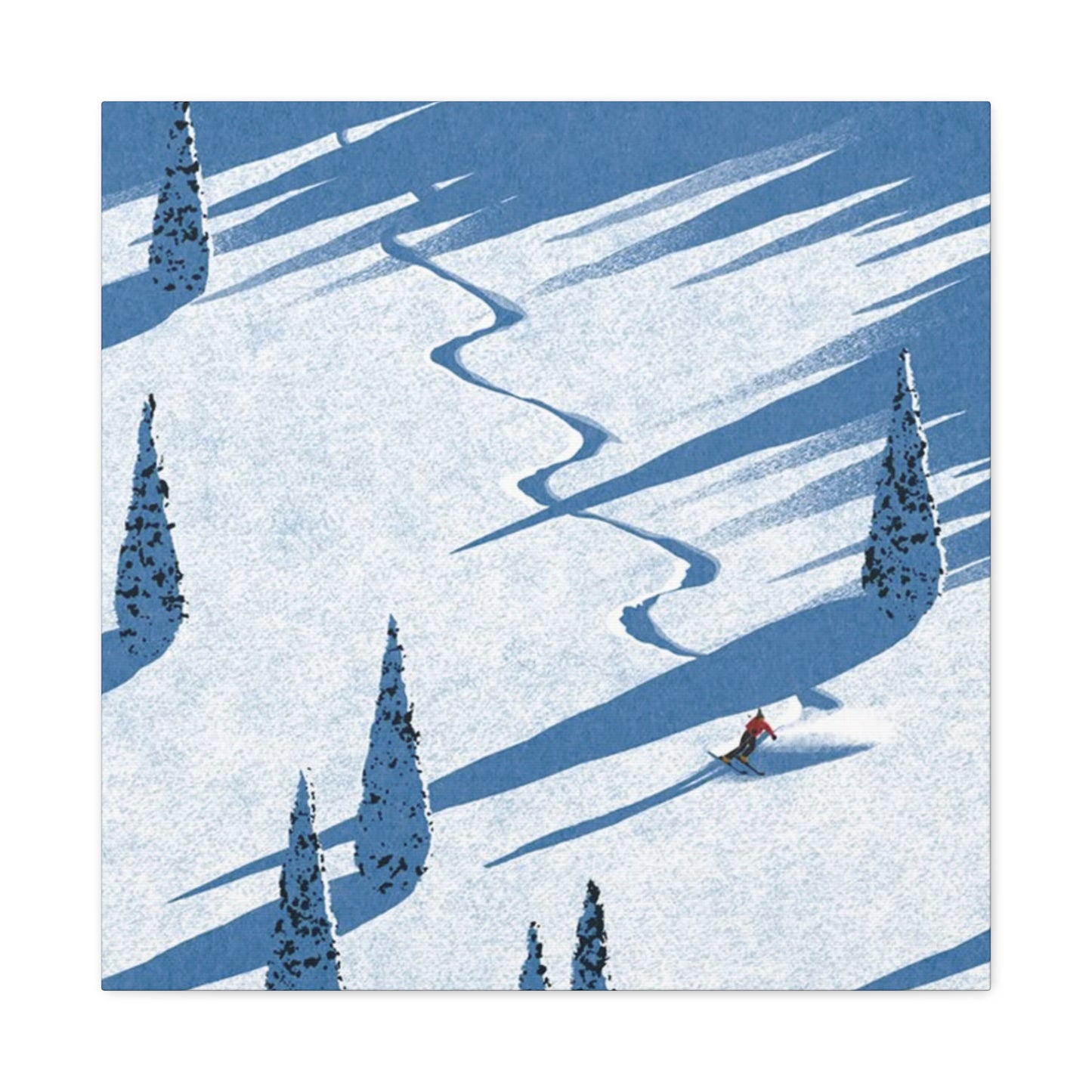
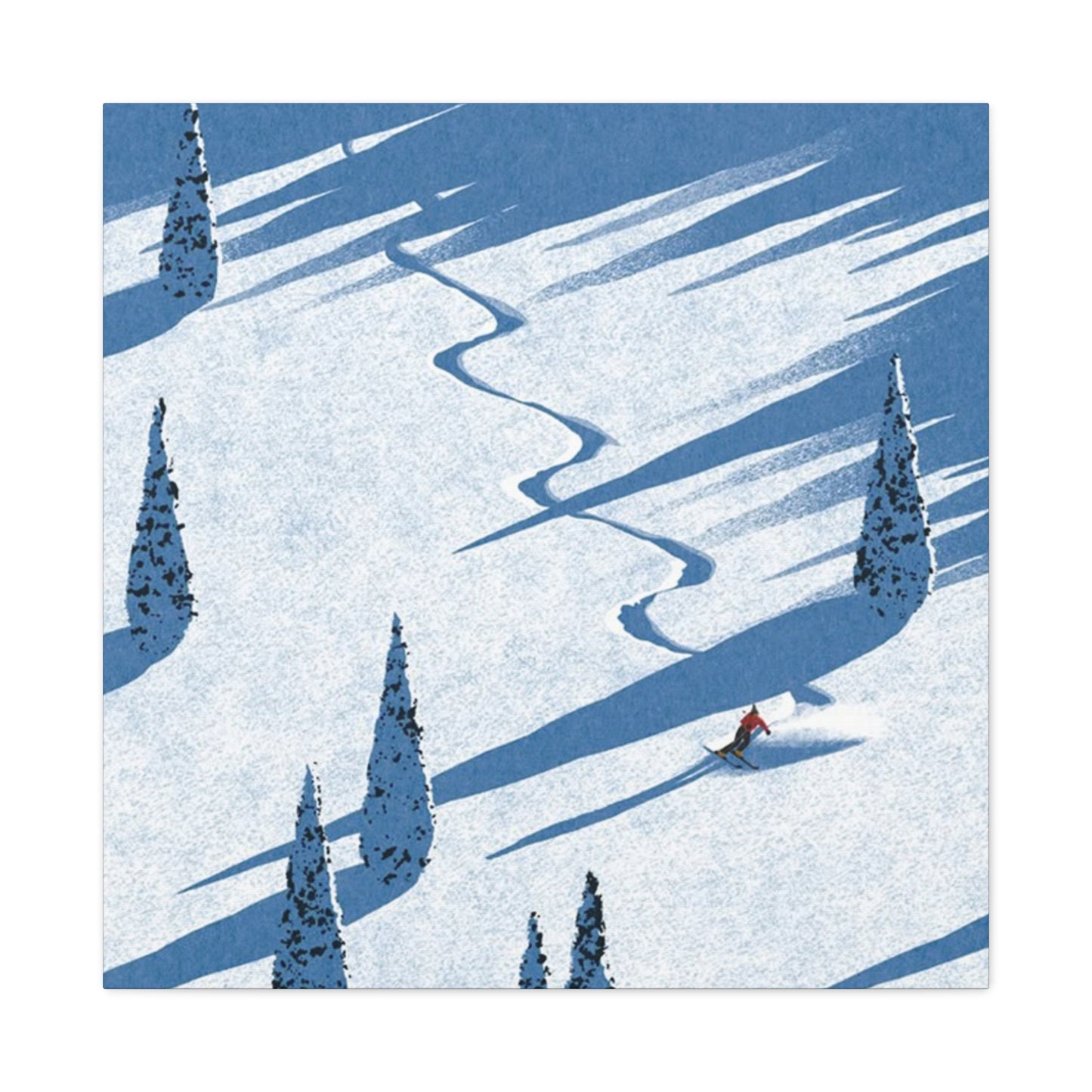
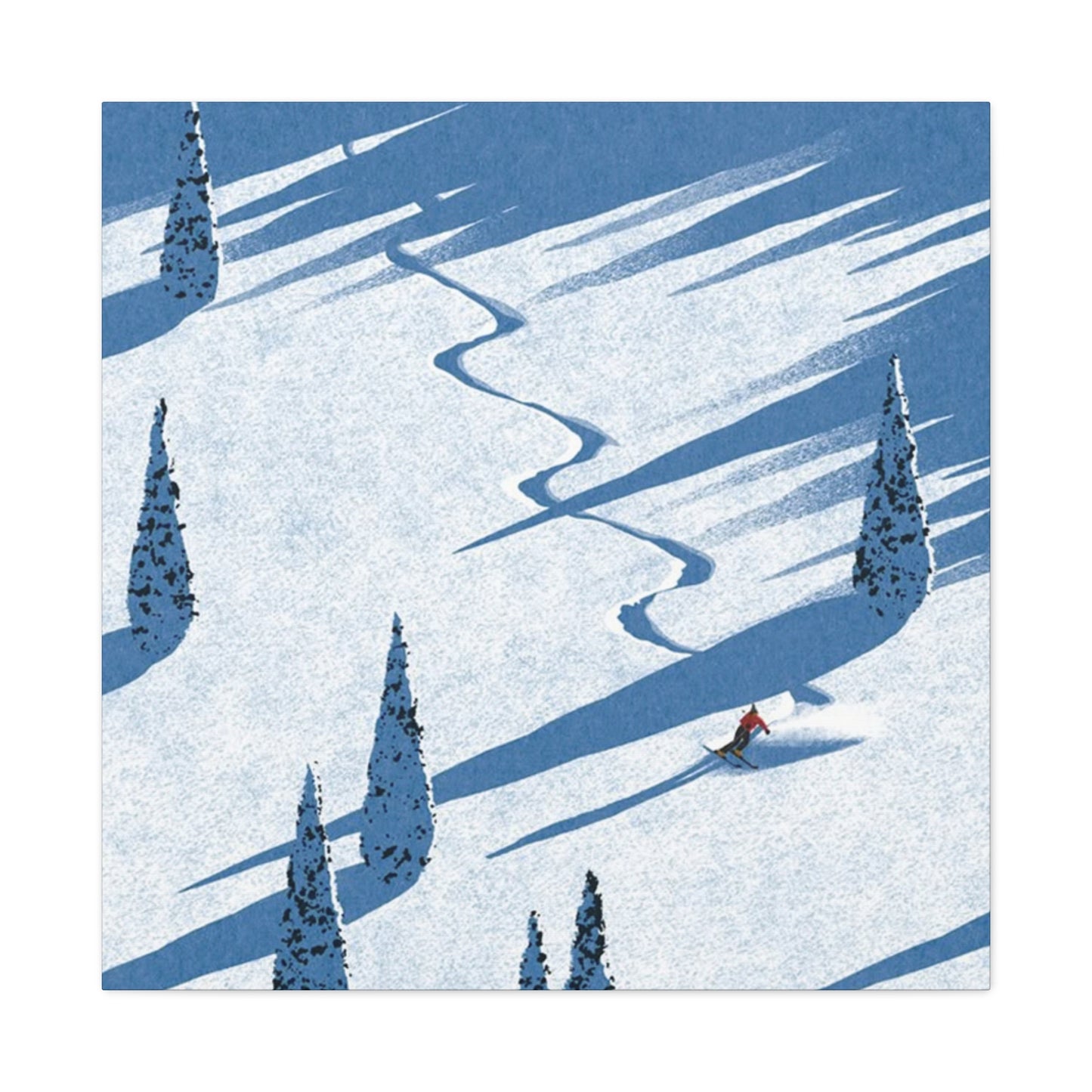
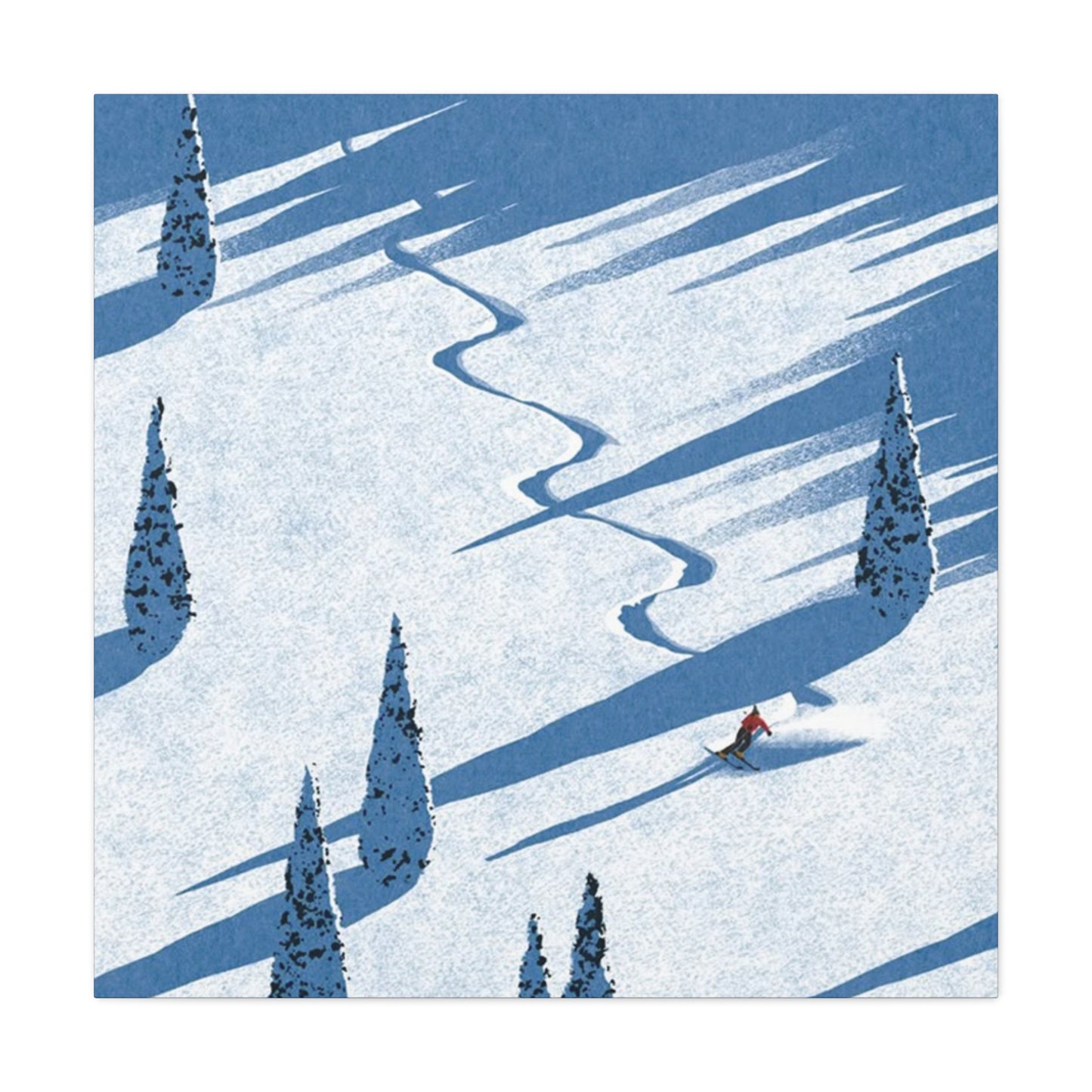
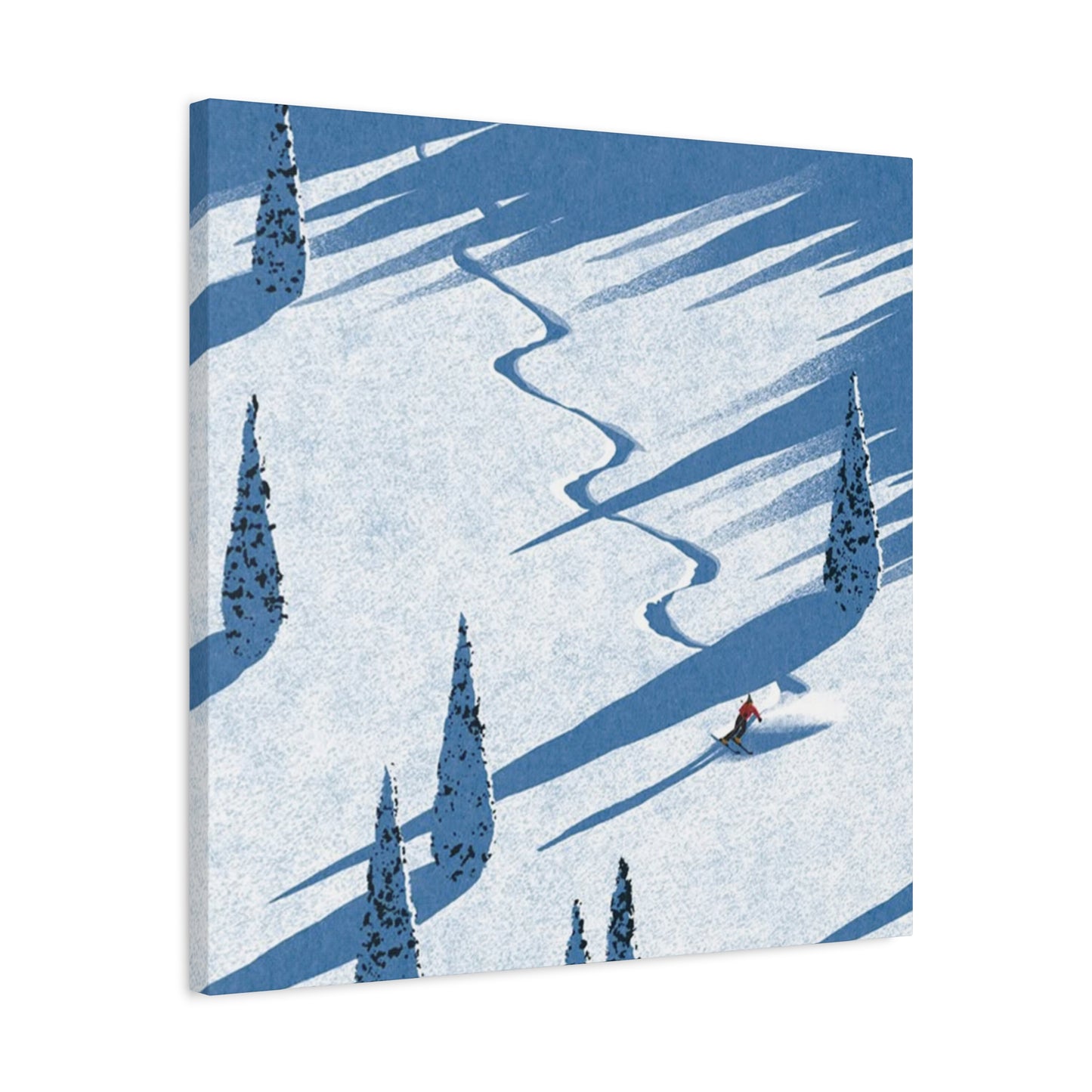
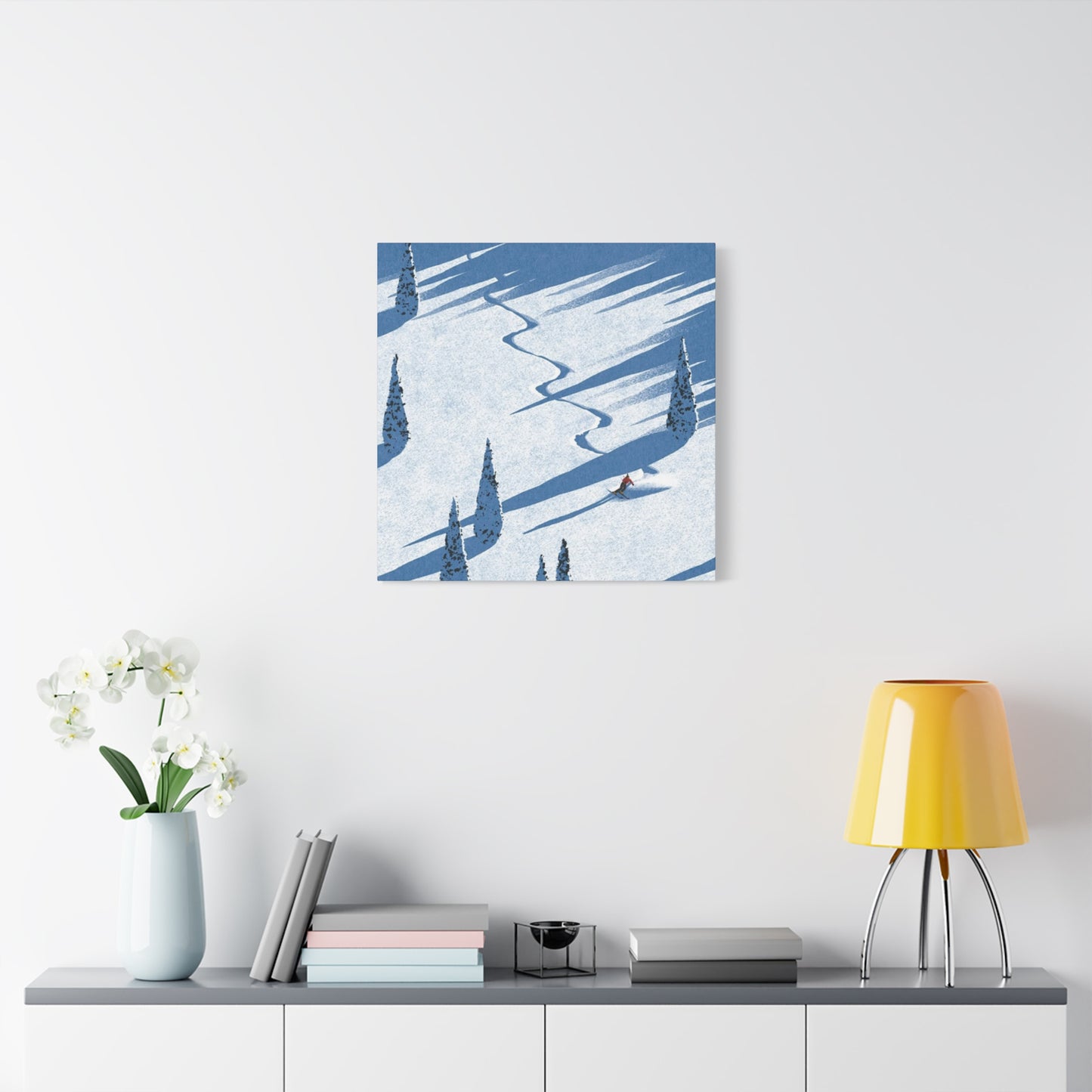
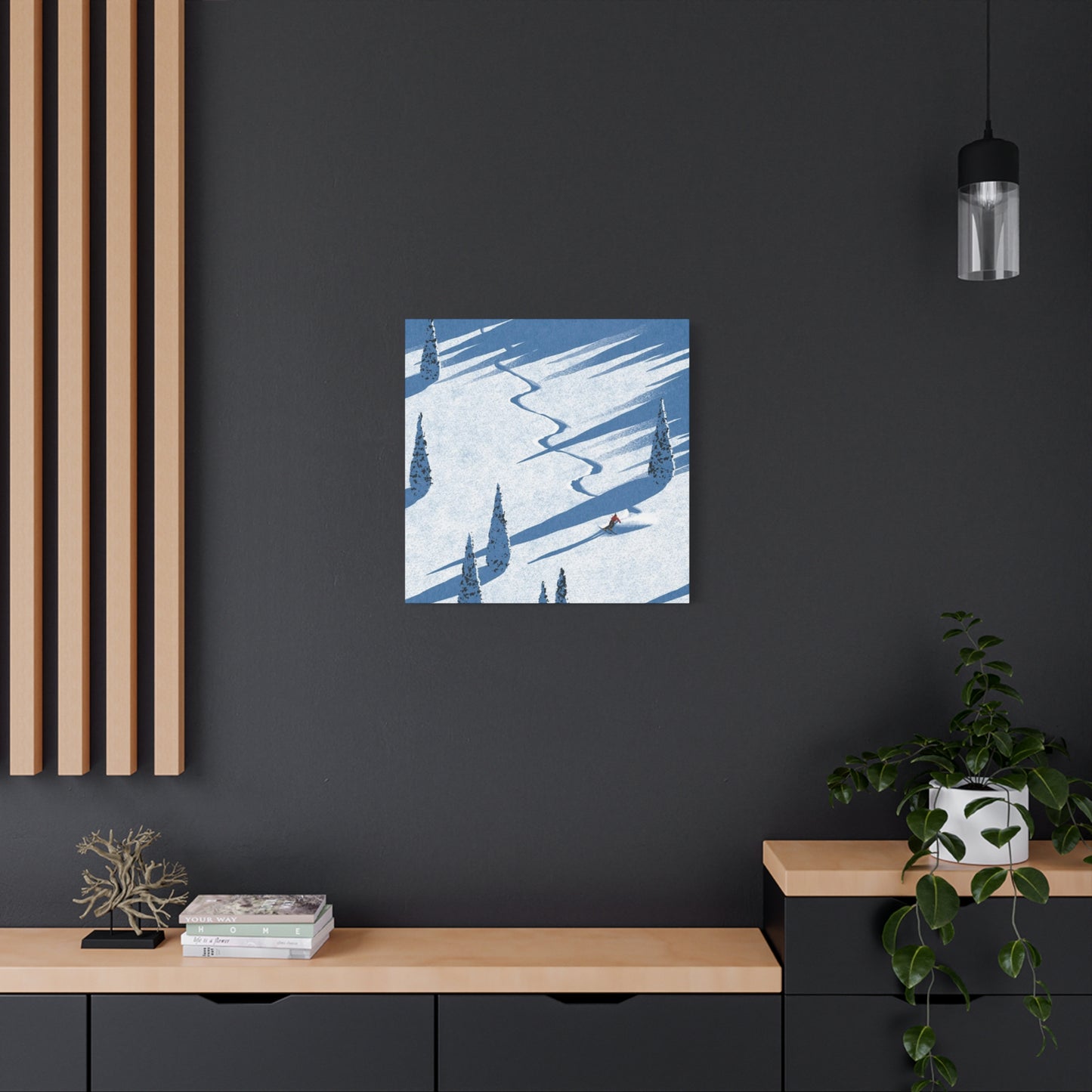
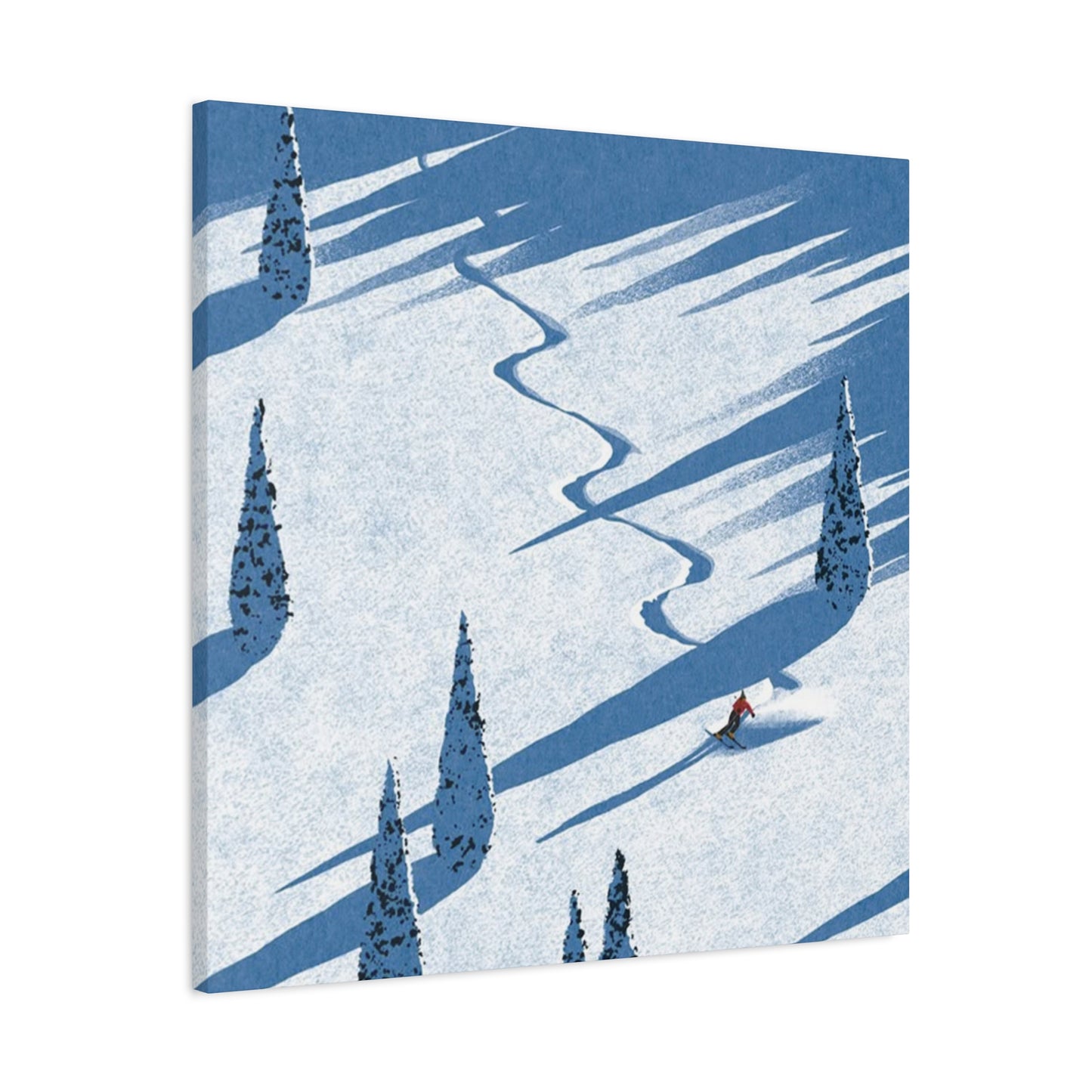
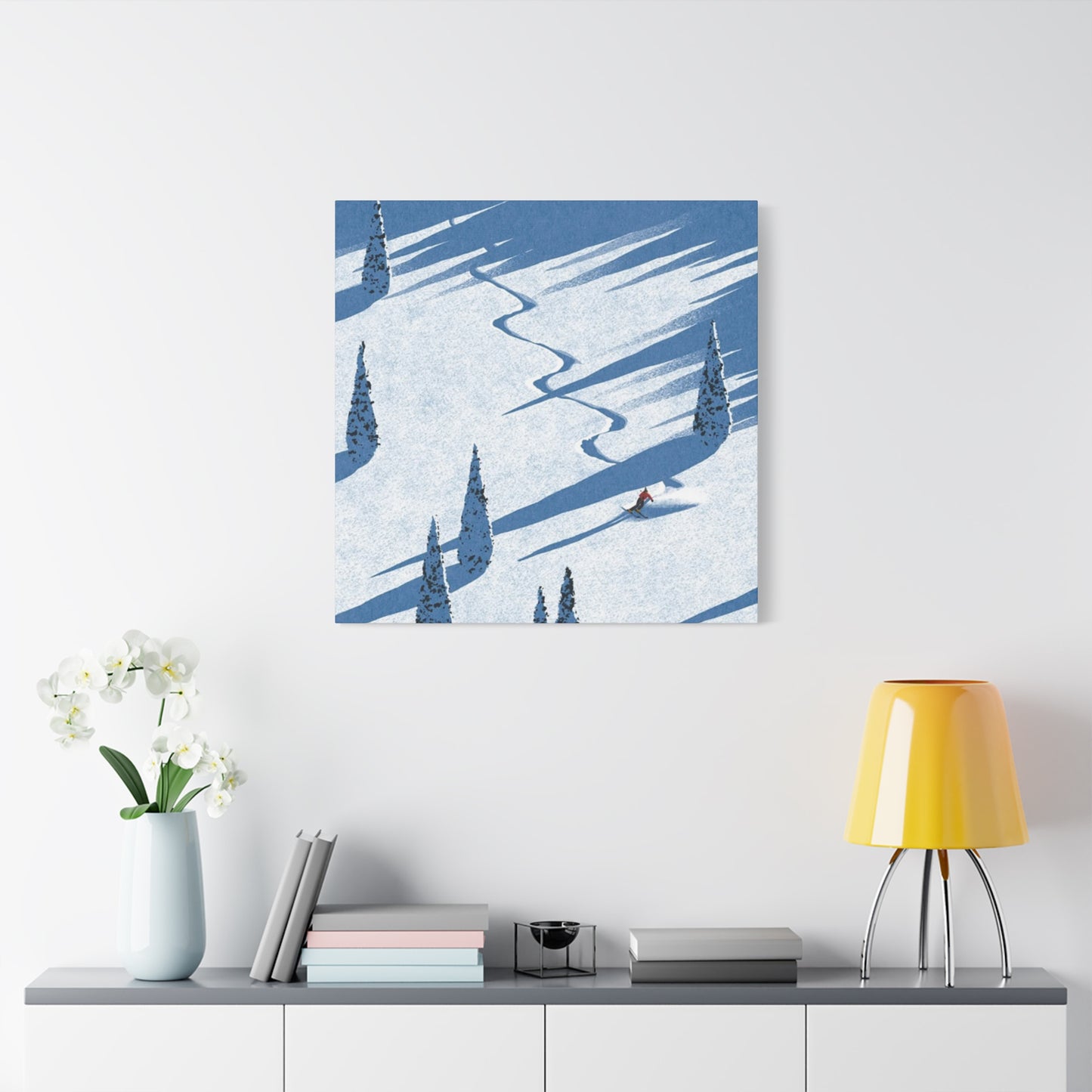
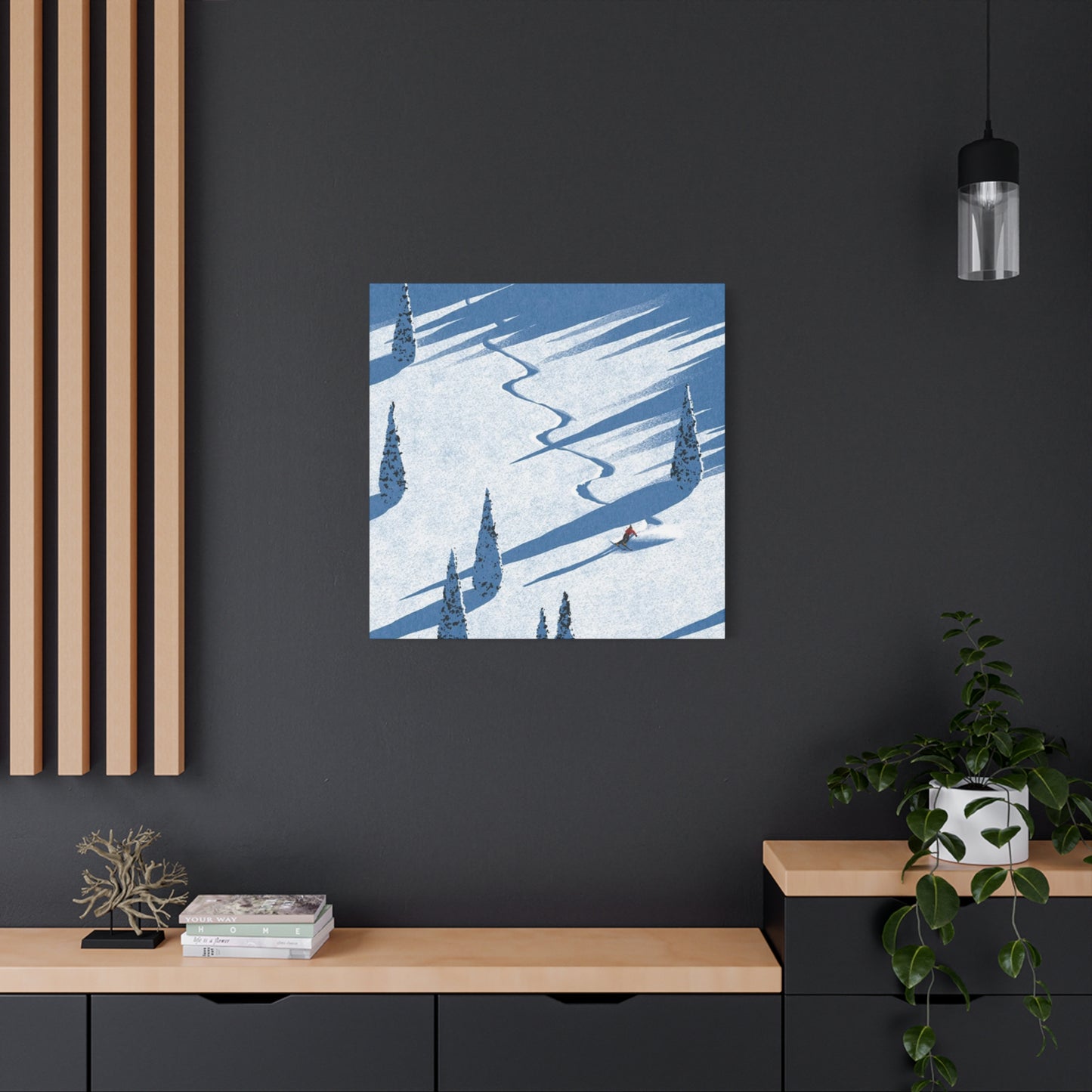
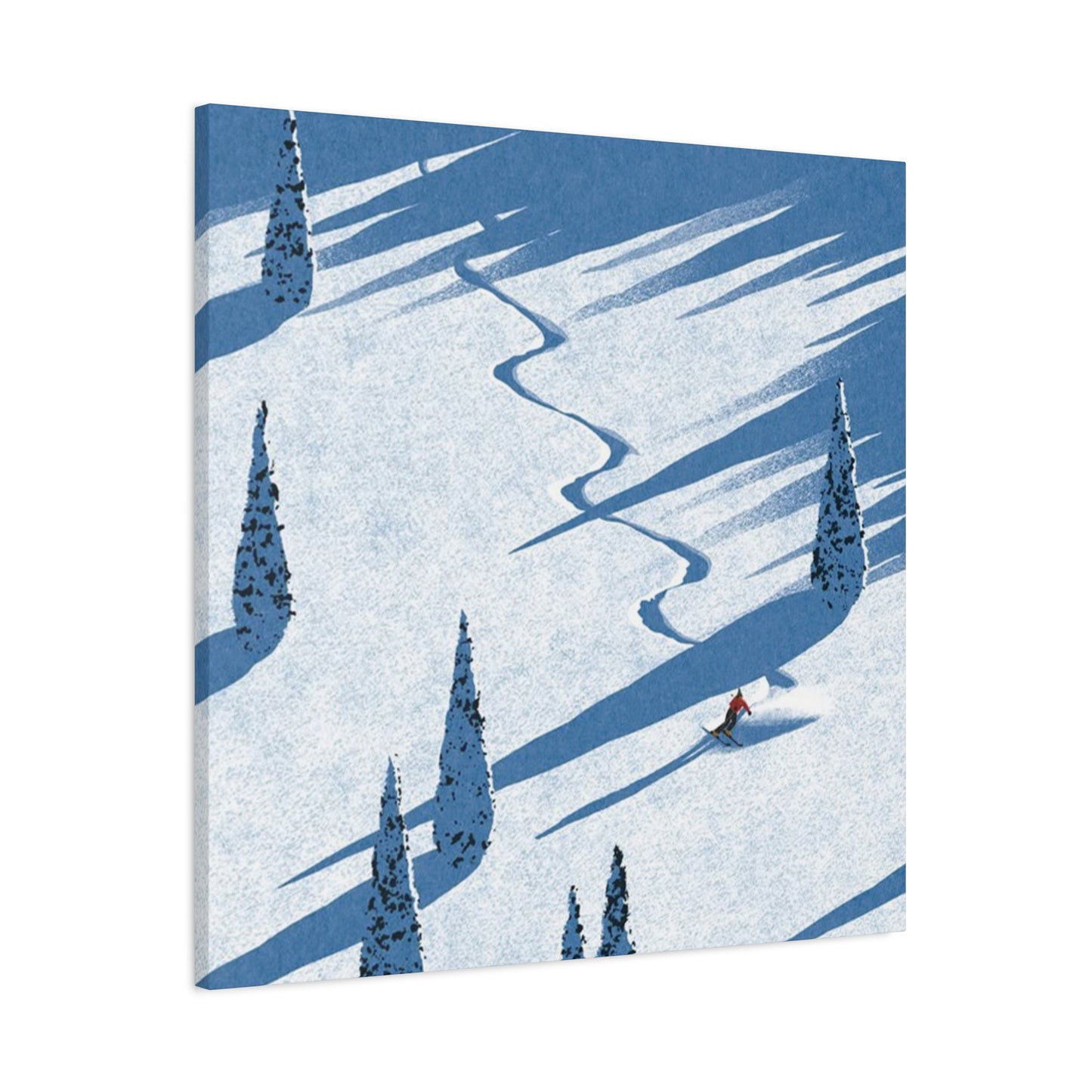
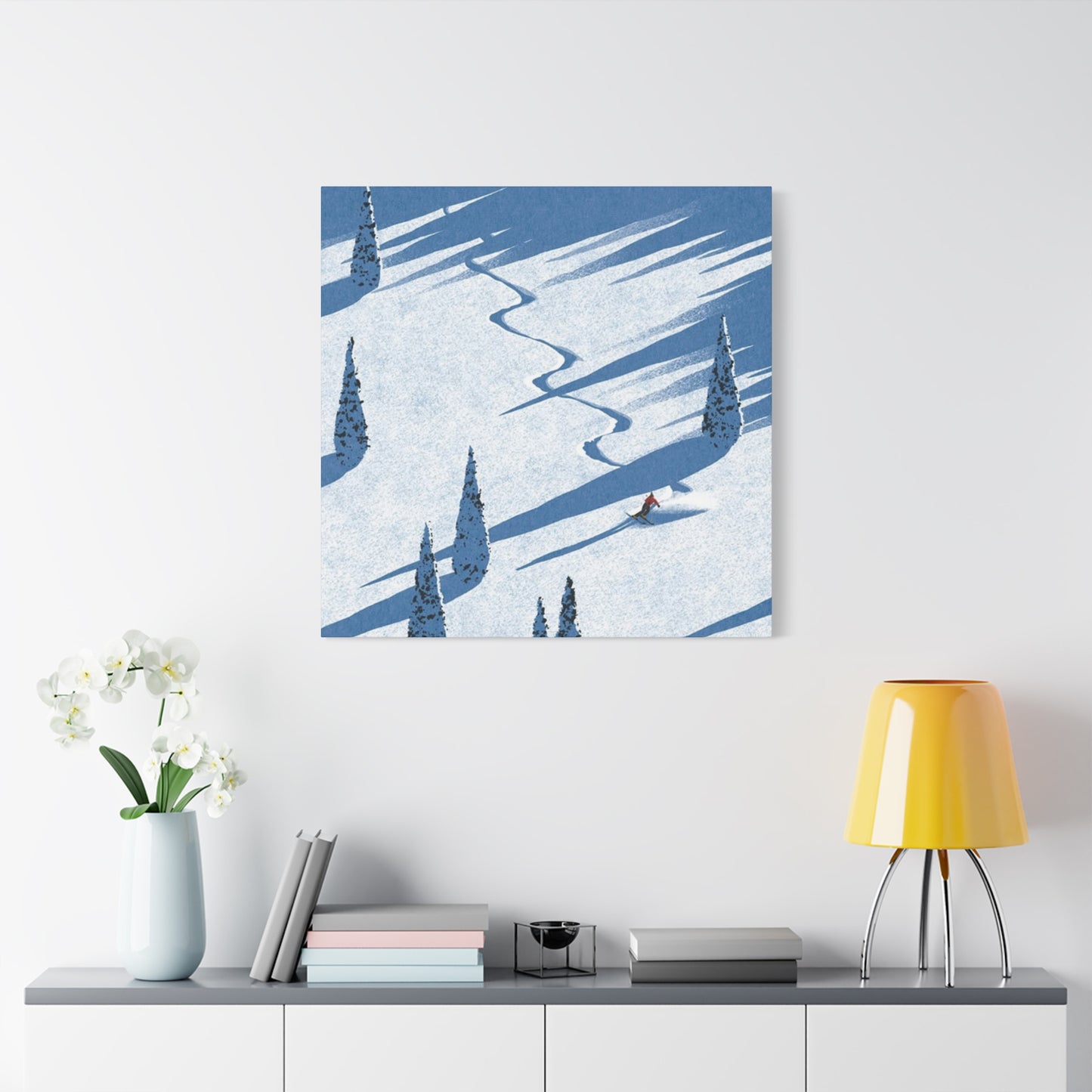
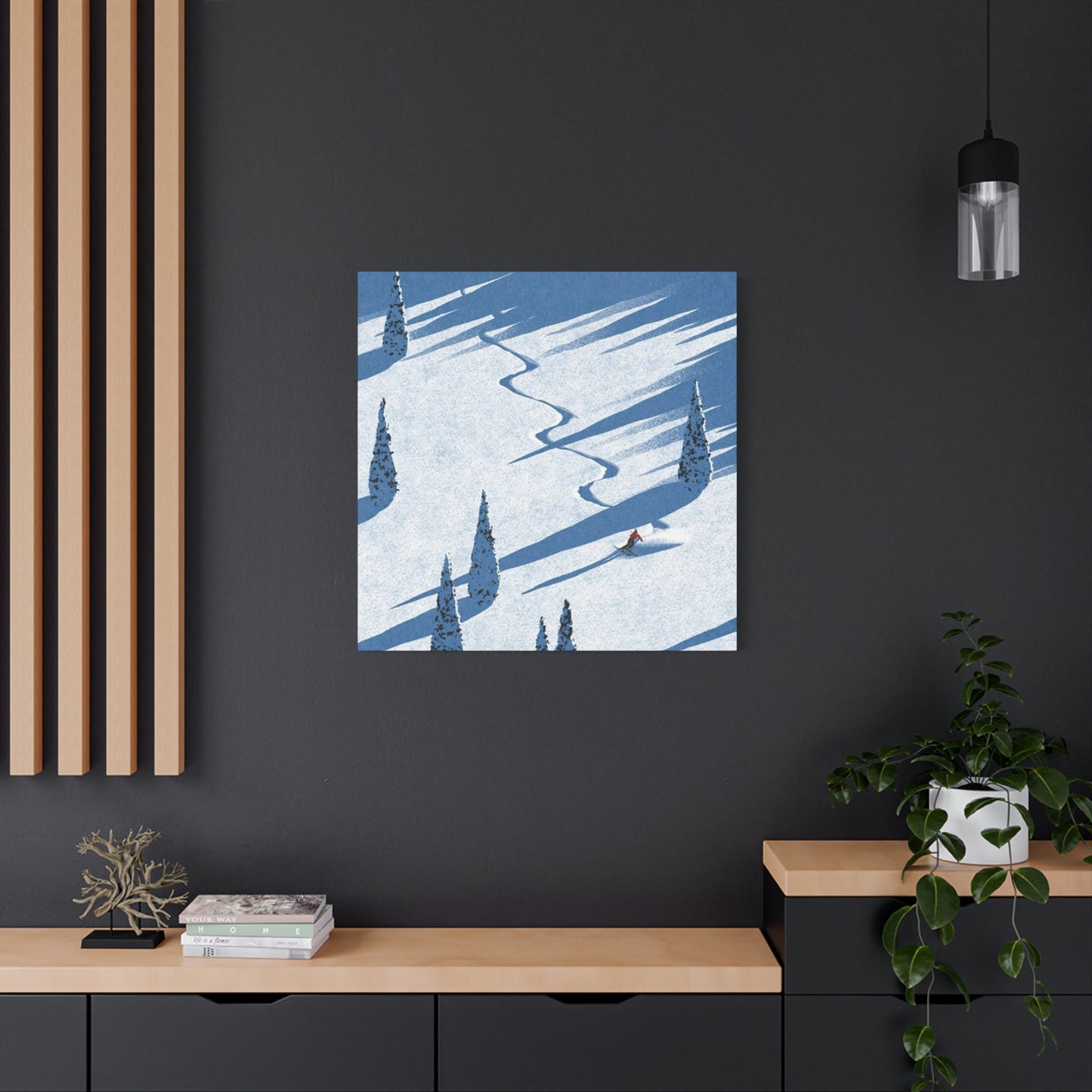
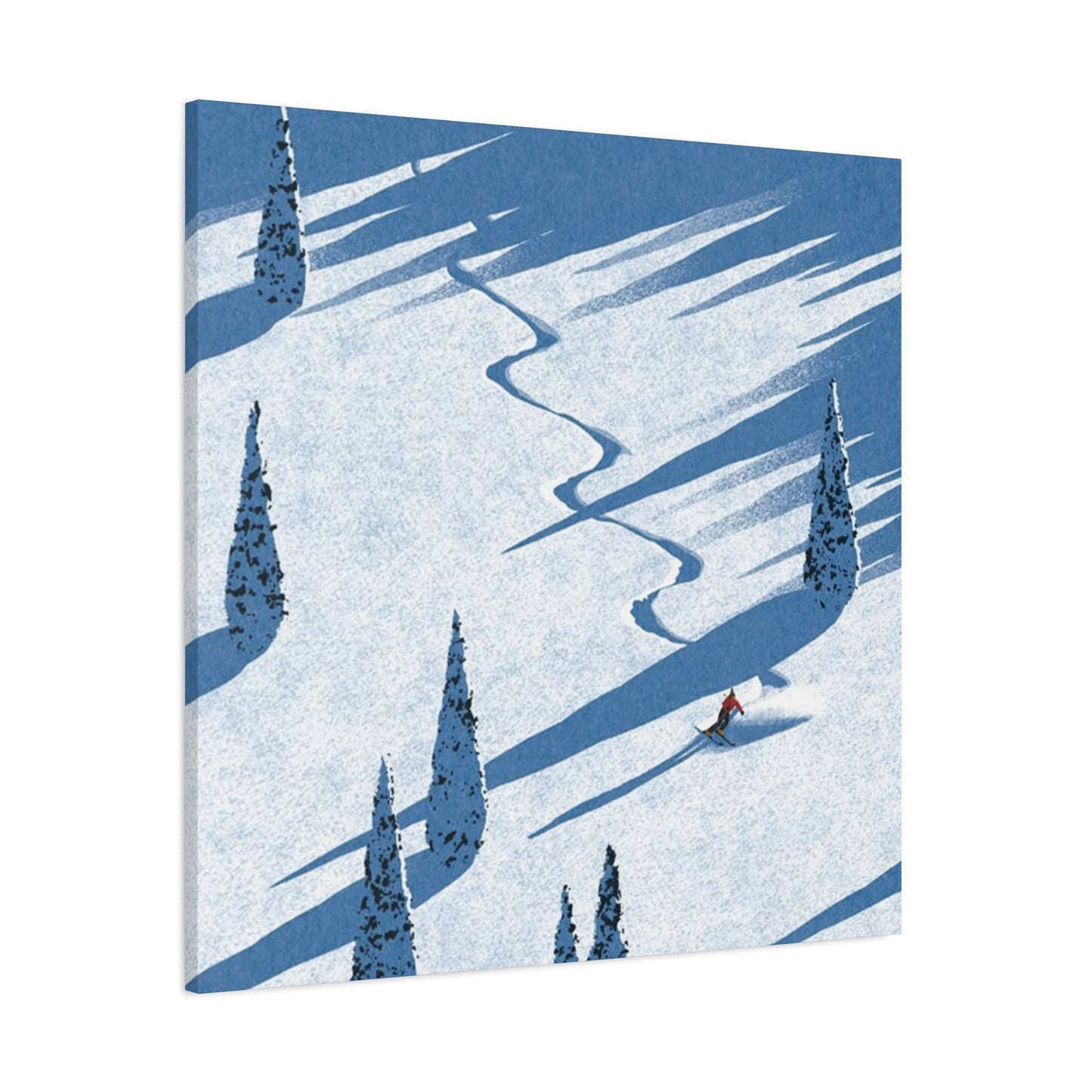
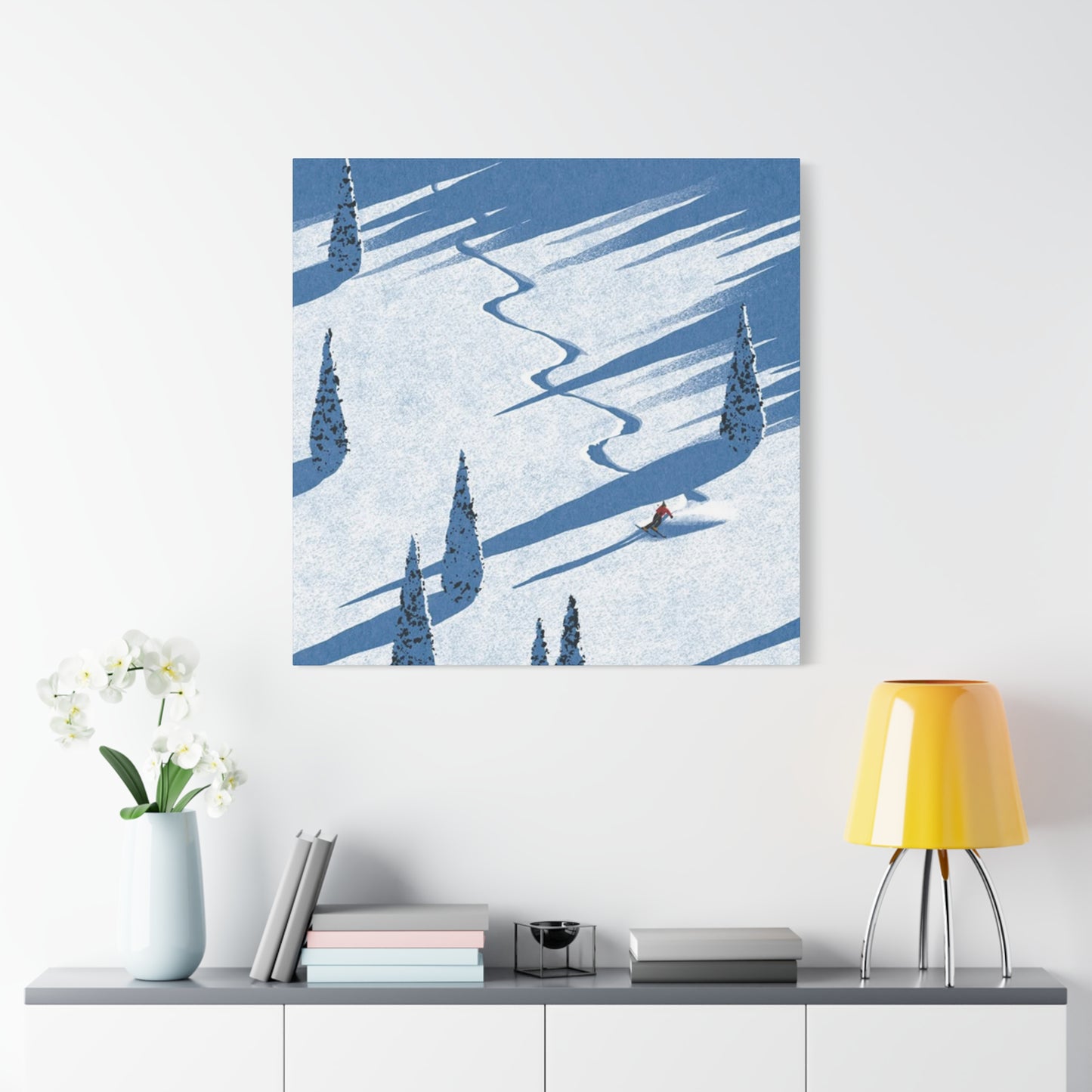
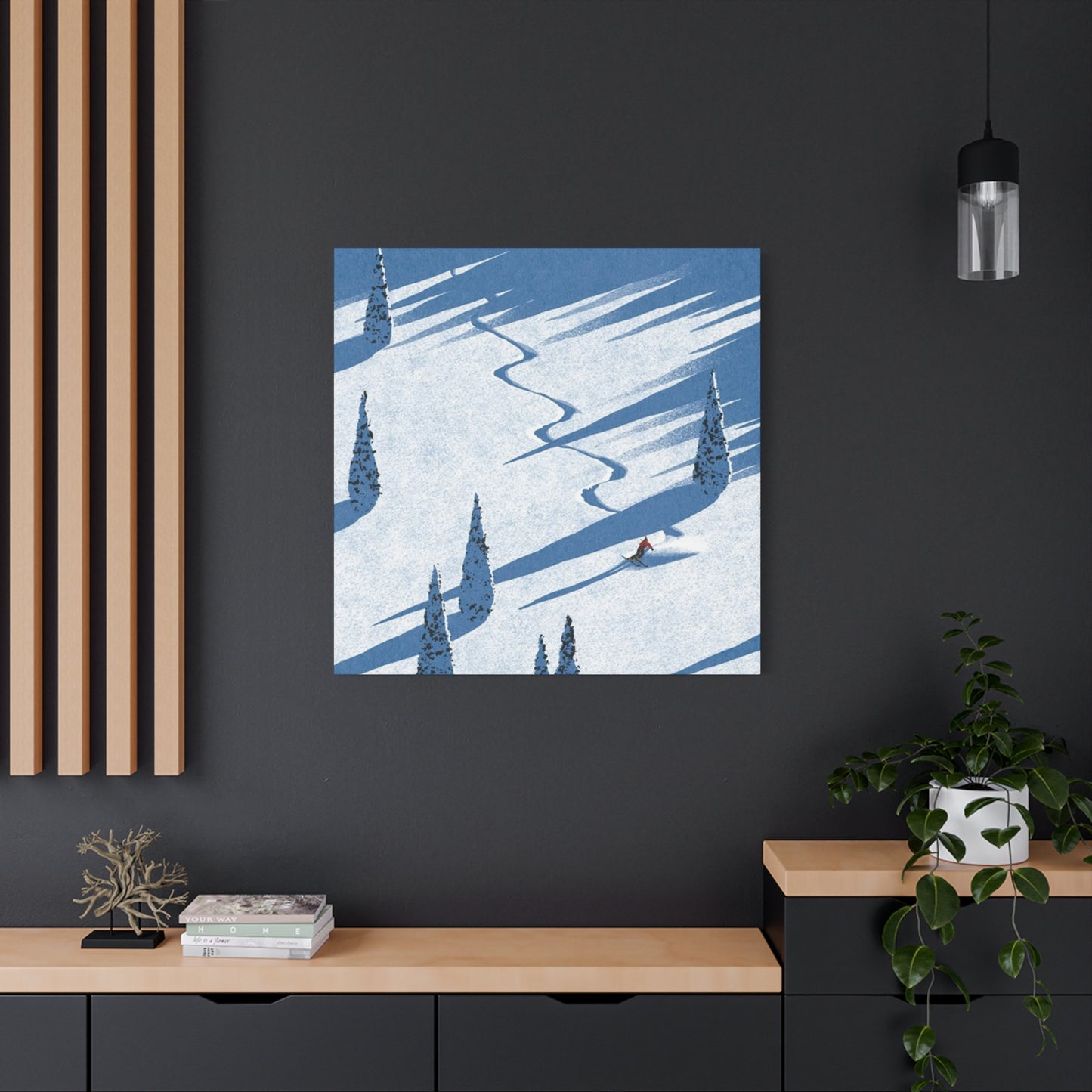
Alpine Majesty: The Timeless Allure of Skiing and Snowscape Painting Wall Art
The allure of a pristine, snow-covered mountain is a profound and almost primal experience. It's a world of exhilarating silence, broken only by the crisp sound of skis gliding over powder. It’s the feeling of absolute freedom, the rush of adrenaline, and the serene beauty of a landscape transformed by winter. Capturing this multifaceted experience is the central challenge and triumph of artists who specialize in creating skiing in white snow painting wall art. This form of art does more than simply decorate a wall; it acts as a portal, transporting the viewer to the heart of the alpine wilderness. It is a celebration of human courage, natural grandeur, and the elegant dance between the two. For enthusiasts of the sport and admirers of nature alike, bringing such a piece into a home or office is an invitation for inspiration to take root.
It transforms a simple living space into a gallery of memories, aspirations, and the untamed spirit of the mountains. This art speaks a universal language of adventure and tranquility, offering a daily reminder of the beauty that lies in both the thrill of the descent and the peaceful solitude of the peaks. A well-chosen snowscape painting becomes a focal point, a conversation starter, and a source of calm, encapsulating a world of emotion within its frame. It is not merely an image of a skier on a hill; it is the embodiment of a passion, a lifestyle, and a deep appreciation for the world’s most magnificent playgrounds.
Skiing in White Snow Painting Wall Art
Capturing the essence of motion, tranquility, and the raw beauty of winter, skiing in white snow painting wall art offers a unique portal into the heart of the alpine world. This form of artwork transcends mere decoration; it is an invitation to experience the crisp mountain air, the silent descent through pristine powder, and the exhilarating freedom of the slopes, all from the comfort of one's own space. These paintings are not just depictions of a sport but are powerful narratives of human interaction with nature's grandest landscapes. They embody a spirit of adventure and a deep appreciation for the serene yet formidable power of winter. Whether it's the dynamic energy of a skier carving down a steep incline or the quiet solitude of a lone figure against a vast, snowy expanse, this art form speaks a universal language of passion, challenge, and profound beauty. It serves as a constant reminder of the majestic moments that can be found when one ventures into the wild, frozen expanses of the world, making it a sophisticated and inspiring choice for any interior design.
Evoking Alpine Majesty in Your Home Decor
Integrating skiing in white snow painting wall art into your home is about more than just filling a blank wall; it is about curating an atmosphere and infusing your living space with a distinct personality. The power of this art lies in its ability to transport the viewer to a different place and time. In a living room, a large, vibrant painting of a skier in mid-motion can become a dynamic focal point, sparking conversations and inspiring a sense of adventure among guests. It can energize the room, adding a splash of color and movement to an otherwise static environment. In a study or home office, a more contemplative piece, perhaps depicting a skier pausing to look over a vast mountain range, can foster a sense of calm, focus, and perspective. The artwork can serve as a mental escape, a brief moment of tranquility during a busy day. For a bedroom, a softer, more impressionistic piece might be suitable, creating a peaceful and dreamy ambiance that encourages rest and relaxation. The key is to consider the mood you wish to create in each room and select a piece that complements that vision, turning your home into a gallery of alpine inspiration.
The Narrative Power of Snowy Landscapes in Art
A painting of a skier on a snowy mountain is a story told in pigment and light. The artist acts as a narrator, guiding the viewer’s eye through a scene rich with implied action and emotion. The trail left in the snow tells of a journey just taken, while the skier's posture might convey speed, grace, or cautious determination. The vastness of the white canvas, punctuated by the lone figure, often speaks to themes of solitude, self-reliance, and the individual's place within the immense scale of nature. This narrative can change dramatically with the artist's style. A photorealistic rendering might focus on the technical skill of the skier and the precise details of the environment, creating a sense of immediacy and realism. Conversely, an abstract interpretation might use bold colors and distorted forms to convey the internal feeling of skiing—the rush of wind, the burn of muscles, the pure, unadulterated joy of the descent. Each brushstroke contributes to this silent story, allowing the artwork to communicate complex ideas and emotions without a single word, making each piece a unique and compelling narrative waiting to be explored.
Exploring Artistic Styles: From Realism to Abstraction
The theme of skiing in white snow painting wall art is a versatile playground for a wide range of artistic styles, each offering a unique perspective on the subject. Photorealism captures the scene with stunning accuracy, rendering every snowflake, sun glint, and fabric fold with meticulous detail. This style emphasizes the raw, unfiltered beauty of the moment, making the viewer feel as though they are right there on the mountain. Impressionism, on the other hand, focuses on the interplay of light and color. Artists in this style use visible brushstrokes and a softer focus to capture the fleeting feeling of a moment—the cold morning light filtering through the trees or the blur of the landscape as a skier speeds past. It is less about the literal details and more about the emotional atmosphere. Abstract art takes this a step further, deconstructing the scene into shapes, colors, and forms. An abstract skiing painting might use sweeping lines to represent speed and jagged shapes to symbolize the mountain peaks, creating a powerful visual interpretation of the energy and emotion of the sport. Each style offers a different way to experience the alpine world, from the crystal-clear depiction of reality to the deeply personal expression of feeling.
Symbolism of White in Skiing Artwork
In skiing in white snow painting wall art, the color white is far more than just a background; it is an active and deeply symbolic element. White represents purity, stillness, and the untouched potential of a fresh snowfall. It creates a canvas of infinite possibility upon which the skier's journey unfolds. This vast expanse of white can evoke a sense of profound peace and silence, a quiet that is unique to a snow-covered landscape. It can also symbolize isolation and challenge, highlighting the solitary nature of the skier's endeavor against the formidable power of the mountain. The artist's challenge is to render this white not as a flat, empty space but as a landscape full of texture, shadow, and nuance. The subtle blues and purples in the shadows, the warm yellows where the sun hits the snow, and the varied textures of powder, ice, and packed trails all bring the white to life. This masterful manipulation of a single color transforms the painting from a simple depiction into a rich and evocative exploration of the winter environment. The white snow becomes a character in its own right, setting the mood and defining the narrative of the entire piece.
Capturing Motion: The Art of Depicting Speed and Grace
One of the most compelling aspects of skiing in white snow painting wall art is its ability to freeze a moment of intense motion, conveying the dynamic energy of the sport on a static canvas. Artists employ a variety of techniques to achieve this effect. The use of leading lines, such as the tracks carved in the snow or the angle of the skis, can guide the viewer's eye and create a powerful sense of direction and velocity. A low-angle perspective can make the skier appear more heroic and the descent more dramatic, emphasizing the steepness of the slope. Blurring the background while keeping the skier in sharp focus is another effective technique, mimicking the way our eyes perceive a fast-moving object and instantly communicating speed. The skier's posture is also critical; a low, athletic crouch or a spray of powder kicked up from a sharp turn are visual cues that scream action and control. The interplay of light and shadow on the skier's form can further accentuate the contours of their muscles and the tension of their movements, adding to the overall sense of dynamism and athletic grace.
Color Theory on the Slopes: Beyond White and Blue
While one might assume the palette for skiing in white snow painting wall art is limited, skilled artists use color theory to create works of incredible depth and emotional resonance. The stark white of the snow provides a perfect neutral background that makes other colors pop with intensity. The vibrant hues of a skier's jacket—a fiery red, an electric blue, a sunny yellow—become a powerful focal point, drawing the eye and symbolizing the human element of warmth and energy amidst the cold landscape. The time of day offers further opportunities for rich color exploration. An early morning scene might be infused with soft pinks and oranges as the sun rises, casting a warm glow over the cool tones of the snow. A painting set during the "golden hour" just before sunset can be bathed in rich golds and deep purples, creating a dramatic and almost magical atmosphere. Even the shadows on the snow are rarely just gray; they are a complex mix of blues, lavenders, and violets, reflecting the light from the sky. This sophisticated use of color elevates the painting, transforming a simple winter scene into a vibrant and emotionally charged work of art.
Choosing the Perfect Painting for Your Space
Selecting the right piece of skiing in white snow painting wall art requires a thoughtful consideration of both the artwork itself and the space it will inhabit. First, consider the scale. A large, expansive wall in a living room or entryway can accommodate a significant statement piece, one that captures a panoramic mountain view and draws the viewer in. For a smaller, more intimate space like a bedroom or a hallway nook, a smaller painting with a tighter focus—perhaps a close-up of skis in the snow or a portrait-style action shot—can create a personal and impactful moment. Next, think about the existing color scheme of your room. You might choose a painting with accent colors that complement your furniture and decor, tying the room together. Alternatively, you could select a piece with a bold, contrasting color to serve as an energetic focal point. Finally, consider the mood of the artwork. Do you want to create a space that feels energetic and adventurous, or calm and contemplative? A painting with sharp lines and high-contrast colors will bring a different energy than one with soft, blended brushstrokes and a muted palette. By matching the scale, color, and mood of the art to your space, you ensure the piece not only fits but truly enhances your home.
The Importance of Framing and Presentation
The way you frame and present your skiing in white snow painting wall art can have a dramatic impact on its overall effect and integration into your decor. The right frame does more than just protect the artwork; it completes it. For a modern, minimalist aesthetic, a simple, thin frame in black, white, or a natural wood finish can provide a clean and unobtrusive border, allowing the artwork itself to take center stage. This style works particularly well with abstract or contemporary pieces. For a more traditional or rustic space, such as a mountain cabin or a cozy den, a thicker, more ornate frame in a dark wood or burnished metallic finish can add a sense of weight and importance to the piece, complementing realistic or impressionistic styles. Consider a floating frame for a canvas painting, which creates a small gap between the canvas and the frame, giving the artwork a sophisticated, three-dimensional appearance. The placement and lighting are equally crucial. Hang the artwork at eye level for comfortable viewing, and consider using a dedicated picture light to illuminate the piece, making the colors and details truly stand out, especially in the evening.
A Source of Year-Round Inspiration
While skiing is a seasonal activity, skiing in white snow painting wall art provides a source of inspiration that lasts all year. During the winter months, it resonates with the current season, mirroring the beauty outside and celebrating the joy of the sport. It can act as a motivator, building excitement for the next trip to the slopes. However, its power may be even more profound during the off-season. In the heat of summer, a glance at a cool, snowy landscape can offer a refreshing visual and mental escape. The artwork serves as a reminder of the quiet and peace of a winter's day, providing a moment of calm and a welcome contrast to the world outside. It represents a connection to a passion that transcends the calendar. For those who love the mountains, this art is not just a seasonal decoration but a permanent homage to a place and a feeling that is central to their identity. It keeps the spirit of the mountains alive in the home every day, offering a continuous source of inspiration, joy, and anticipation for the next snowy adventure.
Emotional Resonance of Alpine Artistry
There is a powerful emotional undercurrent that flows through every skiing in white snow painting. This art form taps into a deep well of human feeling, evoking a complex tapestry of emotions ranging from exhilarating freedom to profound peace. The central figure of the lone skier, often depicted carving a path through an ocean of white, is a potent symbol of independence and self-reliance. It represents the pursuit of a personal challenge, a moment of pure focus where the outside world fades away, leaving only the skier and the mountain. This resonates with our own desires for adventure and mastery. The vast, untouched snowfields that dominate these compositions evoke a sense of boundless possibility and purity. The "white snow" is not an empty void but a canvas of potential, a clean slate that invites exploration.
This can have a deeply calming psychological effect, suggesting a world free from the clutter and noise of daily life. For those who have experienced the mountains firsthand, this artwork serves as a powerful nostalgic trigger. It can instantly transport them back to a perfect bluebird day on the slopes, the feeling of cold air on their face, and the camaraderie of a shared passion. For those who dream of such adventures, the painting becomes a source of aspiration, a visual goal that fuels their wanderlust. The art captures the duality of the alpine environment: the thrilling, dynamic energy of the descent juxtaposed with the immense, silent tranquility of the landscape. This balance is what makes the art so compelling, offering both a jolt of inspiration and a moment of quiet contemplation.
Exploring Diverse Artistic Styles in Snowscape Paintings
The depiction of skiing in white snow is not confined to a single artistic approach; rather, it is a theme explored through a multitude of styles, each offering a unique perspective on the alpine experience. Impressionistic interpretations, for example, focus less on photographic accuracy and more on capturing the fleeting qualities of light and atmosphere. Artists using this style employ loose brushstrokes and a vibrant color palette to convey the shimmering effect of sunlight on snow, the blur of motion as a skier speeds past, and the soft, ethereal quality of a misty mountain morning. The goal is to evoke the feeling of a moment rather than to document its precise details. In stark contrast, Realism and Photorealism strive for meticulous accuracy. These paintings are characterized by their incredible detail, from the intricate texture of the snow crystals to the precise reflections in the skier's goggles.
Every muscle strain, every fold in the fabric of the ski gear, and every nuance of the icy terrain is rendered with painstaking care. This style draws the viewer in, making them feel as if they could step right into the scene and feel the crisp mountain air. On the more expressive end of the spectrum, Abstract and Modern art offers a departure from literal representation. Here, artists deconstruct the scene into its essential elements of form, color, and line. A skier might be represented by a dynamic slash of color, and the mountain by a series of bold, geometric shapes. This approach focuses on conveying the pure energy, speed, and rhythm of skiing, translating the physical sensation of the sport into a visual language of emotion and movement. Minimalism also finds a powerful voice in this genre, using the vast expanse of white snow as a dominant element of negative space to create a profound sense of scale and solitude.
The Visual Dynamics of Skiing Artwork
The success of a skiing in white snow painting wall art piece hinges on the artist's masterful manipulation of fundamental visual elements: composition, color, and texture. Composition is paramount in guiding the viewer's eye and creating a sense of dynamic energy. Many artists employ leading lines, using the tracks carved by the skis to draw the viewer deep into the painting, following the path of the skier down the mountain. This creates a powerful sense of depth and forward momentum. The placement of the skier is also critical; often, artists will use the rule of thirds, positioning the figure off-center to create a more balanced and visually engaging scene that emphasizes the vastness of the surrounding landscape. Perspective is used to convey the immense scale of the mountains, with distant peaks fading into soft, atmospheric blues and greys, contrasting with the sharp details of the foreground.
The color palette, while seemingly dominated by white, is incredibly complex. The "white snow" is rarely just pure white; it is a canvas for a subtle symphony of colors. Artists use cool blues and purples to depict shadows, warm yellows and pinks to capture the glow of sunrise or sunset on the peaks, and muted greys to suggest overcast conditions. This nuanced use of color gives the snow volume, depth, and temperature. Against this largely monochromatic backdrop, the vibrant color of the skier's jacket—a splash of red, orange, or bright blue—creates a powerful focal point, drawing immediate attention and adding a burst of human energy to the natural scene. Texture adds a tactile dimension, with artists using techniques like impasto (thickly applied paint) to mimic the clumpy, powdery feel of fresh snow or smooth, glossy glazes to suggest the slick surface of ice.
Integrating Ski-Themed Wall Art into Your Home Decor
Seamlessly incorporating a skiing in white snow painting into your interior design can elevate the atmosphere of any room, transforming it into a sophisticated and personalized space. The key is to consider the existing decor style and the intended mood of the room. In a living room, a large-scale canvas can serve as a stunning focal point, particularly when placed above a fireplace or a central sofa. This arrangement creates an immediate sense of warmth and adventure, evoking the cozy ambiance of a mountain lodge or a chic alpine chalet. Pairing the artwork with natural materials like a stone hearth, reclaimed wood furniture, and plush, warm textiles such as wool or faux fur can enhance this rustic-modern aesthetic. For a home office, a skiing painting can be a fantastic source of inspiration and a visual escape.
Positioned in the line of sight from a desk, it can provide a mental break, reminding the viewer of the world beyond work and encouraging a mindset of ambition and perseverance. In a bedroom, the goal is often to create a serene and restful environment. A minimalist snowscape, with its vast stretches of white and a solitary, distant skier, can be incredibly tranquil. The quietude of the scene can promote a sense of calm, making it a perfect piece to view before sleep. This art is remarkably versatile and complements a range of styles, from Scandinavian design, with its emphasis on light, simplicity, and natural elements, to contemporary minimalist spaces, where the painting's clean lines and focused subject matter can make a powerful statement without overwhelming the room. The artwork’s inherent connection to nature makes it a timeless addition that can harmonize with evolving design trends.
A Guide to Selecting the Perfect Skiing Painting
Choosing the right piece of skiing in white snow painting wall art is a personal journey that involves balancing aesthetic appeal with practical considerations of space and style. The first factor to contemplate is the size and scale of the artwork. A common mistake is selecting a piece that is too small for the wall, causing it to feel lost and insignificant. Before purchasing, measure the available wall space and consider the proportions of the surrounding furniture. A large, dramatic painting can anchor a room and make a bold statement, while a collection of smaller, related pieces can be arranged in a gallery wall to create a more dynamic and narrative effect. The orientation of the canvas also plays a crucial role in the overall impact. A vertically oriented painting can emphasize the towering height and precipitousness of a mountain peak, drawing the eye upward and creating a sense of grandeur.
This format works especially well on narrower walls or in rooms with high ceilings. Conversely, a horizontal or landscape orientation is ideal for capturing the vast, panoramic sweep of a mountain range or a wide-open powder field. This format can make a room feel more expansive and open. Finally, the frame is not merely a finishing touch; it is an integral part of the artwork's presentation. The choice of frame should complement both the painting and the room's decor. A rustic, weathered wood frame can enhance the natural, rugged feel of the scene. A sleek, black or metallic frame can lend a more modern and sophisticated air. For a contemporary and unobtrusive look, a gallery wrap—where the canvas is stretched around the frame—allows the art to speak for itself without any visual interruption.
Legacy of Winter Landscapes in Art
The genre of skiing in white snow painting is part of a long and storied tradition of artists being captivated by the transformative beauty of winter. For centuries, painters have been drawn to the unique challenges and opportunities presented by a snow-covered world. Historically, winter landscapes were often used to symbolize hardship, dormancy, or solemnity. However, artists like the Impressionists began to see winter in a new light, focusing on the breathtaking optical effects of sunlight on snow and the subtle, shifting colors of the winter sky. They moved beyond mere representation to capture the atmosphere and feeling of the season. The inclusion of the skier introduces a modern, dynamic element into this classic tradition. It shifts the narrative from one of passive observation of nature to active participation in it.
The skier represents humanity's desire to engage with, challenge, and find joy within these formidable environments. The universal appeal of snow itself is a significant factor in the enduring popularity of these paintings. Snow dramatically alters the familiar, blanketing the world in a layer of purity and quiet. It simplifies complex landscapes into bold forms and creates a high-contrast environment that is visually striking. This transformative quality resonates on a symbolic level, suggesting themes of renewal, peace, and the raw, untamed power of the natural world. A skiing painting, therefore, does more than just depict a sport; it taps into this deep cultural and artistic legacy, celebrating the profound and beautiful relationship between humanity and the winter wilderness. It is a contemporary chapter in the ongoing artistic exploration of nature's most dramatic and inspiring season.
Bringing the Spirit of the Mountains Home
Ultimately, skiing in white snow painting is far more than a simple decorative object; it is an infusion of energy, a whisper of wilderness, and a testament to the adventurous human spirit. Throughout this exploration, we have seen how this unique art form captures a profound emotional resonance, translating the thrill of the descent and the serenity of the alpine peak into a visual medium. It connects with our innate desires for freedom, challenge, and a deep connection with the natural world. We have delved into the diverse artistic styles that bring these scenes to life, from the light-filled canvases of Impressionism to the crisp precision of Photorealism and the energetic interpretations of Abstract art, each offering a distinct window into the soul of the sport.
The careful orchestration of visual dynamics—composition that guides the eye down the fall line, a color palette that finds infinite complexity in a world of white, and texture that evokes the feel of powder and ice—is what elevates these paintings from mere images to immersive experiences. Integrating this art into home decor is an act of personal expression. It can transform a living room into a cozy mountain retreat, an office into a hub of inspiration, or a bedroom into a sanctuary of calm. By carefully selecting the right piece—considering its size, orientation, and frame—one can create a space that not only looks beautiful but also feels deeply personal and uplifting. This art form stands upon the rich legacy of winter landscape painting, a timeless tradition of artists striving to capture the stark, transformative beauty of the season. The skiing in white snow painting is a modern evolution of this tradition, celebrating not just the landscape itself, but our joyful and exhilarating place within it.
To hang such a piece on your wall is to make a daily appointment with inspiration. It is a constant, quiet reminder of the grandeur that exists in the world and the potential for adventure that resides within us all. It is, in essence, a way to bring the magnificent spirit of the mountains home.The enduring appeal of skiing in white snow painting wall art lies in its remarkable ability to capture and convey a rich tapestry of experiences and emotions. It is a genre that speaks to the adventurer, the nature lover, and the art connoisseur alike, offering a unique blend of dynamic action and serene beauty. These artworks are far more than simple decorative objects; they are windows into the majestic world of the mountains, allowing us to experience the thrill of the descent, the quiet solitude of a snow-covered peak, and the profound connection between humanity and the natural world.
The Historical Evolution of Winter Landscapes
The depiction of snow-covered landscapes in art has a rich and storied history, which provides a fascinating context for contemporary skiing in white snow painting wall art. For centuries in Western art, winter was often portrayed as a harsh, unforgiving season, a symbol of hardship, barrenness, and even death. Early European paintings, particularly from the 16th century like Pieter Bruegel the Elder's "Hunters in the Snow," depicted winter as a time of communal struggle and survival. These works were revolutionary for their time, focusing on the lives of ordinary people within a meticulously rendered snowy environment. However, the tone was often somber. It wasn't until the Impressionist movement in the 19th century that artists truly began to explore the aesthetic beauty of snow itself.
Painters like Claude Monet and Camille Pissarro became obsessed with capturing the transient effects of light on a snowy surface. They saw snow not as a flat white expanse but as a reflective canvas full of subtle blues, pinks, and yellows. Their work shifted the perception of winter from a time of desolation to one of quiet beauty and visual wonder. The emergence of skiing as a popular recreational sport in the late 19th and early 20th centuries provided artists with a new, dynamic subject to place within these beautiful landscapes, marking the birth of the genre we appreciate today.
Oil, Acrylic, and Watercolor: Mediums of the Mountain
The choice of artistic medium plays a crucial role in defining the character and feel of skiing in white snow painting wall art. Each medium offers distinct advantages for capturing the unique textures and light of an alpine scene. Oil paint has been the traditional choice for centuries, prized for its richness, depth of color, and slow drying time. This allows artists to blend colors smoothly, creating the subtle gradations of light and shadow found on a snowy mountainside. The thick, buttery texture of oil paint, known as impasto, can be used to build up physical texture on the canvas, perfectly mimicking the look of heavy, packed snow or the rough bark of a pine tree. Acrylic paint, a more modern invention, offers a vibrant and versatile alternative.
It dries quickly, allowing artists to layer colors without muddying them, which is ideal for creating sharp, crisp lines seen in a skier's trajectory or the jagged edges of a mountain peak. Acrylics can be used thick like oils or thinned down to a watercolor-like consistency, offering a broad range of stylistic possibilities. Watercolor, with its transparent and luminous qualities, is perfectly suited for capturing the delicate, ethereal light of a winter morning. It excels at depicting the soft glow of sunlight filtering through mist or the gentle feel of falling snow, creating pieces that are often more about mood and atmosphere than precise detail.
The Emotional Resonance of Alpine Art
Beyond its visual appeal, skiing in white snow painting wall art has a profound emotional resonance that connects with viewers on a deeper level. For many, these paintings evoke a powerful sense of nostalgia, bringing back cherished memories of family vacations, personal achievements on the slopes, or the simple joy of a perfect powder day. This connection to personal experience makes the artwork more than just a picture; it becomes a repository of positive emotions and significant life moments. The art can also inspire a sense of awe and wonder.
The depiction of a lone skier against a vast, majestic mountain range highlights the sublime power of nature and can be a humbling reminder of our place within the larger world. This perspective can be both calming and invigorating, fostering feelings of peace and gratitude. Furthermore, these paintings often embody a spirit of courage and perseverance. The skier, navigating a challenging and potentially dangerous environment with skill and grace, serves as a metaphor for overcoming obstacles in our own lives. It is a visual representation of focus, determination, and the thrill of pushing one's limits. This inspirational quality makes the artwork a source of motivation, encouraging the viewer to embrace challenges and seek out their own adventures.
Compositional Techniques in Skiing Paintings
The success of a piece of skiing in white snow painting wall art often hinges on the artist's skillful use of compositional techniques to create a balanced, dynamic, and engaging image. One of the most fundamental principles is the rule of thirds, where the artist places the main subject, the skier, off-center at the intersection of imaginary grid lines. This creates a more natural and visually interesting composition than placing the subject directly in the middle. Diagonal lines are another powerful tool used extensively in this genre.
The line of a ski slope, the angle of the skier's body, and the tracks left in the snow all create strong diagonals that convey a sense of movement, speed, and energy, leading the viewer's eye through the painting. The concept of negative space, which is the empty area around the subject, is also critically important. In these paintings, the vast expanse of white snow often serves as negative space, which helps to emphasize the skier as the focal point and creates a feeling of openness, freedom, or even isolation. The artist’s use of scale, contrasting the small human figure with the immense scale of the mountains, further enhances the sense of grandeur and drama inherent in the scene, making the skier’s journey appear all the more heroic.
The Influence of Light on Snowy Canvases
Light is arguably the most critical element in bringing a snow-covered landscape to life, and its depiction is a hallmark of masterful skiing in white snow painting wall art. An artist must be a keen observer of how light interacts with the crystalline structure of snow. Direct sunlight on a clear day creates high contrast, with brilliant, almost blinding highlights and sharp, dark shadows. This type of light is perfect for creating dramatic, high-energy scenes that emphasize the crispness of the air and the speed of the skier. In contrast, the light on an overcast day is diffused and soft, resulting in muted colors and gentle, subtle shadows.
This creates a quieter, more contemplative mood, focusing the viewer's attention on the solitude and serenity of the winter landscape. The "blue hour," the period just before sunrise or after sunset, offers another unique lighting condition. During this time, the snow takes on a deep blue and violet hue, creating a scene that feels magical, mysterious, and incredibly peaceful. Artists use their skill with color mixing and tonal values to accurately capture these different lighting scenarios, which in turn dictate the entire emotional tone and narrative of the painting, demonstrating that the same mountain can tell a thousand different stories simply by changing the light.
Digital Art and Photography: The Modern Frontier
While traditional painting holds a timeless appeal, the world of skiing in white snow painting wall art has expanded significantly with the advent of digital art and fine art photography. Digital artists use software and electronic styluses to create stunning images that can range from hyper-realistic to wildly imaginative. This medium allows for a level of precision, layering, and special effects that would be impossible with traditional paints. Digital paintings can capture the iridescent sheen of a ski jacket or the complex spray of powder with incredible detail. Fine art photography offers a more direct connection to reality, capturing a genuine, fleeting moment in time.
Photographers who specialize in ski imagery are athletes in their own right, often positioning themselves in precarious locations to get the perfect shot. They masterfully use shutter speed to either freeze the action with crystal clarity or create an artistic motion blur that conveys incredible speed. These photographs are then often printed on high-quality canvas or fine art paper, giving them the presence and texture of a traditional painting. Both digital art and photography have become respected and popular forms of wall art, offering a contemporary and often more accessible way for enthusiasts to bring the dynamic beauty of the slopes into their homes.
Pairing Ski Art with Interior Design Aesthetics
The versatility of skiing in white snow painting wall art allows it to be seamlessly integrated into a wide variety of interior design aesthetics, enhancing the character and theme of any space. In a home with a Scandinavian design, which emphasizes minimalism, light, and natural elements, a simple, understated ski painting with a clean composition and a muted color palette would be a perfect fit. The artwork would complement the light wood tones and neutral textiles, adding a touch of serene, natural beauty without overwhelming the space. For a Rustic or Mountain Lodge aesthetic, characterized by raw wood, stone fireplaces, and cozy textures, a more traditional oil painting with a substantial wooden frame would be ideal.
A realistic landscape or a classic action shot would enhance the cabin-like feel, reinforcing the connection to the outdoors and mountain culture. In a Modern or Contemporary home, which features clean lines, open spaces, and bold accents, an abstract ski painting can make a powerful statement. The dynamic shapes and vibrant colors of an abstract piece can serve as a striking focal point, adding a burst of energy and artistic flair to the minimalist surroundings. Even in an Industrial-style loft with exposed brick and metal, a high-contrast, large-scale black-and-white ski photograph can create a dramatic and sophisticated visual impact.
The Skier's Gaze: An Insider's Appreciation
There is a unique level of appreciation for skiing in white snow painting wall art that is often reserved for those who are passionate skiers themselves. A non-skier might admire the beauty of the landscape and the general sense of action, but a skier sees so much more. They understand the subtle nuances of the skier's form, recognizing the technique and skill involved in a perfectly executed turn. They can almost feel the sensation of their edges gripping the snow or the weightlessness of floating through deep powder, just by looking at the painting.
The depiction of the snow itself is subject to an expert's critique; a skier can distinguish between the different types of snow being portrayed—icy corduroy, heavy powder, or spring slush—and will appreciate an artist who captures these textures accurately. The choice of terrain in the painting also speaks volumes to a skier. A scene depicting a steep, moguled run evokes a different set of feelings and memories than one of a gentle, tree-lined trail. This insider's perspective transforms the artwork from a decorative piece into a deeply personal and resonant object. It becomes a validation of their passion, a celebration of the culture they are a part of, and a visual language that speaks directly to their most cherished experiences on the mountain.
Conclusion
Alpine Majesty captured through skiing and snowscape painting wall art offers a timeless and captivating glimpse into the serene beauty and exhilarating spirit of winter landscapes. These artworks celebrate the majestic allure of snow-covered mountains, crisp alpine air, and the dynamic movement of skiing, creating an evocative fusion of nature’s tranquility and human adventure. By bringing these scenes into your living space, you not only enhance your décor but also invite a sense of wonder, freedom, and elegance inspired by alpine environments.
The artistry behind skiing and snowscape paintings beautifully conveys both the stillness of pristine snowfields and the kinetic energy of skiers carving their paths through powdery slopes. This duality makes the artwork compelling, as it captures moments of quiet reflection alongside the thrill of outdoor sport. The use of color, light, and texture in these paintings invites viewers to experience the crispness of the air, the sparkle of the snow, and the vastness of mountain ranges—all from the comfort of home.
Moreover, skiing and snowscape wall art complements a wide range of interior styles. Whether your space features modern minimalism, rustic cabin charm, or cozy traditional aesthetics, alpine-themed artwork adds a layer of sophistication and natural beauty. Large canvases can serve as striking focal points, while smaller pieces can bring subtle touches of winter’s magic to any room. This versatility makes alpine art a timeless investment that continues to inspire and delight.
Beyond aesthetics, this type of artwork evokes feelings of adventure, resilience, and connection with nature. Skiing is not just a sport but a celebration of human endurance and harmony with the environment, themes that resonate deeply within the paintings. Displaying these works encourages a lifestyle mindset that values exploration, mindfulness, and appreciation for the natural world.In essence, alpine skiing and snowscape painting wall art transcends decoration to become an expression of passion and tranquility. It elevates living spaces with its timeless charm and inspires viewers to embrace both the majesty of nature and the exhilaration of alpine adventure, enriching daily life with beauty and meaning.


