


Skull Hand Drawing Wall Art & Canvas Prints
Skull Hand Drawing Wall Art & Canvas Prints
Couldn't load pickup availability
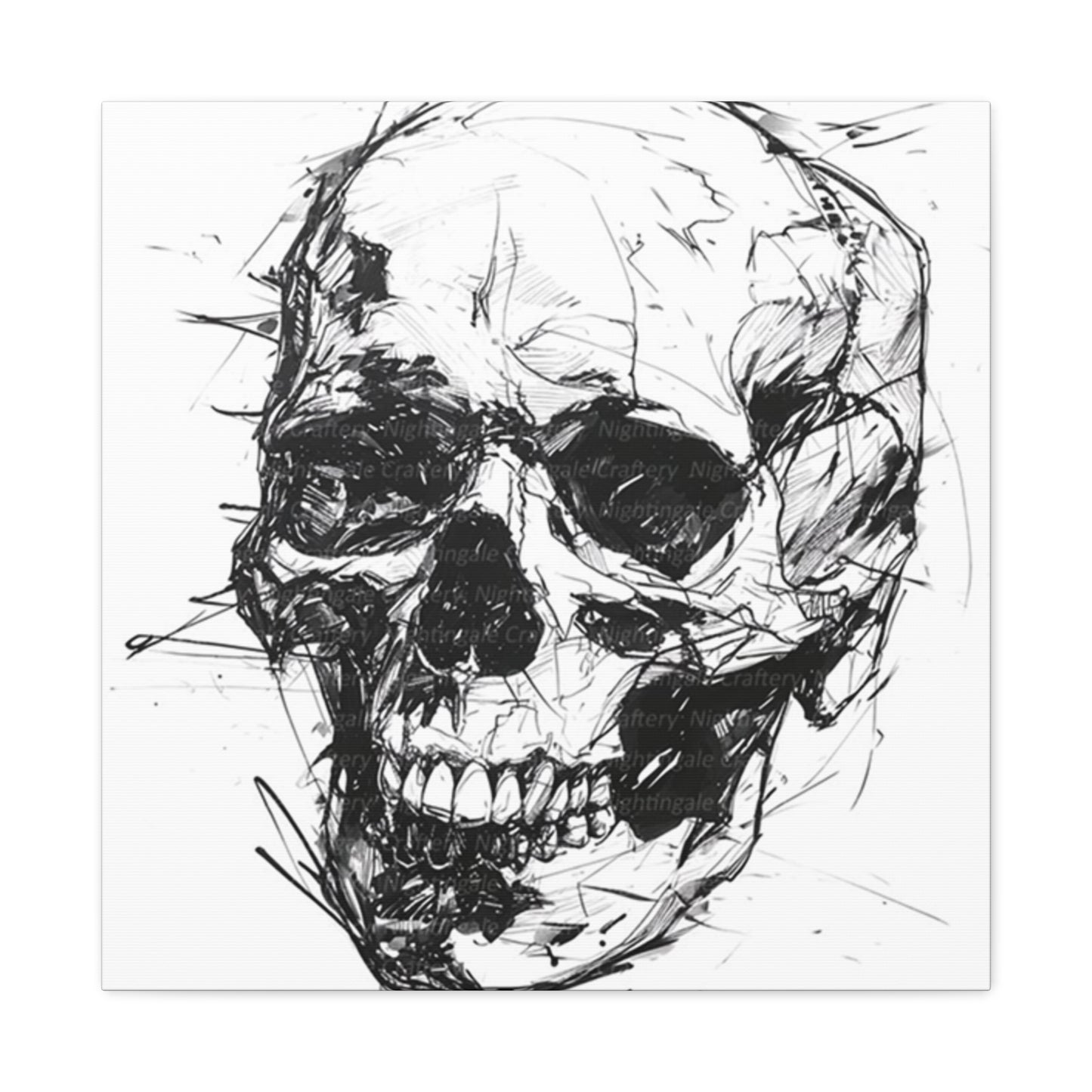
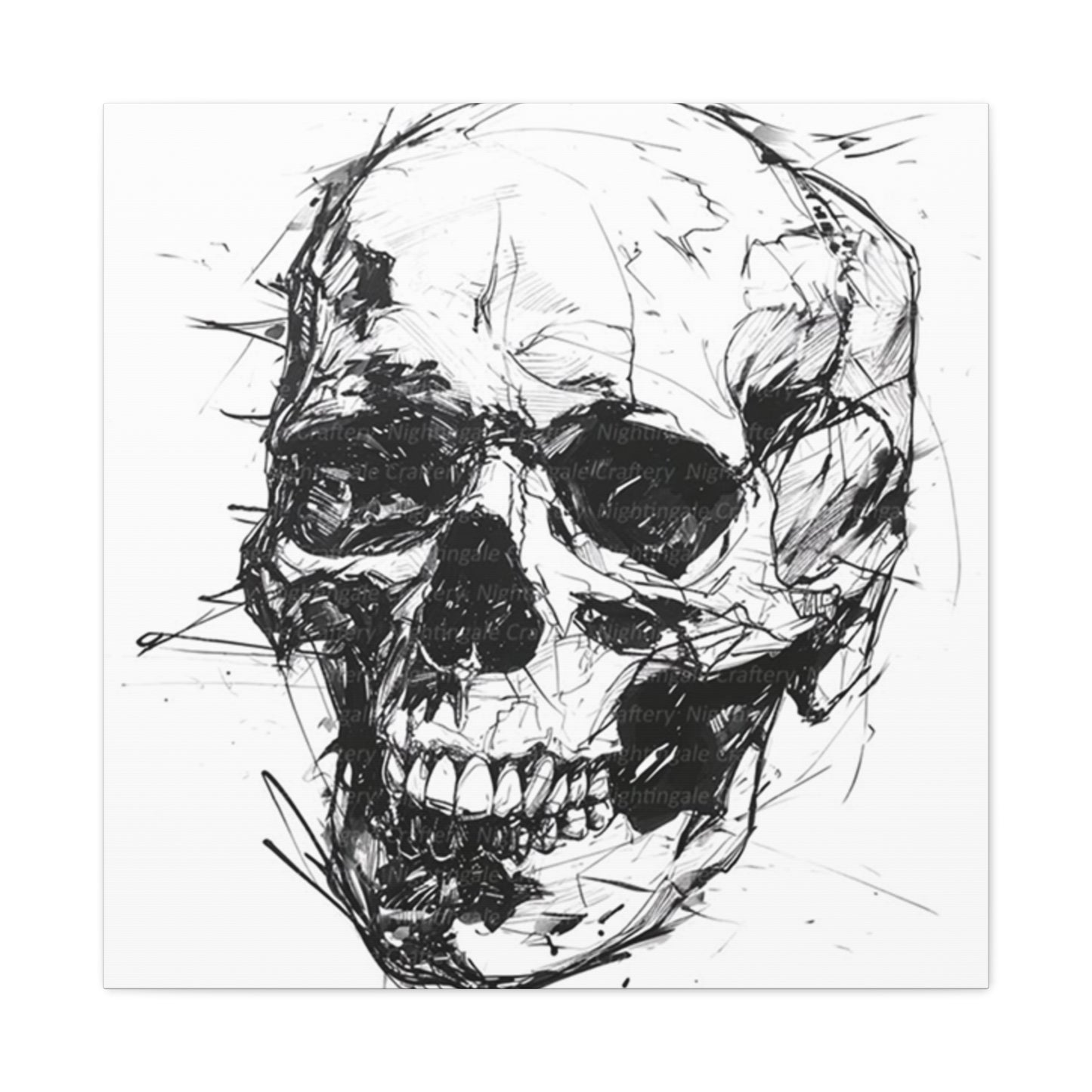
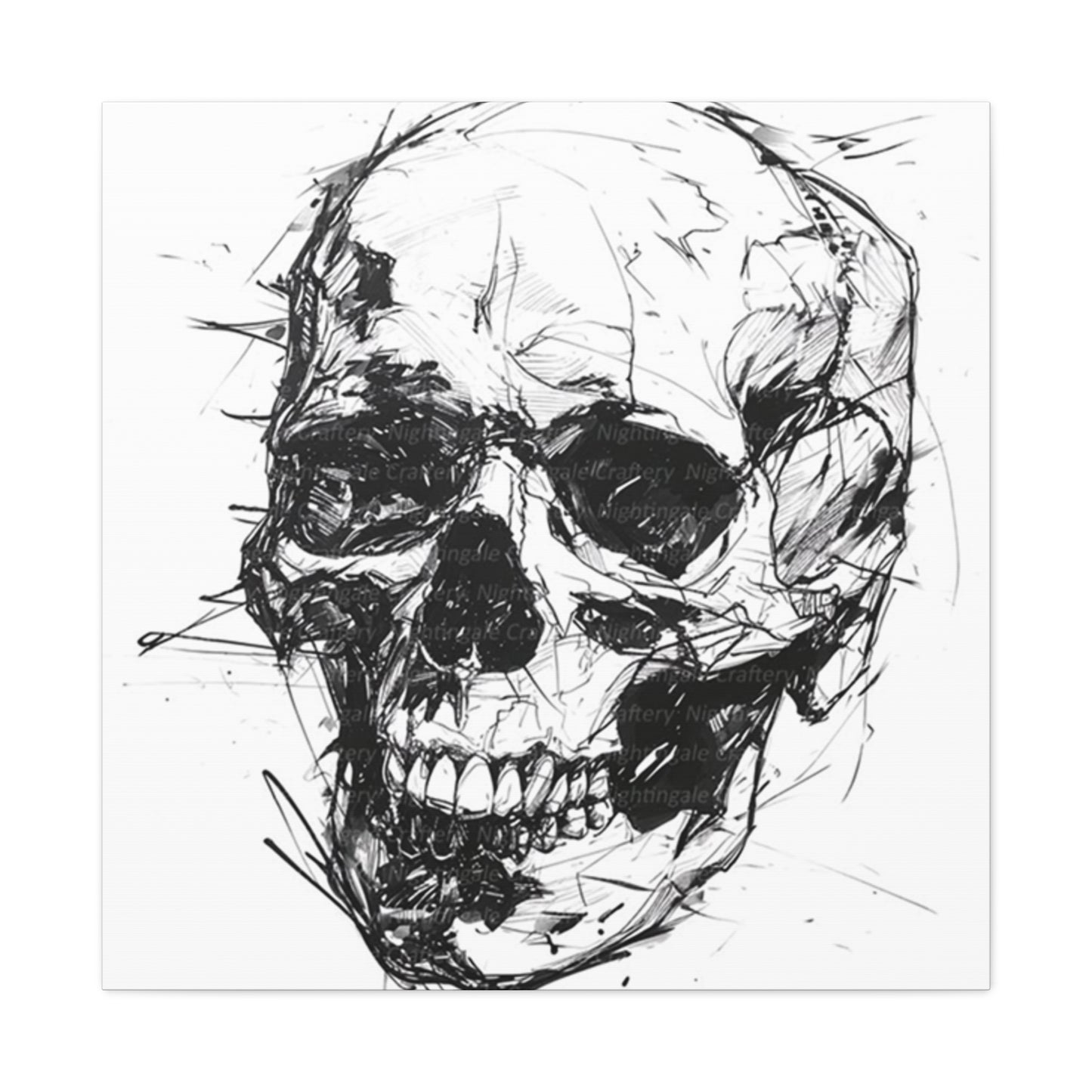
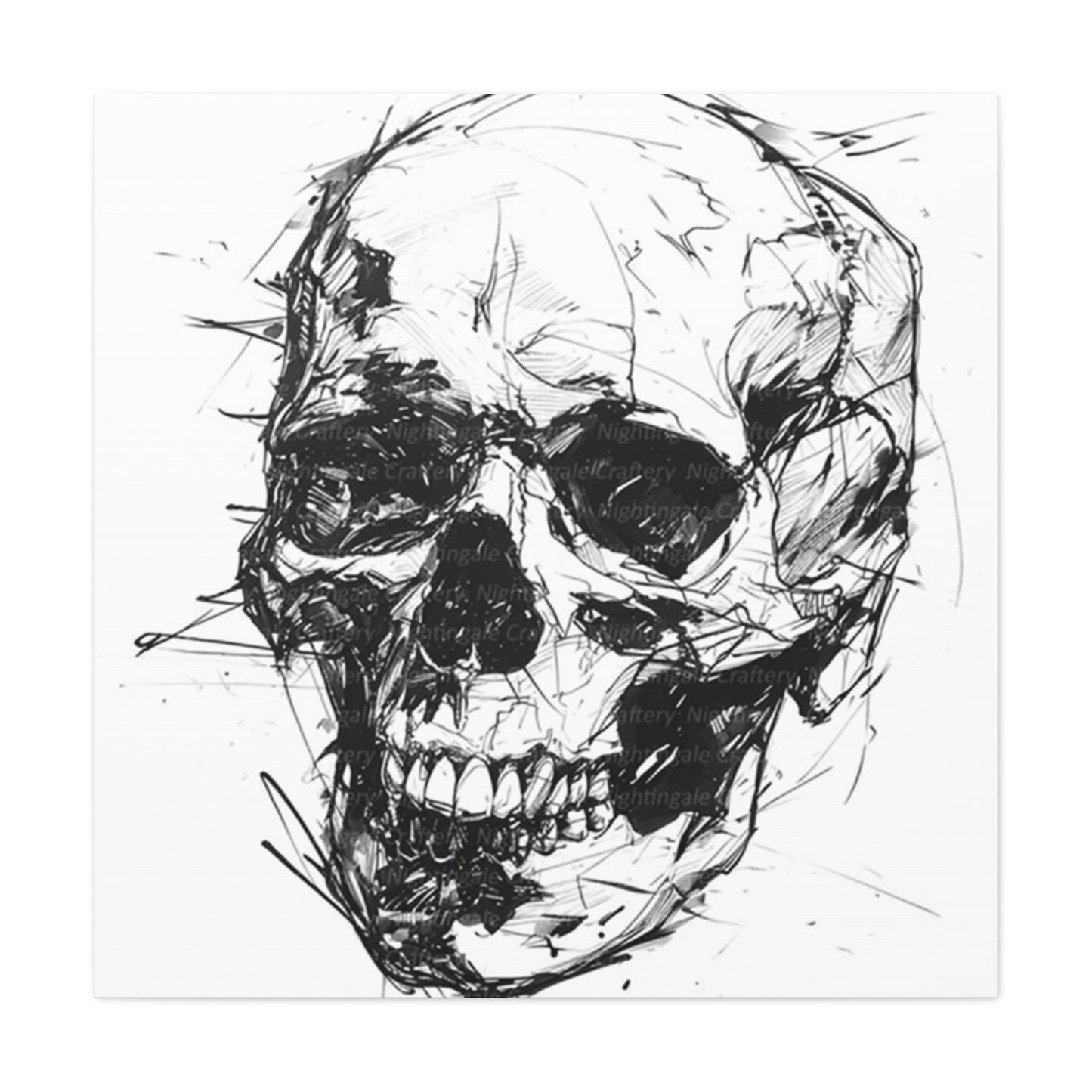
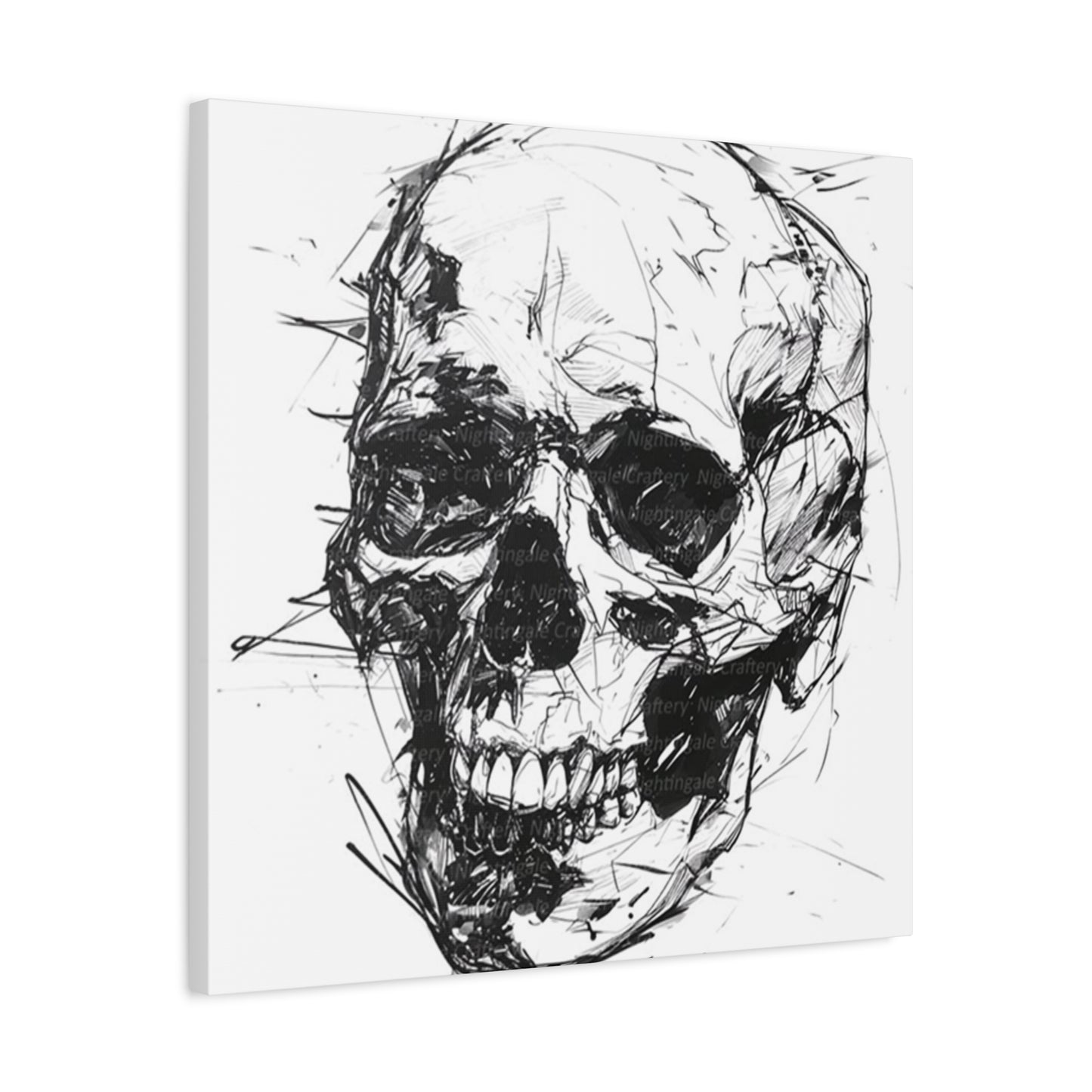
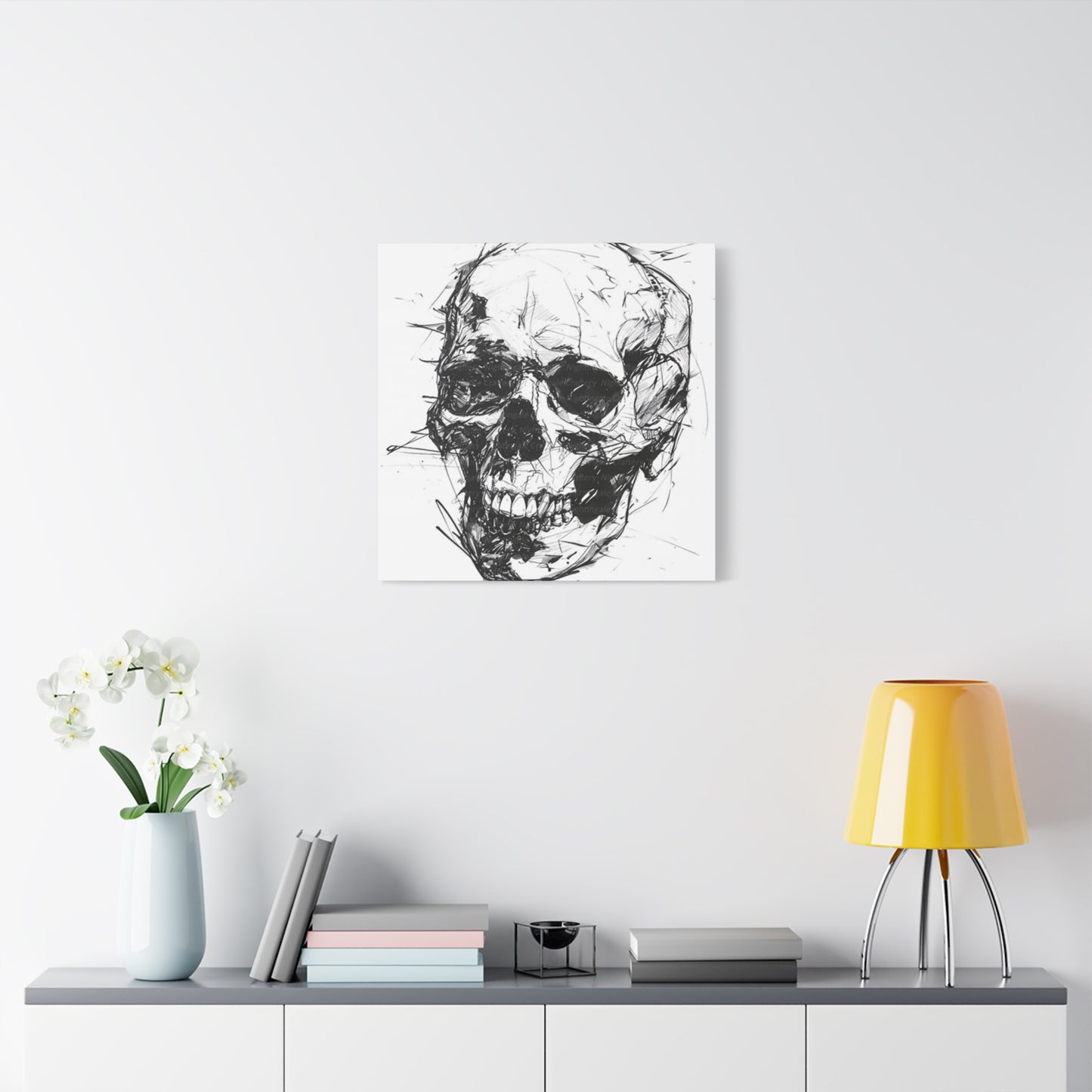
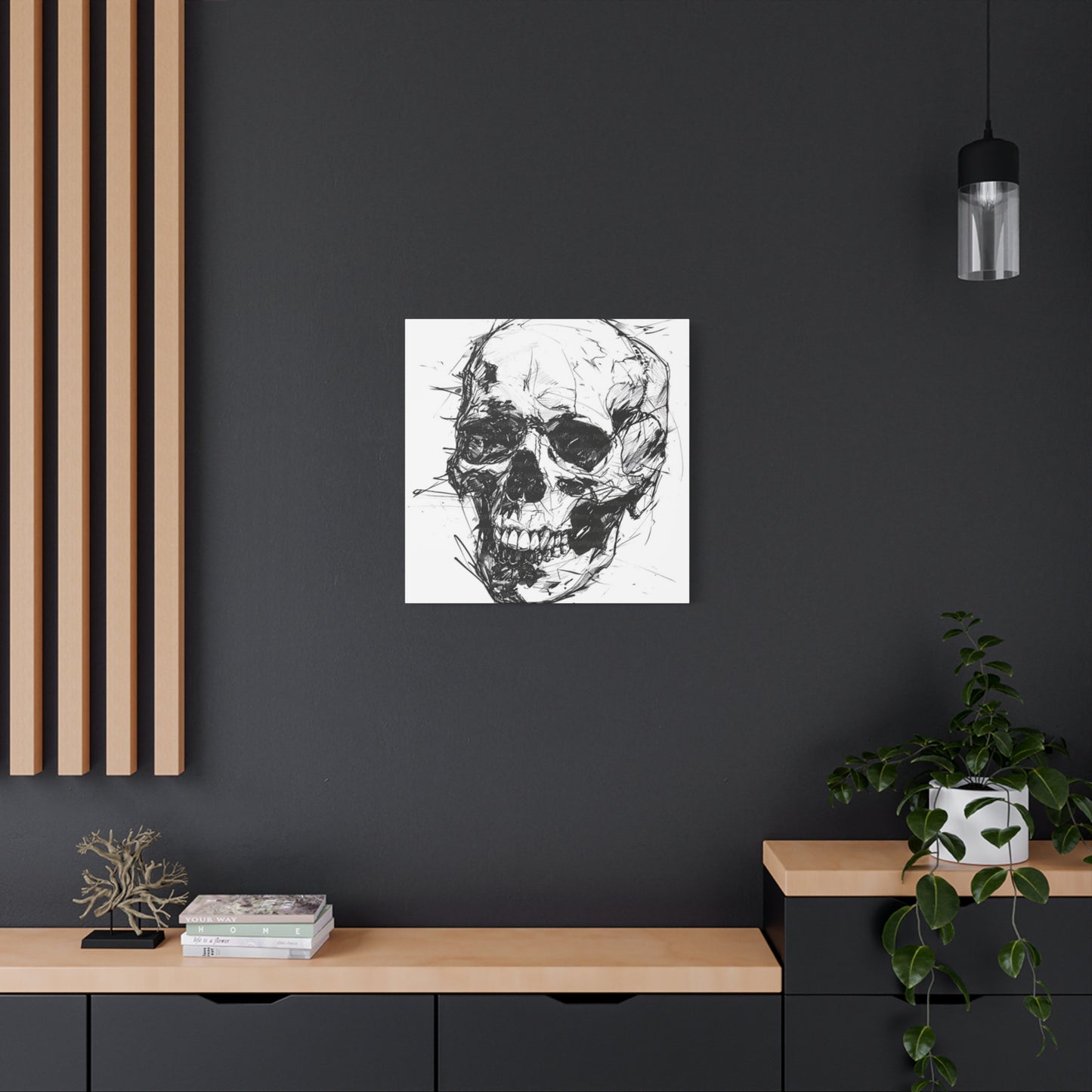
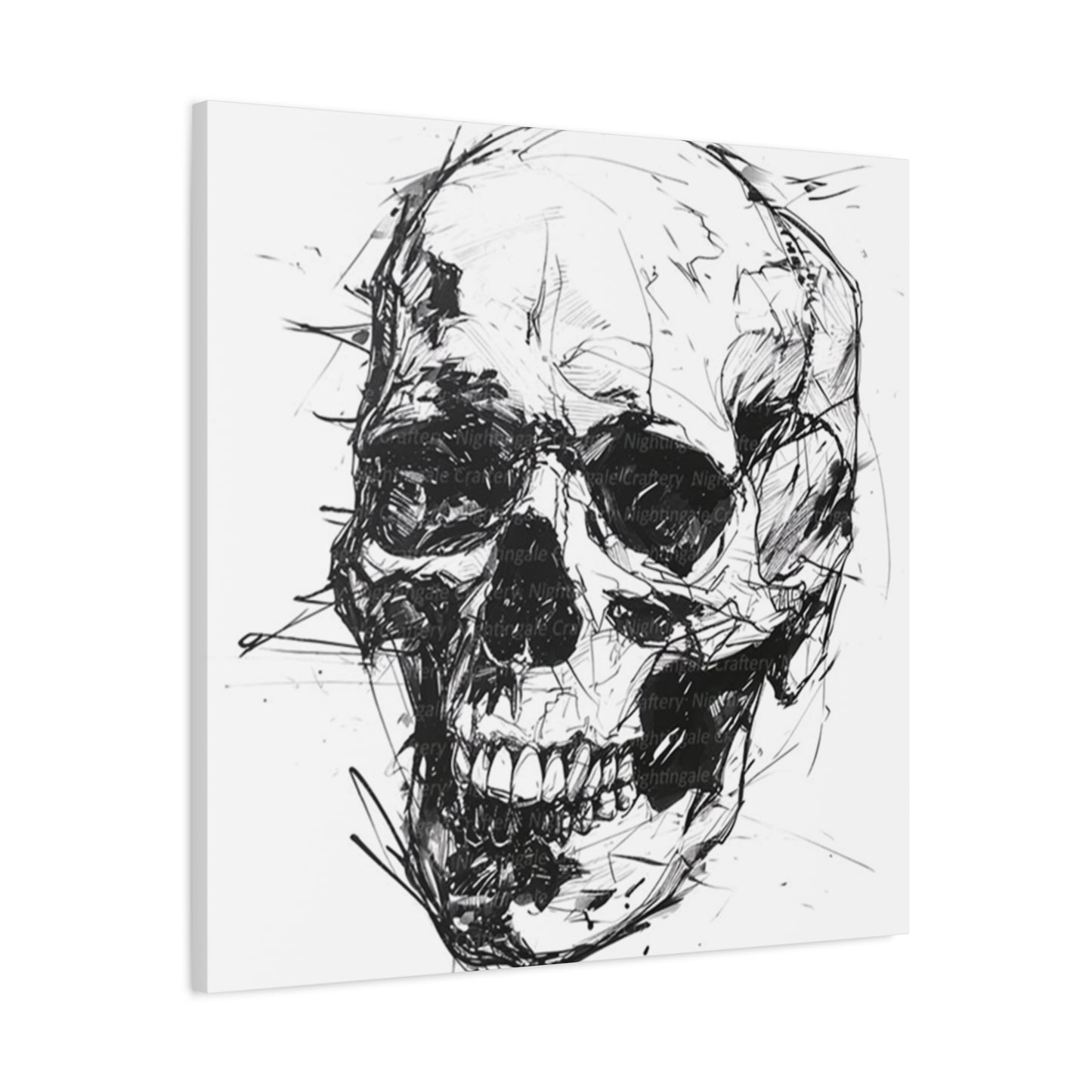
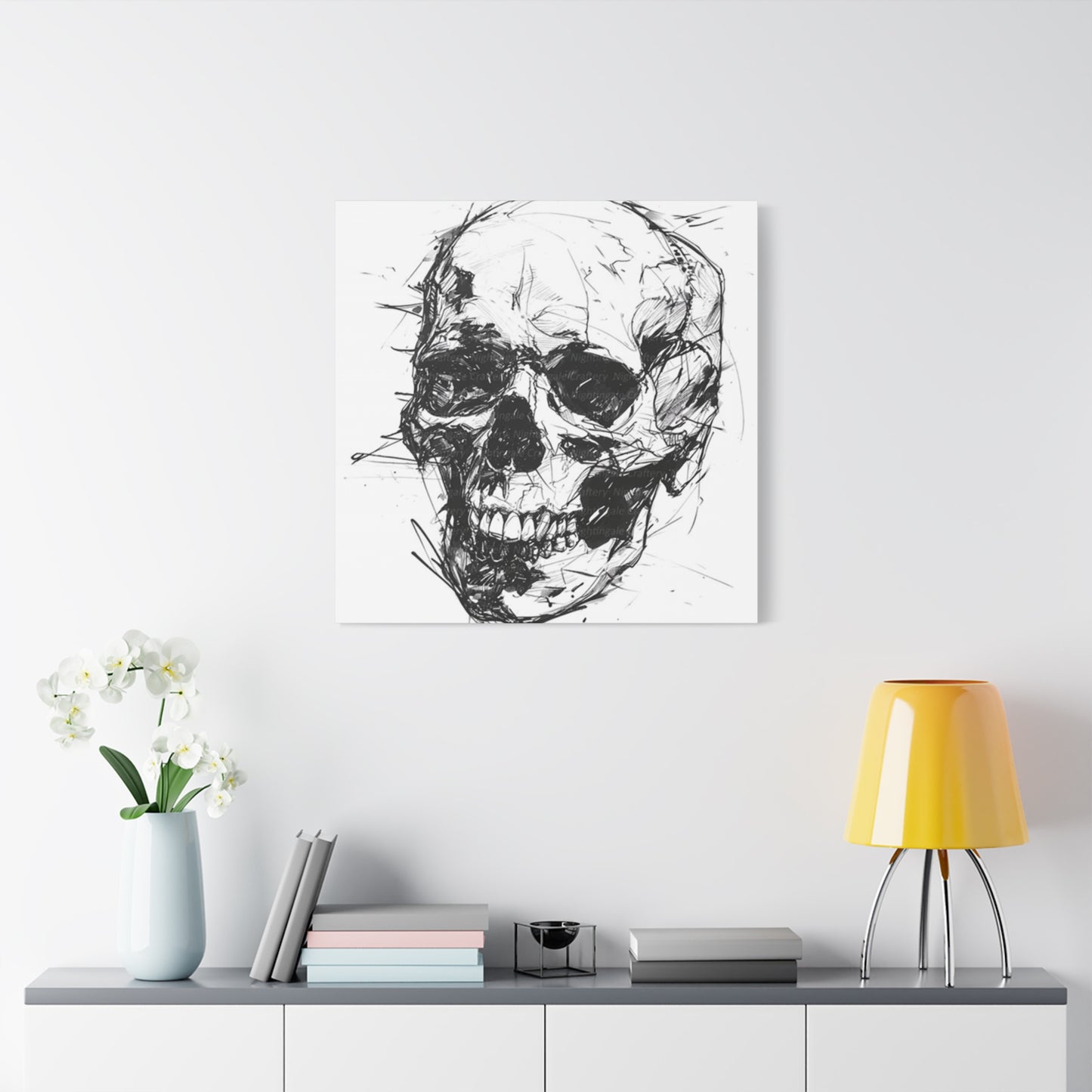
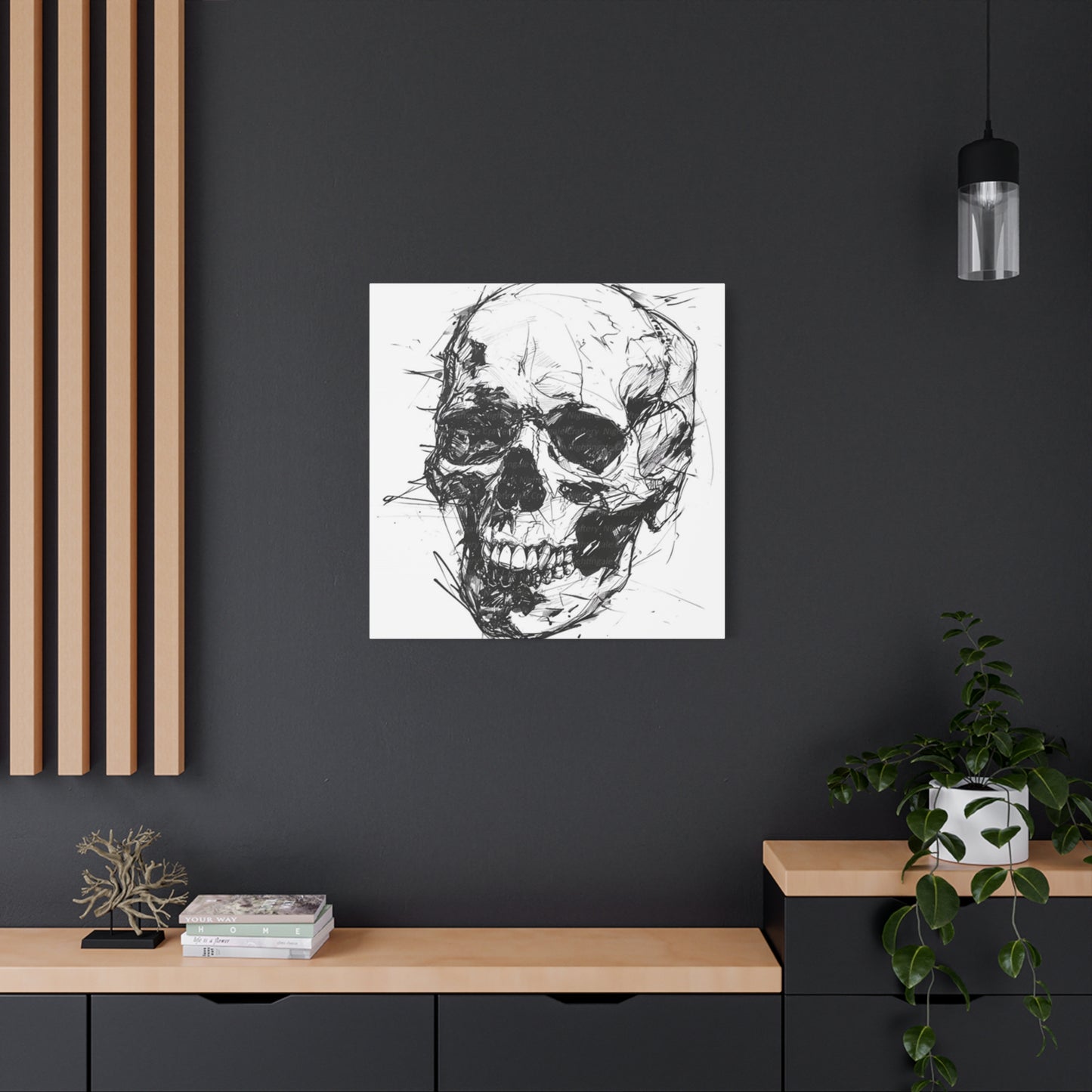
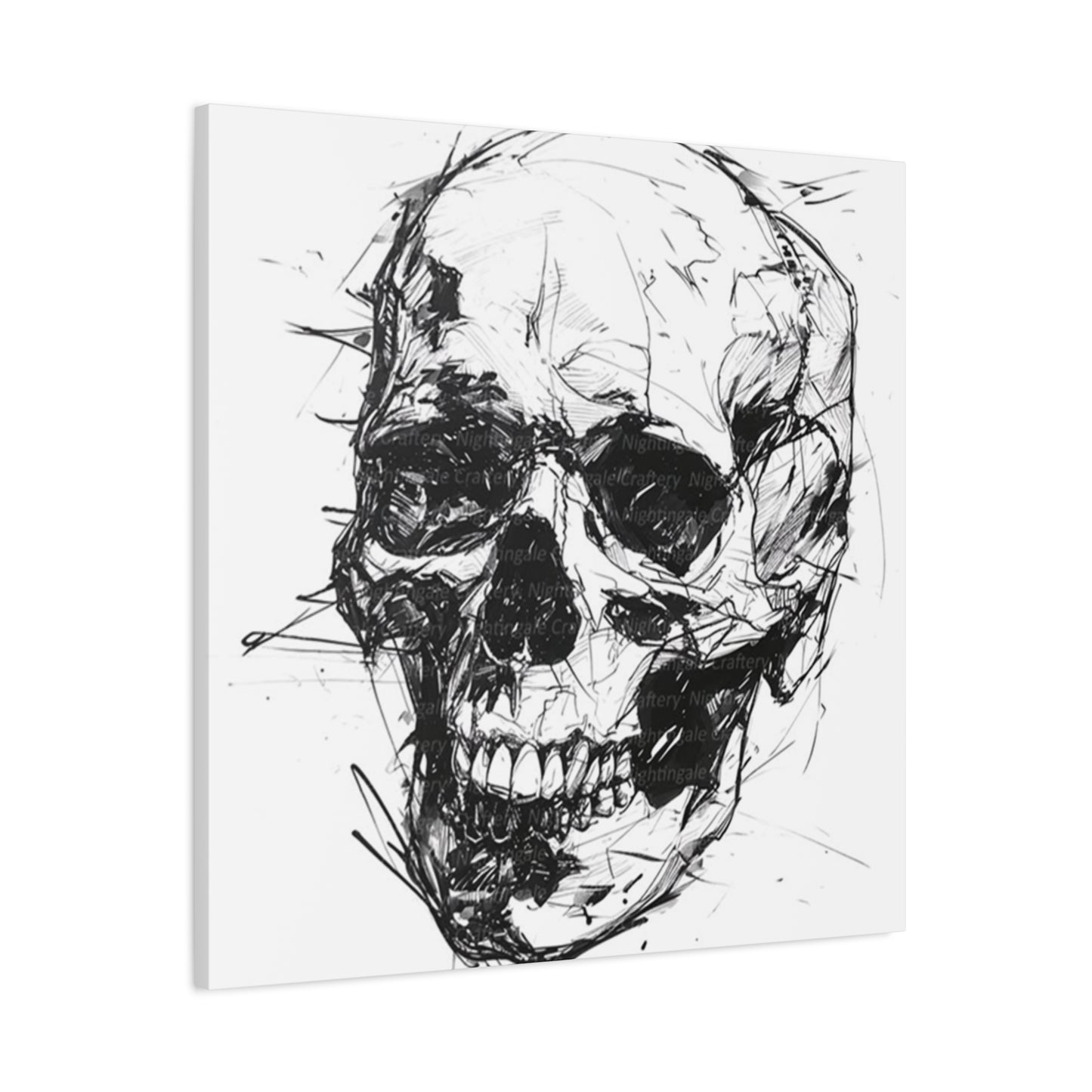
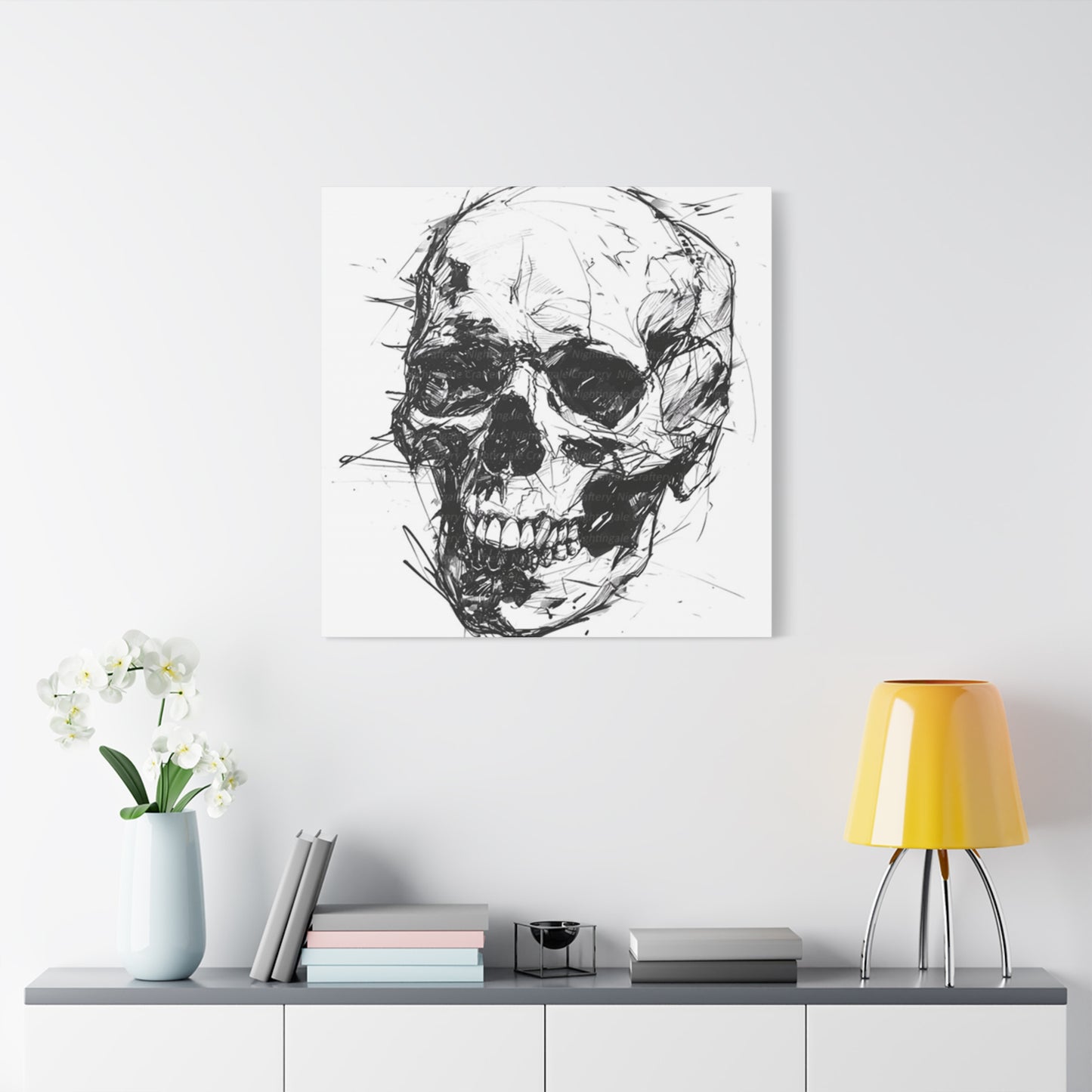
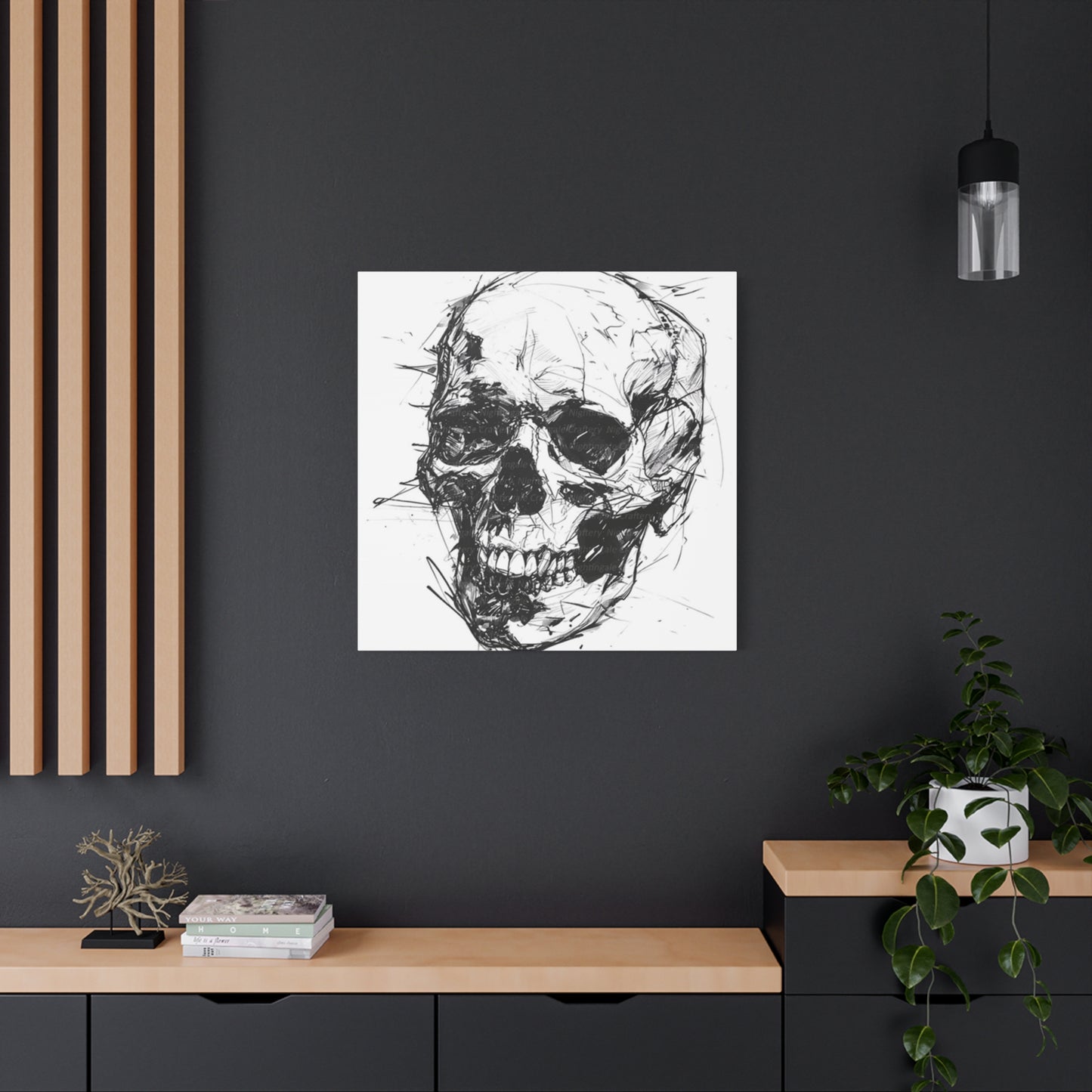
The Rising Popularity of Skull Hand Drawing Wall Art in Contemporary Spaces
The world of interior decoration has witnessed a remarkable transformation over the past decade, with skull hand drawing wall art emerging as one of the most sought-after decorative elements for modern living spaces. This artistic style combines the raw energy of skeletal imagery with the intricate beauty of hand-drawn craftsmanship, creating pieces that resonate with homeowners, art collectors, and design enthusiasts across the globe. The appeal of this artistic genre lies in its ability to convey multiple meanings simultaneously while maintaining an aesthetic quality that complements various interior design styles.
Contemporary homeowners are increasingly drawn to artwork that tells a story and reflects their personality, values, and artistic preferences. Skull hand drawing wall art serves this purpose exceptionally well by offering a visual narrative that can be interpreted in countless ways. The symbolism embedded within these pieces ranges from representations of mortality and the transient nature of existence to celebrations of strength, rebellion, and artistic freedom. This multifaceted symbolism allows individuals to connect with the artwork on a deeply personal level, making each piece more than just a decorative element but rather a reflection of inner thoughts and philosophical perspectives.
The artistic merit of skull hand drawing wall art extends beyond its symbolic significance. The technical skill required to create these pieces demands years of practice, a keen understanding of anatomy, and an artistic vision that can transform simple skeletal forms into captivating visual experiences. Artists who specialize in this genre often spend countless hours perfecting their technique, studying bone structures, and experimenting with different drawing methods to achieve the desired effect. The result is artwork that showcases exceptional craftsmanship and attention to detail, qualities that are highly valued in the contemporary art market.
Interior designers have embraced skull hand drawing wall art as a versatile decorative tool that can anchor a room's aesthetic or serve as a powerful accent piece. The monochromatic nature of many skull drawings makes them particularly adaptable to various color schemes and design philosophies. Whether incorporated into minimalist spaces, industrial lofts, bohemian apartments, or eclectic homes, these artworks maintain their visual impact while enhancing the overall atmosphere of the room. The versatility of skull hand drawing wall art has contributed significantly to its growing popularity among design professionals and homeowners alike.
Symbolic Meanings and Cultural Interpretations of Skull Imagery
The symbolism associated with skull hand drawing wall art encompasses a vast range of meanings that vary across cultures, historical periods, and individual interpretations. At its most fundamental level, skull imagery represents mortality and the physical reality of death, serving as a reminder of life's finite nature. This association with death has made skulls powerful symbols throughout human history, appearing in contexts ranging from religious art to medical education to fashion accessories. The skull's ability to evoke contemplation of existence's temporary nature gives it philosophical weight that extends beyond mere aesthetic appeal, making skull hand drawing wall art a vehicle for exploring profound existential questions.
In many Western traditions, skulls symbolize the concept of memento mori, the Latin phrase meaning "remember you must die." This philosophical stance encourages people to maintain awareness of mortality not as a morbid obsession but as motivation to live meaningful, virtuous lives. Skull hand drawing wall art in this tradition serves as a contemplative tool, prompting viewers to reflect on their priorities, values, and how they choose to spend their limited time. The memento mori tradition has experienced renewed interest in contemporary times, as people seek anchors of meaning in an increasingly fast-paced, distraction-filled world. Artwork embodying these themes provides spaces for quiet reflection and philosophical consideration within domestic environments.
Alternatively, skull imagery can represent transformation, renewal, and the cyclical nature of existence rather than focusing solely on death's finality. Many spiritual and philosophical traditions view death as a transition rather than an ending, with the skull symbolizing the shedding of physical form and the continuation of consciousness or spirit. Skull hand drawing wall art incorporating this interpretation often includes elements suggesting growth, such as flowers emerging from skulls or butterflies surrounding skeletal forms. These compositions convey messages of hope and continuity, suggesting that death is part of a larger process of transformation rather than a complete cessation of being.
In contemporary popular culture, skulls have become associated with rebellion, nonconformity, and countercultural identity. This association developed partly through skull imagery's adoption by various subcultures, including punk rock, heavy metal music, motorcycle clubs, and alternative fashion movements. For many people, displaying skull hand drawing wall art represents an assertion of individuality and a rejection of mainstream aesthetic preferences. The skull becomes a symbol of authenticity and resistance to societal pressures to conform, expressing personal freedom and the courage to embrace darker, edgier artistic expressions. This rebellious quality makes skull imagery particularly appealing to those who value independent thinking and unconventional lifestyle choices.
Skull hand drawing wall art also carries connotations of strength, fearlessness, and warrior spirit in various cultural contexts. Military units, sports teams, and martial arts practitioners have historically used skull emblems to project power and intimidate opponents. In these contexts, the skull symbolizes the willingness to face danger and death without fear, representing courage and martial prowess. Artwork incorporating these themes often features skulls with aggressive expressions or combined with weapons, armor, or other symbols of combat. These pieces appeal to individuals who identify with warrior archetypes or who wish to cultivate qualities of mental toughness and resilience.
Interior Design Applications and Placement Strategies
Incorporating skull hand drawing wall art into interior spaces requires thoughtful consideration of scale, placement, and relationship to other design elements. The visual impact of skull imagery can be powerful, making careful integration essential for achieving desired aesthetic results. When properly positioned, skull hand drawing wall art can serve as a focal point that anchors a room's design scheme, draws the eye, and establishes the space's overall character and mood. Understanding how to balance the dramatic presence of skull artwork with other decorative elements ensures that these pieces enhance rather than overwhelm their surroundings.
Living rooms offer numerous opportunities for displaying skull hand drawing wall art, with placement above sofas being among the most common and effective arrangements. A large-scale skull drawing positioned centrally over seating areas creates a strong focal point while maintaining comfortable viewing angles for room occupants. The artwork's size should be proportional to the furniture beneath it, typically spanning two-thirds to three-quarters of the sofa's width to achieve visual balance. This placement strategy draws attention to the artwork without making it feel cramped or oversized relative to its surroundings. Complementing the skull drawing with carefully chosen throw pillows, blankets, and other accessories can create a cohesive design narrative that ties the room together.
Bedroom spaces can accommodate skull hand drawing wall art in ways that create intimate, personally meaningful environments. Placing artwork above the headboard establishes a visual centerpiece for the room while allowing the artwork to be appreciated from various positions within the space. The bedroom's private nature makes it an ideal location for skull imagery that might be too intense or personal for more public areas of the home. Selecting skull drawings with appropriate tonal qualities for bedroom environments helps maintain the space's restful atmosphere, with softer, more meditative pieces often working better than aggressive or highly dramatic compositions. The bedroom's role as a personal sanctuary allows for artistic expressions that reflect the occupant's inner world and philosophical perspectives.
Home offices and creative workspaces benefit from skull hand drawing wall art that inspires focus, creativity, and contemplation. The symbolic associations of skull imagery with mortality and the passage of time can serve as motivation to use working hours productively and pursue meaningful projects. Positioning artwork at eye level when seated at a desk ensures regular visual engagement with the piece, allowing it to influence mood and mindset throughout the workday. The office environment's professional nature may call for skull drawings with more refined, sophisticated aesthetics rather than overtly aggressive or shocking imagery. Selecting pieces that balance artistic interest with professional appropriateness helps create workspaces that are both personally meaningful and conducive to productive activity.
Hallways and entryways provide excellent opportunities for displaying skull hand drawing wall art in ways that make strong first impressions and set tonal expectations for the home's overall aesthetic. Gallery wall arrangements featuring multiple skull drawings in various sizes and frames can transform these transitional spaces into dynamic artistic displays. The linear nature of hallways naturally accommodates horizontal arrangements of artwork, creating visual flow that guides movement through the space. Entry areas benefit from bold, confident artistic statements that immediately communicate the homeowner's aesthetic preferences and personality to visitors. Skull hand drawing wall art in these locations announces a commitment to unconventional, thought-provoking artistic expression.
Color Palettes and Aesthetic Combinations with Skull Art
The color relationships between skull hand drawing wall art and surrounding interior elements significantly impact the overall aesthetic success of design schemes. While many skull drawings feature primarily monochromatic palettes of blacks, whites, and grays, the colors present in walls, furniture, and accessories create important visual interactions with the artwork. Understanding color theory and how different hues relate to one another enables designers and homeowners to create harmonious environments where skull hand drawing wall art feels integrated rather than arbitrarily placed.
Monochromatic color schemes built around blacks, whites, and grays create sophisticated, cohesive environments that allow skull hand drawing wall art to shine without color competition. This approach emphasizes tonal variation, texture, and form rather than chromatic contrast, producing spaces with refined, minimalist aesthetics. Different shades of gray can add depth and prevent the space from feeling too stark while maintaining the monochromatic discipline. Black furniture and fixtures echo the dark elements in skull drawings, while white walls and lighter accessories provide contrast and prevent the space from becoming oppressively dark. The resulting environments feel modern, dramatic, and intentionally curated around the skull artwork's aesthetic qualities.
Neutral color palettes incorporating beiges, taupes, and warm grays provide softer, more accessible contexts for skull hand drawing wall art than stark black-and-white schemes. These earth tones create welcoming, comfortable environments while still allowing skull imagery to maintain visual prominence. Natural materials like wood, leather, and linen introduce textural variety that enriches neutral palettes and prevents them from feeling bland. The warmth of neutral schemes can counterbalance the potentially cold or stark qualities of skull imagery, creating spaces that feel both edgy and inviting. This approach appeals to those who appreciate skull hand drawing wall art but prefer living environments with softer, more livable atmosphics.
Bold color accents can create dynamic, energetic relationships with skull hand drawing wall art, particularly when colors are chosen to complement the artwork's psychological and symbolic qualities. Deep reds can emphasize passion, danger, or intensity associated with skull imagery, while rich purples suggest mystery and spirituality. Emerald greens and sapphire blues can cool down the potentially aggressive nature of skull art while adding sophisticated chromatic interest. Using accent colors sparingly in throw pillows, small furniture pieces, or decorative objects allows them to punctuate the space without overwhelming the skull artwork's presence. The strategic application of color creates visual excitement while maintaining the drawing's position as the primary focal point.
Industrial color palettes featuring exposed metals, concrete grays, and weathered finishes provide natural companions for skull hand drawing wall art. The raw, unfinished qualities of industrial design aesthetics align philosophically with skull imagery's confrontation with mortality and physical decay. Copper, brass, and aged steel introduce warm and cool metallic tones that add visual interest without introducing traditional color. Brick walls, concrete floors, and metal light fixtures create atmospheric backdrops that enhance skull hand drawing wall art's edgy, urban character. These industrial elements and skull imagery together create cohesive narratives about authenticity, impermanence, and the beauty found in raw, unadorned materials.
Bohemian color schemes featuring rich jewel tones, varied patterns, and eclectic combinations can successfully incorporate skull hand drawing wall art despite the style's typically more organic, life-affirming aesthetic. The key lies in selecting skull artwork that includes decorative elements, floral motifs, or softer rendering styles that bridge between the starkness of skeletal imagery and bohemian warmth. Surrounding the skull art with colorful textiles, plants, and globally inspired accessories creates visual balance and prevents the imagery from feeling out of place. This eclectic approach demonstrates that skull hand drawing wall art can adapt to various design contexts when thoughtfully integrated into the overall scheme.
Framing and Presentation Methods for Maximum Impact
The manner in which skull hand drawing wall art is framed and presented dramatically affects its visual impact and integration into interior spaces. Professional framing elevates artwork from simple drawings into polished, gallery-worthy pieces that command attention and respect. The frame serves multiple functions beyond mere decoration, providing physical protection for the artwork while also creating visual boundaries that help viewers focus on the image and establishing relationships between the artwork and its surroundings. Understanding framing options and their aesthetic implications enables optimal presentation of skull hand drawing wall art.
Traditional picture frames with glass or acrylic glazing offer classic presentation methods that protect artwork while providing formal, finished appearances. Black frames remain the most popular choice for skull hand drawing wall art, creating strong boundaries that focus attention on the artwork while echoing the dark tones typically present in skull imagery. The frame's width and profile should be proportional to the artwork's size and visual weight, with larger, more detailed drawings often benefiting from wider frames that provide substantial visual presence. Matte black finishes offer subtle sophistication, while glossy blacks create more contemporary, high-contrast looks. Alternatively, white or light-colored frames can create striking contrasts with dark skull drawings, making them appear to float against the wall and emphasizing their graphic qualities.
Mat boards or mounts create important visual separation between artwork and frame edges, preventing the drawing from feeling cramped while adding professional polish to the presentation. Mat selection involves decisions about color, width, and texture that significantly impact the overall aesthetic. White or off-white mats provide clean, gallery-standard presentations that work well with most skull hand drawing wall art. Black mats can create dramatic, unified fields that blend with darker elements of the artwork. Wider mats draw more attention to the artwork by creating expansive negative space around it, while narrower mats allow larger reproduction of the drawing within a given frame size. Multiple mats in layered configurations add sophisticated dimensionality to framed presentations.
Float mounting techniques that make artwork appear to hover within the frame create contemporary, high-end presentations particularly effective for skull hand drawing wall art on textured or handmade papers. This method suspends the drawing between the backing and glazing, allowing the paper's edges to remain visible and emphasizing the artwork's physical presence. Float mounting works especially well for drawings with deckled edges or other distinctive paper characteristics worth showcasing. The three-dimensional quality of float-mounted art creates subtle shadow effects that add depth and visual interest to the presentation. This approach appeals to collectors who value the materiality of original drawings and want presentations that honor the artwork's physical nature.
Shadow box framing provides even greater dimensionality than float mounting by creating substantial space between the artwork and glazing. This technique works particularly well for mixed-media skull hand drawing wall art that incorporates collage elements, three-dimensional objects, or heavily textured surfaces. The depth of shadow boxes accommodates these physical characteristics while protecting them behind glass. The resulting presentation emphasizes the artwork's sculptural qualities and invites closer inspection of its surface characteristics. Shadow boxes can transform skull hand drawing wall art into conversation pieces that reveal new details upon repeated viewing, rewarding sustained attention with discoveries about materials and techniques.
Sourcing Original Skull Hand Drawing Wall Art
Acquiring authentic, high-quality skull hand drawing wall art requires knowledge of various sources and evaluation criteria that distinguish exceptional pieces from mediocre offerings. The art market encompasses numerous channels through which buyers can discover and purchase skull drawings, each with distinct advantages and considerations. Understanding these options enables collectors to make informed decisions that align with their aesthetic preferences, budgets, and values regarding art acquisition. The process of sourcing skull hand drawing wall art can be as rewarding as displaying the finished pieces, offering opportunities to connect with artists and participate in creative communities.
Art galleries specializing in contemporary or alternative art often feature skull hand drawing wall art among their offerings, providing curated selections of work by established and emerging artists. Gallery purchases offer advantages including professional presentation, provenance documentation, and opportunities to view artwork in person before committing to purchases. Galleries typically handle framing, shipping, and installation advice, simplifying the acquisition process for buyers. The gallery environment allows for discussions with knowledgeable staff who can provide context about artists, techniques, and artistic movements. However, gallery markups can significantly increase artwork prices compared to purchasing directly from artists, making this option more suitable for collectors with larger budgets or those prioritizing convenience and curation.
Art fairs and festivals provide opportunities to encounter diverse skull hand drawing wall art in concentrated timeframes while supporting artists directly. These events range from major international art fairs to local craft markets, each offering different scales and qualities of artwork. The ability to meet artists personally, discuss their work, and learn about their creative processes adds value beyond the artwork itself. Many buyers appreciate the connection formed through direct artist interactions and the knowledge that their purchases support creative practitioners directly. Art fairs also enable comparison shopping across multiple artists and styles, helping buyers refine their preferences and make confident purchasing decisions. The ephemeral nature of these events can create urgency that motivates decisions while offering unique finds not available through other channels.
Online marketplaces and art platforms have revolutionized access to skull hand drawing wall art, connecting buyers with artists worldwide and dramatically expanding available options. These platforms range from general marketplaces to specialized art sites focusing on particular styles or price points. The convenience of browsing extensive collections from home, filtering by style, size, and price, and reading artist profiles and reviews makes online shopping appealing to many buyers. However, the inability to view artwork in person before purchase requires trust in photographs and descriptions, making seller reputation and return policies important considerations. Online purchases eliminate geographic limitations, allowing collectors to acquire work by artists from any location, fostering global artistic exchange and discovery.
Direct artist purchases through personal websites, social media, or studio visits offer the most intimate and economical ways to acquire skull hand drawing wall art. Eliminating intermediary markups means more of the purchase price supports the artist directly, a consideration important to many ethically minded collectors. Following artists on social media platforms provides insights into their creative processes, upcoming work, and personal philosophies, deepening the connection between artist and collector. Some artists accept custom commissions, allowing buyers to collaborate on pieces designed specifically for their spaces and preferences. The personal relationships developed through direct artist interactions can evolve into ongoing patronage relationships that benefit both parties over time.
Digital Reproduction versus Original Artwork Considerations
The choice between purchasing original skull hand drawing wall art and high-quality reproductions represents a significant decision with implications for aesthetics, value, and personal satisfaction. Original artwork offers unique qualities that reproductions cannot replicate, including the physical texture of drawing media, subtle variations in mark-making, and the knowledge that the piece represents a singular creative act. The surface qualities of original drawings reveal information about artistic process and technique that flat reproductions eliminate. For serious collectors and art enthusiasts, these qualities justify premium prices and the effort required to source original pieces.
Financial considerations heavily influence decisions between originals and reproductions, as original skull hand drawing wall art typically commands significantly higher prices than printed copies. Limited budgets may make high-quality reproductions the only feasible option for accessing desired imagery. However, viewing artwork purely through financial lenses neglects important aesthetic and psychological factors that affect long-term satisfaction with purchases. The pride and connection associated with owning original art can justify higher expenses for those who value these intangible qualities. Alternatively, investing in quality reproductions allows broader collections spanning multiple artists and styles, providing variety that single original purchases might not afford.
Print quality varies dramatically among reproduction methods, with some technologies producing results remarkably faithful to original artwork while others yield disappointing approximations. Giclée printing using archival inks on high-quality paper or canvas produces reproductions with excellent color fidelity, detail resolution, and longevity. These premium prints can cost significantly more than standard posters but offer presentation quality approaching original artwork. Understanding printing technologies and materials helps buyers make informed decisions about which reproductions meet their quality standards. Examining prints in person when possible reveals qualities difficult to assess through online images alone.
Limited edition prints occupy a middle ground between mass-produced reproductions and unique original artwork. Artists create these prints in restricted quantities, typically numbering and signing each copy to document its place within the edition. Limited editions carry greater cachet and potential investment value than unlimited reproductions while remaining more affordable than original drawings. The scarcity created by limited production runs appeals to collectors who desire artwork with exclusivity but cannot access or afford original pieces. However, the collectibility and value retention of limited edition prints depend heavily on the artist's reputation and the edition's size, factors requiring research and consideration.
Some collectors adopt hybrid approaches, combining original skull hand drawing wall art in prominent locations with high-quality reproductions in secondary spaces. This strategy allows for impressive focal pieces of original art while extending the aesthetic throughout the home at manageable cost. Mixing originals and reproductions requires thoughtful curation to ensure visual consistency and prevent quality disparities from creating jarring contrasts. Transparent acknowledgment of which pieces are originals versus reproductions demonstrates integrity and avoids misrepresenting one's collection. This balanced approach satisfies desires for authentic artistic connection while acknowledging practical budgetary constraints.
Creating Cohesive Gallery Wall Arrangements
Gallery walls featuring multiple pieces of skull hand drawing wall art create dynamic visual displays that transform blank walls into curated artistic statements. These arrangements allow for greater creative expression than single pieces while providing opportunities to showcase various artistic styles, sizes, and approaches to skull imagery. Successful gallery walls balance unity and variety, creating cohesive compositions while maintaining individual pieces' distinct identities. The planning and execution of gallery wall arrangements requires attention to spatial relationships, visual rhythm, and overall compositional structure.
Planning gallery wall layouts begins with selecting the pieces to be included and determining the arrangement that best showcases each work while creating satisfying overall composition. Laying out all pieces on the floor or using paper templates on walls allows experimentation with configurations before committing to permanent installation. Various organizational principles can guide arrangements, including symmetrical grids for formal, orderly presentations or asymmetrical clusters for more dynamic, organic compositions. The wall's dimensions and architectural features such as windows, doors, and corners influence viable layout options and help determine appropriate scales for the overall arrangement.
Establishing consistent spacing between pieces creates visual unity and professional polish in gallery wall arrangements. Equal gaps of two to four inches between frames maintain enough separation for individual pieces to be perceived distinctly while keeping the overall arrangement cohesive. Consistent spacing also simplifies the physical installation process, as uniform measurements can be applied systematically across the entire wall. However, slightly varying spacing to accommodate different frame sizes or to create intentional visual groupings within the larger arrangement can add sophistication to more complex installations. The key lies in maintaining intentional consistency rather than allowing random or haphazard spacing that appears accidental.
Anchor pieces serve as focal points around which gallery walls organize, typically featuring larger scale, more visually commanding skull hand drawing wall art. Positioning anchor pieces first establishes the arrangement's visual center and provides reference points for placing surrounding works. The anchor piece often occupies the wall's central position or slightly off-center location that accounts for furniture placement and viewing angles. Smaller, complementary pieces radiate outward from anchor points, creating visual flow that guides the eye through the composition. Multiple anchor pieces can be used in larger gallery walls, establishing several visual centers that create rhythm and prevent monotony in extensive arrangements.
Balancing visual weight across gallery wall arrangements prevents compositions from feeling lopsided or unstable. Visual weight derives from factors including size, color intensity, level of detail, and frame characteristics, with darker, larger, more detailed pieces carrying greater weight. Distributing weighted elements evenly across the composition or intentionally balancing heavier pieces on one side with multiple lighter pieces opposite maintains equilibrium. The arrangement should feel stable when viewed from primary vantage points, though perfect symmetry isn't necessary and can feel overly rigid. Stepping back periodically during the planning process to assess overall balance helps identify and correct distribution issues before installation.
Lighting Strategies to Enhance Skull Hand Drawing Wall Art
Proper lighting dramatically impacts how skull hand drawing wall art is perceived, revealing details, creating atmosphere, and ensuring optimal viewing conditions. The interplay between light and shadow in skull imagery makes lighting particularly important for these works, as illumination quality affects whether subtle tonal gradations and fine details remain visible or disappear into darkness. Thoughtful lighting design transforms adequately lit artwork into properly showcased pieces that achieve their full visual potential. Understanding various lighting options and strategies enables optimization of how skull hand drawing wall art appears in different environments and at different times of day.
Picture lights mounted directly above or below framed skull hand drawing wall art provide focused illumination that highlights specific pieces while creating dramatic emphasis. These dedicated fixtures attach to walls or frames, directing concentrated light onto artwork surfaces. LED picture lights offer energy efficiency and minimal heat production, protecting artwork from damage while reducing operating costs. Adjustable fixtures allow fine-tuning of beam angles and intensity to accommodate different artwork sizes and characteristics. Picture lights work particularly well for emphasizing important pieces or creating gallery-like presentations in home environments. The focused illumination draws attention and creates subtle halos of light that separate illuminated artwork from surrounding walls.
Track lighting systems provide flexible solutions for illuminating multiple pieces of skull hand drawing wall art or entire gallery walls. Individual fixtures can be positioned and aimed independently, allowing customization for each piece's specific requirements. The ability to adjust fixture positions accommodates collection changes or rearrangements without requiring new lighting installation. Dimmer controls enable modification of light intensity for different times of day or desired atmospheres. Track lighting works especially well in spaces with multiple artworks requiring independent illumination or in rooms where lighting needs change based on activities. The industrial aesthetic of many track systems complements the edgier qualities of skull imagery, creating stylistic coherence between functional and decorative elements.
Recessed spotlights installed in ceilings offer unobtrusive lighting solutions that illuminate skull hand drawing wall art without visible fixtures competing for attention. These lights integrate seamlessly into contemporary and minimalist interiors where exposed lighting hardware might feel intrusive. Adjustable recessed fixtures allow angling of light beams toward artwork despite fixed ceiling positions. Multiple spotlights can be positioned to illuminate different pieces or to provide layered lighting from various angles, reducing harsh shadows and revealing surface textures. Recessed lighting requires professional installation and works best when planned during construction or renovation, limiting its suitability for existing spaces without renovation budgets.
Natural lighting through windows provides beautiful, ever-changing illumination that reveals skull hand drawing wall art differently throughout the day and across seasons. However, direct sunlight poses significant risks to artwork, causing fading, discoloration, and paper degradation over time. Ultraviolet-filtering window treatments or glazing protect artwork while allowing natural light to enter spaces. Positioning skull hand drawing wall art perpendicular to windows rather than directly opposite them minimizes direct sun exposure while benefiting from ambient natural light. Rooms with northern exposures offer relatively consistent, indirect natural light throughout the day in the northern hemisphere, providing ideal conditions for displaying art sensitive to light damage.
Combining Skull Art with Other Decorative Elements
Successfully integrating skull hand drawing wall art into broader decorative schemes requires thoughtful coordination with other design elements present in spaces. The visual strength of skull imagery means it can either harmonize beautifully with complementary elements or clash discordantly with incompatible design choices. Understanding how various decorative components interact enables creation of cohesive environments where skull artwork feels intentional rather than randomly placed. The skillful combination of skull hand drawing wall art with furniture, textiles, plants, and accessories produces layered, sophisticated interiors that reflect careful curation.
Furniture selection dramatically impacts how skull hand drawing wall art relates to its environment, with material, color, and style choices either supporting or undermining the artwork's aesthetic. Leather furniture in blacks, browns, or distressed finishes creates natural companions for skull imagery, sharing similar associations with durability, authenticity, and timeless style. Metal furniture with industrial finishes complements skull hand drawing wall art's edgier qualities while contributing to cohesive modern or industrial design schemes. Wooden furniture in darker stains provides warmth and organic texture that balances the stark qualities of skull drawings. Conversely, overly ornate, traditional furniture styles may clash with skull imagery's typically more contemporary or alternative aesthetics, creating visual confusion about the space's intended character.
Textile choices including curtains, throw pillows, blankets, and upholstery fabrics contribute texture, pattern, and color that influence how skull hand drawing wall art integrates into spaces. Solid fabrics in neutral tones provide calm backgrounds that allow skull artwork to command primary attention without competing visual elements. Textured fabrics like linen, wool, or velvet add tactile richness that prevents monochromatic schemes from feeling flat despite limited color variation. Patterned textiles can complement skull imagery when patterns share similar scales, tones, or thematic elements, though care must be taken to avoid overwhelming visual complexity. Selecting one or two dominant patterns alongside predominantly solid fabrics maintains visual interest while preventing chaotic sensory overload.
Metallic accents in copper, brass, bronze, or steel introduce reflective surfaces and industrial touches that enhance skull hand drawing wall art's dramatic qualities. Light fixtures, hardware, decorative objects, and furniture details in metals create visual consistency while adding dimensional variety through reflection and shine. The warm tones of copper and brass can soften overall aesthetics, while cooler steels and chromes emphasize contemporary, industrial qualities. Mixing metal finishes adds sophistication when done deliberately, though limiting selections to two or three finish types prevents scattered, inconsistent appearances. The interplay between matte skull drawings and reflective metal surfaces creates dynamic visual interest through material contrast.
Plant life introduces organic, living elements that provide important counterbalance to skull hand drawing wall art's focus on death and skeletal forms. The presence of growing things softens harsh edges while contributing color, texture, and visual complexity that enriches spaces. Large floor plants like fiddle-leaf figs or snake plants make architectural statements, while smaller plants on shelves or tables provide distributed natural touches throughout rooms. The care required for maintaining living plants adds routines and responsibilities that connect inhabitants to cycles of growth and nurture, thematic counterpoints to skull imagery's mortality focus. This juxtaposition between life and death creates philosophical richness while preventing environments from feeling one-dimensionally dark or morbid.
Creating Thematic Rooms Around Skull Imagery
Dedicated rooms designed comprehensively around skull hand drawing wall art create immersive environments that fully realize specific aesthetic visions. These thematic spaces go beyond simply displaying artwork to crafting total sensory experiences where every element contributes to cohesive design narratives. The commitment to thematic consistency transforms ordinary rooms into distinctive destinations within homes, spaces that offer unique atmospheres and experiences separate from other areas. Creating successful thematic rooms requires vision, discipline, and willingness to prioritize aesthetic coherence over eclectic variety.
Gothic-inspired rooms built around skull hand drawing wall art embrace dark romanticism, dramatic contrasts, and ornate details that create atmospheric, theatrical environments. Deep wall colors in blacks, burgundies, or forest greens provide rich backdrops for skull artwork while establishing moody ambiance. Heavy draperies in velvets or brocades frame windows while controlling light and adding luxurious texture. Ornate picture frames with carved details complement skull drawings while contributing to overall gothic aesthetic. Candelabras, antique mirrors, and vintage accessories complete the theme, creating spaces that feel transported from other eras while maintaining contemporary livability.
Industrial rooms featuring skull hand drawing wall art emphasize raw materials, exposed structural elements, and utilitarian objects repurposed as decoration. Exposed brick walls, concrete floors, and visible ductwork provide authentic industrial contexts that complement skull imagery's honest confrontation with physical reality. Metal shelving, factory lights, and steel furniture reinforce the aesthetic while providing functional storage and lighting. The unfinished, rough qualities of industrial design align philosophically with skull art's focus on fundamental truths beneath surface appearances. These spaces celebrate authenticity and reject pretension, creating environments for those who value substance over superficial polish.
Minimalist rooms centering skull hand drawing wall art strip away decorative excess to focus attention on essential elements. Limited furniture in simple forms, unadorned walls, and carefully curated accessories create serene, uncluttered environments where skull artwork commands undivided attention. The negative space surrounding artworks becomes as important as the pieces themselves, providing visual rest and emphasizing intentional selection over accumulation. Monochromatic color schemes and lack of pattern ensure nothing competes with skull hand drawing wall art for visual prominence. This disciplined approach creates meditative spaces conducive to contemplation and focus.
Eclectic bohemian rooms incorporating skull hand drawing wall art combine diverse influences, patterns, and objects into rich, layered environments that celebrate creative freedom. Colorful textiles, global artifacts, vintage finds, and handmade objects coexist alongside skull imagery, united by shared values of authenticity and artistic expression rather than stylistic consistency. The abundance and variety typical of bohemian spaces prevent skull hand drawing wall art from dominating atmospheres, integrating it into broader celebrations of creativity and life. This approach allows skull imagery to participate in life-affirming aesthetic narratives rather than being isolated as purely dark or morbid elements.
DIY Approaches to Creating Skull Hand Drawing Wall Art
Creating original skull hand drawing wall art offers personally meaningful alternatives to purchasing existing pieces while developing artistic skills and creative confidence. The process of making art provides satisfying hands-on engagement with materials and techniques, resulting in unique pieces imbued with personal significance beyond their aesthetic qualities. While creating gallery-quality skull drawings requires considerable practice and skill, beginners can produce satisfying results appropriate for personal display through patient effort and willingness to learn. The journey of artistic development becomes as valuable as finished products, offering ongoing opportunities for growth and self-expression.
Beginning with basic materials and simple skull drawings allows gradual skill development without overwhelming investment or technical demands. Standard graphite pencils in a few different hardnesses, decent drawing paper, and a good eraser provide sufficient tools for starting skull drawing practice. Reference images from anatomy books, online resources, or actual skulls guide observation and help develop understanding of three-dimensional structure. Simple frontal or profile views offer manageable starting points before attempting more complex angles or compositional arrangements. Early efforts focus on accurate proportion and basic value structures rather than intricate details or stylistic sophistication.
Understanding skull anatomy significantly improves drawing quality by grounding artistic interpretations in accurate structural knowledge. Studying bones' names, locations, and relationships helps artists understand what they're drawing rather than merely copying surface appearances. Anatomy references explain why skulls appear as they do from different angles, enabling artists to construct convincing drawings from imagination rather than relying solely on direct reference. Knowledge of bone structure also facilitates intentional stylization and creative interpretation, as artists can make informed decisions about which anatomical features to emphasize, minimize, or alter for expressive purposes. This foundational knowledge elevates skull hand drawing wall art from superficial copying to informed artistic creation.
Developing observational skills through regular drawing practice improves ability to perceive and render subtle variations in form, value, and proportion. Setting aside dedicated practice time, even briefly but consistently, builds skills more effectively than irregular, intensive sessions. Drawing from life whenever possible trains eyes to see three-dimensional forms and translate them to two-dimensional surfaces. Analyzing the work of accomplished skull artists helps understand technical approaches and develop critical seeing skills. Progress may feel slow initially, but persistent practice inevitably produces improvement over time. Maintaining realistic expectations about learning curves prevents discouragement during the skill-building process.
Conclusion
In conclusion, the rising popularity of skull hand drawing wall art in contemporary spaces reflects far more than a fleeting design trend. It signals a broader cultural movement where artistic expression, symbolism, and personal identity intersect to create meaningful interior environments. Skull hand drawings, once considered niche or even countercultural, have transcended their subcultural roots to become prominent focal points in modern homes, galleries, cafés, studios, and commercial spaces. Their presence speaks to an evolving aesthetic sensibility—one that values boldness, authenticity, and emotional resonance.
This art form’s appeal lies in its unique ability to blend symbolism with visual impact. The skull, often associated with mortality, transformation, and the cyclical nature of life, is paired with the hand—an emblem of power, creation, and communication. Together, these elements create compositions that are both visually striking and intellectually engaging. Homeowners and designers are increasingly drawn to such imagery because it sparks conversation, provokes thought, and conveys individuality. In contemporary design, where personality and storytelling play a crucial role, skull hand drawing wall art fits seamlessly.
Another key factor driving this trend is its adaptability across interior styles. Unlike overly specific or hyper-stylized décor, skull hand art can complement a wide range of themes, from industrial lofts and bohemian studios to minimalist apartments and luxury offices. In industrial spaces, it adds an edgy, raw energy; in minimalist settings, it becomes the dramatic focal point; in eclectic environments, it harmonizes with other unconventional elements. This versatility makes it especially appealing for modern designers seeking unique yet cohesive design elements.
The growing influence of social media and digital art platforms has also contributed to this movement. Artists and collectors now have unprecedented access to global audiences, allowing skull hand drawings to flourish as both physical prints and digital designs. Interior design influencers often showcase these artworks in curated spaces, amplifying their visibility and desirability. As a result, what was once a niche artistic choice has evolved into a mainstream decorative option embraced by a wide demographic.
Beyond aesthetics, skull hand drawing wall art resonates with deeper emotional and philosophical themes. Many individuals are drawn to the skull motif not as a symbol of darkness, but as a reminder of impermanence, strength, and transformation. The hand, representing human connection and agency, adds an element of empowerment. Together, they create a narrative that aligns with modern values of self-awareness, resilience, and authenticity. In an era where personal spaces are increasingly seen as reflections of inner identity, this art form allows people to express their worldview with depth and style.
Moreover, the hand-drawn quality of these artworks adds a layer of intimacy and craftsmanship that mass-produced decorations often lack. Each line and shadow reflects the artist’s skill, intention, and individuality, giving the piece a sense of character. In contemporary spaces where digital screens dominate, the tactile and organic nature of hand-drawn art feels refreshing. It brings a human touch into modern interiors, grounding high-tech environments with timeless artistic expression.


