


Snowman On Snow Kimble Warren Wall Art & Canvas Prints
Snowman On Snow Kimble Warren Wall Art & Canvas Prints
Couldn't load pickup availability
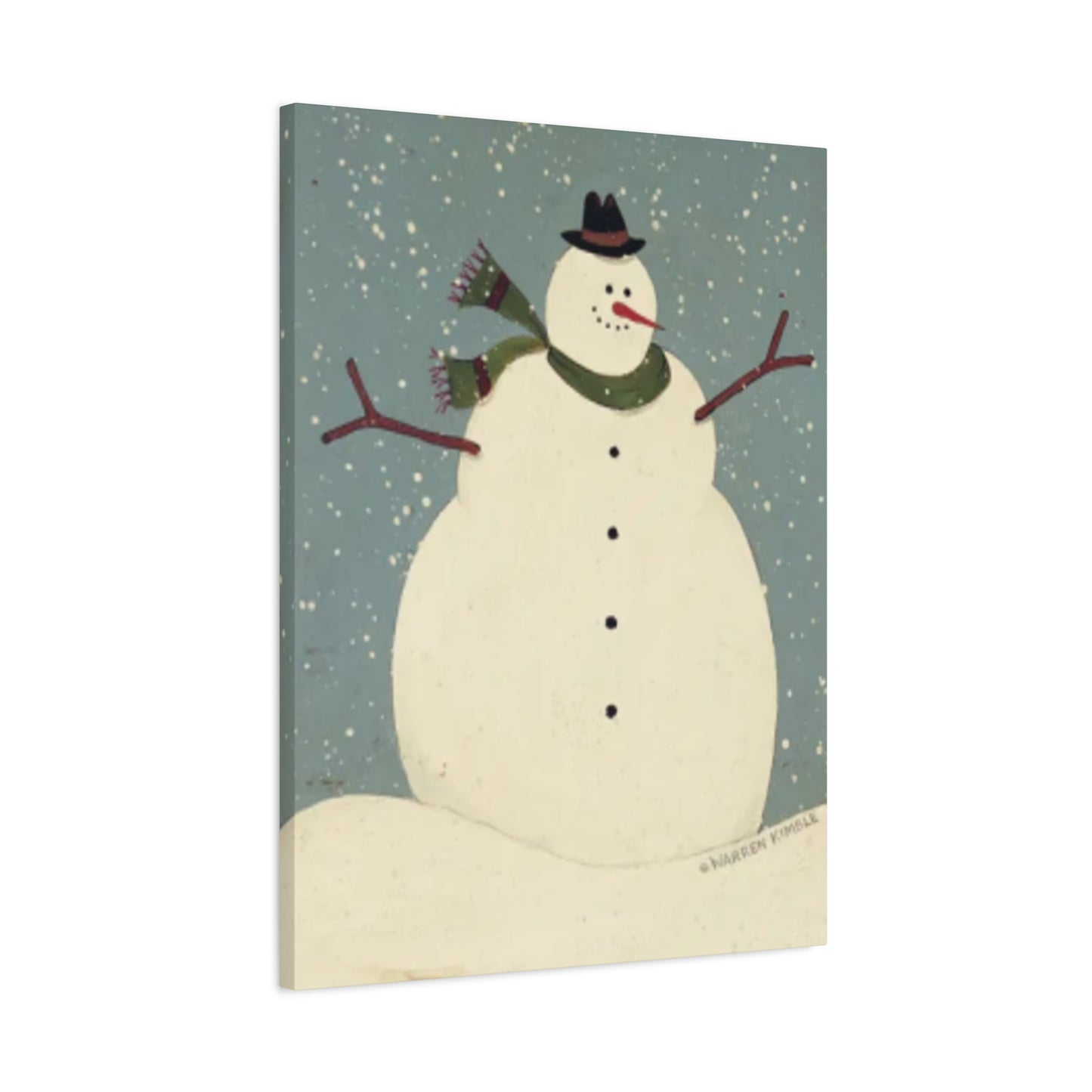
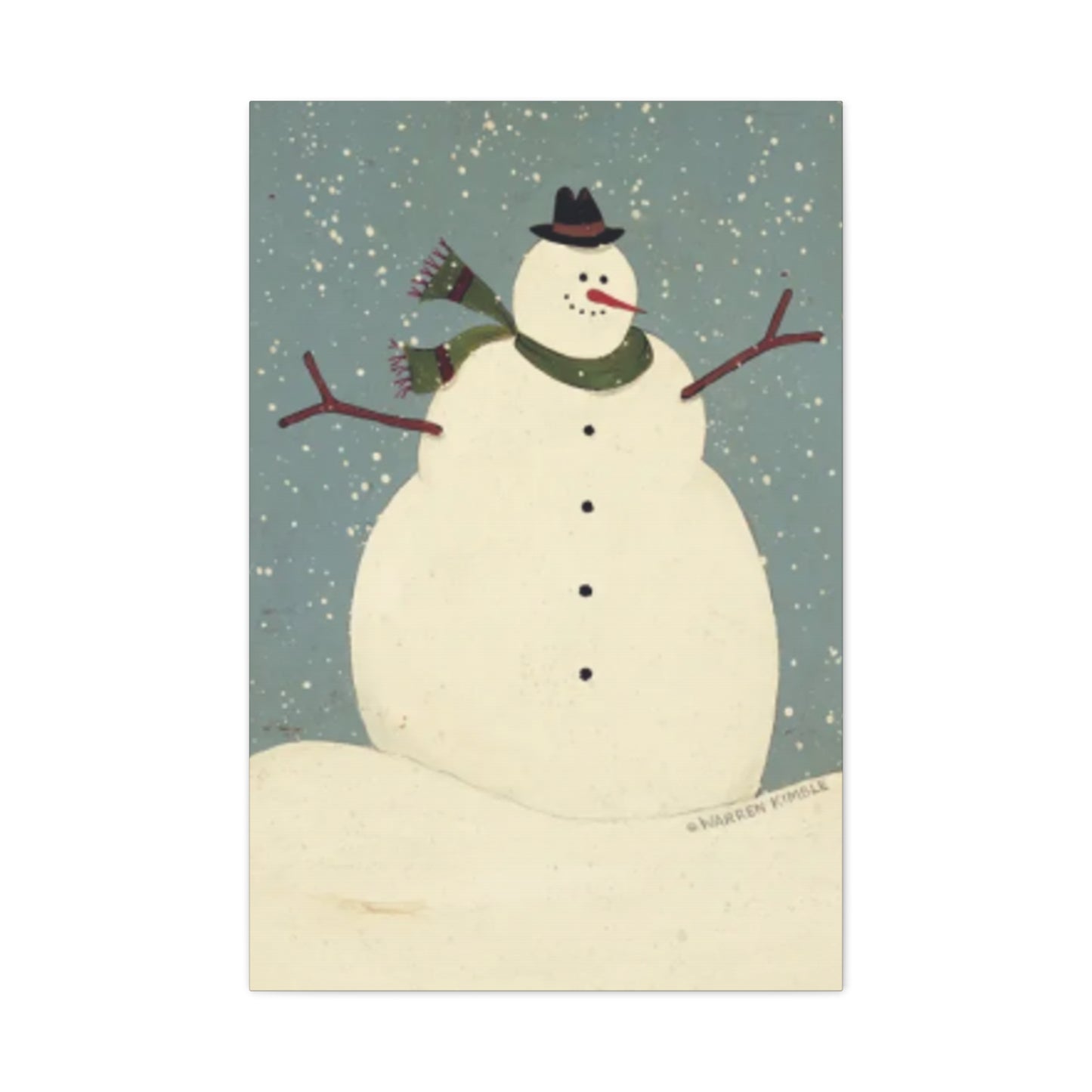
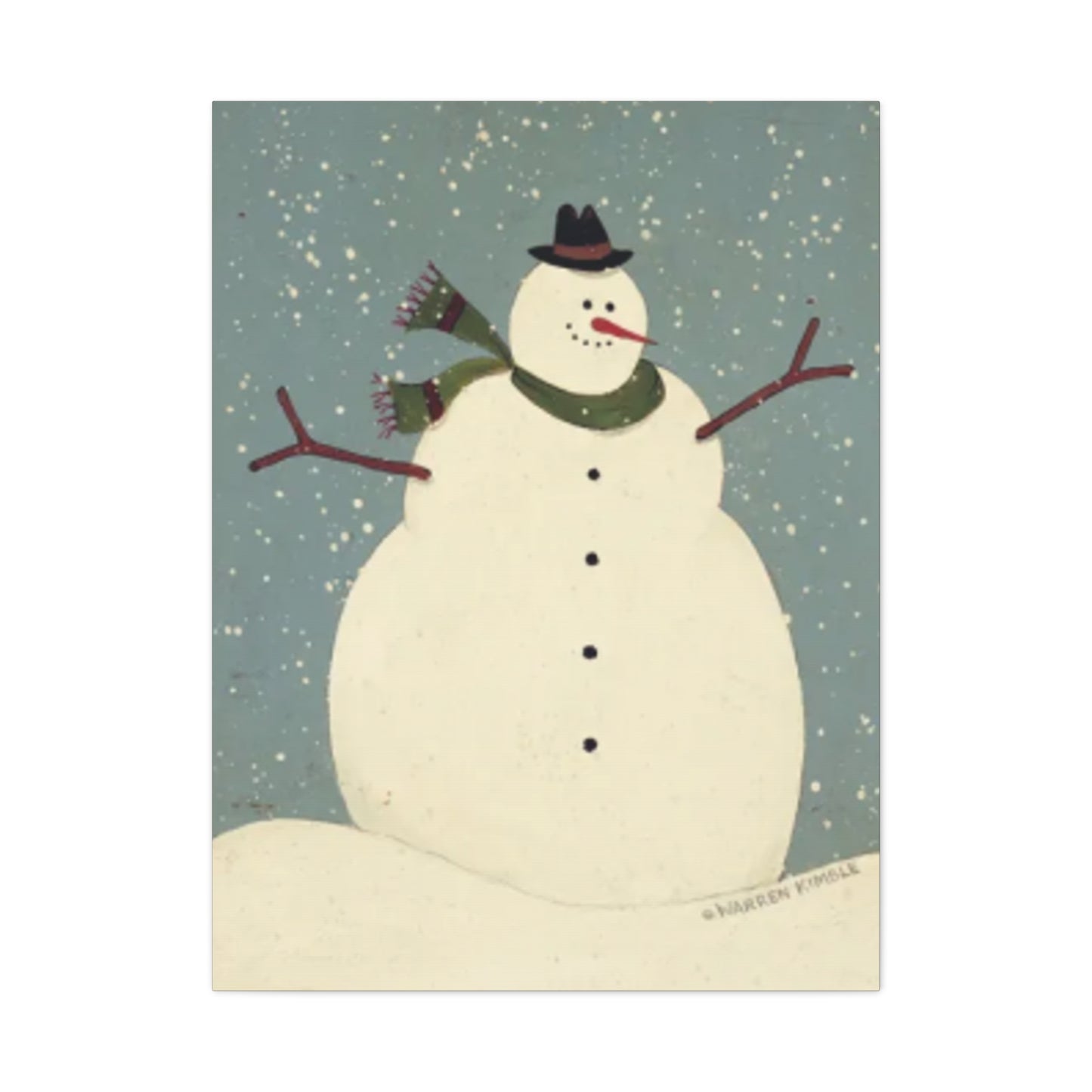
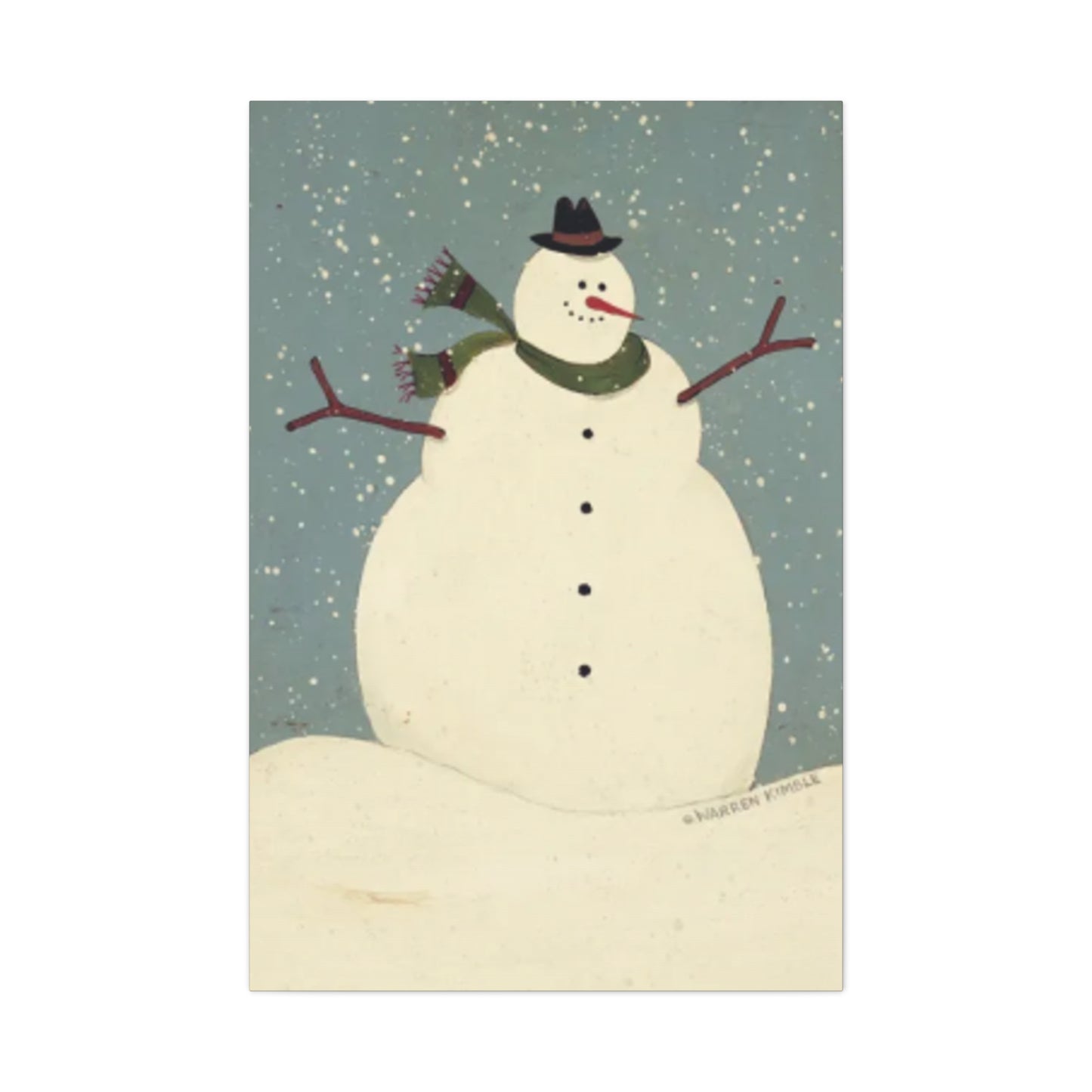

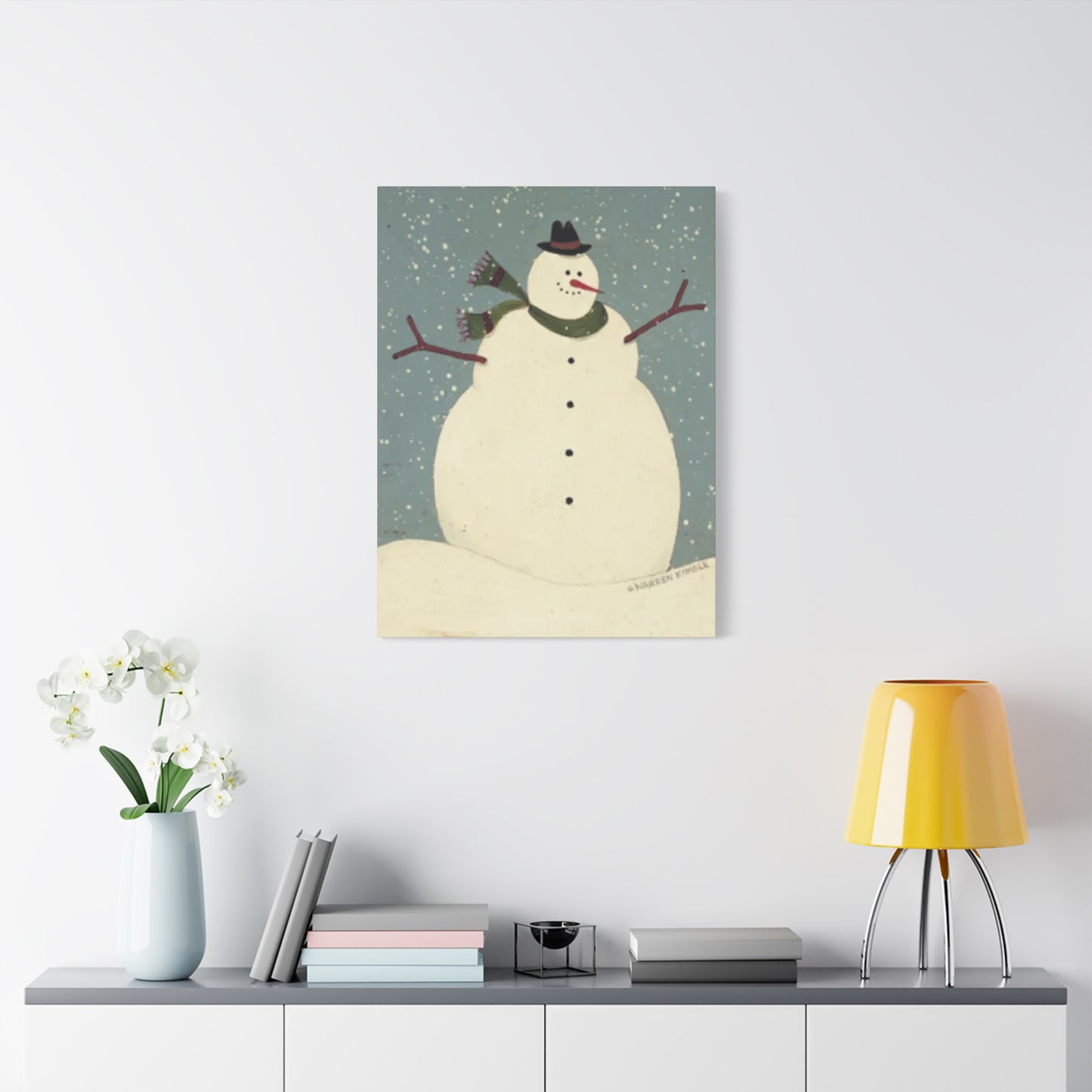
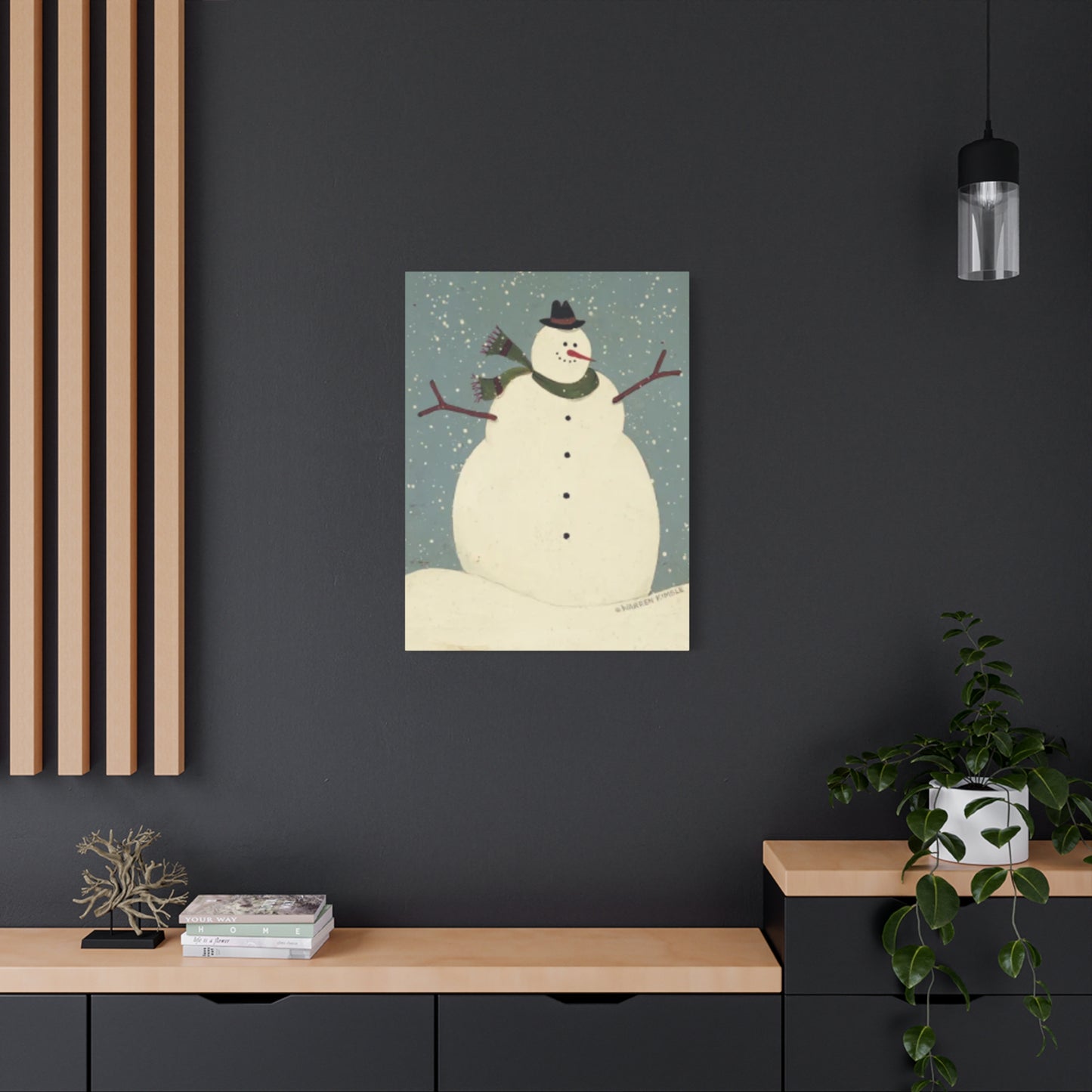

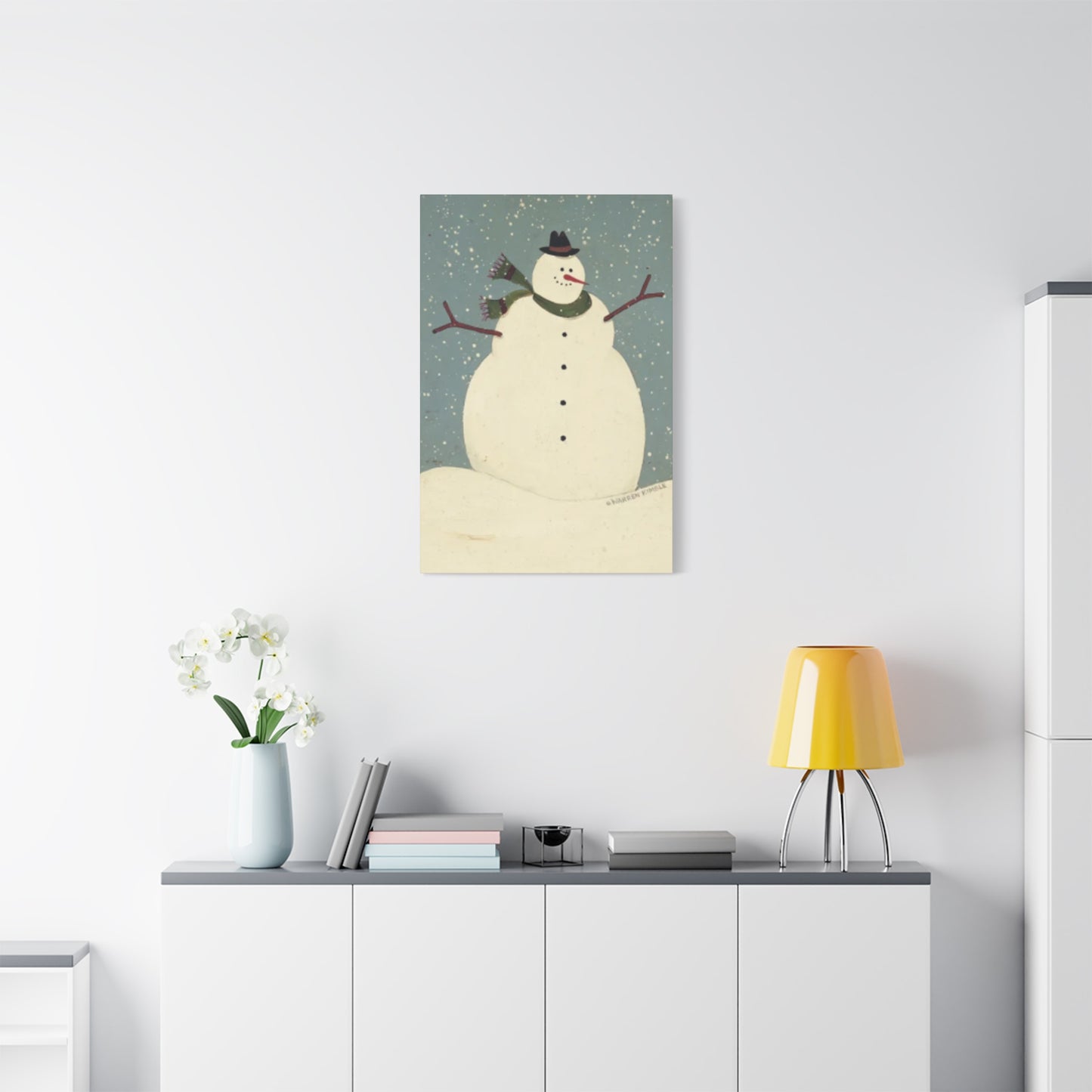
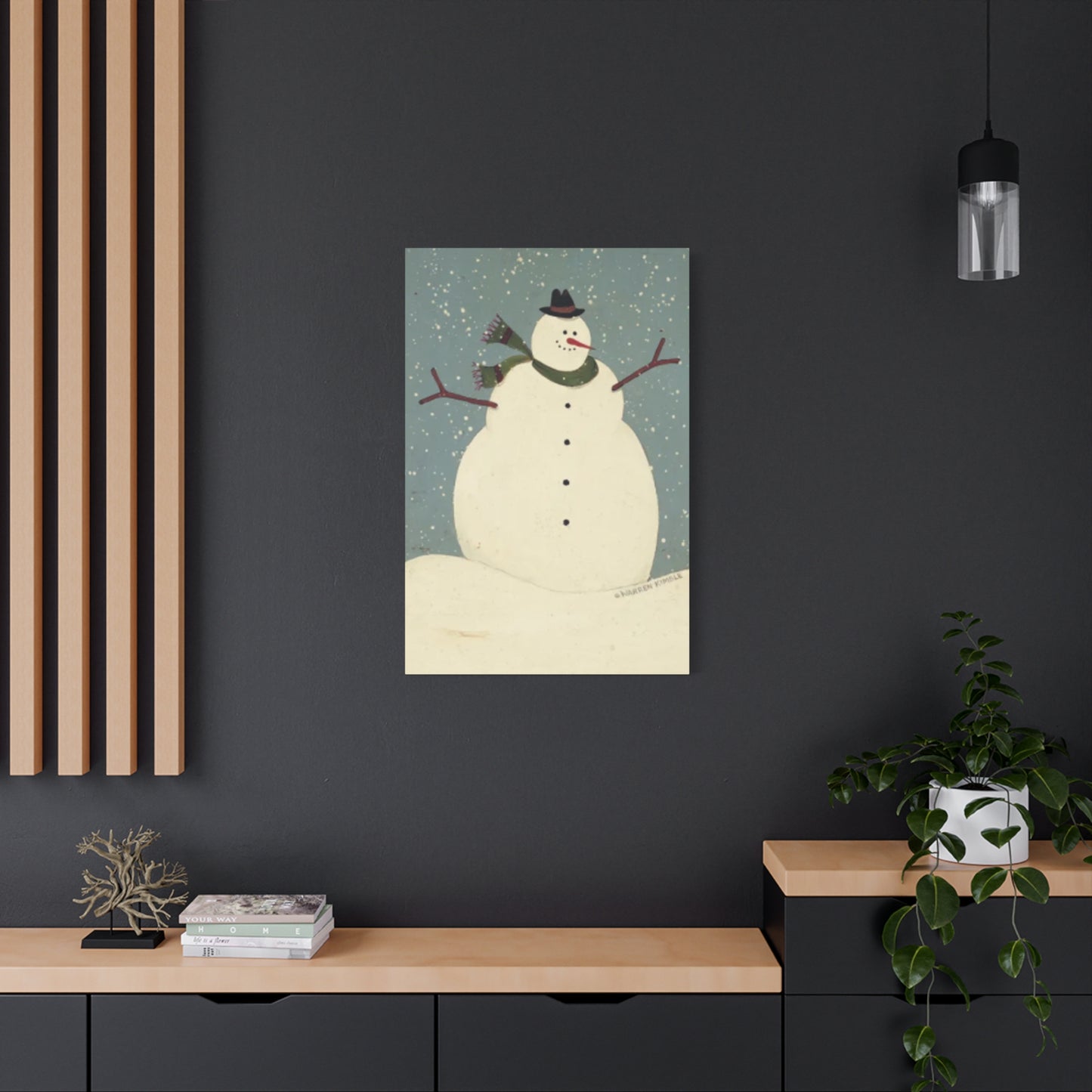
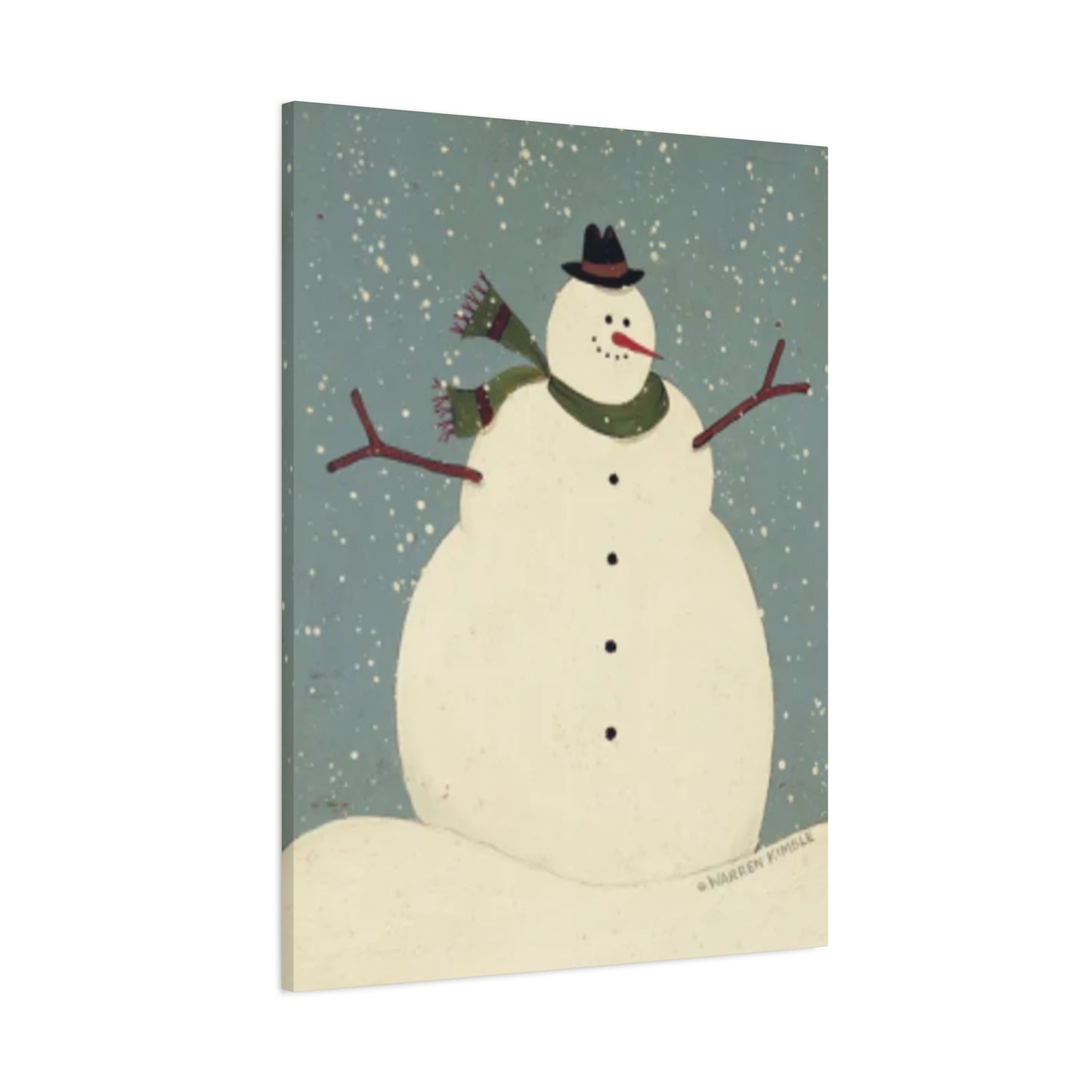
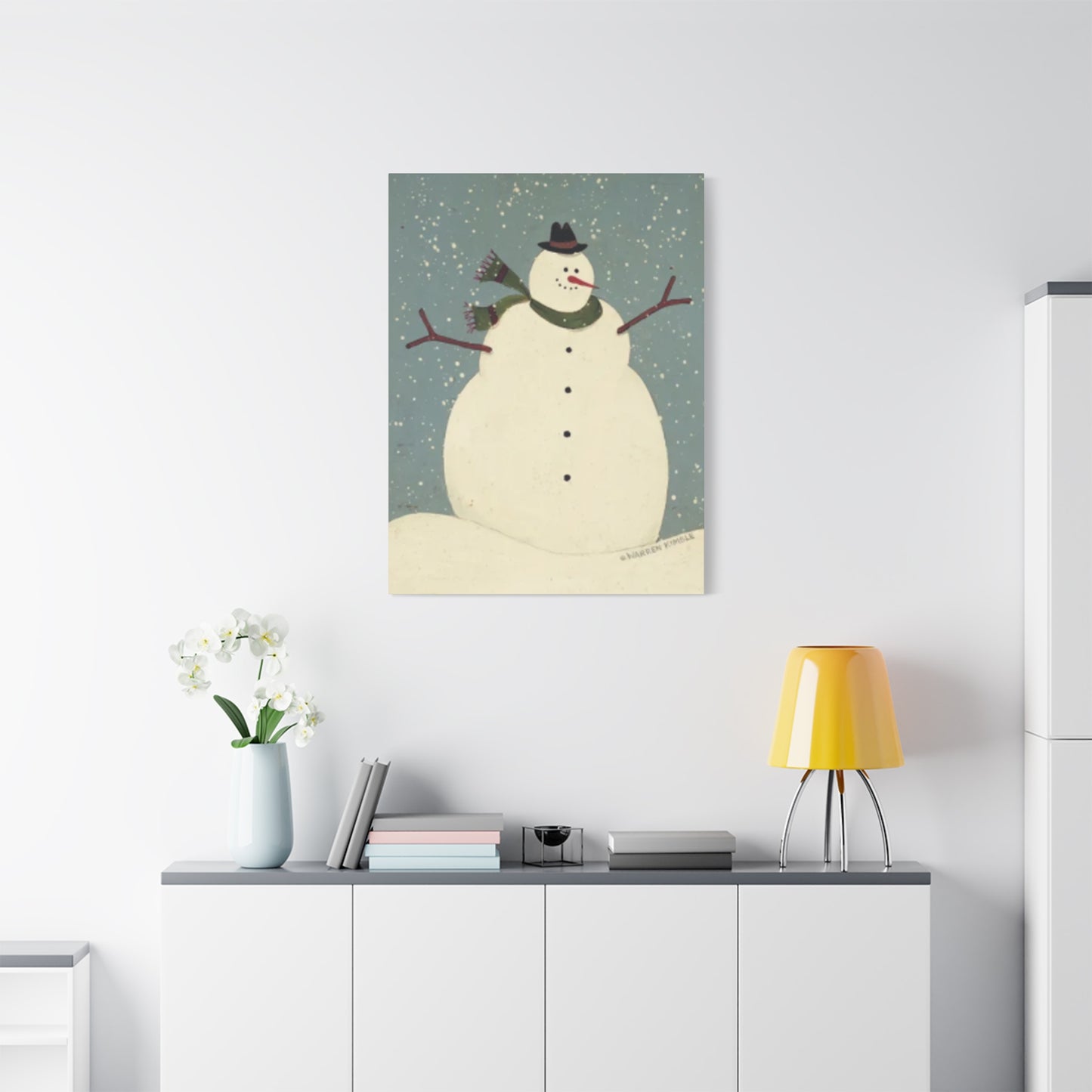
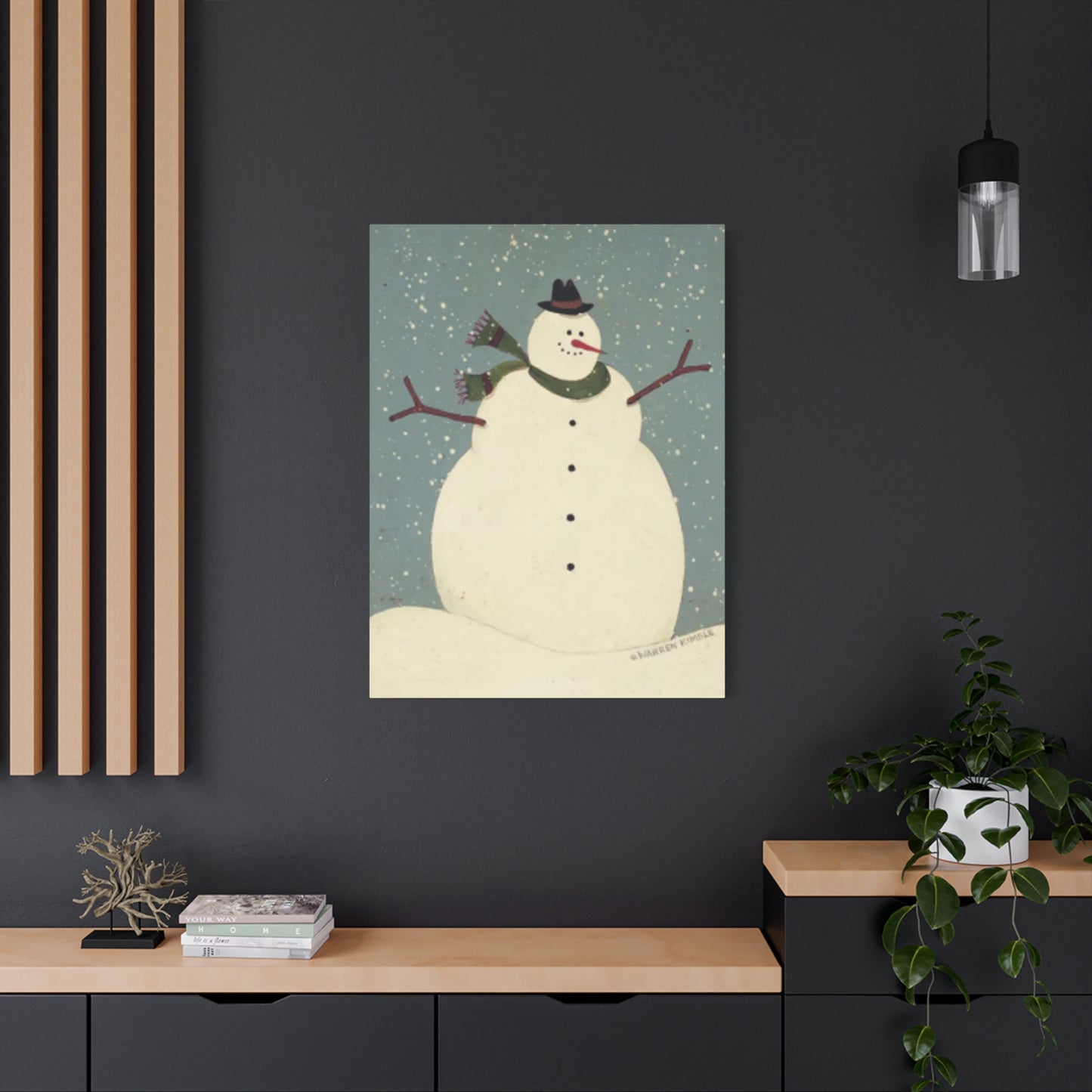
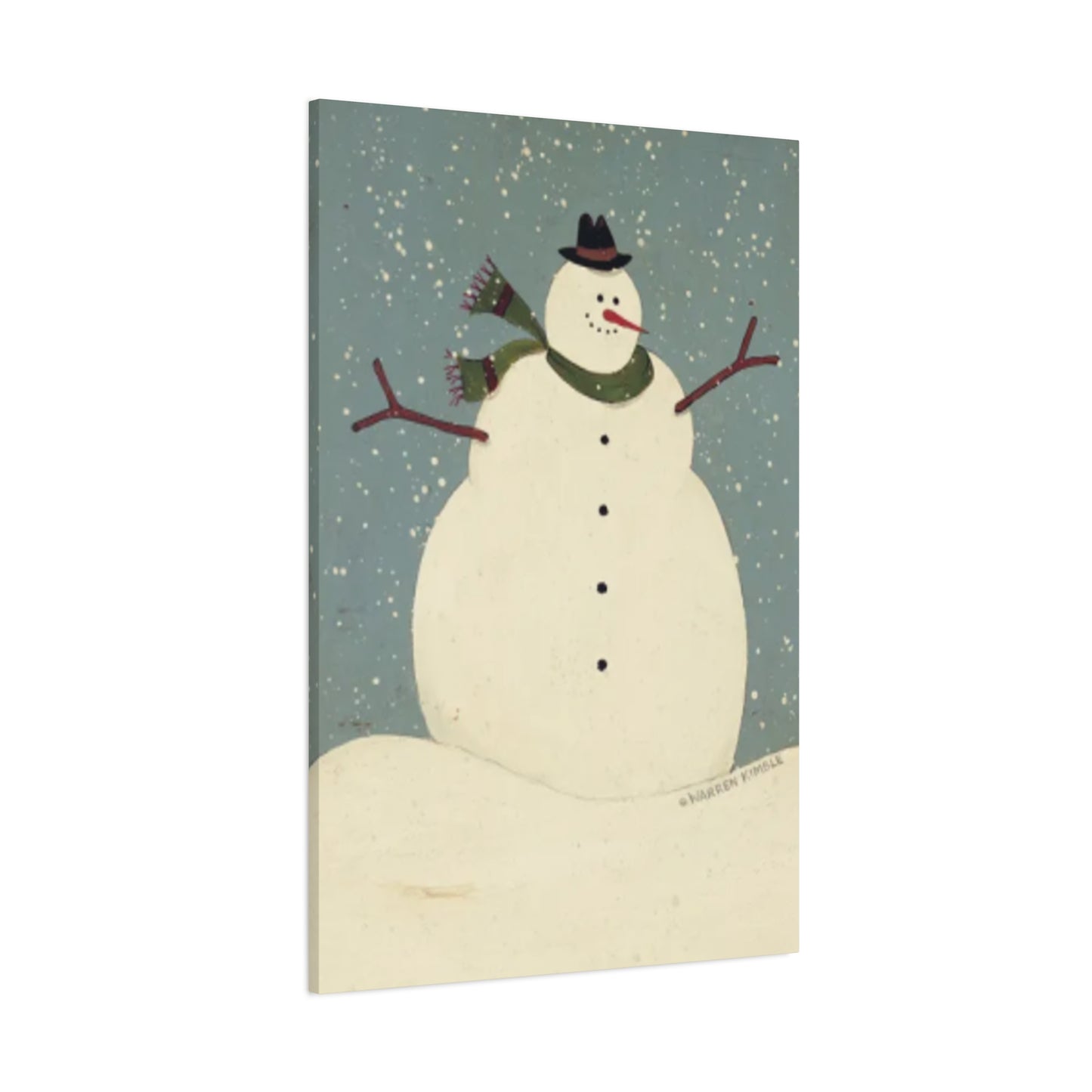
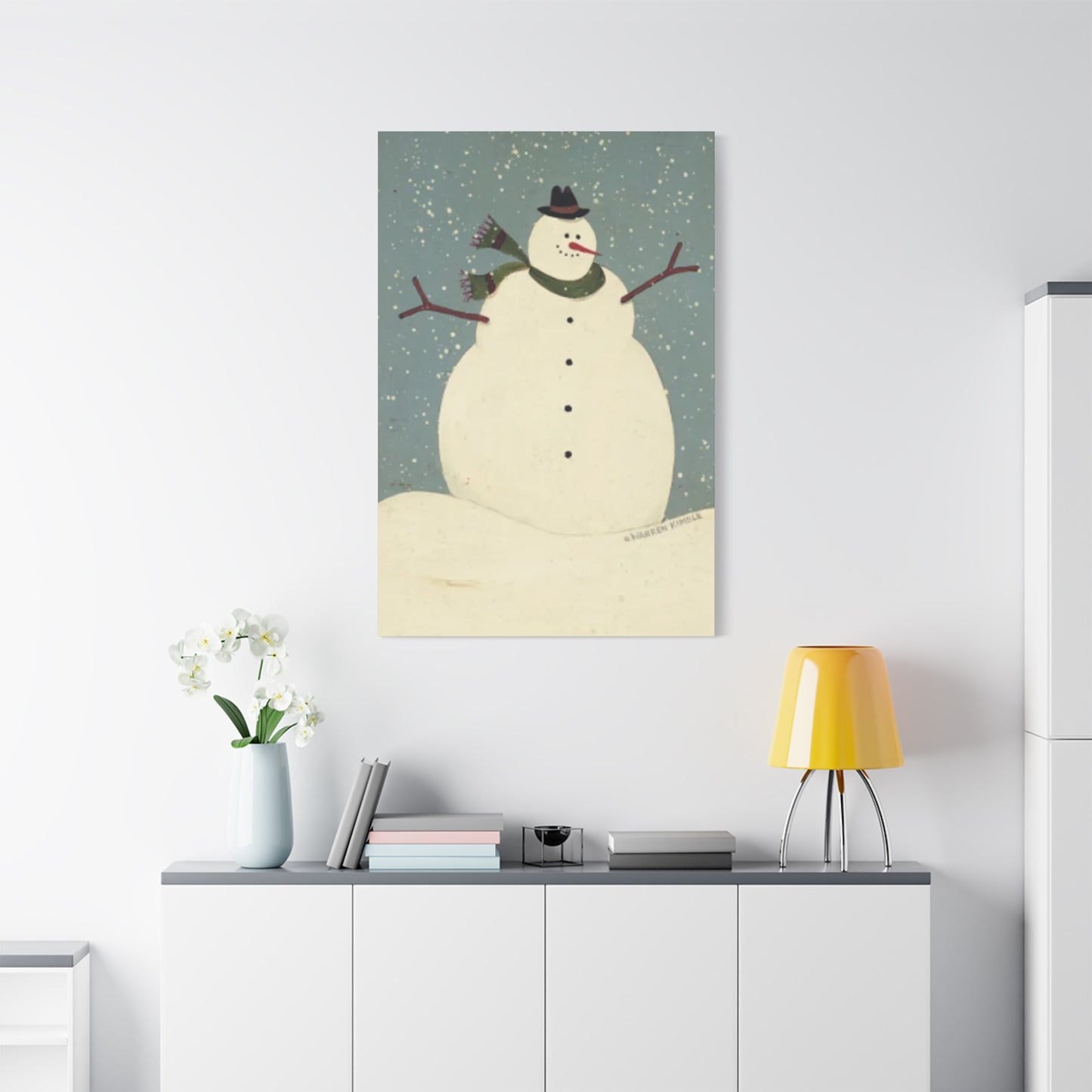
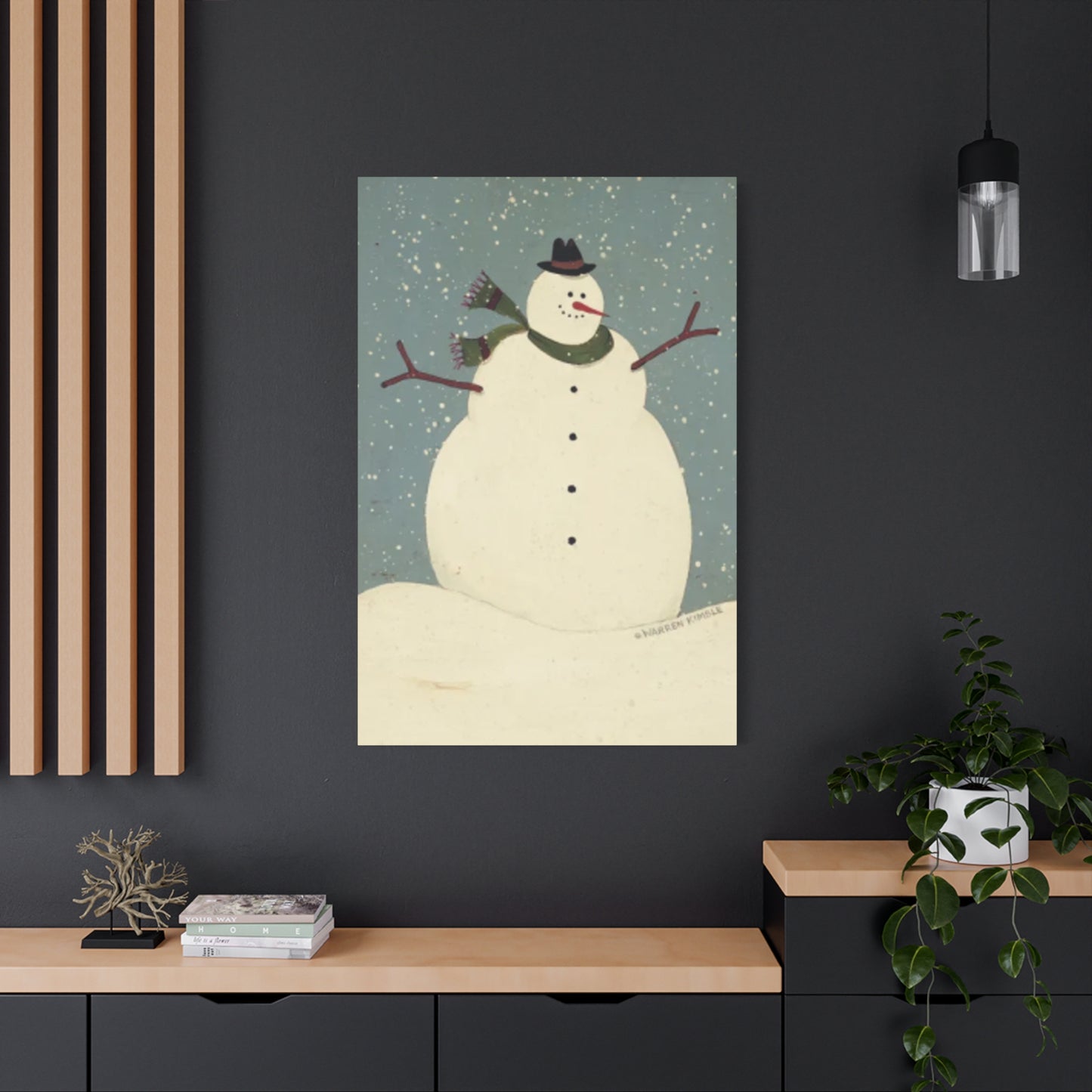
Snowman on Snow Kimble Warren Wall Art: Transform Your Space with Winter Wonder
When the cold season arrives and snowflakes begin their gentle descent from winter skies, few images capture the magic of this time quite like a cheerful snowman standing proudly in a blanket of fresh snow. The enchanting world of winter-themed artwork has grown tremendously, offering homeowners, decorators, and art enthusiasts countless ways to bring the cozy atmosphere of snowy days indoors. Among the most captivating options available today are canvas prints featuring snowmen in beautifully rendered snow scenes, creating visual narratives that speak to both childhood nostalgia and sophisticated artistic appreciation.
The artistic representation of snowmen has evolved far beyond simple holiday decorations. Contemporary artists have transformed these beloved winter figures into subjects worthy of fine art collections, capturing not just their whimsical charm but also the serene beauty of snow-covered landscapes. These pieces serve multiple purposes in home décor, functioning as seasonal accents that can be displayed year after year or as permanent fixtures that remind us of winter's peaceful beauty regardless of the calendar.
Canvas prints depicting snowmen in snowy settings offer an accessible way to own museum-quality artwork without the prohibitive costs associated with original paintings. The printing technology available today reproduces every brushstroke, color nuance, and textural detail with remarkable fidelity, ensuring that each piece maintains the integrity of the original artistic vision. Whether you're drawn to realistic depictions that seem to capture actual moments in time or prefer more stylized interpretations that emphasize color and emotion over literal representation, the variety available in this genre ensures something for every taste and interior design scheme.
Winter Snowman Canvas Prints: Bringing Seasonal Joy to Every Room
Winter snowman canvas prints represent more than mere decoration; they embody the spirit of a season that brings families together, encourages outdoor play, and transforms familiar landscapes into magical wonderlands. These artistic pieces capture moments that many of us remember from childhood: building our first snowman, decorating it with whatever materials we could find, and watching it stand guard over the yard until warmer temperatures inevitably claimed it. The emotional resonance of these images makes them particularly powerful additions to living spaces, capable of evoking memories and feelings that transcend their role as visual elements.
The versatility of canvas prints featuring winter snowmen makes them suitable for virtually any room in the home. In living rooms, they create focal points that draw the eye and spark conversation among guests. The presence of a snowman canvas can soften the formality of a space, introducing an element of playfulness without sacrificing sophistication. Many homeowners discover that these pieces work beautifully above mantels, where they complement seasonal decorations during holidays while standing strong as independent artworks during other times of the year.
Children's bedrooms and playrooms benefit enormously from the addition of snowman artwork. These pieces help create environments that stimulate imagination while providing comforting, familiar imagery. Unlike cartoon characters that children may outgrow, snowmen maintain their appeal across age groups, making these canvases long-term investments that won't need replacement as children mature. The scenes depicted often include elements beyond the snowman itself, such as snow-laden trees, winter birds, or distant houses with smoke curling from chimneys, providing visual interest that rewards repeated viewing.
Kitchen and dining areas gain warmth and character from strategically placed snowman canvas prints. These spaces, which often serve as gathering points for family meals and entertaining, benefit from artwork that reinforces themes of hospitality and seasonal celebration. A canvas depicting a friendly snowman can make a kitchen feel more welcoming, while pieces showing snow-covered landscapes viewed from a snowman's perspective can create the illusion of windows looking out onto winter scenes, particularly effective in spaces with limited natural light or views.
Home offices and study spaces might not seem like obvious locations for snowman artwork, yet these pieces can provide welcome relief from work-related stress. Taking a moment to look away from a computer screen to rest one's eyes on a peaceful winter scene can offer mental refreshment similar to taking a brief walk outdoors. The presence of snow in artwork has been noted by interior designers to have a cooling psychological effect, which can be beneficial in spaces where electronic equipment generates heat or during times when maintaining focus becomes challenging.
Snow Scene Wall Décor: Creating Atmosphere Through Artistic Excellence
Snow scene wall décor encompasses a broad category of artistic expressions, with snowman-centered pieces forming a particularly beloved subcategory. The appeal of snow scenes lies in their ability to capture the transformative effect that snowfall has on familiar environments. What might be an ordinary field, garden, or street becomes something entirely different when covered in snow, and talented artists know how to emphasize this transformation, creating works that allow viewers to experience winter's magic from the comfort of their homes.
The technical aspects of rendering snow scenes present unique challenges for artists. Snow is not simply white; it contains subtle gradations of color influenced by time of day, weather conditions, and surrounding elements. Shadows on snow might appear blue, purple, or gray depending on lighting. Artists who excel in winter scenes understand these nuances, incorporating them into their work to create depth and realism that elevate their pieces above simpler representations. When selecting snow scene wall décor, observing how an artist handles these subtleties can help identify pieces that will maintain visual interest over time.
Composition plays a crucial role in the effectiveness of snow scene artwork. Successful pieces balance various elements to create harmonious wholes that please the eye without overwhelming it. A snowman might occupy the central position, drawing immediate attention, while surrounding elements like trees, fences, or distant buildings provide context and depth. The use of negative space, areas where snow dominates without competing details, gives the eye places to rest and enhances the overall impact of more detailed sections. Understanding these compositional principles helps viewers appreciate the skill involved in creating apparently simple scenes.
The emotional tone of snow scene wall décor varies considerably depending on artistic choices. Some pieces emphasize the cozy, comforting aspects of winter, using warm color palettes despite the cold subject matter, incorporating glowing lights from distant windows, or showing snowmen with friendly expressions that suggest companionship. Others might lean toward more contemplative moods, using cooler tones and more solitary compositions that emphasize winter's quiet beauty and the peaceful stillness that accompanies snowfall. Recognizing these tonal differences allows collectors to select pieces that align with the emotional atmosphere they wish to create in their spaces.
Seasonal rotation of artwork has become increasingly popular among homeowners who view their walls as canvases for expressing the changing year. Snow scene wall décor fits naturally into this approach, taking pride of place during winter months before being stored carefully and replaced with spring, summer, or autumn-themed pieces. This practice keeps interiors feeling fresh and connected to the natural rhythms outside, while also allowing collectors to build diverse art collections without overcrowding their walls. The canvas format makes this rotation practical, as these pieces are lightweight and easy to move without requiring professional assistance.
Charming Snowman in Snow Landscape Art: Where Whimsy Meets Fine Art
The concept of charming snowman in snow landscape art bridges the gap between fine art and decorative illustration, creating pieces that satisfy both aesthetic and emotional needs. Charm in this context refers to the ability of artwork to engage viewers on a personal level, creating connections that go beyond purely visual appreciation. A charming snowman possesses personality without being cartoonish, existing within a landscape that feels both specific and universal, allowing viewers to project their own memories and associations onto the scene.
Artists achieve this charm through careful attention to detail and expression. A snowman's face, typically composed of simple elements like coal lumps or stones, can convey surprising depth of emotion through subtle positioning. The angle of stick arms suggests gesture and mood. The tilt of a hat indicates character. These small choices accumulate to create personalities that viewers find engaging and memorable. When combined with skillfully rendered landscapes that place these characters in believable settings, the result is artwork that invites repeated viewing and emotional investment.
The landscape elements in these pieces deserve equal attention to the snowman figures themselves. Artists who excel in this genre understand that the environment isn't simply a backdrop but an integral part of the narrative. The way snow clings to tree branches, the texture of a snow-covered path winding into the distance, the suggestion of wind in drifted snow patterns—these details create context that makes the snowman's presence feel natural and justified. The best examples of this art form balance figure and ground so successfully that neither could be removed without diminishing the whole.
Color palette choices significantly impact the charm factor in snowman landscape art. While snow scenes inherently involve whites and cool tones, the incorporation of warmer accent colors can dramatically increase a piece's appeal. A red scarf around a snowman's neck, the warm brown of a bird perched nearby, the golden glow of sunset reflecting off snow—these touches of warmth create visual interest and emotional resonance. The contrast between the cold environment and these warm elements reinforces the cozy feelings that winter artwork often seeks to evoke.
The narrative quality of charming snowman art contributes substantially to its appeal. Unlike abstract artwork that exists purely as visual composition, these pieces tell stories, even if those stories remain open to interpretation. Is the snowman waiting for someone? Has a family just finished building it and gone inside for hot chocolate? Is it standing guard over a garden until spring returns? These implied narratives engage viewers' imaginations, making the artwork more memorable and meaningful. This storytelling aspect makes such pieces particularly suitable for spaces where people gather and conversation flows naturally.
Snowy Day Snowman Canvas Painting: Capturing Winter's Fleeting Beauty
Snowy day snowman canvas painting captures a specific moment in time: that magical period when fresh snow has recently fallen, transforming the world into a pristine wonderland before foot traffic and melting diminish its perfection. These paintings preserve moments that are, by their nature, temporary. Snowmen exist only as long as temperatures remain cold enough to maintain them, and perfectly fresh snow begins changing almost immediately after it falls. Artists who focus on these subjects are essentially documenting ephemeral beauty, giving it permanence through their work.
The technical skill required to convincingly render fresh snow on canvas should not be underestimated. Fresh snow has distinctive qualities that differ from older, settled snow. It clings to surfaces in particular ways, creating distinctive patterns on branches, rooftops, and other structures. The surface texture of fresh snow catches light differently than packed or melting snow. Artists must observe these characteristics carefully and translate them into paint through brushwork that suggests the light, fluffy quality of newly fallen snow without becoming overly detailed or labored. The result should feel effortless even though considerable skill goes into achieving that effect.
Light plays a particularly important role in snowy day paintings. Snow acts as a massive reflector, bouncing light in all directions and creating an overall brightness that differs from other landscape conditions. This reflected light illuminates shadows from within, preventing them from becoming flat blacks and instead filling them with subtle colors. On overcast snowy days, the light becomes diffused and soft, eliminating harsh shadows and creating gentle gradations of tone. Artists who understand these lighting effects create paintings that feel authentic and immersive, allowing viewers to feel as though they're looking out a window at an actual snowy scene.
The choice between depicting active snowfall versus the quiet aftermath affects the mood and energy of these paintings considerably. Scenes showing ongoing snowfall tend to feel more dynamic and active, with visible snowflakes adding movement and energy to the composition. These pieces might appeal to viewers who enjoy the excitement of winter weather and the cozy feeling of watching snow fall from indoors. Paintings showing the period just after snowfall has ceased often emphasize stillness and peace, creating contemplative atmospheres that many find calming and meditative. Both approaches have merit, and the choice depends largely on the emotional tone desired in the space where the artwork will hang.
Snowman characterization in these paintings ranges from realistic to stylized depending on the artist's approach and intended audience. More realistic renderings might show the irregular, lumpy quality of actual snow construction, with imperfections that make the snowman feel like something a real family might build in their yard. Stylized versions might feature more perfect proportions and smoother surfaces, creating idealized versions that emphasize beauty over literal accuracy. Neither approach is superior to the other; they simply serve different aesthetic preferences and decorating styles. Understanding these distinctions helps buyers select pieces that align with their personal taste and existing décor.
Frosty Snowman Winter Wall Prints: Classic Imagery with Contemporary Appeal
Frosty snowman winter wall prints draw on deeply rooted cultural associations while offering fresh interpretations that keep the imagery feeling current and relevant. The term "frosty" evokes particular characteristics: the crystalline sparkle of frozen surfaces, the cold yet invigorating quality of winter air, and perhaps even nostalgic references to beloved winter characters from literature and song. These prints combine these associations with contemporary design sensibilities, creating pieces that honor tradition while appealing to modern aesthetic preferences.
The sparkle and shine associated with frost and ice present particular challenges and opportunities for artists. Capturing the way light interacts with frozen surfaces requires careful observation and technical skill. Some artists emphasize this quality through the use of actual textured surfaces in their work, creating physical dimension that catches light in the viewer's space. Others achieve similar effects through careful manipulation of color and value, creating the illusion of sparkle through painted technique alone. When reproduced as prints, these effects must be preserved through high-quality printing processes that maintain the subtle details that create the impression of frosty surfaces.
The winter setting in these prints often emphasizes the crystalline beauty of the season rather than its harsh aspects. Trees might be depicted with delicate frost coating every branch, creating intricate patterns that demonstrate winter's artistic side. The sky in such pieces often shows the clear, crisp quality of cold weather days, with sharp clouds or brilliant stars depending on the time depicted. These environmental details create contexts that enhance the snowman subject, making the piece feel like a complete scene rather than simply a portrait of a winter figure.
Color temperature plays a fascinating role in frosty snowman prints. While the subject matter inherently suggests cold, artists often incorporate warmer elements that create visual interest and prevent the piece from feeling too chilly. The warm orange glow of a setting sun, the reddish tones of winter berries, the golden light spilling from a distant window—these warm accents provide contrast that makes the cool tones more impactful. This interplay of warm and cool creates visual dynamism that keeps these prints engaging and prevents them from feeling monotonous despite limited color palettes.
The format and framing options for winter wall prints affect their final presentation considerably. Gallery-wrapped canvas prints, where the image continues around the sides of the frame, create modern, clean presentations that work well in contemporary interiors. Prints with traditional frames can add formality and work beautifully in more classic décor schemes. Float mounting, where the print appears to hover within its frame, creates sophisticated presentations suitable for upscale spaces. Understanding these options allows collectors to select presentations that complement both the artwork itself and the environment where it will be displayed.
Snow Art Collection: Building a Cohesive Winter Gallery
Developing a snow art collection allows enthusiasts to explore the theme in depth, acquiring multiple pieces that work together to create cohesive visual statements. A collection focused on snowman imagery might include works by different artists, showcasing various styles and approaches while maintaining thematic unity. Alternatively, collectors might focus on works by a single artist, watching their treatment of winter themes evolve over time. Either approach can result in a collection that exceeds the sum of its parts, with individual pieces enhancing each other through thoughtful arrangement and presentation.
The curation process for a snow art collection involves consideration of multiple factors beyond simple personal preference. Scale variation creates visual interest when multiple pieces are displayed together. Combining larger statement pieces with smaller complementary works prevents monotony and allows for flexible arrangement options. Color palette consistency helps pieces work together harmoniously even when they depict different subjects or come from different artists. A collection where all pieces share a similar color temperature and overall tonal range will feel more unified than one where these elements vary widely without intentional contrast.
Theme variation within a collection prevents redundancy while maintaining focus. Rather than acquiring multiple pieces showing nearly identical scenes, collectors might seek works that explore different aspects of winter and snowman imagery. One piece might emphasize the building process, showing a newly constructed snowman with tools still nearby. Another might capture a snowman in a blizzard, emphasizing movement and weather drama. A third could show an older snowman beginning to melt as temperatures rise, touching on themes of impermanence and seasonal change. This variety keeps the collection interesting while remaining coherent.
Display strategies for snow art collections range from formal gallery walls where pieces are arranged in precise grids or patterns to more organic groupings where works of various sizes and formats come together in asymmetrical arrangements. The formality or casualness of the display should match both the nature of the artwork and the character of the space. Clean-lined contemporary pieces might benefit from structured, minimal presentations, while more whimsical works could be displayed in looser, more playful arrangements. Consistency in framing or mounting approach helps unify collections even when arrangement styles vary.
Investment potential exists within the snow art market, particularly for works by recognized artists or limited edition prints. While most people collect primarily for personal enjoyment rather than financial gain, understanding the factors that contribute to artwork value can inform purchasing decisions. Artist reputation, edition size, condition, provenance, and market demand all influence value. Original paintings naturally command higher prices than prints, but high-quality limited edition prints by respected artists can also appreciate over time. Documentation and proper care help maintain value for collectors who view their collections partially as investments.
Cozy Snowman and Snowfall Canvas: Evoking Comfort and Warmth
The concept of cozy snowman and snowfall canvas artwork centers on creating pieces that emphasize comfort, warmth, and security despite depicting cold-weather subjects. This apparent paradox actually reflects how many people experience winter: as a time when outdoor cold makes indoor warmth all the more precious and appealing. Artwork that captures this feeling helps create interior environments where people feel protected and comfortable, making these pieces particularly popular for homes where creating sanctuary-like atmospheres is a priority.
Visual cues that communicate coziness in these canvases include the depiction of shelter and warmth within the scene. A snowman standing near a house with glowing windows suggests that warmth is nearby, available, and welcoming. Smoke rising from a chimney reinforces this message, implying that fires are burning and that the interior offers refuge from the cold. These background elements work in concert with the snowman to create narratives about the positive aspects of winter: the way cold weather encourages us to create warm, inviting spaces and to appreciate simple comforts that might be taken for granted during other seasons.
The treatment of falling snow in these canvases significantly impacts their cozy quality. Gentle snowfall depicted with soft, blurred flakes creates a peaceful, meditative atmosphere. The snow becomes a veil or curtain that softens the world, muffling sounds and creating intimate spaces within the larger landscape. This treatment contrasts with more dramatic renditions of snowfall that might emphasize wind and accumulation, creating instead a sense of gentle, manageable winter weather that poses no threat and inspires no anxiety. The psychological comfort this provides makes such pieces particularly suitable for bedrooms and other spaces designed for relaxation.
Color choices in cozy snowman canvases often lean toward warmer palettes than might be expected for winter scenes. While maintaining the cool blues and whites necessary to convincingly depict snow, artists introduce warm undertones that prevent the piece from feeling cold. Creamy whites rather than stark whites, blues with hints of violet or even pink rather than harsh cold blues, and the introduction of warm accent colors through elements like scarves, hats, or background details all contribute to the cozy feeling. These color decisions work subtly, often operating below conscious awareness to create emotional responses in viewers.
The scale and placement of the snowman within these compositions affects the cozy factor as well. Snowmen positioned in the middle ground or background, with other elements between the viewer and the figure, create a sense of the viewer being inside looking out, reinforcing the feeling of being in a warm space observing the winter scene from shelter. This perspective places the viewer in the position of someone safe and comfortable, able to appreciate winter's beauty without experiencing its discomforts. Alternative compositions might place the snowman prominently in the foreground, creating a sense of proximity and relationship that generates warmth through implied companionship rather than physical comfort.
Snowman in Winter Wonderland Wall Art: Embracing Magical Realism
Snowman in winter wonderland wall art embraces the magical qualities of snow-transformed landscapes, creating pieces that exist in a space between realistic representation and fantasy. Winter wonderlands in art are idealized versions of actual winter scenes, emphasizing beauty while minimizing hardship, highlighting magic while downplaying inconvenience. These pieces invite viewers into spaces where winter is eternally perfect, where snow is always fresh and beautiful, and where the cold is more exhilarating than uncomfortable.
The concept of a winter wonderland carries specific connotations that artists tap into when creating these pieces. Wonderlands are places of discovery and delight, where the ordinary becomes extraordinary. In snow-covered landscapes, this transformation occurs naturally as familiar places become unrecognizable under blankets of white. Artists emphasize this transformative quality by selecting viewpoints and compositions that highlight the magical aspects of winter scenes. A familiar garden becomes a mysterious wonderland. An ordinary tree becomes a sculptural marvel. A simple snowman becomes a character in an enchanted narrative.
Light manipulation in winter wonderland art often tends toward the dramatic or extraordinary rather than the purely naturalistic. Golden hour light that casts long, colorful shadows across snow creates scenes of surpassing beauty. Moonlight on snow creates silvery, otherworldly atmospheres. The glow of the northern lights reflected on a snowy landscape with a snowman silhouetted against the display creates fantasy-like scenes that nevertheless remain grounded in natural phenomena. These lighting choices transform scenes from mere documentation of winter to celebrations of its most spectacular moments.
The level of detail and the approach to rendering elements in winter wonderland art often tends toward the meticulous and refined. Individual snowflakes visible in the air, intricate frost patterns on branches, the precise texture of a snowman's surface—these details create immersive experiences that reward close examination. The cumulative effect of this attention to detail is work that feels precious and special, reinforcing the wonderland concept by suggesting that the scene depicted is extraordinary rather than commonplace. This approach contrasts with looser, more impressionistic treatments that might be equally valid for other types of winter scenes but would undermine the magical realism of the wonderland aesthetic.
The emotional register of winter wonderland art typically emphasizes joy, wonder, and celebration rather than the more contemplative or melancholic moods sometimes associated with winter imagery. Snowmen in these pieces often have distinctly cheerful expressions and postures. Birds and other wildlife might be shown interacting playfully with the winter environment. The overall composition tends toward the uplifting and positive, creating pieces that function as mood enhancers in the spaces where they're displayed. This makes winter wonderland art particularly suitable for spaces where people gather for celebration or where maintaining positive energy is important, such as family rooms or entryways.
Classic Snow Scene: Timeless Appeal in Winter Imagery
Classic snow scene artworks possess qualities that transcend temporary trends, creating pieces that remain appealing regardless of changing design fashions. These works draw on established traditions in winter landscape painting while maintaining relevance for contemporary audiences. The classic approach values certain enduring principles: compositional balance, harmonious color relationships, skillful rendering of natural elements, and the communication of mood and atmosphere through visual means. Works in this tradition connect viewers to centuries of winter landscape art while remaining accessible and appealing to modern sensibilities.
The roots of classic snow scene painting extend back through art history, with significant developments occurring during various periods. Dutch Golden Age painters explored winter landscapes with remarkable skill, capturing frozen rivers and snow-covered villages with technical brilliance that still impresses viewers today. Nineteenth-century American landscape painters brought romantic sensibilities to winter scenes, emphasizing the sublime and spiritual qualities of snow-covered wilderness. Impressionist painters revolutionized the depiction of snow by fragmenting color and emphasizing the play of light. Classic contemporary snow scenes draw on this rich heritage while incorporating modern perspectives and techniques.
Subject selection in classic snow scenes tends toward universal rather than trendy themes. A solitary snowman in a snow-covered field, a winter forest with snow-laden branches, a farmhouse in a snowstorm—these subjects have appeared in art for generations because they tap into fundamental human responses to winter landscapes. The snowman, as a human-created element in the natural winter landscape, serves as a particularly effective focal point, providing human interest and scale while maintaining the scene's natural character. This balance between human presence and natural beauty characterizes many successful classic snow scenes.
Technical execution in classic snow scene art demonstrates respect for craft and artistic skill. These pieces typically show evidence of careful observation and practiced technique. Brushwork is intentional and controlled, color mixing is sophisticated, and compositional decisions reflect understanding of visual principles. This doesn't mean the work feels stiff or overworked; the best classic pieces wear their technical skill lightly, using it in service of emotional and aesthetic goals rather than as an end in itself. The result is work that rewards both casual viewing and closer examination, revealing increasing depth and complexity as viewers spend time with it.
The versatility of classic snow scenes in interior design stems from their ability to complement various decorating styles without clashing or looking out of place. A well-executed classic winter landscape can work in traditional, transitional, or even contemporary spaces depending on framing and placement. The timeless quality of these pieces means they won't look dated as design trends evolve, making them wise investments for homeowners who prefer pieces that will remain relevant for decades rather than needing replacement as styles change. This longevity both aesthetic and physical makes classic snow scene art particularly valuable for those building thoughtfully curated collections.
Peaceful Snowman Wall Décor: Creating Calm Through Visual Art
Peaceful snowman wall décor focuses on creating artworks that promote calm and tranquility, using winter imagery to support spaces designed for relaxation and stress reduction. The connection between visual environment and psychological state is well-established, with research demonstrating that the artwork and décor choices in a space significantly impact mood, stress levels, and overall wellbeing. Peaceful snowman pieces leverage this connection, using composition, color, subject matter, and mood to create visual experiences that support mental and emotional calm.
The compositional elements that contribute to peaceful feelings in artwork include balanced arrangements, gentle curves rather than harsh angles, and the presence of negative space that gives the eye places to rest. Peaceful snowman wall décor typically avoids cluttered compositions or jarring contrasts, instead creating harmonious arrangements where elements relate to each other in balanced, natural ways. A snowman might be positioned off-center according to the rule of thirds, creating visual interest without disruption. Background elements are arranged to support rather than compete with the main subject, creating depth without chaos.
Color psychology plays an important role in creating peaceful artwork. While winter scenes necessarily involve cool colors, the specific hues selected and how they're combined dramatically affects the emotional impact. Soft, muted blues create different effects than harsh, cold blues. The inclusion of warmed neutrals alongside cool tones prevents the piece from feeling too cold or unwelcoming. The overall value range, the spectrum from darkest darks to lightest lights, tends toward the middle range in peaceful artwork, avoiding extreme contrasts that can create visual tension. These subtle color decisions accumulate to create pieces that feel soothing rather than stimulating.
The absence of dramatic action or tension in peaceful snowman wall décor is as important as what is present. These pieces typically show still, calm moments rather than dramatic weather events or dynamic action. A snowman stands quietly in a gently falling snow rather than battling a blizzard. The landscape around the snowman is serene rather than wild or threatening. This stillness translates to viewers as an invitation to pause, breathe, and experience a moment of quiet. In our often overstimulated world, this quality makes peaceful artwork particularly valuable.
The intended location for peaceful snowman wall décor influences design choices and selection criteria. Bedrooms benefit from artwork that supports the room's purpose as a place for rest and regeneration. Pieces with calming color palettes and tranquil scenes help create environments conducive to quality sleep. Home offices and study spaces where concentration is important benefit from peaceful artwork that provides mental respite without being so stimulating that it becomes distracting. Meditation spaces and yoga rooms find natural partners in artwork that embodies stillness and peace. Understanding how peaceful art supports these various spaces helps in selecting and placing pieces for maximum benefit.
Snowy Path with Snowman Canvas Prints: Journey Through Winter Landscapes
Snowy path with snowman canvas prints introduce elements of narrative and journey into winter artwork, using paths as compositional devices that create depth while also suggesting stories and possibilities. Paths in artwork serve multiple functions: they lead the eye through the composition, create perspective and depth, and metaphorically suggest journeys, progression, and the unfolding of time and events. When combined with snowman imagery, paths create pieces that are both visually effective and rich in symbolic potential.
The technical aspects of rendering paths in snow present interesting challenges for artists. Paths through snow typically show compression and texture different from the undisturbed snow around them, with footprints, animal tracks, or sled marks creating visual interest and narrative information. The way snow accumulates along the edges of paths, the contrast between the path surface and surrounding snow, and the gradual diminishing of the path as it recedes into the distance all require careful observation and skillful execution. Artists who excel at this subject handle these details in ways that feel natural and uncontrived, creating paths that invite the eye to follow them into the painting.
Compositional uses of paths in snowman canvas prints vary depending on artistic intent. A path might lead directly to the snowman, making the figure the clear destination and focal point of the composition. Alternatively, the path might lead past the snowman to some unseen destination, with the snowman positioned as an observer or guardian of the path. Paths can also lead from the foreground into the distance, with the snowman positioned along the way, creating a sense of the viewer joining the snowman on a journey. These different arrangements create different narratives and emotional experiences for viewers.
The condition and character of the path provide narrative information that enriches the artwork. A well-worn path with multiple sets of footprints suggests frequent use and community activity. A fresh path with a single set of tracks implies solitude and perhaps recent snowfall. A path that's beginning to be covered by new snow suggests weather changes and the temporary nature of human marks on the landscape. These details work subtly to create stories that viewers can complete in their imagination, increasing engagement with the artwork beyond simple visual appreciation.
The destination implied by the path, whether visible in the artwork or left to imagination, affects the piece's emotional impact. Paths leading to visible destinations like houses or barns create feelings of security and purpose, suggesting shelter and warmth await at the journey's end. Paths that disappear into the distance without revealing their destination create more open-ended narratives, inviting viewers to imagine what lies beyond the frame. The presence of the snowman along these paths can suggest companionship, guardianship, or simply acknowledgment of the human presence that created the path. These narrative possibilities make snowy path with snowman prints particularly engaging for viewers who appreciate artwork that invites contemplation.
Joyful Snowman in the Snow Art: Celebrating Winter Happiness
Joyful snowman in the snow art explicitly celebrates the happiness and pleasure that winter and snow can bring, countering narratives that focus solely on winter's challenges or the dormancy of the season. These pieces capture the exuberance of playing in snow, the satisfaction of creating something with one's hands, and the simple delight of experiencing winter's unique qualities. The emphasis on joy makes these works particularly appealing for spaces designed to lift spirits and for people who want artwork that actively promotes positive emotions.
The depiction of joy in snowman art relies on multiple visual strategies. Expression is primary—even with the limited features of a snowman's face, skilled artists can convey remarkable emotion through the positioning of simple elements. A smile suggested by a curved line of coal, eyes that seem to sparkle with life, the angle of a stick arm that appears to wave in greeting—these details accumulate to create characters that radiate happiness. The snowman's posture and positioning also contribute to the sense of joy, with upright, proud stances suggesting confidence and contentment.
Context and surrounding elements reinforce the joyful mood in these artworks. Other figures such as children, animals, or additional snowmen create scenes of community and interaction that amplify feelings of happiness. Signs of recent activity, like scattered snow, building tools, or decorations being added to the snowman, suggest the joy of creation and play. Environmental elements like birds singing, sun breaking through clouds, or the first flowers of approaching spring peeking through snow can add layers of joy related to nature's beauty and the cycle of seasons.
Color use in joyful snowman art tends toward brightness and vibrancy within the constraints of winter palettes. While maintaining believability, these pieces often push toward the warmer, more saturated end of available color ranges. Blues might lean toward cerulean rather than prussian, whites toward cream rather than stark, and shadows might contain hints of lavender or pink rather than gray. The introduction of bright accent colors through elements like scarves, hats, birds, or background details provides additional visual excitement that supports the joyful mood. These color choices create pieces that feel energizing and uplifting.
The lighting in joyful snowman art frequently emphasizes brightness and clarity. Sunny day scenes with clear skies and strong light create very different moods than overcast or evening scenes. The sparkle of sunlight on snow crystals, the long cheerful shadows of late afternoon winter sun, the brilliant blue of a cloudless winter sky—these lighting conditions are associated with the most pleasant winter experiences and help create the joyful atmosphere. Even in pieces depicting falling snow, the treatment tends toward gentle, pretty snowfall rather than harsh weather conditions, maintaining the emphasis on winter's pleasant aspects.
Holiday Snow Canvas: Festive Imagery for Seasonal Celebration
Holiday snow canvas artwork connects winter imagery with specific seasonal celebrations, creating pieces that function both as fine art and as festive décor. These works tap into the deep associations between snow, snowmen, and winter holidays, offering ways to decorate for celebrations that feel more sophisticated and artistic than typical holiday decorations. The challenge for artists working in this genre is creating pieces that clearly evoke holiday feelings while maintaining enough restraint and artistic quality to avoid becoming kitsch or overly commercial.
The symbolism of snowmen during holiday seasons runs deep in many cultures. Snowmen represent winter itself, serving as ambassadors for the season during celebrations that occur during the coldest months. The act of building a snowman is an activity families often engage in during holiday visits, making these figures symbols of family togetherness and holiday traditions. The temporary nature of snowmen also resonates with holiday themes about special, time-limited experiences that should be cherished while they last. Artists working with holiday snow canvas imagery draw on these associations, creating pieces that feel deeply connected to seasonal celebrations.
Visual elements that signal holiday connections in snow canvas art include specific color combinations, symbolic objects, and atmospheric treatments. The traditional red and green of certain holidays might appear in a snowman's scarf and hat or in wreaths and ribbons decorating the figure. Gold and silver accents suggest festivity and celebration. The presence of evergreen trees, holly, ornaments, lights, or other holiday symbols places the snowman clearly in a celebratory context. These elements must be balanced carefully—too many create cluttered, overly commercial-looking pieces, while too few might fail to clearly communicate the holiday connection.
The style and execution level in holiday snow canvas art varies considerably depending on intended use and audience. More sophisticated pieces might hint at holiday themes subtly, making them suitable for display beyond the immediate holiday period and appealing to collectors who prefer restrained elegance. Other works embrace festivity more openly, incorporating more obvious holiday elements and brighter, more celebratory color schemes. Understanding this spectrum helps buyers select pieces appropriate for their decorating approach and the amount of time they want the artwork displayed.
The market for holiday snow canvas art has grown as consumers seek alternatives to traditional holiday decorations. Canvas prints offer several advantages over conventional decorations: they're more durable, requiring no yearly assembly or storage in fragile boxes; they present as fine art rather than explicitly decorative objects, fitting more naturally into year-round décor schemes; and they can be sized and framed to fit specific spaces in ways that standard decorations cannot. These practical considerations combine with the aesthetic appeal of well-executed artwork to create strong demand for holiday snow canvas pieces that balance festivity with artistic quality.
Conclusion:
The Snowman on Snow Kimble Warren Wall Art captures the enchanting essence of winter, transforming ordinary spaces into immersive environments of charm, serenity, and seasonal delight. This collection of artworks celebrates the simplicity and magic of snowy landscapes, where the playful presence of a snowman becomes a symbol of joy, creativity, and timeless winter wonder. Beyond mere decoration, these pieces evoke emotion, nostalgia, and warmth, inviting viewers to experience the peaceful tranquility and whimsical delight that snow-laden scenes naturally inspire. Through its visual narrative, the art turns walls into windows to a serene winter world, where each glance brings the quiet thrill of seasonal transformation into the home.
At its core, the appeal of the Snowman on Snow Wall Art lies in its ability to combine natural beauty with artistic storytelling. Snow-covered landscapes inherently carry a sense of calm and renewal, and the presence of a snowman introduces human creativity and interaction into that pristine environment. Kimble Warren’s work excels in capturing this delicate balance, highlighting both the softness of snow’s texture and the warmth of imaginative play. The snowman, simple yet expressive, becomes the focal point of joy and familiarity, inviting viewers to connect emotionally with the scene. Each piece tells a story of winter’s serenity, childhood delight, and the quiet magic that transforms the mundane into the extraordinary.
In interior design, these artworks function as both aesthetic enhancements and mood-setters. The crisp whites and cool blues characteristic of snowy scenes provide visual calm, complementing modern, minimalist, and even traditional décor schemes. Placement in living rooms, bedrooms, or entryways introduces a seasonal ambiance that encourages relaxation and reflection. The art’s playful yet serene qualities make it especially versatile: it can evoke nostalgia in a family room, inspire creative thought in an office, or create a whimsical retreat in a child’s space. Through its combination of color, composition, and narrative, the collection enhances both the visual and emotional landscape of any room.
Lighting plays a pivotal role in amplifying the charm of winter-themed art. Soft, ambient lighting highlights the subtle textures of snow and the nuanced shadows of the snowman, creating a three-dimensional feel that enhances realism and immersion. Directional or accent lighting can further enhance specific details—such as the snowman’s expressive features, the shimmer of frost, or the gentle layering of snow on the landscape. The interplay between light and shadow allows the artwork to evolve visually throughout the day, ensuring that each viewing feels dynamic and alive, mirroring the transient beauty of winter itself.
The emotional resonance of this collection extends beyond aesthetic pleasure. Snow and snowmen universally symbolize wonder, innocence, and renewal. In homes where stress and daily pressures abound, these artworks provide a mental escape—a brief journey into a serene, snow-draped world. They remind viewers of joyful winter memories, family traditions, and the simple happiness found in playful creativity. By capturing both nature’s quiet beauty and the warmth of human imagination, Kimble Warren’s snowmen bridge the gap between landscape and narrative, creating art that resonates with all ages.
Artistically, the collection demonstrates careful attention to composition, color balance, and storytelling. The subtle interplay between whites, blues, and occasional warm accents creates harmony and depth, guiding the eye naturally across the canvas. The snowman’s presence offers both contrast and focus, ensuring that the scene is engaging while maintaining overall balance. This meticulous approach allows each piece to be appreciated at both macro and micro levels—the sweeping beauty of the snowy environment and the intimate charm of the snowman’s details.
Ultimately, Snowman on Snow Kimble Warren Wall Art exemplifies how art can transform a space into a seasonal experience. It brings together visual beauty, emotional resonance, and narrative depth, creating interiors that are both inspiring and comforting. The snowy landscapes invite calm, the snowman evokes joy, and together they craft an atmosphere that celebrates the magic and wonder of winter.
In essence, this collection is more than décor—it is an invitation to experience the serene elegance and playful delight of winter all year round. By integrating Kimble Warren’s snowman scenes into living spaces, homeowners cultivate a sense of wonder, tranquility, and warmth. Each artwork captures the fleeting beauty of snow, the timeless joy of creative play, and the power of nature to inspire. Through Snowman on Snow Wall Art, walls become windows to a world of winter magic, reminding us that beauty, joy, and imagination are never out of season.


