


Spiderman Closeup Cubism Wall Art & Canvas Prints
Spiderman Closeup Cubism Wall Art & Canvas Prints
Couldn't load pickup availability
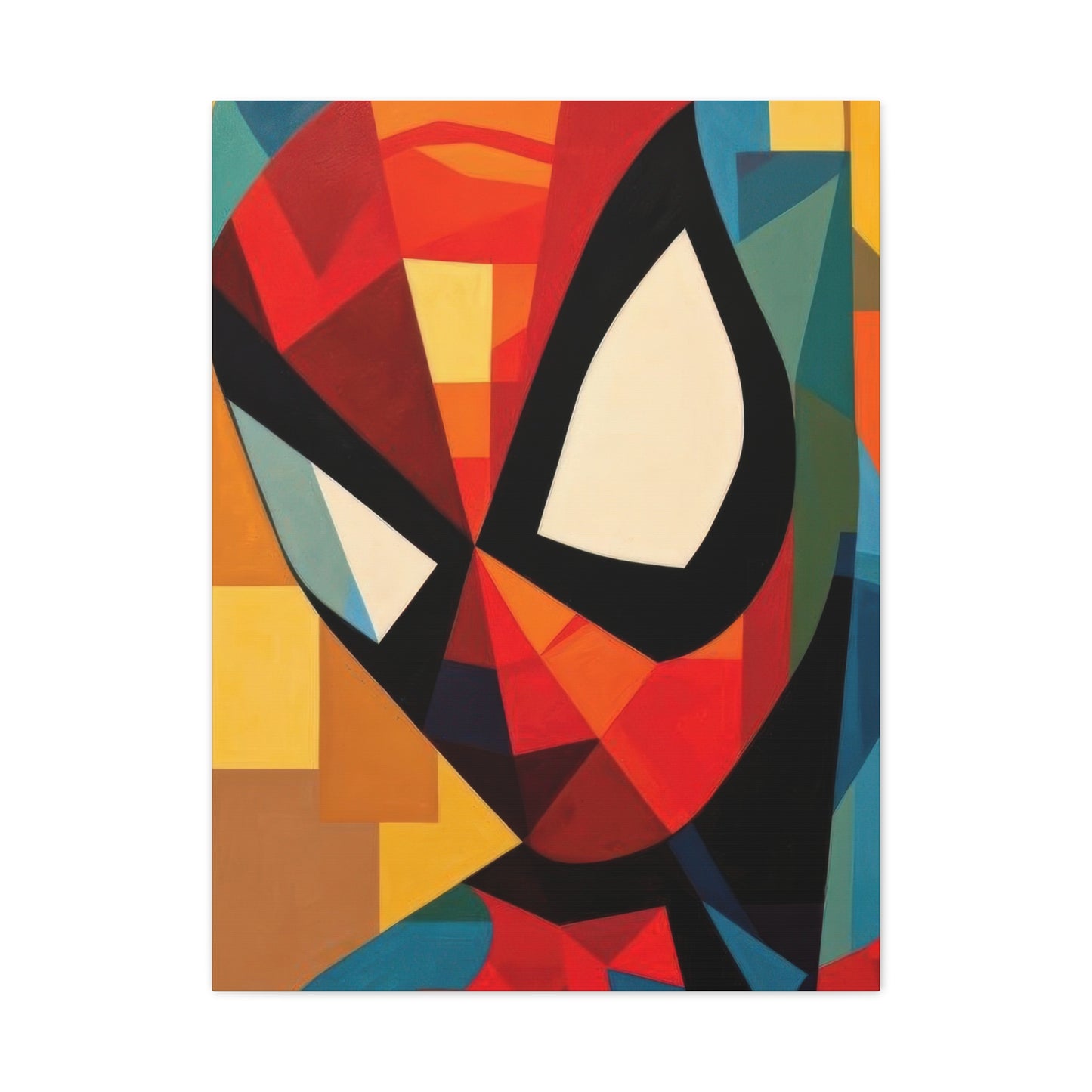
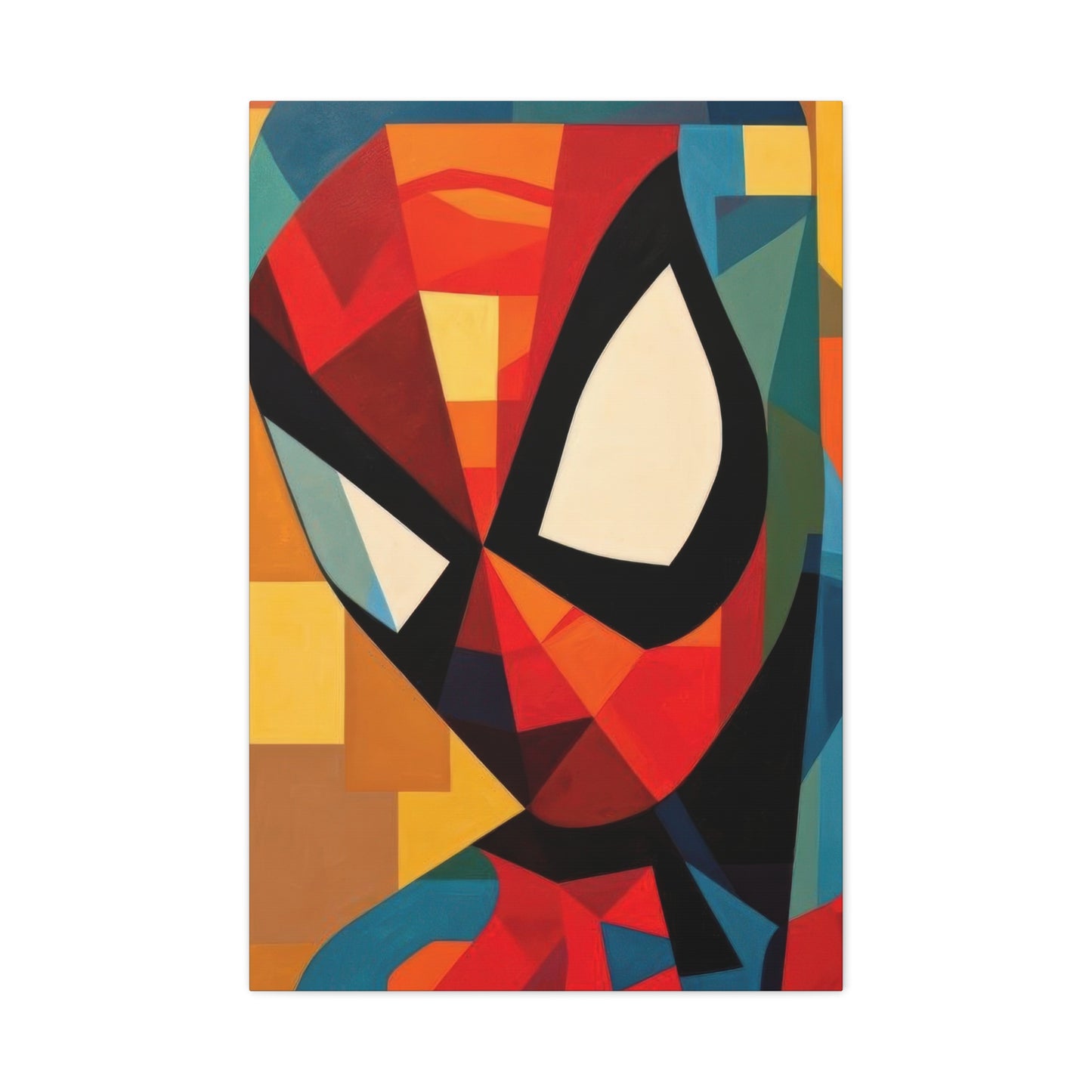
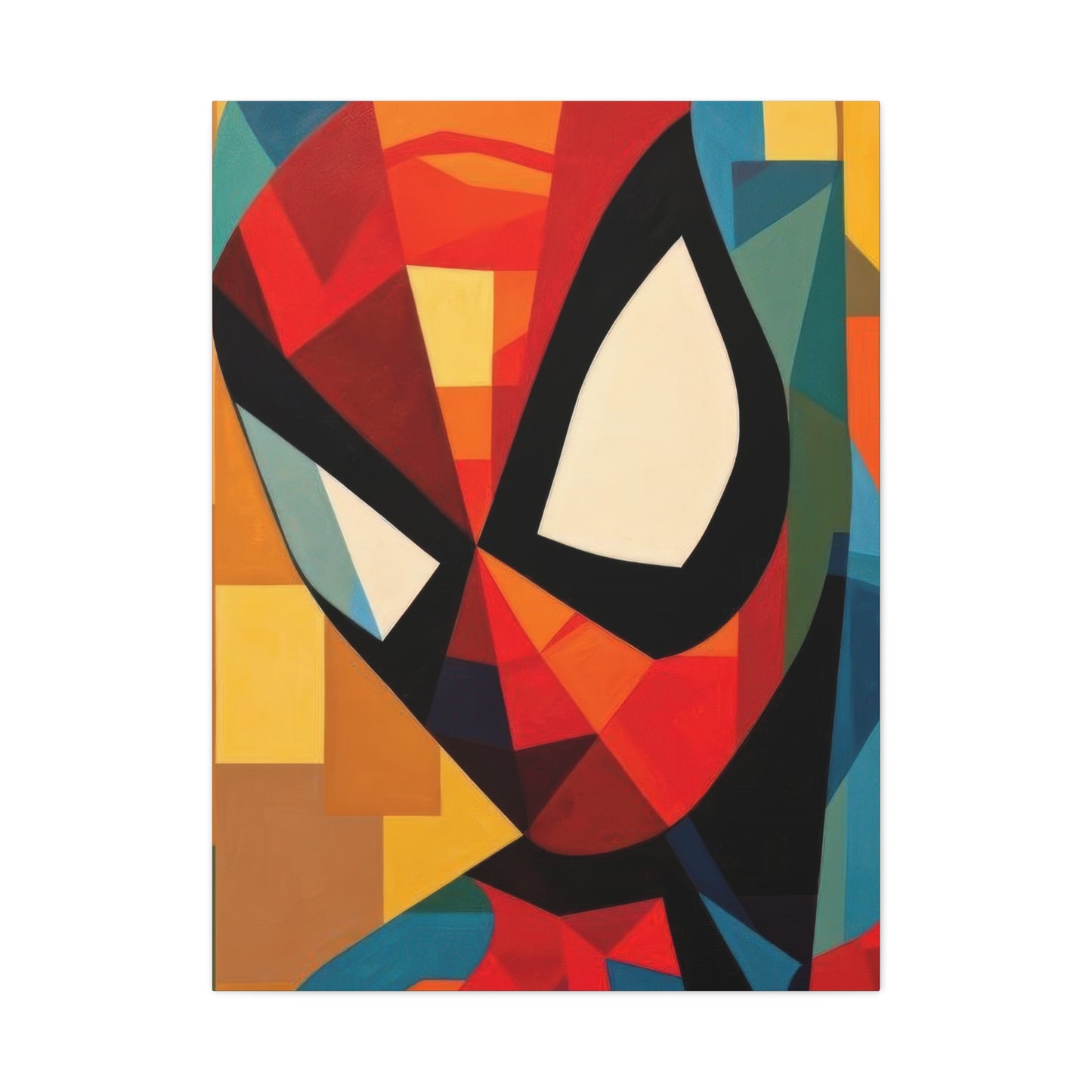
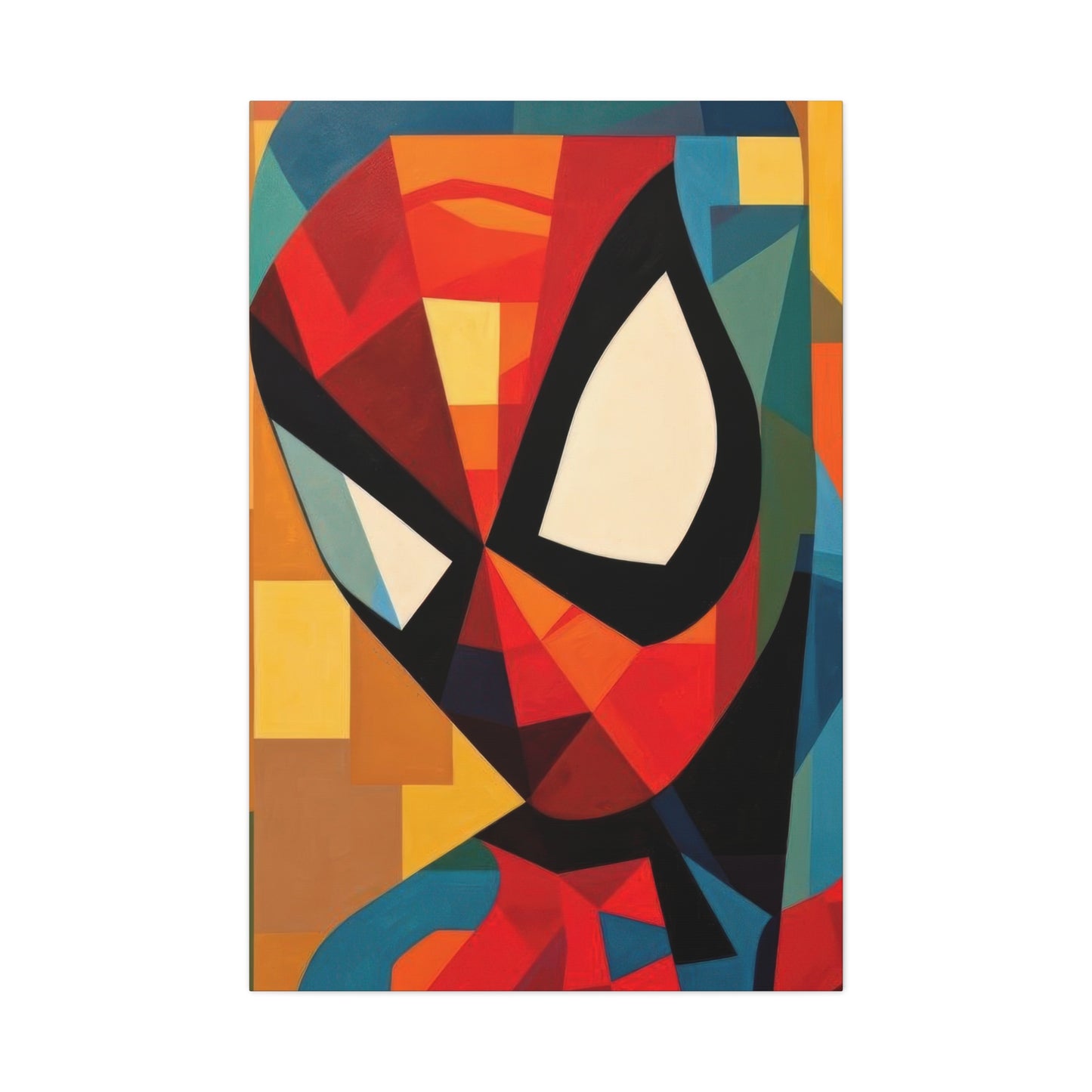
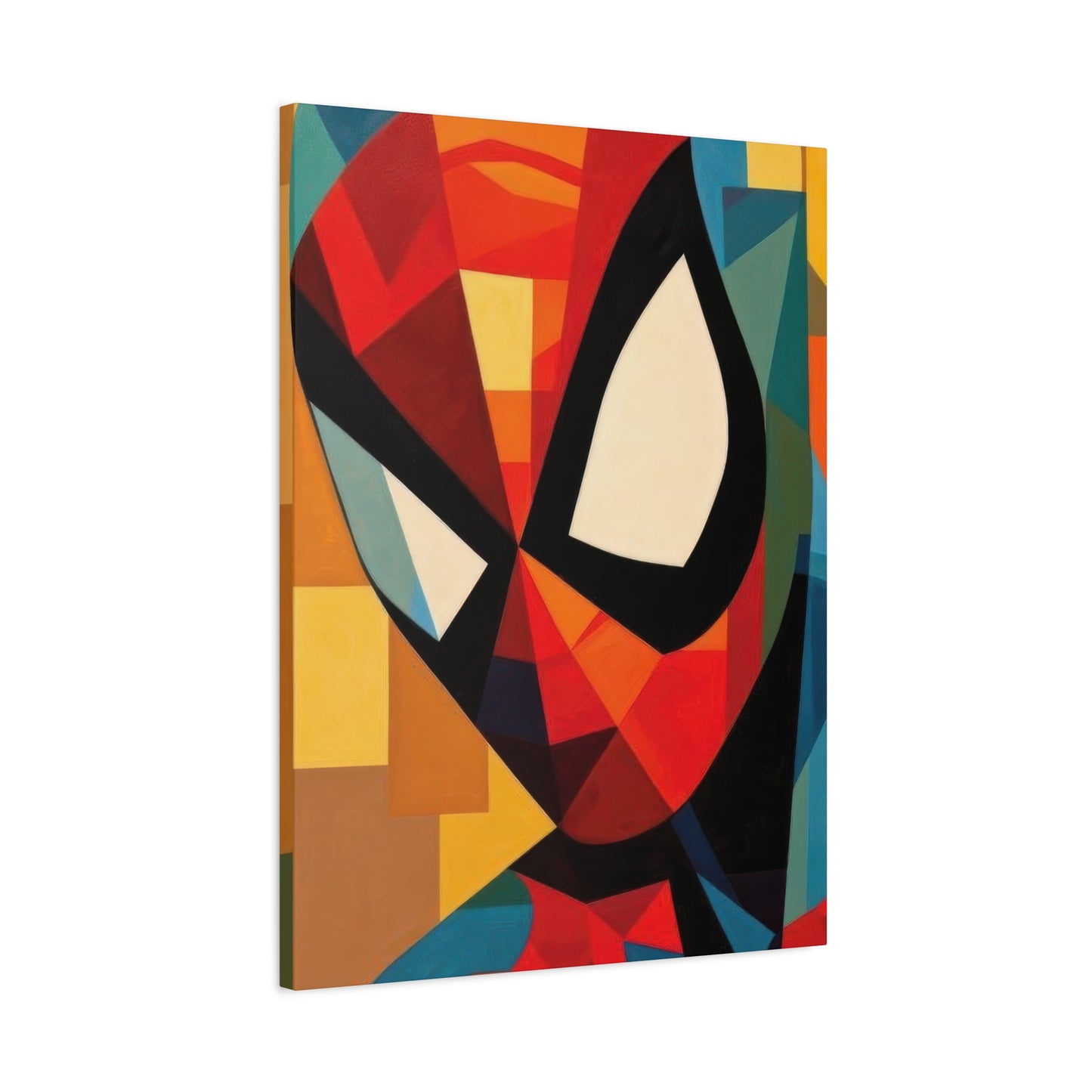
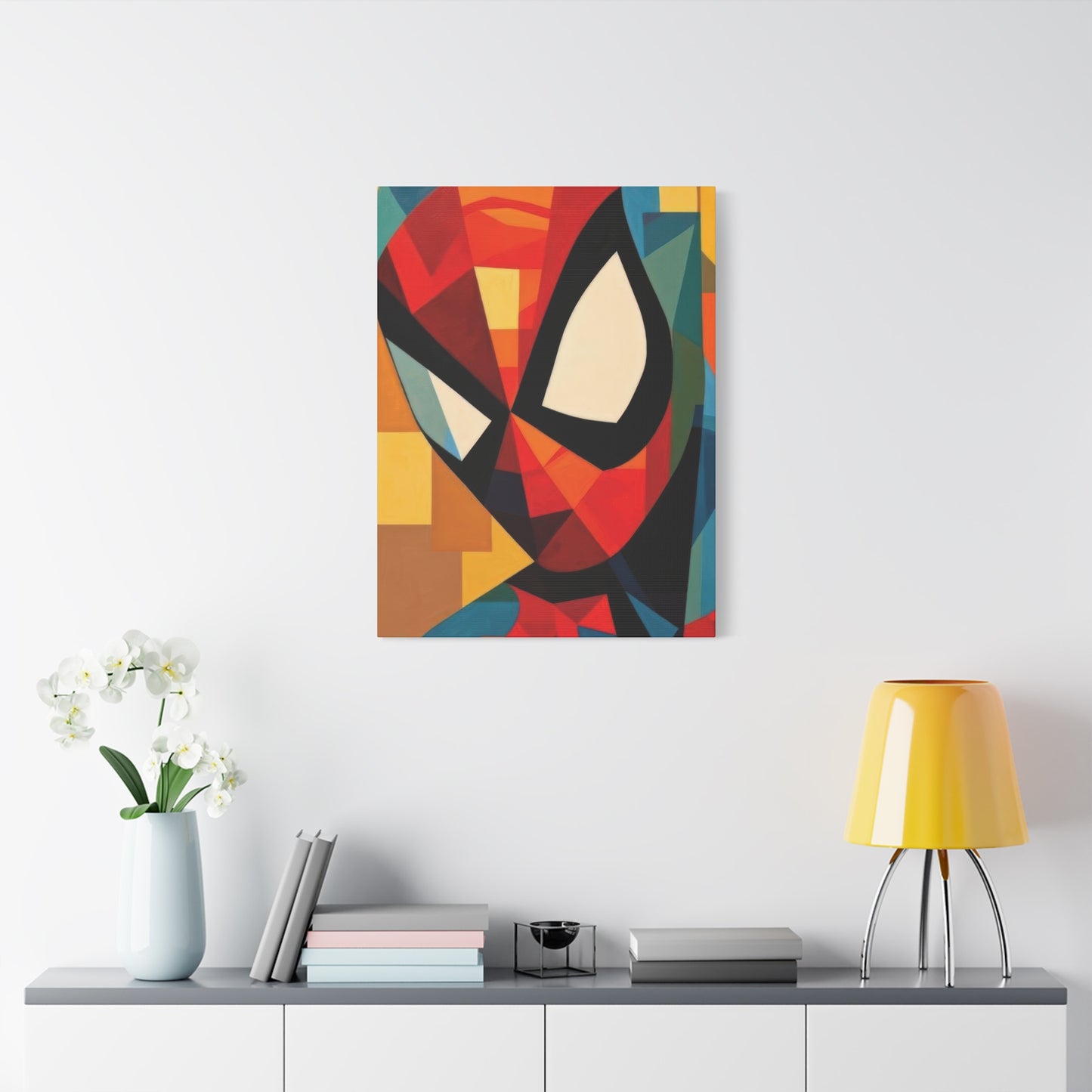
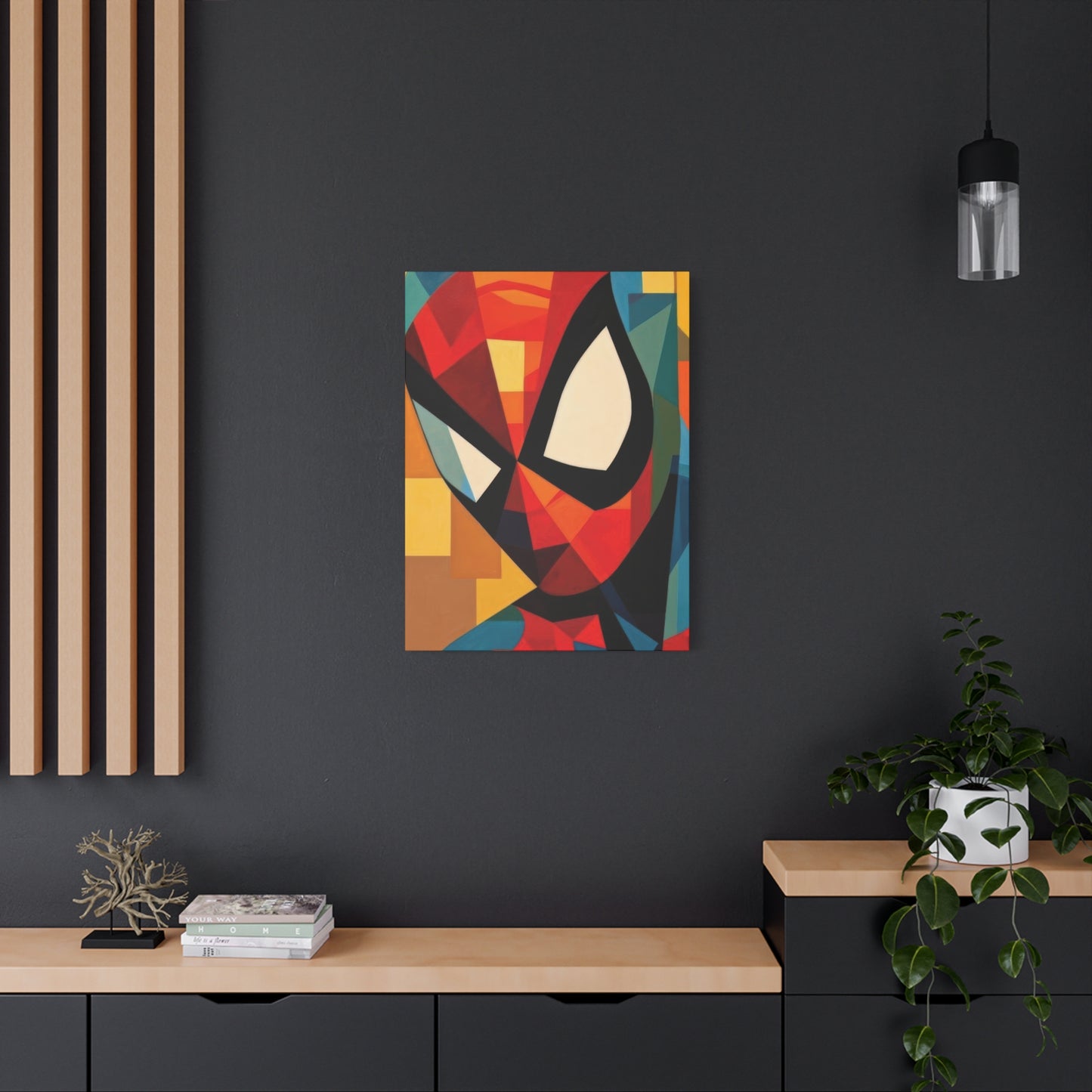
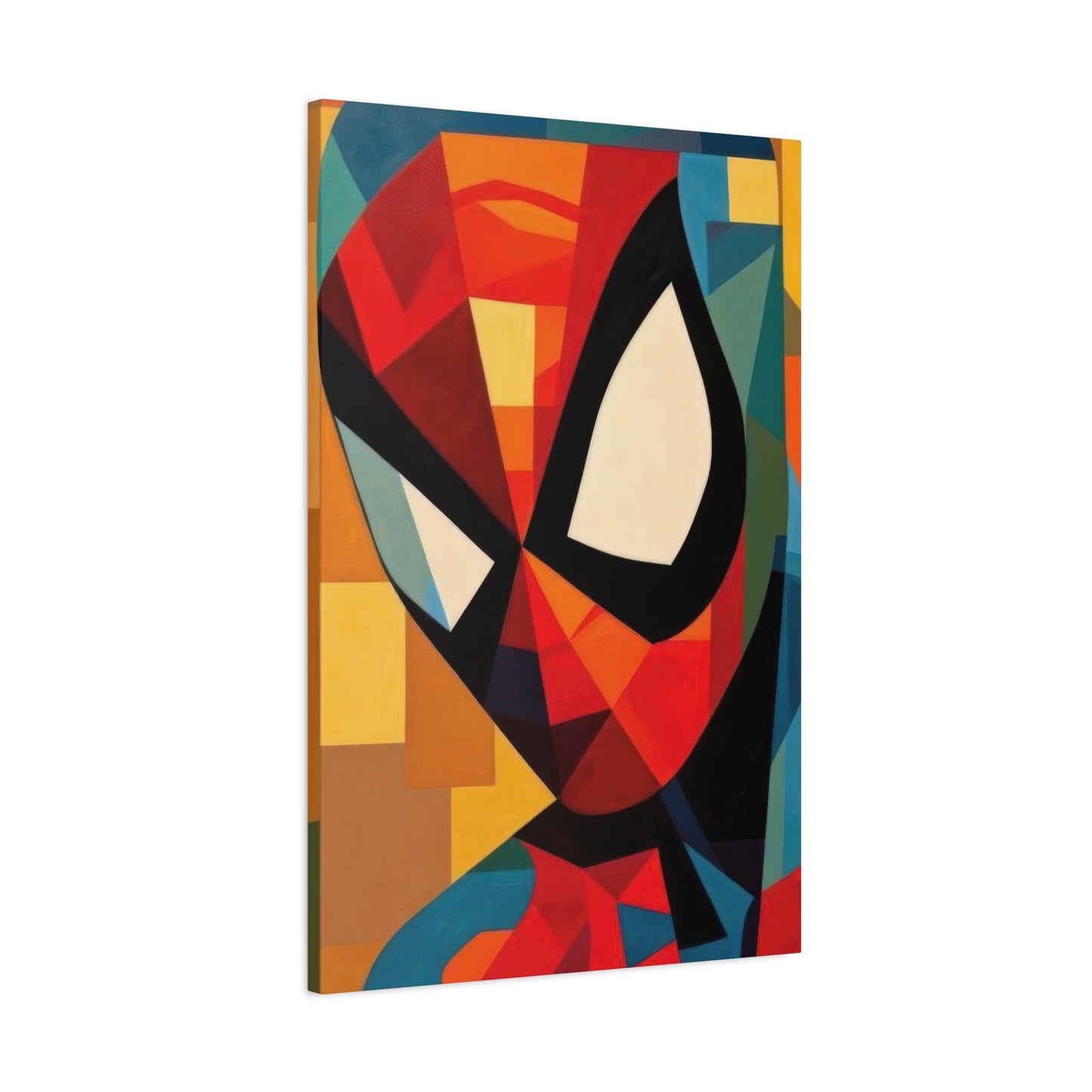
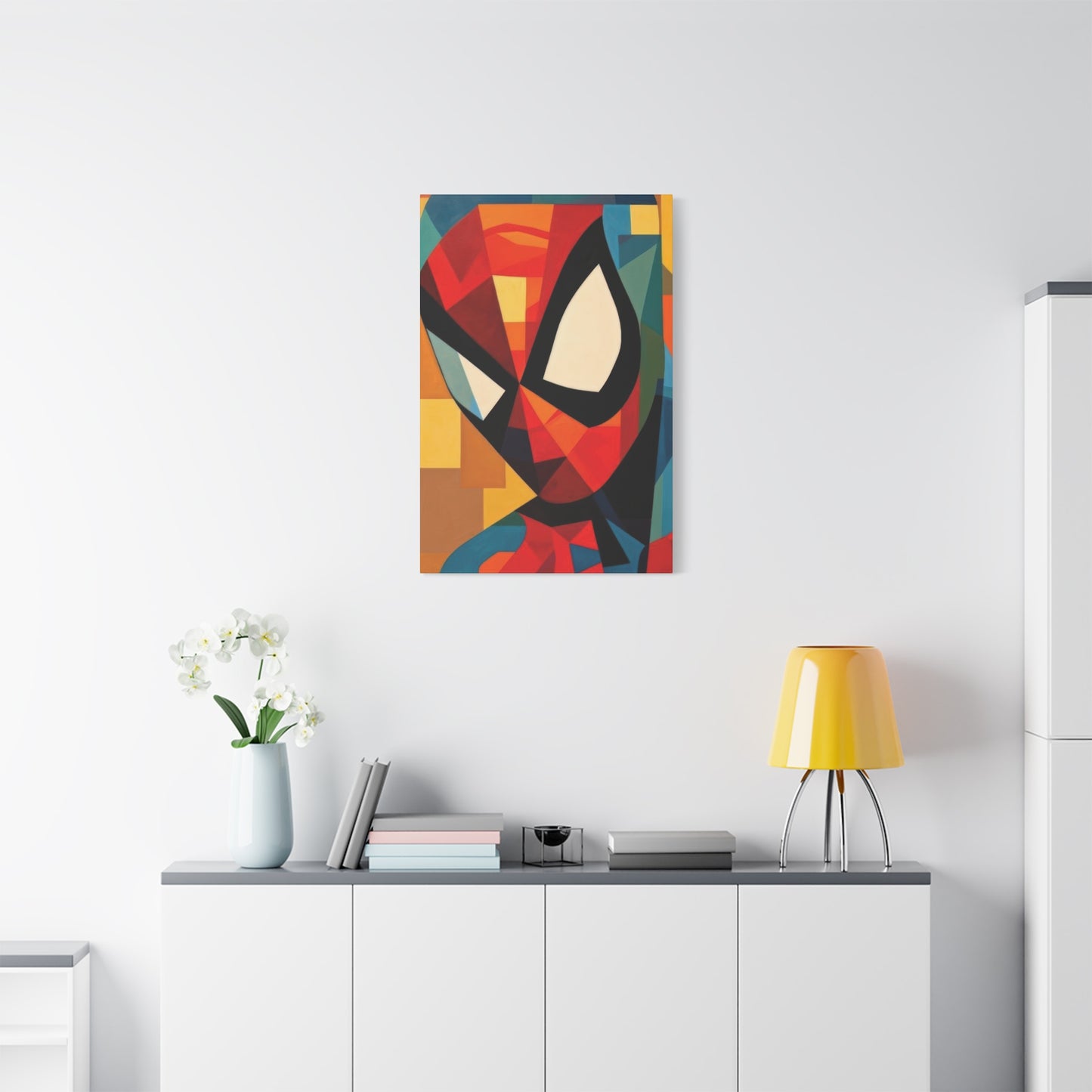
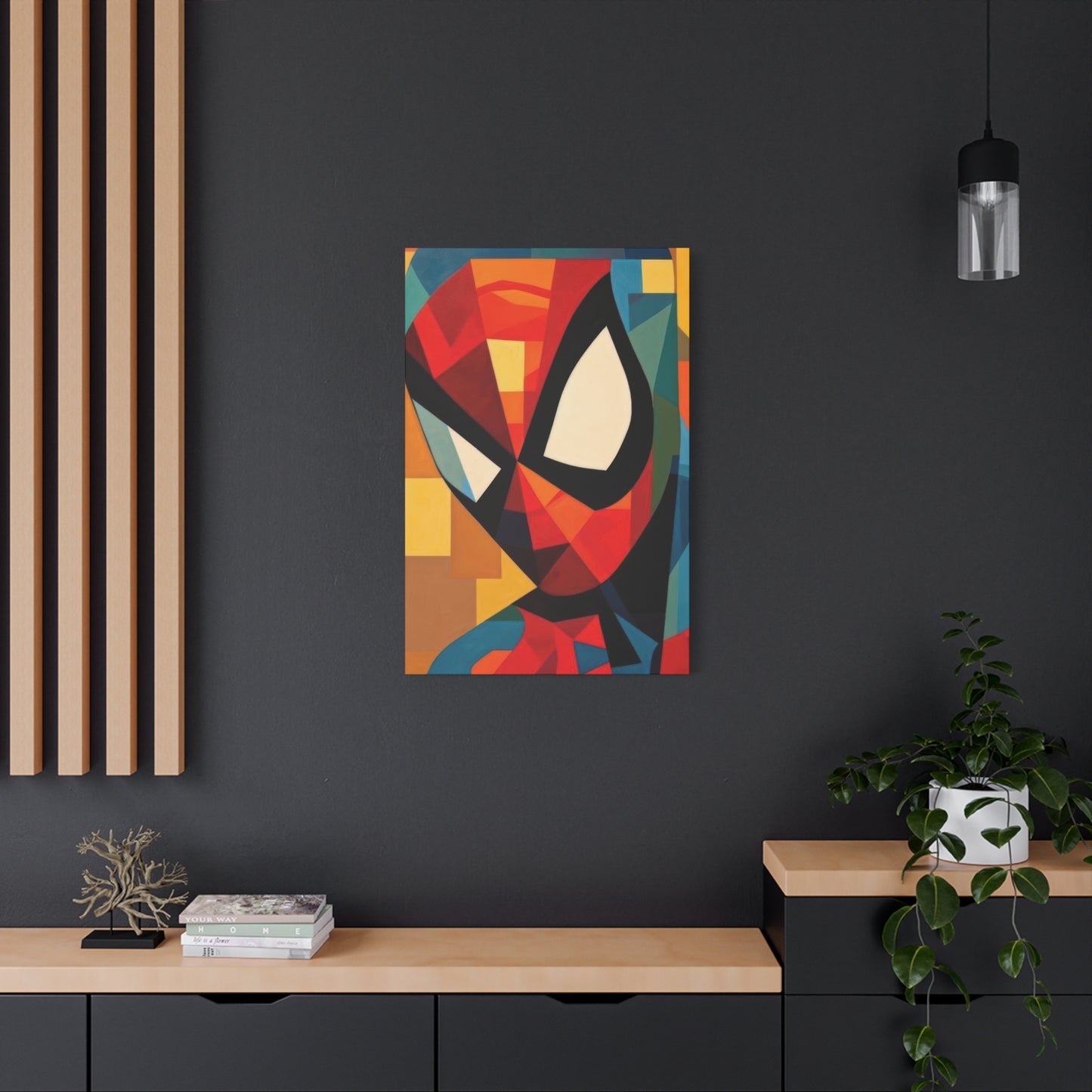
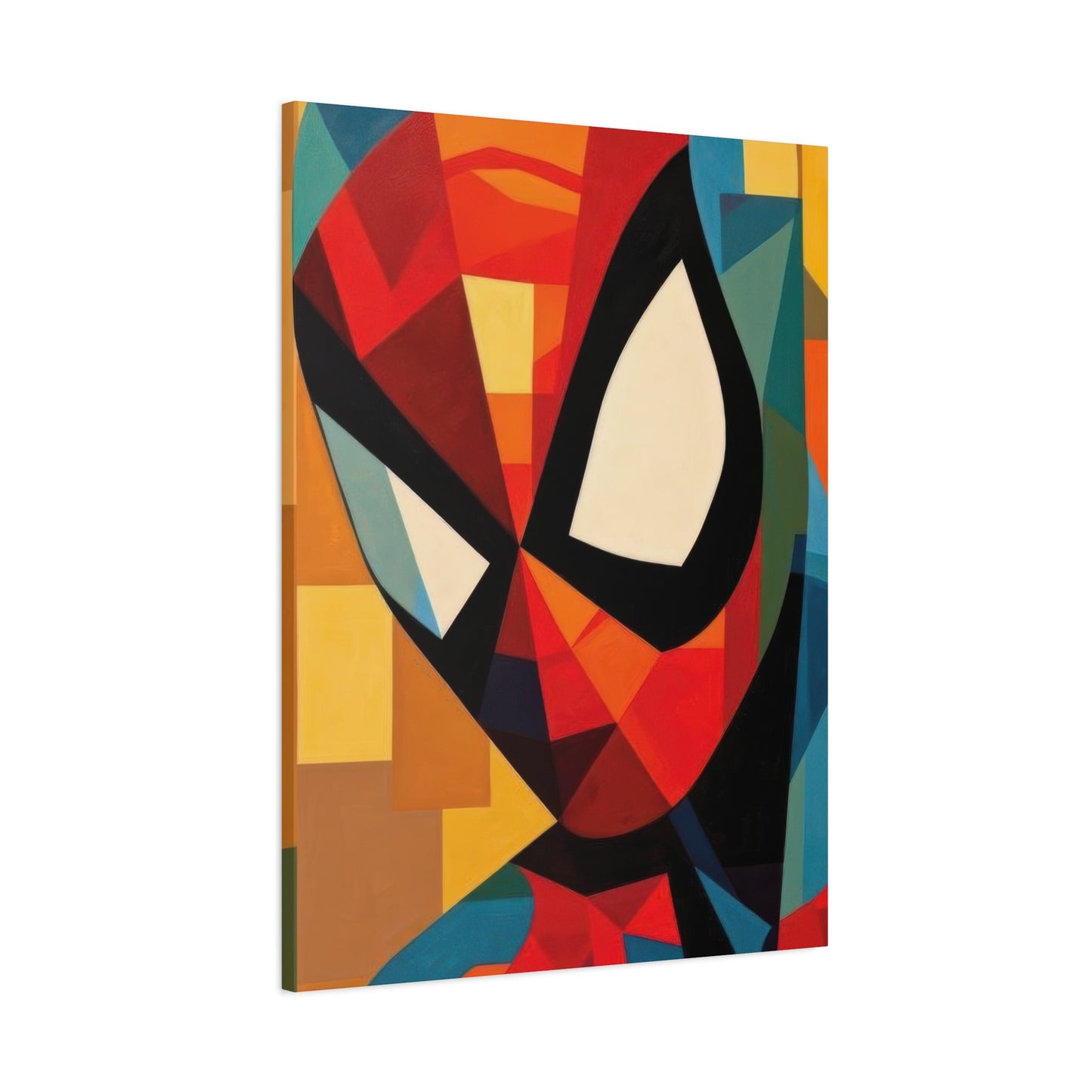
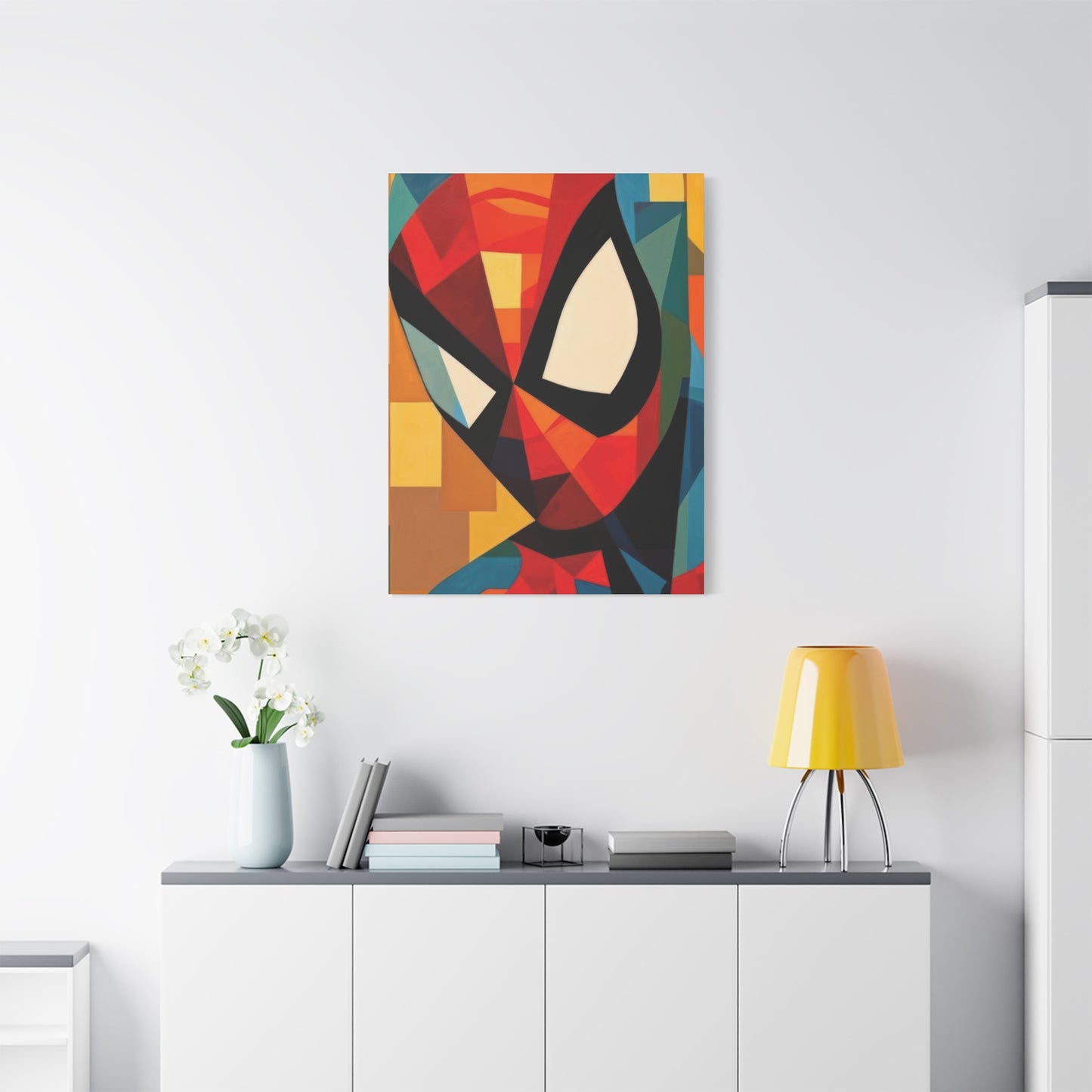
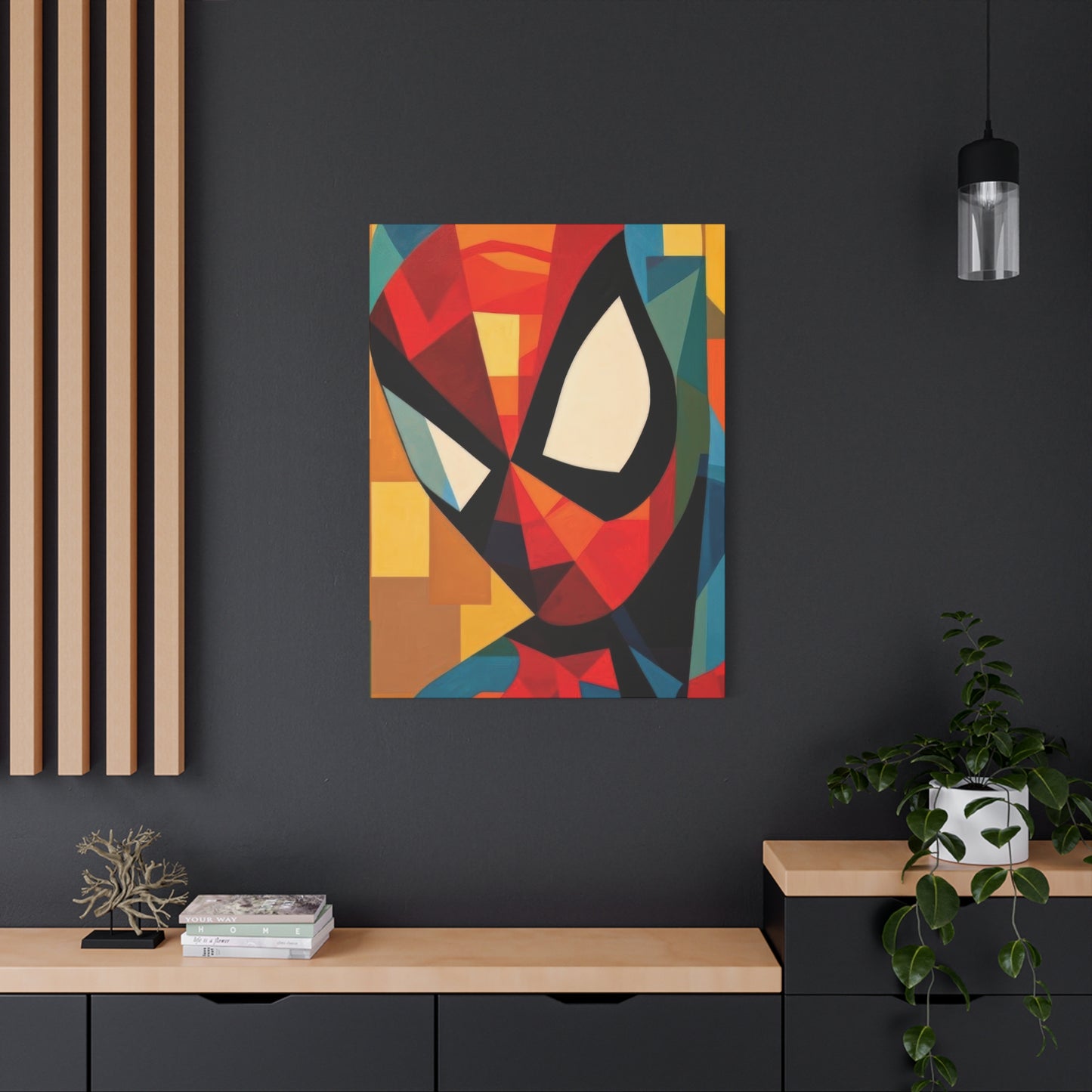
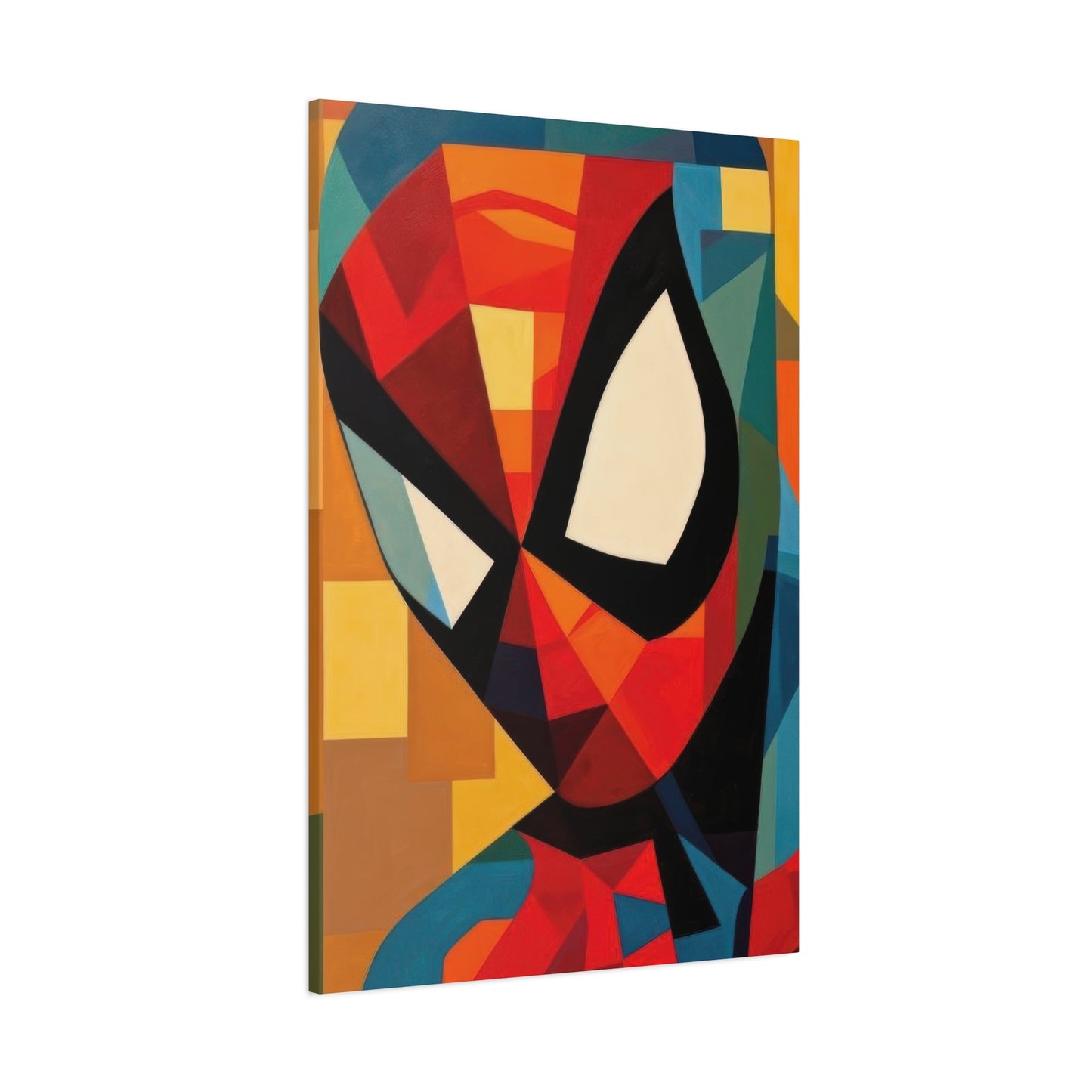
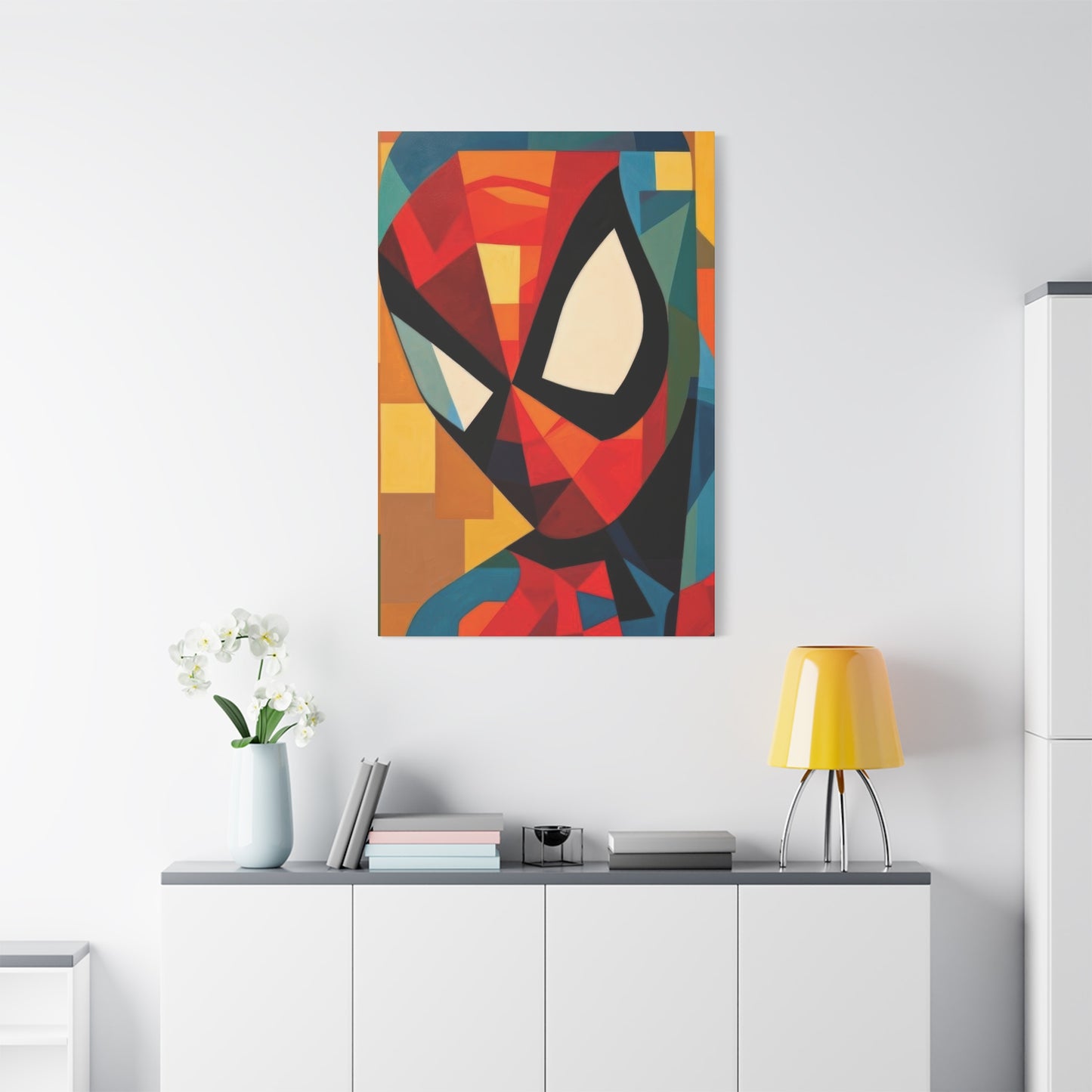
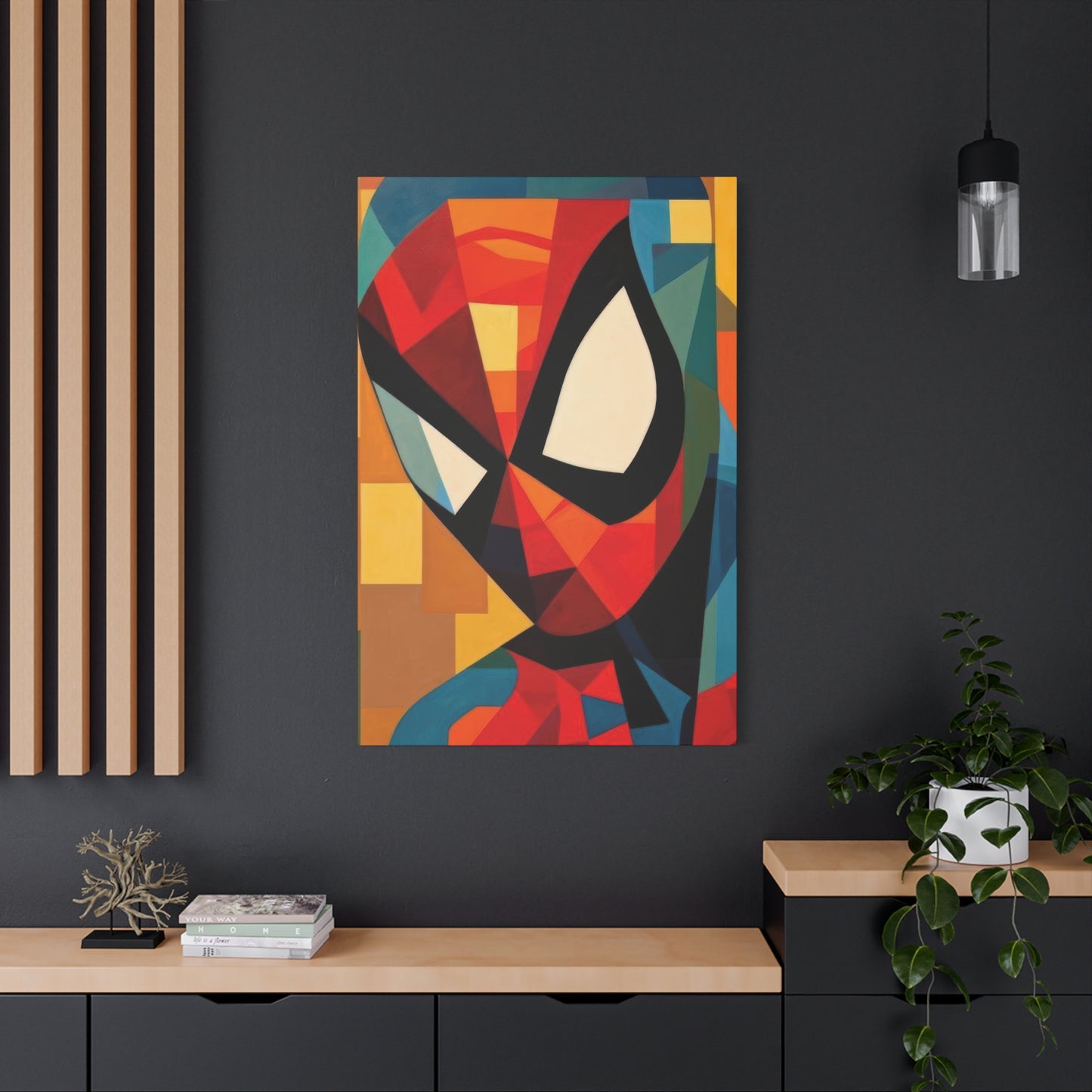
Spider-Man Close-Up in Geometric Cubism – Pop Art Wall Decor
Spider-Man has always been a symbol of agility, heroism, and complex emotion. Translating his essence into geometric cubism allows for an intricate visual experience that merges the chaotic energy of urban life with the clarity of structured shapes. The fusion of vivid colors and fragmented geometry transforms the familiar superhero into a piece of dynamic pop culture expression. This approach resonates with collectors seeking pieces reminiscent of modern expressionism and contemporary art. For those interested in exploring similar vibrant works, Dean Russo wall artwork offers a variety of interpretations in bold geometric designs, presenting animals and human subjects with the same energy found in cubist superhero representations.
Dynamic Color Compositions in Pop Art
The interplay between bold, saturated colors and geometric shapes in Spider-Man artwork evokes emotional intensity. By breaking the familiar silhouette into angular patterns, artists create visual tension that reflects Spider-Man's internal struggles. Each segment of color serves as a visual metaphor for aspects of his life—responsibility, loss, and resilience. Just as homeowners can transform mundane spaces, you can elevate your collection through creative design. For instance, incorporating eye-catching wall decor in laundry spaces inspires energy and personality in unexpected areas, proving the impact of visual art on daily environments.
Dynamic color compositions are a defining feature of pop art, giving this art movement its unmistakable vibrancy and energy. Emerging in the mid-20th century, pop art drew inspiration from popular culture, mass media, advertising, and everyday consumer objects. Artists working in this style sought to break away from traditional artistic conventions, emphasizing boldness, accessibility, and visual impact. One of the most compelling aspects of pop art is its use of color to create striking visual statements that engage the viewer immediately.
Spider-Man as a Modern Icon
Spider-Man is more than a comic book character; he is a cultural icon whose image resonates across generations. Geometric cubism offers a unique lens to reinterpret this symbol, emphasizing the duality of Peter Parker’s ordinary life versus his heroic persona. The structured chaos of cubism mirrors the tension between order and unpredictability in modern life. Similarly, contemporary foyer designs for a stylish entrance showcase how careful design can harmonize functionality and aesthetics, echoing the balance between chaos and structure captured in cubist interpretations of Spider-Man.
In pop art, color is not just a decorative element but a central tool for expression. Artists often employ contrasting hues to create tension, movement, and focus within a composition. Bright primary colors such as red, blue, and yellow dominate many pop art pieces, creating a sense of energy and urgency. These colors are frequently juxtaposed with secondary or complementary tones to produce dynamic contrasts that draw attention to key elements of the artwork. The interplay of these colors can transform ordinary subjects, like comic book characters, household items, or advertisements, into vibrant visual experiences that feel alive and immediate.
Exploring the Depth of Character Through Geometry
In geometric cubism, Spider-Man’s expressions are often fragmented yet expressive, capturing complex emotions in minimalist forms. Each polygon and line conveys motion, tension, and narrative, offering a multifaceted portrait that evolves with the viewer’s interpretation. This complexity parallels premium collectible works such as the elite herb vision print, where abstract interpretations create a sense of depth and provoke personal reflection on the subject matter, emphasizing how form and color communicate beyond literal representation.
Pop art also uses color in ways that challenge perception and traditional representation. Rather than aiming for realism, artists embrace exaggeration and simplification, allowing color to define shape, volume, and form. Flat planes of uniform color, along with repeated patterns and outlines, give the compositions a graphic quality reminiscent of printed media and commercial design. This approach creates a sense of rhythm within the artwork, guiding the viewer’s eye across the surface and emphasizing the underlying structure of the composition. The result is a lively, almost cinematic effect that keeps the viewer engaged and encourages repeated observation.
The Intersection of Pop Culture and Fine Art
Cubism allows Spider-Man to transition from pop culture icon to fine art subject, inviting viewers to consider the superhero in a more contemplative context. The aesthetic choices—angular lines, vibrant hues, and stylized patterns—challenge traditional notions of comic art. Pop art’s influence in this space is undeniable, providing a bridge between everyday cultural icons and gallery-quality artwork. Collections such as the supreme people art series exemplify how personality-driven visuals can elevate ordinary subjects into extraordinary visual experiences.
Another aspect of dynamic color in pop art is its emotional impact. Certain color combinations evoke excitement, nostalgia, or humor, while others create tension or surprise. By carefully selecting and arranging colors, artists can communicate mood, character, and narrative without relying on traditional figurative techniques. This focus on color as a primary means of expression allows pop art to connect with audiences on both a visual and emotional level, making it widely accessible and immediately recognizable.
Character Identity in Fragmented Form
The geometric approach allows the artist to dissect Spider-Man’s identity visually, splitting familiar forms into abstract segments. Each segment communicates a distinct facet of his life: heroism, youth, vulnerability, and responsibility. This fragmented depiction invites viewers to engage actively with the art, piecing together meaning from the visual puzzle. Just as the Demon Slayer characters collection reinterprets beloved characters through stylized designs, geometric cubism offers a transformative way to experience iconic figures in bold, contemporary aesthetics.
The influence of pop art extends beyond the gallery and into design, fashion, advertising, and digital media, demonstrating the power of color to shape perception and create memorable experiences. Its use of vibrant, bold, and playful color palettes has inspired generations of artists and designers to explore unconventional approaches to composition and creativity. Dynamic color compositions in pop art continue to captivate viewers, reminding them of the energy and immediacy that visual culture can provide.
Architectural Inspiration and Spatial Design
The angular forms and fragmented compositions of geometric Spider-Man pieces often echo architectural principles. Lines, symmetry, and spatial relationships create visual movement and depth. Integrating these artworks into your home environment enhances spatial perception and evokes energy in static spaces. When designing interiors, understanding foundational concepts like parquet flooring explained highlights how geometric patterns in decor extend from floor to wall, amplifying the visual dialogue between artwork and environment.
In essence, pop art celebrates color as a force of expression and communication. Its dynamic arrangements transform everyday imagery into powerful artistic statements, highlighting the role of color in shaping how we see and experience the world. By embracing intensity, contrast, and visual rhythm, pop art remains a compelling testament to the enduring appeal of dynamic color compositions in contemporary art.
Materiality and Artistic Mediums
The texture and medium chosen for geometric cubist Spider-Man art can dramatically influence the viewer’s experience. Canvas, mixed media, or digital prints bring out different layers of vibrancy and structural detail. Similarly, informed choices in building materials affect the ambiance of interior spaces, demonstrating how subtle shifts in medium can alter perception. Articles on particle board explained benefits illustrate how modern materials combine utility and design, paralleling how contemporary artists blend technique and style in visual compositions.
Materiality and artistic mediums play a central role in the creation, perception, and interpretation of art. The choice of materials is not merely a technical consideration; it profoundly shapes the visual, tactile, and conceptual qualities of a work. Artists select mediums based on the effects they wish to achieve, the themes they want to explore, and the audience they hope to engage. Understanding materiality allows viewers to appreciate the subtle nuances of texture, weight, color, and durability, as well as the ways these qualities interact with the ideas conveyed through the artwork.
Cultural and Musical Crossovers
Spider-Man’s enduring appeal has inspired artists across mediums, from music to visual arts. Integrating references to pop culture icons enhances the connection between observer and artwork. Visual storytelling in geometric cubism resonates with the bold statements found in pieces like Michael Jackson masterpiece collection, where personality and movement are captured through layered, abstract compositions. These parallels underscore how iconic figures can influence artistic trends and enrich contemporary visual culture.
Throughout history, artists have experimented with a wide range of mediums, from traditional materials such as oil paints, marble, and wood to modern innovations like acrylics, synthetic polymers, and digital media. Each medium brings its own possibilities and constraints. For instance, oil paint allows for rich layering, subtle blending, and a depth of color that is difficult to replicate with water-based media. Marble carving, by contrast, emphasizes precision, permanence, and sculptural form, lending a sense of solidity and gravitas to the work. The physical characteristics of these materials often influence the creative process, guiding the artist’s approach to composition, technique, and expression.
The Heroic and the Abstract
Finally, geometric cubism offers a lens to explore heroism itself, transforming Spider-Man into a universal symbol of struggle and triumph. The interplay of line, shape, and color abstracts the familiar while maintaining recognizable traits, inviting a deeper emotional connection. Similar interpretations appear in works like the military art masterpiece series, where narrative and abstraction converge to convey courage and resilience. Through this fusion, viewers are encouraged to contemplate both the form and the story, bridging pop art aesthetics with profound thematic expression.
Materiality also plays a key role in contemporary art, where unconventional and mixed media are frequently employed to challenge traditional boundaries. Found objects, industrial materials, fabric, glass, and even digital formats are used to convey meaning in new and unexpected ways. By highlighting the inherent qualities of materials, artists can comment on culture, consumerism, identity, and environmental concerns. For example, using recycled materials in a sculpture may add layers of meaning about sustainability and transformation, while the tactile qualities of fabric or paper can evoke intimacy or vulnerability. In these cases, the medium is not neutral; it becomes an integral part of the conceptual framework of the artwork.
Reimagining Spider-Man in Abstract Geometry
Spider-Man's presence in modern art continues to evolve through geometric abstraction, creating a dialogue between heroism and perception. Each fragment and angled line conveys movement and tension, highlighting the duality of his existence. This aesthetic mirrors works found in collections like Deconstructed Falls collection, where fragmented landscapes and abstract compositions emphasize motion and form, offering inspiration for anyone seeking a bold approach to pop culture representation in geometric style.
The interaction between materiality and artistic technique is equally important. Techniques such as layering, carving, weaving, or printing emphasize the physical presence of the medium and can create contrasts between surface, depth, and texture. In painting, the thickness of brushstrokes, the translucency of glazes, or the roughness of canvas surface all contribute to the viewer’s sensory experience. In sculpture, the choice of stone, metal, or clay determines how light interacts with the form, creating shadows, highlights, and a sense of movement. Even in digital art, the selection of software, resolution, and display medium shapes the visual outcome and the way audiences perceive and interact with the work.
Harmonizing Colors and Shapes
The vibrancy of Spider-Man in geometric cubism lies in the careful orchestration of color and shape. Bright primary colors collide with sharp geometric patterns, producing energy that engages the viewer. This principle is similar to designing interiors where thoughtful color combinations transform daily experiences. For example, using trendy kitchen storage ideas for every home introduces visual rhythm and functionality, demonstrating how structure and aesthetics coexist in both art and living spaces.
Furthermore, materiality affects the preservation and longevity of art. Some mediums are more resilient than others, influencing conservation strategies and the historical understanding of artistic practices. Artists often consider how their choice of materials will age over time, knowing that color, texture, and structural integrity may change. This awareness adds another layer to the dialogue between artist, medium, and viewer, emphasizing the temporal and physical dimensions of art.
European Influence on Modern Pop Art
The geometric interpretation of Spider-Man also draws inspiration from European modernism, blending angular forms with cultural motifs. These influences are echoed in interior trends that celebrate continental style. Bringing a touch of French elegance into the home can be as transformative as geometric abstraction is for superhero art. Articles on Parisian vibes for French-style interiors reveal how harmonizing design elements can produce a sense of refinement and layered visual interest, much like cubist interpretations of iconic characters.
Artistic mediums are central to both the creation and appreciation of art. They define the possibilities of expression, shape the viewer’s sensory experience, and often carry conceptual significance. By engaging with materials thoughtfully, artists can convey meaning beyond form and imagery, creating works that resonate on physical, emotional, and intellectual levels. Understanding materiality enriches the way we experience art, revealing the complex relationship between substance, technique, and artistic vision.
Meditative Themes Through Abstraction
Abstract geometric renditions of Spider-Man often reveal a meditative quality amid chaotic composition, inviting viewers to pause and reflect on the character's narrative. The tension between fragmented lines and balanced shapes mirrors inner contemplation and the search for harmony. Comparable to this, art pieces such as the Opulent Stillness print capture quiet reflection through subtle visual cues, highlighting how structure, color, and thematic focus converge to create immersive experiences that evoke thoughtfulness and serenity.
Symbolism in Geometric Pop Art
Geometric shapes in Spider-Man artwork often symbolize elements of his dual life: responsibility, agility, and personal growth. Each angle, triangle, and polygon represents facets of his character, encouraging viewers to decipher meaning through form. Similarly, nature-inspired pieces like the Supreme Peacock collection use symbolic imagery to convey power, grace, and vibrancy. These visual metaphors provide depth and narrative layers that extend beyond surface-level aesthetics.
The Role of Contemporary Artists
Contemporary artists continue to explore the intersection of comic book iconography and modern art, pushing the boundaries of traditional interpretation. The angular, fractured depictions of Spider-Man exemplify this exploration. Observing collections like Derek Gomez wall collection reveals how individuality and style merge in bold, expressive ways, inspiring new approaches to portraying iconic subjects through color, texture, and form while maintaining cultural resonance.
Lighting and Visual Perception
How light interacts with geometric surfaces alters the perception of Spider-Man artwork, creating illusions of depth and dynamism. Strategic lighting enhances angular designs, allowing shadows and highlights to define movement and narrative. In interior design, incorporating elements like modern chandeliers for living rooms creates similar visual drama, emphasizing how light can transform spaces and enhance the impact of visual compositions, whether on canvas or in a room.
Digital Techniques in Cubism
Digital tools have expanded the possibilities for geometric cubism, enabling precise manipulation of color, shape, and layering. Layer blend modes, for example, allow artists to experiment with transparency and interaction between elements, resulting in complex visual storytelling. Beginners and professionals alike can benefit from understanding Photoshop layer blend modes explained, which empowers artists to push cubist compositions to new levels, emphasizing how technology can elevate traditional artistic techniques.
Nature and Symbolism in Art
Spider-Man’s geometric transformation often borrows patterns from nature, integrating organic forms within rigid structures. Leaves, trees, and feather motifs are reimagined in angular, abstract ways, highlighting the harmony between chaos and order. Works like the Supreme Maple Tree collection illustrate this synthesis, demonstrating how natural motifs can inspire structure and rhythm in both geometric art and interior arrangements, creating a layered visual experience that resonates emotionally and aesthetically.
Exploring Mood and Atmosphere
Finally, the emotional tone of Spider-Man in geometric cubism extends beyond visual excitement, conveying mood and atmosphere through color contrast, composition, and abstraction. Dark, moody palettes juxtaposed with vibrant highlights evoke tension, reflection, and heroism simultaneously. Similar dynamics are present in collections like the Elite Dark Academia vision, which combine thematic depth with bold visual language, illustrating how art can communicate complex narratives and emotional resonance while remaining visually captivating.
The Geometric Evolution of Spider-Man
Spider-Man’s transformation into geometric cubism explores the intersection of structure, color, and narrative. By fragmenting the familiar figure into angular planes, artists invite viewers to examine the hero from multiple perspectives simultaneously. This layered approach mirrors contemporary collections such as Deer wall collection, where wildlife is reimagined through abstract forms, highlighting how geometry can capture both movement and essence in ways traditional depictions cannot.
Spatial Dynamics and Visual Balance
The fragmented shapes in cubist Spider-Man compositions emphasize rhythm and balance, guiding the viewer’s gaze across the canvas. This principle is similar to interior design, where compact living arrangements require innovative solutions to maintain harmony. Exploring clever sofa bed designs for small spaces demonstrates how functional and aesthetic elements can coexist, enhancing spatial perception while creating environments that are both practical and visually engaging.
The History of Visual Storytelling
Cubist reinterpretations of Spider-Man are part of a broader continuum of artistic movements that have transformed visual storytelling. From impressionism to modern abstraction, artists have continually experimented with perspective and form. An informative perspective on these transitions is offered in photography movements through the lens of time, which details how evolving techniques influence interpretation, showing how narrative and emotion are conveyed through visual experimentation.
Monochrome and Minimalist Interpretations
Not all geometric interpretations rely on vibrant color; minimalism and monochrome palettes allow subtle nuances of form and line to emerge. Spider-Man rendered in muted shades draws attention to shape, contour, and composition. Similar aesthetic restraint is seen in the Vision Gray White artwork, where the absence of color enhances the perception of depth and geometry, encouraging viewers to focus on structure and thematic undertones rather than surface embellishments.
Mathematical Precision in Art
The application of mathematical concepts within geometric cubism allows for a striking balance between chaos and order. Spider-Man’s segmented forms echo principles found in geometry and algebra, creating a sense of rhythm and symmetry. Artworks like modern math for creative spaces illustrate how numerical patterns and precise calculations can enhance aesthetic appeal, highlighting the intimate relationship between logic and visual creativity.
Deco Inspirations in Contemporary Pop Art
Deco elements enhance the geometric aesthetic by integrating stylized motifs, symmetry, and ornamental flourishes into superhero depictions. Spider-Man’s cubist form benefits from these influences, which add sophistication and historical depth. Collections such as Deco wall collection exemplify how design principles from past eras can be reinterpreted through contemporary artistic lenses, offering fresh perspectives while preserving elegance and coherence.
Photography Principles in Visual Composition
The spatial and geometric nature of cubist Spider-Man is informed by principles commonly found in photography. Lens choice, focal length, and perspective dictate how viewers experience abstraction, much like how photographers control visual hierarchy. Learning from guides such as focal length and lens selection provides insight into the translation of three-dimensional space onto two-dimensional surfaces, informing both geometric abstraction and spatial storytelling.
Capturing Nature’s Energy
The raw vitality of Spider-Man in geometric abstraction can also be inspired by the natural world, where motion, pattern, and form converge organically. Artists often incorporate natural motifs to evoke energy and balance within their compositions. Observing works like nature through Julia Purinton’s eyes demonstrates how environmental observation informs artistic decisions, translating the essence of life into angular, vibrant forms reminiscent of superhero motion and tension.
Opulent and Revivalist Approaches
Certain geometric interpretations integrate opulence and historical revival elements, creating compositions that merge classical beauty with modern abstraction. Spider-Man’s heroism gains additional gravitas when stylized through such lenses, emphasizing formality and narrative weight. Pieces like Opulent Revival collection show how intricate details and layered motifs enrich visual storytelling, reflecting how traditional art techniques can coexist with contemporary pop culture themes.
Color Psychology and Emotional Resonance
Finally, geometric cubism invites exploration of color psychology, where specific palettes elicit emotional responses. Spider-Man’s depiction in dynamic reds and blues generates excitement, tension, and heroism, whereas subdued or complementary tones produce reflection and nuance. Works like Gold Pink collection demonstrate the power of color in shaping mood, allowing viewers to experience depth beyond form, uniting abstract composition with emotional impact.
Spider-Man in Denim and Leather Style
The geometric abstraction of Spider-Man takes on a new dimension when inspired by textures like denim and leather, adding depth and tactile sensation to the visual narrative. The interplay between rough and smooth surfaces mirrors the hero’s balance of strength and vulnerability. Contemporary interpretations can draw parallels to collections such as Denim and Leather collection, where contrasting materials create visual interest and highlight the dynamic energy inherent in both fashion and geometric abstraction.
Color Trends and Visual Impact
The palette of geometric Spider-Man often dictates emotional resonance and narrative intensity. Bold, contrasting colors amplify movement and tension, while muted tones provide reflection and subtlety. Just as in home design, color trends influence perception and experience. For example, articles on modern kitchen cabinet color trends illustrate how thoughtful color selection transforms spaces, demonstrating the importance of palette in shaping mood, whether in interior decor or abstract superhero compositions.
Materials and Structural Choices
The medium chosen for geometric cubist art can significantly affect texture, depth, and visual appeal. Canvas, wood, or mixed media allow artists to manipulate form and create striking contrasts. Understanding material properties is key, similar to considerations in home design such as MDF vs plywood choice, where structural characteristics determine durability, aesthetic appeal, and functional outcomes, paralleling the impact materials have on both visual art and practical applications.
Nature as a Source of Inspiration
Geometric interpretations often borrow patterns and forms from the natural world to create movement and balance. Spider-Man’s angular silhouette can echo trees, branches, or organic textures, emphasizing dynamism and life within abstraction. Works like the Supreme Maple Tree collection showcase how organic inspiration informs structure and rhythm, highlighting the symbiotic relationship between natural forms and artistic geometric representation.
Dreamlike Compositions in Abstract Form
Cubist Spider-Man can also incorporate dreamlike elements, blending reality with imaginative abstraction. Soft edges, layered textures, and unconventional perspectives generate a sense of reverie, inviting viewers to engage with the hero on multiple conceptual levels. Similar qualities can be found in pieces like Opulent Reverie collection, where imaginative visual arrangements encourage contemplation and emotional resonance, illustrating how abstraction can evoke introspection while maintaining aesthetic appeal.
Desert Landscapes and Minimalist Aesthetics
The simplicity of desert landscapes offers inspiration for minimalist geometric abstraction. The stark lines, open spaces, and muted tones of desert-inspired works provide contrast to Spider-Man’s energetic forms, creating balance within composition. Collections such as Desert wall collection demonstrate how minimalism and environmental motifs enhance depth and perspective, reinforcing the connection between natural simplicity and dynamic abstract storytelling.
Functional Design and Spatial Awareness
Effective geometric abstraction also relies on spatial awareness and strategic composition, similar to maximizing functionality in home environments. Art that balances negative space and structural elements creates movement and visual coherence. Interior concepts like ingenious pull-out storage ideas reveal how optimizing space can create harmony, paralleling how artists manage form and void to produce compelling visual narratives within cubist Spider-Man art.
Character Focus and Dynamic Expression
Spider-Man’s heroism is amplified through geometric segmentation, emphasizing action, agility, and emotion. Each angular section conveys narrative while maintaining cohesion. Works like Monkey D Luffy masterpiece demonstrate how character-driven abstraction can capture iconic traits, translating personality and energy into structured compositions that resonate with viewers both visually and emotionally.
Symbolism in Nature and Wildlife
Nature-inspired symbolism within geometric abstraction enhances thematic richness. Spider-Man’s dynamic pose can reflect animalistic agility, resilience, or instinctual motion, paralleling artistic explorations of natural forms. Collections such as Monarch Butterflies masterpiece show how visual motifs drawn from wildlife provide narrative depth, transforming abstract forms into meaningful storytelling elements that engage viewers on multiple levels.
Emotional Resonance Through Geometric Abstraction
Finally, the power of geometric cubism lies in its ability to convey complex emotions through form, color, and composition. Spider-Man’s fragmented depiction invites viewers to explore vulnerability, heroism, and identity, eliciting an emotional response that is both personal and universal. By studying thematic cohesion in abstract collections, one sees how emotional resonance emerges naturally from thoughtful composition, layering, and visual metaphor, creating art that is simultaneously aesthetic, intellectual, and deeply human.
Spider-Man Reimagined Through Deston Isas
Geometric cubism transforms Spider-Man into a figure of angular complexity, where familiar forms are reconstructed through shapes, lines, and abstract planes. This approach emphasizes his agility, strength, and dual identity in a visually striking way. Similar innovative perspectives can be found in the Deston Isas collection, where abstract interpretations challenge conventional perception and offer a modern, expressive lens on iconic subjects, blending form, motion, and narrative into a cohesive aesthetic.
Organized Spaces and Creative Flow
The fragmented, structured approach of geometric Spider-Man art parallels principles of organization and clarity in physical spaces. Structured forms guide visual perception and create coherence amid complexity. Home organization concepts, such as room by room clutter-free ideas, illustrate how thoughtfully arranged elements, like lines and shapes in cubist compositions, produce harmony and allow energy to flow naturally through a space, enhancing both functionality and visual impact.
Royal Blue and Vibrant Color Schemes
Spider-Man’s geometric interpretations often rely on deliberate color schemes to convey motion, emotion, and identity. Vibrant blues, reds, and contrasting tones draw attention to dynamic angles, mirroring emotional tension and heroic energy. Similarly, exploring royal blue color combos reveals how deliberate use of color can elevate design aesthetics, whether in interiors or abstract art, emphasizing visual hierarchy, balance, and psychological impact.
Wildlife Motifs and Symbolism
Incorporating animal-inspired motifs into geometric abstraction offers additional layers of symbolism. Spider-Man’s agility and quick reflexes can be echoed through depictions of nature and wildlife. Collections such as the Supreme Otter series use animal imagery to communicate playfulness, adaptability, and personality, demonstrating how symbolic elements enhance narrative depth while maintaining visual coherence within complex abstract compositions.
Layered Abstraction and Repetition
Repeating patterns and layered forms in geometric cubism evoke rhythm and movement, reinforcing the energetic essence of Spider-Man. The juxtaposition of repeated shapes conveys motion while highlighting emotional intensity. Works like Supreme Otter collection exemplify how repetition and layering create visual interest, encouraging viewers to explore nuance, texture, and narrative complexity within both abstract art and thematic representations.
Decorative Inspirations for Modern Spaces
The decorative potential of geometric cubism extends beyond galleries, influencing interior aesthetics by creating focal points and enhancing visual storytelling. Just as abstract art enlivens walls, collections such as Decorative wall collection demonstrate how thoughtful ornamentation and aesthetic cohesion elevate environments, reinforcing the idea that abstraction can inform functional and decorative choices simultaneously.
Contemporary Homes and Artistic Dialogue
Geometric Spider-Man compositions can influence and converse with modern home designs. Angular forms, bold colors, and structured patterns mirror contemporary architectural elements and interior design sensibilities. Showcasing real-world examples, Rohan Jaju’s 3BHK home tour illustrates how visual harmony, pattern, and composition in living spaces parallel principles of abstract art, emphasizing balance between visual complexity and functional clarity.
Mobility and Functional Aesthetics
Dynamic abstraction mirrors motion, inviting viewers to perceive energy and activity within static media. Similarly, functional design solutions bring movement and adaptability into everyday life. Concepts like kitchen trolleys that deserve the spotlight demonstrate how design can enhance utility while contributing visual interest, paralleling how geometric patterns and modular forms in cubist art optimize spatial perception and aesthetic appeal.
Iconic Interpretations in Visionary Style
Spider-Man’s essence can be distilled into unique, visionary geometric expressions that capture personality and narrative through abstraction. Premium collections such as Elite Dean Russo vision showcase how creativity, abstraction, and vibrant detail converge to create immersive visual experiences, paralleling the reinterpretation of superhero motifs into forms that are simultaneously recognizable and abstract, engaging viewers intellectually and emotionally.
Landscapes and Emotional Resonance
Finally, geometric abstraction can merge superhero imagery with environmental motifs, creating scenes that evoke narrative, context, and emotion. Mountains, forests, and natural backdrops inform both form and mood, allowing viewers to explore symbolic connections. Works like Great Smoky Mountain Park artwork illustrate how landscapes and geometric abstraction combine to produce art that resonates on multiple levels, reflecting movement, tension, and serenity simultaneously.
Conclusion
Bring a dynamic burst of color, energy, and modern artistry to your living space with the Spider-Man Close-Up in Geometric Cubism – Pop Art Wall Decor. This unique piece of wall art reimagines the iconic superhero through the lenses of geometric abstraction and pop art, creating a bold, contemporary statement that resonates with fans of comic culture and modern art alike. Rather than a traditional depiction of Spider-Man swinging through the city or perched on a rooftop, this artwork focuses on an intense, close-up portrait of the web-slinger, capturing both his iconic mask and the emotive power of his character.
At the heart of this artwork is its geometric cubism style. Inspired by early 20th-century cubist pioneers, the piece breaks down Spider-Man’s face into a series of angular shapes and interlocking planes. Triangles, rectangles, and polygons intersect seamlessly, forming a fragmented yet harmonious composition that emphasizes depth, movement, and dimension. This geometric approach gives the artwork a modern, almost architectural quality, turning a familiar superhero image into a compelling visual puzzle. Each line and shape seems carefully placed to guide the viewer’s eye across the canvas, highlighting the contours of the mask, the glint of his eyes, and the subtle shadows that bring his expression to life.
The pop art influence adds another layer of excitement and accessibility. Bold, saturated colors—vivid reds, deep blues, and pops of contrasting yellows and whites—create a striking visual impact reminiscent of classic comic book panels. The juxtaposition of cubist fragmentation with pop art’s playful, high-energy palette makes this piece both thought-provoking and visually stimulating. It celebrates Spider-Man as a cultural icon, bridging the gap between high art and popular media. The style transforms the superhero into a symbol of modern creativity, perfectly suited for fans who want to display their love for comics in a sophisticated, gallery-ready format.
This wall decor is more than just a fan tribute; it is a versatile piece that enhances any room. Its bold colors and sharp geometric lines make it a perfect focal point for a living room, bedroom, home office, or entertainment area. Whether mounted as a single large canvas or as part of a gallery wall, the artwork’s vibrant energy instantly enlivens the space. It also works seamlessly with modern, minimalist, and contemporary interiors, offering a pop of color and personality without overwhelming the decor.
Crafted with high-quality materials, the print ensures long-lasting vibrancy and durability. The precise detailing captures every geometric nuance, from the subtle gradations in color to the crisp edges of each polygon, making it a collector’s-worthy addition for Spider-Man enthusiasts, comic book lovers, and art aficionados alike.
In conclusion, the Spider-Man Close-Up in Geometric Cubism – Pop Art Wall Decor is a bold celebration of superhero culture through modern artistic expression. It’s a piece that merges creativity, nostalgia, and contemporary design, transforming a familiar icon into a striking visual experience. Whether as a gift or a personal statement piece, it is sure to capture attention and spark conversation, making it an unforgettable addition to any art collection or living space.


