


Star Wars Character Poster Wall Art & Canvas Prints
Star Wars Character Poster Wall Art & Canvas Prints
Couldn't load pickup availability
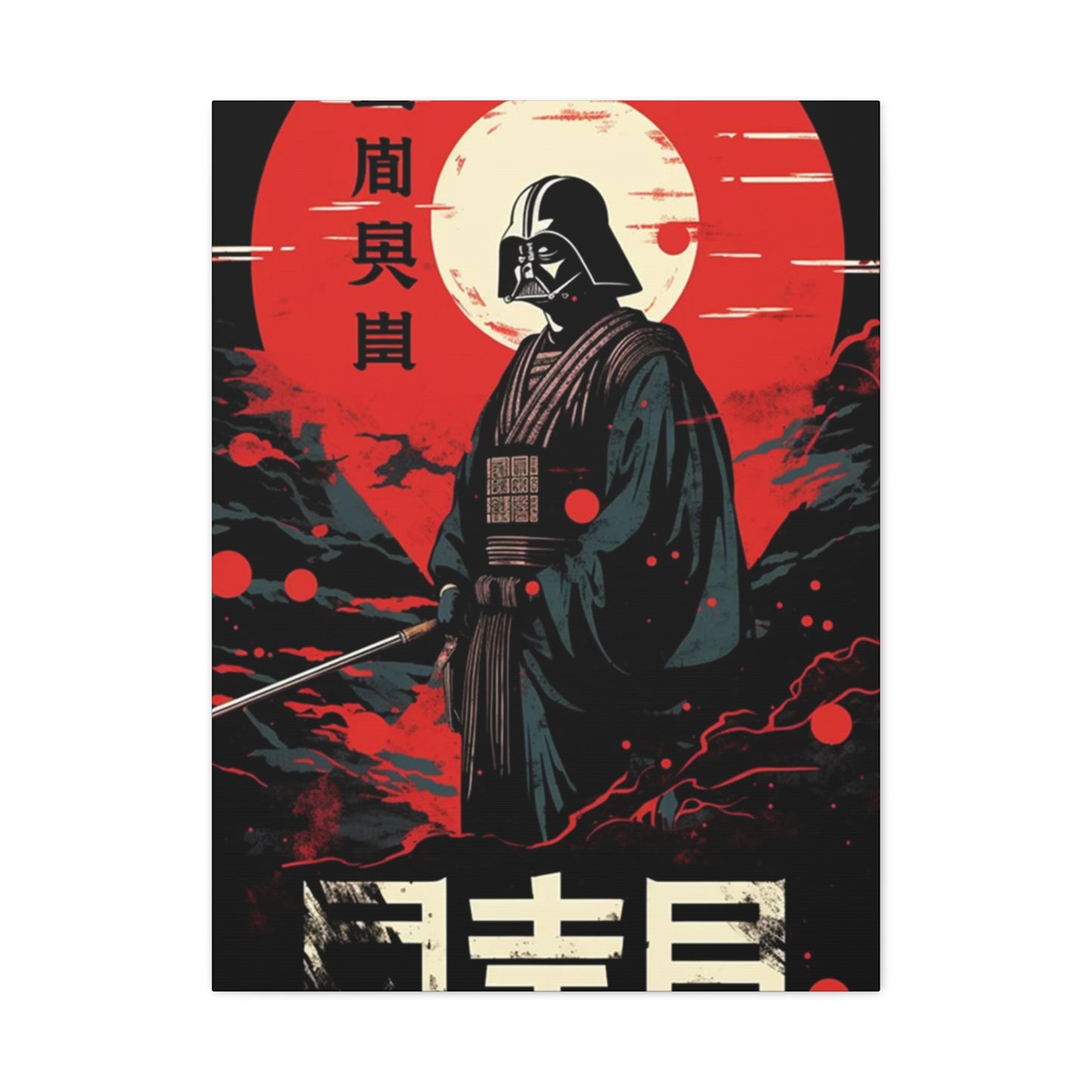
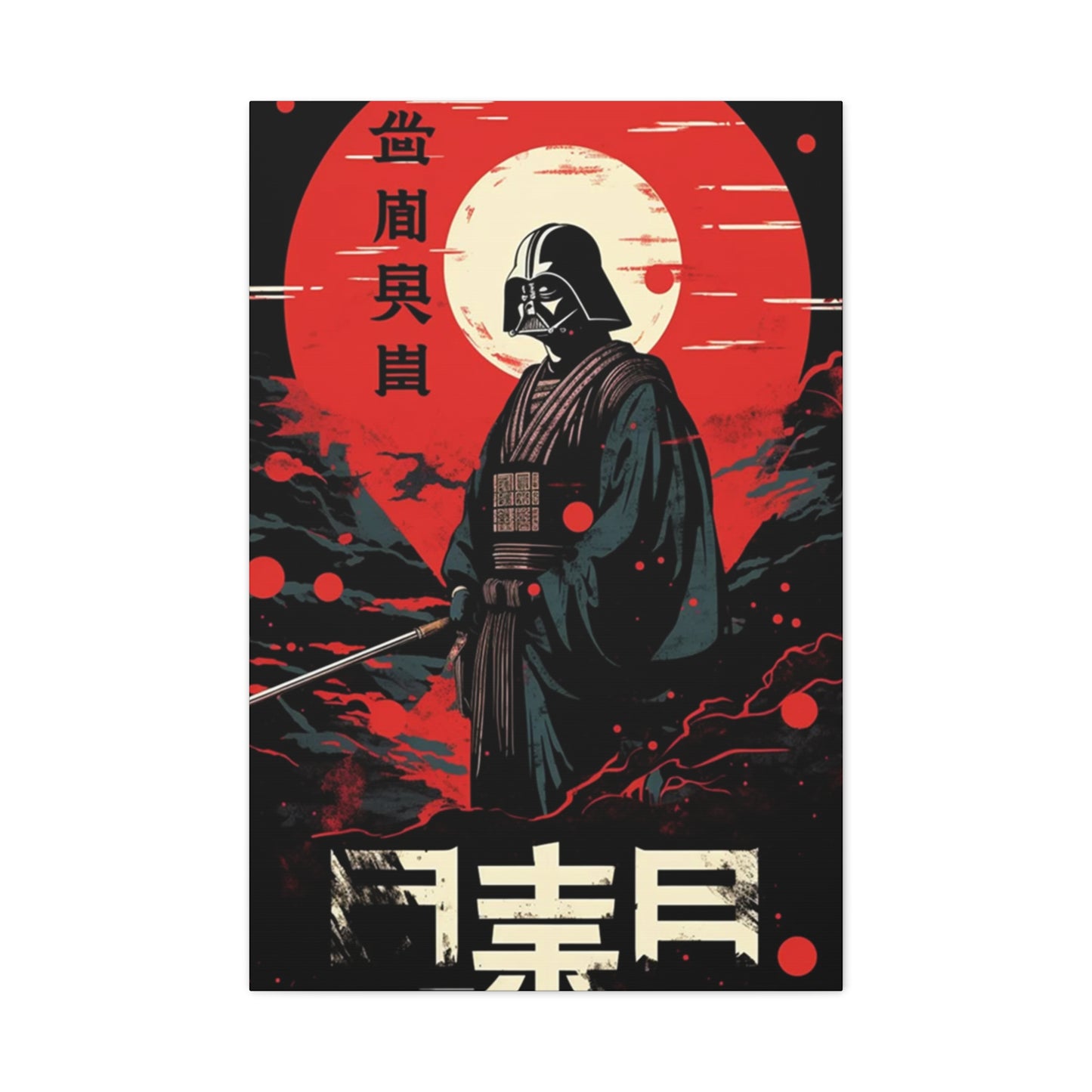
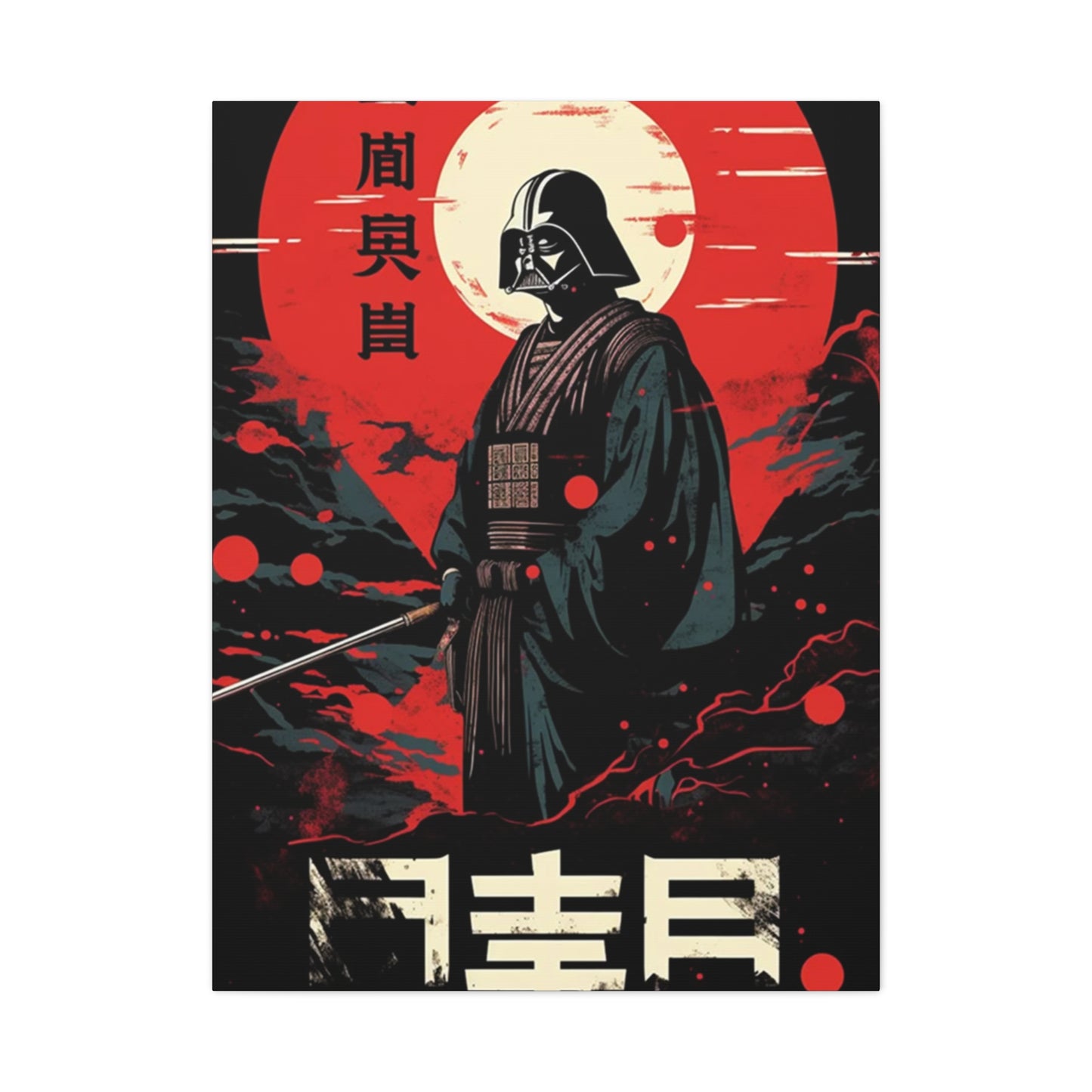
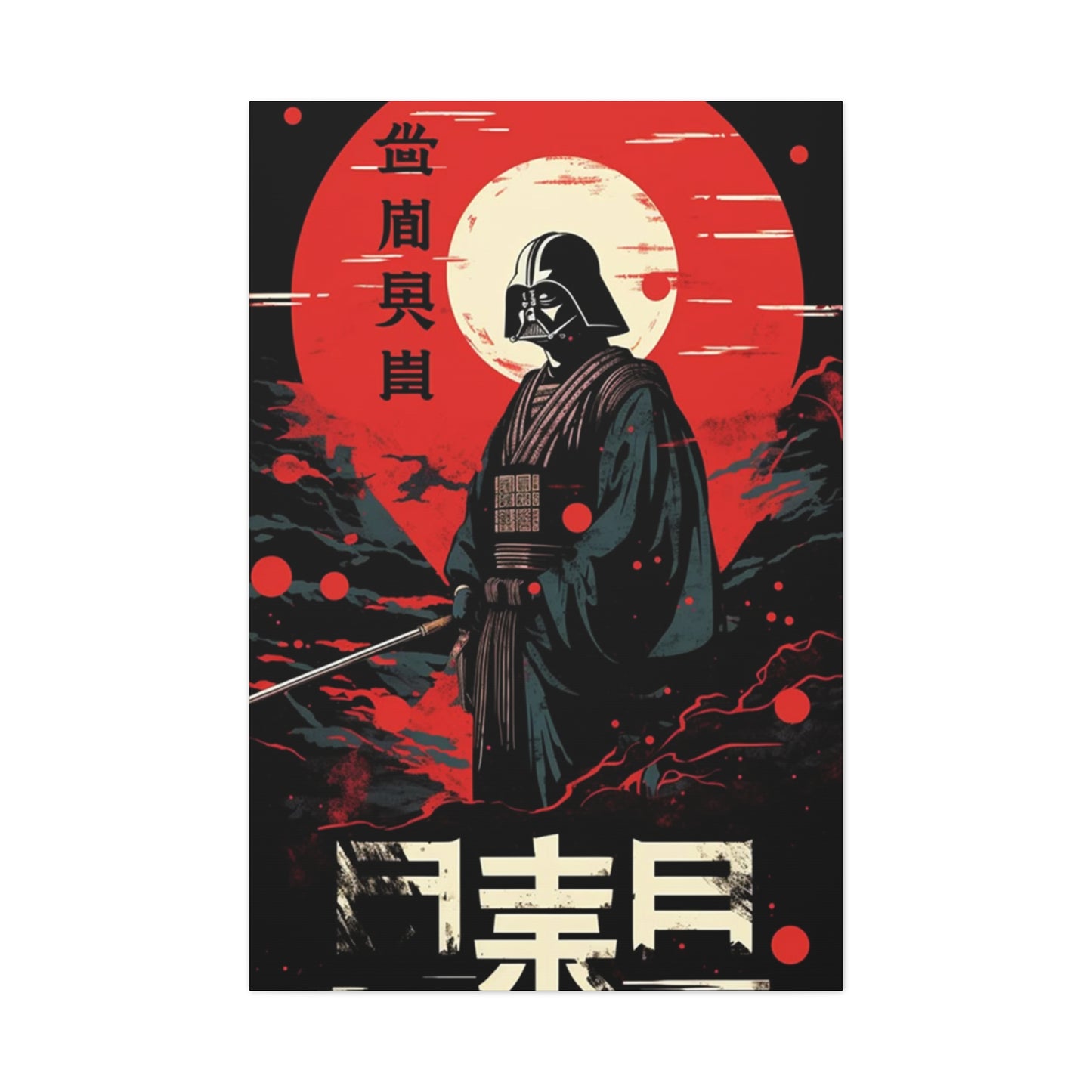
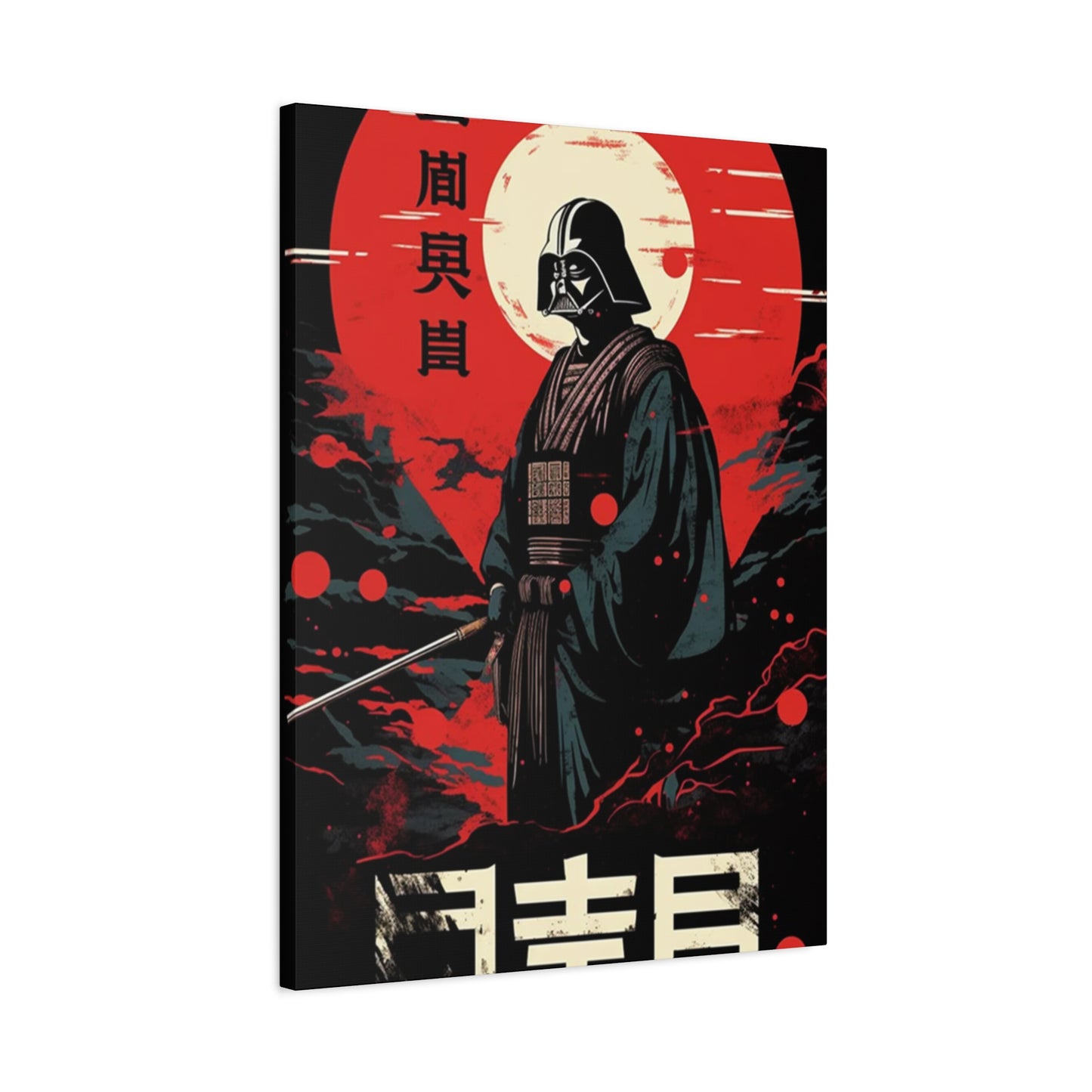
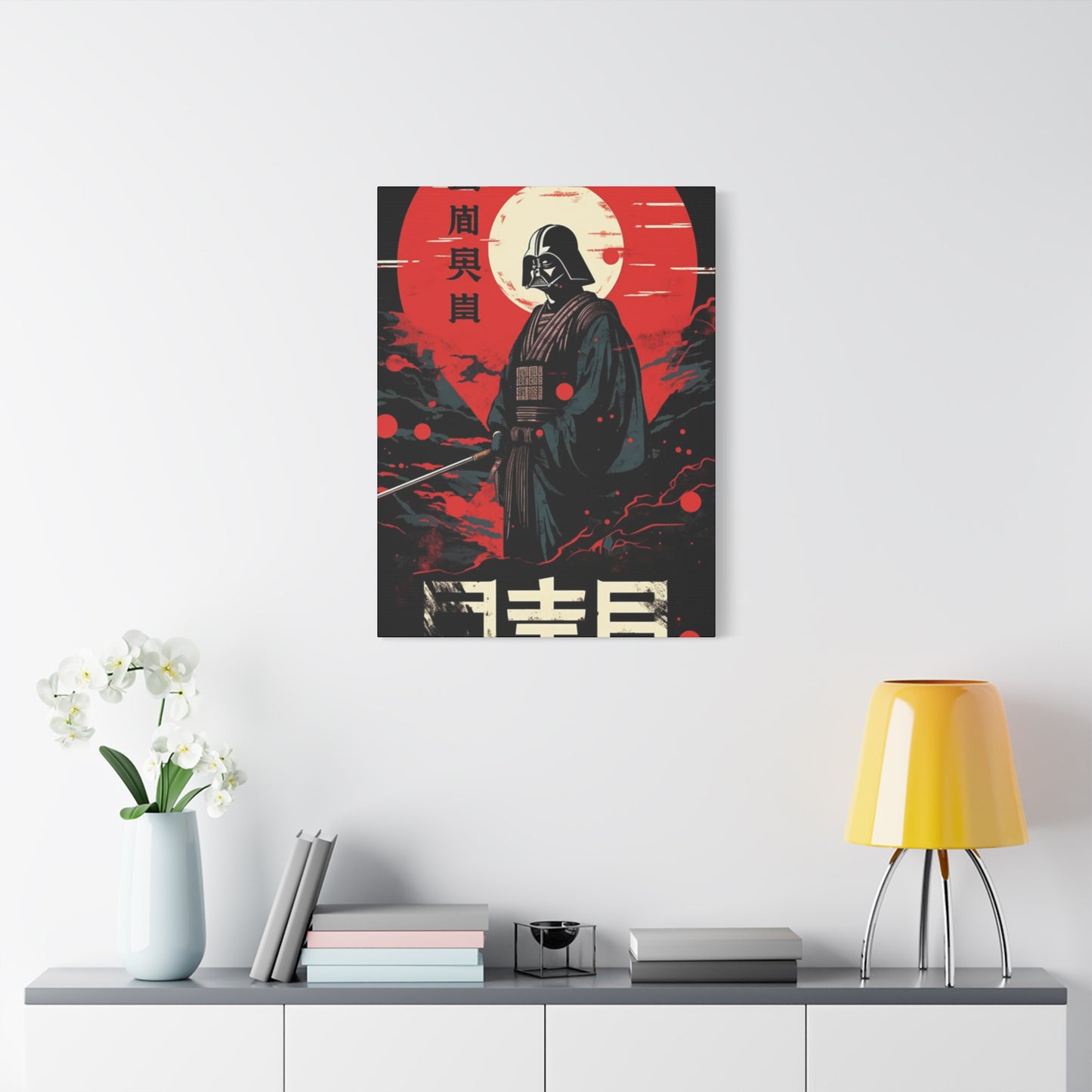
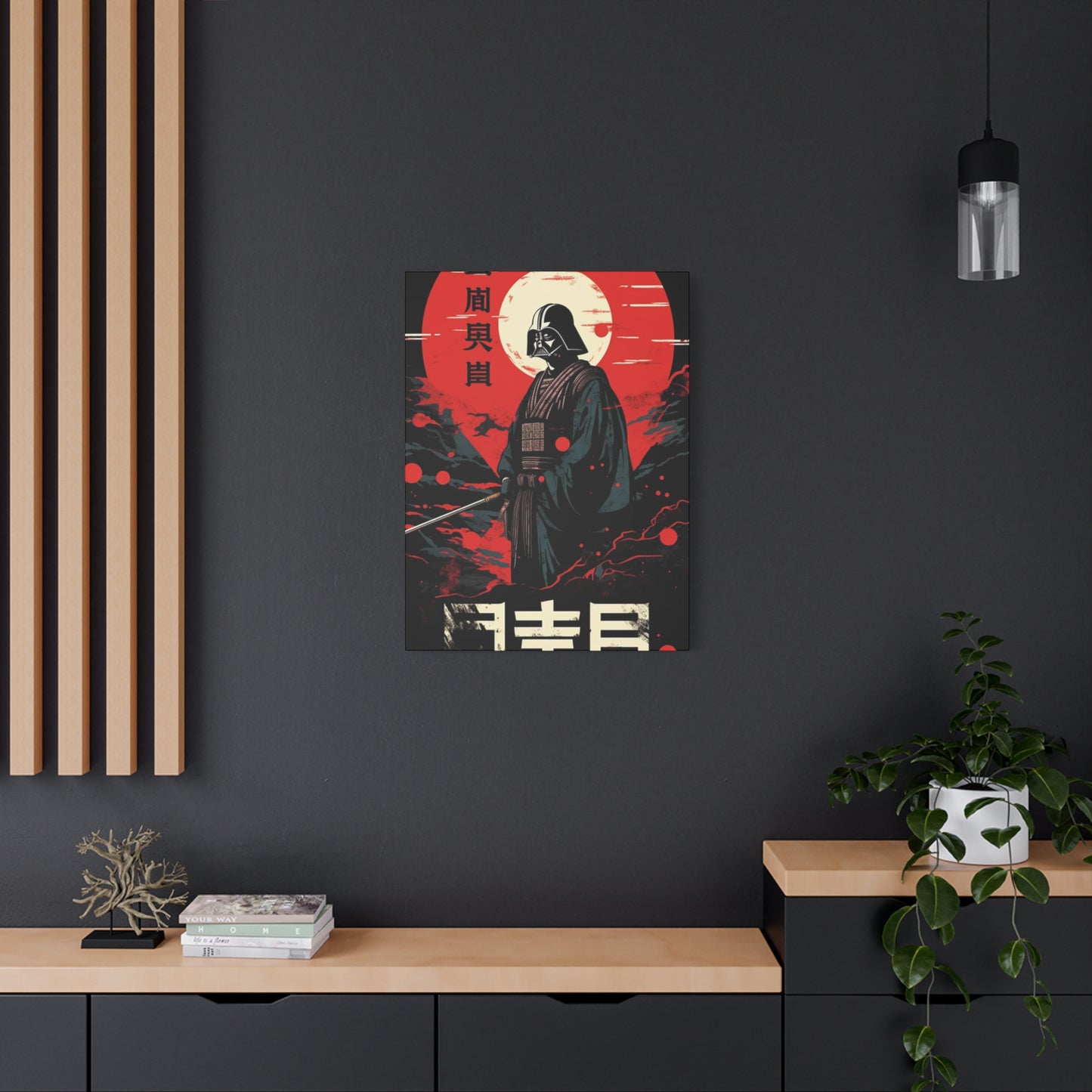
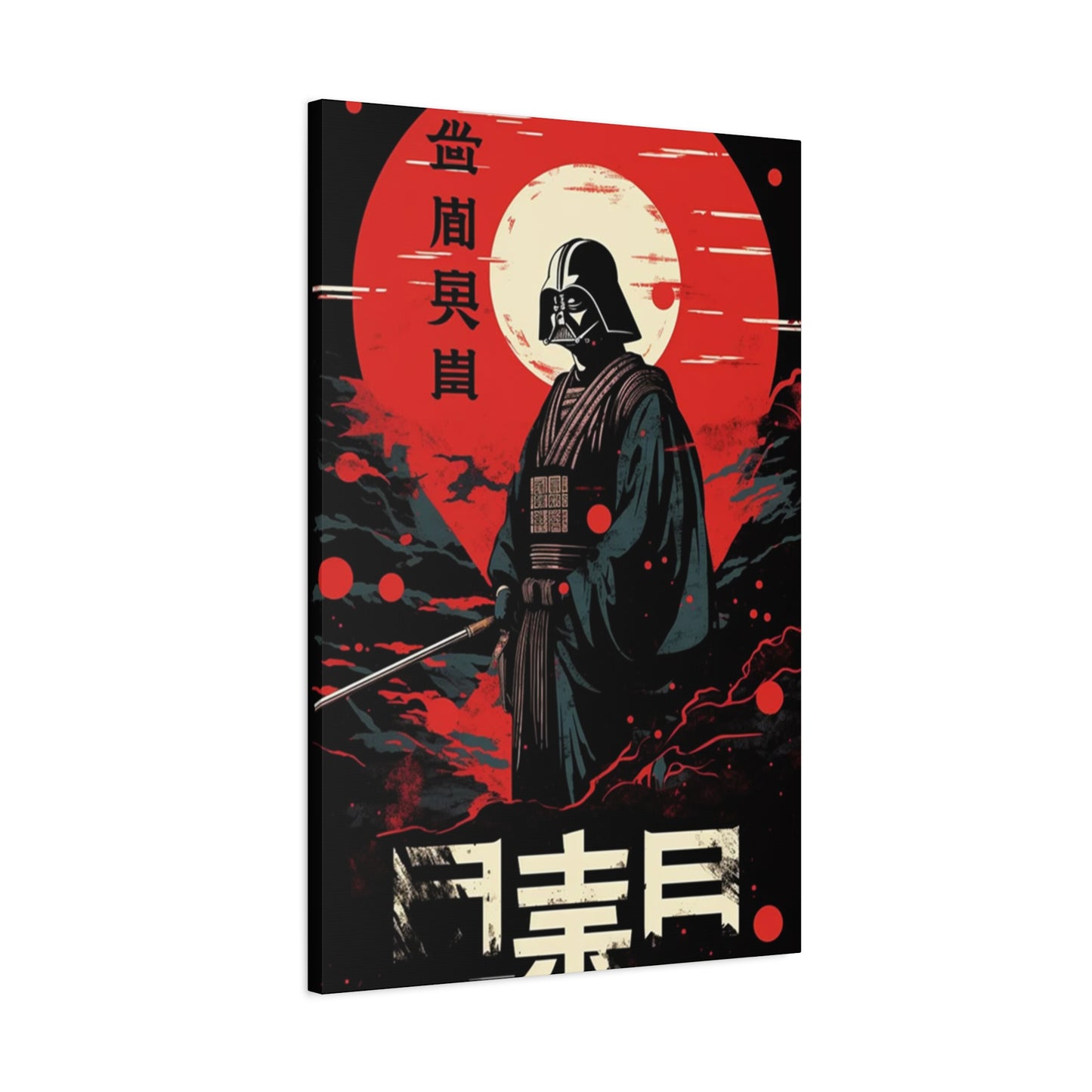
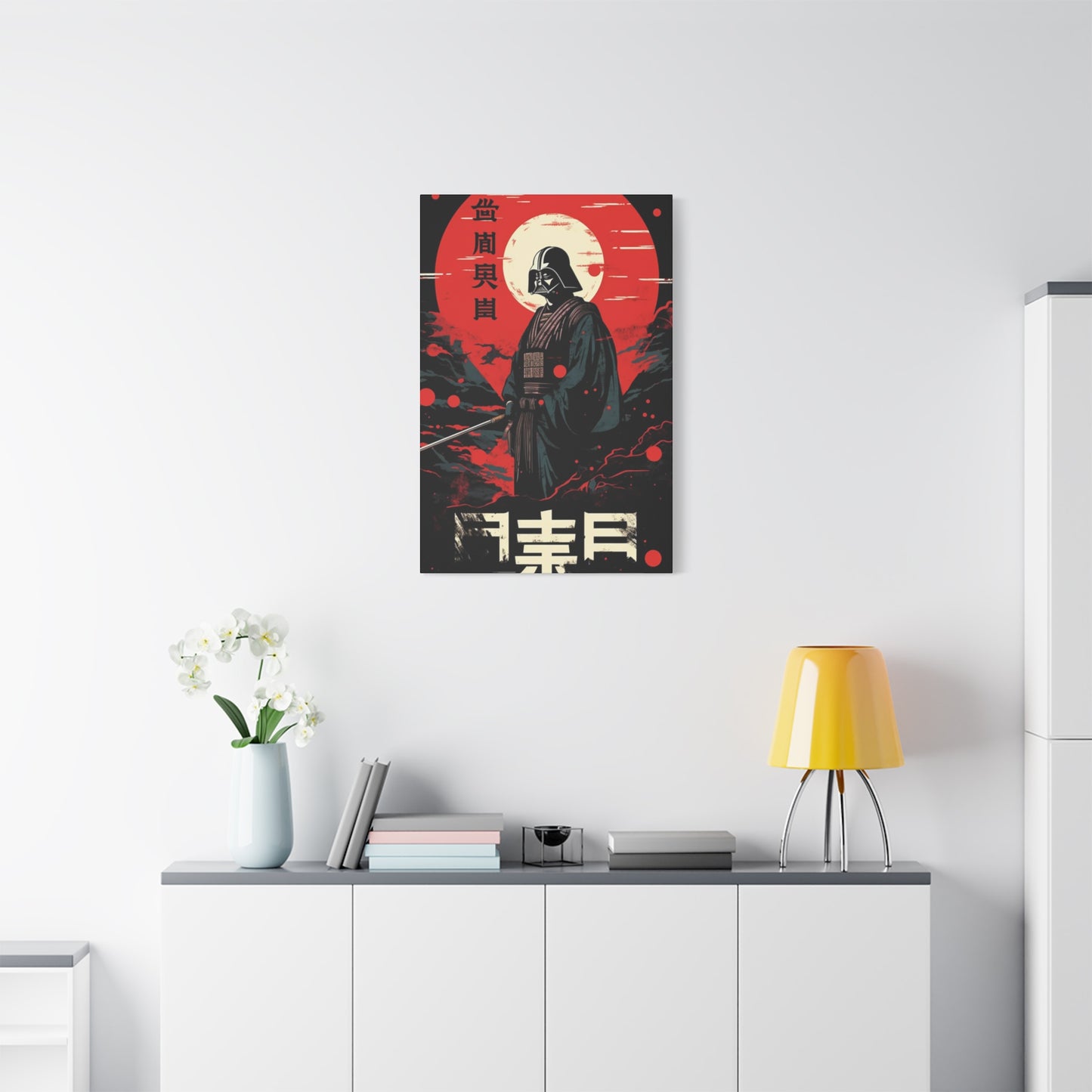
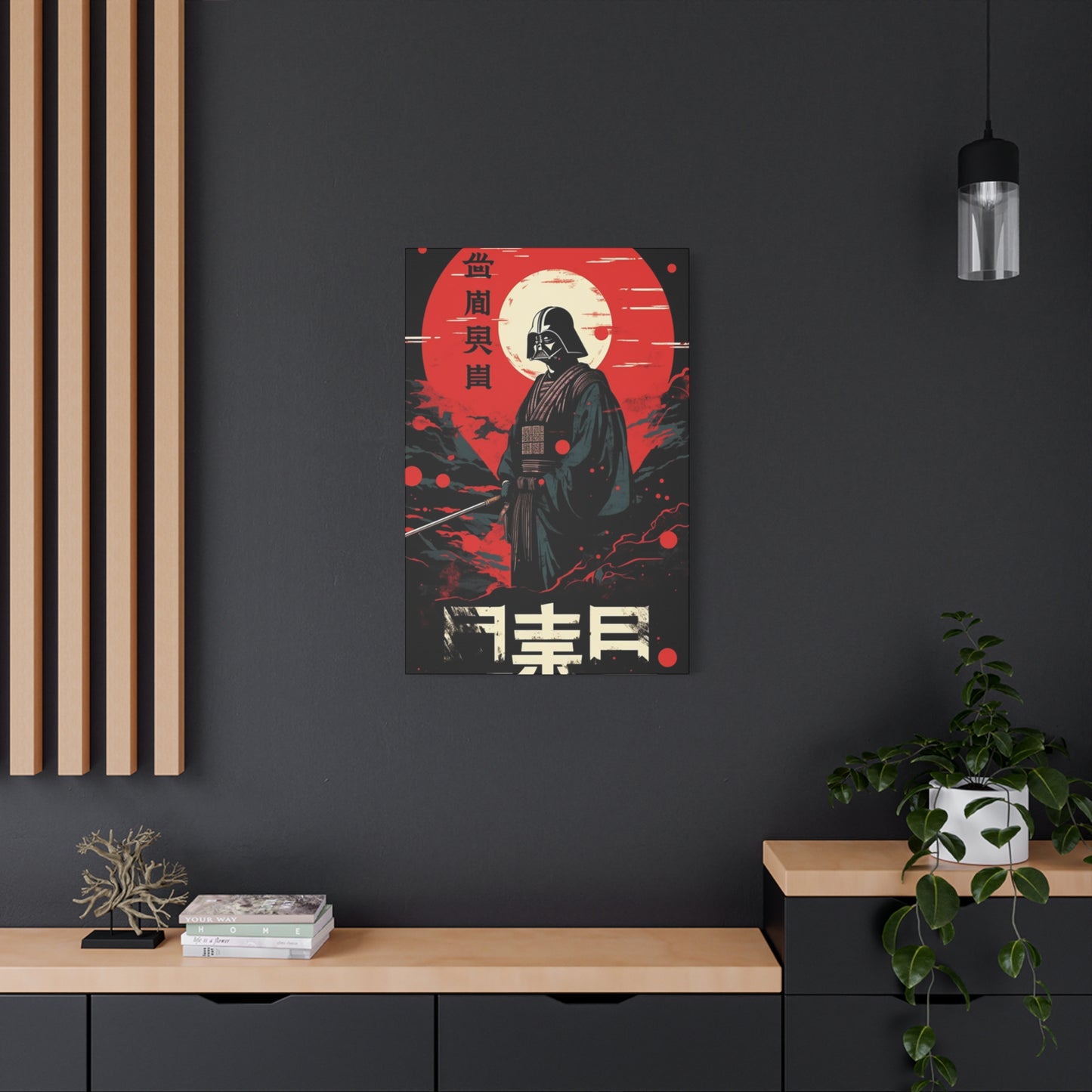
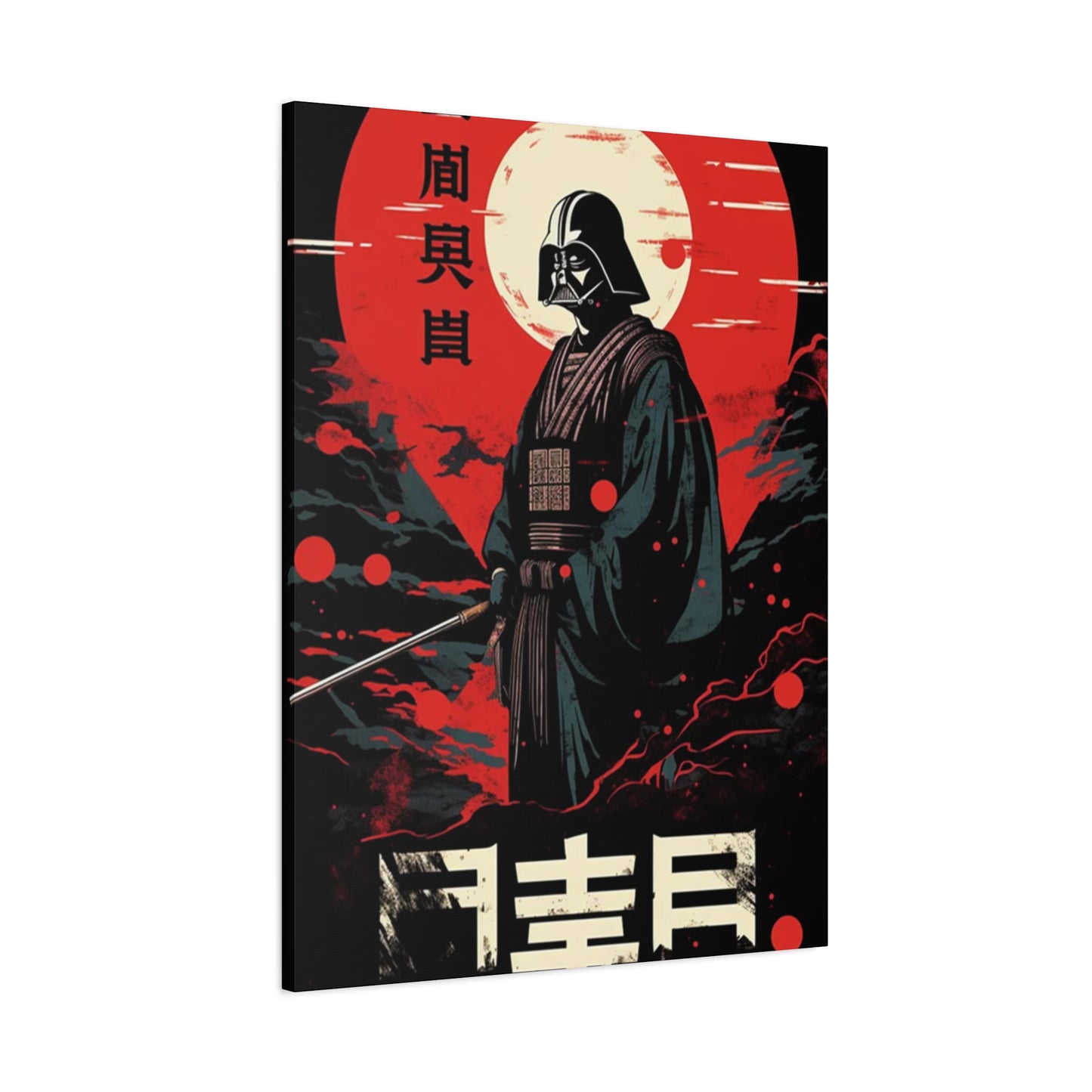
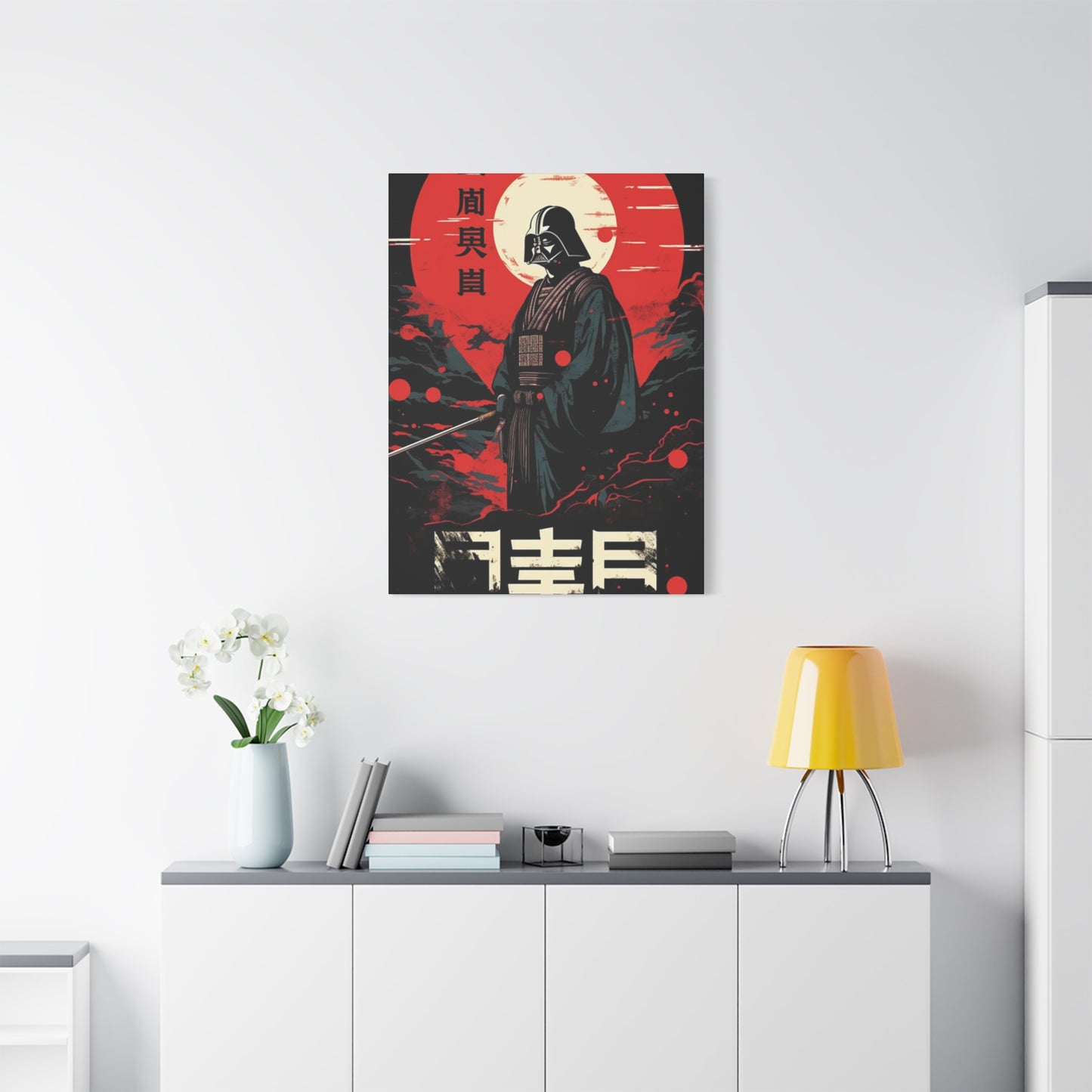
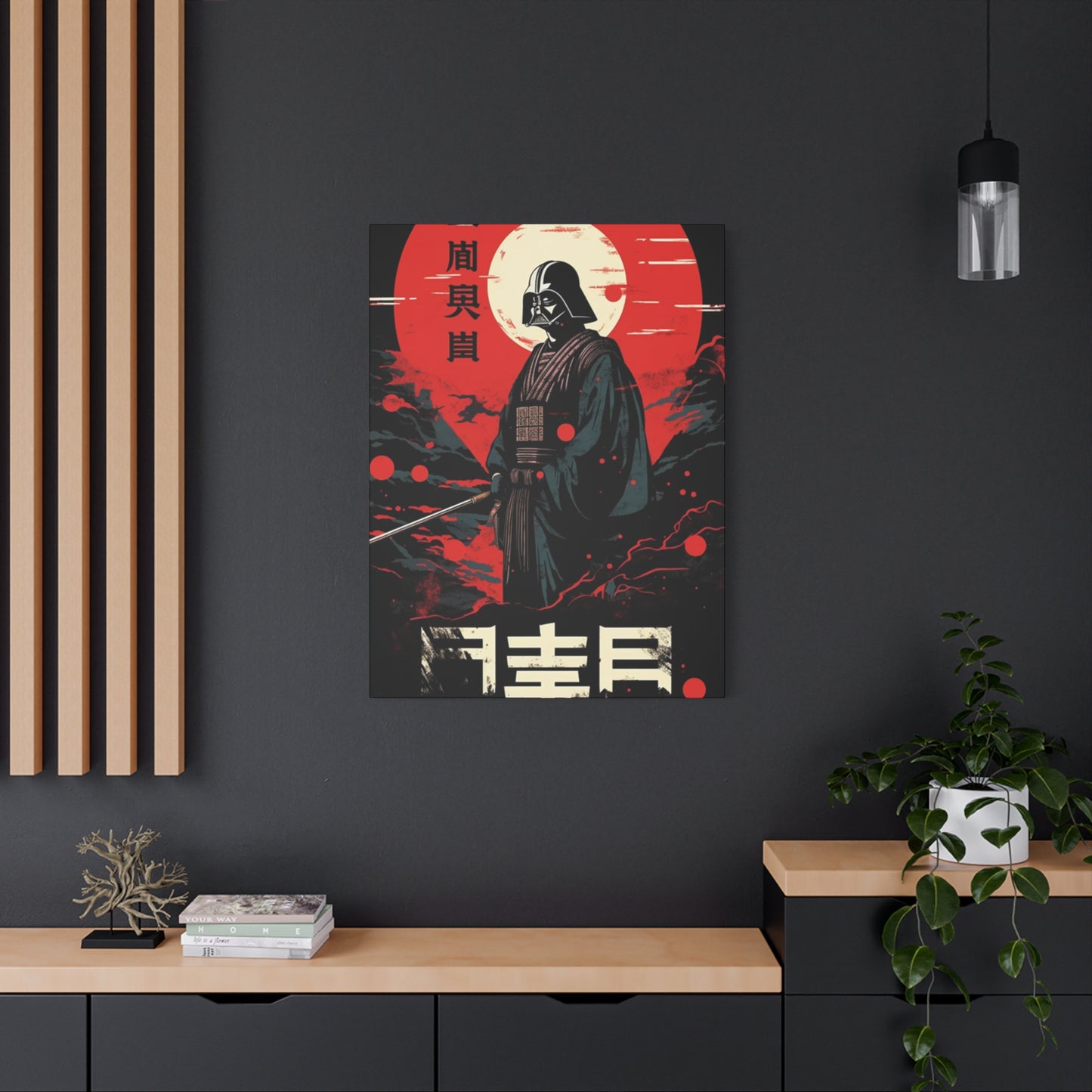
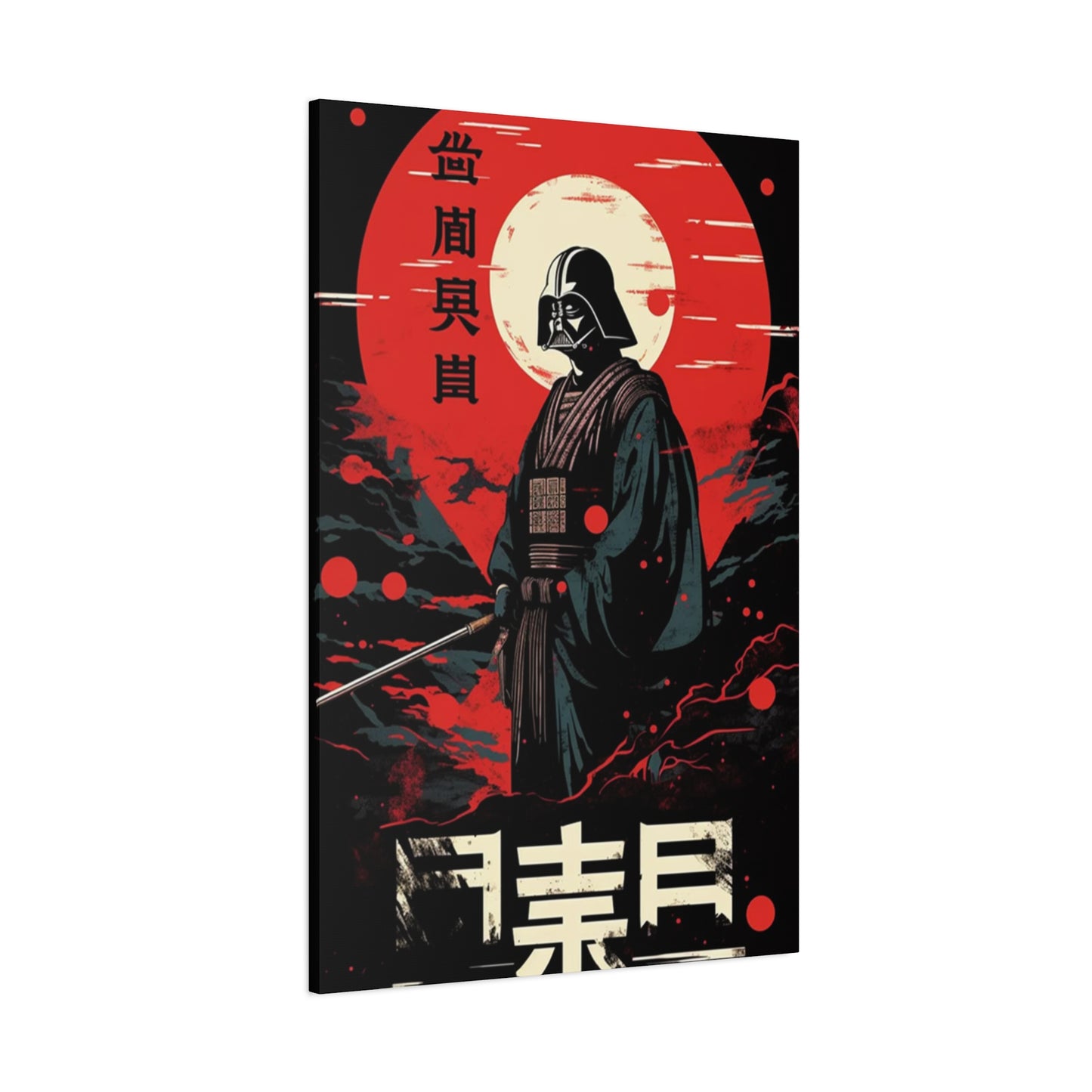
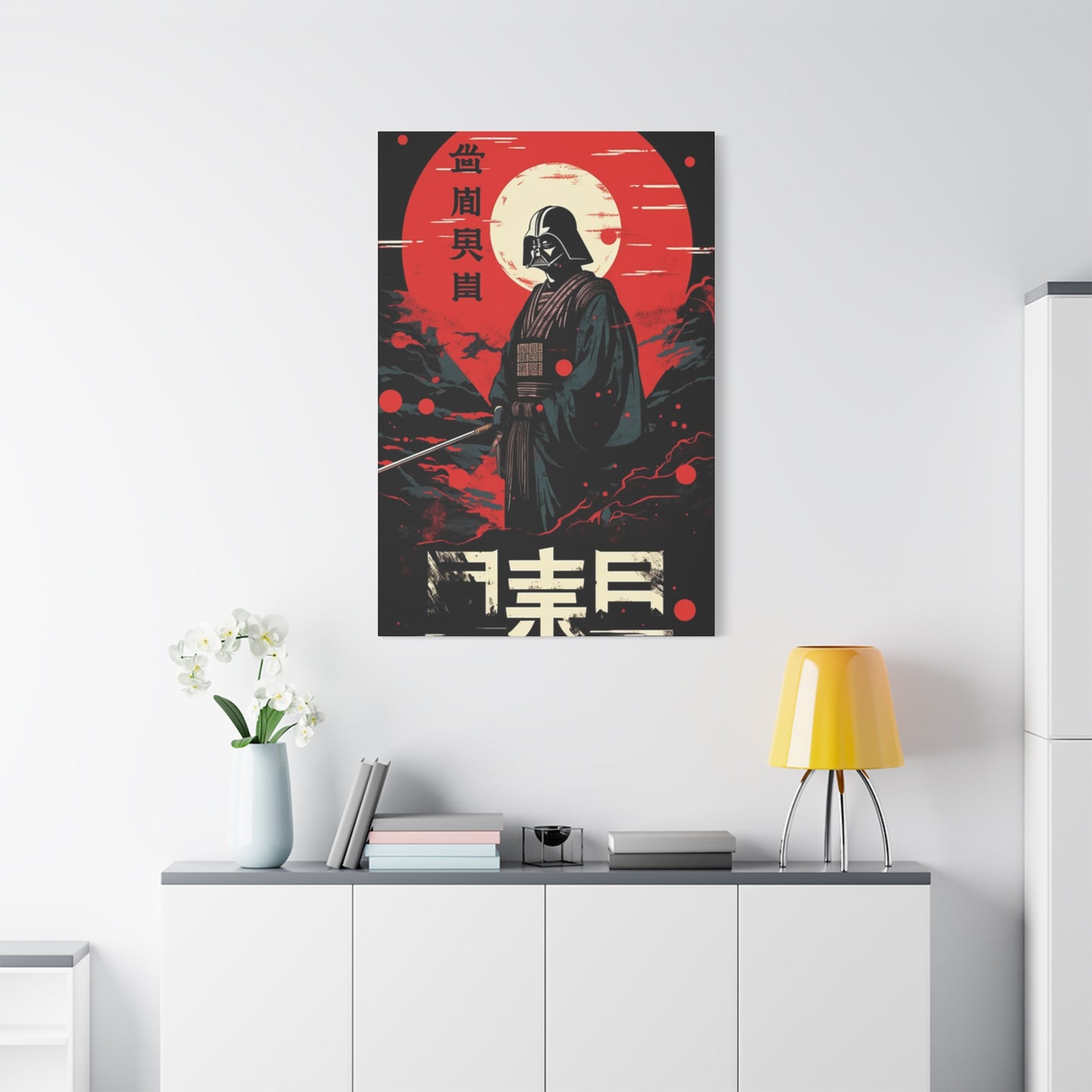
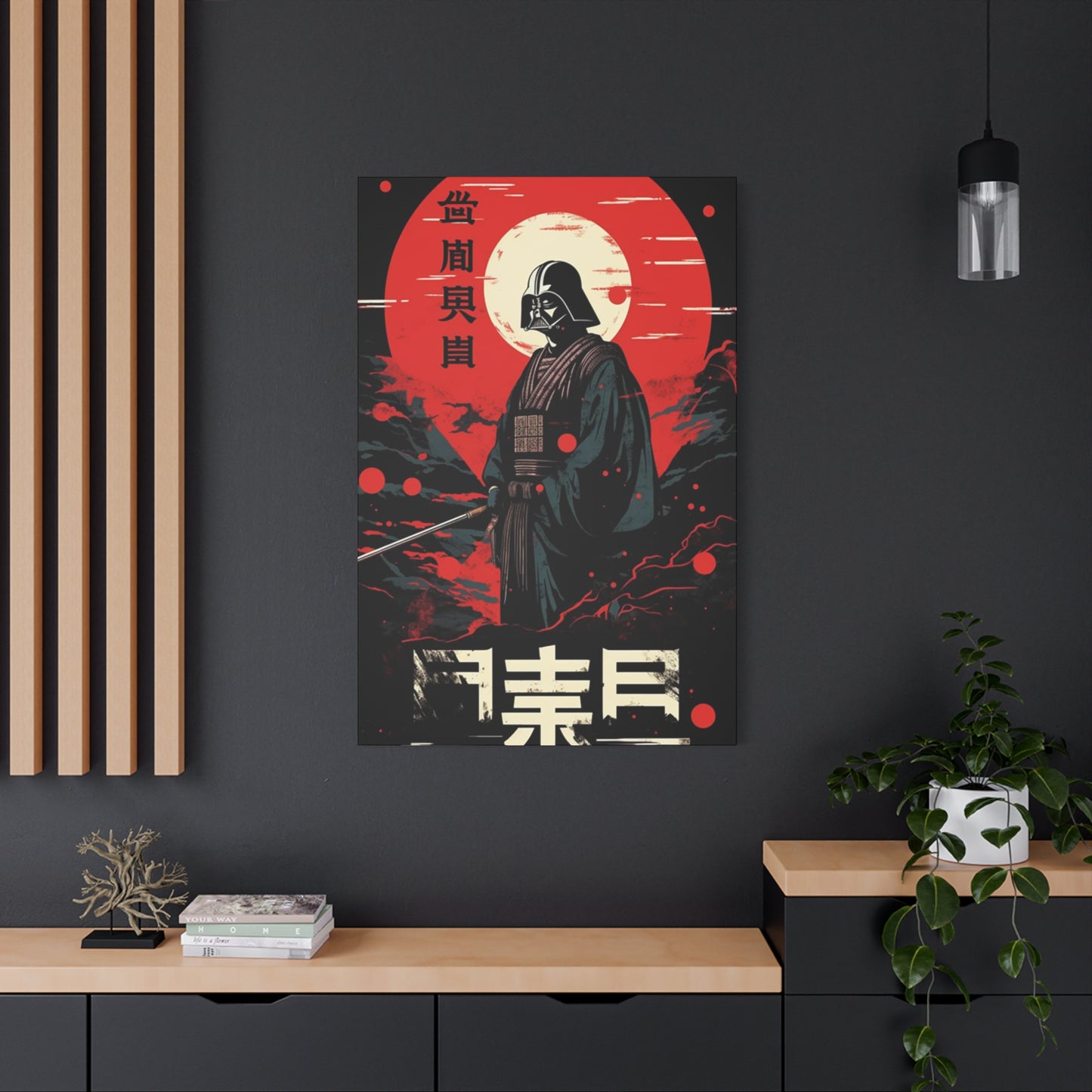
Star Wars Heroes and Villains: An Artistic Journey Through Iconic Character Poster Wall art Collections
The galaxy far, far away has captured the imagination of millions through its memorable characters, epic battles, and timeless storytelling. For decades, enthusiasts have sought ways to bring the essence of this beloved universe into their personal spaces. Character-focused artwork has become one of the most popular methods for celebrating the franchise's rich legacy, offering fans an opportunity to showcase their passion through carefully curated visual displays.
The appeal of character-focused artwork extends beyond simple decoration. These pieces serve as conversation starters, nostalgia triggers, and artistic statements that reflect personal connections to the narrative. Whether featuring heroic rebels, sinister dark side users, or beloved droids, each piece tells a story and evokes memories of thrilling adventures across multiple films, series, and expanded universe content.
The Evolution of Character-Focused Artwork in Popular Culture
Character-based artwork has undergone remarkable transformation since the original trilogy debuted in the late 1970s. Early promotional materials featured painted compositions that captured the imagination of audiences worldwide. Artists created dramatic scenes that conveyed the epic scope of the narrative while highlighting key figures who would become cultural icons.
As technology advanced, so did the sophistication of character artwork. Digital illustration techniques enabled artists to create more detailed and dynamic compositions. The prequel trilogy introduced new design aesthetics, while the sequel trilogy and various streaming series expanded the visual vocabulary further. This evolution has given collectors an incredibly diverse range of styles to choose from when selecting pieces for their collections.
The impact of character artwork extends into fine art galleries, where limited edition prints and original paintings command significant attention. Museums have hosted exhibitions dedicated to concept art and promotional materials, recognizing the cultural significance of these visual representations. This elevation from commercial product to respected art form reflects the profound impact these characters have had on multiple generations.
Contemporary artists continue to reinterpret classic characters through various artistic movements. Minimalist designs reduce figures to essential shapes and colors, while hyperrealistic portraits capture every detail with photographic precision. Pop art influences bring bold colors and graphic elements, and abstract interpretations challenge viewers to see familiar faces in new ways. This artistic diversity ensures that every enthusiast can find pieces that resonate with their personal aesthetic preferences.
Understanding Different Artistic Styles for Character Displays
The variety of artistic approaches available for character-focused displays offers something for every taste and interior design scheme. Classic cinematic style recreates the look of original promotional materials with painted or illustrated compositions that feel timeless. These pieces often feature multiple characters arranged in dynamic compositions that suggest action and adventure.
Minimalist interpretations have gained significant popularity in recent years. These designs distill characters down to their most recognizable elements, using simple shapes, limited color palettes, and clean lines. A helmet silhouette, a distinctive weapon, or a signature color scheme becomes enough to instantly identify beloved figures. This approach works particularly well in modern, contemporary, or Scandinavian-inspired interior spaces where simplicity and visual clarity take precedence.
Vintage-inspired artwork taps into nostalgia by mimicking the aesthetic of original trilogy promotional materials. Weathered textures, muted color palettes, and retro typography transport viewers back to the excitement of experiencing these stories for the first time. These pieces appeal to collectors who appreciate the historical context and want to capture the feeling of discovering the franchise decades ago.
Photorealistic portraits represent another popular category, capturing characters with incredible detail and lifelike quality. These pieces often focus on facial expressions, costume textures, and lighting effects that make subjects appear almost three-dimensional. The technical skill required for such work makes these pieces particularly impressive and worthy of prominence in any collection.
Abstract and geometric interpretations offer bold alternatives for those seeking unconventional approaches. Artists might fragment a character's face into colorful polygons, create portraits from typographic elements, or use splatter techniques and vibrant colors to suggest energy and movement. These pieces make strong visual statements and work well as focal points in creative or eclectic spaces.
Popular Characters Featured in Artwork Collections
Certain figures have emerged as perennial favorites in character-focused artwork, their iconic status ensuring continued demand among collectors. The masked enforcer of the Empire stands as perhaps the most recognizable villain in cinema history. His distinctive helmet, imposing presence, and complex character arc make him a compelling subject for artists working in every conceivable style.
The heroic farmboy turned galactic savior represents hope, determination, and the classic hero's journey. Artwork featuring this character often captures pivotal moments from his story, from humble beginnings to climactic confrontations with darkness. The evolution of this character across multiple films provides artists with rich material to explore different aspects of heroism and personal growth.
The rogue smuggler with a heart of gold embodies charisma and reluctant heroism. His confident swagger, distinctive costume, and partnership with his Wookiee companion have made him a favorite subject for character artwork. Pieces featuring this character often emphasize his roguish charm and the transformation from self-interested opportunist to committed rebel hero.
The wise mentor figure represents ancient traditions and mystical knowledge. His diminutive stature contrasts with his immense power and wisdom, creating visually interesting compositions that play with scale and expectation. Artists often depict this character in contemplative poses or moments of incredible force demonstration, capturing both his peaceful nature and formidable abilities.
Strong heroines have become increasingly prominent in character collections. From the determined rebel leader to the Force-sensitive scavenger, these figures represent courage, leadership, and resilience. Artwork featuring these characters often emphasizes their strength and determination while capturing their humanity and emotional depth.
The armored warriors have captured imaginations with their distinctive designs and mysterious presence. Whether bounty hunters or protective guardians, these helmeted figures offer artists opportunities to explore themes of identity, duty, and cultural heritage through visually striking armor designs and dynamic action poses.
Mechanical companions provide lighter, more whimsical options for character collections. The beloved astromech droid and protocol droid represent loyalty, comic relief, and the importance of friendship across all forms of sentient life. Their distinctive shapes and colorful designs make them immediately recognizable and universally beloved subjects for artwork.
Framing Strategies for Character Artwork
Framing choices dramatically affect how artwork is perceived and how well it integrates into surrounding spaces. Thoughtful frame selection enhances pieces while protecting them from environmental damage and physical wear.
Traditional wood frames offer timeless appeal and extensive style variety. Dark woods like walnut or espresso create sophisticated, formal presentations suitable for classic interiors. Light woods including oak, maple, or natural finishes provide casual, approachable aesthetics. Distressed or weathered wood frames enhance vintage-style artwork while adding textural interest.
Metal frames deliver contemporary, industrial aesthetics that complement modern interiors. Sleek black metal creates bold contrast and works well for minimalist designs. Brushed silver or gold-toned metals add subtle sophistication without overwhelming artwork. The clean lines and simple profiles of metal frames keep focus on the displayed images.
Floating frames create the illusion that artwork hovers within the frame structure, adding dimension and visual interest. This mounting style works particularly well for canvas or panel-mounted pieces. The shadow gap between artwork and frame creates depth while the transparent or minimal frame structure maintains focus on the image itself.
Gallery frames feature simple profiles and minimal ornamentation, directing attention to artwork rather than frame decoration. These understated presentations work well for contemporary pieces or when displaying multiple works together. The consistency of simple frames across a collection creates cohesion without visual competition between pieces.
Shadow box frames provide depth for dimensional objects or layered artwork. These frames work well for mixed media pieces or when incorporating character-related memorabilia alongside printed images. The added depth creates display opportunities beyond flat artwork alone.
Matting adds borders between artwork and frames while providing visual breathing room. White or cream mats create clean, gallery-style presentations suitable for formal spaces. Colored mats can complement artwork hues or create deliberate contrast. Double matting with contrasting colors adds sophistication and visual interest to framed pieces.
Creating Gallery Arrangements with Multiple Pieces
Displaying multiple character-focused pieces together creates more significant visual impact than individual works in isolation. Strategic arrangement transforms collections into cohesive displays that tell stories and create conversation-worthy focal points.
Symmetrical grid arrangements bring order and formality to multi-piece displays. Pieces of identical size hung in precise rows and columns create clean, organized presentations suitable for modern spaces. This approach works particularly well when displaying character rosters, showing multiple figures with consistent styling and framing.
Asymmetrical salon-style arrangements embrace organized chaos with various sizes and orientations combined into unified displays. Starting with the largest central piece and building outward with smaller works creates balanced asymmetry. This approach allows incorporation of diverse artwork while maintaining visual cohesion through consistent spacing, color relationships, or thematic connections.
Linear sequences arrange pieces in single horizontal or vertical lines. Horizontal rows work well along lengthy walls or above extended furniture. Vertical columns emphasize ceiling height or frame doorways and architectural features. Linear arrangements create rhythm and movement while remaining orderly and intentional.
Clustered groupings position related pieces closely together, treating multiple works as single unified displays. Three or four pieces might be hung with minimal spacing to create composite images or suggest close relationships between depicted characters. This approach works well for showing character groups or narrative progressions.
Bilateral symmetry places matching pieces equidistant from central focal points. Identical images flanking entertainment centers, beds, or doorways create formal balance. Alternatively, different but visually weighted pieces can be positioned to create balanced asymmetry with equal visual impact on either side of central references.
Staggered arrangements vary heights and positions while maintaining underlying organizational principles. Pieces might follow stepped patterns or diagonal progressions across walls. These dynamic arrangements create visual interest while maintaining enough structure to avoid appearing random or chaotic.
Corner arrangements wrap around room corners, connecting adjacent walls through continuous displays. This approach works well for creating immersive environments and maximizing display space in smaller rooms. Corner arrangements can follow walls organically or create deliberate geometric patterns that emphasize architectural features.
Lighting Techniques to Enhance Character Displays
Proper lighting transforms character artwork from simple decoration into exhibition-quality displays. Strategic illumination reveals details, creates ambiance, and protects pieces from harmful light exposure simultaneously.
Picture lights mount directly above or below individual pieces, providing focused illumination that highlights artwork while creating dramatic shadows on surrounding walls. LED picture lights offer energy efficiency and minimal heat production that protects artwork from damage. Adjustable arms allow precise positioning for optimal lighting angles.
Track lighting provides flexibility for illuminating multiple pieces with independently adjustable fixtures. Directional spotlights can be positioned to highlight specific works while accent lights wash walls with general illumination. This approach works well in dedicated gallery spaces or rooms with multiple display areas requiring different lighting solutions.
Recessed spotlights integrate seamlessly into ceilings, providing clean, unobtrusive illumination. Adjustable trim rings allow angling light precisely toward artwork. This permanent lighting solution works best in finished spaces where ceiling modifications are practical and where minimalist aesthetics benefit from hidden light sources.
Wall washing techniques use indirect lighting to illuminate entire walls evenly. This approach works well for creating gallery atmospheres and works particularly effectively with light-colored walls that reflect illumination. Wall washing creates ambient exhibition spaces rather than highlighting individual pieces.
Ambient lighting layers general room illumination with specific artwork accent lighting. Overhead fixtures provide functional light while dedicated artwork lighting adds visual interest and hierarchy. This layered approach creates comfortable, livable spaces that still showcase collections effectively.
Natural light considerations are crucial for artwork preservation. Direct sunlight causes fading and deterioration over time, particularly for paper prints and some fabric materials. Positioning artwork away from windows or using UV-filtering window treatments protects pieces while allowing natural illumination to enhance spaces.
Color temperature affects how artwork appears under artificial lighting. Warm white lights (2700-3000K) create cozy atmospheres and enhance warm tones in artwork. Cool white lights (3500-4100K) provide more accurate color rendering and work well in modern spaces. Daylight-balanced lights (5000-6500K) mimic natural sunlight and reveal colors most accurately.
Room-Specific Display Strategies
Different rooms serve different purposes and present unique opportunities for character-focused displays. Adapting display strategies to room functions ensures artwork enhances rather than conflicts with space usage.
Living rooms often serve as primary display areas due to their central role in homes and frequent use for entertaining. Large statement pieces work well as focal points above sofas or fireplaces. Gallery arrangements can fill feature walls, creating impressive backdrops for seating areas. The living room's social nature makes it ideal for conversation-starting displays that reflect personality and interests.
Home theaters and media rooms provide thematic contexts where character artwork feels naturally integrated. Surrounding entertainment systems with related imagery creates immersive environments that enhance viewing experiences. Acoustic panels printed with character designs combine functional sound treatment with visual appeal. Dim, theater-appropriate lighting allows displays to shine without creating screen glare.
Bedrooms offer opportunities for more personal, intimate displays. Character artwork that represents individual preferences rather than household compromise can be prominently featured. Above headboards, on feature walls, or flanking windows, bedroom displays create personalized retreats that reflect occupant identities and passions.
Home offices and workspaces benefit from inspirational imagery that motivates and energizes. Characters representing determination, wisdom, or success can provide psychological boosts during challenging workdays. Positioning artwork within sight lines from desks creates visual breaks and mental refreshment opportunities during intensive focus periods.
Children's rooms and playspaces welcome colorful, playful character displays that spark imagination and creativity. Durable materials resistant to handling and potential impacts work best in active spaces. Educational elements like character names or inspirational quotes integrate learning with decoration. Growth-appropriate selections ensure displays remain relevant as children mature.
Game rooms and recreational spaces embrace bold, energetic displays that enhance entertainment atmospheres. Multiple character pieces create exciting environments perfect for gathering with fellow enthusiasts. Integration with other memorabilia creates comprehensive themed spaces that celebrate fandom comprehensively.
Hallways and transitional spaces often feature overlooked display opportunities. Linear character sequences work well in long, narrow passages. Smaller pieces that might be overwhelmed in larger rooms find perfect contexts in intimate corridor settings. These spaces allow for creative arrangements that surprise and delight as people move through homes.
Bathrooms might seem unconventional for character displays but can accommodate weather-resistant pieces that add personality to utilitarian spaces. Smaller works, properly sealed and protected from moisture, transform bathrooms into cohesive parts of home-wide design schemes rather than purely functional rooms.
Color Coordination with Existing Decor
Successfully integrating character artwork into established interior designs requires consideration of existing color schemes, furniture styles, and overall aesthetics. Strategic selection and placement ensure displays enhance rather than clash with surrounding environments.
Complementary integration selects artwork featuring colors already present in rooms. If existing textiles, paint, or furniture include blue tones, character pieces with prominent blues create harmonious connections. This approach makes artwork feel intentional and integrated rather than added as afterthoughts.
Contrasting accent strategies use artwork to introduce colors absent from existing palettes. If a room features predominantly neutral tones, character pieces with vibrant blues, reds, or greens become striking focal points. This approach requires confidence but creates dynamic, energizing environments.
Monochromatic schemes feature artwork, walls, and furnishings in variations of single colors. Black and white photography displayed against gray walls with charcoal furniture creates sophisticated unity. This disciplined approach suits minimalist and contemporary design philosophies.
Neutral base approaches build rooms around neutral walls and large furniture pieces while allowing artwork to provide color interest. Gray walls and beige sofas create versatile backdrops that accommodate character pieces in any color palette. This strategy offers maximum flexibility for changing displays without requiring room redesigns.
Repetition and rhythm use colors from artwork in other room elements. Throw pillows matching character costume colors, lamps echoing lightsaber hues, or rugs picking up background tones from pieces create intentional connections throughout spaces. These thoughtful repetitions demonstrate design sophistication.
Balancing warm and cool tones prevents rooms from feeling overwhelming or monotonous. If character artwork features predominantly warm reds and oranges, balancing with cool blues in furniture or accessories creates visual equilibrium. This balance prevents sensory fatigue and creates comfortable environments.
Protecting and Preserving Character Displays
Artwork represents investments of both money and sentiment that deserve protection from environmental damage and physical wear. Proper care ensures pieces remain attractive and valuable for years or decades.
UV protection represents the most critical preservation consideration. Ultraviolet light from sunlight and some artificial sources causes irreversible fading and deterioration. UV-filtering glass or acrylic in frames blocks harmful rays while allowing visible light through. UV-filtering window films protect entire rooms. Positioning artwork away from direct sunlight provides additional protection.
Humidity control prevents moisture damage including mold growth, paper warping, and adhesive failure. Maintaining indoor humidity between forty and sixty percent protects most artwork types. Dehumidifiers help in damp climates while humidifiers prevent excessive dryness in arid regions or during winter heating seasons.
Temperature stability prevents expansion and contraction that damages materials over time. Avoiding placement near heat sources like fireplaces, radiators, or heating vents protects artwork from temperature extremes. Maintaining consistent indoor temperatures between sixty-five and seventy-five degrees Fahrenheit proves ideal for preservation.
Dust accumulation dulls appearances and can scratch surfaces during cleaning. Regular gentle dusting with microfiber cloths or soft brushes prevents buildup. Framed pieces behind glass or acrylic require less frequent cleaning than exposed surfaces. Avoiding feather dusters that can scratch and chemical cleaners that may damage materials ensures safe maintenance.
Physical protection prevents impact damage, scratches, and other mechanical harm. Secure mounting prevents falling. Keeping artwork away from high-traffic areas reduces accidental contact. In homes with children or pets, positioning pieces higher on walls provides additional security against curious hands or paws.
Professional cleaning addresses stubborn dirt or damage beyond routine maintenance capabilities. Conservators can clean, repair, and restore damaged pieces using specialized techniques and materials. While professional services cost more than DIY approaches, they protect valuable or sentimental pieces from amateur mistakes that could cause permanent damage.
Rotation strategies extend artwork lifespans by limiting exposure to light and environmental factors. Alternating displayed pieces with stored works every six to twelve months distributes wear evenly across collections. This approach also refreshes displays and maintains visual interest over time.
Display Flexibility and Seasonal Rotation
Maintaining visual freshness prevents displays from becoming background elements that fade from conscious awareness. Strategic rotation and rearrangement keeps collections engaging and allows full appreciation of entire holdings.
Seasonal rotations align displays with changing light, temperatures, and holiday seasons. Lighter, brighter pieces might be featured during spring and summer while darker, more dramatic works suit fall and winter. This natural rhythm keeps homes feeling current and responsive to seasonal changes.
Thematic groupings create temporary focused displays around specific characters, storylines, or visual themes. A month focused on original trilogy characters might give way to sequel trilogy emphasis or displays highlighting specific character types like droids or pilots. These rotating themes maintain interest and allow deep dives into collection segments.
Responding to new releases keeps collections feeling current and relevant. When new series debut or films release, featuring related characters acknowledges new content while connecting it to established favorites. This approach demonstrates active engagement with evolving narratives.
Mood-based selection allows displays to reflect personal feelings and situations. During challenging periods, inspirational characters provide encouragement. During celebrations, triumphant moments and victories take prominence. This emotional responsiveness makes collections feel alive and personally meaningful.
Rearrangement without acquisition refreshes displays using existing pieces. Changing layouts, groupings, or locations gives familiar works new contexts. Characters displayed individually might be grouped; pieces shown in linear arrangements might be reconfigured into clusters. These changes cost nothing but attention and effort.
Trial placements before permanent installation allow experimentation without commitment. Using removable mounting methods or simply propping pieces in potential locations for several days reveals how arrangements function with changing light and from various viewing angles. This trial period prevents installation regrets.
Character-Focused Design for Different Age Groups
Appropriate character selections vary based on room occupants' ages, ensuring displays remain relevant and appealing throughout life stages.
Children's displays emphasize colorful, friendly characters that spark imagination while avoiding frightening imagery. Lovable droids, heroic protagonists, and whimsical creatures appeal to young sensibilities. Simplified art styles with bold colors and clear forms suit developing aesthetic preferences. Educational elements like character names or inspirational qualities integrate learning with decoration.
Adolescent displays accommodate maturing tastes while respecting growing sophistication. More complex artworks, dynamic action scenes, and wider character ranges appeal to teen sensibilities. Allowing youth input in selections ensures displays reflect their identities rather than parental impositions. This respect for developing autonomy supports healthy identity formation.
Young adult spaces balance enthusiasm with emerging adult aesthetics. Sophisticated art styles, quality materials, and thoughtful displays demonstrate maturity while maintaining connection to beloved franchises. These collections begin reflecting personal style development and may incorporate pieces that will remain relevant through decades of life stages.
Adult collections achieve full personal expression without compromise. Sophisticated designs, premium materials, and carefully curated selections reflect developed tastes and financial capabilities. These collections often incorporate pieces acquired over years or decades, each with personal histories and significance.
Multi-generational households require balancing diverse preferences and age-appropriate content. Shared spaces might feature universally appealing characters and themes while private spaces accommodate individual preferences. This approach respects household diversity while maintaining design cohesion.
Incorporating Character Displays into Various Design Styles
Character artwork adapts to virtually any interior design philosophy through careful selection and presentation strategies.
Modern minimalist spaces benefit from simplified, graphic character interpretations featuring clean lines and limited color palettes. Single large pieces or small collections of similarly styled works maintain the uncluttered aesthetic these spaces require. Simple frames or frameless mounting preserves minimal approaches.
Industrial designs accommodate character artwork through metal frames, exposed mounting hardware, and urban edge. Pieces with graphic boldness and high contrast complement concrete, metal, and brick elements common in industrial spaces. Vintage-style character pieces particularly suit industrial aesthetics.
Traditional interiors integrate character pieces through classic framing, conservative color schemes, and formal arrangements. Wood frames, matted presentations, and symmetrical placements help contemporary subjects feel appropriate in classic contexts. Selecting pieces with timeless artistic qualities rather than trendy styles ensures longevity.
Eclectic spaces welcome character artwork alongside diverse elements from multiple eras and styles. The anything-goes nature of eclectic design allows bold experimentation and personal expression. Character pieces become components of larger stories told through accumulated objects and imagery.
Scandinavian designs embrace character artwork through their light colors, natural materials, and functional beauty. Minimalist character interpretations on light backgrounds complement pale woods and white walls. Small pops of color from lightsabers or costumes provide accent interest without overwhelming serene foundations.
Bohemian spaces incorporate character fabric prints, tapestries, and colorful interpretations alongside plants, textiles, and global influences. The free-spirited nature of bohemian design welcomes playful character presentations and creative display methods beyond traditional hanging.
Contemporary designs feature character artwork with current trends including geometric patterns, bold colors, and mixed materials. Acrylic prints, metal mounting, and innovative display methods suit contemporary emphasis on innovation and current aesthetics.
Character Selection for Thematic Room Designs
Some enthusiasts create comprehensive themed environments where character displays integrate with broader design concepts.
Light side themes emphasize heroic characters, bright colors, and inspirational atmospheres. Blues, whites, and warm neutral tones dominate. Characters representing hope, wisdom, and courage take prominence. These spaces feel uplifting and energizing.
Dark side themes embrace powerful villains, dramatic lighting, and bold color contrasts. Reds, blacks, and metallic tones create intensity. Characters representing power, ambition, and complexity dominate. These spaces make bold statements and work well in entertainment areas.
Balanced force themes incorporate both light and dark elements, reflecting the duality central to many narratives. Contrasting characters positioned thoughtfully create visual tension representing eternal struggles. These balanced approaches demonstrate nuanced understanding of complex themes.
Faction-based themes organize around specific groups like rebels, Empire, Jedi, Sith, or others. Unified color schemes and character selections create strong identities. These focused themes work particularly well in smaller spaces where comprehensive character rosters would overwhelm.
Location-based themes recreate iconic settings through character selections and environmental elements. Desert planet themes might feature characters associated with those locations alongside sandy colors and minimal aesthetics. Forest moon themes incorporate greens and natural materials with relevant character selections.
Vehicle and technology themes emphasize pilots, droids, and mechanical elements alongside starship and equipment imagery. These themes appeal to enthusiasts interested in technological aspects and work well in office spaces or workshops.
Star Wars Character Poster Collection
The enduring appeal of science fiction cinema has created countless opportunities for fans to celebrate their favorite characters through various forms of artistic expression. Among these, visual displays featuring heroes and villains from the galaxy far, far away have become increasingly popular for residential and commercial spaces. These artistic representations capture the essence of beloved personalities while adding dramatic visual interest to any environment. Whether you're decorating a personal entertainment room, office space, or creating a themed area, character-focused artwork offers an immersive experience that connects viewers to the narratives they love.
The market for such decorative pieces has expanded dramatically, offering everything from minimalist designs to elaborate photographic reproductions. Collectors and casual fans alike find value in these pieces, which serve as conversation starters and personal statements about cultural preferences. The variety available today means that anyone can find something matching their aesthetic sensibilities, whether they prefer vintage-inspired designs or modern interpretations.
This comprehensive exploration examines the many facets of collecting and displaying character artwork from the iconic space saga. We'll delve into selection criteria, artistic styles, placement strategies, and how these pieces contribute to interior design. The information provided will help both newcomers and experienced collectors make informed decisions about acquiring and showcasing these cultural artifacts.
Origins and Evolution of Character Artwork from the Space Saga
The tradition of creating visual tributes to fictional characters began shortly after the first film premiered in 1977. Initial promotional materials were relatively simple, featuring photographic images and basic typography. These early designs captured the imagination of audiences worldwide, establishing a template that would evolve over decades. The original theatrical releases generated immense interest, prompting studios to create various marketing materials that would eventually become collectible items.
As the franchise expanded through sequels, prequels, and spin-off productions, the artistic representations grew more sophisticated. Artists began experimenting with different visual approaches, moving beyond straightforward photography to incorporate illustrated elements, abstract designs, and mixed media techniques. This evolution reflected broader changes in graphic design and printing technology, enabling more creative freedom in how characters could be portrayed.
The digital age brought revolutionary changes to how these artworks are created and distributed. Computer-generated imagery allowed artists to manipulate images with unprecedented precision, creating compositions impossible with traditional methods. Online marketplaces democratized access, allowing independent artists to reach global audiences without traditional gatekeepers. This shift resulted in an explosion of creative interpretations, from hyper-realistic digital paintings to geometric minimalist designs.
Contemporary offerings reflect diverse artistic movements and cultural influences. Some creators draw inspiration from art deco aesthetics, while others incorporate elements from Japanese woodblock prints or street art traditions. This diversity ensures that collectors can find pieces resonating with their personal tastes while still celebrating the characters they admire. The continuous stream of new content from the franchise provides fresh material for artists, keeping the artistic landscape dynamic and evolving.
Popular Characters Featured in Wall Displays
Certain personalities from the saga have proven especially popular for visual displays. The masked antagonist representing the dark side has become perhaps the most recognized figure, his distinctive armor and breathing apparatus making him instantly identifiable. Representations range from menacing close-ups emphasizing his mechanical nature to action-oriented scenes showcasing his combat prowess. The character's visual design lends itself particularly well to high-contrast black and white compositions, though color versions highlighting the red glow of his weapon remain equally popular.
The wise mentor figure draped in robes represents another frequently depicted character. His diminutive stature contrasts with his immense wisdom, a juxtaposition artists often explore through composition and symbolism. Some pieces emphasize his connection to mystical forces through ethereal lighting effects, while others capture his philosophical nature with contemplative poses. The character's long history across multiple narrative arcs provides artists with abundant source material spanning different life stages and circumstances.
The reluctant hero who becomes a legendary fighter pilot appears frequently in artwork celebrating adventure and personal growth. Depictions often show him in flight gear or wielding his signature energy weapon, symbolizing his journey from humble beginnings to galactic importance. Artists frequently contrast his initial naivety with later confidence, sometimes incorporating multiple images showing character development across time.
The princess-turned-leader who defied imperial oppression represents strength and determination. Artistic representations range from diplomatic elegance to combat readiness, reflecting her multifaceted role in the narrative. Some pieces emphasize her leadership qualities through commanding postures and determined expressions, while others celebrate her as an action hero engaged in conflict. The character's distinctive hairstyles from various story points provide visual variety for collectors seeking different representations.
The smuggler with a questionable moral compass but ultimately heroic nature offers artists opportunities to explore roguish charm. His signature vest, weapon holster, and confident stance convey personality even in minimalist designs. Many pieces feature him alongside his loyal alien companion, emphasizing their friendship and complementary personalities. The character's arc from self-interested mercenary to committed rebel leader provides thematic depth for artistic interpretation.
Mechanical characters provide unique visual opportunities due to their distinctive designs. The golden protocol unit with his prissy demeanor and the resourceful astromech with his cylindrical body have become cultural icons. Artists often play with their contrasting personalities through composition and color choices, creating humorous or dramatic effect depending on intent. Their presence throughout the entire saga makes them recognizable across generations.
Newer characters introduced in recent productions have quickly gained popularity for display. The scavenger who discovers her connection to ancient powers, the reformed soldier seeking redemption, and the skilled pilot with unwavering loyalty have all inspired artistic tributes. These fresher faces appeal particularly to younger collectors while maintaining connections to established visual traditions.
Antagonistic figures beyond the primary villain also attract collector interest. The crimson-clad guards, masked commanders, and calculating military leaders provide visual drama through their threatening presence and distinctive costumes. These characters work particularly well in ensemble pieces showcasing organizational hierarchy or in individual portraits emphasizing menace.
Artistic Styles and Visual Approaches
The range of artistic styles available for character displays spans from photorealistic to highly abstract. Understanding these different approaches helps collectors identify pieces matching their aesthetic preferences and interior design goals. Each style offers distinct advantages and creates different emotional responses from viewers.
Photographic reproductions represent the most straightforward approach, using actual film stills or promotional photography. These pieces offer authenticity and immediate recognition, capturing actors' performances and costume details with perfect accuracy. High-quality printing techniques can reproduce subtle lighting and texture, making subjects appear almost three-dimensional. Such pieces work particularly well in spaces seeking direct connections to cinematic experience, appealing to purists who value documentary accuracy over interpretive creativity.
Illustrated interpretations allow artists to emphasize specific characteristics or emotional qualities. Some illustrators adopt realistic rendering techniques that rival photography in detail while allowing creative license with composition and lighting. Others embrace more stylized approaches, using bold lines, simplified forms, or exaggerated proportions to create distinctive visual signatures. Comic book-inspired artwork with dynamic poses and dramatic angles connects to sequential art traditions, while manga-influenced pieces incorporate Japanese aesthetic principles.
Minimalist designs strip characters to essential visual elements, using limited color palettes and simplified shapes. These sophisticated pieces work exceptionally well in modern interiors where visual restraint is valued. A character might be represented by little more than a silhouette or signature accessory, relying on viewers' familiarity to complete the image mentally. Such designs demonstrate that powerful impact doesn't require elaborate detail.
Abstract interpretations push beyond representational accuracy to explore emotional or conceptual associations. Artists might deconstruct characters into geometric patterns, use expressionistic color to convey mood, or create collage-like compositions combining multiple visual elements. These pieces appeal to collectors who appreciate artistic experimentation and want displays that function as fine art independent of subject matter.
Vintage-inspired designs intentionally evoke earlier eras of graphic design. Some mimic 1970s aesthetics with warm color palettes and retro typography, while others adopt 1930s art deco styling with streamlined forms and elegant lettering. These nostalgic approaches create connections between contemporary collecting and historical artistic movements, appealing to those who appreciate design history.
Typography-focused pieces use text as the primary visual element, arranging quotes, names, or thematic words into shapes suggesting characters or objects. These designs require careful reading to fully appreciate, rewarding viewer engagement. Some artists create portraits entirely from tiny repeated text, while others use bold letterforms as dominant compositional elements.
Pop art approaches embrace bold colors, repetition, and commercial art aesthetics. Inspired by movements of the 1960s, these pieces treat characters as icons worthy of fine art consideration. Multiple variations of the same image in different color schemes, benday dot patterns, and high-contrast compositions characterize this style. Such works make explicit connections between popular entertainment and artistic legitimacy.
Watercolor and hand-painted effects offer organic qualities distinct from digital precision. Even when reproduced through printing, these pieces retain visible brushstrokes and color bleeding that suggests individual craftsmanship. The softer edges and luminous quality of watercolor create gentler, more contemplative moods compared to sharper digital work.
Material Considerations and Production Quality
The physical materials used in creating character displays significantly impact their appearance, durability, and value. Understanding different substrate options, printing techniques, and finishing processes helps collectors make informed purchasing decisions that balance aesthetic goals with practical considerations.
Canvas remains one of the most popular materials for character artwork. Stretched over wooden frames, canvas creates a traditional fine art presentation without requiring separate framing. The textured surface adds depth and visual interest, particularly for pieces with painterly qualities. Gallery-wrapped edges that continue the image around frame sides create seamless appearances appropriate for modern spaces. Canvas offers durability and resistance to minor impacts, though it can be susceptible to moisture and should be kept away from humid environments.
Paper prints provide the most economical option while still delivering excellent image quality. Various paper types create different effects—glossy surfaces enhance color saturation and detail, while matte finishes reduce glare and convey sophistication. Archival-quality papers using acid-free composition resist yellowing and degradation over time, essential for pieces intended as long-term investments. Heavier paper weights provide substantial feel and resist curling or damage from handling.
Metal printing represents a modern innovation producing stunning visual impact. Images printed directly on aluminum sheets gain luminous quality and extraordinary detail. The rigid substrate eliminates concerns about sagging or warping, while the smooth surface creates contemporary industrial aesthetics. Metal prints work particularly well for high-contrast images and futuristic subjects, though they require careful handling to avoid scratches and may show fingerprints easily.
Wood substrates offer rustic charm and natural texture. Images transferred to wood planks retain visible grain and knots that become part of the overall design. This approach works especially well for vintage-styled pieces or when seeking connection to natural materials. The dimensional quality of wood adds physical depth, though uneven surfaces may not reproduce fine details as crisply as smoother materials.
Acrylic mounting creates gallery-quality presentations with exceptional clarity and depth. Images are mounted behind clear acrylic sheets, which protect while adding glossy finish and dimensional quality. Light passing through acrylic illuminates images from within, creating vibrant appearance. These high-end presentations command premium prices but deliver unmatched visual impact, particularly for colorful subjects.
Printing technology significantly affects final quality. Giclee printing using archival inks produces museum-quality reproductions with exceptional color accuracy and longevity. These prints can last decades without fading when properly displayed and cared for. Digital offset printing offers good quality at lower cost, suitable for decorative purposes though potentially less durable. Screen printing creates distinctive appearance with bold, solid colors and slight texture, popular for limited edition art prints.
Protective coatings and finishes extend lifespan while affecting appearance. UV-resistant coatings protect against sun damage, crucial for pieces displayed near windows. Lamination adds moisture resistance and makes surfaces easier to clean. Varnishes on canvas prints protect while adding subtle sheen. Understanding these protective measures helps collectors maintain their displays in pristine condition.
Framing options dramatically alter presentation and allow customization to match decor. Traditional frames with glass provide protection and formal elegance, available in countless styles from ornate gilding to sleek modern profiles. Floating frames create shadows that make pieces appear suspended, adding contemporary sophistication. Custom matting allows color coordination and draws focus to the image. Some collectors prefer frameless presentations for minimalist impact, using mounting systems that create clean, modern displays.
Integration with Interior Design Styles
Character artwork can successfully integrate with virtually any interior design style through thoughtful selection and presentation. Understanding how pieces interact with different aesthetic approaches helps create cohesive environments where fandom expression and design sophistication coexist.
Modern minimalist spaces emphasizing clean lines, neutral palettes, and uncluttered surfaces benefit from artwork sharing these sensibilities. Simple silhouette designs, monochromatic color schemes, and streamlined presentation without ornate framing complement minimalist principles. Single large-scale pieces create focal points without visual clutter, while small gallery walls with generous spacing maintain the breathing room minimalism requires. The key is selecting pieces that make statements through restraint rather than elaborate detail.
Industrial aesthetics featuring exposed brick, metal fixtures, and raw materials pair naturally with character artwork on metal substrates or pieces with urban, gritty qualities. Distressed finishes, neutral color palettes with metallic accents, and images emphasizing mechanical or architectural elements reinforce industrial themes. Simple metal or wooden frames—or no frames at all—maintain the unpretentious character of industrial design. Pieces suggesting urban environments or featuring technological subjects feel particularly at home in industrial spaces.
Scandinavian design principles emphasizing natural materials, soft colors, and functional beauty accommodate character artwork through careful selection. Pieces with soft color palettes, organic shapes, and minimalist tendencies align with Scandinavian values. Light wood frames or frameless presentations maintain the light, airy feeling central to this style. Small to medium sizes prevent overwhelming the balanced, human-scaled proportions Scandinavian design favors.
Traditional or classic interiors featuring formal furniture, rich materials, and established design principles might seem incompatible with contemporary pop culture subjects, yet thoughtful presentation bridges this gap. Vintage-inspired artwork mimicking historical illustration styles, ornate gilded frames, and formal symmetrical arrangements allow character pieces to function within traditional contexts. Selecting pieces with dignified, portrait-like qualities rather than action-oriented drama helps maintain appropriate tone.
Eclectic bohemian spaces celebrating personal expression, global influences, and layered collections welcome character artwork enthusiastically. These environments thrive on unexpected combinations and personal meaning over rigid design rules. Vibrant colors, mixed styles, and dense gallery walls all feel at home in bohemian contexts. This style offers the most freedom for displaying character pieces according to personal preference without concern for strict coordination.
Mid-century modern aesthetics with organic shapes, warm woods, and retro sensibilities pair surprisingly well with character artwork, particularly vintage-inspired pieces echoing 1950s and 60s design. Pieces with geometric elements, warm color palettes, and sleek presentations complement mid-century furnishings. Simple teak or walnut frames echo period-appropriate materials while maintaining contemporary relevance.
Contemporary design emphasizing current trends, mixed materials, and artistic experimentation provides ideal environments for character artwork. These spaces celebrate personal interests and cultural engagement, making pop culture subjects natural choices. Bold colors, innovative materials like acrylic or metal, and creative arrangements all suit contemporary contexts. This style encourages pushing boundaries and making personal statements through design choices.
Farmhouse or rustic aesthetics featuring natural materials, vintage elements, and comfortable livability accommodate character artwork through appropriate presentation. Wood substrates showing natural grain, distressed finishes suggesting age, and warm color palettes coordinate with farmhouse environments. The key is avoiding pieces that feel too slick or modern, instead choosing options with organic, handcrafted qualities that complement rustic sensibilities.
Conclusion:
In conclusion, Star Wars Heroes and Villains: An Artistic Journey Through Iconic Character Poster Wall Art Collections offers an immersive way to bring the timeless saga into your home with stunning visuals that celebrate both the light and dark sides of the Force. The beloved characters—whether heroic or villainous—are at the heart of this collection, each poster capturing their essence in dynamic and artistic ways. From the noble Luke Skywalker and Princess Leia to the sinister Darth Vader and Boba Fett, these posters create a visual narrative that spans across generations, appealing to both long-time fans and newcomers to the Star Wars universe.
The power of these posters lies in their ability to evoke emotion, nostalgia, and excitement. Each character’s unique traits—strength, bravery, cunning, or fear—are brought to life through bold artwork that adds drama and energy to any space. Whether it’s a striking portrait of Yoda’s wisdom, the fierce elegance of Rey, or the menacing presence of the Emperor, these pieces serve as a tribute to the iconic figures who have defined the Star Wars galaxy. Displaying them in your home is more than just decorating—it’s an opportunity to connect with the essence of a galaxy far, far away.
Incorporating Star Wars character posters into your home décor is a way to celebrate the universe’s rich storytelling and unforgettable personalities. These artworks work well in various settings, from a cozy home theater to a more eclectic living room or a dedicated fan space. Their versatility means they can be a vibrant focal point or part of a broader collection, complementing other Star Wars memorabilia and personalizing your space with the magic of the saga.
Ultimately, Star Wars Heroes and Villains wall art is a collection that transcends simple decoration—it’s an artistic journey into a galaxy full of adventure, conflict, and heroism. Whether you’re a Jedi at heart, a Sith Lord, or a fan of the entire series, these posters bring the Force into your home in a creative, visually striking way. By showcasing these iconic characters, you honor the epic storytelling and the lasting cultural impact of Star Wars, turning your home into a celebration of one of cinema’s greatest legacies.


