


Star Wars Planes Wall Art & Canvas Prints
Star Wars Planes Wall Art & Canvas Prints
Couldn't load pickup availability
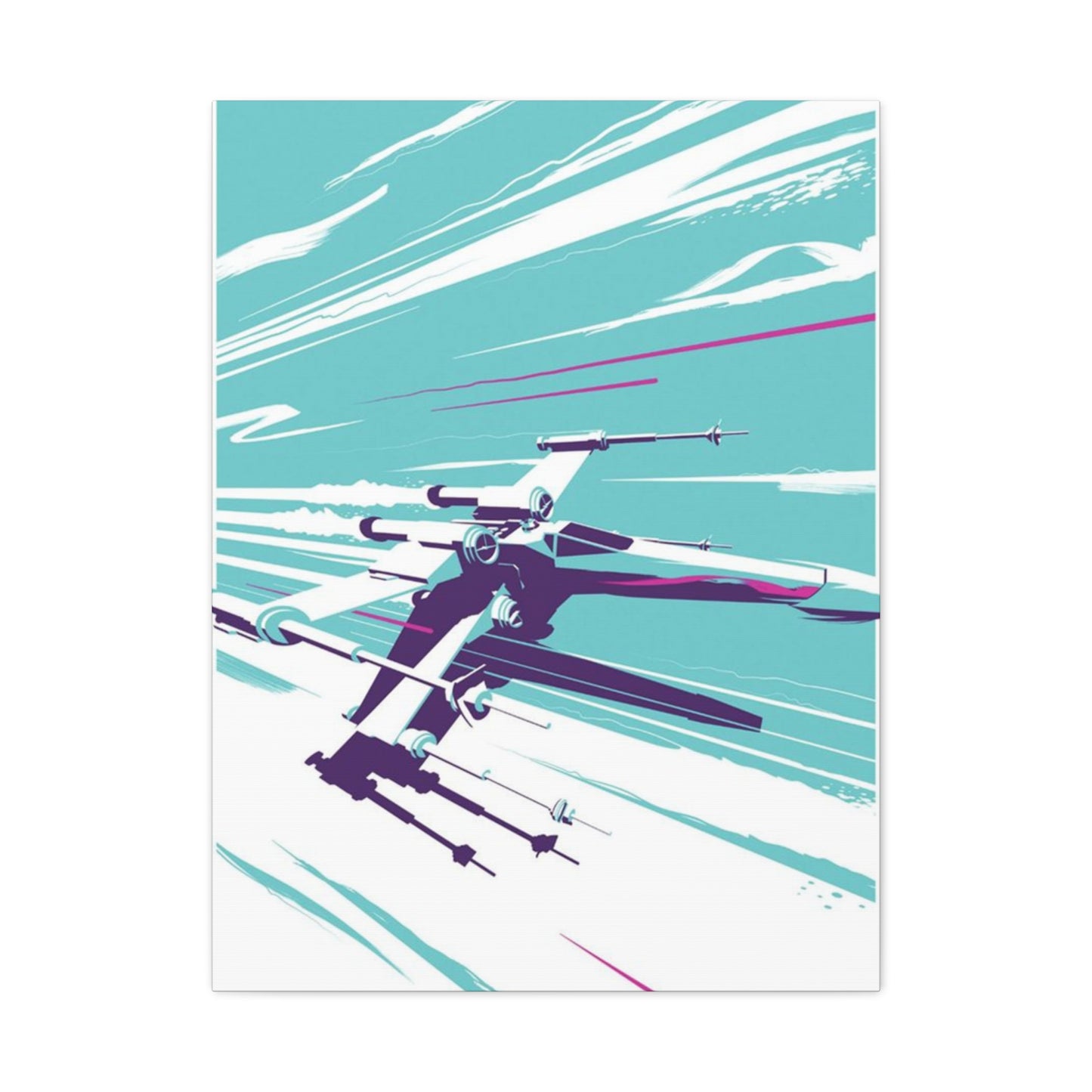
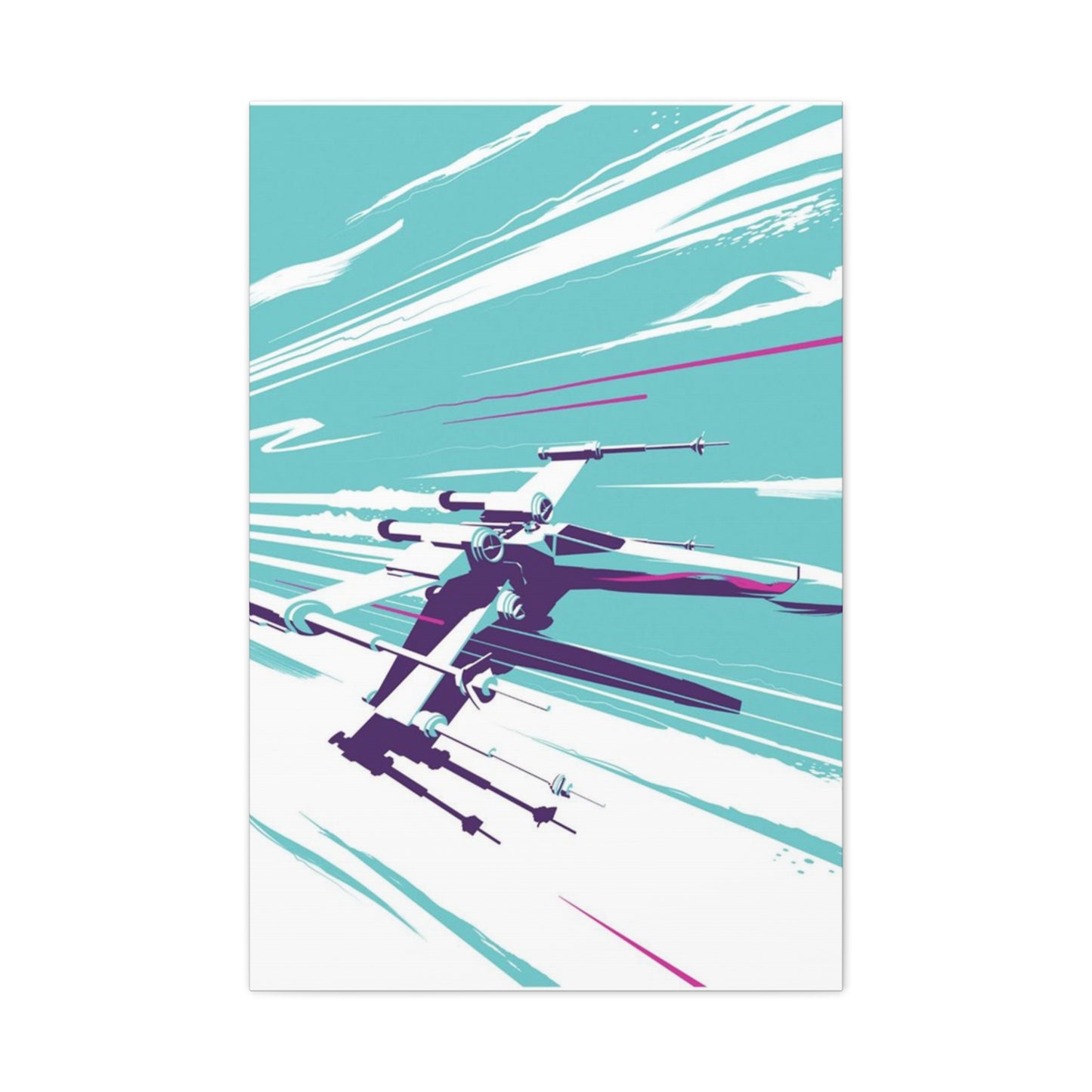
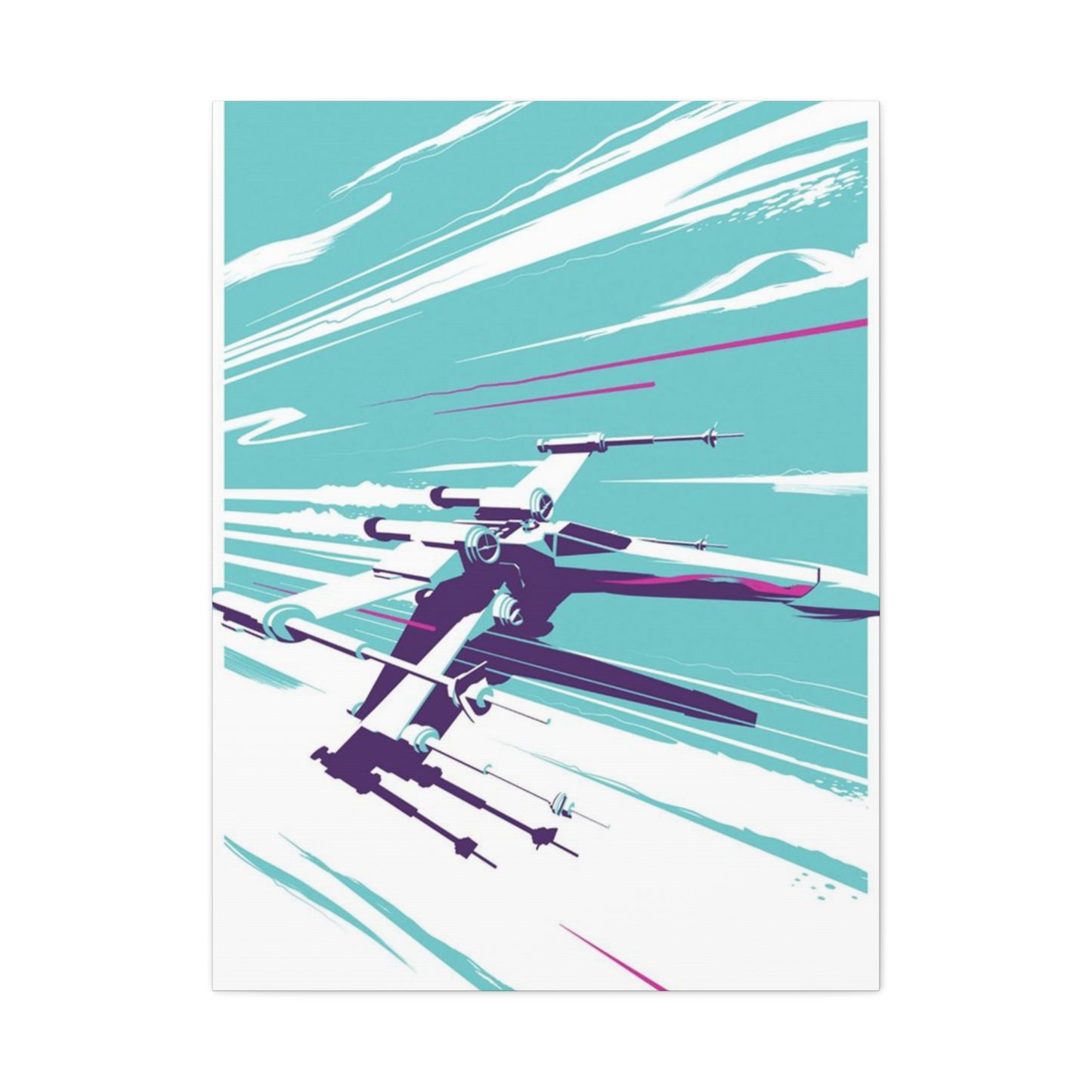
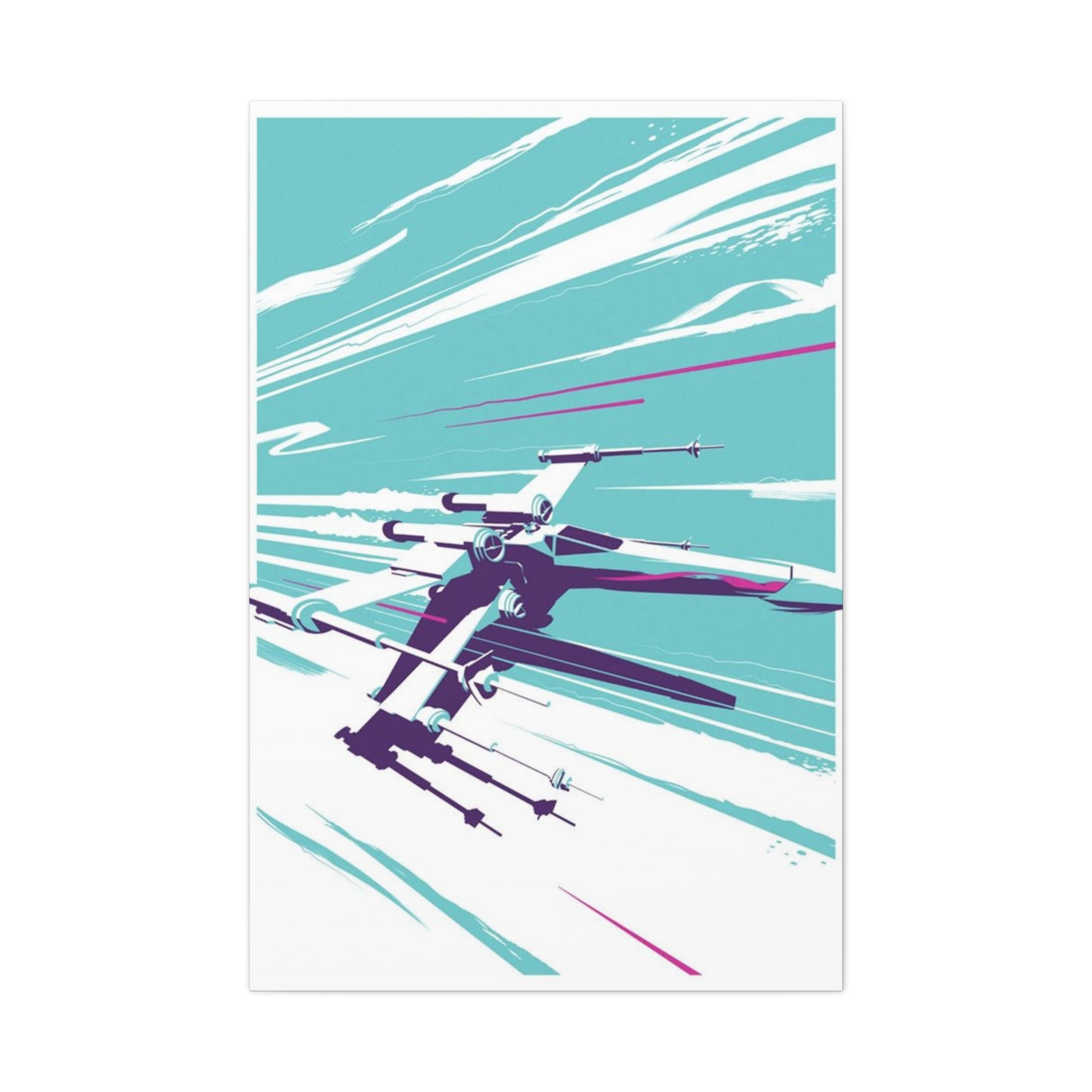
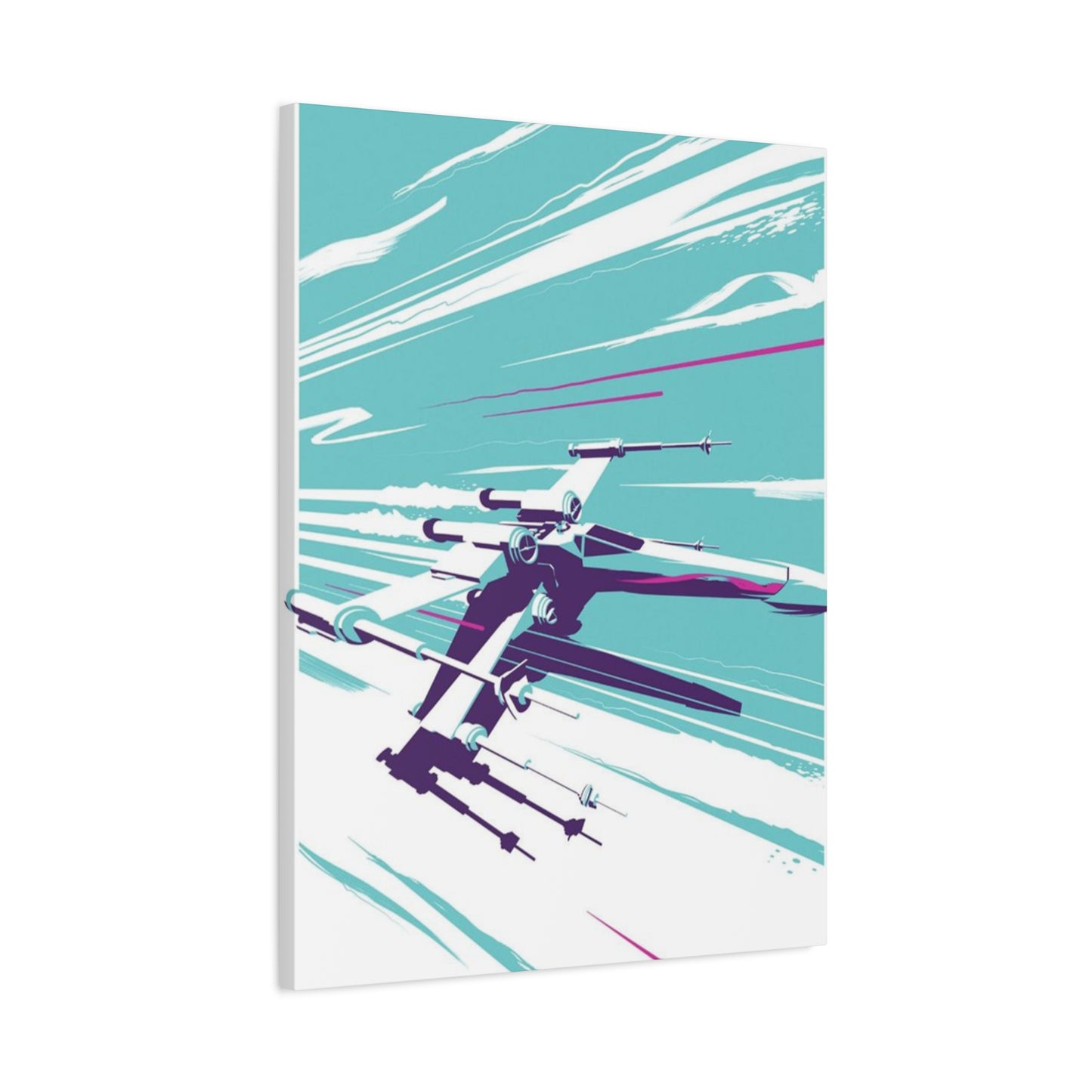
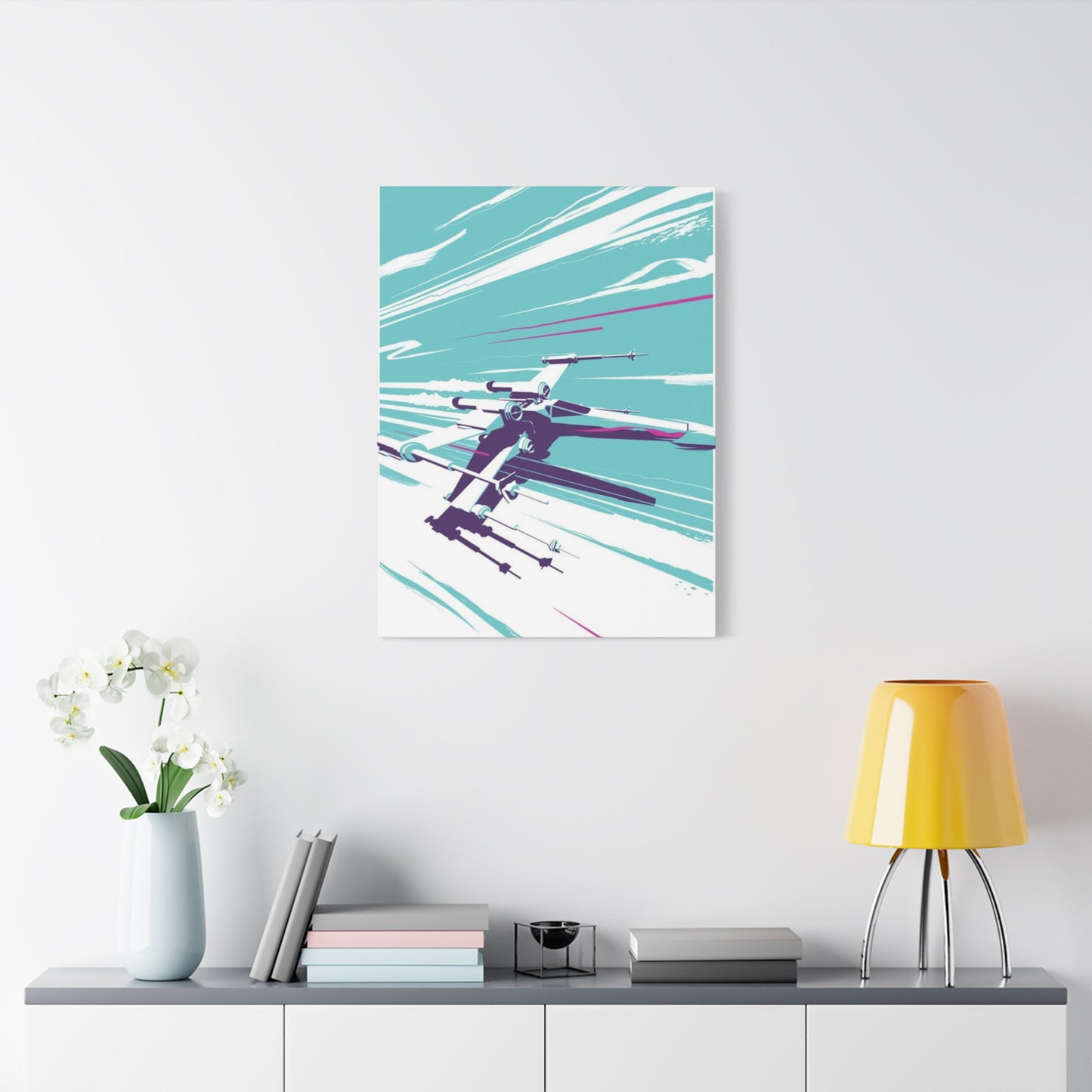
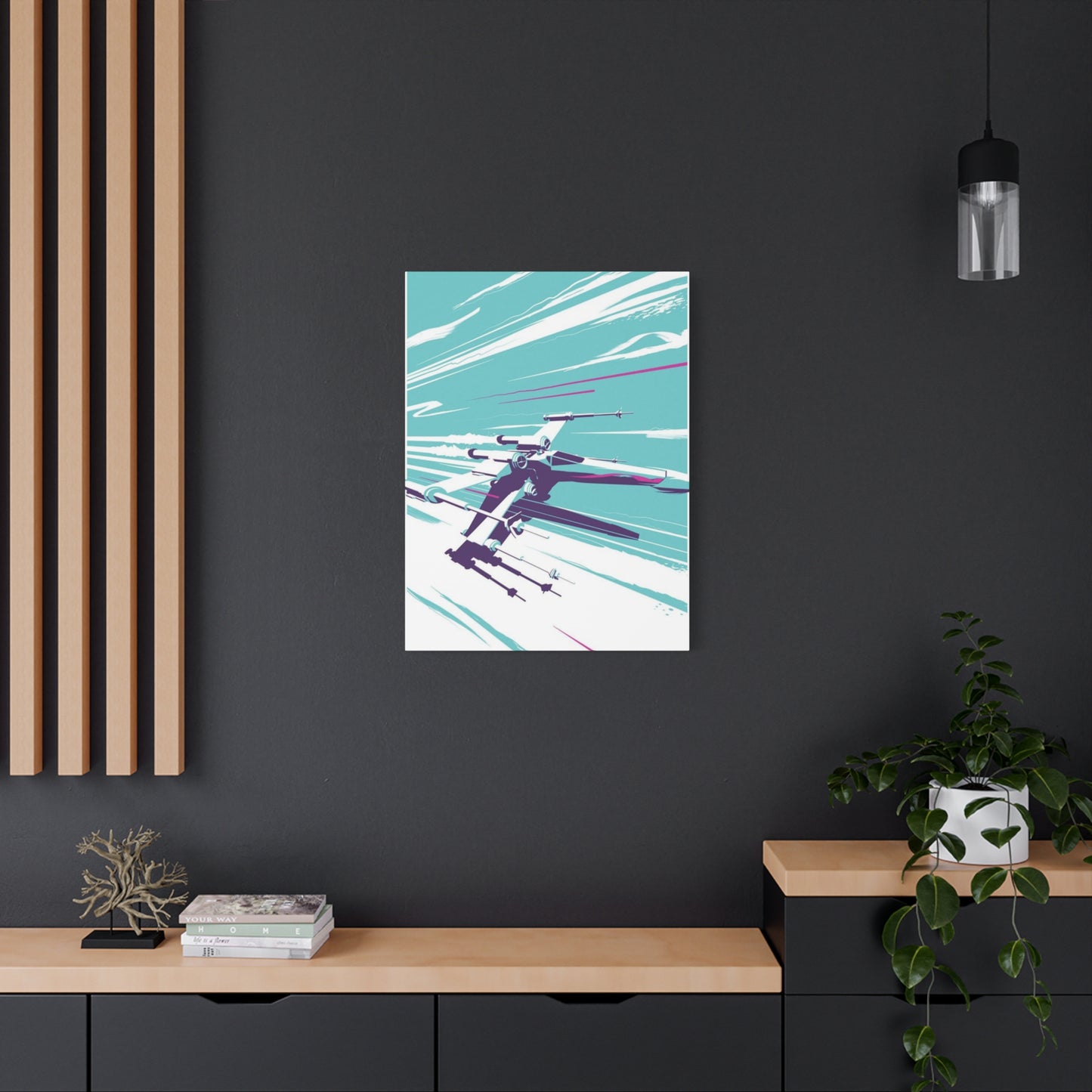
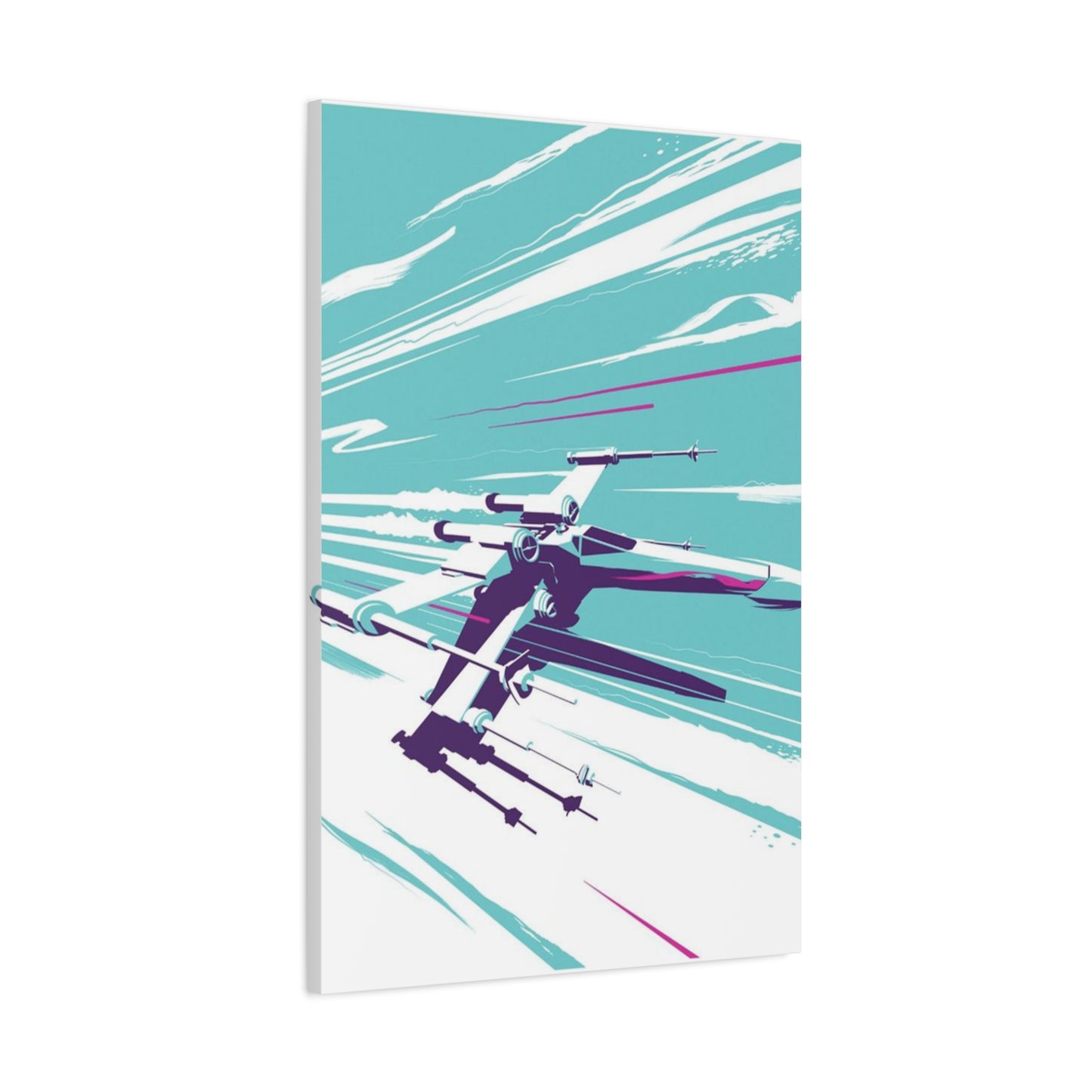
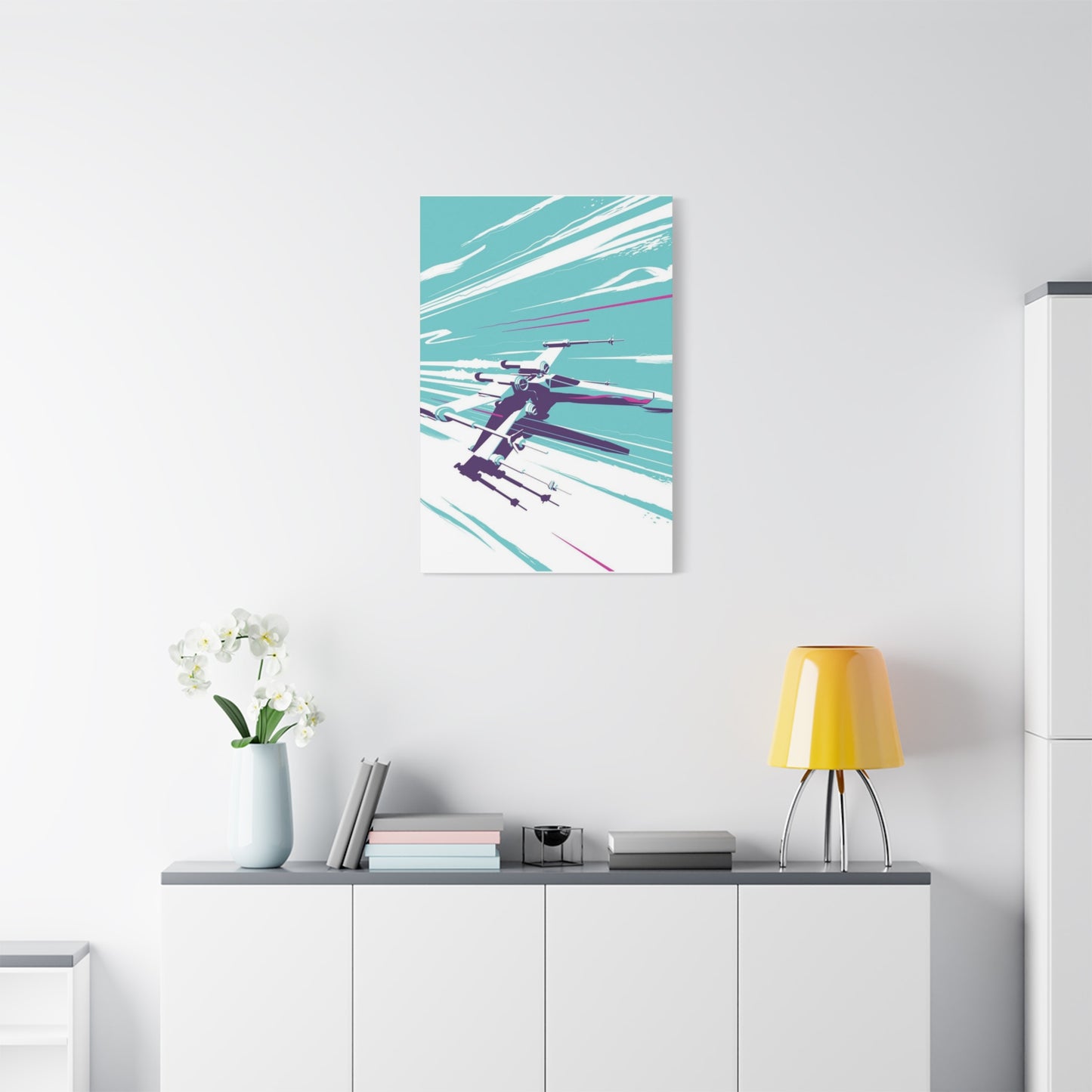
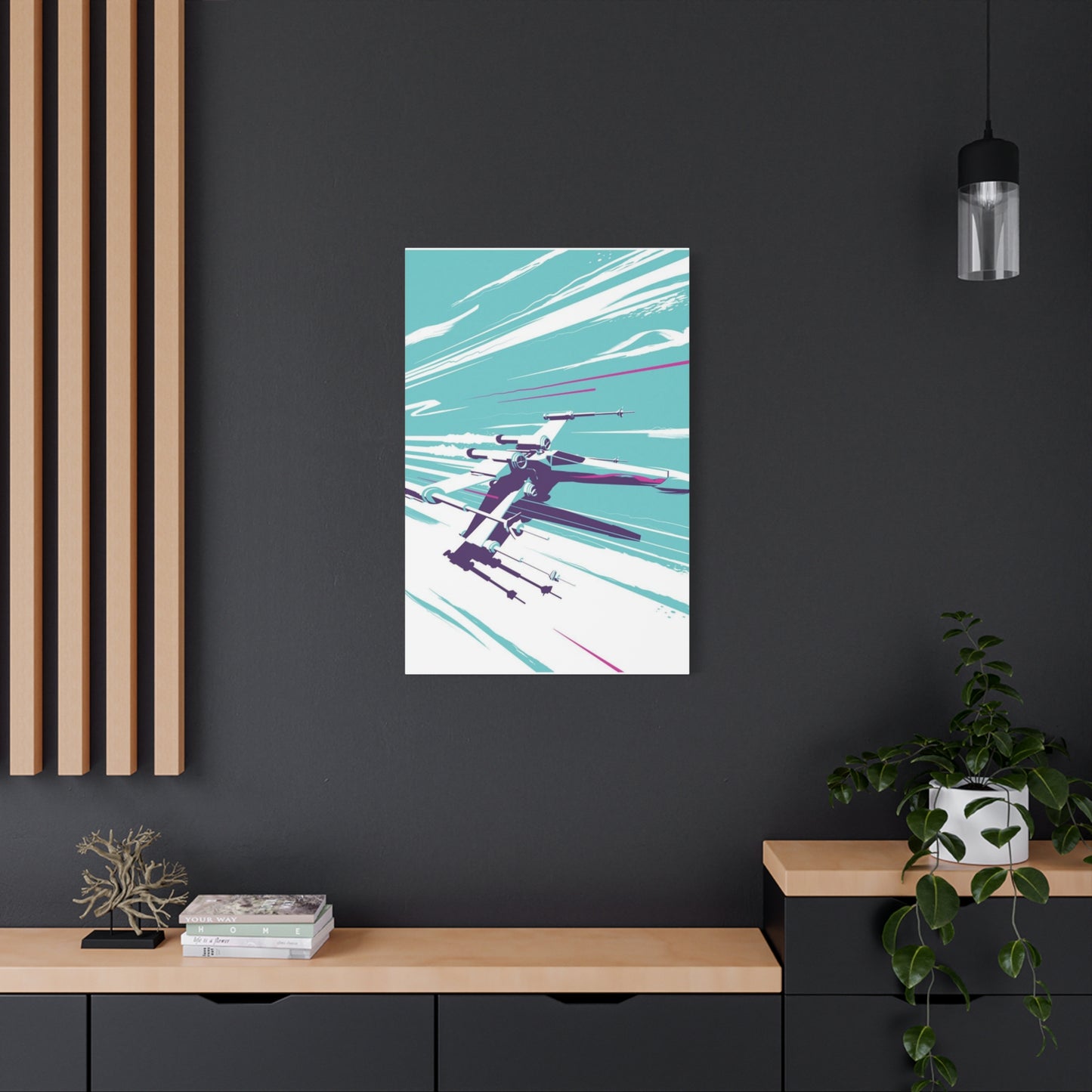
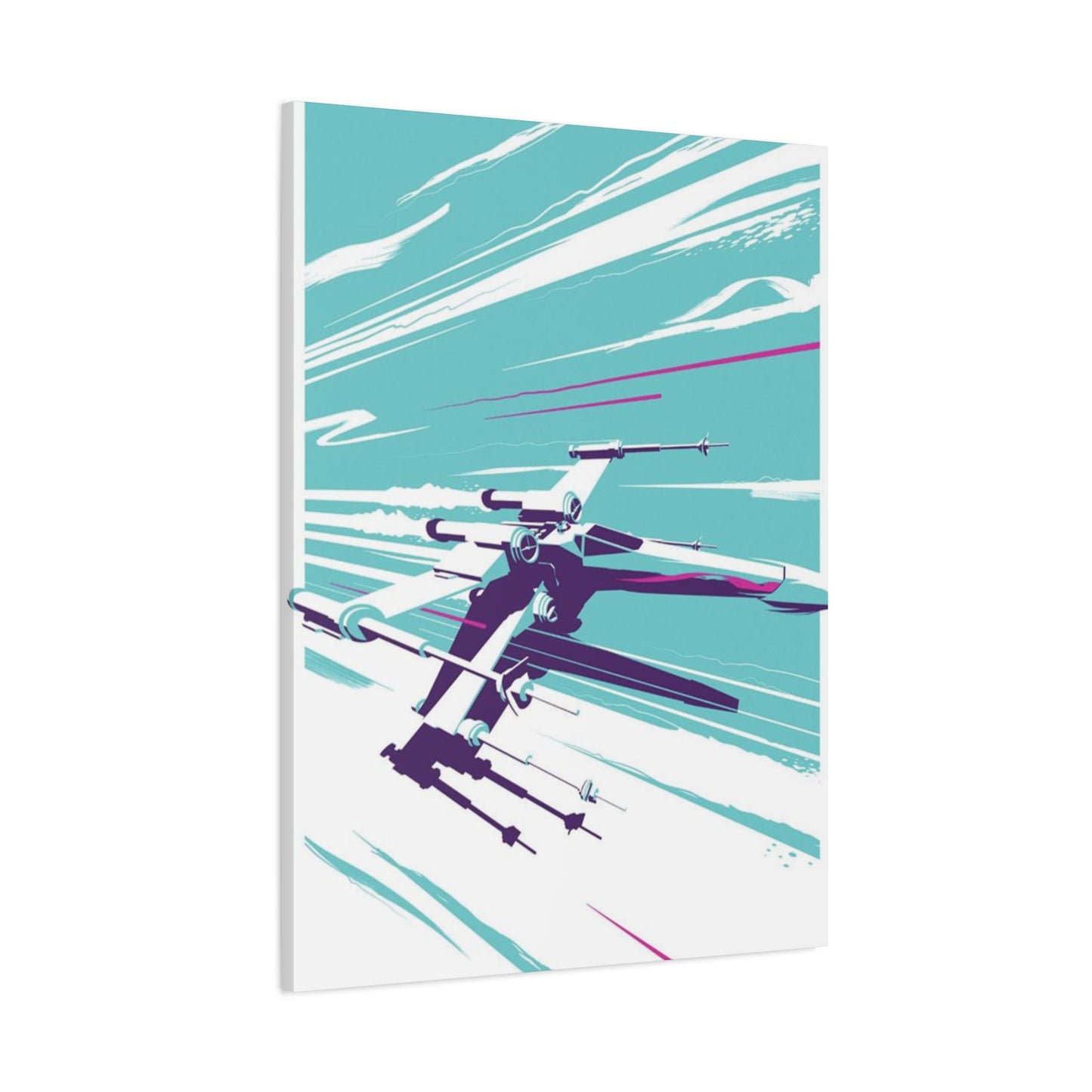
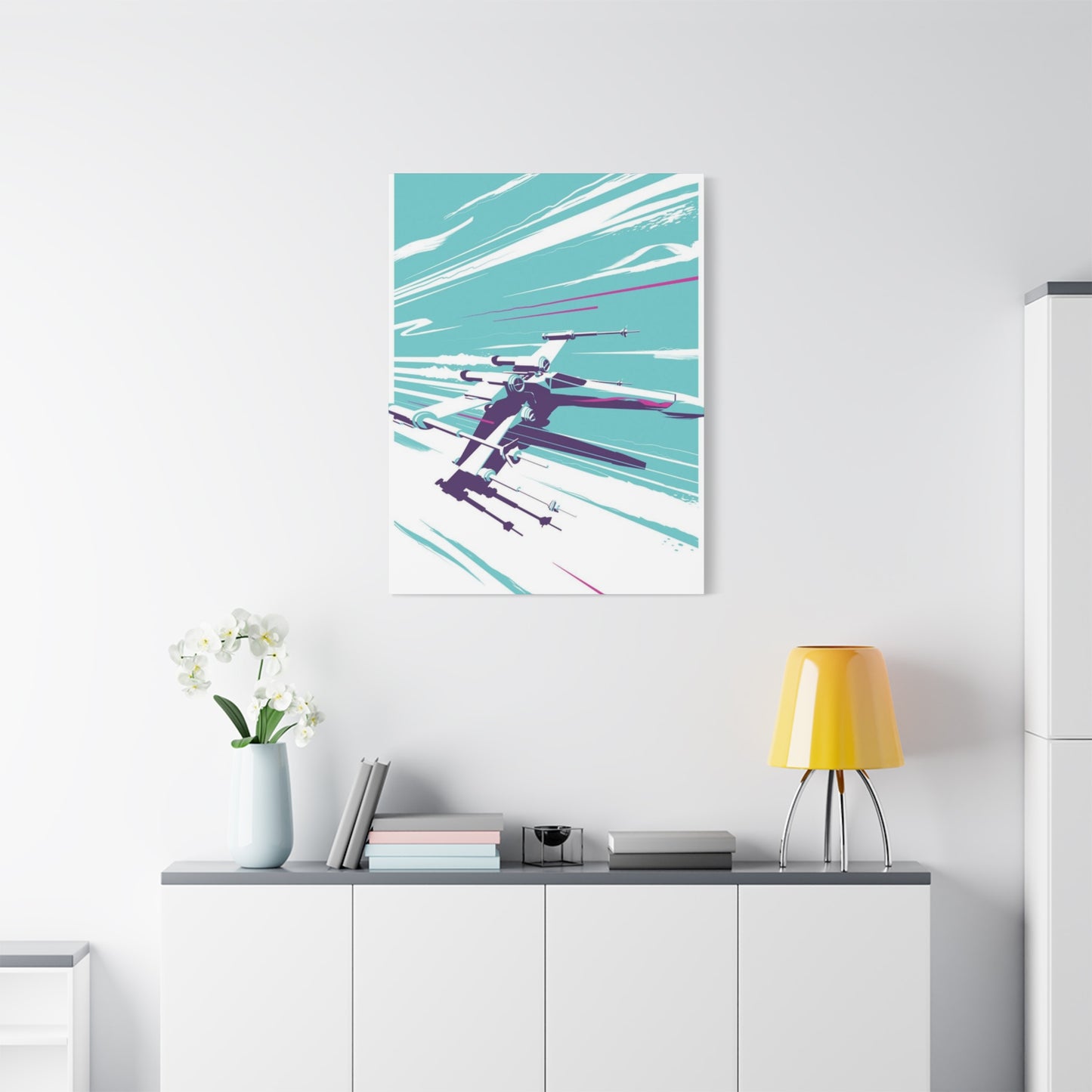
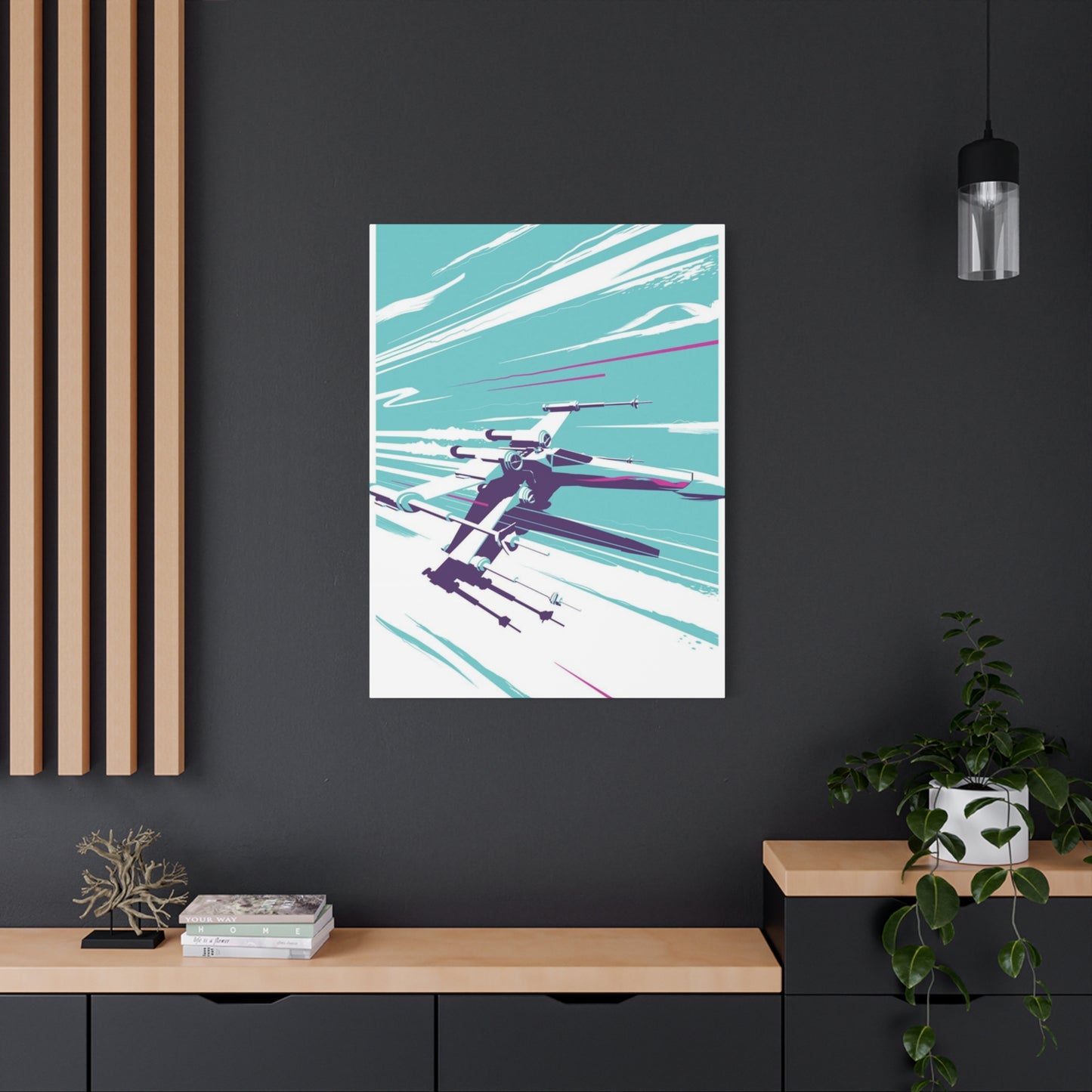
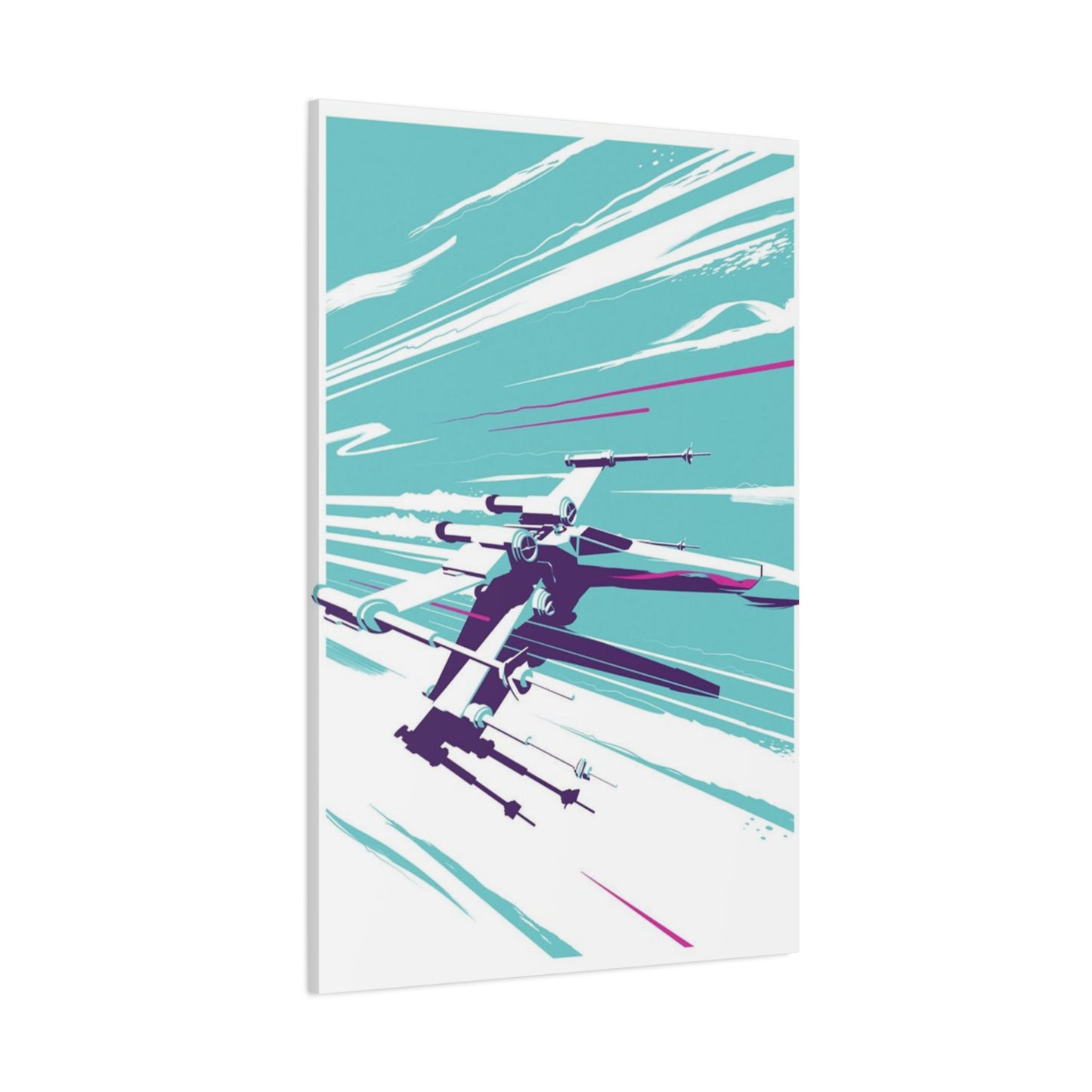
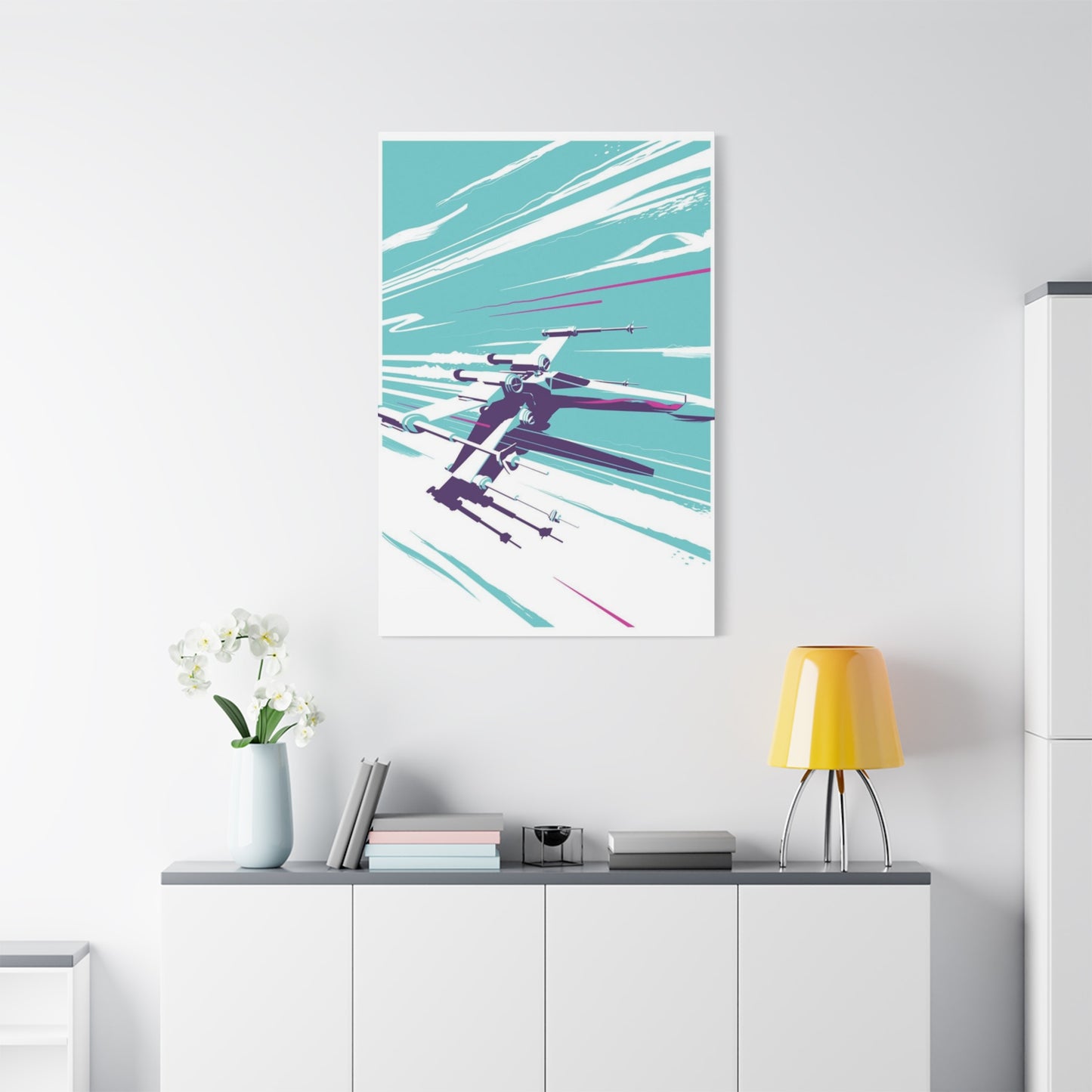
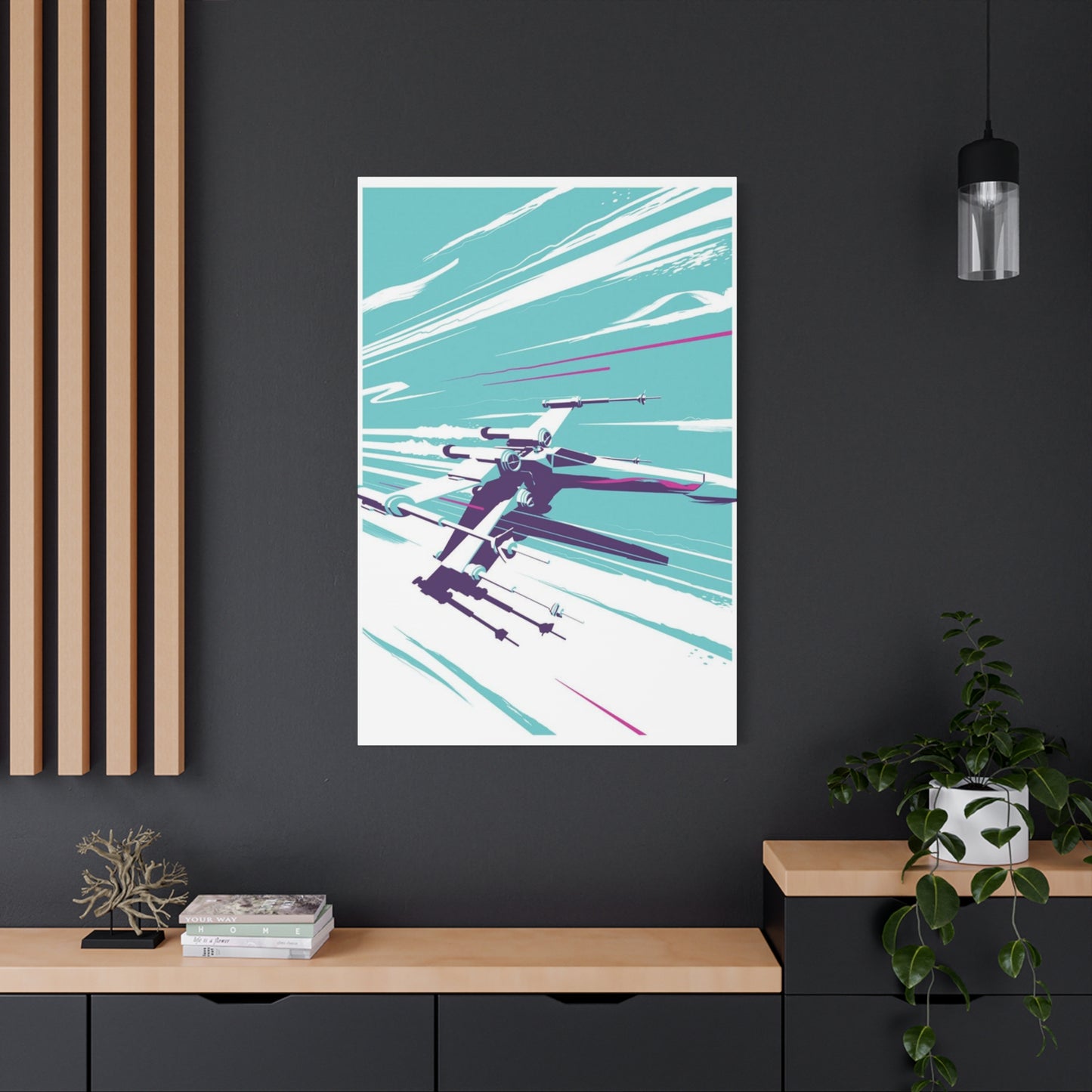
How to Decorate Your Home with Star Wars Planes Wall Art Without Going Overboard
The galaxy far, far away has captivated audiences for decades, and one of the most compelling aspects of this beloved franchise is its incredible array of spacecraft. These magnificent flying machines have become more than just vehicles in a science fiction saga—they've evolved into powerful symbols that resonate with fans worldwide. When it comes to interior design, incorporating these iconic vessels into your living space creates an atmosphere that's both nostalgic and visually striking. The appeal of featuring these interstellar craft on your walls goes beyond simple fandom; it's about celebrating innovation, adventure, and the timeless battle between light and darkness.
The starships from this legendary franchise represent some of the most recognizable designs in cinematic history. From sleek rebel fighters to imposing imperial cruisers, each vessel tells a story and carries with it the weight of countless memorable scenes. When you choose to display these magnificent machines in your home, you're not just hanging a picture—you're creating a portal to another universe, a conversation starter, and a bold declaration of your passion for one of the most influential science fiction sagas ever created.
Transforming Interiors with Legendary Starship Displays
When considering how to incorporate spacecraft imagery into your living environment, the possibilities are virtually limitless. These pieces work exceptionally well in various settings, from personal entertainment areas to home offices, bedrooms, and even more formal spaces when styled appropriately. The key is understanding how these dramatic pieces interact with your existing design elements and how they can enhance rather than overwhelm your space.
The first step in successfully integrating these artistic pieces is understanding your room's current aesthetic. If you're working with a modern, minimalist space, a single large-scale print of a sleek starfighter against a clean background can serve as a stunning focal point. For rooms with more eclectic or maximalist tendencies, you might create a gallery wall featuring multiple vessels, creating a dynamic visual narrative that draws the eye across the space.
Consider the color palette of your chosen artwork and how it complements your existing furnishings. Many spacecraft images feature deep blacks and grays punctuated by brilliant whites, blues, and reds from engine trails and laser fire. These colors can tie together disparate elements in your room, creating cohesion while adding excitement. The stark contrast between the darkness of space and the bright, energetic vessels creates visual interest that works particularly well in spaces that might otherwise feel flat or one-dimensional.
Lighting plays a crucial role in displaying these pieces effectively. Strategic placement of spotlights or track lighting can dramatically enhance the impact of your spacecraft artwork, creating shadows and highlights that add depth and dimension. Some enthusiasts even incorporate LED backlighting to create a glowing effect that mimics the engines and cockpit lights of these legendary vessels, adding an extra layer of immersion to the display.
The scale of your artwork matters tremendously. A small print in a large room will feel lost and insignificant, while an oversized piece in a cramped space can feel overwhelming. Measure your wall space carefully and consider the viewing distance. For walls that you'll observe from across the room, larger pieces work best. For spaces where you'll be closer, such as above a desk or in a hallway, medium-sized prints often provide the perfect balance.
Creating Powerful Visual Statements with Spacecraft Imagery
The reason these interstellar vessels make such compelling decorative elements is multifaceted. First and foremost, they're instantly recognizable to millions of people worldwide, creating an immediate connection and sense of shared cultural experience. Even those who aren't devoted fans can appreciate the sleek lines and dynamic composition of these designs, which have influenced everything from automotive design to architecture.
These spacecraft represent ideals that resonate deeply with people. Rebel fighters symbolize courage, innovation, and the fight against overwhelming odds. They remind us that even small forces can make a significant impact when they're determined and resourceful. Imperial vessels, while representing the antagonists, showcase power, order, and impressive engineering—qualities that can appeal to those who appreciate bold, commanding aesthetics.
The visual drama inherent in spacecraft imagery cannot be overstated. These pieces typically feature dynamic angles, explosive action, and the infinite depths of space as a backdrop. This combination creates artwork that's never static or boring. Your eyes can continually find new details—a distant star destroyer, the glow of a distant planet, the intricate panel work on a fighter's hull. This depth ensures that even familiar pieces remain engaging over time.
From a design perspective, spacecraft artwork offers remarkable versatility. The strong geometric shapes and clean lines of these vessels complement modern and contemporary interiors beautifully. At the same time, the adventurous, romantic quality of space exploration fits perfectly with more eclectic or imaginative design schemes. This adaptability means you can incorporate these pieces into virtually any room without them feeling out of place.
The emotional resonance of these images shouldn't be underestimated either. For many people, these vessels are connected to childhood memories, to experiences shared with friends and family, to moments of wonder and excitement. Having these images in your home creates a space that feels personally meaningful, that reflects who you are and what you love. This emotional connection transforms a house into a home, making your space truly yours in a way that generic artwork simply cannot achieve.
Enhancing Your Environment with Iconic Spacecraft Designs
When approaching the integration of spacecraft artwork into your existing design scheme, thoughtful planning ensures the best results. Start by identifying which vessels resonate most strongly with you. Are you drawn to the scrappy, underdog appeal of rebel craft? Do you prefer the intimidating majesty of imperial designs? Perhaps you're fascinated by the more exotic vessels from the outer rim territories? Your personal preference should guide your selection, as you'll be living with these pieces daily.
Consider the narrative you want your space to tell. A collection focused on rebel fighters creates a very different atmosphere than one featuring imperial vessels. Mixing both sides can create interesting visual tension and dialogue, representing the eternal conflict at the heart of the saga. Some enthusiasts prefer to focus on a specific era or trilogy, creating a cohesive visual timeline that tells a more focused story.
The style of artwork you choose matters as well. Some pieces offer photorealistic renderings that look like actual photographs from space battles. Others take a more artistic, interpretive approach, perhaps featuring watercolor effects, sketch-like qualities, or bold graphic design elements. Blueprint-style technical drawings appeal to those who appreciate the engineering and design aspects of these vessels. Each style creates a different mood and works better in different settings.
Texture and medium add another dimension to consider. Canvas prints offer a traditional, gallery-quality feel that elevates the artwork and gives it weight and presence. Metal prints create a sleek, modern look with incredible color vibrancy and durability. Wood prints add warmth and an unexpected organic quality that can soften the high-tech nature of the subject matter. Each medium interacts differently with light and creates a unique viewing experience.
Don't forget about the space around your artwork. Negative space—the empty wall surrounding your piece—is just as important as the artwork itself. Adequate spacing allows the eye to rest and prevents visual clutter. As a general rule, leave at least 6-12 inches of empty wall space around your artwork, more for larger pieces. This breathing room allows each piece to maintain its impact without competing with neighboring elements.
The height at which you hang your artwork significantly affects its impact and the comfort of viewing it. The standard recommendation is to position the center of your artwork at eye level, typically 57-60 inches from the floor. However, this can be adjusted based on your specific circumstances. In rooms where you'll primarily be seated, slightly lower positioning often works better. In spaces with high ceilings, you might go higher to maintain proper proportions.
Legendary Starfighters Rendered in Breathtaking Visual Art
Throughout the saga, certain vessels have captured the imagination more than others, becoming icons in their own right. These craft are perennial favorites for home displays, each bringing its own unique energy and associations. Understanding what makes each of these legendary ships special can help you select pieces that resonate with your personal connection to the franchise.
The rebel starfighter that destroyed the first Death Star remains the most iconic spacecraft in the entire saga. Its distinctive silhouette is instantly recognizable even to casual observers. The split wing design creates striking visual angles that photograph beautifully from any perspective. Artwork featuring this craft often captures it in action—streaking through space, engines blazing, locked in combat with enemy forces. The vessel represents hope, ingenuity, and the triumph of good over evil, making it a particularly meaningful choice for those who identify with the rebellion.
These rebel fighters work exceptionally well as large-scale statement pieces. Their elongated form suits horizontal wall spaces perfectly, making them ideal for positioning above sofas, beds, or long console tables. The vessel's white and gray color scheme with red and black accents provides enough contrast to stand out without overwhelming a space with too much color. When displayed as part of a squadron formation, these fighters create a sense of movement and camaraderie that brings energy to any room.
The technical beauty of this particular starfighter cannot be overstated. The four engines, the targeting computer, the proton torpedo launchers—each element has been meticulously designed and can be appreciated in detailed artwork. Technical diagram style prints of this vessel appeal to those who appreciate the engineering side of the fictional universe, offering endless details to discover and admire.
Aesthetic Appeal of Interstellar Vessels in Living Spaces
The incorporation of spacecraft imagery into home environments serves multiple purposes beyond simple decoration. These pieces create focal points that anchor a room's design, drawing the eye and organizing the visual hierarchy of the space. In open concept areas where defining different zones can be challenging, a bold spacecraft print can help delineate a specific area—marking a entertainment zone, reading nook, or work space.
The psychological impact of surrounding yourself with images that spark joy and nostalgia should not be underestimated. Your home should be a sanctuary that reflects your interests and makes you feel comfortable and inspired. For fans of this beloved franchise, seeing these iconic vessels daily provides a small moment of happiness, a reminder of stories and characters that have brought years of entertainment and meaning.
From a purely aesthetic standpoint, spacecraft imagery offers remarkable visual interest. The interplay of light and shadow, the sleek industrial design of the vessels themselves, the cosmic backgrounds—all of these elements combine to create artwork that's never boring. Unlike static still life or landscape photography, action-oriented spacecraft imagery inherently contains energy and movement, keeping your eye engaged and interested.
The versatility of this imagery in supporting different room functions is another advantage. In a home office, these pieces can inspire creativity and persistence—reminding you that even challenging projects can be conquered with determination, just as rebel forces overcame impossible odds. In entertainment spaces, they enhance the viewing experience and celebrate your appreciation for cinema and storytelling. In bedrooms, they can create a sense of adventure and possibility, perfect for dreaming of distant galaxies.
Consider also how these pieces interact with natural and artificial light throughout the day. Morning sunlight streaming across a spacecraft print creates entirely different shadows and highlights than evening lamplight. This changing quality means your artwork continues to evolve and surprise you, revealing new details and moods as lighting conditions shift. Positioning pieces where they'll catch interesting light can maximize this dynamic quality.
Imperial Fighters to Rebel Cruisers: Diverse Spacecraft for Every Wall
The variety of vessels available for display is staggering, ensuring that every fan can find options that speak to their particular tastes and preferences. Beyond the most famous rebel starfighter, dozens of other craft have captured audiences' imaginations and translate beautifully to wall displays.
The Imperial fighter with its distinctive hexagonal viewing window and twin ion engines represents the dark side with sleek, intimidating efficiency. These craft, despite being associated with the antagonists, have a devoted following due to their bold, minimalist design. The black and gray color scheme works exceptionally well in modern, masculine spaces or rooms with industrial design elements. Displayed in formation, these fighters create patterns that are almost abstract in their geometric precision, appealing to those with an eye for design and symmetry.
The angular Imperial fighter used by the elite members of the dark side forces takes intimidation to another level. With its bent wing panels and darker color scheme, this vessel represents power and skill. Artwork featuring this craft often emphasizes its predatory nature, showing it swooping toward prey or silhouetted dramatically against a planet or star. These pieces work particularly well in spaces where you want to create a more dramatic, intense atmosphere.
For those who prefer larger vessels, capital ships offer impressive visual impact. The wedge-shaped Imperial cruisers that dominate space in countless scenes provide commanding presence when rendered at large scale. These massive vessels work exceptionally well in spacious rooms with high ceilings, where their imposing size can be properly appreciated. The incredible detail on these ships—the hundreds of turbolasers, the surface textures, the bridge tower—rewards close examination and can occupy attention for extended periods.
On the rebellion side, the distinctive profile of the capital ships that served as mobile headquarters for the resistance offer a different kind of majesty. These vessels, though less aggressive in appearance than their Imperial counterparts, represent the ingenuity and resourcefulness of the alliance. Their more organic shapes and varied surface details create visual interest that differs from the stark geometry of Imperial designs, offering variety for collectors who want to represent multiple aspects of the fictional universe.
The cargo freighters that feature so prominently in the saga's adventures provide yet another aesthetic option. These vessels feel more lived-in, more functional than military craft. They represent the everyday heroes, the smugglers and traders who exist in the gray areas of this universe. Artwork featuring these ships often has a grittier, more weathered quality that can complement industrial or vintage-inspired interiors beautifully.
Infusing Adventure and Excitement into Any Environment
One of the most appealing aspects of incorporating spacecraft imagery into your decor is the sense of adventure and possibility it brings to your space. These vessels represent exploration, heroism, and the vast unknown—themes that can inspire and energize your daily life. Even on mundane days filled with routine tasks, a glance at these powerful images can remind you of grander narratives and bigger possibilities.
The sense of scale these images convey is particularly powerful. When you display a small fighter against the massive bulk of a space station or the endless expanse of a star field, you're reminded of the incredible vastness of the universe and our place within it. This perspective can be simultaneously humbling and inspiring, encouraging both contemplation and ambition.
For creative individuals, surrounding yourself with imaginative imagery can boost productivity and innovation. Writers, artists, designers, and other creative professionals often find that their physical environment significantly impacts their mental state and output. A workspace adorned with dynamic, imaginative spacecraft artwork can help maintain creative energy during long projects and provide visual inspiration when facing creative blocks.
Parents find that these images work wonderfully in children's spaces, particularly for kids who already love the franchise. Unlike cartoon characters that children might outgrow, these more sophisticated artistic renderings can remain appropriate and appealing as kids mature into teenagers and young adults. They encourage imagination and play while being visually interesting enough to maintain appeal over years.
The communal aspect of displaying these images shouldn't be overlooked either. When guests visit your home and see your spacecraft artwork, it immediately identifies you as part of a global community of fans. This can spark conversations, create connections, and help people find common ground. Many friendships have been strengthened by the discovery of shared fandoms, and your decor can facilitate these connections.
Consider creating interactive elements around your displays. A shelf beneath your spacecraft artwork could hold related collectibles, model ships, or themed books. This layering of related elements creates a richer, more immersive experience than artwork alone. However, be mindful not to overcrowd—each element should have space to be appreciated individually while contributing to the overall theme.
Integrating Starship Visuals Into Broader Design Narratives
Successfully incorporating spacecraft artwork into your home doesn't mean every element must be overtly themed. In fact, the most sophisticated approaches often involve balancing your fandom with other design elements to create spaces that feel cohesive and mature rather than like shrines. The goal is to let your passion show while maintaining an environment that's comfortable and welcoming for everyone who enters.
Start by selecting a primary focal wall for your spacecraft artwork. This concentrated approach prevents the theme from overwhelming your entire space while still making a clear statement about your interests. The focal wall might be in your entertainment area, above your bed, or in your home office—wherever you spend significant time and want to create the most impact.
Around this focal wall, incorporate complementary elements that echo the aesthetic without being explicitly themed. Industrial metal accents, minimalist furniture with clean lines, lighting fixtures with a futuristic quality, and color schemes that echo the blacks, grays, whites, and accent colors found in your artwork—all of these create coherence without being heavy-handed.
Texture becomes particularly important when working spacecraft imagery into your broader design. The smooth, high-tech surfaces of these vessels can be balanced with organic textures like wood, natural fibers, and plants. This juxtaposition prevents your space from feeling too cold or sterile while creating visual interest through contrast. A spacecraft print above a rough wood console table, for instance, creates an appealing tension between the futuristic and the timeless.
Don't forget about the role of scale in creating visual harmony. If your spacecraft artwork is large and dramatic, keep surrounding elements more modest to avoid competition. Conversely, if you've chosen a more subtle, smaller piece, you can afford to have bolder furniture or decor elements nearby. The key is ensuring that no single element completely overwhelms the others—each piece should have space to breathe and be appreciated.
Color coordination ties everything together. Pull accent colors from your spacecraft artwork and echo them throughout the room in throw pillows, blankets, decorative objects, or even a painted accent wall. This repetition creates rhythm and flow, making the space feel intentionally designed rather than randomly assembled. Even small touches—like a pillow in the same shade of blue as a fighter's markings—can create surprising cohesion.
Historical Development of Spacecraft Design in Artistic Representation
The visual representation of these iconic vessels has evolved significantly since the franchise first premiered in the late 1970s. Early promotional materials and artwork had a certain raw quality, reflecting the practical effects and model work that brought these ships to life on screen. These vintage-style representations have become collectible in their own right, appealing to those who appreciate the history and evolution of the franchise.
The original trilogy introduced audiences to designs that would become timeless. The rebel starfighter's split-wing configuration, the simple hexagonal viewing window of the Imperial fighter, the saucer-shaped freighter—these designs were revolutionary for their time and remain iconic decades later. Artwork that captures these vessels in their original incarnations carries a nostalgic quality that resonates strongly with long-time fans who grew up with these films.
As the franchise expanded with prequel content, new vessels emerged that both honored the original designs and pushed boundaries. The sleek starfighters with their yellow finishes introduced in the prequel era offered fresh visual options while maintaining clear connections to the established aesthetic. Artists have enjoyed depicting these craft, which benefit from more refined CGI models and consequently offer even more detail to capture.
The sequel trilogy brought another wave of design evolution. Familiar vessel types were updated with new details and variations, giving artists fresh material to work with while maintaining the essential character that made the originals so appealing. The weathered, battle-scarred versions of classic ships that appear in these later films provide particularly compelling subject matter, telling visual stories of age, survival, and continued resistance.
Beyond the films, the expanded universe of animated series, novels, and video games has introduced countless additional vessels, each with devoted fans. This vast array of options means that collectors can find truly unique pieces that might not be instantly recognizable to casual viewers, allowing for more personal, individualized displays that spark curiosity and conversation.
The artistic styles used to render these vessels have also proliferated. Traditional painted artwork offers a classic, fine art quality that elevates the subject matter. Digital art allows for incredible detail and photorealistic rendering. Vector art and graphic design approaches create bold, stylized versions perfect for modern interiors. Sketch and blueprint styles appeal to those interested in the technical and design aspects. This variety ensures that no matter your personal aesthetic preferences, there's an artistic approach that will resonate.
Building Immersive Themed Environments with Spacecraft Imagery
For dedicated enthusiasts, creating a fully themed room or dedicated space offers the opportunity to truly immerse yourself in the beloved universe. This approach works particularly well for entertainment rooms, home theaters, game rooms, or personal retreat spaces where you have complete creative freedom. The key to success is balancing enthusiasm with design sophistication to avoid creating a space that feels juvenile or overwhelming.
Begin with a clear vision of what you want the space to feel like. Should it evoke the sterile, high-tech interior of an Imperial vessel? The warm, lived-in quality of the freighter's common areas? The sleek, functional aesthetic of a rebel base? Your chosen atmosphere will guide every subsequent decision from color palette to furniture selection to artwork choices.
Wall color provides your foundation. While you might be tempted toward bold colors, consider instead how neutral backgrounds can actually make your spacecraft artwork more impactful. Deep grays, blacks, or even white can create the sense of a space station or ship interior while providing a sophisticated backdrop that lets your art shine. If you do want color, consider painting just one accent wall in a deeper tone while keeping others neutral.
The ceiling offers often-overlooked opportunities in themed spaces. Some enthusiasts paint ceilings dark to evoke space itself, sometimes even adding subtle stars. Others use lighting effects to create the impression of being inside a spacecraft, with linear LED strips mimicking the functional lighting seen in ship interiors. These ceiling treatments add dimension and immersion without cluttering your walls.
Furniture selection should support your theme without being costumey. Look for pieces with clean lines and minimalist aesthetics that could conceivably exist in the fictional universe. Industrial metal and glass work particularly well, as do streamlined leather pieces. Avoid overly ornate or traditional furniture that would clash with the high-tech aesthetic. Instead, opt for functional, modern pieces that feel at home in your imagined environment.
Layering is crucial in themed rooms. Start with your major elements—wall color, primary furniture, and your main spacecraft artwork. Then add secondary layers: smaller prints, models or collectibles, themed lighting, and decorative objects. Finally, add the finishing touches that bring personality: throw pillows in relevant colors, themed throw blankets, perhaps a rug that echoes your color scheme. Each layer adds depth without overwhelming if done thoughtfully.
Lighting deserves special attention in themed spaces. Consider installing dimmer switches to allow for different moods and times of day. LED strip lighting in blue or white can create ambient effects that feel appropriately futuristic. Spotlights on your artwork ensure pieces are properly illuminated and become focal points. Some enthusiasts even incorporate color-changing LED systems that can shift the room's entire mood with the touch of a button.
Storage is essential to prevent themed spaces from becoming cluttered. Built-in shelving, sleek media consoles, and minimalist storage solutions keep related collectibles and media organized while maintaining the clean aesthetic necessary for a sophisticated themed space. Display items deliberately and leave plenty of negative space—showing everything you own simultaneously defeats the purpose of thoughtful display.
Selecting Appropriate Spacecraft Visuals for Different Spaces
Not all spacecraft artwork works equally well in every space, and matching your selections to the specific characteristics and purposes of different rooms ensures the best results. Consider both the practical and emotional functions of each space when making your choices, as these factors should influence which vessels you display and how you present them.
Living rooms and main gathering spaces benefit from artwork that's impressive but not so specific that it alienates non-fan family members or guests. Larger vessels like capital ships or dramatic battle scenes work well here, as they're visually striking even to those unfamiliar with the source material. Choose pieces with broader appeal—perhaps emphasizing the artistic composition and color rather than ultra-specific details that only devoted fans would appreciate.
Home offices and workspaces are perfect for more detailed, technical pieces. Blueprint-style prints, cutaway diagrams showing internal structures, or close-up detail shots of specific fighters appeal to the analytical mind and can actually support focused work rather than distracting from it. These spaces can also accommodate multiple smaller pieces creating a gallery wall that rewards close inspection during thinking breaks.
Bedrooms allow for more personal choices since these are private spaces primarily for your own enjoyment. Here you can indulge your specific favorites regardless of their broader appeal. Whether you prefer the scrappy charm of modified freighters or the sleek menace of advanced imperial fighters, your bedroom is the place to display what personally resonates with you. Consider how artwork makes you feel—do you want energizing battle scenes or calmer shots of ships in peaceful flight?
Entertainment rooms and home theaters are natural fits for spacecraft artwork, as these spaces are already dedicated to media and entertainment. Here you can go bolder with your choices and even create comprehensive displays that tell stories or represent specific scenes from the films. The room's purpose already declares it a space for leisure and fandom, giving you freedom to be more explicit in your enthusiasm.
Children's rooms require age-appropriate selections that can grow with the child. Avoid pieces that are too dark or violent in nature, instead opting for heroic shots of rebel fighters or adventurous scenes of exploration. Consider the child's age and sensitivities—what's exciting for a teenager might be frightening for a young child. Look for artwork that celebrates adventure and heroism without emphasizing the conflict's darker aspects.
Hallways and transitional spaces can accommodate narrower, vertical pieces that might not work on larger walls. A cockpit view from inside a fighter looking out at approaching enemies works wonderfully in a hallway, creating the sensation of movement that complements the space's function as a transitional area. These spaces also work well for series or collections that tell a visual story as you move through the area.
Dining areas might seem an unlikely place for spacecraft artwork, but the right pieces can work beautifully. Consider more artistic, abstract interpretations rather than detailed technical renderings. A stylized silhouette of an iconic fighter against a sunset or planet can add visual interest without the grittier details that might feel inappropriate for a dining space. Keep the mood lighter and more elegant in these social areas.
Bathrooms rarely accommodate extensive artwork due to space and moisture concerns, but a small, properly framed piece can add personality even here. Choose something lighthearted or humorous—perhaps a vintage-style travel poster featuring a location from the fictional universe. Keep any artwork well away from direct water exposure and consider using moisture-resistant materials.
Deeper Meaning Behind Spacecraft in Interior Design
The vessels from this beloved franchise carry symbolic weight that extends far beyond their function as fictional transportation. Understanding these deeper meanings can help you select pieces that resonate on a more profound level and that contribute meaningfully to your space's emotional atmosphere.
The rebel starfighter represents more than just a military vehicle—it embodies the spirit of resistance against tyranny. Its design philosophy prioritizes agility and ingenuity over brute force, making it a symbol of how cleverness and determination can overcome seemingly insurmountable obstacles. Displaying this craft in your space can serve as a daily reminder that you can face your own challenges with creativity and courage, that the small and nimble can triumph over the large and powerful.
Imperial fighters, despite representing the antagonists, symbolize efficiency, discipline, and the awesome power of focused effort. Their minimalist design and emphasis on function over form appeal to those who appreciate order and effectiveness. While the empire they serve is clearly villainous, the engineering and design philosophy behind their vessels can still be appreciated purely as aesthetic and functional achievements. These pieces might resonate with individuals who work in fields requiring precision and structure.
Capital ships—whether rebel or imperial—represent organization, community, and the power of collective effort. These massive vessels cannot function without coordinated crews working together toward common goals. Displaying these larger ships can remind us that we're part of larger communities and that significant achievements require collaboration and shared purpose. They represent how individual contributions combine to create something greater than any single person could achieve alone.
The freighters and transport vessels that feature prominently in various storylines symbolize independence, adaptability, and making your own way in the universe. These modified, well-worn ships represent individuals who exist outside standard hierarchies, who rely on wit and resourcefulness to survive. For those who value independence and self-determination, these vessels carry particular meaning and serve as reminders to forge your own path.
Even the less prominent vessels from the fictional universe carry meaning for those familiar with their stories. Craft associated with specific characters become symbols of those individuals' journeys and growth. A ship might represent sacrifice, redemption, friendship, or transformation depending on its role in the narrative. Selecting pieces based on these personal connections creates displays that are meaningful specifically to you, that tell your story of engagement with the franchise.
The act of displaying any of these vessels in your home is itself a statement about the importance of imagination, storytelling, and mythmaking in your life. It declares that the narratives we consume matter, that fiction has value, that the stories we love deserve space in our daily environment. In a world that often devalues these things as frivolous or childish, creating a home that honors your authentic interests is an act of self-affirmation and authenticity.
Captivating Appeal of Spacecraft in Striking Wall Displays
The magnetic attraction these spacecraft hold for viewers stems from multiple factors working in concert. Understanding what makes these images so compelling can help you select and display pieces that maximize their impact and ensure they continue to engage and delight over years of daily viewing.
The sense of motion captured in quality spacecraft artwork creates immediate visual interest. Even though the images are static, skilled artists and photographers create compositions that imply movement—a fighter banking sharply, engines flaring as it accelerates away from danger, the precise instant before laser cannons fire. This frozen action engages our minds as we automatically imagine the moments before and after the captured instant, essentially creating a narrative from a single image.
The technical beauty of these vessels rewards extended observation. The intricate panel work, the carefully placed sensor arrays, the precise engineering of weapon systems—these details reflect thoughtful design work that went into creating these fictional craft. Higher quality prints that capture this minutiae essentially become portals into the incredible creative work behind the franchise, honoring not just the stories but the artists, designers, and craftspeople who brought these visions to life.
Color and contrast in spacecraft imagery typically feature dramatic opposition—brilliant lights against the void of space, glowing engines against dark hulls, the flash of weapons fire. These high-contrast compositions naturally draw the eye and create focal points in interior spaces. Even from across a room, these pieces command attention through their bold visual statements.
The backgrounds typically featured in spacecraft artwork—vast star fields, colorful nebulae, imposing celestial bodies—add layers of interest beyond the vessels themselves. These cosmic backdrops remind us of the incomprehensible scale of the universe, adding contemplative depth to what might otherwise be simple vehicle portraits. The juxtaposition of human-scale vessels against cosmic-scale environments creates fascinating perspective.
Nostalgia plays an undeniable role in the appeal of these images. For those who grew up with the franchise, these spacecraft are woven into memories of childhood wonder, family movie nights, playground games, and formative experiences. Seeing these vessels can trigger positive emotional responses rooted in these pleasant associations, making your space not just visually appealing but emotionally comforting.
The communal aspect of this imagery shouldn't be underestimated either. These vessels are recognized globally, transcending language and cultural barriers. This universal recognition means that your artwork can create instant connections with visitors who share your appreciation for the franchise. It's a visual shorthand that says "we share this cultural touchstone" and can open doors to deeper conversations and friendships.
Proper Presentation of Spacecraft Posters for Optimal Impact
The difference between a poster that looks cheap and one that appears sophisticated often comes down entirely to presentation. Proper framing, matting, and hanging techniques transform even affordable prints into genuine art pieces that command respect and elevate your entire space.
Frame selection significantly impacts how your spacecraft artwork is perceived. For modern, sleek fighters, consider minimalist frames in black, white, or metallic finishes that complement the high-tech aesthetic without competing for attention. The frame should enhance and protect your artwork without becoming the focus itself. Thin profile frames work particularly well for contemporary spaces, creating clean lines that feel appropriately futuristic.
For more vintage or artistic interpretations, you might explore frames with slightly more presence—perhaps brushed metal finishes or even dark wood that adds warmth and weight. These frames acknowledge the artistic rather than purely technical nature of the piece, positioning it as fine art rather than simply a poster. The goal is matching the frame's character to the artwork's style and the room's overall aesthetic.
Matting adds a level of sophistication that's difficult to achieve otherwise. A mat creates breathing room around your artwork, preventing it from feeling cramped within its frame. For spacecraft imagery, white or off-white mats work beautifully, creating clean separation between the art and frame while evoking the sterile, high-tech environment of space stations and ship interiors. The mat's width should be proportional to the artwork's size—typically 2-4 inches for smaller pieces, potentially wider for larger works.
Consider using museum-quality materials for artwork you truly value. Acid-free mats and backing boards prevent yellowing and deterioration over time, ensuring your investment remains pristine for years. UV-protective glass or acrylic prevents fading from sunlight exposure, crucial for pieces displayed in naturally lit rooms. While these premium materials cost more initially, they dramatically extend your artwork's lifespan and maintain its value.
The hanging hardware you use matters more than many people realize. Sawtooth hangers might seem convenient, but they're unstable and frequently result in crooked artwork. Wire hanging systems offer more flexibility in positioning but can be tricky to level properly. For most applications, D-rings positioned a third of the way down from the frame's top provide stable, reliable hanging that's easy to level and adjust.
Professional installation should be considered for large or valuable pieces. A professional can locate studs, use appropriate anchors for your wall type, and ensure perfectly level installation. For gallery walls or complex arrangements, professional help ensures proper spacing and alignment that can be challenging to achieve on your own. The investment often pays for itself in avoided mistakes and superior results.
Before committing to nail holes, experiment with placement using painter's tape to outline where your frame will hang. Live with this temporary placement for a few days, observing how it interacts with natural light at different times of day, how it relates to furniture and room traffic patterns, and whether the height feels right. This testing period can prevent costly mistakes and ensure you're completely satisfied with placement before making it permanent.
Final Thoughts
Decorating your home with Star Wars Planes Wall Art offers a unique and exciting way to bring the galactic adventure of Star Wars into your space, but like any fandom-inspired decor, it’s all about balance. You want to celebrate the epic ships and iconic scenes from the Star Wars universe without overwhelming your room or sacrificing the overall design and functionality of your space. With the right approach, Star Wars planes can serve as dynamic focal points or subtle accents that add energy and style without detracting from your home’s aesthetic.
The key to incorporating Star Wars planes into your decor without going overboard is to be intentional with your choices. While the intricate designs of iconic ships like the Millennium Falcon, X-Wing, and TIE Fighter are visually striking, they’re also bold and powerful. Opting for a few well-placed, statement-making pieces is a great way to evoke the Star Wars universe while maintaining a cohesive design in your room. A large, dramatic print of the Millennium Falcon hanging above a sofa, or an abstract representation of the X-Wing soaring through space, can provide the perfect balance between excitement and sophistication.
You can also consider mixing Star Wars planes with complementary decor styles. For instance, pairing a sleek, modern print of a spaceship with minimalistic furniture can add a touch of sci-fi coolness to your living room or office, without overwhelming the space. Similarly, a more vintage-style Star Wars plane poster, with its classic hand-drawn aesthetic, could work well in a home theater room or a personal den, giving your space a retro vibe that still feels classy. By pairing your artwork with other design elements—like neutral colors, clean lines, and stylish lighting—you can prevent the room from feeling like a theme park.
Another great strategy is to limit the number of Star Wars plane prints to just one or two pieces per room. This creates visual impact without cluttering the walls with too much of the same imagery. If you choose to incorporate multiple pieces, make sure they’re placed thoughtfully to avoid visual overload. For example, a trio of smaller prints featuring different ships—perhaps the X-Wing, TIE Fighter, and Slave I—could be hung in a symmetrical arrangement for a sleek, organized look. This method lets you include more of the Star Wars magic while maintaining a sense of harmony in the space.
The color palette of your Star Wars plane art can also play a crucial role in making the decor feel cohesive. Many Star Wars plane posters use bold colors that can dominate a room, so if you’re concerned about balance, opt for prints with more subdued tones or monochromatic schemes. A black-and-white illustration of an X-Wing or a minimalist blueprint of the Millennium Falcon can offer the same excitement as a more colorful piece, but with a more refined, understated look. This allows the art to fit seamlessly into a variety of interior styles—from contemporary to industrial, and even traditional.
Another clever approach is to mix Star Wars plane art with other types of Star Wars decor. For instance, combining a plane print with a subtle piece of Star Wars character art or a minimalist wall clock in the shape of the Death Star can give your room a rounded, thematically cohesive feel without relying solely on planes. The subtle inclusion of other elements ties everything together while giving the room an interesting and layered look.
Finally, don't forget that art can be more than just something on the wall. Consider framing a Star Wars plane print in a way that enhances the overall room design. A sleek, modern frame for a contemporary piece or an ornate, vintage-style frame for a retro poster can elevate the entire look of the art, turning it into a more sophisticated and purposeful addition to the room.
In conclusion, decorating your home with Star Wars Planes Wall Art can be a thrilling way to express your fandom, but it’s important to remember that less is often more. By choosing a few well-placed, high-quality prints, considering complementary design elements, and balancing bold visuals with more neutral tones, you can create a space that feels both personal and refined. Whether you’re aiming for a sleek, modern look or a cozy, themed nook, Star Wars plane art can be integrated seamlessly into your decor, adding a touch of galactic charm to your home without overwhelming it.


