


Statue of Liberty Wall Art & Canvas Prints
Statue of Liberty Wall Art & Canvas Prints
Couldn't load pickup availability
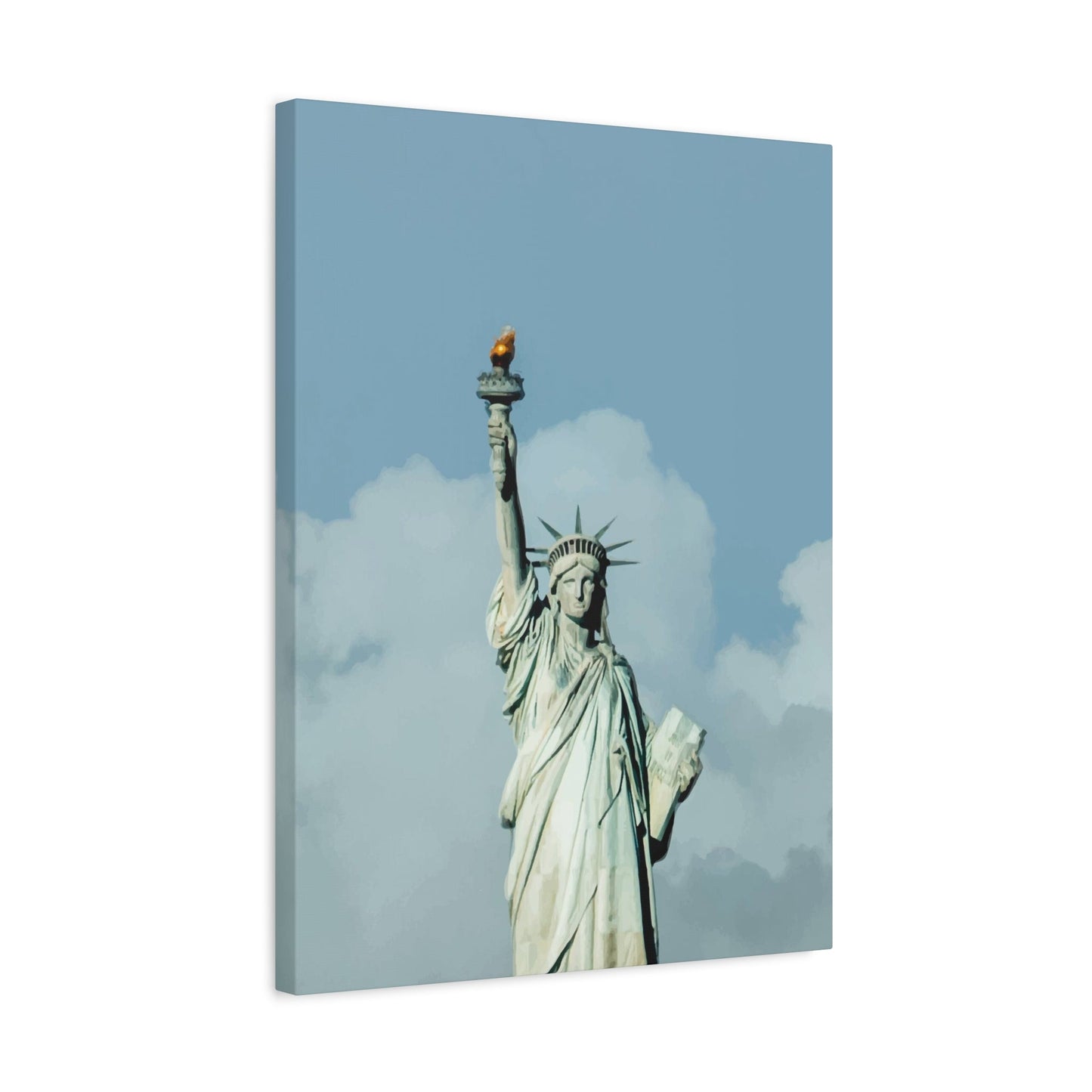
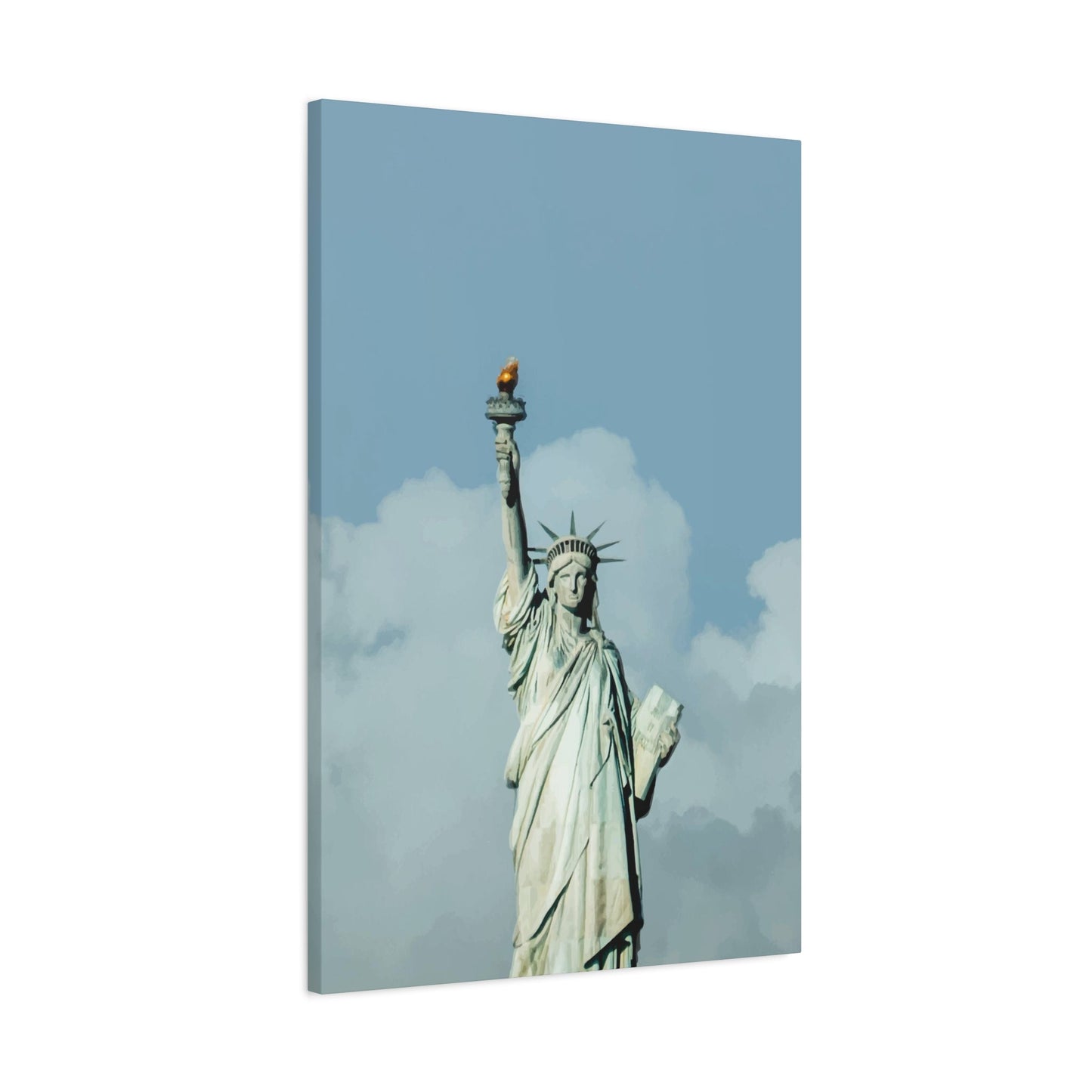
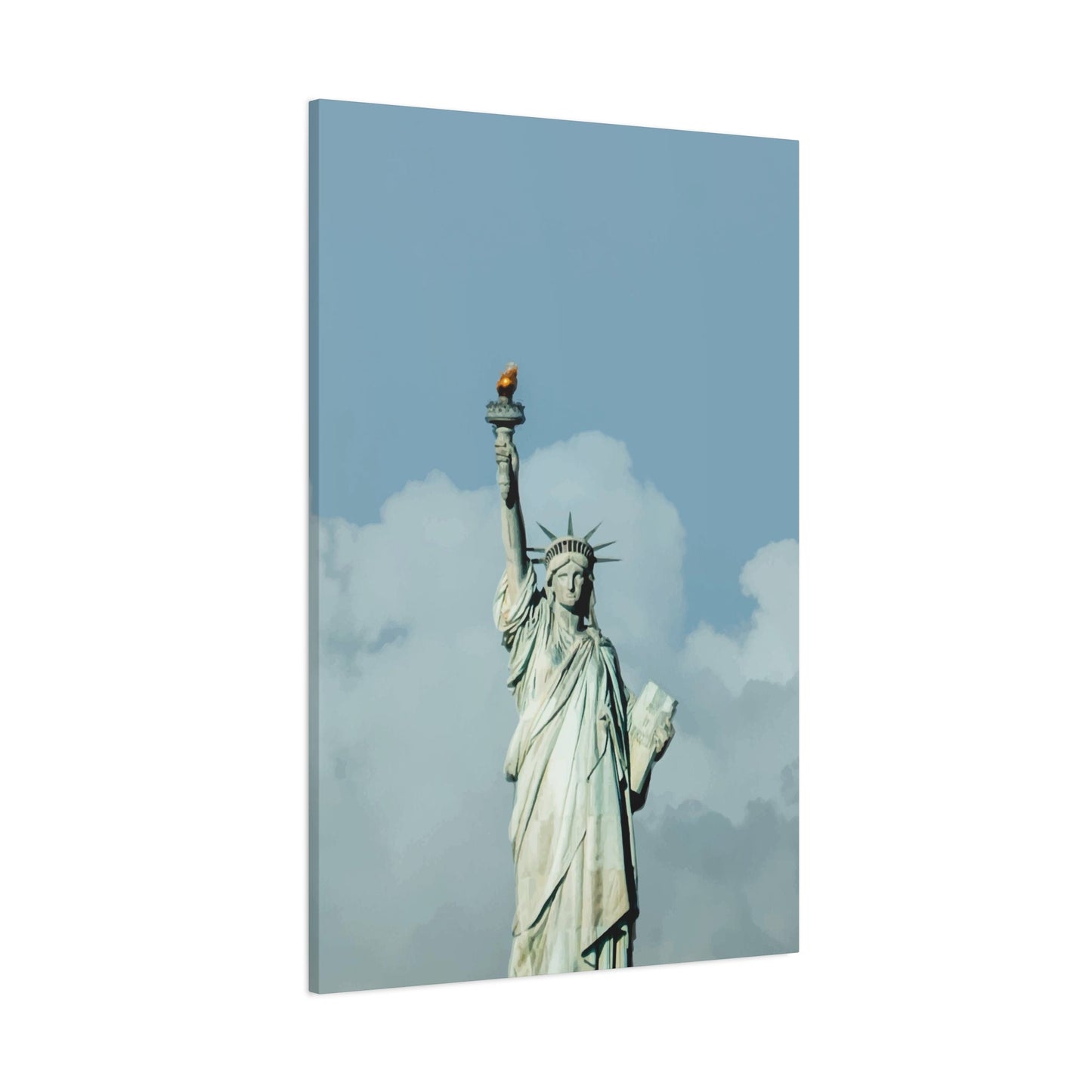
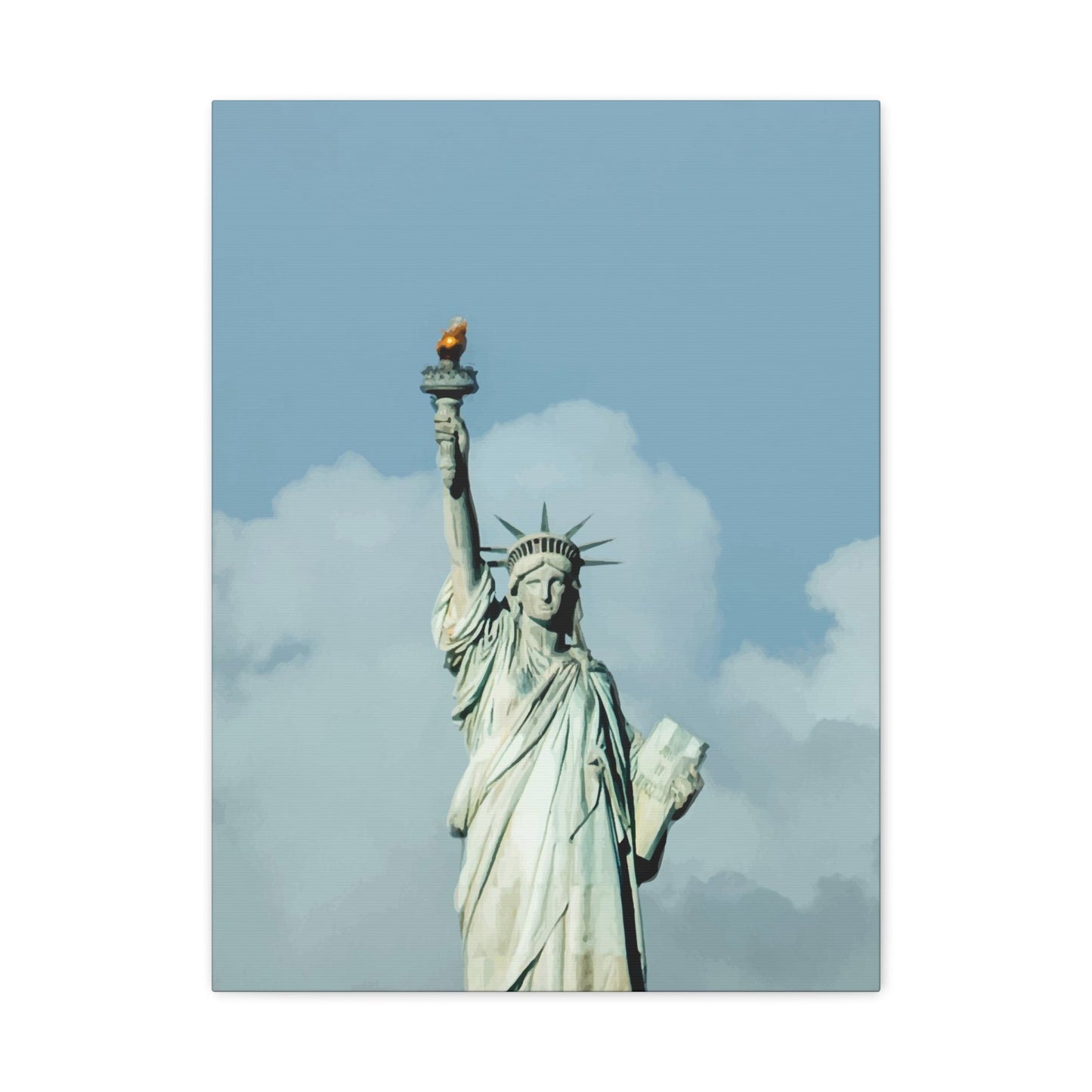
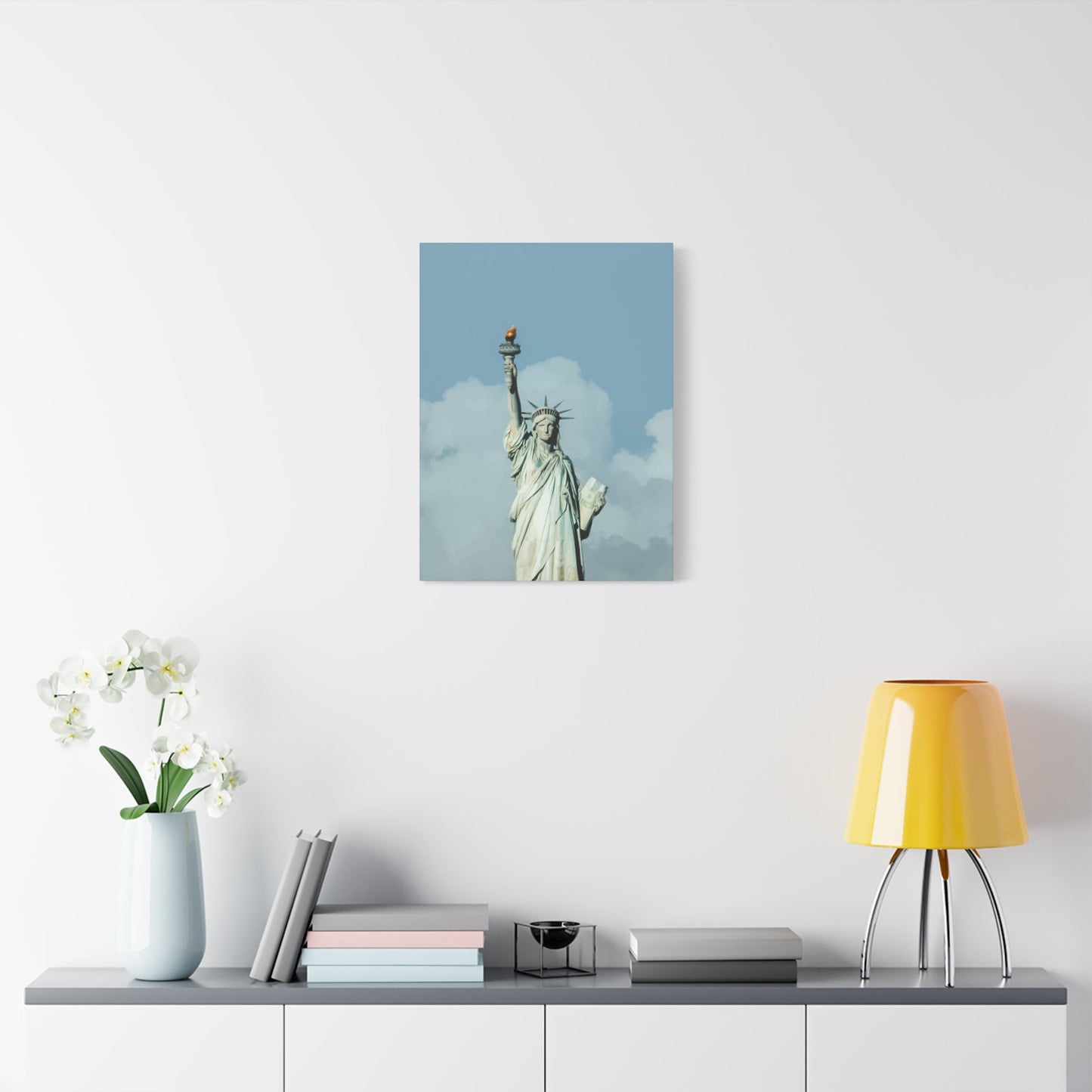

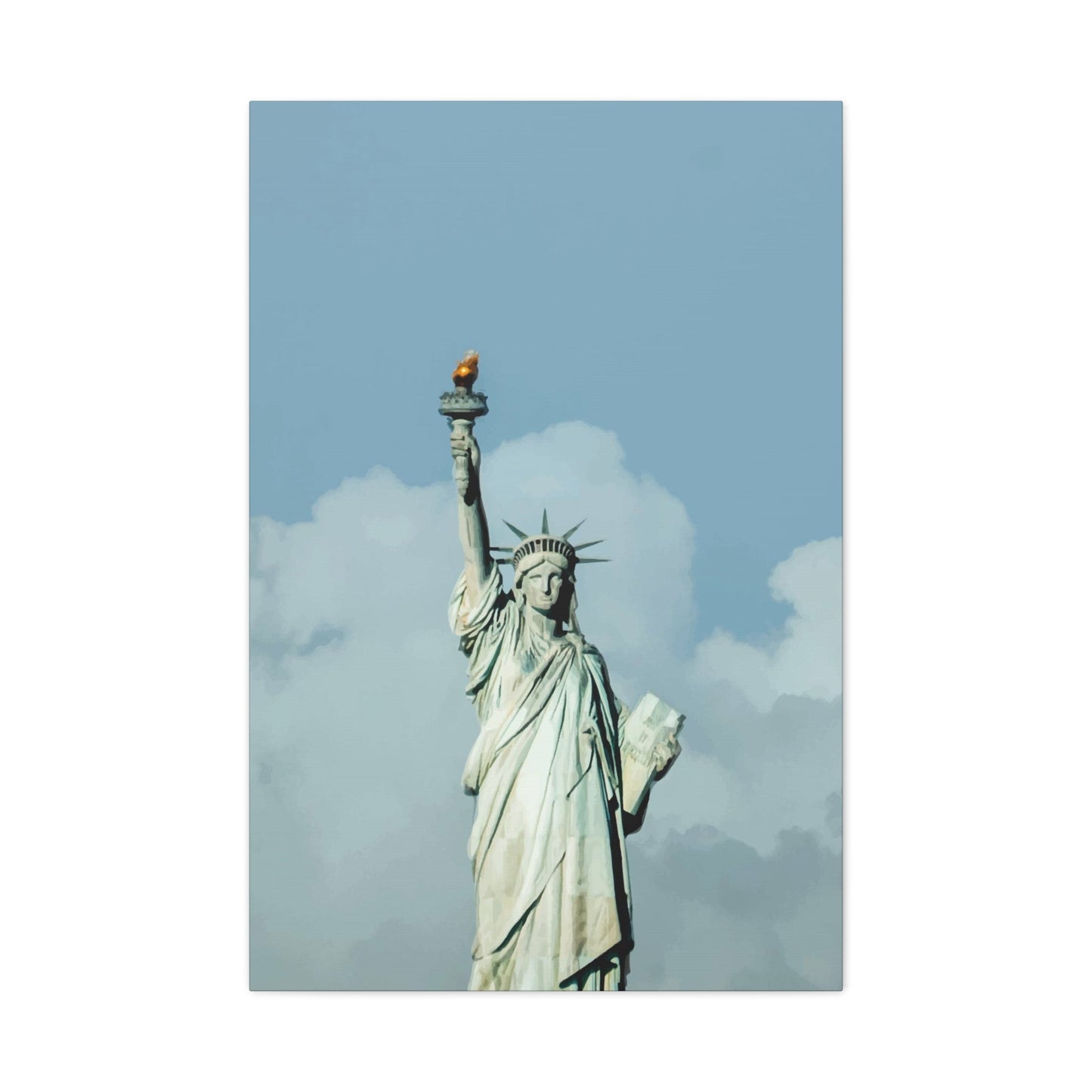
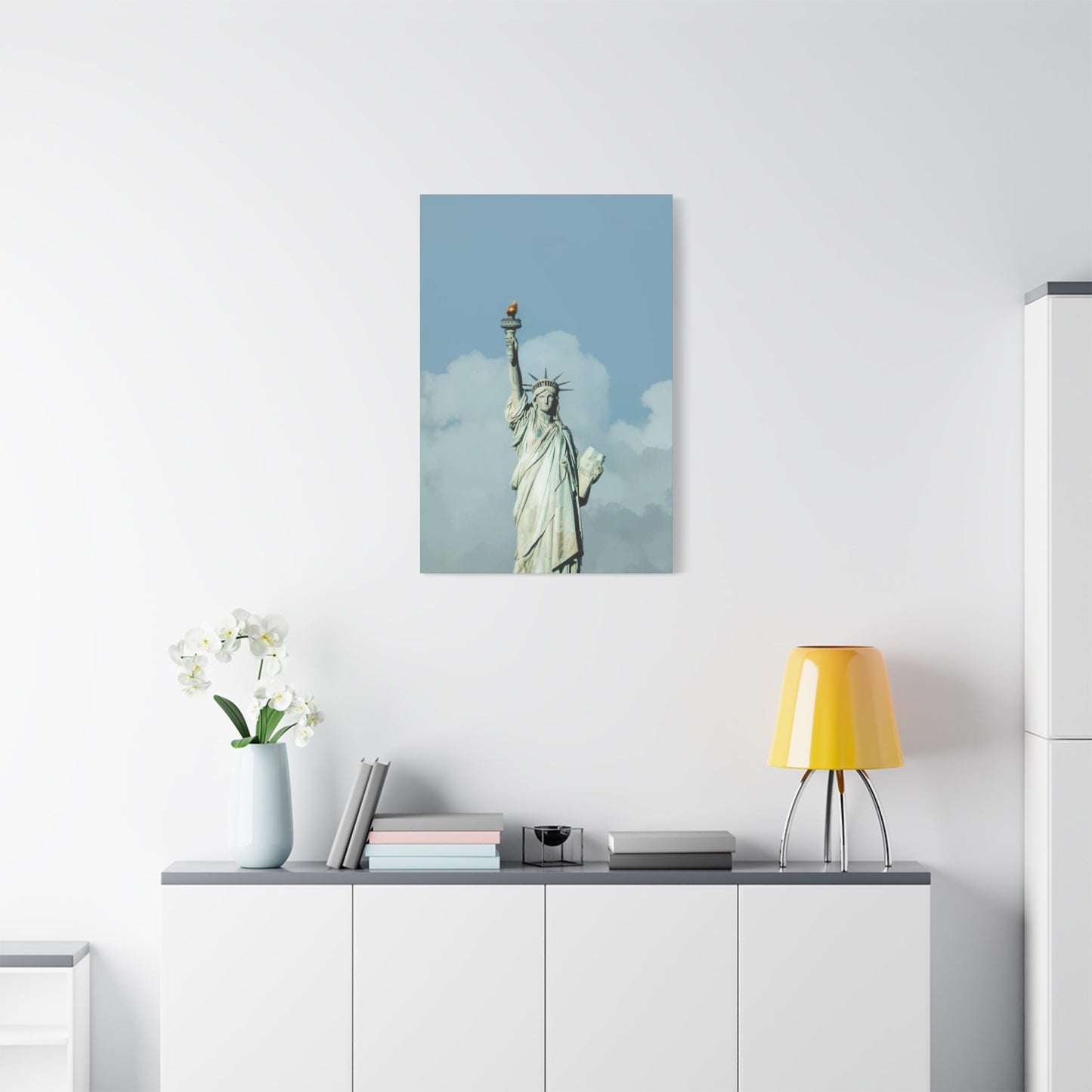

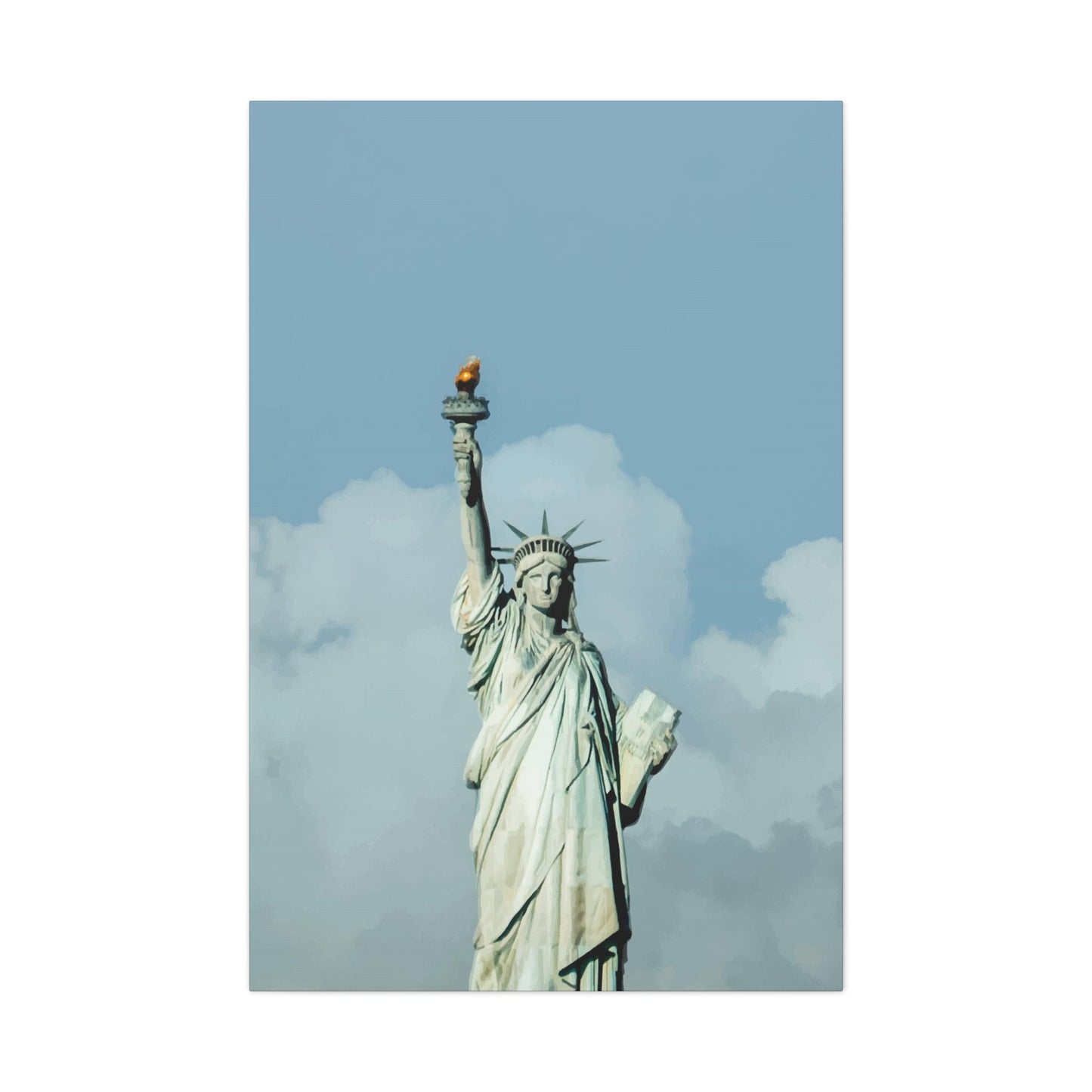
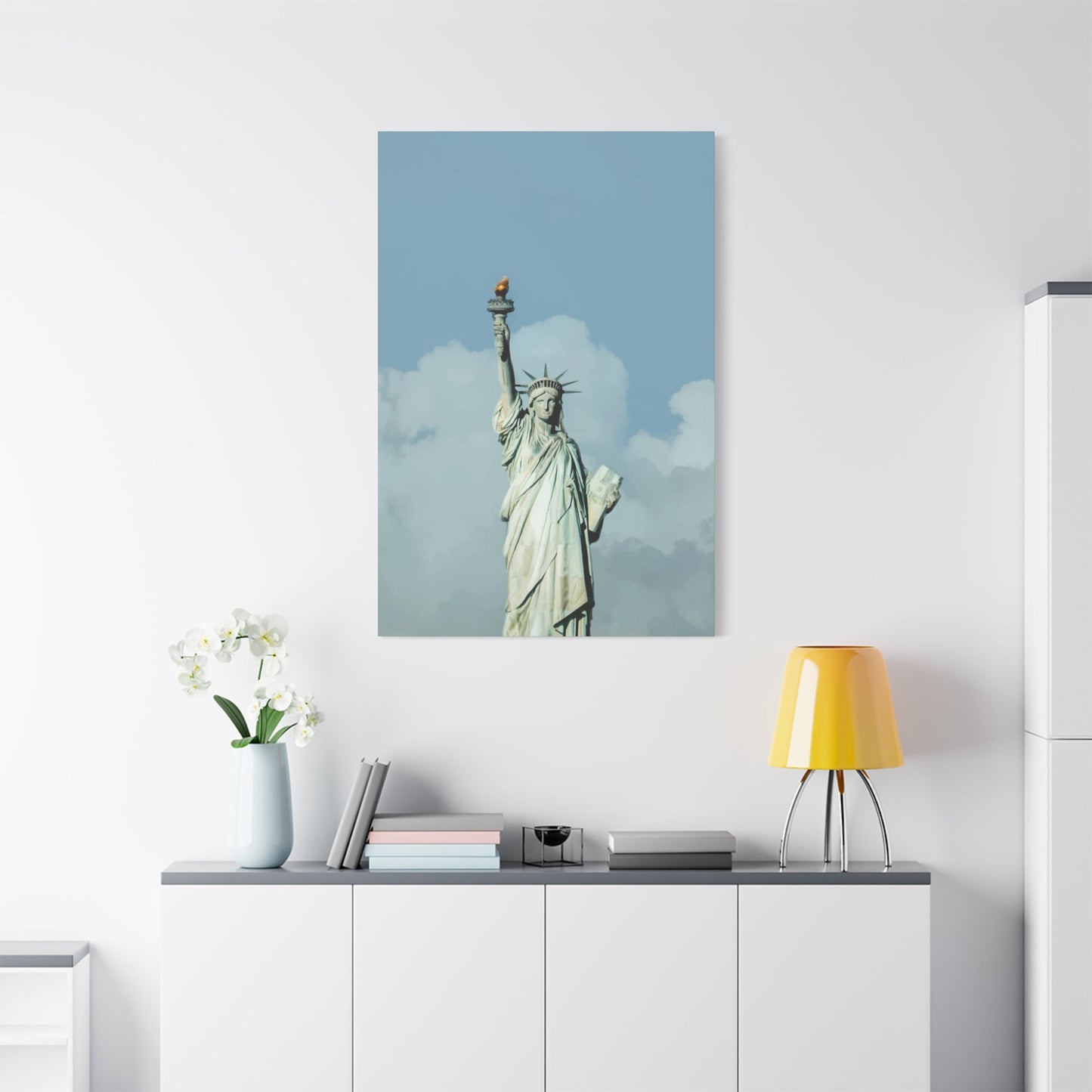
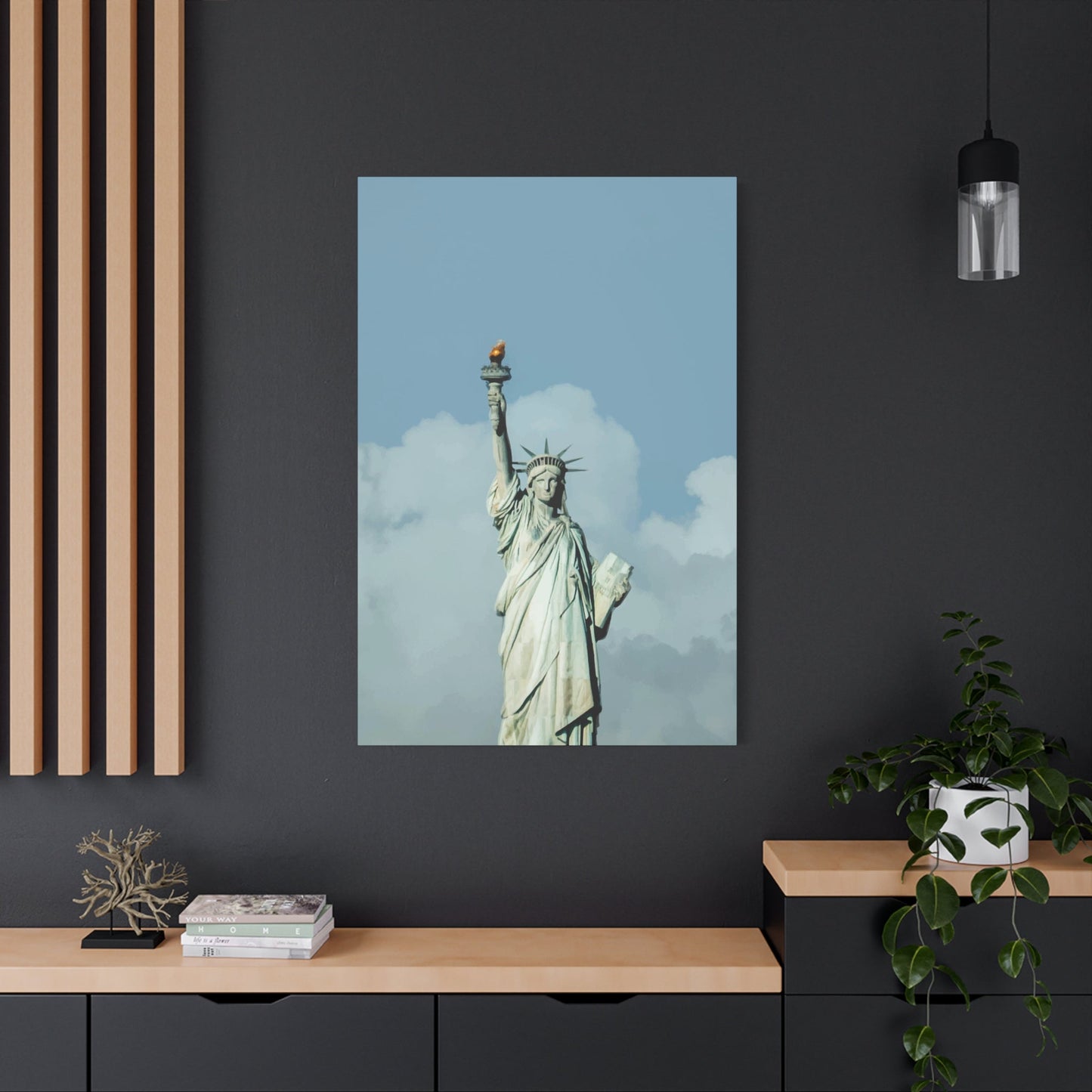
Statue of Liberty Wall Art: An In-Depth Journey Through America’s Icon of Freedom
Standing tall in New York Harbor, the colossal copper figure has welcomed millions of immigrants, inspired countless artists, and become one of the most recognizable monuments on Earth. This majestic structure represents more than just a tourist attraction; it embodies the very essence of freedom, hope, and the American dream. From its intricate design elements to its profound cultural impact, this remarkable monument continues to captivate hearts and minds across generations. This comprehensive exploration delves into every aspect of this magnificent landmark, revealing stories, secrets, and significance that make it an enduring symbol of liberty for people around the world.
Decoding the Secret Meanings Within the Monument's Architecture
The towering figure that greets vessels entering New York Harbor contains layers of symbolic meaning woven into every aspect of its design. Frederic Auguste Bartholdi, the French sculptor responsible for this masterpiece, embedded profound messages throughout the structure that many visitors overlook during their visit.
The crown adorning the figure's head features seven spikes radiating outward, each representing one of the seven continents and seven seas, symbolizing universal liberty that extends across the entire globe. This detail reinforces the concept that freedom is not confined to American shores but represents an ideal that should illuminate all nations. The number seven itself holds biblical significance, representing completeness and perfection in many spiritual traditions.
The tablet held in the figure's left arm bears the inscription "JULY IV MDCCLXXVI" in Roman numerals, commemorating the date of American independence. This tablet represents the concept of law and the importance of codified rights in protecting individual freedoms. The positioning of the tablet suggests that liberty must be grounded in legal principles rather than arbitrary power.
At the monument's feet lie broken shackles and chains, though most visitors never see this detail due to the elevation of the pedestal. These broken bonds represent freedom from oppression and tyranny, symbolizing the abolition of slavery and all forms of human bondage. The placement at the feet suggests forward movement away from subjugation toward enlightenment.
The torch held high in the right hand serves as a beacon, representing enlightenment showing the way to liberty. The flame symbolizes not just political freedom but intellectual liberation through knowledge and reason. The positioning of the torch at the highest point emphasizes that liberty requires constant vigilance and must be elevated above all other concerns.
The robe draping the figure's body resembles the garments worn by Libertas, the Roman goddess of freedom. This classical reference connects American ideals to ancient democratic traditions while suggesting that liberty is timeless and transcendent. The flowing fabric creates an impression of movement and grace, suggesting that freedom is dynamic rather than static.
The figure's facial expression projects calm determination rather than aggression or celebration. This solemn countenance suggests that maintaining liberty requires serious commitment and constant effort. The gaze directed forward implies looking toward the future with hope while remaining steadfast in principles.
The pedestal itself contains symbolic elements often overlooked. The base features embedded bronze plaques, including one bearing Emma Lazarus's famous sonnet, which transformed the monument's meaning to emphasize welcome and refuge for immigrants. The architectural style of the pedestal, designed by Richard Morris Hunt, incorporates elements of ancient military fortifications, suggesting that liberty must be defended.
The star-shaped base of Fort Wood, upon which the monument stands, adds another layer of symbolism. This eleven-pointed star references military defense of freedom, reminding observers that liberty sometimes requires protection through strength. The integration of the monument with the existing fort creates a visual metaphor for building new ideals upon established foundations.
Even the green patina covering the copper surface carries meaning. While originally unintended, the oxidation process has created a distinctive appearance that many now consider integral to the monument's identity. This natural transformation represents how ideals evolve and adapt while maintaining their essential character.
The orientation of the figure facing southeast toward the Atlantic Ocean positions it as a welcoming beacon for those arriving from Europe. This directional choice emphasizes the monument's role as a symbol of refuge and new beginnings for immigrants seeking better lives. The positioning also creates dramatic silhouettes against sunrise and sunset, adding to its visual impact.
The scale of the monument itself conveys symbolic meaning through its imposing presence. Standing over three hundred feet from ground to torch tip, the structure dominates the harbor landscape, suggesting that liberty should tower above all other considerations. The size also ensures visibility from great distances, reinforcing the concept of far-reaching influence.
The Journey from Local Monument to Worldwide Emblem
The transformation of this copper colossus into a universally recognized symbol represents one of history's most remarkable evolutions in cultural significance. What began as a diplomatic gift with specific historical context has transcended its origins to become an icon that communicates instant meaning across linguistic and cultural boundaries.
During the initial decades after dedication, the monument functioned primarily as a navigational landmark and curiosity rather than the profound symbol it would become. Early Americans appreciated the artistic and engineering achievement but had not yet embraced the deeper meanings that would emerge. The structure served practical purposes as a lighthouse until 1902, when this function was discontinued due to inadequate illumination power.
The turning point in global recognition came through the experiences of immigrants arriving at nearby processing centers. Between 1892 and 1954, millions of people seeking new lives in America passed by the monument, often recording their emotional responses in letters, diaries, and oral histories. These personal accounts transformed public perception, associating the monument with themes of hope, opportunity, and new beginnings.
Photographic reproduction played a crucial role in spreading the monument's image worldwide. As photography became more accessible and publications more international in scope, images of the monument appeared in newspapers, magazines, and postcards across continents. The distinctive silhouette proved instantly recognizable and reproducible, making it ideal for visual communication.
Political movements adopted the monument's imagery to represent various causes throughout the twentieth century. Suffragettes, civil rights activists, labor organizers, and pro-democracy movements in other nations all invoked the monument's symbolism to support their campaigns. This diverse adoption reinforced its association with universal human rights rather than narrow political agendas.
Hollywood played an enormous role in cementing global recognition. Countless films featured the monument as a establishing shot to signify New York or America itself. Science fiction movies frequently depicted the monument in dramatic scenes of destruction or survival, using its cultural weight to heighten emotional impact. These cinematic appearances introduced the monument to audiences who might never visit in person.
The monument became a standard element in American political imagery during the Cold War era. Government propaganda and public diplomacy efforts prominently featured the structure to contrast American freedom with Soviet oppression. This association strengthened the monument's connection to democratic ideals and positioned it as an ideological counterpoint to totalitarian symbols.
International replicas contributed to global familiarity. As smaller versions appeared in cities from Paris to Tokyo, the design became a shared cultural reference point. These reproductions, whether officially sanctioned or independently created, spread visual literacy about the monument's appearance and meaning to populations far from New York Harbor.
The monument's centennial celebration in 1986 generated unprecedented global media coverage. The extensive restoration project and elaborate festivities attracted international attention, reintroducing the monument to a new generation. The televised ceremonies reached hundreds of millions of viewers worldwide, reinforcing its status as a paramount symbol.
Tourism growth transformed the monument into a must-see destination for international visitors. As air travel became more accessible and affordable, seeing the monument became a checklist item for tourists from around the world. This steady stream of international visitors carried memories and photographs back to their home countries, perpetuating the monument's fame.
Digital media and the internet age exponentially increased the monument's global presence. Images of the monument proliferated across websites, social media platforms, and digital communications. The structure's distinctive profile made it a popular subject for emoji, icons, and digital graphics, ensuring constant visibility across screens worldwide.
September 11, 2001 attacks elevated the monument's symbolic significance once again. In the aftermath of tragedy, the structure represented resilience and the endurance of democratic values. Images of the monument alongside the altered Manhattan skyline became powerful emblems of perseverance and renewal, resonating with global audiences who sympathized with American losses.
Contemporary social movements continue adopting the monument's imagery. Environmental activists, immigration advocates, LGBTQ rights supporters, and numerous other causes invoke the monument to emphasize connections between their specific goals and broader freedom principles. This ongoing relevance ensures the monument remains culturally vital rather than merely historically significant.
The monument's appearance on currency, stamps, and official documents reinforced its association with American national identity. This constant presence in daily transactions and communications normalized the monument's image, making it an unconscious part of visual vocabulary for millions of people who handle American money or mail.
Planning Your Experience at the Monument's Home
Arriving at the island housing this magnificent monument requires advance planning and awareness of specific procedures. The experience offers rewards for those who prepare properly, while unprepared visitors may encounter disappointments or missed opportunities during their visit.
Access to the island requires ferry transportation, as no bridges or other connections exist to the mainland. The official ferry service operates from departure points in Manhattan and New Jersey, with boats running on regular schedules throughout the day. Purchasing tickets well in advance is strongly recommended, particularly during peak tourist seasons when same-day availability becomes extremely limited.
Security screening resembles airport procedures, reflecting heightened protocols implemented after 2001. Visitors should expect to pass through metal detectors and have bags examined by security personnel. Prohibited items include weapons, large bags, luggage, and various other restricted materials. The screening process requires patience, particularly during busy periods when lines extend considerably.
Multiple access levels exist within the monument, each requiring different ticket types. The most basic tickets allow island access and exterior viewing but not entry into the structure itself. Pedestal access tickets permit climbing to the observation deck at the statue base, offering elevated views of the harbor. Crown access tickets, the most sought-after and limited, allow climbing the narrow spiral staircase to viewing windows in the crown.
Crown access presents physical challenges that many visitors underestimate. The ascent involves climbing 377 steps in a confined space with limited air circulation. No elevators serve the crown, and descent requires using the same narrow stairway. Claustrophobic individuals or those with mobility limitations should seriously consider whether crown access suits their needs.
Timing your visit strategically improves the overall experience. Early morning departures typically encounter smaller crowds and more pleasant conditions for photography. Late afternoon visits offer beautiful lighting conditions but may feel rushed if limited by ferry schedules. Weekday visits generally prove less crowded than weekends, though summer months remain busy regardless of day.
Weather significantly impacts the experience, as much of the visit occurs outdoors. Summer heat can be intense without shade, while winter cold accompanied by harbor winds creates uncomfortable conditions. Spring and autumn generally offer the most pleasant weather, though these seasons also attract numerous visitors. Checking weather forecasts and dressing appropriately enhances comfort considerably.
The island facilities include a museum, cafe, and gift shop, all worthy of exploration time. The museum contains fascinating artifacts, historical documents, and interactive exhibits explaining the monument's construction and significance. The original torch, replaced during restoration efforts, resides in the museum and provides an extraordinary close-up view of details invisible from ground level.
Audio tours available in multiple languages enhance understanding for international visitors. These guided narrations provide historical context, architectural details, and cultural significance while allowing self-paced exploration. The audio tours prove particularly valuable for visitors unfamiliar with American history or the monument's specific background.
Photography opportunities abound throughout the island, from dramatic monument views to harbor panoramas. The best exterior photographs often come from the ferry during approach and departure, when distance provides full-frame compositions. On the island itself, various angles offer different perspectives, from imposing low angles emphasizing height to contextualized shots incorporating New York skyline backgrounds.
Accessibility accommodations exist for visitors with disabilities, though limitations remain due to the structure's historic nature. Wheelchairs can access the island, grounds, and museum, but interior monument access presents challenges. Pedestal level has elevator access, while crown access remains impossible for those unable to climb stairs. Staff members assist disabled visitors in navigating available options.
Food options on the island consist primarily of the cafe offering basic fare. Prices reflect the captive audience situation, so budget-conscious visitors might prefer eating before or after their visit. Picnicking is not generally permitted, though checking current regulations before visiting proves wise as policies occasionally change.
Souvenir shopping opportunities range from inexpensive postcards to elaborate reproductions. The gift shop stocks diverse merchandise at various price points, allowing visitors to commemorate their experience according to personal preferences and budgets. Purchasing souvenirs on the island itself provides authentic officially licensed items rather than unofficial street vendor merchandise.
Time allocation requires realistic planning, as a complete visit typically requires four to five hours. This duration includes ferry travel time, security processing, island exploration, museum visit, and any interior monument access. Visitors with crown tickets should allocate additional time for the strenuous climb and descent. Rushing through the experience diminishes enjoyment and appreciation.
Remarkable Details About This American Treasure
Beyond the commonly known facts repeated in every guidebook, this monument harbors numerous fascinating details that escape typical tourist awareness. These lesser-known aspects add depth to understanding and appreciation of this remarkable structure.
The monument's official name, Liberty Enlightening the World, differs from the colloquial title most people use. This formal designation emphasizes the enlightenment theme central to the designer's vision, highlighting intellectual liberation as equally important as political freedom. The difference between official and popular names reflects how public perception has evolved differently from original intentions.
The copper skin measures only three thirty-seconds of an inch thick, approximately the thickness of two pennies placed together. This remarkably thin material covering such an enormous structure demonstrates the engineering brilliance behind the construction. The copper originally glowed bright orange-brown before oxidation created the now-iconic green patina.
Wind causes the monument to sway slightly, with the torch moving approximately five to six inches during strong winds. This flexibility prevents rigid structural failure, as the iron framework designed by Gustave Eiffel allows controlled movement. The engineering incorporates concepts later applied to skyscraper construction, making the monument a pioneering achievement in structural design.
Lightning strikes the torch numerous times annually, as the elevated metal structure naturally attracts electrical discharge. The monument functions as an enormous lightning rod, safely channeling strikes through the metal framework to ground level. These strikes cause no damage due to proper grounding systems, though they create spectacular visual displays for fortunate observers.
The monument weighs approximately 225 tons, with the copper skin accounting for only about 31 tons of that total. The remaining weight consists of the iron framework, pedestal, and foundation structures. The relatively light weight compared to size reflects the hollow construction and thin copper skin that makes the monument an early example of curtain wall architecture.
The tablet inscription contains an unusual error in Roman numeral formatting. The date uses MDCCLXXVI, which technically should be written as MDCCLXXV in standard Roman numeral convention. This irregularity has sparked debates among historians about whether it represents a deliberate stylistic choice or an actual mistake that remained uncorrected.
The monument appears in more film scenes than any other American landmark, according to various cinema historians. This ubiquitous presence ranges from subtle background appearances to starring roles in action sequences. Directors favor the monument because its instant recognizability allows audiences to immediately understand location and thematic context without explanation.
The green patina protecting the copper will theoretically last for millennia without requiring replacement. The oxidation process creates a stable coating that prevents further corrosion of the underlying copper. This natural preservation means the distinctive green color will endure far longer than most modern building materials would survive.
No identical twin exists despite numerous similar statues worldwide. Every reproduction differs in some respect, whether size, proportions, materials, or details. Even official replicas created from the same plans include variations, making each version unique. The Paris version, often cited as most accurate, actually differs substantially in scale.
The monument closed for three years during World War II due to sabotage concerns. Authorities feared enemy agents might target this prominent symbol, so access was restricted for security purposes. This closure represented one of the few extended periods when the public could not visit, highlighting how wartime anxieties extended even to symbolic structures.
The original torch remains sealed and closed to visitors since 1916, when suspected saboteurs damaged it during the Black Tom explosion. This attack, attributed to German agents, caused significant damage to the torch and arm, necessitating extensive repairs. The explosion marked a turning point in monument security and public access policies.
Women served as models for the face, though the exact identity remains disputed. Various theories suggest different women in Bartholdi's life influenced the facial features, though no definitive evidence confirms any single model. The face combines idealized classical features rather than reproducing any specific individual's appearance.
The internal iron framework contains approximately 300 different types of bars, straps, and supports. This complex structural system required innovative engineering techniques to design and construct. Eiffel's framework predated his famous tower and demonstrated principles he would apply to later projects, making the monument an important milestone in his career.
More than four million people visit annually, making it one of the most visited attractions in America. This steady stream of tourists generates significant economic impact for the surrounding region while creating challenges for preservation and crowd management. Peak days can see more than ten thousand visitors arriving on the island.
The seven-pointed crown design influenced numerous later monuments and architectural features. The distinctive spiked crown became synonymous with the concept of liberty in visual culture, appearing on coins, logos, and other symbolic representations. This design element became one of the most widely recognized and reproduced aspects of the entire monument.
The Monument's Crucial Connection to Immigration Heritage
No aspect of this monument's history carries more emotional weight than its association with the millions of immigrants who passed nearby while entering America. This connection transformed the structure from a diplomatic gift into a powerful symbol of welcome and new beginnings.
The monument's proximity to Ellis Island created an unintentional but profound symbolic relationship. Between 1892 and 1954, approximately twelve million immigrants processed through Ellis Island, most arriving by ship and passing the monument during their approach to New York Harbor. For these travelers, the monument represented their first glimpse of America and embodied their hopes for better lives.
Immigrant memoirs, letters, and oral histories repeatedly reference the emotional impact of seeing the monument during arrival. These personal accounts describe tears, prayers, and profound relief at reaching American shores after difficult ocean voyages. The monument became associated with these emotional moments, transforming from an artistic achievement into a symbol of refuge and opportunity.
Emma Lazarus's sonnet added explicit welcome messaging to the monument's meaning. Her poem, written in 1883 to raise funds for the pedestal, went relatively unnoticed until 1903 when it was engraved on a bronze plaque and placed inside the pedestal. The famous lines "Give me your tired, your poor, your huddled masses yearning to breathe free" explicitly reframed the monument as a symbol of welcome rather than simply liberty.
The monument's role in immigration history was not originally intended or emphasized. French designers and American supporters conceived of it primarily as celebrating republican government and Franco-American friendship. The immigrant connection developed organically through proximity and timing rather than deliberate planning, yet it became the most emotionally resonant aspect of the monument's significance.
Immigrant communities adopted the monument as their own symbol, incorporating its image into cultural celebrations and organizations. Italian, Irish, Jewish, and numerous other immigrant groups created associations, publications, and events using monument imagery. This grassroots adoption by newcomers reinforced the connection between the structure and immigration in public consciousness.
The monument appeared frequently in citizenship education materials and naturalization ceremonies. New Americans learning about their adopted country encountered the monument as a symbol of what America represented. This educational role taught generations of immigrants and their children to view the monument as emblematic of American ideals and their own belonging in the nation.
Political debates about immigration policy frequently invoke the monument's symbolism. Both restrictionists and immigration advocates cite the monument to support their positions, though typically emphasizing different aspects of its meaning. These debates keep the monument relevant to contemporary policy discussions while sometimes obscuring historical complexities.
The monument's association with immigration created tensions when American immigration policies became more restrictive. During periods of quotas, exclusions, and heightened enforcement, critics noted the irony of maintaining a symbol of welcome while limiting actual immigration. These contradictions sparked discussions about whether the monument's meaning aligned with national policies.
Immigrant artists created numerous works inspired by their arrival experiences and the monument. Paintings, sculptures, photographs, poems, and other creative expressions captured the emotional resonance of seeing the monument while entering a new country. These artistic responses contributed to cultural understanding of immigration experiences.
Family histories passed down stories about seeing the monument during ancestors' arrivals. These personal narratives, repeated through generations, kept the monument's immigrant associations alive in family memories. Even descendants who never experienced immigration themselves learned to associate the monument with their heritage.
The monument appears in immigration museums and historical exhibitions worldwide. Displays about migration patterns, refugee movements, and diaspora histories frequently include monument imagery. This consistent appearance in educational contexts reinforces the connection between the structure and human movement.
Contemporary immigrants continue photographing themselves with the monument, maintaining traditions established by earlier generations. Despite changed immigration patterns and entry points, the monument remains a popular destination for new Americans seeking to commemorate their arrival. These modern photographs echo earlier traditions while reflecting contemporary immigration experiences.
Refugee organizations and resettlement agencies use monument imagery in their promotional materials. The symbolic association with welcome and new beginnings makes the monument an effective tool for communicating mission and values. This usage keeps the monument relevant to ongoing discussions about asylum, refuge, and humanitarian protection.
Academic research examining immigration history extensively references the monument's symbolic role. Historians, sociologists, and cultural studies scholars analyze how the monument shaped immigrant experiences and national identity formation. This scholarly attention documents and preserves understanding of the monument's social significance beyond its physical presence.
The monument's immigration associations created expectations that shaped how newcomers interpreted their American experiences. Arriving with the monument's symbolism in mind, immigrants measured their actual experiences against the ideals it represented. This symbolic framework influenced how generations of Americans understood their nation's identity and values.
Capturing History Through Images Across Decades
Photographic documentation of this monument spans from its earliest days to the present moment, creating a visual timeline that reveals changing perspectives, technologies, and cultural attitudes. These images constitute a rich historical archive demonstrating how representation shapes meaning.
The earliest photographs, taken during construction in France, show the monument in unfamiliar contexts. Images of the monument under construction in Parisian workshops appear strange to modern viewers accustomed to seeing it in New York Harbor. These construction photographs reveal the engineering process and massive scale in ways that completed monument images cannot convey.
Dedication day photographs from 1886 capture the elaborate ceremonies and enormous crowds that celebrated the unveiling. These historic images document the monument's entry into public consciousness and the excitement surrounding this international gift. Period photography limitations mean these images lack the sharp detail of modern photographs but possess tremendous historical value.
Early twentieth century photographs often featured the monument as a backdrop for New York Harbor maritime activity. Ships, ferries, and naval vessels appeared in foregrounds with the monument behind, emphasizing the harbor's commercial and military importance. These compositions reflect the monument's role as a navigational landmark rather than primarily a tourist destination.
Immigrant arrival photographs from the Ellis Island era captured emotional moments of first sightings. Though photographic access was limited, some images survive showing immigrants on ship decks viewing the monument during approach. These rare photographs provide visual documentation of the monument's role in immigration history.
World War I era photographs show the monument adorned with patriotic bunting and surrounded by military activities. These images reflect the monument's transformation into an explicitly nationalist symbol during wartime. The photographs demonstrate how war mobilization efforts incorporated the monument into propaganda and morale-building campaigns.
Depression era photography by government documentation projects included the monument in broader surveys of American landmarks. Works Progress Administration photographers and others captured the monument within social documentary contexts, showing it amid economic hardship. These images present the monument as enduring through national challenges.
World War II photographs show the monument with blackout modifications and military guards, documenting wartime security measures. These unusual images of the darkened monument reflect the threat environment and protective measures implemented. The photographs provide visual evidence of how war transformed even symbolic landscapes.
Post-war aerial photography revealed new perspectives on the monument and its setting. Helicopter and airplane photographs showed the monument from angles impossible in earlier eras, creating fresh visual interpretations. These aerial views emphasized the monument's relationship to surrounding geography and urban development.
Civil rights era photographs incorporated the monument into imagery of protest and social change. Demonstrations and rallies held near the monument or incorporating its imagery in signs and artwork connected freedom symbolism to contemporary justice movements. These photographs document how activists appropriated the monument's meaning for their causes.
The 1986 centennial restoration generated unprecedented photographic documentation. Scaffolding-covered construction photographs revealed details rarely visible, while elaborate rededication ceremonies received extensive media coverage. Time magazine's famous scaffolding cover and countless other images captured the monument's renewal for a new era.
September 11 photographs showing the monument with altered Manhattan skyline became iconic images of tragedy and resilience. Photographs of the monument standing while smoke rose from downtown Manhattan communicated powerful messages about endurance. These images became some of the most reproduced photographs in monument history.
Digital photography revolutionized how people capture and share monument images. The transition from film to digital cameras enabled unlimited experimental photography without development costs. Social media platforms became filled with millions of personal monument photographs, democratizing monument imagery beyond professional photography.
Drone photography opened new aerial perspectives previously available only through expensive helicopter shoots. Dramatic overhead views and close-up angles of the crown and torch became accessible to amateur photographers. Drone images revealed architectural details and spatial relationships in unprecedented ways.
Night photography and long exposure techniques created dramatic monument images impossible with earlier technology. Light trails from passing boats, illuminated torch glow, and surrounding city lights produced striking artistic interpretations. These technical capabilities expanded creative possibilities for monument photography.
Selfie culture transformed how tourists photographed themselves with the monument. Rather than simply capturing the monument itself, visitors began emphasizing their own presence in monument photographs. This shift reflected broader changes in photography culture and social media documentation practices.
Professional photographers continue finding fresh approaches despite the monument's extensive photographic history. Unusual weather conditions, rare lighting situations, and creative compositions produce distinctive images. The challenge of creating original monument photographs inspires ongoing artistic innovation.
Historical photograph archives preserve invaluable visual documentation accessible through museums and digital collections. These repositories allow researchers and public audiences to explore monument history through contemporary images. Digitization projects have made thousands of historical monument photographs available online.
Comparison photographs showing the monument across decades reveal environmental changes and preservation efforts. Side-by-side images document patina development, structural modifications, and surrounding landscape transformations. These comparison series provide visual evidence of change over time.
Controversial photographs depicting the monument in disaster scenarios or altered states have sparked debates about appropriate representation. Movie posters, political cartoons, and artistic interpretations showing damaged or modified monuments sometimes provoke criticism. These controversies demonstrate the monument's symbolic power and cultural sensitivity surrounding its image.
The photographic archive continues expanding exponentially in the digital age. Every day thousands of new monument photographs are created and shared worldwide. This enormous and growing visual record documents ongoing relationships between people and this powerful symbol.
The Remarkable Achievement of Building Such a Monument
The construction of this enormous monument represented a significant engineering and artistic achievement that pushed the boundaries of mid-nineteenth century capabilities. Understanding the technical challenges and innovative solutions reveals the brilliance behind this iconic structure.
The initial concept emerged from conversations between French intellectuals celebrating republican government and Franco-American friendship. Edouard de Laboulaye, a French political thinker and abolitionist, proposed creating a monument celebrating American freedom and encouraging republican ideals in France. This political context shaped the monument's initial purpose before it acquired broader meanings.
Frederic Auguste Bartholdi, a sculptor seeking a grand project, embraced the concept enthusiastically. His vision for a colossal monument exceeded anything previously attempted in sculpture. Bartholdi studied ancient colossal works and contemporary engineering to develop his approach, ultimately creating something unprecedented in scale and ambition.
Funding the project required extensive fundraising campaigns on both sides of the Atlantic. The French took responsibility for creating the monument itself, while Americans committed to building the pedestal. Both fundraising efforts encountered significant challenges, with campaigns dragging on for years and requiring creative approaches to generate necessary funds.
The construction process began in France, where Bartholdi's workshop crafted the monument in sections. Workers created full-scale plaster models before forming copper sheets over wooden molds through a technique called repoussé. This labor-intensive process involved hammering copper sheets from the reverse side to create three-dimensional forms.
Gustave Eiffel, not yet famous for his tower, designed the internal iron framework that would support the copper skin. His innovative design used a central pylon with flexible connections to the copper exterior, allowing independent movement that prevents structural failure. This engineering approach anticipated techniques later used in skyscraper construction.
The monument's assembly in Paris for testing attracted enormous crowds curious about the enormous project. The completed monument towered over Parisian buildings, creating an incongruous sight that captured public imagination. Photographs of the monument in Paris appear strange to modern viewers accustomed to its New York setting.
Disassembly and shipping required packing the monument into 214 crates transported across the Atlantic. This massive shipment presented logistical challenges, requiring special handling and careful documentation to ensure proper reassembly. The arrival of these crates in New York Harbor generated significant publicity and public interest.
Delays in completing the American pedestal created embarrassment for the host nation. Fundraising difficulties left the pedestal incomplete even after the monument itself arrived from France. The monument's components sat in storage for months while pedestal construction continued, becoming a source of national frustration.
Joseph Pulitzer's newspaper fundraising campaign finally generated sufficient funds to complete the pedestal. His New York World newspaper created an innovative crowdsourcing campaign that collected small donations from thousands of contributors. This democratic fundraising approach succeeded where elite patronage had failed, making the pedestal a people's monument.
Richard Morris Hunt designed the pedestal in a style complementing but not competing with the monument itself. His design provided necessary height while creating an impressive architectural element in its own right. The pedestal's completion finally allowed the monument's installation to proceed.
Reassembly in New York required meticulous attention to the numbered components and complex structural connections. Workers faced challenges installing the massive pieces at significant heights without modern equipment. The construction process employed scaffolding, cranes, and manual labor in ways that seem impossibly difficult by contemporary standards.
The monument's dedication on October 28, 1886, featured elaborate ceremonies attended by President Grover Cleveland and dignitaries from both nations. Foggy weather and organizational confusion marred the event somewhat, but enormous public enthusiasm overwhelmed these difficulties. The dedication marked the monument's official presentation to the American people.
Original construction costs totaled approximately 250,000 dollars for the statue and 270,000 dollars for the pedestal in 1880s currency. These substantial sums represented enormous investments by both nations in a symbolic project. Modern equivalent costs would reach many millions of dollars, reflecting the project's ambitious scale.
The construction employed innovative techniques that influenced subsequent architectural and engineering projects. Methods developed for the monument's construction informed approaches to other large-scale projects. The monument thus contributed to advancing construction capabilities beyond its own significance.
Workers from both nations contributed skilled labor essential to the project's success. French artisans crafted the copper work while American laborers built the pedestal and assembled components. This international collaboration embodied the Franco-American friendship the monument celebrated.
The construction timeline stretched across twenty years from initial conception to final dedication. This extended period reflected fundraising challenges, technical complexities, and the unprecedented nature of the project. The lengthy process tested the commitment of everyone involved.
Construction documentation through drawings, photographs, and written records preserved detailed information about methods and materials. These records have proven invaluable for subsequent restoration efforts and historical research. The thorough documentation reflected awareness of the project's historical significance.
Contemporary observers expressed amazement at the monument's scale and engineering achievement. Newspaper accounts marveled at the technical accomplishments and artistic vision. These period reactions help modern audiences understand how revolutionary the monument appeared to nineteenth-century viewers.
The successful completion of this unprecedented project inspired confidence in what engineering and human cooperation could achieve. The monument demonstrated that ambitious visions could be realized through determination, innovation, and international collaboration. This inspirational aspect became part of the monument's broader significance.
The Transatlantic Gift That Defined an Era
The story of how France presented America with this monumental gift reveals complex motivations, international relationships, and cultural meanings that transcended simple generosity. This diplomatic gesture carried profound political significance for both nations involved.
Franco-American relationships in the mid-nineteenth century combined warm historical connections with contemporary complications. Shared revolutionary heritage and mutual assistance during American independence created lasting goodwill. However, differing political systems and international rivalries introduced tensions that the monument gift aimed to address.
French republicans sought to strengthen democratic ideals in their own nation by honoring American freedom. France oscillated between republican and monarchist governments throughout the nineteenth century, with republicans hoping America's success would inspire similar stability in France. The monument served as propaganda for republican government, not just American celebration.
Abolitionist sentiments motivated French supporters who viewed America's Civil War as a struggle for universal liberty. The monument's conception during and after the war reflected these connections to emancipation. French intellectuals celebrated slavery's end while encouraging America to fully realize freedom principles for all citizens.
Frederic Auguste Bartholdi's personal ambitions aligned perfectly with the project's grander goals. As a relatively unknown sculptor seeking a signature achievement, he recognized this project's potential to cement his reputation. His enthusiasm and persistent promotion proved essential to keeping the project alive through funding difficulties and delays.
The French fundraising campaign employed diverse tactics including theatrical performances, lotteries, and public subscriptions. Despite widespread support for the concept, collecting sufficient funds proved challenging. French citizens from various social classes contributed, making the monument a genuinely democratic gift rather than elite patronage alone.
American reception of the monument gift initially showed lukewarm enthusiasm outside major northeastern cities. Many Americans questioned accepting such an expensive gift that required even more expensive pedestal construction. Regional differences in enthusiasm reflected broader national divisions and varying perspectives on Franco-American relations.
The pedestal fundraising difficulties embarrassed American supporters who had promised to fulfill their portion of the agreement. The contrast between France's successful creation of the monument itself and America's struggle to build the pedestal created uncomfortable questions about national commitment. Joseph Pulitzer effectively shamed Americans into contributing through pointed newspaper editorials.
The monument's dedication ceremonies emphasized Franco-American friendship and shared values. Speeches celebrated revolutionary heritage, republican government, and mutual respect between nations. The formal rhetoric positioned the monument as cementing international friendship while promoting freedom as a universal ideal.
Not all Americans welcomed the French gift without reservation. Some viewed it as foreign interference or unwanted European influence. Nativist sentiments and isolationist thinking created pockets of resistance to celebrating a foreign gift so prominently. These dissenting voices were ultimately overwhelmed by positive reception but reveal complex attitudes toward international relationships.
The gift established a precedent for international cultural diplomacy through monumental art. Subsequent exchanges of symbolic gifts between nations followed this model of using art and architecture to express international friendship. The monument demonstrated how material culture could embody and strengthen diplomatic relationships.
French motivations included enhancing France's international prestige and cultural influence. Gifting such an impressive monument demonstrated French artistic and engineering capabilities while positioning France as a champion of universal liberty. The gift served French national interests while also expressing genuine idealism.
The timing of the gift coincided with America's centennial celebration, though dedication occurred a decade after 1876. Organizers originally hoped to complete the monument for the centennial but funding and construction realities prevented this timeline. The association with America's centennial remained part of the monument's meaning despite the delayed completion.
American hesitation about accepting responsibility for maintenance and preservation accompanied acceptance of the gift. The monument represented an ongoing commitment requiring perpetual care and funding. Early debates about who should maintain the monument foreshadowed later discussions about federal responsibility for national symbols.
Conclusion
The Statue of Liberty stands not merely as a monument, but as an eternal symbol of hope, courage, and the unyielding spirit of freedom. When her iconic form is captured through wall art, she transcends her physical location on Liberty Island and enters the intimate spaces of our homes, offices, and hearts. Statue of Liberty Wall Art is more than an aesthetic choice—it is a declaration of values, a reminder of resilience, and a tribute to the ideals that have shaped generations. Through artistic interpretation, this enduring symbol of liberty continues to inspire reflection on what freedom truly means in a constantly changing world.
Each piece of Statue of Liberty wall art carries a unique story. Some portray her in the classic grandeur of realism—towering, majestic, bathed in the golden light of dawn. Others reimagine her through abstract forms, modern colors, or urban textures that mirror the energy of contemporary America. In each version, the essence remains the same: a steadfast embodiment of liberty, dignity, and enlightenment. Her torch, forever lifted high, symbolizes not only guidance but the human desire to rise above limitation and strive toward truth. When displayed on a wall, that image becomes more than art—it becomes aspiration made visible.
The emotional power of this imagery lies in its universality. While deeply tied to American history, the Statue of Liberty speaks to a global audience. She embodies a dream shared by all humanity—the dream of freedom, opportunity, and belonging. For immigrants, she represents arrival and hope; for citizens, she stands as a reminder of unity and shared purpose. When captured in wall art, this timeless figure becomes a point of reflection for anyone who believes in progress, justice, and compassion. Her form might be static in sculpture, but her meaning is forever alive—evolving with every generation that looks upon her.
The versatility of Statue of Liberty wall art makes it an ideal choice for both personal and public spaces. In a living room, it can stand as a powerful focal point, infusing the atmosphere with strength and optimism. In offices or creative spaces, it can symbolize ambition and leadership—a quiet motivator to keep pushing forward. Even in educational or cultural settings, such art fosters awareness and pride in the principles that shape democratic societies. The combination of historical reverence and artistic creativity ensures that each depiction resonates with emotional and intellectual depth.
Beyond its aesthetic appeal, Statue of Liberty wall art also reminds us of the connection between art and identity. Art has always played a role in preserving cultural memory, and through these depictions, the story of liberty remains vivid and accessible. Every brushstroke or print reaffirms a collective narrative—one that honors struggle, perseverance, and triumph. The blending of artistic mediums—from photography and oil painting to digital art and minimalist sketches—ensures that her symbolism adapts to modern sensibilities while maintaining its timeless relevance.


