


Surf Culture Poster Wall Art & Canvas Prints
Surf Culture Poster Wall Art & Canvas Prints
Couldn't load pickup availability
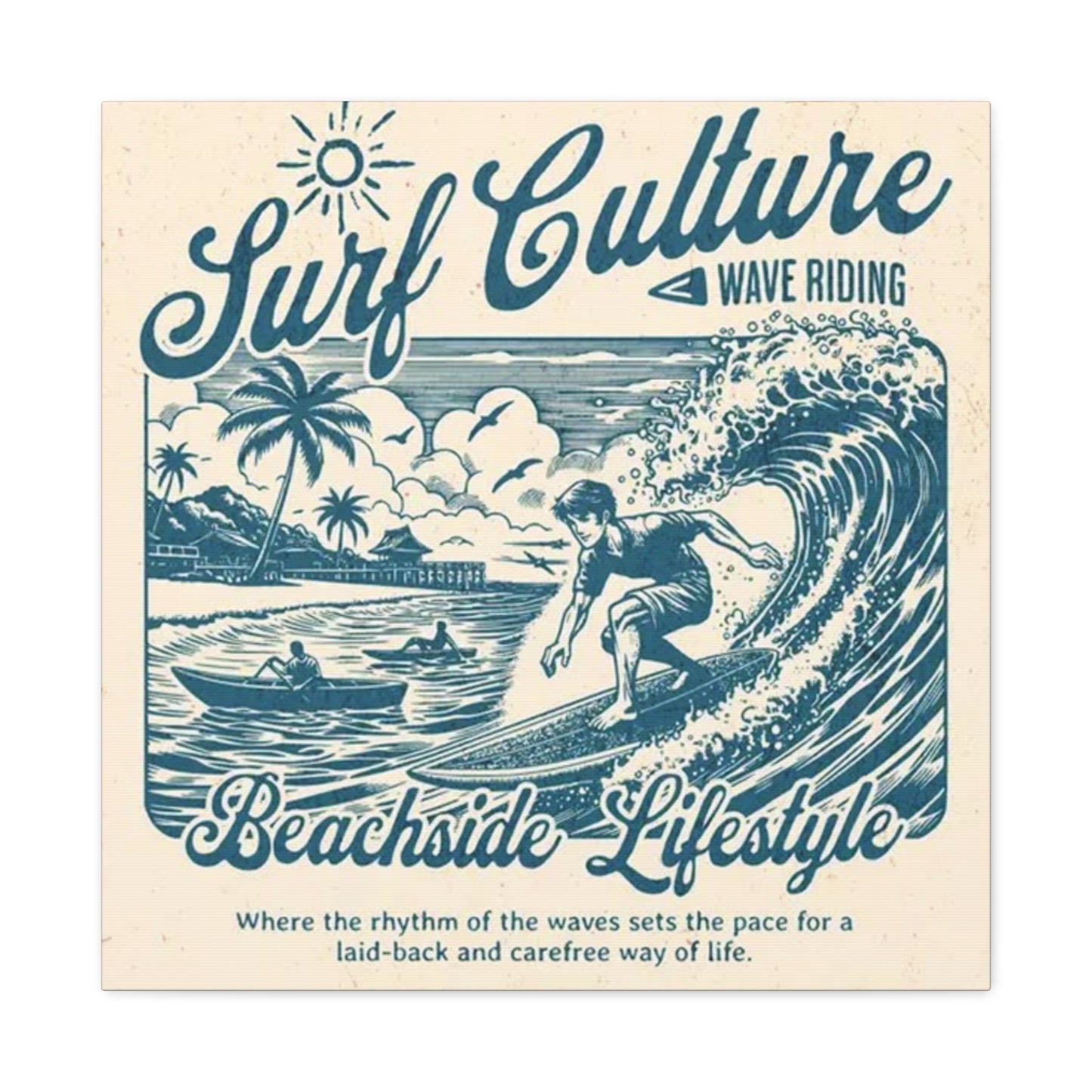
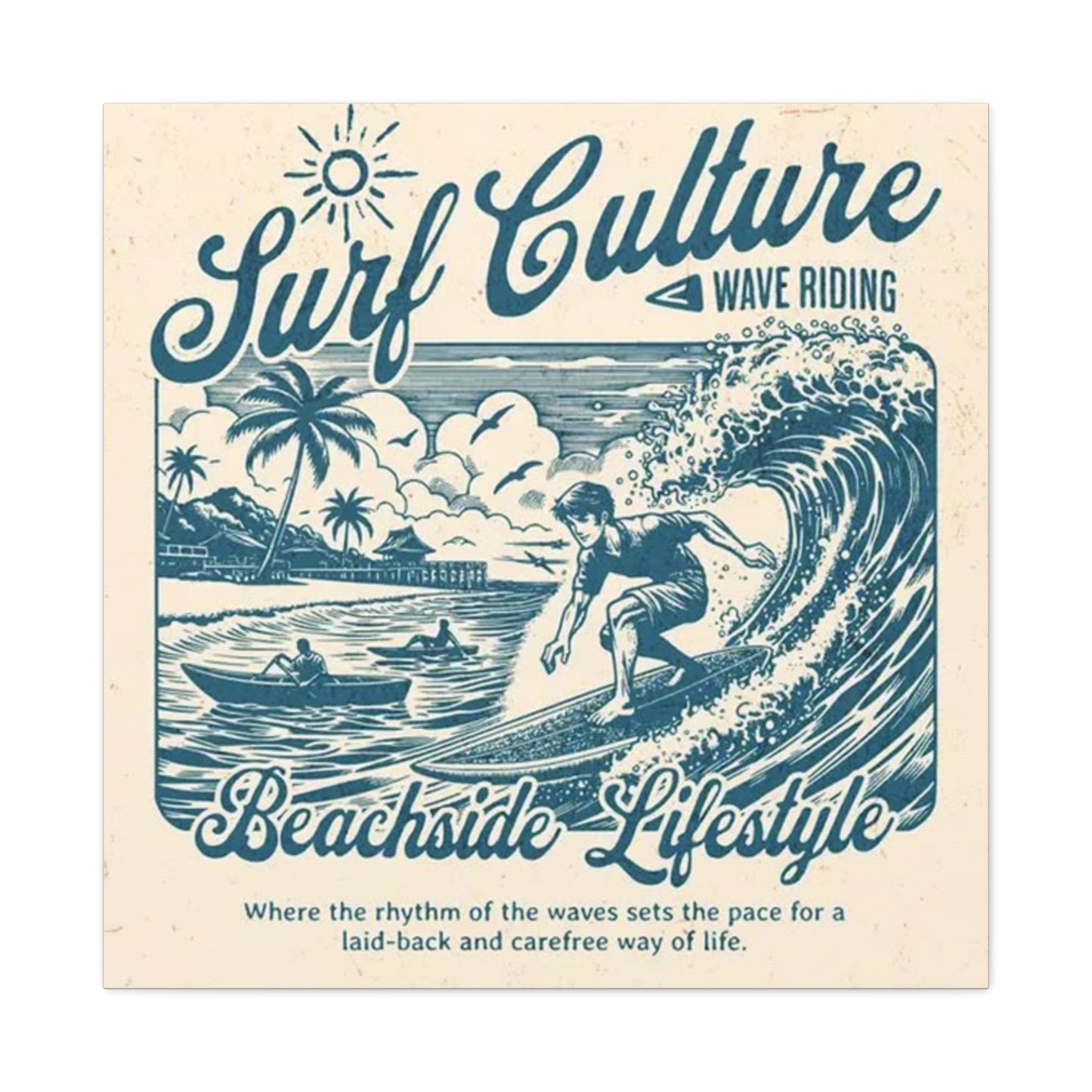
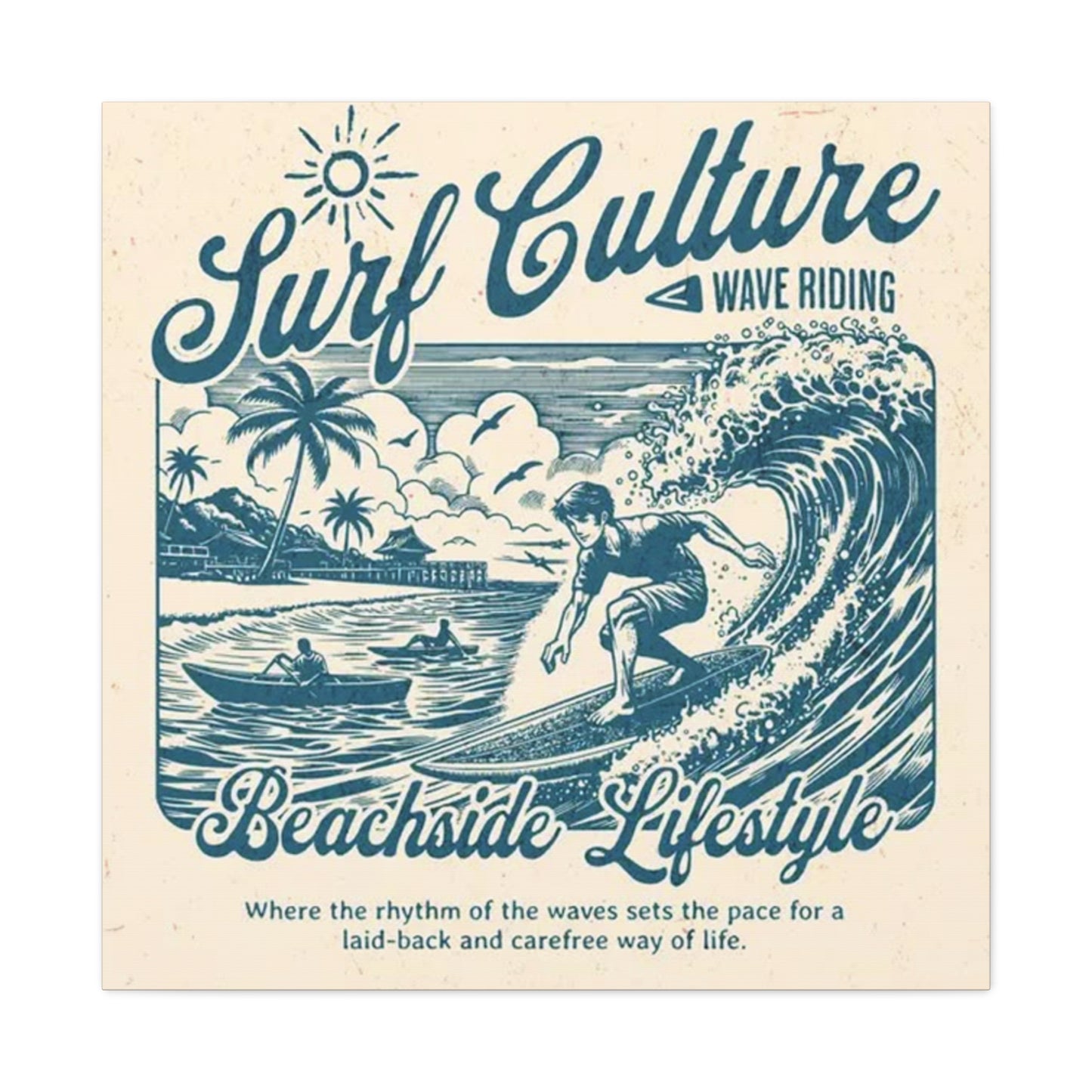
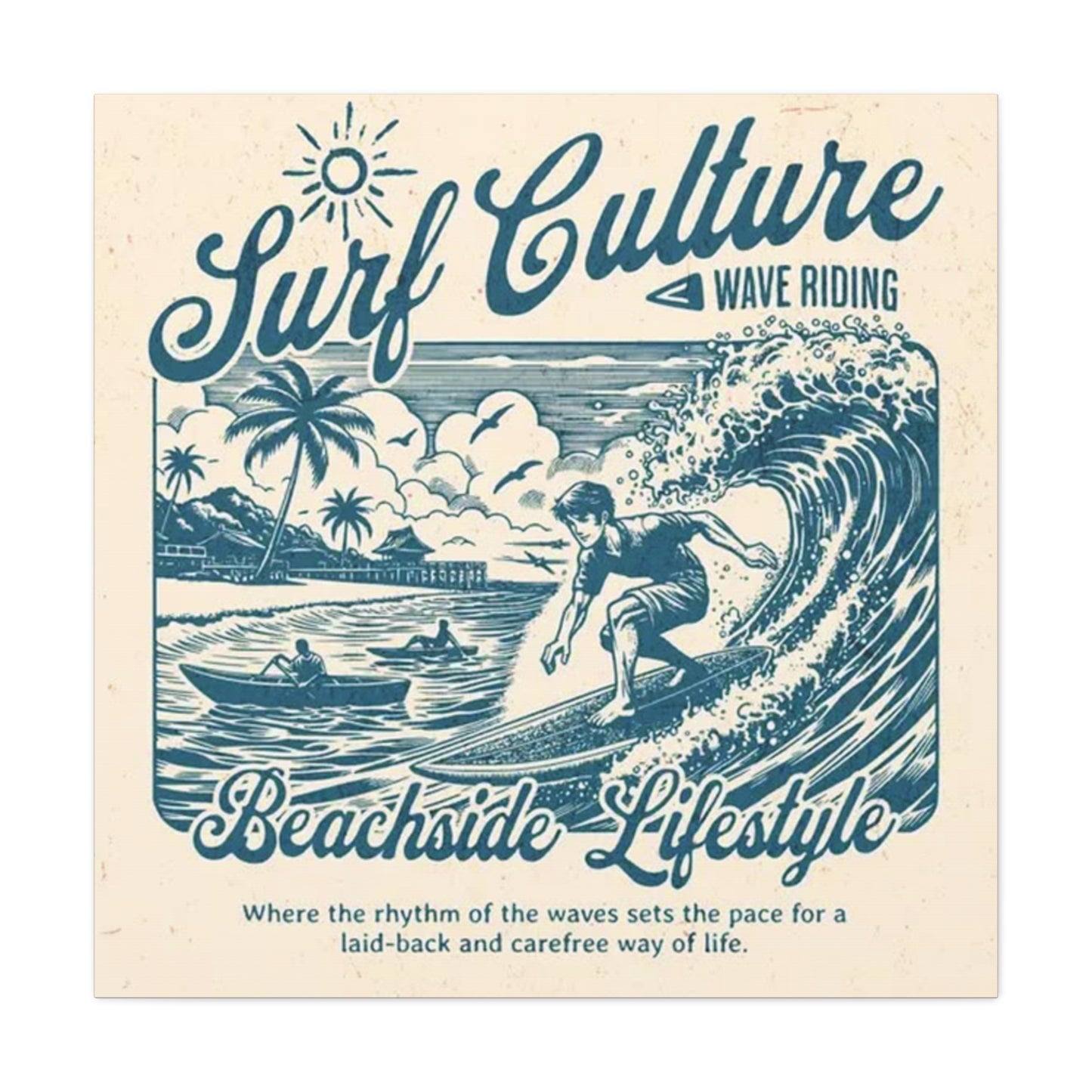
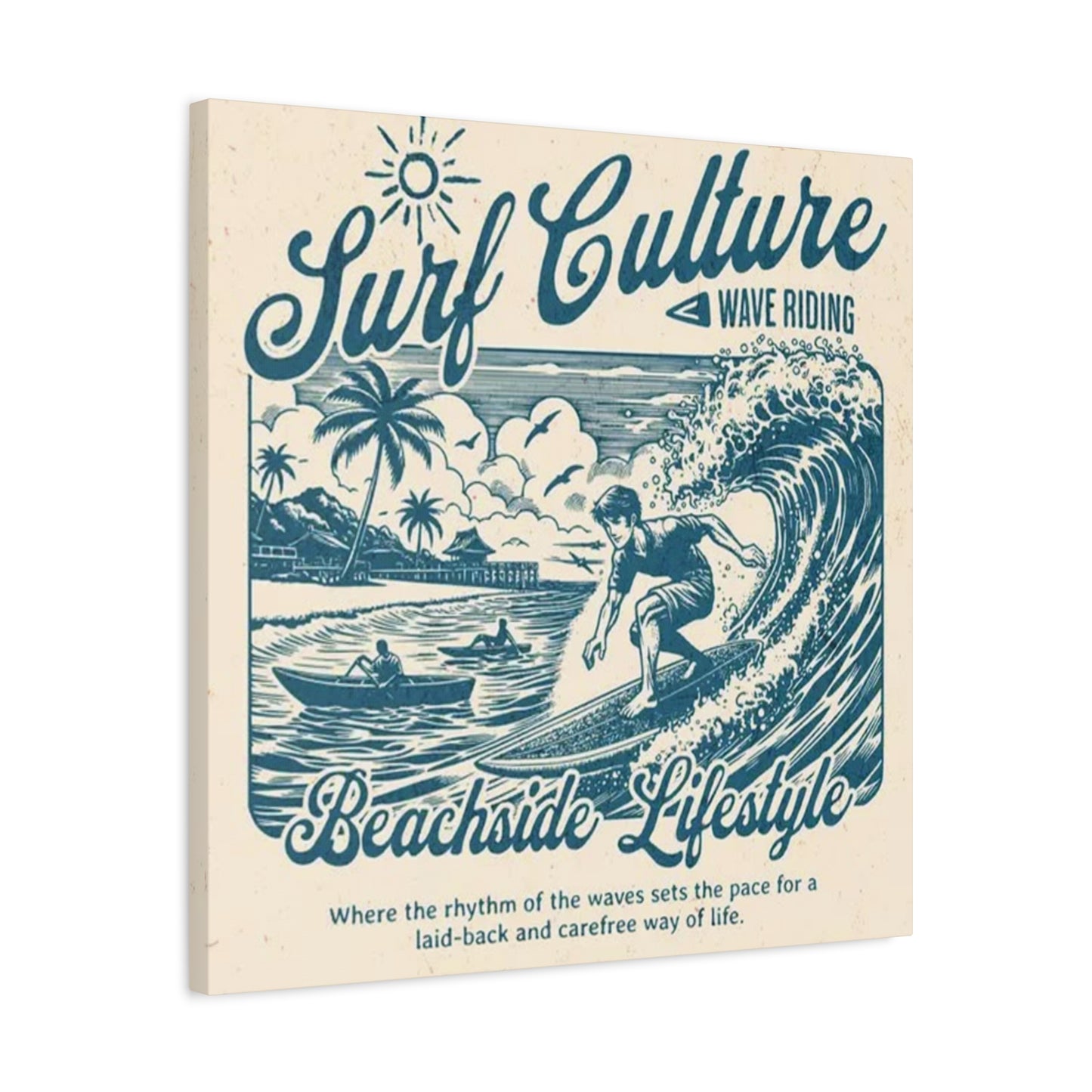
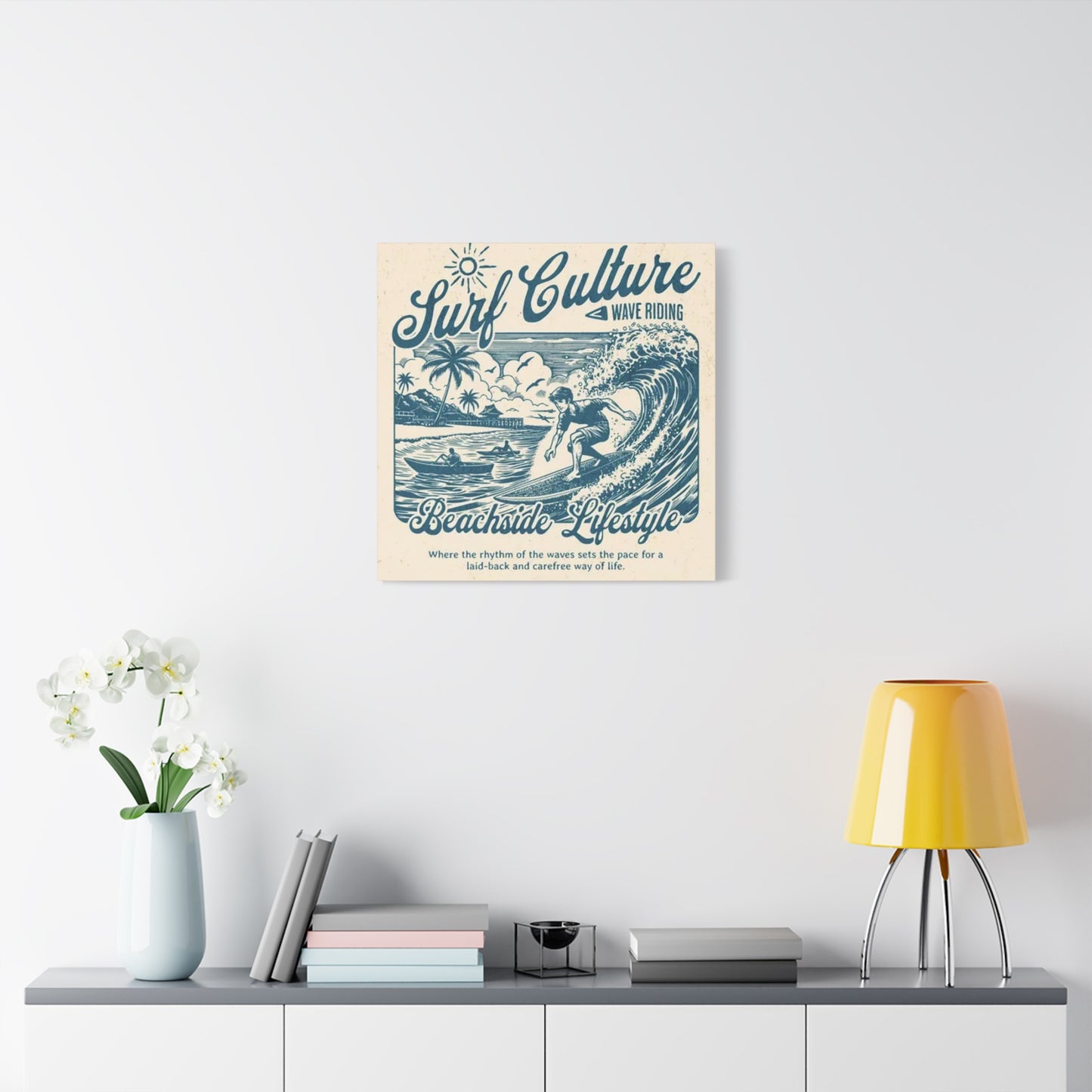
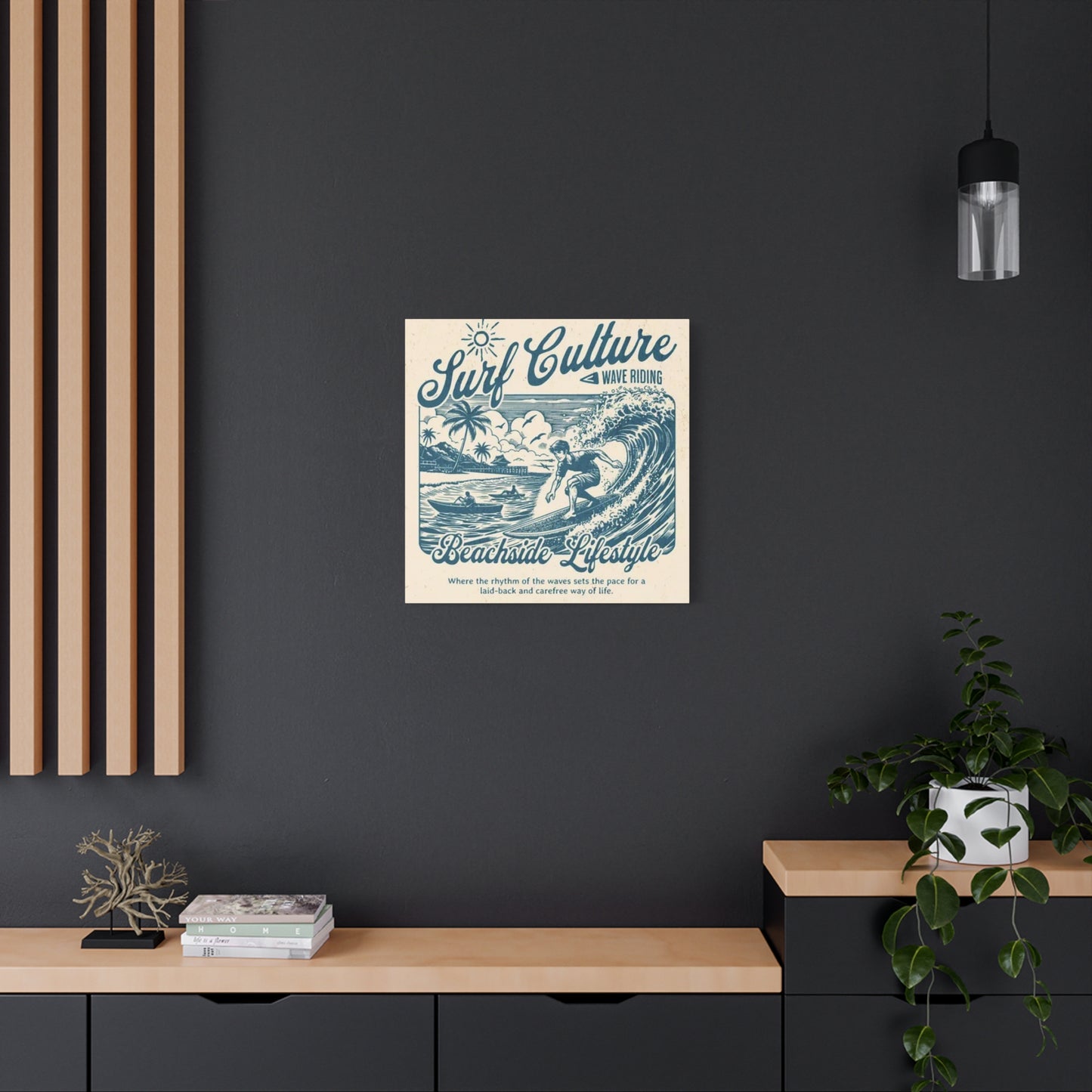
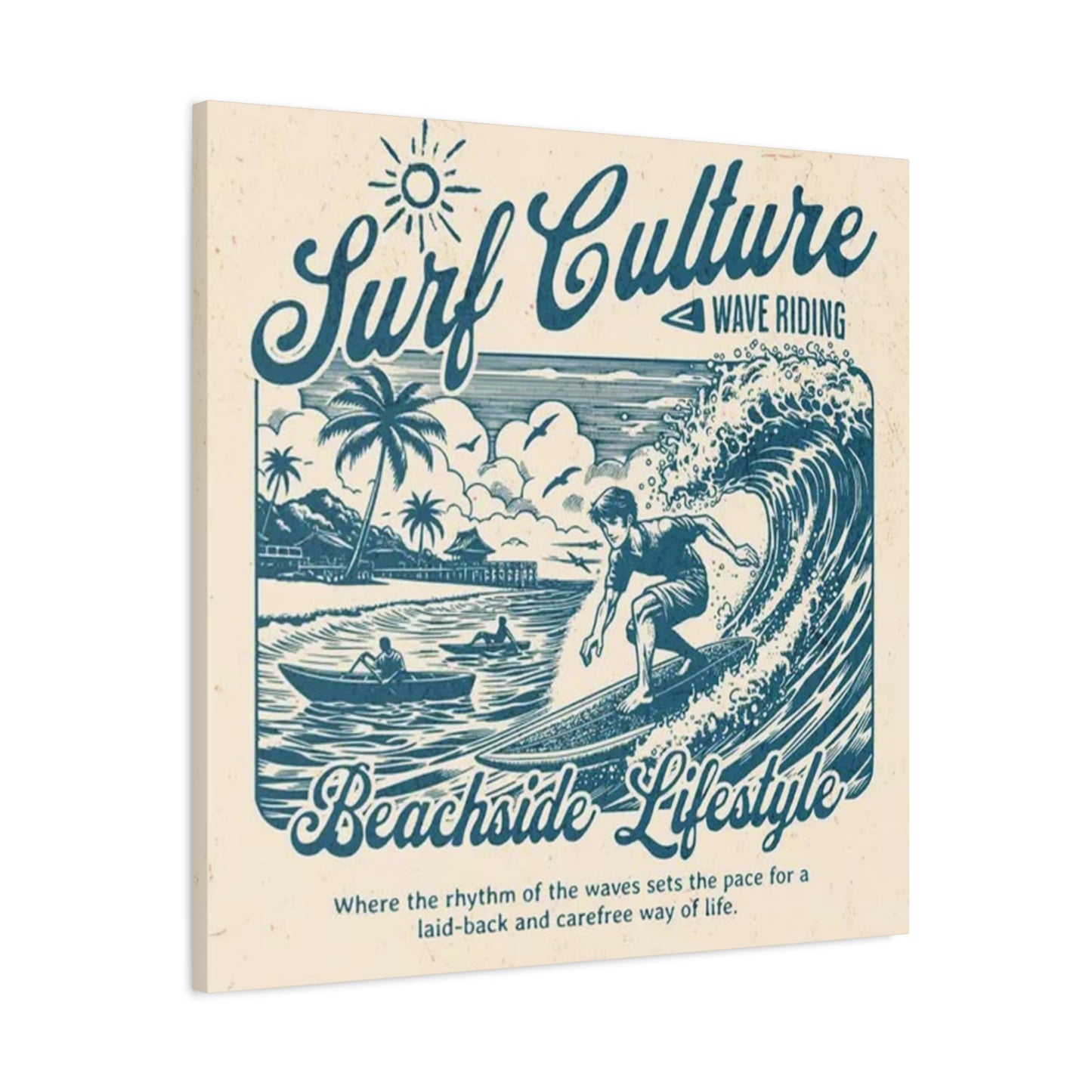
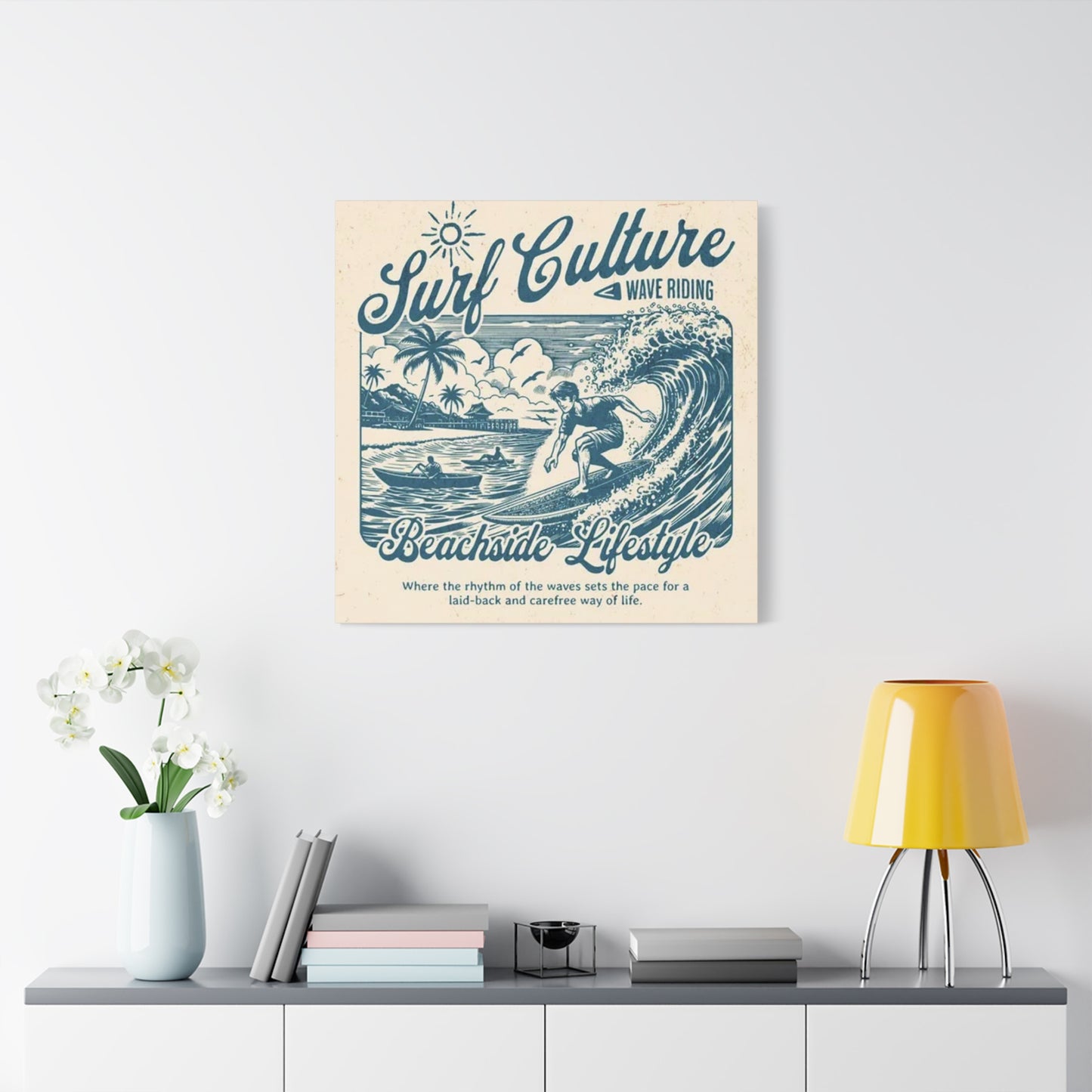
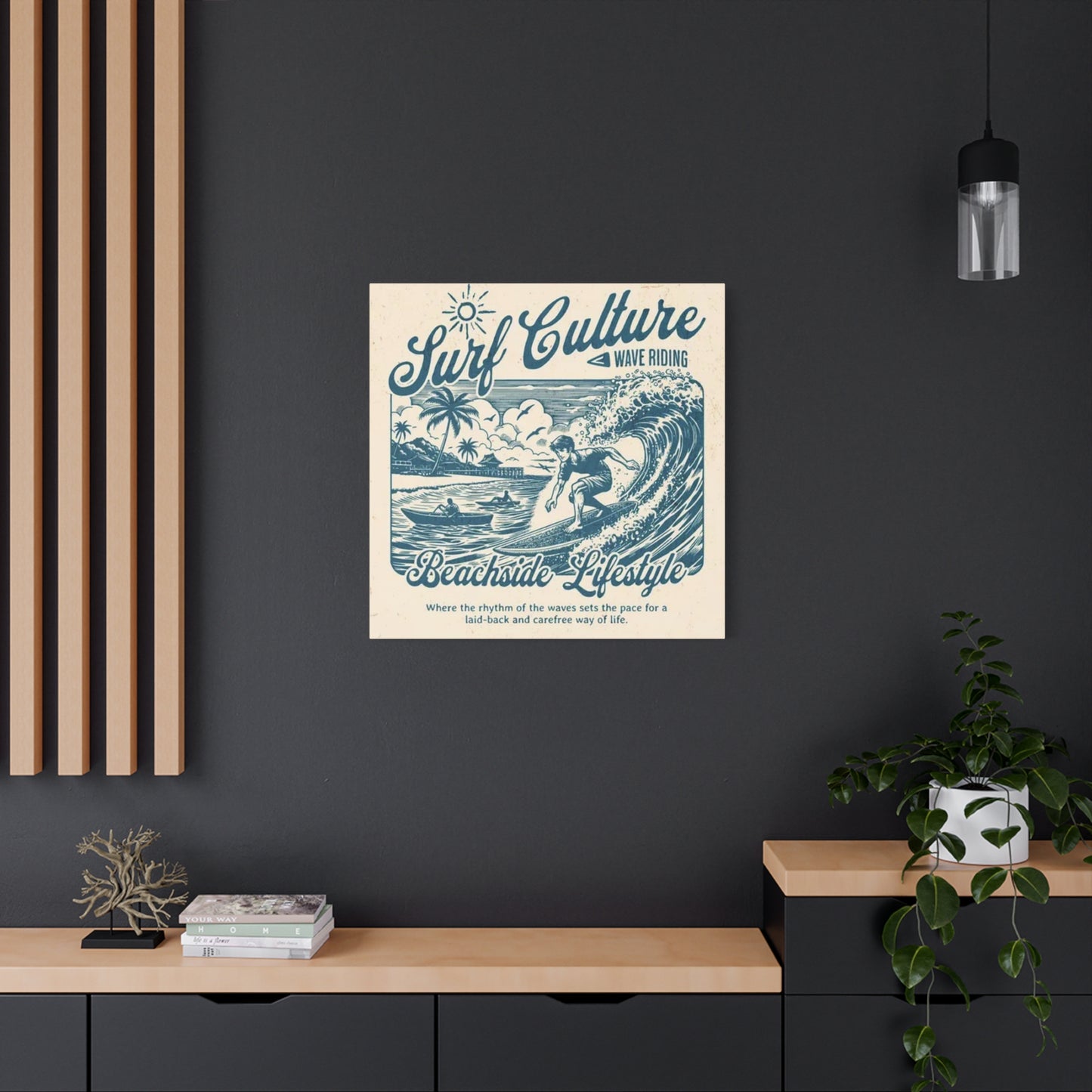
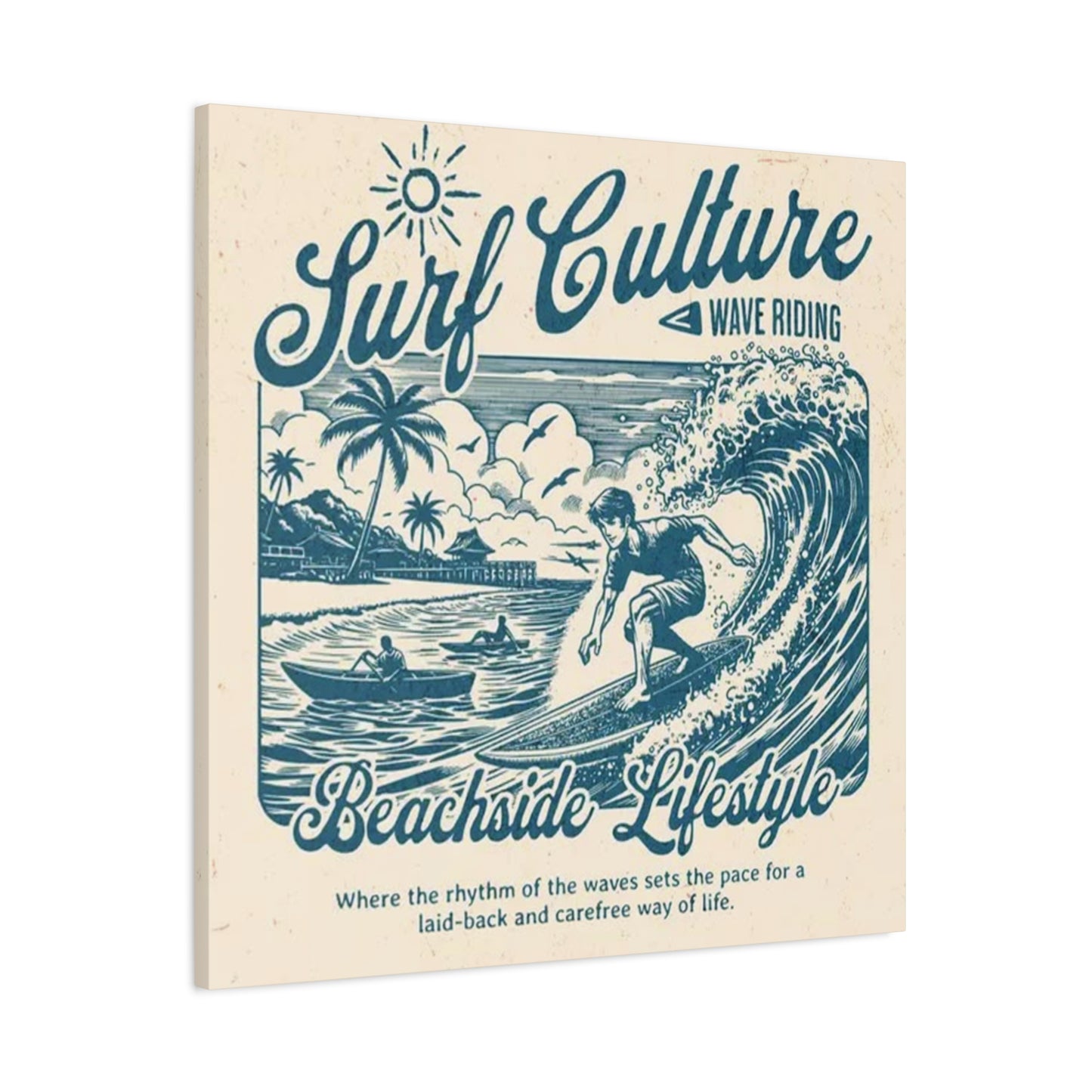
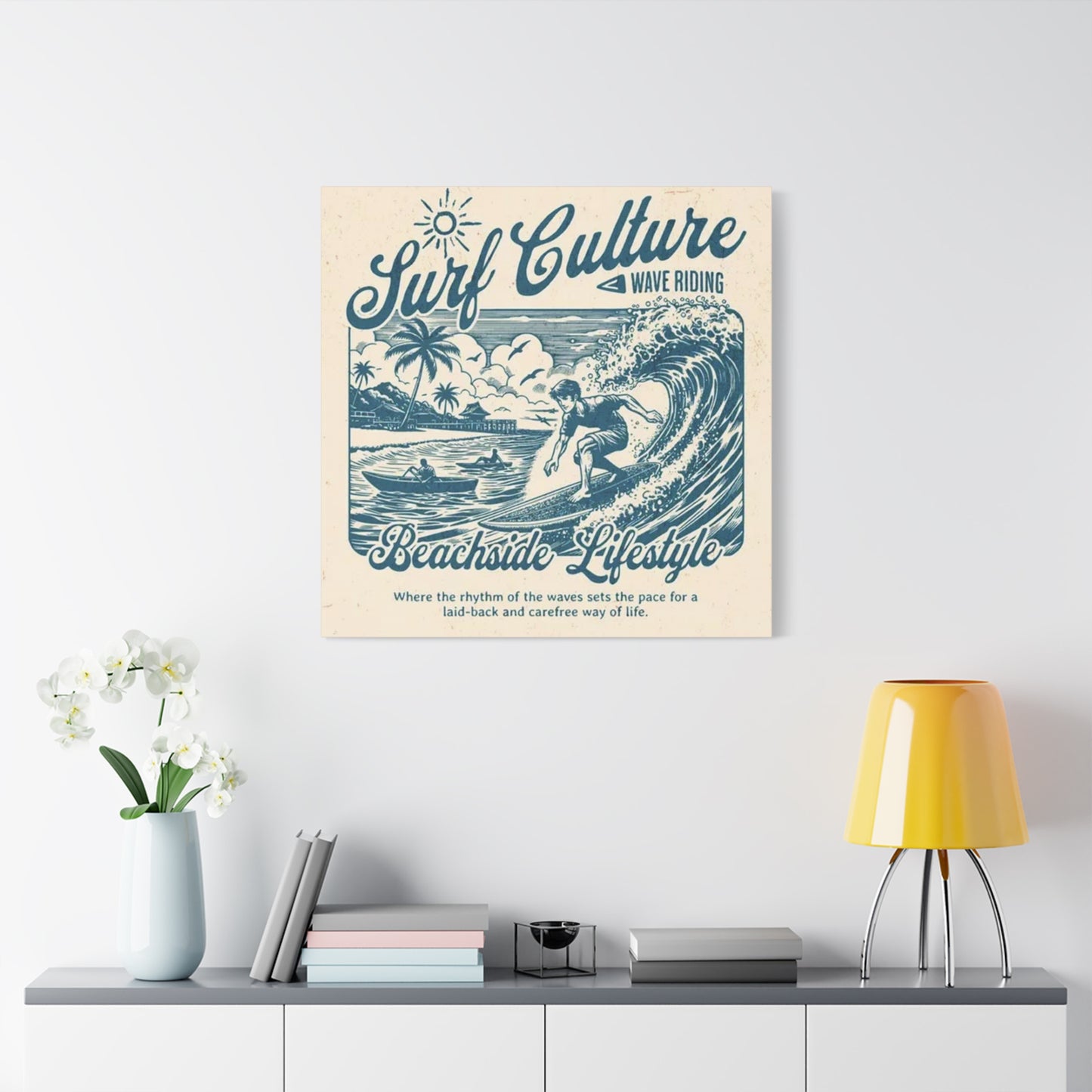
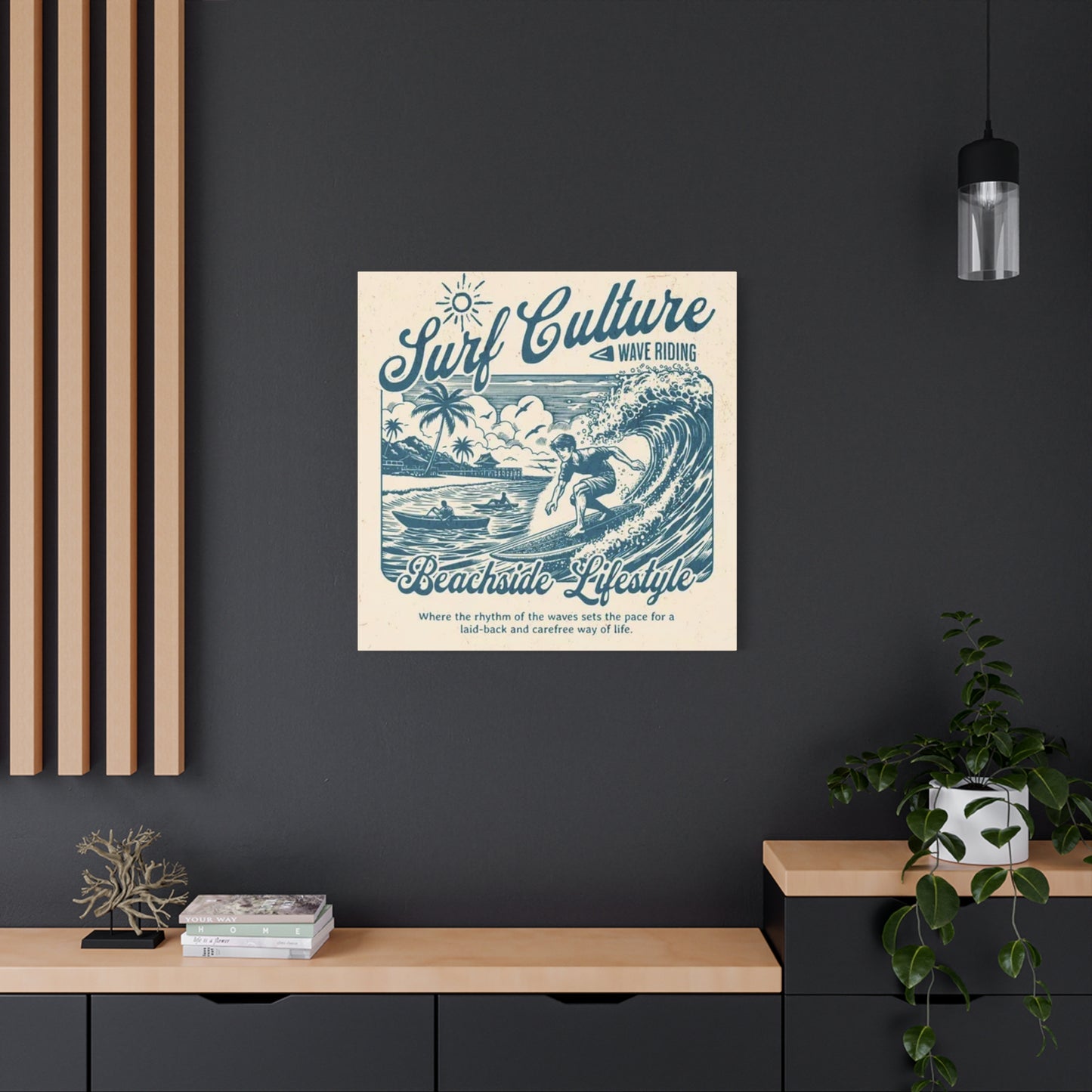
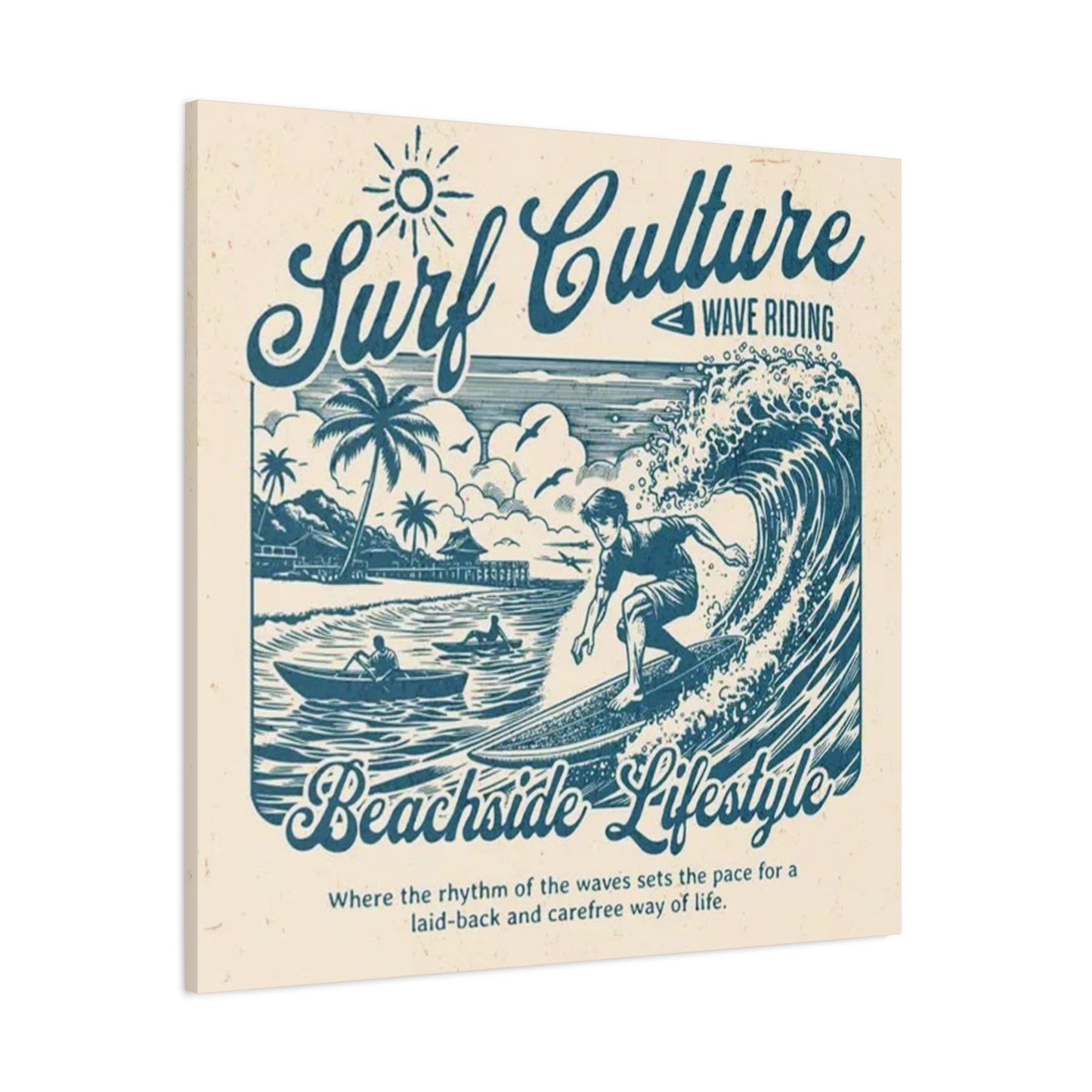
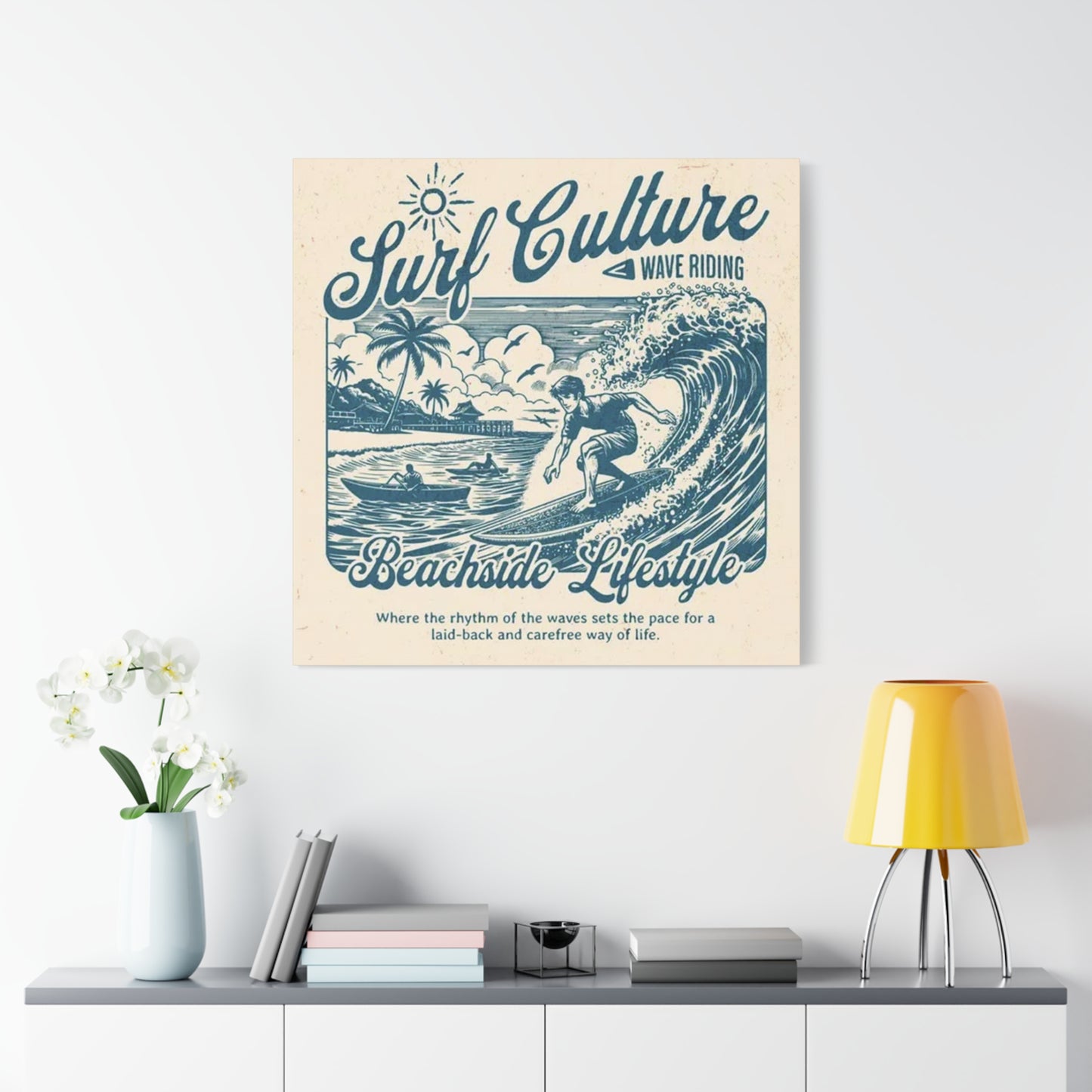
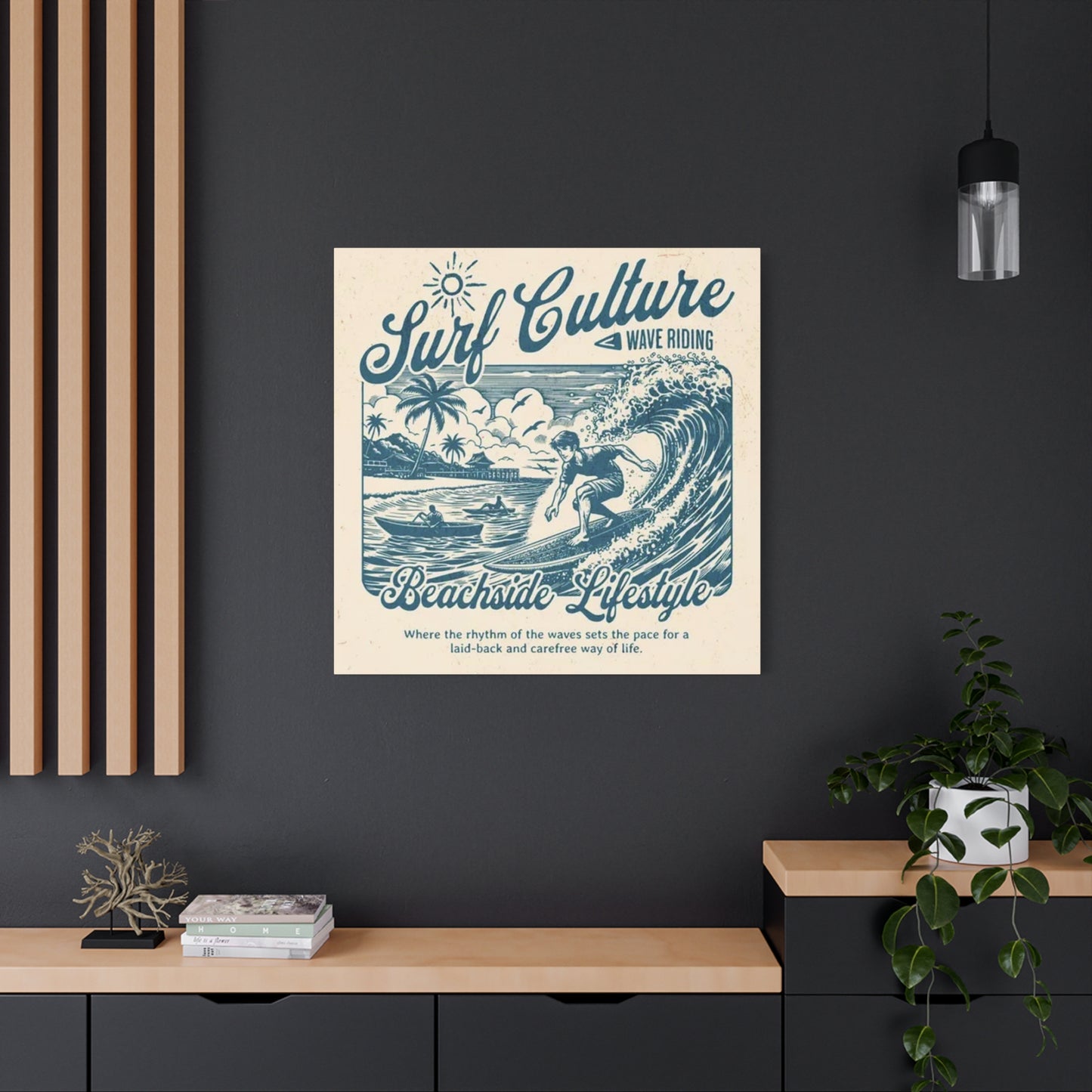
Surf Culture Poster Wall Art: The Ultimate Guide to Bringing Ocean Vibes Into Your Living Space
The intersection of surfing lifestyle and artistic expression has created a vibrant world of decorative possibilities that transform ordinary rooms into extraordinary spaces filled with coastal energy. This comprehensive exploration delves into every aspect of incorporating ocean-inspired visual elements into your home, examining the cultural significance, design principles, and practical considerations that make these decorative pieces so compelling for enthusiasts and casual admirers alike.
Deep Roots of Surfing Aesthetic in Modern Interior Design
The visual language of wave riding has evolved from simple beach snapshots into a sophisticated design movement that captures the essence of freedom, adventure, and connection with nature. This aesthetic draws from decades of counterculture movements, athletic achievement, and environmental consciousness, creating a rich tapestry of imagery that resonates with people far beyond coastal communities. The imagery associated with this lifestyle encompasses everything from vintage competition photographs to abstract representations of water movement, each telling stories of human courage and natural beauty.
Throughout the twentieth century, this coastal lifestyle transformed from a niche pursuit into a global phenomenon that influenced fashion, music, literature, and visual arts. The aesthetic elements developed alongside this cultural expansion, incorporating influences from Polynesian traditions, California counterculture, Australian beach culture, and countless regional variations worldwide. Today, decorative pieces reflecting this heritage carry multiple layers of meaning, serving as windows into this rich cultural history while simultaneously functioning as powerful design elements that anchor entire decorating schemes.
The appeal of these artistic representations extends beyond their obvious connection to ocean activities. They embody concepts of mindfulness, respect for natural forces, environmental stewardship, and the pursuit of moments of pure presence that transcend everyday concerns. When incorporated thoughtfully into living spaces, these visual elements create atmospheric conditions that encourage relaxation, inspire adventure, and remind inhabitants of the vast beauty existing beyond urban environments.
Wave Riding Imagery Through Decades of Cultural Change
Tracing the development of surfing-related visual culture reveals fascinating shifts in artistic approach, technological capability, and cultural values. The earliest photographic documentation of wave riding captured simple moments of athletic achievement, often in black and white formats that emphasized contrast and composition over color and detail. These pioneering images established visual conventions that continue influencing contemporary designers, including dramatic silhouettes against sunset skies, close-up perspectives of curling waves, and wide-angle compositions showing riders in relationship to massive water formations.
The 1960s brought explosive growth in popular interest, accompanied by increasingly sophisticated photographic techniques and a proliferation of publications dedicated to the lifestyle. During this period, imagery began incorporating psychedelic influences, vibrant color palettes, and experimental typography that reflected broader counterculture movements. Posters from this era often featured bold graphics, stylized illustrations of riders and waves, and text treatments that pushed boundaries of readability in favor of visual impact.
Subsequent decades saw continued evolution as photographers gained access to better equipment, including underwater housings, telephoto lenses, and eventually digital cameras that revolutionized capture and editing possibilities. The 1980s and 1990s brought high-energy action photography with vivid colors and dramatic compositions, while the turn of the millennium introduced digital manipulation techniques that allowed for increasingly creative interpretations of traditional subjects.
Contemporary approaches encompass tremendous variety, from minimalist compositions that emphasize negative space and subtle color gradations to maximalist collages incorporating multiple visual elements and complex layering. The democratization of photography through smartphones and social media has simultaneously increased the volume of available imagery while raising appreciation for truly exceptional work that demonstrates mastery of technical and artistic dimensions.
Exploring Different Visual Styles Within Ocean-Inspired Artwork
The diversity of artistic approaches available to enthusiasts provides endless opportunities for personal expression and customized aesthetic development. Understanding the characteristics of major style categories helps in making informed selections that align with existing decorative schemes and personal preferences.
Vintage-inspired designs draw heavily from the golden age of coastal lifestyle culture, typically featuring faded color palettes, grain or texture overlays that simulate aging, and compositional approaches reminiscent of mid-century photography. These pieces often incorporate retro typography, distressed borders, and imagery that captures the carefree spirit of earlier decades. The nostalgic quality appeals to those seeking connections with surfing's romantic past while adding character and depth to contemporary spaces.
Photographic realism represents another major category, showcasing the technical mastery of talented image makers who capture split-second moments of athletic excellence or sublime natural beauty. These works often feature crystal-clear water, dramatic lighting conditions, and compositions that emphasize the scale and power of ocean environments. High-resolution printing technologies allow these images to be reproduced with stunning detail, creating visual focal points that command attention and inspire awe.
Abstract and minimalist interpretations focus on essential elements like color, form, and texture rather than literal representation. These designs might reduce wave forms to simple curves and lines, employ limited color palettes that suggest rather than depict ocean hues, or use negative space as a primary compositional element. This approach appeals to those favoring clean, uncluttered aesthetics while still evoking coastal atmospheres through suggestion and implication.
Illustrative and graphic styles encompass everything from detailed hand-drawn renderings to bold, simplified shapes and flat color areas. This category includes vintage-style travel posters, contemporary digital illustrations, and everything in between. The flexibility of illustration allows for creative interpretations that might be impossible or impractical to capture photographically, opening doors to imaginative compositions and stylized representations.
Mixed media and collage approaches combine multiple visual elements, techniques, or materials within single compositions. These pieces might incorporate photography alongside painted or drawn elements, layer multiple images with varying degrees of transparency, or integrate text and graphic elements throughout compositions. The resulting complexity creates visual interest that rewards extended viewing and contemplation.
Selecting the Perfect Color Schemes for Coastal-Themed Decorations
Color selection profoundly influences the emotional impact and aesthetic success of ocean-inspired decorative elements. Understanding color theory and how different palettes interact with existing room elements enables more confident and effective design decisions.
Classic blue and aqua combinations directly reference ocean waters, creating immediate associations with coastal environments. These hues range from deep navy suggesting ocean depths to bright turquoise evoking shallow tropical lagoons. When selecting pieces in these color families, consider the specific shades present in your existing decor and aim for either harmonious coordination or deliberate contrast that creates visual interest without causing discord.
Warm sunset palettes featuring oranges, pinks, corals, and golden yellows capture the magical quality of twilight hours at the beach. These warmer tones work particularly well in spaces where you want to create cozy, inviting atmospheres, and they provide beautiful contrast when paired with cooler architectural elements or furnishings. The energizing quality of warm colors can invigorate spaces while still maintaining connections to natural coastal experiences.
Neutral approaches employing grays, blacks, whites, and earth tones offer sophisticated alternatives to more obvious color choices. Black and white photography creates timeless elegance and works seamlessly with virtually any decorating style, while sepia-toned or desaturated color images provide subtle warmth without overwhelming other design elements. These restrained palettes allow the composition, subject matter, and emotional content of images to take precedence over pure color impact.
Vibrant, saturated color schemes make bold statements and inject tremendous energy into spaces. These approaches might feature electric blues, vivid greens, hot pinks, and other intense hues that capture the vitality and excitement of coastal adventures. While these assertive color choices require careful integration with surrounding elements, they can create stunning focal points and express passionate enthusiasm for the lifestyle being celebrated.
Monochromatic and tonal approaches work within narrow color ranges, creating cohesive, harmonious compositions through subtle variations in value and saturation rather than contrasting hues. These sophisticated color strategies demonstrate refinement and restraint while still providing visual interest through nuanced tonal relationships and careful attention to light and shadow.
Sizing Considerations for Maximum Visual Impact in Your Space
Proper scale relationships between artwork and the spaces they inhabit significantly affect overall aesthetic success. Understanding how different sizes function in various contexts helps ensure selections that enhance rather than overwhelm or disappoint.
Large-scale statement pieces measuring several feet across create dramatic focal points that immediately establish room character and set decorative tones. These substantial works demand wall space relatively free from competing visual elements and work best in rooms with sufficient viewing distance to appreciate compositions without feeling crowded. Living rooms, above-sofa locations, and primary bedroom walls often provide ideal settings for these commanding pieces.
Gallery wall collections composed of multiple smaller pieces offer flexibility and visual interest through varied compositions, sizes, and sometimes subjects or styles. This approach allows for personalized arrangements that can be adjusted over time, accommodates rooms with limited large wall expanses, and creates dynamic visual rhythms through the relationships between individual elements. Successful gallery walls require careful planning regarding spacing, alignment, and overall shape, but reward efforts with highly customized results.
Medium-sized pieces ranging from two to three feet in key dimensions provide versatile options suitable for many locations throughout homes. These works create presence without dominating spaces, work well in arrangements combining multiple pieces, and accommodate rooms with moderate wall availability. Their balanced scale makes them accessible choices for those uncertain about committing to either very large or very small formats.
Small accent pieces measuring under two feet serve important supporting roles in decorative schemes, adding visual interest in tight spaces like hallways, bathrooms, or between windows. These compact works can be grouped together for greater impact, positioned on shelves alongside other objects, or used to fill otherwise awkward spaces. While individually subtle, thoughtfully placed small pieces contribute to overall atmospheric coherence.
Oversized installations extending across multiple panels or reaching from floor to ceiling make extraordinary statements in spaces that can accommodate their scale. These ambitious presentations create immersive experiences that transport viewers into depicted scenes. However, their significant visual weight and spatial requirements demand careful consideration regarding room proportions, ceiling heights, and surrounding furnishings.
Material Choices and Production Methods That Affect Quality and Longevity
The physical materials and production techniques used in creating decorative artwork significantly influence appearance, durability, and value. Understanding these technical dimensions enables more informed purchasing decisions aligned with quality expectations and budget parameters.
Canvas prints offer texture and depth that enhance many image types, particularly photographic work and painted compositions. The fabric surface adds dimensional interest, and wrapped edges that continue images around frame sides create finished appearances without requiring additional framing. Quality canvas materials resist fading and maintain integrity over time, especially when paired with archival inks and protective coatings.
Fine art paper prints demonstrate exceptional detail reproduction and color accuracy, making them preferred choices for images where precision matters. Various paper types offer different surface characteristics, from smooth, glossy finishes that enhance vibrant colors to textured, matte surfaces that reduce glare and provide more subtle presentations. Archival papers treated for longevity preserve image quality for generations when properly displayed and cared for.
Metal prints represent contemporary production methods that transfer images onto aluminum surfaces, creating luminous, dimensional results with remarkable depth and vibrancy. The process yields extremely durable products resistant to moisture, fading, and physical damage. The modern aesthetic of metal prints complements contemporary spaces particularly well, though their distinctive appearance may not suit all decorating styles.
Acrylic face-mounting produces striking visual effects by bonding prints to clear acrylic sheets, creating depth, protecting images behind durable surfaces, and intensifying colors through light transmission and reflection. These premium presentations make powerful statements in modern interiors, though higher costs and specialized handling requirements position them as investment pieces.
Wood-mounted prints transfer images onto natural wood surfaces or bond paper prints to wooden backing panels. The visible wood grain adds organic texture and warmth that enhances rustic, casual, or nature-inspired decorating approaches. These presentations connect to the natural materials and informal aesthetics often associated with beach house environments.
Framing options range from simple, clean-lined metal or wood frames to ornate, traditional styles with wide matting and elaborate molding. Frame selection dramatically influences how artwork reads within spaces, with choices ideally supporting rather than competing with image content while coordinating with other furnishings and architectural elements.
Creating Cohesive Gallery Wall Arrangements with Ocean Themes
Assembling multiple pieces into unified presentations requires careful planning and execution to achieve professional-looking results that enhance rather than clutter spaces. Understanding compositional principles and practical techniques enables confident creation of attractive arrangements.
Begin planning by establishing the overall shape and boundaries of your arrangement. Common configurations include horizontal rectangles spanning sofa widths, vertical arrangements climbing narrow wall sections, geometric grids with uniform spacing, and organic arrangements where pieces of varying sizes fit together like puzzle pieces. Consider the wall dimensions available, nearby furniture that might visually anchor the composition, and the approximate center point where the arrangement should focus attention.
Selecting pieces for gallery walls involves balancing several considerations including subject matter consistency, style coherence, color coordination, size variety, and personal meaningful connections. While some arrangements maintain strict uniformity using identical frame styles and similar images, others embrace intentional variety that creates visual interest through controlled diversity. Determine whether your aesthetic preference leans toward matched, coordinated, or eclectic approaches.
Planning layouts before creating holes in walls saves considerable frustration and produces superior results. Use paper templates cut to match frame dimensions, arrange them on walls with removable tape, and adjust positions until achieving satisfying compositions. Photograph arrangements from various angles and distances, noting how they interact with nearby furnishings and architectural features. This experimentation phase allows unlimited adjustments without permanent consequences.
Spacing decisions significantly influence whether arrangements feel cohesive or fragmented. Generally, maintaining consistent gaps between pieces creates unified appearances, with spacing typically ranging from two to four inches depending on frame sizes and overall composition scale. Larger gaps can work when pieces are substantial enough to maintain individual presence, while tighter spacing creates more integrated, tapestry-like effects.
Installation requires careful attention to proper hanging hardware, accurate measurement, and level alignment. Use quality picture hanging supplies appropriate for artwork weights and wall types, measure multiple times before drilling or nailing, and check level orientation for each piece. Consider using hanging systems that allow easy adjustment or future reconfiguration if you anticipate evolving your display over time.
Complementary Decorative Elements That Enhance Coastal Atmospheres
Ocean-inspired artwork achieves maximum impact when integrated into broader decorative schemes that reinforce and extend thematic continuity throughout spaces. Thoughtfully selected complementary elements create immersive environments that transport inhabitants to relaxed coastal settings.
Natural materials throughout rooms strengthen connections to outdoor environments and beach landscapes. Wood furniture in weathered, driftwood-inspired finishes echoes the textures of storm-tossed timber, while rattan, wicker, and bamboo introduce casual elegance reminiscent of tropical resort settings. Stone accents, whether in flooring, fireplace surrounds, or decorative objects, reference rocky coastlines and add substantial, grounding presence to spaces.
Textile selections in natural fibers like linen, cotton, and jute contribute appropriate tactile qualities while supporting color schemes that coordinate with artwork. Loose-weave fabrics allow light to filter through naturally, creating the breezy, informal atmosphere associated with beach houses. Stripes in nautical combinations or organic patterns suggesting water movement extend visual themes without overwhelming spaces with literal imagery.
Lighting choices dramatically influence how spaces feel and how artwork appears. Natural light flooding through generous windows creates ideal conditions for appreciating coastal themes, while artificial lighting should aim to replicate this quality through warm color temperatures and minimal harshness. Consider how lighting angles and intensities affect artwork visibility and whether dedicated picture lights might enhance key pieces.
Organic and found objects gathered from beach explorations add personal significance and authentic connections to coastal environments. Shells, driftwood pieces, sea glass, and interesting stones displayed in glass containers or arranged on shelves reinforce themes while telling stories of specific experiences and locations. These collected items carry memories and emotional resonance that mass-produced accessories cannot replicate.
Plants suitable for indoor cultivation bring living elements into spaces that soften hard surfaces and improve air quality while suggesting the lush growth of coastal landscapes. Palm varieties, ferns, succulents, and air plants all work well with beach-inspired aesthetics, requiring varying care levels to match available commitment and environmental conditions.
Color continuity extending artwork palettes throughout spaces creates satisfying coherence without requiring exact matching. Echo key colors from featured pieces in throw pillows, blankets, rugs, or painted accent walls, using varied saturation and value to maintain interest while establishing clear relationships. This approach ties rooms together visually while allowing individual pieces to maintain their impact.
Room-Specific Approaches for Different Living Areas
Different functional spaces within homes present unique opportunities and challenges for incorporating ocean-inspired decorative elements. Tailoring selections and approaches to room-specific contexts maximizes aesthetic success and practical functionality.
Living rooms typically offer the most generous wall space and serve as primary entertaining areas where decorative choices make first impressions on visitors. These high-visibility locations justify investment in substantial pieces that establish room character and reflect personal values and interests. Consider positioning major artwork above sofas or on walls facing entryways, ensuring pieces remain visible from primary seating areas without requiring awkward viewing angles.
Bedrooms benefit from artwork selections that promote relaxation and peaceful atmospheres conducive to rest. Calmer compositions, softer color palettes, and less busy or aggressive imagery support bedroom functions while still connecting to beloved themes. The wall behind beds traditionally serves as focal point locations, though artwork positioned across from beds ensures visibility during waking hours spent in rooms.
Bathrooms present opportunities for smaller-scale pieces that introduce visual interest in often-overlooked spaces. Moisture-resistant materials and protective glass or acrylic coverings protect artwork from humidity that could damage unprotected pieces. Coastal themes feel particularly appropriate in bathrooms where water-related activities occur, creating thematic continuity that enhances room coherence.
Kitchen and dining areas allow incorporation of artwork that celebrates the social, nourishing aspects of coastal living. Consider pieces depicting beach gatherings, sunset celebrations, or calm morning scenes that complement the communal, sustaining functions of these spaces. Ensure artwork placement avoids direct exposure to cooking splatter or excessive heat from stoves or ovens.
Home offices require careful balancing between professional atmospheres and personal expression. Artwork selections can inspire creativity, remind workers of life beyond desk duties, and maintain motivation through difficult projects. Position pieces within sight lines from working positions but avoid locations that might prove distracting during focused work requiring complete concentration.
Hallways and transitional spaces provide opportunities to extend thematic continuity between rooms while activating otherwise overlooked areas. Smaller pieces or vertical arrangements work particularly well in narrow spaces, creating visual interest for those moving through homes without overwhelming limited square footage.
Outdoor living areas including covered patios, screened porches, or pool houses allow for more literal coastal connections since environmental conditions already include fresh air and often glimpses of sky. Weather-resistant materials enable artwork installation in semi-protected locations, extending living spaces while maintaining design cohesion between indoor and outdoor zones.
Budget-Conscious Strategies for Building Impressive Collections
Creating visually impressive displays of ocean-inspired artwork need not require enormous financial investments when approached strategically with knowledge of available resources and cost-saving techniques.
Print-on-demand services enable access to vast image libraries at reasonable prices, with costs primarily determined by size and material choices rather than image licensing fees. These platforms democratize art accessibility, allowing anyone to obtain high-quality reproductions of photographs and designs that previously required gallery purchases or original artwork investment.
Digital marketplaces connect buyers directly with independent artists and photographers, often at prices below traditional gallery markups. These platforms support creative professionals while providing purchasers access to unique, distinctive work unavailable through mass-market retailers. Building collections through these channels often yields more personal, meaningful assemblages reflecting individual taste rather than widely distributed commercial offerings.
Phased acquisition approaches spread costs over time while allowing for thoughtful selection and periodic reassessment of needs and preferences. Begin with key anchor pieces that establish overall direction, then gradually add complementary works as budgets allow and as living with initial selections clarifies what additional elements might enhance overall schemes.
DIY framing substantially reduces costs associated with presentation while allowing complete control over materials and finishes. Basic framing supplies remain accessible at reasonable prices from craft retailers, and straightforward designs require minimal specialized skills. Investing time rather than money into framing enables higher-quality print purchases while achieving professional-looking results.
Strategic shopping during sales events, using promotional codes, and comparing prices across multiple retailers helps stretch decorating budgets further. Many online sellers offer regular discounts, and patience often results in significant savings on identical or comparable pieces purchased during promotional periods rather than at full retail prices.
Creating original artwork through photography, painting, or digital design eliminates artwork acquisition costs entirely beyond materials and equipment potentially already owned. For those with creative inclinations, producing original pieces adds deeply personal dimensions to decorative schemes while potentially developing rewarding hobbies or side businesses.
Rotating displayed artwork periodically creates fresh appearances without requiring new purchases, particularly when combined with adequate storage for pieces temporarily removed from view. This approach maintains visual interest, accommodates seasonal preferences, and prevents the sensory adaptation that can diminish appreciation of permanently displayed works.
Seasonal and Occasional Refreshment Approaches
Periodically updating or modifying displays keeps spaces feeling fresh and responsive to changing moods, seasons, and life circumstances. Strategic refresh approaches maintain engagement with living environments without requiring complete overhauls.
Seasonal rotations might emphasize different aspects of coastal themes throughout the year. Summer displays could feature bright, energetic imagery of sunny days and active water sports, while winter presentations might showcase moody storm scenes or the peaceful solitude of empty beaches. These shifts keep decorative schemes feeling current and responsive to natural rhythms.
Occasional rearrangements of existing pieces create renewed interest through fresh combinations and different positioning. Simply switching pieces between rooms, trying alternative arrangements within gallery walls, or pairing different works can substantially alter appearances without acquiring anything new. This experimentation maintains dynamic relationships with spaces and prevents stagnation.
Adding temporary elements like seasonal flowers, themed accessories, or holiday decorations that coordinate with permanent artwork creates variety while maintaining core aesthetic directions. These changeable additions provide flexibility and responsiveness without compromising established design foundations.
Creating themed vignettes that incorporate artwork alongside other objects tells more complete stories and creates focal points that draw attention and invite closer examination. These carefully composed arrangements might celebrate specific locations, commemorate meaningful experiences, or simply explore aesthetic combinations that appeal to personal sensibilities.
Responding to life changes through updated artwork selections ensures living spaces continue reflecting current identities, interests, and values. As people grow, travel, develop new interests, or experience significant life events, allowing decorative choices to evolve alongside these changes maintains authentic connections between inhabitants and environments.
Aspects of Proper Artwork Installation and Maintenance
Correct installation techniques and appropriate ongoing care protect investments while ensuring artwork continues looking its best throughout years of enjoyment. Understanding these practical dimensions prevents common problems and extends useful lifespans.
Wall assessment before installation prevents damaged pieces and failed hangings. Understand whether walls are drywall, plaster, concrete, or other materials, as different compositions require different hanging hardware and installation techniques. Locate studs when available for maximum support, or use appropriate wall anchors rated for artwork weights when studs are unavailable in desired locations.
Hardware selection matching artwork weight, wall type, and desired hanging security prevents accidents and damage. Picture hanging wire, D-rings, sawtooth hangers, and keyhole brackets all serve different purposes and offer varying strength levels. Heavy pieces require robust systems potentially including multiple attachment points and professional-grade hardware, while lighter works accept simpler solutions.
Leveling artwork precisely creates professional appearances and prevents the subtle visual discomfort caused by misaligned pieces. Use quality levels during installation, checking both horizontal orientation and, for pieces with vertical elements, ensuring sides remain truly vertical. Many hanging systems include built-in adjustability allowing fine-tuning after initial placement.
Lighting protection extends artwork longevity by preventing fading and deterioration caused by ultraviolet radiation and excessive heat. Avoid positioning pieces in direct sunlight or extremely close to heat sources, use UV-filtering glass or acrylic when framing, and consider window treatments that control natural light exposure during peak intensity hours.
Regular cleaning maintains appearance while allowing inspection for potential problems requiring attention. Dust frames and protected surfaces gently using soft, dry cloths or specialized dusters, vacuum nearby areas to prevent dust accumulation, and address any visible damage promptly before minor issues become major problems.
Climate control protecting artwork from extreme temperature fluctuations, excessive humidity, or very dry conditions prevents warping, mold growth, and other deterioration. While typical comfortable living conditions generally suit most artwork types, be aware of problematic locations like exterior walls in extreme climates or rooms with poor ventilation.
Periodic inspection catches developing problems early when interventions remain simple and inexpensive. Look for signs of fading, discoloration, insect damage, frame deterioration, or mounting failures, addressing issues promptly rather than allowing them to progress.
Environmental and Sustainability Considerations in Art Selection
Increasing awareness of environmental issues influences purchasing decisions across many product categories including decorative artwork. Understanding sustainability dimensions allows alignment between aesthetic preferences and ecological values.
Production methods impact environmental footprints through energy consumption, waste generation, and chemical usage. Digital printing technologies generally prove more environmentally friendly than traditional processes, using water-based inks rather than solvent-based alternatives and generating minimal waste compared to older printing approaches. Researching seller environmental policies and certifications helps identify businesses prioritizing sustainability.
Material sourcing affects broader ecological systems through resource extraction, manufacturing processes, and transportation requirements. Recycled or sustainably harvested materials reduce environmental burdens, as do local production and purchasing patterns that minimize transportation distances. Canvas from organic cotton or bamboo, recycled aluminum for metal prints, and reclaimed wood for frames represent environmentally conscious choices.
Longevity considerations recognize that durable products requiring infrequent replacement generate less total environmental impact than disposable items needing regular substitution. Investing in quality pieces built to last decades ultimately proves more sustainable than repeatedly purchasing lower-quality alternatives with shorter useful lives.
Supporting artists and small businesses rather than mass manufacturers can align with sustainability values by encouraging local economies, reducing shipping distances, and supporting individuals whose practices may prioritize environmental responsibility over maximum profit. These purchasing decisions vote with dollars for economic systems valuing people and planet alongside profit.
Digital artwork options eliminate physical materials entirely, displaying images through screens rather than printed media. While digital displays require electricity and electronic devices with their own environmental impacts, they offer tremendous flexibility and unlimited variety without resource consumption associated with physical production.
Respectful Engagement with Surfing Heritage
Engaging thoughtfully with visual culture connected to surfing requires awareness of deeper historical and cultural contexts beyond surface aesthetics. Approaching these themes with respect and understanding enriches personal connections while honoring important traditions.
Indigenous Pacific Island cultures developed wave riding over centuries before Western contact, embedding practices within broader cultural, spiritual, and social systems. Hawaiian traditions particularly influenced modern surfing culture, though many other island cultures maintained their own relationships with ocean activities. Appreciating these origins means recognizing surfing's deep roots and the peoples who first developed these practices rather than viewing it solely through contemporary recreational lenses.
Appropriation concerns arise when cultural elements are removed from original contexts, used without permission or understanding, or commercialized in ways that exclude or exploit originating communities. Being mindful of these issues involves seeking authentic representations, supporting artists from relevant cultural backgrounds when purchasing traditional designs or imagery, and educating oneself about the meanings behind symbols or practices being celebrated.
Environmental stewardship remains central to authentic surfing culture, as the activity depends entirely on healthy ocean ecosystems. Connecting with wave riding imagery ideally includes recognition of environmental responsibilities and support for ocean conservation efforts. Many artists working in this space actively contribute to environmental causes, offering opportunities to align purchases with ecological values.
Gender and diversity considerations acknowledge that surfing culture historically centered on particular demographics while the activity and lifestyle actually welcome vastly broader participation. Seeking imagery representing diverse participants helps counter narrow stereotypes while celebrating the activity's universal appeal and accessibility.
Regional variations in surfing culture reflect local geography, history, and social contexts, creating distinctive aesthetics and approaches worldwide. Hawaiian, California, Australian, Brazilian, and countless other regional cultures each contribute unique perspectives and visual traditions. Exploring these differences enriches understanding and appreciation while suggesting decorative possibilities beyond dominant mainstream representations.
Psychological and Emotional Benefits of Ocean-Themed Environments
Beyond aesthetic pleasure, ocean-inspired visual environments offer measurable psychological and emotional benefits supported by environmental psychology research and widespread anecdotal experience.
Stress reduction occurs through exposure to nature imagery including ocean scenes, with studies demonstrating decreased cortisol levels, lower blood pressure, and reduced psychological stress markers among individuals viewing natural environments compared to urban or blank settings. Bringing these beneficial views indoors through artwork extends advantages to those unable to access actual coastal environments regularly.
Mood enhancement follows from exposure to preferred imagery and colors, with personal aesthetic preferences creating positive emotional responses. For those who love coastal environments, surrounding themselves with related imagery generates ongoing subtle mood elevation and satisfaction with living spaces.
Creativity and productivity can be influenced by environmental factors including visual stimulation and atmospheric qualities. Environments that inspire and energize inhabitants while avoiding excessive distraction or chaos often support better creative and cognitive performance than either sterile or chaotic settings.
Mindfulness and presence receive support from imagery depicting natural beauty and moments of athletic flow, potentially serving as reminders to seek similar states in daily life. Visual cues connecting to valued activities or experiences can reinforce intentions and encourage behaviors aligned with personal goals and values.
Identity expression through personalized environments enhances feelings of belonging and authenticity, countering the alienation sometimes experienced in generic, impersonal spaces. Creating homes that genuinely reflect inhabitants' interests, experiences, and values strengthens psychological connections to living spaces and supports overall wellbeing.
Restoration and recovery find support in calming, positive environments that facilitate rest and renewal after stressful experiences. Bedrooms and living spaces that promote relaxation rather than stimulation help inhabitants decompress and recover from daily demands.
Incorporating Personal Photographic Memories Into Displays
Custom printing personal photographs captures unique experiences and creates deeply meaningful displays impossible to replicate through commercial artwork purchases. Converting vacation snapshots or local beach explorations into display-quality pieces preserves memories while decorating spaces.
Image selection from personal collections requires critical evaluation of technical quality and compositional strength. While sentimental value rightfully influences choices, be honest about whether images possess sufficient resolution, focus, exposure, and composition to succeed as enlarged prints. Many images perfectly suitable for digital sharing may not hold up when printed at substantial sizes.
Professional editing services can dramatically improve image quality through color correction, exposure adjustment, cropping, and other enhancements. For special images worth investment, professional editing transforms good photographs into exceptional ones worthy of prominent display. Many online services offer affordable editing at various quality and service levels.
Printing services range from local photo labs to specialized fine art printers, each offering different quality levels, material options, and price points. Research carefully to understand what different services provide, reading reviews and potentially ordering small test prints before committing to expensive large-format production.
Framing personal photographs to match professional standards requires attention to quality materials and appropriate presentation styles. Consider whether images benefit from matting that creates visual breathing room, frame styles that complement without overwhelming, and glazing that protects without excessive glare or color distortion.
Mixing personal and commercial artwork within collections creates layered meaning combining universal appeal of professional work with intimate significance of personal images. This combination often yields more satisfying results than either approach alone, balancing aesthetic impact with emotional connection.
Updating personal collections as new experiences accumulate keeps displays current and reflective of ongoing rather than only historical relationships with coastal environments. Establishing workflows for periodically evaluating recent photographs and potentially replacing older displayed images maintains dynamic, evolving presentations.
Trends and Emerging Directions in Coastal-Themed Visual Design
Design aesthetics continuously evolve as cultural values shift, technologies develop, and creative practitioners explore new possibilities. Understanding current trends provides context for contemporary choices while anticipating future directions.
Minimalist approaches stripping away decorative excess have gained prominence across many design disciplines including wall art selections. Clean compositions emphasizing negative space, restrained color palettes, and uncluttered presentations appeal to contemporary sensibilities favoring simplicity and intentionality over abundance.
Environmental themes reflecting growing ecological consciousness increasingly appear throughout coastal imagery, with many artists explicitly addressing conservation issues, climate impacts, or human relationships with natural systems. These works invite contemplation beyond pure aesthetic pleasure, encouraging viewers to consider their responsibilities toward threatened ocean environments.
Abstract interpretations moving beyond literal representation offer sophisticated alternatives to obvious beach imagery. These approaches suggest rather than depict coastal themes, requiring viewer engagement to complete intended meanings. The intellectual and emotional space created by abstraction appeals to those seeking artwork supporting contemplation rather than immediate recognition.
Technology integration through augmented reality, animated digital displays, or interactive elements represents cutting-edge developments that may become more accessible and commonplace in coming years. These innovations expand possibilities for what wall-mounted artwork can be and do, though they require acceptance of technology's role in traditionally static art forms.
Vintage revival movements continue finding new expressions as contemporary designers reinterpret historical aesthetics through modern lenses. Rather than simple reproduction, these approaches blend historical inspiration with contemporary sensibilities, creating hybrid styles that feel both familiar and fresh.
Global perspectives reflecting surfing's worldwide spread bring diverse cultural influences into visual expressions previously dominated by specific regional aesthetics. As more artists from varied backgrounds contribute to the conversation, available imagery expands to include more viewpoints and experiences.
Customization and personalization technologies enable increasingly individualized artwork creation, with online tools allowing customers to specify colors, compositions, and details matching exact preferences. This movement toward unique rather than mass-produced pieces aligns with broader cultural trends favoring individual expression over conformity.
Working with Interior Designers and Art Consultants
Professional design assistance can elevate results beyond what self-directed efforts might achieve, particularly for those uncertain about design decisions or working with challenging spaces. Understanding what professionals offer helps determine whether engaging such services makes sense for particular situations.
Interior designers bring comprehensive training in spatial planning, color theory, material selection, and aesthetic composition. Their holistic approaches consider how all elements within spaces interact, ensuring artwork selections complement rather than clash with other design components. Designers also offer access to trade resources and wholesale pricing potentially unavailable to retail customers.
Art consultants specialize specifically in artwork selection and placement, often maintaining relationships with artists, galleries, and suppliers that facilitate access to unique pieces and favorable pricing. Their expertise helps navigate overwhelming options to identify works matching both aesthetic requirements and budget parameters.
Cost considerations for professional services range from hourly consultation rates to percentage-based fees calculated on total project expenditures. For some, professional guidance proves cost-effective by preventing expensive mistakes and identifying resources that offset service fees through better pricing. Others prefer self-directed approaches that prioritize learning and personal involvement over efficiency or expert validation.
Collaboration approaches vary based on how much control clients wish to retain versus how much they want to delegate. Some prefer comprehensive service where professionals handle all decisions and implementation, while others want guidance while maintaining final decision authority. Clarifying expectations upfront prevents misunderstandings and ensures satisfying working relationships.
Virtual services have expanded dramatically, with many professionals offering remote consultations, digital mood boards, and online project management. These approaches reduce geographic limitations and often cost less than traditional in-person services while still providing valuable expertise.
Legal and Copyright Considerations in Art Reproduction
Understanding legal dimensions of artwork ownership and reproduction rights prevents problems while supporting ethical practices that sustain creative professionals.
Copyright protection automatically applies to original creative works including photographs, illustrations, and designs, granting creators exclusive rights to reproduce, distribute, and create derivative works. Using copyrighted imagery without permission violates intellectual property law and potentially exposes infringers to legal liability.
Licensing arrangements grant specific permissions to use copyrighted works under defined conditions, typically specifying allowed uses, time periods, geographic territories, and compensation terms. Print-on-demand services handle licensing on behalf of customers, but purchasing physical prints or digital files does not automatically grant reproduction rights for additional copies.
Public domain works are those whose copyright protection has expired, was never applicable, or has been explicitly released by rights holders. These works can be freely used, reproduced, and modified without permission or payment. However, determining public domain status requires understanding complex laws that vary internationally and depend on creation dates, registration status, and other factors.
Fair use provisions allow limited copyrighted material use under specific circumstances including education, commentary, criticism, news reporting, and transformative creative work. However, fair use analysis involves nuanced legal judgment, and assuming fair use protection without legal consultation risks infringement.
Attribution requirements vary depending on specific licensing terms, with some rights holders requiring credit while others allow anonymous use. Respecting attribution preferences demonstrates integrity and supports artists' professional recognition even when not legally required.
Supporting original artists through proper channels sustains creative communities and ensures ongoing production of quality work. While unauthorized reproduction may seem harmless, systematic copyright violation undermines artists' livelihoods and discourages creative production.
Conclusion
Incorporating surf culture poster wall art into your living space is more than just a decoration choice—it’s a way to embrace a laid-back, adventurous lifestyle that brings the essence of the ocean right into your home. Whether you’re a passionate surfer, a beach enthusiast, or simply drawn to the serene yet vibrant atmosphere of coastal life, surf-inspired artwork adds a unique touch to any room.
By choosing the right surf posters, you not only capture the visual aesthetics of the sport but also connect with a deeper sense of freedom and natural beauty. Surf culture is synonymous with the feeling of liberation, the rush of riding the waves, and the peaceful energy of the ocean. Displaying surf art in your home allows you to carry those feelings with you every day, creating a personal space that encourages relaxation, creativity, and a sense of adventure.
When selecting surf posters, the possibilities are endless. You can opt for vintage surf advertisements, iconic photographs of legendary surfers, or contemporary designs that blend modern art with beach-inspired elements. The beauty of surf culture wall art lies in its versatility—it works in virtually any room, from the living room to the bedroom, or even a home office. The colors, shapes, and compositions found in surf posters can transform any dull or plain wall into a statement of personal style.
The key to creating a cohesive look with surf posters is to balance your selection with the existing elements of your home decor. Consider the overall vibe you want to achieve—whether it’s a vibrant, energetic atmosphere or a more tranquil, minimalist aesthetic. You can mix and match different sizes, frames, and styles to create a dynamic gallery wall, or stick to a single, striking image as a focal point in the room. Whichever approach you choose, the aim is to let the art reflect your personality while also enhancing the mood of your space.
Additionally, investing in high-quality prints and frames can elevate the impact of your surf posters. Archival-quality paper, UV-resistant inks, and carefully chosen frames help ensure that your art retains its vibrancy over time, even in areas exposed to sunlight. These thoughtful details can make all the difference in preserving the beauty and longevity of your surf-inspired decor.
Furthermore, surf culture isn’t just about the art itself—it’s about the lifestyle and mindset it represents. The surf world is deeply rooted in a sense of connection to nature, respect for the ocean, and a carefree approach to life. By surrounding yourself with surf-themed wall art, you invite these values into your home, creating a sanctuary that feels connected to the earth and the sea.
Whether you’re a surfer seeking to celebrate your passion or someone who simply appreciates the beauty of the beach, surf culture poster wall art offers a vibrant and meaningful way to enhance your living space. With the right pieces, you can transform your home into a coastal retreat, where the ocean’s energy is always present. So, go ahead and bring the waves indoors—let surf culture infuse your home with a refreshing, inspiring vibe that you’ll love every time you walk through the door.
In conclusion, surf culture poster wall art offers an accessible, stylish, and personal way to infuse your home with the essence of the ocean. It’s a versatile decor choice that appeals to anyone with a love for the beach and the carefree spirit of surfing. Whether you're seeking a bold, colorful statement piece or a subtle nod to coastal life, surf posters provide endless options to create a living space that celebrates your connection to the sea and all the good vibes that come with it.


