


Texas Landscape Painting Wall Art & Canvas Prints
Texas Landscape Painting Wall Art & Canvas Prints
Couldn't load pickup availability
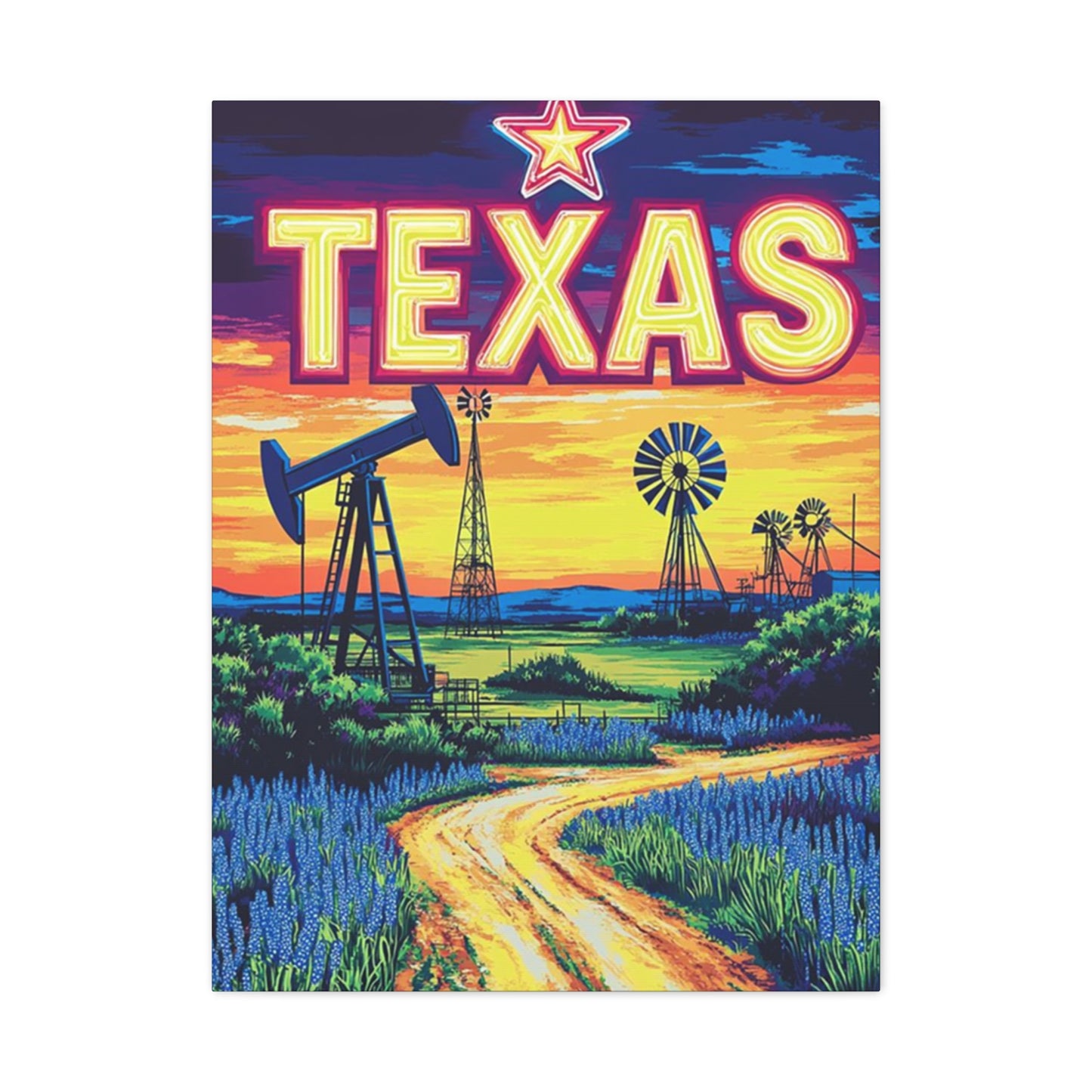
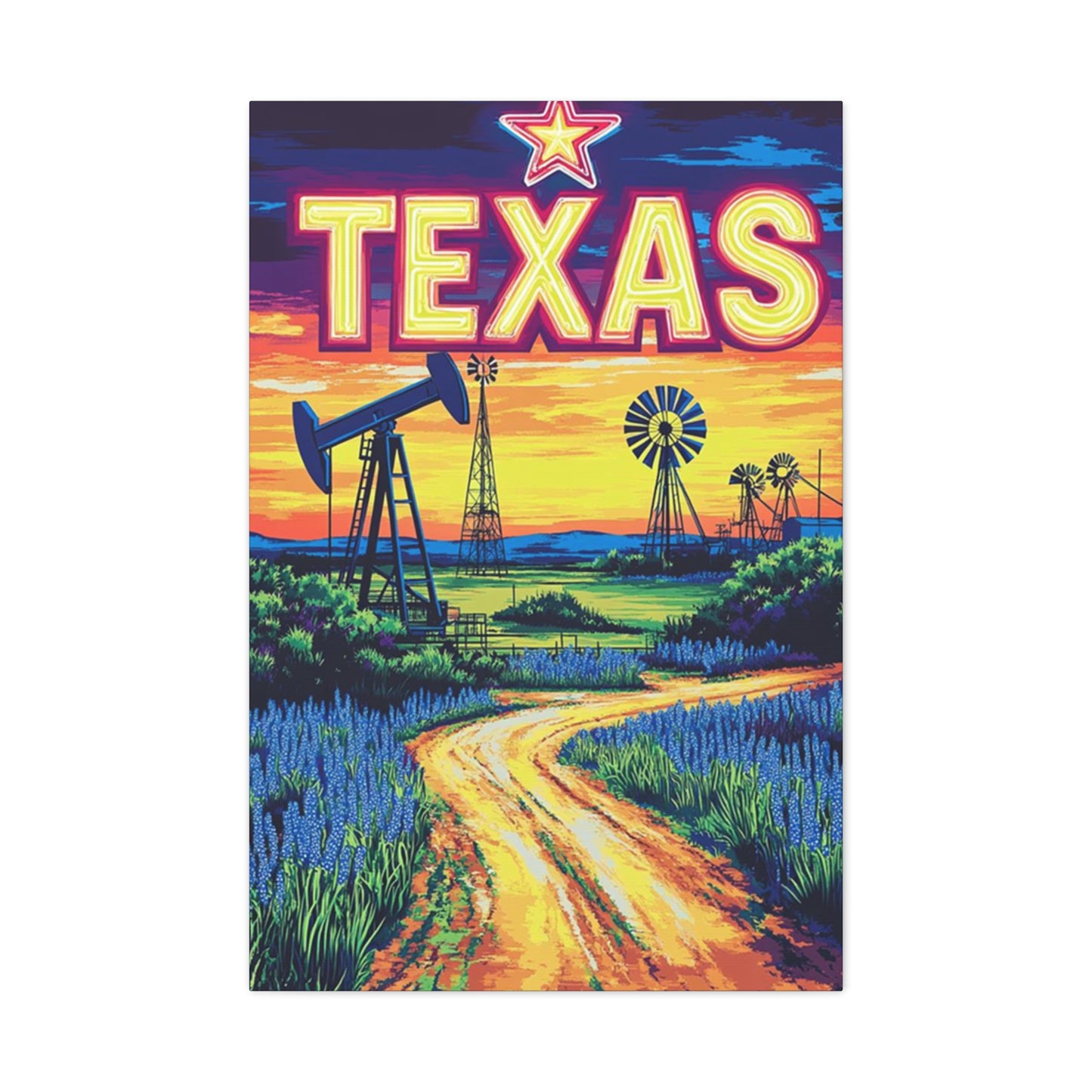
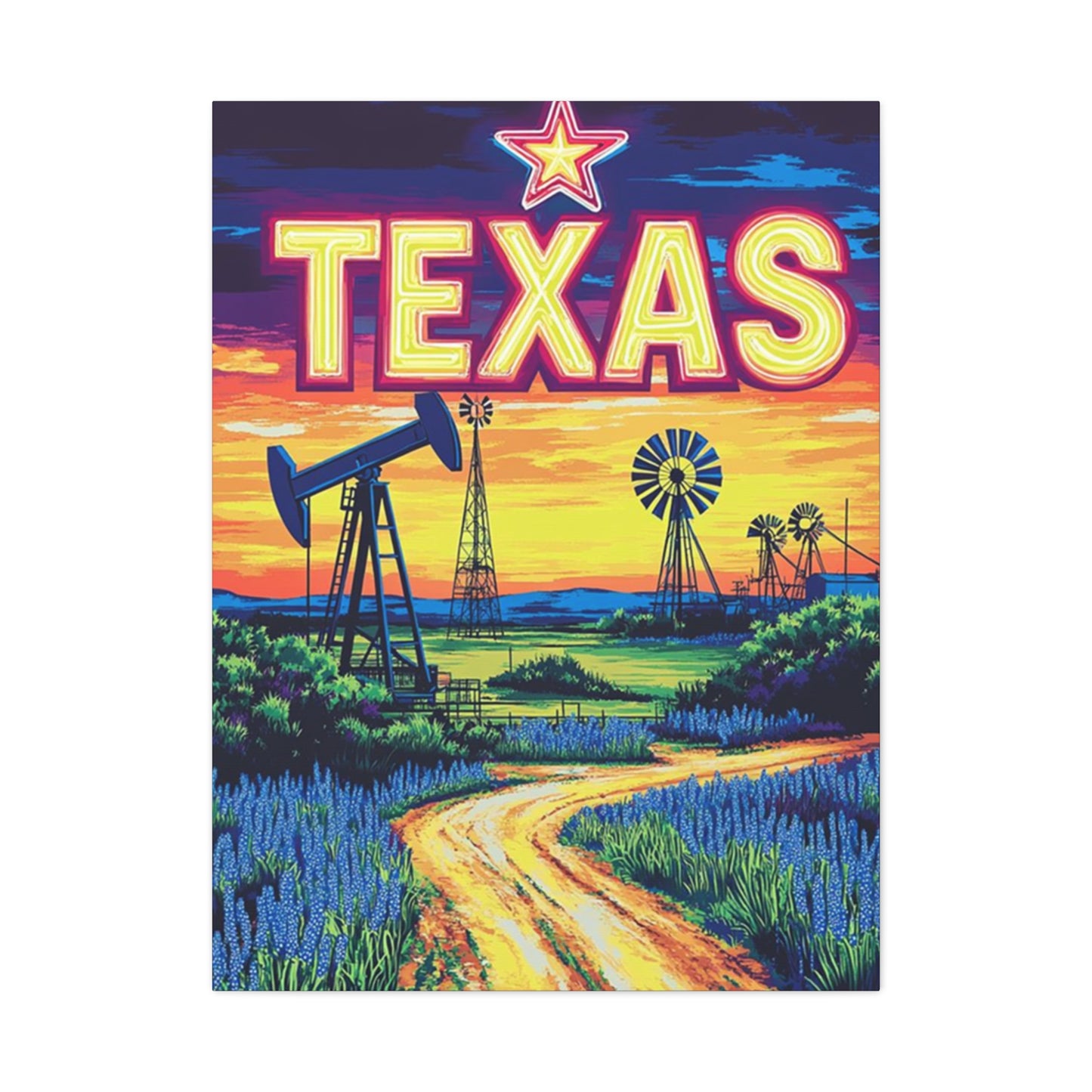
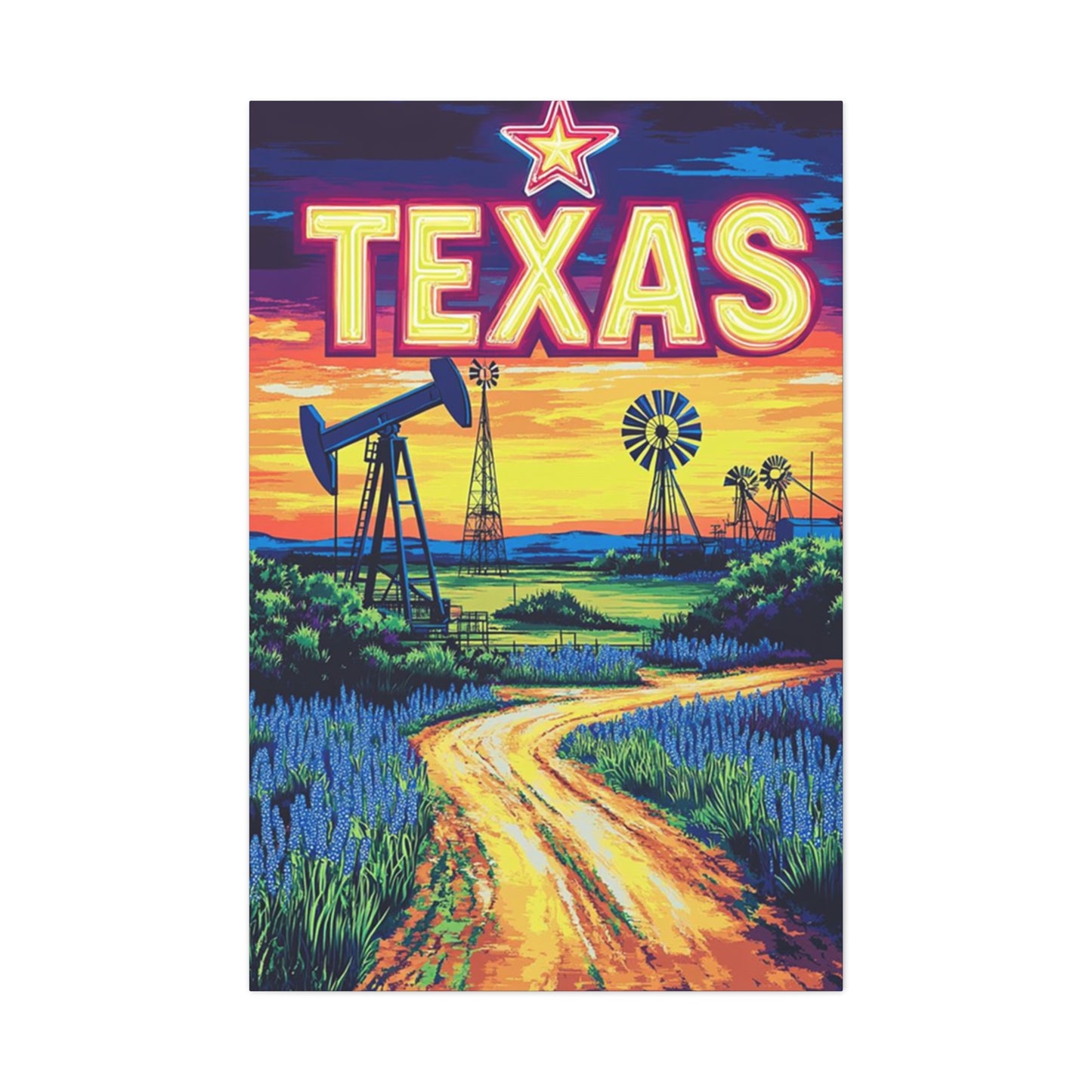
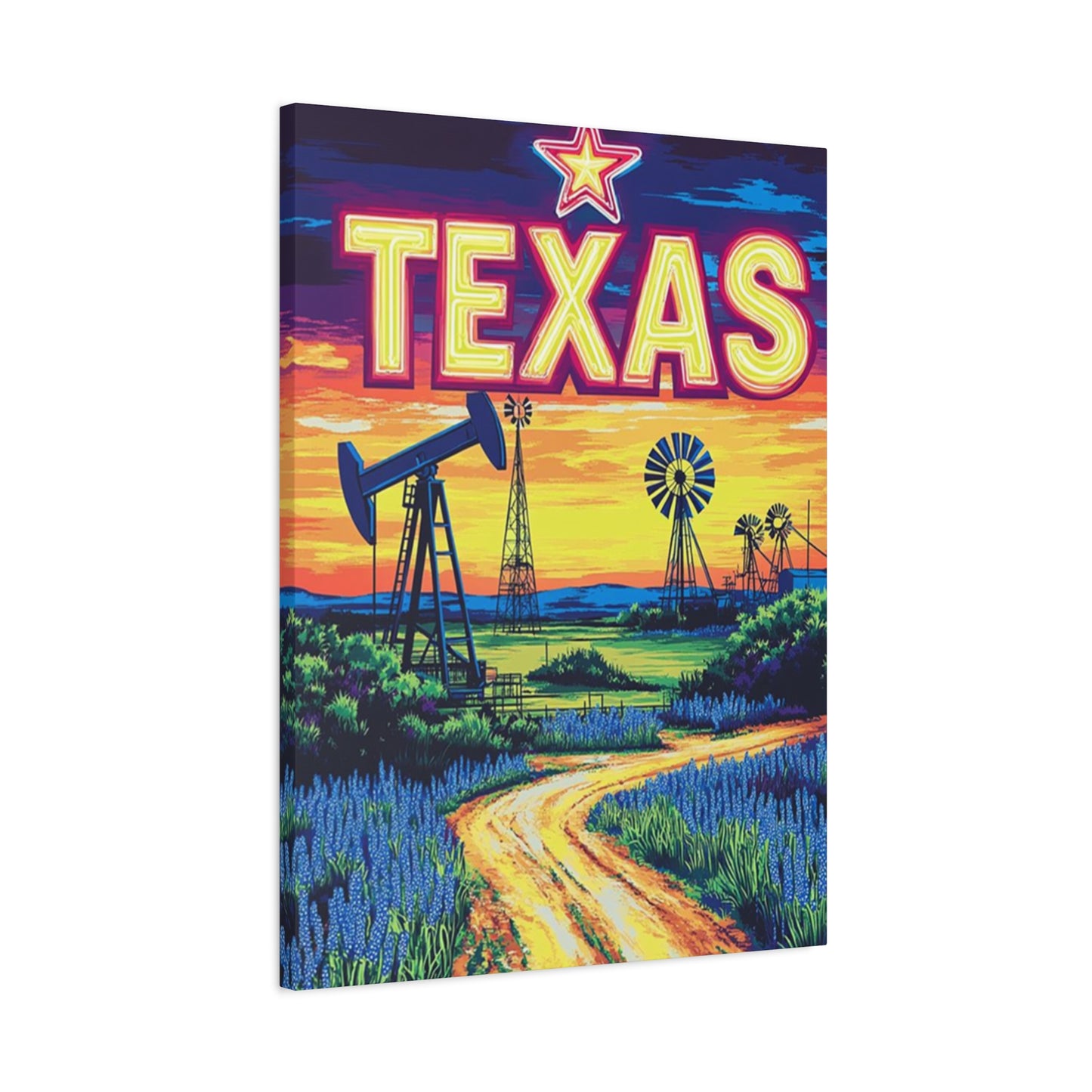
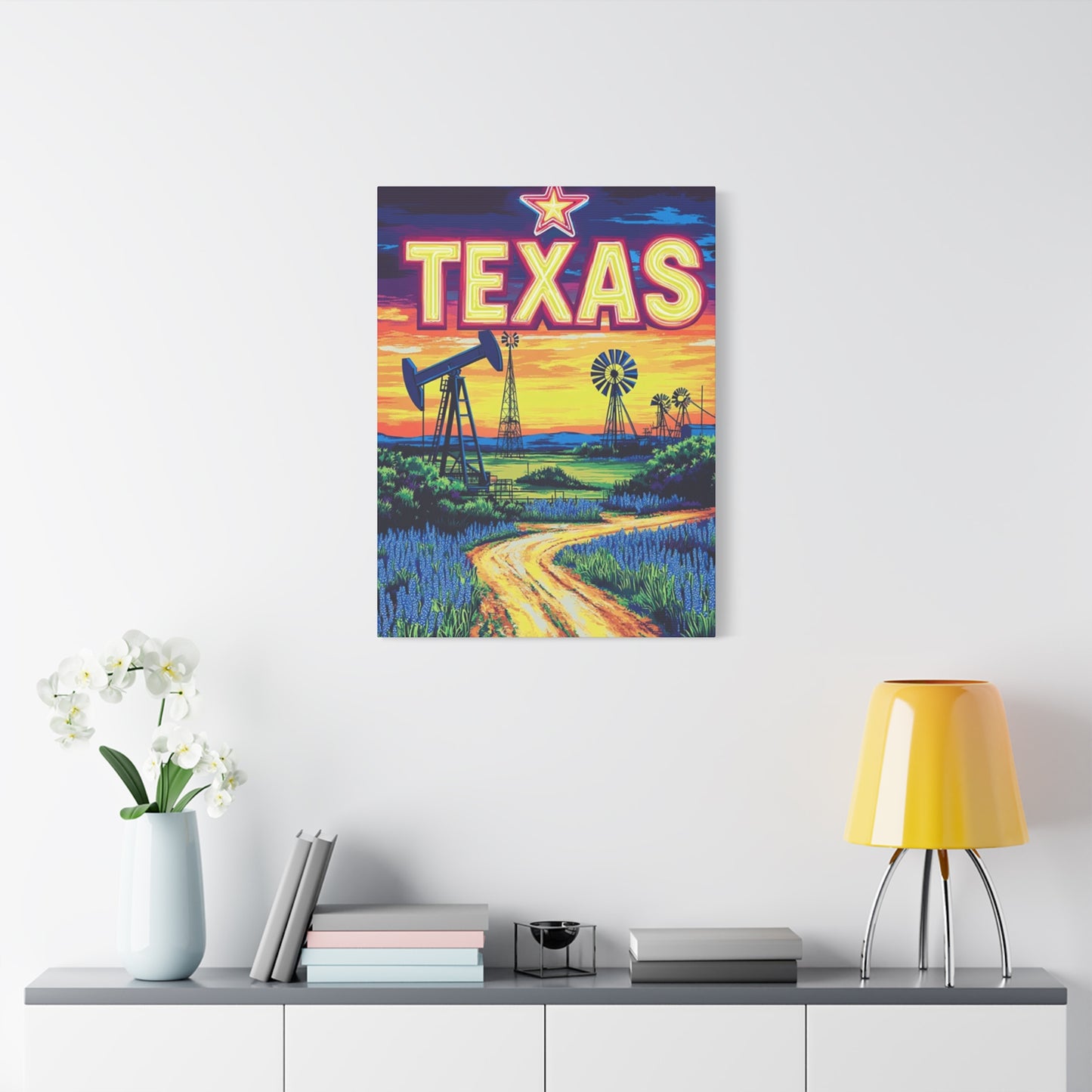
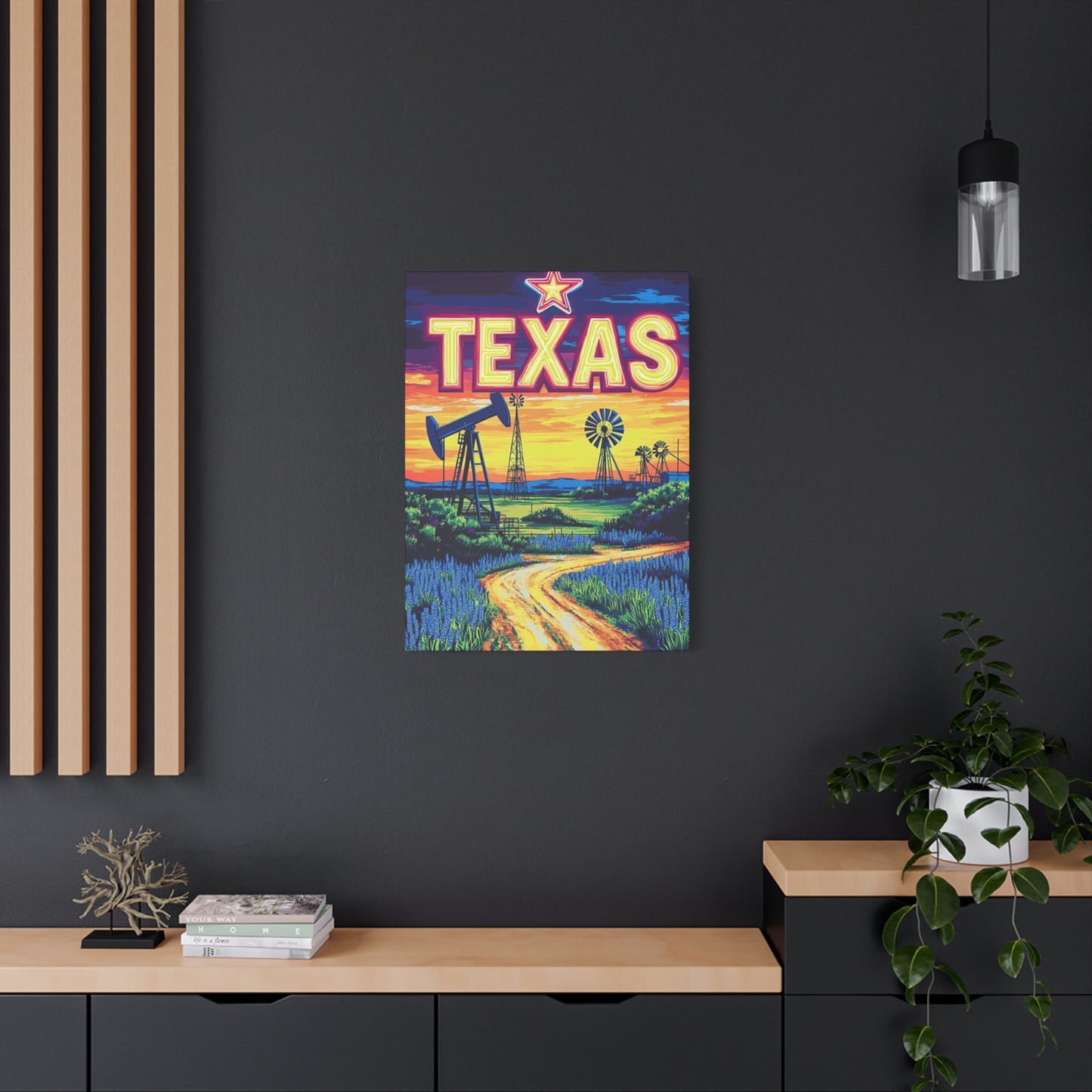
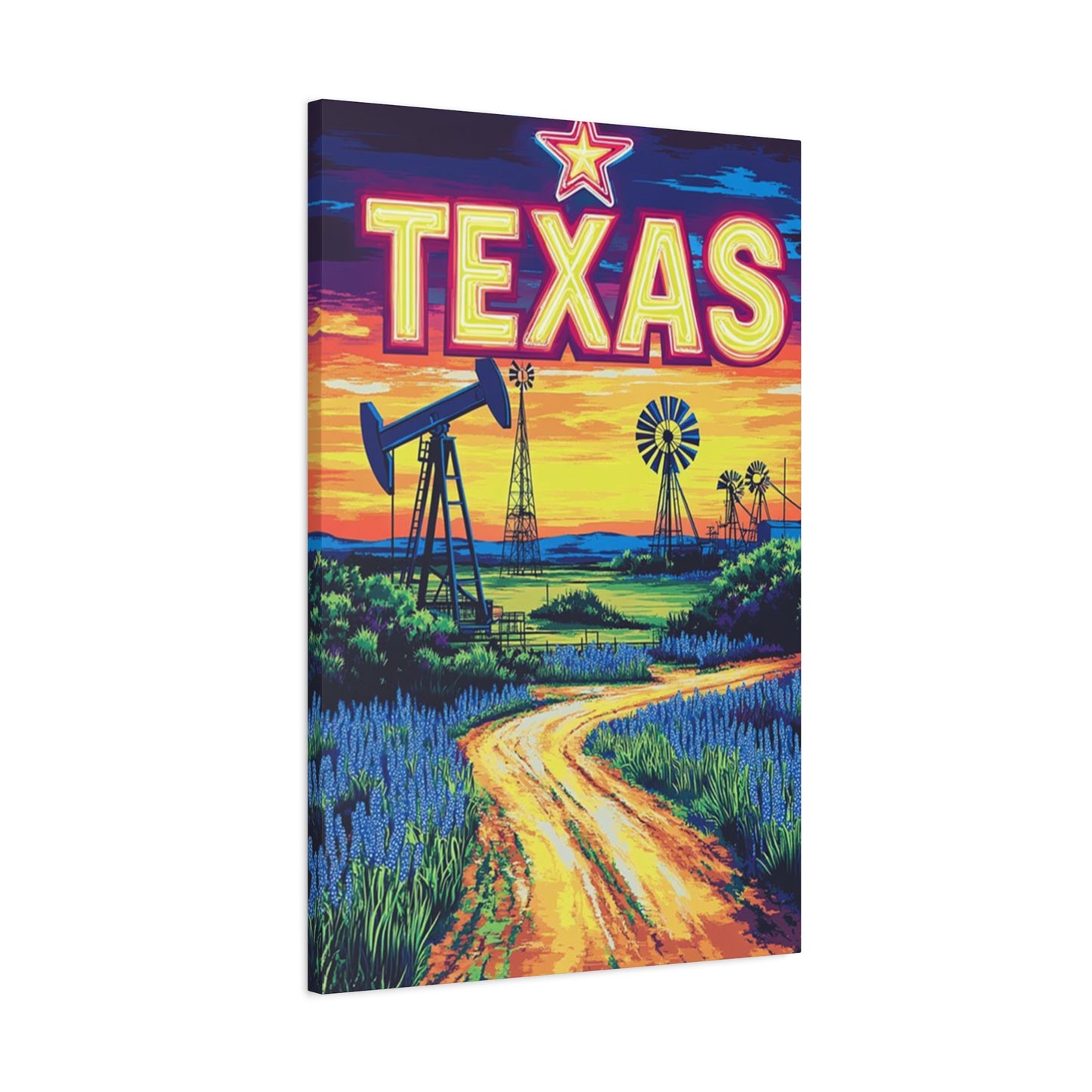
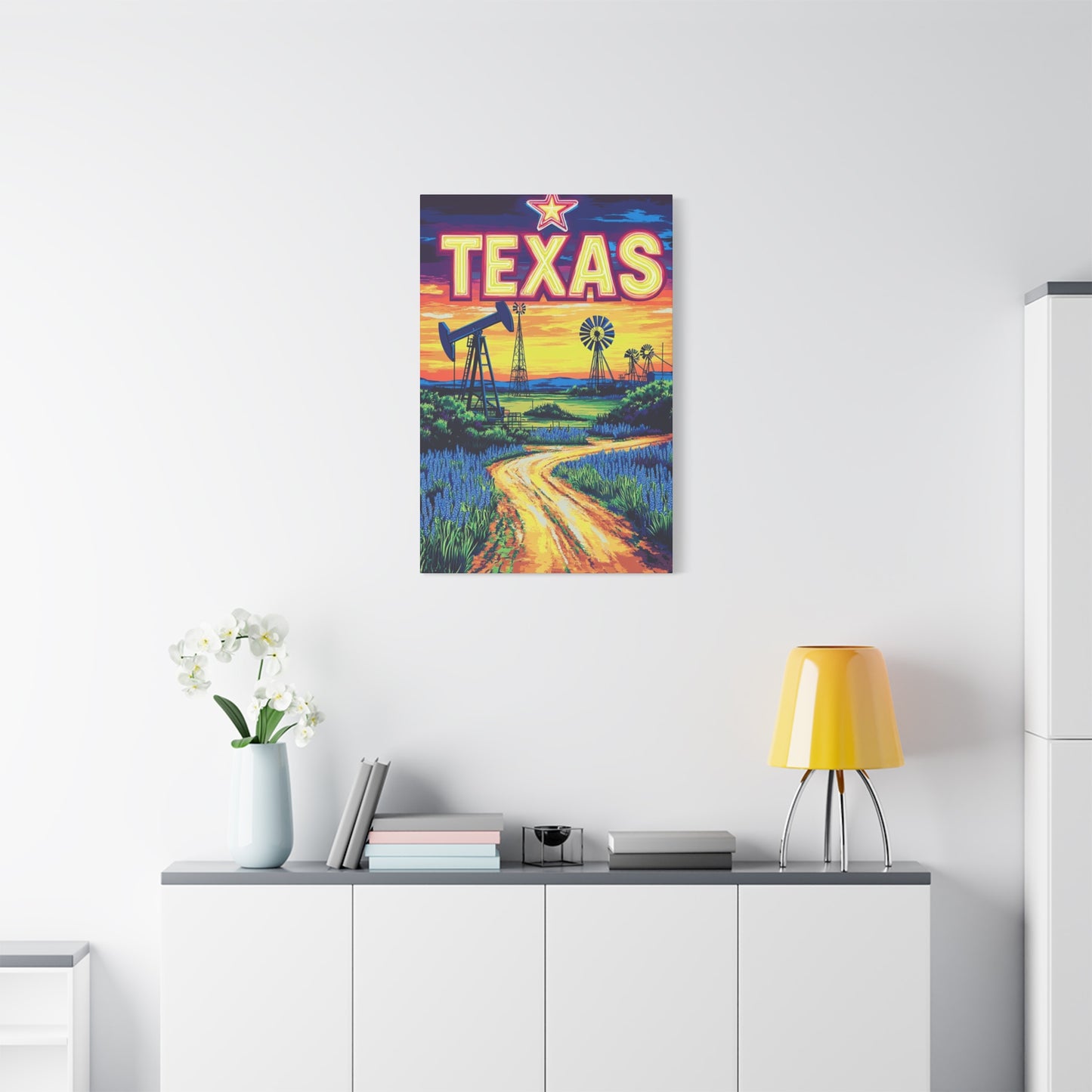
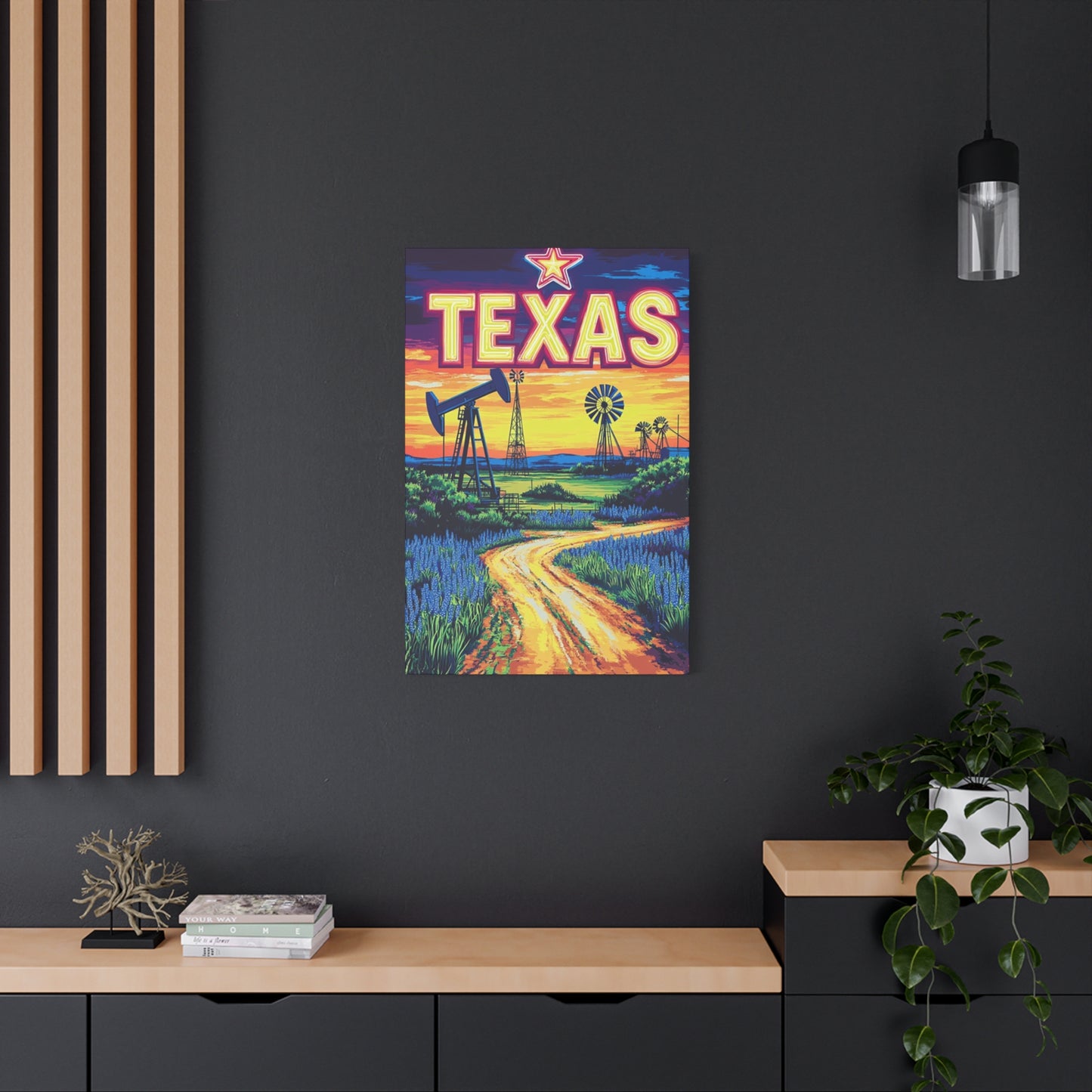
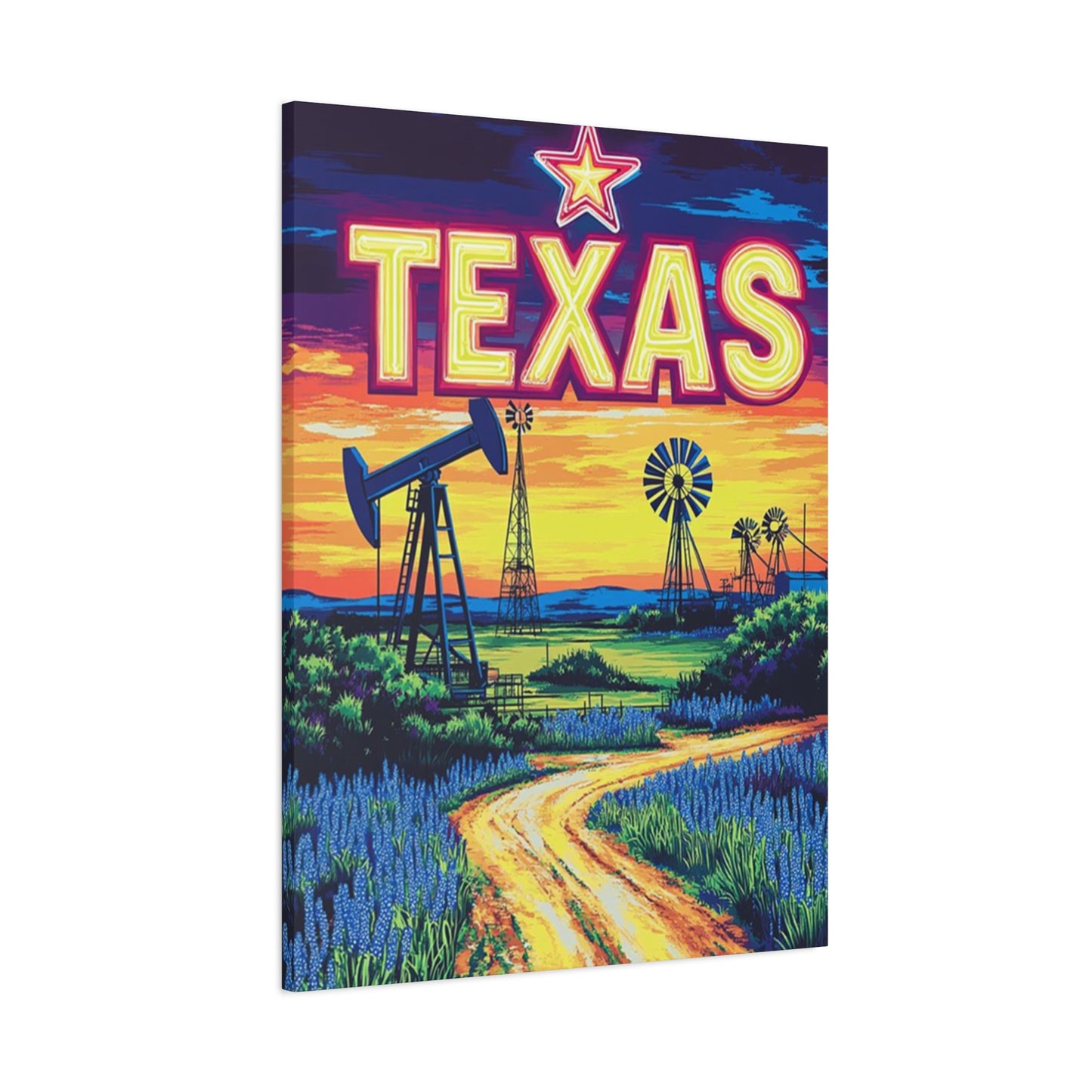
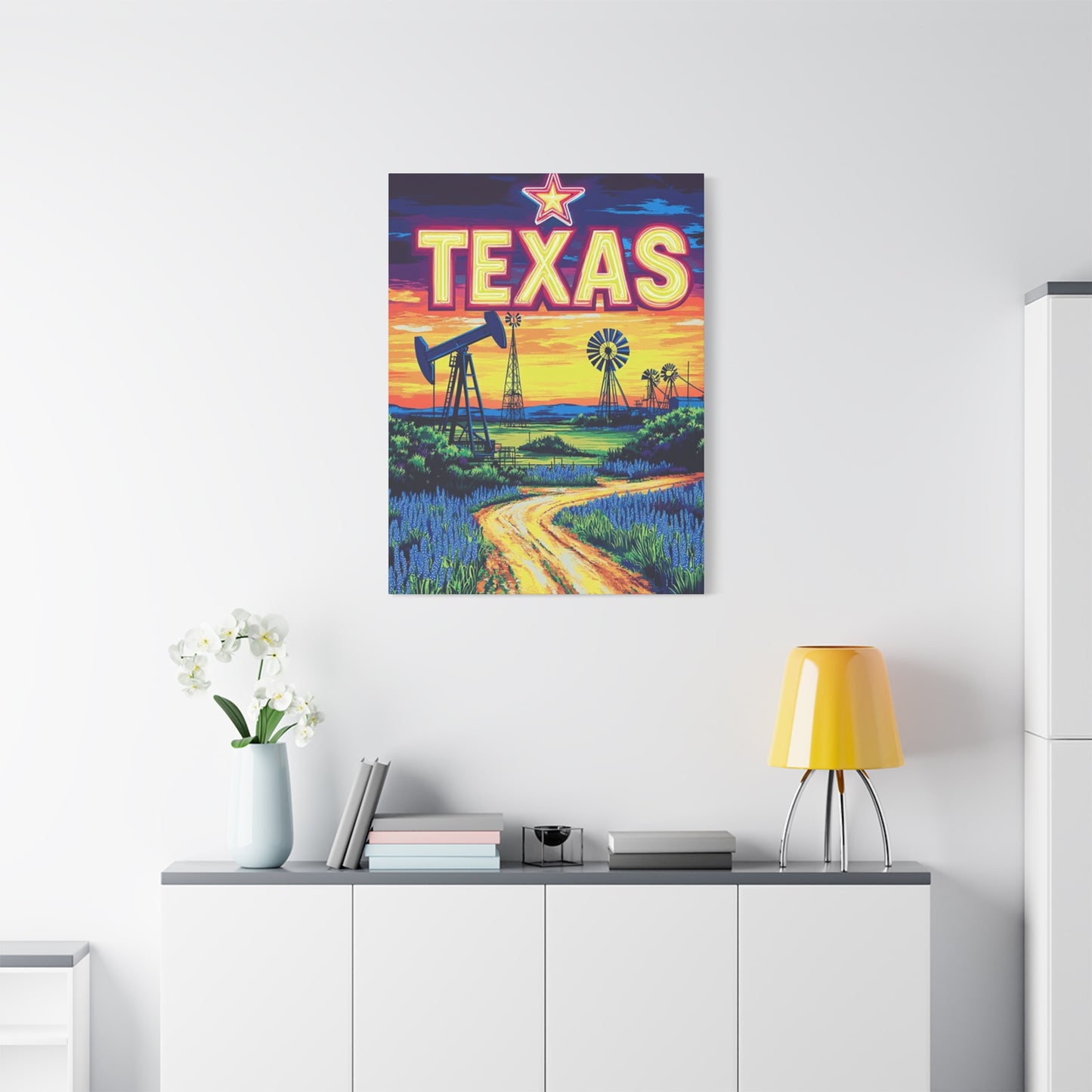
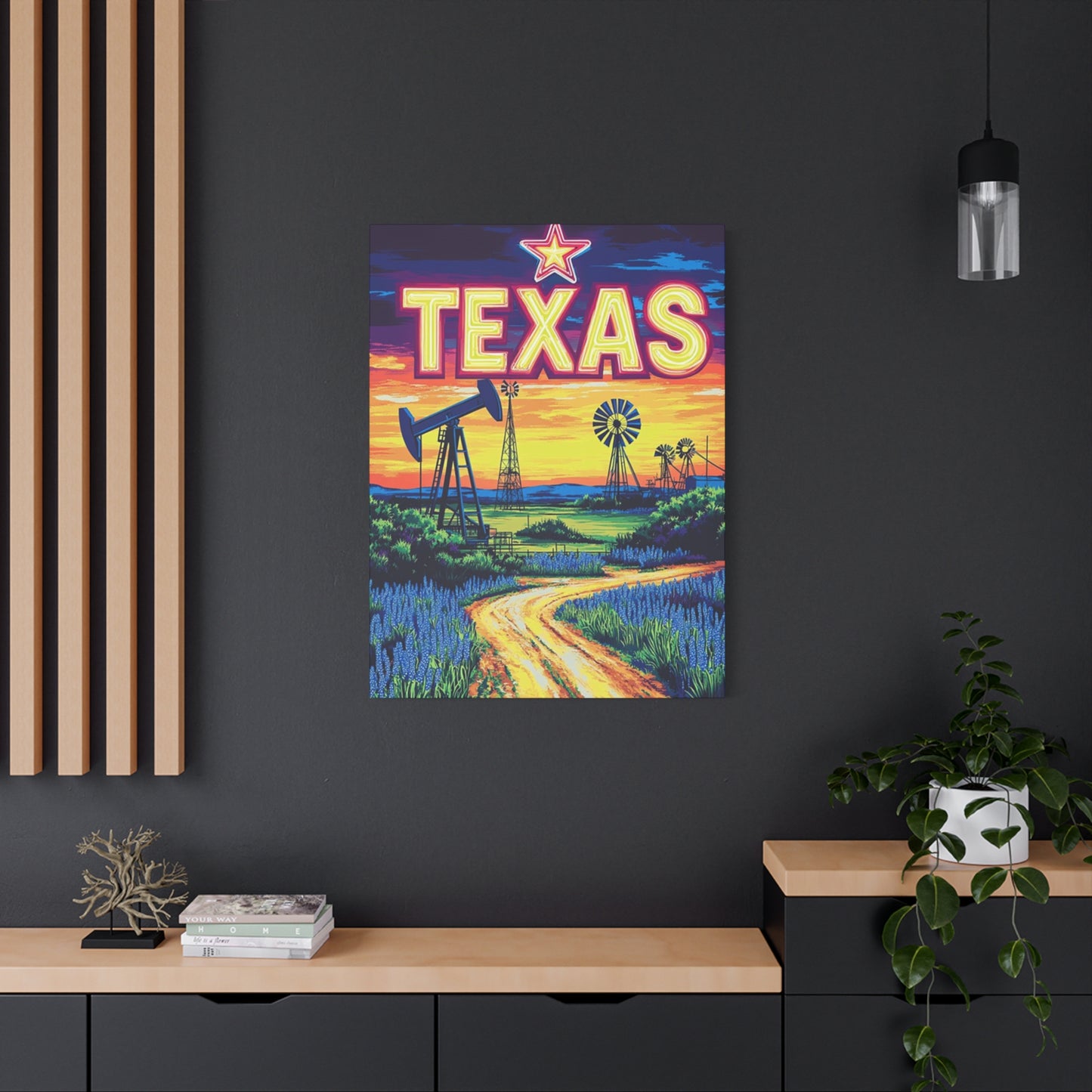
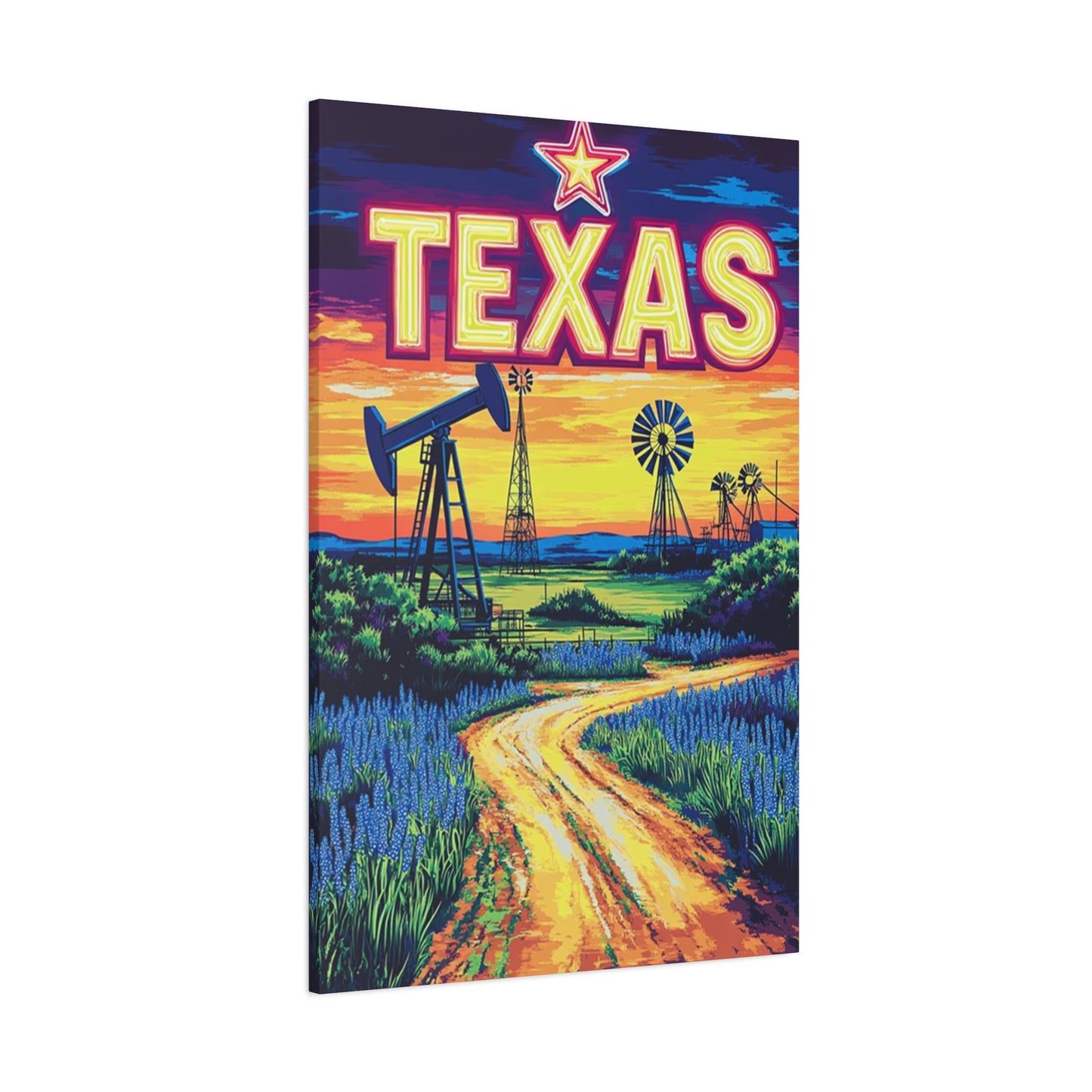
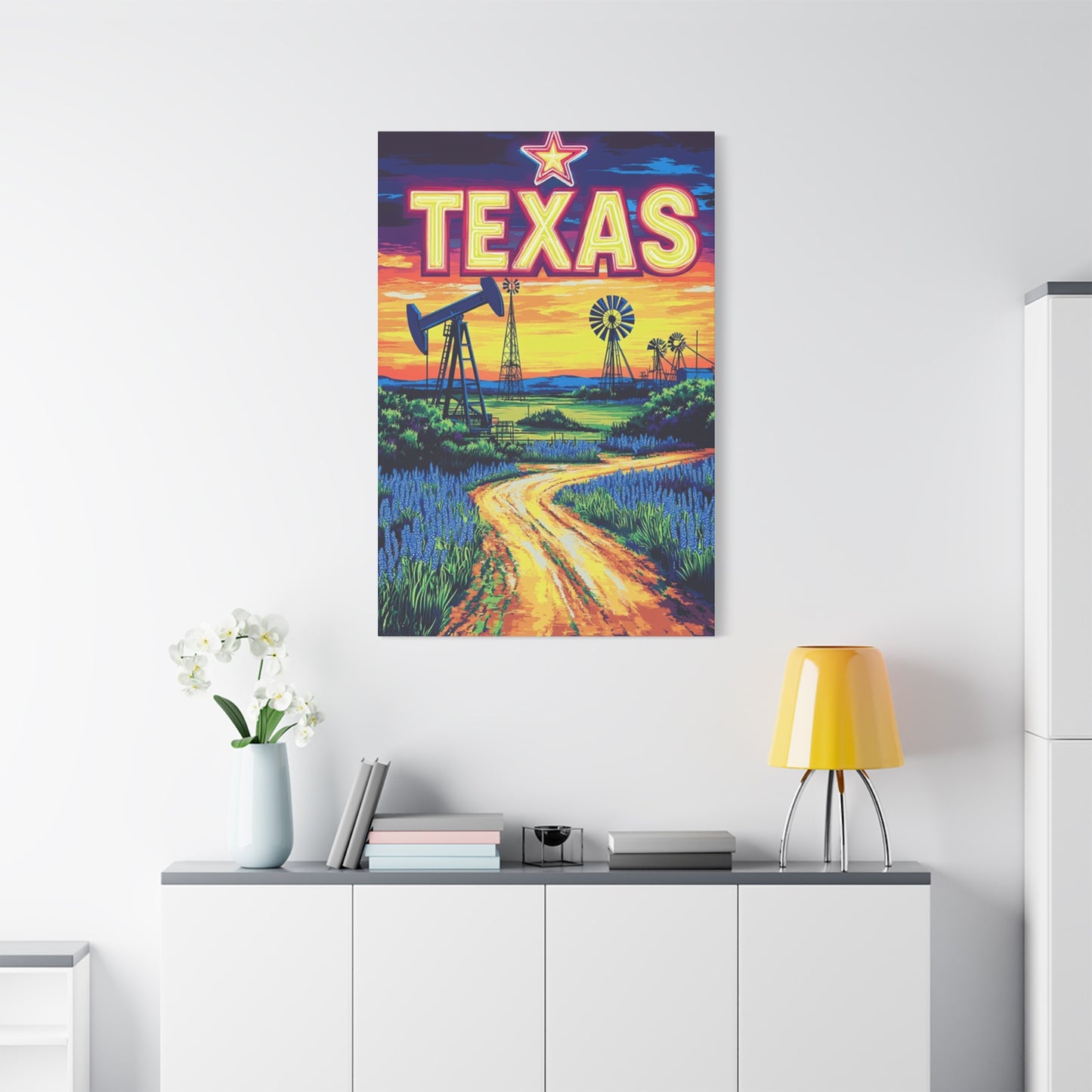
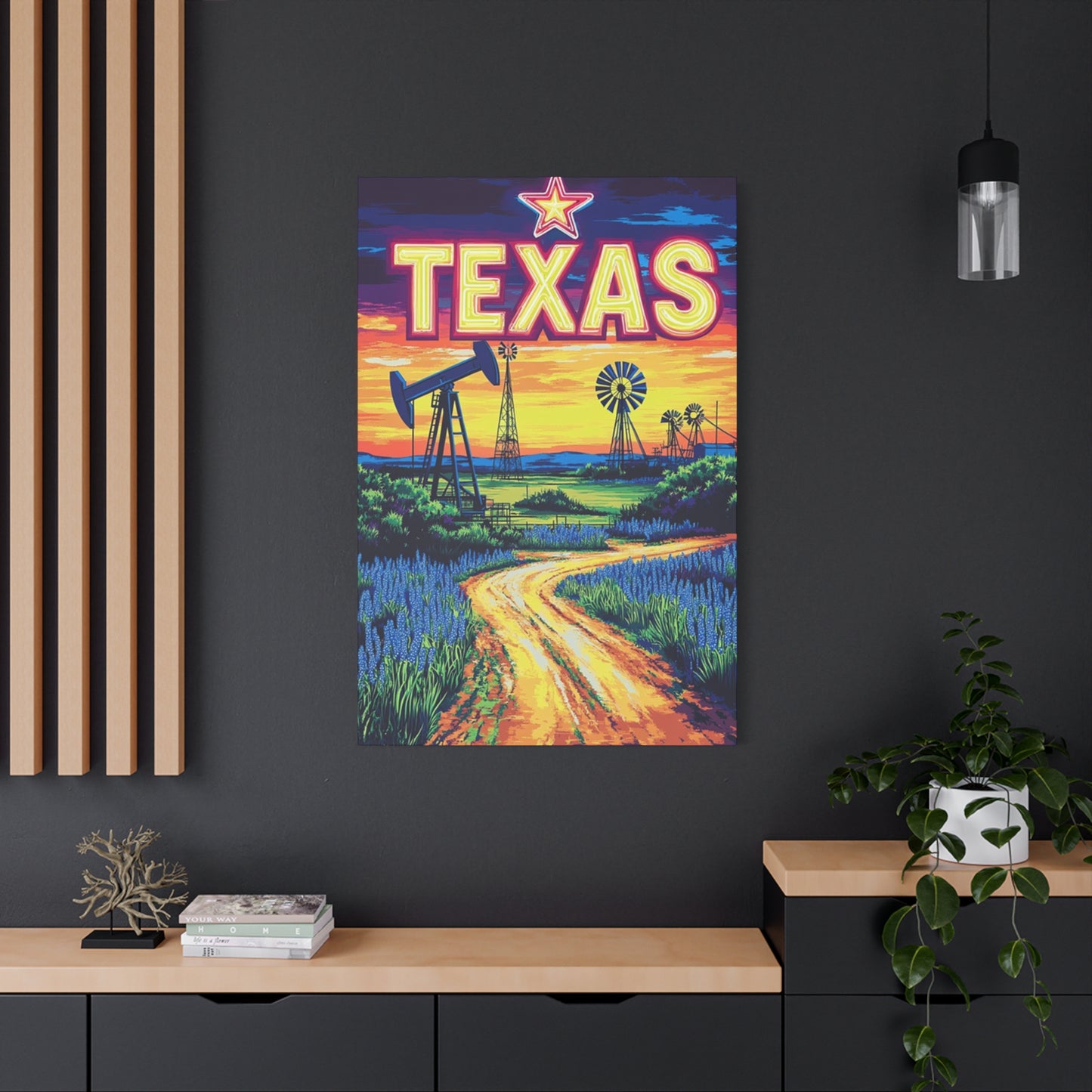
Stunning Landscape Paintings Wall art: Bringing the Lone Star State's Natural Beauty Indoors
The vast expanses of Texas offer some of the most breathtaking natural scenery in the United States, and capturing this beauty through painted artwork has become an increasingly popular way to bring the essence of the Lone Star State into homes and offices. From the rolling hill country to the dramatic desert vistas, Texas landscape paintings provide a window into the diverse geography and natural splendor that defines this remarkable region. These artistic representations serve not only as decorative elements but also as powerful connections to the land, history, and spirit of Texas.
When considering artwork that showcases the natural beauty of this region, homeowners and art collectors discover an incredible range of styles, subjects, and interpretations. The connection between Texas landscapes and artistic expression runs deep, rooted in both the state's cultural heritage and the undeniable visual impact of its varied terrain. Whether you're a native Texan seeking to celebrate your roots or someone who has fallen in love with the state's unique character, incorporating painted landscapes into your living space creates an atmosphere that reflects the grandeur and authenticity of this iconic American landscape.
The Rich Artistic Heritage of Texas Landscape Representation
The tradition of capturing Texas scenery through painted works stretches back generations, with artists drawn to the state's dramatic vistas and unique natural features. Early painters who ventured into Texas territory found themselves captivated by landscapes unlike anything they had encountered elsewhere. The combination of vast open spaces, distinctive plant life, and ever-changing light conditions created challenges and opportunities that pushed artistic boundaries and resulted in some truly remarkable works.
Throughout the nineteenth and early twentieth centuries, numerous talented individuals made their way to Texas specifically to document its landscapes. These pioneers of regional art faced considerable hardships as they traveled through remote areas, setting up their easels in challenging conditions to capture fleeting moments of natural beauty. Their dedication resulted in an invaluable visual record of Texas before modern development transformed many areas. These historical works now serve as both artistic achievements and important documentation of the state's environmental history.
The evolution of landscape representation in Texas art reflects broader changes in artistic movements and techniques. Early works tended toward detailed, realistic depictions that emphasized accuracy and documentation. As artistic styles evolved through impressionism, expressionism, and modernism, Texas landscape painters began experimenting with more interpretive approaches. This progression created a rich tapestry of artistic styles, all united by their focus on capturing the essence of Texas terrain.
Contemporary artists continue this proud tradition while bringing fresh perspectives and innovative techniques to the genre. Modern painters draw inspiration from the same landscapes that captivated their predecessors while incorporating contemporary aesthetic sensibilities and technical approaches. This ongoing evolution ensures that Texas landscape representation remains vibrant and relevant, appealing to both traditional art enthusiasts and those seeking more contemporary interpretations.
The regional artistic community has played a crucial role in nurturing and promoting landscape painting. Art associations, galleries, and cultural institutions throughout Texas have provided platforms for artists to display their work and connect with audiences who appreciate their interpretations of local scenery. This supportive ecosystem has helped establish Texas as a significant center for landscape art in the American Southwest.
Capturing the Diverse Terrain of the Lone Star State
Texas encompasses an extraordinary variety of landscapes within its borders, offering artists an almost unlimited palette of subjects to explore. The state's sheer size means that traveling from one region to another reveals dramatically different environments, each with its own distinct character and visual appeal. This diversity makes Texas landscape artwork particularly varied and interesting, as paintings can showcase everything from lush forests to arid deserts, from coastal marshlands to mountain peaks.
The hill country region, with its rolling limestone formations and spring-fed rivers, has inspired countless painted works. Artists are drawn to the way light plays across the undulating terrain, creating shadows and highlights that shift throughout the day. The native cedar and oak trees that dot these hills provide natural focal points, while the exposed limestone cliffs and outcroppings add dramatic vertical elements to compositions. During spring, when wildflowers blanket the hillsides, the landscape transforms into a riot of color that challenges painters to capture the intensity and variety of blues, reds, and golds.
The vast grasslands and prairies of central and north Texas present a different set of artistic opportunities. These open spaces, where the sky often dominates the composition, allow painters to explore atmospheric effects and the subtle gradations of color that define wide horizons. The simplicity of these landscapes can be deceptive, as capturing the essence of seemingly empty space requires considerable skill and sensitivity. Artists working with these subjects often focus on the quality of light, the texture of grasses, and the sense of boundless space that characterizes these regions.
West Texas offers perhaps the most dramatic landscapes in the state, with rugged mountains, deep canyons, and stark desert environments. The Guadalupe Mountains, Davis Mountains, and Big Bend region provide spectacular subjects for painters attracted to bold compositions and striking geological features. The interplay of light and shadow on rocky faces, the spare beauty of desert vegetation, and the intensity of colors at sunrise and sunset create opportunities for powerful artistic statements. These areas have attracted artists seeking subjects that convey strength, endurance, and raw natural beauty.
The coastal regions along the Gulf of Mexico present yet another landscape tradition, with paintings depicting beaches, dunes, maritime forests, and the ever-changing moods of the sea. Artists working with coastal subjects explore the relationship between land and water, capturing the unique light quality of seaside environments and the distinctive plant and animal life found in these zones. The horizontal expanse of beaches and the vertical drama of storm clouds create compositional opportunities that differ markedly from inland subjects.
The piney woods of East Texas, with their dense forests and abundant water features, offer painters the chance to work with deeply saturated greens and the dappled light that filters through forest canopies. These landscapes evoke a sense of shelter and abundance that contrasts with the more open western regions. Rivers, streams, and bayous winding through wooded areas create natural compositional lines that draw the eye through paintings, while the variety of trees and undergrowth provides rich textural opportunities.
Choosing the Perfect Texas Landscape Artwork for Your Space
Selecting artwork that features Texas scenery involves considering multiple factors to ensure the piece you choose enhances your space and resonates with your personal aesthetic. The size of the artwork relative to the wall where it will hang is one of the first considerations. A large canvas can serve as a dramatic focal point in a spacious room, commanding attention and setting the tone for the entire space. Conversely, smaller works can create intimate moments of beauty in more confined areas or work together in gallery arrangements to tell a broader visual story.
The color palette of a landscape painting should harmonize with your existing decor while potentially introducing new accent colors that refresh the space. Texas landscapes naturally offer a wide range of color schemes, from the cool blues and greens of wooded areas to the warm ochres, reds, and golds of desert regions. Consider whether you want the artwork to blend seamlessly with your current color scheme or provide a complementary contrast that adds visual interest. The intensity of colors in the painting can also affect the mood of a room, with more saturated hues creating energy and excitement while softer, more muted tones promote calm and relaxation.
The style of the painting should reflect both your personal taste and the overall design aesthetic of your home. Realistic landscapes with detailed rendering appeal to those who appreciate traditional artistic approaches and want artwork that clearly depicts recognizable Texas locations. More impressionistic interpretations offer looser, more expressive takes on landscape subjects, focusing on capturing the feeling and atmosphere of a place rather than precise details. Abstract or semi-abstract landscapes push even further toward interpretation, using colors, shapes, and textures inspired by Texas terrain to create compositions that evoke the essence of the landscape without literal representation.
Subject matter within Texas landscape painting spans an enormous range, allowing you to select scenes that hold personal significance or simply appeal to your visual preferences. Some people feel drawn to paintings of specific regions where they have lived or visited, as these works evoke memories and emotional connections. Others might choose landscapes that represent aspirational destinations within Texas or scenes that embody qualities they value, such as the strength suggested by mountain paintings or the peace conveyed by pastoral hill country scenes.
The mood and emotional quality of a painting significantly impact how it affects your living space. Some landscape paintings exude tranquility and peace, with soft lighting and gentle compositions that promote relaxation. Others convey drama and excitement through bold colors, dynamic compositions, or depictions of powerful natural phenomena like storms or dramatic sunsets. Consider how you want the artwork to make you and your guests feel when experiencing the space where it will hang.
Practical considerations also play a role in selecting appropriate artwork. The amount of natural and artificial light in a room affects how paintings appear, with some works benefiting from abundant light while others reveal their subtleties better in more subdued illumination. The viewing distance is another factor, as paintings intended to be seen from across a room can use broader, bolder strokes, while those meant for closer viewing reward detailed examination. The presence of furniture, architectural features, and other decorative elements should also inform your choice, ensuring the painting integrates successfully into the complete visual composition of the room.
The Impact of Color in Texas Landscape Representations
Color serves as one of the most powerful tools in landscape painting, capable of evoking emotions, creating atmosphere, and establishing the overall mood of an artwork. Texas landscape painters work with an extraordinary natural palette derived from the state's diverse environments, and understanding how these colors function in artwork helps viewers appreciate and select pieces that resonate with them.
The warm colors that dominate many Texas landscapes reflect the state's sunny climate and the earth tones prevalent in much of its terrain. Ochres, siennas, and umber hues capture the sun-baked quality of soil and rock formations, particularly in western regions where vegetation is sparse and geology is exposed. These warm earth tones create a sense of heat and aridity that instantly communicates the character of desert and semi-desert environments. Artists working with these palettes often explore subtle variations within a limited color range, discovering remarkable diversity within what might initially appear to be monochromatic schemes.
The blues found in Texas landscape paintings serve multiple purposes, from depicting the famously vast skies to representing bodies of water scattered throughout the state. The particular quality of Texas sky has captivated painters for generations, with its intense, saturated blue on clear days and the dramatic gradations of color during sunrise and sunset. Water features, from the Gulf of Mexico to rivers, lakes, and stock tanks, introduce another dimension of blue into compositions. Artists must carefully observe and render the many variations of blue present in nature, from the pale, almost white quality of distant mountains to the deep navy of water in shadow.
Green appears in Texas landscapes in ways that vary dramatically by region and season. The lush, deep greens of East Texas piney woods contrast sharply with the pale, silvery greens of desert succulents and the bright, fresh greens of spring grasses. Painters working with green must be sensitive to temperature variations within the color, as cool, blue-tinged greens create very different effects than warm, yellow-influenced greens. The challenge of rendering foliage convincingly without making it appear flat or monotonous requires skill and careful observation of how light affects plant surfaces.
The spectacular displays of wildflowers that Texas is famous for introduce intense splashes of color into landscapes during spring months. Bluebonnets create carpets of purple-blue across hillsides and prairies, while Indian paintbrush adds brilliant reds and oranges. These floral displays present both opportunities and challenges for painters, who must capture the mass effect of thousands of individual flowers while avoiding compositions that become overwhelming or garish. Successful wildflower paintings balance these intense colors with more neutral areas that give the eye places to rest and prevent visual fatigue.
The golden hour light that occurs shortly after sunrise and before sunset transforms Texas landscapes, bathing everything in warm, amber tones that create magical atmospheric effects. Painters who specialize in capturing these fleeting moments work with palettes dominated by golds, oranges, and pinks, often contrasted with cool shadow tones that intensify the warmth of lit areas. These paintings tend to evoke strong emotional responses, as the golden light carries associations with beauty, transition, and the passage of time.
Atmospheric perspective, the phenomenon where distant objects appear less saturated and more blue-tinted than near objects, plays a crucial role in creating depth in landscape paintings. Texas, with its often extreme visibility and vast distances, provides ideal conditions for exploring atmospheric effects. Artists use progressively cooler and lighter colors as elements recede into the distance, creating the illusion of space and helping viewers understand the scale of depicted landscapes. This technique becomes particularly important in paintings of prairies, deserts, or views from high elevations where multiple layers of landscape stretch to distant horizons.
Framing and Presentation Considerations
The way a Texas landscape painting is framed and presented significantly affects both its visual impact and its longevity. Proper framing protects the artwork while enhancing its appearance and helping it integrate into your interior design scheme. Understanding the options available and the principles that guide successful framing ensures that your investment in landscape artwork is properly showcased and preserved.
Traditional wood frames remain popular choices for landscape paintings, offering warmth and natural beauty that complements outdoor scenes. The type of wood, its finish, and the profile of the frame all contribute to the overall effect. Lighter woods like oak or maple can brighten a painting and work well in rooms with contemporary or casual decor, while darker woods like walnut or mahogany add richness and formality that suits traditional interiors. The width and depth of the frame should be proportional to the size of the painting, with larger works generally benefiting from more substantial frames that can support their visual weight.
Metal frames provide a sleek, modern alternative that works particularly well with contemporary interpretations of Texas landscapes. Silver, gold, or black metal frames can emphasize the colors in a painting through contrast or complement them through harmony. The clean lines of metal framing don't compete with the imagery in the painting, allowing the landscape to take center stage. This style of framing works especially well in modern or minimalist interiors where ornate wooden frames might feel out of place.
The matting around a painting creates a buffer between the image and the frame, providing visual breathing room that can enhance the viewing experience. Neutral mats in shades of white, cream, or gray work with virtually any landscape painting, but colored mats can be used strategically to emphasize particular hues in the artwork. The width of the mat affects the overall presentation, with wider mats creating a more formal, gallery-like appearance and narrower mats offering a more casual feel. For Texas landscapes with dramatic skies, some framers recommend slightly wider mats at the top to echo the proportions of the composition.
Float mounting represents another presentation option, particularly for paintings on canvas. This technique makes the artwork appear to float within the frame, with a small gap between the edge of the canvas and the frame creating a shadow effect. Float mounting showcases the entire surface of the painting, including the edges of the canvas, and creates a contemporary, gallery-inspired look. This presentation style works particularly well for paintings where the artist has continued the image around the edges of the canvas.
Protective glazing serves an important function for many framed artworks, shielding them from dust, moisture, and physical contact while potentially reducing exposure to harmful ultraviolet light. Regular glass provides basic protection but can create reflections that interfere with viewing. Non-reflective or anti-reflective glass minimizes these reflections, making it easier to appreciate the painting from various angles and in different lighting conditions. Museum-quality glazing offers the highest level of protection, filtering out UV rays that can cause colors to fade over time. While more expensive, this investment makes sense for valuable or particularly beloved pieces.
The decision to frame a canvas painting or leave it unframed depends on multiple factors, including the style of the painting, the artist's intentions, and your decorating preferences. Many contemporary paintings on stretched canvas are designed to be displayed without frames, with the edges of the canvas painted to create a finished appearance. This frameless presentation creates a clean, modern look and can make paintings feel less formal and more accessible. However, framing even canvas paintings can provide additional protection and create a more polished, gallery-quality appearance.
Incorporating Texas Landscape Artwork into Different Room Settings
The placement of landscape paintings throughout your home offers opportunities to create cohesive design themes or to use individual works as standalone statement pieces. Understanding how different rooms function and how artwork can enhance those functions helps ensure that your Texas landscape paintings contribute meaningfully to each space.
Living rooms and family rooms, being primary gathering spaces, often benefit from larger landscape paintings that can serve as conversation pieces and focal points. These rooms typically offer wall space that can accommodate substantial works, and the social nature of these areas means that artwork here will be viewed and appreciated by both residents and guests. Consider placing a major landscape painting above a sofa, fireplace mantel, or entertainment center, ensuring that the artwork is hung at an appropriate height for viewing from seated positions. The colors and mood of the painting can set the tone for the entire room, influencing other decorating decisions and creating a cohesive atmosphere.
Dining rooms provide another excellent location for landscape artwork, as the contemplative atmosphere during meals allows for quiet appreciation of artistic works. Paintings depicting serene landscapes can enhance the dining experience by creating a calm, pleasant environment, while more dramatic works can stimulate conversation and add energy to dinner parties. The wall space in dining rooms is often less cluttered than in living areas, providing an unobstructed backdrop for artwork. Consider how the painting will look both in natural daylight and in the artificial lighting used during evening meals, as these different conditions can dramatically affect appearance.
Bedrooms benefit from landscape paintings that promote relaxation and peace, making scenes of tranquil hill country vistas, gentle coastal views, or peaceful woodland scenes particularly appropriate. The personal nature of bedroom spaces allows for more subjective choices based purely on personal preference without concern for broad appeal. Many people enjoy falling asleep and waking up to views of natural beauty, even when living in urban environments where actual views might be limited. Smaller landscapes or series of related works can create gallery walls that transform bedroom walls into personal art collections.
Home offices and studies gain from landscape artwork that provides mental respite from work while maintaining a professional atmosphere. A well-chosen Texas landscape can offer a visual escape during breaks, reducing stress and potentially boosting creativity. The subject matter might reflect personal connections to specific Texas locations or simply provide views that inspire or calm. In offices where video calls are common, consider how the artwork will appear in the background of video feeds, choosing pieces that look professional and interesting on screen.
Entryways and hallways present unique opportunities for landscape artwork, as these transitional spaces can accommodate pieces that might be overwhelming in rooms where people spend extended periods. A dramatic Texas sunset or storm scene can create a powerful first impression in an entryway, while a series of smaller landscapes in a hallway can transform a purely functional space into a gallery experience. The typically narrower viewing distances in hallways mean that artwork here will be seen more closely, making it worth considering pieces with details that reward close examination.
Kitchens, while sometimes overlooked as locations for fine art, can be enhanced by appropriately placed landscape paintings. The challenge in kitchen placement involves protecting artwork from cooking-related moisture, grease, and heat while still making it visible and enjoyable. Landscapes depicting farms, orchards, or abundant natural settings can create thematic connections with the food preparation that happens in kitchens. If space permits, a landscape painting visible from the primary work area provides something pleasant to look at during meal preparation tasks.
Bathrooms might seem like unlikely locations for valuable artwork, but with proper precautions, they can house smaller landscape pieces that enhance the relaxation potential of these spaces. Moisture is the primary concern, so paintings should be properly sealed and framed with appropriate glazing, and should not be placed directly in shower spray zones. Coastal or water-themed Texas landscapes create natural thematic connections with bathroom functions, while any peaceful landscape can contribute to creating a spa-like atmosphere.
The Role of Light in Displaying Landscape Artwork
Light dramatically affects how paintings appear, influencing color perception, visibility of details, and overall impact. Understanding the relationship between light and artwork helps ensure that your Texas landscape paintings are displayed in ways that maximize their beauty and effectiveness.
Natural light changes throughout the day, creating different viewing experiences as the sun moves across the sky. Morning light tends to be cooler and softer, while afternoon light becomes warmer and more intense. Paintings placed in rooms with abundant natural light will appear different at various times of day, revealing different aspects of the artist's color choices and technique. While this variation can be interesting, it's important to ensure that direct sunlight doesn't strike the painting surface, as ultraviolet radiation gradually damages pigments and causes fading. If a painting must be placed where direct sun exposure is unavoidable, using UV-filtering glazing becomes essential.
The direction of natural light in a room affects how paintings should be positioned. South-facing windows in the Northern Hemisphere provide the most consistent natural light throughout the day, though this light can be intense and warm. North-facing windows offer cooler, more even illumination that changes less dramatically through the day, making it preferred in traditional artist studios. East-facing windows provide excellent morning light, while west-facing windows offer dramatic late afternoon and evening illumination. Consider these characteristics when placing paintings, thinking about when the room is most used and what kind of lighting will be present during those times.
Artificial lighting gives you more control over how paintings are illuminated, allowing you to highlight specific works and create consistent viewing conditions regardless of time of day or weather. Track lighting or adjustable spotlights can be directed at paintings, providing focused illumination that makes artwork stand out from surrounding walls. The color temperature of artificial light significantly affects color perception in paintings. Warm white bulbs enhance reds, oranges, and yellows while potentially making blues and greens appear duller. Cool white or daylight bulbs provide more neutral illumination that doesn't significantly shift color perception. Many galleries and museums use lights with high Color Rendering Index ratings that accurately reproduce colors as they appear in natural daylight.
Picture lights mounted directly on frames or on the wall above paintings provide dedicated illumination specifically designed for artwork. These specialized lights distribute illumination evenly across the surface of the painting, minimizing glare and hotspots while ensuring adequate brightness for comfortable viewing. Adjustable picture lights allow you to direct the beam to avoid reflections on glass glazing while still providing effective illumination. Modern LED picture lights offer energy efficiency and generate minimal heat, reducing concerns about heat damage to paintings.
The ambient light level in a room affects how much contrast exists between illuminated artwork and surrounding areas. In dimly lit rooms, even modest picture lighting can make artwork glow dramatically, creating strong focal points. In brightly lit spaces, more powerful dedicated lighting may be necessary to make paintings stand out. The goal is typically to create enough contrast that the artwork commands attention without creating such extreme differences that viewing becomes uncomfortable.
Glare and reflections present challenges when displaying framed paintings under glass. Reflections from windows, lamps, or other light sources can obscure parts of the painting and make viewing frustrating. Anti-reflective glass reduces but doesn't entirely eliminate this problem. The angle at which light strikes the painting affects the severity of reflections, so sometimes simply adjusting the tilt of the frame or the position of light sources can significantly improve viewing. Many framers recommend tilting the top of the frame slightly away from the wall, angling the surface so that ceiling lights reflect downward rather than toward viewers' eyes.
The Emotional and Psychological Impact of Landscape Artwork
The presence of landscape paintings in living and working spaces affects occupants in ways that extend beyond simple decoration. Research into environmental psychology and the effects of nature imagery suggests that viewing representations of natural scenes can provide measurable psychological benefits, even when direct access to nature is limited.
Stress reduction represents one of the most consistent effects associated with viewing nature imagery. Studies have demonstrated that exposure to landscape images can lower blood pressure, reduce cortisol levels, and promote feelings of calm and relaxation. For people living in urban environments or spending most of their time indoors, landscape paintings provide a window to natural spaces that offers some of the restorative benefits of actual nature exposure. This effect appears particularly strong when the landscapes depicted are relatively peaceful and represent the types of environments humans evolved in, such as scenes with water, distant views, and vegetation.
The phenomenon of attention restoration theory explains part of the appeal of landscape artwork. This theory proposes that natural environments allow our directed attention systems to rest while we engage in effortless observation, helping us recover from mental fatigue. Looking at paintings of natural landscapes may trigger similar restorative processes, giving our minds brief respites from the constant demands of modern life. A Texas landscape painting depicting a peaceful river scene or a vast prairie vista invites this kind of gentle, wandering attention that refreshes rather than depletes mental resources.
Emotional connections to specific places amplify the impact of landscape paintings for many viewers. Someone who grew up in the Texas hill country may experience powerful feelings of nostalgia, belonging, and identity when viewing paintings of that region. These emotional associations add layers of personal meaning that transcend the purely aesthetic qualities of the artwork. Paintings depicting places we love or long to visit can serve as visual anchors for memories and as reminders of experiences that shaped us. This personal dimension makes landscape paintings particularly meaningful compared to more abstract or impersonal decorative choices.
The aspirational quality of landscape artwork also contributes to its psychological impact. A painting of a remote Texas mountain range might represent freedom, adventure, or escape for a viewer living a constrained urban existence. The act of choosing and displaying such artwork represents a statement of values and aspirations, a way of claiming connection to experiences or qualities associated with the depicted landscape. Even if we can't physically visit remote wilderness areas as often as we'd like, having them represented in our living spaces keeps that connection alive and reminds us of priorities that might otherwise get lost in daily routines.
Biophilic design principles recognize humans' innate need for connection with nature and incorporate natural elements, including representations of nature, into built environments. Landscape paintings serve as key components of biophilic design strategies, bringing natural imagery into spaces where actual plants, natural materials, or views might be limited. This approach acknowledges that humans don't just prefer natural beauty for arbitrary reasons but have deep psychological and even physiological needs for nature connection that affect wellbeing in fundamental ways.
The colors typically found in landscape paintings contribute to their psychological effects. Greens and blues, prominent in many natural scenes, are associated with calming, restorative qualities. Warm colors like the golds and oranges of sunset scenes can create feelings of comfort and contentment. Understanding these color psychology principles helps explain why certain paintings feel particularly appropriate for specific rooms or situations. A bedroom might benefit from a cool, peaceful landscape, while a social space might be energized by warmer, more vibrant scenes.
Supporting Texas Artists and the Local Art Community
Purchasing landscape paintings directly from Texas artists provides benefits that extend beyond acquiring beautiful artwork. Supporting regional artists strengthens local creative communities, helps preserve cultural traditions, and ensures that diverse artistic voices continue to interpret and celebrate the Texas landscape.
The economic impact of supporting local artists reaches beyond the individual transactions. Artists who can sustain themselves through their work remain in their communities, contributing to the cultural vitality that makes regions attractive places to live and visit. They teach, mentor emerging artists, participate in community projects, and contribute to the creative ecosystem that benefits everyone. When you purchase directly from artists rather than through distant resellers or online marketplaces dominated by mass-produced items, more of your money goes directly to supporting creative work and less goes to intermediaries.
Personal connections with artists add dimensions to ownership that aren't possible when buying through impersonal channels. Many artists enjoy discussing their work, explaining their creative processes, and sharing information about the specific locations and experiences that inspired particular pieces. This direct dialogue helps buyers understand and appreciate the artwork more deeply. Some collectors develop ongoing relationships with artists, following their evolving work and becoming advocates who help promote their careers. These relationships enrich the collecting experience and create connections between artists and communities that benefit both parties.
Regional galleries play crucial roles in connecting artists with audiences and providing spaces where people can experience artwork before committing to purchases. Gallery professionals curate exhibitions, educate visitors about artists and techniques, and maintain quality standards that help ensure buyers receive authentic, well-executed works. Supporting galleries through purchases and attendance at openings and events helps maintain these important community resources. Many galleries also handle framing, delivery, and installation services that make the buying process more convenient.
Discovering the Beauty of Texas Landscape
The art of capturing Texas landscapes on canvas has become a cherished tradition that bridges the gap between natural beauty and interior design. These artistic representations bring the spirit of the Lone Star State into homes, offices, and public spaces across the world. When someone decides to incorporate artwork depicting Texas scenery into their living environment, they are making a choice that goes far beyond simple decoration. They are inviting the essence of wide-open spaces, dramatic skies, and rugged terrain into their daily lives.
Texas landscape paintings serve multiple purposes in contemporary interior design. They function as focal points that draw the eye and anchor a room's aesthetic. They provide conversation starters for guests who admire the scenes depicted. They offer daily reminders of natural beauty for those who may live in urban environments far removed from wilderness areas. These pieces create emotional connections to places people have visited or dream of exploring someday.
The tradition of depicting Texas scenery through artistic expression dates back generations. Early artists traveled across the state documenting what they saw through sketches and paintings. These historical works now serve as valuable records of how the landscape appeared before modern development changed many areas. Contemporary artists continue this tradition while bringing new techniques and perspectives to their work.
Canvas prints have revolutionized how people access and display artwork depicting Texas landscapes. Advanced printing technology now allows for reproduction of paintings with remarkable fidelity to the original artwork. High-quality canvas materials ensure durability and longevity. Professional stretching and framing techniques result in gallery-quality pieces that rival traditionally painted works in visual impact.
The variety available in this category is truly impressive. Buyers can choose from realistic representations that capture every detail of a particular location to impressionistic interpretations that focus on color and emotion. Abstract approaches transform recognizable Texas elements into bold statements of shape and hue. Different artistic styles appeal to different tastes and complement various interior design schemes.
Size options range from small accent pieces perfect for narrow wall spaces to massive statement works that dominate entire walls. This flexibility allows homeowners to find pieces that fit their specific spatial requirements. Multiple smaller pieces can be arranged in gallery walls that tell a visual story about Texas geography and beauty. Large single pieces create immediate visual impact and serve as room centerpieces.
Color palettes in these works reflect the diverse environments found throughout the state. Desert scenes feature warm earth tones of ochre, sienna, and burnt orange. Hill country landscapes showcase the greens of juniper and oak trees against limestone outcroppings. Coastal representations bring blues and aquas reminiscent of Gulf waters. Sunset scenes explode with purples, pinks, and golds that capture the dramatic skies for which Texas is famous.
The Diverse Natural Regions Captured in Texas Artwork
Texas encompasses multiple distinct ecological regions, each offering unique visual characteristics that inspire artists and appeal to different aesthetic preferences. The variety found within the state's borders rivals that of entire countries, providing endless inspiration for landscape artists and abundant choices for those selecting artwork for their spaces. Understanding these regional variations helps buyers appreciate the diversity available and select pieces that resonate most strongly with their personal connections or design visions.
The Chihuahuan Desert dominates much of West Texas, presenting a landscape of dramatic extremes. This arid environment features stark beauty that artists capture through earthy color palettes emphasizing ochres, siennas, and burnt oranges punctuated by the deep greens of hardy vegetation. Mountain ranges rise abruptly from flat desert floors, creating compelling compositional opportunities. Rock formations weathered into fantastical shapes provide focal points for artistic compositions. The quality of light in this region possesses particular clarity due to low humidity, resulting in sharp shadows and brilliant highlights that artists love to capture.
Artists working with desert subjects often emphasize the spaciousness and emptiness that defines these landscapes. Minimalist compositions featuring vast expanses of sky and land appeal to those seeking calming, meditative pieces. The subtle color variations within seemingly monochromatic scenes reward close viewing and create sophisticated aesthetic statements. Desert plants like agave, yucca, and various cacti add sculptural interest and textural variety to compositions. These works particularly appeal to buyers with southwestern design schemes or minimalist aesthetic preferences.
Color Palettes and Seasonal Variations
The colors found in Texas landscape paintings reflect the incredible diversity of environments across the state and the changing seasons that transform familiar scenes throughout the year. Artists make deliberate choices about color palettes that affect mood, style, and appeal of their works. Understanding these color considerations helps buyers select pieces that will harmonize with their existing decor while appreciating the artistic decisions that went into creating the works. Color also serves as one of the primary tools through which artists convey emotional content and atmospheric qualities in their landscape depictions.
Desert palette compositions work primarily with earth tones that reflect the natural colors of arid environments. Warm ochres, siennas, and burnt oranges dominate these works, creating immediate associations with sun-baked earth and stone. Artists often punctuate these warm neutrals with the gray-greens of desert vegetation, providing subtle contrasts without introducing jarring color shifts. The deep blue of clear desert skies appears more saturated than in humid regions, creating striking contrasts with warm earth tones. Purple and lavender tones appear in shadow areas and distant mountains, adding unexpected sophistication to seemingly simple color schemes.
Artists working with desert subjects might create nearly monochromatic works that explore subtle variations within a limited range. These sophisticated approaches appeal to buyers with minimalist or modern design sensibilities who appreciate restraint and subtlety. The apparent simplicity of such works often reveals greater complexity upon close viewing as dozens of distinct hues appear within what initially seemed a uniform color. These works demonstrate that limitation can be a powerful creative tool rather than a restriction.
Hill Country palettes shift dramatically with seasons, providing artists opportunities to create works featuring the same locations in vastly different color schemes. Spring brings the famous bluebonnet displays that carpet hillsides in shades of blue ranging from pale sky blue to deep royal tones. Artists depicting wildflower season often work with highly saturated colors that capture the intensity of peak bloom periods. Red Indian paintbrush, yellow coreopsis, pink evening primrose, and orange blanket flowers add complementary and analogous colors that create vibrant, joyful compositions.
Summer Hill Country scenes employ the deeper greens of mature vegetation under intense sunlight. The limestone that underlies the region appears white or pale gray, providing high-value contrast against darker vegetation. Artists capturing summer scenes often emphasize the quality of strong sunlight that creates sharp shadows and bright highlights. The overall impression tends toward warmth and intensity that reflects the season's character. These works appeal to buyers who appreciate the region's beauty beyond the famous spring wildflower season.
Autumn in the Hill Country brings subtle but real color changes as deciduous trees shift to gold, orange, and russet tones. While not as dramatic as fall in more northern regions, the seasonal transition still provides artists with changed palettes and altered moods. The softer light of autumn creates different atmospheric effects than the intense summer sun. Artists sensitive to these changes capture a mellowing and maturing quality that resonates with viewers who appreciate subtle seasonal markers. These works offer sophisticated alternatives to the more obvious spring flower scenes.
Conclusion
Bringing the breathtaking landscapes of Texas into your home through stunning landscape paintings is a powerful way to celebrate the Lone Star State’s unique natural beauty. From the rolling Hill Country hills and vast deserts to the sprawling plains and rugged mountain ranges, Texas is home to some of the most diverse and captivating landscapes in the United States. By displaying Texas landscape paintings in your living space, you can infuse your home with the awe-inspiring vistas and vivid colors that make this state so distinctive, while creating a connection to the land and its history.
Landscape paintings are an ideal way to capture the essence of Texas, offering a rich, artistic interpretation of its landscapes. These works of art don’t simply reflect what the eye can see but also convey the mood and energy of the land—whether it’s the golden glow of a Texas sunset, the lush greens of a springtime hill, or the rugged beauty of the West Texas desert. Each painting offers a unique perspective, allowing you to bring a piece of the state’s soul into your home. These artworks create an atmosphere that invites contemplation, relaxation, and appreciation for the natural world.
One of the greatest advantages of Texas landscape paintings is their ability to complement a wide variety of decor styles. Whether your home embraces a rustic, southwestern charm, a sleek, modern aesthetic, or something more traditional, landscape paintings can easily become a focal point of any room. For example, in a living room with neutral tones and earthy textures, a landscape painting featuring Texas’s rolling hills or the iconic bluebonnet fields can add warmth and visual interest. In a more modern or industrial setting, bold, abstract interpretations of Texas landscapes can bring an unexpected pop of color and energy to the space.
These paintings also serve as a way to connect with the state’s rich history and cultural heritage. Texas has long been a symbol of rugged individualism and independence, and the land itself reflects this spirit. Paintings that depict historic ranches, old barns, or the wide, open skies remind us of the state's agricultural roots and pioneer past. Whether you opt for a vintage-inspired piece or a more contemporary interpretation, Texas landscape paintings can evoke a sense of pride and nostalgia, celebrating the state’s enduring spirit and natural grandeur.
Moreover, these artworks have a remarkable ability to create a sense of calm and tranquility in your home. The wide-open spaces and sweeping vistas found in Texas landscapes have a soothing quality that invites you to pause and take in the beauty around you. This is especially true for those who live in urban environments or more built-up areas—landscape paintings of Texas’s serene landscapes can transport you to the peaceful plains, expansive deserts, or tranquil rivers, offering a brief escape from the hustle and bustle of everyday life.
When displaying Texas landscape paintings, the possibilities are endless. You can choose to create a stunning gallery wall that showcases a series of Texas landscapes, or you can select a single, large statement piece to dominate a wall. Either way, these paintings can define the mood and character of a room, whether it’s in your living room, dining room, hallway, or even your home office. Pair them with natural materials such as wood, leather, or stone to amplify their connection to nature and the outdoors.
In conclusion, stunning landscape paintings of Texas are a perfect way to bring the state’s vast and varied natural beauty indoors. These artworks not only enhance your home decor but also serve as a reminder of the land’s rich history, diversity, and majesty. Whether you’re a proud Texan or simply an admirer of the state’s wild landscapes, landscape paintings offer an opportunity to infuse your home with warmth, tranquility, and timeless beauty. By adding a piece of Texas to your walls, you can create a space that feels connected to the land, inspiring a deep appreciation for the natural world and the unique charm of the Lone Star State.


