


The City That Built America Wall Art & Canvas Prints
The City That Built America Wall Art & Canvas Prints
Couldn't load pickup availability
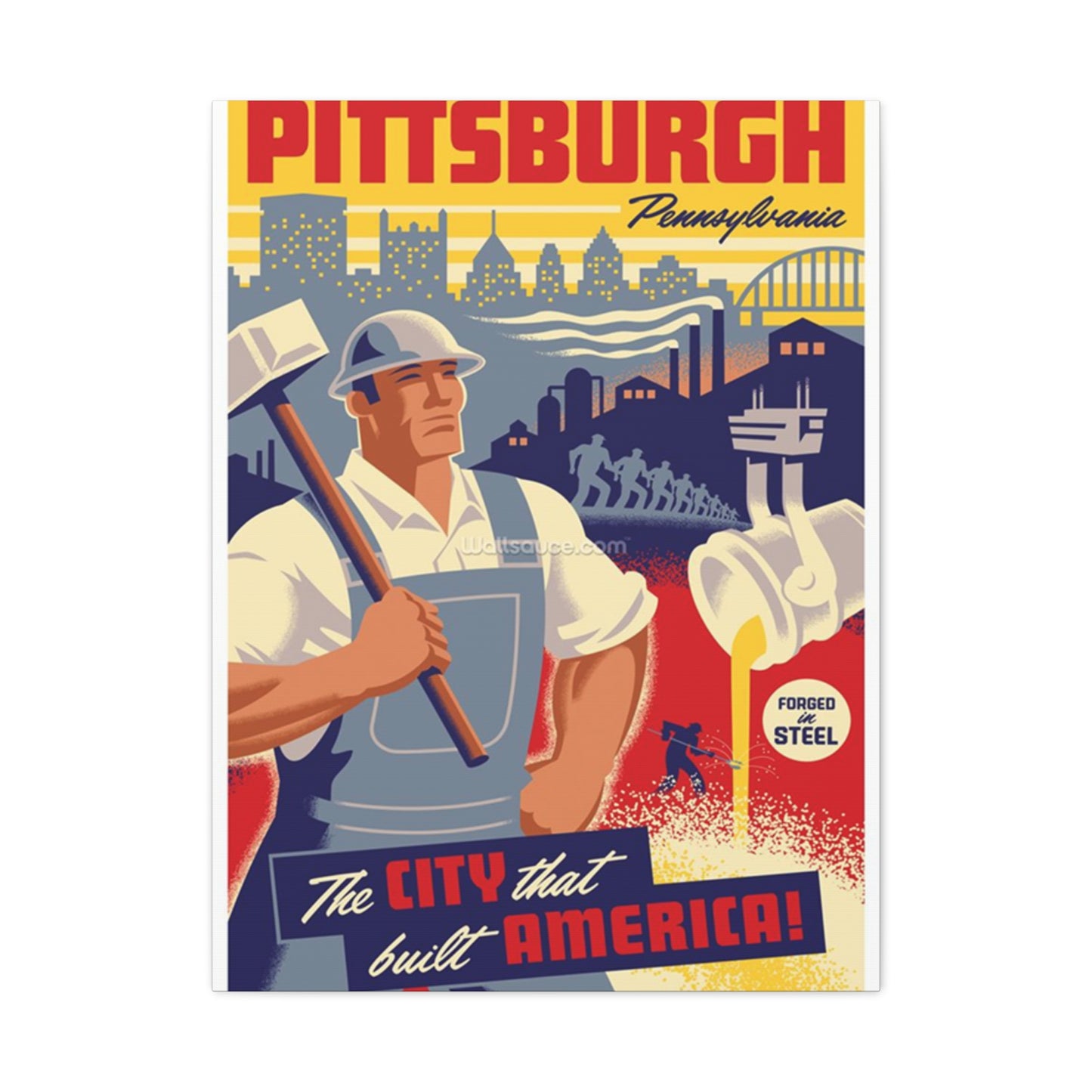
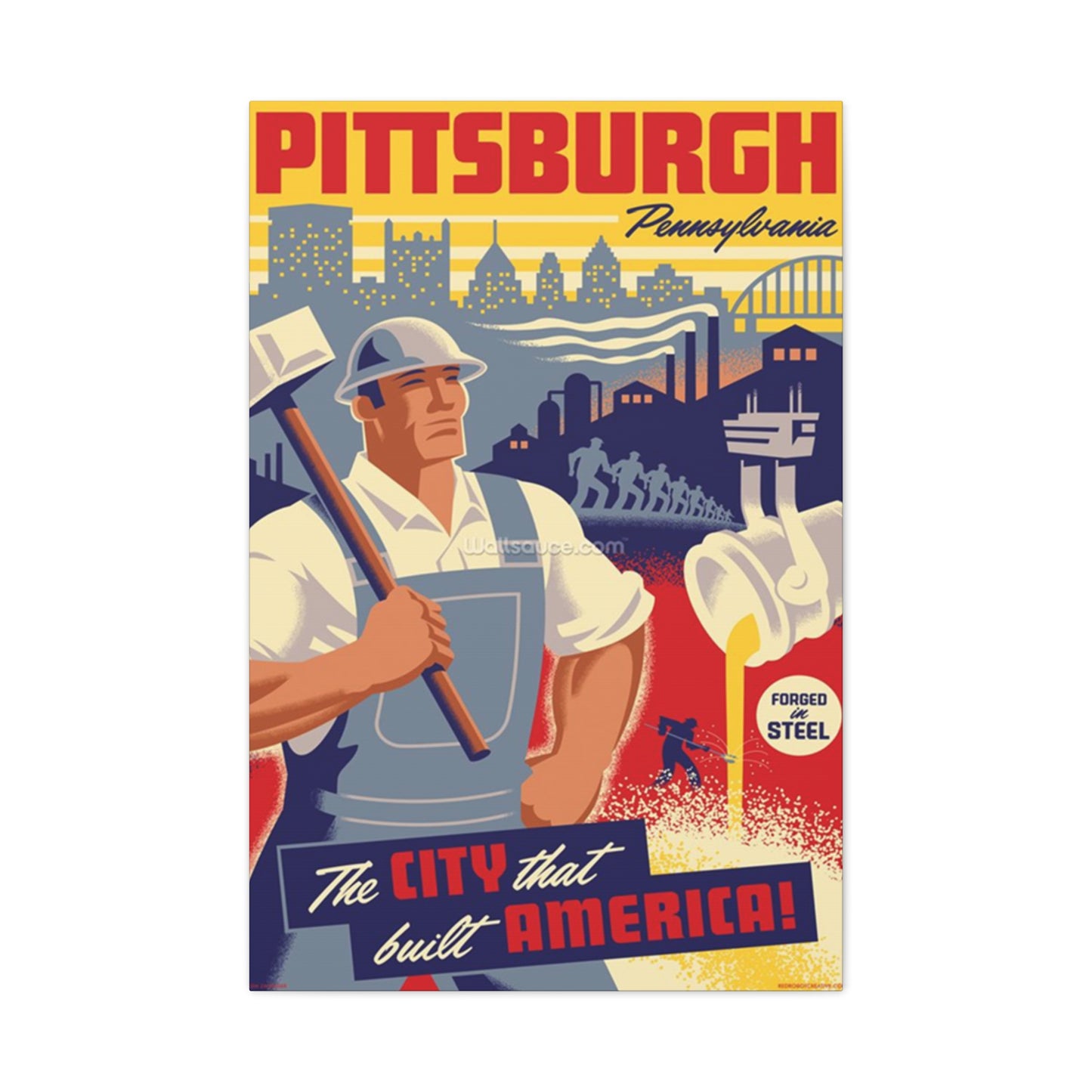
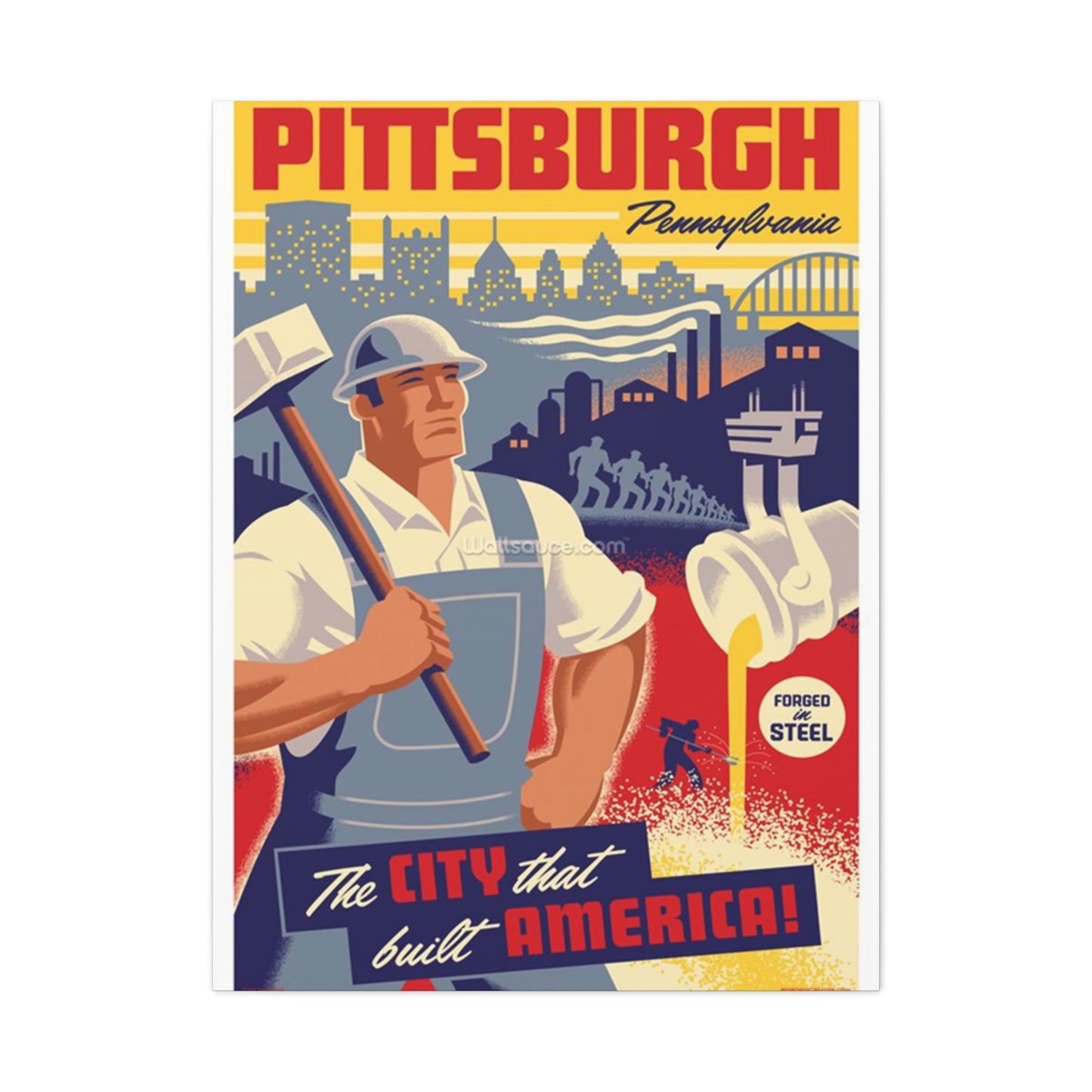
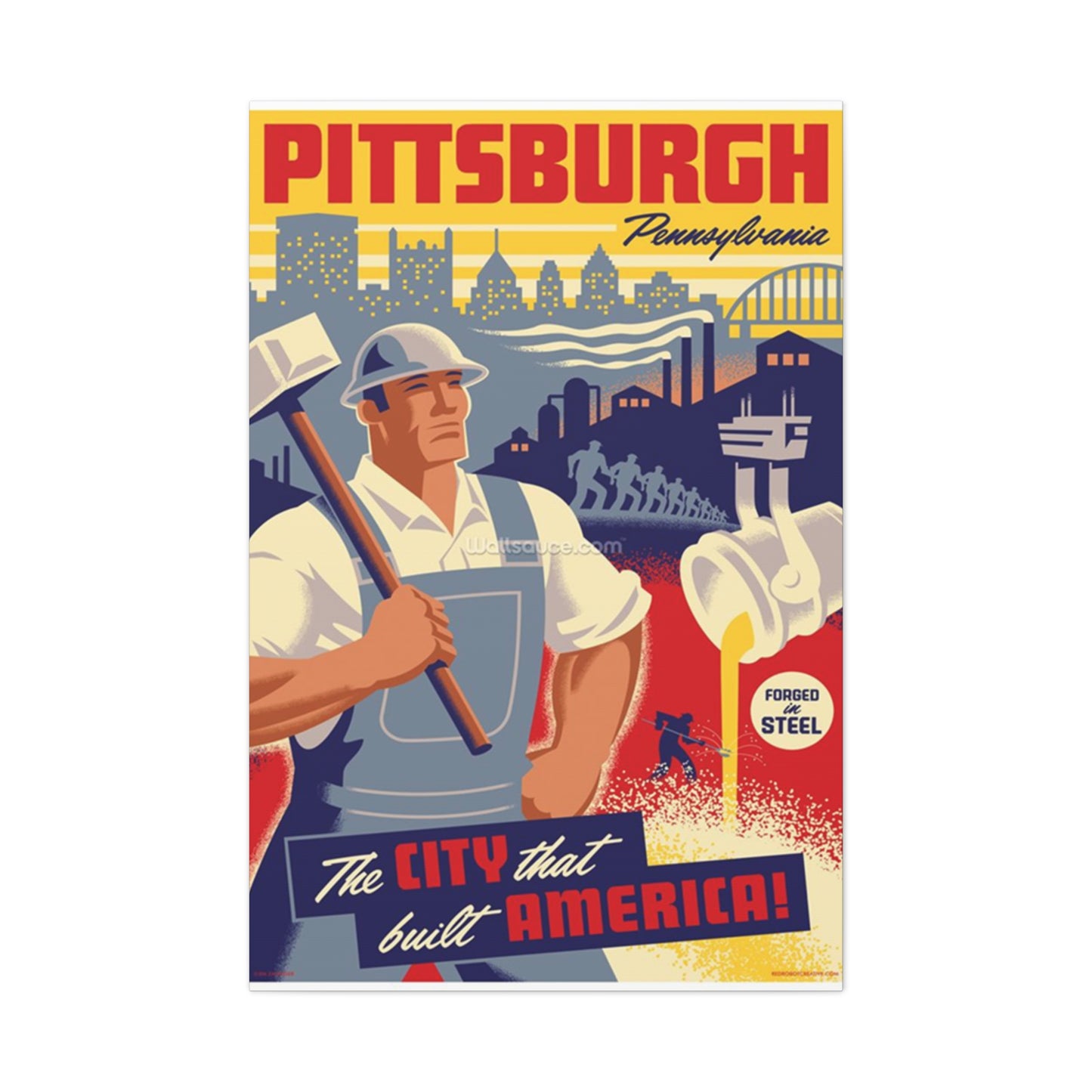
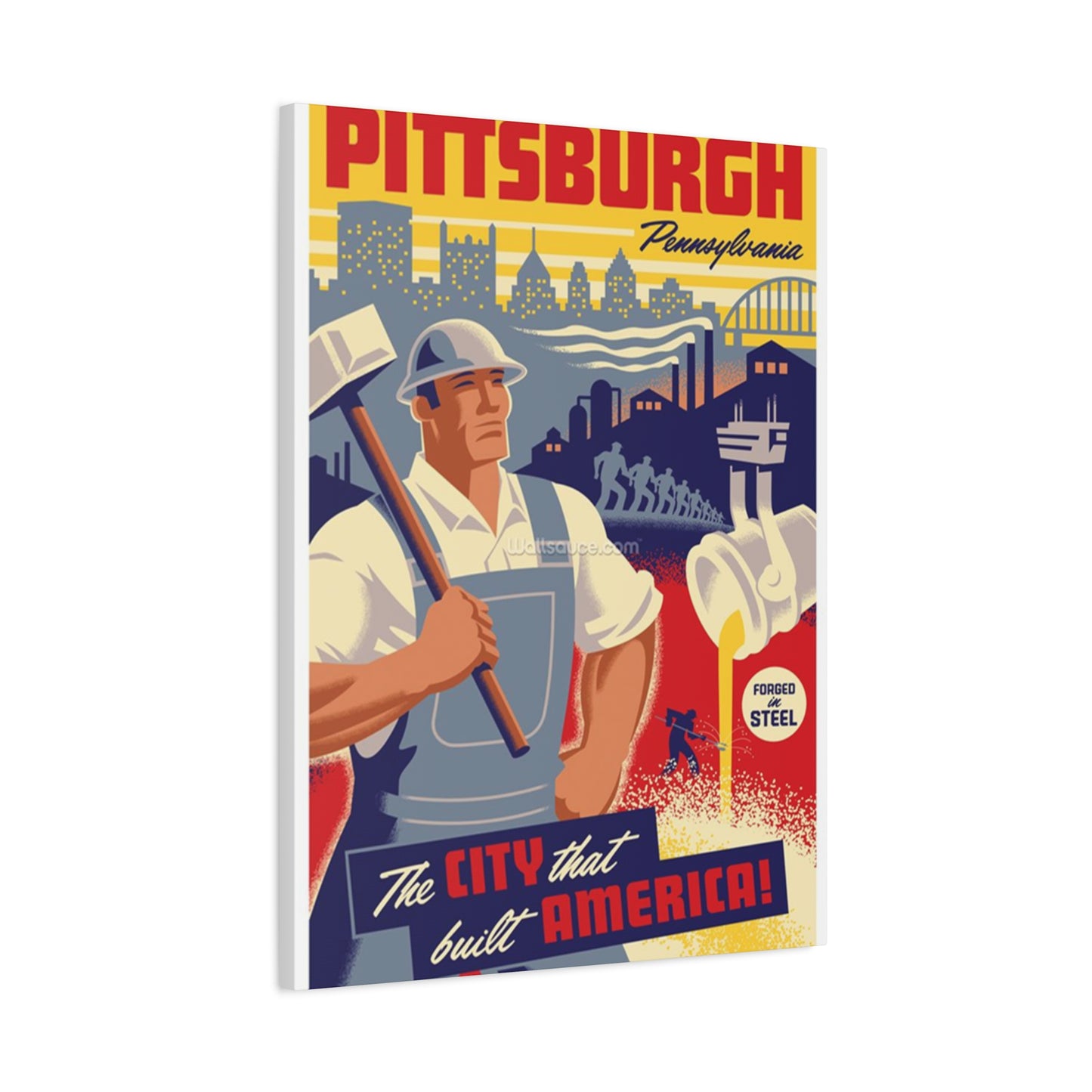
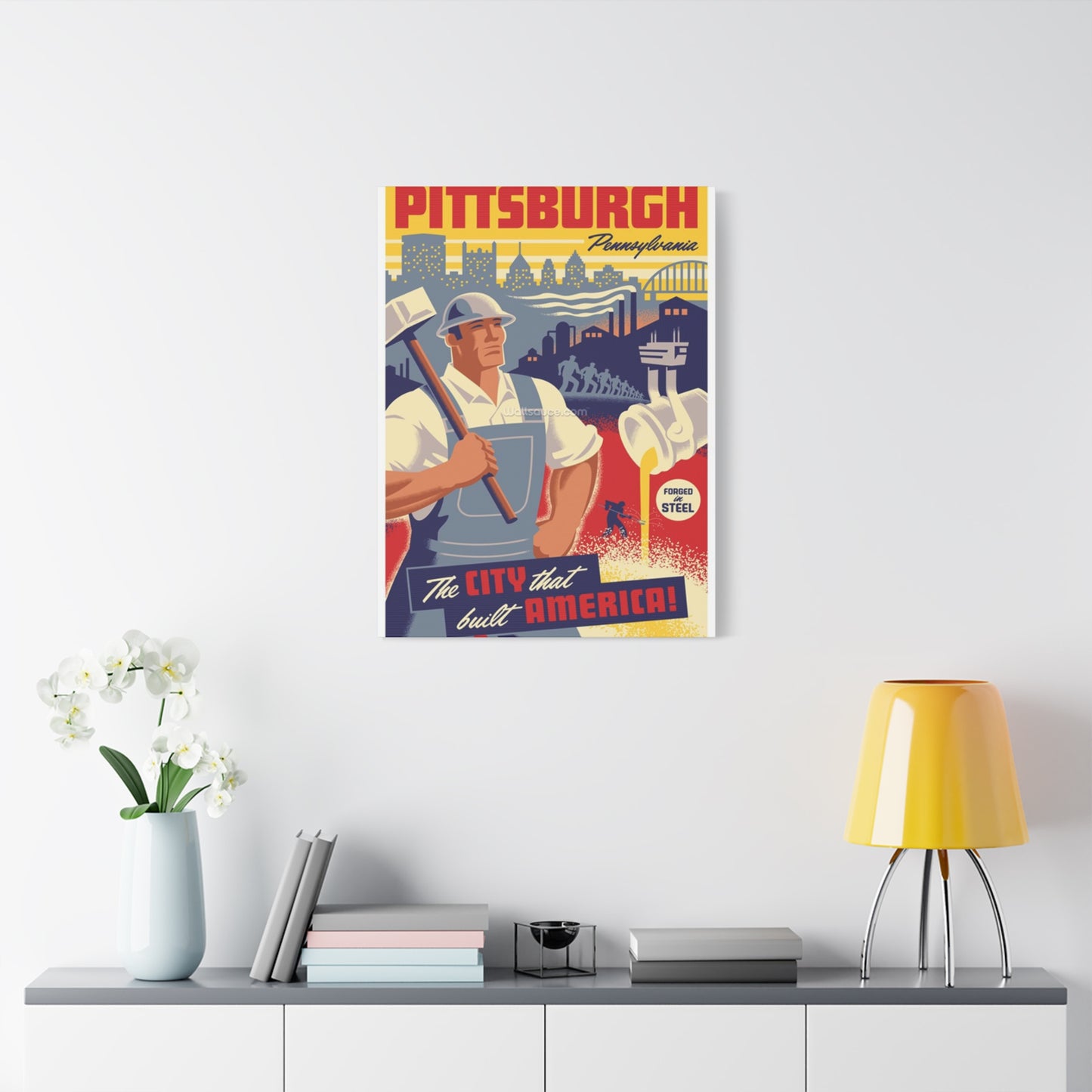
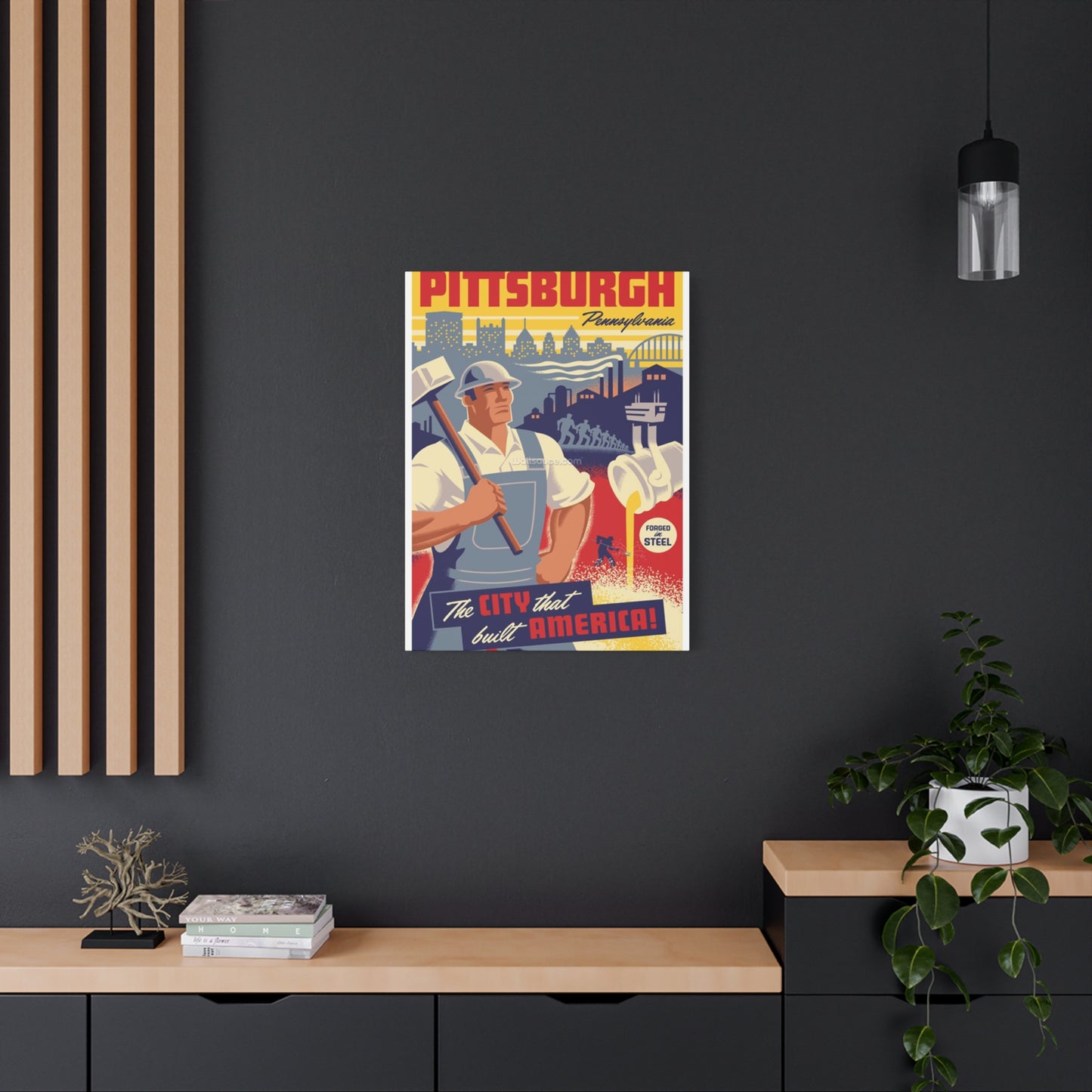
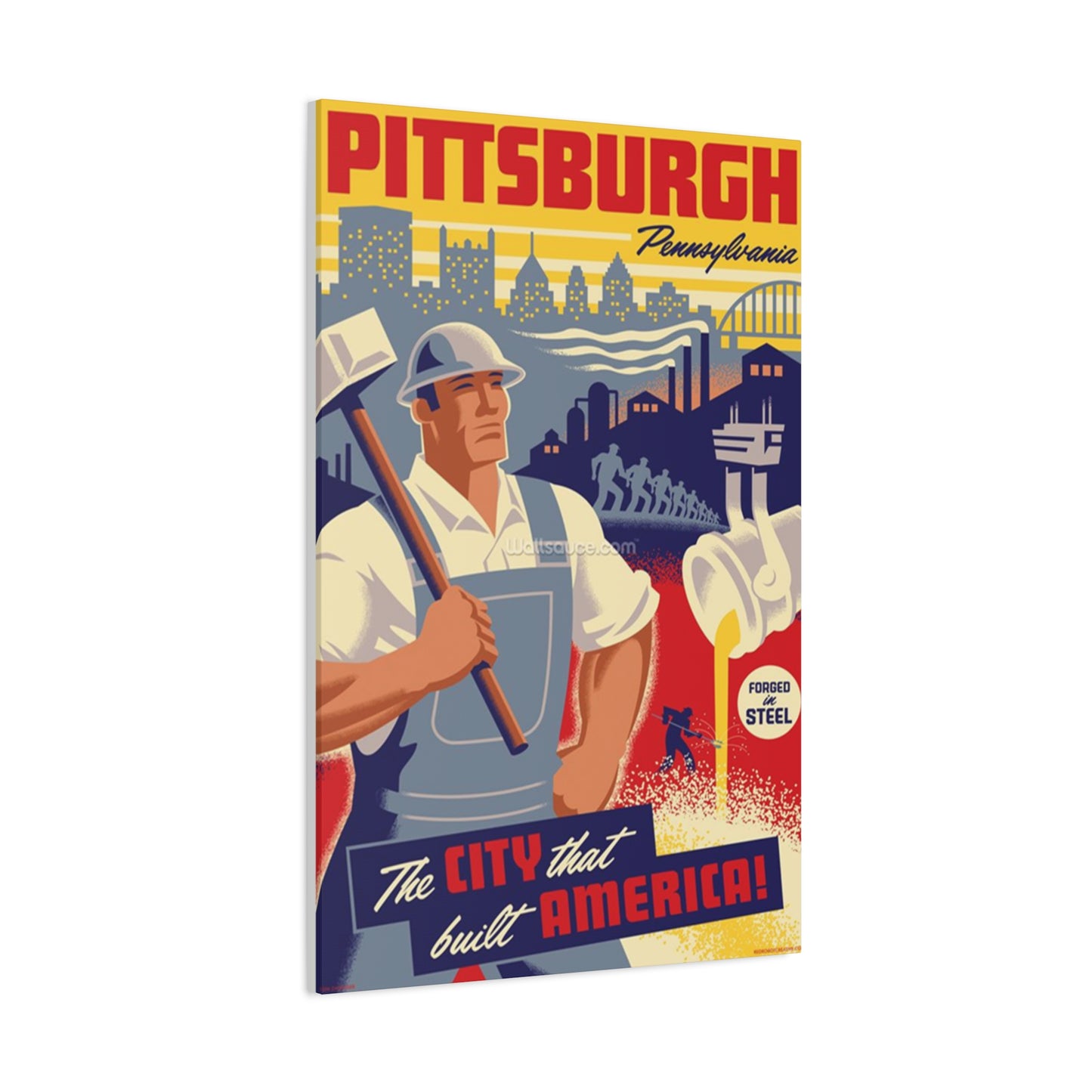
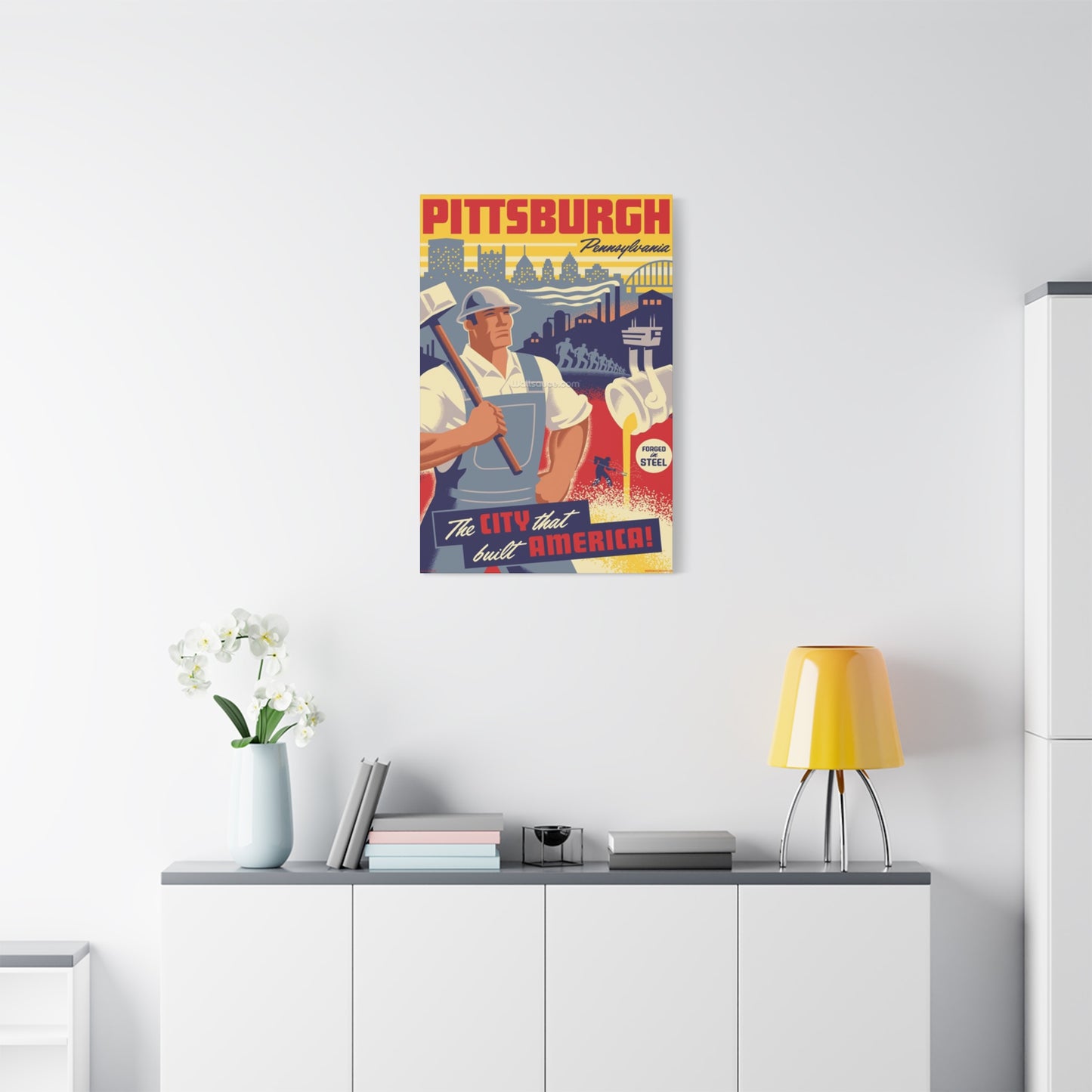
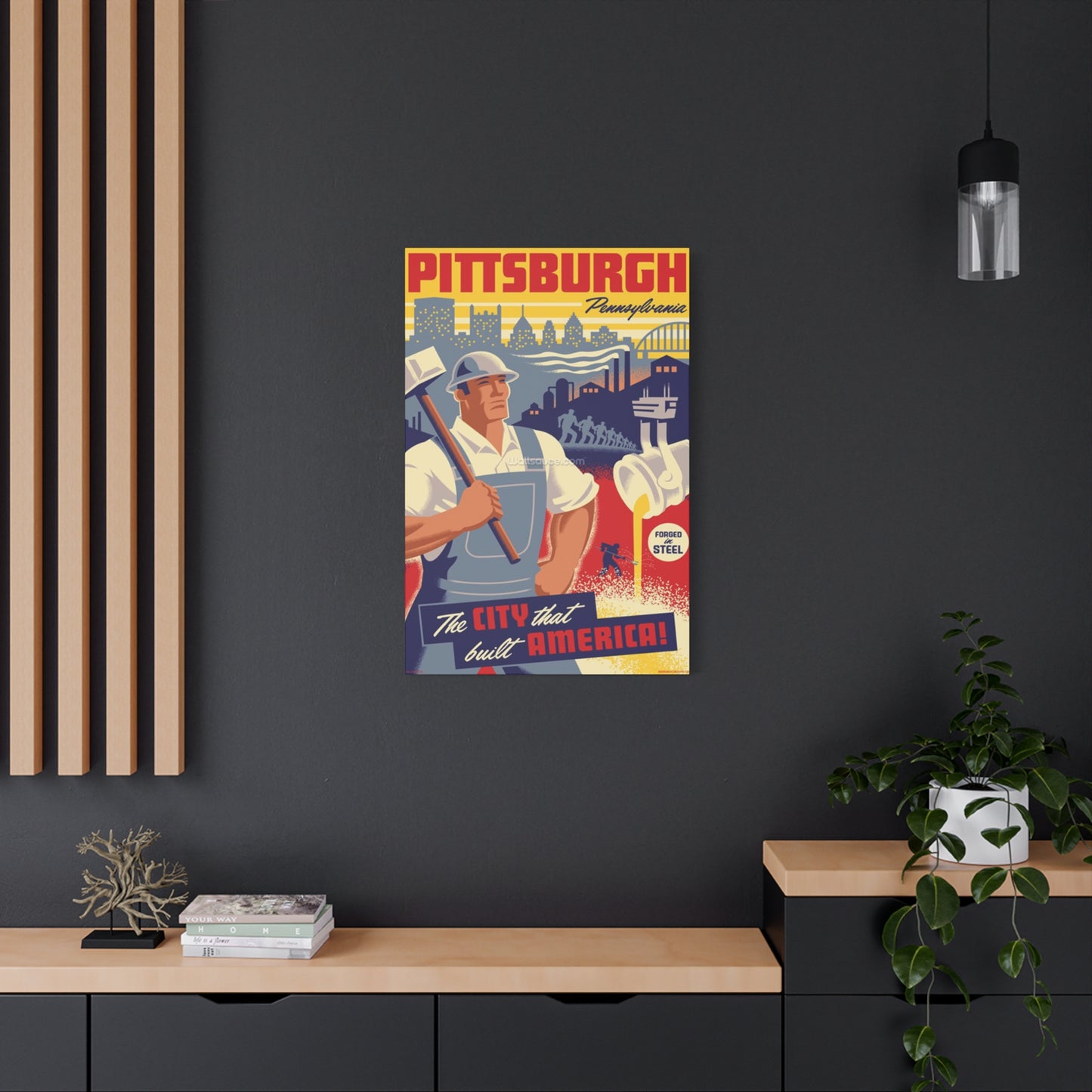
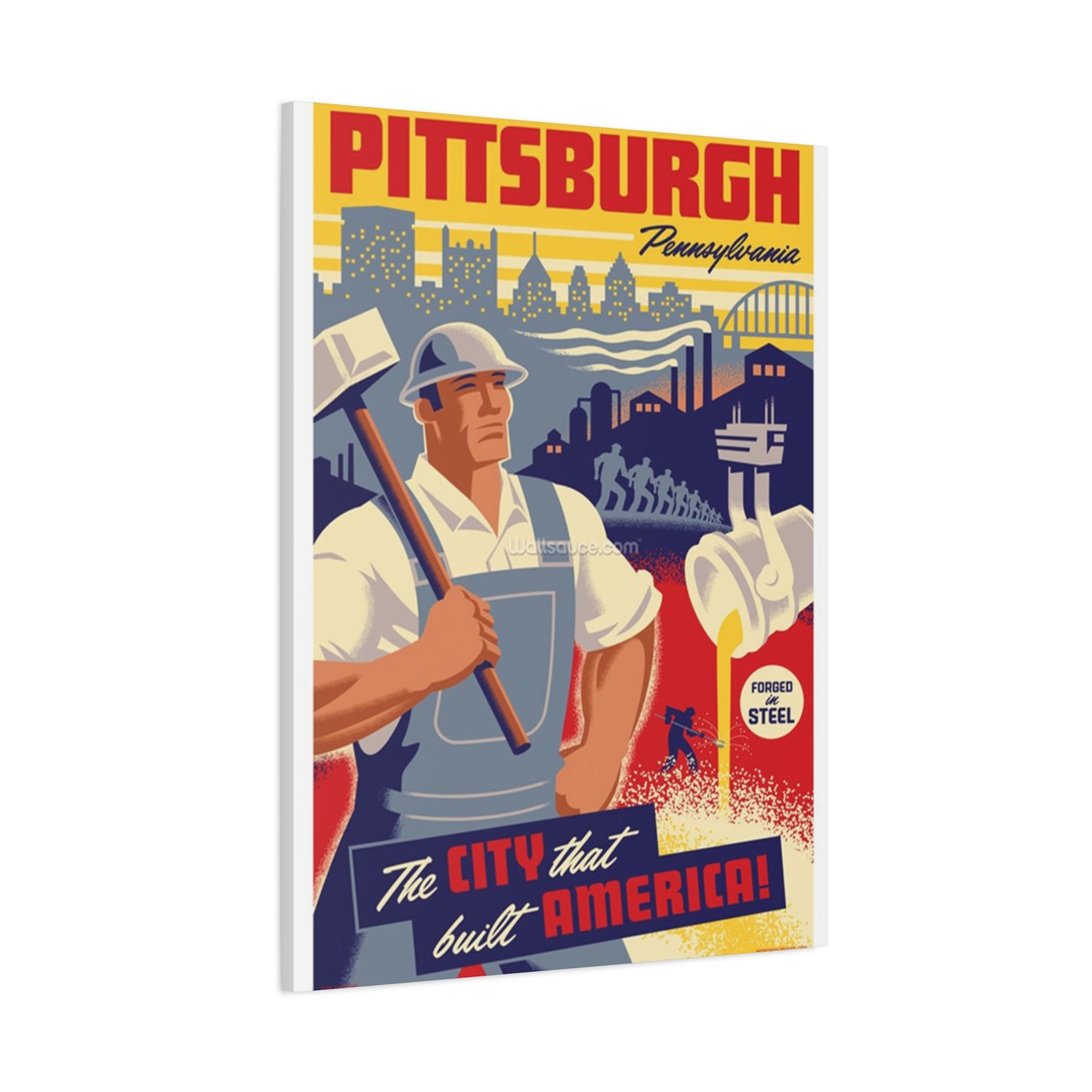
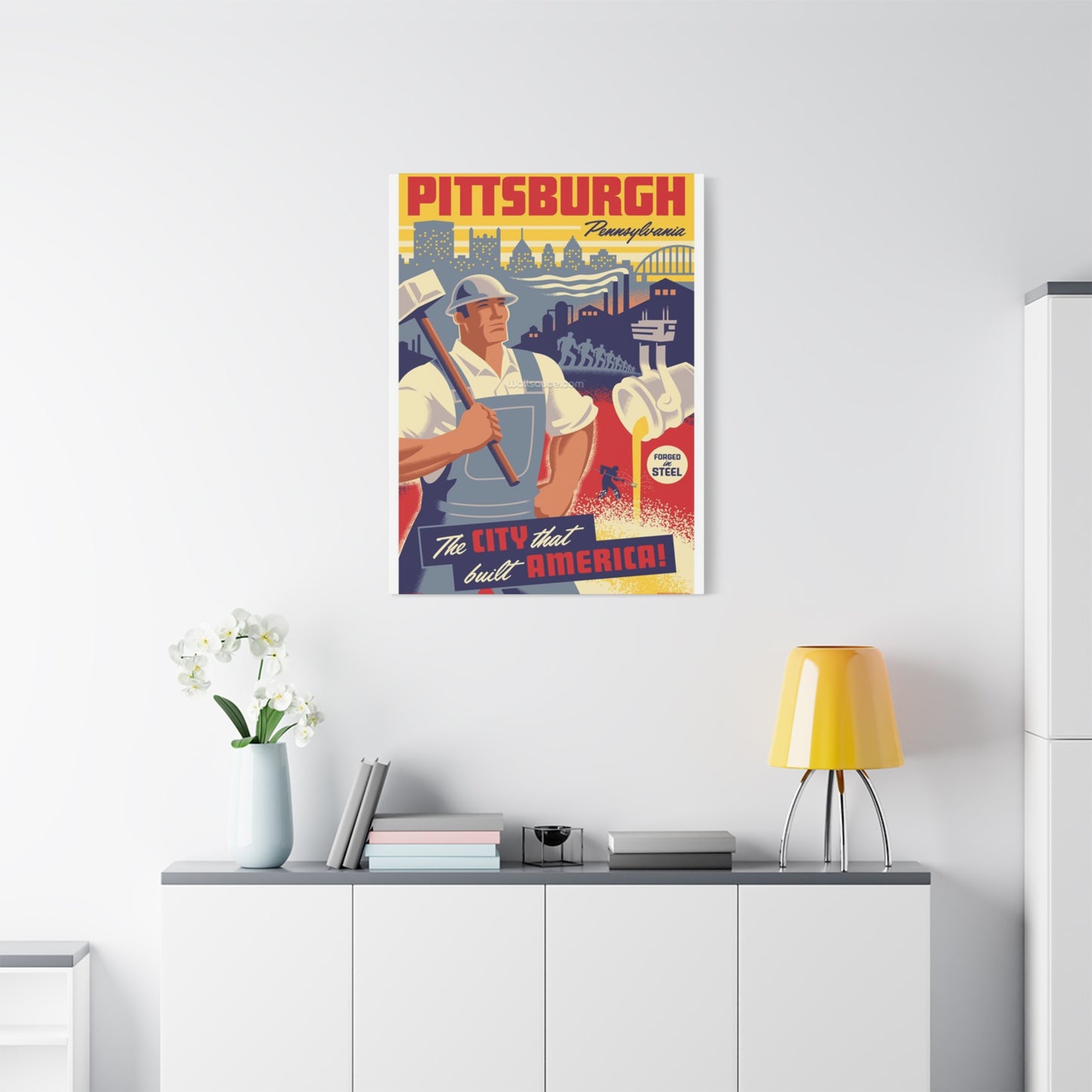
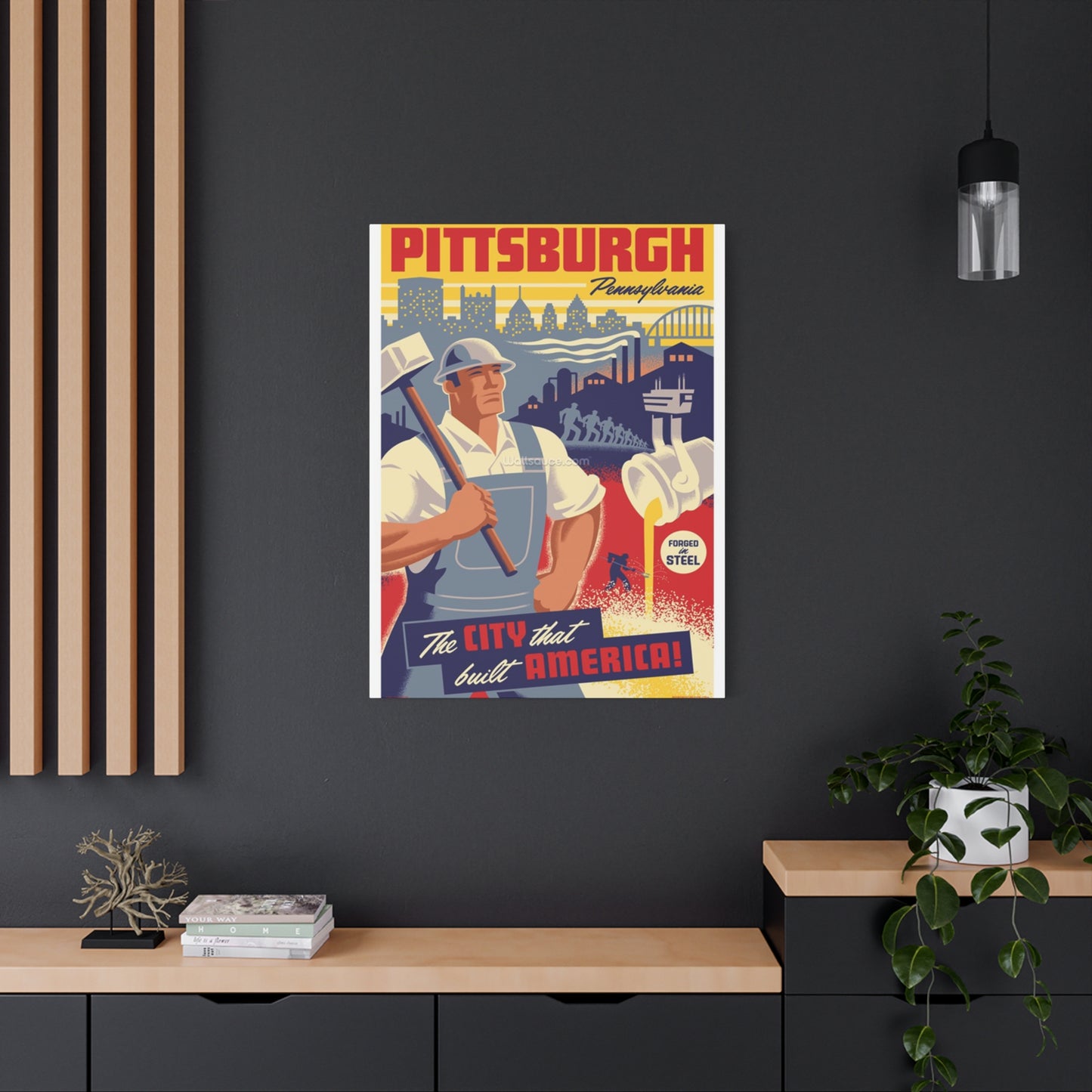
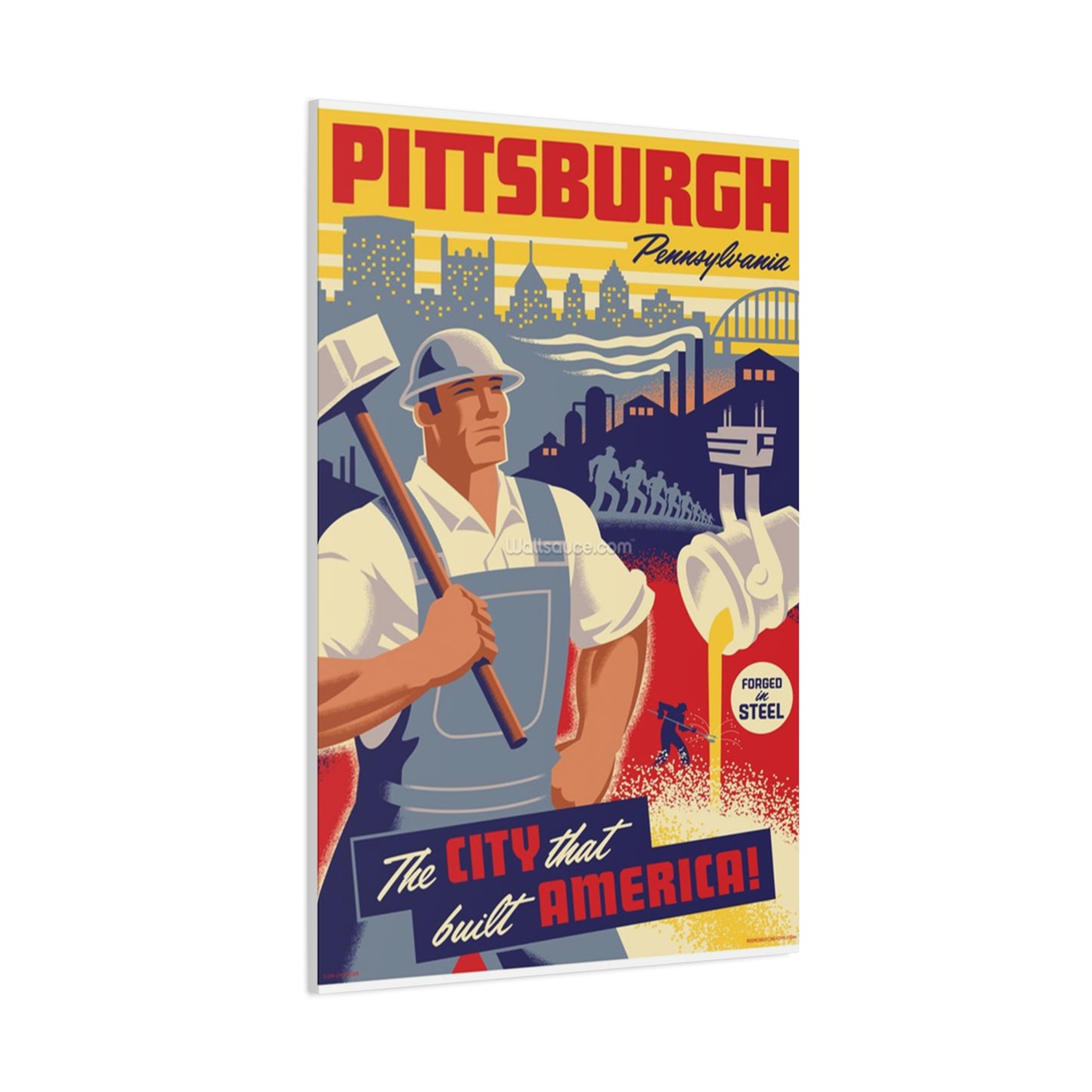
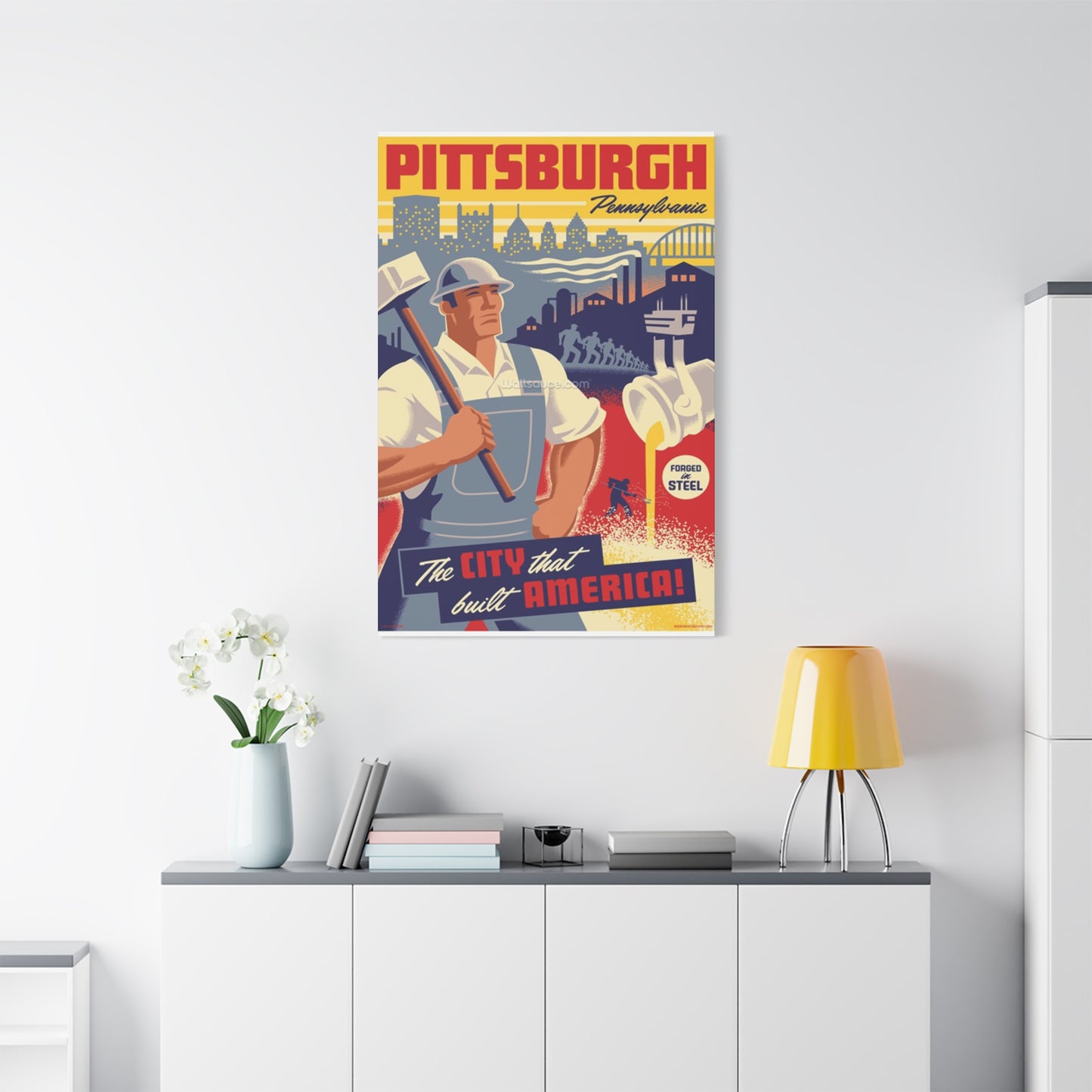

The City That Built America Wall Art: Celebrating the Urban Landmarks That Shaped the Nation’s Identity
The artistic celebration of American cities represents far more than mere aesthetic appreciation of concrete and steel structures rising toward the heavens. These visual tributes capture the very essence of what makes the United States a beacon of innovation, determination, and relentless forward momentum. When artists choose to immortalize the bustling streets, towering edifices, and sprawling urban landscapes that define the American experience, they are participating in a tradition as old as the nation itself—the tradition of documenting triumph, commemorating achievement, and preserving the visual vocabulary of progress for generations yet to come.
Metropolitan artwork serves as a bridge connecting past accomplishments with present admiration and future aspirations. Each brushstroke applied to canvas, each carefully composed photograph, each digitally rendered masterpiece tells a story not just of buildings and bridges, but of the human spirit's capacity to dream impossibly large dreams and then make them concrete reality. The cities that stretch across the American landscape from sea to shining sea represent collective ambition made manifest, and the art that captures these urban centers allows individuals to bring that same sense of possibility and achievement into their personal spaces.
The relationship between urban development and artistic expression has evolved alongside the nation itself. As settlements transformed into towns, towns expanded into cities, and cities grew into sprawling metropolitan regions that pulse with economic vitality and cultural diversity, artists have been there to document each phase of this remarkable transformation. The artwork celebrating American cities does not simply reproduce what the eye can see; it interprets, elevates, and immortalizes the symbolic significance of these places in the national consciousness.
Celebrating America's Cities in Art
The artistic tradition of honoring American municipalities through visual representation stretches back to the earliest days of the republic. Before photography made instant documentation possible, painters and sketch artists traveled throughout the growing nation, capturing images of emerging settlements and established urban centers alike. These early works served multiple purposes—they were documents of civic achievement, advertisements for growth and investment, and expressions of civic pride that residents could display with satisfaction.
Today's metropolitan artwork continues this proud tradition while incorporating modern techniques, perspectives, and artistic sensibilities. Contemporary artists working in this genre understand that they are not merely creating decorative pieces for walls; they are crafting visual narratives that speak to fundamental aspects of the American experience. The choice to focus artistic attention on cities reflects an understanding that these concentrated centers of human activity represent some of the nation's most significant achievements.
The diversity of artistic approaches to metropolitan subjects mirrors the diversity of American cities themselves. Some artists favor realistic representation that captures architectural details with photographic precision. Others embrace impressionistic techniques that convey the energy and movement of urban life through color and brushwork rather than literal depiction. Still others explore abstract interpretations that distill the essence of a city down to its most fundamental visual elements—lines suggesting skyscrapers, colors evoking specific atmospheres, compositions that communicate density and vitality without reproducing specific structures.
What unites these varied approaches is a shared reverence for the subject matter. Whether an artist chooses to depict morning light illuminating glass and steel towers, twilight painting older brick buildings in golden hues, or nighttime transforming cities into galaxies of electric light, the underlying message remains consistent—these places matter, their stories deserve preservation, and their visual impact merits artistic attention.
The act of selecting which cities and which specific urban elements to immortalize in art reveals much about cultural values and collective memory. Certain metropolitan centers appear repeatedly in artistic works because they have achieved iconic status in the national imagination. Their silhouettes are immediately recognizable, their landmarks serve as visual shorthand for broader concepts, and their stories resonate beyond their geographic boundaries.
Yet the breadth of metropolitan artwork also ensures that smaller cities and lesser-known urban centers receive artistic attention. Artists discover compelling subjects in medium-sized municipalities whose architectural heritage tells important stories about regional development, economic transformation, and community identity. This democratization of artistic subject matter reflects a fundamentally American belief—that significance is not determined solely by size or fame, but by the authentic stories that places and people embody.
Metropolitan Monuments That Constructed National Identity
The structures that define American skylines represent more than engineering achievements or real estate developments. They are physical manifestations of values that have driven national development since the founding—ambition, innovation, competition, and the belief that limitations exist only to be transcended. When these structures appear in artwork, they carry symbolic weight that extends far beyond their physical presence.
Consider the role that distinctive architectural achievements play in shaping civic identity. A city's most recognizable structures become visual ambassadors, appearing in tourism materials, corporate logos, civic ceremonies, and personal photography. When artists incorporate these elements into their work, they tap into existing reservoirs of meaning and emotion. A painting featuring a particular bridge or building instantly evokes associations with the city it represents, along with all the qualities that city symbolizes—perhaps innovation and finance, perhaps entertainment and creativity, perhaps industrial might or educational excellence.
The artistic representation of these metropolitan monuments also serves an important documentary function. Cities constantly evolve; neighborhoods transform, older structures face demolition, and skylines perpetually reshape themselves. Artwork captures specific moments in this ongoing transformation, preserving visual records of how cities appeared at particular points in time. Future generations studying these works will see not just artistic interpretations but historical documents that reveal priorities, aesthetics, and capabilities of different eras.
Many of the structures that now appear in metropolitan artwork initially faced controversy or criticism. Proposals for bold architectural projects often generated heated debates about aesthetics, appropriateness, and the wisdom of such substantial investments. Yet once completed, these same structures frequently became beloved symbols that communities could not imagine being without. This pattern repeats throughout American urban history—initial resistance giving way to acceptance and eventually to pride and affection.
Artwork celebrating these structures participates in this transformation, helping to solidify their status as valued components of civic identity. When an artist chooses to feature a particular building or bridge as a subject worthy of sustained artistic attention, that choice constitutes an endorsement of sorts. It says this structure matters, this achievement deserves commemoration, this element of the urban landscape merits permanent visual preservation.
The specific structures that capture artistic attention often share certain characteristics. They demonstrate technical innovation, pushing the boundaries of what was previously considered possible. They exhibit distinctive visual qualities that set them apart from their surroundings. They serve important functional purposes that connect directly to the economic or social life of their communities. And they accumulate stories over time, becoming settings for important events and backdrops for countless personal memories.
Vertical Ambition Captured on Canvas
The upward-reaching towers that punctuate American skylines represent perhaps the most distinctively American contribution to architectural history. While tall structures have existed throughout human civilization, the particular form of the modern tower—steel-framed, elevator-equipped, economically driven—emerged from American cities during a specific period of explosive growth and technological capability. These structures changed the fundamental relationship between cities and the sky, demonstrating that human ambition need not limit itself to horizontal expansion.
Artistic representations of these soaring structures capture more than their physical form. The best metropolitan artwork conveys the sense of scale that these buildings command, the way they alter perspectives and redefine notions of human achievement. Painters working in this genre face interesting technical challenges—how to represent structures that dwarf nearby buildings while maintaining compositional balance, how to suggest height and verticality within the two-dimensional constraints of canvas, how to capture both individual architectural character and the collective impact of multiple towers clustered together.
Many artists emphasize the relationship between these vertical structures and their surroundings. A tower rising from older, lower buildings tells a story about urban evolution and the layering of different eras within a single geographic space. Multiple towers of varying heights create rhythm and visual interest while suggesting competition and civic ambition. The negative space between structures—the glimpses of sky visible through the urban canyon—becomes as important as the buildings themselves in creating effective compositions.
Light plays a crucial role in artwork featuring these tall structures. The way sunlight moves across glass and metal surfaces throughout the day creates constantly changing visual effects. Morning light may illuminate eastern faces while leaving western sides in shadow, creating dramatic contrasts. Midday sun can make glass surfaces nearly disappear, turning towers into shimmering vertical planes. Evening light transforms these same surfaces into mirrors reflecting orange and pink sunsets. Nighttime presents towers as constellations of illuminated windows against dark skies.
Artists working with these subjects must decide which moment to capture, which lighting conditions best serve their artistic vision and communicate their intended message. These decisions significantly impact the emotional tone of the finished work. Bright daylight conveys energy and optimism. Twilight suggests romance and possibility. Nighttime evokes sophistication and mystery. Storm-threatened skies create drama and tension.
The symbolic significance of these structures in metropolitan artwork extends beyond their visual impact. They represent human capacity to overcome limitations through ingenuity and determination. They demonstrate the rewards that follow from taking calculated risks and pursuing ambitious visions. They show what becomes possible when talent, capital, and civic will align toward shared goals. In this sense, artwork featuring these structures celebrates not just architectural achievement but fundamental national values.
Metropolitan Aesthetics as Expressions of National Character
The visual qualities that define American cities reflect deeper aspects of national identity and values. The willingness to demolish old structures to make room for new developments speaks to attitudes about progress and the future. The mixing of architectural styles from different periods reveals comfort with contradiction and change. The scale and ambition of major projects demonstrate confidence and optimism. All of these characteristics appear in artistic representations of metropolitan spaces.
When artists choose to emphasize particular qualities in their urban compositions, they make arguments about what matters most in these spaces. An artist who focuses on architectural details and craftsmanship celebrates human skill and aesthetic sensibility. An artist who emphasizes size and scale highlights ambition and achievement. An artist who captures motion and energy foregrounds vitality and dynamism. Each approach reveals different aspects of metropolitan experience and different values within the broader culture.
The strength that metropolitan artwork reflects comes not from physical power alone but from the organizational capacity and collective will required to build and maintain complex urban systems. Cities represent perhaps the most elaborate form of human cooperation—millions of people living in close proximity, coordinating their activities through both formal systems and informal norms, creating economies of scale that enable specialized production and cultural flourishing.
Artwork that effectively captures this strength does not necessarily feature dramatic subjects or heroic treatments. Sometimes the most powerful pieces focus on ordinary moments that reveal underlying systems—commuters navigating transportation networks, workers maintaining infrastructure, residents participating in the daily rhythms of urban life. These quieter subjects remind viewers that metropolitan strength ultimately rests on countless individual contributions rather than singular heroic actions.
The relationship between metropolitan artwork and concepts of national strength has evolved over time. In earlier periods, urban images frequently appeared in contexts emphasizing progress, modernity, and superiority over rural or foreign alternatives. Contemporary approaches tend toward greater nuance, acknowledging both achievements and challenges, celebrating urban vitality while recognizing complexity and contradiction.
National Identity Expressed Through Metropolitan Imagery
The connection between urban visual culture and national pride runs deeper than simple boosterism or tourism promotion. Metropolitan imagery functions as a form of collective self-representation, a way that communities and the nation as a whole visualize their achievements and aspirations. When individuals display metropolitan artwork in their homes or workplaces, they participate in this broader process of identity formation and expression.
The specific cities that feature most prominently in artistic works reflect their status within national consciousness. These places have become symbolic in ways that transcend their geographic or demographic significance. They represent particular qualities or achievements—financial power, entertainment industry, technological innovation, political authority, educational excellence. Artwork featuring these cities allows individuals to associate themselves with these qualities regardless of their personal connection to the actual locations.
Yet the geographic distribution of metropolitan artwork has expanded significantly beyond the most famous cities. Artists and audiences increasingly recognize that every city tells important stories, that urban experiences and achievements deserve celebration even when they occur outside the largest or most recognized metropolitan centers. This democratization of subject matter reflects changing attitudes about where significance resides and whose stories merit attention.
The pride that metropolitan artwork inspires operates at multiple scales simultaneously. At the most local level, residents feel affection for and connection to their specific neighborhoods and cities. Regional pride extends these feelings to broader geographic areas defined by shared history, economic relationships, or cultural patterns. National pride incorporates metropolitan achievements into larger narratives about collective success and character.
Metropolitan artwork facilitates movement between these scales of identification. A painting of a specific neighborhood can evoke local attachment while also representing broader urban patterns. An image of a city's skyline can inspire civic pride while also symbolizing national achievements in architecture, engineering, and economic development. This multiscalar quality makes urban imagery particularly powerful as a form of identity expression.
Historical Animation Through Metropolitan Visual Arts
The static nature of two-dimensional artwork might seem ill-suited to capturing the dynamism and constant change that defines urban experience. Yet skilled artists find numerous ways to suggest motion, energy, and temporal flow within paintings, photographs, and other fixed media. These techniques transform metropolitan subjects from mere documentation into narratives that bring historical processes to life.
One approach involves careful attention to elements that imply recent activity or imminent action. Figures captured mid-stride suggest ongoing movement through urban spaces. Vehicles positioned at moments of transition between states communicate transportation networks in constant operation. Clouds moving across skies, flags responding to wind, light changing as the sun moves—all of these elements introduce dynamism into compositions.
Another strategy employs compositional techniques borrowed from cinematic language. Diagonal lines create visual momentum leading the eye through the frame. Overlapping elements suggest depth and layers of activity occurring simultaneously. Unusual viewing angles—looking down from above, looking up from street level, viewing through windows or architectural frames—create perspectives associated with moving through spaces rather than static observation.
Some artists working with metropolitan subjects create series of works showing the same location at different moments, whether different times of day, different seasons, or different historical periods. Viewed together, these series effectively animate subjects by making change and transformation explicit. Audiences can see how light transforms spaces throughout the day, how seasons alter colors and atmospheres, how decades or centuries reshape urban landscapes.
The historical dimension that metropolitan artwork brings to life extends beyond individual cities to encompass broader processes of urbanization and national development. Early works show settlements barely distinguishable from surrounding countryside. Later pieces depict towns with defined centers and spreading residential areas. Still later images reveal cities whose density and scale represent fundamental transformations in human settlement patterns.
This visual chronicle of urban growth parallels national development from agricultural republic to industrial power to contemporary post-industrial economy. The changes visible in metropolitan artwork—expanding infrastructure, evolving architectural styles, shifting economic activities, changing population patterns—mirror transformations in society, economy, technology, and culture.
Transportation Networks to Vertical Horizons
The evolution from nineteenth-century transportation infrastructure to twentieth-century vertical cities represents one of the most dramatic transformations in human settlement patterns. Artwork capturing this transition highlights fundamental changes in how people understood space, distance, possibility, and human potential. The railroad networks that first connected distant cities, the subway systems that later connected districts within cities, the elevated highways that subsequently reshaped urban geographies—each innovation appears in artistic works that document technological progress.
Early metropolitan artwork frequently featured railroad infrastructure as primary subjects. Train stations designed as grand civic monuments demonstrated municipal pride and ambition. Rail yards showcased industrial capacity and organizational complexity. Bridges carrying tracks across rivers and valleys symbolized the conquest of natural obstacles through engineering skill. These subjects represented modernity and progress in their time, capturing popular imagination much as space exploration would in later eras.
The transition toward vertical rather than horizontal expansion reflected multiple factors—rising land costs in city centers, elevator technology making upper floors accessible and desirable, steel-frame construction enabling unprecedented heights, and cultural associations between building tall and achieving greatness. As cities began growing upward, artists responded by developing new techniques for representing this unfamiliar urban form.
Artwork from the early decades of vertical development often emphasized the novelty and drama of tall structures. Paintings showed towers looming over older buildings, dominating compositions just as they dominated actual skylines. Photographs captured construction processes, documenting the assembly of steel frameworks that rose floor by floor toward the sky. Illustrations and graphics celebrated height records and architectural ambition.
As vertical cities became familiar rather than novel, artistic approaches evolved accordingly. Artists began exploring the aesthetic qualities of tower clusters, the geometric patterns created by structures of varying heights, the interplay between towers and the negative space surrounding them. The visual language of vertical urbanism became established, with certain perspectives and compositional strategies becoming conventional approaches to metropolitan subjects.
Contemporary metropolitan artwork often combines both horizontal and vertical elements, showing how cities incorporate infrastructure and structures from multiple eras. A railroad viaduct might cut through a district of modern towers. An elevated highway could curve between old and new buildings. A subway entrance might sit at the base of a glass-clad tower. These layered compositions visualize the accumulated history present in actual urban landscapes.
Metropolitan Imagery and Collective Aspiration
The dreams and ambitions that drove urban development find expression in artwork celebrating cities and their achievements. When artists choose to depict metropolitan subjects, they connect with aspirational narratives deeply embedded in national culture—stories about opportunity, success, reinvention, and the possibility of achieving goals through determination and effort.
Cities have long served as magnets for ambitious individuals seeking opportunities unavailable in smaller communities. The economic diversity of urban areas creates niches for specialized skills and unusual talents. The anonymity possible in large populations allows people to escape restricting circumstances and create new identities. The concentration of cultural institutions provides access to education, entertainment, and artistic experiences. All of these factors have made cities central to aspirational narratives about personal advancement and achievement.
Metropolitan artwork taps into these associations, offering visual representations of spaces where dreams might become reality. A painting of city lights viewed from a distance suggests possibility and promise, the hope that lies ahead for those willing to pursue it. An image of crowded streets communicates energy and opportunity, the sense that important things are happening and anyone might participate. A view of impressive skylines demonstrates achievement and success, showing what becomes possible through ambition and effort.
The aspirational dimension of metropolitan artwork helps explain its enduring appeal as decorative choice for homes and workplaces. Individuals surround themselves with images that reflect their values, goals, and self-conception. Choosing to display urban artwork signals identification with the qualities these images represent—ambition, sophistication, modernity, success. It places individuals symbolically within narratives of achievement and progress regardless of their actual circumstances.
This aspirational function operates differently depending on viewers' relationships to the depicted locations. For residents of featured cities, metropolitan artwork celebrates their choice to live in these places and affirms the significance of their communities. For former residents, such images evoke nostalgia and maintain emotional connections to places that shaped their lives. For those who have never lived in depicted cities, the artwork represents aspirations and possibilities, places they might visit or imagine inhabiting.
Ascending Centers Captured in Visual Media
The growth and transformation of cities from modest settlements to major metropolitan centers represents one of the great achievements of American development. Artwork documenting this rise serves multiple purposes—it celebrates civic achievement, preserves historical memory, inspires continuing ambition, and provides aesthetic pleasure. The visual record created by artists working across generations offers irreplaceable documentation of urban evolution.
Early artistic depictions of American cities often emphasized their orderly planning and rational organization. Grid street patterns extending from waterfront areas demonstrated control and forward planning. Public squares and parks showed attention to civic amenity alongside commercial development. Substantial buildings constructed of brick and stone signaled permanence and confidence in future growth.
As cities expanded and their economic importance increased, artistic representations began emphasizing scale and activity. Painters showed busy harbors with multiple vessels, crowded streets with pedestrians and vehicles, and factory districts with smoking chimneys indicating productive capacity. These images argued visually for the significance and vitality of their subjects, making claims about urban importance through artistic choices about composition, detail, and emphasis.
The period of most explosive urban growth generated particularly rich artistic documentation. Photographers captured construction sites where tall buildings rose, showing the process of transformation in detailed sequential images. Painters responded to rapidly changing skylines, creating works that preserved specific moments in ongoing evolution. Illustrators produced bird's-eye views and panoramas that showcased entire cities, emphasizing their extent and impressive scope.
Contemporary artists working with historical urban subjects often emphasize continuity alongside change. A painting might show a modern skyline while including older structures in the foreground, visually connecting present achievement with historical foundation. Another might focus on neighborhoods that retain character from earlier eras, celebrating preservation and continuity rather than transformation and replacement.
The rise of cities documented in artwork extends beyond physical growth to encompass cultural, economic, and social development. Images of cultural institutions—theaters, museums, concert halls—demonstrate urban sophistication and amenity. Depictions of diverse neighborhoods showcase demographic complexity and cosmopolitan character. Views of commercial districts communicate economic vitality and opportunity.
Metropolitan Compositions as Narrative of National Progress
Every city tells a story about the nation's journey from colonial settlements to global power, from agricultural economy to industrial might to information age leadership. Artists who engage seriously with metropolitan subjects understand that they are working with narrative material as much as visual subjects. The buildings, streets, and spaces they depict carry meaning accumulated over generations, symbolizing values, commemorating achievements, and suggesting ongoing possibilities.
The narrative dimensions of metropolitan artwork become explicit in series or collections that show urban development over time. A sequence of images depicting the same location across decades or centuries visualizes transformation in immediate, compelling ways. Viewers can see how empty land became settled, how small buildings gave way to larger structures, how neighborhoods evolved through demographic and economic changes.
Even single images participate in narrative processes by suggesting stories extending before and after the captured moment. A painting of a newly completed building implies the planning, financing, and construction that preceded its appearance and hints at the future uses and meanings it will accumulate. An image of demolition suggests both the history being erased and the new development that will follow. A view of an established neighborhood communicates accumulated decades of community life while raising questions about future evolution.
Artists make numerous choices that shape the narratives implicit in their metropolitan works. The selection of viewing angle determines what appears prominently and what remains peripheral or invisible. The choice of lighting conditions influences emotional tone and symbolic meaning. The decision to include or exclude people affects whether images emphasize architecture and infrastructure or human activity and experience. The style and technique employed communicate attitudes about subjects—realistic rendering suggests respect and documentation, impressionistic treatment emphasizes experience and atmosphere, abstract approaches focus on essential qualities and symbolic meanings.
The stories that metropolitan artwork tells collectively constitute a national narrative about progress, achievement, and possibility. This narrative acknowledges challenges and setbacks alongside successes, recognizes costs and trade-offs while celebrating accomplishments, and remains open to multiple interpretations rather than imposing single definitive meanings.
Towers as Cultural Symbols in Visual Representation
The architectural structures that reach highest toward the sky occupy special positions in metropolitan artwork and cultural consciousness. These towers serve as symbols extending far beyond their functional purposes as office buildings, residential spaces, or mixed-use developments. They represent human ambition, technological capability, economic power, and the ongoing impulse to transcend limitations and achieve new heights.
Artists working with these subjects must navigate between literal representation and symbolic interpretation. A painting that reproduces a tower's appearance with photographic accuracy makes different arguments than one that abstracts or stylizes the same structure. Realistic treatment emphasizes the actual achievement—the engineering, the construction, the physical presence. Abstract approaches highlight symbolic qualities—the upward thrust suggesting aspiration, the geometric forms implying rationality and planning, the scale communicating power and importance.
The cultural meanings attached to tall structures have evolved over time. Early reactions often mixed awe with anxiety, admiration with concern about hubris and excess. As vertical cities became familiar, tall structures lost some of their capacity to shock or disturb, instead becoming expected and normal parts of urban landscapes. This normalization allowed more nuanced artistic and cultural engagement with towers as subjects.
Contemporary metropolitan artwork featuring tall structures often explores their aesthetic qualities—the play of light on glass and metal surfaces, the geometric compositions created by multiple towers at varying heights, the relationship between solid architectural mass and the surrounding atmospheric space. These investigations treat towers as visual phenomena worthy of attention regardless of their symbolic freight.
Yet symbolic dimensions remain inescapable. Viewers bring associations to images of tall structures based on cultural context and personal experience. Those associations influence how artwork is received and what meanings audiences construct. An artist may intend to explore purely formal aesthetic qualities, but viewers might interpret the same work through frameworks emphasizing power, wealth, or environmental impact.
The most sophisticated metropolitan artwork acknowledges this complexity, creating space for multiple responses and interpretations. Rather than dictating single meanings, these works invite viewers to engage with towers as both physical structures and cultural symbols, as aesthetic objects and economic facts, as impressive achievements and subjects of legitimate critique.
Manufacturing Period in Metropolitan Visual Culture
The transformation of American cities during the age of industrial production created urban landscapes unlike anything previously seen. Manufacturing facilities of unprecedented scale dominated neighborhoods and districts. Worker housing clustered near factories. Transportation infrastructure expanded to move raw materials inward and finished products outward. The visual character of industrial cities differed dramatically from commercial or administrative centers, presenting artists with new subjects requiring new approaches.
Artistic responses to industrial urban landscapes varied widely. Some artists celebrated the power and productivity these spaces represented, creating works that emphasized impressive scale, technological sophistication, and economic significance. Others focused on human dimensions—workers, families, communities formed in industrial districts. Still others explored aesthetic qualities of industrial architecture, finding beauty in functional forms, honest expression of materials, and geometric compositions created by utilitarian structures.
The color palettes associated with industrial metropolitan artwork tend toward earth tones, grays, and the warm colors of brick construction. These choices reflect both the actual appearance of factory buildings and symbolic associations between these colors and industrial labor. When artists introduce contrasting colors—bright clothing, colorful signs, green spaces—those choices carry particular weight within predominantly neutral compositions.
Contemporary engagement with industrial heritage in metropolitan artwork often adopts commemorative or nostalgic tones. Many of the factories that once dominated urban landscapes have closed or been repurposed. The visual record preserved in artistic works gains historical value as physical evidence of industrial urbanism becomes less common. This preservation function adds layers of meaning to works that might have served primarily aesthetic or documentary purposes when created.
The industrial period's influence on urban form extends beyond factories themselves to encompass broader patterns of development. The railroad infrastructure that served industrial facilities shaped spatial organization throughout cities. Worker housing created dense neighborhoods with distinctive architectural character. Parks and institutions funded by industrial wealth became important civic amenities. All of these elements appear in metropolitan artwork engaging with industrial heritage.
Famous American Vertical Landscapes in Visual Arts
Certain city silhouettes have achieved such immediate recognizability that they function as visual shorthand for broader concepts and associations. The specific arrangement of tall structures, distinctive architectural forms, and geographic settings create unique profiles that audiences identify instantly. Artwork featuring these iconic assemblages taps into existing networks of meaning and emotion that viewers bring to encounters with images.
The most frequently depicted metropolitan silhouettes share certain characteristics. They feature multiple tall structures creating varied geometric compositions rather than single dominant towers. They include architecturally distinctive buildings that serve as visual anchors and reference points. They often incorporate natural features—water, hills, distinctive light quality—that contribute to overall character. And they have accumulated cultural significance through repeated representation in various media over extended periods.
Artists approaching these well-known subjects face interesting challenges and opportunities. The familiarity of iconic silhouettes means audiences arrive with established expectations and associations. Creating fresh or unexpected interpretations requires careful thought about viewing angles, lighting conditions, compositional strategies, and stylistic approaches. Yet this same familiarity provides advantages—artists can assume viewers will recognize locations and understand references, allowing more sophisticated engagement with symbolic dimensions.
Some artists working with iconic metropolitan subjects emphasize their most recognizable qualities, creating works that celebrate the familiar and deliver expected pleasures. Others deliberately subvert expectations, presenting familiar subjects in unfamiliar ways that challenge conventional perspectives. Both approaches find audiences, serving different purposes and satisfying different desires.
The representation of famous silhouettes in artwork also raises questions about authenticity and artistic vision. Should artists reproduce what cameras capture, or do they have license to rearrange, enhance, or modify? Most viewers accept that artists working in non-photographic media inevitably interpret rather than merely reproduce. Paintings naturally reflect individual artistic vision alongside observed reality. Even photographers make numerous choices about framing, timing, processing, and presentation that shape results.
Metropolitan Visual Arts Honoring National Heritage
The places where important events occurred, where significant decisions were made, where cultural movements began, where diverse populations first encountered each other—these locations carry special significance that artwork can acknowledge and celebrate. Visual representations of these meaningful places participate in processes of commemoration and meaning-making that extend across generations.
Cities play central roles in national heritage because urban environments concentrate diverse populations, facilitate cultural exchange, provide stages for political action, and generate economic transformations that ripple outward. Artistic engagement with these urban heritage sites serves educational functions alongside aesthetic purposes, helping audiences understand significance and maintain connections with important places.
The choice to create artwork focusing on heritage sites reflects judgments about what matters in national history and culture. Artists select which locations merit attention, which aspects of complex places to emphasize, which stories to reference through visual means. These choices contribute to ongoing negotiations about collective memory and shared heritage.
Some metropolitan artwork featuring heritage sites adopts reverential or celebratory tones, treating subjects with obvious respect and highlighting qualities understood as positive or admirable. Other works embrace more critical or complex perspectives, acknowledging difficulties alongside achievements, presenting nuanced interpretations rather than straightforward celebration. Both approaches contribute to cultural conversations about meaning and significance.
The effectiveness of heritage-focused metropolitan artwork often depends on how well it balances specific historical reference with broader aesthetic and emotional appeal. Works that require extensive contextual knowledge to understand may succeed as historical documents but fail as engaging visual art. Conversely, works that function purely as decoration without acknowledging historical significance miss opportunities to deepen viewer engagement.
Architectural Achievements That Constructed National Character
The buildings and structures that define American cities reflect the nation's historical development, economic systems, technological capabilities, and cultural values. Certain architectural achievements stand out as particularly significant—monuments to ambition, skill, resources, and vision that marked new possibilities and demonstrated national capabilities. Artwork celebrating these achievements participates in cultural processes that define collective identity and shared heritage.
The most celebrated architectural achievements typically share certain qualities. They represent innovations that pushed beyond previous limitations, demonstrating new capabilities or approaches. They exhibit distinctive aesthetic character that sets them apart and makes them memorable. They serve important functional purposes that are connected directly to economic or social life. And they accumulate cultural significance over time, becoming symbols that carry meaning beyond their immediate physical presence.
Celebrate America's Roots with The City That Built America Art
The narrative of American development is intricately woven through the fabric of its industrial cities, where steel mills roared, factories hummed, and innovation flourished. These metropolitan landscapes served as the backbone of national progress, transforming raw materials into finished goods that would shape the modern world. Artistic representations capturing these pivotal urban centers offer more than mere decoration for contemporary spaces. They serve as visual chronicles of determination, ingenuity, and the relentless pursuit of progress that defined generations of American workers and entrepreneurs.
When examining artistic depictions of foundational American cities, viewers encounter layered stories embedded within each composition. The smokestacks reaching toward clouded skies represent not pollution, but prosperity. The dense networks of railway lines symbolize connectivity and commerce. The towering structures of early skyscrapers demonstrate architectural ambition that pushed boundaries of engineering possibility. These visual elements combine to create powerful narratives about places where ordinary individuals achieved extraordinary things through collective effort and shared vision.
The artistic celebration of America's industrial roots through cityscape imagery resonates particularly strongly in an era where manufacturing has largely shifted overseas. Such artwork functions as cultural memory, preserving the appearance and atmosphere of places that fundamentally altered the nation's trajectory. For descendants of factory workers, steelworkers, railroad employees, and industrial laborers, these visual tributes validate family histories and honor sacrifices made by previous generations. The gritty beauty captured in these compositions acknowledges that American prosperity was built through hard work, often performed in challenging conditions by people who believed in creating better futures for their children.
Contemporary interior spaces benefit immensely from incorporating artwork that references industrial heritage. Living rooms, home offices, libraries, and study areas gain depth and character when adorned with imagery celebrating foundational American cities. Unlike generic decorative pieces, these historically grounded compositions spark conversations and invite viewers to reflect on the journeys that shaped modern America. They provide educational opportunities for younger generations to understand that the conveniences and technologies they enjoy today rest upon foundations laid by visionary city planners, determined workers, and innovative industrialists who transformed wilderness and farmland into thriving metropolitan centers.
Iconic Wall Art: The City That Built America
Visual celebrations of America's most influential industrial centers occupy special places in cultural memory and artistic tradition. These metropolitan landscapes witnessed unprecedented transformation during periods when the nation evolved from agricultural society to industrial powerhouse. The cities that drove this revolution earned their iconic status through contributions that extended far beyond their geographic boundaries, influencing national development patterns and establishing templates for urban growth across the continent. Artistic representations of these places capture essential qualities that made them engines of progress and innovation.
The designation of certain cities as builders of America reflects historical realities about resource distribution, transportation access, capital accumulation, and entrepreneurial concentration. Geographic advantages including proximity to coal deposits, iron ore, and navigable waterways positioned specific locations to dominate particular industries. Pittsburgh's access to coal and rivers made it the natural center for steel production. Detroit's location on the Great Lakes facilitated automobile manufacturing by simplifying parts transportation. Chicago's central position in the railway network enabled it to become the nation's distribution hub. These geographic factors combined with human ambition to create urban centers whose influence shaped national trajectories.
Iconic wall art depicting foundational American cities captures not just physical appearances but also intangible qualities that characterized these places during their industrial peaks. The energy of crowded streets filled with workers changing shifts. The constant motion of goods moving through ports and rail yards. The glow of furnaces operating around the clock. The sounds of machinery, steam whistles, and urban commerce. While visual art cannot directly reproduce these sensory experiences, skilled artists evoke them through compositional choices, lighting effects, and attention to details that suggest activity and vitality.
The architectural heritage preserved in artistic representations of industrial cities documents remarkable engineering and design achievements. Early skyscrapers that pioneered steel-frame construction techniques. Massive factory complexes that housed integrated production processes. Railroad stations that combined functionality with architectural grandeur. Bridges that spanned previously impassable rivers using innovative designs. These structures embodied the confidence and ambition of their eras, expressing through physical form the belief that human ingenuity could overcome any obstacle. Contemporary viewers examining artistic depictions of these buildings connect with that optimistic spirit.
Honoring History with The City That Built America Poster
Poster formats have long served as accessible vehicles for distributing imagery to wide audiences, making historically significant subjects available to people regardless of economic circumstances. The democratic nature of poster art aligns perfectly with themes of industrial development, which itself represented opportunities for economic advancement across social classes. When poster art celebrates foundational American cities, it continues traditions of making meaningful visual culture available to working people whose labor powered the very progress being commemorated.
The poster medium offers specific advantages for depicting complex urban industrial scenes. The format accommodates horizontal compositions that capture expansive cityscapes and panoramic views. It allows for bold graphic treatments that simplify architectural details while maintaining recognizability. The relatively large scale provides sufficient space for intricate details that reward close examination. These technical attributes make posters particularly effective vehicles for celebrating America's industrial heritage through accessible visual formats.
Historical poster traditions associated with industrial promotion and civic boosterism provide precedents for contemporary work honoring foundational American cities. During the early twentieth century, railroads, chambers of commerce, and industrial concerns commissioned posters promoting specific cities as destinations for business investment, tourism, and settlement. These vintage promotional posters now command high prices among collectors, valued for their artistic merit and historical significance. Contemporary artists working in similar veins continue these traditions while bringing modern sensibilities and techniques to their interpretations.
The affordability of poster art makes it accessible to students, young professionals, and others establishing households on limited budgets. Rather than leaving walls bare or filling them with generic mass-produced prints, individuals can acquire meaningful artwork that reflects their values and interests. Posters celebrating America's industrial heritage allow people to express patriotic sentiment, historical consciousness, and appreciation for working-class contributions without substantial financial investment. This accessibility ensures that meaningful visual culture reaches beyond affluent collectors to broader populations.
Educational institutions from elementary schools through universities recognize the value of poster art depicting historical subjects for creating visually engaging learning environments. Classrooms, hallways, libraries, and common areas become more stimulating when adorned with imagery that complements curriculum and encourages curiosity about the past. Teachers use such posters as visual aids during lessons about industrialization, urbanization, immigration, and economic development. Students absorb information both consciously during directed study and unconsciously through repeated environmental exposure.
The City That Built America: A Tribute to American Innovation
American innovation during the industrial era manifested through countless inventions, processes, and organizational systems that transformed manufacturing, transportation, communication, and daily life. The cities that incubated this innovation provided essential ingredients including concentrated technical expertise, capital availability, infrastructure supporting experimentation, and cultural attitudes celebrating practical problem-solving. Artistic tributes to these innovative environments acknowledge that technological progress results not from isolated genius but from collaborative efforts within supportive ecosystems.
The steel industry exemplifies the type of transformative innovation that characterized foundational American cities. The development of the Bessemer process and later improvements in steel production methods revolutionized construction, transportation, and manufacturing. Steel rails carried trains across continents. Steel frames enabled skyscraper construction. Steel machinery powered factories. The cities where steel production concentrated became synonymous with industrial might and technological leadership. Artistic representations of steel mills and the cities that housed them pay tribute to this fundamental innovation.
Electrical power generation and distribution systems developed primarily in urban industrial centers where concentrated demand justified infrastructure investment. The alternating current systems that won the current wars emerged from urban experimentation and implementation. Cities that successfully electrified gained enormous competitive advantages, attracting industries requiring reliable power while improving quality of life for residents through electric lighting, streetcars, and powered household appliances. Artwork depicting these cities during electrification captures moments of profound technological transition.
Conclusion
In conclusion, The City That Built America wall art serves as a tribute to the iconic urban landmarks that have played pivotal roles in shaping the nation's identity. Featuring architectural marvels like the Statue of Liberty, the Empire State Building, and the Brooklyn Bridge, this type of wall art captures the essence of a city that has long stood as a symbol of innovation, resilience, and progress. By showcasing these landmarks, the artwork celebrates not just New York City but the spirit of American ambition, diversity, and the relentless pursuit of greatness.
Incorporating this wall art into your home décor brings a sense of history and pride into your space. Each landmark tells a story of triumph and transformation, from the birth of the nation to the modern age of skyscrapers and global influence. The city’s skyline, with its mix of old-world charm and cutting-edge modernity, represents the intersection of past and present, offering a timeless visual that resonates with anyone who values American culture and heritage.
The City That Built America wall art is more than just decoration—it’s an expression of the energy and innovation that defines the United States. Whether displayed in a living room, office, or gallery wall, it serves as a constant reminder of how these landmarks have shaped the city’s cultural fabric and, by extension, the country itself. The art brings a sense of pride, not only for those who live in or love New York but for anyone who appreciates the rich history and transformative power of urban development.
Ultimately, this type of wall art is an invitation to reflect on the landmarks that define a city and the nation it represents. It’s a way to honor the achievements that have made America a global icon, while simultaneously bringing the vibrancy and dynamism of urban life into your home. Whether as a bold centerpiece or a subtle accent, The City That Built America wall art adds depth, history, and inspiration to any modern space, allowing you to celebrate the architectural feats that helped shape the nation’s identity.


