


The Lord Quote Poster Wall Art & Canvas Prints
The Lord Quote Poster Wall Art & Canvas Prints
Couldn't load pickup availability
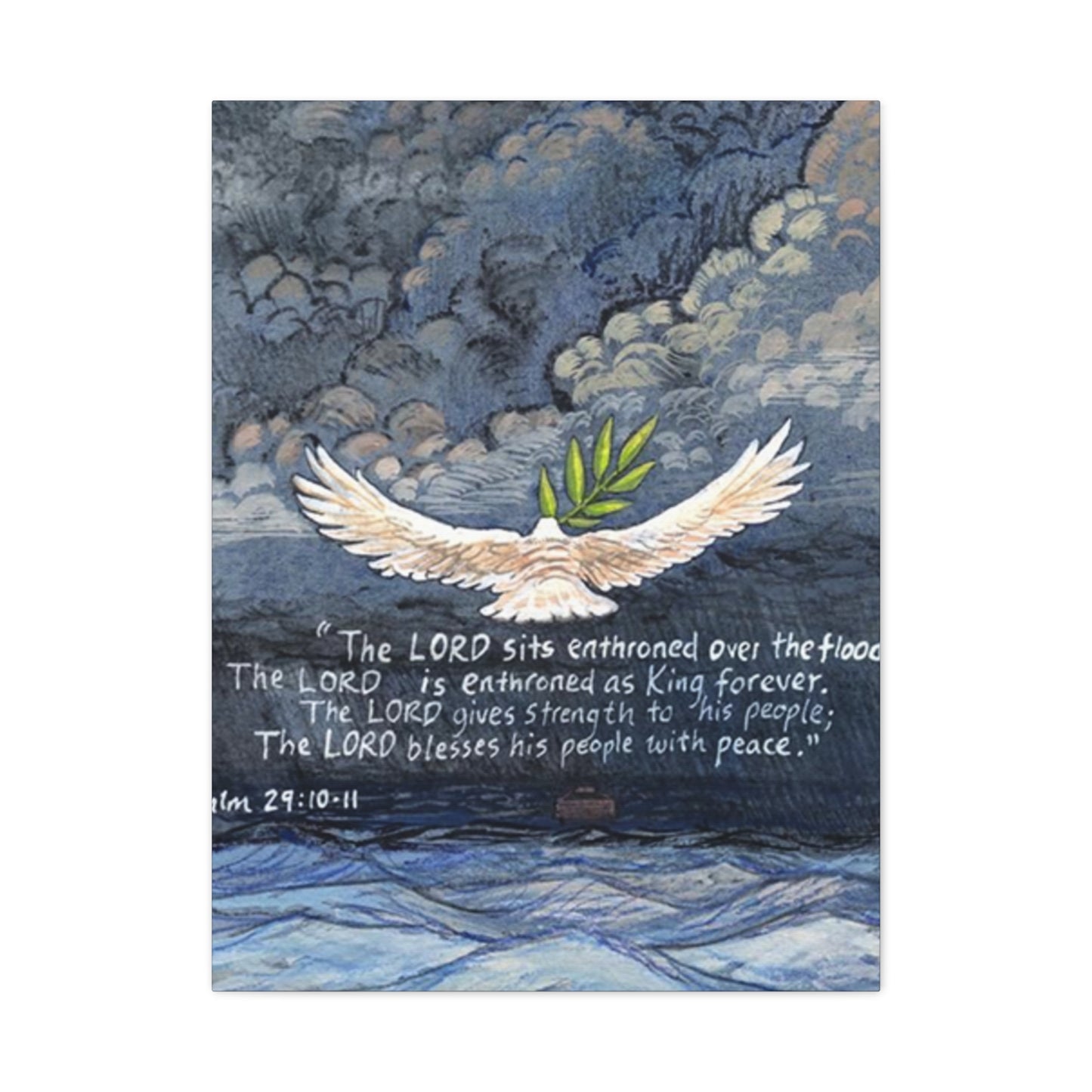
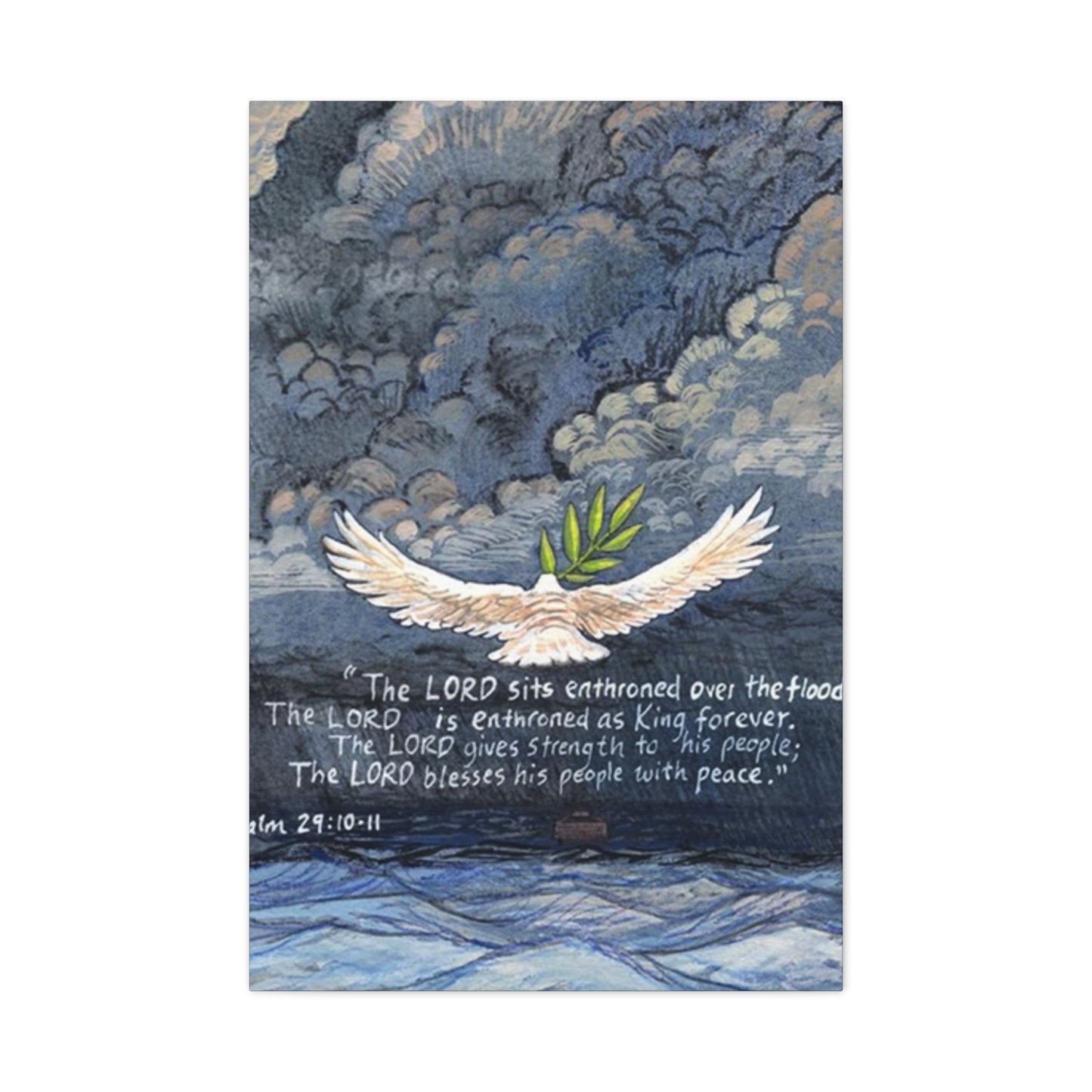
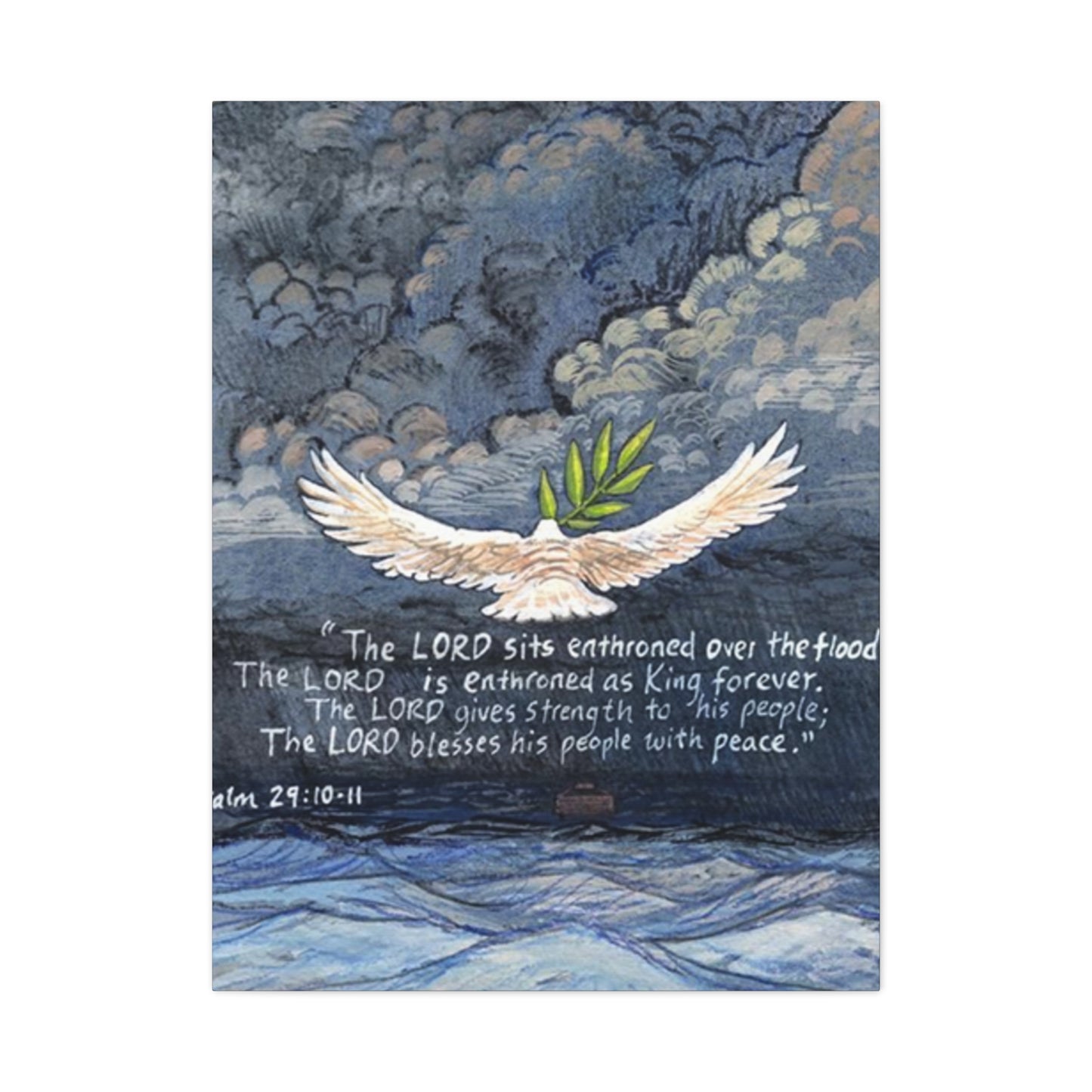
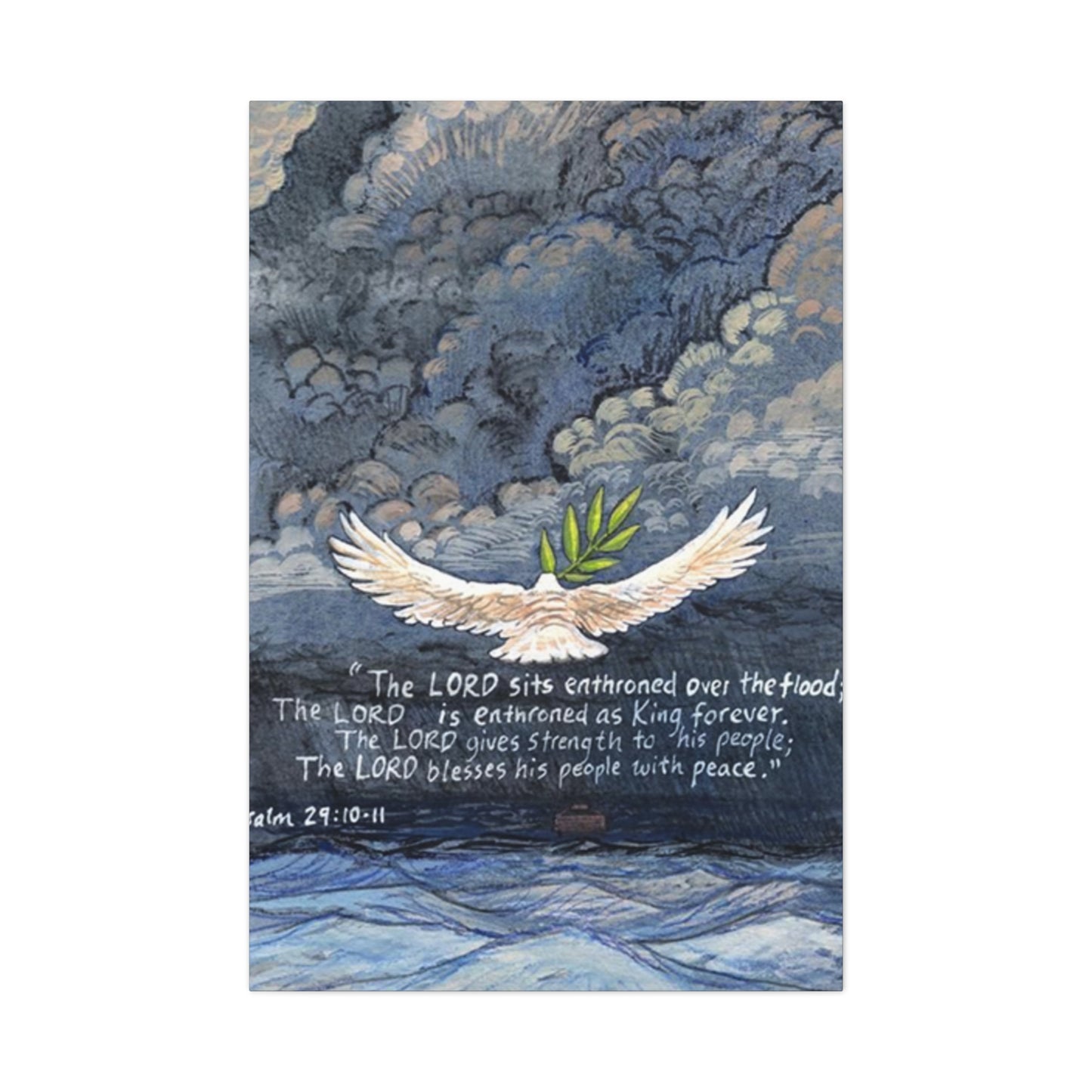
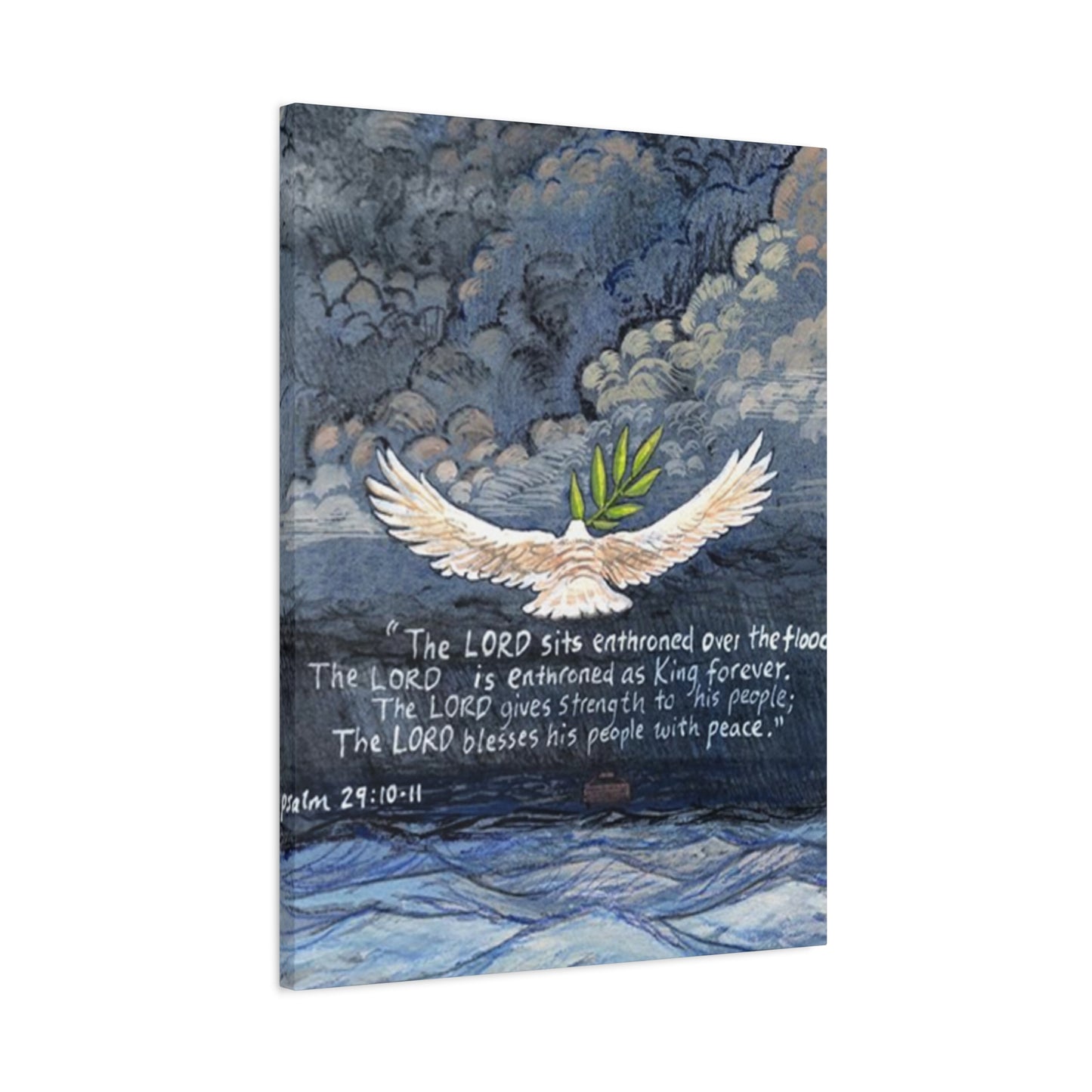
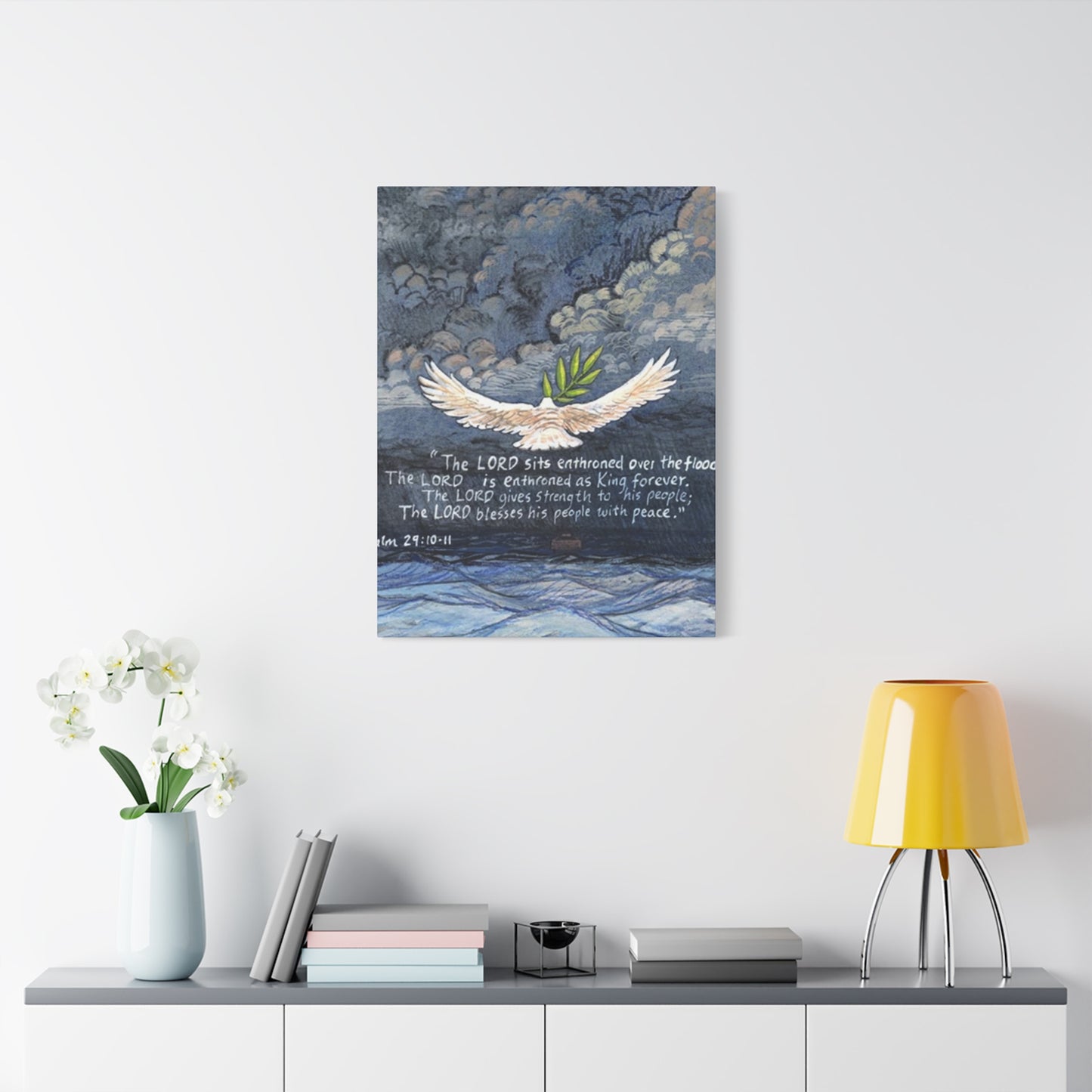
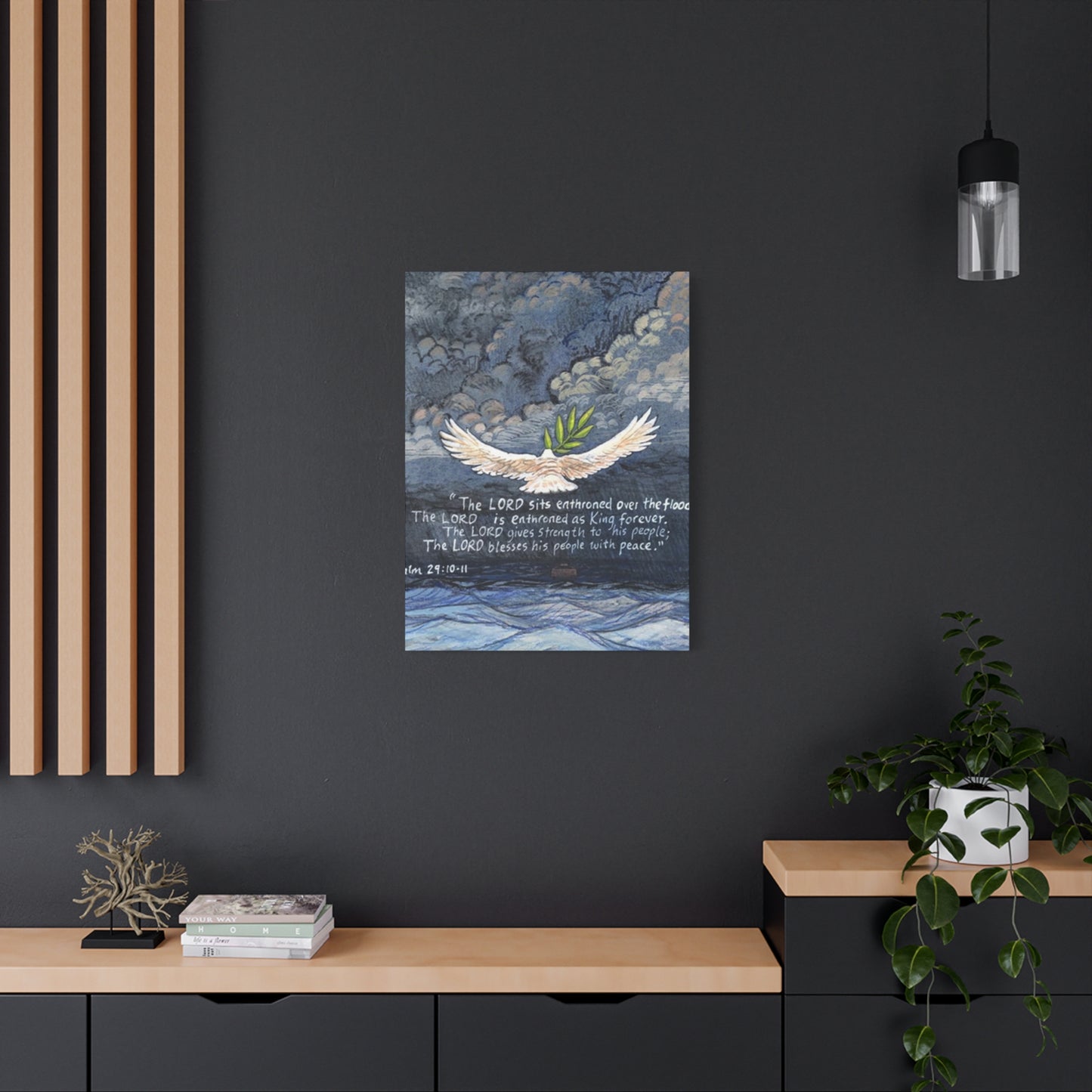
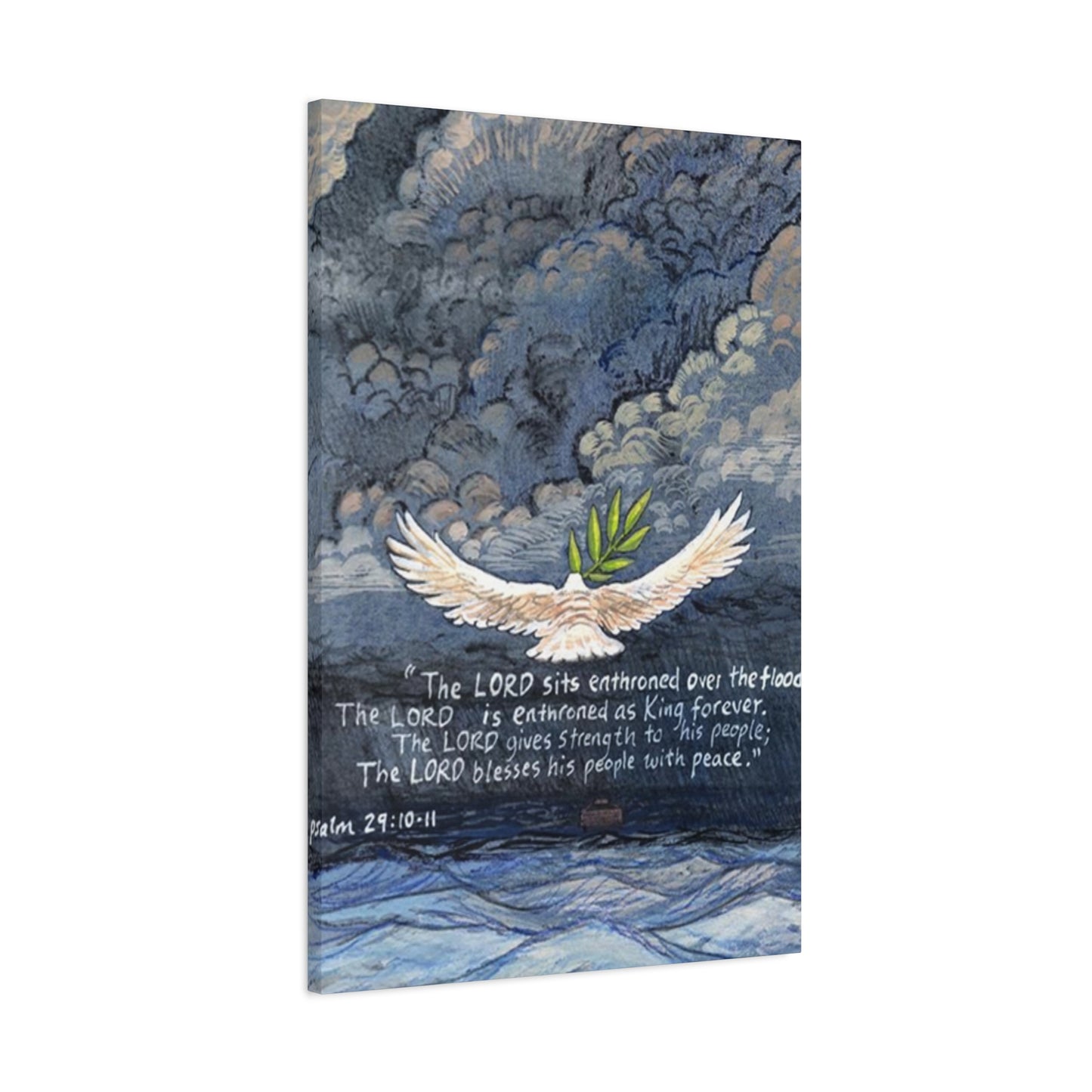
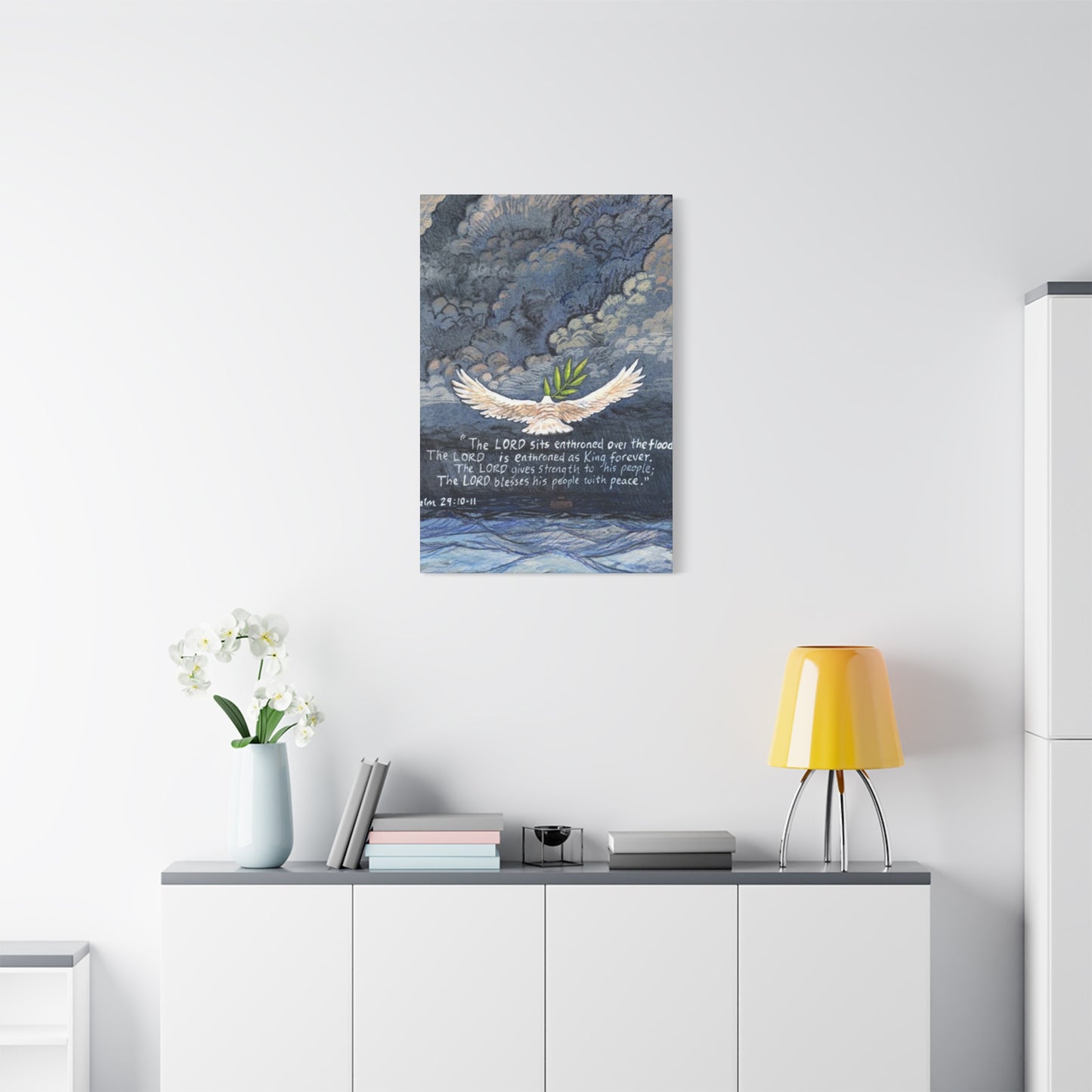
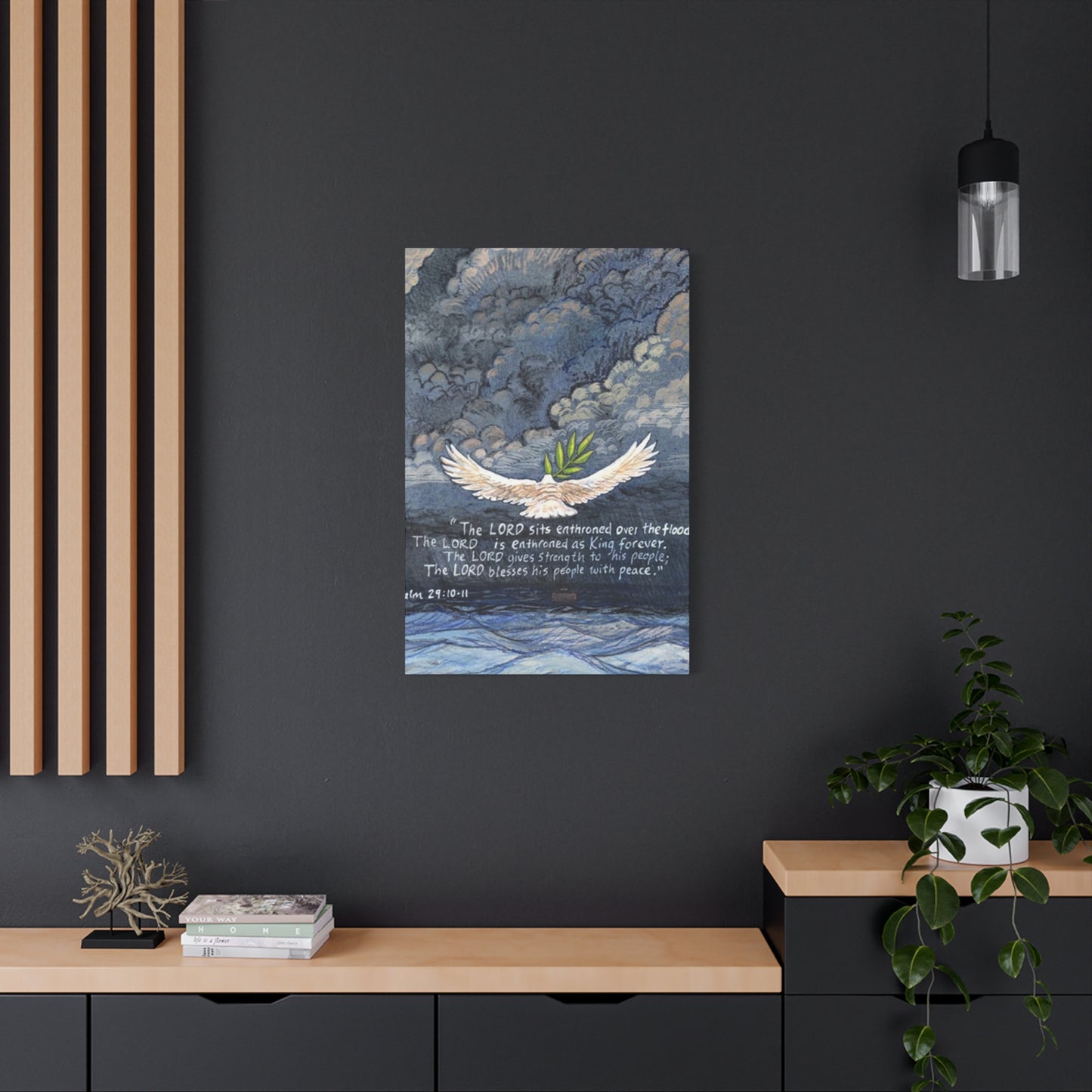
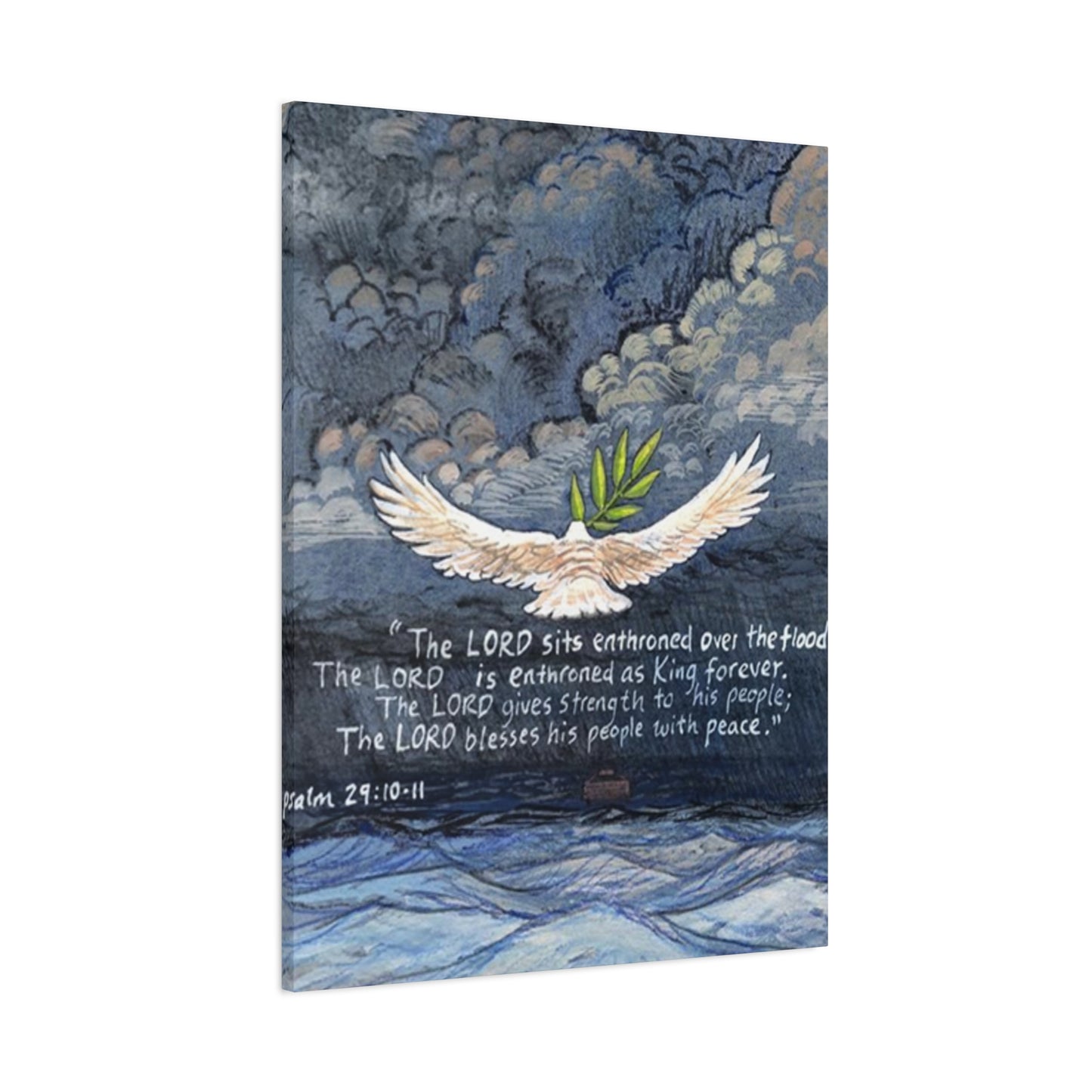
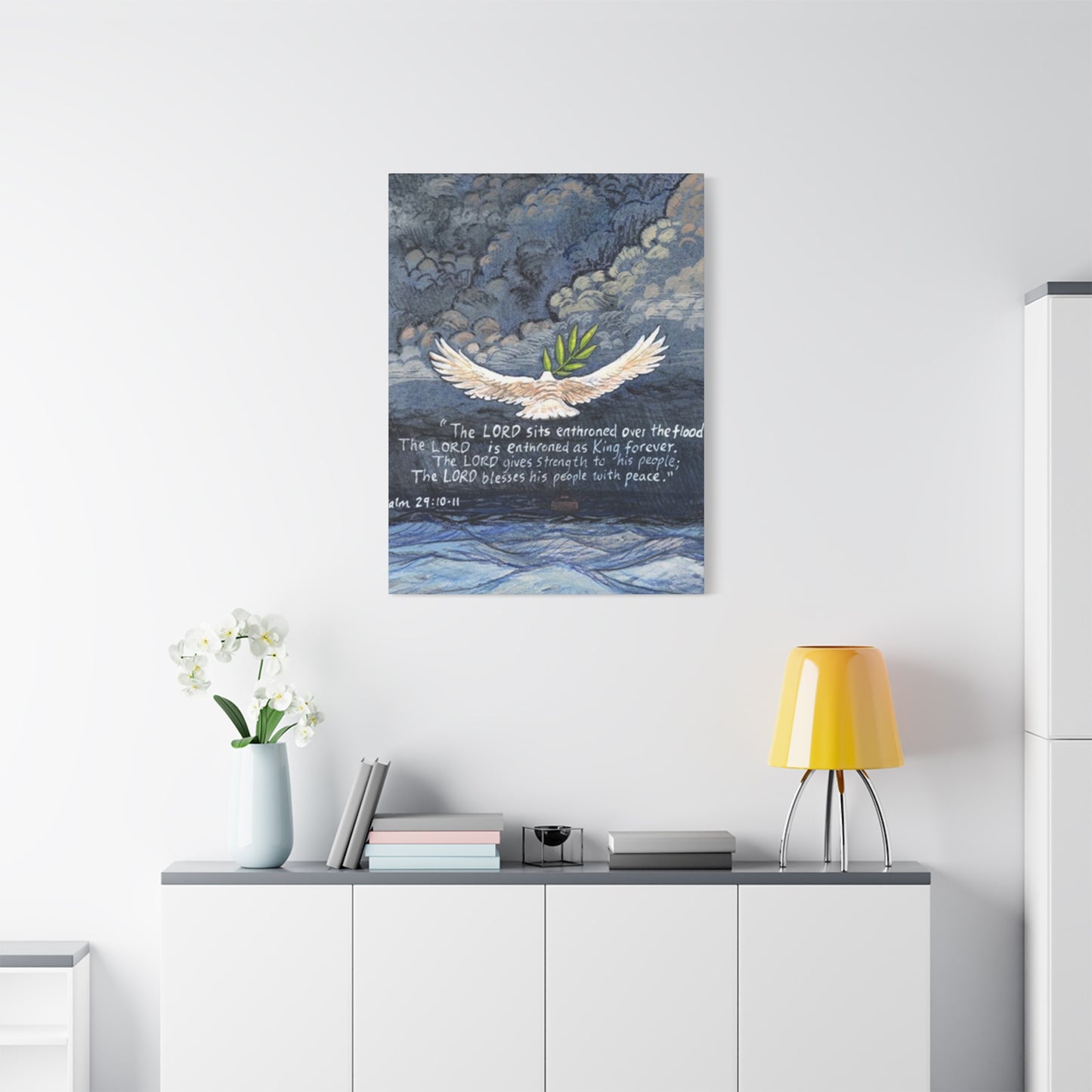
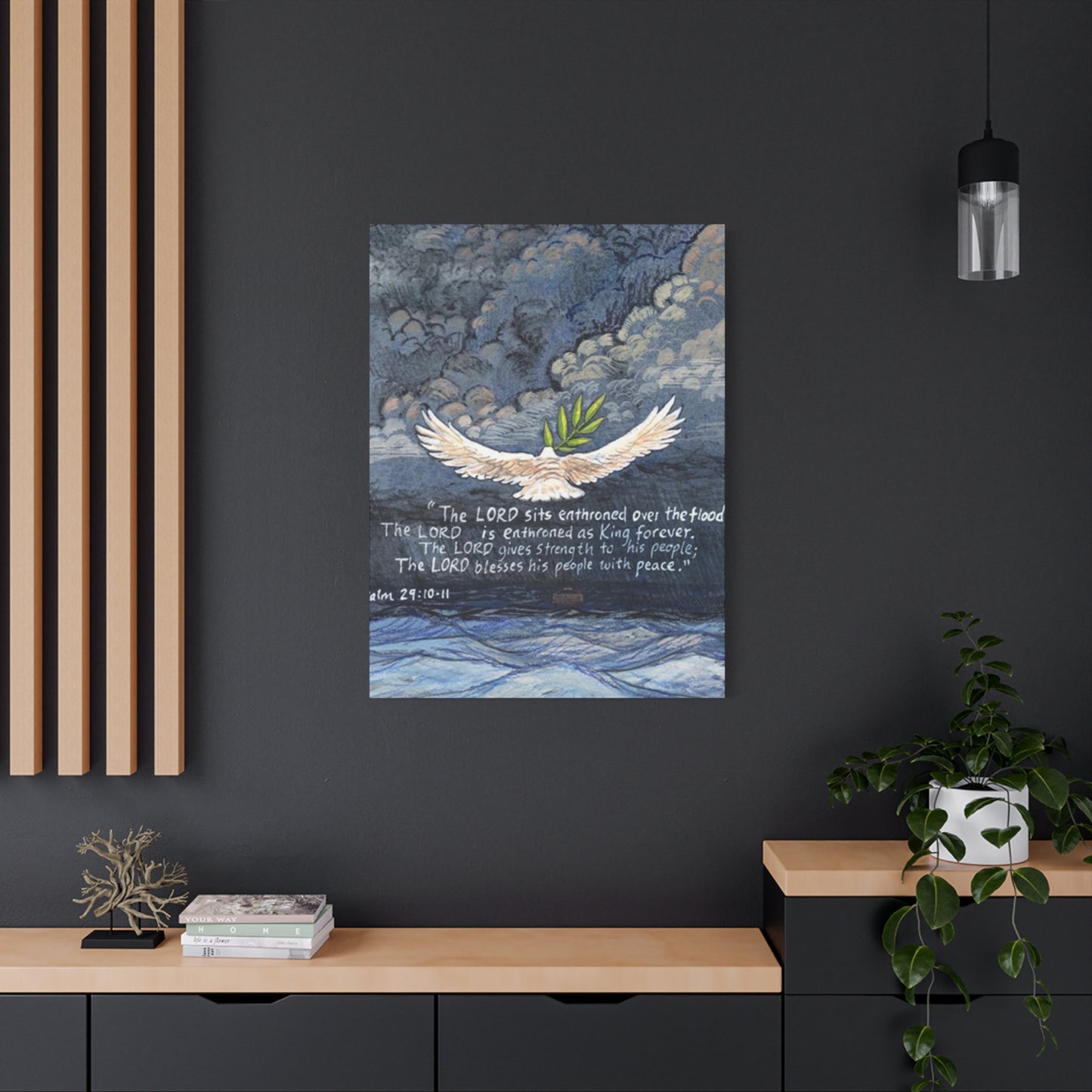
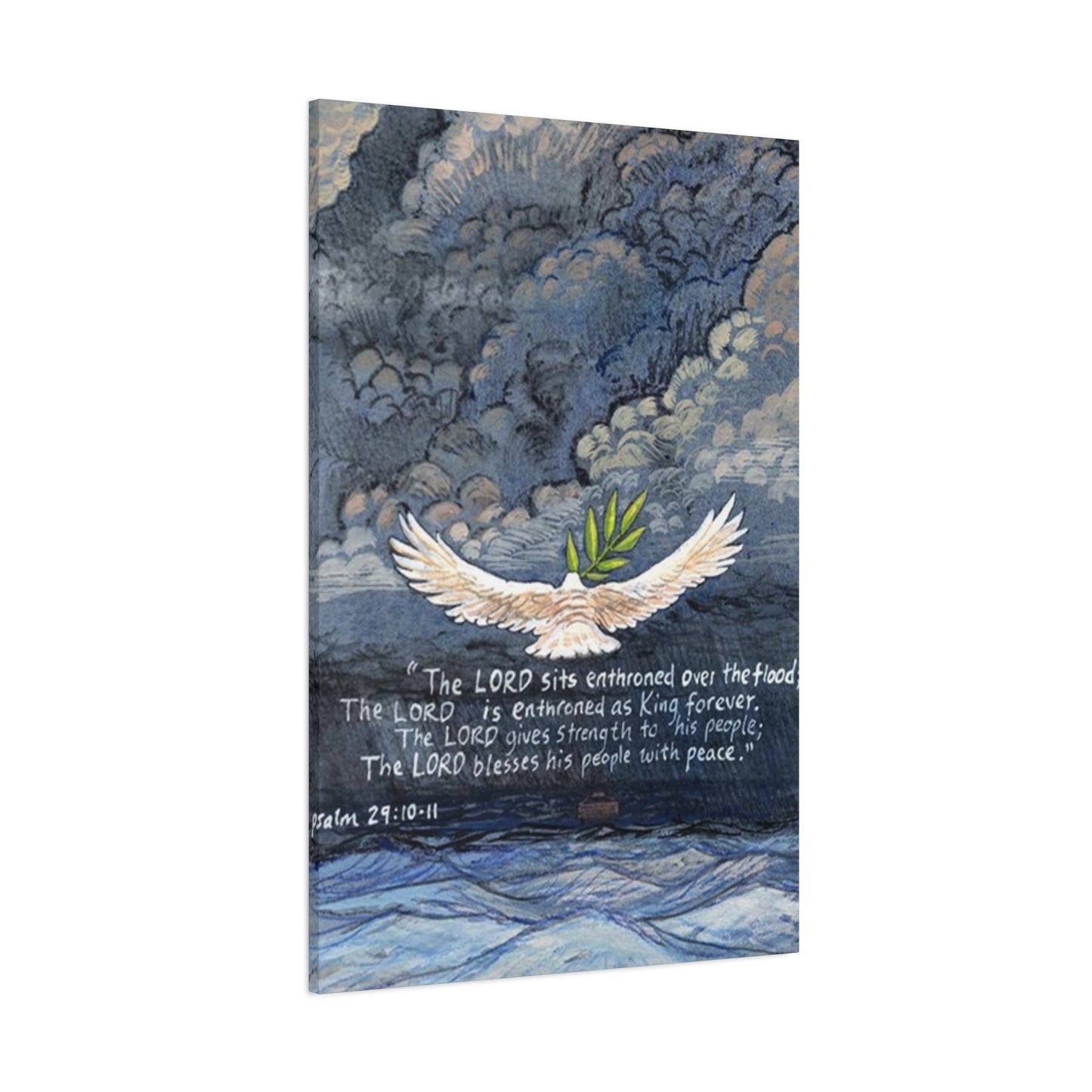
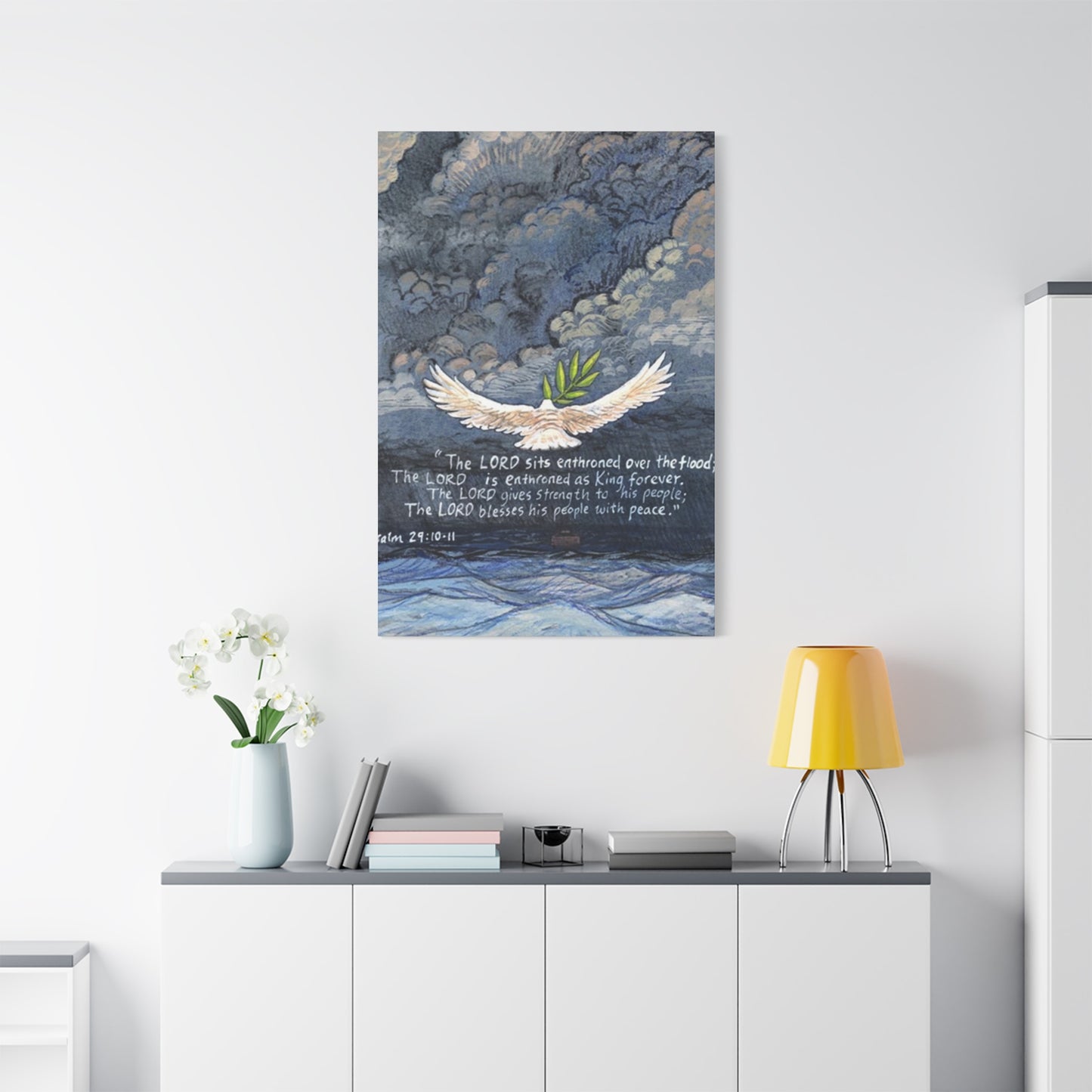
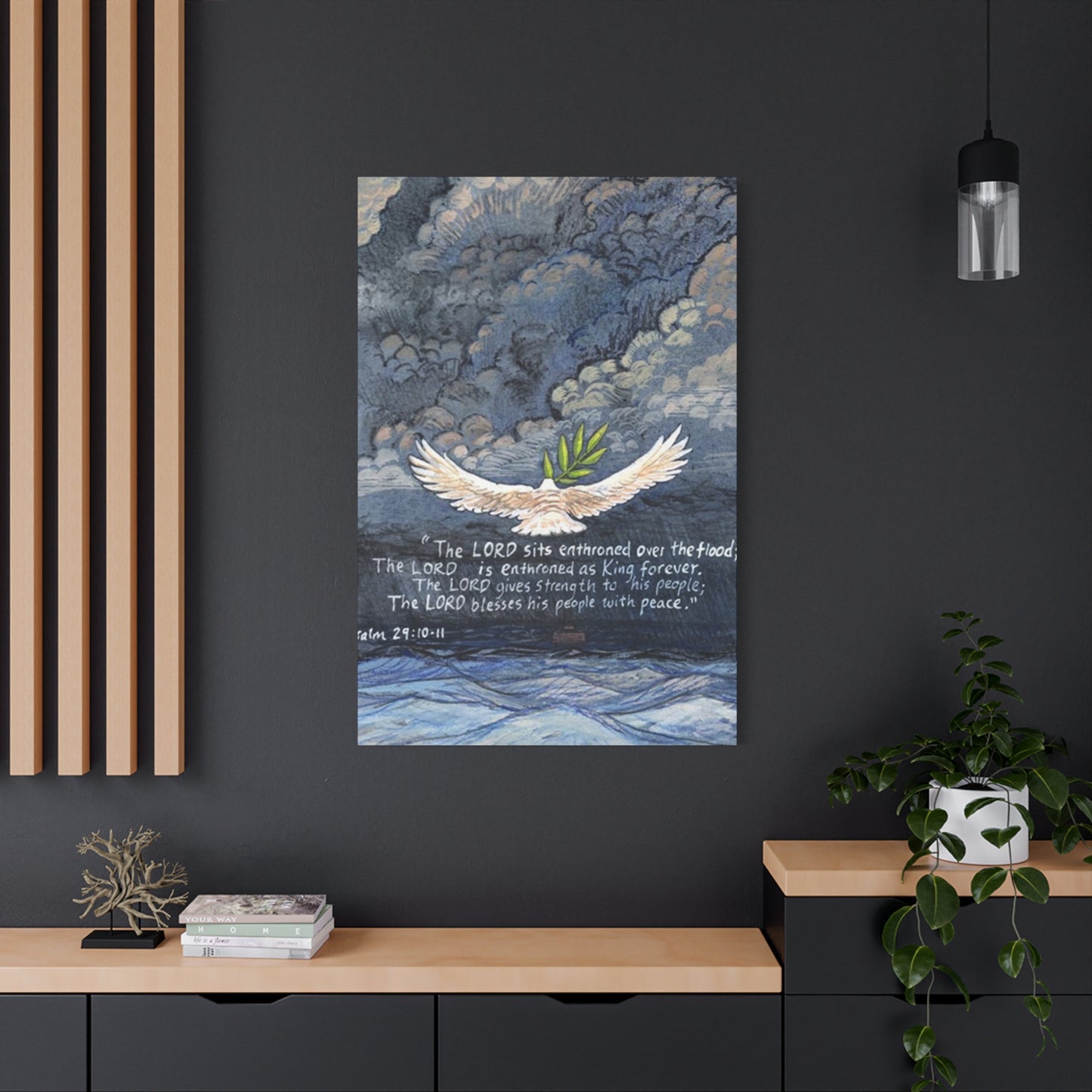
Lord Quote Wall Art for Office: Motivation and Faith at Your Workspace
The intersection of faith and interior design has created a remarkable movement in home decoration, where meaningful quotations from religious texts find their place on walls across the world. These pieces serve multiple purposes, functioning simultaneously as artistic statements, daily reminders of spiritual values, and conversation starters that reflect the deepest beliefs of those who display them. The growing popularity of decorative pieces featuring sacred texts represents more than a passing trend in home styling; it signals a desire to integrate spiritual practice into everyday environments, creating spaces that nurture both aesthetic sensibilities and inner growth.
When individuals choose to adorn their walls with phrases from holy writings, they make a statement about their priorities and values. These pieces transform ordinary rooms into sanctuaries, offering moments of reflection amid the chaos of modern life. Whether displayed in living rooms, bedrooms, offices, or meditation spaces, such artwork creates an atmosphere conducive to contemplation and spiritual connection. The visual impact of well-designed typography combined with profound religious teachings creates a powerful synergy that affects both residents and visitors.
The market for such decorative items has expanded significantly, offering countless options in terms of design, size, material, and presentation style. From minimalist black-and-white prints to elaborate multi-colored canvases, the variety ensures that everyone can find pieces that resonate with their personal taste while honoring their faith. This diversity reflects the universal appeal of combining spiritual wisdom with visual artistry, demonstrating that sacred texts can be presented in ways that complement any interior design scheme.
Materials and Production Methods for Sacred Wall Art
Contemporary spiritual wall decorations utilize a wide range of materials, each offering distinct advantages and aesthetic qualities. Canvas prints remain popular for their texture and depth, giving artwork a gallery-quality appearance that elevates the perceived value of the piece. The fabric surface diffuses light gently, creating a softer presentation that feels warm and inviting. Canvas also offers flexibility in sizing, accommodating everything from modest accent pieces to dramatic wall-covering installations.
Metal prints represent a more modern approach, with imagery transferred onto aluminum sheets through a specialized dye-sublimation process. The resulting pieces feature remarkable clarity, vibrant colors, and a luminous quality that makes text appear to glow. Metal's durability makes it excellent for high-traffic areas or locations with challenging environmental conditions. The contemporary aesthetic of metal prints appeals to those seeking to blend spiritual content with cutting-edge design sensibilities.
Wood serves as another popular substrate, offering natural warmth and texture that complements spiritual themes beautifully. Pieces printed or engraved on wood panels evoke rustic charm and organic authenticity, suggesting connections between faith and the natural world. Different wood species provide varying colors and grain patterns, allowing for customization that matches existing décor. The permanence of wood also carries symbolic weight, implying that the displayed message represents enduring truth rather than fleeting sentiment.
Selecting Passages That Resonate with Your Spiritual Journey
The process of choosing which sacred quotations to display requires thoughtful reflection on personal spiritual needs and aspirations. Different life stages and circumstances call for different types of messages. Those facing uncertainty might gravitate toward passages promising divine guidance and protection, while individuals celebrating blessings may prefer texts of gratitude and praise. The most effective pieces speak directly to current experiences while maintaining relevance across seasons of life.
Some believers approach selection systematically, surveying holy texts for passages that have proven meaningful during prayer or study. Others rely on intuition, feeling drawn to specific words that seem to speak directly to their hearts. Both approaches have merit, and many find value in combining them, using intellectual analysis to identify candidates while allowing emotional resonance to make final selections. The goal remains finding messages that will continue inspiring and challenging long after initial installation.
Balance matters when curating multiple pieces for display. A collection might include passages addressing different aspects of faith: divine attributes, human responsibilities, promises of hope, calls to action, and expressions of worship. This variety ensures that the surrounding environment offers comprehensive spiritual support rather than focusing narrowly on a single theme. At the same time, maintaining some thematic coherence prevents the display from feeling scattered or contradictory.
Creating Gallery Walls with Spiritual Themes
The gallery wall concept, featuring multiple pieces arranged in cohesive groupings, translates beautifully to spiritual artwork. This approach allows believers to display numerous meaningful passages in a visually dynamic presentation that transforms walls into comprehensive spiritual statements. Successful gallery walls balance variety with unity, incorporating different sizes, frames, and design styles while maintaining consistent elements that tie the collection together.
Planning a spiritual gallery wall begins with selecting the passages and determining how they relate to each other. Some might organize chronologically, following a narrative arc through scriptures. Others prefer thematic grouping, dedicating sections to concepts like faith, hope, love, or specific divine attributes. Alternatively, a more eclectic approach can work beautifully, with diverse selections united through consistent framing, color schemes, or typography choices.
The physical arrangement requires equal attention to visual balance and ease of viewing. Larger pieces typically anchor the composition, with smaller works arranged around them in ways that create visual flow. Maintaining consistent spacing between pieces contributes to a polished, intentional appearance. Many find it helpful to arrange pieces on the floor first, experimenting with configurations before committing to wall placement. Photographing various arrangements aids comparison and decision-making.
Integrating Spiritual Art into Various Room Settings
Different rooms within a home serve distinct functions and create unique opportunities for displaying faith-based artwork. Living rooms, as gathering spaces for family and guests, benefit from pieces that reflect household values and create welcoming atmospheres. Larger, more formal pieces work well in these prominent locations, establishing the spiritual foundation that informs family life. Selections might emphasize community, hospitality, gratitude, or divine presence in daily activities.
Bedrooms represent intimate personal spaces where more private spiritual expressions feel appropriate. Many choose passages related to rest, protection, dreams, or morning renewal for these areas. Positioning artwork where it can be seen upon waking or before sleeping creates natural moments for spiritual reflection that bookend each day. Bedroom pieces might also focus on relationships, particularly in shared spaces, with passages addressing love, partnership, and mutual spiritual growth.
Home offices and workspaces present opportunities to display messages relevant to professional life and daily labor. Passages about diligence, integrity, wisdom in decision-making, or divine provision can inspire excellence while maintaining ethical grounding. These pieces serve as silent counselors during challenging work situations, reminding professionals of principles that should guide their conduct. In creative workspaces, quotations addressing inspiration, talent as divine gift, or perseverance through obstacles may prove particularly motivating.
Customization Options for Personalized Spiritual Expressions
While pre-designed spiritual artwork offers convenience and professional quality, customization enables truly personal expressions of faith. Many services now allow believers to select their own passages and specify design parameters, creating pieces that perfectly match individual preferences and needs. This level of personalization ensures that the resulting artwork carries deep personal significance while maintaining visual appeal.
Custom typography choices let individuals match the style of text presentation to the nature of the passage itself. Gentle, flowing scripts might enhance messages of divine love and mercy, while bold, geometric fonts could emphasize passages about strength and courage. The ability to adjust text size, spacing, and arrangement means that even lengthy passages can be presented in visually compelling ways that encourage complete reading rather than overwhelming viewers.
Background options in custom designs range from simple solid colors to complex graphics, photographs, or patterns. Some prefer minimalist presentations that focus attention entirely on the text, while others enjoy layered designs that create depth and visual interest. Images might include nature scenes suggesting divine creation, abstract patterns implying mystery and transcendence, or symbolic elements associated with particular faith traditions. The key lies in ensuring that background elements support rather than compete with the text.
The Role of Color in Spiritual Visual Communication
Color carries profound psychological and symbolic weight, making color choices crucial in spiritual artwork. Different hues evoke specific emotional responses and have accumulated religious meanings across various traditions. Understanding these associations enables more intentional design choices that enhance the intended message. While personal preferences should guide selection, awareness of color psychology can help avoid unintended contradictions between visual and textual elements.
Blue, associated with sky and water, often symbolizes heaven, divine truth, and spiritual depth. Its calming properties make it excellent for passages offering peace and reassurance. Different shades create varying effects: navy suggests profound mystery and authority, while lighter blues evoke openness and accessibility. Blue backgrounds allow text in contrasting colors to achieve excellent readability while maintaining serene atmospheres conducive to contemplation.
Red represents passion, sacrifice, and divine love in many religious contexts, though it also carries associations with warning and urgency. When used in spiritual artwork, red demands attention and conveys emotional intensity appropriate for messages about devotion, redemption, or radical faith. Burgundy and crimson tones offer slightly more subdued alternatives that maintain symbolic associations while creating less visual tension. Red works particularly well for passages addressing themes of spiritual warfare, martyrdom, or fervent worship.
Gold symbolizes divine glory, holiness, and eternal value across numerous faith traditions. Its luminous quality elevates any text, suggesting that the words themselves carry transcendent importance. Gold accents can transform simple designs into striking statements, particularly when combined with deep background colors that maximize contrast. While solid gold backgrounds risk appearing gaudy, strategic use of golden elements creates impressions of celestial splendor and sacred importance.
Typography Fundamentals for Sacred Text Presentation
The art of typography involves far more than selecting attractive fonts; it encompasses principles of readability, hierarchy, and emotional communication through letterforms. When applied to spiritual artwork, typographic choices profoundly affect how viewers engage with sacred texts. Effective typography directs attention, controls reading pace, and reinforces the message through visual means that complement verbal content.
Font families divide broadly into categories with distinct characteristics and traditional associations. Serif fonts, featuring small decorative strokes at letter endings, convey tradition, reliability, and formal authority. They work exceptionally well for passages from ancient texts or messages emphasizing timeless truths. Sans-serif fonts, lacking these embellishments, project modernity, clarity, and straightforward communication. They suit contemporary spaces and messages focused on practical application of spiritual principles.
Letter spacing, or tracking, affects both readability and aesthetic impact. Tighter spacing creates density and intensity, potentially overwhelming viewers with closely packed words. Generous spacing produces airier presentations that feel open and contemplative, giving each word room to breathe and register individually. Line spacing, or leading, similarly influences reading experience. Adequate space between lines prevents visual confusion and reduces eye strain, particularly important for longer passages meant to be read completely rather than merely glanced at.
Text alignment creates different visual dynamics and psychological effects. Centered text suggests balance, formality, and importance, drawing eyes to the middle and creating symmetrical compositions. Left-aligned text feels more casual and accessible, matching standard reading patterns and creating clean left edges that guide eye movement. Right alignment, used sparingly, creates tension and draws attention through its unconventionality. Justified text, aligned on both margins, produces formal, book-like presentations suitable for longer passages.
Framing Choices That Complement Sacred Artwork
The frame surrounding spiritual artwork significantly impacts its overall appearance and the impression it creates. Far from being mere functional elements that hold pieces in place, frames contribute to meaning and affect how viewers perceive the enclosed content. Thoughtful frame selection honors the sacred nature of displayed texts while enhancing visual appeal and protecting the artwork.
Traditional wood frames in rich stains offer classic elegance that suits formal settings and traditional décor schemes. Darker woods like walnut or cherry convey gravitas and timelessness, appropriate for weighty theological statements or solemn promises. Lighter woods such as oak or pine create warmer, more casual presentations that work well in family spaces and informal areas. Natural wood grain adds texture and organic appeal, connecting spiritual messages with divine creation as manifested in the natural world.
Metal frames project contemporary sophistication and clean minimalism. Sleek profiles in brushed silver or matte black provide modern aesthetics that appeal to those preferring uncluttered design. These frames fade into backgrounds, directing focus to the artwork itself rather than drawing attention to the border. Metal's durability also offers practical advantages, maintaining appearance over years without warping or deteriorating. Gold or bronze metal frames bridge traditional and contemporary styles, adding subtle elegance without overwhelming displayed pieces.
Floating frames, which create space between the artwork and frame edge, produce striking three-dimensional effects that add drama and importance. This mounting style works particularly well with canvas or metal prints, creating shadow lines that emphasize depth and separation from the wall. The resulting presentation suggests that the spiritual message exists in its own dimension, set apart from mundane surroundings. Floating mounts also allow artwork texture to remain visible and contribute to overall aesthetic impact.
Placement Strategies for Maximum Spiritual Impact
Where artwork hangs affects how frequently and in what contexts viewers encounter its message. Strategic placement ensures that spiritual texts become integrated into daily routines rather than fading into background invisibility. Different locations offer distinct advantages, and thoughtful believers consider both practical and symbolic factors when deciding where to position faith-based artwork.
Entryways provide opportunities to establish spiritual tone from the moment people enter a space. Passages offering blessings, expressing hospitality, or acknowledging divine presence create immediate impressions that shape subsequent experiences within the home. Entryway placement also means that residents encounter these messages during transitions in and out, providing spiritual grounding before departing and welcoming reflection upon returning. The passage becomes a threshold marker, delineating sacred domestic space from the external world.
High-traffic areas like hallways and stairways ensure frequent exposure to displayed messages. Since people pass through these spaces multiple times daily, positioned artwork becomes deeply familiar through repeated viewing. This repetition serves spiritual formation purposes, gradually inscribing messages into consciousness through cumulative encounters. Hallways also offer wall space that might otherwise remain bare, transforming functional passages into galleries of spiritual inspiration.
Focal points in frequently used rooms deserve special consideration. The wall opposite the primary seating area in a living room, for instance, naturally draws eyes and provides ideal placement for important spiritual messages. Similarly, walls facing desks in home offices become automatic focal points during work hours. Positioning meaningful texts where eyes naturally rest during activities ensures consistent engagement without requiring deliberate seeking.
Mixing Spiritual Art with Secular Décor Elements
Many believers navigate the challenge of integrating faith-based artwork into homes that also contain secular decorative elements reflecting personal interests, hobbies, and aesthetic preferences. Rather than creating discord, thoughtful mixing can produce rich, layered environments that honor multiple facets of identity while maintaining spiritual priorities. The key lies in establishing clear hierarchies and ensuring that spiritual elements receive prominent placement befitting their importance.
One effective approach involves creating dedicated spiritual zones where faith-based artwork predominates, while allowing other areas to feature more diverse decorative themes. A prayer corner or meditation space, for example, might exclusively display religious texts and imagery, creating an unmistakable sanctuary within the larger home. This concentrated approach produces powerful spiritual atmospheres in specific locations while permitting flexibility elsewhere.
Alternatively, believers might distribute spiritual artwork throughout the home, ensuring that every room contains at least one meaningful passage regardless of other decorative elements present. This scattered approach creates consistency and reminds residents that faith permeates all aspects of life rather than being confined to designated religious spaces. The surrounding secular items then become contextualized within the overarching spiritual framework established by the distributed sacred texts.
Color coordination and consistent framing help unite spiritual and secular pieces into cohesive overall designs. When faith-based artwork shares color schemes or frame styles with other decorative elements, the collection appears intentionally curated rather than randomly assembled. This visual unity demonstrates that spiritual commitment and aesthetic sophistication need not conflict, but can instead mutually reinforce each other in creating homes that are both beautiful and meaningful.
The Gift Potential of Spiritual Wall Art
Thoughtfully selected spiritual artwork makes exceptionally meaningful gifts for fellow believers, marking important occasions while providing lasting inspiration. Unlike consumable gifts or items with limited utility, wall art continues offering spiritual encouragement for years, making it appropriate for milestone celebrations that warrant enduring commemoration. The personal nature of selecting passages that speak to the recipient's spiritual journey demonstrates care and understanding that generic gifts cannot match.
Religious holidays and observances provide natural gifting opportunities where spiritual artwork feels particularly appropriate. Celebrating significant dates within faith calendars with gifts that reinforce the meaning of those observances strengthens traditions and creates tangible reminders of shared beliefs. Recipients can display these pieces during relevant seasons or year-round, depending on the specificity of the message and the occasion it commemorates.
Life transitions and milestones benefit from spiritual artwork that speaks to new chapters and changing circumstances. Graduations, weddings, new homes, births, and even retirements represent moments when people particularly appreciate guidance and encouragement grounded in faith. Selecting passages that address the specific challenges and opportunities of each transition shows attentiveness to the recipient's situation while offering divine wisdom relevant to their journey.
Sympathy and encouragement situations call for especially careful passage selection, as the goal shifts from celebration to comfort and support. Messages offering hope, expressing divine presence in suffering, or promising ultimate restoration can provide solace that more conventional sympathy gestures cannot match. The permanence of the artwork ensures that comfort remains available whenever needed, serving as a visible reminder that the giver's care and concern extend beyond the immediate moment of crisis.
Maintaining and Caring for Spiritual Wall Displays
Proper maintenance ensures that spiritual artwork continues looking its best and effectively communicating its message over many years. Different materials require specific care approaches, and understanding these needs prevents premature deterioration that could necessitate replacement. Beyond preserving aesthetic appeal, caring for faith-based artwork honors the sacred messages these pieces convey, treating them with the respect their content deserves.
Canvas prints benefit from regular dusting using soft, dry cloths or feather dusters that lift particles without pressing them into the fabric surface. Avoiding liquid cleaners prevents moisture damage that could cause sagging, staining, or mold growth. Keeping canvas art away from direct sunlight prevents fading, as prolonged UV exposure gradually bleaches colors regardless of initial vibrancy. When hanging canvas pieces, ensuring adequate air circulation behind them prevents moisture accumulation that could lead to mildew formation.
Metal prints require minimal maintenance due to their durable, non-porous surfaces. Simple wiping with damp microfiber cloths removes dust and fingerprints without risk of damage. Their resistance to moisture makes metal suitable for bathrooms and other humid environments where other materials might deteriorate. However, metal prints should still avoid direct sunlight exposure, as extreme temperatures can potentially affect the bonding between image and substrate over extended periods.
Framed pieces demand attention to both the artwork and frame. Glass or acrylic glazing protects enclosed prints but requires cleaning to prevent obscuring the image beneath. Appropriate glass cleaners applied to cloths rather than directly on the surface prevent liquid from seeping behind glazing. Periodically checking frames for stability ensures that mounting hardware remains secure and that artwork hangs level. Wooden frames occasionally benefit from light applications of furniture polish that restore luster and provide modest protection.
Seasonal Rotation and Refreshing Spiritual Environments
Some believers embrace seasonal rotation of spiritual artwork, changing displayed pieces to reflect liturgical calendars, personal spiritual rhythms, or simply to maintain fresh engagement with divine texts. This practice prevents familiarity from breeding inattention, ensuring that sacred words continue prompting active reflection rather than becoming invisible background elements. Rotation also allows larger collections to receive display time, giving voice to diverse passages and spiritual themes throughout the year.
Liturgical seasons provide natural frameworks for rotation. Advent and Christmas call for passages emphasizing incarnation, divine love made manifest, and promises fulfilled. Lenten periods suit messages about repentance, sacrifice, and preparation for spiritual renewal. Easter season celebrates resurrection, new life, and victory over death. Ordinary time might focus on practical spiritual growth, discipleship, and daily faithfulness. Aligning displayed artwork with the liturgical calendar deepens participation in traditional rhythms and connects personal spaces with wider faith communities.
Personal spiritual seasons also warrant consideration. Periods of struggle might call for messages emphasizing divine faithfulness and promises of support. Times of joy and abundance inspire displays focused on gratitude and praise. When facing major decisions, passages about wisdom and divine guidance become particularly relevant. Seasonal transitions in the natural world can prompt rotations that connect spiritual themes with observable changes: passages about harvest during autumn, texts addressing new growth in spring, or messages about rest and reflection during winter.
Practical rotation logistics require adequate storage for pieces not currently displayed, ideally in conditions that protect them from damage. Organizing artwork by theme or season simplifies future selection and planning. Some find it helpful to photograph display arrangements before taking pieces down, creating references that guide reinstallation when seasons cycle back. Maintaining records of which pieces were displayed when prevents overusing favorites while neglecting others, ensuring comprehensive rotation through entire collections.
Digital Design Tools for Creating Custom Spiritual Art
Technology has democratized the creation of custom spiritual artwork, placing professional-quality design capabilities within reach of anyone with basic computer skills. Numerous software applications and online platforms enable believers to design personalized pieces featuring passages that hold special significance. This accessibility means that financial constraints or geographic limitations need not prevent anyone from surrounding themselves with spiritually meaningful wall art.
Graphic design programs range from complex professional applications to simplified consumer-oriented tools. Professional software offers unlimited creative possibilities but requires significant learning investment to master. Consumer-friendly alternatives sacrifice some advanced capabilities in exchange for intuitive interfaces that enable quick results. Web-based design platforms provide middle-ground solutions, offering substantial functionality without requiring software installation, operating through standard web browsers with designs saved to cloud storage.
Typography represents the central element in most spiritual artwork, making font selection and text formatting primary skills to develop. Design programs provide access to thousands of fonts, though quality varies significantly. Carefully chosen typography communicates specific tones and styles, while poor font selection can undermine even the most meaningful passages. Most platforms allow precise control over text size, spacing, alignment, and effects like shadows or outlines that enhance readability and visual appeal.
Background creation and image integration expand creative possibilities beyond simple text-on-color presentations. Design tools enable layering of graphics, photographs, textures, and patterns behind text, creating depth and visual interest. Transparency controls allow subtle background elements that don't overwhelm text, while filters and effects can achieve specific aesthetic goals. Many platforms include libraries of graphics and photographs available for use, eliminating the need to source or create every visual element from scratch.
Understanding Print Quality and Resolution Requirements
Technical specifications significantly impact the final appearance of printed spiritual artwork, with resolution being the most critical factor determining whether pieces look professional or amateurish. Understanding basic printing concepts enables informed purchasing decisions and prevents disappointment when ordered artwork arrives looking different than expected. The relationship between file resolution, print size, and viewing distance determines appropriate specifications for different applications.
Resolution measures detail level, expressed in dots per inch or pixels per inch. Higher numbers indicate finer detail and smoother appearance. Standard print resolution targets three hundred DPI, which produces sharp, clear results at typical viewing distances. Lower resolutions become problematic only when viewers examine prints closely, as individual pixels become visible at certain thresholds. For very large pieces meant to be viewed from distance, somewhat lower resolutions may prove acceptable, as the increased viewing distance masks pixel visibility.
File dimensions and print sizes must match appropriately. Images intended for small prints cannot simply be enlarged to poster size without severe quality degradation. Attempting to force small digital files into large print formats causes pixelation, where individual squares of color become obvious and the image appears blurry or rough. Professional design maintains proper proportions between file size and intended print dimensions, ensuring adequate detail regardless of final scale.
Color spaces represent another technical consideration affecting final appearance. Digital displays use RGB color space while printing employs CMYK, and these systems cannot reproduce identical color ranges. Some vibrant screen colors have no precise print equivalents, potentially causing disappointment when ordered pieces arrive looking slightly different than on-screen previews. Reputable printing services provide color-managed workflows that minimize these discrepancies, though perfect matching remains impossible due to fundamental differences between light-based and ink-based color production.
The Intersection of Calligraphy and Contemporary Design
Traditional calligraphy holds honored places in multiple faith traditions, representing not merely decorative writing but spiritual practice in which the act of beautiful lettering becomes devotional exercise. Modern spiritual artwork often incorporates calligraphic elements or draws inspiration from traditional lettering arts, creating bridges between historical practices and contemporary aesthetics. This fusion honors heritage while producing pieces that feel relevant to current design sensibilities.
Hand-lettered spiritual artwork carries authenticity and warmth that purely digital designs sometimes lack. The slight irregularities inherent in human-created letterforms communicate personality and genuine craft, suggesting that the piece represents labored love rather than mass production. Many contemporary designers study historical calligraphic styles, adapting traditional techniques to modern contexts and creating hybrid approaches that honor both past and present.
Digital calligraphy tools simulate hand-lettering effects while offering conveniences impossible with physical media. Designers can experiment freely, undoing mistakes and trying numerous variations without wasting materials or starting over completely. Brush lettering, copperplate, Gothic, and other traditional styles can all be approximated digitally, then combined with modern design elements like geometric backgrounds or contemporary color palettes. The resulting pieces exhibit calligraphic beauty within thoroughly modern frameworks.
Some believers commission custom calligraphic artwork from trained scribes, valuing the authenticity of truly hand-created pieces. While typically more expensive than printed alternatives, these one-of-a-kind works carry special significance as unique artistic creations. The knowledge that a skilled artisan devoted time and attention to crafting each letter adds layers of meaning beyond the text itself. For particularly important passages or special occasions, such investment may feel entirely appropriate.
Multilingual Spiritual Art and Cross-Cultural Design
Sacred texts exist in numerous languages, and many believers feel deep connections to scripture in original languages or vernacular translations significant to their heritage. Multilingual spiritual artwork honors these connections while creating visually interesting pieces that incorporate different writing systems. The aesthetic possibilities of displaying Hebrew, Arabic, Greek, Sanskrit, or other traditional religious languages add layers of meaning and visual texture unavailable through single-language presentations.
Original-language scripture carries special authority for many believers, representing divine communication in the words used for initial revelation. Displaying such texts connects believers with historical communities of faith and acknowledges the cultural contexts in which religious traditions developed. Even viewers unable to read the original language often appreciate the visual beauty of different scripts and the symbolic weight of encountering scripture in its primary form.
Bilingual presentations allow broader accessibility while maintaining connection to linguistic heritage. Pairing original-language texts with contemporary translations enables viewers to appreciate both forms simultaneously. Design challenges arise in balancing two language presentations, particularly when scripts read in different directions or exhibit vastly different character densities. Creative layouts can transform these challenges into assets, using the contrast between language forms to create visual dynamism.
Cultural design elements beyond language itself can enhance spiritual artwork with ethnic or regional character. Islamic art traditions avoid figural representation while excelling in geometric patterns and arabesques that provide stunning backgrounds for Quranic verses. Eastern Orthodox iconographic traditions inform designs featuring biblical passages in ways that honor aesthetic conventions developed over centuries. African, Asian, Latin American, and indigenous artistic heritages offer rich visual vocabularies that can frame universal spiritual truths within particular cultural contexts.
Lighting Considerations for Optimal Display
Proper illumination dramatically affects how spiritual artwork appears and how effectively it communicates its message. Light reveals color, creates depth through shadows, and directs viewer attention toward focal points. Understanding basic lighting principles enables believers to showcase faith-based wall art to maximum advantage, ensuring that meaningful texts remain visible and visually appealing under various conditions.
Natural light offers beautiful illumination but presents challenges requiring careful management. Direct sunlight produces intense brightness that can overwhelm artwork, washing out colors and creating glare on glass-covered pieces. Prolonged exposure causes fading as UV radiation degrades pigments and materials. Positioning artwork away from windows where direct sun strikes prevents these problems, while still allowing diffused natural light to provide pleasant general illumination. Windows treatments like sheer curtains moderate incoming light, creating soft, even illumination ideal for viewing artwork.
Artificial lighting provides controllable alternatives to natural light, with various fixture types offering different characteristics. Overhead fixtures create general room lighting but may not ideally illuminate wall-mounted artwork depending on positioning. Picture lights mounted above individual pieces provide focused illumination that highlights specific works while creating dramatic visual emphasis. Track lighting offers flexibility, with adjustable fixtures that can be aimed precisely to illuminate artwork from optimal angles.
LED technology has revolutionized art lighting by providing bright, consistent illumination with minimal heat generation and energy consumption. Unlike older technologies, LEDs produce full-spectrum light that reveals colors accurately without introducing unwanted tints. Their longevity means less frequent bulb changes, and their cool operation prevents heat damage to artwork over time. Color temperature selection allows choosing between warm tones that create cozy atmospheres or cooler light that enhances color accuracy and creates more energetic environments.
Children and Youth Engagement with Spiritual Wall Art
Spiritual formation of young people benefits from visual reinforcement of faith principles, making thoughtfully selected wall art valuable in children's spaces and family areas. Age-appropriate designs that capture attention while communicating important truths plant seeds that mature as children grow. Interactive or playful elements make spiritual concepts accessible and engaging rather than intimidating or boring, supporting positive associations with faith from early ages.
Colorful, illustrative designs appeal to young children while teaching fundamental spiritual concepts. Passages about divine love, protection, and creation pair naturally with images of animals, nature, or child-friendly characters. Typography choices should prioritize readability for emerging readers, with clear letterforms and adequate sizing. Positioning artwork at children's eye levels rather than adult heights ensures regular engagement and acknowledges that these pieces are meant specifically for young viewers.
Growth charts incorporating spiritual passages mark physical development while reinforcing faith principles, creating tangible connections between growing bodies and developing spirits. As parents mark increasing heights, they can highlight passages at corresponding levels, creating reading opportunities and discussions. These functional spiritual items serve dual purposes, providing practical utility while consistently presenting meaningful texts.
Interactive elements designed for young people encourage active engagement rather than passive viewing. Passages with blank spaces where children write names, prayers, or commitments create personalized spiritual expressions. Removable stickers or magnetic elements allow creative arrangement and rearrangement, satisfying desires for hands-on interaction. Activity-based designs incorporating puzzles, hidden elements, or progressive challenges maintain interest through repeated engagement rather than quick exhaustion of novelty.
Teen and youth spaces benefit from more sophisticated designs reflecting maturation and emerging adult aesthetics. Passages addressing identity, purpose, relationships, and future possibilities resonate with developmental concerns dominating adolescent consciousness. Contemporary design styles using bold typography, modern colors, and minimal decoration appeal to sensibilities formed by current media exposure. Allowing young people input into selection increases investment and ensures that pieces genuinely speak to their experiences rather than merely reflecting parental preferences.
Spiritual Art in Professional and Public Spaces
Displaying faith-based artwork extends beyond private homes into workplaces, businesses, and semi-public spaces where believers spend significant time. These environments present unique considerations regarding appropriateness, inclusivity, and effective witness. Thoughtful believers navigate these complexities, finding ways to maintain spiritual groundedness in professional contexts while respecting diverse audiences and professional norms.
Private offices under individual control offer greatest freedom for spiritual expression through wall art. Believers can display passages meaningful to them without requiring others' agreement or comfort. These personal spaces become sanctuaries within larger professional environments, providing spiritual refreshment during challenging workdays. Positioning artwork where it remains visible from desk locations creates regular touchpoints for prayer or reflection between tasks.
Shared professional spaces require greater sensitivity to diverse beliefs and potential discomfort with overt religious expression. Subtle spiritual artwork using abstract designs or less explicit textual references allows believers to maintain faith presence without dominating shared environments. Alternatively, some workplaces foster explicitly religious atmospheres where bold spiritual expression feels appropriate. Understanding workplace culture and expectations prevents conflicts while allowing appropriate faith expression.
Businesses owned by believers face decisions about whether and how to express faith commitments through décor. Customer-facing spaces displaying spiritual artwork make faith orientation immediately apparent, potentially attracting like-minded clientele while possibly alienating others. Some business owners embrace this positioning, viewing their enterprises as extensions of faith witness. Others prefer neutrality in public areas while maintaining spiritual elements in private offices or employee spaces. These decisions reflect individual convictions about faith expression in commercial contexts.
Ministry spaces and explicitly religious institutions naturally incorporate substantial spiritual artwork as part of their core identity and purpose. Churches, religious schools, retreat centers, and similar facilities use wall displays for teaching, inspiration, and establishing spiritual atmospheres central to their missions. These environments allow maximum freedom for comprehensive spiritual expression through extensive artwork collections.
The Relationship Between Memorization and Visual Display
Displaying sacred texts on walls creates opportunities for memorization through repeated exposure, complementing intentional memorization efforts with passive absorption. The relationship between seeing and remembering deserves consideration when selecting passages for display, as some texts benefit more from this approach than others. Understanding memory processes helps believers leverage displayed artwork for scripture retention and deeper internalization of spiritual truths.
Frequent viewing creates familiarity that forms the foundation for memorization. Passages displayed in high-traffic areas receive dozens of daily exposures, each instance reinforcing memory traces and strengthening recall. This passive approach requires no dedicated memorization effort yet produces gradual learning through sheer repetition. While slower than intentional memorization techniques, the consistency of displayed artwork means that retention often exceeds that of passages deliberately memorized but infrequently reviewed.
Visual memory components complement verbal memory in creating robust recall. When passages appear in distinctive visual presentations, the typography, colors, and surrounding design elements become memory cues that trigger textual recall. Later, remembering the visual appearance of displayed artwork can prompt remembrance of the words themselves. This multi-sensory encoding creates stronger memory traces than verbal information alone, improving both initial learning and long-term retention.
Contextual memory links passages with locations where they are displayed, creating spatial associations that aid recall. A passage displayed in a kitchen might become associated with meal preparation, family gathering, or morning coffee routines. These contextual connections ground abstract spiritual concepts in concrete daily experiences, making them more accessible and applicable. Later, similar contexts or activities can trigger memory of associated passages even when the actual artwork is not visible.
Strategic selection of passages for display considers memorization goals alongside other factors. Shorter passages lend themselves more readily to complete memorization through casual exposure than lengthy texts requiring more sustained attention. Passages deemed particularly important for spiritual formation deserve display placement ensuring maximum exposure. Rotating displayed passages periodically prevents any single text from monopolizing attention while allowing systematic exposure to broader ranges of scripture.
Dealing with Disagreement Over Spiritual Décor Choices
Shared living spaces sometimes involve residents with different aesthetic preferences, spiritual emphases, or comfort levels regarding religious décor. Navigating these differences requires communication, compromise, and respect for legitimate varying perspectives. Handled well, these negotiations strengthen relationships and demonstrate faith values regarding consideration for others. Handled poorly, they create unnecessary conflicts that undermine household peace.
Open communication about preferences, concerns, and underlying values prevents misunderstandings and reveals potential compromise solutions. One person's objection to particular spiritual artwork might reflect aesthetic rather than spiritual disagreement, suggesting alternative designs featuring the same passages could resolve conflicts. Understanding why pieces matter to those wanting to display them, and why others object, creates foundations for productive problem-solving rather than entrenched position-taking.
Compromise solutions might involve designated spaces where each resident exercises primary decorating authority, allowing diverse expressions without requiring household-wide consensus. Alternatively, focusing on passages broadly acceptable to all residents while reserving more specific or controversial texts for private spaces balances collective and individual needs. Scale adjustments might help, with large statement pieces in shared spaces reflecting consensus views while smaller pieces in various locations acknowledge diverse emphases.
Prioritizing relationship health over decorating preferences demonstrates spiritual maturity and commitment to principles like humility, patience, and preferring others. While spiritual expression through home décor carries legitimate importance, it should not become source of ongoing strife damaging relationships. Sometimes graciously deferring to others' preferences serves spiritual formation more effectively than insisting on particular decorating choices, teaching lessons in sacrifice and mutual submission that abstract spiritual principles alone cannot.
Children included in household decorating decisions gain valuable experience in negotiation, aesthetic judgment, and balancing personal preferences with family cohesion. Age-appropriate involvement teaches that home environments result from collective decisions rather than unilateral impositions. When children suggest spiritual artwork for family spaces, taking their input seriously honors their developing faith while allowing parental guidance toward appropriate selections.
The Evolution of Personal Taste in Spiritual Art Selection
Individual aesthetic preferences evolve throughout life, influenced by exposure to art, changing life circumstances, and developing spiritual maturity. Pieces deeply meaningful at one stage may feel less resonant later, while previously overlooked passages suddenly speak powerfully to new situations. This evolution presents opportunities for refreshing spiritual environments to match current needs and tastes, ensuring that displayed artwork maintains relevance and impact.
Young adults often gravitate toward bold, contemporary designs reflecting energy and idealism characteristic of this life stage. Bright colors, dramatic typography, and passages emphasizing adventure, purpose, and world-changing faith resonate with emerging adult consciousness. As the same individuals mature, preferences might shift toward subtler presentations, more contemplative passages, or designs incorporating greater sophistication reflecting developed aesthetic sensibilities.
Life experiences shape which spiritual themes feel most urgent and meaningful. Singles might emphasize personal spiritual growth and discernment regarding future directions. Married couples often focus on passages addressing relationships, partnership, and building families. Parents naturally gravitate toward texts about children, legacy, and faithful transmission of values. Later life stages bring increased appreciation for passages addressing mortality, eternal perspectives, and divine faithfulness across life spans.
Spiritual growth itself influences artwork selections as believers move through stages of faith development. New believers might prefer fundamental affirmations and clear doctrinal statements that establish basic spiritual frameworks. More mature faith often appreciates complexity, paradox, and mystical elements that earlier stages found confusing or troubling. Some passages reveal depths only after years of spiritual practice and life experience create contexts for understanding their full significance.
Willingness to retire pieces that no longer resonate allows homes to reflect current spiritual states rather than becoming museums of past preferences. This doesn't necessarily mean discarding outgrown artwork, as pieces might be stored for future relevance or passed to others at different life stages. Treating spiritual décor as dynamic rather than permanent acknowledges that spiritual journeys involve movement and change rather than static arrival at final destinations.
Documenting Spiritual Heritage Through Generational Artwork
Spiritual artwork can become family heirlooms carrying stories and memories across generations. Pieces displayed in grandparents' homes create childhood memories that shape spiritual formation of younger generations. Inheriting meaningful artwork maintains tangible connections with deceased relatives while continuing their spiritual witness into future generations. Intentional curation of pieces suitable for generational transmission creates lasting legacies extending influence beyond individual lifetimes.
Commissioning custom pieces specifically intended as heirlooms demonstrates commitment to multi-generational spiritual heritage. These might feature family names, establishment dates, or passages holding special significance to founding generations. High-quality materials and timeless designs ensure physical longevity and continued aesthetic appeal across decades. Including information about commissioning circumstances—dates, reasons for passage selections, hopes for future generations—adds layers of meaning that deepen as time passes.
Photographing and documenting stories behind existing spiritual artwork preserves context that might otherwise be lost. Future generations inheriting pieces benefit from knowing why ancestors chose particular passages, what those texts meant during specific life circumstances, and how the artwork functioned within the spiritual practices of previous generations. These stories transform objects into narrative carriers, connecting descendants with family spiritual histories.
Blessing ceremonies when transferring spiritual artwork to next generations mark transitions while teaching about spiritual heritage importance. Formal or informal gatherings to pass meaningful pieces from parents to adult children, or grandparents to grandchildren, create memorable moments emphasizing continuity and legacy. Stories shared during these transfers root younger generations in family faith traditions while acknowledging their roles as current carriers and future transmitters.
Some families establish traditions where each generation adds pieces to expanding collections, creating comprehensive family spiritual galleries. New additions reflect current generation's experiences and spiritual insights while existing pieces witness to faith journeys of those who came before. Over time, these collections become visual representations of multi-generational spiritual narratives, displaying both continuity and evolution across family history.
The Therapeutic Dimensions of Spiritual Visual Environments
Mental health professionals increasingly recognize environmental impacts on psychological wellbeing, with intentionally designed spaces contributing to therapeutic outcomes. Spiritual artwork functions within these therapeutic frameworks, particularly for believers whose faith significantly influences mental and emotional health. The regular presence of meaningful spiritual texts provides psychological benefits through multiple mechanisms that complement other therapeutic interventions.
Cognitive reframing, a key therapeutic technique, involves challenging and replacing unhelpful thought patterns with more accurate or beneficial alternatives. Displayed spiritual passages naturally prompt cognitive reframing by presenting divine perspectives that counter negative self-talk, catastrophic thinking, or distorted beliefs. A passage about divine love might challenge shame-based thinking, while texts emphasizing divine strength counter feelings of inadequacy. These reframing opportunities occur organically as eyes land on displayed artwork throughout days.
Grounding techniques help manage anxiety by redirecting attention from worries to present-moment awareness. Spiritual artwork serves as grounding anchor, providing focal points for breathing exercises or mindfulness practice. Reading displayed passages slowly and deliberately occupies consciousness with concrete activity, interrupting anxiety spirals. The combination of meaningful content and focused attention creates particularly effective grounding that addresses both spiritual and psychological dimensions simultaneously.
Hope cultivation represents crucial therapeutic work, particularly for individuals facing depression or challenging circumstances. Spiritual artwork featuring promises, expressions of divine faithfulness, or testimonies of past deliverance nurtures hope by maintaining vision of better possibilities. Visual reminders that difficult situations are not final, that divine help remains available, and that redemption follows suffering provide psychological sustenance during dark periods when hope feels elusive.
Meaning-making in the face of suffering represents core human psychological need. Spiritual artwork displaying texts that acknowledge suffering while locating it within larger divine purposes or promises assists meaning-making processes. Passages suggesting that difficulties serve refining purposes, that divine presence accompanies suffering, or that ultimate restoration awaits help individuals construct coherent narratives that integrate painful experiences without being defined entirely by them.
Conclusion:
The decision to incorporate sacred quotations into home and personal environments represents far more than simple decoration. This intentional act transforms ordinary spaces into settings that continuously nurture spiritual life, offering daily encounters with divine wisdom that shape thoughts, emotions, and actions. Through careful selection of passages, thoughtful design choices, and strategic placement, believers create visual landscapes that reflect their deepest values while supporting ongoing spiritual formation.
The remarkable variety available in contemporary spiritual artwork ensures that every believer can find pieces matching their aesthetic sensibilities, theological emphases, and practical needs. From traditional designs honoring historical artistic conventions to cutting-edge contemporary presentations pushing creative boundaries, the spectrum of options accommodates diverse tastes while maintaining focus on meaningful spiritual content. This abundance allows personalization that makes faith expression through décor genuinely authentic rather than forced or generic.
Understanding the principles governing effective spiritual artwork—from technical considerations like resolution and color psychology to deeper questions about passage selection and thematic coherence—empowers believers to make informed choices that maximize impact. Knowledge about materials, framing, placement, and maintenance ensures that invested resources produce lasting results rather than disappointing outcomes requiring premature replacement. The intersection of practical knowledge and spiritual discernment guides creation of environments truly conducive to faith development.
The investment in surrounding oneself with sacred texts yields returns far exceeding financial costs. Daily exposure to divine wisdom creates cumulative effects that gradually reshape consciousness, reinforce spiritual identity, and maintain awareness of transcendent realities amid earthly preoccupations. These benefits accrue quietly and steadily, often becoming apparent only in retrospect when believers recognize how consistently available spiritual truth has influenced their journeys.
Beyond personal benefits, spiritual wall art creates opportunities for witness and ministry within broader communities. Guests entering homes adorned with faith-based artwork encounter visual testimony to beliefs that might otherwise remain unspoken. These silent witnesses can prompt conversations, offer comfort during difficult seasons, or simply normalize the integration of faith into everyday life. The ripple effects of displayed spiritual texts extend far beyond immediate households, touching all who enter spaces where sacred words hold prominent places.
The practice of displaying religious quotations connects contemporary believers with centuries of tradition across diverse faith communities. From ancient temples adorned with sacred inscriptions to medieval monasteries featuring illuminated manuscripts, humans have consistently sought to surround themselves with words believed to carry divine authority and wisdom. Continuing this tradition through modern means honors those who came before while adapting eternal truths to current contexts and technologies.
As homes increasingly serve multiple functions—workplaces, schools, entertainment centers, and sanctuaries—the importance of intentionally creating spaces supporting spiritual life grows proportionally. Without deliberate effort to maintain sacred dimensions within domestic environments, the tide of secular concerns can overwhelm faith consciousness. Spiritual artwork functions as one tool among many for resisting this tide, establishing visual markers that designate homes as places where divine realities remain acknowledged and honored.


