


The Nightmare of ELM Street Art & Canvas Prints
The Nightmare of ELM Street Art & Canvas Prints
Couldn't load pickup availability
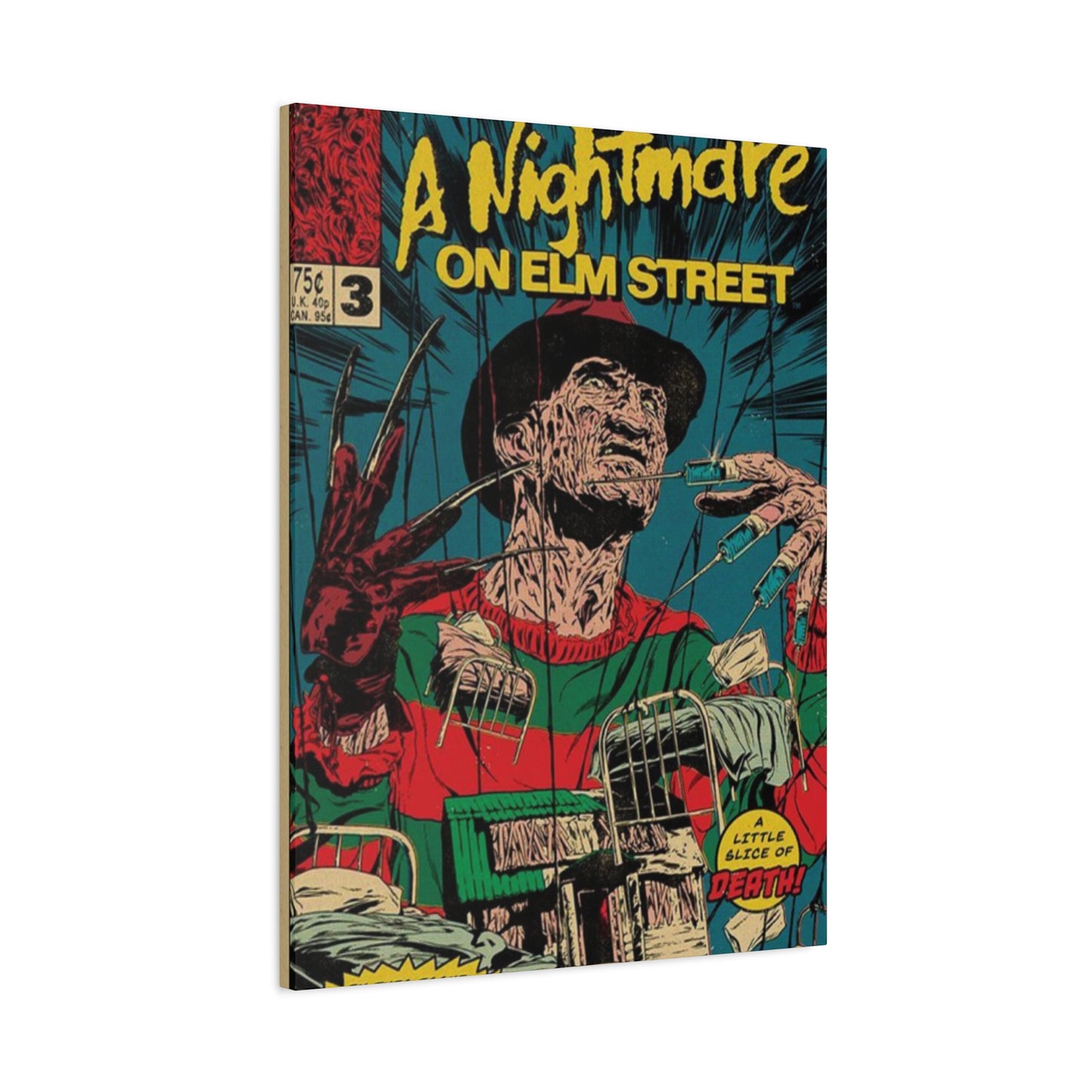
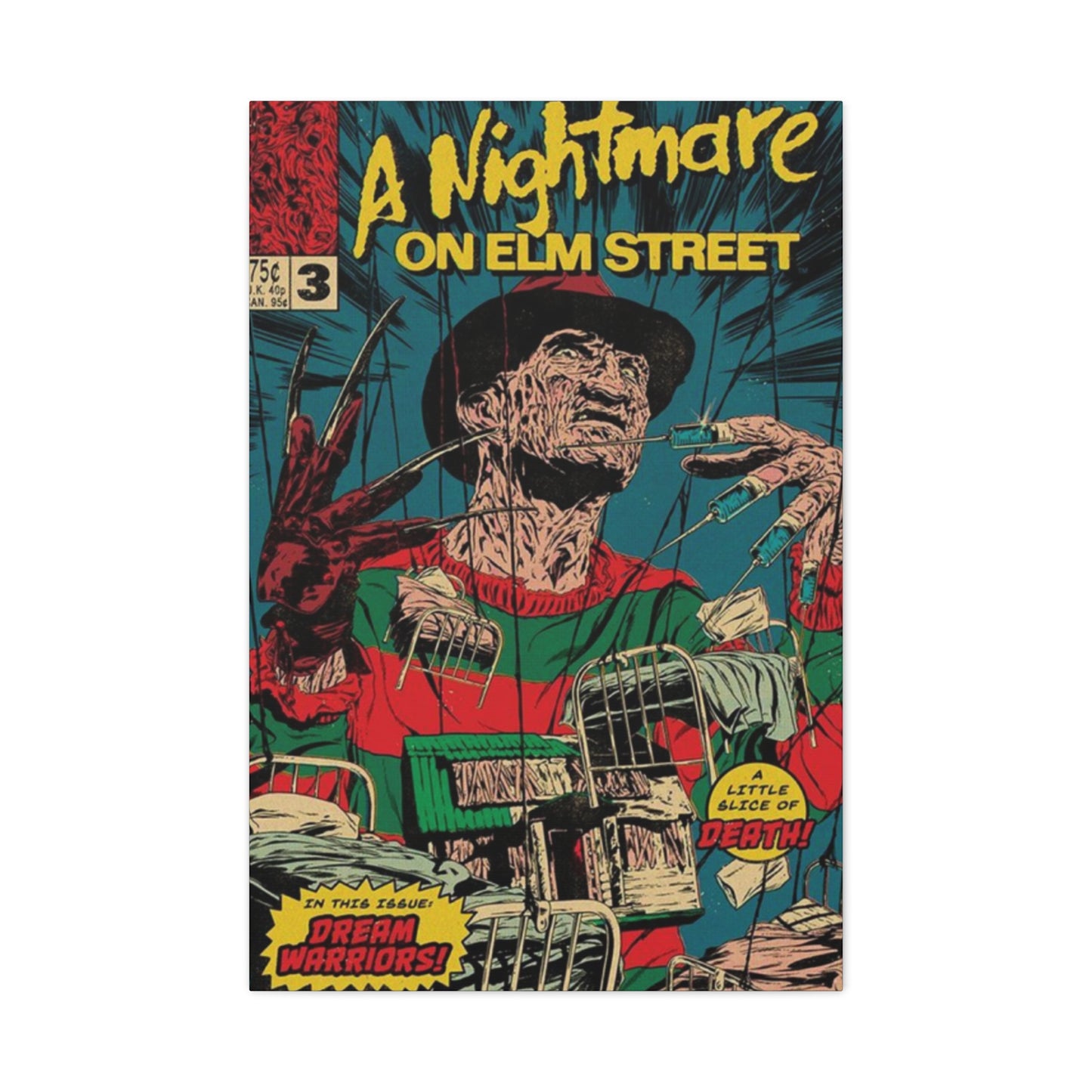
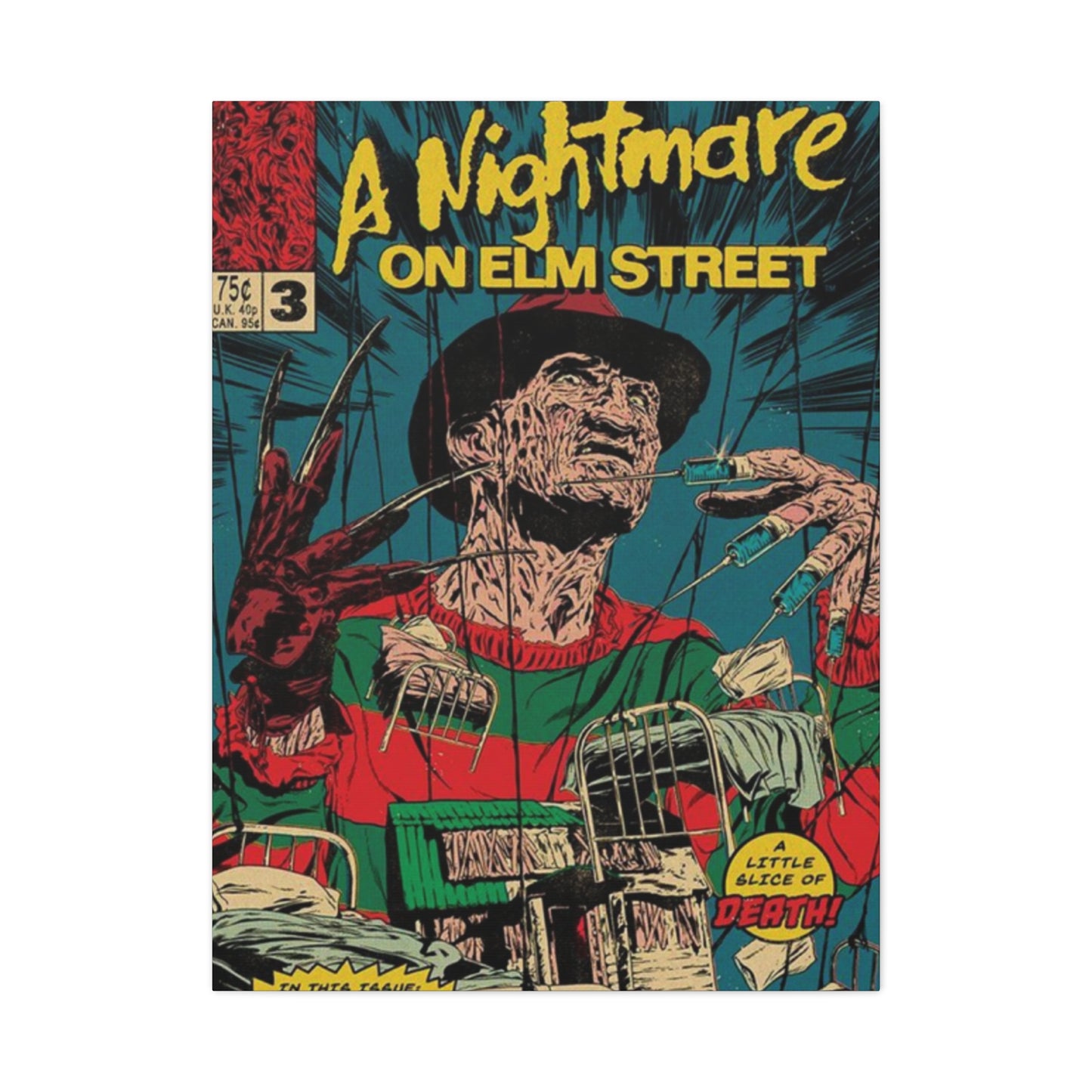
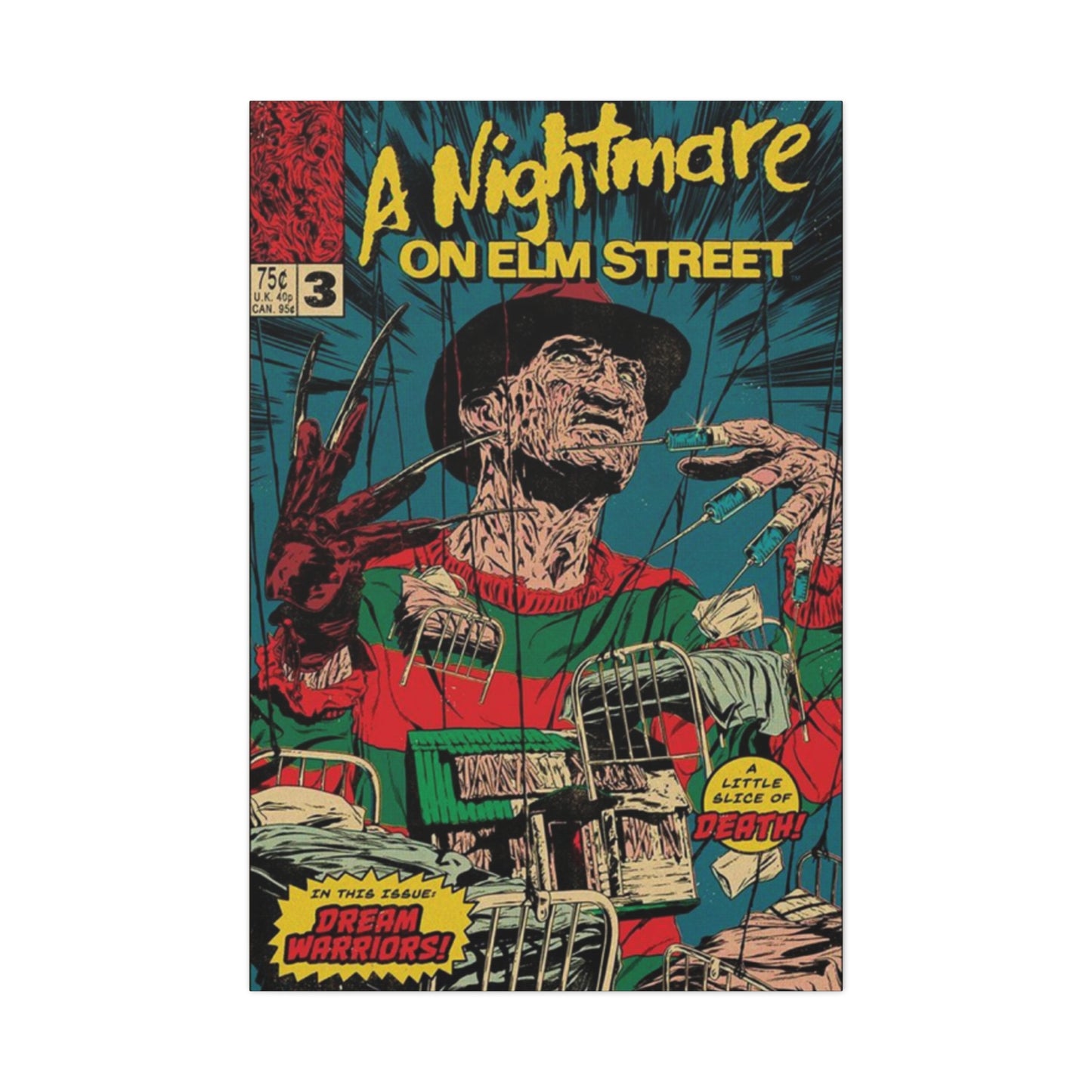
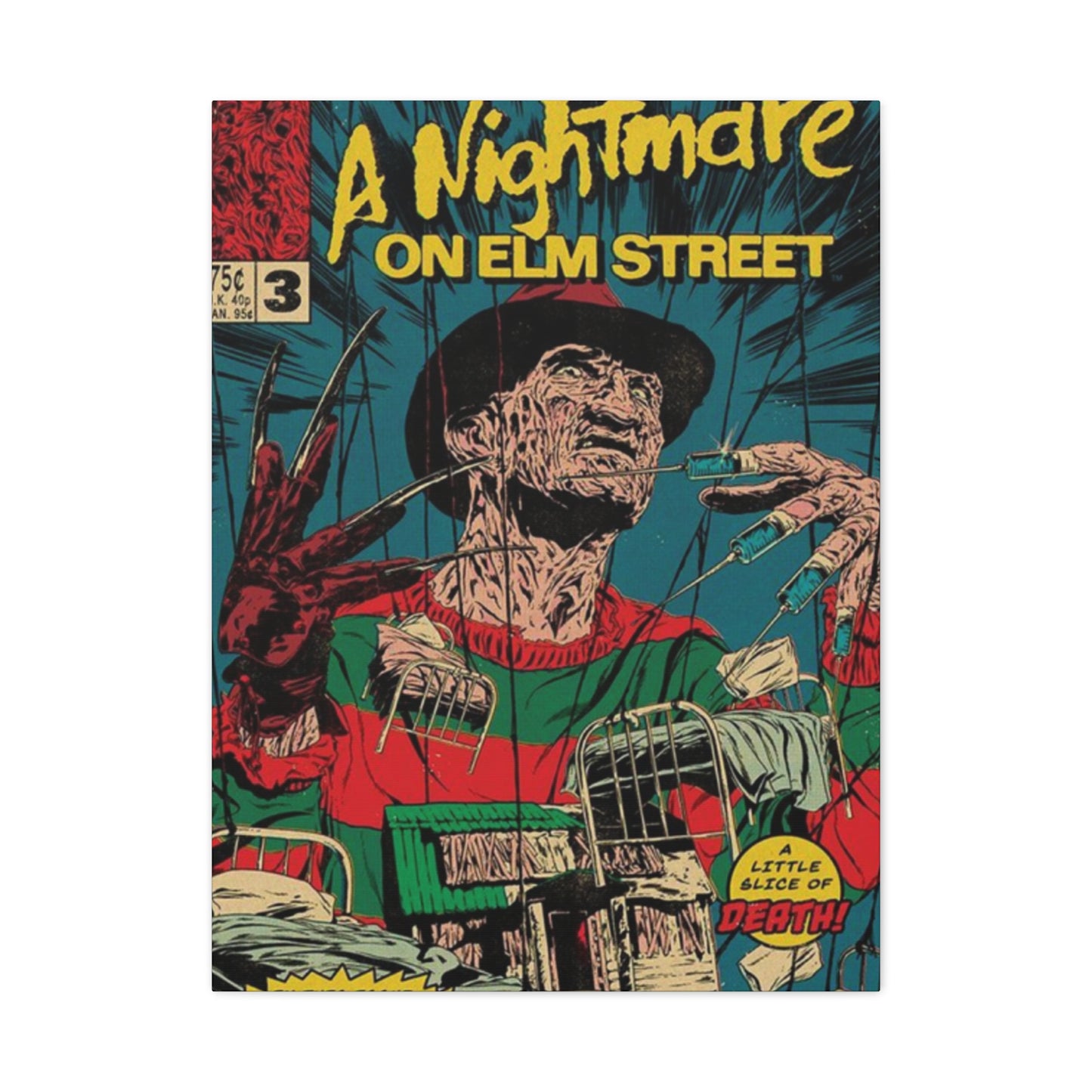
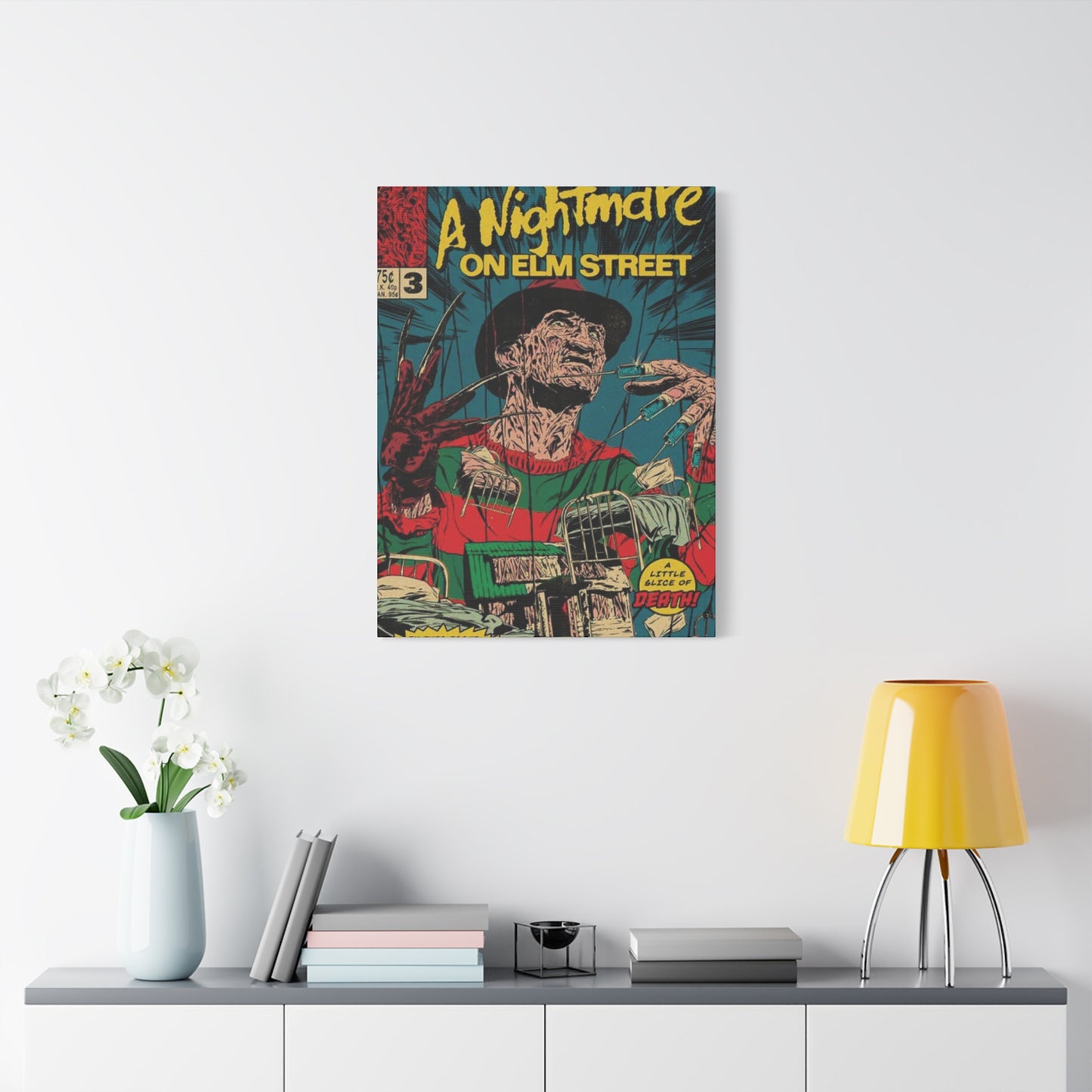

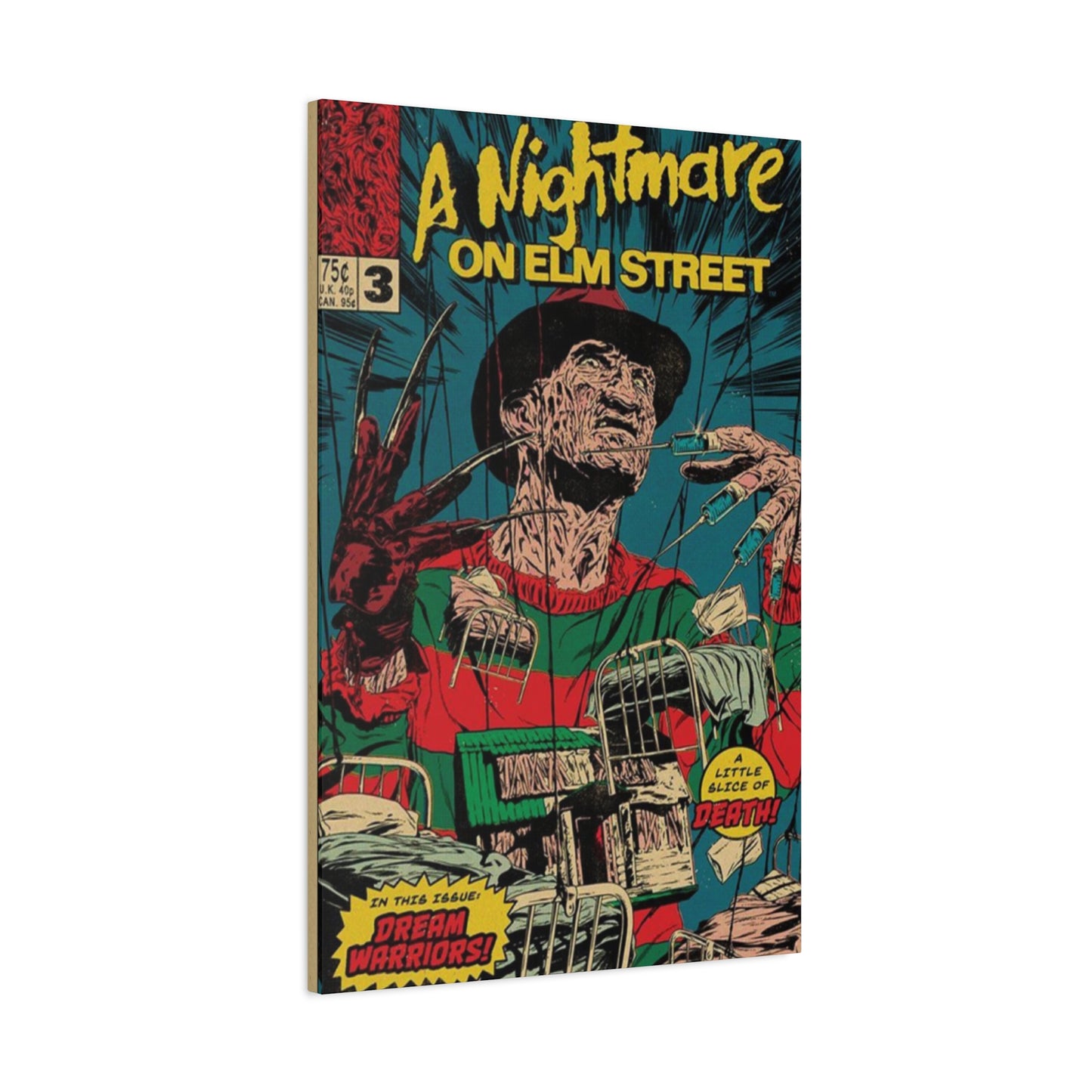
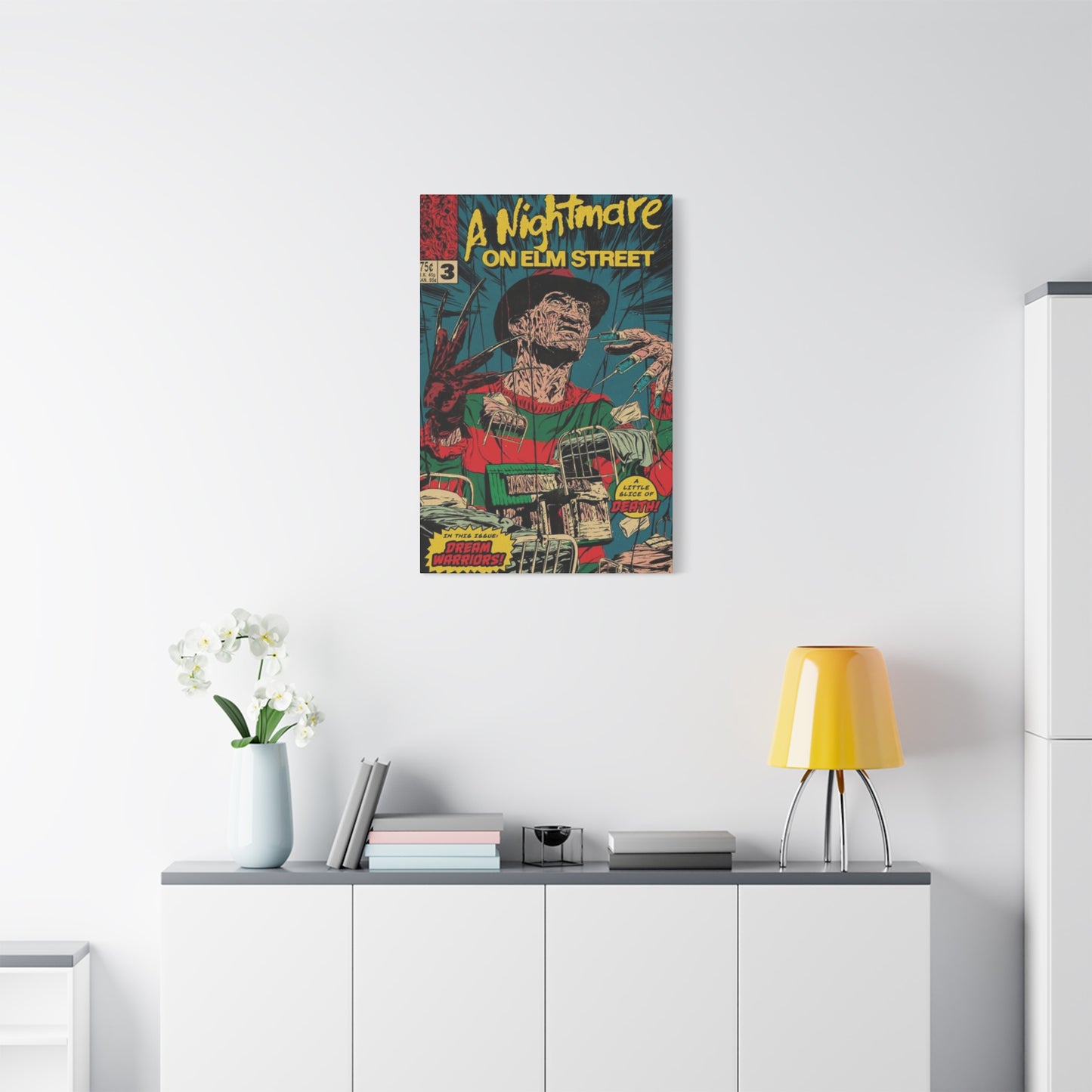
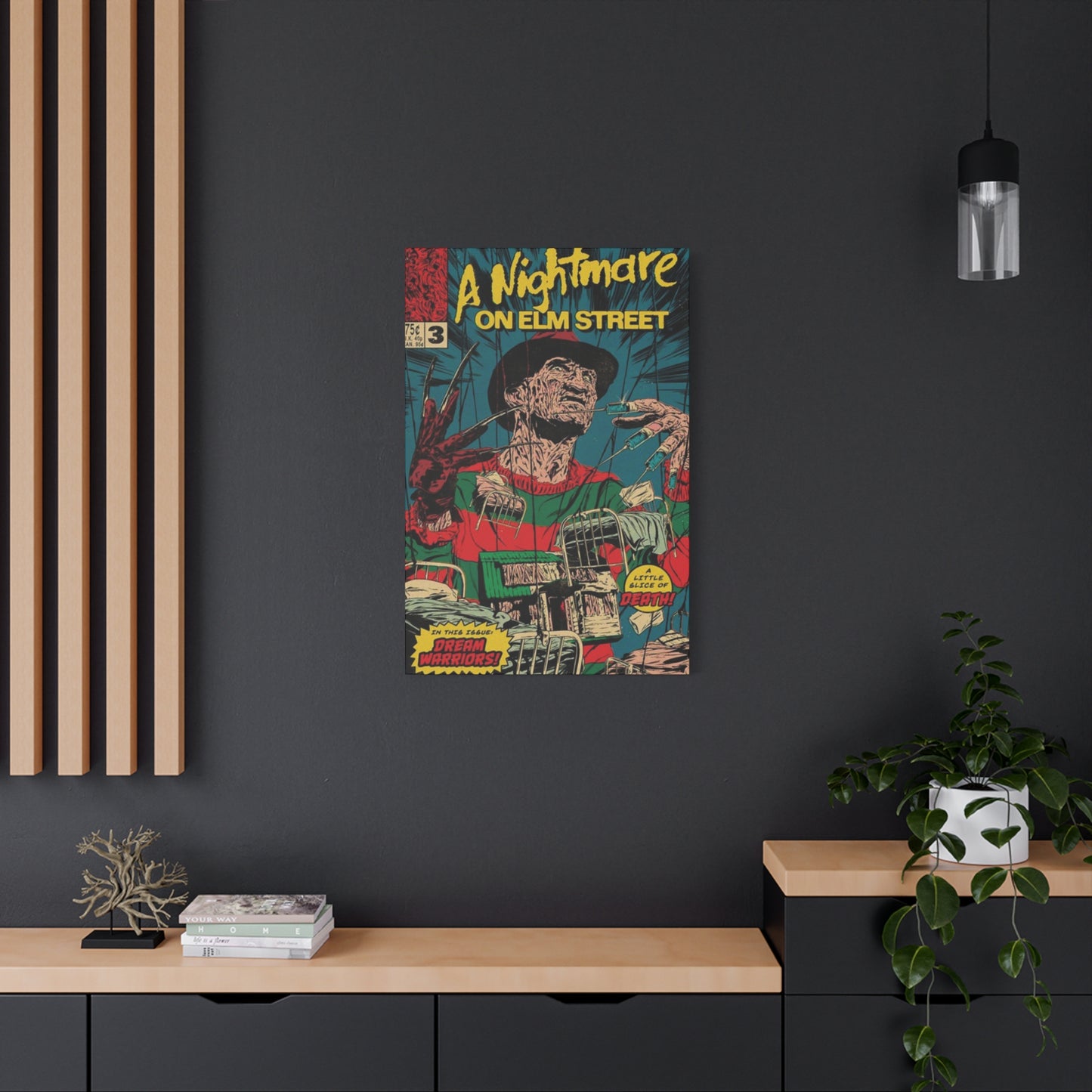
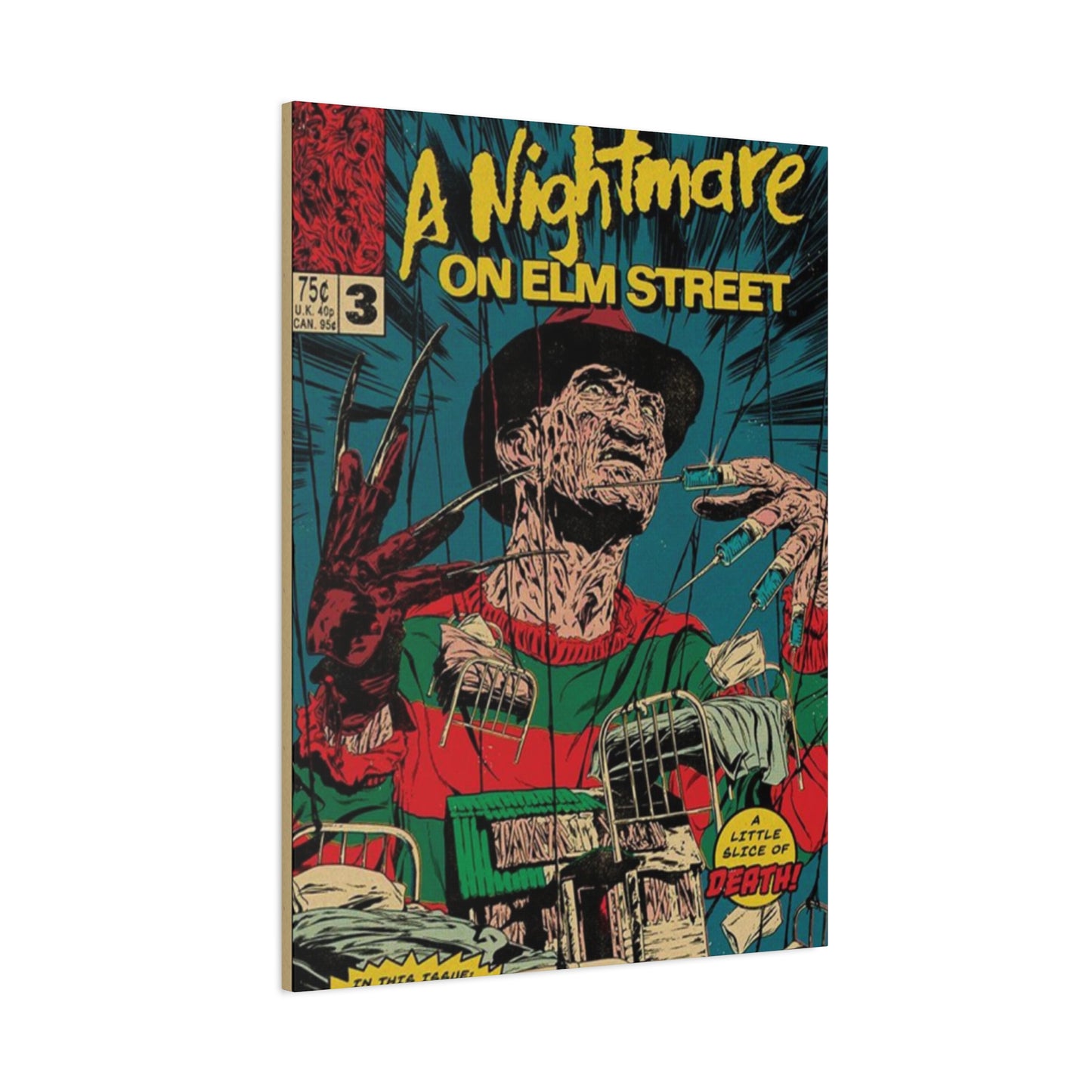
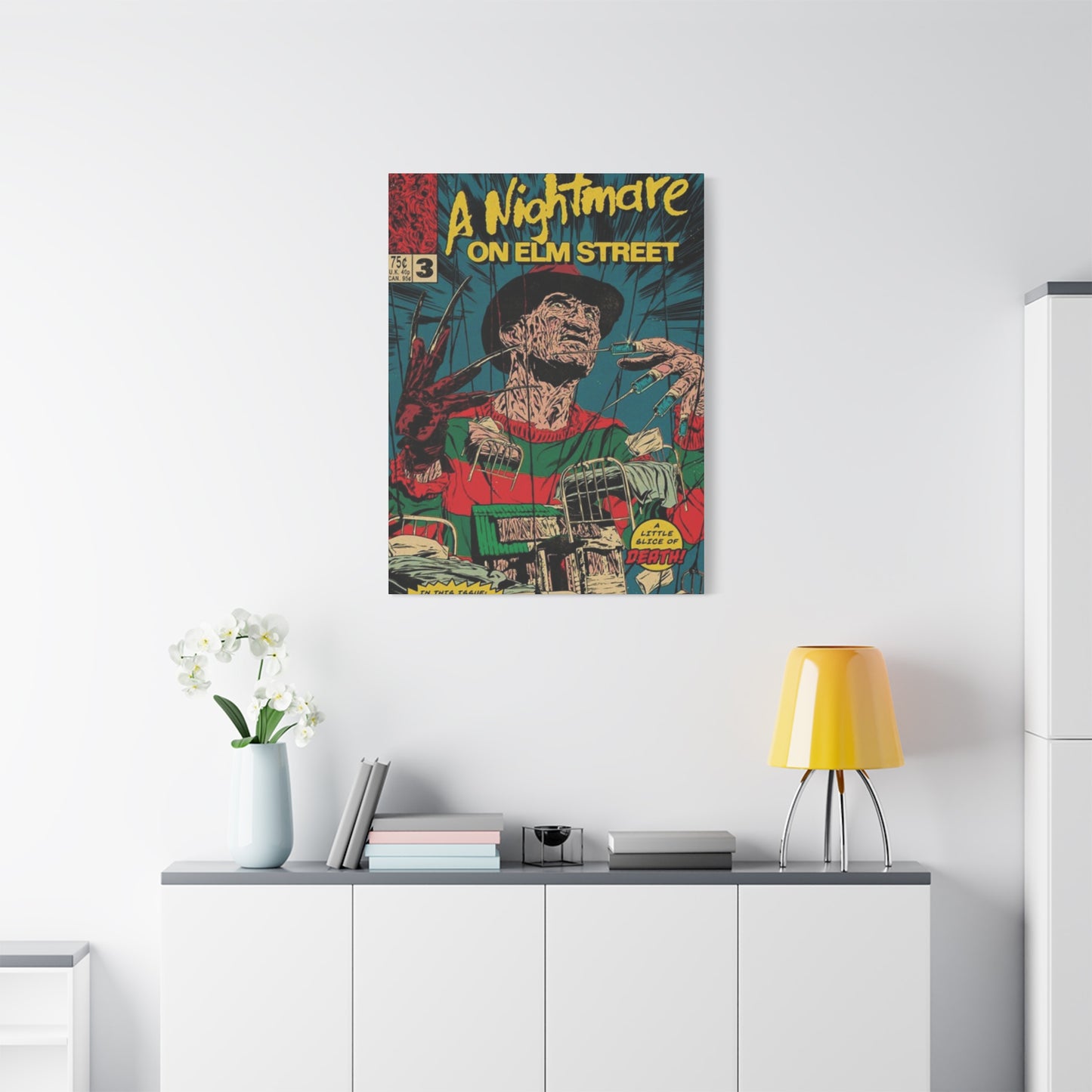
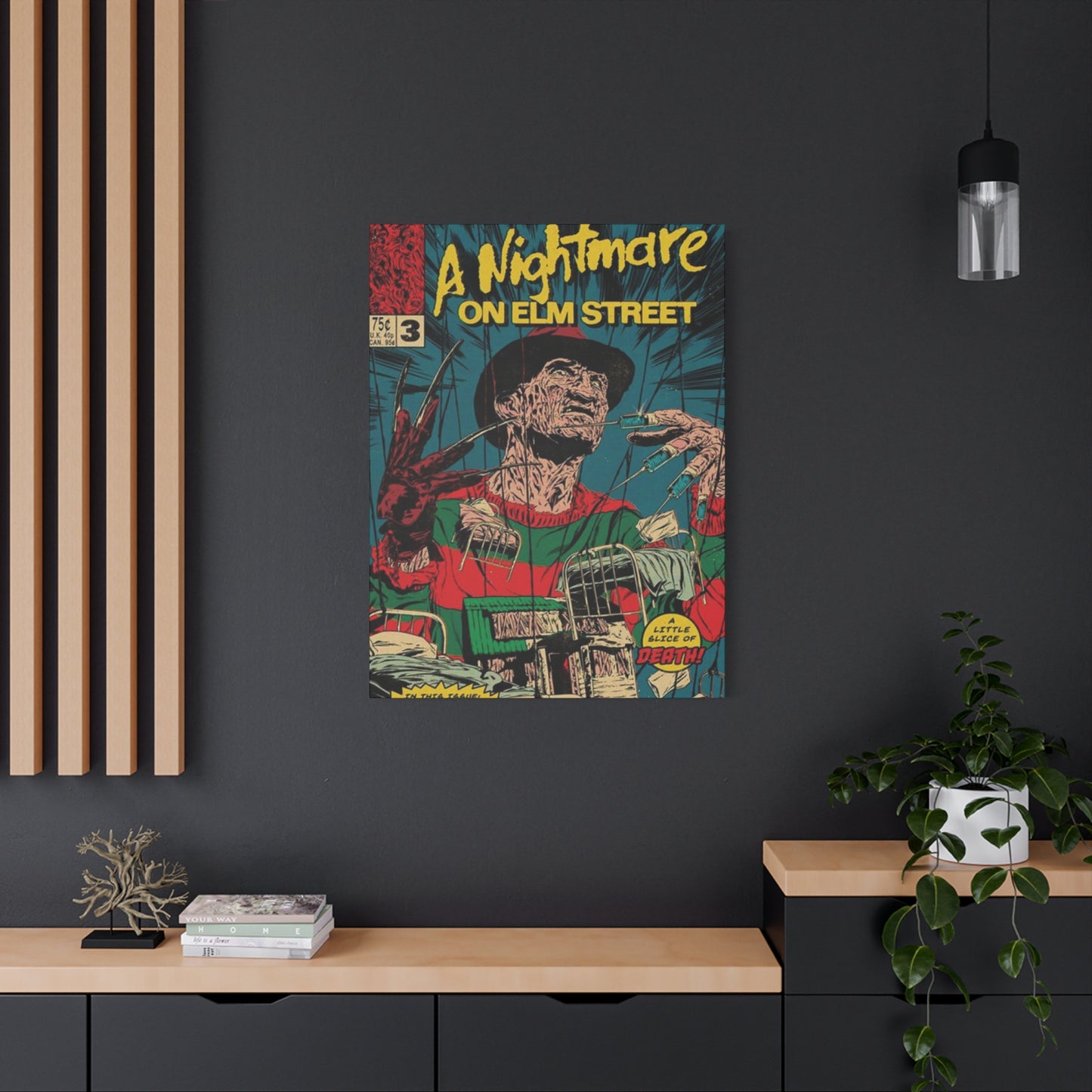
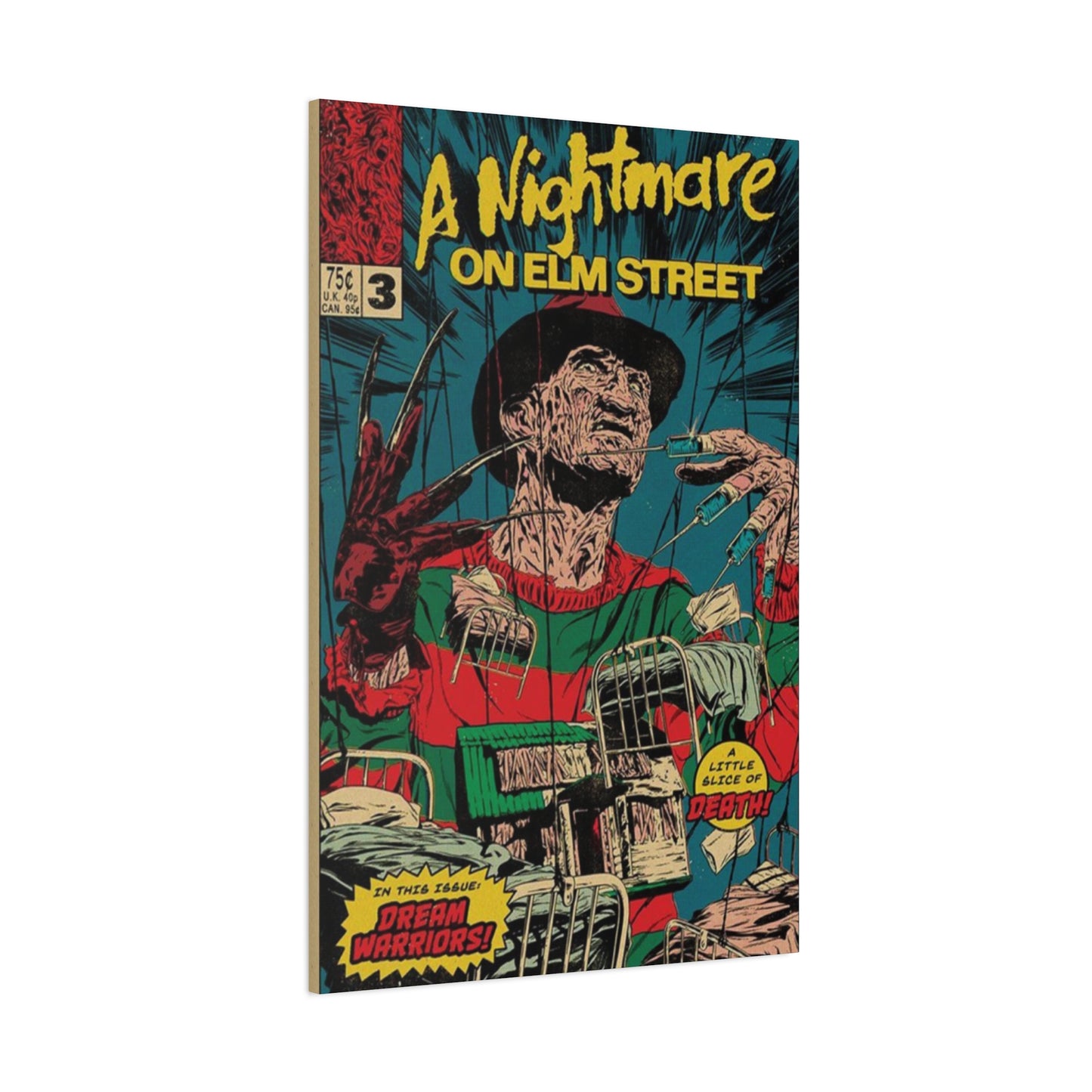
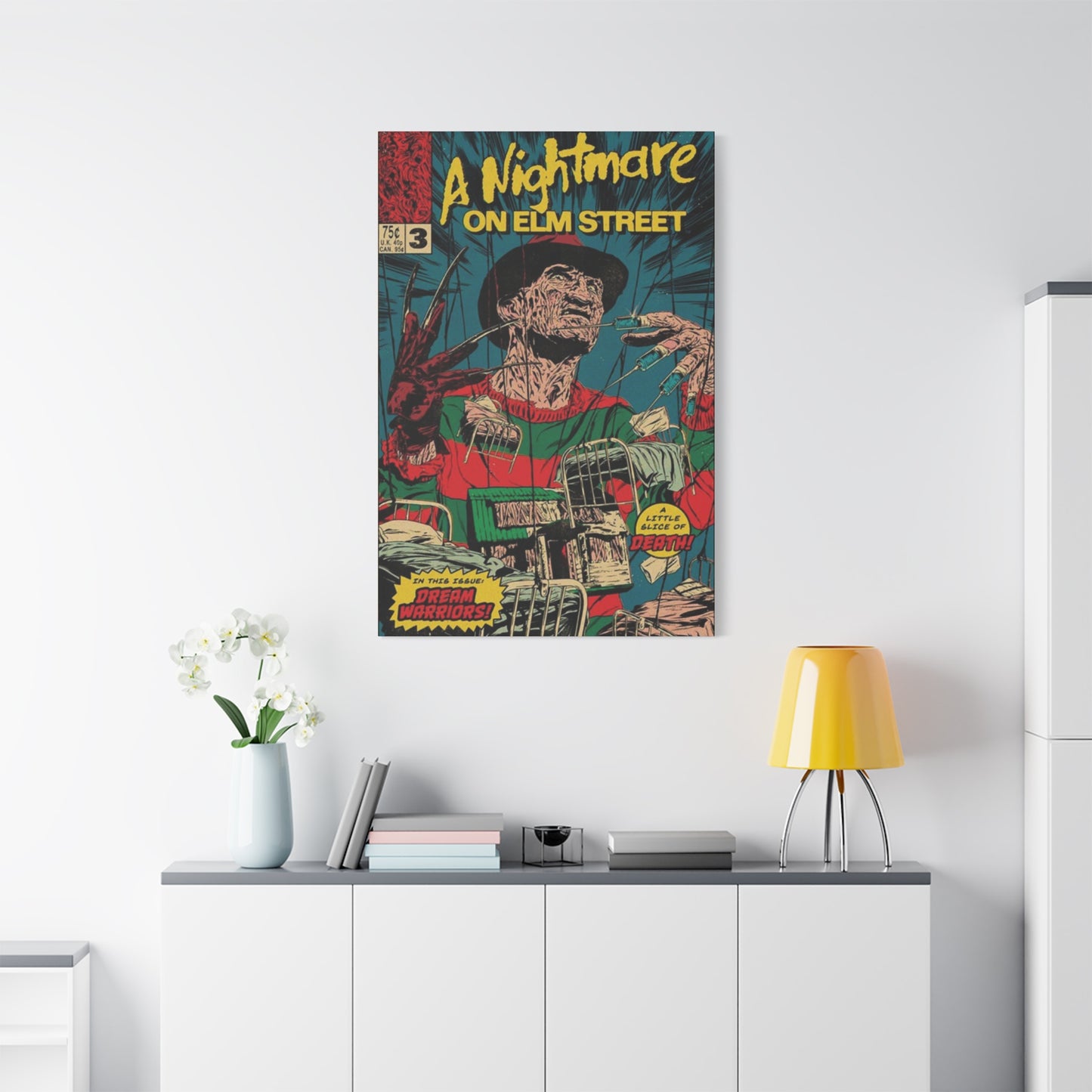
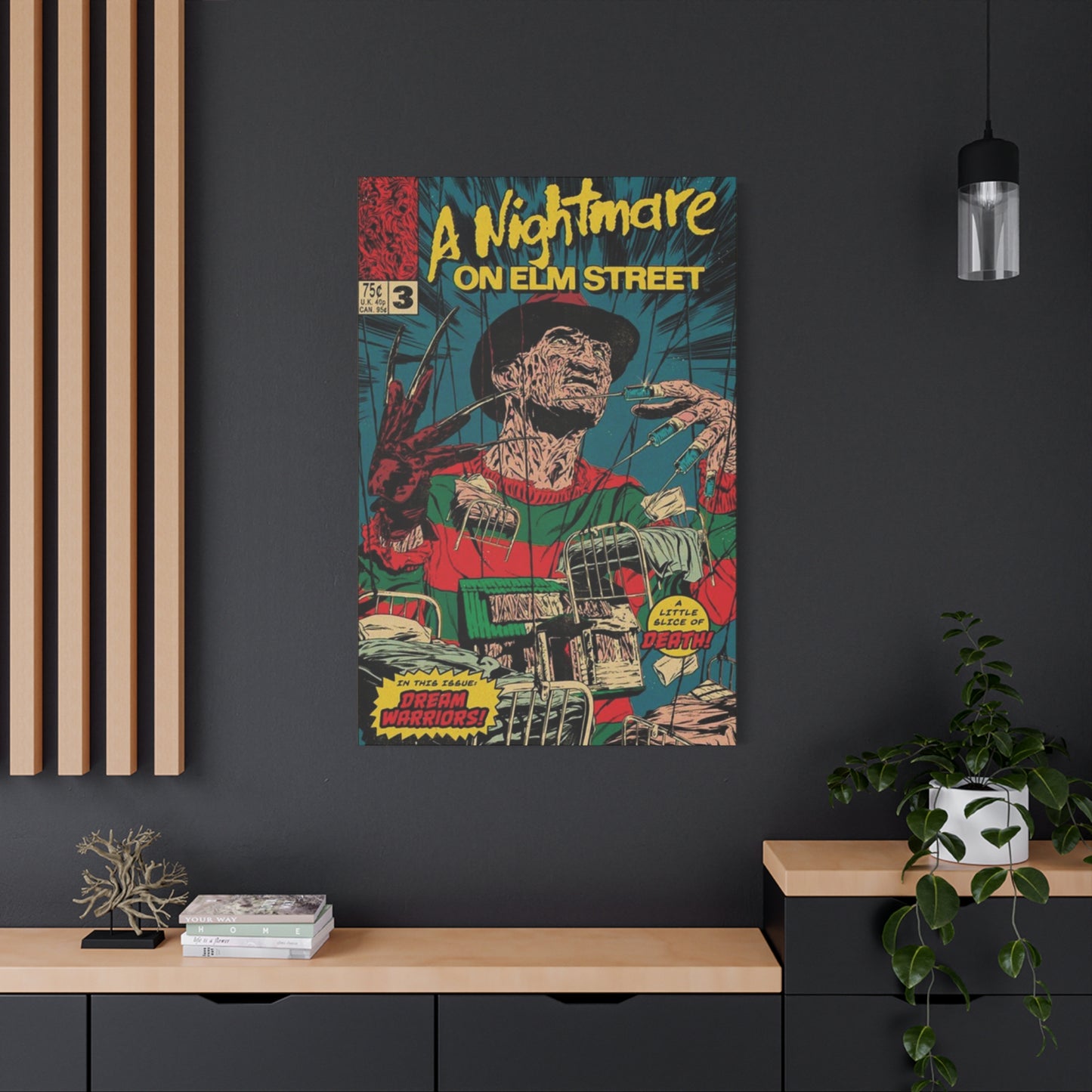
Nightmare on Elm Street Art: How Freddy Krueger Became a Pop Culture Icon
The realm of horror cinema has produced countless memorable antagonists, but few have achieved the legendary status of Freddy Krueger from the Elm Street franchise. This razor-gloved dream demon has transcended his cinematic origins to become a cultural phenomenon, inspiring countless artistic interpretations. Canvas prints featuring this infamous character have emerged as a compelling way for horror enthusiasts to celebrate their passion while adding distinctive visual elements to their living spaces. These artistic representations range from faithful recreations of classic movie scenes to imaginative reinterpretations that explore new dimensions of this terrifying figure.
Horror movie artwork has evolved significantly over the decades, moving from simple promotional materials to sophisticated artistic expressions that capture the essence of beloved films. Canvas prints dedicated to the Elm Street saga represent a convergence of popular culture, artistic expression, and interior design. They offer fans an opportunity to display their appreciation for the franchise while incorporating striking visual elements into their homes, offices, or personal collections. The appeal of these pieces extends beyond simple fandom, touching on deeper themes of fear, dreams, and the supernatural that have resonated with audiences for generations.
The Evolution of Horror Movie Artwork in Popular Culture
The relationship between horror cinema and visual art has deep roots that stretch back to the earliest days of film. From hand-painted theater lobby cards to elaborate promotional posters, horror films have always relied on compelling imagery to attract audiences and convey the terrifying experiences awaiting them. The Elm Street series, which debuted in the mid-1980s, arrived during a golden age of horror cinema when practical effects, imaginative storytelling, and memorable villains converged to create enduring classics.
During this era, movie posters and promotional artwork served as primary marketing tools, often becoming collectible items in their own right. Artists working in this field developed distinctive styles that communicated danger, suspense, and supernatural elements through carefully composed imagery. The iconic visage of Freddy Krueger, with his burned face, fedora, and striped sweater, became instantly recognizable, making him an ideal subject for artistic interpretation.
As home video emerged and gained popularity, horror fans began seeking ways to bring elements of their favorite films into their personal spaces. Posters remained popular, but they represented just the beginning of a broader cultural shift. Fans wanted more permanent, sophisticated ways to celebrate the films that had captivated their imaginations. This desire created a market for higher-quality reproductions and original artwork inspired by horror classics.
The transition from traditional posters to canvas prints marked a significant evolution in horror movie collectibles. Canvas offered several advantages over paper prints, including greater durability, a more substantial physical presence, and an artistic legitimacy that elevated these pieces beyond simple merchandise. The texture of canvas added depth to images, while the ability to stretch prints over frames created a gallery-quality presentation that commanded attention in any room.
Contemporary artists working with Elm Street imagery have access to digital tools and techniques that allow for unprecedented creativity and precision. They can manipulate existing film stills, create entirely original compositions, or blend photographic elements with painted details to produce hybrid works that honor the source material while pushing artistic boundaries. This technological advancement has democratized art creation, allowing talented individuals worldwide to contribute their unique visions to the expanding universe of horror-inspired artwork.
Character Analysis Through Artistic Representation
Freddy Krueger stands apart from other horror villains through his unique blend of menace and dark humor. Unlike silent stalkers or mindless killers, this dream demon possesses personality, wit, and a twisted sense of showmanship. Artists capturing his essence must balance multiple elements: the horrific burns covering his face, the menacing glint of his razor glove, the predatory posture, and the unsettling juxtaposition of his playful demeanor against his murderous nature.
Canvas artwork provides artists with an ideal medium to explore these complexities. The substantial surface area allows for detailed rendering of facial features, capturing the texture of burned skin, the intensity of his eyes, and the sardonic expressions that made the character so memorable. Many artists choose to focus on close-up portraits that emphasize these details, creating intimate yet unsettling encounters with the viewer.
The striped sweater has become as iconic as the character himself, its red and green pattern instantly recognizable to horror fans worldwide. Artists working with this element often play with color saturation, pattern distortion, and visual rhythm to create dynamic compositions. Some representations maintain the classic appearance, while others experiment with variations that suggest alternate realities or artistic interpretation.
The razor glove represents perhaps the most distinctive element of the character's visual identity. This weapon, both practical and theatrical, embodies the character's sadistic creativity. Canvas artists depicting the glove often emphasize its metallic shine, the sharpness of the blades, and the way light plays across its surface. The positioning of the hand itself can convey threat, invitation, or dark amusement, depending on the artist's intent.
Environmental elements surrounding the character in canvas prints often reference the dream world where he holds power. Surreal backgrounds featuring distorted architecture, impossible geometry, or nightmarish landscapes help establish the psychological horror at the franchise's core. These settings can range from abstract suggestions of dreamscapes to detailed recreations of memorable locations from the films.
Stylistic Approaches to Elm Street Canvas Art
Photorealistic representations attempt to capture the character exactly as he appeared on screen, often using high-resolution film stills as source material. These pieces appeal to purists who appreciate technical skill and faithful reproduction. The challenge in creating photorealistic horror art lies in maintaining detail while translating the dynamic medium of film into a static image. Artists must select the perfect moment, the ideal expression, the most compelling angle to freeze in time.
Pop art interpretations apply the bold colors, simplified forms, and repetitive patterns associated with this influential movement to horror imagery. By treating Freddy Krueger as a pop culture icon rather than simply a scary character, these works comment on his status in the broader cultural landscape. Bright colors replace dark shadows, graphic shapes replace subtle gradations, and the overall effect transforms terror into something simultaneously approachable and unsettling.
Abstract expressionist approaches abandon literal representation in favor of emotional and psychological impact. These pieces might use color, texture, and form to evoke the feeling of nightmares, the sensation of fear, or the psychological landscape of trauma without depicting the character directly. Swirls of red might suggest violence, jagged shapes could represent the razor glove, and distorted forms might evoke the instability of dreams.
Gothic and dark romanticism styles bring a classical sensibility to horror subjects. These works often incorporate dramatic lighting reminiscent of Caravaggio or Rembrandt, surrounding the character with deep shadows punctuated by strategic illumination. The overall mood becomes brooding and atmospheric, emphasizing the character's connection to darkness and the supernatural.
Minimalist interpretations strip away unnecessary detail to focus on essential elements. A silhouette of the fedora, a simplified rendering of the striped sweater, or an abstract representation of the razor glove might be all that appears on the canvas. These pieces rely on the viewer's familiarity with the character to complete the image mentally, creating a participatory experience that engages imagination.
Street art and graffiti-inspired pieces bring urban energy and contemporary edge to horror imagery. Bold lines, spray paint textures, stencil effects, and vibrant colors create dynamic compositions that feel fresh and current. These works often incorporate text elements, whether famous quotes from the films or original commentary, adding layers of meaning to the visual presentation.
The Psychology of Displaying Horror Art in Living Spaces
The decision to display horror-themed artwork in one's home reflects interesting aspects of personality and psychological relationship with fear. Unlike decorative pieces chosen primarily for aesthetic appeal, horror art makes a statement about the inhabitant's interests, values, and comfort with darker themes. This choice can serve multiple psychological functions, from identity expression to emotional processing.
For many enthusiasts, displaying canvas prints featuring Freddy Krueger or similar characters represents a form of mastery over fear. By bringing these frightening figures into familiar, controlled environments, collectors assert dominance over the emotions these characters once evoked. The terrifying villain becomes a conversation piece, an art object, something to be appreciated rather than feared. This transformation can be empowering, demonstrating personal growth and emotional resilience.
Horror art also serves as a badge of community membership. Displaying these pieces signals to visitors that the inhabitant belongs to a particular subculture with shared interests and values. This can facilitate connections with like-minded individuals and create opportunities for discussion about films, artistic interpretation, and the broader horror genre. The artwork becomes a social tool, helping to identify potential friends and creating common ground for conversation.
The aesthetic qualities of horror canvas prints should not be overlooked in favor of their thematic content. Many pieces feature sophisticated color palettes, compelling compositions, and technical excellence that would merit appreciation regardless of subject matter. The interplay of light and shadow in a well-executed Freddy Krueger portrait can be as visually engaging as any traditional portrait, while the surreal elements common in nightmare-inspired pieces echo the work of surrealist masters.
Psychologically, some individuals find comfort in controlled exposure to frightening imagery. The concept of benign masochism suggests that people can derive pleasure from experiences that produce negative emotions when those experiences occur in safe contexts. Displaying horror art provides ongoing, low-level engagement with fear in an environment where actual danger is absent, potentially satisfying this psychological need.
The placement of horror canvas prints within a home reveals additional layers of meaning. Displaying such pieces in public areas like living rooms or entryways makes a bold statement about personal identity and comfort with unconventional choices. Alternatively, restricting horror art to private spaces like bedrooms, home offices, or dedicated entertainment rooms suggests a more compartmentalized relationship with the genre, where personal interests remain separate from the public-facing aspects of home life.
Color Theory and Composition in Nightmare-Inspired Canvas Art
The color palette associated with the Elm Street franchise has become iconic, with red and green dominating the visual landscape. These complementary colors create maximum contrast, producing visual tension that keeps the eye engaged. Red carries associations with blood, danger, and passion, while green can evoke sickness, the supernatural, or decay. Together, they create an uncomfortable combination that perfectly suits the material.
Artists working with these colors must make careful decisions about saturation, value, and distribution. Highly saturated reds can appear aggressive and overwhelming, while desaturated tones might suggest aged blood or faded memories. Similarly, bright greens lean toward the supernatural or toxic, while darker shades evoke decomposition or shadow. The balance between these colors within a composition dramatically affects the overall mood and visual impact.
Beyond the signature red and green, many canvas prints incorporate additional colors to create depth and interest. Warm oranges and yellows might suggest fire or infernal environments, connecting to the character's burned appearance and association with heat. Cool blues and purples can represent the night, dreams, or psychological spaces, grounding the composition in the film's dream-based narrative.
Black serves crucial functions in horror art, creating depth, defining shapes, and establishing mood. Deep shadows can hide details, suggesting unseen threats and engaging the viewer's imagination. Strategic use of darkness also creates contrast that makes lighter elements more prominent, drawing attention to focal points like the character's face or the glint of metal blades.
Compositional choices guide the viewer's eye through the artwork and establish relationships between elements. Many Freddy Krueger canvas prints employ diagonal lines to create dynamic energy and visual movement. The angle of the razor glove reaching toward the viewer, the tilt of the fedora, or the positioning of the figure within the frame can all contribute to feelings of instability or aggressive forward motion.
Symmetry versus asymmetry represents another important compositional decision. Symmetrical compositions often feel formal, balanced, and stable, which can create ironic contrast when applied to horror subjects. Asymmetrical arrangements feel more dynamic and unpredictable, potentially enhancing the sense of danger or unease. Artists choose their approach based on the specific emotional impact they wish to achieve.
The rule of thirds, a fundamental principle in visual composition, suggests placing important elements along imaginary lines that divide the canvas into ninths. Many effective horror prints position the character's eyes, the razor glove, or other focal points at these intersection points, creating naturally pleasing compositions that feel balanced without being overly symmetrical.
Negative space plays a significant role in many successful horror canvases. Empty areas allow the eye to rest and create contrast with more detailed sections. In horror art, negative space can also suggest the unknown, the hidden, or the approach of unseen threats. A figure emerging from darkness gains menace from the empty space surrounding it.
Materials and Production Techniques for Horror Canvas Prints
The quality of canvas material significantly impacts the final appearance and longevity of art prints. Museum-grade cotton canvas offers superior archival properties, resisting yellowing and degradation over time. The natural texture of cotton canvas adds subtle depth to images, particularly benefiting pieces with painted or illustrated elements. Polyester canvas provides greater resistance to moisture and environmental factors, making it suitable for spaces where humidity might be a concern.
Canvas weight, measured in ounces per square yard, affects both durability and appearance. Heavier canvases feel more substantial and resist sagging over time, while lighter materials may be easier to work with for certain applications. Most quality art prints use canvas weighing between eight and twelve ounces, striking a balance between durability and workability.
The printing technology used to transfer images onto canvas has evolved dramatically in recent years. Giclée printing, utilizing archival inks and high-resolution digital files, produces museum-quality reproductions with exceptional color accuracy and detail. This process can reproduce subtle gradations, fine details, and a wide color gamut, making it ideal for both photographic and illustrated artwork.
Ink quality determines how well colors maintain their vibrancy over time. Pigment-based inks offer superior lightfastness compared to dye-based alternatives, resisting fading when exposed to light. For horror canvas prints that might be displayed in areas receiving natural light, archival pigment inks ensure the artwork maintains its impact for decades.
Stretching techniques affect how the finished canvas presents itself. Gallery wrap, where the image continues around the sides of the stretcher bars, creates a modern, frameless presentation. Museum wrap reserves the image for the front face only, leaving sides blank for traditional framing. Mirror wrap reflects edge portions of the image around the sides, ensuring no important content is lost to the folding process.
Coating options provide protection while altering surface characteristics. Matte coatings reduce glare and create a painterly appearance, while gloss coatings enhance color saturation and add depth. Satin finishes split the difference, offering some protection against glare while maintaining color vibrancy. Some artists apply specialized coatings that add texture, further enhancing the handcrafted appearance of the print.
Stretcher bar quality influences both durability and appearance. Solid wood bars resist warping better than composite materials, while kiln-dried lumber ensures dimensional stability. The depth of stretcher bars affects the artwork's profile on the wall, with deeper bars creating more dramatic shadows and a stronger three-dimensional presence.
Collecting and Curating Horror Movie Canvas Art
Building a collection of horror canvas prints requires thoughtful consideration of various factors beyond simple personal preference. Cohesion within a collection can emerge from consistent artistic style, shared color palettes, complementary subject matter, or unified framing choices. Some collectors focus narrowly on a single franchise or character, while others embrace broader themes across multiple horror properties.
Authentication and provenance matter when collecting art, even in the realm of popular culture-inspired pieces. Limited edition prints numbered and signed by artists carry greater value and collectibility than unlimited reproductions. Documentation of the artist's identity, the print run size, and the creation date contribute to a piece's long-term value and historical significance.
Condition assessment requires careful examination before purchase. Canvas should be taut without excessive sagging, corners should be properly secured, and the image should be free from printing defects, color inconsistencies, or physical damage. For older pieces, some wear may be acceptable and even desirable, but significant deterioration can affect both aesthetics and value.
Display considerations extend beyond simple wall mounting. Lighting dramatically affects how canvas art appears, with different sources producing varying color temperatures and intensities. Natural light offers the most accurate color rendering but carries risks of fading over time. LED track lighting provides flexibility and minimal heat emission, while picture lights mounted directly on frames create intimate illumination that emphasizes individual pieces.
Rotation strategies help preserve artwork while maintaining fresh perspectives in living spaces. By periodically changing which pieces are displayed, collectors protect their entire collection from prolonged light exposure while keeping their environment dynamic. This approach also allows for seasonal variations, thematic groupings, or simply the pleasure of rediscovering pieces after time in storage.
Storage requirements for canvas prints not currently displayed demand attention to environmental factors. Stable temperature and humidity levels prevent deterioration, while protection from dust, pests, and physical damage ensures pieces remain in excellent condition. Wrapping individual canvases in acid-free paper or breathable fabric provides protection without trapping moisture.
Insurance considerations become relevant for valuable collections. Documenting pieces through photographs, maintaining purchase records, and obtaining appraisals for significant works creates a paper trail that facilitates insurance claims if loss or damage occurs. Some collectors maintain detailed inventories that include artist information, purchase dates, values, and condition notes.
The Cultural Impact of Elm Street Franchise on Visual Arts
The influence of the Elm Street films extends far beyond the horror genre, permeating various aspects of visual culture. The character's distinctive appearance has inspired countless artists working in diverse media, from traditional painting and sculpture to digital art and street murals. This widespread artistic engagement speaks to the character's powerful visual identity and cultural resonance.
Fan art communities have flourished around the franchise, with artists at all skill levels creating and sharing their interpretations. Online platforms enable global communities to form around shared interests, facilitating the exchange of ideas, techniques, and inspiration. This democratization of art creation and distribution has produced an enormous volume of Elm Street-inspired work, ranging from amateur sketches to professional-quality pieces.
The character's appearance in contemporary art galleries and museum exhibitions demonstrates his elevation from pure entertainment to cultural artifact worthy of serious critical consideration. Exhibitions exploring horror cinema's artistic dimensions often feature prominent placement of Elm Street imagery, acknowledging the franchise's visual impact and enduring relevance.
Artistic movements and trends within horror art frequently reference or respond to the Elm Street aesthetic. The franchise's surrealist dream sequences influenced how subsequent horror films and artists approached visual representation of psychological spaces. The blend of practical effects, imaginative set design, and atmospheric lighting established visual language that continues to inform horror aesthetics.
Commercial applications of Elm Street imagery extend into fashion, merchandise design, and advertising, with the character's likeness appearing on everything from clothing to home goods. This commercial presence keeps the imagery circulating through culture, ensuring new generations encounter the character even if they have not seen the original films. Each commercial application represents a form of distributed art, carrying the visual language into everyday contexts.
The relationship between official licensed products and independent artistic interpretations creates interesting dynamics. Official merchandise typically adheres closely to established character designs and approved imagery, while independent artists enjoy greater creative freedom to reinterpret, reimagine, and experiment. This diversity of approaches enriches the overall body of Elm Street-inspired art.
Creating Cohesive Gallery Walls with Horror Theme Canvas Prints
Gallery walls allow collectors to display multiple pieces in carefully arranged compositions that create visual impact greater than individual artworks alone. Planning a successful gallery wall requires consideration of numerous factors, from the physical characteristics of available wall space to the thematic and visual relationships between selected pieces.
Layout planning typically begins with arranging pieces on the floor or using paper templates on the wall to experiment with different configurations. Symmetrical arrangements create formal, balanced presentations, while asymmetrical layouts feel more dynamic and contemporary. The largest or most visually striking piece often serves as an anchor, with smaller works arranged around it.
Spacing between pieces affects overall cohesion and individual emphasis. Closer spacing creates unified visual fields where individual pieces blend into a larger composition, while greater separation allows each work to maintain distinct identity. Most successful gallery walls maintain consistent spacing throughout, typically between two and six inches, depending on piece sizes and overall wall dimensions.
Frame consistency versus variety represents a key decision point. Matching frames create cohesion and emphasize the artwork itself, while varied framing can add visual interest and accommodate pieces acquired at different times or from different sources. For canvas prints, the choice between framed and unframed presentation affects the overall aesthetic significantly.
Color relationships between adjacent pieces influence visual flow and emotional impact. Complementary colors create vibrant contrast, analogous colors produce harmonious transitions, and monochromatic schemes emphasize form and composition over color. Many successful horror-themed gallery walls embrace darker palettes with strategic pops of color drawing attention to focal points.
Thematic progression can guide gallery wall organization, with pieces arranged to tell visual stories or explore related concepts. A collection of Elm Street canvas prints might progress from early franchise installments to later films, from specific character studies to broader scene recreations, or from realistic representations to abstract interpretations.
Vertical versus horizontal emphasis in overall arrangement affects how the gallery wall interacts with room architecture. Tall, vertical arrangements draw the eye upward, making rooms feel more spacious, while wide, horizontal spreads emphasize breadth and can make narrow spaces feel more expansive. Many successful installations combine both orientations for maximum visual interest.
The Role of Lighting in Presenting Horror Canvas Art
Proper lighting transforms how canvas art appears, revealing details, enhancing colors, and creating mood. The interplay between light and shadow becomes particularly important with horror subjects, where atmospheric lighting contributes significantly to emotional impact. Different lighting approaches produce dramatically different results with identical artwork.
Natural light offers the most accurate color rendering, with daylight providing a full spectrum that reveals true colors. However, natural light varies throughout the day and across seasons, causing artwork to appear different under different conditions. Extended exposure to direct sunlight also risks fading, making protective measures necessary for pieces displayed in naturally lit areas.
Incandescent bulbs produce warm light that can enhance reds and oranges while dulling blues and greens. This warmth can soften horror imagery, reducing harsh contrasts and creating a more inviting atmosphere. The heat generated by incandescent lighting may be concerning for long-term preservation, though proper distance between bulbs and canvas minimizes risks.
LED lighting has become increasingly popular for art display due to low heat emission, energy efficiency, and available color temperature options. Cool white LEDs provide crisp, clean illumination similar to daylight, while warm white options create more intimate ambiance. The directional nature of LED spotlights allows for precise control over which areas receive emphasis.
Track lighting systems offer exceptional flexibility, allowing adjustment of individual light positions and angles to accommodate different pieces or arrangements. This adaptability proves valuable for collectors who periodically rotate displayed works or rearrange gallery walls. The ability to highlight specific details or create dramatic shadows adds another dimension to presentation.
Picture lights mounted directly on frames provide focused illumination that creates intimate viewing experiences. These fixtures direct light specifically onto the artwork, minimizing spill into surrounding areas. This approach works particularly well for pieces displayed in darker rooms where creating pools of light enhances dramatic effect.
Ambient lighting in the broader room affects how canvas art appears within its context. Dimmer rooms make displayed pieces more prominent, allowing them to serve as focal points, while brightly lit spaces integrate artwork more seamlessly into the overall environment. Many collectors use layered lighting approaches, combining ambient, accent, and task lighting for maximum flexibility.
Preservation and Maintenance of Canvas Art Prints
Proper care ensures canvas prints maintain their appearance and structural integrity over time. Environmental factors pose the greatest threats, with light exposure, humidity fluctuations, and temperature variations all potentially causing damage. Understanding these risks allows collectors to implement protective measures that significantly extend artwork lifespan.
Light damage occurs gradually, with ultraviolet radiation breaking down pigments and causing colors to fade. This process affects all artwork exposed to light but proceeds more rapidly with direct sunlight or intense artificial illumination. Using UV-filtering glass in frames, applying UV-protective coatings to canvas, or simply displaying pieces away from windows helps mitigate this risk.
Humidity control prevents various problems, from mold growth in damp conditions to canvas contraction and cracking in excessively dry environments. Ideal relative humidity for canvas art falls between forty and fifty-five percent, though moderate variations outside this range typically cause no immediate harm. Avoiding placement near sources of moisture, such as bathrooms or exterior walls prone to condensation, provides additional protection.
Temperature stability prevents expansion and contraction cycles that can stress canvas and adhesives. While most indoor environments remain within acceptable ranges, avoiding placement near heat sources like radiators, fireplaces, or heating vents prevents exposure to extreme temperatures. Similarly, exterior walls in poorly insulated buildings may expose artwork to greater temperature fluctuations.
Dust accumulation dulls colors and can attract moisture, creating conditions favorable to mold growth. Regular gentle cleaning with soft, dry brushes or microfiber cloths removes surface dust without risking damage. For more stubborn dirt, slightly dampened cloths can be used sparingly, taking care to avoid saturating the canvas or disturbing the printed surface.
Physical protection from impacts, scratches, and punctures requires mindful placement and handling. Displaying pieces away from high-traffic areas reduces accidental contact risks, while proper installation using appropriate hardware prevents falls. When moving or transporting canvas prints, protecting corners and faces with padding prevents damage.
Professional restoration can address damage when prevention fails. Canvas tears, water damage, fading, and structural issues can often be remedied by conservators specializing in artwork restoration. However, prevention remains far more cost-effective than restoration, making proactive care the best strategy for maintaining collections.
Customization and Personalized Horror Canvas Art
Beyond purchasing existing designs, many services offer customization that allows collectors to create truly unique pieces. These options range from minor adjustments to existing artwork to completely original creations based on specific requests. Customization transforms canvas prints from mass-produced items into personalized art objects with special significance.
Size customization represents the most basic option, allowing artwork to be scaled to fit specific spaces or match existing collections. While simple in concept, size changes can significantly impact composition and visual impact. Larger scales reveal details that might be lost in smaller versions, while oversized prints create bold statements that dominate their spaces.
Color adjustments allow for palette modifications that better suit individual preferences or room color schemes. Converting color images to black and white, adjusting saturation levels, or shifting overall color temperature can dramatically alter mood and aesthetic. These changes enable better integration with existing decor while maintaining the essential character of the original design.
Composition modifications might include cropping images to different aspect ratios, removing or adding elements, or combining multiple source images into single compositions. These changes require artistic skill to maintain visual balance and coherence but can produce pieces perfectly suited to specific contexts or visions.
Text additions personalize artwork with names, dates, quotes, or original phrases. Typography choices, placement, and integration with existing imagery all affect how these additions impact overall design. Well-executed text additions feel intentional and cohesive rather than tacked-on afterthoughts.
Original commissioned artwork represents the ultimate customization, with artists creating pieces from scratch based on client specifications. This process typically involves consultation to establish vision, preliminary sketches for approval, and refinement through multiple rounds of feedback. The result is completely unique artwork that exists nowhere else.
Digital manipulation services allow collectors to provide their own images for transformation into canvas prints. This might include personal photographs manipulated to appear in specific artistic styles, digital artwork created by the collector themselves, or combinations of multiple source materials. This option democratizes art creation, allowing anyone to see their visions realized on canvas.
Aspects of Horror Canvas Art Market
The market for horror-themed canvas art spans wide price ranges, from affordable mass-produced prints to expensive limited editions and original works. Understanding factors that influence pricing helps collectors make informed decisions and build collections aligned with their budgets and values.
Reproduction prints typically represent the most affordable entry point, with prices reflecting production costs, retailer markup, and licensing fees if official merchandise. Advances in printing technology have made high-quality reproductions increasingly accessible, allowing more people to enjoy sophisticated artwork without significant financial investment.
Limited edition prints command premium prices based on scarcity, artist reputation, and collectibility. Edition sizes affect value, with smaller runs generally proving more valuable. Artist signatures and numbering add authenticity and increase worth. The relationship between edition size and price demonstrates basic supply and demand economics operating within art markets.
Original artwork prices vary enormously based on artist recognition, piece size, medium, complexity, and market demand. Emerging artists often price work more accessibly while building reputation and collector base, while established artists command higher prices reflecting proven track records and market confidence. Original pieces offer complete uniqueness impossible with reproductions.
Artist reputation and career trajectory significantly impact pricing. Artists with gallery representation, critical acclaim, or strong social media followings can charge more for their work than those less established. Collectors interested in investment potential research artists showing upward trajectory in recognition and market performance.
Market trends influence what types of horror art prove most desirable at given times. Anniversary celebrations of film releases, actor appearances at conventions, or renewed interest sparked by remakes or sequels can drive demand for related artwork. Savvy collectors track these trends to make timely acquisitions or capitalize on selling opportunities.
Condition dramatically affects value in the secondary market. Well-maintained pieces retain value better than those showing signs of deterioration, damage, or poor storage. Original packaging, documentation, and certificates of authenticity enhance value by providing provenance and confirming legitimacy.
Nostalgia and Contemporary Design in Horror Canvas Art
Many collectors of Elm Street canvas art experienced the films during formative years, creating powerful nostalgic associations. These emotional connections drive collecting behavior, with pieces serving as tangible links to personal history and remembered experiences. Displaying horror art becomes a way of honoring and maintaining connection with earlier versions of ourselves.
Nostalgia for the 1980s, when the franchise originated, permeates contemporary culture across multiple domains. Fashion, music, design, and entertainment all show influence from this decade, creating fertile ground for renewed interest in properties from that era. Canvas art featuring Freddy Krueger taps into this broader cultural nostalgia while offering specific connections for those who experienced the films when new.
Contemporary design sensibilities emphasize authenticity, personality, and individual expression in interior spaces. This shift away from cookie-cutter decorator approaches creates opportunities for distinctive pieces like horror canvas art to find acceptance in sophisticated home environments. What might once have seemed juvenile or inappropriate now reads as confident personal style.
The integration of popular culture elements into contemporary art reflects broader cultural shifts regarding what constitutes legitimate artistic subject matter. Where fine art once maintained strict boundaries separating it from mass entertainment, these distinctions have become increasingly porous. Horror films and their associated imagery now receive serious critical attention and artistic engagement.
Retro aesthetics in new artwork create interesting temporal blends, with contemporary artists deliberately evoking the look and feel of earlier decades. This might manifest through color choices reminiscent of vintage film prints, composition styles echoing classic poster art, or texture treatments suggesting aged materials. These choices create pieces that feel simultaneously old and new.
Ironic appreciation versus sincere fandom represents an interesting dynamic in horror art collecting. Some collectors embrace the material with knowing winks, appreciating camp elements and dated effects as sources of amusement. Others engage with deep sincerity, valuing the films as genuine artistic achievements deserving respect. Most collectors probably fall somewhere between these extremes, finding room for both perspectives.
Considerations for Installation and Display
Proper installation ensures canvas prints remain secure, level, and undamaged while maximizing their visual impact. The installation process begins with selecting appropriate hardware based on artwork weight, wall type, and desired hanging method. Using inadequate hardware risks falls that can damage both artwork and walls.
Wall material determines suitable mounting approaches. Drywall allows for various hanging options, from simple nails to more secure wall anchors or toggle bolts for heavier pieces. Plaster walls may require different hardware to prevent crumbling. Brick, concrete, or other masonry surfaces demand specialized anchors designed for those materials.
Weight distribution affects hardware selection and placement. Larger canvas prints can be surprisingly heavy, particularly when mounted on substantial stretcher bars. Using two hanging points rather than one distributes weight more evenly and helps prevent tilting. Wire hanging systems attached to both sides of stretcher bars provide balanced support.
Height placement significantly impacts how artwork integrates into spaces. The common recommendation of hanging pieces so their centers sit at eye level works well for most contexts, though specific situations may call for different approaches. In rooms where people primarily sit, lower placement may be appropriate. Above furniture, adequate clearance prevents visual cramping while maintaining relationship between elements.
Grouping arrangements for multiple pieces require careful planning to create cohesive presentations. Creating paper templates matching actual artwork dimensions allows experimentation with layouts before committing to wall holes. Many installers arrange entire groupings on the floor first, photographing successful arrangements for reference during installation.
Leveling ensures professional appearance and prevents pieces from gradually shifting over time. Spirit levels or laser levels provide accuracy beyond what eye alone can achieve. Taking time during installation to ensure perfect alignment pays dividends in final presentation quality.
Electrical considerations arise when incorporating lighting into displays. Running power to picture lights or track lighting systems may require professional electrician services, particularly if working with older homes or creating permanent installations. Battery-operated lighting options provide alternatives that avoid electrical work while still offering illumination benefits.
Appeal of Dream and Nightmare Imagery
The visual language of dreams and nightmares provides rich territory for artistic exploration. Surreal imagery, impossible spaces, and distorted proportions convey the logic-defying nature of dreams, creating visual experiences that resonate on psychological levels. Canvas art depicting nightmare scenarios taps into universal human experiences of fear, anxiety, and loss of control.
Dream imagery allows artists to transcend realistic constraints, creating compositions that would be impossible in waking reality. Floating objects, melting environments, unexpected juxtapositions, and morphing forms all find acceptance within dream contexts. This freedom enables artistic experimentation and visual boldness that might seem arbitrary in realistic works.
Archetypal nightmare elements appear consistently across cultures and individuals: falling, being chased, losing teeth, appearing naked in public, discovering unknown rooms in familiar places. These shared dream experiences create common reference points that artists can invoke to trigger recognition and emotional response. Artwork incorporating these elements speaks to deep psychological patterns.
Color symbolism in dreams often differs from waking associations, with personal and cultural factors creating unique meaning for individuals. Artists working with dream-inspired imagery may deliberately play with expected color relationships, using unusual combinations to evoke the disorienting quality of dreams. The red and green signature palette of the Elm Street films functions as dream logic color, creating visual unease.
Spatial distortion represents another common feature of dream representation in visual art. Perspectives that would be impossible in reality, rooms larger or smaller than their contents should allow, corridors that extend infinitely, or spaces that somehow exist in multiple locations simultaneously all capture the malleable geometry of dreams.
The presence of a dream demon antagonist in canvas art adds narrative dimension to abstract nightmare imagery. The character becomes a personification of fear itself, a concrete representation of the formless anxieties that haunt sleep. Having a specific figure to focus on provides psychological relief compared to unnamed, shapeless dread.
Context of Horror Icon Merchandising
The commercialization of horror movie characters traces back to the earliest days of cinema, with theater owners quickly recognizing the marketing potential of monster imagery. From Universal's classic monsters of the 1930s through the creature features of the 1950s, memorable villains have been leveraged to sell tickets and merchandise.
The 1980s represented a watershed moment in horror merchandising, with multiple factors converging to create unprecedented commercial opportunities. Home video allowed repeated viewings and deeper fan engagement. The rise of shopping malls provided retail channels for specialized merchandise. Changes in cultural attitudes made horror more socially acceptable. These factors combined to transform horror villains into mainstream marketing properties.
The Elm Street franchise emerged during this optimal window, with the character's distinctive visual identity proving ideally suited for merchandising. Unlike masked killers whose faces remained hidden, Freddy Krueger's scarred visage and expressive features created immediate recognition and allowed for diverse artistic interpretations. The character's personality and dark humor also made him somewhat less threatening than pure evil antagonists, broadening appeal.
Licensed merchandise programs associated with the franchise have included virtually every conceivable product category, from action figures and costumes to home goods and clothing. This saturation reflects both the character's popularity and the entertainment industry's growing sophistication in exploiting intellectual properties across multiple revenue streams.
The evolution from simple merchandise to legitimate art objects represents a significant cultural shift. Early horror merchandise often felt cheap and juvenile, aimed primarily at children and teenagers. Contemporary canvas art targeting adult collectors demonstrates maturation in both market and product sophistication, with quality and artistic merit justifying higher price points.
Conclusion
In conclusion, Nightmare on Elm Street art has played a pivotal role in solidifying Freddy Krueger as one of horror’s most enduring and iconic characters. From his chilling appearance in the 1984 film A Nightmare on Elm Street to his continued presence in pop culture, Freddy has transcended his origins as a villain to become a symbol of fear, dark humor, and cultural significance. Through various forms of art, including posters, sculptures, and digital works, Freddy’s image continues to captivate and inspire both horror enthusiasts and collectors alike, cementing his place in the annals of cinematic history.
Freddy Krueger’s distinct look—his burned, disfigured face, striped sweater, and infamous glove—has become synonymous with nightmares themselves. These visual elements are immediately recognizable, allowing artists to create reimagined versions of Freddy that explore different facets of his character, from menacing to surreal. His terrifying persona, combined with his unique blend of horror and dark wit, has made him a compelling subject for artistic reinterpretation. Whether in minimalist graphic design, detailed fan art, or pop art renditions, Freddy’s image remains as relevant and impactful as ever, constantly being redefined and reshaped by the next generation of creators.
The evolution of Freddy Krueger from a slasher villain to a pop culture icon can be seen through the lens of art. Early movie posters and promotional material often depicted Freddy in stark, unsettling imagery, emphasizing his nightmarish qualities. As the franchise grew, however, artists began to experiment with more playful and abstract representations of the character, capturing Freddy’s sarcastic humor and twisted charm. The juxtaposition of horror and humor is a key element in Freddy’s cultural appeal, and it’s something that continues to be explored and expanded in artwork today.
Art has also played a crucial role in Freddy’s legacy, as it allows fans to engage with the character in personal and creative ways. For collectors, owning a piece of Freddy Krueger-themed art is not just about appreciating the visual style; it’s about connecting with the world of Nightmare on Elm Street and the cultural moment it represents. These works capture not only the terror and thrill of the original films but also the sense of nostalgia and reverence that horror fans have for Freddy’s place in cinema history.
Ultimately, Nightmare on Elm Street art does more than immortalize Freddy Krueger—it encapsulates the essence of horror cinema’s lasting impact on popular culture. Freddy’s legacy, both as a character and as a cultural icon, continues to be explored and celebrated through art in ways that both honor and redefine his dark legacy. From limited-edition prints to fan-made tributes, Freddy Krueger’s image lives on, cementing his place as a symbol of both fear and fascination, and ensuring that his place in pop culture history remains as vivid as ever.


